User login
Systemwide Disparities Seen in Diagnosis, Care of Women With Heart Disease
MELBOURNE – Women with heart disease are frequently underdiagnosed, undertreated, and underrepresented in clinical trials, and experience poorer outcomes both from inpatient and outpatient care.
Furthermore, while women have a tremendous amount of cardiovascular risk, they themselves are failing to recognize that heart disease is their No. 1 killer, Dr. Joanne M. Foody of Harvard Medical School, Boston, said at the World Congress of Cardiology 2014.
"The challenge is to ensure that women understand their risk, that the health care provider taking care of them understand their risk, and only by doing that can we really then impact their risk factors and treat them appropriately," said Dr. Foody, also director of the Pollin Cardiovascular Wellness Center at Brigham and Women’s Hospital, Boston.
Heart disease often presents differently in women than in men, with symptoms such as fatigue and breathlessness, which many women themselves would likely dismiss as just being part of a busy life.
While men tend to develop more focal plaques and narrowing of the arteries, women have smaller coronary arteries, even after body size is adjusted for, and therefore often have a more diffuse distribution of atherosclerosis.
"Women tend not to get that acute heart attack; they tend to have symptoms more related to small vessel disease which can lead to heart failure–like symptoms," she said.
Dr. Foody said that while the same cardiovascular risk factors apply to women and men, hormonal changes with menopause have a significant impact that is frequently underestimated by women and health care providers.
"Women undergo significant changes in their cholesterol levels, their blood pressure, and even their insulin resistance as they go through perimenopause and menopause, so it puts women at a unique transition point," Dr. Foody said. "Unfortunately, in women who were completely healthy and had no risk factors, that can change dramatically within the course of a couple of years."
Dr. Foody said that given the differences in presentation and treatment of heart disease in women, it is hardly surprising that women are more likely to die in the hospital, are more likely to experience reinfarction, and have a higher risk of heart failure, stroke, bleeding, and transfusion.
Women are also less likely to have an ECG performed within 10 minutes of hospital presentation, less likely to receive care from a cardiologist, and less likely to undergo diagnostic catheterization and revascularization procedures.
"These differences in care and in treatment can easily explain at least part of the disparities we see in outcomes for women," Dr. Foody said at the conference, which was sponsored by the World Heart Federation.
However, women themselves are also often more wary or skeptical of medication, Dr. Foody said, with evidence suggesting that married men are the most adherent to medication while married women are the least adherent.
Recent initiatives such as the global Go Red for Women and U.S.-based Screen Us campaigns were both aimed at raising awareness of heart disease among women and health care providers, but Dr. Foody said a system-level approach is required.
"That has to be coupled though with comparable programs that help inform health care providers, that help really put funding into appropriate screenings as well as appropriate research."
Dr. Foody said she had no relevant financial disclosures.
MELBOURNE – Women with heart disease are frequently underdiagnosed, undertreated, and underrepresented in clinical trials, and experience poorer outcomes both from inpatient and outpatient care.
Furthermore, while women have a tremendous amount of cardiovascular risk, they themselves are failing to recognize that heart disease is their No. 1 killer, Dr. Joanne M. Foody of Harvard Medical School, Boston, said at the World Congress of Cardiology 2014.
"The challenge is to ensure that women understand their risk, that the health care provider taking care of them understand their risk, and only by doing that can we really then impact their risk factors and treat them appropriately," said Dr. Foody, also director of the Pollin Cardiovascular Wellness Center at Brigham and Women’s Hospital, Boston.
Heart disease often presents differently in women than in men, with symptoms such as fatigue and breathlessness, which many women themselves would likely dismiss as just being part of a busy life.
While men tend to develop more focal plaques and narrowing of the arteries, women have smaller coronary arteries, even after body size is adjusted for, and therefore often have a more diffuse distribution of atherosclerosis.
"Women tend not to get that acute heart attack; they tend to have symptoms more related to small vessel disease which can lead to heart failure–like symptoms," she said.
Dr. Foody said that while the same cardiovascular risk factors apply to women and men, hormonal changes with menopause have a significant impact that is frequently underestimated by women and health care providers.
"Women undergo significant changes in their cholesterol levels, their blood pressure, and even their insulin resistance as they go through perimenopause and menopause, so it puts women at a unique transition point," Dr. Foody said. "Unfortunately, in women who were completely healthy and had no risk factors, that can change dramatically within the course of a couple of years."
Dr. Foody said that given the differences in presentation and treatment of heart disease in women, it is hardly surprising that women are more likely to die in the hospital, are more likely to experience reinfarction, and have a higher risk of heart failure, stroke, bleeding, and transfusion.
Women are also less likely to have an ECG performed within 10 minutes of hospital presentation, less likely to receive care from a cardiologist, and less likely to undergo diagnostic catheterization and revascularization procedures.
"These differences in care and in treatment can easily explain at least part of the disparities we see in outcomes for women," Dr. Foody said at the conference, which was sponsored by the World Heart Federation.
However, women themselves are also often more wary or skeptical of medication, Dr. Foody said, with evidence suggesting that married men are the most adherent to medication while married women are the least adherent.
Recent initiatives such as the global Go Red for Women and U.S.-based Screen Us campaigns were both aimed at raising awareness of heart disease among women and health care providers, but Dr. Foody said a system-level approach is required.
"That has to be coupled though with comparable programs that help inform health care providers, that help really put funding into appropriate screenings as well as appropriate research."
Dr. Foody said she had no relevant financial disclosures.
MELBOURNE – Women with heart disease are frequently underdiagnosed, undertreated, and underrepresented in clinical trials, and experience poorer outcomes both from inpatient and outpatient care.
Furthermore, while women have a tremendous amount of cardiovascular risk, they themselves are failing to recognize that heart disease is their No. 1 killer, Dr. Joanne M. Foody of Harvard Medical School, Boston, said at the World Congress of Cardiology 2014.
"The challenge is to ensure that women understand their risk, that the health care provider taking care of them understand their risk, and only by doing that can we really then impact their risk factors and treat them appropriately," said Dr. Foody, also director of the Pollin Cardiovascular Wellness Center at Brigham and Women’s Hospital, Boston.
Heart disease often presents differently in women than in men, with symptoms such as fatigue and breathlessness, which many women themselves would likely dismiss as just being part of a busy life.
While men tend to develop more focal plaques and narrowing of the arteries, women have smaller coronary arteries, even after body size is adjusted for, and therefore often have a more diffuse distribution of atherosclerosis.
"Women tend not to get that acute heart attack; they tend to have symptoms more related to small vessel disease which can lead to heart failure–like symptoms," she said.
Dr. Foody said that while the same cardiovascular risk factors apply to women and men, hormonal changes with menopause have a significant impact that is frequently underestimated by women and health care providers.
"Women undergo significant changes in their cholesterol levels, their blood pressure, and even their insulin resistance as they go through perimenopause and menopause, so it puts women at a unique transition point," Dr. Foody said. "Unfortunately, in women who were completely healthy and had no risk factors, that can change dramatically within the course of a couple of years."
Dr. Foody said that given the differences in presentation and treatment of heart disease in women, it is hardly surprising that women are more likely to die in the hospital, are more likely to experience reinfarction, and have a higher risk of heart failure, stroke, bleeding, and transfusion.
Women are also less likely to have an ECG performed within 10 minutes of hospital presentation, less likely to receive care from a cardiologist, and less likely to undergo diagnostic catheterization and revascularization procedures.
"These differences in care and in treatment can easily explain at least part of the disparities we see in outcomes for women," Dr. Foody said at the conference, which was sponsored by the World Heart Federation.
However, women themselves are also often more wary or skeptical of medication, Dr. Foody said, with evidence suggesting that married men are the most adherent to medication while married women are the least adherent.
Recent initiatives such as the global Go Red for Women and U.S.-based Screen Us campaigns were both aimed at raising awareness of heart disease among women and health care providers, but Dr. Foody said a system-level approach is required.
"That has to be coupled though with comparable programs that help inform health care providers, that help really put funding into appropriate screenings as well as appropriate research."
Dr. Foody said she had no relevant financial disclosures.
Africa, Europe, top nuclear cardiology best practice lists
MELBOURNE – Africa and Europe have topped the list of countries employing best practices in nuclear cardiology while North America scored relatively poorly even compared to Latin America, according to a global survey by the International Atomic Energy Agency.
The IAEA Nuclear Cardiology Protocols Study (INCAPS) collected data on the protocols used for more than 7,900 nuclear cardiology procedures performed in 308 laboratories across 66 countries during 1 week, then assessed their procedures against eight prespecified best practices to derive a Quality Index (QI) score for the laboratory.
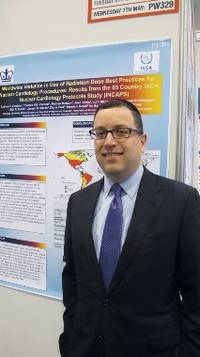
The 55 laboratories assessed in the United States and Canada achieved a mean QI score of 4.7, compared with 4.9 for 36 laboratories in Latin America, 6.2 for 102 laboratories in Europe, and 6.3 for 12 laboratories in North Africa, according to the results, presented at the World Congress of Cardiology 2014.
Analysis of the data showed that 75% of the nuclear cardiology laboratories in North Africa met at least six or more best practices, compared to 25% of laboratories in Asia and 31% in North America.
Lead author Dr. Andrew J. Einstein from Columbia University Medical Center, N.Y., said that while he was not surprised that Europe did better than the United States, he didn’t expect the difference to be quite so great.
Dr. Einstein said he was also surprised by the high degree of best practice nuclear cardiology in North Africa.
"I think what we’re taking away from this is that particularly as advanced technologies are introduced to places which don’t have them before, they are concentrating resources in centers of excellence," Dr. Einstein said at the meeting, sponsored by the World Heart Federation.
"Many of those labs have been trained by the IAEA so they got off on the right foot and they’re practicing well."
The eight best practice principles were derived from professional guidelines from around the world, and included practices such as weight-based dosing, avoidance of dual isotope and thallium stress testing in nonelderly patients, and use of stress-only imaging in some patients.
Researchers also included a score for the use of camera-based dose-reduction approaches, to allow for differences in technologies between the regions and avoid penalizing those with less-advanced machinery.
"That includes things as sophisticated as having a SPECT camera or having a cadmium zinc telluride high efficiency camera but it also included simply if a laboratory uses prone imaging in addition to supine imaging," Dr. Einstein said.
"So, even if you have a simple single-head old camera and you’re practicing in a resource-scarce part of the world, you have the potential to improve your image quality with your camera."
Further analysis is now being conducted on the data to look at which practices are more or less likely to be adhered to, Dr. Einstein said.
"We’re also talking about potential interventions and testing interventions to improve best practices and decrease radiation dose without limiting the opportunities for patients to get the valuable diagnostic information that comes from myocardial perfusion imaging."
This study was funded by the IAEA, and grants from the Margaret Q. Landenberger Research Foundation and the Louis V. Gerstner Scholars Program, and Dr. Einstein has received grant support for other research from GE Healthcare, Philips Healthcare, and Spectrum Dynamics.
MELBOURNE – Africa and Europe have topped the list of countries employing best practices in nuclear cardiology while North America scored relatively poorly even compared to Latin America, according to a global survey by the International Atomic Energy Agency.
The IAEA Nuclear Cardiology Protocols Study (INCAPS) collected data on the protocols used for more than 7,900 nuclear cardiology procedures performed in 308 laboratories across 66 countries during 1 week, then assessed their procedures against eight prespecified best practices to derive a Quality Index (QI) score for the laboratory.
The 55 laboratories assessed in the United States and Canada achieved a mean QI score of 4.7, compared with 4.9 for 36 laboratories in Latin America, 6.2 for 102 laboratories in Europe, and 6.3 for 12 laboratories in North Africa, according to the results, presented at the World Congress of Cardiology 2014.
Analysis of the data showed that 75% of the nuclear cardiology laboratories in North Africa met at least six or more best practices, compared to 25% of laboratories in Asia and 31% in North America.
Lead author Dr. Andrew J. Einstein from Columbia University Medical Center, N.Y., said that while he was not surprised that Europe did better than the United States, he didn’t expect the difference to be quite so great.
Dr. Einstein said he was also surprised by the high degree of best practice nuclear cardiology in North Africa.
"I think what we’re taking away from this is that particularly as advanced technologies are introduced to places which don’t have them before, they are concentrating resources in centers of excellence," Dr. Einstein said at the meeting, sponsored by the World Heart Federation.
"Many of those labs have been trained by the IAEA so they got off on the right foot and they’re practicing well."
The eight best practice principles were derived from professional guidelines from around the world, and included practices such as weight-based dosing, avoidance of dual isotope and thallium stress testing in nonelderly patients, and use of stress-only imaging in some patients.
Researchers also included a score for the use of camera-based dose-reduction approaches, to allow for differences in technologies between the regions and avoid penalizing those with less-advanced machinery.
"That includes things as sophisticated as having a SPECT camera or having a cadmium zinc telluride high efficiency camera but it also included simply if a laboratory uses prone imaging in addition to supine imaging," Dr. Einstein said.
"So, even if you have a simple single-head old camera and you’re practicing in a resource-scarce part of the world, you have the potential to improve your image quality with your camera."
Further analysis is now being conducted on the data to look at which practices are more or less likely to be adhered to, Dr. Einstein said.
"We’re also talking about potential interventions and testing interventions to improve best practices and decrease radiation dose without limiting the opportunities for patients to get the valuable diagnostic information that comes from myocardial perfusion imaging."
This study was funded by the IAEA, and grants from the Margaret Q. Landenberger Research Foundation and the Louis V. Gerstner Scholars Program, and Dr. Einstein has received grant support for other research from GE Healthcare, Philips Healthcare, and Spectrum Dynamics.
MELBOURNE – Africa and Europe have topped the list of countries employing best practices in nuclear cardiology while North America scored relatively poorly even compared to Latin America, according to a global survey by the International Atomic Energy Agency.
The IAEA Nuclear Cardiology Protocols Study (INCAPS) collected data on the protocols used for more than 7,900 nuclear cardiology procedures performed in 308 laboratories across 66 countries during 1 week, then assessed their procedures against eight prespecified best practices to derive a Quality Index (QI) score for the laboratory.
The 55 laboratories assessed in the United States and Canada achieved a mean QI score of 4.7, compared with 4.9 for 36 laboratories in Latin America, 6.2 for 102 laboratories in Europe, and 6.3 for 12 laboratories in North Africa, according to the results, presented at the World Congress of Cardiology 2014.
Analysis of the data showed that 75% of the nuclear cardiology laboratories in North Africa met at least six or more best practices, compared to 25% of laboratories in Asia and 31% in North America.
Lead author Dr. Andrew J. Einstein from Columbia University Medical Center, N.Y., said that while he was not surprised that Europe did better than the United States, he didn’t expect the difference to be quite so great.
Dr. Einstein said he was also surprised by the high degree of best practice nuclear cardiology in North Africa.
"I think what we’re taking away from this is that particularly as advanced technologies are introduced to places which don’t have them before, they are concentrating resources in centers of excellence," Dr. Einstein said at the meeting, sponsored by the World Heart Federation.
"Many of those labs have been trained by the IAEA so they got off on the right foot and they’re practicing well."
The eight best practice principles were derived from professional guidelines from around the world, and included practices such as weight-based dosing, avoidance of dual isotope and thallium stress testing in nonelderly patients, and use of stress-only imaging in some patients.
Researchers also included a score for the use of camera-based dose-reduction approaches, to allow for differences in technologies between the regions and avoid penalizing those with less-advanced machinery.
"That includes things as sophisticated as having a SPECT camera or having a cadmium zinc telluride high efficiency camera but it also included simply if a laboratory uses prone imaging in addition to supine imaging," Dr. Einstein said.
"So, even if you have a simple single-head old camera and you’re practicing in a resource-scarce part of the world, you have the potential to improve your image quality with your camera."
Further analysis is now being conducted on the data to look at which practices are more or less likely to be adhered to, Dr. Einstein said.
"We’re also talking about potential interventions and testing interventions to improve best practices and decrease radiation dose without limiting the opportunities for patients to get the valuable diagnostic information that comes from myocardial perfusion imaging."
This study was funded by the IAEA, and grants from the Margaret Q. Landenberger Research Foundation and the Louis V. Gerstner Scholars Program, and Dr. Einstein has received grant support for other research from GE Healthcare, Philips Healthcare, and Spectrum Dynamics.
AT WCC 2014
Key clinical point: North America has scored poorly, compared with other regions such as Europe and North Africa in an International Atomic Energy Agency survey of best practice in nuclear cardiology around the world
Major finding: Laboratories assessed in the United States and Canada achieved a mean QI score of 4.7; those in Latin America scored 4.9; European labs scored 6.2; and North African labs scored 6.3.
Data source: Survey of 7,911 nuclear cardiology procedures performed in 308 laboratories across 66 countries during one week.
Disclosures: This study was funded by the IAEA, and grants from the Margaret Q. Landenberger Research Foundation and the Louis V. Gerstner Scholars Program. Dr. Einstein has received grant support for other research from GE Healthcare, Philips Healthcare, and Spectrum Dynamics.
Systemwide disparities seen in diagnosis, care of women with heart disease
MELBOURNE – Women with heart disease are frequently underdiagnosed, undertreated, and underrepresented in clinical trials, and experience poorer outcomes both from inpatient and outpatient care.
Furthermore, while women have a tremendous amount of cardiovascular risk, they themselves are failing to recognize that heart disease is their No. 1 killer, Dr. Joanne M. Foody of Harvard Medical School, Boston, said at the World Congress of Cardiology 2014.

"The challenge is to ensure that women understand their risk, that the health care provider taking care of them understand their risk, and only by doing that can we really then impact their risk factors and treat them appropriately," said Dr. Foody, also director of the Pollin Cardiovascular Wellness Center at Brigham and Women’s Hospital, Boston.
Heart disease often presents differently in women than in men, with symptoms such as fatigue and breathlessness, which many women themselves would likely dismiss as just being part of a busy life.
While men tend to develop more focal plaques and narrowing of the arteries, women have smaller coronary arteries, even after body size is adjusted for, and therefore often have a more diffuse distribution of atherosclerosis.
"Women tend not to get that acute heart attack; they tend to have symptoms more related to small vessel disease which can lead to heart failure–like symptoms," she said.
Dr. Foody said that while the same cardiovascular risk factors apply to women and men, hormonal changes with menopause have a significant impact that is frequently underestimated by women and health care providers.
"Women undergo significant changes in their cholesterol levels, their blood pressure, and even their insulin resistance as they go through perimenopause and menopause, so it puts women at a unique transition point," Dr. Foody said. "Unfortunately, in women who were completely healthy and had no risk factors, that can change dramatically within the course of a couple of years."

Dr. Foody said that given the differences in presentation and treatment of heart disease in women, it is hardly surprising that women are more likely to die in the hospital, are more likely to experience reinfarction, and have a higher risk of heart failure, stroke, bleeding, and transfusion.
Women are also less likely to have an ECG performed within 10 minutes of hospital presentation, less likely to receive care from a cardiologist, and less likely to undergo diagnostic catheterization and revascularization procedures.
"These differences in care and in treatment can easily explain at least part of the disparities we see in outcomes for women," Dr. Foody said at the conference, which was sponsored by the World Heart Federation.
However, women themselves are also often more wary or skeptical of medication, Dr. Foody said, with evidence suggesting that married men are the most adherent to medication while married women are the least adherent.
Recent initiatives such as the global Go Red for Women and U.S.-based Screen Us campaigns were both aimed at raising awareness of heart disease among women and health care providers, but Dr. Foody said a system-level approach is required.
"That has to be coupled though with comparable programs that help inform health care providers, that help really put funding into appropriate screenings as well as appropriate research."
Dr. Foody said she had no relevant financial disclosures.
MELBOURNE – Women with heart disease are frequently underdiagnosed, undertreated, and underrepresented in clinical trials, and experience poorer outcomes both from inpatient and outpatient care.
Furthermore, while women have a tremendous amount of cardiovascular risk, they themselves are failing to recognize that heart disease is their No. 1 killer, Dr. Joanne M. Foody of Harvard Medical School, Boston, said at the World Congress of Cardiology 2014.
"The challenge is to ensure that women understand their risk, that the health care provider taking care of them understand their risk, and only by doing that can we really then impact their risk factors and treat them appropriately," said Dr. Foody, also director of the Pollin Cardiovascular Wellness Center at Brigham and Women’s Hospital, Boston.
Heart disease often presents differently in women than in men, with symptoms such as fatigue and breathlessness, which many women themselves would likely dismiss as just being part of a busy life.
While men tend to develop more focal plaques and narrowing of the arteries, women have smaller coronary arteries, even after body size is adjusted for, and therefore often have a more diffuse distribution of atherosclerosis.
"Women tend not to get that acute heart attack; they tend to have symptoms more related to small vessel disease which can lead to heart failure–like symptoms," she said.
Dr. Foody said that while the same cardiovascular risk factors apply to women and men, hormonal changes with menopause have a significant impact that is frequently underestimated by women and health care providers.
"Women undergo significant changes in their cholesterol levels, their blood pressure, and even their insulin resistance as they go through perimenopause and menopause, so it puts women at a unique transition point," Dr. Foody said. "Unfortunately, in women who were completely healthy and had no risk factors, that can change dramatically within the course of a couple of years."
Dr. Foody said that given the differences in presentation and treatment of heart disease in women, it is hardly surprising that women are more likely to die in the hospital, are more likely to experience reinfarction, and have a higher risk of heart failure, stroke, bleeding, and transfusion.
Women are also less likely to have an ECG performed within 10 minutes of hospital presentation, less likely to receive care from a cardiologist, and less likely to undergo diagnostic catheterization and revascularization procedures.
"These differences in care and in treatment can easily explain at least part of the disparities we see in outcomes for women," Dr. Foody said at the conference, which was sponsored by the World Heart Federation.
However, women themselves are also often more wary or skeptical of medication, Dr. Foody said, with evidence suggesting that married men are the most adherent to medication while married women are the least adherent.
Recent initiatives such as the global Go Red for Women and U.S.-based Screen Us campaigns were both aimed at raising awareness of heart disease among women and health care providers, but Dr. Foody said a system-level approach is required.
"That has to be coupled though with comparable programs that help inform health care providers, that help really put funding into appropriate screenings as well as appropriate research."
Dr. Foody said she had no relevant financial disclosures.
MELBOURNE – Women with heart disease are frequently underdiagnosed, undertreated, and underrepresented in clinical trials, and experience poorer outcomes both from inpatient and outpatient care.
Furthermore, while women have a tremendous amount of cardiovascular risk, they themselves are failing to recognize that heart disease is their No. 1 killer, Dr. Joanne M. Foody of Harvard Medical School, Boston, said at the World Congress of Cardiology 2014.
"The challenge is to ensure that women understand their risk, that the health care provider taking care of them understand their risk, and only by doing that can we really then impact their risk factors and treat them appropriately," said Dr. Foody, also director of the Pollin Cardiovascular Wellness Center at Brigham and Women’s Hospital, Boston.
Heart disease often presents differently in women than in men, with symptoms such as fatigue and breathlessness, which many women themselves would likely dismiss as just being part of a busy life.
While men tend to develop more focal plaques and narrowing of the arteries, women have smaller coronary arteries, even after body size is adjusted for, and therefore often have a more diffuse distribution of atherosclerosis.
"Women tend not to get that acute heart attack; they tend to have symptoms more related to small vessel disease which can lead to heart failure–like symptoms," she said.
Dr. Foody said that while the same cardiovascular risk factors apply to women and men, hormonal changes with menopause have a significant impact that is frequently underestimated by women and health care providers.
"Women undergo significant changes in their cholesterol levels, their blood pressure, and even their insulin resistance as they go through perimenopause and menopause, so it puts women at a unique transition point," Dr. Foody said. "Unfortunately, in women who were completely healthy and had no risk factors, that can change dramatically within the course of a couple of years."
Dr. Foody said that given the differences in presentation and treatment of heart disease in women, it is hardly surprising that women are more likely to die in the hospital, are more likely to experience reinfarction, and have a higher risk of heart failure, stroke, bleeding, and transfusion.
Women are also less likely to have an ECG performed within 10 minutes of hospital presentation, less likely to receive care from a cardiologist, and less likely to undergo diagnostic catheterization and revascularization procedures.
"These differences in care and in treatment can easily explain at least part of the disparities we see in outcomes for women," Dr. Foody said at the conference, which was sponsored by the World Heart Federation.
However, women themselves are also often more wary or skeptical of medication, Dr. Foody said, with evidence suggesting that married men are the most adherent to medication while married women are the least adherent.
Recent initiatives such as the global Go Red for Women and U.S.-based Screen Us campaigns were both aimed at raising awareness of heart disease among women and health care providers, but Dr. Foody said a system-level approach is required.
"That has to be coupled though with comparable programs that help inform health care providers, that help really put funding into appropriate screenings as well as appropriate research."
Dr. Foody said she had no relevant financial disclosures.
EXPERT ANALYSIS FROM WCC 2014

Return-to-play decisions a key challenge in management of sports-related concussion
Privacy laws can present a challenge to physicians managing athletes with concussion, particularly if those athletes push to return to play against the physician’s advice, but waivers may avoid this challenge, according to the authors of a position paper on sports-related concussion.
"Evaluating and managing sports-related concussion raises a variety of distinctive ethical and legal issues for physicians, especially relating to return-to-play decisions," Dr. Matthew P. Kirschen of the Children’s Hospital of Philadelphia and his colleagues wrote in Neurology July 9.
Lack of training is also a major issue in sports-related concussion, with a previous survey by the American Academy of Neurology finding that while most neurologists do see patients with sports-related concussion, few have had formal or informal training on managing concussion.
One of the most challenging components of managing sports-related concussion is the decision about when the athlete can return to play, which can be problematic if the athlete-patient wants to return to play prematurely.
Athletes may ignore their physician’s advice or even "doctor shop" for a physician who will approve their return to play, which may bring the physician into conflict with privacy laws restricting the sharing of personal health information without the patient’s consent.
"Thus, the evaluating physician could find himself or herself in the difficult position of being legally restricted from sharing a concussion evaluation with the athlete’s coaches and school personnel, even though making such a disclosure might be in the best interest of the athlete’s health," the authors wrote in the document, which is an official position paper of the Ethics, Law, and Humanities Committee, a joint committee of the American Academy of Neurology, American Neurological Association, and the Child Neurology Society (Neurology 2014 July 9 [doi:10.1212/WNL.0000000000000613]).
In response, some institutions now require athletes to sign waivers, allowing personal health information to be shared between the physician affiliated with the school department and the coaches and other team or school staff.
While all 50 states have adopted youth sports concussion laws addressing the three main components of education, removal from play, and return to play, statutes differ over who is authorized to clear an athlete to return to the field – some specify a physician while others allow athletic trainers, nurse practitioners, and physician assistants to make the decision. "States do not uniformly require that individuals providing clearance be trained in the evaluation and management of concussion," the authors reported.
However, the authors of the report stressed that physicians responsible for the care of athletes, either on or off the sidelines, should ensure they have appropriate training and experience in recognizing, evaluating, and managing concussion and potential brain injury.
Fortunately, state-based youth sports concussion laws generally have a low "removal from play" threshold to protect young athletes from harm, which the authors said should encourage coaches, parents, and athletes to take the risks of concussion more seriously.
In an editorial commentDr. Ellen Deibert of Wellspan Neurology, York, Pa., said discussion of sports-related concussion was timely, with the Centers for Disease Control and Prevention recently estimating around 1.6-3.8 million sports and recreation-related concussions each year, which has skyrocketed from the previous annual estimate of 300,000.
"Overall, the article is a refreshing reminder of the issues surrounding the treatment of sports-related concussion and the need for continued education and research on this topic," Dr. Deibert wrote.
The position paper authors call for the establishment of a concussion registry to improve understanding of the condition. Such a registry "would need to be interdisciplinary and in collaboration with other subspecialists already involved in concussion management. The role the neurologist plays will eventually be defined during that process. However, in 2014, there remains an immediate need for providers to treat concussion patients. The only question you need to answer is what your role will be in supporting this effort," she said.
Several authors of the paper reported authorship honorariums, royalties, and editorial positions. The editorial author declared no relevant conflicts of interest.
Privacy laws can present a challenge to physicians managing athletes with concussion, particularly if those athletes push to return to play against the physician’s advice, but waivers may avoid this challenge, according to the authors of a position paper on sports-related concussion.
"Evaluating and managing sports-related concussion raises a variety of distinctive ethical and legal issues for physicians, especially relating to return-to-play decisions," Dr. Matthew P. Kirschen of the Children’s Hospital of Philadelphia and his colleagues wrote in Neurology July 9.
Lack of training is also a major issue in sports-related concussion, with a previous survey by the American Academy of Neurology finding that while most neurologists do see patients with sports-related concussion, few have had formal or informal training on managing concussion.
One of the most challenging components of managing sports-related concussion is the decision about when the athlete can return to play, which can be problematic if the athlete-patient wants to return to play prematurely.
Athletes may ignore their physician’s advice or even "doctor shop" for a physician who will approve their return to play, which may bring the physician into conflict with privacy laws restricting the sharing of personal health information without the patient’s consent.
"Thus, the evaluating physician could find himself or herself in the difficult position of being legally restricted from sharing a concussion evaluation with the athlete’s coaches and school personnel, even though making such a disclosure might be in the best interest of the athlete’s health," the authors wrote in the document, which is an official position paper of the Ethics, Law, and Humanities Committee, a joint committee of the American Academy of Neurology, American Neurological Association, and the Child Neurology Society (Neurology 2014 July 9 [doi:10.1212/WNL.0000000000000613]).
In response, some institutions now require athletes to sign waivers, allowing personal health information to be shared between the physician affiliated with the school department and the coaches and other team or school staff.
While all 50 states have adopted youth sports concussion laws addressing the three main components of education, removal from play, and return to play, statutes differ over who is authorized to clear an athlete to return to the field – some specify a physician while others allow athletic trainers, nurse practitioners, and physician assistants to make the decision. "States do not uniformly require that individuals providing clearance be trained in the evaluation and management of concussion," the authors reported.
However, the authors of the report stressed that physicians responsible for the care of athletes, either on or off the sidelines, should ensure they have appropriate training and experience in recognizing, evaluating, and managing concussion and potential brain injury.
Fortunately, state-based youth sports concussion laws generally have a low "removal from play" threshold to protect young athletes from harm, which the authors said should encourage coaches, parents, and athletes to take the risks of concussion more seriously.
In an editorial commentDr. Ellen Deibert of Wellspan Neurology, York, Pa., said discussion of sports-related concussion was timely, with the Centers for Disease Control and Prevention recently estimating around 1.6-3.8 million sports and recreation-related concussions each year, which has skyrocketed from the previous annual estimate of 300,000.
"Overall, the article is a refreshing reminder of the issues surrounding the treatment of sports-related concussion and the need for continued education and research on this topic," Dr. Deibert wrote.
The position paper authors call for the establishment of a concussion registry to improve understanding of the condition. Such a registry "would need to be interdisciplinary and in collaboration with other subspecialists already involved in concussion management. The role the neurologist plays will eventually be defined during that process. However, in 2014, there remains an immediate need for providers to treat concussion patients. The only question you need to answer is what your role will be in supporting this effort," she said.
Several authors of the paper reported authorship honorariums, royalties, and editorial positions. The editorial author declared no relevant conflicts of interest.
Privacy laws can present a challenge to physicians managing athletes with concussion, particularly if those athletes push to return to play against the physician’s advice, but waivers may avoid this challenge, according to the authors of a position paper on sports-related concussion.
"Evaluating and managing sports-related concussion raises a variety of distinctive ethical and legal issues for physicians, especially relating to return-to-play decisions," Dr. Matthew P. Kirschen of the Children’s Hospital of Philadelphia and his colleagues wrote in Neurology July 9.
Lack of training is also a major issue in sports-related concussion, with a previous survey by the American Academy of Neurology finding that while most neurologists do see patients with sports-related concussion, few have had formal or informal training on managing concussion.
One of the most challenging components of managing sports-related concussion is the decision about when the athlete can return to play, which can be problematic if the athlete-patient wants to return to play prematurely.
Athletes may ignore their physician’s advice or even "doctor shop" for a physician who will approve their return to play, which may bring the physician into conflict with privacy laws restricting the sharing of personal health information without the patient’s consent.
"Thus, the evaluating physician could find himself or herself in the difficult position of being legally restricted from sharing a concussion evaluation with the athlete’s coaches and school personnel, even though making such a disclosure might be in the best interest of the athlete’s health," the authors wrote in the document, which is an official position paper of the Ethics, Law, and Humanities Committee, a joint committee of the American Academy of Neurology, American Neurological Association, and the Child Neurology Society (Neurology 2014 July 9 [doi:10.1212/WNL.0000000000000613]).
In response, some institutions now require athletes to sign waivers, allowing personal health information to be shared between the physician affiliated with the school department and the coaches and other team or school staff.
While all 50 states have adopted youth sports concussion laws addressing the three main components of education, removal from play, and return to play, statutes differ over who is authorized to clear an athlete to return to the field – some specify a physician while others allow athletic trainers, nurse practitioners, and physician assistants to make the decision. "States do not uniformly require that individuals providing clearance be trained in the evaluation and management of concussion," the authors reported.
However, the authors of the report stressed that physicians responsible for the care of athletes, either on or off the sidelines, should ensure they have appropriate training and experience in recognizing, evaluating, and managing concussion and potential brain injury.
Fortunately, state-based youth sports concussion laws generally have a low "removal from play" threshold to protect young athletes from harm, which the authors said should encourage coaches, parents, and athletes to take the risks of concussion more seriously.
In an editorial commentDr. Ellen Deibert of Wellspan Neurology, York, Pa., said discussion of sports-related concussion was timely, with the Centers for Disease Control and Prevention recently estimating around 1.6-3.8 million sports and recreation-related concussions each year, which has skyrocketed from the previous annual estimate of 300,000.
"Overall, the article is a refreshing reminder of the issues surrounding the treatment of sports-related concussion and the need for continued education and research on this topic," Dr. Deibert wrote.
The position paper authors call for the establishment of a concussion registry to improve understanding of the condition. Such a registry "would need to be interdisciplinary and in collaboration with other subspecialists already involved in concussion management. The role the neurologist plays will eventually be defined during that process. However, in 2014, there remains an immediate need for providers to treat concussion patients. The only question you need to answer is what your role will be in supporting this effort," she said.
Several authors of the paper reported authorship honorariums, royalties, and editorial positions. The editorial author declared no relevant conflicts of interest.
FROM NEUROLOGY
PCV13 halves invasive pneumococcal disease incidence, but chronically ill still at risk
The introduction of the 13-valent pneumococcal conjugate vaccine has led to a significant decrease in the incidence of invasive pneumococcal disease in the general pediatric population but with a trend toward increasing incidence, particularly of nonvaccine serotypes, among children with comorbidities.
A study of Massachusetts public health surveillance data from before and after the introduction of the 13-valent vaccine (PCV13) showed a 49% decrease (168 vs. 85) in the absolute number of invasive pneumococcal disease cases in children aged under 5 years but a 17% increase in the proportion of cases in children with comorbidities such as chronic lung disease, malignancy, or immunosuppressive therapy. These changes are not considered statistically significant.

"Routine vaccination with PCV13 may not be sufficient to reduce the risk of invasive disease in patients with comorbidity, and administering 23-valent pneumococcal polysaccharide vaccine to all children with comorbidity at the earliest acceptable age should be considered," wrote Dr. Pui-Ying Iroh Tam of the University of Minnesota Children’s Hospital, Minneapolis, and colleagues.
The prevalence of vaccine serotypes declined significantly (18%) in the first 2 years after introduction of PCV13, although serotype 19A remained the most common serotype even after the introduction of the vaccine, despite a significant decline in its prevalence, as reported online in the July 7 edition of Pediatrics (Pediatrics 2014 July 7 [doi: 10.1542/peds.2014-0473]).
The study was funded by the National Institutes of Health. One author received investigator-initiated grants from Pfizer for the study, while another author declared honoraria and grants from various pharmaceutical companies.
The introduction of the 13-valent pneumococcal conjugate vaccine has led to a significant decrease in the incidence of invasive pneumococcal disease in the general pediatric population but with a trend toward increasing incidence, particularly of nonvaccine serotypes, among children with comorbidities.
A study of Massachusetts public health surveillance data from before and after the introduction of the 13-valent vaccine (PCV13) showed a 49% decrease (168 vs. 85) in the absolute number of invasive pneumococcal disease cases in children aged under 5 years but a 17% increase in the proportion of cases in children with comorbidities such as chronic lung disease, malignancy, or immunosuppressive therapy. These changes are not considered statistically significant.
"Routine vaccination with PCV13 may not be sufficient to reduce the risk of invasive disease in patients with comorbidity, and administering 23-valent pneumococcal polysaccharide vaccine to all children with comorbidity at the earliest acceptable age should be considered," wrote Dr. Pui-Ying Iroh Tam of the University of Minnesota Children’s Hospital, Minneapolis, and colleagues.
The prevalence of vaccine serotypes declined significantly (18%) in the first 2 years after introduction of PCV13, although serotype 19A remained the most common serotype even after the introduction of the vaccine, despite a significant decline in its prevalence, as reported online in the July 7 edition of Pediatrics (Pediatrics 2014 July 7 [doi: 10.1542/peds.2014-0473]).
The study was funded by the National Institutes of Health. One author received investigator-initiated grants from Pfizer for the study, while another author declared honoraria and grants from various pharmaceutical companies.
The introduction of the 13-valent pneumococcal conjugate vaccine has led to a significant decrease in the incidence of invasive pneumococcal disease in the general pediatric population but with a trend toward increasing incidence, particularly of nonvaccine serotypes, among children with comorbidities.
A study of Massachusetts public health surveillance data from before and after the introduction of the 13-valent vaccine (PCV13) showed a 49% decrease (168 vs. 85) in the absolute number of invasive pneumococcal disease cases in children aged under 5 years but a 17% increase in the proportion of cases in children with comorbidities such as chronic lung disease, malignancy, or immunosuppressive therapy. These changes are not considered statistically significant.
"Routine vaccination with PCV13 may not be sufficient to reduce the risk of invasive disease in patients with comorbidity, and administering 23-valent pneumococcal polysaccharide vaccine to all children with comorbidity at the earliest acceptable age should be considered," wrote Dr. Pui-Ying Iroh Tam of the University of Minnesota Children’s Hospital, Minneapolis, and colleagues.
The prevalence of vaccine serotypes declined significantly (18%) in the first 2 years after introduction of PCV13, although serotype 19A remained the most common serotype even after the introduction of the vaccine, despite a significant decline in its prevalence, as reported online in the July 7 edition of Pediatrics (Pediatrics 2014 July 7 [doi: 10.1542/peds.2014-0473]).
The study was funded by the National Institutes of Health. One author received investigator-initiated grants from Pfizer for the study, while another author declared honoraria and grants from various pharmaceutical companies.
FROM PEDIATRICS
Major finding: The introduction of the 13-valent pneumococcal conjugate vaccine has led to a significant 49% decrease in the absolute number of invasive pneumococcal disease cases in children under 5 years, but with a trend toward increasing incidence, particularly of non-vaccine serotypes, among children with comorbidities.
Data source: Observational study using Massachusetts public health surveillance data from before and after the introduction of the 13-valent pneumococcal conjugate vaccine.
Disclosures: The study was funded by the National Institutes of Health. One author received investigator-initiated grants from Pfizer for the study, while another author declared honoraria and grants from pharmaceutical companies.

PCV13 halves invasive pneumococcal disease incidence, but chronically ill still at risk
The introduction of the 13-valent pneumococcal conjugate vaccine has led to a significant decrease in the incidence of invasive pneumococcal disease in the general pediatric population but with a trend toward increasing incidence, particularly of nonvaccine serotypes, among children with comorbidities.
A study of Massachusetts public health surveillance data from before and after the introduction of the 13-valent vaccine (PCV13) showed a 49% decrease (168 vs. 85) in the absolute number of invasive pneumococcal disease cases in children aged under 5 years but a 17% increase in the proportion of cases in children with comorbidities such as chronic lung disease, malignancy, or immunosuppressive therapy. These changes are not considered statistically significant.
"Routine vaccination with PCV13 may not be sufficient to reduce the risk of invasive disease in patients with comorbidity, and administering 23-valent pneumococcal polysaccharide vaccine to all children with comorbidity at the earliest acceptable age should be considered," wrote Dr. Pui-Ying Iroh Tam of the University of Minnesota Children’s Hospital, Minneapolis, and colleagues.
The prevalence of vaccine serotypes declined significantly (18%) in the first 2 years after introduction of PCV13, although serotype 19A remained the most common serotype even after the introduction of the vaccine, despite a significant decline in its prevalence, as reported online in the July 7 edition of Pediatrics (Pediatrics 2014 July 7 [doi: 10.1542/peds.2014-0473]).
The study was funded by the National Institutes of Health. One author received investigator-initiated grants from Pfizer for the study, while another author declared honoraria and grants from various pharmaceutical companies.
The introduction of the 13-valent pneumococcal conjugate vaccine has led to a significant decrease in the incidence of invasive pneumococcal disease in the general pediatric population but with a trend toward increasing incidence, particularly of nonvaccine serotypes, among children with comorbidities.
A study of Massachusetts public health surveillance data from before and after the introduction of the 13-valent vaccine (PCV13) showed a 49% decrease (168 vs. 85) in the absolute number of invasive pneumococcal disease cases in children aged under 5 years but a 17% increase in the proportion of cases in children with comorbidities such as chronic lung disease, malignancy, or immunosuppressive therapy. These changes are not considered statistically significant.
"Routine vaccination with PCV13 may not be sufficient to reduce the risk of invasive disease in patients with comorbidity, and administering 23-valent pneumococcal polysaccharide vaccine to all children with comorbidity at the earliest acceptable age should be considered," wrote Dr. Pui-Ying Iroh Tam of the University of Minnesota Children’s Hospital, Minneapolis, and colleagues.
The prevalence of vaccine serotypes declined significantly (18%) in the first 2 years after introduction of PCV13, although serotype 19A remained the most common serotype even after the introduction of the vaccine, despite a significant decline in its prevalence, as reported online in the July 7 edition of Pediatrics (Pediatrics 2014 July 7 [doi: 10.1542/peds.2014-0473]).
The study was funded by the National Institutes of Health. One author received investigator-initiated grants from Pfizer for the study, while another author declared honoraria and grants from various pharmaceutical companies.
The introduction of the 13-valent pneumococcal conjugate vaccine has led to a significant decrease in the incidence of invasive pneumococcal disease in the general pediatric population but with a trend toward increasing incidence, particularly of nonvaccine serotypes, among children with comorbidities.
A study of Massachusetts public health surveillance data from before and after the introduction of the 13-valent vaccine (PCV13) showed a 49% decrease (168 vs. 85) in the absolute number of invasive pneumococcal disease cases in children aged under 5 years but a 17% increase in the proportion of cases in children with comorbidities such as chronic lung disease, malignancy, or immunosuppressive therapy. These changes are not considered statistically significant.
"Routine vaccination with PCV13 may not be sufficient to reduce the risk of invasive disease in patients with comorbidity, and administering 23-valent pneumococcal polysaccharide vaccine to all children with comorbidity at the earliest acceptable age should be considered," wrote Dr. Pui-Ying Iroh Tam of the University of Minnesota Children’s Hospital, Minneapolis, and colleagues.
The prevalence of vaccine serotypes declined significantly (18%) in the first 2 years after introduction of PCV13, although serotype 19A remained the most common serotype even after the introduction of the vaccine, despite a significant decline in its prevalence, as reported online in the July 7 edition of Pediatrics (Pediatrics 2014 July 7 [doi: 10.1542/peds.2014-0473]).
The study was funded by the National Institutes of Health. One author received investigator-initiated grants from Pfizer for the study, while another author declared honoraria and grants from various pharmaceutical companies.
FROM PEDIATRICS
Major finding: The introduction of the 13-valent pneumococcal conjugate vaccine has led to a significant 49% decrease in the absolute number of invasive pneumococcal disease cases in children under 5 years, but with a trend toward increasing incidence, particularly of non-vaccine serotypes, among children with comorbidities.
Data source: Observational study using Massachusetts public health surveillance data from before and after the introduction of the 13-valent pneumococcal conjugate vaccine.
Disclosures: The study was funded by the National Institutes of Health. One author received investigator-initiated grants from Pfizer for the study, while another author declared honoraria and grants from pharmaceutical companies.

Chronic pain and opioid use much higher among soldiers
Rates of chronic pain and opioid use are significantly higher among soldiers, compared with the general population, a survey of 2,597 Army infantry soldiers showed.
The survey, conducted in 2011 after the soldiers had been deployed from combat in Afghanistan or Iraq, found that 44% of the soldiers reported experiencing chronic pain and 15.1% declared that they had used opioids sometime in the past month.
The survey also found that among those reporting opioid use, 44.1%% said they had experienced only mild or no pain in the past month, while among those with chronic pain, only 23.2% had received opioids in the past month, according to a research letter published online June 30 (JAMA 2014 [doi:10.1001/jamainternmed.2014.2726]).
Those with chronic pain were more likely to be aged over 30 years, to be married or have been married, to be injured during combat, to be in higher-intensity combat, or to have experienced posttraumatic stress disorder or major depressive disorder. Use of opioids was associated with "sex, age 25 years or older, being married, rank, injury during combat, chronic pain, and pain severity," wrote Robin L. Toblin, Ph.D., and colleagues.
"These findings suggest a large unmet need for assessment, management, and treatment of chronic pain and related opioid use and misuse in military personnel after combat deployments," said Dr. Toblin of the center for military psychiatry and neuroscience at the Walter Reed Army Institute of Research in Silver Spring, Md.
An accompanying editorial contrasted the figures for chronic pain and opioid use in the military with those in the general population – 26% and 4%, respectively (JAMA 2014 June 30 [doi:10.1001/jamainternmed.2014.2114]).
"While chronic pain and opioid use have been a long-standing concern of the military leadership, this study is among the first to quantify the impact of recent wars on the prevalence of pain and narcotic use among soldiers," wrote Dr. Wayne B. Jonas of the Samueli Institute in Alexandria, Va., and the Uniformed Services University of the Health Sciences in Bethesda, Md., and Dr. Eric B. Schoomaker, also of the Samueli Institute.
No conflicts of interest were declared.
Rates of chronic pain and opioid use are significantly higher among soldiers, compared with the general population, a survey of 2,597 Army infantry soldiers showed.
The survey, conducted in 2011 after the soldiers had been deployed from combat in Afghanistan or Iraq, found that 44% of the soldiers reported experiencing chronic pain and 15.1% declared that they had used opioids sometime in the past month.
The survey also found that among those reporting opioid use, 44.1%% said they had experienced only mild or no pain in the past month, while among those with chronic pain, only 23.2% had received opioids in the past month, according to a research letter published online June 30 (JAMA 2014 [doi:10.1001/jamainternmed.2014.2726]).
Those with chronic pain were more likely to be aged over 30 years, to be married or have been married, to be injured during combat, to be in higher-intensity combat, or to have experienced posttraumatic stress disorder or major depressive disorder. Use of opioids was associated with "sex, age 25 years or older, being married, rank, injury during combat, chronic pain, and pain severity," wrote Robin L. Toblin, Ph.D., and colleagues.
"These findings suggest a large unmet need for assessment, management, and treatment of chronic pain and related opioid use and misuse in military personnel after combat deployments," said Dr. Toblin of the center for military psychiatry and neuroscience at the Walter Reed Army Institute of Research in Silver Spring, Md.
An accompanying editorial contrasted the figures for chronic pain and opioid use in the military with those in the general population – 26% and 4%, respectively (JAMA 2014 June 30 [doi:10.1001/jamainternmed.2014.2114]).
"While chronic pain and opioid use have been a long-standing concern of the military leadership, this study is among the first to quantify the impact of recent wars on the prevalence of pain and narcotic use among soldiers," wrote Dr. Wayne B. Jonas of the Samueli Institute in Alexandria, Va., and the Uniformed Services University of the Health Sciences in Bethesda, Md., and Dr. Eric B. Schoomaker, also of the Samueli Institute.
No conflicts of interest were declared.
Rates of chronic pain and opioid use are significantly higher among soldiers, compared with the general population, a survey of 2,597 Army infantry soldiers showed.
The survey, conducted in 2011 after the soldiers had been deployed from combat in Afghanistan or Iraq, found that 44% of the soldiers reported experiencing chronic pain and 15.1% declared that they had used opioids sometime in the past month.
The survey also found that among those reporting opioid use, 44.1%% said they had experienced only mild or no pain in the past month, while among those with chronic pain, only 23.2% had received opioids in the past month, according to a research letter published online June 30 (JAMA 2014 [doi:10.1001/jamainternmed.2014.2726]).
Those with chronic pain were more likely to be aged over 30 years, to be married or have been married, to be injured during combat, to be in higher-intensity combat, or to have experienced posttraumatic stress disorder or major depressive disorder. Use of opioids was associated with "sex, age 25 years or older, being married, rank, injury during combat, chronic pain, and pain severity," wrote Robin L. Toblin, Ph.D., and colleagues.
"These findings suggest a large unmet need for assessment, management, and treatment of chronic pain and related opioid use and misuse in military personnel after combat deployments," said Dr. Toblin of the center for military psychiatry and neuroscience at the Walter Reed Army Institute of Research in Silver Spring, Md.
An accompanying editorial contrasted the figures for chronic pain and opioid use in the military with those in the general population – 26% and 4%, respectively (JAMA 2014 June 30 [doi:10.1001/jamainternmed.2014.2114]).
"While chronic pain and opioid use have been a long-standing concern of the military leadership, this study is among the first to quantify the impact of recent wars on the prevalence of pain and narcotic use among soldiers," wrote Dr. Wayne B. Jonas of the Samueli Institute in Alexandria, Va., and the Uniformed Services University of the Health Sciences in Bethesda, Md., and Dr. Eric B. Schoomaker, also of the Samueli Institute.
No conflicts of interest were declared.
FROM JAMA
Key clinical point: Prescription practices should be analyzed to make sure that the use of opioids among military personnel "is consistent with standards of care and practice guidelines and nonopioid alternatives are considered whenever possible."
Major finding: A survey has found 44% of soldiers experience chronic pain and 15.1% have used opioids sometime in the past month. Among those reporting opioid use, 44.1% said they had had only mild or no pain in the past month, while among those with chronic pain, only 23.3% had received opioids in the past month.
Data source: A survey of 2,597 soldiers after combat deployment.
Disclosures: No conflicts of interest were declared.
First guidelines on pediatric concussion reflect new knowledge of impacts
Children with concussion may not look injured but may experience attention and memory deficits, become clumsy and accident prone, and experience social withdrawal for weeks or even months after injury, according to the first comprehensive guidelines on the diagnosis and management of pediatric concussion.
Published by the Ontario Neurotrauma Foundation, with involvement of the American Academy of Neurology, the guidelines recommend that clinicians use validated tools such as the Postconcussion Symptom Inventory, and work closely with the child and his or her family and school to implement an individualized plan for both physical and cognitive rest. The guidelines are free and available here and here.
The guidelines recommended the practice of "if in doubt, sit them out" when unsure about whether concussion had occurred, and cited strong evidence in favor of both verbal information and printed handouts for patients and parents.
They also suggested clinicians consider baseline neurocognitive testing but only if the child or adolescent plays high-risk sports.
"Our hope is that these guidelines will lead to significant improvements in the current management, since our survey has demonstrated that the current management is suboptimal," said guidelines chair Dr. Roger Zemek, director of pediatric emergency research at the Children’s Hospital of Eastern Ontario, Ottawa.
"The literature examining pediatric concussion has seen exponential growth over the past decade, and the latest evidence points to different diagnostic and management approaches than 10 years (or even just 5 years) ago."
The guidelines’ 32-member panel involved pediatric neurologists, sports medicine physicians, and neuropsychologists, and doctors of rehabilitation medicine, emergency medicine, family medicine, pediatric neurosurgery, and speech and language pathology. The panelists also included health professionals in physical and occupational therapy, rehabilitation nursing, and child and youth health system planning, as well as a pediatric brain injury outreach program school liaison and a patient advocacy group adviser.
There were no relevant conflicts of interest declared.
Children with concussion may not look injured but may experience attention and memory deficits, become clumsy and accident prone, and experience social withdrawal for weeks or even months after injury, according to the first comprehensive guidelines on the diagnosis and management of pediatric concussion.
Published by the Ontario Neurotrauma Foundation, with involvement of the American Academy of Neurology, the guidelines recommend that clinicians use validated tools such as the Postconcussion Symptom Inventory, and work closely with the child and his or her family and school to implement an individualized plan for both physical and cognitive rest. The guidelines are free and available here and here.
The guidelines recommended the practice of "if in doubt, sit them out" when unsure about whether concussion had occurred, and cited strong evidence in favor of both verbal information and printed handouts for patients and parents.
They also suggested clinicians consider baseline neurocognitive testing but only if the child or adolescent plays high-risk sports.
"Our hope is that these guidelines will lead to significant improvements in the current management, since our survey has demonstrated that the current management is suboptimal," said guidelines chair Dr. Roger Zemek, director of pediatric emergency research at the Children’s Hospital of Eastern Ontario, Ottawa.
"The literature examining pediatric concussion has seen exponential growth over the past decade, and the latest evidence points to different diagnostic and management approaches than 10 years (or even just 5 years) ago."
The guidelines’ 32-member panel involved pediatric neurologists, sports medicine physicians, and neuropsychologists, and doctors of rehabilitation medicine, emergency medicine, family medicine, pediatric neurosurgery, and speech and language pathology. The panelists also included health professionals in physical and occupational therapy, rehabilitation nursing, and child and youth health system planning, as well as a pediatric brain injury outreach program school liaison and a patient advocacy group adviser.
There were no relevant conflicts of interest declared.
Children with concussion may not look injured but may experience attention and memory deficits, become clumsy and accident prone, and experience social withdrawal for weeks or even months after injury, according to the first comprehensive guidelines on the diagnosis and management of pediatric concussion.
Published by the Ontario Neurotrauma Foundation, with involvement of the American Academy of Neurology, the guidelines recommend that clinicians use validated tools such as the Postconcussion Symptom Inventory, and work closely with the child and his or her family and school to implement an individualized plan for both physical and cognitive rest. The guidelines are free and available here and here.
The guidelines recommended the practice of "if in doubt, sit them out" when unsure about whether concussion had occurred, and cited strong evidence in favor of both verbal information and printed handouts for patients and parents.
They also suggested clinicians consider baseline neurocognitive testing but only if the child or adolescent plays high-risk sports.
"Our hope is that these guidelines will lead to significant improvements in the current management, since our survey has demonstrated that the current management is suboptimal," said guidelines chair Dr. Roger Zemek, director of pediatric emergency research at the Children’s Hospital of Eastern Ontario, Ottawa.
"The literature examining pediatric concussion has seen exponential growth over the past decade, and the latest evidence points to different diagnostic and management approaches than 10 years (or even just 5 years) ago."
The guidelines’ 32-member panel involved pediatric neurologists, sports medicine physicians, and neuropsychologists, and doctors of rehabilitation medicine, emergency medicine, family medicine, pediatric neurosurgery, and speech and language pathology. The panelists also included health professionals in physical and occupational therapy, rehabilitation nursing, and child and youth health system planning, as well as a pediatric brain injury outreach program school liaison and a patient advocacy group adviser.
There were no relevant conflicts of interest declared.
Single-agent paclitaxel fails in noninferiority trial for primary breast cancer
Single-agent paclitaxel has failed to demonstrate noninferiority, compared with doxorubicin and cyclophosphamide in patients with early-stage, operable breast cancer, although it did show significantly less toxicity.
The trial in 3,871 women, followed for a median of 6.1 years and treated with four or six cycles of each treatment, recorded a hazard ratio (HR) for relapse-free survival of 1.26, favoring the combination of doxorubicin and cyclophosphamide, with an upper-bound confidence interval of 1.48, which exceeded the upper confidence bound of 1.3.
Combination therapy was associated with an HR of 1.27 for overall survival, while the estimated absolute advantage of the doxorubicin and cyclophosphamide combination at 5 years was 3% for relapse-free survival (RFS) and 1% for overall survival (OS), investigators reported online June 16 in the Journal of Clinical Oncology.
"Because we were not able to demonstrate noninferiority for either RFS or OS, single-agent T [paclitaxel] cannot be recommended as a standard regimen for women with primary breast cancer and zero to three positive axillary nodes," wrote Dr. Lawrence N. Shulman of the Dana-Farber Cancer Institute, Boston, and colleagues (J. Clin. Oncol. 2014 June 16 [doi:10.1200/JCO.2013.53.7142]).
An accompanying editorial noted that the results of the trial provided potentially useful biologic information on adjuvant chemotherapy for breast cancer although the results had limited application in current practice as many women are now treated with both taxanes and anthracyclines.
"The observation that single-agent T [paclitaxel] is potentially worse than AC [doxorubicin and cyclophosphamide] does provide some push back against those who want to abandon anthracyclines in early-stage breast cancer," wrote Dr. Pamela J. Goodwin of the University of Toronto and colleagues, in the editorial (J. Clin. Oncol. 2014 June 16 [doi: 10.1200/JCO.2014.55.9344]).
The study was partly supported by grants from the National Cancer Institute. Authors declared a range of consultancy, honoraria and funding from the pharmaceutical industry.
Single-agent paclitaxel has failed to demonstrate noninferiority, compared with doxorubicin and cyclophosphamide in patients with early-stage, operable breast cancer, although it did show significantly less toxicity.
The trial in 3,871 women, followed for a median of 6.1 years and treated with four or six cycles of each treatment, recorded a hazard ratio (HR) for relapse-free survival of 1.26, favoring the combination of doxorubicin and cyclophosphamide, with an upper-bound confidence interval of 1.48, which exceeded the upper confidence bound of 1.3.
Combination therapy was associated with an HR of 1.27 for overall survival, while the estimated absolute advantage of the doxorubicin and cyclophosphamide combination at 5 years was 3% for relapse-free survival (RFS) and 1% for overall survival (OS), investigators reported online June 16 in the Journal of Clinical Oncology.
"Because we were not able to demonstrate noninferiority for either RFS or OS, single-agent T [paclitaxel] cannot be recommended as a standard regimen for women with primary breast cancer and zero to three positive axillary nodes," wrote Dr. Lawrence N. Shulman of the Dana-Farber Cancer Institute, Boston, and colleagues (J. Clin. Oncol. 2014 June 16 [doi:10.1200/JCO.2013.53.7142]).
An accompanying editorial noted that the results of the trial provided potentially useful biologic information on adjuvant chemotherapy for breast cancer although the results had limited application in current practice as many women are now treated with both taxanes and anthracyclines.
"The observation that single-agent T [paclitaxel] is potentially worse than AC [doxorubicin and cyclophosphamide] does provide some push back against those who want to abandon anthracyclines in early-stage breast cancer," wrote Dr. Pamela J. Goodwin of the University of Toronto and colleagues, in the editorial (J. Clin. Oncol. 2014 June 16 [doi: 10.1200/JCO.2014.55.9344]).
The study was partly supported by grants from the National Cancer Institute. Authors declared a range of consultancy, honoraria and funding from the pharmaceutical industry.
Single-agent paclitaxel has failed to demonstrate noninferiority, compared with doxorubicin and cyclophosphamide in patients with early-stage, operable breast cancer, although it did show significantly less toxicity.
The trial in 3,871 women, followed for a median of 6.1 years and treated with four or six cycles of each treatment, recorded a hazard ratio (HR) for relapse-free survival of 1.26, favoring the combination of doxorubicin and cyclophosphamide, with an upper-bound confidence interval of 1.48, which exceeded the upper confidence bound of 1.3.
Combination therapy was associated with an HR of 1.27 for overall survival, while the estimated absolute advantage of the doxorubicin and cyclophosphamide combination at 5 years was 3% for relapse-free survival (RFS) and 1% for overall survival (OS), investigators reported online June 16 in the Journal of Clinical Oncology.
"Because we were not able to demonstrate noninferiority for either RFS or OS, single-agent T [paclitaxel] cannot be recommended as a standard regimen for women with primary breast cancer and zero to three positive axillary nodes," wrote Dr. Lawrence N. Shulman of the Dana-Farber Cancer Institute, Boston, and colleagues (J. Clin. Oncol. 2014 June 16 [doi:10.1200/JCO.2013.53.7142]).
An accompanying editorial noted that the results of the trial provided potentially useful biologic information on adjuvant chemotherapy for breast cancer although the results had limited application in current practice as many women are now treated with both taxanes and anthracyclines.
"The observation that single-agent T [paclitaxel] is potentially worse than AC [doxorubicin and cyclophosphamide] does provide some push back against those who want to abandon anthracyclines in early-stage breast cancer," wrote Dr. Pamela J. Goodwin of the University of Toronto and colleagues, in the editorial (J. Clin. Oncol. 2014 June 16 [doi: 10.1200/JCO.2014.55.9344]).
The study was partly supported by grants from the National Cancer Institute. Authors declared a range of consultancy, honoraria and funding from the pharmaceutical industry.
FROM THE JOURNAL OF CLINICAL ONCOLOGY
Key clinical point: Single-agent paclitaxel cannot be recommended as a standard regimen for women with primary breast cancer and zero-three positive axillary nodes.
Major finding: Combination therapy with doxorubicin and cyclophosphamide was associated with an HR of 1.26 for relapse-free survival, compared with paclitaxel in a noninferiority trial, while the estimated absolute advantage of the doxorubicin and cyclophosphamide combination at 5 years was 3% for relapse-free survival and 1% for overall survival.
Data source: A noninferiority trial in 3,871 women with early-stage, operable breast cancer and zero-three positive axillary nodes.
Disclosures: The study was partly supported by grants from the National Cancer Institute. Authors declared a range of consultancies, honoraria, and funding from the pharmaceutical industry.
Cardio-oncology clinics needed to deal with cardiotoxic chemotherapy sequelae
MELBOURNE – Specialist cardio-oncology clinics may be needed to address the long-term cardiac care of cancer patients treated with cardiotoxic chemotherapy regimens such as anthracyclines and trastuzumab, presenters told the World Congress of Cardiology 2014.
Dr. Puja K. Mehta, codirector of the cardio-oncology program at the Barbra Streisand Women’s Heart Center, presented poster data showing that 12% of women who attended the clinic over a 7-month period had a previous diagnosis of cancer, nearly half of which were cases of breast cancer.

The study of 892 patients seen at the center found that 92% of all breast cancer survivors had at least one cardiac risk factor – 55% had hypertension, 64% had hyperlipidemia, 14% had diabetes, 18% coronary artery disease, and 23% ischemic heart disease.
There is growing awareness of the long-term sequelae of cardiotoxic chemotherapy regimens but the challenge was how to take a preventive approach to the problem, Dr. Mehta said at the meeting sponsored by the World Heart Federation.
"People who have had a history of breast cancer ... often they’re only seeing oncologists to follow up on breast cancer recurrence so they are getting yearly mammograms and those things, but what they’ve missed is a little bit of hypertension that’s been there for years and then you get the accelerated atherosclerosis," Dr. Mehta said in an interview with Cardiology News.
The study’s authors suggest that cardio-oncology clinics could play an important role in implementing lifestyle modification and preventive interventions to reduce the risk of cardiac sequelae in cancer survivors.
In another presentation, American Heart Association President Mariell Jessup, Medical Director of the Penn Heart and Vascular Center, said early-onset cardiotoxicity occurs in a relatively small percent of patients – around 1%-2% – within the first year after chemotherapy treatment.
However late-onset cardiotoxicity was far more insidious as it affected a wide range of patients and the signs may not manifest until long after chemotherapy.
"We used to be taught that it came within the first year or so, and so when someone showed up 10 years or 15 years from treatment we discounted the fact that it was cardiotoxicity from anthracycline," Dr. Jessup told Cardiology News.

Dr. Jessup said an estimated 20%-30% of patients who had been treated with anthracyclines would likely show some kind of cardiac problems, but the addition of trastuzumab to breast cancer chemotherapy further increased the risk.
"They can present with heart failure ... but if they have radiotherapy on top of chemotherapy they are more susceptible to proximal coronary disease," she said.
"Then we’re seeing a group of patients that end up at cardiac transplant because of their heart failure, and they have very fragile bone marrows so they don’t tolerate immunosuppression as well, and they tend to be very anemic."
Dr. Jessup told the conference that more research was critical to understand the mechanisms of anthracycline cardiotoxicity, and to identify predictive markers of cardiac damage, but she stressed clinician awareness was also fundamental.
"We need to educate clinicians about not only the importance of these chemotherapeutic agents to the survival of patients following their cancer but how to be particularly attuned to the possibility that exposure many years before can lead to cardiac toxicity."
A member of the audience raised the question about treating patients with angiotensin-converting enzyme inhibitors at the same time as their chemotherapy to reduce the cardiac impact of the chemotherapy.
Dr. Jessup said while there were some intriguing data emerging about the concurrent use of ACE inhibitors and beta-blockers in patients treated with anthracyclines, there still remained questions about when the drugs should be used as they may not be well tolerated during chemotherapy.
Dr. Jessup had no disclosures. Dr. Mehta declared grant/research support from Gilead, and a coauthor declared grant/research support from Gilead and consultancies and honoraria from a range of organizations.
MELBOURNE – Specialist cardio-oncology clinics may be needed to address the long-term cardiac care of cancer patients treated with cardiotoxic chemotherapy regimens such as anthracyclines and trastuzumab, presenters told the World Congress of Cardiology 2014.
Dr. Puja K. Mehta, codirector of the cardio-oncology program at the Barbra Streisand Women’s Heart Center, presented poster data showing that 12% of women who attended the clinic over a 7-month period had a previous diagnosis of cancer, nearly half of which were cases of breast cancer.
The study of 892 patients seen at the center found that 92% of all breast cancer survivors had at least one cardiac risk factor – 55% had hypertension, 64% had hyperlipidemia, 14% had diabetes, 18% coronary artery disease, and 23% ischemic heart disease.
There is growing awareness of the long-term sequelae of cardiotoxic chemotherapy regimens but the challenge was how to take a preventive approach to the problem, Dr. Mehta said at the meeting sponsored by the World Heart Federation.
"People who have had a history of breast cancer ... often they’re only seeing oncologists to follow up on breast cancer recurrence so they are getting yearly mammograms and those things, but what they’ve missed is a little bit of hypertension that’s been there for years and then you get the accelerated atherosclerosis," Dr. Mehta said in an interview with Cardiology News.
The study’s authors suggest that cardio-oncology clinics could play an important role in implementing lifestyle modification and preventive interventions to reduce the risk of cardiac sequelae in cancer survivors.
In another presentation, American Heart Association President Mariell Jessup, Medical Director of the Penn Heart and Vascular Center, said early-onset cardiotoxicity occurs in a relatively small percent of patients – around 1%-2% – within the first year after chemotherapy treatment.
However late-onset cardiotoxicity was far more insidious as it affected a wide range of patients and the signs may not manifest until long after chemotherapy.
"We used to be taught that it came within the first year or so, and so when someone showed up 10 years or 15 years from treatment we discounted the fact that it was cardiotoxicity from anthracycline," Dr. Jessup told Cardiology News.
Dr. Jessup said an estimated 20%-30% of patients who had been treated with anthracyclines would likely show some kind of cardiac problems, but the addition of trastuzumab to breast cancer chemotherapy further increased the risk.
"They can present with heart failure ... but if they have radiotherapy on top of chemotherapy they are more susceptible to proximal coronary disease," she said.
"Then we’re seeing a group of patients that end up at cardiac transplant because of their heart failure, and they have very fragile bone marrows so they don’t tolerate immunosuppression as well, and they tend to be very anemic."
Dr. Jessup told the conference that more research was critical to understand the mechanisms of anthracycline cardiotoxicity, and to identify predictive markers of cardiac damage, but she stressed clinician awareness was also fundamental.
"We need to educate clinicians about not only the importance of these chemotherapeutic agents to the survival of patients following their cancer but how to be particularly attuned to the possibility that exposure many years before can lead to cardiac toxicity."
A member of the audience raised the question about treating patients with angiotensin-converting enzyme inhibitors at the same time as their chemotherapy to reduce the cardiac impact of the chemotherapy.
Dr. Jessup said while there were some intriguing data emerging about the concurrent use of ACE inhibitors and beta-blockers in patients treated with anthracyclines, there still remained questions about when the drugs should be used as they may not be well tolerated during chemotherapy.
Dr. Jessup had no disclosures. Dr. Mehta declared grant/research support from Gilead, and a coauthor declared grant/research support from Gilead and consultancies and honoraria from a range of organizations.
MELBOURNE – Specialist cardio-oncology clinics may be needed to address the long-term cardiac care of cancer patients treated with cardiotoxic chemotherapy regimens such as anthracyclines and trastuzumab, presenters told the World Congress of Cardiology 2014.
Dr. Puja K. Mehta, codirector of the cardio-oncology program at the Barbra Streisand Women’s Heart Center, presented poster data showing that 12% of women who attended the clinic over a 7-month period had a previous diagnosis of cancer, nearly half of which were cases of breast cancer.
The study of 892 patients seen at the center found that 92% of all breast cancer survivors had at least one cardiac risk factor – 55% had hypertension, 64% had hyperlipidemia, 14% had diabetes, 18% coronary artery disease, and 23% ischemic heart disease.
There is growing awareness of the long-term sequelae of cardiotoxic chemotherapy regimens but the challenge was how to take a preventive approach to the problem, Dr. Mehta said at the meeting sponsored by the World Heart Federation.
"People who have had a history of breast cancer ... often they’re only seeing oncologists to follow up on breast cancer recurrence so they are getting yearly mammograms and those things, but what they’ve missed is a little bit of hypertension that’s been there for years and then you get the accelerated atherosclerosis," Dr. Mehta said in an interview with Cardiology News.
The study’s authors suggest that cardio-oncology clinics could play an important role in implementing lifestyle modification and preventive interventions to reduce the risk of cardiac sequelae in cancer survivors.
In another presentation, American Heart Association President Mariell Jessup, Medical Director of the Penn Heart and Vascular Center, said early-onset cardiotoxicity occurs in a relatively small percent of patients – around 1%-2% – within the first year after chemotherapy treatment.
However late-onset cardiotoxicity was far more insidious as it affected a wide range of patients and the signs may not manifest until long after chemotherapy.
"We used to be taught that it came within the first year or so, and so when someone showed up 10 years or 15 years from treatment we discounted the fact that it was cardiotoxicity from anthracycline," Dr. Jessup told Cardiology News.
Dr. Jessup said an estimated 20%-30% of patients who had been treated with anthracyclines would likely show some kind of cardiac problems, but the addition of trastuzumab to breast cancer chemotherapy further increased the risk.
"They can present with heart failure ... but if they have radiotherapy on top of chemotherapy they are more susceptible to proximal coronary disease," she said.
"Then we’re seeing a group of patients that end up at cardiac transplant because of their heart failure, and they have very fragile bone marrows so they don’t tolerate immunosuppression as well, and they tend to be very anemic."
Dr. Jessup told the conference that more research was critical to understand the mechanisms of anthracycline cardiotoxicity, and to identify predictive markers of cardiac damage, but she stressed clinician awareness was also fundamental.
"We need to educate clinicians about not only the importance of these chemotherapeutic agents to the survival of patients following their cancer but how to be particularly attuned to the possibility that exposure many years before can lead to cardiac toxicity."
A member of the audience raised the question about treating patients with angiotensin-converting enzyme inhibitors at the same time as their chemotherapy to reduce the cardiac impact of the chemotherapy.
Dr. Jessup said while there were some intriguing data emerging about the concurrent use of ACE inhibitors and beta-blockers in patients treated with anthracyclines, there still remained questions about when the drugs should be used as they may not be well tolerated during chemotherapy.
Dr. Jessup had no disclosures. Dr. Mehta declared grant/research support from Gilead, and a coauthor declared grant/research support from Gilead and consultancies and honoraria from a range of organizations.
AT WCC 2014
Major finding: Specialist cardio-oncology clinics may be needed to address the long-term cardiac care of cancer patients treated with cardiotoxic chemotherapy regimens such as anthracyclines, say experts, with a study finding 12% of patients attending a specialist heart clinic had a previous diagnosis of cancer, particularly breast cancer.
Data source: Poster presentation of data from a retrospective chart review of 892 women attending a specialist heart clinic, and a review presentation.
Disclosures: Dr. Jessup had no disclosures while Dr. Mehta declared grant/research support from Gilead, and a coauthor declared grant/research support from Gilead and consultancies and honorarium from a range of organizations.