User login
Doug Brunk is a San Diego-based award-winning reporter who began covering health care in 1991. Before joining the company, he wrote for the health sciences division of Columbia University and was an associate editor at Contemporary Long Term Care magazine when it won a Jesse H. Neal Award. His work has been syndicated by the Los Angeles Times and he is the author of two books related to the University of Kentucky Wildcats men's basketball program. Doug has a master’s degree in magazine journalism from the S.I. Newhouse School of Public Communications at Syracuse University. Follow him on Twitter @dougbrunk.
Good Hand-Hygiene Practices Taking Hold Worldwide
SAN FRANCISCO – Good hand-hygiene practices at health care facilities appear to be taking hold worldwide, results from a large World Health Organization survey suggest.
"Health care facilities around the world have taken seriously the need for improving hand-hygiene practices at the point of care," Dr. Benedetta Allegranzi said in an interview before a poster session at the annual Interscience Conference on Antimicrobial Agents and Chemotherapy. These efforts must be sustained, she urged.

Dr. Allegranzi, a scientist in WHO’s World Alliance for Patient Safety in Geneva, reported results from the WHO Hand Hygiene Self-Assessment Framework (HHSF), a validated questionnaire that includes 27 indicators that support the five key components of the WHO hand hygiene–improvement strategy (namely system change, training and education, evaluation and performance feedback, reminders in the workplace, and institutional safety climate). The study is the first effort to provide a snapshot of hand-hygiene practices and promotion worldwide.
The survey’s maximum possible overall score is 500 points. Based on its overall score, each health facility was assigned to one of four levels of progress: inadequate (0-125 points), basic (126-250 points), intermediate (251-375 points), or advanced (376-500 points).

Of the 9,032 health care facilities invited to participate, 2,119 facilities from 69 countries completed the survey, for a response rate of 25%. Nearly three-quarters of facilities (70%) were registered with the WHO SAVE LIVES: Clean Your Hands initiative, and 74% were involved in a national hand-hygiene campaign.
Nearly half of responding health care facilities (48%) delivered acute care and 48% delivered a mix of acute and long-term care. The overall score was a mean of 292.5 (intermediate level). Most facilities scored in the intermediate level (41%) or the advanced level (24%), Dr. Allegranzi said.
The researchers observed significant differences between regions, with the lowest overall score in Africa (mean, 218.5) and the highest in Western Pacific (mean, 351.8; P less than .001). The highest mean scores were observed in the HHSF sections regarding availability of facilities for hand hygiene (78.1), use of reminders (63.9) and staff education (61.4).
A majority of facilities (90%) reported having alcohol-based handrub available, 98% reported training staff on hand-hygiene best practices, and 92% reported displaying hand-hygiene posters in the wards (92%). However, "response to some specific questions indicate that substantial improvement is needed in the area of monitoring and feedback on hand-hygiene activities [a very important element of improvement strategies] and for the establishment of a comprehensive patient safety climate [well known to facilitate health care workers’ behavioral change]," Dr. Allegranzi said at the meeting, which was sponsored by the American Society for Microbiology.
Participating in the WHO global campaign for hand-hygiene promotion or in a national campaign and having dedicated infection control professionals "are factors independently associated by a good level of progress at the facility level," she added. "Each health care worker should show personal accountability and commitment by practicing optimal hand hygiene to reduce the transmission of harmful pathogens during care delivery."
She acknowledged that the study is limited by selection bias and by the fact that several countries "are not adequately represented because an insufficient number of facilities submitted their results."
Dr. Allegranzi said that she had no relevant financial conflicts to disclose.
SAN FRANCISCO – Good hand-hygiene practices at health care facilities appear to be taking hold worldwide, results from a large World Health Organization survey suggest.
"Health care facilities around the world have taken seriously the need for improving hand-hygiene practices at the point of care," Dr. Benedetta Allegranzi said in an interview before a poster session at the annual Interscience Conference on Antimicrobial Agents and Chemotherapy. These efforts must be sustained, she urged.
Dr. Allegranzi, a scientist in WHO’s World Alliance for Patient Safety in Geneva, reported results from the WHO Hand Hygiene Self-Assessment Framework (HHSF), a validated questionnaire that includes 27 indicators that support the five key components of the WHO hand hygiene–improvement strategy (namely system change, training and education, evaluation and performance feedback, reminders in the workplace, and institutional safety climate). The study is the first effort to provide a snapshot of hand-hygiene practices and promotion worldwide.
The survey’s maximum possible overall score is 500 points. Based on its overall score, each health facility was assigned to one of four levels of progress: inadequate (0-125 points), basic (126-250 points), intermediate (251-375 points), or advanced (376-500 points).
Of the 9,032 health care facilities invited to participate, 2,119 facilities from 69 countries completed the survey, for a response rate of 25%. Nearly three-quarters of facilities (70%) were registered with the WHO SAVE LIVES: Clean Your Hands initiative, and 74% were involved in a national hand-hygiene campaign.
Nearly half of responding health care facilities (48%) delivered acute care and 48% delivered a mix of acute and long-term care. The overall score was a mean of 292.5 (intermediate level). Most facilities scored in the intermediate level (41%) or the advanced level (24%), Dr. Allegranzi said.
The researchers observed significant differences between regions, with the lowest overall score in Africa (mean, 218.5) and the highest in Western Pacific (mean, 351.8; P less than .001). The highest mean scores were observed in the HHSF sections regarding availability of facilities for hand hygiene (78.1), use of reminders (63.9) and staff education (61.4).
A majority of facilities (90%) reported having alcohol-based handrub available, 98% reported training staff on hand-hygiene best practices, and 92% reported displaying hand-hygiene posters in the wards (92%). However, "response to some specific questions indicate that substantial improvement is needed in the area of monitoring and feedback on hand-hygiene activities [a very important element of improvement strategies] and for the establishment of a comprehensive patient safety climate [well known to facilitate health care workers’ behavioral change]," Dr. Allegranzi said at the meeting, which was sponsored by the American Society for Microbiology.
Participating in the WHO global campaign for hand-hygiene promotion or in a national campaign and having dedicated infection control professionals "are factors independently associated by a good level of progress at the facility level," she added. "Each health care worker should show personal accountability and commitment by practicing optimal hand hygiene to reduce the transmission of harmful pathogens during care delivery."
She acknowledged that the study is limited by selection bias and by the fact that several countries "are not adequately represented because an insufficient number of facilities submitted their results."
Dr. Allegranzi said that she had no relevant financial conflicts to disclose.
SAN FRANCISCO – Good hand-hygiene practices at health care facilities appear to be taking hold worldwide, results from a large World Health Organization survey suggest.
"Health care facilities around the world have taken seriously the need for improving hand-hygiene practices at the point of care," Dr. Benedetta Allegranzi said in an interview before a poster session at the annual Interscience Conference on Antimicrobial Agents and Chemotherapy. These efforts must be sustained, she urged.
Dr. Allegranzi, a scientist in WHO’s World Alliance for Patient Safety in Geneva, reported results from the WHO Hand Hygiene Self-Assessment Framework (HHSF), a validated questionnaire that includes 27 indicators that support the five key components of the WHO hand hygiene–improvement strategy (namely system change, training and education, evaluation and performance feedback, reminders in the workplace, and institutional safety climate). The study is the first effort to provide a snapshot of hand-hygiene practices and promotion worldwide.
The survey’s maximum possible overall score is 500 points. Based on its overall score, each health facility was assigned to one of four levels of progress: inadequate (0-125 points), basic (126-250 points), intermediate (251-375 points), or advanced (376-500 points).
Of the 9,032 health care facilities invited to participate, 2,119 facilities from 69 countries completed the survey, for a response rate of 25%. Nearly three-quarters of facilities (70%) were registered with the WHO SAVE LIVES: Clean Your Hands initiative, and 74% were involved in a national hand-hygiene campaign.
Nearly half of responding health care facilities (48%) delivered acute care and 48% delivered a mix of acute and long-term care. The overall score was a mean of 292.5 (intermediate level). Most facilities scored in the intermediate level (41%) or the advanced level (24%), Dr. Allegranzi said.
The researchers observed significant differences between regions, with the lowest overall score in Africa (mean, 218.5) and the highest in Western Pacific (mean, 351.8; P less than .001). The highest mean scores were observed in the HHSF sections regarding availability of facilities for hand hygiene (78.1), use of reminders (63.9) and staff education (61.4).
A majority of facilities (90%) reported having alcohol-based handrub available, 98% reported training staff on hand-hygiene best practices, and 92% reported displaying hand-hygiene posters in the wards (92%). However, "response to some specific questions indicate that substantial improvement is needed in the area of monitoring and feedback on hand-hygiene activities [a very important element of improvement strategies] and for the establishment of a comprehensive patient safety climate [well known to facilitate health care workers’ behavioral change]," Dr. Allegranzi said at the meeting, which was sponsored by the American Society for Microbiology.
Participating in the WHO global campaign for hand-hygiene promotion or in a national campaign and having dedicated infection control professionals "are factors independently associated by a good level of progress at the facility level," she added. "Each health care worker should show personal accountability and commitment by practicing optimal hand hygiene to reduce the transmission of harmful pathogens during care delivery."
She acknowledged that the study is limited by selection bias and by the fact that several countries "are not adequately represented because an insufficient number of facilities submitted their results."
Dr. Allegranzi said that she had no relevant financial conflicts to disclose.
AT THE ANNUAL INTERSCIENCE CONFERENCE ON ANTIMICROBIAL AGENTS AND CHEMOTHERAPY
Major Finding: A majority of health care facilities (90%) reported having alcohol-based handrub available, 98% reported training staff on hand-hygiene best practices, and 92% reported displaying hand-hygiene posters in the wards (92%).
Data Source: The World Health Organization survey of hand hygiene practices was completed by 2,119 health care facilities in 69 countries.
Disclosures: Dr. Allegranzi said that she had no relevant financial disclosures to make.

Daptomycin Shown to Knock Out UTIs
SAN FRANCISCO – Standardized, low-dose daptomycin is safe and effective for treating gram-positive urinary tract infections, a small observational study demonstrated.
"Very few existing studies evaluate daptomycin for the treatment of urinary tract infections (UTIs)," study investigator Hannah R. Palmer, Pharm.D., said in an interview at the annual Interscience Conference on Antimicrobial Agents and Chemotherapy, where the poster was presented.

"Although not FDA approved for this indication, this agent is routinely used at our hospital for UTIs due to drug-resistant gram-positive cocci. Based on the high urine concentrations of daptomycin, we hypothesized that even low, non–weight based standardized doses of 250 mg would be effective for the treatment of UTIs in all patients at our institution. This strategy simplifies treatment, decreases patient drug exposure and potential toxicity, as well as helps to maintain costs."
Dr. Palmer, infectious diseases clinical coordinator at St. Luke’s Episcopal Hospital, Houston, and her associates retrospectively evaluated 36 hospitalized patients who were treated with 250 mg daptomycin for UTIs from January 2010 to March 2012. They collected data regarding microbiologic and clinical cure, rates of relapse, reinfection, bacteremia, and adverse events.
She reported that vancomycin-resistant enterococcus (VRE) was isolated in 27 of the 36 patients (75%). Of these, 25 (93%) had daptomycin minimum inhibitory concentration values for VRE isolates that were greater than 1 mg/mL. Patients took daptomycin for a median of 5.5 days, and 35 patients (97%) achieved microbiologic and clinical cure with no evidence of relapse, reinfection, or bacteremia.
Although five patients did not have Foley catheters removed, they still demonstrated treatment success, she noted. One patient experienced an elevation in creatine phosphokinase, but no other adverse events related to daptomycin were observed.
"Our study is unique in that this is the largest population to date evaluated for the use of daptomycin for the treatment of UTIs," said Dr. Palmer, who is also with the University of Houston College of Pharmacy. "Only one previous study has been published that examines standardized low-dose daptomycin. That study is limited by a small population size of six patients."
She acknowledged certain limitations of the current study, including its retrospective, noncomparative design.
The meeting was sponsored by the American Society for Microbiology. The researchers stated that they had no relevant financial conflicts to disclose.
SAN FRANCISCO – Standardized, low-dose daptomycin is safe and effective for treating gram-positive urinary tract infections, a small observational study demonstrated.
"Very few existing studies evaluate daptomycin for the treatment of urinary tract infections (UTIs)," study investigator Hannah R. Palmer, Pharm.D., said in an interview at the annual Interscience Conference on Antimicrobial Agents and Chemotherapy, where the poster was presented.
"Although not FDA approved for this indication, this agent is routinely used at our hospital for UTIs due to drug-resistant gram-positive cocci. Based on the high urine concentrations of daptomycin, we hypothesized that even low, non–weight based standardized doses of 250 mg would be effective for the treatment of UTIs in all patients at our institution. This strategy simplifies treatment, decreases patient drug exposure and potential toxicity, as well as helps to maintain costs."
Dr. Palmer, infectious diseases clinical coordinator at St. Luke’s Episcopal Hospital, Houston, and her associates retrospectively evaluated 36 hospitalized patients who were treated with 250 mg daptomycin for UTIs from January 2010 to March 2012. They collected data regarding microbiologic and clinical cure, rates of relapse, reinfection, bacteremia, and adverse events.
She reported that vancomycin-resistant enterococcus (VRE) was isolated in 27 of the 36 patients (75%). Of these, 25 (93%) had daptomycin minimum inhibitory concentration values for VRE isolates that were greater than 1 mg/mL. Patients took daptomycin for a median of 5.5 days, and 35 patients (97%) achieved microbiologic and clinical cure with no evidence of relapse, reinfection, or bacteremia.
Although five patients did not have Foley catheters removed, they still demonstrated treatment success, she noted. One patient experienced an elevation in creatine phosphokinase, but no other adverse events related to daptomycin were observed.
"Our study is unique in that this is the largest population to date evaluated for the use of daptomycin for the treatment of UTIs," said Dr. Palmer, who is also with the University of Houston College of Pharmacy. "Only one previous study has been published that examines standardized low-dose daptomycin. That study is limited by a small population size of six patients."
She acknowledged certain limitations of the current study, including its retrospective, noncomparative design.
The meeting was sponsored by the American Society for Microbiology. The researchers stated that they had no relevant financial conflicts to disclose.
SAN FRANCISCO – Standardized, low-dose daptomycin is safe and effective for treating gram-positive urinary tract infections, a small observational study demonstrated.
"Very few existing studies evaluate daptomycin for the treatment of urinary tract infections (UTIs)," study investigator Hannah R. Palmer, Pharm.D., said in an interview at the annual Interscience Conference on Antimicrobial Agents and Chemotherapy, where the poster was presented.
"Although not FDA approved for this indication, this agent is routinely used at our hospital for UTIs due to drug-resistant gram-positive cocci. Based on the high urine concentrations of daptomycin, we hypothesized that even low, non–weight based standardized doses of 250 mg would be effective for the treatment of UTIs in all patients at our institution. This strategy simplifies treatment, decreases patient drug exposure and potential toxicity, as well as helps to maintain costs."
Dr. Palmer, infectious diseases clinical coordinator at St. Luke’s Episcopal Hospital, Houston, and her associates retrospectively evaluated 36 hospitalized patients who were treated with 250 mg daptomycin for UTIs from January 2010 to March 2012. They collected data regarding microbiologic and clinical cure, rates of relapse, reinfection, bacteremia, and adverse events.
She reported that vancomycin-resistant enterococcus (VRE) was isolated in 27 of the 36 patients (75%). Of these, 25 (93%) had daptomycin minimum inhibitory concentration values for VRE isolates that were greater than 1 mg/mL. Patients took daptomycin for a median of 5.5 days, and 35 patients (97%) achieved microbiologic and clinical cure with no evidence of relapse, reinfection, or bacteremia.
Although five patients did not have Foley catheters removed, they still demonstrated treatment success, she noted. One patient experienced an elevation in creatine phosphokinase, but no other adverse events related to daptomycin were observed.
"Our study is unique in that this is the largest population to date evaluated for the use of daptomycin for the treatment of UTIs," said Dr. Palmer, who is also with the University of Houston College of Pharmacy. "Only one previous study has been published that examines standardized low-dose daptomycin. That study is limited by a small population size of six patients."
She acknowledged certain limitations of the current study, including its retrospective, noncomparative design.
The meeting was sponsored by the American Society for Microbiology. The researchers stated that they had no relevant financial conflicts to disclose.
AT THE ANNUAL INTERSCIENCE CONFERENCE ON ANTIMICROBIAL AGENTS AND CHEMOTHERAPY
Major Finding: After taking 250 mg daptomycin for a median of 5.5 days, 97% of patients achieved microbiologic and clinical cure of urinary tract infection, with no evidence of relapse, reinfection, or bacteremia.
Data Source: In the retrospective, observational study, 36 hospitalized patients were treated with 250 mg daptomycin for urinary tract infections.
Disclosures: The researchers reported having no relevant financial disclosures.
Micropauses During Surgery Lessen Fatigue, Boost Accuracy
Surgeons who took a 20-second micropause every 20 minutes during lengthy surgical procedures had less fatigue and improved levels of strength and technical accuracy, compared with those who did not take such breaks, results from an experimental study demonstrated.
The strategy "translates into better surgeon comfort and, we hope, potentially decreased long-term chronic pain and disability," Dr. Dominique Dorion and Dr. Simon Darveau reported online July 20, 2012, in Annals of Surgery. "The effect on surgical precision, complications, and a potential link with outcomes remains to be evaluated."

Dr. Dorion and Dr. Darveau of the division of otolaryngology/head and neck surgery in the department of surgery at the University of Sherbrooke (Que.) hypothesized that a micropause (defined as a formal 20-second break every 20 minutes of work) would decrease discomfort and improve strength and precision during common, reproducible surgical procedures that lasted at least 2 hours. A total of 16 surgeons were evaluated three times: once before any surgery (control), once after a surgical procedure that lasted at least 2 hours, and once after the same procedure but with the inclusion of a 20-second micropause every 20 minutes (Ann. Surg. 2012 July 20 [doi:10.1097/SLA.0b013e31825efe87]).
Surgeons taking a micropause were instructed to stop operating every 20 minutes, remove themselves from the working station, and stretch their neck and shoulders for 20 seconds. The researchers evaluated discomfort with a 100-mm visual analogue scale with questions targeted to specific anatomy including the neck, shoulder, wrists, and hands (0 = no discomfort; 100 = maximal discomfort). They evaluated fatigue by asking the surgeons to stand still and hold a 2.5-kg weight with the dominant arm fully extended at 90-degree flexion and 15-degree abduction for as long as possible without moving. They evaluated accuracy by asking the surgeons to hold a pair of Metzenbaum scissors and follow a star-shaped track on a board without touching the outside of the star.
Dr. Dorion and Dr. Darveau found that all variables studied improved significantly when surgeons took micropauses. For example, in the evaluation of discomfort levels, all pairwise comparisons reached a significant P value of less than .05 in favor of micropauses for each anatomical area except for the eyes and legs. In the evaluation of muscle fatigue, a 33% reduction in holding time of the 2.5-kg weight was observed in surgeons who did not take micropauses (P less than .001). In the evaluation of accuracy, the average number of errors was seven times higher when surgeons operated without taking micropauses (P less than .001).
The researchers noted that two qualities are needed for micropauses to be successful in the surgical setting: "They must be active rather than passive, and they must be much more frequent than intuitively required," they wrote. "In other words, if one is left to decide when to pause, breaks will become too few and too far apart, and the interval too long."
The authors stated that they had no relevant financial disclosures.
Surgeons who took a 20-second micropause every 20 minutes during lengthy surgical procedures had less fatigue and improved levels of strength and technical accuracy, compared with those who did not take such breaks, results from an experimental study demonstrated.
The strategy "translates into better surgeon comfort and, we hope, potentially decreased long-term chronic pain and disability," Dr. Dominique Dorion and Dr. Simon Darveau reported online July 20, 2012, in Annals of Surgery. "The effect on surgical precision, complications, and a potential link with outcomes remains to be evaluated."
Dr. Dorion and Dr. Darveau of the division of otolaryngology/head and neck surgery in the department of surgery at the University of Sherbrooke (Que.) hypothesized that a micropause (defined as a formal 20-second break every 20 minutes of work) would decrease discomfort and improve strength and precision during common, reproducible surgical procedures that lasted at least 2 hours. A total of 16 surgeons were evaluated three times: once before any surgery (control), once after a surgical procedure that lasted at least 2 hours, and once after the same procedure but with the inclusion of a 20-second micropause every 20 minutes (Ann. Surg. 2012 July 20 [doi:10.1097/SLA.0b013e31825efe87]).
Surgeons taking a micropause were instructed to stop operating every 20 minutes, remove themselves from the working station, and stretch their neck and shoulders for 20 seconds. The researchers evaluated discomfort with a 100-mm visual analogue scale with questions targeted to specific anatomy including the neck, shoulder, wrists, and hands (0 = no discomfort; 100 = maximal discomfort). They evaluated fatigue by asking the surgeons to stand still and hold a 2.5-kg weight with the dominant arm fully extended at 90-degree flexion and 15-degree abduction for as long as possible without moving. They evaluated accuracy by asking the surgeons to hold a pair of Metzenbaum scissors and follow a star-shaped track on a board without touching the outside of the star.
Dr. Dorion and Dr. Darveau found that all variables studied improved significantly when surgeons took micropauses. For example, in the evaluation of discomfort levels, all pairwise comparisons reached a significant P value of less than .05 in favor of micropauses for each anatomical area except for the eyes and legs. In the evaluation of muscle fatigue, a 33% reduction in holding time of the 2.5-kg weight was observed in surgeons who did not take micropauses (P less than .001). In the evaluation of accuracy, the average number of errors was seven times higher when surgeons operated without taking micropauses (P less than .001).
The researchers noted that two qualities are needed for micropauses to be successful in the surgical setting: "They must be active rather than passive, and they must be much more frequent than intuitively required," they wrote. "In other words, if one is left to decide when to pause, breaks will become too few and too far apart, and the interval too long."
The authors stated that they had no relevant financial disclosures.
Surgeons who took a 20-second micropause every 20 minutes during lengthy surgical procedures had less fatigue and improved levels of strength and technical accuracy, compared with those who did not take such breaks, results from an experimental study demonstrated.
The strategy "translates into better surgeon comfort and, we hope, potentially decreased long-term chronic pain and disability," Dr. Dominique Dorion and Dr. Simon Darveau reported online July 20, 2012, in Annals of Surgery. "The effect on surgical precision, complications, and a potential link with outcomes remains to be evaluated."
Dr. Dorion and Dr. Darveau of the division of otolaryngology/head and neck surgery in the department of surgery at the University of Sherbrooke (Que.) hypothesized that a micropause (defined as a formal 20-second break every 20 minutes of work) would decrease discomfort and improve strength and precision during common, reproducible surgical procedures that lasted at least 2 hours. A total of 16 surgeons were evaluated three times: once before any surgery (control), once after a surgical procedure that lasted at least 2 hours, and once after the same procedure but with the inclusion of a 20-second micropause every 20 minutes (Ann. Surg. 2012 July 20 [doi:10.1097/SLA.0b013e31825efe87]).
Surgeons taking a micropause were instructed to stop operating every 20 minutes, remove themselves from the working station, and stretch their neck and shoulders for 20 seconds. The researchers evaluated discomfort with a 100-mm visual analogue scale with questions targeted to specific anatomy including the neck, shoulder, wrists, and hands (0 = no discomfort; 100 = maximal discomfort). They evaluated fatigue by asking the surgeons to stand still and hold a 2.5-kg weight with the dominant arm fully extended at 90-degree flexion and 15-degree abduction for as long as possible without moving. They evaluated accuracy by asking the surgeons to hold a pair of Metzenbaum scissors and follow a star-shaped track on a board without touching the outside of the star.
Dr. Dorion and Dr. Darveau found that all variables studied improved significantly when surgeons took micropauses. For example, in the evaluation of discomfort levels, all pairwise comparisons reached a significant P value of less than .05 in favor of micropauses for each anatomical area except for the eyes and legs. In the evaluation of muscle fatigue, a 33% reduction in holding time of the 2.5-kg weight was observed in surgeons who did not take micropauses (P less than .001). In the evaluation of accuracy, the average number of errors was seven times higher when surgeons operated without taking micropauses (P less than .001).
The researchers noted that two qualities are needed for micropauses to be successful in the surgical setting: "They must be active rather than passive, and they must be much more frequent than intuitively required," they wrote. "In other words, if one is left to decide when to pause, breaks will become too few and too far apart, and the interval too long."
The authors stated that they had no relevant financial disclosures.
FROM ANNALS OF SURGERY
Major Finding: Taking a 20-second micropause every 20 minutes during long surgical procedures led to significant improvements in surgeons’ measures of discomfort (P less than.05), fatigue (P less than.001), and accuracy (P less than .001).
Data Source: In this experimental crossover study, 16 surgeons were evaluated three times: once before any surgery (control), once after a surgical procedure of at least 2 hours, and once after the same procedure but with the inclusion of a 20-second micropause every 20 minutes.
Disclosures: The authors stated that they had no relevant financial disclosures.

Prescription Drug Monitoring Programs Still Cumbersome
When Dr. Jeanmarie Perrone and Dr. Lewis S. Nelson traveled to Washington in early June to meet with administrators of state-based prescription drug monitoring programs, they were stunned by the group’s unfamiliarity with the clinician user experience.
For the Harold Rogers Prescription Drug Monitoring Program National Meeting, "we made PowerPoint slides of the steps required to access a state-based prescription drug monitoring program in real time in an emergency department," recalled Dr. Perrone of the department of emergency medicine at the University of Pennsylvania, Philadelphia. "It was 15 slides – 15 steps. It was illustrative to the attendees, who are nonclinicians and who are implementing requirements that are administrative and privacy based. They were very grateful for our input. They may have had representation from pharmacists about what a pharmacy needs to do to upload information into the system, but I’m not sure that they understood the needs and time constraints of a clinical end user."
Shortly before this meeting, Dr. Perrone and Dr. Nelson published a paper that spelled out the characteristics of an ideal prescription drug monitoring program (PDMP) in the wake of the current epidemic of prescription drug abuse and drug diversion (N. Engl. J. Med. 2012;366:2341-3). Federal legislation has supported the formation and expansion of state-based PDMPs since the early 1990s, but most of the early systems were paper-based and cumbersome. "They might have worked for very motivated pain medicine physicians who were trying to keep some log of how many opioid analgesics their patients were getting in the few states where the pharmacies were voluntarily contributing to the data," Dr. Perrone said. "Now, with the advent of things like real-time reporting and everything being online, it’s not unreasonable to think that an emergency physician could log onto a website in real time and get a sense of how many other prescriptions the patient in front of them may have had from other prescribers."
One study found that using PDMP data in an emergency department changed clinical management in 41% of cases (Ann. Emerg. Med. 2010;56:19-23). Of these, 61% of patients received fewer or no opioid pain medications than had been originally intended by the physician prior to reviewing the PDMP data, while 39% received more opioids than initially intended because the physician could confirm that the patient did not have a recent history of opioid use.
Dr. Perrone described current PDMPs in the United States as being a state of "rejuvenated infancy," with a wide variability in scope and quality. Of the 42 states that have operational PDMPs, Colorado, Florida, Minnesota, and North Carolina have some of the more user-friendly programs, she said, while 7 other states have enacted legislation to develop programs. The largest network of PDMPs is the National Association of Boards of Pharmacy’s PMP InterConnect, which currently allows 9 states to share data and is expected to include 20 states by the end of 2012. A 2011 report published by the White House Office of National Drug Control Policy called for a "major effort" to improve state PDMPs, "especially regarding real-time data access by clinicians, and to increase interstate operability and communication. Furthermore, we must identify stable financial support to maximize the utility of PDMPs, which will help reduce prescription drug diversion and provide better health care delivery."
In their New England Journal of Medicine paper, Dr. Perrone and Dr. Nelson, who is the fellowship director in medical toxicology and a professor in the department of emergency medicine at New York University, compiled a list of characteristics of an ideal PDMP:
• Ease of access.
• Standardized content.
• Real-time updates.
• Mandatory pharmacy reporting.
• Monitoring of prescribing of schedule II-V drugs and other drugs of concern.
• Interstate accessibility.
• Confidentiality and security.
• Support for public health initiatives and research.
• Strict monitoring of access by nonprescribers.
In Pennsylvania, where Dr. Perrone practices, only law enforcement officials can access data generated by that state’s PDMP. "It’s not available to physicians," she said. "We’ve lobbied, but that’s still where it stands. There needs to be a national push as well as a clinician push saying that this [information] is valuable."
New York State has approved a plan that would require clinicians to write prescriptions in an online program, "meaning that it’s mandatory to sign into the program prior to prescribing," Dr. Perrone said. "I think that it may be too cumbersome, and I think that may actually decrease prescribing for patients who need their medications. Clinician education about these programs and removal of some of the barriers to access will help expand the use of PDMPs. In North Carolina, for example, in order to access the PDMP as a physician, you have to apply to the program and get your application notarized. That’s burdensome. We are all tied down by paperwork."
Dr. Perrone and Dr. Nelson also wrote in their paper that PDMPs are "no panacea" to the misuse of prescription opioids. "A multimodal approach is required. Cultural change related to the expectations of patients and providers, new medications and formulations, and extensive education at many levels can contribute to a reduction in opioid misuse, even as appropriate access to this pharmacotherapy is maintained."
For information about PDMPs in your state, visit the National Alliance for Model State Drug Laws or the Alliance of States with Prescription Monitoring Programs.
Dr. Perrone and Dr. Nelson reported having no financial conflicts.
When Dr. Jeanmarie Perrone and Dr. Lewis S. Nelson traveled to Washington in early June to meet with administrators of state-based prescription drug monitoring programs, they were stunned by the group’s unfamiliarity with the clinician user experience.
For the Harold Rogers Prescription Drug Monitoring Program National Meeting, "we made PowerPoint slides of the steps required to access a state-based prescription drug monitoring program in real time in an emergency department," recalled Dr. Perrone of the department of emergency medicine at the University of Pennsylvania, Philadelphia. "It was 15 slides – 15 steps. It was illustrative to the attendees, who are nonclinicians and who are implementing requirements that are administrative and privacy based. They were very grateful for our input. They may have had representation from pharmacists about what a pharmacy needs to do to upload information into the system, but I’m not sure that they understood the needs and time constraints of a clinical end user."
Shortly before this meeting, Dr. Perrone and Dr. Nelson published a paper that spelled out the characteristics of an ideal prescription drug monitoring program (PDMP) in the wake of the current epidemic of prescription drug abuse and drug diversion (N. Engl. J. Med. 2012;366:2341-3). Federal legislation has supported the formation and expansion of state-based PDMPs since the early 1990s, but most of the early systems were paper-based and cumbersome. "They might have worked for very motivated pain medicine physicians who were trying to keep some log of how many opioid analgesics their patients were getting in the few states where the pharmacies were voluntarily contributing to the data," Dr. Perrone said. "Now, with the advent of things like real-time reporting and everything being online, it’s not unreasonable to think that an emergency physician could log onto a website in real time and get a sense of how many other prescriptions the patient in front of them may have had from other prescribers."
One study found that using PDMP data in an emergency department changed clinical management in 41% of cases (Ann. Emerg. Med. 2010;56:19-23). Of these, 61% of patients received fewer or no opioid pain medications than had been originally intended by the physician prior to reviewing the PDMP data, while 39% received more opioids than initially intended because the physician could confirm that the patient did not have a recent history of opioid use.
Dr. Perrone described current PDMPs in the United States as being a state of "rejuvenated infancy," with a wide variability in scope and quality. Of the 42 states that have operational PDMPs, Colorado, Florida, Minnesota, and North Carolina have some of the more user-friendly programs, she said, while 7 other states have enacted legislation to develop programs. The largest network of PDMPs is the National Association of Boards of Pharmacy’s PMP InterConnect, which currently allows 9 states to share data and is expected to include 20 states by the end of 2012. A 2011 report published by the White House Office of National Drug Control Policy called for a "major effort" to improve state PDMPs, "especially regarding real-time data access by clinicians, and to increase interstate operability and communication. Furthermore, we must identify stable financial support to maximize the utility of PDMPs, which will help reduce prescription drug diversion and provide better health care delivery."
In their New England Journal of Medicine paper, Dr. Perrone and Dr. Nelson, who is the fellowship director in medical toxicology and a professor in the department of emergency medicine at New York University, compiled a list of characteristics of an ideal PDMP:
• Ease of access.
• Standardized content.
• Real-time updates.
• Mandatory pharmacy reporting.
• Monitoring of prescribing of schedule II-V drugs and other drugs of concern.
• Interstate accessibility.
• Confidentiality and security.
• Support for public health initiatives and research.
• Strict monitoring of access by nonprescribers.
In Pennsylvania, where Dr. Perrone practices, only law enforcement officials can access data generated by that state’s PDMP. "It’s not available to physicians," she said. "We’ve lobbied, but that’s still where it stands. There needs to be a national push as well as a clinician push saying that this [information] is valuable."
New York State has approved a plan that would require clinicians to write prescriptions in an online program, "meaning that it’s mandatory to sign into the program prior to prescribing," Dr. Perrone said. "I think that it may be too cumbersome, and I think that may actually decrease prescribing for patients who need their medications. Clinician education about these programs and removal of some of the barriers to access will help expand the use of PDMPs. In North Carolina, for example, in order to access the PDMP as a physician, you have to apply to the program and get your application notarized. That’s burdensome. We are all tied down by paperwork."
Dr. Perrone and Dr. Nelson also wrote in their paper that PDMPs are "no panacea" to the misuse of prescription opioids. "A multimodal approach is required. Cultural change related to the expectations of patients and providers, new medications and formulations, and extensive education at many levels can contribute to a reduction in opioid misuse, even as appropriate access to this pharmacotherapy is maintained."
For information about PDMPs in your state, visit the National Alliance for Model State Drug Laws or the Alliance of States with Prescription Monitoring Programs.
Dr. Perrone and Dr. Nelson reported having no financial conflicts.
When Dr. Jeanmarie Perrone and Dr. Lewis S. Nelson traveled to Washington in early June to meet with administrators of state-based prescription drug monitoring programs, they were stunned by the group’s unfamiliarity with the clinician user experience.
For the Harold Rogers Prescription Drug Monitoring Program National Meeting, "we made PowerPoint slides of the steps required to access a state-based prescription drug monitoring program in real time in an emergency department," recalled Dr. Perrone of the department of emergency medicine at the University of Pennsylvania, Philadelphia. "It was 15 slides – 15 steps. It was illustrative to the attendees, who are nonclinicians and who are implementing requirements that are administrative and privacy based. They were very grateful for our input. They may have had representation from pharmacists about what a pharmacy needs to do to upload information into the system, but I’m not sure that they understood the needs and time constraints of a clinical end user."
Shortly before this meeting, Dr. Perrone and Dr. Nelson published a paper that spelled out the characteristics of an ideal prescription drug monitoring program (PDMP) in the wake of the current epidemic of prescription drug abuse and drug diversion (N. Engl. J. Med. 2012;366:2341-3). Federal legislation has supported the formation and expansion of state-based PDMPs since the early 1990s, but most of the early systems were paper-based and cumbersome. "They might have worked for very motivated pain medicine physicians who were trying to keep some log of how many opioid analgesics their patients were getting in the few states where the pharmacies were voluntarily contributing to the data," Dr. Perrone said. "Now, with the advent of things like real-time reporting and everything being online, it’s not unreasonable to think that an emergency physician could log onto a website in real time and get a sense of how many other prescriptions the patient in front of them may have had from other prescribers."
One study found that using PDMP data in an emergency department changed clinical management in 41% of cases (Ann. Emerg. Med. 2010;56:19-23). Of these, 61% of patients received fewer or no opioid pain medications than had been originally intended by the physician prior to reviewing the PDMP data, while 39% received more opioids than initially intended because the physician could confirm that the patient did not have a recent history of opioid use.
Dr. Perrone described current PDMPs in the United States as being a state of "rejuvenated infancy," with a wide variability in scope and quality. Of the 42 states that have operational PDMPs, Colorado, Florida, Minnesota, and North Carolina have some of the more user-friendly programs, she said, while 7 other states have enacted legislation to develop programs. The largest network of PDMPs is the National Association of Boards of Pharmacy’s PMP InterConnect, which currently allows 9 states to share data and is expected to include 20 states by the end of 2012. A 2011 report published by the White House Office of National Drug Control Policy called for a "major effort" to improve state PDMPs, "especially regarding real-time data access by clinicians, and to increase interstate operability and communication. Furthermore, we must identify stable financial support to maximize the utility of PDMPs, which will help reduce prescription drug diversion and provide better health care delivery."
In their New England Journal of Medicine paper, Dr. Perrone and Dr. Nelson, who is the fellowship director in medical toxicology and a professor in the department of emergency medicine at New York University, compiled a list of characteristics of an ideal PDMP:
• Ease of access.
• Standardized content.
• Real-time updates.
• Mandatory pharmacy reporting.
• Monitoring of prescribing of schedule II-V drugs and other drugs of concern.
• Interstate accessibility.
• Confidentiality and security.
• Support for public health initiatives and research.
• Strict monitoring of access by nonprescribers.
In Pennsylvania, where Dr. Perrone practices, only law enforcement officials can access data generated by that state’s PDMP. "It’s not available to physicians," she said. "We’ve lobbied, but that’s still where it stands. There needs to be a national push as well as a clinician push saying that this [information] is valuable."
New York State has approved a plan that would require clinicians to write prescriptions in an online program, "meaning that it’s mandatory to sign into the program prior to prescribing," Dr. Perrone said. "I think that it may be too cumbersome, and I think that may actually decrease prescribing for patients who need their medications. Clinician education about these programs and removal of some of the barriers to access will help expand the use of PDMPs. In North Carolina, for example, in order to access the PDMP as a physician, you have to apply to the program and get your application notarized. That’s burdensome. We are all tied down by paperwork."
Dr. Perrone and Dr. Nelson also wrote in their paper that PDMPs are "no panacea" to the misuse of prescription opioids. "A multimodal approach is required. Cultural change related to the expectations of patients and providers, new medications and formulations, and extensive education at many levels can contribute to a reduction in opioid misuse, even as appropriate access to this pharmacotherapy is maintained."
For information about PDMPs in your state, visit the National Alliance for Model State Drug Laws or the Alliance of States with Prescription Monitoring Programs.
Dr. Perrone and Dr. Nelson reported having no financial conflicts.
Endovascular Aneurysm Treatment Methods Vary Geographically
SAN DIEGO – The practice patterns for endovascular treatment of intracranial aneurysms appear to differ widely between sites inside and outside of North America, "likely reflecting practice variation rather than individual patient differences," according to Dr. Charles J. Prestigiacomo. "This is important to keep in mind when we’re establishing and designing multinational trials."
In terms of clinical outcomes, however, "everybody is doing very good work, no matter where you are in the world. I think that’s a testament to the technology and a testament to the physicians who are taking such good care of these patients," he said at the annual meeting of the Society of Neurointerventional Surgery.
Numerous international studies have shown that aneurysms can be safely and effectively treated via various coil types, "but we’ve had trouble trying to compare the efficacy of one international study with [that of] another, because there are differences in the primary end points of most of these studies," said Dr. Prestigiacomo, who chairs the department of neurological surgery at New Jersey Medical School, Newark. "The very low bleeding or rebleeding rates of treated aneurysms has led most investigators to use angiographic outcomes to compare devices. However, angiographic assessments are operator dependent and can potentially affect trial results."
In an effort to understand the impact of geography on aneurysm treatment, Dr. Prestigiacomo and his associates evaluated data from 626 patients who were enrolled in the MAPS (Matrix and Platinum Science) trial, a prospective, multicenter, multinational trial that compared bare platinum Guglielmi detachable coils and Matrix2 detachable coils, with the primary end point being target aneurysm recurrence. Patients were stratified into two groups: 407 who were treated at 28 North American (NA) sites, which included the United States, Canada, and Mexico, and 219 who were treated at 15 international (INTL) sites, which included South America, Europe, Asia, and the Asia-Pacific region. The researchers analyzed baseline patient demographics, comorbidities, and aneurysm characteristics, and compared procedural complications and clinical and angiographic outcomes between the two groups.
Several patient demographic factors differed significantly between the NA and INTL groups, including the proportion of female patients (76% vs. 60%, respectively), patients with ruptured aneurysms (28% vs. 52%), white patients (86% vs. 72%), and patients with two or more cardiovascular risk factors (31% vs. 15%), all with a P value less than .0001. NA patients were also more likely than their INTL counterparts to have a Hunt and Hess scale grade III or IV aneurysm (33% vs. 21%; P = .0452), to have more posterior-circulation aneurysms treated (16% vs. 8%; P = .0064), to have more aneurysms with a neck size of 4 mm or larger (39% vs. 31%; P = .0353), and to have more patients older than 55 years (54% vs. 40%; P = .0014).
The researchers found that a similar proportion of patients in the NA and INTL groups were alive and living independently at 1 year after the procedure (90% vs. 91% among those with ruptured aneurysms, respectively, and 95% vs. 97% among those with unruptured aneurysms), whereas a higher proportion of NA patients with ruptured aneurysms were discharged within 30 days, compared with their INTL counterparts (89% vs. 72%; P = .007). "I don’t think that is because of a clinical issue with the patients; it’s more of an issue of the health care system within the INTL community vs. the NA community," Dr. Prestigiacomo said.
Immediately post procedure, there was a lower incidence of complete or near complete occlusion in the NA group, compared with the INTL group (56% vs. 73%, respectively; P = .0002). The packing density of more than 25% was similar (43% vs. 39%) and the use of stents was more common in the NA group (45% vs. 19%; P less than .0001).
When the researchers evaluated 1-year angiographic outcomes, they noted no differences between the NA and INTL groups in the incidence of residual aneurysm (37% vs. 29%, respectively; P = .08) and retreatment rates for unruptured aneurysms (11% vs. 7%; P = .2285). But retreatment for ruptured aneurysms occurred significantly more often among those in the NA group than in the INTL group (22% vs. 4%; P = .001).
"When you look at when patients were treated, in North America there seems to be a higher probability of treating recurrent aneurysms within 1 year, and then the lines converge at 2 years," Dr. Prestigiacomo said. "In part, these differences may exist because there is a higher incidence of unruptured aneurysms in the North American population."
Dr. Prestigiacomo disclosed that he is a consultant for Stryker and Aesculap. He is also a member of the scientific advisory board for Thermopeutix and Edge Therapeutics, and is a board member of the International Brain Research Foundation.
SAN DIEGO – The practice patterns for endovascular treatment of intracranial aneurysms appear to differ widely between sites inside and outside of North America, "likely reflecting practice variation rather than individual patient differences," according to Dr. Charles J. Prestigiacomo. "This is important to keep in mind when we’re establishing and designing multinational trials."
In terms of clinical outcomes, however, "everybody is doing very good work, no matter where you are in the world. I think that’s a testament to the technology and a testament to the physicians who are taking such good care of these patients," he said at the annual meeting of the Society of Neurointerventional Surgery.
Numerous international studies have shown that aneurysms can be safely and effectively treated via various coil types, "but we’ve had trouble trying to compare the efficacy of one international study with [that of] another, because there are differences in the primary end points of most of these studies," said Dr. Prestigiacomo, who chairs the department of neurological surgery at New Jersey Medical School, Newark. "The very low bleeding or rebleeding rates of treated aneurysms has led most investigators to use angiographic outcomes to compare devices. However, angiographic assessments are operator dependent and can potentially affect trial results."
In an effort to understand the impact of geography on aneurysm treatment, Dr. Prestigiacomo and his associates evaluated data from 626 patients who were enrolled in the MAPS (Matrix and Platinum Science) trial, a prospective, multicenter, multinational trial that compared bare platinum Guglielmi detachable coils and Matrix2 detachable coils, with the primary end point being target aneurysm recurrence. Patients were stratified into two groups: 407 who were treated at 28 North American (NA) sites, which included the United States, Canada, and Mexico, and 219 who were treated at 15 international (INTL) sites, which included South America, Europe, Asia, and the Asia-Pacific region. The researchers analyzed baseline patient demographics, comorbidities, and aneurysm characteristics, and compared procedural complications and clinical and angiographic outcomes between the two groups.
Several patient demographic factors differed significantly between the NA and INTL groups, including the proportion of female patients (76% vs. 60%, respectively), patients with ruptured aneurysms (28% vs. 52%), white patients (86% vs. 72%), and patients with two or more cardiovascular risk factors (31% vs. 15%), all with a P value less than .0001. NA patients were also more likely than their INTL counterparts to have a Hunt and Hess scale grade III or IV aneurysm (33% vs. 21%; P = .0452), to have more posterior-circulation aneurysms treated (16% vs. 8%; P = .0064), to have more aneurysms with a neck size of 4 mm or larger (39% vs. 31%; P = .0353), and to have more patients older than 55 years (54% vs. 40%; P = .0014).
The researchers found that a similar proportion of patients in the NA and INTL groups were alive and living independently at 1 year after the procedure (90% vs. 91% among those with ruptured aneurysms, respectively, and 95% vs. 97% among those with unruptured aneurysms), whereas a higher proportion of NA patients with ruptured aneurysms were discharged within 30 days, compared with their INTL counterparts (89% vs. 72%; P = .007). "I don’t think that is because of a clinical issue with the patients; it’s more of an issue of the health care system within the INTL community vs. the NA community," Dr. Prestigiacomo said.
Immediately post procedure, there was a lower incidence of complete or near complete occlusion in the NA group, compared with the INTL group (56% vs. 73%, respectively; P = .0002). The packing density of more than 25% was similar (43% vs. 39%) and the use of stents was more common in the NA group (45% vs. 19%; P less than .0001).
When the researchers evaluated 1-year angiographic outcomes, they noted no differences between the NA and INTL groups in the incidence of residual aneurysm (37% vs. 29%, respectively; P = .08) and retreatment rates for unruptured aneurysms (11% vs. 7%; P = .2285). But retreatment for ruptured aneurysms occurred significantly more often among those in the NA group than in the INTL group (22% vs. 4%; P = .001).
"When you look at when patients were treated, in North America there seems to be a higher probability of treating recurrent aneurysms within 1 year, and then the lines converge at 2 years," Dr. Prestigiacomo said. "In part, these differences may exist because there is a higher incidence of unruptured aneurysms in the North American population."
Dr. Prestigiacomo disclosed that he is a consultant for Stryker and Aesculap. He is also a member of the scientific advisory board for Thermopeutix and Edge Therapeutics, and is a board member of the International Brain Research Foundation.
SAN DIEGO – The practice patterns for endovascular treatment of intracranial aneurysms appear to differ widely between sites inside and outside of North America, "likely reflecting practice variation rather than individual patient differences," according to Dr. Charles J. Prestigiacomo. "This is important to keep in mind when we’re establishing and designing multinational trials."
In terms of clinical outcomes, however, "everybody is doing very good work, no matter where you are in the world. I think that’s a testament to the technology and a testament to the physicians who are taking such good care of these patients," he said at the annual meeting of the Society of Neurointerventional Surgery.
Numerous international studies have shown that aneurysms can be safely and effectively treated via various coil types, "but we’ve had trouble trying to compare the efficacy of one international study with [that of] another, because there are differences in the primary end points of most of these studies," said Dr. Prestigiacomo, who chairs the department of neurological surgery at New Jersey Medical School, Newark. "The very low bleeding or rebleeding rates of treated aneurysms has led most investigators to use angiographic outcomes to compare devices. However, angiographic assessments are operator dependent and can potentially affect trial results."
In an effort to understand the impact of geography on aneurysm treatment, Dr. Prestigiacomo and his associates evaluated data from 626 patients who were enrolled in the MAPS (Matrix and Platinum Science) trial, a prospective, multicenter, multinational trial that compared bare platinum Guglielmi detachable coils and Matrix2 detachable coils, with the primary end point being target aneurysm recurrence. Patients were stratified into two groups: 407 who were treated at 28 North American (NA) sites, which included the United States, Canada, and Mexico, and 219 who were treated at 15 international (INTL) sites, which included South America, Europe, Asia, and the Asia-Pacific region. The researchers analyzed baseline patient demographics, comorbidities, and aneurysm characteristics, and compared procedural complications and clinical and angiographic outcomes between the two groups.
Several patient demographic factors differed significantly between the NA and INTL groups, including the proportion of female patients (76% vs. 60%, respectively), patients with ruptured aneurysms (28% vs. 52%), white patients (86% vs. 72%), and patients with two or more cardiovascular risk factors (31% vs. 15%), all with a P value less than .0001. NA patients were also more likely than their INTL counterparts to have a Hunt and Hess scale grade III or IV aneurysm (33% vs. 21%; P = .0452), to have more posterior-circulation aneurysms treated (16% vs. 8%; P = .0064), to have more aneurysms with a neck size of 4 mm or larger (39% vs. 31%; P = .0353), and to have more patients older than 55 years (54% vs. 40%; P = .0014).
The researchers found that a similar proportion of patients in the NA and INTL groups were alive and living independently at 1 year after the procedure (90% vs. 91% among those with ruptured aneurysms, respectively, and 95% vs. 97% among those with unruptured aneurysms), whereas a higher proportion of NA patients with ruptured aneurysms were discharged within 30 days, compared with their INTL counterparts (89% vs. 72%; P = .007). "I don’t think that is because of a clinical issue with the patients; it’s more of an issue of the health care system within the INTL community vs. the NA community," Dr. Prestigiacomo said.
Immediately post procedure, there was a lower incidence of complete or near complete occlusion in the NA group, compared with the INTL group (56% vs. 73%, respectively; P = .0002). The packing density of more than 25% was similar (43% vs. 39%) and the use of stents was more common in the NA group (45% vs. 19%; P less than .0001).
When the researchers evaluated 1-year angiographic outcomes, they noted no differences between the NA and INTL groups in the incidence of residual aneurysm (37% vs. 29%, respectively; P = .08) and retreatment rates for unruptured aneurysms (11% vs. 7%; P = .2285). But retreatment for ruptured aneurysms occurred significantly more often among those in the NA group than in the INTL group (22% vs. 4%; P = .001).
"When you look at when patients were treated, in North America there seems to be a higher probability of treating recurrent aneurysms within 1 year, and then the lines converge at 2 years," Dr. Prestigiacomo said. "In part, these differences may exist because there is a higher incidence of unruptured aneurysms in the North American population."
Dr. Prestigiacomo disclosed that he is a consultant for Stryker and Aesculap. He is also a member of the scientific advisory board for Thermopeutix and Edge Therapeutics, and is a board member of the International Brain Research Foundation.
AT THE ANNUAL MEETING OF THE SOCIETY OF NEUROINTERVENTIONAL SURGERY
Major Finding: Immediately after endovascular treatment for intracranial aneurysms, there was a lower incidence of complete or near complete occlusion among patients treated in North American (NA) sites, compared with those treated at international sites (56% vs. 73%, respectively; P = .0002). The rate of packing density of more than 25% was similar (43% vs. 39%) and the use of stents was more common in the NA group (45% vs. 19%; P less than .0001).
Data Source: This was an analysis of data from 626 patients enrolled in the MAPS trial, a prospective, multicenter, multinational trial that compared bare platinum Guglielmi detachable coils and Matrix2 detachable coils.
Disclosures: Dr. Prestigiacomo disclosed that he is a consultant for Stryker and Aesculap. He is also a member of the scientific advisory board for Thermopeutix and Edge Therapeutics, and is a board member of the International Brain Research Foundation.
Carotid Stent Cell Design May Affect Outcomes
SAN DIEGO – The 30-day periprocedural outcomes in patients who underwent carotid artery stenting with closed-cell design stents were not significantly inferior to outcomes of those treated with carotid endarterectomy, a large meta-analysis demonstrated.
However, patients who underwent carotid endarterectomy (CEA) had significantly better 30-day periprocedural outcomes, compared with those who underwent carotid artery stenting (CAS) with open-cell design stents.
"A number of randomized clinical trials and meta-analyses have consistently showed the higher risk of periprocedural stroke in patients undergoing stenting when compared to endarterectomy," Dr. Mohammed A. Almekhlafi said at the annual meeting of the Society of Neurointerventional Surgery. "One of the factors that has been implicated as a determinant of periprocedural neurological events is the stent cell design. The small free-cell area between the struts of a closed-cell stent theoretically provides better scaffolding of the vessel wall and superior plaque stabilization compared to the larger uncovered gaps in open-cell stents."
Dr. Almekhlafi, an interventional neurology fellow at the University of Calgary (Alta.), and his associates set out to investigate the impact of stent cell design on the outcome of randomized controlled trials comparing CAS vs. CEA. The stent cell design was divided into closed (meaning all stent struts are interconnected) or open (meaning not all stent-struts are interconnected). The primary outcome was a composite of the 30-day risk of stroke or death.
The final analysis included 4,949 patients from nine randomized clinical trials. Of these, 807 underwent CAS with closed-cell stenting, 1,657 underwent CAS with open-cell stenting, and 2,485 underwent CEA.
Dr. Almekhlafi reported that the primary outcome was significantly lower among patients in the CEA arm, compared with those in the CAS open-cell design arm (odds ratio, 1.84; P = .003). The primary outcome was lower among patients in the CEA arm, compared with those in the CAS closed-cell design arm, although this difference did not reach statistical significance (OR, 1.54; P = .29).
When the researchers limited their analysis to risk of 30-day periprocedural stroke, this outcome remained nonsignificant among patients in the CEA arm, compared with those in the CAS closed-cell design arm (OR 2.92; P = .22). However, the risk of 30-day periprocedural stroke remained significantly higher among patients in the CAS open-cell design arm, compared with those in the CEA arm (OR, 1.97; P = .0007).
"Uncertainty still exists regarding the impact of stent characteristics on CAS outcome," Dr. Almekhlafi said. "The size of the emboli might also be relevant."
He acknowledged certain limitations of the study, including the fact that trials included in this analysis did not randomize patients to open vs. closed stents, and that trials using the closed-design stents recruited fewer patients than did those using open-cell stents.
Dr. Almekhlafi said that he had no relevant financial disclosures to make.
SAN DIEGO – The 30-day periprocedural outcomes in patients who underwent carotid artery stenting with closed-cell design stents were not significantly inferior to outcomes of those treated with carotid endarterectomy, a large meta-analysis demonstrated.
However, patients who underwent carotid endarterectomy (CEA) had significantly better 30-day periprocedural outcomes, compared with those who underwent carotid artery stenting (CAS) with open-cell design stents.
"A number of randomized clinical trials and meta-analyses have consistently showed the higher risk of periprocedural stroke in patients undergoing stenting when compared to endarterectomy," Dr. Mohammed A. Almekhlafi said at the annual meeting of the Society of Neurointerventional Surgery. "One of the factors that has been implicated as a determinant of periprocedural neurological events is the stent cell design. The small free-cell area between the struts of a closed-cell stent theoretically provides better scaffolding of the vessel wall and superior plaque stabilization compared to the larger uncovered gaps in open-cell stents."
Dr. Almekhlafi, an interventional neurology fellow at the University of Calgary (Alta.), and his associates set out to investigate the impact of stent cell design on the outcome of randomized controlled trials comparing CAS vs. CEA. The stent cell design was divided into closed (meaning all stent struts are interconnected) or open (meaning not all stent-struts are interconnected). The primary outcome was a composite of the 30-day risk of stroke or death.
The final analysis included 4,949 patients from nine randomized clinical trials. Of these, 807 underwent CAS with closed-cell stenting, 1,657 underwent CAS with open-cell stenting, and 2,485 underwent CEA.
Dr. Almekhlafi reported that the primary outcome was significantly lower among patients in the CEA arm, compared with those in the CAS open-cell design arm (odds ratio, 1.84; P = .003). The primary outcome was lower among patients in the CEA arm, compared with those in the CAS closed-cell design arm, although this difference did not reach statistical significance (OR, 1.54; P = .29).
When the researchers limited their analysis to risk of 30-day periprocedural stroke, this outcome remained nonsignificant among patients in the CEA arm, compared with those in the CAS closed-cell design arm (OR 2.92; P = .22). However, the risk of 30-day periprocedural stroke remained significantly higher among patients in the CAS open-cell design arm, compared with those in the CEA arm (OR, 1.97; P = .0007).
"Uncertainty still exists regarding the impact of stent characteristics on CAS outcome," Dr. Almekhlafi said. "The size of the emboli might also be relevant."
He acknowledged certain limitations of the study, including the fact that trials included in this analysis did not randomize patients to open vs. closed stents, and that trials using the closed-design stents recruited fewer patients than did those using open-cell stents.
Dr. Almekhlafi said that he had no relevant financial disclosures to make.
SAN DIEGO – The 30-day periprocedural outcomes in patients who underwent carotid artery stenting with closed-cell design stents were not significantly inferior to outcomes of those treated with carotid endarterectomy, a large meta-analysis demonstrated.
However, patients who underwent carotid endarterectomy (CEA) had significantly better 30-day periprocedural outcomes, compared with those who underwent carotid artery stenting (CAS) with open-cell design stents.
"A number of randomized clinical trials and meta-analyses have consistently showed the higher risk of periprocedural stroke in patients undergoing stenting when compared to endarterectomy," Dr. Mohammed A. Almekhlafi said at the annual meeting of the Society of Neurointerventional Surgery. "One of the factors that has been implicated as a determinant of periprocedural neurological events is the stent cell design. The small free-cell area between the struts of a closed-cell stent theoretically provides better scaffolding of the vessel wall and superior plaque stabilization compared to the larger uncovered gaps in open-cell stents."
Dr. Almekhlafi, an interventional neurology fellow at the University of Calgary (Alta.), and his associates set out to investigate the impact of stent cell design on the outcome of randomized controlled trials comparing CAS vs. CEA. The stent cell design was divided into closed (meaning all stent struts are interconnected) or open (meaning not all stent-struts are interconnected). The primary outcome was a composite of the 30-day risk of stroke or death.
The final analysis included 4,949 patients from nine randomized clinical trials. Of these, 807 underwent CAS with closed-cell stenting, 1,657 underwent CAS with open-cell stenting, and 2,485 underwent CEA.
Dr. Almekhlafi reported that the primary outcome was significantly lower among patients in the CEA arm, compared with those in the CAS open-cell design arm (odds ratio, 1.84; P = .003). The primary outcome was lower among patients in the CEA arm, compared with those in the CAS closed-cell design arm, although this difference did not reach statistical significance (OR, 1.54; P = .29).
When the researchers limited their analysis to risk of 30-day periprocedural stroke, this outcome remained nonsignificant among patients in the CEA arm, compared with those in the CAS closed-cell design arm (OR 2.92; P = .22). However, the risk of 30-day periprocedural stroke remained significantly higher among patients in the CAS open-cell design arm, compared with those in the CEA arm (OR, 1.97; P = .0007).
"Uncertainty still exists regarding the impact of stent characteristics on CAS outcome," Dr. Almekhlafi said. "The size of the emboli might also be relevant."
He acknowledged certain limitations of the study, including the fact that trials included in this analysis did not randomize patients to open vs. closed stents, and that trials using the closed-design stents recruited fewer patients than did those using open-cell stents.
Dr. Almekhlafi said that he had no relevant financial disclosures to make.
AT THE ANNUAL MEETING OF THE SOCIETY OF NEUROINTERVENTIONAL SURGERY
Major Finding: The 30-day risk of stroke or death was significantly lower among patients who underwent CEA, compared with those who underwent CAS with open-cell design stents (OR, 1.84; P = .003). The risk was also lower among patients who underwent CEA, compared with those who underwent CAS with closed-cell design stents, but this difference did not reach statistical significance (OR, 1.54; P = .29).
Data Source: Data are from a meta-analysis of 4,949 patients from nine randomized controlled trials comparing CAS vs. CEA.
Disclosures: Dr. Almekhlafi said that he had no relevant financial conflicts to disclose.
Researchers Aim to Lower Carotid Occlusion Treatment Risk
SAN DIEGO – A surgical procedure or intervention with a perioperative stroke risk of less than 9% would advance the treatment of chronic carotid artery occlusive disease, according to Dr. Colin P. Derdeyn.
If such a procedure existed, "we’d have an intervention that would provide a benefit in a very high-risk population," he said at the annual meeting of the Society of Neurointerventional Surgery.

The Carotid Occlusion Surgery Study, a recently completed randomized trial of surgical bypass for complete atherosclerotic carotid artery occlusion, failed to show a benefit for surgery. The risk of stroke in patients who had surgery, but did not suffer a complication from the surgery, was much lower than the risk of stroke in the medically treated patients. If the perioperative complication rate had been less than 9%, surgery might have shown a benefit in the trial, explained Dr. Derdeyn, director of the stroke and cerebrovascular center and professor of radiology, neurology, and neurologic surgery at Washington University, St. Louis.
Dr. Derdeyn and his colleagues are trying to take the perioperative complication rate of endovascular recanalization below 9% by organizing a pilot trial of its use in patients with subacute or chronic carotid occlusion. PET scans will be used "to identify patients whom we know are going to have a high 2-year risk of stroke, and examine safety and 2-year stroke rates," he said. "There have been a number of case series, primarily from Asia, with very high recanalization rates and very low perioperative complication rates for going through a chronic occlusion and stenting it open."
Another important area for future research in chronic occlusive disease may involve exploration of a theory known as reversible cognitive impairment. "The idea here is that there is a metabolic downregulation secondary to chronic oligemia, and that this reduced metabolic activity reduces the blood flow needs," Dr. Derdeyn said. "The second part of this theory is that there is cognitive impairment related to this metabolic downregulation, and the third part of the theory is that if you revascularize, it all gets better."
He emphasized that reversible cognitive impairment has not been proven. "We’ve certainly had anecdotal cases that make us think that it’s true, but we have no proof yet that this exists," he said. "There have been a lot of case series, but the problem is that many of them include stroke patients who recovered from their strokes. We expect stroke patients to get better in terms of their neurocognition, so there is no good control [group]."
Dr. Derdeyn is one of the investigators in the National Institute of Neurological Disorders and Stroke–sponsored Randomized Evaluation Carotid Occlusion and Neurocognition (RECON) trial. For this blinded clinical study, researchers set out to test the hypothesis that patients who have symptomatic, unilateral carotid artery occlusion and increased oxygen extraction fraction will have better cognitive function following extracranial to intracranial bypass, compared with an identical group of patients treated with best medical therapy alone. The results of the trial are expected to be presented at the 2013 International Stroke Conference.
Baseline data from RECON published earlier this year demonstrated an association of increased oxygen extraction fraction with cognitive impairment in 44 patients who suffered a transient ischemic attack (Neurology 2012;78:250-5).
Dr. Derdeyn said that he had no relevant financial disclosures.
SAN DIEGO – A surgical procedure or intervention with a perioperative stroke risk of less than 9% would advance the treatment of chronic carotid artery occlusive disease, according to Dr. Colin P. Derdeyn.
If such a procedure existed, "we’d have an intervention that would provide a benefit in a very high-risk population," he said at the annual meeting of the Society of Neurointerventional Surgery.
The Carotid Occlusion Surgery Study, a recently completed randomized trial of surgical bypass for complete atherosclerotic carotid artery occlusion, failed to show a benefit for surgery. The risk of stroke in patients who had surgery, but did not suffer a complication from the surgery, was much lower than the risk of stroke in the medically treated patients. If the perioperative complication rate had been less than 9%, surgery might have shown a benefit in the trial, explained Dr. Derdeyn, director of the stroke and cerebrovascular center and professor of radiology, neurology, and neurologic surgery at Washington University, St. Louis.
Dr. Derdeyn and his colleagues are trying to take the perioperative complication rate of endovascular recanalization below 9% by organizing a pilot trial of its use in patients with subacute or chronic carotid occlusion. PET scans will be used "to identify patients whom we know are going to have a high 2-year risk of stroke, and examine safety and 2-year stroke rates," he said. "There have been a number of case series, primarily from Asia, with very high recanalization rates and very low perioperative complication rates for going through a chronic occlusion and stenting it open."
Another important area for future research in chronic occlusive disease may involve exploration of a theory known as reversible cognitive impairment. "The idea here is that there is a metabolic downregulation secondary to chronic oligemia, and that this reduced metabolic activity reduces the blood flow needs," Dr. Derdeyn said. "The second part of this theory is that there is cognitive impairment related to this metabolic downregulation, and the third part of the theory is that if you revascularize, it all gets better."
He emphasized that reversible cognitive impairment has not been proven. "We’ve certainly had anecdotal cases that make us think that it’s true, but we have no proof yet that this exists," he said. "There have been a lot of case series, but the problem is that many of them include stroke patients who recovered from their strokes. We expect stroke patients to get better in terms of their neurocognition, so there is no good control [group]."
Dr. Derdeyn is one of the investigators in the National Institute of Neurological Disorders and Stroke–sponsored Randomized Evaluation Carotid Occlusion and Neurocognition (RECON) trial. For this blinded clinical study, researchers set out to test the hypothesis that patients who have symptomatic, unilateral carotid artery occlusion and increased oxygen extraction fraction will have better cognitive function following extracranial to intracranial bypass, compared with an identical group of patients treated with best medical therapy alone. The results of the trial are expected to be presented at the 2013 International Stroke Conference.
Baseline data from RECON published earlier this year demonstrated an association of increased oxygen extraction fraction with cognitive impairment in 44 patients who suffered a transient ischemic attack (Neurology 2012;78:250-5).
Dr. Derdeyn said that he had no relevant financial disclosures.
SAN DIEGO – A surgical procedure or intervention with a perioperative stroke risk of less than 9% would advance the treatment of chronic carotid artery occlusive disease, according to Dr. Colin P. Derdeyn.
If such a procedure existed, "we’d have an intervention that would provide a benefit in a very high-risk population," he said at the annual meeting of the Society of Neurointerventional Surgery.
The Carotid Occlusion Surgery Study, a recently completed randomized trial of surgical bypass for complete atherosclerotic carotid artery occlusion, failed to show a benefit for surgery. The risk of stroke in patients who had surgery, but did not suffer a complication from the surgery, was much lower than the risk of stroke in the medically treated patients. If the perioperative complication rate had been less than 9%, surgery might have shown a benefit in the trial, explained Dr. Derdeyn, director of the stroke and cerebrovascular center and professor of radiology, neurology, and neurologic surgery at Washington University, St. Louis.
Dr. Derdeyn and his colleagues are trying to take the perioperative complication rate of endovascular recanalization below 9% by organizing a pilot trial of its use in patients with subacute or chronic carotid occlusion. PET scans will be used "to identify patients whom we know are going to have a high 2-year risk of stroke, and examine safety and 2-year stroke rates," he said. "There have been a number of case series, primarily from Asia, with very high recanalization rates and very low perioperative complication rates for going through a chronic occlusion and stenting it open."
Another important area for future research in chronic occlusive disease may involve exploration of a theory known as reversible cognitive impairment. "The idea here is that there is a metabolic downregulation secondary to chronic oligemia, and that this reduced metabolic activity reduces the blood flow needs," Dr. Derdeyn said. "The second part of this theory is that there is cognitive impairment related to this metabolic downregulation, and the third part of the theory is that if you revascularize, it all gets better."
He emphasized that reversible cognitive impairment has not been proven. "We’ve certainly had anecdotal cases that make us think that it’s true, but we have no proof yet that this exists," he said. "There have been a lot of case series, but the problem is that many of them include stroke patients who recovered from their strokes. We expect stroke patients to get better in terms of their neurocognition, so there is no good control [group]."
Dr. Derdeyn is one of the investigators in the National Institute of Neurological Disorders and Stroke–sponsored Randomized Evaluation Carotid Occlusion and Neurocognition (RECON) trial. For this blinded clinical study, researchers set out to test the hypothesis that patients who have symptomatic, unilateral carotid artery occlusion and increased oxygen extraction fraction will have better cognitive function following extracranial to intracranial bypass, compared with an identical group of patients treated with best medical therapy alone. The results of the trial are expected to be presented at the 2013 International Stroke Conference.
Baseline data from RECON published earlier this year demonstrated an association of increased oxygen extraction fraction with cognitive impairment in 44 patients who suffered a transient ischemic attack (Neurology 2012;78:250-5).
Dr. Derdeyn said that he had no relevant financial disclosures.
EXPERT ANALYSIS FROM THE ANNUAL MEETING OF THE SOCIETY OF NEUROINTERVENTIONAL SURGERY

AAP Unveils Updated Obstructive Sleep Apnea Syndrome Guidelines
An updated clinical practice guideline from the American Academy of Pediatrics spells out which children with obstructive sleep apnea syndrome who undergo adenotonsillectomy should be admitted as inpatients.
"That’s really important because the vast majority of children have adenotonsillectomy on an outpatient basis," said Dr. Carole L. Marcus, who chaired a subcommittee that assembled the guideline, which was updated from a 2002 version and published online Aug. 27 in Pediatrics.
Another new component of the 10-page guideline, titled "Diagnosis and Management of Childhood Obstructive Sleep Apnea Syndrome," includes an option for clinicians to prescribe intranasal steroids for a subset of children with obstructive sleep apnea syndrome (OSAS).
"For children with mild obstructive sleep apnea – especially for those in whom surgery might be contraindicated, or in those who have already had surgery and have some residual obstructive apnea – intranasal steroids could be helpful," Dr. Marcus, who directs the Sleep Center at the Children’s Hospital of Philadelphia, said in an interview. "There are still a lot of unanswered questions [about this practice], one of the biggest being that all of the studies have been relatively short term, meaning weeks to months, not years. Does a child need just one course, or do they need to be on it for the rest of their lives? Those are studies that need to be done."
To update the 2002 guideline, Dr. Marcus and 11 other members of the interdisciplinary AAP Subcommittee on Obstructive Sleep Apnea Syndrome reviewed 3,166 articles from the medical literature related to the diagnosis and management of OSAS in children and adolescents that were published during 1999-2008. Then subcommittee members "selectively updated this literature search for articles published from 2008 to 2011 specific to guideline categories." Of the 3,166 studies, 350 were used to formulate eight recommendations, termed "key action statements" (Pediatrics 2012;130:576-84).
Since publication of the previous guideline, "there has been a huge amount of research done in this field," noted Dr. Marcus, who is also a professor of pediatrics at the University of Pennsylvania, Philadelphia. "Many of the initial studies we looked at for the first guideline were case series. Now people are doing well-structured studies and looking at some of the detailed outcomes such as neurocognitive findings."
The first recommendation in the updated guideline advises clinicians to screen for OSAS during routine health maintenance visits, "because OSA in children is underdiagnosed," Dr. Marcus explained. "Parents don’t necessarily think of snoring as a sign of a serious disease. They might think it’s funny, but it’s actually a sign of illness.
"Knowing how busy pediatricians are, there are two questions that are crucial," she continued. "One is, ‘How does your child sleep?’ The other is, ‘Does your child snore?’ If you get a positive [response] to the snoring [question] you do need to go into more detail. The next question would be, ‘Is there labored breathing with the snoring?’ Your history will tell you which children need further objective evaluation, such as a sleep study."
The guideline also recommends that the following subset of children be admitted as inpatients after tonsillectomy: those younger than age 3; those with severe OSAS on polysomnography; those with cardiac complications of OSAS; those with failure to thrive; those who are obese; and those with craniofacial anomalies, neuromuscular disorders, or a current respiratory infection.
Another component to the guideline is the recommendation that clinicians refer patients for continuous positive airway pressure (CPAP) management if OSAS signs and symptoms persist after adenotonsillectomy or if adenotonsillectomy is not performed. Dr. Marcus described CPAP as "the best way to go as a second-line option. Since the previous guidelines came out, the prevalence of obesity in children has gone up even more dramatically. Therefore, there is a lot more OSA out there, and pediatricians will be seeing a lot more in children of all ages."
One component of the guideline related to polysomnography proved difficult for the committee members and the consulting medical societies to reach consensus on. This recommendation states that clinicians should obtain a polysomnogram or refer the patient to a sleep specialist or otolaryngologist if the child or adolescent snores regularly or meets the symptoms and signs of OSAS.
"If one agrees that sleep studies are the only objective way to tell what’s going on, we just don’t have the resources in this country to study every child," Dr. Marcus said. "The literature is very strong showing that a history and physical exam could give you an idea of which children you should have an index of suspicion about, but do not tell you which children have sleep apnea. The vast number of children who have adenotonsillectomy for suspected OSA are having it done without any sort of objective finding. The studies that have been done show that about 50% of the time, even with a history that seems indicative of OSA, the children will have normal sleep studies."
Because of this quandary, the committee included a related recommendation, which reads that if polysomnography is not available, "then clinicians may order alternative diagnostic tests, such as nocturnal video recording, nocturnal oximetry, daytime nap polysomnography, or ambulatory polysomnography."
Dr. Marcus said that further changes to the new guideline may be warranted pending the results of the Childhood Adenotonsillectomy Study for Children With OSAS (CHAT). Sponsored by the National Heart, Lung, and Blood Institute, the goal of this multicenter, randomized trial is to determine the effect of adenotonsillectomy surgery on OSAS in children. "That study has just been completed, but nothing has been published yet," said Dr. Marcus, who is one of CHAT’s investigators. "That might change things even more."
There is a 44-page technical report that details the procedures the subcommittee members followed and the data they considered (Pediatrics 2012;130:e714-55).
Dr. Marcus disclosed that she has received research support from Philips Respironics. Another subcommittee member, Dr. David Gozal, disclosed having research support from AstraZeneca and being a speaker for Merck.; Dr. Ann C. Halbower disclosed receiving research funding from Resmed; and Dr. Michael S. Schechter disclosed that he is a consultant to Genentech and Gilead, and that he has received research support from Mpex Pharmaceuticals, Vertex Pharmaceuticals, and other companies.
An updated clinical practice guideline from the American Academy of Pediatrics spells out which children with obstructive sleep apnea syndrome who undergo adenotonsillectomy should be admitted as inpatients.
"That’s really important because the vast majority of children have adenotonsillectomy on an outpatient basis," said Dr. Carole L. Marcus, who chaired a subcommittee that assembled the guideline, which was updated from a 2002 version and published online Aug. 27 in Pediatrics.
Another new component of the 10-page guideline, titled "Diagnosis and Management of Childhood Obstructive Sleep Apnea Syndrome," includes an option for clinicians to prescribe intranasal steroids for a subset of children with obstructive sleep apnea syndrome (OSAS).
"For children with mild obstructive sleep apnea – especially for those in whom surgery might be contraindicated, or in those who have already had surgery and have some residual obstructive apnea – intranasal steroids could be helpful," Dr. Marcus, who directs the Sleep Center at the Children’s Hospital of Philadelphia, said in an interview. "There are still a lot of unanswered questions [about this practice], one of the biggest being that all of the studies have been relatively short term, meaning weeks to months, not years. Does a child need just one course, or do they need to be on it for the rest of their lives? Those are studies that need to be done."
To update the 2002 guideline, Dr. Marcus and 11 other members of the interdisciplinary AAP Subcommittee on Obstructive Sleep Apnea Syndrome reviewed 3,166 articles from the medical literature related to the diagnosis and management of OSAS in children and adolescents that were published during 1999-2008. Then subcommittee members "selectively updated this literature search for articles published from 2008 to 2011 specific to guideline categories." Of the 3,166 studies, 350 were used to formulate eight recommendations, termed "key action statements" (Pediatrics 2012;130:576-84).
Since publication of the previous guideline, "there has been a huge amount of research done in this field," noted Dr. Marcus, who is also a professor of pediatrics at the University of Pennsylvania, Philadelphia. "Many of the initial studies we looked at for the first guideline were case series. Now people are doing well-structured studies and looking at some of the detailed outcomes such as neurocognitive findings."
The first recommendation in the updated guideline advises clinicians to screen for OSAS during routine health maintenance visits, "because OSA in children is underdiagnosed," Dr. Marcus explained. "Parents don’t necessarily think of snoring as a sign of a serious disease. They might think it’s funny, but it’s actually a sign of illness.
"Knowing how busy pediatricians are, there are two questions that are crucial," she continued. "One is, ‘How does your child sleep?’ The other is, ‘Does your child snore?’ If you get a positive [response] to the snoring [question] you do need to go into more detail. The next question would be, ‘Is there labored breathing with the snoring?’ Your history will tell you which children need further objective evaluation, such as a sleep study."
The guideline also recommends that the following subset of children be admitted as inpatients after tonsillectomy: those younger than age 3; those with severe OSAS on polysomnography; those with cardiac complications of OSAS; those with failure to thrive; those who are obese; and those with craniofacial anomalies, neuromuscular disorders, or a current respiratory infection.
Another component to the guideline is the recommendation that clinicians refer patients for continuous positive airway pressure (CPAP) management if OSAS signs and symptoms persist after adenotonsillectomy or if adenotonsillectomy is not performed. Dr. Marcus described CPAP as "the best way to go as a second-line option. Since the previous guidelines came out, the prevalence of obesity in children has gone up even more dramatically. Therefore, there is a lot more OSA out there, and pediatricians will be seeing a lot more in children of all ages."
One component of the guideline related to polysomnography proved difficult for the committee members and the consulting medical societies to reach consensus on. This recommendation states that clinicians should obtain a polysomnogram or refer the patient to a sleep specialist or otolaryngologist if the child or adolescent snores regularly or meets the symptoms and signs of OSAS.
"If one agrees that sleep studies are the only objective way to tell what’s going on, we just don’t have the resources in this country to study every child," Dr. Marcus said. "The literature is very strong showing that a history and physical exam could give you an idea of which children you should have an index of suspicion about, but do not tell you which children have sleep apnea. The vast number of children who have adenotonsillectomy for suspected OSA are having it done without any sort of objective finding. The studies that have been done show that about 50% of the time, even with a history that seems indicative of OSA, the children will have normal sleep studies."
Because of this quandary, the committee included a related recommendation, which reads that if polysomnography is not available, "then clinicians may order alternative diagnostic tests, such as nocturnal video recording, nocturnal oximetry, daytime nap polysomnography, or ambulatory polysomnography."
Dr. Marcus said that further changes to the new guideline may be warranted pending the results of the Childhood Adenotonsillectomy Study for Children With OSAS (CHAT). Sponsored by the National Heart, Lung, and Blood Institute, the goal of this multicenter, randomized trial is to determine the effect of adenotonsillectomy surgery on OSAS in children. "That study has just been completed, but nothing has been published yet," said Dr. Marcus, who is one of CHAT’s investigators. "That might change things even more."
There is a 44-page technical report that details the procedures the subcommittee members followed and the data they considered (Pediatrics 2012;130:e714-55).
Dr. Marcus disclosed that she has received research support from Philips Respironics. Another subcommittee member, Dr. David Gozal, disclosed having research support from AstraZeneca and being a speaker for Merck.; Dr. Ann C. Halbower disclosed receiving research funding from Resmed; and Dr. Michael S. Schechter disclosed that he is a consultant to Genentech and Gilead, and that he has received research support from Mpex Pharmaceuticals, Vertex Pharmaceuticals, and other companies.
An updated clinical practice guideline from the American Academy of Pediatrics spells out which children with obstructive sleep apnea syndrome who undergo adenotonsillectomy should be admitted as inpatients.
"That’s really important because the vast majority of children have adenotonsillectomy on an outpatient basis," said Dr. Carole L. Marcus, who chaired a subcommittee that assembled the guideline, which was updated from a 2002 version and published online Aug. 27 in Pediatrics.
Another new component of the 10-page guideline, titled "Diagnosis and Management of Childhood Obstructive Sleep Apnea Syndrome," includes an option for clinicians to prescribe intranasal steroids for a subset of children with obstructive sleep apnea syndrome (OSAS).
"For children with mild obstructive sleep apnea – especially for those in whom surgery might be contraindicated, or in those who have already had surgery and have some residual obstructive apnea – intranasal steroids could be helpful," Dr. Marcus, who directs the Sleep Center at the Children’s Hospital of Philadelphia, said in an interview. "There are still a lot of unanswered questions [about this practice], one of the biggest being that all of the studies have been relatively short term, meaning weeks to months, not years. Does a child need just one course, or do they need to be on it for the rest of their lives? Those are studies that need to be done."
To update the 2002 guideline, Dr. Marcus and 11 other members of the interdisciplinary AAP Subcommittee on Obstructive Sleep Apnea Syndrome reviewed 3,166 articles from the medical literature related to the diagnosis and management of OSAS in children and adolescents that were published during 1999-2008. Then subcommittee members "selectively updated this literature search for articles published from 2008 to 2011 specific to guideline categories." Of the 3,166 studies, 350 were used to formulate eight recommendations, termed "key action statements" (Pediatrics 2012;130:576-84).
Since publication of the previous guideline, "there has been a huge amount of research done in this field," noted Dr. Marcus, who is also a professor of pediatrics at the University of Pennsylvania, Philadelphia. "Many of the initial studies we looked at for the first guideline were case series. Now people are doing well-structured studies and looking at some of the detailed outcomes such as neurocognitive findings."
The first recommendation in the updated guideline advises clinicians to screen for OSAS during routine health maintenance visits, "because OSA in children is underdiagnosed," Dr. Marcus explained. "Parents don’t necessarily think of snoring as a sign of a serious disease. They might think it’s funny, but it’s actually a sign of illness.
"Knowing how busy pediatricians are, there are two questions that are crucial," she continued. "One is, ‘How does your child sleep?’ The other is, ‘Does your child snore?’ If you get a positive [response] to the snoring [question] you do need to go into more detail. The next question would be, ‘Is there labored breathing with the snoring?’ Your history will tell you which children need further objective evaluation, such as a sleep study."
The guideline also recommends that the following subset of children be admitted as inpatients after tonsillectomy: those younger than age 3; those with severe OSAS on polysomnography; those with cardiac complications of OSAS; those with failure to thrive; those who are obese; and those with craniofacial anomalies, neuromuscular disorders, or a current respiratory infection.
Another component to the guideline is the recommendation that clinicians refer patients for continuous positive airway pressure (CPAP) management if OSAS signs and symptoms persist after adenotonsillectomy or if adenotonsillectomy is not performed. Dr. Marcus described CPAP as "the best way to go as a second-line option. Since the previous guidelines came out, the prevalence of obesity in children has gone up even more dramatically. Therefore, there is a lot more OSA out there, and pediatricians will be seeing a lot more in children of all ages."
One component of the guideline related to polysomnography proved difficult for the committee members and the consulting medical societies to reach consensus on. This recommendation states that clinicians should obtain a polysomnogram or refer the patient to a sleep specialist or otolaryngologist if the child or adolescent snores regularly or meets the symptoms and signs of OSAS.
"If one agrees that sleep studies are the only objective way to tell what’s going on, we just don’t have the resources in this country to study every child," Dr. Marcus said. "The literature is very strong showing that a history and physical exam could give you an idea of which children you should have an index of suspicion about, but do not tell you which children have sleep apnea. The vast number of children who have adenotonsillectomy for suspected OSA are having it done without any sort of objective finding. The studies that have been done show that about 50% of the time, even with a history that seems indicative of OSA, the children will have normal sleep studies."
Because of this quandary, the committee included a related recommendation, which reads that if polysomnography is not available, "then clinicians may order alternative diagnostic tests, such as nocturnal video recording, nocturnal oximetry, daytime nap polysomnography, or ambulatory polysomnography."
Dr. Marcus said that further changes to the new guideline may be warranted pending the results of the Childhood Adenotonsillectomy Study for Children With OSAS (CHAT). Sponsored by the National Heart, Lung, and Blood Institute, the goal of this multicenter, randomized trial is to determine the effect of adenotonsillectomy surgery on OSAS in children. "That study has just been completed, but nothing has been published yet," said Dr. Marcus, who is one of CHAT’s investigators. "That might change things even more."
There is a 44-page technical report that details the procedures the subcommittee members followed and the data they considered (Pediatrics 2012;130:e714-55).
Dr. Marcus disclosed that she has received research support from Philips Respironics. Another subcommittee member, Dr. David Gozal, disclosed having research support from AstraZeneca and being a speaker for Merck.; Dr. Ann C. Halbower disclosed receiving research funding from Resmed; and Dr. Michael S. Schechter disclosed that he is a consultant to Genentech and Gilead, and that he has received research support from Mpex Pharmaceuticals, Vertex Pharmaceuticals, and other companies.
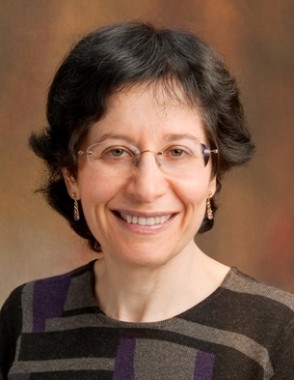
Before the Journals: The SPS3 Trial
The results of the Secondary Prevention of Small Subcortical Strokes trial have now been published in full in the Aug. 30 New England Journal of Medicine.
We previously reported on the results of the SPS3 trial at this year’s International Stoke Conference in New Orleans. The full paper does not contain any notable revisions from our original report.
Investigators for the SPS3 trial randomized 3,020 patients with recent lacunar strokes to receive 75 mg of clopidogrel (Plavix) or placebo daily; patients in both groups received 325 mg of aspirin daily. After a mean follow-up of 3.4 years, all-cause mortality occurred at a rate of 1.4% per year in the aspirin-only arm, and a rate of 2.1% per year in the dual-therapy arm, which translated into a hazard ratio of 1.52 (N. Engl. J. Med. 2012;367:817-25). At the same time, the major hemorrhages occurred at a rate of 1.1% per year in the aspirin-only arm, and at a rate of 2.1% per year in the dual-therapy arm (HR, 1.97).
The study’s primary outcome of interest was the incidence of recurrent stroke. The investigators noted no significant difference in the incidence of ischemic and hemorrhagic strokes between treatment groups. These events occurred at a rate of 2.7% per year among those in the aspirin-only arm, and 2.5% per year among those in the dual-therapy arm (HR, 0.97).
The results of the Secondary Prevention of Small Subcortical Strokes trial have now been published in full in the Aug. 30 New England Journal of Medicine.
We previously reported on the results of the SPS3 trial at this year’s International Stoke Conference in New Orleans. The full paper does not contain any notable revisions from our original report.
Investigators for the SPS3 trial randomized 3,020 patients with recent lacunar strokes to receive 75 mg of clopidogrel (Plavix) or placebo daily; patients in both groups received 325 mg of aspirin daily. After a mean follow-up of 3.4 years, all-cause mortality occurred at a rate of 1.4% per year in the aspirin-only arm, and a rate of 2.1% per year in the dual-therapy arm, which translated into a hazard ratio of 1.52 (N. Engl. J. Med. 2012;367:817-25). At the same time, the major hemorrhages occurred at a rate of 1.1% per year in the aspirin-only arm, and at a rate of 2.1% per year in the dual-therapy arm (HR, 1.97).
The study’s primary outcome of interest was the incidence of recurrent stroke. The investigators noted no significant difference in the incidence of ischemic and hemorrhagic strokes between treatment groups. These events occurred at a rate of 2.7% per year among those in the aspirin-only arm, and 2.5% per year among those in the dual-therapy arm (HR, 0.97).
The results of the Secondary Prevention of Small Subcortical Strokes trial have now been published in full in the Aug. 30 New England Journal of Medicine.
We previously reported on the results of the SPS3 trial at this year’s International Stoke Conference in New Orleans. The full paper does not contain any notable revisions from our original report.
Investigators for the SPS3 trial randomized 3,020 patients with recent lacunar strokes to receive 75 mg of clopidogrel (Plavix) or placebo daily; patients in both groups received 325 mg of aspirin daily. After a mean follow-up of 3.4 years, all-cause mortality occurred at a rate of 1.4% per year in the aspirin-only arm, and a rate of 2.1% per year in the dual-therapy arm, which translated into a hazard ratio of 1.52 (N. Engl. J. Med. 2012;367:817-25). At the same time, the major hemorrhages occurred at a rate of 1.1% per year in the aspirin-only arm, and at a rate of 2.1% per year in the dual-therapy arm (HR, 1.97).
The study’s primary outcome of interest was the incidence of recurrent stroke. The investigators noted no significant difference in the incidence of ischemic and hemorrhagic strokes between treatment groups. These events occurred at a rate of 2.7% per year among those in the aspirin-only arm, and 2.5% per year among those in the dual-therapy arm (HR, 0.97).
Nocturnal Sleep Boosts Working Memory Training in Parkinson's
Nocturnal sleep enhances working memory training in patients with Parkinson’s disease but not in those with Lewy body dementia, results from a novel study demonstrated.
The observed performance improvements "are striking because working memory capacity is degraded in patients with Parkinson’s disease, and cognitive impairments in this population may lead to impaired workplace functioning, worsened quality of life, increased risk for maintaining independent living and increased burden to caregivers," researchers led by Michael K. Scullin, Ph.D., wrote in a study published online August 20, 2012 in Brain.

"Training working memory after first correcting existing sleep disturbances may help alleviate some of the non-motor burdens associated with Parkinson’s disease," they suggested.
Dr. Scullin, a postdoctoral fellow in the department of neurology at Emory University, Atlanta, and his associates set out to investigate whether patients with Parkinson’s disease can improve their working memory performance and, if so, whether slow-wave sleep or another sleep-dependent variable is associated with such improvements.
They enrolled 53 patients with Parkinson’s disease and 10 patients who had dementia with Lewy bodies. All patients spent 48 hours in a laboratory setting where they underwent two nights of polysomnography and eight digit span tests. The timing of assessments was tailored to each patient depending on their typical sleep and wake times (Brain 2012 Aug. 20 [doi:10.1093/brain/aws192]).
On average, Parkinson’s patients were younger than patients who had dementia with Lewy bodies (a mean age of 64 vs. 70 years, respectively). Of the 53 Parkinson’s patients, 42 were taking one or more dopaminergic agents while 11 were not. After sleeping, Parkinson’s patients showed a significant improvement in the digit span backward measure from the mean of tests on day 1 to the mean of tests on day 2, particularly between test four on day 1 to test five on day 2 (P less than .001) but not in the digit span forward measure. The improvement corresponded to nearly a one-digit improvement in the length of the digit span remembered.
In the digit span test, the investigator reads a string of digits aloud and the patient is instructed to immediately recall those digits either in the forward position, which is a measure of short-term memory/attention, or in the backward position, which is a measure of working memory.
On the other hand, patients who had dementia with Lewy bodies showed no significant improvement in the digit span backward measure but showed a significant decline in the digit span forward measure (P less than .05).
Among Parkinson’s patients, those who were taking dopaminergic medication had significant improvements on the digit span backward measure between day 1 and day 2 (P less than .001) but those who were not taking dopaminergic medication did not (P = .19).
"This pattern is striking, considering that patients taking dopaminergic medication had longer disease duration than those not taking dopaminergic medication," the researchers noted. Such digit span backward improvements "appear to be dependent on processes that occur during nocturnal sleep rather than ... on time of day or practice."
They arrived at this conclusion by conducting a hierarchical analysis of three potential explanations for the digit span backward improvements observed over the 2-day period: the presence of dopaminergic medication, slow-wave sleep, and nocturnal oxygen saturation. The strongest predictor of digit span backward improvement was nocturnal slow-wave sleep during the training phase.
"An implication of the associations between sleep-dependent processes and working memory performance improvements is that behavioral studies of working memory need to assess the contributions of sleep," the researchers wrote. "For example, training studies might pre-screen potential participants using overnight polysomnography and/or ambulatory pulse oximetry. A related approach is to continue to monitor sleep architecture and breathing in sleep during the training phase. Doing so allows for the examination of how fluctuations in sleep processes predict working memory capacity improvements."
The study was funded by the National Institutes of Health. Dr. Scullin also received funding from a Cottrell Fellowship from Emory University.
Nocturnal sleep enhances working memory training in patients with Parkinson’s disease but not in those with Lewy body dementia, results from a novel study demonstrated.
The observed performance improvements "are striking because working memory capacity is degraded in patients with Parkinson’s disease, and cognitive impairments in this population may lead to impaired workplace functioning, worsened quality of life, increased risk for maintaining independent living and increased burden to caregivers," researchers led by Michael K. Scullin, Ph.D., wrote in a study published online August 20, 2012 in Brain.
"Training working memory after first correcting existing sleep disturbances may help alleviate some of the non-motor burdens associated with Parkinson’s disease," they suggested.
Dr. Scullin, a postdoctoral fellow in the department of neurology at Emory University, Atlanta, and his associates set out to investigate whether patients with Parkinson’s disease can improve their working memory performance and, if so, whether slow-wave sleep or another sleep-dependent variable is associated with such improvements.
They enrolled 53 patients with Parkinson’s disease and 10 patients who had dementia with Lewy bodies. All patients spent 48 hours in a laboratory setting where they underwent two nights of polysomnography and eight digit span tests. The timing of assessments was tailored to each patient depending on their typical sleep and wake times (Brain 2012 Aug. 20 [doi:10.1093/brain/aws192]).
On average, Parkinson’s patients were younger than patients who had dementia with Lewy bodies (a mean age of 64 vs. 70 years, respectively). Of the 53 Parkinson’s patients, 42 were taking one or more dopaminergic agents while 11 were not. After sleeping, Parkinson’s patients showed a significant improvement in the digit span backward measure from the mean of tests on day 1 to the mean of tests on day 2, particularly between test four on day 1 to test five on day 2 (P less than .001) but not in the digit span forward measure. The improvement corresponded to nearly a one-digit improvement in the length of the digit span remembered.
In the digit span test, the investigator reads a string of digits aloud and the patient is instructed to immediately recall those digits either in the forward position, which is a measure of short-term memory/attention, or in the backward position, which is a measure of working memory.
On the other hand, patients who had dementia with Lewy bodies showed no significant improvement in the digit span backward measure but showed a significant decline in the digit span forward measure (P less than .05).
Among Parkinson’s patients, those who were taking dopaminergic medication had significant improvements on the digit span backward measure between day 1 and day 2 (P less than .001) but those who were not taking dopaminergic medication did not (P = .19).
"This pattern is striking, considering that patients taking dopaminergic medication had longer disease duration than those not taking dopaminergic medication," the researchers noted. Such digit span backward improvements "appear to be dependent on processes that occur during nocturnal sleep rather than ... on time of day or practice."
They arrived at this conclusion by conducting a hierarchical analysis of three potential explanations for the digit span backward improvements observed over the 2-day period: the presence of dopaminergic medication, slow-wave sleep, and nocturnal oxygen saturation. The strongest predictor of digit span backward improvement was nocturnal slow-wave sleep during the training phase.
"An implication of the associations between sleep-dependent processes and working memory performance improvements is that behavioral studies of working memory need to assess the contributions of sleep," the researchers wrote. "For example, training studies might pre-screen potential participants using overnight polysomnography and/or ambulatory pulse oximetry. A related approach is to continue to monitor sleep architecture and breathing in sleep during the training phase. Doing so allows for the examination of how fluctuations in sleep processes predict working memory capacity improvements."
The study was funded by the National Institutes of Health. Dr. Scullin also received funding from a Cottrell Fellowship from Emory University.
Nocturnal sleep enhances working memory training in patients with Parkinson’s disease but not in those with Lewy body dementia, results from a novel study demonstrated.
The observed performance improvements "are striking because working memory capacity is degraded in patients with Parkinson’s disease, and cognitive impairments in this population may lead to impaired workplace functioning, worsened quality of life, increased risk for maintaining independent living and increased burden to caregivers," researchers led by Michael K. Scullin, Ph.D., wrote in a study published online August 20, 2012 in Brain.
"Training working memory after first correcting existing sleep disturbances may help alleviate some of the non-motor burdens associated with Parkinson’s disease," they suggested.
Dr. Scullin, a postdoctoral fellow in the department of neurology at Emory University, Atlanta, and his associates set out to investigate whether patients with Parkinson’s disease can improve their working memory performance and, if so, whether slow-wave sleep or another sleep-dependent variable is associated with such improvements.
They enrolled 53 patients with Parkinson’s disease and 10 patients who had dementia with Lewy bodies. All patients spent 48 hours in a laboratory setting where they underwent two nights of polysomnography and eight digit span tests. The timing of assessments was tailored to each patient depending on their typical sleep and wake times (Brain 2012 Aug. 20 [doi:10.1093/brain/aws192]).
On average, Parkinson’s patients were younger than patients who had dementia with Lewy bodies (a mean age of 64 vs. 70 years, respectively). Of the 53 Parkinson’s patients, 42 were taking one or more dopaminergic agents while 11 were not. After sleeping, Parkinson’s patients showed a significant improvement in the digit span backward measure from the mean of tests on day 1 to the mean of tests on day 2, particularly between test four on day 1 to test five on day 2 (P less than .001) but not in the digit span forward measure. The improvement corresponded to nearly a one-digit improvement in the length of the digit span remembered.
In the digit span test, the investigator reads a string of digits aloud and the patient is instructed to immediately recall those digits either in the forward position, which is a measure of short-term memory/attention, or in the backward position, which is a measure of working memory.
On the other hand, patients who had dementia with Lewy bodies showed no significant improvement in the digit span backward measure but showed a significant decline in the digit span forward measure (P less than .05).
Among Parkinson’s patients, those who were taking dopaminergic medication had significant improvements on the digit span backward measure between day 1 and day 2 (P less than .001) but those who were not taking dopaminergic medication did not (P = .19).
"This pattern is striking, considering that patients taking dopaminergic medication had longer disease duration than those not taking dopaminergic medication," the researchers noted. Such digit span backward improvements "appear to be dependent on processes that occur during nocturnal sleep rather than ... on time of day or practice."
They arrived at this conclusion by conducting a hierarchical analysis of three potential explanations for the digit span backward improvements observed over the 2-day period: the presence of dopaminergic medication, slow-wave sleep, and nocturnal oxygen saturation. The strongest predictor of digit span backward improvement was nocturnal slow-wave sleep during the training phase.
"An implication of the associations between sleep-dependent processes and working memory performance improvements is that behavioral studies of working memory need to assess the contributions of sleep," the researchers wrote. "For example, training studies might pre-screen potential participants using overnight polysomnography and/or ambulatory pulse oximetry. A related approach is to continue to monitor sleep architecture and breathing in sleep during the training phase. Doing so allows for the examination of how fluctuations in sleep processes predict working memory capacity improvements."
The study was funded by the National Institutes of Health. Dr. Scullin also received funding from a Cottrell Fellowship from Emory University.
FROM BRAIN
Major Finding: Between day 1 and day 2, Parkinson’s patients showed a significant improvement in the digit span backward measure (P less than .001) but patients who had dementia with Lewy bodies did not. The improvement corresponded to nearly a one-digit mean improvement in the length of digit span remembered.
Data Source: In the study, 53 patients with Parkinson’s disease and 10 patients with dementia with Lewy bodies spent 48 hours in a laboratory setting where they underwent 2 nights of polysomnography and eight digit span tests.
Disclosures: The study was funded by the National Institutes of Health. Dr. Scullin also received funding from a Cottrell Fellowship from Emory University.