User login
Doug Brunk is a San Diego-based award-winning reporter who began covering health care in 1991. Before joining the company, he wrote for the health sciences division of Columbia University and was an associate editor at Contemporary Long Term Care magazine when it won a Jesse H. Neal Award. His work has been syndicated by the Los Angeles Times and he is the author of two books related to the University of Kentucky Wildcats men's basketball program. Doug has a master’s degree in magazine journalism from the S.I. Newhouse School of Public Communications at Syracuse University. Follow him on Twitter @dougbrunk.
Routine Sigmoidoscopy Cut Colorectal Cancer Incidence, Mortality
SAN DIEGO – The incidence of colorectal cancer among men and women who underwent flexible sigmoidoscopy, with a repeat screening every 3 or 5 years, was reduced by 21%, compared with those who received usual care, according to the findings of a large, randomized controlled trial.
In addition, results from the Prostate, Lung, Colorectal, and Ovarian Cancer Screening Trial (PLCO) showed that study participants in the flexible sigmoidoscopy group had a 26% reduction in overall colorectal cancer mortality and a 50% reduction in mortality related to distal colorectal cancer, compared with the usual-care group. In about 22% of cases, colonoscopy was performed as a direct effect of screening with flexible sigmoidoscopy.
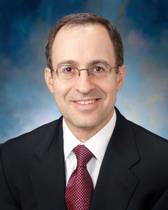
Dr. Robert E. Schoen of the division of gastroenterology, hepatology, and nutrition at the University of Pittsburgh Medical Center and his associates randomly assigned 154,900 men and women aged 55-74 years to either screening with a baseline flexible sigmoidoscopy, with a repeat screening every 3 or 5 years, or to usual care, which was defined as "whatever might have been recommended by the patient’s physician," he said.
"The rate of routine colonoscopy after the screening phase was 47.7% in the intervention group and 48.0% in the usual-care group, according to the study.
The investigators followed the study participants for a median of 11.9 years and collected medical records related to follow-up, a diagnosis of cancer, and cancer complications. The primary outcome was death from colorectal cancer, while incidence of the disease was listed as a secondary outcome (N. Engl. J. Med. 2012 May 21 [doi:10.1056/NEJMoa1114635]).
Of the 154,900 study participants, 77,445 were assigned to the flexible sigmoidoscopy group and 77,455 to the usual-care group. The groups were evenly split by gender, more than half (64%) ranged in age from 55-64 years, 86% were white (non-Hispanic), and 34% were college graduates.
During follow-up, the incidence of colorectal cancer was 11.9 cases/10,000 person-years in the intervention group, compared with 15.2 cases/10,000 person-years in the usual care group, which translated into a statistically significant reduction of 21% (P less than .001).
The researchers also reported that there were 2.9 deaths from colorectal cancer/10,000 person-years in the intervention group, compared with 3.9/10,000 person-years in the usual care group, which translated into a statistically significant reduction of 26% (P less than .001). Mortality from distal disease was reduced by 50% in the intervention group, compared with the usual care group (P less than .001), but mortality from proximal disease remained unaffected (P = .81).
"As compared with the distal colon, the proximal colon poses a more difficult challenge for colorectal cancer control because of limitations in bowel preparation, a greater prevalence of advanced serrated adenomas, which are harder to detect than conventional adenomas, and biologic differences, including a greater incidence of BRAF mutation, microsatellite instability, and CpG island methylator phenotype (CIMP)," the researchers wrote.
"Although our protocol was associated with a reduction in the incidence of proximal colorectal cancer, presumably because of the detection and removal of precursor adenomas that would otherwise have progressed to cancer, it apparently did not succeed in identifying and successfully removing a proportionally greater number of precursor lesions destined to develop into fatal colorectal cancers."
At the meeting, Dr. Schoen told this news organization that clinicians "have to become better at detecting subtle polyps in the right [proximal] colon. The hope is that if we get better with colonoscopy we will be able to find not just the polyps that lead to cancer, but also the polyps that lead to fatal cancer."
Dr. Schoen disclosed that he has received stock options from Onconome. The study was funded by the National Cancer Institute.
National guidelines include flexible sigmoidoscopy as a recommended screening strategy; however, use of this test has significantly decreased in the United States. What rationale could one propose to invest in expansion of this strategy?
First, the quality of evidence supporting the effectiveness of screening colonoscopy is inferior to that supporting flexible sigmoidoscopy. Although case-control and prospective cohort studies have been performed, no randomized clinical trial proving that colonoscopy can reduce cancer mortality has yet been published. Moreover, studies have reported that screening colonoscopy lacks benefit in reducing mortality from proximal colorectal cancer.
Second, not all people agree to undergo a screening colonoscopy. We have reported our observations that significantly fewer persons with a recommendation for colonoscopy chose to undergo screening than did persons with a recommendation for alternative screening strategies (Arch. Intern. Med. 2012; 172:575-82).
Finally, health care reform in the United States is likely to alter the manner in which options are presented to patients. As reimbursement moves from fee for service to bundled payments for episodes of care, there will be a renewed focus on delivering evidence-based interventions in a manner that optimizes resource use. Although these efforts must not limit access to beneficial interventions, it is likely that effective strategies that are less resource-intensive will be viewed more favorably by payers and accountable care organizations.
Dr. John M. Inadomi is with the division of gastroenterology in the department of medicine at the University of Washington, Seattle. These comments were extracted from a guest editorial that appeared online May 21, 2012, in the New England Journal of Medicine. (2012 May 21 [doi:10.1056/e1204099]). Dr. Inadomi disclosed that he is a paid consultant to Takeda Pharmaceuticals and Roche Diagnostics.
National guidelines include flexible sigmoidoscopy as a recommended screening strategy; however, use of this test has significantly decreased in the United States. What rationale could one propose to invest in expansion of this strategy?
First, the quality of evidence supporting the effectiveness of screening colonoscopy is inferior to that supporting flexible sigmoidoscopy. Although case-control and prospective cohort studies have been performed, no randomized clinical trial proving that colonoscopy can reduce cancer mortality has yet been published. Moreover, studies have reported that screening colonoscopy lacks benefit in reducing mortality from proximal colorectal cancer.
Second, not all people agree to undergo a screening colonoscopy. We have reported our observations that significantly fewer persons with a recommendation for colonoscopy chose to undergo screening than did persons with a recommendation for alternative screening strategies (Arch. Intern. Med. 2012; 172:575-82).
Finally, health care reform in the United States is likely to alter the manner in which options are presented to patients. As reimbursement moves from fee for service to bundled payments for episodes of care, there will be a renewed focus on delivering evidence-based interventions in a manner that optimizes resource use. Although these efforts must not limit access to beneficial interventions, it is likely that effective strategies that are less resource-intensive will be viewed more favorably by payers and accountable care organizations.
Dr. John M. Inadomi is with the division of gastroenterology in the department of medicine at the University of Washington, Seattle. These comments were extracted from a guest editorial that appeared online May 21, 2012, in the New England Journal of Medicine. (2012 May 21 [doi:10.1056/e1204099]). Dr. Inadomi disclosed that he is a paid consultant to Takeda Pharmaceuticals and Roche Diagnostics.
National guidelines include flexible sigmoidoscopy as a recommended screening strategy; however, use of this test has significantly decreased in the United States. What rationale could one propose to invest in expansion of this strategy?
First, the quality of evidence supporting the effectiveness of screening colonoscopy is inferior to that supporting flexible sigmoidoscopy. Although case-control and prospective cohort studies have been performed, no randomized clinical trial proving that colonoscopy can reduce cancer mortality has yet been published. Moreover, studies have reported that screening colonoscopy lacks benefit in reducing mortality from proximal colorectal cancer.
Second, not all people agree to undergo a screening colonoscopy. We have reported our observations that significantly fewer persons with a recommendation for colonoscopy chose to undergo screening than did persons with a recommendation for alternative screening strategies (Arch. Intern. Med. 2012; 172:575-82).
Finally, health care reform in the United States is likely to alter the manner in which options are presented to patients. As reimbursement moves from fee for service to bundled payments for episodes of care, there will be a renewed focus on delivering evidence-based interventions in a manner that optimizes resource use. Although these efforts must not limit access to beneficial interventions, it is likely that effective strategies that are less resource-intensive will be viewed more favorably by payers and accountable care organizations.
Dr. John M. Inadomi is with the division of gastroenterology in the department of medicine at the University of Washington, Seattle. These comments were extracted from a guest editorial that appeared online May 21, 2012, in the New England Journal of Medicine. (2012 May 21 [doi:10.1056/e1204099]). Dr. Inadomi disclosed that he is a paid consultant to Takeda Pharmaceuticals and Roche Diagnostics.
SAN DIEGO – The incidence of colorectal cancer among men and women who underwent flexible sigmoidoscopy, with a repeat screening every 3 or 5 years, was reduced by 21%, compared with those who received usual care, according to the findings of a large, randomized controlled trial.
In addition, results from the Prostate, Lung, Colorectal, and Ovarian Cancer Screening Trial (PLCO) showed that study participants in the flexible sigmoidoscopy group had a 26% reduction in overall colorectal cancer mortality and a 50% reduction in mortality related to distal colorectal cancer, compared with the usual-care group. In about 22% of cases, colonoscopy was performed as a direct effect of screening with flexible sigmoidoscopy.
Dr. Robert E. Schoen of the division of gastroenterology, hepatology, and nutrition at the University of Pittsburgh Medical Center and his associates randomly assigned 154,900 men and women aged 55-74 years to either screening with a baseline flexible sigmoidoscopy, with a repeat screening every 3 or 5 years, or to usual care, which was defined as "whatever might have been recommended by the patient’s physician," he said.
"The rate of routine colonoscopy after the screening phase was 47.7% in the intervention group and 48.0% in the usual-care group, according to the study.
The investigators followed the study participants for a median of 11.9 years and collected medical records related to follow-up, a diagnosis of cancer, and cancer complications. The primary outcome was death from colorectal cancer, while incidence of the disease was listed as a secondary outcome (N. Engl. J. Med. 2012 May 21 [doi:10.1056/NEJMoa1114635]).
Of the 154,900 study participants, 77,445 were assigned to the flexible sigmoidoscopy group and 77,455 to the usual-care group. The groups were evenly split by gender, more than half (64%) ranged in age from 55-64 years, 86% were white (non-Hispanic), and 34% were college graduates.
During follow-up, the incidence of colorectal cancer was 11.9 cases/10,000 person-years in the intervention group, compared with 15.2 cases/10,000 person-years in the usual care group, which translated into a statistically significant reduction of 21% (P less than .001).
The researchers also reported that there were 2.9 deaths from colorectal cancer/10,000 person-years in the intervention group, compared with 3.9/10,000 person-years in the usual care group, which translated into a statistically significant reduction of 26% (P less than .001). Mortality from distal disease was reduced by 50% in the intervention group, compared with the usual care group (P less than .001), but mortality from proximal disease remained unaffected (P = .81).
"As compared with the distal colon, the proximal colon poses a more difficult challenge for colorectal cancer control because of limitations in bowel preparation, a greater prevalence of advanced serrated adenomas, which are harder to detect than conventional adenomas, and biologic differences, including a greater incidence of BRAF mutation, microsatellite instability, and CpG island methylator phenotype (CIMP)," the researchers wrote.
"Although our protocol was associated with a reduction in the incidence of proximal colorectal cancer, presumably because of the detection and removal of precursor adenomas that would otherwise have progressed to cancer, it apparently did not succeed in identifying and successfully removing a proportionally greater number of precursor lesions destined to develop into fatal colorectal cancers."
At the meeting, Dr. Schoen told this news organization that clinicians "have to become better at detecting subtle polyps in the right [proximal] colon. The hope is that if we get better with colonoscopy we will be able to find not just the polyps that lead to cancer, but also the polyps that lead to fatal cancer."
Dr. Schoen disclosed that he has received stock options from Onconome. The study was funded by the National Cancer Institute.
SAN DIEGO – The incidence of colorectal cancer among men and women who underwent flexible sigmoidoscopy, with a repeat screening every 3 or 5 years, was reduced by 21%, compared with those who received usual care, according to the findings of a large, randomized controlled trial.
In addition, results from the Prostate, Lung, Colorectal, and Ovarian Cancer Screening Trial (PLCO) showed that study participants in the flexible sigmoidoscopy group had a 26% reduction in overall colorectal cancer mortality and a 50% reduction in mortality related to distal colorectal cancer, compared with the usual-care group. In about 22% of cases, colonoscopy was performed as a direct effect of screening with flexible sigmoidoscopy.
Dr. Robert E. Schoen of the division of gastroenterology, hepatology, and nutrition at the University of Pittsburgh Medical Center and his associates randomly assigned 154,900 men and women aged 55-74 years to either screening with a baseline flexible sigmoidoscopy, with a repeat screening every 3 or 5 years, or to usual care, which was defined as "whatever might have been recommended by the patient’s physician," he said.
"The rate of routine colonoscopy after the screening phase was 47.7% in the intervention group and 48.0% in the usual-care group, according to the study.
The investigators followed the study participants for a median of 11.9 years and collected medical records related to follow-up, a diagnosis of cancer, and cancer complications. The primary outcome was death from colorectal cancer, while incidence of the disease was listed as a secondary outcome (N. Engl. J. Med. 2012 May 21 [doi:10.1056/NEJMoa1114635]).
Of the 154,900 study participants, 77,445 were assigned to the flexible sigmoidoscopy group and 77,455 to the usual-care group. The groups were evenly split by gender, more than half (64%) ranged in age from 55-64 years, 86% were white (non-Hispanic), and 34% were college graduates.
During follow-up, the incidence of colorectal cancer was 11.9 cases/10,000 person-years in the intervention group, compared with 15.2 cases/10,000 person-years in the usual care group, which translated into a statistically significant reduction of 21% (P less than .001).
The researchers also reported that there were 2.9 deaths from colorectal cancer/10,000 person-years in the intervention group, compared with 3.9/10,000 person-years in the usual care group, which translated into a statistically significant reduction of 26% (P less than .001). Mortality from distal disease was reduced by 50% in the intervention group, compared with the usual care group (P less than .001), but mortality from proximal disease remained unaffected (P = .81).
"As compared with the distal colon, the proximal colon poses a more difficult challenge for colorectal cancer control because of limitations in bowel preparation, a greater prevalence of advanced serrated adenomas, which are harder to detect than conventional adenomas, and biologic differences, including a greater incidence of BRAF mutation, microsatellite instability, and CpG island methylator phenotype (CIMP)," the researchers wrote.
"Although our protocol was associated with a reduction in the incidence of proximal colorectal cancer, presumably because of the detection and removal of precursor adenomas that would otherwise have progressed to cancer, it apparently did not succeed in identifying and successfully removing a proportionally greater number of precursor lesions destined to develop into fatal colorectal cancers."
At the meeting, Dr. Schoen told this news organization that clinicians "have to become better at detecting subtle polyps in the right [proximal] colon. The hope is that if we get better with colonoscopy we will be able to find not just the polyps that lead to cancer, but also the polyps that lead to fatal cancer."
Dr. Schoen disclosed that he has received stock options from Onconome. The study was funded by the National Cancer Institute.
FROM THE ANNUAL DIGESTIVE DISEASE WEEK
Major Finding: The use of flexible sigmoidoscopy for colorectal cancer screening, as compared with usual care, was associated with a 26% reduction in overall colorectal cancer mortality and a 21% reduction in the incidence of colorectal cancer.
Data Source: Findings are based on a study of 77,445 participants in the Prostate, Lung, Colorectal, and Ovarian Cancer Screening Trial.
Disclosures: Dr. Schoen disclosed that he has received stock options from Onconome. The study was funded by the National Cancer Institute.
Lymphadenectomy Underused in GI Cancer Surgery
SAN DIEGO – Lymph node removal during gastrointestinal cancer surgery remains underperformed in a large proportion of patients in the United States, although the median number of resected nodes increased from 1998 to 2009.
Those are the key findings of a 10-year analysis of medical records from the National Cancer Institute’s Surveillance Epidemiology and End Results (SEER) database.

Several reports in the literature show a correlation between long-term survival and the removal of possibly metastatic lymph nodes along with the cancerous organ during surgery, Dr. Attila Dubecz explained in an interview at the annual Digestive Disease Week. There are also survival differences based on sex, race or poverty status, and differences in lymph node removal between these groups in certain cancer types, he said. "We wanted to determine if these differences are more related to cancer types therefore the type of operation, for example or to these underprivileged groups."
Using SEER data from 1998 to 2009, Dr. Dubecz of Klinikum Nürnberg (Germany) and his colleagues identified 326,243 patients with a surgically treated GI malignancy. This included 13,165 malignancies in the esophagus, 18,588 in the stomach, 7,666 in the small bowel, 232,345 in the colon, 42,338 in the rectum, and 12,141 in the pancreas.
Adequate lymphadenectomy was defined as removal of at least 15 lymph nodes for cancer of the esophagus and the stomach; at least 12 for cancer of the small bowel, colon, and rectum; and at least 15 for cancer of the pancreas. The researchers evaluated the median number of lymph nodes removed and the prevalence of adequate and/or no lymphadenectomy for each cancer type over the 10-year period. They used multivariate logistic regression analysis to identify factors predicting adequate lymphadenectomy.
Dr. Dubecz, a surgeon, reported that the median number of excised nodes improved over the 10-year period in all types of cancer: from 7 to 13 in esophageal cancer, 8 to 12 in stomach cancer, 2 to 7 in small bowel cancer, 9 to 16 in colon cancer, 8 to 13 in rectal cancer, and 7 to 13 in pancreatic cancer.
In addition, the percentage of patients with an adequate lymphadenectomy (a median of 49% for all types) steadily increased and those with zero nodes removed (a median of 6% for all types) steadily decreased in all types of cancer, "although both remained far from ideal," the researchers wrote.
By 2009, the percentage of patients with adequate lymphadenectomy was 43% for esophageal cancer, 42% for stomach cancer, 35% for small bowel cancer, 77% for colon cancer, 61% for rectal cancer and 42% for pancreatic cancer. Men, patients older than age 65, or those undergoing surgical therapy earlier in the study period and living in areas with high poverty rates were significantly less likely to receive adequate lymphadenectomy (P less than .0001 for all groups).
"The main surprise was that race was an insignificant factor, and gender, age, and socioeconomic differences between the groups with adequate versus inadequate lymph node dissection were also much less [than] between the groups of different cancer types," Dr. Dubecz said at the annual meeting of the Digestive Disease Week.
Dr. Dubecz acknowledged certain limitations of the study, including the potential for misclassification of patient information in the SEER database. "Furthermore, despite being advocated by several practice organizations and consensus panels, the definitions of adequate lymphadenectomy used in this study are not universally accepted," he noted. "Third, our analyses are limited to the available variables in the SEER database with no information regarding patient insurance status, comorbidities, body mass index, or [neo]adjuvant chemotherapy, which could influence lymph node dissection and the disparities."
Dr. Dubecz said he had no relevant financial disclosures.
SAN DIEGO – Lymph node removal during gastrointestinal cancer surgery remains underperformed in a large proportion of patients in the United States, although the median number of resected nodes increased from 1998 to 2009.
Those are the key findings of a 10-year analysis of medical records from the National Cancer Institute’s Surveillance Epidemiology and End Results (SEER) database.
Several reports in the literature show a correlation between long-term survival and the removal of possibly metastatic lymph nodes along with the cancerous organ during surgery, Dr. Attila Dubecz explained in an interview at the annual Digestive Disease Week. There are also survival differences based on sex, race or poverty status, and differences in lymph node removal between these groups in certain cancer types, he said. "We wanted to determine if these differences are more related to cancer types therefore the type of operation, for example or to these underprivileged groups."
Using SEER data from 1998 to 2009, Dr. Dubecz of Klinikum Nürnberg (Germany) and his colleagues identified 326,243 patients with a surgically treated GI malignancy. This included 13,165 malignancies in the esophagus, 18,588 in the stomach, 7,666 in the small bowel, 232,345 in the colon, 42,338 in the rectum, and 12,141 in the pancreas.
Adequate lymphadenectomy was defined as removal of at least 15 lymph nodes for cancer of the esophagus and the stomach; at least 12 for cancer of the small bowel, colon, and rectum; and at least 15 for cancer of the pancreas. The researchers evaluated the median number of lymph nodes removed and the prevalence of adequate and/or no lymphadenectomy for each cancer type over the 10-year period. They used multivariate logistic regression analysis to identify factors predicting adequate lymphadenectomy.
Dr. Dubecz, a surgeon, reported that the median number of excised nodes improved over the 10-year period in all types of cancer: from 7 to 13 in esophageal cancer, 8 to 12 in stomach cancer, 2 to 7 in small bowel cancer, 9 to 16 in colon cancer, 8 to 13 in rectal cancer, and 7 to 13 in pancreatic cancer.
In addition, the percentage of patients with an adequate lymphadenectomy (a median of 49% for all types) steadily increased and those with zero nodes removed (a median of 6% for all types) steadily decreased in all types of cancer, "although both remained far from ideal," the researchers wrote.
By 2009, the percentage of patients with adequate lymphadenectomy was 43% for esophageal cancer, 42% for stomach cancer, 35% for small bowel cancer, 77% for colon cancer, 61% for rectal cancer and 42% for pancreatic cancer. Men, patients older than age 65, or those undergoing surgical therapy earlier in the study period and living in areas with high poverty rates were significantly less likely to receive adequate lymphadenectomy (P less than .0001 for all groups).
"The main surprise was that race was an insignificant factor, and gender, age, and socioeconomic differences between the groups with adequate versus inadequate lymph node dissection were also much less [than] between the groups of different cancer types," Dr. Dubecz said at the annual meeting of the Digestive Disease Week.
Dr. Dubecz acknowledged certain limitations of the study, including the potential for misclassification of patient information in the SEER database. "Furthermore, despite being advocated by several practice organizations and consensus panels, the definitions of adequate lymphadenectomy used in this study are not universally accepted," he noted. "Third, our analyses are limited to the available variables in the SEER database with no information regarding patient insurance status, comorbidities, body mass index, or [neo]adjuvant chemotherapy, which could influence lymph node dissection and the disparities."
Dr. Dubecz said he had no relevant financial disclosures.
SAN DIEGO – Lymph node removal during gastrointestinal cancer surgery remains underperformed in a large proportion of patients in the United States, although the median number of resected nodes increased from 1998 to 2009.
Those are the key findings of a 10-year analysis of medical records from the National Cancer Institute’s Surveillance Epidemiology and End Results (SEER) database.
Several reports in the literature show a correlation between long-term survival and the removal of possibly metastatic lymph nodes along with the cancerous organ during surgery, Dr. Attila Dubecz explained in an interview at the annual Digestive Disease Week. There are also survival differences based on sex, race or poverty status, and differences in lymph node removal between these groups in certain cancer types, he said. "We wanted to determine if these differences are more related to cancer types therefore the type of operation, for example or to these underprivileged groups."
Using SEER data from 1998 to 2009, Dr. Dubecz of Klinikum Nürnberg (Germany) and his colleagues identified 326,243 patients with a surgically treated GI malignancy. This included 13,165 malignancies in the esophagus, 18,588 in the stomach, 7,666 in the small bowel, 232,345 in the colon, 42,338 in the rectum, and 12,141 in the pancreas.
Adequate lymphadenectomy was defined as removal of at least 15 lymph nodes for cancer of the esophagus and the stomach; at least 12 for cancer of the small bowel, colon, and rectum; and at least 15 for cancer of the pancreas. The researchers evaluated the median number of lymph nodes removed and the prevalence of adequate and/or no lymphadenectomy for each cancer type over the 10-year period. They used multivariate logistic regression analysis to identify factors predicting adequate lymphadenectomy.
Dr. Dubecz, a surgeon, reported that the median number of excised nodes improved over the 10-year period in all types of cancer: from 7 to 13 in esophageal cancer, 8 to 12 in stomach cancer, 2 to 7 in small bowel cancer, 9 to 16 in colon cancer, 8 to 13 in rectal cancer, and 7 to 13 in pancreatic cancer.
In addition, the percentage of patients with an adequate lymphadenectomy (a median of 49% for all types) steadily increased and those with zero nodes removed (a median of 6% for all types) steadily decreased in all types of cancer, "although both remained far from ideal," the researchers wrote.
By 2009, the percentage of patients with adequate lymphadenectomy was 43% for esophageal cancer, 42% for stomach cancer, 35% for small bowel cancer, 77% for colon cancer, 61% for rectal cancer and 42% for pancreatic cancer. Men, patients older than age 65, or those undergoing surgical therapy earlier in the study period and living in areas with high poverty rates were significantly less likely to receive adequate lymphadenectomy (P less than .0001 for all groups).
"The main surprise was that race was an insignificant factor, and gender, age, and socioeconomic differences between the groups with adequate versus inadequate lymph node dissection were also much less [than] between the groups of different cancer types," Dr. Dubecz said at the annual meeting of the Digestive Disease Week.
Dr. Dubecz acknowledged certain limitations of the study, including the potential for misclassification of patient information in the SEER database. "Furthermore, despite being advocated by several practice organizations and consensus panels, the definitions of adequate lymphadenectomy used in this study are not universally accepted," he noted. "Third, our analyses are limited to the available variables in the SEER database with no information regarding patient insurance status, comorbidities, body mass index, or [neo]adjuvant chemotherapy, which could influence lymph node dissection and the disparities."
Dr. Dubecz said he had no relevant financial disclosures.
FROM THE ANNUAL DIGESTIVE DISEASE WEEK
Major Finding: By 2009, the percentage of patients with adequate lymphadenectomy during surgery for gastrointestinal cancer was 43% for esophageal cancer, 42% for stomach cancer, 35% for small bowel cancer, 77% for colon cancer, 61% for rectal cancer, and 42% for pancreatic cancer.
Data Source: Findings are based on a 10-year analysis of medical records from 326,243 patients in the National Cancer Institute’s Surveillance Epidemiology and End Results (SEER) database.
Disclosures: Dr. Dubecz said he had no relevant financial disclosures.
Texas Has More Doctors Since Tort Reform
SAN DIEGO – Since the state of Texas implemented medical tort reform in 2003, the number of practicing physicians has increased by 19% per 100,000 population. In addition, hospitals in the state report improved ability to recruit physicians and expand patient services.
Those are key findings from an innovative study presented by Dr. Ronald M. Stewart at the annual Digestive Disease Week.

"Tort reform has been beneficial for all or almost all Texas physicians," Dr. Stewart said in an interview in advance of the meeting. "I have benefited from lower malpractice premiums and a more favorable liability climate in the state. However, the effect of tort reform in a region is probably not the primary driver for physician recruitment and retention. I believe it is permissive – providing the framework for growing physicians relative to the number of patients being served," he explained.
The data show that, in the decade from 2002 to 2012, the Texas population went from 21,779,893 to 26,403,743 – a 21% increase – and the number of Texas physicians rose by 15,611 – a 44% increase (46% in metro areas vs. 9% in nonmetro areas). This absolute change led to an increase of 30 physicians per 100,000 population (19% increase; P less than 0.01).
Nonmetropolitan Texas had a net increase of 115 physicians, but there was no change in the number of physicians per 100,000 in these areas.
Looking at trauma service areas (TSAs), the researchers found that 20 of 22 TSAs had an increase in both number of physicians and physicians per capita. Five had increases of greater than 50%. The increases were generally greater in the central Texas TSAs and TSAs with a larger population size.
"The central part of the state along the I-35 corridor where there are academic medical centers grew significantly," commented Dr. Stewart, professor and chairman of the department of surgery at the University of Texas Health Science Center, San Antonio. "In rural Texas, the absolute number of doctors increased, but per capita it stayed about the same."
For the study, Dr. Stewart and his associates used data from the Texas Medical Board, the U.S. Census Bureau/Texas State Library and Archives Commission, and the Texas Department of State Health Services to compare the rate of physician growth prior to and following tort reform, and the number of licensed physicians per 100,000 population from January 2002 to January 2012.
The information about hospitals was extracted from a 2008 survey by the Texas Hospital Association, which asked hospital and health system administrators from 10 health care systems and 10 independent hospitals to measure the impact of the state medical liability tort reform, which became effective on Sept. 1, 2003. The law includes a $250,000 cap on noneconomic damages in most medical malpractice cases.
The survey of hospital administrators asked how they used the funds saved from their reduced liability coverage costs, and 58% of respondents reported using the funds to expand patient safety programs, 51% used the funds to maintain/expand coverage or services for uninsured/underinsured patients, and 46% used the funds to subsidize various payment shortfalls such as Medicaid.
"Tort reform, as implemented in Texas, was associated with an increase in practicing physicians with resultant improved access to care," Dr. Stewart concluded. "We know that tort reform is beneficial to the physician and hospital, but these data support the notion that it really is better for the patient, too."
When asked to comment on the translatability of the study findings to other states, Dr. Stewart said that comprehensive tort reform "makes an area more attractive to physicians. This is speculation on my part, but I would guess that if you implemented tort reform in other states, it gives those states some degree of an advantage in retaining and recruiting physicians."
He went on to point out that improving access to medical care for patients "is not just about doctors per capita or numbers of doctors; it’s also about what doctors do with their practice. One of the reasons Texas implemented tort reform wasn’t just that we were not keeping pace with our population growth; it was also because physicians were restricting their practice to what they viewed as lower-risk malpractice areas. Our study provides evidence that tort reform has also led to improvements with respect to physicians expanding their care to perceived high-risk areas."
Dr. Stewart said that he had no relevant financial disclosures.
*The headline was updated on May 22, 2012.
SAN DIEGO – Since the state of Texas implemented medical tort reform in 2003, the number of practicing physicians has increased by 19% per 100,000 population. In addition, hospitals in the state report improved ability to recruit physicians and expand patient services.
Those are key findings from an innovative study presented by Dr. Ronald M. Stewart at the annual Digestive Disease Week.
"Tort reform has been beneficial for all or almost all Texas physicians," Dr. Stewart said in an interview in advance of the meeting. "I have benefited from lower malpractice premiums and a more favorable liability climate in the state. However, the effect of tort reform in a region is probably not the primary driver for physician recruitment and retention. I believe it is permissive – providing the framework for growing physicians relative to the number of patients being served," he explained.
The data show that, in the decade from 2002 to 2012, the Texas population went from 21,779,893 to 26,403,743 – a 21% increase – and the number of Texas physicians rose by 15,611 – a 44% increase (46% in metro areas vs. 9% in nonmetro areas). This absolute change led to an increase of 30 physicians per 100,000 population (19% increase; P less than 0.01).
Nonmetropolitan Texas had a net increase of 115 physicians, but there was no change in the number of physicians per 100,000 in these areas.
Looking at trauma service areas (TSAs), the researchers found that 20 of 22 TSAs had an increase in both number of physicians and physicians per capita. Five had increases of greater than 50%. The increases were generally greater in the central Texas TSAs and TSAs with a larger population size.
"The central part of the state along the I-35 corridor where there are academic medical centers grew significantly," commented Dr. Stewart, professor and chairman of the department of surgery at the University of Texas Health Science Center, San Antonio. "In rural Texas, the absolute number of doctors increased, but per capita it stayed about the same."
For the study, Dr. Stewart and his associates used data from the Texas Medical Board, the U.S. Census Bureau/Texas State Library and Archives Commission, and the Texas Department of State Health Services to compare the rate of physician growth prior to and following tort reform, and the number of licensed physicians per 100,000 population from January 2002 to January 2012.
The information about hospitals was extracted from a 2008 survey by the Texas Hospital Association, which asked hospital and health system administrators from 10 health care systems and 10 independent hospitals to measure the impact of the state medical liability tort reform, which became effective on Sept. 1, 2003. The law includes a $250,000 cap on noneconomic damages in most medical malpractice cases.
The survey of hospital administrators asked how they used the funds saved from their reduced liability coverage costs, and 58% of respondents reported using the funds to expand patient safety programs, 51% used the funds to maintain/expand coverage or services for uninsured/underinsured patients, and 46% used the funds to subsidize various payment shortfalls such as Medicaid.
"Tort reform, as implemented in Texas, was associated with an increase in practicing physicians with resultant improved access to care," Dr. Stewart concluded. "We know that tort reform is beneficial to the physician and hospital, but these data support the notion that it really is better for the patient, too."
When asked to comment on the translatability of the study findings to other states, Dr. Stewart said that comprehensive tort reform "makes an area more attractive to physicians. This is speculation on my part, but I would guess that if you implemented tort reform in other states, it gives those states some degree of an advantage in retaining and recruiting physicians."
He went on to point out that improving access to medical care for patients "is not just about doctors per capita or numbers of doctors; it’s also about what doctors do with their practice. One of the reasons Texas implemented tort reform wasn’t just that we were not keeping pace with our population growth; it was also because physicians were restricting their practice to what they viewed as lower-risk malpractice areas. Our study provides evidence that tort reform has also led to improvements with respect to physicians expanding their care to perceived high-risk areas."
Dr. Stewart said that he had no relevant financial disclosures.
*The headline was updated on May 22, 2012.
SAN DIEGO – Since the state of Texas implemented medical tort reform in 2003, the number of practicing physicians has increased by 19% per 100,000 population. In addition, hospitals in the state report improved ability to recruit physicians and expand patient services.
Those are key findings from an innovative study presented by Dr. Ronald M. Stewart at the annual Digestive Disease Week.
"Tort reform has been beneficial for all or almost all Texas physicians," Dr. Stewart said in an interview in advance of the meeting. "I have benefited from lower malpractice premiums and a more favorable liability climate in the state. However, the effect of tort reform in a region is probably not the primary driver for physician recruitment and retention. I believe it is permissive – providing the framework for growing physicians relative to the number of patients being served," he explained.
The data show that, in the decade from 2002 to 2012, the Texas population went from 21,779,893 to 26,403,743 – a 21% increase – and the number of Texas physicians rose by 15,611 – a 44% increase (46% in metro areas vs. 9% in nonmetro areas). This absolute change led to an increase of 30 physicians per 100,000 population (19% increase; P less than 0.01).
Nonmetropolitan Texas had a net increase of 115 physicians, but there was no change in the number of physicians per 100,000 in these areas.
Looking at trauma service areas (TSAs), the researchers found that 20 of 22 TSAs had an increase in both number of physicians and physicians per capita. Five had increases of greater than 50%. The increases were generally greater in the central Texas TSAs and TSAs with a larger population size.
"The central part of the state along the I-35 corridor where there are academic medical centers grew significantly," commented Dr. Stewart, professor and chairman of the department of surgery at the University of Texas Health Science Center, San Antonio. "In rural Texas, the absolute number of doctors increased, but per capita it stayed about the same."
For the study, Dr. Stewart and his associates used data from the Texas Medical Board, the U.S. Census Bureau/Texas State Library and Archives Commission, and the Texas Department of State Health Services to compare the rate of physician growth prior to and following tort reform, and the number of licensed physicians per 100,000 population from January 2002 to January 2012.
The information about hospitals was extracted from a 2008 survey by the Texas Hospital Association, which asked hospital and health system administrators from 10 health care systems and 10 independent hospitals to measure the impact of the state medical liability tort reform, which became effective on Sept. 1, 2003. The law includes a $250,000 cap on noneconomic damages in most medical malpractice cases.
The survey of hospital administrators asked how they used the funds saved from their reduced liability coverage costs, and 58% of respondents reported using the funds to expand patient safety programs, 51% used the funds to maintain/expand coverage or services for uninsured/underinsured patients, and 46% used the funds to subsidize various payment shortfalls such as Medicaid.
"Tort reform, as implemented in Texas, was associated with an increase in practicing physicians with resultant improved access to care," Dr. Stewart concluded. "We know that tort reform is beneficial to the physician and hospital, but these data support the notion that it really is better for the patient, too."
When asked to comment on the translatability of the study findings to other states, Dr. Stewart said that comprehensive tort reform "makes an area more attractive to physicians. This is speculation on my part, but I would guess that if you implemented tort reform in other states, it gives those states some degree of an advantage in retaining and recruiting physicians."
He went on to point out that improving access to medical care for patients "is not just about doctors per capita or numbers of doctors; it’s also about what doctors do with their practice. One of the reasons Texas implemented tort reform wasn’t just that we were not keeping pace with our population growth; it was also because physicians were restricting their practice to what they viewed as lower-risk malpractice areas. Our study provides evidence that tort reform has also led to improvements with respect to physicians expanding their care to perceived high-risk areas."
Dr. Stewart said that he had no relevant financial disclosures.
*The headline was updated on May 22, 2012.
FROM THE ANNUAL DIGESTIVE DISEASE WEEK
Major Finding: Since medical tort reform became effective in Texas on Sept. 1, 2003, the number of physicians has grown by 30 per 100,000 population, an increase of 19% (P less than 0.01).
Data Source: Analysis of data from the Texas Medical Board, the United States Census Bureau/Texas State Library and Archives Commission, and the Texas Department of State Health Services to compare the rate of physician growth prior to and following tort reform, and the number of licensed physicians per 100,000 population from January 2002 to January 2012.
Disclosures: Dr. Stewart said that he had no relevant financial conflicts to disclose.
Increasing Birth Weight Impacts Normal Labor Curve
SAN DIEGO – As birth weight increases, progression in labor was slower both in successful trial of labor patients and in patients who ultimately had cesarean deliveries.
The findings come from a retrospective review of electronic data from the Consortium on Safe Labor, an observational study of labor and delivery practices led by the Eunice Kennedy Shriver National Institute of Child Health and Human Development (NICHD) and the National Institutes of Health (NIH) that was conducted at 12 clinical centers from 2002 to 2008.

"Since the 1950s, obstetricians have been using the Friedman labor curve in order to assist in interpreting normal and abnormal labor patterns," lead study author Heidi K. Leftwich, D.O., said at the annual meeting of the American College of Obstetricians and Gynecologists.
"However, we have [a] very different patient population these days. There is more obesity, less active management of the second stage of labor, we use more epidurals, and we have an older population, with women waiting later to begin their families."
With the cesarean section rate escalating, she continued, "current research has been focusing on variables which might alter the labor curve, and challenging the notion that one labor curve can apply to all women."
The objective of the current study was to examine data from the Consortium on Safe Labor to determine whether birth weight alters the labor pattern in nulliparas and multiparas. Inclusion criteria consisted of patients with cephalic presentation, singleton gestation, gestational age of 34 weeks or more, who had undergone two or more cervical exams. Those patients with fetal anomalies, elective repeat cesarean section, and lacking birth weight data were excluded from the study.
The researchers created five birth weight categories separated by 500 g increments: less than 2,500 g (category 1), 2,500-2,999 g (category 2), 3,000-3,499 g (category 3), 3,500-3,999 g (category 4), and greater than or equal to 4,000 g (category 5). They used interval-censored regression to estimate the duration of labor, or "traverse times," and repeated measures analysis to construct mean labor curves by parity as well as by birth weight categories.
"The traverse times is more of an approximation of the time it takes for the cervix to dilate a centimeter," explained Dr. Leftwich, a fellow of maternal-fetal medicine in the department of obstetrics and gynecology at the University of Illinois at Chicago. "This is stratified by cervical dilation at admission, as well as exams performed in labor."
A total of 146,904 maternal records met inclusion criteria. Cesarean sections occurred in 21% of group 1, 14% of group 2, 14% of group 3, 17% of group 3, and 25% of group 5. Dr. Leftwich reported that in nulliparas, traverse times increased as birth weight increased, for both vaginal and cesarean deliveries (P less than .001). In multiparas, traverse times increased as birth weight increased from 5-8 cm dilation, for both vaginal and cesarean deliveries (P less than .001). "From 8 cm-10 cm, traverse times still increased by birth weight, but this was not statistically significant secondary to minimal cervical exams," Dr. Leftwich said.
A limitation of the study, she noted, was that "rapid progression of labor in multiparas makes traverse times less accurate for the active phase."
The study was supported by a contract from the Intramural Research Program of the Eunice Kennedy Shriver National Institute of Child Health and Human Development and an award from the University of Illinois at Chicago Center for Clinical and Translational Science. Dr. Leftwich said that she had no relevant financial disclosures.
SAN DIEGO – As birth weight increases, progression in labor was slower both in successful trial of labor patients and in patients who ultimately had cesarean deliveries.
The findings come from a retrospective review of electronic data from the Consortium on Safe Labor, an observational study of labor and delivery practices led by the Eunice Kennedy Shriver National Institute of Child Health and Human Development (NICHD) and the National Institutes of Health (NIH) that was conducted at 12 clinical centers from 2002 to 2008.
"Since the 1950s, obstetricians have been using the Friedman labor curve in order to assist in interpreting normal and abnormal labor patterns," lead study author Heidi K. Leftwich, D.O., said at the annual meeting of the American College of Obstetricians and Gynecologists.
"However, we have [a] very different patient population these days. There is more obesity, less active management of the second stage of labor, we use more epidurals, and we have an older population, with women waiting later to begin their families."
With the cesarean section rate escalating, she continued, "current research has been focusing on variables which might alter the labor curve, and challenging the notion that one labor curve can apply to all women."
The objective of the current study was to examine data from the Consortium on Safe Labor to determine whether birth weight alters the labor pattern in nulliparas and multiparas. Inclusion criteria consisted of patients with cephalic presentation, singleton gestation, gestational age of 34 weeks or more, who had undergone two or more cervical exams. Those patients with fetal anomalies, elective repeat cesarean section, and lacking birth weight data were excluded from the study.
The researchers created five birth weight categories separated by 500 g increments: less than 2,500 g (category 1), 2,500-2,999 g (category 2), 3,000-3,499 g (category 3), 3,500-3,999 g (category 4), and greater than or equal to 4,000 g (category 5). They used interval-censored regression to estimate the duration of labor, or "traverse times," and repeated measures analysis to construct mean labor curves by parity as well as by birth weight categories.
"The traverse times is more of an approximation of the time it takes for the cervix to dilate a centimeter," explained Dr. Leftwich, a fellow of maternal-fetal medicine in the department of obstetrics and gynecology at the University of Illinois at Chicago. "This is stratified by cervical dilation at admission, as well as exams performed in labor."
A total of 146,904 maternal records met inclusion criteria. Cesarean sections occurred in 21% of group 1, 14% of group 2, 14% of group 3, 17% of group 3, and 25% of group 5. Dr. Leftwich reported that in nulliparas, traverse times increased as birth weight increased, for both vaginal and cesarean deliveries (P less than .001). In multiparas, traverse times increased as birth weight increased from 5-8 cm dilation, for both vaginal and cesarean deliveries (P less than .001). "From 8 cm-10 cm, traverse times still increased by birth weight, but this was not statistically significant secondary to minimal cervical exams," Dr. Leftwich said.
A limitation of the study, she noted, was that "rapid progression of labor in multiparas makes traverse times less accurate for the active phase."
The study was supported by a contract from the Intramural Research Program of the Eunice Kennedy Shriver National Institute of Child Health and Human Development and an award from the University of Illinois at Chicago Center for Clinical and Translational Science. Dr. Leftwich said that she had no relevant financial disclosures.
SAN DIEGO – As birth weight increases, progression in labor was slower both in successful trial of labor patients and in patients who ultimately had cesarean deliveries.
The findings come from a retrospective review of electronic data from the Consortium on Safe Labor, an observational study of labor and delivery practices led by the Eunice Kennedy Shriver National Institute of Child Health and Human Development (NICHD) and the National Institutes of Health (NIH) that was conducted at 12 clinical centers from 2002 to 2008.
"Since the 1950s, obstetricians have been using the Friedman labor curve in order to assist in interpreting normal and abnormal labor patterns," lead study author Heidi K. Leftwich, D.O., said at the annual meeting of the American College of Obstetricians and Gynecologists.
"However, we have [a] very different patient population these days. There is more obesity, less active management of the second stage of labor, we use more epidurals, and we have an older population, with women waiting later to begin their families."
With the cesarean section rate escalating, she continued, "current research has been focusing on variables which might alter the labor curve, and challenging the notion that one labor curve can apply to all women."
The objective of the current study was to examine data from the Consortium on Safe Labor to determine whether birth weight alters the labor pattern in nulliparas and multiparas. Inclusion criteria consisted of patients with cephalic presentation, singleton gestation, gestational age of 34 weeks or more, who had undergone two or more cervical exams. Those patients with fetal anomalies, elective repeat cesarean section, and lacking birth weight data were excluded from the study.
The researchers created five birth weight categories separated by 500 g increments: less than 2,500 g (category 1), 2,500-2,999 g (category 2), 3,000-3,499 g (category 3), 3,500-3,999 g (category 4), and greater than or equal to 4,000 g (category 5). They used interval-censored regression to estimate the duration of labor, or "traverse times," and repeated measures analysis to construct mean labor curves by parity as well as by birth weight categories.
"The traverse times is more of an approximation of the time it takes for the cervix to dilate a centimeter," explained Dr. Leftwich, a fellow of maternal-fetal medicine in the department of obstetrics and gynecology at the University of Illinois at Chicago. "This is stratified by cervical dilation at admission, as well as exams performed in labor."
A total of 146,904 maternal records met inclusion criteria. Cesarean sections occurred in 21% of group 1, 14% of group 2, 14% of group 3, 17% of group 3, and 25% of group 5. Dr. Leftwich reported that in nulliparas, traverse times increased as birth weight increased, for both vaginal and cesarean deliveries (P less than .001). In multiparas, traverse times increased as birth weight increased from 5-8 cm dilation, for both vaginal and cesarean deliveries (P less than .001). "From 8 cm-10 cm, traverse times still increased by birth weight, but this was not statistically significant secondary to minimal cervical exams," Dr. Leftwich said.
A limitation of the study, she noted, was that "rapid progression of labor in multiparas makes traverse times less accurate for the active phase."
The study was supported by a contract from the Intramural Research Program of the Eunice Kennedy Shriver National Institute of Child Health and Human Development and an award from the University of Illinois at Chicago Center for Clinical and Translational Science. Dr. Leftwich said that she had no relevant financial disclosures.
FROM THE ANNUAL MEETING OF THE AMERICAN COLLEGE OF OBSTETRICIANS AND GYNECOLOGISTS
Major Finding: In nulliparas, traverse times increased as birth weight increased, for both vaginal and cesarean deliveries (P less than .001). In multiparas, traverse times increased as birth weight increased from 5-8 cm dilation, for both vaginal and cesarean deliveries (P less than .001).
Data Source: Data was from an analysis of 146,904 maternal records from the Consortium on Safe Labor, an observational study of labor and delivery practices conducted from 2002 to 2008.
Disclosures: The study was supported by a contract from the Intramural Research Program of the Eunice Kennedy Shriver National Institute of Child Health and Human Development and an award from the University of Illinois at Chicago Center for Clinical and Translational Science. Dr. Leftwich said that she had no relevant financial disclosures.
Single Counseling Session May Help Vulvodynia
SAN DIEGO – Women with vulvodynia who received one counseling session with a licensed social worker after their diagnosis reported increased knowledge about their condition and less impact of vulvar symptoms on their lives, compared with women who did not receive the session, results from a pilot study showed.
"Several studies have shown a positive effect of individual and group psychosocial therapy programs in women with vulvodynia," a chronic pain syndrome affecting the vulvar area, Dr. Molly B. Moravek said at the annual meeting of the American College of Obstetricians and Gynecologists.

"However, this sort of long-term therapy is not feasible for all women due to time or financial constraints. No studies to date have investigated whether benefit can be derived from a single counseling session performed at the time of diagnosis," she noted.
Reported psychosocial effects from vulvodynia, a condition thought to affect 6%-15% of women seeking gynecologic care, include increased depression, anxiety, emotional distress, irritability, anger, perfectionistic traits, fear of negative evaluation, preoccupation with symptoms, somatization, and catastrophization. "Causation [of vulvodynia] is not known, but theories include neurological, physiological, and psychological etiologies," said Dr. Moravek of the department of obstetrics and gynecology at the University of Michigan Hospitals and Health System, Ann Arbor, who conducted the study along with colleagues in the university’s department of family medicine.
The aims of the current study were to determine the effect of a single session of a psychosexual counseling intervention compared with medical treatment alone on illness perceptions and coping mechanisms among women with vulvodynia, and to assess alterations in sexual function and pain perception after a single session of a psychosocial intervention.
Over a 4-month period, the researchers recruited 31 women from a specialty clinic dedicated to the treatment of vulvar diseases. All study participants were newly diagnosed with vulvodynia and were randomly assigned to receive either a 30- to 45-minute counseling session plus written educational materials or written materials alone (control group).
All patients were asked to complete a survey prior to randomization and at 6 weeks, including basic demographic information, the Female Sexual Function Index (FSFI), the Brief Illness Perception Questionnaire (BIPQ), and questions about knowledge of sexual and vulvar health.
The counseling session intervention was led by a licensed social worker who is certified in sex therapy and was tailored to the particulars of each patient’s psychosocial and medical situation. "The primary aims of the session were to increase knowledge about, and confidence in ability to deal with, vulvodynia; address common psychological effects from vulvodynia; and discuss sexual strategies for women who were having pain with intercourse," Dr. Moravek explained.
The mean age of the 31 women was 39 years; 16 received the intervention and 15 did not. At the 6-week follow-up, women in the intervention group trended toward increased sexual function in each of the six domains of the FSFI (desire, arousal, lubrication, orgasm, satisfaction, and pain), "whereas the controls showed more mixed results, and some even trended toward decreased function at the 6-week follow-up," she said. However, the mean total FSFI significantly favored the intervention group, with a P value of .02.
On the BIPQ, women in both groups reported an increased sense of control over their vulvodynia symptoms that reached statistical significance (P = .007 in controls and P = .006 in the intervention group). However, only women in the intervention group reported statistically significant improvements in their understanding of their illness (P = .011), the impact vulvodynia had on their lives (P = .009), how long they thought their symptoms would continue (P = .04), their concern over their symptoms (P = .003), and the emotional effect of their symptoms (P = .004). Additionally, only women in the intervention group scored significantly better on their self-perceived knowledge of vulvar health (P = .003) and sexual health (P = .025) at the 6-week follow-up.
Although the study is limited by its sample size, "we believe that it justifies a larger study examining the role of a single-session psychosocial intervention for patients with vulvodynia," Dr. Moravek said. "Future studies should also investigate different therapy modalities and durations, and the best way to incorporate a psychosocial intervention into the patient’s medical care."
The study was supported by the Ansbacher Fund for Resident/Fellow Education and Research at the University of Michigan. Dr. Moravek said that she had no relevant financial disclosures.
SAN DIEGO – Women with vulvodynia who received one counseling session with a licensed social worker after their diagnosis reported increased knowledge about their condition and less impact of vulvar symptoms on their lives, compared with women who did not receive the session, results from a pilot study showed.
"Several studies have shown a positive effect of individual and group psychosocial therapy programs in women with vulvodynia," a chronic pain syndrome affecting the vulvar area, Dr. Molly B. Moravek said at the annual meeting of the American College of Obstetricians and Gynecologists.
"However, this sort of long-term therapy is not feasible for all women due to time or financial constraints. No studies to date have investigated whether benefit can be derived from a single counseling session performed at the time of diagnosis," she noted.
Reported psychosocial effects from vulvodynia, a condition thought to affect 6%-15% of women seeking gynecologic care, include increased depression, anxiety, emotional distress, irritability, anger, perfectionistic traits, fear of negative evaluation, preoccupation with symptoms, somatization, and catastrophization. "Causation [of vulvodynia] is not known, but theories include neurological, physiological, and psychological etiologies," said Dr. Moravek of the department of obstetrics and gynecology at the University of Michigan Hospitals and Health System, Ann Arbor, who conducted the study along with colleagues in the university’s department of family medicine.
The aims of the current study were to determine the effect of a single session of a psychosexual counseling intervention compared with medical treatment alone on illness perceptions and coping mechanisms among women with vulvodynia, and to assess alterations in sexual function and pain perception after a single session of a psychosocial intervention.
Over a 4-month period, the researchers recruited 31 women from a specialty clinic dedicated to the treatment of vulvar diseases. All study participants were newly diagnosed with vulvodynia and were randomly assigned to receive either a 30- to 45-minute counseling session plus written educational materials or written materials alone (control group).
All patients were asked to complete a survey prior to randomization and at 6 weeks, including basic demographic information, the Female Sexual Function Index (FSFI), the Brief Illness Perception Questionnaire (BIPQ), and questions about knowledge of sexual and vulvar health.
The counseling session intervention was led by a licensed social worker who is certified in sex therapy and was tailored to the particulars of each patient’s psychosocial and medical situation. "The primary aims of the session were to increase knowledge about, and confidence in ability to deal with, vulvodynia; address common psychological effects from vulvodynia; and discuss sexual strategies for women who were having pain with intercourse," Dr. Moravek explained.
The mean age of the 31 women was 39 years; 16 received the intervention and 15 did not. At the 6-week follow-up, women in the intervention group trended toward increased sexual function in each of the six domains of the FSFI (desire, arousal, lubrication, orgasm, satisfaction, and pain), "whereas the controls showed more mixed results, and some even trended toward decreased function at the 6-week follow-up," she said. However, the mean total FSFI significantly favored the intervention group, with a P value of .02.
On the BIPQ, women in both groups reported an increased sense of control over their vulvodynia symptoms that reached statistical significance (P = .007 in controls and P = .006 in the intervention group). However, only women in the intervention group reported statistically significant improvements in their understanding of their illness (P = .011), the impact vulvodynia had on their lives (P = .009), how long they thought their symptoms would continue (P = .04), their concern over their symptoms (P = .003), and the emotional effect of their symptoms (P = .004). Additionally, only women in the intervention group scored significantly better on their self-perceived knowledge of vulvar health (P = .003) and sexual health (P = .025) at the 6-week follow-up.
Although the study is limited by its sample size, "we believe that it justifies a larger study examining the role of a single-session psychosocial intervention for patients with vulvodynia," Dr. Moravek said. "Future studies should also investigate different therapy modalities and durations, and the best way to incorporate a psychosocial intervention into the patient’s medical care."
The study was supported by the Ansbacher Fund for Resident/Fellow Education and Research at the University of Michigan. Dr. Moravek said that she had no relevant financial disclosures.
SAN DIEGO – Women with vulvodynia who received one counseling session with a licensed social worker after their diagnosis reported increased knowledge about their condition and less impact of vulvar symptoms on their lives, compared with women who did not receive the session, results from a pilot study showed.
"Several studies have shown a positive effect of individual and group psychosocial therapy programs in women with vulvodynia," a chronic pain syndrome affecting the vulvar area, Dr. Molly B. Moravek said at the annual meeting of the American College of Obstetricians and Gynecologists.
"However, this sort of long-term therapy is not feasible for all women due to time or financial constraints. No studies to date have investigated whether benefit can be derived from a single counseling session performed at the time of diagnosis," she noted.
Reported psychosocial effects from vulvodynia, a condition thought to affect 6%-15% of women seeking gynecologic care, include increased depression, anxiety, emotional distress, irritability, anger, perfectionistic traits, fear of negative evaluation, preoccupation with symptoms, somatization, and catastrophization. "Causation [of vulvodynia] is not known, but theories include neurological, physiological, and psychological etiologies," said Dr. Moravek of the department of obstetrics and gynecology at the University of Michigan Hospitals and Health System, Ann Arbor, who conducted the study along with colleagues in the university’s department of family medicine.
The aims of the current study were to determine the effect of a single session of a psychosexual counseling intervention compared with medical treatment alone on illness perceptions and coping mechanisms among women with vulvodynia, and to assess alterations in sexual function and pain perception after a single session of a psychosocial intervention.
Over a 4-month period, the researchers recruited 31 women from a specialty clinic dedicated to the treatment of vulvar diseases. All study participants were newly diagnosed with vulvodynia and were randomly assigned to receive either a 30- to 45-minute counseling session plus written educational materials or written materials alone (control group).
All patients were asked to complete a survey prior to randomization and at 6 weeks, including basic demographic information, the Female Sexual Function Index (FSFI), the Brief Illness Perception Questionnaire (BIPQ), and questions about knowledge of sexual and vulvar health.
The counseling session intervention was led by a licensed social worker who is certified in sex therapy and was tailored to the particulars of each patient’s psychosocial and medical situation. "The primary aims of the session were to increase knowledge about, and confidence in ability to deal with, vulvodynia; address common psychological effects from vulvodynia; and discuss sexual strategies for women who were having pain with intercourse," Dr. Moravek explained.
The mean age of the 31 women was 39 years; 16 received the intervention and 15 did not. At the 6-week follow-up, women in the intervention group trended toward increased sexual function in each of the six domains of the FSFI (desire, arousal, lubrication, orgasm, satisfaction, and pain), "whereas the controls showed more mixed results, and some even trended toward decreased function at the 6-week follow-up," she said. However, the mean total FSFI significantly favored the intervention group, with a P value of .02.
On the BIPQ, women in both groups reported an increased sense of control over their vulvodynia symptoms that reached statistical significance (P = .007 in controls and P = .006 in the intervention group). However, only women in the intervention group reported statistically significant improvements in their understanding of their illness (P = .011), the impact vulvodynia had on their lives (P = .009), how long they thought their symptoms would continue (P = .04), their concern over their symptoms (P = .003), and the emotional effect of their symptoms (P = .004). Additionally, only women in the intervention group scored significantly better on their self-perceived knowledge of vulvar health (P = .003) and sexual health (P = .025) at the 6-week follow-up.
Although the study is limited by its sample size, "we believe that it justifies a larger study examining the role of a single-session psychosocial intervention for patients with vulvodynia," Dr. Moravek said. "Future studies should also investigate different therapy modalities and durations, and the best way to incorporate a psychosocial intervention into the patient’s medical care."
The study was supported by the Ansbacher Fund for Resident/Fellow Education and Research at the University of Michigan. Dr. Moravek said that she had no relevant financial disclosures.
FROM THE ANNUAL MEETING OF THE AMERICAN COLLEGE OF OBSTETRICIANS AND GYNECOLOGISTS
Major Finding: Women with newly diagnosed vulvodynia who received a single counseling session with a social worker to discuss their condition had significantly higher mean total Female Sexual Function Index scores at 6 weeks’ follow-up, compared with those who did not receive the intervention (P = .02).
Data Source: A study was conducted involving 31 women with vulvodynia who were randomly assigned to receive either a 30- to 45-minute counseling session plus written educational materials or written materials alone.
Disclosures: The study was supported by the Ansbacher Fund for Resident/Fellow Education and Research at the University of Michigan. Dr. Moravek said that she had no relevant financial disclosures.
Weight a Factor in Risky Sexual Behaviors of Adolescent Females
SAN DIEGO – The reasons why overweight and obese adolescent females are more likely to engage in risky sexual behaviors compared with their normal weight peers remain unclear, results from a large national study demonstrated.
Although previous studies have shown that overweight and obese adolescent females are more likely than their normal weight peers to have intercourse before age 13, have multiple sexual partners, and are less likely to use contraception, "they only imply association; they do not offer any insight into motivations and the underlying actions," Dr. Erin M. Swanson said at the annual meeting of the American College of Obstetricians and Gynecologists. "Our objective was to examine the association of weight with sexual practices, perceptions of sex, and motivations for contraception among adolescent females."

Dr. Swanson of the department of obstetrics and gynecology at Medical University of South Carolina, Charleston, and her associates performed a cross-sectional analysis of data from wave 1 of the National Longitudinal Study of Adolescent Health, which involved in-home interviews with 3,356 females in grades 7-12 during the 1994-95 school year. The interviews were 1-2 hours long and focused on survey questions regarding sexual perceptions and behaviors in adolescent females.
Dr. Swanson and her associates categorized study participants into three body mass index percentile categories: less than 85% of expected (normal weight), 85%-95% of expected (overweight), and greater than 95% of expected (obese). Self-esteem was divided into two categories: normal or low based on responses to the Rosenberg self-esteem scale, a validated instrument.
At baseline, the mean age of the females was 15 years, 71% were white, 16% were black, and 13% were Hispanic. In addition, 15% were overweight, 8% were obese, 18% met criteria for low self-esteem, and 37% reported having sexual intercourse. Of those who reported having intercourse, 76% reported being over age 13 at the time.
More than one in five overweight females (22%) and 23% of obese females had low self-esteem, compared with 17% of their normal weight peers, a difference that reached statistical significance (P = .03).
Logistic regression analysis revealed that, compared with their normal weight peers, overweight and obese females were more likely to have sexual intercourse before age 13 (odds ratio, 1.3 and OR, 2.1, respectively), become pregnant (OR, 1.8 and OR, 2.3), and less likely to use oral contraception regularly (OR, 0.44 and OR, 0.28).
In addition, obese females were 1.9 times more likely to have been forced to have sex, compared with their normal weight peers.
"Both race and self-esteem were evaluated as possible cofounders and determined to have no effect on the logistic regression model for the reported behaviors," Dr. Swanson said. "Interestingly, the rate of reported gonorrhea and chlamydia did not differ between weight classes."
When asked about their motivations to engage in sex, a significantly higher proportion of overweight and obese females compared with their normal weight peers chose the response option "your friends would respect you more" (P = .01), which suggests a peer influence, Dr. Swanson commented. "Interestingly, when these answers were compared with self-esteem, there was no difference [between weight groups]," she said.
When asked about their motivations to use birth control, a significantly higher proportion of overweight and obese females compared with their normal weight peers chose the response options "birth control is too much of a hassle to use" and "it is hard to get a boy to use birth control with you" (P = .01 for both).
While the motivation for overweight and obese females to engage in risky sexual behaviors remains unclear, "our findings suggest that peer influence may be significant," Dr. Swanson said. "An adolescent’s decision to engage in sex is likely multi-factorial, influenced by more than self-esteem and body image."
She went on to note that overweight and obese adolescent females "should be considered a vulnerable population. Clinicians should identify these patients and spend time exploring their thoughts about themselves, their peers, and their decisions to engage in sexual behaviors. It is our job to give accurate information, screen for and treat sexually transmitted infections, provide contraception, encourage parental involvement and, if needed, give good prenatal care. We as obstetricians and gynecologists have a unique opportunity and responsibility to care for, educate, and give feedback to adolescent girls to improve their overall sexual health."
Dr. Swanson said that she had no relevant financial conflicts to disclose.
SAN DIEGO – The reasons why overweight and obese adolescent females are more likely to engage in risky sexual behaviors compared with their normal weight peers remain unclear, results from a large national study demonstrated.
Although previous studies have shown that overweight and obese adolescent females are more likely than their normal weight peers to have intercourse before age 13, have multiple sexual partners, and are less likely to use contraception, "they only imply association; they do not offer any insight into motivations and the underlying actions," Dr. Erin M. Swanson said at the annual meeting of the American College of Obstetricians and Gynecologists. "Our objective was to examine the association of weight with sexual practices, perceptions of sex, and motivations for contraception among adolescent females."
Dr. Swanson of the department of obstetrics and gynecology at Medical University of South Carolina, Charleston, and her associates performed a cross-sectional analysis of data from wave 1 of the National Longitudinal Study of Adolescent Health, which involved in-home interviews with 3,356 females in grades 7-12 during the 1994-95 school year. The interviews were 1-2 hours long and focused on survey questions regarding sexual perceptions and behaviors in adolescent females.
Dr. Swanson and her associates categorized study participants into three body mass index percentile categories: less than 85% of expected (normal weight), 85%-95% of expected (overweight), and greater than 95% of expected (obese). Self-esteem was divided into two categories: normal or low based on responses to the Rosenberg self-esteem scale, a validated instrument.
At baseline, the mean age of the females was 15 years, 71% were white, 16% were black, and 13% were Hispanic. In addition, 15% were overweight, 8% were obese, 18% met criteria for low self-esteem, and 37% reported having sexual intercourse. Of those who reported having intercourse, 76% reported being over age 13 at the time.
More than one in five overweight females (22%) and 23% of obese females had low self-esteem, compared with 17% of their normal weight peers, a difference that reached statistical significance (P = .03).
Logistic regression analysis revealed that, compared with their normal weight peers, overweight and obese females were more likely to have sexual intercourse before age 13 (odds ratio, 1.3 and OR, 2.1, respectively), become pregnant (OR, 1.8 and OR, 2.3), and less likely to use oral contraception regularly (OR, 0.44 and OR, 0.28).
In addition, obese females were 1.9 times more likely to have been forced to have sex, compared with their normal weight peers.
"Both race and self-esteem were evaluated as possible cofounders and determined to have no effect on the logistic regression model for the reported behaviors," Dr. Swanson said. "Interestingly, the rate of reported gonorrhea and chlamydia did not differ between weight classes."
When asked about their motivations to engage in sex, a significantly higher proportion of overweight and obese females compared with their normal weight peers chose the response option "your friends would respect you more" (P = .01), which suggests a peer influence, Dr. Swanson commented. "Interestingly, when these answers were compared with self-esteem, there was no difference [between weight groups]," she said.
When asked about their motivations to use birth control, a significantly higher proportion of overweight and obese females compared with their normal weight peers chose the response options "birth control is too much of a hassle to use" and "it is hard to get a boy to use birth control with you" (P = .01 for both).
While the motivation for overweight and obese females to engage in risky sexual behaviors remains unclear, "our findings suggest that peer influence may be significant," Dr. Swanson said. "An adolescent’s decision to engage in sex is likely multi-factorial, influenced by more than self-esteem and body image."
She went on to note that overweight and obese adolescent females "should be considered a vulnerable population. Clinicians should identify these patients and spend time exploring their thoughts about themselves, their peers, and their decisions to engage in sexual behaviors. It is our job to give accurate information, screen for and treat sexually transmitted infections, provide contraception, encourage parental involvement and, if needed, give good prenatal care. We as obstetricians and gynecologists have a unique opportunity and responsibility to care for, educate, and give feedback to adolescent girls to improve their overall sexual health."
Dr. Swanson said that she had no relevant financial conflicts to disclose.
SAN DIEGO – The reasons why overweight and obese adolescent females are more likely to engage in risky sexual behaviors compared with their normal weight peers remain unclear, results from a large national study demonstrated.
Although previous studies have shown that overweight and obese adolescent females are more likely than their normal weight peers to have intercourse before age 13, have multiple sexual partners, and are less likely to use contraception, "they only imply association; they do not offer any insight into motivations and the underlying actions," Dr. Erin M. Swanson said at the annual meeting of the American College of Obstetricians and Gynecologists. "Our objective was to examine the association of weight with sexual practices, perceptions of sex, and motivations for contraception among adolescent females."
Dr. Swanson of the department of obstetrics and gynecology at Medical University of South Carolina, Charleston, and her associates performed a cross-sectional analysis of data from wave 1 of the National Longitudinal Study of Adolescent Health, which involved in-home interviews with 3,356 females in grades 7-12 during the 1994-95 school year. The interviews were 1-2 hours long and focused on survey questions regarding sexual perceptions and behaviors in adolescent females.
Dr. Swanson and her associates categorized study participants into three body mass index percentile categories: less than 85% of expected (normal weight), 85%-95% of expected (overweight), and greater than 95% of expected (obese). Self-esteem was divided into two categories: normal or low based on responses to the Rosenberg self-esteem scale, a validated instrument.
At baseline, the mean age of the females was 15 years, 71% were white, 16% were black, and 13% were Hispanic. In addition, 15% were overweight, 8% were obese, 18% met criteria for low self-esteem, and 37% reported having sexual intercourse. Of those who reported having intercourse, 76% reported being over age 13 at the time.
More than one in five overweight females (22%) and 23% of obese females had low self-esteem, compared with 17% of their normal weight peers, a difference that reached statistical significance (P = .03).
Logistic regression analysis revealed that, compared with their normal weight peers, overweight and obese females were more likely to have sexual intercourse before age 13 (odds ratio, 1.3 and OR, 2.1, respectively), become pregnant (OR, 1.8 and OR, 2.3), and less likely to use oral contraception regularly (OR, 0.44 and OR, 0.28).
In addition, obese females were 1.9 times more likely to have been forced to have sex, compared with their normal weight peers.
"Both race and self-esteem were evaluated as possible cofounders and determined to have no effect on the logistic regression model for the reported behaviors," Dr. Swanson said. "Interestingly, the rate of reported gonorrhea and chlamydia did not differ between weight classes."
When asked about their motivations to engage in sex, a significantly higher proportion of overweight and obese females compared with their normal weight peers chose the response option "your friends would respect you more" (P = .01), which suggests a peer influence, Dr. Swanson commented. "Interestingly, when these answers were compared with self-esteem, there was no difference [between weight groups]," she said.
When asked about their motivations to use birth control, a significantly higher proportion of overweight and obese females compared with their normal weight peers chose the response options "birth control is too much of a hassle to use" and "it is hard to get a boy to use birth control with you" (P = .01 for both).
While the motivation for overweight and obese females to engage in risky sexual behaviors remains unclear, "our findings suggest that peer influence may be significant," Dr. Swanson said. "An adolescent’s decision to engage in sex is likely multi-factorial, influenced by more than self-esteem and body image."
She went on to note that overweight and obese adolescent females "should be considered a vulnerable population. Clinicians should identify these patients and spend time exploring their thoughts about themselves, their peers, and their decisions to engage in sexual behaviors. It is our job to give accurate information, screen for and treat sexually transmitted infections, provide contraception, encourage parental involvement and, if needed, give good prenatal care. We as obstetricians and gynecologists have a unique opportunity and responsibility to care for, educate, and give feedback to adolescent girls to improve their overall sexual health."
Dr. Swanson said that she had no relevant financial conflicts to disclose.
FROM THE ANNUAL MEETING OF THE AMERICAN COLLEGE OF OBSTETRICIANS AND GYNECOLOGISTS
Major Finding: Compared with their normal weight peers, overweight and obese adolescent females were more likely to have sexual intercourse before age 13 (odds ratio, 1.3 and OR, 2.1, respectively), become pregnant (OR, 1.8 and OR, 2.3), and less likely to use oral contraception regularly (OR, 0.44 and OR, 0.28).
Data Source: Analysis of data from wave 1 of the National Longitudinal Study of Adolescent Health, which involved in-home interviews with 3,356 females in grades 7-12 during the 1994-1995 school year.
Disclosures: Dr. Swanson said that she had no relevant financial conflicts to disclose.
Financial Forecast Bleak for Noncompliance With EHR
SAN DIEGO – A majority of clinicians still lack a qualified electronic health records system and are therefore ineligible for meaningful use incentive payments from the government.
"As of November 2011, [EHR] penetration in office-based practices has reached about 50%. We’re a far cry from what you need to have in order to comply with meaningful use," Dr. Paresh C. Shah said at the annual meeting of the Society of American Gastrointestinal and Endoscopic Surgeons.

Although the government is providing financial incentives for meaningful use of an EHR, "along with that carrot comes a stick," Dr. Shah said. "If by 2015 you have not started to use these tools, you’re going to get whacked with a reduction in payments for Medicare-related services. Those reductions increase over time the longer you’re not using these electronic tools."
As part of the American Recovery and Reinvestment Act (ARRA) of 2009, all health care providers and hospitals must demonstrate meaningful use of a qualified HER system by 2015. According to Dr. Shah, $47 billion from the ARRA was allocated for health information technology. Of that $47 billion, $45 billion will be paid to eligible professionals and hospital in incentives. "That’s the check that the government is writing to health care providers around the country," said Dr. Shah, vice chair of surgery and chief of laparoscopic surgery at Lenox Hill Hospital, New York. "Another $2 billion was allocated to the Office of the National Coordinator to administer this process."
The goal of meaningful use, he continued, "is improved outcomes for our patients and improved process of care in the delivery of health care in the United States. The process of meaningful use begins with capturing data, understanding what we’re capturing, and having that support better processes of care, which result in improved outcomes."
A qualified EHR must have the capacity to include patient demographic and clinical health information, such as medical history and problem lists. It also must have the capacity to provide clinical decision support at the point of care, to support computerized physician order entry, to capture and query information relevant to health care quality, and to exchange electronic health information with other EHRs.
Meaningful use includes both a core set and a menu set of objectives that are specific to eligible professionals or eligible hospitals and critical access hospitals. The core set objectives for providers in stage 1, which occurred in 2011, included using electronic prescribing; checking for drug interactions and allergies; maintaining a medication list; maintaining an allergy and problem list; integrating decision support to help select appropriate medications; recording demographics, smoking status, and vital signs; being able to give clinical summaries to the patient; and protecting health information.
Stage 2 guidelines for meaningful use have just been released for public review, but they will go live in 2013 "and you’ll have to be compliant with them to get paid," Dr. Shah said. "If your practice was compliant with meaningful use in stage 1 in 2011, you would start to get $18,000 per year. The government has allocated $44,000 per provider to defray the cost of converting to an EHR system. That was based on calculations they did that estimated that would be about 80% of the true cost of conversion per provider. It’s not going to pay for the whole thing, but it will go a long way toward defraying that cost. This is money you are leaving on the table if you don’t have a certified EHR system employed."
It’s not too late to get on board with meaningful use, but "it is time to get off the rest stop on the information highway," Dr. Shah emphasized. "You have to get back on. If you are not electronically enabled in your practice, you absolutely have to be. If you’re not, you’ve already lost out on the first year of incentive reimbursement from 2011. If you don’t do it by 2015, not only will you lose any of the potential incentive reimbursement, but you’re then going to start to get penalized."
He advises clinicians to choose a certified complete EHR, to implement it and train their staff to use it, and to make sure it can do the reporting required for stage 1 and stage 2 of meaningful use. "You have to use all meaningful use measures for at least 90 consecutive days, and send the report" to the Centers for Medicare and Medicaid Services, he explained. "Once you’ve done that, and you attest that you’ve complied with meaningful use, you’ll get paid. Payments have already started. [The CMS] started making payments in the fourth quarter of 2011 to practices that were able to demonstrate compliance with stage 1."
According to CMS estimates, 8-10 hours of administrative work per month is required in order to comply with reporting requirements. "I think that’s a lowball number," Dr. Shah said. "I think it’s going to be more than that as the requirements become more stringent. Meaningful use is an all-or-nothing approach. You’re either compliant or you’re not. You don’t have a choice. The question is, are you ready?"
For more information about meaningful use, visit www.healthit.hhs.gov.
Dr. Shah disclosed that he was a former chief medical information officer for the Lahey Clinic, a nonprofit group practice in the Boston area, and was a member of a Council of Economic Advisors’ task force on health care IT in 2003-2004.
SAN DIEGO – A majority of clinicians still lack a qualified electronic health records system and are therefore ineligible for meaningful use incentive payments from the government.
"As of November 2011, [EHR] penetration in office-based practices has reached about 50%. We’re a far cry from what you need to have in order to comply with meaningful use," Dr. Paresh C. Shah said at the annual meeting of the Society of American Gastrointestinal and Endoscopic Surgeons.
Although the government is providing financial incentives for meaningful use of an EHR, "along with that carrot comes a stick," Dr. Shah said. "If by 2015 you have not started to use these tools, you’re going to get whacked with a reduction in payments for Medicare-related services. Those reductions increase over time the longer you’re not using these electronic tools."
As part of the American Recovery and Reinvestment Act (ARRA) of 2009, all health care providers and hospitals must demonstrate meaningful use of a qualified HER system by 2015. According to Dr. Shah, $47 billion from the ARRA was allocated for health information technology. Of that $47 billion, $45 billion will be paid to eligible professionals and hospital in incentives. "That’s the check that the government is writing to health care providers around the country," said Dr. Shah, vice chair of surgery and chief of laparoscopic surgery at Lenox Hill Hospital, New York. "Another $2 billion was allocated to the Office of the National Coordinator to administer this process."
The goal of meaningful use, he continued, "is improved outcomes for our patients and improved process of care in the delivery of health care in the United States. The process of meaningful use begins with capturing data, understanding what we’re capturing, and having that support better processes of care, which result in improved outcomes."
A qualified EHR must have the capacity to include patient demographic and clinical health information, such as medical history and problem lists. It also must have the capacity to provide clinical decision support at the point of care, to support computerized physician order entry, to capture and query information relevant to health care quality, and to exchange electronic health information with other EHRs.
Meaningful use includes both a core set and a menu set of objectives that are specific to eligible professionals or eligible hospitals and critical access hospitals. The core set objectives for providers in stage 1, which occurred in 2011, included using electronic prescribing; checking for drug interactions and allergies; maintaining a medication list; maintaining an allergy and problem list; integrating decision support to help select appropriate medications; recording demographics, smoking status, and vital signs; being able to give clinical summaries to the patient; and protecting health information.
Stage 2 guidelines for meaningful use have just been released for public review, but they will go live in 2013 "and you’ll have to be compliant with them to get paid," Dr. Shah said. "If your practice was compliant with meaningful use in stage 1 in 2011, you would start to get $18,000 per year. The government has allocated $44,000 per provider to defray the cost of converting to an EHR system. That was based on calculations they did that estimated that would be about 80% of the true cost of conversion per provider. It’s not going to pay for the whole thing, but it will go a long way toward defraying that cost. This is money you are leaving on the table if you don’t have a certified EHR system employed."
It’s not too late to get on board with meaningful use, but "it is time to get off the rest stop on the information highway," Dr. Shah emphasized. "You have to get back on. If you are not electronically enabled in your practice, you absolutely have to be. If you’re not, you’ve already lost out on the first year of incentive reimbursement from 2011. If you don’t do it by 2015, not only will you lose any of the potential incentive reimbursement, but you’re then going to start to get penalized."
He advises clinicians to choose a certified complete EHR, to implement it and train their staff to use it, and to make sure it can do the reporting required for stage 1 and stage 2 of meaningful use. "You have to use all meaningful use measures for at least 90 consecutive days, and send the report" to the Centers for Medicare and Medicaid Services, he explained. "Once you’ve done that, and you attest that you’ve complied with meaningful use, you’ll get paid. Payments have already started. [The CMS] started making payments in the fourth quarter of 2011 to practices that were able to demonstrate compliance with stage 1."
According to CMS estimates, 8-10 hours of administrative work per month is required in order to comply with reporting requirements. "I think that’s a lowball number," Dr. Shah said. "I think it’s going to be more than that as the requirements become more stringent. Meaningful use is an all-or-nothing approach. You’re either compliant or you’re not. You don’t have a choice. The question is, are you ready?"
For more information about meaningful use, visit www.healthit.hhs.gov.
Dr. Shah disclosed that he was a former chief medical information officer for the Lahey Clinic, a nonprofit group practice in the Boston area, and was a member of a Council of Economic Advisors’ task force on health care IT in 2003-2004.
SAN DIEGO – A majority of clinicians still lack a qualified electronic health records system and are therefore ineligible for meaningful use incentive payments from the government.
"As of November 2011, [EHR] penetration in office-based practices has reached about 50%. We’re a far cry from what you need to have in order to comply with meaningful use," Dr. Paresh C. Shah said at the annual meeting of the Society of American Gastrointestinal and Endoscopic Surgeons.
Although the government is providing financial incentives for meaningful use of an EHR, "along with that carrot comes a stick," Dr. Shah said. "If by 2015 you have not started to use these tools, you’re going to get whacked with a reduction in payments for Medicare-related services. Those reductions increase over time the longer you’re not using these electronic tools."
As part of the American Recovery and Reinvestment Act (ARRA) of 2009, all health care providers and hospitals must demonstrate meaningful use of a qualified HER system by 2015. According to Dr. Shah, $47 billion from the ARRA was allocated for health information technology. Of that $47 billion, $45 billion will be paid to eligible professionals and hospital in incentives. "That’s the check that the government is writing to health care providers around the country," said Dr. Shah, vice chair of surgery and chief of laparoscopic surgery at Lenox Hill Hospital, New York. "Another $2 billion was allocated to the Office of the National Coordinator to administer this process."
The goal of meaningful use, he continued, "is improved outcomes for our patients and improved process of care in the delivery of health care in the United States. The process of meaningful use begins with capturing data, understanding what we’re capturing, and having that support better processes of care, which result in improved outcomes."
A qualified EHR must have the capacity to include patient demographic and clinical health information, such as medical history and problem lists. It also must have the capacity to provide clinical decision support at the point of care, to support computerized physician order entry, to capture and query information relevant to health care quality, and to exchange electronic health information with other EHRs.
Meaningful use includes both a core set and a menu set of objectives that are specific to eligible professionals or eligible hospitals and critical access hospitals. The core set objectives for providers in stage 1, which occurred in 2011, included using electronic prescribing; checking for drug interactions and allergies; maintaining a medication list; maintaining an allergy and problem list; integrating decision support to help select appropriate medications; recording demographics, smoking status, and vital signs; being able to give clinical summaries to the patient; and protecting health information.
Stage 2 guidelines for meaningful use have just been released for public review, but they will go live in 2013 "and you’ll have to be compliant with them to get paid," Dr. Shah said. "If your practice was compliant with meaningful use in stage 1 in 2011, you would start to get $18,000 per year. The government has allocated $44,000 per provider to defray the cost of converting to an EHR system. That was based on calculations they did that estimated that would be about 80% of the true cost of conversion per provider. It’s not going to pay for the whole thing, but it will go a long way toward defraying that cost. This is money you are leaving on the table if you don’t have a certified EHR system employed."
It’s not too late to get on board with meaningful use, but "it is time to get off the rest stop on the information highway," Dr. Shah emphasized. "You have to get back on. If you are not electronically enabled in your practice, you absolutely have to be. If you’re not, you’ve already lost out on the first year of incentive reimbursement from 2011. If you don’t do it by 2015, not only will you lose any of the potential incentive reimbursement, but you’re then going to start to get penalized."
He advises clinicians to choose a certified complete EHR, to implement it and train their staff to use it, and to make sure it can do the reporting required for stage 1 and stage 2 of meaningful use. "You have to use all meaningful use measures for at least 90 consecutive days, and send the report" to the Centers for Medicare and Medicaid Services, he explained. "Once you’ve done that, and you attest that you’ve complied with meaningful use, you’ll get paid. Payments have already started. [The CMS] started making payments in the fourth quarter of 2011 to practices that were able to demonstrate compliance with stage 1."
According to CMS estimates, 8-10 hours of administrative work per month is required in order to comply with reporting requirements. "I think that’s a lowball number," Dr. Shah said. "I think it’s going to be more than that as the requirements become more stringent. Meaningful use is an all-or-nothing approach. You’re either compliant or you’re not. You don’t have a choice. The question is, are you ready?"
For more information about meaningful use, visit www.healthit.hhs.gov.
Dr. Shah disclosed that he was a former chief medical information officer for the Lahey Clinic, a nonprofit group practice in the Boston area, and was a member of a Council of Economic Advisors’ task force on health care IT in 2003-2004.
EXPERT ANALYSIS FROM THE ANNUAL MEETING OF THE SOCIETY OF AMERICAN GASTROINTESTINAL AND ENDOSCOPIC SURGEONS
Binder Helps Subset of Gynecologic Surgery Patients
SAN DIEGO – Gynecologic surgery patients at the highest risk for postoperative complications who wore an abdominopelvic compression binder for 24 hours after surgery had significantly improved ambulation compared with those who did not wear the binder, results from a randomized trial showed.
"The goals of postoperative pain management include early return of normal functions and minimal impact on ambulation," Dr. James Brian Szender said at the annual meeting of the American College of Obstetricians and Gynecologists. "Strategies that decrease morphine use, while at the same time increasing ambulation, have the potential to decrease postoperative pneumonia, prevent thromboembolic events, and lessen postoperative ileus."

Dr. Szender, a third-year resident in the department of obstetrics and gynecology at the University of Texas, and his associates at the Brooke Army Medical Center, both in San Antonio, enrolled 75 patients in a randomized trial to determine the impact of a neoprene abdominopelvic binder on postoperative morphine use, pain, and ambulation in the first 24 hours after abdominal gynecologic surgery. The binder is made by GemTech Medical and is known as the Mott compression garment. Patients were excluded from the study if they received an epidural injection, ketorolac, or oral analgesia, or if they were allergic to morphine.
The binder, which varies in size and retails for about $125, was placed on patients in the OR and remained in place until 24 hours after surgery. It is believed to reduce shear forces at the surgical incision, thereby causing less discomfort when the patient sits, stands, or walks. Patients received a standardized morphine regimen for the first 24 hours; study variables (including age, weight, incision type, total morphine use, postoperative pain score, and total number of ambulatory events) were collected after 24 hours.
Of the 75 patients, 36 received binders and 39 did not. The mean age of the study participants was 45 years and their mean weight was 78 kg. Spearman rank correlation identified a group of patients at high risk for decreased ambulation: those with vertical skin incisions, those older than age 50, and those with gynecologic cancer.
Dr. Szender reported that compared with nonuse of the compression binder, use of the binder increased the number of ambulatory events in the first 24 hours after surgery by 200% in patients with vertical skin incisions, by 150% in those older than age 50, and by 74% in those who had undergone surgery for gynecologic cancer. The researchers observed no statistically significant differences between the two groups in the amount of morphine used or in pain scores. However, "when patient variables were stratified by age, older patients used less morphine, had lower pain, got up earlier, and walked more when they had the binder on," Dr. Szender said.
He added that the binders "were liked [and] well tolerated, and patient compliance was 100%."
GemTech Medical provided the binders used in the study. Dr. Szender said that he had no relevant financial conflicts to disclose.
SAN DIEGO – Gynecologic surgery patients at the highest risk for postoperative complications who wore an abdominopelvic compression binder for 24 hours after surgery had significantly improved ambulation compared with those who did not wear the binder, results from a randomized trial showed.
"The goals of postoperative pain management include early return of normal functions and minimal impact on ambulation," Dr. James Brian Szender said at the annual meeting of the American College of Obstetricians and Gynecologists. "Strategies that decrease morphine use, while at the same time increasing ambulation, have the potential to decrease postoperative pneumonia, prevent thromboembolic events, and lessen postoperative ileus."
Dr. Szender, a third-year resident in the department of obstetrics and gynecology at the University of Texas, and his associates at the Brooke Army Medical Center, both in San Antonio, enrolled 75 patients in a randomized trial to determine the impact of a neoprene abdominopelvic binder on postoperative morphine use, pain, and ambulation in the first 24 hours after abdominal gynecologic surgery. The binder is made by GemTech Medical and is known as the Mott compression garment. Patients were excluded from the study if they received an epidural injection, ketorolac, or oral analgesia, or if they were allergic to morphine.
The binder, which varies in size and retails for about $125, was placed on patients in the OR and remained in place until 24 hours after surgery. It is believed to reduce shear forces at the surgical incision, thereby causing less discomfort when the patient sits, stands, or walks. Patients received a standardized morphine regimen for the first 24 hours; study variables (including age, weight, incision type, total morphine use, postoperative pain score, and total number of ambulatory events) were collected after 24 hours.
Of the 75 patients, 36 received binders and 39 did not. The mean age of the study participants was 45 years and their mean weight was 78 kg. Spearman rank correlation identified a group of patients at high risk for decreased ambulation: those with vertical skin incisions, those older than age 50, and those with gynecologic cancer.
Dr. Szender reported that compared with nonuse of the compression binder, use of the binder increased the number of ambulatory events in the first 24 hours after surgery by 200% in patients with vertical skin incisions, by 150% in those older than age 50, and by 74% in those who had undergone surgery for gynecologic cancer. The researchers observed no statistically significant differences between the two groups in the amount of morphine used or in pain scores. However, "when patient variables were stratified by age, older patients used less morphine, had lower pain, got up earlier, and walked more when they had the binder on," Dr. Szender said.
He added that the binders "were liked [and] well tolerated, and patient compliance was 100%."
GemTech Medical provided the binders used in the study. Dr. Szender said that he had no relevant financial conflicts to disclose.
SAN DIEGO – Gynecologic surgery patients at the highest risk for postoperative complications who wore an abdominopelvic compression binder for 24 hours after surgery had significantly improved ambulation compared with those who did not wear the binder, results from a randomized trial showed.
"The goals of postoperative pain management include early return of normal functions and minimal impact on ambulation," Dr. James Brian Szender said at the annual meeting of the American College of Obstetricians and Gynecologists. "Strategies that decrease morphine use, while at the same time increasing ambulation, have the potential to decrease postoperative pneumonia, prevent thromboembolic events, and lessen postoperative ileus."
Dr. Szender, a third-year resident in the department of obstetrics and gynecology at the University of Texas, and his associates at the Brooke Army Medical Center, both in San Antonio, enrolled 75 patients in a randomized trial to determine the impact of a neoprene abdominopelvic binder on postoperative morphine use, pain, and ambulation in the first 24 hours after abdominal gynecologic surgery. The binder is made by GemTech Medical and is known as the Mott compression garment. Patients were excluded from the study if they received an epidural injection, ketorolac, or oral analgesia, or if they were allergic to morphine.
The binder, which varies in size and retails for about $125, was placed on patients in the OR and remained in place until 24 hours after surgery. It is believed to reduce shear forces at the surgical incision, thereby causing less discomfort when the patient sits, stands, or walks. Patients received a standardized morphine regimen for the first 24 hours; study variables (including age, weight, incision type, total morphine use, postoperative pain score, and total number of ambulatory events) were collected after 24 hours.
Of the 75 patients, 36 received binders and 39 did not. The mean age of the study participants was 45 years and their mean weight was 78 kg. Spearman rank correlation identified a group of patients at high risk for decreased ambulation: those with vertical skin incisions, those older than age 50, and those with gynecologic cancer.
Dr. Szender reported that compared with nonuse of the compression binder, use of the binder increased the number of ambulatory events in the first 24 hours after surgery by 200% in patients with vertical skin incisions, by 150% in those older than age 50, and by 74% in those who had undergone surgery for gynecologic cancer. The researchers observed no statistically significant differences between the two groups in the amount of morphine used or in pain scores. However, "when patient variables were stratified by age, older patients used less morphine, had lower pain, got up earlier, and walked more when they had the binder on," Dr. Szender said.
He added that the binders "were liked [and] well tolerated, and patient compliance was 100%."
GemTech Medical provided the binders used in the study. Dr. Szender said that he had no relevant financial conflicts to disclose.
FROM THE ANNUAL MEETING OF THE AMERICAN COLLEGE OF OBSTETRICIANS AND GYNECOLOGISTS
Major Finding: Use of a neoprene abdominopelvic compression binder after gynecologic surgery increased the number of ambulatory events in the first 24 hours after surgery by 200% in patients with vertical skin incisions, by 150% in those older than age 50, and by 74% in those who had undergone surgery for gynecologic cancer.
Data Source: Data are from a randomized trial of 75 patients conducted to determine the impact of the binder on postoperative morphine use, pain, and ambulation in the first 24 hours after abdominal gynecologic surgery.
Disclosures: GemTech Medical provided the binders used in the study. Dr. Szender said that he had no relevant financial conflicts to disclose.
Want to Participate in Social Media? #GOFORIT
SAN DIEGO – Facebook, Twitter, and other social media have their rightful place in surgeons’ busy schedules, according to several surgeons who participated in a social media symposium at the annual meeting. of the Society of American Gastrointestinal and Endoscopic Surgeons.
In fact, these media just might help you land your dream job, raise money, screen applicants to your fellowship program, enhance communication with your peers, or strengthen relationships with your patients.
Dr. Gretchen Purcell Jackson noted that 61% of adults in the United States look online for health information. In addition, 41% of patients have read a commentary or shared experiences about health or medical issues in an online news group, website, or blog; 24% of online patients have consulted rankings or reviews of physicians, providers, and hospitals; 60% of active online patients report that using the Web affected a medical decision; and more than 700 hospitals currently use social networking tools.
"People seek and give advice about their health care concerns, they seek and share information about medical problems, and they share stories about their health care experiences. Some people use social media to raise money for health-related causes. Patients are using social media in a wide variety of ways, and they might be talking about you," said Dr. Jackson, assistant professor of surgery at Vanderbilt University, Nashville, Tenn.

Facebook has 845 million active users making over 1 billion posts per day, while Twitter has more than 465 million accounts, growing by 11 accounts per second. Facebook is used by 64% of surgeons, compared with 42% of the general population in the United States, according to Dr. Kiran K. Turaga.
"As usual, we surgeons are ahead of the curve, but Facebook has unique characteristics that can affect every single aspect of our lives," said Dr. Turaga, assistant professor of surgery at the Medical College of Wisconsin, Milwaukee.
"In terms of trainees, it can affect medical student and resident education, and it can affect recruitment. For patients, you can use this for fund-raising, marketing, forming support groups, increasing awareness [about an aspect of health], recruiting for clinical trials, and monitoring for diseases."
More than 95% of U.S. medical schools have a Facebook presence, Dr. Turaga said, and 71% of these have active student group accounts. In addition, 70% of medical students have active individual Facebook accounts. However, 60% of medical schools have reported incidents of students posting unprofessional content, including profanity (in 52% of cases), breach of patient confidentiality (in 13% of cases), or photos of themselves in a state of intoxication (in 39% of cases) (JAMA 2009;302:1309-15).
Through a sister organization known as Causes (www.causes.com), Facebook has 170 million users who have generated $40 million for 27,000 not-for-profit groups, including hospitals. This makes Facebook "a remarkable tool for fund-raising," Dr. Turaga said. "This could be as simple as raising $1,000 for a new east wing in your hospital."
Furthermore, he said, creating an ad on Facebook allows you to reach 19 million people with an interest in cancer, 600,000 people with an interest in surgery, and 5,000 people with an interest in laparoscopy.
Facebook also offers physicians unique opportunities for peer-to-peer interaction by providing a platform for online consultations, virtual tumor boards, journals and summaries of medical news and blogs, and discussions of health care reform and other topics of interest. There are currently 757 Facebook health groups with 300,000 members, he said.
Dr. Turaga warned that posting recognizable patient information on Facebook or other social media channels can violate the Health Insurance Portability and Accountability Act, state criminal laws regarding patient health information, state licensure laws, state professional misconduct laws, and standards set by the Joint Commission.
"If you are considering posting any information that is patient specific, make sure you have exclusive consent of the patient," he said.
"The other thing to consider is unnecessary patient-provider interaction, which would mean that you start engaging in a relationship with a patient in which you start giving advice. Then you become liable for that advice, so there can be medical-legal consequences."
Before you start using Facebook or other social media, he recommends considering the acronym POST, which stands for people (whom do you want to target with your social media?), objectives (why do you want to target them?), strategy (how are you going to target them?), and technology (which social media will you use to do so?).
Twitter, a microblogging site that allows communication by posts of no more than 140 characters in length, is an open platform of communication rather than a closed platform, explained Dr. Niraj J. Gusani.
"This adds a level of complexity – and possibly risk – that may make this medium less ideal for health care professional use. Anything that you post can be seen by anyone in the world at any time. There’s no filter. On the other hand, Twitter has a wide reach, and it’s easy for people to find you," said Dr. Gusani, assistant professor of surgery, medicine, and public health sciences at Pennsylvania State University, Hershey.
A recent survey of 315 members of the American College of Surgeons found that 79% never use Twitter, while 6% use it daily and 3% use it weekly (Bull. Am. Coll. Surg. 2011;96:46-8). In Dr. Gusani’s opinion, surgeons can use Twitter to update the public about the latest news, events, and research highlights; respond to other tweets related to their field, area of research, or organization; participate in tweet chats or Q&A sessions; and tweet highlights from professional events and meetings.
While some clinicians use Twitter for patient contact and marketing, Dr. Gusani cautioned that it’s important to be wary of violating patient confidentiality. A review of 260 physician Twitter accounts revealed that 144 of 5,156 tweets (3%) were categorized as unprofessional (JAMA 2011;305:566-8).
Of these, 38 (0.7%) represented potential patient privacy violations and 33 (0.6%) contained profanity.
Dr. Gusani said that he uses Twitter to "push information, studies, and observations related mainly to oncology and surgical oncology patient education. I post perspectives about medical news and occasional retweets."
Twitter-based resources and chats recommended by Dr. Gusani include #twitJP, a journal club; #hcsm, a global health care chat that takes place at 9 p.m. ET every Sunday; #CMEchat, which takes place every Wednesday at 11 a.m. ET; and #Meded chat, which takes place every Thursday at 4 p.m. and 9 p.m. ET.
Dr. Seung S. Gwon spoke about the potential benefits of LinkedIn, a professional networking site that allows users to strengthen and expand their network of contacts. It currently has more than 15 million members in more than 200 countries and territories, including 44 million-plus members in the United States alone.
"The best part about LinkedIn is that it only takes a few minutes to set up your online profile, where you might list your experience, education, and accomplishments," said Dr. Gwon, a surgeon at El Centro (Calif.) Regional Medical Center.
The overall purpose is to connect to other users and build a network of trusted contacts, including personal e-mail contacts, professional colleagues, coworkers, and former classmates.
"There’s some discussion as to whether or not you should allow your Facebook contacts to be a part of LinkedIn," she said. "If you have separate business and personal Facebook accounts, that would be all right, but they highly discourage you from allowing your social contacts onto a professional network." Active participation on the site typically involves joining groups such as your alma mater or the medical institution you work for, participating in discussion boards, and writing and soliciting recommendations.
Dr. Gwon said that physicians have been slow to join LinkedIn because it doesn’t allow them to directly connect with their patients. "However, it does provide you with a digital footprint, so if patients want to look, they can," she said.
"Also, a lot of people feel there is no value to networking if they’re already employed. If you like your job and you like where you are, there’s no reason to set up a big profile, primarily because most physicians work in a narrowly defined geography and we don’t really see the need to sell ourselves.
"We rely on word-of-mouth, the reputations that we create in our communities, [and] physicians who refer patients to us." Even so, she advises physicians to consider joining LinkedIn because it improves Google search rankings, and is a cost-effective, efficient means to maintain professional relationships.
The symposium was supported by an educational grant from Stryker Endoscopy. None of the speakers had relevant financial conflicts to disclose.
SAN DIEGO – Facebook, Twitter, and other social media have their rightful place in surgeons’ busy schedules, according to several surgeons who participated in a social media symposium at the annual meeting. of the Society of American Gastrointestinal and Endoscopic Surgeons.
In fact, these media just might help you land your dream job, raise money, screen applicants to your fellowship program, enhance communication with your peers, or strengthen relationships with your patients.
Dr. Gretchen Purcell Jackson noted that 61% of adults in the United States look online for health information. In addition, 41% of patients have read a commentary or shared experiences about health or medical issues in an online news group, website, or blog; 24% of online patients have consulted rankings or reviews of physicians, providers, and hospitals; 60% of active online patients report that using the Web affected a medical decision; and more than 700 hospitals currently use social networking tools.
"People seek and give advice about their health care concerns, they seek and share information about medical problems, and they share stories about their health care experiences. Some people use social media to raise money for health-related causes. Patients are using social media in a wide variety of ways, and they might be talking about you," said Dr. Jackson, assistant professor of surgery at Vanderbilt University, Nashville, Tenn.
Facebook has 845 million active users making over 1 billion posts per day, while Twitter has more than 465 million accounts, growing by 11 accounts per second. Facebook is used by 64% of surgeons, compared with 42% of the general population in the United States, according to Dr. Kiran K. Turaga.
"As usual, we surgeons are ahead of the curve, but Facebook has unique characteristics that can affect every single aspect of our lives," said Dr. Turaga, assistant professor of surgery at the Medical College of Wisconsin, Milwaukee.
"In terms of trainees, it can affect medical student and resident education, and it can affect recruitment. For patients, you can use this for fund-raising, marketing, forming support groups, increasing awareness [about an aspect of health], recruiting for clinical trials, and monitoring for diseases."
More than 95% of U.S. medical schools have a Facebook presence, Dr. Turaga said, and 71% of these have active student group accounts. In addition, 70% of medical students have active individual Facebook accounts. However, 60% of medical schools have reported incidents of students posting unprofessional content, including profanity (in 52% of cases), breach of patient confidentiality (in 13% of cases), or photos of themselves in a state of intoxication (in 39% of cases) (JAMA 2009;302:1309-15).
Through a sister organization known as Causes (www.causes.com), Facebook has 170 million users who have generated $40 million for 27,000 not-for-profit groups, including hospitals. This makes Facebook "a remarkable tool for fund-raising," Dr. Turaga said. "This could be as simple as raising $1,000 for a new east wing in your hospital."
Furthermore, he said, creating an ad on Facebook allows you to reach 19 million people with an interest in cancer, 600,000 people with an interest in surgery, and 5,000 people with an interest in laparoscopy.
Facebook also offers physicians unique opportunities for peer-to-peer interaction by providing a platform for online consultations, virtual tumor boards, journals and summaries of medical news and blogs, and discussions of health care reform and other topics of interest. There are currently 757 Facebook health groups with 300,000 members, he said.
Dr. Turaga warned that posting recognizable patient information on Facebook or other social media channels can violate the Health Insurance Portability and Accountability Act, state criminal laws regarding patient health information, state licensure laws, state professional misconduct laws, and standards set by the Joint Commission.
"If you are considering posting any information that is patient specific, make sure you have exclusive consent of the patient," he said.
"The other thing to consider is unnecessary patient-provider interaction, which would mean that you start engaging in a relationship with a patient in which you start giving advice. Then you become liable for that advice, so there can be medical-legal consequences."
Before you start using Facebook or other social media, he recommends considering the acronym POST, which stands for people (whom do you want to target with your social media?), objectives (why do you want to target them?), strategy (how are you going to target them?), and technology (which social media will you use to do so?).
Twitter, a microblogging site that allows communication by posts of no more than 140 characters in length, is an open platform of communication rather than a closed platform, explained Dr. Niraj J. Gusani.
"This adds a level of complexity – and possibly risk – that may make this medium less ideal for health care professional use. Anything that you post can be seen by anyone in the world at any time. There’s no filter. On the other hand, Twitter has a wide reach, and it’s easy for people to find you," said Dr. Gusani, assistant professor of surgery, medicine, and public health sciences at Pennsylvania State University, Hershey.
A recent survey of 315 members of the American College of Surgeons found that 79% never use Twitter, while 6% use it daily and 3% use it weekly (Bull. Am. Coll. Surg. 2011;96:46-8). In Dr. Gusani’s opinion, surgeons can use Twitter to update the public about the latest news, events, and research highlights; respond to other tweets related to their field, area of research, or organization; participate in tweet chats or Q&A sessions; and tweet highlights from professional events and meetings.
While some clinicians use Twitter for patient contact and marketing, Dr. Gusani cautioned that it’s important to be wary of violating patient confidentiality. A review of 260 physician Twitter accounts revealed that 144 of 5,156 tweets (3%) were categorized as unprofessional (JAMA 2011;305:566-8).
Of these, 38 (0.7%) represented potential patient privacy violations and 33 (0.6%) contained profanity.
Dr. Gusani said that he uses Twitter to "push information, studies, and observations related mainly to oncology and surgical oncology patient education. I post perspectives about medical news and occasional retweets."
Twitter-based resources and chats recommended by Dr. Gusani include #twitJP, a journal club; #hcsm, a global health care chat that takes place at 9 p.m. ET every Sunday; #CMEchat, which takes place every Wednesday at 11 a.m. ET; and #Meded chat, which takes place every Thursday at 4 p.m. and 9 p.m. ET.
Dr. Seung S. Gwon spoke about the potential benefits of LinkedIn, a professional networking site that allows users to strengthen and expand their network of contacts. It currently has more than 15 million members in more than 200 countries and territories, including 44 million-plus members in the United States alone.
"The best part about LinkedIn is that it only takes a few minutes to set up your online profile, where you might list your experience, education, and accomplishments," said Dr. Gwon, a surgeon at El Centro (Calif.) Regional Medical Center.
The overall purpose is to connect to other users and build a network of trusted contacts, including personal e-mail contacts, professional colleagues, coworkers, and former classmates.
"There’s some discussion as to whether or not you should allow your Facebook contacts to be a part of LinkedIn," she said. "If you have separate business and personal Facebook accounts, that would be all right, but they highly discourage you from allowing your social contacts onto a professional network." Active participation on the site typically involves joining groups such as your alma mater or the medical institution you work for, participating in discussion boards, and writing and soliciting recommendations.
Dr. Gwon said that physicians have been slow to join LinkedIn because it doesn’t allow them to directly connect with their patients. "However, it does provide you with a digital footprint, so if patients want to look, they can," she said.
"Also, a lot of people feel there is no value to networking if they’re already employed. If you like your job and you like where you are, there’s no reason to set up a big profile, primarily because most physicians work in a narrowly defined geography and we don’t really see the need to sell ourselves.
"We rely on word-of-mouth, the reputations that we create in our communities, [and] physicians who refer patients to us." Even so, she advises physicians to consider joining LinkedIn because it improves Google search rankings, and is a cost-effective, efficient means to maintain professional relationships.
The symposium was supported by an educational grant from Stryker Endoscopy. None of the speakers had relevant financial conflicts to disclose.
SAN DIEGO – Facebook, Twitter, and other social media have their rightful place in surgeons’ busy schedules, according to several surgeons who participated in a social media symposium at the annual meeting. of the Society of American Gastrointestinal and Endoscopic Surgeons.
In fact, these media just might help you land your dream job, raise money, screen applicants to your fellowship program, enhance communication with your peers, or strengthen relationships with your patients.
Dr. Gretchen Purcell Jackson noted that 61% of adults in the United States look online for health information. In addition, 41% of patients have read a commentary or shared experiences about health or medical issues in an online news group, website, or blog; 24% of online patients have consulted rankings or reviews of physicians, providers, and hospitals; 60% of active online patients report that using the Web affected a medical decision; and more than 700 hospitals currently use social networking tools.
"People seek and give advice about their health care concerns, they seek and share information about medical problems, and they share stories about their health care experiences. Some people use social media to raise money for health-related causes. Patients are using social media in a wide variety of ways, and they might be talking about you," said Dr. Jackson, assistant professor of surgery at Vanderbilt University, Nashville, Tenn.
Facebook has 845 million active users making over 1 billion posts per day, while Twitter has more than 465 million accounts, growing by 11 accounts per second. Facebook is used by 64% of surgeons, compared with 42% of the general population in the United States, according to Dr. Kiran K. Turaga.
"As usual, we surgeons are ahead of the curve, but Facebook has unique characteristics that can affect every single aspect of our lives," said Dr. Turaga, assistant professor of surgery at the Medical College of Wisconsin, Milwaukee.
"In terms of trainees, it can affect medical student and resident education, and it can affect recruitment. For patients, you can use this for fund-raising, marketing, forming support groups, increasing awareness [about an aspect of health], recruiting for clinical trials, and monitoring for diseases."
More than 95% of U.S. medical schools have a Facebook presence, Dr. Turaga said, and 71% of these have active student group accounts. In addition, 70% of medical students have active individual Facebook accounts. However, 60% of medical schools have reported incidents of students posting unprofessional content, including profanity (in 52% of cases), breach of patient confidentiality (in 13% of cases), or photos of themselves in a state of intoxication (in 39% of cases) (JAMA 2009;302:1309-15).
Through a sister organization known as Causes (www.causes.com), Facebook has 170 million users who have generated $40 million for 27,000 not-for-profit groups, including hospitals. This makes Facebook "a remarkable tool for fund-raising," Dr. Turaga said. "This could be as simple as raising $1,000 for a new east wing in your hospital."
Furthermore, he said, creating an ad on Facebook allows you to reach 19 million people with an interest in cancer, 600,000 people with an interest in surgery, and 5,000 people with an interest in laparoscopy.
Facebook also offers physicians unique opportunities for peer-to-peer interaction by providing a platform for online consultations, virtual tumor boards, journals and summaries of medical news and blogs, and discussions of health care reform and other topics of interest. There are currently 757 Facebook health groups with 300,000 members, he said.
Dr. Turaga warned that posting recognizable patient information on Facebook or other social media channels can violate the Health Insurance Portability and Accountability Act, state criminal laws regarding patient health information, state licensure laws, state professional misconduct laws, and standards set by the Joint Commission.
"If you are considering posting any information that is patient specific, make sure you have exclusive consent of the patient," he said.
"The other thing to consider is unnecessary patient-provider interaction, which would mean that you start engaging in a relationship with a patient in which you start giving advice. Then you become liable for that advice, so there can be medical-legal consequences."
Before you start using Facebook or other social media, he recommends considering the acronym POST, which stands for people (whom do you want to target with your social media?), objectives (why do you want to target them?), strategy (how are you going to target them?), and technology (which social media will you use to do so?).
Twitter, a microblogging site that allows communication by posts of no more than 140 characters in length, is an open platform of communication rather than a closed platform, explained Dr. Niraj J. Gusani.
"This adds a level of complexity – and possibly risk – that may make this medium less ideal for health care professional use. Anything that you post can be seen by anyone in the world at any time. There’s no filter. On the other hand, Twitter has a wide reach, and it’s easy for people to find you," said Dr. Gusani, assistant professor of surgery, medicine, and public health sciences at Pennsylvania State University, Hershey.
A recent survey of 315 members of the American College of Surgeons found that 79% never use Twitter, while 6% use it daily and 3% use it weekly (Bull. Am. Coll. Surg. 2011;96:46-8). In Dr. Gusani’s opinion, surgeons can use Twitter to update the public about the latest news, events, and research highlights; respond to other tweets related to their field, area of research, or organization; participate in tweet chats or Q&A sessions; and tweet highlights from professional events and meetings.
While some clinicians use Twitter for patient contact and marketing, Dr. Gusani cautioned that it’s important to be wary of violating patient confidentiality. A review of 260 physician Twitter accounts revealed that 144 of 5,156 tweets (3%) were categorized as unprofessional (JAMA 2011;305:566-8).
Of these, 38 (0.7%) represented potential patient privacy violations and 33 (0.6%) contained profanity.
Dr. Gusani said that he uses Twitter to "push information, studies, and observations related mainly to oncology and surgical oncology patient education. I post perspectives about medical news and occasional retweets."
Twitter-based resources and chats recommended by Dr. Gusani include #twitJP, a journal club; #hcsm, a global health care chat that takes place at 9 p.m. ET every Sunday; #CMEchat, which takes place every Wednesday at 11 a.m. ET; and #Meded chat, which takes place every Thursday at 4 p.m. and 9 p.m. ET.
Dr. Seung S. Gwon spoke about the potential benefits of LinkedIn, a professional networking site that allows users to strengthen and expand their network of contacts. It currently has more than 15 million members in more than 200 countries and territories, including 44 million-plus members in the United States alone.
"The best part about LinkedIn is that it only takes a few minutes to set up your online profile, where you might list your experience, education, and accomplishments," said Dr. Gwon, a surgeon at El Centro (Calif.) Regional Medical Center.
The overall purpose is to connect to other users and build a network of trusted contacts, including personal e-mail contacts, professional colleagues, coworkers, and former classmates.
"There’s some discussion as to whether or not you should allow your Facebook contacts to be a part of LinkedIn," she said. "If you have separate business and personal Facebook accounts, that would be all right, but they highly discourage you from allowing your social contacts onto a professional network." Active participation on the site typically involves joining groups such as your alma mater or the medical institution you work for, participating in discussion boards, and writing and soliciting recommendations.
Dr. Gwon said that physicians have been slow to join LinkedIn because it doesn’t allow them to directly connect with their patients. "However, it does provide you with a digital footprint, so if patients want to look, they can," she said.
"Also, a lot of people feel there is no value to networking if they’re already employed. If you like your job and you like where you are, there’s no reason to set up a big profile, primarily because most physicians work in a narrowly defined geography and we don’t really see the need to sell ourselves.
"We rely on word-of-mouth, the reputations that we create in our communities, [and] physicians who refer patients to us." Even so, she advises physicians to consider joining LinkedIn because it improves Google search rankings, and is a cost-effective, efficient means to maintain professional relationships.
The symposium was supported by an educational grant from Stryker Endoscopy. None of the speakers had relevant financial conflicts to disclose.
BMI Linked to Success of Arrest of Dilatation Treatment
SAN DIEGO – Women with a body mass index of 35 kg/m2 or greater responded poorly to oxytocin treatment for arrest of dilatation, compared with leaner subjects, results from a single study showed.
"Maternal obesity is increasingly prevalent and is associated with high rates of dysfunctional labor and cesarean delivery, outcomes that are not completely attributable to high fetal weight," researchers led by Dr. Shelly Soni wrote in a poster presented during the annual meeting of the American College of Obstetricians and Gynecologists. "Obesity may inhibit uterine contractility and labor progress."

To test their hypothesis that oxytocin administered to treat arrest of dilatation is less effective in obese women, compared with lean women, Dr. Soni and her associates reviewed an electronic database for women with singleton term pregnancies in cephalic presentation who labored and delivered at Flushing (N.Y.) Hospital Medical Center between July 2004 and August 2011. After excluding patients with medical complications or prior cesarean delivery, the researchers identified 118 consecutive cases diagnosed with arrest of dilatation and grouped them into one of four body mass index (BMI) classifications: BMI of less than 25 kg/m2 (group A; n = 30); BMI of 25-29.9 kg/m2 (group B; n = 33); BMI of 30-34.9 kg/m2 (group C; n = 32), and BMI of 35 kg/m2 or greater (group D; n =23).
An investigator blinded to the patients and to the groups constructed labor curves for each patient. Successful treatment of an arrest of dilatation was defined as attainment of full dilatation.
Dr. Soni, a third-year resident in the department of obstetrics and gynecology at the center, reported that none of the four groups differed significantly in birth weight, gestational age, parity, or maternal age. However, successful treatment of the arrest disorder was achieved in 90% of women in groups A and B, 72% of women in group C, and just 39% of women in group D.
"The amount of oxytocin used as well as time to delivery or cesarean decision after starting oxytocin was significantly higher in group D (P = .001) [and] the cesarean delivery rate was directly related to maternal BMI across the cohort (P = .001)," the researchers noted. "Among patients who had further dilatation after beginning oxytocin, the frequency with which the post-arrest slope was equal to or greater than the pre-arrest slope was inversely related to maternal BMI."
They went on to speculate that obesity "may inhibit uterine contractility and the uterine response to oxytocin, which in turn may explain our results, and the high rates of dysfunctional labor and cesarean delivery among obese women."
In an interview, Dr. Soni noted that one limitation of the analysis was that "it was not designed to see if a higher dose of oxytocin would be effective in obese women."
Dr. Soni said she had no relevant financial conflicts to disclose.
SAN DIEGO – Women with a body mass index of 35 kg/m2 or greater responded poorly to oxytocin treatment for arrest of dilatation, compared with leaner subjects, results from a single study showed.
"Maternal obesity is increasingly prevalent and is associated with high rates of dysfunctional labor and cesarean delivery, outcomes that are not completely attributable to high fetal weight," researchers led by Dr. Shelly Soni wrote in a poster presented during the annual meeting of the American College of Obstetricians and Gynecologists. "Obesity may inhibit uterine contractility and labor progress."
To test their hypothesis that oxytocin administered to treat arrest of dilatation is less effective in obese women, compared with lean women, Dr. Soni and her associates reviewed an electronic database for women with singleton term pregnancies in cephalic presentation who labored and delivered at Flushing (N.Y.) Hospital Medical Center between July 2004 and August 2011. After excluding patients with medical complications or prior cesarean delivery, the researchers identified 118 consecutive cases diagnosed with arrest of dilatation and grouped them into one of four body mass index (BMI) classifications: BMI of less than 25 kg/m2 (group A; n = 30); BMI of 25-29.9 kg/m2 (group B; n = 33); BMI of 30-34.9 kg/m2 (group C; n = 32), and BMI of 35 kg/m2 or greater (group D; n =23).
An investigator blinded to the patients and to the groups constructed labor curves for each patient. Successful treatment of an arrest of dilatation was defined as attainment of full dilatation.
Dr. Soni, a third-year resident in the department of obstetrics and gynecology at the center, reported that none of the four groups differed significantly in birth weight, gestational age, parity, or maternal age. However, successful treatment of the arrest disorder was achieved in 90% of women in groups A and B, 72% of women in group C, and just 39% of women in group D.
"The amount of oxytocin used as well as time to delivery or cesarean decision after starting oxytocin was significantly higher in group D (P = .001) [and] the cesarean delivery rate was directly related to maternal BMI across the cohort (P = .001)," the researchers noted. "Among patients who had further dilatation after beginning oxytocin, the frequency with which the post-arrest slope was equal to or greater than the pre-arrest slope was inversely related to maternal BMI."
They went on to speculate that obesity "may inhibit uterine contractility and the uterine response to oxytocin, which in turn may explain our results, and the high rates of dysfunctional labor and cesarean delivery among obese women."
In an interview, Dr. Soni noted that one limitation of the analysis was that "it was not designed to see if a higher dose of oxytocin would be effective in obese women."
Dr. Soni said she had no relevant financial conflicts to disclose.
SAN DIEGO – Women with a body mass index of 35 kg/m2 or greater responded poorly to oxytocin treatment for arrest of dilatation, compared with leaner subjects, results from a single study showed.
"Maternal obesity is increasingly prevalent and is associated with high rates of dysfunctional labor and cesarean delivery, outcomes that are not completely attributable to high fetal weight," researchers led by Dr. Shelly Soni wrote in a poster presented during the annual meeting of the American College of Obstetricians and Gynecologists. "Obesity may inhibit uterine contractility and labor progress."
To test their hypothesis that oxytocin administered to treat arrest of dilatation is less effective in obese women, compared with lean women, Dr. Soni and her associates reviewed an electronic database for women with singleton term pregnancies in cephalic presentation who labored and delivered at Flushing (N.Y.) Hospital Medical Center between July 2004 and August 2011. After excluding patients with medical complications or prior cesarean delivery, the researchers identified 118 consecutive cases diagnosed with arrest of dilatation and grouped them into one of four body mass index (BMI) classifications: BMI of less than 25 kg/m2 (group A; n = 30); BMI of 25-29.9 kg/m2 (group B; n = 33); BMI of 30-34.9 kg/m2 (group C; n = 32), and BMI of 35 kg/m2 or greater (group D; n =23).
An investigator blinded to the patients and to the groups constructed labor curves for each patient. Successful treatment of an arrest of dilatation was defined as attainment of full dilatation.
Dr. Soni, a third-year resident in the department of obstetrics and gynecology at the center, reported that none of the four groups differed significantly in birth weight, gestational age, parity, or maternal age. However, successful treatment of the arrest disorder was achieved in 90% of women in groups A and B, 72% of women in group C, and just 39% of women in group D.
"The amount of oxytocin used as well as time to delivery or cesarean decision after starting oxytocin was significantly higher in group D (P = .001) [and] the cesarean delivery rate was directly related to maternal BMI across the cohort (P = .001)," the researchers noted. "Among patients who had further dilatation after beginning oxytocin, the frequency with which the post-arrest slope was equal to or greater than the pre-arrest slope was inversely related to maternal BMI."
They went on to speculate that obesity "may inhibit uterine contractility and the uterine response to oxytocin, which in turn may explain our results, and the high rates of dysfunctional labor and cesarean delivery among obese women."
In an interview, Dr. Soni noted that one limitation of the analysis was that "it was not designed to see if a higher dose of oxytocin would be effective in obese women."
Dr. Soni said she had no relevant financial conflicts to disclose.
FROM THE ANNUAL MEETING OF THE AMERICAN COLLEGE OF OBSTETRICIANS AND GYNECOLOGISTS
Major Finding: Successful treatment of arrest of dilatation with oxytocin was achieved in 90% of women with body mass indexes of less than 25 kg/m2 and 25-29.9 kg/m2, 72% in women with a BMI of 30-34.9 kg/m2, and 39% in women with a BMI of 35 kg/m2 or greater.
Data Source: A review of 118 women with singleton pregnancies who labored and delivered at Flushing (N.Y.) Hospital Medical Center between July 2004 and August 2011.
Disclosures: Dr. Soni said she had no relevant financial conflicts to disclose.