User login
Lucas Franki is an associate editor for MDedge News, and has been with the company since 2014. He has a BA in English from Penn State University and is an Eagle Scout.
Food Allergy Development Linked to S aureus Colonization in Children With AD
Staphylococcus aureus colonization is associated with development of food allergy in children with atopic dermatitis (AD), according to a letter to the editor from Dr. Andrea L. Jones and her associates.
In a study of 718 patients with AD, median food allergen–specific IgE levels to peanut were highest in patients with methicillin-resistant Staphylococcus aureus (MRSA) at 77.7 kilounits of allergen per liter. Patients with methicillin-sensitive S. aureus (MSSA) had median food allergen–specific IgE (sIgE) levels to peanut of 38.9 kUA/L, and patients without S. aureus had median sIgE levels to peanut of 4.3 kUA/L, below the 95% positive predictive value of oral food challenge reaction in patients of 14 kUA/L.
Total IgE levels were highest in AD patients with MRSA at 4,498 kU/L, but were also elevated in patients with MSSA at 2,709 kU/L, compared with 217 kU/L for patients without S. aureus colonization.
“Studies are needed to assess the association between S. aureus skin colonization and food allergy in patients with AD. Confirmation of our current observations opens up the possibility that therapy directed at eradicating S. aureus colonization will be important in the prevention of food allergen sensitization and possibly food allergy in patients with AD,” the investigators concluded.
Find the full letter in the Journal of Allergy and Clinical Immunology (2016 Apr. doi: 10.1016/j.jaci.2016.01.010).
Staphylococcus aureus colonization is associated with development of food allergy in children with atopic dermatitis (AD), according to a letter to the editor from Dr. Andrea L. Jones and her associates.
In a study of 718 patients with AD, median food allergen–specific IgE levels to peanut were highest in patients with methicillin-resistant Staphylococcus aureus (MRSA) at 77.7 kilounits of allergen per liter. Patients with methicillin-sensitive S. aureus (MSSA) had median food allergen–specific IgE (sIgE) levels to peanut of 38.9 kUA/L, and patients without S. aureus had median sIgE levels to peanut of 4.3 kUA/L, below the 95% positive predictive value of oral food challenge reaction in patients of 14 kUA/L.
Total IgE levels were highest in AD patients with MRSA at 4,498 kU/L, but were also elevated in patients with MSSA at 2,709 kU/L, compared with 217 kU/L for patients without S. aureus colonization.
“Studies are needed to assess the association between S. aureus skin colonization and food allergy in patients with AD. Confirmation of our current observations opens up the possibility that therapy directed at eradicating S. aureus colonization will be important in the prevention of food allergen sensitization and possibly food allergy in patients with AD,” the investigators concluded.
Find the full letter in the Journal of Allergy and Clinical Immunology (2016 Apr. doi: 10.1016/j.jaci.2016.01.010).
Staphylococcus aureus colonization is associated with development of food allergy in children with atopic dermatitis (AD), according to a letter to the editor from Dr. Andrea L. Jones and her associates.
In a study of 718 patients with AD, median food allergen–specific IgE levels to peanut were highest in patients with methicillin-resistant Staphylococcus aureus (MRSA) at 77.7 kilounits of allergen per liter. Patients with methicillin-sensitive S. aureus (MSSA) had median food allergen–specific IgE (sIgE) levels to peanut of 38.9 kUA/L, and patients without S. aureus had median sIgE levels to peanut of 4.3 kUA/L, below the 95% positive predictive value of oral food challenge reaction in patients of 14 kUA/L.
Total IgE levels were highest in AD patients with MRSA at 4,498 kU/L, but were also elevated in patients with MSSA at 2,709 kU/L, compared with 217 kU/L for patients without S. aureus colonization.
“Studies are needed to assess the association between S. aureus skin colonization and food allergy in patients with AD. Confirmation of our current observations opens up the possibility that therapy directed at eradicating S. aureus colonization will be important in the prevention of food allergen sensitization and possibly food allergy in patients with AD,” the investigators concluded.
Find the full letter in the Journal of Allergy and Clinical Immunology (2016 Apr. doi: 10.1016/j.jaci.2016.01.010).
FROM THE JOURNAL OF ALLERGY AND CLINICAL IMMUNOLOGY
Food allergy development linked to S. aureus colonization in children with AD
Staphylococcus aureus colonization is associated with development of food allergy in children with atopic dermatitis (AD), according to a letter to the editor from Dr. Andrea L. Jones and her associates.
In a study of 718 patients with AD, median food allergen–specific IgE levels to peanut were highest in patients with methicillin-resistant Staphylococcus aureus (MRSA) at 77.7 kilounits of allergen per liter. Patients with methicillin-sensitive S. aureus (MSSA) had median food allergen–specific IgE (sIgE) levels to peanut of 38.9 kUA/L, and patients without S. aureus had median sIgE levels to peanut of 4.3 kUA/L, below the 95% positive predictive value of oral food challenge reaction in patients of 14 kUA/L.
Total IgE levels were highest in AD patients with MRSA at 4,498 kU/L, but were also elevated in patients with MSSA at 2,709 kU/L, compared with 217 kU/L for patients without S. aureus colonization.
“Studies are needed to assess the association between S. aureus skin colonization and food allergy in patients with AD. Confirmation of our current observations opens up the possibility that therapy directed at eradicating S. aureus colonization will be important in the prevention of food allergen sensitization and possibly food allergy in patients with AD,” the investigators concluded.
Find the full letter in the Journal of Allergy and Clinical Immunology (2016 Apr. doi: 10.1016/j.jaci.2016.01.010).
Staphylococcus aureus colonization is associated with development of food allergy in children with atopic dermatitis (AD), according to a letter to the editor from Dr. Andrea L. Jones and her associates.
In a study of 718 patients with AD, median food allergen–specific IgE levels to peanut were highest in patients with methicillin-resistant Staphylococcus aureus (MRSA) at 77.7 kilounits of allergen per liter. Patients with methicillin-sensitive S. aureus (MSSA) had median food allergen–specific IgE (sIgE) levels to peanut of 38.9 kUA/L, and patients without S. aureus had median sIgE levels to peanut of 4.3 kUA/L, below the 95% positive predictive value of oral food challenge reaction in patients of 14 kUA/L.
Total IgE levels were highest in AD patients with MRSA at 4,498 kU/L, but were also elevated in patients with MSSA at 2,709 kU/L, compared with 217 kU/L for patients without S. aureus colonization.
“Studies are needed to assess the association between S. aureus skin colonization and food allergy in patients with AD. Confirmation of our current observations opens up the possibility that therapy directed at eradicating S. aureus colonization will be important in the prevention of food allergen sensitization and possibly food allergy in patients with AD,” the investigators concluded.
Find the full letter in the Journal of Allergy and Clinical Immunology (2016 Apr. doi: 10.1016/j.jaci.2016.01.010).
Staphylococcus aureus colonization is associated with development of food allergy in children with atopic dermatitis (AD), according to a letter to the editor from Dr. Andrea L. Jones and her associates.
In a study of 718 patients with AD, median food allergen–specific IgE levels to peanut were highest in patients with methicillin-resistant Staphylococcus aureus (MRSA) at 77.7 kilounits of allergen per liter. Patients with methicillin-sensitive S. aureus (MSSA) had median food allergen–specific IgE (sIgE) levels to peanut of 38.9 kUA/L, and patients without S. aureus had median sIgE levels to peanut of 4.3 kUA/L, below the 95% positive predictive value of oral food challenge reaction in patients of 14 kUA/L.
Total IgE levels were highest in AD patients with MRSA at 4,498 kU/L, but were also elevated in patients with MSSA at 2,709 kU/L, compared with 217 kU/L for patients without S. aureus colonization.
“Studies are needed to assess the association between S. aureus skin colonization and food allergy in patients with AD. Confirmation of our current observations opens up the possibility that therapy directed at eradicating S. aureus colonization will be important in the prevention of food allergen sensitization and possibly food allergy in patients with AD,” the investigators concluded.
Find the full letter in the Journal of Allergy and Clinical Immunology (2016 Apr. doi: 10.1016/j.jaci.2016.01.010).
FROM THE JOURNAL OF ALLERGY AND CLINICAL IMMUNOLOGY
FDA approves changing brand name of Brintellix to Trintellix
To avoid confusion with another drug, the Food and Drug Administration has approved a name change request for the antidepressant Brintellix (vortioxetine), according to a press release.

In a Medwatch alert in July 2015, the FDA noted that prescribing and dispensing errors had occurred because of the similarity in names of Brintellix and the blood thinner Brilinta (ticagrelor). Because of the large difference in purpose between the two drugs, Brintellix manufacturer Takeda Pharmaceuticals has renamed the drug to Trintellix, expected to become available in June 2016.
No additional changes will be made to the label or packaging of Trintellix, and the medicine will not change. Drug information content publishers and medication-related electronic system administrators should note that Trintellix will receive a new National Drug Code number.
“Health care professionals should check carefully to make sure they have prescribed or dispensed the correct medicine. During the transition to the new name change from Brintellix to Trintellix, prescribers can reduce the risk of name confusion by including the generic name of the medication they are ordering, in addition to the brand name and indication for use,” the FDA said in its press release.
To avoid confusion with another drug, the Food and Drug Administration has approved a name change request for the antidepressant Brintellix (vortioxetine), according to a press release.
In a Medwatch alert in July 2015, the FDA noted that prescribing and dispensing errors had occurred because of the similarity in names of Brintellix and the blood thinner Brilinta (ticagrelor). Because of the large difference in purpose between the two drugs, Brintellix manufacturer Takeda Pharmaceuticals has renamed the drug to Trintellix, expected to become available in June 2016.
No additional changes will be made to the label or packaging of Trintellix, and the medicine will not change. Drug information content publishers and medication-related electronic system administrators should note that Trintellix will receive a new National Drug Code number.
“Health care professionals should check carefully to make sure they have prescribed or dispensed the correct medicine. During the transition to the new name change from Brintellix to Trintellix, prescribers can reduce the risk of name confusion by including the generic name of the medication they are ordering, in addition to the brand name and indication for use,” the FDA said in its press release.
To avoid confusion with another drug, the Food and Drug Administration has approved a name change request for the antidepressant Brintellix (vortioxetine), according to a press release.
In a Medwatch alert in July 2015, the FDA noted that prescribing and dispensing errors had occurred because of the similarity in names of Brintellix and the blood thinner Brilinta (ticagrelor). Because of the large difference in purpose between the two drugs, Brintellix manufacturer Takeda Pharmaceuticals has renamed the drug to Trintellix, expected to become available in June 2016.
No additional changes will be made to the label or packaging of Trintellix, and the medicine will not change. Drug information content publishers and medication-related electronic system administrators should note that Trintellix will receive a new National Drug Code number.
“Health care professionals should check carefully to make sure they have prescribed or dispensed the correct medicine. During the transition to the new name change from Brintellix to Trintellix, prescribers can reduce the risk of name confusion by including the generic name of the medication they are ordering, in addition to the brand name and indication for use,” the FDA said in its press release.

CDC reports hundreds of Zika virus cases in Puerto Rico
Since the beginning of the Zika virus outbreak in November 2015, Puerto Rico has had 683 cases of virus that have been laboratory-confirmed or presumed positive, according to new data from the Centers for Disease Control and Prevention.
Of the 683 Zika virus cases, 64% were found in women, with 65 cases occurring in pregnant women. The median age of patients was 34 years old. The most common symptoms were rash, myalgia, headache, fever, and arthralgia, all seen in more than 60% of patients. Hospitalization was required for 17 patients, and 1 death occurred due to complications from a severe thrombocytopenia. The data covers the time period of Nov. 1, 2015 to April 14, 2016.
Cases of Zika virus were negligible until the final week of November 2015, and rose slowly until spiking dramatically at the beginning of February 2016. Since early February, incidence of Zika has not fallen below 40 cases a week. Between Nov. 1, 2015 and April 14, 2016, there have been 110 cases of dengue and 61 cases of chikungunya reported, and neither had an incidence greater than 25 cases a week.
“Although Zika virus–associated deaths are rare, the first identified death in Puerto Rico highlights the possibility of severe cases, as well as the need for continued outreach to raise health care providers’ awareness of complications that might lead to severe disease or death,” the CDC investigators wrote. “To ensure continued blood safety, blood collection resumed with a donor screening program for Zika virus infection, and all units screened positive are removed.”
Find the full report in the CDC’s Morbidity and Mortality Weekly Report (doi: 10.15585/mmwr.mm6517e2)
Since the beginning of the Zika virus outbreak in November 2015, Puerto Rico has had 683 cases of virus that have been laboratory-confirmed or presumed positive, according to new data from the Centers for Disease Control and Prevention.
Of the 683 Zika virus cases, 64% were found in women, with 65 cases occurring in pregnant women. The median age of patients was 34 years old. The most common symptoms were rash, myalgia, headache, fever, and arthralgia, all seen in more than 60% of patients. Hospitalization was required for 17 patients, and 1 death occurred due to complications from a severe thrombocytopenia. The data covers the time period of Nov. 1, 2015 to April 14, 2016.
Cases of Zika virus were negligible until the final week of November 2015, and rose slowly until spiking dramatically at the beginning of February 2016. Since early February, incidence of Zika has not fallen below 40 cases a week. Between Nov. 1, 2015 and April 14, 2016, there have been 110 cases of dengue and 61 cases of chikungunya reported, and neither had an incidence greater than 25 cases a week.
“Although Zika virus–associated deaths are rare, the first identified death in Puerto Rico highlights the possibility of severe cases, as well as the need for continued outreach to raise health care providers’ awareness of complications that might lead to severe disease or death,” the CDC investigators wrote. “To ensure continued blood safety, blood collection resumed with a donor screening program for Zika virus infection, and all units screened positive are removed.”
Find the full report in the CDC’s Morbidity and Mortality Weekly Report (doi: 10.15585/mmwr.mm6517e2)
Since the beginning of the Zika virus outbreak in November 2015, Puerto Rico has had 683 cases of virus that have been laboratory-confirmed or presumed positive, according to new data from the Centers for Disease Control and Prevention.
Of the 683 Zika virus cases, 64% were found in women, with 65 cases occurring in pregnant women. The median age of patients was 34 years old. The most common symptoms were rash, myalgia, headache, fever, and arthralgia, all seen in more than 60% of patients. Hospitalization was required for 17 patients, and 1 death occurred due to complications from a severe thrombocytopenia. The data covers the time period of Nov. 1, 2015 to April 14, 2016.
Cases of Zika virus were negligible until the final week of November 2015, and rose slowly until spiking dramatically at the beginning of February 2016. Since early February, incidence of Zika has not fallen below 40 cases a week. Between Nov. 1, 2015 and April 14, 2016, there have been 110 cases of dengue and 61 cases of chikungunya reported, and neither had an incidence greater than 25 cases a week.
“Although Zika virus–associated deaths are rare, the first identified death in Puerto Rico highlights the possibility of severe cases, as well as the need for continued outreach to raise health care providers’ awareness of complications that might lead to severe disease or death,” the CDC investigators wrote. “To ensure continued blood safety, blood collection resumed with a donor screening program for Zika virus infection, and all units screened positive are removed.”
Find the full report in the CDC’s Morbidity and Mortality Weekly Report (doi: 10.15585/mmwr.mm6517e2)
FROM MMWR
Atopic dermatitis early in childhood tied to increased risk of autism, ADHD
Children who are diagnosed with atopic dermatitis before the age of 2 are more likely to be diagnosed with autism spectrum disorder or attention-deficit/hyperactivity disorder, according to Tzu-Chu Liao and associates.
Of the 387,262 children diagnosed with atopic dermatitis (AD) before the age of 2 included in the study, 0.5% were diagnosed with autism spectrum disorder (ASD), and 3.7% were diagnosed with attention-deficit/hyperactivity disorder (ADHD). In the control group, 0.4% were diagnosed with ASD, and 2.9% were diagnosed with ADHD. The hazard ratios for children exposed to atopic disorders before the age of 2 were 1.1 for ASD and 1.16 for ADHD.
Among children diagnosed early with AD, being male was the most significant risk factor for developing ASD (HR, 4.92) or ADHD (HR, 3.28). An urban/suburban residence was also a significant risk factor, as was persistent AD and emerging atopic respiratory disease in childhood.
“These findings suggest a possible etiologic communality between the diagnosis of allergic disorders along with comorbid ASD or ADHD. The atopic diathesis approach might influence the attention of child psychiatrists and pediatricians toward the diagnosis of ASD and ADHD. Further attention should be given to the management of allergic manifestations when treating symptoms of ASD and ADHD,” the investigators concluded.
Find the study in the Journal of Pediatrics (doi: 10.1016/j.jpeds.2015.12.063).
Children who are diagnosed with atopic dermatitis before the age of 2 are more likely to be diagnosed with autism spectrum disorder or attention-deficit/hyperactivity disorder, according to Tzu-Chu Liao and associates.
Of the 387,262 children diagnosed with atopic dermatitis (AD) before the age of 2 included in the study, 0.5% were diagnosed with autism spectrum disorder (ASD), and 3.7% were diagnosed with attention-deficit/hyperactivity disorder (ADHD). In the control group, 0.4% were diagnosed with ASD, and 2.9% were diagnosed with ADHD. The hazard ratios for children exposed to atopic disorders before the age of 2 were 1.1 for ASD and 1.16 for ADHD.
Among children diagnosed early with AD, being male was the most significant risk factor for developing ASD (HR, 4.92) or ADHD (HR, 3.28). An urban/suburban residence was also a significant risk factor, as was persistent AD and emerging atopic respiratory disease in childhood.
“These findings suggest a possible etiologic communality between the diagnosis of allergic disorders along with comorbid ASD or ADHD. The atopic diathesis approach might influence the attention of child psychiatrists and pediatricians toward the diagnosis of ASD and ADHD. Further attention should be given to the management of allergic manifestations when treating symptoms of ASD and ADHD,” the investigators concluded.
Find the study in the Journal of Pediatrics (doi: 10.1016/j.jpeds.2015.12.063).
Children who are diagnosed with atopic dermatitis before the age of 2 are more likely to be diagnosed with autism spectrum disorder or attention-deficit/hyperactivity disorder, according to Tzu-Chu Liao and associates.
Of the 387,262 children diagnosed with atopic dermatitis (AD) before the age of 2 included in the study, 0.5% were diagnosed with autism spectrum disorder (ASD), and 3.7% were diagnosed with attention-deficit/hyperactivity disorder (ADHD). In the control group, 0.4% were diagnosed with ASD, and 2.9% were diagnosed with ADHD. The hazard ratios for children exposed to atopic disorders before the age of 2 were 1.1 for ASD and 1.16 for ADHD.
Among children diagnosed early with AD, being male was the most significant risk factor for developing ASD (HR, 4.92) or ADHD (HR, 3.28). An urban/suburban residence was also a significant risk factor, as was persistent AD and emerging atopic respiratory disease in childhood.
“These findings suggest a possible etiologic communality between the diagnosis of allergic disorders along with comorbid ASD or ADHD. The atopic diathesis approach might influence the attention of child psychiatrists and pediatricians toward the diagnosis of ASD and ADHD. Further attention should be given to the management of allergic manifestations when treating symptoms of ASD and ADHD,” the investigators concluded.
Find the study in the Journal of Pediatrics (doi: 10.1016/j.jpeds.2015.12.063).
FROM THE JOURNAL OF PEDIATRICS
BRCA1 mutations reduce ovarian reserve
Women with mutations in the BRCA1 gene are likely to have significantly reduced ovarian reserve, according to Dr. Kelly-Anne Phillips and her associates.
After adjusting for age, the average anti-Müllerian hormone concentration for the 172 BRCA1 mutation carriers tested was about 25% less than the 216 noncarriers tested. This difference remained after adjusting for oral contraceptive pill use at time of blood draw, BMI at cohort entry, cigarette smoking ever, length of time from blood draw to analysis, or exclusion of current oral contraceptive users and women who reported they were postmenopausal. The odds ratio for mutation carriers of having an AMH concentration in the lowest quartile was 1.84.

Average AMH concentration in women with BRCA2 mutations did not differ from women who do not carry the mutation. The odds ratio of having an AMH concentration in the lowest quartile for BRCA2 carriers was 0.87.
“Low AMH concentrations have not been shown to affect natural fecundability in young women but are associated with reduced fecundability in older women in their 30s,” the investigators wrote. “The reduced concentrations of AMH observed in this study were equivalent, for example, to a 2-year age increase for a woman in her mid 30s. Thus it is possible that the findings of our study might not translate to clinically relevant fertility implications for younger women, but may be important for the subgroup of BRCA1 mutation carriers who wish to conceive in their late 30s or 40s when fertility is reduced even in the general population.”
Find the full study in Human Reproduction (doi: 10.1093/humrep/dew044).
Women with mutations in the BRCA1 gene are likely to have significantly reduced ovarian reserve, according to Dr. Kelly-Anne Phillips and her associates.
After adjusting for age, the average anti-Müllerian hormone concentration for the 172 BRCA1 mutation carriers tested was about 25% less than the 216 noncarriers tested. This difference remained after adjusting for oral contraceptive pill use at time of blood draw, BMI at cohort entry, cigarette smoking ever, length of time from blood draw to analysis, or exclusion of current oral contraceptive users and women who reported they were postmenopausal. The odds ratio for mutation carriers of having an AMH concentration in the lowest quartile was 1.84.
Average AMH concentration in women with BRCA2 mutations did not differ from women who do not carry the mutation. The odds ratio of having an AMH concentration in the lowest quartile for BRCA2 carriers was 0.87.
“Low AMH concentrations have not been shown to affect natural fecundability in young women but are associated with reduced fecundability in older women in their 30s,” the investigators wrote. “The reduced concentrations of AMH observed in this study were equivalent, for example, to a 2-year age increase for a woman in her mid 30s. Thus it is possible that the findings of our study might not translate to clinically relevant fertility implications for younger women, but may be important for the subgroup of BRCA1 mutation carriers who wish to conceive in their late 30s or 40s when fertility is reduced even in the general population.”
Find the full study in Human Reproduction (doi: 10.1093/humrep/dew044).
Women with mutations in the BRCA1 gene are likely to have significantly reduced ovarian reserve, according to Dr. Kelly-Anne Phillips and her associates.
After adjusting for age, the average anti-Müllerian hormone concentration for the 172 BRCA1 mutation carriers tested was about 25% less than the 216 noncarriers tested. This difference remained after adjusting for oral contraceptive pill use at time of blood draw, BMI at cohort entry, cigarette smoking ever, length of time from blood draw to analysis, or exclusion of current oral contraceptive users and women who reported they were postmenopausal. The odds ratio for mutation carriers of having an AMH concentration in the lowest quartile was 1.84.
Average AMH concentration in women with BRCA2 mutations did not differ from women who do not carry the mutation. The odds ratio of having an AMH concentration in the lowest quartile for BRCA2 carriers was 0.87.
“Low AMH concentrations have not been shown to affect natural fecundability in young women but are associated with reduced fecundability in older women in their 30s,” the investigators wrote. “The reduced concentrations of AMH observed in this study were equivalent, for example, to a 2-year age increase for a woman in her mid 30s. Thus it is possible that the findings of our study might not translate to clinically relevant fertility implications for younger women, but may be important for the subgroup of BRCA1 mutation carriers who wish to conceive in their late 30s or 40s when fertility is reduced even in the general population.”
Find the full study in Human Reproduction (doi: 10.1093/humrep/dew044).
FROM HUMAN REPRODUCTION

New malaria vaccine could be used in low-endemicity, high-resistance areas
The high transient efficacy of the malaria vaccine candidate RTS,S/AS01 could be useful in eliminating malaria in low-endemicity areas, according to Dr. Roly Gosling and Lorenz von Seidlein.
Although RTS,S/AS01 was approved by the European Medicines Agency for children aged 6 weeks to 17 months, it underperformed in a clinical trial of more than 15,000 children in sub-Saharan Africa. While initial results were encouraging, vaccine efficacy dropped quickly over time. Booster shots delivered 20 months later did not significantly improve efficacy. The vaccine was declared safe, but meningitis was found in a significant number of vaccinated children. As a result, the World Health Organization did not include it in the Expanded Programme of Immunisations.
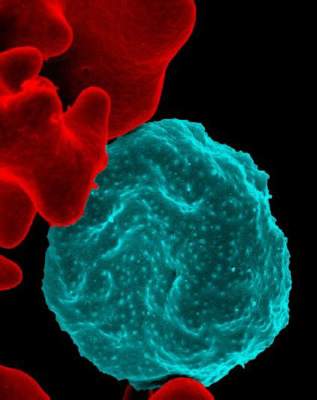
Without strong endorsement from the WHO, it is unlikely that other organizations will purchase RTS,S/AS01, resulting in a loss of millions of dollars as well as a decade-long delay before a new malaria vaccine can be developed, the investigators said. Using the vaccine in an area such as Southeast Asia in adults, where malaria has low endemicity and high resistance to antimalarial drugs, would play to the vaccine’s strengths, as would employing a reactive ring vaccination strategy, they noted.
“Before such alternative pilot programs can take place, additional research is needed. The large RTS,S/AS01 trial in sub-Saharan Africa vaccinated children; the dose required to vaccinate adults is less well established. It is essential to establish the safety and immunogenicity of the intended vaccine dose in populations other than African children and adults through bridging studies,” the investigators wrote.
Find the study in PLOS Medicine (doi: 10.1371/journal.pmed.1001994).
The high transient efficacy of the malaria vaccine candidate RTS,S/AS01 could be useful in eliminating malaria in low-endemicity areas, according to Dr. Roly Gosling and Lorenz von Seidlein.
Although RTS,S/AS01 was approved by the European Medicines Agency for children aged 6 weeks to 17 months, it underperformed in a clinical trial of more than 15,000 children in sub-Saharan Africa. While initial results were encouraging, vaccine efficacy dropped quickly over time. Booster shots delivered 20 months later did not significantly improve efficacy. The vaccine was declared safe, but meningitis was found in a significant number of vaccinated children. As a result, the World Health Organization did not include it in the Expanded Programme of Immunisations.
Without strong endorsement from the WHO, it is unlikely that other organizations will purchase RTS,S/AS01, resulting in a loss of millions of dollars as well as a decade-long delay before a new malaria vaccine can be developed, the investigators said. Using the vaccine in an area such as Southeast Asia in adults, where malaria has low endemicity and high resistance to antimalarial drugs, would play to the vaccine’s strengths, as would employing a reactive ring vaccination strategy, they noted.
“Before such alternative pilot programs can take place, additional research is needed. The large RTS,S/AS01 trial in sub-Saharan Africa vaccinated children; the dose required to vaccinate adults is less well established. It is essential to establish the safety and immunogenicity of the intended vaccine dose in populations other than African children and adults through bridging studies,” the investigators wrote.
Find the study in PLOS Medicine (doi: 10.1371/journal.pmed.1001994).
The high transient efficacy of the malaria vaccine candidate RTS,S/AS01 could be useful in eliminating malaria in low-endemicity areas, according to Dr. Roly Gosling and Lorenz von Seidlein.
Although RTS,S/AS01 was approved by the European Medicines Agency for children aged 6 weeks to 17 months, it underperformed in a clinical trial of more than 15,000 children in sub-Saharan Africa. While initial results were encouraging, vaccine efficacy dropped quickly over time. Booster shots delivered 20 months later did not significantly improve efficacy. The vaccine was declared safe, but meningitis was found in a significant number of vaccinated children. As a result, the World Health Organization did not include it in the Expanded Programme of Immunisations.
Without strong endorsement from the WHO, it is unlikely that other organizations will purchase RTS,S/AS01, resulting in a loss of millions of dollars as well as a decade-long delay before a new malaria vaccine can be developed, the investigators said. Using the vaccine in an area such as Southeast Asia in adults, where malaria has low endemicity and high resistance to antimalarial drugs, would play to the vaccine’s strengths, as would employing a reactive ring vaccination strategy, they noted.
“Before such alternative pilot programs can take place, additional research is needed. The large RTS,S/AS01 trial in sub-Saharan Africa vaccinated children; the dose required to vaccinate adults is less well established. It is essential to establish the safety and immunogenicity of the intended vaccine dose in populations other than African children and adults through bridging studies,” the investigators wrote.
Find the study in PLOS Medicine (doi: 10.1371/journal.pmed.1001994).
FROM PLOS MEDICINE
Asthma Treatment Adherence Better in Children With More Severe Symptoms
Children with better adherence to asthma treatments tended to have more severe asthma symptoms, according to Dr. Marjolein Engelkes of Erasmus University, Rotterdam (The Netherlands) and her associates.
Of the 14,303 children with asthma included in the study, short-acting beta2-agonists and inhaled corticosteroids were the most commonly prescribed treatments at 38 users/100 person-years and 31 users/100 person-years, respectively. Inhaled corticosteroid prescriptions were most common during the winter and in September, and decreased as children increased in age.
The median medication possession ratio (MPR) for inhaled corticosteroids was 56%. Children with an MPR over 87% were significantly more likely to be younger at the start of inhaled corticosteroid treatment, visit specialists more often, and to have more exacerbations than children with an MPR less than 37%.
“These findings indicate that there is room for improvement of adherence to treatment, especially in children with milder forms of asthma,” the investigators concluded.
Find the full study in Pediatric Allergy and Immunology (2016 Mar. doi: 10.1111/pai.12507).
Children with better adherence to asthma treatments tended to have more severe asthma symptoms, according to Dr. Marjolein Engelkes of Erasmus University, Rotterdam (The Netherlands) and her associates.
Of the 14,303 children with asthma included in the study, short-acting beta2-agonists and inhaled corticosteroids were the most commonly prescribed treatments at 38 users/100 person-years and 31 users/100 person-years, respectively. Inhaled corticosteroid prescriptions were most common during the winter and in September, and decreased as children increased in age.
The median medication possession ratio (MPR) for inhaled corticosteroids was 56%. Children with an MPR over 87% were significantly more likely to be younger at the start of inhaled corticosteroid treatment, visit specialists more often, and to have more exacerbations than children with an MPR less than 37%.
“These findings indicate that there is room for improvement of adherence to treatment, especially in children with milder forms of asthma,” the investigators concluded.
Find the full study in Pediatric Allergy and Immunology (2016 Mar. doi: 10.1111/pai.12507).
Children with better adherence to asthma treatments tended to have more severe asthma symptoms, according to Dr. Marjolein Engelkes of Erasmus University, Rotterdam (The Netherlands) and her associates.
Of the 14,303 children with asthma included in the study, short-acting beta2-agonists and inhaled corticosteroids were the most commonly prescribed treatments at 38 users/100 person-years and 31 users/100 person-years, respectively. Inhaled corticosteroid prescriptions were most common during the winter and in September, and decreased as children increased in age.
The median medication possession ratio (MPR) for inhaled corticosteroids was 56%. Children with an MPR over 87% were significantly more likely to be younger at the start of inhaled corticosteroid treatment, visit specialists more often, and to have more exacerbations than children with an MPR less than 37%.
“These findings indicate that there is room for improvement of adherence to treatment, especially in children with milder forms of asthma,” the investigators concluded.
Find the full study in Pediatric Allergy and Immunology (2016 Mar. doi: 10.1111/pai.12507).
FROM PEDIATRIC ALLERGY AND IMMUNOLOGY
Asthma treatment adherence better in children with more severe symptoms
Children with better adherence to asthma treatments tended to have more severe asthma symptoms, according to Dr. Marjolein Engelkes of Erasmus University, Rotterdam (The Netherlands) and her associates.
Of the 14,303 children with asthma included in the study, short-acting beta2-agonists and inhaled corticosteroids were the most commonly prescribed treatments at 38 users/100 person-years and 31 users/100 person-years, respectively. Inhaled corticosteroid prescriptions were most common during the winter and in September, and decreased as children increased in age.
The median medication possession ratio (MPR) for inhaled corticosteroids was 56%. Children with an MPR over 87% were significantly more likely to be younger at the start of inhaled corticosteroid treatment, visit specialists more often, and to have more exacerbations than children with an MPR less than 37%.
“These findings indicate that there is room for improvement of adherence to treatment, especially in children with milder forms of asthma,” the investigators concluded.
Find the full study in Pediatric Allergy and Immunology (2016 Mar. doi: 10.1111/pai.12507).
Children with better adherence to asthma treatments tended to have more severe asthma symptoms, according to Dr. Marjolein Engelkes of Erasmus University, Rotterdam (The Netherlands) and her associates.
Of the 14,303 children with asthma included in the study, short-acting beta2-agonists and inhaled corticosteroids were the most commonly prescribed treatments at 38 users/100 person-years and 31 users/100 person-years, respectively. Inhaled corticosteroid prescriptions were most common during the winter and in September, and decreased as children increased in age.
The median medication possession ratio (MPR) for inhaled corticosteroids was 56%. Children with an MPR over 87% were significantly more likely to be younger at the start of inhaled corticosteroid treatment, visit specialists more often, and to have more exacerbations than children with an MPR less than 37%.
“These findings indicate that there is room for improvement of adherence to treatment, especially in children with milder forms of asthma,” the investigators concluded.
Find the full study in Pediatric Allergy and Immunology (2016 Mar. doi: 10.1111/pai.12507).
Children with better adherence to asthma treatments tended to have more severe asthma symptoms, according to Dr. Marjolein Engelkes of Erasmus University, Rotterdam (The Netherlands) and her associates.
Of the 14,303 children with asthma included in the study, short-acting beta2-agonists and inhaled corticosteroids were the most commonly prescribed treatments at 38 users/100 person-years and 31 users/100 person-years, respectively. Inhaled corticosteroid prescriptions were most common during the winter and in September, and decreased as children increased in age.
The median medication possession ratio (MPR) for inhaled corticosteroids was 56%. Children with an MPR over 87% were significantly more likely to be younger at the start of inhaled corticosteroid treatment, visit specialists more often, and to have more exacerbations than children with an MPR less than 37%.
“These findings indicate that there is room for improvement of adherence to treatment, especially in children with milder forms of asthma,” the investigators concluded.
Find the full study in Pediatric Allergy and Immunology (2016 Mar. doi: 10.1111/pai.12507).
FROM PEDIATRIC ALLERGY AND IMMUNOLOGY
Asthma, Eczema in Children Unrelated to Allergic Sensitization
Atopy was not related to development of eczema or asthma in children under age 13 years, according to Ann-Marie Malby Schoos, Ph.D., and her associates at the University of Copenhagen.
Allergic sensitization increased with age in the 399 children tested, rising from 12% at 6 months to 54% at 13 years. The incidence of asthma was highest at age 4 years at 16%, but decreased afterward, falling to 12% at 13 years. The incidence of eczema peaked at 39% in children aged 1.5 years old, but decreased steadily to only 12% in 13-year-olds.

Asthma and allergic sensitization were related only in late childhood, with an odds ratio of 4.49 in 13-year-olds. This pattern was seen throughout allergic sensitization subgroups. There were strong associations between eczema and allergic sensitization at 6 months (OR, 6.02), 1.5 years (OR, 2.06), and 6 years (OR, 2.77), but no association at 13 years. The proportion of children with allergic sensitization who did not have asthma or eczema also increased with age.
“The tradition of using atopy as a particular endotype of asthma and eczema seems unfounded because it depends on the method of testing for sensitization, type of allergens, and age of the patient. This questions the relevance of the terms atopic asthma and atopic eczema as true endotypes,” the investigators concluded.
Find the full study in the Journal of Allergy and Clinical Immunology (doi: 10.1016/j.jaci.2015.10.004).
Atopy was not related to development of eczema or asthma in children under age 13 years, according to Ann-Marie Malby Schoos, Ph.D., and her associates at the University of Copenhagen.
Allergic sensitization increased with age in the 399 children tested, rising from 12% at 6 months to 54% at 13 years. The incidence of asthma was highest at age 4 years at 16%, but decreased afterward, falling to 12% at 13 years. The incidence of eczema peaked at 39% in children aged 1.5 years old, but decreased steadily to only 12% in 13-year-olds.
Asthma and allergic sensitization were related only in late childhood, with an odds ratio of 4.49 in 13-year-olds. This pattern was seen throughout allergic sensitization subgroups. There were strong associations between eczema and allergic sensitization at 6 months (OR, 6.02), 1.5 years (OR, 2.06), and 6 years (OR, 2.77), but no association at 13 years. The proportion of children with allergic sensitization who did not have asthma or eczema also increased with age.
“The tradition of using atopy as a particular endotype of asthma and eczema seems unfounded because it depends on the method of testing for sensitization, type of allergens, and age of the patient. This questions the relevance of the terms atopic asthma and atopic eczema as true endotypes,” the investigators concluded.
Find the full study in the Journal of Allergy and Clinical Immunology (doi: 10.1016/j.jaci.2015.10.004).
Atopy was not related to development of eczema or asthma in children under age 13 years, according to Ann-Marie Malby Schoos, Ph.D., and her associates at the University of Copenhagen.
Allergic sensitization increased with age in the 399 children tested, rising from 12% at 6 months to 54% at 13 years. The incidence of asthma was highest at age 4 years at 16%, but decreased afterward, falling to 12% at 13 years. The incidence of eczema peaked at 39% in children aged 1.5 years old, but decreased steadily to only 12% in 13-year-olds.
Asthma and allergic sensitization were related only in late childhood, with an odds ratio of 4.49 in 13-year-olds. This pattern was seen throughout allergic sensitization subgroups. There were strong associations between eczema and allergic sensitization at 6 months (OR, 6.02), 1.5 years (OR, 2.06), and 6 years (OR, 2.77), but no association at 13 years. The proportion of children with allergic sensitization who did not have asthma or eczema also increased with age.
“The tradition of using atopy as a particular endotype of asthma and eczema seems unfounded because it depends on the method of testing for sensitization, type of allergens, and age of the patient. This questions the relevance of the terms atopic asthma and atopic eczema as true endotypes,” the investigators concluded.
Find the full study in the Journal of Allergy and Clinical Immunology (doi: 10.1016/j.jaci.2015.10.004).
FROM THE JOURNAL OF ALLERGY AND CLINICAL IMMUNOLOGY