User login
Bringing you the latest news, research and reviews, exclusive interviews, podcasts, quizzes, and more.
div[contains(@class, 'header__large-screen')]
div[contains(@class, 'read-next-article')]
div[contains(@class, 'main-prefix')]
div[contains(@class, 'nav-primary')]
nav[contains(@class, 'nav-primary')]
section[contains(@class, 'footer-nav-section-wrapper')]
footer[@id='footer']
section[contains(@class, 'nav-hidden')]
div[contains(@class, 'ce-card-content')]
nav[contains(@class, 'nav-ce-stack')]
div[contains(@class, 'view-medstat-quiz-listing-panes')]
div[contains(@class, 'pane-article-sidebar-latest-news')]
Only a third of adults with diabetes receive ADA-recommended care
In 2017-2018, only one in three U.S. adults with diabetes received five basic elements of care recommended by the American Diabetes Association, new research indicates.

The proportions of patients who visited a physician for diabetes care and received hemoglobin A1c testing, foot and eye exams, and cholesterol testing increased from 2005 to 2018. However, this increase was primarily among those aged 65 years and older, and therefore eligible for Medicare.
“Our study suggests that providing affordable health care coverage can help ensure people with diabetes get recommended care. We also found that patients who were not receiving recommended care were more likely to be younger, newly diagnosed with diabetes, and not on diabetes medication. Clinicians can pay more attention to these patient populations to improve recommended care delivery and prevent diabetes-related complications,” lead author Jung-Im Shin, MD, said in an interview.
The data predate the COVID-19 pandemic, which has also had major effects on delivery of diabetes care, added Dr. Shin of Johns Hopkins University, Baltimore.
“Routine visits to the doctor and important screenings for retinopathy or foot examination have been postponed. People with diabetes have had to reschedule or cancel nonurgent visits, some have lost ... insurance following unemployment, and many have avoided health care facilities out of fear. We are only just beginning to understand the consequences of the pandemic on the health of people with diabetes,” Dr. Shin noted.
Overall improvements seen only in those aged 65 and older
The data, from 4,069 adults aged 20 years and older from the 2005-2018 National Health and Nutrition and Examination Survey (NHANES), were published online April 16, 2021, in Diabetes Care.
Dr. Shin and colleagues defined receipt of diabetes care as meeting all of the following five criteria in the past 12 months, based on the ADA Standards of Care and NHANES data availability: seeing a primary doctor for diabetes care, receiving A1c testing, receiving a foot examination, receiving an eye examination, and receiving cholesterol testing.
Over the entire 13-year period, 29.2% of respondents reported having received all five components.
That proportion increased significantly over time, from 25.0% in 2005-2006 to 34.1% in 2017-2018 (P = .004). However, among the individual components, only receiving A1c testing increased significantly over time, from 64.4% to 85.3%, in all age groups (P < .001).
Moreover, when stratified by age, receipt of all five components only increased significantly among participants aged 65 and older, from 29.3% in 2005-2006 to 44.2% in 2017-2018 (P = .001).
The proportion remained unchanged among those aged 40-64 (25.2% to 25.8%; P = .457) and showed a nonsignificant increase in those aged 20-39 (9.9% to 26.0%; P = .401).
In adjusted analyses, older age, higher income and education, health insurance, longer duration of diabetes, use of diabetes medications, and hypercholesterolemia were significantly associated with receipt of ADA guideline–recommended diabetes care.
Factors not found to be associated with care receipt included sex, race/ethnicity, body mass index, smoking status, A1c, hypertension, cardiovascular disease, chronic kidney disease, and depressive symptoms.
Participants who received ADA guideline–recommended care were significantly more likely to achieve A1c below 7.5% (adjusted odds ratio, 1.52), blood pressure less than 140/90 mm Hg (aOR, 1.47), and LDL cholesterol below 100 mg/dL (aOR, 1.47), and to receive cholesterol-lowering medication (aOR, 1.79).
Dr. Shin said that it will be “important to study the impact of COVID-19 on diabetes care when new data are available.”
The project was supported by a research grant from Merck to Johns Hopkins University. Shin has reported receiving a grant from the National Institute of Diabetes and Digestive and Kidney Diseases. Two coauthors are Merck employees.
A version of this article first appeared on Medscape.com.
In 2017-2018, only one in three U.S. adults with diabetes received five basic elements of care recommended by the American Diabetes Association, new research indicates.
The proportions of patients who visited a physician for diabetes care and received hemoglobin A1c testing, foot and eye exams, and cholesterol testing increased from 2005 to 2018. However, this increase was primarily among those aged 65 years and older, and therefore eligible for Medicare.
“Our study suggests that providing affordable health care coverage can help ensure people with diabetes get recommended care. We also found that patients who were not receiving recommended care were more likely to be younger, newly diagnosed with diabetes, and not on diabetes medication. Clinicians can pay more attention to these patient populations to improve recommended care delivery and prevent diabetes-related complications,” lead author Jung-Im Shin, MD, said in an interview.
The data predate the COVID-19 pandemic, which has also had major effects on delivery of diabetes care, added Dr. Shin of Johns Hopkins University, Baltimore.
“Routine visits to the doctor and important screenings for retinopathy or foot examination have been postponed. People with diabetes have had to reschedule or cancel nonurgent visits, some have lost ... insurance following unemployment, and many have avoided health care facilities out of fear. We are only just beginning to understand the consequences of the pandemic on the health of people with diabetes,” Dr. Shin noted.
Overall improvements seen only in those aged 65 and older
The data, from 4,069 adults aged 20 years and older from the 2005-2018 National Health and Nutrition and Examination Survey (NHANES), were published online April 16, 2021, in Diabetes Care.
Dr. Shin and colleagues defined receipt of diabetes care as meeting all of the following five criteria in the past 12 months, based on the ADA Standards of Care and NHANES data availability: seeing a primary doctor for diabetes care, receiving A1c testing, receiving a foot examination, receiving an eye examination, and receiving cholesterol testing.
Over the entire 13-year period, 29.2% of respondents reported having received all five components.
That proportion increased significantly over time, from 25.0% in 2005-2006 to 34.1% in 2017-2018 (P = .004). However, among the individual components, only receiving A1c testing increased significantly over time, from 64.4% to 85.3%, in all age groups (P < .001).
Moreover, when stratified by age, receipt of all five components only increased significantly among participants aged 65 and older, from 29.3% in 2005-2006 to 44.2% in 2017-2018 (P = .001).
The proportion remained unchanged among those aged 40-64 (25.2% to 25.8%; P = .457) and showed a nonsignificant increase in those aged 20-39 (9.9% to 26.0%; P = .401).
In adjusted analyses, older age, higher income and education, health insurance, longer duration of diabetes, use of diabetes medications, and hypercholesterolemia were significantly associated with receipt of ADA guideline–recommended diabetes care.
Factors not found to be associated with care receipt included sex, race/ethnicity, body mass index, smoking status, A1c, hypertension, cardiovascular disease, chronic kidney disease, and depressive symptoms.
Participants who received ADA guideline–recommended care were significantly more likely to achieve A1c below 7.5% (adjusted odds ratio, 1.52), blood pressure less than 140/90 mm Hg (aOR, 1.47), and LDL cholesterol below 100 mg/dL (aOR, 1.47), and to receive cholesterol-lowering medication (aOR, 1.79).
Dr. Shin said that it will be “important to study the impact of COVID-19 on diabetes care when new data are available.”
The project was supported by a research grant from Merck to Johns Hopkins University. Shin has reported receiving a grant from the National Institute of Diabetes and Digestive and Kidney Diseases. Two coauthors are Merck employees.
A version of this article first appeared on Medscape.com.
In 2017-2018, only one in three U.S. adults with diabetes received five basic elements of care recommended by the American Diabetes Association, new research indicates.
The proportions of patients who visited a physician for diabetes care and received hemoglobin A1c testing, foot and eye exams, and cholesterol testing increased from 2005 to 2018. However, this increase was primarily among those aged 65 years and older, and therefore eligible for Medicare.
“Our study suggests that providing affordable health care coverage can help ensure people with diabetes get recommended care. We also found that patients who were not receiving recommended care were more likely to be younger, newly diagnosed with diabetes, and not on diabetes medication. Clinicians can pay more attention to these patient populations to improve recommended care delivery and prevent diabetes-related complications,” lead author Jung-Im Shin, MD, said in an interview.
The data predate the COVID-19 pandemic, which has also had major effects on delivery of diabetes care, added Dr. Shin of Johns Hopkins University, Baltimore.
“Routine visits to the doctor and important screenings for retinopathy or foot examination have been postponed. People with diabetes have had to reschedule or cancel nonurgent visits, some have lost ... insurance following unemployment, and many have avoided health care facilities out of fear. We are only just beginning to understand the consequences of the pandemic on the health of people with diabetes,” Dr. Shin noted.
Overall improvements seen only in those aged 65 and older
The data, from 4,069 adults aged 20 years and older from the 2005-2018 National Health and Nutrition and Examination Survey (NHANES), were published online April 16, 2021, in Diabetes Care.
Dr. Shin and colleagues defined receipt of diabetes care as meeting all of the following five criteria in the past 12 months, based on the ADA Standards of Care and NHANES data availability: seeing a primary doctor for diabetes care, receiving A1c testing, receiving a foot examination, receiving an eye examination, and receiving cholesterol testing.
Over the entire 13-year period, 29.2% of respondents reported having received all five components.
That proportion increased significantly over time, from 25.0% in 2005-2006 to 34.1% in 2017-2018 (P = .004). However, among the individual components, only receiving A1c testing increased significantly over time, from 64.4% to 85.3%, in all age groups (P < .001).
Moreover, when stratified by age, receipt of all five components only increased significantly among participants aged 65 and older, from 29.3% in 2005-2006 to 44.2% in 2017-2018 (P = .001).
The proportion remained unchanged among those aged 40-64 (25.2% to 25.8%; P = .457) and showed a nonsignificant increase in those aged 20-39 (9.9% to 26.0%; P = .401).
In adjusted analyses, older age, higher income and education, health insurance, longer duration of diabetes, use of diabetes medications, and hypercholesterolemia were significantly associated with receipt of ADA guideline–recommended diabetes care.
Factors not found to be associated with care receipt included sex, race/ethnicity, body mass index, smoking status, A1c, hypertension, cardiovascular disease, chronic kidney disease, and depressive symptoms.
Participants who received ADA guideline–recommended care were significantly more likely to achieve A1c below 7.5% (adjusted odds ratio, 1.52), blood pressure less than 140/90 mm Hg (aOR, 1.47), and LDL cholesterol below 100 mg/dL (aOR, 1.47), and to receive cholesterol-lowering medication (aOR, 1.79).
Dr. Shin said that it will be “important to study the impact of COVID-19 on diabetes care when new data are available.”
The project was supported by a research grant from Merck to Johns Hopkins University. Shin has reported receiving a grant from the National Institute of Diabetes and Digestive and Kidney Diseases. Two coauthors are Merck employees.
A version of this article first appeared on Medscape.com.
Increasing salt intake proves beneficial in POTS
For patients with postural tachycardia syndrome (POTS), dietary sodium intake can be increased more confidently, suggests the first study to yield solid evidence to support this treatment strategy.
The results showed that high dietary sodium intake can lower plasma norepinephrine levels and ameliorate standing and orthostatic tachycardia for patients with POTS.
“These results suggest that increasing dietary salt is a good rationale for treatment of this condition, and this study gives reassurance we are doing the right thing for POTS patients by increasing their sodium intake,” senior author Satish R. Raj, MD, said in an interview.
The study, with lead author Emily M. Garland, PhD, was published online April 26, 2021, in the Journal of the American College of Cardiology.
Dr. Raj, who is professor of cardiac science at the University of Calgary (Alta.), explained that POTS includes a spectrum of disorders that affect the automatic nervous system, which regulates heart rate and blood pressure.
“It is a disorder of orthostatic intolerance – patients feel better when they lie down. It differs from orthostatic hypotension in that, when a POTS patient stands up, the blood pressure does not necessarily drop, but the heart rate increases excessively.”
Although it is normal for the heart rate to increase somewhat on standing, among patients with POTS, the heart rate increases excessively. The condition is defined as an orthostatic heart rate increase of at least 30 beats/min (or 40 beats/min among individuals aged 12-19 years ) in the absence of orthostatic hypotension.
The disorder is characterized by a range of symptoms, including lightheadedness, shortness of breath, palpitations, and exertional intolerance, that are worse when in an upright position. Patients also experience chronic fatigue and perceived cognitive impairment, Dr. Raj noted.
The typical demographic for POTS is young women; the condition often starts during the teenage years.
Patients often have low blood volume, so one approach to treatment is to increase the intake of salt and water so as to increase blood volume.
“This is one of the mainstays of treatment, but it has never really been properly studied,” Dr. Raj commented. Increasing salt intake “is an unusual message from a cardiologist, and there have been concerns that we are making recommendations against traditional advice, so we urgently need evidence to support this recommendation.”
The current crossover study enrolled 14 patients with POTS and 13 healthy control persons who, over a period of 6 days, underwent treatment with a low-sodium diet (10 mEq sodium per day) or a high-sodium diet (300 mEq sodium per day).
Supine and standing heart rate, blood pressure, serum aldosterone level, plasma renin activity, blood volume, and plasma norepinephrine and epinephrine levels were measured.
Results showed that, among the POTS patients, the high-sodium diet reduced upright heart rate and the change in heart rate on standing, compared with the low-sodium diet.
Heart rate increased by 46 beats/min with the high-sodium diet versus 60 beats/min with the low-sodium diet.
Total blood volume and plasma volume increased, and standing norepinephrine levels decreased with the high-sodium diet, compared with the low-sodium diet.
However, upright heart rate, change in heart rate, and upright norepinephrine levels remained higher among POTS patients than among control persons receiving the high-sodium diet.
There was a nonsignificant trend for a lower symptom burden score among the POTS patients who received the high-sodium diet in comparison with those taking the low-sodium diet. Scores for mental confusion, palpitations, lightheadedness, and headache trending downward on the high-sodium diet.
“We found that high levels of dietary salt did what we hoped, with increased blood volume and reduced norepinephrine levels on standing and reduced excessive increase in heart rate. While it didn’t completely normalize heart rate, this was reduced significantly,” Dr. Raj said.
Another observation from the study was that the increased salt intake seemed to be beneficial across the whole spectrum of patients.
“There are some patients who have very high levels of sympathetic activation, and there have been anecdotal reports that increasing salt may not work so well in this group,” he said. “In this study, we didn’t differentiate, but average norepinephrine levels were very high, and many patients would be considered to be hyperadrenergic. Our results suggest this treatment will help these patients too.”
He noted that sodium intake was increased in this study just through diet. “We had a special metabolic kitchen. In clinical practice, we advise patients to add regular table salt to their food, and we only use salt tablets when they cannot tolerate so much salt in their diet.”
Recognizing that there may be concerns about hypertension with long-term use of such a treatment, Dr. Raj said there were no signs of an increase in blood pressure in this study. “But this should be considered a short-term therapy for the time being, and patients need to be reassessed every few years as their physiology changes.”
The authors estimated that POTS affects up to 1% of the population. Because there is no diagnostic code for the condition at present, all incidence data are estimates.
Dr. Raj pointed out that potentially a lot of people are affected, but there is little recognition of the condition among patients and physicians.
“Many family doctors are unaware of POTS,” he noted. “Patients often have to research their symptoms themselves and inform their doctor of the condition. Many patients wait years and often see many different doctors before getting a correct diagnosis.”
He explained that patients with POTS are often diagnosed as having a psychiatric illness. “They are mainly young women with palpitations, heart pounding, shakiness, which is often labeled as anxiety.”
Dr. Raj urged clinicians to consider POTS if patients have symptoms that are worse when standing up. The diagnosis is confirmed if their blood pressure doesn’t fall when standing up but their heart rate increases by at least 30 beats/min.
He noted that not enough specialists treat this condition, so family doctors need to be able to diagnose and initiate treatment. If more aggressive treatment is required, patients can be referred to a specialist.
“One of the problems is that this condition pans across different medical specialties. No one field owns it, so it tends to get ignored. But there are clinicians who are interested in POTS, and the key is finding one of these,” he said.
“We have finally established that this high-sodium diet works as treatment for POTS,” he concluded. “We have been using it for some time, but now we have evidence for its use across the whole spectrum of patients.”
In an accompanying editorial (J Am Coll Cardiol. 2021 May 4;77[17]:2185-2186), Blair P. Grubb, MD, University of Toledo (Ohio) Medical Center, wrote that this “superb study by Garland et al. helps better establish our understanding of the pathophysiologic process taking place in POTS while at the same time providing good evidence for the augmentation of dietary sodium as one of the cornerstones of treatment.”
He added that the field needs more such studies “in our quest to better understand POTS and to elaborate therapeutic modalities to help those suffering from this debilitating illness.”
The study was supported in part by the National Heart, Lung, and Blood Institute; the National Center for Advancing Translational Sciences; and the Vanderbilt Hormone and Analytical Services Core. Dr. Raj has served as a consultant for Lundbeck NA and Theravance; has served as chair of the data safety and monitoring board for Arena Pharmaceuticals and as Cardiac Arrhythmia Network of Canada network investigator; and has served on the medical advisory board of Dysautonomia International and PoTS UK, both without financial compensation.
A version of this article first appeared on Medscape.com.
For patients with postural tachycardia syndrome (POTS), dietary sodium intake can be increased more confidently, suggests the first study to yield solid evidence to support this treatment strategy.
The results showed that high dietary sodium intake can lower plasma norepinephrine levels and ameliorate standing and orthostatic tachycardia for patients with POTS.
“These results suggest that increasing dietary salt is a good rationale for treatment of this condition, and this study gives reassurance we are doing the right thing for POTS patients by increasing their sodium intake,” senior author Satish R. Raj, MD, said in an interview.
The study, with lead author Emily M. Garland, PhD, was published online April 26, 2021, in the Journal of the American College of Cardiology.
Dr. Raj, who is professor of cardiac science at the University of Calgary (Alta.), explained that POTS includes a spectrum of disorders that affect the automatic nervous system, which regulates heart rate and blood pressure.
“It is a disorder of orthostatic intolerance – patients feel better when they lie down. It differs from orthostatic hypotension in that, when a POTS patient stands up, the blood pressure does not necessarily drop, but the heart rate increases excessively.”
Although it is normal for the heart rate to increase somewhat on standing, among patients with POTS, the heart rate increases excessively. The condition is defined as an orthostatic heart rate increase of at least 30 beats/min (or 40 beats/min among individuals aged 12-19 years ) in the absence of orthostatic hypotension.
The disorder is characterized by a range of symptoms, including lightheadedness, shortness of breath, palpitations, and exertional intolerance, that are worse when in an upright position. Patients also experience chronic fatigue and perceived cognitive impairment, Dr. Raj noted.
The typical demographic for POTS is young women; the condition often starts during the teenage years.
Patients often have low blood volume, so one approach to treatment is to increase the intake of salt and water so as to increase blood volume.
“This is one of the mainstays of treatment, but it has never really been properly studied,” Dr. Raj commented. Increasing salt intake “is an unusual message from a cardiologist, and there have been concerns that we are making recommendations against traditional advice, so we urgently need evidence to support this recommendation.”
The current crossover study enrolled 14 patients with POTS and 13 healthy control persons who, over a period of 6 days, underwent treatment with a low-sodium diet (10 mEq sodium per day) or a high-sodium diet (300 mEq sodium per day).
Supine and standing heart rate, blood pressure, serum aldosterone level, plasma renin activity, blood volume, and plasma norepinephrine and epinephrine levels were measured.
Results showed that, among the POTS patients, the high-sodium diet reduced upright heart rate and the change in heart rate on standing, compared with the low-sodium diet.
Heart rate increased by 46 beats/min with the high-sodium diet versus 60 beats/min with the low-sodium diet.
Total blood volume and plasma volume increased, and standing norepinephrine levels decreased with the high-sodium diet, compared with the low-sodium diet.
However, upright heart rate, change in heart rate, and upright norepinephrine levels remained higher among POTS patients than among control persons receiving the high-sodium diet.
There was a nonsignificant trend for a lower symptom burden score among the POTS patients who received the high-sodium diet in comparison with those taking the low-sodium diet. Scores for mental confusion, palpitations, lightheadedness, and headache trending downward on the high-sodium diet.
“We found that high levels of dietary salt did what we hoped, with increased blood volume and reduced norepinephrine levels on standing and reduced excessive increase in heart rate. While it didn’t completely normalize heart rate, this was reduced significantly,” Dr. Raj said.
Another observation from the study was that the increased salt intake seemed to be beneficial across the whole spectrum of patients.
“There are some patients who have very high levels of sympathetic activation, and there have been anecdotal reports that increasing salt may not work so well in this group,” he said. “In this study, we didn’t differentiate, but average norepinephrine levels were very high, and many patients would be considered to be hyperadrenergic. Our results suggest this treatment will help these patients too.”
He noted that sodium intake was increased in this study just through diet. “We had a special metabolic kitchen. In clinical practice, we advise patients to add regular table salt to their food, and we only use salt tablets when they cannot tolerate so much salt in their diet.”
Recognizing that there may be concerns about hypertension with long-term use of such a treatment, Dr. Raj said there were no signs of an increase in blood pressure in this study. “But this should be considered a short-term therapy for the time being, and patients need to be reassessed every few years as their physiology changes.”
The authors estimated that POTS affects up to 1% of the population. Because there is no diagnostic code for the condition at present, all incidence data are estimates.
Dr. Raj pointed out that potentially a lot of people are affected, but there is little recognition of the condition among patients and physicians.
“Many family doctors are unaware of POTS,” he noted. “Patients often have to research their symptoms themselves and inform their doctor of the condition. Many patients wait years and often see many different doctors before getting a correct diagnosis.”
He explained that patients with POTS are often diagnosed as having a psychiatric illness. “They are mainly young women with palpitations, heart pounding, shakiness, which is often labeled as anxiety.”
Dr. Raj urged clinicians to consider POTS if patients have symptoms that are worse when standing up. The diagnosis is confirmed if their blood pressure doesn’t fall when standing up but their heart rate increases by at least 30 beats/min.
He noted that not enough specialists treat this condition, so family doctors need to be able to diagnose and initiate treatment. If more aggressive treatment is required, patients can be referred to a specialist.
“One of the problems is that this condition pans across different medical specialties. No one field owns it, so it tends to get ignored. But there are clinicians who are interested in POTS, and the key is finding one of these,” he said.
“We have finally established that this high-sodium diet works as treatment for POTS,” he concluded. “We have been using it for some time, but now we have evidence for its use across the whole spectrum of patients.”
In an accompanying editorial (J Am Coll Cardiol. 2021 May 4;77[17]:2185-2186), Blair P. Grubb, MD, University of Toledo (Ohio) Medical Center, wrote that this “superb study by Garland et al. helps better establish our understanding of the pathophysiologic process taking place in POTS while at the same time providing good evidence for the augmentation of dietary sodium as one of the cornerstones of treatment.”
He added that the field needs more such studies “in our quest to better understand POTS and to elaborate therapeutic modalities to help those suffering from this debilitating illness.”
The study was supported in part by the National Heart, Lung, and Blood Institute; the National Center for Advancing Translational Sciences; and the Vanderbilt Hormone and Analytical Services Core. Dr. Raj has served as a consultant for Lundbeck NA and Theravance; has served as chair of the data safety and monitoring board for Arena Pharmaceuticals and as Cardiac Arrhythmia Network of Canada network investigator; and has served on the medical advisory board of Dysautonomia International and PoTS UK, both without financial compensation.
A version of this article first appeared on Medscape.com.
For patients with postural tachycardia syndrome (POTS), dietary sodium intake can be increased more confidently, suggests the first study to yield solid evidence to support this treatment strategy.
The results showed that high dietary sodium intake can lower plasma norepinephrine levels and ameliorate standing and orthostatic tachycardia for patients with POTS.
“These results suggest that increasing dietary salt is a good rationale for treatment of this condition, and this study gives reassurance we are doing the right thing for POTS patients by increasing their sodium intake,” senior author Satish R. Raj, MD, said in an interview.
The study, with lead author Emily M. Garland, PhD, was published online April 26, 2021, in the Journal of the American College of Cardiology.
Dr. Raj, who is professor of cardiac science at the University of Calgary (Alta.), explained that POTS includes a spectrum of disorders that affect the automatic nervous system, which regulates heart rate and blood pressure.
“It is a disorder of orthostatic intolerance – patients feel better when they lie down. It differs from orthostatic hypotension in that, when a POTS patient stands up, the blood pressure does not necessarily drop, but the heart rate increases excessively.”
Although it is normal for the heart rate to increase somewhat on standing, among patients with POTS, the heart rate increases excessively. The condition is defined as an orthostatic heart rate increase of at least 30 beats/min (or 40 beats/min among individuals aged 12-19 years ) in the absence of orthostatic hypotension.
The disorder is characterized by a range of symptoms, including lightheadedness, shortness of breath, palpitations, and exertional intolerance, that are worse when in an upright position. Patients also experience chronic fatigue and perceived cognitive impairment, Dr. Raj noted.
The typical demographic for POTS is young women; the condition often starts during the teenage years.
Patients often have low blood volume, so one approach to treatment is to increase the intake of salt and water so as to increase blood volume.
“This is one of the mainstays of treatment, but it has never really been properly studied,” Dr. Raj commented. Increasing salt intake “is an unusual message from a cardiologist, and there have been concerns that we are making recommendations against traditional advice, so we urgently need evidence to support this recommendation.”
The current crossover study enrolled 14 patients with POTS and 13 healthy control persons who, over a period of 6 days, underwent treatment with a low-sodium diet (10 mEq sodium per day) or a high-sodium diet (300 mEq sodium per day).
Supine and standing heart rate, blood pressure, serum aldosterone level, plasma renin activity, blood volume, and plasma norepinephrine and epinephrine levels were measured.
Results showed that, among the POTS patients, the high-sodium diet reduced upright heart rate and the change in heart rate on standing, compared with the low-sodium diet.
Heart rate increased by 46 beats/min with the high-sodium diet versus 60 beats/min with the low-sodium diet.
Total blood volume and plasma volume increased, and standing norepinephrine levels decreased with the high-sodium diet, compared with the low-sodium diet.
However, upright heart rate, change in heart rate, and upright norepinephrine levels remained higher among POTS patients than among control persons receiving the high-sodium diet.
There was a nonsignificant trend for a lower symptom burden score among the POTS patients who received the high-sodium diet in comparison with those taking the low-sodium diet. Scores for mental confusion, palpitations, lightheadedness, and headache trending downward on the high-sodium diet.
“We found that high levels of dietary salt did what we hoped, with increased blood volume and reduced norepinephrine levels on standing and reduced excessive increase in heart rate. While it didn’t completely normalize heart rate, this was reduced significantly,” Dr. Raj said.
Another observation from the study was that the increased salt intake seemed to be beneficial across the whole spectrum of patients.
“There are some patients who have very high levels of sympathetic activation, and there have been anecdotal reports that increasing salt may not work so well in this group,” he said. “In this study, we didn’t differentiate, but average norepinephrine levels were very high, and many patients would be considered to be hyperadrenergic. Our results suggest this treatment will help these patients too.”
He noted that sodium intake was increased in this study just through diet. “We had a special metabolic kitchen. In clinical practice, we advise patients to add regular table salt to their food, and we only use salt tablets when they cannot tolerate so much salt in their diet.”
Recognizing that there may be concerns about hypertension with long-term use of such a treatment, Dr. Raj said there were no signs of an increase in blood pressure in this study. “But this should be considered a short-term therapy for the time being, and patients need to be reassessed every few years as their physiology changes.”
The authors estimated that POTS affects up to 1% of the population. Because there is no diagnostic code for the condition at present, all incidence data are estimates.
Dr. Raj pointed out that potentially a lot of people are affected, but there is little recognition of the condition among patients and physicians.
“Many family doctors are unaware of POTS,” he noted. “Patients often have to research their symptoms themselves and inform their doctor of the condition. Many patients wait years and often see many different doctors before getting a correct diagnosis.”
He explained that patients with POTS are often diagnosed as having a psychiatric illness. “They are mainly young women with palpitations, heart pounding, shakiness, which is often labeled as anxiety.”
Dr. Raj urged clinicians to consider POTS if patients have symptoms that are worse when standing up. The diagnosis is confirmed if their blood pressure doesn’t fall when standing up but their heart rate increases by at least 30 beats/min.
He noted that not enough specialists treat this condition, so family doctors need to be able to diagnose and initiate treatment. If more aggressive treatment is required, patients can be referred to a specialist.
“One of the problems is that this condition pans across different medical specialties. No one field owns it, so it tends to get ignored. But there are clinicians who are interested in POTS, and the key is finding one of these,” he said.
“We have finally established that this high-sodium diet works as treatment for POTS,” he concluded. “We have been using it for some time, but now we have evidence for its use across the whole spectrum of patients.”
In an accompanying editorial (J Am Coll Cardiol. 2021 May 4;77[17]:2185-2186), Blair P. Grubb, MD, University of Toledo (Ohio) Medical Center, wrote that this “superb study by Garland et al. helps better establish our understanding of the pathophysiologic process taking place in POTS while at the same time providing good evidence for the augmentation of dietary sodium as one of the cornerstones of treatment.”
He added that the field needs more such studies “in our quest to better understand POTS and to elaborate therapeutic modalities to help those suffering from this debilitating illness.”
The study was supported in part by the National Heart, Lung, and Blood Institute; the National Center for Advancing Translational Sciences; and the Vanderbilt Hormone and Analytical Services Core. Dr. Raj has served as a consultant for Lundbeck NA and Theravance; has served as chair of the data safety and monitoring board for Arena Pharmaceuticals and as Cardiac Arrhythmia Network of Canada network investigator; and has served on the medical advisory board of Dysautonomia International and PoTS UK, both without financial compensation.
A version of this article first appeared on Medscape.com.
Prioritize goals of older patients with multimorbidities, gerontologist says
said Mary Tinetti, MD, Gladys Phillips Crofoot Professor of Medicine and Public Health and chief of geriatrics at Yale University, New Haven, Conn.
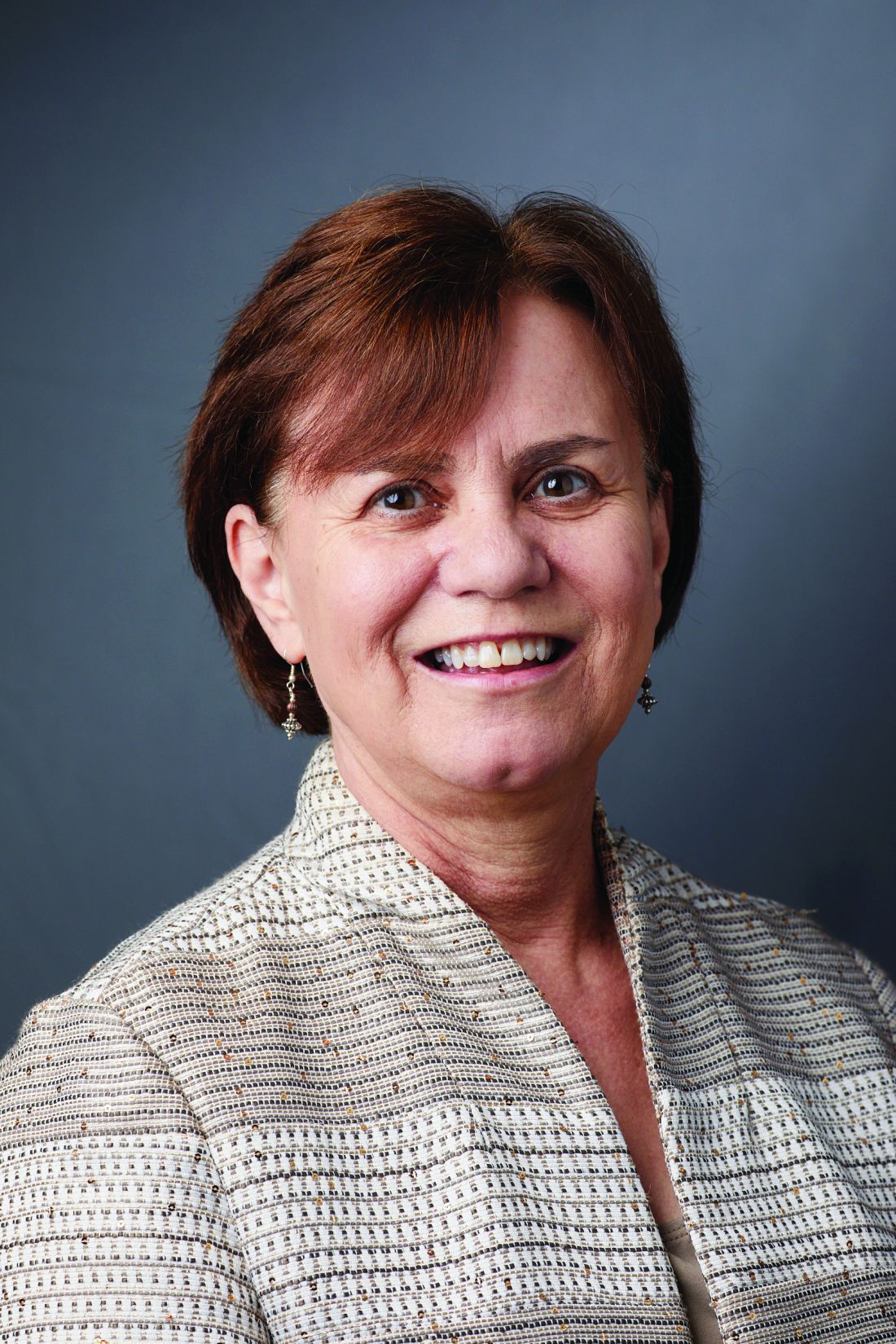
During a virtual presentation at the American College of Physicians annual Internal Medicine meeting, the gerontologist noted that primary care providers face a number of challenges when managing elderly patients with multimorbidity. These challenges include a lack of representative data in clinical trials, conflicting guideline recommendations, patient nonadherence, and decreased benefit from therapies due to competing conditions, she said.
“Trying to follow multiple guidelines can result in unintentional harms to these people with multiple conditions,” Dr. Tinetti said. She gave examples of the wide-ranging goals patients can have.
“Some [patients] will maximize the focus on function, regardless of how long they are likely to live,” Dr. Tinetti said. “Others will say symptom burden management is most important to them. And others will say they want to live as long as possible, and survival is most important, even if that means a reduction in their function. These individuals also vary in the care they are willing and able to receive to achieve the outcomes that matter most to them.”
For these reasons, Dr. Tinetti recommended patient priorities care, which she and her colleagues have been developing and implementing over the past 5-6 years.
“If the benefits and harms of addressing each condition in isolation is of uncertain benefit and potentially burdensome to both clinician and patient, and we know that patients vary in their health priorities ... then what else would you want to focus on in your 20-minute visit ... except each patient’s priorities?” Dr. Tinetti asked. “This is one solution to the challenge.”
What is patient priorities care?
Patient priorities care is a multidisciplinary, cyclical approach to clinical decision-making composed of three steps, Dr. Tinetti explained. First, a clinician identifies the patient’s health priorities. Second, this information is transmitted to comanaging providers, who decide which of their respective treatments are consistent with the patient’s priorities. And third, those decisions are disseminated to everyone involved in the patient’s care, both within and outside of the health care system, allowing all care providers to align with the patient’s priorities, she noted.
“Each person does that from their own expertise,” Dr. Tinetti said. “The social worker will do something different than the cardiologist, the physical therapist, the endocrinologist – but everybody is aiming at the same outcome – the patient’s priorities.”
In 2019, Dr. Tinetti led a nonrandomized clinical trial to test the feasibility of patient priorities care. The study involved 366 older adults with multimorbidity, among whom 203 received usual care, while 163 received this type of care. Patients in the latter group were twice as likely to have medications stopped, and significantly less likely to have self-management tasks added and diagnostic tests ordered.
How electronic health records can help
In an interview, Dr. Tinetti suggested that comanaging physicians communicate through electronic health records (EHRs), first to ensure that all care providers understand a patient’s goals, then to determine if recommended therapies align with those goals.
“It would be a little bit of a culture change to do that,” Dr. Tinetti said, “but the technology is there and it isn’t too terribly time consuming.”
She went on to suggest that primary care providers are typically best suited to coordinate this process; however, if a patient receives the majority of their care from a particular specialist, then that clinician may be the most suitable coordinator.
Systemic obstacles and solutions
According to Cynthia Boyd, MD, interim director of the division of geriatric medicine and gerontology, Johns Hopkins University, Baltimore, clinicians may encounter obstacles when implementing patient priorities care.
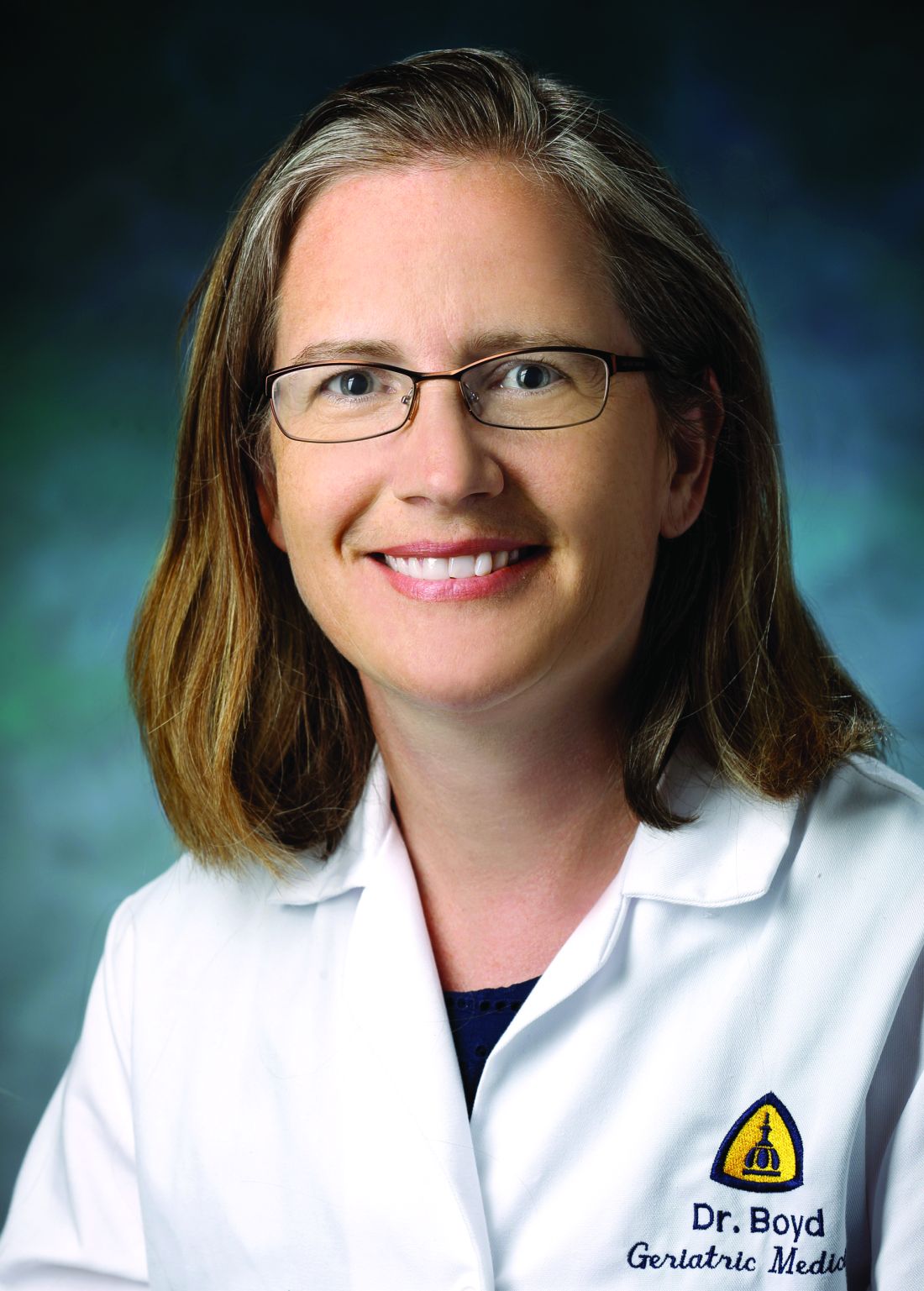
“Our health care system doesn’t always make it easy to do this,” Dr. Boyd said. “It’s important to acknowledge this because it can be hard to do. There’s no question,” Dr. Boyd said in an interview.
Among the headwinds that clinicians may face are clinical practice guidelines, the structure of electronic health records, and quality metrics focused on specific conditions, she explained.
“There’s a lot of things that push us – in primary care and other parts of medicine – away from the approach that’s best for people with multiple chronic conditions,” Dr. Boyd said.
Dr. Tinetti said a challenge to providing this care that she expects is for clinicians, regardless of specialty, “to feel uneasy” about transitioning away from a conventional approach.
Among Dr. Tinetti’s arguments in favor of providing patient priorities care is that “it’s going to bring more joy in practice because you’re really addressing what matters to that individual while also providing good care.”
To get the most out of patient priorities care, Dr. Boyd recommended that clinicians focus on ‘the 4 M’s’: what matters most, mentation, mobility, and medications.
In an effort to address the last of these on a broad scale, Dr. Boyd is co-leading the US Deprescribing Research Network(USDeN), which aims to “improve medication use among older adults and the outcomes that are important to them,” according to the USDeN website.
To encourage deprescribing on a day-to-day level, Dr. Boyd called for strong communication between co–managing providers.
In an ideal world, there would be a better way to communicate than largely via electronic health records, she said.
“We need more than the EHR to connect us. That’s why it’s really important for primary care providers and specialists to be able to have time to actually talk to each other. This gets into how we reimburse and organize the communication and cognitive aspects of care,” Dr. Boyd noted.
Dr. Tinetti disclosed support from the John A. Hartford Foundation, the Donaghue Foundation, the National Institute on Aging, and the Institute for Healthcare Improvement. Dr. Boyd disclosed a relationship with UpToDate, for which she coauthored a chapter on multimorbidity.
said Mary Tinetti, MD, Gladys Phillips Crofoot Professor of Medicine and Public Health and chief of geriatrics at Yale University, New Haven, Conn.
During a virtual presentation at the American College of Physicians annual Internal Medicine meeting, the gerontologist noted that primary care providers face a number of challenges when managing elderly patients with multimorbidity. These challenges include a lack of representative data in clinical trials, conflicting guideline recommendations, patient nonadherence, and decreased benefit from therapies due to competing conditions, she said.
“Trying to follow multiple guidelines can result in unintentional harms to these people with multiple conditions,” Dr. Tinetti said. She gave examples of the wide-ranging goals patients can have.
“Some [patients] will maximize the focus on function, regardless of how long they are likely to live,” Dr. Tinetti said. “Others will say symptom burden management is most important to them. And others will say they want to live as long as possible, and survival is most important, even if that means a reduction in their function. These individuals also vary in the care they are willing and able to receive to achieve the outcomes that matter most to them.”
For these reasons, Dr. Tinetti recommended patient priorities care, which she and her colleagues have been developing and implementing over the past 5-6 years.
“If the benefits and harms of addressing each condition in isolation is of uncertain benefit and potentially burdensome to both clinician and patient, and we know that patients vary in their health priorities ... then what else would you want to focus on in your 20-minute visit ... except each patient’s priorities?” Dr. Tinetti asked. “This is one solution to the challenge.”
What is patient priorities care?
Patient priorities care is a multidisciplinary, cyclical approach to clinical decision-making composed of three steps, Dr. Tinetti explained. First, a clinician identifies the patient’s health priorities. Second, this information is transmitted to comanaging providers, who decide which of their respective treatments are consistent with the patient’s priorities. And third, those decisions are disseminated to everyone involved in the patient’s care, both within and outside of the health care system, allowing all care providers to align with the patient’s priorities, she noted.
“Each person does that from their own expertise,” Dr. Tinetti said. “The social worker will do something different than the cardiologist, the physical therapist, the endocrinologist – but everybody is aiming at the same outcome – the patient’s priorities.”
In 2019, Dr. Tinetti led a nonrandomized clinical trial to test the feasibility of patient priorities care. The study involved 366 older adults with multimorbidity, among whom 203 received usual care, while 163 received this type of care. Patients in the latter group were twice as likely to have medications stopped, and significantly less likely to have self-management tasks added and diagnostic tests ordered.
How electronic health records can help
In an interview, Dr. Tinetti suggested that comanaging physicians communicate through electronic health records (EHRs), first to ensure that all care providers understand a patient’s goals, then to determine if recommended therapies align with those goals.
“It would be a little bit of a culture change to do that,” Dr. Tinetti said, “but the technology is there and it isn’t too terribly time consuming.”
She went on to suggest that primary care providers are typically best suited to coordinate this process; however, if a patient receives the majority of their care from a particular specialist, then that clinician may be the most suitable coordinator.
Systemic obstacles and solutions
According to Cynthia Boyd, MD, interim director of the division of geriatric medicine and gerontology, Johns Hopkins University, Baltimore, clinicians may encounter obstacles when implementing patient priorities care.
“Our health care system doesn’t always make it easy to do this,” Dr. Boyd said. “It’s important to acknowledge this because it can be hard to do. There’s no question,” Dr. Boyd said in an interview.
Among the headwinds that clinicians may face are clinical practice guidelines, the structure of electronic health records, and quality metrics focused on specific conditions, she explained.
“There’s a lot of things that push us – in primary care and other parts of medicine – away from the approach that’s best for people with multiple chronic conditions,” Dr. Boyd said.
Dr. Tinetti said a challenge to providing this care that she expects is for clinicians, regardless of specialty, “to feel uneasy” about transitioning away from a conventional approach.
Among Dr. Tinetti’s arguments in favor of providing patient priorities care is that “it’s going to bring more joy in practice because you’re really addressing what matters to that individual while also providing good care.”
To get the most out of patient priorities care, Dr. Boyd recommended that clinicians focus on ‘the 4 M’s’: what matters most, mentation, mobility, and medications.
In an effort to address the last of these on a broad scale, Dr. Boyd is co-leading the US Deprescribing Research Network(USDeN), which aims to “improve medication use among older adults and the outcomes that are important to them,” according to the USDeN website.
To encourage deprescribing on a day-to-day level, Dr. Boyd called for strong communication between co–managing providers.
In an ideal world, there would be a better way to communicate than largely via electronic health records, she said.
“We need more than the EHR to connect us. That’s why it’s really important for primary care providers and specialists to be able to have time to actually talk to each other. This gets into how we reimburse and organize the communication and cognitive aspects of care,” Dr. Boyd noted.
Dr. Tinetti disclosed support from the John A. Hartford Foundation, the Donaghue Foundation, the National Institute on Aging, and the Institute for Healthcare Improvement. Dr. Boyd disclosed a relationship with UpToDate, for which she coauthored a chapter on multimorbidity.
said Mary Tinetti, MD, Gladys Phillips Crofoot Professor of Medicine and Public Health and chief of geriatrics at Yale University, New Haven, Conn.
During a virtual presentation at the American College of Physicians annual Internal Medicine meeting, the gerontologist noted that primary care providers face a number of challenges when managing elderly patients with multimorbidity. These challenges include a lack of representative data in clinical trials, conflicting guideline recommendations, patient nonadherence, and decreased benefit from therapies due to competing conditions, she said.
“Trying to follow multiple guidelines can result in unintentional harms to these people with multiple conditions,” Dr. Tinetti said. She gave examples of the wide-ranging goals patients can have.
“Some [patients] will maximize the focus on function, regardless of how long they are likely to live,” Dr. Tinetti said. “Others will say symptom burden management is most important to them. And others will say they want to live as long as possible, and survival is most important, even if that means a reduction in their function. These individuals also vary in the care they are willing and able to receive to achieve the outcomes that matter most to them.”
For these reasons, Dr. Tinetti recommended patient priorities care, which she and her colleagues have been developing and implementing over the past 5-6 years.
“If the benefits and harms of addressing each condition in isolation is of uncertain benefit and potentially burdensome to both clinician and patient, and we know that patients vary in their health priorities ... then what else would you want to focus on in your 20-minute visit ... except each patient’s priorities?” Dr. Tinetti asked. “This is one solution to the challenge.”
What is patient priorities care?
Patient priorities care is a multidisciplinary, cyclical approach to clinical decision-making composed of three steps, Dr. Tinetti explained. First, a clinician identifies the patient’s health priorities. Second, this information is transmitted to comanaging providers, who decide which of their respective treatments are consistent with the patient’s priorities. And third, those decisions are disseminated to everyone involved in the patient’s care, both within and outside of the health care system, allowing all care providers to align with the patient’s priorities, she noted.
“Each person does that from their own expertise,” Dr. Tinetti said. “The social worker will do something different than the cardiologist, the physical therapist, the endocrinologist – but everybody is aiming at the same outcome – the patient’s priorities.”
In 2019, Dr. Tinetti led a nonrandomized clinical trial to test the feasibility of patient priorities care. The study involved 366 older adults with multimorbidity, among whom 203 received usual care, while 163 received this type of care. Patients in the latter group were twice as likely to have medications stopped, and significantly less likely to have self-management tasks added and diagnostic tests ordered.
How electronic health records can help
In an interview, Dr. Tinetti suggested that comanaging physicians communicate through electronic health records (EHRs), first to ensure that all care providers understand a patient’s goals, then to determine if recommended therapies align with those goals.
“It would be a little bit of a culture change to do that,” Dr. Tinetti said, “but the technology is there and it isn’t too terribly time consuming.”
She went on to suggest that primary care providers are typically best suited to coordinate this process; however, if a patient receives the majority of their care from a particular specialist, then that clinician may be the most suitable coordinator.
Systemic obstacles and solutions
According to Cynthia Boyd, MD, interim director of the division of geriatric medicine and gerontology, Johns Hopkins University, Baltimore, clinicians may encounter obstacles when implementing patient priorities care.
“Our health care system doesn’t always make it easy to do this,” Dr. Boyd said. “It’s important to acknowledge this because it can be hard to do. There’s no question,” Dr. Boyd said in an interview.
Among the headwinds that clinicians may face are clinical practice guidelines, the structure of electronic health records, and quality metrics focused on specific conditions, she explained.
“There’s a lot of things that push us – in primary care and other parts of medicine – away from the approach that’s best for people with multiple chronic conditions,” Dr. Boyd said.
Dr. Tinetti said a challenge to providing this care that she expects is for clinicians, regardless of specialty, “to feel uneasy” about transitioning away from a conventional approach.
Among Dr. Tinetti’s arguments in favor of providing patient priorities care is that “it’s going to bring more joy in practice because you’re really addressing what matters to that individual while also providing good care.”
To get the most out of patient priorities care, Dr. Boyd recommended that clinicians focus on ‘the 4 M’s’: what matters most, mentation, mobility, and medications.
In an effort to address the last of these on a broad scale, Dr. Boyd is co-leading the US Deprescribing Research Network(USDeN), which aims to “improve medication use among older adults and the outcomes that are important to them,” according to the USDeN website.
To encourage deprescribing on a day-to-day level, Dr. Boyd called for strong communication between co–managing providers.
In an ideal world, there would be a better way to communicate than largely via electronic health records, she said.
“We need more than the EHR to connect us. That’s why it’s really important for primary care providers and specialists to be able to have time to actually talk to each other. This gets into how we reimburse and organize the communication and cognitive aspects of care,” Dr. Boyd noted.
Dr. Tinetti disclosed support from the John A. Hartford Foundation, the Donaghue Foundation, the National Institute on Aging, and the Institute for Healthcare Improvement. Dr. Boyd disclosed a relationship with UpToDate, for which she coauthored a chapter on multimorbidity.
FROM INTERNAL MEDICINE 2021
Porous pill printing and prognostic poop
Printing meds per patient

What if there was a way to get exact doses of a medication, tailored specifically for each and every patient that needed it? Well, apparently it’s as easy as getting them out of a printer.
Researchers from the University of East Anglia in England may have found a new method to do just that.
Currently, medicine is “manufactured in ‘one-size-fits-all’ fashion,” said Dr. Sheng Qi, the research lead. But no patient is exactly the same, so why shouldn’t their medications be just as unique? Research on pharmaceutical 3D printing has been developing over the past 5 years, with the most common method requiring the drug to be put into “spaghetti-like filaments” before printing.
Dr. Qi and his team developed a process that bypasses the filaments, allowing them to 3D-print pills with varied porous structures that can regulate the rate of release of the drug into the body. This could be revolutionary for elderly patients and patients with complicated conditions – who often take many different drugs – to ensure more accurate doses that provide maximum benefits and minimal adverse effects.
Just as a custom-tailored suit perfectly fits the body for which it was made, the ability to tailor medication could have the same effect on a patient’s health. The only difference is what’s coming through the printer would be pills, not fabric.
It’s hip to be Pfizered

COVID-19 vaccination levels are rising, but we’ve heard a rumor that some people are still a bit reticent to participate. So how can physicians get more people to come in for a shot?
Make sure that they’re giving patients the right vaccine, for one thing. And by “right” vaccine, we mean, of course, the cool vaccine. Yes, the Internet has decided that the Pfizer vaccine is cooler than the others, according to the Atlantic.
There is, it seems, such a thing as “Pfizer superiority complex,” the article noted, while adding that, “on TikTok, hundreds of videos use a soundtrack of a woman explaining – slowly, voice full of disdain, like the rudest preschool teacher on Earth – ‘Only hot people get the Pfizer vaccine.’ ” A reporter from Slate was welcomed “to the ruling class” after sharing her upcoming Pfizer vaccination.
For the ultimate test of coolness, we surveyed the LOTME staff about the COVID-19 vaccines they had received. The results? Two Pfizers (coincidentally, the only two who knew what the hell TikTok is), one Moderna, one Johnson & Johnson, and one Godbold’s Vegetable Balsam (coincidentally, the same one who told us to get off his lawn).
And yes, we are checking on that last one.
Allergies stink!

A baby’s first bowel movement might mean more than just being the first of many diaper changes.
That particular bowel movement, called meconium, is a mixture of materials that have gone into a baby’s mouth late in the pregnancy, such as skin cells and amniotic fluid. Sounds lovely, right? The contents also include certain biochemicals and gut bacteria, and a lack of these can show an increased risk of allergies, eczema, and asthma.
Studies show that certain gut bacteria actually teach the immune system to accept compounds that are not harmful. Since allergies and other conditions are caused by a person’s immune system telling them harmless compounds are bad, it makes sense that lacking gut bacteria might show potential for developing such conditions.
Charisse Petersen, a researcher at the University of British Columbia in Vancouver, told NewScientist that parents could help decrease the development of allergies by not giving their children antibiotics that aren’t necessary and by letting kids play outside more.
Tom Marrs of King’s College London even noted that having a dog in the house is linked to a lower risk of allergies, so it might be time to get that puppy that the kids have been begging you for all through the pandemic.
Indiana Jones and the outhouse of parasites

Some archaeological finds are more impressive than others. Sometimes you find evidence of some long-lost civilization, sometimes you find a 200-year-old outhouse. That was the case with an outhouse buried near Dartmouth College that belonged to Mill Olcott, a wealthy businessman and politician who was a graduate of the college, and his family.
Now, that’s not particularly medically interesting, but the contents of the outhouse were very well preserved. That treasure trove included some fecal samples, and that’s where the story gets good, since they were preserved enough to be analyzed for parasites. Now, researchers know that parasites were very common in urban areas back in those days, when medicinal knowledge and sanitation were still deep in the dark ages, but whether or not people who lived in rural areas, wealthy or not, had them as well was a mystery.
Of course, 200-year-old poop is 200-year-old poop, so, in a task we wouldn’t envy anyone, the samples were rehydrated and run through several sieves to isolate the ancient goodies within. When all was said and done, both tapeworm and whipworm eggs were found, a surprise considering parasitic preference for warmer environments – not something northern New England is known for. But don’t forget, parasites can be your friend, too.
We will probably never know just which member of the Olcott household the poop belonged to, but the researchers noted that it was almost certain the entire house was infected. They added that, without proper infrastructure, even wealth was unable to protect people from disease. Hmm, we can’t think of any relevance that has in today’s world. Nope, absolutely none, since our health infrastructure is literally without flaw.
Printing meds per patient
What if there was a way to get exact doses of a medication, tailored specifically for each and every patient that needed it? Well, apparently it’s as easy as getting them out of a printer.
Researchers from the University of East Anglia in England may have found a new method to do just that.
Currently, medicine is “manufactured in ‘one-size-fits-all’ fashion,” said Dr. Sheng Qi, the research lead. But no patient is exactly the same, so why shouldn’t their medications be just as unique? Research on pharmaceutical 3D printing has been developing over the past 5 years, with the most common method requiring the drug to be put into “spaghetti-like filaments” before printing.
Dr. Qi and his team developed a process that bypasses the filaments, allowing them to 3D-print pills with varied porous structures that can regulate the rate of release of the drug into the body. This could be revolutionary for elderly patients and patients with complicated conditions – who often take many different drugs – to ensure more accurate doses that provide maximum benefits and minimal adverse effects.
Just as a custom-tailored suit perfectly fits the body for which it was made, the ability to tailor medication could have the same effect on a patient’s health. The only difference is what’s coming through the printer would be pills, not fabric.
It’s hip to be Pfizered
COVID-19 vaccination levels are rising, but we’ve heard a rumor that some people are still a bit reticent to participate. So how can physicians get more people to come in for a shot?
Make sure that they’re giving patients the right vaccine, for one thing. And by “right” vaccine, we mean, of course, the cool vaccine. Yes, the Internet has decided that the Pfizer vaccine is cooler than the others, according to the Atlantic.
There is, it seems, such a thing as “Pfizer superiority complex,” the article noted, while adding that, “on TikTok, hundreds of videos use a soundtrack of a woman explaining – slowly, voice full of disdain, like the rudest preschool teacher on Earth – ‘Only hot people get the Pfizer vaccine.’ ” A reporter from Slate was welcomed “to the ruling class” after sharing her upcoming Pfizer vaccination.
For the ultimate test of coolness, we surveyed the LOTME staff about the COVID-19 vaccines they had received. The results? Two Pfizers (coincidentally, the only two who knew what the hell TikTok is), one Moderna, one Johnson & Johnson, and one Godbold’s Vegetable Balsam (coincidentally, the same one who told us to get off his lawn).
And yes, we are checking on that last one.
Allergies stink!
A baby’s first bowel movement might mean more than just being the first of many diaper changes.
That particular bowel movement, called meconium, is a mixture of materials that have gone into a baby’s mouth late in the pregnancy, such as skin cells and amniotic fluid. Sounds lovely, right? The contents also include certain biochemicals and gut bacteria, and a lack of these can show an increased risk of allergies, eczema, and asthma.
Studies show that certain gut bacteria actually teach the immune system to accept compounds that are not harmful. Since allergies and other conditions are caused by a person’s immune system telling them harmless compounds are bad, it makes sense that lacking gut bacteria might show potential for developing such conditions.
Charisse Petersen, a researcher at the University of British Columbia in Vancouver, told NewScientist that parents could help decrease the development of allergies by not giving their children antibiotics that aren’t necessary and by letting kids play outside more.
Tom Marrs of King’s College London even noted that having a dog in the house is linked to a lower risk of allergies, so it might be time to get that puppy that the kids have been begging you for all through the pandemic.
Indiana Jones and the outhouse of parasites
Some archaeological finds are more impressive than others. Sometimes you find evidence of some long-lost civilization, sometimes you find a 200-year-old outhouse. That was the case with an outhouse buried near Dartmouth College that belonged to Mill Olcott, a wealthy businessman and politician who was a graduate of the college, and his family.
Now, that’s not particularly medically interesting, but the contents of the outhouse were very well preserved. That treasure trove included some fecal samples, and that’s where the story gets good, since they were preserved enough to be analyzed for parasites. Now, researchers know that parasites were very common in urban areas back in those days, when medicinal knowledge and sanitation were still deep in the dark ages, but whether or not people who lived in rural areas, wealthy or not, had them as well was a mystery.
Of course, 200-year-old poop is 200-year-old poop, so, in a task we wouldn’t envy anyone, the samples were rehydrated and run through several sieves to isolate the ancient goodies within. When all was said and done, both tapeworm and whipworm eggs were found, a surprise considering parasitic preference for warmer environments – not something northern New England is known for. But don’t forget, parasites can be your friend, too.
We will probably never know just which member of the Olcott household the poop belonged to, but the researchers noted that it was almost certain the entire house was infected. They added that, without proper infrastructure, even wealth was unable to protect people from disease. Hmm, we can’t think of any relevance that has in today’s world. Nope, absolutely none, since our health infrastructure is literally without flaw.
Printing meds per patient
What if there was a way to get exact doses of a medication, tailored specifically for each and every patient that needed it? Well, apparently it’s as easy as getting them out of a printer.
Researchers from the University of East Anglia in England may have found a new method to do just that.
Currently, medicine is “manufactured in ‘one-size-fits-all’ fashion,” said Dr. Sheng Qi, the research lead. But no patient is exactly the same, so why shouldn’t their medications be just as unique? Research on pharmaceutical 3D printing has been developing over the past 5 years, with the most common method requiring the drug to be put into “spaghetti-like filaments” before printing.
Dr. Qi and his team developed a process that bypasses the filaments, allowing them to 3D-print pills with varied porous structures that can regulate the rate of release of the drug into the body. This could be revolutionary for elderly patients and patients with complicated conditions – who often take many different drugs – to ensure more accurate doses that provide maximum benefits and minimal adverse effects.
Just as a custom-tailored suit perfectly fits the body for which it was made, the ability to tailor medication could have the same effect on a patient’s health. The only difference is what’s coming through the printer would be pills, not fabric.
It’s hip to be Pfizered
COVID-19 vaccination levels are rising, but we’ve heard a rumor that some people are still a bit reticent to participate. So how can physicians get more people to come in for a shot?
Make sure that they’re giving patients the right vaccine, for one thing. And by “right” vaccine, we mean, of course, the cool vaccine. Yes, the Internet has decided that the Pfizer vaccine is cooler than the others, according to the Atlantic.
There is, it seems, such a thing as “Pfizer superiority complex,” the article noted, while adding that, “on TikTok, hundreds of videos use a soundtrack of a woman explaining – slowly, voice full of disdain, like the rudest preschool teacher on Earth – ‘Only hot people get the Pfizer vaccine.’ ” A reporter from Slate was welcomed “to the ruling class” after sharing her upcoming Pfizer vaccination.
For the ultimate test of coolness, we surveyed the LOTME staff about the COVID-19 vaccines they had received. The results? Two Pfizers (coincidentally, the only two who knew what the hell TikTok is), one Moderna, one Johnson & Johnson, and one Godbold’s Vegetable Balsam (coincidentally, the same one who told us to get off his lawn).
And yes, we are checking on that last one.
Allergies stink!
A baby’s first bowel movement might mean more than just being the first of many diaper changes.
That particular bowel movement, called meconium, is a mixture of materials that have gone into a baby’s mouth late in the pregnancy, such as skin cells and amniotic fluid. Sounds lovely, right? The contents also include certain biochemicals and gut bacteria, and a lack of these can show an increased risk of allergies, eczema, and asthma.
Studies show that certain gut bacteria actually teach the immune system to accept compounds that are not harmful. Since allergies and other conditions are caused by a person’s immune system telling them harmless compounds are bad, it makes sense that lacking gut bacteria might show potential for developing such conditions.
Charisse Petersen, a researcher at the University of British Columbia in Vancouver, told NewScientist that parents could help decrease the development of allergies by not giving their children antibiotics that aren’t necessary and by letting kids play outside more.
Tom Marrs of King’s College London even noted that having a dog in the house is linked to a lower risk of allergies, so it might be time to get that puppy that the kids have been begging you for all through the pandemic.
Indiana Jones and the outhouse of parasites
Some archaeological finds are more impressive than others. Sometimes you find evidence of some long-lost civilization, sometimes you find a 200-year-old outhouse. That was the case with an outhouse buried near Dartmouth College that belonged to Mill Olcott, a wealthy businessman and politician who was a graduate of the college, and his family.
Now, that’s not particularly medically interesting, but the contents of the outhouse were very well preserved. That treasure trove included some fecal samples, and that’s where the story gets good, since they were preserved enough to be analyzed for parasites. Now, researchers know that parasites were very common in urban areas back in those days, when medicinal knowledge and sanitation were still deep in the dark ages, but whether or not people who lived in rural areas, wealthy or not, had them as well was a mystery.
Of course, 200-year-old poop is 200-year-old poop, so, in a task we wouldn’t envy anyone, the samples were rehydrated and run through several sieves to isolate the ancient goodies within. When all was said and done, both tapeworm and whipworm eggs were found, a surprise considering parasitic preference for warmer environments – not something northern New England is known for. But don’t forget, parasites can be your friend, too.
We will probably never know just which member of the Olcott household the poop belonged to, but the researchers noted that it was almost certain the entire house was infected. They added that, without proper infrastructure, even wealth was unable to protect people from disease. Hmm, we can’t think of any relevance that has in today’s world. Nope, absolutely none, since our health infrastructure is literally without flaw.
Restrict J&J COVID vaccine in women under 50?
Use of mRNA COVID-19 vaccines should be considered as the preferable option in the United States rather than Johnson & Johnson’s (J&J) Janssen COVID-19 vaccine in women aged under 50 years, according to one group of experts.
The group made their recommendation in an editorial in JAMA published online April 30, 2021, accompanying a paper describing details of 12 case reports of cerebral venous sinus thrombosis (CVST) with thrombocytopenia following the J&J COVID-19 vaccine, also known as the Ad26.COV2.S vaccine.
The editorialists are Ruth A. Karron, MD, professor of international health at Johns Hopkins University, Baltimore; Nigel S. Key, MD, professor of hematology at the University of North Carolina at Chapel Hill; and Joshua M. Sharfstein, MD, associate dean for public health practice at Johns Hopkins
They noted that, after an initial pause following reports of thrombosis with thrombocytopenia syndrome (TTS) linked to the J&J vaccine, and on the recommendation of the Advisory Committee on Immunization Practices, the United States has permitted the use of the J&J vaccine in all adults with information on the risk of TTS added to educational materials.
The editorialists pointed out that no cases of TTS have been confirmed following administration of more than 180 million doses of the mRNA vaccines in the United States.
They said that, while the J&J vaccine will still be needed for individuals with allergies to components of the mRNA vaccines and for those who live in remote locations where the cold chain for transport and storage of mRNA vaccines cannot be maintained, “U.S. public health agencies and clinicians should consider recommending mRNA vaccines as safer options for those who may be at substantially higher risk for TTS after Ad26.COV2.S vaccination, currently women younger than 50 years.”
In the main JAMA paper, a group led by Isaac See, MD, Centers for Disease Control and Prevention COVID-19 Response Team, reported full details of 12 cases of CVST with thrombocytopenia following the J&J COVID-19 vaccine reported to the U.S. Vaccine Adverse Event Reporting System (VAERS).
The 12 U.S. case reports, 3 of which were fatal, show many similarities to cases described in Europe after the AstraZeneca vaccine.
The authors noted that, by April 12, approximately 7 million doses of the J&J vaccine had been given in the United States. The 12 cases of CVST and thrombocytopenia following receipt of the vaccine were reported to VAERS between March 2 and April 21. All 12 cases were in White women, 11 of whom were aged under 50 years.
As of April 25, a further two cases have been confirmed and reported to VAERS; one in a man younger than 40 years, the other in a woman aged between 40 and 59 years.
In the 12 cases reported in detail, symptoms started between 6 and 15 days post vaccination.
At least one risk factor for CVST was identified in seven patients (obesity in six, hypothyroidism in one, and use of combined oral contraceptives in one). None of the patients was pregnant or within 12 weeks post partum, had prior thrombosis, a personal or family history of thrombophilia, or documented prior exposure to heparin.
In addition to CVST, seven patients had intracerebral hemorrhage and eight had non-CVST thromboses.
One patient reported a history of SARS-CoV-2 infection approximately 4 months prior to vaccination. Of the other 11 patients, 4 had negative serologic tests and 7 were not tested.
All 12 patients were hospitalized and 10 were admitted to an ICU. At the time of the last follow-up, three patients had died (all of whom had intraparenchymal hemorrhage), three remained in the ICU, two were still hospitalized but not in an ICU, and four had been discharged home.
The authors pointed out that the U.S. cases of CVST with thrombocytopenia following the J&J vaccine have many similarities to those reported in Europe after the AstraZeneca vaccine, occurring primarily in women younger than 40 years and in patients without diagnosed thrombophilia. Both European and U.S. patients had a median platelet nadir count of 19 x 103/mcL and several also had non-CVST large-vessel thrombosis.
In the European cases of CVST with thrombocytopenia, 50% of patients died, compared with 25% of U.S. patients.
Like the European cases, the U.S. cases had positive heparin-PF4 HIT antibody enzyme-linked immunosorbent assay tests in the absence of prior exposure to heparin, as would be seen in autoimmune HIT.
However, in the initial European CVST reports, 88% of patients tested with functional platelet HIT antibody tests had positive results, compared with only 11% of the U.S. cases. But the authors noted that lack of standardization in functional platelet HIT antibody assays may lead to differences in results by different laboratories.
“It may be important to notify testing laboratories that postvaccination TTS is being evaluated, so that testing methods can be adjusted if needed,” they said.
They concluded that these case reports suggest that the pathogenesis of TTS may be similar to autoimmune HIT, triggered by the formation of antibodies directed against PF4, a constituent of platelet alpha granules released during platelet activation. In contrast to classic HIT in which exogenous heparin triggers antibody formation, in autoimmune HIT, an endogenous polyanion triggers PF4 antibody formation.
They noted that the precise mechanism of TTS in relation to COVID-19 vaccination has not yet been established. The Global Advisory Committee on Vaccine Safety has stated that a platform-specific mechanism related to adenovirus vector vaccines cannot be excluded. Both the J&J and AstraZeneca vaccines use an adenoviral vector, but they are different; J&J uses a human vector, while AstraZeneca uses a chimpanzee vector.
They also pointed out that CVST and thrombocytopenia following SARS-CoV-2 infection has been reported in at least two cases, but HIT testing was not done in these cases. There have not so far been any reports to VAERS of CVST with thrombocytopenia following mRNA COVID-19 vaccines.
The authors said these findings have important clinical and public health implications, noting that the CDC has updated its interim clinical considerations for use of authorized COVID-19 vaccines to indicate that women aged 18-49 years should be aware of the increased risk of TTS after receipt of the J&J vaccine, and to use a nonheparin anticoagulant in suspected cases.
They noted that a subacute presentation of headache is present in 90% of patients with typical CVST. While headache is a common symptom after the J&J vaccination, most headaches begin and resolve within 2 days. Whereas in the U.S. cases of CVST after vaccination, headache symptoms began at least 6 days after vaccination and persisted for at least a week for most.
“Urgent consultation with a neurologist is prudent when a patient is suspected or confirmed to have CVST. In addition, since the median time from symptom onset to hospitalization was 7 days in the U.S. CVST case series, patient and clinician education might shorten the time to clinical evaluation and therefore treatment,” they stated.
The authors also note that VAERS is a passive surveillance system, so cases of CVST with thrombocytopenia may be underreported.
In their accompanying editorial, Dr. Karron and colleagues pointed out that, in addition to the 12 patients with CVST with thrombocytopenia described in this case series, at least three patients without CVST but meeting diagnostic criteria for TTS have been reported to VAERS (as of April 21), all in women aged 18-59 years (median age, 37 years).
The editorialists reported that the rate of CVST with thrombocytopenia after the J&J vaccine is approximately 5 per million women aged 18-50 years. This is compared with a background rate of approximately 0.05-0.13 per million per month.
They said that the availability of an interim standardized case definition of this adverse effect will facilitate prospective case ascertainment through review of large linked databases and active case finding.
This will also permit greater understanding of whether individuals who are otherwise at increased risk for hypercoagulation in general and for CVST in particular (for example, women taking hormonal contraceptive medications or who are pregnant) are also at increased risk for TTS.
Obtaining this information will support dynamic country-specific assessments of the risks of each vaccine, compared with the risk of COVID-19 disease for their populations and subpopulations, they added.
A version of this article first appeared on Medscape.com.
Use of mRNA COVID-19 vaccines should be considered as the preferable option in the United States rather than Johnson & Johnson’s (J&J) Janssen COVID-19 vaccine in women aged under 50 years, according to one group of experts.
The group made their recommendation in an editorial in JAMA published online April 30, 2021, accompanying a paper describing details of 12 case reports of cerebral venous sinus thrombosis (CVST) with thrombocytopenia following the J&J COVID-19 vaccine, also known as the Ad26.COV2.S vaccine.
The editorialists are Ruth A. Karron, MD, professor of international health at Johns Hopkins University, Baltimore; Nigel S. Key, MD, professor of hematology at the University of North Carolina at Chapel Hill; and Joshua M. Sharfstein, MD, associate dean for public health practice at Johns Hopkins
They noted that, after an initial pause following reports of thrombosis with thrombocytopenia syndrome (TTS) linked to the J&J vaccine, and on the recommendation of the Advisory Committee on Immunization Practices, the United States has permitted the use of the J&J vaccine in all adults with information on the risk of TTS added to educational materials.
The editorialists pointed out that no cases of TTS have been confirmed following administration of more than 180 million doses of the mRNA vaccines in the United States.
They said that, while the J&J vaccine will still be needed for individuals with allergies to components of the mRNA vaccines and for those who live in remote locations where the cold chain for transport and storage of mRNA vaccines cannot be maintained, “U.S. public health agencies and clinicians should consider recommending mRNA vaccines as safer options for those who may be at substantially higher risk for TTS after Ad26.COV2.S vaccination, currently women younger than 50 years.”
In the main JAMA paper, a group led by Isaac See, MD, Centers for Disease Control and Prevention COVID-19 Response Team, reported full details of 12 cases of CVST with thrombocytopenia following the J&J COVID-19 vaccine reported to the U.S. Vaccine Adverse Event Reporting System (VAERS).
The 12 U.S. case reports, 3 of which were fatal, show many similarities to cases described in Europe after the AstraZeneca vaccine.
The authors noted that, by April 12, approximately 7 million doses of the J&J vaccine had been given in the United States. The 12 cases of CVST and thrombocytopenia following receipt of the vaccine were reported to VAERS between March 2 and April 21. All 12 cases were in White women, 11 of whom were aged under 50 years.
As of April 25, a further two cases have been confirmed and reported to VAERS; one in a man younger than 40 years, the other in a woman aged between 40 and 59 years.
In the 12 cases reported in detail, symptoms started between 6 and 15 days post vaccination.
At least one risk factor for CVST was identified in seven patients (obesity in six, hypothyroidism in one, and use of combined oral contraceptives in one). None of the patients was pregnant or within 12 weeks post partum, had prior thrombosis, a personal or family history of thrombophilia, or documented prior exposure to heparin.
In addition to CVST, seven patients had intracerebral hemorrhage and eight had non-CVST thromboses.
One patient reported a history of SARS-CoV-2 infection approximately 4 months prior to vaccination. Of the other 11 patients, 4 had negative serologic tests and 7 were not tested.
All 12 patients were hospitalized and 10 were admitted to an ICU. At the time of the last follow-up, three patients had died (all of whom had intraparenchymal hemorrhage), three remained in the ICU, two were still hospitalized but not in an ICU, and four had been discharged home.
The authors pointed out that the U.S. cases of CVST with thrombocytopenia following the J&J vaccine have many similarities to those reported in Europe after the AstraZeneca vaccine, occurring primarily in women younger than 40 years and in patients without diagnosed thrombophilia. Both European and U.S. patients had a median platelet nadir count of 19 x 103/mcL and several also had non-CVST large-vessel thrombosis.
In the European cases of CVST with thrombocytopenia, 50% of patients died, compared with 25% of U.S. patients.
Like the European cases, the U.S. cases had positive heparin-PF4 HIT antibody enzyme-linked immunosorbent assay tests in the absence of prior exposure to heparin, as would be seen in autoimmune HIT.
However, in the initial European CVST reports, 88% of patients tested with functional platelet HIT antibody tests had positive results, compared with only 11% of the U.S. cases. But the authors noted that lack of standardization in functional platelet HIT antibody assays may lead to differences in results by different laboratories.
“It may be important to notify testing laboratories that postvaccination TTS is being evaluated, so that testing methods can be adjusted if needed,” they said.
They concluded that these case reports suggest that the pathogenesis of TTS may be similar to autoimmune HIT, triggered by the formation of antibodies directed against PF4, a constituent of platelet alpha granules released during platelet activation. In contrast to classic HIT in which exogenous heparin triggers antibody formation, in autoimmune HIT, an endogenous polyanion triggers PF4 antibody formation.
They noted that the precise mechanism of TTS in relation to COVID-19 vaccination has not yet been established. The Global Advisory Committee on Vaccine Safety has stated that a platform-specific mechanism related to adenovirus vector vaccines cannot be excluded. Both the J&J and AstraZeneca vaccines use an adenoviral vector, but they are different; J&J uses a human vector, while AstraZeneca uses a chimpanzee vector.
They also pointed out that CVST and thrombocytopenia following SARS-CoV-2 infection has been reported in at least two cases, but HIT testing was not done in these cases. There have not so far been any reports to VAERS of CVST with thrombocytopenia following mRNA COVID-19 vaccines.
The authors said these findings have important clinical and public health implications, noting that the CDC has updated its interim clinical considerations for use of authorized COVID-19 vaccines to indicate that women aged 18-49 years should be aware of the increased risk of TTS after receipt of the J&J vaccine, and to use a nonheparin anticoagulant in suspected cases.
They noted that a subacute presentation of headache is present in 90% of patients with typical CVST. While headache is a common symptom after the J&J vaccination, most headaches begin and resolve within 2 days. Whereas in the U.S. cases of CVST after vaccination, headache symptoms began at least 6 days after vaccination and persisted for at least a week for most.
“Urgent consultation with a neurologist is prudent when a patient is suspected or confirmed to have CVST. In addition, since the median time from symptom onset to hospitalization was 7 days in the U.S. CVST case series, patient and clinician education might shorten the time to clinical evaluation and therefore treatment,” they stated.
The authors also note that VAERS is a passive surveillance system, so cases of CVST with thrombocytopenia may be underreported.
In their accompanying editorial, Dr. Karron and colleagues pointed out that, in addition to the 12 patients with CVST with thrombocytopenia described in this case series, at least three patients without CVST but meeting diagnostic criteria for TTS have been reported to VAERS (as of April 21), all in women aged 18-59 years (median age, 37 years).
The editorialists reported that the rate of CVST with thrombocytopenia after the J&J vaccine is approximately 5 per million women aged 18-50 years. This is compared with a background rate of approximately 0.05-0.13 per million per month.
They said that the availability of an interim standardized case definition of this adverse effect will facilitate prospective case ascertainment through review of large linked databases and active case finding.
This will also permit greater understanding of whether individuals who are otherwise at increased risk for hypercoagulation in general and for CVST in particular (for example, women taking hormonal contraceptive medications or who are pregnant) are also at increased risk for TTS.
Obtaining this information will support dynamic country-specific assessments of the risks of each vaccine, compared with the risk of COVID-19 disease for their populations and subpopulations, they added.
A version of this article first appeared on Medscape.com.
Use of mRNA COVID-19 vaccines should be considered as the preferable option in the United States rather than Johnson & Johnson’s (J&J) Janssen COVID-19 vaccine in women aged under 50 years, according to one group of experts.
The group made their recommendation in an editorial in JAMA published online April 30, 2021, accompanying a paper describing details of 12 case reports of cerebral venous sinus thrombosis (CVST) with thrombocytopenia following the J&J COVID-19 vaccine, also known as the Ad26.COV2.S vaccine.
The editorialists are Ruth A. Karron, MD, professor of international health at Johns Hopkins University, Baltimore; Nigel S. Key, MD, professor of hematology at the University of North Carolina at Chapel Hill; and Joshua M. Sharfstein, MD, associate dean for public health practice at Johns Hopkins
They noted that, after an initial pause following reports of thrombosis with thrombocytopenia syndrome (TTS) linked to the J&J vaccine, and on the recommendation of the Advisory Committee on Immunization Practices, the United States has permitted the use of the J&J vaccine in all adults with information on the risk of TTS added to educational materials.
The editorialists pointed out that no cases of TTS have been confirmed following administration of more than 180 million doses of the mRNA vaccines in the United States.
They said that, while the J&J vaccine will still be needed for individuals with allergies to components of the mRNA vaccines and for those who live in remote locations where the cold chain for transport and storage of mRNA vaccines cannot be maintained, “U.S. public health agencies and clinicians should consider recommending mRNA vaccines as safer options for those who may be at substantially higher risk for TTS after Ad26.COV2.S vaccination, currently women younger than 50 years.”
In the main JAMA paper, a group led by Isaac See, MD, Centers for Disease Control and Prevention COVID-19 Response Team, reported full details of 12 cases of CVST with thrombocytopenia following the J&J COVID-19 vaccine reported to the U.S. Vaccine Adverse Event Reporting System (VAERS).
The 12 U.S. case reports, 3 of which were fatal, show many similarities to cases described in Europe after the AstraZeneca vaccine.
The authors noted that, by April 12, approximately 7 million doses of the J&J vaccine had been given in the United States. The 12 cases of CVST and thrombocytopenia following receipt of the vaccine were reported to VAERS between March 2 and April 21. All 12 cases were in White women, 11 of whom were aged under 50 years.
As of April 25, a further two cases have been confirmed and reported to VAERS; one in a man younger than 40 years, the other in a woman aged between 40 and 59 years.
In the 12 cases reported in detail, symptoms started between 6 and 15 days post vaccination.
At least one risk factor for CVST was identified in seven patients (obesity in six, hypothyroidism in one, and use of combined oral contraceptives in one). None of the patients was pregnant or within 12 weeks post partum, had prior thrombosis, a personal or family history of thrombophilia, or documented prior exposure to heparin.
In addition to CVST, seven patients had intracerebral hemorrhage and eight had non-CVST thromboses.
One patient reported a history of SARS-CoV-2 infection approximately 4 months prior to vaccination. Of the other 11 patients, 4 had negative serologic tests and 7 were not tested.
All 12 patients were hospitalized and 10 were admitted to an ICU. At the time of the last follow-up, three patients had died (all of whom had intraparenchymal hemorrhage), three remained in the ICU, two were still hospitalized but not in an ICU, and four had been discharged home.
The authors pointed out that the U.S. cases of CVST with thrombocytopenia following the J&J vaccine have many similarities to those reported in Europe after the AstraZeneca vaccine, occurring primarily in women younger than 40 years and in patients without diagnosed thrombophilia. Both European and U.S. patients had a median platelet nadir count of 19 x 103/mcL and several also had non-CVST large-vessel thrombosis.
In the European cases of CVST with thrombocytopenia, 50% of patients died, compared with 25% of U.S. patients.
Like the European cases, the U.S. cases had positive heparin-PF4 HIT antibody enzyme-linked immunosorbent assay tests in the absence of prior exposure to heparin, as would be seen in autoimmune HIT.
However, in the initial European CVST reports, 88% of patients tested with functional platelet HIT antibody tests had positive results, compared with only 11% of the U.S. cases. But the authors noted that lack of standardization in functional platelet HIT antibody assays may lead to differences in results by different laboratories.
“It may be important to notify testing laboratories that postvaccination TTS is being evaluated, so that testing methods can be adjusted if needed,” they said.
They concluded that these case reports suggest that the pathogenesis of TTS may be similar to autoimmune HIT, triggered by the formation of antibodies directed against PF4, a constituent of platelet alpha granules released during platelet activation. In contrast to classic HIT in which exogenous heparin triggers antibody formation, in autoimmune HIT, an endogenous polyanion triggers PF4 antibody formation.
They noted that the precise mechanism of TTS in relation to COVID-19 vaccination has not yet been established. The Global Advisory Committee on Vaccine Safety has stated that a platform-specific mechanism related to adenovirus vector vaccines cannot be excluded. Both the J&J and AstraZeneca vaccines use an adenoviral vector, but they are different; J&J uses a human vector, while AstraZeneca uses a chimpanzee vector.
They also pointed out that CVST and thrombocytopenia following SARS-CoV-2 infection has been reported in at least two cases, but HIT testing was not done in these cases. There have not so far been any reports to VAERS of CVST with thrombocytopenia following mRNA COVID-19 vaccines.
The authors said these findings have important clinical and public health implications, noting that the CDC has updated its interim clinical considerations for use of authorized COVID-19 vaccines to indicate that women aged 18-49 years should be aware of the increased risk of TTS after receipt of the J&J vaccine, and to use a nonheparin anticoagulant in suspected cases.
They noted that a subacute presentation of headache is present in 90% of patients with typical CVST. While headache is a common symptom after the J&J vaccination, most headaches begin and resolve within 2 days. Whereas in the U.S. cases of CVST after vaccination, headache symptoms began at least 6 days after vaccination and persisted for at least a week for most.
“Urgent consultation with a neurologist is prudent when a patient is suspected or confirmed to have CVST. In addition, since the median time from symptom onset to hospitalization was 7 days in the U.S. CVST case series, patient and clinician education might shorten the time to clinical evaluation and therefore treatment,” they stated.
The authors also note that VAERS is a passive surveillance system, so cases of CVST with thrombocytopenia may be underreported.
In their accompanying editorial, Dr. Karron and colleagues pointed out that, in addition to the 12 patients with CVST with thrombocytopenia described in this case series, at least three patients without CVST but meeting diagnostic criteria for TTS have been reported to VAERS (as of April 21), all in women aged 18-59 years (median age, 37 years).
The editorialists reported that the rate of CVST with thrombocytopenia after the J&J vaccine is approximately 5 per million women aged 18-50 years. This is compared with a background rate of approximately 0.05-0.13 per million per month.
They said that the availability of an interim standardized case definition of this adverse effect will facilitate prospective case ascertainment through review of large linked databases and active case finding.
This will also permit greater understanding of whether individuals who are otherwise at increased risk for hypercoagulation in general and for CVST in particular (for example, women taking hormonal contraceptive medications or who are pregnant) are also at increased risk for TTS.
Obtaining this information will support dynamic country-specific assessments of the risks of each vaccine, compared with the risk of COVID-19 disease for their populations and subpopulations, they added.
A version of this article first appeared on Medscape.com.
Torsemide over furosemide as first-line loop diuretic for HF
When starting a new loop diuretic for a patient with heart failure, strongly consider torsemide over furosemide, Anthony C. Breu, MD, advised at SHM Converge, the annual conference of the Society of Hospital Medicine.
“Whether or not you take a patient who’s already on furosemide and you make the switch to torsemide is a little bit tougher for me to advocate, though that has happened in clinical trials,” said Dr. Breu, assistant professor of medicine at Harvard Medical School, Boston, who spoke May 5 at the Converge session “Things We Do for No Reason.” He co-presented the session with Leonard Feldman, MD, SFHM, director of the Osler Medical Residency Urban Health Track and associate professor at Johns Hopkins Medicine, Baltimore.
“If you consider doing this it would make sense to do so concert with the outpatient primary doctor and the outpatient cardiologist,” Dr. Breu said. “But in my review of the literature, it’s at least worth having these discussions, particularly for a patient who has multiple readmissions for heart failure. That may be a time to pause and ask: ‘Could torsemide be of benefit here?’ ”
In Dr. Breu’s opinion, there are at least three reasons why consider torsemide should be considered a first-line treatment for heart failure. For one thing, the current evidence says so. In a trial published in 2001, researchers randomized 234 patients with heart failure to receive torsemide or furosemide for 1 year. The percentage of patients who had one or more hospital readmissions was lower among those who received torsemide, compared with those who received furosemide in the torsemide group for heart failure (17% vs. 32%, respectively; P < .01) and for other cardiovascular causes (44% vs. 59%; P = .03). In addition, the number of total admissions was numerically lower for patients in the torsemide group, compared with the furosemide group for heart failure (23 vs. 61; P < .01) and for cardiovascular causes (78 vs. 130; P = .02).
In a separate study, researchers conducted an open-label trial of 237 patients with New York Heart Association (NYHA) class II-IV heart failure who were randomized to torsemide or furosemide. They found that a significantly higher percentage of patients in the torsemide group improved by one or more NYHA heart failure class, compared with those in the furosemide group (40%; P = .001 vs. 31%; P = .3). Moreover, patients treated with furosemide had more restrictions of daily life at 9 months, compared with those treated with torsemide (P < .001).
A separate, open-label, nonrandomized, postmarketing surveillance trial also found benefits of torsemide over furosemide or other agents used for patients with NYHA class III and IV heart failure. Patients treated with torsemide had a lower total mortality, compared with those treated with furosemide or other agents (2.2% vs. 4.5%, respectively; P < .05) as well as a lower cardiac mortality (1.4% vs. 3.5%; P < .05). They were also more likely to improve by one or more heart failure class (46% vs. 37%; P < .01) and less likely to have potassium levels less than 3.5 mEq/L or greater than 5.0 mEq/L (13% vs. 18%; P = .01).
According to Dr. Breu, meta-analyses of this topic consistently show that the NYHA class improved more with torsemide than with furosemide. “Some meta-analyses find a mortality benefit, while others find a readmissions benefit,” he said. “None of them show a benefit of furosemide over torsemide.”
A second reason to use torsemide as a first-line treatment for heart failure is that it has superior pharmacokinetics/dynamics, compared with furosemide. “We’ve all heard that furosemide has variable bioavailability,” said Dr. Breu, who also deputy editor of the Journal of Hospital Medicine’s “Things We Do For No Reason” article series. “Torsemide and bumetanide are much more reliably absorbed, partially because they are not affected by food, whereas furosemide is. That could be potentially problematic for patients who take their diuretic with meals. The fact that torsemide has less renal clearance is a benefit, because patients with heart failure have changing renal function.” In addition, the half-life of torsemide is 3-4 hours and the duration of action is 12 hours, “which are both longer than those for furosemide or bumetanide,” he added.
He also pointed out that torsemide has been shown to block the aldosterone receptor in vitro and in rat models – an effect that has not been observed with other loop diuretics. A randomized trial of patients with chronic heart failure found that levels of renin and aldosterone increased more with torsemide, compared with furosemide, supporting the hypothesis of aldosterone receptor blockade.
A third main reason to use torsemide as your go-to for heart failure has to do with its purported antifibrotic effects, “so that it could be more than a diuretic,” Dr. Breu said. “In heart failure, myocardial fibrosis occurs from increased collagen synthesis and turnover. Aldosterone has been shown to play a role in this myocardial fibrosis. Spironolactone has been shown to mitigate this to some extent. If torsemide acts a little like spironolactone, maybe that could explain some of the long-term effects that we see in these studies.”
A study supporting this notion found that torsemide but not furosemide reduced levels of serum carboxyl-terminal peptide of procollagen type I, which is associated with exaggerated myocardial deposition of collagen type I fibers in cardiac diseases.
Going forward, a study known as TRANSFORM-HF, which is currently recruiting about 6,000 patients, should bring more clarity to the topic. The primary objective is to compare the treatment strategy of torsemide versus furosemide on clinical outcomes over 12 months in patients with heart failure who are hospitalized. The estimated completion is mid-2022.
Dr. Breu and Dr. Feldman reported having no relevant financial disclosures.
When starting a new loop diuretic for a patient with heart failure, strongly consider torsemide over furosemide, Anthony C. Breu, MD, advised at SHM Converge, the annual conference of the Society of Hospital Medicine.
“Whether or not you take a patient who’s already on furosemide and you make the switch to torsemide is a little bit tougher for me to advocate, though that has happened in clinical trials,” said Dr. Breu, assistant professor of medicine at Harvard Medical School, Boston, who spoke May 5 at the Converge session “Things We Do for No Reason.” He co-presented the session with Leonard Feldman, MD, SFHM, director of the Osler Medical Residency Urban Health Track and associate professor at Johns Hopkins Medicine, Baltimore.
“If you consider doing this it would make sense to do so concert with the outpatient primary doctor and the outpatient cardiologist,” Dr. Breu said. “But in my review of the literature, it’s at least worth having these discussions, particularly for a patient who has multiple readmissions for heart failure. That may be a time to pause and ask: ‘Could torsemide be of benefit here?’ ”
In Dr. Breu’s opinion, there are at least three reasons why consider torsemide should be considered a first-line treatment for heart failure. For one thing, the current evidence says so. In a trial published in 2001, researchers randomized 234 patients with heart failure to receive torsemide or furosemide for 1 year. The percentage of patients who had one or more hospital readmissions was lower among those who received torsemide, compared with those who received furosemide in the torsemide group for heart failure (17% vs. 32%, respectively; P < .01) and for other cardiovascular causes (44% vs. 59%; P = .03). In addition, the number of total admissions was numerically lower for patients in the torsemide group, compared with the furosemide group for heart failure (23 vs. 61; P < .01) and for cardiovascular causes (78 vs. 130; P = .02).
In a separate study, researchers conducted an open-label trial of 237 patients with New York Heart Association (NYHA) class II-IV heart failure who were randomized to torsemide or furosemide. They found that a significantly higher percentage of patients in the torsemide group improved by one or more NYHA heart failure class, compared with those in the furosemide group (40%; P = .001 vs. 31%; P = .3). Moreover, patients treated with furosemide had more restrictions of daily life at 9 months, compared with those treated with torsemide (P < .001).
A separate, open-label, nonrandomized, postmarketing surveillance trial also found benefits of torsemide over furosemide or other agents used for patients with NYHA class III and IV heart failure. Patients treated with torsemide had a lower total mortality, compared with those treated with furosemide or other agents (2.2% vs. 4.5%, respectively; P < .05) as well as a lower cardiac mortality (1.4% vs. 3.5%; P < .05). They were also more likely to improve by one or more heart failure class (46% vs. 37%; P < .01) and less likely to have potassium levels less than 3.5 mEq/L or greater than 5.0 mEq/L (13% vs. 18%; P = .01).
According to Dr. Breu, meta-analyses of this topic consistently show that the NYHA class improved more with torsemide than with furosemide. “Some meta-analyses find a mortality benefit, while others find a readmissions benefit,” he said. “None of them show a benefit of furosemide over torsemide.”
A second reason to use torsemide as a first-line treatment for heart failure is that it has superior pharmacokinetics/dynamics, compared with furosemide. “We’ve all heard that furosemide has variable bioavailability,” said Dr. Breu, who also deputy editor of the Journal of Hospital Medicine’s “Things We Do For No Reason” article series. “Torsemide and bumetanide are much more reliably absorbed, partially because they are not affected by food, whereas furosemide is. That could be potentially problematic for patients who take their diuretic with meals. The fact that torsemide has less renal clearance is a benefit, because patients with heart failure have changing renal function.” In addition, the half-life of torsemide is 3-4 hours and the duration of action is 12 hours, “which are both longer than those for furosemide or bumetanide,” he added.
He also pointed out that torsemide has been shown to block the aldosterone receptor in vitro and in rat models – an effect that has not been observed with other loop diuretics. A randomized trial of patients with chronic heart failure found that levels of renin and aldosterone increased more with torsemide, compared with furosemide, supporting the hypothesis of aldosterone receptor blockade.
A third main reason to use torsemide as your go-to for heart failure has to do with its purported antifibrotic effects, “so that it could be more than a diuretic,” Dr. Breu said. “In heart failure, myocardial fibrosis occurs from increased collagen synthesis and turnover. Aldosterone has been shown to play a role in this myocardial fibrosis. Spironolactone has been shown to mitigate this to some extent. If torsemide acts a little like spironolactone, maybe that could explain some of the long-term effects that we see in these studies.”
A study supporting this notion found that torsemide but not furosemide reduced levels of serum carboxyl-terminal peptide of procollagen type I, which is associated with exaggerated myocardial deposition of collagen type I fibers in cardiac diseases.
Going forward, a study known as TRANSFORM-HF, which is currently recruiting about 6,000 patients, should bring more clarity to the topic. The primary objective is to compare the treatment strategy of torsemide versus furosemide on clinical outcomes over 12 months in patients with heart failure who are hospitalized. The estimated completion is mid-2022.
Dr. Breu and Dr. Feldman reported having no relevant financial disclosures.
When starting a new loop diuretic for a patient with heart failure, strongly consider torsemide over furosemide, Anthony C. Breu, MD, advised at SHM Converge, the annual conference of the Society of Hospital Medicine.
“Whether or not you take a patient who’s already on furosemide and you make the switch to torsemide is a little bit tougher for me to advocate, though that has happened in clinical trials,” said Dr. Breu, assistant professor of medicine at Harvard Medical School, Boston, who spoke May 5 at the Converge session “Things We Do for No Reason.” He co-presented the session with Leonard Feldman, MD, SFHM, director of the Osler Medical Residency Urban Health Track and associate professor at Johns Hopkins Medicine, Baltimore.
“If you consider doing this it would make sense to do so concert with the outpatient primary doctor and the outpatient cardiologist,” Dr. Breu said. “But in my review of the literature, it’s at least worth having these discussions, particularly for a patient who has multiple readmissions for heart failure. That may be a time to pause and ask: ‘Could torsemide be of benefit here?’ ”
In Dr. Breu’s opinion, there are at least three reasons why consider torsemide should be considered a first-line treatment for heart failure. For one thing, the current evidence says so. In a trial published in 2001, researchers randomized 234 patients with heart failure to receive torsemide or furosemide for 1 year. The percentage of patients who had one or more hospital readmissions was lower among those who received torsemide, compared with those who received furosemide in the torsemide group for heart failure (17% vs. 32%, respectively; P < .01) and for other cardiovascular causes (44% vs. 59%; P = .03). In addition, the number of total admissions was numerically lower for patients in the torsemide group, compared with the furosemide group for heart failure (23 vs. 61; P < .01) and for cardiovascular causes (78 vs. 130; P = .02).
In a separate study, researchers conducted an open-label trial of 237 patients with New York Heart Association (NYHA) class II-IV heart failure who were randomized to torsemide or furosemide. They found that a significantly higher percentage of patients in the torsemide group improved by one or more NYHA heart failure class, compared with those in the furosemide group (40%; P = .001 vs. 31%; P = .3). Moreover, patients treated with furosemide had more restrictions of daily life at 9 months, compared with those treated with torsemide (P < .001).
A separate, open-label, nonrandomized, postmarketing surveillance trial also found benefits of torsemide over furosemide or other agents used for patients with NYHA class III and IV heart failure. Patients treated with torsemide had a lower total mortality, compared with those treated with furosemide or other agents (2.2% vs. 4.5%, respectively; P < .05) as well as a lower cardiac mortality (1.4% vs. 3.5%; P < .05). They were also more likely to improve by one or more heart failure class (46% vs. 37%; P < .01) and less likely to have potassium levels less than 3.5 mEq/L or greater than 5.0 mEq/L (13% vs. 18%; P = .01).
According to Dr. Breu, meta-analyses of this topic consistently show that the NYHA class improved more with torsemide than with furosemide. “Some meta-analyses find a mortality benefit, while others find a readmissions benefit,” he said. “None of them show a benefit of furosemide over torsemide.”
A second reason to use torsemide as a first-line treatment for heart failure is that it has superior pharmacokinetics/dynamics, compared with furosemide. “We’ve all heard that furosemide has variable bioavailability,” said Dr. Breu, who also deputy editor of the Journal of Hospital Medicine’s “Things We Do For No Reason” article series. “Torsemide and bumetanide are much more reliably absorbed, partially because they are not affected by food, whereas furosemide is. That could be potentially problematic for patients who take their diuretic with meals. The fact that torsemide has less renal clearance is a benefit, because patients with heart failure have changing renal function.” In addition, the half-life of torsemide is 3-4 hours and the duration of action is 12 hours, “which are both longer than those for furosemide or bumetanide,” he added.
He also pointed out that torsemide has been shown to block the aldosterone receptor in vitro and in rat models – an effect that has not been observed with other loop diuretics. A randomized trial of patients with chronic heart failure found that levels of renin and aldosterone increased more with torsemide, compared with furosemide, supporting the hypothesis of aldosterone receptor blockade.
A third main reason to use torsemide as your go-to for heart failure has to do with its purported antifibrotic effects, “so that it could be more than a diuretic,” Dr. Breu said. “In heart failure, myocardial fibrosis occurs from increased collagen synthesis and turnover. Aldosterone has been shown to play a role in this myocardial fibrosis. Spironolactone has been shown to mitigate this to some extent. If torsemide acts a little like spironolactone, maybe that could explain some of the long-term effects that we see in these studies.”
A study supporting this notion found that torsemide but not furosemide reduced levels of serum carboxyl-terminal peptide of procollagen type I, which is associated with exaggerated myocardial deposition of collagen type I fibers in cardiac diseases.
Going forward, a study known as TRANSFORM-HF, which is currently recruiting about 6,000 patients, should bring more clarity to the topic. The primary objective is to compare the treatment strategy of torsemide versus furosemide on clinical outcomes over 12 months in patients with heart failure who are hospitalized. The estimated completion is mid-2022.
Dr. Breu and Dr. Feldman reported having no relevant financial disclosures.
FROM SHM CONVERGE 2021
COVID-19 outcomes similar with ECMO or mechanical ventilation
Severely ill COVID-19 patients treated with extracorporeal membrane oxygenation (ECMO) had similar survival to hospital discharge and long-term outcomes as survivors treated with mechanical ventilation alone, results of a new, multicenter study suggest.
Importantly, the study also showed that survivors, regardless of the treatment they received, experienced significant deficits following their stay in the ICU and were suffering problems with physical, psychological, and cognitive functioning for months afterward.
At 3 months after discharge, 50% of the survivors reported cognitive dysfunction, ICU-acquired weakness and depression, anxiety, or PTSD; over 25% still required supplemental oxygen; and only one in six survivors were back at work.
The findings were presented April 30 at the American Association for Thoracic Surgery annual meeting.
The study represents the efforts of a multidisciplinary team that included cardiothoracic surgeons, critical care doctors, medical staff at long-term care facilities, and physical therapists in addition to other specialists. The research followed patients at five academic centers: the University of Colorado, the University of Virginia, the University of Kentucky, Johns Hopkins University, and Vanderbilt University.
“We were a multidisciplinary team, a whole variety of people to really track the long-term outcomes for patients who have been critically ill from COVID-19 and survived to hospital discharge,” presenting author Lauren J. Taylor, MD, fellow at the University of Colorado at Denver, Aurora, said in an interview.
It’s unclear currently what happens to these patients once they leave the hospital, she noted. “This is information we have not had, but when we followed these patients in these multidisciplinary clinics, there was a high level of either physical, emotional, or cognitive dysfunction, even for patients who were well enough to be living at home at the time of follow-up.
“So, if you have somebody living at home and they come into the clinic, you assume they are functioning pretty well, but when you actually provide them with cognitive and psychological testing and check their physical capabilities, you find a high degree of deficits throughout the entire cohort of this study,” she said.
The study was prompted by discussion with patients’ family members about the rationale, risks, and benefits of ECMO cannulation in patients with COVID-19 failing mechanical ventilation, senior author Jessica V. Rove, MD, also from the University of Colorado, said in an interview.
“We wanted to find out what their hospital course would be like and what cognitive, physical, or emotional deficits might they experience if they survive,” Dr. Rove said.
The investigators compared 262 mechanically ventilated patients with 46 patients cannulated for ECMO who were hospitalized between March and May 2020.
ECMO patients were younger and traveled farther but there were no significant differences in gender, race, or body mass index.
ECMO patients were mechanically ventilated for longer durations (median, 26 days vs. 13 days) and were more likely to receive inhaled pulmonary vasodilators, neuromuscular blockade, investigational COVID-19 therapies, blood transfusions, and inotropes.
They also experienced greater bleeding and clotting events (P < .01).
Despite a more complex critical illness course, patients treated with ECMO had similar survival at discharge and long-term outcomes, compared with those who were treated with mechanical ventilation alone.
The survival rate for ECMO patients was 69.9%, and for mechanically ventilated patients it was 69.6%.
Of the 215 survivors, 66.5% had documented follow-up within 3 months of discharge from hospital. Most survivors (93.9%) were living at home; a small percentage (16.1%) had returned to work or their usual activities, and 26.2% were still using supplemental oxygen.
These rates did not differ significantly based on ECMO status and rates of physical, psychological, and cognitive deficits did not differ significantly.
“The cognitive, emotional, and physical deficits seen in survivors of critical illness from COVID-19 can only be treated if diagnosed,” Dr. Rove said.
“Detrimental effects can potentially be ameliorated with use of best practices in the ICU, maximizing acute rehabilitation services where indicated, and follow-up with providers in multidisciplinary post-ICU clinics who can assess and treat these patients to optimize survivorship,” she said.
A version of this article first appeared on Medscape.com.
Severely ill COVID-19 patients treated with extracorporeal membrane oxygenation (ECMO) had similar survival to hospital discharge and long-term outcomes as survivors treated with mechanical ventilation alone, results of a new, multicenter study suggest.
Importantly, the study also showed that survivors, regardless of the treatment they received, experienced significant deficits following their stay in the ICU and were suffering problems with physical, psychological, and cognitive functioning for months afterward.
At 3 months after discharge, 50% of the survivors reported cognitive dysfunction, ICU-acquired weakness and depression, anxiety, or PTSD; over 25% still required supplemental oxygen; and only one in six survivors were back at work.
The findings were presented April 30 at the American Association for Thoracic Surgery annual meeting.
The study represents the efforts of a multidisciplinary team that included cardiothoracic surgeons, critical care doctors, medical staff at long-term care facilities, and physical therapists in addition to other specialists. The research followed patients at five academic centers: the University of Colorado, the University of Virginia, the University of Kentucky, Johns Hopkins University, and Vanderbilt University.
“We were a multidisciplinary team, a whole variety of people to really track the long-term outcomes for patients who have been critically ill from COVID-19 and survived to hospital discharge,” presenting author Lauren J. Taylor, MD, fellow at the University of Colorado at Denver, Aurora, said in an interview.
It’s unclear currently what happens to these patients once they leave the hospital, she noted. “This is information we have not had, but when we followed these patients in these multidisciplinary clinics, there was a high level of either physical, emotional, or cognitive dysfunction, even for patients who were well enough to be living at home at the time of follow-up.
“So, if you have somebody living at home and they come into the clinic, you assume they are functioning pretty well, but when you actually provide them with cognitive and psychological testing and check their physical capabilities, you find a high degree of deficits throughout the entire cohort of this study,” she said.
The study was prompted by discussion with patients’ family members about the rationale, risks, and benefits of ECMO cannulation in patients with COVID-19 failing mechanical ventilation, senior author Jessica V. Rove, MD, also from the University of Colorado, said in an interview.
“We wanted to find out what their hospital course would be like and what cognitive, physical, or emotional deficits might they experience if they survive,” Dr. Rove said.
The investigators compared 262 mechanically ventilated patients with 46 patients cannulated for ECMO who were hospitalized between March and May 2020.
ECMO patients were younger and traveled farther but there were no significant differences in gender, race, or body mass index.
ECMO patients were mechanically ventilated for longer durations (median, 26 days vs. 13 days) and were more likely to receive inhaled pulmonary vasodilators, neuromuscular blockade, investigational COVID-19 therapies, blood transfusions, and inotropes.
They also experienced greater bleeding and clotting events (P < .01).
Despite a more complex critical illness course, patients treated with ECMO had similar survival at discharge and long-term outcomes, compared with those who were treated with mechanical ventilation alone.
The survival rate for ECMO patients was 69.9%, and for mechanically ventilated patients it was 69.6%.
Of the 215 survivors, 66.5% had documented follow-up within 3 months of discharge from hospital. Most survivors (93.9%) were living at home; a small percentage (16.1%) had returned to work or their usual activities, and 26.2% were still using supplemental oxygen.
These rates did not differ significantly based on ECMO status and rates of physical, psychological, and cognitive deficits did not differ significantly.
“The cognitive, emotional, and physical deficits seen in survivors of critical illness from COVID-19 can only be treated if diagnosed,” Dr. Rove said.
“Detrimental effects can potentially be ameliorated with use of best practices in the ICU, maximizing acute rehabilitation services where indicated, and follow-up with providers in multidisciplinary post-ICU clinics who can assess and treat these patients to optimize survivorship,” she said.
A version of this article first appeared on Medscape.com.
Severely ill COVID-19 patients treated with extracorporeal membrane oxygenation (ECMO) had similar survival to hospital discharge and long-term outcomes as survivors treated with mechanical ventilation alone, results of a new, multicenter study suggest.
Importantly, the study also showed that survivors, regardless of the treatment they received, experienced significant deficits following their stay in the ICU and were suffering problems with physical, psychological, and cognitive functioning for months afterward.
At 3 months after discharge, 50% of the survivors reported cognitive dysfunction, ICU-acquired weakness and depression, anxiety, or PTSD; over 25% still required supplemental oxygen; and only one in six survivors were back at work.
The findings were presented April 30 at the American Association for Thoracic Surgery annual meeting.
The study represents the efforts of a multidisciplinary team that included cardiothoracic surgeons, critical care doctors, medical staff at long-term care facilities, and physical therapists in addition to other specialists. The research followed patients at five academic centers: the University of Colorado, the University of Virginia, the University of Kentucky, Johns Hopkins University, and Vanderbilt University.
“We were a multidisciplinary team, a whole variety of people to really track the long-term outcomes for patients who have been critically ill from COVID-19 and survived to hospital discharge,” presenting author Lauren J. Taylor, MD, fellow at the University of Colorado at Denver, Aurora, said in an interview.
It’s unclear currently what happens to these patients once they leave the hospital, she noted. “This is information we have not had, but when we followed these patients in these multidisciplinary clinics, there was a high level of either physical, emotional, or cognitive dysfunction, even for patients who were well enough to be living at home at the time of follow-up.
“So, if you have somebody living at home and they come into the clinic, you assume they are functioning pretty well, but when you actually provide them with cognitive and psychological testing and check their physical capabilities, you find a high degree of deficits throughout the entire cohort of this study,” she said.
The study was prompted by discussion with patients’ family members about the rationale, risks, and benefits of ECMO cannulation in patients with COVID-19 failing mechanical ventilation, senior author Jessica V. Rove, MD, also from the University of Colorado, said in an interview.
“We wanted to find out what their hospital course would be like and what cognitive, physical, or emotional deficits might they experience if they survive,” Dr. Rove said.
The investigators compared 262 mechanically ventilated patients with 46 patients cannulated for ECMO who were hospitalized between March and May 2020.
ECMO patients were younger and traveled farther but there were no significant differences in gender, race, or body mass index.
ECMO patients were mechanically ventilated for longer durations (median, 26 days vs. 13 days) and were more likely to receive inhaled pulmonary vasodilators, neuromuscular blockade, investigational COVID-19 therapies, blood transfusions, and inotropes.
They also experienced greater bleeding and clotting events (P < .01).
Despite a more complex critical illness course, patients treated with ECMO had similar survival at discharge and long-term outcomes, compared with those who were treated with mechanical ventilation alone.
The survival rate for ECMO patients was 69.9%, and for mechanically ventilated patients it was 69.6%.
Of the 215 survivors, 66.5% had documented follow-up within 3 months of discharge from hospital. Most survivors (93.9%) were living at home; a small percentage (16.1%) had returned to work or their usual activities, and 26.2% were still using supplemental oxygen.
These rates did not differ significantly based on ECMO status and rates of physical, psychological, and cognitive deficits did not differ significantly.
“The cognitive, emotional, and physical deficits seen in survivors of critical illness from COVID-19 can only be treated if diagnosed,” Dr. Rove said.
“Detrimental effects can potentially be ameliorated with use of best practices in the ICU, maximizing acute rehabilitation services where indicated, and follow-up with providers in multidisciplinary post-ICU clinics who can assess and treat these patients to optimize survivorship,” she said.
A version of this article first appeared on Medscape.com.
Weight-related COVID-19 severity starts in normal BMI range, especially in young
The risk of severe outcomes with COVID-19 increases with excess weight in a linear manner beginning in normal body mass index ranges, with the effect apparently independent of obesity-related diseases such as diabetes, and stronger among younger people and Black persons, new research shows.

“Even a small increase in body mass index above 23 kg/m² is a risk factor for adverse outcomes after infection with SARS-CoV-2,” the authors reported.
“Excess weight is a modifiable risk factor and investment in the treatment of overweight and obesity, and long-term preventive strategies could help reduce the severity of COVID-19 disease,” they wrote.
The findings shed important new light in the ongoing efforts to understand COVID-19 effects, Krishnan Bhaskaran, PhD, said in an interview.
“These results confirm and add detail to the established links between overweight and obesity and COVID-19, and also add new information on risks among people with low BMI levels,” said Dr. Bhaskaran, an epidemiologist at the London School of Hygiene & Tropical Medicine, who authored an accompanying editorial.
Obesity has been well established as a major risk factor for poor outcomes among people with COVID-19; however, less is known about the risk of severe outcomes over the broader spectrum of excess weight, and its relationship with other factors.
For the prospective, community-based study, Carmen Piernas, PhD, of the University of Oxford (England) and colleagues evaluated data on nearly 7 million individuals registered in the U.K. QResearch database during Jan. 24–April 30, 2020.
Overall, patients had a mean BMI of 27 kg/m². Among them, 13,503 (.20%) were admitted to the hospital during the study period, 1,601 (.02%) were admitted to an ICU and 5,479 (.08%) died after testing positive for SARS-CoV-2.
Risk rises from BMI of 23 kg/m²
In looking at the risk of hospital admission with COVID-19, the authors found a J-shaped relationship with BMI, with the risk increased with a BMI of 20 kg/m² or lower, as well as an increased risk beginning with a BMI of 23 kg/m² – considered normal weight – or higher (hazard ratio, 1.05).
The risk of death from COVID-19 was also J-shaped, however the association with increases in BMI started higher – at 28 kg/m² (adjusted HR 1.04).
In terms of the risk of ICU admission with COVID-19, the curve was not J-shaped, with just a linear association of admission with increasing BMI beginning at 23 kg/m2 (adjusted HR 1.10).
“It was surprising to see that the lowest risk of severe COVID-19 was found at a BMI of 23, and each extra BMI unit was associated with significantly higher risk, but we don’t really know yet what the reason is for this,” Dr. Piernas said in an interview.
The association between increasing BMI and risk of hospital admission for COVID-19 beginning at a BMI of 23 kg/m² was more significant among younger people aged 20-39 years than in those aged 80-100 years, with an adjusted HR for hospital admission per BMI unit above 23 kg/m² of 1.09 versus 1.01 (P < .0001).
In addition, the risk associated with BMI and hospital admission was stronger in people who were Black, compared with those who were White (1.07 vs. 1.04), as was the risk of death due to COVID-19 (1.08 vs. 1.04; P < .0001 for both).
“For the risk of death, Blacks have an 8% higher risk with each extra BMI unit, whereas Whites have a 4% increase, which is half the risk,” Dr. Piernas said.
Notably, the increased risks of hospital admission and ICU due to COVID-19 seen with increases in BMI were slightly lower among people with type 2 diabetes, hypertension, and cardiovascular disease compared with patients who did not have those comorbidities, suggesting the association with BMI is not explained by those risk factors.
Dr. Piernas speculated that the effect could reflect that people with diabetes or cardiovascular disease already have a preexisting condition which makes them more susceptible to SARS-CoV-2.
Hence, “the association with BMI in this group may not be as strong as the association found among those without those conditions, in which BMI explains a higher proportion of this increased risk, given the absence of these preexisting conditions.”
Similarly, the effect of BMI on COVID-19 outcomes in younger patients may appear stronger because their rates of other comorbidities are much lower than in older patients.
“Among older people, preexisting conditions and perhaps a weaker immune system may explain their much higher rates of severe COVID outcomes,” Dr. Piernas noted.
Furthermore, older patients may have frailty and high comorbidities that could explain their lower rates of ICU admission with COVID-19, Dr. Bhaskaran added in further comments.
The findings overall underscore that excess weight can represent a risk in COVID-19 outcomes that is, importantly, modifiable, and “suggest that supporting people to reach and maintain a healthy weight is likely to help people reduce their risk of experiencing severe outcomes from this disease, now or in any future waves,” he concluded.
Dr. Piernas and Dr. Bhaskaran had no disclosures to report. Coauthors’ disclosures are detailed in the published study.
The risk of severe outcomes with COVID-19 increases with excess weight in a linear manner beginning in normal body mass index ranges, with the effect apparently independent of obesity-related diseases such as diabetes, and stronger among younger people and Black persons, new research shows.
“Even a small increase in body mass index above 23 kg/m² is a risk factor for adverse outcomes after infection with SARS-CoV-2,” the authors reported.
“Excess weight is a modifiable risk factor and investment in the treatment of overweight and obesity, and long-term preventive strategies could help reduce the severity of COVID-19 disease,” they wrote.
The findings shed important new light in the ongoing efforts to understand COVID-19 effects, Krishnan Bhaskaran, PhD, said in an interview.
“These results confirm and add detail to the established links between overweight and obesity and COVID-19, and also add new information on risks among people with low BMI levels,” said Dr. Bhaskaran, an epidemiologist at the London School of Hygiene & Tropical Medicine, who authored an accompanying editorial.
Obesity has been well established as a major risk factor for poor outcomes among people with COVID-19; however, less is known about the risk of severe outcomes over the broader spectrum of excess weight, and its relationship with other factors.
For the prospective, community-based study, Carmen Piernas, PhD, of the University of Oxford (England) and colleagues evaluated data on nearly 7 million individuals registered in the U.K. QResearch database during Jan. 24–April 30, 2020.
Overall, patients had a mean BMI of 27 kg/m². Among them, 13,503 (.20%) were admitted to the hospital during the study period, 1,601 (.02%) were admitted to an ICU and 5,479 (.08%) died after testing positive for SARS-CoV-2.
Risk rises from BMI of 23 kg/m²
In looking at the risk of hospital admission with COVID-19, the authors found a J-shaped relationship with BMI, with the risk increased with a BMI of 20 kg/m² or lower, as well as an increased risk beginning with a BMI of 23 kg/m² – considered normal weight – or higher (hazard ratio, 1.05).
The risk of death from COVID-19 was also J-shaped, however the association with increases in BMI started higher – at 28 kg/m² (adjusted HR 1.04).
In terms of the risk of ICU admission with COVID-19, the curve was not J-shaped, with just a linear association of admission with increasing BMI beginning at 23 kg/m2 (adjusted HR 1.10).
“It was surprising to see that the lowest risk of severe COVID-19 was found at a BMI of 23, and each extra BMI unit was associated with significantly higher risk, but we don’t really know yet what the reason is for this,” Dr. Piernas said in an interview.
The association between increasing BMI and risk of hospital admission for COVID-19 beginning at a BMI of 23 kg/m² was more significant among younger people aged 20-39 years than in those aged 80-100 years, with an adjusted HR for hospital admission per BMI unit above 23 kg/m² of 1.09 versus 1.01 (P < .0001).
In addition, the risk associated with BMI and hospital admission was stronger in people who were Black, compared with those who were White (1.07 vs. 1.04), as was the risk of death due to COVID-19 (1.08 vs. 1.04; P < .0001 for both).
“For the risk of death, Blacks have an 8% higher risk with each extra BMI unit, whereas Whites have a 4% increase, which is half the risk,” Dr. Piernas said.
Notably, the increased risks of hospital admission and ICU due to COVID-19 seen with increases in BMI were slightly lower among people with type 2 diabetes, hypertension, and cardiovascular disease compared with patients who did not have those comorbidities, suggesting the association with BMI is not explained by those risk factors.
Dr. Piernas speculated that the effect could reflect that people with diabetes or cardiovascular disease already have a preexisting condition which makes them more susceptible to SARS-CoV-2.
Hence, “the association with BMI in this group may not be as strong as the association found among those without those conditions, in which BMI explains a higher proportion of this increased risk, given the absence of these preexisting conditions.”
Similarly, the effect of BMI on COVID-19 outcomes in younger patients may appear stronger because their rates of other comorbidities are much lower than in older patients.
“Among older people, preexisting conditions and perhaps a weaker immune system may explain their much higher rates of severe COVID outcomes,” Dr. Piernas noted.
Furthermore, older patients may have frailty and high comorbidities that could explain their lower rates of ICU admission with COVID-19, Dr. Bhaskaran added in further comments.
The findings overall underscore that excess weight can represent a risk in COVID-19 outcomes that is, importantly, modifiable, and “suggest that supporting people to reach and maintain a healthy weight is likely to help people reduce their risk of experiencing severe outcomes from this disease, now or in any future waves,” he concluded.
Dr. Piernas and Dr. Bhaskaran had no disclosures to report. Coauthors’ disclosures are detailed in the published study.
The risk of severe outcomes with COVID-19 increases with excess weight in a linear manner beginning in normal body mass index ranges, with the effect apparently independent of obesity-related diseases such as diabetes, and stronger among younger people and Black persons, new research shows.
“Even a small increase in body mass index above 23 kg/m² is a risk factor for adverse outcomes after infection with SARS-CoV-2,” the authors reported.
“Excess weight is a modifiable risk factor and investment in the treatment of overweight and obesity, and long-term preventive strategies could help reduce the severity of COVID-19 disease,” they wrote.
The findings shed important new light in the ongoing efforts to understand COVID-19 effects, Krishnan Bhaskaran, PhD, said in an interview.
“These results confirm and add detail to the established links between overweight and obesity and COVID-19, and also add new information on risks among people with low BMI levels,” said Dr. Bhaskaran, an epidemiologist at the London School of Hygiene & Tropical Medicine, who authored an accompanying editorial.
Obesity has been well established as a major risk factor for poor outcomes among people with COVID-19; however, less is known about the risk of severe outcomes over the broader spectrum of excess weight, and its relationship with other factors.
For the prospective, community-based study, Carmen Piernas, PhD, of the University of Oxford (England) and colleagues evaluated data on nearly 7 million individuals registered in the U.K. QResearch database during Jan. 24–April 30, 2020.
Overall, patients had a mean BMI of 27 kg/m². Among them, 13,503 (.20%) were admitted to the hospital during the study period, 1,601 (.02%) were admitted to an ICU and 5,479 (.08%) died after testing positive for SARS-CoV-2.
Risk rises from BMI of 23 kg/m²
In looking at the risk of hospital admission with COVID-19, the authors found a J-shaped relationship with BMI, with the risk increased with a BMI of 20 kg/m² or lower, as well as an increased risk beginning with a BMI of 23 kg/m² – considered normal weight – or higher (hazard ratio, 1.05).
The risk of death from COVID-19 was also J-shaped, however the association with increases in BMI started higher – at 28 kg/m² (adjusted HR 1.04).
In terms of the risk of ICU admission with COVID-19, the curve was not J-shaped, with just a linear association of admission with increasing BMI beginning at 23 kg/m2 (adjusted HR 1.10).
“It was surprising to see that the lowest risk of severe COVID-19 was found at a BMI of 23, and each extra BMI unit was associated with significantly higher risk, but we don’t really know yet what the reason is for this,” Dr. Piernas said in an interview.
The association between increasing BMI and risk of hospital admission for COVID-19 beginning at a BMI of 23 kg/m² was more significant among younger people aged 20-39 years than in those aged 80-100 years, with an adjusted HR for hospital admission per BMI unit above 23 kg/m² of 1.09 versus 1.01 (P < .0001).
In addition, the risk associated with BMI and hospital admission was stronger in people who were Black, compared with those who were White (1.07 vs. 1.04), as was the risk of death due to COVID-19 (1.08 vs. 1.04; P < .0001 for both).
“For the risk of death, Blacks have an 8% higher risk with each extra BMI unit, whereas Whites have a 4% increase, which is half the risk,” Dr. Piernas said.
Notably, the increased risks of hospital admission and ICU due to COVID-19 seen with increases in BMI were slightly lower among people with type 2 diabetes, hypertension, and cardiovascular disease compared with patients who did not have those comorbidities, suggesting the association with BMI is not explained by those risk factors.
Dr. Piernas speculated that the effect could reflect that people with diabetes or cardiovascular disease already have a preexisting condition which makes them more susceptible to SARS-CoV-2.
Hence, “the association with BMI in this group may not be as strong as the association found among those without those conditions, in which BMI explains a higher proportion of this increased risk, given the absence of these preexisting conditions.”
Similarly, the effect of BMI on COVID-19 outcomes in younger patients may appear stronger because their rates of other comorbidities are much lower than in older patients.
“Among older people, preexisting conditions and perhaps a weaker immune system may explain their much higher rates of severe COVID outcomes,” Dr. Piernas noted.
Furthermore, older patients may have frailty and high comorbidities that could explain their lower rates of ICU admission with COVID-19, Dr. Bhaskaran added in further comments.
The findings overall underscore that excess weight can represent a risk in COVID-19 outcomes that is, importantly, modifiable, and “suggest that supporting people to reach and maintain a healthy weight is likely to help people reduce their risk of experiencing severe outcomes from this disease, now or in any future waves,” he concluded.
Dr. Piernas and Dr. Bhaskaran had no disclosures to report. Coauthors’ disclosures are detailed in the published study.
FROM LANCET DIABETES & ENDOCRINOLOGY
FDA set to okay Pfizer vaccine in younger teens
The Food and Drug Administration could expand the use of the Pfizer COVID-19 vaccine to teens early next week, The New York Times and CNN reported, both citing unnamed officials familiar with the agency’s plans.
In late March, Pfizer submitted data to the FDA showing its mRNA vaccine was 100% effective at preventing COVID-19 infection in children ages 12 to 15. Their vaccine is already authorized for use teens and adults ages 16 and older.
The move would make about 17 million more Americans eligible for vaccination and would be a major step toward getting both adolescents and teens back into classrooms full time by next fall.
“Across the globe, we are longing for a normal life. This is especially true for our children. The initial results we have seen in the adolescent studies suggest that children are particularly well protected by vaccination, which is very encouraging given the trends we have seen in recent weeks regarding the spread of the B.1.1.7 U.K. variant,” Ugur Sahin, CEO and co-founder of Pfizer partner BioNTech, said in a March 31 press release.
Getting schools fully reopened for in-person learning has been a goal of both the Trump and Biden administrations, but it has been tricky to pull off, as some parents and teachers have been reluctant to return to classrooms with so much uncertainty about the risk and the role of children in spreading the virus.
A recent study of roughly 150,000 school-aged children in Israel found that while kids under age 10 were unlikely to catch or spread the virus as they reentered classrooms. Older children, though, were a different story. The study found that children ages 10-19 had risks of catching the virus that were as high as adults ages 20-60.
The risk for severe illness and death from COVID-19 rises with age.
Children and teens are at relatively low risk from severe outcomes after a COVID-19 infection compared to adults, but they can catch it and some will get really sick with it, especially if they have an underlying health condition, like obesity or asthma that makes them more vulnerable.
Beyond the initial infection, children can get a rare late complication called MIS-C, that while treatable, can be severe and requires hospitalization. Emerging reports also suggest there are some kids that become long haulers in much the same way adults do, dealing with lingering problems for months after they first get sick.
As new variants of the coronavirus circulate in the United States, some states have seen big increases in the number of children and teens with COVID. In Michigan, for example, which recently dealt with a spring surge of cases dominated by the B.1.1.7 variant, cases in children and teens quadrupled in April compared to February.
Beyond individual protection, vaccinating children and teens has been seen as important to achieving strong community protection, or herd immunity, against the new coronavirus.
If the FDA expands the authorization for the Pfizer vaccine, the Centers for Disease Control and Prevention’s Advisory Committee on Immunization Practices will likely meet to review data on the safety and efficacy of the vaccine. The committee may then vote on new recommendations for use of the vaccine in the United States.
Not everyone agrees with the idea that American adolescents, who are at relatively low risk of bad outcomes, could get access to COVID vaccines ahead of vulnerable essential workers and seniors in other parts of the world that are still fighting the pandemic with little access to vaccines.
A version of this article first appeared on WebMD.com.
The Food and Drug Administration could expand the use of the Pfizer COVID-19 vaccine to teens early next week, The New York Times and CNN reported, both citing unnamed officials familiar with the agency’s plans.
In late March, Pfizer submitted data to the FDA showing its mRNA vaccine was 100% effective at preventing COVID-19 infection in children ages 12 to 15. Their vaccine is already authorized for use teens and adults ages 16 and older.
The move would make about 17 million more Americans eligible for vaccination and would be a major step toward getting both adolescents and teens back into classrooms full time by next fall.
“Across the globe, we are longing for a normal life. This is especially true for our children. The initial results we have seen in the adolescent studies suggest that children are particularly well protected by vaccination, which is very encouraging given the trends we have seen in recent weeks regarding the spread of the B.1.1.7 U.K. variant,” Ugur Sahin, CEO and co-founder of Pfizer partner BioNTech, said in a March 31 press release.
Getting schools fully reopened for in-person learning has been a goal of both the Trump and Biden administrations, but it has been tricky to pull off, as some parents and teachers have been reluctant to return to classrooms with so much uncertainty about the risk and the role of children in spreading the virus.
A recent study of roughly 150,000 school-aged children in Israel found that while kids under age 10 were unlikely to catch or spread the virus as they reentered classrooms. Older children, though, were a different story. The study found that children ages 10-19 had risks of catching the virus that were as high as adults ages 20-60.
The risk for severe illness and death from COVID-19 rises with age.
Children and teens are at relatively low risk from severe outcomes after a COVID-19 infection compared to adults, but they can catch it and some will get really sick with it, especially if they have an underlying health condition, like obesity or asthma that makes them more vulnerable.
Beyond the initial infection, children can get a rare late complication called MIS-C, that while treatable, can be severe and requires hospitalization. Emerging reports also suggest there are some kids that become long haulers in much the same way adults do, dealing with lingering problems for months after they first get sick.
As new variants of the coronavirus circulate in the United States, some states have seen big increases in the number of children and teens with COVID. In Michigan, for example, which recently dealt with a spring surge of cases dominated by the B.1.1.7 variant, cases in children and teens quadrupled in April compared to February.
Beyond individual protection, vaccinating children and teens has been seen as important to achieving strong community protection, or herd immunity, against the new coronavirus.
If the FDA expands the authorization for the Pfizer vaccine, the Centers for Disease Control and Prevention’s Advisory Committee on Immunization Practices will likely meet to review data on the safety and efficacy of the vaccine. The committee may then vote on new recommendations for use of the vaccine in the United States.
Not everyone agrees with the idea that American adolescents, who are at relatively low risk of bad outcomes, could get access to COVID vaccines ahead of vulnerable essential workers and seniors in other parts of the world that are still fighting the pandemic with little access to vaccines.
A version of this article first appeared on WebMD.com.
The Food and Drug Administration could expand the use of the Pfizer COVID-19 vaccine to teens early next week, The New York Times and CNN reported, both citing unnamed officials familiar with the agency’s plans.
In late March, Pfizer submitted data to the FDA showing its mRNA vaccine was 100% effective at preventing COVID-19 infection in children ages 12 to 15. Their vaccine is already authorized for use teens and adults ages 16 and older.
The move would make about 17 million more Americans eligible for vaccination and would be a major step toward getting both adolescents and teens back into classrooms full time by next fall.
“Across the globe, we are longing for a normal life. This is especially true for our children. The initial results we have seen in the adolescent studies suggest that children are particularly well protected by vaccination, which is very encouraging given the trends we have seen in recent weeks regarding the spread of the B.1.1.7 U.K. variant,” Ugur Sahin, CEO and co-founder of Pfizer partner BioNTech, said in a March 31 press release.
Getting schools fully reopened for in-person learning has been a goal of both the Trump and Biden administrations, but it has been tricky to pull off, as some parents and teachers have been reluctant to return to classrooms with so much uncertainty about the risk and the role of children in spreading the virus.
A recent study of roughly 150,000 school-aged children in Israel found that while kids under age 10 were unlikely to catch or spread the virus as they reentered classrooms. Older children, though, were a different story. The study found that children ages 10-19 had risks of catching the virus that were as high as adults ages 20-60.
The risk for severe illness and death from COVID-19 rises with age.
Children and teens are at relatively low risk from severe outcomes after a COVID-19 infection compared to adults, but they can catch it and some will get really sick with it, especially if they have an underlying health condition, like obesity or asthma that makes them more vulnerable.
Beyond the initial infection, children can get a rare late complication called MIS-C, that while treatable, can be severe and requires hospitalization. Emerging reports also suggest there are some kids that become long haulers in much the same way adults do, dealing with lingering problems for months after they first get sick.
As new variants of the coronavirus circulate in the United States, some states have seen big increases in the number of children and teens with COVID. In Michigan, for example, which recently dealt with a spring surge of cases dominated by the B.1.1.7 variant, cases in children and teens quadrupled in April compared to February.
Beyond individual protection, vaccinating children and teens has been seen as important to achieving strong community protection, or herd immunity, against the new coronavirus.
If the FDA expands the authorization for the Pfizer vaccine, the Centers for Disease Control and Prevention’s Advisory Committee on Immunization Practices will likely meet to review data on the safety and efficacy of the vaccine. The committee may then vote on new recommendations for use of the vaccine in the United States.
Not everyone agrees with the idea that American adolescents, who are at relatively low risk of bad outcomes, could get access to COVID vaccines ahead of vulnerable essential workers and seniors in other parts of the world that are still fighting the pandemic with little access to vaccines.
A version of this article first appeared on WebMD.com.
Patchy growth of TAVR programs leaves poorer communities behind
Inequities in the initial growth of transcatheter aortic valve replacement (TAVR) programs in American hospitals has led to less use of the transformative procedure in poorer communities, a new cross-sectional study suggests.
Using Medicare claims data, investigators identified 554 new TAVR programs created between January 2012 and December 2018.
Of these, 98% were established in metropolitan areas (>50,000 residents) and 53% were started in areas with preexisting TAVR programs, “thereby increasing the number of programs but not necessarily increasing the geographic availability of the procedure,” said study author Ashwin Nathan, MD, Hospital of the University of Pennsylvania, Philadelphia.
Only 11 programs were started in nonmetropolitan areas over the study period, he noted during the featured clinical research presentation at the Society for Cardiovascular Angiography and Interventions (SCAI) 2021 annual scientific sessions, held virtually this year.
Hospitals that established TAVR programs, compared with those that did not, cared for patients with higher median household incomes (difference, $1,305; P = .03) and from areas with better economic well-being based on the Distressed Communities Index (difference, –3.15 units; P < .01), and cared for fewer patients with dual eligibility for Medicaid (difference, –3.15%; P < .01).
When the investigators looked at rates of TAVR between the core-based statistical areas, there were fewer TAVR procedures per 100,000 Medicare beneficiaries in areas with more Medicaid dual-eligible patients (difference, –1.19% per 1% increase), lower average median household incomes (difference, –0.62% per $1,000 decrease), and more average community distress (difference, –0.35% per 1 unit increase; P < .01 for all).
“What we can conclude is that the increased number of TAVR programs that we found during the study period did not necessarily translate to increased access to TAVR ... Wealthy, more privileged patients had more access to TAVR by virtue of the hospitals that serve them,” Dr. Nathan said.
Future steps, he said, are to identify the role of race and ethnicity in inequitable access to TAVR, identify system- and patient-level barriers to access, and to develop and test solutions to address inequitable care.
Elaborating on the latter point during a discussion of the results, study coauthor Jay S. Giri, MD, MPH, also from the Hospital of the University of Pennsylvania, observed that although the data showed rural areas are left behind, not every part of an urban area acts like the area more generally.
As a result, they’re delving into the 25 largest urban areas and trying to disaggregate, based on both socioeconomic status and race within the area, whether inequities exist, he said. “Believe it or not, in some urban areas where there clearly is access – there might even be a dozen TAVR programs within a 25 mile radius – do some of those areas still act like rural areas that don’t have access? So more to come on that.”
Session comoderator Steven Yakubov, MD, MidWest Cardiology Research Foundation in Columbus, Ohio, said the results show TAVR programs tend to be developed in well-served areas but asked whether some of the responsibility falls on patients to seek medical attention. “Do we just not give enough education to patients on how to access care?”
Dr. Giri responded by highlighting the complexity of navigating from even being diagnosed with aortic stenosis to making it through a multidisciplinary TAVR evaluation.
“Individuals with increased health literacy and more means are more likely to make it through that gauntlet. But from a public health perspective, obviously, I’d argue that the onus is probably more on the medical community at large to figure out how to roll these programs out more widespread,” he said.
“It looked to us like market forces overwhelmingly seemed to drive the development of new TAVR programs over access to care considerations,” Dr. Giri added. “And just to point out, those market forces aren’t at the level of the device manufacturers, who are often maligned for cost. This is really about the market forces at the level of hospitals and health systems.”
Session comoderator Megan Coylewright, MD, MPH, Erlanger Heart and Lung Institute, Chattanooga, Tenn., said, “I think that’s really well stated,” and noted that physicians may bear some responsibility as well.
“From a physician responsibility, especially for structural heart, we tended to all aggregate together, all of us that have structural heart training or that have trained in certain institutions,” she said. “It’s certainly on us to continue to spread out and go to the communities in need to ensure access. I think, as Dr. Giri said, there are a lot of solutions and that needs to be the focus for the next couple of years.”
Dr. Nathan reported having no relevant disclosures. Dr. Giri reported serving as a principal investigator for a research study for Boston Scientific, Inari Medical, Abbott, and Recor Medical; consulting for Boston Scientific; and serving on an advisory board for Inari Medical.
A version of this article first appeared on Medscape.com.
Inequities in the initial growth of transcatheter aortic valve replacement (TAVR) programs in American hospitals has led to less use of the transformative procedure in poorer communities, a new cross-sectional study suggests.
Using Medicare claims data, investigators identified 554 new TAVR programs created between January 2012 and December 2018.
Of these, 98% were established in metropolitan areas (>50,000 residents) and 53% were started in areas with preexisting TAVR programs, “thereby increasing the number of programs but not necessarily increasing the geographic availability of the procedure,” said study author Ashwin Nathan, MD, Hospital of the University of Pennsylvania, Philadelphia.
Only 11 programs were started in nonmetropolitan areas over the study period, he noted during the featured clinical research presentation at the Society for Cardiovascular Angiography and Interventions (SCAI) 2021 annual scientific sessions, held virtually this year.
Hospitals that established TAVR programs, compared with those that did not, cared for patients with higher median household incomes (difference, $1,305; P = .03) and from areas with better economic well-being based on the Distressed Communities Index (difference, –3.15 units; P < .01), and cared for fewer patients with dual eligibility for Medicaid (difference, –3.15%; P < .01).
When the investigators looked at rates of TAVR between the core-based statistical areas, there were fewer TAVR procedures per 100,000 Medicare beneficiaries in areas with more Medicaid dual-eligible patients (difference, –1.19% per 1% increase), lower average median household incomes (difference, –0.62% per $1,000 decrease), and more average community distress (difference, –0.35% per 1 unit increase; P < .01 for all).
“What we can conclude is that the increased number of TAVR programs that we found during the study period did not necessarily translate to increased access to TAVR ... Wealthy, more privileged patients had more access to TAVR by virtue of the hospitals that serve them,” Dr. Nathan said.
Future steps, he said, are to identify the role of race and ethnicity in inequitable access to TAVR, identify system- and patient-level barriers to access, and to develop and test solutions to address inequitable care.
Elaborating on the latter point during a discussion of the results, study coauthor Jay S. Giri, MD, MPH, also from the Hospital of the University of Pennsylvania, observed that although the data showed rural areas are left behind, not every part of an urban area acts like the area more generally.
As a result, they’re delving into the 25 largest urban areas and trying to disaggregate, based on both socioeconomic status and race within the area, whether inequities exist, he said. “Believe it or not, in some urban areas where there clearly is access – there might even be a dozen TAVR programs within a 25 mile radius – do some of those areas still act like rural areas that don’t have access? So more to come on that.”
Session comoderator Steven Yakubov, MD, MidWest Cardiology Research Foundation in Columbus, Ohio, said the results show TAVR programs tend to be developed in well-served areas but asked whether some of the responsibility falls on patients to seek medical attention. “Do we just not give enough education to patients on how to access care?”
Dr. Giri responded by highlighting the complexity of navigating from even being diagnosed with aortic stenosis to making it through a multidisciplinary TAVR evaluation.
“Individuals with increased health literacy and more means are more likely to make it through that gauntlet. But from a public health perspective, obviously, I’d argue that the onus is probably more on the medical community at large to figure out how to roll these programs out more widespread,” he said.
“It looked to us like market forces overwhelmingly seemed to drive the development of new TAVR programs over access to care considerations,” Dr. Giri added. “And just to point out, those market forces aren’t at the level of the device manufacturers, who are often maligned for cost. This is really about the market forces at the level of hospitals and health systems.”
Session comoderator Megan Coylewright, MD, MPH, Erlanger Heart and Lung Institute, Chattanooga, Tenn., said, “I think that’s really well stated,” and noted that physicians may bear some responsibility as well.
“From a physician responsibility, especially for structural heart, we tended to all aggregate together, all of us that have structural heart training or that have trained in certain institutions,” she said. “It’s certainly on us to continue to spread out and go to the communities in need to ensure access. I think, as Dr. Giri said, there are a lot of solutions and that needs to be the focus for the next couple of years.”
Dr. Nathan reported having no relevant disclosures. Dr. Giri reported serving as a principal investigator for a research study for Boston Scientific, Inari Medical, Abbott, and Recor Medical; consulting for Boston Scientific; and serving on an advisory board for Inari Medical.
A version of this article first appeared on Medscape.com.
Inequities in the initial growth of transcatheter aortic valve replacement (TAVR) programs in American hospitals has led to less use of the transformative procedure in poorer communities, a new cross-sectional study suggests.
Using Medicare claims data, investigators identified 554 new TAVR programs created between January 2012 and December 2018.
Of these, 98% were established in metropolitan areas (>50,000 residents) and 53% were started in areas with preexisting TAVR programs, “thereby increasing the number of programs but not necessarily increasing the geographic availability of the procedure,” said study author Ashwin Nathan, MD, Hospital of the University of Pennsylvania, Philadelphia.
Only 11 programs were started in nonmetropolitan areas over the study period, he noted during the featured clinical research presentation at the Society for Cardiovascular Angiography and Interventions (SCAI) 2021 annual scientific sessions, held virtually this year.
Hospitals that established TAVR programs, compared with those that did not, cared for patients with higher median household incomes (difference, $1,305; P = .03) and from areas with better economic well-being based on the Distressed Communities Index (difference, –3.15 units; P < .01), and cared for fewer patients with dual eligibility for Medicaid (difference, –3.15%; P < .01).
When the investigators looked at rates of TAVR between the core-based statistical areas, there were fewer TAVR procedures per 100,000 Medicare beneficiaries in areas with more Medicaid dual-eligible patients (difference, –1.19% per 1% increase), lower average median household incomes (difference, –0.62% per $1,000 decrease), and more average community distress (difference, –0.35% per 1 unit increase; P < .01 for all).
“What we can conclude is that the increased number of TAVR programs that we found during the study period did not necessarily translate to increased access to TAVR ... Wealthy, more privileged patients had more access to TAVR by virtue of the hospitals that serve them,” Dr. Nathan said.
Future steps, he said, are to identify the role of race and ethnicity in inequitable access to TAVR, identify system- and patient-level barriers to access, and to develop and test solutions to address inequitable care.
Elaborating on the latter point during a discussion of the results, study coauthor Jay S. Giri, MD, MPH, also from the Hospital of the University of Pennsylvania, observed that although the data showed rural areas are left behind, not every part of an urban area acts like the area more generally.
As a result, they’re delving into the 25 largest urban areas and trying to disaggregate, based on both socioeconomic status and race within the area, whether inequities exist, he said. “Believe it or not, in some urban areas where there clearly is access – there might even be a dozen TAVR programs within a 25 mile radius – do some of those areas still act like rural areas that don’t have access? So more to come on that.”
Session comoderator Steven Yakubov, MD, MidWest Cardiology Research Foundation in Columbus, Ohio, said the results show TAVR programs tend to be developed in well-served areas but asked whether some of the responsibility falls on patients to seek medical attention. “Do we just not give enough education to patients on how to access care?”
Dr. Giri responded by highlighting the complexity of navigating from even being diagnosed with aortic stenosis to making it through a multidisciplinary TAVR evaluation.
“Individuals with increased health literacy and more means are more likely to make it through that gauntlet. But from a public health perspective, obviously, I’d argue that the onus is probably more on the medical community at large to figure out how to roll these programs out more widespread,” he said.
“It looked to us like market forces overwhelmingly seemed to drive the development of new TAVR programs over access to care considerations,” Dr. Giri added. “And just to point out, those market forces aren’t at the level of the device manufacturers, who are often maligned for cost. This is really about the market forces at the level of hospitals and health systems.”
Session comoderator Megan Coylewright, MD, MPH, Erlanger Heart and Lung Institute, Chattanooga, Tenn., said, “I think that’s really well stated,” and noted that physicians may bear some responsibility as well.
“From a physician responsibility, especially for structural heart, we tended to all aggregate together, all of us that have structural heart training or that have trained in certain institutions,” she said. “It’s certainly on us to continue to spread out and go to the communities in need to ensure access. I think, as Dr. Giri said, there are a lot of solutions and that needs to be the focus for the next couple of years.”
Dr. Nathan reported having no relevant disclosures. Dr. Giri reported serving as a principal investigator for a research study for Boston Scientific, Inari Medical, Abbott, and Recor Medical; consulting for Boston Scientific; and serving on an advisory board for Inari Medical.
A version of this article first appeared on Medscape.com.