User login
Bringing you the latest news, research and reviews, exclusive interviews, podcasts, quizzes, and more.
div[contains(@class, 'header__large-screen')]
div[contains(@class, 'read-next-article')]
div[contains(@class, 'nav-primary')]
nav[contains(@class, 'nav-primary')]
section[contains(@class, 'footer-nav-section-wrapper')]
footer[@id='footer']
div[contains(@class, 'main-prefix')]
section[contains(@class, 'nav-hidden')]
div[contains(@class, 'ce-card-content')]
nav[contains(@class, 'nav-ce-stack')]
Baricitinib improves outcomes in moderate-to-severe atopic dermatitis
Key clinical point: In patients with moderate-to-severe atopic dermatitis (AD), baricitinib with or without topical corticosteroids (TCS) resulted in rapid achievement of the recommended absolute Eczema Area and Severity Index (EASI) and SCORing of AD (SCORAD) outcomes, which were sustained until week 16.
Major finding: An EASI score of ≤7 and a SCORAD score of <25 were achieved by significantly more patients receiving baricitinib (2 or 4 mg) vs placebo at all timepoints from week 1 (all P ≤ .01 and all P ≤ .05, respectively) and those receiving 4 mg baricitinib + TCS vs placebo + TCS at all timepoints from week 2 (all P ≤ .05 for both).
Study details: This post hoc analysis included 1316 patients with moderate-to-severe AD who received baricitinib (2 or 4 mg) or placebo in BREEZE-AD1/AD2 or baricitinib (2 or 4 mg)+TCS or placebo+TCS in BREEZE-AD7 for 16 weeks.
Disclosures: This study was funded by Eli Lilly and Company. Some authors reported ties with various organizations, including Eli Lilly. Three authors declared being current or former employees or shareholders of Eli Lilly.
Source: Thyssen JP et al. Baricitinib provides rapid and sustained improvements in absolute EASI and SCORAD outcomes in adults with moderate-to-severe atopic dermatitis. J Dermatolog Treat. 2023;34(1):2216322 (Jun 21). Doi: 10.1080/09546634.2023.2216322
Key clinical point: In patients with moderate-to-severe atopic dermatitis (AD), baricitinib with or without topical corticosteroids (TCS) resulted in rapid achievement of the recommended absolute Eczema Area and Severity Index (EASI) and SCORing of AD (SCORAD) outcomes, which were sustained until week 16.
Major finding: An EASI score of ≤7 and a SCORAD score of <25 were achieved by significantly more patients receiving baricitinib (2 or 4 mg) vs placebo at all timepoints from week 1 (all P ≤ .01 and all P ≤ .05, respectively) and those receiving 4 mg baricitinib + TCS vs placebo + TCS at all timepoints from week 2 (all P ≤ .05 for both).
Study details: This post hoc analysis included 1316 patients with moderate-to-severe AD who received baricitinib (2 or 4 mg) or placebo in BREEZE-AD1/AD2 or baricitinib (2 or 4 mg)+TCS or placebo+TCS in BREEZE-AD7 for 16 weeks.
Disclosures: This study was funded by Eli Lilly and Company. Some authors reported ties with various organizations, including Eli Lilly. Three authors declared being current or former employees or shareholders of Eli Lilly.
Source: Thyssen JP et al. Baricitinib provides rapid and sustained improvements in absolute EASI and SCORAD outcomes in adults with moderate-to-severe atopic dermatitis. J Dermatolog Treat. 2023;34(1):2216322 (Jun 21). Doi: 10.1080/09546634.2023.2216322
Key clinical point: In patients with moderate-to-severe atopic dermatitis (AD), baricitinib with or without topical corticosteroids (TCS) resulted in rapid achievement of the recommended absolute Eczema Area and Severity Index (EASI) and SCORing of AD (SCORAD) outcomes, which were sustained until week 16.
Major finding: An EASI score of ≤7 and a SCORAD score of <25 were achieved by significantly more patients receiving baricitinib (2 or 4 mg) vs placebo at all timepoints from week 1 (all P ≤ .01 and all P ≤ .05, respectively) and those receiving 4 mg baricitinib + TCS vs placebo + TCS at all timepoints from week 2 (all P ≤ .05 for both).
Study details: This post hoc analysis included 1316 patients with moderate-to-severe AD who received baricitinib (2 or 4 mg) or placebo in BREEZE-AD1/AD2 or baricitinib (2 or 4 mg)+TCS or placebo+TCS in BREEZE-AD7 for 16 weeks.
Disclosures: This study was funded by Eli Lilly and Company. Some authors reported ties with various organizations, including Eli Lilly. Three authors declared being current or former employees or shareholders of Eli Lilly.
Source: Thyssen JP et al. Baricitinib provides rapid and sustained improvements in absolute EASI and SCORAD outcomes in adults with moderate-to-severe atopic dermatitis. J Dermatolog Treat. 2023;34(1):2216322 (Jun 21). Doi: 10.1080/09546634.2023.2216322
Upadacitinib offers long-term benefits against treatment-resistant moderate-to-severe atopic dermatitis
Key clinical point: Upadacitinib demonstrated an acceptable safety profile and led to significant and sustained improvements in disease signs and symptoms through 48 weeks of observation in patients with moderate-to-severe atopic dermatitis (AD) who were unresponsive to conventional treatments.
Major finding: At weeks 16 and 48, an Eczema Area and Severity Index-75 response was achieved by 78.2% and 87.6% of patients, respectively, with a significant reduction in mean sleeplessness, skin pain, and itch Numeric Rating Scale scores (all P < .001). Most adverse events were of mild-to-moderate severity.
Study details: This real-world prospective study included 146 adult patients with moderate-to-severe AD who were unresponsive, intolerant, or had contraindications to the approved therapies for moderate-to-severe AD and received 15 or 30 mg upadacitinib alone or combined with corticosteroids for 48 weeks.
Disclosures: This study did not receive any funding. Some authors, including the lead author, declared serving as investigators, speakers, advisory board members, or consultants for or receiving lecture or speaker honoraria, research grants, or personal fees from various sources.
Source: Chiricozzi A et al. Long-term effectiveness and safety of upadacitinib for atopic dermatitis in a real-world setting: An interim analysis through 48 weeks of observation. Am J Clin Dermatol. 2023 (Jun 15). Doi: 10.1007/s40257-023-00798-0
Key clinical point: Upadacitinib demonstrated an acceptable safety profile and led to significant and sustained improvements in disease signs and symptoms through 48 weeks of observation in patients with moderate-to-severe atopic dermatitis (AD) who were unresponsive to conventional treatments.
Major finding: At weeks 16 and 48, an Eczema Area and Severity Index-75 response was achieved by 78.2% and 87.6% of patients, respectively, with a significant reduction in mean sleeplessness, skin pain, and itch Numeric Rating Scale scores (all P < .001). Most adverse events were of mild-to-moderate severity.
Study details: This real-world prospective study included 146 adult patients with moderate-to-severe AD who were unresponsive, intolerant, or had contraindications to the approved therapies for moderate-to-severe AD and received 15 or 30 mg upadacitinib alone or combined with corticosteroids for 48 weeks.
Disclosures: This study did not receive any funding. Some authors, including the lead author, declared serving as investigators, speakers, advisory board members, or consultants for or receiving lecture or speaker honoraria, research grants, or personal fees from various sources.
Source: Chiricozzi A et al. Long-term effectiveness and safety of upadacitinib for atopic dermatitis in a real-world setting: An interim analysis through 48 weeks of observation. Am J Clin Dermatol. 2023 (Jun 15). Doi: 10.1007/s40257-023-00798-0
Key clinical point: Upadacitinib demonstrated an acceptable safety profile and led to significant and sustained improvements in disease signs and symptoms through 48 weeks of observation in patients with moderate-to-severe atopic dermatitis (AD) who were unresponsive to conventional treatments.
Major finding: At weeks 16 and 48, an Eczema Area and Severity Index-75 response was achieved by 78.2% and 87.6% of patients, respectively, with a significant reduction in mean sleeplessness, skin pain, and itch Numeric Rating Scale scores (all P < .001). Most adverse events were of mild-to-moderate severity.
Study details: This real-world prospective study included 146 adult patients with moderate-to-severe AD who were unresponsive, intolerant, or had contraindications to the approved therapies for moderate-to-severe AD and received 15 or 30 mg upadacitinib alone or combined with corticosteroids for 48 weeks.
Disclosures: This study did not receive any funding. Some authors, including the lead author, declared serving as investigators, speakers, advisory board members, or consultants for or receiving lecture or speaker honoraria, research grants, or personal fees from various sources.
Source: Chiricozzi A et al. Long-term effectiveness and safety of upadacitinib for atopic dermatitis in a real-world setting: An interim analysis through 48 weeks of observation. Am J Clin Dermatol. 2023 (Jun 15). Doi: 10.1007/s40257-023-00798-0
Dupilumab rapidly reduces Staphylococcus aureus abundance in moderate-to-severe atopic dermatitis
Key clinical point: Dupilumab rapidly reduced the skin abundance of Staphylococcus aureus in patients with moderate-to-severe atopic dermatitis (AD), and the reduction correlated with improvements in all AD severity measurements except itch.
Major finding: At day 3, the dupilumab vs placebo group showed a 7.5-fold reduction (P = .02) in the skin abundance of S. aureus. A significant positive correlation was observed between the reduction in abundance and SCORing Atopic Dermatitis score with dupilumab (repeated measure correlation coefficient 0.39; P < .001), which was similar for other AD severity measurements except pruritus Numeric Rating Scale score.
Study details: Findings are from the multicenter, double-blind ADRN09 trial including 71 adult patients with moderate-to-severe AD who were randomly assigned to receive dupilumab (n = 45) or placebo (n = 26).
Disclosures: This study was supported by the US National Institute of Allergy and Infectious Diseases and the National Center for Advancing Translational Sciences, Colorado. Some authors declared serving as consultants or investigators for and receiving research grants from various organizations.
Source: Simpson EL et al. Rapid reduction in Staphylococcus aureus in atopic dermatitis subjects following dupilumab treatment. J Allergy Clin Immunol. 2023 (Jun 12). Doi: 10.1016/j.jaci.2023.05.026
Key clinical point: Dupilumab rapidly reduced the skin abundance of Staphylococcus aureus in patients with moderate-to-severe atopic dermatitis (AD), and the reduction correlated with improvements in all AD severity measurements except itch.
Major finding: At day 3, the dupilumab vs placebo group showed a 7.5-fold reduction (P = .02) in the skin abundance of S. aureus. A significant positive correlation was observed between the reduction in abundance and SCORing Atopic Dermatitis score with dupilumab (repeated measure correlation coefficient 0.39; P < .001), which was similar for other AD severity measurements except pruritus Numeric Rating Scale score.
Study details: Findings are from the multicenter, double-blind ADRN09 trial including 71 adult patients with moderate-to-severe AD who were randomly assigned to receive dupilumab (n = 45) or placebo (n = 26).
Disclosures: This study was supported by the US National Institute of Allergy and Infectious Diseases and the National Center for Advancing Translational Sciences, Colorado. Some authors declared serving as consultants or investigators for and receiving research grants from various organizations.
Source: Simpson EL et al. Rapid reduction in Staphylococcus aureus in atopic dermatitis subjects following dupilumab treatment. J Allergy Clin Immunol. 2023 (Jun 12). Doi: 10.1016/j.jaci.2023.05.026
Key clinical point: Dupilumab rapidly reduced the skin abundance of Staphylococcus aureus in patients with moderate-to-severe atopic dermatitis (AD), and the reduction correlated with improvements in all AD severity measurements except itch.
Major finding: At day 3, the dupilumab vs placebo group showed a 7.5-fold reduction (P = .02) in the skin abundance of S. aureus. A significant positive correlation was observed between the reduction in abundance and SCORing Atopic Dermatitis score with dupilumab (repeated measure correlation coefficient 0.39; P < .001), which was similar for other AD severity measurements except pruritus Numeric Rating Scale score.
Study details: Findings are from the multicenter, double-blind ADRN09 trial including 71 adult patients with moderate-to-severe AD who were randomly assigned to receive dupilumab (n = 45) or placebo (n = 26).
Disclosures: This study was supported by the US National Institute of Allergy and Infectious Diseases and the National Center for Advancing Translational Sciences, Colorado. Some authors declared serving as consultants or investigators for and receiving research grants from various organizations.
Source: Simpson EL et al. Rapid reduction in Staphylococcus aureus in atopic dermatitis subjects following dupilumab treatment. J Allergy Clin Immunol. 2023 (Jun 12). Doi: 10.1016/j.jaci.2023.05.026
Atopic dermatitis not associated with malignancy overall but increases the risk for lymphoma
Key clinical point: Atopic dermatitis (AD) is not associated with an overall increased risk for malignancy in children and adults; however, the risk for lymphoma is significantly higher in both children and adults with severe AD.
Major finding: The risk for overall malignancy was similar between the AD and non-AD groups of children (adjusted hazard ratio [aHR] 1.02; 95% CI 0.92-1.12) and adults (aHR 1.00; 95% CI 0.99-1.02); however, the risk for lymphoma (non-cutaneous T-cell type) was significantly higher in children (aHR 3.18; 95% CI 1.41-7.16) and adults (aHR 1.95; 95% CI 1.62-2.36) with severe AD.
Study details: This population-based cohort study included matched children (<18 years) with (n = 409,431) and without (n = 1,809,029) AD and matched adults with (n = 625,083) and without (n = 2,678,888) AD.
Disclosures: This study was funded by Pfizer, Inc. Some authors declared receiving research grants, consulting fees, or honoraria from Pfizer, Inc., and others. AR Lemeshow declared being an employee of Pfizer, Inc.
Source: Wan J et al. Malignancy risk in patients with atopic dermatitis: A population-based cohort study. Br J Dermatol. 2023;189(1):53-61 (Jul 7). Doi: 10.1093/bjd/ljad072
Key clinical point: Atopic dermatitis (AD) is not associated with an overall increased risk for malignancy in children and adults; however, the risk for lymphoma is significantly higher in both children and adults with severe AD.
Major finding: The risk for overall malignancy was similar between the AD and non-AD groups of children (adjusted hazard ratio [aHR] 1.02; 95% CI 0.92-1.12) and adults (aHR 1.00; 95% CI 0.99-1.02); however, the risk for lymphoma (non-cutaneous T-cell type) was significantly higher in children (aHR 3.18; 95% CI 1.41-7.16) and adults (aHR 1.95; 95% CI 1.62-2.36) with severe AD.
Study details: This population-based cohort study included matched children (<18 years) with (n = 409,431) and without (n = 1,809,029) AD and matched adults with (n = 625,083) and without (n = 2,678,888) AD.
Disclosures: This study was funded by Pfizer, Inc. Some authors declared receiving research grants, consulting fees, or honoraria from Pfizer, Inc., and others. AR Lemeshow declared being an employee of Pfizer, Inc.
Source: Wan J et al. Malignancy risk in patients with atopic dermatitis: A population-based cohort study. Br J Dermatol. 2023;189(1):53-61 (Jul 7). Doi: 10.1093/bjd/ljad072
Key clinical point: Atopic dermatitis (AD) is not associated with an overall increased risk for malignancy in children and adults; however, the risk for lymphoma is significantly higher in both children and adults with severe AD.
Major finding: The risk for overall malignancy was similar between the AD and non-AD groups of children (adjusted hazard ratio [aHR] 1.02; 95% CI 0.92-1.12) and adults (aHR 1.00; 95% CI 0.99-1.02); however, the risk for lymphoma (non-cutaneous T-cell type) was significantly higher in children (aHR 3.18; 95% CI 1.41-7.16) and adults (aHR 1.95; 95% CI 1.62-2.36) with severe AD.
Study details: This population-based cohort study included matched children (<18 years) with (n = 409,431) and without (n = 1,809,029) AD and matched adults with (n = 625,083) and without (n = 2,678,888) AD.
Disclosures: This study was funded by Pfizer, Inc. Some authors declared receiving research grants, consulting fees, or honoraria from Pfizer, Inc., and others. AR Lemeshow declared being an employee of Pfizer, Inc.
Source: Wan J et al. Malignancy risk in patients with atopic dermatitis: A population-based cohort study. Br J Dermatol. 2023;189(1):53-61 (Jul 7). Doi: 10.1093/bjd/ljad072
Lebrikizumab shows favorable benefit-risk profile in adolescents with moderate-to-severe atopic dermatitis
Key clinical point: Lebrikizumab demonstrated long-term efficacy and a safety profile consistent with that observed in previous trials in adolescents with moderate-to-severe atopic dermatitis (AD).
Major finding: At week 52, 62.6% and 81.9% of patients achieved an Investigator’s Global Assessment score of 0 or 1 with a ≥2-point reduction from baseline and an Eczema Area and Severity Index-75 response, respectively. Adverse events were mostly mild or moderate in severity and led to treatment discontinuation in 2.4% of patients.
Study details: This open-label phase 3 trial, ADore, included 206 adolescents (age ≥12 to <18 years) with moderate-to-severe AD who received lebrikizumab subcutaneously (500-mg loading dose at baseline and week 2, followed by 250 mg every 2 weeks).
Disclosures: This study was funded by Dermira, Inc., a wholly owned subsidiary of Eli Lilly and Company. Some authors declared receiving research grants or consulting, advisory board, or speaker honoraria from or serving as consultants, speakers, or investigators for Eli Lilly and others. Six authors declared being former or current employees or shareholders of Eli Lilly.
Source: Paller AS et al. Safety and efficacy of lebrikizumab in adolescent patients with moderate-to-severe atopic dermatitis: A 52-week, open-label, phase 3 study. Dermatol Ther (Heidelb). 2023;13(7):1517-1534 (Jun 15). Doi: 10.1007/s13555-023-00942-y
Key clinical point: Lebrikizumab demonstrated long-term efficacy and a safety profile consistent with that observed in previous trials in adolescents with moderate-to-severe atopic dermatitis (AD).
Major finding: At week 52, 62.6% and 81.9% of patients achieved an Investigator’s Global Assessment score of 0 or 1 with a ≥2-point reduction from baseline and an Eczema Area and Severity Index-75 response, respectively. Adverse events were mostly mild or moderate in severity and led to treatment discontinuation in 2.4% of patients.
Study details: This open-label phase 3 trial, ADore, included 206 adolescents (age ≥12 to <18 years) with moderate-to-severe AD who received lebrikizumab subcutaneously (500-mg loading dose at baseline and week 2, followed by 250 mg every 2 weeks).
Disclosures: This study was funded by Dermira, Inc., a wholly owned subsidiary of Eli Lilly and Company. Some authors declared receiving research grants or consulting, advisory board, or speaker honoraria from or serving as consultants, speakers, or investigators for Eli Lilly and others. Six authors declared being former or current employees or shareholders of Eli Lilly.
Source: Paller AS et al. Safety and efficacy of lebrikizumab in adolescent patients with moderate-to-severe atopic dermatitis: A 52-week, open-label, phase 3 study. Dermatol Ther (Heidelb). 2023;13(7):1517-1534 (Jun 15). Doi: 10.1007/s13555-023-00942-y
Key clinical point: Lebrikizumab demonstrated long-term efficacy and a safety profile consistent with that observed in previous trials in adolescents with moderate-to-severe atopic dermatitis (AD).
Major finding: At week 52, 62.6% and 81.9% of patients achieved an Investigator’s Global Assessment score of 0 or 1 with a ≥2-point reduction from baseline and an Eczema Area and Severity Index-75 response, respectively. Adverse events were mostly mild or moderate in severity and led to treatment discontinuation in 2.4% of patients.
Study details: This open-label phase 3 trial, ADore, included 206 adolescents (age ≥12 to <18 years) with moderate-to-severe AD who received lebrikizumab subcutaneously (500-mg loading dose at baseline and week 2, followed by 250 mg every 2 weeks).
Disclosures: This study was funded by Dermira, Inc., a wholly owned subsidiary of Eli Lilly and Company. Some authors declared receiving research grants or consulting, advisory board, or speaker honoraria from or serving as consultants, speakers, or investigators for Eli Lilly and others. Six authors declared being former or current employees or shareholders of Eli Lilly.
Source: Paller AS et al. Safety and efficacy of lebrikizumab in adolescent patients with moderate-to-severe atopic dermatitis: A 52-week, open-label, phase 3 study. Dermatol Ther (Heidelb). 2023;13(7):1517-1534 (Jun 15). Doi: 10.1007/s13555-023-00942-y
Phase 3 trial supports long-term efficacy and safety of abrocitinib in moderate-to-severe atopic dermatitis
Key clinical point: Long-term abrocitinib monotherapy or with medicated topical therapy demonstrates a manageable safety profile and significantly improves the signs and symptoms of moderate-to-severe atopic dermatitis (AD) in adults and adolescents.
Major finding: At week 48, in the 200 and 100 mg abrocitinib groups, Eczema Area and Severity Index-75 (EASI 75) responses and ≥4-point improvements in Peak Pruritus Numerical Rating Scale (PP-NRS) scores were achieved by 81.7% and 66.8% (EASI 75), and 67.9% and 51.1% (PP-NRS) of patients, respectively; serious treatment-emergent adverse event rates were 7.1% and 4.7% (200 mg vs 100 mg), respectively.
Study details: This phase 3 long-term extension study JADE EXTEND (n = 1116) included patients (≥12 years) with moderate-to-severe AD who completed abrocitinib (200/100 mg) or placebo treatment in JADE MONO-1, JADE MONO-2, or JADE COMPARE study and received abrocitinib (200/100 mg) with or without topical therapy.
Disclosures: This study was funded by Pfizer Inc. Some authors declared receiving grants, fees, etc., from and serving as consultants, speakers, advisors, or investigators for Pfizer Inc. and others. Five authors declared being employees or shareholders of Pfizer Inc.
Source: Reich K et al. Abrocitinib efficacy and safety in patients with moderate-to-severe atopic dermatitis: Results from phase 3 studies, including the long-term extension JADE EXTEND study. J Eur Acad Dermatol Venereol. 2023 (Jun 19). Doi: 10.1111/jdv.19280
Key clinical point: Long-term abrocitinib monotherapy or with medicated topical therapy demonstrates a manageable safety profile and significantly improves the signs and symptoms of moderate-to-severe atopic dermatitis (AD) in adults and adolescents.
Major finding: At week 48, in the 200 and 100 mg abrocitinib groups, Eczema Area and Severity Index-75 (EASI 75) responses and ≥4-point improvements in Peak Pruritus Numerical Rating Scale (PP-NRS) scores were achieved by 81.7% and 66.8% (EASI 75), and 67.9% and 51.1% (PP-NRS) of patients, respectively; serious treatment-emergent adverse event rates were 7.1% and 4.7% (200 mg vs 100 mg), respectively.
Study details: This phase 3 long-term extension study JADE EXTEND (n = 1116) included patients (≥12 years) with moderate-to-severe AD who completed abrocitinib (200/100 mg) or placebo treatment in JADE MONO-1, JADE MONO-2, or JADE COMPARE study and received abrocitinib (200/100 mg) with or without topical therapy.
Disclosures: This study was funded by Pfizer Inc. Some authors declared receiving grants, fees, etc., from and serving as consultants, speakers, advisors, or investigators for Pfizer Inc. and others. Five authors declared being employees or shareholders of Pfizer Inc.
Source: Reich K et al. Abrocitinib efficacy and safety in patients with moderate-to-severe atopic dermatitis: Results from phase 3 studies, including the long-term extension JADE EXTEND study. J Eur Acad Dermatol Venereol. 2023 (Jun 19). Doi: 10.1111/jdv.19280
Key clinical point: Long-term abrocitinib monotherapy or with medicated topical therapy demonstrates a manageable safety profile and significantly improves the signs and symptoms of moderate-to-severe atopic dermatitis (AD) in adults and adolescents.
Major finding: At week 48, in the 200 and 100 mg abrocitinib groups, Eczema Area and Severity Index-75 (EASI 75) responses and ≥4-point improvements in Peak Pruritus Numerical Rating Scale (PP-NRS) scores were achieved by 81.7% and 66.8% (EASI 75), and 67.9% and 51.1% (PP-NRS) of patients, respectively; serious treatment-emergent adverse event rates were 7.1% and 4.7% (200 mg vs 100 mg), respectively.
Study details: This phase 3 long-term extension study JADE EXTEND (n = 1116) included patients (≥12 years) with moderate-to-severe AD who completed abrocitinib (200/100 mg) or placebo treatment in JADE MONO-1, JADE MONO-2, or JADE COMPARE study and received abrocitinib (200/100 mg) with or without topical therapy.
Disclosures: This study was funded by Pfizer Inc. Some authors declared receiving grants, fees, etc., from and serving as consultants, speakers, advisors, or investigators for Pfizer Inc. and others. Five authors declared being employees or shareholders of Pfizer Inc.
Source: Reich K et al. Abrocitinib efficacy and safety in patients with moderate-to-severe atopic dermatitis: Results from phase 3 studies, including the long-term extension JADE EXTEND study. J Eur Acad Dermatol Venereol. 2023 (Jun 19). Doi: 10.1111/jdv.19280
FDA approves cantharidin for molluscum contagiosum
On July 21, 2023, .
The product is a drug-device combination that contains a formulation of cantharidin solution (0.7%), delivered topically via a single-use applicator, which allows for precise dosing and targeted administration. According to a press release from Verrica Pharmaceuticals, cantharidin is expected to be available by September 2023 and should be administered only by a trained health care professional; it is not for use in the home.
The approval of the product, also known as VP-102, is based on results from two identical multicenter phase 3 randomized, double-blind, placebo-controlled trials that evaluated the drug’s safety and efficacy in patients 2 years of age and older diagnosed with molluscum: Cantharidin Application in Molluscum Patients-1 (CAMP-1) and CAMP-2. Patients in both trials met the primary endpoint of complete clearance of all treatable molluscum lesions. Specifically, 46% of CAMP-1 participants treated with VP-102 achieved complete clearance of molluscum lesions compared with 18% of participants in the vehicle group (P < .0001), while 54% of CAMP-2 participants treated with VP-102 achieved complete clearance of molluscum lesions compared with 13% of participants in the vehicle group (P < .0001).
A post hoc analysis of both trials found that complete clearance of all lesions was significantly higher in the VP-102 group than vehicle across all body regions. It also found that there were no serious adverse reactions reported in the trials. Adverse reactions were mostly mild to moderate and included application site vesicles, erythema, pain, dryness, scab, discoloration, pruritus, and edema.
The product will be marketed as Ycanth.
In March of 2023, the FDA accepted a new drug application for another treatment for molluscum contagiosum, berdazimer gel 10.3%. That product is being developed by Novan.
On July 21, 2023, .
The product is a drug-device combination that contains a formulation of cantharidin solution (0.7%), delivered topically via a single-use applicator, which allows for precise dosing and targeted administration. According to a press release from Verrica Pharmaceuticals, cantharidin is expected to be available by September 2023 and should be administered only by a trained health care professional; it is not for use in the home.
The approval of the product, also known as VP-102, is based on results from two identical multicenter phase 3 randomized, double-blind, placebo-controlled trials that evaluated the drug’s safety and efficacy in patients 2 years of age and older diagnosed with molluscum: Cantharidin Application in Molluscum Patients-1 (CAMP-1) and CAMP-2. Patients in both trials met the primary endpoint of complete clearance of all treatable molluscum lesions. Specifically, 46% of CAMP-1 participants treated with VP-102 achieved complete clearance of molluscum lesions compared with 18% of participants in the vehicle group (P < .0001), while 54% of CAMP-2 participants treated with VP-102 achieved complete clearance of molluscum lesions compared with 13% of participants in the vehicle group (P < .0001).
A post hoc analysis of both trials found that complete clearance of all lesions was significantly higher in the VP-102 group than vehicle across all body regions. It also found that there were no serious adverse reactions reported in the trials. Adverse reactions were mostly mild to moderate and included application site vesicles, erythema, pain, dryness, scab, discoloration, pruritus, and edema.
The product will be marketed as Ycanth.
In March of 2023, the FDA accepted a new drug application for another treatment for molluscum contagiosum, berdazimer gel 10.3%. That product is being developed by Novan.
On July 21, 2023, .
The product is a drug-device combination that contains a formulation of cantharidin solution (0.7%), delivered topically via a single-use applicator, which allows for precise dosing and targeted administration. According to a press release from Verrica Pharmaceuticals, cantharidin is expected to be available by September 2023 and should be administered only by a trained health care professional; it is not for use in the home.
The approval of the product, also known as VP-102, is based on results from two identical multicenter phase 3 randomized, double-blind, placebo-controlled trials that evaluated the drug’s safety and efficacy in patients 2 years of age and older diagnosed with molluscum: Cantharidin Application in Molluscum Patients-1 (CAMP-1) and CAMP-2. Patients in both trials met the primary endpoint of complete clearance of all treatable molluscum lesions. Specifically, 46% of CAMP-1 participants treated with VP-102 achieved complete clearance of molluscum lesions compared with 18% of participants in the vehicle group (P < .0001), while 54% of CAMP-2 participants treated with VP-102 achieved complete clearance of molluscum lesions compared with 13% of participants in the vehicle group (P < .0001).
A post hoc analysis of both trials found that complete clearance of all lesions was significantly higher in the VP-102 group than vehicle across all body regions. It also found that there were no serious adverse reactions reported in the trials. Adverse reactions were mostly mild to moderate and included application site vesicles, erythema, pain, dryness, scab, discoloration, pruritus, and edema.
The product will be marketed as Ycanth.
In March of 2023, the FDA accepted a new drug application for another treatment for molluscum contagiosum, berdazimer gel 10.3%. That product is being developed by Novan.
Study examines pediatric skin biopsy trends at a tertiary care center
.
In addition, fewer biopsies were performed in the first 3 years of the global COVID-19 pandemic than in the previous 3 years.
These findings from a retrospective analysis were presented during a poster session at the annual meeting of the Society for Pediatric Dermatology. The analysis set out to evaluate which patients required biopsy, which skin conditions were sampled, and if practice patterns changed following the start of the COVID-19 pandemic.
“The work is important because very few pediatric patients, relative to adult patients seen in dermatology clinics, have a biopsy done,” Kelly M. Cordoro, MD, one of the study authors, told this news organization.
“Approximately 1%-4% of pediatric patients visiting a dermatology clinic will have a biopsy done as compared to 30%-50% of adult patients. Understanding what is being biopsied in children sheds light on the medical decision-making required to decide when a biopsy is necessary,” said Dr. Cordoro, chief of pediatric dermatology at UCSF.
For the study, the researchers retrospectively reviewed 1,196 biopsy specimens from 1,080 unique patients that were performed by pediatric dermatologists at UCSF from 2017 to 2022. Half of the patients were female, their mean age was 11.5 years, and they ranged in age from 1 day to 61 years. Nearly half of biopsies (47%) were performed in patients aged 12-18 years and one-quarter (25.6%) were performed in those aged 6-11 years. In the remaining biopsies, 6.6% came from patients younger than 1 year, 5.8% of those aged 1-2 years, 7.3% from those aged 3-5 years, and 3.9% each in those aged 19-21 years and in those older than 21 years.
The five most common biopsy results were compound nevus (99 biopsies), pyogenic granuloma (96), spongiotic dermatitis (57), intradermal nevus (53), and pilomatricoma (40).
The researchers identified 30 malignant diagnoses in 28 unique patients, most commonly mycosis fungoides (in 16 patients with a median age of 12.5 years), basal cell carcinoma (in 5 patients with a median age of 9 years), and dermatofibrosarcoma protuberans (in 4 patients with a median age of 2 years).
There was no significant sex-based difference in the number of biopsies performed at a given age (P = .47), but Dr. Cordoro and colleagues noted a statistically significant decrease in the number of biopsies during the pandemic compared with the 3 years prior to the pandemic (P = .04).
“There was a slight uptick in 2022, although it remains to be seen whether this trend will continue,” they wrote in their abstract. “While the most common diagnoses in the years leading up to – versus following the start of the pandemic – were similar, there was one clear outlier. The histopathologic diagnosis of pernio spiked in 2020, reflecting the ‘COVID toes’ phenomenon”.
In an interview, Dr. Cordoro said that growths and rashes in children of all ages can, and should, be biopsied, but special considerations are necessary depending on the patient’s age and context.
“Our data showed that neoplastic conditions were biopsied more often than inflammatory conditions, with an emphasis on lesions that required removal (such as pyogenic granuloma), raised concerns for atypia (nevi), or had implications for systemic management (such as Langerhans cell histiocytosis and graft-versus-host disease). Importantly, cutaneous malignancies in children are rare but do occur, and a high index of suspicion is required when approaching any child with a complex neoplasm or rash.”
Dr. Cordoro characterized the medical decision making and rationale for biopsying skin lesions and rashes in children as “a complex process that involves weighing the risks of the biopsy itself against the benefit of the information it will provide; shared decision-making with the caregivers, the patient (if age-appropriate), and other members of the health care team; age of the child and clinical context; and whether the biopsy can be done at the bedside or requires sedation.”
Based on the study results, Dr. Cordoro said, the rationale to proceed with a biopsy boils down to three main goals: To make or confirm a diagnosis, to make decisions about management, and/or the biopsy itself is therapeutic.
UCSF dermatopathology fellow Suzanne W. Birmingham, MD, performed the study in collaboration with Dr. Cordoro and UCSF dermatopathologist Thaddeus W. Mully, MD. Additional analyses of this data set are in progress. The researchers reported having no relevant financial disclosures.
.
In addition, fewer biopsies were performed in the first 3 years of the global COVID-19 pandemic than in the previous 3 years.
These findings from a retrospective analysis were presented during a poster session at the annual meeting of the Society for Pediatric Dermatology. The analysis set out to evaluate which patients required biopsy, which skin conditions were sampled, and if practice patterns changed following the start of the COVID-19 pandemic.
“The work is important because very few pediatric patients, relative to adult patients seen in dermatology clinics, have a biopsy done,” Kelly M. Cordoro, MD, one of the study authors, told this news organization.
“Approximately 1%-4% of pediatric patients visiting a dermatology clinic will have a biopsy done as compared to 30%-50% of adult patients. Understanding what is being biopsied in children sheds light on the medical decision-making required to decide when a biopsy is necessary,” said Dr. Cordoro, chief of pediatric dermatology at UCSF.
For the study, the researchers retrospectively reviewed 1,196 biopsy specimens from 1,080 unique patients that were performed by pediatric dermatologists at UCSF from 2017 to 2022. Half of the patients were female, their mean age was 11.5 years, and they ranged in age from 1 day to 61 years. Nearly half of biopsies (47%) were performed in patients aged 12-18 years and one-quarter (25.6%) were performed in those aged 6-11 years. In the remaining biopsies, 6.6% came from patients younger than 1 year, 5.8% of those aged 1-2 years, 7.3% from those aged 3-5 years, and 3.9% each in those aged 19-21 years and in those older than 21 years.
The five most common biopsy results were compound nevus (99 biopsies), pyogenic granuloma (96), spongiotic dermatitis (57), intradermal nevus (53), and pilomatricoma (40).
The researchers identified 30 malignant diagnoses in 28 unique patients, most commonly mycosis fungoides (in 16 patients with a median age of 12.5 years), basal cell carcinoma (in 5 patients with a median age of 9 years), and dermatofibrosarcoma protuberans (in 4 patients with a median age of 2 years).
There was no significant sex-based difference in the number of biopsies performed at a given age (P = .47), but Dr. Cordoro and colleagues noted a statistically significant decrease in the number of biopsies during the pandemic compared with the 3 years prior to the pandemic (P = .04).
“There was a slight uptick in 2022, although it remains to be seen whether this trend will continue,” they wrote in their abstract. “While the most common diagnoses in the years leading up to – versus following the start of the pandemic – were similar, there was one clear outlier. The histopathologic diagnosis of pernio spiked in 2020, reflecting the ‘COVID toes’ phenomenon”.
In an interview, Dr. Cordoro said that growths and rashes in children of all ages can, and should, be biopsied, but special considerations are necessary depending on the patient’s age and context.
“Our data showed that neoplastic conditions were biopsied more often than inflammatory conditions, with an emphasis on lesions that required removal (such as pyogenic granuloma), raised concerns for atypia (nevi), or had implications for systemic management (such as Langerhans cell histiocytosis and graft-versus-host disease). Importantly, cutaneous malignancies in children are rare but do occur, and a high index of suspicion is required when approaching any child with a complex neoplasm or rash.”
Dr. Cordoro characterized the medical decision making and rationale for biopsying skin lesions and rashes in children as “a complex process that involves weighing the risks of the biopsy itself against the benefit of the information it will provide; shared decision-making with the caregivers, the patient (if age-appropriate), and other members of the health care team; age of the child and clinical context; and whether the biopsy can be done at the bedside or requires sedation.”
Based on the study results, Dr. Cordoro said, the rationale to proceed with a biopsy boils down to three main goals: To make or confirm a diagnosis, to make decisions about management, and/or the biopsy itself is therapeutic.
UCSF dermatopathology fellow Suzanne W. Birmingham, MD, performed the study in collaboration with Dr. Cordoro and UCSF dermatopathologist Thaddeus W. Mully, MD. Additional analyses of this data set are in progress. The researchers reported having no relevant financial disclosures.
.
In addition, fewer biopsies were performed in the first 3 years of the global COVID-19 pandemic than in the previous 3 years.
These findings from a retrospective analysis were presented during a poster session at the annual meeting of the Society for Pediatric Dermatology. The analysis set out to evaluate which patients required biopsy, which skin conditions were sampled, and if practice patterns changed following the start of the COVID-19 pandemic.
“The work is important because very few pediatric patients, relative to adult patients seen in dermatology clinics, have a biopsy done,” Kelly M. Cordoro, MD, one of the study authors, told this news organization.
“Approximately 1%-4% of pediatric patients visiting a dermatology clinic will have a biopsy done as compared to 30%-50% of adult patients. Understanding what is being biopsied in children sheds light on the medical decision-making required to decide when a biopsy is necessary,” said Dr. Cordoro, chief of pediatric dermatology at UCSF.
For the study, the researchers retrospectively reviewed 1,196 biopsy specimens from 1,080 unique patients that were performed by pediatric dermatologists at UCSF from 2017 to 2022. Half of the patients were female, their mean age was 11.5 years, and they ranged in age from 1 day to 61 years. Nearly half of biopsies (47%) were performed in patients aged 12-18 years and one-quarter (25.6%) were performed in those aged 6-11 years. In the remaining biopsies, 6.6% came from patients younger than 1 year, 5.8% of those aged 1-2 years, 7.3% from those aged 3-5 years, and 3.9% each in those aged 19-21 years and in those older than 21 years.
The five most common biopsy results were compound nevus (99 biopsies), pyogenic granuloma (96), spongiotic dermatitis (57), intradermal nevus (53), and pilomatricoma (40).
The researchers identified 30 malignant diagnoses in 28 unique patients, most commonly mycosis fungoides (in 16 patients with a median age of 12.5 years), basal cell carcinoma (in 5 patients with a median age of 9 years), and dermatofibrosarcoma protuberans (in 4 patients with a median age of 2 years).
There was no significant sex-based difference in the number of biopsies performed at a given age (P = .47), but Dr. Cordoro and colleagues noted a statistically significant decrease in the number of biopsies during the pandemic compared with the 3 years prior to the pandemic (P = .04).
“There was a slight uptick in 2022, although it remains to be seen whether this trend will continue,” they wrote in their abstract. “While the most common diagnoses in the years leading up to – versus following the start of the pandemic – were similar, there was one clear outlier. The histopathologic diagnosis of pernio spiked in 2020, reflecting the ‘COVID toes’ phenomenon”.
In an interview, Dr. Cordoro said that growths and rashes in children of all ages can, and should, be biopsied, but special considerations are necessary depending on the patient’s age and context.
“Our data showed that neoplastic conditions were biopsied more often than inflammatory conditions, with an emphasis on lesions that required removal (such as pyogenic granuloma), raised concerns for atypia (nevi), or had implications for systemic management (such as Langerhans cell histiocytosis and graft-versus-host disease). Importantly, cutaneous malignancies in children are rare but do occur, and a high index of suspicion is required when approaching any child with a complex neoplasm or rash.”
Dr. Cordoro characterized the medical decision making and rationale for biopsying skin lesions and rashes in children as “a complex process that involves weighing the risks of the biopsy itself against the benefit of the information it will provide; shared decision-making with the caregivers, the patient (if age-appropriate), and other members of the health care team; age of the child and clinical context; and whether the biopsy can be done at the bedside or requires sedation.”
Based on the study results, Dr. Cordoro said, the rationale to proceed with a biopsy boils down to three main goals: To make or confirm a diagnosis, to make decisions about management, and/or the biopsy itself is therapeutic.
UCSF dermatopathology fellow Suzanne W. Birmingham, MD, performed the study in collaboration with Dr. Cordoro and UCSF dermatopathologist Thaddeus W. Mully, MD. Additional analyses of this data set are in progress. The researchers reported having no relevant financial disclosures.
FROM SPD 2023
EU agency issues positive opinion on ritlecitinib
, paving the way for possible marketing authorization of the drug in the European Union for individuals 12 years of age and older. A final decision is expected in the coming months.
The development, which was announced by the manufacturer, Pfizer, on July 21, 2023, follows approval of ritlecitinib (Litfulo) for the treatment of severe alopecia areata in adults and adolescents 12 years and older by the Food and Drug Administration and the Japanese Ministry of Health, Labour, and Welfare in June 2023. According to a press release from Pfizer, submissions to other regulatory agencies for the use of ritlecitinib in alopecia areata are ongoing.
The Marketing Authorization Application for ritlecitinib was based on results from a randomized, placebo-controlled, double-blind ALLEGRO Phase 2b/3 study.
, paving the way for possible marketing authorization of the drug in the European Union for individuals 12 years of age and older. A final decision is expected in the coming months.
The development, which was announced by the manufacturer, Pfizer, on July 21, 2023, follows approval of ritlecitinib (Litfulo) for the treatment of severe alopecia areata in adults and adolescents 12 years and older by the Food and Drug Administration and the Japanese Ministry of Health, Labour, and Welfare in June 2023. According to a press release from Pfizer, submissions to other regulatory agencies for the use of ritlecitinib in alopecia areata are ongoing.
The Marketing Authorization Application for ritlecitinib was based on results from a randomized, placebo-controlled, double-blind ALLEGRO Phase 2b/3 study.
, paving the way for possible marketing authorization of the drug in the European Union for individuals 12 years of age and older. A final decision is expected in the coming months.
The development, which was announced by the manufacturer, Pfizer, on July 21, 2023, follows approval of ritlecitinib (Litfulo) for the treatment of severe alopecia areata in adults and adolescents 12 years and older by the Food and Drug Administration and the Japanese Ministry of Health, Labour, and Welfare in June 2023. According to a press release from Pfizer, submissions to other regulatory agencies for the use of ritlecitinib in alopecia areata are ongoing.
The Marketing Authorization Application for ritlecitinib was based on results from a randomized, placebo-controlled, double-blind ALLEGRO Phase 2b/3 study.
What makes teens choose to use sunscreen?
a cornerstone of skin cancer prevention, according to results from a systematic review.
“We know that skin cancer is one of the most common malignancies in the world, and sun protection methods such as sunscreen make it highly preventable,” first author Carly R. Stevens, a student at Tulane University, New Orleans, said in an interview. “This study demonstrates the adolescent populations that are most vulnerable to sun damage and how we can help mitigate their risk of developing skin cancer through education methods, such as Sun Protection Outreach Teaching by Students.”
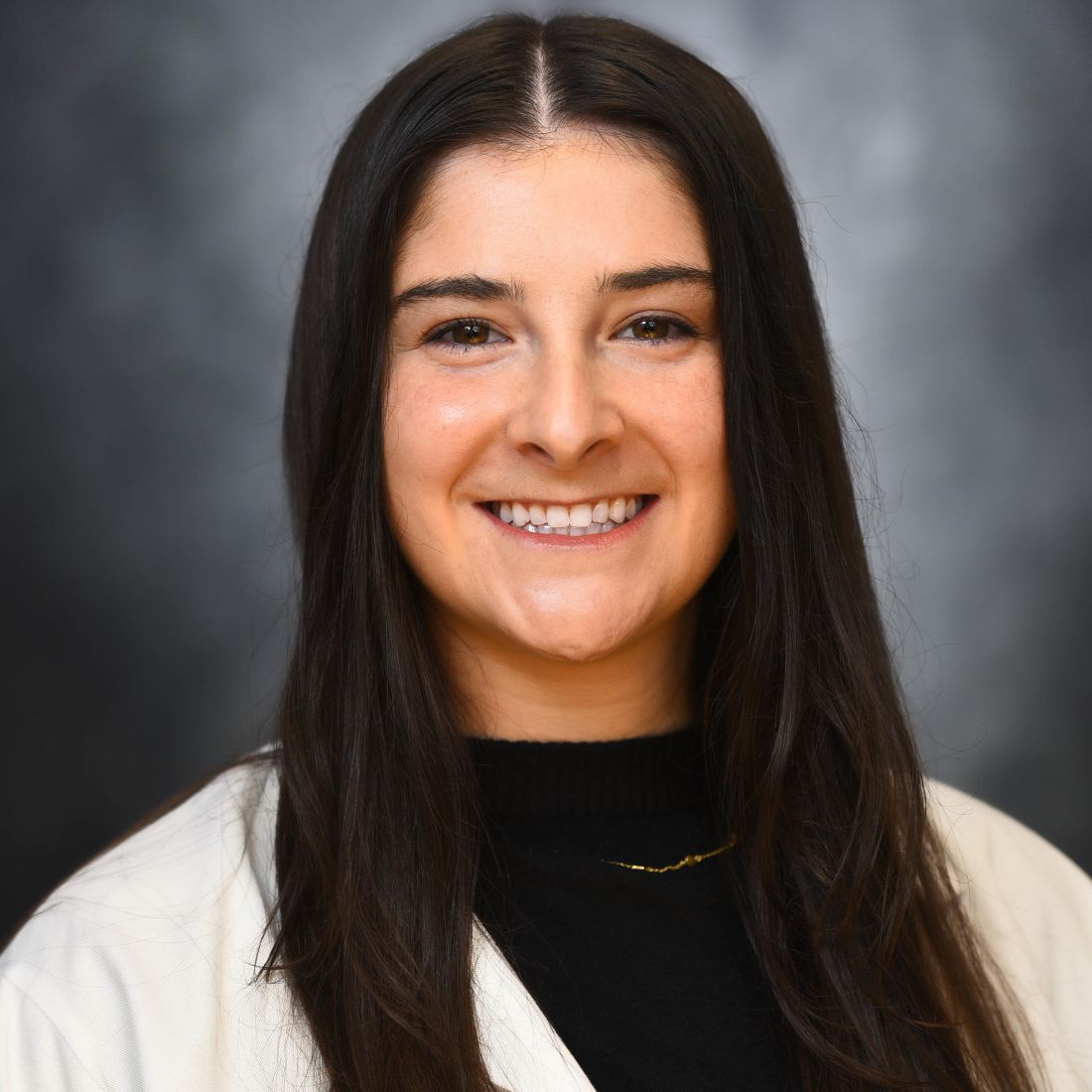
Ms. Stevens and coauthors presented the findings during a poster session at the annual meeting of the Society for Pediatric Dermatology.
To investigate predictors of sunscreen use among high school students, they searched PubMed, Embase, and Web of Science using the terms (“sunscreen” or “SPF” or “sun protection”) and (“high school” or “teen” or “teenager” or “adolescent”) and limited the analysis to English studies reporting data on sunscreen use in U.S. high school students up to November 2021.
A total of 20 studies were included in the final review. The study populations ranged in number from 208 to 24,645. Of 11 studies that examined gender, all showed increased sunscreen use in females compared with males. Of five studies that examined age, all showed increased sunscreen use in younger adolescents, compared with their older counterparts.
Of four studies that examined the role of ethnicity on sunscreen use, White students were more likely to use sunscreen, compared with their peers of other ethnicities. “This may be due to perceived sun sensitivity, as [these four studies] also showed increased sunscreen use in populations that believed were more susceptible to sun damage,” the researchers wrote in their abstract.
In other findings, two studies that examined perceived self-efficacy concluded that higher levels of sunscreen use correlated with higher self-efficacy, while four studies concluded that high school students were more likely to use sunscreen if their parents encouraged them the wear it or if the parent used it themselves.
“With 40%-50% of ultraviolet damage being done before the age of 20, it’s crucial that we find ways to educate adolescents on the importance of sunscreen use and target those populations who were found to rarely use sunscreen in our study,” Ms. Stevens said.
In one outreach program, Sun Protection Outreach Teaching by Students (SPOTS), medical students visit middle and high schools to educate them about the importance of practicing sun protection. The program began as a collaboration between Saint Louis University and Washington University in St. Louis, but has expanded nationwide. Ms. Stevens described SPOTS as “a great way for medical students to present the information to middle and high school students in a way that is engaging and interactive.”
The researchers reported having no disclosures.
a cornerstone of skin cancer prevention, according to results from a systematic review.
“We know that skin cancer is one of the most common malignancies in the world, and sun protection methods such as sunscreen make it highly preventable,” first author Carly R. Stevens, a student at Tulane University, New Orleans, said in an interview. “This study demonstrates the adolescent populations that are most vulnerable to sun damage and how we can help mitigate their risk of developing skin cancer through education methods, such as Sun Protection Outreach Teaching by Students.”
Ms. Stevens and coauthors presented the findings during a poster session at the annual meeting of the Society for Pediatric Dermatology.
To investigate predictors of sunscreen use among high school students, they searched PubMed, Embase, and Web of Science using the terms (“sunscreen” or “SPF” or “sun protection”) and (“high school” or “teen” or “teenager” or “adolescent”) and limited the analysis to English studies reporting data on sunscreen use in U.S. high school students up to November 2021.
A total of 20 studies were included in the final review. The study populations ranged in number from 208 to 24,645. Of 11 studies that examined gender, all showed increased sunscreen use in females compared with males. Of five studies that examined age, all showed increased sunscreen use in younger adolescents, compared with their older counterparts.
Of four studies that examined the role of ethnicity on sunscreen use, White students were more likely to use sunscreen, compared with their peers of other ethnicities. “This may be due to perceived sun sensitivity, as [these four studies] also showed increased sunscreen use in populations that believed were more susceptible to sun damage,” the researchers wrote in their abstract.
In other findings, two studies that examined perceived self-efficacy concluded that higher levels of sunscreen use correlated with higher self-efficacy, while four studies concluded that high school students were more likely to use sunscreen if their parents encouraged them the wear it or if the parent used it themselves.
“With 40%-50% of ultraviolet damage being done before the age of 20, it’s crucial that we find ways to educate adolescents on the importance of sunscreen use and target those populations who were found to rarely use sunscreen in our study,” Ms. Stevens said.
In one outreach program, Sun Protection Outreach Teaching by Students (SPOTS), medical students visit middle and high schools to educate them about the importance of practicing sun protection. The program began as a collaboration between Saint Louis University and Washington University in St. Louis, but has expanded nationwide. Ms. Stevens described SPOTS as “a great way for medical students to present the information to middle and high school students in a way that is engaging and interactive.”
The researchers reported having no disclosures.
a cornerstone of skin cancer prevention, according to results from a systematic review.
“We know that skin cancer is one of the most common malignancies in the world, and sun protection methods such as sunscreen make it highly preventable,” first author Carly R. Stevens, a student at Tulane University, New Orleans, said in an interview. “This study demonstrates the adolescent populations that are most vulnerable to sun damage and how we can help mitigate their risk of developing skin cancer through education methods, such as Sun Protection Outreach Teaching by Students.”
Ms. Stevens and coauthors presented the findings during a poster session at the annual meeting of the Society for Pediatric Dermatology.
To investigate predictors of sunscreen use among high school students, they searched PubMed, Embase, and Web of Science using the terms (“sunscreen” or “SPF” or “sun protection”) and (“high school” or “teen” or “teenager” or “adolescent”) and limited the analysis to English studies reporting data on sunscreen use in U.S. high school students up to November 2021.
A total of 20 studies were included in the final review. The study populations ranged in number from 208 to 24,645. Of 11 studies that examined gender, all showed increased sunscreen use in females compared with males. Of five studies that examined age, all showed increased sunscreen use in younger adolescents, compared with their older counterparts.
Of four studies that examined the role of ethnicity on sunscreen use, White students were more likely to use sunscreen, compared with their peers of other ethnicities. “This may be due to perceived sun sensitivity, as [these four studies] also showed increased sunscreen use in populations that believed were more susceptible to sun damage,” the researchers wrote in their abstract.
In other findings, two studies that examined perceived self-efficacy concluded that higher levels of sunscreen use correlated with higher self-efficacy, while four studies concluded that high school students were more likely to use sunscreen if their parents encouraged them the wear it or if the parent used it themselves.
“With 40%-50% of ultraviolet damage being done before the age of 20, it’s crucial that we find ways to educate adolescents on the importance of sunscreen use and target those populations who were found to rarely use sunscreen in our study,” Ms. Stevens said.
In one outreach program, Sun Protection Outreach Teaching by Students (SPOTS), medical students visit middle and high schools to educate them about the importance of practicing sun protection. The program began as a collaboration between Saint Louis University and Washington University in St. Louis, but has expanded nationwide. Ms. Stevens described SPOTS as “a great way for medical students to present the information to middle and high school students in a way that is engaging and interactive.”
The researchers reported having no disclosures.
FROM SPD 2023