User login
Considerations for Optimal Inhaler Device Selection in Chronic Obstructive Pulmonary Disease

Device considerations
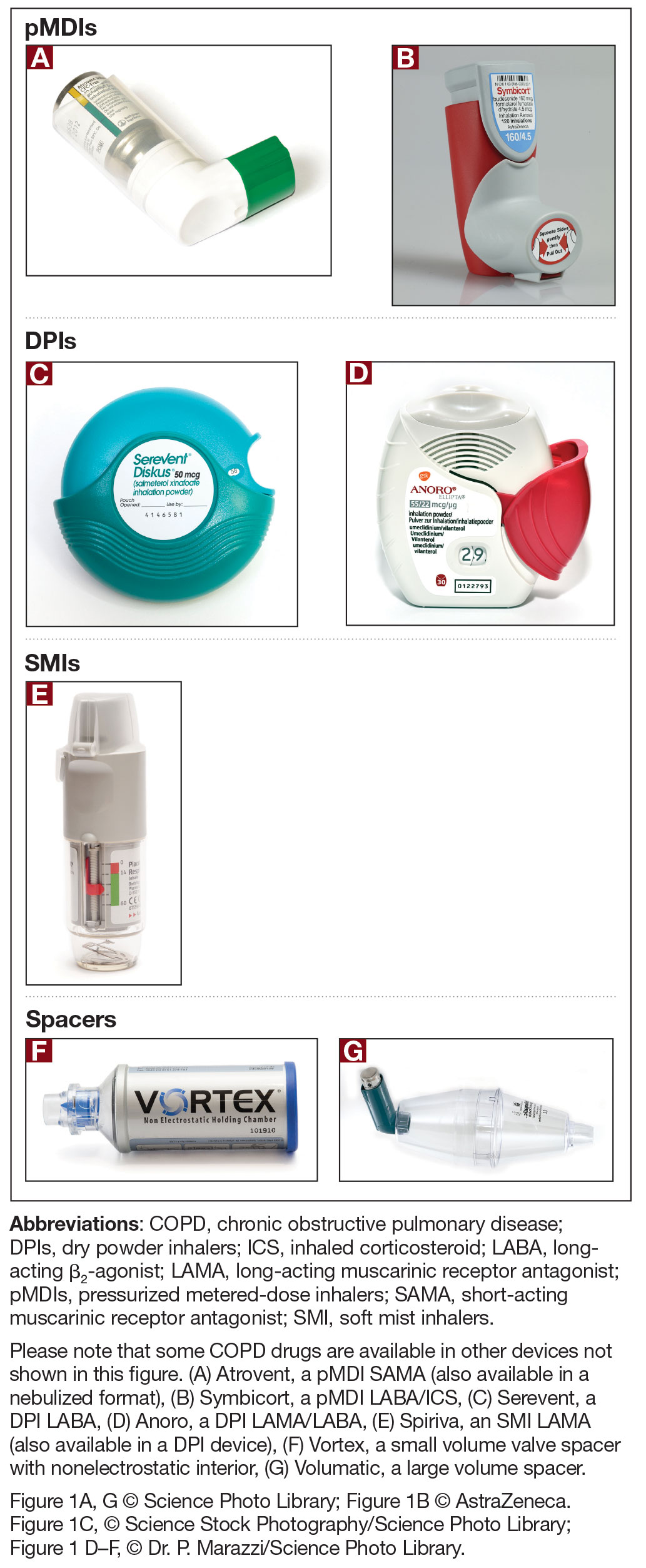
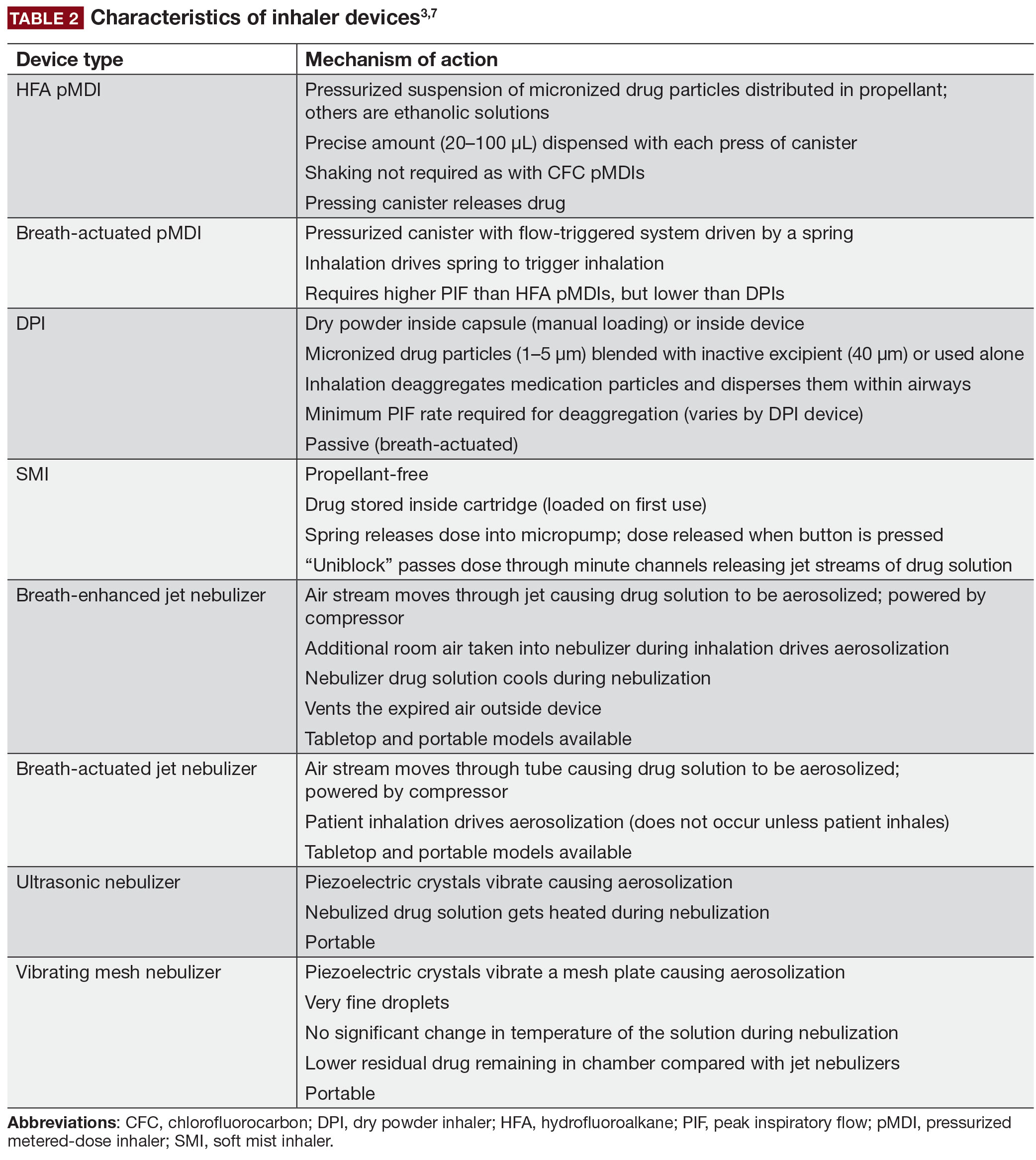
The SMI delivers the aerosol as a fine mist with slow velocity lasting >1 second, which is considerably slower than spray delivery with pMDIs.14 The aim of this design is to make it easier for patients to coordinate actuation with inhalation, but it is important to note that some coordination is still required for SMI devices to function correctly.14 In addition, the SMI is not dependent on a patient’s ability to generate sufficient PIF for effective drug delivery. A limitation of the SMI is the need to assemble the device, as patients with poor manual dexterity may encounter difficulty when attempting to load the drug cartridge.15
Nebulizers deliver aerosolized drug in a fine mist. Newer-generation portable vibrating mesh nebulizers can deliver a dose over a period of ~2 minutes, compared with 10 minutes for conventional pneumatic devices.16 Patients find them effective and easy to use, and the newer generation devices overcome problems with portability and length of treatment, which may be an issue during the daytime for ambulatory patients, along with the requirement for cleaning after each dose.4,8 However, drug delivery may be somewhat compromised with nebulizers compared with other inhalation devices, as medication can be dispersed into the atmosphere and lost, rather than inhaled.7 An additional point to consider is medication availability; some medications, particularly fixed-dose combination maintenance therapies, are currently unavailable in a nebulized format.16
The most important device-related factors influencing the site of deposition within the lungs are aerosol velocity and particle size of the inhaled drug.3,7,17 To maximize clinical effectiveness, adequate distribution throughout the lung is required to reach target sites of action for β2-agonists, anticholinergics, and corticosteroids.17 Particle size differs between inhaler device types, but all available devices generate drug particles sufficient for deposition throughout the lower airways and lung periphery, ie, within the range of 1–5 microns.3,18-21 Extra fine particles of <1 micron (or “submicron particles”) can be deposited deeper in the pulmonary acinus, but a higher fraction of such particles may be exhaled compared with particles 1–5 microns in size.3,20,22 In contrast, particles >5 microns deposit in the oropharynx and may be swallowed, potentially leading to systemic adverse effects.3,20,22
When more than one drug is required, it may be preferable to deliver them via a single device where possible to facilitate patient compliance with correct technique, and decrease confusion about how to use different inhalers.23 The inhaler device ideally serves as a platform on which many treatments are available; the greater the number of devices employed by the patient, the greater the likelihood of making an error with the usage of each device.24
Importance of proper inhaler technique
Errors relating to device handling are common in patients with COPD. The results of a meta-analysis by Chrystyn et al reported that overall error rates were high across all devices in patients with COPD and asthma, ranging from 50%–100%25; the reported frequencies of patients with at least one error were 86.8% and 60.9% for pMDIs and DPIs, respectively. However, the authors note that heterogeneity between the studies used in the analysis was high, and suggest that future investigations should look to use a more standardized approach in assessment of inhaler device errors.25 Moreover, further studies to investigate the frequency of errors in SMI devices, and to establish the relationship between critical errors in device handling and device efficacy, are warranted.
Handling errors are directly linked to compromised drug delivery and reduced treatment efficacy.3 This may lead to more frequent or inappropriate medication use that, in turn, could result in unnecessary dose increases by the physician due to perceived lack of efficacy, and subsequently more adverse effects.3,26-28 However, these errors can be addressed through proper training and demonstration.29-32
Common device-handling errors include4,26,27,32,33:
- pMDIs: not shaking the inhaler (for suspensions), not exhaling fully before actuation, inhaling too forcefully, and not holding their breath for long enough after inhalation.
- DPIs: exhaling into the device mouthpiece, not exhaling fully before inhalation, not inhaling deeply or forcefully enough, and not holding their breath after inhalation.
- SMIs: not rotating the inhaler with mouth cap facing upwards, rotating the inhaler while looking into the spray nozzle with the cap open (before inhalation), and not maintaining inhalation with drug spray.
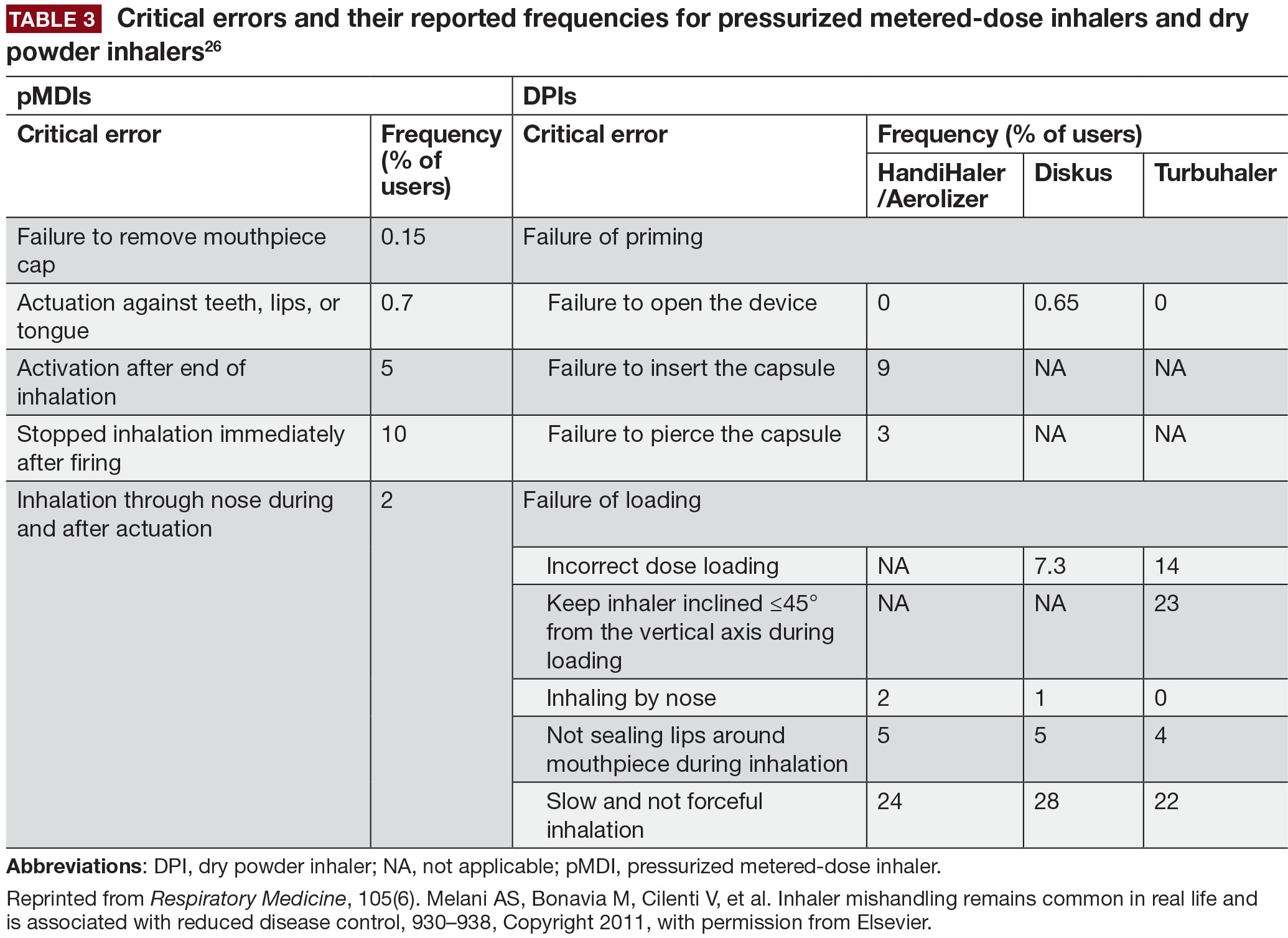
Incorrect inhaler use is a common cause of secondary nonadherence (ie, relating to incorrect medication use) among patients with COPD.4,34 Compromised inhaler technique and medication nonadherence jeopardize health outcomes and add to the economic burden of COPD.8,12,26
A 2005 study estimated that over 20% of the $25 billion spent on inhalers annually in the United States is wasted as a direct consequence of incorrect device handling.35
Failing to inhale correctly to achieve the optimal inspiratory flow for the specific device being used—deep and slow for pMDIs, or forceful, quick and deep for DPIs—is a critical handling error for inhaler devices.26 Significant associations between critical errors and clinical outcomes (hospitalization, emergency department visits, antibiotic courses, and corticosteroid courses) have been reported in COPD patients.26 In a retrospective analysis of COPD inpatients, suboptimal PIF rates with DPIs were associated with worse scores on the COPD Assessment Test, higher COPD and all-cause readmission rates, and shorter time to next COPD exacerbation.12
Patient considerations
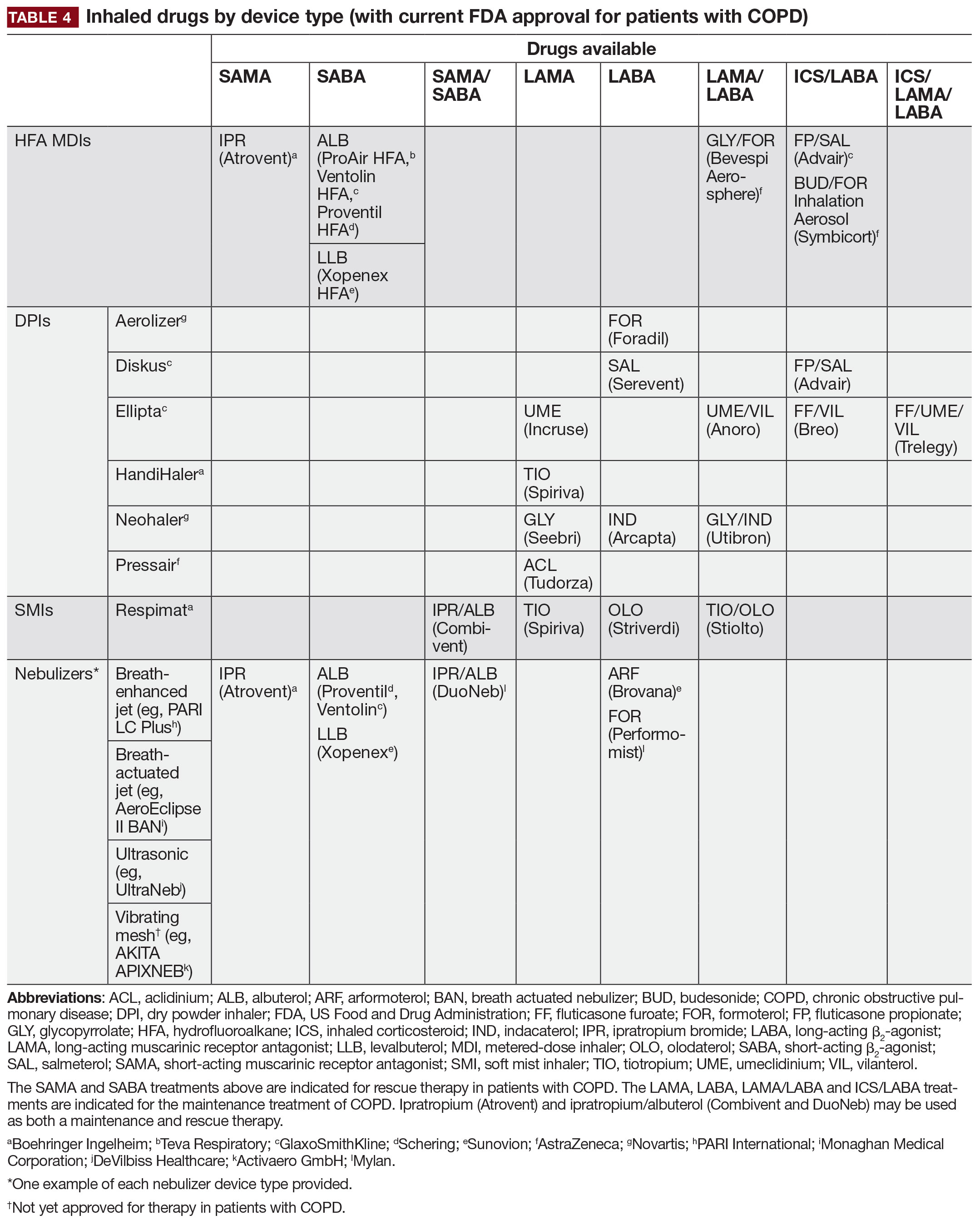
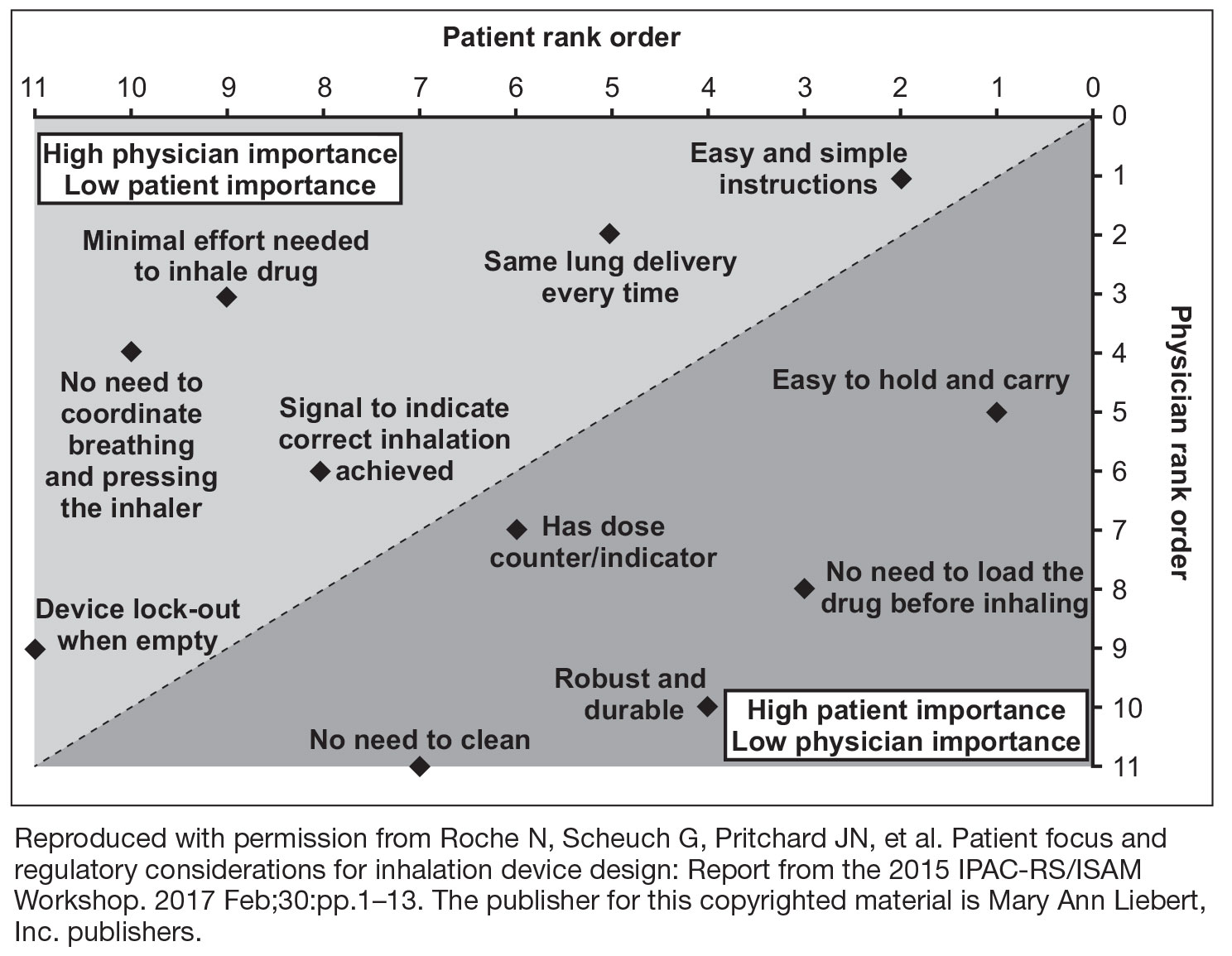
Poor inhaler technique is frequently reported in patients with COPD or asthma, irrespective of the device used and with considerable variability in handling error rates for each individual device.25,26,35,45 Although clinical evidence is limited,25 research to date indicates that some DPIs may require less training than pMDIs.23,29,45,46 Therefore, DPI devices may be viewed as a more appropriate option for patients who encounter difficulty in coordinating the inhalation and actuation required for effective operation of a pMDI device. Alternatively, use of a spacer with pMDIs appears to reduce handling errors compared with pMDIs alone, but whether a pMDI plus spacer improves technique versus DPIs remains unclear.25,46,47 Lack of device training appears to be a key reason for inhaler handling errors across device types.26
Elderly patients need special consideration when selecting an inhaler and ensuring it is used correctly.48 Reduced physical ability and cognitive function due to age-related conditions (eg, dementia, depression, neuromuscular and cerebrovascular diseases) are the main reasons for suboptimal inhaler use in older patients, but other factors may also contribute (eg, multiple comorbid conditions, consequent complicated medication regimens).15 Older age is strongly associated with inhaler misuse,26 and has also been shown to have a negative correlation with PIF, independent of COPD severity.41 When compared with younger patients, older patients make more attempts before mastering the inhalation technique for a specific device, and need longer instruction time from trained health care professionals to correct inhaler mishandling.49,50 In elderly patients with adequate cognitive and manual ability, the most important factors in selecting a device are availability, convenience, ease of use, patient preference, and cost.8,23
Device continuity is a key consideration when multiple inhaled medications are needed.23 Lack of continuity of device type for different clinical needs means that patients may need to master the different techniques for each device.3 For instance, a patient may have a pMDI rescue medication, one or more DPIs for their maintenance therapy, and a nebulizer for additional bronchodilation, which may lead to confusion and incorrect device usage. Device continuity has been shown to improve disease control compared with using multiple inhalers in patients with asthma.51
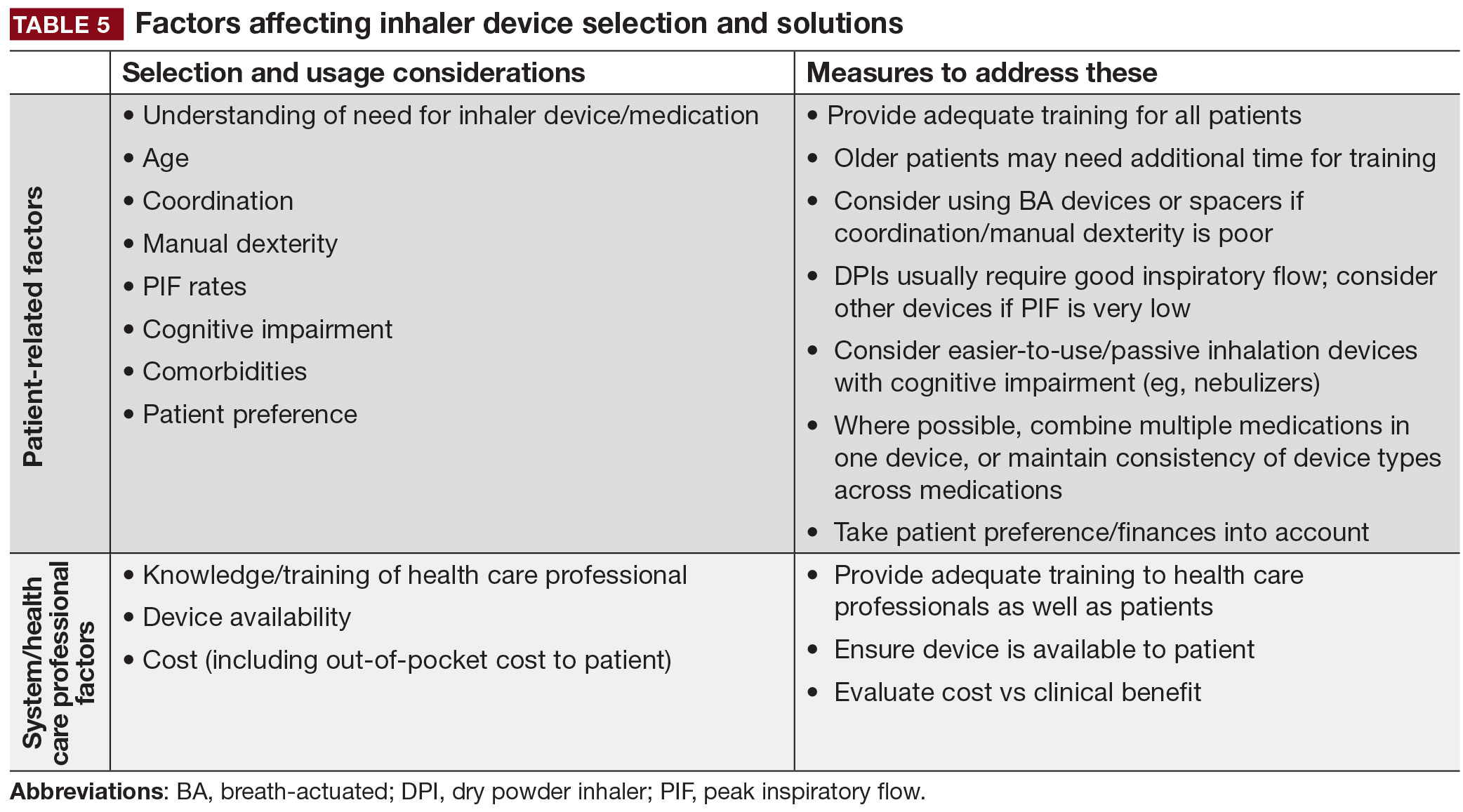
A full summary of patient- and physician-related considerations for device selection, along with suggestions for how these can be addressed, is provided in Table 5.
Inhaler device training for patients and physicians
Comprehensive instruction, including practical demonstration, is important for ensuring patients with COPD use the correct inhaler technique, with regular review and repeated instruction generally needed for continued correct use.1,23,32,42 Lack of instruction is significantly associated with inhaler misuse in patients with COPD or asthma.26 Verbal training on inhalation technique increased the number of patients achieving the minimum inhalation flow rate required for a range of different DPIs.39 Similarly, training helped patients using a pMDI to slow their inhalation rate to <90 L/min, as recommended for this type of device.39 The ‘teach-back’ method, where patients are asked to demonstrate correct usage of their inhaler after instruction from a health care professional,52 has shown to be particularly effective in pharmacist-led patient device training.53 Educational interventions that incorporated a physical demonstration significantly improved inhaler technique in patients with COPD and asthma compared with patients receiving written and verbal information alone.53 Proper device training in primary care settings should also include education about why the inhaler is needed.3
Face-to-face instruction from trained caregivers for approximately 5 to 10 minutes improves the use of MDIs and DPIs by patients.49 However, clinical research indicates that learning correct handling and use may be easier and quicker for some devices than for others.31,49 For example, patients naïve to the PulmoJet (a DPI device not currently available in the United States) were found to have fewer serious errors after training than those using Diskus or Turbuhaler devices.24 In another study, it took less time to correct errors in inhaler use with the Diskus compared with the HandiHaler.44 Health care professionals themselves may lack training or knowledge on correct use of inhaler devices,35,36,54 with 1 study finding that up to 67% of nurses, doctors, and respiratory therapists were unable to describe or perform critical steps for using inhalers.35
A range of resources is available to aid in training patients and health care professionals in inhaler techniques:
- Tools such as the In-Check DIAL inspiratory flow meter (Clement Clarke International Ltd, Harlow, UK), TurbuHaler Trainer (AstraZeneca, Lund, Sweden), Diskus/Accuhaler Training Device (Vitalograph, Ennis, Ireland), and 2Tone Trainer (Canday Medical Ltd, Newmarket, UK) can be used to evaluate a patient’s physical ability to use a specific inhaler.55
- The emergence of electronic monitoring devices, such as SmartTrack, SmartTurbo, and SmartMat (all developed by Adherium Ltd, Auckland New Zealand), can provide objective and detailed adherence data to support clinical decision-making.56
- It is essential that patients and physicians alike utilize the instructions and video demonstrations available online to understand how to use a device correctly, and avoid errors. These resources can be found on a number of organizations’ websites (eg, COPD Foundation, Allergy and Asthma Network, Centers for Disease Control and Prevention, National Jewish Health, Asthma UK, Centre for Pharmacy Postgraduate Education) and on manufacturers’ websites for individual inhalers or treatments (eg, https://www.advair.com/how-to-use-advair.html, https://www.incruse.com/how-to-use-incruse.html, https://www.mysymbicort.com/copd/taking-symbicort/how-to-use-the-inhaler.html, https://www.tudorzahcp.com/tudorza-instructions-dosing.html, www.us.respimat.com (“How to Use the RESPIMAT Inhaler”), https://www.utibron.com/how-to-use.html).
Conclusions
A number of inhalation devices are available for the treatment of COPD. However, incorrect usage or a poor match between the patient and the device may lead to confusion, suboptimal treatment, and increased cost to the patient and health care system. Considering both patient- and health care system-related factors can ensure that appropriate inhaler section and usage can be optimized.
- Global Initiative for Chronic Obstructive Lung Disease. GOLD 2017 Global Strategy for the Diagnosis, Management and Prevention of COPD. http://goldcopd.org/gold-2017-global-strategy-diagnosis-management-prevention-copd. Accessed July 2017.
- Dolovich MB, Dhand R. Aerosol drug delivery: developments in device design and clinical use. Lancet. 2011;377(9770):1032-1045.
- Bonini M, Usmani OS. The importance of inhaler devices in the treatment of COPD. COPD Res Pract. 2015;1(1):9.
- Restrepo RD, Alvarez MT, Wittnebel LD, et al. Medication adherence issues in patients treated for COPD. Int J Chron Obstruct Pulmon Dis. 2008;3(3):371-384.
- Rogliani P, Calzetta L, Coppola A, et al. Optimizing drug delivery in COPD: the role of inhaler devices. Respir Med. 2017;124:6-14.
- Lavorini F, Fontana GA, Usmani OS. New inhaler devices - the good, the bad and the ugly. Respiration. 2014;88(1):3-15.
- Ibrahim M, Verma R, Garcia-Contreras L. Inhalation drug delivery devices: technology update. Med Devices (Auckl). 2015;8:131-139.
- Barrons R, Pegram A, Borries A. Inhaler device selection: special considerations in elderly patients with chronic obstructive pulmonary disease. Am J Health Syst Pharm. 2011;68(13):1221-1232.
- Dal Negro RW. Dry powder inhalers and the right things to remember: a concept review. Multidiscip Respir Med. 2015;10(1):13.
- Mahler DA, Waterman LA, Gifford AH. Prevalence and COPD phenotype for a suboptimal peak inspiratory flow rate against the simulated resistance of the Diskus® dry powder inhaler. J Aerosol Med Pulm Drug Deliv. 2013;26(3):174-179.
- Sharma G, Mahler DA, Mayorga VM, Deering KL, Harshaw O, Ganapathy V. Prevalence of low peak inspiratory flow rate at discharge in patients hospitalized for COPD exacerbation. Chronic Obstr Pulm Dis. 2017;4(3):217-224.
- Loh CH, Peters SP, Lovings TM, Ohar JA. Suboptimal inspiratory flow rates are associated with chronic obstructive pulmonary disease and all cause readmissions. Ann Am Thorac Soc. 2017;14(8):1305-1311.
- Le V, Hoang Thi TH, Robins E, Flament M. Dry powder inhalers: study of the parameters influencing adhesion and dispersion of fluticasone propionate. AAPS PharmSciTech. 2012;13(2):477-484.
- Dalby RN, Eicher J, Zierenberg B. Development of Respimat® Soft Mist™ Inhaler and its clinical utility in respiratory disorders. Med Devices (Auckl). 2011;4:145-155.
- Lavorini F, Mannini C, Chellini E, Fontana GA. Optimising inhaled pharmacotherapy for elderly patients with chronic obstructive pulmonary disease: the importance of delivery devices. Drugs Aging. 2016;33(7):461-473.
- Tashkin DP. A review of nebulized drug delivery in COPD. Int J Chron Obstruct Pulmon Dis. 2016;11:2585-2596.
- Labiris NR, Dolovich MB. Pulmonary drug delivery. Part I: physiological factors affecting therapeutic effectiveness of aerosolized medications. Br J Clin Pharmacol. 2003;56(6):588-599.
- Chrystyn H. Anatomy and physiology in delivery: can we define our targets? Allergy. 1999;54(suppl 49):82-87.
- Biddiscombe M, Meah S, Barnes P, Usmani O. Drug particle size and lung deposition in COPD. Eur Respir J. 2016;48(suppl 60):Abstract. doi:10.1183/13993003.congress-13992016.PA13993313.
- Demoly P, Hagedoorn P, de Boer AH, Frijlink HW. The clinical relevance of dry powder inhaler performance for drug delivery. Respir Med. 2014;108(8):1195-1203.
- Dhand R. Inhaled drug therapy 2016: the year in review. Respir Care. 2017;62(7):978-996.
- de Boer AH, Gjaltema D, Hagedoorn P, Frijlink HW. Can ‘extrafine’ dry powder aerosols improve lung deposition? Eur J Pharm Biopharm. 2015;96:143-151.
- Vincken W, Dekhuijzen PR, Barnes P; ADMIT Group. The ADMIT series - Issues in inhalation therapy. 4) How to choose inhaler devices for the treatment of COPD. Prim Care Respir J. 2010;19(1):10-20.
- Roggeri A, Micheletto C, Roggeri DP. Inhalation errors due to device switch in patients with chronic obstructive pulmonary disease and asthma: critical health and economic issues. Int J Chron Obstruct Pulmon Dis. 2016;11:597-602.
- Chrystyn H, van der Palen J, Sharma R, et al. Device errors in asthma and COPD: systematic literature review and meta-analysis. NPJ Prim Care Respir Med. 2017;27(1):22.
- Melani AS, Bonavia M, Cilenti V, et al; Gruppo Educazionale Associazione Italiana Pneumologi Ospedalieri. Inhaler mishandling remains common in real life and is associated with reduced disease control [published correction appears in Respir Med. 2012;106(5):757]. Respir Med. 2011;105(6):930-938.
- Sanchis J, Gich I, Pedersen S; Aerosol Drug Management Improvement Team (ADMIT). Systematic review of errors in inhaler use: has patient technique improved over time? Chest. 2016;150(2):394-406.
- Sulaiman I, Seheult J, Sadasivuni N, et al. The impact of common inhaler errors on drug delivery: investigating critical errors with a dry powder inhaler. J Aerosol Med Pulm Drug Deliv. 2017;30(4):247-255.
- Chapman KR, Love L, Brubaker H. A comparison of breath-actuated and conventional metered-dose inhaler inhalation techniques in elderly subjects. Chest. 1993;104(5):1332-1337.
- van der Palen J, Thomas M, Chrystyn H, et al. A randomised open-label cross-over study of inhaler errors, preference and time to achieve correct inhaler use in patients with COPD or asthma: comparison of ELLIPTA with other inhaler devices. NPJ Prim Care Respir Med. 2016;26:16079.
- Chrystyn H, Price DB, Molimard M, et al. Comparison of serious inhaler technique errors made by device-naïve patients using three different dry powder inhalers: a randomised, crossover, open-label study. BMC Pulm Med. 2016;16:12.
- Crane MA, Jenkins CR, Goeman DP, Douglass JA. Inhaler device technique can be improved in older adults through tailored education: findings from a randomised controlled trial. NPJ Prim Care Respir Med. 2014;24:14034.
- Ohbayashi H, Kudo S, Ishikawa M. Inhaler operability and patient satisfaction regarding Genuair® and Respimat® inhalers for chronic obstructive pulmonary disease: a randomized crossover sudy. Pulmon Ther. 2017;3(1):173-185.
- Bourbeau J, Bartlett SJ. Patient adherence in COPD. Thorax. 2008;63(9):831-838.
- Fink JB, Rubin BK. Problems with inhaler use: a call for improved clinician and patient education. Respir Care. 2005;50(10):1360-1374; discussion 1374-1375.
- Yawn BP, Colice GL, Hodder R. Practical aspects of inhaler use in the management of chronic obstructive pulmonary disease in the primary care setting. Int J Chron Obstruct Pulmon Dis. 2012;7:495-502.
- Dhand R, Dolovich M, Chipps B, Myers TR, Restrepo R, Farrar JR. The role of nebulized therapy in the management of COPD: evidence and recommendations. COPD. 2012;9(1):58-72.
- Roche N, Gerhard S, Pritchard JN, et al. Patient focus and regulatory considerations for inhalation device design: report from the 2015 IPAC-RS/ISAM Workshop. J Aerosol Med Pulm Drug Deliv. 2017;30(1):1-13.
- Al-Showair RA, Tarsin WY, Assi KH, Pearson SB, Chrystyn H. Can all patients with COPD use the correct inhalation flow with all inhalers and does training help? Respir Med. 2007;101(11):2395-2401.
- Janssens W, VandenBrande P, Hardeman E, et al. Inspiratory flow rates at different levels of resistance in elderly COPD patients. Eur Respir J. 2008;31(1):78-83.
- Jarvis S, Ind PW, Shiner RJ. Inhaled therapy in elderly COPD patients; time for re-evaluation? Age Ageing. 2007;36(2):213-218.
- Lavorini F, Levy ML, Corrigan C, Crompton G; ADMIT Working Group. The ADMIT series - issues in inhalation therapy. 6) Training tools for inhalation devices. Prim Care Respir J. 2010;19(4):335-341.
- Pauwels R, Newman S, Borgström L. Airway deposition and airway effects of antiasthma drugs delivered from metered-dose inhalers. Eur Respir J. 1997;10(9):2127-2138.
- Everard ML, Devadason SG, Le Souëf PN. Flow early in the inspiratory manoeuvre affects the aerosol particle size distribution from a Turbuhaler. Respir Med. 1997;91(10):624-628.
- Molimard M, Raherison C, Lignot S, et al. Chronic obstructive pulmonary disease exacerbation and inhaler device handling: real-life assessment of 2935 patients. Eur Respir J. 2017;49(2):doi: 10.1183/13993003.13901794-2016.
- Jones V, Fernandez C, Diggory P. A comparison of large volume spacer, breath-activated and dry powder inhalers in older people. Age Ageing. 1999;28(5):481-484.
- Ho SF, O’Mahony MS, Steward JA, Breay P, Burr ML. Inhaler technique in older people in the community. Age Ageing. 2004;33(2):185-188.
- Taffet GE, Donohue JF, Altman PR. Considerations for managing chronic obstructive pulmonary disease in the elderly. Clin Interv Aging. 2014;9:23-30.
- Melani AS, Bonavia M, Mastropasqua E, et al; Gruppo Educazionale Associazione Italiana Pneumologi Ospedalieri (AIPO). Time required to rectify inhaler errors among experienced subjects with faulty technique. Respir Care. 2017;62(4):409-414.
- Dal Negro RW, Povero M. Dry-powder inhalers in patients with persistent airflow limitation: usability and preference. Multidiscip Respir Med. 2016;11(1):31.
- Price D, Chrystyn H, Kaplan A, et al. Effectiveness of same versus mixed asthma inhaler devices: a retrospective observational study in primary care. Allergy Asthma Immunol Res. 2012;4(4):184-191.
- Dantic DE. A critical review of the effectiveness of ‘teach-back’ technique in teaching COPD patients self-management using respiratory inhalers. Health Ed J. 2014;73(1):41-50.
- Bosnic-Anticevich SZ, Sinha H, So S, Reddel HK. Metered-dose inhaler technique: the effect of two educational interventions delivered in community pharmacy over time. J Asthma. 2010;47(3):251-256.
- Adnan M, Karim S, Khan S, Al Wabel N. Critical errors found during metered dose inhaler technique demonstration by pharmacists. Saudi Pharm J. 2016;24(5):625.
- Capstick TG, Clifton IJ. Inhaler technique and training in people with chronic obstructive pulmonary disease and asthma. Expert Rev Respir Med. 2012;6(1):91-101; quiz 102-103.
- Chan AH, Harrison J, Black PN, Mitchell EA, Foster JM. Using electronic monitoring devices to measure inhaler adherence: a practical guide for clinicians. J Allergy Clin Immunol Pract. 2015;3(3):335-349.e1-e5.
Device considerations
The SMI delivers the aerosol as a fine mist with slow velocity lasting >1 second, which is considerably slower than spray delivery with pMDIs.14 The aim of this design is to make it easier for patients to coordinate actuation with inhalation, but it is important to note that some coordination is still required for SMI devices to function correctly.14 In addition, the SMI is not dependent on a patient’s ability to generate sufficient PIF for effective drug delivery. A limitation of the SMI is the need to assemble the device, as patients with poor manual dexterity may encounter difficulty when attempting to load the drug cartridge.15
Nebulizers deliver aerosolized drug in a fine mist. Newer-generation portable vibrating mesh nebulizers can deliver a dose over a period of ~2 minutes, compared with 10 minutes for conventional pneumatic devices.16 Patients find them effective and easy to use, and the newer generation devices overcome problems with portability and length of treatment, which may be an issue during the daytime for ambulatory patients, along with the requirement for cleaning after each dose.4,8 However, drug delivery may be somewhat compromised with nebulizers compared with other inhalation devices, as medication can be dispersed into the atmosphere and lost, rather than inhaled.7 An additional point to consider is medication availability; some medications, particularly fixed-dose combination maintenance therapies, are currently unavailable in a nebulized format.16
The most important device-related factors influencing the site of deposition within the lungs are aerosol velocity and particle size of the inhaled drug.3,7,17 To maximize clinical effectiveness, adequate distribution throughout the lung is required to reach target sites of action for β2-agonists, anticholinergics, and corticosteroids.17 Particle size differs between inhaler device types, but all available devices generate drug particles sufficient for deposition throughout the lower airways and lung periphery, ie, within the range of 1–5 microns.3,18-21 Extra fine particles of <1 micron (or “submicron particles”) can be deposited deeper in the pulmonary acinus, but a higher fraction of such particles may be exhaled compared with particles 1–5 microns in size.3,20,22 In contrast, particles >5 microns deposit in the oropharynx and may be swallowed, potentially leading to systemic adverse effects.3,20,22
When more than one drug is required, it may be preferable to deliver them via a single device where possible to facilitate patient compliance with correct technique, and decrease confusion about how to use different inhalers.23 The inhaler device ideally serves as a platform on which many treatments are available; the greater the number of devices employed by the patient, the greater the likelihood of making an error with the usage of each device.24
Importance of proper inhaler technique
Errors relating to device handling are common in patients with COPD. The results of a meta-analysis by Chrystyn et al reported that overall error rates were high across all devices in patients with COPD and asthma, ranging from 50%–100%25; the reported frequencies of patients with at least one error were 86.8% and 60.9% for pMDIs and DPIs, respectively. However, the authors note that heterogeneity between the studies used in the analysis was high, and suggest that future investigations should look to use a more standardized approach in assessment of inhaler device errors.25 Moreover, further studies to investigate the frequency of errors in SMI devices, and to establish the relationship between critical errors in device handling and device efficacy, are warranted.
Handling errors are directly linked to compromised drug delivery and reduced treatment efficacy.3 This may lead to more frequent or inappropriate medication use that, in turn, could result in unnecessary dose increases by the physician due to perceived lack of efficacy, and subsequently more adverse effects.3,26-28 However, these errors can be addressed through proper training and demonstration.29-32
Common device-handling errors include4,26,27,32,33:
- pMDIs: not shaking the inhaler (for suspensions), not exhaling fully before actuation, inhaling too forcefully, and not holding their breath for long enough after inhalation.
- DPIs: exhaling into the device mouthpiece, not exhaling fully before inhalation, not inhaling deeply or forcefully enough, and not holding their breath after inhalation.
- SMIs: not rotating the inhaler with mouth cap facing upwards, rotating the inhaler while looking into the spray nozzle with the cap open (before inhalation), and not maintaining inhalation with drug spray.
Incorrect inhaler use is a common cause of secondary nonadherence (ie, relating to incorrect medication use) among patients with COPD.4,34 Compromised inhaler technique and medication nonadherence jeopardize health outcomes and add to the economic burden of COPD.8,12,26
A 2005 study estimated that over 20% of the $25 billion spent on inhalers annually in the United States is wasted as a direct consequence of incorrect device handling.35
Failing to inhale correctly to achieve the optimal inspiratory flow for the specific device being used—deep and slow for pMDIs, or forceful, quick and deep for DPIs—is a critical handling error for inhaler devices.26 Significant associations between critical errors and clinical outcomes (hospitalization, emergency department visits, antibiotic courses, and corticosteroid courses) have been reported in COPD patients.26 In a retrospective analysis of COPD inpatients, suboptimal PIF rates with DPIs were associated with worse scores on the COPD Assessment Test, higher COPD and all-cause readmission rates, and shorter time to next COPD exacerbation.12
Patient considerations
Poor inhaler technique is frequently reported in patients with COPD or asthma, irrespective of the device used and with considerable variability in handling error rates for each individual device.25,26,35,45 Although clinical evidence is limited,25 research to date indicates that some DPIs may require less training than pMDIs.23,29,45,46 Therefore, DPI devices may be viewed as a more appropriate option for patients who encounter difficulty in coordinating the inhalation and actuation required for effective operation of a pMDI device. Alternatively, use of a spacer with pMDIs appears to reduce handling errors compared with pMDIs alone, but whether a pMDI plus spacer improves technique versus DPIs remains unclear.25,46,47 Lack of device training appears to be a key reason for inhaler handling errors across device types.26
Elderly patients need special consideration when selecting an inhaler and ensuring it is used correctly.48 Reduced physical ability and cognitive function due to age-related conditions (eg, dementia, depression, neuromuscular and cerebrovascular diseases) are the main reasons for suboptimal inhaler use in older patients, but other factors may also contribute (eg, multiple comorbid conditions, consequent complicated medication regimens).15 Older age is strongly associated with inhaler misuse,26 and has also been shown to have a negative correlation with PIF, independent of COPD severity.41 When compared with younger patients, older patients make more attempts before mastering the inhalation technique for a specific device, and need longer instruction time from trained health care professionals to correct inhaler mishandling.49,50 In elderly patients with adequate cognitive and manual ability, the most important factors in selecting a device are availability, convenience, ease of use, patient preference, and cost.8,23
Device continuity is a key consideration when multiple inhaled medications are needed.23 Lack of continuity of device type for different clinical needs means that patients may need to master the different techniques for each device.3 For instance, a patient may have a pMDI rescue medication, one or more DPIs for their maintenance therapy, and a nebulizer for additional bronchodilation, which may lead to confusion and incorrect device usage. Device continuity has been shown to improve disease control compared with using multiple inhalers in patients with asthma.51
A full summary of patient- and physician-related considerations for device selection, along with suggestions for how these can be addressed, is provided in Table 5.
Inhaler device training for patients and physicians
Comprehensive instruction, including practical demonstration, is important for ensuring patients with COPD use the correct inhaler technique, with regular review and repeated instruction generally needed for continued correct use.1,23,32,42 Lack of instruction is significantly associated with inhaler misuse in patients with COPD or asthma.26 Verbal training on inhalation technique increased the number of patients achieving the minimum inhalation flow rate required for a range of different DPIs.39 Similarly, training helped patients using a pMDI to slow their inhalation rate to <90 L/min, as recommended for this type of device.39 The ‘teach-back’ method, where patients are asked to demonstrate correct usage of their inhaler after instruction from a health care professional,52 has shown to be particularly effective in pharmacist-led patient device training.53 Educational interventions that incorporated a physical demonstration significantly improved inhaler technique in patients with COPD and asthma compared with patients receiving written and verbal information alone.53 Proper device training in primary care settings should also include education about why the inhaler is needed.3
Face-to-face instruction from trained caregivers for approximately 5 to 10 minutes improves the use of MDIs and DPIs by patients.49 However, clinical research indicates that learning correct handling and use may be easier and quicker for some devices than for others.31,49 For example, patients naïve to the PulmoJet (a DPI device not currently available in the United States) were found to have fewer serious errors after training than those using Diskus or Turbuhaler devices.24 In another study, it took less time to correct errors in inhaler use with the Diskus compared with the HandiHaler.44 Health care professionals themselves may lack training or knowledge on correct use of inhaler devices,35,36,54 with 1 study finding that up to 67% of nurses, doctors, and respiratory therapists were unable to describe or perform critical steps for using inhalers.35
A range of resources is available to aid in training patients and health care professionals in inhaler techniques:
- Tools such as the In-Check DIAL inspiratory flow meter (Clement Clarke International Ltd, Harlow, UK), TurbuHaler Trainer (AstraZeneca, Lund, Sweden), Diskus/Accuhaler Training Device (Vitalograph, Ennis, Ireland), and 2Tone Trainer (Canday Medical Ltd, Newmarket, UK) can be used to evaluate a patient’s physical ability to use a specific inhaler.55
- The emergence of electronic monitoring devices, such as SmartTrack, SmartTurbo, and SmartMat (all developed by Adherium Ltd, Auckland New Zealand), can provide objective and detailed adherence data to support clinical decision-making.56
- It is essential that patients and physicians alike utilize the instructions and video demonstrations available online to understand how to use a device correctly, and avoid errors. These resources can be found on a number of organizations’ websites (eg, COPD Foundation, Allergy and Asthma Network, Centers for Disease Control and Prevention, National Jewish Health, Asthma UK, Centre for Pharmacy Postgraduate Education) and on manufacturers’ websites for individual inhalers or treatments (eg, https://www.advair.com/how-to-use-advair.html, https://www.incruse.com/how-to-use-incruse.html, https://www.mysymbicort.com/copd/taking-symbicort/how-to-use-the-inhaler.html, https://www.tudorzahcp.com/tudorza-instructions-dosing.html, www.us.respimat.com (“How to Use the RESPIMAT Inhaler”), https://www.utibron.com/how-to-use.html).
Conclusions
A number of inhalation devices are available for the treatment of COPD. However, incorrect usage or a poor match between the patient and the device may lead to confusion, suboptimal treatment, and increased cost to the patient and health care system. Considering both patient- and health care system-related factors can ensure that appropriate inhaler section and usage can be optimized.
Device considerations
The SMI delivers the aerosol as a fine mist with slow velocity lasting >1 second, which is considerably slower than spray delivery with pMDIs.14 The aim of this design is to make it easier for patients to coordinate actuation with inhalation, but it is important to note that some coordination is still required for SMI devices to function correctly.14 In addition, the SMI is not dependent on a patient’s ability to generate sufficient PIF for effective drug delivery. A limitation of the SMI is the need to assemble the device, as patients with poor manual dexterity may encounter difficulty when attempting to load the drug cartridge.15
Nebulizers deliver aerosolized drug in a fine mist. Newer-generation portable vibrating mesh nebulizers can deliver a dose over a period of ~2 minutes, compared with 10 minutes for conventional pneumatic devices.16 Patients find them effective and easy to use, and the newer generation devices overcome problems with portability and length of treatment, which may be an issue during the daytime for ambulatory patients, along with the requirement for cleaning after each dose.4,8 However, drug delivery may be somewhat compromised with nebulizers compared with other inhalation devices, as medication can be dispersed into the atmosphere and lost, rather than inhaled.7 An additional point to consider is medication availability; some medications, particularly fixed-dose combination maintenance therapies, are currently unavailable in a nebulized format.16
The most important device-related factors influencing the site of deposition within the lungs are aerosol velocity and particle size of the inhaled drug.3,7,17 To maximize clinical effectiveness, adequate distribution throughout the lung is required to reach target sites of action for β2-agonists, anticholinergics, and corticosteroids.17 Particle size differs between inhaler device types, but all available devices generate drug particles sufficient for deposition throughout the lower airways and lung periphery, ie, within the range of 1–5 microns.3,18-21 Extra fine particles of <1 micron (or “submicron particles”) can be deposited deeper in the pulmonary acinus, but a higher fraction of such particles may be exhaled compared with particles 1–5 microns in size.3,20,22 In contrast, particles >5 microns deposit in the oropharynx and may be swallowed, potentially leading to systemic adverse effects.3,20,22
When more than one drug is required, it may be preferable to deliver them via a single device where possible to facilitate patient compliance with correct technique, and decrease confusion about how to use different inhalers.23 The inhaler device ideally serves as a platform on which many treatments are available; the greater the number of devices employed by the patient, the greater the likelihood of making an error with the usage of each device.24
Importance of proper inhaler technique
Errors relating to device handling are common in patients with COPD. The results of a meta-analysis by Chrystyn et al reported that overall error rates were high across all devices in patients with COPD and asthma, ranging from 50%–100%25; the reported frequencies of patients with at least one error were 86.8% and 60.9% for pMDIs and DPIs, respectively. However, the authors note that heterogeneity between the studies used in the analysis was high, and suggest that future investigations should look to use a more standardized approach in assessment of inhaler device errors.25 Moreover, further studies to investigate the frequency of errors in SMI devices, and to establish the relationship between critical errors in device handling and device efficacy, are warranted.
Handling errors are directly linked to compromised drug delivery and reduced treatment efficacy.3 This may lead to more frequent or inappropriate medication use that, in turn, could result in unnecessary dose increases by the physician due to perceived lack of efficacy, and subsequently more adverse effects.3,26-28 However, these errors can be addressed through proper training and demonstration.29-32
Common device-handling errors include4,26,27,32,33:
- pMDIs: not shaking the inhaler (for suspensions), not exhaling fully before actuation, inhaling too forcefully, and not holding their breath for long enough after inhalation.
- DPIs: exhaling into the device mouthpiece, not exhaling fully before inhalation, not inhaling deeply or forcefully enough, and not holding their breath after inhalation.
- SMIs: not rotating the inhaler with mouth cap facing upwards, rotating the inhaler while looking into the spray nozzle with the cap open (before inhalation), and not maintaining inhalation with drug spray.
Incorrect inhaler use is a common cause of secondary nonadherence (ie, relating to incorrect medication use) among patients with COPD.4,34 Compromised inhaler technique and medication nonadherence jeopardize health outcomes and add to the economic burden of COPD.8,12,26
A 2005 study estimated that over 20% of the $25 billion spent on inhalers annually in the United States is wasted as a direct consequence of incorrect device handling.35
Failing to inhale correctly to achieve the optimal inspiratory flow for the specific device being used—deep and slow for pMDIs, or forceful, quick and deep for DPIs—is a critical handling error for inhaler devices.26 Significant associations between critical errors and clinical outcomes (hospitalization, emergency department visits, antibiotic courses, and corticosteroid courses) have been reported in COPD patients.26 In a retrospective analysis of COPD inpatients, suboptimal PIF rates with DPIs were associated with worse scores on the COPD Assessment Test, higher COPD and all-cause readmission rates, and shorter time to next COPD exacerbation.12
Patient considerations
Poor inhaler technique is frequently reported in patients with COPD or asthma, irrespective of the device used and with considerable variability in handling error rates for each individual device.25,26,35,45 Although clinical evidence is limited,25 research to date indicates that some DPIs may require less training than pMDIs.23,29,45,46 Therefore, DPI devices may be viewed as a more appropriate option for patients who encounter difficulty in coordinating the inhalation and actuation required for effective operation of a pMDI device. Alternatively, use of a spacer with pMDIs appears to reduce handling errors compared with pMDIs alone, but whether a pMDI plus spacer improves technique versus DPIs remains unclear.25,46,47 Lack of device training appears to be a key reason for inhaler handling errors across device types.26
Elderly patients need special consideration when selecting an inhaler and ensuring it is used correctly.48 Reduced physical ability and cognitive function due to age-related conditions (eg, dementia, depression, neuromuscular and cerebrovascular diseases) are the main reasons for suboptimal inhaler use in older patients, but other factors may also contribute (eg, multiple comorbid conditions, consequent complicated medication regimens).15 Older age is strongly associated with inhaler misuse,26 and has also been shown to have a negative correlation with PIF, independent of COPD severity.41 When compared with younger patients, older patients make more attempts before mastering the inhalation technique for a specific device, and need longer instruction time from trained health care professionals to correct inhaler mishandling.49,50 In elderly patients with adequate cognitive and manual ability, the most important factors in selecting a device are availability, convenience, ease of use, patient preference, and cost.8,23
Device continuity is a key consideration when multiple inhaled medications are needed.23 Lack of continuity of device type for different clinical needs means that patients may need to master the different techniques for each device.3 For instance, a patient may have a pMDI rescue medication, one or more DPIs for their maintenance therapy, and a nebulizer for additional bronchodilation, which may lead to confusion and incorrect device usage. Device continuity has been shown to improve disease control compared with using multiple inhalers in patients with asthma.51
A full summary of patient- and physician-related considerations for device selection, along with suggestions for how these can be addressed, is provided in Table 5.
Inhaler device training for patients and physicians
Comprehensive instruction, including practical demonstration, is important for ensuring patients with COPD use the correct inhaler technique, with regular review and repeated instruction generally needed for continued correct use.1,23,32,42 Lack of instruction is significantly associated with inhaler misuse in patients with COPD or asthma.26 Verbal training on inhalation technique increased the number of patients achieving the minimum inhalation flow rate required for a range of different DPIs.39 Similarly, training helped patients using a pMDI to slow their inhalation rate to <90 L/min, as recommended for this type of device.39 The ‘teach-back’ method, where patients are asked to demonstrate correct usage of their inhaler after instruction from a health care professional,52 has shown to be particularly effective in pharmacist-led patient device training.53 Educational interventions that incorporated a physical demonstration significantly improved inhaler technique in patients with COPD and asthma compared with patients receiving written and verbal information alone.53 Proper device training in primary care settings should also include education about why the inhaler is needed.3
Face-to-face instruction from trained caregivers for approximately 5 to 10 minutes improves the use of MDIs and DPIs by patients.49 However, clinical research indicates that learning correct handling and use may be easier and quicker for some devices than for others.31,49 For example, patients naïve to the PulmoJet (a DPI device not currently available in the United States) were found to have fewer serious errors after training than those using Diskus or Turbuhaler devices.24 In another study, it took less time to correct errors in inhaler use with the Diskus compared with the HandiHaler.44 Health care professionals themselves may lack training or knowledge on correct use of inhaler devices,35,36,54 with 1 study finding that up to 67% of nurses, doctors, and respiratory therapists were unable to describe or perform critical steps for using inhalers.35
A range of resources is available to aid in training patients and health care professionals in inhaler techniques:
- Tools such as the In-Check DIAL inspiratory flow meter (Clement Clarke International Ltd, Harlow, UK), TurbuHaler Trainer (AstraZeneca, Lund, Sweden), Diskus/Accuhaler Training Device (Vitalograph, Ennis, Ireland), and 2Tone Trainer (Canday Medical Ltd, Newmarket, UK) can be used to evaluate a patient’s physical ability to use a specific inhaler.55
- The emergence of electronic monitoring devices, such as SmartTrack, SmartTurbo, and SmartMat (all developed by Adherium Ltd, Auckland New Zealand), can provide objective and detailed adherence data to support clinical decision-making.56
- It is essential that patients and physicians alike utilize the instructions and video demonstrations available online to understand how to use a device correctly, and avoid errors. These resources can be found on a number of organizations’ websites (eg, COPD Foundation, Allergy and Asthma Network, Centers for Disease Control and Prevention, National Jewish Health, Asthma UK, Centre for Pharmacy Postgraduate Education) and on manufacturers’ websites for individual inhalers or treatments (eg, https://www.advair.com/how-to-use-advair.html, https://www.incruse.com/how-to-use-incruse.html, https://www.mysymbicort.com/copd/taking-symbicort/how-to-use-the-inhaler.html, https://www.tudorzahcp.com/tudorza-instructions-dosing.html, www.us.respimat.com (“How to Use the RESPIMAT Inhaler”), https://www.utibron.com/how-to-use.html).
Conclusions
A number of inhalation devices are available for the treatment of COPD. However, incorrect usage or a poor match between the patient and the device may lead to confusion, suboptimal treatment, and increased cost to the patient and health care system. Considering both patient- and health care system-related factors can ensure that appropriate inhaler section and usage can be optimized.
- Global Initiative for Chronic Obstructive Lung Disease. GOLD 2017 Global Strategy for the Diagnosis, Management and Prevention of COPD. http://goldcopd.org/gold-2017-global-strategy-diagnosis-management-prevention-copd. Accessed July 2017.
- Dolovich MB, Dhand R. Aerosol drug delivery: developments in device design and clinical use. Lancet. 2011;377(9770):1032-1045.
- Bonini M, Usmani OS. The importance of inhaler devices in the treatment of COPD. COPD Res Pract. 2015;1(1):9.
- Restrepo RD, Alvarez MT, Wittnebel LD, et al. Medication adherence issues in patients treated for COPD. Int J Chron Obstruct Pulmon Dis. 2008;3(3):371-384.
- Rogliani P, Calzetta L, Coppola A, et al. Optimizing drug delivery in COPD: the role of inhaler devices. Respir Med. 2017;124:6-14.
- Lavorini F, Fontana GA, Usmani OS. New inhaler devices - the good, the bad and the ugly. Respiration. 2014;88(1):3-15.
- Ibrahim M, Verma R, Garcia-Contreras L. Inhalation drug delivery devices: technology update. Med Devices (Auckl). 2015;8:131-139.
- Barrons R, Pegram A, Borries A. Inhaler device selection: special considerations in elderly patients with chronic obstructive pulmonary disease. Am J Health Syst Pharm. 2011;68(13):1221-1232.
- Dal Negro RW. Dry powder inhalers and the right things to remember: a concept review. Multidiscip Respir Med. 2015;10(1):13.
- Mahler DA, Waterman LA, Gifford AH. Prevalence and COPD phenotype for a suboptimal peak inspiratory flow rate against the simulated resistance of the Diskus® dry powder inhaler. J Aerosol Med Pulm Drug Deliv. 2013;26(3):174-179.
- Sharma G, Mahler DA, Mayorga VM, Deering KL, Harshaw O, Ganapathy V. Prevalence of low peak inspiratory flow rate at discharge in patients hospitalized for COPD exacerbation. Chronic Obstr Pulm Dis. 2017;4(3):217-224.
- Loh CH, Peters SP, Lovings TM, Ohar JA. Suboptimal inspiratory flow rates are associated with chronic obstructive pulmonary disease and all cause readmissions. Ann Am Thorac Soc. 2017;14(8):1305-1311.
- Le V, Hoang Thi TH, Robins E, Flament M. Dry powder inhalers: study of the parameters influencing adhesion and dispersion of fluticasone propionate. AAPS PharmSciTech. 2012;13(2):477-484.
- Dalby RN, Eicher J, Zierenberg B. Development of Respimat® Soft Mist™ Inhaler and its clinical utility in respiratory disorders. Med Devices (Auckl). 2011;4:145-155.
- Lavorini F, Mannini C, Chellini E, Fontana GA. Optimising inhaled pharmacotherapy for elderly patients with chronic obstructive pulmonary disease: the importance of delivery devices. Drugs Aging. 2016;33(7):461-473.
- Tashkin DP. A review of nebulized drug delivery in COPD. Int J Chron Obstruct Pulmon Dis. 2016;11:2585-2596.
- Labiris NR, Dolovich MB. Pulmonary drug delivery. Part I: physiological factors affecting therapeutic effectiveness of aerosolized medications. Br J Clin Pharmacol. 2003;56(6):588-599.
- Chrystyn H. Anatomy and physiology in delivery: can we define our targets? Allergy. 1999;54(suppl 49):82-87.
- Biddiscombe M, Meah S, Barnes P, Usmani O. Drug particle size and lung deposition in COPD. Eur Respir J. 2016;48(suppl 60):Abstract. doi:10.1183/13993003.congress-13992016.PA13993313.
- Demoly P, Hagedoorn P, de Boer AH, Frijlink HW. The clinical relevance of dry powder inhaler performance for drug delivery. Respir Med. 2014;108(8):1195-1203.
- Dhand R. Inhaled drug therapy 2016: the year in review. Respir Care. 2017;62(7):978-996.
- de Boer AH, Gjaltema D, Hagedoorn P, Frijlink HW. Can ‘extrafine’ dry powder aerosols improve lung deposition? Eur J Pharm Biopharm. 2015;96:143-151.
- Vincken W, Dekhuijzen PR, Barnes P; ADMIT Group. The ADMIT series - Issues in inhalation therapy. 4) How to choose inhaler devices for the treatment of COPD. Prim Care Respir J. 2010;19(1):10-20.
- Roggeri A, Micheletto C, Roggeri DP. Inhalation errors due to device switch in patients with chronic obstructive pulmonary disease and asthma: critical health and economic issues. Int J Chron Obstruct Pulmon Dis. 2016;11:597-602.
- Chrystyn H, van der Palen J, Sharma R, et al. Device errors in asthma and COPD: systematic literature review and meta-analysis. NPJ Prim Care Respir Med. 2017;27(1):22.
- Melani AS, Bonavia M, Cilenti V, et al; Gruppo Educazionale Associazione Italiana Pneumologi Ospedalieri. Inhaler mishandling remains common in real life and is associated with reduced disease control [published correction appears in Respir Med. 2012;106(5):757]. Respir Med. 2011;105(6):930-938.
- Sanchis J, Gich I, Pedersen S; Aerosol Drug Management Improvement Team (ADMIT). Systematic review of errors in inhaler use: has patient technique improved over time? Chest. 2016;150(2):394-406.
- Sulaiman I, Seheult J, Sadasivuni N, et al. The impact of common inhaler errors on drug delivery: investigating critical errors with a dry powder inhaler. J Aerosol Med Pulm Drug Deliv. 2017;30(4):247-255.
- Chapman KR, Love L, Brubaker H. A comparison of breath-actuated and conventional metered-dose inhaler inhalation techniques in elderly subjects. Chest. 1993;104(5):1332-1337.
- van der Palen J, Thomas M, Chrystyn H, et al. A randomised open-label cross-over study of inhaler errors, preference and time to achieve correct inhaler use in patients with COPD or asthma: comparison of ELLIPTA with other inhaler devices. NPJ Prim Care Respir Med. 2016;26:16079.
- Chrystyn H, Price DB, Molimard M, et al. Comparison of serious inhaler technique errors made by device-naïve patients using three different dry powder inhalers: a randomised, crossover, open-label study. BMC Pulm Med. 2016;16:12.
- Crane MA, Jenkins CR, Goeman DP, Douglass JA. Inhaler device technique can be improved in older adults through tailored education: findings from a randomised controlled trial. NPJ Prim Care Respir Med. 2014;24:14034.
- Ohbayashi H, Kudo S, Ishikawa M. Inhaler operability and patient satisfaction regarding Genuair® and Respimat® inhalers for chronic obstructive pulmonary disease: a randomized crossover sudy. Pulmon Ther. 2017;3(1):173-185.
- Bourbeau J, Bartlett SJ. Patient adherence in COPD. Thorax. 2008;63(9):831-838.
- Fink JB, Rubin BK. Problems with inhaler use: a call for improved clinician and patient education. Respir Care. 2005;50(10):1360-1374; discussion 1374-1375.
- Yawn BP, Colice GL, Hodder R. Practical aspects of inhaler use in the management of chronic obstructive pulmonary disease in the primary care setting. Int J Chron Obstruct Pulmon Dis. 2012;7:495-502.
- Dhand R, Dolovich M, Chipps B, Myers TR, Restrepo R, Farrar JR. The role of nebulized therapy in the management of COPD: evidence and recommendations. COPD. 2012;9(1):58-72.
- Roche N, Gerhard S, Pritchard JN, et al. Patient focus and regulatory considerations for inhalation device design: report from the 2015 IPAC-RS/ISAM Workshop. J Aerosol Med Pulm Drug Deliv. 2017;30(1):1-13.
- Al-Showair RA, Tarsin WY, Assi KH, Pearson SB, Chrystyn H. Can all patients with COPD use the correct inhalation flow with all inhalers and does training help? Respir Med. 2007;101(11):2395-2401.
- Janssens W, VandenBrande P, Hardeman E, et al. Inspiratory flow rates at different levels of resistance in elderly COPD patients. Eur Respir J. 2008;31(1):78-83.
- Jarvis S, Ind PW, Shiner RJ. Inhaled therapy in elderly COPD patients; time for re-evaluation? Age Ageing. 2007;36(2):213-218.
- Lavorini F, Levy ML, Corrigan C, Crompton G; ADMIT Working Group. The ADMIT series - issues in inhalation therapy. 6) Training tools for inhalation devices. Prim Care Respir J. 2010;19(4):335-341.
- Pauwels R, Newman S, Borgström L. Airway deposition and airway effects of antiasthma drugs delivered from metered-dose inhalers. Eur Respir J. 1997;10(9):2127-2138.
- Everard ML, Devadason SG, Le Souëf PN. Flow early in the inspiratory manoeuvre affects the aerosol particle size distribution from a Turbuhaler. Respir Med. 1997;91(10):624-628.
- Molimard M, Raherison C, Lignot S, et al. Chronic obstructive pulmonary disease exacerbation and inhaler device handling: real-life assessment of 2935 patients. Eur Respir J. 2017;49(2):doi: 10.1183/13993003.13901794-2016.
- Jones V, Fernandez C, Diggory P. A comparison of large volume spacer, breath-activated and dry powder inhalers in older people. Age Ageing. 1999;28(5):481-484.
- Ho SF, O’Mahony MS, Steward JA, Breay P, Burr ML. Inhaler technique in older people in the community. Age Ageing. 2004;33(2):185-188.
- Taffet GE, Donohue JF, Altman PR. Considerations for managing chronic obstructive pulmonary disease in the elderly. Clin Interv Aging. 2014;9:23-30.
- Melani AS, Bonavia M, Mastropasqua E, et al; Gruppo Educazionale Associazione Italiana Pneumologi Ospedalieri (AIPO). Time required to rectify inhaler errors among experienced subjects with faulty technique. Respir Care. 2017;62(4):409-414.
- Dal Negro RW, Povero M. Dry-powder inhalers in patients with persistent airflow limitation: usability and preference. Multidiscip Respir Med. 2016;11(1):31.
- Price D, Chrystyn H, Kaplan A, et al. Effectiveness of same versus mixed asthma inhaler devices: a retrospective observational study in primary care. Allergy Asthma Immunol Res. 2012;4(4):184-191.
- Dantic DE. A critical review of the effectiveness of ‘teach-back’ technique in teaching COPD patients self-management using respiratory inhalers. Health Ed J. 2014;73(1):41-50.
- Bosnic-Anticevich SZ, Sinha H, So S, Reddel HK. Metered-dose inhaler technique: the effect of two educational interventions delivered in community pharmacy over time. J Asthma. 2010;47(3):251-256.
- Adnan M, Karim S, Khan S, Al Wabel N. Critical errors found during metered dose inhaler technique demonstration by pharmacists. Saudi Pharm J. 2016;24(5):625.
- Capstick TG, Clifton IJ. Inhaler technique and training in people with chronic obstructive pulmonary disease and asthma. Expert Rev Respir Med. 2012;6(1):91-101; quiz 102-103.
- Chan AH, Harrison J, Black PN, Mitchell EA, Foster JM. Using electronic monitoring devices to measure inhaler adherence: a practical guide for clinicians. J Allergy Clin Immunol Pract. 2015;3(3):335-349.e1-e5.
- Global Initiative for Chronic Obstructive Lung Disease. GOLD 2017 Global Strategy for the Diagnosis, Management and Prevention of COPD. http://goldcopd.org/gold-2017-global-strategy-diagnosis-management-prevention-copd. Accessed July 2017.
- Dolovich MB, Dhand R. Aerosol drug delivery: developments in device design and clinical use. Lancet. 2011;377(9770):1032-1045.
- Bonini M, Usmani OS. The importance of inhaler devices in the treatment of COPD. COPD Res Pract. 2015;1(1):9.
- Restrepo RD, Alvarez MT, Wittnebel LD, et al. Medication adherence issues in patients treated for COPD. Int J Chron Obstruct Pulmon Dis. 2008;3(3):371-384.
- Rogliani P, Calzetta L, Coppola A, et al. Optimizing drug delivery in COPD: the role of inhaler devices. Respir Med. 2017;124:6-14.
- Lavorini F, Fontana GA, Usmani OS. New inhaler devices - the good, the bad and the ugly. Respiration. 2014;88(1):3-15.
- Ibrahim M, Verma R, Garcia-Contreras L. Inhalation drug delivery devices: technology update. Med Devices (Auckl). 2015;8:131-139.
- Barrons R, Pegram A, Borries A. Inhaler device selection: special considerations in elderly patients with chronic obstructive pulmonary disease. Am J Health Syst Pharm. 2011;68(13):1221-1232.
- Dal Negro RW. Dry powder inhalers and the right things to remember: a concept review. Multidiscip Respir Med. 2015;10(1):13.
- Mahler DA, Waterman LA, Gifford AH. Prevalence and COPD phenotype for a suboptimal peak inspiratory flow rate against the simulated resistance of the Diskus® dry powder inhaler. J Aerosol Med Pulm Drug Deliv. 2013;26(3):174-179.
- Sharma G, Mahler DA, Mayorga VM, Deering KL, Harshaw O, Ganapathy V. Prevalence of low peak inspiratory flow rate at discharge in patients hospitalized for COPD exacerbation. Chronic Obstr Pulm Dis. 2017;4(3):217-224.
- Loh CH, Peters SP, Lovings TM, Ohar JA. Suboptimal inspiratory flow rates are associated with chronic obstructive pulmonary disease and all cause readmissions. Ann Am Thorac Soc. 2017;14(8):1305-1311.
- Le V, Hoang Thi TH, Robins E, Flament M. Dry powder inhalers: study of the parameters influencing adhesion and dispersion of fluticasone propionate. AAPS PharmSciTech. 2012;13(2):477-484.
- Dalby RN, Eicher J, Zierenberg B. Development of Respimat® Soft Mist™ Inhaler and its clinical utility in respiratory disorders. Med Devices (Auckl). 2011;4:145-155.
- Lavorini F, Mannini C, Chellini E, Fontana GA. Optimising inhaled pharmacotherapy for elderly patients with chronic obstructive pulmonary disease: the importance of delivery devices. Drugs Aging. 2016;33(7):461-473.
- Tashkin DP. A review of nebulized drug delivery in COPD. Int J Chron Obstruct Pulmon Dis. 2016;11:2585-2596.
- Labiris NR, Dolovich MB. Pulmonary drug delivery. Part I: physiological factors affecting therapeutic effectiveness of aerosolized medications. Br J Clin Pharmacol. 2003;56(6):588-599.
- Chrystyn H. Anatomy and physiology in delivery: can we define our targets? Allergy. 1999;54(suppl 49):82-87.
- Biddiscombe M, Meah S, Barnes P, Usmani O. Drug particle size and lung deposition in COPD. Eur Respir J. 2016;48(suppl 60):Abstract. doi:10.1183/13993003.congress-13992016.PA13993313.
- Demoly P, Hagedoorn P, de Boer AH, Frijlink HW. The clinical relevance of dry powder inhaler performance for drug delivery. Respir Med. 2014;108(8):1195-1203.
- Dhand R. Inhaled drug therapy 2016: the year in review. Respir Care. 2017;62(7):978-996.
- de Boer AH, Gjaltema D, Hagedoorn P, Frijlink HW. Can ‘extrafine’ dry powder aerosols improve lung deposition? Eur J Pharm Biopharm. 2015;96:143-151.
- Vincken W, Dekhuijzen PR, Barnes P; ADMIT Group. The ADMIT series - Issues in inhalation therapy. 4) How to choose inhaler devices for the treatment of COPD. Prim Care Respir J. 2010;19(1):10-20.
- Roggeri A, Micheletto C, Roggeri DP. Inhalation errors due to device switch in patients with chronic obstructive pulmonary disease and asthma: critical health and economic issues. Int J Chron Obstruct Pulmon Dis. 2016;11:597-602.
- Chrystyn H, van der Palen J, Sharma R, et al. Device errors in asthma and COPD: systematic literature review and meta-analysis. NPJ Prim Care Respir Med. 2017;27(1):22.
- Melani AS, Bonavia M, Cilenti V, et al; Gruppo Educazionale Associazione Italiana Pneumologi Ospedalieri. Inhaler mishandling remains common in real life and is associated with reduced disease control [published correction appears in Respir Med. 2012;106(5):757]. Respir Med. 2011;105(6):930-938.
- Sanchis J, Gich I, Pedersen S; Aerosol Drug Management Improvement Team (ADMIT). Systematic review of errors in inhaler use: has patient technique improved over time? Chest. 2016;150(2):394-406.
- Sulaiman I, Seheult J, Sadasivuni N, et al. The impact of common inhaler errors on drug delivery: investigating critical errors with a dry powder inhaler. J Aerosol Med Pulm Drug Deliv. 2017;30(4):247-255.
- Chapman KR, Love L, Brubaker H. A comparison of breath-actuated and conventional metered-dose inhaler inhalation techniques in elderly subjects. Chest. 1993;104(5):1332-1337.
- van der Palen J, Thomas M, Chrystyn H, et al. A randomised open-label cross-over study of inhaler errors, preference and time to achieve correct inhaler use in patients with COPD or asthma: comparison of ELLIPTA with other inhaler devices. NPJ Prim Care Respir Med. 2016;26:16079.
- Chrystyn H, Price DB, Molimard M, et al. Comparison of serious inhaler technique errors made by device-naïve patients using three different dry powder inhalers: a randomised, crossover, open-label study. BMC Pulm Med. 2016;16:12.
- Crane MA, Jenkins CR, Goeman DP, Douglass JA. Inhaler device technique can be improved in older adults through tailored education: findings from a randomised controlled trial. NPJ Prim Care Respir Med. 2014;24:14034.
- Ohbayashi H, Kudo S, Ishikawa M. Inhaler operability and patient satisfaction regarding Genuair® and Respimat® inhalers for chronic obstructive pulmonary disease: a randomized crossover sudy. Pulmon Ther. 2017;3(1):173-185.
- Bourbeau J, Bartlett SJ. Patient adherence in COPD. Thorax. 2008;63(9):831-838.
- Fink JB, Rubin BK. Problems with inhaler use: a call for improved clinician and patient education. Respir Care. 2005;50(10):1360-1374; discussion 1374-1375.
- Yawn BP, Colice GL, Hodder R. Practical aspects of inhaler use in the management of chronic obstructive pulmonary disease in the primary care setting. Int J Chron Obstruct Pulmon Dis. 2012;7:495-502.
- Dhand R, Dolovich M, Chipps B, Myers TR, Restrepo R, Farrar JR. The role of nebulized therapy in the management of COPD: evidence and recommendations. COPD. 2012;9(1):58-72.
- Roche N, Gerhard S, Pritchard JN, et al. Patient focus and regulatory considerations for inhalation device design: report from the 2015 IPAC-RS/ISAM Workshop. J Aerosol Med Pulm Drug Deliv. 2017;30(1):1-13.
- Al-Showair RA, Tarsin WY, Assi KH, Pearson SB, Chrystyn H. Can all patients with COPD use the correct inhalation flow with all inhalers and does training help? Respir Med. 2007;101(11):2395-2401.
- Janssens W, VandenBrande P, Hardeman E, et al. Inspiratory flow rates at different levels of resistance in elderly COPD patients. Eur Respir J. 2008;31(1):78-83.
- Jarvis S, Ind PW, Shiner RJ. Inhaled therapy in elderly COPD patients; time for re-evaluation? Age Ageing. 2007;36(2):213-218.
- Lavorini F, Levy ML, Corrigan C, Crompton G; ADMIT Working Group. The ADMIT series - issues in inhalation therapy. 6) Training tools for inhalation devices. Prim Care Respir J. 2010;19(4):335-341.
- Pauwels R, Newman S, Borgström L. Airway deposition and airway effects of antiasthma drugs delivered from metered-dose inhalers. Eur Respir J. 1997;10(9):2127-2138.
- Everard ML, Devadason SG, Le Souëf PN. Flow early in the inspiratory manoeuvre affects the aerosol particle size distribution from a Turbuhaler. Respir Med. 1997;91(10):624-628.
- Molimard M, Raherison C, Lignot S, et al. Chronic obstructive pulmonary disease exacerbation and inhaler device handling: real-life assessment of 2935 patients. Eur Respir J. 2017;49(2):doi: 10.1183/13993003.13901794-2016.
- Jones V, Fernandez C, Diggory P. A comparison of large volume spacer, breath-activated and dry powder inhalers in older people. Age Ageing. 1999;28(5):481-484.
- Ho SF, O’Mahony MS, Steward JA, Breay P, Burr ML. Inhaler technique in older people in the community. Age Ageing. 2004;33(2):185-188.
- Taffet GE, Donohue JF, Altman PR. Considerations for managing chronic obstructive pulmonary disease in the elderly. Clin Interv Aging. 2014;9:23-30.
- Melani AS, Bonavia M, Mastropasqua E, et al; Gruppo Educazionale Associazione Italiana Pneumologi Ospedalieri (AIPO). Time required to rectify inhaler errors among experienced subjects with faulty technique. Respir Care. 2017;62(4):409-414.
- Dal Negro RW, Povero M. Dry-powder inhalers in patients with persistent airflow limitation: usability and preference. Multidiscip Respir Med. 2016;11(1):31.
- Price D, Chrystyn H, Kaplan A, et al. Effectiveness of same versus mixed asthma inhaler devices: a retrospective observational study in primary care. Allergy Asthma Immunol Res. 2012;4(4):184-191.
- Dantic DE. A critical review of the effectiveness of ‘teach-back’ technique in teaching COPD patients self-management using respiratory inhalers. Health Ed J. 2014;73(1):41-50.
- Bosnic-Anticevich SZ, Sinha H, So S, Reddel HK. Metered-dose inhaler technique: the effect of two educational interventions delivered in community pharmacy over time. J Asthma. 2010;47(3):251-256.
- Adnan M, Karim S, Khan S, Al Wabel N. Critical errors found during metered dose inhaler technique demonstration by pharmacists. Saudi Pharm J. 2016;24(5):625.
- Capstick TG, Clifton IJ. Inhaler technique and training in people with chronic obstructive pulmonary disease and asthma. Expert Rev Respir Med. 2012;6(1):91-101; quiz 102-103.
- Chan AH, Harrison J, Black PN, Mitchell EA, Foster JM. Using electronic monitoring devices to measure inhaler adherence: a practical guide for clinicians. J Allergy Clin Immunol Pract. 2015;3(3):335-349.e1-e5.
Treatment Options for Stable Chronic Obstructive Pulmonary Disease: Current Recommendations and Unmet Needs
Introduction
Chronic obstructive pulmonary disease (COPD) is common, often seen in primary care daily practice, and places a substantial burden on patients, their families, and society.1-4 Although dyspnea, cough, wheezing, chest tightness, and/or sputum production are typical symptoms of COPD, some patients present with less obvious issues, such as a highly sedentary lifestyle, adjusted to match their limitations and fatigue.5-7
Both pharmacologic and nonpharmacologic treatment options can reduce symptoms, treat comorbidities, prevent exacerbation, and improve quality of life, exercise tolerance, and health status in patients with COPD.3 Patients require initial therapy based on symptoms, history, and their own treatment goals, with regular monitoring to determine when to enhance or discontinue unnecessary therapy, and when to refer to a pulmonologist.
Primary care physicians manage the care of approximately 80% of patients with COPD.8 This provides the opportunity to engage patients in management goal-setting that facilitates more tailored treatments, and can improve adherence to therapy, which is historically poor in patients with COPD, thereby improving outcomes.9-11
Current COPD management guidelines
Both the Global Initiative for Obstructive Lung Disease (GOLD) and COPD Foundation guidelines recommend individualized care for patients with COPD.3,12 This individualized care is based on comprehensive assessment of symptoms (including assessment of whether symptoms are persistent or worsening) and/or continuation of exacerbations to escalate therapy. COPD phenotypes, such as individuals with frequent exacerbations, chronic bronchitis, and asthma–COPD overlap syndrome (ACO) can also guide treatment.13-15
GOLD 2017 strategy: key updates
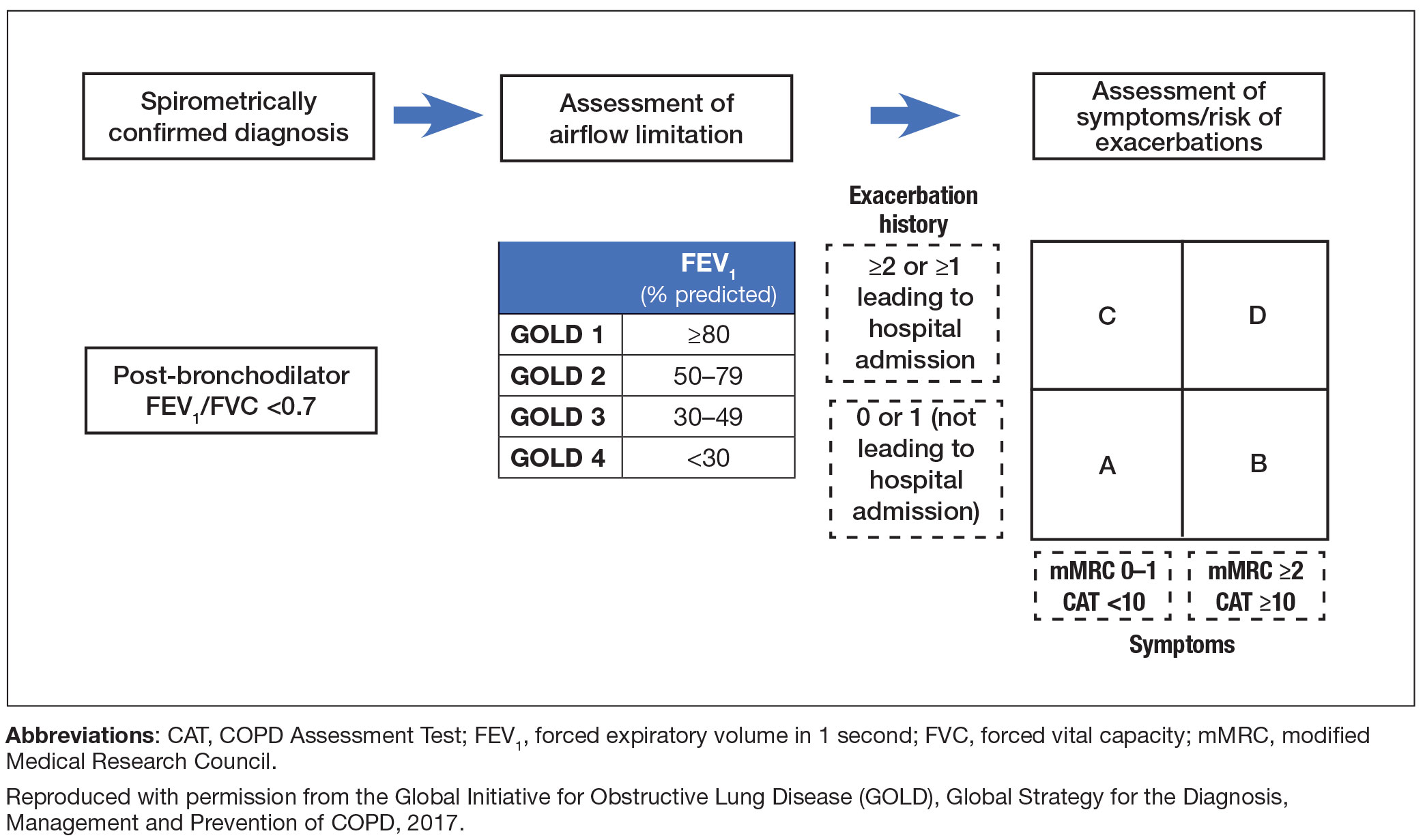
- GOLD A – low symptoms, low exacerbation frequency
- GOLD B – high symptoms, low exacerbation frequency
- GOLD C – low symptoms, high exacerbation frequency
- GOLD D – high symptoms, high exacerbation frequency.
Postbronchodilator spirometry confirms the diagnosis of COPD by a forced expiratory volume in 1 second/forced vital capacity (FEV1/FVC) ratio of less than 0.7, and denotes levels of airflow limitation severity based on the postbronchodilator FEV1 percentage predicted (Figure 1). Repeated spirometry assessment can identify individuals with rapidly declining lung function who are appropriate for referral to a pulmonologist.
Nonpharmacologic treatment approaches
Smoking cessation and pulmonary rehabilitation are central to effective COPD disease management.3 Smoking cessation has the greatest capacity to influence the natural history of COPD.3 Nicotine replacement products, as well as varenicline and bupropion, have been shown to increase long-term smoking cessation rates.16
Pulmonary rehabilitation (which includes exercise training, education, and self-management interventions aimed at behavior change) should be considered a fundamental part of COPD care.3 Pulmonary rehabilitation is recommended for any COPD patient of GOLD grades B–D (postbronchodilator FEV1/FVC ratio <0.70 and FEV1 <80% of predicted).3 The 2015 Cochrane Review of pulmonary rehabilitation for COPD assessed 65 randomized controlled trials involving 3822 participants, and concluded that pulmonary rehabilitation relieved dyspnea and fatigue, resulting in statistically improved functional exercise, maximal exercise capacity, and quality of life.17 Inclusion of pulmonary rehabilitation in treatment regimens may provide greater benefit than other more commonly used therapies alone.17
Long-term oxygen therapy has been shown to improve survival in COPD patients with severe resting hypoxemia (defined as a partial pressure of arterial oxygen [PaO2] of ≤55 mm Hg, or an oxyhemoglobin saturation level [SpO2] of ≤88%18), and is recommended in the current GOLD guidelines for selected patients.3 However, there is no clinical evidence demonstrating a mortality benefit with oxygen therapy in patients with stable COPD who have only moderate arterial oxygen desaturation (PaO2 of 56–59 mm Hg or SpO2 between 88%–90%18) at rest or with exercise.3 The Long-Term Oxygen Treatment Trial (LOTT) investigated the impact of the prescription of long-term supplemental oxygen in 738 patients with COPD and moderate resting (SpO2 between 89%–93%) or exercise-induced (SpO2 ≥80% for ≥5 min and <90% for ≥10 seconds during exercise) desaturation. Long-term oxygen supplementation did not result in either a longer time to death or first hospitalization.19 In a Cochrane Review published in 2016, Ekström et al conclude with moderate confidence that oxygen can relieve breathlessness when given during exercise to mildly hypoxemic and nonhypoxemic individuals with COPD, but does not improve health-related quality of life.20 Consultation with a pulmonologist is appropriate if when and how to prescribe oxygen therapy is not clear.
Pharmacologic treatment recommendations
Recent updates of the GOLD recommendations acknowledge the discordance between lung function and symptoms in patients with COPD. The 2017 recommendations use symptoms and exacerbation risk to define the ABCD categories that guide therapy selection. However, the GOLD authors still acknowledge the importance of spirometry in diagnosis, prognostic evaluation, and treatment with nonpharmacologic interventions in patients with COPD.3
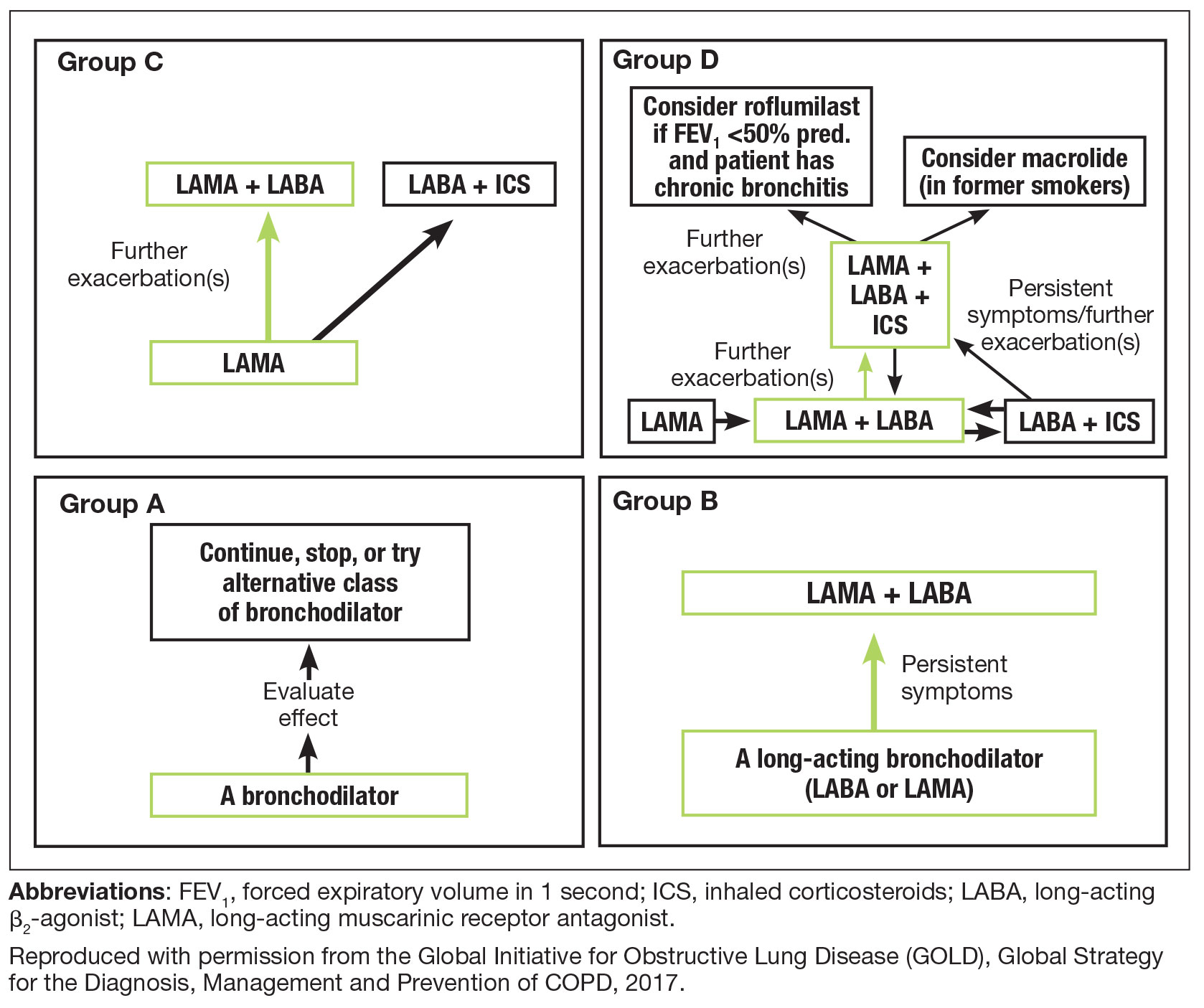
- GOLD A patients: initial treatment with a short- or long-acting bronchodilator
- GOLD B patients: initial treatment with a single long-acting muscarinic receptor antagonist (LAMA) or long-acting β2-agonist (LABA). If symptoms (such as dyspnea) are severe at initiation of therapy, or persistent with use of 1 long-acting bronchodilator, LAMA/LABA combination is recommended
- GOLD C patients: initial treatment with a LAMA (LAMA is the preferred treatment due to superior exacerbation prevention versus LABA), with preferred escalation to LAMA/LABA if further exacerbations occur. Escalation to ICS/LABA combination may be considered (although is not preferred due to possible risk of pneumonia21)
- GOLD D patients: initial treatment with LAMA/LABA; initial treatment with ICS/LABA may be preferred in patients with a history and/or findings suggestive of asthma–COPD overlap or high blood eosinophil counts (but consider the risk of pneumonia). Escalation to ICS/LAMA/LABA triple therapy may be considered if symptoms persist or further exacerbations occur.
GOLD grades provide a valuable guide for initiating therapy and continuing assessment and care. Initial therapy may provide sufficient disease control in some patients, but disease progression and persistent symptoms despite therapy often require treatment escalation. Assessing and escalating therapy should be based on changes in functional status and symptom burden, which can be identified by asking appropriate questions, or performing tests to evaluate functional capacity, such as the 6-minute walk test.3 The modified Medical Research Council (mMRC) dyspnea scale is also a good example of a quick tool for baseline assessment of the patient’s functional status. This assessment must be coupled with appropriate follow-up. During follow-up visits, it is important to ask patients about their typical daily activities, and assess how these compare to what has been reported previously. Follow-up visits can also be an opportunity to check that a patient is using their inhaler device correctly.
Regular assessment of patients’ health status is important for optimal disease management.22 The COPD Assessment Test (CAT) is a short, simple, COPD patient-completed questionnaire, designed to inform the clinician about the severity and impact of a patient’s disease. Changes in patients’ functional abilities and symptoms over time can be monitored with regular use of the CAT at COPD visits.23 Although the CAT test facilitates prediction of COPD exacerbations,24 it is not intended to identify comorbidities; for example, the mental health comorbidities of COPD (including anxiety, sleep disturbances, and depression) are often unreported by patients and so can be difficult for clinicians to detect.25 Awareness of possible comorbid conditions, and appropriate screening for conditions such as depression (PHQ-2), anxiety (GAD-7), or osteoporosis (BMD) is recommended.26 Further details of PHQ-2 and GAD-7 are provided in the second article (Anxiety and Depression in Chronic Obstructive Pulmonary Disease: Recognition and Management) of this supplement.
Physicians need to make decisions about whether (and how) treatment should be escalated using parameters in addition to frequency of exacerbations, such as a lack of improvement or worsening of symptoms or functional status.3 For example, the addition of a second bronchodilator is recommended for a GOLD B patient with continued breathlessness on a single bronchodilator, and escalating from 1 to 2 long-acting bronchodilators is recommended for GOLD C patients with persistent exacerbations despite monotherapy with a LABA or LAMA. LAMA/LABA combinations that are currently approved for the treatment of COPD by the US Food and Drug Administration are umeclidinium/vilanterol, tiotropium/olodaterol, glycopyrrolate/formoterol, and glycopyrrolate/indacaterol.27-30
For patients with high symptom burden (mMRC ≥2, CAT ≥10) experiencing frequent exacerbations, defined as 2 or more exacerbations per year, or 1 or more exacerbations per year that lead to a hospitalization (ie, GOLD D patients), LAMA/LABA is recommended as first-choice treatment. A recent study showed LAMA/LABA to be superior to ICS/LABA for preventing exacerbations; while it should be noted that the majority of exacerbations in this study were mild, LAMA/LABA was also found to be significantly more effective at reducing exacerbations classed as moderate or severe than ICS/LABA.31 However, these findings may not be broadly generalizable, owing to limitations associated with the study’s exclusion criteria and the high discontinuation rate reported during the study’s run-in phase, which may have introduced a selection bias.31
ICS/LABA may be considered for treating persistent exacerbations in some GOLD C patients, and may be first choice in GOLD D patients with asthma-like features, or possibly high blood eosinophil counts.3 Patients who remain symptomatic on LAMA/LABA may also be considered for triple therapy (ICS/LAMA/LABA), as per the GOLD recommendations.3 Care must be taken to use ICS appropriately, as ICS treatment may increase a patient’s risk of developing pneumonia, although risk profiles for pneumonia vary depending on the ICS treatment selected.32 Increased risk of other adverse effects associated with ICS treatment should also be considered, including oral candidiasis (odds ratio [OR], 2.65; 95% confidence interval [CI], 2.03–3.46 [note, oral candidiasis can be avoided by mouth-rinsing33]), hoarse voice (OR, 1.95; 95% CI, 1.41–2.70), and skin bruising (OR, 1.63; 95% CI, 1.31–2.03) compared with placebo in patients with COPD.21 Nonetheless, use of ICS is not associated with a mortality risk,34 and a 2017 study by Crim et al reported that the risk of pneumonia was not increased with ICS compared with placebo in patients with moderate airflow limitation who had/were at high risk of cardiovascular disease.35 Physicians should therefore consider both the potential risks and benefits of ICS before prescribing them to patients with COPD.
While careful consideration of ICS is warranted, ICS/LABA combinations are often prescribed inappropriately in many patients with COPD in clinical practice, including those at low exacerbation risk.15 Treatment de-escalation by stopping ICS may be appropriate in patients receiving ICS/LAMA/LABA who suffer from fewer than 2 exacerbations per year (ie, receiving ICS inappropriately),36 or in those who continue to experience persistent exacerbations despite ICS.3 The use of systemic steroids in stable COPD is not recommended.37
At any stage of disease, patients may benefit from a referral by primary care to a pulmonologist for further evaluation.38 Reasons include uncertain diagnosis, severe COPD, assessment for oxygen therapy, trouble finding or referring to pulmonary rehabilitation, and COPD in patients younger than 40 years of age (who may be suffering from α1-antitrypsin deficiency).38 Referring patients with significant emphysema or other co-existing lung diseases also allows evaluation for surgical interventions such as lung transplantation, lung volume reduction surgery (LVRS), or other therapies.
Patients with COPD may gain particular benefit from comanagement by primary care physicians and pulmonologists.39 For example, primary care physicians may require guidance from pulmonologists regarding the management of patients with severe disease whose therapy requirements are becoming more complex. Similarly, pulmonologists may not be comfortable managing the comorbidities often encountered in COPD (eg, anxiety and depression), so would require support from the primary care physician to provide the patients with effective, holistic management.
Surgical and bronchoscopic interventions
Surgical and bronchoscopic interventions have the potential to significantly benefit carefully selected patient groups with emphysema.3 LVRS resects parts of the lungs to reduce hyperinflation, and improves lung function and reduces exacerbations in patients with advanced emphysema.3 It can prolong mortality in selected patients,40 but can increase the risk of death in those with low FEV1 and either homogenous emphysema or very low carbon monoxide diffusing capacity.41
Nonsurgical bronchoscopic interventions continue to improve; they have been designed to achieve similar results to LVRS (but with less morbidity), and provide a possible intervention for patients with heterogenous or homogenous emphysema, and significant hyperinflation refractory to optimized medical care.3 Use of endobronchial one-way valves and lung volume reduction coils has resulted in significant improvements in patients’ quality of life, exercise capacity, and pulmonary function for select patients with severe emphysema.42,43 Other therapies, such as adhesives (where a biologic sealant collapses targeted areas of the lung to induce the formation of scar tissue, thus reducing lung tissue volume), and vapor therapy (where heated water vapor is used to deliver thermal energy to the lungs, inducing an inflammatory response that causes contraction fibrosis and atelectasis, and subsequently lung volume reduction) are also in development.44 Consideration of surgical or nonsurgical interventions require referral to a pulmonologist.
Lung transplantation may be an option for patients with very severe COPD without significant comorbidities. Lung transplantation improves quality of life, but does not prolong survival.3,45,46 The procedure is limited by donor availability, high cost, and potential complications.3
COPD Foundation guidelines
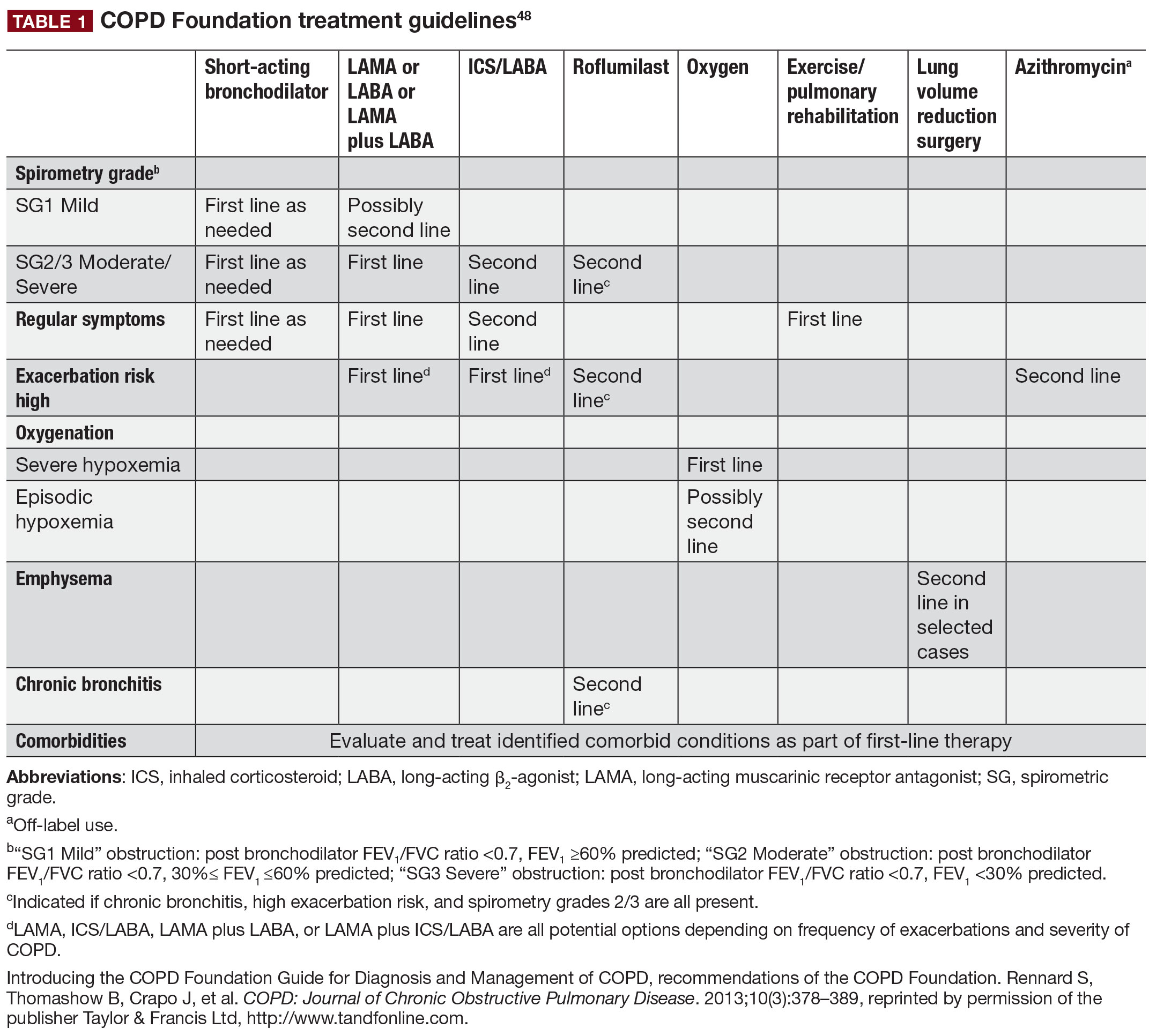
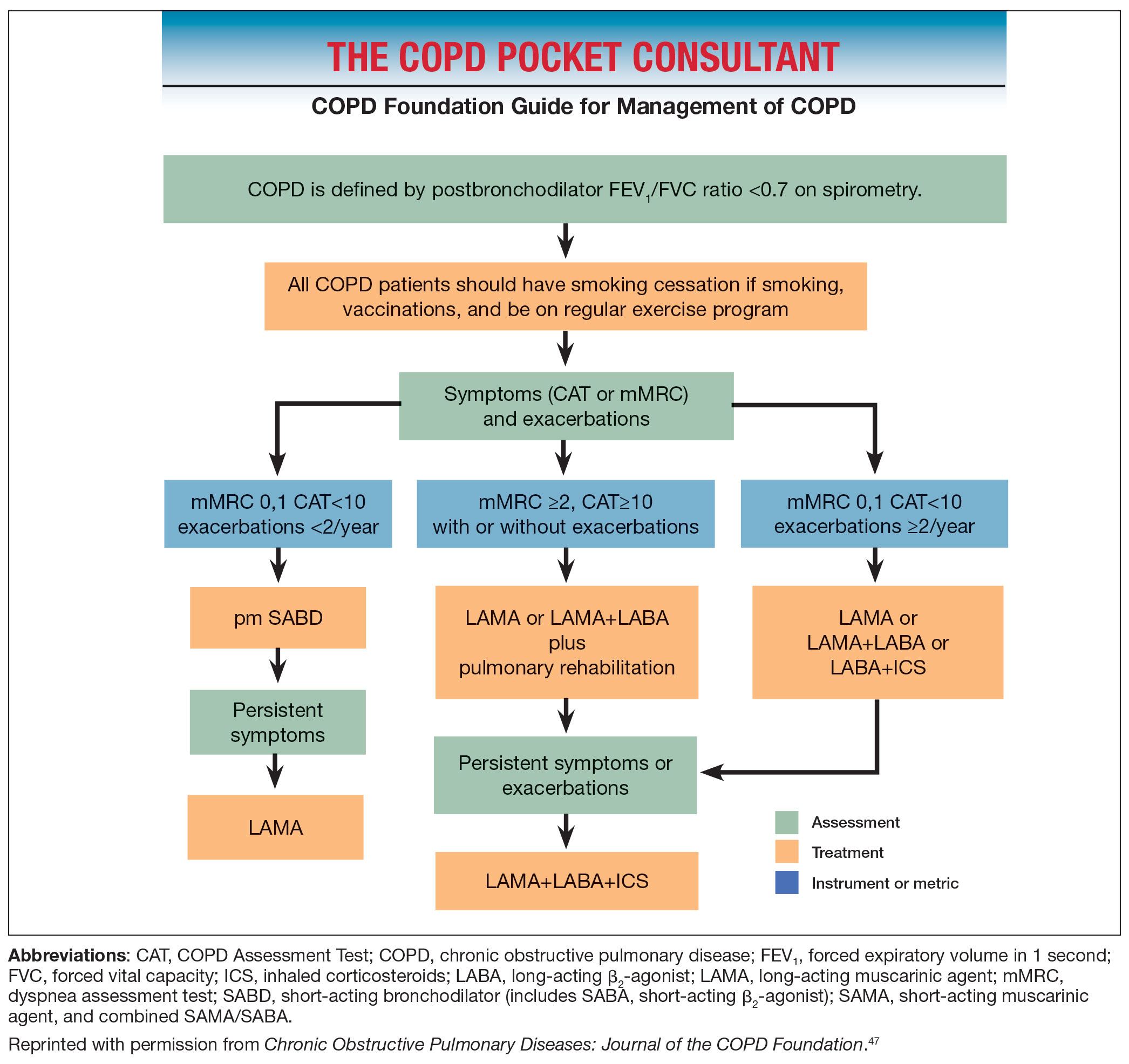
The COPD Foundation guidelines note that some spirometry results are normal, but do not rule out the presence of chronic bronchitis, emphysema, or other lung disease; or are neither normal nor consistent with COPD or other lung disease. The guidelines therefore define 2 additional spirometric grades, referred to as SG 0 (representing patients with normal spirometry) and SG U (representing patients who have a FEV1/FVC ratio >0.7 but FEV1 <80% predicted). At present, neither SG 0 nor SG U are associated with therapeutic options distinct from other spirometric grades, but this may change as we learn more from clinical studies.47,48
Importance of managing COPD comorbidities
Comorbidities are common among patients with COPD, and COPD itself may increase the risk of developing other diseases.3,49-52 It can be difficult to recognize the many comorbidities in patients with COPD, due to the diverse nature of these comorbidities, a lack of understanding of their underlying causes, patients’ failure to recognize or share symptoms, or misdiagnosing them as adverse effects associated with COPD medication.53 Failure to recognize and treat comorbidities can increase risk of hospitalizations or exacerbations, worsen prognosis, increase morbidity, lower the chances of treatment adherence, and place a greater burden on the patient, family, and health care resources.51,52,54-56 Common comorbidities include cardiovascular disease, musculoskeletal dysfunction, metabolic syndrome, anxiety/depression, osteoporosis, lung cancer, and heart failure.3,51,52
The value of effectively managing comorbidities in improving outcomes and adherence to therapy is well documented. For example, personalized management of patients with COPD and comorbid anxiety and/or depression has been shown to reduce both the mental health symptoms and COPD-related outcomes (eg, exercise tolerance, disability).57-59
Comorbidity burden may impact adherence to COPD medication. Depression, for instance, is a known risk factor for nonadherence to treatment. Patients with multiple untreated or uncontrolled comorbid conditions may also be less likely to benefit from pulmonary rehabilitation.60 It is therefore important that comorbidities are managed effectively to improve adherence to therapy, and enhance the benefits of pulmonary rehabilitation.
Patient monitoring
Routine follow-up of patients with COPD is essential as lung function may worsen over time, even with the best available care.3 Worsening of symptoms, activity limitation, and disease progression should be monitored closely to determine when to modify management/pharmacotherapy, and to identify any complications and/or comorbidities that may develop.3 When patients with COPD do not receive the appropriate level of treatment or monitoring, it can be due to: under-reporting of disease severity, symptoms, and exacerbations during consultation; lack of information on the impact of the disease on the patient’s quality of life; and failure to recognize comorbidities.23,25,53 Continued use of the patient questionnaires described previously is recommended, and the GOLD strategy advises that symptoms are assessed at each visit. These follow-up visits also provide an opportunity to monitor patients with COPD for key comorbidities, including heart failure, ischemic heart disease, arrhythmias, osteoporosis, depression/anxiety, and lung cancer, as well as to determine a patient’s current smoking status, taking appropriate action as needed.3
Unmet needs
COPD remains underdiagnosed in the United States, with only 50% of individuals with impaired lung function reported to receive a formal diagnosis of COPD.61,62 Opportunities for diagnosing COPD earlier in its course are being missed; 85% of patients consult primary care for lower respiratory symptoms in the 5 years before diagnosis of COPD, and might have been candidates for further evaluation of those symptoms, including spirometry testing.63 Initiating treatment at early stages of COPD has the potential to improve patients’ health-related quality of life, and may provide opportunities to slow disease progression through interventions such as smoking cessation.64 Practical approaches to improving early diagnosis in primary care involve the use of questionnaires and clinical suspicion to identify those appropriate for spirometry, the most reliable method for identifying patients with COPD.3,9,65 Such methodology is currently under investigation, with early studies demonstrating the potential benefit of the COPD Assessment in Primary Care To Identify Undiagnosed Respiratory Disease and Exacerbation Risk (CAPTURE) questionnaire in conjunction with peak expiratory flow to gauge whether a patient requires further diagnostic evaluation.66
In addition, the GOLD strategy and COPD Foundation guidelines emphasize that correct assessment of symptoms is of paramount importance in determining the most appropriate therapy (both pharmacologic and nonpharmacologic) for patients with COPD, but traditionally has not been used to inform management choices. Both guidelines therefore highlight the importance of symptom assessment ahead of therapeutic decision-making.
Poor adherence to prescribed therapies and inadequate patient monitoring also need addressing. Two studies analyzing refill adherence data in patients with COPD and asthma in Sweden reported that only 28%–29% of prescribed treatments were dispensed with refill adherence that covered more than 80% of prescribed treatment time67,68; a study in 5504 patients in the United States with a prescription of fluticasone propionate/salmeterol combination therapy found that more than half of patients only refilled their prescription once over the course of the 1-year study.69 With studies showing incorrect use of inhalers in more than 50% of patients with COPD, incorrect inhaler technique is a significant contributor to poor treatment adherence.70,71 Inhaler technique should be reviewed regularly with direct observation of patients’ technique. Assessment of the patients’ ability to use their current prescribed inhaler(s) is recommended before considering a change in treatment.70 Errors in inhaler use are also associated with an increased rate of severe COPD exacerbations, increased risk of hospitalization, and poor disease control.71,72 Important factors affecting inhaler use include age, education, product design, costs (copays and deductibles) for medications, and instruction and inhaler technique education from the health care providers.70,72,73 Recent data support improvements in product design, training by the health care provider, and “self-training” by the patient (assisted by instructional video or other digital media) to increase adherence and reduce the frequency of handling errors.10,70,74 Electronic monitoring devices, messaging systems, and cell phone applications are also being considered as ways to increase adherence.75
Maintenance medication is an essential component of COPD management. However, patients with COPD often report that their preference is for medication that they can “feel” working, which may be implicated in their motivation to adhere to therapy.76 Conversely, while maintenance medication may reduce exacerbations, and lessen a patient’s decline in lung function,77 it may not have a significant impact on how they “feel.” As a result, patients may not take it as prescribed, contributing to poor adherence. It is therefore important for primary care physicians to acknowledge that the impact of taking the maintenance medication may not be felt immediately, and articulate the importance of maintenance therapy to their patients, as failure to adhere to treatment can have significant implications for longer-term outcomes such as symptom burden, quality of life, and exacerbation risk.11
Regular patient follow-up is necessary to reinforce such information: patients with milder or stable COPD may be followed at 6-month intervals, while patients with severe or frequent exacerbations, or patients who have recently been hospitalized, require follow-up at 2- to 4-week intervals.78
Conclusions
Defining personal treatment goals for patients with COPD can enhance patient and physician communication and encourage continued collaboration to improve adherence and outcomes. Regularly monitoring symptoms, exacerbations, and comorbidities via patient-focused questionnaires, and closely examining patient adherence and technique, form a fundamental part of care for patients with COPD. Recent updates to the GOLD and the COPD Foundation guidelines have emphasized the importance of symptom assessment in initiating COPD therapy, and continued assessment to appropriately escalate treatment. Nonpharmacologic therapies such as smoking cessation and pulmonary rehabilitation are recommended at all stages of COPD alongside pharmacologic treatment.
- Janson C, Marks G, Buist S, et al. The impact of COPD on health status: findings from the BOLD study. Eur Respir J. 2013;42(6):1472-1483.
- Buist AS, Vollmer WM, McBurnie MA. Worldwide burden of COPD in high- and low-income countries. Part I. The burden of obstructive lung disease (BOLD) initiative. Int J Tuberc Lung Dis. 2008;12(7):703-708.
- Global Initiative for Chronic Obstructive Lung Disease. Global Strategy for the Diagnosis, Management and Prevention of COPD. 2017. Available from: http://goldcopd.org/gold-2017-global-strategy-diagnosis-management-prevention-copd. Accessed July 2017.
- López-Campos JL, Tan W, Soriano JB. Global burden of COPD. Respirology. 2016;21(1):14-23.
- Wheaton AG, Cunningham TJ, Ford ES, Croft JB; Centers for Disease Control and Prevention (CDC). Employment and activity limitations among adults with chronic obstructive pulmonary disease--United States, 2013. MMWR Morb Mortal Wkly Rep. 2015;64(11):289-295.
- Rennard S, Decramer M, Calverley PM, et al. Impact of COPD in North America and Europe in 2000: subjects’ perspective of Confronting COPD International Survey. Eur Respir J. 2002;20(4):799-805.
- Troosters T, van der Molen T, Polkey M, et al. Improving physical activity in COPD: towards a new paradigm. Respir Res. 2013;14:115.
- Perez X, Wisnivesky JP, Lurslurchachai L, Kleinman LC, Kronish IM. Barriers to adherence to COPD guidelines among primary care providers. Respir Med. 2012;106(3):374-381.
- Price D, Crockett A, Arne M, et al. Spirometry in primary care case-identification, diagnosis and management of COPD. Prim Care Respir J. 2009;18(3):216-223.
- van Boven JF, Ryan D, Eakin MN, Canonica GW, Barot A, Foster JM; Respiratory Effectiveness Group. Enhancing respiratory medication adherence: the role of health care professionals and cost-effectiveness considerations. J Allergy Clin Immunol Pract. 2016;4(5):835-846.
- van Boven JF, Chavannes NH, van der Molen T, Rutten-van Mölken MP, Postma MJ, Vegter S. Clinical and economic impact of non-adherence in COPD: a systematic review. Respir Med. 2014;108(1):103-113.
- COPD Foundation. Pocket Consultant Guide for the Diagnosis and Management of COPD. 2016.
- Lange P, Halpin DM, O’Donnell DE, MacNee W. Diagnosis, assessment, and phenotyping of COPD: beyond FEV1. Int J Chron Obstruct Pulmon Dis. 2016;11 Spec Iss3-12.
- Miravitlles M, Soler-Cataluña JJ, Calle M, et al. A new approach to grading and treating COPD based on clinical phenotypes: summary of the Spanish COPD guidelines (GesEPOC). Prim Care Respir J. 2013;22(1):117-121.
- Patalano F, Banerji D, D’Andrea P, Fogel R, Altman P, Colthorpe P. Addressing unmet needs in the treatment of COPD. Eur Respir Rev. 2014;23(133):333-344.
- van Eerd EAM, van der Meer RM, van Schayck OC, Kotz D. Smoking cessation for people with chronic obstructive pulmonary disease. Cochrane Database Syst Rev. 2016(8):CD010744.
- McCarthy B, Casey D, Devane D, Murphy K, Murphy E, Lacasse Y. Pulmonary rehabilitation for chronic obstructive pulmonary disease. Cochrane Database Syst Rev. 2015;(2):CD003793.
- Ekström M. Clinical usefulness of long-term oxygen therapy in adults. N Engl J Med. 2016;375(17):1683-1684.
- Albert RK, Au DH, Blackford AL, et al; Long-Term Oxygen Treatment Trial Research Group. A randomized trial of long-term oxygen for COPD with moderate desaturation. N Engl J Med. 2016;375(17):1617-1627.
- Ekström M, Ahmadi Z, Bornefalk-Hermansson A, Abernethy A, Currow D. Oxygen for breathlessness in patients with chronic obstructive pulmonary disease who do not qualify for home oxygen therapy. Cochrane Database Syst Rev. 2016;(11):CD006429.
- Yang IA, Clarke MS, Sim EH, Fong KM. Inhaled corticosteroids for stable chronic obstructive pulmonary disease. Cochrane Database Syst Rev. 2012;(7):CD002991.
- Jones PW, Price D, van der Molen T. Role of clinical questionnaires in optimizing everyday care of chronic obstructive pulmonary disease. Int J Chron Obstruct Pulmon Dis. 2011;6:289-296.
- Jones PW, Harding G, Berry P, Wiklund I, Chen WH, Kline Leidy N. Development and first validation of the COPD Assessment Test. Eur Respir J. 2009;34(3):648-654.
- Lee SD, Huang MS, Kang J, et al; Investigators of the Predictive Ability of CAT in Acute Exacerbations of COPD (PACE) Study. The COPD assessment test (CAT) assists prediction of COPD exacerbations in high-risk patients. Respir Med. 2014;108(4):600-608.
- Sonetti DA, Hospenthal AC, Adams SG. Integrated management strategies for chronic obstructive pulmonary disease. J Multidiscip Healthc. 2010;3:181-188.
- Miyazaki M, Nakamura H, Chubachi S, et al; Keio COPD Comorbidity Research (K-CCR) Group. Analysis of comorbid factors that increase the COPD assessment test scores. Respir Res. 2014;15:13.
- Anoro Ellipta [highlights of prescribing info]. Research Triangle Park, NC: GlaxoSmithKline group of companies; 2013.
- Stiolto Respimat [highlights of prescribing info]. Ridgefield, CT: Boehringer Ingelheim Pharmaceuticals, Inc.; 2015.
- Bevespi Aerosphere [highlights of prescribing info]. Wilmington, DE: AstraZeneca Pharmaceuticals LP; 2015.
- Utibron Neohaler [highlights of prescribing info]. East Hanover, NJ: Novartis Pharmaceuticals Corporation; 2015.
- Wedzicha JA, Banerji D, Chapman KR, et al; FLAME Investigators. Indacaterol-glycopyrronium versus salmeterol-fluticasone for COPD. N Engl J Med. 2016;374(23):2222-2234.
- Suissa S, Patenaude V, Lapi F, Ernst P. Inhaled corticosteroids in COPD and the risk of serious pneumonia. Thorax. 2013;68(11):1029-1036.
- Dempsey OJ, Coutie WJ, Wilson AM, Williams P, Lipworth BJ. Evaluation of the buccal component of systemic absorption with inhaled fluticasone propionate. Thorax. 1999;54(7):614-617.
- Drummond MB, Dasenbrook EC, Pitz MW, Murphy DJ, Fan E. Inhaled corticosteroids in patients with stable chronic obstructive pulmonary disease: a systematic review and meta-analysis. JAMA. 2008;300(20):2407-2416.
- Crim C, Calverley PMA, Anderson JA, et al; SUMMIT Investigators. Pneumonia risk with inhaled fluticasone furoate and vilanterol in COPD patients with moderate airflow limitation: The SUMMIT trial. Respir Med. 2017;131:27-34.
- Rossi A, Guerriero M, Corrado A, OPTIMO/AIPO Study Group. Withdrawal of inhaled corticosteroids can be safe in COPD patients at low risk of exacerbation: a real-life study on the appropriateness of treatment in moderate COPD patients (OPTIMO). Respir Res. 2014;15:77.
- Falk JA, Minai OA, Mosenifar Z. Inhaled and systemic corticosteroids in chronic obstructive pulmonary disease. Proc Am Thorac Soc. 2008;5(4):506-512.
- British Thoracic Society Standards of Care Committee. BTS statement on criteria for specialist referral, admission, discharge and follow-up for adults with respiratory disease. Thorax. 2008;63(Suppl 1):i1-i16.
- Benfante A, Messina R, Milazzo V, Scichilone N. How to unveil chronic respiratory diseases in clinical practice? A model of alliance between general practitioners and pulmonologists. Pulm Pharmacol Ther. 2017;44:106-110.
- Fishman A, Martinez F, Naunheim K, et al; National Emphysema Treatment Trial Research Group. A randomized trial comparing lung-volume–reduction surgery with medical therapy for severe emphysema. N Engl J Med. 2003;348(21):2059-2073.
- Fishman A, Fessler H, Martinez F, et al. Patients at high risk of death after lung-volume-reduction surgery. N Engl J Med. 2001;345(15):1075-1083.
- Deslee G, Klooster K, Hetzel M, et al. Lung volume reduction coil treatment for patients with severe emphysema: a European multicentre trial. Thorax. 2014;69(11):980-986.
- Slebos DJ, Shah PL, Herth FJ, Valipour A. Endobronchial valves for endoscopic lung volume reduction: best practice recommendations from expert panel on endoscopic lung volume reduction. Respiration. 2017;93(2):138-150.
- Browning RF, Parrish S, Sarkar S, et al. Bronchoscopic interventions for severe COPD. J Thorac Dis. 2014;6(suppl 4):S407-S415.
- Stavem K, Bjørtuft Ø, Borgan Ø, Geiran O, Boe J. Lung transplantation in patients with chronic obstructive pulmonary disease in a national cohort is without obvious survival benefit. J Heart Lung Transplant. 2006;25(1):75-84.
- Hosenpud JD, Bennett LE, Keck BM, Edwards EB, Novick RJ. Effect of diagnosis on survival benefit of lung transplantation for end-stage lung disease. Lancet. 1998;351(9095):24-27.
- Yawn B, Thomashow DM, Mannino D, et al. A statement of the COPD Foundation: The 2017 update to the COPD Foundation COPD Pocket Consultant Guide. Chronic Obstr Pulm Dis. 2017;4(3):177-185.
- Rennard S, Thomashow B, Crapo J, et al. Introducing the COPD Foundation Guide for Diagnosis and Management of COPD, recommendations of the COPD Foundation. COPD. 2013;10(3):378-389.
- Dal Negro RW, Bonadiman L, Turco P. Prevalence of different comorbidities in COPD patients by gender and GOLD stage. Multidiscip Respir Med. 2015;10(1):24.
- Chetty U, McLean G, Morrison D, Agur K, Guthrie B, Mercer SW. Chronic obstructive pulmonary disease and comorbidities: a large cross-sectional study in primary care. Br J Gen Pract. 2017;67(658):e321-e328.
- Westerik JA, Metting EI, van Boven JF, Tiersma W, Kocks JW, Schermer TR. Associations between chronic comorbidity and exacerbation risk in primary care patients with COPD. Respir Res. 2017;18(1):31.
- Putcha N, Han MK, Martinez CH, et al; the COPDGene Investigators. Comorbidities of COPD have a major impact on clinical outcomes, particularly in African Americans. Chronic Obstr Pulm Dis. 2014;1(1):105-114.
- Koskela J, Kilpeläinen M, Kupiainen H, et al. Co-morbidities are the key nominators of the health related quality of life in mild and moderate COPD. BMC Pulm Med. 2014;14:102.
- Clini EM, Boschetto P, Lainscak M, Janssens W. Comorbidities in chronic obstructive pulmonary disease from assessment to treatment. Biomed Res Int. 2014;2014:414928.
- Mannino DM, Thorn D, Swensen A, Holguin F. Prevalence and outcomes of diabetes, hypertension and cardiovascular disease in COPD. Eur Respir J. 2008;32(4):962-969.
- Schwab P, Dhamane AD, Hopson SD, et al. Impact of comorbid conditions in COPD patients on health care resource utilization and costs in a predominantly Medicare population. Int J Chron Obstruct Pulmon Dis. 2017;12:735-744.
- Yohannes AM, Alexopoulos GS. Depression and anxiety in patients with COPD. Eur Respir Rev. 2014;23(133):345-349.
- Alexopoulos GS, Kiosses DN, Sirey JA, et al. Untangling therapeutic ingredients of a personalized intervention for patients with depression and severe COPD. Am J Geriatr Psychiatry. 2014;22(11):1316-1324.
- Eiser N, Harte R, Spiros K, Phillips C, Isaac MT. Effect of treating depression on quality-of-life and exercise tolerance in severe COPD. COPD. 2005;2(2):233-241.
- Crisafulli E, Costi S, Luppi F, et al. Role of comorbidities in a cohort of patients with COPD undergoing pulmonary rehabilitation. Thorax. 2008;63(6):487-492.
- Mannino DM, Homa DM, Akinbami LJ, Ford ES, Redd SC. Chronic obstructive pulmonary disease surveillance—United States, 1971-2000. Respir Care. 2002;47(10):1184-1199.
- Ford ES, Croft JB, Mannino DM, Wheaton AG, Zhang X, Giles WH. COPD surveillance—United States, 1999-2011. Chest. 2013;144(1):284-305.
- Jones RC, Price D, Ryan D, et al; Respiratory Effectiveness Group. Opportunities to diagnose chronic obstructive pulmonary disease in routine care in the UK: a retrospective study of a clinical cohort. Lancet Respir Med. 2014;2(4):267-276.
- Welte T, Vogelmeier C, Papi A. COPD: early diagnosis and treatment to slow disease progression. Int J Clin Pract. 2015;69(3):336-349.
- Price D, Freeman D, Cleland J, Kaplan A, Cerasoli F. Earlier diagnosis and earlier treatment of COPD in primary care. Prim Care Respir J. 2011;20(1):15-22.
- Martinez FJ, Mannino D, Leidy NK, et al; High-Risk-COPD Screening Study Group. A new approach for identifying patients with undiagnosed chronic obstructive pulmonary disease. Am J Respir Crit Care Med. 2017;195(6):748-756.
- Krigsman K, Nilsson JL, Ring L. Refill adherence for patients with asthma and COPD: comparison of a pharmacy record database with manually collected repeat prescriptions. Pharmacoepidemiol Drug Saf. 2007;16(4):441-448.
- Krigsman K, Moen J, Nilsson JL, Ring L. Refill adherence by the elderly for asthma/chronic obstructive pulmonary disease drugs dispensed over a 10-year period. J Clin Pharm Ther. 2007;32(6):603-611.
- Bender BG, Pedan A, Varasteh LT. Adherence and persistence with fluticasone propionate/salmeterol combination therapy. J Allergy Clin Immunol. 2006;118(4):899-904.
- Chrystyn H, Price DB, Molimard M, et al. Comparison of serious inhaler technique errors made by device-naïve patients using three different dry powder inhalers: a randomised, crossover, open-label study. BMC Pulm Med. 2016;16:12.
- Molimard M, Raherison C, Lignot S, et al. Chronic obstructive pulmonary disease exacerbation and inhaler device handling: real-life assessment of 2935 patients. Eur Respir J. 2017;49(2):pii: 1601794.
- Melani AS, Bonavia M, Cilenti V, et al; Gruppo Educazionale Associazione Italiana Pneumologi Ospedalieri. Inhaler mishandling remains common in real life and is associated with reduced disease control. Respir Med. 2011;105(6):930-938.
- Han MK, Martinez CH, Au DH, et al. Meeting the challenge of COPD care delivery in the USA: a multiprovider perspective. Lancet Respir Med. 2016;4(6):473-526.
- Plaza V, Peiró M, Torrejón M, et al; PROMETHEUS Study Group. A repeated short educational intervention improves asthma control and quality of life. Eur Respir J. 2015;46(5):1298-1307.
- Craven VE, Morton RW, Spencer S, Devadason SG, Everard ML. Electronic monitoring and reminding devices for improving adherence to inhaled therapy in patients with asthma. Cochrane Database Syst Rev. 2015;(3):CD011554.
- Kawata AK, Kleinman L, Harding G, Ramachandran S. Evaluation of patient preference and willingness to pay for attributes of maintenance medication for chronic obstructive pulmonary disease (COPD). Patient. 2014;7(4):413-426.
- Ferguson GT. Maintenance pharmacotherapy of mild and moderate COPD: what is the evidence? Respir Med. 2011;105(9):1268-1274.
- BMJ Best Practice. COPD. http://bestpractice.bmj.com/best-practice/monograph/7.html. Updated November 2017. Accessed May 30, 2017.
Introduction
Chronic obstructive pulmonary disease (COPD) is common, often seen in primary care daily practice, and places a substantial burden on patients, their families, and society.1-4 Although dyspnea, cough, wheezing, chest tightness, and/or sputum production are typical symptoms of COPD, some patients present with less obvious issues, such as a highly sedentary lifestyle, adjusted to match their limitations and fatigue.5-7
Both pharmacologic and nonpharmacologic treatment options can reduce symptoms, treat comorbidities, prevent exacerbation, and improve quality of life, exercise tolerance, and health status in patients with COPD.3 Patients require initial therapy based on symptoms, history, and their own treatment goals, with regular monitoring to determine when to enhance or discontinue unnecessary therapy, and when to refer to a pulmonologist.
Primary care physicians manage the care of approximately 80% of patients with COPD.8 This provides the opportunity to engage patients in management goal-setting that facilitates more tailored treatments, and can improve adherence to therapy, which is historically poor in patients with COPD, thereby improving outcomes.9-11
Current COPD management guidelines
Both the Global Initiative for Obstructive Lung Disease (GOLD) and COPD Foundation guidelines recommend individualized care for patients with COPD.3,12 This individualized care is based on comprehensive assessment of symptoms (including assessment of whether symptoms are persistent or worsening) and/or continuation of exacerbations to escalate therapy. COPD phenotypes, such as individuals with frequent exacerbations, chronic bronchitis, and asthma–COPD overlap syndrome (ACO) can also guide treatment.13-15
GOLD 2017 strategy: key updates
- GOLD A – low symptoms, low exacerbation frequency
- GOLD B – high symptoms, low exacerbation frequency
- GOLD C – low symptoms, high exacerbation frequency
- GOLD D – high symptoms, high exacerbation frequency.
Postbronchodilator spirometry confirms the diagnosis of COPD by a forced expiratory volume in 1 second/forced vital capacity (FEV1/FVC) ratio of less than 0.7, and denotes levels of airflow limitation severity based on the postbronchodilator FEV1 percentage predicted (Figure 1). Repeated spirometry assessment can identify individuals with rapidly declining lung function who are appropriate for referral to a pulmonologist.
Nonpharmacologic treatment approaches
Smoking cessation and pulmonary rehabilitation are central to effective COPD disease management.3 Smoking cessation has the greatest capacity to influence the natural history of COPD.3 Nicotine replacement products, as well as varenicline and bupropion, have been shown to increase long-term smoking cessation rates.16
Pulmonary rehabilitation (which includes exercise training, education, and self-management interventions aimed at behavior change) should be considered a fundamental part of COPD care.3 Pulmonary rehabilitation is recommended for any COPD patient of GOLD grades B–D (postbronchodilator FEV1/FVC ratio <0.70 and FEV1 <80% of predicted).3 The 2015 Cochrane Review of pulmonary rehabilitation for COPD assessed 65 randomized controlled trials involving 3822 participants, and concluded that pulmonary rehabilitation relieved dyspnea and fatigue, resulting in statistically improved functional exercise, maximal exercise capacity, and quality of life.17 Inclusion of pulmonary rehabilitation in treatment regimens may provide greater benefit than other more commonly used therapies alone.17
Long-term oxygen therapy has been shown to improve survival in COPD patients with severe resting hypoxemia (defined as a partial pressure of arterial oxygen [PaO2] of ≤55 mm Hg, or an oxyhemoglobin saturation level [SpO2] of ≤88%18), and is recommended in the current GOLD guidelines for selected patients.3 However, there is no clinical evidence demonstrating a mortality benefit with oxygen therapy in patients with stable COPD who have only moderate arterial oxygen desaturation (PaO2 of 56–59 mm Hg or SpO2 between 88%–90%18) at rest or with exercise.3 The Long-Term Oxygen Treatment Trial (LOTT) investigated the impact of the prescription of long-term supplemental oxygen in 738 patients with COPD and moderate resting (SpO2 between 89%–93%) or exercise-induced (SpO2 ≥80% for ≥5 min and <90% for ≥10 seconds during exercise) desaturation. Long-term oxygen supplementation did not result in either a longer time to death or first hospitalization.19 In a Cochrane Review published in 2016, Ekström et al conclude with moderate confidence that oxygen can relieve breathlessness when given during exercise to mildly hypoxemic and nonhypoxemic individuals with COPD, but does not improve health-related quality of life.20 Consultation with a pulmonologist is appropriate if when and how to prescribe oxygen therapy is not clear.
Pharmacologic treatment recommendations
Recent updates of the GOLD recommendations acknowledge the discordance between lung function and symptoms in patients with COPD. The 2017 recommendations use symptoms and exacerbation risk to define the ABCD categories that guide therapy selection. However, the GOLD authors still acknowledge the importance of spirometry in diagnosis, prognostic evaluation, and treatment with nonpharmacologic interventions in patients with COPD.3
- GOLD A patients: initial treatment with a short- or long-acting bronchodilator
- GOLD B patients: initial treatment with a single long-acting muscarinic receptor antagonist (LAMA) or long-acting β2-agonist (LABA). If symptoms (such as dyspnea) are severe at initiation of therapy, or persistent with use of 1 long-acting bronchodilator, LAMA/LABA combination is recommended
- GOLD C patients: initial treatment with a LAMA (LAMA is the preferred treatment due to superior exacerbation prevention versus LABA), with preferred escalation to LAMA/LABA if further exacerbations occur. Escalation to ICS/LABA combination may be considered (although is not preferred due to possible risk of pneumonia21)
- GOLD D patients: initial treatment with LAMA/LABA; initial treatment with ICS/LABA may be preferred in patients with a history and/or findings suggestive of asthma–COPD overlap or high blood eosinophil counts (but consider the risk of pneumonia). Escalation to ICS/LAMA/LABA triple therapy may be considered if symptoms persist or further exacerbations occur.
GOLD grades provide a valuable guide for initiating therapy and continuing assessment and care. Initial therapy may provide sufficient disease control in some patients, but disease progression and persistent symptoms despite therapy often require treatment escalation. Assessing and escalating therapy should be based on changes in functional status and symptom burden, which can be identified by asking appropriate questions, or performing tests to evaluate functional capacity, such as the 6-minute walk test.3 The modified Medical Research Council (mMRC) dyspnea scale is also a good example of a quick tool for baseline assessment of the patient’s functional status. This assessment must be coupled with appropriate follow-up. During follow-up visits, it is important to ask patients about their typical daily activities, and assess how these compare to what has been reported previously. Follow-up visits can also be an opportunity to check that a patient is using their inhaler device correctly.
Regular assessment of patients’ health status is important for optimal disease management.22 The COPD Assessment Test (CAT) is a short, simple, COPD patient-completed questionnaire, designed to inform the clinician about the severity and impact of a patient’s disease. Changes in patients’ functional abilities and symptoms over time can be monitored with regular use of the CAT at COPD visits.23 Although the CAT test facilitates prediction of COPD exacerbations,24 it is not intended to identify comorbidities; for example, the mental health comorbidities of COPD (including anxiety, sleep disturbances, and depression) are often unreported by patients and so can be difficult for clinicians to detect.25 Awareness of possible comorbid conditions, and appropriate screening for conditions such as depression (PHQ-2), anxiety (GAD-7), or osteoporosis (BMD) is recommended.26 Further details of PHQ-2 and GAD-7 are provided in the second article (Anxiety and Depression in Chronic Obstructive Pulmonary Disease: Recognition and Management) of this supplement.
Physicians need to make decisions about whether (and how) treatment should be escalated using parameters in addition to frequency of exacerbations, such as a lack of improvement or worsening of symptoms or functional status.3 For example, the addition of a second bronchodilator is recommended for a GOLD B patient with continued breathlessness on a single bronchodilator, and escalating from 1 to 2 long-acting bronchodilators is recommended for GOLD C patients with persistent exacerbations despite monotherapy with a LABA or LAMA. LAMA/LABA combinations that are currently approved for the treatment of COPD by the US Food and Drug Administration are umeclidinium/vilanterol, tiotropium/olodaterol, glycopyrrolate/formoterol, and glycopyrrolate/indacaterol.27-30
For patients with high symptom burden (mMRC ≥2, CAT ≥10) experiencing frequent exacerbations, defined as 2 or more exacerbations per year, or 1 or more exacerbations per year that lead to a hospitalization (ie, GOLD D patients), LAMA/LABA is recommended as first-choice treatment. A recent study showed LAMA/LABA to be superior to ICS/LABA for preventing exacerbations; while it should be noted that the majority of exacerbations in this study were mild, LAMA/LABA was also found to be significantly more effective at reducing exacerbations classed as moderate or severe than ICS/LABA.31 However, these findings may not be broadly generalizable, owing to limitations associated with the study’s exclusion criteria and the high discontinuation rate reported during the study’s run-in phase, which may have introduced a selection bias.31
ICS/LABA may be considered for treating persistent exacerbations in some GOLD C patients, and may be first choice in GOLD D patients with asthma-like features, or possibly high blood eosinophil counts.3 Patients who remain symptomatic on LAMA/LABA may also be considered for triple therapy (ICS/LAMA/LABA), as per the GOLD recommendations.3 Care must be taken to use ICS appropriately, as ICS treatment may increase a patient’s risk of developing pneumonia, although risk profiles for pneumonia vary depending on the ICS treatment selected.32 Increased risk of other adverse effects associated with ICS treatment should also be considered, including oral candidiasis (odds ratio [OR], 2.65; 95% confidence interval [CI], 2.03–3.46 [note, oral candidiasis can be avoided by mouth-rinsing33]), hoarse voice (OR, 1.95; 95% CI, 1.41–2.70), and skin bruising (OR, 1.63; 95% CI, 1.31–2.03) compared with placebo in patients with COPD.21 Nonetheless, use of ICS is not associated with a mortality risk,34 and a 2017 study by Crim et al reported that the risk of pneumonia was not increased with ICS compared with placebo in patients with moderate airflow limitation who had/were at high risk of cardiovascular disease.35 Physicians should therefore consider both the potential risks and benefits of ICS before prescribing them to patients with COPD.
While careful consideration of ICS is warranted, ICS/LABA combinations are often prescribed inappropriately in many patients with COPD in clinical practice, including those at low exacerbation risk.15 Treatment de-escalation by stopping ICS may be appropriate in patients receiving ICS/LAMA/LABA who suffer from fewer than 2 exacerbations per year (ie, receiving ICS inappropriately),36 or in those who continue to experience persistent exacerbations despite ICS.3 The use of systemic steroids in stable COPD is not recommended.37
At any stage of disease, patients may benefit from a referral by primary care to a pulmonologist for further evaluation.38 Reasons include uncertain diagnosis, severe COPD, assessment for oxygen therapy, trouble finding or referring to pulmonary rehabilitation, and COPD in patients younger than 40 years of age (who may be suffering from α1-antitrypsin deficiency).38 Referring patients with significant emphysema or other co-existing lung diseases also allows evaluation for surgical interventions such as lung transplantation, lung volume reduction surgery (LVRS), or other therapies.
Patients with COPD may gain particular benefit from comanagement by primary care physicians and pulmonologists.39 For example, primary care physicians may require guidance from pulmonologists regarding the management of patients with severe disease whose therapy requirements are becoming more complex. Similarly, pulmonologists may not be comfortable managing the comorbidities often encountered in COPD (eg, anxiety and depression), so would require support from the primary care physician to provide the patients with effective, holistic management.
Surgical and bronchoscopic interventions
Surgical and bronchoscopic interventions have the potential to significantly benefit carefully selected patient groups with emphysema.3 LVRS resects parts of the lungs to reduce hyperinflation, and improves lung function and reduces exacerbations in patients with advanced emphysema.3 It can prolong mortality in selected patients,40 but can increase the risk of death in those with low FEV1 and either homogenous emphysema or very low carbon monoxide diffusing capacity.41
Nonsurgical bronchoscopic interventions continue to improve; they have been designed to achieve similar results to LVRS (but with less morbidity), and provide a possible intervention for patients with heterogenous or homogenous emphysema, and significant hyperinflation refractory to optimized medical care.3 Use of endobronchial one-way valves and lung volume reduction coils has resulted in significant improvements in patients’ quality of life, exercise capacity, and pulmonary function for select patients with severe emphysema.42,43 Other therapies, such as adhesives (where a biologic sealant collapses targeted areas of the lung to induce the formation of scar tissue, thus reducing lung tissue volume), and vapor therapy (where heated water vapor is used to deliver thermal energy to the lungs, inducing an inflammatory response that causes contraction fibrosis and atelectasis, and subsequently lung volume reduction) are also in development.44 Consideration of surgical or nonsurgical interventions require referral to a pulmonologist.
Lung transplantation may be an option for patients with very severe COPD without significant comorbidities. Lung transplantation improves quality of life, but does not prolong survival.3,45,46 The procedure is limited by donor availability, high cost, and potential complications.3
COPD Foundation guidelines
The COPD Foundation guidelines note that some spirometry results are normal, but do not rule out the presence of chronic bronchitis, emphysema, or other lung disease; or are neither normal nor consistent with COPD or other lung disease. The guidelines therefore define 2 additional spirometric grades, referred to as SG 0 (representing patients with normal spirometry) and SG U (representing patients who have a FEV1/FVC ratio >0.7 but FEV1 <80% predicted). At present, neither SG 0 nor SG U are associated with therapeutic options distinct from other spirometric grades, but this may change as we learn more from clinical studies.47,48
Importance of managing COPD comorbidities
Comorbidities are common among patients with COPD, and COPD itself may increase the risk of developing other diseases.3,49-52 It can be difficult to recognize the many comorbidities in patients with COPD, due to the diverse nature of these comorbidities, a lack of understanding of their underlying causes, patients’ failure to recognize or share symptoms, or misdiagnosing them as adverse effects associated with COPD medication.53 Failure to recognize and treat comorbidities can increase risk of hospitalizations or exacerbations, worsen prognosis, increase morbidity, lower the chances of treatment adherence, and place a greater burden on the patient, family, and health care resources.51,52,54-56 Common comorbidities include cardiovascular disease, musculoskeletal dysfunction, metabolic syndrome, anxiety/depression, osteoporosis, lung cancer, and heart failure.3,51,52
The value of effectively managing comorbidities in improving outcomes and adherence to therapy is well documented. For example, personalized management of patients with COPD and comorbid anxiety and/or depression has been shown to reduce both the mental health symptoms and COPD-related outcomes (eg, exercise tolerance, disability).57-59
Comorbidity burden may impact adherence to COPD medication. Depression, for instance, is a known risk factor for nonadherence to treatment. Patients with multiple untreated or uncontrolled comorbid conditions may also be less likely to benefit from pulmonary rehabilitation.60 It is therefore important that comorbidities are managed effectively to improve adherence to therapy, and enhance the benefits of pulmonary rehabilitation.
Patient monitoring
Routine follow-up of patients with COPD is essential as lung function may worsen over time, even with the best available care.3 Worsening of symptoms, activity limitation, and disease progression should be monitored closely to determine when to modify management/pharmacotherapy, and to identify any complications and/or comorbidities that may develop.3 When patients with COPD do not receive the appropriate level of treatment or monitoring, it can be due to: under-reporting of disease severity, symptoms, and exacerbations during consultation; lack of information on the impact of the disease on the patient’s quality of life; and failure to recognize comorbidities.23,25,53 Continued use of the patient questionnaires described previously is recommended, and the GOLD strategy advises that symptoms are assessed at each visit. These follow-up visits also provide an opportunity to monitor patients with COPD for key comorbidities, including heart failure, ischemic heart disease, arrhythmias, osteoporosis, depression/anxiety, and lung cancer, as well as to determine a patient’s current smoking status, taking appropriate action as needed.3
Unmet needs
COPD remains underdiagnosed in the United States, with only 50% of individuals with impaired lung function reported to receive a formal diagnosis of COPD.61,62 Opportunities for diagnosing COPD earlier in its course are being missed; 85% of patients consult primary care for lower respiratory symptoms in the 5 years before diagnosis of COPD, and might have been candidates for further evaluation of those symptoms, including spirometry testing.63 Initiating treatment at early stages of COPD has the potential to improve patients’ health-related quality of life, and may provide opportunities to slow disease progression through interventions such as smoking cessation.64 Practical approaches to improving early diagnosis in primary care involve the use of questionnaires and clinical suspicion to identify those appropriate for spirometry, the most reliable method for identifying patients with COPD.3,9,65 Such methodology is currently under investigation, with early studies demonstrating the potential benefit of the COPD Assessment in Primary Care To Identify Undiagnosed Respiratory Disease and Exacerbation Risk (CAPTURE) questionnaire in conjunction with peak expiratory flow to gauge whether a patient requires further diagnostic evaluation.66
In addition, the GOLD strategy and COPD Foundation guidelines emphasize that correct assessment of symptoms is of paramount importance in determining the most appropriate therapy (both pharmacologic and nonpharmacologic) for patients with COPD, but traditionally has not been used to inform management choices. Both guidelines therefore highlight the importance of symptom assessment ahead of therapeutic decision-making.
Poor adherence to prescribed therapies and inadequate patient monitoring also need addressing. Two studies analyzing refill adherence data in patients with COPD and asthma in Sweden reported that only 28%–29% of prescribed treatments were dispensed with refill adherence that covered more than 80% of prescribed treatment time67,68; a study in 5504 patients in the United States with a prescription of fluticasone propionate/salmeterol combination therapy found that more than half of patients only refilled their prescription once over the course of the 1-year study.69 With studies showing incorrect use of inhalers in more than 50% of patients with COPD, incorrect inhaler technique is a significant contributor to poor treatment adherence.70,71 Inhaler technique should be reviewed regularly with direct observation of patients’ technique. Assessment of the patients’ ability to use their current prescribed inhaler(s) is recommended before considering a change in treatment.70 Errors in inhaler use are also associated with an increased rate of severe COPD exacerbations, increased risk of hospitalization, and poor disease control.71,72 Important factors affecting inhaler use include age, education, product design, costs (copays and deductibles) for medications, and instruction and inhaler technique education from the health care providers.70,72,73 Recent data support improvements in product design, training by the health care provider, and “self-training” by the patient (assisted by instructional video or other digital media) to increase adherence and reduce the frequency of handling errors.10,70,74 Electronic monitoring devices, messaging systems, and cell phone applications are also being considered as ways to increase adherence.75
Maintenance medication is an essential component of COPD management. However, patients with COPD often report that their preference is for medication that they can “feel” working, which may be implicated in their motivation to adhere to therapy.76 Conversely, while maintenance medication may reduce exacerbations, and lessen a patient’s decline in lung function,77 it may not have a significant impact on how they “feel.” As a result, patients may not take it as prescribed, contributing to poor adherence. It is therefore important for primary care physicians to acknowledge that the impact of taking the maintenance medication may not be felt immediately, and articulate the importance of maintenance therapy to their patients, as failure to adhere to treatment can have significant implications for longer-term outcomes such as symptom burden, quality of life, and exacerbation risk.11
Regular patient follow-up is necessary to reinforce such information: patients with milder or stable COPD may be followed at 6-month intervals, while patients with severe or frequent exacerbations, or patients who have recently been hospitalized, require follow-up at 2- to 4-week intervals.78
Conclusions
Defining personal treatment goals for patients with COPD can enhance patient and physician communication and encourage continued collaboration to improve adherence and outcomes. Regularly monitoring symptoms, exacerbations, and comorbidities via patient-focused questionnaires, and closely examining patient adherence and technique, form a fundamental part of care for patients with COPD. Recent updates to the GOLD and the COPD Foundation guidelines have emphasized the importance of symptom assessment in initiating COPD therapy, and continued assessment to appropriately escalate treatment. Nonpharmacologic therapies such as smoking cessation and pulmonary rehabilitation are recommended at all stages of COPD alongside pharmacologic treatment.
Introduction
Chronic obstructive pulmonary disease (COPD) is common, often seen in primary care daily practice, and places a substantial burden on patients, their families, and society.1-4 Although dyspnea, cough, wheezing, chest tightness, and/or sputum production are typical symptoms of COPD, some patients present with less obvious issues, such as a highly sedentary lifestyle, adjusted to match their limitations and fatigue.5-7
Both pharmacologic and nonpharmacologic treatment options can reduce symptoms, treat comorbidities, prevent exacerbation, and improve quality of life, exercise tolerance, and health status in patients with COPD.3 Patients require initial therapy based on symptoms, history, and their own treatment goals, with regular monitoring to determine when to enhance or discontinue unnecessary therapy, and when to refer to a pulmonologist.
Primary care physicians manage the care of approximately 80% of patients with COPD.8 This provides the opportunity to engage patients in management goal-setting that facilitates more tailored treatments, and can improve adherence to therapy, which is historically poor in patients with COPD, thereby improving outcomes.9-11
Current COPD management guidelines
Both the Global Initiative for Obstructive Lung Disease (GOLD) and COPD Foundation guidelines recommend individualized care for patients with COPD.3,12 This individualized care is based on comprehensive assessment of symptoms (including assessment of whether symptoms are persistent or worsening) and/or continuation of exacerbations to escalate therapy. COPD phenotypes, such as individuals with frequent exacerbations, chronic bronchitis, and asthma–COPD overlap syndrome (ACO) can also guide treatment.13-15
GOLD 2017 strategy: key updates
- GOLD A – low symptoms, low exacerbation frequency
- GOLD B – high symptoms, low exacerbation frequency
- GOLD C – low symptoms, high exacerbation frequency
- GOLD D – high symptoms, high exacerbation frequency.
Postbronchodilator spirometry confirms the diagnosis of COPD by a forced expiratory volume in 1 second/forced vital capacity (FEV1/FVC) ratio of less than 0.7, and denotes levels of airflow limitation severity based on the postbronchodilator FEV1 percentage predicted (Figure 1). Repeated spirometry assessment can identify individuals with rapidly declining lung function who are appropriate for referral to a pulmonologist.
Nonpharmacologic treatment approaches
Smoking cessation and pulmonary rehabilitation are central to effective COPD disease management.3 Smoking cessation has the greatest capacity to influence the natural history of COPD.3 Nicotine replacement products, as well as varenicline and bupropion, have been shown to increase long-term smoking cessation rates.16
Pulmonary rehabilitation (which includes exercise training, education, and self-management interventions aimed at behavior change) should be considered a fundamental part of COPD care.3 Pulmonary rehabilitation is recommended for any COPD patient of GOLD grades B–D (postbronchodilator FEV1/FVC ratio <0.70 and FEV1 <80% of predicted).3 The 2015 Cochrane Review of pulmonary rehabilitation for COPD assessed 65 randomized controlled trials involving 3822 participants, and concluded that pulmonary rehabilitation relieved dyspnea and fatigue, resulting in statistically improved functional exercise, maximal exercise capacity, and quality of life.17 Inclusion of pulmonary rehabilitation in treatment regimens may provide greater benefit than other more commonly used therapies alone.17
Long-term oxygen therapy has been shown to improve survival in COPD patients with severe resting hypoxemia (defined as a partial pressure of arterial oxygen [PaO2] of ≤55 mm Hg, or an oxyhemoglobin saturation level [SpO2] of ≤88%18), and is recommended in the current GOLD guidelines for selected patients.3 However, there is no clinical evidence demonstrating a mortality benefit with oxygen therapy in patients with stable COPD who have only moderate arterial oxygen desaturation (PaO2 of 56–59 mm Hg or SpO2 between 88%–90%18) at rest or with exercise.3 The Long-Term Oxygen Treatment Trial (LOTT) investigated the impact of the prescription of long-term supplemental oxygen in 738 patients with COPD and moderate resting (SpO2 between 89%–93%) or exercise-induced (SpO2 ≥80% for ≥5 min and <90% for ≥10 seconds during exercise) desaturation. Long-term oxygen supplementation did not result in either a longer time to death or first hospitalization.19 In a Cochrane Review published in 2016, Ekström et al conclude with moderate confidence that oxygen can relieve breathlessness when given during exercise to mildly hypoxemic and nonhypoxemic individuals with COPD, but does not improve health-related quality of life.20 Consultation with a pulmonologist is appropriate if when and how to prescribe oxygen therapy is not clear.
Pharmacologic treatment recommendations
Recent updates of the GOLD recommendations acknowledge the discordance between lung function and symptoms in patients with COPD. The 2017 recommendations use symptoms and exacerbation risk to define the ABCD categories that guide therapy selection. However, the GOLD authors still acknowledge the importance of spirometry in diagnosis, prognostic evaluation, and treatment with nonpharmacologic interventions in patients with COPD.3
- GOLD A patients: initial treatment with a short- or long-acting bronchodilator
- GOLD B patients: initial treatment with a single long-acting muscarinic receptor antagonist (LAMA) or long-acting β2-agonist (LABA). If symptoms (such as dyspnea) are severe at initiation of therapy, or persistent with use of 1 long-acting bronchodilator, LAMA/LABA combination is recommended
- GOLD C patients: initial treatment with a LAMA (LAMA is the preferred treatment due to superior exacerbation prevention versus LABA), with preferred escalation to LAMA/LABA if further exacerbations occur. Escalation to ICS/LABA combination may be considered (although is not preferred due to possible risk of pneumonia21)
- GOLD D patients: initial treatment with LAMA/LABA; initial treatment with ICS/LABA may be preferred in patients with a history and/or findings suggestive of asthma–COPD overlap or high blood eosinophil counts (but consider the risk of pneumonia). Escalation to ICS/LAMA/LABA triple therapy may be considered if symptoms persist or further exacerbations occur.
GOLD grades provide a valuable guide for initiating therapy and continuing assessment and care. Initial therapy may provide sufficient disease control in some patients, but disease progression and persistent symptoms despite therapy often require treatment escalation. Assessing and escalating therapy should be based on changes in functional status and symptom burden, which can be identified by asking appropriate questions, or performing tests to evaluate functional capacity, such as the 6-minute walk test.3 The modified Medical Research Council (mMRC) dyspnea scale is also a good example of a quick tool for baseline assessment of the patient’s functional status. This assessment must be coupled with appropriate follow-up. During follow-up visits, it is important to ask patients about their typical daily activities, and assess how these compare to what has been reported previously. Follow-up visits can also be an opportunity to check that a patient is using their inhaler device correctly.
Regular assessment of patients’ health status is important for optimal disease management.22 The COPD Assessment Test (CAT) is a short, simple, COPD patient-completed questionnaire, designed to inform the clinician about the severity and impact of a patient’s disease. Changes in patients’ functional abilities and symptoms over time can be monitored with regular use of the CAT at COPD visits.23 Although the CAT test facilitates prediction of COPD exacerbations,24 it is not intended to identify comorbidities; for example, the mental health comorbidities of COPD (including anxiety, sleep disturbances, and depression) are often unreported by patients and so can be difficult for clinicians to detect.25 Awareness of possible comorbid conditions, and appropriate screening for conditions such as depression (PHQ-2), anxiety (GAD-7), or osteoporosis (BMD) is recommended.26 Further details of PHQ-2 and GAD-7 are provided in the second article (Anxiety and Depression in Chronic Obstructive Pulmonary Disease: Recognition and Management) of this supplement.
Physicians need to make decisions about whether (and how) treatment should be escalated using parameters in addition to frequency of exacerbations, such as a lack of improvement or worsening of symptoms or functional status.3 For example, the addition of a second bronchodilator is recommended for a GOLD B patient with continued breathlessness on a single bronchodilator, and escalating from 1 to 2 long-acting bronchodilators is recommended for GOLD C patients with persistent exacerbations despite monotherapy with a LABA or LAMA. LAMA/LABA combinations that are currently approved for the treatment of COPD by the US Food and Drug Administration are umeclidinium/vilanterol, tiotropium/olodaterol, glycopyrrolate/formoterol, and glycopyrrolate/indacaterol.27-30
For patients with high symptom burden (mMRC ≥2, CAT ≥10) experiencing frequent exacerbations, defined as 2 or more exacerbations per year, or 1 or more exacerbations per year that lead to a hospitalization (ie, GOLD D patients), LAMA/LABA is recommended as first-choice treatment. A recent study showed LAMA/LABA to be superior to ICS/LABA for preventing exacerbations; while it should be noted that the majority of exacerbations in this study were mild, LAMA/LABA was also found to be significantly more effective at reducing exacerbations classed as moderate or severe than ICS/LABA.31 However, these findings may not be broadly generalizable, owing to limitations associated with the study’s exclusion criteria and the high discontinuation rate reported during the study’s run-in phase, which may have introduced a selection bias.31
ICS/LABA may be considered for treating persistent exacerbations in some GOLD C patients, and may be first choice in GOLD D patients with asthma-like features, or possibly high blood eosinophil counts.3 Patients who remain symptomatic on LAMA/LABA may also be considered for triple therapy (ICS/LAMA/LABA), as per the GOLD recommendations.3 Care must be taken to use ICS appropriately, as ICS treatment may increase a patient’s risk of developing pneumonia, although risk profiles for pneumonia vary depending on the ICS treatment selected.32 Increased risk of other adverse effects associated with ICS treatment should also be considered, including oral candidiasis (odds ratio [OR], 2.65; 95% confidence interval [CI], 2.03–3.46 [note, oral candidiasis can be avoided by mouth-rinsing33]), hoarse voice (OR, 1.95; 95% CI, 1.41–2.70), and skin bruising (OR, 1.63; 95% CI, 1.31–2.03) compared with placebo in patients with COPD.21 Nonetheless, use of ICS is not associated with a mortality risk,34 and a 2017 study by Crim et al reported that the risk of pneumonia was not increased with ICS compared with placebo in patients with moderate airflow limitation who had/were at high risk of cardiovascular disease.35 Physicians should therefore consider both the potential risks and benefits of ICS before prescribing them to patients with COPD.
While careful consideration of ICS is warranted, ICS/LABA combinations are often prescribed inappropriately in many patients with COPD in clinical practice, including those at low exacerbation risk.15 Treatment de-escalation by stopping ICS may be appropriate in patients receiving ICS/LAMA/LABA who suffer from fewer than 2 exacerbations per year (ie, receiving ICS inappropriately),36 or in those who continue to experience persistent exacerbations despite ICS.3 The use of systemic steroids in stable COPD is not recommended.37
At any stage of disease, patients may benefit from a referral by primary care to a pulmonologist for further evaluation.38 Reasons include uncertain diagnosis, severe COPD, assessment for oxygen therapy, trouble finding or referring to pulmonary rehabilitation, and COPD in patients younger than 40 years of age (who may be suffering from α1-antitrypsin deficiency).38 Referring patients with significant emphysema or other co-existing lung diseases also allows evaluation for surgical interventions such as lung transplantation, lung volume reduction surgery (LVRS), or other therapies.
Patients with COPD may gain particular benefit from comanagement by primary care physicians and pulmonologists.39 For example, primary care physicians may require guidance from pulmonologists regarding the management of patients with severe disease whose therapy requirements are becoming more complex. Similarly, pulmonologists may not be comfortable managing the comorbidities often encountered in COPD (eg, anxiety and depression), so would require support from the primary care physician to provide the patients with effective, holistic management.
Surgical and bronchoscopic interventions
Surgical and bronchoscopic interventions have the potential to significantly benefit carefully selected patient groups with emphysema.3 LVRS resects parts of the lungs to reduce hyperinflation, and improves lung function and reduces exacerbations in patients with advanced emphysema.3 It can prolong mortality in selected patients,40 but can increase the risk of death in those with low FEV1 and either homogenous emphysema or very low carbon monoxide diffusing capacity.41
Nonsurgical bronchoscopic interventions continue to improve; they have been designed to achieve similar results to LVRS (but with less morbidity), and provide a possible intervention for patients with heterogenous or homogenous emphysema, and significant hyperinflation refractory to optimized medical care.3 Use of endobronchial one-way valves and lung volume reduction coils has resulted in significant improvements in patients’ quality of life, exercise capacity, and pulmonary function for select patients with severe emphysema.42,43 Other therapies, such as adhesives (where a biologic sealant collapses targeted areas of the lung to induce the formation of scar tissue, thus reducing lung tissue volume), and vapor therapy (where heated water vapor is used to deliver thermal energy to the lungs, inducing an inflammatory response that causes contraction fibrosis and atelectasis, and subsequently lung volume reduction) are also in development.44 Consideration of surgical or nonsurgical interventions require referral to a pulmonologist.
Lung transplantation may be an option for patients with very severe COPD without significant comorbidities. Lung transplantation improves quality of life, but does not prolong survival.3,45,46 The procedure is limited by donor availability, high cost, and potential complications.3
COPD Foundation guidelines
The COPD Foundation guidelines note that some spirometry results are normal, but do not rule out the presence of chronic bronchitis, emphysema, or other lung disease; or are neither normal nor consistent with COPD or other lung disease. The guidelines therefore define 2 additional spirometric grades, referred to as SG 0 (representing patients with normal spirometry) and SG U (representing patients who have a FEV1/FVC ratio >0.7 but FEV1 <80% predicted). At present, neither SG 0 nor SG U are associated with therapeutic options distinct from other spirometric grades, but this may change as we learn more from clinical studies.47,48
Importance of managing COPD comorbidities
Comorbidities are common among patients with COPD, and COPD itself may increase the risk of developing other diseases.3,49-52 It can be difficult to recognize the many comorbidities in patients with COPD, due to the diverse nature of these comorbidities, a lack of understanding of their underlying causes, patients’ failure to recognize or share symptoms, or misdiagnosing them as adverse effects associated with COPD medication.53 Failure to recognize and treat comorbidities can increase risk of hospitalizations or exacerbations, worsen prognosis, increase morbidity, lower the chances of treatment adherence, and place a greater burden on the patient, family, and health care resources.51,52,54-56 Common comorbidities include cardiovascular disease, musculoskeletal dysfunction, metabolic syndrome, anxiety/depression, osteoporosis, lung cancer, and heart failure.3,51,52
The value of effectively managing comorbidities in improving outcomes and adherence to therapy is well documented. For example, personalized management of patients with COPD and comorbid anxiety and/or depression has been shown to reduce both the mental health symptoms and COPD-related outcomes (eg, exercise tolerance, disability).57-59
Comorbidity burden may impact adherence to COPD medication. Depression, for instance, is a known risk factor for nonadherence to treatment. Patients with multiple untreated or uncontrolled comorbid conditions may also be less likely to benefit from pulmonary rehabilitation.60 It is therefore important that comorbidities are managed effectively to improve adherence to therapy, and enhance the benefits of pulmonary rehabilitation.
Patient monitoring
Routine follow-up of patients with COPD is essential as lung function may worsen over time, even with the best available care.3 Worsening of symptoms, activity limitation, and disease progression should be monitored closely to determine when to modify management/pharmacotherapy, and to identify any complications and/or comorbidities that may develop.3 When patients with COPD do not receive the appropriate level of treatment or monitoring, it can be due to: under-reporting of disease severity, symptoms, and exacerbations during consultation; lack of information on the impact of the disease on the patient’s quality of life; and failure to recognize comorbidities.23,25,53 Continued use of the patient questionnaires described previously is recommended, and the GOLD strategy advises that symptoms are assessed at each visit. These follow-up visits also provide an opportunity to monitor patients with COPD for key comorbidities, including heart failure, ischemic heart disease, arrhythmias, osteoporosis, depression/anxiety, and lung cancer, as well as to determine a patient’s current smoking status, taking appropriate action as needed.3
Unmet needs
COPD remains underdiagnosed in the United States, with only 50% of individuals with impaired lung function reported to receive a formal diagnosis of COPD.61,62 Opportunities for diagnosing COPD earlier in its course are being missed; 85% of patients consult primary care for lower respiratory symptoms in the 5 years before diagnosis of COPD, and might have been candidates for further evaluation of those symptoms, including spirometry testing.63 Initiating treatment at early stages of COPD has the potential to improve patients’ health-related quality of life, and may provide opportunities to slow disease progression through interventions such as smoking cessation.64 Practical approaches to improving early diagnosis in primary care involve the use of questionnaires and clinical suspicion to identify those appropriate for spirometry, the most reliable method for identifying patients with COPD.3,9,65 Such methodology is currently under investigation, with early studies demonstrating the potential benefit of the COPD Assessment in Primary Care To Identify Undiagnosed Respiratory Disease and Exacerbation Risk (CAPTURE) questionnaire in conjunction with peak expiratory flow to gauge whether a patient requires further diagnostic evaluation.66
In addition, the GOLD strategy and COPD Foundation guidelines emphasize that correct assessment of symptoms is of paramount importance in determining the most appropriate therapy (both pharmacologic and nonpharmacologic) for patients with COPD, but traditionally has not been used to inform management choices. Both guidelines therefore highlight the importance of symptom assessment ahead of therapeutic decision-making.
Poor adherence to prescribed therapies and inadequate patient monitoring also need addressing. Two studies analyzing refill adherence data in patients with COPD and asthma in Sweden reported that only 28%–29% of prescribed treatments were dispensed with refill adherence that covered more than 80% of prescribed treatment time67,68; a study in 5504 patients in the United States with a prescription of fluticasone propionate/salmeterol combination therapy found that more than half of patients only refilled their prescription once over the course of the 1-year study.69 With studies showing incorrect use of inhalers in more than 50% of patients with COPD, incorrect inhaler technique is a significant contributor to poor treatment adherence.70,71 Inhaler technique should be reviewed regularly with direct observation of patients’ technique. Assessment of the patients’ ability to use their current prescribed inhaler(s) is recommended before considering a change in treatment.70 Errors in inhaler use are also associated with an increased rate of severe COPD exacerbations, increased risk of hospitalization, and poor disease control.71,72 Important factors affecting inhaler use include age, education, product design, costs (copays and deductibles) for medications, and instruction and inhaler technique education from the health care providers.70,72,73 Recent data support improvements in product design, training by the health care provider, and “self-training” by the patient (assisted by instructional video or other digital media) to increase adherence and reduce the frequency of handling errors.10,70,74 Electronic monitoring devices, messaging systems, and cell phone applications are also being considered as ways to increase adherence.75
Maintenance medication is an essential component of COPD management. However, patients with COPD often report that their preference is for medication that they can “feel” working, which may be implicated in their motivation to adhere to therapy.76 Conversely, while maintenance medication may reduce exacerbations, and lessen a patient’s decline in lung function,77 it may not have a significant impact on how they “feel.” As a result, patients may not take it as prescribed, contributing to poor adherence. It is therefore important for primary care physicians to acknowledge that the impact of taking the maintenance medication may not be felt immediately, and articulate the importance of maintenance therapy to their patients, as failure to adhere to treatment can have significant implications for longer-term outcomes such as symptom burden, quality of life, and exacerbation risk.11
Regular patient follow-up is necessary to reinforce such information: patients with milder or stable COPD may be followed at 6-month intervals, while patients with severe or frequent exacerbations, or patients who have recently been hospitalized, require follow-up at 2- to 4-week intervals.78
Conclusions
Defining personal treatment goals for patients with COPD can enhance patient and physician communication and encourage continued collaboration to improve adherence and outcomes. Regularly monitoring symptoms, exacerbations, and comorbidities via patient-focused questionnaires, and closely examining patient adherence and technique, form a fundamental part of care for patients with COPD. Recent updates to the GOLD and the COPD Foundation guidelines have emphasized the importance of symptom assessment in initiating COPD therapy, and continued assessment to appropriately escalate treatment. Nonpharmacologic therapies such as smoking cessation and pulmonary rehabilitation are recommended at all stages of COPD alongside pharmacologic treatment.
- Janson C, Marks G, Buist S, et al. The impact of COPD on health status: findings from the BOLD study. Eur Respir J. 2013;42(6):1472-1483.
- Buist AS, Vollmer WM, McBurnie MA. Worldwide burden of COPD in high- and low-income countries. Part I. The burden of obstructive lung disease (BOLD) initiative. Int J Tuberc Lung Dis. 2008;12(7):703-708.
- Global Initiative for Chronic Obstructive Lung Disease. Global Strategy for the Diagnosis, Management and Prevention of COPD. 2017. Available from: http://goldcopd.org/gold-2017-global-strategy-diagnosis-management-prevention-copd. Accessed July 2017.
- López-Campos JL, Tan W, Soriano JB. Global burden of COPD. Respirology. 2016;21(1):14-23.
- Wheaton AG, Cunningham TJ, Ford ES, Croft JB; Centers for Disease Control and Prevention (CDC). Employment and activity limitations among adults with chronic obstructive pulmonary disease--United States, 2013. MMWR Morb Mortal Wkly Rep. 2015;64(11):289-295.
- Rennard S, Decramer M, Calverley PM, et al. Impact of COPD in North America and Europe in 2000: subjects’ perspective of Confronting COPD International Survey. Eur Respir J. 2002;20(4):799-805.
- Troosters T, van der Molen T, Polkey M, et al. Improving physical activity in COPD: towards a new paradigm. Respir Res. 2013;14:115.
- Perez X, Wisnivesky JP, Lurslurchachai L, Kleinman LC, Kronish IM. Barriers to adherence to COPD guidelines among primary care providers. Respir Med. 2012;106(3):374-381.
- Price D, Crockett A, Arne M, et al. Spirometry in primary care case-identification, diagnosis and management of COPD. Prim Care Respir J. 2009;18(3):216-223.
- van Boven JF, Ryan D, Eakin MN, Canonica GW, Barot A, Foster JM; Respiratory Effectiveness Group. Enhancing respiratory medication adherence: the role of health care professionals and cost-effectiveness considerations. J Allergy Clin Immunol Pract. 2016;4(5):835-846.
- van Boven JF, Chavannes NH, van der Molen T, Rutten-van Mölken MP, Postma MJ, Vegter S. Clinical and economic impact of non-adherence in COPD: a systematic review. Respir Med. 2014;108(1):103-113.
- COPD Foundation. Pocket Consultant Guide for the Diagnosis and Management of COPD. 2016.
- Lange P, Halpin DM, O’Donnell DE, MacNee W. Diagnosis, assessment, and phenotyping of COPD: beyond FEV1. Int J Chron Obstruct Pulmon Dis. 2016;11 Spec Iss3-12.
- Miravitlles M, Soler-Cataluña JJ, Calle M, et al. A new approach to grading and treating COPD based on clinical phenotypes: summary of the Spanish COPD guidelines (GesEPOC). Prim Care Respir J. 2013;22(1):117-121.
- Patalano F, Banerji D, D’Andrea P, Fogel R, Altman P, Colthorpe P. Addressing unmet needs in the treatment of COPD. Eur Respir Rev. 2014;23(133):333-344.
- van Eerd EAM, van der Meer RM, van Schayck OC, Kotz D. Smoking cessation for people with chronic obstructive pulmonary disease. Cochrane Database Syst Rev. 2016(8):CD010744.
- McCarthy B, Casey D, Devane D, Murphy K, Murphy E, Lacasse Y. Pulmonary rehabilitation for chronic obstructive pulmonary disease. Cochrane Database Syst Rev. 2015;(2):CD003793.
- Ekström M. Clinical usefulness of long-term oxygen therapy in adults. N Engl J Med. 2016;375(17):1683-1684.
- Albert RK, Au DH, Blackford AL, et al; Long-Term Oxygen Treatment Trial Research Group. A randomized trial of long-term oxygen for COPD with moderate desaturation. N Engl J Med. 2016;375(17):1617-1627.
- Ekström M, Ahmadi Z, Bornefalk-Hermansson A, Abernethy A, Currow D. Oxygen for breathlessness in patients with chronic obstructive pulmonary disease who do not qualify for home oxygen therapy. Cochrane Database Syst Rev. 2016;(11):CD006429.
- Yang IA, Clarke MS, Sim EH, Fong KM. Inhaled corticosteroids for stable chronic obstructive pulmonary disease. Cochrane Database Syst Rev. 2012;(7):CD002991.
- Jones PW, Price D, van der Molen T. Role of clinical questionnaires in optimizing everyday care of chronic obstructive pulmonary disease. Int J Chron Obstruct Pulmon Dis. 2011;6:289-296.
- Jones PW, Harding G, Berry P, Wiklund I, Chen WH, Kline Leidy N. Development and first validation of the COPD Assessment Test. Eur Respir J. 2009;34(3):648-654.
- Lee SD, Huang MS, Kang J, et al; Investigators of the Predictive Ability of CAT in Acute Exacerbations of COPD (PACE) Study. The COPD assessment test (CAT) assists prediction of COPD exacerbations in high-risk patients. Respir Med. 2014;108(4):600-608.
- Sonetti DA, Hospenthal AC, Adams SG. Integrated management strategies for chronic obstructive pulmonary disease. J Multidiscip Healthc. 2010;3:181-188.
- Miyazaki M, Nakamura H, Chubachi S, et al; Keio COPD Comorbidity Research (K-CCR) Group. Analysis of comorbid factors that increase the COPD assessment test scores. Respir Res. 2014;15:13.
- Anoro Ellipta [highlights of prescribing info]. Research Triangle Park, NC: GlaxoSmithKline group of companies; 2013.
- Stiolto Respimat [highlights of prescribing info]. Ridgefield, CT: Boehringer Ingelheim Pharmaceuticals, Inc.; 2015.
- Bevespi Aerosphere [highlights of prescribing info]. Wilmington, DE: AstraZeneca Pharmaceuticals LP; 2015.
- Utibron Neohaler [highlights of prescribing info]. East Hanover, NJ: Novartis Pharmaceuticals Corporation; 2015.
- Wedzicha JA, Banerji D, Chapman KR, et al; FLAME Investigators. Indacaterol-glycopyrronium versus salmeterol-fluticasone for COPD. N Engl J Med. 2016;374(23):2222-2234.
- Suissa S, Patenaude V, Lapi F, Ernst P. Inhaled corticosteroids in COPD and the risk of serious pneumonia. Thorax. 2013;68(11):1029-1036.
- Dempsey OJ, Coutie WJ, Wilson AM, Williams P, Lipworth BJ. Evaluation of the buccal component of systemic absorption with inhaled fluticasone propionate. Thorax. 1999;54(7):614-617.
- Drummond MB, Dasenbrook EC, Pitz MW, Murphy DJ, Fan E. Inhaled corticosteroids in patients with stable chronic obstructive pulmonary disease: a systematic review and meta-analysis. JAMA. 2008;300(20):2407-2416.
- Crim C, Calverley PMA, Anderson JA, et al; SUMMIT Investigators. Pneumonia risk with inhaled fluticasone furoate and vilanterol in COPD patients with moderate airflow limitation: The SUMMIT trial. Respir Med. 2017;131:27-34.
- Rossi A, Guerriero M, Corrado A, OPTIMO/AIPO Study Group. Withdrawal of inhaled corticosteroids can be safe in COPD patients at low risk of exacerbation: a real-life study on the appropriateness of treatment in moderate COPD patients (OPTIMO). Respir Res. 2014;15:77.
- Falk JA, Minai OA, Mosenifar Z. Inhaled and systemic corticosteroids in chronic obstructive pulmonary disease. Proc Am Thorac Soc. 2008;5(4):506-512.
- British Thoracic Society Standards of Care Committee. BTS statement on criteria for specialist referral, admission, discharge and follow-up for adults with respiratory disease. Thorax. 2008;63(Suppl 1):i1-i16.
- Benfante A, Messina R, Milazzo V, Scichilone N. How to unveil chronic respiratory diseases in clinical practice? A model of alliance between general practitioners and pulmonologists. Pulm Pharmacol Ther. 2017;44:106-110.
- Fishman A, Martinez F, Naunheim K, et al; National Emphysema Treatment Trial Research Group. A randomized trial comparing lung-volume–reduction surgery with medical therapy for severe emphysema. N Engl J Med. 2003;348(21):2059-2073.
- Fishman A, Fessler H, Martinez F, et al. Patients at high risk of death after lung-volume-reduction surgery. N Engl J Med. 2001;345(15):1075-1083.
- Deslee G, Klooster K, Hetzel M, et al. Lung volume reduction coil treatment for patients with severe emphysema: a European multicentre trial. Thorax. 2014;69(11):980-986.
- Slebos DJ, Shah PL, Herth FJ, Valipour A. Endobronchial valves for endoscopic lung volume reduction: best practice recommendations from expert panel on endoscopic lung volume reduction. Respiration. 2017;93(2):138-150.
- Browning RF, Parrish S, Sarkar S, et al. Bronchoscopic interventions for severe COPD. J Thorac Dis. 2014;6(suppl 4):S407-S415.
- Stavem K, Bjørtuft Ø, Borgan Ø, Geiran O, Boe J. Lung transplantation in patients with chronic obstructive pulmonary disease in a national cohort is without obvious survival benefit. J Heart Lung Transplant. 2006;25(1):75-84.
- Hosenpud JD, Bennett LE, Keck BM, Edwards EB, Novick RJ. Effect of diagnosis on survival benefit of lung transplantation for end-stage lung disease. Lancet. 1998;351(9095):24-27.
- Yawn B, Thomashow DM, Mannino D, et al. A statement of the COPD Foundation: The 2017 update to the COPD Foundation COPD Pocket Consultant Guide. Chronic Obstr Pulm Dis. 2017;4(3):177-185.
- Rennard S, Thomashow B, Crapo J, et al. Introducing the COPD Foundation Guide for Diagnosis and Management of COPD, recommendations of the COPD Foundation. COPD. 2013;10(3):378-389.
- Dal Negro RW, Bonadiman L, Turco P. Prevalence of different comorbidities in COPD patients by gender and GOLD stage. Multidiscip Respir Med. 2015;10(1):24.
- Chetty U, McLean G, Morrison D, Agur K, Guthrie B, Mercer SW. Chronic obstructive pulmonary disease and comorbidities: a large cross-sectional study in primary care. Br J Gen Pract. 2017;67(658):e321-e328.
- Westerik JA, Metting EI, van Boven JF, Tiersma W, Kocks JW, Schermer TR. Associations between chronic comorbidity and exacerbation risk in primary care patients with COPD. Respir Res. 2017;18(1):31.
- Putcha N, Han MK, Martinez CH, et al; the COPDGene Investigators. Comorbidities of COPD have a major impact on clinical outcomes, particularly in African Americans. Chronic Obstr Pulm Dis. 2014;1(1):105-114.
- Koskela J, Kilpeläinen M, Kupiainen H, et al. Co-morbidities are the key nominators of the health related quality of life in mild and moderate COPD. BMC Pulm Med. 2014;14:102.
- Clini EM, Boschetto P, Lainscak M, Janssens W. Comorbidities in chronic obstructive pulmonary disease from assessment to treatment. Biomed Res Int. 2014;2014:414928.
- Mannino DM, Thorn D, Swensen A, Holguin F. Prevalence and outcomes of diabetes, hypertension and cardiovascular disease in COPD. Eur Respir J. 2008;32(4):962-969.
- Schwab P, Dhamane AD, Hopson SD, et al. Impact of comorbid conditions in COPD patients on health care resource utilization and costs in a predominantly Medicare population. Int J Chron Obstruct Pulmon Dis. 2017;12:735-744.
- Yohannes AM, Alexopoulos GS. Depression and anxiety in patients with COPD. Eur Respir Rev. 2014;23(133):345-349.
- Alexopoulos GS, Kiosses DN, Sirey JA, et al. Untangling therapeutic ingredients of a personalized intervention for patients with depression and severe COPD. Am J Geriatr Psychiatry. 2014;22(11):1316-1324.
- Eiser N, Harte R, Spiros K, Phillips C, Isaac MT. Effect of treating depression on quality-of-life and exercise tolerance in severe COPD. COPD. 2005;2(2):233-241.
- Crisafulli E, Costi S, Luppi F, et al. Role of comorbidities in a cohort of patients with COPD undergoing pulmonary rehabilitation. Thorax. 2008;63(6):487-492.
- Mannino DM, Homa DM, Akinbami LJ, Ford ES, Redd SC. Chronic obstructive pulmonary disease surveillance—United States, 1971-2000. Respir Care. 2002;47(10):1184-1199.
- Ford ES, Croft JB, Mannino DM, Wheaton AG, Zhang X, Giles WH. COPD surveillance—United States, 1999-2011. Chest. 2013;144(1):284-305.
- Jones RC, Price D, Ryan D, et al; Respiratory Effectiveness Group. Opportunities to diagnose chronic obstructive pulmonary disease in routine care in the UK: a retrospective study of a clinical cohort. Lancet Respir Med. 2014;2(4):267-276.
- Welte T, Vogelmeier C, Papi A. COPD: early diagnosis and treatment to slow disease progression. Int J Clin Pract. 2015;69(3):336-349.
- Price D, Freeman D, Cleland J, Kaplan A, Cerasoli F. Earlier diagnosis and earlier treatment of COPD in primary care. Prim Care Respir J. 2011;20(1):15-22.
- Martinez FJ, Mannino D, Leidy NK, et al; High-Risk-COPD Screening Study Group. A new approach for identifying patients with undiagnosed chronic obstructive pulmonary disease. Am J Respir Crit Care Med. 2017;195(6):748-756.
- Krigsman K, Nilsson JL, Ring L. Refill adherence for patients with asthma and COPD: comparison of a pharmacy record database with manually collected repeat prescriptions. Pharmacoepidemiol Drug Saf. 2007;16(4):441-448.
- Krigsman K, Moen J, Nilsson JL, Ring L. Refill adherence by the elderly for asthma/chronic obstructive pulmonary disease drugs dispensed over a 10-year period. J Clin Pharm Ther. 2007;32(6):603-611.
- Bender BG, Pedan A, Varasteh LT. Adherence and persistence with fluticasone propionate/salmeterol combination therapy. J Allergy Clin Immunol. 2006;118(4):899-904.
- Chrystyn H, Price DB, Molimard M, et al. Comparison of serious inhaler technique errors made by device-naïve patients using three different dry powder inhalers: a randomised, crossover, open-label study. BMC Pulm Med. 2016;16:12.
- Molimard M, Raherison C, Lignot S, et al. Chronic obstructive pulmonary disease exacerbation and inhaler device handling: real-life assessment of 2935 patients. Eur Respir J. 2017;49(2):pii: 1601794.
- Melani AS, Bonavia M, Cilenti V, et al; Gruppo Educazionale Associazione Italiana Pneumologi Ospedalieri. Inhaler mishandling remains common in real life and is associated with reduced disease control. Respir Med. 2011;105(6):930-938.
- Han MK, Martinez CH, Au DH, et al. Meeting the challenge of COPD care delivery in the USA: a multiprovider perspective. Lancet Respir Med. 2016;4(6):473-526.
- Plaza V, Peiró M, Torrejón M, et al; PROMETHEUS Study Group. A repeated short educational intervention improves asthma control and quality of life. Eur Respir J. 2015;46(5):1298-1307.
- Craven VE, Morton RW, Spencer S, Devadason SG, Everard ML. Electronic monitoring and reminding devices for improving adherence to inhaled therapy in patients with asthma. Cochrane Database Syst Rev. 2015;(3):CD011554.
- Kawata AK, Kleinman L, Harding G, Ramachandran S. Evaluation of patient preference and willingness to pay for attributes of maintenance medication for chronic obstructive pulmonary disease (COPD). Patient. 2014;7(4):413-426.
- Ferguson GT. Maintenance pharmacotherapy of mild and moderate COPD: what is the evidence? Respir Med. 2011;105(9):1268-1274.
- BMJ Best Practice. COPD. http://bestpractice.bmj.com/best-practice/monograph/7.html. Updated November 2017. Accessed May 30, 2017.
- Janson C, Marks G, Buist S, et al. The impact of COPD on health status: findings from the BOLD study. Eur Respir J. 2013;42(6):1472-1483.
- Buist AS, Vollmer WM, McBurnie MA. Worldwide burden of COPD in high- and low-income countries. Part I. The burden of obstructive lung disease (BOLD) initiative. Int J Tuberc Lung Dis. 2008;12(7):703-708.
- Global Initiative for Chronic Obstructive Lung Disease. Global Strategy for the Diagnosis, Management and Prevention of COPD. 2017. Available from: http://goldcopd.org/gold-2017-global-strategy-diagnosis-management-prevention-copd. Accessed July 2017.
- López-Campos JL, Tan W, Soriano JB. Global burden of COPD. Respirology. 2016;21(1):14-23.
- Wheaton AG, Cunningham TJ, Ford ES, Croft JB; Centers for Disease Control and Prevention (CDC). Employment and activity limitations among adults with chronic obstructive pulmonary disease--United States, 2013. MMWR Morb Mortal Wkly Rep. 2015;64(11):289-295.
- Rennard S, Decramer M, Calverley PM, et al. Impact of COPD in North America and Europe in 2000: subjects’ perspective of Confronting COPD International Survey. Eur Respir J. 2002;20(4):799-805.
- Troosters T, van der Molen T, Polkey M, et al. Improving physical activity in COPD: towards a new paradigm. Respir Res. 2013;14:115.
- Perez X, Wisnivesky JP, Lurslurchachai L, Kleinman LC, Kronish IM. Barriers to adherence to COPD guidelines among primary care providers. Respir Med. 2012;106(3):374-381.
- Price D, Crockett A, Arne M, et al. Spirometry in primary care case-identification, diagnosis and management of COPD. Prim Care Respir J. 2009;18(3):216-223.
- van Boven JF, Ryan D, Eakin MN, Canonica GW, Barot A, Foster JM; Respiratory Effectiveness Group. Enhancing respiratory medication adherence: the role of health care professionals and cost-effectiveness considerations. J Allergy Clin Immunol Pract. 2016;4(5):835-846.
- van Boven JF, Chavannes NH, van der Molen T, Rutten-van Mölken MP, Postma MJ, Vegter S. Clinical and economic impact of non-adherence in COPD: a systematic review. Respir Med. 2014;108(1):103-113.
- COPD Foundation. Pocket Consultant Guide for the Diagnosis and Management of COPD. 2016.
- Lange P, Halpin DM, O’Donnell DE, MacNee W. Diagnosis, assessment, and phenotyping of COPD: beyond FEV1. Int J Chron Obstruct Pulmon Dis. 2016;11 Spec Iss3-12.
- Miravitlles M, Soler-Cataluña JJ, Calle M, et al. A new approach to grading and treating COPD based on clinical phenotypes: summary of the Spanish COPD guidelines (GesEPOC). Prim Care Respir J. 2013;22(1):117-121.
- Patalano F, Banerji D, D’Andrea P, Fogel R, Altman P, Colthorpe P. Addressing unmet needs in the treatment of COPD. Eur Respir Rev. 2014;23(133):333-344.
- van Eerd EAM, van der Meer RM, van Schayck OC, Kotz D. Smoking cessation for people with chronic obstructive pulmonary disease. Cochrane Database Syst Rev. 2016(8):CD010744.
- McCarthy B, Casey D, Devane D, Murphy K, Murphy E, Lacasse Y. Pulmonary rehabilitation for chronic obstructive pulmonary disease. Cochrane Database Syst Rev. 2015;(2):CD003793.
- Ekström M. Clinical usefulness of long-term oxygen therapy in adults. N Engl J Med. 2016;375(17):1683-1684.
- Albert RK, Au DH, Blackford AL, et al; Long-Term Oxygen Treatment Trial Research Group. A randomized trial of long-term oxygen for COPD with moderate desaturation. N Engl J Med. 2016;375(17):1617-1627.
- Ekström M, Ahmadi Z, Bornefalk-Hermansson A, Abernethy A, Currow D. Oxygen for breathlessness in patients with chronic obstructive pulmonary disease who do not qualify for home oxygen therapy. Cochrane Database Syst Rev. 2016;(11):CD006429.
- Yang IA, Clarke MS, Sim EH, Fong KM. Inhaled corticosteroids for stable chronic obstructive pulmonary disease. Cochrane Database Syst Rev. 2012;(7):CD002991.
- Jones PW, Price D, van der Molen T. Role of clinical questionnaires in optimizing everyday care of chronic obstructive pulmonary disease. Int J Chron Obstruct Pulmon Dis. 2011;6:289-296.
- Jones PW, Harding G, Berry P, Wiklund I, Chen WH, Kline Leidy N. Development and first validation of the COPD Assessment Test. Eur Respir J. 2009;34(3):648-654.
- Lee SD, Huang MS, Kang J, et al; Investigators of the Predictive Ability of CAT in Acute Exacerbations of COPD (PACE) Study. The COPD assessment test (CAT) assists prediction of COPD exacerbations in high-risk patients. Respir Med. 2014;108(4):600-608.
- Sonetti DA, Hospenthal AC, Adams SG. Integrated management strategies for chronic obstructive pulmonary disease. J Multidiscip Healthc. 2010;3:181-188.
- Miyazaki M, Nakamura H, Chubachi S, et al; Keio COPD Comorbidity Research (K-CCR) Group. Analysis of comorbid factors that increase the COPD assessment test scores. Respir Res. 2014;15:13.
- Anoro Ellipta [highlights of prescribing info]. Research Triangle Park, NC: GlaxoSmithKline group of companies; 2013.
- Stiolto Respimat [highlights of prescribing info]. Ridgefield, CT: Boehringer Ingelheim Pharmaceuticals, Inc.; 2015.
- Bevespi Aerosphere [highlights of prescribing info]. Wilmington, DE: AstraZeneca Pharmaceuticals LP; 2015.
- Utibron Neohaler [highlights of prescribing info]. East Hanover, NJ: Novartis Pharmaceuticals Corporation; 2015.
- Wedzicha JA, Banerji D, Chapman KR, et al; FLAME Investigators. Indacaterol-glycopyrronium versus salmeterol-fluticasone for COPD. N Engl J Med. 2016;374(23):2222-2234.
- Suissa S, Patenaude V, Lapi F, Ernst P. Inhaled corticosteroids in COPD and the risk of serious pneumonia. Thorax. 2013;68(11):1029-1036.
- Dempsey OJ, Coutie WJ, Wilson AM, Williams P, Lipworth BJ. Evaluation of the buccal component of systemic absorption with inhaled fluticasone propionate. Thorax. 1999;54(7):614-617.
- Drummond MB, Dasenbrook EC, Pitz MW, Murphy DJ, Fan E. Inhaled corticosteroids in patients with stable chronic obstructive pulmonary disease: a systematic review and meta-analysis. JAMA. 2008;300(20):2407-2416.
- Crim C, Calverley PMA, Anderson JA, et al; SUMMIT Investigators. Pneumonia risk with inhaled fluticasone furoate and vilanterol in COPD patients with moderate airflow limitation: The SUMMIT trial. Respir Med. 2017;131:27-34.
- Rossi A, Guerriero M, Corrado A, OPTIMO/AIPO Study Group. Withdrawal of inhaled corticosteroids can be safe in COPD patients at low risk of exacerbation: a real-life study on the appropriateness of treatment in moderate COPD patients (OPTIMO). Respir Res. 2014;15:77.
- Falk JA, Minai OA, Mosenifar Z. Inhaled and systemic corticosteroids in chronic obstructive pulmonary disease. Proc Am Thorac Soc. 2008;5(4):506-512.
- British Thoracic Society Standards of Care Committee. BTS statement on criteria for specialist referral, admission, discharge and follow-up for adults with respiratory disease. Thorax. 2008;63(Suppl 1):i1-i16.
- Benfante A, Messina R, Milazzo V, Scichilone N. How to unveil chronic respiratory diseases in clinical practice? A model of alliance between general practitioners and pulmonologists. Pulm Pharmacol Ther. 2017;44:106-110.
- Fishman A, Martinez F, Naunheim K, et al; National Emphysema Treatment Trial Research Group. A randomized trial comparing lung-volume–reduction surgery with medical therapy for severe emphysema. N Engl J Med. 2003;348(21):2059-2073.
- Fishman A, Fessler H, Martinez F, et al. Patients at high risk of death after lung-volume-reduction surgery. N Engl J Med. 2001;345(15):1075-1083.
- Deslee G, Klooster K, Hetzel M, et al. Lung volume reduction coil treatment for patients with severe emphysema: a European multicentre trial. Thorax. 2014;69(11):980-986.
- Slebos DJ, Shah PL, Herth FJ, Valipour A. Endobronchial valves for endoscopic lung volume reduction: best practice recommendations from expert panel on endoscopic lung volume reduction. Respiration. 2017;93(2):138-150.
- Browning RF, Parrish S, Sarkar S, et al. Bronchoscopic interventions for severe COPD. J Thorac Dis. 2014;6(suppl 4):S407-S415.
- Stavem K, Bjørtuft Ø, Borgan Ø, Geiran O, Boe J. Lung transplantation in patients with chronic obstructive pulmonary disease in a national cohort is without obvious survival benefit. J Heart Lung Transplant. 2006;25(1):75-84.
- Hosenpud JD, Bennett LE, Keck BM, Edwards EB, Novick RJ. Effect of diagnosis on survival benefit of lung transplantation for end-stage lung disease. Lancet. 1998;351(9095):24-27.
- Yawn B, Thomashow DM, Mannino D, et al. A statement of the COPD Foundation: The 2017 update to the COPD Foundation COPD Pocket Consultant Guide. Chronic Obstr Pulm Dis. 2017;4(3):177-185.
- Rennard S, Thomashow B, Crapo J, et al. Introducing the COPD Foundation Guide for Diagnosis and Management of COPD, recommendations of the COPD Foundation. COPD. 2013;10(3):378-389.
- Dal Negro RW, Bonadiman L, Turco P. Prevalence of different comorbidities in COPD patients by gender and GOLD stage. Multidiscip Respir Med. 2015;10(1):24.
- Chetty U, McLean G, Morrison D, Agur K, Guthrie B, Mercer SW. Chronic obstructive pulmonary disease and comorbidities: a large cross-sectional study in primary care. Br J Gen Pract. 2017;67(658):e321-e328.
- Westerik JA, Metting EI, van Boven JF, Tiersma W, Kocks JW, Schermer TR. Associations between chronic comorbidity and exacerbation risk in primary care patients with COPD. Respir Res. 2017;18(1):31.
- Putcha N, Han MK, Martinez CH, et al; the COPDGene Investigators. Comorbidities of COPD have a major impact on clinical outcomes, particularly in African Americans. Chronic Obstr Pulm Dis. 2014;1(1):105-114.
- Koskela J, Kilpeläinen M, Kupiainen H, et al. Co-morbidities are the key nominators of the health related quality of life in mild and moderate COPD. BMC Pulm Med. 2014;14:102.
- Clini EM, Boschetto P, Lainscak M, Janssens W. Comorbidities in chronic obstructive pulmonary disease from assessment to treatment. Biomed Res Int. 2014;2014:414928.
- Mannino DM, Thorn D, Swensen A, Holguin F. Prevalence and outcomes of diabetes, hypertension and cardiovascular disease in COPD. Eur Respir J. 2008;32(4):962-969.
- Schwab P, Dhamane AD, Hopson SD, et al. Impact of comorbid conditions in COPD patients on health care resource utilization and costs in a predominantly Medicare population. Int J Chron Obstruct Pulmon Dis. 2017;12:735-744.
- Yohannes AM, Alexopoulos GS. Depression and anxiety in patients with COPD. Eur Respir Rev. 2014;23(133):345-349.
- Alexopoulos GS, Kiosses DN, Sirey JA, et al. Untangling therapeutic ingredients of a personalized intervention for patients with depression and severe COPD. Am J Geriatr Psychiatry. 2014;22(11):1316-1324.
- Eiser N, Harte R, Spiros K, Phillips C, Isaac MT. Effect of treating depression on quality-of-life and exercise tolerance in severe COPD. COPD. 2005;2(2):233-241.
- Crisafulli E, Costi S, Luppi F, et al. Role of comorbidities in a cohort of patients with COPD undergoing pulmonary rehabilitation. Thorax. 2008;63(6):487-492.
- Mannino DM, Homa DM, Akinbami LJ, Ford ES, Redd SC. Chronic obstructive pulmonary disease surveillance—United States, 1971-2000. Respir Care. 2002;47(10):1184-1199.
- Ford ES, Croft JB, Mannino DM, Wheaton AG, Zhang X, Giles WH. COPD surveillance—United States, 1999-2011. Chest. 2013;144(1):284-305.
- Jones RC, Price D, Ryan D, et al; Respiratory Effectiveness Group. Opportunities to diagnose chronic obstructive pulmonary disease in routine care in the UK: a retrospective study of a clinical cohort. Lancet Respir Med. 2014;2(4):267-276.
- Welte T, Vogelmeier C, Papi A. COPD: early diagnosis and treatment to slow disease progression. Int J Clin Pract. 2015;69(3):336-349.
- Price D, Freeman D, Cleland J, Kaplan A, Cerasoli F. Earlier diagnosis and earlier treatment of COPD in primary care. Prim Care Respir J. 2011;20(1):15-22.
- Martinez FJ, Mannino D, Leidy NK, et al; High-Risk-COPD Screening Study Group. A new approach for identifying patients with undiagnosed chronic obstructive pulmonary disease. Am J Respir Crit Care Med. 2017;195(6):748-756.
- Krigsman K, Nilsson JL, Ring L. Refill adherence for patients with asthma and COPD: comparison of a pharmacy record database with manually collected repeat prescriptions. Pharmacoepidemiol Drug Saf. 2007;16(4):441-448.
- Krigsman K, Moen J, Nilsson JL, Ring L. Refill adherence by the elderly for asthma/chronic obstructive pulmonary disease drugs dispensed over a 10-year period. J Clin Pharm Ther. 2007;32(6):603-611.
- Bender BG, Pedan A, Varasteh LT. Adherence and persistence with fluticasone propionate/salmeterol combination therapy. J Allergy Clin Immunol. 2006;118(4):899-904.
- Chrystyn H, Price DB, Molimard M, et al. Comparison of serious inhaler technique errors made by device-naïve patients using three different dry powder inhalers: a randomised, crossover, open-label study. BMC Pulm Med. 2016;16:12.
- Molimard M, Raherison C, Lignot S, et al. Chronic obstructive pulmonary disease exacerbation and inhaler device handling: real-life assessment of 2935 patients. Eur Respir J. 2017;49(2):pii: 1601794.
- Melani AS, Bonavia M, Cilenti V, et al; Gruppo Educazionale Associazione Italiana Pneumologi Ospedalieri. Inhaler mishandling remains common in real life and is associated with reduced disease control. Respir Med. 2011;105(6):930-938.
- Han MK, Martinez CH, Au DH, et al. Meeting the challenge of COPD care delivery in the USA: a multiprovider perspective. Lancet Respir Med. 2016;4(6):473-526.
- Plaza V, Peiró M, Torrejón M, et al; PROMETHEUS Study Group. A repeated short educational intervention improves asthma control and quality of life. Eur Respir J. 2015;46(5):1298-1307.
- Craven VE, Morton RW, Spencer S, Devadason SG, Everard ML. Electronic monitoring and reminding devices for improving adherence to inhaled therapy in patients with asthma. Cochrane Database Syst Rev. 2015;(3):CD011554.
- Kawata AK, Kleinman L, Harding G, Ramachandran S. Evaluation of patient preference and willingness to pay for attributes of maintenance medication for chronic obstructive pulmonary disease (COPD). Patient. 2014;7(4):413-426.
- Ferguson GT. Maintenance pharmacotherapy of mild and moderate COPD: what is the evidence? Respir Med. 2011;105(9):1268-1274.
- BMJ Best Practice. COPD. http://bestpractice.bmj.com/best-practice/monograph/7.html. Updated November 2017. Accessed May 30, 2017.
The beginning of the end of the Pap?
EXPERT COMMENTARY
Realistic prospective performance data are needed to quantify the additional benefit of the cytology component of cotesting on top of what is already known to be highly sensitive molecular HPV testing. While the addition of cytology to HPV testing can add performance, it also can add further costs and the potential for unnecessary colposcopies for what are merely cytomorphologic manifestations of an active HPV infection. Frequent invasive procedures such as colposcopy, which can be costly and lead to anxiety and distress in generally young women and the potential for overtreatment of likely regressive lesions, has been defined as a harm of screening by the US Preventive Services Task Force (USPSTF).
Details of the study
In a cohort from Kaiser Permanente Northern California, 1,208,710 women aged 30 years or older were screened with cotesting from 2003 to 2015. Those who cotested HPV negative and cytology negative were offered triennial screening. Positive cotest results were managed according to Kaiser protocol. Women with cytologic abnormalities were referred for colposcopy. Those with HPV positive/cytology negative results or HPV negative/cytology equivocal results underwent accelerated testing at 1 year. A total of 623 cervical cancers were identified and included in the analyses.
Using multiple analyses, Schiffman and colleagues demonstrated the sensitivity advantage of HPV testing. They clearly showed that the cytology component to cotesting performance over many years is very limited for detecting precancers and early curable cancers. For example, prediagnostic HPV testing (76.7%) was more likely to be positive than cytology (59.1%; P<.001 for paired comparison); 82.6% of all prediagnostic cotests were positive by HPV and/or cytology; and only 5.9% of the cotests were positive by cytology alone (HPV negative.)
Primary HPV testing is recommended as a potential screening strategy by an interim guidance group led by the Society of Gynecologic Oncology and the American Society for Colposcopy and Cervical Pathology, and it is the primary cervical cancer screening recommendation of USPSTF draft guidelines.1 There have been reports that reliance on primary HPV testing would encourage cervical cancer mortality; Schiffman and colleagues point out, however, that according to their study data, such reports are overstated.
Despite these data, practically speaking, shifting away from standard cotesting poses numerous challenges for clinicians and laboratories alike; however, these data clearly show the limited value of cytology and, due to the overtreatment of likely regressive cervical intraepithelial neoplasia grade 2, the possible increased risk of preterm birth and its subsequent harm as well.
Study strengths and weaknesses
The authors examined the long-term relative history of HPV testing and cytology prior to cancer diagnosis in a large, prospectively followed US cohort where hundreds of women in this cohort developed cancer. There will not be a validation study of this size and scale in the near future. Further, the authors showed that the relative value of cytology to cotesting is minimal. Multiple subsequent rounds of cotesting after negative results also can be questioned.
One weakness of the study is that the data were collected from only one health care system and therefore may not be representative of all populations. Additionally, cotesting was performed on 2 separately collected specimens, which may have reduced HPV testing performance.
Excessive cervical cancer screening, including frequent cotesting, could have minimal cancer prevention benefits while increasing the harms of screening. These data confirm guidance showing HPV testing alone is an effective cervical cancer screening strategy.
-- Mark H. Einstein, MD, MS
Share your thoughts! Send your Letter to the Editor to [email protected]. Please include your name and the city and state in which you practice.
- Huh WK, Ault KA, Chelmow D, et al. Use of primary high-risk human papillomavirus testing for cervical cancer screening: interim clinical guidance. Obstet Gynecol. 2015;125(2):330-337.
EXPERT COMMENTARY
Realistic prospective performance data are needed to quantify the additional benefit of the cytology component of cotesting on top of what is already known to be highly sensitive molecular HPV testing. While the addition of cytology to HPV testing can add performance, it also can add further costs and the potential for unnecessary colposcopies for what are merely cytomorphologic manifestations of an active HPV infection. Frequent invasive procedures such as colposcopy, which can be costly and lead to anxiety and distress in generally young women and the potential for overtreatment of likely regressive lesions, has been defined as a harm of screening by the US Preventive Services Task Force (USPSTF).
Details of the study
In a cohort from Kaiser Permanente Northern California, 1,208,710 women aged 30 years or older were screened with cotesting from 2003 to 2015. Those who cotested HPV negative and cytology negative were offered triennial screening. Positive cotest results were managed according to Kaiser protocol. Women with cytologic abnormalities were referred for colposcopy. Those with HPV positive/cytology negative results or HPV negative/cytology equivocal results underwent accelerated testing at 1 year. A total of 623 cervical cancers were identified and included in the analyses.
Using multiple analyses, Schiffman and colleagues demonstrated the sensitivity advantage of HPV testing. They clearly showed that the cytology component to cotesting performance over many years is very limited for detecting precancers and early curable cancers. For example, prediagnostic HPV testing (76.7%) was more likely to be positive than cytology (59.1%; P<.001 for paired comparison); 82.6% of all prediagnostic cotests were positive by HPV and/or cytology; and only 5.9% of the cotests were positive by cytology alone (HPV negative.)
Primary HPV testing is recommended as a potential screening strategy by an interim guidance group led by the Society of Gynecologic Oncology and the American Society for Colposcopy and Cervical Pathology, and it is the primary cervical cancer screening recommendation of USPSTF draft guidelines.1 There have been reports that reliance on primary HPV testing would encourage cervical cancer mortality; Schiffman and colleagues point out, however, that according to their study data, such reports are overstated.
Despite these data, practically speaking, shifting away from standard cotesting poses numerous challenges for clinicians and laboratories alike; however, these data clearly show the limited value of cytology and, due to the overtreatment of likely regressive cervical intraepithelial neoplasia grade 2, the possible increased risk of preterm birth and its subsequent harm as well.
Study strengths and weaknesses
The authors examined the long-term relative history of HPV testing and cytology prior to cancer diagnosis in a large, prospectively followed US cohort where hundreds of women in this cohort developed cancer. There will not be a validation study of this size and scale in the near future. Further, the authors showed that the relative value of cytology to cotesting is minimal. Multiple subsequent rounds of cotesting after negative results also can be questioned.
One weakness of the study is that the data were collected from only one health care system and therefore may not be representative of all populations. Additionally, cotesting was performed on 2 separately collected specimens, which may have reduced HPV testing performance.
Excessive cervical cancer screening, including frequent cotesting, could have minimal cancer prevention benefits while increasing the harms of screening. These data confirm guidance showing HPV testing alone is an effective cervical cancer screening strategy.
-- Mark H. Einstein, MD, MS
Share your thoughts! Send your Letter to the Editor to [email protected]. Please include your name and the city and state in which you practice.
EXPERT COMMENTARY
Realistic prospective performance data are needed to quantify the additional benefit of the cytology component of cotesting on top of what is already known to be highly sensitive molecular HPV testing. While the addition of cytology to HPV testing can add performance, it also can add further costs and the potential for unnecessary colposcopies for what are merely cytomorphologic manifestations of an active HPV infection. Frequent invasive procedures such as colposcopy, which can be costly and lead to anxiety and distress in generally young women and the potential for overtreatment of likely regressive lesions, has been defined as a harm of screening by the US Preventive Services Task Force (USPSTF).
Details of the study
In a cohort from Kaiser Permanente Northern California, 1,208,710 women aged 30 years or older were screened with cotesting from 2003 to 2015. Those who cotested HPV negative and cytology negative were offered triennial screening. Positive cotest results were managed according to Kaiser protocol. Women with cytologic abnormalities were referred for colposcopy. Those with HPV positive/cytology negative results or HPV negative/cytology equivocal results underwent accelerated testing at 1 year. A total of 623 cervical cancers were identified and included in the analyses.
Using multiple analyses, Schiffman and colleagues demonstrated the sensitivity advantage of HPV testing. They clearly showed that the cytology component to cotesting performance over many years is very limited for detecting precancers and early curable cancers. For example, prediagnostic HPV testing (76.7%) was more likely to be positive than cytology (59.1%; P<.001 for paired comparison); 82.6% of all prediagnostic cotests were positive by HPV and/or cytology; and only 5.9% of the cotests were positive by cytology alone (HPV negative.)
Primary HPV testing is recommended as a potential screening strategy by an interim guidance group led by the Society of Gynecologic Oncology and the American Society for Colposcopy and Cervical Pathology, and it is the primary cervical cancer screening recommendation of USPSTF draft guidelines.1 There have been reports that reliance on primary HPV testing would encourage cervical cancer mortality; Schiffman and colleagues point out, however, that according to their study data, such reports are overstated.
Despite these data, practically speaking, shifting away from standard cotesting poses numerous challenges for clinicians and laboratories alike; however, these data clearly show the limited value of cytology and, due to the overtreatment of likely regressive cervical intraepithelial neoplasia grade 2, the possible increased risk of preterm birth and its subsequent harm as well.
Study strengths and weaknesses
The authors examined the long-term relative history of HPV testing and cytology prior to cancer diagnosis in a large, prospectively followed US cohort where hundreds of women in this cohort developed cancer. There will not be a validation study of this size and scale in the near future. Further, the authors showed that the relative value of cytology to cotesting is minimal. Multiple subsequent rounds of cotesting after negative results also can be questioned.
One weakness of the study is that the data were collected from only one health care system and therefore may not be representative of all populations. Additionally, cotesting was performed on 2 separately collected specimens, which may have reduced HPV testing performance.
Excessive cervical cancer screening, including frequent cotesting, could have minimal cancer prevention benefits while increasing the harms of screening. These data confirm guidance showing HPV testing alone is an effective cervical cancer screening strategy.
-- Mark H. Einstein, MD, MS
Share your thoughts! Send your Letter to the Editor to [email protected]. Please include your name and the city and state in which you practice.
- Huh WK, Ault KA, Chelmow D, et al. Use of primary high-risk human papillomavirus testing for cervical cancer screening: interim clinical guidance. Obstet Gynecol. 2015;125(2):330-337.
- Huh WK, Ault KA, Chelmow D, et al. Use of primary high-risk human papillomavirus testing for cervical cancer screening: interim clinical guidance. Obstet Gynecol. 2015;125(2):330-337.

The new normal in blood pressure diagnosis and management: Lower is better
For many years, the approach to the diagnosis of hypertension was straight-forward—multiple blood pressure (BP) measurements ≥140/90 mm Hg established the diagnosis of hypertension, a disease associated with an increased risk of adverse cardiovascular events, including myocardial infarction and stroke. For more than a decade, hypertension experts have argued that a BP ≥130/80 mm Hg should establish the diagnosis of hypertension. Many clinicians resisted the change because it would markedly increase the number of asymptomatic adults with the diagnosis, increasing the number needing treatment. However, the findings of the Systolic Blood Pressure Intervention Trial (SPRINT) and other observational studies have catalyzed the American College of Cardiology (ACC) and the American Heart Association (AHA) to redefine normal BP as <120/80 mm Hg.1 This change will expand the diagnosis of hypertension to include up to 50% of American adults.1 In addition, the new definition of normal BP will result in the greater use of lifestyle interventions and antihypertensive medications to achieve the new normal, a BP of <120/80 mm Hg.
The new definition of hypertension
The new definition of hypertension is of particular importance for people at risk for developing cardiovascular disease (CVD) 1,2 and is summarized here.
- Normal BP: systolic BP (SBP) <120 mm Hg and diastolic BP (DBP) <80 mm Hg
- Elevated BP: SBP 120–129 mm Hg and DBP <80 mm Hg
- Stage 1 hypertension: SBP 130–139 mm Hg or DBP 80–89 mm Hg.
- Stage 2 hypertension: SBP ≥140 mm Hg or DBP ≥90 mm Hg.
The new definition of hypertension will markedly increase the number of mid-life adults eligible to be treated for hypertension. I summarize the approach to treating hypertension in this article.
For mid-life adults, a SBP of <120 mm Hg is better for the heart
The heart is a pump, and not surprisingly, if a pump can achieve its job at a lower rather than a higher pressure, it is likely to last longer. The SPRINT study clearly demonstrated that in elderly hypertensive adults, an SBP target of <120 mm Hg is associated with fewer deaths than a SBP in the range of 130 to 140 mm Hg.3
In the SPRINT trial, 9,361 people with a mean age, body mass index, and BP of 68 years, 30 kg/m2 and 140/78 mm Hg, respectively, were randomly assigned to intensive treatment of SBP to a goal of <120 mm Hg or to a target of <140 mm Hg. After 1 year of treatment, the intensive treatment group had a mean SBP of 121 mm Hg and the standard treatment group had a mean SBP of 136 mm Hg. To achieve a SBP <120 mm Hg, most patients required 3 antihypertensive medications, in contrast to the 2 antihypertensive medications typically needed to achieve a SBP in the range of 130 to 140 mm Hg.
After a median of 3.3 years of follow-up, significantly fewer deaths occurred in the intensive treatment group than in the standard treatment group, including deaths from all causes (3.3% vs 4.5%, P = .003) and deaths from CVD (0.8% vs 1.4%; P = .005). In addition, the risk of developing heart failure was lower in the intensive treatment than in the standard treatment group (1.3% vs 2.1%, P = .002). There was no difference between the 2 groups in the risk of stroke (1.3% vs 1.5%, P = .50) or myocardial infarction (2.1% vs 2.5%, P = .19). The rate of syncope was higher in the intensive treatment group (2.3% vs 1.7% in the standard treatment group, P = .05).3 Self-reported mental and physical health and satisfaction with treatment was similar in both groups.4
The investigators concluded that among people at risk for CVD, targeting a SBP of <120 mm Hg as compared to <140 mm Hg resulted in lower rates of heart failure and death, two clinically meaningful endpoints.
Read about nonpharmacologic interventions and antihypertensive medications to treat hypertension.
Diet and exercise
Nonpharmacologic interventions, including diet and exercise, are recommended for all people with a BP >120/80 mm Hg. In most situations, antihypertensive medications are not necessary if the patient has elevated BP (SBP 120–129 mm Hg and DBP <80 mm Hg) or Stage 1 hypertension (SBP 130–139 mm Hg or DBP 80–89 mm Hg) and a 10-year CVD risk of less than 10% using the ACC/AHA cardiovascular risk calculator5 (see http://www.cvriskcalcula tor.com/). For people at low risk for CVD, nonpharmacologic interventions, including diet and exercise, are often sufficient treatment.
The Dietary Approaches to Stop Hypertension (DASH) diet emphasizes increasing consumption of fruits, vegetables, low-fat dairy, whole-grains, fish, poultry, and nuts and decreasing the consumption of red meats, sugary drinks, sweets, sodium, and saturated and trans-fats. In randomized trials, the DASH diet is associated with a reduction in BP of approximately 5 mm Hg systolic and 3 mm Hg diastolic.6 The DASH trial monitored weight changes and adjusted calorie intake to ensure a stabilized weight throughout the study. Hence, the positive effect of the DASH diet was observed in the absence of any weight loss. Weight loss also can decrease BP with every 1- to 2-lb weight loss, reducing SBP by approximately 1 mm Hg.7 Combining the DASH diet with a low-sodium diet is especially important in people with high sodium intake, and is reported to reduce SBP by 5 to 20 mm Hg.8 Reducing the consumption of alcohol can result in a reduction of SBP and DBP in the range of 3 and 2 mm Hg, respectively.9
Exercising for 40 minutes, 3 to 4 times per week is associated with a reduction of SBP and DBP of approximately 5 and 3 mm Hg, respectively.10 Although the studies are of low quality, meditation is reported to decrease SBP and DBP by 4 and 2 mm Hg, respectively.11
Antihypertensive medications
For all mid-life adults with Stage 2hypertension (SBP ≥140 mm Hg or DBP ≥90 mm Hg) or with both clinical CVD and Stage 1 hypertension, antihypertensive medications are recommended.1 For people with Stage 1 hypertension and a 10-year CVD risk of ≥10%, antihypertensive medications are recommended. The target BP is <130/80 mm Hg for most people.
The recommended antihypertensive medications include thiazide diuretics, calcium channel blockers (CCBs), angiotensin-converting enzyme (ACE) inhibitors, and angiotensin II receptor blockers (ARBs). Many patients with Stage 2 hypertension will need treatment with 2 agents of different classes to achieve a BP <130/80 mm Hg. Some experts believe that an optimal 2-agent regimen includes an ACE or ARB plus a CCB based on the results of the ACCOMPLISH trial.12 In this trial, 11,506 adults with hypertension and at very high risk for CVD, were randomly assigned to treatment with an ACE inhibitor plus CCB or with an ACE inhibitor plus hydrochlorothiazide. The BP achieved in both groups was approximately 132/73 mm Hg. The study was stopped after 3 years because participants in the ACE/thiazide group had a higher rate of adverse cardiovascular events (myocardial infarction, stroke, or death) than those in the ACE/CCB group (11.8% vs 9.6%; hazard ratio [HR], 0.80; 95% confidence interval [CI], 0.72–0.90; P<.001). Compared to the ACE/thiazide group, the ACE/CCB group had a significantly lower rate of fatal and nonfatal myocardial infarction (2.2% vs 2.8%; HR, 0.78; 95% CI, 0.62–0.99; P = .04) and a lower rate of death from cardiovascular causes (1.9% vs 2.3%; HR, 0.80; 95% CI, 0.62–1.03, P = .08).
Worldwide, approximately 1 billion adults have a SBP ≥140 mm Hg.13 In the United States, 32% of adult women have Stage 2 hypertension or are taking an antihypertensive medication (TABLE).1 There is a generally linear relationship between increasing SBP and DBP and an increased risk of a cardiovascular event, including heart failure, myocardial infarction, and stroke. An increase of SBP of 20 mm Hg or DBP of 10 mm Hg above a baseline BP of 115/75 mm Hg doubles the risk of death from CVD.14 For adults at risk for CVD, intensive treatment of hypertension clearly reduces the risk of a life-changing cardiovascular event.

It will probably take many years for the new SBP target of <120 mm Hg to be fully accepted by clinicians and patients because, although achieving a SBP of <120 mm Hg will decrease cardiovascular events, it is a very difficult target to achieve, requiring treatment with 3 antihypertensive medications for most patients. The early diagnosis and intensive treatment of hypertension is challenging because it requires clinicians to initiate a multi-decade course of treatment of asymptomatic people with the goal of preventing a life-altering cardiovascular event, including stroke and myocardial infarction.
Share your thoughts! Send your Letter to the Editor to [email protected]. Please include your name and the city and state in which you practice.
- Whelton PK, Carey RM, Aronow WS, et al. 2017 ACC/AHA/AAPA/ABC/ACPM/AGS/APhA/ASH/ASPC/NMA/PCNA guideline for the prevention, detection, evaluation, and management of high blood pressure in adults: executive summary: a report of the American College of Cardiology/American Heart Association Task Force on Clinical Practice Guidelines [published online ahead of print November 7, 2017]. J Am Coll Cardiol. doi:10.1016/j.jacc.2017.11.005.
- Cifu AS, Davis AM. Prevention, detection, evaluation and management of high blood pressure in adults. JAMA. 2017;318(21):2132–2134.
- Wright JT Jr, Williamson JD, Whelton PK; SPRINT Research Group. A randomized trial of intensive versus standard blood-pressure control. N Engl J Med. 2015;373(22):2103–2116.
- Berlowitz DR, Foy CG, Kazis LE, et al; SPRINT Research Group. Effect of intensive blood-pressure treatment on patient-reported outcomes. N Engl J Med. 2017;377(8):733–744.
- American College of Cardiology and American Heart Association. Heart risk calculator. http://www.cvriskcalculator.com/. Accessed January 22, 2018.
- Moore TJ, Vollmer WM, Appel LJ, et al. Effect of dietary patterns of ambulatory blood pressure results from the Dietary Approaches to Stop Hypertension (DASH) Trial. DASH Collaborative Research Group. Hypertension. 1999;34(3):472–477.
- Stevens VJ, Corrigan SA, Obarzanek E, et al. Weight loss intervention in phase 1 of the Trials of Hypertension Prevention. The TOHP Collaborative Research Group. Arch Intern Med. 1993;153(7):849–858.
- Juraschek SP, Miller ER, Weaver CM, Appel LJ. Effects of sodium reduction and the DASH diet in relation to baseline blood pressure. J Am Coll Cardiol. 2017;70(23):2841–2848.
- Xin X, He J, Frontini MG, Ogden LG, Motsamai OI, Whelton PK. Effects of alcohol reduction on blood pressure: a meta-analysis of randomized controlled trials. Hypertension. 2001;38(5):1112–1117.
- Cornelissen VA, Buys R, Smart NA. Endurance exercise beneficially affects ambulatory blood pressure: a systematic review and meta-analysis. J Hypertens. 2013;31(4):639–648.
- Bai Z, Chang J, Chen C, Li P, Yang K, Chi I. Investigating the effect of transcendental meditation on blood pressure: a systematic review and meta-analysis. J Hum Hypertens. 2015;29(11):653–662.
- Jamerson K, Weber MA, Bakris GL, et al; ACCOMPLISH Trial Investigators. Benazepril plus amlodipine or hydrochlorothiazide for hypertension in high-risk patients. N Engl J Med. 2008;359(23):2417–2428.
- Forouzanfar MH, Liu P, Roth GA, et al. Global burden of hypertension and systolic blood pressure of at least 110 to 115 mm Hg, 1990–2015. JAMA. 2017;317(2):165–182.
- Swedish Council on Health Technology Assessment. Moderately elevated blood pressure: a systematic review. https://www.ncbi.nlm.nih.gov/books/NBK448011/. Published September 2008. Accessed January 22, 2018.

Dr. Barbieri is Editor in Chief, OBG Management, and Chair, Department of Obstetrics and Gynecology, Brigham and Women's Hospital, and Kate Macy Ladd Professor of Obstetrics, Gynecology and Reproductive Biology, Harvard Medical School.
Dr. Barbieri reports no financial relationships relevant to this article.
Dr. Barbieri is Editor in Chief, OBG Management, and Chair, Department of Obstetrics and Gynecology, Brigham and Women's Hospital, and Kate Macy Ladd Professor of Obstetrics, Gynecology and Reproductive Biology, Harvard Medical School.
Dr. Barbieri reports no financial relationships relevant to this article.
Dr. Barbieri is Editor in Chief, OBG Management, and Chair, Department of Obstetrics and Gynecology, Brigham and Women's Hospital, and Kate Macy Ladd Professor of Obstetrics, Gynecology and Reproductive Biology, Harvard Medical School.
Dr. Barbieri reports no financial relationships relevant to this article.
For many years, the approach to the diagnosis of hypertension was straight-forward—multiple blood pressure (BP) measurements ≥140/90 mm Hg established the diagnosis of hypertension, a disease associated with an increased risk of adverse cardiovascular events, including myocardial infarction and stroke. For more than a decade, hypertension experts have argued that a BP ≥130/80 mm Hg should establish the diagnosis of hypertension. Many clinicians resisted the change because it would markedly increase the number of asymptomatic adults with the diagnosis, increasing the number needing treatment. However, the findings of the Systolic Blood Pressure Intervention Trial (SPRINT) and other observational studies have catalyzed the American College of Cardiology (ACC) and the American Heart Association (AHA) to redefine normal BP as <120/80 mm Hg.1 This change will expand the diagnosis of hypertension to include up to 50% of American adults.1 In addition, the new definition of normal BP will result in the greater use of lifestyle interventions and antihypertensive medications to achieve the new normal, a BP of <120/80 mm Hg.
The new definition of hypertension
The new definition of hypertension is of particular importance for people at risk for developing cardiovascular disease (CVD) 1,2 and is summarized here.
- Normal BP: systolic BP (SBP) <120 mm Hg and diastolic BP (DBP) <80 mm Hg
- Elevated BP: SBP 120–129 mm Hg and DBP <80 mm Hg
- Stage 1 hypertension: SBP 130–139 mm Hg or DBP 80–89 mm Hg.
- Stage 2 hypertension: SBP ≥140 mm Hg or DBP ≥90 mm Hg.
The new definition of hypertension will markedly increase the number of mid-life adults eligible to be treated for hypertension. I summarize the approach to treating hypertension in this article.
For mid-life adults, a SBP of <120 mm Hg is better for the heart
The heart is a pump, and not surprisingly, if a pump can achieve its job at a lower rather than a higher pressure, it is likely to last longer. The SPRINT study clearly demonstrated that in elderly hypertensive adults, an SBP target of <120 mm Hg is associated with fewer deaths than a SBP in the range of 130 to 140 mm Hg.3
In the SPRINT trial, 9,361 people with a mean age, body mass index, and BP of 68 years, 30 kg/m2 and 140/78 mm Hg, respectively, were randomly assigned to intensive treatment of SBP to a goal of <120 mm Hg or to a target of <140 mm Hg. After 1 year of treatment, the intensive treatment group had a mean SBP of 121 mm Hg and the standard treatment group had a mean SBP of 136 mm Hg. To achieve a SBP <120 mm Hg, most patients required 3 antihypertensive medications, in contrast to the 2 antihypertensive medications typically needed to achieve a SBP in the range of 130 to 140 mm Hg.
After a median of 3.3 years of follow-up, significantly fewer deaths occurred in the intensive treatment group than in the standard treatment group, including deaths from all causes (3.3% vs 4.5%, P = .003) and deaths from CVD (0.8% vs 1.4%; P = .005). In addition, the risk of developing heart failure was lower in the intensive treatment than in the standard treatment group (1.3% vs 2.1%, P = .002). There was no difference between the 2 groups in the risk of stroke (1.3% vs 1.5%, P = .50) or myocardial infarction (2.1% vs 2.5%, P = .19). The rate of syncope was higher in the intensive treatment group (2.3% vs 1.7% in the standard treatment group, P = .05).3 Self-reported mental and physical health and satisfaction with treatment was similar in both groups.4
The investigators concluded that among people at risk for CVD, targeting a SBP of <120 mm Hg as compared to <140 mm Hg resulted in lower rates of heart failure and death, two clinically meaningful endpoints.
Read about nonpharmacologic interventions and antihypertensive medications to treat hypertension.
Diet and exercise
Nonpharmacologic interventions, including diet and exercise, are recommended for all people with a BP >120/80 mm Hg. In most situations, antihypertensive medications are not necessary if the patient has elevated BP (SBP 120–129 mm Hg and DBP <80 mm Hg) or Stage 1 hypertension (SBP 130–139 mm Hg or DBP 80–89 mm Hg) and a 10-year CVD risk of less than 10% using the ACC/AHA cardiovascular risk calculator5 (see http://www.cvriskcalcula tor.com/). For people at low risk for CVD, nonpharmacologic interventions, including diet and exercise, are often sufficient treatment.
The Dietary Approaches to Stop Hypertension (DASH) diet emphasizes increasing consumption of fruits, vegetables, low-fat dairy, whole-grains, fish, poultry, and nuts and decreasing the consumption of red meats, sugary drinks, sweets, sodium, and saturated and trans-fats. In randomized trials, the DASH diet is associated with a reduction in BP of approximately 5 mm Hg systolic and 3 mm Hg diastolic.6 The DASH trial monitored weight changes and adjusted calorie intake to ensure a stabilized weight throughout the study. Hence, the positive effect of the DASH diet was observed in the absence of any weight loss. Weight loss also can decrease BP with every 1- to 2-lb weight loss, reducing SBP by approximately 1 mm Hg.7 Combining the DASH diet with a low-sodium diet is especially important in people with high sodium intake, and is reported to reduce SBP by 5 to 20 mm Hg.8 Reducing the consumption of alcohol can result in a reduction of SBP and DBP in the range of 3 and 2 mm Hg, respectively.9
Exercising for 40 minutes, 3 to 4 times per week is associated with a reduction of SBP and DBP of approximately 5 and 3 mm Hg, respectively.10 Although the studies are of low quality, meditation is reported to decrease SBP and DBP by 4 and 2 mm Hg, respectively.11
Antihypertensive medications
For all mid-life adults with Stage 2hypertension (SBP ≥140 mm Hg or DBP ≥90 mm Hg) or with both clinical CVD and Stage 1 hypertension, antihypertensive medications are recommended.1 For people with Stage 1 hypertension and a 10-year CVD risk of ≥10%, antihypertensive medications are recommended. The target BP is <130/80 mm Hg for most people.
The recommended antihypertensive medications include thiazide diuretics, calcium channel blockers (CCBs), angiotensin-converting enzyme (ACE) inhibitors, and angiotensin II receptor blockers (ARBs). Many patients with Stage 2 hypertension will need treatment with 2 agents of different classes to achieve a BP <130/80 mm Hg. Some experts believe that an optimal 2-agent regimen includes an ACE or ARB plus a CCB based on the results of the ACCOMPLISH trial.12 In this trial, 11,506 adults with hypertension and at very high risk for CVD, were randomly assigned to treatment with an ACE inhibitor plus CCB or with an ACE inhibitor plus hydrochlorothiazide. The BP achieved in both groups was approximately 132/73 mm Hg. The study was stopped after 3 years because participants in the ACE/thiazide group had a higher rate of adverse cardiovascular events (myocardial infarction, stroke, or death) than those in the ACE/CCB group (11.8% vs 9.6%; hazard ratio [HR], 0.80; 95% confidence interval [CI], 0.72–0.90; P<.001). Compared to the ACE/thiazide group, the ACE/CCB group had a significantly lower rate of fatal and nonfatal myocardial infarction (2.2% vs 2.8%; HR, 0.78; 95% CI, 0.62–0.99; P = .04) and a lower rate of death from cardiovascular causes (1.9% vs 2.3%; HR, 0.80; 95% CI, 0.62–1.03, P = .08).
Worldwide, approximately 1 billion adults have a SBP ≥140 mm Hg.13 In the United States, 32% of adult women have Stage 2 hypertension or are taking an antihypertensive medication (TABLE).1 There is a generally linear relationship between increasing SBP and DBP and an increased risk of a cardiovascular event, including heart failure, myocardial infarction, and stroke. An increase of SBP of 20 mm Hg or DBP of 10 mm Hg above a baseline BP of 115/75 mm Hg doubles the risk of death from CVD.14 For adults at risk for CVD, intensive treatment of hypertension clearly reduces the risk of a life-changing cardiovascular event.
It will probably take many years for the new SBP target of <120 mm Hg to be fully accepted by clinicians and patients because, although achieving a SBP of <120 mm Hg will decrease cardiovascular events, it is a very difficult target to achieve, requiring treatment with 3 antihypertensive medications for most patients. The early diagnosis and intensive treatment of hypertension is challenging because it requires clinicians to initiate a multi-decade course of treatment of asymptomatic people with the goal of preventing a life-altering cardiovascular event, including stroke and myocardial infarction.
Share your thoughts! Send your Letter to the Editor to [email protected]. Please include your name and the city and state in which you practice.
For many years, the approach to the diagnosis of hypertension was straight-forward—multiple blood pressure (BP) measurements ≥140/90 mm Hg established the diagnosis of hypertension, a disease associated with an increased risk of adverse cardiovascular events, including myocardial infarction and stroke. For more than a decade, hypertension experts have argued that a BP ≥130/80 mm Hg should establish the diagnosis of hypertension. Many clinicians resisted the change because it would markedly increase the number of asymptomatic adults with the diagnosis, increasing the number needing treatment. However, the findings of the Systolic Blood Pressure Intervention Trial (SPRINT) and other observational studies have catalyzed the American College of Cardiology (ACC) and the American Heart Association (AHA) to redefine normal BP as <120/80 mm Hg.1 This change will expand the diagnosis of hypertension to include up to 50% of American adults.1 In addition, the new definition of normal BP will result in the greater use of lifestyle interventions and antihypertensive medications to achieve the new normal, a BP of <120/80 mm Hg.
The new definition of hypertension
The new definition of hypertension is of particular importance for people at risk for developing cardiovascular disease (CVD) 1,2 and is summarized here.
- Normal BP: systolic BP (SBP) <120 mm Hg and diastolic BP (DBP) <80 mm Hg
- Elevated BP: SBP 120–129 mm Hg and DBP <80 mm Hg
- Stage 1 hypertension: SBP 130–139 mm Hg or DBP 80–89 mm Hg.
- Stage 2 hypertension: SBP ≥140 mm Hg or DBP ≥90 mm Hg.
The new definition of hypertension will markedly increase the number of mid-life adults eligible to be treated for hypertension. I summarize the approach to treating hypertension in this article.
For mid-life adults, a SBP of <120 mm Hg is better for the heart
The heart is a pump, and not surprisingly, if a pump can achieve its job at a lower rather than a higher pressure, it is likely to last longer. The SPRINT study clearly demonstrated that in elderly hypertensive adults, an SBP target of <120 mm Hg is associated with fewer deaths than a SBP in the range of 130 to 140 mm Hg.3
In the SPRINT trial, 9,361 people with a mean age, body mass index, and BP of 68 years, 30 kg/m2 and 140/78 mm Hg, respectively, were randomly assigned to intensive treatment of SBP to a goal of <120 mm Hg or to a target of <140 mm Hg. After 1 year of treatment, the intensive treatment group had a mean SBP of 121 mm Hg and the standard treatment group had a mean SBP of 136 mm Hg. To achieve a SBP <120 mm Hg, most patients required 3 antihypertensive medications, in contrast to the 2 antihypertensive medications typically needed to achieve a SBP in the range of 130 to 140 mm Hg.
After a median of 3.3 years of follow-up, significantly fewer deaths occurred in the intensive treatment group than in the standard treatment group, including deaths from all causes (3.3% vs 4.5%, P = .003) and deaths from CVD (0.8% vs 1.4%; P = .005). In addition, the risk of developing heart failure was lower in the intensive treatment than in the standard treatment group (1.3% vs 2.1%, P = .002). There was no difference between the 2 groups in the risk of stroke (1.3% vs 1.5%, P = .50) or myocardial infarction (2.1% vs 2.5%, P = .19). The rate of syncope was higher in the intensive treatment group (2.3% vs 1.7% in the standard treatment group, P = .05).3 Self-reported mental and physical health and satisfaction with treatment was similar in both groups.4
The investigators concluded that among people at risk for CVD, targeting a SBP of <120 mm Hg as compared to <140 mm Hg resulted in lower rates of heart failure and death, two clinically meaningful endpoints.
Read about nonpharmacologic interventions and antihypertensive medications to treat hypertension.
Diet and exercise
Nonpharmacologic interventions, including diet and exercise, are recommended for all people with a BP >120/80 mm Hg. In most situations, antihypertensive medications are not necessary if the patient has elevated BP (SBP 120–129 mm Hg and DBP <80 mm Hg) or Stage 1 hypertension (SBP 130–139 mm Hg or DBP 80–89 mm Hg) and a 10-year CVD risk of less than 10% using the ACC/AHA cardiovascular risk calculator5 (see http://www.cvriskcalcula tor.com/). For people at low risk for CVD, nonpharmacologic interventions, including diet and exercise, are often sufficient treatment.
The Dietary Approaches to Stop Hypertension (DASH) diet emphasizes increasing consumption of fruits, vegetables, low-fat dairy, whole-grains, fish, poultry, and nuts and decreasing the consumption of red meats, sugary drinks, sweets, sodium, and saturated and trans-fats. In randomized trials, the DASH diet is associated with a reduction in BP of approximately 5 mm Hg systolic and 3 mm Hg diastolic.6 The DASH trial monitored weight changes and adjusted calorie intake to ensure a stabilized weight throughout the study. Hence, the positive effect of the DASH diet was observed in the absence of any weight loss. Weight loss also can decrease BP with every 1- to 2-lb weight loss, reducing SBP by approximately 1 mm Hg.7 Combining the DASH diet with a low-sodium diet is especially important in people with high sodium intake, and is reported to reduce SBP by 5 to 20 mm Hg.8 Reducing the consumption of alcohol can result in a reduction of SBP and DBP in the range of 3 and 2 mm Hg, respectively.9
Exercising for 40 minutes, 3 to 4 times per week is associated with a reduction of SBP and DBP of approximately 5 and 3 mm Hg, respectively.10 Although the studies are of low quality, meditation is reported to decrease SBP and DBP by 4 and 2 mm Hg, respectively.11
Antihypertensive medications
For all mid-life adults with Stage 2hypertension (SBP ≥140 mm Hg or DBP ≥90 mm Hg) or with both clinical CVD and Stage 1 hypertension, antihypertensive medications are recommended.1 For people with Stage 1 hypertension and a 10-year CVD risk of ≥10%, antihypertensive medications are recommended. The target BP is <130/80 mm Hg for most people.
The recommended antihypertensive medications include thiazide diuretics, calcium channel blockers (CCBs), angiotensin-converting enzyme (ACE) inhibitors, and angiotensin II receptor blockers (ARBs). Many patients with Stage 2 hypertension will need treatment with 2 agents of different classes to achieve a BP <130/80 mm Hg. Some experts believe that an optimal 2-agent regimen includes an ACE or ARB plus a CCB based on the results of the ACCOMPLISH trial.12 In this trial, 11,506 adults with hypertension and at very high risk for CVD, were randomly assigned to treatment with an ACE inhibitor plus CCB or with an ACE inhibitor plus hydrochlorothiazide. The BP achieved in both groups was approximately 132/73 mm Hg. The study was stopped after 3 years because participants in the ACE/thiazide group had a higher rate of adverse cardiovascular events (myocardial infarction, stroke, or death) than those in the ACE/CCB group (11.8% vs 9.6%; hazard ratio [HR], 0.80; 95% confidence interval [CI], 0.72–0.90; P<.001). Compared to the ACE/thiazide group, the ACE/CCB group had a significantly lower rate of fatal and nonfatal myocardial infarction (2.2% vs 2.8%; HR, 0.78; 95% CI, 0.62–0.99; P = .04) and a lower rate of death from cardiovascular causes (1.9% vs 2.3%; HR, 0.80; 95% CI, 0.62–1.03, P = .08).
Worldwide, approximately 1 billion adults have a SBP ≥140 mm Hg.13 In the United States, 32% of adult women have Stage 2 hypertension or are taking an antihypertensive medication (TABLE).1 There is a generally linear relationship between increasing SBP and DBP and an increased risk of a cardiovascular event, including heart failure, myocardial infarction, and stroke. An increase of SBP of 20 mm Hg or DBP of 10 mm Hg above a baseline BP of 115/75 mm Hg doubles the risk of death from CVD.14 For adults at risk for CVD, intensive treatment of hypertension clearly reduces the risk of a life-changing cardiovascular event.
It will probably take many years for the new SBP target of <120 mm Hg to be fully accepted by clinicians and patients because, although achieving a SBP of <120 mm Hg will decrease cardiovascular events, it is a very difficult target to achieve, requiring treatment with 3 antihypertensive medications for most patients. The early diagnosis and intensive treatment of hypertension is challenging because it requires clinicians to initiate a multi-decade course of treatment of asymptomatic people with the goal of preventing a life-altering cardiovascular event, including stroke and myocardial infarction.
Share your thoughts! Send your Letter to the Editor to [email protected]. Please include your name and the city and state in which you practice.
- Whelton PK, Carey RM, Aronow WS, et al. 2017 ACC/AHA/AAPA/ABC/ACPM/AGS/APhA/ASH/ASPC/NMA/PCNA guideline for the prevention, detection, evaluation, and management of high blood pressure in adults: executive summary: a report of the American College of Cardiology/American Heart Association Task Force on Clinical Practice Guidelines [published online ahead of print November 7, 2017]. J Am Coll Cardiol. doi:10.1016/j.jacc.2017.11.005.
- Cifu AS, Davis AM. Prevention, detection, evaluation and management of high blood pressure in adults. JAMA. 2017;318(21):2132–2134.
- Wright JT Jr, Williamson JD, Whelton PK; SPRINT Research Group. A randomized trial of intensive versus standard blood-pressure control. N Engl J Med. 2015;373(22):2103–2116.
- Berlowitz DR, Foy CG, Kazis LE, et al; SPRINT Research Group. Effect of intensive blood-pressure treatment on patient-reported outcomes. N Engl J Med. 2017;377(8):733–744.
- American College of Cardiology and American Heart Association. Heart risk calculator. http://www.cvriskcalculator.com/. Accessed January 22, 2018.
- Moore TJ, Vollmer WM, Appel LJ, et al. Effect of dietary patterns of ambulatory blood pressure results from the Dietary Approaches to Stop Hypertension (DASH) Trial. DASH Collaborative Research Group. Hypertension. 1999;34(3):472–477.
- Stevens VJ, Corrigan SA, Obarzanek E, et al. Weight loss intervention in phase 1 of the Trials of Hypertension Prevention. The TOHP Collaborative Research Group. Arch Intern Med. 1993;153(7):849–858.
- Juraschek SP, Miller ER, Weaver CM, Appel LJ. Effects of sodium reduction and the DASH diet in relation to baseline blood pressure. J Am Coll Cardiol. 2017;70(23):2841–2848.
- Xin X, He J, Frontini MG, Ogden LG, Motsamai OI, Whelton PK. Effects of alcohol reduction on blood pressure: a meta-analysis of randomized controlled trials. Hypertension. 2001;38(5):1112–1117.
- Cornelissen VA, Buys R, Smart NA. Endurance exercise beneficially affects ambulatory blood pressure: a systematic review and meta-analysis. J Hypertens. 2013;31(4):639–648.
- Bai Z, Chang J, Chen C, Li P, Yang K, Chi I. Investigating the effect of transcendental meditation on blood pressure: a systematic review and meta-analysis. J Hum Hypertens. 2015;29(11):653–662.
- Jamerson K, Weber MA, Bakris GL, et al; ACCOMPLISH Trial Investigators. Benazepril plus amlodipine or hydrochlorothiazide for hypertension in high-risk patients. N Engl J Med. 2008;359(23):2417–2428.
- Forouzanfar MH, Liu P, Roth GA, et al. Global burden of hypertension and systolic blood pressure of at least 110 to 115 mm Hg, 1990–2015. JAMA. 2017;317(2):165–182.
- Swedish Council on Health Technology Assessment. Moderately elevated blood pressure: a systematic review. https://www.ncbi.nlm.nih.gov/books/NBK448011/. Published September 2008. Accessed January 22, 2018.
- Whelton PK, Carey RM, Aronow WS, et al. 2017 ACC/AHA/AAPA/ABC/ACPM/AGS/APhA/ASH/ASPC/NMA/PCNA guideline for the prevention, detection, evaluation, and management of high blood pressure in adults: executive summary: a report of the American College of Cardiology/American Heart Association Task Force on Clinical Practice Guidelines [published online ahead of print November 7, 2017]. J Am Coll Cardiol. doi:10.1016/j.jacc.2017.11.005.
- Cifu AS, Davis AM. Prevention, detection, evaluation and management of high blood pressure in adults. JAMA. 2017;318(21):2132–2134.
- Wright JT Jr, Williamson JD, Whelton PK; SPRINT Research Group. A randomized trial of intensive versus standard blood-pressure control. N Engl J Med. 2015;373(22):2103–2116.
- Berlowitz DR, Foy CG, Kazis LE, et al; SPRINT Research Group. Effect of intensive blood-pressure treatment on patient-reported outcomes. N Engl J Med. 2017;377(8):733–744.
- American College of Cardiology and American Heart Association. Heart risk calculator. http://www.cvriskcalculator.com/. Accessed January 22, 2018.
- Moore TJ, Vollmer WM, Appel LJ, et al. Effect of dietary patterns of ambulatory blood pressure results from the Dietary Approaches to Stop Hypertension (DASH) Trial. DASH Collaborative Research Group. Hypertension. 1999;34(3):472–477.
- Stevens VJ, Corrigan SA, Obarzanek E, et al. Weight loss intervention in phase 1 of the Trials of Hypertension Prevention. The TOHP Collaborative Research Group. Arch Intern Med. 1993;153(7):849–858.
- Juraschek SP, Miller ER, Weaver CM, Appel LJ. Effects of sodium reduction and the DASH diet in relation to baseline blood pressure. J Am Coll Cardiol. 2017;70(23):2841–2848.
- Xin X, He J, Frontini MG, Ogden LG, Motsamai OI, Whelton PK. Effects of alcohol reduction on blood pressure: a meta-analysis of randomized controlled trials. Hypertension. 2001;38(5):1112–1117.
- Cornelissen VA, Buys R, Smart NA. Endurance exercise beneficially affects ambulatory blood pressure: a systematic review and meta-analysis. J Hypertens. 2013;31(4):639–648.
- Bai Z, Chang J, Chen C, Li P, Yang K, Chi I. Investigating the effect of transcendental meditation on blood pressure: a systematic review and meta-analysis. J Hum Hypertens. 2015;29(11):653–662.
- Jamerson K, Weber MA, Bakris GL, et al; ACCOMPLISH Trial Investigators. Benazepril plus amlodipine or hydrochlorothiazide for hypertension in high-risk patients. N Engl J Med. 2008;359(23):2417–2428.
- Forouzanfar MH, Liu P, Roth GA, et al. Global burden of hypertension and systolic blood pressure of at least 110 to 115 mm Hg, 1990–2015. JAMA. 2017;317(2):165–182.
- Swedish Council on Health Technology Assessment. Moderately elevated blood pressure: a systematic review. https://www.ncbi.nlm.nih.gov/books/NBK448011/. Published September 2008. Accessed January 22, 2018.

MDedge Daily News: Specialists warn Congress on Medicare Part B drug payments
The video associated with this article is no longer available on this site. Please view all of our videos on the MDedge YouTube channel
Atrial fibrosis could be a key trigger for arrhythmia and stroke, how walnuts and the microbiome may cut cardiovascular risk, why some inflammatory bowel disease patients benefit by lighting up, and specialists warn Congress to protect Medicare Part B drug payments.
Listen to the MDedge Daily News podcast for all the details on today’s top news.
The video associated with this article is no longer available on this site. Please view all of our videos on the MDedge YouTube channel
Atrial fibrosis could be a key trigger for arrhythmia and stroke, how walnuts and the microbiome may cut cardiovascular risk, why some inflammatory bowel disease patients benefit by lighting up, and specialists warn Congress to protect Medicare Part B drug payments.
Listen to the MDedge Daily News podcast for all the details on today’s top news.
The video associated with this article is no longer available on this site. Please view all of our videos on the MDedge YouTube channel
Atrial fibrosis could be a key trigger for arrhythmia and stroke, how walnuts and the microbiome may cut cardiovascular risk, why some inflammatory bowel disease patients benefit by lighting up, and specialists warn Congress to protect Medicare Part B drug payments.
Listen to the MDedge Daily News podcast for all the details on today’s top news.

Closer to a Vaccine For a ‘Pandemic in Progress’?
A series of National Institute of Health (NIH) clinical trials are bringing Zika virus vaccines closer to the public.
According to preliminary findings from 3 phase 1 clinical trials, an investigational Zika purified inactivated virus (ZPIV) vaccine was well tolerated and induced an immune response. Scientists from Walter Reed Army Institute of Research are developing the vaccine and leading 1 of the trials.
Of 67 adult participants, 55 received the investigational vaccine; 12 received placebo. All participants received 2 intramuscular injections 4 weeks apart. The researchers detected antibodies in > 90% of those who received the vaccine, 4 weeks after the last dose.
In phase 2 clinical trials, 2 versions of an experimental gene-based Zika vaccine, developed by scientists at the National Institute of Allergy and Infectious Diseases, were both found to be safe and to induce an immune response. One candidate showed “the most promise,” paving the way for an international phase 2/2b safety and efficacy trial, which began in 2017 and will last for 2 years.
“This trial marks a significant milestone in our efforts to develop countermeasures for a pandemic in progress,” said Anthony Fauci, MD, NIAID director
A series of National Institute of Health (NIH) clinical trials are bringing Zika virus vaccines closer to the public.
According to preliminary findings from 3 phase 1 clinical trials, an investigational Zika purified inactivated virus (ZPIV) vaccine was well tolerated and induced an immune response. Scientists from Walter Reed Army Institute of Research are developing the vaccine and leading 1 of the trials.
Of 67 adult participants, 55 received the investigational vaccine; 12 received placebo. All participants received 2 intramuscular injections 4 weeks apart. The researchers detected antibodies in > 90% of those who received the vaccine, 4 weeks after the last dose.
In phase 2 clinical trials, 2 versions of an experimental gene-based Zika vaccine, developed by scientists at the National Institute of Allergy and Infectious Diseases, were both found to be safe and to induce an immune response. One candidate showed “the most promise,” paving the way for an international phase 2/2b safety and efficacy trial, which began in 2017 and will last for 2 years.
“This trial marks a significant milestone in our efforts to develop countermeasures for a pandemic in progress,” said Anthony Fauci, MD, NIAID director
A series of National Institute of Health (NIH) clinical trials are bringing Zika virus vaccines closer to the public.
According to preliminary findings from 3 phase 1 clinical trials, an investigational Zika purified inactivated virus (ZPIV) vaccine was well tolerated and induced an immune response. Scientists from Walter Reed Army Institute of Research are developing the vaccine and leading 1 of the trials.
Of 67 adult participants, 55 received the investigational vaccine; 12 received placebo. All participants received 2 intramuscular injections 4 weeks apart. The researchers detected antibodies in > 90% of those who received the vaccine, 4 weeks after the last dose.
In phase 2 clinical trials, 2 versions of an experimental gene-based Zika vaccine, developed by scientists at the National Institute of Allergy and Infectious Diseases, were both found to be safe and to induce an immune response. One candidate showed “the most promise,” paving the way for an international phase 2/2b safety and efficacy trial, which began in 2017 and will last for 2 years.
“This trial marks a significant milestone in our efforts to develop countermeasures for a pandemic in progress,” said Anthony Fauci, MD, NIAID director
IV bevacizumab improves severe bleeding in HHT
Intravenous (IV) bevacizumab “dramatically” improves severe bleeding associated with hereditary hemorrhagic telangiectasia (HHT), according to researchers.
In a retrospective study, HHT patients with severe bleeding had a substantial reduction in nose bleeds and gastrointestinal (GI) bleeding after treatment with IV bevacizumab.
In addition, patients were able to stop or considerably reduce red blood cell (RBC) transfusions.
The researchers therefore believe that IV bevacizumab should be considered as a first-line therapy for the treatment of refractory bleeding in patients with severe HHT.
The team detailed this research and in Mayo Clinic Proceedings alongside a related editorial.
“Some HHT patients suffer from severe epistaxis and gastrointestinal bleeding, which can result in severe anemia and years of blood transfusions,” said study author Vivek N. Iyer, MD, of the Mayo Clinic in Rochester, Minnesota.
“Both problems also appear to sometimes worsen with age. In some patients, both epistaxis and GI bleeding can become refractory/resistant to existing treatment options, leaving patients severely anemic and dependent on iron infusions or blood transfusions. Quality of life is very poor in these cases.”
With this in mind, Dr Iyer and his colleagues analyzed the records of 34 patients who were treated with IV bevacizumab for severe HHT-related bleeding from June 2013 through January 2017.
Patient characteristics
Patients had a median age of 63 (range, 57 to 72). Sixty-two percent of patients were female.
The primary source of bleeding was epistaxis in 15 patients, GI bleeding in 4 patients, and combined epistaxis and GI bleeding in 15 patients.
Prior epistaxis treatments included potassium-titanyl-phosphate/other laser procedures (62%), sclerotherapy (26%), endovascular angiographic embolization (21%), septodermoplasty (24%), subcutaneous bevacizumab injections (21%), and bevacizumab nasal spray (29%).
Seventy-one percent of patients underwent upper endoscopy (100% of these with telangiectasias), and 53% underwent colonoscopy (56% of these with telangiectasias).
Forty-one percent of patients had IV iron supplementation in the past 6 months.
Twenty-eight patients had received RBC transfusions. Sixteen patients were transfusion-dependent and had received a median of 75 transfusions before starting treatment with bevacizumab. The median duration of transfusion dependence was 6 years.
Treatment
The typical initial dosing cycle of bevacizumab consisted of 8 doses (4 doses each administered 2 weeks apart, followed by 4 doses each administered 1 month apart) over a period of around 22 weeks.
Further maintenance doses after the initial dosing cycle were individualized in each patient.
At last follow-up, 3 patients were still receiving bevacizumab from the initial dosing protocol. For the 31 patients who had completed the first dosing cycle, the median duration of follow-up was 13.6 months.
Eighteen patients required at least 1 top-up dose of IV bevacizumab because of worsening bleeding and/or anemia.
Efficacy
The median follow-up was 17.6 months (range, 3 to 42.5 months).
An Epistaxis Severity Score (ESS) questionnaire was used to assess the severity of nose bleeds both at the beginning of the study and after starting bevacizumab.
One month after starting treatment, there was a significant reduction in ESS scores (P<0.001). This improvement was maintained after patients completed the initial treatment cycle.
The median ESS score was 6.5 at baseline, 3.3 at 1 month, 4.0 at 3 months, 2.3 at the end of the first cycle, 2.0 at 1 to 3 months after the first cycle, 3.2 at 4 to 6 months, and 2.8 at 7 to 12 months.
GI bleeding also improved, with resolution or improvement of anemia in all 19 patients with this condition.
There was a reduction in RBC transfusions as well. The proportion of patients receiving transfusions was 53% in the 6 months before IV bevacizumab, 15% in the 1 to 3 months after starting IV bevacizumab, 14% at 4 to 6 months, 8% at 7 to 9 months, and 9% at 9 to 12 months.
Eighty-eight percent (n=14) of the transfusion-dependent patients had received a transfusion in the 6 months prior to starting IV bevacizumab. This compares to 31% (n=5) of patients in the 1 to 3 months after the start of treatment, 29% (n=4) at 4 to 6 months, 14% (n=2) at 7 to 9 months, and 8% (n=1) at 9 to 12 months.
Safety
Four patients had hypertension (HTN). One had pre-existing HTN and had to double the daily dose of lisinopril from 10 mg to 20 mg.
Two HTN patients had to start antihypertensive medications. The fourth patient experienced hypertensive urgency with a temporary decline in renal function. However, the patient was able to resume bevacizumab.
Two patients had infusion-related chills and fever, but premedication with acetaminophen and diphenhydramine prevented these events from recurring.
Three patients died during follow-up. Causes of death were stroke, infective endocarditis (methicillin-sensitive Staphylococcus aureus) with multiple cerebral infarcts, and postoperative respiratory failure (after left atrial appendectomy for paroxysmal atrial fibrillation).
None of these deaths were directly linked to bevacizumab.
“This study provides good-quality evidence for the excellent efficacy and safety of intravenous bevacizumab in the treatment of these patients,” Dr Iyer said. “Intravenous bevacizumab should be considered as a standard, first-line treatment option for HHT patients with severe bleeding and transfusion-dependent anemia.” 
Intravenous (IV) bevacizumab “dramatically” improves severe bleeding associated with hereditary hemorrhagic telangiectasia (HHT), according to researchers.
In a retrospective study, HHT patients with severe bleeding had a substantial reduction in nose bleeds and gastrointestinal (GI) bleeding after treatment with IV bevacizumab.
In addition, patients were able to stop or considerably reduce red blood cell (RBC) transfusions.
The researchers therefore believe that IV bevacizumab should be considered as a first-line therapy for the treatment of refractory bleeding in patients with severe HHT.
The team detailed this research and in Mayo Clinic Proceedings alongside a related editorial.
“Some HHT patients suffer from severe epistaxis and gastrointestinal bleeding, which can result in severe anemia and years of blood transfusions,” said study author Vivek N. Iyer, MD, of the Mayo Clinic in Rochester, Minnesota.
“Both problems also appear to sometimes worsen with age. In some patients, both epistaxis and GI bleeding can become refractory/resistant to existing treatment options, leaving patients severely anemic and dependent on iron infusions or blood transfusions. Quality of life is very poor in these cases.”
With this in mind, Dr Iyer and his colleagues analyzed the records of 34 patients who were treated with IV bevacizumab for severe HHT-related bleeding from June 2013 through January 2017.
Patient characteristics
Patients had a median age of 63 (range, 57 to 72). Sixty-two percent of patients were female.
The primary source of bleeding was epistaxis in 15 patients, GI bleeding in 4 patients, and combined epistaxis and GI bleeding in 15 patients.
Prior epistaxis treatments included potassium-titanyl-phosphate/other laser procedures (62%), sclerotherapy (26%), endovascular angiographic embolization (21%), septodermoplasty (24%), subcutaneous bevacizumab injections (21%), and bevacizumab nasal spray (29%).
Seventy-one percent of patients underwent upper endoscopy (100% of these with telangiectasias), and 53% underwent colonoscopy (56% of these with telangiectasias).
Forty-one percent of patients had IV iron supplementation in the past 6 months.
Twenty-eight patients had received RBC transfusions. Sixteen patients were transfusion-dependent and had received a median of 75 transfusions before starting treatment with bevacizumab. The median duration of transfusion dependence was 6 years.
Treatment
The typical initial dosing cycle of bevacizumab consisted of 8 doses (4 doses each administered 2 weeks apart, followed by 4 doses each administered 1 month apart) over a period of around 22 weeks.
Further maintenance doses after the initial dosing cycle were individualized in each patient.
At last follow-up, 3 patients were still receiving bevacizumab from the initial dosing protocol. For the 31 patients who had completed the first dosing cycle, the median duration of follow-up was 13.6 months.
Eighteen patients required at least 1 top-up dose of IV bevacizumab because of worsening bleeding and/or anemia.
Efficacy
The median follow-up was 17.6 months (range, 3 to 42.5 months).
An Epistaxis Severity Score (ESS) questionnaire was used to assess the severity of nose bleeds both at the beginning of the study and after starting bevacizumab.
One month after starting treatment, there was a significant reduction in ESS scores (P<0.001). This improvement was maintained after patients completed the initial treatment cycle.
The median ESS score was 6.5 at baseline, 3.3 at 1 month, 4.0 at 3 months, 2.3 at the end of the first cycle, 2.0 at 1 to 3 months after the first cycle, 3.2 at 4 to 6 months, and 2.8 at 7 to 12 months.
GI bleeding also improved, with resolution or improvement of anemia in all 19 patients with this condition.
There was a reduction in RBC transfusions as well. The proportion of patients receiving transfusions was 53% in the 6 months before IV bevacizumab, 15% in the 1 to 3 months after starting IV bevacizumab, 14% at 4 to 6 months, 8% at 7 to 9 months, and 9% at 9 to 12 months.
Eighty-eight percent (n=14) of the transfusion-dependent patients had received a transfusion in the 6 months prior to starting IV bevacizumab. This compares to 31% (n=5) of patients in the 1 to 3 months after the start of treatment, 29% (n=4) at 4 to 6 months, 14% (n=2) at 7 to 9 months, and 8% (n=1) at 9 to 12 months.
Safety
Four patients had hypertension (HTN). One had pre-existing HTN and had to double the daily dose of lisinopril from 10 mg to 20 mg.
Two HTN patients had to start antihypertensive medications. The fourth patient experienced hypertensive urgency with a temporary decline in renal function. However, the patient was able to resume bevacizumab.
Two patients had infusion-related chills and fever, but premedication with acetaminophen and diphenhydramine prevented these events from recurring.
Three patients died during follow-up. Causes of death were stroke, infective endocarditis (methicillin-sensitive Staphylococcus aureus) with multiple cerebral infarcts, and postoperative respiratory failure (after left atrial appendectomy for paroxysmal atrial fibrillation).
None of these deaths were directly linked to bevacizumab.
“This study provides good-quality evidence for the excellent efficacy and safety of intravenous bevacizumab in the treatment of these patients,” Dr Iyer said. “Intravenous bevacizumab should be considered as a standard, first-line treatment option for HHT patients with severe bleeding and transfusion-dependent anemia.”
Intravenous (IV) bevacizumab “dramatically” improves severe bleeding associated with hereditary hemorrhagic telangiectasia (HHT), according to researchers.
In a retrospective study, HHT patients with severe bleeding had a substantial reduction in nose bleeds and gastrointestinal (GI) bleeding after treatment with IV bevacizumab.
In addition, patients were able to stop or considerably reduce red blood cell (RBC) transfusions.
The researchers therefore believe that IV bevacizumab should be considered as a first-line therapy for the treatment of refractory bleeding in patients with severe HHT.
The team detailed this research and in Mayo Clinic Proceedings alongside a related editorial.
“Some HHT patients suffer from severe epistaxis and gastrointestinal bleeding, which can result in severe anemia and years of blood transfusions,” said study author Vivek N. Iyer, MD, of the Mayo Clinic in Rochester, Minnesota.
“Both problems also appear to sometimes worsen with age. In some patients, both epistaxis and GI bleeding can become refractory/resistant to existing treatment options, leaving patients severely anemic and dependent on iron infusions or blood transfusions. Quality of life is very poor in these cases.”
With this in mind, Dr Iyer and his colleagues analyzed the records of 34 patients who were treated with IV bevacizumab for severe HHT-related bleeding from June 2013 through January 2017.
Patient characteristics
Patients had a median age of 63 (range, 57 to 72). Sixty-two percent of patients were female.
The primary source of bleeding was epistaxis in 15 patients, GI bleeding in 4 patients, and combined epistaxis and GI bleeding in 15 patients.
Prior epistaxis treatments included potassium-titanyl-phosphate/other laser procedures (62%), sclerotherapy (26%), endovascular angiographic embolization (21%), septodermoplasty (24%), subcutaneous bevacizumab injections (21%), and bevacizumab nasal spray (29%).
Seventy-one percent of patients underwent upper endoscopy (100% of these with telangiectasias), and 53% underwent colonoscopy (56% of these with telangiectasias).
Forty-one percent of patients had IV iron supplementation in the past 6 months.
Twenty-eight patients had received RBC transfusions. Sixteen patients were transfusion-dependent and had received a median of 75 transfusions before starting treatment with bevacizumab. The median duration of transfusion dependence was 6 years.
Treatment
The typical initial dosing cycle of bevacizumab consisted of 8 doses (4 doses each administered 2 weeks apart, followed by 4 doses each administered 1 month apart) over a period of around 22 weeks.
Further maintenance doses after the initial dosing cycle were individualized in each patient.
At last follow-up, 3 patients were still receiving bevacizumab from the initial dosing protocol. For the 31 patients who had completed the first dosing cycle, the median duration of follow-up was 13.6 months.
Eighteen patients required at least 1 top-up dose of IV bevacizumab because of worsening bleeding and/or anemia.
Efficacy
The median follow-up was 17.6 months (range, 3 to 42.5 months).
An Epistaxis Severity Score (ESS) questionnaire was used to assess the severity of nose bleeds both at the beginning of the study and after starting bevacizumab.
One month after starting treatment, there was a significant reduction in ESS scores (P<0.001). This improvement was maintained after patients completed the initial treatment cycle.
The median ESS score was 6.5 at baseline, 3.3 at 1 month, 4.0 at 3 months, 2.3 at the end of the first cycle, 2.0 at 1 to 3 months after the first cycle, 3.2 at 4 to 6 months, and 2.8 at 7 to 12 months.
GI bleeding also improved, with resolution or improvement of anemia in all 19 patients with this condition.
There was a reduction in RBC transfusions as well. The proportion of patients receiving transfusions was 53% in the 6 months before IV bevacizumab, 15% in the 1 to 3 months after starting IV bevacizumab, 14% at 4 to 6 months, 8% at 7 to 9 months, and 9% at 9 to 12 months.
Eighty-eight percent (n=14) of the transfusion-dependent patients had received a transfusion in the 6 months prior to starting IV bevacizumab. This compares to 31% (n=5) of patients in the 1 to 3 months after the start of treatment, 29% (n=4) at 4 to 6 months, 14% (n=2) at 7 to 9 months, and 8% (n=1) at 9 to 12 months.
Safety
Four patients had hypertension (HTN). One had pre-existing HTN and had to double the daily dose of lisinopril from 10 mg to 20 mg.
Two HTN patients had to start antihypertensive medications. The fourth patient experienced hypertensive urgency with a temporary decline in renal function. However, the patient was able to resume bevacizumab.
Two patients had infusion-related chills and fever, but premedication with acetaminophen and diphenhydramine prevented these events from recurring.
Three patients died during follow-up. Causes of death were stroke, infective endocarditis (methicillin-sensitive Staphylococcus aureus) with multiple cerebral infarcts, and postoperative respiratory failure (after left atrial appendectomy for paroxysmal atrial fibrillation).
None of these deaths were directly linked to bevacizumab.
“This study provides good-quality evidence for the excellent efficacy and safety of intravenous bevacizumab in the treatment of these patients,” Dr Iyer said. “Intravenous bevacizumab should be considered as a standard, first-line treatment option for HHT patients with severe bleeding and transfusion-dependent anemia.”
Trial protocols redacted by industry sponsors

New research has revealed a lack of public information regarding protocols for industry-sponsored, randomized drug trials in Denmark.
First, researchers found it difficult to obtain protocols for commercially sponsored trials, with some sponsors taking legal action in an attempt to keep protocols private.
When the researchers did receive protocols, many had widespread redactions.
The researchers reported these findings in the Journal of the Royal Society of Medicine.
“We wished to compare the information in the protocols with the information provided to the patients in order to evaluate whether the trials were ethical and necessary and whether essential information about the benefits and the harms of the drugs had been hidden from the patients,” said study author Peter Gøtzsche, MD, director of the Nordic Cochrane Centre in Copenhagen, Denmark.
To that end, Dr Gøtzsche and his colleagues used the Danish Freedom of Information Act to request access to 78 protocols for randomized trials that were approved by a research ethics committee from October 2012 to March 2013.
The researchers said several companies refused to provide protocols and involved their lawyers. In fact, Sanofi-Aventis sued the National Committee on Health Research Ethics but lost.
Three years after this project was started, the researchers were able to obtain all the protocols they had requested. Eight protocols were excluded from analysis because they did not meet the research inclusion criteria.
Seventeen of 34 protocols for commercially sponsored trials were unredacted, compared to 34 of 36 non-commercially sponsored trials.
The researchers said the redactions “were most widespread in those sections of the protocol where there is empirical evidence of substantial problems with the trustworthiness of published drug trials.”
This includes data analysis, the handling of missing data, the detection/analysis of adverse events, the definition of patient outcomes, interim analyses and premature study termination, the sponsor’s access to incoming data while the study is ongoing, ownership of the data, and investigators’ publication rights.
“The amount of redactions in the protocols we received was so vast that it made them rather useless for assessing the ethical justification for the studies and to identify discrepancies with subsequent publications,” Dr Gøtzsche said.
“We could not identify any legitimate rationale for the redactions. The current mistrust in industry-sponsored drug trials can only change if the industry offers unconditional access to its trial protocols and other relevant documents and data.”
New research has revealed a lack of public information regarding protocols for industry-sponsored, randomized drug trials in Denmark.
First, researchers found it difficult to obtain protocols for commercially sponsored trials, with some sponsors taking legal action in an attempt to keep protocols private.
When the researchers did receive protocols, many had widespread redactions.
The researchers reported these findings in the Journal of the Royal Society of Medicine.
“We wished to compare the information in the protocols with the information provided to the patients in order to evaluate whether the trials were ethical and necessary and whether essential information about the benefits and the harms of the drugs had been hidden from the patients,” said study author Peter Gøtzsche, MD, director of the Nordic Cochrane Centre in Copenhagen, Denmark.
To that end, Dr Gøtzsche and his colleagues used the Danish Freedom of Information Act to request access to 78 protocols for randomized trials that were approved by a research ethics committee from October 2012 to March 2013.
The researchers said several companies refused to provide protocols and involved their lawyers. In fact, Sanofi-Aventis sued the National Committee on Health Research Ethics but lost.
Three years after this project was started, the researchers were able to obtain all the protocols they had requested. Eight protocols were excluded from analysis because they did not meet the research inclusion criteria.
Seventeen of 34 protocols for commercially sponsored trials were unredacted, compared to 34 of 36 non-commercially sponsored trials.
The researchers said the redactions “were most widespread in those sections of the protocol where there is empirical evidence of substantial problems with the trustworthiness of published drug trials.”
This includes data analysis, the handling of missing data, the detection/analysis of adverse events, the definition of patient outcomes, interim analyses and premature study termination, the sponsor’s access to incoming data while the study is ongoing, ownership of the data, and investigators’ publication rights.
“The amount of redactions in the protocols we received was so vast that it made them rather useless for assessing the ethical justification for the studies and to identify discrepancies with subsequent publications,” Dr Gøtzsche said.
“We could not identify any legitimate rationale for the redactions. The current mistrust in industry-sponsored drug trials can only change if the industry offers unconditional access to its trial protocols and other relevant documents and data.”
New research has revealed a lack of public information regarding protocols for industry-sponsored, randomized drug trials in Denmark.
First, researchers found it difficult to obtain protocols for commercially sponsored trials, with some sponsors taking legal action in an attempt to keep protocols private.
When the researchers did receive protocols, many had widespread redactions.
The researchers reported these findings in the Journal of the Royal Society of Medicine.
“We wished to compare the information in the protocols with the information provided to the patients in order to evaluate whether the trials were ethical and necessary and whether essential information about the benefits and the harms of the drugs had been hidden from the patients,” said study author Peter Gøtzsche, MD, director of the Nordic Cochrane Centre in Copenhagen, Denmark.
To that end, Dr Gøtzsche and his colleagues used the Danish Freedom of Information Act to request access to 78 protocols for randomized trials that were approved by a research ethics committee from October 2012 to March 2013.
The researchers said several companies refused to provide protocols and involved their lawyers. In fact, Sanofi-Aventis sued the National Committee on Health Research Ethics but lost.
Three years after this project was started, the researchers were able to obtain all the protocols they had requested. Eight protocols were excluded from analysis because they did not meet the research inclusion criteria.
Seventeen of 34 protocols for commercially sponsored trials were unredacted, compared to 34 of 36 non-commercially sponsored trials.
The researchers said the redactions “were most widespread in those sections of the protocol where there is empirical evidence of substantial problems with the trustworthiness of published drug trials.”
This includes data analysis, the handling of missing data, the detection/analysis of adverse events, the definition of patient outcomes, interim analyses and premature study termination, the sponsor’s access to incoming data while the study is ongoing, ownership of the data, and investigators’ publication rights.
“The amount of redactions in the protocols we received was so vast that it made them rather useless for assessing the ethical justification for the studies and to identify discrepancies with subsequent publications,” Dr Gøtzsche said.
“We could not identify any legitimate rationale for the redactions. The current mistrust in industry-sponsored drug trials can only change if the industry offers unconditional access to its trial protocols and other relevant documents and data.”
Abstract: Reconciling the Effects of Screening on Prostate Cancer Mortality in the ERSPC and PLCO Trials
The video associated with this article is no longer available on this site. Please view all of our videos on the MDedge YouTube channel
Tsodikov, A., et al, Ann Intern Med 167(7):449, October 3, 2017
BACKGROUND: In 2012 the U.S. Preventive Services Task Force recommended against routine prostate cancer screening because its lack of effect on long-term mortality. Their recommendations (which are being updated) were based mainly on the ERSPC (European Randomized Study of Screening for Prostate Cancer) and PLCO (Prostate, Lung, Colorectal, and Ovarian Cancer Screening Trial) trials. However, these two trials are substantially different in terms of design, settings, screening intensity, baseline risk and screening effect on mortality (a relative reduction of 21% vs. no reduction, respectively).
METHODS: To evaluate whether the mortality difference persisted after accounting for implementation and practice setting differences, these multinational authors combined data from both trials to conduct a traditional statistical analysis that adjusted for participant age and trial setting, and extended analyses that overcame variability in screening intensity by considering mean lead times, which indicated increased prostate cancer incidence and earlier diagnosis with vs. without screening. Follow-up was restricted to eleven years for both trials.
RESULTS: The traditional analysis demonstrated a marginally different screening effect on mortality between trials (p=0.087), and an overall relative risk reduction of 16% (p=0.010). Extended analyses indicated no difference in screening effect on mortality between trials (p=0.37 to 0.47), and an overall association of longer mean lead times with a lower risk of prostate cancer specific death (p=0.0027 to 0.0032). Screening was estimated to lead to a 25-31% and a 27-32% relative reduction in risk of prostate cancer death in the two trials, respectively, vs. no screening (NNT = ~ 1,111 for 11 years of regular screening).
CONCLUSIONS: This analysis of data from two large prostate cancer-screening trials found that screening significantly reduced prostate cancer mortality risk compared with no screening. 18 references ([email protected] for reprints)
The video associated with this article is no longer available on this site. Please view all of our videos on the MDedge YouTube channel
Tsodikov, A., et al, Ann Intern Med 167(7):449, October 3, 2017
BACKGROUND: In 2012 the U.S. Preventive Services Task Force recommended against routine prostate cancer screening because its lack of effect on long-term mortality. Their recommendations (which are being updated) were based mainly on the ERSPC (European Randomized Study of Screening for Prostate Cancer) and PLCO (Prostate, Lung, Colorectal, and Ovarian Cancer Screening Trial) trials. However, these two trials are substantially different in terms of design, settings, screening intensity, baseline risk and screening effect on mortality (a relative reduction of 21% vs. no reduction, respectively).
METHODS: To evaluate whether the mortality difference persisted after accounting for implementation and practice setting differences, these multinational authors combined data from both trials to conduct a traditional statistical analysis that adjusted for participant age and trial setting, and extended analyses that overcame variability in screening intensity by considering mean lead times, which indicated increased prostate cancer incidence and earlier diagnosis with vs. without screening. Follow-up was restricted to eleven years for both trials.
RESULTS: The traditional analysis demonstrated a marginally different screening effect on mortality between trials (p=0.087), and an overall relative risk reduction of 16% (p=0.010). Extended analyses indicated no difference in screening effect on mortality between trials (p=0.37 to 0.47), and an overall association of longer mean lead times with a lower risk of prostate cancer specific death (p=0.0027 to 0.0032). Screening was estimated to lead to a 25-31% and a 27-32% relative reduction in risk of prostate cancer death in the two trials, respectively, vs. no screening (NNT = ~ 1,111 for 11 years of regular screening).
CONCLUSIONS: This analysis of data from two large prostate cancer-screening trials found that screening significantly reduced prostate cancer mortality risk compared with no screening. 18 references ([email protected] for reprints)
The video associated with this article is no longer available on this site. Please view all of our videos on the MDedge YouTube channel
Tsodikov, A., et al, Ann Intern Med 167(7):449, October 3, 2017
BACKGROUND: In 2012 the U.S. Preventive Services Task Force recommended against routine prostate cancer screening because its lack of effect on long-term mortality. Their recommendations (which are being updated) were based mainly on the ERSPC (European Randomized Study of Screening for Prostate Cancer) and PLCO (Prostate, Lung, Colorectal, and Ovarian Cancer Screening Trial) trials. However, these two trials are substantially different in terms of design, settings, screening intensity, baseline risk and screening effect on mortality (a relative reduction of 21% vs. no reduction, respectively).
METHODS: To evaluate whether the mortality difference persisted after accounting for implementation and practice setting differences, these multinational authors combined data from both trials to conduct a traditional statistical analysis that adjusted for participant age and trial setting, and extended analyses that overcame variability in screening intensity by considering mean lead times, which indicated increased prostate cancer incidence and earlier diagnosis with vs. without screening. Follow-up was restricted to eleven years for both trials.
RESULTS: The traditional analysis demonstrated a marginally different screening effect on mortality between trials (p=0.087), and an overall relative risk reduction of 16% (p=0.010). Extended analyses indicated no difference in screening effect on mortality between trials (p=0.37 to 0.47), and an overall association of longer mean lead times with a lower risk of prostate cancer specific death (p=0.0027 to 0.0032). Screening was estimated to lead to a 25-31% and a 27-32% relative reduction in risk of prostate cancer death in the two trials, respectively, vs. no screening (NNT = ~ 1,111 for 11 years of regular screening).
CONCLUSIONS: This analysis of data from two large prostate cancer-screening trials found that screening significantly reduced prostate cancer mortality risk compared with no screening. 18 references ([email protected] for reprints)
Learn more about the Primary Care Medical Abstracts and podcasts, for which you can earn up to 9 CME credits per month.
Copyright © The Center for Medical Education

Reactive aggressive disorder in children with ADHD is looking for a name
NEW YORK – according to Robert L. Findling, MD.
Emphasizing the reactive component to this behavioral problem, he said: “They look okay until someone bumps into them at school. They do not have a mood disorder. They have a disorder of reactivity.”
The hurdle is that there is no accepted terminology to encourage clinicians to identify and initiate treatment in children with this behavior. The term conduct disorder has been used in the past, but Dr. Findling said that care delivered for conduct disorder is not reimbursable. This may be among the reasons that aggressive reactive behavior of ADHD is overlooked – even though treatment is likely to improve long-term outcome.
“I wish I had a magic label for this, but I don’t,” Dr. Findling said. However, he maintained that most clinicians who work with ADHD children are familiar with this type of behavior. Indeed, clinicians “grapple with this day to day. We all see these kids, and they are oftentimes the most impaired kids in our practices,” he said at a pediatric psychopharmacology update held by the American Academy of Child and Adolescent Psychiatry.
This behavior should not be confused with the aggression associated with mood disorders, such as disruptive mood dysregulation disorder (DMDD) or bipolar disease, according to Dr. Findling. Children with DMDD, for example, are chronically irritable or angry. Although bipolar disorder patients with aggressive behavior are not necessarily angry between episodes, they also have persistent mood disturbances.
In contrast, preadolescent children with ADHD who have episodes of aggression, a symptom far more common among males than females, do not otherwise exhibit disturbances in mood. In addition, the episodes of impulsive, reactive aggression are provoked. They require a perceived insult, threat, or similar trigger.
While many of these children continue to have episodes of impulsive aggressive behavior even on treatment effective for other ADHD symptoms, Dr. Findling said, “The good news is that there are treatments for aggression.” In addition to psychosocial support aimed at reducing aggressive behavior, once the diagnosis has been made, these include adjusting ADHD treatments to better target symptoms of episodic aggression. If needed, therapies known to treat aggression, such as atypical antipsychotics, anticonvulsants, or lithium also are options.
Dr. Findling did review one older double-blind study that associated methylphenidate with a reduction in aggression in children with conduct disorder, but said he believes that there is no guarantee for a response from any treatment. Rather, he recommended empirical strategies for symptom management and keeping in mind the benefit-to-risk relationship when considering treatments that impose a high burden of adverse events.
However, the first step to treatment is recognizing the problem.
“In my opinion, what is missing is the nosology for these kids,” Dr. Findling said. An evidence-based label will help increase awareness of the problem and encourage more extensive clinical study, he said.
“These children are not rare and they are really impaired. It is heartbreaking, because when you talk to them when they are still little, they know what people think of them. They know their teachers don’t like them. They know their parents think they’re bad. They know their peers are scared of them, and they cannot make friends,” he said. However, there is a potential for reversing these problems if treatment is initiated early.
“As you watch them get older, you watch them scarring over,” he added.
Dr. Findling reported financial ties with numerous pharmaceutical companies.
SOURCE: Findling RL. Psychopharmacology Update Institute
NEW YORK – according to Robert L. Findling, MD.
Emphasizing the reactive component to this behavioral problem, he said: “They look okay until someone bumps into them at school. They do not have a mood disorder. They have a disorder of reactivity.”
The hurdle is that there is no accepted terminology to encourage clinicians to identify and initiate treatment in children with this behavior. The term conduct disorder has been used in the past, but Dr. Findling said that care delivered for conduct disorder is not reimbursable. This may be among the reasons that aggressive reactive behavior of ADHD is overlooked – even though treatment is likely to improve long-term outcome.
“I wish I had a magic label for this, but I don’t,” Dr. Findling said. However, he maintained that most clinicians who work with ADHD children are familiar with this type of behavior. Indeed, clinicians “grapple with this day to day. We all see these kids, and they are oftentimes the most impaired kids in our practices,” he said at a pediatric psychopharmacology update held by the American Academy of Child and Adolescent Psychiatry.
This behavior should not be confused with the aggression associated with mood disorders, such as disruptive mood dysregulation disorder (DMDD) or bipolar disease, according to Dr. Findling. Children with DMDD, for example, are chronically irritable or angry. Although bipolar disorder patients with aggressive behavior are not necessarily angry between episodes, they also have persistent mood disturbances.
In contrast, preadolescent children with ADHD who have episodes of aggression, a symptom far more common among males than females, do not otherwise exhibit disturbances in mood. In addition, the episodes of impulsive, reactive aggression are provoked. They require a perceived insult, threat, or similar trigger.
While many of these children continue to have episodes of impulsive aggressive behavior even on treatment effective for other ADHD symptoms, Dr. Findling said, “The good news is that there are treatments for aggression.” In addition to psychosocial support aimed at reducing aggressive behavior, once the diagnosis has been made, these include adjusting ADHD treatments to better target symptoms of episodic aggression. If needed, therapies known to treat aggression, such as atypical antipsychotics, anticonvulsants, or lithium also are options.
Dr. Findling did review one older double-blind study that associated methylphenidate with a reduction in aggression in children with conduct disorder, but said he believes that there is no guarantee for a response from any treatment. Rather, he recommended empirical strategies for symptom management and keeping in mind the benefit-to-risk relationship when considering treatments that impose a high burden of adverse events.
However, the first step to treatment is recognizing the problem.
“In my opinion, what is missing is the nosology for these kids,” Dr. Findling said. An evidence-based label will help increase awareness of the problem and encourage more extensive clinical study, he said.
“These children are not rare and they are really impaired. It is heartbreaking, because when you talk to them when they are still little, they know what people think of them. They know their teachers don’t like them. They know their parents think they’re bad. They know their peers are scared of them, and they cannot make friends,” he said. However, there is a potential for reversing these problems if treatment is initiated early.
“As you watch them get older, you watch them scarring over,” he added.
Dr. Findling reported financial ties with numerous pharmaceutical companies.
SOURCE: Findling RL. Psychopharmacology Update Institute
NEW YORK – according to Robert L. Findling, MD.
Emphasizing the reactive component to this behavioral problem, he said: “They look okay until someone bumps into them at school. They do not have a mood disorder. They have a disorder of reactivity.”
The hurdle is that there is no accepted terminology to encourage clinicians to identify and initiate treatment in children with this behavior. The term conduct disorder has been used in the past, but Dr. Findling said that care delivered for conduct disorder is not reimbursable. This may be among the reasons that aggressive reactive behavior of ADHD is overlooked – even though treatment is likely to improve long-term outcome.
“I wish I had a magic label for this, but I don’t,” Dr. Findling said. However, he maintained that most clinicians who work with ADHD children are familiar with this type of behavior. Indeed, clinicians “grapple with this day to day. We all see these kids, and they are oftentimes the most impaired kids in our practices,” he said at a pediatric psychopharmacology update held by the American Academy of Child and Adolescent Psychiatry.
This behavior should not be confused with the aggression associated with mood disorders, such as disruptive mood dysregulation disorder (DMDD) or bipolar disease, according to Dr. Findling. Children with DMDD, for example, are chronically irritable or angry. Although bipolar disorder patients with aggressive behavior are not necessarily angry between episodes, they also have persistent mood disturbances.
In contrast, preadolescent children with ADHD who have episodes of aggression, a symptom far more common among males than females, do not otherwise exhibit disturbances in mood. In addition, the episodes of impulsive, reactive aggression are provoked. They require a perceived insult, threat, or similar trigger.
While many of these children continue to have episodes of impulsive aggressive behavior even on treatment effective for other ADHD symptoms, Dr. Findling said, “The good news is that there are treatments for aggression.” In addition to psychosocial support aimed at reducing aggressive behavior, once the diagnosis has been made, these include adjusting ADHD treatments to better target symptoms of episodic aggression. If needed, therapies known to treat aggression, such as atypical antipsychotics, anticonvulsants, or lithium also are options.
Dr. Findling did review one older double-blind study that associated methylphenidate with a reduction in aggression in children with conduct disorder, but said he believes that there is no guarantee for a response from any treatment. Rather, he recommended empirical strategies for symptom management and keeping in mind the benefit-to-risk relationship when considering treatments that impose a high burden of adverse events.
However, the first step to treatment is recognizing the problem.
“In my opinion, what is missing is the nosology for these kids,” Dr. Findling said. An evidence-based label will help increase awareness of the problem and encourage more extensive clinical study, he said.
“These children are not rare and they are really impaired. It is heartbreaking, because when you talk to them when they are still little, they know what people think of them. They know their teachers don’t like them. They know their parents think they’re bad. They know their peers are scared of them, and they cannot make friends,” he said. However, there is a potential for reversing these problems if treatment is initiated early.
“As you watch them get older, you watch them scarring over,” he added.
Dr. Findling reported financial ties with numerous pharmaceutical companies.
SOURCE: Findling RL. Psychopharmacology Update Institute
REPORTING FROM THE PSYCHOPHARMACOLOGY UPDATE INSTITUTE