User login
Joint Commission Leaders Call on Physicians to Embrace Quality Improvement
In a May 12 JAMA “Viewpoint” article, Mark Chassin, MD, FACP, MPP, MPH, The Joint Commission’s president and CEO, and David Baker, MD, FACP, MPH, The Joint Commission’s vice president for healthcare quality evaluation, called on American physicians to acquire the necessary skills to take on new responsibilities to become leaders for QI and patient safety in an increasingly complex healthcare environment.1
The Joint Commission, they said, has embraced the tools, methods, and science of QI used in other industries, including Lean Six Sigma and change management, for all of its internal improvement functions and for its Center for Transforming Healthcare. They urge physicians to do the same or risk jeopardizing medicine’s long-standing self-governance status because of societal concerns about patient safety.
Drs. Chassin and Baker note that medicine has too often tolerated problematic behaviors and is viewed by some stakeholders as failing to address poor quality of care and safety, lack of access, and high costs of care.
“Physicians could make a much stronger case for continued self-government if they took a more visible and vigorous leadership role in efforts that led to major improvement in the quality and safety of patient care,” they said.
Reference
- Chassin MR, Baker DW. Aiming higher to enhance professionalism: beyond accreditation and certification. JAMA. 2015;313(18):1795-1796.
In a May 12 JAMA “Viewpoint” article, Mark Chassin, MD, FACP, MPP, MPH, The Joint Commission’s president and CEO, and David Baker, MD, FACP, MPH, The Joint Commission’s vice president for healthcare quality evaluation, called on American physicians to acquire the necessary skills to take on new responsibilities to become leaders for QI and patient safety in an increasingly complex healthcare environment.1
The Joint Commission, they said, has embraced the tools, methods, and science of QI used in other industries, including Lean Six Sigma and change management, for all of its internal improvement functions and for its Center for Transforming Healthcare. They urge physicians to do the same or risk jeopardizing medicine’s long-standing self-governance status because of societal concerns about patient safety.
Drs. Chassin and Baker note that medicine has too often tolerated problematic behaviors and is viewed by some stakeholders as failing to address poor quality of care and safety, lack of access, and high costs of care.
“Physicians could make a much stronger case for continued self-government if they took a more visible and vigorous leadership role in efforts that led to major improvement in the quality and safety of patient care,” they said.
Reference
- Chassin MR, Baker DW. Aiming higher to enhance professionalism: beyond accreditation and certification. JAMA. 2015;313(18):1795-1796.
In a May 12 JAMA “Viewpoint” article, Mark Chassin, MD, FACP, MPP, MPH, The Joint Commission’s president and CEO, and David Baker, MD, FACP, MPH, The Joint Commission’s vice president for healthcare quality evaluation, called on American physicians to acquire the necessary skills to take on new responsibilities to become leaders for QI and patient safety in an increasingly complex healthcare environment.1
The Joint Commission, they said, has embraced the tools, methods, and science of QI used in other industries, including Lean Six Sigma and change management, for all of its internal improvement functions and for its Center for Transforming Healthcare. They urge physicians to do the same or risk jeopardizing medicine’s long-standing self-governance status because of societal concerns about patient safety.
Drs. Chassin and Baker note that medicine has too often tolerated problematic behaviors and is viewed by some stakeholders as failing to address poor quality of care and safety, lack of access, and high costs of care.
“Physicians could make a much stronger case for continued self-government if they took a more visible and vigorous leadership role in efforts that led to major improvement in the quality and safety of patient care,” they said.
Reference
- Chassin MR, Baker DW. Aiming higher to enhance professionalism: beyond accreditation and certification. JAMA. 2015;313(18):1795-1796.
Hospitalists Choose Quality Metrics Most Important to Them

Fantasy sports, hospital medicine, and quality metrics. Those were the unique elements of an RIV poster presented by Noppon Setji, MD, medical director of the Duke University Medical Center’s hospital medicine program in Durham, N.C., at HM15.
Dr. Setji, who participates in a fantasy football league for physicians, says he aimed to apply the approaches of fantasy sports leagues to hospitalist quality metrics.1 Dr. Setji wanted to find a way to recognize high-performing hospitalists in his group on a regular basis, beyond the group metrics that had been reported to faculty members—and to create greater accountability and evaluate physicians’ performance over time.
A team developed a survey instrument compiling common clinical process and outcome measures for hospitalists, and faculty members were asked to rate how important the various metrics were to them individually as indicators of physician performance. Their responses were combined into a weighted, composite hospital medicine provider performance score, which reflects the relative value practicing hospitalists assign to available performance measures. Results are easily tabulated on an Excel spreadsheet, Dr. Setji says.
Every three months—or football quarter—the top overall performer is awarded two bottles of wine and possession of the traveling trophy.
“We’re always looking for ways to measure our performance,” Dr. Setji says, “and we all want to know how we’re doing relative to our peers.”
Reference
- Setji NP, Bae JG, Griffith BC, Daley C. Fantasy physician leagues? Introducing the physician equivalent of the Qbr (Quarterly Metric-Based Rating) [abstract]. J Hosp Med. 2015;10(suppl 2).
Fantasy sports, hospital medicine, and quality metrics. Those were the unique elements of an RIV poster presented by Noppon Setji, MD, medical director of the Duke University Medical Center’s hospital medicine program in Durham, N.C., at HM15.
Dr. Setji, who participates in a fantasy football league for physicians, says he aimed to apply the approaches of fantasy sports leagues to hospitalist quality metrics.1 Dr. Setji wanted to find a way to recognize high-performing hospitalists in his group on a regular basis, beyond the group metrics that had been reported to faculty members—and to create greater accountability and evaluate physicians’ performance over time.
A team developed a survey instrument compiling common clinical process and outcome measures for hospitalists, and faculty members were asked to rate how important the various metrics were to them individually as indicators of physician performance. Their responses were combined into a weighted, composite hospital medicine provider performance score, which reflects the relative value practicing hospitalists assign to available performance measures. Results are easily tabulated on an Excel spreadsheet, Dr. Setji says.
Every three months—or football quarter—the top overall performer is awarded two bottles of wine and possession of the traveling trophy.
“We’re always looking for ways to measure our performance,” Dr. Setji says, “and we all want to know how we’re doing relative to our peers.”
Reference
- Setji NP, Bae JG, Griffith BC, Daley C. Fantasy physician leagues? Introducing the physician equivalent of the Qbr (Quarterly Metric-Based Rating) [abstract]. J Hosp Med. 2015;10(suppl 2).
Fantasy sports, hospital medicine, and quality metrics. Those were the unique elements of an RIV poster presented by Noppon Setji, MD, medical director of the Duke University Medical Center’s hospital medicine program in Durham, N.C., at HM15.
Dr. Setji, who participates in a fantasy football league for physicians, says he aimed to apply the approaches of fantasy sports leagues to hospitalist quality metrics.1 Dr. Setji wanted to find a way to recognize high-performing hospitalists in his group on a regular basis, beyond the group metrics that had been reported to faculty members—and to create greater accountability and evaluate physicians’ performance over time.
A team developed a survey instrument compiling common clinical process and outcome measures for hospitalists, and faculty members were asked to rate how important the various metrics were to them individually as indicators of physician performance. Their responses were combined into a weighted, composite hospital medicine provider performance score, which reflects the relative value practicing hospitalists assign to available performance measures. Results are easily tabulated on an Excel spreadsheet, Dr. Setji says.
Every three months—or football quarter—the top overall performer is awarded two bottles of wine and possession of the traveling trophy.
“We’re always looking for ways to measure our performance,” Dr. Setji says, “and we all want to know how we’re doing relative to our peers.”
Reference
- Setji NP, Bae JG, Griffith BC, Daley C. Fantasy physician leagues? Introducing the physician equivalent of the Qbr (Quarterly Metric-Based Rating) [abstract]. J Hosp Med. 2015;10(suppl 2).
Rivaroxaban Less Expensive for Low-Risk VTE
NEW YORK (Reuters Health) - For patients with low-risk venous thromboembolism (VTE) who can safely be discharged from the emergency department, rivaroxaban is a less costly treatment than heparin and warfarin, according to results of a case-control study.
"The biggest surprise to me was that using the Hestia criteria in the emergency department produced a low-enough risk population that we had zero incidence of either recurrent clots or bleeding," Dr. Jeffrey A. Kline, from Indiana University School of Medicine in Indianapolis, told Reuters Health by email. "The second surprise was the strength of gratitude by the patients that they did not have to have injections and take warfarin."
Dr. Kline's team developed a protocol for home treatment of low-risk patients with VTE using a target-specific anticoagulant like rivaroxaban. They compared the costs of medical care accrued by 50 patients treated with rivaroxaban and 47 matched controls who received bridging low-molecular-weight heparin (LMWH) for five to seven days and were then transitioned to warfarin.
All 50 rivaroxaban patients were discharged home from the emergency department on the day of diagnosis, whereas only 18 control patients were treated at home, according to the June 25 Academic Emergency Medicine online report.
Over the six months of follow-up, median total charges were $4787 with rivaroxaban, compared with $11,128 with LMWH-warfarin.
When the analysis was confined to patients who were never hospitalized, rivaroxaban was still less costly (median, $5932 vs $9016), although the difference was not statistically significant.
In-patient pharmacy median charges were significantly less with rivaroxaban than with LMWH-warfarin (median, $215 vs $742), but a survey of hospital outpatient pharmacies found the median cash cost of rivaroxaban to be significantly higher than that of LMWH-warfarin ($1856 vs $724 for six months).
"In low-risk patients, target-specific anticoagulants require minimal maintenance, and patients can be managed with no coagulation testing at all, and almost no other laboratory monitoring unless other factors suggest anemia or a reason to suspect change in renal function," Dr. Kline said.
Dr. Nathan T. Connell, from Brigham and Women's Hospital in Boston, told Reuters Health by email, "Recently, there has been a lot of discussion about cost differences between various anticoagulation strategies. This paper helps put the cost in perspective and that treatment with rivaroxaban may be more cost-effective in the long term."
"This difference went away when hospitalized patients were removed from the analysis, suggesting that the cost of hospitalization was the major driver for cost difference between the two strategies," Dr. Connell said. "For well-selected low-risk patients, however, rivaroxaban is an attractive choice because it often allows direct discharge from the Emergency Department. Also, we know from other studies that the risk of certain types of serious bleeding, such as intracerebral hemorrhage, is lower with rivaroxaban as compared to warfarin."
Dr. Connell noted, "This is a retrospective study, which can have issues with selection bias. The authors took several steps to minimize this bias, such as matching on a comorbidity score, in an attempt to make sure the two comparison groups were as balanced as possible."
NEW YORK (Reuters Health) - For patients with low-risk venous thromboembolism (VTE) who can safely be discharged from the emergency department, rivaroxaban is a less costly treatment than heparin and warfarin, according to results of a case-control study.
"The biggest surprise to me was that using the Hestia criteria in the emergency department produced a low-enough risk population that we had zero incidence of either recurrent clots or bleeding," Dr. Jeffrey A. Kline, from Indiana University School of Medicine in Indianapolis, told Reuters Health by email. "The second surprise was the strength of gratitude by the patients that they did not have to have injections and take warfarin."
Dr. Kline's team developed a protocol for home treatment of low-risk patients with VTE using a target-specific anticoagulant like rivaroxaban. They compared the costs of medical care accrued by 50 patients treated with rivaroxaban and 47 matched controls who received bridging low-molecular-weight heparin (LMWH) for five to seven days and were then transitioned to warfarin.
All 50 rivaroxaban patients were discharged home from the emergency department on the day of diagnosis, whereas only 18 control patients were treated at home, according to the June 25 Academic Emergency Medicine online report.
Over the six months of follow-up, median total charges were $4787 with rivaroxaban, compared with $11,128 with LMWH-warfarin.
When the analysis was confined to patients who were never hospitalized, rivaroxaban was still less costly (median, $5932 vs $9016), although the difference was not statistically significant.
In-patient pharmacy median charges were significantly less with rivaroxaban than with LMWH-warfarin (median, $215 vs $742), but a survey of hospital outpatient pharmacies found the median cash cost of rivaroxaban to be significantly higher than that of LMWH-warfarin ($1856 vs $724 for six months).
"In low-risk patients, target-specific anticoagulants require minimal maintenance, and patients can be managed with no coagulation testing at all, and almost no other laboratory monitoring unless other factors suggest anemia or a reason to suspect change in renal function," Dr. Kline said.
Dr. Nathan T. Connell, from Brigham and Women's Hospital in Boston, told Reuters Health by email, "Recently, there has been a lot of discussion about cost differences between various anticoagulation strategies. This paper helps put the cost in perspective and that treatment with rivaroxaban may be more cost-effective in the long term."
"This difference went away when hospitalized patients were removed from the analysis, suggesting that the cost of hospitalization was the major driver for cost difference between the two strategies," Dr. Connell said. "For well-selected low-risk patients, however, rivaroxaban is an attractive choice because it often allows direct discharge from the Emergency Department. Also, we know from other studies that the risk of certain types of serious bleeding, such as intracerebral hemorrhage, is lower with rivaroxaban as compared to warfarin."
Dr. Connell noted, "This is a retrospective study, which can have issues with selection bias. The authors took several steps to minimize this bias, such as matching on a comorbidity score, in an attempt to make sure the two comparison groups were as balanced as possible."
NEW YORK (Reuters Health) - For patients with low-risk venous thromboembolism (VTE) who can safely be discharged from the emergency department, rivaroxaban is a less costly treatment than heparin and warfarin, according to results of a case-control study.
"The biggest surprise to me was that using the Hestia criteria in the emergency department produced a low-enough risk population that we had zero incidence of either recurrent clots or bleeding," Dr. Jeffrey A. Kline, from Indiana University School of Medicine in Indianapolis, told Reuters Health by email. "The second surprise was the strength of gratitude by the patients that they did not have to have injections and take warfarin."
Dr. Kline's team developed a protocol for home treatment of low-risk patients with VTE using a target-specific anticoagulant like rivaroxaban. They compared the costs of medical care accrued by 50 patients treated with rivaroxaban and 47 matched controls who received bridging low-molecular-weight heparin (LMWH) for five to seven days and were then transitioned to warfarin.
All 50 rivaroxaban patients were discharged home from the emergency department on the day of diagnosis, whereas only 18 control patients were treated at home, according to the June 25 Academic Emergency Medicine online report.
Over the six months of follow-up, median total charges were $4787 with rivaroxaban, compared with $11,128 with LMWH-warfarin.
When the analysis was confined to patients who were never hospitalized, rivaroxaban was still less costly (median, $5932 vs $9016), although the difference was not statistically significant.
In-patient pharmacy median charges were significantly less with rivaroxaban than with LMWH-warfarin (median, $215 vs $742), but a survey of hospital outpatient pharmacies found the median cash cost of rivaroxaban to be significantly higher than that of LMWH-warfarin ($1856 vs $724 for six months).
"In low-risk patients, target-specific anticoagulants require minimal maintenance, and patients can be managed with no coagulation testing at all, and almost no other laboratory monitoring unless other factors suggest anemia or a reason to suspect change in renal function," Dr. Kline said.
Dr. Nathan T. Connell, from Brigham and Women's Hospital in Boston, told Reuters Health by email, "Recently, there has been a lot of discussion about cost differences between various anticoagulation strategies. This paper helps put the cost in perspective and that treatment with rivaroxaban may be more cost-effective in the long term."
"This difference went away when hospitalized patients were removed from the analysis, suggesting that the cost of hospitalization was the major driver for cost difference between the two strategies," Dr. Connell said. "For well-selected low-risk patients, however, rivaroxaban is an attractive choice because it often allows direct discharge from the Emergency Department. Also, we know from other studies that the risk of certain types of serious bleeding, such as intracerebral hemorrhage, is lower with rivaroxaban as compared to warfarin."
Dr. Connell noted, "This is a retrospective study, which can have issues with selection bias. The authors took several steps to minimize this bias, such as matching on a comorbidity score, in an attempt to make sure the two comparison groups were as balanced as possible."
PHM15: Incorporating Active Learning Strategies into Your Teaching
Presenters: Alison Holmes, MD, MPH; Michele Long, MD; Carrie Rossbach, MD; Jennifer Rosenthal, MD
Being a hospitalist naturally lends itself to participating in education. Whether teaching on the wards at the bedside, giving didactic lectures in the classroom, or divulging informal clinical pearls throughout the day, the hospitalists’ role is entrenched in teaching. And while hospitalists make every attempt to stay current on the latest medical and clinical information, much of their teaching toolbox remains outdated.
Active learning is not a new concept, but is becoming more and more of a hot topic in the educational field. In the 1900s, medical education had become so cumbersome that the educators began bringing the students into the laboratory setting to more actively engage them. By the 1950s, constructivism brought the idea that learners obtain knowledge best by using real experiences with real subject matter and using interaction. In the 1970s, Malcolm Knowles revolutionized education for the adult by bringing forth the idea of andragogy.
However, despite these advances, it wasn’t until the 1990s that active learning began being applied to the medical community. Despite numerous studies validating the adult learning principles in both the medical school and residency settings, there were numerous barriers that prevented active learning from being integrated into the curricula.
Formal medical lectures tend to be geared to large audiences making active learning unwieldy. Residents are often under time constraints and are fatigued, making them passive learners by default. Faculty members commonly find transforming large volumes of information into an active process a daunting task.
The presenters provided four different active learning applications that could be used in virtually any setting with any source material.
- Case Based Discussions allow the transformation of a passive power point into an interactive session with leading questions and giving information in a “morning report” style.
- Quizzes promote pre-reading and then immediate feedback of their knowledge gaps, often providing increased learner satisfaction by showing improvement in retaking the quiz at the end of the session.
- Case Applications are exercises where groups apply content of reading to a challenging and sophisticated case, forcing them to move beyond their current knowledge and to test the boundaries of their logical applications.
- Role Playing can allow a dramatic, live presentation of a case and re-enact in live time a clinical scenario.
The session then broke into individual small groups and developed a lecture based on one of the four modalities. Every group successfully produced an interesting, active learning lecture in just 15 minutes. This demonstrated that with minimal effort and time, such applications can be used to prepare an active learning session that would encompass as little as ten minutes or as much as an hour. By thoughtfully considering these techniques and applying them to old, worn out lectures, the material can be easily brought to life, enhancing the educational experience.
Travis W. Crook, MD, FAAP
Assistant Professor, Pediatrics
Assistant Pediatric Clerkship Director
Division of Hospitalist Medicine
Department of Pediatrics
Vanderbilt University School of Medicine
Monroe Carell Jr Children's Hospital at Vanderbilt
Presenters: Alison Holmes, MD, MPH; Michele Long, MD; Carrie Rossbach, MD; Jennifer Rosenthal, MD
Being a hospitalist naturally lends itself to participating in education. Whether teaching on the wards at the bedside, giving didactic lectures in the classroom, or divulging informal clinical pearls throughout the day, the hospitalists’ role is entrenched in teaching. And while hospitalists make every attempt to stay current on the latest medical and clinical information, much of their teaching toolbox remains outdated.
Active learning is not a new concept, but is becoming more and more of a hot topic in the educational field. In the 1900s, medical education had become so cumbersome that the educators began bringing the students into the laboratory setting to more actively engage them. By the 1950s, constructivism brought the idea that learners obtain knowledge best by using real experiences with real subject matter and using interaction. In the 1970s, Malcolm Knowles revolutionized education for the adult by bringing forth the idea of andragogy.
However, despite these advances, it wasn’t until the 1990s that active learning began being applied to the medical community. Despite numerous studies validating the adult learning principles in both the medical school and residency settings, there were numerous barriers that prevented active learning from being integrated into the curricula.
Formal medical lectures tend to be geared to large audiences making active learning unwieldy. Residents are often under time constraints and are fatigued, making them passive learners by default. Faculty members commonly find transforming large volumes of information into an active process a daunting task.
The presenters provided four different active learning applications that could be used in virtually any setting with any source material.
- Case Based Discussions allow the transformation of a passive power point into an interactive session with leading questions and giving information in a “morning report” style.
- Quizzes promote pre-reading and then immediate feedback of their knowledge gaps, often providing increased learner satisfaction by showing improvement in retaking the quiz at the end of the session.
- Case Applications are exercises where groups apply content of reading to a challenging and sophisticated case, forcing them to move beyond their current knowledge and to test the boundaries of their logical applications.
- Role Playing can allow a dramatic, live presentation of a case and re-enact in live time a clinical scenario.
The session then broke into individual small groups and developed a lecture based on one of the four modalities. Every group successfully produced an interesting, active learning lecture in just 15 minutes. This demonstrated that with minimal effort and time, such applications can be used to prepare an active learning session that would encompass as little as ten minutes or as much as an hour. By thoughtfully considering these techniques and applying them to old, worn out lectures, the material can be easily brought to life, enhancing the educational experience.
Travis W. Crook, MD, FAAP
Assistant Professor, Pediatrics
Assistant Pediatric Clerkship Director
Division of Hospitalist Medicine
Department of Pediatrics
Vanderbilt University School of Medicine
Monroe Carell Jr Children's Hospital at Vanderbilt
Presenters: Alison Holmes, MD, MPH; Michele Long, MD; Carrie Rossbach, MD; Jennifer Rosenthal, MD
Being a hospitalist naturally lends itself to participating in education. Whether teaching on the wards at the bedside, giving didactic lectures in the classroom, or divulging informal clinical pearls throughout the day, the hospitalists’ role is entrenched in teaching. And while hospitalists make every attempt to stay current on the latest medical and clinical information, much of their teaching toolbox remains outdated.
Active learning is not a new concept, but is becoming more and more of a hot topic in the educational field. In the 1900s, medical education had become so cumbersome that the educators began bringing the students into the laboratory setting to more actively engage them. By the 1950s, constructivism brought the idea that learners obtain knowledge best by using real experiences with real subject matter and using interaction. In the 1970s, Malcolm Knowles revolutionized education for the adult by bringing forth the idea of andragogy.
However, despite these advances, it wasn’t until the 1990s that active learning began being applied to the medical community. Despite numerous studies validating the adult learning principles in both the medical school and residency settings, there were numerous barriers that prevented active learning from being integrated into the curricula.
Formal medical lectures tend to be geared to large audiences making active learning unwieldy. Residents are often under time constraints and are fatigued, making them passive learners by default. Faculty members commonly find transforming large volumes of information into an active process a daunting task.
The presenters provided four different active learning applications that could be used in virtually any setting with any source material.
- Case Based Discussions allow the transformation of a passive power point into an interactive session with leading questions and giving information in a “morning report” style.
- Quizzes promote pre-reading and then immediate feedback of their knowledge gaps, often providing increased learner satisfaction by showing improvement in retaking the quiz at the end of the session.
- Case Applications are exercises where groups apply content of reading to a challenging and sophisticated case, forcing them to move beyond their current knowledge and to test the boundaries of their logical applications.
- Role Playing can allow a dramatic, live presentation of a case and re-enact in live time a clinical scenario.
The session then broke into individual small groups and developed a lecture based on one of the four modalities. Every group successfully produced an interesting, active learning lecture in just 15 minutes. This demonstrated that with minimal effort and time, such applications can be used to prepare an active learning session that would encompass as little as ten minutes or as much as an hour. By thoughtfully considering these techniques and applying them to old, worn out lectures, the material can be easily brought to life, enhancing the educational experience.
Travis W. Crook, MD, FAAP
Assistant Professor, Pediatrics
Assistant Pediatric Clerkship Director
Division of Hospitalist Medicine
Department of Pediatrics
Vanderbilt University School of Medicine
Monroe Carell Jr Children's Hospital at Vanderbilt
PHM15: Evidence-Based Diagnostic Evaluation of Infants Presenting with an Apparent Life Threatening Event
Summary:
Presenters of the PHM15 session "Evidence Based Diagnostic Evaluation of Infants Presenting with an Apparent Life Threatening Event" discussed four main diagnostic categories for ALTEs: cardiac, infectious, non-accidental trauma/neurologic, and gastrointestinal. They reviewed the incidence of each of these diagnoses in infants presenting with ALTE, discussed the utility of various diagnostic modalities, and suggested elements of the history and physical that might make those etiologies higher on the differential.
The evidence shows a 0%-2% rate of cardiac disease in infants presenting with ALTE. Given low sensitivity and low specificity for echocardiograms in these patients, the presenters did not recommend routine echocardiograms in all patients. Given high sensitivity and low specificity for EKGs, they suggested EKGs could be considered to help exclude cardiac etiologies, but cautioned that the high false positive rate could lead to additional unnecessary testing. They did not find a high association between most historical facts and an increased likelihood of cardiac etiologies in patients presenting with an ALTE.
Infectious etiologies discussed included bacteremia (0%-2.5%), UTI (0%-7.7%), meningitis (0%-1.2%) and pertussis (0.6%-9.2%), with rates in ALTE as noted.
Again, the literature does not support the use of routine testing for these diagnoses unless there are suggestive clinical findings. Findings that might warrant further infectious investigations:
- Multiple events,
- Prematurity,
- Fever/hypothermia,
- Toxic appearance,
- Altered mental status, or
- Clinical signs of pertussis.
From their literature review, the speakers found a 1.4%-3.7% rate of non-accidental trauma in infants presenting with an ALTE. They did not feel there was sufficient evidence to support skeletal surveys or dilated ophthalmologic exams as part of a standard ALTE workup. Historical clues that might lead the provider to consider NAT include recurrent events, a history of SIDS or ALTE in siblings, delay in seeking care or a confusing history. Suggestive physical exam findings included blood in the nose/mouth, abnormal neurological exam, ear bruising, oral injuries, or bruising in a non-mobile child.
Regarding GE reflux, the presenters discussed the difficulty in identifying the incidence since temporal association does not necessarily equate with causation. They did not recommend routine testing for GER or acid suppression in low risk patients, but said patients could be counseled on various behavioral interventions such as avoiding tobacco and overfeeding, providing frequent burping and upright positioning and exclusive breastfeeding.
Finally, the speakers discussed the upcoming practice guideline for the management of patients with ALTE. They reviewed the proposed change in nomenclature, with the transition to "BRUE" (brief resolved unexplained event), as well as a new algorithm for the evaluation of low-risk patients. The new guidelines currently are being reviewed, with plans to be published and available for general dissemination within the next 12 months. TH
Amanda Rogers, MD, is a hospitalist and assistant professor in the Department of Pediatrics, Section of Hospital Medicine, at the Medical College of Wisconsin in Milwaukee.
Summary:
Presenters of the PHM15 session "Evidence Based Diagnostic Evaluation of Infants Presenting with an Apparent Life Threatening Event" discussed four main diagnostic categories for ALTEs: cardiac, infectious, non-accidental trauma/neurologic, and gastrointestinal. They reviewed the incidence of each of these diagnoses in infants presenting with ALTE, discussed the utility of various diagnostic modalities, and suggested elements of the history and physical that might make those etiologies higher on the differential.
The evidence shows a 0%-2% rate of cardiac disease in infants presenting with ALTE. Given low sensitivity and low specificity for echocardiograms in these patients, the presenters did not recommend routine echocardiograms in all patients. Given high sensitivity and low specificity for EKGs, they suggested EKGs could be considered to help exclude cardiac etiologies, but cautioned that the high false positive rate could lead to additional unnecessary testing. They did not find a high association between most historical facts and an increased likelihood of cardiac etiologies in patients presenting with an ALTE.
Infectious etiologies discussed included bacteremia (0%-2.5%), UTI (0%-7.7%), meningitis (0%-1.2%) and pertussis (0.6%-9.2%), with rates in ALTE as noted.
Again, the literature does not support the use of routine testing for these diagnoses unless there are suggestive clinical findings. Findings that might warrant further infectious investigations:
- Multiple events,
- Prematurity,
- Fever/hypothermia,
- Toxic appearance,
- Altered mental status, or
- Clinical signs of pertussis.
From their literature review, the speakers found a 1.4%-3.7% rate of non-accidental trauma in infants presenting with an ALTE. They did not feel there was sufficient evidence to support skeletal surveys or dilated ophthalmologic exams as part of a standard ALTE workup. Historical clues that might lead the provider to consider NAT include recurrent events, a history of SIDS or ALTE in siblings, delay in seeking care or a confusing history. Suggestive physical exam findings included blood in the nose/mouth, abnormal neurological exam, ear bruising, oral injuries, or bruising in a non-mobile child.
Regarding GE reflux, the presenters discussed the difficulty in identifying the incidence since temporal association does not necessarily equate with causation. They did not recommend routine testing for GER or acid suppression in low risk patients, but said patients could be counseled on various behavioral interventions such as avoiding tobacco and overfeeding, providing frequent burping and upright positioning and exclusive breastfeeding.
Finally, the speakers discussed the upcoming practice guideline for the management of patients with ALTE. They reviewed the proposed change in nomenclature, with the transition to "BRUE" (brief resolved unexplained event), as well as a new algorithm for the evaluation of low-risk patients. The new guidelines currently are being reviewed, with plans to be published and available for general dissemination within the next 12 months. TH
Amanda Rogers, MD, is a hospitalist and assistant professor in the Department of Pediatrics, Section of Hospital Medicine, at the Medical College of Wisconsin in Milwaukee.
Summary:
Presenters of the PHM15 session "Evidence Based Diagnostic Evaluation of Infants Presenting with an Apparent Life Threatening Event" discussed four main diagnostic categories for ALTEs: cardiac, infectious, non-accidental trauma/neurologic, and gastrointestinal. They reviewed the incidence of each of these diagnoses in infants presenting with ALTE, discussed the utility of various diagnostic modalities, and suggested elements of the history and physical that might make those etiologies higher on the differential.
The evidence shows a 0%-2% rate of cardiac disease in infants presenting with ALTE. Given low sensitivity and low specificity for echocardiograms in these patients, the presenters did not recommend routine echocardiograms in all patients. Given high sensitivity and low specificity for EKGs, they suggested EKGs could be considered to help exclude cardiac etiologies, but cautioned that the high false positive rate could lead to additional unnecessary testing. They did not find a high association between most historical facts and an increased likelihood of cardiac etiologies in patients presenting with an ALTE.
Infectious etiologies discussed included bacteremia (0%-2.5%), UTI (0%-7.7%), meningitis (0%-1.2%) and pertussis (0.6%-9.2%), with rates in ALTE as noted.
Again, the literature does not support the use of routine testing for these diagnoses unless there are suggestive clinical findings. Findings that might warrant further infectious investigations:
- Multiple events,
- Prematurity,
- Fever/hypothermia,
- Toxic appearance,
- Altered mental status, or
- Clinical signs of pertussis.
From their literature review, the speakers found a 1.4%-3.7% rate of non-accidental trauma in infants presenting with an ALTE. They did not feel there was sufficient evidence to support skeletal surveys or dilated ophthalmologic exams as part of a standard ALTE workup. Historical clues that might lead the provider to consider NAT include recurrent events, a history of SIDS or ALTE in siblings, delay in seeking care or a confusing history. Suggestive physical exam findings included blood in the nose/mouth, abnormal neurological exam, ear bruising, oral injuries, or bruising in a non-mobile child.
Regarding GE reflux, the presenters discussed the difficulty in identifying the incidence since temporal association does not necessarily equate with causation. They did not recommend routine testing for GER or acid suppression in low risk patients, but said patients could be counseled on various behavioral interventions such as avoiding tobacco and overfeeding, providing frequent burping and upright positioning and exclusive breastfeeding.
Finally, the speakers discussed the upcoming practice guideline for the management of patients with ALTE. They reviewed the proposed change in nomenclature, with the transition to "BRUE" (brief resolved unexplained event), as well as a new algorithm for the evaluation of low-risk patients. The new guidelines currently are being reviewed, with plans to be published and available for general dissemination within the next 12 months. TH
Amanda Rogers, MD, is a hospitalist and assistant professor in the Department of Pediatrics, Section of Hospital Medicine, at the Medical College of Wisconsin in Milwaukee.
Study suggests hemophilia therapies are too costly

Hemophilia therapies account for the largest portion of pharmacy expenditures among publicly insured children with serious chronic illnesses in California, according to a study published in JAMA.
Hemophilia therapies accounted for 41% of expenditures for these children, even though hemophilia patients made up only 0.4% of the group studied.
Researchers said this finding suggests a need to improve pricing for hemophilia therapies and other high-cost medications. However, they noted that pricing varies from state to state.
Sonja M. Swenson, of Stanford University in California, and her colleagues conducted this research, analyzing paid claims for children (ages 0-21 years) using the California Children’s Services (CCS) paid claims data set (2010-2012).
CCS provides insurance coverage, care coordination, and a regionalized system of pediatric specialty care facilities for approximately 180,000 publicly insured children with serious chronic illnesses.
The data set includes age, sex, race/ethnicity, county of residence, enrollment dates, primary and secondary eligible diagnoses, claim diagnoses, and procedures for every enrollee. This study included children enrolled through fee-for-service care for at least 6 continuous months.
The researchers examined the records of 34,330 children. Outpatient pharmacy expenditures totaled $475,718,130 (20% of total healthcare expenditures).
Per-child pharmacy expenditures ranged from $0.16 to $56,849,034. The average and median per-child expenditures were $13,857 and $791, respectively.
Expenditures for all products analyzed were as follows:
| Product Class | Expenditures | % of Total
Expenditures |
No. of Children | Expenditures/
Child |
|---|---|---|---|---|
| Blood formation, coagulation, and thrombosis agents | $199,498,843 | 41.9% | 3499 | $57,016 |
| Central nervous system agents | $43,633,418 | 9.2% | 23,351 | $1869 |
| Electrolytic, caloric, and water balance | $39,617,776 | 8.3% | 10,959 | $3615 |
| Anti-infective agents | $35,827,958 | 7.5% | 26,165 | $1369 |
| Respiratory agents | $29,614,645 | 6.2% | 16,706 | $1173 |
| Hormones and synthetic substitutes | $24,722,256 | 5.2% | 8542 | $2894 |
| Enzymes | $13,294,509 | 2.8% | 27 | $492,389 |
| Gastrointestinal drugs | $12,500,330 | 2.6% | 11,817 | $1058 |
| Heavy metal antagonists | $6,983,828 | 1.5% | 108 | $64,665 |
| Cardiovascular drugs | $6,173,792 | 1.3% | 4031 | $1532 |
Hemophilia expenditures
As seen in the above table, the product class of blood formation, coagulation, and thrombosis agents accounted for the greatest share of outpatient pharmacy expenditures (42%).
Antihemophilic factors represented 98% of this class’s expenditures, or 41% of total pharmacy expenditures. Children with an antihemophilic factor paid claim were 0.4% of the entire cohort (n=145). And the average per-child expenditure for antihemophilic factor was $1,343,262.
Among children with antihemophilic factor claims who were enrolled for all 3 years studied, the average and median per-child annualized expenditures were $634,054 and $152,280, respectively.
The researchers said these results suggest a need for better pricing for hemophilia therapies, but it’s important to note that expenditures vary from state to state.
For instance, CCS’s mean per-child antihemophilic factor annual expenditure ($634,054) significantly surpassed that of North Carolina’s Medicaid program ($233,968 in fiscal year 2012) and Medicaid programs in 10 other states ($148,215 in 2008). 
Hemophilia therapies account for the largest portion of pharmacy expenditures among publicly insured children with serious chronic illnesses in California, according to a study published in JAMA.
Hemophilia therapies accounted for 41% of expenditures for these children, even though hemophilia patients made up only 0.4% of the group studied.
Researchers said this finding suggests a need to improve pricing for hemophilia therapies and other high-cost medications. However, they noted that pricing varies from state to state.
Sonja M. Swenson, of Stanford University in California, and her colleagues conducted this research, analyzing paid claims for children (ages 0-21 years) using the California Children’s Services (CCS) paid claims data set (2010-2012).
CCS provides insurance coverage, care coordination, and a regionalized system of pediatric specialty care facilities for approximately 180,000 publicly insured children with serious chronic illnesses.
The data set includes age, sex, race/ethnicity, county of residence, enrollment dates, primary and secondary eligible diagnoses, claim diagnoses, and procedures for every enrollee. This study included children enrolled through fee-for-service care for at least 6 continuous months.
The researchers examined the records of 34,330 children. Outpatient pharmacy expenditures totaled $475,718,130 (20% of total healthcare expenditures).
Per-child pharmacy expenditures ranged from $0.16 to $56,849,034. The average and median per-child expenditures were $13,857 and $791, respectively.
Expenditures for all products analyzed were as follows:
| Product Class | Expenditures | % of Total
Expenditures |
No. of Children | Expenditures/
Child |
|---|---|---|---|---|
| Blood formation, coagulation, and thrombosis agents | $199,498,843 | 41.9% | 3499 | $57,016 |
| Central nervous system agents | $43,633,418 | 9.2% | 23,351 | $1869 |
| Electrolytic, caloric, and water balance | $39,617,776 | 8.3% | 10,959 | $3615 |
| Anti-infective agents | $35,827,958 | 7.5% | 26,165 | $1369 |
| Respiratory agents | $29,614,645 | 6.2% | 16,706 | $1173 |
| Hormones and synthetic substitutes | $24,722,256 | 5.2% | 8542 | $2894 |
| Enzymes | $13,294,509 | 2.8% | 27 | $492,389 |
| Gastrointestinal drugs | $12,500,330 | 2.6% | 11,817 | $1058 |
| Heavy metal antagonists | $6,983,828 | 1.5% | 108 | $64,665 |
| Cardiovascular drugs | $6,173,792 | 1.3% | 4031 | $1532 |
Hemophilia expenditures
As seen in the above table, the product class of blood formation, coagulation, and thrombosis agents accounted for the greatest share of outpatient pharmacy expenditures (42%).
Antihemophilic factors represented 98% of this class’s expenditures, or 41% of total pharmacy expenditures. Children with an antihemophilic factor paid claim were 0.4% of the entire cohort (n=145). And the average per-child expenditure for antihemophilic factor was $1,343,262.
Among children with antihemophilic factor claims who were enrolled for all 3 years studied, the average and median per-child annualized expenditures were $634,054 and $152,280, respectively.
The researchers said these results suggest a need for better pricing for hemophilia therapies, but it’s important to note that expenditures vary from state to state.
For instance, CCS’s mean per-child antihemophilic factor annual expenditure ($634,054) significantly surpassed that of North Carolina’s Medicaid program ($233,968 in fiscal year 2012) and Medicaid programs in 10 other states ($148,215 in 2008).
Hemophilia therapies account for the largest portion of pharmacy expenditures among publicly insured children with serious chronic illnesses in California, according to a study published in JAMA.
Hemophilia therapies accounted for 41% of expenditures for these children, even though hemophilia patients made up only 0.4% of the group studied.
Researchers said this finding suggests a need to improve pricing for hemophilia therapies and other high-cost medications. However, they noted that pricing varies from state to state.
Sonja M. Swenson, of Stanford University in California, and her colleagues conducted this research, analyzing paid claims for children (ages 0-21 years) using the California Children’s Services (CCS) paid claims data set (2010-2012).
CCS provides insurance coverage, care coordination, and a regionalized system of pediatric specialty care facilities for approximately 180,000 publicly insured children with serious chronic illnesses.
The data set includes age, sex, race/ethnicity, county of residence, enrollment dates, primary and secondary eligible diagnoses, claim diagnoses, and procedures for every enrollee. This study included children enrolled through fee-for-service care for at least 6 continuous months.
The researchers examined the records of 34,330 children. Outpatient pharmacy expenditures totaled $475,718,130 (20% of total healthcare expenditures).
Per-child pharmacy expenditures ranged from $0.16 to $56,849,034. The average and median per-child expenditures were $13,857 and $791, respectively.
Expenditures for all products analyzed were as follows:
| Product Class | Expenditures | % of Total
Expenditures |
No. of Children | Expenditures/
Child |
|---|---|---|---|---|
| Blood formation, coagulation, and thrombosis agents | $199,498,843 | 41.9% | 3499 | $57,016 |
| Central nervous system agents | $43,633,418 | 9.2% | 23,351 | $1869 |
| Electrolytic, caloric, and water balance | $39,617,776 | 8.3% | 10,959 | $3615 |
| Anti-infective agents | $35,827,958 | 7.5% | 26,165 | $1369 |
| Respiratory agents | $29,614,645 | 6.2% | 16,706 | $1173 |
| Hormones and synthetic substitutes | $24,722,256 | 5.2% | 8542 | $2894 |
| Enzymes | $13,294,509 | 2.8% | 27 | $492,389 |
| Gastrointestinal drugs | $12,500,330 | 2.6% | 11,817 | $1058 |
| Heavy metal antagonists | $6,983,828 | 1.5% | 108 | $64,665 |
| Cardiovascular drugs | $6,173,792 | 1.3% | 4031 | $1532 |
Hemophilia expenditures
As seen in the above table, the product class of blood formation, coagulation, and thrombosis agents accounted for the greatest share of outpatient pharmacy expenditures (42%).
Antihemophilic factors represented 98% of this class’s expenditures, or 41% of total pharmacy expenditures. Children with an antihemophilic factor paid claim were 0.4% of the entire cohort (n=145). And the average per-child expenditure for antihemophilic factor was $1,343,262.
Among children with antihemophilic factor claims who were enrolled for all 3 years studied, the average and median per-child annualized expenditures were $634,054 and $152,280, respectively.
The researchers said these results suggest a need for better pricing for hemophilia therapies, but it’s important to note that expenditures vary from state to state.
For instance, CCS’s mean per-child antihemophilic factor annual expenditure ($634,054) significantly surpassed that of North Carolina’s Medicaid program ($233,968 in fiscal year 2012) and Medicaid programs in 10 other states ($148,215 in 2008).
Inhibitor could treat range of hematologic disorders
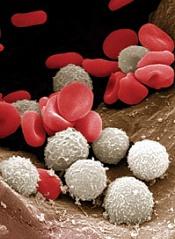
A small molecule that targets the sonic Hedgehog signaling pathway has advanced to phase 2 trials in a range of hematologic disorders.
In a phase 1 study, the inhibitor, PF-04449913, exhibited activity in adults with leukemias, myelodysplastic syndromes (MDS), and myelofibrosis (MF).
Sixty percent of the patients studied experienced treatment-related adverse events (AEs), but there were no treatment-related deaths. Most deaths were disease-related.
Researchers detailed the results of this trial in The Lancet Haematology. The study was funded by Pfizer, the company developing PF-04449913, as well as the California Institute for Regenerative Medicine and European Leukemia Net.
Preclinical research showed that PF-04449913 forces dormant cancer stem cells in the bone marrow to begin differentiating and exit into the blood stream where they can be destroyed by chemotherapy agents targeting dividing cells.
“This drug gets that unwanted house guests to leave and never come back,” said Catriona Jamieson, MD, PhD, of University of California, San Diego School of Medicine.
“It’s a significant step forward in treating people with refractory or resistant myeloid leukemia, myelodysplastic syndrome, and myelofibrosis. It’s a bonus that the drug can be administered as easily as an aspirin, in a single, daily, oral tablet.”
For the first-in-human study, Dr Jamieson and her colleagues evaluated PF-04449913 in 47 adult patients. Twenty-eight of them had acute myeloid leukemia (AML), 6 had MDS, 5 had chronic myeloid leukemia (CML), 1 had chronic myelomonocytic leukemia (CMML), and 7 had MF.
Eighty-five percent of patients (n=40) had an ECOG performance status of 0-1. Eighty-one percent (n=38) had received previous systemic treatment, and 47% (n=22) had received 3 or more previous treatment regimens.
Patients received escalating daily doses of PF-04449913 in 28-day cycles. Treatment cycles were repeated until a patient experienced unacceptable AEs without evidence of clinical improvement. Patients who showed clinical activity without experiencing serious AEs received additional treatment cycles.
Dosing and AEs
Patients received PF-04449913 once daily at 5 mg (n=3), 10 mg (n=3), 20 mg (n=4), 40 mg (n=4), 80 mg (n=8), 120 mg (n=3), 180 mg (n=3), 270 mg (n=5), 400 mg (n=9), or 600 mg (n=5).
The researchers found the maximum-tolerated dose to be 400 mg once daily. The mean half-life was 23.9 hours in this dose group, and pharmacokinetics seemed to be dose-proportional.
Two patients experienced dose-limiting toxicities, 1 in the 80 mg group (grade 3 hypoxia and grade 3 pleural effusion), and 1 in the 600 mg group (grade 3 peripheral edema).
In all, 60% of patients (n=28) experienced treatment-related AEs. The most common were dysgeusia (28%), decreased appetite (19%), and alopecia (15%). There were 3 grade 4 AEs—1 case of neutropenia and 2 cases of thrombocytopenia.
There were 15 deaths, none of which were treatment-related. Eleven deaths were disease-related, and the remaining 4 were related to infection.
Clinical activity
The researchers said there was “some suggestion of clinical activity” in 23 patients (49%).
Of the 5 patients with CML (2 chronic phase and 3 blast phase), 1 patient with blast phase CML had a partial cytogenetic response to PF-04449913.
Of the 6 patients with MDS and 1 with CMML, 4 had stable disease after treatment. Two of these patients had hematologic improvement.
Two of the 7 patients with MF had clinical improvement.
Of the 28 patients with AML, 16 showed evidence of possible biological activity. One patient had a complete response and 4 had a partial response with incomplete hematologic recovery. Four AML patients had minor responses, and 7 had stable disease.
Given these results, PF-04449913 is now being investigated in 5 phase 2 trials of hematologic disorders, 4 of which are recruiting participants.
“Our hope is that this drug will enable more effective treatment to begin earlier and that, with earlier intervention, we can alter the course of disease and remove the need for, or improve the chances of success with, bone marrow transplantation,” Dr Jamieson said. “It’s all about reducing the burden of disease by intervening early.”
A small molecule that targets the sonic Hedgehog signaling pathway has advanced to phase 2 trials in a range of hematologic disorders.
In a phase 1 study, the inhibitor, PF-04449913, exhibited activity in adults with leukemias, myelodysplastic syndromes (MDS), and myelofibrosis (MF).
Sixty percent of the patients studied experienced treatment-related adverse events (AEs), but there were no treatment-related deaths. Most deaths were disease-related.
Researchers detailed the results of this trial in The Lancet Haematology. The study was funded by Pfizer, the company developing PF-04449913, as well as the California Institute for Regenerative Medicine and European Leukemia Net.
Preclinical research showed that PF-04449913 forces dormant cancer stem cells in the bone marrow to begin differentiating and exit into the blood stream where they can be destroyed by chemotherapy agents targeting dividing cells.
“This drug gets that unwanted house guests to leave and never come back,” said Catriona Jamieson, MD, PhD, of University of California, San Diego School of Medicine.
“It’s a significant step forward in treating people with refractory or resistant myeloid leukemia, myelodysplastic syndrome, and myelofibrosis. It’s a bonus that the drug can be administered as easily as an aspirin, in a single, daily, oral tablet.”
For the first-in-human study, Dr Jamieson and her colleagues evaluated PF-04449913 in 47 adult patients. Twenty-eight of them had acute myeloid leukemia (AML), 6 had MDS, 5 had chronic myeloid leukemia (CML), 1 had chronic myelomonocytic leukemia (CMML), and 7 had MF.
Eighty-five percent of patients (n=40) had an ECOG performance status of 0-1. Eighty-one percent (n=38) had received previous systemic treatment, and 47% (n=22) had received 3 or more previous treatment regimens.
Patients received escalating daily doses of PF-04449913 in 28-day cycles. Treatment cycles were repeated until a patient experienced unacceptable AEs without evidence of clinical improvement. Patients who showed clinical activity without experiencing serious AEs received additional treatment cycles.
Dosing and AEs
Patients received PF-04449913 once daily at 5 mg (n=3), 10 mg (n=3), 20 mg (n=4), 40 mg (n=4), 80 mg (n=8), 120 mg (n=3), 180 mg (n=3), 270 mg (n=5), 400 mg (n=9), or 600 mg (n=5).
The researchers found the maximum-tolerated dose to be 400 mg once daily. The mean half-life was 23.9 hours in this dose group, and pharmacokinetics seemed to be dose-proportional.
Two patients experienced dose-limiting toxicities, 1 in the 80 mg group (grade 3 hypoxia and grade 3 pleural effusion), and 1 in the 600 mg group (grade 3 peripheral edema).
In all, 60% of patients (n=28) experienced treatment-related AEs. The most common were dysgeusia (28%), decreased appetite (19%), and alopecia (15%). There were 3 grade 4 AEs—1 case of neutropenia and 2 cases of thrombocytopenia.
There were 15 deaths, none of which were treatment-related. Eleven deaths were disease-related, and the remaining 4 were related to infection.
Clinical activity
The researchers said there was “some suggestion of clinical activity” in 23 patients (49%).
Of the 5 patients with CML (2 chronic phase and 3 blast phase), 1 patient with blast phase CML had a partial cytogenetic response to PF-04449913.
Of the 6 patients with MDS and 1 with CMML, 4 had stable disease after treatment. Two of these patients had hematologic improvement.
Two of the 7 patients with MF had clinical improvement.
Of the 28 patients with AML, 16 showed evidence of possible biological activity. One patient had a complete response and 4 had a partial response with incomplete hematologic recovery. Four AML patients had minor responses, and 7 had stable disease.
Given these results, PF-04449913 is now being investigated in 5 phase 2 trials of hematologic disorders, 4 of which are recruiting participants.
“Our hope is that this drug will enable more effective treatment to begin earlier and that, with earlier intervention, we can alter the course of disease and remove the need for, or improve the chances of success with, bone marrow transplantation,” Dr Jamieson said. “It’s all about reducing the burden of disease by intervening early.”
A small molecule that targets the sonic Hedgehog signaling pathway has advanced to phase 2 trials in a range of hematologic disorders.
In a phase 1 study, the inhibitor, PF-04449913, exhibited activity in adults with leukemias, myelodysplastic syndromes (MDS), and myelofibrosis (MF).
Sixty percent of the patients studied experienced treatment-related adverse events (AEs), but there were no treatment-related deaths. Most deaths were disease-related.
Researchers detailed the results of this trial in The Lancet Haematology. The study was funded by Pfizer, the company developing PF-04449913, as well as the California Institute for Regenerative Medicine and European Leukemia Net.
Preclinical research showed that PF-04449913 forces dormant cancer stem cells in the bone marrow to begin differentiating and exit into the blood stream where they can be destroyed by chemotherapy agents targeting dividing cells.
“This drug gets that unwanted house guests to leave and never come back,” said Catriona Jamieson, MD, PhD, of University of California, San Diego School of Medicine.
“It’s a significant step forward in treating people with refractory or resistant myeloid leukemia, myelodysplastic syndrome, and myelofibrosis. It’s a bonus that the drug can be administered as easily as an aspirin, in a single, daily, oral tablet.”
For the first-in-human study, Dr Jamieson and her colleagues evaluated PF-04449913 in 47 adult patients. Twenty-eight of them had acute myeloid leukemia (AML), 6 had MDS, 5 had chronic myeloid leukemia (CML), 1 had chronic myelomonocytic leukemia (CMML), and 7 had MF.
Eighty-five percent of patients (n=40) had an ECOG performance status of 0-1. Eighty-one percent (n=38) had received previous systemic treatment, and 47% (n=22) had received 3 or more previous treatment regimens.
Patients received escalating daily doses of PF-04449913 in 28-day cycles. Treatment cycles were repeated until a patient experienced unacceptable AEs without evidence of clinical improvement. Patients who showed clinical activity without experiencing serious AEs received additional treatment cycles.
Dosing and AEs
Patients received PF-04449913 once daily at 5 mg (n=3), 10 mg (n=3), 20 mg (n=4), 40 mg (n=4), 80 mg (n=8), 120 mg (n=3), 180 mg (n=3), 270 mg (n=5), 400 mg (n=9), or 600 mg (n=5).
The researchers found the maximum-tolerated dose to be 400 mg once daily. The mean half-life was 23.9 hours in this dose group, and pharmacokinetics seemed to be dose-proportional.
Two patients experienced dose-limiting toxicities, 1 in the 80 mg group (grade 3 hypoxia and grade 3 pleural effusion), and 1 in the 600 mg group (grade 3 peripheral edema).
In all, 60% of patients (n=28) experienced treatment-related AEs. The most common were dysgeusia (28%), decreased appetite (19%), and alopecia (15%). There were 3 grade 4 AEs—1 case of neutropenia and 2 cases of thrombocytopenia.
There were 15 deaths, none of which were treatment-related. Eleven deaths were disease-related, and the remaining 4 were related to infection.
Clinical activity
The researchers said there was “some suggestion of clinical activity” in 23 patients (49%).
Of the 5 patients with CML (2 chronic phase and 3 blast phase), 1 patient with blast phase CML had a partial cytogenetic response to PF-04449913.
Of the 6 patients with MDS and 1 with CMML, 4 had stable disease after treatment. Two of these patients had hematologic improvement.
Two of the 7 patients with MF had clinical improvement.
Of the 28 patients with AML, 16 showed evidence of possible biological activity. One patient had a complete response and 4 had a partial response with incomplete hematologic recovery. Four AML patients had minor responses, and 7 had stable disease.
Given these results, PF-04449913 is now being investigated in 5 phase 2 trials of hematologic disorders, 4 of which are recruiting participants.
“Our hope is that this drug will enable more effective treatment to begin earlier and that, with earlier intervention, we can alter the course of disease and remove the need for, or improve the chances of success with, bone marrow transplantation,” Dr Jamieson said. “It’s all about reducing the burden of disease by intervening early.”
CHMP recommends drug for acquired hemophilia A

Photo courtesy of
Baxter International Inc.
The European Medicines Agency’s Committee for Medicinal Products for Human Use (CHMP) has recommended approval for Obizur, a recombinant porcine
factor VIII (FVIII) product, to treat bleeding episodes in adults with acquired hemophilia A.
If the European Commission approves Obizur, it will be the first recombinant porcine FVIII treatment available in the European Union (EU) for this patient population. Obizur already has orphan designation in the EU.
The European Commission is expected to make a decision on Obizur later this year. The decision will be applicable to all 28 EU member states plus Iceland, Norway, and Liechtenstein.
About Obizur
Acquired hemophilia A is caused by the formation of antibodies directed against the body’s own FVIII. The underlying cause of this may be pregnancy, cancer, or the use of certain medications, but the cause is often unknown.
Obizur replaces inhibited human FVIII with a recombinant porcine sequence FVIII based on the rationale that porcine FVIII is less susceptible to inactivation by circulating human FVIII antibodies. Physicians can monitor patients’ response to Obizur by measuring FVIII activity levels.
The CHMP’s positive opinion of Obizur is based on a phase 2/3 trial in which patients with acquired hemophilia A received the drug as treatment for serious bleeding episodes.
Twenty-nine patients were enrolled and evaluated for safety. Researchers determined that one of the patients did not actually have acquired hemophilia A, so this patient could not be evaluated for efficacy.
At 24 hours after the initial infusion, all 28 patients in the efficacy analysis had a positive response to Obizur. This meant that bleeding stopped or decreased, the patients experienced clinical stabilization or improvement, and FVIII levels were 20% or higher.
Eighty-six percent of patients (24/28) had successful treatment of their initial bleeding episode. The overall treatment success was determined by the investigator based on the ability to discontinue or reduce the dose and/or dosing frequency of Obizur.
The adverse event most frequently reported in the 29 patients in the safety analysis was the development of inhibitors to porcine FVIII.
Nineteen patients were negative for anti-porcine FVIII antibodies at baseline, and 5 of these patients (26%) developed anti-porcine FVIII antibodies following exposure to Obizur.
Of the 10 patients with detectable anti-porcine FVIII antibodies at baseline, 2 (20%) experienced an increase in titer, and 8 (80%) decreased to a non-detectable titer.
Obizur is under development by Baxalta Incorporated. The product is already approved in the US and is under regulatory review in Canada, Switzerland, Australia, and Colombia.
Photo courtesy of
Baxter International Inc.
The European Medicines Agency’s Committee for Medicinal Products for Human Use (CHMP) has recommended approval for Obizur, a recombinant porcine
factor VIII (FVIII) product, to treat bleeding episodes in adults with acquired hemophilia A.
If the European Commission approves Obizur, it will be the first recombinant porcine FVIII treatment available in the European Union (EU) for this patient population. Obizur already has orphan designation in the EU.
The European Commission is expected to make a decision on Obizur later this year. The decision will be applicable to all 28 EU member states plus Iceland, Norway, and Liechtenstein.
About Obizur
Acquired hemophilia A is caused by the formation of antibodies directed against the body’s own FVIII. The underlying cause of this may be pregnancy, cancer, or the use of certain medications, but the cause is often unknown.
Obizur replaces inhibited human FVIII with a recombinant porcine sequence FVIII based on the rationale that porcine FVIII is less susceptible to inactivation by circulating human FVIII antibodies. Physicians can monitor patients’ response to Obizur by measuring FVIII activity levels.
The CHMP’s positive opinion of Obizur is based on a phase 2/3 trial in which patients with acquired hemophilia A received the drug as treatment for serious bleeding episodes.
Twenty-nine patients were enrolled and evaluated for safety. Researchers determined that one of the patients did not actually have acquired hemophilia A, so this patient could not be evaluated for efficacy.
At 24 hours after the initial infusion, all 28 patients in the efficacy analysis had a positive response to Obizur. This meant that bleeding stopped or decreased, the patients experienced clinical stabilization or improvement, and FVIII levels were 20% or higher.
Eighty-six percent of patients (24/28) had successful treatment of their initial bleeding episode. The overall treatment success was determined by the investigator based on the ability to discontinue or reduce the dose and/or dosing frequency of Obizur.
The adverse event most frequently reported in the 29 patients in the safety analysis was the development of inhibitors to porcine FVIII.
Nineteen patients were negative for anti-porcine FVIII antibodies at baseline, and 5 of these patients (26%) developed anti-porcine FVIII antibodies following exposure to Obizur.
Of the 10 patients with detectable anti-porcine FVIII antibodies at baseline, 2 (20%) experienced an increase in titer, and 8 (80%) decreased to a non-detectable titer.
Obizur is under development by Baxalta Incorporated. The product is already approved in the US and is under regulatory review in Canada, Switzerland, Australia, and Colombia.
Photo courtesy of
Baxter International Inc.
The European Medicines Agency’s Committee for Medicinal Products for Human Use (CHMP) has recommended approval for Obizur, a recombinant porcine
factor VIII (FVIII) product, to treat bleeding episodes in adults with acquired hemophilia A.
If the European Commission approves Obizur, it will be the first recombinant porcine FVIII treatment available in the European Union (EU) for this patient population. Obizur already has orphan designation in the EU.
The European Commission is expected to make a decision on Obizur later this year. The decision will be applicable to all 28 EU member states plus Iceland, Norway, and Liechtenstein.
About Obizur
Acquired hemophilia A is caused by the formation of antibodies directed against the body’s own FVIII. The underlying cause of this may be pregnancy, cancer, or the use of certain medications, but the cause is often unknown.
Obizur replaces inhibited human FVIII with a recombinant porcine sequence FVIII based on the rationale that porcine FVIII is less susceptible to inactivation by circulating human FVIII antibodies. Physicians can monitor patients’ response to Obizur by measuring FVIII activity levels.
The CHMP’s positive opinion of Obizur is based on a phase 2/3 trial in which patients with acquired hemophilia A received the drug as treatment for serious bleeding episodes.
Twenty-nine patients were enrolled and evaluated for safety. Researchers determined that one of the patients did not actually have acquired hemophilia A, so this patient could not be evaluated for efficacy.
At 24 hours after the initial infusion, all 28 patients in the efficacy analysis had a positive response to Obizur. This meant that bleeding stopped or decreased, the patients experienced clinical stabilization or improvement, and FVIII levels were 20% or higher.
Eighty-six percent of patients (24/28) had successful treatment of their initial bleeding episode. The overall treatment success was determined by the investigator based on the ability to discontinue or reduce the dose and/or dosing frequency of Obizur.
The adverse event most frequently reported in the 29 patients in the safety analysis was the development of inhibitors to porcine FVIII.
Nineteen patients were negative for anti-porcine FVIII antibodies at baseline, and 5 of these patients (26%) developed anti-porcine FVIII antibodies following exposure to Obizur.
Of the 10 patients with detectable anti-porcine FVIII antibodies at baseline, 2 (20%) experienced an increase in titer, and 8 (80%) decreased to a non-detectable titer.
Obizur is under development by Baxalta Incorporated. The product is already approved in the US and is under regulatory review in Canada, Switzerland, Australia, and Colombia.
Fertility preservation in young cancer patients

Image courtesy of NHS
Young patients with cancer, particularly females, may be uninformed about their options for preserving fertility, according to a study published in Cancer.
The research showed that males were both more likely to have discussed fertility preservation with their physicians and more likely to have taken steps to preserve fertility.
Other factors such as education and insurance status also appeared to have an impact on fertility preservation.
Margarett Shnorhavorian, MD, of the University of Washington in Seattle, and her colleagues conducted this research.
The team enlisted 459 adolescents and young adults who were diagnosed with cancer in 2007 or 2008, asking them to complete questionnaires on fertility preservation.
Eighty percent of males and 74% of females said they had been told that cancer therapy might affect their fertility. For females, multivariable analysis revealed no significant factors associated with this discussion.
However, multivariable analysis showed that males with an unknown treatment fertility risk were more likely to be uninformed of the potential risk (odds ratio [OR]= 2.73; 95% CI, 1.09-6.86), as were males who did not consult a medical oncologist (OR=2.28; 95% CI, 1.03-5.00).
Twenty-nine percent of males and 56.3% of females said they did not discuss fertility preservation with their doctors before they began cancer treatment. Males raising children younger than 18 were more likely than males without children to miss out on the discussion (OR=2.45; 95% CI, 1.24-4.85).
Males were also more likely to miss the discussion if they had a treatment fertility risk classified as “none/low” rather than “intermediate/high” (OR=3.39; 95% CI, 1.60-7.16) and if they had no insurance or government insurance rather than private insurance (OR=2.91; 95% CI, 1.41-5.97).
Males diagnosed in 2008 were less likely than those diagnosed in 2007 to miss out on the discussion (OR=0.43; 95% CI, 0.20-0.80).
Females raising children under 18 were more likely than females without children to say they did not discuss fertility preservation with their doctors (OR=3.38; 95% CI, 1.43-8.02). Females without private insurance were more likely to miss the discussion as well (OR=5.46; 95% CI, 1.59-18.72).
Females diagnosed in 2008 were less likely to miss the discussion than those diagnosed in 2007 (OR=0.36; 95% CI, 0.15-0.85).
Sixty-nine percent of males and 93.2% of females said they did not make fertility preservation arrangements. Men were more likely to lack arrangements if they were raising children younger than 18 years (OR=3.53; 95% CI, 1.63-7.65) or had less than a college degree (OR, 1.98; 95% CI, 1.00-3.97).
The researchers did not conduct a multivariable analysis for women because so few women made arrangements for fertility preservation.
“The access and health-related reasons for not making arrangements for fertility preservation reported by participants in this study further highlight the need for decreased cost, improved insurance coverage, and partnerships between cancer healthcare providers and fertility experts to develop strategies that increase awareness of fertility preservation options and decrease delays in cancer therapy as fertility preservation for adolescent and young adult cancer patients improves,” Dr Shnorhavorian concluded.
Image courtesy of NHS
Young patients with cancer, particularly females, may be uninformed about their options for preserving fertility, according to a study published in Cancer.
The research showed that males were both more likely to have discussed fertility preservation with their physicians and more likely to have taken steps to preserve fertility.
Other factors such as education and insurance status also appeared to have an impact on fertility preservation.
Margarett Shnorhavorian, MD, of the University of Washington in Seattle, and her colleagues conducted this research.
The team enlisted 459 adolescents and young adults who were diagnosed with cancer in 2007 or 2008, asking them to complete questionnaires on fertility preservation.
Eighty percent of males and 74% of females said they had been told that cancer therapy might affect their fertility. For females, multivariable analysis revealed no significant factors associated with this discussion.
However, multivariable analysis showed that males with an unknown treatment fertility risk were more likely to be uninformed of the potential risk (odds ratio [OR]= 2.73; 95% CI, 1.09-6.86), as were males who did not consult a medical oncologist (OR=2.28; 95% CI, 1.03-5.00).
Twenty-nine percent of males and 56.3% of females said they did not discuss fertility preservation with their doctors before they began cancer treatment. Males raising children younger than 18 were more likely than males without children to miss out on the discussion (OR=2.45; 95% CI, 1.24-4.85).
Males were also more likely to miss the discussion if they had a treatment fertility risk classified as “none/low” rather than “intermediate/high” (OR=3.39; 95% CI, 1.60-7.16) and if they had no insurance or government insurance rather than private insurance (OR=2.91; 95% CI, 1.41-5.97).
Males diagnosed in 2008 were less likely than those diagnosed in 2007 to miss out on the discussion (OR=0.43; 95% CI, 0.20-0.80).
Females raising children under 18 were more likely than females without children to say they did not discuss fertility preservation with their doctors (OR=3.38; 95% CI, 1.43-8.02). Females without private insurance were more likely to miss the discussion as well (OR=5.46; 95% CI, 1.59-18.72).
Females diagnosed in 2008 were less likely to miss the discussion than those diagnosed in 2007 (OR=0.36; 95% CI, 0.15-0.85).
Sixty-nine percent of males and 93.2% of females said they did not make fertility preservation arrangements. Men were more likely to lack arrangements if they were raising children younger than 18 years (OR=3.53; 95% CI, 1.63-7.65) or had less than a college degree (OR, 1.98; 95% CI, 1.00-3.97).
The researchers did not conduct a multivariable analysis for women because so few women made arrangements for fertility preservation.
“The access and health-related reasons for not making arrangements for fertility preservation reported by participants in this study further highlight the need for decreased cost, improved insurance coverage, and partnerships between cancer healthcare providers and fertility experts to develop strategies that increase awareness of fertility preservation options and decrease delays in cancer therapy as fertility preservation for adolescent and young adult cancer patients improves,” Dr Shnorhavorian concluded.
Image courtesy of NHS
Young patients with cancer, particularly females, may be uninformed about their options for preserving fertility, according to a study published in Cancer.
The research showed that males were both more likely to have discussed fertility preservation with their physicians and more likely to have taken steps to preserve fertility.
Other factors such as education and insurance status also appeared to have an impact on fertility preservation.
Margarett Shnorhavorian, MD, of the University of Washington in Seattle, and her colleagues conducted this research.
The team enlisted 459 adolescents and young adults who were diagnosed with cancer in 2007 or 2008, asking them to complete questionnaires on fertility preservation.
Eighty percent of males and 74% of females said they had been told that cancer therapy might affect their fertility. For females, multivariable analysis revealed no significant factors associated with this discussion.
However, multivariable analysis showed that males with an unknown treatment fertility risk were more likely to be uninformed of the potential risk (odds ratio [OR]= 2.73; 95% CI, 1.09-6.86), as were males who did not consult a medical oncologist (OR=2.28; 95% CI, 1.03-5.00).
Twenty-nine percent of males and 56.3% of females said they did not discuss fertility preservation with their doctors before they began cancer treatment. Males raising children younger than 18 were more likely than males without children to miss out on the discussion (OR=2.45; 95% CI, 1.24-4.85).
Males were also more likely to miss the discussion if they had a treatment fertility risk classified as “none/low” rather than “intermediate/high” (OR=3.39; 95% CI, 1.60-7.16) and if they had no insurance or government insurance rather than private insurance (OR=2.91; 95% CI, 1.41-5.97).
Males diagnosed in 2008 were less likely than those diagnosed in 2007 to miss out on the discussion (OR=0.43; 95% CI, 0.20-0.80).
Females raising children under 18 were more likely than females without children to say they did not discuss fertility preservation with their doctors (OR=3.38; 95% CI, 1.43-8.02). Females without private insurance were more likely to miss the discussion as well (OR=5.46; 95% CI, 1.59-18.72).
Females diagnosed in 2008 were less likely to miss the discussion than those diagnosed in 2007 (OR=0.36; 95% CI, 0.15-0.85).
Sixty-nine percent of males and 93.2% of females said they did not make fertility preservation arrangements. Men were more likely to lack arrangements if they were raising children younger than 18 years (OR=3.53; 95% CI, 1.63-7.65) or had less than a college degree (OR, 1.98; 95% CI, 1.00-3.97).
The researchers did not conduct a multivariable analysis for women because so few women made arrangements for fertility preservation.
“The access and health-related reasons for not making arrangements for fertility preservation reported by participants in this study further highlight the need for decreased cost, improved insurance coverage, and partnerships between cancer healthcare providers and fertility experts to develop strategies that increase awareness of fertility preservation options and decrease delays in cancer therapy as fertility preservation for adolescent and young adult cancer patients improves,” Dr Shnorhavorian concluded.
Fast and Furious: Rapid Weight Loss Via a Very Low Calorie Diet May Lead to Better Long-Term Outcomes Than a Gradual Weight Loss Program
Study Overview
Objective. To determine if the rate at which a person loses weight impacts long-term weight management.
Design. Two-phase, non-masked, randomized controlled trial.
Setting and participants. Study participants were recruited through radio and newspaper advertisements and word of mouth in Melbourne, Australia. Eligible participants were randomized into 2 different weight loss programs—a 12-week rapid program or a 36-week gradual program—using a computer-generated randomization sequence with a block design to account for the potential confounding factors of age, sex, and body mass index (BMI). Investigators and laboratory staff were blind to the group assignments. Inclusion criteria were healthy men and women aged between 18–70 years who were weight stable for 3 months and had a BMI between 30.0–45.0kg/m2. Exclusion criteria included use of a very low energy diet or weight loss drugs in the previous 3 months, contraceptive use, pregnancy or lactation, smoking, current use of drugs known to affect body weight, previous weight loss surgery, and the presence of clinically significant disease (including diabetes).
Intervention. Participants were randomized to the rapid or gradual weight loss program, both with the stated goal of 15% weight loss. For phase 1, participants in the rapid weight loss group replaced 3 meals a day with a commercially available meal replacement (Optifast, Nestlé Nutrition) over a period of 12 weeks (450–800 kcal/day). Participants in the gradual group replaced 1 to 2 meals daily with the same supplements and followed a diet program based on recommendations from the Australian Guide to Healthy Eating for the other meals over a period of 36 weeks (400–500 kcal deficit per day). Both groups were given comparable dietary education materials and had appointments every 2 weeks with the same dietician. Participants who achieved 12.5% or greater weight loss were eligible for phase 2. In phase 2, participants met with their same dietician at weeks 4 and 12, and then every 12 weeks until week 144. During appointments, the dietician assessed adherence based on participants’ self-reported food intake, and participants were encouraged to partake in 30 minutes of physical activity of mild to moderate intensity. Participants who gained weight were given a 400–500 kcal deficit diet.
Main outcome measures. The main outcome was mean weight loss maintained at week 144 of phase 2. Secondary outcomes were mean difference in fasting ghrelin and leptin concentrations measured at baseline, end of phase 1 (week 12 for rapid and week 36 for gradual), and at weeks 48 and 144 of phase 2. The authors examined the following changes from baseline: weight, BMI, waist and hip circumferences, fat mass, fat free mass, ghrelin, leptin, and physical activity (steps per day). A standardized protocol was followed for all measurements.
Results. Researchers evaluated 525 participants, of which 321 were excluded for ineligibility, being unwilling to participate, or having type 2 diabetes. Of the 204, 4 dropped out after randomization leaving 97 in the rapid weight loss group and 103 in the gradual group during phase 1. The mean age of participants was 49.8 (SD = 10.9) years with 25.5% men. There were no significant demographic or weight differences between the 2 groups. The completion rate for phase 1 was 94% in the rapid program and 82% of the gradual program. The mean phase 1 weight changes in the rapid and gradual program groups were –13 kg and –8.9 kg, respectively. A higher proportion of participants in the rapid weight loss group lost 12.5% or more of their weight than in the gradual group (76/97 vs. 53/103). 127 participants entered phase 2 of the study (2 in the gradual group who lost 12.5% body weight before 12 weeks were excluded). 1 participant in the rapid group developed cholecystitis requiring cholecystectomy.
In Phase 2, seven participants in the rapid group withdrew due to logistical issues, psychological stress, and other health-related issues; 4 participants in the gradual group withdrew for the same reasons, as well as pregnancy. 2 participants from the rapid group developed cancer. All but 6 participants regained weight (5 in rapid group, 1 in gradual group) and were put on a 400-500 kcal deficit diet. There was no significant difference in mean weight regain of the rapid and gradual participants. By week 144 of phase 2, average weight regain in the gradual group was 10.4 kg (95% confidence interval [CI] 8.4–12.4; 71.2% of lost weight regained, CI 58.1–84.3) and 10.3 kg in rapid weight loss participants (95% CI 8.5–12.1; 70.5% of lost weight regained, CI 57.8–83.2). This result did not change significantly in the intention to treat analysis where dropouts were assumed to return to baseline.
During phase 2, leptin concentrations increased in both groups, and there was no difference in leptin concentrations between the 2 groups at weeks 48 and 144, nor were they significantly different from baseline at week 48. Ghrelin concentrations increased in both groups from baseline, but there was no significant difference between the groups at the end of 144 weeks.
Conclusion. In highly selected Australian participants, rapid weight loss (12 weeks) using a very low calorie meal replacement program led to greater weight loss than a gradual weight loss program (36 weeks) using a combination of meal replacements and diet recommendations. In participants who lost 12.5% or greater body weight, the speed at which participants regained weight was similar in both groups.
Commentary
Obesity rates have increased globally over the past 20 years. In the United States, Yang and Colditz found that approximately 35% of men and 37% of women are obese and approximately 40% of men and 30% of women are overweight, marking the first time that obese Americans outnumber overweight Americans [1]. Approximately 45 million Americans diet each year, and Americans spend $33 billion on weight-loss products annually. Thus, we need to determine the most effective and cost-effective weight management practices. The Purcell et al study suggests that a 12-week intervention may lead to greater weight loss and better adherence than a 36-week program, and that weight regain in participants achieving 12.5% or greater weight loss may be the same in both interventions. While they did not formally evaluate cost effectiveness, these findings suggest that a rapid weight loss program through a very low calorie diet (VLCD) may be more cost-effective since they achieved better results in a shorter period of time. However, caution must be taken before universally recommending VLCDs to promote rapid weight loss.
Many organizations advise patients to lose weight slowly to increase their chances of reaching weight loss goals and long-term success. The American Heart Association, American College of Cardiology, and The Obesity Society (AHA/ACC/TOS) guidelines for the management of overweight and obesity in adults recommend 3 types of diets for weight loss: a 1200–1800 calorie diet, depending on weight and gender; a 500 kcal/day or 750kcal/day energy deficit, or an evidence-based diet that restricts specific food types (such as high-carbohydrate foods) [2]. These guidelines also state that individuals likely need to follow lifestyle changes for more than 6 months to increase their chances of achieving weight loss goals [2]. They acknowledge maximum weight loss is typically achieved at 6 months, and is commonly followed by plateau and gradual regain [2]. The US Preventive Services Task Force (USPSTF) also advises gradual weight loss [3].
The results of the Purcell et al study and others provide evidence that contradicts these recommendations. For example, Nackers et al found that people who lost weight quickly achieved and maintained greater weight loss than participants who lost weight gradually [4]. Further, those who lost weight rapidly were no more susceptible to regaining weight than people who lost weight gradually [4]. Toburo and Astrup also found the rate of initial weight loss had no impact on the long-term outcomes of weight maintenance [5]. Astrup and Rössner found initial weight loss was positively associated with long-term weight maintenance, and rapid weight loss resulted in improved sustained weight maintenance [6]. Finally, Wing and Phelan found the best predictor of weight regain was the length of time weight loss was maintained, not how the weight was lost [7].
VCLDs replace regular meals with prepared formulas to promote rapid weight loss, and are not recommended for the mildly obese or overweight. VLCDs have been shown to greatly reduce cardiovascular risk factors and relieve obesity-related symptoms; however, they result in more side effects compared to a low calorie diet [8]. Individuals who follow VLCDs must be monitored regularly to ensure they do not experience serious side effects, such as gallstones, electrolyte imbalance that can cause muscle and nerve malfunction, and an irregular heartbeat [9]. Indeed, 1 patient in the rapid group required a cholecystectomy. The providers in this study were obesity specialists, which may account for the strong outcomes and relatively few adverse events.
This study has many strengths. First, researchers achieved low rates of attrition (22% compared to about 40% in other studies) [9,10]. This study also followed participants for 2 years post-intervention and achieved high rates of weight loss in both groups. In addition to low dropout rates and long-term follow-up, the population was highly adherent to each intervention. Limitations of the study include that the authors were highly selective in choosing participants—none of the participants had obesity-related comorbidities such as diabetes or significant medical conditions. Individuals with these conditions may not be able to follow the dietary recommendations used in this study, restricting generalizability from a population that is largely overweight and obese. Further, all participants were from Melbourne, Australia. Since the authors did not provide data on race/ethnicity, we can assume a relatively homogeneous population, further limiting generalizability.
Applications for Clinical Practice
This study suggests that rapid weight loss through VLCDs may achieve better weight loss outcomes and adherence when compared to more gradual programs without resulting in higher weight regain over time in highly selected patients treated by obesity specialists. Caution must be advised since primary care practitioners may not have sufficient training to deliver these diets. VLCDs have higher risk of gallstones and other adverse outcomes such as gout or cardiac events [11,12]. A more gradual weight loss program, similar to the 36-week program in the Purcell et al study, used meal replacements and achieved outcomes that were relatively high, with 72% achieving at least 5% weight loss, and 19% achieving 15% weight loss or greater (P < 0.001) [13]. Indeed, meal replacements of 1 to 2 meals per day have been shown to be safe and effective in primary care [14]. Current AHA/ACC/TOS guidelines on VLCDs are inconclusive, stating there is insufficient evidence to comment on the value of VLCDs, or on strategies to provide more supervision of adherence to these diets [2]. Thus, practitioners without training in the use of VLCDs should still follow USPSTF and other recommendations to promote gradual weight loss [2]. However, if patients want to lose weight faster with a VLCD, then providers can refer them to an obesity specialist since this may promote greater adherence and long-term weight maintenance in select patients.
—Natalie L. Ricci, Mailman School of Public Health, New York, NY, and Melanie Jay, MD, MS
1. Yang L, Colditz GA. Prevalence of overweight and obesity in the United States, 2007-2012. JAMA Intern Med 2015 Jun 22.
2. Jensen MD, Ryan DH, Apovian CM, et al; American College of Cardiology/American Heart Association Task Force on Practice Guidelines; Obesity Society. 2013 AHA/ACC/TOS guideline for the management of overweight and obesity in adults: a report of the American College of Cardiology/American Heart Association Task Force on Practice Guidelines and The Obesity Society. Circulation 2014;129(25 Suppl 2):S102–38.
3. Final recommendation statement: Obesity in adults: screening and management, June 2012. U.S. Preventive Services Task Force. Available at www.uspreventiveservicestaskforce.org/Page/Document/RecommendationStatementFinal/obesity-in-adults-screening-and-management.
4. Nackers LM, Ross KM, Perri MG. The association between rate of initial weight loss and long-term success in obesity treatment: does slow and steady win the race? Int J Behav Med 2010;17:161–7.
5. Toubro S, Astrup A. Randomised comparison of diets for maintaining obese subjects’ weight after major weight loss: ad lib, low fat, high carbohydrate diet v fixed energy intake. BMJ 1997;314:29–34.
6. Astrup A, Rössner S. Lessons from obesity management programmes: greater initial weight loss improves long-term maintenance. Obes Rev 2000;1:17–9.
7. Wing RR, Phelan S. Long-term weight loss maintenance. Am J Clin Nutr 2005;82(1 Suppl):222S–225S.
8. Christensen P, Bliddal H, Riecke BF, et al. Comparison of a low-energy diet and a very low-energy diet in sedentary obese individuals: a pragmatic randomized controlled trial. Clin Obes 2011;1:31–40.
9. Anderson JW, Hamilton CC, Brinkman-Kaplan V. Benefits and risks of an intensive very-low-calorie diet program for severe obesity. Am J Gastroenterol 1992;87:6–15.
10. Ditschuneit HH, Flechtner-Mors M, Johnson TD, Adler G. Metabolic and weight-loss effects of a long-term dietary intervention in obese patients. Am J Clin Nutr 1999;69:198–204.
11. Rössner S, Flaten H. VLCD versus LCD in long-term treatment of obesity. Int J Obes Relat Metab Disord 1997;21:22–6.
12. Weinsier RL, Ullmann DO. Gallstone formation and weight loss. Obes Res 1993;1:51–6.
13. Kruschitz R, Wallner-Liebmann SJ, Lothaller H, et al. Evaluation of a meal replacement-based weight management program in primary care settings according to the actual European clinical practice guidelines for the management of obesity in adults. Wien Klin Wochenschr 2014;126:598–603.
14. Haas WC, Moore JB, Kaplan M, Lazorick S. Outcomes from a medical weight loss program: primary care clinics versus weight loss clinics. Am J Med 2012;125:603.e7–11.
Study Overview
Objective. To determine if the rate at which a person loses weight impacts long-term weight management.
Design. Two-phase, non-masked, randomized controlled trial.
Setting and participants. Study participants were recruited through radio and newspaper advertisements and word of mouth in Melbourne, Australia. Eligible participants were randomized into 2 different weight loss programs—a 12-week rapid program or a 36-week gradual program—using a computer-generated randomization sequence with a block design to account for the potential confounding factors of age, sex, and body mass index (BMI). Investigators and laboratory staff were blind to the group assignments. Inclusion criteria were healthy men and women aged between 18–70 years who were weight stable for 3 months and had a BMI between 30.0–45.0kg/m2. Exclusion criteria included use of a very low energy diet or weight loss drugs in the previous 3 months, contraceptive use, pregnancy or lactation, smoking, current use of drugs known to affect body weight, previous weight loss surgery, and the presence of clinically significant disease (including diabetes).
Intervention. Participants were randomized to the rapid or gradual weight loss program, both with the stated goal of 15% weight loss. For phase 1, participants in the rapid weight loss group replaced 3 meals a day with a commercially available meal replacement (Optifast, Nestlé Nutrition) over a period of 12 weeks (450–800 kcal/day). Participants in the gradual group replaced 1 to 2 meals daily with the same supplements and followed a diet program based on recommendations from the Australian Guide to Healthy Eating for the other meals over a period of 36 weeks (400–500 kcal deficit per day). Both groups were given comparable dietary education materials and had appointments every 2 weeks with the same dietician. Participants who achieved 12.5% or greater weight loss were eligible for phase 2. In phase 2, participants met with their same dietician at weeks 4 and 12, and then every 12 weeks until week 144. During appointments, the dietician assessed adherence based on participants’ self-reported food intake, and participants were encouraged to partake in 30 minutes of physical activity of mild to moderate intensity. Participants who gained weight were given a 400–500 kcal deficit diet.
Main outcome measures. The main outcome was mean weight loss maintained at week 144 of phase 2. Secondary outcomes were mean difference in fasting ghrelin and leptin concentrations measured at baseline, end of phase 1 (week 12 for rapid and week 36 for gradual), and at weeks 48 and 144 of phase 2. The authors examined the following changes from baseline: weight, BMI, waist and hip circumferences, fat mass, fat free mass, ghrelin, leptin, and physical activity (steps per day). A standardized protocol was followed for all measurements.
Results. Researchers evaluated 525 participants, of which 321 were excluded for ineligibility, being unwilling to participate, or having type 2 diabetes. Of the 204, 4 dropped out after randomization leaving 97 in the rapid weight loss group and 103 in the gradual group during phase 1. The mean age of participants was 49.8 (SD = 10.9) years with 25.5% men. There were no significant demographic or weight differences between the 2 groups. The completion rate for phase 1 was 94% in the rapid program and 82% of the gradual program. The mean phase 1 weight changes in the rapid and gradual program groups were –13 kg and –8.9 kg, respectively. A higher proportion of participants in the rapid weight loss group lost 12.5% or more of their weight than in the gradual group (76/97 vs. 53/103). 127 participants entered phase 2 of the study (2 in the gradual group who lost 12.5% body weight before 12 weeks were excluded). 1 participant in the rapid group developed cholecystitis requiring cholecystectomy.
In Phase 2, seven participants in the rapid group withdrew due to logistical issues, psychological stress, and other health-related issues; 4 participants in the gradual group withdrew for the same reasons, as well as pregnancy. 2 participants from the rapid group developed cancer. All but 6 participants regained weight (5 in rapid group, 1 in gradual group) and were put on a 400-500 kcal deficit diet. There was no significant difference in mean weight regain of the rapid and gradual participants. By week 144 of phase 2, average weight regain in the gradual group was 10.4 kg (95% confidence interval [CI] 8.4–12.4; 71.2% of lost weight regained, CI 58.1–84.3) and 10.3 kg in rapid weight loss participants (95% CI 8.5–12.1; 70.5% of lost weight regained, CI 57.8–83.2). This result did not change significantly in the intention to treat analysis where dropouts were assumed to return to baseline.
During phase 2, leptin concentrations increased in both groups, and there was no difference in leptin concentrations between the 2 groups at weeks 48 and 144, nor were they significantly different from baseline at week 48. Ghrelin concentrations increased in both groups from baseline, but there was no significant difference between the groups at the end of 144 weeks.
Conclusion. In highly selected Australian participants, rapid weight loss (12 weeks) using a very low calorie meal replacement program led to greater weight loss than a gradual weight loss program (36 weeks) using a combination of meal replacements and diet recommendations. In participants who lost 12.5% or greater body weight, the speed at which participants regained weight was similar in both groups.
Commentary
Obesity rates have increased globally over the past 20 years. In the United States, Yang and Colditz found that approximately 35% of men and 37% of women are obese and approximately 40% of men and 30% of women are overweight, marking the first time that obese Americans outnumber overweight Americans [1]. Approximately 45 million Americans diet each year, and Americans spend $33 billion on weight-loss products annually. Thus, we need to determine the most effective and cost-effective weight management practices. The Purcell et al study suggests that a 12-week intervention may lead to greater weight loss and better adherence than a 36-week program, and that weight regain in participants achieving 12.5% or greater weight loss may be the same in both interventions. While they did not formally evaluate cost effectiveness, these findings suggest that a rapid weight loss program through a very low calorie diet (VLCD) may be more cost-effective since they achieved better results in a shorter period of time. However, caution must be taken before universally recommending VLCDs to promote rapid weight loss.
Many organizations advise patients to lose weight slowly to increase their chances of reaching weight loss goals and long-term success. The American Heart Association, American College of Cardiology, and The Obesity Society (AHA/ACC/TOS) guidelines for the management of overweight and obesity in adults recommend 3 types of diets for weight loss: a 1200–1800 calorie diet, depending on weight and gender; a 500 kcal/day or 750kcal/day energy deficit, or an evidence-based diet that restricts specific food types (such as high-carbohydrate foods) [2]. These guidelines also state that individuals likely need to follow lifestyle changes for more than 6 months to increase their chances of achieving weight loss goals [2]. They acknowledge maximum weight loss is typically achieved at 6 months, and is commonly followed by plateau and gradual regain [2]. The US Preventive Services Task Force (USPSTF) also advises gradual weight loss [3].
The results of the Purcell et al study and others provide evidence that contradicts these recommendations. For example, Nackers et al found that people who lost weight quickly achieved and maintained greater weight loss than participants who lost weight gradually [4]. Further, those who lost weight rapidly were no more susceptible to regaining weight than people who lost weight gradually [4]. Toburo and Astrup also found the rate of initial weight loss had no impact on the long-term outcomes of weight maintenance [5]. Astrup and Rössner found initial weight loss was positively associated with long-term weight maintenance, and rapid weight loss resulted in improved sustained weight maintenance [6]. Finally, Wing and Phelan found the best predictor of weight regain was the length of time weight loss was maintained, not how the weight was lost [7].
VCLDs replace regular meals with prepared formulas to promote rapid weight loss, and are not recommended for the mildly obese or overweight. VLCDs have been shown to greatly reduce cardiovascular risk factors and relieve obesity-related symptoms; however, they result in more side effects compared to a low calorie diet [8]. Individuals who follow VLCDs must be monitored regularly to ensure they do not experience serious side effects, such as gallstones, electrolyte imbalance that can cause muscle and nerve malfunction, and an irregular heartbeat [9]. Indeed, 1 patient in the rapid group required a cholecystectomy. The providers in this study were obesity specialists, which may account for the strong outcomes and relatively few adverse events.
This study has many strengths. First, researchers achieved low rates of attrition (22% compared to about 40% in other studies) [9,10]. This study also followed participants for 2 years post-intervention and achieved high rates of weight loss in both groups. In addition to low dropout rates and long-term follow-up, the population was highly adherent to each intervention. Limitations of the study include that the authors were highly selective in choosing participants—none of the participants had obesity-related comorbidities such as diabetes or significant medical conditions. Individuals with these conditions may not be able to follow the dietary recommendations used in this study, restricting generalizability from a population that is largely overweight and obese. Further, all participants were from Melbourne, Australia. Since the authors did not provide data on race/ethnicity, we can assume a relatively homogeneous population, further limiting generalizability.
Applications for Clinical Practice
This study suggests that rapid weight loss through VLCDs may achieve better weight loss outcomes and adherence when compared to more gradual programs without resulting in higher weight regain over time in highly selected patients treated by obesity specialists. Caution must be advised since primary care practitioners may not have sufficient training to deliver these diets. VLCDs have higher risk of gallstones and other adverse outcomes such as gout or cardiac events [11,12]. A more gradual weight loss program, similar to the 36-week program in the Purcell et al study, used meal replacements and achieved outcomes that were relatively high, with 72% achieving at least 5% weight loss, and 19% achieving 15% weight loss or greater (P < 0.001) [13]. Indeed, meal replacements of 1 to 2 meals per day have been shown to be safe and effective in primary care [14]. Current AHA/ACC/TOS guidelines on VLCDs are inconclusive, stating there is insufficient evidence to comment on the value of VLCDs, or on strategies to provide more supervision of adherence to these diets [2]. Thus, practitioners without training in the use of VLCDs should still follow USPSTF and other recommendations to promote gradual weight loss [2]. However, if patients want to lose weight faster with a VLCD, then providers can refer them to an obesity specialist since this may promote greater adherence and long-term weight maintenance in select patients.
—Natalie L. Ricci, Mailman School of Public Health, New York, NY, and Melanie Jay, MD, MS
Study Overview
Objective. To determine if the rate at which a person loses weight impacts long-term weight management.
Design. Two-phase, non-masked, randomized controlled trial.
Setting and participants. Study participants were recruited through radio and newspaper advertisements and word of mouth in Melbourne, Australia. Eligible participants were randomized into 2 different weight loss programs—a 12-week rapid program or a 36-week gradual program—using a computer-generated randomization sequence with a block design to account for the potential confounding factors of age, sex, and body mass index (BMI). Investigators and laboratory staff were blind to the group assignments. Inclusion criteria were healthy men and women aged between 18–70 years who were weight stable for 3 months and had a BMI between 30.0–45.0kg/m2. Exclusion criteria included use of a very low energy diet or weight loss drugs in the previous 3 months, contraceptive use, pregnancy or lactation, smoking, current use of drugs known to affect body weight, previous weight loss surgery, and the presence of clinically significant disease (including diabetes).
Intervention. Participants were randomized to the rapid or gradual weight loss program, both with the stated goal of 15% weight loss. For phase 1, participants in the rapid weight loss group replaced 3 meals a day with a commercially available meal replacement (Optifast, Nestlé Nutrition) over a period of 12 weeks (450–800 kcal/day). Participants in the gradual group replaced 1 to 2 meals daily with the same supplements and followed a diet program based on recommendations from the Australian Guide to Healthy Eating for the other meals over a period of 36 weeks (400–500 kcal deficit per day). Both groups were given comparable dietary education materials and had appointments every 2 weeks with the same dietician. Participants who achieved 12.5% or greater weight loss were eligible for phase 2. In phase 2, participants met with their same dietician at weeks 4 and 12, and then every 12 weeks until week 144. During appointments, the dietician assessed adherence based on participants’ self-reported food intake, and participants were encouraged to partake in 30 minutes of physical activity of mild to moderate intensity. Participants who gained weight were given a 400–500 kcal deficit diet.
Main outcome measures. The main outcome was mean weight loss maintained at week 144 of phase 2. Secondary outcomes were mean difference in fasting ghrelin and leptin concentrations measured at baseline, end of phase 1 (week 12 for rapid and week 36 for gradual), and at weeks 48 and 144 of phase 2. The authors examined the following changes from baseline: weight, BMI, waist and hip circumferences, fat mass, fat free mass, ghrelin, leptin, and physical activity (steps per day). A standardized protocol was followed for all measurements.
Results. Researchers evaluated 525 participants, of which 321 were excluded for ineligibility, being unwilling to participate, or having type 2 diabetes. Of the 204, 4 dropped out after randomization leaving 97 in the rapid weight loss group and 103 in the gradual group during phase 1. The mean age of participants was 49.8 (SD = 10.9) years with 25.5% men. There were no significant demographic or weight differences between the 2 groups. The completion rate for phase 1 was 94% in the rapid program and 82% of the gradual program. The mean phase 1 weight changes in the rapid and gradual program groups were –13 kg and –8.9 kg, respectively. A higher proportion of participants in the rapid weight loss group lost 12.5% or more of their weight than in the gradual group (76/97 vs. 53/103). 127 participants entered phase 2 of the study (2 in the gradual group who lost 12.5% body weight before 12 weeks were excluded). 1 participant in the rapid group developed cholecystitis requiring cholecystectomy.
In Phase 2, seven participants in the rapid group withdrew due to logistical issues, psychological stress, and other health-related issues; 4 participants in the gradual group withdrew for the same reasons, as well as pregnancy. 2 participants from the rapid group developed cancer. All but 6 participants regained weight (5 in rapid group, 1 in gradual group) and were put on a 400-500 kcal deficit diet. There was no significant difference in mean weight regain of the rapid and gradual participants. By week 144 of phase 2, average weight regain in the gradual group was 10.4 kg (95% confidence interval [CI] 8.4–12.4; 71.2% of lost weight regained, CI 58.1–84.3) and 10.3 kg in rapid weight loss participants (95% CI 8.5–12.1; 70.5% of lost weight regained, CI 57.8–83.2). This result did not change significantly in the intention to treat analysis where dropouts were assumed to return to baseline.
During phase 2, leptin concentrations increased in both groups, and there was no difference in leptin concentrations between the 2 groups at weeks 48 and 144, nor were they significantly different from baseline at week 48. Ghrelin concentrations increased in both groups from baseline, but there was no significant difference between the groups at the end of 144 weeks.
Conclusion. In highly selected Australian participants, rapid weight loss (12 weeks) using a very low calorie meal replacement program led to greater weight loss than a gradual weight loss program (36 weeks) using a combination of meal replacements and diet recommendations. In participants who lost 12.5% or greater body weight, the speed at which participants regained weight was similar in both groups.
Commentary
Obesity rates have increased globally over the past 20 years. In the United States, Yang and Colditz found that approximately 35% of men and 37% of women are obese and approximately 40% of men and 30% of women are overweight, marking the first time that obese Americans outnumber overweight Americans [1]. Approximately 45 million Americans diet each year, and Americans spend $33 billion on weight-loss products annually. Thus, we need to determine the most effective and cost-effective weight management practices. The Purcell et al study suggests that a 12-week intervention may lead to greater weight loss and better adherence than a 36-week program, and that weight regain in participants achieving 12.5% or greater weight loss may be the same in both interventions. While they did not formally evaluate cost effectiveness, these findings suggest that a rapid weight loss program through a very low calorie diet (VLCD) may be more cost-effective since they achieved better results in a shorter period of time. However, caution must be taken before universally recommending VLCDs to promote rapid weight loss.
Many organizations advise patients to lose weight slowly to increase their chances of reaching weight loss goals and long-term success. The American Heart Association, American College of Cardiology, and The Obesity Society (AHA/ACC/TOS) guidelines for the management of overweight and obesity in adults recommend 3 types of diets for weight loss: a 1200–1800 calorie diet, depending on weight and gender; a 500 kcal/day or 750kcal/day energy deficit, or an evidence-based diet that restricts specific food types (such as high-carbohydrate foods) [2]. These guidelines also state that individuals likely need to follow lifestyle changes for more than 6 months to increase their chances of achieving weight loss goals [2]. They acknowledge maximum weight loss is typically achieved at 6 months, and is commonly followed by plateau and gradual regain [2]. The US Preventive Services Task Force (USPSTF) also advises gradual weight loss [3].
The results of the Purcell et al study and others provide evidence that contradicts these recommendations. For example, Nackers et al found that people who lost weight quickly achieved and maintained greater weight loss than participants who lost weight gradually [4]. Further, those who lost weight rapidly were no more susceptible to regaining weight than people who lost weight gradually [4]. Toburo and Astrup also found the rate of initial weight loss had no impact on the long-term outcomes of weight maintenance [5]. Astrup and Rössner found initial weight loss was positively associated with long-term weight maintenance, and rapid weight loss resulted in improved sustained weight maintenance [6]. Finally, Wing and Phelan found the best predictor of weight regain was the length of time weight loss was maintained, not how the weight was lost [7].
VCLDs replace regular meals with prepared formulas to promote rapid weight loss, and are not recommended for the mildly obese or overweight. VLCDs have been shown to greatly reduce cardiovascular risk factors and relieve obesity-related symptoms; however, they result in more side effects compared to a low calorie diet [8]. Individuals who follow VLCDs must be monitored regularly to ensure they do not experience serious side effects, such as gallstones, electrolyte imbalance that can cause muscle and nerve malfunction, and an irregular heartbeat [9]. Indeed, 1 patient in the rapid group required a cholecystectomy. The providers in this study were obesity specialists, which may account for the strong outcomes and relatively few adverse events.
This study has many strengths. First, researchers achieved low rates of attrition (22% compared to about 40% in other studies) [9,10]. This study also followed participants for 2 years post-intervention and achieved high rates of weight loss in both groups. In addition to low dropout rates and long-term follow-up, the population was highly adherent to each intervention. Limitations of the study include that the authors were highly selective in choosing participants—none of the participants had obesity-related comorbidities such as diabetes or significant medical conditions. Individuals with these conditions may not be able to follow the dietary recommendations used in this study, restricting generalizability from a population that is largely overweight and obese. Further, all participants were from Melbourne, Australia. Since the authors did not provide data on race/ethnicity, we can assume a relatively homogeneous population, further limiting generalizability.
Applications for Clinical Practice
This study suggests that rapid weight loss through VLCDs may achieve better weight loss outcomes and adherence when compared to more gradual programs without resulting in higher weight regain over time in highly selected patients treated by obesity specialists. Caution must be advised since primary care practitioners may not have sufficient training to deliver these diets. VLCDs have higher risk of gallstones and other adverse outcomes such as gout or cardiac events [11,12]. A more gradual weight loss program, similar to the 36-week program in the Purcell et al study, used meal replacements and achieved outcomes that were relatively high, with 72% achieving at least 5% weight loss, and 19% achieving 15% weight loss or greater (P < 0.001) [13]. Indeed, meal replacements of 1 to 2 meals per day have been shown to be safe and effective in primary care [14]. Current AHA/ACC/TOS guidelines on VLCDs are inconclusive, stating there is insufficient evidence to comment on the value of VLCDs, or on strategies to provide more supervision of adherence to these diets [2]. Thus, practitioners without training in the use of VLCDs should still follow USPSTF and other recommendations to promote gradual weight loss [2]. However, if patients want to lose weight faster with a VLCD, then providers can refer them to an obesity specialist since this may promote greater adherence and long-term weight maintenance in select patients.
—Natalie L. Ricci, Mailman School of Public Health, New York, NY, and Melanie Jay, MD, MS
1. Yang L, Colditz GA. Prevalence of overweight and obesity in the United States, 2007-2012. JAMA Intern Med 2015 Jun 22.
2. Jensen MD, Ryan DH, Apovian CM, et al; American College of Cardiology/American Heart Association Task Force on Practice Guidelines; Obesity Society. 2013 AHA/ACC/TOS guideline for the management of overweight and obesity in adults: a report of the American College of Cardiology/American Heart Association Task Force on Practice Guidelines and The Obesity Society. Circulation 2014;129(25 Suppl 2):S102–38.
3. Final recommendation statement: Obesity in adults: screening and management, June 2012. U.S. Preventive Services Task Force. Available at www.uspreventiveservicestaskforce.org/Page/Document/RecommendationStatementFinal/obesity-in-adults-screening-and-management.
4. Nackers LM, Ross KM, Perri MG. The association between rate of initial weight loss and long-term success in obesity treatment: does slow and steady win the race? Int J Behav Med 2010;17:161–7.
5. Toubro S, Astrup A. Randomised comparison of diets for maintaining obese subjects’ weight after major weight loss: ad lib, low fat, high carbohydrate diet v fixed energy intake. BMJ 1997;314:29–34.
6. Astrup A, Rössner S. Lessons from obesity management programmes: greater initial weight loss improves long-term maintenance. Obes Rev 2000;1:17–9.
7. Wing RR, Phelan S. Long-term weight loss maintenance. Am J Clin Nutr 2005;82(1 Suppl):222S–225S.
8. Christensen P, Bliddal H, Riecke BF, et al. Comparison of a low-energy diet and a very low-energy diet in sedentary obese individuals: a pragmatic randomized controlled trial. Clin Obes 2011;1:31–40.
9. Anderson JW, Hamilton CC, Brinkman-Kaplan V. Benefits and risks of an intensive very-low-calorie diet program for severe obesity. Am J Gastroenterol 1992;87:6–15.
10. Ditschuneit HH, Flechtner-Mors M, Johnson TD, Adler G. Metabolic and weight-loss effects of a long-term dietary intervention in obese patients. Am J Clin Nutr 1999;69:198–204.
11. Rössner S, Flaten H. VLCD versus LCD in long-term treatment of obesity. Int J Obes Relat Metab Disord 1997;21:22–6.
12. Weinsier RL, Ullmann DO. Gallstone formation and weight loss. Obes Res 1993;1:51–6.
13. Kruschitz R, Wallner-Liebmann SJ, Lothaller H, et al. Evaluation of a meal replacement-based weight management program in primary care settings according to the actual European clinical practice guidelines for the management of obesity in adults. Wien Klin Wochenschr 2014;126:598–603.
14. Haas WC, Moore JB, Kaplan M, Lazorick S. Outcomes from a medical weight loss program: primary care clinics versus weight loss clinics. Am J Med 2012;125:603.e7–11.
1. Yang L, Colditz GA. Prevalence of overweight and obesity in the United States, 2007-2012. JAMA Intern Med 2015 Jun 22.
2. Jensen MD, Ryan DH, Apovian CM, et al; American College of Cardiology/American Heart Association Task Force on Practice Guidelines; Obesity Society. 2013 AHA/ACC/TOS guideline for the management of overweight and obesity in adults: a report of the American College of Cardiology/American Heart Association Task Force on Practice Guidelines and The Obesity Society. Circulation 2014;129(25 Suppl 2):S102–38.
3. Final recommendation statement: Obesity in adults: screening and management, June 2012. U.S. Preventive Services Task Force. Available at www.uspreventiveservicestaskforce.org/Page/Document/RecommendationStatementFinal/obesity-in-adults-screening-and-management.
4. Nackers LM, Ross KM, Perri MG. The association between rate of initial weight loss and long-term success in obesity treatment: does slow and steady win the race? Int J Behav Med 2010;17:161–7.
5. Toubro S, Astrup A. Randomised comparison of diets for maintaining obese subjects’ weight after major weight loss: ad lib, low fat, high carbohydrate diet v fixed energy intake. BMJ 1997;314:29–34.
6. Astrup A, Rössner S. Lessons from obesity management programmes: greater initial weight loss improves long-term maintenance. Obes Rev 2000;1:17–9.
7. Wing RR, Phelan S. Long-term weight loss maintenance. Am J Clin Nutr 2005;82(1 Suppl):222S–225S.
8. Christensen P, Bliddal H, Riecke BF, et al. Comparison of a low-energy diet and a very low-energy diet in sedentary obese individuals: a pragmatic randomized controlled trial. Clin Obes 2011;1:31–40.
9. Anderson JW, Hamilton CC, Brinkman-Kaplan V. Benefits and risks of an intensive very-low-calorie diet program for severe obesity. Am J Gastroenterol 1992;87:6–15.
10. Ditschuneit HH, Flechtner-Mors M, Johnson TD, Adler G. Metabolic and weight-loss effects of a long-term dietary intervention in obese patients. Am J Clin Nutr 1999;69:198–204.
11. Rössner S, Flaten H. VLCD versus LCD in long-term treatment of obesity. Int J Obes Relat Metab Disord 1997;21:22–6.
12. Weinsier RL, Ullmann DO. Gallstone formation and weight loss. Obes Res 1993;1:51–6.
13. Kruschitz R, Wallner-Liebmann SJ, Lothaller H, et al. Evaluation of a meal replacement-based weight management program in primary care settings according to the actual European clinical practice guidelines for the management of obesity in adults. Wien Klin Wochenschr 2014;126:598–603.
14. Haas WC, Moore JB, Kaplan M, Lazorick S. Outcomes from a medical weight loss program: primary care clinics versus weight loss clinics. Am J Med 2012;125:603.e7–11.