User login
Increased death rate with platelets for aspirin/clopidogrel GI bleed
Patients with normal platelet counts who have a GI bleed while on antiplatelets were almost six times more likely to die in the hospital if they had a platelet transfusion in a retrospective cohort study from the Yale University in New Haven, Conn.
Ten of the 14 deaths in the 204 transfused patients – versus none of the 3 deaths in the 204 nontransfused patients - were due to bleeding, so it’s possible that the mortality difference was simply because patients with worse bleeding were more likely to get transfused. “On the other hand, the adjusted [odds ratios] for mortality (4.5-6.8 with different sensitivity analyses) [were] large, increasing the likelihood of a cause-and-effect relationship,” said investigators led by gastroenterologist Liam Zakko, MD, now at the Mayo Clinic in Rochester, Minn. (Clin Gastroenterol Hepatol. 2016 Jul 25. doi: 10.1016/j.cgh.2016.07.017).
Current guidelines suggest platelet transfusions are an option for antiplatelet patients with serious GI bleeds, but the Yale team found that they did not reduce rebleeding. “The observation of increased mortality without documentation of clinical benefit suggests a very cautious approach to the use of platelet transfusion. ... We do not support the use of platelet transfusions in patients with GI [bleeds] who are taking antiplatelet agents,” the investigators wrote.
Subjects in the two groups were matched for sex, age, and GI bleed location, and all had platelet counts above 100 × 109/L. Almost everyone was on aspirin for cardiovascular protection, and 30% were on also on clopidogrel.
Just over half in both groups had upper GI bleeds, and about 40% in each group had colonic bleeds. Transfused patients had more-severe bleeding, with overall lower blood pressure and lower hemoglobin; a larger proportion was admitted to the ICU.
On univariate analyses, platelet patients had more cardiovascular events (23% vs. 13%) while in the hospital. They were also more likely to stay in the hospital for more than 4 days (47% vs. 33%) and more likely to die while there (7% vs. 1%). On multivariable analysis, only the greater risk for death during admission remained statistically significant (odds ratio, 5.57; 95% confidence interval, 1.52-27.1). The adjusted odds ratio for recurrent bleeding was not significant.
Four patients in the platelet group died from cardiovascular causes. One patient in the control group had a fatal cardiovascular event.
Although counterintuitive, the authors said that it’s possible that platelet transfusions might actually increase the risk of severe and fatal GI bleeding. “Mechanisms by which platelet transfusion would increase mortality or [GI bleeding]–related mortality are not clear,” but “platelet transfusions are reported to be proinflammatory and alter recipient immunity,” they said.
At least for now, “the most prudent way to manage patients on antiplatelet agents with [GI bleeding] is to follow current evidence-based recommendations,” including early endoscopy, endoscopic hemostatic therapy for high-risk lesions, and intensive proton pump inhibitor therapy in patients with ulcers and high-risk endoscopic features.
“Although not based on high-quality evidence, we believe that hemostatic techniques that do not cause significant tissue damage (e.g., clips rather than thermal devices or sclerosants) should be used in patients on antiplatelet agents, especially if patients are expected to remain on these agents in the future,” they said.
The mean age in the study was 74 years, and about two-thirds of the subjects were men.
The authors had no disclosures.
The management of patients with gastrointestinal bleeding on antithrombotic drugs is a major challenge for gastroenterologists. Unfortunately, the use of aspirin alone has been shown to increase the risk of GI bleed twofold, and the addition of a thienopyridine additionally increases the risk of bleeding twofold. Furthermore, there is no available agent to reverse antiplatelet affects of these drugs, which irreversibly block platelet function for the life of the platelet (8-10 days). Current recommendations for the management of severe GI bleeding in patients receiving antithrombotic therapy include platelet transfusion, including those with a normal platelet count. However, this comes with a price as reversal of platelet function may increase the rate of cardiovascular events.
Zakko et al. performed a retrospective case-control study evaluating the role of platelet transfusion in patients presenting with GI bleeding. Patients were matched by age, sex, and the location of the GI bleed. Most patients included in the study were on low-dose aspirin and almost a third of the patients were taking both aspirin and a thienopyridine. Patients receiving platelet transfusions appeared to have more severe GI bleeding compared with matched controls, as patients receiving transfusion were more likely to have been hypotensive, tachycardic, have a low hemoglobin level, and require treatment in the intensive care unit (72% vs. 28%, P less than .0001). Patients receiving platelet transfusions were also more likely than matched controls to have recurrent GI bleeding as well as major cardiovascular adverse events, including myocardial infarction and inpatient death. After adjusting for patient characteristics, patients receiving platelet transfusions were more likely to have an increased risk of death (adjusted OR, 5.57; 95% CI, 1.52-27.1). The authors conclude that “the use of platelet transfusions in patients with GI bleeding who are taking antiplatelet agents without thrombocytopenia did not reduce rebleeding but was associated with higher mortality.”
Currently, there is no convincing evidence to support platelet transfusion in patients with bleeding on aspirin and/or a thienopyridine. Because the majority of the deaths were due to GI bleeding and not cardiovascular events, the observed increase in adverse events in patients receiving platelet transfusions likely reflects more severe GI bleeding in patients receiving platelet transfusions than in controls. We should avoid platelet transfusions and focus our management on achieving adequate resuscitation, use of proton pump inhibitors for patients with high-risk ulcers, and early endoscopy with endoscopic therapy for high-risk lesions.
John R. Saltzman, MD, AGAF, is director of endoscopy, Brigham and Women’s Hospital, professor of medicine, Harvard Medical School, Boston. He has no conflicts of interest.
The management of patients with gastrointestinal bleeding on antithrombotic drugs is a major challenge for gastroenterologists. Unfortunately, the use of aspirin alone has been shown to increase the risk of GI bleed twofold, and the addition of a thienopyridine additionally increases the risk of bleeding twofold. Furthermore, there is no available agent to reverse antiplatelet affects of these drugs, which irreversibly block platelet function for the life of the platelet (8-10 days). Current recommendations for the management of severe GI bleeding in patients receiving antithrombotic therapy include platelet transfusion, including those with a normal platelet count. However, this comes with a price as reversal of platelet function may increase the rate of cardiovascular events.
Zakko et al. performed a retrospective case-control study evaluating the role of platelet transfusion in patients presenting with GI bleeding. Patients were matched by age, sex, and the location of the GI bleed. Most patients included in the study were on low-dose aspirin and almost a third of the patients were taking both aspirin and a thienopyridine. Patients receiving platelet transfusions appeared to have more severe GI bleeding compared with matched controls, as patients receiving transfusion were more likely to have been hypotensive, tachycardic, have a low hemoglobin level, and require treatment in the intensive care unit (72% vs. 28%, P less than .0001). Patients receiving platelet transfusions were also more likely than matched controls to have recurrent GI bleeding as well as major cardiovascular adverse events, including myocardial infarction and inpatient death. After adjusting for patient characteristics, patients receiving platelet transfusions were more likely to have an increased risk of death (adjusted OR, 5.57; 95% CI, 1.52-27.1). The authors conclude that “the use of platelet transfusions in patients with GI bleeding who are taking antiplatelet agents without thrombocytopenia did not reduce rebleeding but was associated with higher mortality.”
Currently, there is no convincing evidence to support platelet transfusion in patients with bleeding on aspirin and/or a thienopyridine. Because the majority of the deaths were due to GI bleeding and not cardiovascular events, the observed increase in adverse events in patients receiving platelet transfusions likely reflects more severe GI bleeding in patients receiving platelet transfusions than in controls. We should avoid platelet transfusions and focus our management on achieving adequate resuscitation, use of proton pump inhibitors for patients with high-risk ulcers, and early endoscopy with endoscopic therapy for high-risk lesions.
John R. Saltzman, MD, AGAF, is director of endoscopy, Brigham and Women’s Hospital, professor of medicine, Harvard Medical School, Boston. He has no conflicts of interest.
The management of patients with gastrointestinal bleeding on antithrombotic drugs is a major challenge for gastroenterologists. Unfortunately, the use of aspirin alone has been shown to increase the risk of GI bleed twofold, and the addition of a thienopyridine additionally increases the risk of bleeding twofold. Furthermore, there is no available agent to reverse antiplatelet affects of these drugs, which irreversibly block platelet function for the life of the platelet (8-10 days). Current recommendations for the management of severe GI bleeding in patients receiving antithrombotic therapy include platelet transfusion, including those with a normal platelet count. However, this comes with a price as reversal of platelet function may increase the rate of cardiovascular events.
Zakko et al. performed a retrospective case-control study evaluating the role of platelet transfusion in patients presenting with GI bleeding. Patients were matched by age, sex, and the location of the GI bleed. Most patients included in the study were on low-dose aspirin and almost a third of the patients were taking both aspirin and a thienopyridine. Patients receiving platelet transfusions appeared to have more severe GI bleeding compared with matched controls, as patients receiving transfusion were more likely to have been hypotensive, tachycardic, have a low hemoglobin level, and require treatment in the intensive care unit (72% vs. 28%, P less than .0001). Patients receiving platelet transfusions were also more likely than matched controls to have recurrent GI bleeding as well as major cardiovascular adverse events, including myocardial infarction and inpatient death. After adjusting for patient characteristics, patients receiving platelet transfusions were more likely to have an increased risk of death (adjusted OR, 5.57; 95% CI, 1.52-27.1). The authors conclude that “the use of platelet transfusions in patients with GI bleeding who are taking antiplatelet agents without thrombocytopenia did not reduce rebleeding but was associated with higher mortality.”
Currently, there is no convincing evidence to support platelet transfusion in patients with bleeding on aspirin and/or a thienopyridine. Because the majority of the deaths were due to GI bleeding and not cardiovascular events, the observed increase in adverse events in patients receiving platelet transfusions likely reflects more severe GI bleeding in patients receiving platelet transfusions than in controls. We should avoid platelet transfusions and focus our management on achieving adequate resuscitation, use of proton pump inhibitors for patients with high-risk ulcers, and early endoscopy with endoscopic therapy for high-risk lesions.
John R. Saltzman, MD, AGAF, is director of endoscopy, Brigham and Women’s Hospital, professor of medicine, Harvard Medical School, Boston. He has no conflicts of interest.
Patients with normal platelet counts who have a GI bleed while on antiplatelets were almost six times more likely to die in the hospital if they had a platelet transfusion in a retrospective cohort study from the Yale University in New Haven, Conn.
Ten of the 14 deaths in the 204 transfused patients – versus none of the 3 deaths in the 204 nontransfused patients - were due to bleeding, so it’s possible that the mortality difference was simply because patients with worse bleeding were more likely to get transfused. “On the other hand, the adjusted [odds ratios] for mortality (4.5-6.8 with different sensitivity analyses) [were] large, increasing the likelihood of a cause-and-effect relationship,” said investigators led by gastroenterologist Liam Zakko, MD, now at the Mayo Clinic in Rochester, Minn. (Clin Gastroenterol Hepatol. 2016 Jul 25. doi: 10.1016/j.cgh.2016.07.017).
Current guidelines suggest platelet transfusions are an option for antiplatelet patients with serious GI bleeds, but the Yale team found that they did not reduce rebleeding. “The observation of increased mortality without documentation of clinical benefit suggests a very cautious approach to the use of platelet transfusion. ... We do not support the use of platelet transfusions in patients with GI [bleeds] who are taking antiplatelet agents,” the investigators wrote.
Subjects in the two groups were matched for sex, age, and GI bleed location, and all had platelet counts above 100 × 109/L. Almost everyone was on aspirin for cardiovascular protection, and 30% were on also on clopidogrel.
Just over half in both groups had upper GI bleeds, and about 40% in each group had colonic bleeds. Transfused patients had more-severe bleeding, with overall lower blood pressure and lower hemoglobin; a larger proportion was admitted to the ICU.
On univariate analyses, platelet patients had more cardiovascular events (23% vs. 13%) while in the hospital. They were also more likely to stay in the hospital for more than 4 days (47% vs. 33%) and more likely to die while there (7% vs. 1%). On multivariable analysis, only the greater risk for death during admission remained statistically significant (odds ratio, 5.57; 95% confidence interval, 1.52-27.1). The adjusted odds ratio for recurrent bleeding was not significant.
Four patients in the platelet group died from cardiovascular causes. One patient in the control group had a fatal cardiovascular event.
Although counterintuitive, the authors said that it’s possible that platelet transfusions might actually increase the risk of severe and fatal GI bleeding. “Mechanisms by which platelet transfusion would increase mortality or [GI bleeding]–related mortality are not clear,” but “platelet transfusions are reported to be proinflammatory and alter recipient immunity,” they said.
At least for now, “the most prudent way to manage patients on antiplatelet agents with [GI bleeding] is to follow current evidence-based recommendations,” including early endoscopy, endoscopic hemostatic therapy for high-risk lesions, and intensive proton pump inhibitor therapy in patients with ulcers and high-risk endoscopic features.
“Although not based on high-quality evidence, we believe that hemostatic techniques that do not cause significant tissue damage (e.g., clips rather than thermal devices or sclerosants) should be used in patients on antiplatelet agents, especially if patients are expected to remain on these agents in the future,” they said.
The mean age in the study was 74 years, and about two-thirds of the subjects were men.
The authors had no disclosures.
Patients with normal platelet counts who have a GI bleed while on antiplatelets were almost six times more likely to die in the hospital if they had a platelet transfusion in a retrospective cohort study from the Yale University in New Haven, Conn.
Ten of the 14 deaths in the 204 transfused patients – versus none of the 3 deaths in the 204 nontransfused patients - were due to bleeding, so it’s possible that the mortality difference was simply because patients with worse bleeding were more likely to get transfused. “On the other hand, the adjusted [odds ratios] for mortality (4.5-6.8 with different sensitivity analyses) [were] large, increasing the likelihood of a cause-and-effect relationship,” said investigators led by gastroenterologist Liam Zakko, MD, now at the Mayo Clinic in Rochester, Minn. (Clin Gastroenterol Hepatol. 2016 Jul 25. doi: 10.1016/j.cgh.2016.07.017).
Current guidelines suggest platelet transfusions are an option for antiplatelet patients with serious GI bleeds, but the Yale team found that they did not reduce rebleeding. “The observation of increased mortality without documentation of clinical benefit suggests a very cautious approach to the use of platelet transfusion. ... We do not support the use of platelet transfusions in patients with GI [bleeds] who are taking antiplatelet agents,” the investigators wrote.
Subjects in the two groups were matched for sex, age, and GI bleed location, and all had platelet counts above 100 × 109/L. Almost everyone was on aspirin for cardiovascular protection, and 30% were on also on clopidogrel.
Just over half in both groups had upper GI bleeds, and about 40% in each group had colonic bleeds. Transfused patients had more-severe bleeding, with overall lower blood pressure and lower hemoglobin; a larger proportion was admitted to the ICU.
On univariate analyses, platelet patients had more cardiovascular events (23% vs. 13%) while in the hospital. They were also more likely to stay in the hospital for more than 4 days (47% vs. 33%) and more likely to die while there (7% vs. 1%). On multivariable analysis, only the greater risk for death during admission remained statistically significant (odds ratio, 5.57; 95% confidence interval, 1.52-27.1). The adjusted odds ratio for recurrent bleeding was not significant.
Four patients in the platelet group died from cardiovascular causes. One patient in the control group had a fatal cardiovascular event.
Although counterintuitive, the authors said that it’s possible that platelet transfusions might actually increase the risk of severe and fatal GI bleeding. “Mechanisms by which platelet transfusion would increase mortality or [GI bleeding]–related mortality are not clear,” but “platelet transfusions are reported to be proinflammatory and alter recipient immunity,” they said.
At least for now, “the most prudent way to manage patients on antiplatelet agents with [GI bleeding] is to follow current evidence-based recommendations,” including early endoscopy, endoscopic hemostatic therapy for high-risk lesions, and intensive proton pump inhibitor therapy in patients with ulcers and high-risk endoscopic features.
“Although not based on high-quality evidence, we believe that hemostatic techniques that do not cause significant tissue damage (e.g., clips rather than thermal devices or sclerosants) should be used in patients on antiplatelet agents, especially if patients are expected to remain on these agents in the future,” they said.
The mean age in the study was 74 years, and about two-thirds of the subjects were men.
The authors had no disclosures.
FROM CLINICAL GASTROENTEROLOGY AND HEPATOLOGY
Key clinical point:
Major finding: Compared with those not transfused, the risk for death during admission remained statistically significant on multivariate analysis (OR, 5.57; 95% CI, 1.52-27.1).
Data source: Retrospective cohort study of 408 GI bleed patients
Disclosures: The authors had no disclosures.
Hospital factors play key role in readmission risk after surgery
CORONADO, CALIF. – Variation in readmission risk across hospitals following certain surgical procedures is more attributable to hospital factors than to patient characteristics, results from a large analysis demonstrated.
Such is the impact of the care delivery macro environment (CDM), which Sarah A. Brownlee and coauthors defined as a series of complex interactions between patient characteristics and imposed hospital attributes than can impact patient outcomes postoperatively.

The purpose of the current study was to determine the relative contribution of various aspects of the CDM to 1-year readmission risk after surgery. Working with colleagues Anai Kothari, MD, and Paul Kuo MD, in the One:MAP Section of Clinical informatics and Analytics in the department of surgery at Loyola University Medical Center, Ms. Brownlee analyzed the Healthcare Cost and Utilization Project State Inpatient Databases from Florida, New York, and Washington between 2009 and 2013, which were linked to the American Hospital Association Annual Survey from that same time period.
The researchers used smoothed hazard estimates to determine all-cause readmission in the year after surgery, and multilevel survival models with shared frailty to determine the relative impact of hospital versus patient characteristics on the heterogeneity of readmission risk between hospitals. They limited the analysis to patients aged 18 years and older who underwent one the following procedures: abdominal aortic aneurysm repair, pancreatectomy, colectomy, coronary artery bypass graft, and total hip arthroplasty.
Ms. Brownlee reported results from 502,157 patients who underwent surgical procedures at 347 hospitals. The 1-year readmission rate was 23.5%, and ranged from 12% to 36% across procedures. After controlling for procedure, the researchers observed a 7.9% variation in readmission risk between hospitals. Staffing accounted for 9.8% of variance, followed by hospital structural characteristics such as teaching status and clinical programs (7.5%), patient ZIP code (3.8%), hospital perioperative resources such as inpatient rehab (2.9%), hospital volume (2.8%), and patient clinical characteristics (2.1%). The following hospital characteristics were significantly associated with a lower risk of 1-year readmission: high physician/bed ratio (hazard ratio 0.85; P = .00017); transplant status (HR 0.87; P = .022); high-income ZIP code (HR 0.89; P less than .001); high nurse bed/bed ratio (HR 0.90; P = .047), and cancer center designation (HR 0.93; P = .021).
“Compared to patient clinical characteristics, hospital factors such as staffing ratios, perioperative resources, and structural elements account for more variation in postoperative outcomes,” Ms. Brownlee concluded. “However, it’s important to note that in the present study, over 70% of variation in readmission rates is not explained by the covariates that we analyzed. It’s possible that there are other factors we need to consider. That’s where the direction of this research is going. Much of the variation in readmission risk across hospitals cannot be characterized with currently utilized administrative data.”
The National Institutes of Health provided funding for the study. Ms. Brownlee reported having no financial disclosures.
CORONADO, CALIF. – Variation in readmission risk across hospitals following certain surgical procedures is more attributable to hospital factors than to patient characteristics, results from a large analysis demonstrated.
Such is the impact of the care delivery macro environment (CDM), which Sarah A. Brownlee and coauthors defined as a series of complex interactions between patient characteristics and imposed hospital attributes than can impact patient outcomes postoperatively.
The purpose of the current study was to determine the relative contribution of various aspects of the CDM to 1-year readmission risk after surgery. Working with colleagues Anai Kothari, MD, and Paul Kuo MD, in the One:MAP Section of Clinical informatics and Analytics in the department of surgery at Loyola University Medical Center, Ms. Brownlee analyzed the Healthcare Cost and Utilization Project State Inpatient Databases from Florida, New York, and Washington between 2009 and 2013, which were linked to the American Hospital Association Annual Survey from that same time period.
The researchers used smoothed hazard estimates to determine all-cause readmission in the year after surgery, and multilevel survival models with shared frailty to determine the relative impact of hospital versus patient characteristics on the heterogeneity of readmission risk between hospitals. They limited the analysis to patients aged 18 years and older who underwent one the following procedures: abdominal aortic aneurysm repair, pancreatectomy, colectomy, coronary artery bypass graft, and total hip arthroplasty.
Ms. Brownlee reported results from 502,157 patients who underwent surgical procedures at 347 hospitals. The 1-year readmission rate was 23.5%, and ranged from 12% to 36% across procedures. After controlling for procedure, the researchers observed a 7.9% variation in readmission risk between hospitals. Staffing accounted for 9.8% of variance, followed by hospital structural characteristics such as teaching status and clinical programs (7.5%), patient ZIP code (3.8%), hospital perioperative resources such as inpatient rehab (2.9%), hospital volume (2.8%), and patient clinical characteristics (2.1%). The following hospital characteristics were significantly associated with a lower risk of 1-year readmission: high physician/bed ratio (hazard ratio 0.85; P = .00017); transplant status (HR 0.87; P = .022); high-income ZIP code (HR 0.89; P less than .001); high nurse bed/bed ratio (HR 0.90; P = .047), and cancer center designation (HR 0.93; P = .021).
“Compared to patient clinical characteristics, hospital factors such as staffing ratios, perioperative resources, and structural elements account for more variation in postoperative outcomes,” Ms. Brownlee concluded. “However, it’s important to note that in the present study, over 70% of variation in readmission rates is not explained by the covariates that we analyzed. It’s possible that there are other factors we need to consider. That’s where the direction of this research is going. Much of the variation in readmission risk across hospitals cannot be characterized with currently utilized administrative data.”
The National Institutes of Health provided funding for the study. Ms. Brownlee reported having no financial disclosures.
CORONADO, CALIF. – Variation in readmission risk across hospitals following certain surgical procedures is more attributable to hospital factors than to patient characteristics, results from a large analysis demonstrated.
Such is the impact of the care delivery macro environment (CDM), which Sarah A. Brownlee and coauthors defined as a series of complex interactions between patient characteristics and imposed hospital attributes than can impact patient outcomes postoperatively.
The purpose of the current study was to determine the relative contribution of various aspects of the CDM to 1-year readmission risk after surgery. Working with colleagues Anai Kothari, MD, and Paul Kuo MD, in the One:MAP Section of Clinical informatics and Analytics in the department of surgery at Loyola University Medical Center, Ms. Brownlee analyzed the Healthcare Cost and Utilization Project State Inpatient Databases from Florida, New York, and Washington between 2009 and 2013, which were linked to the American Hospital Association Annual Survey from that same time period.
The researchers used smoothed hazard estimates to determine all-cause readmission in the year after surgery, and multilevel survival models with shared frailty to determine the relative impact of hospital versus patient characteristics on the heterogeneity of readmission risk between hospitals. They limited the analysis to patients aged 18 years and older who underwent one the following procedures: abdominal aortic aneurysm repair, pancreatectomy, colectomy, coronary artery bypass graft, and total hip arthroplasty.
Ms. Brownlee reported results from 502,157 patients who underwent surgical procedures at 347 hospitals. The 1-year readmission rate was 23.5%, and ranged from 12% to 36% across procedures. After controlling for procedure, the researchers observed a 7.9% variation in readmission risk between hospitals. Staffing accounted for 9.8% of variance, followed by hospital structural characteristics such as teaching status and clinical programs (7.5%), patient ZIP code (3.8%), hospital perioperative resources such as inpatient rehab (2.9%), hospital volume (2.8%), and patient clinical characteristics (2.1%). The following hospital characteristics were significantly associated with a lower risk of 1-year readmission: high physician/bed ratio (hazard ratio 0.85; P = .00017); transplant status (HR 0.87; P = .022); high-income ZIP code (HR 0.89; P less than .001); high nurse bed/bed ratio (HR 0.90; P = .047), and cancer center designation (HR 0.93; P = .021).
“Compared to patient clinical characteristics, hospital factors such as staffing ratios, perioperative resources, and structural elements account for more variation in postoperative outcomes,” Ms. Brownlee concluded. “However, it’s important to note that in the present study, over 70% of variation in readmission rates is not explained by the covariates that we analyzed. It’s possible that there are other factors we need to consider. That’s where the direction of this research is going. Much of the variation in readmission risk across hospitals cannot be characterized with currently utilized administrative data.”
The National Institutes of Health provided funding for the study. Ms. Brownlee reported having no financial disclosures.
AT WSA 2016
Key clinical point:
Major finding: Staffing accounted for 9.8% of variance in readmission risk between hospitals, followed by hospital structural characteristics such as teaching status and clinical programs (7.5%).
Data source: Results from 502,157 patients who underwent surgical procedures at 347 hospitals in three states.
Disclosures: The National Institutes of Health provided funding for the study. Ms. Brownlee reported having no financial disclosures.
Updated ACCP Guideline for Antithrombotic Therapy for VTE Disease
Venous thromboembolism (VTE), which includes deep venous thrombosis (DVT) and pulmonary embolism (PE), continues to be a major cause of morbidity and mortality among hospitalized patients. Although it is well-known that anticoagulation therapy is effective in the prevention and treatment of VTE events, these agents are some of the highest-risk medications a hospitalist will prescribe given the danger of major bleeding. With the recent approval of several newer anticoagulants, it is important for the practicing hospitalist to be comfortable initiating, maintaining, and stopping these agents in a wide variety of patient populations.
Guideline Updates
In February 2016, an update to the ninth edition of the antithrombotic guideline from the American College of Chest Physician (ACCP) was published and included updated recommendations on 12 topics in addition to three new topics. This 10th-edition guideline update is referred to as AT10.1
One of the most notable changes in the updated guideline is the recommended choice of anticoagulant in patients with acute DVT or PE without cancer. Now, the direct oral anticoagulants (DOACs) dabigatran, rivaroxaban, apixaban, or edoxaban are recommended over warfarin. Although this is a weak recommendation based on moderate-quality evidence (grade 2B), this is the first time that warfarin is not considered first-line therapy. It should be emphasized that none of the four FDA-approved DOACs are preferred over another, and they should be avoided in patients who are pregnant or have severe renal disease. In patients with DVT or PE and cancer, low-molecular-weight heparin (LMWH) is still the preferred medication. If LMWH is not prescribed, AT10 does not have a preference for either a DOAC or warfarin for patients with cancer.
When it comes to duration of anticoagulation following a VTE event, the updated guideline continues to recommend three months for a provoked VTE event, with consideration for lifelong anticoagulation for an unprovoked event for patients at low or moderate bleeding risk. However, it now suggests that the recurrence risk factors of male sex and a positive D-dimer measured one month after stopping anticoagulant therapy should be taken into consideration when deciding whether extended anticoagulation is indicated.
AT10 also includes new recommendations concerning the role of aspirin for extended VTE treatment. Interestingly, the 2008 ACCP guideline gave a strong recommendation against the use of aspirin for VTE management in any patient population. In the 2012 guideline, the role of aspirin was not addressed for VTE treatment. Now, AT10 states that low-dose aspirin can be used in patients who stop anticoagulant therapy for treatment of an unprovoked proximal DVT or PE as an extended therapy (grade 2B). The significant change in this recommendation stems from two recent randomized trials that compared aspirin with placebo for the prevention of VTE recurrence in patients who have completed a course of anticoagulation for a first unprovoked proximal DVT or PE.2,3 Although the guideline doesn’t consider aspirin to be a reasonable alternative to anticoagulation for patients who require extended therapy and are agreeable to continue, for patients who have decided to stop anticoagulation, aspirin appears to reduce recurrent VTE by approximately one-third, with no significant increased risk of bleeding.
Another significant change in AT10 is the recommendation against the routine use of compression stockings to prevent postthrombotic syndrome (PTS). This change was influenced by a recent multicenter randomized trial showing that elastic compression stockings did not prevent PTS after an acute proximal DVT.4 The guideline authors remark that this recommendation focuses on the prevention of the chronic complications of PTS rather than treatment of the symptoms. Thus, for patients with acute or chronic leg pain or swelling from DVT, compression stockings may be justified.
A topic that was not addressed in the previous guideline was whether patients with a subsegmental PE should be treated. The guideline now suggests that patients with only subsegmental PE and no ultrasound-proven proximal DVT of the legs should undergo “clinical surveillance” rather than anticoagulation (grade 2C). Exceptions include patients at high risk for recurrent VTE (e.g., hospitalization, reduced mobility, active cancer, or irreversible VTE risk factors) and those with a low cardiopulmonary reserve or marked symptoms thought to be from PE. AT10 also states that patient preferences regarding anticoagulation treatment as well as the patient’s risk of bleeding should be taken into consideration. If the decision is made to not prescribe anticoagulation for subsegmental PE, patients should be advised to seek reevaluation if their symptoms persist or worsen.
The 2012 guideline included a new recommendation that patients with low-risk PE (typically defined by a low Pulmonary Embolism Severity Index [PESI] score) could be discharged “early” from the hospital. This recommendation has now been modified to state that patients with low-risk PE may be treated entirely at home. It is worth noting that outpatient management of low-risk PE has become much less complicated if using a DOAC, particularly rivaroxaban and apixaban as neither require initial treatment with parenteral anticoagulation.
AT10 has not changed the recommendation for which patients should receive thrombolytic therapy for treatment of PE. It recommends systemic thrombolytic therapy for patients with acute PE associated with hypotension (defined as systolic blood pressure less than 90 mmHg for 15 minutes) who are not at high risk for bleeding (grade 2B). Likewise, for patients with acute PE not associated with hypotension, the guideline recommends against systemic thrombolytics (grade 1B). If thrombolytics are implemented, AT10 favors systemic administration over catheter-directed thrombolysis (CDT) due to the higher-quality evidence available. However, the authors state that CDT may be preferred for patients at higher risk of bleeding and when local expertise is available. Lastly, catheter-assisted thrombus removal should be considered in patients with acute PE and hypotension who have a high bleeding risk, who have failed systemic thrombolytics, or who are in shock and likely to die before systemic thrombolytics become therapeutic.
Although no prospective trials have evaluated the management of patients with recurrent VTE events while on anticoagulation therapy, AT10 offers some guidance. After ensuring the patient truly had a recurrent VTE event while on therapeutic warfarin or compliant with a DOAC, the authors suggest switching to LMWH for at least one month (grade 2C). Furthermore, for patients who have a recurrent VTE event while compliant on long-term LMWH, the guideline suggests increasing the dose of LMWH by about one-quarter to one-third (grade 2C).
Guideline Analysis
It is important to note that of the 54 recommendations included in the complete guideline update, only 20 were strong recommendations (grade 1), and none were based on high-quality evidence (level A). It is obvious that more research is needed in this field. Regardless, the ACCP antithrombotic guideline remains the authoritative source in VTE management and has a strong influence on practice behavior. With the recent addition of several newer anticoagulants, AT10 is particularly useful in helping providers understand when and when not to use them. The authors indicate that future iterations will be continually updated, describing them as “living guidelines.” The format of AT10 was designed to facilitate this method with the goal of having discrete topics discussed as new evidence becomes available.
Hospital Medicine Takeaways
Despite the lack of randomized and prospective clinical trials, the updated recommendations from AT10 provide important information on challenging VTE issues that the hospitalist can apply to most patients most of the time. Important updates include:
- Prescribe DOACs as first-line agents for the treatment of acute VTE in patients without cancer.
- Use aspirin for the prevention of recurrent VTE in patients who stop anticoagulation for treatment of an unprovoked DVT or PE.
- Avoid compression stockings for the sole purpose of preventing postthrombotic syndrome.
- Do not admit patients with low-risk PE (as determined by the PESI score) to the hospital but rather treat them entirely at home.
Lastly, it is important to remember that VTE treatment decisions need to be individualized based on the clinical, imaging, and biochemical features of your patient.
Paul J. Grant, MD, SFHM, is assistant professor of medicine and director of perioperative and consultative medicine within the Department of Internal Medicine at the University of Michigan Health System in Ann Arbor.
References
- Kearon C, Akl EA, Ornelas J, et al. Antithrombotic therapy for VTE disease: CHEST guideline and expert panel report. Chest. 2016;149(2):315-352.
- Brighton TA, Eikelboom JW, Mann K, et al. Low-dose aspirin for preventing recurrent venous thromboembolism. N Engl J Med. 2012;367(21):1979-1987.
- Becattini C, Agnelli G, Schenone A, et al. Aspirin for preventing the recurrence of venous thromboembolism. N Engl J Med. 2012;366(21):1959-1967.
- Kahn SR, Shapiro S, Wells PS, et al. Compression stockings to prevent post-thrombotic syndrome: a randomised placebo controlled trial. Lancet. 2014;383(9920):880-888.
Venous thromboembolism (VTE), which includes deep venous thrombosis (DVT) and pulmonary embolism (PE), continues to be a major cause of morbidity and mortality among hospitalized patients. Although it is well-known that anticoagulation therapy is effective in the prevention and treatment of VTE events, these agents are some of the highest-risk medications a hospitalist will prescribe given the danger of major bleeding. With the recent approval of several newer anticoagulants, it is important for the practicing hospitalist to be comfortable initiating, maintaining, and stopping these agents in a wide variety of patient populations.
Guideline Updates
In February 2016, an update to the ninth edition of the antithrombotic guideline from the American College of Chest Physician (ACCP) was published and included updated recommendations on 12 topics in addition to three new topics. This 10th-edition guideline update is referred to as AT10.1
One of the most notable changes in the updated guideline is the recommended choice of anticoagulant in patients with acute DVT or PE without cancer. Now, the direct oral anticoagulants (DOACs) dabigatran, rivaroxaban, apixaban, or edoxaban are recommended over warfarin. Although this is a weak recommendation based on moderate-quality evidence (grade 2B), this is the first time that warfarin is not considered first-line therapy. It should be emphasized that none of the four FDA-approved DOACs are preferred over another, and they should be avoided in patients who are pregnant or have severe renal disease. In patients with DVT or PE and cancer, low-molecular-weight heparin (LMWH) is still the preferred medication. If LMWH is not prescribed, AT10 does not have a preference for either a DOAC or warfarin for patients with cancer.
When it comes to duration of anticoagulation following a VTE event, the updated guideline continues to recommend three months for a provoked VTE event, with consideration for lifelong anticoagulation for an unprovoked event for patients at low or moderate bleeding risk. However, it now suggests that the recurrence risk factors of male sex and a positive D-dimer measured one month after stopping anticoagulant therapy should be taken into consideration when deciding whether extended anticoagulation is indicated.
AT10 also includes new recommendations concerning the role of aspirin for extended VTE treatment. Interestingly, the 2008 ACCP guideline gave a strong recommendation against the use of aspirin for VTE management in any patient population. In the 2012 guideline, the role of aspirin was not addressed for VTE treatment. Now, AT10 states that low-dose aspirin can be used in patients who stop anticoagulant therapy for treatment of an unprovoked proximal DVT or PE as an extended therapy (grade 2B). The significant change in this recommendation stems from two recent randomized trials that compared aspirin with placebo for the prevention of VTE recurrence in patients who have completed a course of anticoagulation for a first unprovoked proximal DVT or PE.2,3 Although the guideline doesn’t consider aspirin to be a reasonable alternative to anticoagulation for patients who require extended therapy and are agreeable to continue, for patients who have decided to stop anticoagulation, aspirin appears to reduce recurrent VTE by approximately one-third, with no significant increased risk of bleeding.
Another significant change in AT10 is the recommendation against the routine use of compression stockings to prevent postthrombotic syndrome (PTS). This change was influenced by a recent multicenter randomized trial showing that elastic compression stockings did not prevent PTS after an acute proximal DVT.4 The guideline authors remark that this recommendation focuses on the prevention of the chronic complications of PTS rather than treatment of the symptoms. Thus, for patients with acute or chronic leg pain or swelling from DVT, compression stockings may be justified.
A topic that was not addressed in the previous guideline was whether patients with a subsegmental PE should be treated. The guideline now suggests that patients with only subsegmental PE and no ultrasound-proven proximal DVT of the legs should undergo “clinical surveillance” rather than anticoagulation (grade 2C). Exceptions include patients at high risk for recurrent VTE (e.g., hospitalization, reduced mobility, active cancer, or irreversible VTE risk factors) and those with a low cardiopulmonary reserve or marked symptoms thought to be from PE. AT10 also states that patient preferences regarding anticoagulation treatment as well as the patient’s risk of bleeding should be taken into consideration. If the decision is made to not prescribe anticoagulation for subsegmental PE, patients should be advised to seek reevaluation if their symptoms persist or worsen.
The 2012 guideline included a new recommendation that patients with low-risk PE (typically defined by a low Pulmonary Embolism Severity Index [PESI] score) could be discharged “early” from the hospital. This recommendation has now been modified to state that patients with low-risk PE may be treated entirely at home. It is worth noting that outpatient management of low-risk PE has become much less complicated if using a DOAC, particularly rivaroxaban and apixaban as neither require initial treatment with parenteral anticoagulation.
AT10 has not changed the recommendation for which patients should receive thrombolytic therapy for treatment of PE. It recommends systemic thrombolytic therapy for patients with acute PE associated with hypotension (defined as systolic blood pressure less than 90 mmHg for 15 minutes) who are not at high risk for bleeding (grade 2B). Likewise, for patients with acute PE not associated with hypotension, the guideline recommends against systemic thrombolytics (grade 1B). If thrombolytics are implemented, AT10 favors systemic administration over catheter-directed thrombolysis (CDT) due to the higher-quality evidence available. However, the authors state that CDT may be preferred for patients at higher risk of bleeding and when local expertise is available. Lastly, catheter-assisted thrombus removal should be considered in patients with acute PE and hypotension who have a high bleeding risk, who have failed systemic thrombolytics, or who are in shock and likely to die before systemic thrombolytics become therapeutic.
Although no prospective trials have evaluated the management of patients with recurrent VTE events while on anticoagulation therapy, AT10 offers some guidance. After ensuring the patient truly had a recurrent VTE event while on therapeutic warfarin or compliant with a DOAC, the authors suggest switching to LMWH for at least one month (grade 2C). Furthermore, for patients who have a recurrent VTE event while compliant on long-term LMWH, the guideline suggests increasing the dose of LMWH by about one-quarter to one-third (grade 2C).
Guideline Analysis
It is important to note that of the 54 recommendations included in the complete guideline update, only 20 were strong recommendations (grade 1), and none were based on high-quality evidence (level A). It is obvious that more research is needed in this field. Regardless, the ACCP antithrombotic guideline remains the authoritative source in VTE management and has a strong influence on practice behavior. With the recent addition of several newer anticoagulants, AT10 is particularly useful in helping providers understand when and when not to use them. The authors indicate that future iterations will be continually updated, describing them as “living guidelines.” The format of AT10 was designed to facilitate this method with the goal of having discrete topics discussed as new evidence becomes available.
Hospital Medicine Takeaways
Despite the lack of randomized and prospective clinical trials, the updated recommendations from AT10 provide important information on challenging VTE issues that the hospitalist can apply to most patients most of the time. Important updates include:
- Prescribe DOACs as first-line agents for the treatment of acute VTE in patients without cancer.
- Use aspirin for the prevention of recurrent VTE in patients who stop anticoagulation for treatment of an unprovoked DVT or PE.
- Avoid compression stockings for the sole purpose of preventing postthrombotic syndrome.
- Do not admit patients with low-risk PE (as determined by the PESI score) to the hospital but rather treat them entirely at home.
Lastly, it is important to remember that VTE treatment decisions need to be individualized based on the clinical, imaging, and biochemical features of your patient.
Paul J. Grant, MD, SFHM, is assistant professor of medicine and director of perioperative and consultative medicine within the Department of Internal Medicine at the University of Michigan Health System in Ann Arbor.
References
- Kearon C, Akl EA, Ornelas J, et al. Antithrombotic therapy for VTE disease: CHEST guideline and expert panel report. Chest. 2016;149(2):315-352.
- Brighton TA, Eikelboom JW, Mann K, et al. Low-dose aspirin for preventing recurrent venous thromboembolism. N Engl J Med. 2012;367(21):1979-1987.
- Becattini C, Agnelli G, Schenone A, et al. Aspirin for preventing the recurrence of venous thromboembolism. N Engl J Med. 2012;366(21):1959-1967.
- Kahn SR, Shapiro S, Wells PS, et al. Compression stockings to prevent post-thrombotic syndrome: a randomised placebo controlled trial. Lancet. 2014;383(9920):880-888.
Venous thromboembolism (VTE), which includes deep venous thrombosis (DVT) and pulmonary embolism (PE), continues to be a major cause of morbidity and mortality among hospitalized patients. Although it is well-known that anticoagulation therapy is effective in the prevention and treatment of VTE events, these agents are some of the highest-risk medications a hospitalist will prescribe given the danger of major bleeding. With the recent approval of several newer anticoagulants, it is important for the practicing hospitalist to be comfortable initiating, maintaining, and stopping these agents in a wide variety of patient populations.
Guideline Updates
In February 2016, an update to the ninth edition of the antithrombotic guideline from the American College of Chest Physician (ACCP) was published and included updated recommendations on 12 topics in addition to three new topics. This 10th-edition guideline update is referred to as AT10.1
One of the most notable changes in the updated guideline is the recommended choice of anticoagulant in patients with acute DVT or PE without cancer. Now, the direct oral anticoagulants (DOACs) dabigatran, rivaroxaban, apixaban, or edoxaban are recommended over warfarin. Although this is a weak recommendation based on moderate-quality evidence (grade 2B), this is the first time that warfarin is not considered first-line therapy. It should be emphasized that none of the four FDA-approved DOACs are preferred over another, and they should be avoided in patients who are pregnant or have severe renal disease. In patients with DVT or PE and cancer, low-molecular-weight heparin (LMWH) is still the preferred medication. If LMWH is not prescribed, AT10 does not have a preference for either a DOAC or warfarin for patients with cancer.
When it comes to duration of anticoagulation following a VTE event, the updated guideline continues to recommend three months for a provoked VTE event, with consideration for lifelong anticoagulation for an unprovoked event for patients at low or moderate bleeding risk. However, it now suggests that the recurrence risk factors of male sex and a positive D-dimer measured one month after stopping anticoagulant therapy should be taken into consideration when deciding whether extended anticoagulation is indicated.
AT10 also includes new recommendations concerning the role of aspirin for extended VTE treatment. Interestingly, the 2008 ACCP guideline gave a strong recommendation against the use of aspirin for VTE management in any patient population. In the 2012 guideline, the role of aspirin was not addressed for VTE treatment. Now, AT10 states that low-dose aspirin can be used in patients who stop anticoagulant therapy for treatment of an unprovoked proximal DVT or PE as an extended therapy (grade 2B). The significant change in this recommendation stems from two recent randomized trials that compared aspirin with placebo for the prevention of VTE recurrence in patients who have completed a course of anticoagulation for a first unprovoked proximal DVT or PE.2,3 Although the guideline doesn’t consider aspirin to be a reasonable alternative to anticoagulation for patients who require extended therapy and are agreeable to continue, for patients who have decided to stop anticoagulation, aspirin appears to reduce recurrent VTE by approximately one-third, with no significant increased risk of bleeding.
Another significant change in AT10 is the recommendation against the routine use of compression stockings to prevent postthrombotic syndrome (PTS). This change was influenced by a recent multicenter randomized trial showing that elastic compression stockings did not prevent PTS after an acute proximal DVT.4 The guideline authors remark that this recommendation focuses on the prevention of the chronic complications of PTS rather than treatment of the symptoms. Thus, for patients with acute or chronic leg pain or swelling from DVT, compression stockings may be justified.
A topic that was not addressed in the previous guideline was whether patients with a subsegmental PE should be treated. The guideline now suggests that patients with only subsegmental PE and no ultrasound-proven proximal DVT of the legs should undergo “clinical surveillance” rather than anticoagulation (grade 2C). Exceptions include patients at high risk for recurrent VTE (e.g., hospitalization, reduced mobility, active cancer, or irreversible VTE risk factors) and those with a low cardiopulmonary reserve or marked symptoms thought to be from PE. AT10 also states that patient preferences regarding anticoagulation treatment as well as the patient’s risk of bleeding should be taken into consideration. If the decision is made to not prescribe anticoagulation for subsegmental PE, patients should be advised to seek reevaluation if their symptoms persist or worsen.
The 2012 guideline included a new recommendation that patients with low-risk PE (typically defined by a low Pulmonary Embolism Severity Index [PESI] score) could be discharged “early” from the hospital. This recommendation has now been modified to state that patients with low-risk PE may be treated entirely at home. It is worth noting that outpatient management of low-risk PE has become much less complicated if using a DOAC, particularly rivaroxaban and apixaban as neither require initial treatment with parenteral anticoagulation.
AT10 has not changed the recommendation for which patients should receive thrombolytic therapy for treatment of PE. It recommends systemic thrombolytic therapy for patients with acute PE associated with hypotension (defined as systolic blood pressure less than 90 mmHg for 15 minutes) who are not at high risk for bleeding (grade 2B). Likewise, for patients with acute PE not associated with hypotension, the guideline recommends against systemic thrombolytics (grade 1B). If thrombolytics are implemented, AT10 favors systemic administration over catheter-directed thrombolysis (CDT) due to the higher-quality evidence available. However, the authors state that CDT may be preferred for patients at higher risk of bleeding and when local expertise is available. Lastly, catheter-assisted thrombus removal should be considered in patients with acute PE and hypotension who have a high bleeding risk, who have failed systemic thrombolytics, or who are in shock and likely to die before systemic thrombolytics become therapeutic.
Although no prospective trials have evaluated the management of patients with recurrent VTE events while on anticoagulation therapy, AT10 offers some guidance. After ensuring the patient truly had a recurrent VTE event while on therapeutic warfarin or compliant with a DOAC, the authors suggest switching to LMWH for at least one month (grade 2C). Furthermore, for patients who have a recurrent VTE event while compliant on long-term LMWH, the guideline suggests increasing the dose of LMWH by about one-quarter to one-third (grade 2C).
Guideline Analysis
It is important to note that of the 54 recommendations included in the complete guideline update, only 20 were strong recommendations (grade 1), and none were based on high-quality evidence (level A). It is obvious that more research is needed in this field. Regardless, the ACCP antithrombotic guideline remains the authoritative source in VTE management and has a strong influence on practice behavior. With the recent addition of several newer anticoagulants, AT10 is particularly useful in helping providers understand when and when not to use them. The authors indicate that future iterations will be continually updated, describing them as “living guidelines.” The format of AT10 was designed to facilitate this method with the goal of having discrete topics discussed as new evidence becomes available.
Hospital Medicine Takeaways
Despite the lack of randomized and prospective clinical trials, the updated recommendations from AT10 provide important information on challenging VTE issues that the hospitalist can apply to most patients most of the time. Important updates include:
- Prescribe DOACs as first-line agents for the treatment of acute VTE in patients without cancer.
- Use aspirin for the prevention of recurrent VTE in patients who stop anticoagulation for treatment of an unprovoked DVT or PE.
- Avoid compression stockings for the sole purpose of preventing postthrombotic syndrome.
- Do not admit patients with low-risk PE (as determined by the PESI score) to the hospital but rather treat them entirely at home.
Lastly, it is important to remember that VTE treatment decisions need to be individualized based on the clinical, imaging, and biochemical features of your patient.
Paul J. Grant, MD, SFHM, is assistant professor of medicine and director of perioperative and consultative medicine within the Department of Internal Medicine at the University of Michigan Health System in Ann Arbor.
References
- Kearon C, Akl EA, Ornelas J, et al. Antithrombotic therapy for VTE disease: CHEST guideline and expert panel report. Chest. 2016;149(2):315-352.
- Brighton TA, Eikelboom JW, Mann K, et al. Low-dose aspirin for preventing recurrent venous thromboembolism. N Engl J Med. 2012;367(21):1979-1987.
- Becattini C, Agnelli G, Schenone A, et al. Aspirin for preventing the recurrence of venous thromboembolism. N Engl J Med. 2012;366(21):1959-1967.
- Kahn SR, Shapiro S, Wells PS, et al. Compression stockings to prevent post-thrombotic syndrome: a randomised placebo controlled trial. Lancet. 2014;383(9920):880-888.
Hospitalist Tracy Gulling-Leftwich, DO, Spends Her Free Time Caring for Rescue Animals
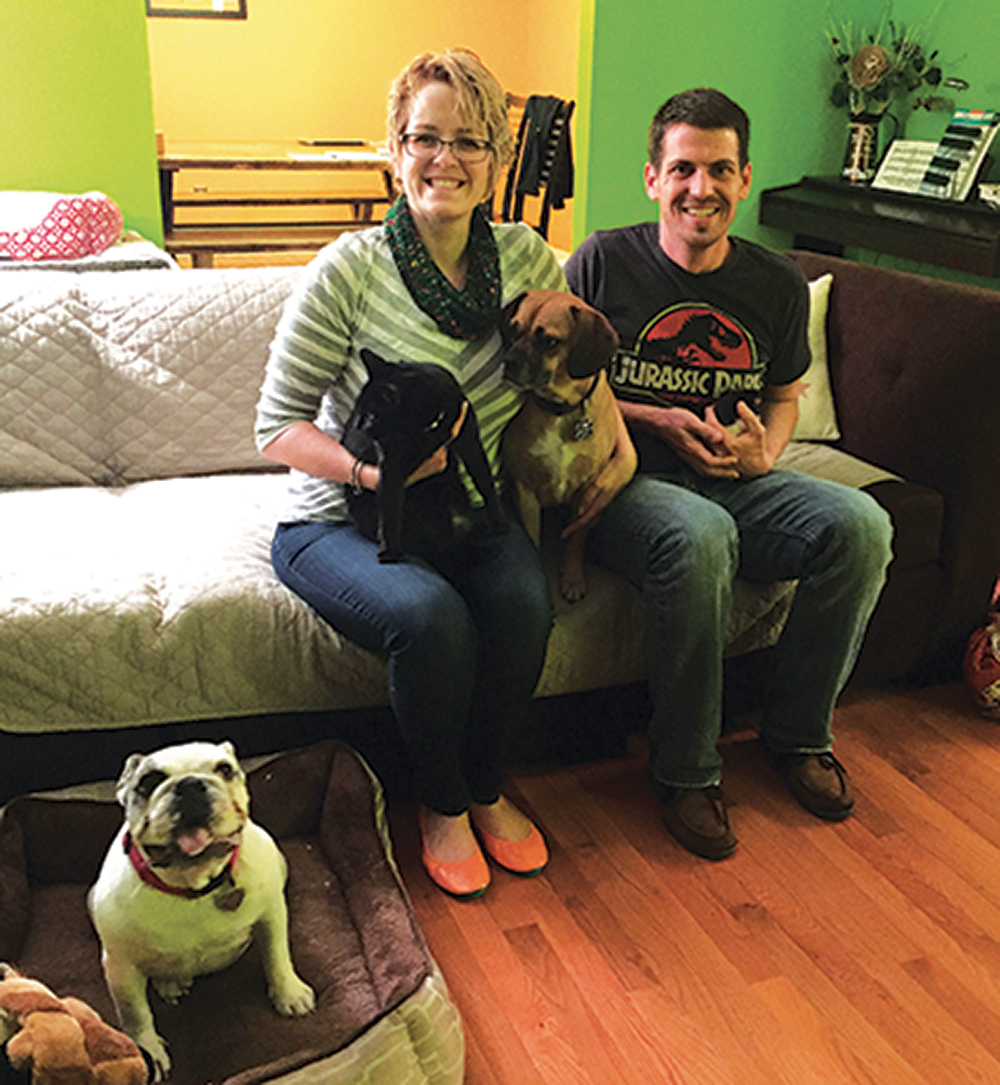
Tracy Gulling-Leftwich, DO, remembers Chewy very well. He was a 70-pound English bulldog she was caring for last year on behalf of the Rescue Ohio English Bulldogs, an English bulldog rescue group.
She soon learned that Chewy was anemic and suffered from bone cancer of the jaw. Ironically, considering his name, he could barely chew, so Dr. Gulling-Leftwich and her husband, Samuel Leftwich, pureed his food, spoon-fed the animal, and administered around-the-clock pain medications for roughly two weeks. But his pain grew too intense, and Chewy had to be euthanized.
For many people, that would end their experience with an animal organization. People typically compare the heartbreaking experience to losing a beloved family member or friend. But as an animal lover and hospitalist at the Cleveland Clinic, Dr. Gulling-Leftwich has no intentions of looking the other way whenever an animal—or human—is in need. Ever since she was in college, she has been rescuing lab rats and dogs, trying to keep them happy, healthy, and loved throughout their relatively short lives.
Underground Railroad
Dr. Gulling-Leftwich graduated from the Lake Erie College of Osteopathic Medicine in Erie, Penn., in 2007. The following year, she pursued an osteopathic rotating internship at the University of Connecticut. While attending the same university from 2008 to 2010, she completed a traditional, categorical, allopathic medicine residency.
After completing her medical education, she held several positions. She worked as a teaching hospitalist at the Hartford Hospital for one year, served as a primary-care physician for the next three years at The Hospital of Central Connecticut, and then joined the Cleveland Clinic as a hospitalist in 2014.
Her involvement in animal rescue began many years earlier while attending undergraduate school at Westminster College in New Wilmington, Penn. She tells the story how one student at the college kidnapped a rat from the school’s neuroscience lab just before Christmas break.
Since the student’s mother would not allow her to bring a rat home over the six-week holiday, Dr. Gulling-Leftwich babysat him until she returned. However, the student intended on releasing him into the wild. Fearing the worst, that the rat could not fend for itself since it had been caged and fed for many months, Dr. Gulling-Leftwich convinced the student to relinquish custody of the rat to her.
That’s how it all began. Dr. Gulling-Leftwich named the rat Templeton. She suspects he died of a pituitary tumor four years later; still, that’s a long life for a rat. Most live just two years. Just shows what a little love can do.
Since then, she has rescued approximately 21 rats from Kentucky and Connecticut. Years ago, she says, there were multiple Yahoo chat groups of people involved in an underground railroad of sorts for rescued lab rats. People would often drive the rats to different cities, even across state borders, so these rats could enjoy a permanent home.
While she has never broken into a research lab, her opinion is torn on animal research. She believes it is not necessary for consumer products, such as makeup, but can see its value in other fields of science like the development of new medications.
“What I can hope for is that we work toward finding a way of not requiring animals for research in the future,” she says.
Full House
After getting married in 2013, Dr. Gulling-Leftwich told her husband she wanted a dog. But because of their hectic schedules, no one would be home to care for the animal, so the couple waited another two years to adopt a rescue animal.
In 2015, they had purchased a house in Cleveland when they adopted Boomer, a pug and beagle designer breed, as their family pet.
“I had really wanted an English bulldog. They’re just cute, their face is squishy,” she says, adding she had been monitoring English bulldog rescue websites. “I won’t buy a puppy. I will only get a dog that needs a home.”
In September that year, the rescue organization emailed a desperate plea to its followers. Can anyone rescue an English bulldog named Chewy? Dr. Gulling-Leftwich immediately filled out the paperwork and adopted him. But Chewy only stayed with them for two weeks before he was euthanized. She brought him to the vet after he attacked Boomer.
“Chewy wasn’t being a jerk,” she says. “His attacking behavior had to do with his pain and discomfort. He had blood everywhere around his mouth. We had a hard time letting him go.”
One month later, another English bulldog named Olive joined their family. She’s roughly two years old and weighs only 30 pounds mainly because of her disease: congenital cardiomyopathy. They plan to care for Olive until she dies.
She says Olive takes six pills a day for her condition and occasionally receives nitroglycerin when she overexerts herself and passes out.
Meanwhile, Dr. Gulling-Leftwich and her husband care for one rat named Harvey and a cat called Lily in addition to the two dogs. Boomer doesn’t like Olive. Olive doesn’t like the cat. And both dogs and the cat pay no attention to the rat.
“My husband says rescuing animals and taking care of people is one of my more endearing qualities,” she says. “Then he follows it up with, ‘No, you can’t have that bunny that needs a home.’”
She believes caring for these animals balances her work in hospital medicine. While hospital patients often are in pain, act grouchy, and appear unappreciative, she says her four-legged family members are always excited to see her and routinely demonstrate unconditional love.
“You definitely have to be open-minded because you never know what you’ll be walking into when you rescue an animal,” she says, adding that rescue groups tend to pay for vet bills and medicine. “You have to be prepared for what potentially could be the worst.”
Carol Patton is a freelance writer in Las Vegas.
Tracy Gulling-Leftwich, DO, remembers Chewy very well. He was a 70-pound English bulldog she was caring for last year on behalf of the Rescue Ohio English Bulldogs, an English bulldog rescue group.
She soon learned that Chewy was anemic and suffered from bone cancer of the jaw. Ironically, considering his name, he could barely chew, so Dr. Gulling-Leftwich and her husband, Samuel Leftwich, pureed his food, spoon-fed the animal, and administered around-the-clock pain medications for roughly two weeks. But his pain grew too intense, and Chewy had to be euthanized.
For many people, that would end their experience with an animal organization. People typically compare the heartbreaking experience to losing a beloved family member or friend. But as an animal lover and hospitalist at the Cleveland Clinic, Dr. Gulling-Leftwich has no intentions of looking the other way whenever an animal—or human—is in need. Ever since she was in college, she has been rescuing lab rats and dogs, trying to keep them happy, healthy, and loved throughout their relatively short lives.
Underground Railroad
Dr. Gulling-Leftwich graduated from the Lake Erie College of Osteopathic Medicine in Erie, Penn., in 2007. The following year, she pursued an osteopathic rotating internship at the University of Connecticut. While attending the same university from 2008 to 2010, she completed a traditional, categorical, allopathic medicine residency.
After completing her medical education, she held several positions. She worked as a teaching hospitalist at the Hartford Hospital for one year, served as a primary-care physician for the next three years at The Hospital of Central Connecticut, and then joined the Cleveland Clinic as a hospitalist in 2014.
Her involvement in animal rescue began many years earlier while attending undergraduate school at Westminster College in New Wilmington, Penn. She tells the story how one student at the college kidnapped a rat from the school’s neuroscience lab just before Christmas break.
Since the student’s mother would not allow her to bring a rat home over the six-week holiday, Dr. Gulling-Leftwich babysat him until she returned. However, the student intended on releasing him into the wild. Fearing the worst, that the rat could not fend for itself since it had been caged and fed for many months, Dr. Gulling-Leftwich convinced the student to relinquish custody of the rat to her.
That’s how it all began. Dr. Gulling-Leftwich named the rat Templeton. She suspects he died of a pituitary tumor four years later; still, that’s a long life for a rat. Most live just two years. Just shows what a little love can do.
Since then, she has rescued approximately 21 rats from Kentucky and Connecticut. Years ago, she says, there were multiple Yahoo chat groups of people involved in an underground railroad of sorts for rescued lab rats. People would often drive the rats to different cities, even across state borders, so these rats could enjoy a permanent home.
While she has never broken into a research lab, her opinion is torn on animal research. She believes it is not necessary for consumer products, such as makeup, but can see its value in other fields of science like the development of new medications.
“What I can hope for is that we work toward finding a way of not requiring animals for research in the future,” she says.
Full House
After getting married in 2013, Dr. Gulling-Leftwich told her husband she wanted a dog. But because of their hectic schedules, no one would be home to care for the animal, so the couple waited another two years to adopt a rescue animal.
In 2015, they had purchased a house in Cleveland when they adopted Boomer, a pug and beagle designer breed, as their family pet.
“I had really wanted an English bulldog. They’re just cute, their face is squishy,” she says, adding she had been monitoring English bulldog rescue websites. “I won’t buy a puppy. I will only get a dog that needs a home.”
In September that year, the rescue organization emailed a desperate plea to its followers. Can anyone rescue an English bulldog named Chewy? Dr. Gulling-Leftwich immediately filled out the paperwork and adopted him. But Chewy only stayed with them for two weeks before he was euthanized. She brought him to the vet after he attacked Boomer.
“Chewy wasn’t being a jerk,” she says. “His attacking behavior had to do with his pain and discomfort. He had blood everywhere around his mouth. We had a hard time letting him go.”
One month later, another English bulldog named Olive joined their family. She’s roughly two years old and weighs only 30 pounds mainly because of her disease: congenital cardiomyopathy. They plan to care for Olive until she dies.
She says Olive takes six pills a day for her condition and occasionally receives nitroglycerin when she overexerts herself and passes out.
Meanwhile, Dr. Gulling-Leftwich and her husband care for one rat named Harvey and a cat called Lily in addition to the two dogs. Boomer doesn’t like Olive. Olive doesn’t like the cat. And both dogs and the cat pay no attention to the rat.
“My husband says rescuing animals and taking care of people is one of my more endearing qualities,” she says. “Then he follows it up with, ‘No, you can’t have that bunny that needs a home.’”
She believes caring for these animals balances her work in hospital medicine. While hospital patients often are in pain, act grouchy, and appear unappreciative, she says her four-legged family members are always excited to see her and routinely demonstrate unconditional love.
“You definitely have to be open-minded because you never know what you’ll be walking into when you rescue an animal,” she says, adding that rescue groups tend to pay for vet bills and medicine. “You have to be prepared for what potentially could be the worst.”
Carol Patton is a freelance writer in Las Vegas.
Tracy Gulling-Leftwich, DO, remembers Chewy very well. He was a 70-pound English bulldog she was caring for last year on behalf of the Rescue Ohio English Bulldogs, an English bulldog rescue group.
She soon learned that Chewy was anemic and suffered from bone cancer of the jaw. Ironically, considering his name, he could barely chew, so Dr. Gulling-Leftwich and her husband, Samuel Leftwich, pureed his food, spoon-fed the animal, and administered around-the-clock pain medications for roughly two weeks. But his pain grew too intense, and Chewy had to be euthanized.
For many people, that would end their experience with an animal organization. People typically compare the heartbreaking experience to losing a beloved family member or friend. But as an animal lover and hospitalist at the Cleveland Clinic, Dr. Gulling-Leftwich has no intentions of looking the other way whenever an animal—or human—is in need. Ever since she was in college, she has been rescuing lab rats and dogs, trying to keep them happy, healthy, and loved throughout their relatively short lives.
Underground Railroad
Dr. Gulling-Leftwich graduated from the Lake Erie College of Osteopathic Medicine in Erie, Penn., in 2007. The following year, she pursued an osteopathic rotating internship at the University of Connecticut. While attending the same university from 2008 to 2010, she completed a traditional, categorical, allopathic medicine residency.
After completing her medical education, she held several positions. She worked as a teaching hospitalist at the Hartford Hospital for one year, served as a primary-care physician for the next three years at The Hospital of Central Connecticut, and then joined the Cleveland Clinic as a hospitalist in 2014.
Her involvement in animal rescue began many years earlier while attending undergraduate school at Westminster College in New Wilmington, Penn. She tells the story how one student at the college kidnapped a rat from the school’s neuroscience lab just before Christmas break.
Since the student’s mother would not allow her to bring a rat home over the six-week holiday, Dr. Gulling-Leftwich babysat him until she returned. However, the student intended on releasing him into the wild. Fearing the worst, that the rat could not fend for itself since it had been caged and fed for many months, Dr. Gulling-Leftwich convinced the student to relinquish custody of the rat to her.
That’s how it all began. Dr. Gulling-Leftwich named the rat Templeton. She suspects he died of a pituitary tumor four years later; still, that’s a long life for a rat. Most live just two years. Just shows what a little love can do.
Since then, she has rescued approximately 21 rats from Kentucky and Connecticut. Years ago, she says, there were multiple Yahoo chat groups of people involved in an underground railroad of sorts for rescued lab rats. People would often drive the rats to different cities, even across state borders, so these rats could enjoy a permanent home.
While she has never broken into a research lab, her opinion is torn on animal research. She believes it is not necessary for consumer products, such as makeup, but can see its value in other fields of science like the development of new medications.
“What I can hope for is that we work toward finding a way of not requiring animals for research in the future,” she says.
Full House
After getting married in 2013, Dr. Gulling-Leftwich told her husband she wanted a dog. But because of their hectic schedules, no one would be home to care for the animal, so the couple waited another two years to adopt a rescue animal.
In 2015, they had purchased a house in Cleveland when they adopted Boomer, a pug and beagle designer breed, as their family pet.
“I had really wanted an English bulldog. They’re just cute, their face is squishy,” she says, adding she had been monitoring English bulldog rescue websites. “I won’t buy a puppy. I will only get a dog that needs a home.”
In September that year, the rescue organization emailed a desperate plea to its followers. Can anyone rescue an English bulldog named Chewy? Dr. Gulling-Leftwich immediately filled out the paperwork and adopted him. But Chewy only stayed with them for two weeks before he was euthanized. She brought him to the vet after he attacked Boomer.
“Chewy wasn’t being a jerk,” she says. “His attacking behavior had to do with his pain and discomfort. He had blood everywhere around his mouth. We had a hard time letting him go.”
One month later, another English bulldog named Olive joined their family. She’s roughly two years old and weighs only 30 pounds mainly because of her disease: congenital cardiomyopathy. They plan to care for Olive until she dies.
She says Olive takes six pills a day for her condition and occasionally receives nitroglycerin when she overexerts herself and passes out.
Meanwhile, Dr. Gulling-Leftwich and her husband care for one rat named Harvey and a cat called Lily in addition to the two dogs. Boomer doesn’t like Olive. Olive doesn’t like the cat. And both dogs and the cat pay no attention to the rat.
“My husband says rescuing animals and taking care of people is one of my more endearing qualities,” she says. “Then he follows it up with, ‘No, you can’t have that bunny that needs a home.’”
She believes caring for these animals balances her work in hospital medicine. While hospital patients often are in pain, act grouchy, and appear unappreciative, she says her four-legged family members are always excited to see her and routinely demonstrate unconditional love.
“You definitely have to be open-minded because you never know what you’ll be walking into when you rescue an animal,” she says, adding that rescue groups tend to pay for vet bills and medicine. “You have to be prepared for what potentially could be the worst.”
Carol Patton is a freelance writer in Las Vegas.
Hospitalists Stretched as their Responsibilities Broaden
The very nature of America’s hospitals is changing. At one time in the not too distant past, hospitals could charge “cost-plus,” tacking on a profit above their actual expenses. Hospitals generated most of their revenue from procedures on horizontal patients with long stays in house. Physicians viewed the hospital as a swap meet, with each physician having an autonomous booth and not caring much what went on elsewhere in the facility.
Today, hospitals are under tough cost pressures, with changes in payments from Medicare, Medicaid, and private insurers. Many hospitals now get more than 50% of their revenue from vertical patients from what was previously considered the outpatient segment of healthcare. Physicians have moved from being revenue providers to being potential competitors or, in the best-case scenario, active partners and teammates with their hospital.
And hospitalists are right in the middle of this changing dynamic.
Because the hospital and the healthcare system are rapidly evolving, it should not surprise anyone that the very nature of hospital medicine is changing rapidly. Some would say too rapidly.
At a strategic planning session I led almost 20 years when the National Association of Inpatient Physicians (NAIP), the precursor to SHM, was just starting out, the prevailing consensus was that hospitalists might take over inpatient services for 50% of family physicians and 25% of internists. Obviously, the penetrance of hospital medicine into almost every hospital in the U.S. and the transfer of the acute-care management of most of the inpatients previously handled by family physicians and internists are just part of the growth in hospital medicine.
Even more innovative and disruptive has been the almost relentless scope creep as hospitalists now actively comanage many surgical and subspecialty patients. As the neurologists have given up most of their acute-care duties, hospitalists are now the de facto inpatient neurologists. Hospitalists also now manage the majority of inpatient senior citizens and have become the inpatient geriatricians without the formal training. In-hospital procedures (e.g., central line, ultrasound, intubation, etc.) previously done by surgeons or critical-care or primary-care physicians now are done by default by hospitalists.
But these expansions of hospitalist scope pale in comparison with the continued broadening of responsibilities that continues to stretch even the most well-trained hospitalists beyond their training or capacity.
Palliative Care
There are not enough trained and certified palliative-care physicians to allocate one of them to each hospital. Yet treatment and survival of cancer and other serious diseases as well as the aging of the population demand that hospitals be prepared to provide the most compassionate and up-to-date palliative approach possible. Palliative care is more than just end-of-life care. It involves hospice as well as pain and symptom management. It is aimed at improvement in quality of life and is used in the presence or absence of curative strategies.
Hospitalists have been thrust into the breach and are being asked more and more to provide palliative-care services. SHM has recognized the gap between the increasing demand on hospitalists and the inadequate training we all receive in residency. That’s why we’re working with palliative-care societies and experts to develop educational and training initiatives to close these gaps.
Critical Care
Our hospitals are becoming increasingly critical care intensive as simpler cases are treated as outpatients and only the very ill come to be admitted to hospital. This has created an increasing demand for more physicians trained in critical care at a time when older intensivists are retiring or going into sleep medicine and younger physicians, who might have chosen a career in critical care, are becoming hospitalists. The shortage of trained critical-care providers is reaching a crisis point in many American hospitals, with hospitalists being asked to be the critical-care extender.
Over the years, SHM has partnered with the Society of Critical Care Medicine (SCCM) to propose innovative training options (e.g., one-year critical-care fellowship obtained midcareer), but the boards and others in the critical-care establishment have not been supportive. SHM plans to continue to work with open-minded critical-care thought leaders to develop and promote additional training in critical-care skills for hospitalists, who continue to be thrust into this role at their local hospitals.
Post-Acute Care
For many of hospital medicine’s larger national and regional companies, the management of the care in the post-acute-care space of skilled nursing facilities, long-term acute-care facilities, and the like has been the fastest-growing part of their business in the last few years. Skills and process improvement that have helped improve effectiveness and efficiency in our nation’s hospitals are being applied to post-acute-care facilities. Once again, hospitalists are finding themselves being asked to perform at a high level in environments that are new to them.
In this arena, the hospitalist’s ability to impact care is evident in managing transfers and information as well as providing leadership in patient safety. Determining the correct postdischarge disposition is the largest driver of costs in the acute-care and post-acute-care setting. Hospitalists and the hospital medicine organizations are providing key direction.
Preoperative Care
Many may not know that bundled into the anesthesia fee is the funding to cover pre-op assessment and post-op management as well as the intraoperative oversight of anesthesia and vital signs for the surgical patient. In reality, the role of perioperative management has fallen for many years initially to internists and more recently to hospitalists.
Hospitalists have been active in optimizing the patient for surgery and medically clearing the patient. Hospitalists work with surgeons to manage comorbidities; prevent complications, such as infections, DVTs, and pulmonary emboli; and help with pain management and transitions to discharge from the hospital. Hospitalists have worked with surgeons to create efficiencies like reduced length of stay and prevention of readmission as well as to help the patient return to function postoperatively.
SHM’s Perioperative Care Work Group is publishing a set of Perioperative Care Guidelines in the Journal of Hospital Medicine. SHM is actively working with the American College of Surgeons on a teamwork approach to the surgical patient as well as innovative alternative payment models with bundling at the level of the individual surgical patients, which the Centers for Medicare & Medicaid Services is currently evaluating.
Working through a Dilemma
The one thing all these expansions of scope have in common is that there is an unfilled need and hospitalists are being thrust onto the front lines, thrown into the deep water without the benefit of thorough training that should be requisite with the responsibilities. This is not a turf battle where we have stolen someone’s cheese. This is pure and simple where need is trumping training, and if not done properly, the patient may suffer, and hospitalists will bear the uncomfortable feeling of being asked to do more than we should.
SHM and our national hospitalist thought leaders see this dilemma. We are working diligently with other professional medical societies and key specialty educators and thought leaders to create training pathways to support the expansion of the hospitalist’s scope. This is building the boat while you are going down a rapidly moving river. It is not easy stuff. But our patients and our hospitalists demand this, and SHM will step up. Help is on the way.
Larry Wellikson, MD, MHM, is CEO of the Society of Hospital Medicine.
The very nature of America’s hospitals is changing. At one time in the not too distant past, hospitals could charge “cost-plus,” tacking on a profit above their actual expenses. Hospitals generated most of their revenue from procedures on horizontal patients with long stays in house. Physicians viewed the hospital as a swap meet, with each physician having an autonomous booth and not caring much what went on elsewhere in the facility.
Today, hospitals are under tough cost pressures, with changes in payments from Medicare, Medicaid, and private insurers. Many hospitals now get more than 50% of their revenue from vertical patients from what was previously considered the outpatient segment of healthcare. Physicians have moved from being revenue providers to being potential competitors or, in the best-case scenario, active partners and teammates with their hospital.
And hospitalists are right in the middle of this changing dynamic.
Because the hospital and the healthcare system are rapidly evolving, it should not surprise anyone that the very nature of hospital medicine is changing rapidly. Some would say too rapidly.
At a strategic planning session I led almost 20 years when the National Association of Inpatient Physicians (NAIP), the precursor to SHM, was just starting out, the prevailing consensus was that hospitalists might take over inpatient services for 50% of family physicians and 25% of internists. Obviously, the penetrance of hospital medicine into almost every hospital in the U.S. and the transfer of the acute-care management of most of the inpatients previously handled by family physicians and internists are just part of the growth in hospital medicine.
Even more innovative and disruptive has been the almost relentless scope creep as hospitalists now actively comanage many surgical and subspecialty patients. As the neurologists have given up most of their acute-care duties, hospitalists are now the de facto inpatient neurologists. Hospitalists also now manage the majority of inpatient senior citizens and have become the inpatient geriatricians without the formal training. In-hospital procedures (e.g., central line, ultrasound, intubation, etc.) previously done by surgeons or critical-care or primary-care physicians now are done by default by hospitalists.
But these expansions of hospitalist scope pale in comparison with the continued broadening of responsibilities that continues to stretch even the most well-trained hospitalists beyond their training or capacity.
Palliative Care
There are not enough trained and certified palliative-care physicians to allocate one of them to each hospital. Yet treatment and survival of cancer and other serious diseases as well as the aging of the population demand that hospitals be prepared to provide the most compassionate and up-to-date palliative approach possible. Palliative care is more than just end-of-life care. It involves hospice as well as pain and symptom management. It is aimed at improvement in quality of life and is used in the presence or absence of curative strategies.
Hospitalists have been thrust into the breach and are being asked more and more to provide palliative-care services. SHM has recognized the gap between the increasing demand on hospitalists and the inadequate training we all receive in residency. That’s why we’re working with palliative-care societies and experts to develop educational and training initiatives to close these gaps.
Critical Care
Our hospitals are becoming increasingly critical care intensive as simpler cases are treated as outpatients and only the very ill come to be admitted to hospital. This has created an increasing demand for more physicians trained in critical care at a time when older intensivists are retiring or going into sleep medicine and younger physicians, who might have chosen a career in critical care, are becoming hospitalists. The shortage of trained critical-care providers is reaching a crisis point in many American hospitals, with hospitalists being asked to be the critical-care extender.
Over the years, SHM has partnered with the Society of Critical Care Medicine (SCCM) to propose innovative training options (e.g., one-year critical-care fellowship obtained midcareer), but the boards and others in the critical-care establishment have not been supportive. SHM plans to continue to work with open-minded critical-care thought leaders to develop and promote additional training in critical-care skills for hospitalists, who continue to be thrust into this role at their local hospitals.
Post-Acute Care
For many of hospital medicine’s larger national and regional companies, the management of the care in the post-acute-care space of skilled nursing facilities, long-term acute-care facilities, and the like has been the fastest-growing part of their business in the last few years. Skills and process improvement that have helped improve effectiveness and efficiency in our nation’s hospitals are being applied to post-acute-care facilities. Once again, hospitalists are finding themselves being asked to perform at a high level in environments that are new to them.
In this arena, the hospitalist’s ability to impact care is evident in managing transfers and information as well as providing leadership in patient safety. Determining the correct postdischarge disposition is the largest driver of costs in the acute-care and post-acute-care setting. Hospitalists and the hospital medicine organizations are providing key direction.
Preoperative Care
Many may not know that bundled into the anesthesia fee is the funding to cover pre-op assessment and post-op management as well as the intraoperative oversight of anesthesia and vital signs for the surgical patient. In reality, the role of perioperative management has fallen for many years initially to internists and more recently to hospitalists.
Hospitalists have been active in optimizing the patient for surgery and medically clearing the patient. Hospitalists work with surgeons to manage comorbidities; prevent complications, such as infections, DVTs, and pulmonary emboli; and help with pain management and transitions to discharge from the hospital. Hospitalists have worked with surgeons to create efficiencies like reduced length of stay and prevention of readmission as well as to help the patient return to function postoperatively.
SHM’s Perioperative Care Work Group is publishing a set of Perioperative Care Guidelines in the Journal of Hospital Medicine. SHM is actively working with the American College of Surgeons on a teamwork approach to the surgical patient as well as innovative alternative payment models with bundling at the level of the individual surgical patients, which the Centers for Medicare & Medicaid Services is currently evaluating.
Working through a Dilemma
The one thing all these expansions of scope have in common is that there is an unfilled need and hospitalists are being thrust onto the front lines, thrown into the deep water without the benefit of thorough training that should be requisite with the responsibilities. This is not a turf battle where we have stolen someone’s cheese. This is pure and simple where need is trumping training, and if not done properly, the patient may suffer, and hospitalists will bear the uncomfortable feeling of being asked to do more than we should.
SHM and our national hospitalist thought leaders see this dilemma. We are working diligently with other professional medical societies and key specialty educators and thought leaders to create training pathways to support the expansion of the hospitalist’s scope. This is building the boat while you are going down a rapidly moving river. It is not easy stuff. But our patients and our hospitalists demand this, and SHM will step up. Help is on the way.
Larry Wellikson, MD, MHM, is CEO of the Society of Hospital Medicine.
The very nature of America’s hospitals is changing. At one time in the not too distant past, hospitals could charge “cost-plus,” tacking on a profit above their actual expenses. Hospitals generated most of their revenue from procedures on horizontal patients with long stays in house. Physicians viewed the hospital as a swap meet, with each physician having an autonomous booth and not caring much what went on elsewhere in the facility.
Today, hospitals are under tough cost pressures, with changes in payments from Medicare, Medicaid, and private insurers. Many hospitals now get more than 50% of their revenue from vertical patients from what was previously considered the outpatient segment of healthcare. Physicians have moved from being revenue providers to being potential competitors or, in the best-case scenario, active partners and teammates with their hospital.
And hospitalists are right in the middle of this changing dynamic.
Because the hospital and the healthcare system are rapidly evolving, it should not surprise anyone that the very nature of hospital medicine is changing rapidly. Some would say too rapidly.
At a strategic planning session I led almost 20 years when the National Association of Inpatient Physicians (NAIP), the precursor to SHM, was just starting out, the prevailing consensus was that hospitalists might take over inpatient services for 50% of family physicians and 25% of internists. Obviously, the penetrance of hospital medicine into almost every hospital in the U.S. and the transfer of the acute-care management of most of the inpatients previously handled by family physicians and internists are just part of the growth in hospital medicine.
Even more innovative and disruptive has been the almost relentless scope creep as hospitalists now actively comanage many surgical and subspecialty patients. As the neurologists have given up most of their acute-care duties, hospitalists are now the de facto inpatient neurologists. Hospitalists also now manage the majority of inpatient senior citizens and have become the inpatient geriatricians without the formal training. In-hospital procedures (e.g., central line, ultrasound, intubation, etc.) previously done by surgeons or critical-care or primary-care physicians now are done by default by hospitalists.
But these expansions of hospitalist scope pale in comparison with the continued broadening of responsibilities that continues to stretch even the most well-trained hospitalists beyond their training or capacity.
Palliative Care
There are not enough trained and certified palliative-care physicians to allocate one of them to each hospital. Yet treatment and survival of cancer and other serious diseases as well as the aging of the population demand that hospitals be prepared to provide the most compassionate and up-to-date palliative approach possible. Palliative care is more than just end-of-life care. It involves hospice as well as pain and symptom management. It is aimed at improvement in quality of life and is used in the presence or absence of curative strategies.
Hospitalists have been thrust into the breach and are being asked more and more to provide palliative-care services. SHM has recognized the gap between the increasing demand on hospitalists and the inadequate training we all receive in residency. That’s why we’re working with palliative-care societies and experts to develop educational and training initiatives to close these gaps.
Critical Care
Our hospitals are becoming increasingly critical care intensive as simpler cases are treated as outpatients and only the very ill come to be admitted to hospital. This has created an increasing demand for more physicians trained in critical care at a time when older intensivists are retiring or going into sleep medicine and younger physicians, who might have chosen a career in critical care, are becoming hospitalists. The shortage of trained critical-care providers is reaching a crisis point in many American hospitals, with hospitalists being asked to be the critical-care extender.
Over the years, SHM has partnered with the Society of Critical Care Medicine (SCCM) to propose innovative training options (e.g., one-year critical-care fellowship obtained midcareer), but the boards and others in the critical-care establishment have not been supportive. SHM plans to continue to work with open-minded critical-care thought leaders to develop and promote additional training in critical-care skills for hospitalists, who continue to be thrust into this role at their local hospitals.
Post-Acute Care
For many of hospital medicine’s larger national and regional companies, the management of the care in the post-acute-care space of skilled nursing facilities, long-term acute-care facilities, and the like has been the fastest-growing part of their business in the last few years. Skills and process improvement that have helped improve effectiveness and efficiency in our nation’s hospitals are being applied to post-acute-care facilities. Once again, hospitalists are finding themselves being asked to perform at a high level in environments that are new to them.
In this arena, the hospitalist’s ability to impact care is evident in managing transfers and information as well as providing leadership in patient safety. Determining the correct postdischarge disposition is the largest driver of costs in the acute-care and post-acute-care setting. Hospitalists and the hospital medicine organizations are providing key direction.
Preoperative Care
Many may not know that bundled into the anesthesia fee is the funding to cover pre-op assessment and post-op management as well as the intraoperative oversight of anesthesia and vital signs for the surgical patient. In reality, the role of perioperative management has fallen for many years initially to internists and more recently to hospitalists.
Hospitalists have been active in optimizing the patient for surgery and medically clearing the patient. Hospitalists work with surgeons to manage comorbidities; prevent complications, such as infections, DVTs, and pulmonary emboli; and help with pain management and transitions to discharge from the hospital. Hospitalists have worked with surgeons to create efficiencies like reduced length of stay and prevention of readmission as well as to help the patient return to function postoperatively.
SHM’s Perioperative Care Work Group is publishing a set of Perioperative Care Guidelines in the Journal of Hospital Medicine. SHM is actively working with the American College of Surgeons on a teamwork approach to the surgical patient as well as innovative alternative payment models with bundling at the level of the individual surgical patients, which the Centers for Medicare & Medicaid Services is currently evaluating.
Working through a Dilemma
The one thing all these expansions of scope have in common is that there is an unfilled need and hospitalists are being thrust onto the front lines, thrown into the deep water without the benefit of thorough training that should be requisite with the responsibilities. This is not a turf battle where we have stolen someone’s cheese. This is pure and simple where need is trumping training, and if not done properly, the patient may suffer, and hospitalists will bear the uncomfortable feeling of being asked to do more than we should.
SHM and our national hospitalist thought leaders see this dilemma. We are working diligently with other professional medical societies and key specialty educators and thought leaders to create training pathways to support the expansion of the hospitalist’s scope. This is building the boat while you are going down a rapidly moving river. It is not easy stuff. But our patients and our hospitalists demand this, and SHM will step up. Help is on the way.
Larry Wellikson, MD, MHM, is CEO of the Society of Hospital Medicine.
Scott Kaatz, DO, uses SHM to Engage Future Hospitalists
Editor’s note: Each month, SHM puts the spotlight on some of our most active members who are making substantial contributions to hospital medicine. Log on to www.hospitalmedicine.org/getinvolved for more information on how you can lend your expertise to help SHM improve the care of hospitalized patients.
This month, The Hospitalist spotlights Scott Kaatz, DO, MSc, FACP, SFHM, a hospitalist at Henry Ford Hospital in Detroit. In addition to being an active SHM member, he is immediate past president of SHM’s Michigan Chapter and has been involved in multiple mentored implementation (MI) programs offered by SHM’s Center for Hospital Innovation and Improvement.
Question: What inspired you to begin working in hospital medicine and later join and become so involved with SHM?
Answer: For most of my career, I’ve been at Henry Ford Hospital in Detroit, including during my internal medicine residency. After residency, I was a primary-care physician there, and I rounded three to four months out of the year in the hospital with traditional house staff model. Four years ago, I transitioned to another role as a chief quality officer at Hurley Medical Center in Flint, Mich. While in Flint, I didn’t have a clinic and was strictly a hospitalist, spending about four months a year rounding.
When my career path led me to mostly inpatient work in the hospital, I became more involved not only with hospital medicine but with SHM. As of this past June, I went back home to Henry Ford as a full-time hospitalist. I now focus my attention on hospital medicine for eight months of the year, with some protected time for faculty development and scholarly activities for residents and junior faculty in the division of hospital medicine.

Q: How has your involvement with SHM’s mentored implementation programs impacted your practice and led to improved patient care?
A: After participating in the venous thromboembolism (VTE) mentored implementation program, I became a participant as a mentee site for I-PASS, a program focused on improving communication between providers during patient handoffs. During my time with the I-PASS team, I could sense the commitment and energy to improving handoffs not only at my site but at other participant sites nationwide during our regular check-in calls. Mentored implementation programs are brilliant because they go beyond providing sites with data, a few research papers, and some written recommendations. They really dig down into the true spirit of mentoring with a team.
At Hurley Medical Center, we went “all in” with our pediatric residency. What was most encouraging was that by the end of the year, the I-PASS recommendations and processes were standard practice and fully integrated into the culture and workflow of the care teams.
I applaud these programs tremendously. That’s really how you impact change, and it’s the spark, energy, and momentum from both mentors and mentees that keeps the team on track.
Q: You are the immediate past president of the Michigan Chapter of SHM. What have been some of the biggest benefits of being involved with an SHM chapter?
A: When I first became involved with SHM, there had been a Northern Michigan Chapter, but since SHM seeks to have regional chapters that cater to local audiences, I and some of my colleagues set out to develop a Southern Michigan Chapter. We developed our chapter and designed our meetings with support from SHM’s Chapter Support Committee.
At a typical meeting, we typically host an hour of cocktails with some hors d’oeuvres to provide an opportunity for networking and fellowship. The personal connections are at the heart of these meetings. From the content side, we always have a speaker to talk about issues germane to hospitalists. These are not just run-of-the-mill grand rounds discussions but rather information on clinical updates or the business and policy side of hospital medicine.
In our chapter, we also cycle leadership each year, using a “see one, do one, teach one” approach with our vice president-elect, president, and immediate past president to ensure proper development and continuity.
Moving forward, we are trying to reach out to medical students on a more regular basis. If you’re in your third year of medical school, it’s beneficial to start talking informally to hospitalists from multiple organizations in the state and get a feel for what a career in hospital medicine is like. How amazing would it be to walk in and interview for residency with a person you had dinner with a few months ago?
Q: SHM’s Board of Directors recently approved a Chapter Development Fund to support innovative initiatives that drive engagement on a local level. Explain the potential impact you see this having on chapters and, more broadly, SHM’s membership and hospital medicine.
A: Since our chapter’s inception, we have been able to expand our reach and stream our content to other parts of the state on the Internet. Part of the reason we have been able to do this is due to support from a Chapter Development Fund recently approved by SHM’s Board of Directors. As a result, we have turned our Southern Michigan Chapter into a statewide chapter with virtual sites. At the last meeting, we had over 75 attendees between our physical site and our “satellite site” in Michigan.
Our next project is to apply for funding to provide first- and second-year residents with free membership for a year through our chapter to expose them to the resources SHM has available to them and get their foot in the door with the organization. At a recent co-sponsored statewide meeting with the American College of Physicians, we were able to sign up 20 residents as new members of SHM, and our chapter paid their dues as an investment into our specialty.
Q: Any closing thoughts?
A: If there’s one thing I haven’t yet shared that I feel quite passionately about, it’s that SHM has such a robust library of educational resources that all hospitalists should be aware of, especially SHM’s annual meeting. It’s extraordinarily clinical and features a sizeable amount of content for grassroots clinicians and hospital leaders, including the best speakers in the field. On top of the educational components, the networking possibilities with hospitalists across the country make the annual meeting a prime example of the value SHM offers.
I’ve also been fortunate to have been involved with developing enduring materials on SHM’s Learning Portal, some of which are available without cost due to grant funding. The fact that SHM has pursued this funding and made some of these resources available to hospitalists outside of SHM’s membership embodies the organization’s mission of not only teaching doctors how to take better care of patients but helping patients get better—one of many reasons I am proud to be an active member. TH
Editor’s note: Each month, SHM puts the spotlight on some of our most active members who are making substantial contributions to hospital medicine. Log on to www.hospitalmedicine.org/getinvolved for more information on how you can lend your expertise to help SHM improve the care of hospitalized patients.
This month, The Hospitalist spotlights Scott Kaatz, DO, MSc, FACP, SFHM, a hospitalist at Henry Ford Hospital in Detroit. In addition to being an active SHM member, he is immediate past president of SHM’s Michigan Chapter and has been involved in multiple mentored implementation (MI) programs offered by SHM’s Center for Hospital Innovation and Improvement.
Question: What inspired you to begin working in hospital medicine and later join and become so involved with SHM?
Answer: For most of my career, I’ve been at Henry Ford Hospital in Detroit, including during my internal medicine residency. After residency, I was a primary-care physician there, and I rounded three to four months out of the year in the hospital with traditional house staff model. Four years ago, I transitioned to another role as a chief quality officer at Hurley Medical Center in Flint, Mich. While in Flint, I didn’t have a clinic and was strictly a hospitalist, spending about four months a year rounding.
When my career path led me to mostly inpatient work in the hospital, I became more involved not only with hospital medicine but with SHM. As of this past June, I went back home to Henry Ford as a full-time hospitalist. I now focus my attention on hospital medicine for eight months of the year, with some protected time for faculty development and scholarly activities for residents and junior faculty in the division of hospital medicine.
Q: How has your involvement with SHM’s mentored implementation programs impacted your practice and led to improved patient care?
A: After participating in the venous thromboembolism (VTE) mentored implementation program, I became a participant as a mentee site for I-PASS, a program focused on improving communication between providers during patient handoffs. During my time with the I-PASS team, I could sense the commitment and energy to improving handoffs not only at my site but at other participant sites nationwide during our regular check-in calls. Mentored implementation programs are brilliant because they go beyond providing sites with data, a few research papers, and some written recommendations. They really dig down into the true spirit of mentoring with a team.
At Hurley Medical Center, we went “all in” with our pediatric residency. What was most encouraging was that by the end of the year, the I-PASS recommendations and processes were standard practice and fully integrated into the culture and workflow of the care teams.
I applaud these programs tremendously. That’s really how you impact change, and it’s the spark, energy, and momentum from both mentors and mentees that keeps the team on track.
Q: You are the immediate past president of the Michigan Chapter of SHM. What have been some of the biggest benefits of being involved with an SHM chapter?
A: When I first became involved with SHM, there had been a Northern Michigan Chapter, but since SHM seeks to have regional chapters that cater to local audiences, I and some of my colleagues set out to develop a Southern Michigan Chapter. We developed our chapter and designed our meetings with support from SHM’s Chapter Support Committee.
At a typical meeting, we typically host an hour of cocktails with some hors d’oeuvres to provide an opportunity for networking and fellowship. The personal connections are at the heart of these meetings. From the content side, we always have a speaker to talk about issues germane to hospitalists. These are not just run-of-the-mill grand rounds discussions but rather information on clinical updates or the business and policy side of hospital medicine.
In our chapter, we also cycle leadership each year, using a “see one, do one, teach one” approach with our vice president-elect, president, and immediate past president to ensure proper development and continuity.
Moving forward, we are trying to reach out to medical students on a more regular basis. If you’re in your third year of medical school, it’s beneficial to start talking informally to hospitalists from multiple organizations in the state and get a feel for what a career in hospital medicine is like. How amazing would it be to walk in and interview for residency with a person you had dinner with a few months ago?
Q: SHM’s Board of Directors recently approved a Chapter Development Fund to support innovative initiatives that drive engagement on a local level. Explain the potential impact you see this having on chapters and, more broadly, SHM’s membership and hospital medicine.
A: Since our chapter’s inception, we have been able to expand our reach and stream our content to other parts of the state on the Internet. Part of the reason we have been able to do this is due to support from a Chapter Development Fund recently approved by SHM’s Board of Directors. As a result, we have turned our Southern Michigan Chapter into a statewide chapter with virtual sites. At the last meeting, we had over 75 attendees between our physical site and our “satellite site” in Michigan.
Our next project is to apply for funding to provide first- and second-year residents with free membership for a year through our chapter to expose them to the resources SHM has available to them and get their foot in the door with the organization. At a recent co-sponsored statewide meeting with the American College of Physicians, we were able to sign up 20 residents as new members of SHM, and our chapter paid their dues as an investment into our specialty.
Q: Any closing thoughts?
A: If there’s one thing I haven’t yet shared that I feel quite passionately about, it’s that SHM has such a robust library of educational resources that all hospitalists should be aware of, especially SHM’s annual meeting. It’s extraordinarily clinical and features a sizeable amount of content for grassroots clinicians and hospital leaders, including the best speakers in the field. On top of the educational components, the networking possibilities with hospitalists across the country make the annual meeting a prime example of the value SHM offers.
I’ve also been fortunate to have been involved with developing enduring materials on SHM’s Learning Portal, some of which are available without cost due to grant funding. The fact that SHM has pursued this funding and made some of these resources available to hospitalists outside of SHM’s membership embodies the organization’s mission of not only teaching doctors how to take better care of patients but helping patients get better—one of many reasons I am proud to be an active member. TH
Editor’s note: Each month, SHM puts the spotlight on some of our most active members who are making substantial contributions to hospital medicine. Log on to www.hospitalmedicine.org/getinvolved for more information on how you can lend your expertise to help SHM improve the care of hospitalized patients.
This month, The Hospitalist spotlights Scott Kaatz, DO, MSc, FACP, SFHM, a hospitalist at Henry Ford Hospital in Detroit. In addition to being an active SHM member, he is immediate past president of SHM’s Michigan Chapter and has been involved in multiple mentored implementation (MI) programs offered by SHM’s Center for Hospital Innovation and Improvement.
Question: What inspired you to begin working in hospital medicine and later join and become so involved with SHM?
Answer: For most of my career, I’ve been at Henry Ford Hospital in Detroit, including during my internal medicine residency. After residency, I was a primary-care physician there, and I rounded three to four months out of the year in the hospital with traditional house staff model. Four years ago, I transitioned to another role as a chief quality officer at Hurley Medical Center in Flint, Mich. While in Flint, I didn’t have a clinic and was strictly a hospitalist, spending about four months a year rounding.
When my career path led me to mostly inpatient work in the hospital, I became more involved not only with hospital medicine but with SHM. As of this past June, I went back home to Henry Ford as a full-time hospitalist. I now focus my attention on hospital medicine for eight months of the year, with some protected time for faculty development and scholarly activities for residents and junior faculty in the division of hospital medicine.
Q: How has your involvement with SHM’s mentored implementation programs impacted your practice and led to improved patient care?
A: After participating in the venous thromboembolism (VTE) mentored implementation program, I became a participant as a mentee site for I-PASS, a program focused on improving communication between providers during patient handoffs. During my time with the I-PASS team, I could sense the commitment and energy to improving handoffs not only at my site but at other participant sites nationwide during our regular check-in calls. Mentored implementation programs are brilliant because they go beyond providing sites with data, a few research papers, and some written recommendations. They really dig down into the true spirit of mentoring with a team.
At Hurley Medical Center, we went “all in” with our pediatric residency. What was most encouraging was that by the end of the year, the I-PASS recommendations and processes were standard practice and fully integrated into the culture and workflow of the care teams.
I applaud these programs tremendously. That’s really how you impact change, and it’s the spark, energy, and momentum from both mentors and mentees that keeps the team on track.
Q: You are the immediate past president of the Michigan Chapter of SHM. What have been some of the biggest benefits of being involved with an SHM chapter?
A: When I first became involved with SHM, there had been a Northern Michigan Chapter, but since SHM seeks to have regional chapters that cater to local audiences, I and some of my colleagues set out to develop a Southern Michigan Chapter. We developed our chapter and designed our meetings with support from SHM’s Chapter Support Committee.
At a typical meeting, we typically host an hour of cocktails with some hors d’oeuvres to provide an opportunity for networking and fellowship. The personal connections are at the heart of these meetings. From the content side, we always have a speaker to talk about issues germane to hospitalists. These are not just run-of-the-mill grand rounds discussions but rather information on clinical updates or the business and policy side of hospital medicine.
In our chapter, we also cycle leadership each year, using a “see one, do one, teach one” approach with our vice president-elect, president, and immediate past president to ensure proper development and continuity.
Moving forward, we are trying to reach out to medical students on a more regular basis. If you’re in your third year of medical school, it’s beneficial to start talking informally to hospitalists from multiple organizations in the state and get a feel for what a career in hospital medicine is like. How amazing would it be to walk in and interview for residency with a person you had dinner with a few months ago?
Q: SHM’s Board of Directors recently approved a Chapter Development Fund to support innovative initiatives that drive engagement on a local level. Explain the potential impact you see this having on chapters and, more broadly, SHM’s membership and hospital medicine.
A: Since our chapter’s inception, we have been able to expand our reach and stream our content to other parts of the state on the Internet. Part of the reason we have been able to do this is due to support from a Chapter Development Fund recently approved by SHM’s Board of Directors. As a result, we have turned our Southern Michigan Chapter into a statewide chapter with virtual sites. At the last meeting, we had over 75 attendees between our physical site and our “satellite site” in Michigan.
Our next project is to apply for funding to provide first- and second-year residents with free membership for a year through our chapter to expose them to the resources SHM has available to them and get their foot in the door with the organization. At a recent co-sponsored statewide meeting with the American College of Physicians, we were able to sign up 20 residents as new members of SHM, and our chapter paid their dues as an investment into our specialty.
Q: Any closing thoughts?
A: If there’s one thing I haven’t yet shared that I feel quite passionately about, it’s that SHM has such a robust library of educational resources that all hospitalists should be aware of, especially SHM’s annual meeting. It’s extraordinarily clinical and features a sizeable amount of content for grassroots clinicians and hospital leaders, including the best speakers in the field. On top of the educational components, the networking possibilities with hospitalists across the country make the annual meeting a prime example of the value SHM offers.
I’ve also been fortunate to have been involved with developing enduring materials on SHM’s Learning Portal, some of which are available without cost due to grant funding. The fact that SHM has pursued this funding and made some of these resources available to hospitalists outside of SHM’s membership embodies the organization’s mission of not only teaching doctors how to take better care of patients but helping patients get better—one of many reasons I am proud to be an active member. TH

Acute kidney injury common in children, young adults in ICU
Acute kidney injury is common in children and young adults admitted to ICUs, and cannot always be identified by plasma creatinine level alone, according to the authors of a study presented at the meeting sponsored by the American Society of Nephrology.
The Assessment of Worldwide Acute Kidney Injury, Renal Angina, and Epidemiology (AWARE) study was a prospective, international, observational study in 4,683 patients aged 3 months to 25 years, recruited from 32 pediatric ICUs over the course of 3 months.
Ahmad Kaddourah, MD, from the Center for Acute Care Nephrology at the Cincinnati Children’s Hospital Medical Center, and his coauthors found that 27% of the participants developed acute kidney injury and 12% developed severe acute kidney injury – defined as stage 2 or 3 acute kidney injury – within the first 7 days after admission.
The risk of death within 28 days was 77% higher among individuals with severe acute kidney injury, even after accounting for their original diagnosis when they were admitted to the ICU. Mortality among these individuals was 11%, compared with 2.5% among patients without severe acute kidney injury. These patients also had an increased use of renal replacement therapy and mechanical ventilation, and were more likely to have longer stays in hospital.
Researchers also saw a stepwise increase in 28-day mortality associated with maximum stage of acute kidney injury.
“The common and early occurrence of acute kidney injury reinforces the need for systematic surveillance for acute kidney injury at the time of admission to the ICU,” Dr. Kaddourah and his associates wrote. “Early identification of modifiable risk factors for acute kidney injury (e.g., nephrotoxic medications) or adverse sequelae (e.g., fluid overload) has the potential to decrease morbidity and mortality.”
Of particular note was the observation that 67% of the patients who met the urine-output criteria for acute kidney injury would not have been diagnosed using the plasma creatinine criteria alone. Furthermore, “mortality was higher among patients diagnosed with stage 3 acute kidney injury according to urine output than among those diagnosed according to plasma creatinine levels,” the authors reported.
There was a steady increase in the daily prevalence of acute kidney disease, from 15% on day 1 after admission to 20% by day 7. Patients with stage 1 acute kidney injury on day 1 also were more likely to progress to stage 2 or 3 by day 7, compared with patients who did not have acute kidney injury on admission.
However, around three-quarters of this increase in stage occurred within the first 4 days after admission, which the authors suggested would support a 4-day time frame for future studies on acute kidney injury in children. They also stressed that as their assessments for acute kidney injury stopped at day 7 after admission, there may have been incidents that were missed.
Dr. Kaddourah and his associates noted that although the rates of severe and acute kidney injury seen in the study were slightly lower than those observed in studies in adults, the associations with morbidity and mortality were similar.
“The presence of chronic systemic diseases contributes to residual confounding in studies of acute kidney injury in adults,” they wrote. “Children have a low prevalence of such chronic diseases; thus, although the incremental association between acute kidney injury and risk of death mirrors that seen in adults, our study suggests that acute kidney injury itself may be key to the associated morbidity and mortality.”
The study was supported by the Pediatric Nephrology Center for Excellence at Cincinnati Children’s Hospital Medical Center. The authors declared grants, consultancies, speaking engagements, and other support from private industry, some related to and some outside of the submitted work.
A strength of this study is the definition of acute kidney injury, with the use of precise and validated criteria. Limitations of the study, beyond its observational nature, include the lack of data about diuretic and other treatment that may have influenced urine output, and the requirement for just a single baseline plasma creatinine level for study entry.
However, the study results indicate that acute injury is not only common among critically ill children and young adults, but is associated with adverse outcomes, implying that we should look more carefully for markers of acute kidney injury. Given the link between acute kidney injury and subsequent chronic kidney disease, it possible that identifying and treating acute kidney injury promptly might reduce the prevalence of chronic kidney disease, now estimated as roughly one in eight adults in the United States.
Julie R. Ingelfinger, MD, is a pediatric nephrologist at Massachusetts General Hospital and deputy editor of the New England Journal of Medicine. These comments are excerpted from an accompanying editorial (N Eng J Med. 2016 Nov 18. doi: 10.1056/NEJMe613456). No conflicts of interest were declared.
A strength of this study is the definition of acute kidney injury, with the use of precise and validated criteria. Limitations of the study, beyond its observational nature, include the lack of data about diuretic and other treatment that may have influenced urine output, and the requirement for just a single baseline plasma creatinine level for study entry.
However, the study results indicate that acute injury is not only common among critically ill children and young adults, but is associated with adverse outcomes, implying that we should look more carefully for markers of acute kidney injury. Given the link between acute kidney injury and subsequent chronic kidney disease, it possible that identifying and treating acute kidney injury promptly might reduce the prevalence of chronic kidney disease, now estimated as roughly one in eight adults in the United States.
Julie R. Ingelfinger, MD, is a pediatric nephrologist at Massachusetts General Hospital and deputy editor of the New England Journal of Medicine. These comments are excerpted from an accompanying editorial (N Eng J Med. 2016 Nov 18. doi: 10.1056/NEJMe613456). No conflicts of interest were declared.
A strength of this study is the definition of acute kidney injury, with the use of precise and validated criteria. Limitations of the study, beyond its observational nature, include the lack of data about diuretic and other treatment that may have influenced urine output, and the requirement for just a single baseline plasma creatinine level for study entry.
However, the study results indicate that acute injury is not only common among critically ill children and young adults, but is associated with adverse outcomes, implying that we should look more carefully for markers of acute kidney injury. Given the link between acute kidney injury and subsequent chronic kidney disease, it possible that identifying and treating acute kidney injury promptly might reduce the prevalence of chronic kidney disease, now estimated as roughly one in eight adults in the United States.
Julie R. Ingelfinger, MD, is a pediatric nephrologist at Massachusetts General Hospital and deputy editor of the New England Journal of Medicine. These comments are excerpted from an accompanying editorial (N Eng J Med. 2016 Nov 18. doi: 10.1056/NEJMe613456). No conflicts of interest were declared.
Acute kidney injury is common in children and young adults admitted to ICUs, and cannot always be identified by plasma creatinine level alone, according to the authors of a study presented at the meeting sponsored by the American Society of Nephrology.
The Assessment of Worldwide Acute Kidney Injury, Renal Angina, and Epidemiology (AWARE) study was a prospective, international, observational study in 4,683 patients aged 3 months to 25 years, recruited from 32 pediatric ICUs over the course of 3 months.
Ahmad Kaddourah, MD, from the Center for Acute Care Nephrology at the Cincinnati Children’s Hospital Medical Center, and his coauthors found that 27% of the participants developed acute kidney injury and 12% developed severe acute kidney injury – defined as stage 2 or 3 acute kidney injury – within the first 7 days after admission.
The risk of death within 28 days was 77% higher among individuals with severe acute kidney injury, even after accounting for their original diagnosis when they were admitted to the ICU. Mortality among these individuals was 11%, compared with 2.5% among patients without severe acute kidney injury. These patients also had an increased use of renal replacement therapy and mechanical ventilation, and were more likely to have longer stays in hospital.
Researchers also saw a stepwise increase in 28-day mortality associated with maximum stage of acute kidney injury.
“The common and early occurrence of acute kidney injury reinforces the need for systematic surveillance for acute kidney injury at the time of admission to the ICU,” Dr. Kaddourah and his associates wrote. “Early identification of modifiable risk factors for acute kidney injury (e.g., nephrotoxic medications) or adverse sequelae (e.g., fluid overload) has the potential to decrease morbidity and mortality.”
Of particular note was the observation that 67% of the patients who met the urine-output criteria for acute kidney injury would not have been diagnosed using the plasma creatinine criteria alone. Furthermore, “mortality was higher among patients diagnosed with stage 3 acute kidney injury according to urine output than among those diagnosed according to plasma creatinine levels,” the authors reported.
There was a steady increase in the daily prevalence of acute kidney disease, from 15% on day 1 after admission to 20% by day 7. Patients with stage 1 acute kidney injury on day 1 also were more likely to progress to stage 2 or 3 by day 7, compared with patients who did not have acute kidney injury on admission.
However, around three-quarters of this increase in stage occurred within the first 4 days after admission, which the authors suggested would support a 4-day time frame for future studies on acute kidney injury in children. They also stressed that as their assessments for acute kidney injury stopped at day 7 after admission, there may have been incidents that were missed.
Dr. Kaddourah and his associates noted that although the rates of severe and acute kidney injury seen in the study were slightly lower than those observed in studies in adults, the associations with morbidity and mortality were similar.
“The presence of chronic systemic diseases contributes to residual confounding in studies of acute kidney injury in adults,” they wrote. “Children have a low prevalence of such chronic diseases; thus, although the incremental association between acute kidney injury and risk of death mirrors that seen in adults, our study suggests that acute kidney injury itself may be key to the associated morbidity and mortality.”
The study was supported by the Pediatric Nephrology Center for Excellence at Cincinnati Children’s Hospital Medical Center. The authors declared grants, consultancies, speaking engagements, and other support from private industry, some related to and some outside of the submitted work.
Acute kidney injury is common in children and young adults admitted to ICUs, and cannot always be identified by plasma creatinine level alone, according to the authors of a study presented at the meeting sponsored by the American Society of Nephrology.
The Assessment of Worldwide Acute Kidney Injury, Renal Angina, and Epidemiology (AWARE) study was a prospective, international, observational study in 4,683 patients aged 3 months to 25 years, recruited from 32 pediatric ICUs over the course of 3 months.
Ahmad Kaddourah, MD, from the Center for Acute Care Nephrology at the Cincinnati Children’s Hospital Medical Center, and his coauthors found that 27% of the participants developed acute kidney injury and 12% developed severe acute kidney injury – defined as stage 2 or 3 acute kidney injury – within the first 7 days after admission.
The risk of death within 28 days was 77% higher among individuals with severe acute kidney injury, even after accounting for their original diagnosis when they were admitted to the ICU. Mortality among these individuals was 11%, compared with 2.5% among patients without severe acute kidney injury. These patients also had an increased use of renal replacement therapy and mechanical ventilation, and were more likely to have longer stays in hospital.
Researchers also saw a stepwise increase in 28-day mortality associated with maximum stage of acute kidney injury.
“The common and early occurrence of acute kidney injury reinforces the need for systematic surveillance for acute kidney injury at the time of admission to the ICU,” Dr. Kaddourah and his associates wrote. “Early identification of modifiable risk factors for acute kidney injury (e.g., nephrotoxic medications) or adverse sequelae (e.g., fluid overload) has the potential to decrease morbidity and mortality.”
Of particular note was the observation that 67% of the patients who met the urine-output criteria for acute kidney injury would not have been diagnosed using the plasma creatinine criteria alone. Furthermore, “mortality was higher among patients diagnosed with stage 3 acute kidney injury according to urine output than among those diagnosed according to plasma creatinine levels,” the authors reported.
There was a steady increase in the daily prevalence of acute kidney disease, from 15% on day 1 after admission to 20% by day 7. Patients with stage 1 acute kidney injury on day 1 also were more likely to progress to stage 2 or 3 by day 7, compared with patients who did not have acute kidney injury on admission.
However, around three-quarters of this increase in stage occurred within the first 4 days after admission, which the authors suggested would support a 4-day time frame for future studies on acute kidney injury in children. They also stressed that as their assessments for acute kidney injury stopped at day 7 after admission, there may have been incidents that were missed.
Dr. Kaddourah and his associates noted that although the rates of severe and acute kidney injury seen in the study were slightly lower than those observed in studies in adults, the associations with morbidity and mortality were similar.
“The presence of chronic systemic diseases contributes to residual confounding in studies of acute kidney injury in adults,” they wrote. “Children have a low prevalence of such chronic diseases; thus, although the incremental association between acute kidney injury and risk of death mirrors that seen in adults, our study suggests that acute kidney injury itself may be key to the associated morbidity and mortality.”
The study was supported by the Pediatric Nephrology Center for Excellence at Cincinnati Children’s Hospital Medical Center. The authors declared grants, consultancies, speaking engagements, and other support from private industry, some related to and some outside of the submitted work.
FROM KIDNEY WEEK 2016
Key clinical point: Acute kidney injury is common in children and young adults admitted to ICU, but many cases may be missed using plasma creatinine criteria alone.
Major finding: Among children and young adults admitted to intensive care, as many as 1 in 4 may have acute kidney injury and 1 in 10 may have severe acute kidney injury.
Data source: Prospective observational study in 4,683 patients aged 3 months to 25 years admitted to pediatric intensive care.
Disclosures: The study was supported by the Pediatric Nephrology Center for Excellence at Cincinnati Children’s Hospital Medical Center. The authors declared grants, consultancies, speaking engagements and other support from private industry, some related to and some outside of the submitted work.
Tips for Hospitalists on Solving Difficult Situations
At Bay Area Medical Center in Marinette, Wis., the time had come to start talking about an elderly woman’s end-of-life care.

Her hospitalist thought that those discussions should take place with the patient present, but the woman’s family felt otherwise and made this known to the hospitalist, who stood his ground.
Eventually, the family told a nurse that they wanted to fire the physician. But the only other hospitalist on shift didn’t want to take the patient.
As case managers and hospital administrators tried to wrap their heads around the situation, it became clear: They didn’t really know what to do.
Could the patient fire a physician? Was the second physician obligated to take what he knew from the outset would be a difficult case? What if nobody wanted to take care of this patient?
“There was no black-and-white to this,” says Robin Dequaine, director of medical staff services at the hospital, who was involved in the case.
Some “difficult patient” scenarios are fairly straightforward. A patient is violent? Enact your security measures. An addict wants narcotics? Don’t give them.
But there are other situations that enter murkier territory: What if a patient makes inappropriate or abusive remarks? How much should a hospitalist put up with? What if a patient’s request for treatment might not be the hospitalist’s first choice but could be seen as reasonable? Is the patient’s request accommodated? And what about those firings?
Hospitalists, administrators, and patient advocates say these tense situations with patients involving firings, or would-be firings, while not a daily occurrence, are actually fairly common.1 Getting to the root of the problem is essential. And as with so much in healthcare, good communication is the absolute crux of it all, they say.
“These are almost all communication issues,” says John Bulger, DO, MBA, FACP, SFHM, chief medical officer at Geisinger Health Plan in Danville, Pa., who has had a long career as a hospitalist and administrator handling and trying to resolve these situations. “They’re all [about] the way the hospitalist and the team is relating to the patient.”
Jackie O’Doherty, a private patient advocate who practices in New Jersey and New York across a gamut of hospital types, has a similar view.
“For me, the biggest problem, period, against hospitalists, doctors, everybody in the hospital, is communication—the lack of it,” she says. “Their communication skills are really poor.”
Patients accustomed to choice in the outpatient setting might not handle it well when they don’t have an established relationship with their hospitalist, says John Vazquez, MD, associate director for the Emory University School of Medicine’s Division of Hospital Medicine in Atlanta.
But the system, he says, “does not allow for, unfortunately, that much patient choice.”
End-of-life Discussion at a Small Hospital
Dequaine says the staff at Bay Area Medical Center was caught flat-footed with the case of the family not wanting end-of-life care discussed with their elderly mother.
“The doctor felt very confident that he was in a position that he could have that discussion in front of the patient,” she says.
At the 99-bed center, there were just two hospitalists, who were also employees of the hospital, on shift. And the communication channels involving the medical director of hospital medicine, a case manager, and the chief nursing executive were not well-controlled, Dequaine says.
“It didn’t go up the ladder correctly,” she says. “Too many people got involved, not knowing that somebody else was already involved.”
The second hospitalist at first said he would take the case, but later Dequaine learned that he changed his mind.
“He knew his care would be no different, and we were very, very busy, so they both had a high census already,” Dequaine says.
A third physician reluctantly took over until the issue subsided. And the family still brings the patient to the hospital for care.
Ultimately, the center adopted a new policy that doesn’t guarantee a patient a new doctor, only that the hospital will have frank discussions to try to resolve the issue and then try to arrange for a transfer if the situation can’t be resolved.
“The goal is not to get rid of the patient or to force them to keep the provider,” Dequaine says. “The goal is to resolve it in a mutually satisfactory way.”
A Patient Demands a Contraindicated Medication
A middle-aged woman with Crohn’s disease was hospitalized at Emory with an infection. The woman, worried about her disease flaring, wanted to keep getting her immunosuppressant, but the hospitalist suspended it because she needed to fight off the infection. The patient became upset. At a point when the hospitalist wasn’t in the room, the woman insisted to a nurse that she get her medication. The nurse called a doctor who was on call, but that doctor wouldn’t give the immunosuppressant either.
The patient began to think she wasn’t being listened to. Dr. Vazquez went in to see the patient and apologized for the misunderstanding.
“I went back into the room and explained here’s why I’m doing it: ‘I totally understand where you’re coming from; you don’t want your disease to be out of control. I appreciate that. What I’m worried about is killing you if we give you an immunosuppressant at the wrong time,’” Dr. Vazquez says.
Dr. Vazquez has underscored at his center how important it is for the physicians to be consulted and go back into the room when patients want to fire them, even though the expedient step might be to just bring in a new doctor. At previous centers, he says, it wouldn’t be unusual for the director to get a call from a nurse, who would say, “Yeah, they want to fire this physician, so let me know who’s going to see the patient.”
But simply switching doctors, he cautions, is like saying, “I agree with you we have incompetent doctors here, so we’re going to remove that doctor and I’m going to put a doctor on who actually knows what they’re doing.”
When doctors try to resolve the issues, good things tend to happen, Dr. Vazquez says.
“There’s generally a large amount of appreciation that someone comes back into the room and says, ‘We want to do this right.’”
Of course, there are times when, if tension remains after such discussions, patient care might be better served by a swap. At large centers, that might be possible, Dr. Bulger of Geisinger says.
“If the patient doesn’t tell the doctor something because he or she doesn’t like the doctor, then the doctor’s decisions are made on partial information—that’s the issue,” he says.
O’Doherty, the patient advocate, says that if patients frustrated with poor communication actually fired physicians as often as they would like, there would be more firings.
“Patients don’t like firing the doctors because they don’t want to be the patient who everybody doesn’t like,” she says. “They’re afraid that if they argue or disagree or ask too many questions, that they’re not going to get the care they need. And the family is afraid of that as well, especially in the older population. They think doctors are like God, they hold your life in their hands. So they don’t want to really question doctors.”
She says patients don’t necessarily need a particular finesse or expert bedside manner. In many cases, she says, it’s “just giving the information.”
A Patient Demands Pain Medication
Martin Austin, MD, SFHM, recently cared for a patient with chronic headaches. The patient asked for higher doses of pain medication, insinuating that she might turn to heroin if denied.
“I was trying to make the argument that I kind of disagreed with that but, ‘I respect your opinion,’” says Dr. Austin, medical director at the Gwinnett Medical Center Inpatient Medical Group in Georgia. “We came to a negotiation about how long we would use narcotics acutely until her other acute issues were over, but then we would try to get her away from narcotics.”
A good approach, he says, is to “outline to the patient why you’re doing what you’re doing. We try not to pick battles and give the patient some degree of control if it’s not contraindicated.”
But sometimes there can be no negotiating these kinds of requests, he says.
“Sometimes we’ll just say, ‘Look, it’s not a good thing for you to continue on this medication. You’re showing side effects, you’re sedated. … We think that the risk outweighs the benefit in this case,” he says.
A Patient Feels Left in the Dark
One patient at Emory wanted to fire his hospitalist because he wouldn’t tell him what was on his CT scan.
Dr. Vazquez held a discussion between the patient and the doctor. If not for the seriousness of the patient’s condition (he had tremors and neurological concerns), it would have been almost comical.
The patient had asked, “What’s on my scan?” The patient interpreted the doctor’s response, “It’s negative,” to mean that he wasn’t being told something about the scan.
Dr. Vazquez realized that the patient had felt dismissed.
“He was a sick gentleman,” Dr. Vazquez says. “And what he wanted to hear was, ‘Look, the great news is your CT scan looks good. There’s not an anatomical abnormality. It’s not a tumor. It’s not a big bleed. … That’s great news, but I, as a physician, I am concerned about you. You’re sick. We’ve got to really figure out what’s going on with you.’… He wanted a pat on the back, and that’s all it took.”
After that, the patient no longer wanted to fire the hospitalist.
Verbal Abuse
One case at Gwinnett involves a hospitalist who was quite shy and easily intimidated and was not comfortable with a patient.
“They were struggling with a patient who was very difficult and very angry and a little abusive,” Dr. Austin says. “This doctor was really suffering psychically from this whole thing, and we switched.” Another doctor, who would not be thrown by the situation, took over the case. And Dr. Austin says he had great respect for the first doctor’s request to hand over the case.
“They needed a different personality,” he says. “It worked out beautifully. The patient and the doctor got along much better. The doctor was firm with the patient but respectful, and the other doctor felt relieved. And the [original] doctor is great with patients who need a lot of emotional support, probably better than the other doctor. So that worked out really well.”
It might be a challenge during a busy day, but it’s helpful to step back and see the situation as a whole, Dr. Bulger says. Sometimes, hospitalists can get flustered when patients are not acting rationally. But there’s usually a good reason they’re acting that way, he says.
“The patient is sick. And if it’s the patient’s family, they’re stressed by the fact that the patient’s sick. So you really need to take a step back and understand that.” TH
Thomas R. Collins is a freelance writer based in West Palm Beach, Fla.
Reference
- Centor R. Can I fire my hospitalist? SGIM Forum. 32(5):112-13.
Physician Communication Often Abysmal, Patient Advocate Says

Hospitalists, no doubt, encounter many challenging patient situations that have a lot to do with inappropriate behavior on the part of patients.
But from patient advocate Jackie O’Doherty’s point of view, many tough situations involving the patient-physician dynamic evolve from hospitalists who seem almost incapable of communicating well.
“I’m not saying they’re bad; their communication is not as great as it should be,” she says. “It has to be just giving the information. People get really frustrated when they’re in the hospital and they don’t know what’s going on.”
O’Doherty, a private patient advocate who represents patients in their efforts to get good healthcare at hospitals in New York and New Jersey, says sometimes the communication gaps are staggering.
For example, she represents a patient who had a heart attack and was transferred to a larger center to have open-heart surgery. The surgery went well, but when a Swan catheter was pulled, a plaque was hit and the man had a stroke. Suddenly, his care became a lot more complicated.
A series of specialists came in to see him. One told him that he would be sitting at home at the dinner table and watching football on Thanksgiving. Others gave him a far less rosy outlook. Some told him to drink water; others said not to.
The patient became frustrated, and O’Doherty demanded a meeting to sort out the mess. Eventually, all five of the patient’s doctors, a social worker, and the director of nursing met.
If the hospitalist is supposed to be a unifying force, that hadn’t happened in that case, O’Doherty says. Such cases, while not the norm, are frequent enough to cause concern.
“They’re the quarterbacks, supposedly, of the whole hospital experience, and I haven’t really seen that happen,” she says.
In another case, a patient getting suspect care—O’Doherty had pictures of the patient with a tracheostomy almost falling out of the bed—got a good response.
“They want to do whatever they can to make this work, and that’s a great response,” she says. “The question is, would that have been the response had I not been there?”
She understands the pressures that hospitalists can feel. And she says the system in which the hospitalist is working can matter as much as the hospitalist’s own communication skills.
“If you have a hospital that’s crazy busy, understaffed, and there’s not time,” she says, “that’s what goes first is the communication.”
At Bay Area Medical Center in Marinette, Wis., the time had come to start talking about an elderly woman’s end-of-life care.
Her hospitalist thought that those discussions should take place with the patient present, but the woman’s family felt otherwise and made this known to the hospitalist, who stood his ground.
Eventually, the family told a nurse that they wanted to fire the physician. But the only other hospitalist on shift didn’t want to take the patient.
As case managers and hospital administrators tried to wrap their heads around the situation, it became clear: They didn’t really know what to do.
Could the patient fire a physician? Was the second physician obligated to take what he knew from the outset would be a difficult case? What if nobody wanted to take care of this patient?
“There was no black-and-white to this,” says Robin Dequaine, director of medical staff services at the hospital, who was involved in the case.
Some “difficult patient” scenarios are fairly straightforward. A patient is violent? Enact your security measures. An addict wants narcotics? Don’t give them.
But there are other situations that enter murkier territory: What if a patient makes inappropriate or abusive remarks? How much should a hospitalist put up with? What if a patient’s request for treatment might not be the hospitalist’s first choice but could be seen as reasonable? Is the patient’s request accommodated? And what about those firings?
Hospitalists, administrators, and patient advocates say these tense situations with patients involving firings, or would-be firings, while not a daily occurrence, are actually fairly common.1 Getting to the root of the problem is essential. And as with so much in healthcare, good communication is the absolute crux of it all, they say.
“These are almost all communication issues,” says John Bulger, DO, MBA, FACP, SFHM, chief medical officer at Geisinger Health Plan in Danville, Pa., who has had a long career as a hospitalist and administrator handling and trying to resolve these situations. “They’re all [about] the way the hospitalist and the team is relating to the patient.”
Jackie O’Doherty, a private patient advocate who practices in New Jersey and New York across a gamut of hospital types, has a similar view.
“For me, the biggest problem, period, against hospitalists, doctors, everybody in the hospital, is communication—the lack of it,” she says. “Their communication skills are really poor.”
Patients accustomed to choice in the outpatient setting might not handle it well when they don’t have an established relationship with their hospitalist, says John Vazquez, MD, associate director for the Emory University School of Medicine’s Division of Hospital Medicine in Atlanta.
But the system, he says, “does not allow for, unfortunately, that much patient choice.”
End-of-life Discussion at a Small Hospital
Dequaine says the staff at Bay Area Medical Center was caught flat-footed with the case of the family not wanting end-of-life care discussed with their elderly mother.
“The doctor felt very confident that he was in a position that he could have that discussion in front of the patient,” she says.
At the 99-bed center, there were just two hospitalists, who were also employees of the hospital, on shift. And the communication channels involving the medical director of hospital medicine, a case manager, and the chief nursing executive were not well-controlled, Dequaine says.
“It didn’t go up the ladder correctly,” she says. “Too many people got involved, not knowing that somebody else was already involved.”
The second hospitalist at first said he would take the case, but later Dequaine learned that he changed his mind.
“He knew his care would be no different, and we were very, very busy, so they both had a high census already,” Dequaine says.
A third physician reluctantly took over until the issue subsided. And the family still brings the patient to the hospital for care.
Ultimately, the center adopted a new policy that doesn’t guarantee a patient a new doctor, only that the hospital will have frank discussions to try to resolve the issue and then try to arrange for a transfer if the situation can’t be resolved.
“The goal is not to get rid of the patient or to force them to keep the provider,” Dequaine says. “The goal is to resolve it in a mutually satisfactory way.”
A Patient Demands a Contraindicated Medication
A middle-aged woman with Crohn’s disease was hospitalized at Emory with an infection. The woman, worried about her disease flaring, wanted to keep getting her immunosuppressant, but the hospitalist suspended it because she needed to fight off the infection. The patient became upset. At a point when the hospitalist wasn’t in the room, the woman insisted to a nurse that she get her medication. The nurse called a doctor who was on call, but that doctor wouldn’t give the immunosuppressant either.
The patient began to think she wasn’t being listened to. Dr. Vazquez went in to see the patient and apologized for the misunderstanding.
“I went back into the room and explained here’s why I’m doing it: ‘I totally understand where you’re coming from; you don’t want your disease to be out of control. I appreciate that. What I’m worried about is killing you if we give you an immunosuppressant at the wrong time,’” Dr. Vazquez says.
Dr. Vazquez has underscored at his center how important it is for the physicians to be consulted and go back into the room when patients want to fire them, even though the expedient step might be to just bring in a new doctor. At previous centers, he says, it wouldn’t be unusual for the director to get a call from a nurse, who would say, “Yeah, they want to fire this physician, so let me know who’s going to see the patient.”
But simply switching doctors, he cautions, is like saying, “I agree with you we have incompetent doctors here, so we’re going to remove that doctor and I’m going to put a doctor on who actually knows what they’re doing.”
When doctors try to resolve the issues, good things tend to happen, Dr. Vazquez says.
“There’s generally a large amount of appreciation that someone comes back into the room and says, ‘We want to do this right.’”
Of course, there are times when, if tension remains after such discussions, patient care might be better served by a swap. At large centers, that might be possible, Dr. Bulger of Geisinger says.
“If the patient doesn’t tell the doctor something because he or she doesn’t like the doctor, then the doctor’s decisions are made on partial information—that’s the issue,” he says.
O’Doherty, the patient advocate, says that if patients frustrated with poor communication actually fired physicians as often as they would like, there would be more firings.
“Patients don’t like firing the doctors because they don’t want to be the patient who everybody doesn’t like,” she says. “They’re afraid that if they argue or disagree or ask too many questions, that they’re not going to get the care they need. And the family is afraid of that as well, especially in the older population. They think doctors are like God, they hold your life in their hands. So they don’t want to really question doctors.”
She says patients don’t necessarily need a particular finesse or expert bedside manner. In many cases, she says, it’s “just giving the information.”
A Patient Demands Pain Medication
Martin Austin, MD, SFHM, recently cared for a patient with chronic headaches. The patient asked for higher doses of pain medication, insinuating that she might turn to heroin if denied.
“I was trying to make the argument that I kind of disagreed with that but, ‘I respect your opinion,’” says Dr. Austin, medical director at the Gwinnett Medical Center Inpatient Medical Group in Georgia. “We came to a negotiation about how long we would use narcotics acutely until her other acute issues were over, but then we would try to get her away from narcotics.”
A good approach, he says, is to “outline to the patient why you’re doing what you’re doing. We try not to pick battles and give the patient some degree of control if it’s not contraindicated.”
But sometimes there can be no negotiating these kinds of requests, he says.
“Sometimes we’ll just say, ‘Look, it’s not a good thing for you to continue on this medication. You’re showing side effects, you’re sedated. … We think that the risk outweighs the benefit in this case,” he says.
A Patient Feels Left in the Dark
One patient at Emory wanted to fire his hospitalist because he wouldn’t tell him what was on his CT scan.
Dr. Vazquez held a discussion between the patient and the doctor. If not for the seriousness of the patient’s condition (he had tremors and neurological concerns), it would have been almost comical.
The patient had asked, “What’s on my scan?” The patient interpreted the doctor’s response, “It’s negative,” to mean that he wasn’t being told something about the scan.
Dr. Vazquez realized that the patient had felt dismissed.
“He was a sick gentleman,” Dr. Vazquez says. “And what he wanted to hear was, ‘Look, the great news is your CT scan looks good. There’s not an anatomical abnormality. It’s not a tumor. It’s not a big bleed. … That’s great news, but I, as a physician, I am concerned about you. You’re sick. We’ve got to really figure out what’s going on with you.’… He wanted a pat on the back, and that’s all it took.”
After that, the patient no longer wanted to fire the hospitalist.
Verbal Abuse
One case at Gwinnett involves a hospitalist who was quite shy and easily intimidated and was not comfortable with a patient.
“They were struggling with a patient who was very difficult and very angry and a little abusive,” Dr. Austin says. “This doctor was really suffering psychically from this whole thing, and we switched.” Another doctor, who would not be thrown by the situation, took over the case. And Dr. Austin says he had great respect for the first doctor’s request to hand over the case.
“They needed a different personality,” he says. “It worked out beautifully. The patient and the doctor got along much better. The doctor was firm with the patient but respectful, and the other doctor felt relieved. And the [original] doctor is great with patients who need a lot of emotional support, probably better than the other doctor. So that worked out really well.”
It might be a challenge during a busy day, but it’s helpful to step back and see the situation as a whole, Dr. Bulger says. Sometimes, hospitalists can get flustered when patients are not acting rationally. But there’s usually a good reason they’re acting that way, he says.
“The patient is sick. And if it’s the patient’s family, they’re stressed by the fact that the patient’s sick. So you really need to take a step back and understand that.” TH
Thomas R. Collins is a freelance writer based in West Palm Beach, Fla.
Reference
- Centor R. Can I fire my hospitalist? SGIM Forum. 32(5):112-13.
Physician Communication Often Abysmal, Patient Advocate Says
Hospitalists, no doubt, encounter many challenging patient situations that have a lot to do with inappropriate behavior on the part of patients.
But from patient advocate Jackie O’Doherty’s point of view, many tough situations involving the patient-physician dynamic evolve from hospitalists who seem almost incapable of communicating well.
“I’m not saying they’re bad; their communication is not as great as it should be,” she says. “It has to be just giving the information. People get really frustrated when they’re in the hospital and they don’t know what’s going on.”
O’Doherty, a private patient advocate who represents patients in their efforts to get good healthcare at hospitals in New York and New Jersey, says sometimes the communication gaps are staggering.
For example, she represents a patient who had a heart attack and was transferred to a larger center to have open-heart surgery. The surgery went well, but when a Swan catheter was pulled, a plaque was hit and the man had a stroke. Suddenly, his care became a lot more complicated.
A series of specialists came in to see him. One told him that he would be sitting at home at the dinner table and watching football on Thanksgiving. Others gave him a far less rosy outlook. Some told him to drink water; others said not to.
The patient became frustrated, and O’Doherty demanded a meeting to sort out the mess. Eventually, all five of the patient’s doctors, a social worker, and the director of nursing met.
If the hospitalist is supposed to be a unifying force, that hadn’t happened in that case, O’Doherty says. Such cases, while not the norm, are frequent enough to cause concern.
“They’re the quarterbacks, supposedly, of the whole hospital experience, and I haven’t really seen that happen,” she says.
In another case, a patient getting suspect care—O’Doherty had pictures of the patient with a tracheostomy almost falling out of the bed—got a good response.
“They want to do whatever they can to make this work, and that’s a great response,” she says. “The question is, would that have been the response had I not been there?”
She understands the pressures that hospitalists can feel. And she says the system in which the hospitalist is working can matter as much as the hospitalist’s own communication skills.
“If you have a hospital that’s crazy busy, understaffed, and there’s not time,” she says, “that’s what goes first is the communication.”
At Bay Area Medical Center in Marinette, Wis., the time had come to start talking about an elderly woman’s end-of-life care.
Her hospitalist thought that those discussions should take place with the patient present, but the woman’s family felt otherwise and made this known to the hospitalist, who stood his ground.
Eventually, the family told a nurse that they wanted to fire the physician. But the only other hospitalist on shift didn’t want to take the patient.
As case managers and hospital administrators tried to wrap their heads around the situation, it became clear: They didn’t really know what to do.
Could the patient fire a physician? Was the second physician obligated to take what he knew from the outset would be a difficult case? What if nobody wanted to take care of this patient?
“There was no black-and-white to this,” says Robin Dequaine, director of medical staff services at the hospital, who was involved in the case.
Some “difficult patient” scenarios are fairly straightforward. A patient is violent? Enact your security measures. An addict wants narcotics? Don’t give them.
But there are other situations that enter murkier territory: What if a patient makes inappropriate or abusive remarks? How much should a hospitalist put up with? What if a patient’s request for treatment might not be the hospitalist’s first choice but could be seen as reasonable? Is the patient’s request accommodated? And what about those firings?
Hospitalists, administrators, and patient advocates say these tense situations with patients involving firings, or would-be firings, while not a daily occurrence, are actually fairly common.1 Getting to the root of the problem is essential. And as with so much in healthcare, good communication is the absolute crux of it all, they say.
“These are almost all communication issues,” says John Bulger, DO, MBA, FACP, SFHM, chief medical officer at Geisinger Health Plan in Danville, Pa., who has had a long career as a hospitalist and administrator handling and trying to resolve these situations. “They’re all [about] the way the hospitalist and the team is relating to the patient.”
Jackie O’Doherty, a private patient advocate who practices in New Jersey and New York across a gamut of hospital types, has a similar view.
“For me, the biggest problem, period, against hospitalists, doctors, everybody in the hospital, is communication—the lack of it,” she says. “Their communication skills are really poor.”
Patients accustomed to choice in the outpatient setting might not handle it well when they don’t have an established relationship with their hospitalist, says John Vazquez, MD, associate director for the Emory University School of Medicine’s Division of Hospital Medicine in Atlanta.
But the system, he says, “does not allow for, unfortunately, that much patient choice.”
End-of-life Discussion at a Small Hospital
Dequaine says the staff at Bay Area Medical Center was caught flat-footed with the case of the family not wanting end-of-life care discussed with their elderly mother.
“The doctor felt very confident that he was in a position that he could have that discussion in front of the patient,” she says.
At the 99-bed center, there were just two hospitalists, who were also employees of the hospital, on shift. And the communication channels involving the medical director of hospital medicine, a case manager, and the chief nursing executive were not well-controlled, Dequaine says.
“It didn’t go up the ladder correctly,” she says. “Too many people got involved, not knowing that somebody else was already involved.”
The second hospitalist at first said he would take the case, but later Dequaine learned that he changed his mind.
“He knew his care would be no different, and we were very, very busy, so they both had a high census already,” Dequaine says.
A third physician reluctantly took over until the issue subsided. And the family still brings the patient to the hospital for care.
Ultimately, the center adopted a new policy that doesn’t guarantee a patient a new doctor, only that the hospital will have frank discussions to try to resolve the issue and then try to arrange for a transfer if the situation can’t be resolved.
“The goal is not to get rid of the patient or to force them to keep the provider,” Dequaine says. “The goal is to resolve it in a mutually satisfactory way.”
A Patient Demands a Contraindicated Medication
A middle-aged woman with Crohn’s disease was hospitalized at Emory with an infection. The woman, worried about her disease flaring, wanted to keep getting her immunosuppressant, but the hospitalist suspended it because she needed to fight off the infection. The patient became upset. At a point when the hospitalist wasn’t in the room, the woman insisted to a nurse that she get her medication. The nurse called a doctor who was on call, but that doctor wouldn’t give the immunosuppressant either.
The patient began to think she wasn’t being listened to. Dr. Vazquez went in to see the patient and apologized for the misunderstanding.
“I went back into the room and explained here’s why I’m doing it: ‘I totally understand where you’re coming from; you don’t want your disease to be out of control. I appreciate that. What I’m worried about is killing you if we give you an immunosuppressant at the wrong time,’” Dr. Vazquez says.
Dr. Vazquez has underscored at his center how important it is for the physicians to be consulted and go back into the room when patients want to fire them, even though the expedient step might be to just bring in a new doctor. At previous centers, he says, it wouldn’t be unusual for the director to get a call from a nurse, who would say, “Yeah, they want to fire this physician, so let me know who’s going to see the patient.”
But simply switching doctors, he cautions, is like saying, “I agree with you we have incompetent doctors here, so we’re going to remove that doctor and I’m going to put a doctor on who actually knows what they’re doing.”
When doctors try to resolve the issues, good things tend to happen, Dr. Vazquez says.
“There’s generally a large amount of appreciation that someone comes back into the room and says, ‘We want to do this right.’”
Of course, there are times when, if tension remains after such discussions, patient care might be better served by a swap. At large centers, that might be possible, Dr. Bulger of Geisinger says.
“If the patient doesn’t tell the doctor something because he or she doesn’t like the doctor, then the doctor’s decisions are made on partial information—that’s the issue,” he says.
O’Doherty, the patient advocate, says that if patients frustrated with poor communication actually fired physicians as often as they would like, there would be more firings.
“Patients don’t like firing the doctors because they don’t want to be the patient who everybody doesn’t like,” she says. “They’re afraid that if they argue or disagree or ask too many questions, that they’re not going to get the care they need. And the family is afraid of that as well, especially in the older population. They think doctors are like God, they hold your life in their hands. So they don’t want to really question doctors.”
She says patients don’t necessarily need a particular finesse or expert bedside manner. In many cases, she says, it’s “just giving the information.”
A Patient Demands Pain Medication
Martin Austin, MD, SFHM, recently cared for a patient with chronic headaches. The patient asked for higher doses of pain medication, insinuating that she might turn to heroin if denied.
“I was trying to make the argument that I kind of disagreed with that but, ‘I respect your opinion,’” says Dr. Austin, medical director at the Gwinnett Medical Center Inpatient Medical Group in Georgia. “We came to a negotiation about how long we would use narcotics acutely until her other acute issues were over, but then we would try to get her away from narcotics.”
A good approach, he says, is to “outline to the patient why you’re doing what you’re doing. We try not to pick battles and give the patient some degree of control if it’s not contraindicated.”
But sometimes there can be no negotiating these kinds of requests, he says.
“Sometimes we’ll just say, ‘Look, it’s not a good thing for you to continue on this medication. You’re showing side effects, you’re sedated. … We think that the risk outweighs the benefit in this case,” he says.
A Patient Feels Left in the Dark
One patient at Emory wanted to fire his hospitalist because he wouldn’t tell him what was on his CT scan.
Dr. Vazquez held a discussion between the patient and the doctor. If not for the seriousness of the patient’s condition (he had tremors and neurological concerns), it would have been almost comical.
The patient had asked, “What’s on my scan?” The patient interpreted the doctor’s response, “It’s negative,” to mean that he wasn’t being told something about the scan.
Dr. Vazquez realized that the patient had felt dismissed.
“He was a sick gentleman,” Dr. Vazquez says. “And what he wanted to hear was, ‘Look, the great news is your CT scan looks good. There’s not an anatomical abnormality. It’s not a tumor. It’s not a big bleed. … That’s great news, but I, as a physician, I am concerned about you. You’re sick. We’ve got to really figure out what’s going on with you.’… He wanted a pat on the back, and that’s all it took.”
After that, the patient no longer wanted to fire the hospitalist.
Verbal Abuse
One case at Gwinnett involves a hospitalist who was quite shy and easily intimidated and was not comfortable with a patient.
“They were struggling with a patient who was very difficult and very angry and a little abusive,” Dr. Austin says. “This doctor was really suffering psychically from this whole thing, and we switched.” Another doctor, who would not be thrown by the situation, took over the case. And Dr. Austin says he had great respect for the first doctor’s request to hand over the case.
“They needed a different personality,” he says. “It worked out beautifully. The patient and the doctor got along much better. The doctor was firm with the patient but respectful, and the other doctor felt relieved. And the [original] doctor is great with patients who need a lot of emotional support, probably better than the other doctor. So that worked out really well.”
It might be a challenge during a busy day, but it’s helpful to step back and see the situation as a whole, Dr. Bulger says. Sometimes, hospitalists can get flustered when patients are not acting rationally. But there’s usually a good reason they’re acting that way, he says.
“The patient is sick. And if it’s the patient’s family, they’re stressed by the fact that the patient’s sick. So you really need to take a step back and understand that.” TH
Thomas R. Collins is a freelance writer based in West Palm Beach, Fla.
Reference
- Centor R. Can I fire my hospitalist? SGIM Forum. 32(5):112-13.
Physician Communication Often Abysmal, Patient Advocate Says
Hospitalists, no doubt, encounter many challenging patient situations that have a lot to do with inappropriate behavior on the part of patients.
But from patient advocate Jackie O’Doherty’s point of view, many tough situations involving the patient-physician dynamic evolve from hospitalists who seem almost incapable of communicating well.
“I’m not saying they’re bad; their communication is not as great as it should be,” she says. “It has to be just giving the information. People get really frustrated when they’re in the hospital and they don’t know what’s going on.”
O’Doherty, a private patient advocate who represents patients in their efforts to get good healthcare at hospitals in New York and New Jersey, says sometimes the communication gaps are staggering.
For example, she represents a patient who had a heart attack and was transferred to a larger center to have open-heart surgery. The surgery went well, but when a Swan catheter was pulled, a plaque was hit and the man had a stroke. Suddenly, his care became a lot more complicated.
A series of specialists came in to see him. One told him that he would be sitting at home at the dinner table and watching football on Thanksgiving. Others gave him a far less rosy outlook. Some told him to drink water; others said not to.
The patient became frustrated, and O’Doherty demanded a meeting to sort out the mess. Eventually, all five of the patient’s doctors, a social worker, and the director of nursing met.
If the hospitalist is supposed to be a unifying force, that hadn’t happened in that case, O’Doherty says. Such cases, while not the norm, are frequent enough to cause concern.
“They’re the quarterbacks, supposedly, of the whole hospital experience, and I haven’t really seen that happen,” she says.
In another case, a patient getting suspect care—O’Doherty had pictures of the patient with a tracheostomy almost falling out of the bed—got a good response.
“They want to do whatever they can to make this work, and that’s a great response,” she says. “The question is, would that have been the response had I not been there?”
She understands the pressures that hospitalists can feel. And she says the system in which the hospitalist is working can matter as much as the hospitalist’s own communication skills.
“If you have a hospital that’s crazy busy, understaffed, and there’s not time,” she says, “that’s what goes first is the communication.”
Brian Harte, MD, SFHM, Discusses Path from Hospitalist to Transformational Healthcare Leader
Brian Harte, MD, SFHM, longtime member of the Society of Hospital Medicine (SHM) and now president of its Board of Directors, was recently named president of Cleveland Clinic Akron General and the Southern Region. He previously served as president of Cleveland Clinic Hillcrest Hospital, the 500-bed flagship for the Cleveland Clinic Health System.

The Hospitalist spoke with Dr. Harte about SHM’s impact on his career and how he sees hospitalists’ roles growing in an evolving health system.
Question: In your speech at Hospital Medicine 2016 in San Diego, you referenced the critical need for hospitalists to explore opportunities to grow both personally and professionally, with SHM as a means of support. How has SHM been that support for you throughout your career from hospitalist to hospitalist leader?
Answer: Hospital medicine is a fantastic career because there are so many opportunities available to us. SHM supports our members in finding their own career paths in a number of ways. For example, Leadership Academy is a valuable resource to develop leadership skills from basic to advanced. More generally, SHM provides many role models and networking opportunities to allow others to learn from hospital medicine professionals and healthcare leaders and help them advance their careers.
Q: Tell us a bit about your expanded role at Cleveland Clinic Health System and how you can leverage SHM as a way to accomplish your goals in this new position.
A: I’ve been at Cleveland Clinic for 12 years, both as a hospitalist and in a number of leadership positions. After having served as president of Cleveland Clinic Hillcrest Hospital, I have a new role now as president of one of their newly acquired hospitals in Akron, Cleveland Clinic Akron General Hospital. Both are community hospitals within the Cleveland Clinic’s integrated healthcare network.
In my new role, I will be overseeing and facilitating the process of integration, and I’m really looking forward to it as a new challenge. I am particularly interested in how other health system and hospital executives who are hospitalists within SHM can help guide me and provide advice on how they have taken on challenges, built bridges, and overseen integration within other organizations.
Q: How does the career path of a hospitalist lend itself to leadership opportunities in a way that some other specialties may not?
A: Being a hospitalist lends itself to an almost limitless set of very interesting and rewarding career paths, both within and outside of pure clinical medicine. Hospitalists tend to have a very close relationship with administration, not just around clinical issues but around performance measurement and management. Because of this, we learn on the job about what leadership really consists of and that effective hospitalists are, by definition, effective leaders. What we do every day, functioning within and ultimately leading high-performing teams, epitomizes experiential leadership development.
SHM is positioned to help guide our members both in identifying their career paths and continuing to follow that path through events like Leadership Academy, Annual Meeting, and other networking opportunities that allow them to meet other hospitalists who have already walked down similar paths. We can help guide each other in terms of avoiding some of the pitfalls we have experienced but also by discovering opportunities and how to take advantage of them.
Q: Moving forward, how can hospitalists demonstrate the value that they add to the healthcare landscape both in practice and from a leadership perspective?
A: Since hospital medicine’s inception, hospitalists have had to show the value that they add to patient care, to hospitals, and to the healthcare system. As we move into an era of alternative payment models (APMs) and healthcare reform, the need to do that for all physicians will only be greater. Hospitalists are extremely well positioned to demonstrate value partly because we have been doing that all along in terms of improving patient care, quality outcomes, or performance measurements that the hospital is keeping track of.
We’re going to have to be stronger advocates for the value we provide to the healthcare system in terms of outcomes for patients as well as cost and efficiency. I know SHM will continue to help our members and the leaders within our membership develop the skills needed to do that.
Brian Harte, MD, SFHM, longtime member of the Society of Hospital Medicine (SHM) and now president of its Board of Directors, was recently named president of Cleveland Clinic Akron General and the Southern Region. He previously served as president of Cleveland Clinic Hillcrest Hospital, the 500-bed flagship for the Cleveland Clinic Health System.
The Hospitalist spoke with Dr. Harte about SHM’s impact on his career and how he sees hospitalists’ roles growing in an evolving health system.
Question: In your speech at Hospital Medicine 2016 in San Diego, you referenced the critical need for hospitalists to explore opportunities to grow both personally and professionally, with SHM as a means of support. How has SHM been that support for you throughout your career from hospitalist to hospitalist leader?
Answer: Hospital medicine is a fantastic career because there are so many opportunities available to us. SHM supports our members in finding their own career paths in a number of ways. For example, Leadership Academy is a valuable resource to develop leadership skills from basic to advanced. More generally, SHM provides many role models and networking opportunities to allow others to learn from hospital medicine professionals and healthcare leaders and help them advance their careers.
Q: Tell us a bit about your expanded role at Cleveland Clinic Health System and how you can leverage SHM as a way to accomplish your goals in this new position.
A: I’ve been at Cleveland Clinic for 12 years, both as a hospitalist and in a number of leadership positions. After having served as president of Cleveland Clinic Hillcrest Hospital, I have a new role now as president of one of their newly acquired hospitals in Akron, Cleveland Clinic Akron General Hospital. Both are community hospitals within the Cleveland Clinic’s integrated healthcare network.
In my new role, I will be overseeing and facilitating the process of integration, and I’m really looking forward to it as a new challenge. I am particularly interested in how other health system and hospital executives who are hospitalists within SHM can help guide me and provide advice on how they have taken on challenges, built bridges, and overseen integration within other organizations.
Q: How does the career path of a hospitalist lend itself to leadership opportunities in a way that some other specialties may not?
A: Being a hospitalist lends itself to an almost limitless set of very interesting and rewarding career paths, both within and outside of pure clinical medicine. Hospitalists tend to have a very close relationship with administration, not just around clinical issues but around performance measurement and management. Because of this, we learn on the job about what leadership really consists of and that effective hospitalists are, by definition, effective leaders. What we do every day, functioning within and ultimately leading high-performing teams, epitomizes experiential leadership development.
SHM is positioned to help guide our members both in identifying their career paths and continuing to follow that path through events like Leadership Academy, Annual Meeting, and other networking opportunities that allow them to meet other hospitalists who have already walked down similar paths. We can help guide each other in terms of avoiding some of the pitfalls we have experienced but also by discovering opportunities and how to take advantage of them.
Q: Moving forward, how can hospitalists demonstrate the value that they add to the healthcare landscape both in practice and from a leadership perspective?
A: Since hospital medicine’s inception, hospitalists have had to show the value that they add to patient care, to hospitals, and to the healthcare system. As we move into an era of alternative payment models (APMs) and healthcare reform, the need to do that for all physicians will only be greater. Hospitalists are extremely well positioned to demonstrate value partly because we have been doing that all along in terms of improving patient care, quality outcomes, or performance measurements that the hospital is keeping track of.
We’re going to have to be stronger advocates for the value we provide to the healthcare system in terms of outcomes for patients as well as cost and efficiency. I know SHM will continue to help our members and the leaders within our membership develop the skills needed to do that.
Brian Harte, MD, SFHM, longtime member of the Society of Hospital Medicine (SHM) and now president of its Board of Directors, was recently named president of Cleveland Clinic Akron General and the Southern Region. He previously served as president of Cleveland Clinic Hillcrest Hospital, the 500-bed flagship for the Cleveland Clinic Health System.
The Hospitalist spoke with Dr. Harte about SHM’s impact on his career and how he sees hospitalists’ roles growing in an evolving health system.
Question: In your speech at Hospital Medicine 2016 in San Diego, you referenced the critical need for hospitalists to explore opportunities to grow both personally and professionally, with SHM as a means of support. How has SHM been that support for you throughout your career from hospitalist to hospitalist leader?
Answer: Hospital medicine is a fantastic career because there are so many opportunities available to us. SHM supports our members in finding their own career paths in a number of ways. For example, Leadership Academy is a valuable resource to develop leadership skills from basic to advanced. More generally, SHM provides many role models and networking opportunities to allow others to learn from hospital medicine professionals and healthcare leaders and help them advance their careers.
Q: Tell us a bit about your expanded role at Cleveland Clinic Health System and how you can leverage SHM as a way to accomplish your goals in this new position.
A: I’ve been at Cleveland Clinic for 12 years, both as a hospitalist and in a number of leadership positions. After having served as president of Cleveland Clinic Hillcrest Hospital, I have a new role now as president of one of their newly acquired hospitals in Akron, Cleveland Clinic Akron General Hospital. Both are community hospitals within the Cleveland Clinic’s integrated healthcare network.
In my new role, I will be overseeing and facilitating the process of integration, and I’m really looking forward to it as a new challenge. I am particularly interested in how other health system and hospital executives who are hospitalists within SHM can help guide me and provide advice on how they have taken on challenges, built bridges, and overseen integration within other organizations.
Q: How does the career path of a hospitalist lend itself to leadership opportunities in a way that some other specialties may not?
A: Being a hospitalist lends itself to an almost limitless set of very interesting and rewarding career paths, both within and outside of pure clinical medicine. Hospitalists tend to have a very close relationship with administration, not just around clinical issues but around performance measurement and management. Because of this, we learn on the job about what leadership really consists of and that effective hospitalists are, by definition, effective leaders. What we do every day, functioning within and ultimately leading high-performing teams, epitomizes experiential leadership development.
SHM is positioned to help guide our members both in identifying their career paths and continuing to follow that path through events like Leadership Academy, Annual Meeting, and other networking opportunities that allow them to meet other hospitalists who have already walked down similar paths. We can help guide each other in terms of avoiding some of the pitfalls we have experienced but also by discovering opportunities and how to take advantage of them.
Q: Moving forward, how can hospitalists demonstrate the value that they add to the healthcare landscape both in practice and from a leadership perspective?
A: Since hospital medicine’s inception, hospitalists have had to show the value that they add to patient care, to hospitals, and to the healthcare system. As we move into an era of alternative payment models (APMs) and healthcare reform, the need to do that for all physicians will only be greater. Hospitalists are extremely well positioned to demonstrate value partly because we have been doing that all along in terms of improving patient care, quality outcomes, or performance measurements that the hospital is keeping track of.
We’re going to have to be stronger advocates for the value we provide to the healthcare system in terms of outcomes for patients as well as cost and efficiency. I know SHM will continue to help our members and the leaders within our membership develop the skills needed to do that.
Anecdotal Failures in the Diagnosis of Serotonin Syndrome
Clinical Question: What is the validity of commonly held beliefs regarding serotonin syndrome (SS)?

Background: SS is a potentially life-threatening condition caused by serotonin excess in the central nervous system. The authors tested the validity of four widely accepted tenets about SS: that the Hunter criteria are superior, that the onset of SS is rapid compared to neuroleptic malignant syndrome (NMS), that hyperthermia is common with SS, and that SS can be distinguished from NMS based on medication history.
Study Design: Systematic review and meta-analysis.
Setting: PubMed and Web of Science.
Synopsis: Researchers identified 299 case reports from 2004 to 2014 in which SS was the most likely diagnosis based on one of three available diagnostic systems. Rhabdomyolysis with creatine kinase >1,500 and ICU treatment were used as proxies for SS severity. The Hunter criteria (the current gold standard) identified fewer overdoses, episodes of rhabdomyolysis, and ICU cases than the Sternbach or Radomski criteria. Combinations of antidepressants with methylene blue, opiates, or linezolid were the most common reasons for ICU admission. Symptom onset was within six hours in only 27.5% of cases. Hyperthermia was present in only 9.2% of patients with SS.
Hospitalists cannot rely on any one set of criteria to diagnose SS. The typical combinations of opiates or linezolid with antidepressants should raise the level of suspicion for SS. Rigidity and rhabdomyolysis occur commonly in both NMS and SS. Hyperthermia and timing of onset are not good indicators to the diagnosis of SS.
Bottom line: A high index of suspicion rather than reliance on classification systems or anecdotal key symptoms is necessary when considering SS.
Citation: Werneke U, Jamshidi F, Taylor DM, Ott M. Conundrums in neurology: diagnosing serotonin syndrome – a meta-analysis of cases. BMC Neurol. 2016;16:97.
Clinical Question: What is the validity of commonly held beliefs regarding serotonin syndrome (SS)?
Background: SS is a potentially life-threatening condition caused by serotonin excess in the central nervous system. The authors tested the validity of four widely accepted tenets about SS: that the Hunter criteria are superior, that the onset of SS is rapid compared to neuroleptic malignant syndrome (NMS), that hyperthermia is common with SS, and that SS can be distinguished from NMS based on medication history.
Study Design: Systematic review and meta-analysis.
Setting: PubMed and Web of Science.
Synopsis: Researchers identified 299 case reports from 2004 to 2014 in which SS was the most likely diagnosis based on one of three available diagnostic systems. Rhabdomyolysis with creatine kinase >1,500 and ICU treatment were used as proxies for SS severity. The Hunter criteria (the current gold standard) identified fewer overdoses, episodes of rhabdomyolysis, and ICU cases than the Sternbach or Radomski criteria. Combinations of antidepressants with methylene blue, opiates, or linezolid were the most common reasons for ICU admission. Symptom onset was within six hours in only 27.5% of cases. Hyperthermia was present in only 9.2% of patients with SS.
Hospitalists cannot rely on any one set of criteria to diagnose SS. The typical combinations of opiates or linezolid with antidepressants should raise the level of suspicion for SS. Rigidity and rhabdomyolysis occur commonly in both NMS and SS. Hyperthermia and timing of onset are not good indicators to the diagnosis of SS.
Bottom line: A high index of suspicion rather than reliance on classification systems or anecdotal key symptoms is necessary when considering SS.
Citation: Werneke U, Jamshidi F, Taylor DM, Ott M. Conundrums in neurology: diagnosing serotonin syndrome – a meta-analysis of cases. BMC Neurol. 2016;16:97.
Clinical Question: What is the validity of commonly held beliefs regarding serotonin syndrome (SS)?
Background: SS is a potentially life-threatening condition caused by serotonin excess in the central nervous system. The authors tested the validity of four widely accepted tenets about SS: that the Hunter criteria are superior, that the onset of SS is rapid compared to neuroleptic malignant syndrome (NMS), that hyperthermia is common with SS, and that SS can be distinguished from NMS based on medication history.
Study Design: Systematic review and meta-analysis.
Setting: PubMed and Web of Science.
Synopsis: Researchers identified 299 case reports from 2004 to 2014 in which SS was the most likely diagnosis based on one of three available diagnostic systems. Rhabdomyolysis with creatine kinase >1,500 and ICU treatment were used as proxies for SS severity. The Hunter criteria (the current gold standard) identified fewer overdoses, episodes of rhabdomyolysis, and ICU cases than the Sternbach or Radomski criteria. Combinations of antidepressants with methylene blue, opiates, or linezolid were the most common reasons for ICU admission. Symptom onset was within six hours in only 27.5% of cases. Hyperthermia was present in only 9.2% of patients with SS.
Hospitalists cannot rely on any one set of criteria to diagnose SS. The typical combinations of opiates or linezolid with antidepressants should raise the level of suspicion for SS. Rigidity and rhabdomyolysis occur commonly in both NMS and SS. Hyperthermia and timing of onset are not good indicators to the diagnosis of SS.
Bottom line: A high index of suspicion rather than reliance on classification systems or anecdotal key symptoms is necessary when considering SS.
Citation: Werneke U, Jamshidi F, Taylor DM, Ott M. Conundrums in neurology: diagnosing serotonin syndrome – a meta-analysis of cases. BMC Neurol. 2016;16:97.