User login
Palbociclib extends PFS in advanced breast cancer
Adding the CDK inhibitor palbociclib to standard endocrine therapy (letrozole) extended progression-free survival in a manufacturer-sponsored phase III trial of advanced ER-positive, HER2-negative breast cancer, investigators reported in the New England Journal of Medicine.
Compared with placebo, palbociclib significantly improved progression-free survival regardless of patient age, patient performance status, site of metastasis, prior use of chemotherapy, prior use of endocrine therapy, length of the disease-free interval before progression, or the cancer’s histologic subtype. “The median progression-free survival of 24.8 months in [our study] is longer than that seen in other phase III studies involving women with advanced breast cancer. Whether this progression-free survival will result in longer overall survival is uncertain until further follow-up is completed,” wrote Richard S. Finn, MD, of the University of California, Los Angeles, and his associates.

The primary endpoint – time to disease progression or death – was 24.8 months with active treatment, compared with 14.5 months with placebo, for a hazard ratio of 0.58. The rate of disease progression or death was 43.7% in the palbociclib group, compared with 61.7% in the placebo group. In addition, the rate of objective tumor response was 42.1% with palbociclib, compared with 34.7% with placebo, they reported.
“Data on overall survival were immature at the time of this analysis of the primary end point, and the final overall survival analysis will be performed when a total of 390 deaths occur, per protocol and in agreement with regulatory agencies,” Dr. Finn and his associates said (N Engl J Med. 2016 Nov. 17. doi: 10.1056/NEJMoa1607303). As expected, the rate of hematologic adverse events was high with palbociclib. “Although the incidence of neutropenia of any grade in the palbobiclib/letrozole group was 79.5% in the current study, the incidence of febrile neutropenia was lower than 2%. In addition, the rate of permanent treatment discontinuation associated with an adverse event did not differ significantly between the two study groups, although dose reductions were more common with palbociclib than with placebo,” they added.
Myelotoxic effects have been managed successfully with appropriate supportive care and dose reductions. At the time of this analysis, 199 patients (44.8%) in the active-treatment group were still taking palbociclib and letrozole, the investigators said.
This study was supported by Pfizer. Dr. Finn reported receiving grants, personal fees, and other support from Pfizer, Bayer, Novartis, and Bristol-Myers Squibb. His associates reported ties to numerous industry sources.
Inhibition of CDK4 and CDK6, in combination with antiestrogens, is clearly the new standard of treatment for advanced ER-positive breast cancer.

Antonio C. Wolff, MD, is professor of oncology at Johns Hopkins University’s Sidney Kimmel Comprehensive Cancer Center, Baltimore, and executive officer of the Translational Breast Cancer Research Consortium. He reported ties to Pfizer. Dr. Wolff made these remarks in an editorial accompanying Dr. Finn’s report (N Engl J Med. 2016 Nov 17. doi: 10.1056/NEJMe1611926).
Inhibition of CDK4 and CDK6, in combination with antiestrogens, is clearly the new standard of treatment for advanced ER-positive breast cancer.
Antonio C. Wolff, MD, is professor of oncology at Johns Hopkins University’s Sidney Kimmel Comprehensive Cancer Center, Baltimore, and executive officer of the Translational Breast Cancer Research Consortium. He reported ties to Pfizer. Dr. Wolff made these remarks in an editorial accompanying Dr. Finn’s report (N Engl J Med. 2016 Nov 17. doi: 10.1056/NEJMe1611926).
Inhibition of CDK4 and CDK6, in combination with antiestrogens, is clearly the new standard of treatment for advanced ER-positive breast cancer.
Antonio C. Wolff, MD, is professor of oncology at Johns Hopkins University’s Sidney Kimmel Comprehensive Cancer Center, Baltimore, and executive officer of the Translational Breast Cancer Research Consortium. He reported ties to Pfizer. Dr. Wolff made these remarks in an editorial accompanying Dr. Finn’s report (N Engl J Med. 2016 Nov 17. doi: 10.1056/NEJMe1611926).
Adding the CDK inhibitor palbociclib to standard endocrine therapy (letrozole) extended progression-free survival in a manufacturer-sponsored phase III trial of advanced ER-positive, HER2-negative breast cancer, investigators reported in the New England Journal of Medicine.
Compared with placebo, palbociclib significantly improved progression-free survival regardless of patient age, patient performance status, site of metastasis, prior use of chemotherapy, prior use of endocrine therapy, length of the disease-free interval before progression, or the cancer’s histologic subtype. “The median progression-free survival of 24.8 months in [our study] is longer than that seen in other phase III studies involving women with advanced breast cancer. Whether this progression-free survival will result in longer overall survival is uncertain until further follow-up is completed,” wrote Richard S. Finn, MD, of the University of California, Los Angeles, and his associates.
The primary endpoint – time to disease progression or death – was 24.8 months with active treatment, compared with 14.5 months with placebo, for a hazard ratio of 0.58. The rate of disease progression or death was 43.7% in the palbociclib group, compared with 61.7% in the placebo group. In addition, the rate of objective tumor response was 42.1% with palbociclib, compared with 34.7% with placebo, they reported.
“Data on overall survival were immature at the time of this analysis of the primary end point, and the final overall survival analysis will be performed when a total of 390 deaths occur, per protocol and in agreement with regulatory agencies,” Dr. Finn and his associates said (N Engl J Med. 2016 Nov. 17. doi: 10.1056/NEJMoa1607303). As expected, the rate of hematologic adverse events was high with palbociclib. “Although the incidence of neutropenia of any grade in the palbobiclib/letrozole group was 79.5% in the current study, the incidence of febrile neutropenia was lower than 2%. In addition, the rate of permanent treatment discontinuation associated with an adverse event did not differ significantly between the two study groups, although dose reductions were more common with palbociclib than with placebo,” they added.
Myelotoxic effects have been managed successfully with appropriate supportive care and dose reductions. At the time of this analysis, 199 patients (44.8%) in the active-treatment group were still taking palbociclib and letrozole, the investigators said.
This study was supported by Pfizer. Dr. Finn reported receiving grants, personal fees, and other support from Pfizer, Bayer, Novartis, and Bristol-Myers Squibb. His associates reported ties to numerous industry sources.
Adding the CDK inhibitor palbociclib to standard endocrine therapy (letrozole) extended progression-free survival in a manufacturer-sponsored phase III trial of advanced ER-positive, HER2-negative breast cancer, investigators reported in the New England Journal of Medicine.
Compared with placebo, palbociclib significantly improved progression-free survival regardless of patient age, patient performance status, site of metastasis, prior use of chemotherapy, prior use of endocrine therapy, length of the disease-free interval before progression, or the cancer’s histologic subtype. “The median progression-free survival of 24.8 months in [our study] is longer than that seen in other phase III studies involving women with advanced breast cancer. Whether this progression-free survival will result in longer overall survival is uncertain until further follow-up is completed,” wrote Richard S. Finn, MD, of the University of California, Los Angeles, and his associates.
The primary endpoint – time to disease progression or death – was 24.8 months with active treatment, compared with 14.5 months with placebo, for a hazard ratio of 0.58. The rate of disease progression or death was 43.7% in the palbociclib group, compared with 61.7% in the placebo group. In addition, the rate of objective tumor response was 42.1% with palbociclib, compared with 34.7% with placebo, they reported.
“Data on overall survival were immature at the time of this analysis of the primary end point, and the final overall survival analysis will be performed when a total of 390 deaths occur, per protocol and in agreement with regulatory agencies,” Dr. Finn and his associates said (N Engl J Med. 2016 Nov. 17. doi: 10.1056/NEJMoa1607303). As expected, the rate of hematologic adverse events was high with palbociclib. “Although the incidence of neutropenia of any grade in the palbobiclib/letrozole group was 79.5% in the current study, the incidence of febrile neutropenia was lower than 2%. In addition, the rate of permanent treatment discontinuation associated with an adverse event did not differ significantly between the two study groups, although dose reductions were more common with palbociclib than with placebo,” they added.
Myelotoxic effects have been managed successfully with appropriate supportive care and dose reductions. At the time of this analysis, 199 patients (44.8%) in the active-treatment group were still taking palbociclib and letrozole, the investigators said.
This study was supported by Pfizer. Dr. Finn reported receiving grants, personal fees, and other support from Pfizer, Bayer, Novartis, and Bristol-Myers Squibb. His associates reported ties to numerous industry sources.
FROM THE NEW ENGLAND JOURNAL OF MEDICINE
Key clinical point:
Major finding: The primary endpoint – time to disease progression or death – was 24.8 months with active treatment, compared with 14.5 months with placebo, for an hazard ratio of 0.58.
Data source: An international, randomized, double-blind phase III clinical trial involving 666 women.
Disclosures: This study was supported by Pfizer. Dr. Finn reported receiving grants, personal fees, and other support from Pfizer, Bayer, Novartis, and Bristol-Myers Squibb. His associates reported ties to numerous industry sources.
MARIANNE: Same PFS but TDM-1 more tolerable than trastuzumab + chemo
Trastuzumab emtansine (TDM-1) provided similar progression-free survival, compared with trastuzumab plus taxane for first-line treatment of human epidermal growth factor receptor 2–positive advanced breast cancer, but proved more tolerable to patients.
In the phase III MARIANNE study, 1,095 patients with HER2-positive advanced breast cancer were randomized 1:1:1 to trastuzumab plus taxane, T-DM1 plus placebo, or T-DM1 plus pertuzumab. Median duration of follow-up was approximately 35 months.

Incidence of adverse events equal to or greater than grade 3 were 54.1% for trastuzumab plus taxane, 45.4% for T-DM1, and 46.2% for T-DM1 plus pertuzumab, respectively. Adverse events led to discontinuation of treatment by a greater number of patients receiving trastuzumab plus taxane, compared with patients in other arms of the study.
Objective response rate and median response duration in those patients who achieved a response were 67.9% and 12.5 months for trastuzumab plus taxane, 59.7% and 20.7 months for T-DM1, and 64.2% and 21.2 months for T-DM1 plus pertuzumab, respectively.
Subgroup analysis demonstrated a numerical trend for an increased relative treatment effect for patients who, during early breast cancer treatment, had received either HER2-directed therapy or taxanes.
Time to clinically meaningful decrease in health-related quality of life was a median of 3.6 months for trastuzumab plus taxane, 7.7 months for T-DM1, and 9.0 months for T-DM1 plus pertuzumab.
A left ventricular ejection fraction of less than 50% accompanied by a greater than or equal to 15 percentage-point decease from baseline occurred in 0.8% of T-DM1 patients, compared with 4.5% with trastuzumab plus taxane and 2.5% with T-DM1 plus pertuzumab.
The authors note that the breast cancer guidelines of the National Comprehensive Cancer Network include T-DM1 as a first-line treatment option for patients with HER2-positive metastatic breast cancer who are not considered suitable for treatment with the preferred regimen of pertuzumab, trastuzumab, and a taxane.
Trastuzumab emtansine (TDM-1) provided similar progression-free survival, compared with trastuzumab plus taxane for first-line treatment of human epidermal growth factor receptor 2–positive advanced breast cancer, but proved more tolerable to patients.
In the phase III MARIANNE study, 1,095 patients with HER2-positive advanced breast cancer were randomized 1:1:1 to trastuzumab plus taxane, T-DM1 plus placebo, or T-DM1 plus pertuzumab. Median duration of follow-up was approximately 35 months.
Incidence of adverse events equal to or greater than grade 3 were 54.1% for trastuzumab plus taxane, 45.4% for T-DM1, and 46.2% for T-DM1 plus pertuzumab, respectively. Adverse events led to discontinuation of treatment by a greater number of patients receiving trastuzumab plus taxane, compared with patients in other arms of the study.
Objective response rate and median response duration in those patients who achieved a response were 67.9% and 12.5 months for trastuzumab plus taxane, 59.7% and 20.7 months for T-DM1, and 64.2% and 21.2 months for T-DM1 plus pertuzumab, respectively.
Subgroup analysis demonstrated a numerical trend for an increased relative treatment effect for patients who, during early breast cancer treatment, had received either HER2-directed therapy or taxanes.
Time to clinically meaningful decrease in health-related quality of life was a median of 3.6 months for trastuzumab plus taxane, 7.7 months for T-DM1, and 9.0 months for T-DM1 plus pertuzumab.
A left ventricular ejection fraction of less than 50% accompanied by a greater than or equal to 15 percentage-point decease from baseline occurred in 0.8% of T-DM1 patients, compared with 4.5% with trastuzumab plus taxane and 2.5% with T-DM1 plus pertuzumab.
The authors note that the breast cancer guidelines of the National Comprehensive Cancer Network include T-DM1 as a first-line treatment option for patients with HER2-positive metastatic breast cancer who are not considered suitable for treatment with the preferred regimen of pertuzumab, trastuzumab, and a taxane.
Trastuzumab emtansine (TDM-1) provided similar progression-free survival, compared with trastuzumab plus taxane for first-line treatment of human epidermal growth factor receptor 2–positive advanced breast cancer, but proved more tolerable to patients.
In the phase III MARIANNE study, 1,095 patients with HER2-positive advanced breast cancer were randomized 1:1:1 to trastuzumab plus taxane, T-DM1 plus placebo, or T-DM1 plus pertuzumab. Median duration of follow-up was approximately 35 months.
Incidence of adverse events equal to or greater than grade 3 were 54.1% for trastuzumab plus taxane, 45.4% for T-DM1, and 46.2% for T-DM1 plus pertuzumab, respectively. Adverse events led to discontinuation of treatment by a greater number of patients receiving trastuzumab plus taxane, compared with patients in other arms of the study.
Objective response rate and median response duration in those patients who achieved a response were 67.9% and 12.5 months for trastuzumab plus taxane, 59.7% and 20.7 months for T-DM1, and 64.2% and 21.2 months for T-DM1 plus pertuzumab, respectively.
Subgroup analysis demonstrated a numerical trend for an increased relative treatment effect for patients who, during early breast cancer treatment, had received either HER2-directed therapy or taxanes.
Time to clinically meaningful decrease in health-related quality of life was a median of 3.6 months for trastuzumab plus taxane, 7.7 months for T-DM1, and 9.0 months for T-DM1 plus pertuzumab.
A left ventricular ejection fraction of less than 50% accompanied by a greater than or equal to 15 percentage-point decease from baseline occurred in 0.8% of T-DM1 patients, compared with 4.5% with trastuzumab plus taxane and 2.5% with T-DM1 plus pertuzumab.
The authors note that the breast cancer guidelines of the National Comprehensive Cancer Network include T-DM1 as a first-line treatment option for patients with HER2-positive metastatic breast cancer who are not considered suitable for treatment with the preferred regimen of pertuzumab, trastuzumab, and a taxane.
FROM THE JOURNAL OF CLINICAL ONCOLOGY
Key clinical point:
Major finding: Median progression-free survival for trastuzumab plus taxane was 13.7 months; for T-DM1, 14.1 months; and for T-DM1 plus pertuzumab, 15.2 months.
Data source: MARIANNE, a phase III trial of 1,095 patients with HER2-positive advanced breast cancer.
Disclosures: Dr. Perez disclosed employment with Genentech. Several other authors disclosed employment or other relationships with Genentech or Roche. The trial was sponsored by Genentech.
High protein intake moderately associated with improved breast cancer survival
Higher protein intake, particularly protein from animal sources, is associated with a modest but lower risk of breast cancer recurrence and death, regardless of insulin receptor status.
Using information gathered through biennial questionnaires from 6,348 women who were diagnosed with stage I to III breast cancer between 1976 and 2004, investigators found a significant inverse association between total protein intake and distant breast cancer recurrence (P = .02). This association was driven specifically by protein from animal sources (P = .003) rather than vegetable sources.
Pathology records were reviewed and histology samples were analyzed for insulin receptor and estrogen receptor expression. Associations between breast cancer recurrence and protein intake, amino acids, or protein-containing food groups did not differ by tumor receptor status or body mass index at time of cancer diagnosis. Given that the association between protein intake and recurrence was not confined to tumors expressing insulin receptors, “It is difficult to invoke the insulin pathway as a mechanism to explain these findings,” the investigators wrote.
Given the only “modest survival advantage” of higher protein intake among women with breast cancer, and given the “challenges involved in randomized trials of diet, this association is unlikely to ever be definitively tested in a randomized trial,” Dr. Holmes and her associates wrote.
“However, the modest survival advantage with higher protein intake has been found in several studies, and we feel it is important that patients with breast cancer and their clinicians know this. At the least, it may provide reassurance that consuming protein-containing foods is not likely to increase the risk of breast cancer recurrence,” the researchers concluded.
This study was sponsored by grants from the National Institutes of Health. Dr. Holmes and one other investigator reported receiving financial compensation from Bayer HealthCare Pharmaceuticals.
[email protected]
On Twitter @jessnicolecraig
Higher protein intake, particularly protein from animal sources, is associated with a modest but lower risk of breast cancer recurrence and death, regardless of insulin receptor status.
Using information gathered through biennial questionnaires from 6,348 women who were diagnosed with stage I to III breast cancer between 1976 and 2004, investigators found a significant inverse association between total protein intake and distant breast cancer recurrence (P = .02). This association was driven specifically by protein from animal sources (P = .003) rather than vegetable sources.
Pathology records were reviewed and histology samples were analyzed for insulin receptor and estrogen receptor expression. Associations between breast cancer recurrence and protein intake, amino acids, or protein-containing food groups did not differ by tumor receptor status or body mass index at time of cancer diagnosis. Given that the association between protein intake and recurrence was not confined to tumors expressing insulin receptors, “It is difficult to invoke the insulin pathway as a mechanism to explain these findings,” the investigators wrote.
Given the only “modest survival advantage” of higher protein intake among women with breast cancer, and given the “challenges involved in randomized trials of diet, this association is unlikely to ever be definitively tested in a randomized trial,” Dr. Holmes and her associates wrote.
“However, the modest survival advantage with higher protein intake has been found in several studies, and we feel it is important that patients with breast cancer and their clinicians know this. At the least, it may provide reassurance that consuming protein-containing foods is not likely to increase the risk of breast cancer recurrence,” the researchers concluded.
This study was sponsored by grants from the National Institutes of Health. Dr. Holmes and one other investigator reported receiving financial compensation from Bayer HealthCare Pharmaceuticals.
[email protected]
On Twitter @jessnicolecraig
Higher protein intake, particularly protein from animal sources, is associated with a modest but lower risk of breast cancer recurrence and death, regardless of insulin receptor status.
Using information gathered through biennial questionnaires from 6,348 women who were diagnosed with stage I to III breast cancer between 1976 and 2004, investigators found a significant inverse association between total protein intake and distant breast cancer recurrence (P = .02). This association was driven specifically by protein from animal sources (P = .003) rather than vegetable sources.
Pathology records were reviewed and histology samples were analyzed for insulin receptor and estrogen receptor expression. Associations between breast cancer recurrence and protein intake, amino acids, or protein-containing food groups did not differ by tumor receptor status or body mass index at time of cancer diagnosis. Given that the association between protein intake and recurrence was not confined to tumors expressing insulin receptors, “It is difficult to invoke the insulin pathway as a mechanism to explain these findings,” the investigators wrote.
Given the only “modest survival advantage” of higher protein intake among women with breast cancer, and given the “challenges involved in randomized trials of diet, this association is unlikely to ever be definitively tested in a randomized trial,” Dr. Holmes and her associates wrote.
“However, the modest survival advantage with higher protein intake has been found in several studies, and we feel it is important that patients with breast cancer and their clinicians know this. At the least, it may provide reassurance that consuming protein-containing foods is not likely to increase the risk of breast cancer recurrence,” the researchers concluded.
This study was sponsored by grants from the National Institutes of Health. Dr. Holmes and one other investigator reported receiving financial compensation from Bayer HealthCare Pharmaceuticals.
[email protected]
On Twitter @jessnicolecraig
FROM THE JOURNAL OF CLINICAL ONCOLOGY
Key clinical point:
Major finding: The 5-year recurrence-free survival for women in the highest quintile of protein consumption was 94.0%, while those in the lowest quintile of protein consumption had 5-year recurrence-free survival of 92.1%.
Data source: Biennial questionnaires for 6,348 women diagnosed with any stage breast cancer between 1976 and 2004.
Disclosures: This study was sponsored by grants from the National Institutes of Health. Dr. Holmes and one coinvestigator reported receiving financial compensation from Bayer HealthCare Pharmaceuticals.
Optimal MPE management requires early pulmonology referral
LOS ANGELES – About half of patients with symptomatic malignant pleural effusions at McGill University Health Centre in Montreal had unnecessary procedures and hospital admissions before definitive treatment with chemical pleurodesis or indwelling pleural catheters, according to researchers.
Instead of chest taps to relieve symptoms followed by referrals for definitive treatment, some patients got chest tubes – without pleurodesis – after presenting to the emergency department and being referred to radiology; they were then admitted to the hospital for a few days while the tubes were in place. In short, cancer patients were wasting what time they had left on medical care they didn’t need, and incurring unnecessary costs, said lead investigator Benjamin Shieh, MD, formerly at McGill but now an interventional pulmonology fellow at the University of Calgary.
McGill is a tertiary care center able to perform both definitive procedures, so “we should be a center of excellence. I imagine there are similar situations” at other hospitals, especially those without the resources of McGill, Dr. Shieh said at the annual meeting of the American College of Chest Physicians.
McGill has taken several steps to address the problem, including early ED referral to the pulmonology service and discouraging radiology from placing chest tubes for malignant pleural effusions (MPE). “I think we can avoid a big proportion of hospitalizations for MPE, and certainly a proportion of repeat [ED] visits,” said senior author Anne Gonzalez, MD, an attending pulmonologist at McGill.
The investigators looked into the issue after noting that a lot of their MPE cases had been hospitalized with chest tubes. They reviewed 72 symptomatic MPE cases in 69 patients treated in 2014 and 2015. Management was ideal in 36 cases (50%), meaning that, prior to definitive treatment, patients had no more than two pleural taps for symptom relief, no more than one ED visit, no chest tubes without pleurodesis, and no hospitalizations. “We thought this would be reasonable to try to achieve for MPE,” since there’s no definition of ideal management, Dr. Shieh said.
Nonideal patients had a mean of 2.5 pleural procedures – almost twice the number in the ideal group – before definitive palliation, with no respiratory consult beforehand. Chest tubes were placed in 27 cases (38%) for an average of 3.7 days; 28 cases (39%) were hospitalized. Nonideal patients were far more likely to present first to the ED, and ED presentations were more likely to get chest tubes and be admitted. All the cases were eventually treated definitively, 68 with indwelling pleural catheters and 4 by thoracoscopic talc insufflation. Time from initial presentation to definitive palliation was about 1 month in both groups. The investigators didn’t consider rate of effusion recurrence, which might help explain why the ideal group wasn’t treated sooner; they might not have needed it. The higher number of ED visits in the nonideal group suggests that they may have had quicker recurrences, and should have been treated sooner, Dr. Gonzalez said.
The patients were 70 years old, on average, and about 60% were women. Lung and breast were the most common cancers.
There was no industry funding for the work, and the investigators had no disclosures.
LOS ANGELES – About half of patients with symptomatic malignant pleural effusions at McGill University Health Centre in Montreal had unnecessary procedures and hospital admissions before definitive treatment with chemical pleurodesis or indwelling pleural catheters, according to researchers.
Instead of chest taps to relieve symptoms followed by referrals for definitive treatment, some patients got chest tubes – without pleurodesis – after presenting to the emergency department and being referred to radiology; they were then admitted to the hospital for a few days while the tubes were in place. In short, cancer patients were wasting what time they had left on medical care they didn’t need, and incurring unnecessary costs, said lead investigator Benjamin Shieh, MD, formerly at McGill but now an interventional pulmonology fellow at the University of Calgary.
McGill is a tertiary care center able to perform both definitive procedures, so “we should be a center of excellence. I imagine there are similar situations” at other hospitals, especially those without the resources of McGill, Dr. Shieh said at the annual meeting of the American College of Chest Physicians.
McGill has taken several steps to address the problem, including early ED referral to the pulmonology service and discouraging radiology from placing chest tubes for malignant pleural effusions (MPE). “I think we can avoid a big proportion of hospitalizations for MPE, and certainly a proportion of repeat [ED] visits,” said senior author Anne Gonzalez, MD, an attending pulmonologist at McGill.
The investigators looked into the issue after noting that a lot of their MPE cases had been hospitalized with chest tubes. They reviewed 72 symptomatic MPE cases in 69 patients treated in 2014 and 2015. Management was ideal in 36 cases (50%), meaning that, prior to definitive treatment, patients had no more than two pleural taps for symptom relief, no more than one ED visit, no chest tubes without pleurodesis, and no hospitalizations. “We thought this would be reasonable to try to achieve for MPE,” since there’s no definition of ideal management, Dr. Shieh said.
Nonideal patients had a mean of 2.5 pleural procedures – almost twice the number in the ideal group – before definitive palliation, with no respiratory consult beforehand. Chest tubes were placed in 27 cases (38%) for an average of 3.7 days; 28 cases (39%) were hospitalized. Nonideal patients were far more likely to present first to the ED, and ED presentations were more likely to get chest tubes and be admitted. All the cases were eventually treated definitively, 68 with indwelling pleural catheters and 4 by thoracoscopic talc insufflation. Time from initial presentation to definitive palliation was about 1 month in both groups. The investigators didn’t consider rate of effusion recurrence, which might help explain why the ideal group wasn’t treated sooner; they might not have needed it. The higher number of ED visits in the nonideal group suggests that they may have had quicker recurrences, and should have been treated sooner, Dr. Gonzalez said.
The patients were 70 years old, on average, and about 60% were women. Lung and breast were the most common cancers.
There was no industry funding for the work, and the investigators had no disclosures.
LOS ANGELES – About half of patients with symptomatic malignant pleural effusions at McGill University Health Centre in Montreal had unnecessary procedures and hospital admissions before definitive treatment with chemical pleurodesis or indwelling pleural catheters, according to researchers.
Instead of chest taps to relieve symptoms followed by referrals for definitive treatment, some patients got chest tubes – without pleurodesis – after presenting to the emergency department and being referred to radiology; they were then admitted to the hospital for a few days while the tubes were in place. In short, cancer patients were wasting what time they had left on medical care they didn’t need, and incurring unnecessary costs, said lead investigator Benjamin Shieh, MD, formerly at McGill but now an interventional pulmonology fellow at the University of Calgary.
McGill is a tertiary care center able to perform both definitive procedures, so “we should be a center of excellence. I imagine there are similar situations” at other hospitals, especially those without the resources of McGill, Dr. Shieh said at the annual meeting of the American College of Chest Physicians.
McGill has taken several steps to address the problem, including early ED referral to the pulmonology service and discouraging radiology from placing chest tubes for malignant pleural effusions (MPE). “I think we can avoid a big proportion of hospitalizations for MPE, and certainly a proportion of repeat [ED] visits,” said senior author Anne Gonzalez, MD, an attending pulmonologist at McGill.
The investigators looked into the issue after noting that a lot of their MPE cases had been hospitalized with chest tubes. They reviewed 72 symptomatic MPE cases in 69 patients treated in 2014 and 2015. Management was ideal in 36 cases (50%), meaning that, prior to definitive treatment, patients had no more than two pleural taps for symptom relief, no more than one ED visit, no chest tubes without pleurodesis, and no hospitalizations. “We thought this would be reasonable to try to achieve for MPE,” since there’s no definition of ideal management, Dr. Shieh said.
Nonideal patients had a mean of 2.5 pleural procedures – almost twice the number in the ideal group – before definitive palliation, with no respiratory consult beforehand. Chest tubes were placed in 27 cases (38%) for an average of 3.7 days; 28 cases (39%) were hospitalized. Nonideal patients were far more likely to present first to the ED, and ED presentations were more likely to get chest tubes and be admitted. All the cases were eventually treated definitively, 68 with indwelling pleural catheters and 4 by thoracoscopic talc insufflation. Time from initial presentation to definitive palliation was about 1 month in both groups. The investigators didn’t consider rate of effusion recurrence, which might help explain why the ideal group wasn’t treated sooner; they might not have needed it. The higher number of ED visits in the nonideal group suggests that they may have had quicker recurrences, and should have been treated sooner, Dr. Gonzalez said.
The patients were 70 years old, on average, and about 60% were women. Lung and breast were the most common cancers.
There was no industry funding for the work, and the investigators had no disclosures.
AT CHEST 2016
Key clinical point:
Major finding: Those patients had a mean of 2.5 pleural procedures before definitive palliation, with no respiratory consult beforehand. Chest tubes were placed for an average of 3.7 days.
Data source: Review of 72 MPE cases in 69 patients.
Disclosures: There was no industry funding for the work, and the investigators had no disclosures.
Lessons learned from using CDK 4/6 inhibitors to treat metastatic breast cancer
45 new cancer drugs – a significant jump from the average 26 approvals annually from 2006 to 2014. This major shift in the number of approvals is due to many factors, including the intensified efforts by scientists and clinicians to develop new drugs, especially novel immunotherapies, and changes in the FDA’s drug approval process under the leadership of Dr Richard Pazdur.
Click on the PDF icon at the top of this introduction to read the full article.
45 new cancer drugs – a significant jump from the average 26 approvals annually from 2006 to 2014. This major shift in the number of approvals is due to many factors, including the intensified efforts by scientists and clinicians to develop new drugs, especially novel immunotherapies, and changes in the FDA’s drug approval process under the leadership of Dr Richard Pazdur.
Click on the PDF icon at the top of this introduction to read the full article.
45 new cancer drugs – a significant jump from the average 26 approvals annually from 2006 to 2014. This major shift in the number of approvals is due to many factors, including the intensified efforts by scientists and clinicians to develop new drugs, especially novel immunotherapies, and changes in the FDA’s drug approval process under the leadership of Dr Richard Pazdur.
Click on the PDF icon at the top of this introduction to read the full article.

Home-based intervention improves cognitive impairment in cancer survivors
A home-based intervention designed to address cognitive impairment in cancer survivors led to significant improvements in perceived cognitive impairment, anxiety, stress, and quality of life, compared with usual care.
The intervention, a computerized neurocognitive learning program, “targets cognitive domains including visual precision, divided attention, working memory, field of view, and visual processing speed, which are frequently affected in patients with cancer,” wrote Victoria J. Bray, MD, of the University of Sydney, and coauthors.
Investigators evaluated the program in a randomized controlled trial of 242 adult cancer survivors. The majority were female (95%) and had been treated for breast cancer (89%). The mean time since completion of chemotherapy was 27 months (6-60 months).
The program used, Insight From Posit Science, involved four 40-minute sessions a week for 15 weeks.
At the end of the 15-week intervention, the 121 patients in the intervention group showed significantly less perceived cognitive impairment, according to the Functional Assessment of Cancer Therapy Cognitive Function questionnaire, than the 121 patients in the standard care control group. This improvement persisted at the 6-month follow-up (J Clin Oncol. 2016 Oct 31. doi: 10.1200/JCO.2016.67.8201).
Participants in the intervention group also reported significantly better perceived cognitive abilities, and significantly less impact on their quality of life from cognitive impairment. They also reported having fewer comments from others on their cognitive impairment after the intervention finished, although this difference between the two groups disappeared by 6 months.
The authors saw no significant differences between the two groups in neuropsychological function during the follow-up; however, they stressed this result should be interpreted with caution because of missing data at both the 15-week and 6-month follow-up.
The intervention was also associated with significantly less anxiety, depression,and fatigue at the end of the 15-week period but not at the 6-month follow-up. Participants did show significant improvements in perceived stress at both follow-up points, compared with those in the control group.
Overall, only 27% of participants finished the program in the recommended 15-week time frame, and 14% never started the program.
The authors said there was a large unmet need for effective treatment options for cancer survivors experiencing cognitive symptoms after cancer treatment, even though previous research had suggested that cognitive rehabilitation strategies were feasible.
“Our large RCT [randomized controlled trial] adds weight to this evidence, confirming that the use of Insight led to an improvement in cognitive symptoms,” they wrote, pointing out the advantage of this relatively inexpensive, home-based treatment approach. “The program has the potential to provide a new treatment option for patients with cancer with cognitive symptoms, where previously none existed.”
A home-based intervention designed to address cognitive impairment in cancer survivors led to significant improvements in perceived cognitive impairment, anxiety, stress, and quality of life, compared with usual care.
The intervention, a computerized neurocognitive learning program, “targets cognitive domains including visual precision, divided attention, working memory, field of view, and visual processing speed, which are frequently affected in patients with cancer,” wrote Victoria J. Bray, MD, of the University of Sydney, and coauthors.
Investigators evaluated the program in a randomized controlled trial of 242 adult cancer survivors. The majority were female (95%) and had been treated for breast cancer (89%). The mean time since completion of chemotherapy was 27 months (6-60 months).
The program used, Insight From Posit Science, involved four 40-minute sessions a week for 15 weeks.
At the end of the 15-week intervention, the 121 patients in the intervention group showed significantly less perceived cognitive impairment, according to the Functional Assessment of Cancer Therapy Cognitive Function questionnaire, than the 121 patients in the standard care control group. This improvement persisted at the 6-month follow-up (J Clin Oncol. 2016 Oct 31. doi: 10.1200/JCO.2016.67.8201).
Participants in the intervention group also reported significantly better perceived cognitive abilities, and significantly less impact on their quality of life from cognitive impairment. They also reported having fewer comments from others on their cognitive impairment after the intervention finished, although this difference between the two groups disappeared by 6 months.
The authors saw no significant differences between the two groups in neuropsychological function during the follow-up; however, they stressed this result should be interpreted with caution because of missing data at both the 15-week and 6-month follow-up.
The intervention was also associated with significantly less anxiety, depression,and fatigue at the end of the 15-week period but not at the 6-month follow-up. Participants did show significant improvements in perceived stress at both follow-up points, compared with those in the control group.
Overall, only 27% of participants finished the program in the recommended 15-week time frame, and 14% never started the program.
The authors said there was a large unmet need for effective treatment options for cancer survivors experiencing cognitive symptoms after cancer treatment, even though previous research had suggested that cognitive rehabilitation strategies were feasible.
“Our large RCT [randomized controlled trial] adds weight to this evidence, confirming that the use of Insight led to an improvement in cognitive symptoms,” they wrote, pointing out the advantage of this relatively inexpensive, home-based treatment approach. “The program has the potential to provide a new treatment option for patients with cancer with cognitive symptoms, where previously none existed.”
A home-based intervention designed to address cognitive impairment in cancer survivors led to significant improvements in perceived cognitive impairment, anxiety, stress, and quality of life, compared with usual care.
The intervention, a computerized neurocognitive learning program, “targets cognitive domains including visual precision, divided attention, working memory, field of view, and visual processing speed, which are frequently affected in patients with cancer,” wrote Victoria J. Bray, MD, of the University of Sydney, and coauthors.
Investigators evaluated the program in a randomized controlled trial of 242 adult cancer survivors. The majority were female (95%) and had been treated for breast cancer (89%). The mean time since completion of chemotherapy was 27 months (6-60 months).
The program used, Insight From Posit Science, involved four 40-minute sessions a week for 15 weeks.
At the end of the 15-week intervention, the 121 patients in the intervention group showed significantly less perceived cognitive impairment, according to the Functional Assessment of Cancer Therapy Cognitive Function questionnaire, than the 121 patients in the standard care control group. This improvement persisted at the 6-month follow-up (J Clin Oncol. 2016 Oct 31. doi: 10.1200/JCO.2016.67.8201).
Participants in the intervention group also reported significantly better perceived cognitive abilities, and significantly less impact on their quality of life from cognitive impairment. They also reported having fewer comments from others on their cognitive impairment after the intervention finished, although this difference between the two groups disappeared by 6 months.
The authors saw no significant differences between the two groups in neuropsychological function during the follow-up; however, they stressed this result should be interpreted with caution because of missing data at both the 15-week and 6-month follow-up.
The intervention was also associated with significantly less anxiety, depression,and fatigue at the end of the 15-week period but not at the 6-month follow-up. Participants did show significant improvements in perceived stress at both follow-up points, compared with those in the control group.
Overall, only 27% of participants finished the program in the recommended 15-week time frame, and 14% never started the program.
The authors said there was a large unmet need for effective treatment options for cancer survivors experiencing cognitive symptoms after cancer treatment, even though previous research had suggested that cognitive rehabilitation strategies were feasible.
“Our large RCT [randomized controlled trial] adds weight to this evidence, confirming that the use of Insight led to an improvement in cognitive symptoms,” they wrote, pointing out the advantage of this relatively inexpensive, home-based treatment approach. “The program has the potential to provide a new treatment option for patients with cancer with cognitive symptoms, where previously none existed.”
FROM JOURNAL OF CLINICAL ONCOLOGY
Key clinical point: A home-based intervention for cancer survivors can improve perceived cognitive impairment, anxiety, stress, and quality of life.
Major finding: Patients who undertook a home-based cognitive impairment intervention for cancer survivors showed significantly lower scores for perceived cognitive impairment, compared with those in the standard care control group.
Data source: A randomized controlled trial in 242 adult cancer survivors.
Disclosures: The study was supported by the Cancer Council New South Wales, Friends of the Mater Foundation, the Clinical Oncology Society of Australia/ Roche Hematology Oncology Targeted Therapies Fellowship, a Pfizer Cancer Research Grant, and the National Breast Cancer Foundation. Three authors declared consultancies, travel support, and research funding from the pharmaceutical industry.
Delaying cancer treatment for fertility preservation did not affect outcomes
SALT LAKE CITY – Delaying cancer treatment to allow women to undergo fertility preservation did not affect long-term cancer outcomes, suggest the findings from a retrospective study of more than 500 patients.
Over a median of 3.7 years of follow-up, 2.3% of patients who elected fertility preservation developed recurrent cancer, compared with 5.3% of patients who did not undergo fertility preservation (P = .09), according to Molly Moravek, MD, of the University of Michigan, Ann Arbor, and her associates.
Survival rates were 97.7% for patients who underwent fertility preservation and 94.1% for those who did not (P = .05), the investigators reported in a poster at the annual meeting of the American Society for Reproductive Medicine.
“Pursuing fertility preservation results in minimal delays to initiation of cancer treatment and is unlikely to be clinically significant,” the investigators wrote. “There is no evidence of increased recurrence or mortality in fertility preservation patients versus controls, suggesting fertility preservation is safe for eligible cancer patients.”
Progress in cancer detection and survival has sharpened the focus on quality of life issues, including fertility preservation, the researchers said. But oncologists and patients themselves have raised concerns about postponing cancer treatment for this reason, and some have recommended shortening the delay by triggering ovarian stimulation regardless of the phase of the menstrual cycle – known as the “random start” protocol.
To explore these issues, the researchers reviewed the charts of all 553 cancer patients who had used the online patient navigator for fertility preservation at Northwestern University from 2006 to 2015.
A total of 213 patients pursued fertility preservation, while 340 did not. Undergoing fertility preservation postponed treatment of breast, hematologic, gynecologic, and other cancers by an average of 10 days, but this delay did not translate to worse recurrence rates or mortality, either overall or for any cancer subtype.
Cycle outcomes were similar between the 117 patients who underwent random-start protocols and the 23 patients underwent cycle-specific protocols, the investigators reported. Both protocols were associated with similar numbers of oocytes retrieved, numbers of mature oocytes, peak serum estradiol levels, days of stimulation, and times to cancer treatment.
The Northwestern Memorial Foundation supported the work. Dr. Moravek reported having no relevant financial disclosures.
SALT LAKE CITY – Delaying cancer treatment to allow women to undergo fertility preservation did not affect long-term cancer outcomes, suggest the findings from a retrospective study of more than 500 patients.
Over a median of 3.7 years of follow-up, 2.3% of patients who elected fertility preservation developed recurrent cancer, compared with 5.3% of patients who did not undergo fertility preservation (P = .09), according to Molly Moravek, MD, of the University of Michigan, Ann Arbor, and her associates.
Survival rates were 97.7% for patients who underwent fertility preservation and 94.1% for those who did not (P = .05), the investigators reported in a poster at the annual meeting of the American Society for Reproductive Medicine.
“Pursuing fertility preservation results in minimal delays to initiation of cancer treatment and is unlikely to be clinically significant,” the investigators wrote. “There is no evidence of increased recurrence or mortality in fertility preservation patients versus controls, suggesting fertility preservation is safe for eligible cancer patients.”
Progress in cancer detection and survival has sharpened the focus on quality of life issues, including fertility preservation, the researchers said. But oncologists and patients themselves have raised concerns about postponing cancer treatment for this reason, and some have recommended shortening the delay by triggering ovarian stimulation regardless of the phase of the menstrual cycle – known as the “random start” protocol.
To explore these issues, the researchers reviewed the charts of all 553 cancer patients who had used the online patient navigator for fertility preservation at Northwestern University from 2006 to 2015.
A total of 213 patients pursued fertility preservation, while 340 did not. Undergoing fertility preservation postponed treatment of breast, hematologic, gynecologic, and other cancers by an average of 10 days, but this delay did not translate to worse recurrence rates or mortality, either overall or for any cancer subtype.
Cycle outcomes were similar between the 117 patients who underwent random-start protocols and the 23 patients underwent cycle-specific protocols, the investigators reported. Both protocols were associated with similar numbers of oocytes retrieved, numbers of mature oocytes, peak serum estradiol levels, days of stimulation, and times to cancer treatment.
The Northwestern Memorial Foundation supported the work. Dr. Moravek reported having no relevant financial disclosures.
SALT LAKE CITY – Delaying cancer treatment to allow women to undergo fertility preservation did not affect long-term cancer outcomes, suggest the findings from a retrospective study of more than 500 patients.
Over a median of 3.7 years of follow-up, 2.3% of patients who elected fertility preservation developed recurrent cancer, compared with 5.3% of patients who did not undergo fertility preservation (P = .09), according to Molly Moravek, MD, of the University of Michigan, Ann Arbor, and her associates.
Survival rates were 97.7% for patients who underwent fertility preservation and 94.1% for those who did not (P = .05), the investigators reported in a poster at the annual meeting of the American Society for Reproductive Medicine.
“Pursuing fertility preservation results in minimal delays to initiation of cancer treatment and is unlikely to be clinically significant,” the investigators wrote. “There is no evidence of increased recurrence or mortality in fertility preservation patients versus controls, suggesting fertility preservation is safe for eligible cancer patients.”
Progress in cancer detection and survival has sharpened the focus on quality of life issues, including fertility preservation, the researchers said. But oncologists and patients themselves have raised concerns about postponing cancer treatment for this reason, and some have recommended shortening the delay by triggering ovarian stimulation regardless of the phase of the menstrual cycle – known as the “random start” protocol.
To explore these issues, the researchers reviewed the charts of all 553 cancer patients who had used the online patient navigator for fertility preservation at Northwestern University from 2006 to 2015.
A total of 213 patients pursued fertility preservation, while 340 did not. Undergoing fertility preservation postponed treatment of breast, hematologic, gynecologic, and other cancers by an average of 10 days, but this delay did not translate to worse recurrence rates or mortality, either overall or for any cancer subtype.
Cycle outcomes were similar between the 117 patients who underwent random-start protocols and the 23 patients underwent cycle-specific protocols, the investigators reported. Both protocols were associated with similar numbers of oocytes retrieved, numbers of mature oocytes, peak serum estradiol levels, days of stimulation, and times to cancer treatment.
The Northwestern Memorial Foundation supported the work. Dr. Moravek reported having no relevant financial disclosures.
AT 2016 ASRM
Key clinical point:
Major finding: Fertility preservation was associated with an average 10-day delay in cancer treatment, which did not affect rates of cancer recurrence or mortality.
Data source: Retrospective chart reviews of 553 patients with breast, hematologic, ovarian, and other cancers, with a median of 3.7 years of follow-up.
Disclosures: The Northwestern Memorial Foundation supported the work. Dr. Moravek reported having no relevant financial disclosures.
Women recovered half their ovarian reserve 13 months after chemotherapy
SALT LAKE CITY – Women who resumed menstruating after undergoing chemotherapy for breast cancer usually recovered about half their ovarian reserve 13 months later, according to interim results from a prospective cohort study.
“These findings provide important references for counseling patients before chemotherapy about their expectations for ovarian recovery. Patients who were not able to freeze enough oocytes before chemotherapy can expect to be able to stimulate approximately half as many for cryopreservation post chemo,” Joseph Letourneau, MD, and his colleagues at the University of California, San Francisco wrote in a poster presented at the annual meeting of the American Society for Reproductive Medicine.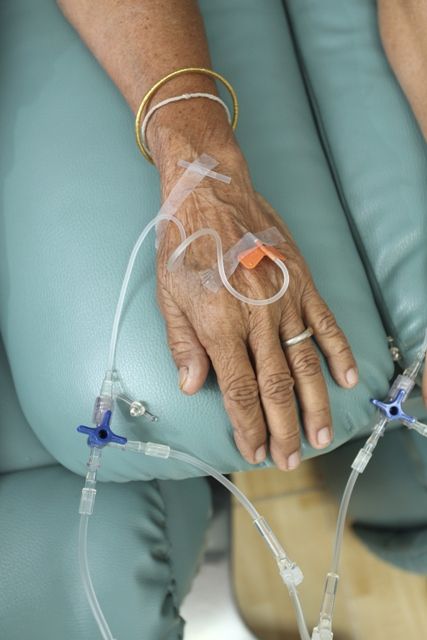
Chemotherapy increases the risk of infertility and early menopause. But in past studies, some 70% to 80% of women regained at least some level of ovarian function after completing treatment, the researchers noted. Over the course of 6-12 months, quiescent follicles mature to the antral stage, in which exposure to follicle-stimulating hormone triggers their rapid growth and maturation. Thus, antral follicle count is an accepted marker of ovarian reserve that reliably predicts how many oocytes will be retrieved during in vitro fertilization and fertility preservation, according to the investigators.
Based on these observations, they tracked antral follicle counts over time among 199 patients who were seen for fertility preservation consultations before starting cyclophosphamide-based chemotherapy for breast cancer, and who resumed menstruating afterward. Before chemotherapy, these women had an average antral follicle count of 15, with a standard deviation of 12. They averaged 35 years of age, with a standard deviation of 5 years.
A total of 66 women returned after chemotherapy for follow-up, and underwent an average of four antral follicle counts, with a standard deviation of two, the researchers said. These measurements showed that for up to 12 months after finishing chemotherapy, patients typically had only about 14% to 25% of their baseline ovarian reserve. By month 13, however, antral follicle counts rose to an average of 52% of baseline, and remained at this level through month 18 and beyond.
Treatment with leuprolide during chemotherapy appeared to increase ovarian recovery from about month 7 onward, the researchers reported. Between 7 and 9 months after chemotherapy, antral follicle counts averaged 32% of baseline among patients who had received leuprolide, but were about 8% of baseline among patients who had not received leuprolide. Between months 13 and 18, leuprolide recipients recovered about 74% of their ovarian reserve, while other patients recovered about 35% (P = .09). Beyond month 18, leuprolide recipients recovered an average of 69% of their baseline antral follicle count and other patients recovered an average of 4 (P = .07).
“Women who did not take [leuprolide] during chemotherapy represent 75% of our study population,” the researchers said. “[These women] appeared to have lower antral follicle count recovery, despite resumption of menses, than those whose menses resumed after chemotherapy with concurrent [leuprolide].”
Dr. Letourneau reported having no relevant financial disclosures.
SALT LAKE CITY – Women who resumed menstruating after undergoing chemotherapy for breast cancer usually recovered about half their ovarian reserve 13 months later, according to interim results from a prospective cohort study.
“These findings provide important references for counseling patients before chemotherapy about their expectations for ovarian recovery. Patients who were not able to freeze enough oocytes before chemotherapy can expect to be able to stimulate approximately half as many for cryopreservation post chemo,” Joseph Letourneau, MD, and his colleagues at the University of California, San Francisco wrote in a poster presented at the annual meeting of the American Society for Reproductive Medicine.
Chemotherapy increases the risk of infertility and early menopause. But in past studies, some 70% to 80% of women regained at least some level of ovarian function after completing treatment, the researchers noted. Over the course of 6-12 months, quiescent follicles mature to the antral stage, in which exposure to follicle-stimulating hormone triggers their rapid growth and maturation. Thus, antral follicle count is an accepted marker of ovarian reserve that reliably predicts how many oocytes will be retrieved during in vitro fertilization and fertility preservation, according to the investigators.
Based on these observations, they tracked antral follicle counts over time among 199 patients who were seen for fertility preservation consultations before starting cyclophosphamide-based chemotherapy for breast cancer, and who resumed menstruating afterward. Before chemotherapy, these women had an average antral follicle count of 15, with a standard deviation of 12. They averaged 35 years of age, with a standard deviation of 5 years.
A total of 66 women returned after chemotherapy for follow-up, and underwent an average of four antral follicle counts, with a standard deviation of two, the researchers said. These measurements showed that for up to 12 months after finishing chemotherapy, patients typically had only about 14% to 25% of their baseline ovarian reserve. By month 13, however, antral follicle counts rose to an average of 52% of baseline, and remained at this level through month 18 and beyond.
Treatment with leuprolide during chemotherapy appeared to increase ovarian recovery from about month 7 onward, the researchers reported. Between 7 and 9 months after chemotherapy, antral follicle counts averaged 32% of baseline among patients who had received leuprolide, but were about 8% of baseline among patients who had not received leuprolide. Between months 13 and 18, leuprolide recipients recovered about 74% of their ovarian reserve, while other patients recovered about 35% (P = .09). Beyond month 18, leuprolide recipients recovered an average of 69% of their baseline antral follicle count and other patients recovered an average of 4 (P = .07).
“Women who did not take [leuprolide] during chemotherapy represent 75% of our study population,” the researchers said. “[These women] appeared to have lower antral follicle count recovery, despite resumption of menses, than those whose menses resumed after chemotherapy with concurrent [leuprolide].”
Dr. Letourneau reported having no relevant financial disclosures.
SALT LAKE CITY – Women who resumed menstruating after undergoing chemotherapy for breast cancer usually recovered about half their ovarian reserve 13 months later, according to interim results from a prospective cohort study.
“These findings provide important references for counseling patients before chemotherapy about their expectations for ovarian recovery. Patients who were not able to freeze enough oocytes before chemotherapy can expect to be able to stimulate approximately half as many for cryopreservation post chemo,” Joseph Letourneau, MD, and his colleagues at the University of California, San Francisco wrote in a poster presented at the annual meeting of the American Society for Reproductive Medicine.
Chemotherapy increases the risk of infertility and early menopause. But in past studies, some 70% to 80% of women regained at least some level of ovarian function after completing treatment, the researchers noted. Over the course of 6-12 months, quiescent follicles mature to the antral stage, in which exposure to follicle-stimulating hormone triggers their rapid growth and maturation. Thus, antral follicle count is an accepted marker of ovarian reserve that reliably predicts how many oocytes will be retrieved during in vitro fertilization and fertility preservation, according to the investigators.
Based on these observations, they tracked antral follicle counts over time among 199 patients who were seen for fertility preservation consultations before starting cyclophosphamide-based chemotherapy for breast cancer, and who resumed menstruating afterward. Before chemotherapy, these women had an average antral follicle count of 15, with a standard deviation of 12. They averaged 35 years of age, with a standard deviation of 5 years.
A total of 66 women returned after chemotherapy for follow-up, and underwent an average of four antral follicle counts, with a standard deviation of two, the researchers said. These measurements showed that for up to 12 months after finishing chemotherapy, patients typically had only about 14% to 25% of their baseline ovarian reserve. By month 13, however, antral follicle counts rose to an average of 52% of baseline, and remained at this level through month 18 and beyond.
Treatment with leuprolide during chemotherapy appeared to increase ovarian recovery from about month 7 onward, the researchers reported. Between 7 and 9 months after chemotherapy, antral follicle counts averaged 32% of baseline among patients who had received leuprolide, but were about 8% of baseline among patients who had not received leuprolide. Between months 13 and 18, leuprolide recipients recovered about 74% of their ovarian reserve, while other patients recovered about 35% (P = .09). Beyond month 18, leuprolide recipients recovered an average of 69% of their baseline antral follicle count and other patients recovered an average of 4 (P = .07).
“Women who did not take [leuprolide] during chemotherapy represent 75% of our study population,” the researchers said. “[These women] appeared to have lower antral follicle count recovery, despite resumption of menses, than those whose menses resumed after chemotherapy with concurrent [leuprolide].”
Dr. Letourneau reported having no relevant financial disclosures.
Key clinical point:
Major finding: Average antral follicle counts rose to 52% of baseline, on average, by 13 months after patients completed chemotherapy.
Data source: A prospective cohort study of 66 patients who resumed menstruating and returned for at least one follow-up visit after chemotherapy.
Disclosures: Dr. Letourneau reported having no relevant financial disclosures.
Cancer survivors report two times greater medication use for anxiety and depression
Approximately 20% of adult cancer survivors in the United States – roughly 2.5 million – take medication for anxiety or depression, a rate that is approximately twice that of the general population, according to a report published online in Journal of Clinical Oncology.
Considering that previous research reported that more than 30% of cancer survivors discuss psychosocial concerns with their medical providers, this finding suggests that “even more survivors might benefit from pharmacologic treatment than were receiving treatment at the time of this study,” said Nikki A. Hawkins, PhD, of the Centers for Disease Control and Prevention, and her associates.
“If left unaddressed and untreated, anxiety and depression have been found to negatively affect health behaviors, the body’s inflammatory response, and even survival.” Yet rates of medication use have not been examined until now, the investigators noted.
Dr. Hawkins and her associates analyzed data from the National Health Interview Surveys for 2010 through 2013 to determine population-based prevalence rates. Their study population comprised a nationally representative sample of 48,181 adults, of whom 3,184 were cancer survivors.
Compared with the general population, cancer survivors were approximately twice as likely to self-report taking medication for anxiety (16.8% vs 8.6%), depression (14.1% vs 7.8%), both conditions (11.8% vs 6.1%), and one or both conditions combined (19.1% vs 10.3%). When these results were extrapolated to the entire country, an estimated 2.5 million cancer survivors were found to currently use these medications, the investigators reported (J Clin Oncol. 2016 Oct 26. doi: 10.1200/JCO.2016.67.7690).
“Interestingly, medication use did not vary significantly by time since cancer diagnosis, which is consistent with recent research that has shown elevated rates of depression and mental disorders for cancer survivors as much as 10 years after diagnosis,” they wrote.
The highest rates (greater than 20%) of antianxiety and antidepressant use occurred among patients who were middle aged (those aged 40-64 years), had never married, had three or more chronic health conditions, expected to have a short survival time, or had ovarian or uterine cancer.
Nine types of cancer were included in this study: breast, prostate, melanoma, cervical, colorectal, hematologic, ovarian/uterine, “short survival,” and other. Of these, patients with prostate cancer were the least likely to use antianxiety or antidepressant medications, and patients with ovarian/uterine and short survival cancers were the most likely to.
“Efforts to improve the psychosocial care of cancer survivors will be aided by continued tracking of the treatment received for mental health. Good medical care requires systematic evaluation, screening for new problems, and making adjustments to the prescribed therapies as needed, and survivors’ mental health deserves the same detailed, evidence-based, and ongoing attention,” Dr. Hawkins and her associates said.
This study was supported by the Centers for Disease Control and Prevention. Dr. Hawkins and her associates reported having no relevant financial disclosures.
Approximately 20% of adult cancer survivors in the United States – roughly 2.5 million – take medication for anxiety or depression, a rate that is approximately twice that of the general population, according to a report published online in Journal of Clinical Oncology.
Considering that previous research reported that more than 30% of cancer survivors discuss psychosocial concerns with their medical providers, this finding suggests that “even more survivors might benefit from pharmacologic treatment than were receiving treatment at the time of this study,” said Nikki A. Hawkins, PhD, of the Centers for Disease Control and Prevention, and her associates.
“If left unaddressed and untreated, anxiety and depression have been found to negatively affect health behaviors, the body’s inflammatory response, and even survival.” Yet rates of medication use have not been examined until now, the investigators noted.
Dr. Hawkins and her associates analyzed data from the National Health Interview Surveys for 2010 through 2013 to determine population-based prevalence rates. Their study population comprised a nationally representative sample of 48,181 adults, of whom 3,184 were cancer survivors.
Compared with the general population, cancer survivors were approximately twice as likely to self-report taking medication for anxiety (16.8% vs 8.6%), depression (14.1% vs 7.8%), both conditions (11.8% vs 6.1%), and one or both conditions combined (19.1% vs 10.3%). When these results were extrapolated to the entire country, an estimated 2.5 million cancer survivors were found to currently use these medications, the investigators reported (J Clin Oncol. 2016 Oct 26. doi: 10.1200/JCO.2016.67.7690).
“Interestingly, medication use did not vary significantly by time since cancer diagnosis, which is consistent with recent research that has shown elevated rates of depression and mental disorders for cancer survivors as much as 10 years after diagnosis,” they wrote.
The highest rates (greater than 20%) of antianxiety and antidepressant use occurred among patients who were middle aged (those aged 40-64 years), had never married, had three or more chronic health conditions, expected to have a short survival time, or had ovarian or uterine cancer.
Nine types of cancer were included in this study: breast, prostate, melanoma, cervical, colorectal, hematologic, ovarian/uterine, “short survival,” and other. Of these, patients with prostate cancer were the least likely to use antianxiety or antidepressant medications, and patients with ovarian/uterine and short survival cancers were the most likely to.
“Efforts to improve the psychosocial care of cancer survivors will be aided by continued tracking of the treatment received for mental health. Good medical care requires systematic evaluation, screening for new problems, and making adjustments to the prescribed therapies as needed, and survivors’ mental health deserves the same detailed, evidence-based, and ongoing attention,” Dr. Hawkins and her associates said.
This study was supported by the Centers for Disease Control and Prevention. Dr. Hawkins and her associates reported having no relevant financial disclosures.
Approximately 20% of adult cancer survivors in the United States – roughly 2.5 million – take medication for anxiety or depression, a rate that is approximately twice that of the general population, according to a report published online in Journal of Clinical Oncology.
Considering that previous research reported that more than 30% of cancer survivors discuss psychosocial concerns with their medical providers, this finding suggests that “even more survivors might benefit from pharmacologic treatment than were receiving treatment at the time of this study,” said Nikki A. Hawkins, PhD, of the Centers for Disease Control and Prevention, and her associates.
“If left unaddressed and untreated, anxiety and depression have been found to negatively affect health behaviors, the body’s inflammatory response, and even survival.” Yet rates of medication use have not been examined until now, the investigators noted.
Dr. Hawkins and her associates analyzed data from the National Health Interview Surveys for 2010 through 2013 to determine population-based prevalence rates. Their study population comprised a nationally representative sample of 48,181 adults, of whom 3,184 were cancer survivors.
Compared with the general population, cancer survivors were approximately twice as likely to self-report taking medication for anxiety (16.8% vs 8.6%), depression (14.1% vs 7.8%), both conditions (11.8% vs 6.1%), and one or both conditions combined (19.1% vs 10.3%). When these results were extrapolated to the entire country, an estimated 2.5 million cancer survivors were found to currently use these medications, the investigators reported (J Clin Oncol. 2016 Oct 26. doi: 10.1200/JCO.2016.67.7690).
“Interestingly, medication use did not vary significantly by time since cancer diagnosis, which is consistent with recent research that has shown elevated rates of depression and mental disorders for cancer survivors as much as 10 years after diagnosis,” they wrote.
The highest rates (greater than 20%) of antianxiety and antidepressant use occurred among patients who were middle aged (those aged 40-64 years), had never married, had three or more chronic health conditions, expected to have a short survival time, or had ovarian or uterine cancer.
Nine types of cancer were included in this study: breast, prostate, melanoma, cervical, colorectal, hematologic, ovarian/uterine, “short survival,” and other. Of these, patients with prostate cancer were the least likely to use antianxiety or antidepressant medications, and patients with ovarian/uterine and short survival cancers were the most likely to.
“Efforts to improve the psychosocial care of cancer survivors will be aided by continued tracking of the treatment received for mental health. Good medical care requires systematic evaluation, screening for new problems, and making adjustments to the prescribed therapies as needed, and survivors’ mental health deserves the same detailed, evidence-based, and ongoing attention,” Dr. Hawkins and her associates said.
This study was supported by the Centers for Disease Control and Prevention. Dr. Hawkins and her associates reported having no relevant financial disclosures.
Key clinical point: Cancer survivors take medications for anxiety and depression at approximately double the rate in the general population.
Major finding: Compared with the general population, cancer survivors were approximately twice as likely to self-report taking medication for anxiety (16.8% vs 8.6%), depression (14.1% vs 7.8%), both conditions (11.8% vs 6.1%), and one or both conditions combined (19.1% vs 10.3%).
Data source: A cross-sectional analysis of data from nationwide surveys of 48,181 adults, including 3,184 cancer survivors, during a 4-year period.
Disclosures: This study was supported by the Centers for Disease Control and Prevention. Dr. Hawkins and her associates reported having no relevant financial disclosures.

Protein May Predict Risk for Chemotherapy-Induced Peripheral Neuropathy
A promising biomarker strategy may help identify patients at risk for severe paclitaxel-induced neuropathy. Although weekly paclitaxel is more effective than a 3-weekly regimen, the treatment comes at the price of more severe sensory peripheral neuropathy (PN). As yet, treatment for chemotherapy-induced peripheral neuropathy (CIPN) is only symptomatic, say researchers from University of Singapore and National University Cancer Institute, Singapore.
Related: Is Chemotherapy a Good Choice for Neuroendocrine Tumors?
Their previous research, however, suggested that a protein called NDRG1 might be useful in predicting paclitaxel-induced PN. NDRG1 is a protein “ubiquitously” expressed in human tissues and tumors, the researchers note, particularly in peripheral nerve tissue. The protein also has been implicated in degrading myelin in Charcot-Marie-Tooth disease, a hereditary motor and sensory neuropathy.
Related: ASCO's Chemotherapy Administration Safety Standards
To expand on their earlier research, the researchers conducted another study in 111 patients with early stage breast cancer. Of those patients, 41% had human epidermal growth factor receptor (HER)-2 positive breast cancer and received adjuvant trastuzumab along with paclitaxel. Over a median of 12 weeks, 77 patients (69%) developed all-grade PN; in 17, the neuropathy was severe enough to mandate reducing or delaying doses or stopping paclitaxel. Peripheral neuropathy occurred before cycle 6 in 48%. Not surprisingly, patients with diabetes had more severe neuropathy (44% vs 11%). The researchers found no differences in neuropathy among various age groups or races; however, they also noted that most of the patients were Chinese.
Related: Palliative Chemotherapy May Be Harmful
The mean NDRG1 score of patients without severe neuropathy was 7.7, compared with 5.4 for patients with severe neuropathy. Fifty-four patients had an NDRGI score of < 7; of those, 13 (24%) developed severe neuropathy compared with only 4 of 57 (7%) of patients with a score above 7.
The researchers are performing a larger prospective study to explore the mechanisms of NDRG1 regulation to support their findings.
Source:
Sundar R, Jeyasekharan AD, Pang B, et al. PLoS ONE. 2016;11(10):e0164319.
doi:10.1371/journal.pone.0164319.
A promising biomarker strategy may help identify patients at risk for severe paclitaxel-induced neuropathy. Although weekly paclitaxel is more effective than a 3-weekly regimen, the treatment comes at the price of more severe sensory peripheral neuropathy (PN). As yet, treatment for chemotherapy-induced peripheral neuropathy (CIPN) is only symptomatic, say researchers from University of Singapore and National University Cancer Institute, Singapore.
Related: Is Chemotherapy a Good Choice for Neuroendocrine Tumors?
Their previous research, however, suggested that a protein called NDRG1 might be useful in predicting paclitaxel-induced PN. NDRG1 is a protein “ubiquitously” expressed in human tissues and tumors, the researchers note, particularly in peripheral nerve tissue. The protein also has been implicated in degrading myelin in Charcot-Marie-Tooth disease, a hereditary motor and sensory neuropathy.
Related: ASCO's Chemotherapy Administration Safety Standards
To expand on their earlier research, the researchers conducted another study in 111 patients with early stage breast cancer. Of those patients, 41% had human epidermal growth factor receptor (HER)-2 positive breast cancer and received adjuvant trastuzumab along with paclitaxel. Over a median of 12 weeks, 77 patients (69%) developed all-grade PN; in 17, the neuropathy was severe enough to mandate reducing or delaying doses or stopping paclitaxel. Peripheral neuropathy occurred before cycle 6 in 48%. Not surprisingly, patients with diabetes had more severe neuropathy (44% vs 11%). The researchers found no differences in neuropathy among various age groups or races; however, they also noted that most of the patients were Chinese.
Related: Palliative Chemotherapy May Be Harmful
The mean NDRG1 score of patients without severe neuropathy was 7.7, compared with 5.4 for patients with severe neuropathy. Fifty-four patients had an NDRGI score of < 7; of those, 13 (24%) developed severe neuropathy compared with only 4 of 57 (7%) of patients with a score above 7.
The researchers are performing a larger prospective study to explore the mechanisms of NDRG1 regulation to support their findings.
Source:
Sundar R, Jeyasekharan AD, Pang B, et al. PLoS ONE. 2016;11(10):e0164319.
doi:10.1371/journal.pone.0164319.
A promising biomarker strategy may help identify patients at risk for severe paclitaxel-induced neuropathy. Although weekly paclitaxel is more effective than a 3-weekly regimen, the treatment comes at the price of more severe sensory peripheral neuropathy (PN). As yet, treatment for chemotherapy-induced peripheral neuropathy (CIPN) is only symptomatic, say researchers from University of Singapore and National University Cancer Institute, Singapore.
Related: Is Chemotherapy a Good Choice for Neuroendocrine Tumors?
Their previous research, however, suggested that a protein called NDRG1 might be useful in predicting paclitaxel-induced PN. NDRG1 is a protein “ubiquitously” expressed in human tissues and tumors, the researchers note, particularly in peripheral nerve tissue. The protein also has been implicated in degrading myelin in Charcot-Marie-Tooth disease, a hereditary motor and sensory neuropathy.
Related: ASCO's Chemotherapy Administration Safety Standards
To expand on their earlier research, the researchers conducted another study in 111 patients with early stage breast cancer. Of those patients, 41% had human epidermal growth factor receptor (HER)-2 positive breast cancer and received adjuvant trastuzumab along with paclitaxel. Over a median of 12 weeks, 77 patients (69%) developed all-grade PN; in 17, the neuropathy was severe enough to mandate reducing or delaying doses or stopping paclitaxel. Peripheral neuropathy occurred before cycle 6 in 48%. Not surprisingly, patients with diabetes had more severe neuropathy (44% vs 11%). The researchers found no differences in neuropathy among various age groups or races; however, they also noted that most of the patients were Chinese.
Related: Palliative Chemotherapy May Be Harmful
The mean NDRG1 score of patients without severe neuropathy was 7.7, compared with 5.4 for patients with severe neuropathy. Fifty-four patients had an NDRGI score of < 7; of those, 13 (24%) developed severe neuropathy compared with only 4 of 57 (7%) of patients with a score above 7.
The researchers are performing a larger prospective study to explore the mechanisms of NDRG1 regulation to support their findings.
Source:
Sundar R, Jeyasekharan AD, Pang B, et al. PLoS ONE. 2016;11(10):e0164319.
doi:10.1371/journal.pone.0164319.