User login
VIDEO: Direct-to-patient study empowers patients, accelerates research
CHICAGO – The Metastatic Breast Cancer Project is an innovative direct-to-patient initiative that allows metastatic breast cancer patients from around the country – often found through social media – to enroll themselves into a research study, primary investigator Dr. Nikhil Wagle said at the annual meeting of the American Society of Clinical Oncology.
Patients interested in participating can visit the project’s website and consent themselves into the study. Patients then fill out a questionnaire about their cancer and their treatments and provide a saliva sample using an at-home kit. Meanwhile, researchers obtain medical records and collect portions of stored tumor samples if available. The overarching goal of the project is to expedite metastatic breast cancer (MBC) genomics research by gaining access to a larger pool of patients with MBC and to generate novel research questions. Over 1,100 patients have already enrolled in the study, and many of them fall into groups of patients – such as those with extraordinary response to treatment or those of racial/ethnic minorities – that are normally challenging to capture in traditional studies.
In a video interview, Dr. Wagle of the Dana-Farber Cancer Institute in Boston and the Broad Institute in Cambridge, Mass., summarizes the unique benefits of the project and discusses future plans, which include gathering patient genomic data from blood biopsy samples and expanding the project to other types of cancers.
The video associated with this article is no longer available on this site. Please view all of our videos on the MDedge YouTube channel
CHICAGO – The Metastatic Breast Cancer Project is an innovative direct-to-patient initiative that allows metastatic breast cancer patients from around the country – often found through social media – to enroll themselves into a research study, primary investigator Dr. Nikhil Wagle said at the annual meeting of the American Society of Clinical Oncology.
Patients interested in participating can visit the project’s website and consent themselves into the study. Patients then fill out a questionnaire about their cancer and their treatments and provide a saliva sample using an at-home kit. Meanwhile, researchers obtain medical records and collect portions of stored tumor samples if available. The overarching goal of the project is to expedite metastatic breast cancer (MBC) genomics research by gaining access to a larger pool of patients with MBC and to generate novel research questions. Over 1,100 patients have already enrolled in the study, and many of them fall into groups of patients – such as those with extraordinary response to treatment or those of racial/ethnic minorities – that are normally challenging to capture in traditional studies.
In a video interview, Dr. Wagle of the Dana-Farber Cancer Institute in Boston and the Broad Institute in Cambridge, Mass., summarizes the unique benefits of the project and discusses future plans, which include gathering patient genomic data from blood biopsy samples and expanding the project to other types of cancers.
The video associated with this article is no longer available on this site. Please view all of our videos on the MDedge YouTube channel
CHICAGO – The Metastatic Breast Cancer Project is an innovative direct-to-patient initiative that allows metastatic breast cancer patients from around the country – often found through social media – to enroll themselves into a research study, primary investigator Dr. Nikhil Wagle said at the annual meeting of the American Society of Clinical Oncology.
Patients interested in participating can visit the project’s website and consent themselves into the study. Patients then fill out a questionnaire about their cancer and their treatments and provide a saliva sample using an at-home kit. Meanwhile, researchers obtain medical records and collect portions of stored tumor samples if available. The overarching goal of the project is to expedite metastatic breast cancer (MBC) genomics research by gaining access to a larger pool of patients with MBC and to generate novel research questions. Over 1,100 patients have already enrolled in the study, and many of them fall into groups of patients – such as those with extraordinary response to treatment or those of racial/ethnic minorities – that are normally challenging to capture in traditional studies.
In a video interview, Dr. Wagle of the Dana-Farber Cancer Institute in Boston and the Broad Institute in Cambridge, Mass., summarizes the unique benefits of the project and discusses future plans, which include gathering patient genomic data from blood biopsy samples and expanding the project to other types of cancers.
The video associated with this article is no longer available on this site. Please view all of our videos on the MDedge YouTube channel
AT THE 2016 ASCO ANNUAL MEETING

Webcast: Oral contraceptives and breast cancer: What’s the risk?
Access Dr. Burkman's Webcasts on contraception:
- Factors that contribute to overall contraceptive efficacy and risks
- Obesity and contraceptive efficacy and risks
- How to use the CDC's online tools to manage complex cases in contraception
Helpful resource for your practice:
Access Dr. Burkman's Webcasts on contraception:
- Factors that contribute to overall contraceptive efficacy and risks
- Obesity and contraceptive efficacy and risks
- How to use the CDC's online tools to manage complex cases in contraception
Helpful resource for your practice:
Access Dr. Burkman's Webcasts on contraception:
- Factors that contribute to overall contraceptive efficacy and risks
- Obesity and contraceptive efficacy and risks
- How to use the CDC's online tools to manage complex cases in contraception
Helpful resource for your practice:

VIDEO: Doctors should be challenged to extend AIs
CHICAGO – Extending adjuvant aromatase inhibitor treatment out to a decade reduced the risk of recurrence and the risk of a new breast cancer in postmenopausal women treated for early-stage breast cancer, Dr. Paul Goss reported at the annual meeting of the American Society of Clinical Oncology.
Women taking letrozole for five additional years had a 34% lower risk of disease-free survival events than those who received placebo, data from MA.17R showed. The annual incidence of contralateral breast cancer was .21% with extended letrozole vs. .49% with placebo. There was no difference in overall survival.
In an interview at the meeting, Dr. Goss discusses the “profoundly important result” and says doctors should be challenged if choosing not to extend treatment for their patients.
The video associated with this article is no longer available on this site. Please view all of our videos on the MDedge YouTube channel
CHICAGO – Extending adjuvant aromatase inhibitor treatment out to a decade reduced the risk of recurrence and the risk of a new breast cancer in postmenopausal women treated for early-stage breast cancer, Dr. Paul Goss reported at the annual meeting of the American Society of Clinical Oncology.
Women taking letrozole for five additional years had a 34% lower risk of disease-free survival events than those who received placebo, data from MA.17R showed. The annual incidence of contralateral breast cancer was .21% with extended letrozole vs. .49% with placebo. There was no difference in overall survival.
In an interview at the meeting, Dr. Goss discusses the “profoundly important result” and says doctors should be challenged if choosing not to extend treatment for their patients.
The video associated with this article is no longer available on this site. Please view all of our videos on the MDedge YouTube channel
CHICAGO – Extending adjuvant aromatase inhibitor treatment out to a decade reduced the risk of recurrence and the risk of a new breast cancer in postmenopausal women treated for early-stage breast cancer, Dr. Paul Goss reported at the annual meeting of the American Society of Clinical Oncology.
Women taking letrozole for five additional years had a 34% lower risk of disease-free survival events than those who received placebo, data from MA.17R showed. The annual incidence of contralateral breast cancer was .21% with extended letrozole vs. .49% with placebo. There was no difference in overall survival.
In an interview at the meeting, Dr. Goss discusses the “profoundly important result” and says doctors should be challenged if choosing not to extend treatment for their patients.
The video associated with this article is no longer available on this site. Please view all of our videos on the MDedge YouTube channel
AT THE 2016 ASCO ANNUAL MEETING

Ethnic groups differ in BRCA risk management
Chicago – Young black women with breast cancer are much less likely than white or Hispanic women to undergo testing for BRCA gene mutations, which puts them also at risk for ovarian cancer. And if they carry a BRCA mutation, they are much less likely to undergo removal of their ovaries and fallopian tubes.
Carriers of BRCA mutations have a high lifetime risk of breast and ovarian cancers – up to 60%-70% risk of developing breast cancer, up to 44% risk for ovarian cancer, and a 50% or greater risk for a secondary breast cancer after a first breast cancer diagnosis. Breast cancer risk management may consist of periodic screening or prophylactic mastectomy. But because there are no reliable screening methods for ovarian cancer, the main option for risk management is surgical.At the American Society of Clinical Oncology annual meeting, Dr. Tuya Pal said, “It is very important to think about the benefits of detecting a BRCA mutation. It’s not really about getting them tested, but the health benefit arises from doing something with that information.”
For a population-based, cross-sectional study to investigate women’s receipt of BRCA testing and the uptake of preventive surgery among BRCA mutation carriers, she recruited 440 black, 284 Hispanic, and 897 non-Hispanic white breast cancer survivors through the Florida State Cancer Registry. The study included women who had been diagnosed with invasive breast cancer at up to age 50 years between 2009 and 2012, who completed a baseline survey.
“Among our black women, 36% had received BRCA testing at the time of study recruitment compared with 62% of the Hispanic women and 65% of the non-Hispanic white women,” said Dr. Pal, a clinical geneticist at the H. Lee Moffitt Cancer Center & Research Institute in Tampa, Fla. Even after controlling for meeting high-risk criteria based on national practice guidelines, socioeconomic status variables, and provider referral patterns, there were still significant disparities in BRCA testing (P = .025) for black women, compared with the other two groups.
Of the 1,621 women in the study, 917 (57%) reported BRCA testing, of whom 92 (10%) tested positive for the mutation (28 Black, 13 Hispanic, and 51 non-Hispanic White).
The pattern of ethnic disparity persisted for cancer risk management practices among women with the gene mutation, with 68% of black women opting for bilateral mastectomy vs. 85% of Hispanic women and 94% of non-Hispanic whites. Because mastectomy is not the only form of risk management, Dr. Pal also looked at the rates of breast cancer screening in these women.
“That brought us up to 86% with the black women, 100% among Hispanic women, and 98% among the white women,” she said. However, three out of four of the Black women who did not use any risk management techniques were still in treatment, so it was too early to see what they would do.
For salpingo-oophorectomy, the rates were 32% of black, 85% of Hispanic, and 71% of non-Hispanic white women. After controlling for age at enrollment, time since diagnosis, income, family medical history, and insurance status, there were still disparities between black women and Hispanic women (P = .01) and between black and white women (P = .02).
Even in light of these findings that black women are much less likely to have BRCA testing and to undergo salpingo-oophorectomy if they carry a BRCA mutation, Dr. Pal offers some caveats. First, the findings require confirmation given the limited number of mutation carriers in the study. Second, as a cross-sectional study, it is only a snapshot in time. Third, BRCA testing and the options for risk management are a choice, and many factors enter into the choice, Dr. Pal pointed out.
They include patient preference, cultural factors, information and communication, economic factors, and provider recommendations. “We really need to understand the reasons that these women are making these decisions. Are they being given the opportunity to make an informed decision, or are there other factors that are playing into it where they’re not getting information that they need?” she asked. She said the study highlights the need to design strategies to overcome the reasons for the disparities and to ensure access to testing and cancer risk management practices across all populations.
Session moderator Dr. Patricia Ganz, director of Cancer Prevention and Control Research at the Jonsson Comprehensive Cancer Center of the University of California, Los Angeles, said recruiting from a cancer registry gave the investigators a population-based snapshot of the situation at that time. But the women in the study had their cancer diagnoses between 2009 and 2012, and “a lot of things have happened since then,” she said.
Angelina Jolie was found to have a BRCA mutation and publicly announced her decision to have major risk-reduction surgery. “That led to a lot of public awareness… so,many more women are much more aware,” Dr. Ganz said. “They’re going to ask their doctors about testing if they have a breast cancer diagnosis.”
Also, guidelines have changed, and rather than looking only at family history, clinicians are testing almost any breast cancer patient under age 50 for BRCA. “So I would suggest that perhaps temporal trends may have alleviated some of this disparity,” she said, “and it will be very interesting if Dr. Pal or others recruit a more contemporary sample [and] if we see some shift in this kind of difference in testing and decision making.”
Another factor affecting contemporary BRCA testing is the U.S. Supreme Court’s rejection in 2013 of the patents on the original test, resulting in about a 90% reduction in the cost of the test, making it more affordable for more women. Finally, because a breast cancer diagnosis is devastating to many women, they may choose to pursue breast cancer treatment and risk reduction strategies before addressing their ovarian cancer risk. Therefore, it may be worthwhile to conduct follow up studies to track these women’s cancer risk management choices over time.
The study received funding from the Bankhead Coley Cancer Research Program and the American Cancer Society. Dr. Pal reported no financial disclosures. Patricia Ganz, MD reported stock and other ownership interest in Abbott Laboratories, GlaxoSmithKline, Johnson & Johnson, Merck, Novartis, Pfizer, and Teva.
Chicago – Young black women with breast cancer are much less likely than white or Hispanic women to undergo testing for BRCA gene mutations, which puts them also at risk for ovarian cancer. And if they carry a BRCA mutation, they are much less likely to undergo removal of their ovaries and fallopian tubes.
Carriers of BRCA mutations have a high lifetime risk of breast and ovarian cancers – up to 60%-70% risk of developing breast cancer, up to 44% risk for ovarian cancer, and a 50% or greater risk for a secondary breast cancer after a first breast cancer diagnosis. Breast cancer risk management may consist of periodic screening or prophylactic mastectomy. But because there are no reliable screening methods for ovarian cancer, the main option for risk management is surgical.At the American Society of Clinical Oncology annual meeting, Dr. Tuya Pal said, “It is very important to think about the benefits of detecting a BRCA mutation. It’s not really about getting them tested, but the health benefit arises from doing something with that information.”
For a population-based, cross-sectional study to investigate women’s receipt of BRCA testing and the uptake of preventive surgery among BRCA mutation carriers, she recruited 440 black, 284 Hispanic, and 897 non-Hispanic white breast cancer survivors through the Florida State Cancer Registry. The study included women who had been diagnosed with invasive breast cancer at up to age 50 years between 2009 and 2012, who completed a baseline survey.
“Among our black women, 36% had received BRCA testing at the time of study recruitment compared with 62% of the Hispanic women and 65% of the non-Hispanic white women,” said Dr. Pal, a clinical geneticist at the H. Lee Moffitt Cancer Center & Research Institute in Tampa, Fla. Even after controlling for meeting high-risk criteria based on national practice guidelines, socioeconomic status variables, and provider referral patterns, there were still significant disparities in BRCA testing (P = .025) for black women, compared with the other two groups.
Of the 1,621 women in the study, 917 (57%) reported BRCA testing, of whom 92 (10%) tested positive for the mutation (28 Black, 13 Hispanic, and 51 non-Hispanic White).
The pattern of ethnic disparity persisted for cancer risk management practices among women with the gene mutation, with 68% of black women opting for bilateral mastectomy vs. 85% of Hispanic women and 94% of non-Hispanic whites. Because mastectomy is not the only form of risk management, Dr. Pal also looked at the rates of breast cancer screening in these women.
“That brought us up to 86% with the black women, 100% among Hispanic women, and 98% among the white women,” she said. However, three out of four of the Black women who did not use any risk management techniques were still in treatment, so it was too early to see what they would do.
For salpingo-oophorectomy, the rates were 32% of black, 85% of Hispanic, and 71% of non-Hispanic white women. After controlling for age at enrollment, time since diagnosis, income, family medical history, and insurance status, there were still disparities between black women and Hispanic women (P = .01) and between black and white women (P = .02).
Even in light of these findings that black women are much less likely to have BRCA testing and to undergo salpingo-oophorectomy if they carry a BRCA mutation, Dr. Pal offers some caveats. First, the findings require confirmation given the limited number of mutation carriers in the study. Second, as a cross-sectional study, it is only a snapshot in time. Third, BRCA testing and the options for risk management are a choice, and many factors enter into the choice, Dr. Pal pointed out.
They include patient preference, cultural factors, information and communication, economic factors, and provider recommendations. “We really need to understand the reasons that these women are making these decisions. Are they being given the opportunity to make an informed decision, or are there other factors that are playing into it where they’re not getting information that they need?” she asked. She said the study highlights the need to design strategies to overcome the reasons for the disparities and to ensure access to testing and cancer risk management practices across all populations.
Session moderator Dr. Patricia Ganz, director of Cancer Prevention and Control Research at the Jonsson Comprehensive Cancer Center of the University of California, Los Angeles, said recruiting from a cancer registry gave the investigators a population-based snapshot of the situation at that time. But the women in the study had their cancer diagnoses between 2009 and 2012, and “a lot of things have happened since then,” she said.
Angelina Jolie was found to have a BRCA mutation and publicly announced her decision to have major risk-reduction surgery. “That led to a lot of public awareness… so,many more women are much more aware,” Dr. Ganz said. “They’re going to ask their doctors about testing if they have a breast cancer diagnosis.”
Also, guidelines have changed, and rather than looking only at family history, clinicians are testing almost any breast cancer patient under age 50 for BRCA. “So I would suggest that perhaps temporal trends may have alleviated some of this disparity,” she said, “and it will be very interesting if Dr. Pal or others recruit a more contemporary sample [and] if we see some shift in this kind of difference in testing and decision making.”
Another factor affecting contemporary BRCA testing is the U.S. Supreme Court’s rejection in 2013 of the patents on the original test, resulting in about a 90% reduction in the cost of the test, making it more affordable for more women. Finally, because a breast cancer diagnosis is devastating to many women, they may choose to pursue breast cancer treatment and risk reduction strategies before addressing their ovarian cancer risk. Therefore, it may be worthwhile to conduct follow up studies to track these women’s cancer risk management choices over time.
The study received funding from the Bankhead Coley Cancer Research Program and the American Cancer Society. Dr. Pal reported no financial disclosures. Patricia Ganz, MD reported stock and other ownership interest in Abbott Laboratories, GlaxoSmithKline, Johnson & Johnson, Merck, Novartis, Pfizer, and Teva.
Chicago – Young black women with breast cancer are much less likely than white or Hispanic women to undergo testing for BRCA gene mutations, which puts them also at risk for ovarian cancer. And if they carry a BRCA mutation, they are much less likely to undergo removal of their ovaries and fallopian tubes.
Carriers of BRCA mutations have a high lifetime risk of breast and ovarian cancers – up to 60%-70% risk of developing breast cancer, up to 44% risk for ovarian cancer, and a 50% or greater risk for a secondary breast cancer after a first breast cancer diagnosis. Breast cancer risk management may consist of periodic screening or prophylactic mastectomy. But because there are no reliable screening methods for ovarian cancer, the main option for risk management is surgical.At the American Society of Clinical Oncology annual meeting, Dr. Tuya Pal said, “It is very important to think about the benefits of detecting a BRCA mutation. It’s not really about getting them tested, but the health benefit arises from doing something with that information.”
For a population-based, cross-sectional study to investigate women’s receipt of BRCA testing and the uptake of preventive surgery among BRCA mutation carriers, she recruited 440 black, 284 Hispanic, and 897 non-Hispanic white breast cancer survivors through the Florida State Cancer Registry. The study included women who had been diagnosed with invasive breast cancer at up to age 50 years between 2009 and 2012, who completed a baseline survey.
“Among our black women, 36% had received BRCA testing at the time of study recruitment compared with 62% of the Hispanic women and 65% of the non-Hispanic white women,” said Dr. Pal, a clinical geneticist at the H. Lee Moffitt Cancer Center & Research Institute in Tampa, Fla. Even after controlling for meeting high-risk criteria based on national practice guidelines, socioeconomic status variables, and provider referral patterns, there were still significant disparities in BRCA testing (P = .025) for black women, compared with the other two groups.
Of the 1,621 women in the study, 917 (57%) reported BRCA testing, of whom 92 (10%) tested positive for the mutation (28 Black, 13 Hispanic, and 51 non-Hispanic White).
The pattern of ethnic disparity persisted for cancer risk management practices among women with the gene mutation, with 68% of black women opting for bilateral mastectomy vs. 85% of Hispanic women and 94% of non-Hispanic whites. Because mastectomy is not the only form of risk management, Dr. Pal also looked at the rates of breast cancer screening in these women.
“That brought us up to 86% with the black women, 100% among Hispanic women, and 98% among the white women,” she said. However, three out of four of the Black women who did not use any risk management techniques were still in treatment, so it was too early to see what they would do.
For salpingo-oophorectomy, the rates were 32% of black, 85% of Hispanic, and 71% of non-Hispanic white women. After controlling for age at enrollment, time since diagnosis, income, family medical history, and insurance status, there were still disparities between black women and Hispanic women (P = .01) and between black and white women (P = .02).
Even in light of these findings that black women are much less likely to have BRCA testing and to undergo salpingo-oophorectomy if they carry a BRCA mutation, Dr. Pal offers some caveats. First, the findings require confirmation given the limited number of mutation carriers in the study. Second, as a cross-sectional study, it is only a snapshot in time. Third, BRCA testing and the options for risk management are a choice, and many factors enter into the choice, Dr. Pal pointed out.
They include patient preference, cultural factors, information and communication, economic factors, and provider recommendations. “We really need to understand the reasons that these women are making these decisions. Are they being given the opportunity to make an informed decision, or are there other factors that are playing into it where they’re not getting information that they need?” she asked. She said the study highlights the need to design strategies to overcome the reasons for the disparities and to ensure access to testing and cancer risk management practices across all populations.
Session moderator Dr. Patricia Ganz, director of Cancer Prevention and Control Research at the Jonsson Comprehensive Cancer Center of the University of California, Los Angeles, said recruiting from a cancer registry gave the investigators a population-based snapshot of the situation at that time. But the women in the study had their cancer diagnoses between 2009 and 2012, and “a lot of things have happened since then,” she said.
Angelina Jolie was found to have a BRCA mutation and publicly announced her decision to have major risk-reduction surgery. “That led to a lot of public awareness… so,many more women are much more aware,” Dr. Ganz said. “They’re going to ask their doctors about testing if they have a breast cancer diagnosis.”
Also, guidelines have changed, and rather than looking only at family history, clinicians are testing almost any breast cancer patient under age 50 for BRCA. “So I would suggest that perhaps temporal trends may have alleviated some of this disparity,” she said, “and it will be very interesting if Dr. Pal or others recruit a more contemporary sample [and] if we see some shift in this kind of difference in testing and decision making.”
Another factor affecting contemporary BRCA testing is the U.S. Supreme Court’s rejection in 2013 of the patents on the original test, resulting in about a 90% reduction in the cost of the test, making it more affordable for more women. Finally, because a breast cancer diagnosis is devastating to many women, they may choose to pursue breast cancer treatment and risk reduction strategies before addressing their ovarian cancer risk. Therefore, it may be worthwhile to conduct follow up studies to track these women’s cancer risk management choices over time.
The study received funding from the Bankhead Coley Cancer Research Program and the American Cancer Society. Dr. Pal reported no financial disclosures. Patricia Ganz, MD reported stock and other ownership interest in Abbott Laboratories, GlaxoSmithKline, Johnson & Johnson, Merck, Novartis, Pfizer, and Teva.
AT THE 2016 ASCO MEETING
Key clinical point: Black, Hispanic, and white women differ in BRCA risk management.
Major finding: Half as many at-risk black female patients get BRCA tests vs. Hispanic/white female patients.
Data source: Population-based, cross-sectional study of 1,621 women in a cancer registry.
Disclosures: The study received funding from the Bankhead Coley Cancer Research Program and the American Cancer Society. Dr. Pal reported no financial disclosures. Dr. Patricia Ganz reported stock and other ownership interest in Abbott Laboratories, GlaxoSmithKline, Johnson & Johnson, Merck, Novartis, Pfizer, and Teva.
MONARCH 1: Abemaciclib is active in refractory HR+, HER2– breast cancer
CHICAGO – The oral cell cycle inhibitor abemaciclib is active in refractory metastatic breast cancer that is positive for hormone receptors and negative for HER2, according to results of the MONARCH 1 trial.
Nearly a fifth of the 132 women studied experienced a tumor response to this investigational agent on the phase II trial, lead author Dr. Maura N. Dickler of Memorial Sloan Kettering Cancer Center, New York, reported at the annual meeting of the American Society of Clinical Oncology.
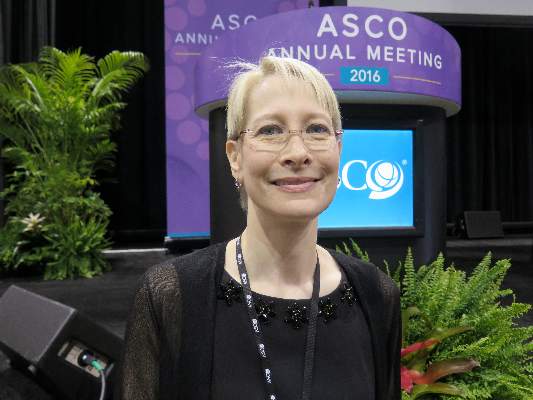
“MONARCH 1 confirms single-agent activity of abemaciclib in heavily pretreated patients with hormone receptor–positive, HER2-negative metastatic breast cancer,” she summarized. “The safety and toxicity profile is consistent with previous experience. Twice-daily continuous dosing was feasible, and few patients discontinued treatment due to adverse events.”
“Phase III studies of abemaciclib in combination with endocrine therapies are ongoing,” Dr. Dickler added, referring to MONARCH 2, which is testing the drug in combination with fulvestrant in endocrine-pretreated disease, and MONARCH 3, which is testing the drug in combination with nonsteroidal aromatase inhibitors as initial treatment for metastatic disease.
“This is another piece of evidence that suggests that CDK4 is a very good therapeutic target in breast cancer,” according to session comoderator Dr. Carlos Arteaga, associate director for clinical research and co-leader of the Breast Cancer Research Program at the Vanderbilt-Ingram Cancer Center in Nashville, Tennessee.
The toxicity profile of abemaciclib, an inhibitor of cyclin-dependent kinases (CDK) 4 and 6, differs somewhat from that of palbociclib (Ibrance), a similar agent already approved for combination therapy in this setting, he noted in an interview. Specifically, abemaciclib causes somewhat less neutropenia and more diarrhea, possibly because it has less activity against CDK6 (which also plays a role in hematopoiesis) than against CDK4, while palbociclib inhibits the two kinases equally.
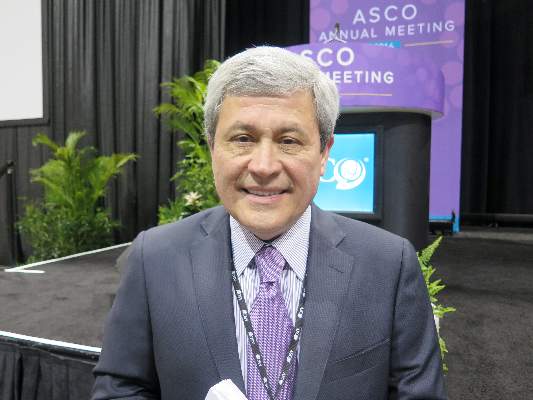
The efficacy seen in the trial “is an encouraging result. I think that it begs the question as to whether in patients who are ER positive, maybe the anti-estrogen can be dispensed with by a drug like abemaciclib. The randomized studies that are ongoing of endocrine therapies, plus-minus abemaciclib, will tell us the answer to that I think,” Dr. Arteaga further commented. “And for patients, this represents, in my opinion, progress because it’s just one more drug, one more therapeutic that we can add to the armamentarium. And in the end, patients will win because the drugs will be equally effective with different toxicity profiles, which may allow us to make deliberate recommendations for one versus the other, or to go from one to the other.”
Last year, the Food and Drug Administration awarded abemaciclib Breakthrough Therapy Designation for the treatment of hormone receptor–positive advanced or metastatic breast cancer on the basis of findings from a phase I trial. This designation is designed to expedite the development and review of drugs that are intended to treat a serious condition and for which preliminary clinical evidence indicates a possible substantial improvement over available therapy on a clinically significant endpoint.
Women with metastatic hormone receptor–positive, HER2-negative breast cancer were eligible for MONARCH 1 if they had received at least two chemotherapy regimens (including one containing a taxane) for their disease and had experienced progression on or after endocrine therapy.
Those enrolled were a heavily pretreated population, having received a median of three prior systemic regimens specifically for metastatic disease and five in total, Dr. Dickler reported. All were treated with abemaciclib (LY2835219) 200 mg twice daily on a continuous basis.
Results of the trial showed that the investigator-assessed overall response rate, reflecting patients with partial or complete response, was 19.7%. “This response rate is similar to that of chemotherapy in a taxane-pretreated patient population,” she noted. Findings were similar when responses were instead assessed by blinded reviewers.
The lower bound of the 95% confidence interval, 13.3%, did not exclude the 15% predefined lower bound that had been set in trial planning, Dr. Dickler acknowledged. At the same time, however, the upper bound was 27.5%.
The clinical benefit rate with abemaciclib, adding to the responders the patients who achieved stable disease for at least 6 months, was 42.4%.
The median time to response was 3.7 months, and the median duration of response was 8.6 months. Ultimately, patients had a median progression-free survival of 6.0 months and a median overall survival of 17.7 months.
The most common grade 3 clinical adverse events were diarrhea (seen in 19.7%) and fatigue (12.9%), while none of the patients experienced grade 4 clinical events.
“Generally, the diarrhea was experienced during the first cycle of treatment and resolved quickly,” Dr. Dickler noted. “It was manageable in the majority of patients, responsive to a temporary suspension of study drug, antidiarrheal agents, and dose reductions for grade 3 events. One patient discontinued study therapy due to diarrhea.”
The leading laboratory abnormalities of grade 3 or 4 were a reduction in white blood cell count (27.7%) and a reduction in neutrophil count (26.9%).
The rate of serious adverse events was 24.2%. Three patients died while on therapy or within a month of stopping.
Overall, 49.2% of patients needed a dose reduction, most commonly because of diarrhea, prompting a session attendee to ask whether perhaps a lower starting dose of abemaciclib “would be better tolerated and just as effective.”
The dose used in MONARCH 1 was the maximal tolerated dose established by the phase I trial, Dr. Dickler replied. “Diarrhea obviously was common, but 50% of patients did not require a dose reduction. And when diarrhea did develop, it was really manageable.”
“So I think as a single agent, it’s not unreasonable to start at 200 mg twice daily. In combination with endocrine therapy, in the studies MONARCH 2 and 3, the concurrent dose is 150 mg twice daily,” she pointed out.
The investigators are currently analyzing biomarkers in tumor tissue and plasma to ascertain any predictors of response, according to Dr. Dickler.
Patients with brain metastases were excluded from the trial, she noted. However, “abemaciclib appears to cross the blood-brain barrier, so there is a lot of interest in looking at abemaciclib in patients with brain metastases, and there is a trial that’s ongoing specifically for that.”
Dr. Dickler disclosed that she has a consulting or advisory role with AstraZeneca, Bristol-Myers Squibb, Eisai, Genentech/Roche, Merrimack, Novartis, Pfizer, and Syndax, and that she receives research funding (institutional) from Genentech/Roche, Lilly, and Novartis. The trial was sponsored by Eli Lilly and Company.
CHICAGO – The oral cell cycle inhibitor abemaciclib is active in refractory metastatic breast cancer that is positive for hormone receptors and negative for HER2, according to results of the MONARCH 1 trial.
Nearly a fifth of the 132 women studied experienced a tumor response to this investigational agent on the phase II trial, lead author Dr. Maura N. Dickler of Memorial Sloan Kettering Cancer Center, New York, reported at the annual meeting of the American Society of Clinical Oncology.
“MONARCH 1 confirms single-agent activity of abemaciclib in heavily pretreated patients with hormone receptor–positive, HER2-negative metastatic breast cancer,” she summarized. “The safety and toxicity profile is consistent with previous experience. Twice-daily continuous dosing was feasible, and few patients discontinued treatment due to adverse events.”
“Phase III studies of abemaciclib in combination with endocrine therapies are ongoing,” Dr. Dickler added, referring to MONARCH 2, which is testing the drug in combination with fulvestrant in endocrine-pretreated disease, and MONARCH 3, which is testing the drug in combination with nonsteroidal aromatase inhibitors as initial treatment for metastatic disease.
“This is another piece of evidence that suggests that CDK4 is a very good therapeutic target in breast cancer,” according to session comoderator Dr. Carlos Arteaga, associate director for clinical research and co-leader of the Breast Cancer Research Program at the Vanderbilt-Ingram Cancer Center in Nashville, Tennessee.
The toxicity profile of abemaciclib, an inhibitor of cyclin-dependent kinases (CDK) 4 and 6, differs somewhat from that of palbociclib (Ibrance), a similar agent already approved for combination therapy in this setting, he noted in an interview. Specifically, abemaciclib causes somewhat less neutropenia and more diarrhea, possibly because it has less activity against CDK6 (which also plays a role in hematopoiesis) than against CDK4, while palbociclib inhibits the two kinases equally.
The efficacy seen in the trial “is an encouraging result. I think that it begs the question as to whether in patients who are ER positive, maybe the anti-estrogen can be dispensed with by a drug like abemaciclib. The randomized studies that are ongoing of endocrine therapies, plus-minus abemaciclib, will tell us the answer to that I think,” Dr. Arteaga further commented. “And for patients, this represents, in my opinion, progress because it’s just one more drug, one more therapeutic that we can add to the armamentarium. And in the end, patients will win because the drugs will be equally effective with different toxicity profiles, which may allow us to make deliberate recommendations for one versus the other, or to go from one to the other.”
Last year, the Food and Drug Administration awarded abemaciclib Breakthrough Therapy Designation for the treatment of hormone receptor–positive advanced or metastatic breast cancer on the basis of findings from a phase I trial. This designation is designed to expedite the development and review of drugs that are intended to treat a serious condition and for which preliminary clinical evidence indicates a possible substantial improvement over available therapy on a clinically significant endpoint.
Women with metastatic hormone receptor–positive, HER2-negative breast cancer were eligible for MONARCH 1 if they had received at least two chemotherapy regimens (including one containing a taxane) for their disease and had experienced progression on or after endocrine therapy.
Those enrolled were a heavily pretreated population, having received a median of three prior systemic regimens specifically for metastatic disease and five in total, Dr. Dickler reported. All were treated with abemaciclib (LY2835219) 200 mg twice daily on a continuous basis.
Results of the trial showed that the investigator-assessed overall response rate, reflecting patients with partial or complete response, was 19.7%. “This response rate is similar to that of chemotherapy in a taxane-pretreated patient population,” she noted. Findings were similar when responses were instead assessed by blinded reviewers.
The lower bound of the 95% confidence interval, 13.3%, did not exclude the 15% predefined lower bound that had been set in trial planning, Dr. Dickler acknowledged. At the same time, however, the upper bound was 27.5%.
The clinical benefit rate with abemaciclib, adding to the responders the patients who achieved stable disease for at least 6 months, was 42.4%.
The median time to response was 3.7 months, and the median duration of response was 8.6 months. Ultimately, patients had a median progression-free survival of 6.0 months and a median overall survival of 17.7 months.
The most common grade 3 clinical adverse events were diarrhea (seen in 19.7%) and fatigue (12.9%), while none of the patients experienced grade 4 clinical events.
“Generally, the diarrhea was experienced during the first cycle of treatment and resolved quickly,” Dr. Dickler noted. “It was manageable in the majority of patients, responsive to a temporary suspension of study drug, antidiarrheal agents, and dose reductions for grade 3 events. One patient discontinued study therapy due to diarrhea.”
The leading laboratory abnormalities of grade 3 or 4 were a reduction in white blood cell count (27.7%) and a reduction in neutrophil count (26.9%).
The rate of serious adverse events was 24.2%. Three patients died while on therapy or within a month of stopping.
Overall, 49.2% of patients needed a dose reduction, most commonly because of diarrhea, prompting a session attendee to ask whether perhaps a lower starting dose of abemaciclib “would be better tolerated and just as effective.”
The dose used in MONARCH 1 was the maximal tolerated dose established by the phase I trial, Dr. Dickler replied. “Diarrhea obviously was common, but 50% of patients did not require a dose reduction. And when diarrhea did develop, it was really manageable.”
“So I think as a single agent, it’s not unreasonable to start at 200 mg twice daily. In combination with endocrine therapy, in the studies MONARCH 2 and 3, the concurrent dose is 150 mg twice daily,” she pointed out.
The investigators are currently analyzing biomarkers in tumor tissue and plasma to ascertain any predictors of response, according to Dr. Dickler.
Patients with brain metastases were excluded from the trial, she noted. However, “abemaciclib appears to cross the blood-brain barrier, so there is a lot of interest in looking at abemaciclib in patients with brain metastases, and there is a trial that’s ongoing specifically for that.”
Dr. Dickler disclosed that she has a consulting or advisory role with AstraZeneca, Bristol-Myers Squibb, Eisai, Genentech/Roche, Merrimack, Novartis, Pfizer, and Syndax, and that she receives research funding (institutional) from Genentech/Roche, Lilly, and Novartis. The trial was sponsored by Eli Lilly and Company.
CHICAGO – The oral cell cycle inhibitor abemaciclib is active in refractory metastatic breast cancer that is positive for hormone receptors and negative for HER2, according to results of the MONARCH 1 trial.
Nearly a fifth of the 132 women studied experienced a tumor response to this investigational agent on the phase II trial, lead author Dr. Maura N. Dickler of Memorial Sloan Kettering Cancer Center, New York, reported at the annual meeting of the American Society of Clinical Oncology.
“MONARCH 1 confirms single-agent activity of abemaciclib in heavily pretreated patients with hormone receptor–positive, HER2-negative metastatic breast cancer,” she summarized. “The safety and toxicity profile is consistent with previous experience. Twice-daily continuous dosing was feasible, and few patients discontinued treatment due to adverse events.”
“Phase III studies of abemaciclib in combination with endocrine therapies are ongoing,” Dr. Dickler added, referring to MONARCH 2, which is testing the drug in combination with fulvestrant in endocrine-pretreated disease, and MONARCH 3, which is testing the drug in combination with nonsteroidal aromatase inhibitors as initial treatment for metastatic disease.
“This is another piece of evidence that suggests that CDK4 is a very good therapeutic target in breast cancer,” according to session comoderator Dr. Carlos Arteaga, associate director for clinical research and co-leader of the Breast Cancer Research Program at the Vanderbilt-Ingram Cancer Center in Nashville, Tennessee.
The toxicity profile of abemaciclib, an inhibitor of cyclin-dependent kinases (CDK) 4 and 6, differs somewhat from that of palbociclib (Ibrance), a similar agent already approved for combination therapy in this setting, he noted in an interview. Specifically, abemaciclib causes somewhat less neutropenia and more diarrhea, possibly because it has less activity against CDK6 (which also plays a role in hematopoiesis) than against CDK4, while palbociclib inhibits the two kinases equally.
The efficacy seen in the trial “is an encouraging result. I think that it begs the question as to whether in patients who are ER positive, maybe the anti-estrogen can be dispensed with by a drug like abemaciclib. The randomized studies that are ongoing of endocrine therapies, plus-minus abemaciclib, will tell us the answer to that I think,” Dr. Arteaga further commented. “And for patients, this represents, in my opinion, progress because it’s just one more drug, one more therapeutic that we can add to the armamentarium. And in the end, patients will win because the drugs will be equally effective with different toxicity profiles, which may allow us to make deliberate recommendations for one versus the other, or to go from one to the other.”
Last year, the Food and Drug Administration awarded abemaciclib Breakthrough Therapy Designation for the treatment of hormone receptor–positive advanced or metastatic breast cancer on the basis of findings from a phase I trial. This designation is designed to expedite the development and review of drugs that are intended to treat a serious condition and for which preliminary clinical evidence indicates a possible substantial improvement over available therapy on a clinically significant endpoint.
Women with metastatic hormone receptor–positive, HER2-negative breast cancer were eligible for MONARCH 1 if they had received at least two chemotherapy regimens (including one containing a taxane) for their disease and had experienced progression on or after endocrine therapy.
Those enrolled were a heavily pretreated population, having received a median of three prior systemic regimens specifically for metastatic disease and five in total, Dr. Dickler reported. All were treated with abemaciclib (LY2835219) 200 mg twice daily on a continuous basis.
Results of the trial showed that the investigator-assessed overall response rate, reflecting patients with partial or complete response, was 19.7%. “This response rate is similar to that of chemotherapy in a taxane-pretreated patient population,” she noted. Findings were similar when responses were instead assessed by blinded reviewers.
The lower bound of the 95% confidence interval, 13.3%, did not exclude the 15% predefined lower bound that had been set in trial planning, Dr. Dickler acknowledged. At the same time, however, the upper bound was 27.5%.
The clinical benefit rate with abemaciclib, adding to the responders the patients who achieved stable disease for at least 6 months, was 42.4%.
The median time to response was 3.7 months, and the median duration of response was 8.6 months. Ultimately, patients had a median progression-free survival of 6.0 months and a median overall survival of 17.7 months.
The most common grade 3 clinical adverse events were diarrhea (seen in 19.7%) and fatigue (12.9%), while none of the patients experienced grade 4 clinical events.
“Generally, the diarrhea was experienced during the first cycle of treatment and resolved quickly,” Dr. Dickler noted. “It was manageable in the majority of patients, responsive to a temporary suspension of study drug, antidiarrheal agents, and dose reductions for grade 3 events. One patient discontinued study therapy due to diarrhea.”
The leading laboratory abnormalities of grade 3 or 4 were a reduction in white blood cell count (27.7%) and a reduction in neutrophil count (26.9%).
The rate of serious adverse events was 24.2%. Three patients died while on therapy or within a month of stopping.
Overall, 49.2% of patients needed a dose reduction, most commonly because of diarrhea, prompting a session attendee to ask whether perhaps a lower starting dose of abemaciclib “would be better tolerated and just as effective.”
The dose used in MONARCH 1 was the maximal tolerated dose established by the phase I trial, Dr. Dickler replied. “Diarrhea obviously was common, but 50% of patients did not require a dose reduction. And when diarrhea did develop, it was really manageable.”
“So I think as a single agent, it’s not unreasonable to start at 200 mg twice daily. In combination with endocrine therapy, in the studies MONARCH 2 and 3, the concurrent dose is 150 mg twice daily,” she pointed out.
The investigators are currently analyzing biomarkers in tumor tissue and plasma to ascertain any predictors of response, according to Dr. Dickler.
Patients with brain metastases were excluded from the trial, she noted. However, “abemaciclib appears to cross the blood-brain barrier, so there is a lot of interest in looking at abemaciclib in patients with brain metastases, and there is a trial that’s ongoing specifically for that.”
Dr. Dickler disclosed that she has a consulting or advisory role with AstraZeneca, Bristol-Myers Squibb, Eisai, Genentech/Roche, Merrimack, Novartis, Pfizer, and Syndax, and that she receives research funding (institutional) from Genentech/Roche, Lilly, and Novartis. The trial was sponsored by Eli Lilly and Company.
AT THE 2016 ASCO ANNUAL MEETING
Key clinical point: The cell cycle inhibitor abemaciclib is active in refractory HR+, HER2– metastatic breast cancer.
Major finding: The overall response rate to abemaciclib monotherapy was 19.7% and the clinical benefit rate was 42.4%.
Data source: A multicenter, single-arm phase II trial among 132 women who had received endocrine therapy and chemotherapy for HR-positive, HER2-negative metastatic breast cancer.
Disclosures: Dr. Dickler disclosed that she has a consulting or advisory role with AstraZeneca, Bristol-Myers Squibb, Eisai, Genentech/Roche, Merrimack, Novartis, Pfizer, and Syndax, and that she receives research funding (institutional) from Genentech/Roche, Lilly, and Novartis. The trial was sponsored by Eli Lilly and Company.
VIDEO: Dr. Rugo discusses regulatory future for trastuzumab biosimilar
CHICAGO – Dr. Hope Rugo presented results from a phase III trial comparing the safety and efficacy of the trastuzumab biosimilar MYL-1401O and the FDA-approved trastuzumab (Herceptin), indicating the two were comparable. After 24 weeks, the objective response rates were 69.6% (95% CI: 63.62 to 75.51) for MYL-1401O and 64% (95% CI: 57.81 to 70.26) for trastuzumab. Rates of serious adverse events were comparable at 38.1% among patients receiving MYL-1401O and 36.2% among patients receiving Herceptin.
In a video interview at the annual meeting of the American Society of Clinical Oncology, Dr. Rugo discusses the regulatory future of the biosimilar and prospects for other cancer drug biosimilars. Dr. Rugo is a professor of medicine at the University of California, San Francisco.
The video associated with this article is no longer available on this site. Please view all of our videos on the MDedge YouTube channel
CHICAGO – Dr. Hope Rugo presented results from a phase III trial comparing the safety and efficacy of the trastuzumab biosimilar MYL-1401O and the FDA-approved trastuzumab (Herceptin), indicating the two were comparable. After 24 weeks, the objective response rates were 69.6% (95% CI: 63.62 to 75.51) for MYL-1401O and 64% (95% CI: 57.81 to 70.26) for trastuzumab. Rates of serious adverse events were comparable at 38.1% among patients receiving MYL-1401O and 36.2% among patients receiving Herceptin.
In a video interview at the annual meeting of the American Society of Clinical Oncology, Dr. Rugo discusses the regulatory future of the biosimilar and prospects for other cancer drug biosimilars. Dr. Rugo is a professor of medicine at the University of California, San Francisco.
The video associated with this article is no longer available on this site. Please view all of our videos on the MDedge YouTube channel
CHICAGO – Dr. Hope Rugo presented results from a phase III trial comparing the safety and efficacy of the trastuzumab biosimilar MYL-1401O and the FDA-approved trastuzumab (Herceptin), indicating the two were comparable. After 24 weeks, the objective response rates were 69.6% (95% CI: 63.62 to 75.51) for MYL-1401O and 64% (95% CI: 57.81 to 70.26) for trastuzumab. Rates of serious adverse events were comparable at 38.1% among patients receiving MYL-1401O and 36.2% among patients receiving Herceptin.
In a video interview at the annual meeting of the American Society of Clinical Oncology, Dr. Rugo discusses the regulatory future of the biosimilar and prospects for other cancer drug biosimilars. Dr. Rugo is a professor of medicine at the University of California, San Francisco.
The video associated with this article is no longer available on this site. Please view all of our videos on the MDedge YouTube channel
AT THE 2016 ASCO ANNUAL MEETING
Biosimilar trastuzumab comparable on safety, efficacy
CHICAGO – The biosimilar trastuzumab antibody MYL-1401O is comparable in safety and efficacy to the FDA-approved trastuzumab (Herceptin) in women with HER2-positive advanced breast cancer, finds a phase III trial reported at the annual meeting of the American Society for Clinical Oncology.
Objective response rates at 24 weeks, the primary endpoint, were 69.6% with MYL-14010 compared to 64% with trastuzumab, reported lead author Dr. Hope Rugo of University of California, San Francisco.

A total of 500 patients with metastatic HER2-positive breast cancer were randomized in the Heritage trial to receive taxane chemotherapy with either trastuzumab or MYL-14010 for at least 8 cycles, followed by trastuzumab alone until disease progression. Response rates were assessed at 24 weeks and 458 patients were evaluable. Patients were enrolled at 95 centers in Asia, Latin America, Africa, and Europe.
Safety was comparable between the two arms; 38.1% of patients receiving MYL-1401O and 36.2% of patients receiving trastuzumab experienced at least one serious adverse event. There were four treatment-related deaths in each arm. Neutropenia was the most common adverse event.
“The Heritage study has demonstrated efficacy equivalence between the trastuzumab biosimilar MYL-1401O [and] Herceptin in combinations with taxanes as first-line therapies for HER2-positive metastatic breast cancer at 24 weeks. We also demonstrated similar safety, immunogenicity and pharmokinetics. This proposed biosimilar has the potential to meet the need for an affordable treatment option with HER2-positive breast cancer,” Dr. Rugo said.
She also said that she would readily adopt MYL-1401O as an alternative once it gains FDA approval.
Mylan, makers of MYL-14010, funded the study. Ten investigators reported serving in advisory roles for, having ownership or stock interest in, or receiving financial compensation or honoraria from multiple companies, including Mylan.
On Twitter @JessCraig_OP
CHICAGO – The biosimilar trastuzumab antibody MYL-1401O is comparable in safety and efficacy to the FDA-approved trastuzumab (Herceptin) in women with HER2-positive advanced breast cancer, finds a phase III trial reported at the annual meeting of the American Society for Clinical Oncology.
Objective response rates at 24 weeks, the primary endpoint, were 69.6% with MYL-14010 compared to 64% with trastuzumab, reported lead author Dr. Hope Rugo of University of California, San Francisco.
A total of 500 patients with metastatic HER2-positive breast cancer were randomized in the Heritage trial to receive taxane chemotherapy with either trastuzumab or MYL-14010 for at least 8 cycles, followed by trastuzumab alone until disease progression. Response rates were assessed at 24 weeks and 458 patients were evaluable. Patients were enrolled at 95 centers in Asia, Latin America, Africa, and Europe.
Safety was comparable between the two arms; 38.1% of patients receiving MYL-1401O and 36.2% of patients receiving trastuzumab experienced at least one serious adverse event. There were four treatment-related deaths in each arm. Neutropenia was the most common adverse event.
“The Heritage study has demonstrated efficacy equivalence between the trastuzumab biosimilar MYL-1401O [and] Herceptin in combinations with taxanes as first-line therapies for HER2-positive metastatic breast cancer at 24 weeks. We also demonstrated similar safety, immunogenicity and pharmokinetics. This proposed biosimilar has the potential to meet the need for an affordable treatment option with HER2-positive breast cancer,” Dr. Rugo said.
She also said that she would readily adopt MYL-1401O as an alternative once it gains FDA approval.
Mylan, makers of MYL-14010, funded the study. Ten investigators reported serving in advisory roles for, having ownership or stock interest in, or receiving financial compensation or honoraria from multiple companies, including Mylan.
On Twitter @JessCraig_OP
CHICAGO – The biosimilar trastuzumab antibody MYL-1401O is comparable in safety and efficacy to the FDA-approved trastuzumab (Herceptin) in women with HER2-positive advanced breast cancer, finds a phase III trial reported at the annual meeting of the American Society for Clinical Oncology.
Objective response rates at 24 weeks, the primary endpoint, were 69.6% with MYL-14010 compared to 64% with trastuzumab, reported lead author Dr. Hope Rugo of University of California, San Francisco.
A total of 500 patients with metastatic HER2-positive breast cancer were randomized in the Heritage trial to receive taxane chemotherapy with either trastuzumab or MYL-14010 for at least 8 cycles, followed by trastuzumab alone until disease progression. Response rates were assessed at 24 weeks and 458 patients were evaluable. Patients were enrolled at 95 centers in Asia, Latin America, Africa, and Europe.
Safety was comparable between the two arms; 38.1% of patients receiving MYL-1401O and 36.2% of patients receiving trastuzumab experienced at least one serious adverse event. There were four treatment-related deaths in each arm. Neutropenia was the most common adverse event.
“The Heritage study has demonstrated efficacy equivalence between the trastuzumab biosimilar MYL-1401O [and] Herceptin in combinations with taxanes as first-line therapies for HER2-positive metastatic breast cancer at 24 weeks. We also demonstrated similar safety, immunogenicity and pharmokinetics. This proposed biosimilar has the potential to meet the need for an affordable treatment option with HER2-positive breast cancer,” Dr. Rugo said.
She also said that she would readily adopt MYL-1401O as an alternative once it gains FDA approval.
Mylan, makers of MYL-14010, funded the study. Ten investigators reported serving in advisory roles for, having ownership or stock interest in, or receiving financial compensation or honoraria from multiple companies, including Mylan.
On Twitter @JessCraig_OP
AT THE 2016 ASCO ANNUAL MEETING
Key clinical point: MYL-1401O is comparable in safety and efficacy to trastuzumab for women with HER2-positive advanced breast cancer.
Major finding: The objective response rates at 24 weeks were 69.6% with MYL-1401O and 64% for trastuzumab. Overall, 38.1% of patients receiving MYL-1401O and 36.2% of patients receiving trastuzumab experienced at least one serious adverse event.
Data source: A randomized phase III clinical study of 500 patients with HER2-positive advanced breast cancer enrolled at 95 sites worldwide.
Disclosures: This study was sponsored by Mylan. Ten investigators reported serving in advisory roles for, having ownership or stock interest in, or receiving financial compensation or honoraria from multiple companies, including Mylan.

Targeting vagal activity could improve breast cancer survival
ATLANTA – Vagal activity predicts survival in patients with metastatic or recurrent breast cancer, a study showed.
The findings are intriguing, given that vagal activity is modifiable, according to Dr. David Spiegel, Willson Professor of Psychiatry and Behavioral Sciences and director of the center on stress and health at Stanford (Calif.) University.

The study, conducted by Dr. Spiegel and his colleagues, is one of several that together are beginning to elucidate the connections among sleep, stress, and vagal tone, and the effects these factors have on cancer outcomes. For example, in one earlier study of metastatic breast cancer patients, the group demonstrated that good sleep efficiency predicted longer survival (Sleep. 2014 May 1;37[5]:837-42).
“There’s something about sleep that we think has an effect on disease progression,” Dr. Spiegel said at the annual meeting of the American Psychiatric Association.
In another study, the team showed that breast cancer patients who slept better at night had better vagal tone the following morning.
“We all kind of know that a problem that has been keeping you from getting to sleep or worrying you a lot the night before suddenly seems more soluble in the morning after you’ve had a good night’s sleep. You’re better able to self-soothe in the morning,” he said, noting the importance of this evidence that “sleep improves vagal tone.”
Heart rate variability is a good measure of vagal tone, vagal activity, and the ability to self-soothe, he explained, noting that heart rate variability also predicts longer survival with cardiac disease; it seems to reduce the risk of fatal arrhythmias, and also predicts recovery from myocardial infarction.
Others have suggested that it might have an effect on cancer, and there seems to be a link between vagal activity and inflammatory processes, Dr. Spiegel said.
“There is reason to think that poor heart rate variability might be associated with cancer progression as well, and that’s what we wanted to study in a group of metastatic cancer patients,” he said.
Dr. Spiegel and his colleagues measured high-frequency heart rate variability (HF-HRV), which appears to be the best measure of parasympathetic tone, has been associated with longer survival in humans and animals, and is related to immune system functioning.
“We hypothesized that higher heart rate variability would predict longer survival in patients with MRBC [metastatic or recurrent breast cancer],” he said.
In 87 patients with metastases to bone, skin, or viscera who underwent a variety of stress measures, including a 5-minute resting baseline electrocardiogram, 43 had higher HF-HRV, and 44 had lower HF-HRV. Higher baseline HF-HRV did, indeed, predict significantly longer survival (hazard ratio, 0.75).
“The main hypothesis was confirmed – that patients with better vagal tone, higher high-frequency heart rate variability had significantly longer survival over the ensuing 7 years, compared with the patients who had poorer heart rate variability, poorer vagal tone,” he said (Psychosom Med. 2015;77[4]:346-55).
Visceral metastasis status and baseline heart rate both were related to HF-HRV and survival, and the combination of HF-HRV and heart rate further improved survival prediction (HR, 0.64), he noted.
“This is basically coactivation of higher parasympathetic and lower sympathetic activity related to longer survival,” he explained.
Reconstructive surgery, the presence of visceral metastases, and sleep efficiency each were found to be associated with heart rate variability; thus several analyses were conducted “to try to disentangle these relationships and determine what the major variables were that predicted survival,” Dr. Spiegel said.
“It turns out that heart rate variability and visceral metastases were significantly related, and heart rate variability did not predict survival,” he said, explaining that those with visceral metastases (and therefore, cancer with a much poorer prognosis) died sooner, but heart rate variability didn’t make much of a difference. “Where we saw the heart rate variability effect was among those with better prognosis.”
A combination measure of high heart rate variability (“a pretty pure measure of vagal activity, not sympathetic activity”) and low heart rate (“more driven by the sympathetic adrenal-medullary system”) is an even stronger predictor of overall survival, he said.
This suggests that autonomic nervous system variables play a strong role in predicting overall cancer survival, Dr. Spiegel said, noting that depression was not a confounder.
“This is important, because we have, in other studies, found that depression is associated with lower heart rate variability, as you might expect,” he said. In fact, depression has been found to predict shorter survival in cancer patients over a period of 10 years. In an earlier study, cancer patients with worsening depression in the first year died sooner than those with depression that improved during the first year (J Clin Oncol. 2011;29[4]:413-20).
“The median survival difference was about 2 years, so this is not a trivial difference in overall survival,” he said, stressing that the finding is based on more chronic and severe depression.
Other studies have demonstrated relationships between circadian rhythm disruption and cancer survival. In one such study involving patients with metastatic colorectal cancer, circadian rhythm/rest activity cycle (more activity during the day, more rest at night) was associated with better quality of life and predicted survival.
“This has been shown now in several cancers, and it’s clear that a combination of higher activity and better sleep predict longer survival with different kinds of cancers,” Dr. Spiegel said, explaining that a hallmark of a healthy hypothalamic-pituitary-adrenal axis is good diurnal variation of cortisol with high levels in the morning and declining levels throughout the day.
Women with metastatic breast cancer and poorer survival tended to have flat or increasing levels of cortisol throughout the day, he said, adding that the same was true in a study of patients with lung cancer, and that there is evidence that those among them with flatter, more abnormal cortisol patterns throughout the day also have shorter survival.
Animal studies suggest that cortisol might directly suppress the activity of tumor suppressor genes, he explained, noting that there is also increasing evidence of autonomic dysregulation effects on inflammatory processes associated with tumor growth.
“Some basic research on this in animal models shows that if you block adrenergic arousal, you can block the growth of blood vessels from tumors. This has led some people to look at the use of antiadrenergic drugs like the beta-blocker propranolol, and it turned out – to everyone’s surprise – that breast cancer patients who happened to be on beta-blockers for hypertension actually lived longer than those who didn’t,” he said.
This adds to the growing evidence that dysregulation in the sympathetic and parasympathetic systems have effects on survival, he said.
A look at another factor related to sleep disruption – bedtime misalignment – showed that patients who adhere to their preferred sleep pattern, and who are therefore sleeping better, had a difference in disease-free interval; those whose bedtime was misaligned had a shorter time between diagnosis and disease recurrence (Chronobiol Int. 2014 Mar 31[2]214-21).
“Disease-free interval is a very strong predictor of ultimate overall survival, so there seems to be another relationship here between circadian disruption and disease progression in breast cancer,” Dr. Spiegel said.
Taken together, these findings demonstrate a strong association between vagal activity and survival in patients with metastatic or recurrent breast cancer, extending the known predictive window of HF-HRV beyond palliative care to cancer, Dr. Spiegel said.
“Vagal activity can be altered through behavioral, pharmacological, and surgical interventions and thus may be a promising target for increasing survival in patients with metastatic cancer,” he said.
Dr. Spiegel’s studies were funded by the National Cancer Institute and the National Institute on Aging.
ATLANTA – Vagal activity predicts survival in patients with metastatic or recurrent breast cancer, a study showed.
The findings are intriguing, given that vagal activity is modifiable, according to Dr. David Spiegel, Willson Professor of Psychiatry and Behavioral Sciences and director of the center on stress and health at Stanford (Calif.) University.
The study, conducted by Dr. Spiegel and his colleagues, is one of several that together are beginning to elucidate the connections among sleep, stress, and vagal tone, and the effects these factors have on cancer outcomes. For example, in one earlier study of metastatic breast cancer patients, the group demonstrated that good sleep efficiency predicted longer survival (Sleep. 2014 May 1;37[5]:837-42).
“There’s something about sleep that we think has an effect on disease progression,” Dr. Spiegel said at the annual meeting of the American Psychiatric Association.
In another study, the team showed that breast cancer patients who slept better at night had better vagal tone the following morning.
“We all kind of know that a problem that has been keeping you from getting to sleep or worrying you a lot the night before suddenly seems more soluble in the morning after you’ve had a good night’s sleep. You’re better able to self-soothe in the morning,” he said, noting the importance of this evidence that “sleep improves vagal tone.”
Heart rate variability is a good measure of vagal tone, vagal activity, and the ability to self-soothe, he explained, noting that heart rate variability also predicts longer survival with cardiac disease; it seems to reduce the risk of fatal arrhythmias, and also predicts recovery from myocardial infarction.
Others have suggested that it might have an effect on cancer, and there seems to be a link between vagal activity and inflammatory processes, Dr. Spiegel said.
“There is reason to think that poor heart rate variability might be associated with cancer progression as well, and that’s what we wanted to study in a group of metastatic cancer patients,” he said.
Dr. Spiegel and his colleagues measured high-frequency heart rate variability (HF-HRV), which appears to be the best measure of parasympathetic tone, has been associated with longer survival in humans and animals, and is related to immune system functioning.
“We hypothesized that higher heart rate variability would predict longer survival in patients with MRBC [metastatic or recurrent breast cancer],” he said.
In 87 patients with metastases to bone, skin, or viscera who underwent a variety of stress measures, including a 5-minute resting baseline electrocardiogram, 43 had higher HF-HRV, and 44 had lower HF-HRV. Higher baseline HF-HRV did, indeed, predict significantly longer survival (hazard ratio, 0.75).
“The main hypothesis was confirmed – that patients with better vagal tone, higher high-frequency heart rate variability had significantly longer survival over the ensuing 7 years, compared with the patients who had poorer heart rate variability, poorer vagal tone,” he said (Psychosom Med. 2015;77[4]:346-55).
Visceral metastasis status and baseline heart rate both were related to HF-HRV and survival, and the combination of HF-HRV and heart rate further improved survival prediction (HR, 0.64), he noted.
“This is basically coactivation of higher parasympathetic and lower sympathetic activity related to longer survival,” he explained.
Reconstructive surgery, the presence of visceral metastases, and sleep efficiency each were found to be associated with heart rate variability; thus several analyses were conducted “to try to disentangle these relationships and determine what the major variables were that predicted survival,” Dr. Spiegel said.
“It turns out that heart rate variability and visceral metastases were significantly related, and heart rate variability did not predict survival,” he said, explaining that those with visceral metastases (and therefore, cancer with a much poorer prognosis) died sooner, but heart rate variability didn’t make much of a difference. “Where we saw the heart rate variability effect was among those with better prognosis.”
A combination measure of high heart rate variability (“a pretty pure measure of vagal activity, not sympathetic activity”) and low heart rate (“more driven by the sympathetic adrenal-medullary system”) is an even stronger predictor of overall survival, he said.
This suggests that autonomic nervous system variables play a strong role in predicting overall cancer survival, Dr. Spiegel said, noting that depression was not a confounder.
“This is important, because we have, in other studies, found that depression is associated with lower heart rate variability, as you might expect,” he said. In fact, depression has been found to predict shorter survival in cancer patients over a period of 10 years. In an earlier study, cancer patients with worsening depression in the first year died sooner than those with depression that improved during the first year (J Clin Oncol. 2011;29[4]:413-20).
“The median survival difference was about 2 years, so this is not a trivial difference in overall survival,” he said, stressing that the finding is based on more chronic and severe depression.
Other studies have demonstrated relationships between circadian rhythm disruption and cancer survival. In one such study involving patients with metastatic colorectal cancer, circadian rhythm/rest activity cycle (more activity during the day, more rest at night) was associated with better quality of life and predicted survival.
“This has been shown now in several cancers, and it’s clear that a combination of higher activity and better sleep predict longer survival with different kinds of cancers,” Dr. Spiegel said, explaining that a hallmark of a healthy hypothalamic-pituitary-adrenal axis is good diurnal variation of cortisol with high levels in the morning and declining levels throughout the day.
Women with metastatic breast cancer and poorer survival tended to have flat or increasing levels of cortisol throughout the day, he said, adding that the same was true in a study of patients with lung cancer, and that there is evidence that those among them with flatter, more abnormal cortisol patterns throughout the day also have shorter survival.
Animal studies suggest that cortisol might directly suppress the activity of tumor suppressor genes, he explained, noting that there is also increasing evidence of autonomic dysregulation effects on inflammatory processes associated with tumor growth.
“Some basic research on this in animal models shows that if you block adrenergic arousal, you can block the growth of blood vessels from tumors. This has led some people to look at the use of antiadrenergic drugs like the beta-blocker propranolol, and it turned out – to everyone’s surprise – that breast cancer patients who happened to be on beta-blockers for hypertension actually lived longer than those who didn’t,” he said.
This adds to the growing evidence that dysregulation in the sympathetic and parasympathetic systems have effects on survival, he said.
A look at another factor related to sleep disruption – bedtime misalignment – showed that patients who adhere to their preferred sleep pattern, and who are therefore sleeping better, had a difference in disease-free interval; those whose bedtime was misaligned had a shorter time between diagnosis and disease recurrence (Chronobiol Int. 2014 Mar 31[2]214-21).
“Disease-free interval is a very strong predictor of ultimate overall survival, so there seems to be another relationship here between circadian disruption and disease progression in breast cancer,” Dr. Spiegel said.
Taken together, these findings demonstrate a strong association between vagal activity and survival in patients with metastatic or recurrent breast cancer, extending the known predictive window of HF-HRV beyond palliative care to cancer, Dr. Spiegel said.
“Vagal activity can be altered through behavioral, pharmacological, and surgical interventions and thus may be a promising target for increasing survival in patients with metastatic cancer,” he said.
Dr. Spiegel’s studies were funded by the National Cancer Institute and the National Institute on Aging.
ATLANTA – Vagal activity predicts survival in patients with metastatic or recurrent breast cancer, a study showed.
The findings are intriguing, given that vagal activity is modifiable, according to Dr. David Spiegel, Willson Professor of Psychiatry and Behavioral Sciences and director of the center on stress and health at Stanford (Calif.) University.
The study, conducted by Dr. Spiegel and his colleagues, is one of several that together are beginning to elucidate the connections among sleep, stress, and vagal tone, and the effects these factors have on cancer outcomes. For example, in one earlier study of metastatic breast cancer patients, the group demonstrated that good sleep efficiency predicted longer survival (Sleep. 2014 May 1;37[5]:837-42).
“There’s something about sleep that we think has an effect on disease progression,” Dr. Spiegel said at the annual meeting of the American Psychiatric Association.
In another study, the team showed that breast cancer patients who slept better at night had better vagal tone the following morning.
“We all kind of know that a problem that has been keeping you from getting to sleep or worrying you a lot the night before suddenly seems more soluble in the morning after you’ve had a good night’s sleep. You’re better able to self-soothe in the morning,” he said, noting the importance of this evidence that “sleep improves vagal tone.”
Heart rate variability is a good measure of vagal tone, vagal activity, and the ability to self-soothe, he explained, noting that heart rate variability also predicts longer survival with cardiac disease; it seems to reduce the risk of fatal arrhythmias, and also predicts recovery from myocardial infarction.
Others have suggested that it might have an effect on cancer, and there seems to be a link between vagal activity and inflammatory processes, Dr. Spiegel said.
“There is reason to think that poor heart rate variability might be associated with cancer progression as well, and that’s what we wanted to study in a group of metastatic cancer patients,” he said.
Dr. Spiegel and his colleagues measured high-frequency heart rate variability (HF-HRV), which appears to be the best measure of parasympathetic tone, has been associated with longer survival in humans and animals, and is related to immune system functioning.
“We hypothesized that higher heart rate variability would predict longer survival in patients with MRBC [metastatic or recurrent breast cancer],” he said.
In 87 patients with metastases to bone, skin, or viscera who underwent a variety of stress measures, including a 5-minute resting baseline electrocardiogram, 43 had higher HF-HRV, and 44 had lower HF-HRV. Higher baseline HF-HRV did, indeed, predict significantly longer survival (hazard ratio, 0.75).
“The main hypothesis was confirmed – that patients with better vagal tone, higher high-frequency heart rate variability had significantly longer survival over the ensuing 7 years, compared with the patients who had poorer heart rate variability, poorer vagal tone,” he said (Psychosom Med. 2015;77[4]:346-55).
Visceral metastasis status and baseline heart rate both were related to HF-HRV and survival, and the combination of HF-HRV and heart rate further improved survival prediction (HR, 0.64), he noted.
“This is basically coactivation of higher parasympathetic and lower sympathetic activity related to longer survival,” he explained.
Reconstructive surgery, the presence of visceral metastases, and sleep efficiency each were found to be associated with heart rate variability; thus several analyses were conducted “to try to disentangle these relationships and determine what the major variables were that predicted survival,” Dr. Spiegel said.
“It turns out that heart rate variability and visceral metastases were significantly related, and heart rate variability did not predict survival,” he said, explaining that those with visceral metastases (and therefore, cancer with a much poorer prognosis) died sooner, but heart rate variability didn’t make much of a difference. “Where we saw the heart rate variability effect was among those with better prognosis.”
A combination measure of high heart rate variability (“a pretty pure measure of vagal activity, not sympathetic activity”) and low heart rate (“more driven by the sympathetic adrenal-medullary system”) is an even stronger predictor of overall survival, he said.
This suggests that autonomic nervous system variables play a strong role in predicting overall cancer survival, Dr. Spiegel said, noting that depression was not a confounder.
“This is important, because we have, in other studies, found that depression is associated with lower heart rate variability, as you might expect,” he said. In fact, depression has been found to predict shorter survival in cancer patients over a period of 10 years. In an earlier study, cancer patients with worsening depression in the first year died sooner than those with depression that improved during the first year (J Clin Oncol. 2011;29[4]:413-20).
“The median survival difference was about 2 years, so this is not a trivial difference in overall survival,” he said, stressing that the finding is based on more chronic and severe depression.
Other studies have demonstrated relationships between circadian rhythm disruption and cancer survival. In one such study involving patients with metastatic colorectal cancer, circadian rhythm/rest activity cycle (more activity during the day, more rest at night) was associated with better quality of life and predicted survival.
“This has been shown now in several cancers, and it’s clear that a combination of higher activity and better sleep predict longer survival with different kinds of cancers,” Dr. Spiegel said, explaining that a hallmark of a healthy hypothalamic-pituitary-adrenal axis is good diurnal variation of cortisol with high levels in the morning and declining levels throughout the day.
Women with metastatic breast cancer and poorer survival tended to have flat or increasing levels of cortisol throughout the day, he said, adding that the same was true in a study of patients with lung cancer, and that there is evidence that those among them with flatter, more abnormal cortisol patterns throughout the day also have shorter survival.
Animal studies suggest that cortisol might directly suppress the activity of tumor suppressor genes, he explained, noting that there is also increasing evidence of autonomic dysregulation effects on inflammatory processes associated with tumor growth.
“Some basic research on this in animal models shows that if you block adrenergic arousal, you can block the growth of blood vessels from tumors. This has led some people to look at the use of antiadrenergic drugs like the beta-blocker propranolol, and it turned out – to everyone’s surprise – that breast cancer patients who happened to be on beta-blockers for hypertension actually lived longer than those who didn’t,” he said.
This adds to the growing evidence that dysregulation in the sympathetic and parasympathetic systems have effects on survival, he said.
A look at another factor related to sleep disruption – bedtime misalignment – showed that patients who adhere to their preferred sleep pattern, and who are therefore sleeping better, had a difference in disease-free interval; those whose bedtime was misaligned had a shorter time between diagnosis and disease recurrence (Chronobiol Int. 2014 Mar 31[2]214-21).
“Disease-free interval is a very strong predictor of ultimate overall survival, so there seems to be another relationship here between circadian disruption and disease progression in breast cancer,” Dr. Spiegel said.
Taken together, these findings demonstrate a strong association between vagal activity and survival in patients with metastatic or recurrent breast cancer, extending the known predictive window of HF-HRV beyond palliative care to cancer, Dr. Spiegel said.
“Vagal activity can be altered through behavioral, pharmacological, and surgical interventions and thus may be a promising target for increasing survival in patients with metastatic cancer,” he said.
Dr. Spiegel’s studies were funded by the National Cancer Institute and the National Institute on Aging.
AT THE APA ANNUAL MEETING
Key clinical point: Vagal activity predicted survival in patients with metastatic or recurrent breast cancer.
Major finding: Higher baseline HF-HRV predicted significantly longer survival (hazard ratio, 0.75).
Data source: A study of 87 patients with metastatic or recurrent breast cancer.
Disclosures: Dr. Spiegel’s studies were funded by the National Cancer Institute and the National Institute on Aging.

Investigational CDK4/6 inhibitor shows activity, less toxicity
Abemaciclib, a CDK4/6 inhibitor, showed durable clinical activity when given as continuous single-agent therapy to patients with advanced cancer, including breast cancer and non–small-cell lung cancer, according to investigators.
Neutropenia was rarely observed in patients treated with abemaciclib, the toxicity observed in some patients who receive the only Food and Drug Administration–approved CDK4/6 inhibitor, palbociclib.
“Abemaciclib is a small-molecule inhibitor of CDK4 and CDK6 that is structurally distinct from other dual inhibitors (such as palbociclib and ribociclib) and notably exhibits greater selectivity for CDK4 compared with CDK6,” wrote Dr. Amita Patnaik of South Texas Accelerated Research Therapeutics and her associates (Cancer Discov. 2016 May 23. doi: 10.1158/2159-8290.CD-16-0095).
Furthermore, preclinical models indicate that the drug can cross the blood-brain barrier, suggesting potential efficacy against primary and metastatic tumors involving the central nervous system, they said.
A total of 225 patients with various types of advanced cancers were enrolled in this multicohort phase I study (dose escalation, n = 33; single-agent abemaciclib therapy for breast cancer, n = 47; non–small-cell lung cancer, n = 68; glioblastoma, n = 17; melanoma, n = 26; colorectal cancer, n = 15; abemaciclib plus fulvestrant combination therapy for hormone receptor–positive breast cancer, n = 19). Abemaciclib was given orally to all patients.
Neither dose-limiting toxicity nor maximum tolerated dose was reached in patients treated at levels of 50 mg, 100 mg, 150 mg, or 225 mg once daily. The maximum tolerated dose was 200 mg for patients treated with abemaciclib twice daily.
In the single-agent breast cancer cohort, the disease control rate was 81% for hormone receptor–positive (HR-positive) tumors, 33% for HR-negative tumors, 100% for HR-positive HER2-positive tumors, 72% for HR-positive HER2-negative tumors, and 70% overall. The response rate was 31% for HR-positive tumors, 0% for HR-negative tumors, 36% for HR-positive HER2-positive tumors, 28% for HR-positive HER2-negative tumors, and 23% overall.
The overall response rate was 21% for breast cancer patients receiving abemaciclib plus fulvestrant.
Among the 68 patients with non–small-cell lung cancer, 2 had a partial response and 31 had stable disease. Of the 26 patients with melanoma, 1 had a partial response and 6 had stable disease. Of the 17 patients with glioblastoma, 3 had stable disease.
Overall, there were no study-related deaths. Diarrhea, nausea, and fatigue were the most common adverse events; all were reversible.
Neutropenia was observed in 39 patients (23% of 173 patients in the single-agent tumor-specific cohort) – 2 were grade 4 events. Grade 3 neutropenia occurred in 6 patients (32% of 19 patients with HR-positive breast cancer receiving combination therapy with abemaciclib plus fulvestrant).
“Previous reports have identified neutropenia as an adverse event associated with dual inhibition of CDK4 and CDK6. However, abemaciclib given as a single agent on a continuous schedule in the tumor-specific cohorts was associated with an acceptable incidence of investigator-reported grade 3 (9%, 16 of 173 patients) or grade 4 (1%, 2 of 173 patients) neutropenia,” wrote the investigators.
“In summary, the results of this clinical trial demonstrate the safety and antitumor activity of abemaciclib as a single agent and support its further development both as monotherapy and in rational combinations. Furthermore, these findings validate CDK4 and CDK6 as anticancer drug targets and translate preclinical predictions regarding therapeutic targeting of cell-cycle derangements in cancer into clinical efficacy,”they wrote.
Eli Lilly funded the study. Eight investigators reported serving in advisory roles, having ownership or stock interest in, or receiving financial compensation from multiple companies including Eli Lilly.
On Twitter @JessCraig_OP
Abemaciclib, a CDK4/6 inhibitor, showed durable clinical activity when given as continuous single-agent therapy to patients with advanced cancer, including breast cancer and non–small-cell lung cancer, according to investigators.
Neutropenia was rarely observed in patients treated with abemaciclib, the toxicity observed in some patients who receive the only Food and Drug Administration–approved CDK4/6 inhibitor, palbociclib.
“Abemaciclib is a small-molecule inhibitor of CDK4 and CDK6 that is structurally distinct from other dual inhibitors (such as palbociclib and ribociclib) and notably exhibits greater selectivity for CDK4 compared with CDK6,” wrote Dr. Amita Patnaik of South Texas Accelerated Research Therapeutics and her associates (Cancer Discov. 2016 May 23. doi: 10.1158/2159-8290.CD-16-0095).
Furthermore, preclinical models indicate that the drug can cross the blood-brain barrier, suggesting potential efficacy against primary and metastatic tumors involving the central nervous system, they said.
A total of 225 patients with various types of advanced cancers were enrolled in this multicohort phase I study (dose escalation, n = 33; single-agent abemaciclib therapy for breast cancer, n = 47; non–small-cell lung cancer, n = 68; glioblastoma, n = 17; melanoma, n = 26; colorectal cancer, n = 15; abemaciclib plus fulvestrant combination therapy for hormone receptor–positive breast cancer, n = 19). Abemaciclib was given orally to all patients.
Neither dose-limiting toxicity nor maximum tolerated dose was reached in patients treated at levels of 50 mg, 100 mg, 150 mg, or 225 mg once daily. The maximum tolerated dose was 200 mg for patients treated with abemaciclib twice daily.
In the single-agent breast cancer cohort, the disease control rate was 81% for hormone receptor–positive (HR-positive) tumors, 33% for HR-negative tumors, 100% for HR-positive HER2-positive tumors, 72% for HR-positive HER2-negative tumors, and 70% overall. The response rate was 31% for HR-positive tumors, 0% for HR-negative tumors, 36% for HR-positive HER2-positive tumors, 28% for HR-positive HER2-negative tumors, and 23% overall.
The overall response rate was 21% for breast cancer patients receiving abemaciclib plus fulvestrant.
Among the 68 patients with non–small-cell lung cancer, 2 had a partial response and 31 had stable disease. Of the 26 patients with melanoma, 1 had a partial response and 6 had stable disease. Of the 17 patients with glioblastoma, 3 had stable disease.
Overall, there were no study-related deaths. Diarrhea, nausea, and fatigue were the most common adverse events; all were reversible.
Neutropenia was observed in 39 patients (23% of 173 patients in the single-agent tumor-specific cohort) – 2 were grade 4 events. Grade 3 neutropenia occurred in 6 patients (32% of 19 patients with HR-positive breast cancer receiving combination therapy with abemaciclib plus fulvestrant).
“Previous reports have identified neutropenia as an adverse event associated with dual inhibition of CDK4 and CDK6. However, abemaciclib given as a single agent on a continuous schedule in the tumor-specific cohorts was associated with an acceptable incidence of investigator-reported grade 3 (9%, 16 of 173 patients) or grade 4 (1%, 2 of 173 patients) neutropenia,” wrote the investigators.
“In summary, the results of this clinical trial demonstrate the safety and antitumor activity of abemaciclib as a single agent and support its further development both as monotherapy and in rational combinations. Furthermore, these findings validate CDK4 and CDK6 as anticancer drug targets and translate preclinical predictions regarding therapeutic targeting of cell-cycle derangements in cancer into clinical efficacy,”they wrote.
Eli Lilly funded the study. Eight investigators reported serving in advisory roles, having ownership or stock interest in, or receiving financial compensation from multiple companies including Eli Lilly.
On Twitter @JessCraig_OP
Abemaciclib, a CDK4/6 inhibitor, showed durable clinical activity when given as continuous single-agent therapy to patients with advanced cancer, including breast cancer and non–small-cell lung cancer, according to investigators.
Neutropenia was rarely observed in patients treated with abemaciclib, the toxicity observed in some patients who receive the only Food and Drug Administration–approved CDK4/6 inhibitor, palbociclib.
“Abemaciclib is a small-molecule inhibitor of CDK4 and CDK6 that is structurally distinct from other dual inhibitors (such as palbociclib and ribociclib) and notably exhibits greater selectivity for CDK4 compared with CDK6,” wrote Dr. Amita Patnaik of South Texas Accelerated Research Therapeutics and her associates (Cancer Discov. 2016 May 23. doi: 10.1158/2159-8290.CD-16-0095).
Furthermore, preclinical models indicate that the drug can cross the blood-brain barrier, suggesting potential efficacy against primary and metastatic tumors involving the central nervous system, they said.
A total of 225 patients with various types of advanced cancers were enrolled in this multicohort phase I study (dose escalation, n = 33; single-agent abemaciclib therapy for breast cancer, n = 47; non–small-cell lung cancer, n = 68; glioblastoma, n = 17; melanoma, n = 26; colorectal cancer, n = 15; abemaciclib plus fulvestrant combination therapy for hormone receptor–positive breast cancer, n = 19). Abemaciclib was given orally to all patients.
Neither dose-limiting toxicity nor maximum tolerated dose was reached in patients treated at levels of 50 mg, 100 mg, 150 mg, or 225 mg once daily. The maximum tolerated dose was 200 mg for patients treated with abemaciclib twice daily.
In the single-agent breast cancer cohort, the disease control rate was 81% for hormone receptor–positive (HR-positive) tumors, 33% for HR-negative tumors, 100% for HR-positive HER2-positive tumors, 72% for HR-positive HER2-negative tumors, and 70% overall. The response rate was 31% for HR-positive tumors, 0% for HR-negative tumors, 36% for HR-positive HER2-positive tumors, 28% for HR-positive HER2-negative tumors, and 23% overall.
The overall response rate was 21% for breast cancer patients receiving abemaciclib plus fulvestrant.
Among the 68 patients with non–small-cell lung cancer, 2 had a partial response and 31 had stable disease. Of the 26 patients with melanoma, 1 had a partial response and 6 had stable disease. Of the 17 patients with glioblastoma, 3 had stable disease.
Overall, there were no study-related deaths. Diarrhea, nausea, and fatigue were the most common adverse events; all were reversible.
Neutropenia was observed in 39 patients (23% of 173 patients in the single-agent tumor-specific cohort) – 2 were grade 4 events. Grade 3 neutropenia occurred in 6 patients (32% of 19 patients with HR-positive breast cancer receiving combination therapy with abemaciclib plus fulvestrant).
“Previous reports have identified neutropenia as an adverse event associated with dual inhibition of CDK4 and CDK6. However, abemaciclib given as a single agent on a continuous schedule in the tumor-specific cohorts was associated with an acceptable incidence of investigator-reported grade 3 (9%, 16 of 173 patients) or grade 4 (1%, 2 of 173 patients) neutropenia,” wrote the investigators.
“In summary, the results of this clinical trial demonstrate the safety and antitumor activity of abemaciclib as a single agent and support its further development both as monotherapy and in rational combinations. Furthermore, these findings validate CDK4 and CDK6 as anticancer drug targets and translate preclinical predictions regarding therapeutic targeting of cell-cycle derangements in cancer into clinical efficacy,”they wrote.
Eli Lilly funded the study. Eight investigators reported serving in advisory roles, having ownership or stock interest in, or receiving financial compensation from multiple companies including Eli Lilly.
On Twitter @JessCraig_OP
FROM CANCER DISCOVERY
Key clinical point: A phase I trial indicates that abemaciclib is safe and shows activity in treating patients with advanced breast and other cancers.
Major finding: In the single-agent breast cancer cohort, the overall disease control rate was 70%. Incidence of neutropenia was 9% for grade 3 and 1% for grade 4.
Data source: A multicenter phase I dose-escalation and tumor-specific cohort study of 225 patients with advanced cancers.
Disclosures: Eli Lilly funded the study. Eight investigators reported serving in advisory roles, having ownership or stock interest in, or receiving financial compensation from multiple companies including Eli Lilly.