User login
Hydrocodone rescheduling takes effect Oct. 6
Physicians should ready themselves now for the new set of rules expected when hydrocodone-containing products become subject to tighter regulation on Oct. 6, according to various physician groups.
After a years-long process, the Drug Enforcement Administration announced in late August that it would be moving hydrocodone-containing products from schedule III to schedule II.

That rule takes effect on Oct. 6.
After that date, physicians who want to prescribe HCPs will have to use tamper-proof prescription forms, or use e-prescribing programs. They can call in a 72-hour supply, but must follow that up by mailing the prescription to the pharmacy. Refills by fax or phone are otherwise prohibited.
Patients who are on long term HCP therapy can get up to a 90-day supply through three separate, no-refill prescriptions.
The American Medical Association, which campaigned against the rescheduling of HCPs, is now urging its members to be prepared for the changes in prescribing and work flow that will come with the new landscape.
In a fact sheet, the AMA says that physicians should try to refill prescriptions before Oct. 6, noting that these prescriptions will essentially be grandfathered in under the old rules until Apr. 2015.
The American Society of Clinical Oncology in early September also notified its members of the coming changes, and said that it, too, had opposed rescheduling of HCPs.
Many physician groups have said that moving HCPs to schedule II will not stop abuse or diversion and may hurt patients who have a legitimate need. Dr. Reid Blackwelder, president of the American Academy of Family Physicians, said that “it’s hard to say,” whether upscheduling will make a dent in inappropriate or unnecessary prescribing.
He said in an interview that his practice already requires patients on long-term opioid therapy to come in at least every 3 months for refills and an evaluation. Although physicians may have to change their practice schedules to accommodate refill visits, those visits are good opportunities for education and follow-up, said Dr. Blackwelder.
Requiring face-to-face visits “creates more opportunities to review a treatment plan and make sure it still makes sense,” he said, noting that for many patients, short-acting opioids are the wrong medication.
Dr. Andrew Kolodny, for one, is applauding the rescheduling of HCPs, saying that the explosion in prescriptions for HCPs such as Vicodin (hydrocodone/acetaminophen) has been the single biggest contributor to the rise in opioid addiction.
“I think this is going to have an enormous impact on bringing the epidemic to an end,” Dr. Kolodny, chief medical officer at the Phoenix House Foundation and director of Physicians for Responsible Opioid Prescribing, said in an interview.
He noted that many opioid addicts get their start with HCPs, in part because they are ubiquitous.
The schedule change will bring “a sharp reduction in prescribing of hydrocodone-containing products,” because “it will communicate to prescribers that this drug is every bit as addictive as the other opioids, and needs to be prescribed cautiously,” said Dr. Kolodny.
Dr. Kolodny disclosed that Physicians for Responsible Opioid Prescribing does not accept any industry funding. It is a financed as a Phoenix House program.
On Twitter @aliciaault
Physicians should ready themselves now for the new set of rules expected when hydrocodone-containing products become subject to tighter regulation on Oct. 6, according to various physician groups.
After a years-long process, the Drug Enforcement Administration announced in late August that it would be moving hydrocodone-containing products from schedule III to schedule II.
That rule takes effect on Oct. 6.
After that date, physicians who want to prescribe HCPs will have to use tamper-proof prescription forms, or use e-prescribing programs. They can call in a 72-hour supply, but must follow that up by mailing the prescription to the pharmacy. Refills by fax or phone are otherwise prohibited.
Patients who are on long term HCP therapy can get up to a 90-day supply through three separate, no-refill prescriptions.
The American Medical Association, which campaigned against the rescheduling of HCPs, is now urging its members to be prepared for the changes in prescribing and work flow that will come with the new landscape.
In a fact sheet, the AMA says that physicians should try to refill prescriptions before Oct. 6, noting that these prescriptions will essentially be grandfathered in under the old rules until Apr. 2015.
The American Society of Clinical Oncology in early September also notified its members of the coming changes, and said that it, too, had opposed rescheduling of HCPs.
Many physician groups have said that moving HCPs to schedule II will not stop abuse or diversion and may hurt patients who have a legitimate need. Dr. Reid Blackwelder, president of the American Academy of Family Physicians, said that “it’s hard to say,” whether upscheduling will make a dent in inappropriate or unnecessary prescribing.
He said in an interview that his practice already requires patients on long-term opioid therapy to come in at least every 3 months for refills and an evaluation. Although physicians may have to change their practice schedules to accommodate refill visits, those visits are good opportunities for education and follow-up, said Dr. Blackwelder.
Requiring face-to-face visits “creates more opportunities to review a treatment plan and make sure it still makes sense,” he said, noting that for many patients, short-acting opioids are the wrong medication.
Dr. Andrew Kolodny, for one, is applauding the rescheduling of HCPs, saying that the explosion in prescriptions for HCPs such as Vicodin (hydrocodone/acetaminophen) has been the single biggest contributor to the rise in opioid addiction.
“I think this is going to have an enormous impact on bringing the epidemic to an end,” Dr. Kolodny, chief medical officer at the Phoenix House Foundation and director of Physicians for Responsible Opioid Prescribing, said in an interview.
He noted that many opioid addicts get their start with HCPs, in part because they are ubiquitous.
The schedule change will bring “a sharp reduction in prescribing of hydrocodone-containing products,” because “it will communicate to prescribers that this drug is every bit as addictive as the other opioids, and needs to be prescribed cautiously,” said Dr. Kolodny.
Dr. Kolodny disclosed that Physicians for Responsible Opioid Prescribing does not accept any industry funding. It is a financed as a Phoenix House program.
On Twitter @aliciaault
Physicians should ready themselves now for the new set of rules expected when hydrocodone-containing products become subject to tighter regulation on Oct. 6, according to various physician groups.
After a years-long process, the Drug Enforcement Administration announced in late August that it would be moving hydrocodone-containing products from schedule III to schedule II.
That rule takes effect on Oct. 6.
After that date, physicians who want to prescribe HCPs will have to use tamper-proof prescription forms, or use e-prescribing programs. They can call in a 72-hour supply, but must follow that up by mailing the prescription to the pharmacy. Refills by fax or phone are otherwise prohibited.
Patients who are on long term HCP therapy can get up to a 90-day supply through three separate, no-refill prescriptions.
The American Medical Association, which campaigned against the rescheduling of HCPs, is now urging its members to be prepared for the changes in prescribing and work flow that will come with the new landscape.
In a fact sheet, the AMA says that physicians should try to refill prescriptions before Oct. 6, noting that these prescriptions will essentially be grandfathered in under the old rules until Apr. 2015.
The American Society of Clinical Oncology in early September also notified its members of the coming changes, and said that it, too, had opposed rescheduling of HCPs.
Many physician groups have said that moving HCPs to schedule II will not stop abuse or diversion and may hurt patients who have a legitimate need. Dr. Reid Blackwelder, president of the American Academy of Family Physicians, said that “it’s hard to say,” whether upscheduling will make a dent in inappropriate or unnecessary prescribing.
He said in an interview that his practice already requires patients on long-term opioid therapy to come in at least every 3 months for refills and an evaluation. Although physicians may have to change their practice schedules to accommodate refill visits, those visits are good opportunities for education and follow-up, said Dr. Blackwelder.
Requiring face-to-face visits “creates more opportunities to review a treatment plan and make sure it still makes sense,” he said, noting that for many patients, short-acting opioids are the wrong medication.
Dr. Andrew Kolodny, for one, is applauding the rescheduling of HCPs, saying that the explosion in prescriptions for HCPs such as Vicodin (hydrocodone/acetaminophen) has been the single biggest contributor to the rise in opioid addiction.
“I think this is going to have an enormous impact on bringing the epidemic to an end,” Dr. Kolodny, chief medical officer at the Phoenix House Foundation and director of Physicians for Responsible Opioid Prescribing, said in an interview.
He noted that many opioid addicts get their start with HCPs, in part because they are ubiquitous.
The schedule change will bring “a sharp reduction in prescribing of hydrocodone-containing products,” because “it will communicate to prescribers that this drug is every bit as addictive as the other opioids, and needs to be prescribed cautiously,” said Dr. Kolodny.
Dr. Kolodny disclosed that Physicians for Responsible Opioid Prescribing does not accept any industry funding. It is a financed as a Phoenix House program.
On Twitter @aliciaault
Members of Congress urge physician pay for end-of-life counseling
Physicians should be paid for the time they spend counseling Medicare patients on end-of-life matters, according to several dozen members of Congress.
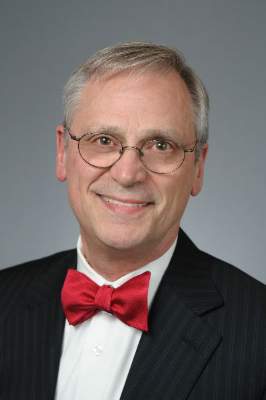
Rep. Earl Blumenauer (D-Ore.) and 33 other House members have written to the Centers for Medicare & Medicaid Services, urging the agency to adopt new CPT codes created by the American Medical Association’s Relative Value Update Committee. The codes – 99497 and 99498 – would reimburse physicians for discussing advance care planning.

Code 99497 would be used for advance care planning, including the explanation and discussion of advance directives, such as standard forms (with completion of such forms, when performed), by the physician or other qualified health care professional, and would cover the first 30 minutes, face to face with the patient, family member(s), and/or surrogate. Code 99498 would be employed for each additional 30 minutes of counseling.
The codes are included the 2015 CPT code set and can be used as of Jan. 1, if they are accepted and published in the Medicare physician fee schedule. The fee schedule is scheduled to be published by Nov. 1.
“Patients who wish to make clear their goals, values, and wishes through discussions with their trusted providers should have the opportunity to do so,” Rep. Blumenauer said in a statement. “In order to have these conversations, providers must have the adequate time, space, and reimbursement to conduct the complex and time-consuming discussions necessary to learn about the goals and values held by their patients and plan appropriately for their care.”
The Institute of Medicine also recently issued a report that called for reimbursement for physicians who talk to their patients about end-of-life issues.
On Twitter @aliciaault
Physicians should be paid for the time they spend counseling Medicare patients on end-of-life matters, according to several dozen members of Congress.
Rep. Earl Blumenauer (D-Ore.) and 33 other House members have written to the Centers for Medicare & Medicaid Services, urging the agency to adopt new CPT codes created by the American Medical Association’s Relative Value Update Committee. The codes – 99497 and 99498 – would reimburse physicians for discussing advance care planning.
Code 99497 would be used for advance care planning, including the explanation and discussion of advance directives, such as standard forms (with completion of such forms, when performed), by the physician or other qualified health care professional, and would cover the first 30 minutes, face to face with the patient, family member(s), and/or surrogate. Code 99498 would be employed for each additional 30 minutes of counseling.
The codes are included the 2015 CPT code set and can be used as of Jan. 1, if they are accepted and published in the Medicare physician fee schedule. The fee schedule is scheduled to be published by Nov. 1.
“Patients who wish to make clear their goals, values, and wishes through discussions with their trusted providers should have the opportunity to do so,” Rep. Blumenauer said in a statement. “In order to have these conversations, providers must have the adequate time, space, and reimbursement to conduct the complex and time-consuming discussions necessary to learn about the goals and values held by their patients and plan appropriately for their care.”
The Institute of Medicine also recently issued a report that called for reimbursement for physicians who talk to their patients about end-of-life issues.
On Twitter @aliciaault
Physicians should be paid for the time they spend counseling Medicare patients on end-of-life matters, according to several dozen members of Congress.
Rep. Earl Blumenauer (D-Ore.) and 33 other House members have written to the Centers for Medicare & Medicaid Services, urging the agency to adopt new CPT codes created by the American Medical Association’s Relative Value Update Committee. The codes – 99497 and 99498 – would reimburse physicians for discussing advance care planning.
Code 99497 would be used for advance care planning, including the explanation and discussion of advance directives, such as standard forms (with completion of such forms, when performed), by the physician or other qualified health care professional, and would cover the first 30 minutes, face to face with the patient, family member(s), and/or surrogate. Code 99498 would be employed for each additional 30 minutes of counseling.
The codes are included the 2015 CPT code set and can be used as of Jan. 1, if they are accepted and published in the Medicare physician fee schedule. The fee schedule is scheduled to be published by Nov. 1.
“Patients who wish to make clear their goals, values, and wishes through discussions with their trusted providers should have the opportunity to do so,” Rep. Blumenauer said in a statement. “In order to have these conversations, providers must have the adequate time, space, and reimbursement to conduct the complex and time-consuming discussions necessary to learn about the goals and values held by their patients and plan appropriately for their care.”
The Institute of Medicine also recently issued a report that called for reimbursement for physicians who talk to their patients about end-of-life issues.
On Twitter @aliciaault
IOM calls for pay for end-of-life planning
Physicians should be compensated for counseling patients on end-of-life planning, according to recommendations from the Institute of Medicine, and the health care delivery and payment system should be realigned to encourage and financially reward higher-quality, more comprehensive, more efficient, and more humane care for those with serious illnesses.
“Individuals should have time with their doctors to talk about end-of-life issues, and clinicians should receive the training and financial incentives for such discussions,” said David Walker, the former comptroller general of the United States, who was the cochair of the IOM committee that created the report published Sept. 17.
Dying in America calls on health care providers, payers, policy makers, and the American public to have a more open discourse about death and dying.
End-of-life care was caught up in a political firestorm in 2009 when the Obama administration proposed to pay for advanced care conversations under the Affordable Care Act, Dr. Harvey Fineberg, former IOM president, noted in a video message at a briefing to release the report. Such efforts were construed as “death panels,” and the administration withdrew its proposal within days of it going into effect in 2011, said Dr. Fineberg, who is now at the University of California, San Francisco.
“The controversy on this topic and the political desire to avoid it do not alter the fact that every person will face the end of life one day, and many have had hard experience with the final days of a parent, a spouse, a child, a sibling, another relative, or a dear friend,” Dr. Fineberg said.
The report focuses on three areas: what individuals and their families can do to take more control over their own life and their health care throughout their life; what clinicians and other professionals can do; and what policy makers and payers need to do to try to effectuate change. The 21-member IOM committee spent 2 years developing the consensus report, Mr. Walker said.
“For most people, death does not come suddenly,” said Dr. Philip Pizzo, committee cochair. “Instead, dying is a result of one or more diseases that must be managed carefully and compassionately over weeks, months, or even years, through many ups and downs,” said Dr. Pizzo of Stanford (Calif.) University.
The committee made five broad recommendations:
• Comprehensive care for patients with advanced, serious illness who are nearing the end of life should be covered by public and private payers.
• Evidence-based standards for clinician-patient communication and advanced care planning should be developed by professional societies; such standards should be used as measures for payment, licensing, and credentialing.
• Standardized training and requirements should be developed and implemented.
• Care standards should seek to avoid unnecessary emergency department or acute care services; care should be coordinated across settings and providers by using tools such as interoperable electronic health records and physician orders for life-sustaining treatment programs.
• Fact-based information on end-of-life care planning should be developed and disseminated broadly through public health and other governmental agencies, community-based organizations, and faith-based organizations, as well as through health care providers and payers.
More needs to be done to educate physicians, other health care providers, and patients about the differences between hospice care and palliative care, and the potential they have for improving quality of life and reducing potentially unnecessary – and costly – medical services, according to the committee report.
Dr. Pizzo noted that many physicians, when asked in surveys, have said that they would personally prefer less-aggressive care at the end of life, and if possible, having the patient receive care at home. Yet, when it comes to their patients, they tend to pull out the stops.
He said that was being driven by a lack of understanding of patients’ individual needs and preferences, and by what he and the committee called the “perverse incentives” of the health care system.
The system rewards more care, not less, and acute care more so than palliative or supportive care, Mr. Walker noted. “Our current system is broken. It does not result in the honoring of individual preferences as much as it should.”
The IOM report was financed by an anonymous donor, Dr. Fineberg said.
The donor made money available for the IOM to continue for at least a year, disseminating the findings and encouraging adoption of its recommendations, Mr. Walker said.
On Twitter @aliciaault
This recommendation for end-of-life discussions is long overdue. Physicians have been providing these services for years, and it is appropriate that they be encouraged to provide such care both in and out of the hospital. The impact can be significant for this time-consuming and emotion-consuming practice. Referrals to palliative care will likely increase, as will patient satisfaction scores. Use of hospital resources and their cost are likely to decrease as patients and their families request that nonessential treatment be decreased or stopped. Only good can come from this, once the process has been fully developed by the CMS.
This recommendation for end-of-life discussions is long overdue. Physicians have been providing these services for years, and it is appropriate that they be encouraged to provide such care both in and out of the hospital. The impact can be significant for this time-consuming and emotion-consuming practice. Referrals to palliative care will likely increase, as will patient satisfaction scores. Use of hospital resources and their cost are likely to decrease as patients and their families request that nonessential treatment be decreased or stopped. Only good can come from this, once the process has been fully developed by the CMS.
This recommendation for end-of-life discussions is long overdue. Physicians have been providing these services for years, and it is appropriate that they be encouraged to provide such care both in and out of the hospital. The impact can be significant for this time-consuming and emotion-consuming practice. Referrals to palliative care will likely increase, as will patient satisfaction scores. Use of hospital resources and their cost are likely to decrease as patients and their families request that nonessential treatment be decreased or stopped. Only good can come from this, once the process has been fully developed by the CMS.
Physicians should be compensated for counseling patients on end-of-life planning, according to recommendations from the Institute of Medicine, and the health care delivery and payment system should be realigned to encourage and financially reward higher-quality, more comprehensive, more efficient, and more humane care for those with serious illnesses.
“Individuals should have time with their doctors to talk about end-of-life issues, and clinicians should receive the training and financial incentives for such discussions,” said David Walker, the former comptroller general of the United States, who was the cochair of the IOM committee that created the report published Sept. 17.
Dying in America calls on health care providers, payers, policy makers, and the American public to have a more open discourse about death and dying.
End-of-life care was caught up in a political firestorm in 2009 when the Obama administration proposed to pay for advanced care conversations under the Affordable Care Act, Dr. Harvey Fineberg, former IOM president, noted in a video message at a briefing to release the report. Such efforts were construed as “death panels,” and the administration withdrew its proposal within days of it going into effect in 2011, said Dr. Fineberg, who is now at the University of California, San Francisco.
“The controversy on this topic and the political desire to avoid it do not alter the fact that every person will face the end of life one day, and many have had hard experience with the final days of a parent, a spouse, a child, a sibling, another relative, or a dear friend,” Dr. Fineberg said.
The report focuses on three areas: what individuals and their families can do to take more control over their own life and their health care throughout their life; what clinicians and other professionals can do; and what policy makers and payers need to do to try to effectuate change. The 21-member IOM committee spent 2 years developing the consensus report, Mr. Walker said.
“For most people, death does not come suddenly,” said Dr. Philip Pizzo, committee cochair. “Instead, dying is a result of one or more diseases that must be managed carefully and compassionately over weeks, months, or even years, through many ups and downs,” said Dr. Pizzo of Stanford (Calif.) University.
The committee made five broad recommendations:
• Comprehensive care for patients with advanced, serious illness who are nearing the end of life should be covered by public and private payers.
• Evidence-based standards for clinician-patient communication and advanced care planning should be developed by professional societies; such standards should be used as measures for payment, licensing, and credentialing.
• Standardized training and requirements should be developed and implemented.
• Care standards should seek to avoid unnecessary emergency department or acute care services; care should be coordinated across settings and providers by using tools such as interoperable electronic health records and physician orders for life-sustaining treatment programs.
• Fact-based information on end-of-life care planning should be developed and disseminated broadly through public health and other governmental agencies, community-based organizations, and faith-based organizations, as well as through health care providers and payers.
More needs to be done to educate physicians, other health care providers, and patients about the differences between hospice care and palliative care, and the potential they have for improving quality of life and reducing potentially unnecessary – and costly – medical services, according to the committee report.
Dr. Pizzo noted that many physicians, when asked in surveys, have said that they would personally prefer less-aggressive care at the end of life, and if possible, having the patient receive care at home. Yet, when it comes to their patients, they tend to pull out the stops.
He said that was being driven by a lack of understanding of patients’ individual needs and preferences, and by what he and the committee called the “perverse incentives” of the health care system.
The system rewards more care, not less, and acute care more so than palliative or supportive care, Mr. Walker noted. “Our current system is broken. It does not result in the honoring of individual preferences as much as it should.”
The IOM report was financed by an anonymous donor, Dr. Fineberg said.
The donor made money available for the IOM to continue for at least a year, disseminating the findings and encouraging adoption of its recommendations, Mr. Walker said.
On Twitter @aliciaault
Physicians should be compensated for counseling patients on end-of-life planning, according to recommendations from the Institute of Medicine, and the health care delivery and payment system should be realigned to encourage and financially reward higher-quality, more comprehensive, more efficient, and more humane care for those with serious illnesses.
“Individuals should have time with their doctors to talk about end-of-life issues, and clinicians should receive the training and financial incentives for such discussions,” said David Walker, the former comptroller general of the United States, who was the cochair of the IOM committee that created the report published Sept. 17.
Dying in America calls on health care providers, payers, policy makers, and the American public to have a more open discourse about death and dying.
End-of-life care was caught up in a political firestorm in 2009 when the Obama administration proposed to pay for advanced care conversations under the Affordable Care Act, Dr. Harvey Fineberg, former IOM president, noted in a video message at a briefing to release the report. Such efforts were construed as “death panels,” and the administration withdrew its proposal within days of it going into effect in 2011, said Dr. Fineberg, who is now at the University of California, San Francisco.
“The controversy on this topic and the political desire to avoid it do not alter the fact that every person will face the end of life one day, and many have had hard experience with the final days of a parent, a spouse, a child, a sibling, another relative, or a dear friend,” Dr. Fineberg said.
The report focuses on three areas: what individuals and their families can do to take more control over their own life and their health care throughout their life; what clinicians and other professionals can do; and what policy makers and payers need to do to try to effectuate change. The 21-member IOM committee spent 2 years developing the consensus report, Mr. Walker said.
“For most people, death does not come suddenly,” said Dr. Philip Pizzo, committee cochair. “Instead, dying is a result of one or more diseases that must be managed carefully and compassionately over weeks, months, or even years, through many ups and downs,” said Dr. Pizzo of Stanford (Calif.) University.
The committee made five broad recommendations:
• Comprehensive care for patients with advanced, serious illness who are nearing the end of life should be covered by public and private payers.
• Evidence-based standards for clinician-patient communication and advanced care planning should be developed by professional societies; such standards should be used as measures for payment, licensing, and credentialing.
• Standardized training and requirements should be developed and implemented.
• Care standards should seek to avoid unnecessary emergency department or acute care services; care should be coordinated across settings and providers by using tools such as interoperable electronic health records and physician orders for life-sustaining treatment programs.
• Fact-based information on end-of-life care planning should be developed and disseminated broadly through public health and other governmental agencies, community-based organizations, and faith-based organizations, as well as through health care providers and payers.
More needs to be done to educate physicians, other health care providers, and patients about the differences between hospice care and palliative care, and the potential they have for improving quality of life and reducing potentially unnecessary – and costly – medical services, according to the committee report.
Dr. Pizzo noted that many physicians, when asked in surveys, have said that they would personally prefer less-aggressive care at the end of life, and if possible, having the patient receive care at home. Yet, when it comes to their patients, they tend to pull out the stops.
He said that was being driven by a lack of understanding of patients’ individual needs and preferences, and by what he and the committee called the “perverse incentives” of the health care system.
The system rewards more care, not less, and acute care more so than palliative or supportive care, Mr. Walker noted. “Our current system is broken. It does not result in the honoring of individual preferences as much as it should.”
The IOM report was financed by an anonymous donor, Dr. Fineberg said.
The donor made money available for the IOM to continue for at least a year, disseminating the findings and encouraging adoption of its recommendations, Mr. Walker said.
On Twitter @aliciaault
Palliative Care for Patients With Head and Neck Cancer
Mark Klein, MD, and his team of fellow researchers came to the 2014 AVAHO Meeting to present their poster presentation, Incorporation of Palliative Care with Chemotherapy and Radiation in Patients Treated for Head and Neck Cancer.
To hear Dr. Klein discuss his research, watch the video below.
Mark Klein, MD, and his team of fellow researchers came to the 2014 AVAHO Meeting to present their poster presentation, Incorporation of Palliative Care with Chemotherapy and Radiation in Patients Treated for Head and Neck Cancer.
To hear Dr. Klein discuss his research, watch the video below.
Mark Klein, MD, and his team of fellow researchers came to the 2014 AVAHO Meeting to present their poster presentation, Incorporation of Palliative Care with Chemotherapy and Radiation in Patients Treated for Head and Neck Cancer.
To hear Dr. Klein discuss his research, watch the video below.
Quick tips for taming toxic feelings
Our team has been involved with a patient whose hospital stay is measured not in days, weeks, or months but in years. The scope of the problems surrounding not only the medical issues but also the family dynamic, out-of-hospital support system, and social situation can easily make the most seasoned providers feel paralyzed. It is fair to use words such as helpless, hopeless, overwhelmed, angry, confused, and conflicted for how the dozens of team members caring for this patient feel on a regular basis.
While the details of this case would eat up multiple columns, it might better for the reader to recall when a patient whose case you’ve been involved in has brought out strong, and often times, negative emotions from the faculty and staff that resulted in conflict. Finding a path to resolve conflict can be one of the most rewarding aspects of working within a system that relies on teamwork for desired, successful outcomes.

Toxic feelings build up easily in cases in which it seems like there is no end, no chance for our good intentions and hard work to salvage a patient’s spiraling course. Conflict with those we work with is almost inevitable. Hospitalists disagree with the surgeons, nursing staff and the pain team aren’t on the same page, hospital administration might seem to have the C-suite agenda. It is in times like this that conflict resolution smarts can preserve the peace. While maintaining a collegial attitude might not ultimately transform the patient’s outcome, the presence of on-going conflict amongst health care professionals is well studied and studded with unwanted outcomes.
There are conflict resolution books, courses, and even graduate degrees. For the hospitalist on the run, what principles can be applied immediately?
• Don’t react. Think it through. Emotions are strong and feelings differ. This is the crucible for doing something we might later regret. If you hear or read something that makes you upset, then first assume that your colleague has attempted to craft the absolute best plan for the patient. Before making statements or casting judgment, ask many questions. Never send a text or e-mail, make a phone call, or approach someone when you’re having trouble suppressing strong emotions.
• Practice active listening. This takes concentration, so rid yourself of distractions while engaging in listening. Use body language such as smiling or nodding to acknowledge the other person’s message. Pay attention to their gesticulations and nonverbal cues to their position. Avoid interruptions and defer judgment until they have finished. Summarize what you’ve heard from them to demonstrate that their message has been received. Even when you heartily disagree, show respect. We have the ability to find ways of being both candid and kind in our responses.
• Always go after the problem. It is too easy to attack a person rather than the underlying issue. Everyone involved in the care of a patient has the potential to contribute to the solution. By staying focused on the problem and not the people, you are building trust with your colleagues.
• Continue to show up. We all tire and become jaded with these marathon cases. Throwing your hands up in surrender and failing to remain a participating member of the team will send a message that you are not accepting responsibility. Showing up shouts that you’re committed.
• Be mindful of the words used in communication. Focus on "I" statements rather than "You" statements.As in "I need feedback on the plan of care I’ve proposed," rather than "You haven’t provided me with feedback on my plan." ... "I need more information before deciding on whether this procedure would be beneficial," rather than, "You haven’t told me why the procedure needs to be done now."
• Find common goals. Don’t spend time picking apart a nurse’s point of view or your consultant’s idea to work-up diagnoses that seem farfetched. Instead agree upon a goal or two and ask how we can get there together.
• Look toward tomorrow. Focusing on what has happened in the past leads only to war, litigation, or stagnation. Talking about how you can go forward from here can help reset the dynamic.
Like negotiation tools we’ve previously written about conflict resolution skills have broad applicability outside the work place and can make life better in a variety of situations.
As always if you’d like suggested readings or resources please contact us.
Dr. Bekanich and Dr. Leigh A. Fredholm are codirectors of Seton Palliative Care, part of the University of Texas Southwestern residency programs in Austin. They alternate contributions to the monthly Palliatively Speaking blog.
Our team has been involved with a patient whose hospital stay is measured not in days, weeks, or months but in years. The scope of the problems surrounding not only the medical issues but also the family dynamic, out-of-hospital support system, and social situation can easily make the most seasoned providers feel paralyzed. It is fair to use words such as helpless, hopeless, overwhelmed, angry, confused, and conflicted for how the dozens of team members caring for this patient feel on a regular basis.
While the details of this case would eat up multiple columns, it might better for the reader to recall when a patient whose case you’ve been involved in has brought out strong, and often times, negative emotions from the faculty and staff that resulted in conflict. Finding a path to resolve conflict can be one of the most rewarding aspects of working within a system that relies on teamwork for desired, successful outcomes.
Toxic feelings build up easily in cases in which it seems like there is no end, no chance for our good intentions and hard work to salvage a patient’s spiraling course. Conflict with those we work with is almost inevitable. Hospitalists disagree with the surgeons, nursing staff and the pain team aren’t on the same page, hospital administration might seem to have the C-suite agenda. It is in times like this that conflict resolution smarts can preserve the peace. While maintaining a collegial attitude might not ultimately transform the patient’s outcome, the presence of on-going conflict amongst health care professionals is well studied and studded with unwanted outcomes.
There are conflict resolution books, courses, and even graduate degrees. For the hospitalist on the run, what principles can be applied immediately?
• Don’t react. Think it through. Emotions are strong and feelings differ. This is the crucible for doing something we might later regret. If you hear or read something that makes you upset, then first assume that your colleague has attempted to craft the absolute best plan for the patient. Before making statements or casting judgment, ask many questions. Never send a text or e-mail, make a phone call, or approach someone when you’re having trouble suppressing strong emotions.
• Practice active listening. This takes concentration, so rid yourself of distractions while engaging in listening. Use body language such as smiling or nodding to acknowledge the other person’s message. Pay attention to their gesticulations and nonverbal cues to their position. Avoid interruptions and defer judgment until they have finished. Summarize what you’ve heard from them to demonstrate that their message has been received. Even when you heartily disagree, show respect. We have the ability to find ways of being both candid and kind in our responses.
• Always go after the problem. It is too easy to attack a person rather than the underlying issue. Everyone involved in the care of a patient has the potential to contribute to the solution. By staying focused on the problem and not the people, you are building trust with your colleagues.
• Continue to show up. We all tire and become jaded with these marathon cases. Throwing your hands up in surrender and failing to remain a participating member of the team will send a message that you are not accepting responsibility. Showing up shouts that you’re committed.
• Be mindful of the words used in communication. Focus on "I" statements rather than "You" statements.As in "I need feedback on the plan of care I’ve proposed," rather than "You haven’t provided me with feedback on my plan." ... "I need more information before deciding on whether this procedure would be beneficial," rather than, "You haven’t told me why the procedure needs to be done now."
• Find common goals. Don’t spend time picking apart a nurse’s point of view or your consultant’s idea to work-up diagnoses that seem farfetched. Instead agree upon a goal or two and ask how we can get there together.
• Look toward tomorrow. Focusing on what has happened in the past leads only to war, litigation, or stagnation. Talking about how you can go forward from here can help reset the dynamic.
Like negotiation tools we’ve previously written about conflict resolution skills have broad applicability outside the work place and can make life better in a variety of situations.
As always if you’d like suggested readings or resources please contact us.
Dr. Bekanich and Dr. Leigh A. Fredholm are codirectors of Seton Palliative Care, part of the University of Texas Southwestern residency programs in Austin. They alternate contributions to the monthly Palliatively Speaking blog.
Our team has been involved with a patient whose hospital stay is measured not in days, weeks, or months but in years. The scope of the problems surrounding not only the medical issues but also the family dynamic, out-of-hospital support system, and social situation can easily make the most seasoned providers feel paralyzed. It is fair to use words such as helpless, hopeless, overwhelmed, angry, confused, and conflicted for how the dozens of team members caring for this patient feel on a regular basis.
While the details of this case would eat up multiple columns, it might better for the reader to recall when a patient whose case you’ve been involved in has brought out strong, and often times, negative emotions from the faculty and staff that resulted in conflict. Finding a path to resolve conflict can be one of the most rewarding aspects of working within a system that relies on teamwork for desired, successful outcomes.
Toxic feelings build up easily in cases in which it seems like there is no end, no chance for our good intentions and hard work to salvage a patient’s spiraling course. Conflict with those we work with is almost inevitable. Hospitalists disagree with the surgeons, nursing staff and the pain team aren’t on the same page, hospital administration might seem to have the C-suite agenda. It is in times like this that conflict resolution smarts can preserve the peace. While maintaining a collegial attitude might not ultimately transform the patient’s outcome, the presence of on-going conflict amongst health care professionals is well studied and studded with unwanted outcomes.
There are conflict resolution books, courses, and even graduate degrees. For the hospitalist on the run, what principles can be applied immediately?
• Don’t react. Think it through. Emotions are strong and feelings differ. This is the crucible for doing something we might later regret. If you hear or read something that makes you upset, then first assume that your colleague has attempted to craft the absolute best plan for the patient. Before making statements or casting judgment, ask many questions. Never send a text or e-mail, make a phone call, or approach someone when you’re having trouble suppressing strong emotions.
• Practice active listening. This takes concentration, so rid yourself of distractions while engaging in listening. Use body language such as smiling or nodding to acknowledge the other person’s message. Pay attention to their gesticulations and nonverbal cues to their position. Avoid interruptions and defer judgment until they have finished. Summarize what you’ve heard from them to demonstrate that their message has been received. Even when you heartily disagree, show respect. We have the ability to find ways of being both candid and kind in our responses.
• Always go after the problem. It is too easy to attack a person rather than the underlying issue. Everyone involved in the care of a patient has the potential to contribute to the solution. By staying focused on the problem and not the people, you are building trust with your colleagues.
• Continue to show up. We all tire and become jaded with these marathon cases. Throwing your hands up in surrender and failing to remain a participating member of the team will send a message that you are not accepting responsibility. Showing up shouts that you’re committed.
• Be mindful of the words used in communication. Focus on "I" statements rather than "You" statements.As in "I need feedback on the plan of care I’ve proposed," rather than "You haven’t provided me with feedback on my plan." ... "I need more information before deciding on whether this procedure would be beneficial," rather than, "You haven’t told me why the procedure needs to be done now."
• Find common goals. Don’t spend time picking apart a nurse’s point of view or your consultant’s idea to work-up diagnoses that seem farfetched. Instead agree upon a goal or two and ask how we can get there together.
• Look toward tomorrow. Focusing on what has happened in the past leads only to war, litigation, or stagnation. Talking about how you can go forward from here can help reset the dynamic.
Like negotiation tools we’ve previously written about conflict resolution skills have broad applicability outside the work place and can make life better in a variety of situations.
As always if you’d like suggested readings or resources please contact us.
Dr. Bekanich and Dr. Leigh A. Fredholm are codirectors of Seton Palliative Care, part of the University of Texas Southwestern residency programs in Austin. They alternate contributions to the monthly Palliatively Speaking blog.

Share supportive care while we wait for an Ebola remedy
While necessary vaccine research proceeds, resource-rich communities need to open their storage closets to send supportive care to where it is needed. Since the outbreak of Ebola in West Africa, and the subsequent introduction of an experimental treatment that may represent a cure for the disease, many have questioned how we expedite this research opportunity, while maximizing the integrity of the data and assisting those who do not have access to treatments.
Both of the Americans and a few others who received the controversial ZMapp treatment have survived. However, two individuals who received it still died. This inconsistency sparked a media campaign that focused on the ineffectiveness of the treatment. The campaign was launched despite the fact that there is currently no way to understand, completely, the reasons some have lived and some have died. That is the purpose of the research.
The accelerated research process sanctioned by the National Institutes of Health and the World Health Organization is an attempt to develop a much-needed vaccine to stop the spread. Unfortunately, research takes time and, if rushed, may result in inaccurate data that may erroneously find the vaccine effective. Exposing people to such a vaccine could cause further harm on many levels (side effects, death, loss of trust in medicine, etc.). Conversely, the hurried research could mistakenly find the vaccine ineffective and prevent entire populations from receiving a lifesaving treatment.
What to do right now
The harmful ramifications of getting this wrong for an already underserved, underprivileged, resource-poor, and extremely vulnerable population would be greater than anyone intends. The panel of experts convened by the World Health Organization determined that expediting the research can be ethically justified due to the emergent nature of the problem. Here we must agree that it should proceed, but insist on it proceeding properly. In the meantime, countries with resources need to determine what actions to take while people are suffering and dying.
The ethically correct action to take is to commit to our responsibilities as members of the global community and offer the supportive assistance that has already been shown to be helpful in managing the symptoms of the disease. Public health workers have enacted preventive strategies to contain the disease and decrease the spread. We in the United States should focus on providing the necessary interventions currently needed to support the masses effectively and less on gearing up to deal with the potential of having one or two people who happen to make it to our borders.
We have the resources in abundance, and it is our ethical duty to play an integral role in protecting others when we can. The media needs to put focus on countries and organizations that are sharing their resources and highlight ways for others to come together in support. We can play an integral part in addressing this crisis while time is taken to work on the research and set a precedent for dealing with such outbreaks in the future, come what may.
Nneka O. Mokwunye, Ph.D., is director of the Center for Ethics, Spiritual Care Department, at MedStar Washington Hospital Center and executive director of its Journal of Hospital Ethics.

While necessary vaccine research proceeds, resource-rich communities need to open their storage closets to send supportive care to where it is needed. Since the outbreak of Ebola in West Africa, and the subsequent introduction of an experimental treatment that may represent a cure for the disease, many have questioned how we expedite this research opportunity, while maximizing the integrity of the data and assisting those who do not have access to treatments.
Both of the Americans and a few others who received the controversial ZMapp treatment have survived. However, two individuals who received it still died. This inconsistency sparked a media campaign that focused on the ineffectiveness of the treatment. The campaign was launched despite the fact that there is currently no way to understand, completely, the reasons some have lived and some have died. That is the purpose of the research.
The accelerated research process sanctioned by the National Institutes of Health and the World Health Organization is an attempt to develop a much-needed vaccine to stop the spread. Unfortunately, research takes time and, if rushed, may result in inaccurate data that may erroneously find the vaccine effective. Exposing people to such a vaccine could cause further harm on many levels (side effects, death, loss of trust in medicine, etc.). Conversely, the hurried research could mistakenly find the vaccine ineffective and prevent entire populations from receiving a lifesaving treatment.
What to do right now
The harmful ramifications of getting this wrong for an already underserved, underprivileged, resource-poor, and extremely vulnerable population would be greater than anyone intends. The panel of experts convened by the World Health Organization determined that expediting the research can be ethically justified due to the emergent nature of the problem. Here we must agree that it should proceed, but insist on it proceeding properly. In the meantime, countries with resources need to determine what actions to take while people are suffering and dying.
The ethically correct action to take is to commit to our responsibilities as members of the global community and offer the supportive assistance that has already been shown to be helpful in managing the symptoms of the disease. Public health workers have enacted preventive strategies to contain the disease and decrease the spread. We in the United States should focus on providing the necessary interventions currently needed to support the masses effectively and less on gearing up to deal with the potential of having one or two people who happen to make it to our borders.
We have the resources in abundance, and it is our ethical duty to play an integral role in protecting others when we can. The media needs to put focus on countries and organizations that are sharing their resources and highlight ways for others to come together in support. We can play an integral part in addressing this crisis while time is taken to work on the research and set a precedent for dealing with such outbreaks in the future, come what may.
Nneka O. Mokwunye, Ph.D., is director of the Center for Ethics, Spiritual Care Department, at MedStar Washington Hospital Center and executive director of its Journal of Hospital Ethics.
While necessary vaccine research proceeds, resource-rich communities need to open their storage closets to send supportive care to where it is needed. Since the outbreak of Ebola in West Africa, and the subsequent introduction of an experimental treatment that may represent a cure for the disease, many have questioned how we expedite this research opportunity, while maximizing the integrity of the data and assisting those who do not have access to treatments.
Both of the Americans and a few others who received the controversial ZMapp treatment have survived. However, two individuals who received it still died. This inconsistency sparked a media campaign that focused on the ineffectiveness of the treatment. The campaign was launched despite the fact that there is currently no way to understand, completely, the reasons some have lived and some have died. That is the purpose of the research.
The accelerated research process sanctioned by the National Institutes of Health and the World Health Organization is an attempt to develop a much-needed vaccine to stop the spread. Unfortunately, research takes time and, if rushed, may result in inaccurate data that may erroneously find the vaccine effective. Exposing people to such a vaccine could cause further harm on many levels (side effects, death, loss of trust in medicine, etc.). Conversely, the hurried research could mistakenly find the vaccine ineffective and prevent entire populations from receiving a lifesaving treatment.
What to do right now
The harmful ramifications of getting this wrong for an already underserved, underprivileged, resource-poor, and extremely vulnerable population would be greater than anyone intends. The panel of experts convened by the World Health Organization determined that expediting the research can be ethically justified due to the emergent nature of the problem. Here we must agree that it should proceed, but insist on it proceeding properly. In the meantime, countries with resources need to determine what actions to take while people are suffering and dying.
The ethically correct action to take is to commit to our responsibilities as members of the global community and offer the supportive assistance that has already been shown to be helpful in managing the symptoms of the disease. Public health workers have enacted preventive strategies to contain the disease and decrease the spread. We in the United States should focus on providing the necessary interventions currently needed to support the masses effectively and less on gearing up to deal with the potential of having one or two people who happen to make it to our borders.
We have the resources in abundance, and it is our ethical duty to play an integral role in protecting others when we can. The media needs to put focus on countries and organizations that are sharing their resources and highlight ways for others to come together in support. We can play an integral part in addressing this crisis while time is taken to work on the research and set a precedent for dealing with such outbreaks in the future, come what may.
Nneka O. Mokwunye, Ph.D., is director of the Center for Ethics, Spiritual Care Department, at MedStar Washington Hospital Center and executive director of its Journal of Hospital Ethics.

Implementation of Distress Screening and Management in Multiple Specialty Cancer Care Clinics
Purpose: A diagnosis of cancer, its treatment, and surveillance are fraught with distress. Despite recommendations from The National Comprehensive Cancer Network (NCCN) 2013 Guidelines, many cancer centers struggle to implement distress screening and to identify “appropriate intervals” for screening. A grant from the VA Office of Academic Affairs supported the development of a Center of Excellence (CoE) specialty cancer care clinic for breast, melanoma, and lymphoma, at a large academic VAMC to deliver patient-centered care and train learners in interprofessional practice. The CoE team has made distress screening a priority for this clinic.
Methods: Veterans are screened at every visit in the CoE clinic to determine the incidence, trends, and components of distress and provide same-day intervention for those scoring > 4 on the Distress Thermometer (DT). The distress screening has been rolled out to the lung cancer clinic and ear, nose, and throat (ENT) cancer clinics. Veterans are screened at check in. A nurse reviews the screenings prior to the veteran entering the exam room. Veterans with distress scores > 4 are offered same-day appointments with the appropriate provider(s) accompanied by student learners. The social worker assesses practical and family concerns; the psychologist addresses veterans’ emotional concerns; physical problems are handled by the nurse practitioner or medical oncologist. Veterans commonly need intervention from all of the providers. Trainees observe the interventions with the veterans, as each discipline addresses the distress. The distress screening process in the Lung Cancer Clinic and ENT clinic is different, as the psychologist and social work staff are not always present in these clinics throughout the day. The veterans who scored > 4 are offered a same-day visit or they can choose to have a follow-up telephone call from a social worker or psychologist.
Results: During the first 15 months of the CoE cancer clinic, 192 of 525 screenings (37%) yielded scores > 4, consistent with previous research (Holland & Alici, 2010). Of the veterans who had moderate to severe distress > 4, 65 (34%) had practical problem concerns and 44 (23%) cited family problems. The remaining components of distress revealed 136 (71%) emotional problems, 16 (9%) spiritual needs, and 176 (92%) physical. Some veterans had problems in multiple domains. The lung cancer clinic has completed 169 screens over the past 5 months, 96 (31%) were scores of > 4. Of these veterans, 32 (19%) uncovered practical problems, 15 uncovered (10%) family problems, and 64 (40%) were distressed due to emotional concerns. The largest sources of distress were physical problems; 120 (74%) of participating veterans uncovered physical issues. The ENT clinic has just begun screening the veterans for distress. The projected date for data analysis for the ENT clinic is August 2014.
Conclusions: VA grant funding supported an oncology team and its trainees to work together in an interprofessional specialty clinic. The team found that same-day intervention for veterans scoring > 4 is feasible, because the nurse can immediately alert the appropriate provider(s). One of the goals of the CoE clinic is to demonstrate sustainability of the intervention across the VA ’s cancer care program. The distress screening has been implemented successfully in the lung cancer and ENT clinics with minimal disruption to the flow of these established clinics. There are plans to implement this process in all cancer care clinics at the medical center.
Purpose: A diagnosis of cancer, its treatment, and surveillance are fraught with distress. Despite recommendations from The National Comprehensive Cancer Network (NCCN) 2013 Guidelines, many cancer centers struggle to implement distress screening and to identify “appropriate intervals” for screening. A grant from the VA Office of Academic Affairs supported the development of a Center of Excellence (CoE) specialty cancer care clinic for breast, melanoma, and lymphoma, at a large academic VAMC to deliver patient-centered care and train learners in interprofessional practice. The CoE team has made distress screening a priority for this clinic.
Methods: Veterans are screened at every visit in the CoE clinic to determine the incidence, trends, and components of distress and provide same-day intervention for those scoring > 4 on the Distress Thermometer (DT). The distress screening has been rolled out to the lung cancer clinic and ear, nose, and throat (ENT) cancer clinics. Veterans are screened at check in. A nurse reviews the screenings prior to the veteran entering the exam room. Veterans with distress scores > 4 are offered same-day appointments with the appropriate provider(s) accompanied by student learners. The social worker assesses practical and family concerns; the psychologist addresses veterans’ emotional concerns; physical problems are handled by the nurse practitioner or medical oncologist. Veterans commonly need intervention from all of the providers. Trainees observe the interventions with the veterans, as each discipline addresses the distress. The distress screening process in the Lung Cancer Clinic and ENT clinic is different, as the psychologist and social work staff are not always present in these clinics throughout the day. The veterans who scored > 4 are offered a same-day visit or they can choose to have a follow-up telephone call from a social worker or psychologist.
Results: During the first 15 months of the CoE cancer clinic, 192 of 525 screenings (37%) yielded scores > 4, consistent with previous research (Holland & Alici, 2010). Of the veterans who had moderate to severe distress > 4, 65 (34%) had practical problem concerns and 44 (23%) cited family problems. The remaining components of distress revealed 136 (71%) emotional problems, 16 (9%) spiritual needs, and 176 (92%) physical. Some veterans had problems in multiple domains. The lung cancer clinic has completed 169 screens over the past 5 months, 96 (31%) were scores of > 4. Of these veterans, 32 (19%) uncovered practical problems, 15 uncovered (10%) family problems, and 64 (40%) were distressed due to emotional concerns. The largest sources of distress were physical problems; 120 (74%) of participating veterans uncovered physical issues. The ENT clinic has just begun screening the veterans for distress. The projected date for data analysis for the ENT clinic is August 2014.
Conclusions: VA grant funding supported an oncology team and its trainees to work together in an interprofessional specialty clinic. The team found that same-day intervention for veterans scoring > 4 is feasible, because the nurse can immediately alert the appropriate provider(s). One of the goals of the CoE clinic is to demonstrate sustainability of the intervention across the VA ’s cancer care program. The distress screening has been implemented successfully in the lung cancer and ENT clinics with minimal disruption to the flow of these established clinics. There are plans to implement this process in all cancer care clinics at the medical center.
Purpose: A diagnosis of cancer, its treatment, and surveillance are fraught with distress. Despite recommendations from The National Comprehensive Cancer Network (NCCN) 2013 Guidelines, many cancer centers struggle to implement distress screening and to identify “appropriate intervals” for screening. A grant from the VA Office of Academic Affairs supported the development of a Center of Excellence (CoE) specialty cancer care clinic for breast, melanoma, and lymphoma, at a large academic VAMC to deliver patient-centered care and train learners in interprofessional practice. The CoE team has made distress screening a priority for this clinic.
Methods: Veterans are screened at every visit in the CoE clinic to determine the incidence, trends, and components of distress and provide same-day intervention for those scoring > 4 on the Distress Thermometer (DT). The distress screening has been rolled out to the lung cancer clinic and ear, nose, and throat (ENT) cancer clinics. Veterans are screened at check in. A nurse reviews the screenings prior to the veteran entering the exam room. Veterans with distress scores > 4 are offered same-day appointments with the appropriate provider(s) accompanied by student learners. The social worker assesses practical and family concerns; the psychologist addresses veterans’ emotional concerns; physical problems are handled by the nurse practitioner or medical oncologist. Veterans commonly need intervention from all of the providers. Trainees observe the interventions with the veterans, as each discipline addresses the distress. The distress screening process in the Lung Cancer Clinic and ENT clinic is different, as the psychologist and social work staff are not always present in these clinics throughout the day. The veterans who scored > 4 are offered a same-day visit or they can choose to have a follow-up telephone call from a social worker or psychologist.
Results: During the first 15 months of the CoE cancer clinic, 192 of 525 screenings (37%) yielded scores > 4, consistent with previous research (Holland & Alici, 2010). Of the veterans who had moderate to severe distress > 4, 65 (34%) had practical problem concerns and 44 (23%) cited family problems. The remaining components of distress revealed 136 (71%) emotional problems, 16 (9%) spiritual needs, and 176 (92%) physical. Some veterans had problems in multiple domains. The lung cancer clinic has completed 169 screens over the past 5 months, 96 (31%) were scores of > 4. Of these veterans, 32 (19%) uncovered practical problems, 15 uncovered (10%) family problems, and 64 (40%) were distressed due to emotional concerns. The largest sources of distress were physical problems; 120 (74%) of participating veterans uncovered physical issues. The ENT clinic has just begun screening the veterans for distress. The projected date for data analysis for the ENT clinic is August 2014.
Conclusions: VA grant funding supported an oncology team and its trainees to work together in an interprofessional specialty clinic. The team found that same-day intervention for veterans scoring > 4 is feasible, because the nurse can immediately alert the appropriate provider(s). One of the goals of the CoE clinic is to demonstrate sustainability of the intervention across the VA ’s cancer care program. The distress screening has been implemented successfully in the lung cancer and ENT clinics with minimal disruption to the flow of these established clinics. There are plans to implement this process in all cancer care clinics at the medical center.
Systematic Method for Assessing and Addressing Psychosocial Distress in Veterans Living With Cancer
Purpose: The Department of Surgery at the New Mexico VA Health Care System (NMVAHCS) is striving to improve the delivery of reliable, quality cancer services. Recognizing the impact of a cancer diagnosis and the accompanying psychosocial distress, the department is dedicated to the provision of personalized, proactive, veteran-centered cancer care. The DISTRESS (Distress Initial Survivorship Tool Recommended Evaluation through Surgical Service) system complies with the 2015 phase of the Commission on Cancer (COC) standards addressing physical, psychological, social, financial, and spiritual issues, which complicate treatment plans and negatively affect outcomes (www.facs.org).
Methods: A multidisciplinary group of content experts explored the current state of cancer-related psychosocial distress and developed a standardized process to improve assessment and access to cancer related distress care. The DISTRESS system was developed and incorporated into the CPRS Cancer Survivorship Care Plan, creating permanent data within the medical record. Veterans surgically diagnosed with cancer complete the DISTRESS screening tool and discuss responses with their provider during the postsurgical visit, “a pivotal medical visit,” as required by the COC. Veterans acknowledging distress and willing to seek assistance are automatically referred to the appropriate psychosocial service. The DISTRESS system design incorporates specific distress monitoring fields, triggering the generation of appropriate consultations through CPRS to Palliative Care, Behavioral Health Care, Social Work, and/or Chaplin services, with the veterans acceptance of care.
Results: This automated and systematic process within CPRS provides veterans with consistent psychosocial care and enables self-awareness. Veterans empowered with resources experience improved mental health and social well-being through the identification of positive coping skills, promoting an optimal survivorship experience. Patients lacking the ability to engage in care often become despondent or noncompliant, reducing the opportunity for positive outcomes. The integration of monitoring fields within the care plan creates the ability to track compliance; identifying patients otherwise lost in the transition of care. Embedding the DISTRESS system in the Cancer Survivorship Care Plan allows all care providers access to information for assessment of referral outcomes and the continuity of care. It also serves as a mechanism to track and report psychosocial distress and referrals to the Cancer Committee as required in the phase-in 2015 COC guidelines. Since implementation of the Cancer Survivorship Care Plan, 100% of veterans diagnosed with colon cancer received psychosocial distress assessments and appropriate referrals. Physician feedback has been very supportive, because the exchange of clear and concise data has improved communication between the multidisciplinary care team and improved veteran access to services.
Conclusions: The DISTRESS system provides a consistent psychosocial assessment incorporated into the CPRS Cancer Survivorship Care Plan, upholding guidelines by providing mandatory reporting fields for the provider to assess and address. It offers a systematic, standardized, and sustainable process for psychosocial assessment of veterans diagnosed with cancer. Health factors built into the system provide a way of tracking missed appointments and outcomes of care. The Surgical Services Department at the NMVAHCS strongly believes in veteran-centered care through using the DISTRESS system and engaging veteran participation in its plan of care.
Purpose: The Department of Surgery at the New Mexico VA Health Care System (NMVAHCS) is striving to improve the delivery of reliable, quality cancer services. Recognizing the impact of a cancer diagnosis and the accompanying psychosocial distress, the department is dedicated to the provision of personalized, proactive, veteran-centered cancer care. The DISTRESS (Distress Initial Survivorship Tool Recommended Evaluation through Surgical Service) system complies with the 2015 phase of the Commission on Cancer (COC) standards addressing physical, psychological, social, financial, and spiritual issues, which complicate treatment plans and negatively affect outcomes (www.facs.org).
Methods: A multidisciplinary group of content experts explored the current state of cancer-related psychosocial distress and developed a standardized process to improve assessment and access to cancer related distress care. The DISTRESS system was developed and incorporated into the CPRS Cancer Survivorship Care Plan, creating permanent data within the medical record. Veterans surgically diagnosed with cancer complete the DISTRESS screening tool and discuss responses with their provider during the postsurgical visit, “a pivotal medical visit,” as required by the COC. Veterans acknowledging distress and willing to seek assistance are automatically referred to the appropriate psychosocial service. The DISTRESS system design incorporates specific distress monitoring fields, triggering the generation of appropriate consultations through CPRS to Palliative Care, Behavioral Health Care, Social Work, and/or Chaplin services, with the veterans acceptance of care.
Results: This automated and systematic process within CPRS provides veterans with consistent psychosocial care and enables self-awareness. Veterans empowered with resources experience improved mental health and social well-being through the identification of positive coping skills, promoting an optimal survivorship experience. Patients lacking the ability to engage in care often become despondent or noncompliant, reducing the opportunity for positive outcomes. The integration of monitoring fields within the care plan creates the ability to track compliance; identifying patients otherwise lost in the transition of care. Embedding the DISTRESS system in the Cancer Survivorship Care Plan allows all care providers access to information for assessment of referral outcomes and the continuity of care. It also serves as a mechanism to track and report psychosocial distress and referrals to the Cancer Committee as required in the phase-in 2015 COC guidelines. Since implementation of the Cancer Survivorship Care Plan, 100% of veterans diagnosed with colon cancer received psychosocial distress assessments and appropriate referrals. Physician feedback has been very supportive, because the exchange of clear and concise data has improved communication between the multidisciplinary care team and improved veteran access to services.
Conclusions: The DISTRESS system provides a consistent psychosocial assessment incorporated into the CPRS Cancer Survivorship Care Plan, upholding guidelines by providing mandatory reporting fields for the provider to assess and address. It offers a systematic, standardized, and sustainable process for psychosocial assessment of veterans diagnosed with cancer. Health factors built into the system provide a way of tracking missed appointments and outcomes of care. The Surgical Services Department at the NMVAHCS strongly believes in veteran-centered care through using the DISTRESS system and engaging veteran participation in its plan of care.
Purpose: The Department of Surgery at the New Mexico VA Health Care System (NMVAHCS) is striving to improve the delivery of reliable, quality cancer services. Recognizing the impact of a cancer diagnosis and the accompanying psychosocial distress, the department is dedicated to the provision of personalized, proactive, veteran-centered cancer care. The DISTRESS (Distress Initial Survivorship Tool Recommended Evaluation through Surgical Service) system complies with the 2015 phase of the Commission on Cancer (COC) standards addressing physical, psychological, social, financial, and spiritual issues, which complicate treatment plans and negatively affect outcomes (www.facs.org).
Methods: A multidisciplinary group of content experts explored the current state of cancer-related psychosocial distress and developed a standardized process to improve assessment and access to cancer related distress care. The DISTRESS system was developed and incorporated into the CPRS Cancer Survivorship Care Plan, creating permanent data within the medical record. Veterans surgically diagnosed with cancer complete the DISTRESS screening tool and discuss responses with their provider during the postsurgical visit, “a pivotal medical visit,” as required by the COC. Veterans acknowledging distress and willing to seek assistance are automatically referred to the appropriate psychosocial service. The DISTRESS system design incorporates specific distress monitoring fields, triggering the generation of appropriate consultations through CPRS to Palliative Care, Behavioral Health Care, Social Work, and/or Chaplin services, with the veterans acceptance of care.
Results: This automated and systematic process within CPRS provides veterans with consistent psychosocial care and enables self-awareness. Veterans empowered with resources experience improved mental health and social well-being through the identification of positive coping skills, promoting an optimal survivorship experience. Patients lacking the ability to engage in care often become despondent or noncompliant, reducing the opportunity for positive outcomes. The integration of monitoring fields within the care plan creates the ability to track compliance; identifying patients otherwise lost in the transition of care. Embedding the DISTRESS system in the Cancer Survivorship Care Plan allows all care providers access to information for assessment of referral outcomes and the continuity of care. It also serves as a mechanism to track and report psychosocial distress and referrals to the Cancer Committee as required in the phase-in 2015 COC guidelines. Since implementation of the Cancer Survivorship Care Plan, 100% of veterans diagnosed with colon cancer received psychosocial distress assessments and appropriate referrals. Physician feedback has been very supportive, because the exchange of clear and concise data has improved communication between the multidisciplinary care team and improved veteran access to services.
Conclusions: The DISTRESS system provides a consistent psychosocial assessment incorporated into the CPRS Cancer Survivorship Care Plan, upholding guidelines by providing mandatory reporting fields for the provider to assess and address. It offers a systematic, standardized, and sustainable process for psychosocial assessment of veterans diagnosed with cancer. Health factors built into the system provide a way of tracking missed appointments and outcomes of care. The Surgical Services Department at the NMVAHCS strongly believes in veteran-centered care through using the DISTRESS system and engaging veteran participation in its plan of care.
Navigation and Care Coordination: A Team Approach
Purpose: To improve oncology care for veterans seen at the Minneapolis VAHCS by implementing patient navigation with a navigation team and the use of specialty care coordination agreements.
Methods: Using the Vision Analysis Team Aim Map Measure Change Sustain (VA-TAMMCS) improvement model and Plan-Do-Study-Act (PDSA) principles, a multidisciplinary team was formed to map and measure current processes, identify barriers, and redefine work. Whereas other models of navigation use a specifically defined role, our model uses a team that allows all to “work at the top of their license.” Goals were to (1) decrease the number of face-to-face appointments; (2) implement nursing assessments for new patient consults; (3) decrease the time to completion for social work assessment; and (4) provide smooth transitions through the use of care coordination agreements. We also defined specific patient groups that could be managed with the assistance of the RN navigator. These include bone marrow transplant patients, benign hematology patients with stable chronic disease needing monitoring of blood counts, and more recently, prostate cancer patients requiring monitoring for radium treatments. We had hoped to add a second RN navigator for solid tumor management but were denied the second position. Medical support assistants (MSAs) were used for clerical/administrative elements, working closely with the RN Navigator. Finally, we are in the process of creating care coordination agreements between specialties to assure that all aspects of care are transparent and complete.
Results: We first revised the scheduling process for new oncology patients. The MSA uses an electronic calendar to alert both the RN and the social worker whenever a new patient is scheduled. Navigation order sets and documentation templates for standardization were implemented. Finally, in addition to the use of care coordination agreements between services, we created hand-off agreements to fully complete the circle of care. Metrics include (1) To increase the number of contacts/assessments by the RN navigator during the patients’ first visit; (2) decrease the number of patient visits between initial patient and provider decision for chemotherapy and the initiation of chemotherapy; (3) decrease the number of cancellations for initial oncology consultation; and (4) decrease the number of days between first oncology visit and social work assessment.
Conclusions: The use of the navigator team model allows efficient use of existing staff. Baseline data were collected to support the need for change. We are currently testing the model and plan to collect data to measure the degree of improvement in our processes. Leadership has been supportive, which is necessary to sustain the changes. By demonstrating effectiveness, efficiency and cost savings, it is hoped that the model can be expanded in Minneapolis and to other facilities.
Purpose: To improve oncology care for veterans seen at the Minneapolis VAHCS by implementing patient navigation with a navigation team and the use of specialty care coordination agreements.
Methods: Using the Vision Analysis Team Aim Map Measure Change Sustain (VA-TAMMCS) improvement model and Plan-Do-Study-Act (PDSA) principles, a multidisciplinary team was formed to map and measure current processes, identify barriers, and redefine work. Whereas other models of navigation use a specifically defined role, our model uses a team that allows all to “work at the top of their license.” Goals were to (1) decrease the number of face-to-face appointments; (2) implement nursing assessments for new patient consults; (3) decrease the time to completion for social work assessment; and (4) provide smooth transitions through the use of care coordination agreements. We also defined specific patient groups that could be managed with the assistance of the RN navigator. These include bone marrow transplant patients, benign hematology patients with stable chronic disease needing monitoring of blood counts, and more recently, prostate cancer patients requiring monitoring for radium treatments. We had hoped to add a second RN navigator for solid tumor management but were denied the second position. Medical support assistants (MSAs) were used for clerical/administrative elements, working closely with the RN Navigator. Finally, we are in the process of creating care coordination agreements between specialties to assure that all aspects of care are transparent and complete.
Results: We first revised the scheduling process for new oncology patients. The MSA uses an electronic calendar to alert both the RN and the social worker whenever a new patient is scheduled. Navigation order sets and documentation templates for standardization were implemented. Finally, in addition to the use of care coordination agreements between services, we created hand-off agreements to fully complete the circle of care. Metrics include (1) To increase the number of contacts/assessments by the RN navigator during the patients’ first visit; (2) decrease the number of patient visits between initial patient and provider decision for chemotherapy and the initiation of chemotherapy; (3) decrease the number of cancellations for initial oncology consultation; and (4) decrease the number of days between first oncology visit and social work assessment.
Conclusions: The use of the navigator team model allows efficient use of existing staff. Baseline data were collected to support the need for change. We are currently testing the model and plan to collect data to measure the degree of improvement in our processes. Leadership has been supportive, which is necessary to sustain the changes. By demonstrating effectiveness, efficiency and cost savings, it is hoped that the model can be expanded in Minneapolis and to other facilities.
Purpose: To improve oncology care for veterans seen at the Minneapolis VAHCS by implementing patient navigation with a navigation team and the use of specialty care coordination agreements.
Methods: Using the Vision Analysis Team Aim Map Measure Change Sustain (VA-TAMMCS) improvement model and Plan-Do-Study-Act (PDSA) principles, a multidisciplinary team was formed to map and measure current processes, identify barriers, and redefine work. Whereas other models of navigation use a specifically defined role, our model uses a team that allows all to “work at the top of their license.” Goals were to (1) decrease the number of face-to-face appointments; (2) implement nursing assessments for new patient consults; (3) decrease the time to completion for social work assessment; and (4) provide smooth transitions through the use of care coordination agreements. We also defined specific patient groups that could be managed with the assistance of the RN navigator. These include bone marrow transplant patients, benign hematology patients with stable chronic disease needing monitoring of blood counts, and more recently, prostate cancer patients requiring monitoring for radium treatments. We had hoped to add a second RN navigator for solid tumor management but were denied the second position. Medical support assistants (MSAs) were used for clerical/administrative elements, working closely with the RN Navigator. Finally, we are in the process of creating care coordination agreements between specialties to assure that all aspects of care are transparent and complete.
Results: We first revised the scheduling process for new oncology patients. The MSA uses an electronic calendar to alert both the RN and the social worker whenever a new patient is scheduled. Navigation order sets and documentation templates for standardization were implemented. Finally, in addition to the use of care coordination agreements between services, we created hand-off agreements to fully complete the circle of care. Metrics include (1) To increase the number of contacts/assessments by the RN navigator during the patients’ first visit; (2) decrease the number of patient visits between initial patient and provider decision for chemotherapy and the initiation of chemotherapy; (3) decrease the number of cancellations for initial oncology consultation; and (4) decrease the number of days between first oncology visit and social work assessment.
Conclusions: The use of the navigator team model allows efficient use of existing staff. Baseline data were collected to support the need for change. We are currently testing the model and plan to collect data to measure the degree of improvement in our processes. Leadership has been supportive, which is necessary to sustain the changes. By demonstrating effectiveness, efficiency and cost savings, it is hoped that the model can be expanded in Minneapolis and to other facilities.
Palliative Care and Oncology Advanced Lung Cancer Collaborative
Purpose: The purpose of this collaborative between the oncology service, palliative care service, and social work is to improve the quality of life (QOL) for patients with advanced lung cancer by improving the timeliness of palliative care involvement and minimizing visits to urgent care or the emergency department during the course of treatment. Early palliative care involvement in the care of patients with advanced cancer has been shown to allow for a longer opportunity to improve QOL and symptom control for these patients, as well as assist in identifying patients’ goals for their care.
Methods: The current practices of palliative care consultation for these patients were identified. It was found that palliative care was consulted for patients who are not candidates for palliative chemotherapy after their initial visit with oncology. This is followed by a hospice referral. On the other hand, patients who were found to be candidates for palliative chemotherapy are typically followed by oncology until their treatment has discontinued due to disease progression, severe toxicities, or poor performance status. The patients are then referred to palliative care and subsequently, hospice care. It was proposed that this practice be changed to a referral to palliative care after the patients with advanced lung cancer are seen for their initial visit in oncology, whether or not they are found qualified for palliative chemotherapy. The palliative care consult will take place within 3 weeks after the referral is received. For patients who are qualified to receive palliative chemotherapy, palliative care will follow the patient simultaneously along with oncology during the course of treatment as indicated by the patient or family’s need. This will continue until the patient is no longer a candidate for palliative chemotherapy and a referral for hospice care is made.
Results: Baseline data were obtained and compared to outcomes after the implementation of the collaborative that showed time from diagnosis to palliative care referral (from 80 to 30 days), time from initial out-patient oncology visit to initial palliative care appointment (from 78 to 15 days), time from palliative care consultation to hospice (from 13 to 98 days), time from hospice referral to death (from 40 to 23 days), and time from palliative care consultation to death (from 54 to 123 days). Patients who were not followed by palliative care had an average urgent care visit of 1.8 from the time of diagnosis to referral to hospice, whereas those who were followed by palliative care had an average of 0.9. Among the factors that were identified to contribute to the timeliness of palliative care involvement in the care of these patients were the lack of a formal process for referral, the absence of a dedicated oncology social worker, and patient misconception that palliative care is equivalent to hospice care. Only about 30 % of patients who were not followed by social work were referred to palliative care, whereas about 70 % of patients who were followed by social work received palliative care referrals.
Conclusions: The collaborative resulted in improved timeliness of palliative care involvement for patients with advanced lung cancer, as well as less urgent care visits. The patients were able to avail from the benefits of palliative care longer, before they are enrolled in hospice care. The time from hospice referral to death seems to be shorter. This may be due to different factors, including the fact that patients are able to benefit from palliative care longer before they enroll in hospice, resulting in an increase in the duration of palliative care involvement and a decrease in the duration of hospice involvement.
Purpose: The purpose of this collaborative between the oncology service, palliative care service, and social work is to improve the quality of life (QOL) for patients with advanced lung cancer by improving the timeliness of palliative care involvement and minimizing visits to urgent care or the emergency department during the course of treatment. Early palliative care involvement in the care of patients with advanced cancer has been shown to allow for a longer opportunity to improve QOL and symptom control for these patients, as well as assist in identifying patients’ goals for their care.
Methods: The current practices of palliative care consultation for these patients were identified. It was found that palliative care was consulted for patients who are not candidates for palliative chemotherapy after their initial visit with oncology. This is followed by a hospice referral. On the other hand, patients who were found to be candidates for palliative chemotherapy are typically followed by oncology until their treatment has discontinued due to disease progression, severe toxicities, or poor performance status. The patients are then referred to palliative care and subsequently, hospice care. It was proposed that this practice be changed to a referral to palliative care after the patients with advanced lung cancer are seen for their initial visit in oncology, whether or not they are found qualified for palliative chemotherapy. The palliative care consult will take place within 3 weeks after the referral is received. For patients who are qualified to receive palliative chemotherapy, palliative care will follow the patient simultaneously along with oncology during the course of treatment as indicated by the patient or family’s need. This will continue until the patient is no longer a candidate for palliative chemotherapy and a referral for hospice care is made.
Results: Baseline data were obtained and compared to outcomes after the implementation of the collaborative that showed time from diagnosis to palliative care referral (from 80 to 30 days), time from initial out-patient oncology visit to initial palliative care appointment (from 78 to 15 days), time from palliative care consultation to hospice (from 13 to 98 days), time from hospice referral to death (from 40 to 23 days), and time from palliative care consultation to death (from 54 to 123 days). Patients who were not followed by palliative care had an average urgent care visit of 1.8 from the time of diagnosis to referral to hospice, whereas those who were followed by palliative care had an average of 0.9. Among the factors that were identified to contribute to the timeliness of palliative care involvement in the care of these patients were the lack of a formal process for referral, the absence of a dedicated oncology social worker, and patient misconception that palliative care is equivalent to hospice care. Only about 30 % of patients who were not followed by social work were referred to palliative care, whereas about 70 % of patients who were followed by social work received palliative care referrals.
Conclusions: The collaborative resulted in improved timeliness of palliative care involvement for patients with advanced lung cancer, as well as less urgent care visits. The patients were able to avail from the benefits of palliative care longer, before they are enrolled in hospice care. The time from hospice referral to death seems to be shorter. This may be due to different factors, including the fact that patients are able to benefit from palliative care longer before they enroll in hospice, resulting in an increase in the duration of palliative care involvement and a decrease in the duration of hospice involvement.
Purpose: The purpose of this collaborative between the oncology service, palliative care service, and social work is to improve the quality of life (QOL) for patients with advanced lung cancer by improving the timeliness of palliative care involvement and minimizing visits to urgent care or the emergency department during the course of treatment. Early palliative care involvement in the care of patients with advanced cancer has been shown to allow for a longer opportunity to improve QOL and symptom control for these patients, as well as assist in identifying patients’ goals for their care.
Methods: The current practices of palliative care consultation for these patients were identified. It was found that palliative care was consulted for patients who are not candidates for palliative chemotherapy after their initial visit with oncology. This is followed by a hospice referral. On the other hand, patients who were found to be candidates for palliative chemotherapy are typically followed by oncology until their treatment has discontinued due to disease progression, severe toxicities, or poor performance status. The patients are then referred to palliative care and subsequently, hospice care. It was proposed that this practice be changed to a referral to palliative care after the patients with advanced lung cancer are seen for their initial visit in oncology, whether or not they are found qualified for palliative chemotherapy. The palliative care consult will take place within 3 weeks after the referral is received. For patients who are qualified to receive palliative chemotherapy, palliative care will follow the patient simultaneously along with oncology during the course of treatment as indicated by the patient or family’s need. This will continue until the patient is no longer a candidate for palliative chemotherapy and a referral for hospice care is made.
Results: Baseline data were obtained and compared to outcomes after the implementation of the collaborative that showed time from diagnosis to palliative care referral (from 80 to 30 days), time from initial out-patient oncology visit to initial palliative care appointment (from 78 to 15 days), time from palliative care consultation to hospice (from 13 to 98 days), time from hospice referral to death (from 40 to 23 days), and time from palliative care consultation to death (from 54 to 123 days). Patients who were not followed by palliative care had an average urgent care visit of 1.8 from the time of diagnosis to referral to hospice, whereas those who were followed by palliative care had an average of 0.9. Among the factors that were identified to contribute to the timeliness of palliative care involvement in the care of these patients were the lack of a formal process for referral, the absence of a dedicated oncology social worker, and patient misconception that palliative care is equivalent to hospice care. Only about 30 % of patients who were not followed by social work were referred to palliative care, whereas about 70 % of patients who were followed by social work received palliative care referrals.
Conclusions: The collaborative resulted in improved timeliness of palliative care involvement for patients with advanced lung cancer, as well as less urgent care visits. The patients were able to avail from the benefits of palliative care longer, before they are enrolled in hospice care. The time from hospice referral to death seems to be shorter. This may be due to different factors, including the fact that patients are able to benefit from palliative care longer before they enroll in hospice, resulting in an increase in the duration of palliative care involvement and a decrease in the duration of hospice involvement.