User login
Prescription is futile: Medication burden remains high at end of life
NEW ORLEANS – Futile and duplicate medications remain a significant burden among patients at the end of life, according to a blinded, prospective cohort study of 397 consecutive hospice patients.
At some point in their end of life care, 39% of patients received futile medications such as statins, and 19% received duplicate medications.

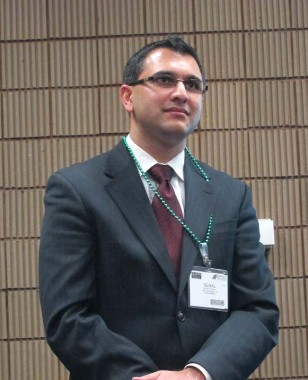
Reducing futile and duplicate medications provides not only a cost benefit, but also a morbidity benefit because many of these patients are frail and sometimes unable to swallow, and these medications increase pill burden and may actually exacerbate the very symptoms you’re trying to treat, Nehal Munshi said at the annual meeting of the American Academy of Hospice and Palliative Medicine.
Based on the medical literature and personal experience, the patients’ medications were independently ranked by two expert palliative care physicians and one pharmacist as appropriate, questionable, futile, duplicate, or not enough patient data to support a ranking. Consensus was achieved where there were discrepancies.
Medications in the hospice emergency kit, also known as the e-kit, were omitted from the analysis. Duplication medications were defined as two agents prescribed for the same indication when one would have sufficed.
Patients in the study were drawn from six hospice agencies in Louisiana over a 6-month period. Their median age was 80 (range 23-107), 58% were women, 72% were white, 23% black, and 0.5% Hispanic. More than one-third of patients (37.3%) died within 2 weeks of study entry.
Vitamins and minerals including calcium, iron, and fish oil supplements made up the bulk of futile medications (67%), followed by statins (21%), and other medications (12%) including allopurinol (Zyloprim and generics), Imodium, megestrol acetate (Megace), Metamucil, epoetin alfa (Epogen), alendronate sodium (Fosamax), cholestyramine (Questran), and silodosin (Rapaflo), Mr. Munshi reported.
Questionable medications were anticoagulants/antiplatelets (36%), Alzheimer’s medications (18%), electrolytes (14%), appetite stimulants (9%), and other (23%) including acetaminophen, ranitidine (Zantac), methylphenidate (Ritalin), amphetamine and dextroamphetamine (Adderall), cetirizine (Zyrtec), and Sudafed.
Prior to hospice admission, patients were on a median of 7 medications, but as many as 27 separate medications, said Mr. Munshi, a fourth-year medical student at Tulane Medical School in New Orleans. It was not possible to determine whether the average number of medications was lower for those entering hospice after being cared for by a palliative care physician.
Hospices appeared to make little headway in reducing pill burden. Only 7.3% of patients with futile medications prior to hospice admission had such medications withdrawn in hospice care.
Stripping away unnecessary medications can actually increase well being among patients entering hospice, a phenomenon known as the "hospice bounce," Dr. Louis Lux, medical director of Hospice Compassus in Austin, and director of the internal medicine clerkship at Texas A&M Health Science Center in Round Rock, both in Texas, said during a discussion of the study. He suggested that it helps patients to understand that their bodies are changing and that you’re not taking away medications, but trying to improve their quality of life.
"Sometimes it’s a choice between being able to swallow a statin or an antiemetic," he said.
At the same time, Dr. Lux cautioned that many patients are invested in their medications, and that studies have shown that abrupt cessation of statins can increase the risk of cardiovascular events in some people.
Mr. Munshi agreed that medication reduction "needs to be a team approach" including the patient, the family, community physicians, specialists, and hospice providers, but suggested that policy and practice modifications aimed at reducing futile and duplication medications, not only after the transition to hospice but potentially much earlier or prior to starting a treatment, could yield substantial benefits.
The authors reported no relevant conflicts of interest.
NEW ORLEANS – Futile and duplicate medications remain a significant burden among patients at the end of life, according to a blinded, prospective cohort study of 397 consecutive hospice patients.
At some point in their end of life care, 39% of patients received futile medications such as statins, and 19% received duplicate medications.
Reducing futile and duplicate medications provides not only a cost benefit, but also a morbidity benefit because many of these patients are frail and sometimes unable to swallow, and these medications increase pill burden and may actually exacerbate the very symptoms you’re trying to treat, Nehal Munshi said at the annual meeting of the American Academy of Hospice and Palliative Medicine.
Based on the medical literature and personal experience, the patients’ medications were independently ranked by two expert palliative care physicians and one pharmacist as appropriate, questionable, futile, duplicate, or not enough patient data to support a ranking. Consensus was achieved where there were discrepancies.
Medications in the hospice emergency kit, also known as the e-kit, were omitted from the analysis. Duplication medications were defined as two agents prescribed for the same indication when one would have sufficed.
Patients in the study were drawn from six hospice agencies in Louisiana over a 6-month period. Their median age was 80 (range 23-107), 58% were women, 72% were white, 23% black, and 0.5% Hispanic. More than one-third of patients (37.3%) died within 2 weeks of study entry.
Vitamins and minerals including calcium, iron, and fish oil supplements made up the bulk of futile medications (67%), followed by statins (21%), and other medications (12%) including allopurinol (Zyloprim and generics), Imodium, megestrol acetate (Megace), Metamucil, epoetin alfa (Epogen), alendronate sodium (Fosamax), cholestyramine (Questran), and silodosin (Rapaflo), Mr. Munshi reported.
Questionable medications were anticoagulants/antiplatelets (36%), Alzheimer’s medications (18%), electrolytes (14%), appetite stimulants (9%), and other (23%) including acetaminophen, ranitidine (Zantac), methylphenidate (Ritalin), amphetamine and dextroamphetamine (Adderall), cetirizine (Zyrtec), and Sudafed.
Prior to hospice admission, patients were on a median of 7 medications, but as many as 27 separate medications, said Mr. Munshi, a fourth-year medical student at Tulane Medical School in New Orleans. It was not possible to determine whether the average number of medications was lower for those entering hospice after being cared for by a palliative care physician.
Hospices appeared to make little headway in reducing pill burden. Only 7.3% of patients with futile medications prior to hospice admission had such medications withdrawn in hospice care.
Stripping away unnecessary medications can actually increase well being among patients entering hospice, a phenomenon known as the "hospice bounce," Dr. Louis Lux, medical director of Hospice Compassus in Austin, and director of the internal medicine clerkship at Texas A&M Health Science Center in Round Rock, both in Texas, said during a discussion of the study. He suggested that it helps patients to understand that their bodies are changing and that you’re not taking away medications, but trying to improve their quality of life.
"Sometimes it’s a choice between being able to swallow a statin or an antiemetic," he said.
At the same time, Dr. Lux cautioned that many patients are invested in their medications, and that studies have shown that abrupt cessation of statins can increase the risk of cardiovascular events in some people.
Mr. Munshi agreed that medication reduction "needs to be a team approach" including the patient, the family, community physicians, specialists, and hospice providers, but suggested that policy and practice modifications aimed at reducing futile and duplication medications, not only after the transition to hospice but potentially much earlier or prior to starting a treatment, could yield substantial benefits.
The authors reported no relevant conflicts of interest.
NEW ORLEANS – Futile and duplicate medications remain a significant burden among patients at the end of life, according to a blinded, prospective cohort study of 397 consecutive hospice patients.
At some point in their end of life care, 39% of patients received futile medications such as statins, and 19% received duplicate medications.
Reducing futile and duplicate medications provides not only a cost benefit, but also a morbidity benefit because many of these patients are frail and sometimes unable to swallow, and these medications increase pill burden and may actually exacerbate the very symptoms you’re trying to treat, Nehal Munshi said at the annual meeting of the American Academy of Hospice and Palliative Medicine.
Based on the medical literature and personal experience, the patients’ medications were independently ranked by two expert palliative care physicians and one pharmacist as appropriate, questionable, futile, duplicate, or not enough patient data to support a ranking. Consensus was achieved where there were discrepancies.
Medications in the hospice emergency kit, also known as the e-kit, were omitted from the analysis. Duplication medications were defined as two agents prescribed for the same indication when one would have sufficed.
Patients in the study were drawn from six hospice agencies in Louisiana over a 6-month period. Their median age was 80 (range 23-107), 58% were women, 72% were white, 23% black, and 0.5% Hispanic. More than one-third of patients (37.3%) died within 2 weeks of study entry.
Vitamins and minerals including calcium, iron, and fish oil supplements made up the bulk of futile medications (67%), followed by statins (21%), and other medications (12%) including allopurinol (Zyloprim and generics), Imodium, megestrol acetate (Megace), Metamucil, epoetin alfa (Epogen), alendronate sodium (Fosamax), cholestyramine (Questran), and silodosin (Rapaflo), Mr. Munshi reported.
Questionable medications were anticoagulants/antiplatelets (36%), Alzheimer’s medications (18%), electrolytes (14%), appetite stimulants (9%), and other (23%) including acetaminophen, ranitidine (Zantac), methylphenidate (Ritalin), amphetamine and dextroamphetamine (Adderall), cetirizine (Zyrtec), and Sudafed.
Prior to hospice admission, patients were on a median of 7 medications, but as many as 27 separate medications, said Mr. Munshi, a fourth-year medical student at Tulane Medical School in New Orleans. It was not possible to determine whether the average number of medications was lower for those entering hospice after being cared for by a palliative care physician.
Hospices appeared to make little headway in reducing pill burden. Only 7.3% of patients with futile medications prior to hospice admission had such medications withdrawn in hospice care.
Stripping away unnecessary medications can actually increase well being among patients entering hospice, a phenomenon known as the "hospice bounce," Dr. Louis Lux, medical director of Hospice Compassus in Austin, and director of the internal medicine clerkship at Texas A&M Health Science Center in Round Rock, both in Texas, said during a discussion of the study. He suggested that it helps patients to understand that their bodies are changing and that you’re not taking away medications, but trying to improve their quality of life.
"Sometimes it’s a choice between being able to swallow a statin or an antiemetic," he said.
At the same time, Dr. Lux cautioned that many patients are invested in their medications, and that studies have shown that abrupt cessation of statins can increase the risk of cardiovascular events in some people.
Mr. Munshi agreed that medication reduction "needs to be a team approach" including the patient, the family, community physicians, specialists, and hospice providers, but suggested that policy and practice modifications aimed at reducing futile and duplication medications, not only after the transition to hospice but potentially much earlier or prior to starting a treatment, could yield substantial benefits.
The authors reported no relevant conflicts of interest.
AT THE AAHPM ANNUAL ASSEMBLY
Major finding: At some point in their end of life care, 39% of patients received futile medications and 19% received duplicate medications.
Data source: Blinded, prospective cohort study of 397 consecutive hospice patients.
Disclosures: The authors reported no relevant conflicts of interest.
What's in a name: Is the moniker 'palliative care' too loaded?
NEW ORLEANS – That which we call a rose by any other name would smell as sweet. Perhaps not, if the conversation turns to palliative care.
A telephone survey of 169 patients with advanced cancer found that those randomized to hear the term "supportive care" instead of "palliative care" rated their understanding, overall impressions and future perceived need for those services significantly higher.
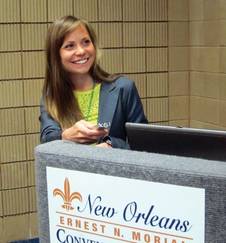
In contrast, there was no significant difference in outcomes when patients heard either a "patient-centered" or "traditional" description of palliative/supportive care services, Rachael Maciasz said at the annual meeting of the American Association of Hospice and Palliative Medicine.
"It may be that ‘palliative care’ is so loaded with advanced cancer patients because of family members’ or friends’ experiences with this in the past that [they think] their family member is going to die," she said. "Perhaps what comes after that, no matter how you describe it, you can’t change that impression."
Patients with stage IV solid tumors or refractory/recurrent hematologic malignancies were recruited from 20 oncologists at two comprehensive cancer centers in Pittsburgh, and randomized to one of four survey groups: "palliative care/patient-centered," "palliative care/traditional," "supportive care/patient-centered," and "supportive care/traditional." Outcomes were measured using 10-point Likert scales, with 0 meaning "do not understand at all," or impression "not favorable at all" or "strongly disagree with" a need for services.
The most common cancer diagnoses were breast (32%), lung (18%), and gastrointestinal (13%).
The majority (63%) of patients were female, 95% were white, 88% were Catholic/Christian, 4% Jewish, and 7% other religion or agnostic. The most common cancer diagnoses were breast (32%), lung (18%), and gastrointestinal (13%). Their average age was 62 and roughly 11% had prior exposure to palliative care services.
The supportive care groups had significantly higher mean ratings than did the palliative care groups for overall understanding of what the service had to offer (7.7 vs. 6.8) and for overall favorable impressions (8.4 vs. 7.3), said Ms. Maciasz, a fourth-year medical student and a Doris Duke Clinical Research Fellow at the University of Pittsburgh.
Patients rated their current need for supportive and palliative care services equally, but were significantly more likely to perceive a future need for supportive services for themselves or family (8.6 vs. 7.7).
All patients rated their willingness to see a supportive/palliative care specialist as higher if their oncologist recommended it rather than if they had to ask their oncologist whether they could see a specialist on their own (8.6 vs. 6.0).
In a robust multivariable regression model that adjusted for term, description, and all significant variables in univariate analyses, the term supportive care was again significantly associated with more favorable impressions (correlation coefficient 1.24) and higher future perceived need (correlation coefficient 0.93), Ms. Maciasz said.
The qualitative results also paralleled the quantitative results.
"I had the impression that fewer patients went in with an impression of palliative care and that if you could explain it in ways that made perfect sense and described how awesome it is, that it wouldn’t matter if it was [called] palliative or supportive," Ms. Maciasz said in an interview. "I think it’s just loaded, but I don’t think it’s unique to patients."
Research data have shown that some oncologists don’t like the term palliative care. "I think there’s something about the term palliative care that means I can’t give you everything you need," she suggested.
Ms. Maciasz and her coauthors reported having no financial disclosures.
NEW ORLEANS – That which we call a rose by any other name would smell as sweet. Perhaps not, if the conversation turns to palliative care.
A telephone survey of 169 patients with advanced cancer found that those randomized to hear the term "supportive care" instead of "palliative care" rated their understanding, overall impressions and future perceived need for those services significantly higher.
In contrast, there was no significant difference in outcomes when patients heard either a "patient-centered" or "traditional" description of palliative/supportive care services, Rachael Maciasz said at the annual meeting of the American Association of Hospice and Palliative Medicine.
"It may be that ‘palliative care’ is so loaded with advanced cancer patients because of family members’ or friends’ experiences with this in the past that [they think] their family member is going to die," she said. "Perhaps what comes after that, no matter how you describe it, you can’t change that impression."
Patients with stage IV solid tumors or refractory/recurrent hematologic malignancies were recruited from 20 oncologists at two comprehensive cancer centers in Pittsburgh, and randomized to one of four survey groups: "palliative care/patient-centered," "palliative care/traditional," "supportive care/patient-centered," and "supportive care/traditional." Outcomes were measured using 10-point Likert scales, with 0 meaning "do not understand at all," or impression "not favorable at all" or "strongly disagree with" a need for services.
The most common cancer diagnoses were breast (32%), lung (18%), and gastrointestinal (13%).
The majority (63%) of patients were female, 95% were white, 88% were Catholic/Christian, 4% Jewish, and 7% other religion or agnostic. The most common cancer diagnoses were breast (32%), lung (18%), and gastrointestinal (13%). Their average age was 62 and roughly 11% had prior exposure to palliative care services.
The supportive care groups had significantly higher mean ratings than did the palliative care groups for overall understanding of what the service had to offer (7.7 vs. 6.8) and for overall favorable impressions (8.4 vs. 7.3), said Ms. Maciasz, a fourth-year medical student and a Doris Duke Clinical Research Fellow at the University of Pittsburgh.
Patients rated their current need for supportive and palliative care services equally, but were significantly more likely to perceive a future need for supportive services for themselves or family (8.6 vs. 7.7).
All patients rated their willingness to see a supportive/palliative care specialist as higher if their oncologist recommended it rather than if they had to ask their oncologist whether they could see a specialist on their own (8.6 vs. 6.0).
In a robust multivariable regression model that adjusted for term, description, and all significant variables in univariate analyses, the term supportive care was again significantly associated with more favorable impressions (correlation coefficient 1.24) and higher future perceived need (correlation coefficient 0.93), Ms. Maciasz said.
The qualitative results also paralleled the quantitative results.
"I had the impression that fewer patients went in with an impression of palliative care and that if you could explain it in ways that made perfect sense and described how awesome it is, that it wouldn’t matter if it was [called] palliative or supportive," Ms. Maciasz said in an interview. "I think it’s just loaded, but I don’t think it’s unique to patients."
Research data have shown that some oncologists don’t like the term palliative care. "I think there’s something about the term palliative care that means I can’t give you everything you need," she suggested.
Ms. Maciasz and her coauthors reported having no financial disclosures.
NEW ORLEANS – That which we call a rose by any other name would smell as sweet. Perhaps not, if the conversation turns to palliative care.
A telephone survey of 169 patients with advanced cancer found that those randomized to hear the term "supportive care" instead of "palliative care" rated their understanding, overall impressions and future perceived need for those services significantly higher.
In contrast, there was no significant difference in outcomes when patients heard either a "patient-centered" or "traditional" description of palliative/supportive care services, Rachael Maciasz said at the annual meeting of the American Association of Hospice and Palliative Medicine.
"It may be that ‘palliative care’ is so loaded with advanced cancer patients because of family members’ or friends’ experiences with this in the past that [they think] their family member is going to die," she said. "Perhaps what comes after that, no matter how you describe it, you can’t change that impression."
Patients with stage IV solid tumors or refractory/recurrent hematologic malignancies were recruited from 20 oncologists at two comprehensive cancer centers in Pittsburgh, and randomized to one of four survey groups: "palliative care/patient-centered," "palliative care/traditional," "supportive care/patient-centered," and "supportive care/traditional." Outcomes were measured using 10-point Likert scales, with 0 meaning "do not understand at all," or impression "not favorable at all" or "strongly disagree with" a need for services.
The most common cancer diagnoses were breast (32%), lung (18%), and gastrointestinal (13%).
The majority (63%) of patients were female, 95% were white, 88% were Catholic/Christian, 4% Jewish, and 7% other religion or agnostic. The most common cancer diagnoses were breast (32%), lung (18%), and gastrointestinal (13%). Their average age was 62 and roughly 11% had prior exposure to palliative care services.
The supportive care groups had significantly higher mean ratings than did the palliative care groups for overall understanding of what the service had to offer (7.7 vs. 6.8) and for overall favorable impressions (8.4 vs. 7.3), said Ms. Maciasz, a fourth-year medical student and a Doris Duke Clinical Research Fellow at the University of Pittsburgh.
Patients rated their current need for supportive and palliative care services equally, but were significantly more likely to perceive a future need for supportive services for themselves or family (8.6 vs. 7.7).
All patients rated their willingness to see a supportive/palliative care specialist as higher if their oncologist recommended it rather than if they had to ask their oncologist whether they could see a specialist on their own (8.6 vs. 6.0).
In a robust multivariable regression model that adjusted for term, description, and all significant variables in univariate analyses, the term supportive care was again significantly associated with more favorable impressions (correlation coefficient 1.24) and higher future perceived need (correlation coefficient 0.93), Ms. Maciasz said.
The qualitative results also paralleled the quantitative results.
"I had the impression that fewer patients went in with an impression of palliative care and that if you could explain it in ways that made perfect sense and described how awesome it is, that it wouldn’t matter if it was [called] palliative or supportive," Ms. Maciasz said in an interview. "I think it’s just loaded, but I don’t think it’s unique to patients."
Research data have shown that some oncologists don’t like the term palliative care. "I think there’s something about the term palliative care that means I can’t give you everything you need," she suggested.
Ms. Maciasz and her coauthors reported having no financial disclosures.
AT THE AAHPM ANNUAL ASSEMBLY
Major finding: The term supportive care was rated significantly higher than palliative care for overall understanding (mean 7.7 vs. 6.8; P = .021), favorable impressions (mean 8.4 vs. 7.3; P = .002) and perceived future need (8.6 vs. 7.7; P = .017).
Data source: Randomized 2X2 factorial telephone survey of 169 patients with advanced cancer.
Disclosures: The authors reported having no financial disclosures.
MOPAT may guide pain evaluation, relief in noncommunicative patients
NEW ORLEANS – The Multidimensional Objective Pain Assessment Tool can be used to assess and guide relief of acute pain in noncommunicative hospice patients in an inpatient setting, a study has shown.
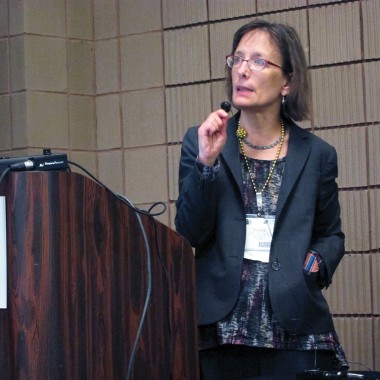
"The MOPAT was reliable, fast, and clinically useful," Deborah McGuire, Ph.D., said at the annual assembly of the American Academy of Hospice and Palliative Medicine.
Assessing pain in patients who can not self-report their pain is a continuing clinical challenge, she observed. There are few validated assessment tools, and the limited research that is available is typically in partially cognitively impaired patients, limiting the ability to extrapolate the findings to patients who are fully cognitively impaired.
To address this gap, investigators at the University of Maryland School of Nursing in Baltimore validated the MOPAT, which consists of a four-item behavioral dimension ranked on a 3-point scale with 0 being none and 3 severe, and a three-item physiologic dimension rated as "no change from usual" or "change from usual." Both dimensions are summed for a total score of pain severity.
As part of the hospital study, staff and study nurses also used the MOPAT before and after pharmacologic and nonpharmacologic pain interventions in 100 patients admitted to a community-based hospice in a noncommunicative state and receiving palliative care for a diagnosis or condition known to cause acute pain.
Their average age was 72.6 years (range, 35-99 years); 61% were women; 92% were white; and 53% were in the active/terminal phase of dying. Other reasons for noncommunication included expressive/receptive aphasia (15%), metabolic encephalopathy (7%), stroke (6%), malignancy (5%), and delirium (5%). Pain was typically due to functional activities such as bathing and turning patients (57.3%), followed by inadequate analgesia in 31% and other reasons in 12%.
Agreement between staff and study nurses on pain ratings before and after the pain interventions was generally good on both the behavioral dimension (61.2% vs. 73.3%) and physiologic dimension (79.6% vs. 78%), said Dr. McGuire, professor of nursing at the university.
Results for internal consistency were acceptable for the behavioral dimension (alpha coefficient, 0.77 for study nurses and 0.81 for staff nurses) and for the overall scores (0.77), but not for the physiologic dimension (0.44 for study nurses; 0.63 for staff nurses). The inability to scale the severity of physiologic indicators likely contributed to the low alpha coefficients for this dimension, she said, adding in an interview that the dimension is currently being revised for the investigators’ next study.
Still, pain scores as rated by staff nurses decreased significantly after the pain interventions on the behavioral (mean, 6.3 vs. 1.7) and physiologic dimensions (mean, 1.49 vs. 0.89), indicating that "the MOPAT was sensitive to changes in pain and therefore a good measure of pain severity," Dr. McGuire said at the meeting, also sponsored by the Hospice and Palliative Nurses Association.
When surveyed on how often they encountered patients unable to communicate, 64.5% of 62 nurses said frequently; 32%, occasionally; and 3.2%, constantly.
Using a five-point scale, nurses also reported that the MOPAT was easy to use (mean score, 3.86); was easy to understand (3.90); assisted in communicating to others about the patient’s pain (3.67); and was helpful in determining whether the patient might need a pain relief intervention (3.64).
Dr. McGuire noted that the Hospice of Lancaster County (Pa.) has incorporated the MOPAT into its pain standard of care in the inpatient units and the home setting, and that it will be tested in combination with analgesic order sets in 22 different hospital inpatient units to examine pain-related outcomes such as severity and treatment choice.
"What we are aiming at in our longer-term program of research is to be able to find a simple tool that can be used to assess pain in people who can’t self-report across various settings in which palliative care is given – not just acute care or hospice," she said.
The National Institute of Nursing Research sponsored the study. Dr. McGuire and her coauthors reported no relevant financial disclosures.
NEW ORLEANS – The Multidimensional Objective Pain Assessment Tool can be used to assess and guide relief of acute pain in noncommunicative hospice patients in an inpatient setting, a study has shown.
"The MOPAT was reliable, fast, and clinically useful," Deborah McGuire, Ph.D., said at the annual assembly of the American Academy of Hospice and Palliative Medicine.
Assessing pain in patients who can not self-report their pain is a continuing clinical challenge, she observed. There are few validated assessment tools, and the limited research that is available is typically in partially cognitively impaired patients, limiting the ability to extrapolate the findings to patients who are fully cognitively impaired.
To address this gap, investigators at the University of Maryland School of Nursing in Baltimore validated the MOPAT, which consists of a four-item behavioral dimension ranked on a 3-point scale with 0 being none and 3 severe, and a three-item physiologic dimension rated as "no change from usual" or "change from usual." Both dimensions are summed for a total score of pain severity.
As part of the hospital study, staff and study nurses also used the MOPAT before and after pharmacologic and nonpharmacologic pain interventions in 100 patients admitted to a community-based hospice in a noncommunicative state and receiving palliative care for a diagnosis or condition known to cause acute pain.
Their average age was 72.6 years (range, 35-99 years); 61% were women; 92% were white; and 53% were in the active/terminal phase of dying. Other reasons for noncommunication included expressive/receptive aphasia (15%), metabolic encephalopathy (7%), stroke (6%), malignancy (5%), and delirium (5%). Pain was typically due to functional activities such as bathing and turning patients (57.3%), followed by inadequate analgesia in 31% and other reasons in 12%.
Agreement between staff and study nurses on pain ratings before and after the pain interventions was generally good on both the behavioral dimension (61.2% vs. 73.3%) and physiologic dimension (79.6% vs. 78%), said Dr. McGuire, professor of nursing at the university.
Results for internal consistency were acceptable for the behavioral dimension (alpha coefficient, 0.77 for study nurses and 0.81 for staff nurses) and for the overall scores (0.77), but not for the physiologic dimension (0.44 for study nurses; 0.63 for staff nurses). The inability to scale the severity of physiologic indicators likely contributed to the low alpha coefficients for this dimension, she said, adding in an interview that the dimension is currently being revised for the investigators’ next study.
Still, pain scores as rated by staff nurses decreased significantly after the pain interventions on the behavioral (mean, 6.3 vs. 1.7) and physiologic dimensions (mean, 1.49 vs. 0.89), indicating that "the MOPAT was sensitive to changes in pain and therefore a good measure of pain severity," Dr. McGuire said at the meeting, also sponsored by the Hospice and Palliative Nurses Association.
When surveyed on how often they encountered patients unable to communicate, 64.5% of 62 nurses said frequently; 32%, occasionally; and 3.2%, constantly.
Using a five-point scale, nurses also reported that the MOPAT was easy to use (mean score, 3.86); was easy to understand (3.90); assisted in communicating to others about the patient’s pain (3.67); and was helpful in determining whether the patient might need a pain relief intervention (3.64).
Dr. McGuire noted that the Hospice of Lancaster County (Pa.) has incorporated the MOPAT into its pain standard of care in the inpatient units and the home setting, and that it will be tested in combination with analgesic order sets in 22 different hospital inpatient units to examine pain-related outcomes such as severity and treatment choice.
"What we are aiming at in our longer-term program of research is to be able to find a simple tool that can be used to assess pain in people who can’t self-report across various settings in which palliative care is given – not just acute care or hospice," she said.
The National Institute of Nursing Research sponsored the study. Dr. McGuire and her coauthors reported no relevant financial disclosures.
NEW ORLEANS – The Multidimensional Objective Pain Assessment Tool can be used to assess and guide relief of acute pain in noncommunicative hospice patients in an inpatient setting, a study has shown.
"The MOPAT was reliable, fast, and clinically useful," Deborah McGuire, Ph.D., said at the annual assembly of the American Academy of Hospice and Palliative Medicine.
Assessing pain in patients who can not self-report their pain is a continuing clinical challenge, she observed. There are few validated assessment tools, and the limited research that is available is typically in partially cognitively impaired patients, limiting the ability to extrapolate the findings to patients who are fully cognitively impaired.
To address this gap, investigators at the University of Maryland School of Nursing in Baltimore validated the MOPAT, which consists of a four-item behavioral dimension ranked on a 3-point scale with 0 being none and 3 severe, and a three-item physiologic dimension rated as "no change from usual" or "change from usual." Both dimensions are summed for a total score of pain severity.
As part of the hospital study, staff and study nurses also used the MOPAT before and after pharmacologic and nonpharmacologic pain interventions in 100 patients admitted to a community-based hospice in a noncommunicative state and receiving palliative care for a diagnosis or condition known to cause acute pain.
Their average age was 72.6 years (range, 35-99 years); 61% were women; 92% were white; and 53% were in the active/terminal phase of dying. Other reasons for noncommunication included expressive/receptive aphasia (15%), metabolic encephalopathy (7%), stroke (6%), malignancy (5%), and delirium (5%). Pain was typically due to functional activities such as bathing and turning patients (57.3%), followed by inadequate analgesia in 31% and other reasons in 12%.
Agreement between staff and study nurses on pain ratings before and after the pain interventions was generally good on both the behavioral dimension (61.2% vs. 73.3%) and physiologic dimension (79.6% vs. 78%), said Dr. McGuire, professor of nursing at the university.
Results for internal consistency were acceptable for the behavioral dimension (alpha coefficient, 0.77 for study nurses and 0.81 for staff nurses) and for the overall scores (0.77), but not for the physiologic dimension (0.44 for study nurses; 0.63 for staff nurses). The inability to scale the severity of physiologic indicators likely contributed to the low alpha coefficients for this dimension, she said, adding in an interview that the dimension is currently being revised for the investigators’ next study.
Still, pain scores as rated by staff nurses decreased significantly after the pain interventions on the behavioral (mean, 6.3 vs. 1.7) and physiologic dimensions (mean, 1.49 vs. 0.89), indicating that "the MOPAT was sensitive to changes in pain and therefore a good measure of pain severity," Dr. McGuire said at the meeting, also sponsored by the Hospice and Palliative Nurses Association.
When surveyed on how often they encountered patients unable to communicate, 64.5% of 62 nurses said frequently; 32%, occasionally; and 3.2%, constantly.
Using a five-point scale, nurses also reported that the MOPAT was easy to use (mean score, 3.86); was easy to understand (3.90); assisted in communicating to others about the patient’s pain (3.67); and was helpful in determining whether the patient might need a pain relief intervention (3.64).
Dr. McGuire noted that the Hospice of Lancaster County (Pa.) has incorporated the MOPAT into its pain standard of care in the inpatient units and the home setting, and that it will be tested in combination with analgesic order sets in 22 different hospital inpatient units to examine pain-related outcomes such as severity and treatment choice.
"What we are aiming at in our longer-term program of research is to be able to find a simple tool that can be used to assess pain in people who can’t self-report across various settings in which palliative care is given – not just acute care or hospice," she said.
The National Institute of Nursing Research sponsored the study. Dr. McGuire and her coauthors reported no relevant financial disclosures.
AT THE AMERICAN ACADEMY OF HOSPICE AND PALLIATIVE MEDICINE ANNUAL ASSEMBLY
Major finding: Pain scores as rated by staff nurses decreased significantly after the pain interventions on the behavioral (mean, 6.3 vs. 1.7) and physiologic dimensions (mean, 1.49 vs. 0.89).
Data source: A prospective, longitudinal study in 100 inpatients receiving palliative care in a community-based hospice.
Disclosures: The National Institute of Nursing Research sponsored the study. Dr. McGuire and her coauthors reported no relevant financial disclosures.
Networks: A survey, a course, unique liaisons, and more
Sleep Medicine
Survey results
Last year, the Sleep Medicine NetWork sent out a survey to its members to explore their relative comfort in managing different types of patients who may be seen in practice and the degree to which they encouraged referral of such patients to their practices. Though one could certainly debate the validity of the measurement tool, there were two main goals in collecting these data: we were hoping to debunk the commonly propagated myth that pulmonary sleep specialists \""only like to manage apnea\"" and that we are also planning on developing sessions at the CHEST meeting to focus on those areas in which are members were least comfortable.
One hundred and fifty NetWork members responded to the survey. Unsurprisingly, 93% reported that they were extremely comfortable managing obstructive sleep apnea; but we were surprised to see that the next most \""comfortable\"" area was restless legs syndrome, followed by central sleep apnea, and circadian rhythm disorders. Narcolepsy, parasomnias, insomnia, and management of the psychiatric patient with sleep problems rounded out the list. Based upon these data, the steering committee is planning a broader slate of sleep-related educational opportunities at CHEST 2013, with focus on some of the areas identified by our membership as areas in which they were less comfortable.
The steering committee has also started an online journal club, available through the College\'’s e-Community. Each month, one of our members will post a brief commentary on a recent sleep medicine publication. The conversation has been robust, and we hope you will join in!
Dr. David Schulman, FCCP
Chair
Occupational and Environmental Health
Course coming in June
From respiratory health hazards in the home and workplace to outdoor air pollution and global warming, the Occupational and Environmental Lung Disease Conference 2013 will cover everything you need to know about respiratory exposures and their effects on human health. Hear the most important new knowledge in the field and the clinical updates essential for patient care. This targeted intensive educational immersion in occupational and environmental lung diseases is a ""can’’t miss"" course for pulmonary clinicians and others. This multiday conference will bring together an expert faculty of educators and investigators. The last time this course was held was in 1999 – so don’’t miss this one! Go to the College’’s website to find all the information you need about this course in Toronto, Canada, on June 21-23. Register today!
Dr. Ware Kuschner, FCCP
Palliative and End-of-Life Care
How to make ethics consultations in hospitals more helpful and accessible
The practice of hospital clinical ethics is maturing. From the earliest days of hospital ethics committees to today (Rothman. Strangers at the Bedside, 2003), the practice of hospital clinical ethics consultation (CEC) has become ubiquitous (Fox et al. Am J Bioethics. 2007;7[2]:13; Hurst et al. Health Care Annal. 2007;15[4]:321; Nagao et al. BMC Med Ethics. 2008;29[9]:2). Currently, most hospitals have ethics committees that perform consultations.
Physicians do not call ethics consultations for many reasons:they They take too much time, might make the situation worse, or will be unqualified (DuVal et al. J Gen Intern Med. 2004;19:251). These published data are inconsistent with the authors’’ experience, as we consult on over 300 cases annually, but are consistent with what physicians elsewhere report. At the North American Burn Society meeting in January,, b, ,urn surgeons said they did not typically call consults because they did not find them helpful; and when they did, the services were not available in a timely fashion. So what is the problem?
The problem, we think, is a result of how the whole field of clinical ethics has evolved. The ""facilitative"" model has dominated (ASBH Core Competencies, volume 2). One might muse that if there haven’’t been qualified clinical ethicists, then simply facilitating the relevant parties in coming to their own recommendations was prudent. But today we know what a qualified clinical ethicist looks like (Acres et al. J Clin Ethics. 2012;23[2]:156) and what processes are needed to hire one (Mokwunye et al. HEC Forum. 2010;22[1]:51). Hospitals need to stop relying completely on ethics committee members, the vast majority of whom are untrained volunteers.
Instead, hospitals need to start building clinical ethics programs, just as they do other specialty group programs (such as behavioral medicine and heart failure groups). Just hiring one qualified clinical ethicist would allow for training for the ethics committee (Edelstein et al. HEC Forum. 2009;21[4]:34; Mokwunye et al. HEC Forum. 2012;23[2]:147), hospital-wide ethics education, and the establishment of upstream clinical ethics practices (DeRenzo et al. Cambridge Quarterly of Healthcare Ethics. 2006;15[2]:207). Once a hospital makes these changes, physicians will find they have better access to a helpful, full-service clinical ethics program that provides timely consultative services.
Dr. Nneka O. Mokwunye
Steering Committee Member
Dr. Evan G. DeRenzo
Respiratory Care
Unique liaisons
Did you know this NetWork has unique liaisons from the ACCP community?
Here is a brief description of these organizations with their liaisons from the ACCP:
AARC-BOMA: American Association for Respiratory Care – Board of Medical Advisors (www.aarc.org/)
The AARC is an association for respiratory care professionals and allied health specialists interested in cardiopulmonary care. The AARC is committed to enhancing professionalism of respiratory care practitioners, improving job performance, and helping to broaden the practitioners’’ scope of knowledge. The AARC publishes AARC Times and RESPIRATORY CARE.
AARC-BOMA Liaisons: Dr. Robert Aranson, FCCP; Dr. Kent L. Christopher, RRT, FCCP; Dr. Woody V. Kageler, FCCP; and Dr. Harold Manning, FCCP.
CoARC: Commission on Accreditation for Respiratory Care (www.coarc.com/)
CoARC’’s mission is to promote high quality respiratory care education through accreditation services. The CoARC accredits first professional respiratory care degree programs at the Associate, Baccalaureate, and Master Degree level in the United States and internationally and also accredits professional respiratory care degree programs in polysomnography.
CoARC Liaisons: Dr. David L. Bowton, FCCP; Dr. Joseph P. Coyle, FCCP; and Dr. Kevin M. O’’Neil, FCCP.
NAMDRC: The National Association for Medical Direction of Respiratory Care (www.namdrc.org/)
NAMDRC is a national organization of physicians whose mission is to educate its members and address regulatory, legislative, and payment issues that relate to the delivery of health care to patients with respiratory disorders. NAMDRC represents physicians in respiratory care departments, critical/ICUs, sleep labs, pulmonary rehabilitation, and managing blood gas laboratories. NAMDRC publishes Washington Watchline and Current Controversies.
NAMDRC has a representative to the ACCP Respiratory Care NetWork: Dr. Paul A. Selecky, FCCP.
NBRC: The National Board for Respiratory Care (www.nbrc.org)
The NBRC is a voluntary health certifying board that evaluates the professional competence of respiratory therapists. The NBRC strives for excellence in providing credentialing examinations and associated services to the respiratory community. The NBRC’’s CRT examination is currently the basis for state licensure for RTs in 49 states. Through its Continuing Competency Program, the NBRC demonstrates compliance with the accreditation standards of the National Commission for Certifying Agencies (NCCA).
NBRC Liaisons: Dr. Robert A. Balk, FCCP; Dr. Brian W. Carlin, FCCP (also the current NBRC Vice President); Dr. David A. Kaminsky, FCCP; Dr. Carl Kaplan, FCCP; and Dr. Robert A. May, FCCP.
Dr. Herbert Patrick, FCCP
Chair
Dr. Kevin M. O\'’Neil, FCCP
Vice-Chair
Home Care
Home sleep testing
The field of sleep medicine is evolving in multiple ways. One critical change involves the growing, and increasingly mandated, adoption of home sleep testing (HST) for the diagnosis of obstructive sleep apnea (OSA). While the technology is not new, its role in the routine diagnosis of OSA has evolved over the past decade. In a comprehensive review in 2003 by the ATS, AASM, and ACCP, HST was considered acceptable when attended, but its widespread use discouraged. A decision by Medicare to approve HST as an acceptable diagnostic modality paved the way for a more widespread adoption of HST. Recent data emerged that seemed to suggest that HST has acceptable degree of specificity and sensitivity in diagnosing OSA, but it was also clear that such results were seen only in a carefully selected and circumscribed population of patients without significant comorbidity and with high pretest probability of OSA. The broader applicability of such results is hence unclear. Advantages to HST are convenience, better patient acceptance, low barrier to deployment, and lower cost. Disadvantages include data loss, a large percentage of indeterminate study results, misdiagnosis – both false-positive and false-negative, and finally, inability to determine effects on sleep architecture, as well as diagnose comorbid sleep conditions. Important concerns regarding HST have been raised that include the lack of large outcome studies and lack of external validity. The cost effectiveness of a strategy that largely adopts HST as a diagnostic modality has also been questioned.
A clinical guidelines paper by the AASM portable monitoring task force highlights the limitations and contraindications of HST. The key elements include selecting patients with high pretest probability and excluding patients with moderate to severe pulmonary disease, neuromuscular disease, and congestive heart failure, or when other sleep disorders are either suspected or comorbid.
Issues to consider as one incorporates an HST strategy include selecting the appropriate equipment and outlining an appropriate triage and distribution plan that includes an appropriate chain of custody. A recent paper from the AASM, published in the Journal of Clinical Sleep Medicine, categorizes the different systems on the basis of a SCOPER system, to enable a ready comparison of the features across different systems. Factors that need to be considered would include costs, not only of the equipment itself, but more importantly of the disposables, as well as data management and software integration with your existing platform.
Dr. Shyam Subramanian, FCCP
Vice-Chair
Selected References:
1. Collop NA, Tracy SL, Kapur V, et al. Obstructive sleep apnea devices for out-of-center (OOC) testing: technology evaluation. J Clin Sleep Med. 2011;7(5):531.
2. Pietzsch JB, Garner A, Cipriano LE, Linehan JH. An integrated health-economic analysis of diagnostic and therapeutic strategies in the treatment of moderate-to-severe obstructive sleep apnea. Sleep. 2011;34(6):695.
3. Portable Monitoring Task Force of the American Academy of Sleep Medicine. Clinical guidelines for the use of unattended portable monitors in the diagnosis of obstructive sleep apnea in adult patients. J Clin Sleep Med. 2007;3(7):737.
Dr. Shyam Subramanian, FCCP
Vice-Chair
NetWork members: Join the conversation in the ACCP e-Community today! http://Find us at ecommunity.chestnet.org.
Sleep Medicine
Survey results
Last year, the Sleep Medicine NetWork sent out a survey to its members to explore their relative comfort in managing different types of patients who may be seen in practice and the degree to which they encouraged referral of such patients to their practices. Though one could certainly debate the validity of the measurement tool, there were two main goals in collecting these data: we were hoping to debunk the commonly propagated myth that pulmonary sleep specialists \""only like to manage apnea\"" and that we are also planning on developing sessions at the CHEST meeting to focus on those areas in which are members were least comfortable.
One hundred and fifty NetWork members responded to the survey. Unsurprisingly, 93% reported that they were extremely comfortable managing obstructive sleep apnea; but we were surprised to see that the next most \""comfortable\"" area was restless legs syndrome, followed by central sleep apnea, and circadian rhythm disorders. Narcolepsy, parasomnias, insomnia, and management of the psychiatric patient with sleep problems rounded out the list. Based upon these data, the steering committee is planning a broader slate of sleep-related educational opportunities at CHEST 2013, with focus on some of the areas identified by our membership as areas in which they were less comfortable.
The steering committee has also started an online journal club, available through the College\'’s e-Community. Each month, one of our members will post a brief commentary on a recent sleep medicine publication. The conversation has been robust, and we hope you will join in!
Dr. David Schulman, FCCP
Chair
Occupational and Environmental Health
Course coming in June
From respiratory health hazards in the home and workplace to outdoor air pollution and global warming, the Occupational and Environmental Lung Disease Conference 2013 will cover everything you need to know about respiratory exposures and their effects on human health. Hear the most important new knowledge in the field and the clinical updates essential for patient care. This targeted intensive educational immersion in occupational and environmental lung diseases is a ""can’’t miss"" course for pulmonary clinicians and others. This multiday conference will bring together an expert faculty of educators and investigators. The last time this course was held was in 1999 – so don’’t miss this one! Go to the College’’s website to find all the information you need about this course in Toronto, Canada, on June 21-23. Register today!
Dr. Ware Kuschner, FCCP
Palliative and End-of-Life Care
How to make ethics consultations in hospitals more helpful and accessible
The practice of hospital clinical ethics is maturing. From the earliest days of hospital ethics committees to today (Rothman. Strangers at the Bedside, 2003), the practice of hospital clinical ethics consultation (CEC) has become ubiquitous (Fox et al. Am J Bioethics. 2007;7[2]:13; Hurst et al. Health Care Annal. 2007;15[4]:321; Nagao et al. BMC Med Ethics. 2008;29[9]:2). Currently, most hospitals have ethics committees that perform consultations.
Physicians do not call ethics consultations for many reasons:they They take too much time, might make the situation worse, or will be unqualified (DuVal et al. J Gen Intern Med. 2004;19:251). These published data are inconsistent with the authors’’ experience, as we consult on over 300 cases annually, but are consistent with what physicians elsewhere report. At the North American Burn Society meeting in January,, b, ,urn surgeons said they did not typically call consults because they did not find them helpful; and when they did, the services were not available in a timely fashion. So what is the problem?
The problem, we think, is a result of how the whole field of clinical ethics has evolved. The ""facilitative"" model has dominated (ASBH Core Competencies, volume 2). One might muse that if there haven’’t been qualified clinical ethicists, then simply facilitating the relevant parties in coming to their own recommendations was prudent. But today we know what a qualified clinical ethicist looks like (Acres et al. J Clin Ethics. 2012;23[2]:156) and what processes are needed to hire one (Mokwunye et al. HEC Forum. 2010;22[1]:51). Hospitals need to stop relying completely on ethics committee members, the vast majority of whom are untrained volunteers.
Instead, hospitals need to start building clinical ethics programs, just as they do other specialty group programs (such as behavioral medicine and heart failure groups). Just hiring one qualified clinical ethicist would allow for training for the ethics committee (Edelstein et al. HEC Forum. 2009;21[4]:34; Mokwunye et al. HEC Forum. 2012;23[2]:147), hospital-wide ethics education, and the establishment of upstream clinical ethics practices (DeRenzo et al. Cambridge Quarterly of Healthcare Ethics. 2006;15[2]:207). Once a hospital makes these changes, physicians will find they have better access to a helpful, full-service clinical ethics program that provides timely consultative services.
Dr. Nneka O. Mokwunye
Steering Committee Member
Dr. Evan G. DeRenzo
Respiratory Care
Unique liaisons
Did you know this NetWork has unique liaisons from the ACCP community?
Here is a brief description of these organizations with their liaisons from the ACCP:
AARC-BOMA: American Association for Respiratory Care – Board of Medical Advisors (www.aarc.org/)
The AARC is an association for respiratory care professionals and allied health specialists interested in cardiopulmonary care. The AARC is committed to enhancing professionalism of respiratory care practitioners, improving job performance, and helping to broaden the practitioners’’ scope of knowledge. The AARC publishes AARC Times and RESPIRATORY CARE.
AARC-BOMA Liaisons: Dr. Robert Aranson, FCCP; Dr. Kent L. Christopher, RRT, FCCP; Dr. Woody V. Kageler, FCCP; and Dr. Harold Manning, FCCP.
CoARC: Commission on Accreditation for Respiratory Care (www.coarc.com/)
CoARC’’s mission is to promote high quality respiratory care education through accreditation services. The CoARC accredits first professional respiratory care degree programs at the Associate, Baccalaureate, and Master Degree level in the United States and internationally and also accredits professional respiratory care degree programs in polysomnography.
CoARC Liaisons: Dr. David L. Bowton, FCCP; Dr. Joseph P. Coyle, FCCP; and Dr. Kevin M. O’’Neil, FCCP.
NAMDRC: The National Association for Medical Direction of Respiratory Care (www.namdrc.org/)
NAMDRC is a national organization of physicians whose mission is to educate its members and address regulatory, legislative, and payment issues that relate to the delivery of health care to patients with respiratory disorders. NAMDRC represents physicians in respiratory care departments, critical/ICUs, sleep labs, pulmonary rehabilitation, and managing blood gas laboratories. NAMDRC publishes Washington Watchline and Current Controversies.
NAMDRC has a representative to the ACCP Respiratory Care NetWork: Dr. Paul A. Selecky, FCCP.
NBRC: The National Board for Respiratory Care (www.nbrc.org)
The NBRC is a voluntary health certifying board that evaluates the professional competence of respiratory therapists. The NBRC strives for excellence in providing credentialing examinations and associated services to the respiratory community. The NBRC’’s CRT examination is currently the basis for state licensure for RTs in 49 states. Through its Continuing Competency Program, the NBRC demonstrates compliance with the accreditation standards of the National Commission for Certifying Agencies (NCCA).
NBRC Liaisons: Dr. Robert A. Balk, FCCP; Dr. Brian W. Carlin, FCCP (also the current NBRC Vice President); Dr. David A. Kaminsky, FCCP; Dr. Carl Kaplan, FCCP; and Dr. Robert A. May, FCCP.
Dr. Herbert Patrick, FCCP
Chair
Dr. Kevin M. O\'’Neil, FCCP
Vice-Chair
Home Care
Home sleep testing
The field of sleep medicine is evolving in multiple ways. One critical change involves the growing, and increasingly mandated, adoption of home sleep testing (HST) for the diagnosis of obstructive sleep apnea (OSA). While the technology is not new, its role in the routine diagnosis of OSA has evolved over the past decade. In a comprehensive review in 2003 by the ATS, AASM, and ACCP, HST was considered acceptable when attended, but its widespread use discouraged. A decision by Medicare to approve HST as an acceptable diagnostic modality paved the way for a more widespread adoption of HST. Recent data emerged that seemed to suggest that HST has acceptable degree of specificity and sensitivity in diagnosing OSA, but it was also clear that such results were seen only in a carefully selected and circumscribed population of patients without significant comorbidity and with high pretest probability of OSA. The broader applicability of such results is hence unclear. Advantages to HST are convenience, better patient acceptance, low barrier to deployment, and lower cost. Disadvantages include data loss, a large percentage of indeterminate study results, misdiagnosis – both false-positive and false-negative, and finally, inability to determine effects on sleep architecture, as well as diagnose comorbid sleep conditions. Important concerns regarding HST have been raised that include the lack of large outcome studies and lack of external validity. The cost effectiveness of a strategy that largely adopts HST as a diagnostic modality has also been questioned.
A clinical guidelines paper by the AASM portable monitoring task force highlights the limitations and contraindications of HST. The key elements include selecting patients with high pretest probability and excluding patients with moderate to severe pulmonary disease, neuromuscular disease, and congestive heart failure, or when other sleep disorders are either suspected or comorbid.
Issues to consider as one incorporates an HST strategy include selecting the appropriate equipment and outlining an appropriate triage and distribution plan that includes an appropriate chain of custody. A recent paper from the AASM, published in the Journal of Clinical Sleep Medicine, categorizes the different systems on the basis of a SCOPER system, to enable a ready comparison of the features across different systems. Factors that need to be considered would include costs, not only of the equipment itself, but more importantly of the disposables, as well as data management and software integration with your existing platform.
Dr. Shyam Subramanian, FCCP
Vice-Chair
Selected References:
1. Collop NA, Tracy SL, Kapur V, et al. Obstructive sleep apnea devices for out-of-center (OOC) testing: technology evaluation. J Clin Sleep Med. 2011;7(5):531.
2. Pietzsch JB, Garner A, Cipriano LE, Linehan JH. An integrated health-economic analysis of diagnostic and therapeutic strategies in the treatment of moderate-to-severe obstructive sleep apnea. Sleep. 2011;34(6):695.
3. Portable Monitoring Task Force of the American Academy of Sleep Medicine. Clinical guidelines for the use of unattended portable monitors in the diagnosis of obstructive sleep apnea in adult patients. J Clin Sleep Med. 2007;3(7):737.
Dr. Shyam Subramanian, FCCP
Vice-Chair
NetWork members: Join the conversation in the ACCP e-Community today! http://Find us at ecommunity.chestnet.org.
Sleep Medicine
Survey results
Last year, the Sleep Medicine NetWork sent out a survey to its members to explore their relative comfort in managing different types of patients who may be seen in practice and the degree to which they encouraged referral of such patients to their practices. Though one could certainly debate the validity of the measurement tool, there were two main goals in collecting these data: we were hoping to debunk the commonly propagated myth that pulmonary sleep specialists \""only like to manage apnea\"" and that we are also planning on developing sessions at the CHEST meeting to focus on those areas in which are members were least comfortable.
One hundred and fifty NetWork members responded to the survey. Unsurprisingly, 93% reported that they were extremely comfortable managing obstructive sleep apnea; but we were surprised to see that the next most \""comfortable\"" area was restless legs syndrome, followed by central sleep apnea, and circadian rhythm disorders. Narcolepsy, parasomnias, insomnia, and management of the psychiatric patient with sleep problems rounded out the list. Based upon these data, the steering committee is planning a broader slate of sleep-related educational opportunities at CHEST 2013, with focus on some of the areas identified by our membership as areas in which they were less comfortable.
The steering committee has also started an online journal club, available through the College\'’s e-Community. Each month, one of our members will post a brief commentary on a recent sleep medicine publication. The conversation has been robust, and we hope you will join in!
Dr. David Schulman, FCCP
Chair
Occupational and Environmental Health
Course coming in June
From respiratory health hazards in the home and workplace to outdoor air pollution and global warming, the Occupational and Environmental Lung Disease Conference 2013 will cover everything you need to know about respiratory exposures and their effects on human health. Hear the most important new knowledge in the field and the clinical updates essential for patient care. This targeted intensive educational immersion in occupational and environmental lung diseases is a ""can’’t miss"" course for pulmonary clinicians and others. This multiday conference will bring together an expert faculty of educators and investigators. The last time this course was held was in 1999 – so don’’t miss this one! Go to the College’’s website to find all the information you need about this course in Toronto, Canada, on June 21-23. Register today!
Dr. Ware Kuschner, FCCP
Palliative and End-of-Life Care
How to make ethics consultations in hospitals more helpful and accessible
The practice of hospital clinical ethics is maturing. From the earliest days of hospital ethics committees to today (Rothman. Strangers at the Bedside, 2003), the practice of hospital clinical ethics consultation (CEC) has become ubiquitous (Fox et al. Am J Bioethics. 2007;7[2]:13; Hurst et al. Health Care Annal. 2007;15[4]:321; Nagao et al. BMC Med Ethics. 2008;29[9]:2). Currently, most hospitals have ethics committees that perform consultations.
Physicians do not call ethics consultations for many reasons:they They take too much time, might make the situation worse, or will be unqualified (DuVal et al. J Gen Intern Med. 2004;19:251). These published data are inconsistent with the authors’’ experience, as we consult on over 300 cases annually, but are consistent with what physicians elsewhere report. At the North American Burn Society meeting in January,, b, ,urn surgeons said they did not typically call consults because they did not find them helpful; and when they did, the services were not available in a timely fashion. So what is the problem?
The problem, we think, is a result of how the whole field of clinical ethics has evolved. The ""facilitative"" model has dominated (ASBH Core Competencies, volume 2). One might muse that if there haven’’t been qualified clinical ethicists, then simply facilitating the relevant parties in coming to their own recommendations was prudent. But today we know what a qualified clinical ethicist looks like (Acres et al. J Clin Ethics. 2012;23[2]:156) and what processes are needed to hire one (Mokwunye et al. HEC Forum. 2010;22[1]:51). Hospitals need to stop relying completely on ethics committee members, the vast majority of whom are untrained volunteers.
Instead, hospitals need to start building clinical ethics programs, just as they do other specialty group programs (such as behavioral medicine and heart failure groups). Just hiring one qualified clinical ethicist would allow for training for the ethics committee (Edelstein et al. HEC Forum. 2009;21[4]:34; Mokwunye et al. HEC Forum. 2012;23[2]:147), hospital-wide ethics education, and the establishment of upstream clinical ethics practices (DeRenzo et al. Cambridge Quarterly of Healthcare Ethics. 2006;15[2]:207). Once a hospital makes these changes, physicians will find they have better access to a helpful, full-service clinical ethics program that provides timely consultative services.
Dr. Nneka O. Mokwunye
Steering Committee Member
Dr. Evan G. DeRenzo
Respiratory Care
Unique liaisons
Did you know this NetWork has unique liaisons from the ACCP community?
Here is a brief description of these organizations with their liaisons from the ACCP:
AARC-BOMA: American Association for Respiratory Care – Board of Medical Advisors (www.aarc.org/)
The AARC is an association for respiratory care professionals and allied health specialists interested in cardiopulmonary care. The AARC is committed to enhancing professionalism of respiratory care practitioners, improving job performance, and helping to broaden the practitioners’’ scope of knowledge. The AARC publishes AARC Times and RESPIRATORY CARE.
AARC-BOMA Liaisons: Dr. Robert Aranson, FCCP; Dr. Kent L. Christopher, RRT, FCCP; Dr. Woody V. Kageler, FCCP; and Dr. Harold Manning, FCCP.
CoARC: Commission on Accreditation for Respiratory Care (www.coarc.com/)
CoARC’’s mission is to promote high quality respiratory care education through accreditation services. The CoARC accredits first professional respiratory care degree programs at the Associate, Baccalaureate, and Master Degree level in the United States and internationally and also accredits professional respiratory care degree programs in polysomnography.
CoARC Liaisons: Dr. David L. Bowton, FCCP; Dr. Joseph P. Coyle, FCCP; and Dr. Kevin M. O’’Neil, FCCP.
NAMDRC: The National Association for Medical Direction of Respiratory Care (www.namdrc.org/)
NAMDRC is a national organization of physicians whose mission is to educate its members and address regulatory, legislative, and payment issues that relate to the delivery of health care to patients with respiratory disorders. NAMDRC represents physicians in respiratory care departments, critical/ICUs, sleep labs, pulmonary rehabilitation, and managing blood gas laboratories. NAMDRC publishes Washington Watchline and Current Controversies.
NAMDRC has a representative to the ACCP Respiratory Care NetWork: Dr. Paul A. Selecky, FCCP.
NBRC: The National Board for Respiratory Care (www.nbrc.org)
The NBRC is a voluntary health certifying board that evaluates the professional competence of respiratory therapists. The NBRC strives for excellence in providing credentialing examinations and associated services to the respiratory community. The NBRC’’s CRT examination is currently the basis for state licensure for RTs in 49 states. Through its Continuing Competency Program, the NBRC demonstrates compliance with the accreditation standards of the National Commission for Certifying Agencies (NCCA).
NBRC Liaisons: Dr. Robert A. Balk, FCCP; Dr. Brian W. Carlin, FCCP (also the current NBRC Vice President); Dr. David A. Kaminsky, FCCP; Dr. Carl Kaplan, FCCP; and Dr. Robert A. May, FCCP.
Dr. Herbert Patrick, FCCP
Chair
Dr. Kevin M. O\'’Neil, FCCP
Vice-Chair
Home Care
Home sleep testing
The field of sleep medicine is evolving in multiple ways. One critical change involves the growing, and increasingly mandated, adoption of home sleep testing (HST) for the diagnosis of obstructive sleep apnea (OSA). While the technology is not new, its role in the routine diagnosis of OSA has evolved over the past decade. In a comprehensive review in 2003 by the ATS, AASM, and ACCP, HST was considered acceptable when attended, but its widespread use discouraged. A decision by Medicare to approve HST as an acceptable diagnostic modality paved the way for a more widespread adoption of HST. Recent data emerged that seemed to suggest that HST has acceptable degree of specificity and sensitivity in diagnosing OSA, but it was also clear that such results were seen only in a carefully selected and circumscribed population of patients without significant comorbidity and with high pretest probability of OSA. The broader applicability of such results is hence unclear. Advantages to HST are convenience, better patient acceptance, low barrier to deployment, and lower cost. Disadvantages include data loss, a large percentage of indeterminate study results, misdiagnosis – both false-positive and false-negative, and finally, inability to determine effects on sleep architecture, as well as diagnose comorbid sleep conditions. Important concerns regarding HST have been raised that include the lack of large outcome studies and lack of external validity. The cost effectiveness of a strategy that largely adopts HST as a diagnostic modality has also been questioned.
A clinical guidelines paper by the AASM portable monitoring task force highlights the limitations and contraindications of HST. The key elements include selecting patients with high pretest probability and excluding patients with moderate to severe pulmonary disease, neuromuscular disease, and congestive heart failure, or when other sleep disorders are either suspected or comorbid.
Issues to consider as one incorporates an HST strategy include selecting the appropriate equipment and outlining an appropriate triage and distribution plan that includes an appropriate chain of custody. A recent paper from the AASM, published in the Journal of Clinical Sleep Medicine, categorizes the different systems on the basis of a SCOPER system, to enable a ready comparison of the features across different systems. Factors that need to be considered would include costs, not only of the equipment itself, but more importantly of the disposables, as well as data management and software integration with your existing platform.
Dr. Shyam Subramanian, FCCP
Vice-Chair
Selected References:
1. Collop NA, Tracy SL, Kapur V, et al. Obstructive sleep apnea devices for out-of-center (OOC) testing: technology evaluation. J Clin Sleep Med. 2011;7(5):531.
2. Pietzsch JB, Garner A, Cipriano LE, Linehan JH. An integrated health-economic analysis of diagnostic and therapeutic strategies in the treatment of moderate-to-severe obstructive sleep apnea. Sleep. 2011;34(6):695.
3. Portable Monitoring Task Force of the American Academy of Sleep Medicine. Clinical guidelines for the use of unattended portable monitors in the diagnosis of obstructive sleep apnea in adult patients. J Clin Sleep Med. 2007;3(7):737.
Dr. Shyam Subramanian, FCCP
Vice-Chair
NetWork members: Join the conversation in the ACCP e-Community today! http://Find us at ecommunity.chestnet.org.
Top oncologists share clinical, supportive care updates
Community Oncology Editor-in-Chief Dr. David Henry and Dr. Linda Bosserman, an Editor on the journal, present a round-up of the top-notch clinical and supportive presentations at the Oncology Practice Summit in Las Vegas.
The Oncology Practice Summit was the 8th annual meeting of Community Oncology, the journal of clinical issues in community practice. Dr. Abraham was a co-chair of the Summit, which was hosted this year by Community Oncology as well as The Journal of Supportive Oncology, and The Oncology Report.
Community Oncology Editor-in-Chief Dr. David Henry and Dr. Linda Bosserman, an Editor on the journal, present a round-up of the top-notch clinical and supportive presentations at the Oncology Practice Summit in Las Vegas.
The Oncology Practice Summit was the 8th annual meeting of Community Oncology, the journal of clinical issues in community practice. Dr. Abraham was a co-chair of the Summit, which was hosted this year by Community Oncology as well as The Journal of Supportive Oncology, and The Oncology Report.
Community Oncology Editor-in-Chief Dr. David Henry and Dr. Linda Bosserman, an Editor on the journal, present a round-up of the top-notch clinical and supportive presentations at the Oncology Practice Summit in Las Vegas.
The Oncology Practice Summit was the 8th annual meeting of Community Oncology, the journal of clinical issues in community practice. Dr. Abraham was a co-chair of the Summit, which was hosted this year by Community Oncology as well as The Journal of Supportive Oncology, and The Oncology Report.
Duloxetine reduces chemo-induced neuropathy
A 5-week course of daily oral duloxetine reduced pain and improved function and quality of life for patients with chemotherapy-induced peripheral neuropathy, according to a report in the April 3 issue of JAMA.
Duloxetine’s effects on chemotherapy-induced peripheral neuropathic pain were measured in a randomized, double-blind, placebo-controlled, crossover clinical trial involving 231 cancer patients aged 25 years and older who had been treated with platinum or taxane agents. Study subjects were approximately twice as likely to experience a 30% reduction in pain while taking duloxetine than while taking placebo and were 2.4 times more likely to experience a 50% reduction in pain, said Ellen M. Lavoie Smith, Ph.D., of the University of Michigan School of Nursing, Ann Arbor, and her associates. The data were presented at the 2012 annual meeting of the American Society of Clinical Oncology.
Patients also reported better daily functioning with duloxetine, compared with placebo, including improved scores on measures assessing numbness, tingling, or discomfort of the hands or feet; tinnitus or difficulty hearing; joint pain; muscle cramps and weakness; and difficulty walking, dressing, or feeling small objects in the hands. Pain-related quality of life also improved to a greater degree with duloxetine (mean change of 2.44 points out of 44 possible points on the Functional Assessment of Cancer Treatment, Gynecologic Oncology Group Neurotoxicity subscale) than with placebo (mean change of 0.87 points).
There were no hematologic or grade 4 adverse events. Mild adverse events were reported by 16% during duloxetine treatment and 27% during placebo treatment, and moderate adverse effects were reported by 7% and 3%, respectively. These included fatigue, insomnia, and nausea in both patient groups, the investigators said (JAMA 2013;309:1359-67).
This study was supported by the National Cancer Institute and the Alliance Statistics and Data Center. Study drugs and placebo were supplied by Eli Lilly. Dr. Smith reported no conflicts of interest, and one of her associates reported ties to Genentech.
A 5-week course of daily oral duloxetine reduced pain and improved function and quality of life for patients with chemotherapy-induced peripheral neuropathy, according to a report in the April 3 issue of JAMA.
Duloxetine’s effects on chemotherapy-induced peripheral neuropathic pain were measured in a randomized, double-blind, placebo-controlled, crossover clinical trial involving 231 cancer patients aged 25 years and older who had been treated with platinum or taxane agents. Study subjects were approximately twice as likely to experience a 30% reduction in pain while taking duloxetine than while taking placebo and were 2.4 times more likely to experience a 50% reduction in pain, said Ellen M. Lavoie Smith, Ph.D., of the University of Michigan School of Nursing, Ann Arbor, and her associates. The data were presented at the 2012 annual meeting of the American Society of Clinical Oncology.
Patients also reported better daily functioning with duloxetine, compared with placebo, including improved scores on measures assessing numbness, tingling, or discomfort of the hands or feet; tinnitus or difficulty hearing; joint pain; muscle cramps and weakness; and difficulty walking, dressing, or feeling small objects in the hands. Pain-related quality of life also improved to a greater degree with duloxetine (mean change of 2.44 points out of 44 possible points on the Functional Assessment of Cancer Treatment, Gynecologic Oncology Group Neurotoxicity subscale) than with placebo (mean change of 0.87 points).
There were no hematologic or grade 4 adverse events. Mild adverse events were reported by 16% during duloxetine treatment and 27% during placebo treatment, and moderate adverse effects were reported by 7% and 3%, respectively. These included fatigue, insomnia, and nausea in both patient groups, the investigators said (JAMA 2013;309:1359-67).
This study was supported by the National Cancer Institute and the Alliance Statistics and Data Center. Study drugs and placebo were supplied by Eli Lilly. Dr. Smith reported no conflicts of interest, and one of her associates reported ties to Genentech.
A 5-week course of daily oral duloxetine reduced pain and improved function and quality of life for patients with chemotherapy-induced peripheral neuropathy, according to a report in the April 3 issue of JAMA.
Duloxetine’s effects on chemotherapy-induced peripheral neuropathic pain were measured in a randomized, double-blind, placebo-controlled, crossover clinical trial involving 231 cancer patients aged 25 years and older who had been treated with platinum or taxane agents. Study subjects were approximately twice as likely to experience a 30% reduction in pain while taking duloxetine than while taking placebo and were 2.4 times more likely to experience a 50% reduction in pain, said Ellen M. Lavoie Smith, Ph.D., of the University of Michigan School of Nursing, Ann Arbor, and her associates. The data were presented at the 2012 annual meeting of the American Society of Clinical Oncology.
Patients also reported better daily functioning with duloxetine, compared with placebo, including improved scores on measures assessing numbness, tingling, or discomfort of the hands or feet; tinnitus or difficulty hearing; joint pain; muscle cramps and weakness; and difficulty walking, dressing, or feeling small objects in the hands. Pain-related quality of life also improved to a greater degree with duloxetine (mean change of 2.44 points out of 44 possible points on the Functional Assessment of Cancer Treatment, Gynecologic Oncology Group Neurotoxicity subscale) than with placebo (mean change of 0.87 points).
There were no hematologic or grade 4 adverse events. Mild adverse events were reported by 16% during duloxetine treatment and 27% during placebo treatment, and moderate adverse effects were reported by 7% and 3%, respectively. These included fatigue, insomnia, and nausea in both patient groups, the investigators said (JAMA 2013;309:1359-67).
This study was supported by the National Cancer Institute and the Alliance Statistics and Data Center. Study drugs and placebo were supplied by Eli Lilly. Dr. Smith reported no conflicts of interest, and one of her associates reported ties to Genentech.
FROM JAMA
Major finding: Study subjects were 2.4 times more likely to experience a 50% pain reduction while taking duloxetine than while taking placebo.
Data source: A randomized, double-blind, placebo-controlled crossover trial involving 231 cancer patients.
Disclosures: This study was supported by the National Cancer Institute and the Alliance Statistics and Data Center. Study drugs and placebo were supplied by Eli Lilly. Dr. Smith reported no conflicts of interest, and one of her associates reported ties to Genentech.
Record Number of Physicians Pass Hospice and Palliative Medicine Exam
Number of physicians who passed for the first time the most recent Hospice and Palliative Medicine (HPM) board-certifying exam given in October by the American Board of Internal Medicine (ABIM). This number, an 83% success rate, represents a major influx of mid-career physicians qualifying in HPM just ahead of the closure of an experiential pathway to HPM board certification. Starting in 2013, physicians must complete a full-time, yearlong fellowship in HPM in order to sit for its board exam. ABIM and nine other specialty societies are responsible for HPM board certification. The last experiential pathway exam for HPM, in osteopathy, will be in September.
Number of physicians who passed for the first time the most recent Hospice and Palliative Medicine (HPM) board-certifying exam given in October by the American Board of Internal Medicine (ABIM). This number, an 83% success rate, represents a major influx of mid-career physicians qualifying in HPM just ahead of the closure of an experiential pathway to HPM board certification. Starting in 2013, physicians must complete a full-time, yearlong fellowship in HPM in order to sit for its board exam. ABIM and nine other specialty societies are responsible for HPM board certification. The last experiential pathway exam for HPM, in osteopathy, will be in September.
Number of physicians who passed for the first time the most recent Hospice and Palliative Medicine (HPM) board-certifying exam given in October by the American Board of Internal Medicine (ABIM). This number, an 83% success rate, represents a major influx of mid-career physicians qualifying in HPM just ahead of the closure of an experiential pathway to HPM board certification. Starting in 2013, physicians must complete a full-time, yearlong fellowship in HPM in order to sit for its board exam. ABIM and nine other specialty societies are responsible for HPM board certification. The last experiential pathway exam for HPM, in osteopathy, will be in September.
YouTube poor source of palliative information
NEW ORLEANS – Just 28% of 468 videos sampled from YouTube were rated as having useful information on palliative care, hospice, or end of life, while 72% were considered poor quality.
Unfortunately, the poor information is getting much more exposure: Poor-quality videos averaged about 28,056,711 million hits, compared with only about 11,808 hits for the good-quality videos, Benjamin Getter, D.O., said at the annual meeting of the American Academy of Hospice and Palliative Medicine.
One reason may be the sheer volume of videos and that patients are likely to use filters or broad search terms such as "palliative care" or "pain." YouTube queues up videos containing those words based on viewer count, so when view counts are low, videos get pushed back further on search results page.
"Studies have shown that whether it’s Google or YouTube, the distance you will go looking for your information decreases exponentially," he said. "The third page of Google might as well not exist."
Dr. Getter pointed out that more than 700 YouTube videos are shared on Twitter each minute and that 100 million people take some social action be it sharing, liking, or commenting on YouTube every week. Younger generations are also using YouTube videos as a source of news, "This is something we need to take advantage of," he said.
Dr. Getter and his coauthor, Dr. Wesam Aziz, both palliative medicine fellows at the University of Texas Health Science Center in San Antonio, identified the 468 YouTube videos by relevance and view count search strategies, and independently categorized them as useful, misleading, or personal experience. Videos creators fell into one of five categories: health care institutions, media/news organizations, hospices, universities, and individuals.
Video quality was "good" if the video had useful information, including relevant personal experiences, or "not good" if the video was misleading or not related to palliative care. In all, 133 videos were of good quality (28%) and 335 not-good quality (72%).
Dr. Getter acknowledged that the rating system was subjective, but said in an interview that "In 98% of cases, it was exceedingly obvious." For example, videos on nociceptive pain caused by trauma were obviously unrelated to palliative care pain, whereas the AAHPM’s "You're Sick. It's Serious" video was clearly useful and accurate.
As expected, good-quality videos were significantly more likely to come from educational or health care institutions, whereas poor quality videos were typically uploaded by independent sources and the news media.
"More outreach is needed to educate the public and news organizations about palliative care," he said at the meeting, also sponsored by the Hospice and Palliative Nurses Association.
Dr. Getter suggested health care organizations also could do more, such as casting a wider net for their videos and using keywords and search terms in their content to optimize their videos for search engines, a process known as search engine optimization.
"Share, share, share; be your own advocate," he urged. "You’d be surprised at how many of these videos that were great and were uploaded by health care and hospice organizations can’t be found anywhere on their websites. To me, it just seems kind of silly to go to all the trouble producing these things and not have the exposure."
The authors reported having no financial disclosures.
NEW ORLEANS – Just 28% of 468 videos sampled from YouTube were rated as having useful information on palliative care, hospice, or end of life, while 72% were considered poor quality.
Unfortunately, the poor information is getting much more exposure: Poor-quality videos averaged about 28,056,711 million hits, compared with only about 11,808 hits for the good-quality videos, Benjamin Getter, D.O., said at the annual meeting of the American Academy of Hospice and Palliative Medicine.
One reason may be the sheer volume of videos and that patients are likely to use filters or broad search terms such as "palliative care" or "pain." YouTube queues up videos containing those words based on viewer count, so when view counts are low, videos get pushed back further on search results page.
"Studies have shown that whether it’s Google or YouTube, the distance you will go looking for your information decreases exponentially," he said. "The third page of Google might as well not exist."
Dr. Getter pointed out that more than 700 YouTube videos are shared on Twitter each minute and that 100 million people take some social action be it sharing, liking, or commenting on YouTube every week. Younger generations are also using YouTube videos as a source of news, "This is something we need to take advantage of," he said.
Dr. Getter and his coauthor, Dr. Wesam Aziz, both palliative medicine fellows at the University of Texas Health Science Center in San Antonio, identified the 468 YouTube videos by relevance and view count search strategies, and independently categorized them as useful, misleading, or personal experience. Videos creators fell into one of five categories: health care institutions, media/news organizations, hospices, universities, and individuals.
Video quality was "good" if the video had useful information, including relevant personal experiences, or "not good" if the video was misleading or not related to palliative care. In all, 133 videos were of good quality (28%) and 335 not-good quality (72%).
Dr. Getter acknowledged that the rating system was subjective, but said in an interview that "In 98% of cases, it was exceedingly obvious." For example, videos on nociceptive pain caused by trauma were obviously unrelated to palliative care pain, whereas the AAHPM’s "You're Sick. It's Serious" video was clearly useful and accurate.
As expected, good-quality videos were significantly more likely to come from educational or health care institutions, whereas poor quality videos were typically uploaded by independent sources and the news media.
"More outreach is needed to educate the public and news organizations about palliative care," he said at the meeting, also sponsored by the Hospice and Palliative Nurses Association.
Dr. Getter suggested health care organizations also could do more, such as casting a wider net for their videos and using keywords and search terms in their content to optimize their videos for search engines, a process known as search engine optimization.
"Share, share, share; be your own advocate," he urged. "You’d be surprised at how many of these videos that were great and were uploaded by health care and hospice organizations can’t be found anywhere on their websites. To me, it just seems kind of silly to go to all the trouble producing these things and not have the exposure."
The authors reported having no financial disclosures.
NEW ORLEANS – Just 28% of 468 videos sampled from YouTube were rated as having useful information on palliative care, hospice, or end of life, while 72% were considered poor quality.
Unfortunately, the poor information is getting much more exposure: Poor-quality videos averaged about 28,056,711 million hits, compared with only about 11,808 hits for the good-quality videos, Benjamin Getter, D.O., said at the annual meeting of the American Academy of Hospice and Palliative Medicine.
One reason may be the sheer volume of videos and that patients are likely to use filters or broad search terms such as "palliative care" or "pain." YouTube queues up videos containing those words based on viewer count, so when view counts are low, videos get pushed back further on search results page.
"Studies have shown that whether it’s Google or YouTube, the distance you will go looking for your information decreases exponentially," he said. "The third page of Google might as well not exist."
Dr. Getter pointed out that more than 700 YouTube videos are shared on Twitter each minute and that 100 million people take some social action be it sharing, liking, or commenting on YouTube every week. Younger generations are also using YouTube videos as a source of news, "This is something we need to take advantage of," he said.
Dr. Getter and his coauthor, Dr. Wesam Aziz, both palliative medicine fellows at the University of Texas Health Science Center in San Antonio, identified the 468 YouTube videos by relevance and view count search strategies, and independently categorized them as useful, misleading, or personal experience. Videos creators fell into one of five categories: health care institutions, media/news organizations, hospices, universities, and individuals.
Video quality was "good" if the video had useful information, including relevant personal experiences, or "not good" if the video was misleading or not related to palliative care. In all, 133 videos were of good quality (28%) and 335 not-good quality (72%).
Dr. Getter acknowledged that the rating system was subjective, but said in an interview that "In 98% of cases, it was exceedingly obvious." For example, videos on nociceptive pain caused by trauma were obviously unrelated to palliative care pain, whereas the AAHPM’s "You're Sick. It's Serious" video was clearly useful and accurate.
As expected, good-quality videos were significantly more likely to come from educational or health care institutions, whereas poor quality videos were typically uploaded by independent sources and the news media.
"More outreach is needed to educate the public and news organizations about palliative care," he said at the meeting, also sponsored by the Hospice and Palliative Nurses Association.
Dr. Getter suggested health care organizations also could do more, such as casting a wider net for their videos and using keywords and search terms in their content to optimize their videos for search engines, a process known as search engine optimization.
"Share, share, share; be your own advocate," he urged. "You’d be surprised at how many of these videos that were great and were uploaded by health care and hospice organizations can’t be found anywhere on their websites. To me, it just seems kind of silly to go to all the trouble producing these things and not have the exposure."
The authors reported having no financial disclosures.
Major finding: In all, 133 palliative care videos (28%) were good quality and 335 were poor quality (72%).
Data source: Retrospective analysis of 468 YouTube videos.
Disclosures: The authors reported having no financial disclosures.
Nurse-led delirium screen validated in hospitalized elderly
NEW ORLEANS – The Delirium Observation Screening Scale is easy, fast, and accurate when performed by a bedside nurse in elderly hospitalized patients, according to results of a validation study.
The purely observational screening tool requires no cognitive testing or additional education for nursing staff and typically takes 2-3 minutes to complete, Katie Gavinski, a medical student at the University of Iowa, Iowa City, said at the annual meeting of the American Academy of Hospice and Palliative Medicine.
The DOSS includes 13 yes/no questions, such as whether the patient maintains attention to a conversation or action or knows which part of the day it is. A score of 15 or more is considered positive for delirium. The DOSS was developed and validated in the Netherlands but had not been validated in the United States in an elderly patient population, she said.
To accomplish this, the investigators compared results in the medical records of 54 elderly patients in a general medicine inpatient unit from twice-daily screening with the DOSS and those prospectively obtained using the 16-item, clinician-rated Delirium Rating Scale-Revised-98 (DRS-R-98).
A total of 100 delirium assessments were performed in the 54 patients, whose average age was 77 years; 40% were male.
In all, 83 tests were negative for delirium and 17 were positive. There was one false-negative test and 8 false-positive results, of which seven were in patients considered in sub-syndromal delirium based on a DRS-R-98 score of 8-14, Ms. Gavinski reported.
Thus, sensitivity was 90% and specificity 91%.
Positive DRS-R-98 screens were significantly correlated with positive DOSS screens for delirium, she said.
Senior author and colleague Dr. Michelle Weckmann, also of the University of Iowa, said that the DOSS is not designed to be used by physicians but appears to be a powerful tool in the hands of nurses.
"Routine implementation of the DOSS on hospital units has the potential to increase identification of delirium with minimal use of hospital resources, and improved identification of delirium has the potential to significantly improve patient care and outcomes," she said in an interview.
E-mail surveys from 98 adult-unit nurses revealed that 87% were confident performing the DOSS and 91% said that they could complete it in less than 3 minutes.
Only about 30% of the nurses, however, agreed or strongly agreed that the DOSS provided valuable information for the treatment of their patients or enhanced patient care, Ms. Gavinski said.
"The biggest thing nursing staff called for was additional education," she said. "They understood how to do it and that they would get a positive result for delirium, but didn’t know what to do with that result."
As a result of the study, the DOSS has been integrated into all adult units, and about 98% of patients over the age of 64 are now being screened with the DOSS at least once during their hospitalization. A delirium order set also was developed to address the question of what to do next if a screen is positive. Future research will evaluate whether delirium screening with the DOSS improves the outcomes of patients who test positive, Ms. Gavinski said.
During a discussion of the study, she noted that the 2 a.m. and 2 p.m. screening times used in the study were selected arbitrarily and that the test can be completed whenever nurses interact with their patients. Also, the DOSS does not specifically measure delirium severity, whereas the DRS-R-98 has 13 severity items and 3 diagnostic items.
Ms. Gavinski and her coauthors reported no relevant disclosures.
NEW ORLEANS – The Delirium Observation Screening Scale is easy, fast, and accurate when performed by a bedside nurse in elderly hospitalized patients, according to results of a validation study.
The purely observational screening tool requires no cognitive testing or additional education for nursing staff and typically takes 2-3 minutes to complete, Katie Gavinski, a medical student at the University of Iowa, Iowa City, said at the annual meeting of the American Academy of Hospice and Palliative Medicine.
The DOSS includes 13 yes/no questions, such as whether the patient maintains attention to a conversation or action or knows which part of the day it is. A score of 15 or more is considered positive for delirium. The DOSS was developed and validated in the Netherlands but had not been validated in the United States in an elderly patient population, she said.
To accomplish this, the investigators compared results in the medical records of 54 elderly patients in a general medicine inpatient unit from twice-daily screening with the DOSS and those prospectively obtained using the 16-item, clinician-rated Delirium Rating Scale-Revised-98 (DRS-R-98).
A total of 100 delirium assessments were performed in the 54 patients, whose average age was 77 years; 40% were male.
In all, 83 tests were negative for delirium and 17 were positive. There was one false-negative test and 8 false-positive results, of which seven were in patients considered in sub-syndromal delirium based on a DRS-R-98 score of 8-14, Ms. Gavinski reported.
Thus, sensitivity was 90% and specificity 91%.
Positive DRS-R-98 screens were significantly correlated with positive DOSS screens for delirium, she said.
Senior author and colleague Dr. Michelle Weckmann, also of the University of Iowa, said that the DOSS is not designed to be used by physicians but appears to be a powerful tool in the hands of nurses.
"Routine implementation of the DOSS on hospital units has the potential to increase identification of delirium with minimal use of hospital resources, and improved identification of delirium has the potential to significantly improve patient care and outcomes," she said in an interview.
E-mail surveys from 98 adult-unit nurses revealed that 87% were confident performing the DOSS and 91% said that they could complete it in less than 3 minutes.
Only about 30% of the nurses, however, agreed or strongly agreed that the DOSS provided valuable information for the treatment of their patients or enhanced patient care, Ms. Gavinski said.
"The biggest thing nursing staff called for was additional education," she said. "They understood how to do it and that they would get a positive result for delirium, but didn’t know what to do with that result."
As a result of the study, the DOSS has been integrated into all adult units, and about 98% of patients over the age of 64 are now being screened with the DOSS at least once during their hospitalization. A delirium order set also was developed to address the question of what to do next if a screen is positive. Future research will evaluate whether delirium screening with the DOSS improves the outcomes of patients who test positive, Ms. Gavinski said.
During a discussion of the study, she noted that the 2 a.m. and 2 p.m. screening times used in the study were selected arbitrarily and that the test can be completed whenever nurses interact with their patients. Also, the DOSS does not specifically measure delirium severity, whereas the DRS-R-98 has 13 severity items and 3 diagnostic items.
Ms. Gavinski and her coauthors reported no relevant disclosures.
NEW ORLEANS – The Delirium Observation Screening Scale is easy, fast, and accurate when performed by a bedside nurse in elderly hospitalized patients, according to results of a validation study.
The purely observational screening tool requires no cognitive testing or additional education for nursing staff and typically takes 2-3 minutes to complete, Katie Gavinski, a medical student at the University of Iowa, Iowa City, said at the annual meeting of the American Academy of Hospice and Palliative Medicine.
The DOSS includes 13 yes/no questions, such as whether the patient maintains attention to a conversation or action or knows which part of the day it is. A score of 15 or more is considered positive for delirium. The DOSS was developed and validated in the Netherlands but had not been validated in the United States in an elderly patient population, she said.
To accomplish this, the investigators compared results in the medical records of 54 elderly patients in a general medicine inpatient unit from twice-daily screening with the DOSS and those prospectively obtained using the 16-item, clinician-rated Delirium Rating Scale-Revised-98 (DRS-R-98).
A total of 100 delirium assessments were performed in the 54 patients, whose average age was 77 years; 40% were male.
In all, 83 tests were negative for delirium and 17 were positive. There was one false-negative test and 8 false-positive results, of which seven were in patients considered in sub-syndromal delirium based on a DRS-R-98 score of 8-14, Ms. Gavinski reported.
Thus, sensitivity was 90% and specificity 91%.
Positive DRS-R-98 screens were significantly correlated with positive DOSS screens for delirium, she said.
Senior author and colleague Dr. Michelle Weckmann, also of the University of Iowa, said that the DOSS is not designed to be used by physicians but appears to be a powerful tool in the hands of nurses.
"Routine implementation of the DOSS on hospital units has the potential to increase identification of delirium with minimal use of hospital resources, and improved identification of delirium has the potential to significantly improve patient care and outcomes," she said in an interview.
E-mail surveys from 98 adult-unit nurses revealed that 87% were confident performing the DOSS and 91% said that they could complete it in less than 3 minutes.
Only about 30% of the nurses, however, agreed or strongly agreed that the DOSS provided valuable information for the treatment of their patients or enhanced patient care, Ms. Gavinski said.
"The biggest thing nursing staff called for was additional education," she said. "They understood how to do it and that they would get a positive result for delirium, but didn’t know what to do with that result."
As a result of the study, the DOSS has been integrated into all adult units, and about 98% of patients over the age of 64 are now being screened with the DOSS at least once during their hospitalization. A delirium order set also was developed to address the question of what to do next if a screen is positive. Future research will evaluate whether delirium screening with the DOSS improves the outcomes of patients who test positive, Ms. Gavinski said.
During a discussion of the study, she noted that the 2 a.m. and 2 p.m. screening times used in the study were selected arbitrarily and that the test can be completed whenever nurses interact with their patients. Also, the DOSS does not specifically measure delirium severity, whereas the DRS-R-98 has 13 severity items and 3 diagnostic items.
Ms. Gavinski and her coauthors reported no relevant disclosures.
Major finding: The DOSS had a sensitivity of 90% and specificity of 91%.
Data source: Prospective validation study in 54 elderly hospitalized patients.
Disclosures: Ms. Gavinski and her coauthors reported no relevant disclosures.
New palliative care guidelines stress certification, diversity
NEW ORLEANS – New palliative care guidelines encourage discipline-specific certification for each of the major disciplines in a palliative care program, even for chaplaincy.
The guidelines are critical in raising the bar to guide the training of professionals and the development of programs, said Dr. Diane Meier, coleader of the National Consensus Project for Quality Palliative Care (NCP), which released the guidelines during the annual meeting of the American Academy of Hospice and Palliative Medicine.
Since the guidelines’ last revision in 2009, the Accreditation Council for Graduate Medical Education recognized hospice and palliative medicine as a subspecialty of 11 different parent boards. That paved the way for the development of hospice and palliative medicine fellowships, now an eligibility requirement for the board certification exams.
This year, the Centers for Medicare and Medicaid Services also began implementing an annual quality reporting program for hospice organizations that includes a financial incentive for hospice provider participation. Data from roughly 600 hospitals are also filed with the Center to Advance Palliative Care (CAPC), which releases a report card on access to palliative care in U.S. hospitals.
"Right now it’s too early in the field to use it for public reporting or payment, but it’s not too early to use it to be able to say, ‘Look, here are the standards, and here’s how we compare in terms of staffing ratios to peer hospitals in our part of the country, and we aren’t even close,’ " Dr. Meier, CAPC director and professor of geriatrics and palliative medicine at Mount Sinai Hospital in New York, said in an interview.
In 2011, 46% of the roughly 2.5 million deaths in the United States were under the care of one of the nation’s more than 5,000 hospices, with data suggesting that costs during the last year of life are cut by an average of $2,309 per hospice user.
The new, third edition of the Clinical Practice Guidelines for Quality Palliative Care, endorsed by some 50 organizations, emphasizes the need to deliver palliative care from the time of diagnosis, through an interdisciplinary team. Earlier editions of the guidelines were used as the basis for the National Quality Forum Framework and Preferred Practices for Quality Palliative Care, as well as the Joint Commission’s 2011 palliative care advanced certification.
Although hospice and palliative care at a 300-bed tertiary hospital will look substantially different than at a 40-bed community hospital, it must include all eight domains of care. It is not a physician and a half-time nurse doing pain consults, insists NCP coleader Betty Ferrell, Ph.D., R.N.
She observed that the social, cultural, and spiritual domains have undergone the biggest changes in the latest edition.
The social domain emphasizes the need to collaborate with patients and families to identify and capitalize on their strengths, and to use a social worker with patient population–specific skills in assessment and interventions. The cultural domain contains new content stressing the need for cultural and linguistic competence, including plain language, literacy, and delivering written materials in languages other than English. Translators also should be used for patients and families who do not speak or understand English, or for those who feel more comfortable communicating in another language.
"We really need to do a lot of this [work] because, if you look at our literature, you could say it’s kind of uni-perspective," Dr. Ferrell, a professor and research scientist at the City of Hope Medical Center in Los Angeles, acknowledged.
The spiritual domain was revised to include a definition of spirituality stressing assessment, access, and staff collaboration in attending to the spiritual, religious, and existential concerns throughout the illness trajectory.
"Chaplains may see a small minority of patients in the hospital; thus it’s important for all health care providers to address spiritual needs," she said.
The ethical and legal domain was reorganized into three sections to highlight the need for ongoing discussions about goals of care as well as greater communication and documentation of advance-care planning documents. The section also describes team competencies in the identification and resolution of ethical issues, and acknowledges the frequency and complexity of legal and regulatory issues in palliative care.
During a discussion of the guidelines, audience members said they’ve often been kept from doing the next step in care because of fear of legal reprisal. Only a dozen or so of the roughly 200 members in the audience, however, raised their hands when asked whether legal counsel had ever attended a palliative care meeting at their hospital.
"We’ve had ethics committees involved in palliative care; but we actually need more access to our legal counsel so we can feel safer and that we’re making consistent judgments," Dr. Ferrell said at the meeting, also sponsored by the Hospice and Palliative Nurses Association.
Finally, the domain previously called "Care of the imminently dying" was renamed "Care of the patient at the end of life." It highlights the need to meticulously assess and manage pain and other symptoms, to guide families about what to expect in the dying process, and to begin bereavement support before the actual death.
"Families need support, given that they have often never witnessed a death until faced with losing someone they love," she said. "The reality of death is very different from images on film and television."
The guidelines were sponsored by the American Academy of Hospice and Palliative Medicine, the Center to Advance Palliative Care, the Hospice and Palliative Nurses Association, the National Hospice and Palliative Care Organization, the National Association of Social Workers, and the National Palliative Care Research Center. Dr. Meier and Dr. Ferrell reported no relevant conflicts of interest.
NEW ORLEANS – New palliative care guidelines encourage discipline-specific certification for each of the major disciplines in a palliative care program, even for chaplaincy.
The guidelines are critical in raising the bar to guide the training of professionals and the development of programs, said Dr. Diane Meier, coleader of the National Consensus Project for Quality Palliative Care (NCP), which released the guidelines during the annual meeting of the American Academy of Hospice and Palliative Medicine.
Since the guidelines’ last revision in 2009, the Accreditation Council for Graduate Medical Education recognized hospice and palliative medicine as a subspecialty of 11 different parent boards. That paved the way for the development of hospice and palliative medicine fellowships, now an eligibility requirement for the board certification exams.
This year, the Centers for Medicare and Medicaid Services also began implementing an annual quality reporting program for hospice organizations that includes a financial incentive for hospice provider participation. Data from roughly 600 hospitals are also filed with the Center to Advance Palliative Care (CAPC), which releases a report card on access to palliative care in U.S. hospitals.
"Right now it’s too early in the field to use it for public reporting or payment, but it’s not too early to use it to be able to say, ‘Look, here are the standards, and here’s how we compare in terms of staffing ratios to peer hospitals in our part of the country, and we aren’t even close,’ " Dr. Meier, CAPC director and professor of geriatrics and palliative medicine at Mount Sinai Hospital in New York, said in an interview.
In 2011, 46% of the roughly 2.5 million deaths in the United States were under the care of one of the nation’s more than 5,000 hospices, with data suggesting that costs during the last year of life are cut by an average of $2,309 per hospice user.
The new, third edition of the Clinical Practice Guidelines for Quality Palliative Care, endorsed by some 50 organizations, emphasizes the need to deliver palliative care from the time of diagnosis, through an interdisciplinary team. Earlier editions of the guidelines were used as the basis for the National Quality Forum Framework and Preferred Practices for Quality Palliative Care, as well as the Joint Commission’s 2011 palliative care advanced certification.
Although hospice and palliative care at a 300-bed tertiary hospital will look substantially different than at a 40-bed community hospital, it must include all eight domains of care. It is not a physician and a half-time nurse doing pain consults, insists NCP coleader Betty Ferrell, Ph.D., R.N.
She observed that the social, cultural, and spiritual domains have undergone the biggest changes in the latest edition.
The social domain emphasizes the need to collaborate with patients and families to identify and capitalize on their strengths, and to use a social worker with patient population–specific skills in assessment and interventions. The cultural domain contains new content stressing the need for cultural and linguistic competence, including plain language, literacy, and delivering written materials in languages other than English. Translators also should be used for patients and families who do not speak or understand English, or for those who feel more comfortable communicating in another language.
"We really need to do a lot of this [work] because, if you look at our literature, you could say it’s kind of uni-perspective," Dr. Ferrell, a professor and research scientist at the City of Hope Medical Center in Los Angeles, acknowledged.
The spiritual domain was revised to include a definition of spirituality stressing assessment, access, and staff collaboration in attending to the spiritual, religious, and existential concerns throughout the illness trajectory.
"Chaplains may see a small minority of patients in the hospital; thus it’s important for all health care providers to address spiritual needs," she said.
The ethical and legal domain was reorganized into three sections to highlight the need for ongoing discussions about goals of care as well as greater communication and documentation of advance-care planning documents. The section also describes team competencies in the identification and resolution of ethical issues, and acknowledges the frequency and complexity of legal and regulatory issues in palliative care.
During a discussion of the guidelines, audience members said they’ve often been kept from doing the next step in care because of fear of legal reprisal. Only a dozen or so of the roughly 200 members in the audience, however, raised their hands when asked whether legal counsel had ever attended a palliative care meeting at their hospital.
"We’ve had ethics committees involved in palliative care; but we actually need more access to our legal counsel so we can feel safer and that we’re making consistent judgments," Dr. Ferrell said at the meeting, also sponsored by the Hospice and Palliative Nurses Association.
Finally, the domain previously called "Care of the imminently dying" was renamed "Care of the patient at the end of life." It highlights the need to meticulously assess and manage pain and other symptoms, to guide families about what to expect in the dying process, and to begin bereavement support before the actual death.
"Families need support, given that they have often never witnessed a death until faced with losing someone they love," she said. "The reality of death is very different from images on film and television."
The guidelines were sponsored by the American Academy of Hospice and Palliative Medicine, the Center to Advance Palliative Care, the Hospice and Palliative Nurses Association, the National Hospice and Palliative Care Organization, the National Association of Social Workers, and the National Palliative Care Research Center. Dr. Meier and Dr. Ferrell reported no relevant conflicts of interest.
NEW ORLEANS – New palliative care guidelines encourage discipline-specific certification for each of the major disciplines in a palliative care program, even for chaplaincy.
The guidelines are critical in raising the bar to guide the training of professionals and the development of programs, said Dr. Diane Meier, coleader of the National Consensus Project for Quality Palliative Care (NCP), which released the guidelines during the annual meeting of the American Academy of Hospice and Palliative Medicine.
Since the guidelines’ last revision in 2009, the Accreditation Council for Graduate Medical Education recognized hospice and palliative medicine as a subspecialty of 11 different parent boards. That paved the way for the development of hospice and palliative medicine fellowships, now an eligibility requirement for the board certification exams.
This year, the Centers for Medicare and Medicaid Services also began implementing an annual quality reporting program for hospice organizations that includes a financial incentive for hospice provider participation. Data from roughly 600 hospitals are also filed with the Center to Advance Palliative Care (CAPC), which releases a report card on access to palliative care in U.S. hospitals.
"Right now it’s too early in the field to use it for public reporting or payment, but it’s not too early to use it to be able to say, ‘Look, here are the standards, and here’s how we compare in terms of staffing ratios to peer hospitals in our part of the country, and we aren’t even close,’ " Dr. Meier, CAPC director and professor of geriatrics and palliative medicine at Mount Sinai Hospital in New York, said in an interview.
In 2011, 46% of the roughly 2.5 million deaths in the United States were under the care of one of the nation’s more than 5,000 hospices, with data suggesting that costs during the last year of life are cut by an average of $2,309 per hospice user.
The new, third edition of the Clinical Practice Guidelines for Quality Palliative Care, endorsed by some 50 organizations, emphasizes the need to deliver palliative care from the time of diagnosis, through an interdisciplinary team. Earlier editions of the guidelines were used as the basis for the National Quality Forum Framework and Preferred Practices for Quality Palliative Care, as well as the Joint Commission’s 2011 palliative care advanced certification.
Although hospice and palliative care at a 300-bed tertiary hospital will look substantially different than at a 40-bed community hospital, it must include all eight domains of care. It is not a physician and a half-time nurse doing pain consults, insists NCP coleader Betty Ferrell, Ph.D., R.N.
She observed that the social, cultural, and spiritual domains have undergone the biggest changes in the latest edition.
The social domain emphasizes the need to collaborate with patients and families to identify and capitalize on their strengths, and to use a social worker with patient population–specific skills in assessment and interventions. The cultural domain contains new content stressing the need for cultural and linguistic competence, including plain language, literacy, and delivering written materials in languages other than English. Translators also should be used for patients and families who do not speak or understand English, or for those who feel more comfortable communicating in another language.
"We really need to do a lot of this [work] because, if you look at our literature, you could say it’s kind of uni-perspective," Dr. Ferrell, a professor and research scientist at the City of Hope Medical Center in Los Angeles, acknowledged.
The spiritual domain was revised to include a definition of spirituality stressing assessment, access, and staff collaboration in attending to the spiritual, religious, and existential concerns throughout the illness trajectory.
"Chaplains may see a small minority of patients in the hospital; thus it’s important for all health care providers to address spiritual needs," she said.
The ethical and legal domain was reorganized into three sections to highlight the need for ongoing discussions about goals of care as well as greater communication and documentation of advance-care planning documents. The section also describes team competencies in the identification and resolution of ethical issues, and acknowledges the frequency and complexity of legal and regulatory issues in palliative care.
During a discussion of the guidelines, audience members said they’ve often been kept from doing the next step in care because of fear of legal reprisal. Only a dozen or so of the roughly 200 members in the audience, however, raised their hands when asked whether legal counsel had ever attended a palliative care meeting at their hospital.
"We’ve had ethics committees involved in palliative care; but we actually need more access to our legal counsel so we can feel safer and that we’re making consistent judgments," Dr. Ferrell said at the meeting, also sponsored by the Hospice and Palliative Nurses Association.
Finally, the domain previously called "Care of the imminently dying" was renamed "Care of the patient at the end of life." It highlights the need to meticulously assess and manage pain and other symptoms, to guide families about what to expect in the dying process, and to begin bereavement support before the actual death.
"Families need support, given that they have often never witnessed a death until faced with losing someone they love," she said. "The reality of death is very different from images on film and television."
The guidelines were sponsored by the American Academy of Hospice and Palliative Medicine, the Center to Advance Palliative Care, the Hospice and Palliative Nurses Association, the National Hospice and Palliative Care Organization, the National Association of Social Workers, and the National Palliative Care Research Center. Dr. Meier and Dr. Ferrell reported no relevant conflicts of interest.
AT THE AAHPM ANNUAL ASSEMBLY