User login
Small number of pregnant women report binge drinking
About 3% of pregnant women report binge drinking, according to data published in the Sept. 25 edition of the Morbidity and Mortality Weekly Report.
Cheryl H. Tan of the Centers for Disease Control and Prevention, Atlanta, and her colleagues analyzed data from the 2011-2013 Behavior Risk Factor Surveillance System (BRFSS) to understand the prevalence of binge drinking and any alcohol use in nonpregnant and pregnant women aged 18-44 years. The BRFSS is a telephone survey conducted with random-digit dialing to collect data on risk behaviors. The researchers analyzed data from 206,481 women, 8,383 of whom were pregnant at the time of the survey (MMWR. 2015;64[37]1042-6).
During the study period, there was a 10.2% prevalence of any alcohol use in pregnant women and a 3.1% prevalence of binge drinking (four or more drinks on one occasion, at least once in 30 days).

A higher prevalence of any alcohol consumption was reported in pregnant women aged 35-44 years (18.6%), those with a college degree (13%), and unmarried women (12.9%). Unmarried pregnant women had a prevalence of binge drinking 4.6 times the prevalence among married pregnant women.
Pregnant women who said they engaged in binge drinking reported more binge drinking episodes than did nonpregnant women (average of 4.6 episodes vs. 3.1; P = 0.044), despite an overall higher prevalence of binge drinking in nonpregnant women.
“One possible explanation for this might be that women who binge drink during pregnancy are more likely to be alcohol-dependent than the average female binge drinker, and therefore binge drink more frequently,” the researchers wrote.
Among the nonpregnant survey respondents, the prevalence of binge drinking was 18.2%, with 53.6% reporting any alcohol use. Nonpregnant women aged 18-20 years who reported binge drinking had the highest intensity with 7.1 drinks and the highest frequency with 3.9 episodes of binge drinking.
The authors noted several limitations of the study, including possible underreporting of pregnancy status because of unknown pregnancy, underreporting of alcohol use in self-reported surveys, and possible selection bias based on a response rate of less than 50%. Also, the method of collecting data for the BRFSS was changed in 2011, which limited the ability to compare the current data with earlier data.
“Healthcare professionals can support these efforts by implementing alcohol screening and brief interventions in their primary care practices, and informing women that there is no known safe level of alcohol consumption when they are pregnant or might be pregnant,” the researchers wrote.
About 3% of pregnant women report binge drinking, according to data published in the Sept. 25 edition of the Morbidity and Mortality Weekly Report.
Cheryl H. Tan of the Centers for Disease Control and Prevention, Atlanta, and her colleagues analyzed data from the 2011-2013 Behavior Risk Factor Surveillance System (BRFSS) to understand the prevalence of binge drinking and any alcohol use in nonpregnant and pregnant women aged 18-44 years. The BRFSS is a telephone survey conducted with random-digit dialing to collect data on risk behaviors. The researchers analyzed data from 206,481 women, 8,383 of whom were pregnant at the time of the survey (MMWR. 2015;64[37]1042-6).
During the study period, there was a 10.2% prevalence of any alcohol use in pregnant women and a 3.1% prevalence of binge drinking (four or more drinks on one occasion, at least once in 30 days).
A higher prevalence of any alcohol consumption was reported in pregnant women aged 35-44 years (18.6%), those with a college degree (13%), and unmarried women (12.9%). Unmarried pregnant women had a prevalence of binge drinking 4.6 times the prevalence among married pregnant women.
Pregnant women who said they engaged in binge drinking reported more binge drinking episodes than did nonpregnant women (average of 4.6 episodes vs. 3.1; P = 0.044), despite an overall higher prevalence of binge drinking in nonpregnant women.
“One possible explanation for this might be that women who binge drink during pregnancy are more likely to be alcohol-dependent than the average female binge drinker, and therefore binge drink more frequently,” the researchers wrote.
Among the nonpregnant survey respondents, the prevalence of binge drinking was 18.2%, with 53.6% reporting any alcohol use. Nonpregnant women aged 18-20 years who reported binge drinking had the highest intensity with 7.1 drinks and the highest frequency with 3.9 episodes of binge drinking.
The authors noted several limitations of the study, including possible underreporting of pregnancy status because of unknown pregnancy, underreporting of alcohol use in self-reported surveys, and possible selection bias based on a response rate of less than 50%. Also, the method of collecting data for the BRFSS was changed in 2011, which limited the ability to compare the current data with earlier data.
“Healthcare professionals can support these efforts by implementing alcohol screening and brief interventions in their primary care practices, and informing women that there is no known safe level of alcohol consumption when they are pregnant or might be pregnant,” the researchers wrote.
About 3% of pregnant women report binge drinking, according to data published in the Sept. 25 edition of the Morbidity and Mortality Weekly Report.
Cheryl H. Tan of the Centers for Disease Control and Prevention, Atlanta, and her colleagues analyzed data from the 2011-2013 Behavior Risk Factor Surveillance System (BRFSS) to understand the prevalence of binge drinking and any alcohol use in nonpregnant and pregnant women aged 18-44 years. The BRFSS is a telephone survey conducted with random-digit dialing to collect data on risk behaviors. The researchers analyzed data from 206,481 women, 8,383 of whom were pregnant at the time of the survey (MMWR. 2015;64[37]1042-6).
During the study period, there was a 10.2% prevalence of any alcohol use in pregnant women and a 3.1% prevalence of binge drinking (four or more drinks on one occasion, at least once in 30 days).
A higher prevalence of any alcohol consumption was reported in pregnant women aged 35-44 years (18.6%), those with a college degree (13%), and unmarried women (12.9%). Unmarried pregnant women had a prevalence of binge drinking 4.6 times the prevalence among married pregnant women.
Pregnant women who said they engaged in binge drinking reported more binge drinking episodes than did nonpregnant women (average of 4.6 episodes vs. 3.1; P = 0.044), despite an overall higher prevalence of binge drinking in nonpregnant women.
“One possible explanation for this might be that women who binge drink during pregnancy are more likely to be alcohol-dependent than the average female binge drinker, and therefore binge drink more frequently,” the researchers wrote.
Among the nonpregnant survey respondents, the prevalence of binge drinking was 18.2%, with 53.6% reporting any alcohol use. Nonpregnant women aged 18-20 years who reported binge drinking had the highest intensity with 7.1 drinks and the highest frequency with 3.9 episodes of binge drinking.
The authors noted several limitations of the study, including possible underreporting of pregnancy status because of unknown pregnancy, underreporting of alcohol use in self-reported surveys, and possible selection bias based on a response rate of less than 50%. Also, the method of collecting data for the BRFSS was changed in 2011, which limited the ability to compare the current data with earlier data.
“Healthcare professionals can support these efforts by implementing alcohol screening and brief interventions in their primary care practices, and informing women that there is no known safe level of alcohol consumption when they are pregnant or might be pregnant,” the researchers wrote.
FROM MMWR

VIDEO: How to handle pregnancy in lupus
LAS VEGAS – Pregnancy outcomes can be excellent in women with lupus, but they need help to make sure everything goes okay.
Rheumatologist Dr. Jennifer Grossman, director of lupus clinical investigational research at the University of California, Los Angeles, knows how to do it right. In a video interview at the annual Perspectives in Rheumatic Diseases held by Global Academy for Medical Education, she discussed tips on managing pregnancy in lupus patients, including the use of hydroxychloroquine to prevent flares, azathioprine to treat lupus nephritis, and aspirin to reduce the risk of preeclampsia.
Global Academy for Medical Education and this news organization are owned by the same parent company.
The video associated with this article is no longer available on this site. Please view all of our videos on the MDedge YouTube channel
LAS VEGAS – Pregnancy outcomes can be excellent in women with lupus, but they need help to make sure everything goes okay.
Rheumatologist Dr. Jennifer Grossman, director of lupus clinical investigational research at the University of California, Los Angeles, knows how to do it right. In a video interview at the annual Perspectives in Rheumatic Diseases held by Global Academy for Medical Education, she discussed tips on managing pregnancy in lupus patients, including the use of hydroxychloroquine to prevent flares, azathioprine to treat lupus nephritis, and aspirin to reduce the risk of preeclampsia.
Global Academy for Medical Education and this news organization are owned by the same parent company.
The video associated with this article is no longer available on this site. Please view all of our videos on the MDedge YouTube channel
LAS VEGAS – Pregnancy outcomes can be excellent in women with lupus, but they need help to make sure everything goes okay.
Rheumatologist Dr. Jennifer Grossman, director of lupus clinical investigational research at the University of California, Los Angeles, knows how to do it right. In a video interview at the annual Perspectives in Rheumatic Diseases held by Global Academy for Medical Education, she discussed tips on managing pregnancy in lupus patients, including the use of hydroxychloroquine to prevent flares, azathioprine to treat lupus nephritis, and aspirin to reduce the risk of preeclampsia.
Global Academy for Medical Education and this news organization are owned by the same parent company.
The video associated with this article is no longer available on this site. Please view all of our videos on the MDedge YouTube channel
EXPERT ANALYSIS FROM THE ANNUAL PERSPECTIVES IN RHEUMATIC DISEASES

Team care recommended for pregnant women with genetic conditions
The American College of Obstetricians and Gynecologists is calling on ob.gyns. to work with a multidisciplinary team when managing pregnancy in women with genetic conditions.
“Preconception, prenatal, and postpartum management of women with genetic conditions can be complex, but a multidisciplinary approach to patient care can lead to optimal outcomes for both mother and baby,” Dr. Joseph R. Biggio Jr., chair of ACOG’s Committee on Genetics, said in a statement.
In its first-ever guidance on genetic conditions in pregnancy, the ACOG Committee on Genetics outlined the key features of certain maternal genetic conditions, including cystic fibrosis, Marfan syndrome, neurofibromatosis type 1, tuberous sclerosis, autosomal dominant polycystic kidney disease, classic phenylketonuria, Noonan syndrome, and myotonic dystrophy type 1 (Obstet Gynecol. 2015;126:e49-51.).

Women with genetic conditions, and those at risk for genetic conditions, should have a preconception evaluation with a multidisciplinary team of caregivers that includes a genetic specialist, an obstetrician, and a maternal-fetal medicine specialist, according to the new recommendations. This evaluation aids in the development of a care plan and is also an opportunity to discuss risks to the mother and the neonate, partner carrier screening, and options for prenatal or preimplantation genetic diagnosis.
Depending on the genetic condition, the preconception care plan may include surgical or medical management prior to or during pregnancy. In other cases, the risk of mortality or morbidity is significantly elevated, and discussion of pregnancy avoidance may be considered.
Whether to discontinue medications with potentially teratogenic effects should involve a “thorough discussion with the appropriate members of the multidisciplinary team to review the risks, benefits, and therapeutic alternatives,” the ACOG committee members wrote.
Once pregnant, a woman with a genetic condition should have an initial prenatal examination early in the first trimester to evaluate pregnancy risks, and for testing and screening, according to ACOG. Further, these patients may require specialist referral at some point during the pregnancy. Finally, certain genetic conditions may place women at risk for potential complications requiring specialized monitoring, assisted delivery, and ongoing postpartum evaluations.
“Given the rarity and complexity of some genetic conditions in pregnancy and their evolving management strategies, a coordinated, multidisciplinary approach to care may provide the best opportunity to improve maternal and fetal outcomes,” the committee members wrote.
The American College of Obstetricians and Gynecologists is calling on ob.gyns. to work with a multidisciplinary team when managing pregnancy in women with genetic conditions.
“Preconception, prenatal, and postpartum management of women with genetic conditions can be complex, but a multidisciplinary approach to patient care can lead to optimal outcomes for both mother and baby,” Dr. Joseph R. Biggio Jr., chair of ACOG’s Committee on Genetics, said in a statement.
In its first-ever guidance on genetic conditions in pregnancy, the ACOG Committee on Genetics outlined the key features of certain maternal genetic conditions, including cystic fibrosis, Marfan syndrome, neurofibromatosis type 1, tuberous sclerosis, autosomal dominant polycystic kidney disease, classic phenylketonuria, Noonan syndrome, and myotonic dystrophy type 1 (Obstet Gynecol. 2015;126:e49-51.).
Women with genetic conditions, and those at risk for genetic conditions, should have a preconception evaluation with a multidisciplinary team of caregivers that includes a genetic specialist, an obstetrician, and a maternal-fetal medicine specialist, according to the new recommendations. This evaluation aids in the development of a care plan and is also an opportunity to discuss risks to the mother and the neonate, partner carrier screening, and options for prenatal or preimplantation genetic diagnosis.
Depending on the genetic condition, the preconception care plan may include surgical or medical management prior to or during pregnancy. In other cases, the risk of mortality or morbidity is significantly elevated, and discussion of pregnancy avoidance may be considered.
Whether to discontinue medications with potentially teratogenic effects should involve a “thorough discussion with the appropriate members of the multidisciplinary team to review the risks, benefits, and therapeutic alternatives,” the ACOG committee members wrote.
Once pregnant, a woman with a genetic condition should have an initial prenatal examination early in the first trimester to evaluate pregnancy risks, and for testing and screening, according to ACOG. Further, these patients may require specialist referral at some point during the pregnancy. Finally, certain genetic conditions may place women at risk for potential complications requiring specialized monitoring, assisted delivery, and ongoing postpartum evaluations.
“Given the rarity and complexity of some genetic conditions in pregnancy and their evolving management strategies, a coordinated, multidisciplinary approach to care may provide the best opportunity to improve maternal and fetal outcomes,” the committee members wrote.
The American College of Obstetricians and Gynecologists is calling on ob.gyns. to work with a multidisciplinary team when managing pregnancy in women with genetic conditions.
“Preconception, prenatal, and postpartum management of women with genetic conditions can be complex, but a multidisciplinary approach to patient care can lead to optimal outcomes for both mother and baby,” Dr. Joseph R. Biggio Jr., chair of ACOG’s Committee on Genetics, said in a statement.
In its first-ever guidance on genetic conditions in pregnancy, the ACOG Committee on Genetics outlined the key features of certain maternal genetic conditions, including cystic fibrosis, Marfan syndrome, neurofibromatosis type 1, tuberous sclerosis, autosomal dominant polycystic kidney disease, classic phenylketonuria, Noonan syndrome, and myotonic dystrophy type 1 (Obstet Gynecol. 2015;126:e49-51.).
Women with genetic conditions, and those at risk for genetic conditions, should have a preconception evaluation with a multidisciplinary team of caregivers that includes a genetic specialist, an obstetrician, and a maternal-fetal medicine specialist, according to the new recommendations. This evaluation aids in the development of a care plan and is also an opportunity to discuss risks to the mother and the neonate, partner carrier screening, and options for prenatal or preimplantation genetic diagnosis.
Depending on the genetic condition, the preconception care plan may include surgical or medical management prior to or during pregnancy. In other cases, the risk of mortality or morbidity is significantly elevated, and discussion of pregnancy avoidance may be considered.
Whether to discontinue medications with potentially teratogenic effects should involve a “thorough discussion with the appropriate members of the multidisciplinary team to review the risks, benefits, and therapeutic alternatives,” the ACOG committee members wrote.
Once pregnant, a woman with a genetic condition should have an initial prenatal examination early in the first trimester to evaluate pregnancy risks, and for testing and screening, according to ACOG. Further, these patients may require specialist referral at some point during the pregnancy. Finally, certain genetic conditions may place women at risk for potential complications requiring specialized monitoring, assisted delivery, and ongoing postpartum evaluations.
“Given the rarity and complexity of some genetic conditions in pregnancy and their evolving management strategies, a coordinated, multidisciplinary approach to care may provide the best opportunity to improve maternal and fetal outcomes,” the committee members wrote.

A small number of neonatal listeriosis cases may be of nonmaternal origin
ATLANTA – While the majority of neonatal listeriosis cases are caused by consumption of contaminated food by the pregnant mother, the number of listeriosis cases of nonmaternal origin has grown into a small, but increasingly significant portion of total diagnoses.
This is according to a new study presented by Kelly A. Jackson of the Centers for Disease Control and Prevention’s Enteric Diseases Epidemiology Branch at the International Conference on Emerging Infectious Diseases.

Listeriosis cases associated with pregnancy were analyzed by collecting clinical, demographic, exposure, and microbiologic data from the Listeria Initiative, a CDC surveillance program conducted between 2004 and 2012. Ms. Jackson and her coinvestigators looked at the time from the onset of symptoms in the mother to delivery or recognition of fetal losses among cases of definite maternal origin. For those of potential nonmaternal origin, differences in gestational age at birth and recognition of fetal loss were compared.
Differentiation between definite maternal and possible nonmaternal cases were made by examining data on foodborne outbreak status, maternal symptoms, pregnancy outcome, maternal hospitalization, and neonatal death. In total, 554 pregnancy-associated listeriosis cases were examined, of which 338 (61%) were classified as definite maternal origin, 96 were classified as possible nonmaternal origin (17%), and 120 (22%) were excluded because either the neonatal isolates were collected 2-7 days after birth, pregnancy outcome was unknown, or the mothers were still pregnant at the time reporting occurred.
Seventy-two percent of listeriosis cases that definitely began with the mother showed symptoms within 7 days of fetal loss, with fever (80%) and chills (62%) being the most commonly reported symptoms. Both of those symptoms occurred far less frequently in cases of possible nonmaternal origin, with 38% reporting fevers and only 2% reporting chills.
Nearly 75% of mothers whose neonates had listeriosis developed symptoms less than a week before delivery or recognition of fetal loss, the authors explained; the median number of days from mothers’ onset to delivery was 2 days (range of 0-146 days), compared with a median of 4 days (range 0-151 days) from onset to recognition of fetal loss. The median gestational age of live-born infants with definite maternal origin of listeriosis was lower than in infants of possible nonmaternal origin: 35 weeks (range 24-42 weeks) versus 39 weeks (34-42 weeks) (P < .01).
Dr. Jackson and her colleagues call for further study into possible nonfoodborne sources of late-onset listeriosis in neonates, which would likely reveal the sources of exposure and from which prevention plans can be developed to protect mothers and their children.
Dr. Jackson did not report any relevant financial disclosures.
ATLANTA – While the majority of neonatal listeriosis cases are caused by consumption of contaminated food by the pregnant mother, the number of listeriosis cases of nonmaternal origin has grown into a small, but increasingly significant portion of total diagnoses.
This is according to a new study presented by Kelly A. Jackson of the Centers for Disease Control and Prevention’s Enteric Diseases Epidemiology Branch at the International Conference on Emerging Infectious Diseases.
Listeriosis cases associated with pregnancy were analyzed by collecting clinical, demographic, exposure, and microbiologic data from the Listeria Initiative, a CDC surveillance program conducted between 2004 and 2012. Ms. Jackson and her coinvestigators looked at the time from the onset of symptoms in the mother to delivery or recognition of fetal losses among cases of definite maternal origin. For those of potential nonmaternal origin, differences in gestational age at birth and recognition of fetal loss were compared.
Differentiation between definite maternal and possible nonmaternal cases were made by examining data on foodborne outbreak status, maternal symptoms, pregnancy outcome, maternal hospitalization, and neonatal death. In total, 554 pregnancy-associated listeriosis cases were examined, of which 338 (61%) were classified as definite maternal origin, 96 were classified as possible nonmaternal origin (17%), and 120 (22%) were excluded because either the neonatal isolates were collected 2-7 days after birth, pregnancy outcome was unknown, or the mothers were still pregnant at the time reporting occurred.
Seventy-two percent of listeriosis cases that definitely began with the mother showed symptoms within 7 days of fetal loss, with fever (80%) and chills (62%) being the most commonly reported symptoms. Both of those symptoms occurred far less frequently in cases of possible nonmaternal origin, with 38% reporting fevers and only 2% reporting chills.
Nearly 75% of mothers whose neonates had listeriosis developed symptoms less than a week before delivery or recognition of fetal loss, the authors explained; the median number of days from mothers’ onset to delivery was 2 days (range of 0-146 days), compared with a median of 4 days (range 0-151 days) from onset to recognition of fetal loss. The median gestational age of live-born infants with definite maternal origin of listeriosis was lower than in infants of possible nonmaternal origin: 35 weeks (range 24-42 weeks) versus 39 weeks (34-42 weeks) (P < .01).
Dr. Jackson and her colleagues call for further study into possible nonfoodborne sources of late-onset listeriosis in neonates, which would likely reveal the sources of exposure and from which prevention plans can be developed to protect mothers and their children.
Dr. Jackson did not report any relevant financial disclosures.
ATLANTA – While the majority of neonatal listeriosis cases are caused by consumption of contaminated food by the pregnant mother, the number of listeriosis cases of nonmaternal origin has grown into a small, but increasingly significant portion of total diagnoses.
This is according to a new study presented by Kelly A. Jackson of the Centers for Disease Control and Prevention’s Enteric Diseases Epidemiology Branch at the International Conference on Emerging Infectious Diseases.
Listeriosis cases associated with pregnancy were analyzed by collecting clinical, demographic, exposure, and microbiologic data from the Listeria Initiative, a CDC surveillance program conducted between 2004 and 2012. Ms. Jackson and her coinvestigators looked at the time from the onset of symptoms in the mother to delivery or recognition of fetal losses among cases of definite maternal origin. For those of potential nonmaternal origin, differences in gestational age at birth and recognition of fetal loss were compared.
Differentiation between definite maternal and possible nonmaternal cases were made by examining data on foodborne outbreak status, maternal symptoms, pregnancy outcome, maternal hospitalization, and neonatal death. In total, 554 pregnancy-associated listeriosis cases were examined, of which 338 (61%) were classified as definite maternal origin, 96 were classified as possible nonmaternal origin (17%), and 120 (22%) were excluded because either the neonatal isolates were collected 2-7 days after birth, pregnancy outcome was unknown, or the mothers were still pregnant at the time reporting occurred.
Seventy-two percent of listeriosis cases that definitely began with the mother showed symptoms within 7 days of fetal loss, with fever (80%) and chills (62%) being the most commonly reported symptoms. Both of those symptoms occurred far less frequently in cases of possible nonmaternal origin, with 38% reporting fevers and only 2% reporting chills.
Nearly 75% of mothers whose neonates had listeriosis developed symptoms less than a week before delivery or recognition of fetal loss, the authors explained; the median number of days from mothers’ onset to delivery was 2 days (range of 0-146 days), compared with a median of 4 days (range 0-151 days) from onset to recognition of fetal loss. The median gestational age of live-born infants with definite maternal origin of listeriosis was lower than in infants of possible nonmaternal origin: 35 weeks (range 24-42 weeks) versus 39 weeks (34-42 weeks) (P < .01).
Dr. Jackson and her colleagues call for further study into possible nonfoodborne sources of late-onset listeriosis in neonates, which would likely reveal the sources of exposure and from which prevention plans can be developed to protect mothers and their children.
Dr. Jackson did not report any relevant financial disclosures.
AT ICEID 2015
Key clinical point: A small but significant portion of neonatal listeriosis cases may not be caused by consumption of contaminated food by the mother, requiring further study into late-onset listeriosis causes.
Major finding: Seventeen percent of 439 neonatal listeriosis cases reported were of possible nonmaternal origin, and fever and chills were far less common in the mothers in the possibly nonmaternal cases (38% and 2%, respectively) than in the cases definitely of maternal origin (80% and 62%, respectively).
Data source: 439 pregnancies affected by neonatal listeriosis between 2004 and 2012 in the Listeria Initiative, a CDC surveillance program.
Disclosures: Dr. Jackson did not disclosure any relevant financial disclosures.

Pregnancy complications predict mother’s premature CVD death
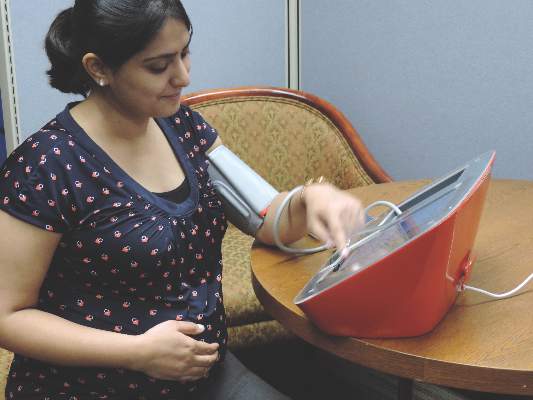
Certain combinations of complications during pregnancy raise the mother’s risk of premature cardiovascular disease–related death decades later by as much as sevenfold, according to a report published online Sept. 21 in Circulation.
These findings from a large observational cohort study with 50 years of follow-up indicate that the body’s extreme response to the challenges of pregnancy either expose or initiate an underlying vulnerability to CVD, researchers said.
Previously, a few individual complications of pregnancy have been linked to premature CVD death in the mother, but this is the first study to identify two unsuspected complications – glycosuria and an abnormal decline in hemoglobin – and to identify particular combinations of complications that are especially high risk. Now that this link is established, clinicians can identify patients who develop these complications in current pregnancies or experienced them in past pregnancies and target them for early CVD prevention, said Piera M. Cirillo, staff scientist, and Barbara A. Cohn, Ph.D., director of Child Health and Development Studies, Public Health Institute, Berkeley, Calif.
Given the substantial challenge pregnancy presents to a woman’s cardiovascular system – demanding a doubling of blood volume, increased cardiac output, marked elevation of coagulation factors, changes in blood pressure, temporary hyperlipidemia, increased insulin resistance, and the temporary accumulation of visceral fat – “pregnancy is really a stress test for the cardiovascular system,” Dr. Cohn said in a statement accompanying the report.
Dr. Cohn and Ms. Cirillo analyzed the records of 14,062 healthy women (67% white, 23% black, 3% Latina, 4% Asian, and 3% other races) enrolled in a study of prenatal health when they were pregnant in 1959-1967, following them up for CVD death in 2011. These study participants were a median of 26 years old at enrollment and a median of 66 years at follow-up. The complications of interest were early preeclampsia, late preeclampsia, preexisting hypertension, gestational hypertension, glycosuria (a surrogate for gestational diabetes, which wasn’t routinely assessed at the time of the original study), abnormal hemoglobin changes during pregnancy, hemorrhage, delivery of a small-for-gestational-age (SGA) baby, and irregular menses preceding pregnancy (a surrogate for polycystic ovarian syndrome).
A total of 9,059 mothers (64%) had none of these complications, 4,293 (31%) had a single complication, and 710 (5%) had at least two complications. There were 368 CVD deaths, which occurred at a median age of 66 years, the investigators said (Circulation. 2015 Sep 21. doi: 10.1161/circulationaha.113.003901).
The presence of one or more complications raised the risk of premature CVD death by roughly twofold to as high as sevenfold, depending on the complication. Preeclampsia, and particularly early-onset preeclampsia, was the strongest predictor of CVD death before age 60 years, followed by preexisting hypertension and the presence of glycosuria. Preterm and SGA delivery and abnormal decline in hemoglobin were less strong but still significant predictors. Hemorrhage and irregular menses showed no association with premature CVD death.
These risk factors were specific to CVD death and showed no association with all-cause mortality or cancer-related mortality, the investigators noted. Mothers who had both preexisting hypertension and a preterm delivery were at 7-fold-higher risk of premature CVD death, those who had preexisting hypertension plus preeclampsia were at 5.6-fold higher risk, those with preexisting hypertension plus an SGA baby were at 4.8-fold higher risk, and those with gestational hypertension plus preterm delivery were at fivefold higher risk.
The investigators discovered that an abnormal decline in hemoglobin during pregnancy also predicted premature CVD death. Most mothers show a steady decline in hemoglobin, beginning in early pregnancy and continuing through week 32. At 32-36 weeks hemoglobin increases, then it declines again until week 38, when it stabilizes until delivery at a level slightly below that seen in early pregnancy. The abnormal decline was clearly distinct from this established pattern, with higher-than-normal hemoglobin early in the second trimester and lower-than-normal levels in the third.
Early high hemoglobin is known to be a marker for poor fetal growth, placental infarction, and high blood viscosity, while later low hemoglobin “may indicate a failure to produce red cells in sufficient volume to ‘catch up’ to plasma volume increases, or could indicate a defect that results in late increases in blood volume. Thus, abnormal hemoglobin decline may be an early indicator of the lack of an adaptive response that ultimately results in increased CVD in these women,” Ms. Cirillo and Dr. Cohn said.
The Eunice Kennedy Shriver National Institute of Child Health and Human Development funded the study. Ms. Cirillo and Dr. Cohn reported having no relevant financial disclosures.
Certain combinations of complications during pregnancy raise the mother’s risk of premature cardiovascular disease–related death decades later by as much as sevenfold, according to a report published online Sept. 21 in Circulation.
These findings from a large observational cohort study with 50 years of follow-up indicate that the body’s extreme response to the challenges of pregnancy either expose or initiate an underlying vulnerability to CVD, researchers said.
Previously, a few individual complications of pregnancy have been linked to premature CVD death in the mother, but this is the first study to identify two unsuspected complications – glycosuria and an abnormal decline in hemoglobin – and to identify particular combinations of complications that are especially high risk. Now that this link is established, clinicians can identify patients who develop these complications in current pregnancies or experienced them in past pregnancies and target them for early CVD prevention, said Piera M. Cirillo, staff scientist, and Barbara A. Cohn, Ph.D., director of Child Health and Development Studies, Public Health Institute, Berkeley, Calif.
Given the substantial challenge pregnancy presents to a woman’s cardiovascular system – demanding a doubling of blood volume, increased cardiac output, marked elevation of coagulation factors, changes in blood pressure, temporary hyperlipidemia, increased insulin resistance, and the temporary accumulation of visceral fat – “pregnancy is really a stress test for the cardiovascular system,” Dr. Cohn said in a statement accompanying the report.
Dr. Cohn and Ms. Cirillo analyzed the records of 14,062 healthy women (67% white, 23% black, 3% Latina, 4% Asian, and 3% other races) enrolled in a study of prenatal health when they were pregnant in 1959-1967, following them up for CVD death in 2011. These study participants were a median of 26 years old at enrollment and a median of 66 years at follow-up. The complications of interest were early preeclampsia, late preeclampsia, preexisting hypertension, gestational hypertension, glycosuria (a surrogate for gestational diabetes, which wasn’t routinely assessed at the time of the original study), abnormal hemoglobin changes during pregnancy, hemorrhage, delivery of a small-for-gestational-age (SGA) baby, and irregular menses preceding pregnancy (a surrogate for polycystic ovarian syndrome).
A total of 9,059 mothers (64%) had none of these complications, 4,293 (31%) had a single complication, and 710 (5%) had at least two complications. There were 368 CVD deaths, which occurred at a median age of 66 years, the investigators said (Circulation. 2015 Sep 21. doi: 10.1161/circulationaha.113.003901).
The presence of one or more complications raised the risk of premature CVD death by roughly twofold to as high as sevenfold, depending on the complication. Preeclampsia, and particularly early-onset preeclampsia, was the strongest predictor of CVD death before age 60 years, followed by preexisting hypertension and the presence of glycosuria. Preterm and SGA delivery and abnormal decline in hemoglobin were less strong but still significant predictors. Hemorrhage and irregular menses showed no association with premature CVD death.
These risk factors were specific to CVD death and showed no association with all-cause mortality or cancer-related mortality, the investigators noted. Mothers who had both preexisting hypertension and a preterm delivery were at 7-fold-higher risk of premature CVD death, those who had preexisting hypertension plus preeclampsia were at 5.6-fold higher risk, those with preexisting hypertension plus an SGA baby were at 4.8-fold higher risk, and those with gestational hypertension plus preterm delivery were at fivefold higher risk.
The investigators discovered that an abnormal decline in hemoglobin during pregnancy also predicted premature CVD death. Most mothers show a steady decline in hemoglobin, beginning in early pregnancy and continuing through week 32. At 32-36 weeks hemoglobin increases, then it declines again until week 38, when it stabilizes until delivery at a level slightly below that seen in early pregnancy. The abnormal decline was clearly distinct from this established pattern, with higher-than-normal hemoglobin early in the second trimester and lower-than-normal levels in the third.
Early high hemoglobin is known to be a marker for poor fetal growth, placental infarction, and high blood viscosity, while later low hemoglobin “may indicate a failure to produce red cells in sufficient volume to ‘catch up’ to plasma volume increases, or could indicate a defect that results in late increases in blood volume. Thus, abnormal hemoglobin decline may be an early indicator of the lack of an adaptive response that ultimately results in increased CVD in these women,” Ms. Cirillo and Dr. Cohn said.
The Eunice Kennedy Shriver National Institute of Child Health and Human Development funded the study. Ms. Cirillo and Dr. Cohn reported having no relevant financial disclosures.
Certain combinations of complications during pregnancy raise the mother’s risk of premature cardiovascular disease–related death decades later by as much as sevenfold, according to a report published online Sept. 21 in Circulation.
These findings from a large observational cohort study with 50 years of follow-up indicate that the body’s extreme response to the challenges of pregnancy either expose or initiate an underlying vulnerability to CVD, researchers said.
Previously, a few individual complications of pregnancy have been linked to premature CVD death in the mother, but this is the first study to identify two unsuspected complications – glycosuria and an abnormal decline in hemoglobin – and to identify particular combinations of complications that are especially high risk. Now that this link is established, clinicians can identify patients who develop these complications in current pregnancies or experienced them in past pregnancies and target them for early CVD prevention, said Piera M. Cirillo, staff scientist, and Barbara A. Cohn, Ph.D., director of Child Health and Development Studies, Public Health Institute, Berkeley, Calif.
Given the substantial challenge pregnancy presents to a woman’s cardiovascular system – demanding a doubling of blood volume, increased cardiac output, marked elevation of coagulation factors, changes in blood pressure, temporary hyperlipidemia, increased insulin resistance, and the temporary accumulation of visceral fat – “pregnancy is really a stress test for the cardiovascular system,” Dr. Cohn said in a statement accompanying the report.
Dr. Cohn and Ms. Cirillo analyzed the records of 14,062 healthy women (67% white, 23% black, 3% Latina, 4% Asian, and 3% other races) enrolled in a study of prenatal health when they were pregnant in 1959-1967, following them up for CVD death in 2011. These study participants were a median of 26 years old at enrollment and a median of 66 years at follow-up. The complications of interest were early preeclampsia, late preeclampsia, preexisting hypertension, gestational hypertension, glycosuria (a surrogate for gestational diabetes, which wasn’t routinely assessed at the time of the original study), abnormal hemoglobin changes during pregnancy, hemorrhage, delivery of a small-for-gestational-age (SGA) baby, and irregular menses preceding pregnancy (a surrogate for polycystic ovarian syndrome).
A total of 9,059 mothers (64%) had none of these complications, 4,293 (31%) had a single complication, and 710 (5%) had at least two complications. There were 368 CVD deaths, which occurred at a median age of 66 years, the investigators said (Circulation. 2015 Sep 21. doi: 10.1161/circulationaha.113.003901).
The presence of one or more complications raised the risk of premature CVD death by roughly twofold to as high as sevenfold, depending on the complication. Preeclampsia, and particularly early-onset preeclampsia, was the strongest predictor of CVD death before age 60 years, followed by preexisting hypertension and the presence of glycosuria. Preterm and SGA delivery and abnormal decline in hemoglobin were less strong but still significant predictors. Hemorrhage and irregular menses showed no association with premature CVD death.
These risk factors were specific to CVD death and showed no association with all-cause mortality or cancer-related mortality, the investigators noted. Mothers who had both preexisting hypertension and a preterm delivery were at 7-fold-higher risk of premature CVD death, those who had preexisting hypertension plus preeclampsia were at 5.6-fold higher risk, those with preexisting hypertension plus an SGA baby were at 4.8-fold higher risk, and those with gestational hypertension plus preterm delivery were at fivefold higher risk.
The investigators discovered that an abnormal decline in hemoglobin during pregnancy also predicted premature CVD death. Most mothers show a steady decline in hemoglobin, beginning in early pregnancy and continuing through week 32. At 32-36 weeks hemoglobin increases, then it declines again until week 38, when it stabilizes until delivery at a level slightly below that seen in early pregnancy. The abnormal decline was clearly distinct from this established pattern, with higher-than-normal hemoglobin early in the second trimester and lower-than-normal levels in the third.
Early high hemoglobin is known to be a marker for poor fetal growth, placental infarction, and high blood viscosity, while later low hemoglobin “may indicate a failure to produce red cells in sufficient volume to ‘catch up’ to plasma volume increases, or could indicate a defect that results in late increases in blood volume. Thus, abnormal hemoglobin decline may be an early indicator of the lack of an adaptive response that ultimately results in increased CVD in these women,” Ms. Cirillo and Dr. Cohn said.
The Eunice Kennedy Shriver National Institute of Child Health and Human Development funded the study. Ms. Cirillo and Dr. Cohn reported having no relevant financial disclosures.
FROM CIRCULATION
Key clinical point: Certain pregnancy complications predict premature CVD death in the mother.
Major finding: Mothers who had both preexisting hypertension and a preterm delivery were at sevenfold-higher risk of premature CVD death.
Data source: An observational cohort study in 14,062 California women who were pregnant in 1959-1967 and were followed up for CVD death in 2011.
Disclosures: The Eunice Kennedy Shriver National Institute of Child Health and Human Development funded the study. Ms. Cirillo and Dr. Cohn reported having no relevant financial disclosures.
Half of Pregnant Women Got the Flu Vaccine in 2014-15 Season
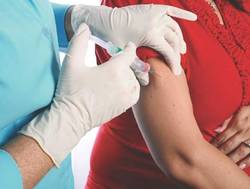
Half (50.3%) of women who were pregnant at any time from October 2014 through January 2015 received influenza vaccination before or during pregnancy, according to responses from 1,702 participants in an Internet panel survey conducted by the Centers for Disease Control and Prevention.
Vaccination rates for pregnant women during the 2014-15 flu season are similar to rates over the past few years, with 52.2% getting vaccinated in 2013-14 season, 50.5% in 2012-13, and 46.4% in 2011-12. Vaccination coverage, however, was substantially higher when a physician or other health care provider offered the vaccine.
Of the 64.9% of women who received a vaccination offer, 67.9% chose to get the influenza vaccination. Among the 14.8% of survey participants whose health care provider recommended vaccination but didn’t offer it, 33.5% got vaccinated. And of the 20.3% of patients who didn’t receive a recommendation for the influenza vaccination, 8.5% got the vaccine.
“Even among women who reported negative attitudes regarding influenza vaccine efficacy or safety, or were not concerned about influenza infection, coverage was higher among those whose provider recommended and offered vaccination than among women with the same belief who reported only receiving a provider recommendation or receiving no recommendation,” Dr. Helen Ding and her colleagues wrote in the CDC’s Morbidity and Mortality Weekly Report (2015 Sept. 18;64[36];1000-5.).
Negative attitudes about safety and efficacy were the most common reasons that study participants rejected the flu vaccination, with 17.2% saying that they didn’t think the vaccination was effective, 14.5% saying that they were worried about the possible safety risks to their baby, and 13.6% expressing concern that the vaccination would give them the flu.
“Efforts are needed to improve influenza vaccination coverage among pregnant women. Interventions should include implementing clinic-based education to ensure access to information about influenza vaccine safety and efficacy and the risk for influenza for pregnant women and their infants, and systems to ensure that providers recommend and offer influenza vaccination to all pregnant women,” the researchers wrote.
Read the full article in MMWR.
Half (50.3%) of women who were pregnant at any time from October 2014 through January 2015 received influenza vaccination before or during pregnancy, according to responses from 1,702 participants in an Internet panel survey conducted by the Centers for Disease Control and Prevention.
Vaccination rates for pregnant women during the 2014-15 flu season are similar to rates over the past few years, with 52.2% getting vaccinated in 2013-14 season, 50.5% in 2012-13, and 46.4% in 2011-12. Vaccination coverage, however, was substantially higher when a physician or other health care provider offered the vaccine.
Of the 64.9% of women who received a vaccination offer, 67.9% chose to get the influenza vaccination. Among the 14.8% of survey participants whose health care provider recommended vaccination but didn’t offer it, 33.5% got vaccinated. And of the 20.3% of patients who didn’t receive a recommendation for the influenza vaccination, 8.5% got the vaccine.
“Even among women who reported negative attitudes regarding influenza vaccine efficacy or safety, or were not concerned about influenza infection, coverage was higher among those whose provider recommended and offered vaccination than among women with the same belief who reported only receiving a provider recommendation or receiving no recommendation,” Dr. Helen Ding and her colleagues wrote in the CDC’s Morbidity and Mortality Weekly Report (2015 Sept. 18;64[36];1000-5.).
Negative attitudes about safety and efficacy were the most common reasons that study participants rejected the flu vaccination, with 17.2% saying that they didn’t think the vaccination was effective, 14.5% saying that they were worried about the possible safety risks to their baby, and 13.6% expressing concern that the vaccination would give them the flu.
“Efforts are needed to improve influenza vaccination coverage among pregnant women. Interventions should include implementing clinic-based education to ensure access to information about influenza vaccine safety and efficacy and the risk for influenza for pregnant women and their infants, and systems to ensure that providers recommend and offer influenza vaccination to all pregnant women,” the researchers wrote.
Read the full article in MMWR.
Half (50.3%) of women who were pregnant at any time from October 2014 through January 2015 received influenza vaccination before or during pregnancy, according to responses from 1,702 participants in an Internet panel survey conducted by the Centers for Disease Control and Prevention.
Vaccination rates for pregnant women during the 2014-15 flu season are similar to rates over the past few years, with 52.2% getting vaccinated in 2013-14 season, 50.5% in 2012-13, and 46.4% in 2011-12. Vaccination coverage, however, was substantially higher when a physician or other health care provider offered the vaccine.
Of the 64.9% of women who received a vaccination offer, 67.9% chose to get the influenza vaccination. Among the 14.8% of survey participants whose health care provider recommended vaccination but didn’t offer it, 33.5% got vaccinated. And of the 20.3% of patients who didn’t receive a recommendation for the influenza vaccination, 8.5% got the vaccine.
“Even among women who reported negative attitudes regarding influenza vaccine efficacy or safety, or were not concerned about influenza infection, coverage was higher among those whose provider recommended and offered vaccination than among women with the same belief who reported only receiving a provider recommendation or receiving no recommendation,” Dr. Helen Ding and her colleagues wrote in the CDC’s Morbidity and Mortality Weekly Report (2015 Sept. 18;64[36];1000-5.).
Negative attitudes about safety and efficacy were the most common reasons that study participants rejected the flu vaccination, with 17.2% saying that they didn’t think the vaccination was effective, 14.5% saying that they were worried about the possible safety risks to their baby, and 13.6% expressing concern that the vaccination would give them the flu.
“Efforts are needed to improve influenza vaccination coverage among pregnant women. Interventions should include implementing clinic-based education to ensure access to information about influenza vaccine safety and efficacy and the risk for influenza for pregnant women and their infants, and systems to ensure that providers recommend and offer influenza vaccination to all pregnant women,” the researchers wrote.
Read the full article in MMWR.
FROM THE MORBIDITY AND MORTALITY WEEKLY REPORT
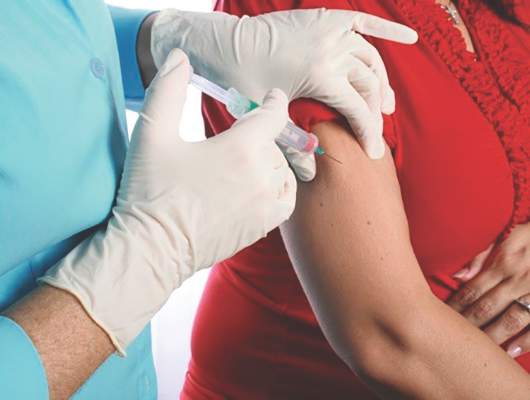
Half of pregnant women got the flu vaccine in 2014-15 season
Half (50.3%) of women who were pregnant at any time from October 2014 through January 2015 received influenza vaccination before or during pregnancy, according to responses from 1,702 participants in an Internet panel survey conducted by the Centers for Disease Control and Prevention.
Vaccination rates for pregnant women during the 2014-15 flu season are similar to rates over the past few years, with 52.2% getting vaccinated in 2013-14 season, 50.5% in 2012-13, and 46.4% in 2011-12. Vaccination coverage, however, was substantially higher when a physician or other health care provider offered the vaccine.
Of the 64.9% of women who received a vaccination offer, 67.9% chose to get the influenza vaccination. Among the 14.8% of survey participants whose health care provider recommended vaccination but didn’t offer it, 33.5% got vaccinated. And of the 20.3% of patients who didn’t receive a recommendation for the influenza vaccination, 8.5% got the vaccine.
“Even among women who reported negative attitudes regarding influenza vaccine efficacy or safety, or were not concerned about influenza infection, coverage was higher among those whose provider recommended and offered vaccination than among women with the same belief who reported only receiving a provider recommendation or receiving no recommendation,” Dr. Helen Ding and her colleagues wrote in the CDC’s Morbidity and Mortality Weekly Report (2015 Sept. 18;64[36];1000-5.).
Negative attitudes about safety and efficacy were the most common reasons that study participants rejected the flu vaccination, with 17.2% saying that they didn’t think the vaccination was effective, 14.5% saying that they were worried about the possible safety risks to their baby, and 13.6% expressing concern that the vaccination would give them the flu.
“Efforts are needed to improve influenza vaccination coverage among pregnant women. Interventions should include implementing clinic-based education to ensure access to information about influenza vaccine safety and efficacy and the risk for influenza for pregnant women and their infants, and systems to ensure that providers recommend and offer influenza vaccination to all pregnant women,” the researchers wrote.
Read the full article in MMWR.
Half (50.3%) of women who were pregnant at any time from October 2014 through January 2015 received influenza vaccination before or during pregnancy, according to responses from 1,702 participants in an Internet panel survey conducted by the Centers for Disease Control and Prevention.
Vaccination rates for pregnant women during the 2014-15 flu season are similar to rates over the past few years, with 52.2% getting vaccinated in 2013-14 season, 50.5% in 2012-13, and 46.4% in 2011-12. Vaccination coverage, however, was substantially higher when a physician or other health care provider offered the vaccine.
Of the 64.9% of women who received a vaccination offer, 67.9% chose to get the influenza vaccination. Among the 14.8% of survey participants whose health care provider recommended vaccination but didn’t offer it, 33.5% got vaccinated. And of the 20.3% of patients who didn’t receive a recommendation for the influenza vaccination, 8.5% got the vaccine.
“Even among women who reported negative attitudes regarding influenza vaccine efficacy or safety, or were not concerned about influenza infection, coverage was higher among those whose provider recommended and offered vaccination than among women with the same belief who reported only receiving a provider recommendation or receiving no recommendation,” Dr. Helen Ding and her colleagues wrote in the CDC’s Morbidity and Mortality Weekly Report (2015 Sept. 18;64[36];1000-5.).
Negative attitudes about safety and efficacy were the most common reasons that study participants rejected the flu vaccination, with 17.2% saying that they didn’t think the vaccination was effective, 14.5% saying that they were worried about the possible safety risks to their baby, and 13.6% expressing concern that the vaccination would give them the flu.
“Efforts are needed to improve influenza vaccination coverage among pregnant women. Interventions should include implementing clinic-based education to ensure access to information about influenza vaccine safety and efficacy and the risk for influenza for pregnant women and their infants, and systems to ensure that providers recommend and offer influenza vaccination to all pregnant women,” the researchers wrote.
Read the full article in MMWR.
Half (50.3%) of women who were pregnant at any time from October 2014 through January 2015 received influenza vaccination before or during pregnancy, according to responses from 1,702 participants in an Internet panel survey conducted by the Centers for Disease Control and Prevention.
Vaccination rates for pregnant women during the 2014-15 flu season are similar to rates over the past few years, with 52.2% getting vaccinated in 2013-14 season, 50.5% in 2012-13, and 46.4% in 2011-12. Vaccination coverage, however, was substantially higher when a physician or other health care provider offered the vaccine.
Of the 64.9% of women who received a vaccination offer, 67.9% chose to get the influenza vaccination. Among the 14.8% of survey participants whose health care provider recommended vaccination but didn’t offer it, 33.5% got vaccinated. And of the 20.3% of patients who didn’t receive a recommendation for the influenza vaccination, 8.5% got the vaccine.
“Even among women who reported negative attitudes regarding influenza vaccine efficacy or safety, or were not concerned about influenza infection, coverage was higher among those whose provider recommended and offered vaccination than among women with the same belief who reported only receiving a provider recommendation or receiving no recommendation,” Dr. Helen Ding and her colleagues wrote in the CDC’s Morbidity and Mortality Weekly Report (2015 Sept. 18;64[36];1000-5.).
Negative attitudes about safety and efficacy were the most common reasons that study participants rejected the flu vaccination, with 17.2% saying that they didn’t think the vaccination was effective, 14.5% saying that they were worried about the possible safety risks to their baby, and 13.6% expressing concern that the vaccination would give them the flu.
“Efforts are needed to improve influenza vaccination coverage among pregnant women. Interventions should include implementing clinic-based education to ensure access to information about influenza vaccine safety and efficacy and the risk for influenza for pregnant women and their infants, and systems to ensure that providers recommend and offer influenza vaccination to all pregnant women,” the researchers wrote.
Read the full article in MMWR.
FROM THE MORBIDITY AND MORTALITY WEEKLY REPORT
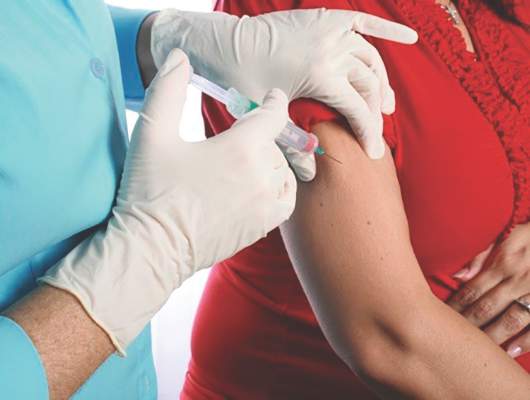
ESC: Zero risk of death in pregnant women with severe aortic stenosis
LONDON – The mortality risk for pregnant women with moderate or severe aortic stenosis is close to zero in contemporary practice, according to data from the large, international ROPAC registry.
That being said, more than one-third of women with severe aortic stenosis will require hospitalization for cardiac reasons during their pregnancy, with heart failure the number-one cause for admission, Dr. Stefan Orwat reported at the annual congress of the European Society of Cardiology.

Severe fetal complications are rare. However, preterm birth, small for gestational age, and neonatal Apgar scores below 7 are quite common in pregnancies involving severe aortic stenosis, as defined by a prepregnancy transaortic peak gradient of 64 mm Hg or more, according to Dr. Orwat of University Hospital in Muenster, Germany.
ROPAC (the Registry on Pregnancy and Cardiac disease) is a unique ongoing, global, prospective, observational registry created in order to advance understanding of the risks of pregnancy in the setting of structural heart disease. Prior reports from other sources have often provided conflicting guidance because of relatively small patient sample sizes. That’s been especially true with regard to aortic stenosis (AS), the cardiologist said.
Out of 2,966 pregnancies in women with various forms of structural heart disease in ROPAC, Dr. Orwat focused on the 99 pregnancies in 96 women with moderate or severe AS, 21 of whom had a prosthetic heart valve in place prior to pregnancy; 65 of the women had moderate AS as evidenced by an echocardiographic prepregnancy peak gradient of 36-63 mm Hg.
No maternal deaths occurred during pregnancy or within 1 week afterward. However, 13% of women with moderate AS and 35% with severe AS were hospitalized for cardiac reasons during their pregnancy. Most of the admissions were for new or worsening heart failure, which occurred at a median of 28 weeks’ gestation.
The risk of heart failure hospitalization during pregnancy was quite low – in the 6%-8% range – among women with baseline prepregnancy asymptomatic or symptomatic moderate AS or asymptomatic severe AS. In contrast, the rate shot up to 26% in women with symptomatic and severe AS prior to pregnancy.
There were a couple of hospitalizations for arrhythmias and one for endocarditis. Unlike in some prior reports by other research groups, there were no cases of pulmonary embolism, valve thrombosis, cerebrovascular events, or deep vein thrombosis. The presence of a mechanical valve with its required rigorous anticoagulation wasn’t related to worse outcomes in this series, unlike in some others.
The heart failure was generally manageable medically. Only two patients required intervention. One developed endocarditis, then underwent balloon aortic valvuloplasty and aortic valve replacement with a mechanical valve 4 months into pregnancy, with subsequent vaginal delivery at 38 weeks. The other patient, who was unaware she had AS prior to pregnancy, presented with severe AS and a depressed left ventricular ejection fraction at 20 weeks’ gestation. She responded well to valvuloplasty, had an uneventful vaginal delivery at 38 weeks, then underwent aortic valve replacement.
In a multivariate analysis, only two independent predictors of maternal hospitalization during pregnancy were identified: the presence of symptoms prior to pregnancy, and the prepregnancy hemodynamic severity of AS.
Preterm birth prior to 37 weeks occurred in 16% of pregnancies involving moderate and 36% of those featuring severe AS. An Apgar score below 7 occurred in 5% of cases of moderate and 16% of severe AS. The small for gestational age rate was 3% with moderate AS and ballooned to 21% with severe AS. The only independent predictor of fetal complications was the degree of elevation in peak aortic gradient prior to pregnancy.
Audience questions focused on challenging scenarios. Would you allow a pregnancy to continue, Dr. Orwat was asked, if a woman with AS developed an aortic gradient of 90 mm Hg during the first trimester?
“It depends on whether she was asymptomatic prior to pregnancy. If so, I think it’s a low-risk situation, and you can carry on with the pregnancy,” he replied. Remember, he added, it’s the baseline gradient that’s important. Cardiac output goes up during the first trimester as a matter of course, and so will the gradient.
Dr. Orwat emphasized that symptomatic severe AS is an indication for aortic valve replacement, and he would advise an affected patient to undergo the surgery prior to pregnancy.
Audience member Dr. Fiona Walker rose to advocate ordering a prepregnancy treadmill exercise test in all patients with asymptomatic severe AS in order to learn whether they are likely to remain asymptomatic during the stresses of pregnancy. In a patient with severe AS who remains asymptomatic with exercise, it’s probably safer to go through pregnancy without prior valve replacement than to put in a mechanical valve.
“Patients with mechanical valves in pregnancy are one of the highest-risk groups we look after,” commented Dr. Walker, head of the maternal cardiology program at University College London Hospitals.
But another audience member advocated aortic valve replacement prior to pregnancy in all women with severe AS, asymptomatic or not.
“Nowadays, if you are afraid of a mechanical valve, you can put in a bioprosthetic one, although I know that’s considered controversial. I see that asymptomatic severe aortic stenosis seems quite safe in ROPAC, but I still consider severe aortic stenosis one of the truly dangerous problems in pregnancy. Maybe I’ll change my mind after ROPAC is published, but right now I don’t think we’re going to leave a severe aortic stenosis prior to pregnancy without intervention,” declared Dr. Avraham Shotan, head of the Heart Institute at Hillel Yaffe Medical Center in Hadera, Israel.
Session cochair Dr. Christa Gohlke-Baerwolf of Bad Krozingen (Germany) Hospital mediated the dispute and closed discussion by observing, “Severe aortic stenosis is not just one thing, it’s a continuum, and such patients should be evaluated by a multidisciplinary team very carefully before starting pregnancy.“
ROPAC is sponsored by the ESC. Dr. Orwat reported having no financial conflicts regarding his study.
LONDON – The mortality risk for pregnant women with moderate or severe aortic stenosis is close to zero in contemporary practice, according to data from the large, international ROPAC registry.
That being said, more than one-third of women with severe aortic stenosis will require hospitalization for cardiac reasons during their pregnancy, with heart failure the number-one cause for admission, Dr. Stefan Orwat reported at the annual congress of the European Society of Cardiology.
Severe fetal complications are rare. However, preterm birth, small for gestational age, and neonatal Apgar scores below 7 are quite common in pregnancies involving severe aortic stenosis, as defined by a prepregnancy transaortic peak gradient of 64 mm Hg or more, according to Dr. Orwat of University Hospital in Muenster, Germany.
ROPAC (the Registry on Pregnancy and Cardiac disease) is a unique ongoing, global, prospective, observational registry created in order to advance understanding of the risks of pregnancy in the setting of structural heart disease. Prior reports from other sources have often provided conflicting guidance because of relatively small patient sample sizes. That’s been especially true with regard to aortic stenosis (AS), the cardiologist said.
Out of 2,966 pregnancies in women with various forms of structural heart disease in ROPAC, Dr. Orwat focused on the 99 pregnancies in 96 women with moderate or severe AS, 21 of whom had a prosthetic heart valve in place prior to pregnancy; 65 of the women had moderate AS as evidenced by an echocardiographic prepregnancy peak gradient of 36-63 mm Hg.
No maternal deaths occurred during pregnancy or within 1 week afterward. However, 13% of women with moderate AS and 35% with severe AS were hospitalized for cardiac reasons during their pregnancy. Most of the admissions were for new or worsening heart failure, which occurred at a median of 28 weeks’ gestation.
The risk of heart failure hospitalization during pregnancy was quite low – in the 6%-8% range – among women with baseline prepregnancy asymptomatic or symptomatic moderate AS or asymptomatic severe AS. In contrast, the rate shot up to 26% in women with symptomatic and severe AS prior to pregnancy.
There were a couple of hospitalizations for arrhythmias and one for endocarditis. Unlike in some prior reports by other research groups, there were no cases of pulmonary embolism, valve thrombosis, cerebrovascular events, or deep vein thrombosis. The presence of a mechanical valve with its required rigorous anticoagulation wasn’t related to worse outcomes in this series, unlike in some others.
The heart failure was generally manageable medically. Only two patients required intervention. One developed endocarditis, then underwent balloon aortic valvuloplasty and aortic valve replacement with a mechanical valve 4 months into pregnancy, with subsequent vaginal delivery at 38 weeks. The other patient, who was unaware she had AS prior to pregnancy, presented with severe AS and a depressed left ventricular ejection fraction at 20 weeks’ gestation. She responded well to valvuloplasty, had an uneventful vaginal delivery at 38 weeks, then underwent aortic valve replacement.
In a multivariate analysis, only two independent predictors of maternal hospitalization during pregnancy were identified: the presence of symptoms prior to pregnancy, and the prepregnancy hemodynamic severity of AS.
Preterm birth prior to 37 weeks occurred in 16% of pregnancies involving moderate and 36% of those featuring severe AS. An Apgar score below 7 occurred in 5% of cases of moderate and 16% of severe AS. The small for gestational age rate was 3% with moderate AS and ballooned to 21% with severe AS. The only independent predictor of fetal complications was the degree of elevation in peak aortic gradient prior to pregnancy.
Audience questions focused on challenging scenarios. Would you allow a pregnancy to continue, Dr. Orwat was asked, if a woman with AS developed an aortic gradient of 90 mm Hg during the first trimester?
“It depends on whether she was asymptomatic prior to pregnancy. If so, I think it’s a low-risk situation, and you can carry on with the pregnancy,” he replied. Remember, he added, it’s the baseline gradient that’s important. Cardiac output goes up during the first trimester as a matter of course, and so will the gradient.
Dr. Orwat emphasized that symptomatic severe AS is an indication for aortic valve replacement, and he would advise an affected patient to undergo the surgery prior to pregnancy.
Audience member Dr. Fiona Walker rose to advocate ordering a prepregnancy treadmill exercise test in all patients with asymptomatic severe AS in order to learn whether they are likely to remain asymptomatic during the stresses of pregnancy. In a patient with severe AS who remains asymptomatic with exercise, it’s probably safer to go through pregnancy without prior valve replacement than to put in a mechanical valve.
“Patients with mechanical valves in pregnancy are one of the highest-risk groups we look after,” commented Dr. Walker, head of the maternal cardiology program at University College London Hospitals.
But another audience member advocated aortic valve replacement prior to pregnancy in all women with severe AS, asymptomatic or not.
“Nowadays, if you are afraid of a mechanical valve, you can put in a bioprosthetic one, although I know that’s considered controversial. I see that asymptomatic severe aortic stenosis seems quite safe in ROPAC, but I still consider severe aortic stenosis one of the truly dangerous problems in pregnancy. Maybe I’ll change my mind after ROPAC is published, but right now I don’t think we’re going to leave a severe aortic stenosis prior to pregnancy without intervention,” declared Dr. Avraham Shotan, head of the Heart Institute at Hillel Yaffe Medical Center in Hadera, Israel.
Session cochair Dr. Christa Gohlke-Baerwolf of Bad Krozingen (Germany) Hospital mediated the dispute and closed discussion by observing, “Severe aortic stenosis is not just one thing, it’s a continuum, and such patients should be evaluated by a multidisciplinary team very carefully before starting pregnancy.“
ROPAC is sponsored by the ESC. Dr. Orwat reported having no financial conflicts regarding his study.
LONDON – The mortality risk for pregnant women with moderate or severe aortic stenosis is close to zero in contemporary practice, according to data from the large, international ROPAC registry.
That being said, more than one-third of women with severe aortic stenosis will require hospitalization for cardiac reasons during their pregnancy, with heart failure the number-one cause for admission, Dr. Stefan Orwat reported at the annual congress of the European Society of Cardiology.
Severe fetal complications are rare. However, preterm birth, small for gestational age, and neonatal Apgar scores below 7 are quite common in pregnancies involving severe aortic stenosis, as defined by a prepregnancy transaortic peak gradient of 64 mm Hg or more, according to Dr. Orwat of University Hospital in Muenster, Germany.
ROPAC (the Registry on Pregnancy and Cardiac disease) is a unique ongoing, global, prospective, observational registry created in order to advance understanding of the risks of pregnancy in the setting of structural heart disease. Prior reports from other sources have often provided conflicting guidance because of relatively small patient sample sizes. That’s been especially true with regard to aortic stenosis (AS), the cardiologist said.
Out of 2,966 pregnancies in women with various forms of structural heart disease in ROPAC, Dr. Orwat focused on the 99 pregnancies in 96 women with moderate or severe AS, 21 of whom had a prosthetic heart valve in place prior to pregnancy; 65 of the women had moderate AS as evidenced by an echocardiographic prepregnancy peak gradient of 36-63 mm Hg.
No maternal deaths occurred during pregnancy or within 1 week afterward. However, 13% of women with moderate AS and 35% with severe AS were hospitalized for cardiac reasons during their pregnancy. Most of the admissions were for new or worsening heart failure, which occurred at a median of 28 weeks’ gestation.
The risk of heart failure hospitalization during pregnancy was quite low – in the 6%-8% range – among women with baseline prepregnancy asymptomatic or symptomatic moderate AS or asymptomatic severe AS. In contrast, the rate shot up to 26% in women with symptomatic and severe AS prior to pregnancy.
There were a couple of hospitalizations for arrhythmias and one for endocarditis. Unlike in some prior reports by other research groups, there were no cases of pulmonary embolism, valve thrombosis, cerebrovascular events, or deep vein thrombosis. The presence of a mechanical valve with its required rigorous anticoagulation wasn’t related to worse outcomes in this series, unlike in some others.
The heart failure was generally manageable medically. Only two patients required intervention. One developed endocarditis, then underwent balloon aortic valvuloplasty and aortic valve replacement with a mechanical valve 4 months into pregnancy, with subsequent vaginal delivery at 38 weeks. The other patient, who was unaware she had AS prior to pregnancy, presented with severe AS and a depressed left ventricular ejection fraction at 20 weeks’ gestation. She responded well to valvuloplasty, had an uneventful vaginal delivery at 38 weeks, then underwent aortic valve replacement.
In a multivariate analysis, only two independent predictors of maternal hospitalization during pregnancy were identified: the presence of symptoms prior to pregnancy, and the prepregnancy hemodynamic severity of AS.
Preterm birth prior to 37 weeks occurred in 16% of pregnancies involving moderate and 36% of those featuring severe AS. An Apgar score below 7 occurred in 5% of cases of moderate and 16% of severe AS. The small for gestational age rate was 3% with moderate AS and ballooned to 21% with severe AS. The only independent predictor of fetal complications was the degree of elevation in peak aortic gradient prior to pregnancy.
Audience questions focused on challenging scenarios. Would you allow a pregnancy to continue, Dr. Orwat was asked, if a woman with AS developed an aortic gradient of 90 mm Hg during the first trimester?
“It depends on whether she was asymptomatic prior to pregnancy. If so, I think it’s a low-risk situation, and you can carry on with the pregnancy,” he replied. Remember, he added, it’s the baseline gradient that’s important. Cardiac output goes up during the first trimester as a matter of course, and so will the gradient.
Dr. Orwat emphasized that symptomatic severe AS is an indication for aortic valve replacement, and he would advise an affected patient to undergo the surgery prior to pregnancy.
Audience member Dr. Fiona Walker rose to advocate ordering a prepregnancy treadmill exercise test in all patients with asymptomatic severe AS in order to learn whether they are likely to remain asymptomatic during the stresses of pregnancy. In a patient with severe AS who remains asymptomatic with exercise, it’s probably safer to go through pregnancy without prior valve replacement than to put in a mechanical valve.
“Patients with mechanical valves in pregnancy are one of the highest-risk groups we look after,” commented Dr. Walker, head of the maternal cardiology program at University College London Hospitals.
But another audience member advocated aortic valve replacement prior to pregnancy in all women with severe AS, asymptomatic or not.
“Nowadays, if you are afraid of a mechanical valve, you can put in a bioprosthetic one, although I know that’s considered controversial. I see that asymptomatic severe aortic stenosis seems quite safe in ROPAC, but I still consider severe aortic stenosis one of the truly dangerous problems in pregnancy. Maybe I’ll change my mind after ROPAC is published, but right now I don’t think we’re going to leave a severe aortic stenosis prior to pregnancy without intervention,” declared Dr. Avraham Shotan, head of the Heart Institute at Hillel Yaffe Medical Center in Hadera, Israel.
Session cochair Dr. Christa Gohlke-Baerwolf of Bad Krozingen (Germany) Hospital mediated the dispute and closed discussion by observing, “Severe aortic stenosis is not just one thing, it’s a continuum, and such patients should be evaluated by a multidisciplinary team very carefully before starting pregnancy.“
ROPAC is sponsored by the ESC. Dr. Orwat reported having no financial conflicts regarding his study.
AT THE ESC CONGRESS 20015
Key clinical point: Pregnancy in women with aortic stenosis now carries a near-zero risk of maternal mortality.
Major finding: Maternal mortality was zero in 99 pregnancies in 96 women with moderate or severe aortic stenosis.
Data source: The ROPAC registry is an ongoing, prospective, global, observational registry devoted to women with structural heart disease.
Disclosures: The registry is sponsored by the European Society of Cardiology. The presenter reported having no financial conflicts of interest.

Noninvasive prenatal test misuse spurs education campaign
Early findings regarding cell-free DNA screening for the detection of fetal aneuploidy in high-risk populations generated a great deal of buzz, but more recent research on the lower positive predictive value in the general population has tempered that excitement.
Further, reports that women are basing decisions about whether to continue their pregnancies solely on the results of the noninvasive prenatal tests has spurred some health organizations to try to better educate physicians and the public about the limitations of this new technology.
Education and tracking
The Perinatal Quality Foundation (PQF) has launched an educational initiative to promote more clinically appropriate use of noninvasive prenatal screening methods. The national campaign is designed to “improve understanding of the advantages, limitations, and clinically appropriate interpretation of results of noninvasive prenatal screening and other diagnostic tests for pregnant women and their health care providers,” according to a press release.
The “comprehensive education and quality-tracking program” will also involve development of an online patient registry for the purpose of collecting data. The initiative is supported by a grant from Quest Diagnostics, as well as by funding from a growing number of other supportive laboratories that provide prenatal tests.
Dr. Mary Norton, PQF president, stressed the value of cell-free DNA tests for screening, particularly for Down syndrome, but she added that many of the caveats with respect to testing were not publicized by labs eager to market their products.
The fact that most lab reports based on the testing will state either that aneuploidy is present or is not present contributed to the sense that the testing was diagnostic, and therefore to misinterpretation of results, said Dr. Norton, who is also professor of obstetrics, gynecology, and reproductive sciences at the University of California, San Francisco. Dr Norton reported receiving institutional research funding from Ariosa Diagnostics and Natera.
Inappropriate use
“Cell-free DNA screening as a screening technology became clinically available only a few years ago. It has been surrounded by immense interest since its introduction,” said Dr. Joseph R. Biggio Jr., professor of obstetrics and gynecology and director of the division of maternal-fetal medicine at the University of Alabama at Birmingham.
That interest, based largely on findings in “the select population of women at highest risk,” coupled with extensive marketing to both physicians and consumers, contributed to rapid uptake into clinical practice, he said. And despite a 2012 committee opinion from the American College of Obstetricians and Gynecologists and the Society for Maternal-Fetal Medicine endorsing the testing only in women at higher risk for aneuploidy, many obstetricians began offering the testing regardless of risk status, he added.
In the general population, the prevalence of aneuploidy is lower, thus the positive predictive value is lower than was initially associated with the testing.
Consequently, ACOG and SMFM updated that earlier committee opinion, stressing the limits of cell-free DNA testing for aneuploidy and the importance of conventional prenatal screening methods for most pregnant women.
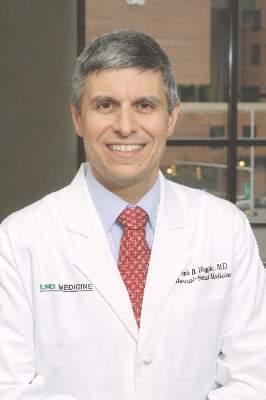
The updated opinion, published online in June, emphasizes the need for confirmation of any cell-free DNA screen-positive result, because false-positive results do occur, said Dr. Biggio, chair of the SMFM Committee on Genetics, which coauthored the opinion. Dr. Biggio reported serving as a site investigator at the University of Alabama for noninvasive prenatal testing (NIPT) studies supported by Sequenom and Natera.
“The committee opinion emphasizes that this technology is a screening test – not a diagnostic test – and it is associated with limitations,” he said.
A particularly concerning issue demonstrated by several recent studies is an increased risk for fetal aneuploidy among patients in whom cell-free DNA screening fails or is uninterpretable, he said.
In one study presented in February at the annual SMFM meeting, the rate of chromosomal abnormalities was 13.8% in 65 patients with no final results on cell-free DNA screening, compared with 2.4% in the overall cohort of 4,446 patients.
Such patients should receive further genetic counseling and be offered further evaluation, Dr. Biggio said, adding that “many obstetric providers have been unaware of the magnitude of this risk, and this has been associated with delays in diagnosis or failure to make a diagnosis.
“The committee opinion emphasizes this issue and the need for further follow-up for these patients,” he said.
A role for genetic counseling
Another important part of the process is genetic counseling, according to Dr. R. Curtis Rogers, senior clinical geneticist at Greenwood Genetic Center, Greenville, S.C., who prefers the term noninvasive perinatal screening (NIPS) over NIPT because of the confusion surrounding the diagnostic ability of the technology.

The genetic counselors he supervises at Greenwood Genetic Center see about 1,000 patients each year, but countless others are never seen by a counselor.
Too often, time-pressed primary care physicians are offering the testing without allotting the necessary time for in-depth counseling, he said.
“Yes, it is an exciting test and a good test, but it certainly is not a perfect test ... and I am hesitant for families to make decisions about pregnancy management based solely on NIPS unless there were obvious birth defects detected on prenatal ultrasound that were consistent with the NIPS findings,” he said.
For example, if an ultrasound shows holoprosencephaly, and NIPS shows trisomy 13, the likelihood of trisomy 13 is greater than 95%, he explained, adding that other scenarios, such as detecting partial deletions or duplications, is much less clear.
“Most patients who receive this screening should receive genetic counseling from a certified genetic counselor prior to having the test,” he said. “When we’re talking about very significant diagnoses that may alter the management of pregnancy, I think we need to be 100% correct. Yes, there is high specificity and sensitivity, and for most of the disorders – especially the trisomies – it has good positive predictive value. But it is not perfect, and I think we need to go into that with our eyes open, and families need to go in with their eyes open.”
Jennifer Stallworth, one of the genetic counselors at Greenwood Genetic Center, explained that her role is to counsel patients who may be considering the test, including informing them about the risk for chromosomal conditions in their pregnancies, and discussing the pros and cons of NIPT, compared with other screening and diagnostic testing options.
“I also counsel patients who have already had the test completed, and whether the results are normal or abnormal, I try to help them understand how that result has changed our understanding of the risk for a chromosome disorder in the pregnancy,” she said.
She, too, noted that the excitement about these tests stems largely from a desire to improve upon existing screening methods.
“I think everyone would like to have a risk-free alternative to amniocentesis and [chorionic villi sampling], but we are not yet to that point with NIPT,” Ms. Stallworth said. “I would continue to advise doctors and patients that these tests are a good way to screen for major chromosome conditions, but it is still important to consider all of a patient’s risk factors and to remember that invasive diagnostic testing offers the most complete information at this time.”
Early findings regarding cell-free DNA screening for the detection of fetal aneuploidy in high-risk populations generated a great deal of buzz, but more recent research on the lower positive predictive value in the general population has tempered that excitement.
Further, reports that women are basing decisions about whether to continue their pregnancies solely on the results of the noninvasive prenatal tests has spurred some health organizations to try to better educate physicians and the public about the limitations of this new technology.
Education and tracking
The Perinatal Quality Foundation (PQF) has launched an educational initiative to promote more clinically appropriate use of noninvasive prenatal screening methods. The national campaign is designed to “improve understanding of the advantages, limitations, and clinically appropriate interpretation of results of noninvasive prenatal screening and other diagnostic tests for pregnant women and their health care providers,” according to a press release.
The “comprehensive education and quality-tracking program” will also involve development of an online patient registry for the purpose of collecting data. The initiative is supported by a grant from Quest Diagnostics, as well as by funding from a growing number of other supportive laboratories that provide prenatal tests.
Dr. Mary Norton, PQF president, stressed the value of cell-free DNA tests for screening, particularly for Down syndrome, but she added that many of the caveats with respect to testing were not publicized by labs eager to market their products.
The fact that most lab reports based on the testing will state either that aneuploidy is present or is not present contributed to the sense that the testing was diagnostic, and therefore to misinterpretation of results, said Dr. Norton, who is also professor of obstetrics, gynecology, and reproductive sciences at the University of California, San Francisco. Dr Norton reported receiving institutional research funding from Ariosa Diagnostics and Natera.
Inappropriate use
“Cell-free DNA screening as a screening technology became clinically available only a few years ago. It has been surrounded by immense interest since its introduction,” said Dr. Joseph R. Biggio Jr., professor of obstetrics and gynecology and director of the division of maternal-fetal medicine at the University of Alabama at Birmingham.
That interest, based largely on findings in “the select population of women at highest risk,” coupled with extensive marketing to both physicians and consumers, contributed to rapid uptake into clinical practice, he said. And despite a 2012 committee opinion from the American College of Obstetricians and Gynecologists and the Society for Maternal-Fetal Medicine endorsing the testing only in women at higher risk for aneuploidy, many obstetricians began offering the testing regardless of risk status, he added.
In the general population, the prevalence of aneuploidy is lower, thus the positive predictive value is lower than was initially associated with the testing.
Consequently, ACOG and SMFM updated that earlier committee opinion, stressing the limits of cell-free DNA testing for aneuploidy and the importance of conventional prenatal screening methods for most pregnant women.
The updated opinion, published online in June, emphasizes the need for confirmation of any cell-free DNA screen-positive result, because false-positive results do occur, said Dr. Biggio, chair of the SMFM Committee on Genetics, which coauthored the opinion. Dr. Biggio reported serving as a site investigator at the University of Alabama for noninvasive prenatal testing (NIPT) studies supported by Sequenom and Natera.
“The committee opinion emphasizes that this technology is a screening test – not a diagnostic test – and it is associated with limitations,” he said.
A particularly concerning issue demonstrated by several recent studies is an increased risk for fetal aneuploidy among patients in whom cell-free DNA screening fails or is uninterpretable, he said.
In one study presented in February at the annual SMFM meeting, the rate of chromosomal abnormalities was 13.8% in 65 patients with no final results on cell-free DNA screening, compared with 2.4% in the overall cohort of 4,446 patients.
Such patients should receive further genetic counseling and be offered further evaluation, Dr. Biggio said, adding that “many obstetric providers have been unaware of the magnitude of this risk, and this has been associated with delays in diagnosis or failure to make a diagnosis.
“The committee opinion emphasizes this issue and the need for further follow-up for these patients,” he said.
A role for genetic counseling
Another important part of the process is genetic counseling, according to Dr. R. Curtis Rogers, senior clinical geneticist at Greenwood Genetic Center, Greenville, S.C., who prefers the term noninvasive perinatal screening (NIPS) over NIPT because of the confusion surrounding the diagnostic ability of the technology.
The genetic counselors he supervises at Greenwood Genetic Center see about 1,000 patients each year, but countless others are never seen by a counselor.
Too often, time-pressed primary care physicians are offering the testing without allotting the necessary time for in-depth counseling, he said.
“Yes, it is an exciting test and a good test, but it certainly is not a perfect test ... and I am hesitant for families to make decisions about pregnancy management based solely on NIPS unless there were obvious birth defects detected on prenatal ultrasound that were consistent with the NIPS findings,” he said.
For example, if an ultrasound shows holoprosencephaly, and NIPS shows trisomy 13, the likelihood of trisomy 13 is greater than 95%, he explained, adding that other scenarios, such as detecting partial deletions or duplications, is much less clear.
“Most patients who receive this screening should receive genetic counseling from a certified genetic counselor prior to having the test,” he said. “When we’re talking about very significant diagnoses that may alter the management of pregnancy, I think we need to be 100% correct. Yes, there is high specificity and sensitivity, and for most of the disorders – especially the trisomies – it has good positive predictive value. But it is not perfect, and I think we need to go into that with our eyes open, and families need to go in with their eyes open.”
Jennifer Stallworth, one of the genetic counselors at Greenwood Genetic Center, explained that her role is to counsel patients who may be considering the test, including informing them about the risk for chromosomal conditions in their pregnancies, and discussing the pros and cons of NIPT, compared with other screening and diagnostic testing options.
“I also counsel patients who have already had the test completed, and whether the results are normal or abnormal, I try to help them understand how that result has changed our understanding of the risk for a chromosome disorder in the pregnancy,” she said.
She, too, noted that the excitement about these tests stems largely from a desire to improve upon existing screening methods.
“I think everyone would like to have a risk-free alternative to amniocentesis and [chorionic villi sampling], but we are not yet to that point with NIPT,” Ms. Stallworth said. “I would continue to advise doctors and patients that these tests are a good way to screen for major chromosome conditions, but it is still important to consider all of a patient’s risk factors and to remember that invasive diagnostic testing offers the most complete information at this time.”
Early findings regarding cell-free DNA screening for the detection of fetal aneuploidy in high-risk populations generated a great deal of buzz, but more recent research on the lower positive predictive value in the general population has tempered that excitement.
Further, reports that women are basing decisions about whether to continue their pregnancies solely on the results of the noninvasive prenatal tests has spurred some health organizations to try to better educate physicians and the public about the limitations of this new technology.
Education and tracking
The Perinatal Quality Foundation (PQF) has launched an educational initiative to promote more clinically appropriate use of noninvasive prenatal screening methods. The national campaign is designed to “improve understanding of the advantages, limitations, and clinically appropriate interpretation of results of noninvasive prenatal screening and other diagnostic tests for pregnant women and their health care providers,” according to a press release.
The “comprehensive education and quality-tracking program” will also involve development of an online patient registry for the purpose of collecting data. The initiative is supported by a grant from Quest Diagnostics, as well as by funding from a growing number of other supportive laboratories that provide prenatal tests.
Dr. Mary Norton, PQF president, stressed the value of cell-free DNA tests for screening, particularly for Down syndrome, but she added that many of the caveats with respect to testing were not publicized by labs eager to market their products.
The fact that most lab reports based on the testing will state either that aneuploidy is present or is not present contributed to the sense that the testing was diagnostic, and therefore to misinterpretation of results, said Dr. Norton, who is also professor of obstetrics, gynecology, and reproductive sciences at the University of California, San Francisco. Dr Norton reported receiving institutional research funding from Ariosa Diagnostics and Natera.
Inappropriate use
“Cell-free DNA screening as a screening technology became clinically available only a few years ago. It has been surrounded by immense interest since its introduction,” said Dr. Joseph R. Biggio Jr., professor of obstetrics and gynecology and director of the division of maternal-fetal medicine at the University of Alabama at Birmingham.
That interest, based largely on findings in “the select population of women at highest risk,” coupled with extensive marketing to both physicians and consumers, contributed to rapid uptake into clinical practice, he said. And despite a 2012 committee opinion from the American College of Obstetricians and Gynecologists and the Society for Maternal-Fetal Medicine endorsing the testing only in women at higher risk for aneuploidy, many obstetricians began offering the testing regardless of risk status, he added.
In the general population, the prevalence of aneuploidy is lower, thus the positive predictive value is lower than was initially associated with the testing.
Consequently, ACOG and SMFM updated that earlier committee opinion, stressing the limits of cell-free DNA testing for aneuploidy and the importance of conventional prenatal screening methods for most pregnant women.
The updated opinion, published online in June, emphasizes the need for confirmation of any cell-free DNA screen-positive result, because false-positive results do occur, said Dr. Biggio, chair of the SMFM Committee on Genetics, which coauthored the opinion. Dr. Biggio reported serving as a site investigator at the University of Alabama for noninvasive prenatal testing (NIPT) studies supported by Sequenom and Natera.
“The committee opinion emphasizes that this technology is a screening test – not a diagnostic test – and it is associated with limitations,” he said.
A particularly concerning issue demonstrated by several recent studies is an increased risk for fetal aneuploidy among patients in whom cell-free DNA screening fails or is uninterpretable, he said.
In one study presented in February at the annual SMFM meeting, the rate of chromosomal abnormalities was 13.8% in 65 patients with no final results on cell-free DNA screening, compared with 2.4% in the overall cohort of 4,446 patients.
Such patients should receive further genetic counseling and be offered further evaluation, Dr. Biggio said, adding that “many obstetric providers have been unaware of the magnitude of this risk, and this has been associated with delays in diagnosis or failure to make a diagnosis.
“The committee opinion emphasizes this issue and the need for further follow-up for these patients,” he said.
A role for genetic counseling
Another important part of the process is genetic counseling, according to Dr. R. Curtis Rogers, senior clinical geneticist at Greenwood Genetic Center, Greenville, S.C., who prefers the term noninvasive perinatal screening (NIPS) over NIPT because of the confusion surrounding the diagnostic ability of the technology.
The genetic counselors he supervises at Greenwood Genetic Center see about 1,000 patients each year, but countless others are never seen by a counselor.
Too often, time-pressed primary care physicians are offering the testing without allotting the necessary time for in-depth counseling, he said.
“Yes, it is an exciting test and a good test, but it certainly is not a perfect test ... and I am hesitant for families to make decisions about pregnancy management based solely on NIPS unless there were obvious birth defects detected on prenatal ultrasound that were consistent with the NIPS findings,” he said.
For example, if an ultrasound shows holoprosencephaly, and NIPS shows trisomy 13, the likelihood of trisomy 13 is greater than 95%, he explained, adding that other scenarios, such as detecting partial deletions or duplications, is much less clear.
“Most patients who receive this screening should receive genetic counseling from a certified genetic counselor prior to having the test,” he said. “When we’re talking about very significant diagnoses that may alter the management of pregnancy, I think we need to be 100% correct. Yes, there is high specificity and sensitivity, and for most of the disorders – especially the trisomies – it has good positive predictive value. But it is not perfect, and I think we need to go into that with our eyes open, and families need to go in with their eyes open.”
Jennifer Stallworth, one of the genetic counselors at Greenwood Genetic Center, explained that her role is to counsel patients who may be considering the test, including informing them about the risk for chromosomal conditions in their pregnancies, and discussing the pros and cons of NIPT, compared with other screening and diagnostic testing options.
“I also counsel patients who have already had the test completed, and whether the results are normal or abnormal, I try to help them understand how that result has changed our understanding of the risk for a chromosome disorder in the pregnancy,” she said.
She, too, noted that the excitement about these tests stems largely from a desire to improve upon existing screening methods.
“I think everyone would like to have a risk-free alternative to amniocentesis and [chorionic villi sampling], but we are not yet to that point with NIPT,” Ms. Stallworth said. “I would continue to advise doctors and patients that these tests are a good way to screen for major chromosome conditions, but it is still important to consider all of a patient’s risk factors and to remember that invasive diagnostic testing offers the most complete information at this time.”
Seeing the ob.gyn. field through a med student’s eyes
Each fall, as part of their residency applications, medical students around the country struggle to describe the reasons they have picked their chosen specialty. We all have a sense of what attracts us to a field, or to anything for that matter, and it is often difficult to put into words. That is why the personal essay, as a part of the application, is so challenging and often so bland.

Occasionally though, we are privileged to read an essay that connects with the deeper motivations that lead us to choose the paths we follow. When we read such an essay, it can serve to refresh and replenish the idealism that we all have and that is sometimes a struggle to maintain amid concerns about ACOs, RVUs, EHRs, ICD-10, and the rest of the alphabet soup that requires attention and effort, but that can distract us from our core mission of caring for patients and block us from participating in the wonder and majesty that such care can bring.
This is such an essay, and to read it is like drinking a refreshing glass of water on a hot day.
BY ALIZA MACHEFSKY
In Judaism, a baby is named within the context of a prayer for the mother and child’s health: “May He who blessed our fathers ... bless the woman who has given birth (mother’s name) together with the daughter who was born to her in an auspicious time, her name shall be called in Israel: (child’s name) ...” This prayer simultaneously acknowledges the risks and the possibility of labor – on one side the birth of a new life and continued health of the mother; on the other side the possibility of death and sadness.
Family planning and safe delivery impact not only the individual woman and her family but also society as a whole. The United Nations prioritized this concern in their fifth Millennium Development Goal of improving maternal health and decreasing maternal mortality by increasing access to reproductive health services, family planning, and skilled antenatal care in the developing world.

The obstetrician delivering a baby practices medicine at the edge of opposites: the promise of new life and the possibility of impending death; the end of intrauterine existence for the fetus and the beginning of life outside the womb; the end of singlehood and the beginning of parenthood. All physicians are privy to vulnerable aspects of their patients’ lives, all will see them naked and listen to their fears, but it is rare to share in the joy that comes from shepherding a successful pregnancy and guiding the simultaneously joyous and terrifying event of birth. The assisting physician operates at the place where scientific knowledge and medical skills meet the mystery of human existence.
What draws me to the field of obstetrics and gynecology is the unique combination of being the physician who can provide counseling and primary care throughout a woman’s reproductive and postmenopausal life, while at the same time provide surgical and interventional procedures at critical times in a woman’s life. Ob.gyns. straddle the best possibilities medicine has to offer.
What I find so appealing about ob.gyn. – what had me scuttling off to the labor and delivery floor during slow afternoons on internal medicine, or requesting opportunities to have more exposure to the ob.gyn. subspecialties – is how unique, cutting edge, and imperative each aspect of ob.gyn. and its subspecialties are.
On the labor and delivery floor, I felt privileged to be a part of the birth and safe delivery of a new life. While working with the reproductive endocrinology and infertility team, I saw physicians help infertile patients have a chance of beginning a family. On urogynecology, I witnessed a skilled surgeon perform a precise procedure that enabled a marathoner to race again without fear of urinary incontinence. Rotating through gynecology-oncology, I saw the combination of cutting edge robotic surgery and compassionate care drastically improve the lives of oncology patients. While watching anatomy scans in the maternal-fetal medicine clinic, I was in awe of the beating chambers of each baby’s heart. And at the vaginitis clinic I learned how careful questioning, complete exams, and meticulous study of specimens could reveal vulvar and vaginal pathology that is often overlooked, but when discovered can have a huge impact on quality of life.
I want to be an ob.gyn. who has the capacity to council and teach women about their own health care and to provide comfort and calm during the excitement, anxiety, and pain of birth. But I also want to have the knowledge and skills to make difficult decisions, the capacity to recognize what needs to be done in times of crisis, and the surgical skills to intervene in the right way. I look forward to being a part of a specialty that is filled with compassionate learning, teamwork, and empathy worthy of the women who seek our care.
Ms. Machefsky is a fourth-year medical student at Drexel University in Philadelphia and a Gold Humanism Honor Society member. She recently welcomed the birth of her first child. Dr. Skolnick is a professor of family and community medicine at Temple University in Philadelphia and associate director of the Family Medicine Residency Program at Abington Jefferson Health.
Each fall, as part of their residency applications, medical students around the country struggle to describe the reasons they have picked their chosen specialty. We all have a sense of what attracts us to a field, or to anything for that matter, and it is often difficult to put into words. That is why the personal essay, as a part of the application, is so challenging and often so bland.
Occasionally though, we are privileged to read an essay that connects with the deeper motivations that lead us to choose the paths we follow. When we read such an essay, it can serve to refresh and replenish the idealism that we all have and that is sometimes a struggle to maintain amid concerns about ACOs, RVUs, EHRs, ICD-10, and the rest of the alphabet soup that requires attention and effort, but that can distract us from our core mission of caring for patients and block us from participating in the wonder and majesty that such care can bring.
This is such an essay, and to read it is like drinking a refreshing glass of water on a hot day.
BY ALIZA MACHEFSKY
In Judaism, a baby is named within the context of a prayer for the mother and child’s health: “May He who blessed our fathers ... bless the woman who has given birth (mother’s name) together with the daughter who was born to her in an auspicious time, her name shall be called in Israel: (child’s name) ...” This prayer simultaneously acknowledges the risks and the possibility of labor – on one side the birth of a new life and continued health of the mother; on the other side the possibility of death and sadness.
Family planning and safe delivery impact not only the individual woman and her family but also society as a whole. The United Nations prioritized this concern in their fifth Millennium Development Goal of improving maternal health and decreasing maternal mortality by increasing access to reproductive health services, family planning, and skilled antenatal care in the developing world.
The obstetrician delivering a baby practices medicine at the edge of opposites: the promise of new life and the possibility of impending death; the end of intrauterine existence for the fetus and the beginning of life outside the womb; the end of singlehood and the beginning of parenthood. All physicians are privy to vulnerable aspects of their patients’ lives, all will see them naked and listen to their fears, but it is rare to share in the joy that comes from shepherding a successful pregnancy and guiding the simultaneously joyous and terrifying event of birth. The assisting physician operates at the place where scientific knowledge and medical skills meet the mystery of human existence.
What draws me to the field of obstetrics and gynecology is the unique combination of being the physician who can provide counseling and primary care throughout a woman’s reproductive and postmenopausal life, while at the same time provide surgical and interventional procedures at critical times in a woman’s life. Ob.gyns. straddle the best possibilities medicine has to offer.
What I find so appealing about ob.gyn. – what had me scuttling off to the labor and delivery floor during slow afternoons on internal medicine, or requesting opportunities to have more exposure to the ob.gyn. subspecialties – is how unique, cutting edge, and imperative each aspect of ob.gyn. and its subspecialties are.
On the labor and delivery floor, I felt privileged to be a part of the birth and safe delivery of a new life. While working with the reproductive endocrinology and infertility team, I saw physicians help infertile patients have a chance of beginning a family. On urogynecology, I witnessed a skilled surgeon perform a precise procedure that enabled a marathoner to race again without fear of urinary incontinence. Rotating through gynecology-oncology, I saw the combination of cutting edge robotic surgery and compassionate care drastically improve the lives of oncology patients. While watching anatomy scans in the maternal-fetal medicine clinic, I was in awe of the beating chambers of each baby’s heart. And at the vaginitis clinic I learned how careful questioning, complete exams, and meticulous study of specimens could reveal vulvar and vaginal pathology that is often overlooked, but when discovered can have a huge impact on quality of life.
I want to be an ob.gyn. who has the capacity to council and teach women about their own health care and to provide comfort and calm during the excitement, anxiety, and pain of birth. But I also want to have the knowledge and skills to make difficult decisions, the capacity to recognize what needs to be done in times of crisis, and the surgical skills to intervene in the right way. I look forward to being a part of a specialty that is filled with compassionate learning, teamwork, and empathy worthy of the women who seek our care.
Ms. Machefsky is a fourth-year medical student at Drexel University in Philadelphia and a Gold Humanism Honor Society member. She recently welcomed the birth of her first child. Dr. Skolnick is a professor of family and community medicine at Temple University in Philadelphia and associate director of the Family Medicine Residency Program at Abington Jefferson Health.
Each fall, as part of their residency applications, medical students around the country struggle to describe the reasons they have picked their chosen specialty. We all have a sense of what attracts us to a field, or to anything for that matter, and it is often difficult to put into words. That is why the personal essay, as a part of the application, is so challenging and often so bland.
Occasionally though, we are privileged to read an essay that connects with the deeper motivations that lead us to choose the paths we follow. When we read such an essay, it can serve to refresh and replenish the idealism that we all have and that is sometimes a struggle to maintain amid concerns about ACOs, RVUs, EHRs, ICD-10, and the rest of the alphabet soup that requires attention and effort, but that can distract us from our core mission of caring for patients and block us from participating in the wonder and majesty that such care can bring.
This is such an essay, and to read it is like drinking a refreshing glass of water on a hot day.
BY ALIZA MACHEFSKY
In Judaism, a baby is named within the context of a prayer for the mother and child’s health: “May He who blessed our fathers ... bless the woman who has given birth (mother’s name) together with the daughter who was born to her in an auspicious time, her name shall be called in Israel: (child’s name) ...” This prayer simultaneously acknowledges the risks and the possibility of labor – on one side the birth of a new life and continued health of the mother; on the other side the possibility of death and sadness.
Family planning and safe delivery impact not only the individual woman and her family but also society as a whole. The United Nations prioritized this concern in their fifth Millennium Development Goal of improving maternal health and decreasing maternal mortality by increasing access to reproductive health services, family planning, and skilled antenatal care in the developing world.
The obstetrician delivering a baby practices medicine at the edge of opposites: the promise of new life and the possibility of impending death; the end of intrauterine existence for the fetus and the beginning of life outside the womb; the end of singlehood and the beginning of parenthood. All physicians are privy to vulnerable aspects of their patients’ lives, all will see them naked and listen to their fears, but it is rare to share in the joy that comes from shepherding a successful pregnancy and guiding the simultaneously joyous and terrifying event of birth. The assisting physician operates at the place where scientific knowledge and medical skills meet the mystery of human existence.
What draws me to the field of obstetrics and gynecology is the unique combination of being the physician who can provide counseling and primary care throughout a woman’s reproductive and postmenopausal life, while at the same time provide surgical and interventional procedures at critical times in a woman’s life. Ob.gyns. straddle the best possibilities medicine has to offer.
What I find so appealing about ob.gyn. – what had me scuttling off to the labor and delivery floor during slow afternoons on internal medicine, or requesting opportunities to have more exposure to the ob.gyn. subspecialties – is how unique, cutting edge, and imperative each aspect of ob.gyn. and its subspecialties are.
On the labor and delivery floor, I felt privileged to be a part of the birth and safe delivery of a new life. While working with the reproductive endocrinology and infertility team, I saw physicians help infertile patients have a chance of beginning a family. On urogynecology, I witnessed a skilled surgeon perform a precise procedure that enabled a marathoner to race again without fear of urinary incontinence. Rotating through gynecology-oncology, I saw the combination of cutting edge robotic surgery and compassionate care drastically improve the lives of oncology patients. While watching anatomy scans in the maternal-fetal medicine clinic, I was in awe of the beating chambers of each baby’s heart. And at the vaginitis clinic I learned how careful questioning, complete exams, and meticulous study of specimens could reveal vulvar and vaginal pathology that is often overlooked, but when discovered can have a huge impact on quality of life.
I want to be an ob.gyn. who has the capacity to council and teach women about their own health care and to provide comfort and calm during the excitement, anxiety, and pain of birth. But I also want to have the knowledge and skills to make difficult decisions, the capacity to recognize what needs to be done in times of crisis, and the surgical skills to intervene in the right way. I look forward to being a part of a specialty that is filled with compassionate learning, teamwork, and empathy worthy of the women who seek our care.
Ms. Machefsky is a fourth-year medical student at Drexel University in Philadelphia and a Gold Humanism Honor Society member. She recently welcomed the birth of her first child. Dr. Skolnick is a professor of family and community medicine at Temple University in Philadelphia and associate director of the Family Medicine Residency Program at Abington Jefferson Health.