User login
Official Newspaper of the American College of Surgeons
Medicare reaches first quality-based goal early
At least 30% of Medicare payments are now tied to quality, the Centers for Medicare & Medicaid Services announced March 3. Federal officials originally had aimed to achieve this milestone by the end of 2016.
“Thanks to tools provided by the Affordable Care Act, an estimated 30% of Medicare payments are now tied to alternative payment models such as accountable care organizations and bundled payments,” Dr. Patrick Conway, chief medical officer at CMS, said during a press conference.

Approximately $117 billion in Medicare payments in 2016 will be tied to these alternative payment models out of a projected $380 billion in total fee-for-service payments, Dr. Conway said.
Additionally, hospital readmissions were reduced by an estimated 565,000 between 2010 and 2015 and hospital-acquired conditions were reduced by 17% between 2010 and 2014.
Dr. Conway cited three factors for these improvements in health care quality.
First, he noted that there is broad buy-in to the notion that payment systems need to evolve to paying for quality over quantity.
“We see providers, states, communities, payers across this country moving to alternative payment models,” he said, adding that many in the public and private side are participating in the Health Care Payment Learning and Action Network, further demonstrating the drive toward value-based payments.
Second, “We’ve made adjustments to a number of our models and improved them,” he continued. “So with accountable care organizations, we continue to see increase in participation. We think this is because we continue to improve the model over time.” The same is true, he added, with bundled payment models.
And finally, he said “I think at the end of the day, people know this is the right thing to do. It’s the right thing to do for our patients. It’s the right thing to do for our health system.”
In response to a question as to whether the bar was set too low, considering that 20% of payments were tied to quality already when the goal was announced in January 2015, Dr. Conway said that even within the agency, some thought the 30% goal was too ambitious. No new goal for 2016 has been set.
CMS is now focused on part two of the goal: 50% of payments tied to quality by the end of 2018.
Two programs in the near term that will help achieve that are programs related to knee and hip replacement and oncology care.
At least 30% of Medicare payments are now tied to quality, the Centers for Medicare & Medicaid Services announced March 3. Federal officials originally had aimed to achieve this milestone by the end of 2016.
“Thanks to tools provided by the Affordable Care Act, an estimated 30% of Medicare payments are now tied to alternative payment models such as accountable care organizations and bundled payments,” Dr. Patrick Conway, chief medical officer at CMS, said during a press conference.
Approximately $117 billion in Medicare payments in 2016 will be tied to these alternative payment models out of a projected $380 billion in total fee-for-service payments, Dr. Conway said.
Additionally, hospital readmissions were reduced by an estimated 565,000 between 2010 and 2015 and hospital-acquired conditions were reduced by 17% between 2010 and 2014.
Dr. Conway cited three factors for these improvements in health care quality.
First, he noted that there is broad buy-in to the notion that payment systems need to evolve to paying for quality over quantity.
“We see providers, states, communities, payers across this country moving to alternative payment models,” he said, adding that many in the public and private side are participating in the Health Care Payment Learning and Action Network, further demonstrating the drive toward value-based payments.
Second, “We’ve made adjustments to a number of our models and improved them,” he continued. “So with accountable care organizations, we continue to see increase in participation. We think this is because we continue to improve the model over time.” The same is true, he added, with bundled payment models.
And finally, he said “I think at the end of the day, people know this is the right thing to do. It’s the right thing to do for our patients. It’s the right thing to do for our health system.”
In response to a question as to whether the bar was set too low, considering that 20% of payments were tied to quality already when the goal was announced in January 2015, Dr. Conway said that even within the agency, some thought the 30% goal was too ambitious. No new goal for 2016 has been set.
CMS is now focused on part two of the goal: 50% of payments tied to quality by the end of 2018.
Two programs in the near term that will help achieve that are programs related to knee and hip replacement and oncology care.
At least 30% of Medicare payments are now tied to quality, the Centers for Medicare & Medicaid Services announced March 3. Federal officials originally had aimed to achieve this milestone by the end of 2016.
“Thanks to tools provided by the Affordable Care Act, an estimated 30% of Medicare payments are now tied to alternative payment models such as accountable care organizations and bundled payments,” Dr. Patrick Conway, chief medical officer at CMS, said during a press conference.
Approximately $117 billion in Medicare payments in 2016 will be tied to these alternative payment models out of a projected $380 billion in total fee-for-service payments, Dr. Conway said.
Additionally, hospital readmissions were reduced by an estimated 565,000 between 2010 and 2015 and hospital-acquired conditions were reduced by 17% between 2010 and 2014.
Dr. Conway cited three factors for these improvements in health care quality.
First, he noted that there is broad buy-in to the notion that payment systems need to evolve to paying for quality over quantity.
“We see providers, states, communities, payers across this country moving to alternative payment models,” he said, adding that many in the public and private side are participating in the Health Care Payment Learning and Action Network, further demonstrating the drive toward value-based payments.
Second, “We’ve made adjustments to a number of our models and improved them,” he continued. “So with accountable care organizations, we continue to see increase in participation. We think this is because we continue to improve the model over time.” The same is true, he added, with bundled payment models.
And finally, he said “I think at the end of the day, people know this is the right thing to do. It’s the right thing to do for our patients. It’s the right thing to do for our health system.”
In response to a question as to whether the bar was set too low, considering that 20% of payments were tied to quality already when the goal was announced in January 2015, Dr. Conway said that even within the agency, some thought the 30% goal was too ambitious. No new goal for 2016 has been set.
CMS is now focused on part two of the goal: 50% of payments tied to quality by the end of 2018.
Two programs in the near term that will help achieve that are programs related to knee and hip replacement and oncology care.

Safety of bioresorbable stents does not match that of metal stents
Bioresorbable vascular scaffold stents are improving rapidly but they are still associated with a higher risk of complications compared with drug-eluting metal stents, according to a meta-analysis of published studies presented at Cardiovascular Research Technologies 2016.
“Bioresorbable stents are clearly an attractive strategy, but our data suggest that physicians and patients should remain aware of the risks,” reported Dr. Alok Saurav of Creighton University Medical Center, Omaha, Neb.

The first bioresorbable vascular scaffold (BVS) device, Synergy, was approved this past October, but this stent, despite bioresorbable struts, still has body parts that are not fully bioresorbable. However, several fully bioresorbable devices have reached late stages of testing and may receive regulatory approval this year.
In the meta-analysis, eight studies – five randomized trials, two studies with propensity matching, and an observational study –the primary goal was to compare BVS to drug eluting metal (DEM) stents for definite stent thrombosis. Secondary outcomes included subacute stent thrombosis within 30 days and within 1 year and cardiac death, all-cause death, MI, and ischemia-driven target vessel revascularization (TVR).
Despite the fact that the mean age and gender distribution was the same when the 2,760 patients receiving BVS stents were compared to the 2,212 receiving DEM stents, and both received comparable antiplatelet regimens after the stent was placed, there was an 80% greater relative risk for definite stent thrombosis in the BVS group. Although this difference fell short of statistical significance (P = .06), Dr. Saurav called it a “strong trend.”
Several of the adverse events that were analyzed as secondary outcomes in this study were less frequent with the BVS, such as cardiac death (relative risk, 0.83) and all-cause death (RR, 0.74), but the statistics did not suggest a trend, so Dr. Saurav characterized these outcomes as similar. MI was an exception. This was more frequent in those received a BVS stent (RR, 1.35; P = .049), and this reached significance.
Most of the studies included in this analysis were conducted with the everolimus-eluting Absorb BVS device, which many are predicting will be the first fully bioresorbable stent to receive regulatory approval.
It is notable that another meta-analysis including some of the same studies and published just weeks prior to the CRT meeting drew the same conclusion about the increased risk of stent thrombosis with BVS relative to DEM stents (Lancet 2016;387:537-44). This meta-analysis was restricted to six trials with 3,738 randomized patients. Unlike the meta-analysis presented at CRT, this study compared the two types of stents for both definite and probable stent thrombosis. For BVS relative to DEM stents, the relative risk for this outcome was 1.99 (P = .05).
“We think our restriction to definite stent thrombosis provides a stricter endpoint, but it’s notable that the results were relatively consistent,” Dr. Saurav reported.
Acknowledging that the increased risk of stent thrombosis appears to be modest for BVS relative to DEM stents, Dr. Saurav emphasized that these data should not discourage further development of bioresorbable stents, which are conceptually attractive.
“We cannot take these bioresorbable devices off the table,” he said. “But we do need more data to evaluate their risks relative to the conventional devices that are now available.”
The meeting was sponsored by the Cardiovascular Research Institute at Washington Hospital Center. Dr. Saurav reported no conflicts of interest.
Bioresorbable vascular scaffold stents are improving rapidly but they are still associated with a higher risk of complications compared with drug-eluting metal stents, according to a meta-analysis of published studies presented at Cardiovascular Research Technologies 2016.
“Bioresorbable stents are clearly an attractive strategy, but our data suggest that physicians and patients should remain aware of the risks,” reported Dr. Alok Saurav of Creighton University Medical Center, Omaha, Neb.
The first bioresorbable vascular scaffold (BVS) device, Synergy, was approved this past October, but this stent, despite bioresorbable struts, still has body parts that are not fully bioresorbable. However, several fully bioresorbable devices have reached late stages of testing and may receive regulatory approval this year.
In the meta-analysis, eight studies – five randomized trials, two studies with propensity matching, and an observational study –the primary goal was to compare BVS to drug eluting metal (DEM) stents for definite stent thrombosis. Secondary outcomes included subacute stent thrombosis within 30 days and within 1 year and cardiac death, all-cause death, MI, and ischemia-driven target vessel revascularization (TVR).
Despite the fact that the mean age and gender distribution was the same when the 2,760 patients receiving BVS stents were compared to the 2,212 receiving DEM stents, and both received comparable antiplatelet regimens after the stent was placed, there was an 80% greater relative risk for definite stent thrombosis in the BVS group. Although this difference fell short of statistical significance (P = .06), Dr. Saurav called it a “strong trend.”
Several of the adverse events that were analyzed as secondary outcomes in this study were less frequent with the BVS, such as cardiac death (relative risk, 0.83) and all-cause death (RR, 0.74), but the statistics did not suggest a trend, so Dr. Saurav characterized these outcomes as similar. MI was an exception. This was more frequent in those received a BVS stent (RR, 1.35; P = .049), and this reached significance.
Most of the studies included in this analysis were conducted with the everolimus-eluting Absorb BVS device, which many are predicting will be the first fully bioresorbable stent to receive regulatory approval.
It is notable that another meta-analysis including some of the same studies and published just weeks prior to the CRT meeting drew the same conclusion about the increased risk of stent thrombosis with BVS relative to DEM stents (Lancet 2016;387:537-44). This meta-analysis was restricted to six trials with 3,738 randomized patients. Unlike the meta-analysis presented at CRT, this study compared the two types of stents for both definite and probable stent thrombosis. For BVS relative to DEM stents, the relative risk for this outcome was 1.99 (P = .05).
“We think our restriction to definite stent thrombosis provides a stricter endpoint, but it’s notable that the results were relatively consistent,” Dr. Saurav reported.
Acknowledging that the increased risk of stent thrombosis appears to be modest for BVS relative to DEM stents, Dr. Saurav emphasized that these data should not discourage further development of bioresorbable stents, which are conceptually attractive.
“We cannot take these bioresorbable devices off the table,” he said. “But we do need more data to evaluate their risks relative to the conventional devices that are now available.”
The meeting was sponsored by the Cardiovascular Research Institute at Washington Hospital Center. Dr. Saurav reported no conflicts of interest.
Bioresorbable vascular scaffold stents are improving rapidly but they are still associated with a higher risk of complications compared with drug-eluting metal stents, according to a meta-analysis of published studies presented at Cardiovascular Research Technologies 2016.
“Bioresorbable stents are clearly an attractive strategy, but our data suggest that physicians and patients should remain aware of the risks,” reported Dr. Alok Saurav of Creighton University Medical Center, Omaha, Neb.
The first bioresorbable vascular scaffold (BVS) device, Synergy, was approved this past October, but this stent, despite bioresorbable struts, still has body parts that are not fully bioresorbable. However, several fully bioresorbable devices have reached late stages of testing and may receive regulatory approval this year.
In the meta-analysis, eight studies – five randomized trials, two studies with propensity matching, and an observational study –the primary goal was to compare BVS to drug eluting metal (DEM) stents for definite stent thrombosis. Secondary outcomes included subacute stent thrombosis within 30 days and within 1 year and cardiac death, all-cause death, MI, and ischemia-driven target vessel revascularization (TVR).
Despite the fact that the mean age and gender distribution was the same when the 2,760 patients receiving BVS stents were compared to the 2,212 receiving DEM stents, and both received comparable antiplatelet regimens after the stent was placed, there was an 80% greater relative risk for definite stent thrombosis in the BVS group. Although this difference fell short of statistical significance (P = .06), Dr. Saurav called it a “strong trend.”
Several of the adverse events that were analyzed as secondary outcomes in this study were less frequent with the BVS, such as cardiac death (relative risk, 0.83) and all-cause death (RR, 0.74), but the statistics did not suggest a trend, so Dr. Saurav characterized these outcomes as similar. MI was an exception. This was more frequent in those received a BVS stent (RR, 1.35; P = .049), and this reached significance.
Most of the studies included in this analysis were conducted with the everolimus-eluting Absorb BVS device, which many are predicting will be the first fully bioresorbable stent to receive regulatory approval.
It is notable that another meta-analysis including some of the same studies and published just weeks prior to the CRT meeting drew the same conclusion about the increased risk of stent thrombosis with BVS relative to DEM stents (Lancet 2016;387:537-44). This meta-analysis was restricted to six trials with 3,738 randomized patients. Unlike the meta-analysis presented at CRT, this study compared the two types of stents for both definite and probable stent thrombosis. For BVS relative to DEM stents, the relative risk for this outcome was 1.99 (P = .05).
“We think our restriction to definite stent thrombosis provides a stricter endpoint, but it’s notable that the results were relatively consistent,” Dr. Saurav reported.
Acknowledging that the increased risk of stent thrombosis appears to be modest for BVS relative to DEM stents, Dr. Saurav emphasized that these data should not discourage further development of bioresorbable stents, which are conceptually attractive.
“We cannot take these bioresorbable devices off the table,” he said. “But we do need more data to evaluate their risks relative to the conventional devices that are now available.”
The meeting was sponsored by the Cardiovascular Research Institute at Washington Hospital Center. Dr. Saurav reported no conflicts of interest.
AT CARDIOVASCULAR RESEARCH TECHNOLOGIES 2016
Key clinical point: Trial data suggest the risk of thrombosis and other adverse events remains higher with bioresorbable stents than with conventional drug-eluting metal stents.
Major finding: In a meta-analysis, the 80% increased risk of definite stent thrombosis for bioresorbable relative to metal stents fell just short of significance (P = .06) but the 35% increased risk of subsequent MI was significant (P = .049).
Data source: Meta-analysis of eight studies.
Disclosures: Dr. Saurav reported no conflicts of interest.

What Matters: What’s the magic behind successful bariatric patients?
A fair number of my patients have had or are undergoing bariatric surgery. Disconcertingly, a not insignificant number of them are regaining the weight after surgery. Weight regain will occur in 20% of patients undergoing bariatric surgery after initial weight loss.
When this occurs, not only do we have a patient with an altered gut putting them at risk for nutritional deficiencies if we are not fastidious in our follow-up, but they are discouraged and overweight again.

Add this to the concern that bariatric surgery has been associated with an increase in suicides (2.33-3.63 per 1000 patient-years), and we may have some cause for alarm.
So, what predicts success – and can we facilitate it?
Several factors have been shown to predict successful weight loss after bariatric surgery. An “active coping style” (that is, planning vs. denial) and adherence to follow-up after bariatric surgery have both been shown to be associated with a higher percentage of excess weight loss. Interestingly, psychological burden and motivation have not been associated with weight loss.
In a recent article, Lori Liebl, Ph.D., and her colleagues conducted a qualitative study of the experiences of adults who successfully maintained weight loss after bariatric surgery (J Clin Nurs. 2016 Feb 23. doi: 10.1111/jocn.13129). Success was defined as 50% or more of the excessive weight loss 24 months after bariatric surgery.
The voice of the successful bariatric patient is an interesting and important one. Several themes were identified: 1) taking life back (“I did it for myself”); 2) a new lease on life (“There are things I can do now that I am not exhausted”); 3) the importance of social support; 4) avoiding the negative (terminating unhealthy relationships in which “food is love”); 5) the void (food addiction and sense of loss); 6) fighting food demons; 7) finding the happy weight; and 8) a ripple effect (that is, if you don’t eat it, the rest of family doesn’t, either).
I was left wondering how I can best help my patients using this information.
First, I think the themes can mature our empathy for the struggles that these patients face, and perhaps help us combat bias. Second, I think this knowledge can inform early discussions around what sorts of things need to be lined up for after the procedure, such as social support.
Finally, I think the themes can be universalized and help us counsel patients who may be struggling with weight, but who are otherwise not candidates for bariatric surgery.
Dr. Ebbert is professor of medicine, a general internist at the Mayo Clinic in Rochester, Minn., and a diplomate of the American Board of Addiction Medicine. The opinions expressed are those of the author and do not necessarily represent the views and opinions of the Mayo Clinic. The opinions expressed in this article should not be used to diagnose or treat any medical condition nor should they be used as a substitute for medical advice from a qualified, board-certified practicing clinician. Dr. Ebbert has no relevant financial disclosures about this article.
A fair number of my patients have had or are undergoing bariatric surgery. Disconcertingly, a not insignificant number of them are regaining the weight after surgery. Weight regain will occur in 20% of patients undergoing bariatric surgery after initial weight loss.
When this occurs, not only do we have a patient with an altered gut putting them at risk for nutritional deficiencies if we are not fastidious in our follow-up, but they are discouraged and overweight again.
Add this to the concern that bariatric surgery has been associated with an increase in suicides (2.33-3.63 per 1000 patient-years), and we may have some cause for alarm.
So, what predicts success – and can we facilitate it?
Several factors have been shown to predict successful weight loss after bariatric surgery. An “active coping style” (that is, planning vs. denial) and adherence to follow-up after bariatric surgery have both been shown to be associated with a higher percentage of excess weight loss. Interestingly, psychological burden and motivation have not been associated with weight loss.
In a recent article, Lori Liebl, Ph.D., and her colleagues conducted a qualitative study of the experiences of adults who successfully maintained weight loss after bariatric surgery (J Clin Nurs. 2016 Feb 23. doi: 10.1111/jocn.13129). Success was defined as 50% or more of the excessive weight loss 24 months after bariatric surgery.
The voice of the successful bariatric patient is an interesting and important one. Several themes were identified: 1) taking life back (“I did it for myself”); 2) a new lease on life (“There are things I can do now that I am not exhausted”); 3) the importance of social support; 4) avoiding the negative (terminating unhealthy relationships in which “food is love”); 5) the void (food addiction and sense of loss); 6) fighting food demons; 7) finding the happy weight; and 8) a ripple effect (that is, if you don’t eat it, the rest of family doesn’t, either).
I was left wondering how I can best help my patients using this information.
First, I think the themes can mature our empathy for the struggles that these patients face, and perhaps help us combat bias. Second, I think this knowledge can inform early discussions around what sorts of things need to be lined up for after the procedure, such as social support.
Finally, I think the themes can be universalized and help us counsel patients who may be struggling with weight, but who are otherwise not candidates for bariatric surgery.
Dr. Ebbert is professor of medicine, a general internist at the Mayo Clinic in Rochester, Minn., and a diplomate of the American Board of Addiction Medicine. The opinions expressed are those of the author and do not necessarily represent the views and opinions of the Mayo Clinic. The opinions expressed in this article should not be used to diagnose or treat any medical condition nor should they be used as a substitute for medical advice from a qualified, board-certified practicing clinician. Dr. Ebbert has no relevant financial disclosures about this article.
A fair number of my patients have had or are undergoing bariatric surgery. Disconcertingly, a not insignificant number of them are regaining the weight after surgery. Weight regain will occur in 20% of patients undergoing bariatric surgery after initial weight loss.
When this occurs, not only do we have a patient with an altered gut putting them at risk for nutritional deficiencies if we are not fastidious in our follow-up, but they are discouraged and overweight again.
Add this to the concern that bariatric surgery has been associated with an increase in suicides (2.33-3.63 per 1000 patient-years), and we may have some cause for alarm.
So, what predicts success – and can we facilitate it?
Several factors have been shown to predict successful weight loss after bariatric surgery. An “active coping style” (that is, planning vs. denial) and adherence to follow-up after bariatric surgery have both been shown to be associated with a higher percentage of excess weight loss. Interestingly, psychological burden and motivation have not been associated with weight loss.
In a recent article, Lori Liebl, Ph.D., and her colleagues conducted a qualitative study of the experiences of adults who successfully maintained weight loss after bariatric surgery (J Clin Nurs. 2016 Feb 23. doi: 10.1111/jocn.13129). Success was defined as 50% or more of the excessive weight loss 24 months after bariatric surgery.
The voice of the successful bariatric patient is an interesting and important one. Several themes were identified: 1) taking life back (“I did it for myself”); 2) a new lease on life (“There are things I can do now that I am not exhausted”); 3) the importance of social support; 4) avoiding the negative (terminating unhealthy relationships in which “food is love”); 5) the void (food addiction and sense of loss); 6) fighting food demons; 7) finding the happy weight; and 8) a ripple effect (that is, if you don’t eat it, the rest of family doesn’t, either).
I was left wondering how I can best help my patients using this information.
First, I think the themes can mature our empathy for the struggles that these patients face, and perhaps help us combat bias. Second, I think this knowledge can inform early discussions around what sorts of things need to be lined up for after the procedure, such as social support.
Finally, I think the themes can be universalized and help us counsel patients who may be struggling with weight, but who are otherwise not candidates for bariatric surgery.
Dr. Ebbert is professor of medicine, a general internist at the Mayo Clinic in Rochester, Minn., and a diplomate of the American Board of Addiction Medicine. The opinions expressed are those of the author and do not necessarily represent the views and opinions of the Mayo Clinic. The opinions expressed in this article should not be used to diagnose or treat any medical condition nor should they be used as a substitute for medical advice from a qualified, board-certified practicing clinician. Dr. Ebbert has no relevant financial disclosures about this article.

Report: Heterogeneity of ovarian cancer should drive research, treatment
Ovarian cancer is not a single disease, but a heterogeneous constellation of cancers – an emerging idea that should shape the paths of research, prevention, diagnosis, and treatment.
The recent understanding that most ovarian cancers do not arise from ovarian tissue poses a unique set of challenges in all of these areas, according to a new, congressionally mandated report by the National Academies of Sciences. The 400-page report discusses research opportunities that could – if addressed – greatly affect the number of women who are diagnosed with or die from ovarian cancers.

“We are at an inflection point,” in this understanding, and how it will shape ovarian cancer research, Dr. Jerome F. Strauss III, chair of the writing committee, said during a press briefing. “This new knowledge will help us classify subtypes and have a profound impact, and help improve the lives of women who at risk of, or who have been diagnosed, with ovarian cancer.”
The report, “Ovarian Cancers: Evolving Paradigms in Research and Care,” was authored by a panel of 15 experts. It plumbed not only their own expertise, but a wealth of clinical, research, and policy data.
The committee made 11 recommendations in four key areas: preclinical research into ovarian cancer biology; prevention and early detection; diagnosis and treatment; and supportive care during survivorship.
One of the most important points, though, relates not to the acquisition of knowledge, but to its dissemination, said Mary Scroggins, an ovarian cancer survivor, patient advocate, and a member of the writing committee.
“Gathering evidence about risks and treatment and prevention strategies doesn’t ensure that the knowledge will be used,” she said. “We need to act on what we learn. We are calling for coordination among stakeholders to develop and implement rapid dissemination of new findings – and to find out why we are not adopting the current evidence-based practices.”
Recommendation 1
There is an urgent need to elucidate the biology and pathophysiology of the diverse subtypes of ovarian cancers. As these are more fully understood, appropriate research agendas may be constructed to determine each subtype’s unique biomarkers, which could be used as screening and diagnosis tools, and its unique vulnerabilities, which can be exploited in targeted treatments.
In addition to learning about the tumors themselves, Dr. Strauss said it’s important to understand why the ovary appears to be such a hospitable environment for the proliferation of premalignant and malignant seed cells shed from other reproductive tissues, including the Fallopian tube and endometrium.
Recommendation 2
As tumor subtypes are identified, they need to be described in a common language. Consensus must be reached on diagnostic criteria, nomenclature, and classification systems.
“This is terribly important,” Dr. Strauss said. “Without it, we cannot build a research agenda and move forward.”
Recommendation 3
Some tumor subtypes are genetically driven; others are not. Some genetically driven tumors are familial; others arise from spontaneous mutation. Understanding these genetic underpinnings will be crucial to developing targeted therapy. There is a need to increase both genetic testing and counseling, not just for the patient but for her immediate family. This will certainly extend beyond the BRCA 1 and 2 genes as knowledge of tumor subtypes unfolds.
“Our ability to identify women at high risk will have a significant impact on morbidity and mortality,” said committee member Dr. Beth Y. Karlan, a gynecologic oncologist from the University of California, Los Angeles. “We already know that family history and genetic mutations are all strong risk factors that call for genetic counseling, but the referral often doesn’t happen.”
Recommendation 4
Most of the now-known ovarian cancers are not genetically driven. Research should delve into the underlying mechanisms and risk factors for these tumors as well. Findings here may lead to more effective prevention strategies, as well as risk assessment tools.
Recommendation 5
Both surgical and nonsurgical treatment approaches should be tailored to individual tumor subtypes. These, as well as preventive measures, should be studied in light of their benefits and potential harms, both for diagnosed patients and those at high risk of developing the disease.
Recommendation 6
Ovarian cancers are highly lethal, in part, because they are often diagnosed at a late stage. Developing effective early-identification methods will be key to reducing morbidity and improving long-term survival.
“Our efforts at early detection have improved, but have not had a substantial impact on mortality,” Dr. Karlan said. “And, since many tumors don’t arise in the ovary, looking at the ovary may not really be much help in early detection. We need to expand the development of new techniques,” which may differ by tumor subtypes.
Recommendation 7
Studies consistently show that women who have access to expert care conducted according to evidence-based standards respond better to treatment and live significantly longer. But the distribution of this care is unequal; older women and those with comorbidities; women of color; lower socioeconomic status; and who live in rural areas are much less likely to receive such care. These disparities must be reduced.
“Our efforts here will require adopting innovative models of care, which may include telemedicine,” and other ways of bringing high-quality care to underserved women, Dr. Karlan said.
Recommendation 8
Little is known about why some ovarian tumors become treatment resistant. As subtypes become categorized, this knowledge gap may become even greater. A comprehensive biological categorization of tumor subtypes will help pave the way for targeted, personalized treatment strategies with both existing and yet-to-be developed agents.
“We also need more research on the optimal timing of surgeries and the impact of the multiple subsequent surgeries that most women undergo,” Dr. Karlan said.
Recommendation 9
In addition to more effective therapies, more varied therapies are also needed. These could be both pharmacologic and nonpharmacologic. Their development requires an organized and effective clinical trial system and an improved understanding of tumors’ basic biology.
Recommendation 10
Supportive care is not just necessary at the end of life. Physical and psychosocial factors are important determinants of treatment success as well as quality of life, from diagnosis through treatment and into terminal stages. Optimizing these factors and removing barriers to improving them can lead to benefits all along this spectrum, said Ms. Scroggins.
“We need research not only into improving how we can survive, but how well we survive,” she said. “It’s not an either-or proposition. Both are important.”
Recommendation 11
Knowledge gained is helpful only if that knowledge is shared. Learning how to disseminate new findings is the only way to ensure that patients benefit from them. “We need to examine what keeps us from fully implementing current standards of care, and to investigate multiple modalities and innovative pathways to communicate new understandings,” Ms. Scroggins said.
The document was created under the auspices of the National Academy of Sciences and supported by federal funds. None of the committee members declared any financial conflicts.
Ovarian cancer is not a single disease, but a heterogeneous constellation of cancers – an emerging idea that should shape the paths of research, prevention, diagnosis, and treatment.
The recent understanding that most ovarian cancers do not arise from ovarian tissue poses a unique set of challenges in all of these areas, according to a new, congressionally mandated report by the National Academies of Sciences. The 400-page report discusses research opportunities that could – if addressed – greatly affect the number of women who are diagnosed with or die from ovarian cancers.
“We are at an inflection point,” in this understanding, and how it will shape ovarian cancer research, Dr. Jerome F. Strauss III, chair of the writing committee, said during a press briefing. “This new knowledge will help us classify subtypes and have a profound impact, and help improve the lives of women who at risk of, or who have been diagnosed, with ovarian cancer.”
The report, “Ovarian Cancers: Evolving Paradigms in Research and Care,” was authored by a panel of 15 experts. It plumbed not only their own expertise, but a wealth of clinical, research, and policy data.
The committee made 11 recommendations in four key areas: preclinical research into ovarian cancer biology; prevention and early detection; diagnosis and treatment; and supportive care during survivorship.
One of the most important points, though, relates not to the acquisition of knowledge, but to its dissemination, said Mary Scroggins, an ovarian cancer survivor, patient advocate, and a member of the writing committee.
“Gathering evidence about risks and treatment and prevention strategies doesn’t ensure that the knowledge will be used,” she said. “We need to act on what we learn. We are calling for coordination among stakeholders to develop and implement rapid dissemination of new findings – and to find out why we are not adopting the current evidence-based practices.”
Recommendation 1
There is an urgent need to elucidate the biology and pathophysiology of the diverse subtypes of ovarian cancers. As these are more fully understood, appropriate research agendas may be constructed to determine each subtype’s unique biomarkers, which could be used as screening and diagnosis tools, and its unique vulnerabilities, which can be exploited in targeted treatments.
In addition to learning about the tumors themselves, Dr. Strauss said it’s important to understand why the ovary appears to be such a hospitable environment for the proliferation of premalignant and malignant seed cells shed from other reproductive tissues, including the Fallopian tube and endometrium.
Recommendation 2
As tumor subtypes are identified, they need to be described in a common language. Consensus must be reached on diagnostic criteria, nomenclature, and classification systems.
“This is terribly important,” Dr. Strauss said. “Without it, we cannot build a research agenda and move forward.”
Recommendation 3
Some tumor subtypes are genetically driven; others are not. Some genetically driven tumors are familial; others arise from spontaneous mutation. Understanding these genetic underpinnings will be crucial to developing targeted therapy. There is a need to increase both genetic testing and counseling, not just for the patient but for her immediate family. This will certainly extend beyond the BRCA 1 and 2 genes as knowledge of tumor subtypes unfolds.
“Our ability to identify women at high risk will have a significant impact on morbidity and mortality,” said committee member Dr. Beth Y. Karlan, a gynecologic oncologist from the University of California, Los Angeles. “We already know that family history and genetic mutations are all strong risk factors that call for genetic counseling, but the referral often doesn’t happen.”
Recommendation 4
Most of the now-known ovarian cancers are not genetically driven. Research should delve into the underlying mechanisms and risk factors for these tumors as well. Findings here may lead to more effective prevention strategies, as well as risk assessment tools.
Recommendation 5
Both surgical and nonsurgical treatment approaches should be tailored to individual tumor subtypes. These, as well as preventive measures, should be studied in light of their benefits and potential harms, both for diagnosed patients and those at high risk of developing the disease.
Recommendation 6
Ovarian cancers are highly lethal, in part, because they are often diagnosed at a late stage. Developing effective early-identification methods will be key to reducing morbidity and improving long-term survival.
“Our efforts at early detection have improved, but have not had a substantial impact on mortality,” Dr. Karlan said. “And, since many tumors don’t arise in the ovary, looking at the ovary may not really be much help in early detection. We need to expand the development of new techniques,” which may differ by tumor subtypes.
Recommendation 7
Studies consistently show that women who have access to expert care conducted according to evidence-based standards respond better to treatment and live significantly longer. But the distribution of this care is unequal; older women and those with comorbidities; women of color; lower socioeconomic status; and who live in rural areas are much less likely to receive such care. These disparities must be reduced.
“Our efforts here will require adopting innovative models of care, which may include telemedicine,” and other ways of bringing high-quality care to underserved women, Dr. Karlan said.
Recommendation 8
Little is known about why some ovarian tumors become treatment resistant. As subtypes become categorized, this knowledge gap may become even greater. A comprehensive biological categorization of tumor subtypes will help pave the way for targeted, personalized treatment strategies with both existing and yet-to-be developed agents.
“We also need more research on the optimal timing of surgeries and the impact of the multiple subsequent surgeries that most women undergo,” Dr. Karlan said.
Recommendation 9
In addition to more effective therapies, more varied therapies are also needed. These could be both pharmacologic and nonpharmacologic. Their development requires an organized and effective clinical trial system and an improved understanding of tumors’ basic biology.
Recommendation 10
Supportive care is not just necessary at the end of life. Physical and psychosocial factors are important determinants of treatment success as well as quality of life, from diagnosis through treatment and into terminal stages. Optimizing these factors and removing barriers to improving them can lead to benefits all along this spectrum, said Ms. Scroggins.
“We need research not only into improving how we can survive, but how well we survive,” she said. “It’s not an either-or proposition. Both are important.”
Recommendation 11
Knowledge gained is helpful only if that knowledge is shared. Learning how to disseminate new findings is the only way to ensure that patients benefit from them. “We need to examine what keeps us from fully implementing current standards of care, and to investigate multiple modalities and innovative pathways to communicate new understandings,” Ms. Scroggins said.
The document was created under the auspices of the National Academy of Sciences and supported by federal funds. None of the committee members declared any financial conflicts.
Ovarian cancer is not a single disease, but a heterogeneous constellation of cancers – an emerging idea that should shape the paths of research, prevention, diagnosis, and treatment.
The recent understanding that most ovarian cancers do not arise from ovarian tissue poses a unique set of challenges in all of these areas, according to a new, congressionally mandated report by the National Academies of Sciences. The 400-page report discusses research opportunities that could – if addressed – greatly affect the number of women who are diagnosed with or die from ovarian cancers.
“We are at an inflection point,” in this understanding, and how it will shape ovarian cancer research, Dr. Jerome F. Strauss III, chair of the writing committee, said during a press briefing. “This new knowledge will help us classify subtypes and have a profound impact, and help improve the lives of women who at risk of, or who have been diagnosed, with ovarian cancer.”
The report, “Ovarian Cancers: Evolving Paradigms in Research and Care,” was authored by a panel of 15 experts. It plumbed not only their own expertise, but a wealth of clinical, research, and policy data.
The committee made 11 recommendations in four key areas: preclinical research into ovarian cancer biology; prevention and early detection; diagnosis and treatment; and supportive care during survivorship.
One of the most important points, though, relates not to the acquisition of knowledge, but to its dissemination, said Mary Scroggins, an ovarian cancer survivor, patient advocate, and a member of the writing committee.
“Gathering evidence about risks and treatment and prevention strategies doesn’t ensure that the knowledge will be used,” she said. “We need to act on what we learn. We are calling for coordination among stakeholders to develop and implement rapid dissemination of new findings – and to find out why we are not adopting the current evidence-based practices.”
Recommendation 1
There is an urgent need to elucidate the biology and pathophysiology of the diverse subtypes of ovarian cancers. As these are more fully understood, appropriate research agendas may be constructed to determine each subtype’s unique biomarkers, which could be used as screening and diagnosis tools, and its unique vulnerabilities, which can be exploited in targeted treatments.
In addition to learning about the tumors themselves, Dr. Strauss said it’s important to understand why the ovary appears to be such a hospitable environment for the proliferation of premalignant and malignant seed cells shed from other reproductive tissues, including the Fallopian tube and endometrium.
Recommendation 2
As tumor subtypes are identified, they need to be described in a common language. Consensus must be reached on diagnostic criteria, nomenclature, and classification systems.
“This is terribly important,” Dr. Strauss said. “Without it, we cannot build a research agenda and move forward.”
Recommendation 3
Some tumor subtypes are genetically driven; others are not. Some genetically driven tumors are familial; others arise from spontaneous mutation. Understanding these genetic underpinnings will be crucial to developing targeted therapy. There is a need to increase both genetic testing and counseling, not just for the patient but for her immediate family. This will certainly extend beyond the BRCA 1 and 2 genes as knowledge of tumor subtypes unfolds.
“Our ability to identify women at high risk will have a significant impact on morbidity and mortality,” said committee member Dr. Beth Y. Karlan, a gynecologic oncologist from the University of California, Los Angeles. “We already know that family history and genetic mutations are all strong risk factors that call for genetic counseling, but the referral often doesn’t happen.”
Recommendation 4
Most of the now-known ovarian cancers are not genetically driven. Research should delve into the underlying mechanisms and risk factors for these tumors as well. Findings here may lead to more effective prevention strategies, as well as risk assessment tools.
Recommendation 5
Both surgical and nonsurgical treatment approaches should be tailored to individual tumor subtypes. These, as well as preventive measures, should be studied in light of their benefits and potential harms, both for diagnosed patients and those at high risk of developing the disease.
Recommendation 6
Ovarian cancers are highly lethal, in part, because they are often diagnosed at a late stage. Developing effective early-identification methods will be key to reducing morbidity and improving long-term survival.
“Our efforts at early detection have improved, but have not had a substantial impact on mortality,” Dr. Karlan said. “And, since many tumors don’t arise in the ovary, looking at the ovary may not really be much help in early detection. We need to expand the development of new techniques,” which may differ by tumor subtypes.
Recommendation 7
Studies consistently show that women who have access to expert care conducted according to evidence-based standards respond better to treatment and live significantly longer. But the distribution of this care is unequal; older women and those with comorbidities; women of color; lower socioeconomic status; and who live in rural areas are much less likely to receive such care. These disparities must be reduced.
“Our efforts here will require adopting innovative models of care, which may include telemedicine,” and other ways of bringing high-quality care to underserved women, Dr. Karlan said.
Recommendation 8
Little is known about why some ovarian tumors become treatment resistant. As subtypes become categorized, this knowledge gap may become even greater. A comprehensive biological categorization of tumor subtypes will help pave the way for targeted, personalized treatment strategies with both existing and yet-to-be developed agents.
“We also need more research on the optimal timing of surgeries and the impact of the multiple subsequent surgeries that most women undergo,” Dr. Karlan said.
Recommendation 9
In addition to more effective therapies, more varied therapies are also needed. These could be both pharmacologic and nonpharmacologic. Their development requires an organized and effective clinical trial system and an improved understanding of tumors’ basic biology.
Recommendation 10
Supportive care is not just necessary at the end of life. Physical and psychosocial factors are important determinants of treatment success as well as quality of life, from diagnosis through treatment and into terminal stages. Optimizing these factors and removing barriers to improving them can lead to benefits all along this spectrum, said Ms. Scroggins.
“We need research not only into improving how we can survive, but how well we survive,” she said. “It’s not an either-or proposition. Both are important.”
Recommendation 11
Knowledge gained is helpful only if that knowledge is shared. Learning how to disseminate new findings is the only way to ensure that patients benefit from them. “We need to examine what keeps us from fully implementing current standards of care, and to investigate multiple modalities and innovative pathways to communicate new understandings,” Ms. Scroggins said.
The document was created under the auspices of the National Academy of Sciences and supported by federal funds. None of the committee members declared any financial conflicts.

VIDEO: Hands-off yields best brain arteriovenous malformation outcomes
LOS ANGELES – Hang a do-not-disturb sign on brain arteriovenous malformations.
Patients who underwent invasive interventions to repair an unruptured arteriovenous malformation (AVM) in their brain faced a greater than two-fold increased rate of death or stroke during an average 4 years of follow-up, compared with patients who received medical treatment only with no active intervention, Dr. Christian Stapf reported at the International Stroke Conference.
When analyzed on an intention-to-treat basis, for every five AVM patients treated by endovascular surgery, conventional surgery, or radiotherapy, one additional patient died or had a stroke, compared with the death or stroke rate among control patients who received only medical management. When analyzed based on the treatments that patients actually received, the number-needed-to-harm fell to one excess death or stroke for every three AVM patients who underwent an invasive procedure, compared with control patients, reported Dr. Stapf, a professor in the department of neurosciences at the University of Montreal.
The results from A Randomized Trial of Unruptured Brain AVMs (ARUBA) “show us that we clearly have not been as good as we thought in helping patients against their stroke risk,” said Dr. Stapf in a video interview during the meeting. “Given that the risk of death or stroke was reduced three- to fivefold with no [invasive] treatment and leaving the AVM alone makes us think that we can’t recommend preventive intervention with currently-used techniques. Living with the AVM seems like the far better option.”
The ARUBA study, run at 39 centers in nine countries including 13 U.S. centers, randomized 226 patients with unruptured AVMs before the study’s data safety and monitoring board stopped study enrollment prematurely in April 2013. The study group included 110 patients randomized to receive medical interventions only and 116 randomized to medical intervention plus “best possible” AVM eradication. The exact type of eradication for each patient was left up to local clinicians, who tailored the intervention to address the size, location, and anatomy of each AVM. Medical management included steps such as treatment with antiepileptic drugs to treat seizures, various treatments for headaches, and physiotherapy for patients with neurologic deficits.
The study’s primary endpoint was the combined rate of death or stroke, which occurred in 41 of the 116 patients (35%) randomized to receive an invasive intervention and in 15 of the 110 (14%) randomized to medical treatment only during an average follow-up of 50 months, with many patients followed for 5 years.
When analyzed by the treatment patients actually received, 106 underwent an invasive intervention and 43 of these patients (41%) died or had a stroke, and 120 patients received medical treatments only, of whom 13 (11%) died or had a stroke.
A secondary endpoint was the rate of death or disability after 5-year follow-up, with disability defined as a modified Rankin Scale score of 2 or more. This occurred in 38% of the 45 patients who underwent AVM eradication and had this follow-up available, and in 18% of 51 patients who had medial treatment only and received this follow-up.
Interim results from the study came out 2 years ago, with an average follow-up of 33 months (Lancet. 2014 Feb 15;383[9917]:614-21), but the trial was designed to have 5-year follow-up, largely accomplished in the new data reported by Dr. Stapf.
Many clinicians had already abandoned invasive interventions to treat brain AVMs following release of the interim results, and Dr. Stapf predicted that this trend will further strengthen now that the final results are in and confirm the earlier indication of hazard. Until the ARUBA results became available, clinicians had presumed invasive interventions to resolve or minimize malformations were beneficial based on intuition. ARUBA is the first systematic comparison of procedures versus a hands-off approach for brain AVMs, he said.
“Neurologists will now be less likely to refer patients for intervention, and interventionalists will be less enthusiastic to perform procedures,” Dr. Stapf said during the meeting, sponsored by the American Heart Association. In addition, anyone now performing an intervention in routine practice would need to consider the possible legal implications if the patient were to have a bad outcome. Dr. Stapf also noted that some professional societies are now considering recommendations against routine interventions. He conceded that some invasive interventions might still occur for selected cases on an investigational basis, but the ARUBA results “set the bar very high against performing any new interventions,” he concluded.
Approximately 3,000 patients annually are newly diagnosed with an unruptured brain AVM in the United States and Canada, he estimated.
ARUBA received no commercial support. Dr. Stapf had no disclosures.
The video associated with this article is no longer available on this site. Please view all of our videos on the MDedge YouTube channel
On Twitter @mitchelzoler
LOS ANGELES – Hang a do-not-disturb sign on brain arteriovenous malformations.
Patients who underwent invasive interventions to repair an unruptured arteriovenous malformation (AVM) in their brain faced a greater than two-fold increased rate of death or stroke during an average 4 years of follow-up, compared with patients who received medical treatment only with no active intervention, Dr. Christian Stapf reported at the International Stroke Conference.
When analyzed on an intention-to-treat basis, for every five AVM patients treated by endovascular surgery, conventional surgery, or radiotherapy, one additional patient died or had a stroke, compared with the death or stroke rate among control patients who received only medical management. When analyzed based on the treatments that patients actually received, the number-needed-to-harm fell to one excess death or stroke for every three AVM patients who underwent an invasive procedure, compared with control patients, reported Dr. Stapf, a professor in the department of neurosciences at the University of Montreal.
The results from A Randomized Trial of Unruptured Brain AVMs (ARUBA) “show us that we clearly have not been as good as we thought in helping patients against their stroke risk,” said Dr. Stapf in a video interview during the meeting. “Given that the risk of death or stroke was reduced three- to fivefold with no [invasive] treatment and leaving the AVM alone makes us think that we can’t recommend preventive intervention with currently-used techniques. Living with the AVM seems like the far better option.”
The ARUBA study, run at 39 centers in nine countries including 13 U.S. centers, randomized 226 patients with unruptured AVMs before the study’s data safety and monitoring board stopped study enrollment prematurely in April 2013. The study group included 110 patients randomized to receive medical interventions only and 116 randomized to medical intervention plus “best possible” AVM eradication. The exact type of eradication for each patient was left up to local clinicians, who tailored the intervention to address the size, location, and anatomy of each AVM. Medical management included steps such as treatment with antiepileptic drugs to treat seizures, various treatments for headaches, and physiotherapy for patients with neurologic deficits.
The study’s primary endpoint was the combined rate of death or stroke, which occurred in 41 of the 116 patients (35%) randomized to receive an invasive intervention and in 15 of the 110 (14%) randomized to medical treatment only during an average follow-up of 50 months, with many patients followed for 5 years.
When analyzed by the treatment patients actually received, 106 underwent an invasive intervention and 43 of these patients (41%) died or had a stroke, and 120 patients received medical treatments only, of whom 13 (11%) died or had a stroke.
A secondary endpoint was the rate of death or disability after 5-year follow-up, with disability defined as a modified Rankin Scale score of 2 or more. This occurred in 38% of the 45 patients who underwent AVM eradication and had this follow-up available, and in 18% of 51 patients who had medial treatment only and received this follow-up.
Interim results from the study came out 2 years ago, with an average follow-up of 33 months (Lancet. 2014 Feb 15;383[9917]:614-21), but the trial was designed to have 5-year follow-up, largely accomplished in the new data reported by Dr. Stapf.
Many clinicians had already abandoned invasive interventions to treat brain AVMs following release of the interim results, and Dr. Stapf predicted that this trend will further strengthen now that the final results are in and confirm the earlier indication of hazard. Until the ARUBA results became available, clinicians had presumed invasive interventions to resolve or minimize malformations were beneficial based on intuition. ARUBA is the first systematic comparison of procedures versus a hands-off approach for brain AVMs, he said.
“Neurologists will now be less likely to refer patients for intervention, and interventionalists will be less enthusiastic to perform procedures,” Dr. Stapf said during the meeting, sponsored by the American Heart Association. In addition, anyone now performing an intervention in routine practice would need to consider the possible legal implications if the patient were to have a bad outcome. Dr. Stapf also noted that some professional societies are now considering recommendations against routine interventions. He conceded that some invasive interventions might still occur for selected cases on an investigational basis, but the ARUBA results “set the bar very high against performing any new interventions,” he concluded.
Approximately 3,000 patients annually are newly diagnosed with an unruptured brain AVM in the United States and Canada, he estimated.
ARUBA received no commercial support. Dr. Stapf had no disclosures.
The video associated with this article is no longer available on this site. Please view all of our videos on the MDedge YouTube channel
On Twitter @mitchelzoler
LOS ANGELES – Hang a do-not-disturb sign on brain arteriovenous malformations.
Patients who underwent invasive interventions to repair an unruptured arteriovenous malformation (AVM) in their brain faced a greater than two-fold increased rate of death or stroke during an average 4 years of follow-up, compared with patients who received medical treatment only with no active intervention, Dr. Christian Stapf reported at the International Stroke Conference.
When analyzed on an intention-to-treat basis, for every five AVM patients treated by endovascular surgery, conventional surgery, or radiotherapy, one additional patient died or had a stroke, compared with the death or stroke rate among control patients who received only medical management. When analyzed based on the treatments that patients actually received, the number-needed-to-harm fell to one excess death or stroke for every three AVM patients who underwent an invasive procedure, compared with control patients, reported Dr. Stapf, a professor in the department of neurosciences at the University of Montreal.
The results from A Randomized Trial of Unruptured Brain AVMs (ARUBA) “show us that we clearly have not been as good as we thought in helping patients against their stroke risk,” said Dr. Stapf in a video interview during the meeting. “Given that the risk of death or stroke was reduced three- to fivefold with no [invasive] treatment and leaving the AVM alone makes us think that we can’t recommend preventive intervention with currently-used techniques. Living with the AVM seems like the far better option.”
The ARUBA study, run at 39 centers in nine countries including 13 U.S. centers, randomized 226 patients with unruptured AVMs before the study’s data safety and monitoring board stopped study enrollment prematurely in April 2013. The study group included 110 patients randomized to receive medical interventions only and 116 randomized to medical intervention plus “best possible” AVM eradication. The exact type of eradication for each patient was left up to local clinicians, who tailored the intervention to address the size, location, and anatomy of each AVM. Medical management included steps such as treatment with antiepileptic drugs to treat seizures, various treatments for headaches, and physiotherapy for patients with neurologic deficits.
The study’s primary endpoint was the combined rate of death or stroke, which occurred in 41 of the 116 patients (35%) randomized to receive an invasive intervention and in 15 of the 110 (14%) randomized to medical treatment only during an average follow-up of 50 months, with many patients followed for 5 years.
When analyzed by the treatment patients actually received, 106 underwent an invasive intervention and 43 of these patients (41%) died or had a stroke, and 120 patients received medical treatments only, of whom 13 (11%) died or had a stroke.
A secondary endpoint was the rate of death or disability after 5-year follow-up, with disability defined as a modified Rankin Scale score of 2 or more. This occurred in 38% of the 45 patients who underwent AVM eradication and had this follow-up available, and in 18% of 51 patients who had medial treatment only and received this follow-up.
Interim results from the study came out 2 years ago, with an average follow-up of 33 months (Lancet. 2014 Feb 15;383[9917]:614-21), but the trial was designed to have 5-year follow-up, largely accomplished in the new data reported by Dr. Stapf.
Many clinicians had already abandoned invasive interventions to treat brain AVMs following release of the interim results, and Dr. Stapf predicted that this trend will further strengthen now that the final results are in and confirm the earlier indication of hazard. Until the ARUBA results became available, clinicians had presumed invasive interventions to resolve or minimize malformations were beneficial based on intuition. ARUBA is the first systematic comparison of procedures versus a hands-off approach for brain AVMs, he said.
“Neurologists will now be less likely to refer patients for intervention, and interventionalists will be less enthusiastic to perform procedures,” Dr. Stapf said during the meeting, sponsored by the American Heart Association. In addition, anyone now performing an intervention in routine practice would need to consider the possible legal implications if the patient were to have a bad outcome. Dr. Stapf also noted that some professional societies are now considering recommendations against routine interventions. He conceded that some invasive interventions might still occur for selected cases on an investigational basis, but the ARUBA results “set the bar very high against performing any new interventions,” he concluded.
Approximately 3,000 patients annually are newly diagnosed with an unruptured brain AVM in the United States and Canada, he estimated.
ARUBA received no commercial support. Dr. Stapf had no disclosures.
The video associated with this article is no longer available on this site. Please view all of our videos on the MDedge YouTube channel
On Twitter @mitchelzoler
AT THE INTERNATIONAL STROKE CONFERENCE
Key clinical point: The first direct comparison of invasive treatment and medical management only for intracerebral arteriovenous malformations showed substantial hazard from active intervention.
Major finding: The incidence of death or stroke was 35% with active intervention and 14% with medical management only.
Data source: ARUBA, a multicenter, prospective, international, randomized study with 226 patients.
Disclosures: ARUBA received no commercial support. Dr. Stapf had no disclosures.

AARP: Retail drug prices rising faster than inflation
Retail prices for medications used most commonly by Medicare patients rose almost 10% in 2013 – more than six times faster than the rate of inflation, according to an analysis by the AARP Public Policy Institute.
In 2013, “the average annual cost of drug therapy for prescription drugs, based on the AARP combined market basket used in this study, was over $11,000 per year,” according to the report In comparison, the average Social Security benefit was $15,526, the median income for Medicare beneficiaries was $23,500 and the median U.S. household income was $52,250.

Price increases for traditional and specialty brand prescription drugs rose faster than generics, eliminating any offset the declines in generic prices might have had.
The report examined drug prices from 2006 to 2013 for a combined market basket of 622 brand name and generic versions of traditional and specialty prescription drugs.
Of the 397 drugs that were on the market for all years, the average retail price increased 81%.
Retail prices for medications used most commonly by Medicare patients rose almost 10% in 2013 – more than six times faster than the rate of inflation, according to an analysis by the AARP Public Policy Institute.
In 2013, “the average annual cost of drug therapy for prescription drugs, based on the AARP combined market basket used in this study, was over $11,000 per year,” according to the report In comparison, the average Social Security benefit was $15,526, the median income for Medicare beneficiaries was $23,500 and the median U.S. household income was $52,250.
Price increases for traditional and specialty brand prescription drugs rose faster than generics, eliminating any offset the declines in generic prices might have had.
The report examined drug prices from 2006 to 2013 for a combined market basket of 622 brand name and generic versions of traditional and specialty prescription drugs.
Of the 397 drugs that were on the market for all years, the average retail price increased 81%.
Retail prices for medications used most commonly by Medicare patients rose almost 10% in 2013 – more than six times faster than the rate of inflation, according to an analysis by the AARP Public Policy Institute.
In 2013, “the average annual cost of drug therapy for prescription drugs, based on the AARP combined market basket used in this study, was over $11,000 per year,” according to the report In comparison, the average Social Security benefit was $15,526, the median income for Medicare beneficiaries was $23,500 and the median U.S. household income was $52,250.
Price increases for traditional and specialty brand prescription drugs rose faster than generics, eliminating any offset the declines in generic prices might have had.
The report examined drug prices from 2006 to 2013 for a combined market basket of 622 brand name and generic versions of traditional and specialty prescription drugs.
Of the 397 drugs that were on the market for all years, the average retail price increased 81%.

CMS extends EHR hardship exemption deadline to July 1
Physicians and hospitals seeking a hardship exemption for not being able to meet meaningful use requirements in 2015 will have more time to file their application.
Applications for both groups are now due July 1. Previously, the deadline was March 15 for physicians and other eligible professionals and April 1 for hospitals.
The Centers for Medicare & Medicaid Services said in a statement that it is “extending the deadline so providers have sufficient time to submit their applications to avoid adjustments to their Medicare payments in 2017.”
An agency spokesman did not have any details on how many exemption requests have been made to date, nor did he say how many the agency was expecting.
Last year, Congress approved a process to allow the CMS to batch process hardship exemption requests. Before that, law required that the agency consider requests on a case by case basis.
Filing instructions for a hardship exemption can be found here.
Physicians and hospitals seeking a hardship exemption for not being able to meet meaningful use requirements in 2015 will have more time to file their application.
Applications for both groups are now due July 1. Previously, the deadline was March 15 for physicians and other eligible professionals and April 1 for hospitals.
The Centers for Medicare & Medicaid Services said in a statement that it is “extending the deadline so providers have sufficient time to submit their applications to avoid adjustments to their Medicare payments in 2017.”
An agency spokesman did not have any details on how many exemption requests have been made to date, nor did he say how many the agency was expecting.
Last year, Congress approved a process to allow the CMS to batch process hardship exemption requests. Before that, law required that the agency consider requests on a case by case basis.
Filing instructions for a hardship exemption can be found here.
Physicians and hospitals seeking a hardship exemption for not being able to meet meaningful use requirements in 2015 will have more time to file their application.
Applications for both groups are now due July 1. Previously, the deadline was March 15 for physicians and other eligible professionals and April 1 for hospitals.
The Centers for Medicare & Medicaid Services said in a statement that it is “extending the deadline so providers have sufficient time to submit their applications to avoid adjustments to their Medicare payments in 2017.”
An agency spokesman did not have any details on how many exemption requests have been made to date, nor did he say how many the agency was expecting.
Last year, Congress approved a process to allow the CMS to batch process hardship exemption requests. Before that, law required that the agency consider requests on a case by case basis.
Filing instructions for a hardship exemption can be found here.
Expert counsel: Selling a practice during a government investigation
AUSTIN,TEX. – There a lot of tough questions to answer when selling a medical practice during a government investigation, according to Morristown, N.J.–based health law attorney Glenn P. Prives.
How much information should potential buyers know about the case? Should the investigation be resolved before the sale? A wrong move in any direction may reduce sale profits or harm the investigation’s defense,
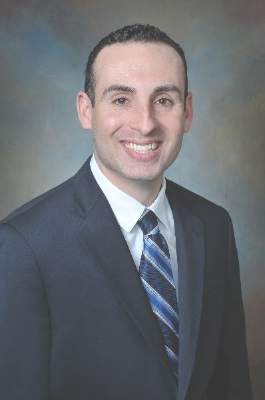
Mr. Prives said at an American Health Lawyers Association meeting.
Selling a practice in the midst of state or federal inquires has become more common in this era of increased government scrutiny, he said. Probes may include inquiries related to the False Claims Act, Stark Law, or Anti-Kickback Statute.
“Because of how hard the government is coming down on health care issues, more and more practices are finding themselves dealing with the government in an unfavorable light,” he said in an interview. “At the same time, you’ve got mass consolidation in the health care industry overall. Put those together, and it’s becoming more and more common” to sell a practice during an investigation.
“Just because the seller’s practice is under investigation does not mean it can’t be sold,” Mr. Prives said. “It requires extra effort and caution, but a deal is still possible.”
Be cautious about how much information about the investigation is disclosed to buyers, Mr. Prives warned. During the due diligence process, purchasers typically want to review the practice’s finances, leases, disciplinary complaints, malpractice history, and other pertinent information.
Be careful not to inadvertently waive the attorney-client privilege when divulging information to a potential buyer, Mr. Prives said. “Oftentimes, you’re dealing with health care laws that are vague and gray and broad. Physicians, like other health care providers, will engage health care attorneys to give them confidential advice on different structures. If [sellers] share that information with the buyer, and they have arguably lost the privilege, that advice may find its way into the government’s hands, which could be very damaging to the seller.”
Consider entering into a joint defense agreement, a contract that allows two parties conducting a transaction to freely share information about an investigation without waiving the attorney-client privilege. However, there is mixed case law about how effective joint defense agreements are in preserving the privilege, Mr. Prives said.
A better idea may be to limit disclosures to buyers to a “need to know” basis and provide more information only as the deal gets further along. Share enough information to keep the buyer engaged, but carefully frame issues to best position the practice in transaction negotiations, Mr. Prives advised.
There are pros and cons as to whether to resolve the investigation before closing the transaction, he said.
The selling physician may want to have the inquiry wrapped up before the sale is final to avoid the buyer’s involvement in the case. If the inquiry is ongoing, the buyer will likely want a large escrow or hold back in the purchase price, Mr. Prives said in an interview. In addition, the buyer may want to be part of discussions with the government about the case resolution.
“That can be a double-edged sword for the physician-seller,” he said. “Their objections are not necessarily aligned. The sellers are going to want to resolve the immediate issues and be done with it because they’re selling their business. The buyer cares less about the monetary payment to the government and is more concerned about what’s it’s going to have to do going forward to satisfy the government.”
On the other hand, the buyer may lose interest if kept waiting until the case is resolved.
“Many times when these investigations start, the sellers don’t know if they’ve done anything wrong or their exact role,” Mr. Prives said. “If a seller waits until the investigation is done, they may be waiting years, and a buyer is unlikely to be around for years. That’s the advantage for not waiting and doing the deal anyway.”
A wise move is to negotiate into the purchase agreement that the seller will take the lead in all government negotiations if the transaction closes before the investigation is complete, he added. Remember, however, that the deal will not likely close unless the buyer can approve or veto the final settlement. Ensure through buyer negotiations that such final confirmation is the only influence buyers can have on resolutions, he said.
“Basically, [conduct] everything until it’s about to be tied up with a nice bow, and then send that document over to the buyer for approval or disapproval,” he said. “That way the seller-physician will control the process, but satisfy that the buyer has final approval before everything is done.”
On Twitter@legal_med
AUSTIN,TEX. – There a lot of tough questions to answer when selling a medical practice during a government investigation, according to Morristown, N.J.–based health law attorney Glenn P. Prives.
How much information should potential buyers know about the case? Should the investigation be resolved before the sale? A wrong move in any direction may reduce sale profits or harm the investigation’s defense,
Mr. Prives said at an American Health Lawyers Association meeting.
Selling a practice in the midst of state or federal inquires has become more common in this era of increased government scrutiny, he said. Probes may include inquiries related to the False Claims Act, Stark Law, or Anti-Kickback Statute.
“Because of how hard the government is coming down on health care issues, more and more practices are finding themselves dealing with the government in an unfavorable light,” he said in an interview. “At the same time, you’ve got mass consolidation in the health care industry overall. Put those together, and it’s becoming more and more common” to sell a practice during an investigation.
“Just because the seller’s practice is under investigation does not mean it can’t be sold,” Mr. Prives said. “It requires extra effort and caution, but a deal is still possible.”
Be cautious about how much information about the investigation is disclosed to buyers, Mr. Prives warned. During the due diligence process, purchasers typically want to review the practice’s finances, leases, disciplinary complaints, malpractice history, and other pertinent information.
Be careful not to inadvertently waive the attorney-client privilege when divulging information to a potential buyer, Mr. Prives said. “Oftentimes, you’re dealing with health care laws that are vague and gray and broad. Physicians, like other health care providers, will engage health care attorneys to give them confidential advice on different structures. If [sellers] share that information with the buyer, and they have arguably lost the privilege, that advice may find its way into the government’s hands, which could be very damaging to the seller.”
Consider entering into a joint defense agreement, a contract that allows two parties conducting a transaction to freely share information about an investigation without waiving the attorney-client privilege. However, there is mixed case law about how effective joint defense agreements are in preserving the privilege, Mr. Prives said.
A better idea may be to limit disclosures to buyers to a “need to know” basis and provide more information only as the deal gets further along. Share enough information to keep the buyer engaged, but carefully frame issues to best position the practice in transaction negotiations, Mr. Prives advised.
There are pros and cons as to whether to resolve the investigation before closing the transaction, he said.
The selling physician may want to have the inquiry wrapped up before the sale is final to avoid the buyer’s involvement in the case. If the inquiry is ongoing, the buyer will likely want a large escrow or hold back in the purchase price, Mr. Prives said in an interview. In addition, the buyer may want to be part of discussions with the government about the case resolution.
“That can be a double-edged sword for the physician-seller,” he said. “Their objections are not necessarily aligned. The sellers are going to want to resolve the immediate issues and be done with it because they’re selling their business. The buyer cares less about the monetary payment to the government and is more concerned about what’s it’s going to have to do going forward to satisfy the government.”
On the other hand, the buyer may lose interest if kept waiting until the case is resolved.
“Many times when these investigations start, the sellers don’t know if they’ve done anything wrong or their exact role,” Mr. Prives said. “If a seller waits until the investigation is done, they may be waiting years, and a buyer is unlikely to be around for years. That’s the advantage for not waiting and doing the deal anyway.”
A wise move is to negotiate into the purchase agreement that the seller will take the lead in all government negotiations if the transaction closes before the investigation is complete, he added. Remember, however, that the deal will not likely close unless the buyer can approve or veto the final settlement. Ensure through buyer negotiations that such final confirmation is the only influence buyers can have on resolutions, he said.
“Basically, [conduct] everything until it’s about to be tied up with a nice bow, and then send that document over to the buyer for approval or disapproval,” he said. “That way the seller-physician will control the process, but satisfy that the buyer has final approval before everything is done.”
On Twitter@legal_med
AUSTIN,TEX. – There a lot of tough questions to answer when selling a medical practice during a government investigation, according to Morristown, N.J.–based health law attorney Glenn P. Prives.
How much information should potential buyers know about the case? Should the investigation be resolved before the sale? A wrong move in any direction may reduce sale profits or harm the investigation’s defense,
Mr. Prives said at an American Health Lawyers Association meeting.
Selling a practice in the midst of state or federal inquires has become more common in this era of increased government scrutiny, he said. Probes may include inquiries related to the False Claims Act, Stark Law, or Anti-Kickback Statute.
“Because of how hard the government is coming down on health care issues, more and more practices are finding themselves dealing with the government in an unfavorable light,” he said in an interview. “At the same time, you’ve got mass consolidation in the health care industry overall. Put those together, and it’s becoming more and more common” to sell a practice during an investigation.
“Just because the seller’s practice is under investigation does not mean it can’t be sold,” Mr. Prives said. “It requires extra effort and caution, but a deal is still possible.”
Be cautious about how much information about the investigation is disclosed to buyers, Mr. Prives warned. During the due diligence process, purchasers typically want to review the practice’s finances, leases, disciplinary complaints, malpractice history, and other pertinent information.
Be careful not to inadvertently waive the attorney-client privilege when divulging information to a potential buyer, Mr. Prives said. “Oftentimes, you’re dealing with health care laws that are vague and gray and broad. Physicians, like other health care providers, will engage health care attorneys to give them confidential advice on different structures. If [sellers] share that information with the buyer, and they have arguably lost the privilege, that advice may find its way into the government’s hands, which could be very damaging to the seller.”
Consider entering into a joint defense agreement, a contract that allows two parties conducting a transaction to freely share information about an investigation without waiving the attorney-client privilege. However, there is mixed case law about how effective joint defense agreements are in preserving the privilege, Mr. Prives said.
A better idea may be to limit disclosures to buyers to a “need to know” basis and provide more information only as the deal gets further along. Share enough information to keep the buyer engaged, but carefully frame issues to best position the practice in transaction negotiations, Mr. Prives advised.
There are pros and cons as to whether to resolve the investigation before closing the transaction, he said.
The selling physician may want to have the inquiry wrapped up before the sale is final to avoid the buyer’s involvement in the case. If the inquiry is ongoing, the buyer will likely want a large escrow or hold back in the purchase price, Mr. Prives said in an interview. In addition, the buyer may want to be part of discussions with the government about the case resolution.
“That can be a double-edged sword for the physician-seller,” he said. “Their objections are not necessarily aligned. The sellers are going to want to resolve the immediate issues and be done with it because they’re selling their business. The buyer cares less about the monetary payment to the government and is more concerned about what’s it’s going to have to do going forward to satisfy the government.”
On the other hand, the buyer may lose interest if kept waiting until the case is resolved.
“Many times when these investigations start, the sellers don’t know if they’ve done anything wrong or their exact role,” Mr. Prives said. “If a seller waits until the investigation is done, they may be waiting years, and a buyer is unlikely to be around for years. That’s the advantage for not waiting and doing the deal anyway.”
A wise move is to negotiate into the purchase agreement that the seller will take the lead in all government negotiations if the transaction closes before the investigation is complete, he added. Remember, however, that the deal will not likely close unless the buyer can approve or veto the final settlement. Ensure through buyer negotiations that such final confirmation is the only influence buyers can have on resolutions, he said.
“Basically, [conduct] everything until it’s about to be tied up with a nice bow, and then send that document over to the buyer for approval or disapproval,” he said. “That way the seller-physician will control the process, but satisfy that the buyer has final approval before everything is done.”
On Twitter@legal_med
AT THE PHYSICIANS AND HOSPITALS LAW INSTITUTE
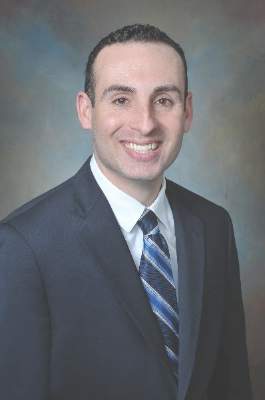
HHS to doctors: We hear your health IT woes
LAS VEGAS – Federal officials have spent months listening to doctors’ complaints about their frustrating EHRs and are responding with a core group of changes to simplify and standardize health IT.
“We’ve made a great start, but we’re still at a stage where technology often hurts rather than helps physicians to provide better care,” Andy Slavitt, acting administrator of the Centers for Medicare & Medicaid Services, said March 1 at the annual meeting of the Health Information and Management Systems Society.

He provided some examples of complaints he hears from doctors: “Ordering aspirin takes eight clicks on the computer; to order full-strength aspirin, 16,” he said as the audience laughed.
And, “the systems don’t talk to each other. It’s actually the opposite. I can’t even access the hospital because of a firewall, and I can’t even get into the EMR at the hospital to look at patient records.”
And, “I can’t track my patients’ referrals,” or “I sent them to the hospital and I don’t know what happened.”
Mr. Slavitt said that he has 700 complaints from doctors just like those. “But the good news is that they’re not describing problems that we don’t know how to solve.”
And, he said, solving them is exactly what the CMS and a host of other agencies within the Health and Human Services department are trying to do with a raft of new proposed rules and announcements designed to more easily connect patients and providers with health care information necessary to provide better care.
Mr. Slavitt’s view of the EHR situation was echoed by Dr. Karen DeSalvo, national coordinator for Health Information Technology, who said that her husband is a practicing physician with real time frustrations.
“That’s my dinner conversation,” she said. “He’s a very clinically busy emergency medicine doc, and he wants the system to enable his workflow, and just like many physicians, it’s the same common refrain.”
Part of the solution is a proposed rule announced March 1 that would allow the Office of the National Coordinator for Heath Information Technology (ONC) to directly review certified health IT systems “and take action necessary including requiring the correction of nonconformities found in health IT … and suspending and terminating certifications.”
The proposed rule would:
• Enable ONC to directly review certified health IT products, including certified EHRs, and address circumstances such as potential risks to public health and safety. This would complement the existing responsibilities of ONC-Authorized Certification Bodies.
• Give ONC direct oversight of health IT testing bodies.
• Publish information on the performance of certified EHRs and other certified health IT products so that users can easily understand both the positive and negative aspects of each product.
Also on March 1, ONC announced $625,000 worth of challenge awards to encourage the development of mobile apps that patients and physicians can use to manage health information. The challenge will encourage the use of open, standardized application programming interfaces and one federal programming language standard (the Health Level 7 – Fast Healthcare Interoperability Resources or FHIR).
More expected rule making will come in several months to roll out expectations under MACRA, the Medicare Access & CHIP Reauthorization Act of 2015, including the Merit-Based Incentive Payment System (MIPS) and more alternative payment models such as accountable care organizations and bundled payment plans.
Under MIPS, Mr. Slavitt said, Congress is asking to measure quality, resource use, use of technology and practice improvement.
In addition, Mr. Slavitt said the CMS intends to roll out EHR requirements for long-term care facilities and behavioral health care providers. And, he said, “significant, significant effort and rules are underway” to improve quality and access for patients under the Medicaid program.
“I need physicians who are committed and who feel that part of their role is to take care of people who need care the most, who have lower socioeconomic status and who are more difficult to treat.”
LAS VEGAS – Federal officials have spent months listening to doctors’ complaints about their frustrating EHRs and are responding with a core group of changes to simplify and standardize health IT.
“We’ve made a great start, but we’re still at a stage where technology often hurts rather than helps physicians to provide better care,” Andy Slavitt, acting administrator of the Centers for Medicare & Medicaid Services, said March 1 at the annual meeting of the Health Information and Management Systems Society.
He provided some examples of complaints he hears from doctors: “Ordering aspirin takes eight clicks on the computer; to order full-strength aspirin, 16,” he said as the audience laughed.
And, “the systems don’t talk to each other. It’s actually the opposite. I can’t even access the hospital because of a firewall, and I can’t even get into the EMR at the hospital to look at patient records.”
And, “I can’t track my patients’ referrals,” or “I sent them to the hospital and I don’t know what happened.”
Mr. Slavitt said that he has 700 complaints from doctors just like those. “But the good news is that they’re not describing problems that we don’t know how to solve.”
And, he said, solving them is exactly what the CMS and a host of other agencies within the Health and Human Services department are trying to do with a raft of new proposed rules and announcements designed to more easily connect patients and providers with health care information necessary to provide better care.
Mr. Slavitt’s view of the EHR situation was echoed by Dr. Karen DeSalvo, national coordinator for Health Information Technology, who said that her husband is a practicing physician with real time frustrations.
“That’s my dinner conversation,” she said. “He’s a very clinically busy emergency medicine doc, and he wants the system to enable his workflow, and just like many physicians, it’s the same common refrain.”
Part of the solution is a proposed rule announced March 1 that would allow the Office of the National Coordinator for Heath Information Technology (ONC) to directly review certified health IT systems “and take action necessary including requiring the correction of nonconformities found in health IT … and suspending and terminating certifications.”
The proposed rule would:
• Enable ONC to directly review certified health IT products, including certified EHRs, and address circumstances such as potential risks to public health and safety. This would complement the existing responsibilities of ONC-Authorized Certification Bodies.
• Give ONC direct oversight of health IT testing bodies.
• Publish information on the performance of certified EHRs and other certified health IT products so that users can easily understand both the positive and negative aspects of each product.
Also on March 1, ONC announced $625,000 worth of challenge awards to encourage the development of mobile apps that patients and physicians can use to manage health information. The challenge will encourage the use of open, standardized application programming interfaces and one federal programming language standard (the Health Level 7 – Fast Healthcare Interoperability Resources or FHIR).
More expected rule making will come in several months to roll out expectations under MACRA, the Medicare Access & CHIP Reauthorization Act of 2015, including the Merit-Based Incentive Payment System (MIPS) and more alternative payment models such as accountable care organizations and bundled payment plans.
Under MIPS, Mr. Slavitt said, Congress is asking to measure quality, resource use, use of technology and practice improvement.
In addition, Mr. Slavitt said the CMS intends to roll out EHR requirements for long-term care facilities and behavioral health care providers. And, he said, “significant, significant effort and rules are underway” to improve quality and access for patients under the Medicaid program.
“I need physicians who are committed and who feel that part of their role is to take care of people who need care the most, who have lower socioeconomic status and who are more difficult to treat.”
LAS VEGAS – Federal officials have spent months listening to doctors’ complaints about their frustrating EHRs and are responding with a core group of changes to simplify and standardize health IT.
“We’ve made a great start, but we’re still at a stage where technology often hurts rather than helps physicians to provide better care,” Andy Slavitt, acting administrator of the Centers for Medicare & Medicaid Services, said March 1 at the annual meeting of the Health Information and Management Systems Society.
He provided some examples of complaints he hears from doctors: “Ordering aspirin takes eight clicks on the computer; to order full-strength aspirin, 16,” he said as the audience laughed.
And, “the systems don’t talk to each other. It’s actually the opposite. I can’t even access the hospital because of a firewall, and I can’t even get into the EMR at the hospital to look at patient records.”
And, “I can’t track my patients’ referrals,” or “I sent them to the hospital and I don’t know what happened.”
Mr. Slavitt said that he has 700 complaints from doctors just like those. “But the good news is that they’re not describing problems that we don’t know how to solve.”
And, he said, solving them is exactly what the CMS and a host of other agencies within the Health and Human Services department are trying to do with a raft of new proposed rules and announcements designed to more easily connect patients and providers with health care information necessary to provide better care.
Mr. Slavitt’s view of the EHR situation was echoed by Dr. Karen DeSalvo, national coordinator for Health Information Technology, who said that her husband is a practicing physician with real time frustrations.
“That’s my dinner conversation,” she said. “He’s a very clinically busy emergency medicine doc, and he wants the system to enable his workflow, and just like many physicians, it’s the same common refrain.”
Part of the solution is a proposed rule announced March 1 that would allow the Office of the National Coordinator for Heath Information Technology (ONC) to directly review certified health IT systems “and take action necessary including requiring the correction of nonconformities found in health IT … and suspending and terminating certifications.”
The proposed rule would:
• Enable ONC to directly review certified health IT products, including certified EHRs, and address circumstances such as potential risks to public health and safety. This would complement the existing responsibilities of ONC-Authorized Certification Bodies.
• Give ONC direct oversight of health IT testing bodies.
• Publish information on the performance of certified EHRs and other certified health IT products so that users can easily understand both the positive and negative aspects of each product.
Also on March 1, ONC announced $625,000 worth of challenge awards to encourage the development of mobile apps that patients and physicians can use to manage health information. The challenge will encourage the use of open, standardized application programming interfaces and one federal programming language standard (the Health Level 7 – Fast Healthcare Interoperability Resources or FHIR).
More expected rule making will come in several months to roll out expectations under MACRA, the Medicare Access & CHIP Reauthorization Act of 2015, including the Merit-Based Incentive Payment System (MIPS) and more alternative payment models such as accountable care organizations and bundled payment plans.
Under MIPS, Mr. Slavitt said, Congress is asking to measure quality, resource use, use of technology and practice improvement.
In addition, Mr. Slavitt said the CMS intends to roll out EHR requirements for long-term care facilities and behavioral health care providers. And, he said, “significant, significant effort and rules are underway” to improve quality and access for patients under the Medicaid program.
“I need physicians who are committed and who feel that part of their role is to take care of people who need care the most, who have lower socioeconomic status and who are more difficult to treat.”
AT HIMSS16

Supreme Court: Self-funded insurer does not have to share data
A self-funded insurer does not have to share health data with a state’s all-payer database, according to a March 1 U.S. Supreme Court decision that could affect information-sharing reforms nationwide.
In a 6-2 opinion, the majority justices ruled that the Employee Retirement Income Security Act (ERISA) protects plaintiff Liberty Mutual from having to provide claims and member data to the Vermont Green Mountain Care Board. ERISA, which includes its own reporting, disclosure, and record-keeping provisions, has an express clause that invalidates Vermont’s reporting statute as applied to ERISA plans, Associate Justice Anthony Kennedy wrote in the opinion.

“The state statute imposes duties that are inconsistent with the central design of ERISA, which is to provide a single uniform national scheme for the administration of ERISA plans without interference from laws of the several states even when those laws, to a large extent, impose parallel requirements,” Justice Kennedy wrote.
Associate Justice Ruth Bader-Ginsburg and Associate Justice Sonia Sotomayor dissented with the majority, insisting that Vermont’s database does not infringe on ERISA’s control to regulate self-funded plans. Seventeen other states have enacted similar database systems, which aim to “serve compelling interests,” Justice Ginsburg wrote, such as identifying effective reforms, driving down health care costs, evaluating utility of treatment options, and detecting discrimination in care provision.
“I would hold that Vermont’s effort to track health care services provided to its residents and the cost of those services does not impermissibly intrude on ERISA’s dominion over employee benefit plans,” Justice Ginsburg wrote in her dissent.
The case of Gobeille v. Liberty Mutual Insurance Company stems from a Vermont law that requires all health providers in the state to provide detailed data about their services for the development of an all-payer database. Liberty Mutual argued the law imposed a burden on the self-funded plan because it enforces sharing requirements on top of reporting and disclosure obligations already necessary for the federal Department of Labor. Vermont Green Mountain Care Board Chair Al Gobeille argued the insurer’s purported burdens are trivial because the insurer’s claims administrator already prepares the data required to the state for its non-ERISA operations in Vermont. The 2nd U.S. Circuit Court of Appeals sided with Liberty Mutual.
Liberty Mutual was “pleased,” with the Supreme Court ruling, spokesman John Cusolito said in an interview. He declined to comment further. Mr. Gobeille had not returned a request for comment at press time.
Medical associations expressed disappointment at the ruling.
“It is unfortunate that Vermont’s efforts to increase transparency of health insurance information has been thwarted. The U.S. Supreme Court determined today that a highly complex and confusing federal law can be used to keep the insurance payment process cloaked in mystery,” Dr. Steven J. Stack, president of the American Medical Association said in a statement. “The ruling stands in the way of reform efforts in Vermont and at least 18 other states aimed at providing important information to patients, health professionals and policymakers about health care options, outcomes and costs.”
The American Hospital Association concurred. “Self-insured plans cover a large, growing, and distinctive portion of the population,” AHA spokeswoman Marie Watteau said in a statement. “It is essential that they be included in all-payer databases if those databases are to realize their potential, and if America’s hospitals are to realize their goal of improving community health and controlling costs while providing the high-quality care for which they are known.”
Other medical associations previously weighed in on the case. In a friend-of-the-court brief to the U.S. Supreme Court, the AMA and the Vermont Medical Society said the Gobeille case presents a prime opportunity for the Supreme Court to reexamine ERISA and alleviate confusion between traditional state regulation of health care and exclusive federal regulation of employee benefit plans.
Seventeen states and the District of Columbia issued a joint brief in support of Vermont. A handful of insurers, including the Blue Cross and Blue Shield Association penned briefs in support of Liberty Mutual.
On Twitter @legal_med
A self-funded insurer does not have to share health data with a state’s all-payer database, according to a March 1 U.S. Supreme Court decision that could affect information-sharing reforms nationwide.
In a 6-2 opinion, the majority justices ruled that the Employee Retirement Income Security Act (ERISA) protects plaintiff Liberty Mutual from having to provide claims and member data to the Vermont Green Mountain Care Board. ERISA, which includes its own reporting, disclosure, and record-keeping provisions, has an express clause that invalidates Vermont’s reporting statute as applied to ERISA plans, Associate Justice Anthony Kennedy wrote in the opinion.
“The state statute imposes duties that are inconsistent with the central design of ERISA, which is to provide a single uniform national scheme for the administration of ERISA plans without interference from laws of the several states even when those laws, to a large extent, impose parallel requirements,” Justice Kennedy wrote.
Associate Justice Ruth Bader-Ginsburg and Associate Justice Sonia Sotomayor dissented with the majority, insisting that Vermont’s database does not infringe on ERISA’s control to regulate self-funded plans. Seventeen other states have enacted similar database systems, which aim to “serve compelling interests,” Justice Ginsburg wrote, such as identifying effective reforms, driving down health care costs, evaluating utility of treatment options, and detecting discrimination in care provision.
“I would hold that Vermont’s effort to track health care services provided to its residents and the cost of those services does not impermissibly intrude on ERISA’s dominion over employee benefit plans,” Justice Ginsburg wrote in her dissent.
The case of Gobeille v. Liberty Mutual Insurance Company stems from a Vermont law that requires all health providers in the state to provide detailed data about their services for the development of an all-payer database. Liberty Mutual argued the law imposed a burden on the self-funded plan because it enforces sharing requirements on top of reporting and disclosure obligations already necessary for the federal Department of Labor. Vermont Green Mountain Care Board Chair Al Gobeille argued the insurer’s purported burdens are trivial because the insurer’s claims administrator already prepares the data required to the state for its non-ERISA operations in Vermont. The 2nd U.S. Circuit Court of Appeals sided with Liberty Mutual.
Liberty Mutual was “pleased,” with the Supreme Court ruling, spokesman John Cusolito said in an interview. He declined to comment further. Mr. Gobeille had not returned a request for comment at press time.
Medical associations expressed disappointment at the ruling.
“It is unfortunate that Vermont’s efforts to increase transparency of health insurance information has been thwarted. The U.S. Supreme Court determined today that a highly complex and confusing federal law can be used to keep the insurance payment process cloaked in mystery,” Dr. Steven J. Stack, president of the American Medical Association said in a statement. “The ruling stands in the way of reform efforts in Vermont and at least 18 other states aimed at providing important information to patients, health professionals and policymakers about health care options, outcomes and costs.”
The American Hospital Association concurred. “Self-insured plans cover a large, growing, and distinctive portion of the population,” AHA spokeswoman Marie Watteau said in a statement. “It is essential that they be included in all-payer databases if those databases are to realize their potential, and if America’s hospitals are to realize their goal of improving community health and controlling costs while providing the high-quality care for which they are known.”
Other medical associations previously weighed in on the case. In a friend-of-the-court brief to the U.S. Supreme Court, the AMA and the Vermont Medical Society said the Gobeille case presents a prime opportunity for the Supreme Court to reexamine ERISA and alleviate confusion between traditional state regulation of health care and exclusive federal regulation of employee benefit plans.
Seventeen states and the District of Columbia issued a joint brief in support of Vermont. A handful of insurers, including the Blue Cross and Blue Shield Association penned briefs in support of Liberty Mutual.
On Twitter @legal_med
A self-funded insurer does not have to share health data with a state’s all-payer database, according to a March 1 U.S. Supreme Court decision that could affect information-sharing reforms nationwide.
In a 6-2 opinion, the majority justices ruled that the Employee Retirement Income Security Act (ERISA) protects plaintiff Liberty Mutual from having to provide claims and member data to the Vermont Green Mountain Care Board. ERISA, which includes its own reporting, disclosure, and record-keeping provisions, has an express clause that invalidates Vermont’s reporting statute as applied to ERISA plans, Associate Justice Anthony Kennedy wrote in the opinion.
“The state statute imposes duties that are inconsistent with the central design of ERISA, which is to provide a single uniform national scheme for the administration of ERISA plans without interference from laws of the several states even when those laws, to a large extent, impose parallel requirements,” Justice Kennedy wrote.
Associate Justice Ruth Bader-Ginsburg and Associate Justice Sonia Sotomayor dissented with the majority, insisting that Vermont’s database does not infringe on ERISA’s control to regulate self-funded plans. Seventeen other states have enacted similar database systems, which aim to “serve compelling interests,” Justice Ginsburg wrote, such as identifying effective reforms, driving down health care costs, evaluating utility of treatment options, and detecting discrimination in care provision.
“I would hold that Vermont’s effort to track health care services provided to its residents and the cost of those services does not impermissibly intrude on ERISA’s dominion over employee benefit plans,” Justice Ginsburg wrote in her dissent.
The case of Gobeille v. Liberty Mutual Insurance Company stems from a Vermont law that requires all health providers in the state to provide detailed data about their services for the development of an all-payer database. Liberty Mutual argued the law imposed a burden on the self-funded plan because it enforces sharing requirements on top of reporting and disclosure obligations already necessary for the federal Department of Labor. Vermont Green Mountain Care Board Chair Al Gobeille argued the insurer’s purported burdens are trivial because the insurer’s claims administrator already prepares the data required to the state for its non-ERISA operations in Vermont. The 2nd U.S. Circuit Court of Appeals sided with Liberty Mutual.
Liberty Mutual was “pleased,” with the Supreme Court ruling, spokesman John Cusolito said in an interview. He declined to comment further. Mr. Gobeille had not returned a request for comment at press time.
Medical associations expressed disappointment at the ruling.
“It is unfortunate that Vermont’s efforts to increase transparency of health insurance information has been thwarted. The U.S. Supreme Court determined today that a highly complex and confusing federal law can be used to keep the insurance payment process cloaked in mystery,” Dr. Steven J. Stack, president of the American Medical Association said in a statement. “The ruling stands in the way of reform efforts in Vermont and at least 18 other states aimed at providing important information to patients, health professionals and policymakers about health care options, outcomes and costs.”
The American Hospital Association concurred. “Self-insured plans cover a large, growing, and distinctive portion of the population,” AHA spokeswoman Marie Watteau said in a statement. “It is essential that they be included in all-payer databases if those databases are to realize their potential, and if America’s hospitals are to realize their goal of improving community health and controlling costs while providing the high-quality care for which they are known.”
Other medical associations previously weighed in on the case. In a friend-of-the-court brief to the U.S. Supreme Court, the AMA and the Vermont Medical Society said the Gobeille case presents a prime opportunity for the Supreme Court to reexamine ERISA and alleviate confusion between traditional state regulation of health care and exclusive federal regulation of employee benefit plans.
Seventeen states and the District of Columbia issued a joint brief in support of Vermont. A handful of insurers, including the Blue Cross and Blue Shield Association penned briefs in support of Liberty Mutual.
On Twitter @legal_med