User login
Official Newspaper of the American College of Surgeons
Hemodynamic principles key to managing right ventricular heart failure
PHOENIX – In the clinical opinion of Dr. Nevin M. Katz, caring for critical care patients after cardiothoracic surgery requires a multidisciplinary team.
“It used to be just the surgeons and the residents and anesthesiologists, but in this era, it’s a broad team,” Dr. Katz said at the annual meeting of the Society of Thoracic Surgeons. “Coordination of the team, which includes surgeons, anesthesiologists, physician assistants, bedside nurses, nurse practitioners, perfusionists, pharmacists, respiratory therapists, and nutritionists is very important, and it’s important that members of the team be on the same page.”

Dr. Katz, a cardiovascular surgeon/intensivist at Johns Hopkins University, Baltimore, went on to offer tips for managing right ventricular failure in cardiac surgical patients. He recommends that clinicians consider five basic parameters of hemodynamic management: the heart rate and rhythm; the preload; the afterload; contractility; and the surgical result, including the potential for an anatomic problem and the risk of cardiac tamponade. “One must also consider a cardiac assist device,” he said.
He recommended that the cardiac index goal for cardiovascular patients in the ICU be in the range of 2.2-4.4 L per min/m2. The recommended hemodynamic goals also included systemic blood pressure ranges with a systolic pressure of 90-140 mm Hg and a mean arterial pressure of 70-90 mm Hg; a left arterial pressure or pulmonary capillary wedge pressure of 5-18 mm Hg, a right arterial pressure or central venous pressure of 5-15 mm Hg, and a systemic vascular resistance of 800-1,200 dynes per sec/cm5. “When treating right ventricular failure or complex patients, I think advanced PA [pulmonary artery] catheters are valuable, although they’re not absolutely necessary,” he said.
Complementary technologies available in most ICUs can help clinicians manage these patients, particularly ultrasound. With ultrasound, “we can determine where the patient is on the ventricular function curve, regional versus global dysfunction, right ventricular versus left ventricular dysfunction, valve dysfunction, and cardiac tamponade,” said Dr. Katz, who also created the Foundation for the Advancement of Cardiothoracic Care, also known as FACTS-Care. “It’s a very important monitoring modality.”
An important goal in managing patients with right ventricular failure is to establish an optimal heart rate and rhythm. “We have modalities to treat bradycardia and heart block,” he said. “Loss of atrial contraction is very important. If we can avoid atrial fibrillation, that’s good. Ventricular arrhythmias can be a problem, and nowadays we can treat atrioventricular and ventricular dyssynchrony.”
Optimal preload requires a focus on volume responsiveness, Dr. Katz continued. “Where is the patient on that ventricular function curve?” he asked. “With the advanced PA catheters, there are ways to look at that. You would like to be on the ascending part of that curve.” Clinicians can also use pulsus paradoxus, a variation of systemic arterial pulse volume. “That will indicate that perhaps you’re low in volume, but you can use stroke volume variation with an advanced PA catheter,” he said. “If your stroke volume variation is greater than 15% you’re on the ascending part of the curve. But if your stroke volume variation is less than 15%, your volume is probably optimal and you’re not going to be volume responsive.”
Clinicians who lack the benefit of an advanced PA catheter can assess volume responsiveness with passive leg raising.
Low preload causes of RV failure include hypovolemia, bleeding, third-spacing, high urine output, and cardiac tamponade. High preload can be a problem, too, from excess fluid administration, tricuspid or pulmonary valve regurgitation, or from left to right shunting.
Overall, optimal management of RV failure depends on the coordination of the multidisciplinary critical care team.
Dr. Katz reported having no financial disclosures.
PHOENIX – In the clinical opinion of Dr. Nevin M. Katz, caring for critical care patients after cardiothoracic surgery requires a multidisciplinary team.
“It used to be just the surgeons and the residents and anesthesiologists, but in this era, it’s a broad team,” Dr. Katz said at the annual meeting of the Society of Thoracic Surgeons. “Coordination of the team, which includes surgeons, anesthesiologists, physician assistants, bedside nurses, nurse practitioners, perfusionists, pharmacists, respiratory therapists, and nutritionists is very important, and it’s important that members of the team be on the same page.”
Dr. Katz, a cardiovascular surgeon/intensivist at Johns Hopkins University, Baltimore, went on to offer tips for managing right ventricular failure in cardiac surgical patients. He recommends that clinicians consider five basic parameters of hemodynamic management: the heart rate and rhythm; the preload; the afterload; contractility; and the surgical result, including the potential for an anatomic problem and the risk of cardiac tamponade. “One must also consider a cardiac assist device,” he said.
He recommended that the cardiac index goal for cardiovascular patients in the ICU be in the range of 2.2-4.4 L per min/m2. The recommended hemodynamic goals also included systemic blood pressure ranges with a systolic pressure of 90-140 mm Hg and a mean arterial pressure of 70-90 mm Hg; a left arterial pressure or pulmonary capillary wedge pressure of 5-18 mm Hg, a right arterial pressure or central venous pressure of 5-15 mm Hg, and a systemic vascular resistance of 800-1,200 dynes per sec/cm5. “When treating right ventricular failure or complex patients, I think advanced PA [pulmonary artery] catheters are valuable, although they’re not absolutely necessary,” he said.
Complementary technologies available in most ICUs can help clinicians manage these patients, particularly ultrasound. With ultrasound, “we can determine where the patient is on the ventricular function curve, regional versus global dysfunction, right ventricular versus left ventricular dysfunction, valve dysfunction, and cardiac tamponade,” said Dr. Katz, who also created the Foundation for the Advancement of Cardiothoracic Care, also known as FACTS-Care. “It’s a very important monitoring modality.”
An important goal in managing patients with right ventricular failure is to establish an optimal heart rate and rhythm. “We have modalities to treat bradycardia and heart block,” he said. “Loss of atrial contraction is very important. If we can avoid atrial fibrillation, that’s good. Ventricular arrhythmias can be a problem, and nowadays we can treat atrioventricular and ventricular dyssynchrony.”
Optimal preload requires a focus on volume responsiveness, Dr. Katz continued. “Where is the patient on that ventricular function curve?” he asked. “With the advanced PA catheters, there are ways to look at that. You would like to be on the ascending part of that curve.” Clinicians can also use pulsus paradoxus, a variation of systemic arterial pulse volume. “That will indicate that perhaps you’re low in volume, but you can use stroke volume variation with an advanced PA catheter,” he said. “If your stroke volume variation is greater than 15% you’re on the ascending part of the curve. But if your stroke volume variation is less than 15%, your volume is probably optimal and you’re not going to be volume responsive.”
Clinicians who lack the benefit of an advanced PA catheter can assess volume responsiveness with passive leg raising.
Low preload causes of RV failure include hypovolemia, bleeding, third-spacing, high urine output, and cardiac tamponade. High preload can be a problem, too, from excess fluid administration, tricuspid or pulmonary valve regurgitation, or from left to right shunting.
Overall, optimal management of RV failure depends on the coordination of the multidisciplinary critical care team.
Dr. Katz reported having no financial disclosures.
PHOENIX – In the clinical opinion of Dr. Nevin M. Katz, caring for critical care patients after cardiothoracic surgery requires a multidisciplinary team.
“It used to be just the surgeons and the residents and anesthesiologists, but in this era, it’s a broad team,” Dr. Katz said at the annual meeting of the Society of Thoracic Surgeons. “Coordination of the team, which includes surgeons, anesthesiologists, physician assistants, bedside nurses, nurse practitioners, perfusionists, pharmacists, respiratory therapists, and nutritionists is very important, and it’s important that members of the team be on the same page.”
Dr. Katz, a cardiovascular surgeon/intensivist at Johns Hopkins University, Baltimore, went on to offer tips for managing right ventricular failure in cardiac surgical patients. He recommends that clinicians consider five basic parameters of hemodynamic management: the heart rate and rhythm; the preload; the afterload; contractility; and the surgical result, including the potential for an anatomic problem and the risk of cardiac tamponade. “One must also consider a cardiac assist device,” he said.
He recommended that the cardiac index goal for cardiovascular patients in the ICU be in the range of 2.2-4.4 L per min/m2. The recommended hemodynamic goals also included systemic blood pressure ranges with a systolic pressure of 90-140 mm Hg and a mean arterial pressure of 70-90 mm Hg; a left arterial pressure or pulmonary capillary wedge pressure of 5-18 mm Hg, a right arterial pressure or central venous pressure of 5-15 mm Hg, and a systemic vascular resistance of 800-1,200 dynes per sec/cm5. “When treating right ventricular failure or complex patients, I think advanced PA [pulmonary artery] catheters are valuable, although they’re not absolutely necessary,” he said.
Complementary technologies available in most ICUs can help clinicians manage these patients, particularly ultrasound. With ultrasound, “we can determine where the patient is on the ventricular function curve, regional versus global dysfunction, right ventricular versus left ventricular dysfunction, valve dysfunction, and cardiac tamponade,” said Dr. Katz, who also created the Foundation for the Advancement of Cardiothoracic Care, also known as FACTS-Care. “It’s a very important monitoring modality.”
An important goal in managing patients with right ventricular failure is to establish an optimal heart rate and rhythm. “We have modalities to treat bradycardia and heart block,” he said. “Loss of atrial contraction is very important. If we can avoid atrial fibrillation, that’s good. Ventricular arrhythmias can be a problem, and nowadays we can treat atrioventricular and ventricular dyssynchrony.”
Optimal preload requires a focus on volume responsiveness, Dr. Katz continued. “Where is the patient on that ventricular function curve?” he asked. “With the advanced PA catheters, there are ways to look at that. You would like to be on the ascending part of that curve.” Clinicians can also use pulsus paradoxus, a variation of systemic arterial pulse volume. “That will indicate that perhaps you’re low in volume, but you can use stroke volume variation with an advanced PA catheter,” he said. “If your stroke volume variation is greater than 15% you’re on the ascending part of the curve. But if your stroke volume variation is less than 15%, your volume is probably optimal and you’re not going to be volume responsive.”
Clinicians who lack the benefit of an advanced PA catheter can assess volume responsiveness with passive leg raising.
Low preload causes of RV failure include hypovolemia, bleeding, third-spacing, high urine output, and cardiac tamponade. High preload can be a problem, too, from excess fluid administration, tricuspid or pulmonary valve regurgitation, or from left to right shunting.
Overall, optimal management of RV failure depends on the coordination of the multidisciplinary critical care team.
Dr. Katz reported having no financial disclosures.
EXPERT ANALYSIS AT THE STS ANNUAL MEETING

ERAS eliminated racial disparities in postop hospital stay
JACKSONVILLE, FLA. – An enhanced recovery protocol after colorectal surgery nearly eliminated differences in hospital stays between black and white patients, according to a study based on data from the University of Alabama at Birmingham.
Dr. Tyler S. Wahl, a resident at UAB reported on the institution’s experience with the Enhanced Recovery After Surgery (ERAS) pathway at the Association of Academic Surgery/Society of University Surgeons Academic Surgical Congress. “ERAS has been shown to reduce length of stay, cost, and perioperative complications without compromising readmission or mortality rates,” Dr. Wahl said. Dr. Daniel Chu was senior author.

Surgical literature has increasingly demonstrated disparities among black patients undergoing major surgery: longer lengths of stay, more readmissions, increased postoperative mortality and lower survival rates after colorectal cancer resections, Dr. Wahl said. The UAB investigators set out to determine whether the ERAS pathway would reduce disparities in length of stay among black and white patients when compared to the traditional pathway.
Before UAB started using ERAS for colorectal patients, the average length of stay for patients undergoing colorectal surgery was 6.7 days with significant differences between black and white patients: 8 days vs. 6.1 days, respectively. However, after implementation of the ERAS pathway in January 2015, average length of stay declined to 4.7 days overall. Black patients had dramatic reductions in length of stay, compared with white patients, with stays of 3.9 days vs. 5 days, respectively.
“Not only were patients leaving much earlier, but their length of stay was also shorter than predicted using the American College of Surgeons Risk Calculator,” Dr. Wahl said.
The UAB study was a retrospective, matched cohort analysis of 258 patients – 129 patients from pre-ERAS years were compared with 129 ERAS patients from January to October 2015.
Study subjects were similar in many patient- and procedure-specific factors; however, differences in operative approach, indication, ostomy formation, and operative time did not change the predicted length of stay among races, Dr. Wahl said.
Dr. Wahl said the racial makeup of the study differs from most ERAS literature in colorectal patients. “The overall percentage of the African American population was 30% within our study, as most ERAS literature has 10% or less,” he added.
“Further work needs to be pursued to find what’s driving these dramatic results among the black population,” he said.
Dr. Wahl and coauthors had no disclosures.
JACKSONVILLE, FLA. – An enhanced recovery protocol after colorectal surgery nearly eliminated differences in hospital stays between black and white patients, according to a study based on data from the University of Alabama at Birmingham.
Dr. Tyler S. Wahl, a resident at UAB reported on the institution’s experience with the Enhanced Recovery After Surgery (ERAS) pathway at the Association of Academic Surgery/Society of University Surgeons Academic Surgical Congress. “ERAS has been shown to reduce length of stay, cost, and perioperative complications without compromising readmission or mortality rates,” Dr. Wahl said. Dr. Daniel Chu was senior author.
Surgical literature has increasingly demonstrated disparities among black patients undergoing major surgery: longer lengths of stay, more readmissions, increased postoperative mortality and lower survival rates after colorectal cancer resections, Dr. Wahl said. The UAB investigators set out to determine whether the ERAS pathway would reduce disparities in length of stay among black and white patients when compared to the traditional pathway.
Before UAB started using ERAS for colorectal patients, the average length of stay for patients undergoing colorectal surgery was 6.7 days with significant differences between black and white patients: 8 days vs. 6.1 days, respectively. However, after implementation of the ERAS pathway in January 2015, average length of stay declined to 4.7 days overall. Black patients had dramatic reductions in length of stay, compared with white patients, with stays of 3.9 days vs. 5 days, respectively.
“Not only were patients leaving much earlier, but their length of stay was also shorter than predicted using the American College of Surgeons Risk Calculator,” Dr. Wahl said.
The UAB study was a retrospective, matched cohort analysis of 258 patients – 129 patients from pre-ERAS years were compared with 129 ERAS patients from January to October 2015.
Study subjects were similar in many patient- and procedure-specific factors; however, differences in operative approach, indication, ostomy formation, and operative time did not change the predicted length of stay among races, Dr. Wahl said.
Dr. Wahl said the racial makeup of the study differs from most ERAS literature in colorectal patients. “The overall percentage of the African American population was 30% within our study, as most ERAS literature has 10% or less,” he added.
“Further work needs to be pursued to find what’s driving these dramatic results among the black population,” he said.
Dr. Wahl and coauthors had no disclosures.
JACKSONVILLE, FLA. – An enhanced recovery protocol after colorectal surgery nearly eliminated differences in hospital stays between black and white patients, according to a study based on data from the University of Alabama at Birmingham.
Dr. Tyler S. Wahl, a resident at UAB reported on the institution’s experience with the Enhanced Recovery After Surgery (ERAS) pathway at the Association of Academic Surgery/Society of University Surgeons Academic Surgical Congress. “ERAS has been shown to reduce length of stay, cost, and perioperative complications without compromising readmission or mortality rates,” Dr. Wahl said. Dr. Daniel Chu was senior author.
Surgical literature has increasingly demonstrated disparities among black patients undergoing major surgery: longer lengths of stay, more readmissions, increased postoperative mortality and lower survival rates after colorectal cancer resections, Dr. Wahl said. The UAB investigators set out to determine whether the ERAS pathway would reduce disparities in length of stay among black and white patients when compared to the traditional pathway.
Before UAB started using ERAS for colorectal patients, the average length of stay for patients undergoing colorectal surgery was 6.7 days with significant differences between black and white patients: 8 days vs. 6.1 days, respectively. However, after implementation of the ERAS pathway in January 2015, average length of stay declined to 4.7 days overall. Black patients had dramatic reductions in length of stay, compared with white patients, with stays of 3.9 days vs. 5 days, respectively.
“Not only were patients leaving much earlier, but their length of stay was also shorter than predicted using the American College of Surgeons Risk Calculator,” Dr. Wahl said.
The UAB study was a retrospective, matched cohort analysis of 258 patients – 129 patients from pre-ERAS years were compared with 129 ERAS patients from January to October 2015.
Study subjects were similar in many patient- and procedure-specific factors; however, differences in operative approach, indication, ostomy formation, and operative time did not change the predicted length of stay among races, Dr. Wahl said.
Dr. Wahl said the racial makeup of the study differs from most ERAS literature in colorectal patients. “The overall percentage of the African American population was 30% within our study, as most ERAS literature has 10% or less,” he added.
“Further work needs to be pursued to find what’s driving these dramatic results among the black population,” he said.
Dr. Wahl and coauthors had no disclosures.
FROM THE ACADEMIC SURGICAL CONGRESS
Key clinical point: Use of the ERAS pathway reduced hospital stays for all patients after colorectal surgery, with results most dramatic in black patients.
Major finding: Hospital stays declined from 6.7 days before ERAS to 4.7 days afterward, with stays for blacks declining from 8 days before ERAS to 3.9 days afterward.
Data source: Retrospective, matched cohort analysis of 258 patients – 129 patients from pre-ERAS years were compared to 129 ERAS patients from January to October 2015.
Disclosures: The study authors reported having no financial disclosures.

Cadaveric allograft system used to reconstruct anterior chest wall
PHOENIX – Cadaveric allograft sternal replacement has proven to be safe, providing optimal stability to the chest wall and protection of surrounding organs, an analysis of 18 cases demonstrated.
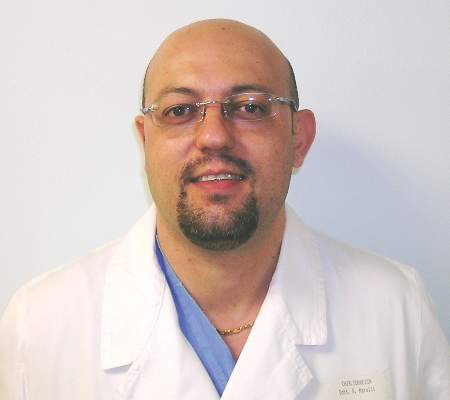
“The allograft was biologically well tolerated, allowing a perfect integration into the host,” Dr. Giuseppe Marulli said at the annual meeting of the Society of Thoracic Surgeons. “Donor cryopreserved sternochondral allograft may become the ideal way for anterior chest wall reconstruction, particularly for wide resections.”
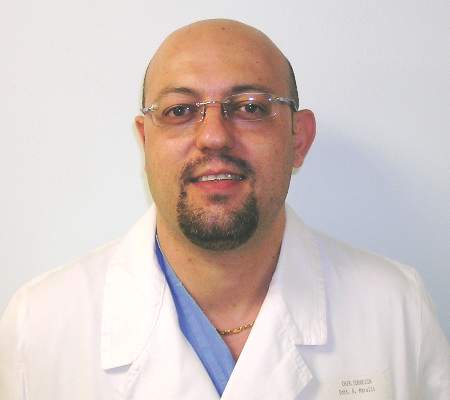
Dr. Marulli, a thoracic surgeon at the University of Padova, Italy, noted that prior experimental studies have demonstrated that cryopreserved bone allografts preserve osteoconduction and osteoinduction capacity (Eur Spine J. 2001 Oct;10:S96-101). “Therefore, they form the basis for new bone tissue formation, allowing for the capillary and perivascular blood supply,” he said.
Limitations of current materials used for sternal reconstruction include “excessive rigidity with risk of erosion and insufficient support for large chest wall defects,” he said. Perceived advantages of using cadaveric bone allograft include easy incorporation, no risk of rejection, and a low risk of infection. For each procedure used in the current analysis, cadaveric allograft sternums with costal cartilages were harvested with an aseptic method and treated with an antibiotic solution for 72 hours. Next, they were cryopreserved at –80º C and underwent microbiologic testing for at least 1 month to ensure sterility and absence of immunogenic capacity.
Dr. Marulli reported results from 18 patients who underwent the procedure between January 2009 and January 2015, 13 of whom were female. Their median age was 59 years, their median tumor diameter was 4.75 cm, most (88%) had undergone preoperative needle biopsy, and 50% had undergone induction therapy. The main indication for sternectomy was a single-site sternal metastasis (nine patients), primary chondrosarcoma (four cases), sternal dehiscence after cardiac surgery (two cases), malignant fibrous tumor (one case), radioinduced soft-tissue sarcoma (one case), and a thymic carcinoma invading the sternum (one case).
All patients were extubated in the OR, and one patient died in the hospital from a pulmonary embolism. Two patients (11%) developed postoperative complications: one case of Candida urinary infection and one case of bleeding at the site of the muscle flap. The median postoperative length of stay was 11 days.
To date, no infections or rejections of the grafts have occurred, Dr. Marulli said. After a median of 36 months, 13 patients are alive and 4 are dead (3 from a metastatic recurrence and 1 from an unrelated cause). One patient required removal of a clavicular screw for dislocation 4 months after the operation.
Dr. Marulli reported having no financial disclosures.
PHOENIX – Cadaveric allograft sternal replacement has proven to be safe, providing optimal stability to the chest wall and protection of surrounding organs, an analysis of 18 cases demonstrated.
“The allograft was biologically well tolerated, allowing a perfect integration into the host,” Dr. Giuseppe Marulli said at the annual meeting of the Society of Thoracic Surgeons. “Donor cryopreserved sternochondral allograft may become the ideal way for anterior chest wall reconstruction, particularly for wide resections.”
Dr. Marulli, a thoracic surgeon at the University of Padova, Italy, noted that prior experimental studies have demonstrated that cryopreserved bone allografts preserve osteoconduction and osteoinduction capacity (Eur Spine J. 2001 Oct;10:S96-101). “Therefore, they form the basis for new bone tissue formation, allowing for the capillary and perivascular blood supply,” he said.
Limitations of current materials used for sternal reconstruction include “excessive rigidity with risk of erosion and insufficient support for large chest wall defects,” he said. Perceived advantages of using cadaveric bone allograft include easy incorporation, no risk of rejection, and a low risk of infection. For each procedure used in the current analysis, cadaveric allograft sternums with costal cartilages were harvested with an aseptic method and treated with an antibiotic solution for 72 hours. Next, they were cryopreserved at –80º C and underwent microbiologic testing for at least 1 month to ensure sterility and absence of immunogenic capacity.
Dr. Marulli reported results from 18 patients who underwent the procedure between January 2009 and January 2015, 13 of whom were female. Their median age was 59 years, their median tumor diameter was 4.75 cm, most (88%) had undergone preoperative needle biopsy, and 50% had undergone induction therapy. The main indication for sternectomy was a single-site sternal metastasis (nine patients), primary chondrosarcoma (four cases), sternal dehiscence after cardiac surgery (two cases), malignant fibrous tumor (one case), radioinduced soft-tissue sarcoma (one case), and a thymic carcinoma invading the sternum (one case).
All patients were extubated in the OR, and one patient died in the hospital from a pulmonary embolism. Two patients (11%) developed postoperative complications: one case of Candida urinary infection and one case of bleeding at the site of the muscle flap. The median postoperative length of stay was 11 days.
To date, no infections or rejections of the grafts have occurred, Dr. Marulli said. After a median of 36 months, 13 patients are alive and 4 are dead (3 from a metastatic recurrence and 1 from an unrelated cause). One patient required removal of a clavicular screw for dislocation 4 months after the operation.
Dr. Marulli reported having no financial disclosures.
PHOENIX – Cadaveric allograft sternal replacement has proven to be safe, providing optimal stability to the chest wall and protection of surrounding organs, an analysis of 18 cases demonstrated.
“The allograft was biologically well tolerated, allowing a perfect integration into the host,” Dr. Giuseppe Marulli said at the annual meeting of the Society of Thoracic Surgeons. “Donor cryopreserved sternochondral allograft may become the ideal way for anterior chest wall reconstruction, particularly for wide resections.”
Dr. Marulli, a thoracic surgeon at the University of Padova, Italy, noted that prior experimental studies have demonstrated that cryopreserved bone allografts preserve osteoconduction and osteoinduction capacity (Eur Spine J. 2001 Oct;10:S96-101). “Therefore, they form the basis for new bone tissue formation, allowing for the capillary and perivascular blood supply,” he said.
Limitations of current materials used for sternal reconstruction include “excessive rigidity with risk of erosion and insufficient support for large chest wall defects,” he said. Perceived advantages of using cadaveric bone allograft include easy incorporation, no risk of rejection, and a low risk of infection. For each procedure used in the current analysis, cadaveric allograft sternums with costal cartilages were harvested with an aseptic method and treated with an antibiotic solution for 72 hours. Next, they were cryopreserved at –80º C and underwent microbiologic testing for at least 1 month to ensure sterility and absence of immunogenic capacity.
Dr. Marulli reported results from 18 patients who underwent the procedure between January 2009 and January 2015, 13 of whom were female. Their median age was 59 years, their median tumor diameter was 4.75 cm, most (88%) had undergone preoperative needle biopsy, and 50% had undergone induction therapy. The main indication for sternectomy was a single-site sternal metastasis (nine patients), primary chondrosarcoma (four cases), sternal dehiscence after cardiac surgery (two cases), malignant fibrous tumor (one case), radioinduced soft-tissue sarcoma (one case), and a thymic carcinoma invading the sternum (one case).
All patients were extubated in the OR, and one patient died in the hospital from a pulmonary embolism. Two patients (11%) developed postoperative complications: one case of Candida urinary infection and one case of bleeding at the site of the muscle flap. The median postoperative length of stay was 11 days.
To date, no infections or rejections of the grafts have occurred, Dr. Marulli said. After a median of 36 months, 13 patients are alive and 4 are dead (3 from a metastatic recurrence and 1 from an unrelated cause). One patient required removal of a clavicular screw for dislocation 4 months after the operation.
Dr. Marulli reported having no financial disclosures.
AT THE STS ANNUAL MEETING
Key clinical point: Cadaveric allograft sternal replacement appears to be an effective option for reconstructing the anterior chest wall.
Major finding: To date, no infections or rejections of the grafts have occurred in patients who underwent cadaveric allograft sternal replacement.
Data source: An analysis of 18 patients who underwent the procedure between January 2009 and January 2015.
Disclosures: Dr. Marulli reported having no financial disclosures.
Fewer general surgery residents doing thoracic surgery cases
PHOENIX – Over the past 11 years, fewer general surgery residents have participated in important types of general thoracic surgery cases, a retrospective review found.
“These findings may be the result of the work-hours reduction causing less exposure to general thoracic surgery and/or a reluctance to allow general surgery residents to perform the increasingly common minimally invasive procedures,” researchers led by Dr. William S. Ragalie wrote in an abstract presented during a poster session at the annual meeting of the Society of Thoracic Surgeons.

Dr. Ragalie of the Medical College of Wisconsin, Milwaukee, and his associates retrospectively reviewed the Accreditation Council for Graduate Medical Education resident case log database for the most recent 11 years in an effort to quantify and trend the operative experience among general surgery residents. They categorized cases by year, level of resident participation, and level of complexity. Major general thoracic cases were defined as esophagectomy, pneumonectomy, and lobectomy, while cases that did not involve hilar dissection were classified as “other thoracic.”
The researchers found that the 90th percentile of first assist thoracic surgery cases decreased significantly over the study period by an average of 1.46 cases per year (P = .0012). Decreased case volumes in pneumonectomy were also noted at the junior level (–0.012 cases per year; P less than .0001) and at the chief resident level (–0.31 cases per year; P less than .001). This was also true of open lobectomy cases (–0.14 cases per year at the junior level; P less than .001, and –3.41 cases per year at the chief resident level; P less than .0001).
As for video-assisted thoracoscopic surgery (VATS) lobectomy, the researchers observed an increase in average case volume at the junior surgeon level of .13 cases per year, but a decrease at the chief resident level of one case per year (P less than .001 for both).

Dr. Ragalie and his associates also observed a decrease in the following procedures performed by chief residents: open exploratory thoracoscopy (–3.17 cases per year; P less than .001), VATS exploratory thoracoscopy (–2.95 cases per year; P less than .0001), open wedge resection (–1.52 cases per year; P less than .0227), VATS wedge resection (–2.72 cases per year; P less than .0002), “other thoracic” (–6.3 cases per year; P = .0001), and thoracoscopic pleurodesis (–2.09 cases per year; P less than .0001).
At the same time, a significant trend of decreased case volume at the junior surgeon level was noted for open exploratory thoracoscopy (–0.10 cases per year; P less than .0001) and open wedge resection (–0.22 cases per year; P = . 0115).
The researchers reported having no financial disclosures.
PHOENIX – Over the past 11 years, fewer general surgery residents have participated in important types of general thoracic surgery cases, a retrospective review found.
“These findings may be the result of the work-hours reduction causing less exposure to general thoracic surgery and/or a reluctance to allow general surgery residents to perform the increasingly common minimally invasive procedures,” researchers led by Dr. William S. Ragalie wrote in an abstract presented during a poster session at the annual meeting of the Society of Thoracic Surgeons.
Dr. Ragalie of the Medical College of Wisconsin, Milwaukee, and his associates retrospectively reviewed the Accreditation Council for Graduate Medical Education resident case log database for the most recent 11 years in an effort to quantify and trend the operative experience among general surgery residents. They categorized cases by year, level of resident participation, and level of complexity. Major general thoracic cases were defined as esophagectomy, pneumonectomy, and lobectomy, while cases that did not involve hilar dissection were classified as “other thoracic.”
The researchers found that the 90th percentile of first assist thoracic surgery cases decreased significantly over the study period by an average of 1.46 cases per year (P = .0012). Decreased case volumes in pneumonectomy were also noted at the junior level (–0.012 cases per year; P less than .0001) and at the chief resident level (–0.31 cases per year; P less than .001). This was also true of open lobectomy cases (–0.14 cases per year at the junior level; P less than .001, and –3.41 cases per year at the chief resident level; P less than .0001).
As for video-assisted thoracoscopic surgery (VATS) lobectomy, the researchers observed an increase in average case volume at the junior surgeon level of .13 cases per year, but a decrease at the chief resident level of one case per year (P less than .001 for both).
Dr. Ragalie and his associates also observed a decrease in the following procedures performed by chief residents: open exploratory thoracoscopy (–3.17 cases per year; P less than .001), VATS exploratory thoracoscopy (–2.95 cases per year; P less than .0001), open wedge resection (–1.52 cases per year; P less than .0227), VATS wedge resection (–2.72 cases per year; P less than .0002), “other thoracic” (–6.3 cases per year; P = .0001), and thoracoscopic pleurodesis (–2.09 cases per year; P less than .0001).
At the same time, a significant trend of decreased case volume at the junior surgeon level was noted for open exploratory thoracoscopy (–0.10 cases per year; P less than .0001) and open wedge resection (–0.22 cases per year; P = . 0115).
The researchers reported having no financial disclosures.
PHOENIX – Over the past 11 years, fewer general surgery residents have participated in important types of general thoracic surgery cases, a retrospective review found.
“These findings may be the result of the work-hours reduction causing less exposure to general thoracic surgery and/or a reluctance to allow general surgery residents to perform the increasingly common minimally invasive procedures,” researchers led by Dr. William S. Ragalie wrote in an abstract presented during a poster session at the annual meeting of the Society of Thoracic Surgeons.
Dr. Ragalie of the Medical College of Wisconsin, Milwaukee, and his associates retrospectively reviewed the Accreditation Council for Graduate Medical Education resident case log database for the most recent 11 years in an effort to quantify and trend the operative experience among general surgery residents. They categorized cases by year, level of resident participation, and level of complexity. Major general thoracic cases were defined as esophagectomy, pneumonectomy, and lobectomy, while cases that did not involve hilar dissection were classified as “other thoracic.”
The researchers found that the 90th percentile of first assist thoracic surgery cases decreased significantly over the study period by an average of 1.46 cases per year (P = .0012). Decreased case volumes in pneumonectomy were also noted at the junior level (–0.012 cases per year; P less than .0001) and at the chief resident level (–0.31 cases per year; P less than .001). This was also true of open lobectomy cases (–0.14 cases per year at the junior level; P less than .001, and –3.41 cases per year at the chief resident level; P less than .0001).
As for video-assisted thoracoscopic surgery (VATS) lobectomy, the researchers observed an increase in average case volume at the junior surgeon level of .13 cases per year, but a decrease at the chief resident level of one case per year (P less than .001 for both).
Dr. Ragalie and his associates also observed a decrease in the following procedures performed by chief residents: open exploratory thoracoscopy (–3.17 cases per year; P less than .001), VATS exploratory thoracoscopy (–2.95 cases per year; P less than .0001), open wedge resection (–1.52 cases per year; P less than .0227), VATS wedge resection (–2.72 cases per year; P less than .0002), “other thoracic” (–6.3 cases per year; P = .0001), and thoracoscopic pleurodesis (–2.09 cases per year; P less than .0001).
At the same time, a significant trend of decreased case volume at the junior surgeon level was noted for open exploratory thoracoscopy (–0.10 cases per year; P less than .0001) and open wedge resection (–0.22 cases per year; P = . 0115).
The researchers reported having no financial disclosures.
AT THE STS ANNUAL MEETING
Key clinical point: Fewer general surgery residents are participating in important types of general thoracic surgery cases during their residency.
Major finding: The 90th percentile of first-assist thoracic surgery cases decreased significantly over the study period by an average of 1.46 cases per year (P = .0012).
Data source: A retrospective analysis of the Accreditation Council for Graduate Medical Education resident case log database for the most recent 11 years.
Disclosures: The researchers reported having no financial disclosures.

Law & Medicine: Which doctors get sued?
Question: Doctors are more prone to lawsuits if they:
A. Have been sued before.
B. Spend fewer dollars per hospitalized patient.
C. Show poor communication skills.
D. A and C only.
E. A, B, and C.
Answer: E. Two very recent studies, one by David M. Studdert and the other by Dr. Anupam B. Jena, offer fresh insights into factors linked to the likelihood of a malpractice lawsuit.
The Studdert study concluded that doctors with prior paid claims are at increased risk of incurring yet another lawsuit.1 Instead of simply relying on data from a single insurer or state, the researchers accessed the National Practitioner Data Bank (NPDB) from 2005 through 2014 and identified 66,426 claims paid against 54,099 physicians.

Over that 10-year period, only 1% of physicians accounted for 32% of paid claims. Of all the physicians, 84% incurred only one paid claim during the study period, and 16% had at least two. Four percent of the physicians had at least three. In adjusted analyses, the risk of recurrence increased with the number of previous paid claims.
For example, compared with physicians with a single claim, the 2,160 physicians who had three paid claims had three times the risk of incurring another (hazard ratio, 3.11); this corresponded in absolute terms to a 24% risk within 2 years.
Likelihood of recurrence also varied widely according to specialty. For example, the risk among neurosurgeons was four times greater than that of psychiatrists. As for internists, the risk of recurrence was approximately double that of neurosurgeons, orthopedic surgeons, general surgeons, plastic surgeons, or obstetrician-gynecologists. The lowest risks of recurrence were seen among psychiatrists (HR, 0.60) and pediatricians (HR, 0.71).
Male physicians had a 38% higher risk of recurrence than did female physicians, and the risk among physicians younger than 35 years was approximately one-third that of their older colleagues (after adjustment for age). Residents had a lower risk of recurrence than did nonresidents, and MDs had a lower risk than did DOs.
Using all 915,564 active physicians in the United States as a denominator, the authors calculated that over the 10-year study period, only 6% of physicians had a paid claim. Note that the 6% figure refers to paid claims reported to the NPDB, which can be expected to be lower than statistics derived from published surveys. These latter studies typically feature self-reported malpractice claims made over a given time period; but it is well known that the majority of such claims are dropped or decided in favor of the doctor, and so will not be reported to the NPDB.
For example, in 2010, the American Medical Association found that 42.2% of 5,825 physicians who responded to its Physician Practice Information survey reported having been sued, with 22.4% sued twice or more.2 The report headlined that by mid career, 61% of doctor have been sued.
Rates varied by specialty, with general surgeons and obstetrician-gynecologists being most likely to be sued (69.2%). Family physicians and general internists had similar rates (38.9% and 34%), and pediatricians and psychiatrists were sued the least.
In that report, male doctors were twice as likely to be sued as were their female counterparts, and physicians in solo and specialty practices were sued more often than those in multispecialty practices. Physicians who had an ownership interest in a practice were also at greater risk, with 47.5% reporting being sued, compared with 33.4% for those with no ownership interest.
The second recent study, reported by Dr. Jena of Harvard Medical School, Boston, and his colleagues, analyzed Florida hospital admissions data covering some 24,000 physicians.3 They found that higher spending by physicians was associated with reduced malpractice claims made the following year.
This pattern held true for physicians in all specialties but one (family practice). For example, among internists, the malpractice risk probability was 1.5% in the bottom spending fifth ($19,725 per admission) and 0.3% in the top fifth ($39,379 per admission). Among obstetricians, the comparable figures were 1.9% and 0.4% respectively.
In addition, a separate subgroup analysis of cesarean-section rates revealed that malpractice claims were approximately halved among obstetricians with rates in the highest fifth, compared with the lowest fifth.
Unfortunately, the Jena study lacked information on illness severity and past malpractice history, and it remains speculative whether increased resource utilization could be attributed entirely to defensive medical practice.4
As interesting as these new reports may be, it is worth remembering that what prompts a lawsuit are poor communication and patient perception that the physician is uncaring and at fault for the bad result.
It is well known that quality of medical care correlates poorly with the filing of malpractice lawsuits, as illustrated in the conclusion of the landmark Harvard study that “medical malpractice litigation infrequently compensates patients injured by medical negligence and rarely identifies, and holds providers accountable for, substandard care.”5 The authors estimated that there was only 1 malpractice claim for every 7.6 adverse events caused by negligence.
In another retrospective chart review study, the quality of treatment as judged by independent peer review was no different in frequently sued versus never-sued obstetricians.6
Communication problems exist in more than 70% of malpractice cases, centering around four themes: 1) deserting the patient; 2) devaluing patient/family views; 3) delivering information poorly; and 4) failing to understand the patient/family perspective.7
Anger, either from the adverse result itself or perceived lack of caring, turns an injured patient into a plaintiff, and lies at the root of all malpractice claims. The patients may not even have a serious injury or a meritorious claim, but they are so frustrated with their physician or the hospital that they contact an attorney to vent their anger.
One experienced attorney volunteered that close to half his malpractice cases could have been avoided through disclosure or apology, noting: “What the patients really wanted was simply an honest explanation of what happened, and, if appropriate, an apology. Unfortunately, when they were not only offered neither, but were rejected as well, they felt doubly wronged and then sought legal counsel.”8
Communicating well begins with active listening. Patients want their doctors to listen to them and to explain their conditions and treatment plans in simple, understandable language. The physician should give them ample opportunity to tell their story and to ask questions.
In one well-publicized study, only 23% of patients were able to complete their opening statement before the doctor interrupted, which occurred, on the average, 18 seconds after the patient began to speak!9
References
1. N Engl J Med. 2016 Jan 28;374(4):354-62.
2. “Medical liability: By late career, 61% of doctors have been sued,” Aug. 16, 2010, American Medical News.
4. “Law & Medicine: Health care costs and defensive medicine,” Jan. 19, 2016, Internal Medicine News.
5. N Engl J Med. 1991 Jul 25;325(4):245-51.
6. JAMA. 1994 Nov 23-30;272(20):1588-91.
7. Arch Intern Med. 1994 Jun 27;154(12):1365-70.
8. Ann Intern Med. 1999 Dec 21;131(12):970-2.
9. Ann Intern Med. 1984 Nov;101(5):692-6.
Dr. Tan is emeritus professor of medicine and former adjunct professor of law at the University of Hawaii, and currently directs the St. Francis International Center for Healthcare Ethics in Honolulu. This article is meant to be educational and does not constitute medical, ethical, or legal advice. Some of the articles in this series are adapted from the author’s 2006 book, “Medical Malpractice: Understanding the Law, Managing the Risk,” and his 2012 Halsbury treatise, “Medical Negligence and Professional Misconduct.” For additional information, readers may contact the author at [email protected]
Question: Doctors are more prone to lawsuits if they:
A. Have been sued before.
B. Spend fewer dollars per hospitalized patient.
C. Show poor communication skills.
D. A and C only.
E. A, B, and C.
Answer: E. Two very recent studies, one by David M. Studdert and the other by Dr. Anupam B. Jena, offer fresh insights into factors linked to the likelihood of a malpractice lawsuit.
The Studdert study concluded that doctors with prior paid claims are at increased risk of incurring yet another lawsuit.1 Instead of simply relying on data from a single insurer or state, the researchers accessed the National Practitioner Data Bank (NPDB) from 2005 through 2014 and identified 66,426 claims paid against 54,099 physicians.
Over that 10-year period, only 1% of physicians accounted for 32% of paid claims. Of all the physicians, 84% incurred only one paid claim during the study period, and 16% had at least two. Four percent of the physicians had at least three. In adjusted analyses, the risk of recurrence increased with the number of previous paid claims.
For example, compared with physicians with a single claim, the 2,160 physicians who had three paid claims had three times the risk of incurring another (hazard ratio, 3.11); this corresponded in absolute terms to a 24% risk within 2 years.
Likelihood of recurrence also varied widely according to specialty. For example, the risk among neurosurgeons was four times greater than that of psychiatrists. As for internists, the risk of recurrence was approximately double that of neurosurgeons, orthopedic surgeons, general surgeons, plastic surgeons, or obstetrician-gynecologists. The lowest risks of recurrence were seen among psychiatrists (HR, 0.60) and pediatricians (HR, 0.71).
Male physicians had a 38% higher risk of recurrence than did female physicians, and the risk among physicians younger than 35 years was approximately one-third that of their older colleagues (after adjustment for age). Residents had a lower risk of recurrence than did nonresidents, and MDs had a lower risk than did DOs.
Using all 915,564 active physicians in the United States as a denominator, the authors calculated that over the 10-year study period, only 6% of physicians had a paid claim. Note that the 6% figure refers to paid claims reported to the NPDB, which can be expected to be lower than statistics derived from published surveys. These latter studies typically feature self-reported malpractice claims made over a given time period; but it is well known that the majority of such claims are dropped or decided in favor of the doctor, and so will not be reported to the NPDB.
For example, in 2010, the American Medical Association found that 42.2% of 5,825 physicians who responded to its Physician Practice Information survey reported having been sued, with 22.4% sued twice or more.2 The report headlined that by mid career, 61% of doctor have been sued.
Rates varied by specialty, with general surgeons and obstetrician-gynecologists being most likely to be sued (69.2%). Family physicians and general internists had similar rates (38.9% and 34%), and pediatricians and psychiatrists were sued the least.
In that report, male doctors were twice as likely to be sued as were their female counterparts, and physicians in solo and specialty practices were sued more often than those in multispecialty practices. Physicians who had an ownership interest in a practice were also at greater risk, with 47.5% reporting being sued, compared with 33.4% for those with no ownership interest.
The second recent study, reported by Dr. Jena of Harvard Medical School, Boston, and his colleagues, analyzed Florida hospital admissions data covering some 24,000 physicians.3 They found that higher spending by physicians was associated with reduced malpractice claims made the following year.
This pattern held true for physicians in all specialties but one (family practice). For example, among internists, the malpractice risk probability was 1.5% in the bottom spending fifth ($19,725 per admission) and 0.3% in the top fifth ($39,379 per admission). Among obstetricians, the comparable figures were 1.9% and 0.4% respectively.
In addition, a separate subgroup analysis of cesarean-section rates revealed that malpractice claims were approximately halved among obstetricians with rates in the highest fifth, compared with the lowest fifth.
Unfortunately, the Jena study lacked information on illness severity and past malpractice history, and it remains speculative whether increased resource utilization could be attributed entirely to defensive medical practice.4
As interesting as these new reports may be, it is worth remembering that what prompts a lawsuit are poor communication and patient perception that the physician is uncaring and at fault for the bad result.
It is well known that quality of medical care correlates poorly with the filing of malpractice lawsuits, as illustrated in the conclusion of the landmark Harvard study that “medical malpractice litigation infrequently compensates patients injured by medical negligence and rarely identifies, and holds providers accountable for, substandard care.”5 The authors estimated that there was only 1 malpractice claim for every 7.6 adverse events caused by negligence.
In another retrospective chart review study, the quality of treatment as judged by independent peer review was no different in frequently sued versus never-sued obstetricians.6
Communication problems exist in more than 70% of malpractice cases, centering around four themes: 1) deserting the patient; 2) devaluing patient/family views; 3) delivering information poorly; and 4) failing to understand the patient/family perspective.7
Anger, either from the adverse result itself or perceived lack of caring, turns an injured patient into a plaintiff, and lies at the root of all malpractice claims. The patients may not even have a serious injury or a meritorious claim, but they are so frustrated with their physician or the hospital that they contact an attorney to vent their anger.
One experienced attorney volunteered that close to half his malpractice cases could have been avoided through disclosure or apology, noting: “What the patients really wanted was simply an honest explanation of what happened, and, if appropriate, an apology. Unfortunately, when they were not only offered neither, but were rejected as well, they felt doubly wronged and then sought legal counsel.”8
Communicating well begins with active listening. Patients want their doctors to listen to them and to explain their conditions and treatment plans in simple, understandable language. The physician should give them ample opportunity to tell their story and to ask questions.
In one well-publicized study, only 23% of patients were able to complete their opening statement before the doctor interrupted, which occurred, on the average, 18 seconds after the patient began to speak!9
References
1. N Engl J Med. 2016 Jan 28;374(4):354-62.
2. “Medical liability: By late career, 61% of doctors have been sued,” Aug. 16, 2010, American Medical News.
4. “Law & Medicine: Health care costs and defensive medicine,” Jan. 19, 2016, Internal Medicine News.
5. N Engl J Med. 1991 Jul 25;325(4):245-51.
6. JAMA. 1994 Nov 23-30;272(20):1588-91.
7. Arch Intern Med. 1994 Jun 27;154(12):1365-70.
8. Ann Intern Med. 1999 Dec 21;131(12):970-2.
9. Ann Intern Med. 1984 Nov;101(5):692-6.
Dr. Tan is emeritus professor of medicine and former adjunct professor of law at the University of Hawaii, and currently directs the St. Francis International Center for Healthcare Ethics in Honolulu. This article is meant to be educational and does not constitute medical, ethical, or legal advice. Some of the articles in this series are adapted from the author’s 2006 book, “Medical Malpractice: Understanding the Law, Managing the Risk,” and his 2012 Halsbury treatise, “Medical Negligence and Professional Misconduct.” For additional information, readers may contact the author at [email protected]
Question: Doctors are more prone to lawsuits if they:
A. Have been sued before.
B. Spend fewer dollars per hospitalized patient.
C. Show poor communication skills.
D. A and C only.
E. A, B, and C.
Answer: E. Two very recent studies, one by David M. Studdert and the other by Dr. Anupam B. Jena, offer fresh insights into factors linked to the likelihood of a malpractice lawsuit.
The Studdert study concluded that doctors with prior paid claims are at increased risk of incurring yet another lawsuit.1 Instead of simply relying on data from a single insurer or state, the researchers accessed the National Practitioner Data Bank (NPDB) from 2005 through 2014 and identified 66,426 claims paid against 54,099 physicians.
Over that 10-year period, only 1% of physicians accounted for 32% of paid claims. Of all the physicians, 84% incurred only one paid claim during the study period, and 16% had at least two. Four percent of the physicians had at least three. In adjusted analyses, the risk of recurrence increased with the number of previous paid claims.
For example, compared with physicians with a single claim, the 2,160 physicians who had three paid claims had three times the risk of incurring another (hazard ratio, 3.11); this corresponded in absolute terms to a 24% risk within 2 years.
Likelihood of recurrence also varied widely according to specialty. For example, the risk among neurosurgeons was four times greater than that of psychiatrists. As for internists, the risk of recurrence was approximately double that of neurosurgeons, orthopedic surgeons, general surgeons, plastic surgeons, or obstetrician-gynecologists. The lowest risks of recurrence were seen among psychiatrists (HR, 0.60) and pediatricians (HR, 0.71).
Male physicians had a 38% higher risk of recurrence than did female physicians, and the risk among physicians younger than 35 years was approximately one-third that of their older colleagues (after adjustment for age). Residents had a lower risk of recurrence than did nonresidents, and MDs had a lower risk than did DOs.
Using all 915,564 active physicians in the United States as a denominator, the authors calculated that over the 10-year study period, only 6% of physicians had a paid claim. Note that the 6% figure refers to paid claims reported to the NPDB, which can be expected to be lower than statistics derived from published surveys. These latter studies typically feature self-reported malpractice claims made over a given time period; but it is well known that the majority of such claims are dropped or decided in favor of the doctor, and so will not be reported to the NPDB.
For example, in 2010, the American Medical Association found that 42.2% of 5,825 physicians who responded to its Physician Practice Information survey reported having been sued, with 22.4% sued twice or more.2 The report headlined that by mid career, 61% of doctor have been sued.
Rates varied by specialty, with general surgeons and obstetrician-gynecologists being most likely to be sued (69.2%). Family physicians and general internists had similar rates (38.9% and 34%), and pediatricians and psychiatrists were sued the least.
In that report, male doctors were twice as likely to be sued as were their female counterparts, and physicians in solo and specialty practices were sued more often than those in multispecialty practices. Physicians who had an ownership interest in a practice were also at greater risk, with 47.5% reporting being sued, compared with 33.4% for those with no ownership interest.
The second recent study, reported by Dr. Jena of Harvard Medical School, Boston, and his colleagues, analyzed Florida hospital admissions data covering some 24,000 physicians.3 They found that higher spending by physicians was associated with reduced malpractice claims made the following year.
This pattern held true for physicians in all specialties but one (family practice). For example, among internists, the malpractice risk probability was 1.5% in the bottom spending fifth ($19,725 per admission) and 0.3% in the top fifth ($39,379 per admission). Among obstetricians, the comparable figures were 1.9% and 0.4% respectively.
In addition, a separate subgroup analysis of cesarean-section rates revealed that malpractice claims were approximately halved among obstetricians with rates in the highest fifth, compared with the lowest fifth.
Unfortunately, the Jena study lacked information on illness severity and past malpractice history, and it remains speculative whether increased resource utilization could be attributed entirely to defensive medical practice.4
As interesting as these new reports may be, it is worth remembering that what prompts a lawsuit are poor communication and patient perception that the physician is uncaring and at fault for the bad result.
It is well known that quality of medical care correlates poorly with the filing of malpractice lawsuits, as illustrated in the conclusion of the landmark Harvard study that “medical malpractice litigation infrequently compensates patients injured by medical negligence and rarely identifies, and holds providers accountable for, substandard care.”5 The authors estimated that there was only 1 malpractice claim for every 7.6 adverse events caused by negligence.
In another retrospective chart review study, the quality of treatment as judged by independent peer review was no different in frequently sued versus never-sued obstetricians.6
Communication problems exist in more than 70% of malpractice cases, centering around four themes: 1) deserting the patient; 2) devaluing patient/family views; 3) delivering information poorly; and 4) failing to understand the patient/family perspective.7
Anger, either from the adverse result itself or perceived lack of caring, turns an injured patient into a plaintiff, and lies at the root of all malpractice claims. The patients may not even have a serious injury or a meritorious claim, but they are so frustrated with their physician or the hospital that they contact an attorney to vent their anger.
One experienced attorney volunteered that close to half his malpractice cases could have been avoided through disclosure or apology, noting: “What the patients really wanted was simply an honest explanation of what happened, and, if appropriate, an apology. Unfortunately, when they were not only offered neither, but were rejected as well, they felt doubly wronged and then sought legal counsel.”8
Communicating well begins with active listening. Patients want their doctors to listen to them and to explain their conditions and treatment plans in simple, understandable language. The physician should give them ample opportunity to tell their story and to ask questions.
In one well-publicized study, only 23% of patients were able to complete their opening statement before the doctor interrupted, which occurred, on the average, 18 seconds after the patient began to speak!9
References
1. N Engl J Med. 2016 Jan 28;374(4):354-62.
2. “Medical liability: By late career, 61% of doctors have been sued,” Aug. 16, 2010, American Medical News.
4. “Law & Medicine: Health care costs and defensive medicine,” Jan. 19, 2016, Internal Medicine News.
5. N Engl J Med. 1991 Jul 25;325(4):245-51.
6. JAMA. 1994 Nov 23-30;272(20):1588-91.
7. Arch Intern Med. 1994 Jun 27;154(12):1365-70.
8. Ann Intern Med. 1999 Dec 21;131(12):970-2.
9. Ann Intern Med. 1984 Nov;101(5):692-6.
Dr. Tan is emeritus professor of medicine and former adjunct professor of law at the University of Hawaii, and currently directs the St. Francis International Center for Healthcare Ethics in Honolulu. This article is meant to be educational and does not constitute medical, ethical, or legal advice. Some of the articles in this series are adapted from the author’s 2006 book, “Medical Malpractice: Understanding the Law, Managing the Risk,” and his 2012 Halsbury treatise, “Medical Negligence and Professional Misconduct.” For additional information, readers may contact the author at [email protected]

Data, new partnerships key to prepping for value-based care
AUSTIN, TEX. – Gathering data, seeking new partnerships, and showing leadership are the key ways to prepare for value-based medical practice, according to Houston-based health law attorney Ellie Bane.
“We are entering a whole new world in health care reimbursement,” Ms. Bane said at a conference held by the American Health Lawyers Association. “Physicians who think ahead will be well suited to succeed.”

If you don’t have practice data, start collecting the information today, she advised. Data – such as how long it takes for patients to book appointments, primary reasons for patient visits, and trends on care management – can set doctors apart and create leverage when it comes to new networks.
“You want to have reliable data so that when you go to partner with a health system or a health plan, you can show them what you can offer,” Ms. Bane said in an interview.
If the data do not exist, reach out to payers to see if they can help gather it, Ms. Bane suggested. Some health plans will assign a physician assistant or nurse practitioner to follow up with patients and help collect trend data. Other plans provide nurses or case managers to doctors who participate in certain initiatives such as quality, disease management, or performance improvement programs.
Demonstrating leadership also is key. Be vocal to hospitals and health plans about your interest in alternative payment systems and your desire to lead the transition, she advised. Be proactive by researching clinically-integrated networks, for example, and determining which network may work best for your practice.
“You want to become that value-based champion so that others will want to contract with your group,” she added.
When choosing a health system to partner with, assess whether the system is adequately responsive, can pull data in a timely manner, and can shift as measures change.
“Can your practice do the same thing?” Ms. Bane said. “If quality metrics change, are you able to change your systems to respond?”
Be creative and stay ahead of the curve by searching for novel ways to coordinate services and enlisting guidance, she said.
“A joint venture or Physician-Hospital Organization might have worked 5 years ago, but, it may not be the best model today,” she said. “This is where effective counsel is so helpful. A good health law attorney will be able to think of creative alignment strategies that will benefit the providers, health plans, systems, and – most importantly – patients.”
On Twitter @legal_med
AUSTIN, TEX. – Gathering data, seeking new partnerships, and showing leadership are the key ways to prepare for value-based medical practice, according to Houston-based health law attorney Ellie Bane.
“We are entering a whole new world in health care reimbursement,” Ms. Bane said at a conference held by the American Health Lawyers Association. “Physicians who think ahead will be well suited to succeed.”
If you don’t have practice data, start collecting the information today, she advised. Data – such as how long it takes for patients to book appointments, primary reasons for patient visits, and trends on care management – can set doctors apart and create leverage when it comes to new networks.
“You want to have reliable data so that when you go to partner with a health system or a health plan, you can show them what you can offer,” Ms. Bane said in an interview.
If the data do not exist, reach out to payers to see if they can help gather it, Ms. Bane suggested. Some health plans will assign a physician assistant or nurse practitioner to follow up with patients and help collect trend data. Other plans provide nurses or case managers to doctors who participate in certain initiatives such as quality, disease management, or performance improvement programs.
Demonstrating leadership also is key. Be vocal to hospitals and health plans about your interest in alternative payment systems and your desire to lead the transition, she advised. Be proactive by researching clinically-integrated networks, for example, and determining which network may work best for your practice.
“You want to become that value-based champion so that others will want to contract with your group,” she added.
When choosing a health system to partner with, assess whether the system is adequately responsive, can pull data in a timely manner, and can shift as measures change.
“Can your practice do the same thing?” Ms. Bane said. “If quality metrics change, are you able to change your systems to respond?”
Be creative and stay ahead of the curve by searching for novel ways to coordinate services and enlisting guidance, she said.
“A joint venture or Physician-Hospital Organization might have worked 5 years ago, but, it may not be the best model today,” she said. “This is where effective counsel is so helpful. A good health law attorney will be able to think of creative alignment strategies that will benefit the providers, health plans, systems, and – most importantly – patients.”
On Twitter @legal_med
AUSTIN, TEX. – Gathering data, seeking new partnerships, and showing leadership are the key ways to prepare for value-based medical practice, according to Houston-based health law attorney Ellie Bane.
“We are entering a whole new world in health care reimbursement,” Ms. Bane said at a conference held by the American Health Lawyers Association. “Physicians who think ahead will be well suited to succeed.”
If you don’t have practice data, start collecting the information today, she advised. Data – such as how long it takes for patients to book appointments, primary reasons for patient visits, and trends on care management – can set doctors apart and create leverage when it comes to new networks.
“You want to have reliable data so that when you go to partner with a health system or a health plan, you can show them what you can offer,” Ms. Bane said in an interview.
If the data do not exist, reach out to payers to see if they can help gather it, Ms. Bane suggested. Some health plans will assign a physician assistant or nurse practitioner to follow up with patients and help collect trend data. Other plans provide nurses or case managers to doctors who participate in certain initiatives such as quality, disease management, or performance improvement programs.
Demonstrating leadership also is key. Be vocal to hospitals and health plans about your interest in alternative payment systems and your desire to lead the transition, she advised. Be proactive by researching clinically-integrated networks, for example, and determining which network may work best for your practice.
“You want to become that value-based champion so that others will want to contract with your group,” she added.
When choosing a health system to partner with, assess whether the system is adequately responsive, can pull data in a timely manner, and can shift as measures change.
“Can your practice do the same thing?” Ms. Bane said. “If quality metrics change, are you able to change your systems to respond?”
Be creative and stay ahead of the curve by searching for novel ways to coordinate services and enlisting guidance, she said.
“A joint venture or Physician-Hospital Organization might have worked 5 years ago, but, it may not be the best model today,” she said. “This is where effective counsel is so helpful. A good health law attorney will be able to think of creative alignment strategies that will benefit the providers, health plans, systems, and – most importantly – patients.”
On Twitter @legal_med
EXPERT ANALYSIS FROM THE PHYSICIANS & HOSPITALS LAW INSTITUTE

Limited benefits with mesh versus tissue repair for prolapse
There is limited evidence in favor of permanent transvaginal mesh or grafts over native tissue repair for vaginal prolapse, according to a systematic review of 37 randomized controlled trials.
Researchers reviewed trials involving 4,023 women comparing transvaginal grafts with traditional native tissue repair for vaginal prolapse. They found that permanent mesh repair was associated with a 34% lower likelihood of awareness of prolapse at 1-3 years after the procedure (risk ratio, 0.66) and a 60% lower likelihood of recurrent prolapse on examination (RR, 0.40), compared with native tissue repair, according to a paper published online Feb. 9 (Cochrane Database Syst Rev. doi: 10.1002/14651858.CD012079).
Women who underwent permanent mesh repair also had 47% lower rates of repeat surgery for prolapse than those who had native tissue repair (RR, 0.53), although neither approach achieved a significant difference in rates of repeat surgery for continence.
Overall, more than twice as many women in the mesh group needed repeat surgery for a combined outcome of prolapse, stress incontinence, or mesh exposure (RR, 2.40).
“This suggests that if 5% of women require repeat surgery after native tissue repair, between 7% and 18% in the permanent mesh group will do so,” wrote Dr. Christopher Maher of the Royal Brisbane and Women’s Hospital, Australia, and his coauthors.
However permanent mesh was also associated with 39% higher rates of de novo stress incontinence (RR, 1.39) and nearly a four-fold greater risk of bladder injury (RR, 3.92), compared with native tissue repair. There were no differences between the groups in rates of de novo dyspareunia and the researchers could not determine the impact on quality of life due to very low-quality evidence.
The researchers also examined the relative impact of absorbable mesh, compared with native tissue repair and, while the evidence for the effectiveness of either at 2 years was found to be of very low quality, the risk of recurrent prolapse on examination was 29% lower with the absorbable mesh group, compared with native tissue repair.
Similarly, studies comparing biological graft with native tissue repair were of low quality and found no evidence of a significant difference in the impact on the risk of recurrent prolapse or repeat surgery for prolapse.
Given the higher rates of repeat surgery for prolapse, stress urinary incontinence, mesh exposure, as well as higher rates of bladder injury at surgery and de novo stress incontinence, the review authors commented that the risk-benefit profile of transvaginal mesh suggested it had limited utility in primary surgery.
“While it is possible that in women with higher risk of recurrence the benefits may outweigh the risks, there is currently no evidence to support this position,” the authors wrote.
Overall, the quality of study evidence ranged from very low to moderate, with the main limitations being poor reporting of study methods, inconsistency, and imprecision.
“In 2011, many transvaginal permanent meshes were voluntarily withdrawn from the market, and the newer, lightweight transvaginal permanent meshes still available have not been evaluated within a randomized controlled trial,” the authors wrote. “In the meantime, these newer transvaginal meshes should be utilised under the discretion of the ethics committee.”
Dr. Maher reported involvement in two trials of pelvic prolapse. There were no other conflicts of interest reported.
There is limited evidence in favor of permanent transvaginal mesh or grafts over native tissue repair for vaginal prolapse, according to a systematic review of 37 randomized controlled trials.
Researchers reviewed trials involving 4,023 women comparing transvaginal grafts with traditional native tissue repair for vaginal prolapse. They found that permanent mesh repair was associated with a 34% lower likelihood of awareness of prolapse at 1-3 years after the procedure (risk ratio, 0.66) and a 60% lower likelihood of recurrent prolapse on examination (RR, 0.40), compared with native tissue repair, according to a paper published online Feb. 9 (Cochrane Database Syst Rev. doi: 10.1002/14651858.CD012079).
Women who underwent permanent mesh repair also had 47% lower rates of repeat surgery for prolapse than those who had native tissue repair (RR, 0.53), although neither approach achieved a significant difference in rates of repeat surgery for continence.
Overall, more than twice as many women in the mesh group needed repeat surgery for a combined outcome of prolapse, stress incontinence, or mesh exposure (RR, 2.40).
“This suggests that if 5% of women require repeat surgery after native tissue repair, between 7% and 18% in the permanent mesh group will do so,” wrote Dr. Christopher Maher of the Royal Brisbane and Women’s Hospital, Australia, and his coauthors.
However permanent mesh was also associated with 39% higher rates of de novo stress incontinence (RR, 1.39) and nearly a four-fold greater risk of bladder injury (RR, 3.92), compared with native tissue repair. There were no differences between the groups in rates of de novo dyspareunia and the researchers could not determine the impact on quality of life due to very low-quality evidence.
The researchers also examined the relative impact of absorbable mesh, compared with native tissue repair and, while the evidence for the effectiveness of either at 2 years was found to be of very low quality, the risk of recurrent prolapse on examination was 29% lower with the absorbable mesh group, compared with native tissue repair.
Similarly, studies comparing biological graft with native tissue repair were of low quality and found no evidence of a significant difference in the impact on the risk of recurrent prolapse or repeat surgery for prolapse.
Given the higher rates of repeat surgery for prolapse, stress urinary incontinence, mesh exposure, as well as higher rates of bladder injury at surgery and de novo stress incontinence, the review authors commented that the risk-benefit profile of transvaginal mesh suggested it had limited utility in primary surgery.
“While it is possible that in women with higher risk of recurrence the benefits may outweigh the risks, there is currently no evidence to support this position,” the authors wrote.
Overall, the quality of study evidence ranged from very low to moderate, with the main limitations being poor reporting of study methods, inconsistency, and imprecision.
“In 2011, many transvaginal permanent meshes were voluntarily withdrawn from the market, and the newer, lightweight transvaginal permanent meshes still available have not been evaluated within a randomized controlled trial,” the authors wrote. “In the meantime, these newer transvaginal meshes should be utilised under the discretion of the ethics committee.”
Dr. Maher reported involvement in two trials of pelvic prolapse. There were no other conflicts of interest reported.
There is limited evidence in favor of permanent transvaginal mesh or grafts over native tissue repair for vaginal prolapse, according to a systematic review of 37 randomized controlled trials.
Researchers reviewed trials involving 4,023 women comparing transvaginal grafts with traditional native tissue repair for vaginal prolapse. They found that permanent mesh repair was associated with a 34% lower likelihood of awareness of prolapse at 1-3 years after the procedure (risk ratio, 0.66) and a 60% lower likelihood of recurrent prolapse on examination (RR, 0.40), compared with native tissue repair, according to a paper published online Feb. 9 (Cochrane Database Syst Rev. doi: 10.1002/14651858.CD012079).
Women who underwent permanent mesh repair also had 47% lower rates of repeat surgery for prolapse than those who had native tissue repair (RR, 0.53), although neither approach achieved a significant difference in rates of repeat surgery for continence.
Overall, more than twice as many women in the mesh group needed repeat surgery for a combined outcome of prolapse, stress incontinence, or mesh exposure (RR, 2.40).
“This suggests that if 5% of women require repeat surgery after native tissue repair, between 7% and 18% in the permanent mesh group will do so,” wrote Dr. Christopher Maher of the Royal Brisbane and Women’s Hospital, Australia, and his coauthors.
However permanent mesh was also associated with 39% higher rates of de novo stress incontinence (RR, 1.39) and nearly a four-fold greater risk of bladder injury (RR, 3.92), compared with native tissue repair. There were no differences between the groups in rates of de novo dyspareunia and the researchers could not determine the impact on quality of life due to very low-quality evidence.
The researchers also examined the relative impact of absorbable mesh, compared with native tissue repair and, while the evidence for the effectiveness of either at 2 years was found to be of very low quality, the risk of recurrent prolapse on examination was 29% lower with the absorbable mesh group, compared with native tissue repair.
Similarly, studies comparing biological graft with native tissue repair were of low quality and found no evidence of a significant difference in the impact on the risk of recurrent prolapse or repeat surgery for prolapse.
Given the higher rates of repeat surgery for prolapse, stress urinary incontinence, mesh exposure, as well as higher rates of bladder injury at surgery and de novo stress incontinence, the review authors commented that the risk-benefit profile of transvaginal mesh suggested it had limited utility in primary surgery.
“While it is possible that in women with higher risk of recurrence the benefits may outweigh the risks, there is currently no evidence to support this position,” the authors wrote.
Overall, the quality of study evidence ranged from very low to moderate, with the main limitations being poor reporting of study methods, inconsistency, and imprecision.
“In 2011, many transvaginal permanent meshes were voluntarily withdrawn from the market, and the newer, lightweight transvaginal permanent meshes still available have not been evaluated within a randomized controlled trial,” the authors wrote. “In the meantime, these newer transvaginal meshes should be utilised under the discretion of the ethics committee.”
Dr. Maher reported involvement in two trials of pelvic prolapse. There were no other conflicts of interest reported.
FROM THE COCHRANE DATABASE OF SYSTEMATIC REVIEWS
Key clinical point: Permanent mesh offers some advantages over native tissue repair for vaginal prolapse but with a greater risk of repeat surgery and incontinence.
Major finding: Permanent mesh repair is associated with a 34% lower likelihood of awareness of prolapse at 1-3 years after the procedure, compared with native tissue repair.
Data source: Review of 37 randomized controlled trials in 4,023 women with vaginal prolapse.
Disclosures: Dr. Maher reported involvement in two trials of pelvic prolapse. There were no other conflicts of interest reported.
Bringing a baby to the office
I’ve previously written about how my secretary took 8 weeks off for maternity leave. Well, she’s back now, and brought a new staff member with her.
I know several doctors who are horrified that I let her bring the baby to work every day. They tell me it’s unprofessional, a distraction, inconvenient, etc.

Me? I think it’s great.
I have no problem with her being here. If anything, she adds an upbeat vibe to the office. Seeing an adorable newborn up front cheers all comers. She’s quickly become the most popular person here. Nowadays, when I call someone back from the lobby, they jokingly protest and say, but “I’m looking at the baby!” At this point, we’ve even had people coming by just to see her, once word spread there was a baby at my office.
Is it unprofessional? Maybe by someone else’s standards, but not mine. At this stage of life, she’s certainly not in the way. She’s (generally) quiet, sweet, and smiley. Besides, having her here spares my secretary the expense of child care and makes her happy. If keeping your staff happy isn’t part of being professional, I don’t know what is.
Is she a distraction? Perhaps, but not in a bad way. Maybe I take a few seconds here and there to wave at her or help my secretary with something, but nothing that compromises patient care.

Is it inconvenient to have her here? Nope. We have an extra exam room, so it’s easy for my secretary to have a quiet, private place to feed and change her every few hours. If the phones go to voice mail for a few minutes, or I have to keep an ear out for the front door opening, I don’t mind.
She and I both have young families. When we were looking for a new office 3 years ago, one of our requirements was what we called “the sick kid room.” An extra space where, if a kid couldn’t go to school, we wouldn’t be stuck trying to figure out what to do. They’ve always been welcome here, and always will be.
Having kids on site isn’t perfect for every practice. Certainly, a pediatrics office (with a lot more sick kids going in and out) wouldn’t be ideal. But at my place the young lady has brightened things up for all and makes the day more fun.
Dr. Block has a solo neurology practice in Scottsdale, Ariz.
I’ve previously written about how my secretary took 8 weeks off for maternity leave. Well, she’s back now, and brought a new staff member with her.
I know several doctors who are horrified that I let her bring the baby to work every day. They tell me it’s unprofessional, a distraction, inconvenient, etc.
Me? I think it’s great.
I have no problem with her being here. If anything, she adds an upbeat vibe to the office. Seeing an adorable newborn up front cheers all comers. She’s quickly become the most popular person here. Nowadays, when I call someone back from the lobby, they jokingly protest and say, but “I’m looking at the baby!” At this point, we’ve even had people coming by just to see her, once word spread there was a baby at my office.
Is it unprofessional? Maybe by someone else’s standards, but not mine. At this stage of life, she’s certainly not in the way. She’s (generally) quiet, sweet, and smiley. Besides, having her here spares my secretary the expense of child care and makes her happy. If keeping your staff happy isn’t part of being professional, I don’t know what is.
Is she a distraction? Perhaps, but not in a bad way. Maybe I take a few seconds here and there to wave at her or help my secretary with something, but nothing that compromises patient care.
Is it inconvenient to have her here? Nope. We have an extra exam room, so it’s easy for my secretary to have a quiet, private place to feed and change her every few hours. If the phones go to voice mail for a few minutes, or I have to keep an ear out for the front door opening, I don’t mind.
She and I both have young families. When we were looking for a new office 3 years ago, one of our requirements was what we called “the sick kid room.” An extra space where, if a kid couldn’t go to school, we wouldn’t be stuck trying to figure out what to do. They’ve always been welcome here, and always will be.
Having kids on site isn’t perfect for every practice. Certainly, a pediatrics office (with a lot more sick kids going in and out) wouldn’t be ideal. But at my place the young lady has brightened things up for all and makes the day more fun.
Dr. Block has a solo neurology practice in Scottsdale, Ariz.
I’ve previously written about how my secretary took 8 weeks off for maternity leave. Well, she’s back now, and brought a new staff member with her.
I know several doctors who are horrified that I let her bring the baby to work every day. They tell me it’s unprofessional, a distraction, inconvenient, etc.
Me? I think it’s great.
I have no problem with her being here. If anything, she adds an upbeat vibe to the office. Seeing an adorable newborn up front cheers all comers. She’s quickly become the most popular person here. Nowadays, when I call someone back from the lobby, they jokingly protest and say, but “I’m looking at the baby!” At this point, we’ve even had people coming by just to see her, once word spread there was a baby at my office.
Is it unprofessional? Maybe by someone else’s standards, but not mine. At this stage of life, she’s certainly not in the way. She’s (generally) quiet, sweet, and smiley. Besides, having her here spares my secretary the expense of child care and makes her happy. If keeping your staff happy isn’t part of being professional, I don’t know what is.
Is she a distraction? Perhaps, but not in a bad way. Maybe I take a few seconds here and there to wave at her or help my secretary with something, but nothing that compromises patient care.
Is it inconvenient to have her here? Nope. We have an extra exam room, so it’s easy for my secretary to have a quiet, private place to feed and change her every few hours. If the phones go to voice mail for a few minutes, or I have to keep an ear out for the front door opening, I don’t mind.
She and I both have young families. When we were looking for a new office 3 years ago, one of our requirements was what we called “the sick kid room.” An extra space where, if a kid couldn’t go to school, we wouldn’t be stuck trying to figure out what to do. They’ve always been welcome here, and always will be.
Having kids on site isn’t perfect for every practice. Certainly, a pediatrics office (with a lot more sick kids going in and out) wouldn’t be ideal. But at my place the young lady has brightened things up for all and makes the day more fun.
Dr. Block has a solo neurology practice in Scottsdale, Ariz.

Guidelines in works to tackle ruptured AAA transfers
CHICAGO – Adoption of an organized, systematic approach to ruptured abdominal aortic aneurysm has been inconsistent.
In a recent survey of vascular physicians in the western United States, 60% who accept ruptured abdominal aortic aneurysm (rAAA) transfers do not have a formal protocol for treatment and 70% do not use a transfer protocol or clinical guidelines (J Vasc Surg. 2015 Aug;62:326-30).
Guidelines for the management and transfer of patients with rAAA have been developed in the United Kingdom, but no such guidelines currently exist in the United States.

To address this disparity, the Western Vascular Society used the survey results, existing European guidelines, and a literature review to develop a set of 15 best practice steps for rAAA transfer. The “guidelines” were endorsed by the society members in September 2015 and are to be published early in 2016, Dr. Matthew Mell of Stanford (Calif.) University Medical Center said at a symposium on vascular surgery sponsored by Northwestern University. The guidelines identify four key components to a successful transfer: an organized inter-facility system of care including rapid triage and transport, defined clinical criteria for transfer, standard resuscitation protocols for the transport, and appropriate resources at the receiving hospital.
During transport, aim for a systolic blood pressure of 70 mm Hg to 90 mm Hg, establish peripheral intravenous access, and avoid aggressive fluid resuscitation, the guidelines advise. Blood products may delay the transfer.
Receiving hospitals should provide a simple and reliable method of referral and have formal protocols in place for the treatment of transferred patients.
Centers that receive patients should have endovascular aortic repair capabilities for ruptured aneurysms, including the ability to perform EVAR under local anesthesia, as well as appropriate facilities and expertise, Dr. Mell said. This advice is based mainly on outcomes observed in the IMPROVE trial (Br J Surg. 2014;101;216-24).
Successful programs tend to repair more than 20-25 ruptures per year, have on-site EVAR inventory, and, for the most part, have vascular surgeons able to perform dual open and endovascular repair. Hospital resources in these successful programs have a single phone number for transfer requests, electronic image transfer, immediately available blood products, hospital policy to accept all requests regardless of bed capacity, a contingency plan to create bed capacity after repair, and real-time management between the transfer center, bed control, and clinicians.
“This is really important because a lot of tertiary centers struggle with bed capacity if bottlenecked and a significant number [about one-third] of transfer requests are declined because of lack of capacity or dedicated room,” Dr. Mell said.
In a more recent study, nearly 20% of 4,439 patients who presented with rAAA in New York, California, and Florida were transferred for definitive care. Transfer rates rose yearly during the study period from 14% in 2005 to 22% in 2010 (J Vasc Surg. 2014;60:553-7).
“Transfer is increasingly utilized as a means for definitive care,” Dr. Mell said.
However, one in six of those transferred died without receiving treatment.
In adjusted analyses, inter-facility transfer was associated with significantly lower mortality when only patients receiving treatment were analyzed (adjusted odds ratio, 0.81; P = .02), but was actually associated with higher mortality when patients who died without treatment were also included (aOR, 1.30; P = .01).
“Outcomes after transfer can be improved by better patient selection and more efficient systems of care,” Dr. Mell concluded. “Guidelines may help; it’s too soon to know, but successful transfer programs require forethought, resources, and alignment of all stakeholders.”
Dr. Mell reported having no conflicts of interest.
CHICAGO – Adoption of an organized, systematic approach to ruptured abdominal aortic aneurysm has been inconsistent.
In a recent survey of vascular physicians in the western United States, 60% who accept ruptured abdominal aortic aneurysm (rAAA) transfers do not have a formal protocol for treatment and 70% do not use a transfer protocol or clinical guidelines (J Vasc Surg. 2015 Aug;62:326-30).
Guidelines for the management and transfer of patients with rAAA have been developed in the United Kingdom, but no such guidelines currently exist in the United States.
To address this disparity, the Western Vascular Society used the survey results, existing European guidelines, and a literature review to develop a set of 15 best practice steps for rAAA transfer. The “guidelines” were endorsed by the society members in September 2015 and are to be published early in 2016, Dr. Matthew Mell of Stanford (Calif.) University Medical Center said at a symposium on vascular surgery sponsored by Northwestern University. The guidelines identify four key components to a successful transfer: an organized inter-facility system of care including rapid triage and transport, defined clinical criteria for transfer, standard resuscitation protocols for the transport, and appropriate resources at the receiving hospital.
During transport, aim for a systolic blood pressure of 70 mm Hg to 90 mm Hg, establish peripheral intravenous access, and avoid aggressive fluid resuscitation, the guidelines advise. Blood products may delay the transfer.
Receiving hospitals should provide a simple and reliable method of referral and have formal protocols in place for the treatment of transferred patients.
Centers that receive patients should have endovascular aortic repair capabilities for ruptured aneurysms, including the ability to perform EVAR under local anesthesia, as well as appropriate facilities and expertise, Dr. Mell said. This advice is based mainly on outcomes observed in the IMPROVE trial (Br J Surg. 2014;101;216-24).
Successful programs tend to repair more than 20-25 ruptures per year, have on-site EVAR inventory, and, for the most part, have vascular surgeons able to perform dual open and endovascular repair. Hospital resources in these successful programs have a single phone number for transfer requests, electronic image transfer, immediately available blood products, hospital policy to accept all requests regardless of bed capacity, a contingency plan to create bed capacity after repair, and real-time management between the transfer center, bed control, and clinicians.
“This is really important because a lot of tertiary centers struggle with bed capacity if bottlenecked and a significant number [about one-third] of transfer requests are declined because of lack of capacity or dedicated room,” Dr. Mell said.
In a more recent study, nearly 20% of 4,439 patients who presented with rAAA in New York, California, and Florida were transferred for definitive care. Transfer rates rose yearly during the study period from 14% in 2005 to 22% in 2010 (J Vasc Surg. 2014;60:553-7).
“Transfer is increasingly utilized as a means for definitive care,” Dr. Mell said.
However, one in six of those transferred died without receiving treatment.
In adjusted analyses, inter-facility transfer was associated with significantly lower mortality when only patients receiving treatment were analyzed (adjusted odds ratio, 0.81; P = .02), but was actually associated with higher mortality when patients who died without treatment were also included (aOR, 1.30; P = .01).
“Outcomes after transfer can be improved by better patient selection and more efficient systems of care,” Dr. Mell concluded. “Guidelines may help; it’s too soon to know, but successful transfer programs require forethought, resources, and alignment of all stakeholders.”
Dr. Mell reported having no conflicts of interest.
CHICAGO – Adoption of an organized, systematic approach to ruptured abdominal aortic aneurysm has been inconsistent.
In a recent survey of vascular physicians in the western United States, 60% who accept ruptured abdominal aortic aneurysm (rAAA) transfers do not have a formal protocol for treatment and 70% do not use a transfer protocol or clinical guidelines (J Vasc Surg. 2015 Aug;62:326-30).
Guidelines for the management and transfer of patients with rAAA have been developed in the United Kingdom, but no such guidelines currently exist in the United States.
To address this disparity, the Western Vascular Society used the survey results, existing European guidelines, and a literature review to develop a set of 15 best practice steps for rAAA transfer. The “guidelines” were endorsed by the society members in September 2015 and are to be published early in 2016, Dr. Matthew Mell of Stanford (Calif.) University Medical Center said at a symposium on vascular surgery sponsored by Northwestern University. The guidelines identify four key components to a successful transfer: an organized inter-facility system of care including rapid triage and transport, defined clinical criteria for transfer, standard resuscitation protocols for the transport, and appropriate resources at the receiving hospital.
During transport, aim for a systolic blood pressure of 70 mm Hg to 90 mm Hg, establish peripheral intravenous access, and avoid aggressive fluid resuscitation, the guidelines advise. Blood products may delay the transfer.
Receiving hospitals should provide a simple and reliable method of referral and have formal protocols in place for the treatment of transferred patients.
Centers that receive patients should have endovascular aortic repair capabilities for ruptured aneurysms, including the ability to perform EVAR under local anesthesia, as well as appropriate facilities and expertise, Dr. Mell said. This advice is based mainly on outcomes observed in the IMPROVE trial (Br J Surg. 2014;101;216-24).
Successful programs tend to repair more than 20-25 ruptures per year, have on-site EVAR inventory, and, for the most part, have vascular surgeons able to perform dual open and endovascular repair. Hospital resources in these successful programs have a single phone number for transfer requests, electronic image transfer, immediately available blood products, hospital policy to accept all requests regardless of bed capacity, a contingency plan to create bed capacity after repair, and real-time management between the transfer center, bed control, and clinicians.
“This is really important because a lot of tertiary centers struggle with bed capacity if bottlenecked and a significant number [about one-third] of transfer requests are declined because of lack of capacity or dedicated room,” Dr. Mell said.
In a more recent study, nearly 20% of 4,439 patients who presented with rAAA in New York, California, and Florida were transferred for definitive care. Transfer rates rose yearly during the study period from 14% in 2005 to 22% in 2010 (J Vasc Surg. 2014;60:553-7).
“Transfer is increasingly utilized as a means for definitive care,” Dr. Mell said.
However, one in six of those transferred died without receiving treatment.
In adjusted analyses, inter-facility transfer was associated with significantly lower mortality when only patients receiving treatment were analyzed (adjusted odds ratio, 0.81; P = .02), but was actually associated with higher mortality when patients who died without treatment were also included (aOR, 1.30; P = .01).
“Outcomes after transfer can be improved by better patient selection and more efficient systems of care,” Dr. Mell concluded. “Guidelines may help; it’s too soon to know, but successful transfer programs require forethought, resources, and alignment of all stakeholders.”
Dr. Mell reported having no conflicts of interest.
EXPERT ANALYSIS FROM THE NORTHWESTERN VASCULAR SYMPOSIUM

FDA announces new plan to combat opioid abuse
Food and Drug Administration officials are calling for a sweeping overhaul of the agency’s approach to opioid medications, including renewed efforts to improve how opioids are approved, labeled, and prescribed.
The initiative focuses on new policies to help reverse the opioid abuse epidemic, while still providing patients in pain with access to effective relief, Dr. Robert M. Califf, FDA deputy commissioner for medical products and tobacco, said in a Feb. 4 announcement.

“Things are getting worse, not better, with the epidemic of opioid misuse, abuse and dependence,” said Dr. Califf, who has been nominated but not confirmed as FDA commissioner. “It’s time we all took a step back to look at what is working and what we need to change to impact this crisis.”
Under the new plan, the FDA will convene an advisory committee before approving new drug applications for opioids that do not have abuse-deterrent properties and develop changes to immediate-release opioid labeling. The agency also plans to expand access to abuse-deterrent formulations of opioid products and improve the availability of naloxone and medication-assisted treatment options for patients with opioid use disorders.
In a Feb. 4 editorial published in the New England Journal of Medicine, Dr. Califf noted that the number of annual deaths from opioid overdoses now exceeds the number of annual deaths from motor vehicle accidents (doi:10.1056/NEJMsr1601307).
“Regardless of whether we view these issues from the perspective of patients, physicians, or regulators, the status quo is clearly not acceptable,” Dr. Califf wrote in the editorial. “As the public health agency responsible for oversight of pharmaceutical safety and effectiveness, we recognize that this crisis demands solutions. We are committed to action, and we urge others to join us.”
Read the full announcement here.
On Twitter @legal_med
Food and Drug Administration officials are calling for a sweeping overhaul of the agency’s approach to opioid medications, including renewed efforts to improve how opioids are approved, labeled, and prescribed.
The initiative focuses on new policies to help reverse the opioid abuse epidemic, while still providing patients in pain with access to effective relief, Dr. Robert M. Califf, FDA deputy commissioner for medical products and tobacco, said in a Feb. 4 announcement.
“Things are getting worse, not better, with the epidemic of opioid misuse, abuse and dependence,” said Dr. Califf, who has been nominated but not confirmed as FDA commissioner. “It’s time we all took a step back to look at what is working and what we need to change to impact this crisis.”
Under the new plan, the FDA will convene an advisory committee before approving new drug applications for opioids that do not have abuse-deterrent properties and develop changes to immediate-release opioid labeling. The agency also plans to expand access to abuse-deterrent formulations of opioid products and improve the availability of naloxone and medication-assisted treatment options for patients with opioid use disorders.
In a Feb. 4 editorial published in the New England Journal of Medicine, Dr. Califf noted that the number of annual deaths from opioid overdoses now exceeds the number of annual deaths from motor vehicle accidents (doi:10.1056/NEJMsr1601307).
“Regardless of whether we view these issues from the perspective of patients, physicians, or regulators, the status quo is clearly not acceptable,” Dr. Califf wrote in the editorial. “As the public health agency responsible for oversight of pharmaceutical safety and effectiveness, we recognize that this crisis demands solutions. We are committed to action, and we urge others to join us.”
Read the full announcement here.
On Twitter @legal_med
Food and Drug Administration officials are calling for a sweeping overhaul of the agency’s approach to opioid medications, including renewed efforts to improve how opioids are approved, labeled, and prescribed.
The initiative focuses on new policies to help reverse the opioid abuse epidemic, while still providing patients in pain with access to effective relief, Dr. Robert M. Califf, FDA deputy commissioner for medical products and tobacco, said in a Feb. 4 announcement.
“Things are getting worse, not better, with the epidemic of opioid misuse, abuse and dependence,” said Dr. Califf, who has been nominated but not confirmed as FDA commissioner. “It’s time we all took a step back to look at what is working and what we need to change to impact this crisis.”
Under the new plan, the FDA will convene an advisory committee before approving new drug applications for opioids that do not have abuse-deterrent properties and develop changes to immediate-release opioid labeling. The agency also plans to expand access to abuse-deterrent formulations of opioid products and improve the availability of naloxone and medication-assisted treatment options for patients with opioid use disorders.
In a Feb. 4 editorial published in the New England Journal of Medicine, Dr. Califf noted that the number of annual deaths from opioid overdoses now exceeds the number of annual deaths from motor vehicle accidents (doi:10.1056/NEJMsr1601307).
“Regardless of whether we view these issues from the perspective of patients, physicians, or regulators, the status quo is clearly not acceptable,” Dr. Califf wrote in the editorial. “As the public health agency responsible for oversight of pharmaceutical safety and effectiveness, we recognize that this crisis demands solutions. We are committed to action, and we urge others to join us.”
Read the full announcement here.
On Twitter @legal_med