User login
Equation Predicts Blindness, Amputation Risk in Diabetes
Researchers have developed and validated a set of algorithms to predict the likelihood that a patient with diabetes will develop blindness or require a limb amputation within 10 years, according to a paper published online Nov. 11 in the BMJ.
Using data from a British prospective cohort study of 454,575 primary care patients with diabetes, researchers looked at a large selection of risk factors for vascular disease, used these to develop risk prediction equations for men and women, then validated the equations in two separate cohorts totaling 348,469 patients.

They found that for men in one of the two validation cohorts, the equations explained 40.6% of the variation in the time to amputation and 31.9% in time to blindness, with similar results for women (BMJ. 2015 Nov 11. doi: 10.1136/bmj.h5441).
“To our knowledge, these are the first tools for predicting the 10-year risk of both blindness and amputation, two of the complications that most concern patients with diabetes and affect quality of life,” wrote Dr. Julia Hippisley-Cox, professor of clinical epidemiology and general practice, Faculty of Medicine & Health Sciences, and Carol Coupland, Ph.D., both from the University of Nottingham (England).
“For clinicians and the health service, more accurate methods for stratifying patients according to their absolute risk of complications could enable screening programs to be tailored to an individual’s level of risk and support the more rational use of scarce resources.”
The authors declared a directorship or consultancy with ClinRisk, which produces software for the implementation of clinical risk equations within clinical computer systems.
The risk factors in these final models – such as age, ethnicity, blood pressure, deprivation, glycated hemoglobin, and smoking for the amputation risk model – are what we might expect on the basis of previous research on complications of diabetes, but it is very useful to have the effect of each of these risk factors quantified.
People with diabetes can for the first time be given individualized risk scores based on their own characteristics and can also be shown how changes in their lifestyle or diabetes management affect their risk – for example, stopping smoking or tightening their blood glucose control – thus promoting more patient-centered care for people with diabetes.
Dr. Azeem Majeed is professor of primary care at Imperial College London and Dr. Mariam Molokhia is clinical reader in epidemiology and primary care at King’s College London. These comments are taken from an accompanying editorial (BMJ. 2015 Nov 11. doi: 10.1136/bmj.h5643). Neither author declared any conflicts of interest.
The risk factors in these final models – such as age, ethnicity, blood pressure, deprivation, glycated hemoglobin, and smoking for the amputation risk model – are what we might expect on the basis of previous research on complications of diabetes, but it is very useful to have the effect of each of these risk factors quantified.
People with diabetes can for the first time be given individualized risk scores based on their own characteristics and can also be shown how changes in their lifestyle or diabetes management affect their risk – for example, stopping smoking or tightening their blood glucose control – thus promoting more patient-centered care for people with diabetes.
Dr. Azeem Majeed is professor of primary care at Imperial College London and Dr. Mariam Molokhia is clinical reader in epidemiology and primary care at King’s College London. These comments are taken from an accompanying editorial (BMJ. 2015 Nov 11. doi: 10.1136/bmj.h5643). Neither author declared any conflicts of interest.
The risk factors in these final models – such as age, ethnicity, blood pressure, deprivation, glycated hemoglobin, and smoking for the amputation risk model – are what we might expect on the basis of previous research on complications of diabetes, but it is very useful to have the effect of each of these risk factors quantified.
People with diabetes can for the first time be given individualized risk scores based on their own characteristics and can also be shown how changes in their lifestyle or diabetes management affect their risk – for example, stopping smoking or tightening their blood glucose control – thus promoting more patient-centered care for people with diabetes.
Dr. Azeem Majeed is professor of primary care at Imperial College London and Dr. Mariam Molokhia is clinical reader in epidemiology and primary care at King’s College London. These comments are taken from an accompanying editorial (BMJ. 2015 Nov 11. doi: 10.1136/bmj.h5643). Neither author declared any conflicts of interest.
Researchers have developed and validated a set of algorithms to predict the likelihood that a patient with diabetes will develop blindness or require a limb amputation within 10 years, according to a paper published online Nov. 11 in the BMJ.
Using data from a British prospective cohort study of 454,575 primary care patients with diabetes, researchers looked at a large selection of risk factors for vascular disease, used these to develop risk prediction equations for men and women, then validated the equations in two separate cohorts totaling 348,469 patients.
They found that for men in one of the two validation cohorts, the equations explained 40.6% of the variation in the time to amputation and 31.9% in time to blindness, with similar results for women (BMJ. 2015 Nov 11. doi: 10.1136/bmj.h5441).
“To our knowledge, these are the first tools for predicting the 10-year risk of both blindness and amputation, two of the complications that most concern patients with diabetes and affect quality of life,” wrote Dr. Julia Hippisley-Cox, professor of clinical epidemiology and general practice, Faculty of Medicine & Health Sciences, and Carol Coupland, Ph.D., both from the University of Nottingham (England).
“For clinicians and the health service, more accurate methods for stratifying patients according to their absolute risk of complications could enable screening programs to be tailored to an individual’s level of risk and support the more rational use of scarce resources.”
The authors declared a directorship or consultancy with ClinRisk, which produces software for the implementation of clinical risk equations within clinical computer systems.
Researchers have developed and validated a set of algorithms to predict the likelihood that a patient with diabetes will develop blindness or require a limb amputation within 10 years, according to a paper published online Nov. 11 in the BMJ.
Using data from a British prospective cohort study of 454,575 primary care patients with diabetes, researchers looked at a large selection of risk factors for vascular disease, used these to develop risk prediction equations for men and women, then validated the equations in two separate cohorts totaling 348,469 patients.
They found that for men in one of the two validation cohorts, the equations explained 40.6% of the variation in the time to amputation and 31.9% in time to blindness, with similar results for women (BMJ. 2015 Nov 11. doi: 10.1136/bmj.h5441).
“To our knowledge, these are the first tools for predicting the 10-year risk of both blindness and amputation, two of the complications that most concern patients with diabetes and affect quality of life,” wrote Dr. Julia Hippisley-Cox, professor of clinical epidemiology and general practice, Faculty of Medicine & Health Sciences, and Carol Coupland, Ph.D., both from the University of Nottingham (England).
“For clinicians and the health service, more accurate methods for stratifying patients according to their absolute risk of complications could enable screening programs to be tailored to an individual’s level of risk and support the more rational use of scarce resources.”
The authors declared a directorship or consultancy with ClinRisk, which produces software for the implementation of clinical risk equations within clinical computer systems.
FROM BMJ

Andexanet reverses anticoagulant effects of factor Xa inhibitors
Andexanet alfa has been found to reverse the anticoagulant effects of factor Xa inhibitors rivaroxaban and apixaban, according to a study presented at the American Heart Association scientific sessions and published simultaneously in the Nov. 11 issue of the New England Journal of Medicine.
In a two-part randomized, placebo-controlled study involving 145 healthy individuals with a mean age of 58 years, patients treated first with apixaban and then given a bolus of andexanet had a 94% reduction in anti-factor Xa activity, compared with a 21% reduction with placebo. Thrombin generation was restored in 100% of patients within 2-5 minutes.
In the patients treated with rivaroxaban, treatment with andexanet reduced anti-factor Xa activity by 92%, compared with 18% with placebo. Thrombin generation was restored in 96% of participants in the andexanet group, compared with 7% in the placebo group.
Adverse events associated with andexanet were minor, including constipation, feeling hot, or a strange taste in the mouth, and the effects of the andexanet also were sustained over the course of a 2-hour infusion in addition to the bolus (N Engl J Med. 2015 Nov 11. doi: 10.1056/NEJMoa1510991).
“The rapid onset and offset of action of andexanet and the ability to administer it as a bolus or as a bolus plus an infusion may provide flexibility with regard to the restoration of hemostasis when urgent factor Xa inhibitor reversal is required,” Dr. Deborah M. Siegal of McMaster University, Hamilton, Ont., and coauthors wrote.
The study was supported by Portola Pharmaceuticals, Bayer, Bristol-Myers Squibb, Johnson & Johnson, and Pfizer. Several authors are employees of Portola, one with stock options and related patent. Other authors declared grants and personal fees from the pharmaceutical industry, including the study supporters.
Factor Xa inhibitors represent an important advance in anticoagulation therapy, but concern over the lack of antidotes has tempered enthusiasm for their use among patients and physicians. Warfarin is perceived as being safer as a result of the availability of effective reversal strategies.
Although additional studies will be needed to optimize the use of andexanet and to determine its true efficacy and safety, it represents a giant step forward in our ability to control anticoagulation therapy.
Dr. Jean M. Connors is with the hematology division at Brigham and Women’s Hospital and Harvard Medical School, both in Boston. These comments are taken from an accompanying editorial (N Engl J Med. 2015 Nov 11. doi: 10.1056/NEJMe1513258). Dr. Connors declared personal fees from Boehringer Ingelheim and Bristol-Myers Squibb outside the submitted work.
Factor Xa inhibitors represent an important advance in anticoagulation therapy, but concern over the lack of antidotes has tempered enthusiasm for their use among patients and physicians. Warfarin is perceived as being safer as a result of the availability of effective reversal strategies.
Although additional studies will be needed to optimize the use of andexanet and to determine its true efficacy and safety, it represents a giant step forward in our ability to control anticoagulation therapy.
Dr. Jean M. Connors is with the hematology division at Brigham and Women’s Hospital and Harvard Medical School, both in Boston. These comments are taken from an accompanying editorial (N Engl J Med. 2015 Nov 11. doi: 10.1056/NEJMe1513258). Dr. Connors declared personal fees from Boehringer Ingelheim and Bristol-Myers Squibb outside the submitted work.
Factor Xa inhibitors represent an important advance in anticoagulation therapy, but concern over the lack of antidotes has tempered enthusiasm for their use among patients and physicians. Warfarin is perceived as being safer as a result of the availability of effective reversal strategies.
Although additional studies will be needed to optimize the use of andexanet and to determine its true efficacy and safety, it represents a giant step forward in our ability to control anticoagulation therapy.
Dr. Jean M. Connors is with the hematology division at Brigham and Women’s Hospital and Harvard Medical School, both in Boston. These comments are taken from an accompanying editorial (N Engl J Med. 2015 Nov 11. doi: 10.1056/NEJMe1513258). Dr. Connors declared personal fees from Boehringer Ingelheim and Bristol-Myers Squibb outside the submitted work.
Andexanet alfa has been found to reverse the anticoagulant effects of factor Xa inhibitors rivaroxaban and apixaban, according to a study presented at the American Heart Association scientific sessions and published simultaneously in the Nov. 11 issue of the New England Journal of Medicine.
In a two-part randomized, placebo-controlled study involving 145 healthy individuals with a mean age of 58 years, patients treated first with apixaban and then given a bolus of andexanet had a 94% reduction in anti-factor Xa activity, compared with a 21% reduction with placebo. Thrombin generation was restored in 100% of patients within 2-5 minutes.
In the patients treated with rivaroxaban, treatment with andexanet reduced anti-factor Xa activity by 92%, compared with 18% with placebo. Thrombin generation was restored in 96% of participants in the andexanet group, compared with 7% in the placebo group.
Adverse events associated with andexanet were minor, including constipation, feeling hot, or a strange taste in the mouth, and the effects of the andexanet also were sustained over the course of a 2-hour infusion in addition to the bolus (N Engl J Med. 2015 Nov 11. doi: 10.1056/NEJMoa1510991).
“The rapid onset and offset of action of andexanet and the ability to administer it as a bolus or as a bolus plus an infusion may provide flexibility with regard to the restoration of hemostasis when urgent factor Xa inhibitor reversal is required,” Dr. Deborah M. Siegal of McMaster University, Hamilton, Ont., and coauthors wrote.
The study was supported by Portola Pharmaceuticals, Bayer, Bristol-Myers Squibb, Johnson & Johnson, and Pfizer. Several authors are employees of Portola, one with stock options and related patent. Other authors declared grants and personal fees from the pharmaceutical industry, including the study supporters.
Andexanet alfa has been found to reverse the anticoagulant effects of factor Xa inhibitors rivaroxaban and apixaban, according to a study presented at the American Heart Association scientific sessions and published simultaneously in the Nov. 11 issue of the New England Journal of Medicine.
In a two-part randomized, placebo-controlled study involving 145 healthy individuals with a mean age of 58 years, patients treated first with apixaban and then given a bolus of andexanet had a 94% reduction in anti-factor Xa activity, compared with a 21% reduction with placebo. Thrombin generation was restored in 100% of patients within 2-5 minutes.
In the patients treated with rivaroxaban, treatment with andexanet reduced anti-factor Xa activity by 92%, compared with 18% with placebo. Thrombin generation was restored in 96% of participants in the andexanet group, compared with 7% in the placebo group.
Adverse events associated with andexanet were minor, including constipation, feeling hot, or a strange taste in the mouth, and the effects of the andexanet also were sustained over the course of a 2-hour infusion in addition to the bolus (N Engl J Med. 2015 Nov 11. doi: 10.1056/NEJMoa1510991).
“The rapid onset and offset of action of andexanet and the ability to administer it as a bolus or as a bolus plus an infusion may provide flexibility with regard to the restoration of hemostasis when urgent factor Xa inhibitor reversal is required,” Dr. Deborah M. Siegal of McMaster University, Hamilton, Ont., and coauthors wrote.
The study was supported by Portola Pharmaceuticals, Bayer, Bristol-Myers Squibb, Johnson & Johnson, and Pfizer. Several authors are employees of Portola, one with stock options and related patent. Other authors declared grants and personal fees from the pharmaceutical industry, including the study supporters.
FROM THE AHA SCIENTIFIC SESSIONS
Key clinical point:Andexanet reverses the anticoagulant effects of factor Xa inhibitors rivaroxaban and apixaban in healthy older adults.
Major finding: Andexanet achieved a 92%-94% reduction in anti-factor Xa activity, compared with an 18%-21% reduction with placebo.
Data source: A two-part randomized, placebo-controlled study in 145 healthy individuals.
Disclosures: The study was supported by Portola Pharmaceuticals, Bayer, Bristol-Myers Squibb, Johnson & Johnson, and Pfizer. Several authors are employees of Portola, one with stock options and a related patent. Other authors declared grants and personal fees from the pharmaceutical industry, including the study supporters.
Shared decision making reduces antibiotic use
Shared decision making between doctors and patients for the treatment of acute respiratory infections can achieve significant short-term reductions in antibiotic use, according to a Cochrane review published Nov. 11.
“Shared decision making is … a set of communication and evidence-based practice skills that elicits patients’ expectations, clarifies any misperceptions, and discusses the best available evidence for benefits and harms of treatment,” wrote Peter Coxeter of the Centre for Research in Evidence-Based Practice at Bond University, Australia.

Dr. Coxeter and his coauthors analyzed 10 published reports from nine randomized controlled trials involving more than 1,100 physicians and 492,000 patients, and found that shared decision making interventions were associated with a 39% overall reduction in antibiotic use (95% confidence interval, 0.55-0.68) within 6 weeks of the consultation, with a trend suggesting those reductions were maintained in the longer term.
The analysis also showed that this reduction did not lead to an increase in patient-initiated reconsultations or a decrease in patient satisfaction, although there were not enough data to determine the impact of these interventions on longer-term outcomes such as hospital admissions, pneumonia, or mortality (Cochrane Database Syst Rev. 2015 Nov 11. doi: 10.1002/14651858.CD010907.pub2).
“Further research should also aim to determine which aspects of these interventions provide the greatest benefit to adapt program implementation and uptake in diverse clinical settings,” the authors wrote.
The review was supported by the National Health and Medical Research Council (Australia). No conflicts of interest were declared.
Shared decision making between doctors and patients for the treatment of acute respiratory infections can achieve significant short-term reductions in antibiotic use, according to a Cochrane review published Nov. 11.
“Shared decision making is … a set of communication and evidence-based practice skills that elicits patients’ expectations, clarifies any misperceptions, and discusses the best available evidence for benefits and harms of treatment,” wrote Peter Coxeter of the Centre for Research in Evidence-Based Practice at Bond University, Australia.
Dr. Coxeter and his coauthors analyzed 10 published reports from nine randomized controlled trials involving more than 1,100 physicians and 492,000 patients, and found that shared decision making interventions were associated with a 39% overall reduction in antibiotic use (95% confidence interval, 0.55-0.68) within 6 weeks of the consultation, with a trend suggesting those reductions were maintained in the longer term.
The analysis also showed that this reduction did not lead to an increase in patient-initiated reconsultations or a decrease in patient satisfaction, although there were not enough data to determine the impact of these interventions on longer-term outcomes such as hospital admissions, pneumonia, or mortality (Cochrane Database Syst Rev. 2015 Nov 11. doi: 10.1002/14651858.CD010907.pub2).
“Further research should also aim to determine which aspects of these interventions provide the greatest benefit to adapt program implementation and uptake in diverse clinical settings,” the authors wrote.
The review was supported by the National Health and Medical Research Council (Australia). No conflicts of interest were declared.
Shared decision making between doctors and patients for the treatment of acute respiratory infections can achieve significant short-term reductions in antibiotic use, according to a Cochrane review published Nov. 11.
“Shared decision making is … a set of communication and evidence-based practice skills that elicits patients’ expectations, clarifies any misperceptions, and discusses the best available evidence for benefits and harms of treatment,” wrote Peter Coxeter of the Centre for Research in Evidence-Based Practice at Bond University, Australia.
Dr. Coxeter and his coauthors analyzed 10 published reports from nine randomized controlled trials involving more than 1,100 physicians and 492,000 patients, and found that shared decision making interventions were associated with a 39% overall reduction in antibiotic use (95% confidence interval, 0.55-0.68) within 6 weeks of the consultation, with a trend suggesting those reductions were maintained in the longer term.
The analysis also showed that this reduction did not lead to an increase in patient-initiated reconsultations or a decrease in patient satisfaction, although there were not enough data to determine the impact of these interventions on longer-term outcomes such as hospital admissions, pneumonia, or mortality (Cochrane Database Syst Rev. 2015 Nov 11. doi: 10.1002/14651858.CD010907.pub2).
“Further research should also aim to determine which aspects of these interventions provide the greatest benefit to adapt program implementation and uptake in diverse clinical settings,” the authors wrote.
The review was supported by the National Health and Medical Research Council (Australia). No conflicts of interest were declared.
FROM THE COCHRANE DATABASE OF SYSTEMATIC REVIEWS
Key clinical point:Shared decision making between doctors and patients for the treatment of acute respiratory infections can achieve significant short-term reductions in antibiotic use.
Major finding: Shared decision making interventions achieved an overall 39% reduction in antibiotic use in the 6 weeks after the consultation.
Data source: A review of nine randomized controlled trials involving more than 1,100 physicians and 492,000 patients.
Disclosures: The review was supported by the National Health and Medical Research Council (Australia). No conflicts of interest were declared.

Equation predicts blindness, amputation risk in diabetes
Researchers have developed and validated a set of algorithms to predict the likelihood that a patient with diabetes will develop blindness or require a limb amputation within 10 years, according to a paper published online Nov. 11 in the BMJ.
Using data from a British prospective cohort study of 454,575 primary care patients with diabetes, researchers looked at a large selection of risk factors for vascular disease, used these to develop risk prediction equations for men and women, then validated the equations in two separate cohorts totaling 348,469 patients.

They found that for men in one of the two validation cohorts, the equations explained 40.6% of the variation in the time to amputation and 31.9% in time to blindness, with similar results for women (BMJ. 2015 Nov 11. doi: 10.1136/bmj.h5441).
“To our knowledge, these are the first tools for predicting the 10-year risk of both blindness and amputation, two of the complications that most concern patients with diabetes and affect quality of life,” wrote Dr. Julia Hippisley-Cox, professor of clinical epidemiology and general practice, Faculty of Medicine & Health Sciences, and Carol Coupland, Ph.D., both from the University of Nottingham (England).
“For clinicians and the health service, more accurate methods for stratifying patients according to their absolute risk of complications could enable screening programs to be tailored to an individual’s level of risk and support the more rational use of scarce resources.”
The authors declared a directorship or consultancy with ClinRisk, which produces software for the implementation of clinical risk equations within clinical computer systems.
The risk factors in these final models – such as age, ethnicity, blood pressure, deprivation, glycated hemoglobin, and smoking for the amputation risk model – are what we might expect on the basis of previous research on complications of diabetes, but it is very useful to have the effect of each of these risk factors quantified.
People with diabetes can for the first time be given individualized risk scores based on their own characteristics and can also be shown how changes in their lifestyle or diabetes management affect their risk – for example, stopping smoking or tightening their blood glucose control – thus promoting more patient-centered care for people with diabetes.
Dr. Azeem Majeed is professor of primary care at Imperial College London and Dr. Mariam Molokhia is clinical reader in epidemiology and primary care at King’s College London. These comments are taken from an accompanying editorial (BMJ. 2015 Nov 11. doi: 10.1136/bmj.h5643). Neither author declared any conflicts of interest.
The risk factors in these final models – such as age, ethnicity, blood pressure, deprivation, glycated hemoglobin, and smoking for the amputation risk model – are what we might expect on the basis of previous research on complications of diabetes, but it is very useful to have the effect of each of these risk factors quantified.
People with diabetes can for the first time be given individualized risk scores based on their own characteristics and can also be shown how changes in their lifestyle or diabetes management affect their risk – for example, stopping smoking or tightening their blood glucose control – thus promoting more patient-centered care for people with diabetes.
Dr. Azeem Majeed is professor of primary care at Imperial College London and Dr. Mariam Molokhia is clinical reader in epidemiology and primary care at King’s College London. These comments are taken from an accompanying editorial (BMJ. 2015 Nov 11. doi: 10.1136/bmj.h5643). Neither author declared any conflicts of interest.
The risk factors in these final models – such as age, ethnicity, blood pressure, deprivation, glycated hemoglobin, and smoking for the amputation risk model – are what we might expect on the basis of previous research on complications of diabetes, but it is very useful to have the effect of each of these risk factors quantified.
People with diabetes can for the first time be given individualized risk scores based on their own characteristics and can also be shown how changes in their lifestyle or diabetes management affect their risk – for example, stopping smoking or tightening their blood glucose control – thus promoting more patient-centered care for people with diabetes.
Dr. Azeem Majeed is professor of primary care at Imperial College London and Dr. Mariam Molokhia is clinical reader in epidemiology and primary care at King’s College London. These comments are taken from an accompanying editorial (BMJ. 2015 Nov 11. doi: 10.1136/bmj.h5643). Neither author declared any conflicts of interest.
Researchers have developed and validated a set of algorithms to predict the likelihood that a patient with diabetes will develop blindness or require a limb amputation within 10 years, according to a paper published online Nov. 11 in the BMJ.
Using data from a British prospective cohort study of 454,575 primary care patients with diabetes, researchers looked at a large selection of risk factors for vascular disease, used these to develop risk prediction equations for men and women, then validated the equations in two separate cohorts totaling 348,469 patients.
They found that for men in one of the two validation cohorts, the equations explained 40.6% of the variation in the time to amputation and 31.9% in time to blindness, with similar results for women (BMJ. 2015 Nov 11. doi: 10.1136/bmj.h5441).
“To our knowledge, these are the first tools for predicting the 10-year risk of both blindness and amputation, two of the complications that most concern patients with diabetes and affect quality of life,” wrote Dr. Julia Hippisley-Cox, professor of clinical epidemiology and general practice, Faculty of Medicine & Health Sciences, and Carol Coupland, Ph.D., both from the University of Nottingham (England).
“For clinicians and the health service, more accurate methods for stratifying patients according to their absolute risk of complications could enable screening programs to be tailored to an individual’s level of risk and support the more rational use of scarce resources.”
The authors declared a directorship or consultancy with ClinRisk, which produces software for the implementation of clinical risk equations within clinical computer systems.
Researchers have developed and validated a set of algorithms to predict the likelihood that a patient with diabetes will develop blindness or require a limb amputation within 10 years, according to a paper published online Nov. 11 in the BMJ.
Using data from a British prospective cohort study of 454,575 primary care patients with diabetes, researchers looked at a large selection of risk factors for vascular disease, used these to develop risk prediction equations for men and women, then validated the equations in two separate cohorts totaling 348,469 patients.
They found that for men in one of the two validation cohorts, the equations explained 40.6% of the variation in the time to amputation and 31.9% in time to blindness, with similar results for women (BMJ. 2015 Nov 11. doi: 10.1136/bmj.h5441).
“To our knowledge, these are the first tools for predicting the 10-year risk of both blindness and amputation, two of the complications that most concern patients with diabetes and affect quality of life,” wrote Dr. Julia Hippisley-Cox, professor of clinical epidemiology and general practice, Faculty of Medicine & Health Sciences, and Carol Coupland, Ph.D., both from the University of Nottingham (England).
“For clinicians and the health service, more accurate methods for stratifying patients according to their absolute risk of complications could enable screening programs to be tailored to an individual’s level of risk and support the more rational use of scarce resources.”
The authors declared a directorship or consultancy with ClinRisk, which produces software for the implementation of clinical risk equations within clinical computer systems.
FROM BMJ
Key clinical point: A set of clinical algorithms based on vascular risk factors can help predict the risk of blindness or limb amputation in patients with diabetes.
Major finding: The equations explained 40.6% of the variation in the time to amputation and 31.9% in time to blindness in men.
Data source: A British prospective cohort study of 454,575 primary care patients with diabetes and two validation cohorts of 348,469 patients.
Disclosures: The authors declared a directorship or consultancy with ClinRisk Ltd., which produces software for the implementation of clinical risk equations within clinical computer systems.

Leadless pacemaker matches conventional transvenous outcomes
ORLANDO – A leadless transcatheter pacemaker rivals conventional transvenous pacemakers in terms of pacing capture and major complications, according to data presented at the American Heart Association scientific sessions and published simultaneously in the New England Journal of Medicine.
The prospective multicenter study involved 725 patients requiring ventricular pacing, of whom 719 were successful implanted with the leadless Micra Transcatheter Pacemaking System and followed for 6 months.
Of the 297 patients included in the primary efficacy analysis, 98.3% showed a 6-month pacing capture threshold of no greater than 2.0 V, with a mean pacing capture threshold at implantation of 0.63 V and 0.54 V at 6 months.
The leadless device also was associated with half the incidence of major complications, compared with data from a historical control cohort (4% vs. 7.4%; hazard ratio, 0.49; P = .001), as well as fewer hospitalizations and fewer system revisions due to complications.
“Complications that lead to death or that required invasive revision, termination of therapy, or hospitalization or extension of hospitalization occurred in 4% of the patients; this finding is in line with recent reports of transvenous systems and was significantly lower than the rate in the control group,” wrote Dr. Dwight Reynolds of the University of Oklahoma Health Sciences Center, Oklahoma City, and coauthors (N Engl J Med. Nov 9. doi: 10.1056/NEJMoa1511643).
The study was supported by Micra manufacturer Medtronic. Most authors reported personal fees, grants, and advisory board positions from private industry, including Medtronic. Two authors are Medtronic employees.
Pacemaker leads are the “Achilles’ heel” of pacing and defibrillation systems, so a self-contained, leadless pacemaker that can be placed directly into the heart is an appealing prospect.
Although newer devices such as this one can be used only for single-chamber ventricular pacing and therefore will have limited usefulness for the majority of pacemaker recipients, these encouraging short-term results show the promise of leadless pacing.
Dr. Mark S. Link is with the cardiac arrhythmia service at Tufts Medical Center, Boston. These comments were taken from an accompanying editorial (N Engl J Med. 2015, Nov 9. doi: 10.1056/NEJMe1513625). No conflicts of interest were declared.
Pacemaker leads are the “Achilles’ heel” of pacing and defibrillation systems, so a self-contained, leadless pacemaker that can be placed directly into the heart is an appealing prospect.
Although newer devices such as this one can be used only for single-chamber ventricular pacing and therefore will have limited usefulness for the majority of pacemaker recipients, these encouraging short-term results show the promise of leadless pacing.
Dr. Mark S. Link is with the cardiac arrhythmia service at Tufts Medical Center, Boston. These comments were taken from an accompanying editorial (N Engl J Med. 2015, Nov 9. doi: 10.1056/NEJMe1513625). No conflicts of interest were declared.
Pacemaker leads are the “Achilles’ heel” of pacing and defibrillation systems, so a self-contained, leadless pacemaker that can be placed directly into the heart is an appealing prospect.
Although newer devices such as this one can be used only for single-chamber ventricular pacing and therefore will have limited usefulness for the majority of pacemaker recipients, these encouraging short-term results show the promise of leadless pacing.
Dr. Mark S. Link is with the cardiac arrhythmia service at Tufts Medical Center, Boston. These comments were taken from an accompanying editorial (N Engl J Med. 2015, Nov 9. doi: 10.1056/NEJMe1513625). No conflicts of interest were declared.
ORLANDO – A leadless transcatheter pacemaker rivals conventional transvenous pacemakers in terms of pacing capture and major complications, according to data presented at the American Heart Association scientific sessions and published simultaneously in the New England Journal of Medicine.
The prospective multicenter study involved 725 patients requiring ventricular pacing, of whom 719 were successful implanted with the leadless Micra Transcatheter Pacemaking System and followed for 6 months.
Of the 297 patients included in the primary efficacy analysis, 98.3% showed a 6-month pacing capture threshold of no greater than 2.0 V, with a mean pacing capture threshold at implantation of 0.63 V and 0.54 V at 6 months.
The leadless device also was associated with half the incidence of major complications, compared with data from a historical control cohort (4% vs. 7.4%; hazard ratio, 0.49; P = .001), as well as fewer hospitalizations and fewer system revisions due to complications.
“Complications that lead to death or that required invasive revision, termination of therapy, or hospitalization or extension of hospitalization occurred in 4% of the patients; this finding is in line with recent reports of transvenous systems and was significantly lower than the rate in the control group,” wrote Dr. Dwight Reynolds of the University of Oklahoma Health Sciences Center, Oklahoma City, and coauthors (N Engl J Med. Nov 9. doi: 10.1056/NEJMoa1511643).
The study was supported by Micra manufacturer Medtronic. Most authors reported personal fees, grants, and advisory board positions from private industry, including Medtronic. Two authors are Medtronic employees.
ORLANDO – A leadless transcatheter pacemaker rivals conventional transvenous pacemakers in terms of pacing capture and major complications, according to data presented at the American Heart Association scientific sessions and published simultaneously in the New England Journal of Medicine.
The prospective multicenter study involved 725 patients requiring ventricular pacing, of whom 719 were successful implanted with the leadless Micra Transcatheter Pacemaking System and followed for 6 months.
Of the 297 patients included in the primary efficacy analysis, 98.3% showed a 6-month pacing capture threshold of no greater than 2.0 V, with a mean pacing capture threshold at implantation of 0.63 V and 0.54 V at 6 months.
The leadless device also was associated with half the incidence of major complications, compared with data from a historical control cohort (4% vs. 7.4%; hazard ratio, 0.49; P = .001), as well as fewer hospitalizations and fewer system revisions due to complications.
“Complications that lead to death or that required invasive revision, termination of therapy, or hospitalization or extension of hospitalization occurred in 4% of the patients; this finding is in line with recent reports of transvenous systems and was significantly lower than the rate in the control group,” wrote Dr. Dwight Reynolds of the University of Oklahoma Health Sciences Center, Oklahoma City, and coauthors (N Engl J Med. Nov 9. doi: 10.1056/NEJMoa1511643).
The study was supported by Micra manufacturer Medtronic. Most authors reported personal fees, grants, and advisory board positions from private industry, including Medtronic. Two authors are Medtronic employees.
AT THE AHA SCIENTIFIC SESSIONS
Key clinical point: A leadless transcatheter pacemaker has shown similar outcomes in terms of pacing capture and major complications to conventional transvenous pacemakers.
Major finding:A leadless transcatheter pacemaker achieved a 6-month pacing capture threshold no greater than 2.0 V in 98.3% of patients.
Data source: A prospective multicenter study involving 725 patients requiring ventricular pacing.
Disclosures: The study was supported by Micra manufacturer Medtronic. Most authors reported personal fees, grants, and advisory board positions from private industry, including Medtronic. Two authors are Medtronic employees.
8.5 million U.S. patients meeting SPRINT criteria go untreated
More than 16 million adults in the United States could benefit from a lower systolic blood pressure treatment goal of 120 mm Hg or less, as explored in the earlier SPRINT (Systolic Blood Pressure Intervention Trial) study, say researchers.
The terminated SPRINT trial showed that achieving a systolic blood pressure goal of less than 120 mm Hg in adults at high risk of cardiovascular disease was associated with a 30% relative reduction in cardiovascular disease events and 25% reduction in mortality, compared with those achieving less than 140 mm Hg systolic BP.
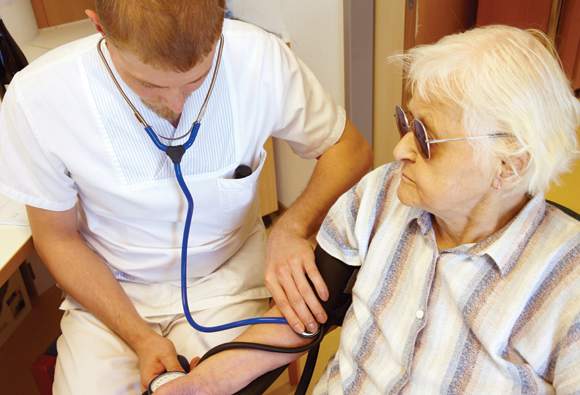
In a study presented at the American Heart Association scientific sessions and published simultaneously Nov. 9 in the Journal of the American College of Cardiology, researchers conducted a cross-sectional, population-based study using NHANES data from 2007-2012 to generalize the SPRINT data to a broader sample of U.S. adults with high cardiovascular disease risk and a systolic BP of 130-180 mm Hg.
They concluded that overall, 16.8 million people, or 7.6% of U.S. adults, met the SPRINT eligibility criteria, but more than half – 8.5 million – were not being treated for hypertension, including 5.2 million individuals with a systolic blood pressure of 140 mm Hg or above.
“Characterizing U.S. adults who are potentially eligible for antihypertensive treatment initiation or intensification to achieve a SBP less than 120 mm Hg may provide the health care and scientific community with information for understanding the relevance and impact of the findings from SPRINT,” wrote Adam P. Bress, Pharm.D., of the University of Utah, Salt Lake City, and his coauthors.
The study was supported by the National Institutes of Health. No conflicts of interest were declared.
More than 16 million adults in the United States could benefit from a lower systolic blood pressure treatment goal of 120 mm Hg or less, as explored in the earlier SPRINT (Systolic Blood Pressure Intervention Trial) study, say researchers.
The terminated SPRINT trial showed that achieving a systolic blood pressure goal of less than 120 mm Hg in adults at high risk of cardiovascular disease was associated with a 30% relative reduction in cardiovascular disease events and 25% reduction in mortality, compared with those achieving less than 140 mm Hg systolic BP.
In a study presented at the American Heart Association scientific sessions and published simultaneously Nov. 9 in the Journal of the American College of Cardiology, researchers conducted a cross-sectional, population-based study using NHANES data from 2007-2012 to generalize the SPRINT data to a broader sample of U.S. adults with high cardiovascular disease risk and a systolic BP of 130-180 mm Hg.
They concluded that overall, 16.8 million people, or 7.6% of U.S. adults, met the SPRINT eligibility criteria, but more than half – 8.5 million – were not being treated for hypertension, including 5.2 million individuals with a systolic blood pressure of 140 mm Hg or above.
“Characterizing U.S. adults who are potentially eligible for antihypertensive treatment initiation or intensification to achieve a SBP less than 120 mm Hg may provide the health care and scientific community with information for understanding the relevance and impact of the findings from SPRINT,” wrote Adam P. Bress, Pharm.D., of the University of Utah, Salt Lake City, and his coauthors.
The study was supported by the National Institutes of Health. No conflicts of interest were declared.
More than 16 million adults in the United States could benefit from a lower systolic blood pressure treatment goal of 120 mm Hg or less, as explored in the earlier SPRINT (Systolic Blood Pressure Intervention Trial) study, say researchers.
The terminated SPRINT trial showed that achieving a systolic blood pressure goal of less than 120 mm Hg in adults at high risk of cardiovascular disease was associated with a 30% relative reduction in cardiovascular disease events and 25% reduction in mortality, compared with those achieving less than 140 mm Hg systolic BP.
In a study presented at the American Heart Association scientific sessions and published simultaneously Nov. 9 in the Journal of the American College of Cardiology, researchers conducted a cross-sectional, population-based study using NHANES data from 2007-2012 to generalize the SPRINT data to a broader sample of U.S. adults with high cardiovascular disease risk and a systolic BP of 130-180 mm Hg.
They concluded that overall, 16.8 million people, or 7.6% of U.S. adults, met the SPRINT eligibility criteria, but more than half – 8.5 million – were not being treated for hypertension, including 5.2 million individuals with a systolic blood pressure of 140 mm Hg or above.
“Characterizing U.S. adults who are potentially eligible for antihypertensive treatment initiation or intensification to achieve a SBP less than 120 mm Hg may provide the health care and scientific community with information for understanding the relevance and impact of the findings from SPRINT,” wrote Adam P. Bress, Pharm.D., of the University of Utah, Salt Lake City, and his coauthors.
The study was supported by the National Institutes of Health. No conflicts of interest were declared.
FROM THE AHA SCIENTIFIC SESSIONS
Key clinical point:More than 16 million U.S. adults could benefit from a lower systolic blood pressure treatment goal of 120 mm Hg or less.
Major finding: More than half of the 16.8 million (7.6%) U.S. adults who meet the SPRINT eligibility criteria are not being treated for hypertension.
Data source: A cross-sectional, population-based study using NHANES data.
Disclosures: The study was supported by the National Institutes of Health. No conflicts of interest were declared.
Nitrate therapy linked to less exercise in heart failure
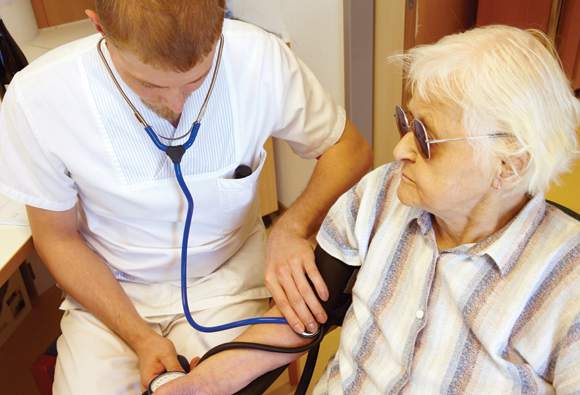
Isosorbide mononitrate therapy for patients with heart failure and preserved ejection fraction may actually be associated with lower levels of daily activity and does not appear to achieve significant improvements in quality of life or exercise capacity, compared with placebo.
In a double-blind crossover trial in 110 patients who were prescribed escalating doses of isosorbide mononitrate over a period of 6 weeks and then switched, those patients treated with the highest dose of 120 mg once daily showed a nonsignificant trend (P = .06) toward lower daily activity and hours of activity per day, compared with those given placebo.
According to data presented at the American Heart Association scientific sessions and published simultaneously Nov. 8 in the New England Journal of Medicine, researchers observed a decrease in average daily accelerometer units with increasing doses of isosorbide mononitrate, but not with placebo (N Engl J Med. 2015 Nov 8 [doi: 10.1056/NEJMoa1510774]).
They also noted a nonsignificant decrease in quality of life scores, N-terminal probrain natriuretic peptide, and blood pressure with isosorbide mononitrate, as well as a greater number of discontinuations and adverse events.
Although nitrates are commonly prescribed for symptom relief in heart failure, the authors said, the pathophysiology of heart failure with preserved ejection fraction may be responsible for the observed lack of improvement in exercise tolerance and daily activity.
“Increased ventricular systolic and vascular stiffness, autonomic dysfunction, chronotropic incompetence, and altered baroreflex sensitivity are common and may limit the hemodynamic benefit of nitrates,” wrote Dr. Margaret M. Redfield of the Mayo Clinic, Rochester, Minn., and her coauthors.
The National Heart, Lung, and Blood Institute supported the study. Several authors reported grants, fees, royalties and consultancies from private industry, including a patent relating to natriuretic peptide.
Isosorbide mononitrate therapy for patients with heart failure and preserved ejection fraction may actually be associated with lower levels of daily activity and does not appear to achieve significant improvements in quality of life or exercise capacity, compared with placebo.
In a double-blind crossover trial in 110 patients who were prescribed escalating doses of isosorbide mononitrate over a period of 6 weeks and then switched, those patients treated with the highest dose of 120 mg once daily showed a nonsignificant trend (P = .06) toward lower daily activity and hours of activity per day, compared with those given placebo.
According to data presented at the American Heart Association scientific sessions and published simultaneously Nov. 8 in the New England Journal of Medicine, researchers observed a decrease in average daily accelerometer units with increasing doses of isosorbide mononitrate, but not with placebo (N Engl J Med. 2015 Nov 8 [doi: 10.1056/NEJMoa1510774]).
They also noted a nonsignificant decrease in quality of life scores, N-terminal probrain natriuretic peptide, and blood pressure with isosorbide mononitrate, as well as a greater number of discontinuations and adverse events.
Although nitrates are commonly prescribed for symptom relief in heart failure, the authors said, the pathophysiology of heart failure with preserved ejection fraction may be responsible for the observed lack of improvement in exercise tolerance and daily activity.
“Increased ventricular systolic and vascular stiffness, autonomic dysfunction, chronotropic incompetence, and altered baroreflex sensitivity are common and may limit the hemodynamic benefit of nitrates,” wrote Dr. Margaret M. Redfield of the Mayo Clinic, Rochester, Minn., and her coauthors.
The National Heart, Lung, and Blood Institute supported the study. Several authors reported grants, fees, royalties and consultancies from private industry, including a patent relating to natriuretic peptide.
Isosorbide mononitrate therapy for patients with heart failure and preserved ejection fraction may actually be associated with lower levels of daily activity and does not appear to achieve significant improvements in quality of life or exercise capacity, compared with placebo.
In a double-blind crossover trial in 110 patients who were prescribed escalating doses of isosorbide mononitrate over a period of 6 weeks and then switched, those patients treated with the highest dose of 120 mg once daily showed a nonsignificant trend (P = .06) toward lower daily activity and hours of activity per day, compared with those given placebo.
According to data presented at the American Heart Association scientific sessions and published simultaneously Nov. 8 in the New England Journal of Medicine, researchers observed a decrease in average daily accelerometer units with increasing doses of isosorbide mononitrate, but not with placebo (N Engl J Med. 2015 Nov 8 [doi: 10.1056/NEJMoa1510774]).
They also noted a nonsignificant decrease in quality of life scores, N-terminal probrain natriuretic peptide, and blood pressure with isosorbide mononitrate, as well as a greater number of discontinuations and adverse events.
Although nitrates are commonly prescribed for symptom relief in heart failure, the authors said, the pathophysiology of heart failure with preserved ejection fraction may be responsible for the observed lack of improvement in exercise tolerance and daily activity.
“Increased ventricular systolic and vascular stiffness, autonomic dysfunction, chronotropic incompetence, and altered baroreflex sensitivity are common and may limit the hemodynamic benefit of nitrates,” wrote Dr. Margaret M. Redfield of the Mayo Clinic, Rochester, Minn., and her coauthors.
The National Heart, Lung, and Blood Institute supported the study. Several authors reported grants, fees, royalties and consultancies from private industry, including a patent relating to natriuretic peptide.
FROM THE AHA SCIENTIFIC SESSIONS
Key clinical point: Isosorbide mononitrate therapy may be associated with lower levels of daily activity in patients with heart failure and preserved ejection fraction.
Major finding: Patients treated with the highest dose of isosorbide mononitrate showed a nonsignificant trend toward lower daily activity and hours of activity per day, compared with patients on placebo.
Data source: A double-blind crossover trial in 110 patients with heart failure and preserved ejection fraction.
Disclosures: The National Heart, Lung, and Blood Institute supported the study. Several authors reported grants, fees, royalties, and consultancies from private industry, including a patent relating to natriuretic peptide.
New biomarker linked to chronic kidney disease
Elevated plasma soluble urokinase-type plasminogen activator receptor (suPAR) levels are associated with declines in estimated glomerular filtration rate (eGFR) and may predict progression to clinical chronic kidney disease, new research suggests.
Data from the Emory Cardiovascular Biobank – a prospective registry of 3,683 patients undergoing cardiac catheterization – showed individuals in the highest quartile of baseline suPAR had a significantly greater annual decline in eGFR than those in the lowest quartile (-4.2 mL/min per 1.73 m2 vs. -0.9mL/min per 1.73 m2).
Similarly, those in the highest suPAR quartile had a threefold greater risk of incident chronic kidney disease than those in the lowest quartile, independent of their race or diabetes status and excluding those with acute kidney injury, according to a paper presented at the meeting sponsored by the American Society of Nephrology and published simultaneously online in the Nov. 5 edition of the New England Journal of Medicine.
The relationship between elevated suPAR and eGFR decline was strongest in patients who had a normal eGFR at baseline (N Engl J Med. 2015 Nov 5 [doi:10.1056/NEJMoa1506362]).

The risk classification for chronic kidney disease using suPAR was greater than existing and well-established risk factors such as C-reactive protein and B-type natriuretic peptide, wrote Dr. Salim S. Hayek, from Emory University, Atlanta, Sanja Sever, Ph.D., of Harvard Medical School, Boston, and their coauthors.
“Our results suggest that suPAR meets critical requirements for a biomarker of chronic kidney disease,” the authors said.
The study was supported by the Abraham J. and Phyllis Katz Foundation, the Robert W. Woodruff Health Sciences Center Fund, Emory Heart and Vascular Center, and the National Institutes of Health. Several authors declared grants and personal fees and committee involvement with private industry, and patents relevant to the work.
Research on suPAR is controversial because several studies have not confirmed an association of an elevated suPAR level with nephropathy. However, these findings should engender validation studies in additional cohorts.
Improving outcome is the ultimate goal for biomarker studies in major progressive diseases, and studies that show that intervention based on suPAR levels is beneficial could cement a potential relationship between suPAR and chronic kidney disease.
Dr. Karl L. Skorecki is with the Technion–Israel Institute of Technology, Haifa, Israel, and Dr. Barry I. Freedman is with Wake Forest School of Medicine, Winston-Salem, N.C. These comments are taken from an accompanying editorial (N Engl J Med. 2015 Nov 5 [doi:10.1056/NEJMe1512997]). Dr. Freedman declared a grant from Novartis.
Research on suPAR is controversial because several studies have not confirmed an association of an elevated suPAR level with nephropathy. However, these findings should engender validation studies in additional cohorts.
Improving outcome is the ultimate goal for biomarker studies in major progressive diseases, and studies that show that intervention based on suPAR levels is beneficial could cement a potential relationship between suPAR and chronic kidney disease.
Dr. Karl L. Skorecki is with the Technion–Israel Institute of Technology, Haifa, Israel, and Dr. Barry I. Freedman is with Wake Forest School of Medicine, Winston-Salem, N.C. These comments are taken from an accompanying editorial (N Engl J Med. 2015 Nov 5 [doi:10.1056/NEJMe1512997]). Dr. Freedman declared a grant from Novartis.
Research on suPAR is controversial because several studies have not confirmed an association of an elevated suPAR level with nephropathy. However, these findings should engender validation studies in additional cohorts.
Improving outcome is the ultimate goal for biomarker studies in major progressive diseases, and studies that show that intervention based on suPAR levels is beneficial could cement a potential relationship between suPAR and chronic kidney disease.
Dr. Karl L. Skorecki is with the Technion–Israel Institute of Technology, Haifa, Israel, and Dr. Barry I. Freedman is with Wake Forest School of Medicine, Winston-Salem, N.C. These comments are taken from an accompanying editorial (N Engl J Med. 2015 Nov 5 [doi:10.1056/NEJMe1512997]). Dr. Freedman declared a grant from Novartis.
Elevated plasma soluble urokinase-type plasminogen activator receptor (suPAR) levels are associated with declines in estimated glomerular filtration rate (eGFR) and may predict progression to clinical chronic kidney disease, new research suggests.
Data from the Emory Cardiovascular Biobank – a prospective registry of 3,683 patients undergoing cardiac catheterization – showed individuals in the highest quartile of baseline suPAR had a significantly greater annual decline in eGFR than those in the lowest quartile (-4.2 mL/min per 1.73 m2 vs. -0.9mL/min per 1.73 m2).
Similarly, those in the highest suPAR quartile had a threefold greater risk of incident chronic kidney disease than those in the lowest quartile, independent of their race or diabetes status and excluding those with acute kidney injury, according to a paper presented at the meeting sponsored by the American Society of Nephrology and published simultaneously online in the Nov. 5 edition of the New England Journal of Medicine.
The relationship between elevated suPAR and eGFR decline was strongest in patients who had a normal eGFR at baseline (N Engl J Med. 2015 Nov 5 [doi:10.1056/NEJMoa1506362]).
The risk classification for chronic kidney disease using suPAR was greater than existing and well-established risk factors such as C-reactive protein and B-type natriuretic peptide, wrote Dr. Salim S. Hayek, from Emory University, Atlanta, Sanja Sever, Ph.D., of Harvard Medical School, Boston, and their coauthors.
“Our results suggest that suPAR meets critical requirements for a biomarker of chronic kidney disease,” the authors said.
The study was supported by the Abraham J. and Phyllis Katz Foundation, the Robert W. Woodruff Health Sciences Center Fund, Emory Heart and Vascular Center, and the National Institutes of Health. Several authors declared grants and personal fees and committee involvement with private industry, and patents relevant to the work.
Elevated plasma soluble urokinase-type plasminogen activator receptor (suPAR) levels are associated with declines in estimated glomerular filtration rate (eGFR) and may predict progression to clinical chronic kidney disease, new research suggests.
Data from the Emory Cardiovascular Biobank – a prospective registry of 3,683 patients undergoing cardiac catheterization – showed individuals in the highest quartile of baseline suPAR had a significantly greater annual decline in eGFR than those in the lowest quartile (-4.2 mL/min per 1.73 m2 vs. -0.9mL/min per 1.73 m2).
Similarly, those in the highest suPAR quartile had a threefold greater risk of incident chronic kidney disease than those in the lowest quartile, independent of their race or diabetes status and excluding those with acute kidney injury, according to a paper presented at the meeting sponsored by the American Society of Nephrology and published simultaneously online in the Nov. 5 edition of the New England Journal of Medicine.
The relationship between elevated suPAR and eGFR decline was strongest in patients who had a normal eGFR at baseline (N Engl J Med. 2015 Nov 5 [doi:10.1056/NEJMoa1506362]).
The risk classification for chronic kidney disease using suPAR was greater than existing and well-established risk factors such as C-reactive protein and B-type natriuretic peptide, wrote Dr. Salim S. Hayek, from Emory University, Atlanta, Sanja Sever, Ph.D., of Harvard Medical School, Boston, and their coauthors.
“Our results suggest that suPAR meets critical requirements for a biomarker of chronic kidney disease,” the authors said.
The study was supported by the Abraham J. and Phyllis Katz Foundation, the Robert W. Woodruff Health Sciences Center Fund, Emory Heart and Vascular Center, and the National Institutes of Health. Several authors declared grants and personal fees and committee involvement with private industry, and patents relevant to the work.
FROM KIDNEY WEEK 2015
Key clinical point:Elevated plasma soluble urokinase-type plasminogen activator receptor (suPAR) levels may predict clinical chronic kidney disease.
Major finding: Patients in the highest suPAR quartile had a threefold greater risk of incident chronic kidney disease than those in the lowest quartile.
Data source: The Emory Cardiovascular Biobank, a prospective registry of 3,683 patients undergoing cardiac catheterization.
Disclosures: The study was supported by the Abraham J. and Phyllis Katz Foundation, the Robert W. Woodruff Health Sciences Center Fund, Emory Heart and Vascular Center, and the National Institutes of Health. Several authors declared grants and personal fees and committee involvement with private industry, and patents relevant to the work.

Adolescent sexual assault victims not receiving STI testing or prophylaxis
Fewer than half of adolescents who present at emergency departments after a sexual assault are tested for infections or receive recommended prophylaxis against sexually transmitted infections and pregnancy, investigators reported.
A retrospective study of 12,687 12- to 18-year-old adolescents (93% female) treated for sexual assault at 38 emergency departments showed that, overall, 44% received the recommended testing for chlamydia, gonorrhea, and pregnancy (range, 6%-89%), while 35% received recommended prophylaxis (range, 0-57%).

About one-third of patients presented to a hospital with a clinical pathway – which was associated with a 46% greater likelihood of receiving prophylaxis but no increase in testing rates – and two-thirds presented to hospitals with a specialized sexual assault evaluation team, which did not significantly impact testing or prophylaxis rates.
“In spite of laws in all 50 states that limit the evidentiary use of a victim’s previous sexual history to protect the credibility of the victim’s testimony, 26% of the EDs endorsed not performing STI testing during the acute evaluation at least some of the time due to this concern,” wrote Dr. Samantha Schilling, who conducted the research while at the Children’s Hospital of Philadelphia and is now with the University of North Carolina, Chapel Hill, and her coauthors (Pediatrics 2015 Nov 2. doi: 10.1542/peds.2015-2093).
One author was funded by the National Institute of Child Health and Human Development; the other authors had no relevant financial disclosures.
These data highlight the widespread variation and perhaps suboptimal care adolescent victims of sexual assault receive [and] the fact that specialized sexual assault teams, and guidelines, in isolation, may not influence care to a great extent.
Although patient-level factors may account in part for low rates of testing and prophylaxis, the significant discrepancies between reported and actual rates of testing and prophylaxis suggest that hospital-level factors should be examined to identify opportunities to improve care for this patient population.
Dr Mark I. Neuman is with the division of emergency medicine at Boston Children’s Hospital. Dr. Nancy D. Kellogg is with the division of child abuse/department of pediatrics at the University of Texas Health Science Center at San Antonio. These comments are excerpted from an accompanying editorial (Pediatrics 2015 Nov 2. doi: 10.1542/peds.2015-3346). The authors had no relevant financial disclosures.
These data highlight the widespread variation and perhaps suboptimal care adolescent victims of sexual assault receive [and] the fact that specialized sexual assault teams, and guidelines, in isolation, may not influence care to a great extent.
Although patient-level factors may account in part for low rates of testing and prophylaxis, the significant discrepancies between reported and actual rates of testing and prophylaxis suggest that hospital-level factors should be examined to identify opportunities to improve care for this patient population.
Dr Mark I. Neuman is with the division of emergency medicine at Boston Children’s Hospital. Dr. Nancy D. Kellogg is with the division of child abuse/department of pediatrics at the University of Texas Health Science Center at San Antonio. These comments are excerpted from an accompanying editorial (Pediatrics 2015 Nov 2. doi: 10.1542/peds.2015-3346). The authors had no relevant financial disclosures.
These data highlight the widespread variation and perhaps suboptimal care adolescent victims of sexual assault receive [and] the fact that specialized sexual assault teams, and guidelines, in isolation, may not influence care to a great extent.
Although patient-level factors may account in part for low rates of testing and prophylaxis, the significant discrepancies between reported and actual rates of testing and prophylaxis suggest that hospital-level factors should be examined to identify opportunities to improve care for this patient population.
Dr Mark I. Neuman is with the division of emergency medicine at Boston Children’s Hospital. Dr. Nancy D. Kellogg is with the division of child abuse/department of pediatrics at the University of Texas Health Science Center at San Antonio. These comments are excerpted from an accompanying editorial (Pediatrics 2015 Nov 2. doi: 10.1542/peds.2015-3346). The authors had no relevant financial disclosures.
Fewer than half of adolescents who present at emergency departments after a sexual assault are tested for infections or receive recommended prophylaxis against sexually transmitted infections and pregnancy, investigators reported.
A retrospective study of 12,687 12- to 18-year-old adolescents (93% female) treated for sexual assault at 38 emergency departments showed that, overall, 44% received the recommended testing for chlamydia, gonorrhea, and pregnancy (range, 6%-89%), while 35% received recommended prophylaxis (range, 0-57%).
About one-third of patients presented to a hospital with a clinical pathway – which was associated with a 46% greater likelihood of receiving prophylaxis but no increase in testing rates – and two-thirds presented to hospitals with a specialized sexual assault evaluation team, which did not significantly impact testing or prophylaxis rates.
“In spite of laws in all 50 states that limit the evidentiary use of a victim’s previous sexual history to protect the credibility of the victim’s testimony, 26% of the EDs endorsed not performing STI testing during the acute evaluation at least some of the time due to this concern,” wrote Dr. Samantha Schilling, who conducted the research while at the Children’s Hospital of Philadelphia and is now with the University of North Carolina, Chapel Hill, and her coauthors (Pediatrics 2015 Nov 2. doi: 10.1542/peds.2015-2093).
One author was funded by the National Institute of Child Health and Human Development; the other authors had no relevant financial disclosures.
Fewer than half of adolescents who present at emergency departments after a sexual assault are tested for infections or receive recommended prophylaxis against sexually transmitted infections and pregnancy, investigators reported.
A retrospective study of 12,687 12- to 18-year-old adolescents (93% female) treated for sexual assault at 38 emergency departments showed that, overall, 44% received the recommended testing for chlamydia, gonorrhea, and pregnancy (range, 6%-89%), while 35% received recommended prophylaxis (range, 0-57%).
About one-third of patients presented to a hospital with a clinical pathway – which was associated with a 46% greater likelihood of receiving prophylaxis but no increase in testing rates – and two-thirds presented to hospitals with a specialized sexual assault evaluation team, which did not significantly impact testing or prophylaxis rates.
“In spite of laws in all 50 states that limit the evidentiary use of a victim’s previous sexual history to protect the credibility of the victim’s testimony, 26% of the EDs endorsed not performing STI testing during the acute evaluation at least some of the time due to this concern,” wrote Dr. Samantha Schilling, who conducted the research while at the Children’s Hospital of Philadelphia and is now with the University of North Carolina, Chapel Hill, and her coauthors (Pediatrics 2015 Nov 2. doi: 10.1542/peds.2015-2093).
One author was funded by the National Institute of Child Health and Human Development; the other authors had no relevant financial disclosures.
FROM PEDIATRICS
Key clinical point:Fewer than half of adolescents who present at emergency departments after a sexual assault are tested for infections or receive prophylaxis.
Major finding: Only 44% of adolescents presenting at emergency departments following a sexual assault received recommended testing.
Data source: A retrospective study of 12,687 12- to 18-year-old adolescents treated for sexual assault at 38 emergency departments.
Disclosures: One author was funded by the National Institute of Child Health and Human Development; the other authors had no relevant financial disclosures.

November 2015: Click for Credit
Here are 8 articles in the November issue of Clinician Reviews (accreditation valid until January 1, 2016):
1. Low-risk Prostate Cancer: Immediate Contemplation, Not Immediate Intervention
To take the posttest, go to http://bit.ly/1Vz6Cok
VITALS
Key clinical point: Men with favorable-risk prostate cancer have a low risk for progression to a lethal phenotype and should consider active surveillance.
Major finding: Of 1,298 men with favorable-risk prostate cancer who were enrolled in an active surveillance program, overall, cancer-specific, and metastasis-free survival rates were 69%, 99.9%, and 99.4%, respectively, at 15 years.
Data source: A follow-up of a cohort of men with favorable-risk prostate cancer receiving active surveillance at a single institution that used a clearly defined protocol for enrollment, monitoring, and intervention.
Disclosures: There were no outside funding sources reported. Some coauthors reported consulting or advisory roles with Metamark Genetics, MDxHealth, Dianon Systems, DAKO, Trock, SonaCare Medical, Myriad Genetics, Rochon Genova, Rothwell Figg, and Roche.
2. Diabetes in Seniors Increases Dementia Risk
To take the posttest, go to http://bit.ly/1Q1bITm
VITALS
Key clinical point: Even short-term hyperglycemia in late life can trigger or accelerate cognitive decline, and incident diabetes is a risk factor for dementia after adjustment for differences in cardiovascular disease and other common risk factors.
Major finding: Individuals diagnosed with diabetes later in life have a 16% higher risk for dementia than do those without diabetes.
Data source: A population-based matched cohort study in 225,045 seniors newly diagnosed with diabetes and 668,070 nondiabetic controls.
Disclosures: The Canadian Institutes of Health Research, the Heart and Stroke Foundation of Ontario, the Canadian Institutes of Health Research, the University of Toronto, and the Ontario Ministry of Health and Long-Term Care supported the study. One author reported an unrestricted grant from Amgen, but there were no other conflicts of interest declared.
3. Extremes of Sleep Linked With Early Signs of CVD
To take the posttest, go to http://bit.ly/1FSvLmw
VITALS
Key clinical point: Individuals with very long or short sleep, or poor sleep quality, showed signs of early cardiovascular disease.
Major finding: Extremely short and extremely long sleep duration were associated with significantly increased levels of coronary artery calcification (CAC) and increased brachial-ankle pulse wave velocity (baPWV).
Data source: Cross-sectional study of more than 47,000 healthy adult men and women who reported sleep duration and quality and underwent either measurement of CAC.
Disclosures: The funding source was not reported. The authors reported no disclosures.
4. Sunscreens With DNA Repair Enzymes Might Lessen AK Progression
To take the posttest, go to http://bit.ly/1LdZWFf
VITALS
Key clinical point: Sunscreen containing DNA repair enzymes might prevent malignant progression of actinic keratosis better than sunscreen alone.
Major finding: Field cancerization and cyclobutane pyrimidine dimer levels improved significantly more with sunscreen plus enzymes than with sunscreen only (P < .0001 for each).
Data source: Six-month randomized trial of 28 patients with actinic keratosis.
Disclosures: Biodue S.p.A. provided the methyl aminolevulinate used in the study. Dr. Enzo Emanuele, the study’s senior author, is a major shareholder of Living Research S.A.S., a privately held biomedical research organization that provided funding for the work. The other researchers reported no conflicts of interest.
5. Breastfeeding Protects Against Postpartum MS Relapse
To take the posttest, go to http://bit.ly/1OSYU49
VITALS
Key clinical point: Don’t discourage new mothers with multiple sclerosis from breastfeeding.
Major finding: Among 81 women who did not breastfeed or who supplemented breastfeeding early on, 31 (38.3%) had an MS relapse within the first six postpartum months, compared with 29 women (24.2%) among the 120 who intended to breastfeed their children exclusively for at least two months (adjusted HR, 1.70).
Data source: A prospective study of 201 pregnant women with relapsing-remitting MS who were followed for one year post partum.
Disclosures: The work was funded by the German Research Foundation. The German MS and pregnancy registry was partly supported by Bayer HealthCare, Biogen Idec, Merck Serono, Novartis Pharma, and Genzyme Pharmaceuticals. Five of the researchers reported receiving speaker honoraria or other financial support from pharmaceutical companies.
6. S aureus Seen in 1% of Pediatric CAP Cases
To take the posttest, go to http://bit.ly/1FPJnQ3
VITALS
Key clinical point: About 1% of children presenting to a hospital with community-acquired pneumonia had Staphylococcus aureus infections, which do not respond to recommended firstline narrow-spectrum antibiotics for CAP.
Major finding: In a cohort of 554 children admitted with CAP, seven had S aureus infections, six classified as complicated. All received vancomycin within 24 hours of admission; anemia incidence was significantly higher in S aureus patients than for the rest of the cohort.
Data source: Retrospective cohort study of more than 3,400 children.
Disclosures: The study received no outside funding, and Dr. Hofto disclosed no conflicts of interest.
7. Higher Arrhythmia Risk for Psoriasis Patients
To take the posttest, go to http://bit.ly/1VBdbS6
VITALS
Key clinical point: Patients with psoriasis are at increased risk for arrhythmia compared to those without psoriasis.
Major finding: After researchers adjusted for history and medication use, patients with psoriasis were at increased risk for overall arrhythmia (adjusted hazard ratio, 1.34; 95% confidence interval, 1.29-1.39).
Data source: A retrospective cohort study using data from almost 41,000 psoriasis patients identified from the Taiwan National Health Insurance Research Database, and almost 163,000 age- and sex-matched cohorts from the same database.
Disclosures: The study was institutionally funded. Dr. Chiu, Ms. Chang, and three other authors had no disclosures; one author disclosed having conducted clinical trials or received honoraria from several companies, including Pfizer and Novartis, and having received speaking fees from AbbVie.
8. Hepatitis C Drove Steep Rises in Cirrhosis, HCC, and Related Deaths
To take the posttest, go to http://bit.ly/1jyNrdp
VITALS
Key clinical point: Cirrhosis, hepatocellular carcinoma (HCC), and liver-related mortality rose substantially among Veterans Affairs (VA) patients over the past 12 years, mainly driven by hepatitis C virus infection.
Major finding: The prevalence of cirrhosis nearly doubled between 2001 and 2013, while cirrhosis-related deaths rose by about 50% and the incidence of HCC almost tripled.
Data source: A retrospective cohort study of 129,998 VA patients with cirrhosis and 21,326 VA patients with HCC between 2001 and 2013.
Disclosures: The Department of VA and the Veterans Health Administration funded the study. The investigators declared no competing interests.
Here are 8 articles in the November issue of Clinician Reviews (accreditation valid until January 1, 2016):
1. Low-risk Prostate Cancer: Immediate Contemplation, Not Immediate Intervention
To take the posttest, go to http://bit.ly/1Vz6Cok
VITALS
Key clinical point: Men with favorable-risk prostate cancer have a low risk for progression to a lethal phenotype and should consider active surveillance.
Major finding: Of 1,298 men with favorable-risk prostate cancer who were enrolled in an active surveillance program, overall, cancer-specific, and metastasis-free survival rates were 69%, 99.9%, and 99.4%, respectively, at 15 years.
Data source: A follow-up of a cohort of men with favorable-risk prostate cancer receiving active surveillance at a single institution that used a clearly defined protocol for enrollment, monitoring, and intervention.
Disclosures: There were no outside funding sources reported. Some coauthors reported consulting or advisory roles with Metamark Genetics, MDxHealth, Dianon Systems, DAKO, Trock, SonaCare Medical, Myriad Genetics, Rochon Genova, Rothwell Figg, and Roche.
2. Diabetes in Seniors Increases Dementia Risk
To take the posttest, go to http://bit.ly/1Q1bITm
VITALS
Key clinical point: Even short-term hyperglycemia in late life can trigger or accelerate cognitive decline, and incident diabetes is a risk factor for dementia after adjustment for differences in cardiovascular disease and other common risk factors.
Major finding: Individuals diagnosed with diabetes later in life have a 16% higher risk for dementia than do those without diabetes.
Data source: A population-based matched cohort study in 225,045 seniors newly diagnosed with diabetes and 668,070 nondiabetic controls.
Disclosures: The Canadian Institutes of Health Research, the Heart and Stroke Foundation of Ontario, the Canadian Institutes of Health Research, the University of Toronto, and the Ontario Ministry of Health and Long-Term Care supported the study. One author reported an unrestricted grant from Amgen, but there were no other conflicts of interest declared.
3. Extremes of Sleep Linked With Early Signs of CVD
To take the posttest, go to http://bit.ly/1FSvLmw
VITALS
Key clinical point: Individuals with very long or short sleep, or poor sleep quality, showed signs of early cardiovascular disease.
Major finding: Extremely short and extremely long sleep duration were associated with significantly increased levels of coronary artery calcification (CAC) and increased brachial-ankle pulse wave velocity (baPWV).
Data source: Cross-sectional study of more than 47,000 healthy adult men and women who reported sleep duration and quality and underwent either measurement of CAC.
Disclosures: The funding source was not reported. The authors reported no disclosures.
4. Sunscreens With DNA Repair Enzymes Might Lessen AK Progression
To take the posttest, go to http://bit.ly/1LdZWFf
VITALS
Key clinical point: Sunscreen containing DNA repair enzymes might prevent malignant progression of actinic keratosis better than sunscreen alone.
Major finding: Field cancerization and cyclobutane pyrimidine dimer levels improved significantly more with sunscreen plus enzymes than with sunscreen only (P < .0001 for each).
Data source: Six-month randomized trial of 28 patients with actinic keratosis.
Disclosures: Biodue S.p.A. provided the methyl aminolevulinate used in the study. Dr. Enzo Emanuele, the study’s senior author, is a major shareholder of Living Research S.A.S., a privately held biomedical research organization that provided funding for the work. The other researchers reported no conflicts of interest.
5. Breastfeeding Protects Against Postpartum MS Relapse
To take the posttest, go to http://bit.ly/1OSYU49
VITALS
Key clinical point: Don’t discourage new mothers with multiple sclerosis from breastfeeding.
Major finding: Among 81 women who did not breastfeed or who supplemented breastfeeding early on, 31 (38.3%) had an MS relapse within the first six postpartum months, compared with 29 women (24.2%) among the 120 who intended to breastfeed their children exclusively for at least two months (adjusted HR, 1.70).
Data source: A prospective study of 201 pregnant women with relapsing-remitting MS who were followed for one year post partum.
Disclosures: The work was funded by the German Research Foundation. The German MS and pregnancy registry was partly supported by Bayer HealthCare, Biogen Idec, Merck Serono, Novartis Pharma, and Genzyme Pharmaceuticals. Five of the researchers reported receiving speaker honoraria or other financial support from pharmaceutical companies.
6. S aureus Seen in 1% of Pediatric CAP Cases
To take the posttest, go to http://bit.ly/1FPJnQ3
VITALS
Key clinical point: About 1% of children presenting to a hospital with community-acquired pneumonia had Staphylococcus aureus infections, which do not respond to recommended firstline narrow-spectrum antibiotics for CAP.
Major finding: In a cohort of 554 children admitted with CAP, seven had S aureus infections, six classified as complicated. All received vancomycin within 24 hours of admission; anemia incidence was significantly higher in S aureus patients than for the rest of the cohort.
Data source: Retrospective cohort study of more than 3,400 children.
Disclosures: The study received no outside funding, and Dr. Hofto disclosed no conflicts of interest.
7. Higher Arrhythmia Risk for Psoriasis Patients
To take the posttest, go to http://bit.ly/1VBdbS6
VITALS
Key clinical point: Patients with psoriasis are at increased risk for arrhythmia compared to those without psoriasis.
Major finding: After researchers adjusted for history and medication use, patients with psoriasis were at increased risk for overall arrhythmia (adjusted hazard ratio, 1.34; 95% confidence interval, 1.29-1.39).
Data source: A retrospective cohort study using data from almost 41,000 psoriasis patients identified from the Taiwan National Health Insurance Research Database, and almost 163,000 age- and sex-matched cohorts from the same database.
Disclosures: The study was institutionally funded. Dr. Chiu, Ms. Chang, and three other authors had no disclosures; one author disclosed having conducted clinical trials or received honoraria from several companies, including Pfizer and Novartis, and having received speaking fees from AbbVie.
8. Hepatitis C Drove Steep Rises in Cirrhosis, HCC, and Related Deaths
To take the posttest, go to http://bit.ly/1jyNrdp
VITALS
Key clinical point: Cirrhosis, hepatocellular carcinoma (HCC), and liver-related mortality rose substantially among Veterans Affairs (VA) patients over the past 12 years, mainly driven by hepatitis C virus infection.
Major finding: The prevalence of cirrhosis nearly doubled between 2001 and 2013, while cirrhosis-related deaths rose by about 50% and the incidence of HCC almost tripled.
Data source: A retrospective cohort study of 129,998 VA patients with cirrhosis and 21,326 VA patients with HCC between 2001 and 2013.
Disclosures: The Department of VA and the Veterans Health Administration funded the study. The investigators declared no competing interests.
Here are 8 articles in the November issue of Clinician Reviews (accreditation valid until January 1, 2016):
1. Low-risk Prostate Cancer: Immediate Contemplation, Not Immediate Intervention
To take the posttest, go to http://bit.ly/1Vz6Cok
VITALS
Key clinical point: Men with favorable-risk prostate cancer have a low risk for progression to a lethal phenotype and should consider active surveillance.
Major finding: Of 1,298 men with favorable-risk prostate cancer who were enrolled in an active surveillance program, overall, cancer-specific, and metastasis-free survival rates were 69%, 99.9%, and 99.4%, respectively, at 15 years.
Data source: A follow-up of a cohort of men with favorable-risk prostate cancer receiving active surveillance at a single institution that used a clearly defined protocol for enrollment, monitoring, and intervention.
Disclosures: There were no outside funding sources reported. Some coauthors reported consulting or advisory roles with Metamark Genetics, MDxHealth, Dianon Systems, DAKO, Trock, SonaCare Medical, Myriad Genetics, Rochon Genova, Rothwell Figg, and Roche.
2. Diabetes in Seniors Increases Dementia Risk
To take the posttest, go to http://bit.ly/1Q1bITm
VITALS
Key clinical point: Even short-term hyperglycemia in late life can trigger or accelerate cognitive decline, and incident diabetes is a risk factor for dementia after adjustment for differences in cardiovascular disease and other common risk factors.
Major finding: Individuals diagnosed with diabetes later in life have a 16% higher risk for dementia than do those without diabetes.
Data source: A population-based matched cohort study in 225,045 seniors newly diagnosed with diabetes and 668,070 nondiabetic controls.
Disclosures: The Canadian Institutes of Health Research, the Heart and Stroke Foundation of Ontario, the Canadian Institutes of Health Research, the University of Toronto, and the Ontario Ministry of Health and Long-Term Care supported the study. One author reported an unrestricted grant from Amgen, but there were no other conflicts of interest declared.
3. Extremes of Sleep Linked With Early Signs of CVD
To take the posttest, go to http://bit.ly/1FSvLmw
VITALS
Key clinical point: Individuals with very long or short sleep, or poor sleep quality, showed signs of early cardiovascular disease.
Major finding: Extremely short and extremely long sleep duration were associated with significantly increased levels of coronary artery calcification (CAC) and increased brachial-ankle pulse wave velocity (baPWV).
Data source: Cross-sectional study of more than 47,000 healthy adult men and women who reported sleep duration and quality and underwent either measurement of CAC.
Disclosures: The funding source was not reported. The authors reported no disclosures.
4. Sunscreens With DNA Repair Enzymes Might Lessen AK Progression
To take the posttest, go to http://bit.ly/1LdZWFf
VITALS
Key clinical point: Sunscreen containing DNA repair enzymes might prevent malignant progression of actinic keratosis better than sunscreen alone.
Major finding: Field cancerization and cyclobutane pyrimidine dimer levels improved significantly more with sunscreen plus enzymes than with sunscreen only (P < .0001 for each).
Data source: Six-month randomized trial of 28 patients with actinic keratosis.
Disclosures: Biodue S.p.A. provided the methyl aminolevulinate used in the study. Dr. Enzo Emanuele, the study’s senior author, is a major shareholder of Living Research S.A.S., a privately held biomedical research organization that provided funding for the work. The other researchers reported no conflicts of interest.
5. Breastfeeding Protects Against Postpartum MS Relapse
To take the posttest, go to http://bit.ly/1OSYU49
VITALS
Key clinical point: Don’t discourage new mothers with multiple sclerosis from breastfeeding.
Major finding: Among 81 women who did not breastfeed or who supplemented breastfeeding early on, 31 (38.3%) had an MS relapse within the first six postpartum months, compared with 29 women (24.2%) among the 120 who intended to breastfeed their children exclusively for at least two months (adjusted HR, 1.70).
Data source: A prospective study of 201 pregnant women with relapsing-remitting MS who were followed for one year post partum.
Disclosures: The work was funded by the German Research Foundation. The German MS and pregnancy registry was partly supported by Bayer HealthCare, Biogen Idec, Merck Serono, Novartis Pharma, and Genzyme Pharmaceuticals. Five of the researchers reported receiving speaker honoraria or other financial support from pharmaceutical companies.
6. S aureus Seen in 1% of Pediatric CAP Cases
To take the posttest, go to http://bit.ly/1FPJnQ3
VITALS
Key clinical point: About 1% of children presenting to a hospital with community-acquired pneumonia had Staphylococcus aureus infections, which do not respond to recommended firstline narrow-spectrum antibiotics for CAP.
Major finding: In a cohort of 554 children admitted with CAP, seven had S aureus infections, six classified as complicated. All received vancomycin within 24 hours of admission; anemia incidence was significantly higher in S aureus patients than for the rest of the cohort.
Data source: Retrospective cohort study of more than 3,400 children.
Disclosures: The study received no outside funding, and Dr. Hofto disclosed no conflicts of interest.
7. Higher Arrhythmia Risk for Psoriasis Patients
To take the posttest, go to http://bit.ly/1VBdbS6
VITALS
Key clinical point: Patients with psoriasis are at increased risk for arrhythmia compared to those without psoriasis.
Major finding: After researchers adjusted for history and medication use, patients with psoriasis were at increased risk for overall arrhythmia (adjusted hazard ratio, 1.34; 95% confidence interval, 1.29-1.39).
Data source: A retrospective cohort study using data from almost 41,000 psoriasis patients identified from the Taiwan National Health Insurance Research Database, and almost 163,000 age- and sex-matched cohorts from the same database.
Disclosures: The study was institutionally funded. Dr. Chiu, Ms. Chang, and three other authors had no disclosures; one author disclosed having conducted clinical trials or received honoraria from several companies, including Pfizer and Novartis, and having received speaking fees from AbbVie.
8. Hepatitis C Drove Steep Rises in Cirrhosis, HCC, and Related Deaths
To take the posttest, go to http://bit.ly/1jyNrdp
VITALS
Key clinical point: Cirrhosis, hepatocellular carcinoma (HCC), and liver-related mortality rose substantially among Veterans Affairs (VA) patients over the past 12 years, mainly driven by hepatitis C virus infection.
Major finding: The prevalence of cirrhosis nearly doubled between 2001 and 2013, while cirrhosis-related deaths rose by about 50% and the incidence of HCC almost tripled.
Data source: A retrospective cohort study of 129,998 VA patients with cirrhosis and 21,326 VA patients with HCC between 2001 and 2013.
Disclosures: The Department of VA and the Veterans Health Administration funded the study. The investigators declared no competing interests.