User login
Lifestyle intervention can reduce gestational diabetes incidence
The incidence of gestational diabetes can be reduced in high-risk women with individualized lifestyle intervention focused on diet and physical activity, new research suggests.
A randomized, controlled trial of 269 women with a history of gestational diabetes or a prepregnancy body mass index of at least 30 kg/m2 showed the intervention was associated with a 36% reduction in the incidence of gestational diabetes, compared with usual care (13.9% vs. 21.6%, P = .044).

This was after adjustment for age, prepregnancy BMI, previous gestational diabetes status, and number of weeks’ gestation at the time of the oral glucose tolerance test, according to a paper published online July 29 in Diabetes Care.
From baseline to the second trimester oral glucose tolerance test – when the gestational diabetes diagnosis was made – women in the intervention group gained slightly less weight than did those in the control group (2.5 kg vs. 3.1 kg).
The intervention was associated with a significantly greater reduction in fasting plasma glucose concentration from baseline to third trimester, but there were no impacts on other pregnancy or birth outcomes such as preeclampsia, birth weight, or gestational age at birth.
“This is, to our knowledge, the first randomized controlled lifestyle intervention trial that has succeeded in reducing the overall incidence of GDM [gestational diabetes mellitus] among high-risk pregnant women,” wrote Dr. Saila B. Koivusalo of University of Helsinki and Helsinki University Hospital.
Women in the intervention arm were counseled by study nurses and dietitians three times during their pregnancy. Counseling was tailored to their risk and stage of pregnancy. The women continued their normal antenatal clinic visits (Diabetes Care 2015, Jul 29 [doi:10.2337/dc15-0511]).
Women with a prepregnancy BMI of 30 kg/m2 were advised not to gain any weight during the first two trimesters, and were given dietary counseling to optimize their consumption of healthy foods and reduce their intake of sugar-rich foods.
They also were counseled to aim for a minimum of 150 minutes of moderate-intensity physical activity per week, as part of an active lifestyle.
Participants in the control group received leaflets on diet and physical activity, which were usually provide by the local antenatal clinics.
Women who undertook the intervention showed significantly greater improvements in their dietary index scores than did those in the control arm, and they increased their median weekly physical activity by 15 minutes while the control group showed no increases.
However, there was no significant difference between the two groups in the number of women who met the physical activity goal of 150 minutes/week in their second trimester (26% of intervention group vs. 23% of the control group).
“Despite the fact that only a small proportion of the women in the intervention group reached the physical activity goals, and the difference in weight gain was modest between the groups, it is obvious that the individual changes in lifestyle do not need to be large but together they have a beneficial effect on the reduction of the incidence of GDM,” the authors wrote.
They pointed out that as the women participating in the trial were all known to be at high risk for gestational diabetes, even the women in the control group would have received advice on weight control as part of their antenatal care and were therefore more of a “mini-intervention” group than pure control.
“We believe that in an unselected high-risk population the impact of this kind of lifestyle intervention could be even more pronounced.”
The Ahokas Foundation, Finnish Foundation for Cardiovascular Disease, Special State Subsidy for Health Science Research of Helsinki University Central Hospital, Samfundet Folkhälsan, Finnish Diabetes Research Foundation, State Provincial Office of Southern Finland, and Social Insurance Institution of Finland funded the study. There were no conflicts of interest declared.
The incidence of gestational diabetes can be reduced in high-risk women with individualized lifestyle intervention focused on diet and physical activity, new research suggests.
A randomized, controlled trial of 269 women with a history of gestational diabetes or a prepregnancy body mass index of at least 30 kg/m2 showed the intervention was associated with a 36% reduction in the incidence of gestational diabetes, compared with usual care (13.9% vs. 21.6%, P = .044).
This was after adjustment for age, prepregnancy BMI, previous gestational diabetes status, and number of weeks’ gestation at the time of the oral glucose tolerance test, according to a paper published online July 29 in Diabetes Care.
From baseline to the second trimester oral glucose tolerance test – when the gestational diabetes diagnosis was made – women in the intervention group gained slightly less weight than did those in the control group (2.5 kg vs. 3.1 kg).
The intervention was associated with a significantly greater reduction in fasting plasma glucose concentration from baseline to third trimester, but there were no impacts on other pregnancy or birth outcomes such as preeclampsia, birth weight, or gestational age at birth.
“This is, to our knowledge, the first randomized controlled lifestyle intervention trial that has succeeded in reducing the overall incidence of GDM [gestational diabetes mellitus] among high-risk pregnant women,” wrote Dr. Saila B. Koivusalo of University of Helsinki and Helsinki University Hospital.
Women in the intervention arm were counseled by study nurses and dietitians three times during their pregnancy. Counseling was tailored to their risk and stage of pregnancy. The women continued their normal antenatal clinic visits (Diabetes Care 2015, Jul 29 [doi:10.2337/dc15-0511]).
Women with a prepregnancy BMI of 30 kg/m2 were advised not to gain any weight during the first two trimesters, and were given dietary counseling to optimize their consumption of healthy foods and reduce their intake of sugar-rich foods.
They also were counseled to aim for a minimum of 150 minutes of moderate-intensity physical activity per week, as part of an active lifestyle.
Participants in the control group received leaflets on diet and physical activity, which were usually provide by the local antenatal clinics.
Women who undertook the intervention showed significantly greater improvements in their dietary index scores than did those in the control arm, and they increased their median weekly physical activity by 15 minutes while the control group showed no increases.
However, there was no significant difference between the two groups in the number of women who met the physical activity goal of 150 minutes/week in their second trimester (26% of intervention group vs. 23% of the control group).
“Despite the fact that only a small proportion of the women in the intervention group reached the physical activity goals, and the difference in weight gain was modest between the groups, it is obvious that the individual changes in lifestyle do not need to be large but together they have a beneficial effect on the reduction of the incidence of GDM,” the authors wrote.
They pointed out that as the women participating in the trial were all known to be at high risk for gestational diabetes, even the women in the control group would have received advice on weight control as part of their antenatal care and were therefore more of a “mini-intervention” group than pure control.
“We believe that in an unselected high-risk population the impact of this kind of lifestyle intervention could be even more pronounced.”
The Ahokas Foundation, Finnish Foundation for Cardiovascular Disease, Special State Subsidy for Health Science Research of Helsinki University Central Hospital, Samfundet Folkhälsan, Finnish Diabetes Research Foundation, State Provincial Office of Southern Finland, and Social Insurance Institution of Finland funded the study. There were no conflicts of interest declared.
The incidence of gestational diabetes can be reduced in high-risk women with individualized lifestyle intervention focused on diet and physical activity, new research suggests.
A randomized, controlled trial of 269 women with a history of gestational diabetes or a prepregnancy body mass index of at least 30 kg/m2 showed the intervention was associated with a 36% reduction in the incidence of gestational diabetes, compared with usual care (13.9% vs. 21.6%, P = .044).
This was after adjustment for age, prepregnancy BMI, previous gestational diabetes status, and number of weeks’ gestation at the time of the oral glucose tolerance test, according to a paper published online July 29 in Diabetes Care.
From baseline to the second trimester oral glucose tolerance test – when the gestational diabetes diagnosis was made – women in the intervention group gained slightly less weight than did those in the control group (2.5 kg vs. 3.1 kg).
The intervention was associated with a significantly greater reduction in fasting plasma glucose concentration from baseline to third trimester, but there were no impacts on other pregnancy or birth outcomes such as preeclampsia, birth weight, or gestational age at birth.
“This is, to our knowledge, the first randomized controlled lifestyle intervention trial that has succeeded in reducing the overall incidence of GDM [gestational diabetes mellitus] among high-risk pregnant women,” wrote Dr. Saila B. Koivusalo of University of Helsinki and Helsinki University Hospital.
Women in the intervention arm were counseled by study nurses and dietitians three times during their pregnancy. Counseling was tailored to their risk and stage of pregnancy. The women continued their normal antenatal clinic visits (Diabetes Care 2015, Jul 29 [doi:10.2337/dc15-0511]).
Women with a prepregnancy BMI of 30 kg/m2 were advised not to gain any weight during the first two trimesters, and were given dietary counseling to optimize their consumption of healthy foods and reduce their intake of sugar-rich foods.
They also were counseled to aim for a minimum of 150 minutes of moderate-intensity physical activity per week, as part of an active lifestyle.
Participants in the control group received leaflets on diet and physical activity, which were usually provide by the local antenatal clinics.
Women who undertook the intervention showed significantly greater improvements in their dietary index scores than did those in the control arm, and they increased their median weekly physical activity by 15 minutes while the control group showed no increases.
However, there was no significant difference between the two groups in the number of women who met the physical activity goal of 150 minutes/week in their second trimester (26% of intervention group vs. 23% of the control group).
“Despite the fact that only a small proportion of the women in the intervention group reached the physical activity goals, and the difference in weight gain was modest between the groups, it is obvious that the individual changes in lifestyle do not need to be large but together they have a beneficial effect on the reduction of the incidence of GDM,” the authors wrote.
They pointed out that as the women participating in the trial were all known to be at high risk for gestational diabetes, even the women in the control group would have received advice on weight control as part of their antenatal care and were therefore more of a “mini-intervention” group than pure control.
“We believe that in an unselected high-risk population the impact of this kind of lifestyle intervention could be even more pronounced.”
The Ahokas Foundation, Finnish Foundation for Cardiovascular Disease, Special State Subsidy for Health Science Research of Helsinki University Central Hospital, Samfundet Folkhälsan, Finnish Diabetes Research Foundation, State Provincial Office of Southern Finland, and Social Insurance Institution of Finland funded the study. There were no conflicts of interest declared.
FROM DIABETES CARE
Key clinical point: Individualized lifestyle intervention focusing on diet and physical activity can reduce the risk of gestational diabetes in high-risk women.
Major finding: An individualized lifestyle intervention was associated with a 36% reduction in the incidence of gestational diabetes, compared with usual care.
Data source: A randomized, controlled trial of 269 women with a history of gestational diabetes or with a prepregnancy BMI of at least 30 kg/m2.
Disclosures: The Ahokas Foundation, Finnish Foundation for Cardiovascular Disease, Special State Subsidy for Health Science Research of Helsinki University Central Hospital, Samfundet Folkhälsan, Finnish Diabetes Research Foundation, State Provincial Office of Southern Finland, and Social Insurance Institution of Finland funded the study. There were no conflicts of interest declared.
Diabetes in seniors increases dementia risk
A diagnosis of diabetes in later life is associated with an increased risk of dementia, particularly in individuals with preexisting vascular disease.
A population-based matched cohort study in 225,045 seniors newly diagnosed with diabetes and 668,070 without found a 16% higher risk of dementia among those with diabetes.

The association remained after adjustment for hypertension, coronary artery disease, cardiovascular disease, peripheral vascular disease and chronic kidney disease.
There is a growing body of evidence pointing to a link between diabetes and dementia, with their shared cardiometabolic risk factors suggesting dementia may be yet another vascular complication of diabetes, wrote Dr. Nisha Nigil Haroon of the University of Toronto.
“We hypothesized that exposure to even short-term hyperglycemia in late life can trigger or accelerate cognitive decline and therefore that incident diabetes is a risk factor for dementia after accounting for differences in cardiovascular disease and other common risk factors,” wrote Dr. Haroon and her colleagues.
The risk of dementia was slightly higher in men with diabetes (hazard ratio, 1.20; 95% confidence interval, 1.17-1.22) than in women (HR 1.14; 95% CI, 1.12–1.16) compared with healthy controls, according to a paper published online July 27 in Diabetes Care.
Previous cardiovascular disease doubled the risk of dementia in patients with diabetes, while hospitalization or emergency department visits for hypoglycaemia were associated with a 73% increase in dementia risk. Patients with chronic kidney disease or prior vascular disease were at increased dementia risk (Diabetes Care 2015, July 27 [doi: 10.2337/dc15-0491]).
There was a 1% increase in the risk of dementia per year following the diagnosis of diabetes, such that patients who had had diabetes for 10 years had a nearly 30% higher incidence of dementia. The median age of the cohort was 73 years.
“This is of serious concern given the aging population, increasing prevalence of diabetes, and the limited effective treatment currently available for dementia,” the authors wrote.
They also found that many commonly used vascular and antidiabetic medications did not impact the risk of dementia, except statins and calcium-channel blockers.
“Although such treatments have been postulated to be protective against dementia, numerous trials have failed to identify any beneficial role of glucose-, blood pressure–, or lipid-lowering agents on cognitive decline, as suggested by previous observational data,” they noted.
Insulin use was associated with a 74% greater risk of developing dementia.
Recent immigrants or South Asian or Chinese ethnicity had a reduced risk of dementia, and hypertension also seemed to lower the risk by 5%.
The authors found that individuals with diabetes living in the lowest income areas were 17% more likely to develop dementia than were those in the wealthiest area.
“Impaired health literacy, poorer self-management, and adverse health behaviors, such as smoking, have been linked to low income and could explain this association,” reported Dr. Haroon and her coauthors.
The Canadian Institutes of Health Research, the Heart and Stroke Foundation of Ontario, the Canadian Institutes of Health Research, the University of Toronto, and the Ontario Ministry of Health and Long-Term Care supported the study. One author reported an unrestricted grant from Amgen, but there were no other conflicts of interest declared.
A diagnosis of diabetes in later life is associated with an increased risk of dementia, particularly in individuals with preexisting vascular disease.
A population-based matched cohort study in 225,045 seniors newly diagnosed with diabetes and 668,070 without found a 16% higher risk of dementia among those with diabetes.
The association remained after adjustment for hypertension, coronary artery disease, cardiovascular disease, peripheral vascular disease and chronic kidney disease.
There is a growing body of evidence pointing to a link between diabetes and dementia, with their shared cardiometabolic risk factors suggesting dementia may be yet another vascular complication of diabetes, wrote Dr. Nisha Nigil Haroon of the University of Toronto.
“We hypothesized that exposure to even short-term hyperglycemia in late life can trigger or accelerate cognitive decline and therefore that incident diabetes is a risk factor for dementia after accounting for differences in cardiovascular disease and other common risk factors,” wrote Dr. Haroon and her colleagues.
The risk of dementia was slightly higher in men with diabetes (hazard ratio, 1.20; 95% confidence interval, 1.17-1.22) than in women (HR 1.14; 95% CI, 1.12–1.16) compared with healthy controls, according to a paper published online July 27 in Diabetes Care.
Previous cardiovascular disease doubled the risk of dementia in patients with diabetes, while hospitalization or emergency department visits for hypoglycaemia were associated with a 73% increase in dementia risk. Patients with chronic kidney disease or prior vascular disease were at increased dementia risk (Diabetes Care 2015, July 27 [doi: 10.2337/dc15-0491]).
There was a 1% increase in the risk of dementia per year following the diagnosis of diabetes, such that patients who had had diabetes for 10 years had a nearly 30% higher incidence of dementia. The median age of the cohort was 73 years.
“This is of serious concern given the aging population, increasing prevalence of diabetes, and the limited effective treatment currently available for dementia,” the authors wrote.
They also found that many commonly used vascular and antidiabetic medications did not impact the risk of dementia, except statins and calcium-channel blockers.
“Although such treatments have been postulated to be protective against dementia, numerous trials have failed to identify any beneficial role of glucose-, blood pressure–, or lipid-lowering agents on cognitive decline, as suggested by previous observational data,” they noted.
Insulin use was associated with a 74% greater risk of developing dementia.
Recent immigrants or South Asian or Chinese ethnicity had a reduced risk of dementia, and hypertension also seemed to lower the risk by 5%.
The authors found that individuals with diabetes living in the lowest income areas were 17% more likely to develop dementia than were those in the wealthiest area.
“Impaired health literacy, poorer self-management, and adverse health behaviors, such as smoking, have been linked to low income and could explain this association,” reported Dr. Haroon and her coauthors.
The Canadian Institutes of Health Research, the Heart and Stroke Foundation of Ontario, the Canadian Institutes of Health Research, the University of Toronto, and the Ontario Ministry of Health and Long-Term Care supported the study. One author reported an unrestricted grant from Amgen, but there were no other conflicts of interest declared.
A diagnosis of diabetes in later life is associated with an increased risk of dementia, particularly in individuals with preexisting vascular disease.
A population-based matched cohort study in 225,045 seniors newly diagnosed with diabetes and 668,070 without found a 16% higher risk of dementia among those with diabetes.
The association remained after adjustment for hypertension, coronary artery disease, cardiovascular disease, peripheral vascular disease and chronic kidney disease.
There is a growing body of evidence pointing to a link between diabetes and dementia, with their shared cardiometabolic risk factors suggesting dementia may be yet another vascular complication of diabetes, wrote Dr. Nisha Nigil Haroon of the University of Toronto.
“We hypothesized that exposure to even short-term hyperglycemia in late life can trigger or accelerate cognitive decline and therefore that incident diabetes is a risk factor for dementia after accounting for differences in cardiovascular disease and other common risk factors,” wrote Dr. Haroon and her colleagues.
The risk of dementia was slightly higher in men with diabetes (hazard ratio, 1.20; 95% confidence interval, 1.17-1.22) than in women (HR 1.14; 95% CI, 1.12–1.16) compared with healthy controls, according to a paper published online July 27 in Diabetes Care.
Previous cardiovascular disease doubled the risk of dementia in patients with diabetes, while hospitalization or emergency department visits for hypoglycaemia were associated with a 73% increase in dementia risk. Patients with chronic kidney disease or prior vascular disease were at increased dementia risk (Diabetes Care 2015, July 27 [doi: 10.2337/dc15-0491]).
There was a 1% increase in the risk of dementia per year following the diagnosis of diabetes, such that patients who had had diabetes for 10 years had a nearly 30% higher incidence of dementia. The median age of the cohort was 73 years.
“This is of serious concern given the aging population, increasing prevalence of diabetes, and the limited effective treatment currently available for dementia,” the authors wrote.
They also found that many commonly used vascular and antidiabetic medications did not impact the risk of dementia, except statins and calcium-channel blockers.
“Although such treatments have been postulated to be protective against dementia, numerous trials have failed to identify any beneficial role of glucose-, blood pressure–, or lipid-lowering agents on cognitive decline, as suggested by previous observational data,” they noted.
Insulin use was associated with a 74% greater risk of developing dementia.
Recent immigrants or South Asian or Chinese ethnicity had a reduced risk of dementia, and hypertension also seemed to lower the risk by 5%.
The authors found that individuals with diabetes living in the lowest income areas were 17% more likely to develop dementia than were those in the wealthiest area.
“Impaired health literacy, poorer self-management, and adverse health behaviors, such as smoking, have been linked to low income and could explain this association,” reported Dr. Haroon and her coauthors.
The Canadian Institutes of Health Research, the Heart and Stroke Foundation of Ontario, the Canadian Institutes of Health Research, the University of Toronto, and the Ontario Ministry of Health and Long-Term Care supported the study. One author reported an unrestricted grant from Amgen, but there were no other conflicts of interest declared.
FROM DIABETES CARE
Key clinical point: Even short-term hyperglycemia in late life can trigger or accelerate cognitive decline and incident diabetes is a risk factor for dementia after adjustment for differences in cardiovascular disease and other common risk factors.
Major finding: Individuals diagnosed with diabetes later in life have a 16% higher risk of dementia than do those without diabetes.
Data source: A population-based matched cohort study in 225,045 seniors newly diagnosed with diabetes and 668,070 nondiabetic controls.
Disclosures: The Canadian Institutes of Health Research, the Heart and Stroke Foundation of Ontario, the Canadian Institutes of Health Research, the University of Toronto, and the Ontario Ministry of Health and Long-Term Care supported the study. One author reported an unrestricted grant from Amgen, but there were no other conflicts of interest declared.
U-shaped Link Between Physical Activity and Heart Failure
A longitudinal cohort study shows a U-shaped relationship between total physical activity and heart failure risk in men.
The 15-year study of 33,012 men, average age 60 years at baseline, showed that those who engaged in the highest levels and intensity of total physical activity had a 31% greater risk of heart failure than did those in the median activity category.

However, men who undertook the lowest levels of physical activity had up to a 69% greater risk of heart failure compared to the median activity group, according to the results, published online Aug. 12 in JACC: Heart Failure.
“The U-shaped relationship between exercise levels and the likelihood of subsequent heart failure is a unique finding and will stimulate further research in the important field of prevention,” said Dr. Christopher O’Connor, editor-in-chief of JACC: Heart Failure, who was not involved in the study.
The questionnaire-based study involved of 3,609 heart failure events, which included 3,190 first events of heart failure hospitalizations and 419 deaths from heart failure.
The study authors assigned intensity scores – defined as metabolic equivalents (MET) hours/day – to each type of physical activity, then calculated a total daily physical activity score for each individual by multiplying the intensity scores by reported duration of each activity.
Watching TV, reading, and sleep were assigned the lowest intensity MET scores, walking or bicycling were in the mid-range, and exercise was assigned the highest MET scores.
Walking or bicycling at least 20 minutes a day were associated with the greatest reductions in the risk of heart failure – 21% – compared to not walking or biking, and this type and level of activity was linked to an 8-month delay in the onset of heart failure among those who engaged in it.
The investigators also found no differences between the two groups in terms of age or education level, and the exclusion of study participants who developed heart failure in the 3 first years of follow-up did not impact results.
“When examining long-term behavior regarding walking or biking and HF [heart failure] risk, the results suggested that more recent active behavior in this PA [physical activity] domain may be more important for HF protection than past PA levels,” wrote Dr. Iffat Rahman and colleagues at the Karolinska Institute, Stockholm.
Exercising for more than 1 hour per week was linked with a 14% reduction in risk, but work occupation, household work, and physical inactivity did not affect heart failure risk (JACC Heart Fail. 2015 Aug 12. doi:10.1016/j.jchf.2015.05.006).
While previous studies have shown that lower levels of physical activity increase the risk of heart failure, the authors said this was the first to show an increase in risk among individuals who undertake very high levels of physical activity.
“It is possible that substantial increase of pumping of blood by the heart could damage the cardiac muscle fibers causing damage in the myocardium,” the authors wrote.
“Moreover, adverse cardiovascular outcomes could potentially be attributed to increased oxidative stress, arterial stiffness, and coronary artery calcification.”
A similar study looking at the relationship between physical activity and heart failure in women did not find an increased risk with very high levels of physical activity, suggesting a differential effect between men and women.
There were no conflicts of interest declared.
This study reminds us that we still know relatively little about how variations in physical activity and exercise “dose” might impact disease onset, and further information is needed about whether or not exercise and physical activity confer different levels of immunity based on the type and volume of exercise, as well as race, gender, and the presence of comorbidities.
However, for the vast majority of the patients we counsel about exercise and disease prevention, recommending the current exercise guidelines of 150 minutes or more of moderate intensity exercise per week is prudent.
Dr. Steven J. Keteyian and Dr. Clinton A. Brawner are from the division of cardiovascular medicine at Henry Ford Hospital, Detroit. These comments are taken from an editorial (JACC Heart Fail. 2015 Aug 12. doi:10.1016/j.jchf.2015.06.002). No conflicts of interest were declared.
This study reminds us that we still know relatively little about how variations in physical activity and exercise “dose” might impact disease onset, and further information is needed about whether or not exercise and physical activity confer different levels of immunity based on the type and volume of exercise, as well as race, gender, and the presence of comorbidities.
However, for the vast majority of the patients we counsel about exercise and disease prevention, recommending the current exercise guidelines of 150 minutes or more of moderate intensity exercise per week is prudent.
Dr. Steven J. Keteyian and Dr. Clinton A. Brawner are from the division of cardiovascular medicine at Henry Ford Hospital, Detroit. These comments are taken from an editorial (JACC Heart Fail. 2015 Aug 12. doi:10.1016/j.jchf.2015.06.002). No conflicts of interest were declared.
This study reminds us that we still know relatively little about how variations in physical activity and exercise “dose” might impact disease onset, and further information is needed about whether or not exercise and physical activity confer different levels of immunity based on the type and volume of exercise, as well as race, gender, and the presence of comorbidities.
However, for the vast majority of the patients we counsel about exercise and disease prevention, recommending the current exercise guidelines of 150 minutes or more of moderate intensity exercise per week is prudent.
Dr. Steven J. Keteyian and Dr. Clinton A. Brawner are from the division of cardiovascular medicine at Henry Ford Hospital, Detroit. These comments are taken from an editorial (JACC Heart Fail. 2015 Aug 12. doi:10.1016/j.jchf.2015.06.002). No conflicts of interest were declared.
A longitudinal cohort study shows a U-shaped relationship between total physical activity and heart failure risk in men.
The 15-year study of 33,012 men, average age 60 years at baseline, showed that those who engaged in the highest levels and intensity of total physical activity had a 31% greater risk of heart failure than did those in the median activity category.
However, men who undertook the lowest levels of physical activity had up to a 69% greater risk of heart failure compared to the median activity group, according to the results, published online Aug. 12 in JACC: Heart Failure.
“The U-shaped relationship between exercise levels and the likelihood of subsequent heart failure is a unique finding and will stimulate further research in the important field of prevention,” said Dr. Christopher O’Connor, editor-in-chief of JACC: Heart Failure, who was not involved in the study.
The questionnaire-based study involved of 3,609 heart failure events, which included 3,190 first events of heart failure hospitalizations and 419 deaths from heart failure.
The study authors assigned intensity scores – defined as metabolic equivalents (MET) hours/day – to each type of physical activity, then calculated a total daily physical activity score for each individual by multiplying the intensity scores by reported duration of each activity.
Watching TV, reading, and sleep were assigned the lowest intensity MET scores, walking or bicycling were in the mid-range, and exercise was assigned the highest MET scores.
Walking or bicycling at least 20 minutes a day were associated with the greatest reductions in the risk of heart failure – 21% – compared to not walking or biking, and this type and level of activity was linked to an 8-month delay in the onset of heart failure among those who engaged in it.
The investigators also found no differences between the two groups in terms of age or education level, and the exclusion of study participants who developed heart failure in the 3 first years of follow-up did not impact results.
“When examining long-term behavior regarding walking or biking and HF [heart failure] risk, the results suggested that more recent active behavior in this PA [physical activity] domain may be more important for HF protection than past PA levels,” wrote Dr. Iffat Rahman and colleagues at the Karolinska Institute, Stockholm.
Exercising for more than 1 hour per week was linked with a 14% reduction in risk, but work occupation, household work, and physical inactivity did not affect heart failure risk (JACC Heart Fail. 2015 Aug 12. doi:10.1016/j.jchf.2015.05.006).
While previous studies have shown that lower levels of physical activity increase the risk of heart failure, the authors said this was the first to show an increase in risk among individuals who undertake very high levels of physical activity.
“It is possible that substantial increase of pumping of blood by the heart could damage the cardiac muscle fibers causing damage in the myocardium,” the authors wrote.
“Moreover, adverse cardiovascular outcomes could potentially be attributed to increased oxidative stress, arterial stiffness, and coronary artery calcification.”
A similar study looking at the relationship between physical activity and heart failure in women did not find an increased risk with very high levels of physical activity, suggesting a differential effect between men and women.
There were no conflicts of interest declared.
A longitudinal cohort study shows a U-shaped relationship between total physical activity and heart failure risk in men.
The 15-year study of 33,012 men, average age 60 years at baseline, showed that those who engaged in the highest levels and intensity of total physical activity had a 31% greater risk of heart failure than did those in the median activity category.
However, men who undertook the lowest levels of physical activity had up to a 69% greater risk of heart failure compared to the median activity group, according to the results, published online Aug. 12 in JACC: Heart Failure.
“The U-shaped relationship between exercise levels and the likelihood of subsequent heart failure is a unique finding and will stimulate further research in the important field of prevention,” said Dr. Christopher O’Connor, editor-in-chief of JACC: Heart Failure, who was not involved in the study.
The questionnaire-based study involved of 3,609 heart failure events, which included 3,190 first events of heart failure hospitalizations and 419 deaths from heart failure.
The study authors assigned intensity scores – defined as metabolic equivalents (MET) hours/day – to each type of physical activity, then calculated a total daily physical activity score for each individual by multiplying the intensity scores by reported duration of each activity.
Watching TV, reading, and sleep were assigned the lowest intensity MET scores, walking or bicycling were in the mid-range, and exercise was assigned the highest MET scores.
Walking or bicycling at least 20 minutes a day were associated with the greatest reductions in the risk of heart failure – 21% – compared to not walking or biking, and this type and level of activity was linked to an 8-month delay in the onset of heart failure among those who engaged in it.
The investigators also found no differences between the two groups in terms of age or education level, and the exclusion of study participants who developed heart failure in the 3 first years of follow-up did not impact results.
“When examining long-term behavior regarding walking or biking and HF [heart failure] risk, the results suggested that more recent active behavior in this PA [physical activity] domain may be more important for HF protection than past PA levels,” wrote Dr. Iffat Rahman and colleagues at the Karolinska Institute, Stockholm.
Exercising for more than 1 hour per week was linked with a 14% reduction in risk, but work occupation, household work, and physical inactivity did not affect heart failure risk (JACC Heart Fail. 2015 Aug 12. doi:10.1016/j.jchf.2015.05.006).
While previous studies have shown that lower levels of physical activity increase the risk of heart failure, the authors said this was the first to show an increase in risk among individuals who undertake very high levels of physical activity.
“It is possible that substantial increase of pumping of blood by the heart could damage the cardiac muscle fibers causing damage in the myocardium,” the authors wrote.
“Moreover, adverse cardiovascular outcomes could potentially be attributed to increased oxidative stress, arterial stiffness, and coronary artery calcification.”
A similar study looking at the relationship between physical activity and heart failure in women did not find an increased risk with very high levels of physical activity, suggesting a differential effect between men and women.
There were no conflicts of interest declared.
FROM JACC: HEART FAILURE

U-shaped link between physical activity and heart failure
A longitudinal cohort study shows a U-shaped relationship between total physical activity and heart failure risk in men.
The 15-year study of 33,012 men, average age 60 years at baseline, showed that those who engaged in the highest levels and intensity of total physical activity had a 31% greater risk of heart failure than did those in the median activity category.

However, men who undertook the lowest levels of physical activity had up to a 69% greater risk of heart failure compared to the median activity group, according to the results, published online Aug. 12 in JACC: Heart Failure.
“The U-shaped relationship between exercise levels and the likelihood of subsequent heart failure is a unique finding and will stimulate further research in the important field of prevention,” said Dr. Christopher O’Connor, editor-in-chief of JACC: Heart Failure, who was not involved in the study.
The questionnaire-based study involved of 3,609 heart failure events, which included 3,190 first events of heart failure hospitalizations and 419 deaths from heart failure.
The study authors assigned intensity scores – defined as metabolic equivalents (MET) hours/day – to each type of physical activity, then calculated a total daily physical activity score for each individual by multiplying the intensity scores by reported duration of each activity.
Watching TV, reading, and sleep were assigned the lowest intensity MET scores, walking or bicycling were in the mid-range, and exercise was assigned the highest MET scores.
Walking or bicycling at least 20 minutes a day were associated with the greatest reductions in the risk of heart failure – 21% – compared to not walking or biking, and this type and level of activity was linked to an 8-month delay in the onset of heart failure among those who engaged in it.
The investigators also found no differences between the two groups in terms of age or education level, and the exclusion of study participants who developed heart failure in the 3 first years of follow-up did not impact results.
“When examining long-term behavior regarding walking or biking and HF [heart failure] risk, the results suggested that more recent active behavior in this PA [physical activity] domain may be more important for HF protection than past PA levels,” wrote Dr. Iffat Rahman and colleagues at the Karolinska Institute, Stockholm.
Exercising for more than 1 hour per week was linked with a 14% reduction in risk, but work occupation, household work, and physical inactivity did not affect heart failure risk (JACC Heart Fail. 2015 Aug 12. doi:10.1016/j.jchf.2015.05.006).
While previous studies have shown that lower levels of physical activity increase the risk of heart failure, the authors said this was the first to show an increase in risk among individuals who undertake very high levels of physical activity.
“It is possible that substantial increase of pumping of blood by the heart could damage the cardiac muscle fibers causing damage in the myocardium,” the authors wrote.
“Moreover, adverse cardiovascular outcomes could potentially be attributed to increased oxidative stress, arterial stiffness, and coronary artery calcification.”
A similar study looking at the relationship between physical activity and heart failure in women did not find an increased risk with very high levels of physical activity, suggesting a differential effect between men and women.
There were no conflicts of interest declared.
This study reminds us that we still know relatively little about how variations in physical activity and exercise “dose” might impact disease onset, and further information is needed about whether or not exercise and physical activity confer different levels of immunity based on the type and volume of exercise, as well as race, gender, and the presence of comorbidities.
However, for the vast majority of the patients we counsel about exercise and disease prevention, recommending the current exercise guidelines of 150 minutes or more of moderate intensity exercise per week is prudent.
Dr. Steven J. Keteyian and Dr. Clinton A. Brawner are from the division of cardiovascular medicine at Henry Ford Hospital, Detroit. These comments are taken from an editorial (JACC Heart Fail. 2015 Aug 12. doi:10.1016/j.jchf.2015.06.002). No conflicts of interest were declared.
This study reminds us that we still know relatively little about how variations in physical activity and exercise “dose” might impact disease onset, and further information is needed about whether or not exercise and physical activity confer different levels of immunity based on the type and volume of exercise, as well as race, gender, and the presence of comorbidities.
However, for the vast majority of the patients we counsel about exercise and disease prevention, recommending the current exercise guidelines of 150 minutes or more of moderate intensity exercise per week is prudent.
Dr. Steven J. Keteyian and Dr. Clinton A. Brawner are from the division of cardiovascular medicine at Henry Ford Hospital, Detroit. These comments are taken from an editorial (JACC Heart Fail. 2015 Aug 12. doi:10.1016/j.jchf.2015.06.002). No conflicts of interest were declared.
This study reminds us that we still know relatively little about how variations in physical activity and exercise “dose” might impact disease onset, and further information is needed about whether or not exercise and physical activity confer different levels of immunity based on the type and volume of exercise, as well as race, gender, and the presence of comorbidities.
However, for the vast majority of the patients we counsel about exercise and disease prevention, recommending the current exercise guidelines of 150 minutes or more of moderate intensity exercise per week is prudent.
Dr. Steven J. Keteyian and Dr. Clinton A. Brawner are from the division of cardiovascular medicine at Henry Ford Hospital, Detroit. These comments are taken from an editorial (JACC Heart Fail. 2015 Aug 12. doi:10.1016/j.jchf.2015.06.002). No conflicts of interest were declared.
A longitudinal cohort study shows a U-shaped relationship between total physical activity and heart failure risk in men.
The 15-year study of 33,012 men, average age 60 years at baseline, showed that those who engaged in the highest levels and intensity of total physical activity had a 31% greater risk of heart failure than did those in the median activity category.
However, men who undertook the lowest levels of physical activity had up to a 69% greater risk of heart failure compared to the median activity group, according to the results, published online Aug. 12 in JACC: Heart Failure.
“The U-shaped relationship between exercise levels and the likelihood of subsequent heart failure is a unique finding and will stimulate further research in the important field of prevention,” said Dr. Christopher O’Connor, editor-in-chief of JACC: Heart Failure, who was not involved in the study.
The questionnaire-based study involved of 3,609 heart failure events, which included 3,190 first events of heart failure hospitalizations and 419 deaths from heart failure.
The study authors assigned intensity scores – defined as metabolic equivalents (MET) hours/day – to each type of physical activity, then calculated a total daily physical activity score for each individual by multiplying the intensity scores by reported duration of each activity.
Watching TV, reading, and sleep were assigned the lowest intensity MET scores, walking or bicycling were in the mid-range, and exercise was assigned the highest MET scores.
Walking or bicycling at least 20 minutes a day were associated with the greatest reductions in the risk of heart failure – 21% – compared to not walking or biking, and this type and level of activity was linked to an 8-month delay in the onset of heart failure among those who engaged in it.
The investigators also found no differences between the two groups in terms of age or education level, and the exclusion of study participants who developed heart failure in the 3 first years of follow-up did not impact results.
“When examining long-term behavior regarding walking or biking and HF [heart failure] risk, the results suggested that more recent active behavior in this PA [physical activity] domain may be more important for HF protection than past PA levels,” wrote Dr. Iffat Rahman and colleagues at the Karolinska Institute, Stockholm.
Exercising for more than 1 hour per week was linked with a 14% reduction in risk, but work occupation, household work, and physical inactivity did not affect heart failure risk (JACC Heart Fail. 2015 Aug 12. doi:10.1016/j.jchf.2015.05.006).
While previous studies have shown that lower levels of physical activity increase the risk of heart failure, the authors said this was the first to show an increase in risk among individuals who undertake very high levels of physical activity.
“It is possible that substantial increase of pumping of blood by the heart could damage the cardiac muscle fibers causing damage in the myocardium,” the authors wrote.
“Moreover, adverse cardiovascular outcomes could potentially be attributed to increased oxidative stress, arterial stiffness, and coronary artery calcification.”
A similar study looking at the relationship between physical activity and heart failure in women did not find an increased risk with very high levels of physical activity, suggesting a differential effect between men and women.
There were no conflicts of interest declared.
A longitudinal cohort study shows a U-shaped relationship between total physical activity and heart failure risk in men.
The 15-year study of 33,012 men, average age 60 years at baseline, showed that those who engaged in the highest levels and intensity of total physical activity had a 31% greater risk of heart failure than did those in the median activity category.
However, men who undertook the lowest levels of physical activity had up to a 69% greater risk of heart failure compared to the median activity group, according to the results, published online Aug. 12 in JACC: Heart Failure.
“The U-shaped relationship between exercise levels and the likelihood of subsequent heart failure is a unique finding and will stimulate further research in the important field of prevention,” said Dr. Christopher O’Connor, editor-in-chief of JACC: Heart Failure, who was not involved in the study.
The questionnaire-based study involved of 3,609 heart failure events, which included 3,190 first events of heart failure hospitalizations and 419 deaths from heart failure.
The study authors assigned intensity scores – defined as metabolic equivalents (MET) hours/day – to each type of physical activity, then calculated a total daily physical activity score for each individual by multiplying the intensity scores by reported duration of each activity.
Watching TV, reading, and sleep were assigned the lowest intensity MET scores, walking or bicycling were in the mid-range, and exercise was assigned the highest MET scores.
Walking or bicycling at least 20 minutes a day were associated with the greatest reductions in the risk of heart failure – 21% – compared to not walking or biking, and this type and level of activity was linked to an 8-month delay in the onset of heart failure among those who engaged in it.
The investigators also found no differences between the two groups in terms of age or education level, and the exclusion of study participants who developed heart failure in the 3 first years of follow-up did not impact results.
“When examining long-term behavior regarding walking or biking and HF [heart failure] risk, the results suggested that more recent active behavior in this PA [physical activity] domain may be more important for HF protection than past PA levels,” wrote Dr. Iffat Rahman and colleagues at the Karolinska Institute, Stockholm.
Exercising for more than 1 hour per week was linked with a 14% reduction in risk, but work occupation, household work, and physical inactivity did not affect heart failure risk (JACC Heart Fail. 2015 Aug 12. doi:10.1016/j.jchf.2015.05.006).
While previous studies have shown that lower levels of physical activity increase the risk of heart failure, the authors said this was the first to show an increase in risk among individuals who undertake very high levels of physical activity.
“It is possible that substantial increase of pumping of blood by the heart could damage the cardiac muscle fibers causing damage in the myocardium,” the authors wrote.
“Moreover, adverse cardiovascular outcomes could potentially be attributed to increased oxidative stress, arterial stiffness, and coronary artery calcification.”
A similar study looking at the relationship between physical activity and heart failure in women did not find an increased risk with very high levels of physical activity, suggesting a differential effect between men and women.
There were no conflicts of interest declared.
FROM JACC: HEART FAILURE
Key clinical point: A study has found a U-shaped association between total physical activity and heart failure risk in men.
Major finding: Men who engaged in the highest levels and intensity of total physical activity had a 31% greater risk of heart failure than did those in the median activity category.
Data source: A longitudinal cohort study of 33,012 men.
Disclosures: There were no conflicts of interest declared.

Strong Evidence for Tuberculosis Screening Before Psoriasis, PsA Biologic Therapy
Tuberculosis is the only condition in patients with psoriasis or psoriatic arthritis who are being treated with systemic biologic agents for which there is strong evidence in favor of baseline screening, according to a literature review.
Analysis of 26 studies of systemic biologic treatments and screening tests – 13 of which included patients with hepatitis C, hepatitis B, or congestive heart failure – found the highest level evidence (grade B) in favor of tuberculin skin testing or interferon-gamma release assay, with the latter being preferred for its higher sensitivity and specificity.

“Based on the [U.S. Preventive Services Task Force] grading system, it is recommended this screen be provided because there is high certainty that the net benefit is moderate, or medium certainty that the net benefit is moderate to substantial,” wrote Dr. Christine S. Ahn of Wake Forest University, Winston-Salem, N.C., and coauthors in the Journal of the American Academy of Dermatology.
Screening for hepatitis B or C infection only was supported by grade-C evidence, and there was insufficient evidence for HIV screening, with the authors suggesting that selective screening should be performed based on professional judgment, clinical context, or patient preference (J Am Acad Dermatol. 2015 July 14 doi: 10.1016/j.jaad.2015.06.004).
Similarly, there was insufficient evidence to support complete blood cell count screening, and, given the low grade evidence on monitoring hepatic function, the authors suggested this should be performed at the clinician’s discretion, particularly among patients treated with infliximab.
Tuberculosis is the only condition in patients with psoriasis or psoriatic arthritis who are being treated with systemic biologic agents for which there is strong evidence in favor of baseline screening, according to a literature review.
Analysis of 26 studies of systemic biologic treatments and screening tests – 13 of which included patients with hepatitis C, hepatitis B, or congestive heart failure – found the highest level evidence (grade B) in favor of tuberculin skin testing or interferon-gamma release assay, with the latter being preferred for its higher sensitivity and specificity.
“Based on the [U.S. Preventive Services Task Force] grading system, it is recommended this screen be provided because there is high certainty that the net benefit is moderate, or medium certainty that the net benefit is moderate to substantial,” wrote Dr. Christine S. Ahn of Wake Forest University, Winston-Salem, N.C., and coauthors in the Journal of the American Academy of Dermatology.
Screening for hepatitis B or C infection only was supported by grade-C evidence, and there was insufficient evidence for HIV screening, with the authors suggesting that selective screening should be performed based on professional judgment, clinical context, or patient preference (J Am Acad Dermatol. 2015 July 14 doi: 10.1016/j.jaad.2015.06.004).
Similarly, there was insufficient evidence to support complete blood cell count screening, and, given the low grade evidence on monitoring hepatic function, the authors suggested this should be performed at the clinician’s discretion, particularly among patients treated with infliximab.
Tuberculosis is the only condition in patients with psoriasis or psoriatic arthritis who are being treated with systemic biologic agents for which there is strong evidence in favor of baseline screening, according to a literature review.
Analysis of 26 studies of systemic biologic treatments and screening tests – 13 of which included patients with hepatitis C, hepatitis B, or congestive heart failure – found the highest level evidence (grade B) in favor of tuberculin skin testing or interferon-gamma release assay, with the latter being preferred for its higher sensitivity and specificity.
“Based on the [U.S. Preventive Services Task Force] grading system, it is recommended this screen be provided because there is high certainty that the net benefit is moderate, or medium certainty that the net benefit is moderate to substantial,” wrote Dr. Christine S. Ahn of Wake Forest University, Winston-Salem, N.C., and coauthors in the Journal of the American Academy of Dermatology.
Screening for hepatitis B or C infection only was supported by grade-C evidence, and there was insufficient evidence for HIV screening, with the authors suggesting that selective screening should be performed based on professional judgment, clinical context, or patient preference (J Am Acad Dermatol. 2015 July 14 doi: 10.1016/j.jaad.2015.06.004).
Similarly, there was insufficient evidence to support complete blood cell count screening, and, given the low grade evidence on monitoring hepatic function, the authors suggested this should be performed at the clinician’s discretion, particularly among patients treated with infliximab.
FROM JOURNAL OF THE AMERICAN ACADEMY OF DERMATOLOGY

Strong evidence for tuberculosis screening before psoriasis, PsA biologic therapy
Tuberculosis is the only condition in patients with psoriasis or psoriatic arthritis who are being treated with systemic biologic agents for which there is strong evidence in favor of baseline screening, according to a literature review.
Analysis of 26 studies of systemic biologic treatments and screening tests – 13 of which included patients with hepatitis C, hepatitis B, or congestive heart failure – found the highest level evidence (grade B) in favor of tuberculin skin testing or interferon-gamma release assay, with the latter being preferred for its higher sensitivity and specificity.
“Based on the [U.S. Preventive Services Task Force] grading system, it is recommended this screen be provided because there is high certainty that the net benefit is moderate, or medium certainty that the net benefit is moderate to substantial,” wrote Dr. Christine S. Ahn of Wake Forest University, Winston-Salem, N.C., and coauthors in the Journal of the American Academy of Dermatology.
Screening for hepatitis B or C infection only was supported by grade-C evidence, and there was insufficient evidence for HIV screening, with the authors suggesting that selective screening should be performed based on professional judgment, clinical context, or patient preference (J Am Acad Dermatol. 2015 July 14 doi: 10.1016/j.jaad.2015.06.004).
Similarly, there was insufficient evidence to support complete blood cell count screening, and, given the low grade evidence on monitoring hepatic function, the authors suggested this should be performed at the clinician’s discretion, particularly among patients treated with infliximab.
Tuberculosis is the only condition in patients with psoriasis or psoriatic arthritis who are being treated with systemic biologic agents for which there is strong evidence in favor of baseline screening, according to a literature review.
Analysis of 26 studies of systemic biologic treatments and screening tests – 13 of which included patients with hepatitis C, hepatitis B, or congestive heart failure – found the highest level evidence (grade B) in favor of tuberculin skin testing or interferon-gamma release assay, with the latter being preferred for its higher sensitivity and specificity.
“Based on the [U.S. Preventive Services Task Force] grading system, it is recommended this screen be provided because there is high certainty that the net benefit is moderate, or medium certainty that the net benefit is moderate to substantial,” wrote Dr. Christine S. Ahn of Wake Forest University, Winston-Salem, N.C., and coauthors in the Journal of the American Academy of Dermatology.
Screening for hepatitis B or C infection only was supported by grade-C evidence, and there was insufficient evidence for HIV screening, with the authors suggesting that selective screening should be performed based on professional judgment, clinical context, or patient preference (J Am Acad Dermatol. 2015 July 14 doi: 10.1016/j.jaad.2015.06.004).
Similarly, there was insufficient evidence to support complete blood cell count screening, and, given the low grade evidence on monitoring hepatic function, the authors suggested this should be performed at the clinician’s discretion, particularly among patients treated with infliximab.
Tuberculosis is the only condition in patients with psoriasis or psoriatic arthritis who are being treated with systemic biologic agents for which there is strong evidence in favor of baseline screening, according to a literature review.
Analysis of 26 studies of systemic biologic treatments and screening tests – 13 of which included patients with hepatitis C, hepatitis B, or congestive heart failure – found the highest level evidence (grade B) in favor of tuberculin skin testing or interferon-gamma release assay, with the latter being preferred for its higher sensitivity and specificity.
“Based on the [U.S. Preventive Services Task Force] grading system, it is recommended this screen be provided because there is high certainty that the net benefit is moderate, or medium certainty that the net benefit is moderate to substantial,” wrote Dr. Christine S. Ahn of Wake Forest University, Winston-Salem, N.C., and coauthors in the Journal of the American Academy of Dermatology.
Screening for hepatitis B or C infection only was supported by grade-C evidence, and there was insufficient evidence for HIV screening, with the authors suggesting that selective screening should be performed based on professional judgment, clinical context, or patient preference (J Am Acad Dermatol. 2015 July 14 doi: 10.1016/j.jaad.2015.06.004).
Similarly, there was insufficient evidence to support complete blood cell count screening, and, given the low grade evidence on monitoring hepatic function, the authors suggested this should be performed at the clinician’s discretion, particularly among patients treated with infliximab.
FROM JOURNAL OF THE AMERICAN ACADEMY OF DERMATOLOGY
Key clinical point:Tuberculosis is the only condition with strong evidence in favor of a baseline screening in patients with psoriasis or psoriatic arthritis being treated with systemic biologic agents.
Major finding: There is grade B–level evidence in favor of baseline tuberculosis screening in patients undergoing systemic biologic agent therapy, but only grade-C evidence for hepatitis B or C screening.
Data source: Analysis of 26 studies of systemic biologic treatments and screening tests.
Disclosures: One author declared consultancies, speaking engagements, grants, and stock options from a range of pharmaceutical companies. There were no other conflicts of interest declared.

Reciprocal risks found between psoriatic disease and uveitis
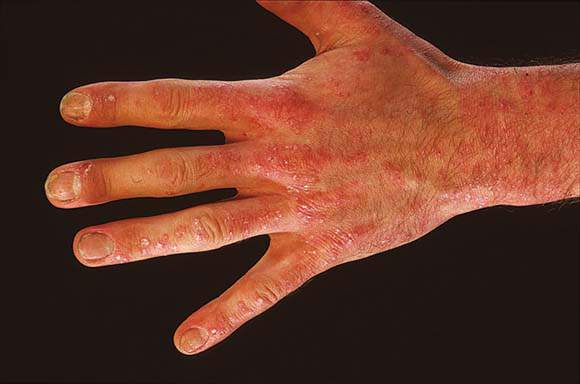
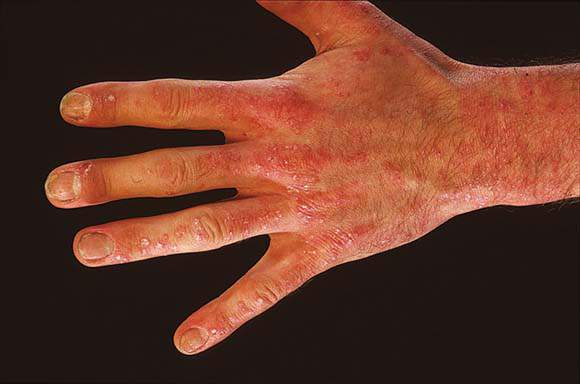
Researchers have uncovered a bidirectional relationship between psoriatic disease – psoriasis and psoriatic arthritis – and uveitis, with either condition significantly increasing the risk of the other.
A Danish nationwide cohort study of 74,129 individuals with psoriasis, including 6,735 with psoriatic arthritis, showed that patients with mild psoriasis had a 38% increased risk of uveitis, while those with psoriatic arthritis had a 2.5-fold increase in risk and those with psoriatic spondylitis had a greater than eight-fold increased risk, according to a paper published online in JAMA Dermatology.
There was a nonsignificant increase in the risk of uveitis in patients with severe psoriasis, but this failed to reach significance because of the small number of patients.
Similarly, patients with uveitis had a 59% greater risk of mild psoriasis, a twofold greater risk of severe psoriasis, a nearly fourfold increase in the risk of psoriatic arthritis, and an eightfold increase in the risk of psoriatic spondylitis (JAMA Dermatol. 2015 July 29 doi: 10.1001/jamadermatol.2015.1986).
The authors suggested that an increased focus on eye symptoms in patients with psoriasis and psoriatic arthritis and on skin and joint symptoms in patients with uveitis may be appropriate.
“The bidirectional relationship between psoriasis and psoriatic arthritis and uveitis suggests a shared pathogenic pathway, and increased systemic inflammation may contribute to the observed relationship,” wrote Dr. Alexander Egeberg of Pfizer and his coauthors. Dr. Egeberg was at the University of Copenhagen, Hellerup, when the study was conducted.
The study was supported by Pfizer, the LEO Foundation, and the Novo Nordisk Foundation. One author is employed by Eli Lilly. No other conflicts of interest were declared.
Researchers have uncovered a bidirectional relationship between psoriatic disease – psoriasis and psoriatic arthritis – and uveitis, with either condition significantly increasing the risk of the other.
A Danish nationwide cohort study of 74,129 individuals with psoriasis, including 6,735 with psoriatic arthritis, showed that patients with mild psoriasis had a 38% increased risk of uveitis, while those with psoriatic arthritis had a 2.5-fold increase in risk and those with psoriatic spondylitis had a greater than eight-fold increased risk, according to a paper published online in JAMA Dermatology.
There was a nonsignificant increase in the risk of uveitis in patients with severe psoriasis, but this failed to reach significance because of the small number of patients.
Similarly, patients with uveitis had a 59% greater risk of mild psoriasis, a twofold greater risk of severe psoriasis, a nearly fourfold increase in the risk of psoriatic arthritis, and an eightfold increase in the risk of psoriatic spondylitis (JAMA Dermatol. 2015 July 29 doi: 10.1001/jamadermatol.2015.1986).
The authors suggested that an increased focus on eye symptoms in patients with psoriasis and psoriatic arthritis and on skin and joint symptoms in patients with uveitis may be appropriate.
“The bidirectional relationship between psoriasis and psoriatic arthritis and uveitis suggests a shared pathogenic pathway, and increased systemic inflammation may contribute to the observed relationship,” wrote Dr. Alexander Egeberg of Pfizer and his coauthors. Dr. Egeberg was at the University of Copenhagen, Hellerup, when the study was conducted.
The study was supported by Pfizer, the LEO Foundation, and the Novo Nordisk Foundation. One author is employed by Eli Lilly. No other conflicts of interest were declared.
Researchers have uncovered a bidirectional relationship between psoriatic disease – psoriasis and psoriatic arthritis – and uveitis, with either condition significantly increasing the risk of the other.
A Danish nationwide cohort study of 74,129 individuals with psoriasis, including 6,735 with psoriatic arthritis, showed that patients with mild psoriasis had a 38% increased risk of uveitis, while those with psoriatic arthritis had a 2.5-fold increase in risk and those with psoriatic spondylitis had a greater than eight-fold increased risk, according to a paper published online in JAMA Dermatology.
There was a nonsignificant increase in the risk of uveitis in patients with severe psoriasis, but this failed to reach significance because of the small number of patients.
Similarly, patients with uveitis had a 59% greater risk of mild psoriasis, a twofold greater risk of severe psoriasis, a nearly fourfold increase in the risk of psoriatic arthritis, and an eightfold increase in the risk of psoriatic spondylitis (JAMA Dermatol. 2015 July 29 doi: 10.1001/jamadermatol.2015.1986).
The authors suggested that an increased focus on eye symptoms in patients with psoriasis and psoriatic arthritis and on skin and joint symptoms in patients with uveitis may be appropriate.
“The bidirectional relationship between psoriasis and psoriatic arthritis and uveitis suggests a shared pathogenic pathway, and increased systemic inflammation may contribute to the observed relationship,” wrote Dr. Alexander Egeberg of Pfizer and his coauthors. Dr. Egeberg was at the University of Copenhagen, Hellerup, when the study was conducted.
The study was supported by Pfizer, the LEO Foundation, and the Novo Nordisk Foundation. One author is employed by Eli Lilly. No other conflicts of interest were declared.
FROM JAMA DERMATOLOGY
Key clinical point:Patients with psoriasis or uveitis are at significantly greater risk of the other condition.
Major finding: Psoriatic arthritis more than doubles the risk of uveitis, and uveitis is associated with a two-gold greater risk of severe psoriasis.
Data source: A Danish nationwide cohort study of 74,129 individuals with psoriasis.
Disclosures: The study was supported by Pfizer, the LEO Foundation, and the Novo Nordisk Foundation. One author is an employee of Pfizer and another is employed by Eli Lilly. No other conflicts of interest were declared.
Fertility preservation more likely for young male cancer patients
Young male cancer patients are significantly more likely than female cancer patients to be involved in discussions around fertility preservation and more than four times as likely to make arrangements for fertility preservation, a study has found.
The survey of 459 adolescent and young adult cancer patients revealed that 80% of males and 74% of females had been told that their cancer therapy might affect their fertility, with more than half the male patients and around 17% of female patients classified as being at intermediate or high risk for fertility effects from treatment.
According to the paper published online July 27 in Cancer, having a medical oncologist increased the likelihood that fertility effects were discussed but males with children or who were diagnosed with lymphoma, acute lymphocytic leukemia, or sarcoma were less likely to have fertility issues raised.
In female patients, those who were younger at diagnosis, were Hispanic or non-Hispanic black, or who had less than a college degree or government insurance were also less likely to be told that their treatment might impact their fertility.
Overall, 71% of males and 44 % of females discussed fertility preservation, and 31% of males and 6.8% of females made arrangements for fertility preservation (Cancer 2015 July 27 [doi:10.1002/cncr.29328]).
“The access-related and health-related reasons for not making arrangements for fertility preservation reported by participants in the current study further highlight the need for decreased cost, improved insurance coverage, and partnerships between cancer health care providers and fertility experts to develop strategies that increase awareness of fertility preservation options and decrease delays in cancer therapy as fertility preservation for adolescent and young adult patients with cancer improves,” wrote Dr. Margarett Shnorhavorian, from the Seattle Children’s Hospital, and coauthors.
The study was supported by grants from the National Cancer Institute and the National Institutes of Health. Two authors declared National Cancer Institute grants but there were no other conflicts of interest declared.
Young male cancer patients are significantly more likely than female cancer patients to be involved in discussions around fertility preservation and more than four times as likely to make arrangements for fertility preservation, a study has found.
The survey of 459 adolescent and young adult cancer patients revealed that 80% of males and 74% of females had been told that their cancer therapy might affect their fertility, with more than half the male patients and around 17% of female patients classified as being at intermediate or high risk for fertility effects from treatment.
According to the paper published online July 27 in Cancer, having a medical oncologist increased the likelihood that fertility effects were discussed but males with children or who were diagnosed with lymphoma, acute lymphocytic leukemia, or sarcoma were less likely to have fertility issues raised.
In female patients, those who were younger at diagnosis, were Hispanic or non-Hispanic black, or who had less than a college degree or government insurance were also less likely to be told that their treatment might impact their fertility.
Overall, 71% of males and 44 % of females discussed fertility preservation, and 31% of males and 6.8% of females made arrangements for fertility preservation (Cancer 2015 July 27 [doi:10.1002/cncr.29328]).
“The access-related and health-related reasons for not making arrangements for fertility preservation reported by participants in the current study further highlight the need for decreased cost, improved insurance coverage, and partnerships between cancer health care providers and fertility experts to develop strategies that increase awareness of fertility preservation options and decrease delays in cancer therapy as fertility preservation for adolescent and young adult patients with cancer improves,” wrote Dr. Margarett Shnorhavorian, from the Seattle Children’s Hospital, and coauthors.
The study was supported by grants from the National Cancer Institute and the National Institutes of Health. Two authors declared National Cancer Institute grants but there were no other conflicts of interest declared.
Young male cancer patients are significantly more likely than female cancer patients to be involved in discussions around fertility preservation and more than four times as likely to make arrangements for fertility preservation, a study has found.
The survey of 459 adolescent and young adult cancer patients revealed that 80% of males and 74% of females had been told that their cancer therapy might affect their fertility, with more than half the male patients and around 17% of female patients classified as being at intermediate or high risk for fertility effects from treatment.
According to the paper published online July 27 in Cancer, having a medical oncologist increased the likelihood that fertility effects were discussed but males with children or who were diagnosed with lymphoma, acute lymphocytic leukemia, or sarcoma were less likely to have fertility issues raised.
In female patients, those who were younger at diagnosis, were Hispanic or non-Hispanic black, or who had less than a college degree or government insurance were also less likely to be told that their treatment might impact their fertility.
Overall, 71% of males and 44 % of females discussed fertility preservation, and 31% of males and 6.8% of females made arrangements for fertility preservation (Cancer 2015 July 27 [doi:10.1002/cncr.29328]).
“The access-related and health-related reasons for not making arrangements for fertility preservation reported by participants in the current study further highlight the need for decreased cost, improved insurance coverage, and partnerships between cancer health care providers and fertility experts to develop strategies that increase awareness of fertility preservation options and decrease delays in cancer therapy as fertility preservation for adolescent and young adult patients with cancer improves,” wrote Dr. Margarett Shnorhavorian, from the Seattle Children’s Hospital, and coauthors.
The study was supported by grants from the National Cancer Institute and the National Institutes of Health. Two authors declared National Cancer Institute grants but there were no other conflicts of interest declared.
FROM CANCER
Key clinical point: Young male cancer patients are significantly more likely than female cancer patients to discuss fertility preservation with their provider.
Major finding: Overall, 71% of males and 44 % of females discussed fertility preservation, and 31% of males and 6.8% of females made arrangements for fertility preservation.
Data source: A population-based questionnaire study of 459 adolescent and young adult cancer patients.
Disclosures: The study was supported by grants from the National Cancer Institute and the National Institutes of Health. Two authors declared National Cancer Institute grants but there were no other conflicts of interest declared.
Home VTE Treatment With Rivaroxaban Safe and Effective
Home treatment with rivaroxaban for patients with a low-risk first deep vein thrombosis or pulmonary embolism is associated with low rates of thrombosis recurrence or major bleeding, according to data from a prospective observational study.
The study enrolled 71 patients with low-risk deep vein thrombosis (DVT), 30 with pulmonary embolism, and five with both, all of whom were discharged with prescriptions for 15mg of rivaroxaban twice a day for 21 days and then 20 mg once per day for a further month.

There were no cases of thrombosis recurrence within the treatment period – although three patients had a recurrent DVT after stopping treatment – and no incidents of major or clinically relevant bleeding while on the therapy, as was reported in the July edition of Academic Emergency Medicine.
“This preliminary report provides data to support the initial outpatient treatment of low-risk ED patients with deep vein thrombosis and pulmonary embolism,” wrote Dr. Daren M. Beam and colleagues from the Indiana University School of Medicine (Academic Emergency Medicine 2015, 22:789–795 [doi:10.1111/acem.12711]).
The study was partly supported by the Lilly Physician Scientist Award. One author declared consultancies with Stago Diagnostica, Janssen, and Pfizer.
Home treatment with rivaroxaban for patients with a low-risk first deep vein thrombosis or pulmonary embolism is associated with low rates of thrombosis recurrence or major bleeding, according to data from a prospective observational study.
The study enrolled 71 patients with low-risk deep vein thrombosis (DVT), 30 with pulmonary embolism, and five with both, all of whom were discharged with prescriptions for 15mg of rivaroxaban twice a day for 21 days and then 20 mg once per day for a further month.
There were no cases of thrombosis recurrence within the treatment period – although three patients had a recurrent DVT after stopping treatment – and no incidents of major or clinically relevant bleeding while on the therapy, as was reported in the July edition of Academic Emergency Medicine.
“This preliminary report provides data to support the initial outpatient treatment of low-risk ED patients with deep vein thrombosis and pulmonary embolism,” wrote Dr. Daren M. Beam and colleagues from the Indiana University School of Medicine (Academic Emergency Medicine 2015, 22:789–795 [doi:10.1111/acem.12711]).
The study was partly supported by the Lilly Physician Scientist Award. One author declared consultancies with Stago Diagnostica, Janssen, and Pfizer.
Home treatment with rivaroxaban for patients with a low-risk first deep vein thrombosis or pulmonary embolism is associated with low rates of thrombosis recurrence or major bleeding, according to data from a prospective observational study.
The study enrolled 71 patients with low-risk deep vein thrombosis (DVT), 30 with pulmonary embolism, and five with both, all of whom were discharged with prescriptions for 15mg of rivaroxaban twice a day for 21 days and then 20 mg once per day for a further month.
There were no cases of thrombosis recurrence within the treatment period – although three patients had a recurrent DVT after stopping treatment – and no incidents of major or clinically relevant bleeding while on the therapy, as was reported in the July edition of Academic Emergency Medicine.
“This preliminary report provides data to support the initial outpatient treatment of low-risk ED patients with deep vein thrombosis and pulmonary embolism,” wrote Dr. Daren M. Beam and colleagues from the Indiana University School of Medicine (Academic Emergency Medicine 2015, 22:789–795 [doi:10.1111/acem.12711]).
The study was partly supported by the Lilly Physician Scientist Award. One author declared consultancies with Stago Diagnostica, Janssen, and Pfizer.
FROM ACADEMIC EMERGENCY MEDICINE

Home VTE treatment with rivaroxaban safe and effective
Home treatment with rivaroxaban for patients with a low-risk first deep vein thrombosis or pulmonary embolism is associated with low rates of thrombosis recurrence or major bleeding, according to data from a prospective observational study.
The study enrolled 71 patients with low-risk deep vein thrombosis (DVT), 30 with pulmonary embolism, and five with both, all of whom were discharged with prescriptions for 15mg of rivaroxaban twice a day for 21 days and then 20 mg once per day for a further month.

There were no cases of thrombosis recurrence within the treatment period – although three patients had a recurrent DVT after stopping treatment – and no incidents of major or clinically relevant bleeding while on the therapy, as was reported in the July edition of Academic Emergency Medicine.
“This preliminary report provides data to support the initial outpatient treatment of low-risk ED patients with deep vein thrombosis and pulmonary embolism,” wrote Dr. Daren M. Beam and colleagues from the Indiana University School of Medicine (Academic Emergency Medicine 2015, 22:789–795 [doi:10.1111/acem.12711]).
The study was partly supported by the Lilly Physician Scientist Award. One author declared consultancies with Stago Diagnostica, Janssen, and Pfizer.
Home treatment with rivaroxaban for patients with a low-risk first deep vein thrombosis or pulmonary embolism is associated with low rates of thrombosis recurrence or major bleeding, according to data from a prospective observational study.
The study enrolled 71 patients with low-risk deep vein thrombosis (DVT), 30 with pulmonary embolism, and five with both, all of whom were discharged with prescriptions for 15mg of rivaroxaban twice a day for 21 days and then 20 mg once per day for a further month.
There were no cases of thrombosis recurrence within the treatment period – although three patients had a recurrent DVT after stopping treatment – and no incidents of major or clinically relevant bleeding while on the therapy, as was reported in the July edition of Academic Emergency Medicine.
“This preliminary report provides data to support the initial outpatient treatment of low-risk ED patients with deep vein thrombosis and pulmonary embolism,” wrote Dr. Daren M. Beam and colleagues from the Indiana University School of Medicine (Academic Emergency Medicine 2015, 22:789–795 [doi:10.1111/acem.12711]).
The study was partly supported by the Lilly Physician Scientist Award. One author declared consultancies with Stago Diagnostica, Janssen, and Pfizer.
Home treatment with rivaroxaban for patients with a low-risk first deep vein thrombosis or pulmonary embolism is associated with low rates of thrombosis recurrence or major bleeding, according to data from a prospective observational study.
The study enrolled 71 patients with low-risk deep vein thrombosis (DVT), 30 with pulmonary embolism, and five with both, all of whom were discharged with prescriptions for 15mg of rivaroxaban twice a day for 21 days and then 20 mg once per day for a further month.
There were no cases of thrombosis recurrence within the treatment period – although three patients had a recurrent DVT after stopping treatment – and no incidents of major or clinically relevant bleeding while on the therapy, as was reported in the July edition of Academic Emergency Medicine.
“This preliminary report provides data to support the initial outpatient treatment of low-risk ED patients with deep vein thrombosis and pulmonary embolism,” wrote Dr. Daren M. Beam and colleagues from the Indiana University School of Medicine (Academic Emergency Medicine 2015, 22:789–795 [doi:10.1111/acem.12711]).
The study was partly supported by the Lilly Physician Scientist Award. One author declared consultancies with Stago Diagnostica, Janssen, and Pfizer.
FROM ACADEMIC EMERGENCY MEDICINE
Key clinical point: Home treatment with rivaroxaban for patients with a low-risk first deep vein thrombosis or pulmonary embolism is safe and effective.
Major finding: Patients treated at home with rivaroxaban reported no cases of recurrent VTE or major bleeding during the treatment period.
Data source: A prospective observational study in 106 patients with deep vein thrombosis or pulmonary embolism.
Disclosures: The study was partly supported by the Lilly Physician Scientist Award. One author declared consultancies with Stago Diagnostica, Janssen, and Pfizer.