User login
Diabetes hospitalizations halved with FreeStyle Libre glucose monitor
among patients with diabetes, data from two new studies indicate.
The results were presented June 13 during the virtual American Diabetes Association (ADA) 80th Scientific Sessions.
One large database analysis, from France, revealed that use of the Libre system halved hospitalization rates for DKA among people with type 1 or type 2 diabetes.
In the other study, a retrospective analysis of data from over 1200 insulin-treated individuals with type 2 diabetes in the United States, use of the Libre was associated with significant reductions in both hospitalizations for acute diabetes-related emergency events and all-cause hospitalizations.
The Libre system reads glucose levels through a sensor worn on the back of the upper arm for up to 14 days. Users wave a scanner over the device to obtain a reading.
Asked to comment, Nicholas Argento, MD, diabetes technology director at Maryland Endocrine and Diabetes, Columbia, told Medscape Medical News: “One of the biggest problems with access to continuous glucose monitoring is cost. Payers need to see that there’s some cost-saving to offset the cost of paying for these devices. I think both of these studies are important for that reason.”
However, Argento also said he recommends that people with type 1 diabetes use the Dexcom continuous glucose monitor (CGM) if possible rather than the Libre, despite the former’s higher cost, because it has an alarm feature that the Libre doesn’t and is more accurate in the hypoglycemic range.
Large French study: Libre cuts DKA hospitalizations by 50%
The FreeStyle Libre system has been reimbursed in France since June 1, 2017 for patients over 4 years of age with type 1 or type 2 diabetes who take at least 3 insulin injections per day or use an insulin pump.

The new results were presented by Ronan Roussel, MD, PhD, chief of the endocrinology, diabetes, and nutrition department at Hôpital Bichat, Fédération de Diabétologie, AP-HP, Paris, France.
The DKA hospitalization data Roussel reported were part of a larger longitudinal retrospective cohort study looking at overall prescribing and use of the Libre system, and its impact on healthcare outcomes and associated costs in standard practice in France. The data came from a large nationwide claims database containing all healthcare expenses for over 66 million people.
The current study participants were 74,076 individuals with at least a full year of follow-up beginning in 2017 with the date of first reimbursement for the FreeStyle Libre system. Of those, 44.8% (33,203) had type 1 diabetes and 55.2% (40,955) had type 2 diabetes.
Prior to initiation of Libre use, about a quarter of each group was using 0 fingerstick test strips per day, about 19% of the type 1 diabetes group and 28% of the type 2 diabetes group were using 1-3 strips per day, and about half of both groups were using 4 or more strips per day.
Compared with the year prior to the date of first reimbursement for the Libre, hospitalization rates for DKA during the first year of Libre use fell by 52% in the type 1 diabetes group, from 5.46 to 2.59 per 100 patient-years, and by 47% in the type 2 diabetes group, from 1.70 to 0.90 per 100 patient-years.
The impact of Libre on DKA hospitalizations was most dramatic among those not using any test strips prior to Libre use, with a 60% reduction for the type 1 diabetes group (8.31 to 3.31 per 100 patient-years) and a 51% reduction in the type 2 diabetes group (2.51 to 1.23 per 100 patient-years).
But interestingly, the next-biggest impact was among those who had been using more than 5 test strips per day, with drops of 59% among those with type 1 diabetes (5.55 to 2.26 per 100 patient-years) and 52% in the type 2 diabetes group (1.88 to 0.90 per 100 patient-years).
This finding is important for the United States, Argento said, because some insurers, including Medicare, require that the patient performs at least 4 fingerstick glucose measurements per day to qualify for reimbursement for the Libre or any CGM system.
“I think that speaks to the importance of not requiring that patients first show they’re frequently doing self-blood glucose monitoring before they can get these devices,” he observed.
The large benefit in the high strip use group is interesting too, Argento said. “It’s a different group of people. They’re more engaged in their care...This U-shaped curve they showed is fascinating.”
Reductions in DKA hospitalizations were also similar between patients using insulin pumps and those using multiple daily injections of insulin, Roussel reported.
“It is plausible that use of the FreeStyle Libre system allowed people to detect and limit persistent hyperglycemia, and subsequently ketoacidosis,” Roussel said.
“This analysis has significant implications for patient-centered clinical care in diabetes and also for long-term health economic outcomes in the treatment of diabetes at a national level.”
All-cause hospitalizations drop 30% with Libre in type 2 diabetes
Richard M. Bergenstal, MD, executive director of the International Diabetes Center at Park Nicollet, Minneapolis, Minnesota, presented the US results, obtained from the IBM Watson Health MarketScan, a database of commercial and Medicare supplemental insurance claims for over 30 million Americans.
The study population included 2463 patients with type 2 diabetes using basal-bolus daily insulin injections but who had not previously used Libre or any other CGM, and for whom data were available 6 months prior to and after Libre initiation.
Compared with 6 months prior to Libre use, the number of acute diabetes-related events — including hyperglycemia, hypoglycemia, DKA, hypoglycemic coma, and hyperosmolarity — in the subsequent 6 months dropped by 60%, from 0.180 to 0.072 events per patient-year (P < .001).
Similarly significant reductions were seen between males and females, and among those aged ≥ 50 years or < 50 years.
All-cause hospitalizations also significantly dropped by 33% (P < 0.001), from 0.420 to 0.283 events per patient-year. Among diagnostic codes for the hospitalizations, circulatory system causes remained number one during both time periods, with little change from pre-Libre to during Libre use.
However, “endocrine, nutritional, and metabolism system” codes dropped from the second position pre-Libre (6.4 events/100 patient-years) down to the fifth position (2.6 events/100 patient-years).
And, Bergenstal noted, other major diagnostic categories that also dropped included respiratory (3.5 to 2.1 events/100 patient-years), kidney and urinary tract (3.3 to 1.7 events/100 patient-years), and hepatobiliary system and pancreas (2.4 to 1.4 events/100 patient-years).
“We’re seeing a resurgence of certain types of complications, but all of these were reduced in the 6 months after Libre,” Bergenstal pointed out.
And, pertinent to the current COVID-19 situation, “infectious and parasitic disease and disorders” dropped as well, from 4.8 to 2.8 per 100 patient-years.
Argento commented: “The fact that infections went down speaks to something that is important right now. Hyperglycemia impairs immune function chronically, but also acutely...so patients who become ill and their blood glucose deteriorates rapidly are much more likely to have a poor outcome regardless of infection. There are data for COVID-19 now.”
“These findings provide compelling support for use of [Libre] to improve both clinical outcomes and potentially reduce costs in this patient population,” Bergenstal concluded.
Roussel has reported being on advisory panels for Abbott, AstraZeneca, Diabnext, Eli Lilly, Merck, Mundipharma International, Novo Nordisk, and Sanofi-Aventis. Bergenstal has reported being a consultant for Ascensia Diabetes Care, Johnson & Johnson, and has other relationships with Abbott, Dexcom, Hygieia, Lilly Diabetes, Medtronic, Novo Nordisk, Onduo, Roche Diabetes Care, Sanofi, and UnitedHealth Group. Argento has reported consulting and being on speaker bureaus for Omnipod, Eli Lilly, Novo Nordisk, Dexcom, and Boehringer Ingelheim.
This article first appeared on Medscape.com.
among patients with diabetes, data from two new studies indicate.
The results were presented June 13 during the virtual American Diabetes Association (ADA) 80th Scientific Sessions.
One large database analysis, from France, revealed that use of the Libre system halved hospitalization rates for DKA among people with type 1 or type 2 diabetes.
In the other study, a retrospective analysis of data from over 1200 insulin-treated individuals with type 2 diabetes in the United States, use of the Libre was associated with significant reductions in both hospitalizations for acute diabetes-related emergency events and all-cause hospitalizations.
The Libre system reads glucose levels through a sensor worn on the back of the upper arm for up to 14 days. Users wave a scanner over the device to obtain a reading.
Asked to comment, Nicholas Argento, MD, diabetes technology director at Maryland Endocrine and Diabetes, Columbia, told Medscape Medical News: “One of the biggest problems with access to continuous glucose monitoring is cost. Payers need to see that there’s some cost-saving to offset the cost of paying for these devices. I think both of these studies are important for that reason.”
However, Argento also said he recommends that people with type 1 diabetes use the Dexcom continuous glucose monitor (CGM) if possible rather than the Libre, despite the former’s higher cost, because it has an alarm feature that the Libre doesn’t and is more accurate in the hypoglycemic range.
Large French study: Libre cuts DKA hospitalizations by 50%
The FreeStyle Libre system has been reimbursed in France since June 1, 2017 for patients over 4 years of age with type 1 or type 2 diabetes who take at least 3 insulin injections per day or use an insulin pump.
The new results were presented by Ronan Roussel, MD, PhD, chief of the endocrinology, diabetes, and nutrition department at Hôpital Bichat, Fédération de Diabétologie, AP-HP, Paris, France.
The DKA hospitalization data Roussel reported were part of a larger longitudinal retrospective cohort study looking at overall prescribing and use of the Libre system, and its impact on healthcare outcomes and associated costs in standard practice in France. The data came from a large nationwide claims database containing all healthcare expenses for over 66 million people.
The current study participants were 74,076 individuals with at least a full year of follow-up beginning in 2017 with the date of first reimbursement for the FreeStyle Libre system. Of those, 44.8% (33,203) had type 1 diabetes and 55.2% (40,955) had type 2 diabetes.
Prior to initiation of Libre use, about a quarter of each group was using 0 fingerstick test strips per day, about 19% of the type 1 diabetes group and 28% of the type 2 diabetes group were using 1-3 strips per day, and about half of both groups were using 4 or more strips per day.
Compared with the year prior to the date of first reimbursement for the Libre, hospitalization rates for DKA during the first year of Libre use fell by 52% in the type 1 diabetes group, from 5.46 to 2.59 per 100 patient-years, and by 47% in the type 2 diabetes group, from 1.70 to 0.90 per 100 patient-years.
The impact of Libre on DKA hospitalizations was most dramatic among those not using any test strips prior to Libre use, with a 60% reduction for the type 1 diabetes group (8.31 to 3.31 per 100 patient-years) and a 51% reduction in the type 2 diabetes group (2.51 to 1.23 per 100 patient-years).
But interestingly, the next-biggest impact was among those who had been using more than 5 test strips per day, with drops of 59% among those with type 1 diabetes (5.55 to 2.26 per 100 patient-years) and 52% in the type 2 diabetes group (1.88 to 0.90 per 100 patient-years).
This finding is important for the United States, Argento said, because some insurers, including Medicare, require that the patient performs at least 4 fingerstick glucose measurements per day to qualify for reimbursement for the Libre or any CGM system.
“I think that speaks to the importance of not requiring that patients first show they’re frequently doing self-blood glucose monitoring before they can get these devices,” he observed.
The large benefit in the high strip use group is interesting too, Argento said. “It’s a different group of people. They’re more engaged in their care...This U-shaped curve they showed is fascinating.”
Reductions in DKA hospitalizations were also similar between patients using insulin pumps and those using multiple daily injections of insulin, Roussel reported.
“It is plausible that use of the FreeStyle Libre system allowed people to detect and limit persistent hyperglycemia, and subsequently ketoacidosis,” Roussel said.
“This analysis has significant implications for patient-centered clinical care in diabetes and also for long-term health economic outcomes in the treatment of diabetes at a national level.”
All-cause hospitalizations drop 30% with Libre in type 2 diabetes
Richard M. Bergenstal, MD, executive director of the International Diabetes Center at Park Nicollet, Minneapolis, Minnesota, presented the US results, obtained from the IBM Watson Health MarketScan, a database of commercial and Medicare supplemental insurance claims for over 30 million Americans.
The study population included 2463 patients with type 2 diabetes using basal-bolus daily insulin injections but who had not previously used Libre or any other CGM, and for whom data were available 6 months prior to and after Libre initiation.
Compared with 6 months prior to Libre use, the number of acute diabetes-related events — including hyperglycemia, hypoglycemia, DKA, hypoglycemic coma, and hyperosmolarity — in the subsequent 6 months dropped by 60%, from 0.180 to 0.072 events per patient-year (P < .001).
Similarly significant reductions were seen between males and females, and among those aged ≥ 50 years or < 50 years.
All-cause hospitalizations also significantly dropped by 33% (P < 0.001), from 0.420 to 0.283 events per patient-year. Among diagnostic codes for the hospitalizations, circulatory system causes remained number one during both time periods, with little change from pre-Libre to during Libre use.
However, “endocrine, nutritional, and metabolism system” codes dropped from the second position pre-Libre (6.4 events/100 patient-years) down to the fifth position (2.6 events/100 patient-years).
And, Bergenstal noted, other major diagnostic categories that also dropped included respiratory (3.5 to 2.1 events/100 patient-years), kidney and urinary tract (3.3 to 1.7 events/100 patient-years), and hepatobiliary system and pancreas (2.4 to 1.4 events/100 patient-years).
“We’re seeing a resurgence of certain types of complications, but all of these were reduced in the 6 months after Libre,” Bergenstal pointed out.
And, pertinent to the current COVID-19 situation, “infectious and parasitic disease and disorders” dropped as well, from 4.8 to 2.8 per 100 patient-years.
Argento commented: “The fact that infections went down speaks to something that is important right now. Hyperglycemia impairs immune function chronically, but also acutely...so patients who become ill and their blood glucose deteriorates rapidly are much more likely to have a poor outcome regardless of infection. There are data for COVID-19 now.”
“These findings provide compelling support for use of [Libre] to improve both clinical outcomes and potentially reduce costs in this patient population,” Bergenstal concluded.
Roussel has reported being on advisory panels for Abbott, AstraZeneca, Diabnext, Eli Lilly, Merck, Mundipharma International, Novo Nordisk, and Sanofi-Aventis. Bergenstal has reported being a consultant for Ascensia Diabetes Care, Johnson & Johnson, and has other relationships with Abbott, Dexcom, Hygieia, Lilly Diabetes, Medtronic, Novo Nordisk, Onduo, Roche Diabetes Care, Sanofi, and UnitedHealth Group. Argento has reported consulting and being on speaker bureaus for Omnipod, Eli Lilly, Novo Nordisk, Dexcom, and Boehringer Ingelheim.
This article first appeared on Medscape.com.
among patients with diabetes, data from two new studies indicate.
The results were presented June 13 during the virtual American Diabetes Association (ADA) 80th Scientific Sessions.
One large database analysis, from France, revealed that use of the Libre system halved hospitalization rates for DKA among people with type 1 or type 2 diabetes.
In the other study, a retrospective analysis of data from over 1200 insulin-treated individuals with type 2 diabetes in the United States, use of the Libre was associated with significant reductions in both hospitalizations for acute diabetes-related emergency events and all-cause hospitalizations.
The Libre system reads glucose levels through a sensor worn on the back of the upper arm for up to 14 days. Users wave a scanner over the device to obtain a reading.
Asked to comment, Nicholas Argento, MD, diabetes technology director at Maryland Endocrine and Diabetes, Columbia, told Medscape Medical News: “One of the biggest problems with access to continuous glucose monitoring is cost. Payers need to see that there’s some cost-saving to offset the cost of paying for these devices. I think both of these studies are important for that reason.”
However, Argento also said he recommends that people with type 1 diabetes use the Dexcom continuous glucose monitor (CGM) if possible rather than the Libre, despite the former’s higher cost, because it has an alarm feature that the Libre doesn’t and is more accurate in the hypoglycemic range.
Large French study: Libre cuts DKA hospitalizations by 50%
The FreeStyle Libre system has been reimbursed in France since June 1, 2017 for patients over 4 years of age with type 1 or type 2 diabetes who take at least 3 insulin injections per day or use an insulin pump.
The new results were presented by Ronan Roussel, MD, PhD, chief of the endocrinology, diabetes, and nutrition department at Hôpital Bichat, Fédération de Diabétologie, AP-HP, Paris, France.
The DKA hospitalization data Roussel reported were part of a larger longitudinal retrospective cohort study looking at overall prescribing and use of the Libre system, and its impact on healthcare outcomes and associated costs in standard practice in France. The data came from a large nationwide claims database containing all healthcare expenses for over 66 million people.
The current study participants were 74,076 individuals with at least a full year of follow-up beginning in 2017 with the date of first reimbursement for the FreeStyle Libre system. Of those, 44.8% (33,203) had type 1 diabetes and 55.2% (40,955) had type 2 diabetes.
Prior to initiation of Libre use, about a quarter of each group was using 0 fingerstick test strips per day, about 19% of the type 1 diabetes group and 28% of the type 2 diabetes group were using 1-3 strips per day, and about half of both groups were using 4 or more strips per day.
Compared with the year prior to the date of first reimbursement for the Libre, hospitalization rates for DKA during the first year of Libre use fell by 52% in the type 1 diabetes group, from 5.46 to 2.59 per 100 patient-years, and by 47% in the type 2 diabetes group, from 1.70 to 0.90 per 100 patient-years.
The impact of Libre on DKA hospitalizations was most dramatic among those not using any test strips prior to Libre use, with a 60% reduction for the type 1 diabetes group (8.31 to 3.31 per 100 patient-years) and a 51% reduction in the type 2 diabetes group (2.51 to 1.23 per 100 patient-years).
But interestingly, the next-biggest impact was among those who had been using more than 5 test strips per day, with drops of 59% among those with type 1 diabetes (5.55 to 2.26 per 100 patient-years) and 52% in the type 2 diabetes group (1.88 to 0.90 per 100 patient-years).
This finding is important for the United States, Argento said, because some insurers, including Medicare, require that the patient performs at least 4 fingerstick glucose measurements per day to qualify for reimbursement for the Libre or any CGM system.
“I think that speaks to the importance of not requiring that patients first show they’re frequently doing self-blood glucose monitoring before they can get these devices,” he observed.
The large benefit in the high strip use group is interesting too, Argento said. “It’s a different group of people. They’re more engaged in their care...This U-shaped curve they showed is fascinating.”
Reductions in DKA hospitalizations were also similar between patients using insulin pumps and those using multiple daily injections of insulin, Roussel reported.
“It is plausible that use of the FreeStyle Libre system allowed people to detect and limit persistent hyperglycemia, and subsequently ketoacidosis,” Roussel said.
“This analysis has significant implications for patient-centered clinical care in diabetes and also for long-term health economic outcomes in the treatment of diabetes at a national level.”
All-cause hospitalizations drop 30% with Libre in type 2 diabetes
Richard M. Bergenstal, MD, executive director of the International Diabetes Center at Park Nicollet, Minneapolis, Minnesota, presented the US results, obtained from the IBM Watson Health MarketScan, a database of commercial and Medicare supplemental insurance claims for over 30 million Americans.
The study population included 2463 patients with type 2 diabetes using basal-bolus daily insulin injections but who had not previously used Libre or any other CGM, and for whom data were available 6 months prior to and after Libre initiation.
Compared with 6 months prior to Libre use, the number of acute diabetes-related events — including hyperglycemia, hypoglycemia, DKA, hypoglycemic coma, and hyperosmolarity — in the subsequent 6 months dropped by 60%, from 0.180 to 0.072 events per patient-year (P < .001).
Similarly significant reductions were seen between males and females, and among those aged ≥ 50 years or < 50 years.
All-cause hospitalizations also significantly dropped by 33% (P < 0.001), from 0.420 to 0.283 events per patient-year. Among diagnostic codes for the hospitalizations, circulatory system causes remained number one during both time periods, with little change from pre-Libre to during Libre use.
However, “endocrine, nutritional, and metabolism system” codes dropped from the second position pre-Libre (6.4 events/100 patient-years) down to the fifth position (2.6 events/100 patient-years).
And, Bergenstal noted, other major diagnostic categories that also dropped included respiratory (3.5 to 2.1 events/100 patient-years), kidney and urinary tract (3.3 to 1.7 events/100 patient-years), and hepatobiliary system and pancreas (2.4 to 1.4 events/100 patient-years).
“We’re seeing a resurgence of certain types of complications, but all of these were reduced in the 6 months after Libre,” Bergenstal pointed out.
And, pertinent to the current COVID-19 situation, “infectious and parasitic disease and disorders” dropped as well, from 4.8 to 2.8 per 100 patient-years.
Argento commented: “The fact that infections went down speaks to something that is important right now. Hyperglycemia impairs immune function chronically, but also acutely...so patients who become ill and their blood glucose deteriorates rapidly are much more likely to have a poor outcome regardless of infection. There are data for COVID-19 now.”
“These findings provide compelling support for use of [Libre] to improve both clinical outcomes and potentially reduce costs in this patient population,” Bergenstal concluded.
Roussel has reported being on advisory panels for Abbott, AstraZeneca, Diabnext, Eli Lilly, Merck, Mundipharma International, Novo Nordisk, and Sanofi-Aventis. Bergenstal has reported being a consultant for Ascensia Diabetes Care, Johnson & Johnson, and has other relationships with Abbott, Dexcom, Hygieia, Lilly Diabetes, Medtronic, Novo Nordisk, Onduo, Roche Diabetes Care, Sanofi, and UnitedHealth Group. Argento has reported consulting and being on speaker bureaus for Omnipod, Eli Lilly, Novo Nordisk, Dexcom, and Boehringer Ingelheim.
This article first appeared on Medscape.com.
FROM ADA 2020
Half of young adults with diabetes have diastolic dysfunction
Roughly half of adolescents and young adults with either type 1 or type 2 diabetes for about a decade had diastolic dysfunction, a direct precursor to heart failure, in a multicenter echocardiography survey of 479 American patients.
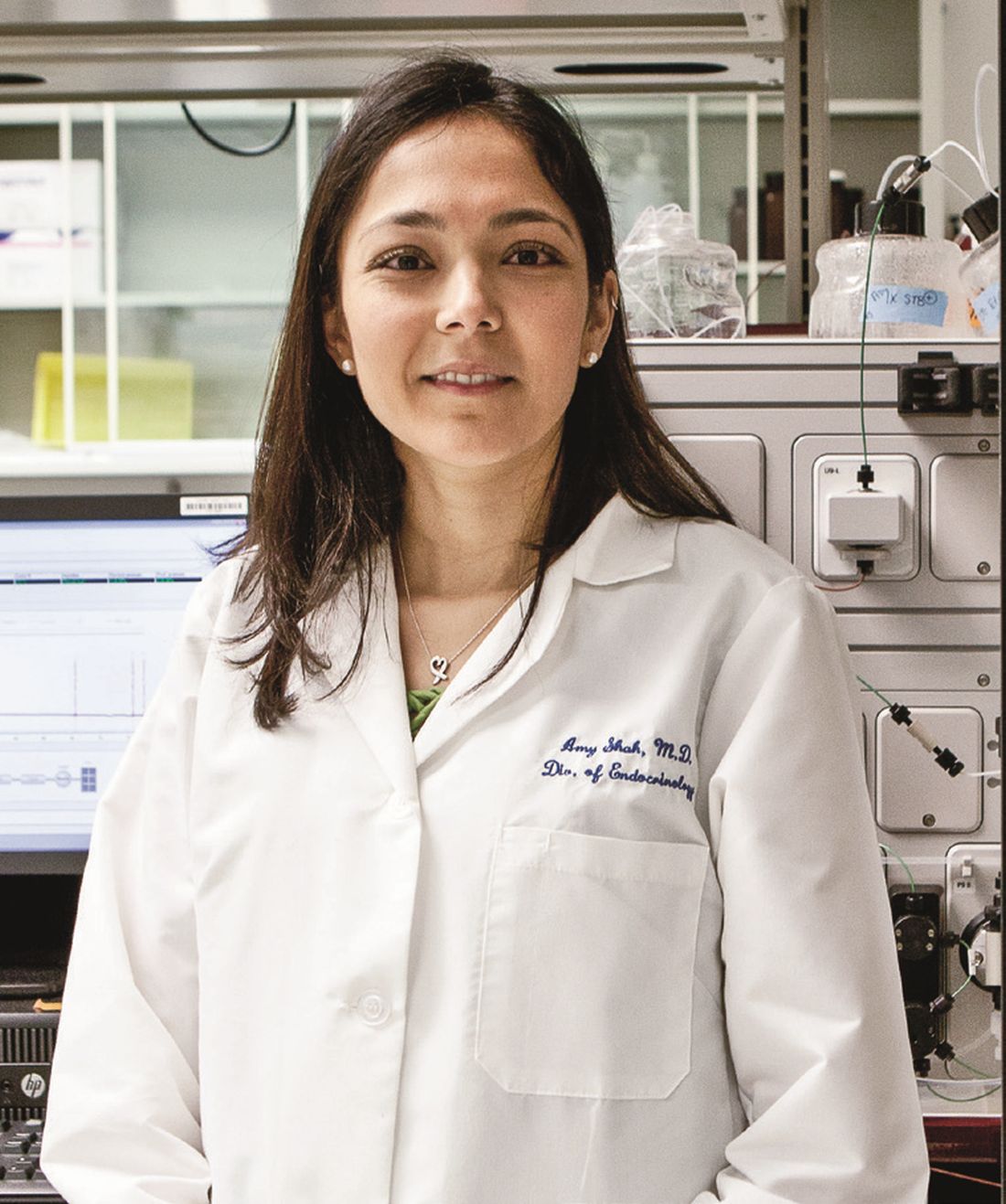
Using tissue Doppler echocardiography findings from 258 adolescents and young adults with type 1 diabetes, and 221 with type 2 diabetes, the study found at least one imaging marker of ventricular stiffness – diastolic dysfunction – in 58% of the patients with type 2 diabetes and in 47% of those with type 1 diabetes. The type 1 patients averaged 21 years of age with a median 12 years of diagnosed disease, while the type 2 patients had an average age of 25 years and a median 11 years disease duration.
The analysis also identified several measures that significantly linked with the presence of diastolic dysfunction: older age, female sex, nonwhite race, type 2 diabetes, higher heart rate, higher body mass index, higher systolic blood pressure, and higher hemoglobin A1c.
“Our data suggest targeting modifiable risk factors” in these patients in an effort to slow the process causing the diastolic dysfunction, Amy S. Shah, MD, said at the virtual annual scientific sessions of the American Diabetes Association. She particularly cited interventions aimed at reducing body mass index, lowering blood pressure, and improving glycemic control, as well as preventing type 2 diabetes in the first place.
Prevention of type 2 diabetes, as well as prevention of diastolic dysfunction development and progression, are key steps because of the substantial clinical consequences of diastolic dysfunction, triggered by stiffening of the left ventricle. Diastolic dysfunction leads to increased left ventricular diastolic pressure, left atrial dysfunction, and ultimately heart failure with preserved ejection fraction, a common diabetes complication that currently has no treatment with proven efficacy, said Dr. Shah, a pediatric endocrinologist and director of the Adolescent Type 2 Diabetes Program at Cincinnati Children’s Hospital Medical Center.

“It’s very concerning that diastolic dysfunction is so prevalent in this age group,” commented Robert A. Gabbay, MD, Chief Science & Medical Officer of the American Diabetes Association. “An important question is whether you can see an improvement by reversing risk factors.” He noted the importance of confirming the finding in additional cohorts as well as running prospective studies looking at the impact of risk factor modification.
Dr. Shah and her associates used data collected at four U.S. centers from patients enrolled in the SEARCH for Diabetes in Youth study who underwent a tissue Doppler examination during 2016-2019, and used three measures derived from the scans to identify diastolic dysfunction:
- The E/A ratio, which compares the early flow wave across the mitral valve (E) with the atrial flow wave (A) that occurs after atrial contraction. Lower values reflect worse pathology.
- The E/e’ ratio, which compares the early flow wave across the mitral valve (E) with the rate of cardiac wall relaxation in early diastole (e’). Higher values reflect worse pathology.
- The e’/a’ ratio, which compares the rate of cardiac wall relaxation in early diastole (e’) with the rate of cardiac wall relaxation in late diastole (a’). Lower values reflect worse pathology.
The most common abnormality involved the e’/a’ measure, which occurred in roughly 38% of the patients with type 2 diabetes and in about 23% of those with type 1 diabetes. Next most common was an abnormally high E/e’ ratio, and fewer than 10% of patients had an abnormally low E/A ratio. Both the E/A and E/e’ values were significantly worse among patients with type 2 diabetes compared with type 1 patients, while no statistically significant difference separated the two subgroups for prevalence of an e’/a’ abnormality after adjustment for body mass index, blood pressure, and HbA1c values.
Average body mass index among the 221 studied patients with type 2 diabetes was 38 kg/m2, 74% were girls or women, and 57% were non-Hispanic black and 24% non-Hispanic white. Mean blood pressure among the patients with type 2 diabetes was 123/80 mm Hg, while it was 110/72 mm Hg among the 258 patients with type 1 diabetes.
SEARCH for Diabetes in Youth receives no commercial funding. Dr. Shah had no disclosures.
SOURCE: Shah AS et al. ADA 2020 abstract 58-OR.
Roughly half of adolescents and young adults with either type 1 or type 2 diabetes for about a decade had diastolic dysfunction, a direct precursor to heart failure, in a multicenter echocardiography survey of 479 American patients.
Using tissue Doppler echocardiography findings from 258 adolescents and young adults with type 1 diabetes, and 221 with type 2 diabetes, the study found at least one imaging marker of ventricular stiffness – diastolic dysfunction – in 58% of the patients with type 2 diabetes and in 47% of those with type 1 diabetes. The type 1 patients averaged 21 years of age with a median 12 years of diagnosed disease, while the type 2 patients had an average age of 25 years and a median 11 years disease duration.
The analysis also identified several measures that significantly linked with the presence of diastolic dysfunction: older age, female sex, nonwhite race, type 2 diabetes, higher heart rate, higher body mass index, higher systolic blood pressure, and higher hemoglobin A1c.
“Our data suggest targeting modifiable risk factors” in these patients in an effort to slow the process causing the diastolic dysfunction, Amy S. Shah, MD, said at the virtual annual scientific sessions of the American Diabetes Association. She particularly cited interventions aimed at reducing body mass index, lowering blood pressure, and improving glycemic control, as well as preventing type 2 diabetes in the first place.
Prevention of type 2 diabetes, as well as prevention of diastolic dysfunction development and progression, are key steps because of the substantial clinical consequences of diastolic dysfunction, triggered by stiffening of the left ventricle. Diastolic dysfunction leads to increased left ventricular diastolic pressure, left atrial dysfunction, and ultimately heart failure with preserved ejection fraction, a common diabetes complication that currently has no treatment with proven efficacy, said Dr. Shah, a pediatric endocrinologist and director of the Adolescent Type 2 Diabetes Program at Cincinnati Children’s Hospital Medical Center.
“It’s very concerning that diastolic dysfunction is so prevalent in this age group,” commented Robert A. Gabbay, MD, Chief Science & Medical Officer of the American Diabetes Association. “An important question is whether you can see an improvement by reversing risk factors.” He noted the importance of confirming the finding in additional cohorts as well as running prospective studies looking at the impact of risk factor modification.
Dr. Shah and her associates used data collected at four U.S. centers from patients enrolled in the SEARCH for Diabetes in Youth study who underwent a tissue Doppler examination during 2016-2019, and used three measures derived from the scans to identify diastolic dysfunction:
- The E/A ratio, which compares the early flow wave across the mitral valve (E) with the atrial flow wave (A) that occurs after atrial contraction. Lower values reflect worse pathology.
- The E/e’ ratio, which compares the early flow wave across the mitral valve (E) with the rate of cardiac wall relaxation in early diastole (e’). Higher values reflect worse pathology.
- The e’/a’ ratio, which compares the rate of cardiac wall relaxation in early diastole (e’) with the rate of cardiac wall relaxation in late diastole (a’). Lower values reflect worse pathology.
The most common abnormality involved the e’/a’ measure, which occurred in roughly 38% of the patients with type 2 diabetes and in about 23% of those with type 1 diabetes. Next most common was an abnormally high E/e’ ratio, and fewer than 10% of patients had an abnormally low E/A ratio. Both the E/A and E/e’ values were significantly worse among patients with type 2 diabetes compared with type 1 patients, while no statistically significant difference separated the two subgroups for prevalence of an e’/a’ abnormality after adjustment for body mass index, blood pressure, and HbA1c values.
Average body mass index among the 221 studied patients with type 2 diabetes was 38 kg/m2, 74% were girls or women, and 57% were non-Hispanic black and 24% non-Hispanic white. Mean blood pressure among the patients with type 2 diabetes was 123/80 mm Hg, while it was 110/72 mm Hg among the 258 patients with type 1 diabetes.
SEARCH for Diabetes in Youth receives no commercial funding. Dr. Shah had no disclosures.
SOURCE: Shah AS et al. ADA 2020 abstract 58-OR.
Roughly half of adolescents and young adults with either type 1 or type 2 diabetes for about a decade had diastolic dysfunction, a direct precursor to heart failure, in a multicenter echocardiography survey of 479 American patients.
Using tissue Doppler echocardiography findings from 258 adolescents and young adults with type 1 diabetes, and 221 with type 2 diabetes, the study found at least one imaging marker of ventricular stiffness – diastolic dysfunction – in 58% of the patients with type 2 diabetes and in 47% of those with type 1 diabetes. The type 1 patients averaged 21 years of age with a median 12 years of diagnosed disease, while the type 2 patients had an average age of 25 years and a median 11 years disease duration.
The analysis also identified several measures that significantly linked with the presence of diastolic dysfunction: older age, female sex, nonwhite race, type 2 diabetes, higher heart rate, higher body mass index, higher systolic blood pressure, and higher hemoglobin A1c.
“Our data suggest targeting modifiable risk factors” in these patients in an effort to slow the process causing the diastolic dysfunction, Amy S. Shah, MD, said at the virtual annual scientific sessions of the American Diabetes Association. She particularly cited interventions aimed at reducing body mass index, lowering blood pressure, and improving glycemic control, as well as preventing type 2 diabetes in the first place.
Prevention of type 2 diabetes, as well as prevention of diastolic dysfunction development and progression, are key steps because of the substantial clinical consequences of diastolic dysfunction, triggered by stiffening of the left ventricle. Diastolic dysfunction leads to increased left ventricular diastolic pressure, left atrial dysfunction, and ultimately heart failure with preserved ejection fraction, a common diabetes complication that currently has no treatment with proven efficacy, said Dr. Shah, a pediatric endocrinologist and director of the Adolescent Type 2 Diabetes Program at Cincinnati Children’s Hospital Medical Center.
“It’s very concerning that diastolic dysfunction is so prevalent in this age group,” commented Robert A. Gabbay, MD, Chief Science & Medical Officer of the American Diabetes Association. “An important question is whether you can see an improvement by reversing risk factors.” He noted the importance of confirming the finding in additional cohorts as well as running prospective studies looking at the impact of risk factor modification.
Dr. Shah and her associates used data collected at four U.S. centers from patients enrolled in the SEARCH for Diabetes in Youth study who underwent a tissue Doppler examination during 2016-2019, and used three measures derived from the scans to identify diastolic dysfunction:
- The E/A ratio, which compares the early flow wave across the mitral valve (E) with the atrial flow wave (A) that occurs after atrial contraction. Lower values reflect worse pathology.
- The E/e’ ratio, which compares the early flow wave across the mitral valve (E) with the rate of cardiac wall relaxation in early diastole (e’). Higher values reflect worse pathology.
- The e’/a’ ratio, which compares the rate of cardiac wall relaxation in early diastole (e’) with the rate of cardiac wall relaxation in late diastole (a’). Lower values reflect worse pathology.
The most common abnormality involved the e’/a’ measure, which occurred in roughly 38% of the patients with type 2 diabetes and in about 23% of those with type 1 diabetes. Next most common was an abnormally high E/e’ ratio, and fewer than 10% of patients had an abnormally low E/A ratio. Both the E/A and E/e’ values were significantly worse among patients with type 2 diabetes compared with type 1 patients, while no statistically significant difference separated the two subgroups for prevalence of an e’/a’ abnormality after adjustment for body mass index, blood pressure, and HbA1c values.
Average body mass index among the 221 studied patients with type 2 diabetes was 38 kg/m2, 74% were girls or women, and 57% were non-Hispanic black and 24% non-Hispanic white. Mean blood pressure among the patients with type 2 diabetes was 123/80 mm Hg, while it was 110/72 mm Hg among the 258 patients with type 1 diabetes.
SEARCH for Diabetes in Youth receives no commercial funding. Dr. Shah had no disclosures.
SOURCE: Shah AS et al. ADA 2020 abstract 58-OR.
FROM ADA 2020
Key clinical point: .
Major finding: Tissue Doppler echocardiography detected diastolic dysfunction in 58% of patients with type 2 diabetes and 47% of type 1 patients.
Study details: SEARCH for Diabetes in Youth study, with 479 American adolescents and young adults with diabetes.
Disclosures: SEARCH for Diabetes in Youth receives no commercial funding. Dr. Shah had no disclosures.
Source: Shah AS et al. ADA 2020, Abstract 58-OR.
EMPA-REG OUTCOME: Empagliflozin cut insulin need in type 2 diabetes
Patients with type 2 diabetes treated with the SGLT2 inhibitor empagliflozin during the landmark EMPA-REG OUTCOME trial had a solidly reduced need to either start insulin treatment or intensify existing insulin treatment, compared with those given placebo, in a post-hoc analysis of the study’s findings.

“Empagliflozin markedly and durably delayed the need for insulin initiation, and reduced the need for large dose increases in patients already using insulin,” Muthiah Vaduganathan, MD, said at the virtual annual scientific sessions of the American Diabetes Association.
The patients in the empagliflozin (Jardiance) arm of EMPA-REG OUTCOME had a 9% rate of initiating insulin treatment after 4 years in the study, compared with a 20% rate among patients who received placebo, a statistically significant 60% relative risk reduction. All patients in the trial continued on their background oral glucose-lowering medications.
Among the 48% of study patients who entered the study already using insulin as part of their usual regimen, 18% of those receiving empagliflozin required a significant increase in their insulin dosage (an increase of at least 20% from baseline) after 4 years. But among the control patients, 35% needed this level of insulin-dosage intensification, again a statistically significant difference that computed to a 58% relative reduction in the need for boosting the insulin dosage.
For both of these endpoints, the divergence between the empagliflozin and control arms became apparent within the first 6 months on treatment, and the between-group differences steadily increased during further follow-up. The analyses pooled the patients who received empagliflozin in the trial, which studied two different dosages of the drug.
Results add to the ‘risk and benefit conversation’
“This is one of the first studies to look at this question in a more granular fashion” in patients with type 2 diabetes receiving a drug from the sodium-glucose cotransporter 2 (SGLT2) inhibitor class, said Dr. Vaduganathan, a cardiologist at Brigham and Women’s Hospital in Boston. It provides “compelling” information to include when discussing oral diabetes-drug options with patients, he said in an interview.
Patients newly diagnosed with type 2 diabetes “often think about insulin” and their potential need to eventually start taking it, with the requirements it brings for training, monitoring, and drug delivery, along with the costs for insulin and glucose monitoring. “Patients are very attuned to potentially needing insulin and often ask about it. A reduced need for insulin will be an important part of the risk and benefit conversation” with patients about potential use of an SGLT2 inhibitor, he said.
Dr. Vaduganathan hypothesized that three factors could contribute to the impact of empagliflozin on insulin initiation and dosage level: a direct glycemic-control effect of the drug, the drug’s positive impact on overall well-being and function that could enhance patient movement, and the documented ability of treatment with empagliflozin and other drugs in its class to cut the rate of heart failure hospitalizations. This last feature is potentially relevant because insulin treatment often starts in patients with type 2 diabetes during a hospitalization, he noted.
Handelsman: Analysis shows no ‘spectacular effect’
The association of empagliflozin treatment with a reduced need for insulin seen in these data is consistent with expectations for patients with type 2 diabetes who receive an additional oral drug, commented Yehuda Handelsman, MD, an endocrinologist and diabetes specialist who is medical director of The Metabolic Institute of American in Tarzana, Calif. “In large part it has to do with patients on placebo having to get more insulin” because their additional oral-drug options were limited. Dr. Handelsman pointed out that during the period when the EMPA-REG OUTCOME trial ran, from 2010-2015, fewer oral drugs were available than today, and clinicians in the study were encouraged to treat patients to their goal glycemia level according to local guidelines. In addition to a modest but useful glycemic control effect from SGLT2 inhibitors that, on average, cut hemoglobin A1c levels by about 0.5%, they may also give a small boost to insulin sensitivity that can also defer the need to add or increase insulin. The level of insulin-treatment deference reported in the new analysis was “not a spectacular effect” he said in an interview.
The EMPA-REG OUTCOME (Empagliflozin Cardiovascular Outcome Event Trial in Type 2 Diabetes Mellitus Patients) study followed 7,020 patients at 590 sites in 42 countries for a median of 3.1 years. The study’s primary endpoint was a composite of death from cardiovascular causes, nonfatal myocardial infarction (excluding silent MI), or nonfatal stroke, and the results showed a statistically significant 14% relative risk reduction with empagliflozin treatment (N Engl J Med. 2015 Nov 26;373[22]:2117-28 ). The results also showed that 12 weeks into the study, before patients could receive any additional drugs, HbA1c levels averaged 0.54%-0.6% lower among the empagliflozin-treated patients than those in the placebo arm, with smaller between-group differences maintained through the balance of the study. At entry, more than half the enrolled patients were routinely treated with metformin, and close to half were receiving a sulfonyurea agent.
The EMPA-REG OUTCOME results were also notable as showing for the first time that treatment with an SGLT2 inhibitor drug produced a substantial decrease in heart failure hospitalizations, incident heart failure, and progression of renal dysfunction, effects subsequently confirmed and also found for other agents in this drug class.
EMPA-REG OUTCOME was funded in part by Boehringer Ingelheim and Eli Lilly, the companies that market empagliflozin (Jardiance). Dr. Vaduganathan has been an advisor to Boehringer Ingelheim and to Amgen, AstraZeneca, Baxter, Bayer, Cytokinetics, and Relypsa. Dr. Handelsman has been a consultant to several drug companies including Boehringer Ingelheim and Eli Lilly.
SOURCE: Vaduganathan M et al. ADA 2020, Abstract 30-OR.
Patients with type 2 diabetes treated with the SGLT2 inhibitor empagliflozin during the landmark EMPA-REG OUTCOME trial had a solidly reduced need to either start insulin treatment or intensify existing insulin treatment, compared with those given placebo, in a post-hoc analysis of the study’s findings.
“Empagliflozin markedly and durably delayed the need for insulin initiation, and reduced the need for large dose increases in patients already using insulin,” Muthiah Vaduganathan, MD, said at the virtual annual scientific sessions of the American Diabetes Association.
The patients in the empagliflozin (Jardiance) arm of EMPA-REG OUTCOME had a 9% rate of initiating insulin treatment after 4 years in the study, compared with a 20% rate among patients who received placebo, a statistically significant 60% relative risk reduction. All patients in the trial continued on their background oral glucose-lowering medications.
Among the 48% of study patients who entered the study already using insulin as part of their usual regimen, 18% of those receiving empagliflozin required a significant increase in their insulin dosage (an increase of at least 20% from baseline) after 4 years. But among the control patients, 35% needed this level of insulin-dosage intensification, again a statistically significant difference that computed to a 58% relative reduction in the need for boosting the insulin dosage.
For both of these endpoints, the divergence between the empagliflozin and control arms became apparent within the first 6 months on treatment, and the between-group differences steadily increased during further follow-up. The analyses pooled the patients who received empagliflozin in the trial, which studied two different dosages of the drug.
Results add to the ‘risk and benefit conversation’
“This is one of the first studies to look at this question in a more granular fashion” in patients with type 2 diabetes receiving a drug from the sodium-glucose cotransporter 2 (SGLT2) inhibitor class, said Dr. Vaduganathan, a cardiologist at Brigham and Women’s Hospital in Boston. It provides “compelling” information to include when discussing oral diabetes-drug options with patients, he said in an interview.
Patients newly diagnosed with type 2 diabetes “often think about insulin” and their potential need to eventually start taking it, with the requirements it brings for training, monitoring, and drug delivery, along with the costs for insulin and glucose monitoring. “Patients are very attuned to potentially needing insulin and often ask about it. A reduced need for insulin will be an important part of the risk and benefit conversation” with patients about potential use of an SGLT2 inhibitor, he said.
Dr. Vaduganathan hypothesized that three factors could contribute to the impact of empagliflozin on insulin initiation and dosage level: a direct glycemic-control effect of the drug, the drug’s positive impact on overall well-being and function that could enhance patient movement, and the documented ability of treatment with empagliflozin and other drugs in its class to cut the rate of heart failure hospitalizations. This last feature is potentially relevant because insulin treatment often starts in patients with type 2 diabetes during a hospitalization, he noted.
Handelsman: Analysis shows no ‘spectacular effect’
The association of empagliflozin treatment with a reduced need for insulin seen in these data is consistent with expectations for patients with type 2 diabetes who receive an additional oral drug, commented Yehuda Handelsman, MD, an endocrinologist and diabetes specialist who is medical director of The Metabolic Institute of American in Tarzana, Calif. “In large part it has to do with patients on placebo having to get more insulin” because their additional oral-drug options were limited. Dr. Handelsman pointed out that during the period when the EMPA-REG OUTCOME trial ran, from 2010-2015, fewer oral drugs were available than today, and clinicians in the study were encouraged to treat patients to their goal glycemia level according to local guidelines. In addition to a modest but useful glycemic control effect from SGLT2 inhibitors that, on average, cut hemoglobin A1c levels by about 0.5%, they may also give a small boost to insulin sensitivity that can also defer the need to add or increase insulin. The level of insulin-treatment deference reported in the new analysis was “not a spectacular effect” he said in an interview.
The EMPA-REG OUTCOME (Empagliflozin Cardiovascular Outcome Event Trial in Type 2 Diabetes Mellitus Patients) study followed 7,020 patients at 590 sites in 42 countries for a median of 3.1 years. The study’s primary endpoint was a composite of death from cardiovascular causes, nonfatal myocardial infarction (excluding silent MI), or nonfatal stroke, and the results showed a statistically significant 14% relative risk reduction with empagliflozin treatment (N Engl J Med. 2015 Nov 26;373[22]:2117-28 ). The results also showed that 12 weeks into the study, before patients could receive any additional drugs, HbA1c levels averaged 0.54%-0.6% lower among the empagliflozin-treated patients than those in the placebo arm, with smaller between-group differences maintained through the balance of the study. At entry, more than half the enrolled patients were routinely treated with metformin, and close to half were receiving a sulfonyurea agent.
The EMPA-REG OUTCOME results were also notable as showing for the first time that treatment with an SGLT2 inhibitor drug produced a substantial decrease in heart failure hospitalizations, incident heart failure, and progression of renal dysfunction, effects subsequently confirmed and also found for other agents in this drug class.
EMPA-REG OUTCOME was funded in part by Boehringer Ingelheim and Eli Lilly, the companies that market empagliflozin (Jardiance). Dr. Vaduganathan has been an advisor to Boehringer Ingelheim and to Amgen, AstraZeneca, Baxter, Bayer, Cytokinetics, and Relypsa. Dr. Handelsman has been a consultant to several drug companies including Boehringer Ingelheim and Eli Lilly.
SOURCE: Vaduganathan M et al. ADA 2020, Abstract 30-OR.
Patients with type 2 diabetes treated with the SGLT2 inhibitor empagliflozin during the landmark EMPA-REG OUTCOME trial had a solidly reduced need to either start insulin treatment or intensify existing insulin treatment, compared with those given placebo, in a post-hoc analysis of the study’s findings.
“Empagliflozin markedly and durably delayed the need for insulin initiation, and reduced the need for large dose increases in patients already using insulin,” Muthiah Vaduganathan, MD, said at the virtual annual scientific sessions of the American Diabetes Association.
The patients in the empagliflozin (Jardiance) arm of EMPA-REG OUTCOME had a 9% rate of initiating insulin treatment after 4 years in the study, compared with a 20% rate among patients who received placebo, a statistically significant 60% relative risk reduction. All patients in the trial continued on their background oral glucose-lowering medications.
Among the 48% of study patients who entered the study already using insulin as part of their usual regimen, 18% of those receiving empagliflozin required a significant increase in their insulin dosage (an increase of at least 20% from baseline) after 4 years. But among the control patients, 35% needed this level of insulin-dosage intensification, again a statistically significant difference that computed to a 58% relative reduction in the need for boosting the insulin dosage.
For both of these endpoints, the divergence between the empagliflozin and control arms became apparent within the first 6 months on treatment, and the between-group differences steadily increased during further follow-up. The analyses pooled the patients who received empagliflozin in the trial, which studied two different dosages of the drug.
Results add to the ‘risk and benefit conversation’
“This is one of the first studies to look at this question in a more granular fashion” in patients with type 2 diabetes receiving a drug from the sodium-glucose cotransporter 2 (SGLT2) inhibitor class, said Dr. Vaduganathan, a cardiologist at Brigham and Women’s Hospital in Boston. It provides “compelling” information to include when discussing oral diabetes-drug options with patients, he said in an interview.
Patients newly diagnosed with type 2 diabetes “often think about insulin” and their potential need to eventually start taking it, with the requirements it brings for training, monitoring, and drug delivery, along with the costs for insulin and glucose monitoring. “Patients are very attuned to potentially needing insulin and often ask about it. A reduced need for insulin will be an important part of the risk and benefit conversation” with patients about potential use of an SGLT2 inhibitor, he said.
Dr. Vaduganathan hypothesized that three factors could contribute to the impact of empagliflozin on insulin initiation and dosage level: a direct glycemic-control effect of the drug, the drug’s positive impact on overall well-being and function that could enhance patient movement, and the documented ability of treatment with empagliflozin and other drugs in its class to cut the rate of heart failure hospitalizations. This last feature is potentially relevant because insulin treatment often starts in patients with type 2 diabetes during a hospitalization, he noted.
Handelsman: Analysis shows no ‘spectacular effect’
The association of empagliflozin treatment with a reduced need for insulin seen in these data is consistent with expectations for patients with type 2 diabetes who receive an additional oral drug, commented Yehuda Handelsman, MD, an endocrinologist and diabetes specialist who is medical director of The Metabolic Institute of American in Tarzana, Calif. “In large part it has to do with patients on placebo having to get more insulin” because their additional oral-drug options were limited. Dr. Handelsman pointed out that during the period when the EMPA-REG OUTCOME trial ran, from 2010-2015, fewer oral drugs were available than today, and clinicians in the study were encouraged to treat patients to their goal glycemia level according to local guidelines. In addition to a modest but useful glycemic control effect from SGLT2 inhibitors that, on average, cut hemoglobin A1c levels by about 0.5%, they may also give a small boost to insulin sensitivity that can also defer the need to add or increase insulin. The level of insulin-treatment deference reported in the new analysis was “not a spectacular effect” he said in an interview.
The EMPA-REG OUTCOME (Empagliflozin Cardiovascular Outcome Event Trial in Type 2 Diabetes Mellitus Patients) study followed 7,020 patients at 590 sites in 42 countries for a median of 3.1 years. The study’s primary endpoint was a composite of death from cardiovascular causes, nonfatal myocardial infarction (excluding silent MI), or nonfatal stroke, and the results showed a statistically significant 14% relative risk reduction with empagliflozin treatment (N Engl J Med. 2015 Nov 26;373[22]:2117-28 ). The results also showed that 12 weeks into the study, before patients could receive any additional drugs, HbA1c levels averaged 0.54%-0.6% lower among the empagliflozin-treated patients than those in the placebo arm, with smaller between-group differences maintained through the balance of the study. At entry, more than half the enrolled patients were routinely treated with metformin, and close to half were receiving a sulfonyurea agent.
The EMPA-REG OUTCOME results were also notable as showing for the first time that treatment with an SGLT2 inhibitor drug produced a substantial decrease in heart failure hospitalizations, incident heart failure, and progression of renal dysfunction, effects subsequently confirmed and also found for other agents in this drug class.
EMPA-REG OUTCOME was funded in part by Boehringer Ingelheim and Eli Lilly, the companies that market empagliflozin (Jardiance). Dr. Vaduganathan has been an advisor to Boehringer Ingelheim and to Amgen, AstraZeneca, Baxter, Bayer, Cytokinetics, and Relypsa. Dr. Handelsman has been a consultant to several drug companies including Boehringer Ingelheim and Eli Lilly.
SOURCE: Vaduganathan M et al. ADA 2020, Abstract 30-OR.
FROM ADA 2020
Half of type 1 diabetes patients with COVID-19 manage at home
New preliminary data from the T1D Exchange suggest that, although hyperglycemia and diabetic ketoacidosis (DKA) are common in people with type 1 diabetes who develop COVID-19, many are still able to manage the illness at home and overall mortality is relatively low.
The new findings – the first US data on individuals with type 1 diabetes and COVID-19 – were published online June 5 in Diabetes Care by Osagie A. Ebekozien, MD, vice president, quality improvement and population health at the T1D Exchange, and colleagues.
Two UK studies are the only prior ones to previously examine the topic.
The newly published study includes data as of May 5 on 64 individuals from a total of 64 US sites, including 15 T1D Exchange member clinics and an additional 49 endocrinology clinics from around the country. Since the paper was submitted, there are now 220 patients from 68 sites. Another publication with a more detailed analysis of risk factors and adjustment for confounders is planned for later this year.
Some of the findings from the preliminary data have shifted, but many aspects remain consistent, Ebekozien told Medscape Medical News.
“One thing still very true, even with the unpublished findings, is the influence of A1c and glycemic management. ...With higher A1c levels, we’re seeing more COVID-19 hospitalizations and worse outcomes,” he said.
And as has been generally reported for COVID-19, high body mass index was a major risk factor in the preliminary dataset – and remains so.
There were two deaths in the preliminary report, both individuals with comorbidities in addition to type 1 diabetes, Ebekozien said. There have been a few more deaths in the larger dataset, but the mortality rate remains relatively low.
Interestingly, females predominate in both cohorts. That may be a reporting phenomenon, another factor that is being analyzed.
Hyperglycemia Remains a Major Risk Factor
The study is specifically being conducted by the T1D Exchange’s Quality Improvement Collaborative, which Ebekozien heads.
Data were obtained for 33 patients with type 1 diabetes who tested positive for COVID-19, and another 31 who were classified as “COVID-19–like” because they had symptoms consistent with COVID-19, as identified by the Centers for Disease Control and Prevention, but hadn’t been tested for the virus.
For all 64 patients, the mean age was 20.9 years and two thirds (65.6%) were aged 18 or younger. A higher proportion of the COVID-19–like patients were pediatric than the confirmed cases. The larger dataset includes more adult patients, Ebekozien told Medscape Medical News.
Overall, 60.9% of patients were female. Nearly half were white, a quarter Hispanic, and 18.8% black. More confirmed COVID-19 cases were black compared with suspected cases (30.3% vs 6.5%).
Median A1c for the overall group (including suspected COVID-19 cases) was 8.0%, but it was 8.5% among confirmed cases. Overall, six patients (9.8%) presented with new-onset type 1 diabetes after they developed COVID-19.
Hyperglycemia was present in half (32) of patients overall. DKA occurred in 19 people (30.2%): 15 of the confirmed COVID-19 cases (45.5%) versus just 4 (13.3%) of the COVID-19–like cases. Nausea was reported in 30.2% of patients overall.
Other symptoms were typical of COVID-19, including fever (41.3%), dry cough (38.1%), and shortness of breath (27.0%). Loss of taste and smell was less common, at just 9.5% overall.
Obesity was present in 39.7% of patients overall, with similar proportions in the confirmed and suspected COVID-19 groups. Hypertension and/or cardiovascular disease were present in 14.3% of patients overall, and the rate was similar between the two subgroups.
One of the two patients who died was a 79-year-old man who had hypertension and a prior stroke in addition to type 1 diabetes. The other was a 19-year-old woman with a history of asthma who developed a pulmonary embolism during the onset of COVID-19. Neither had DKA.
Even in Type 1 Diabetes, COVID-19 Can Be Managed at Home
Overall, 34.9% of patients were able to manage COVID-19 entirely at home, with 27.3% of the confirmed and 43.3% of the suspected cases able to do so.
At the other extreme, 22.2% of patients overall were admitted to the intensive care unit; 30.3% of the confirmed versus 13.3% of suspected cases.
Including the small proportion of patients sent home after being seen in emergency or urgent care, overall roughly half were not admitted to hospital.
“Interestingly, even in this preliminary study, half were managed at home via telemedicine with an endocrinologist and infectious disease specialist. ... I think it continues to be a case-by-case clinical decision between the patient and their provider,” Ebekozien said.
“But, we’re seeing a good number of patients who are managed at home and the symptoms resolve in a week or two, and the illness runs its course, and they don’t have to even be seen,” he added.
The research team is also collecting data on barriers to remote care, including challenges with telemedicine and how frontline providers are navigating them.
“Those are all things that our future paper will be able to shed more light on,” he explained.
Endocrinologists around the country are invited to report cases of COVID-19 in patients with type 1 diabetes to the T1D Exchange by emailing [email protected].
And in fact, Ebekozien also requested that clinicians with a large type 1 diabetes population also report if they’ve had no COVID-19 cases.
“Even if they haven’t had a case, that’s very useful information for us to know. One of the things we want to calculate down the line is the incidence ratio. Not all participating sites have had a case.”
Endocrinologists from all the participating sites have formed a dedicated community that meets regularly via webinars to share information, he noted. “It’s been a very selfless effort to work collaboratively as a community to quickly answer critical questions.”
The Helmsley Charitable Trust funds the T1D Exchange Quality Improvement Collaborative. The T1D Exchange received financial support for this study from Abbott Diabetes, Dexcom, JDRF, Insulet Corporation, Lilly, Medtronic, and Tandem Diabetes Care. No other relevant financial relationships were reported.
This article first appeared on Medscape.com.
New preliminary data from the T1D Exchange suggest that, although hyperglycemia and diabetic ketoacidosis (DKA) are common in people with type 1 diabetes who develop COVID-19, many are still able to manage the illness at home and overall mortality is relatively low.
The new findings – the first US data on individuals with type 1 diabetes and COVID-19 – were published online June 5 in Diabetes Care by Osagie A. Ebekozien, MD, vice president, quality improvement and population health at the T1D Exchange, and colleagues.
Two UK studies are the only prior ones to previously examine the topic.
The newly published study includes data as of May 5 on 64 individuals from a total of 64 US sites, including 15 T1D Exchange member clinics and an additional 49 endocrinology clinics from around the country. Since the paper was submitted, there are now 220 patients from 68 sites. Another publication with a more detailed analysis of risk factors and adjustment for confounders is planned for later this year.
Some of the findings from the preliminary data have shifted, but many aspects remain consistent, Ebekozien told Medscape Medical News.
“One thing still very true, even with the unpublished findings, is the influence of A1c and glycemic management. ...With higher A1c levels, we’re seeing more COVID-19 hospitalizations and worse outcomes,” he said.
And as has been generally reported for COVID-19, high body mass index was a major risk factor in the preliminary dataset – and remains so.
There were two deaths in the preliminary report, both individuals with comorbidities in addition to type 1 diabetes, Ebekozien said. There have been a few more deaths in the larger dataset, but the mortality rate remains relatively low.
Interestingly, females predominate in both cohorts. That may be a reporting phenomenon, another factor that is being analyzed.
Hyperglycemia Remains a Major Risk Factor
The study is specifically being conducted by the T1D Exchange’s Quality Improvement Collaborative, which Ebekozien heads.
Data were obtained for 33 patients with type 1 diabetes who tested positive for COVID-19, and another 31 who were classified as “COVID-19–like” because they had symptoms consistent with COVID-19, as identified by the Centers for Disease Control and Prevention, but hadn’t been tested for the virus.
For all 64 patients, the mean age was 20.9 years and two thirds (65.6%) were aged 18 or younger. A higher proportion of the COVID-19–like patients were pediatric than the confirmed cases. The larger dataset includes more adult patients, Ebekozien told Medscape Medical News.
Overall, 60.9% of patients were female. Nearly half were white, a quarter Hispanic, and 18.8% black. More confirmed COVID-19 cases were black compared with suspected cases (30.3% vs 6.5%).
Median A1c for the overall group (including suspected COVID-19 cases) was 8.0%, but it was 8.5% among confirmed cases. Overall, six patients (9.8%) presented with new-onset type 1 diabetes after they developed COVID-19.
Hyperglycemia was present in half (32) of patients overall. DKA occurred in 19 people (30.2%): 15 of the confirmed COVID-19 cases (45.5%) versus just 4 (13.3%) of the COVID-19–like cases. Nausea was reported in 30.2% of patients overall.
Other symptoms were typical of COVID-19, including fever (41.3%), dry cough (38.1%), and shortness of breath (27.0%). Loss of taste and smell was less common, at just 9.5% overall.
Obesity was present in 39.7% of patients overall, with similar proportions in the confirmed and suspected COVID-19 groups. Hypertension and/or cardiovascular disease were present in 14.3% of patients overall, and the rate was similar between the two subgroups.
One of the two patients who died was a 79-year-old man who had hypertension and a prior stroke in addition to type 1 diabetes. The other was a 19-year-old woman with a history of asthma who developed a pulmonary embolism during the onset of COVID-19. Neither had DKA.
Even in Type 1 Diabetes, COVID-19 Can Be Managed at Home
Overall, 34.9% of patients were able to manage COVID-19 entirely at home, with 27.3% of the confirmed and 43.3% of the suspected cases able to do so.
At the other extreme, 22.2% of patients overall were admitted to the intensive care unit; 30.3% of the confirmed versus 13.3% of suspected cases.
Including the small proportion of patients sent home after being seen in emergency or urgent care, overall roughly half were not admitted to hospital.
“Interestingly, even in this preliminary study, half were managed at home via telemedicine with an endocrinologist and infectious disease specialist. ... I think it continues to be a case-by-case clinical decision between the patient and their provider,” Ebekozien said.
“But, we’re seeing a good number of patients who are managed at home and the symptoms resolve in a week or two, and the illness runs its course, and they don’t have to even be seen,” he added.
The research team is also collecting data on barriers to remote care, including challenges with telemedicine and how frontline providers are navigating them.
“Those are all things that our future paper will be able to shed more light on,” he explained.
Endocrinologists around the country are invited to report cases of COVID-19 in patients with type 1 diabetes to the T1D Exchange by emailing [email protected].
And in fact, Ebekozien also requested that clinicians with a large type 1 diabetes population also report if they’ve had no COVID-19 cases.
“Even if they haven’t had a case, that’s very useful information for us to know. One of the things we want to calculate down the line is the incidence ratio. Not all participating sites have had a case.”
Endocrinologists from all the participating sites have formed a dedicated community that meets regularly via webinars to share information, he noted. “It’s been a very selfless effort to work collaboratively as a community to quickly answer critical questions.”
The Helmsley Charitable Trust funds the T1D Exchange Quality Improvement Collaborative. The T1D Exchange received financial support for this study from Abbott Diabetes, Dexcom, JDRF, Insulet Corporation, Lilly, Medtronic, and Tandem Diabetes Care. No other relevant financial relationships were reported.
This article first appeared on Medscape.com.
New preliminary data from the T1D Exchange suggest that, although hyperglycemia and diabetic ketoacidosis (DKA) are common in people with type 1 diabetes who develop COVID-19, many are still able to manage the illness at home and overall mortality is relatively low.
The new findings – the first US data on individuals with type 1 diabetes and COVID-19 – were published online June 5 in Diabetes Care by Osagie A. Ebekozien, MD, vice president, quality improvement and population health at the T1D Exchange, and colleagues.
Two UK studies are the only prior ones to previously examine the topic.
The newly published study includes data as of May 5 on 64 individuals from a total of 64 US sites, including 15 T1D Exchange member clinics and an additional 49 endocrinology clinics from around the country. Since the paper was submitted, there are now 220 patients from 68 sites. Another publication with a more detailed analysis of risk factors and adjustment for confounders is planned for later this year.
Some of the findings from the preliminary data have shifted, but many aspects remain consistent, Ebekozien told Medscape Medical News.
“One thing still very true, even with the unpublished findings, is the influence of A1c and glycemic management. ...With higher A1c levels, we’re seeing more COVID-19 hospitalizations and worse outcomes,” he said.
And as has been generally reported for COVID-19, high body mass index was a major risk factor in the preliminary dataset – and remains so.
There were two deaths in the preliminary report, both individuals with comorbidities in addition to type 1 diabetes, Ebekozien said. There have been a few more deaths in the larger dataset, but the mortality rate remains relatively low.
Interestingly, females predominate in both cohorts. That may be a reporting phenomenon, another factor that is being analyzed.
Hyperglycemia Remains a Major Risk Factor
The study is specifically being conducted by the T1D Exchange’s Quality Improvement Collaborative, which Ebekozien heads.
Data were obtained for 33 patients with type 1 diabetes who tested positive for COVID-19, and another 31 who were classified as “COVID-19–like” because they had symptoms consistent with COVID-19, as identified by the Centers for Disease Control and Prevention, but hadn’t been tested for the virus.
For all 64 patients, the mean age was 20.9 years and two thirds (65.6%) were aged 18 or younger. A higher proportion of the COVID-19–like patients were pediatric than the confirmed cases. The larger dataset includes more adult patients, Ebekozien told Medscape Medical News.
Overall, 60.9% of patients were female. Nearly half were white, a quarter Hispanic, and 18.8% black. More confirmed COVID-19 cases were black compared with suspected cases (30.3% vs 6.5%).
Median A1c for the overall group (including suspected COVID-19 cases) was 8.0%, but it was 8.5% among confirmed cases. Overall, six patients (9.8%) presented with new-onset type 1 diabetes after they developed COVID-19.
Hyperglycemia was present in half (32) of patients overall. DKA occurred in 19 people (30.2%): 15 of the confirmed COVID-19 cases (45.5%) versus just 4 (13.3%) of the COVID-19–like cases. Nausea was reported in 30.2% of patients overall.
Other symptoms were typical of COVID-19, including fever (41.3%), dry cough (38.1%), and shortness of breath (27.0%). Loss of taste and smell was less common, at just 9.5% overall.
Obesity was present in 39.7% of patients overall, with similar proportions in the confirmed and suspected COVID-19 groups. Hypertension and/or cardiovascular disease were present in 14.3% of patients overall, and the rate was similar between the two subgroups.
One of the two patients who died was a 79-year-old man who had hypertension and a prior stroke in addition to type 1 diabetes. The other was a 19-year-old woman with a history of asthma who developed a pulmonary embolism during the onset of COVID-19. Neither had DKA.
Even in Type 1 Diabetes, COVID-19 Can Be Managed at Home
Overall, 34.9% of patients were able to manage COVID-19 entirely at home, with 27.3% of the confirmed and 43.3% of the suspected cases able to do so.
At the other extreme, 22.2% of patients overall were admitted to the intensive care unit; 30.3% of the confirmed versus 13.3% of suspected cases.
Including the small proportion of patients sent home after being seen in emergency or urgent care, overall roughly half were not admitted to hospital.
“Interestingly, even in this preliminary study, half were managed at home via telemedicine with an endocrinologist and infectious disease specialist. ... I think it continues to be a case-by-case clinical decision between the patient and their provider,” Ebekozien said.
“But, we’re seeing a good number of patients who are managed at home and the symptoms resolve in a week or two, and the illness runs its course, and they don’t have to even be seen,” he added.
The research team is also collecting data on barriers to remote care, including challenges with telemedicine and how frontline providers are navigating them.
“Those are all things that our future paper will be able to shed more light on,” he explained.
Endocrinologists around the country are invited to report cases of COVID-19 in patients with type 1 diabetes to the T1D Exchange by emailing [email protected].
And in fact, Ebekozien also requested that clinicians with a large type 1 diabetes population also report if they’ve had no COVID-19 cases.
“Even if they haven’t had a case, that’s very useful information for us to know. One of the things we want to calculate down the line is the incidence ratio. Not all participating sites have had a case.”
Endocrinologists from all the participating sites have formed a dedicated community that meets regularly via webinars to share information, he noted. “It’s been a very selfless effort to work collaboratively as a community to quickly answer critical questions.”
The Helmsley Charitable Trust funds the T1D Exchange Quality Improvement Collaborative. The T1D Exchange received financial support for this study from Abbott Diabetes, Dexcom, JDRF, Insulet Corporation, Lilly, Medtronic, and Tandem Diabetes Care. No other relevant financial relationships were reported.
This article first appeared on Medscape.com.
Thyroid cancer overdiagnosis reaches beyond affluent regions
The rapid increase in thyroid cancer incidence that has occurred since the 1990s – considered an “epidemic of overdiagnosis,” has extended beyond high-income countries to less affluent settings, where unnecessary – and sometimes opportunistic – screening could continue to thrive.
“The impact of overdiagnosis on the increasing incidence of thyroid cancer highlighted in our report is a warning sign for countries with growing economies, where diagnostic technologies are increasingly and routinely offered, usually in exchange for payment, despite evidence that the harms far outweigh benefits,” the authors say.
“Overdiagnosis could turn healthy people into patients, and expose them to unnecessary harms and lifelong treatments,” say Mengmeng Li, PhD, of the International Agency for Research on Cancer, Lyon, France, and colleagues in their article published in Lancet Diabetes & Endocrinology.
With their previous research showing high rates of overdiagnosis in high-income countries, for this new analysis, they sought to evaluate whether similar patterns were occurring in less affluent settings.
They examined data from population-based cancer registries in 26 countries on four continents, looking at all cases of thyroid cancer reported between 1998 and 2012 in men and women aged 15 to 84 years.
A global public health problem
The results showed that while the incidence of thyroid cancer steadily increased from 1998 to 2002 and from 2008 to 2012 in all high-income countries, similar trends were also seen in less affluent nations, particularly in Belarus, China, Colombia, and Lithuania.
The increases were consistently greater among middle-aged women aged 35-64 years in all countries.
To determine what proportion of the higher incidence was overdiagnosis, the authors turned to historic age-specific thyroid cancer incidence data prior to the introduction of ultrasound and then looked at the progressive departure from that pattern, likely the result of the increased detection by ultrasound of thyroid nodules in middle-aged adults.
The results showed the proportion of thyroid cancer cases in women estimated to be attributable to overdiagnosis between 2008 and 2012 was as much as 93% in South Korea, 91% in Belarus, 87% in China, 84% in Italy and Croatia, and 83% in Slovakia and France.
Proportions attributable to overdiagnosis were lower in Denmark (66%), Norway (65%), Ireland (63%), United Kingdom (58%), Japan (55%), and Thailand (44%).
Women were much more likely to be overdiagnosed than men, with an approximate ratio of 3:1 in all countries; however, mortality and prevalence of thyroid cancer in autopsies were similar between genders.
Although researchers only looked at data up until 2012, Dr. Li said that, even in that year, “the amplitude of the phenomenon” was “already large and is increasing rapidly over time.”
Figures for periods subsequent to those assessed in the study “are likely to be higher.”
And the overdiagnosis is particularly remarkable in the context of the true risk of thyroid cancer, senior author Salvatore Vaccarella, PhD, told this news organization.
“What is surprising is the magnitude of this. Without overdiagnosis, thyroid cancer would probably still be a relatively rare cancer,” he said.
“Currently, it is the fifth most commonly diagnosed cancer in women of all ages and is third in women under 50 years of age. And the rates are still rising fast.”
“Overdiagnosis of thyroid cancer is still rapidly expanding in many high-income countries, and for the first time, we document and quantify the phenomenon also for several middle-income socioeconomically transitioning countries,” he observed. “In short, it is a global public health problem.”
Guidelines, physicians: No symptoms should mean no screening
With the implications of overdiagnosis ranging from physical, psychological in terms of the patient, and significant personal as well as societal costs, most international guidelines explicitly recommend against screening asymptomatic individuals and call for active surveillance of microcarcinomas that are detected.
The messaging appears to be making a difference.
As reported in research by American authors discussing the thyroid cancer epidemic from a 2017 perspective, the overdiagnosis situation in South Korea prompted a group of physicians there to make a high-profile public appeal in print and on television recommending against thyroid screening with ultrasound.
The result was a 35% reduction in the number of thyroidectomies performed in the subsequent year.
“This seems to be a striking example that the issue of overdiagnosis and overtreatment resonates with patients, and that public awareness can lead to changes in behavior,” say the U.S. authors of that article.
Senior author Louise Davies, MD, of the VA Outcomes Group, in White River Junction, Vt., said in an interview that the new study sheds more light on this issue.
“Even though the data only go through 2012, I think they give a nice snapshot of what’s happening across the globe with thyroid cancer incidence in countries of different levels of development,” she said.
The findings underscore that “it’s important that people are educated about the limits of medical testing and that sometimes when we see abnormalities we are truly catching a cancer early, but sometimes we’re seeing things that have been there a long time and may not change or become a problem in the future,” Dr. Davies remarked.
Important to know what size of cancers are being detected
One particular concern about overdiagnosis in middle-income countries is that the common approach of active monitoring may be more difficult in these settings, Dr. Davies added.
“In order to manage overdiagnosis, the health care systems in those countries have to think about whether they have the infrastructure for active monitoring and whether the patients will show up for the monitoring – so that’s a challenge.”
Also, she noted that the new study does not detail the size of cancers detected.
“We don’t know much about the size of the cancers being detected and whether these are truly the small asymptomatic cancers that we are worried about being overdiagnosed.”
“Probably, at least some of what we’re seeing is appropriate detection of cancers that, before there was economic development, were in fact being missed and people were dying of,” she said.
“So while overdiagnosis can be occurring, some of this represents better detection of disease overall, and that’s a good thing actually.”
The authors and Dr. Davies have reported no relevant financial relationships.
A version of this article originally appeared on Medscape.com.
The rapid increase in thyroid cancer incidence that has occurred since the 1990s – considered an “epidemic of overdiagnosis,” has extended beyond high-income countries to less affluent settings, where unnecessary – and sometimes opportunistic – screening could continue to thrive.
“The impact of overdiagnosis on the increasing incidence of thyroid cancer highlighted in our report is a warning sign for countries with growing economies, where diagnostic technologies are increasingly and routinely offered, usually in exchange for payment, despite evidence that the harms far outweigh benefits,” the authors say.
“Overdiagnosis could turn healthy people into patients, and expose them to unnecessary harms and lifelong treatments,” say Mengmeng Li, PhD, of the International Agency for Research on Cancer, Lyon, France, and colleagues in their article published in Lancet Diabetes & Endocrinology.
With their previous research showing high rates of overdiagnosis in high-income countries, for this new analysis, they sought to evaluate whether similar patterns were occurring in less affluent settings.
They examined data from population-based cancer registries in 26 countries on four continents, looking at all cases of thyroid cancer reported between 1998 and 2012 in men and women aged 15 to 84 years.
A global public health problem
The results showed that while the incidence of thyroid cancer steadily increased from 1998 to 2002 and from 2008 to 2012 in all high-income countries, similar trends were also seen in less affluent nations, particularly in Belarus, China, Colombia, and Lithuania.
The increases were consistently greater among middle-aged women aged 35-64 years in all countries.
To determine what proportion of the higher incidence was overdiagnosis, the authors turned to historic age-specific thyroid cancer incidence data prior to the introduction of ultrasound and then looked at the progressive departure from that pattern, likely the result of the increased detection by ultrasound of thyroid nodules in middle-aged adults.
The results showed the proportion of thyroid cancer cases in women estimated to be attributable to overdiagnosis between 2008 and 2012 was as much as 93% in South Korea, 91% in Belarus, 87% in China, 84% in Italy and Croatia, and 83% in Slovakia and France.
Proportions attributable to overdiagnosis were lower in Denmark (66%), Norway (65%), Ireland (63%), United Kingdom (58%), Japan (55%), and Thailand (44%).
Women were much more likely to be overdiagnosed than men, with an approximate ratio of 3:1 in all countries; however, mortality and prevalence of thyroid cancer in autopsies were similar between genders.
Although researchers only looked at data up until 2012, Dr. Li said that, even in that year, “the amplitude of the phenomenon” was “already large and is increasing rapidly over time.”
Figures for periods subsequent to those assessed in the study “are likely to be higher.”
And the overdiagnosis is particularly remarkable in the context of the true risk of thyroid cancer, senior author Salvatore Vaccarella, PhD, told this news organization.
“What is surprising is the magnitude of this. Without overdiagnosis, thyroid cancer would probably still be a relatively rare cancer,” he said.
“Currently, it is the fifth most commonly diagnosed cancer in women of all ages and is third in women under 50 years of age. And the rates are still rising fast.”
“Overdiagnosis of thyroid cancer is still rapidly expanding in many high-income countries, and for the first time, we document and quantify the phenomenon also for several middle-income socioeconomically transitioning countries,” he observed. “In short, it is a global public health problem.”
Guidelines, physicians: No symptoms should mean no screening
With the implications of overdiagnosis ranging from physical, psychological in terms of the patient, and significant personal as well as societal costs, most international guidelines explicitly recommend against screening asymptomatic individuals and call for active surveillance of microcarcinomas that are detected.
The messaging appears to be making a difference.
As reported in research by American authors discussing the thyroid cancer epidemic from a 2017 perspective, the overdiagnosis situation in South Korea prompted a group of physicians there to make a high-profile public appeal in print and on television recommending against thyroid screening with ultrasound.
The result was a 35% reduction in the number of thyroidectomies performed in the subsequent year.
“This seems to be a striking example that the issue of overdiagnosis and overtreatment resonates with patients, and that public awareness can lead to changes in behavior,” say the U.S. authors of that article.
Senior author Louise Davies, MD, of the VA Outcomes Group, in White River Junction, Vt., said in an interview that the new study sheds more light on this issue.
“Even though the data only go through 2012, I think they give a nice snapshot of what’s happening across the globe with thyroid cancer incidence in countries of different levels of development,” she said.
The findings underscore that “it’s important that people are educated about the limits of medical testing and that sometimes when we see abnormalities we are truly catching a cancer early, but sometimes we’re seeing things that have been there a long time and may not change or become a problem in the future,” Dr. Davies remarked.
Important to know what size of cancers are being detected
One particular concern about overdiagnosis in middle-income countries is that the common approach of active monitoring may be more difficult in these settings, Dr. Davies added.
“In order to manage overdiagnosis, the health care systems in those countries have to think about whether they have the infrastructure for active monitoring and whether the patients will show up for the monitoring – so that’s a challenge.”
Also, she noted that the new study does not detail the size of cancers detected.
“We don’t know much about the size of the cancers being detected and whether these are truly the small asymptomatic cancers that we are worried about being overdiagnosed.”
“Probably, at least some of what we’re seeing is appropriate detection of cancers that, before there was economic development, were in fact being missed and people were dying of,” she said.
“So while overdiagnosis can be occurring, some of this represents better detection of disease overall, and that’s a good thing actually.”
The authors and Dr. Davies have reported no relevant financial relationships.
A version of this article originally appeared on Medscape.com.
The rapid increase in thyroid cancer incidence that has occurred since the 1990s – considered an “epidemic of overdiagnosis,” has extended beyond high-income countries to less affluent settings, where unnecessary – and sometimes opportunistic – screening could continue to thrive.
“The impact of overdiagnosis on the increasing incidence of thyroid cancer highlighted in our report is a warning sign for countries with growing economies, where diagnostic technologies are increasingly and routinely offered, usually in exchange for payment, despite evidence that the harms far outweigh benefits,” the authors say.
“Overdiagnosis could turn healthy people into patients, and expose them to unnecessary harms and lifelong treatments,” say Mengmeng Li, PhD, of the International Agency for Research on Cancer, Lyon, France, and colleagues in their article published in Lancet Diabetes & Endocrinology.
With their previous research showing high rates of overdiagnosis in high-income countries, for this new analysis, they sought to evaluate whether similar patterns were occurring in less affluent settings.
They examined data from population-based cancer registries in 26 countries on four continents, looking at all cases of thyroid cancer reported between 1998 and 2012 in men and women aged 15 to 84 years.
A global public health problem
The results showed that while the incidence of thyroid cancer steadily increased from 1998 to 2002 and from 2008 to 2012 in all high-income countries, similar trends were also seen in less affluent nations, particularly in Belarus, China, Colombia, and Lithuania.
The increases were consistently greater among middle-aged women aged 35-64 years in all countries.
To determine what proportion of the higher incidence was overdiagnosis, the authors turned to historic age-specific thyroid cancer incidence data prior to the introduction of ultrasound and then looked at the progressive departure from that pattern, likely the result of the increased detection by ultrasound of thyroid nodules in middle-aged adults.
The results showed the proportion of thyroid cancer cases in women estimated to be attributable to overdiagnosis between 2008 and 2012 was as much as 93% in South Korea, 91% in Belarus, 87% in China, 84% in Italy and Croatia, and 83% in Slovakia and France.
Proportions attributable to overdiagnosis were lower in Denmark (66%), Norway (65%), Ireland (63%), United Kingdom (58%), Japan (55%), and Thailand (44%).
Women were much more likely to be overdiagnosed than men, with an approximate ratio of 3:1 in all countries; however, mortality and prevalence of thyroid cancer in autopsies were similar between genders.
Although researchers only looked at data up until 2012, Dr. Li said that, even in that year, “the amplitude of the phenomenon” was “already large and is increasing rapidly over time.”
Figures for periods subsequent to those assessed in the study “are likely to be higher.”
And the overdiagnosis is particularly remarkable in the context of the true risk of thyroid cancer, senior author Salvatore Vaccarella, PhD, told this news organization.
“What is surprising is the magnitude of this. Without overdiagnosis, thyroid cancer would probably still be a relatively rare cancer,” he said.
“Currently, it is the fifth most commonly diagnosed cancer in women of all ages and is third in women under 50 years of age. And the rates are still rising fast.”
“Overdiagnosis of thyroid cancer is still rapidly expanding in many high-income countries, and for the first time, we document and quantify the phenomenon also for several middle-income socioeconomically transitioning countries,” he observed. “In short, it is a global public health problem.”
Guidelines, physicians: No symptoms should mean no screening
With the implications of overdiagnosis ranging from physical, psychological in terms of the patient, and significant personal as well as societal costs, most international guidelines explicitly recommend against screening asymptomatic individuals and call for active surveillance of microcarcinomas that are detected.
The messaging appears to be making a difference.
As reported in research by American authors discussing the thyroid cancer epidemic from a 2017 perspective, the overdiagnosis situation in South Korea prompted a group of physicians there to make a high-profile public appeal in print and on television recommending against thyroid screening with ultrasound.
The result was a 35% reduction in the number of thyroidectomies performed in the subsequent year.
“This seems to be a striking example that the issue of overdiagnosis and overtreatment resonates with patients, and that public awareness can lead to changes in behavior,” say the U.S. authors of that article.
Senior author Louise Davies, MD, of the VA Outcomes Group, in White River Junction, Vt., said in an interview that the new study sheds more light on this issue.
“Even though the data only go through 2012, I think they give a nice snapshot of what’s happening across the globe with thyroid cancer incidence in countries of different levels of development,” she said.
The findings underscore that “it’s important that people are educated about the limits of medical testing and that sometimes when we see abnormalities we are truly catching a cancer early, but sometimes we’re seeing things that have been there a long time and may not change or become a problem in the future,” Dr. Davies remarked.
Important to know what size of cancers are being detected
One particular concern about overdiagnosis in middle-income countries is that the common approach of active monitoring may be more difficult in these settings, Dr. Davies added.
“In order to manage overdiagnosis, the health care systems in those countries have to think about whether they have the infrastructure for active monitoring and whether the patients will show up for the monitoring – so that’s a challenge.”
Also, she noted that the new study does not detail the size of cancers detected.
“We don’t know much about the size of the cancers being detected and whether these are truly the small asymptomatic cancers that we are worried about being overdiagnosed.”
“Probably, at least some of what we’re seeing is appropriate detection of cancers that, before there was economic development, were in fact being missed and people were dying of,” she said.
“So while overdiagnosis can be occurring, some of this represents better detection of disease overall, and that’s a good thing actually.”
The authors and Dr. Davies have reported no relevant financial relationships.
A version of this article originally appeared on Medscape.com.
FDA recalls extended-release metformin due to NDMA impurities
The US Food and Drug Administration (FDA) has recommended voluntary recall of certain extended-release (ER) versions of metformin because testing has revealed excessive levels of N-nitrosodimethylamine (NDMA) in these products.
Metformin is the most commonly prescribed drug used to treat type 2 diabetes worldwide.
NDMA is a contaminant with the potential to be carcinogenic if there is exposure to above-acceptable levels over the long-term.
Five pharmaceutical firms in particular are being contacted by the FDA with notices (posted on the FDA website) recommending they voluntarily recall their products. At the time of writing, only one was listed, Apotex Corp and its metformin hydrochloride ER tablets, USP 500 mg.
The recall does not apply to immediate-release metformin products, the most commonly prescribed ones for diabetes, the agency stresses.
It also recommends that clinicians continue to prescribe metformin when clinically appropriate.
In late 2019, the FDA announced it had become aware of NDMA in some metformin products in other countries. The agency immediately began testing to determine whether the metformin in the US supply was at risk, as part of the ongoing investigation into nitrosamine impurities across medication types, which included recalls of hypertension and heartburn medications within the past 2 years.
By February 2020, the agency had identified very low levels of NDMA in some samples, but at that time, no FDA-tested sample of metformin exceeded the acceptable intake limit for NDMA, as reported by Medscape Medical News.
“Now that we have identified some metformin products that do not meet our standards, we’re taking action. As we have been doing since this impurity was first identified, we will communicate as new scientific information becomes available and will take further action, if appropriate,” Patrizia Cavazzoni, MD, acting director of the FDA Center for Drug Evaluation and Research, said in a press release.
Requests for recall apply only to affected products
The recall was instigated after the FDA became aware of reports of higher levels of NDMA in certain ER formulations of metformin through a citizen petition filed by a private laboratory. The agency confirmed unacceptable NDMA levels in some, but not all, of those lots.
“In other instances, our laboratory detected NDMA in lots that the private laboratory did not,” it notes.
The FDA says it is working closely with manufacturers of the recalled tablets to identify the source of the NDMA impurity and ensure appropriate testing is carried out.
Elevated levels of NDMA have been found in some finished-dose tablets of the ER formulations but NDMA has not been detected in samples of the metformin active pharmaceutical ingredient.
The FDA also stresses there are many other additional manufacturers that supply metformin ER products to much of the US market, and they are not being asked to recall their products.
Work is also ongoing to determine whether the drug recalls will result in shortages, and if so, the agency says it will collaborate with manufacturers to prevent or reduce any impact of shortages.
“We understand that patients may have concerns about possible impurities in their medicines and want to assure the public that we have been looking closely at this problem over many months in order to provide patients and healthcare professionals with clear and accurate answers,” Cavazzoni said.
For more information about NDMA, visit the FDA nitrosamines web page.
This article first appeared on Medscape.com.
The US Food and Drug Administration (FDA) has recommended voluntary recall of certain extended-release (ER) versions of metformin because testing has revealed excessive levels of N-nitrosodimethylamine (NDMA) in these products.
Metformin is the most commonly prescribed drug used to treat type 2 diabetes worldwide.
NDMA is a contaminant with the potential to be carcinogenic if there is exposure to above-acceptable levels over the long-term.
Five pharmaceutical firms in particular are being contacted by the FDA with notices (posted on the FDA website) recommending they voluntarily recall their products. At the time of writing, only one was listed, Apotex Corp and its metformin hydrochloride ER tablets, USP 500 mg.
The recall does not apply to immediate-release metformin products, the most commonly prescribed ones for diabetes, the agency stresses.
It also recommends that clinicians continue to prescribe metformin when clinically appropriate.
In late 2019, the FDA announced it had become aware of NDMA in some metformin products in other countries. The agency immediately began testing to determine whether the metformin in the US supply was at risk, as part of the ongoing investigation into nitrosamine impurities across medication types, which included recalls of hypertension and heartburn medications within the past 2 years.
By February 2020, the agency had identified very low levels of NDMA in some samples, but at that time, no FDA-tested sample of metformin exceeded the acceptable intake limit for NDMA, as reported by Medscape Medical News.
“Now that we have identified some metformin products that do not meet our standards, we’re taking action. As we have been doing since this impurity was first identified, we will communicate as new scientific information becomes available and will take further action, if appropriate,” Patrizia Cavazzoni, MD, acting director of the FDA Center for Drug Evaluation and Research, said in a press release.
Requests for recall apply only to affected products
The recall was instigated after the FDA became aware of reports of higher levels of NDMA in certain ER formulations of metformin through a citizen petition filed by a private laboratory. The agency confirmed unacceptable NDMA levels in some, but not all, of those lots.
“In other instances, our laboratory detected NDMA in lots that the private laboratory did not,” it notes.
The FDA says it is working closely with manufacturers of the recalled tablets to identify the source of the NDMA impurity and ensure appropriate testing is carried out.
Elevated levels of NDMA have been found in some finished-dose tablets of the ER formulations but NDMA has not been detected in samples of the metformin active pharmaceutical ingredient.
The FDA also stresses there are many other additional manufacturers that supply metformin ER products to much of the US market, and they are not being asked to recall their products.
Work is also ongoing to determine whether the drug recalls will result in shortages, and if so, the agency says it will collaborate with manufacturers to prevent or reduce any impact of shortages.
“We understand that patients may have concerns about possible impurities in their medicines and want to assure the public that we have been looking closely at this problem over many months in order to provide patients and healthcare professionals with clear and accurate answers,” Cavazzoni said.
For more information about NDMA, visit the FDA nitrosamines web page.
This article first appeared on Medscape.com.
The US Food and Drug Administration (FDA) has recommended voluntary recall of certain extended-release (ER) versions of metformin because testing has revealed excessive levels of N-nitrosodimethylamine (NDMA) in these products.
Metformin is the most commonly prescribed drug used to treat type 2 diabetes worldwide.
NDMA is a contaminant with the potential to be carcinogenic if there is exposure to above-acceptable levels over the long-term.
Five pharmaceutical firms in particular are being contacted by the FDA with notices (posted on the FDA website) recommending they voluntarily recall their products. At the time of writing, only one was listed, Apotex Corp and its metformin hydrochloride ER tablets, USP 500 mg.
The recall does not apply to immediate-release metformin products, the most commonly prescribed ones for diabetes, the agency stresses.
It also recommends that clinicians continue to prescribe metformin when clinically appropriate.
In late 2019, the FDA announced it had become aware of NDMA in some metformin products in other countries. The agency immediately began testing to determine whether the metformin in the US supply was at risk, as part of the ongoing investigation into nitrosamine impurities across medication types, which included recalls of hypertension and heartburn medications within the past 2 years.
By February 2020, the agency had identified very low levels of NDMA in some samples, but at that time, no FDA-tested sample of metformin exceeded the acceptable intake limit for NDMA, as reported by Medscape Medical News.
“Now that we have identified some metformin products that do not meet our standards, we’re taking action. As we have been doing since this impurity was first identified, we will communicate as new scientific information becomes available and will take further action, if appropriate,” Patrizia Cavazzoni, MD, acting director of the FDA Center for Drug Evaluation and Research, said in a press release.
Requests for recall apply only to affected products
The recall was instigated after the FDA became aware of reports of higher levels of NDMA in certain ER formulations of metformin through a citizen petition filed by a private laboratory. The agency confirmed unacceptable NDMA levels in some, but not all, of those lots.
“In other instances, our laboratory detected NDMA in lots that the private laboratory did not,” it notes.
The FDA says it is working closely with manufacturers of the recalled tablets to identify the source of the NDMA impurity and ensure appropriate testing is carried out.
Elevated levels of NDMA have been found in some finished-dose tablets of the ER formulations but NDMA has not been detected in samples of the metformin active pharmaceutical ingredient.
The FDA also stresses there are many other additional manufacturers that supply metformin ER products to much of the US market, and they are not being asked to recall their products.
Work is also ongoing to determine whether the drug recalls will result in shortages, and if so, the agency says it will collaborate with manufacturers to prevent or reduce any impact of shortages.
“We understand that patients may have concerns about possible impurities in their medicines and want to assure the public that we have been looking closely at this problem over many months in order to provide patients and healthcare professionals with clear and accurate answers,” Cavazzoni said.
For more information about NDMA, visit the FDA nitrosamines web page.
This article first appeared on Medscape.com.
‘The story unfolding is worrisome’ for diabetes and COVID-19
The American Diabetes Association has dedicated a whole section of its journal, Diabetes Care, to the topic of “Diabetes and COVID-19,” publishing a range of articles with new data to help guide physicians in caring for patients.
“Certain groups are more vulnerable to COVID-19, notably older people and those with underlying medical conditions. Because diabetes is one of the conditions associated with high risk, the diabetes community urgently needs to know more about COVID-19 and its effects on people with diabetes,” an introductory commentary noted.
Entitled “COVID-19 in people with diabetes: Urgently needed lessons from early reports,” the commentary is penned by the journal’s editor-in-chief, Matthew Riddle, MD, of Oregon Health & Science University, Portland, and colleagues.
Also writing in the same issue, William T. Cefalu, MD, and colleagues from the National Institute of Diabetes and Digestive and Kidney Diseases (NIDDK) noted it is known that the SARS-CoV-2 virus enters cells via the angiotensin-converting enzyme 2 (ACE-2) receptor. The ACE-2 receptor is known to be in the lungs and upper respiratory tract, “but we also know that it is expressed in other tissues such as heart, small and large intestines, and pancreas,” they wrote, and also “in the kidney.”
Hence, there are emerging reports of acute kidney injury resulting from COVID-19, as well as the impact on many other endocrine/metabolic and gastrointestinal outcomes.
“Pilot clinical studies (observational and interventional) are needed that will support the understanding or treatment of COVID-19–related diseases within the mission of the NIDDK,” they stated.
Although rapidly collected, data “offer important clues”
Some of the new ground covered in the journal articles includes an analysis of COVID-19 outcomes by type of glucose-lowering medication; remote glucose monitoring in hospitalized patients with COVID-19; a suggested approach to cardiovascular risk management in the COVID-19 era, as already reported by Medscape Medical News; and the diagnosis and management of gestational diabetes during the pandemic.
Other articles provide new data for previously reported phenomena, including obesity as a risk factor for worse COVID-19 outcomes and the role of inpatient glycemic control on COVID-19 outcomes.
“The data reported in these articles were rapidly collected and analyzed, in most cases under urgent and stressful conditions,” Dr. Riddle and colleagues cautioned. “Thus, some of the analyses are understandably limited due to missing data, incomplete follow-up, and inability to identify infected but asymptomatic patients.”
Even so, they wrote, some points are clear. “The consistency of findings in these rapidly published reports is reassuring in terms of scientific validity, but the story unfolding is worrisome.”
Specifically, while diabetes does not appear to increase the likelihood of SARS-CoV-2 infection, progression to severe illness is more likely in people with diabetes and COVID-19: They are two to three times as likely to require intensive care, and to die, compared with those infected but without diabetes.
“Neither the mechanisms underlying the increased risk nor the best interventions to limit it have yet been defined, but the studies in this collection of articles offer important clues,” Dr. Riddle and colleagues wrote.
Existing insulin use linked to COVID-19 death risk
One of the articles is a retrospective study of 904 hospitalized COVID-19 patients by Yuchen Chen, MD, of the Huazhong University of Science and Technology, Wuhan, China, and colleagues.
Among the 136 patients with diabetes, risk factors for mortality included older age (adjusted odds ratio, 1.09 per year increase; P = .001) elevated C-reactive protein (aOR, 1.12; P = .043), and insulin use (aOR, 3.58; P = .009).
“Attention needs to be paid to patients with diabetes and COVID-19 who use insulin,” the Chinese authors wrote. “Whether this was due to effects of insulin itself or to characteristics of the patients for whom it was prescribed is not clear,” Dr. Riddle and colleagues noted.
Dr. Chen and colleagues also found no difference in clinical outcomes between those diabetes patients with COVID-19 who were taking an ACE inhibitor or angiotensin II type I receptor blocker, compared with those who did not, which supports existing recommendations to continue use of this type of medication.
Remote glucose monitoring a novel tool for COVID-19 isolation
Another publication, by Gilat Shehav-Zaltzman of Sheba Medical Center, Tel Hashomer, Israel, and colleagues, describes the use of remote continuous glucose monitoring (CGM) in two hospitalized COVID-19 patients who were in isolation – one with type 1 diabetes and the other with type 2 diabetes – treated with basal-bolus insulin.
Using Medtronic CGM systems, the hospital staff was able to view patients’ real-time data uploaded to the Web from computer terminals in virus-free areas outside the patients’ rooms. The hospital’s endocrinology team had trained the intensive care staff on how to replace the sensors weekly and calibrate them twice daily.
“Converting a personal CGM system originally designed for diabetes self-management to team-based, real-time remote glucose monitoring offers a novel tool for inpatient diabetes control in COVID-19 isolation facilities,” the authors wrote.
“Such a solution in addition to ongoing remotely monitored clinical parameters (such as pulse rate, electrocardiogram, and oxygen saturation) adds to quality of diabetes care while minimizing risk of staff exposure and burden,” they observed.
Dr. Riddle and colleagues concurred: “Newer methods of remotely monitoring glucose patterns could be uniquely helpful.”
Key question: Does glycemic management make a difference?
With regard to the important issue of in-hospital control of glucose, Celestino Sardu, MD, PhD, of the University of Campania Luigi Vanvitelli, Naples, Italy, and colleagues reported on 59 patients hospitalized with confirmed COVID-19 and moderately severe pneumonia.
They were categorized as normoglycemic (n = 34) or hyperglycemic (n = 25), as well as with or without diabetes, on the basis of a diagnosis preceding the current illness. Of the 25 patients with hyperglycemia, 15 patients were treated with insulin infusion and 10 patients were not.
In a risk-adjusted analysis, both patients with hyperglycemia and patients with diabetes had a higher risk of severe disease than did those without diabetes and with normoglycemia. Patients with hyperglycemia treated with insulin infusion had a lower risk of severe disease than did patients who didn’t receive an insulin infusion.
And although they noted limitations, the authors wrote, “Our data evidenced that optimal glucose control in the immediate postadmission period for almost 18 days was associated with a significant reduction of inflammatory cytokines and procoagulative status.”
Dr. Riddle and colleagues wrote that the findings of this unrandomized comparison were interpreted “as suggesting that insulin infusion may improve outcomes.”
“If the benefits of seeking excellent glycemic control by this means are confirmed, close monitoring of glucose levels will be essential.”
More on obesity and COVID-19, this time from China
Because it has become increasingly clear that obesity is a risk factor for severe COVID-19, new data from China – where this was less apparent initially – support observations in Europe and the United States.
An article by Qingxian Cai, PhD, of Southern University of Science and Technology, Shenzhen, Guangdong, China, and colleagues looks at this. They found that, among 383 hospitalized patients with COVID-19, the 41 patients with obesity (defined as a body mass index ≥ 28 kg/m2) were significantly more likely to progress to severe disease compared with the 203 patients classified as having normal weight (BMI, 18.5-23.9), with an odds ratio of 3.4.
A similar finding comes from Feng Gao, MD, PhD, of the First Affiliated Hospital of Wenzhou (China) Medical University and colleagues, who studied 75 patients hospitalized with confirmed COVID-19 and obesity (defined as a BMI > 25 in this Asian population) to 75 patients without obesity matched by age and sex. After adjustment for clinical characteristics including the presence of diabetes, those with obesity had a threefold greater risk of progression to severe or critical COVID-19 status, with a nearly linear relationship.
Emerging from the crisis: Protect the vulnerable, increase knowledge base
As the research community emerges from the crisis, “there should be renewed efforts for multidisciplinary research ... aimed at greatly increasing the knowledge base to understand how ... the current COVID-19 threat” affects “both healthy people and people with chronic diseases and conditions,” Dr. Cefalu and colleagues concluded in their commentary.
Dr. Riddle and coauthors agreed: “We will enter a longer interval in which we must continue to support the most vulnerable populations – especially older people, those with diabetes or obesity, and those who lack the resources to limit day-to-day exposure to infection. We hope a growing sense of community will help in this task.”
Dr. Riddle has reported receiving research grant support through Oregon Health & Science University from AstraZeneca, Eli Lilly, and Novo Nordisk, and honoraria for consulting from Adocia, AstraZeneca, Eli Lilly, GlaxoSmithKline, Novo Nordisk, Sanofi, and Theracos. Dr. Cefalu has reported no relevant financial relationships.
A version of this article originally appeared on Medscape.com.
The American Diabetes Association has dedicated a whole section of its journal, Diabetes Care, to the topic of “Diabetes and COVID-19,” publishing a range of articles with new data to help guide physicians in caring for patients.
“Certain groups are more vulnerable to COVID-19, notably older people and those with underlying medical conditions. Because diabetes is one of the conditions associated with high risk, the diabetes community urgently needs to know more about COVID-19 and its effects on people with diabetes,” an introductory commentary noted.
Entitled “COVID-19 in people with diabetes: Urgently needed lessons from early reports,” the commentary is penned by the journal’s editor-in-chief, Matthew Riddle, MD, of Oregon Health & Science University, Portland, and colleagues.
Also writing in the same issue, William T. Cefalu, MD, and colleagues from the National Institute of Diabetes and Digestive and Kidney Diseases (NIDDK) noted it is known that the SARS-CoV-2 virus enters cells via the angiotensin-converting enzyme 2 (ACE-2) receptor. The ACE-2 receptor is known to be in the lungs and upper respiratory tract, “but we also know that it is expressed in other tissues such as heart, small and large intestines, and pancreas,” they wrote, and also “in the kidney.”
Hence, there are emerging reports of acute kidney injury resulting from COVID-19, as well as the impact on many other endocrine/metabolic and gastrointestinal outcomes.
“Pilot clinical studies (observational and interventional) are needed that will support the understanding or treatment of COVID-19–related diseases within the mission of the NIDDK,” they stated.
Although rapidly collected, data “offer important clues”
Some of the new ground covered in the journal articles includes an analysis of COVID-19 outcomes by type of glucose-lowering medication; remote glucose monitoring in hospitalized patients with COVID-19; a suggested approach to cardiovascular risk management in the COVID-19 era, as already reported by Medscape Medical News; and the diagnosis and management of gestational diabetes during the pandemic.
Other articles provide new data for previously reported phenomena, including obesity as a risk factor for worse COVID-19 outcomes and the role of inpatient glycemic control on COVID-19 outcomes.
“The data reported in these articles were rapidly collected and analyzed, in most cases under urgent and stressful conditions,” Dr. Riddle and colleagues cautioned. “Thus, some of the analyses are understandably limited due to missing data, incomplete follow-up, and inability to identify infected but asymptomatic patients.”
Even so, they wrote, some points are clear. “The consistency of findings in these rapidly published reports is reassuring in terms of scientific validity, but the story unfolding is worrisome.”
Specifically, while diabetes does not appear to increase the likelihood of SARS-CoV-2 infection, progression to severe illness is more likely in people with diabetes and COVID-19: They are two to three times as likely to require intensive care, and to die, compared with those infected but without diabetes.
“Neither the mechanisms underlying the increased risk nor the best interventions to limit it have yet been defined, but the studies in this collection of articles offer important clues,” Dr. Riddle and colleagues wrote.
Existing insulin use linked to COVID-19 death risk
One of the articles is a retrospective study of 904 hospitalized COVID-19 patients by Yuchen Chen, MD, of the Huazhong University of Science and Technology, Wuhan, China, and colleagues.
Among the 136 patients with diabetes, risk factors for mortality included older age (adjusted odds ratio, 1.09 per year increase; P = .001) elevated C-reactive protein (aOR, 1.12; P = .043), and insulin use (aOR, 3.58; P = .009).
“Attention needs to be paid to patients with diabetes and COVID-19 who use insulin,” the Chinese authors wrote. “Whether this was due to effects of insulin itself or to characteristics of the patients for whom it was prescribed is not clear,” Dr. Riddle and colleagues noted.
Dr. Chen and colleagues also found no difference in clinical outcomes between those diabetes patients with COVID-19 who were taking an ACE inhibitor or angiotensin II type I receptor blocker, compared with those who did not, which supports existing recommendations to continue use of this type of medication.
Remote glucose monitoring a novel tool for COVID-19 isolation
Another publication, by Gilat Shehav-Zaltzman of Sheba Medical Center, Tel Hashomer, Israel, and colleagues, describes the use of remote continuous glucose monitoring (CGM) in two hospitalized COVID-19 patients who were in isolation – one with type 1 diabetes and the other with type 2 diabetes – treated with basal-bolus insulin.
Using Medtronic CGM systems, the hospital staff was able to view patients’ real-time data uploaded to the Web from computer terminals in virus-free areas outside the patients’ rooms. The hospital’s endocrinology team had trained the intensive care staff on how to replace the sensors weekly and calibrate them twice daily.
“Converting a personal CGM system originally designed for diabetes self-management to team-based, real-time remote glucose monitoring offers a novel tool for inpatient diabetes control in COVID-19 isolation facilities,” the authors wrote.
“Such a solution in addition to ongoing remotely monitored clinical parameters (such as pulse rate, electrocardiogram, and oxygen saturation) adds to quality of diabetes care while minimizing risk of staff exposure and burden,” they observed.
Dr. Riddle and colleagues concurred: “Newer methods of remotely monitoring glucose patterns could be uniquely helpful.”
Key question: Does glycemic management make a difference?
With regard to the important issue of in-hospital control of glucose, Celestino Sardu, MD, PhD, of the University of Campania Luigi Vanvitelli, Naples, Italy, and colleagues reported on 59 patients hospitalized with confirmed COVID-19 and moderately severe pneumonia.
They were categorized as normoglycemic (n = 34) or hyperglycemic (n = 25), as well as with or without diabetes, on the basis of a diagnosis preceding the current illness. Of the 25 patients with hyperglycemia, 15 patients were treated with insulin infusion and 10 patients were not.
In a risk-adjusted analysis, both patients with hyperglycemia and patients with diabetes had a higher risk of severe disease than did those without diabetes and with normoglycemia. Patients with hyperglycemia treated with insulin infusion had a lower risk of severe disease than did patients who didn’t receive an insulin infusion.
And although they noted limitations, the authors wrote, “Our data evidenced that optimal glucose control in the immediate postadmission period for almost 18 days was associated with a significant reduction of inflammatory cytokines and procoagulative status.”
Dr. Riddle and colleagues wrote that the findings of this unrandomized comparison were interpreted “as suggesting that insulin infusion may improve outcomes.”
“If the benefits of seeking excellent glycemic control by this means are confirmed, close monitoring of glucose levels will be essential.”
More on obesity and COVID-19, this time from China
Because it has become increasingly clear that obesity is a risk factor for severe COVID-19, new data from China – where this was less apparent initially – support observations in Europe and the United States.
An article by Qingxian Cai, PhD, of Southern University of Science and Technology, Shenzhen, Guangdong, China, and colleagues looks at this. They found that, among 383 hospitalized patients with COVID-19, the 41 patients with obesity (defined as a body mass index ≥ 28 kg/m2) were significantly more likely to progress to severe disease compared with the 203 patients classified as having normal weight (BMI, 18.5-23.9), with an odds ratio of 3.4.
A similar finding comes from Feng Gao, MD, PhD, of the First Affiliated Hospital of Wenzhou (China) Medical University and colleagues, who studied 75 patients hospitalized with confirmed COVID-19 and obesity (defined as a BMI > 25 in this Asian population) to 75 patients without obesity matched by age and sex. After adjustment for clinical characteristics including the presence of diabetes, those with obesity had a threefold greater risk of progression to severe or critical COVID-19 status, with a nearly linear relationship.
Emerging from the crisis: Protect the vulnerable, increase knowledge base
As the research community emerges from the crisis, “there should be renewed efforts for multidisciplinary research ... aimed at greatly increasing the knowledge base to understand how ... the current COVID-19 threat” affects “both healthy people and people with chronic diseases and conditions,” Dr. Cefalu and colleagues concluded in their commentary.
Dr. Riddle and coauthors agreed: “We will enter a longer interval in which we must continue to support the most vulnerable populations – especially older people, those with diabetes or obesity, and those who lack the resources to limit day-to-day exposure to infection. We hope a growing sense of community will help in this task.”
Dr. Riddle has reported receiving research grant support through Oregon Health & Science University from AstraZeneca, Eli Lilly, and Novo Nordisk, and honoraria for consulting from Adocia, AstraZeneca, Eli Lilly, GlaxoSmithKline, Novo Nordisk, Sanofi, and Theracos. Dr. Cefalu has reported no relevant financial relationships.
A version of this article originally appeared on Medscape.com.
The American Diabetes Association has dedicated a whole section of its journal, Diabetes Care, to the topic of “Diabetes and COVID-19,” publishing a range of articles with new data to help guide physicians in caring for patients.
“Certain groups are more vulnerable to COVID-19, notably older people and those with underlying medical conditions. Because diabetes is one of the conditions associated with high risk, the diabetes community urgently needs to know more about COVID-19 and its effects on people with diabetes,” an introductory commentary noted.
Entitled “COVID-19 in people with diabetes: Urgently needed lessons from early reports,” the commentary is penned by the journal’s editor-in-chief, Matthew Riddle, MD, of Oregon Health & Science University, Portland, and colleagues.
Also writing in the same issue, William T. Cefalu, MD, and colleagues from the National Institute of Diabetes and Digestive and Kidney Diseases (NIDDK) noted it is known that the SARS-CoV-2 virus enters cells via the angiotensin-converting enzyme 2 (ACE-2) receptor. The ACE-2 receptor is known to be in the lungs and upper respiratory tract, “but we also know that it is expressed in other tissues such as heart, small and large intestines, and pancreas,” they wrote, and also “in the kidney.”
Hence, there are emerging reports of acute kidney injury resulting from COVID-19, as well as the impact on many other endocrine/metabolic and gastrointestinal outcomes.
“Pilot clinical studies (observational and interventional) are needed that will support the understanding or treatment of COVID-19–related diseases within the mission of the NIDDK,” they stated.
Although rapidly collected, data “offer important clues”
Some of the new ground covered in the journal articles includes an analysis of COVID-19 outcomes by type of glucose-lowering medication; remote glucose monitoring in hospitalized patients with COVID-19; a suggested approach to cardiovascular risk management in the COVID-19 era, as already reported by Medscape Medical News; and the diagnosis and management of gestational diabetes during the pandemic.
Other articles provide new data for previously reported phenomena, including obesity as a risk factor for worse COVID-19 outcomes and the role of inpatient glycemic control on COVID-19 outcomes.
“The data reported in these articles were rapidly collected and analyzed, in most cases under urgent and stressful conditions,” Dr. Riddle and colleagues cautioned. “Thus, some of the analyses are understandably limited due to missing data, incomplete follow-up, and inability to identify infected but asymptomatic patients.”
Even so, they wrote, some points are clear. “The consistency of findings in these rapidly published reports is reassuring in terms of scientific validity, but the story unfolding is worrisome.”
Specifically, while diabetes does not appear to increase the likelihood of SARS-CoV-2 infection, progression to severe illness is more likely in people with diabetes and COVID-19: They are two to three times as likely to require intensive care, and to die, compared with those infected but without diabetes.
“Neither the mechanisms underlying the increased risk nor the best interventions to limit it have yet been defined, but the studies in this collection of articles offer important clues,” Dr. Riddle and colleagues wrote.
Existing insulin use linked to COVID-19 death risk
One of the articles is a retrospective study of 904 hospitalized COVID-19 patients by Yuchen Chen, MD, of the Huazhong University of Science and Technology, Wuhan, China, and colleagues.
Among the 136 patients with diabetes, risk factors for mortality included older age (adjusted odds ratio, 1.09 per year increase; P = .001) elevated C-reactive protein (aOR, 1.12; P = .043), and insulin use (aOR, 3.58; P = .009).
“Attention needs to be paid to patients with diabetes and COVID-19 who use insulin,” the Chinese authors wrote. “Whether this was due to effects of insulin itself or to characteristics of the patients for whom it was prescribed is not clear,” Dr. Riddle and colleagues noted.
Dr. Chen and colleagues also found no difference in clinical outcomes between those diabetes patients with COVID-19 who were taking an ACE inhibitor or angiotensin II type I receptor blocker, compared with those who did not, which supports existing recommendations to continue use of this type of medication.
Remote glucose monitoring a novel tool for COVID-19 isolation
Another publication, by Gilat Shehav-Zaltzman of Sheba Medical Center, Tel Hashomer, Israel, and colleagues, describes the use of remote continuous glucose monitoring (CGM) in two hospitalized COVID-19 patients who were in isolation – one with type 1 diabetes and the other with type 2 diabetes – treated with basal-bolus insulin.
Using Medtronic CGM systems, the hospital staff was able to view patients’ real-time data uploaded to the Web from computer terminals in virus-free areas outside the patients’ rooms. The hospital’s endocrinology team had trained the intensive care staff on how to replace the sensors weekly and calibrate them twice daily.
“Converting a personal CGM system originally designed for diabetes self-management to team-based, real-time remote glucose monitoring offers a novel tool for inpatient diabetes control in COVID-19 isolation facilities,” the authors wrote.
“Such a solution in addition to ongoing remotely monitored clinical parameters (such as pulse rate, electrocardiogram, and oxygen saturation) adds to quality of diabetes care while minimizing risk of staff exposure and burden,” they observed.
Dr. Riddle and colleagues concurred: “Newer methods of remotely monitoring glucose patterns could be uniquely helpful.”
Key question: Does glycemic management make a difference?
With regard to the important issue of in-hospital control of glucose, Celestino Sardu, MD, PhD, of the University of Campania Luigi Vanvitelli, Naples, Italy, and colleagues reported on 59 patients hospitalized with confirmed COVID-19 and moderately severe pneumonia.
They were categorized as normoglycemic (n = 34) or hyperglycemic (n = 25), as well as with or without diabetes, on the basis of a diagnosis preceding the current illness. Of the 25 patients with hyperglycemia, 15 patients were treated with insulin infusion and 10 patients were not.
In a risk-adjusted analysis, both patients with hyperglycemia and patients with diabetes had a higher risk of severe disease than did those without diabetes and with normoglycemia. Patients with hyperglycemia treated with insulin infusion had a lower risk of severe disease than did patients who didn’t receive an insulin infusion.
And although they noted limitations, the authors wrote, “Our data evidenced that optimal glucose control in the immediate postadmission period for almost 18 days was associated with a significant reduction of inflammatory cytokines and procoagulative status.”
Dr. Riddle and colleagues wrote that the findings of this unrandomized comparison were interpreted “as suggesting that insulin infusion may improve outcomes.”
“If the benefits of seeking excellent glycemic control by this means are confirmed, close monitoring of glucose levels will be essential.”
More on obesity and COVID-19, this time from China
Because it has become increasingly clear that obesity is a risk factor for severe COVID-19, new data from China – where this was less apparent initially – support observations in Europe and the United States.
An article by Qingxian Cai, PhD, of Southern University of Science and Technology, Shenzhen, Guangdong, China, and colleagues looks at this. They found that, among 383 hospitalized patients with COVID-19, the 41 patients with obesity (defined as a body mass index ≥ 28 kg/m2) were significantly more likely to progress to severe disease compared with the 203 patients classified as having normal weight (BMI, 18.5-23.9), with an odds ratio of 3.4.
A similar finding comes from Feng Gao, MD, PhD, of the First Affiliated Hospital of Wenzhou (China) Medical University and colleagues, who studied 75 patients hospitalized with confirmed COVID-19 and obesity (defined as a BMI > 25 in this Asian population) to 75 patients without obesity matched by age and sex. After adjustment for clinical characteristics including the presence of diabetes, those with obesity had a threefold greater risk of progression to severe or critical COVID-19 status, with a nearly linear relationship.
Emerging from the crisis: Protect the vulnerable, increase knowledge base
As the research community emerges from the crisis, “there should be renewed efforts for multidisciplinary research ... aimed at greatly increasing the knowledge base to understand how ... the current COVID-19 threat” affects “both healthy people and people with chronic diseases and conditions,” Dr. Cefalu and colleagues concluded in their commentary.
Dr. Riddle and coauthors agreed: “We will enter a longer interval in which we must continue to support the most vulnerable populations – especially older people, those with diabetes or obesity, and those who lack the resources to limit day-to-day exposure to infection. We hope a growing sense of community will help in this task.”
Dr. Riddle has reported receiving research grant support through Oregon Health & Science University from AstraZeneca, Eli Lilly, and Novo Nordisk, and honoraria for consulting from Adocia, AstraZeneca, Eli Lilly, GlaxoSmithKline, Novo Nordisk, Sanofi, and Theracos. Dr. Cefalu has reported no relevant financial relationships.
A version of this article originally appeared on Medscape.com.
Aldosterone-driven hypertension found with unexpected frequency
Roughly 16%-22% of patients with hypertension appeared to have primary aldosteronism as the likely major cause of their elevated blood pressure, in an analysis of about 1,000 Americans, which is a much higher prevalence than previously appreciated and a finding that could potentially reorient both screening for aldosteronism and management for this subset of patients.
“Our findings show a high prevalence of unrecognized yet biochemically overt primary aldosteronism [PA] using current confirmatory diagnostic thresholds. They highlight the inadequacy of the current diagnostic approach that heavily relies on the ARR [aldosterone renin ratio] and, most important, show the existence of a pathologic continuum of nonsuppressible renin-independent aldosterone production that parallels the severity of hypertension,” wrote Jennifer M. Brown, MD, and coinvestigators in a report published in Annals of Internal Medicine on May 25. “These findings support the need to redefine primary aldosteronism from a rare and categorical disease to, instead, a common syndrome that manifests across a broad severity spectrum and may be a primary contributor to hypertension pathogenesis,” they wrote in the report.
The results, showing an underappreciated prevalence of both overt and subtler forms of aldosteronism that link with hypertension, won praise from several experts for the potential of these findings to boost the profile of excess aldosterone as a common and treatable cause of high blood pressure, but opinions on the role for the ARR as a screen to identify affected patients were more mixed.
“ARR is still the best screening approach we have” for identifying people who likely have PA, especially when the ratio threshold for finding patients who need further investigation is reduced from the traditional level of 30 ng/dL to 20 ng/dL, commented Michael Stowasser, MBBS, professor of medicine at the University of Queensland in Brisbane, Australia, and director of the Endocrine Hypertension Research Centre at Greenslopes and Princess Alexandra Hospitals in Brisbane. “I strongly recommend ARR testing in all newly diagnosed hypertensives.”

The study results “showed that PA is much more common than previously perceived, and suggest that perhaps PA in milder forms than we typically recognize contributes more to ‘essential’ hypertension than we previously thought,” said Anand Vaidya, MD, senior author of the report and director of the Center for Adrenal Disorders at Brigham and Women’s Hospital in Boston. The researchers found adjusted PA prevalence rates of 16% among 115 untreated patients with stage 1 hypertension (130-139/80-89 mm Hg), 22% among 203 patients with untreated stage 2 hypertension (at least 140/90 mm Hg), and 22% among 408 patients with treatment-resistant hypertension. All three prevalence rates were based on relatively conservative criteria that included all 726 patients with hypertension in the analysis (which also included 289 normotensive subjects) regardless of whether or not they also had low levels of serum renin. These PA prevalence rates were also based on a “conservative” definition of PA, a level of at least 12 mcg excreted in a 24-hour urine specimen.
When the researchers applied less stringent diagnostic criteria for PA or focused on the types of patients usually at highest risk for PA because of a suppressed renin level, the prevalence rates rose substantially and, in some subgroups, more than doubled. Of the 726 people with hypertension included in the analysis, 452 (62%) had suppressed renin (seated plasma renin activity < 1.0 mcg/L per hour or supine plasma renin activity < 0.6 mcg/L per hour). Within this subgroup of patients with suppressed renin, the adjusted prevalence of PA by the threshold of 24-hour urine aldosterone secretion of at least 12 mcg was 52% in those with treatment-resistant hypertension; among patients with stage 1 or 2 hypertension the adjusted prevalence rates were just slightly above the rates in the entire study group. But among patients with suppressed renin who were judged to have PA by a more liberal definition of at least 10 mcg in a 24-hour urine sample, the adjusted prevalence rates were 27% among untreated stage 1 hypertensives, 40% among untreated stage 2 patients, and 58% among treatment-resistant patients, the report showed.
A role for subtler forms of aldosteronism
Defining PA as at least 12 mcg secreted in a 24-hour urine collection “is relatively arbitrary, and our findings show that it bisects a continuous distribution. How we should redefine PA is also arbitrary, but step one is to recognize that many people have milder forms of PA” that could have an important effect on blood pressure, Dr. Vaidya said in an interview.

“This is the very first study to show that aldosterone may be contributing to the hypertensive process even though it is not severe enough to be diagnosed as PA according to current criteria,” said Robert M. Carey, MD, a cardiovascular endocrinologist and professor of medicine at the University of Virginia in Charlottesville and a coauthor on the new report. “More patients than we have ever known have an aldosterone component to their hypertension,” Dr. Carey said in an interview.
The new report on the prevalence of unrecognized PA in hypertensive patients “is a game changer,” wrote John W. Funder, MD, professor of medicine at Monash University in Clayton, Australia, in an editorial published along with the new report. In the editorial, he synthesized the new findings with results from prior reports to estimate that excess aldosteronism could play a clinically meaningful role in close to half of patients with hypertension, although Dr. Stowasser called this an “overestimate.” The new results also showed that “the single spot measurement of plasma aldosterone concentration, which clinicians have used for decades to screen for primary aldosteronism, is not merely useless but actually misleading. The authors cautioned readers about the uncertain representativeness of the study population to the U.S. population, but I believe that the findings are generalizable to the United States and elsewhere,” Dr. Funder wrote. “The central problem is that plasma aldosterone concentration is a very poor index of total daily aldosterone secretion. A single morning spot measurement of plasma aldosterone cannot take into account ultradian variation in aldosterone secretion.”
The importance of finding excess aldosterone
Identifying patients with hypertension and PA, as well as hypertensives with excess aldosterone production that may not meet the traditional definition of PA, is especially important because they are excellent candidates for two forms of targeted and very effective treatments that have a reliable and substantial impact on lowering blood pressure in these patients. One treatment is unilateral adrenal gland removal in patients who produce excess aldosterone because of benign adenomas in one adrenal gland, which accounts for “approximately 30%” of patients with PA. “Patients with suspected PA should have an opportunity to find out whether they have a unilateral variety and chance for surgical cure,” said Dr. Stowasser in an interview. “Patients with PA do far better in terms of blood pressure control, prevention of cardiovascular complications, and quality of life if they are treated specifically, either medically or particularly by surgery.”
The specific medical treatment he cited refers to one of the mineralocorticoid receptor antagonist (MRA) drugs, spironolactone and eplerenone (Inspra), because mineralocorticoid receptor blockade directly short-circuits the path by which aldosterone increases blood pressure. “We’re advocating earlier use of MRAs” for hypertensive patients identified with excess aldosterone production, said Dr. Carey. He noted that alternative, nonsteroidal MRAs, such as finerenone, have shown promise for efficacy levels similar to what spironolactone provides but without as many adverse effects because of greater receptor specificity. Finerenone and other nonsteroidal MRAs are all currently investigational. Spironolactone and eplerenone both cause hyperkalemia, although treatment with potassium binding agents can blunt the risk this poses. Spironolactone also causes bothersome adverse effects in men, including impotence and gynecomastia because of its action on androgen receptors, effects that diminished with eplerenone, but eplerenone is not as effective as spironolactone, Dr. Carey said.
Study details
The new study ran a post hoc analysis on data collected in five independent studies run at centers in four U.S. locations: Birmingham, Ala.; Boston; Charlottesville, Va.; and Salt Lake City. The studies included a total of 1,846 adults, mostly patients with hypertension of varying severity but also several hundred normotensive people. Data on 24-hour sodium excretion during an oral sodium suppression test were available for all participants, and the researchers excluded 831 people with an “inadequate” sodium balance of less than 190 mmol based on this metric, leaving a study population of 1,015. The researchers acknowledged the limitation that the study participants were not representative of the U.S. population.
The analysis included 289 normotensive people not on any blood pressure–lowering medications, and 239 fit the definition of having suppressed renin. The adjusted prevalence of aldosteronism at the level of at least 12 mcg excreted in a 24-hour urine specimen was 11% among all 289 normotensive subjects and 12% among the 239 with suppressed renin. When the definition of aldosteronism loosened to at least 10 mcg excreted during 24 hours the adjusted prevalence of excess aldosterone among normotensives increased to 19% among the entire group and 20% among those with suppressed renin. This finding may have identified a primordial phase of nascent hypertension that needs further study but may eventually provide a new scenario for intervention. “If a normotensive person has compliant arteries and healthy kidneys they can handle the excess salt and volume load of PA,” but when compensatory mechanisms start falling short through aging or other deteriorations, then blood pressure starts to rise, suggested Dr. Vaidya.
Whom to screen for aldosteronism and how
While several experts agreed these findings added to an existing and growing literature showing that PA is common and needs greater diagnostic attention, they differed on what this may mean for the specifics of screening and diagnosis, especially at the primary care level.
“Our results showed more explicitly that excess aldosterone exists on a broad severity spectrum and can’t be regarded as a categorical diagnosis that a patient either has or does not have. The hard part is figuring out where we should begin interventions,” said Dr. Vaidya.

“This publication will hopefully increase clinician awareness of this common and treatable form of hypertension. All people with high blood pressure should be tested at least once for PA,” commented William F. Young Jr., MD, professor and chair of endocrinology at the Mayo Clinic in Rochester, Minn. “Diagnosis of PA provides clinicians with a unique opportunity in medicine, to provide either surgical cure or targeted pharmacotherapy. It’s been frustrating to me to see patients not tested for PA when first diagnosed with hypertension, but only after they developed irreversible chronic kidney disease,” he said in an interview. Dr. Young cited statistics that only about 2% of patients diagnosed with treatment-resistant hypertension are assessed for PA, and only about 3% of patients with hypertension and concomitant hyperkalemia. “Primary care physicians don’t think about PA and don’t test for PA,” he lamented.
The new study “is very convincing, and confirms and extends the findings of several other groups that previously reported the high prevalence of PA among patients with hypertension,” commented Dr. Stowasser. Despite this accumulating evidence, uptake of testing for PA, usually starting with spot measurement of renin and aldosterone to obtain an ARR, has “remained dismally low” among primary care and specialist physicians in Australia, the United States, Europe, and elsewhere, he added.
One stumbling block may be the complexity, or at least perceived complexity, of screening by an ARR and follow-up steps as recommended in a 2016 guideline issued by the Endocrine Society and endorsed by several international medical societies including the American Heart Association, Dr. Carey said. Dr. Funder chaired the task force that wrote the 2016 Endocrine Society PA guideline, and the eight-member task force included Dr. Carey, Dr. Stowasser, and Dr. Young.
The new study highlights what its authors cited as a limitation of the ARR for screening. When set at the frequently used ratio threshold of 30 ng/dL/ng/mL per hour to identify likely cases of PA, the crude PA prevalence rates corresponding to this threshold were 4% in treated stage 1 hypertensives, 10% in treated stage 2 patients, and 7% in those with resistant hypertension, substantially below the adjusted PA prevalence rates calculated by applying different criteria for excess aldosterone. In addition to missing clinically meaningful cases, the ARR may also underachieve at a functional level, Dr. Carey suggested.
“We note the difficulty with point assessment of ARR, but that’s what we have at the moment. We’ll look for other ways to identify patients with excessive aldosterone production,” he said. “We need to design a [diagnostic] pathway that’s easily doable by primary care physicians. Right now it’s pretty complicated. Part of the reason why primary care physicians often don’t screen for PA is the pathway is too complicated. We need to simplify it.”
In his editorial, Dr. Funder wrote that “much of the present guideline needs to be jettisoned, and radically reconstructed recommendations should be developed.”
One answer may be to apply a less stringent ARR threshold for further work-up. Dr. Stowasser’s program in Brisbane, as well as some other groups worldwide, use an ARR of at least 20 ng/dL as an indication of possible PA. “If you lower the cutoff to 20 [ng/dL], and ignore the plasma aldosterone level, then the ARR should pick up the great majority of patients with PA,” he said.
Another controversial aspect is whether aldosterone detection should be screened by 24-hour urine collection or by spot testing. In his editorial, Dr. Funder called spot testing “useless” and “misleading,” but Dr. Vaidya acknowledged that the 24-hour collection used in his current study is “not practical” for widespread use. Despite that, the Mayo Clinic in Rochester has focused on 24-hour urine collected “for more than 4 decades,” said Dr. Young, even though “a morning blood sample remains a simple screening test” that will catch “more than 95% of patients with PA” when combined with a plasma aldosterone threshold of 10 ng/dL. Dr. Stowasser noted that “patients don’t like” 24-hour collection, and not infrequently muck up collection” by forgetting to collect their entire 1-day output. Regardless of its shortcomings, 24-hour urine has the advantage of greater precision and accuracy than spot measurement, and using it on newly diagnosed hypertensive patients who also show renin suppression may be a viable approach, Dr. Carey suggested.
Regardless of exactly how guidelines for assessing aldosterone in hypertensive patients change, prospects seem ripe for some sort of revision and for greater participation and buy-in by primary care physicians than in the past. Dr. Carey, who also served as vice-chair of the American College of Cardiology and American Heart Association Task Force that wrote the most current U.S. guideline for managing hypertension, said it was too soon to revise that document, but the time had come to revise the Endocrine Society’s 2016 guideline for diagnosing and treating PA and to hash out the revision “in partnership” with one or more primary care societies. He also highlighted that publishing the current study in a high-profile primary care journal was an intentional effort to reach a large segment of the primary care community.
The new report “has the potential to change the current state of inertia” over wider PA diagnosis and targeted treatment “by being published in a widely read, major international journal,” commented Dr. Stowasser.
Dr. Vaidya has been a consultant to Catalys Pacific, Corcept Therapeutics, HRA Pharma, Orphagen, and Selenity Therapeutics. None of the other report coauthors had commercial disclosures, including Dr. Carey. Dr. Funder, Dr. Stowasser, and Dr. Young had no disclosures.
SOURCE: Brown JM et al. Ann Int Med. 2020 May 25. doi: 10.7326/M20-0065.
Roughly 16%-22% of patients with hypertension appeared to have primary aldosteronism as the likely major cause of their elevated blood pressure, in an analysis of about 1,000 Americans, which is a much higher prevalence than previously appreciated and a finding that could potentially reorient both screening for aldosteronism and management for this subset of patients.
“Our findings show a high prevalence of unrecognized yet biochemically overt primary aldosteronism [PA] using current confirmatory diagnostic thresholds. They highlight the inadequacy of the current diagnostic approach that heavily relies on the ARR [aldosterone renin ratio] and, most important, show the existence of a pathologic continuum of nonsuppressible renin-independent aldosterone production that parallels the severity of hypertension,” wrote Jennifer M. Brown, MD, and coinvestigators in a report published in Annals of Internal Medicine on May 25. “These findings support the need to redefine primary aldosteronism from a rare and categorical disease to, instead, a common syndrome that manifests across a broad severity spectrum and may be a primary contributor to hypertension pathogenesis,” they wrote in the report.
The results, showing an underappreciated prevalence of both overt and subtler forms of aldosteronism that link with hypertension, won praise from several experts for the potential of these findings to boost the profile of excess aldosterone as a common and treatable cause of high blood pressure, but opinions on the role for the ARR as a screen to identify affected patients were more mixed.
“ARR is still the best screening approach we have” for identifying people who likely have PA, especially when the ratio threshold for finding patients who need further investigation is reduced from the traditional level of 30 ng/dL to 20 ng/dL, commented Michael Stowasser, MBBS, professor of medicine at the University of Queensland in Brisbane, Australia, and director of the Endocrine Hypertension Research Centre at Greenslopes and Princess Alexandra Hospitals in Brisbane. “I strongly recommend ARR testing in all newly diagnosed hypertensives.”
The study results “showed that PA is much more common than previously perceived, and suggest that perhaps PA in milder forms than we typically recognize contributes more to ‘essential’ hypertension than we previously thought,” said Anand Vaidya, MD, senior author of the report and director of the Center for Adrenal Disorders at Brigham and Women’s Hospital in Boston. The researchers found adjusted PA prevalence rates of 16% among 115 untreated patients with stage 1 hypertension (130-139/80-89 mm Hg), 22% among 203 patients with untreated stage 2 hypertension (at least 140/90 mm Hg), and 22% among 408 patients with treatment-resistant hypertension. All three prevalence rates were based on relatively conservative criteria that included all 726 patients with hypertension in the analysis (which also included 289 normotensive subjects) regardless of whether or not they also had low levels of serum renin. These PA prevalence rates were also based on a “conservative” definition of PA, a level of at least 12 mcg excreted in a 24-hour urine specimen.
When the researchers applied less stringent diagnostic criteria for PA or focused on the types of patients usually at highest risk for PA because of a suppressed renin level, the prevalence rates rose substantially and, in some subgroups, more than doubled. Of the 726 people with hypertension included in the analysis, 452 (62%) had suppressed renin (seated plasma renin activity < 1.0 mcg/L per hour or supine plasma renin activity < 0.6 mcg/L per hour). Within this subgroup of patients with suppressed renin, the adjusted prevalence of PA by the threshold of 24-hour urine aldosterone secretion of at least 12 mcg was 52% in those with treatment-resistant hypertension; among patients with stage 1 or 2 hypertension the adjusted prevalence rates were just slightly above the rates in the entire study group. But among patients with suppressed renin who were judged to have PA by a more liberal definition of at least 10 mcg in a 24-hour urine sample, the adjusted prevalence rates were 27% among untreated stage 1 hypertensives, 40% among untreated stage 2 patients, and 58% among treatment-resistant patients, the report showed.
A role for subtler forms of aldosteronism
Defining PA as at least 12 mcg secreted in a 24-hour urine collection “is relatively arbitrary, and our findings show that it bisects a continuous distribution. How we should redefine PA is also arbitrary, but step one is to recognize that many people have milder forms of PA” that could have an important effect on blood pressure, Dr. Vaidya said in an interview.
“This is the very first study to show that aldosterone may be contributing to the hypertensive process even though it is not severe enough to be diagnosed as PA according to current criteria,” said Robert M. Carey, MD, a cardiovascular endocrinologist and professor of medicine at the University of Virginia in Charlottesville and a coauthor on the new report. “More patients than we have ever known have an aldosterone component to their hypertension,” Dr. Carey said in an interview.
The new report on the prevalence of unrecognized PA in hypertensive patients “is a game changer,” wrote John W. Funder, MD, professor of medicine at Monash University in Clayton, Australia, in an editorial published along with the new report. In the editorial, he synthesized the new findings with results from prior reports to estimate that excess aldosteronism could play a clinically meaningful role in close to half of patients with hypertension, although Dr. Stowasser called this an “overestimate.” The new results also showed that “the single spot measurement of plasma aldosterone concentration, which clinicians have used for decades to screen for primary aldosteronism, is not merely useless but actually misleading. The authors cautioned readers about the uncertain representativeness of the study population to the U.S. population, but I believe that the findings are generalizable to the United States and elsewhere,” Dr. Funder wrote. “The central problem is that plasma aldosterone concentration is a very poor index of total daily aldosterone secretion. A single morning spot measurement of plasma aldosterone cannot take into account ultradian variation in aldosterone secretion.”
The importance of finding excess aldosterone
Identifying patients with hypertension and PA, as well as hypertensives with excess aldosterone production that may not meet the traditional definition of PA, is especially important because they are excellent candidates for two forms of targeted and very effective treatments that have a reliable and substantial impact on lowering blood pressure in these patients. One treatment is unilateral adrenal gland removal in patients who produce excess aldosterone because of benign adenomas in one adrenal gland, which accounts for “approximately 30%” of patients with PA. “Patients with suspected PA should have an opportunity to find out whether they have a unilateral variety and chance for surgical cure,” said Dr. Stowasser in an interview. “Patients with PA do far better in terms of blood pressure control, prevention of cardiovascular complications, and quality of life if they are treated specifically, either medically or particularly by surgery.”
The specific medical treatment he cited refers to one of the mineralocorticoid receptor antagonist (MRA) drugs, spironolactone and eplerenone (Inspra), because mineralocorticoid receptor blockade directly short-circuits the path by which aldosterone increases blood pressure. “We’re advocating earlier use of MRAs” for hypertensive patients identified with excess aldosterone production, said Dr. Carey. He noted that alternative, nonsteroidal MRAs, such as finerenone, have shown promise for efficacy levels similar to what spironolactone provides but without as many adverse effects because of greater receptor specificity. Finerenone and other nonsteroidal MRAs are all currently investigational. Spironolactone and eplerenone both cause hyperkalemia, although treatment with potassium binding agents can blunt the risk this poses. Spironolactone also causes bothersome adverse effects in men, including impotence and gynecomastia because of its action on androgen receptors, effects that diminished with eplerenone, but eplerenone is not as effective as spironolactone, Dr. Carey said.
Study details
The new study ran a post hoc analysis on data collected in five independent studies run at centers in four U.S. locations: Birmingham, Ala.; Boston; Charlottesville, Va.; and Salt Lake City. The studies included a total of 1,846 adults, mostly patients with hypertension of varying severity but also several hundred normotensive people. Data on 24-hour sodium excretion during an oral sodium suppression test were available for all participants, and the researchers excluded 831 people with an “inadequate” sodium balance of less than 190 mmol based on this metric, leaving a study population of 1,015. The researchers acknowledged the limitation that the study participants were not representative of the U.S. population.
The analysis included 289 normotensive people not on any blood pressure–lowering medications, and 239 fit the definition of having suppressed renin. The adjusted prevalence of aldosteronism at the level of at least 12 mcg excreted in a 24-hour urine specimen was 11% among all 289 normotensive subjects and 12% among the 239 with suppressed renin. When the definition of aldosteronism loosened to at least 10 mcg excreted during 24 hours the adjusted prevalence of excess aldosterone among normotensives increased to 19% among the entire group and 20% among those with suppressed renin. This finding may have identified a primordial phase of nascent hypertension that needs further study but may eventually provide a new scenario for intervention. “If a normotensive person has compliant arteries and healthy kidneys they can handle the excess salt and volume load of PA,” but when compensatory mechanisms start falling short through aging or other deteriorations, then blood pressure starts to rise, suggested Dr. Vaidya.
Whom to screen for aldosteronism and how
While several experts agreed these findings added to an existing and growing literature showing that PA is common and needs greater diagnostic attention, they differed on what this may mean for the specifics of screening and diagnosis, especially at the primary care level.
“Our results showed more explicitly that excess aldosterone exists on a broad severity spectrum and can’t be regarded as a categorical diagnosis that a patient either has or does not have. The hard part is figuring out where we should begin interventions,” said Dr. Vaidya.
“This publication will hopefully increase clinician awareness of this common and treatable form of hypertension. All people with high blood pressure should be tested at least once for PA,” commented William F. Young Jr., MD, professor and chair of endocrinology at the Mayo Clinic in Rochester, Minn. “Diagnosis of PA provides clinicians with a unique opportunity in medicine, to provide either surgical cure or targeted pharmacotherapy. It’s been frustrating to me to see patients not tested for PA when first diagnosed with hypertension, but only after they developed irreversible chronic kidney disease,” he said in an interview. Dr. Young cited statistics that only about 2% of patients diagnosed with treatment-resistant hypertension are assessed for PA, and only about 3% of patients with hypertension and concomitant hyperkalemia. “Primary care physicians don’t think about PA and don’t test for PA,” he lamented.
The new study “is very convincing, and confirms and extends the findings of several other groups that previously reported the high prevalence of PA among patients with hypertension,” commented Dr. Stowasser. Despite this accumulating evidence, uptake of testing for PA, usually starting with spot measurement of renin and aldosterone to obtain an ARR, has “remained dismally low” among primary care and specialist physicians in Australia, the United States, Europe, and elsewhere, he added.
One stumbling block may be the complexity, or at least perceived complexity, of screening by an ARR and follow-up steps as recommended in a 2016 guideline issued by the Endocrine Society and endorsed by several international medical societies including the American Heart Association, Dr. Carey said. Dr. Funder chaired the task force that wrote the 2016 Endocrine Society PA guideline, and the eight-member task force included Dr. Carey, Dr. Stowasser, and Dr. Young.
The new study highlights what its authors cited as a limitation of the ARR for screening. When set at the frequently used ratio threshold of 30 ng/dL/ng/mL per hour to identify likely cases of PA, the crude PA prevalence rates corresponding to this threshold were 4% in treated stage 1 hypertensives, 10% in treated stage 2 patients, and 7% in those with resistant hypertension, substantially below the adjusted PA prevalence rates calculated by applying different criteria for excess aldosterone. In addition to missing clinically meaningful cases, the ARR may also underachieve at a functional level, Dr. Carey suggested.
“We note the difficulty with point assessment of ARR, but that’s what we have at the moment. We’ll look for other ways to identify patients with excessive aldosterone production,” he said. “We need to design a [diagnostic] pathway that’s easily doable by primary care physicians. Right now it’s pretty complicated. Part of the reason why primary care physicians often don’t screen for PA is the pathway is too complicated. We need to simplify it.”
In his editorial, Dr. Funder wrote that “much of the present guideline needs to be jettisoned, and radically reconstructed recommendations should be developed.”
One answer may be to apply a less stringent ARR threshold for further work-up. Dr. Stowasser’s program in Brisbane, as well as some other groups worldwide, use an ARR of at least 20 ng/dL as an indication of possible PA. “If you lower the cutoff to 20 [ng/dL], and ignore the plasma aldosterone level, then the ARR should pick up the great majority of patients with PA,” he said.
Another controversial aspect is whether aldosterone detection should be screened by 24-hour urine collection or by spot testing. In his editorial, Dr. Funder called spot testing “useless” and “misleading,” but Dr. Vaidya acknowledged that the 24-hour collection used in his current study is “not practical” for widespread use. Despite that, the Mayo Clinic in Rochester has focused on 24-hour urine collected “for more than 4 decades,” said Dr. Young, even though “a morning blood sample remains a simple screening test” that will catch “more than 95% of patients with PA” when combined with a plasma aldosterone threshold of 10 ng/dL. Dr. Stowasser noted that “patients don’t like” 24-hour collection, and not infrequently muck up collection” by forgetting to collect their entire 1-day output. Regardless of its shortcomings, 24-hour urine has the advantage of greater precision and accuracy than spot measurement, and using it on newly diagnosed hypertensive patients who also show renin suppression may be a viable approach, Dr. Carey suggested.
Regardless of exactly how guidelines for assessing aldosterone in hypertensive patients change, prospects seem ripe for some sort of revision and for greater participation and buy-in by primary care physicians than in the past. Dr. Carey, who also served as vice-chair of the American College of Cardiology and American Heart Association Task Force that wrote the most current U.S. guideline for managing hypertension, said it was too soon to revise that document, but the time had come to revise the Endocrine Society’s 2016 guideline for diagnosing and treating PA and to hash out the revision “in partnership” with one or more primary care societies. He also highlighted that publishing the current study in a high-profile primary care journal was an intentional effort to reach a large segment of the primary care community.
The new report “has the potential to change the current state of inertia” over wider PA diagnosis and targeted treatment “by being published in a widely read, major international journal,” commented Dr. Stowasser.
Dr. Vaidya has been a consultant to Catalys Pacific, Corcept Therapeutics, HRA Pharma, Orphagen, and Selenity Therapeutics. None of the other report coauthors had commercial disclosures, including Dr. Carey. Dr. Funder, Dr. Stowasser, and Dr. Young had no disclosures.
SOURCE: Brown JM et al. Ann Int Med. 2020 May 25. doi: 10.7326/M20-0065.
Roughly 16%-22% of patients with hypertension appeared to have primary aldosteronism as the likely major cause of their elevated blood pressure, in an analysis of about 1,000 Americans, which is a much higher prevalence than previously appreciated and a finding that could potentially reorient both screening for aldosteronism and management for this subset of patients.
“Our findings show a high prevalence of unrecognized yet biochemically overt primary aldosteronism [PA] using current confirmatory diagnostic thresholds. They highlight the inadequacy of the current diagnostic approach that heavily relies on the ARR [aldosterone renin ratio] and, most important, show the existence of a pathologic continuum of nonsuppressible renin-independent aldosterone production that parallels the severity of hypertension,” wrote Jennifer M. Brown, MD, and coinvestigators in a report published in Annals of Internal Medicine on May 25. “These findings support the need to redefine primary aldosteronism from a rare and categorical disease to, instead, a common syndrome that manifests across a broad severity spectrum and may be a primary contributor to hypertension pathogenesis,” they wrote in the report.
The results, showing an underappreciated prevalence of both overt and subtler forms of aldosteronism that link with hypertension, won praise from several experts for the potential of these findings to boost the profile of excess aldosterone as a common and treatable cause of high blood pressure, but opinions on the role for the ARR as a screen to identify affected patients were more mixed.
“ARR is still the best screening approach we have” for identifying people who likely have PA, especially when the ratio threshold for finding patients who need further investigation is reduced from the traditional level of 30 ng/dL to 20 ng/dL, commented Michael Stowasser, MBBS, professor of medicine at the University of Queensland in Brisbane, Australia, and director of the Endocrine Hypertension Research Centre at Greenslopes and Princess Alexandra Hospitals in Brisbane. “I strongly recommend ARR testing in all newly diagnosed hypertensives.”
The study results “showed that PA is much more common than previously perceived, and suggest that perhaps PA in milder forms than we typically recognize contributes more to ‘essential’ hypertension than we previously thought,” said Anand Vaidya, MD, senior author of the report and director of the Center for Adrenal Disorders at Brigham and Women’s Hospital in Boston. The researchers found adjusted PA prevalence rates of 16% among 115 untreated patients with stage 1 hypertension (130-139/80-89 mm Hg), 22% among 203 patients with untreated stage 2 hypertension (at least 140/90 mm Hg), and 22% among 408 patients with treatment-resistant hypertension. All three prevalence rates were based on relatively conservative criteria that included all 726 patients with hypertension in the analysis (which also included 289 normotensive subjects) regardless of whether or not they also had low levels of serum renin. These PA prevalence rates were also based on a “conservative” definition of PA, a level of at least 12 mcg excreted in a 24-hour urine specimen.
When the researchers applied less stringent diagnostic criteria for PA or focused on the types of patients usually at highest risk for PA because of a suppressed renin level, the prevalence rates rose substantially and, in some subgroups, more than doubled. Of the 726 people with hypertension included in the analysis, 452 (62%) had suppressed renin (seated plasma renin activity < 1.0 mcg/L per hour or supine plasma renin activity < 0.6 mcg/L per hour). Within this subgroup of patients with suppressed renin, the adjusted prevalence of PA by the threshold of 24-hour urine aldosterone secretion of at least 12 mcg was 52% in those with treatment-resistant hypertension; among patients with stage 1 or 2 hypertension the adjusted prevalence rates were just slightly above the rates in the entire study group. But among patients with suppressed renin who were judged to have PA by a more liberal definition of at least 10 mcg in a 24-hour urine sample, the adjusted prevalence rates were 27% among untreated stage 1 hypertensives, 40% among untreated stage 2 patients, and 58% among treatment-resistant patients, the report showed.
A role for subtler forms of aldosteronism
Defining PA as at least 12 mcg secreted in a 24-hour urine collection “is relatively arbitrary, and our findings show that it bisects a continuous distribution. How we should redefine PA is also arbitrary, but step one is to recognize that many people have milder forms of PA” that could have an important effect on blood pressure, Dr. Vaidya said in an interview.
“This is the very first study to show that aldosterone may be contributing to the hypertensive process even though it is not severe enough to be diagnosed as PA according to current criteria,” said Robert M. Carey, MD, a cardiovascular endocrinologist and professor of medicine at the University of Virginia in Charlottesville and a coauthor on the new report. “More patients than we have ever known have an aldosterone component to their hypertension,” Dr. Carey said in an interview.
The new report on the prevalence of unrecognized PA in hypertensive patients “is a game changer,” wrote John W. Funder, MD, professor of medicine at Monash University in Clayton, Australia, in an editorial published along with the new report. In the editorial, he synthesized the new findings with results from prior reports to estimate that excess aldosteronism could play a clinically meaningful role in close to half of patients with hypertension, although Dr. Stowasser called this an “overestimate.” The new results also showed that “the single spot measurement of plasma aldosterone concentration, which clinicians have used for decades to screen for primary aldosteronism, is not merely useless but actually misleading. The authors cautioned readers about the uncertain representativeness of the study population to the U.S. population, but I believe that the findings are generalizable to the United States and elsewhere,” Dr. Funder wrote. “The central problem is that plasma aldosterone concentration is a very poor index of total daily aldosterone secretion. A single morning spot measurement of plasma aldosterone cannot take into account ultradian variation in aldosterone secretion.”
The importance of finding excess aldosterone
Identifying patients with hypertension and PA, as well as hypertensives with excess aldosterone production that may not meet the traditional definition of PA, is especially important because they are excellent candidates for two forms of targeted and very effective treatments that have a reliable and substantial impact on lowering blood pressure in these patients. One treatment is unilateral adrenal gland removal in patients who produce excess aldosterone because of benign adenomas in one adrenal gland, which accounts for “approximately 30%” of patients with PA. “Patients with suspected PA should have an opportunity to find out whether they have a unilateral variety and chance for surgical cure,” said Dr. Stowasser in an interview. “Patients with PA do far better in terms of blood pressure control, prevention of cardiovascular complications, and quality of life if they are treated specifically, either medically or particularly by surgery.”
The specific medical treatment he cited refers to one of the mineralocorticoid receptor antagonist (MRA) drugs, spironolactone and eplerenone (Inspra), because mineralocorticoid receptor blockade directly short-circuits the path by which aldosterone increases blood pressure. “We’re advocating earlier use of MRAs” for hypertensive patients identified with excess aldosterone production, said Dr. Carey. He noted that alternative, nonsteroidal MRAs, such as finerenone, have shown promise for efficacy levels similar to what spironolactone provides but without as many adverse effects because of greater receptor specificity. Finerenone and other nonsteroidal MRAs are all currently investigational. Spironolactone and eplerenone both cause hyperkalemia, although treatment with potassium binding agents can blunt the risk this poses. Spironolactone also causes bothersome adverse effects in men, including impotence and gynecomastia because of its action on androgen receptors, effects that diminished with eplerenone, but eplerenone is not as effective as spironolactone, Dr. Carey said.
Study details
The new study ran a post hoc analysis on data collected in five independent studies run at centers in four U.S. locations: Birmingham, Ala.; Boston; Charlottesville, Va.; and Salt Lake City. The studies included a total of 1,846 adults, mostly patients with hypertension of varying severity but also several hundred normotensive people. Data on 24-hour sodium excretion during an oral sodium suppression test were available for all participants, and the researchers excluded 831 people with an “inadequate” sodium balance of less than 190 mmol based on this metric, leaving a study population of 1,015. The researchers acknowledged the limitation that the study participants were not representative of the U.S. population.
The analysis included 289 normotensive people not on any blood pressure–lowering medications, and 239 fit the definition of having suppressed renin. The adjusted prevalence of aldosteronism at the level of at least 12 mcg excreted in a 24-hour urine specimen was 11% among all 289 normotensive subjects and 12% among the 239 with suppressed renin. When the definition of aldosteronism loosened to at least 10 mcg excreted during 24 hours the adjusted prevalence of excess aldosterone among normotensives increased to 19% among the entire group and 20% among those with suppressed renin. This finding may have identified a primordial phase of nascent hypertension that needs further study but may eventually provide a new scenario for intervention. “If a normotensive person has compliant arteries and healthy kidneys they can handle the excess salt and volume load of PA,” but when compensatory mechanisms start falling short through aging or other deteriorations, then blood pressure starts to rise, suggested Dr. Vaidya.
Whom to screen for aldosteronism and how
While several experts agreed these findings added to an existing and growing literature showing that PA is common and needs greater diagnostic attention, they differed on what this may mean for the specifics of screening and diagnosis, especially at the primary care level.
“Our results showed more explicitly that excess aldosterone exists on a broad severity spectrum and can’t be regarded as a categorical diagnosis that a patient either has or does not have. The hard part is figuring out where we should begin interventions,” said Dr. Vaidya.
“This publication will hopefully increase clinician awareness of this common and treatable form of hypertension. All people with high blood pressure should be tested at least once for PA,” commented William F. Young Jr., MD, professor and chair of endocrinology at the Mayo Clinic in Rochester, Minn. “Diagnosis of PA provides clinicians with a unique opportunity in medicine, to provide either surgical cure or targeted pharmacotherapy. It’s been frustrating to me to see patients not tested for PA when first diagnosed with hypertension, but only after they developed irreversible chronic kidney disease,” he said in an interview. Dr. Young cited statistics that only about 2% of patients diagnosed with treatment-resistant hypertension are assessed for PA, and only about 3% of patients with hypertension and concomitant hyperkalemia. “Primary care physicians don’t think about PA and don’t test for PA,” he lamented.
The new study “is very convincing, and confirms and extends the findings of several other groups that previously reported the high prevalence of PA among patients with hypertension,” commented Dr. Stowasser. Despite this accumulating evidence, uptake of testing for PA, usually starting with spot measurement of renin and aldosterone to obtain an ARR, has “remained dismally low” among primary care and specialist physicians in Australia, the United States, Europe, and elsewhere, he added.
One stumbling block may be the complexity, or at least perceived complexity, of screening by an ARR and follow-up steps as recommended in a 2016 guideline issued by the Endocrine Society and endorsed by several international medical societies including the American Heart Association, Dr. Carey said. Dr. Funder chaired the task force that wrote the 2016 Endocrine Society PA guideline, and the eight-member task force included Dr. Carey, Dr. Stowasser, and Dr. Young.
The new study highlights what its authors cited as a limitation of the ARR for screening. When set at the frequently used ratio threshold of 30 ng/dL/ng/mL per hour to identify likely cases of PA, the crude PA prevalence rates corresponding to this threshold were 4% in treated stage 1 hypertensives, 10% in treated stage 2 patients, and 7% in those with resistant hypertension, substantially below the adjusted PA prevalence rates calculated by applying different criteria for excess aldosterone. In addition to missing clinically meaningful cases, the ARR may also underachieve at a functional level, Dr. Carey suggested.
“We note the difficulty with point assessment of ARR, but that’s what we have at the moment. We’ll look for other ways to identify patients with excessive aldosterone production,” he said. “We need to design a [diagnostic] pathway that’s easily doable by primary care physicians. Right now it’s pretty complicated. Part of the reason why primary care physicians often don’t screen for PA is the pathway is too complicated. We need to simplify it.”
In his editorial, Dr. Funder wrote that “much of the present guideline needs to be jettisoned, and radically reconstructed recommendations should be developed.”
One answer may be to apply a less stringent ARR threshold for further work-up. Dr. Stowasser’s program in Brisbane, as well as some other groups worldwide, use an ARR of at least 20 ng/dL as an indication of possible PA. “If you lower the cutoff to 20 [ng/dL], and ignore the plasma aldosterone level, then the ARR should pick up the great majority of patients with PA,” he said.
Another controversial aspect is whether aldosterone detection should be screened by 24-hour urine collection or by spot testing. In his editorial, Dr. Funder called spot testing “useless” and “misleading,” but Dr. Vaidya acknowledged that the 24-hour collection used in his current study is “not practical” for widespread use. Despite that, the Mayo Clinic in Rochester has focused on 24-hour urine collected “for more than 4 decades,” said Dr. Young, even though “a morning blood sample remains a simple screening test” that will catch “more than 95% of patients with PA” when combined with a plasma aldosterone threshold of 10 ng/dL. Dr. Stowasser noted that “patients don’t like” 24-hour collection, and not infrequently muck up collection” by forgetting to collect their entire 1-day output. Regardless of its shortcomings, 24-hour urine has the advantage of greater precision and accuracy than spot measurement, and using it on newly diagnosed hypertensive patients who also show renin suppression may be a viable approach, Dr. Carey suggested.
Regardless of exactly how guidelines for assessing aldosterone in hypertensive patients change, prospects seem ripe for some sort of revision and for greater participation and buy-in by primary care physicians than in the past. Dr. Carey, who also served as vice-chair of the American College of Cardiology and American Heart Association Task Force that wrote the most current U.S. guideline for managing hypertension, said it was too soon to revise that document, but the time had come to revise the Endocrine Society’s 2016 guideline for diagnosing and treating PA and to hash out the revision “in partnership” with one or more primary care societies. He also highlighted that publishing the current study in a high-profile primary care journal was an intentional effort to reach a large segment of the primary care community.
The new report “has the potential to change the current state of inertia” over wider PA diagnosis and targeted treatment “by being published in a widely read, major international journal,” commented Dr. Stowasser.
Dr. Vaidya has been a consultant to Catalys Pacific, Corcept Therapeutics, HRA Pharma, Orphagen, and Selenity Therapeutics. None of the other report coauthors had commercial disclosures, including Dr. Carey. Dr. Funder, Dr. Stowasser, and Dr. Young had no disclosures.
SOURCE: Brown JM et al. Ann Int Med. 2020 May 25. doi: 10.7326/M20-0065.
REPORTING FROM ANNALS OF INTERNAL MEDICINE
Sarcopenic obesity: The wasting within
Case
The patient is a 65-year-old white female who recently was discovered to have a 2-cm spiculated lung mass in the right upper lobe. She is undergoing an evaluation at present but her main complaint today is that of profound weakness and fatigue. Her appetite and energy level are noticeably less; her family ascribes this to anxiety and depression. Her other medical problems include diabetes, hypertension, osteoporosis, and obesity. The patient believes that she’s lost about 20-25 pounds recently, though her family is skeptical, adding that “she’s been heavy all her life.” Her body mass index is 40. What additional interventions would you add to her workup?

Background
Sarcopenic obesity occurs as a natural consequence of aging. As a general rule, as many as half the women and a quarter of the men over age 80 years are affected. A total of about 18 million people are involved.
One thought as to etiology is that as one ages, proteolysis outdoes protein synthesis. Fat then replaces the body’s muscle, permeates the viscera, and becomes the prominent body form. Chronic lipodeposition leads to chronic inflammation which, in turn, augments protein catabolism. The elderly become less energetic and less active, and the muscle mass decreases further. A vicious cycle develops. Concurrently with obesity, patients suffer with the onset of dyslipidemia, osteoarthritis, osteoporosis (due to vitamin D deficiency), insulin resistance, and an overall increase in frailty.
Sarcopenic obesity also plays a prognostic role in the management of cancer patients where the presence of sarcopenia correlates with earlier death and decreased capacity for therapy. Patients seen as obese are less likely to receive the intensive care (particularly nutritional support) that patients seen as a higher risk receive. The cancer cachexia is less pronounced. The obesity seen externally masks the wasting within.
Diagnosis and treatment
Sarcopenic obesity suffers from an inexact definition. According to the World Health Organization, obesity is defined, officially, as a body mass index of greater than 30 kg/m2. Muscle mass is an important part of this entity, too, but the inclusion of muscle function in this definition brings, seemingly, a point of conjecture. Is muscle function necessary? By what scale do you measure it? This imprecision makes comparative research in the field somewhat more difficult.
As clinical acumen remains the major diagnostic approach to this disease, confirmatory testing for sarcopenic obesity comprises MRIs/CTs and dual energy x-ray absorptiometry (DXA) scans. Presently DXA is used to assess bone density in the diagnosis of osteoporosis. It also reveals the decreased lean appendicular (extremity) muscle mass which, along with the increased BMI, forms the basic diagnosis of sarcopenic obesity. DXA scans are favored over CTs for the assessment of appendicular lean muscle mass. DXA scans provide a relatively inexpensive method of estimating fat, muscle, and additionally, bone density. CTs are less favored because of their radiation exposure as well as their high cost. Assessing muscle strength, using handgrip dynomometry, is available though not widely advocated.
Of the myriad modalities tried in sarcopenic obesity, many have shortcomings. No particular diet format can be advocated. Hypocaloric diets, with or without protein supplementation, offer little advantage to a good physical exercise program. The administration of vitamin D, with calcium, can be of benefit to those sarcopenically obese patients suffering with osteoporosis. Other medications, as exemplified by testosterone, vitamin K, myostatin inhibitors, or mesenchymal stem cells, are either anecdotal or dubious in nature. More research is definitely needed.
The key component for the treatment of sarcopenic obesity is exercise, both aerobic and resistant. Physical exercise recruits muscle satellite cells into the muscle fibers strengthening their composition. Growth factors are also released that stimulate the production of muscle satellite cells. Muscle mass becomes augmented and fortified. Aerobic exercise counteracts the negative metabolic effects of lipids. Resistance training is felt to improve strength when in combination with aerobic exercise, compared with aerobic exercise alone. Research has shown that high-speed resistance training, over a 12-week period, had shown a greater improvement in muscle power and capacity when compared to low-speed training. It was also recommended that patients exercise only until fatigued, not until “failure,” as a stopping point. Programs must be customized to fit the individual.
Sarcopenic obesity is a form of deconditioning that occurs naturally with age but is compounded by cancer. Research into this disease is confounded by a lack of accepted definitions. Radiographic workup and lifestyle changes are the mainstay of medical management. The foremost diagnostic tool remains, as always, clinical suspicion.
Dr. Killeen is a physician in Tampa, Fla. He practices internal medicine, hematology, and oncology, and has worked in hospice and hospital medicine.
Recommended reading
Gruber ES et al. Sarcopenia and Sarcopenic Obesity are independent adverse prognostic factors in resectable pancreatic ductal adenocarcinoma. PLoS One. 2019;14(5): e02115915.10.1371/journal.pone.0215915 [PMID 31059520].
Lombardo M et al. Sarcopenic Obesity: Etiology and lifestyle therapy. Eur Rev Med Pharmacol Sci. 2019; 23: 7152-62.
Petroni M et al. Prevention and treatment of Sarcopenic Obesity in women. Nutrients. 2019; Jun 8.10.3390/nu1161302 [PMID 31181771].
Barcos VE, Arribas L. Sarcopenic Obesity: Hidden muscle wasting and its impact for survival and complications of cancer therapy. Ann Oncol. 2018;29(suppl. 2):ii1-ii9.
Zhang X et al. Association of Sarcopenic Obesity with the risk of all-cause mortality among adults over a broad range of different settings: An update meta-analysis. BMC Geriatr. 2018;19:183-97.
Key points
- • In sarcopenic obesity a patient’s muscle loss in mass can be clouded, overshadowed by the obese body habitus. The major diagnostic tool initially is clinical suspicion.
- • The diagnostic tests for sarcopenic obesity are DXA and CT scans.
- • The best treatment for sarcopenic obesity is a good exercise plan.
Quiz
1. What is the best treatment for sarcopenic obesity?
A. Testosterone
B. Vitamin K
C. Myostatin inhibitors
D. None of the above
Answer: D
There is no particular pharmaceutical treatment, to date, for sarcopenic obesity. Only an exercise program has proved to be of benefit. Those for whom fatigue might be problematic could benefit perhaps by doing “energy banking” or taking programmed naps/rest periods prior to exercise.
2. DXA scans are favored over CT scans because of which of the following?
A. Less cost
B. Capacity to diagnose osteoporosis
C. Less radiation exposure
D. All of the above
Answer: D
DXA scans offer all of the above advantages over CT scans. Also, patients with sarcopenic obesity found to be osteoporotic could be started on vitamin D and calcium supplementation.
3. Which of the following hamper the diagnosis and treatment of sarcopenic obesity?
A. The issue of muscle function
B. Difficulties in comparative research studies
C. Remembering that muscle wasting can occur without external evidence of cachexia
D. All of the above
Answer: D
Obtaining a precise definition of sarcopenic obesity and dealing with the issue of muscle strength and capacity make comparative studies difficult. The sarcopenic obese patient needs as much attention as the cachectic one as their wasting is from within.
4. In sarcopenic obesity and cancer the presence of sarcopenia is likely to lead to which of the following?
A. Earlier death
B. Decreased capacity for therapy
C. Less treatment focus compared to nonsarcopenic patients
D. All of the above
Answer: D
The presence of sarcopenia correlates to all of the above particularly as the obese patient is thought to require less intensive attention than others.
Case
The patient is a 65-year-old white female who recently was discovered to have a 2-cm spiculated lung mass in the right upper lobe. She is undergoing an evaluation at present but her main complaint today is that of profound weakness and fatigue. Her appetite and energy level are noticeably less; her family ascribes this to anxiety and depression. Her other medical problems include diabetes, hypertension, osteoporosis, and obesity. The patient believes that she’s lost about 20-25 pounds recently, though her family is skeptical, adding that “she’s been heavy all her life.” Her body mass index is 40. What additional interventions would you add to her workup?
Background
Sarcopenic obesity occurs as a natural consequence of aging. As a general rule, as many as half the women and a quarter of the men over age 80 years are affected. A total of about 18 million people are involved.
One thought as to etiology is that as one ages, proteolysis outdoes protein synthesis. Fat then replaces the body’s muscle, permeates the viscera, and becomes the prominent body form. Chronic lipodeposition leads to chronic inflammation which, in turn, augments protein catabolism. The elderly become less energetic and less active, and the muscle mass decreases further. A vicious cycle develops. Concurrently with obesity, patients suffer with the onset of dyslipidemia, osteoarthritis, osteoporosis (due to vitamin D deficiency), insulin resistance, and an overall increase in frailty.
Sarcopenic obesity also plays a prognostic role in the management of cancer patients where the presence of sarcopenia correlates with earlier death and decreased capacity for therapy. Patients seen as obese are less likely to receive the intensive care (particularly nutritional support) that patients seen as a higher risk receive. The cancer cachexia is less pronounced. The obesity seen externally masks the wasting within.
Diagnosis and treatment
Sarcopenic obesity suffers from an inexact definition. According to the World Health Organization, obesity is defined, officially, as a body mass index of greater than 30 kg/m2. Muscle mass is an important part of this entity, too, but the inclusion of muscle function in this definition brings, seemingly, a point of conjecture. Is muscle function necessary? By what scale do you measure it? This imprecision makes comparative research in the field somewhat more difficult.
As clinical acumen remains the major diagnostic approach to this disease, confirmatory testing for sarcopenic obesity comprises MRIs/CTs and dual energy x-ray absorptiometry (DXA) scans. Presently DXA is used to assess bone density in the diagnosis of osteoporosis. It also reveals the decreased lean appendicular (extremity) muscle mass which, along with the increased BMI, forms the basic diagnosis of sarcopenic obesity. DXA scans are favored over CTs for the assessment of appendicular lean muscle mass. DXA scans provide a relatively inexpensive method of estimating fat, muscle, and additionally, bone density. CTs are less favored because of their radiation exposure as well as their high cost. Assessing muscle strength, using handgrip dynomometry, is available though not widely advocated.
Of the myriad modalities tried in sarcopenic obesity, many have shortcomings. No particular diet format can be advocated. Hypocaloric diets, with or without protein supplementation, offer little advantage to a good physical exercise program. The administration of vitamin D, with calcium, can be of benefit to those sarcopenically obese patients suffering with osteoporosis. Other medications, as exemplified by testosterone, vitamin K, myostatin inhibitors, or mesenchymal stem cells, are either anecdotal or dubious in nature. More research is definitely needed.
The key component for the treatment of sarcopenic obesity is exercise, both aerobic and resistant. Physical exercise recruits muscle satellite cells into the muscle fibers strengthening their composition. Growth factors are also released that stimulate the production of muscle satellite cells. Muscle mass becomes augmented and fortified. Aerobic exercise counteracts the negative metabolic effects of lipids. Resistance training is felt to improve strength when in combination with aerobic exercise, compared with aerobic exercise alone. Research has shown that high-speed resistance training, over a 12-week period, had shown a greater improvement in muscle power and capacity when compared to low-speed training. It was also recommended that patients exercise only until fatigued, not until “failure,” as a stopping point. Programs must be customized to fit the individual.
Sarcopenic obesity is a form of deconditioning that occurs naturally with age but is compounded by cancer. Research into this disease is confounded by a lack of accepted definitions. Radiographic workup and lifestyle changes are the mainstay of medical management. The foremost diagnostic tool remains, as always, clinical suspicion.
Dr. Killeen is a physician in Tampa, Fla. He practices internal medicine, hematology, and oncology, and has worked in hospice and hospital medicine.
Recommended reading
Gruber ES et al. Sarcopenia and Sarcopenic Obesity are independent adverse prognostic factors in resectable pancreatic ductal adenocarcinoma. PLoS One. 2019;14(5): e02115915.10.1371/journal.pone.0215915 [PMID 31059520].
Lombardo M et al. Sarcopenic Obesity: Etiology and lifestyle therapy. Eur Rev Med Pharmacol Sci. 2019; 23: 7152-62.
Petroni M et al. Prevention and treatment of Sarcopenic Obesity in women. Nutrients. 2019; Jun 8.10.3390/nu1161302 [PMID 31181771].
Barcos VE, Arribas L. Sarcopenic Obesity: Hidden muscle wasting and its impact for survival and complications of cancer therapy. Ann Oncol. 2018;29(suppl. 2):ii1-ii9.
Zhang X et al. Association of Sarcopenic Obesity with the risk of all-cause mortality among adults over a broad range of different settings: An update meta-analysis. BMC Geriatr. 2018;19:183-97.
Key points
- • In sarcopenic obesity a patient’s muscle loss in mass can be clouded, overshadowed by the obese body habitus. The major diagnostic tool initially is clinical suspicion.
- • The diagnostic tests for sarcopenic obesity are DXA and CT scans.
- • The best treatment for sarcopenic obesity is a good exercise plan.
Quiz
1. What is the best treatment for sarcopenic obesity?
A. Testosterone
B. Vitamin K
C. Myostatin inhibitors
D. None of the above
Answer: D
There is no particular pharmaceutical treatment, to date, for sarcopenic obesity. Only an exercise program has proved to be of benefit. Those for whom fatigue might be problematic could benefit perhaps by doing “energy banking” or taking programmed naps/rest periods prior to exercise.
2. DXA scans are favored over CT scans because of which of the following?
A. Less cost
B. Capacity to diagnose osteoporosis
C. Less radiation exposure
D. All of the above
Answer: D
DXA scans offer all of the above advantages over CT scans. Also, patients with sarcopenic obesity found to be osteoporotic could be started on vitamin D and calcium supplementation.
3. Which of the following hamper the diagnosis and treatment of sarcopenic obesity?
A. The issue of muscle function
B. Difficulties in comparative research studies
C. Remembering that muscle wasting can occur without external evidence of cachexia
D. All of the above
Answer: D
Obtaining a precise definition of sarcopenic obesity and dealing with the issue of muscle strength and capacity make comparative studies difficult. The sarcopenic obese patient needs as much attention as the cachectic one as their wasting is from within.
4. In sarcopenic obesity and cancer the presence of sarcopenia is likely to lead to which of the following?
A. Earlier death
B. Decreased capacity for therapy
C. Less treatment focus compared to nonsarcopenic patients
D. All of the above
Answer: D
The presence of sarcopenia correlates to all of the above particularly as the obese patient is thought to require less intensive attention than others.
Case
The patient is a 65-year-old white female who recently was discovered to have a 2-cm spiculated lung mass in the right upper lobe. She is undergoing an evaluation at present but her main complaint today is that of profound weakness and fatigue. Her appetite and energy level are noticeably less; her family ascribes this to anxiety and depression. Her other medical problems include diabetes, hypertension, osteoporosis, and obesity. The patient believes that she’s lost about 20-25 pounds recently, though her family is skeptical, adding that “she’s been heavy all her life.” Her body mass index is 40. What additional interventions would you add to her workup?
Background
Sarcopenic obesity occurs as a natural consequence of aging. As a general rule, as many as half the women and a quarter of the men over age 80 years are affected. A total of about 18 million people are involved.
One thought as to etiology is that as one ages, proteolysis outdoes protein synthesis. Fat then replaces the body’s muscle, permeates the viscera, and becomes the prominent body form. Chronic lipodeposition leads to chronic inflammation which, in turn, augments protein catabolism. The elderly become less energetic and less active, and the muscle mass decreases further. A vicious cycle develops. Concurrently with obesity, patients suffer with the onset of dyslipidemia, osteoarthritis, osteoporosis (due to vitamin D deficiency), insulin resistance, and an overall increase in frailty.
Sarcopenic obesity also plays a prognostic role in the management of cancer patients where the presence of sarcopenia correlates with earlier death and decreased capacity for therapy. Patients seen as obese are less likely to receive the intensive care (particularly nutritional support) that patients seen as a higher risk receive. The cancer cachexia is less pronounced. The obesity seen externally masks the wasting within.
Diagnosis and treatment
Sarcopenic obesity suffers from an inexact definition. According to the World Health Organization, obesity is defined, officially, as a body mass index of greater than 30 kg/m2. Muscle mass is an important part of this entity, too, but the inclusion of muscle function in this definition brings, seemingly, a point of conjecture. Is muscle function necessary? By what scale do you measure it? This imprecision makes comparative research in the field somewhat more difficult.
As clinical acumen remains the major diagnostic approach to this disease, confirmatory testing for sarcopenic obesity comprises MRIs/CTs and dual energy x-ray absorptiometry (DXA) scans. Presently DXA is used to assess bone density in the diagnosis of osteoporosis. It also reveals the decreased lean appendicular (extremity) muscle mass which, along with the increased BMI, forms the basic diagnosis of sarcopenic obesity. DXA scans are favored over CTs for the assessment of appendicular lean muscle mass. DXA scans provide a relatively inexpensive method of estimating fat, muscle, and additionally, bone density. CTs are less favored because of their radiation exposure as well as their high cost. Assessing muscle strength, using handgrip dynomometry, is available though not widely advocated.
Of the myriad modalities tried in sarcopenic obesity, many have shortcomings. No particular diet format can be advocated. Hypocaloric diets, with or without protein supplementation, offer little advantage to a good physical exercise program. The administration of vitamin D, with calcium, can be of benefit to those sarcopenically obese patients suffering with osteoporosis. Other medications, as exemplified by testosterone, vitamin K, myostatin inhibitors, or mesenchymal stem cells, are either anecdotal or dubious in nature. More research is definitely needed.
The key component for the treatment of sarcopenic obesity is exercise, both aerobic and resistant. Physical exercise recruits muscle satellite cells into the muscle fibers strengthening their composition. Growth factors are also released that stimulate the production of muscle satellite cells. Muscle mass becomes augmented and fortified. Aerobic exercise counteracts the negative metabolic effects of lipids. Resistance training is felt to improve strength when in combination with aerobic exercise, compared with aerobic exercise alone. Research has shown that high-speed resistance training, over a 12-week period, had shown a greater improvement in muscle power and capacity when compared to low-speed training. It was also recommended that patients exercise only until fatigued, not until “failure,” as a stopping point. Programs must be customized to fit the individual.
Sarcopenic obesity is a form of deconditioning that occurs naturally with age but is compounded by cancer. Research into this disease is confounded by a lack of accepted definitions. Radiographic workup and lifestyle changes are the mainstay of medical management. The foremost diagnostic tool remains, as always, clinical suspicion.
Dr. Killeen is a physician in Tampa, Fla. He practices internal medicine, hematology, and oncology, and has worked in hospice and hospital medicine.
Recommended reading
Gruber ES et al. Sarcopenia and Sarcopenic Obesity are independent adverse prognostic factors in resectable pancreatic ductal adenocarcinoma. PLoS One. 2019;14(5): e02115915.10.1371/journal.pone.0215915 [PMID 31059520].
Lombardo M et al. Sarcopenic Obesity: Etiology and lifestyle therapy. Eur Rev Med Pharmacol Sci. 2019; 23: 7152-62.
Petroni M et al. Prevention and treatment of Sarcopenic Obesity in women. Nutrients. 2019; Jun 8.10.3390/nu1161302 [PMID 31181771].
Barcos VE, Arribas L. Sarcopenic Obesity: Hidden muscle wasting and its impact for survival and complications of cancer therapy. Ann Oncol. 2018;29(suppl. 2):ii1-ii9.
Zhang X et al. Association of Sarcopenic Obesity with the risk of all-cause mortality among adults over a broad range of different settings: An update meta-analysis. BMC Geriatr. 2018;19:183-97.
Key points
- • In sarcopenic obesity a patient’s muscle loss in mass can be clouded, overshadowed by the obese body habitus. The major diagnostic tool initially is clinical suspicion.
- • The diagnostic tests for sarcopenic obesity are DXA and CT scans.
- • The best treatment for sarcopenic obesity is a good exercise plan.
Quiz
1. What is the best treatment for sarcopenic obesity?
A. Testosterone
B. Vitamin K
C. Myostatin inhibitors
D. None of the above
Answer: D
There is no particular pharmaceutical treatment, to date, for sarcopenic obesity. Only an exercise program has proved to be of benefit. Those for whom fatigue might be problematic could benefit perhaps by doing “energy banking” or taking programmed naps/rest periods prior to exercise.
2. DXA scans are favored over CT scans because of which of the following?
A. Less cost
B. Capacity to diagnose osteoporosis
C. Less radiation exposure
D. All of the above
Answer: D
DXA scans offer all of the above advantages over CT scans. Also, patients with sarcopenic obesity found to be osteoporotic could be started on vitamin D and calcium supplementation.
3. Which of the following hamper the diagnosis and treatment of sarcopenic obesity?
A. The issue of muscle function
B. Difficulties in comparative research studies
C. Remembering that muscle wasting can occur without external evidence of cachexia
D. All of the above
Answer: D
Obtaining a precise definition of sarcopenic obesity and dealing with the issue of muscle strength and capacity make comparative studies difficult. The sarcopenic obese patient needs as much attention as the cachectic one as their wasting is from within.
4. In sarcopenic obesity and cancer the presence of sarcopenia is likely to lead to which of the following?
A. Earlier death
B. Decreased capacity for therapy
C. Less treatment focus compared to nonsarcopenic patients
D. All of the above
Answer: D
The presence of sarcopenia correlates to all of the above particularly as the obese patient is thought to require less intensive attention than others.
Is anemia due to folate deficiency a myth?
A 46-year-old man who lives in Tacoma, Wash., is seen for fatigue. He has a no significant past medical history. He is not taking any medications. His physical exam is unremarkable. His hemoglobin is 12 gm/dL, hematocrit is 37 gm/dL, mean corpuscular volume (MCV) is 103 fL, and thyroid-stimulating hormone level is 1.2 mU/L.
What workup do you recommend?
A) B12, folate testing
B) Alcohol history, B12, folate testing
C) Alcohol history, B12 testing
I would choose doing a careful alcohol history and vitamin B12 testing.

Dr. Seppä and colleagues looked at all outpatients who had a blood count done over an 8-month period.1 A total of 9,527 blood counts were ordered, and 287 (3%) had macrocytosis.1 Further workup was done for 113 of the patients. The most common cause found for macrocytosis was alcohol abuse, in 74 (65%) of the patients (80% of the men and 36% of the women). In several studies, vitamin B12 deficiency was the cause of macrocytosis in 5%-7% of patients.2,3
In 1978, a study by Davidson and Hamilton looked at 200 consecutive patients with MCVs over 100, and were able to find a cause in 80%.4 Sixteen of these patients had a low B12 level and 10 had a low folate level.
In 1998, the Food and Drug Administration required folic acid fortification of enriched grain products in the United States to help decrease the risk of neural tube defects. Similar fortification efforts were undertaken in Canada. Since 1998, anemia due to folate deficiency has essentially disappeared in individuals who have access to fortified grain products.
Joelson and colleagues looked at data on folate testing from the year prior to fortification of the grain supply (1997) and after (2004).5 They found that, in 1997, 4.8% of tests had a folate level less than 160 ng/mL compared with only 0.6% of tests in 2004.
When a more stringent cutoff for deficiency was used (94 ng/mL) 0.98% of tests were below that level in 1997, and 0.09% in 2004. The mean RBC folate level in 1997 was 420 ng/mL and rose to 697 ng/mL in 2004. Of the patients who did have low folate levels, only a minority had elevated MCVs.
Shojania et al. looked at folate testing in Canada after widespread fortification had started.6 They found that 0.5% of 2,154 serum folate levels were low and 0.7% of 560 red blood cell folate levels were low. Folate deficiency was not the cause of anemia in any of the patients with low folate levels.
Theisen-Toupal and colleagues did a retrospective study looking at folate testing over an 11-year period after fortification.7 The researchers examined the results of 84,187 assessments of folate levels. Forty-seven (0.056%) of the tests found patients with folate deficiency, 166 (0.197%), found patients with low-normal folate levels, 57,411 (68.195%) of tests yielded normal results, and 26,563 (31.552%) of tests found high folate levels. The opinion of the authors was that folate testing should be severely reduced or eliminated. Furthermore, the American Society for Clinical Pathology, as part of the Choosing Wisely campaign, states: “Do not order red blood cell folate levels at all.”8
So what does this all mean? We have been taught to have a reflex response to the evaluation of macrocytosis to test for B12 and folate. Neither of these are particularly common causes of macrocytosis, and in countries where there is grain fortification, folate deficiency is exceedingly uncommon, and should not be tested for early in any diagnostic process.
Dr. Paauw is professor of medicine in the division of general internal medicine at the University of Washington, Seattle, and he serves as third-year medical student clerkship director at the University of Washington. He is a member of the editorial advisory board of Internal Medicine News. Dr. Paauw has no conflicts to disclose. Contact him at [email protected].
References
1. Seppä K et al. Evaluation of macrocytosis by general practitioners. J Stud Alcohol. 1996 Jan;57(1):97-100.
2. Seppä K et al. Blood count and hematologic morphology in nonanemic macrocytosis: Differences between alcohol abuse and pernicious anemia. Alcohol. 1993 Sep-Oct;10(5):343-7.
3. Wymer A, Becker DM. Recognition and evaluation of red blood cell macrocytosis in the primary care setting. J Gen Intern Med. 1990 May-Jun;5(3):192-7.
4. Davidson RJ, Hamilton PJ. High mean red cell volume: Its incidence and significance in routine haematology. J Clin Pathol. 1978 May;31[5]:493-8.
5. Joelson DW, Fiebig EW. Diminished need for folate measurements among indigent populations in the post folic acid supplementation era. Arch Pathol Lab Med. 2007 Mar;131(3):477-80.
6. Shojania AM, von Kuster K. Ordering folate assays is no longer justified for investigation of anemias, in folic acid fortified countries. BMC Res Notes. 2010 Jan 25;3:22. doi: 10.1186/1756-0500-3-22.
7. Theisen-Toupal et al. Low yield of outpatient serum folate testing. JAMA Intern Med. 2014 Oct. doi: 10.1001/jamainternmed.2014.3593.
8. Choosing Wisely: American Society for Clinical Pathology, Oct. 19, 2017. Recommendation.
A 46-year-old man who lives in Tacoma, Wash., is seen for fatigue. He has a no significant past medical history. He is not taking any medications. His physical exam is unremarkable. His hemoglobin is 12 gm/dL, hematocrit is 37 gm/dL, mean corpuscular volume (MCV) is 103 fL, and thyroid-stimulating hormone level is 1.2 mU/L.
What workup do you recommend?
A) B12, folate testing
B) Alcohol history, B12, folate testing
C) Alcohol history, B12 testing
I would choose doing a careful alcohol history and vitamin B12 testing.
Dr. Seppä and colleagues looked at all outpatients who had a blood count done over an 8-month period.1 A total of 9,527 blood counts were ordered, and 287 (3%) had macrocytosis.1 Further workup was done for 113 of the patients. The most common cause found for macrocytosis was alcohol abuse, in 74 (65%) of the patients (80% of the men and 36% of the women). In several studies, vitamin B12 deficiency was the cause of macrocytosis in 5%-7% of patients.2,3
In 1978, a study by Davidson and Hamilton looked at 200 consecutive patients with MCVs over 100, and were able to find a cause in 80%.4 Sixteen of these patients had a low B12 level and 10 had a low folate level.
In 1998, the Food and Drug Administration required folic acid fortification of enriched grain products in the United States to help decrease the risk of neural tube defects. Similar fortification efforts were undertaken in Canada. Since 1998, anemia due to folate deficiency has essentially disappeared in individuals who have access to fortified grain products.
Joelson and colleagues looked at data on folate testing from the year prior to fortification of the grain supply (1997) and after (2004).5 They found that, in 1997, 4.8% of tests had a folate level less than 160 ng/mL compared with only 0.6% of tests in 2004.
When a more stringent cutoff for deficiency was used (94 ng/mL) 0.98% of tests were below that level in 1997, and 0.09% in 2004. The mean RBC folate level in 1997 was 420 ng/mL and rose to 697 ng/mL in 2004. Of the patients who did have low folate levels, only a minority had elevated MCVs.
Shojania et al. looked at folate testing in Canada after widespread fortification had started.6 They found that 0.5% of 2,154 serum folate levels were low and 0.7% of 560 red blood cell folate levels were low. Folate deficiency was not the cause of anemia in any of the patients with low folate levels.
Theisen-Toupal and colleagues did a retrospective study looking at folate testing over an 11-year period after fortification.7 The researchers examined the results of 84,187 assessments of folate levels. Forty-seven (0.056%) of the tests found patients with folate deficiency, 166 (0.197%), found patients with low-normal folate levels, 57,411 (68.195%) of tests yielded normal results, and 26,563 (31.552%) of tests found high folate levels. The opinion of the authors was that folate testing should be severely reduced or eliminated. Furthermore, the American Society for Clinical Pathology, as part of the Choosing Wisely campaign, states: “Do not order red blood cell folate levels at all.”8
So what does this all mean? We have been taught to have a reflex response to the evaluation of macrocytosis to test for B12 and folate. Neither of these are particularly common causes of macrocytosis, and in countries where there is grain fortification, folate deficiency is exceedingly uncommon, and should not be tested for early in any diagnostic process.
Dr. Paauw is professor of medicine in the division of general internal medicine at the University of Washington, Seattle, and he serves as third-year medical student clerkship director at the University of Washington. He is a member of the editorial advisory board of Internal Medicine News. Dr. Paauw has no conflicts to disclose. Contact him at [email protected].
References
1. Seppä K et al. Evaluation of macrocytosis by general practitioners. J Stud Alcohol. 1996 Jan;57(1):97-100.
2. Seppä K et al. Blood count and hematologic morphology in nonanemic macrocytosis: Differences between alcohol abuse and pernicious anemia. Alcohol. 1993 Sep-Oct;10(5):343-7.
3. Wymer A, Becker DM. Recognition and evaluation of red blood cell macrocytosis in the primary care setting. J Gen Intern Med. 1990 May-Jun;5(3):192-7.
4. Davidson RJ, Hamilton PJ. High mean red cell volume: Its incidence and significance in routine haematology. J Clin Pathol. 1978 May;31[5]:493-8.
5. Joelson DW, Fiebig EW. Diminished need for folate measurements among indigent populations in the post folic acid supplementation era. Arch Pathol Lab Med. 2007 Mar;131(3):477-80.
6. Shojania AM, von Kuster K. Ordering folate assays is no longer justified for investigation of anemias, in folic acid fortified countries. BMC Res Notes. 2010 Jan 25;3:22. doi: 10.1186/1756-0500-3-22.
7. Theisen-Toupal et al. Low yield of outpatient serum folate testing. JAMA Intern Med. 2014 Oct. doi: 10.1001/jamainternmed.2014.3593.
8. Choosing Wisely: American Society for Clinical Pathology, Oct. 19, 2017. Recommendation.
A 46-year-old man who lives in Tacoma, Wash., is seen for fatigue. He has a no significant past medical history. He is not taking any medications. His physical exam is unremarkable. His hemoglobin is 12 gm/dL, hematocrit is 37 gm/dL, mean corpuscular volume (MCV) is 103 fL, and thyroid-stimulating hormone level is 1.2 mU/L.
What workup do you recommend?
A) B12, folate testing
B) Alcohol history, B12, folate testing
C) Alcohol history, B12 testing
I would choose doing a careful alcohol history and vitamin B12 testing.
Dr. Seppä and colleagues looked at all outpatients who had a blood count done over an 8-month period.1 A total of 9,527 blood counts were ordered, and 287 (3%) had macrocytosis.1 Further workup was done for 113 of the patients. The most common cause found for macrocytosis was alcohol abuse, in 74 (65%) of the patients (80% of the men and 36% of the women). In several studies, vitamin B12 deficiency was the cause of macrocytosis in 5%-7% of patients.2,3
In 1978, a study by Davidson and Hamilton looked at 200 consecutive patients with MCVs over 100, and were able to find a cause in 80%.4 Sixteen of these patients had a low B12 level and 10 had a low folate level.
In 1998, the Food and Drug Administration required folic acid fortification of enriched grain products in the United States to help decrease the risk of neural tube defects. Similar fortification efforts were undertaken in Canada. Since 1998, anemia due to folate deficiency has essentially disappeared in individuals who have access to fortified grain products.
Joelson and colleagues looked at data on folate testing from the year prior to fortification of the grain supply (1997) and after (2004).5 They found that, in 1997, 4.8% of tests had a folate level less than 160 ng/mL compared with only 0.6% of tests in 2004.
When a more stringent cutoff for deficiency was used (94 ng/mL) 0.98% of tests were below that level in 1997, and 0.09% in 2004. The mean RBC folate level in 1997 was 420 ng/mL and rose to 697 ng/mL in 2004. Of the patients who did have low folate levels, only a minority had elevated MCVs.
Shojania et al. looked at folate testing in Canada after widespread fortification had started.6 They found that 0.5% of 2,154 serum folate levels were low and 0.7% of 560 red blood cell folate levels were low. Folate deficiency was not the cause of anemia in any of the patients with low folate levels.
Theisen-Toupal and colleagues did a retrospective study looking at folate testing over an 11-year period after fortification.7 The researchers examined the results of 84,187 assessments of folate levels. Forty-seven (0.056%) of the tests found patients with folate deficiency, 166 (0.197%), found patients with low-normal folate levels, 57,411 (68.195%) of tests yielded normal results, and 26,563 (31.552%) of tests found high folate levels. The opinion of the authors was that folate testing should be severely reduced or eliminated. Furthermore, the American Society for Clinical Pathology, as part of the Choosing Wisely campaign, states: “Do not order red blood cell folate levels at all.”8
So what does this all mean? We have been taught to have a reflex response to the evaluation of macrocytosis to test for B12 and folate. Neither of these are particularly common causes of macrocytosis, and in countries where there is grain fortification, folate deficiency is exceedingly uncommon, and should not be tested for early in any diagnostic process.
Dr. Paauw is professor of medicine in the division of general internal medicine at the University of Washington, Seattle, and he serves as third-year medical student clerkship director at the University of Washington. He is a member of the editorial advisory board of Internal Medicine News. Dr. Paauw has no conflicts to disclose. Contact him at [email protected].
References
1. Seppä K et al. Evaluation of macrocytosis by general practitioners. J Stud Alcohol. 1996 Jan;57(1):97-100.
2. Seppä K et al. Blood count and hematologic morphology in nonanemic macrocytosis: Differences between alcohol abuse and pernicious anemia. Alcohol. 1993 Sep-Oct;10(5):343-7.
3. Wymer A, Becker DM. Recognition and evaluation of red blood cell macrocytosis in the primary care setting. J Gen Intern Med. 1990 May-Jun;5(3):192-7.
4. Davidson RJ, Hamilton PJ. High mean red cell volume: Its incidence and significance in routine haematology. J Clin Pathol. 1978 May;31[5]:493-8.
5. Joelson DW, Fiebig EW. Diminished need for folate measurements among indigent populations in the post folic acid supplementation era. Arch Pathol Lab Med. 2007 Mar;131(3):477-80.
6. Shojania AM, von Kuster K. Ordering folate assays is no longer justified for investigation of anemias, in folic acid fortified countries. BMC Res Notes. 2010 Jan 25;3:22. doi: 10.1186/1756-0500-3-22.
7. Theisen-Toupal et al. Low yield of outpatient serum folate testing. JAMA Intern Med. 2014 Oct. doi: 10.1001/jamainternmed.2014.3593.
8. Choosing Wisely: American Society for Clinical Pathology, Oct. 19, 2017. Recommendation.