User login
Is bicarbonate therapy effective in preventing CKD progression?
Evidence summary
Bicarbonate therapy demonstrates benefit in 2 meta-analyses
Two recent meta-analyses evaluated studies of bicarbonate therapy in patients with CKD, and both found benefit.1,2
A 2020 meta-analysis included 15 RCTs (N = 2445) of adults (mean age, 61 years; range, 40.5-73.9 years) with CKD.1 Most trials enrolled patients with an estimated glomerular filtration rate (eGFR) < 60 mL/min/1.73 m2; however, 1 study (N = 80) enrolled patients who had an eGFR of 60 to 90 mL/min/1.73 m2 and albuminuria, and another (N = 74) enrolled patients with an eGFR of 15 to 89 mL/min/1.73 m2. Four studies included patients with normal baseline bicarbonate levels, while the rest enrolled patients with metabolic acidosis. The primary outcome was CKD progression at study conclusion, which ranged from 3 to 60 months (median, 12 months).
Compared to placebo or no therapy, sodium bicarbonate (variously dosed) resulted in a small reduction in the rate of loss of kidney function (defined by eGFR or creatinine clearance) from baseline to trial completion (14 trials, N = 2073; standardized mean difference [SMD] = 0.26; 95% CI, 0.13-0.40; P = .018; I2 = 50%).1
Subgroup analysis by follow-up time found a significant preservation of eGFR only in studies with follow-up > 12 months (4 trials, N = 392; weighted mean difference = 3.71 mL/min/1.73 m2; 95% CI, 0.18-7.24; P = .042; I2 = 63%).1 Duration of therapy did not affect initiation of dialysis. Another subgroup analysis found that low- and moderate-quality studies were more likely than high-quality studies to find a change in the primary outcome. Overall, there was significant heterogeneity among the trials (control intervention, follow-up duration, methods of assessment of kidney function, dosage of sodium bicarbonate), as well as underrepresentation of female, pediatric, and elderly patients.
Another meta-analysis, published in 2019 by a different research group, analyzed 7 RCTs (N = 815) that comprised a subset of those in the newer analysis.2 The 2019 analysis similarly found that, compared to placebo or usual care, oral bicarbonate therapy resulted in statistically significantly higher eGFRs at 3 to 60 months’ follow-up (mean difference = 3.1 mL/min/1.73 m²; 95% CI, 1.3-4.9).2 The authors noted that the protective effect on eGFR was not seen in studies reporting outcomes at 1 year. Progression to end-stage renal disease or initiation of dialysis were not used as outcomes.
Significant outcomes seen in 1 large study
The largest study (N = 740) included in the 2020 meta-analysis (and discussed separately due to its size and duration) was a multicenter, unblinded, pragmatic trial investigating bicarbonate therapy in CKD.3 Patients were adults (mean age, 67.8 years) with CKD stages 3 to 5 and metabolic acidosis (serum bicarbonate level of 18-24 mmol/L); mean serum creatinine was 2.3 mg/dL, and mean serum bicarbonate was 21.5 mmol/L. Patients with severe heart failure or uncontrolled hypertension were excluded.
Researchers randomized patients to oral sodium bicarbonate (titrated to a target serum concentration of 24-28 mmol/L) or standard care for a median duration of 30 months. The primary endpoint was time to doubling of serum creatinine, and secondary endpoints included all-cause mortality, time to initiation of dialysis, hospitalization rate, and hospital length of stay.
Continue to: Patients treated with...
Patients treated with bicarbonate therapy had a 64% lower risk of doubling their serum creatinine compared to those treated with standard care (hazard ratio [HR] = 0.36; 95% CI, 0.22-0.58; P < .001; NNT = 9.6).3 Bicarbonate therapy also significantly reduced the risk of dialysis (HR = 0.5; 95% CI, 0.31-0.81; P = .005; NNT = 19); all-cause mortality (HR = 0.43; 95% CI, 0.22-0.87; P = .01; NNT = 27); hospitalization rates (34.6% vs 14.2% by end of study in standard care and bicarbonate groups, respectively; P < .001); and hospital length of stay (1160 total d/y vs 400 total d/y; P < .0001).3 Inspection of Kaplan Meier curves shows outcomes beginning to diverge after 1 to 2 years of treatment. This trial was limited by the lack of blinding, placebo control, and standardization of care protocols.
Recommendations from others
The National Kidney Foundation’s 2012 Kidney Disease Outcomes Quality Initiative guidelines for the management of CKD recommend oral bicarbonate therapy for patients with CKD and serum bicarbonate concentrations < 22 mmol/L.4 The guidelines state that serum bicarbonate levels < 22 mmol/L correlate with an increased risk of CKD progression and death, whereas high bicarbonate levels (> 32 mmol/L) correlate with increased risk of death independent of level of kidney function. These guidelines cite small studies of alkali therapy slowing progression of CKD, although it was noted that the evidence base was not strong.
Editor’s takeaway
The evidence shows a small but consistent effect of bicarbonate therapy on CKD progression. For patients with CKD stages 3 to 5 and metabolic acidosis (defined by serum bicarbonate levels < 22 mmol/L), the use of supplemental oral sodium bicarbonate, which is inexpensive and safe, can delay or prevent progression of serious disease.
1. Hultin S, Hood C, Campbell KL, et al. A systematic review and meta-analysis on effects of bicarbonate therapy on kidney outcomes. Kidney Int Rep. 2020;6:695-705. doi: 10.1016/j.ekir.2020.12.019
2. Hu MK, Witham MD, Soiza RL. Oral bicarbonate therapy in non-haemodialysis dependent chronic kidney disease patients: a systematic review and meta-analysis of randomised controlled trials. J Clin Med. 2019;8:208. doi: 10.3390/jcm8020208
3. Di Iorio BR, Bellasi A, Raphael KL, et al. Treatment of metabolic acidosis with sodium bicarbonate delays progression of chronic kidney disease: the UBI Study. J of Neph. 2019; 32:989-1001. doi: 10.1007/s40620-019-00656-5
4. Kidney Disease: Improving Global Outcomes (KDIGO) CKD Work Group. KDIGO 2012 Clinical Practice Guideline for the Evaluation and Management of Chronic Kidney Disease. Kidney Int Suppl. 2013;3:1-150.
Evidence summary
Bicarbonate therapy demonstrates benefit in 2 meta-analyses
Two recent meta-analyses evaluated studies of bicarbonate therapy in patients with CKD, and both found benefit.1,2
A 2020 meta-analysis included 15 RCTs (N = 2445) of adults (mean age, 61 years; range, 40.5-73.9 years) with CKD.1 Most trials enrolled patients with an estimated glomerular filtration rate (eGFR) < 60 mL/min/1.73 m2; however, 1 study (N = 80) enrolled patients who had an eGFR of 60 to 90 mL/min/1.73 m2 and albuminuria, and another (N = 74) enrolled patients with an eGFR of 15 to 89 mL/min/1.73 m2. Four studies included patients with normal baseline bicarbonate levels, while the rest enrolled patients with metabolic acidosis. The primary outcome was CKD progression at study conclusion, which ranged from 3 to 60 months (median, 12 months).
Compared to placebo or no therapy, sodium bicarbonate (variously dosed) resulted in a small reduction in the rate of loss of kidney function (defined by eGFR or creatinine clearance) from baseline to trial completion (14 trials, N = 2073; standardized mean difference [SMD] = 0.26; 95% CI, 0.13-0.40; P = .018; I2 = 50%).1
Subgroup analysis by follow-up time found a significant preservation of eGFR only in studies with follow-up > 12 months (4 trials, N = 392; weighted mean difference = 3.71 mL/min/1.73 m2; 95% CI, 0.18-7.24; P = .042; I2 = 63%).1 Duration of therapy did not affect initiation of dialysis. Another subgroup analysis found that low- and moderate-quality studies were more likely than high-quality studies to find a change in the primary outcome. Overall, there was significant heterogeneity among the trials (control intervention, follow-up duration, methods of assessment of kidney function, dosage of sodium bicarbonate), as well as underrepresentation of female, pediatric, and elderly patients.
Another meta-analysis, published in 2019 by a different research group, analyzed 7 RCTs (N = 815) that comprised a subset of those in the newer analysis.2 The 2019 analysis similarly found that, compared to placebo or usual care, oral bicarbonate therapy resulted in statistically significantly higher eGFRs at 3 to 60 months’ follow-up (mean difference = 3.1 mL/min/1.73 m²; 95% CI, 1.3-4.9).2 The authors noted that the protective effect on eGFR was not seen in studies reporting outcomes at 1 year. Progression to end-stage renal disease or initiation of dialysis were not used as outcomes.
Significant outcomes seen in 1 large study
The largest study (N = 740) included in the 2020 meta-analysis (and discussed separately due to its size and duration) was a multicenter, unblinded, pragmatic trial investigating bicarbonate therapy in CKD.3 Patients were adults (mean age, 67.8 years) with CKD stages 3 to 5 and metabolic acidosis (serum bicarbonate level of 18-24 mmol/L); mean serum creatinine was 2.3 mg/dL, and mean serum bicarbonate was 21.5 mmol/L. Patients with severe heart failure or uncontrolled hypertension were excluded.
Researchers randomized patients to oral sodium bicarbonate (titrated to a target serum concentration of 24-28 mmol/L) or standard care for a median duration of 30 months. The primary endpoint was time to doubling of serum creatinine, and secondary endpoints included all-cause mortality, time to initiation of dialysis, hospitalization rate, and hospital length of stay.
Continue to: Patients treated with...
Patients treated with bicarbonate therapy had a 64% lower risk of doubling their serum creatinine compared to those treated with standard care (hazard ratio [HR] = 0.36; 95% CI, 0.22-0.58; P < .001; NNT = 9.6).3 Bicarbonate therapy also significantly reduced the risk of dialysis (HR = 0.5; 95% CI, 0.31-0.81; P = .005; NNT = 19); all-cause mortality (HR = 0.43; 95% CI, 0.22-0.87; P = .01; NNT = 27); hospitalization rates (34.6% vs 14.2% by end of study in standard care and bicarbonate groups, respectively; P < .001); and hospital length of stay (1160 total d/y vs 400 total d/y; P < .0001).3 Inspection of Kaplan Meier curves shows outcomes beginning to diverge after 1 to 2 years of treatment. This trial was limited by the lack of blinding, placebo control, and standardization of care protocols.
Recommendations from others
The National Kidney Foundation’s 2012 Kidney Disease Outcomes Quality Initiative guidelines for the management of CKD recommend oral bicarbonate therapy for patients with CKD and serum bicarbonate concentrations < 22 mmol/L.4 The guidelines state that serum bicarbonate levels < 22 mmol/L correlate with an increased risk of CKD progression and death, whereas high bicarbonate levels (> 32 mmol/L) correlate with increased risk of death independent of level of kidney function. These guidelines cite small studies of alkali therapy slowing progression of CKD, although it was noted that the evidence base was not strong.
Editor’s takeaway
The evidence shows a small but consistent effect of bicarbonate therapy on CKD progression. For patients with CKD stages 3 to 5 and metabolic acidosis (defined by serum bicarbonate levels < 22 mmol/L), the use of supplemental oral sodium bicarbonate, which is inexpensive and safe, can delay or prevent progression of serious disease.
Evidence summary
Bicarbonate therapy demonstrates benefit in 2 meta-analyses
Two recent meta-analyses evaluated studies of bicarbonate therapy in patients with CKD, and both found benefit.1,2
A 2020 meta-analysis included 15 RCTs (N = 2445) of adults (mean age, 61 years; range, 40.5-73.9 years) with CKD.1 Most trials enrolled patients with an estimated glomerular filtration rate (eGFR) < 60 mL/min/1.73 m2; however, 1 study (N = 80) enrolled patients who had an eGFR of 60 to 90 mL/min/1.73 m2 and albuminuria, and another (N = 74) enrolled patients with an eGFR of 15 to 89 mL/min/1.73 m2. Four studies included patients with normal baseline bicarbonate levels, while the rest enrolled patients with metabolic acidosis. The primary outcome was CKD progression at study conclusion, which ranged from 3 to 60 months (median, 12 months).
Compared to placebo or no therapy, sodium bicarbonate (variously dosed) resulted in a small reduction in the rate of loss of kidney function (defined by eGFR or creatinine clearance) from baseline to trial completion (14 trials, N = 2073; standardized mean difference [SMD] = 0.26; 95% CI, 0.13-0.40; P = .018; I2 = 50%).1
Subgroup analysis by follow-up time found a significant preservation of eGFR only in studies with follow-up > 12 months (4 trials, N = 392; weighted mean difference = 3.71 mL/min/1.73 m2; 95% CI, 0.18-7.24; P = .042; I2 = 63%).1 Duration of therapy did not affect initiation of dialysis. Another subgroup analysis found that low- and moderate-quality studies were more likely than high-quality studies to find a change in the primary outcome. Overall, there was significant heterogeneity among the trials (control intervention, follow-up duration, methods of assessment of kidney function, dosage of sodium bicarbonate), as well as underrepresentation of female, pediatric, and elderly patients.
Another meta-analysis, published in 2019 by a different research group, analyzed 7 RCTs (N = 815) that comprised a subset of those in the newer analysis.2 The 2019 analysis similarly found that, compared to placebo or usual care, oral bicarbonate therapy resulted in statistically significantly higher eGFRs at 3 to 60 months’ follow-up (mean difference = 3.1 mL/min/1.73 m²; 95% CI, 1.3-4.9).2 The authors noted that the protective effect on eGFR was not seen in studies reporting outcomes at 1 year. Progression to end-stage renal disease or initiation of dialysis were not used as outcomes.
Significant outcomes seen in 1 large study
The largest study (N = 740) included in the 2020 meta-analysis (and discussed separately due to its size and duration) was a multicenter, unblinded, pragmatic trial investigating bicarbonate therapy in CKD.3 Patients were adults (mean age, 67.8 years) with CKD stages 3 to 5 and metabolic acidosis (serum bicarbonate level of 18-24 mmol/L); mean serum creatinine was 2.3 mg/dL, and mean serum bicarbonate was 21.5 mmol/L. Patients with severe heart failure or uncontrolled hypertension were excluded.
Researchers randomized patients to oral sodium bicarbonate (titrated to a target serum concentration of 24-28 mmol/L) or standard care for a median duration of 30 months. The primary endpoint was time to doubling of serum creatinine, and secondary endpoints included all-cause mortality, time to initiation of dialysis, hospitalization rate, and hospital length of stay.
Continue to: Patients treated with...
Patients treated with bicarbonate therapy had a 64% lower risk of doubling their serum creatinine compared to those treated with standard care (hazard ratio [HR] = 0.36; 95% CI, 0.22-0.58; P < .001; NNT = 9.6).3 Bicarbonate therapy also significantly reduced the risk of dialysis (HR = 0.5; 95% CI, 0.31-0.81; P = .005; NNT = 19); all-cause mortality (HR = 0.43; 95% CI, 0.22-0.87; P = .01; NNT = 27); hospitalization rates (34.6% vs 14.2% by end of study in standard care and bicarbonate groups, respectively; P < .001); and hospital length of stay (1160 total d/y vs 400 total d/y; P < .0001).3 Inspection of Kaplan Meier curves shows outcomes beginning to diverge after 1 to 2 years of treatment. This trial was limited by the lack of blinding, placebo control, and standardization of care protocols.
Recommendations from others
The National Kidney Foundation’s 2012 Kidney Disease Outcomes Quality Initiative guidelines for the management of CKD recommend oral bicarbonate therapy for patients with CKD and serum bicarbonate concentrations < 22 mmol/L.4 The guidelines state that serum bicarbonate levels < 22 mmol/L correlate with an increased risk of CKD progression and death, whereas high bicarbonate levels (> 32 mmol/L) correlate with increased risk of death independent of level of kidney function. These guidelines cite small studies of alkali therapy slowing progression of CKD, although it was noted that the evidence base was not strong.
Editor’s takeaway
The evidence shows a small but consistent effect of bicarbonate therapy on CKD progression. For patients with CKD stages 3 to 5 and metabolic acidosis (defined by serum bicarbonate levels < 22 mmol/L), the use of supplemental oral sodium bicarbonate, which is inexpensive and safe, can delay or prevent progression of serious disease.
1. Hultin S, Hood C, Campbell KL, et al. A systematic review and meta-analysis on effects of bicarbonate therapy on kidney outcomes. Kidney Int Rep. 2020;6:695-705. doi: 10.1016/j.ekir.2020.12.019
2. Hu MK, Witham MD, Soiza RL. Oral bicarbonate therapy in non-haemodialysis dependent chronic kidney disease patients: a systematic review and meta-analysis of randomised controlled trials. J Clin Med. 2019;8:208. doi: 10.3390/jcm8020208
3. Di Iorio BR, Bellasi A, Raphael KL, et al. Treatment of metabolic acidosis with sodium bicarbonate delays progression of chronic kidney disease: the UBI Study. J of Neph. 2019; 32:989-1001. doi: 10.1007/s40620-019-00656-5
4. Kidney Disease: Improving Global Outcomes (KDIGO) CKD Work Group. KDIGO 2012 Clinical Practice Guideline for the Evaluation and Management of Chronic Kidney Disease. Kidney Int Suppl. 2013;3:1-150.
1. Hultin S, Hood C, Campbell KL, et al. A systematic review and meta-analysis on effects of bicarbonate therapy on kidney outcomes. Kidney Int Rep. 2020;6:695-705. doi: 10.1016/j.ekir.2020.12.019
2. Hu MK, Witham MD, Soiza RL. Oral bicarbonate therapy in non-haemodialysis dependent chronic kidney disease patients: a systematic review and meta-analysis of randomised controlled trials. J Clin Med. 2019;8:208. doi: 10.3390/jcm8020208
3. Di Iorio BR, Bellasi A, Raphael KL, et al. Treatment of metabolic acidosis with sodium bicarbonate delays progression of chronic kidney disease: the UBI Study. J of Neph. 2019; 32:989-1001. doi: 10.1007/s40620-019-00656-5
4. Kidney Disease: Improving Global Outcomes (KDIGO) CKD Work Group. KDIGO 2012 Clinical Practice Guideline for the Evaluation and Management of Chronic Kidney Disease. Kidney Int Suppl. 2013;3:1-150.
EVIDENCE-BASED ANSWER:
YES. Long-term sodium bicarbonate therapy slightly slows the loss of renal function in patients with chronic kidney disease (CKD) and may moderately reduce progression to end-stage renal disease (strength of recommendation [SOR]: B, meta-analyses of lower-quality randomized controlled trails [RCTs]). Therapy duration of 1 year or less may not be beneficial (SOR: C, secondary analyses in meta-analyses).
Surgeons in China ‘are the executioners,’ procuring organs before brain death
In a deep dive into obscure Chinese language transplant journals, a pair of researchers from Australia and Israel have added a new layer of horror to what’s already known about forced organ harvesting in China.
Searching for documentation that vital organs are being harvested from nonconsenting executed prisoners, a practice that the China Tribunal confirmed “beyond any reasonable doubt” in 2020, Jacob Lavee, MD, an Israeli heart transplant surgeon, and Matthew Roberston, a PhD student at Australian National University, uncovered something even more shocking: that vital organs are being explanted from patients who are still alive.
“We have shown for the first time that the transplant surgeons are the executioners – that the mode of execution is organ procurement. These are self-admissions of executing the patient,” Dr. Lavee told this news organization. “Up until now, there has been what we call circumstantial evidence of this, but our paper is what you’d call the smoking gun, because it’s in the words of the physicians themselves that they are doing it. In the words of these surgeons, intubation was done only after the beginning of surgery, which means the patients were breathing spontaneously up until the moment the operation started ... meaning they were not brain dead.”
The research, published in the American Journal of Transplantation, involved intricate analysis of thousands of Chinese language transplant articles and identified 71 articles in which transplant surgeons describe starting organ procurement surgery before declaring their patients brain dead.
“What we found were improper, illegitimate, nonexistent, or false declarations of brain death,” Mr. Robertson said in an interview. He explained that this violates what’s known as the dead donor rule, which is fundamental in transplant ethics. “The surgeons wrote that the donor was brain dead, but according to everything we know about medical science, they could not possibly have been brain dead because there was no apnea test performed. Brain death is not just something you say, there’s this whole battery of tests, and the key is the apnea test, [in which] the patient is already intubated and ventilated, they turn the machine off, and they’re looking for carbon dioxide in the blood above a certain level.”
Mr. Robertson and Dr. Lavee have painstakingly documented “incriminating sentences” in each of the 71 articles proving that brain death had not occurred before the organ explantation procedure began. “There were two criteria by which we claimed a problematic brain death declaration,” said Mr. Robertson, who translated the Chinese. “One was where the patient was not ventilated and was only intubated after they were declared brain dead; the other was that the intubation took place immediately prior to the surgery beginning.”
“It was mind-boggling,” said Dr. Lavee, from Tel Aviv University. “When I first started reading, my initial reaction is, ‘This can’t be.’ I read it once, and again, and I insisted that Matt get another independent translation of the Chinese just to be sure. I told him, ‘There’s no way a physician, a surgeon could write this – it doesn’t make sense.’ But the more of these papers we read, we saw it was a pattern – and they didn’t come out of a single medical center, they are spread all over China.”
For the analysis, Mr. Robertson wrote code and customized an algorithm to examine 124,770 medical articles from official Chinese databases between 1980 and 2020. The 71 articles revealing cases involving problematic brain death came from 56 hospitals (of which 12 were military) in 33 cities across 15 provinces, they report. In total, 348 surgeons, nurses, anesthesiologists, and other medical workers or researchers were listed as authors of these publications.
Why would these medical personnel write such self-incriminating evidence? The researchers say it’s unclear. “They don’t think anyone’s reading this stuff,” Mr. Robertson suggests. “Sometimes it’s revealed in just five or six characters in a paper of eight pages.” Dr. Lavee wonders if it’s also ignorance. “If this has been a practice for 20 or 30 years in China, I guess nobody at that time was aware they were doing something wrong, although how to declare brain death is something that is known in China. They’ve published a lot about it.”
The article is “evidence that this barbarity continues and is a very valuable contribution that continues to bring attention to an enormous human rights violation,” said Arthur Caplan, PhD, head of the Division of Medical Ethics at New York University’s Grossman School of Medicine. “What they’ve reported has been going on for many, many years, the data are very clear that China’s doing many more transplants than they have cadaver organ donors,” he said, adding that the country’s well-documented and lucrative involvement in transplant tourism “means you have to have a donor ready when the would-be recipient appears; you have to have a matched organ available, and that’s hard to do waiting on a cadaver donor.”
Although the researchers found no incriminating publications after 2015, they speculate that this is likely due to growing awareness among Chinese surgeons that publishing the information would attract international condemnation. “We think these practices are continuing to go on,” said Dr. Lavee. He acknowledged that a voluntary organ donation program is slowly developing in parallel to this. He said, given China’s place as the world’s second largest transplant country behind the U.S., as well as its low rate of voluntary donation, it’s reasonable to conclude that the main source of organs remains prisoners on death row.
Dr. Caplan and the researchers have called for academic institutions and medical journals to resume their previous boycotts of Chinese transplant publications and speakers, but as long as China denies the practices, economic and political leaders will turn a blind eye. “In the past, I don’t think the question of China’s medical professional involvement in the execution of donors has been taken as seriously as it should have,” said Mr. Robertson. “I certainly hope that with the publication of this paper in the leading journal in the field, this will change.”
The study was supported by the Google Cloud Research Credits program, the Australian Government Research Training Program Scholarship, and the Victims of Communism Memorial Foundation. Mr. Robertson, Dr. Lavee, and Dr. Caplan have disclosed no relevant financial relationships.
A version of this article first appeared on Medscape.com.
In a deep dive into obscure Chinese language transplant journals, a pair of researchers from Australia and Israel have added a new layer of horror to what’s already known about forced organ harvesting in China.
Searching for documentation that vital organs are being harvested from nonconsenting executed prisoners, a practice that the China Tribunal confirmed “beyond any reasonable doubt” in 2020, Jacob Lavee, MD, an Israeli heart transplant surgeon, and Matthew Roberston, a PhD student at Australian National University, uncovered something even more shocking: that vital organs are being explanted from patients who are still alive.
“We have shown for the first time that the transplant surgeons are the executioners – that the mode of execution is organ procurement. These are self-admissions of executing the patient,” Dr. Lavee told this news organization. “Up until now, there has been what we call circumstantial evidence of this, but our paper is what you’d call the smoking gun, because it’s in the words of the physicians themselves that they are doing it. In the words of these surgeons, intubation was done only after the beginning of surgery, which means the patients were breathing spontaneously up until the moment the operation started ... meaning they were not brain dead.”
The research, published in the American Journal of Transplantation, involved intricate analysis of thousands of Chinese language transplant articles and identified 71 articles in which transplant surgeons describe starting organ procurement surgery before declaring their patients brain dead.
“What we found were improper, illegitimate, nonexistent, or false declarations of brain death,” Mr. Robertson said in an interview. He explained that this violates what’s known as the dead donor rule, which is fundamental in transplant ethics. “The surgeons wrote that the donor was brain dead, but according to everything we know about medical science, they could not possibly have been brain dead because there was no apnea test performed. Brain death is not just something you say, there’s this whole battery of tests, and the key is the apnea test, [in which] the patient is already intubated and ventilated, they turn the machine off, and they’re looking for carbon dioxide in the blood above a certain level.”
Mr. Robertson and Dr. Lavee have painstakingly documented “incriminating sentences” in each of the 71 articles proving that brain death had not occurred before the organ explantation procedure began. “There were two criteria by which we claimed a problematic brain death declaration,” said Mr. Robertson, who translated the Chinese. “One was where the patient was not ventilated and was only intubated after they were declared brain dead; the other was that the intubation took place immediately prior to the surgery beginning.”
“It was mind-boggling,” said Dr. Lavee, from Tel Aviv University. “When I first started reading, my initial reaction is, ‘This can’t be.’ I read it once, and again, and I insisted that Matt get another independent translation of the Chinese just to be sure. I told him, ‘There’s no way a physician, a surgeon could write this – it doesn’t make sense.’ But the more of these papers we read, we saw it was a pattern – and they didn’t come out of a single medical center, they are spread all over China.”
For the analysis, Mr. Robertson wrote code and customized an algorithm to examine 124,770 medical articles from official Chinese databases between 1980 and 2020. The 71 articles revealing cases involving problematic brain death came from 56 hospitals (of which 12 were military) in 33 cities across 15 provinces, they report. In total, 348 surgeons, nurses, anesthesiologists, and other medical workers or researchers were listed as authors of these publications.
Why would these medical personnel write such self-incriminating evidence? The researchers say it’s unclear. “They don’t think anyone’s reading this stuff,” Mr. Robertson suggests. “Sometimes it’s revealed in just five or six characters in a paper of eight pages.” Dr. Lavee wonders if it’s also ignorance. “If this has been a practice for 20 or 30 years in China, I guess nobody at that time was aware they were doing something wrong, although how to declare brain death is something that is known in China. They’ve published a lot about it.”
The article is “evidence that this barbarity continues and is a very valuable contribution that continues to bring attention to an enormous human rights violation,” said Arthur Caplan, PhD, head of the Division of Medical Ethics at New York University’s Grossman School of Medicine. “What they’ve reported has been going on for many, many years, the data are very clear that China’s doing many more transplants than they have cadaver organ donors,” he said, adding that the country’s well-documented and lucrative involvement in transplant tourism “means you have to have a donor ready when the would-be recipient appears; you have to have a matched organ available, and that’s hard to do waiting on a cadaver donor.”
Although the researchers found no incriminating publications after 2015, they speculate that this is likely due to growing awareness among Chinese surgeons that publishing the information would attract international condemnation. “We think these practices are continuing to go on,” said Dr. Lavee. He acknowledged that a voluntary organ donation program is slowly developing in parallel to this. He said, given China’s place as the world’s second largest transplant country behind the U.S., as well as its low rate of voluntary donation, it’s reasonable to conclude that the main source of organs remains prisoners on death row.
Dr. Caplan and the researchers have called for academic institutions and medical journals to resume their previous boycotts of Chinese transplant publications and speakers, but as long as China denies the practices, economic and political leaders will turn a blind eye. “In the past, I don’t think the question of China’s medical professional involvement in the execution of donors has been taken as seriously as it should have,” said Mr. Robertson. “I certainly hope that with the publication of this paper in the leading journal in the field, this will change.”
The study was supported by the Google Cloud Research Credits program, the Australian Government Research Training Program Scholarship, and the Victims of Communism Memorial Foundation. Mr. Robertson, Dr. Lavee, and Dr. Caplan have disclosed no relevant financial relationships.
A version of this article first appeared on Medscape.com.
In a deep dive into obscure Chinese language transplant journals, a pair of researchers from Australia and Israel have added a new layer of horror to what’s already known about forced organ harvesting in China.
Searching for documentation that vital organs are being harvested from nonconsenting executed prisoners, a practice that the China Tribunal confirmed “beyond any reasonable doubt” in 2020, Jacob Lavee, MD, an Israeli heart transplant surgeon, and Matthew Roberston, a PhD student at Australian National University, uncovered something even more shocking: that vital organs are being explanted from patients who are still alive.
“We have shown for the first time that the transplant surgeons are the executioners – that the mode of execution is organ procurement. These are self-admissions of executing the patient,” Dr. Lavee told this news organization. “Up until now, there has been what we call circumstantial evidence of this, but our paper is what you’d call the smoking gun, because it’s in the words of the physicians themselves that they are doing it. In the words of these surgeons, intubation was done only after the beginning of surgery, which means the patients were breathing spontaneously up until the moment the operation started ... meaning they were not brain dead.”
The research, published in the American Journal of Transplantation, involved intricate analysis of thousands of Chinese language transplant articles and identified 71 articles in which transplant surgeons describe starting organ procurement surgery before declaring their patients brain dead.
“What we found were improper, illegitimate, nonexistent, or false declarations of brain death,” Mr. Robertson said in an interview. He explained that this violates what’s known as the dead donor rule, which is fundamental in transplant ethics. “The surgeons wrote that the donor was brain dead, but according to everything we know about medical science, they could not possibly have been brain dead because there was no apnea test performed. Brain death is not just something you say, there’s this whole battery of tests, and the key is the apnea test, [in which] the patient is already intubated and ventilated, they turn the machine off, and they’re looking for carbon dioxide in the blood above a certain level.”
Mr. Robertson and Dr. Lavee have painstakingly documented “incriminating sentences” in each of the 71 articles proving that brain death had not occurred before the organ explantation procedure began. “There were two criteria by which we claimed a problematic brain death declaration,” said Mr. Robertson, who translated the Chinese. “One was where the patient was not ventilated and was only intubated after they were declared brain dead; the other was that the intubation took place immediately prior to the surgery beginning.”
“It was mind-boggling,” said Dr. Lavee, from Tel Aviv University. “When I first started reading, my initial reaction is, ‘This can’t be.’ I read it once, and again, and I insisted that Matt get another independent translation of the Chinese just to be sure. I told him, ‘There’s no way a physician, a surgeon could write this – it doesn’t make sense.’ But the more of these papers we read, we saw it was a pattern – and they didn’t come out of a single medical center, they are spread all over China.”
For the analysis, Mr. Robertson wrote code and customized an algorithm to examine 124,770 medical articles from official Chinese databases between 1980 and 2020. The 71 articles revealing cases involving problematic brain death came from 56 hospitals (of which 12 were military) in 33 cities across 15 provinces, they report. In total, 348 surgeons, nurses, anesthesiologists, and other medical workers or researchers were listed as authors of these publications.
Why would these medical personnel write such self-incriminating evidence? The researchers say it’s unclear. “They don’t think anyone’s reading this stuff,” Mr. Robertson suggests. “Sometimes it’s revealed in just five or six characters in a paper of eight pages.” Dr. Lavee wonders if it’s also ignorance. “If this has been a practice for 20 or 30 years in China, I guess nobody at that time was aware they were doing something wrong, although how to declare brain death is something that is known in China. They’ve published a lot about it.”
The article is “evidence that this barbarity continues and is a very valuable contribution that continues to bring attention to an enormous human rights violation,” said Arthur Caplan, PhD, head of the Division of Medical Ethics at New York University’s Grossman School of Medicine. “What they’ve reported has been going on for many, many years, the data are very clear that China’s doing many more transplants than they have cadaver organ donors,” he said, adding that the country’s well-documented and lucrative involvement in transplant tourism “means you have to have a donor ready when the would-be recipient appears; you have to have a matched organ available, and that’s hard to do waiting on a cadaver donor.”
Although the researchers found no incriminating publications after 2015, they speculate that this is likely due to growing awareness among Chinese surgeons that publishing the information would attract international condemnation. “We think these practices are continuing to go on,” said Dr. Lavee. He acknowledged that a voluntary organ donation program is slowly developing in parallel to this. He said, given China’s place as the world’s second largest transplant country behind the U.S., as well as its low rate of voluntary donation, it’s reasonable to conclude that the main source of organs remains prisoners on death row.
Dr. Caplan and the researchers have called for academic institutions and medical journals to resume their previous boycotts of Chinese transplant publications and speakers, but as long as China denies the practices, economic and political leaders will turn a blind eye. “In the past, I don’t think the question of China’s medical professional involvement in the execution of donors has been taken as seriously as it should have,” said Mr. Robertson. “I certainly hope that with the publication of this paper in the leading journal in the field, this will change.”
The study was supported by the Google Cloud Research Credits program, the Australian Government Research Training Program Scholarship, and the Victims of Communism Memorial Foundation. Mr. Robertson, Dr. Lavee, and Dr. Caplan have disclosed no relevant financial relationships.
A version of this article first appeared on Medscape.com.
Empagliflozin scores topline win in EMPA-KIDNEY trial
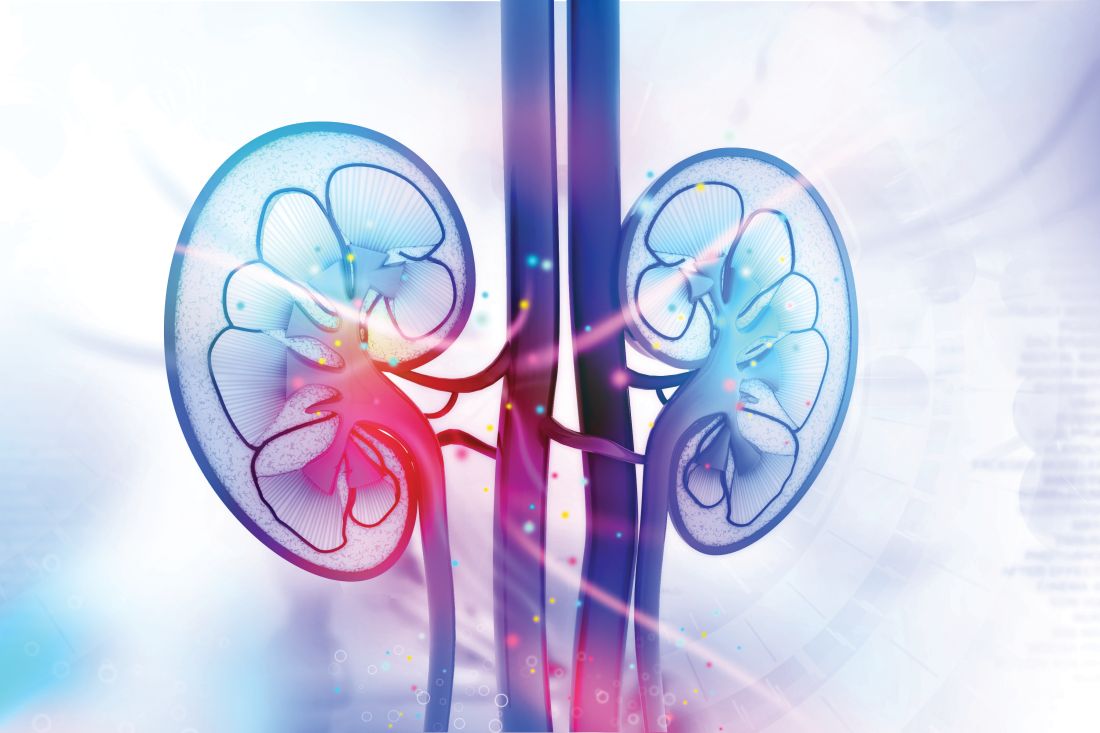
Researchers running the EMPA-KIDNEY trial that’s been testing the safety and efficacy of the SGLT2 inhibitor empagliflozin (Jardiance) in about 6,600 patients with chronic kidney disease (CKD) announced on March 16 that they had stopped the trial early because of positive efficacy that met the study’s prespecified threshold for early termination.
EMPA-KIDNEY is the third major trial of an agent from the sodium-glucose cotransport 2 (SGLT2) inhibitor class tested in patients with CKD to be stopped early because of positive results that met a prespecified termination rule.
In 2020, the DAPA-CKD trial of dapagliflozin (Farxiga) stopped early, after a median follow-up of 2.4 years, because of positive efficacy results. In 2019, the same thing happened in the CREDENCE trial of canagliflozin (Invokana), with the unexpected halt coming after a median follow-up of 2.62 years.
The announcement about EMPA-KIDNEY did not include information on median follow-up, but enrollment into the trial ran from May 2019 to April 2021, which means that the longest that enrolled patients could have been in the study was about 2.85 years.
The primary efficacy endpoint in EMPA-KIDNEY was a composite of a sustained decline in estimated glomerular filtration rate (eGFR) to less than 10 mL/min/1.73 m2, renal death, a sustained decline of at least 40% in eGFR from baseline, or cardiovascular death. The announcement of the trial’s early termination provided no details on the efficacy results.
EMPA-KIDNEY enrolled a wider range of patients
EMPA-KIDNEY expands the scope of types of patients with CKD now shown to benefit from treatment with an SGLT2 inhibitor. CREDENCE tested canagliflozin only in patients with type 2 diabetes and diabetic nephropathy, and in DAPA-CKD, two-thirds of enrolled patients had type 2 diabetes, and all had CKD. In EMPA-KIDNEY, 46% of the 6,609 enrolled patients had diabetes (including a very small number with type 1 diabetes).
Another departure from prior studies of an SGLT2 inhibitor for patients selected primarily for having CKD was that in EMPA-KIDNEY, 20% of patients did not have albuminuria, and for 34%, eGFR at entry was less than 30 mL/min/1.73 m2, with all enrolled patients required to have an eGFR at entry of greater than or equal to 20 mL/min/1.73 m2. Average eGFR in EMPA-KIDNEY was about 38 mL/min/1.73 m2. To be included in the trial, patients were not required to have albuminuria, except those whose eGFR was greater than or equal to 45 mL/min/1.73 m2.
In DAPA-CKD, the minimum eGFR at entry had to be greater than or equal to 25 mL/min/1.73 m2, and roughly 14% of enrolled patients had an eGFR of less than 30 mL/min/1.73 m2. The average eGFR in DAPA-CKD was about 43 mL/min/1.73 m2. In addition, all patients had at least microalbuminuria, with a minimum urinary albumin-to-creatinine ratio of 200. In CREDENCE, the minimum eGFR for enrollment was 30 mL/min/1.73 m2, and the average eGFR was about 56 mL/min/1.73 m2. All patients in CREDENCE had to have macroalbuminuria, with a urinary albumin-to-creatinine ratio of more than 300.
According to the researchers who designed EMPA-KIDNEY, the trial enrollment criteria aimed to include adults with CKD “who are frequently seen in practice but were under-represented in previous SGLT2 inhibitor trials.”
Indications for empagliflozin are expanding
The success of empagliflozin in EMPA-KIDNEY follows its positive results in both the EMPEROR-Reduced and EMPEROR-Preserved trials, which collectively proved the efficacy of the agent for patients with heart failure regardless of their left ventricular ejection fraction and regardless of whether they also had diabetes.
These results led the U.S. Food and Drug Administration to recently expand the labeled indication for empagliflozin to all patients with heart failure. Empagliflozin also has labeled indications for glycemic control in patients with type 2 diabetes and to reduce the risk of cardiovascular death in adults with type 2 diabetes and established cardiovascular disease.
As of today, empagliflozin has no labeled indication for treating patients with CKD. Dapagliflozin received that indication in April 2021, and canagliflozin received an indication for treating patients with type 2 diabetes, diabetic nephropathy, and albuminuria in September 2019.
EMPA-KIDNEY is sponsored by Boehringer Ingelheim and Lilly, the two companies that jointly market empagliflozin (Jardiance).
A version of this article first appeared on Medscape.com.
Researchers running the EMPA-KIDNEY trial that’s been testing the safety and efficacy of the SGLT2 inhibitor empagliflozin (Jardiance) in about 6,600 patients with chronic kidney disease (CKD) announced on March 16 that they had stopped the trial early because of positive efficacy that met the study’s prespecified threshold for early termination.
EMPA-KIDNEY is the third major trial of an agent from the sodium-glucose cotransport 2 (SGLT2) inhibitor class tested in patients with CKD to be stopped early because of positive results that met a prespecified termination rule.
In 2020, the DAPA-CKD trial of dapagliflozin (Farxiga) stopped early, after a median follow-up of 2.4 years, because of positive efficacy results. In 2019, the same thing happened in the CREDENCE trial of canagliflozin (Invokana), with the unexpected halt coming after a median follow-up of 2.62 years.
The announcement about EMPA-KIDNEY did not include information on median follow-up, but enrollment into the trial ran from May 2019 to April 2021, which means that the longest that enrolled patients could have been in the study was about 2.85 years.
The primary efficacy endpoint in EMPA-KIDNEY was a composite of a sustained decline in estimated glomerular filtration rate (eGFR) to less than 10 mL/min/1.73 m2, renal death, a sustained decline of at least 40% in eGFR from baseline, or cardiovascular death. The announcement of the trial’s early termination provided no details on the efficacy results.
EMPA-KIDNEY enrolled a wider range of patients
EMPA-KIDNEY expands the scope of types of patients with CKD now shown to benefit from treatment with an SGLT2 inhibitor. CREDENCE tested canagliflozin only in patients with type 2 diabetes and diabetic nephropathy, and in DAPA-CKD, two-thirds of enrolled patients had type 2 diabetes, and all had CKD. In EMPA-KIDNEY, 46% of the 6,609 enrolled patients had diabetes (including a very small number with type 1 diabetes).
Another departure from prior studies of an SGLT2 inhibitor for patients selected primarily for having CKD was that in EMPA-KIDNEY, 20% of patients did not have albuminuria, and for 34%, eGFR at entry was less than 30 mL/min/1.73 m2, with all enrolled patients required to have an eGFR at entry of greater than or equal to 20 mL/min/1.73 m2. Average eGFR in EMPA-KIDNEY was about 38 mL/min/1.73 m2. To be included in the trial, patients were not required to have albuminuria, except those whose eGFR was greater than or equal to 45 mL/min/1.73 m2.
In DAPA-CKD, the minimum eGFR at entry had to be greater than or equal to 25 mL/min/1.73 m2, and roughly 14% of enrolled patients had an eGFR of less than 30 mL/min/1.73 m2. The average eGFR in DAPA-CKD was about 43 mL/min/1.73 m2. In addition, all patients had at least microalbuminuria, with a minimum urinary albumin-to-creatinine ratio of 200. In CREDENCE, the minimum eGFR for enrollment was 30 mL/min/1.73 m2, and the average eGFR was about 56 mL/min/1.73 m2. All patients in CREDENCE had to have macroalbuminuria, with a urinary albumin-to-creatinine ratio of more than 300.
According to the researchers who designed EMPA-KIDNEY, the trial enrollment criteria aimed to include adults with CKD “who are frequently seen in practice but were under-represented in previous SGLT2 inhibitor trials.”
Indications for empagliflozin are expanding
The success of empagliflozin in EMPA-KIDNEY follows its positive results in both the EMPEROR-Reduced and EMPEROR-Preserved trials, which collectively proved the efficacy of the agent for patients with heart failure regardless of their left ventricular ejection fraction and regardless of whether they also had diabetes.
These results led the U.S. Food and Drug Administration to recently expand the labeled indication for empagliflozin to all patients with heart failure. Empagliflozin also has labeled indications for glycemic control in patients with type 2 diabetes and to reduce the risk of cardiovascular death in adults with type 2 diabetes and established cardiovascular disease.
As of today, empagliflozin has no labeled indication for treating patients with CKD. Dapagliflozin received that indication in April 2021, and canagliflozin received an indication for treating patients with type 2 diabetes, diabetic nephropathy, and albuminuria in September 2019.
EMPA-KIDNEY is sponsored by Boehringer Ingelheim and Lilly, the two companies that jointly market empagliflozin (Jardiance).
A version of this article first appeared on Medscape.com.
Researchers running the EMPA-KIDNEY trial that’s been testing the safety and efficacy of the SGLT2 inhibitor empagliflozin (Jardiance) in about 6,600 patients with chronic kidney disease (CKD) announced on March 16 that they had stopped the trial early because of positive efficacy that met the study’s prespecified threshold for early termination.
EMPA-KIDNEY is the third major trial of an agent from the sodium-glucose cotransport 2 (SGLT2) inhibitor class tested in patients with CKD to be stopped early because of positive results that met a prespecified termination rule.
In 2020, the DAPA-CKD trial of dapagliflozin (Farxiga) stopped early, after a median follow-up of 2.4 years, because of positive efficacy results. In 2019, the same thing happened in the CREDENCE trial of canagliflozin (Invokana), with the unexpected halt coming after a median follow-up of 2.62 years.
The announcement about EMPA-KIDNEY did not include information on median follow-up, but enrollment into the trial ran from May 2019 to April 2021, which means that the longest that enrolled patients could have been in the study was about 2.85 years.
The primary efficacy endpoint in EMPA-KIDNEY was a composite of a sustained decline in estimated glomerular filtration rate (eGFR) to less than 10 mL/min/1.73 m2, renal death, a sustained decline of at least 40% in eGFR from baseline, or cardiovascular death. The announcement of the trial’s early termination provided no details on the efficacy results.
EMPA-KIDNEY enrolled a wider range of patients
EMPA-KIDNEY expands the scope of types of patients with CKD now shown to benefit from treatment with an SGLT2 inhibitor. CREDENCE tested canagliflozin only in patients with type 2 diabetes and diabetic nephropathy, and in DAPA-CKD, two-thirds of enrolled patients had type 2 diabetes, and all had CKD. In EMPA-KIDNEY, 46% of the 6,609 enrolled patients had diabetes (including a very small number with type 1 diabetes).
Another departure from prior studies of an SGLT2 inhibitor for patients selected primarily for having CKD was that in EMPA-KIDNEY, 20% of patients did not have albuminuria, and for 34%, eGFR at entry was less than 30 mL/min/1.73 m2, with all enrolled patients required to have an eGFR at entry of greater than or equal to 20 mL/min/1.73 m2. Average eGFR in EMPA-KIDNEY was about 38 mL/min/1.73 m2. To be included in the trial, patients were not required to have albuminuria, except those whose eGFR was greater than or equal to 45 mL/min/1.73 m2.
In DAPA-CKD, the minimum eGFR at entry had to be greater than or equal to 25 mL/min/1.73 m2, and roughly 14% of enrolled patients had an eGFR of less than 30 mL/min/1.73 m2. The average eGFR in DAPA-CKD was about 43 mL/min/1.73 m2. In addition, all patients had at least microalbuminuria, with a minimum urinary albumin-to-creatinine ratio of 200. In CREDENCE, the minimum eGFR for enrollment was 30 mL/min/1.73 m2, and the average eGFR was about 56 mL/min/1.73 m2. All patients in CREDENCE had to have macroalbuminuria, with a urinary albumin-to-creatinine ratio of more than 300.
According to the researchers who designed EMPA-KIDNEY, the trial enrollment criteria aimed to include adults with CKD “who are frequently seen in practice but were under-represented in previous SGLT2 inhibitor trials.”
Indications for empagliflozin are expanding
The success of empagliflozin in EMPA-KIDNEY follows its positive results in both the EMPEROR-Reduced and EMPEROR-Preserved trials, which collectively proved the efficacy of the agent for patients with heart failure regardless of their left ventricular ejection fraction and regardless of whether they also had diabetes.
These results led the U.S. Food and Drug Administration to recently expand the labeled indication for empagliflozin to all patients with heart failure. Empagliflozin also has labeled indications for glycemic control in patients with type 2 diabetes and to reduce the risk of cardiovascular death in adults with type 2 diabetes and established cardiovascular disease.
As of today, empagliflozin has no labeled indication for treating patients with CKD. Dapagliflozin received that indication in April 2021, and canagliflozin received an indication for treating patients with type 2 diabetes, diabetic nephropathy, and albuminuria in September 2019.
EMPA-KIDNEY is sponsored by Boehringer Ingelheim and Lilly, the two companies that jointly market empagliflozin (Jardiance).
A version of this article first appeared on Medscape.com.
Opting out of dialysis not instant death sentence for kidney disease
, a new systematic review of cohort studies suggests.
“Our findings challenge the common misconception that the only alternative to dialysis for many patients with advanced chronic kidney disease is no care or death,” say Susan Wong, MD, of the Renal Dialysis Unit, Seattle, and colleagues in their review, published online March 14 in JAMA Network Open.
In an accompanying commentary, Christine Liu, MD, and Kurella Tamura, MD, MPH, note: “The decision to initiate dialysis or focus on active alleviation of symptoms, known as conservative care … is likely one of the consequential decisions [patients] will face.”
“[But] in reality, dialysis is viewed as the default treatment for kidney failure, and the option to forgo dialysis treatment is often not explicitly discussed,” they add.
“We believe it is time to broaden the scope of kidney replacement therapy registries to include persons who receive conservative treatment of kidney failure … and we need to address the conservative care information gap so that lack of awareness is no longer a barrier to informed decision-making,” Dr. Liu and Dr. Tamura, both from Stanford (Calif.) University, note.
The work by Dr. Wong and colleagues “dispels the notion that conservative care for kidney failure means a grim and near-immediate death. The study advances the idea that a conservative care approach can provide time and sustain quality of life to support patients’ life goals,” they emphasize.
Conservative care assessed in 41 studies
The review included 41 studies involving 5,102 patients with a mean age ranging from 60 to 87 years conducted in the United Kingdom, Europe, and Asia.
Median survival of cohorts ranged from 1 to 41 months as measured from a baseline mean estimated glomerular filtration rate (eGFR) ranging from 7 to 19 mL/min/1.73m2.
Younger patients between 70 and 79 years of age had a median survival of 7 to 41 months, the authors note, while cohorts consisting of patients 80 years of age and older had a median survival of 1 to 37 months despite overlapping ranges of baseline mean eGFRs.
During an observation period of 8-24 months, mental well-being improved, and physical well-being and overall quality of life were largely stable until late in the course of illness.
“Ten studies … provided information on the use of health care resources during follow-up,” the researchers say. Patients generally experienced one to two hospital admissions, 6-16 in-hospital days, seven to eight clinic visits, and two emergency department visits per person-year. Use of acute care services was “therefore common,” they note.
Not all studies provided information about end-of-life care, but those that did reported rates of hospice enrollment that ranged from 20% to 76%; hospitalization rates during the final month of life from 57% to 76%; in-hospital death rates of 27%-68%, and in-home death rates ranging from 12% to 71%.
This indicates substantial disparity in access to supportive care near the end of life across cohorts, the authors observe.
Nevertheless, “Most patients survived several years after the decision to forgo dialysis was made,” they stress.
“These findings not only suggest that conservative kidney management may be a viable and positive therapeutic alternative to dialysis, they also highlight the strengths of its multidisciplinary approach to care and aggressive symptom management.”
“Collectively, our findings demonstrate the need to implement systematic and unified research methods for conservative kidney management and to develop models of care and the care infrastructure to advance practice and outcomes of conservative kidney management,” they conclude.
Dr. Wong has no financial ties to industry. Dr. Tamura has reported receiving personal fees from the American Federation for Aging Research.
A version of this article first appeared on Medscape.com.
, a new systematic review of cohort studies suggests.
“Our findings challenge the common misconception that the only alternative to dialysis for many patients with advanced chronic kidney disease is no care or death,” say Susan Wong, MD, of the Renal Dialysis Unit, Seattle, and colleagues in their review, published online March 14 in JAMA Network Open.
In an accompanying commentary, Christine Liu, MD, and Kurella Tamura, MD, MPH, note: “The decision to initiate dialysis or focus on active alleviation of symptoms, known as conservative care … is likely one of the consequential decisions [patients] will face.”
“[But] in reality, dialysis is viewed as the default treatment for kidney failure, and the option to forgo dialysis treatment is often not explicitly discussed,” they add.
“We believe it is time to broaden the scope of kidney replacement therapy registries to include persons who receive conservative treatment of kidney failure … and we need to address the conservative care information gap so that lack of awareness is no longer a barrier to informed decision-making,” Dr. Liu and Dr. Tamura, both from Stanford (Calif.) University, note.
The work by Dr. Wong and colleagues “dispels the notion that conservative care for kidney failure means a grim and near-immediate death. The study advances the idea that a conservative care approach can provide time and sustain quality of life to support patients’ life goals,” they emphasize.
Conservative care assessed in 41 studies
The review included 41 studies involving 5,102 patients with a mean age ranging from 60 to 87 years conducted in the United Kingdom, Europe, and Asia.
Median survival of cohorts ranged from 1 to 41 months as measured from a baseline mean estimated glomerular filtration rate (eGFR) ranging from 7 to 19 mL/min/1.73m2.
Younger patients between 70 and 79 years of age had a median survival of 7 to 41 months, the authors note, while cohorts consisting of patients 80 years of age and older had a median survival of 1 to 37 months despite overlapping ranges of baseline mean eGFRs.
During an observation period of 8-24 months, mental well-being improved, and physical well-being and overall quality of life were largely stable until late in the course of illness.
“Ten studies … provided information on the use of health care resources during follow-up,” the researchers say. Patients generally experienced one to two hospital admissions, 6-16 in-hospital days, seven to eight clinic visits, and two emergency department visits per person-year. Use of acute care services was “therefore common,” they note.
Not all studies provided information about end-of-life care, but those that did reported rates of hospice enrollment that ranged from 20% to 76%; hospitalization rates during the final month of life from 57% to 76%; in-hospital death rates of 27%-68%, and in-home death rates ranging from 12% to 71%.
This indicates substantial disparity in access to supportive care near the end of life across cohorts, the authors observe.
Nevertheless, “Most patients survived several years after the decision to forgo dialysis was made,” they stress.
“These findings not only suggest that conservative kidney management may be a viable and positive therapeutic alternative to dialysis, they also highlight the strengths of its multidisciplinary approach to care and aggressive symptom management.”
“Collectively, our findings demonstrate the need to implement systematic and unified research methods for conservative kidney management and to develop models of care and the care infrastructure to advance practice and outcomes of conservative kidney management,” they conclude.
Dr. Wong has no financial ties to industry. Dr. Tamura has reported receiving personal fees from the American Federation for Aging Research.
A version of this article first appeared on Medscape.com.
, a new systematic review of cohort studies suggests.
“Our findings challenge the common misconception that the only alternative to dialysis for many patients with advanced chronic kidney disease is no care or death,” say Susan Wong, MD, of the Renal Dialysis Unit, Seattle, and colleagues in their review, published online March 14 in JAMA Network Open.
In an accompanying commentary, Christine Liu, MD, and Kurella Tamura, MD, MPH, note: “The decision to initiate dialysis or focus on active alleviation of symptoms, known as conservative care … is likely one of the consequential decisions [patients] will face.”
“[But] in reality, dialysis is viewed as the default treatment for kidney failure, and the option to forgo dialysis treatment is often not explicitly discussed,” they add.
“We believe it is time to broaden the scope of kidney replacement therapy registries to include persons who receive conservative treatment of kidney failure … and we need to address the conservative care information gap so that lack of awareness is no longer a barrier to informed decision-making,” Dr. Liu and Dr. Tamura, both from Stanford (Calif.) University, note.
The work by Dr. Wong and colleagues “dispels the notion that conservative care for kidney failure means a grim and near-immediate death. The study advances the idea that a conservative care approach can provide time and sustain quality of life to support patients’ life goals,” they emphasize.
Conservative care assessed in 41 studies
The review included 41 studies involving 5,102 patients with a mean age ranging from 60 to 87 years conducted in the United Kingdom, Europe, and Asia.
Median survival of cohorts ranged from 1 to 41 months as measured from a baseline mean estimated glomerular filtration rate (eGFR) ranging from 7 to 19 mL/min/1.73m2.
Younger patients between 70 and 79 years of age had a median survival of 7 to 41 months, the authors note, while cohorts consisting of patients 80 years of age and older had a median survival of 1 to 37 months despite overlapping ranges of baseline mean eGFRs.
During an observation period of 8-24 months, mental well-being improved, and physical well-being and overall quality of life were largely stable until late in the course of illness.
“Ten studies … provided information on the use of health care resources during follow-up,” the researchers say. Patients generally experienced one to two hospital admissions, 6-16 in-hospital days, seven to eight clinic visits, and two emergency department visits per person-year. Use of acute care services was “therefore common,” they note.
Not all studies provided information about end-of-life care, but those that did reported rates of hospice enrollment that ranged from 20% to 76%; hospitalization rates during the final month of life from 57% to 76%; in-hospital death rates of 27%-68%, and in-home death rates ranging from 12% to 71%.
This indicates substantial disparity in access to supportive care near the end of life across cohorts, the authors observe.
Nevertheless, “Most patients survived several years after the decision to forgo dialysis was made,” they stress.
“These findings not only suggest that conservative kidney management may be a viable and positive therapeutic alternative to dialysis, they also highlight the strengths of its multidisciplinary approach to care and aggressive symptom management.”
“Collectively, our findings demonstrate the need to implement systematic and unified research methods for conservative kidney management and to develop models of care and the care infrastructure to advance practice and outcomes of conservative kidney management,” they conclude.
Dr. Wong has no financial ties to industry. Dr. Tamura has reported receiving personal fees from the American Federation for Aging Research.
A version of this article first appeared on Medscape.com.
FROM JAMA NETWORK OPEN
Antiseptic as good as antibiotics for preventing recurrent UTI
The antiseptic methenamine hippurate (MH) is known to sterilize urine and has been suggested to be of use in preventing urinary tract infections (UTIs), but firm evidence has so far been lacking. Now researchers led by clinicians and scientists from Newcastle-upon-Tyne, England, have provided the ALTAR trial (Alternative to Prophylactic Antibiotics for the Treatment of Recurrent UTIs in Women).
Daily low-dose antibiotics as recommended by current guidelines for prophylactic treatment of recurrent UTI have been linked to antibiotic resistance. Using MH as an alternative could play an important role in helping to tackle the global problem of increasing antibiotic resistance, the team said.
Study details
They recruited 240 women aged 18 or over with recurrent UTIs requiring prophylactic treatment from eight secondary care urology and urogynecology centers in the United Kingdom from June 2016 to June 2018. Women were randomized to receive MH or daily low-dose antibiotics for 12 months, with follow up for a further 6 months beyond that.
Before trial entry the women had experienced an average of more than six UTI episodes per year. During the 12-month treatment period, in the modified intention-to-treat population, there were 90 symptomatic, antibiotic-treated UTI episodes reported over 101 person-years of follow-up in the antibiotic group, and 141 episodes over 102 person-years in the MH group.
This yielded a UTI rate of 0.89 episodes per person-year in the antibiotic group, compared with 1.38 in the MH group, an absolute difference of 0.49 episodes per person-year. In the 6-month posttreatment follow-up period, the UTI incidence rate was 1.19 episodes per person-year in the antibiotic prophylaxis group versus 1.72 in the MH group, an absolute difference of 0.53.
Before the trial, a patient and public involvement group had predefined the noninferiority margin as one episode of UTI per person-year. The small difference between the two groups was less than this, confirming noninferiority of MH to antibiotic prophylaxis in this setting. This finding was consistent across the modified intention-to-treat, strict intention-to-treat, per protocol, and modified per protocol (post hoc) analyses.
Thus the ALTAR results showed that MH was no worse than antibiotics at preventing UTIs, and MH was also associated with reduced antibiotic consumption.
The vast majority of participants were over 90% adherent with the allocated treatment. Patient satisfaction was generally high and rates of adverse events and adverse reactions generally low, and both were comparable between treatment groups. Adverse reactions were reported by 34/142 (24%) in the antibiotic group and 35/127 (28%) in the MH group, and most reactions were mild. In the antibiotic group there were two serious adverse reactions (severe abdominal pain and raised alanine transaminase), whereas six participants in the MH group reported an episode of febrile UTI and four were admitted to hospital because of UTI.
Substantial global health care problem
At least 50% and up to 80% of all women have at least one acute UTI in their lifetime, most often uncomplicated acute cystitis. About a quarter of them go on to suffer recurrent infection, defined as three or more repeat infections in the past year, or two infections in the preceding 6 months. Frequent recurrences thus represent “a substantial global health care problem,” the authors say.
Guidelines from the United Kingdom, Europe, and the United States acknowledge the need for preventive strategies and strongly recommend the use of daily, low-dose antibiotics as standard prophylactic treatment. However, the United Kingdom’s antimicrobial resistance strategy recommends a “strong focus on infection prevention,” and aims to reduce antimicrobial use in humans by 15% before 2024.
“To achieve that, exploration of nonantibiotic preventive treatments in common conditions such as UTI is essential,” the team said.
MH is one such nonantibiotic treatment. It is bactericidal and works by denaturing bacterial proteins and nucleic acids. Although previous Cochrane systematic reviews had concluded that it could be effective for preventing UTI, further large trials were needed.
“This trial adds to the evidence base for the use of MH for prophylactic treatment in adult women with recurrent UTI. Although the MH group had a 55% higher rate of UTI episodes than the antibiotics group, the absolute difference was just 0.49 UTI episodes per year, which has limited clinical consequence,” the team concluded.
Results could ‘support a change in practice’
In older patients, particularly, the risks of long-term antibiotic prophylaxis might outweigh the benefits, and the authors said that their results “could support a change in practice in terms of preventive treatments for recurrent UTI and provide patients and clinicians with a credible alternative to daily antibiotics, giving them the confidence to pursue strategies that avoid long-term antibiotic use.”
They acknowledged limitations of the study, including that treatment allocation was not masked, crossover between arms was allowed, and differences in antibiotics prescribed may have affected the results. In addition, data regarding long-term safety of MH are scarce.
However, they said that the trial accurately represented the broad range of women with recurrent UTI, and that its results “might encourage patients and clinicians to consider MH as a first line treatment for UTI prevention in women.”
In a linked editorial, scientists from the Institute for Evidence-Based Healthcare at Bond University in Queensland, Australia, commented: “Although the results need cautious interpretation, they align with others, and this new research increases the confidence with which MH can be offered as an option to women needing prophylaxis against recurrent urinary tract infection.”
References
Harding C et al. Alternative to prophylactic antibiotics for the treatment of recurrent urinary tract infections in women: multicentre, open label, randomised, noninferiority trial. BMJ 2022 Mar 9;376:e068229.
Hoffmann TC et al. Methenamine hippurate for recurrent urinary tract infections. BMJ 2022 Mar 9;376:o533.
A version of this article first appeared on Medscape.co.uk.
The antiseptic methenamine hippurate (MH) is known to sterilize urine and has been suggested to be of use in preventing urinary tract infections (UTIs), but firm evidence has so far been lacking. Now researchers led by clinicians and scientists from Newcastle-upon-Tyne, England, have provided the ALTAR trial (Alternative to Prophylactic Antibiotics for the Treatment of Recurrent UTIs in Women).
Daily low-dose antibiotics as recommended by current guidelines for prophylactic treatment of recurrent UTI have been linked to antibiotic resistance. Using MH as an alternative could play an important role in helping to tackle the global problem of increasing antibiotic resistance, the team said.
Study details
They recruited 240 women aged 18 or over with recurrent UTIs requiring prophylactic treatment from eight secondary care urology and urogynecology centers in the United Kingdom from June 2016 to June 2018. Women were randomized to receive MH or daily low-dose antibiotics for 12 months, with follow up for a further 6 months beyond that.
Before trial entry the women had experienced an average of more than six UTI episodes per year. During the 12-month treatment period, in the modified intention-to-treat population, there were 90 symptomatic, antibiotic-treated UTI episodes reported over 101 person-years of follow-up in the antibiotic group, and 141 episodes over 102 person-years in the MH group.
This yielded a UTI rate of 0.89 episodes per person-year in the antibiotic group, compared with 1.38 in the MH group, an absolute difference of 0.49 episodes per person-year. In the 6-month posttreatment follow-up period, the UTI incidence rate was 1.19 episodes per person-year in the antibiotic prophylaxis group versus 1.72 in the MH group, an absolute difference of 0.53.
Before the trial, a patient and public involvement group had predefined the noninferiority margin as one episode of UTI per person-year. The small difference between the two groups was less than this, confirming noninferiority of MH to antibiotic prophylaxis in this setting. This finding was consistent across the modified intention-to-treat, strict intention-to-treat, per protocol, and modified per protocol (post hoc) analyses.
Thus the ALTAR results showed that MH was no worse than antibiotics at preventing UTIs, and MH was also associated with reduced antibiotic consumption.
The vast majority of participants were over 90% adherent with the allocated treatment. Patient satisfaction was generally high and rates of adverse events and adverse reactions generally low, and both were comparable between treatment groups. Adverse reactions were reported by 34/142 (24%) in the antibiotic group and 35/127 (28%) in the MH group, and most reactions were mild. In the antibiotic group there were two serious adverse reactions (severe abdominal pain and raised alanine transaminase), whereas six participants in the MH group reported an episode of febrile UTI and four were admitted to hospital because of UTI.
Substantial global health care problem
At least 50% and up to 80% of all women have at least one acute UTI in their lifetime, most often uncomplicated acute cystitis. About a quarter of them go on to suffer recurrent infection, defined as three or more repeat infections in the past year, or two infections in the preceding 6 months. Frequent recurrences thus represent “a substantial global health care problem,” the authors say.
Guidelines from the United Kingdom, Europe, and the United States acknowledge the need for preventive strategies and strongly recommend the use of daily, low-dose antibiotics as standard prophylactic treatment. However, the United Kingdom’s antimicrobial resistance strategy recommends a “strong focus on infection prevention,” and aims to reduce antimicrobial use in humans by 15% before 2024.
“To achieve that, exploration of nonantibiotic preventive treatments in common conditions such as UTI is essential,” the team said.
MH is one such nonantibiotic treatment. It is bactericidal and works by denaturing bacterial proteins and nucleic acids. Although previous Cochrane systematic reviews had concluded that it could be effective for preventing UTI, further large trials were needed.
“This trial adds to the evidence base for the use of MH for prophylactic treatment in adult women with recurrent UTI. Although the MH group had a 55% higher rate of UTI episodes than the antibiotics group, the absolute difference was just 0.49 UTI episodes per year, which has limited clinical consequence,” the team concluded.
Results could ‘support a change in practice’
In older patients, particularly, the risks of long-term antibiotic prophylaxis might outweigh the benefits, and the authors said that their results “could support a change in practice in terms of preventive treatments for recurrent UTI and provide patients and clinicians with a credible alternative to daily antibiotics, giving them the confidence to pursue strategies that avoid long-term antibiotic use.”
They acknowledged limitations of the study, including that treatment allocation was not masked, crossover between arms was allowed, and differences in antibiotics prescribed may have affected the results. In addition, data regarding long-term safety of MH are scarce.
However, they said that the trial accurately represented the broad range of women with recurrent UTI, and that its results “might encourage patients and clinicians to consider MH as a first line treatment for UTI prevention in women.”
In a linked editorial, scientists from the Institute for Evidence-Based Healthcare at Bond University in Queensland, Australia, commented: “Although the results need cautious interpretation, they align with others, and this new research increases the confidence with which MH can be offered as an option to women needing prophylaxis against recurrent urinary tract infection.”
References
Harding C et al. Alternative to prophylactic antibiotics for the treatment of recurrent urinary tract infections in women: multicentre, open label, randomised, noninferiority trial. BMJ 2022 Mar 9;376:e068229.
Hoffmann TC et al. Methenamine hippurate for recurrent urinary tract infections. BMJ 2022 Mar 9;376:o533.
A version of this article first appeared on Medscape.co.uk.
The antiseptic methenamine hippurate (MH) is known to sterilize urine and has been suggested to be of use in preventing urinary tract infections (UTIs), but firm evidence has so far been lacking. Now researchers led by clinicians and scientists from Newcastle-upon-Tyne, England, have provided the ALTAR trial (Alternative to Prophylactic Antibiotics for the Treatment of Recurrent UTIs in Women).
Daily low-dose antibiotics as recommended by current guidelines for prophylactic treatment of recurrent UTI have been linked to antibiotic resistance. Using MH as an alternative could play an important role in helping to tackle the global problem of increasing antibiotic resistance, the team said.
Study details
They recruited 240 women aged 18 or over with recurrent UTIs requiring prophylactic treatment from eight secondary care urology and urogynecology centers in the United Kingdom from June 2016 to June 2018. Women were randomized to receive MH or daily low-dose antibiotics for 12 months, with follow up for a further 6 months beyond that.
Before trial entry the women had experienced an average of more than six UTI episodes per year. During the 12-month treatment period, in the modified intention-to-treat population, there were 90 symptomatic, antibiotic-treated UTI episodes reported over 101 person-years of follow-up in the antibiotic group, and 141 episodes over 102 person-years in the MH group.
This yielded a UTI rate of 0.89 episodes per person-year in the antibiotic group, compared with 1.38 in the MH group, an absolute difference of 0.49 episodes per person-year. In the 6-month posttreatment follow-up period, the UTI incidence rate was 1.19 episodes per person-year in the antibiotic prophylaxis group versus 1.72 in the MH group, an absolute difference of 0.53.
Before the trial, a patient and public involvement group had predefined the noninferiority margin as one episode of UTI per person-year. The small difference between the two groups was less than this, confirming noninferiority of MH to antibiotic prophylaxis in this setting. This finding was consistent across the modified intention-to-treat, strict intention-to-treat, per protocol, and modified per protocol (post hoc) analyses.
Thus the ALTAR results showed that MH was no worse than antibiotics at preventing UTIs, and MH was also associated with reduced antibiotic consumption.
The vast majority of participants were over 90% adherent with the allocated treatment. Patient satisfaction was generally high and rates of adverse events and adverse reactions generally low, and both were comparable between treatment groups. Adverse reactions were reported by 34/142 (24%) in the antibiotic group and 35/127 (28%) in the MH group, and most reactions were mild. In the antibiotic group there were two serious adverse reactions (severe abdominal pain and raised alanine transaminase), whereas six participants in the MH group reported an episode of febrile UTI and four were admitted to hospital because of UTI.
Substantial global health care problem
At least 50% and up to 80% of all women have at least one acute UTI in their lifetime, most often uncomplicated acute cystitis. About a quarter of them go on to suffer recurrent infection, defined as three or more repeat infections in the past year, or two infections in the preceding 6 months. Frequent recurrences thus represent “a substantial global health care problem,” the authors say.
Guidelines from the United Kingdom, Europe, and the United States acknowledge the need for preventive strategies and strongly recommend the use of daily, low-dose antibiotics as standard prophylactic treatment. However, the United Kingdom’s antimicrobial resistance strategy recommends a “strong focus on infection prevention,” and aims to reduce antimicrobial use in humans by 15% before 2024.
“To achieve that, exploration of nonantibiotic preventive treatments in common conditions such as UTI is essential,” the team said.
MH is one such nonantibiotic treatment. It is bactericidal and works by denaturing bacterial proteins and nucleic acids. Although previous Cochrane systematic reviews had concluded that it could be effective for preventing UTI, further large trials were needed.
“This trial adds to the evidence base for the use of MH for prophylactic treatment in adult women with recurrent UTI. Although the MH group had a 55% higher rate of UTI episodes than the antibiotics group, the absolute difference was just 0.49 UTI episodes per year, which has limited clinical consequence,” the team concluded.
Results could ‘support a change in practice’
In older patients, particularly, the risks of long-term antibiotic prophylaxis might outweigh the benefits, and the authors said that their results “could support a change in practice in terms of preventive treatments for recurrent UTI and provide patients and clinicians with a credible alternative to daily antibiotics, giving them the confidence to pursue strategies that avoid long-term antibiotic use.”
They acknowledged limitations of the study, including that treatment allocation was not masked, crossover between arms was allowed, and differences in antibiotics prescribed may have affected the results. In addition, data regarding long-term safety of MH are scarce.
However, they said that the trial accurately represented the broad range of women with recurrent UTI, and that its results “might encourage patients and clinicians to consider MH as a first line treatment for UTI prevention in women.”
In a linked editorial, scientists from the Institute for Evidence-Based Healthcare at Bond University in Queensland, Australia, commented: “Although the results need cautious interpretation, they align with others, and this new research increases the confidence with which MH can be offered as an option to women needing prophylaxis against recurrent urinary tract infection.”
References
Harding C et al. Alternative to prophylactic antibiotics for the treatment of recurrent urinary tract infections in women: multicentre, open label, randomised, noninferiority trial. BMJ 2022 Mar 9;376:e068229.
Hoffmann TC et al. Methenamine hippurate for recurrent urinary tract infections. BMJ 2022 Mar 9;376:o533.
A version of this article first appeared on Medscape.co.uk.
Community genetic testing prompts behavior change in patients
that could decrease an individual’s likelihood of developing chronic kidney disease (CKD) and end-stage renal failure (ESRF), a new pilot study suggests.
“Disclosing APOL1 genetic testing results to patients of African ancestry with hypertension and their clinicians was associated with a greater reduction in systolic blood pressure [SBP], increased kidney disease screening, and positive self-reported behavior change in those with high-risk genotypes,” Girish Nadkarni, MD, MPH, Icahn Mount Sinai School of Medicine, New York, and colleagues reported.
“These two measurements – the change in blood pressure and increased kidney function tests – act as hallmarks for detecting beneficial lifestyle change,” Dr. Nadkarni noted in a statement from his institution.
“For many years, researchers have wondered whether reporting APOL1 genetic test results would help improve clinical management. This is the first pragmatic randomized clinical trial to test this out [and] these results suggest we are headed in the right direction,” he added.
The study was published online March 4, 2022, in JAMA Network Open.
A quarter of those with high-risk genotype changed medication behavior
High-risk APOL1 genotypes confer a 5- to 10-fold increased risk for CKD and ESRF caused by hypertension and are found in one out of seven individuals of African ancestry. People of African ancestry also have the highest age-adjusted prevalence of high BP and the lowest rates of BP control, Dr. Nadkarni and colleagues wrote.
They studied a total of 2,050 patients of African ancestry with hypertension but without CKD who were randomized to undergo either immediate APOL1 testing (intervention group) or delayed APOL1 testing (control group).
“Patients randomly assigned to the intervention group received APOL1 genetic testing results from trained staff [while] their clinicians received results through clinical decision support in electronic health records,” the investigators explained.
Control patients received results after 12 months of follow-up. The mean age of the cohort was 53 years and almost two-thirds were female. Mean baseline SBP was significantly higher in patients with high-risk APOL1 genotypes, at 137 mm Hg, compared with those with low-risk APOL1 genotypes, at 134 mm Hg (P = .003), and controls, at 133 mm Hg (P = .001), the authors reported.
At 3 months, “all groups had some decrease in SBP,” Dr. Nadkarni and colleagues observed.
However, patients with high-risk APOL1 genotypes had a significantly greater decrease in SBP, at 6 mm Hg, compared with a mean decrease of 3 mm Hg for those with low-risk APOL1 genotypes (P = .004) as well as controls (P = .01). At 12 months, there was no significant difference in SBP or change in SBP from baseline to 12 months between the three groups.
“All three groups showed a significant increase in the rate of urine protein testing over time,” the authors added.
Again, however, the most significant increase in urine protein testing over time was seen in patients with high-risk APOL1 genotypes, with a 12% increase from baseline, compared with a 6% increase for patients with low-risk APOL1 genotypes and a 7% increase among controls. The difference was significant only between patients with high-risk APOL1 genotypes and controls (P = .01).
Significantly more patients with high-risk APOL1 genotypes, at 59%, reported making positive lifestyle changes as reflected in better dietary and exercise habits after receiving their test results than did those with low-risk APOL1 genotypes, at 37% (P < .001).
Moreover, 24% of those with high-risk genotypes reported that receiving test results changed how they take their BP medication, compared with only 10% of those with low-risk genotypes.
More high-risk genotype carriers also reported taking their medications more often, at 10%, compared with 5% of low-risk genotype carriers (P = .005).
On the other hand, more patients with the high-risk genotype, at 27%, worried that they would develop kidney problems than low-risk carriers, at 17% (P < .001). Although investigators did offer patients the opportunity to speak with a genetic counselor at no cost, none chose to do so, the authors noted.
Small improvements
As the investigators emphasized, the magnitude of BP improvement seen in high-risk APOL1 carriers was small. However, they did not provide specific BP target recommendations or BP-lowering strategies, which, had they done so, may have brought BP down to a greater degree.
Health behavior changes were similarly small and may not have been clinically that meaningful.
Still, “results suggest that the trial clearly influenced those who received positive results and may have had some positive effects on other patients,” Dr. Nadkarni concluded.
Dr. Nadkarni is a cofounder of and has equity in Renalytx, and has been a member of the scientific advisory board and received personal fees from the company. He is also a cofounder of Pensieve Health.
A version of this article first appeared on Medscape.com.
that could decrease an individual’s likelihood of developing chronic kidney disease (CKD) and end-stage renal failure (ESRF), a new pilot study suggests.
“Disclosing APOL1 genetic testing results to patients of African ancestry with hypertension and their clinicians was associated with a greater reduction in systolic blood pressure [SBP], increased kidney disease screening, and positive self-reported behavior change in those with high-risk genotypes,” Girish Nadkarni, MD, MPH, Icahn Mount Sinai School of Medicine, New York, and colleagues reported.
“These two measurements – the change in blood pressure and increased kidney function tests – act as hallmarks for detecting beneficial lifestyle change,” Dr. Nadkarni noted in a statement from his institution.
“For many years, researchers have wondered whether reporting APOL1 genetic test results would help improve clinical management. This is the first pragmatic randomized clinical trial to test this out [and] these results suggest we are headed in the right direction,” he added.
The study was published online March 4, 2022, in JAMA Network Open.
A quarter of those with high-risk genotype changed medication behavior
High-risk APOL1 genotypes confer a 5- to 10-fold increased risk for CKD and ESRF caused by hypertension and are found in one out of seven individuals of African ancestry. People of African ancestry also have the highest age-adjusted prevalence of high BP and the lowest rates of BP control, Dr. Nadkarni and colleagues wrote.
They studied a total of 2,050 patients of African ancestry with hypertension but without CKD who were randomized to undergo either immediate APOL1 testing (intervention group) or delayed APOL1 testing (control group).
“Patients randomly assigned to the intervention group received APOL1 genetic testing results from trained staff [while] their clinicians received results through clinical decision support in electronic health records,” the investigators explained.
Control patients received results after 12 months of follow-up. The mean age of the cohort was 53 years and almost two-thirds were female. Mean baseline SBP was significantly higher in patients with high-risk APOL1 genotypes, at 137 mm Hg, compared with those with low-risk APOL1 genotypes, at 134 mm Hg (P = .003), and controls, at 133 mm Hg (P = .001), the authors reported.
At 3 months, “all groups had some decrease in SBP,” Dr. Nadkarni and colleagues observed.
However, patients with high-risk APOL1 genotypes had a significantly greater decrease in SBP, at 6 mm Hg, compared with a mean decrease of 3 mm Hg for those with low-risk APOL1 genotypes (P = .004) as well as controls (P = .01). At 12 months, there was no significant difference in SBP or change in SBP from baseline to 12 months between the three groups.
“All three groups showed a significant increase in the rate of urine protein testing over time,” the authors added.
Again, however, the most significant increase in urine protein testing over time was seen in patients with high-risk APOL1 genotypes, with a 12% increase from baseline, compared with a 6% increase for patients with low-risk APOL1 genotypes and a 7% increase among controls. The difference was significant only between patients with high-risk APOL1 genotypes and controls (P = .01).
Significantly more patients with high-risk APOL1 genotypes, at 59%, reported making positive lifestyle changes as reflected in better dietary and exercise habits after receiving their test results than did those with low-risk APOL1 genotypes, at 37% (P < .001).
Moreover, 24% of those with high-risk genotypes reported that receiving test results changed how they take their BP medication, compared with only 10% of those with low-risk genotypes.
More high-risk genotype carriers also reported taking their medications more often, at 10%, compared with 5% of low-risk genotype carriers (P = .005).
On the other hand, more patients with the high-risk genotype, at 27%, worried that they would develop kidney problems than low-risk carriers, at 17% (P < .001). Although investigators did offer patients the opportunity to speak with a genetic counselor at no cost, none chose to do so, the authors noted.
Small improvements
As the investigators emphasized, the magnitude of BP improvement seen in high-risk APOL1 carriers was small. However, they did not provide specific BP target recommendations or BP-lowering strategies, which, had they done so, may have brought BP down to a greater degree.
Health behavior changes were similarly small and may not have been clinically that meaningful.
Still, “results suggest that the trial clearly influenced those who received positive results and may have had some positive effects on other patients,” Dr. Nadkarni concluded.
Dr. Nadkarni is a cofounder of and has equity in Renalytx, and has been a member of the scientific advisory board and received personal fees from the company. He is also a cofounder of Pensieve Health.
A version of this article first appeared on Medscape.com.
that could decrease an individual’s likelihood of developing chronic kidney disease (CKD) and end-stage renal failure (ESRF), a new pilot study suggests.
“Disclosing APOL1 genetic testing results to patients of African ancestry with hypertension and their clinicians was associated with a greater reduction in systolic blood pressure [SBP], increased kidney disease screening, and positive self-reported behavior change in those with high-risk genotypes,” Girish Nadkarni, MD, MPH, Icahn Mount Sinai School of Medicine, New York, and colleagues reported.
“These two measurements – the change in blood pressure and increased kidney function tests – act as hallmarks for detecting beneficial lifestyle change,” Dr. Nadkarni noted in a statement from his institution.
“For many years, researchers have wondered whether reporting APOL1 genetic test results would help improve clinical management. This is the first pragmatic randomized clinical trial to test this out [and] these results suggest we are headed in the right direction,” he added.
The study was published online March 4, 2022, in JAMA Network Open.
A quarter of those with high-risk genotype changed medication behavior
High-risk APOL1 genotypes confer a 5- to 10-fold increased risk for CKD and ESRF caused by hypertension and are found in one out of seven individuals of African ancestry. People of African ancestry also have the highest age-adjusted prevalence of high BP and the lowest rates of BP control, Dr. Nadkarni and colleagues wrote.
They studied a total of 2,050 patients of African ancestry with hypertension but without CKD who were randomized to undergo either immediate APOL1 testing (intervention group) or delayed APOL1 testing (control group).
“Patients randomly assigned to the intervention group received APOL1 genetic testing results from trained staff [while] their clinicians received results through clinical decision support in electronic health records,” the investigators explained.
Control patients received results after 12 months of follow-up. The mean age of the cohort was 53 years and almost two-thirds were female. Mean baseline SBP was significantly higher in patients with high-risk APOL1 genotypes, at 137 mm Hg, compared with those with low-risk APOL1 genotypes, at 134 mm Hg (P = .003), and controls, at 133 mm Hg (P = .001), the authors reported.
At 3 months, “all groups had some decrease in SBP,” Dr. Nadkarni and colleagues observed.
However, patients with high-risk APOL1 genotypes had a significantly greater decrease in SBP, at 6 mm Hg, compared with a mean decrease of 3 mm Hg for those with low-risk APOL1 genotypes (P = .004) as well as controls (P = .01). At 12 months, there was no significant difference in SBP or change in SBP from baseline to 12 months between the three groups.
“All three groups showed a significant increase in the rate of urine protein testing over time,” the authors added.
Again, however, the most significant increase in urine protein testing over time was seen in patients with high-risk APOL1 genotypes, with a 12% increase from baseline, compared with a 6% increase for patients with low-risk APOL1 genotypes and a 7% increase among controls. The difference was significant only between patients with high-risk APOL1 genotypes and controls (P = .01).
Significantly more patients with high-risk APOL1 genotypes, at 59%, reported making positive lifestyle changes as reflected in better dietary and exercise habits after receiving their test results than did those with low-risk APOL1 genotypes, at 37% (P < .001).
Moreover, 24% of those with high-risk genotypes reported that receiving test results changed how they take their BP medication, compared with only 10% of those with low-risk genotypes.
More high-risk genotype carriers also reported taking their medications more often, at 10%, compared with 5% of low-risk genotype carriers (P = .005).
On the other hand, more patients with the high-risk genotype, at 27%, worried that they would develop kidney problems than low-risk carriers, at 17% (P < .001). Although investigators did offer patients the opportunity to speak with a genetic counselor at no cost, none chose to do so, the authors noted.
Small improvements
As the investigators emphasized, the magnitude of BP improvement seen in high-risk APOL1 carriers was small. However, they did not provide specific BP target recommendations or BP-lowering strategies, which, had they done so, may have brought BP down to a greater degree.
Health behavior changes were similarly small and may not have been clinically that meaningful.
Still, “results suggest that the trial clearly influenced those who received positive results and may have had some positive effects on other patients,” Dr. Nadkarni concluded.
Dr. Nadkarni is a cofounder of and has equity in Renalytx, and has been a member of the scientific advisory board and received personal fees from the company. He is also a cofounder of Pensieve Health.
A version of this article first appeared on Medscape.com.
FROM JAMA NETWORK OPEN
Finerenone + SGLT2 inhibitor of benefit in diabetes with CKD?
New signals of a potential additive benefit from the nonsteroidal mineralocorticoid antagonist finerenone (Kerendia) and a sodium-glucose transporter 2 inhibitor in patients with type 2 diabetes and chronic kidney disease (CKD) emerged in a follow-up report from the FIDELITY analysis, which combined data from more than 13,000 patients who received finerenone in either of the two pivotal trials with the agent.
The analysis showed that the 877 patients enrolled in either the FIDELIO DKD or FIGARO DKD trials taking an SGLT2 inhibitor at baseline had a 37% relative reduction in their urinary albumin-to-creatinine ratio (UACR), compared with placebo-treated patients after a median of 3 years on treatment.
Among the remaining 12,149 patients who did not receive an SGLT2 inhibitor, finerenone cut the average UACR by 32%, compared with placebo, said Peter Rossing, DMSc, MD, who presented the findings on Feb. 27 at the World Congress of Nephrology 2022 in Kuala Lumpur, Malaysia.
Primary endpoint results for FIDELIO-DKD and FIGARO-DKD also suggest similar additive effects of finerenone plus an SGLT2 inhibitor.
Results of the composite renal endpoint in each study – progression to kidney failure, renal death, or at least a 57% decline in estimated glomerular filtration rate (eGFR) from baseline – showed a 58% relative risk reduction in patients who received agents from both drug classes and a 20% relative risk reduction in those who only received finerenone, a between-group difference that was not significant.
For the composite cardiovascular event endpoint – cardiovascular death, nonfatal myocardial infarction, nonfatal stroke, or hospitalization for heart failure – the rate fell by 37%, compared with placebo, in patients who also received an SGLT2 inhibitor, and by 13%, compared with placebo, in those who received finerenone but no SGLT2 inhibitor, also a difference that was not significant.
‘A lot of interest in finerenone’ in U.S.
“The benefits of finerenone on cardiovascular and kidney outcomes were consistent, irrespective of SGLT2 inhibitor use at baseline,” concluded Dr. Rossing, professor and head of research at the Steno Diabetes Center in Copenhagen.
The new findings are a “suggestion that the two classes might be additive [in their effects], but more data are needed,” Dr. Rossing said during his presentation.
But he cautioned that in both pivotal trials randomization did not consider SGLT2 inhibitor use. All patients in the two trials were already receiving a renin-angiotensin system (RAS) inhibitor as background treatment, either an ACE inhibitor or angiotensin-receptor blocker.
The consequence of treatment with finerenone combined with an SGLT2 inhibitor is of growing importance because “an SGLT2 inhibitor is now recommended in most guidelines” for the type of patients enrolled in the two finerenone trials, explained Dr. Rossing.
He also noted that the first guideline to recommend routine use of finerenone in indicated patients appeared recently in the annual update to Standards of Medical Care in Diabetes – 2022 published by the American Diabetes Association.
The 2022 Standards states: “In patients with CKD who are at increased risk for cardiovascular events or CKD progression or are unable to use an SGLT2 inhibitor, a nonsteroidal mineralocorticoid receptor antagonist (finerenone) is recommended to reduce CKD progression and cardiovascular events.”
Results from FIDELIO-DKD, reported in the New England Journal of Medicine in 2020, and the main study, FIGARO-DKD, published in the same journal in 2021, led the Food and Drug Administration to approve finerenone in July 2021 to slow the progression of renal disease in patients with type 2 diabetes and CKD.
“My impression is that in the United States there is a lot of interest in finerenone,” Dr. Rossing said during the discussion following his presentation.
Finerenone has also been recently approved in the European Union.
‘Consistent’ benefits irrespective of SGLT2 inhibitors
“The cardiovascular and kidney benefits of finerenone were consistent irrespective of SGLT2 inhibitor use. This is definitely interesting and warrants a randomized controlled trial” to examine the relationship in a more rigorous way, commented Tejas Desai, MD, a nephrologist with the Department of Veterans Affairs, Charlotte, N.C.
That study, CONFIDENCE, is on its way, Dr. Rossing said during his talk. The randomized phase 2 trial has a planned enrollment of 800 patients with type 2 diabetes and CKD and three treatment groups: finerenone plus placebo, the SGLT2 inhibitor empagliflozin (Jardiance) plus placebo, or finerenone plus empagliflozin. The study will launch later in 2022 and has a planned completion date of late 2023.
“SGLT2 inhibitors, compared with finerenone, is where all of this is headed. We need a large trial that adjudicates the best medication to use with a RAS inhibitor,” Dr. Desai said in an interview.
The new analyses from the combined FIDELITY study expand on a previous report presented at the 2021 annual congress of the European Society of Cardiology and published in the European Heart Journal.
‘Impressive’ effect on cardiovascular events
The main findings from FIDELITY presented in those earlier reports, in 13,026 patients, showed there was a significant 14% relative reduction in the composite cardiovascular endpoint with finerenone, compared with placebo, during a median 3 years of follow-up.
The same report documented, in the total combined cohort, a significant 23% relative reduction in the composite renal endpoint in those taking finerenone compared with placebo.
“Reducing the risk of cardiovascular endpoints by a relative 14% is impressive,” and the time course showed a “relatively quick onset of action,” Dr. Desai noted.
He also characterized the enrolled patients, which included many with stage 3 or 4 CKD, as “not the sickest population of patients with CKD,” but rather “relatively healthier patients with CKD.”
Dr. Desai also downplayed the importance of the observed reduction in UACR associated with finerenone in FIDELITY.
“UACR is a surrogate marker. Results from many studies have shown improvements in UACR only to not show protection against falls in eGFR rate,” Dr. Desai said.
He was also reassured by the low incidence of hyperkalemia that led to discontinuation, which occurred in 1.7% of patients taking finerenone and in 0.6% of those taking placebo.
The types of patients enrolled in FIDELIO-DKD and FIGARO-DKD, who did not have eGFR rates below 25 mL/min per 1.73 m2, are not particularly susceptible to this adverse effect, he said, noting, “I’m not overly concerned with hyperkalemia in this CKD population.
“I’m more concerned about [hyperkalemia in] patients with CKD and an eGFR of less than 25 mL/min per 1.73 m2, but this was less than 1% of the enrolled population,” Dr. Desai observed.
FIDELIO-DKD, FIGARO-DKD, and FIDELITY were sponsored by Bayer, which markets finerenone (Kerendia). Dr. Rossing reported being a consultant for Bayer and other drug companies, and receiving research funding from AstraZeneca and Novo Nordisk. Dr. Desai reported no relevant financial relationships.
A version of this article first appeared on Medscape.com.
New signals of a potential additive benefit from the nonsteroidal mineralocorticoid antagonist finerenone (Kerendia) and a sodium-glucose transporter 2 inhibitor in patients with type 2 diabetes and chronic kidney disease (CKD) emerged in a follow-up report from the FIDELITY analysis, which combined data from more than 13,000 patients who received finerenone in either of the two pivotal trials with the agent.
The analysis showed that the 877 patients enrolled in either the FIDELIO DKD or FIGARO DKD trials taking an SGLT2 inhibitor at baseline had a 37% relative reduction in their urinary albumin-to-creatinine ratio (UACR), compared with placebo-treated patients after a median of 3 years on treatment.
Among the remaining 12,149 patients who did not receive an SGLT2 inhibitor, finerenone cut the average UACR by 32%, compared with placebo, said Peter Rossing, DMSc, MD, who presented the findings on Feb. 27 at the World Congress of Nephrology 2022 in Kuala Lumpur, Malaysia.
Primary endpoint results for FIDELIO-DKD and FIGARO-DKD also suggest similar additive effects of finerenone plus an SGLT2 inhibitor.
Results of the composite renal endpoint in each study – progression to kidney failure, renal death, or at least a 57% decline in estimated glomerular filtration rate (eGFR) from baseline – showed a 58% relative risk reduction in patients who received agents from both drug classes and a 20% relative risk reduction in those who only received finerenone, a between-group difference that was not significant.
For the composite cardiovascular event endpoint – cardiovascular death, nonfatal myocardial infarction, nonfatal stroke, or hospitalization for heart failure – the rate fell by 37%, compared with placebo, in patients who also received an SGLT2 inhibitor, and by 13%, compared with placebo, in those who received finerenone but no SGLT2 inhibitor, also a difference that was not significant.
‘A lot of interest in finerenone’ in U.S.
“The benefits of finerenone on cardiovascular and kidney outcomes were consistent, irrespective of SGLT2 inhibitor use at baseline,” concluded Dr. Rossing, professor and head of research at the Steno Diabetes Center in Copenhagen.
The new findings are a “suggestion that the two classes might be additive [in their effects], but more data are needed,” Dr. Rossing said during his presentation.
But he cautioned that in both pivotal trials randomization did not consider SGLT2 inhibitor use. All patients in the two trials were already receiving a renin-angiotensin system (RAS) inhibitor as background treatment, either an ACE inhibitor or angiotensin-receptor blocker.
The consequence of treatment with finerenone combined with an SGLT2 inhibitor is of growing importance because “an SGLT2 inhibitor is now recommended in most guidelines” for the type of patients enrolled in the two finerenone trials, explained Dr. Rossing.
He also noted that the first guideline to recommend routine use of finerenone in indicated patients appeared recently in the annual update to Standards of Medical Care in Diabetes – 2022 published by the American Diabetes Association.
The 2022 Standards states: “In patients with CKD who are at increased risk for cardiovascular events or CKD progression or are unable to use an SGLT2 inhibitor, a nonsteroidal mineralocorticoid receptor antagonist (finerenone) is recommended to reduce CKD progression and cardiovascular events.”
Results from FIDELIO-DKD, reported in the New England Journal of Medicine in 2020, and the main study, FIGARO-DKD, published in the same journal in 2021, led the Food and Drug Administration to approve finerenone in July 2021 to slow the progression of renal disease in patients with type 2 diabetes and CKD.
“My impression is that in the United States there is a lot of interest in finerenone,” Dr. Rossing said during the discussion following his presentation.
Finerenone has also been recently approved in the European Union.
‘Consistent’ benefits irrespective of SGLT2 inhibitors
“The cardiovascular and kidney benefits of finerenone were consistent irrespective of SGLT2 inhibitor use. This is definitely interesting and warrants a randomized controlled trial” to examine the relationship in a more rigorous way, commented Tejas Desai, MD, a nephrologist with the Department of Veterans Affairs, Charlotte, N.C.
That study, CONFIDENCE, is on its way, Dr. Rossing said during his talk. The randomized phase 2 trial has a planned enrollment of 800 patients with type 2 diabetes and CKD and three treatment groups: finerenone plus placebo, the SGLT2 inhibitor empagliflozin (Jardiance) plus placebo, or finerenone plus empagliflozin. The study will launch later in 2022 and has a planned completion date of late 2023.
“SGLT2 inhibitors, compared with finerenone, is where all of this is headed. We need a large trial that adjudicates the best medication to use with a RAS inhibitor,” Dr. Desai said in an interview.
The new analyses from the combined FIDELITY study expand on a previous report presented at the 2021 annual congress of the European Society of Cardiology and published in the European Heart Journal.
‘Impressive’ effect on cardiovascular events
The main findings from FIDELITY presented in those earlier reports, in 13,026 patients, showed there was a significant 14% relative reduction in the composite cardiovascular endpoint with finerenone, compared with placebo, during a median 3 years of follow-up.
The same report documented, in the total combined cohort, a significant 23% relative reduction in the composite renal endpoint in those taking finerenone compared with placebo.
“Reducing the risk of cardiovascular endpoints by a relative 14% is impressive,” and the time course showed a “relatively quick onset of action,” Dr. Desai noted.
He also characterized the enrolled patients, which included many with stage 3 or 4 CKD, as “not the sickest population of patients with CKD,” but rather “relatively healthier patients with CKD.”
Dr. Desai also downplayed the importance of the observed reduction in UACR associated with finerenone in FIDELITY.
“UACR is a surrogate marker. Results from many studies have shown improvements in UACR only to not show protection against falls in eGFR rate,” Dr. Desai said.
He was also reassured by the low incidence of hyperkalemia that led to discontinuation, which occurred in 1.7% of patients taking finerenone and in 0.6% of those taking placebo.
The types of patients enrolled in FIDELIO-DKD and FIGARO-DKD, who did not have eGFR rates below 25 mL/min per 1.73 m2, are not particularly susceptible to this adverse effect, he said, noting, “I’m not overly concerned with hyperkalemia in this CKD population.
“I’m more concerned about [hyperkalemia in] patients with CKD and an eGFR of less than 25 mL/min per 1.73 m2, but this was less than 1% of the enrolled population,” Dr. Desai observed.
FIDELIO-DKD, FIGARO-DKD, and FIDELITY were sponsored by Bayer, which markets finerenone (Kerendia). Dr. Rossing reported being a consultant for Bayer and other drug companies, and receiving research funding from AstraZeneca and Novo Nordisk. Dr. Desai reported no relevant financial relationships.
A version of this article first appeared on Medscape.com.
New signals of a potential additive benefit from the nonsteroidal mineralocorticoid antagonist finerenone (Kerendia) and a sodium-glucose transporter 2 inhibitor in patients with type 2 diabetes and chronic kidney disease (CKD) emerged in a follow-up report from the FIDELITY analysis, which combined data from more than 13,000 patients who received finerenone in either of the two pivotal trials with the agent.
The analysis showed that the 877 patients enrolled in either the FIDELIO DKD or FIGARO DKD trials taking an SGLT2 inhibitor at baseline had a 37% relative reduction in their urinary albumin-to-creatinine ratio (UACR), compared with placebo-treated patients after a median of 3 years on treatment.
Among the remaining 12,149 patients who did not receive an SGLT2 inhibitor, finerenone cut the average UACR by 32%, compared with placebo, said Peter Rossing, DMSc, MD, who presented the findings on Feb. 27 at the World Congress of Nephrology 2022 in Kuala Lumpur, Malaysia.
Primary endpoint results for FIDELIO-DKD and FIGARO-DKD also suggest similar additive effects of finerenone plus an SGLT2 inhibitor.
Results of the composite renal endpoint in each study – progression to kidney failure, renal death, or at least a 57% decline in estimated glomerular filtration rate (eGFR) from baseline – showed a 58% relative risk reduction in patients who received agents from both drug classes and a 20% relative risk reduction in those who only received finerenone, a between-group difference that was not significant.
For the composite cardiovascular event endpoint – cardiovascular death, nonfatal myocardial infarction, nonfatal stroke, or hospitalization for heart failure – the rate fell by 37%, compared with placebo, in patients who also received an SGLT2 inhibitor, and by 13%, compared with placebo, in those who received finerenone but no SGLT2 inhibitor, also a difference that was not significant.
‘A lot of interest in finerenone’ in U.S.
“The benefits of finerenone on cardiovascular and kidney outcomes were consistent, irrespective of SGLT2 inhibitor use at baseline,” concluded Dr. Rossing, professor and head of research at the Steno Diabetes Center in Copenhagen.
The new findings are a “suggestion that the two classes might be additive [in their effects], but more data are needed,” Dr. Rossing said during his presentation.
But he cautioned that in both pivotal trials randomization did not consider SGLT2 inhibitor use. All patients in the two trials were already receiving a renin-angiotensin system (RAS) inhibitor as background treatment, either an ACE inhibitor or angiotensin-receptor blocker.
The consequence of treatment with finerenone combined with an SGLT2 inhibitor is of growing importance because “an SGLT2 inhibitor is now recommended in most guidelines” for the type of patients enrolled in the two finerenone trials, explained Dr. Rossing.
He also noted that the first guideline to recommend routine use of finerenone in indicated patients appeared recently in the annual update to Standards of Medical Care in Diabetes – 2022 published by the American Diabetes Association.
The 2022 Standards states: “In patients with CKD who are at increased risk for cardiovascular events or CKD progression or are unable to use an SGLT2 inhibitor, a nonsteroidal mineralocorticoid receptor antagonist (finerenone) is recommended to reduce CKD progression and cardiovascular events.”
Results from FIDELIO-DKD, reported in the New England Journal of Medicine in 2020, and the main study, FIGARO-DKD, published in the same journal in 2021, led the Food and Drug Administration to approve finerenone in July 2021 to slow the progression of renal disease in patients with type 2 diabetes and CKD.
“My impression is that in the United States there is a lot of interest in finerenone,” Dr. Rossing said during the discussion following his presentation.
Finerenone has also been recently approved in the European Union.
‘Consistent’ benefits irrespective of SGLT2 inhibitors
“The cardiovascular and kidney benefits of finerenone were consistent irrespective of SGLT2 inhibitor use. This is definitely interesting and warrants a randomized controlled trial” to examine the relationship in a more rigorous way, commented Tejas Desai, MD, a nephrologist with the Department of Veterans Affairs, Charlotte, N.C.
That study, CONFIDENCE, is on its way, Dr. Rossing said during his talk. The randomized phase 2 trial has a planned enrollment of 800 patients with type 2 diabetes and CKD and three treatment groups: finerenone plus placebo, the SGLT2 inhibitor empagliflozin (Jardiance) plus placebo, or finerenone plus empagliflozin. The study will launch later in 2022 and has a planned completion date of late 2023.
“SGLT2 inhibitors, compared with finerenone, is where all of this is headed. We need a large trial that adjudicates the best medication to use with a RAS inhibitor,” Dr. Desai said in an interview.
The new analyses from the combined FIDELITY study expand on a previous report presented at the 2021 annual congress of the European Society of Cardiology and published in the European Heart Journal.
‘Impressive’ effect on cardiovascular events
The main findings from FIDELITY presented in those earlier reports, in 13,026 patients, showed there was a significant 14% relative reduction in the composite cardiovascular endpoint with finerenone, compared with placebo, during a median 3 years of follow-up.
The same report documented, in the total combined cohort, a significant 23% relative reduction in the composite renal endpoint in those taking finerenone compared with placebo.
“Reducing the risk of cardiovascular endpoints by a relative 14% is impressive,” and the time course showed a “relatively quick onset of action,” Dr. Desai noted.
He also characterized the enrolled patients, which included many with stage 3 or 4 CKD, as “not the sickest population of patients with CKD,” but rather “relatively healthier patients with CKD.”
Dr. Desai also downplayed the importance of the observed reduction in UACR associated with finerenone in FIDELITY.
“UACR is a surrogate marker. Results from many studies have shown improvements in UACR only to not show protection against falls in eGFR rate,” Dr. Desai said.
He was also reassured by the low incidence of hyperkalemia that led to discontinuation, which occurred in 1.7% of patients taking finerenone and in 0.6% of those taking placebo.
The types of patients enrolled in FIDELIO-DKD and FIGARO-DKD, who did not have eGFR rates below 25 mL/min per 1.73 m2, are not particularly susceptible to this adverse effect, he said, noting, “I’m not overly concerned with hyperkalemia in this CKD population.
“I’m more concerned about [hyperkalemia in] patients with CKD and an eGFR of less than 25 mL/min per 1.73 m2, but this was less than 1% of the enrolled population,” Dr. Desai observed.
FIDELIO-DKD, FIGARO-DKD, and FIDELITY were sponsored by Bayer, which markets finerenone (Kerendia). Dr. Rossing reported being a consultant for Bayer and other drug companies, and receiving research funding from AstraZeneca and Novo Nordisk. Dr. Desai reported no relevant financial relationships.
A version of this article first appeared on Medscape.com.
FROM THE WORLD CONGRESS OF NEPHROLOGY
What is the healthiest salt for you?
When we refer to “regular table salt,” it is most commonly in the form of sodium chloride, which is also a major constituent of packaged and ultraprocessed foods.
The best approach to finding the “healthiest salt” – which really means the lowest in sodium – is to look for the amount on the label. “Sodium-free” usually indicates less than 5 mg of sodium per serving, and “low-sodium” usually means 140 mg or less per serving. In contrast, regular table salt can contain as much as 560 mg of sodium in one serving.
Other en vogue salts, such as pink Himalayan salt, sea salt, and kosher salt, are high in sodium content – like regular table salt – but because of their larger crystal size, less sodium is delivered per serving.
Most salt substitutes are reduced in sodium, with the addition of potassium chloride instead.
FDA issues guidance on reducing salt
Currently, the U.S. sodium dietary guidelines for persons older than 14 stipulate 2,300 mg/d, which is equivalent to 1 teaspoon a day. However it is estimated that the average person in the United States consumes more than this – around 3,400 mg of sodium daily.
In October 2021, the U.S. Food and Drug Administration published guidance on voluntary sodium limitations in commercially processed, packaged, and prepared food. The FDA’s short-term approach is to slowly reduce exposure to sodium in processed and restaurant food by 2025, on the basis that people will eventually get used to less salt, as has happened in the United Kingdom and other countries.
Such strategies to reduce salt intake are now being used in national programs in several countries. Many of these successful initiatives include active engagement with the food industry to reduce the amount of sodium added to processed food, as well as public awareness campaigns to alert consumers to the dangers of eating too much salt. This includes increasing potassium in manufactured foods, primarily to target hypertension and heart disease, as described by Clare Farrand, MSc, BSc, and colleagues, in the Journal of Clinical Hypertension. The authors also make several recommendations regarding salt reduction policies:
- Food manufacturers should gradually reduce sodium in food to the lowest possible levels and explore the use of potassium-based sodium replacers to reduce sodium levels even further.
- Governments should continue to monitor sodium and potassium levels in processed foods.
- Further consideration may need to be given to how best to label salt substitutes (namely potassium) in processed foods to ensure that people who may be adversely affected are aware.
- Governments should systematically monitor potassium intake at the population level, including for specific susceptible groups.
- Governments should continue to systematically monitor sodium (salt) intake and iodine intake at the population level to adjust salt iodization over time as necessary, depending on observed salt intake in specific targeted groups, to ensure that they have sufficient but not excessive iodine intakes as salt intakes are reduced.
- Governments should consider opportunities for promoting and subsidizing salt substitutes, particularly in countries where salt added during cooking or at the table is the major source of salt in the diet.
The new FDA document includes 163 subcategories of foods in its voluntary salt reduction strategy.
Salt substitutes, high blood pressure, and mortality
Lowering sodium intake is almost certainly beneficial for persons with high blood pressure. In 2020, a review in Hypertension highlighted the benefit of salt substitutes in reducing hypertension, reporting that they lower systolic blood pressure by 5.58 mm Hg and diastolic blood pressure by 2.88 mm Hg.
And changes to dietary sodium intake can potentially reduce or obviate the need for medications for essential hypertension in some individuals. Although there are only a few studies on this topic, a study by Bruce Neal, MB, ChB, PhD, and colleagues, revealed a reduction in stroke, cardiovascular events, and deaths with the use of potassium-based salt substitutes.
Salt substitutes and sodium and potassium handling in the kidneys
Many studies have shown that potassium-rich salt substitutes are safe in individuals with normal kidney function, but are they safe and beneficial for people with chronic kidney disease (CKD)?
For anyone who is on a renal diet, potassium and sodium intake goals are limited according to their absolute level of kidney function.
There have been case reports of life-threatening blood potassium levels (hyperkalemia) due to potassium-rich salt substitutes in people with CKD, but no larger published studies on this topic can be found.
A diet modeling study by Rebecca Morrison and colleagues evaluated varying degrees of potassium-enriched salt substituted bread products and their impact on dietary intake in persons with CKD. They used dietary data from the National Nutrition and Physical Activity Survey 2011-2012 in Australia for 12,152 participants, 154 of whom had CKD. Replacing the sodium in bread with varying amounts of potassium chloride (20%, 30%, and 40%) would result in one-third of people with CKD exceeding the safe limits for dietary potassium consumption (31.8%, 32.6%, and 33%, respectively), they found.
“Potassium chloride substitution in staple foods such as bread and bread products have serious and potentially fatal consequences for people who need to restrict dietary potassium. Improved food labelling is required for consumers to avoid excessive consumption,” Ms. Morrison and colleagues concluded. They added that more studies are needed to further understand the risks of potassium dietary intake and hyperkalemia in CKD from potassium-based salt substitutes.
The American Heart Association recommends no more than 1,500 mg of sodium intake daily for persons with CKD, diabetes, or high blood pressure; those older than 51; and African American persons of any age.
The recommended daily intake of potassium in persons with CKD can range from 2,000 mg to 4,000 mg, depending on the individual and their degree of CKD. The potassium content in some salt substitutes varies from 440 mg to 2,800 mg per teaspoon.
The best recommendation for individuals with CKD and a goal to reduce their sodium intake is to use herbs and lower-sodium seasonings as a substitute, but these should always be reviewed with their physician and renal nutritionist.
Dr. Brookins is a board-certified nephrologist and internist practicing in Georgia. She is the founder and owner of Remote Renal Care, a telehealth kidney practice. She reported no relevant conflicts of interest.
A version of this article first appeared on Medscape.com.
When we refer to “regular table salt,” it is most commonly in the form of sodium chloride, which is also a major constituent of packaged and ultraprocessed foods.
The best approach to finding the “healthiest salt” – which really means the lowest in sodium – is to look for the amount on the label. “Sodium-free” usually indicates less than 5 mg of sodium per serving, and “low-sodium” usually means 140 mg or less per serving. In contrast, regular table salt can contain as much as 560 mg of sodium in one serving.
Other en vogue salts, such as pink Himalayan salt, sea salt, and kosher salt, are high in sodium content – like regular table salt – but because of their larger crystal size, less sodium is delivered per serving.
Most salt substitutes are reduced in sodium, with the addition of potassium chloride instead.
FDA issues guidance on reducing salt
Currently, the U.S. sodium dietary guidelines for persons older than 14 stipulate 2,300 mg/d, which is equivalent to 1 teaspoon a day. However it is estimated that the average person in the United States consumes more than this – around 3,400 mg of sodium daily.
In October 2021, the U.S. Food and Drug Administration published guidance on voluntary sodium limitations in commercially processed, packaged, and prepared food. The FDA’s short-term approach is to slowly reduce exposure to sodium in processed and restaurant food by 2025, on the basis that people will eventually get used to less salt, as has happened in the United Kingdom and other countries.
Such strategies to reduce salt intake are now being used in national programs in several countries. Many of these successful initiatives include active engagement with the food industry to reduce the amount of sodium added to processed food, as well as public awareness campaigns to alert consumers to the dangers of eating too much salt. This includes increasing potassium in manufactured foods, primarily to target hypertension and heart disease, as described by Clare Farrand, MSc, BSc, and colleagues, in the Journal of Clinical Hypertension. The authors also make several recommendations regarding salt reduction policies:
- Food manufacturers should gradually reduce sodium in food to the lowest possible levels and explore the use of potassium-based sodium replacers to reduce sodium levels even further.
- Governments should continue to monitor sodium and potassium levels in processed foods.
- Further consideration may need to be given to how best to label salt substitutes (namely potassium) in processed foods to ensure that people who may be adversely affected are aware.
- Governments should systematically monitor potassium intake at the population level, including for specific susceptible groups.
- Governments should continue to systematically monitor sodium (salt) intake and iodine intake at the population level to adjust salt iodization over time as necessary, depending on observed salt intake in specific targeted groups, to ensure that they have sufficient but not excessive iodine intakes as salt intakes are reduced.
- Governments should consider opportunities for promoting and subsidizing salt substitutes, particularly in countries where salt added during cooking or at the table is the major source of salt in the diet.
The new FDA document includes 163 subcategories of foods in its voluntary salt reduction strategy.
Salt substitutes, high blood pressure, and mortality
Lowering sodium intake is almost certainly beneficial for persons with high blood pressure. In 2020, a review in Hypertension highlighted the benefit of salt substitutes in reducing hypertension, reporting that they lower systolic blood pressure by 5.58 mm Hg and diastolic blood pressure by 2.88 mm Hg.
And changes to dietary sodium intake can potentially reduce or obviate the need for medications for essential hypertension in some individuals. Although there are only a few studies on this topic, a study by Bruce Neal, MB, ChB, PhD, and colleagues, revealed a reduction in stroke, cardiovascular events, and deaths with the use of potassium-based salt substitutes.
Salt substitutes and sodium and potassium handling in the kidneys
Many studies have shown that potassium-rich salt substitutes are safe in individuals with normal kidney function, but are they safe and beneficial for people with chronic kidney disease (CKD)?
For anyone who is on a renal diet, potassium and sodium intake goals are limited according to their absolute level of kidney function.
There have been case reports of life-threatening blood potassium levels (hyperkalemia) due to potassium-rich salt substitutes in people with CKD, but no larger published studies on this topic can be found.
A diet modeling study by Rebecca Morrison and colleagues evaluated varying degrees of potassium-enriched salt substituted bread products and their impact on dietary intake in persons with CKD. They used dietary data from the National Nutrition and Physical Activity Survey 2011-2012 in Australia for 12,152 participants, 154 of whom had CKD. Replacing the sodium in bread with varying amounts of potassium chloride (20%, 30%, and 40%) would result in one-third of people with CKD exceeding the safe limits for dietary potassium consumption (31.8%, 32.6%, and 33%, respectively), they found.
“Potassium chloride substitution in staple foods such as bread and bread products have serious and potentially fatal consequences for people who need to restrict dietary potassium. Improved food labelling is required for consumers to avoid excessive consumption,” Ms. Morrison and colleagues concluded. They added that more studies are needed to further understand the risks of potassium dietary intake and hyperkalemia in CKD from potassium-based salt substitutes.
The American Heart Association recommends no more than 1,500 mg of sodium intake daily for persons with CKD, diabetes, or high blood pressure; those older than 51; and African American persons of any age.
The recommended daily intake of potassium in persons with CKD can range from 2,000 mg to 4,000 mg, depending on the individual and their degree of CKD. The potassium content in some salt substitutes varies from 440 mg to 2,800 mg per teaspoon.
The best recommendation for individuals with CKD and a goal to reduce their sodium intake is to use herbs and lower-sodium seasonings as a substitute, but these should always be reviewed with their physician and renal nutritionist.
Dr. Brookins is a board-certified nephrologist and internist practicing in Georgia. She is the founder and owner of Remote Renal Care, a telehealth kidney practice. She reported no relevant conflicts of interest.
A version of this article first appeared on Medscape.com.
When we refer to “regular table salt,” it is most commonly in the form of sodium chloride, which is also a major constituent of packaged and ultraprocessed foods.
The best approach to finding the “healthiest salt” – which really means the lowest in sodium – is to look for the amount on the label. “Sodium-free” usually indicates less than 5 mg of sodium per serving, and “low-sodium” usually means 140 mg or less per serving. In contrast, regular table salt can contain as much as 560 mg of sodium in one serving.
Other en vogue salts, such as pink Himalayan salt, sea salt, and kosher salt, are high in sodium content – like regular table salt – but because of their larger crystal size, less sodium is delivered per serving.
Most salt substitutes are reduced in sodium, with the addition of potassium chloride instead.
FDA issues guidance on reducing salt
Currently, the U.S. sodium dietary guidelines for persons older than 14 stipulate 2,300 mg/d, which is equivalent to 1 teaspoon a day. However it is estimated that the average person in the United States consumes more than this – around 3,400 mg of sodium daily.
In October 2021, the U.S. Food and Drug Administration published guidance on voluntary sodium limitations in commercially processed, packaged, and prepared food. The FDA’s short-term approach is to slowly reduce exposure to sodium in processed and restaurant food by 2025, on the basis that people will eventually get used to less salt, as has happened in the United Kingdom and other countries.
Such strategies to reduce salt intake are now being used in national programs in several countries. Many of these successful initiatives include active engagement with the food industry to reduce the amount of sodium added to processed food, as well as public awareness campaigns to alert consumers to the dangers of eating too much salt. This includes increasing potassium in manufactured foods, primarily to target hypertension and heart disease, as described by Clare Farrand, MSc, BSc, and colleagues, in the Journal of Clinical Hypertension. The authors also make several recommendations regarding salt reduction policies:
- Food manufacturers should gradually reduce sodium in food to the lowest possible levels and explore the use of potassium-based sodium replacers to reduce sodium levels even further.
- Governments should continue to monitor sodium and potassium levels in processed foods.
- Further consideration may need to be given to how best to label salt substitutes (namely potassium) in processed foods to ensure that people who may be adversely affected are aware.
- Governments should systematically monitor potassium intake at the population level, including for specific susceptible groups.
- Governments should continue to systematically monitor sodium (salt) intake and iodine intake at the population level to adjust salt iodization over time as necessary, depending on observed salt intake in specific targeted groups, to ensure that they have sufficient but not excessive iodine intakes as salt intakes are reduced.
- Governments should consider opportunities for promoting and subsidizing salt substitutes, particularly in countries where salt added during cooking or at the table is the major source of salt in the diet.
The new FDA document includes 163 subcategories of foods in its voluntary salt reduction strategy.
Salt substitutes, high blood pressure, and mortality
Lowering sodium intake is almost certainly beneficial for persons with high blood pressure. In 2020, a review in Hypertension highlighted the benefit of salt substitutes in reducing hypertension, reporting that they lower systolic blood pressure by 5.58 mm Hg and diastolic blood pressure by 2.88 mm Hg.
And changes to dietary sodium intake can potentially reduce or obviate the need for medications for essential hypertension in some individuals. Although there are only a few studies on this topic, a study by Bruce Neal, MB, ChB, PhD, and colleagues, revealed a reduction in stroke, cardiovascular events, and deaths with the use of potassium-based salt substitutes.
Salt substitutes and sodium and potassium handling in the kidneys
Many studies have shown that potassium-rich salt substitutes are safe in individuals with normal kidney function, but are they safe and beneficial for people with chronic kidney disease (CKD)?
For anyone who is on a renal diet, potassium and sodium intake goals are limited according to their absolute level of kidney function.
There have been case reports of life-threatening blood potassium levels (hyperkalemia) due to potassium-rich salt substitutes in people with CKD, but no larger published studies on this topic can be found.
A diet modeling study by Rebecca Morrison and colleagues evaluated varying degrees of potassium-enriched salt substituted bread products and their impact on dietary intake in persons with CKD. They used dietary data from the National Nutrition and Physical Activity Survey 2011-2012 in Australia for 12,152 participants, 154 of whom had CKD. Replacing the sodium in bread with varying amounts of potassium chloride (20%, 30%, and 40%) would result in one-third of people with CKD exceeding the safe limits for dietary potassium consumption (31.8%, 32.6%, and 33%, respectively), they found.
“Potassium chloride substitution in staple foods such as bread and bread products have serious and potentially fatal consequences for people who need to restrict dietary potassium. Improved food labelling is required for consumers to avoid excessive consumption,” Ms. Morrison and colleagues concluded. They added that more studies are needed to further understand the risks of potassium dietary intake and hyperkalemia in CKD from potassium-based salt substitutes.
The American Heart Association recommends no more than 1,500 mg of sodium intake daily for persons with CKD, diabetes, or high blood pressure; those older than 51; and African American persons of any age.
The recommended daily intake of potassium in persons with CKD can range from 2,000 mg to 4,000 mg, depending on the individual and their degree of CKD. The potassium content in some salt substitutes varies from 440 mg to 2,800 mg per teaspoon.
The best recommendation for individuals with CKD and a goal to reduce their sodium intake is to use herbs and lower-sodium seasonings as a substitute, but these should always be reviewed with their physician and renal nutritionist.
Dr. Brookins is a board-certified nephrologist and internist practicing in Georgia. She is the founder and owner of Remote Renal Care, a telehealth kidney practice. She reported no relevant conflicts of interest.
A version of this article first appeared on Medscape.com.
Biomarkers predict cardiovascular risk in chronic kidney disease patients
Chronic kidney disease (CKD) patients may be at increased risk for atherosclerotic cardiovascular disease, but no ASCVD risk prediction models are currently in place to inform clinical care and prevention strategies, Joshua Bundy, PhD, of Tulane University, New Orleans, and colleagues wrote in their paper, published in the Journal of the American Society of Nephrology.

To improve the accuracy of ASCVD risk prediction, the researchers developed several models using data from the Chronic Renal Insufficiency Cohort (CRIC) study. This longitudinal cohort study included more than 2,500 adult CKD patients. The participants’ ages ranged from 21-74 years, with the mean age having been 55.8 years, and 52.0% of the cohort was male.
Kidney function was defined using the glomerular filtration rate; the mean estimated glomerular filtration rate (eGFR) of the study participants was 56.0 mL/min per 1.73m2. The primary endpoint for the prediction models was incident ASCVD, defined as a composite of incident fatal or nonfatal stroke or MI.
A total of 252 incident ASCVD events occurred during the first 10 years of follow-up from baseline (1.9 events per 1,000 person-years). Patients with ASCVD events were more likely to be older, Black, and current smokers. They also were more likely than those who did not experience ASCVD events to have less than a college level education, to have a history of diabetes, and to use blood pressure–lowering medications.
“In our study, we created two new prediction tools for patients with CKD: the first is a simple model that includes factors routinely measured by health care providers and the second is an expanded model with additional variables particularly important to patients with CKD, including measures of long-term blood sugar, inflammation, and kidney and heart injury,” he explained. “We found that the new models are better able to classify patients who will or will not have a stroke or heart attack within 10 years, compared with the standard models. The new tools may better assist health care providers and patients with CKD in shared decision-making for prevention of heart disease.”
Results
The area under the curve for a prediction model using coefficients estimated within the CRIC sample was 0.736. This represented an accuracy higher than the American College of Cardiology/American Heart Association Pooled Cohort Equations (PCE), which have shown an AUC of 0.730 (P = .03). The PCE were developed by the ACC and the AHA in 2013 to estimate ASCVD risk in the primary prevention population.
The second CRIC model that was developed using clinically available variables had an AUC of 0.760. However, the third CRIC biomarker-enriched model was even more effective, with an AUC of 0.771 – significantly higher than the clinical model (P = .001).
Model 1 included the ACC/AHA PCE variables with coefficients recalculated in the CRIC study sample. Model 2 (the CRIC Clinical Model) included age, HDL cholesterol, systolic BP, current smoking, urinary albumin-to-creatinine ratio (ACR), hemoglobin A1c, and hemoglobin. Model 3 (the CRIC Enriched Model) included age, total cholesterol, HDL cholesterol, current smoking, urinary ACR, A1c, apolipoprotein B, high-sensitivity C-reactive protein (hsCRP), troponin T, and N-terminal of the prohormone brain natriuretic peptide (NT-proBNP).
Both the clinical and biomarker models improved reclassification of non-ASCVD events, compared with the PCEs (6.6% and 10.0%, respectively).
Several factors not included in prior prediction models were important for atherosclerotic CVD prediction among patients with CKD, the researchers noted. These included variables routinely measured in clinical practice as well as biomarkers: measures of long-term glycemia (A1c), inflammation (hsCRP), kidney injury (urinary ACR), and cardiac injury (troponin T and NT-proBNP).
Patients who had an ASCVD event had higher levels of A1c, systolic and diastolic BP, urinary ACR, troponin T, and NT-proBNP; these patients also had lower levels of HDL cholesterol, eGFR, and hemoglobin, compared with those who did not have an event.
The study findings were limited by several factors including the selection of study participants based on a single assessment of kidney function, who had an above average baseline ASCVD risk, the researchers noted. Other limitations included the inability to include imaging variables in the models, and the overestimated risk in the highest predicted probability groups in the CRIC study.
However, the models significantly improve prediction beyond the ACC/AHA PCE in patients with CKD, they concluded.
Models may inform shared decision-making
The development of new prediction models is important, because cardiovascular disease is the leading cause of death among U.S. adults and preventing CVD is a major public health challenge, lead author Dr. Bundy said in an interview.
“In an effort to prevent CVD, risk prediction equations can help identify patients who are at high risk for developing CVD and who may benefit from initiation or intensification of preventive and/or therapeutic measures. Simultaneously, chronic kidney disease is prevalent and those with CKD are often considered at high risk for CVD,” he said.
“However, common risk prediction tools were developed for the general population and may not work as well in patients with CKD, who may have different risk factors. Improving risk prediction in patients with CKD may help identify those among this growing population who are truly at high risk, as well as identify those who are at low risk and less likely to benefit from invasive procedures,” Dr. Bundy explained.
Glomerular filtration rate was not a strong predictor of atherosclerotic CVD
“One of the surprising findings was that estimated glomerular filtration rate was not a strong predictor and was not included in our final models,” Dr. Bundy said.
“We know that eGFR is a very important measurement in this population, but our results suggest that, at least in our sample, urinary albumin-to-creatinine ratio and cardiac biomarkers like troponin T and NT-proBNP are stronger predictors of atherosclerotic CVD in a population with reduced kidney function,” he said.
“Patient characteristics like age, blood pressure, and cholesterol are used by health care providers to predict whether a person will have a heart attack or stroke. However, most currently available prediction tools were not made for use in patients with CKD, which is a condition that is becoming more common and is likely to be seen by more health care providers in family practice,” said Dr. Bundy. “These people with CKD may have different risk factors for heart disease.”
Models are useful for clinical practice
“We are seeing rising numbers of patients with CKD in the population because of increasing age, rising rates of diabetes, and hypertension,” Noel Deep, MD, said in an interview. “The current practice of medicine does not have CKD-specific prediction models for ASCVD development, and current risks are calculated based on prediction models developed for the general population.”

“Having a prediction model that incorporates criteria/variables associated with CKD improves our ability to accurately identify and address the risk of ASCVD in this particular patient population,” said Dr. Deep, who is a general internist in a multispecialty group practice with Aspirus Antigo (Wisc.) Clinic and the chief medical officer and a staff physician at Aspirus Langlade Hospital, also in Antigo.
“We always knew that CKD does place the individual at higher risk for developing ASCVD, but I was impressed by the significant improvement in the prediction models using CKD specific tools, such as cardiac biomarkers (NT-proBNP), intensity of diabetes control (A1c), tobacco use, urinary albuminuria, in addition to advancing age,” he said. “Many of the laboratory tests listed in this study are commonly available and can be easily incorporated into our evaluation for and management of ASCVD in our patients with CKD.”
“As a practicing primary care physician, I would say that this study emphasizes the importance of identifying and working toward mitigating the associated health risks that our patients with CKD might have coexisting and that significantly contribute to progression of CKD,” said Dr. Deep, who is also assistant clinical professor at the Medical College of Wisconsin, Wausau. “By addressing these risk factors, we can positively impact the health of our patients with CKD and decrease the morbidity and mortality, and health care costs. These predictive models can hopefully help us more accurately identify the risk of ASCVD thereby decreasing unnecessary diagnostic procedures and interventions which carry their own risks and morbidity.”
Looking ahead, “these predictive models should be assessed and validated in large studies in diverse populations and those with different risk factors for ASCVD because CKD can be caused by several different medical conditions each with potential to contribute to ASCVD,” Dr. Deep added.
Limitations and next steps
“Although we externally validated our models in two population-based cohort studies, the individuals in these datasets were selected based on only one assessment of kidney function,” Dr. Bundy noted. “Furthermore, the best practices for implementing risk prediction models in the clinic remain to be determined, especially as new models are developed.
“While our models show promising performance for predicting 10-year risk of atherosclerotic CVD, more clinical trials are needed to test implementation of these models for improving patient care and disease prevention.”
The study was supported by the National Institute of Diabetes and Digestive and Kidney Diseases. Additional support came from the University of Pennsylvania Clinical and Translational Science Award, Johns Hopkins University, the University of Maryland, Clinical and Translational Science Collaborative of Cleveland, the National Center for Advancing Translational Sciences component of the National Institutes of Health and NIH roadmap for Medical Research, Michigan Institute for Clinical and Health Research, University of Illinois at Chicago, Tulane COBRE for Clinical and Translational Research in Cardiometabolic Diseases, Kaiser Permanente, and the University of New Mexico. Lead author Dr. Bundy was supported by the National Institutes of Health/Eunice Kennedy Shriver National Institute of Child Health and Human Development. The researchers had no financial conflicts to disclose. Dr. Deep had no financial conflicts to disclose.
This article was updated on 2/17/2021.
Chronic kidney disease (CKD) patients may be at increased risk for atherosclerotic cardiovascular disease, but no ASCVD risk prediction models are currently in place to inform clinical care and prevention strategies, Joshua Bundy, PhD, of Tulane University, New Orleans, and colleagues wrote in their paper, published in the Journal of the American Society of Nephrology.
To improve the accuracy of ASCVD risk prediction, the researchers developed several models using data from the Chronic Renal Insufficiency Cohort (CRIC) study. This longitudinal cohort study included more than 2,500 adult CKD patients. The participants’ ages ranged from 21-74 years, with the mean age having been 55.8 years, and 52.0% of the cohort was male.
Kidney function was defined using the glomerular filtration rate; the mean estimated glomerular filtration rate (eGFR) of the study participants was 56.0 mL/min per 1.73m2. The primary endpoint for the prediction models was incident ASCVD, defined as a composite of incident fatal or nonfatal stroke or MI.
A total of 252 incident ASCVD events occurred during the first 10 years of follow-up from baseline (1.9 events per 1,000 person-years). Patients with ASCVD events were more likely to be older, Black, and current smokers. They also were more likely than those who did not experience ASCVD events to have less than a college level education, to have a history of diabetes, and to use blood pressure–lowering medications.
“In our study, we created two new prediction tools for patients with CKD: the first is a simple model that includes factors routinely measured by health care providers and the second is an expanded model with additional variables particularly important to patients with CKD, including measures of long-term blood sugar, inflammation, and kidney and heart injury,” he explained. “We found that the new models are better able to classify patients who will or will not have a stroke or heart attack within 10 years, compared with the standard models. The new tools may better assist health care providers and patients with CKD in shared decision-making for prevention of heart disease.”
Results
The area under the curve for a prediction model using coefficients estimated within the CRIC sample was 0.736. This represented an accuracy higher than the American College of Cardiology/American Heart Association Pooled Cohort Equations (PCE), which have shown an AUC of 0.730 (P = .03). The PCE were developed by the ACC and the AHA in 2013 to estimate ASCVD risk in the primary prevention population.
The second CRIC model that was developed using clinically available variables had an AUC of 0.760. However, the third CRIC biomarker-enriched model was even more effective, with an AUC of 0.771 – significantly higher than the clinical model (P = .001).
Model 1 included the ACC/AHA PCE variables with coefficients recalculated in the CRIC study sample. Model 2 (the CRIC Clinical Model) included age, HDL cholesterol, systolic BP, current smoking, urinary albumin-to-creatinine ratio (ACR), hemoglobin A1c, and hemoglobin. Model 3 (the CRIC Enriched Model) included age, total cholesterol, HDL cholesterol, current smoking, urinary ACR, A1c, apolipoprotein B, high-sensitivity C-reactive protein (hsCRP), troponin T, and N-terminal of the prohormone brain natriuretic peptide (NT-proBNP).
Both the clinical and biomarker models improved reclassification of non-ASCVD events, compared with the PCEs (6.6% and 10.0%, respectively).
Several factors not included in prior prediction models were important for atherosclerotic CVD prediction among patients with CKD, the researchers noted. These included variables routinely measured in clinical practice as well as biomarkers: measures of long-term glycemia (A1c), inflammation (hsCRP), kidney injury (urinary ACR), and cardiac injury (troponin T and NT-proBNP).
Patients who had an ASCVD event had higher levels of A1c, systolic and diastolic BP, urinary ACR, troponin T, and NT-proBNP; these patients also had lower levels of HDL cholesterol, eGFR, and hemoglobin, compared with those who did not have an event.
The study findings were limited by several factors including the selection of study participants based on a single assessment of kidney function, who had an above average baseline ASCVD risk, the researchers noted. Other limitations included the inability to include imaging variables in the models, and the overestimated risk in the highest predicted probability groups in the CRIC study.
However, the models significantly improve prediction beyond the ACC/AHA PCE in patients with CKD, they concluded.
Models may inform shared decision-making
The development of new prediction models is important, because cardiovascular disease is the leading cause of death among U.S. adults and preventing CVD is a major public health challenge, lead author Dr. Bundy said in an interview.
“In an effort to prevent CVD, risk prediction equations can help identify patients who are at high risk for developing CVD and who may benefit from initiation or intensification of preventive and/or therapeutic measures. Simultaneously, chronic kidney disease is prevalent and those with CKD are often considered at high risk for CVD,” he said.
“However, common risk prediction tools were developed for the general population and may not work as well in patients with CKD, who may have different risk factors. Improving risk prediction in patients with CKD may help identify those among this growing population who are truly at high risk, as well as identify those who are at low risk and less likely to benefit from invasive procedures,” Dr. Bundy explained.
Glomerular filtration rate was not a strong predictor of atherosclerotic CVD
“One of the surprising findings was that estimated glomerular filtration rate was not a strong predictor and was not included in our final models,” Dr. Bundy said.
“We know that eGFR is a very important measurement in this population, but our results suggest that, at least in our sample, urinary albumin-to-creatinine ratio and cardiac biomarkers like troponin T and NT-proBNP are stronger predictors of atherosclerotic CVD in a population with reduced kidney function,” he said.
“Patient characteristics like age, blood pressure, and cholesterol are used by health care providers to predict whether a person will have a heart attack or stroke. However, most currently available prediction tools were not made for use in patients with CKD, which is a condition that is becoming more common and is likely to be seen by more health care providers in family practice,” said Dr. Bundy. “These people with CKD may have different risk factors for heart disease.”
Models are useful for clinical practice
“We are seeing rising numbers of patients with CKD in the population because of increasing age, rising rates of diabetes, and hypertension,” Noel Deep, MD, said in an interview. “The current practice of medicine does not have CKD-specific prediction models for ASCVD development, and current risks are calculated based on prediction models developed for the general population.”
“Having a prediction model that incorporates criteria/variables associated with CKD improves our ability to accurately identify and address the risk of ASCVD in this particular patient population,” said Dr. Deep, who is a general internist in a multispecialty group practice with Aspirus Antigo (Wisc.) Clinic and the chief medical officer and a staff physician at Aspirus Langlade Hospital, also in Antigo.
“We always knew that CKD does place the individual at higher risk for developing ASCVD, but I was impressed by the significant improvement in the prediction models using CKD specific tools, such as cardiac biomarkers (NT-proBNP), intensity of diabetes control (A1c), tobacco use, urinary albuminuria, in addition to advancing age,” he said. “Many of the laboratory tests listed in this study are commonly available and can be easily incorporated into our evaluation for and management of ASCVD in our patients with CKD.”
“As a practicing primary care physician, I would say that this study emphasizes the importance of identifying and working toward mitigating the associated health risks that our patients with CKD might have coexisting and that significantly contribute to progression of CKD,” said Dr. Deep, who is also assistant clinical professor at the Medical College of Wisconsin, Wausau. “By addressing these risk factors, we can positively impact the health of our patients with CKD and decrease the morbidity and mortality, and health care costs. These predictive models can hopefully help us more accurately identify the risk of ASCVD thereby decreasing unnecessary diagnostic procedures and interventions which carry their own risks and morbidity.”
Looking ahead, “these predictive models should be assessed and validated in large studies in diverse populations and those with different risk factors for ASCVD because CKD can be caused by several different medical conditions each with potential to contribute to ASCVD,” Dr. Deep added.
Limitations and next steps
“Although we externally validated our models in two population-based cohort studies, the individuals in these datasets were selected based on only one assessment of kidney function,” Dr. Bundy noted. “Furthermore, the best practices for implementing risk prediction models in the clinic remain to be determined, especially as new models are developed.
“While our models show promising performance for predicting 10-year risk of atherosclerotic CVD, more clinical trials are needed to test implementation of these models for improving patient care and disease prevention.”
The study was supported by the National Institute of Diabetes and Digestive and Kidney Diseases. Additional support came from the University of Pennsylvania Clinical and Translational Science Award, Johns Hopkins University, the University of Maryland, Clinical and Translational Science Collaborative of Cleveland, the National Center for Advancing Translational Sciences component of the National Institutes of Health and NIH roadmap for Medical Research, Michigan Institute for Clinical and Health Research, University of Illinois at Chicago, Tulane COBRE for Clinical and Translational Research in Cardiometabolic Diseases, Kaiser Permanente, and the University of New Mexico. Lead author Dr. Bundy was supported by the National Institutes of Health/Eunice Kennedy Shriver National Institute of Child Health and Human Development. The researchers had no financial conflicts to disclose. Dr. Deep had no financial conflicts to disclose.
This article was updated on 2/17/2021.
Chronic kidney disease (CKD) patients may be at increased risk for atherosclerotic cardiovascular disease, but no ASCVD risk prediction models are currently in place to inform clinical care and prevention strategies, Joshua Bundy, PhD, of Tulane University, New Orleans, and colleagues wrote in their paper, published in the Journal of the American Society of Nephrology.
To improve the accuracy of ASCVD risk prediction, the researchers developed several models using data from the Chronic Renal Insufficiency Cohort (CRIC) study. This longitudinal cohort study included more than 2,500 adult CKD patients. The participants’ ages ranged from 21-74 years, with the mean age having been 55.8 years, and 52.0% of the cohort was male.
Kidney function was defined using the glomerular filtration rate; the mean estimated glomerular filtration rate (eGFR) of the study participants was 56.0 mL/min per 1.73m2. The primary endpoint for the prediction models was incident ASCVD, defined as a composite of incident fatal or nonfatal stroke or MI.
A total of 252 incident ASCVD events occurred during the first 10 years of follow-up from baseline (1.9 events per 1,000 person-years). Patients with ASCVD events were more likely to be older, Black, and current smokers. They also were more likely than those who did not experience ASCVD events to have less than a college level education, to have a history of diabetes, and to use blood pressure–lowering medications.
“In our study, we created two new prediction tools for patients with CKD: the first is a simple model that includes factors routinely measured by health care providers and the second is an expanded model with additional variables particularly important to patients with CKD, including measures of long-term blood sugar, inflammation, and kidney and heart injury,” he explained. “We found that the new models are better able to classify patients who will or will not have a stroke or heart attack within 10 years, compared with the standard models. The new tools may better assist health care providers and patients with CKD in shared decision-making for prevention of heart disease.”
Results
The area under the curve for a prediction model using coefficients estimated within the CRIC sample was 0.736. This represented an accuracy higher than the American College of Cardiology/American Heart Association Pooled Cohort Equations (PCE), which have shown an AUC of 0.730 (P = .03). The PCE were developed by the ACC and the AHA in 2013 to estimate ASCVD risk in the primary prevention population.
The second CRIC model that was developed using clinically available variables had an AUC of 0.760. However, the third CRIC biomarker-enriched model was even more effective, with an AUC of 0.771 – significantly higher than the clinical model (P = .001).
Model 1 included the ACC/AHA PCE variables with coefficients recalculated in the CRIC study sample. Model 2 (the CRIC Clinical Model) included age, HDL cholesterol, systolic BP, current smoking, urinary albumin-to-creatinine ratio (ACR), hemoglobin A1c, and hemoglobin. Model 3 (the CRIC Enriched Model) included age, total cholesterol, HDL cholesterol, current smoking, urinary ACR, A1c, apolipoprotein B, high-sensitivity C-reactive protein (hsCRP), troponin T, and N-terminal of the prohormone brain natriuretic peptide (NT-proBNP).
Both the clinical and biomarker models improved reclassification of non-ASCVD events, compared with the PCEs (6.6% and 10.0%, respectively).
Several factors not included in prior prediction models were important for atherosclerotic CVD prediction among patients with CKD, the researchers noted. These included variables routinely measured in clinical practice as well as biomarkers: measures of long-term glycemia (A1c), inflammation (hsCRP), kidney injury (urinary ACR), and cardiac injury (troponin T and NT-proBNP).
Patients who had an ASCVD event had higher levels of A1c, systolic and diastolic BP, urinary ACR, troponin T, and NT-proBNP; these patients also had lower levels of HDL cholesterol, eGFR, and hemoglobin, compared with those who did not have an event.
The study findings were limited by several factors including the selection of study participants based on a single assessment of kidney function, who had an above average baseline ASCVD risk, the researchers noted. Other limitations included the inability to include imaging variables in the models, and the overestimated risk in the highest predicted probability groups in the CRIC study.
However, the models significantly improve prediction beyond the ACC/AHA PCE in patients with CKD, they concluded.
Models may inform shared decision-making
The development of new prediction models is important, because cardiovascular disease is the leading cause of death among U.S. adults and preventing CVD is a major public health challenge, lead author Dr. Bundy said in an interview.
“In an effort to prevent CVD, risk prediction equations can help identify patients who are at high risk for developing CVD and who may benefit from initiation or intensification of preventive and/or therapeutic measures. Simultaneously, chronic kidney disease is prevalent and those with CKD are often considered at high risk for CVD,” he said.
“However, common risk prediction tools were developed for the general population and may not work as well in patients with CKD, who may have different risk factors. Improving risk prediction in patients with CKD may help identify those among this growing population who are truly at high risk, as well as identify those who are at low risk and less likely to benefit from invasive procedures,” Dr. Bundy explained.
Glomerular filtration rate was not a strong predictor of atherosclerotic CVD
“One of the surprising findings was that estimated glomerular filtration rate was not a strong predictor and was not included in our final models,” Dr. Bundy said.
“We know that eGFR is a very important measurement in this population, but our results suggest that, at least in our sample, urinary albumin-to-creatinine ratio and cardiac biomarkers like troponin T and NT-proBNP are stronger predictors of atherosclerotic CVD in a population with reduced kidney function,” he said.
“Patient characteristics like age, blood pressure, and cholesterol are used by health care providers to predict whether a person will have a heart attack or stroke. However, most currently available prediction tools were not made for use in patients with CKD, which is a condition that is becoming more common and is likely to be seen by more health care providers in family practice,” said Dr. Bundy. “These people with CKD may have different risk factors for heart disease.”
Models are useful for clinical practice
“We are seeing rising numbers of patients with CKD in the population because of increasing age, rising rates of diabetes, and hypertension,” Noel Deep, MD, said in an interview. “The current practice of medicine does not have CKD-specific prediction models for ASCVD development, and current risks are calculated based on prediction models developed for the general population.”
“Having a prediction model that incorporates criteria/variables associated with CKD improves our ability to accurately identify and address the risk of ASCVD in this particular patient population,” said Dr. Deep, who is a general internist in a multispecialty group practice with Aspirus Antigo (Wisc.) Clinic and the chief medical officer and a staff physician at Aspirus Langlade Hospital, also in Antigo.
“We always knew that CKD does place the individual at higher risk for developing ASCVD, but I was impressed by the significant improvement in the prediction models using CKD specific tools, such as cardiac biomarkers (NT-proBNP), intensity of diabetes control (A1c), tobacco use, urinary albuminuria, in addition to advancing age,” he said. “Many of the laboratory tests listed in this study are commonly available and can be easily incorporated into our evaluation for and management of ASCVD in our patients with CKD.”
“As a practicing primary care physician, I would say that this study emphasizes the importance of identifying and working toward mitigating the associated health risks that our patients with CKD might have coexisting and that significantly contribute to progression of CKD,” said Dr. Deep, who is also assistant clinical professor at the Medical College of Wisconsin, Wausau. “By addressing these risk factors, we can positively impact the health of our patients with CKD and decrease the morbidity and mortality, and health care costs. These predictive models can hopefully help us more accurately identify the risk of ASCVD thereby decreasing unnecessary diagnostic procedures and interventions which carry their own risks and morbidity.”
Looking ahead, “these predictive models should be assessed and validated in large studies in diverse populations and those with different risk factors for ASCVD because CKD can be caused by several different medical conditions each with potential to contribute to ASCVD,” Dr. Deep added.
Limitations and next steps
“Although we externally validated our models in two population-based cohort studies, the individuals in these datasets were selected based on only one assessment of kidney function,” Dr. Bundy noted. “Furthermore, the best practices for implementing risk prediction models in the clinic remain to be determined, especially as new models are developed.
“While our models show promising performance for predicting 10-year risk of atherosclerotic CVD, more clinical trials are needed to test implementation of these models for improving patient care and disease prevention.”
The study was supported by the National Institute of Diabetes and Digestive and Kidney Diseases. Additional support came from the University of Pennsylvania Clinical and Translational Science Award, Johns Hopkins University, the University of Maryland, Clinical and Translational Science Collaborative of Cleveland, the National Center for Advancing Translational Sciences component of the National Institutes of Health and NIH roadmap for Medical Research, Michigan Institute for Clinical and Health Research, University of Illinois at Chicago, Tulane COBRE for Clinical and Translational Research in Cardiometabolic Diseases, Kaiser Permanente, and the University of New Mexico. Lead author Dr. Bundy was supported by the National Institutes of Health/Eunice Kennedy Shriver National Institute of Child Health and Human Development. The researchers had no financial conflicts to disclose. Dr. Deep had no financial conflicts to disclose.
This article was updated on 2/17/2021.
FROM THE JOURNAL OF THE AMERICAN SOCIETY OF NEPHROLOGY
No COVID vax, no transplant: Unfair or good medicine?
Right now, more than 106,600 people in the United States are on the national transplant waiting list, each hoping to hear soon that a lung, kidney, heart, or other vital organ has been found for them. It’s the promise not just of a new organ, but a new life.
Well before they are placed on that list, transplant candidates, as they’re known, are evaluated with a battery of tests and exams to be sure they are infection free, their other organs are healthy, and that all their vaccinations are up to date.
In January, a 31-year-old Boston father of two declined to get the COVID-19 vaccine, and Brigham and Women’s Hospital officials removed him from the heart transplant waiting list. And in North Carolina, a 38-year-old man in need of a kidney transplant said he, too, was denied the organ when he declined to get the vaccination.
Those are just two of the most recent cases. The decisions by the transplant centers to remove the candidates from the waiting list have set off a national debate among ethicists, family members, doctors, patients, and others.
On social media and in conversation, the question persists: Is removing them from the list unfair and cruel, or simply business as usual to keep the patient as healthy as possible and the transplant as successful as possible?
Two recent tweets sum up the debate.
“The people responsible for this should be charged with attempted homicide,” one Twitter user said, while another suggested that the more accurate way to headline the news about a transplant candidate refusing the COVID-19 vaccine would be: “Patient voluntarily forfeits donor organ.”
Doctors and ethics experts, as well as other patients on the waiting list, say it’s simply good medicine to require the COVID vaccine, along with a host of other pretransplant requirements.
Transplant protocols
“Transplant medicine has always been a strong promoter of vaccination,” said Silas Prescod Norman, MD, a clinical associate professor of nephrology and internal medicine at the University of Michigan, Ann Arbor. He is a kidney specialist who works in the university’s transplant clinic.
Requiring the COVID vaccine is in line with requirements to get numerous other vaccines, he said.“Promoting the COVID vaccine among our transplant candidates and recipients is just an extension of our usual practice.
“In transplantation, first and foremost is patient safety,” Dr. Norman said. “And we know that solid organ transplant patients are at substantially higher risk of contracting COVID than nontransplant patients.”
After the transplant, they are placed on immunosuppressant drugs, that weaken the immune system while also decreasing the body’s ability to reject the new organ.
“We know now, because there is good data about the vaccine to show that people who are on transplant medications are less likely to make detectable antibodies after vaccination,” said Dr. Norman, who’s also a medical adviser for the American Kidney Fund, a nonprofit that provides kidney health information and financial assistance for dialysis.
And this is not a surprise because of the immunosuppressive effects, he said. “So it only makes sense to get people vaccinated before transplantation.”
Researchers compared the cases of more than 17,000 people who had received organ transplants and were hospitalized from April to November 2020, either for COVID (1,682 of them) or other health issues. Those who had COVID were more likely to have complications and to die in the hospital than those who did not have it.
Vaccination guidelines, policies
Federal COVID-19 treatment guidelines from the National Institutes of Health state that transplant patients on immunosuppressant drugs used after the procedure should be considered at a higher risk of getting severe COVID if infected.
In a joint statement from the American Society of Transplant Surgeons, the American Society of Transplantation, and the International Society for Heart and Lung Transplantation, the organizations say they “strongly recommend that all eligible children and adult transplant candidates and recipients be vaccinated with a COVID-19 vaccine [and booster] that is approved or authorized in their jurisdiction. Whenever possible, vaccination should occur prior to transplantation.” Ideally, it should be completed at least 2 weeks before the transplant.
The organizations also “support the development of institutional policies regarding pretransplant vaccination. We believe that this is in the best interest of the transplant candidate, optimizing their chances of getting through the perioperative and posttransplant periods without severe COVID-19 disease, especially at times of greater infection prevalence.”
Officials at Brigham and Women’s Hospital, where the 31-year-old father was removed from the list, issued a statement that reads, in part: “Our Mass General Brigham health care system requires several [Centers for Disease Control and Prevention]-recommended vaccines, including the COVID-19 vaccine, and lifestyle behaviors for transplant candidates to create both the best chance for a successful operation and to optimize the patient’s survival after transplantation, given that their immune system is drastically suppressed. Patients are not active on the wait list without this.”
Ethics amid organ shortage
“Organs are scarce,” said Arthur L. Caplan, PhD, director of the division of medical ethics at New York University Langone Medical Center. That makes the goal of choosing the very best candidates for success even more crucial.
“You try to maximize the chance the organ will work,” he said. Pretransplant vaccination is one way.
The shortage is most severe for kidney transplants. In 2020, according to federal statistics, more than 91,000 kidney transplants were needed, but fewer than 23,000 were received. During 2021, 41,354 transplants were done, an increase of nearly 6% over the previous year. The total includes kidneys, hearts, lungs, and other organs, with kidneys accounting for more than 24,000 of the total.
Even with the rise in transplant numbers, supply does not meet demand. According to federal statistics, 17 people in the United States die each day waiting for an organ transplant. Every 9 minutes, someone is added to the waiting list.
“This isn’t and it shouldn’t be a fight about the COVID vaccine,” Dr. Caplan said. “This isn’t an issue about punishing non-COVID vaccinators. It’s deciding who is going to get a scarce organ.”
“A lot of people [opposed to removing the nonvaccinated from the list] think: ‘Oh, they are just killing those people who won’t take a COVID vaccine.’ That’s not what is going on.”
The transplant candidate must be in the best possible shape overall, Dr. Caplan and doctors agreed. Someone who is smoking, drinking heavily, or abusing drugs isn’t going to the top of the list either. And for other procedures, such as bariatric surgery or knee surgery, some patients are told first to lose weight before a surgeon will operate.
The worry about side effects from the vaccine, which some patients have cited as a concern, is misplaced, Dr. Caplan said. What transplant candidates who refuse the COVID vaccine may not be thinking about is that they are facing a serious operation and will be on numerous anti-rejection drugs, with side effects, after the surgery.
“So to be worried about the side effects of a COVID vaccine is irrational,” he said.
Transplants: The process
The patients who were recently removed from the transplant list could seek care and a transplant at an alternate center, said Anne Paschke, a spokesperson for the United Network for Organ Sharing, a nonprofit group that is under contract with the federal government and operates the national Organ Procurement and Transplantation Network (OPTN).
“Transplant hospitals decide which patients to add to the wait list based on their own criteria and medical judgment to create the best chance for a positive transplant outcome,” she said. That’s done with the understanding that patients will help with their medical care.
So, if one program won’t accept a patient, another may. But, if a patient turned down at one center due to refusing to get the COVID vaccine tries another center, the requirements at that hospital may be the same, she said.
OPTN maintains a list of transplant centers. As of Jan. 28, there were 251 transplant centers, according to UNOS, which manages the waiting list, matches donors and recipients, and strives for equity, among other duties.
Pretransplant refusers not typical
“The cases we are seeing are outliers,” Dr. Caplan said of the handful of known candidates who have refused the vaccine. Most ask their doctor exactly what they need to do to live and follow those instructions.
Dr. Norman agreed. Most of the kidney patients he cares for who are hoping for a transplant have been on dialysis, “which they do not like. They are doing whatever they can to make sure they don’t go back on dialysis. As a group, they tend to be very adherent, very safety conscious because they understand their risk and they understand the gift they have received [or will receive] through transplantation. They want to do everything they can to respect and protect that gift.”
Not surprisingly, some on the transplant list who are vaccinated have strong opinions about those who refuse to get the vaccine. Dana J. Ufkes, 61, a Seattle realtor, has been on the kidney transplant list – this time – since 2003, hoping for her third transplant. When asked if potential recipients should be removed from the list if they refuse the COVID vaccine, her answer was immediate: “Absolutely.”
At age 17, Ms. Ufkes got a serious kidney infection that went undiagnosed and untreated. Her kidney health worsened, and she needed a transplant. She got her first one in 1986, then again in 1992.
“They last longer than they used to,” she said. But not forever. (According to the American Kidney Fund, transplants from a living kidney donor last about 15-20 years; from a deceased donor, 10-15.)
The decision to decline the vaccine is, of course, each person’s choice, Ms. Ufkes said. But “if they don’t want to be vaccinated [and still want to be on the list], I think that’s BS.”
Citing the lack of organs, “it’s not like they are handing these out like jellybeans.”
A version of this article first appeared on WebMD.com.
Right now, more than 106,600 people in the United States are on the national transplant waiting list, each hoping to hear soon that a lung, kidney, heart, or other vital organ has been found for them. It’s the promise not just of a new organ, but a new life.
Well before they are placed on that list, transplant candidates, as they’re known, are evaluated with a battery of tests and exams to be sure they are infection free, their other organs are healthy, and that all their vaccinations are up to date.
In January, a 31-year-old Boston father of two declined to get the COVID-19 vaccine, and Brigham and Women’s Hospital officials removed him from the heart transplant waiting list. And in North Carolina, a 38-year-old man in need of a kidney transplant said he, too, was denied the organ when he declined to get the vaccination.
Those are just two of the most recent cases. The decisions by the transplant centers to remove the candidates from the waiting list have set off a national debate among ethicists, family members, doctors, patients, and others.
On social media and in conversation, the question persists: Is removing them from the list unfair and cruel, or simply business as usual to keep the patient as healthy as possible and the transplant as successful as possible?
Two recent tweets sum up the debate.
“The people responsible for this should be charged with attempted homicide,” one Twitter user said, while another suggested that the more accurate way to headline the news about a transplant candidate refusing the COVID-19 vaccine would be: “Patient voluntarily forfeits donor organ.”
Doctors and ethics experts, as well as other patients on the waiting list, say it’s simply good medicine to require the COVID vaccine, along with a host of other pretransplant requirements.
Transplant protocols
“Transplant medicine has always been a strong promoter of vaccination,” said Silas Prescod Norman, MD, a clinical associate professor of nephrology and internal medicine at the University of Michigan, Ann Arbor. He is a kidney specialist who works in the university’s transplant clinic.
Requiring the COVID vaccine is in line with requirements to get numerous other vaccines, he said.“Promoting the COVID vaccine among our transplant candidates and recipients is just an extension of our usual practice.
“In transplantation, first and foremost is patient safety,” Dr. Norman said. “And we know that solid organ transplant patients are at substantially higher risk of contracting COVID than nontransplant patients.”
After the transplant, they are placed on immunosuppressant drugs, that weaken the immune system while also decreasing the body’s ability to reject the new organ.
“We know now, because there is good data about the vaccine to show that people who are on transplant medications are less likely to make detectable antibodies after vaccination,” said Dr. Norman, who’s also a medical adviser for the American Kidney Fund, a nonprofit that provides kidney health information and financial assistance for dialysis.
And this is not a surprise because of the immunosuppressive effects, he said. “So it only makes sense to get people vaccinated before transplantation.”
Researchers compared the cases of more than 17,000 people who had received organ transplants and were hospitalized from April to November 2020, either for COVID (1,682 of them) or other health issues. Those who had COVID were more likely to have complications and to die in the hospital than those who did not have it.
Vaccination guidelines, policies
Federal COVID-19 treatment guidelines from the National Institutes of Health state that transplant patients on immunosuppressant drugs used after the procedure should be considered at a higher risk of getting severe COVID if infected.
In a joint statement from the American Society of Transplant Surgeons, the American Society of Transplantation, and the International Society for Heart and Lung Transplantation, the organizations say they “strongly recommend that all eligible children and adult transplant candidates and recipients be vaccinated with a COVID-19 vaccine [and booster] that is approved or authorized in their jurisdiction. Whenever possible, vaccination should occur prior to transplantation.” Ideally, it should be completed at least 2 weeks before the transplant.
The organizations also “support the development of institutional policies regarding pretransplant vaccination. We believe that this is in the best interest of the transplant candidate, optimizing their chances of getting through the perioperative and posttransplant periods without severe COVID-19 disease, especially at times of greater infection prevalence.”
Officials at Brigham and Women’s Hospital, where the 31-year-old father was removed from the list, issued a statement that reads, in part: “Our Mass General Brigham health care system requires several [Centers for Disease Control and Prevention]-recommended vaccines, including the COVID-19 vaccine, and lifestyle behaviors for transplant candidates to create both the best chance for a successful operation and to optimize the patient’s survival after transplantation, given that their immune system is drastically suppressed. Patients are not active on the wait list without this.”
Ethics amid organ shortage
“Organs are scarce,” said Arthur L. Caplan, PhD, director of the division of medical ethics at New York University Langone Medical Center. That makes the goal of choosing the very best candidates for success even more crucial.
“You try to maximize the chance the organ will work,” he said. Pretransplant vaccination is one way.
The shortage is most severe for kidney transplants. In 2020, according to federal statistics, more than 91,000 kidney transplants were needed, but fewer than 23,000 were received. During 2021, 41,354 transplants were done, an increase of nearly 6% over the previous year. The total includes kidneys, hearts, lungs, and other organs, with kidneys accounting for more than 24,000 of the total.
Even with the rise in transplant numbers, supply does not meet demand. According to federal statistics, 17 people in the United States die each day waiting for an organ transplant. Every 9 minutes, someone is added to the waiting list.
“This isn’t and it shouldn’t be a fight about the COVID vaccine,” Dr. Caplan said. “This isn’t an issue about punishing non-COVID vaccinators. It’s deciding who is going to get a scarce organ.”
“A lot of people [opposed to removing the nonvaccinated from the list] think: ‘Oh, they are just killing those people who won’t take a COVID vaccine.’ That’s not what is going on.”
The transplant candidate must be in the best possible shape overall, Dr. Caplan and doctors agreed. Someone who is smoking, drinking heavily, or abusing drugs isn’t going to the top of the list either. And for other procedures, such as bariatric surgery or knee surgery, some patients are told first to lose weight before a surgeon will operate.
The worry about side effects from the vaccine, which some patients have cited as a concern, is misplaced, Dr. Caplan said. What transplant candidates who refuse the COVID vaccine may not be thinking about is that they are facing a serious operation and will be on numerous anti-rejection drugs, with side effects, after the surgery.
“So to be worried about the side effects of a COVID vaccine is irrational,” he said.
Transplants: The process
The patients who were recently removed from the transplant list could seek care and a transplant at an alternate center, said Anne Paschke, a spokesperson for the United Network for Organ Sharing, a nonprofit group that is under contract with the federal government and operates the national Organ Procurement and Transplantation Network (OPTN).
“Transplant hospitals decide which patients to add to the wait list based on their own criteria and medical judgment to create the best chance for a positive transplant outcome,” she said. That’s done with the understanding that patients will help with their medical care.
So, if one program won’t accept a patient, another may. But, if a patient turned down at one center due to refusing to get the COVID vaccine tries another center, the requirements at that hospital may be the same, she said.
OPTN maintains a list of transplant centers. As of Jan. 28, there were 251 transplant centers, according to UNOS, which manages the waiting list, matches donors and recipients, and strives for equity, among other duties.
Pretransplant refusers not typical
“The cases we are seeing are outliers,” Dr. Caplan said of the handful of known candidates who have refused the vaccine. Most ask their doctor exactly what they need to do to live and follow those instructions.
Dr. Norman agreed. Most of the kidney patients he cares for who are hoping for a transplant have been on dialysis, “which they do not like. They are doing whatever they can to make sure they don’t go back on dialysis. As a group, they tend to be very adherent, very safety conscious because they understand their risk and they understand the gift they have received [or will receive] through transplantation. They want to do everything they can to respect and protect that gift.”
Not surprisingly, some on the transplant list who are vaccinated have strong opinions about those who refuse to get the vaccine. Dana J. Ufkes, 61, a Seattle realtor, has been on the kidney transplant list – this time – since 2003, hoping for her third transplant. When asked if potential recipients should be removed from the list if they refuse the COVID vaccine, her answer was immediate: “Absolutely.”
At age 17, Ms. Ufkes got a serious kidney infection that went undiagnosed and untreated. Her kidney health worsened, and she needed a transplant. She got her first one in 1986, then again in 1992.
“They last longer than they used to,” she said. But not forever. (According to the American Kidney Fund, transplants from a living kidney donor last about 15-20 years; from a deceased donor, 10-15.)
The decision to decline the vaccine is, of course, each person’s choice, Ms. Ufkes said. But “if they don’t want to be vaccinated [and still want to be on the list], I think that’s BS.”
Citing the lack of organs, “it’s not like they are handing these out like jellybeans.”
A version of this article first appeared on WebMD.com.
Right now, more than 106,600 people in the United States are on the national transplant waiting list, each hoping to hear soon that a lung, kidney, heart, or other vital organ has been found for them. It’s the promise not just of a new organ, but a new life.
Well before they are placed on that list, transplant candidates, as they’re known, are evaluated with a battery of tests and exams to be sure they are infection free, their other organs are healthy, and that all their vaccinations are up to date.
In January, a 31-year-old Boston father of two declined to get the COVID-19 vaccine, and Brigham and Women’s Hospital officials removed him from the heart transplant waiting list. And in North Carolina, a 38-year-old man in need of a kidney transplant said he, too, was denied the organ when he declined to get the vaccination.
Those are just two of the most recent cases. The decisions by the transplant centers to remove the candidates from the waiting list have set off a national debate among ethicists, family members, doctors, patients, and others.
On social media and in conversation, the question persists: Is removing them from the list unfair and cruel, or simply business as usual to keep the patient as healthy as possible and the transplant as successful as possible?
Two recent tweets sum up the debate.
“The people responsible for this should be charged with attempted homicide,” one Twitter user said, while another suggested that the more accurate way to headline the news about a transplant candidate refusing the COVID-19 vaccine would be: “Patient voluntarily forfeits donor organ.”
Doctors and ethics experts, as well as other patients on the waiting list, say it’s simply good medicine to require the COVID vaccine, along with a host of other pretransplant requirements.
Transplant protocols
“Transplant medicine has always been a strong promoter of vaccination,” said Silas Prescod Norman, MD, a clinical associate professor of nephrology and internal medicine at the University of Michigan, Ann Arbor. He is a kidney specialist who works in the university’s transplant clinic.
Requiring the COVID vaccine is in line with requirements to get numerous other vaccines, he said.“Promoting the COVID vaccine among our transplant candidates and recipients is just an extension of our usual practice.
“In transplantation, first and foremost is patient safety,” Dr. Norman said. “And we know that solid organ transplant patients are at substantially higher risk of contracting COVID than nontransplant patients.”
After the transplant, they are placed on immunosuppressant drugs, that weaken the immune system while also decreasing the body’s ability to reject the new organ.
“We know now, because there is good data about the vaccine to show that people who are on transplant medications are less likely to make detectable antibodies after vaccination,” said Dr. Norman, who’s also a medical adviser for the American Kidney Fund, a nonprofit that provides kidney health information and financial assistance for dialysis.
And this is not a surprise because of the immunosuppressive effects, he said. “So it only makes sense to get people vaccinated before transplantation.”
Researchers compared the cases of more than 17,000 people who had received organ transplants and were hospitalized from April to November 2020, either for COVID (1,682 of them) or other health issues. Those who had COVID were more likely to have complications and to die in the hospital than those who did not have it.
Vaccination guidelines, policies
Federal COVID-19 treatment guidelines from the National Institutes of Health state that transplant patients on immunosuppressant drugs used after the procedure should be considered at a higher risk of getting severe COVID if infected.
In a joint statement from the American Society of Transplant Surgeons, the American Society of Transplantation, and the International Society for Heart and Lung Transplantation, the organizations say they “strongly recommend that all eligible children and adult transplant candidates and recipients be vaccinated with a COVID-19 vaccine [and booster] that is approved or authorized in their jurisdiction. Whenever possible, vaccination should occur prior to transplantation.” Ideally, it should be completed at least 2 weeks before the transplant.
The organizations also “support the development of institutional policies regarding pretransplant vaccination. We believe that this is in the best interest of the transplant candidate, optimizing their chances of getting through the perioperative and posttransplant periods without severe COVID-19 disease, especially at times of greater infection prevalence.”
Officials at Brigham and Women’s Hospital, where the 31-year-old father was removed from the list, issued a statement that reads, in part: “Our Mass General Brigham health care system requires several [Centers for Disease Control and Prevention]-recommended vaccines, including the COVID-19 vaccine, and lifestyle behaviors for transplant candidates to create both the best chance for a successful operation and to optimize the patient’s survival after transplantation, given that their immune system is drastically suppressed. Patients are not active on the wait list without this.”
Ethics amid organ shortage
“Organs are scarce,” said Arthur L. Caplan, PhD, director of the division of medical ethics at New York University Langone Medical Center. That makes the goal of choosing the very best candidates for success even more crucial.
“You try to maximize the chance the organ will work,” he said. Pretransplant vaccination is one way.
The shortage is most severe for kidney transplants. In 2020, according to federal statistics, more than 91,000 kidney transplants were needed, but fewer than 23,000 were received. During 2021, 41,354 transplants were done, an increase of nearly 6% over the previous year. The total includes kidneys, hearts, lungs, and other organs, with kidneys accounting for more than 24,000 of the total.
Even with the rise in transplant numbers, supply does not meet demand. According to federal statistics, 17 people in the United States die each day waiting for an organ transplant. Every 9 minutes, someone is added to the waiting list.
“This isn’t and it shouldn’t be a fight about the COVID vaccine,” Dr. Caplan said. “This isn’t an issue about punishing non-COVID vaccinators. It’s deciding who is going to get a scarce organ.”
“A lot of people [opposed to removing the nonvaccinated from the list] think: ‘Oh, they are just killing those people who won’t take a COVID vaccine.’ That’s not what is going on.”
The transplant candidate must be in the best possible shape overall, Dr. Caplan and doctors agreed. Someone who is smoking, drinking heavily, or abusing drugs isn’t going to the top of the list either. And for other procedures, such as bariatric surgery or knee surgery, some patients are told first to lose weight before a surgeon will operate.
The worry about side effects from the vaccine, which some patients have cited as a concern, is misplaced, Dr. Caplan said. What transplant candidates who refuse the COVID vaccine may not be thinking about is that they are facing a serious operation and will be on numerous anti-rejection drugs, with side effects, after the surgery.
“So to be worried about the side effects of a COVID vaccine is irrational,” he said.
Transplants: The process
The patients who were recently removed from the transplant list could seek care and a transplant at an alternate center, said Anne Paschke, a spokesperson for the United Network for Organ Sharing, a nonprofit group that is under contract with the federal government and operates the national Organ Procurement and Transplantation Network (OPTN).
“Transplant hospitals decide which patients to add to the wait list based on their own criteria and medical judgment to create the best chance for a positive transplant outcome,” she said. That’s done with the understanding that patients will help with their medical care.
So, if one program won’t accept a patient, another may. But, if a patient turned down at one center due to refusing to get the COVID vaccine tries another center, the requirements at that hospital may be the same, she said.
OPTN maintains a list of transplant centers. As of Jan. 28, there were 251 transplant centers, according to UNOS, which manages the waiting list, matches donors and recipients, and strives for equity, among other duties.
Pretransplant refusers not typical
“The cases we are seeing are outliers,” Dr. Caplan said of the handful of known candidates who have refused the vaccine. Most ask their doctor exactly what they need to do to live and follow those instructions.
Dr. Norman agreed. Most of the kidney patients he cares for who are hoping for a transplant have been on dialysis, “which they do not like. They are doing whatever they can to make sure they don’t go back on dialysis. As a group, they tend to be very adherent, very safety conscious because they understand their risk and they understand the gift they have received [or will receive] through transplantation. They want to do everything they can to respect and protect that gift.”
Not surprisingly, some on the transplant list who are vaccinated have strong opinions about those who refuse to get the vaccine. Dana J. Ufkes, 61, a Seattle realtor, has been on the kidney transplant list – this time – since 2003, hoping for her third transplant. When asked if potential recipients should be removed from the list if they refuse the COVID vaccine, her answer was immediate: “Absolutely.”
At age 17, Ms. Ufkes got a serious kidney infection that went undiagnosed and untreated. Her kidney health worsened, and she needed a transplant. She got her first one in 1986, then again in 1992.
“They last longer than they used to,” she said. But not forever. (According to the American Kidney Fund, transplants from a living kidney donor last about 15-20 years; from a deceased donor, 10-15.)
The decision to decline the vaccine is, of course, each person’s choice, Ms. Ufkes said. But “if they don’t want to be vaccinated [and still want to be on the list], I think that’s BS.”
Citing the lack of organs, “it’s not like they are handing these out like jellybeans.”
A version of this article first appeared on WebMD.com.