User login
Many factors affect metabolic syndrome in first 2 years of lupus
BIRMINGHAM, ENGLAND – Lupus patients are most likely to have the metabolic syndrome early in the course of their disease if they have had the syndrome in the past, data from a large, prospective, observational study have shown.
The odds ratio (OR) for prior metabolic syndrome and having the syndrome in the first 2 years of follow-up was 4.83 in patients recently diagnosed with lupus (less than 15 months).
Hispanic ethnicity (OR, 3.47), elevated anti-dsDNA antibodies (OR, 1.86), age (OR, 1.03), and the use of a high peak prednisolone dose (40 mg) at enrollment (OR, 1.02) were also found to increase the risk for the metabolic syndrome early in the course of the disease.

Patients with systemic lupus erythematosus (SLE) are known to have an increased risk for the metabolic syndrome (Rheum. Dis. Clin. North Am. 2010;36:81-97), and this may contribute to increased cardiovascular risk and subsequent mortality, observed Dr. Ben Parker, a clinical research fellow at the Arthritis UK Epidemiology Unit, University of Manchester, England.
"It is fairly well established that SLE is an independent risk factor for cardiovascular disease," Dr. Parker said at the British Society for Rheumatology annual conference.
The mechanism of cardiovascular risk in SLE is not known, but it is likely to be "very complex and multifactorial," Dr. Parker added. "It is certainly related to ‘classic’ [cardiovascular] risk factors, systemic inflammation, some disease-specific risk factors, and the therapeutic exposures," he said.
Previously, Dr. Parker and his associates have shown that renal lupus, higher daily prednisolone doses, and being of Korean or Hispanic ethnicity are associated with the presence of the metabolic syndrome in SLE (Ann. Rheum. Dis. 2012 Sept. 3 [doi: 10.1136/annrheumdis-2012-202106]).
Their current investigation used data from the SLICC-RAS (Systemic Lupus International Collaborating Clinics Registry for Atherosclerosis) study, a prospective, observational study initiated in 2000 that involves 30 centers in 11 countries in North America, Europe, and Asia. The aim was to identify factors that were associated with the metabolic syndrome during the first 2 years of follow-up.
A total of 1,494 of 1,686 patients with SLE who were diagnosed within the past 15 months in SLICC-RAS had sufficient data to determine their metabolic syndrome status and were included in the analysis. The mean age of patients at enrollment was 35.2 years, and the mean disease duration was 5.5 months.
The prevalence of the metabolic syndrome was 16% (n = 1,494) at enrollment, 12.6% (n = 1,065) at 1 year’s follow-up, and 13.6% (n = 895) at the 2-year follow-up assessment. Metabolic syndrome was defined according to International Diabetes Federation criteria, which require at least three of the following five factors to be present: obesity, hypertension, hypertriglyceridemia, low HDL cholesterol, and insulin resistance (Circulation 2009;120:1640-5).
There was fluctuation in metabolic status in the first 2 years of follow-up. Of 720 patients who had attended all three (enrollment, 1-year, and 2-year) assessments, 26.9% had the metabolic syndrome at any time during the first 2 years of follow-up, with 4.3% having the metabolic syndrome at all three assessments, 7.4% at two, and 15.3% at one.
"Around 73.1% of patients did not get the metabolic syndrome at all, and 14% developed it over the first 2 years," Dr. Parker reported. "Prevalent metabolic syndrome strongly predicts ongoing metabolic syndrome," he added.
A high corticosteroid dose at enrollment also increased the risk for the metabolic syndrome, Dr. Parker observed. The peak, daily dose of prednisolone used at enrollment was 40 mg, which decreased to 24.2 mg at the 1-year and 16.2 mg at the 2-year follow-up assessment. The respective average corticosteroid doses used were 20, 12.6, and 9.8 mg.
Dr. Parker concluded that the study data support a more personalized approach to managing patients with early, active SLE "in an attempt to rapidly and effectively control disease while trying to reduce corticosteroid doses," he said. The overall aim is to improve the cardiovascular risk profile for patients over time.
Arthritis Research UK funded the study. Dr. Parker had no conflicts of interest.
BIRMINGHAM, ENGLAND – Lupus patients are most likely to have the metabolic syndrome early in the course of their disease if they have had the syndrome in the past, data from a large, prospective, observational study have shown.
The odds ratio (OR) for prior metabolic syndrome and having the syndrome in the first 2 years of follow-up was 4.83 in patients recently diagnosed with lupus (less than 15 months).
Hispanic ethnicity (OR, 3.47), elevated anti-dsDNA antibodies (OR, 1.86), age (OR, 1.03), and the use of a high peak prednisolone dose (40 mg) at enrollment (OR, 1.02) were also found to increase the risk for the metabolic syndrome early in the course of the disease.
Patients with systemic lupus erythematosus (SLE) are known to have an increased risk for the metabolic syndrome (Rheum. Dis. Clin. North Am. 2010;36:81-97), and this may contribute to increased cardiovascular risk and subsequent mortality, observed Dr. Ben Parker, a clinical research fellow at the Arthritis UK Epidemiology Unit, University of Manchester, England.
"It is fairly well established that SLE is an independent risk factor for cardiovascular disease," Dr. Parker said at the British Society for Rheumatology annual conference.
The mechanism of cardiovascular risk in SLE is not known, but it is likely to be "very complex and multifactorial," Dr. Parker added. "It is certainly related to ‘classic’ [cardiovascular] risk factors, systemic inflammation, some disease-specific risk factors, and the therapeutic exposures," he said.
Previously, Dr. Parker and his associates have shown that renal lupus, higher daily prednisolone doses, and being of Korean or Hispanic ethnicity are associated with the presence of the metabolic syndrome in SLE (Ann. Rheum. Dis. 2012 Sept. 3 [doi: 10.1136/annrheumdis-2012-202106]).
Their current investigation used data from the SLICC-RAS (Systemic Lupus International Collaborating Clinics Registry for Atherosclerosis) study, a prospective, observational study initiated in 2000 that involves 30 centers in 11 countries in North America, Europe, and Asia. The aim was to identify factors that were associated with the metabolic syndrome during the first 2 years of follow-up.
A total of 1,494 of 1,686 patients with SLE who were diagnosed within the past 15 months in SLICC-RAS had sufficient data to determine their metabolic syndrome status and were included in the analysis. The mean age of patients at enrollment was 35.2 years, and the mean disease duration was 5.5 months.
The prevalence of the metabolic syndrome was 16% (n = 1,494) at enrollment, 12.6% (n = 1,065) at 1 year’s follow-up, and 13.6% (n = 895) at the 2-year follow-up assessment. Metabolic syndrome was defined according to International Diabetes Federation criteria, which require at least three of the following five factors to be present: obesity, hypertension, hypertriglyceridemia, low HDL cholesterol, and insulin resistance (Circulation 2009;120:1640-5).
There was fluctuation in metabolic status in the first 2 years of follow-up. Of 720 patients who had attended all three (enrollment, 1-year, and 2-year) assessments, 26.9% had the metabolic syndrome at any time during the first 2 years of follow-up, with 4.3% having the metabolic syndrome at all three assessments, 7.4% at two, and 15.3% at one.
"Around 73.1% of patients did not get the metabolic syndrome at all, and 14% developed it over the first 2 years," Dr. Parker reported. "Prevalent metabolic syndrome strongly predicts ongoing metabolic syndrome," he added.
A high corticosteroid dose at enrollment also increased the risk for the metabolic syndrome, Dr. Parker observed. The peak, daily dose of prednisolone used at enrollment was 40 mg, which decreased to 24.2 mg at the 1-year and 16.2 mg at the 2-year follow-up assessment. The respective average corticosteroid doses used were 20, 12.6, and 9.8 mg.
Dr. Parker concluded that the study data support a more personalized approach to managing patients with early, active SLE "in an attempt to rapidly and effectively control disease while trying to reduce corticosteroid doses," he said. The overall aim is to improve the cardiovascular risk profile for patients over time.
Arthritis Research UK funded the study. Dr. Parker had no conflicts of interest.
BIRMINGHAM, ENGLAND – Lupus patients are most likely to have the metabolic syndrome early in the course of their disease if they have had the syndrome in the past, data from a large, prospective, observational study have shown.
The odds ratio (OR) for prior metabolic syndrome and having the syndrome in the first 2 years of follow-up was 4.83 in patients recently diagnosed with lupus (less than 15 months).
Hispanic ethnicity (OR, 3.47), elevated anti-dsDNA antibodies (OR, 1.86), age (OR, 1.03), and the use of a high peak prednisolone dose (40 mg) at enrollment (OR, 1.02) were also found to increase the risk for the metabolic syndrome early in the course of the disease.
Patients with systemic lupus erythematosus (SLE) are known to have an increased risk for the metabolic syndrome (Rheum. Dis. Clin. North Am. 2010;36:81-97), and this may contribute to increased cardiovascular risk and subsequent mortality, observed Dr. Ben Parker, a clinical research fellow at the Arthritis UK Epidemiology Unit, University of Manchester, England.
"It is fairly well established that SLE is an independent risk factor for cardiovascular disease," Dr. Parker said at the British Society for Rheumatology annual conference.
The mechanism of cardiovascular risk in SLE is not known, but it is likely to be "very complex and multifactorial," Dr. Parker added. "It is certainly related to ‘classic’ [cardiovascular] risk factors, systemic inflammation, some disease-specific risk factors, and the therapeutic exposures," he said.
Previously, Dr. Parker and his associates have shown that renal lupus, higher daily prednisolone doses, and being of Korean or Hispanic ethnicity are associated with the presence of the metabolic syndrome in SLE (Ann. Rheum. Dis. 2012 Sept. 3 [doi: 10.1136/annrheumdis-2012-202106]).
Their current investigation used data from the SLICC-RAS (Systemic Lupus International Collaborating Clinics Registry for Atherosclerosis) study, a prospective, observational study initiated in 2000 that involves 30 centers in 11 countries in North America, Europe, and Asia. The aim was to identify factors that were associated with the metabolic syndrome during the first 2 years of follow-up.
A total of 1,494 of 1,686 patients with SLE who were diagnosed within the past 15 months in SLICC-RAS had sufficient data to determine their metabolic syndrome status and were included in the analysis. The mean age of patients at enrollment was 35.2 years, and the mean disease duration was 5.5 months.
The prevalence of the metabolic syndrome was 16% (n = 1,494) at enrollment, 12.6% (n = 1,065) at 1 year’s follow-up, and 13.6% (n = 895) at the 2-year follow-up assessment. Metabolic syndrome was defined according to International Diabetes Federation criteria, which require at least three of the following five factors to be present: obesity, hypertension, hypertriglyceridemia, low HDL cholesterol, and insulin resistance (Circulation 2009;120:1640-5).
There was fluctuation in metabolic status in the first 2 years of follow-up. Of 720 patients who had attended all three (enrollment, 1-year, and 2-year) assessments, 26.9% had the metabolic syndrome at any time during the first 2 years of follow-up, with 4.3% having the metabolic syndrome at all three assessments, 7.4% at two, and 15.3% at one.
"Around 73.1% of patients did not get the metabolic syndrome at all, and 14% developed it over the first 2 years," Dr. Parker reported. "Prevalent metabolic syndrome strongly predicts ongoing metabolic syndrome," he added.
A high corticosteroid dose at enrollment also increased the risk for the metabolic syndrome, Dr. Parker observed. The peak, daily dose of prednisolone used at enrollment was 40 mg, which decreased to 24.2 mg at the 1-year and 16.2 mg at the 2-year follow-up assessment. The respective average corticosteroid doses used were 20, 12.6, and 9.8 mg.
Dr. Parker concluded that the study data support a more personalized approach to managing patients with early, active SLE "in an attempt to rapidly and effectively control disease while trying to reduce corticosteroid doses," he said. The overall aim is to improve the cardiovascular risk profile for patients over time.
Arthritis Research UK funded the study. Dr. Parker had no conflicts of interest.
AT RHEUMATOLOGY 2013
Major finding: In the first 2 years after receiving a diagnosis of SLE, patients have significantly increased odds for having the metabolic syndrome if they had it in the past (OR, 4.83) or are of Hispanic ethnicity (OR, 3.47).
Data source: First 2 years of follow-up from the SLICC-RAS (Systemic Lupus International Collaborating Clinics Registry for Atherosclerosis) study, an international inception cohort of 1,686 patients with recently (less than 15 months) diagnosed SLE.
Disclosures: Arthritis Research UK funded the study. Dr. Parker had no conflicts of interest.

New markers, criteria promote earlier intervention in juvenile lupus
BUENOS AIRES – A group of new studies on juvenile-onset systemic lupus erythematosus suggests that investigators are gaining a foothold on noninvasively monitoring renal disease, making more accurate diagnoses, and determining the prevalence of hippocampal atrophy in adolescents with the condition.
One of the three reports presented at the international congress on systemic lupus erythematosus (SLE) involved research from U.K. investigators on novel noninvasive biomarkers that can predict the course of renal disease in juvenile SLE, potentially allowing for earlier intervention, fewer kidney biopsies, and more accurate drug titration.
Researchers from Argentina revealed that new classification criteria for SLE, published in 2012, were more sensitive and specific in juvenile lupus patients than the widely used American College of Rheumatology criteria, which were last revised in 1997.
A third report from Brazil-based investigators found that atrophy of the hippocampus, the part of the brain associated with memory and learning, occurred in nearly two-thirds of a cohort of juvenile SLE patients.
Urine biomarkers for lupus nephritis
Dr. Louise Watson of Alder Hey Children’s NHS Hospital, Liverpool, England, presented findings on novel urine biomarkers from a multicenter, prospective cohort study of 64 SLE patients aged 16 years and younger. "We were keen to look for better ways to monitor the disease through biomarkers, and to move from a more reactive to a more proactive approach," Dr. Watson said at the meeting.

Rather than wait until the onset of proteinuria to start treatment, reliable noninvasive biomarkers "could allow disease to be detected at a much earlier time point, and hopefully help us try and prevent some of the irreversible kidney damage that we might see" associated with juvenile-onset SLE.
Dr. Watson and her colleagues looked at both standard and novel biomarkers in the cohort, and found that two novel ones – monocyte chemoattractant protein 1 (MCP1) and neutrophil gelatinase associated lipocalin (NGAL) – predicted changes in the course of renal disease over a 2-year period. MCP1 was highly predictive of disease improvement, and NGAL of disease progression.
MCP1 at a concentration of 343 pg/mL was a significant predictor of improvement in renal disease (P = .013; specificity 71%, sensitivity 70%), the researchers found. Meanwhile, NGAL at 30 ng/mL predicted worsening renal disease (P = .04; specificity 60%, sensitivity 61%).
Urine MCP1 and NGAL changed as subsequent renal disease changed (MCP1, P = .015; NGAL, P = .038), while standard biomarkers (erythrocyte sedimentation rate, anti-double stranded DNA, urine albumin to creatinine ratio, creatinine, complement 3, complement 4, and lymphocytes) did not predict disease activity changes. MCP1 and C3 were seen in a multivariate analysis as independent variables (P less than .001) for active renal disease (Lupus 2013;22 [Suppl.]:O13).
The fact that MCP1 and NGAL are so specific, Dr. Watson said, "may be because they’re expressed directly from the kidney cells. Perhaps we need to begin to validate some of these and move them towards commercialization so we can look towards earlier intervention and monitoring to try and improve the outcome in our patients."
New disease criteria perform better than old
In a separate talk at the congress (Lupus 2013;22[Suppl.]:O12), Dr. Marìa M. Katsicas of the Hospital de Pediatría Prof. Dr. Juan P. Garrahan, in Buenos Aires, presented results from a study comparing the Systemic Lupus International Collaborating Clinics (SLICC) classification criteria for SLE, published last year (Arthritis Rheum. 2012;64:2677-86), with the revised American College of Rheumatology criteria for SLE (Arthritis Rheum. 1997;40:1725) in a cohort of juvenile patients.
"The ACR criteria have not been completely evaluated in pediatric patients," Dr. Katsicas explained. "Only one publication describes sensitivity and specificity in Brazilian children" (Clin. Exp. Rheumatol. 1994;12:83-7).
For Dr. Katsicas and her colleagues’ study, experienced pediatric rheumatologists reviewed medical records and prospective data for 107 patients with juvenile-onset SLE, and 124 controls with juvenile idiopathic arthritis, juvenile dermatomyositis, autoimmune hepatitis, juvenile systemic sclerosis, ANCA-associated vasculitis, or Henoch-Schönlein purpura.
Using the SLICC SLE criteria, all of the SLE cases were correctly identified, while under the ACR 1997 criteria, six cases were missed. Sensitivity for the new criteria was 100%, compared with 86% for the ACR criteria, while specificity was 98% and 96% respectively. "It is very important to note that six patients were correctly identified by SLICC and not ACR," Dr. Katsicas said.
Many patients develop hippocampal atrophy
Dr. Simone Appenzeller of the State University of Campinas, São Paulo, Brazil, and her colleagues reported finding MRI evidence of hippocampal atrophy (in one or both lobes) in 24 of 40 juvenile SLE patients, compared with only 1 of 40 controls.
"Studies have suggested that in the hippocampus, which is the brain area important to memory and learning, [there] may be a specific target for some autoantibodies in neuropsychiatric SLE," Dr. Appenzeller told the congress.
"We have previously shown in adults that there is hippocampal atrophy associated with the total dose of corticosteroids," Dr. Appenzeller said (Ann. Rheum. Dis. 2006;65:1585-9), noting that the association was found once again in the current study (P = .019). Atrophy was also associated with anticardiolipin antibodies (P = .009), vasculitis (P = .042), disease duration (P = .001), cognitive impairment (P = .005), age of disease onset (P = .008) and current age (P = .013). However, disease activity and damage scores were not associated with hippocampal atrophy.
Patients that may have hippocampal atrophy should be followed more closely with MRI and cognitive evaluation, Dr. Appenzeller advised, adding that the findings "could allow us to develop strategies to prevent its occurrence" (Lupus 2013;22[Suppl.]:O15)
Neither Dr. Katsicas nor Dr. Appenzeller reported conflicts of interest. Dr. Watson disclosed that Abbott Laboratories provided the NGAL assay for her group’s study at no cost.
Dr. Louise Watson
BUENOS AIRES – A group of new studies on juvenile-onset systemic lupus erythematosus suggests that investigators are gaining a foothold on noninvasively monitoring renal disease, making more accurate diagnoses, and determining the prevalence of hippocampal atrophy in adolescents with the condition.
One of the three reports presented at the international congress on systemic lupus erythematosus (SLE) involved research from U.K. investigators on novel noninvasive biomarkers that can predict the course of renal disease in juvenile SLE, potentially allowing for earlier intervention, fewer kidney biopsies, and more accurate drug titration.
Researchers from Argentina revealed that new classification criteria for SLE, published in 2012, were more sensitive and specific in juvenile lupus patients than the widely used American College of Rheumatology criteria, which were last revised in 1997.
A third report from Brazil-based investigators found that atrophy of the hippocampus, the part of the brain associated with memory and learning, occurred in nearly two-thirds of a cohort of juvenile SLE patients.
Urine biomarkers for lupus nephritis
Dr. Louise Watson of Alder Hey Children’s NHS Hospital, Liverpool, England, presented findings on novel urine biomarkers from a multicenter, prospective cohort study of 64 SLE patients aged 16 years and younger. "We were keen to look for better ways to monitor the disease through biomarkers, and to move from a more reactive to a more proactive approach," Dr. Watson said at the meeting.
Rather than wait until the onset of proteinuria to start treatment, reliable noninvasive biomarkers "could allow disease to be detected at a much earlier time point, and hopefully help us try and prevent some of the irreversible kidney damage that we might see" associated with juvenile-onset SLE.
Dr. Watson and her colleagues looked at both standard and novel biomarkers in the cohort, and found that two novel ones – monocyte chemoattractant protein 1 (MCP1) and neutrophil gelatinase associated lipocalin (NGAL) – predicted changes in the course of renal disease over a 2-year period. MCP1 was highly predictive of disease improvement, and NGAL of disease progression.
MCP1 at a concentration of 343 pg/mL was a significant predictor of improvement in renal disease (P = .013; specificity 71%, sensitivity 70%), the researchers found. Meanwhile, NGAL at 30 ng/mL predicted worsening renal disease (P = .04; specificity 60%, sensitivity 61%).
Urine MCP1 and NGAL changed as subsequent renal disease changed (MCP1, P = .015; NGAL, P = .038), while standard biomarkers (erythrocyte sedimentation rate, anti-double stranded DNA, urine albumin to creatinine ratio, creatinine, complement 3, complement 4, and lymphocytes) did not predict disease activity changes. MCP1 and C3 were seen in a multivariate analysis as independent variables (P less than .001) for active renal disease (Lupus 2013;22 [Suppl.]:O13).
The fact that MCP1 and NGAL are so specific, Dr. Watson said, "may be because they’re expressed directly from the kidney cells. Perhaps we need to begin to validate some of these and move them towards commercialization so we can look towards earlier intervention and monitoring to try and improve the outcome in our patients."
New disease criteria perform better than old
In a separate talk at the congress (Lupus 2013;22[Suppl.]:O12), Dr. Marìa M. Katsicas of the Hospital de Pediatría Prof. Dr. Juan P. Garrahan, in Buenos Aires, presented results from a study comparing the Systemic Lupus International Collaborating Clinics (SLICC) classification criteria for SLE, published last year (Arthritis Rheum. 2012;64:2677-86), with the revised American College of Rheumatology criteria for SLE (Arthritis Rheum. 1997;40:1725) in a cohort of juvenile patients.
"The ACR criteria have not been completely evaluated in pediatric patients," Dr. Katsicas explained. "Only one publication describes sensitivity and specificity in Brazilian children" (Clin. Exp. Rheumatol. 1994;12:83-7).
For Dr. Katsicas and her colleagues’ study, experienced pediatric rheumatologists reviewed medical records and prospective data for 107 patients with juvenile-onset SLE, and 124 controls with juvenile idiopathic arthritis, juvenile dermatomyositis, autoimmune hepatitis, juvenile systemic sclerosis, ANCA-associated vasculitis, or Henoch-Schönlein purpura.
Using the SLICC SLE criteria, all of the SLE cases were correctly identified, while under the ACR 1997 criteria, six cases were missed. Sensitivity for the new criteria was 100%, compared with 86% for the ACR criteria, while specificity was 98% and 96% respectively. "It is very important to note that six patients were correctly identified by SLICC and not ACR," Dr. Katsicas said.
Many patients develop hippocampal atrophy
Dr. Simone Appenzeller of the State University of Campinas, São Paulo, Brazil, and her colleagues reported finding MRI evidence of hippocampal atrophy (in one or both lobes) in 24 of 40 juvenile SLE patients, compared with only 1 of 40 controls.
"Studies have suggested that in the hippocampus, which is the brain area important to memory and learning, [there] may be a specific target for some autoantibodies in neuropsychiatric SLE," Dr. Appenzeller told the congress.
"We have previously shown in adults that there is hippocampal atrophy associated with the total dose of corticosteroids," Dr. Appenzeller said (Ann. Rheum. Dis. 2006;65:1585-9), noting that the association was found once again in the current study (P = .019). Atrophy was also associated with anticardiolipin antibodies (P = .009), vasculitis (P = .042), disease duration (P = .001), cognitive impairment (P = .005), age of disease onset (P = .008) and current age (P = .013). However, disease activity and damage scores were not associated with hippocampal atrophy.
Patients that may have hippocampal atrophy should be followed more closely with MRI and cognitive evaluation, Dr. Appenzeller advised, adding that the findings "could allow us to develop strategies to prevent its occurrence" (Lupus 2013;22[Suppl.]:O15)
Neither Dr. Katsicas nor Dr. Appenzeller reported conflicts of interest. Dr. Watson disclosed that Abbott Laboratories provided the NGAL assay for her group’s study at no cost.
BUENOS AIRES – A group of new studies on juvenile-onset systemic lupus erythematosus suggests that investigators are gaining a foothold on noninvasively monitoring renal disease, making more accurate diagnoses, and determining the prevalence of hippocampal atrophy in adolescents with the condition.
One of the three reports presented at the international congress on systemic lupus erythematosus (SLE) involved research from U.K. investigators on novel noninvasive biomarkers that can predict the course of renal disease in juvenile SLE, potentially allowing for earlier intervention, fewer kidney biopsies, and more accurate drug titration.
Researchers from Argentina revealed that new classification criteria for SLE, published in 2012, were more sensitive and specific in juvenile lupus patients than the widely used American College of Rheumatology criteria, which were last revised in 1997.
A third report from Brazil-based investigators found that atrophy of the hippocampus, the part of the brain associated with memory and learning, occurred in nearly two-thirds of a cohort of juvenile SLE patients.
Urine biomarkers for lupus nephritis
Dr. Louise Watson of Alder Hey Children’s NHS Hospital, Liverpool, England, presented findings on novel urine biomarkers from a multicenter, prospective cohort study of 64 SLE patients aged 16 years and younger. "We were keen to look for better ways to monitor the disease through biomarkers, and to move from a more reactive to a more proactive approach," Dr. Watson said at the meeting.
Rather than wait until the onset of proteinuria to start treatment, reliable noninvasive biomarkers "could allow disease to be detected at a much earlier time point, and hopefully help us try and prevent some of the irreversible kidney damage that we might see" associated with juvenile-onset SLE.
Dr. Watson and her colleagues looked at both standard and novel biomarkers in the cohort, and found that two novel ones – monocyte chemoattractant protein 1 (MCP1) and neutrophil gelatinase associated lipocalin (NGAL) – predicted changes in the course of renal disease over a 2-year period. MCP1 was highly predictive of disease improvement, and NGAL of disease progression.
MCP1 at a concentration of 343 pg/mL was a significant predictor of improvement in renal disease (P = .013; specificity 71%, sensitivity 70%), the researchers found. Meanwhile, NGAL at 30 ng/mL predicted worsening renal disease (P = .04; specificity 60%, sensitivity 61%).
Urine MCP1 and NGAL changed as subsequent renal disease changed (MCP1, P = .015; NGAL, P = .038), while standard biomarkers (erythrocyte sedimentation rate, anti-double stranded DNA, urine albumin to creatinine ratio, creatinine, complement 3, complement 4, and lymphocytes) did not predict disease activity changes. MCP1 and C3 were seen in a multivariate analysis as independent variables (P less than .001) for active renal disease (Lupus 2013;22 [Suppl.]:O13).
The fact that MCP1 and NGAL are so specific, Dr. Watson said, "may be because they’re expressed directly from the kidney cells. Perhaps we need to begin to validate some of these and move them towards commercialization so we can look towards earlier intervention and monitoring to try and improve the outcome in our patients."
New disease criteria perform better than old
In a separate talk at the congress (Lupus 2013;22[Suppl.]:O12), Dr. Marìa M. Katsicas of the Hospital de Pediatría Prof. Dr. Juan P. Garrahan, in Buenos Aires, presented results from a study comparing the Systemic Lupus International Collaborating Clinics (SLICC) classification criteria for SLE, published last year (Arthritis Rheum. 2012;64:2677-86), with the revised American College of Rheumatology criteria for SLE (Arthritis Rheum. 1997;40:1725) in a cohort of juvenile patients.
"The ACR criteria have not been completely evaluated in pediatric patients," Dr. Katsicas explained. "Only one publication describes sensitivity and specificity in Brazilian children" (Clin. Exp. Rheumatol. 1994;12:83-7).
For Dr. Katsicas and her colleagues’ study, experienced pediatric rheumatologists reviewed medical records and prospective data for 107 patients with juvenile-onset SLE, and 124 controls with juvenile idiopathic arthritis, juvenile dermatomyositis, autoimmune hepatitis, juvenile systemic sclerosis, ANCA-associated vasculitis, or Henoch-Schönlein purpura.
Using the SLICC SLE criteria, all of the SLE cases were correctly identified, while under the ACR 1997 criteria, six cases were missed. Sensitivity for the new criteria was 100%, compared with 86% for the ACR criteria, while specificity was 98% and 96% respectively. "It is very important to note that six patients were correctly identified by SLICC and not ACR," Dr. Katsicas said.
Many patients develop hippocampal atrophy
Dr. Simone Appenzeller of the State University of Campinas, São Paulo, Brazil, and her colleagues reported finding MRI evidence of hippocampal atrophy (in one or both lobes) in 24 of 40 juvenile SLE patients, compared with only 1 of 40 controls.
"Studies have suggested that in the hippocampus, which is the brain area important to memory and learning, [there] may be a specific target for some autoantibodies in neuropsychiatric SLE," Dr. Appenzeller told the congress.
"We have previously shown in adults that there is hippocampal atrophy associated with the total dose of corticosteroids," Dr. Appenzeller said (Ann. Rheum. Dis. 2006;65:1585-9), noting that the association was found once again in the current study (P = .019). Atrophy was also associated with anticardiolipin antibodies (P = .009), vasculitis (P = .042), disease duration (P = .001), cognitive impairment (P = .005), age of disease onset (P = .008) and current age (P = .013). However, disease activity and damage scores were not associated with hippocampal atrophy.
Patients that may have hippocampal atrophy should be followed more closely with MRI and cognitive evaluation, Dr. Appenzeller advised, adding that the findings "could allow us to develop strategies to prevent its occurrence" (Lupus 2013;22[Suppl.]:O15)
Neither Dr. Katsicas nor Dr. Appenzeller reported conflicts of interest. Dr. Watson disclosed that Abbott Laboratories provided the NGAL assay for her group’s study at no cost.
Dr. Louise Watson
Dr. Louise Watson
AT THE INTERNATIONAL CONGRESS ON SLE

Sjögren's syndrome has high long-term complication rate
BIRMINGHAM, ENGLAND – Patients with Sjögren’s syndrome had a diverse and high rate of long-term complications over the course of a 25-year review of cases seen at a single center.
Between 1986 and 2011, 152 patients with primary Sjögren’s syndrome were treated at University College London (UCL), England. More than half of the patients developed serological abnormalities (51.3%), followed by additional autoimmune diseases in 49.3% and systemic malignancy in 28.3%.
“We found that the main complications were extraglandular,” Ms. Esha Abrol, a fifth-year medical student at UCL, reported at the British Society for Rheumatology annual conference. Extraglandular manifestations occurred in 71% of patients, and 20% of patients experiencing local or glandular complications, such as parotid swelling.
These data highlight that primary Sjögren’s syndrome is perhaps not as benign as people might think, Ms. Abrol suggested, and that an increase in the risk of non-Hodgkin’s lymphoma (NHL) is not the only problem to watch out for.
The majority of the study population was female (91.4%) and white (86.8%); three-quarters (75.7%) had antinuclear antibodies, 55.9% had anti-Ro/SS-A antibodies, 35.5% anti-La/SS-B antibodies, 54.6% were rheumatoid factor positive, and 36.8% had hypergammaglobulinemia. The mean age at diagnosis was 54.4 years.
At the time of the case review, at a mean of 12.4 years’ follow-up, 55.9% of patients were still alive; 26.6% had been lost to follow-up, which was mainly from old age, and 18.5% had died. The mean age at death was 72 years.
“One of the most common extraglandular manifestations was additional autoimmune diseases,” Ms. Abrol reported. These included autoimmune thyroid disease (for example, Hashimoto’s thyroiditis and Graves’ disease) in 15.8% of patients. Other autoimmune diseases included those affecting the blood vessels (vasculitis occurred in 10.5% of patients), skin (10.5%), gastrointestinal system (10.5%), lungs (7.2%), and kidneys (6.5%).
Ms. Abrol observed that patients who developed autoimmune diseases were more likely to be female than male, have anti-Ro/SS-A or Anti-La/SS-B antibodies, and hypergammaglobulinemia. Nineteen percent of patients had more than one autoimmune disease in addition to Sjögren’s, with one patient having four additional autoimmune diseases.
As expected, the most common type of malignancy seen was NHL, which occurred in approximately one in ten patients (10.5%). A range of other malignancies was seen, including ovarian and cervical (3.3%), bladder (2.6%), skin (2.6%), lung (2.0%), and oropharyngeal (2.0%) cancers, to name a few.
The risk for malignancy was higher in patients older than 50 years, with an odds ratio (OR) of 9.6 (P = .03). Patients who developed cancer were also more likely to be negative for Anti-RNP antibodies (OR, 4.9; P = .06).
The risk for NHL was increased in patients who had vasculitis (OR, 10.5; P less than .001) and in those with glandular manifestations (OR, 3.4; P = .041).
There were other numerous complications, including serologic alterations (51.3%), principally hypergammaglobulinemia, Raynaud’s syndrome (30.9%), and arthritis (19.7%). Peripheral and central nervous system complications were also seen in 15.8% and 9.2% of patients.
These data highlight that primary Sjögren’s syndrome carries a higher disease burden than previously suggested, Ms. Abrol concluded, noting that they can be used to inform patients on what may happen to them long-term.
Ms. Abrol had no conflicts of interest.
BIRMINGHAM, ENGLAND – Patients with Sjögren’s syndrome had a diverse and high rate of long-term complications over the course of a 25-year review of cases seen at a single center.
Between 1986 and 2011, 152 patients with primary Sjögren’s syndrome were treated at University College London (UCL), England. More than half of the patients developed serological abnormalities (51.3%), followed by additional autoimmune diseases in 49.3% and systemic malignancy in 28.3%.
“We found that the main complications were extraglandular,” Ms. Esha Abrol, a fifth-year medical student at UCL, reported at the British Society for Rheumatology annual conference. Extraglandular manifestations occurred in 71% of patients, and 20% of patients experiencing local or glandular complications, such as parotid swelling.
These data highlight that primary Sjögren’s syndrome is perhaps not as benign as people might think, Ms. Abrol suggested, and that an increase in the risk of non-Hodgkin’s lymphoma (NHL) is not the only problem to watch out for.
The majority of the study population was female (91.4%) and white (86.8%); three-quarters (75.7%) had antinuclear antibodies, 55.9% had anti-Ro/SS-A antibodies, 35.5% anti-La/SS-B antibodies, 54.6% were rheumatoid factor positive, and 36.8% had hypergammaglobulinemia. The mean age at diagnosis was 54.4 years.
At the time of the case review, at a mean of 12.4 years’ follow-up, 55.9% of patients were still alive; 26.6% had been lost to follow-up, which was mainly from old age, and 18.5% had died. The mean age at death was 72 years.
“One of the most common extraglandular manifestations was additional autoimmune diseases,” Ms. Abrol reported. These included autoimmune thyroid disease (for example, Hashimoto’s thyroiditis and Graves’ disease) in 15.8% of patients. Other autoimmune diseases included those affecting the blood vessels (vasculitis occurred in 10.5% of patients), skin (10.5%), gastrointestinal system (10.5%), lungs (7.2%), and kidneys (6.5%).
Ms. Abrol observed that patients who developed autoimmune diseases were more likely to be female than male, have anti-Ro/SS-A or Anti-La/SS-B antibodies, and hypergammaglobulinemia. Nineteen percent of patients had more than one autoimmune disease in addition to Sjögren’s, with one patient having four additional autoimmune diseases.
As expected, the most common type of malignancy seen was NHL, which occurred in approximately one in ten patients (10.5%). A range of other malignancies was seen, including ovarian and cervical (3.3%), bladder (2.6%), skin (2.6%), lung (2.0%), and oropharyngeal (2.0%) cancers, to name a few.
The risk for malignancy was higher in patients older than 50 years, with an odds ratio (OR) of 9.6 (P = .03). Patients who developed cancer were also more likely to be negative for Anti-RNP antibodies (OR, 4.9; P = .06).
The risk for NHL was increased in patients who had vasculitis (OR, 10.5; P less than .001) and in those with glandular manifestations (OR, 3.4; P = .041).
There were other numerous complications, including serologic alterations (51.3%), principally hypergammaglobulinemia, Raynaud’s syndrome (30.9%), and arthritis (19.7%). Peripheral and central nervous system complications were also seen in 15.8% and 9.2% of patients.
These data highlight that primary Sjögren’s syndrome carries a higher disease burden than previously suggested, Ms. Abrol concluded, noting that they can be used to inform patients on what may happen to them long-term.
Ms. Abrol had no conflicts of interest.
BIRMINGHAM, ENGLAND – Patients with Sjögren’s syndrome had a diverse and high rate of long-term complications over the course of a 25-year review of cases seen at a single center.
Between 1986 and 2011, 152 patients with primary Sjögren’s syndrome were treated at University College London (UCL), England. More than half of the patients developed serological abnormalities (51.3%), followed by additional autoimmune diseases in 49.3% and systemic malignancy in 28.3%.
“We found that the main complications were extraglandular,” Ms. Esha Abrol, a fifth-year medical student at UCL, reported at the British Society for Rheumatology annual conference. Extraglandular manifestations occurred in 71% of patients, and 20% of patients experiencing local or glandular complications, such as parotid swelling.
These data highlight that primary Sjögren’s syndrome is perhaps not as benign as people might think, Ms. Abrol suggested, and that an increase in the risk of non-Hodgkin’s lymphoma (NHL) is not the only problem to watch out for.
The majority of the study population was female (91.4%) and white (86.8%); three-quarters (75.7%) had antinuclear antibodies, 55.9% had anti-Ro/SS-A antibodies, 35.5% anti-La/SS-B antibodies, 54.6% were rheumatoid factor positive, and 36.8% had hypergammaglobulinemia. The mean age at diagnosis was 54.4 years.
At the time of the case review, at a mean of 12.4 years’ follow-up, 55.9% of patients were still alive; 26.6% had been lost to follow-up, which was mainly from old age, and 18.5% had died. The mean age at death was 72 years.
“One of the most common extraglandular manifestations was additional autoimmune diseases,” Ms. Abrol reported. These included autoimmune thyroid disease (for example, Hashimoto’s thyroiditis and Graves’ disease) in 15.8% of patients. Other autoimmune diseases included those affecting the blood vessels (vasculitis occurred in 10.5% of patients), skin (10.5%), gastrointestinal system (10.5%), lungs (7.2%), and kidneys (6.5%).
Ms. Abrol observed that patients who developed autoimmune diseases were more likely to be female than male, have anti-Ro/SS-A or Anti-La/SS-B antibodies, and hypergammaglobulinemia. Nineteen percent of patients had more than one autoimmune disease in addition to Sjögren’s, with one patient having four additional autoimmune diseases.
As expected, the most common type of malignancy seen was NHL, which occurred in approximately one in ten patients (10.5%). A range of other malignancies was seen, including ovarian and cervical (3.3%), bladder (2.6%), skin (2.6%), lung (2.0%), and oropharyngeal (2.0%) cancers, to name a few.
The risk for malignancy was higher in patients older than 50 years, with an odds ratio (OR) of 9.6 (P = .03). Patients who developed cancer were also more likely to be negative for Anti-RNP antibodies (OR, 4.9; P = .06).
The risk for NHL was increased in patients who had vasculitis (OR, 10.5; P less than .001) and in those with glandular manifestations (OR, 3.4; P = .041).
There were other numerous complications, including serologic alterations (51.3%), principally hypergammaglobulinemia, Raynaud’s syndrome (30.9%), and arthritis (19.7%). Peripheral and central nervous system complications were also seen in 15.8% and 9.2% of patients.
These data highlight that primary Sjögren’s syndrome carries a higher disease burden than previously suggested, Ms. Abrol concluded, noting that they can be used to inform patients on what may happen to them long-term.
Ms. Abrol had no conflicts of interest.
AT RHEUMATOLOGY 2013
Major finding:
49.3% of patients had additional autoimmune diseases, and 28.3% had a systemic
malignancy.
Data source:
Retrospective case review (1986–2011) of 152 patients with primary Sjögren’s
syndrome
Disclosures:
Ms. Abrol had no conflicts of interest.
New studies outline cardiovascular risk in lupus patients
BUENOS AIRES – Traditional tools such as the Framingham risk score have long been known to underestimate cardiovascular risk in people with systemic lupus erythematosus.
At the international congress on systemic lupus erythematosus, Dr. Michelle Petri of Johns Hopkins University, Baltimore, presented data in support of a novel risk-assessment formula to calculate the 10-year risk of a cardiovascular event (CVE). The tool combines the traditional cardiovascular disease risk factors of age, sex, high blood pressure, high cholesterol, smoking, diabetes, and body mass index (BMI), with three lupus-specific factors: a SLEDAI (SLE Disease Activity Index) score of 2 or higher, lupus anticoagulant, and a low mean complement 3 (C3) level.
Under both this and the Framingham algorithms, a 50-year old woman with SLE with a BMI of 23 kg/m2, systolic blood pressure of 150 mm Hg, and high cholesterol has about an 8% 10-year risk of a CVE. However, if she also has lupus anticoagulant, high disease activity, or a low C3 level, her risk rises to 15%-18% under the SLE-specific system, whereas her Framingham score, which does not measure these, would remain at 8%.

Dr. Petri told the conference that with rheumatoid arthritis, the advice has been to multiply an existing risk score by 1.5 when the patient has certain evidence of disease. "I thought we could do better than that in lupus, because we could derive a formula using actual data," she said.
"We know that traditional CV risk factors do predict actual events and also predict the progression of subclinical atherosclerosis. Even after we adjust, though, for every traditional cardiovascular risk factor, lupus patients still have a twofold increase in coronary calcium over controls – so obviously lupus-specific factors must be in the formula as well."
The data used to derive the new scoring system came from a cohort of 1,342 lupus patients (93% female) treated at the Johns Hopkins Lupus Center. None had a history of CVEs during the first 2 years of follow-up. Over the study period, 109 incident CVEs occurred in the cohort, including 52 strokes and 26 myocardial infarctions.
Dr. Petri and her colleagues used Cox proportional hazards models to determine the baseline variables affecting the risk of a subsequent CVE. Using the results, they derived a formula to calculate the 10-year risk of a CVE. For each of the risk factors, they investigators converted the hazard ratio into a simple integer score to simplify calculation in clinical practice. By adding up the integers and using a slide rule that stands in for the exponential equation, clinicians can translate the integer score into a risk percentage.
Dr. Petri acknowledged as limitations of the study its single-site design; the fact that the Johns Hopkins Lupus Center does not routinely perform cholesterol screening; and that the study reflects care from 1988 onward, where more recent data could reflect a better standard of care. "This needs to be independently validated," she said.
In another multivariate analysis of cardiovascular disease (CVD) risk factors in lupus, a cohort of 306 consecutive SLE patients at a clinic in Istanbul, Turkey, revealed pericarditis, lymphopenia, thrombocytopenia, and psychosis to be significantly associated with nonfatal CVD.
Dr. Murat Inanc of Istanbul University, the lead author of the study, said that 15.2% of the cohort (mean age, 40.2 years; 89% female) had clinical evidence of CVD. Many of them also had traditional risk factors. "The usual suspects are there – hypertension, high cholesterol, metabolic syndrome – but we also found disease-specific features more present in patients with CV involvement," Dr. Inanc said.
Patients with evidence of CVD were older and had longer disease duration, significantly more organ damage, and a higher number of American College of Rheumatology criteria for SLE. "We think disease severity takes almost equal importance with traditional risk factors in this population," he said. Treatment with cyclophosphamide was also seen as a risk factor, although it is likely related to disease severity, he told the congress.
Dr. Inanc noted that the conclusions that can be drawn from the study are limited by its single-site design and lack of data on subclinical CVD. Cumulative corticosteroid use was not investigated, and investigators did not have information on immunosuppressive use in the cohort.

Dr. Murray Urowitz, of the Toronto Western Research Institute, presented findings from an international, multicenter inception cohort of 1,401 SLE patients. The goal of the study was to determine factors at diagnosis that are predictive of the development of premature atherosclerosis. Dr. Urowitz and his colleagues looked at age, sex, diabetes, smoking, obesity, low-density lipoprotein cholesterol, and creatinine. A multivariate analysis showed that only age and male sex were significant risk factors for atherosclerotic vascular events after a mean 5 years’ follow-up. "The implication here is these risk factors take more time to have their maximum effect, and in the first decade it’s hard to have more than age and sex," Dr. Urowitz told the congress.
Also at the congress, Dr. Maureen McMahon of the University of California, Los Angeles, gave a presentation on a panel of biomarkers found to be predictive of current, progressive, or acquired carotid plaque in a cohort of SLE patients.
For their research, Dr. McMahon and her colleagues looked at 210 female SLE patients and 100 age-matched controls who underwent ultrasound imaging of their carotid arteries at baseline and after a mean 29 months of follow-up. Nearly a third of SLE patients had evidence of plaque on follow-up.
The researchers found that three or more of the following factors at baseline were 94% predictive of plaque: age 48 or older, evidence of proinflammatory high-density lipoprotein cholesterol, plasma leptin of 34 ng/dL or greater, homocysteine of 12 mmol/L or greater, and plasma levels of sTWEAK (soluble tumor necrosis factor–like weak inducer of apoptosis) of 373 pg/mL or greater. Any one of these factors plus diabetes was also predictive. Patients with at least three indicators (or one plus diabetes) saw a 28-fold increased odds for the longitudinal presence of carotid plaque (95% confidence interval, 10.6-72.7; P less than .001) and a significantly increased rate of progression of both plaque and intima-media thickness.
None of the investigators disclosed financial relationships related to these studies.
BUENOS AIRES – Traditional tools such as the Framingham risk score have long been known to underestimate cardiovascular risk in people with systemic lupus erythematosus.
At the international congress on systemic lupus erythematosus, Dr. Michelle Petri of Johns Hopkins University, Baltimore, presented data in support of a novel risk-assessment formula to calculate the 10-year risk of a cardiovascular event (CVE). The tool combines the traditional cardiovascular disease risk factors of age, sex, high blood pressure, high cholesterol, smoking, diabetes, and body mass index (BMI), with three lupus-specific factors: a SLEDAI (SLE Disease Activity Index) score of 2 or higher, lupus anticoagulant, and a low mean complement 3 (C3) level.
Under both this and the Framingham algorithms, a 50-year old woman with SLE with a BMI of 23 kg/m2, systolic blood pressure of 150 mm Hg, and high cholesterol has about an 8% 10-year risk of a CVE. However, if she also has lupus anticoagulant, high disease activity, or a low C3 level, her risk rises to 15%-18% under the SLE-specific system, whereas her Framingham score, which does not measure these, would remain at 8%.
Dr. Petri told the conference that with rheumatoid arthritis, the advice has been to multiply an existing risk score by 1.5 when the patient has certain evidence of disease. "I thought we could do better than that in lupus, because we could derive a formula using actual data," she said.
"We know that traditional CV risk factors do predict actual events and also predict the progression of subclinical atherosclerosis. Even after we adjust, though, for every traditional cardiovascular risk factor, lupus patients still have a twofold increase in coronary calcium over controls – so obviously lupus-specific factors must be in the formula as well."
The data used to derive the new scoring system came from a cohort of 1,342 lupus patients (93% female) treated at the Johns Hopkins Lupus Center. None had a history of CVEs during the first 2 years of follow-up. Over the study period, 109 incident CVEs occurred in the cohort, including 52 strokes and 26 myocardial infarctions.
Dr. Petri and her colleagues used Cox proportional hazards models to determine the baseline variables affecting the risk of a subsequent CVE. Using the results, they derived a formula to calculate the 10-year risk of a CVE. For each of the risk factors, they investigators converted the hazard ratio into a simple integer score to simplify calculation in clinical practice. By adding up the integers and using a slide rule that stands in for the exponential equation, clinicians can translate the integer score into a risk percentage.
Dr. Petri acknowledged as limitations of the study its single-site design; the fact that the Johns Hopkins Lupus Center does not routinely perform cholesterol screening; and that the study reflects care from 1988 onward, where more recent data could reflect a better standard of care. "This needs to be independently validated," she said.
In another multivariate analysis of cardiovascular disease (CVD) risk factors in lupus, a cohort of 306 consecutive SLE patients at a clinic in Istanbul, Turkey, revealed pericarditis, lymphopenia, thrombocytopenia, and psychosis to be significantly associated with nonfatal CVD.
Dr. Murat Inanc of Istanbul University, the lead author of the study, said that 15.2% of the cohort (mean age, 40.2 years; 89% female) had clinical evidence of CVD. Many of them also had traditional risk factors. "The usual suspects are there – hypertension, high cholesterol, metabolic syndrome – but we also found disease-specific features more present in patients with CV involvement," Dr. Inanc said.
Patients with evidence of CVD were older and had longer disease duration, significantly more organ damage, and a higher number of American College of Rheumatology criteria for SLE. "We think disease severity takes almost equal importance with traditional risk factors in this population," he said. Treatment with cyclophosphamide was also seen as a risk factor, although it is likely related to disease severity, he told the congress.
Dr. Inanc noted that the conclusions that can be drawn from the study are limited by its single-site design and lack of data on subclinical CVD. Cumulative corticosteroid use was not investigated, and investigators did not have information on immunosuppressive use in the cohort.
Dr. Murray Urowitz, of the Toronto Western Research Institute, presented findings from an international, multicenter inception cohort of 1,401 SLE patients. The goal of the study was to determine factors at diagnosis that are predictive of the development of premature atherosclerosis. Dr. Urowitz and his colleagues looked at age, sex, diabetes, smoking, obesity, low-density lipoprotein cholesterol, and creatinine. A multivariate analysis showed that only age and male sex were significant risk factors for atherosclerotic vascular events after a mean 5 years’ follow-up. "The implication here is these risk factors take more time to have their maximum effect, and in the first decade it’s hard to have more than age and sex," Dr. Urowitz told the congress.
Also at the congress, Dr. Maureen McMahon of the University of California, Los Angeles, gave a presentation on a panel of biomarkers found to be predictive of current, progressive, or acquired carotid plaque in a cohort of SLE patients.
For their research, Dr. McMahon and her colleagues looked at 210 female SLE patients and 100 age-matched controls who underwent ultrasound imaging of their carotid arteries at baseline and after a mean 29 months of follow-up. Nearly a third of SLE patients had evidence of plaque on follow-up.
The researchers found that three or more of the following factors at baseline were 94% predictive of plaque: age 48 or older, evidence of proinflammatory high-density lipoprotein cholesterol, plasma leptin of 34 ng/dL or greater, homocysteine of 12 mmol/L or greater, and plasma levels of sTWEAK (soluble tumor necrosis factor–like weak inducer of apoptosis) of 373 pg/mL or greater. Any one of these factors plus diabetes was also predictive. Patients with at least three indicators (or one plus diabetes) saw a 28-fold increased odds for the longitudinal presence of carotid plaque (95% confidence interval, 10.6-72.7; P less than .001) and a significantly increased rate of progression of both plaque and intima-media thickness.
None of the investigators disclosed financial relationships related to these studies.
BUENOS AIRES – Traditional tools such as the Framingham risk score have long been known to underestimate cardiovascular risk in people with systemic lupus erythematosus.
At the international congress on systemic lupus erythematosus, Dr. Michelle Petri of Johns Hopkins University, Baltimore, presented data in support of a novel risk-assessment formula to calculate the 10-year risk of a cardiovascular event (CVE). The tool combines the traditional cardiovascular disease risk factors of age, sex, high blood pressure, high cholesterol, smoking, diabetes, and body mass index (BMI), with three lupus-specific factors: a SLEDAI (SLE Disease Activity Index) score of 2 or higher, lupus anticoagulant, and a low mean complement 3 (C3) level.
Under both this and the Framingham algorithms, a 50-year old woman with SLE with a BMI of 23 kg/m2, systolic blood pressure of 150 mm Hg, and high cholesterol has about an 8% 10-year risk of a CVE. However, if she also has lupus anticoagulant, high disease activity, or a low C3 level, her risk rises to 15%-18% under the SLE-specific system, whereas her Framingham score, which does not measure these, would remain at 8%.
Dr. Petri told the conference that with rheumatoid arthritis, the advice has been to multiply an existing risk score by 1.5 when the patient has certain evidence of disease. "I thought we could do better than that in lupus, because we could derive a formula using actual data," she said.
"We know that traditional CV risk factors do predict actual events and also predict the progression of subclinical atherosclerosis. Even after we adjust, though, for every traditional cardiovascular risk factor, lupus patients still have a twofold increase in coronary calcium over controls – so obviously lupus-specific factors must be in the formula as well."
The data used to derive the new scoring system came from a cohort of 1,342 lupus patients (93% female) treated at the Johns Hopkins Lupus Center. None had a history of CVEs during the first 2 years of follow-up. Over the study period, 109 incident CVEs occurred in the cohort, including 52 strokes and 26 myocardial infarctions.
Dr. Petri and her colleagues used Cox proportional hazards models to determine the baseline variables affecting the risk of a subsequent CVE. Using the results, they derived a formula to calculate the 10-year risk of a CVE. For each of the risk factors, they investigators converted the hazard ratio into a simple integer score to simplify calculation in clinical practice. By adding up the integers and using a slide rule that stands in for the exponential equation, clinicians can translate the integer score into a risk percentage.
Dr. Petri acknowledged as limitations of the study its single-site design; the fact that the Johns Hopkins Lupus Center does not routinely perform cholesterol screening; and that the study reflects care from 1988 onward, where more recent data could reflect a better standard of care. "This needs to be independently validated," she said.
In another multivariate analysis of cardiovascular disease (CVD) risk factors in lupus, a cohort of 306 consecutive SLE patients at a clinic in Istanbul, Turkey, revealed pericarditis, lymphopenia, thrombocytopenia, and psychosis to be significantly associated with nonfatal CVD.
Dr. Murat Inanc of Istanbul University, the lead author of the study, said that 15.2% of the cohort (mean age, 40.2 years; 89% female) had clinical evidence of CVD. Many of them also had traditional risk factors. "The usual suspects are there – hypertension, high cholesterol, metabolic syndrome – but we also found disease-specific features more present in patients with CV involvement," Dr. Inanc said.
Patients with evidence of CVD were older and had longer disease duration, significantly more organ damage, and a higher number of American College of Rheumatology criteria for SLE. "We think disease severity takes almost equal importance with traditional risk factors in this population," he said. Treatment with cyclophosphamide was also seen as a risk factor, although it is likely related to disease severity, he told the congress.
Dr. Inanc noted that the conclusions that can be drawn from the study are limited by its single-site design and lack of data on subclinical CVD. Cumulative corticosteroid use was not investigated, and investigators did not have information on immunosuppressive use in the cohort.
Dr. Murray Urowitz, of the Toronto Western Research Institute, presented findings from an international, multicenter inception cohort of 1,401 SLE patients. The goal of the study was to determine factors at diagnosis that are predictive of the development of premature atherosclerosis. Dr. Urowitz and his colleagues looked at age, sex, diabetes, smoking, obesity, low-density lipoprotein cholesterol, and creatinine. A multivariate analysis showed that only age and male sex were significant risk factors for atherosclerotic vascular events after a mean 5 years’ follow-up. "The implication here is these risk factors take more time to have their maximum effect, and in the first decade it’s hard to have more than age and sex," Dr. Urowitz told the congress.
Also at the congress, Dr. Maureen McMahon of the University of California, Los Angeles, gave a presentation on a panel of biomarkers found to be predictive of current, progressive, or acquired carotid plaque in a cohort of SLE patients.
For their research, Dr. McMahon and her colleagues looked at 210 female SLE patients and 100 age-matched controls who underwent ultrasound imaging of their carotid arteries at baseline and after a mean 29 months of follow-up. Nearly a third of SLE patients had evidence of plaque on follow-up.
The researchers found that three or more of the following factors at baseline were 94% predictive of plaque: age 48 or older, evidence of proinflammatory high-density lipoprotein cholesterol, plasma leptin of 34 ng/dL or greater, homocysteine of 12 mmol/L or greater, and plasma levels of sTWEAK (soluble tumor necrosis factor–like weak inducer of apoptosis) of 373 pg/mL or greater. Any one of these factors plus diabetes was also predictive. Patients with at least three indicators (or one plus diabetes) saw a 28-fold increased odds for the longitudinal presence of carotid plaque (95% confidence interval, 10.6-72.7; P less than .001) and a significantly increased rate of progression of both plaque and intima-media thickness.
None of the investigators disclosed financial relationships related to these studies.
AT THE SLE INTERNATIONAL CONGRESS

Preimmunosuppresive hepatitis B screening often goes by the wayside
NEW YORK – While nowadays there is less likelihood that the hepatitis B virus causes rheumatic disease, major changes in epidemiology and drug therapy, especially the use of immunosuppressives, have made reactivation of the virus during the course of rheumatic disease treatment a major public health concern, according to Dr. Leonard H. Calabrese.
"HBV reactivation has been well known in cancer and transplantation but is now really coming to the fore in autoimmune and autoinflammatory diseases. It may be mild (asymptomatic viremia) or severe (fulminant liver failure and death) and has been observed in patients with both chronic infection or resolved disease. While it is largely preventable, unfortunately many physicians who regularly prescribe immunosuppressive therapies – including rheumatologists, oncologists, gastroenterologists, and dermatologists – do not recognize this potential," Dr. Calabrese said at a meeting sponsored by New York University.

The major risk of HBV is not during but after immunosuppression, when reactivation leading to severe or fatal hepatitis can occur. Reactivations have been reported rarely with low-dose prednisone and methotrexate, as well as all tumor necrosis factor (TNF) inhibitors, rituximab, abatacept, and infliximab, prompting a black box warning for many biologics, said Dr. Calabrese, director of the Fasenmyer Center for Clinical Immunology at the Cleveland Clinic.
In a retrospective study of 257 patients with positive HBV markers who were treated with TNF-targeted therapies, 39% with chronic infections (as indicated by the presence of HB surface antigens) developed HBV reactivation. Five developed acute liver failure, and four died (Medicine 2011;90:359-71). "This is not a trivial risk," Dr. Calabrese said.
Yet many rheumatologists do not screen for HBV prior to prescribing immunosuppressive therapy, he said. Dr. Calabrese cited a 2010 survey of rheumatologists that found that only 42% routinely screen for HBV before a patient begins nonbiologic disease-modifying antirheumatic drug therapy and 69% screen before prescribing a biologic DMARD. Seven percent of rheumatologists reported witnessing a reactivation event (Arthritis Care Res. 2010;62:704-11).
Of the three serologic markers for HBV (the hepatitis B surface antigen [HBsAg], the total hepatitis B core antibody [anti-HBc]), and the hepatitis B surface antibody (anti-HBsAb), Dr. Calabrese said he prefers HBsAg. "If you remember anything from this talk, remember that all patients with hepatitis B surface antigen need to be tended to before beginning any rheumatic therapy," he said. All positive tests should be followed up with HBV DNA testing.
Although all patients with a history of HBV are at some risk for HBV reactivation, with or without the presence of serologic markers, Dr. Calabrese outlined the relative risks of HBV reactivation as indicated by serologic findings. Those at highest risk are patients with chronic HBV infection (HBsAg positive, high level of HBV DNA), followed by inactive carriers (HBsAg positive, some HBV DNA) and those with resolved HBV (HBsAg negative, anti-HBc positive, anti-HBsAb positive). Those at lowest risk have resolved HBV (anti-HBc alone).
Rheumatologists should also be aware of the increased chance of HBV reactivation in high-risk populations. While in urban areas HBV is known to be associated with drug abuse, there is also a heightened risk in immigrants, especially those from Asia. Asian Americans are 2.7 times more likely to develop hepatocellular carcinoma. According to Dr. Calabrese, in mainland China there are an estimated 1 million people with rheumatologic problems who manifest chronic HBsAg positivity. "This is a global health problem," he noted.
Dr. Calabrese recommended that preemptive therapeutic measures be taken for all HBsAg-positive and HBV DNA–positive patients, including possible lifelong antiviral medication, and then these patients can be treated for their rheumatologic issues. Those who test positive for anti-HBc should be carefully monitored. "There should not be a patient with spondylitis, rheumatoid arthritis, lupus, or vasculitis who is getting less than effective therapy because they have chronic HBV," he said.
Dr. Calabrese reported no relevant financial disclosures.
NEW YORK – While nowadays there is less likelihood that the hepatitis B virus causes rheumatic disease, major changes in epidemiology and drug therapy, especially the use of immunosuppressives, have made reactivation of the virus during the course of rheumatic disease treatment a major public health concern, according to Dr. Leonard H. Calabrese.
"HBV reactivation has been well known in cancer and transplantation but is now really coming to the fore in autoimmune and autoinflammatory diseases. It may be mild (asymptomatic viremia) or severe (fulminant liver failure and death) and has been observed in patients with both chronic infection or resolved disease. While it is largely preventable, unfortunately many physicians who regularly prescribe immunosuppressive therapies – including rheumatologists, oncologists, gastroenterologists, and dermatologists – do not recognize this potential," Dr. Calabrese said at a meeting sponsored by New York University.
The major risk of HBV is not during but after immunosuppression, when reactivation leading to severe or fatal hepatitis can occur. Reactivations have been reported rarely with low-dose prednisone and methotrexate, as well as all tumor necrosis factor (TNF) inhibitors, rituximab, abatacept, and infliximab, prompting a black box warning for many biologics, said Dr. Calabrese, director of the Fasenmyer Center for Clinical Immunology at the Cleveland Clinic.
In a retrospective study of 257 patients with positive HBV markers who were treated with TNF-targeted therapies, 39% with chronic infections (as indicated by the presence of HB surface antigens) developed HBV reactivation. Five developed acute liver failure, and four died (Medicine 2011;90:359-71). "This is not a trivial risk," Dr. Calabrese said.
Yet many rheumatologists do not screen for HBV prior to prescribing immunosuppressive therapy, he said. Dr. Calabrese cited a 2010 survey of rheumatologists that found that only 42% routinely screen for HBV before a patient begins nonbiologic disease-modifying antirheumatic drug therapy and 69% screen before prescribing a biologic DMARD. Seven percent of rheumatologists reported witnessing a reactivation event (Arthritis Care Res. 2010;62:704-11).
Of the three serologic markers for HBV (the hepatitis B surface antigen [HBsAg], the total hepatitis B core antibody [anti-HBc]), and the hepatitis B surface antibody (anti-HBsAb), Dr. Calabrese said he prefers HBsAg. "If you remember anything from this talk, remember that all patients with hepatitis B surface antigen need to be tended to before beginning any rheumatic therapy," he said. All positive tests should be followed up with HBV DNA testing.
Although all patients with a history of HBV are at some risk for HBV reactivation, with or without the presence of serologic markers, Dr. Calabrese outlined the relative risks of HBV reactivation as indicated by serologic findings. Those at highest risk are patients with chronic HBV infection (HBsAg positive, high level of HBV DNA), followed by inactive carriers (HBsAg positive, some HBV DNA) and those with resolved HBV (HBsAg negative, anti-HBc positive, anti-HBsAb positive). Those at lowest risk have resolved HBV (anti-HBc alone).
Rheumatologists should also be aware of the increased chance of HBV reactivation in high-risk populations. While in urban areas HBV is known to be associated with drug abuse, there is also a heightened risk in immigrants, especially those from Asia. Asian Americans are 2.7 times more likely to develop hepatocellular carcinoma. According to Dr. Calabrese, in mainland China there are an estimated 1 million people with rheumatologic problems who manifest chronic HBsAg positivity. "This is a global health problem," he noted.
Dr. Calabrese recommended that preemptive therapeutic measures be taken for all HBsAg-positive and HBV DNA–positive patients, including possible lifelong antiviral medication, and then these patients can be treated for their rheumatologic issues. Those who test positive for anti-HBc should be carefully monitored. "There should not be a patient with spondylitis, rheumatoid arthritis, lupus, or vasculitis who is getting less than effective therapy because they have chronic HBV," he said.
Dr. Calabrese reported no relevant financial disclosures.
NEW YORK – While nowadays there is less likelihood that the hepatitis B virus causes rheumatic disease, major changes in epidemiology and drug therapy, especially the use of immunosuppressives, have made reactivation of the virus during the course of rheumatic disease treatment a major public health concern, according to Dr. Leonard H. Calabrese.
"HBV reactivation has been well known in cancer and transplantation but is now really coming to the fore in autoimmune and autoinflammatory diseases. It may be mild (asymptomatic viremia) or severe (fulminant liver failure and death) and has been observed in patients with both chronic infection or resolved disease. While it is largely preventable, unfortunately many physicians who regularly prescribe immunosuppressive therapies – including rheumatologists, oncologists, gastroenterologists, and dermatologists – do not recognize this potential," Dr. Calabrese said at a meeting sponsored by New York University.
The major risk of HBV is not during but after immunosuppression, when reactivation leading to severe or fatal hepatitis can occur. Reactivations have been reported rarely with low-dose prednisone and methotrexate, as well as all tumor necrosis factor (TNF) inhibitors, rituximab, abatacept, and infliximab, prompting a black box warning for many biologics, said Dr. Calabrese, director of the Fasenmyer Center for Clinical Immunology at the Cleveland Clinic.
In a retrospective study of 257 patients with positive HBV markers who were treated with TNF-targeted therapies, 39% with chronic infections (as indicated by the presence of HB surface antigens) developed HBV reactivation. Five developed acute liver failure, and four died (Medicine 2011;90:359-71). "This is not a trivial risk," Dr. Calabrese said.
Yet many rheumatologists do not screen for HBV prior to prescribing immunosuppressive therapy, he said. Dr. Calabrese cited a 2010 survey of rheumatologists that found that only 42% routinely screen for HBV before a patient begins nonbiologic disease-modifying antirheumatic drug therapy and 69% screen before prescribing a biologic DMARD. Seven percent of rheumatologists reported witnessing a reactivation event (Arthritis Care Res. 2010;62:704-11).
Of the three serologic markers for HBV (the hepatitis B surface antigen [HBsAg], the total hepatitis B core antibody [anti-HBc]), and the hepatitis B surface antibody (anti-HBsAb), Dr. Calabrese said he prefers HBsAg. "If you remember anything from this talk, remember that all patients with hepatitis B surface antigen need to be tended to before beginning any rheumatic therapy," he said. All positive tests should be followed up with HBV DNA testing.
Although all patients with a history of HBV are at some risk for HBV reactivation, with or without the presence of serologic markers, Dr. Calabrese outlined the relative risks of HBV reactivation as indicated by serologic findings. Those at highest risk are patients with chronic HBV infection (HBsAg positive, high level of HBV DNA), followed by inactive carriers (HBsAg positive, some HBV DNA) and those with resolved HBV (HBsAg negative, anti-HBc positive, anti-HBsAb positive). Those at lowest risk have resolved HBV (anti-HBc alone).
Rheumatologists should also be aware of the increased chance of HBV reactivation in high-risk populations. While in urban areas HBV is known to be associated with drug abuse, there is also a heightened risk in immigrants, especially those from Asia. Asian Americans are 2.7 times more likely to develop hepatocellular carcinoma. According to Dr. Calabrese, in mainland China there are an estimated 1 million people with rheumatologic problems who manifest chronic HBsAg positivity. "This is a global health problem," he noted.
Dr. Calabrese recommended that preemptive therapeutic measures be taken for all HBsAg-positive and HBV DNA–positive patients, including possible lifelong antiviral medication, and then these patients can be treated for their rheumatologic issues. Those who test positive for anti-HBc should be carefully monitored. "There should not be a patient with spondylitis, rheumatoid arthritis, lupus, or vasculitis who is getting less than effective therapy because they have chronic HBV," he said.
Dr. Calabrese reported no relevant financial disclosures.
AT THE NYU SEMINAR IN ADVANCED RHEUMATOLOGY
Hydroxychloroquine under scrutiny for cardiac neonatal lupus prevention
NEW YORK – Positive signs from the nearly completed first stage of a prospective prevention trial for cardiac neonatal lupus are giving investigators hope that hydroxychloroquine can reduce the risk of fetal heart block if given during pregnancy to women with systemic lupus erythematosus who have previously had a child with the condition.
The first stage of the PATCH (Preventive Approach to Congenital Heart Block With Hydroxychloroquine) study has enrolled all of its intended 19 pregnant women with systemic lupus erythematosus (SLE) and anti-SSA/Ro and anti-SSB/La antibodies who had a previous child with cardiac neonatal lupus (CNL). So far, cardiac abnormalities have been found in only 1 of 17 completed pregnancies in women who began taking 400-mg hydroxychloroquine (HCQ) before 10 weeks’ gestation. The study will go on to a second stage if fewer than three cases of second- or third-degree heart block occur. Enrollment of an additional 35 women is planned for the second stage, Dr. Jill P. Buyon said at the New York University Seminar in Advanced Rheumatology. She is director of the New York University Lupus Center, a professor in the division of rheumatology at New York University, and the principal investigator of the open-label PATCH study.
HCQ treatment will be considered efficacious if fewer than 6 mothers of the 54 total have a child with advanced congenital heart block. With this design, the study has 90% power to conclude that HCQ is preventive if the true recurrence rate with the treatment is 5%. In addition, the probability of rejecting the treatment for further study is 95% if the true recurrence rate is 18%, according to Dr. Buyon and her colleagues.
Women in the trial are given weekly serial fetal echocardiograms and blood tests for potential biomarkers of efficacy and compliance. The results of the study are expected to become an integral part of the counseling of women with anti-Ro/La antibodies who are considering pregnancy, according to the investigators.
"We need prophylactic treatment for autoimmune-associated congenital heart block because of the significant morbidity and mortality. The fibrosis is immutable, and there is no sustained reversal of complete heart block," Dr. Buyon said at the meeting sponsored by NYU. In previous work, Dr. Buyon reported a 17.5% mortality rate of neonates with cardiac neonatal lupus (CNL), 30% in utero (Circulation 2011;124:1927-35).
Congenital atrioventricular block and cardiomyopathy are the two major manifestations of CNL. The risk of CNL is approximately 2% in women with SLE who have given birth to an unaffected child, but the recurrence rate is 17.4% in those who have previously given birth to a baby with CNL. Mechanistically, HCQ’s inhibitory effect on toll-like receptors is thought to interfere with the pathophysiologic cascade underlying CNL.
Research leading up to the PATCH study indicated that HCQ might reduce the risk of CNL by 65% when pregnant mothers with SLE took HCQ throughout their pregnancy, Dr. Buyon said.
She and her colleagues analyzed a historical cohort gathered from three international databases (the Research Registry for Neonatal Lupus, the PRIDE study, and the PROMISSE study). In total, 257 pregnancies of anti-SSA/Ro–positive mothers with SLE who had previously given birth to a child with CNL were identified. Forty of the women were exposed throughout their pregnancies (starting before 10 weeks of gestation) to HCQ and 217 were not exposed to HCQ during pregnancy (Circulation 2012;126:76-82).
Significantly more fetuses in the unexposed group developed CNL (46 [21%] of 217) than in the exposed group (3 [8%] of 40 fetuses) (P = .05). The overall case fatality rate of the CNL fetuses in the unexposed group was 22%, compared with no deaths in the exposed group. No reduction in CNL recurrence was found for prednisone, dexamethasone, or fluorinated steroids.
Dr. Buyon reported having no relevant financial disclosures.
NEW YORK – Positive signs from the nearly completed first stage of a prospective prevention trial for cardiac neonatal lupus are giving investigators hope that hydroxychloroquine can reduce the risk of fetal heart block if given during pregnancy to women with systemic lupus erythematosus who have previously had a child with the condition.
The first stage of the PATCH (Preventive Approach to Congenital Heart Block With Hydroxychloroquine) study has enrolled all of its intended 19 pregnant women with systemic lupus erythematosus (SLE) and anti-SSA/Ro and anti-SSB/La antibodies who had a previous child with cardiac neonatal lupus (CNL). So far, cardiac abnormalities have been found in only 1 of 17 completed pregnancies in women who began taking 400-mg hydroxychloroquine (HCQ) before 10 weeks’ gestation. The study will go on to a second stage if fewer than three cases of second- or third-degree heart block occur. Enrollment of an additional 35 women is planned for the second stage, Dr. Jill P. Buyon said at the New York University Seminar in Advanced Rheumatology. She is director of the New York University Lupus Center, a professor in the division of rheumatology at New York University, and the principal investigator of the open-label PATCH study.
HCQ treatment will be considered efficacious if fewer than 6 mothers of the 54 total have a child with advanced congenital heart block. With this design, the study has 90% power to conclude that HCQ is preventive if the true recurrence rate with the treatment is 5%. In addition, the probability of rejecting the treatment for further study is 95% if the true recurrence rate is 18%, according to Dr. Buyon and her colleagues.
Women in the trial are given weekly serial fetal echocardiograms and blood tests for potential biomarkers of efficacy and compliance. The results of the study are expected to become an integral part of the counseling of women with anti-Ro/La antibodies who are considering pregnancy, according to the investigators.
"We need prophylactic treatment for autoimmune-associated congenital heart block because of the significant morbidity and mortality. The fibrosis is immutable, and there is no sustained reversal of complete heart block," Dr. Buyon said at the meeting sponsored by NYU. In previous work, Dr. Buyon reported a 17.5% mortality rate of neonates with cardiac neonatal lupus (CNL), 30% in utero (Circulation 2011;124:1927-35).
Congenital atrioventricular block and cardiomyopathy are the two major manifestations of CNL. The risk of CNL is approximately 2% in women with SLE who have given birth to an unaffected child, but the recurrence rate is 17.4% in those who have previously given birth to a baby with CNL. Mechanistically, HCQ’s inhibitory effect on toll-like receptors is thought to interfere with the pathophysiologic cascade underlying CNL.
Research leading up to the PATCH study indicated that HCQ might reduce the risk of CNL by 65% when pregnant mothers with SLE took HCQ throughout their pregnancy, Dr. Buyon said.
She and her colleagues analyzed a historical cohort gathered from three international databases (the Research Registry for Neonatal Lupus, the PRIDE study, and the PROMISSE study). In total, 257 pregnancies of anti-SSA/Ro–positive mothers with SLE who had previously given birth to a child with CNL were identified. Forty of the women were exposed throughout their pregnancies (starting before 10 weeks of gestation) to HCQ and 217 were not exposed to HCQ during pregnancy (Circulation 2012;126:76-82).
Significantly more fetuses in the unexposed group developed CNL (46 [21%] of 217) than in the exposed group (3 [8%] of 40 fetuses) (P = .05). The overall case fatality rate of the CNL fetuses in the unexposed group was 22%, compared with no deaths in the exposed group. No reduction in CNL recurrence was found for prednisone, dexamethasone, or fluorinated steroids.
Dr. Buyon reported having no relevant financial disclosures.
NEW YORK – Positive signs from the nearly completed first stage of a prospective prevention trial for cardiac neonatal lupus are giving investigators hope that hydroxychloroquine can reduce the risk of fetal heart block if given during pregnancy to women with systemic lupus erythematosus who have previously had a child with the condition.
The first stage of the PATCH (Preventive Approach to Congenital Heart Block With Hydroxychloroquine) study has enrolled all of its intended 19 pregnant women with systemic lupus erythematosus (SLE) and anti-SSA/Ro and anti-SSB/La antibodies who had a previous child with cardiac neonatal lupus (CNL). So far, cardiac abnormalities have been found in only 1 of 17 completed pregnancies in women who began taking 400-mg hydroxychloroquine (HCQ) before 10 weeks’ gestation. The study will go on to a second stage if fewer than three cases of second- or third-degree heart block occur. Enrollment of an additional 35 women is planned for the second stage, Dr. Jill P. Buyon said at the New York University Seminar in Advanced Rheumatology. She is director of the New York University Lupus Center, a professor in the division of rheumatology at New York University, and the principal investigator of the open-label PATCH study.
HCQ treatment will be considered efficacious if fewer than 6 mothers of the 54 total have a child with advanced congenital heart block. With this design, the study has 90% power to conclude that HCQ is preventive if the true recurrence rate with the treatment is 5%. In addition, the probability of rejecting the treatment for further study is 95% if the true recurrence rate is 18%, according to Dr. Buyon and her colleagues.
Women in the trial are given weekly serial fetal echocardiograms and blood tests for potential biomarkers of efficacy and compliance. The results of the study are expected to become an integral part of the counseling of women with anti-Ro/La antibodies who are considering pregnancy, according to the investigators.
"We need prophylactic treatment for autoimmune-associated congenital heart block because of the significant morbidity and mortality. The fibrosis is immutable, and there is no sustained reversal of complete heart block," Dr. Buyon said at the meeting sponsored by NYU. In previous work, Dr. Buyon reported a 17.5% mortality rate of neonates with cardiac neonatal lupus (CNL), 30% in utero (Circulation 2011;124:1927-35).
Congenital atrioventricular block and cardiomyopathy are the two major manifestations of CNL. The risk of CNL is approximately 2% in women with SLE who have given birth to an unaffected child, but the recurrence rate is 17.4% in those who have previously given birth to a baby with CNL. Mechanistically, HCQ’s inhibitory effect on toll-like receptors is thought to interfere with the pathophysiologic cascade underlying CNL.
Research leading up to the PATCH study indicated that HCQ might reduce the risk of CNL by 65% when pregnant mothers with SLE took HCQ throughout their pregnancy, Dr. Buyon said.
She and her colleagues analyzed a historical cohort gathered from three international databases (the Research Registry for Neonatal Lupus, the PRIDE study, and the PROMISSE study). In total, 257 pregnancies of anti-SSA/Ro–positive mothers with SLE who had previously given birth to a child with CNL were identified. Forty of the women were exposed throughout their pregnancies (starting before 10 weeks of gestation) to HCQ and 217 were not exposed to HCQ during pregnancy (Circulation 2012;126:76-82).
Significantly more fetuses in the unexposed group developed CNL (46 [21%] of 217) than in the exposed group (3 [8%] of 40 fetuses) (P = .05). The overall case fatality rate of the CNL fetuses in the unexposed group was 22%, compared with no deaths in the exposed group. No reduction in CNL recurrence was found for prednisone, dexamethasone, or fluorinated steroids.
Dr. Buyon reported having no relevant financial disclosures.
AT THE NYU SEMINAR IN ADVANCED RHEUMATOLOGY
Experimental biologics show promise in lupus
BUENOS AIRES – Despite some early letdowns in clinical trials, biologic therapies targeting nearly every point in the pathway of the known pathogenesis of systemic lupus erythematosus are currently in the pipeline.
At the International Congress on Systemic Lupus Erythematosus, investigators presented promising new data on several experimental biologics. And in the shadow of some costly failures, they also discussed ways to refine endpoints, inclusion criteria, and the use of background medicines to make trial results for these agents clearer.
Biomarker-driven response to rontalizumab
Rontalizumab, a humanized antibody against anti-interferon-alpha, was shown in a phase II randomized controlled trial of 159 patients with moderate to severe SLE to improve signs and symptoms, flare rates, and need for steroids at 24 weeks in the subset of patients who had low interferon signature gene expression metric (ISM), an emerging biomarker in SLE, at baseline.
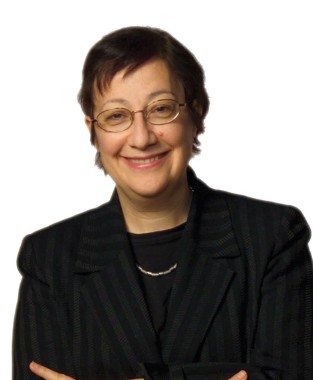
Although whether patients are classified as ISM high or low makes little difference in terms of measurable disease activity, it does appear to affect how treatments work. "No matter what drug you look at, the impact differs depending on whether the patients are ISM high or low," said Dr. Joan T. Merrill, one of the coauthors of the rontalizumab study, which was presented at the meeting by Dr. William Kennedy, senior medical director of Genentech.
Rontalizumab was associated with improvement in the ISM-low subgroup in the trial, which compared both intravenous and subcutaneous forms of rontalizumab with placebo. In ISM-low patients, a quarter of the total enrolled, IV rontalizumab vs. placebo SLE Responder Index (SRI) response rates were 75% vs. 18%. Treatment groups saw a nearly 40% reduced risk of disease flare based on SELENA-SLEDAI (Safety of Estrogens in Lupus Erythematosus National Assessment-SLE Disease Activity Index) flare rates, compared with placebo (hazard ratio 0.61 [90% confidence interval 0.46-0.81; P = .0040]), driven by ISM-low patients. Also, 91% of ISM-low patients in the treatment groups achieved prednisone reduction (10 mg/day) by week 24, compared with 67% of placebo subjects (Lupus 2013;22[Suppl.]:O22).
Limiting background medications in trials
Background immunosuppressants were not used in the rontalizumab study, and steroids were limited. Dr. Merrill, of the University of Oklahoma Health Sciences Center, Oklahoma City, discussed some of the thinking behind this. Limiting background medications "can lead to more interpretable results," she said. While many investigators have argued that only the sickest and most refractory patients should be enrolled in SLE clinical trials as a way to discern a clearer differences between treatment and placebo, Dr. Merrill instead championed recruiting less-sick patients for whom it is safer to withdraw or minimize background medicines.
Patients without severe disease will still die early and accumulate increasing damage over time, Dr. Merrill said. "They represent a huge unmet need. So if we could do trials with these patients and limit the background noise caused by their medications, perhaps we could also see a difference between treatment and placebo. Trials would be easier to recruit, we would see fewer infections, and most importantly, there would be a bigger market for pharma companies to pursue."
Targeting CD22 antigen on B cells
Two randomized, placebo-controlled trials of epratuzumab, a monoclonal antibody targeting CD22 antigen on B cells, had to be terminated when drug supply was interrupted. However, the early findings had shown clinically meaningful improvements in disease activity and corticosteroid sparing. Final results from an open-label extension study for SLE patients previously enrolled in these trials (n = 429), sponsored by UCB Pharma, showed that continued administration of epratuzumab resulted in sustained improvements after a mean four years of treatment, with no new safety signals (Lupus 2013;22[Suppl.]:O25).
Phase II data on blisibimod
Blisibimod, a biologic injected subcutaneously that inhibits B-cell activating factor, or BAFF, was investigated in a phase IIb manufacturer-sponsored trial of 547 patients with anti-dsDNA or anti-nuclear antibodies and SELENA-SLEDAI score of 6 or higher at baseline. Dr. Morton Scheinberg of Rheumatology Hospital Abreu Sodre Pesquisa Clínica, São Paulo, Brazil, led the trial, sponsored by Anthera Pharmaceuticals, in which patients were randomized to one of three doses or placebo. The composite primary endpoint, SRI-5 (defined as a 5-point improvement in SELENA-SLEDAI, no new BILAG A or 2B organ domain scores, and no worsening in Physician’s Global Assessment) was not met because efficacy was not shown in the lower doses. However, more subjects who received the highest dose (200 mg once weekly) met the response criteria starting in week 16 (8%, P = .14), through week 24 (8.2%, P = .15), reaching statistical significance at week 20 (Lupus 2013;22[Suppl.]:O21).
Improving on past trial missteps
One of the coinvestigators on the blisibimod trial, Dr. Richard A. Furie, discussed missteps in the design of earlier studies. "Trials of new biologic therapies have taught us to be humble and logical, and to persevere – we’ve made a lot of mistakes over last 20 years," he told the conference, pointing to a handful of trials in which subjects did not have serologic evidence of disease at baseline. "In my book, if someone is clinically active they should have autoantibodies," he said. "So the rules for entry were changed for all trials."

Dr. Furie, chief of the division of rheumatology and allergy-clinical immunology in the North Shore–LIJ Health System and professor of medicine at Hofstra University, Hempstead, N.Y., said that while inclusion criteria had improved, investigators of biologic agents still had far to go in refining SLE trial endpoints. "No two endpoints are the same – we’ve customized the endpoints and are struggling with extrarenal trials whether it should be a single or composite endpoint, whether it should be based on SLEDAI or BILAG alone or should we use SRI – there is no consensus." Echoing Dr. Merrill, he stressed that background medications were another area in need of increased scrutiny and consensus. "Each trial has handled steroids and immunosuppressants differently," he said.
Dr. Merrill has received support from Genentech. Dr. Furie has received support from Anthera, Genentech, and UCB Pharma. Both rheumatologists have received support from many other companies involved in lupus research and therapy.
BUENOS AIRES – Despite some early letdowns in clinical trials, biologic therapies targeting nearly every point in the pathway of the known pathogenesis of systemic lupus erythematosus are currently in the pipeline.
At the International Congress on Systemic Lupus Erythematosus, investigators presented promising new data on several experimental biologics. And in the shadow of some costly failures, they also discussed ways to refine endpoints, inclusion criteria, and the use of background medicines to make trial results for these agents clearer.
Biomarker-driven response to rontalizumab
Rontalizumab, a humanized antibody against anti-interferon-alpha, was shown in a phase II randomized controlled trial of 159 patients with moderate to severe SLE to improve signs and symptoms, flare rates, and need for steroids at 24 weeks in the subset of patients who had low interferon signature gene expression metric (ISM), an emerging biomarker in SLE, at baseline.
Although whether patients are classified as ISM high or low makes little difference in terms of measurable disease activity, it does appear to affect how treatments work. "No matter what drug you look at, the impact differs depending on whether the patients are ISM high or low," said Dr. Joan T. Merrill, one of the coauthors of the rontalizumab study, which was presented at the meeting by Dr. William Kennedy, senior medical director of Genentech.
Rontalizumab was associated with improvement in the ISM-low subgroup in the trial, which compared both intravenous and subcutaneous forms of rontalizumab with placebo. In ISM-low patients, a quarter of the total enrolled, IV rontalizumab vs. placebo SLE Responder Index (SRI) response rates were 75% vs. 18%. Treatment groups saw a nearly 40% reduced risk of disease flare based on SELENA-SLEDAI (Safety of Estrogens in Lupus Erythematosus National Assessment-SLE Disease Activity Index) flare rates, compared with placebo (hazard ratio 0.61 [90% confidence interval 0.46-0.81; P = .0040]), driven by ISM-low patients. Also, 91% of ISM-low patients in the treatment groups achieved prednisone reduction (10 mg/day) by week 24, compared with 67% of placebo subjects (Lupus 2013;22[Suppl.]:O22).
Limiting background medications in trials
Background immunosuppressants were not used in the rontalizumab study, and steroids were limited. Dr. Merrill, of the University of Oklahoma Health Sciences Center, Oklahoma City, discussed some of the thinking behind this. Limiting background medications "can lead to more interpretable results," she said. While many investigators have argued that only the sickest and most refractory patients should be enrolled in SLE clinical trials as a way to discern a clearer differences between treatment and placebo, Dr. Merrill instead championed recruiting less-sick patients for whom it is safer to withdraw or minimize background medicines.
Patients without severe disease will still die early and accumulate increasing damage over time, Dr. Merrill said. "They represent a huge unmet need. So if we could do trials with these patients and limit the background noise caused by their medications, perhaps we could also see a difference between treatment and placebo. Trials would be easier to recruit, we would see fewer infections, and most importantly, there would be a bigger market for pharma companies to pursue."
Targeting CD22 antigen on B cells
Two randomized, placebo-controlled trials of epratuzumab, a monoclonal antibody targeting CD22 antigen on B cells, had to be terminated when drug supply was interrupted. However, the early findings had shown clinically meaningful improvements in disease activity and corticosteroid sparing. Final results from an open-label extension study for SLE patients previously enrolled in these trials (n = 429), sponsored by UCB Pharma, showed that continued administration of epratuzumab resulted in sustained improvements after a mean four years of treatment, with no new safety signals (Lupus 2013;22[Suppl.]:O25).
Phase II data on blisibimod
Blisibimod, a biologic injected subcutaneously that inhibits B-cell activating factor, or BAFF, was investigated in a phase IIb manufacturer-sponsored trial of 547 patients with anti-dsDNA or anti-nuclear antibodies and SELENA-SLEDAI score of 6 or higher at baseline. Dr. Morton Scheinberg of Rheumatology Hospital Abreu Sodre Pesquisa Clínica, São Paulo, Brazil, led the trial, sponsored by Anthera Pharmaceuticals, in which patients were randomized to one of three doses or placebo. The composite primary endpoint, SRI-5 (defined as a 5-point improvement in SELENA-SLEDAI, no new BILAG A or 2B organ domain scores, and no worsening in Physician’s Global Assessment) was not met because efficacy was not shown in the lower doses. However, more subjects who received the highest dose (200 mg once weekly) met the response criteria starting in week 16 (8%, P = .14), through week 24 (8.2%, P = .15), reaching statistical significance at week 20 (Lupus 2013;22[Suppl.]:O21).
Improving on past trial missteps
One of the coinvestigators on the blisibimod trial, Dr. Richard A. Furie, discussed missteps in the design of earlier studies. "Trials of new biologic therapies have taught us to be humble and logical, and to persevere – we’ve made a lot of mistakes over last 20 years," he told the conference, pointing to a handful of trials in which subjects did not have serologic evidence of disease at baseline. "In my book, if someone is clinically active they should have autoantibodies," he said. "So the rules for entry were changed for all trials."
Dr. Furie, chief of the division of rheumatology and allergy-clinical immunology in the North Shore–LIJ Health System and professor of medicine at Hofstra University, Hempstead, N.Y., said that while inclusion criteria had improved, investigators of biologic agents still had far to go in refining SLE trial endpoints. "No two endpoints are the same – we’ve customized the endpoints and are struggling with extrarenal trials whether it should be a single or composite endpoint, whether it should be based on SLEDAI or BILAG alone or should we use SRI – there is no consensus." Echoing Dr. Merrill, he stressed that background medications were another area in need of increased scrutiny and consensus. "Each trial has handled steroids and immunosuppressants differently," he said.
Dr. Merrill has received support from Genentech. Dr. Furie has received support from Anthera, Genentech, and UCB Pharma. Both rheumatologists have received support from many other companies involved in lupus research and therapy.
BUENOS AIRES – Despite some early letdowns in clinical trials, biologic therapies targeting nearly every point in the pathway of the known pathogenesis of systemic lupus erythematosus are currently in the pipeline.
At the International Congress on Systemic Lupus Erythematosus, investigators presented promising new data on several experimental biologics. And in the shadow of some costly failures, they also discussed ways to refine endpoints, inclusion criteria, and the use of background medicines to make trial results for these agents clearer.
Biomarker-driven response to rontalizumab
Rontalizumab, a humanized antibody against anti-interferon-alpha, was shown in a phase II randomized controlled trial of 159 patients with moderate to severe SLE to improve signs and symptoms, flare rates, and need for steroids at 24 weeks in the subset of patients who had low interferon signature gene expression metric (ISM), an emerging biomarker in SLE, at baseline.
Although whether patients are classified as ISM high or low makes little difference in terms of measurable disease activity, it does appear to affect how treatments work. "No matter what drug you look at, the impact differs depending on whether the patients are ISM high or low," said Dr. Joan T. Merrill, one of the coauthors of the rontalizumab study, which was presented at the meeting by Dr. William Kennedy, senior medical director of Genentech.
Rontalizumab was associated with improvement in the ISM-low subgroup in the trial, which compared both intravenous and subcutaneous forms of rontalizumab with placebo. In ISM-low patients, a quarter of the total enrolled, IV rontalizumab vs. placebo SLE Responder Index (SRI) response rates were 75% vs. 18%. Treatment groups saw a nearly 40% reduced risk of disease flare based on SELENA-SLEDAI (Safety of Estrogens in Lupus Erythematosus National Assessment-SLE Disease Activity Index) flare rates, compared with placebo (hazard ratio 0.61 [90% confidence interval 0.46-0.81; P = .0040]), driven by ISM-low patients. Also, 91% of ISM-low patients in the treatment groups achieved prednisone reduction (10 mg/day) by week 24, compared with 67% of placebo subjects (Lupus 2013;22[Suppl.]:O22).
Limiting background medications in trials
Background immunosuppressants were not used in the rontalizumab study, and steroids were limited. Dr. Merrill, of the University of Oklahoma Health Sciences Center, Oklahoma City, discussed some of the thinking behind this. Limiting background medications "can lead to more interpretable results," she said. While many investigators have argued that only the sickest and most refractory patients should be enrolled in SLE clinical trials as a way to discern a clearer differences between treatment and placebo, Dr. Merrill instead championed recruiting less-sick patients for whom it is safer to withdraw or minimize background medicines.
Patients without severe disease will still die early and accumulate increasing damage over time, Dr. Merrill said. "They represent a huge unmet need. So if we could do trials with these patients and limit the background noise caused by their medications, perhaps we could also see a difference between treatment and placebo. Trials would be easier to recruit, we would see fewer infections, and most importantly, there would be a bigger market for pharma companies to pursue."
Targeting CD22 antigen on B cells
Two randomized, placebo-controlled trials of epratuzumab, a monoclonal antibody targeting CD22 antigen on B cells, had to be terminated when drug supply was interrupted. However, the early findings had shown clinically meaningful improvements in disease activity and corticosteroid sparing. Final results from an open-label extension study for SLE patients previously enrolled in these trials (n = 429), sponsored by UCB Pharma, showed that continued administration of epratuzumab resulted in sustained improvements after a mean four years of treatment, with no new safety signals (Lupus 2013;22[Suppl.]:O25).
Phase II data on blisibimod
Blisibimod, a biologic injected subcutaneously that inhibits B-cell activating factor, or BAFF, was investigated in a phase IIb manufacturer-sponsored trial of 547 patients with anti-dsDNA or anti-nuclear antibodies and SELENA-SLEDAI score of 6 or higher at baseline. Dr. Morton Scheinberg of Rheumatology Hospital Abreu Sodre Pesquisa Clínica, São Paulo, Brazil, led the trial, sponsored by Anthera Pharmaceuticals, in which patients were randomized to one of three doses or placebo. The composite primary endpoint, SRI-5 (defined as a 5-point improvement in SELENA-SLEDAI, no new BILAG A or 2B organ domain scores, and no worsening in Physician’s Global Assessment) was not met because efficacy was not shown in the lower doses. However, more subjects who received the highest dose (200 mg once weekly) met the response criteria starting in week 16 (8%, P = .14), through week 24 (8.2%, P = .15), reaching statistical significance at week 20 (Lupus 2013;22[Suppl.]:O21).
Improving on past trial missteps
One of the coinvestigators on the blisibimod trial, Dr. Richard A. Furie, discussed missteps in the design of earlier studies. "Trials of new biologic therapies have taught us to be humble and logical, and to persevere – we’ve made a lot of mistakes over last 20 years," he told the conference, pointing to a handful of trials in which subjects did not have serologic evidence of disease at baseline. "In my book, if someone is clinically active they should have autoantibodies," he said. "So the rules for entry were changed for all trials."
Dr. Furie, chief of the division of rheumatology and allergy-clinical immunology in the North Shore–LIJ Health System and professor of medicine at Hofstra University, Hempstead, N.Y., said that while inclusion criteria had improved, investigators of biologic agents still had far to go in refining SLE trial endpoints. "No two endpoints are the same – we’ve customized the endpoints and are struggling with extrarenal trials whether it should be a single or composite endpoint, whether it should be based on SLEDAI or BILAG alone or should we use SRI – there is no consensus." Echoing Dr. Merrill, he stressed that background medications were another area in need of increased scrutiny and consensus. "Each trial has handled steroids and immunosuppressants differently," he said.
Dr. Merrill has received support from Genentech. Dr. Furie has received support from Anthera, Genentech, and UCB Pharma. Both rheumatologists have received support from many other companies involved in lupus research and therapy.
AT THE INTERNATIONAL CONGRESS ON SLE
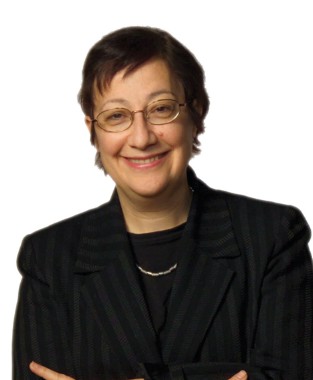
Greater role discussed for current biologics in lupus
BUENOS AIRES – Approved biologic therapies for systematic lupus erythematosus have so far been limited to belimumab, and there has been little compelling trial evidence to date for the effectiveness of abatacept or rituximab in either SLE or lupus nephritis.
Nonetheless, investigators presenting at an international congress on systemic lupus erythematosus gave clinicians reasons to be optimistic about these three biologics currently in clinical use, both on and off label.
Reinterpretation of randomized controlled trial data even from trials that did not meet their primary or secondary endpoints, new registry data, clinical observation, and ongoing trials with better-defined endpoints are producing insights into how and which SLE and lupus nephritis patients might benefit from rituximab, abatacept, or belimumab.
Dr. Ronald F. van Vollenhoven of the Karolinska Institute in Stockholm discussed findings from a yet-unpublished registry study of biologics in lupus, to be presented in June at the EULAR annual meeting in Madrid. Dr. van Vollenhoven and colleagues found that rituximab, which had not succeeded in the 2012 LUNAR trial in lupus nephritis patients (Arthritis Rheum. 2012;64:1215-26), was the most frequently used off-label biologic being used in lupus in European countries, with about 1% of lupus patients receiving it. "These are more severe disease patients with more damage who have failed other therapies – it seems to be an option of last resort," Dr. van Vollenhoven said.
Dr. Elizabeth Lightstone, a nephrologist at Imperial College London, argued for a role for rituximab beyond rescue therapy in lupus nephritis. "I think most of us think that rituximab does work," Dr. Lightstone told the conference, and described soon-to-be published results from an observational cohort study (n = 50) of new or relapsed lupus nephritis patients receiving rituximab as a first-line treatment protocol along with mycophenolate mofetil (MMF), with a median follow-up of 163 weeks.
By 12 weeks, 18% of patients saw a complete renal response, which increased to 32% at 26 weeks and 50% at 52 weeks, Dr. Lightstone said. Remarkably, 43 patients who started on this regimen have been managed successfully without oral steroids. Dr. Lightstone said that her U.K.-based nephrology group was about to begin recruiting for a randomized, controlled trial that would compare this rituximab-based regimen with MMF and steroids in 252 lupus nephritis patients.
Dr. Lightstone described the failed LUNAR study as having set the bar too high in its definition of complete renal remission, and having gone too short at only 1 year. "There were a lot of positives in that trial," she said. "The serology normalized significantly; in the exploratory endpoints there was at least a 50% reduction in proteinuria significant in the rituximab group at 78 weeks, so there was divergence beyond one year. The need for immunosuppression was significantly different in week 52 and week 78, and there was a reduction in steroids. And black patients responded better – the trial wasn’t powered to show that as significant, but it looks tantalizing."
She also pointed to a randomized, controlled trial of rituximab vs. standard of care, led by Dr. Frédéric Houssiau of the Université Catholique de Louvain in Brussels that may better define the role of rituximab in lupus nephritis. This trial, which aims to recruit 194 patients and is scheduled to end in 2016, is double the duration of the LUNAR trial, at 104 weeks, and defines complete response as a protein/creatinine ratio of 0.5 or less (compared with 0.2 or less in the LUNAR trial).
Dr. van Vollenhoven told the conference that abatacept was being used very rarely in clinical practice in Europe in either SLE or lupus nephritis. He noted, however, that in a negative trial of abatacept in SLE (Arthritis Rheum. 2010;62:3077-87), patients with polyarthritis were seen to benefit most, and though this did not reach statistical significance, it indicated that abatacept might be appropriate for off-label use in such patients. A post hoc analysis of one failed trial of abatacept in lupus nephritis argued that better-defined response criteria would have shown significant differences between the control and placebo groups (Arthritis Rheum. 2012;64:3660-5); company report PDF. "And there are several interesting trials going on with abatacept suggesting that it could work in combination with cyclophosphamide for lupus nephritis," Dr. van Vollenhoven said. "I don’t think the book is completely closed on this."
While belimumab has been the success story among biologics in SLE, as the first biologic developed and licensed to treat the disease, Dr. van Vollenhoven argued that even belimumab may be given short shrift. In the phase III trial of belimumab in SLE (n = 867), belimumab at 10 mg/kg was associated with significant improvement over placebo in standard lupus disease activity scores (Lancet 2011;377:721-31).
"But with just a 10% difference effect size between the two arms, people say this is a weak effect, making all patients a little better," Dr. van Vollenhoven said. "But there could be at least two other explanations. One is that this is a very good medication, but only for some patients. In practice we would have to figure out who these patients are and that they should be getting this treatment. Another is that in these huge trials there is a lot of static – if you’re measuring with an instrument that’s not very good, you won’t get a strong signal."
Dr. van Vollenhoven said that in his clinical practice, "we have found that the patient who has low complement and anti-DNA antibodies plus active disease and are on steroids have a pretty good likelihood of benefiting from belimumab, and that’s how we have been using it in our practice. And we are seeing good results."
Dr. van Vollenhoven has served as an adviser or consultant for Abbott, Bristol-Myers Squibb, GlaxoSmithKline, Merck Sharp & Dohme, Pfizer, Roche, and UCB Pharma. Dr. Lightstone has received support from Genentech, Roche, Biogen Idec, Aspreva, and GlaxoSmithKline.
BUENOS AIRES – Approved biologic therapies for systematic lupus erythematosus have so far been limited to belimumab, and there has been little compelling trial evidence to date for the effectiveness of abatacept or rituximab in either SLE or lupus nephritis.
Nonetheless, investigators presenting at an international congress on systemic lupus erythematosus gave clinicians reasons to be optimistic about these three biologics currently in clinical use, both on and off label.
Reinterpretation of randomized controlled trial data even from trials that did not meet their primary or secondary endpoints, new registry data, clinical observation, and ongoing trials with better-defined endpoints are producing insights into how and which SLE and lupus nephritis patients might benefit from rituximab, abatacept, or belimumab.
Dr. Ronald F. van Vollenhoven of the Karolinska Institute in Stockholm discussed findings from a yet-unpublished registry study of biologics in lupus, to be presented in June at the EULAR annual meeting in Madrid. Dr. van Vollenhoven and colleagues found that rituximab, which had not succeeded in the 2012 LUNAR trial in lupus nephritis patients (Arthritis Rheum. 2012;64:1215-26), was the most frequently used off-label biologic being used in lupus in European countries, with about 1% of lupus patients receiving it. "These are more severe disease patients with more damage who have failed other therapies – it seems to be an option of last resort," Dr. van Vollenhoven said.
Dr. Elizabeth Lightstone, a nephrologist at Imperial College London, argued for a role for rituximab beyond rescue therapy in lupus nephritis. "I think most of us think that rituximab does work," Dr. Lightstone told the conference, and described soon-to-be published results from an observational cohort study (n = 50) of new or relapsed lupus nephritis patients receiving rituximab as a first-line treatment protocol along with mycophenolate mofetil (MMF), with a median follow-up of 163 weeks.
By 12 weeks, 18% of patients saw a complete renal response, which increased to 32% at 26 weeks and 50% at 52 weeks, Dr. Lightstone said. Remarkably, 43 patients who started on this regimen have been managed successfully without oral steroids. Dr. Lightstone said that her U.K.-based nephrology group was about to begin recruiting for a randomized, controlled trial that would compare this rituximab-based regimen with MMF and steroids in 252 lupus nephritis patients.
Dr. Lightstone described the failed LUNAR study as having set the bar too high in its definition of complete renal remission, and having gone too short at only 1 year. "There were a lot of positives in that trial," she said. "The serology normalized significantly; in the exploratory endpoints there was at least a 50% reduction in proteinuria significant in the rituximab group at 78 weeks, so there was divergence beyond one year. The need for immunosuppression was significantly different in week 52 and week 78, and there was a reduction in steroids. And black patients responded better – the trial wasn’t powered to show that as significant, but it looks tantalizing."
She also pointed to a randomized, controlled trial of rituximab vs. standard of care, led by Dr. Frédéric Houssiau of the Université Catholique de Louvain in Brussels that may better define the role of rituximab in lupus nephritis. This trial, which aims to recruit 194 patients and is scheduled to end in 2016, is double the duration of the LUNAR trial, at 104 weeks, and defines complete response as a protein/creatinine ratio of 0.5 or less (compared with 0.2 or less in the LUNAR trial).
Dr. van Vollenhoven told the conference that abatacept was being used very rarely in clinical practice in Europe in either SLE or lupus nephritis. He noted, however, that in a negative trial of abatacept in SLE (Arthritis Rheum. 2010;62:3077-87), patients with polyarthritis were seen to benefit most, and though this did not reach statistical significance, it indicated that abatacept might be appropriate for off-label use in such patients. A post hoc analysis of one failed trial of abatacept in lupus nephritis argued that better-defined response criteria would have shown significant differences between the control and placebo groups (Arthritis Rheum. 2012;64:3660-5); company report PDF. "And there are several interesting trials going on with abatacept suggesting that it could work in combination with cyclophosphamide for lupus nephritis," Dr. van Vollenhoven said. "I don’t think the book is completely closed on this."
While belimumab has been the success story among biologics in SLE, as the first biologic developed and licensed to treat the disease, Dr. van Vollenhoven argued that even belimumab may be given short shrift. In the phase III trial of belimumab in SLE (n = 867), belimumab at 10 mg/kg was associated with significant improvement over placebo in standard lupus disease activity scores (Lancet 2011;377:721-31).
"But with just a 10% difference effect size between the two arms, people say this is a weak effect, making all patients a little better," Dr. van Vollenhoven said. "But there could be at least two other explanations. One is that this is a very good medication, but only for some patients. In practice we would have to figure out who these patients are and that they should be getting this treatment. Another is that in these huge trials there is a lot of static – if you’re measuring with an instrument that’s not very good, you won’t get a strong signal."
Dr. van Vollenhoven said that in his clinical practice, "we have found that the patient who has low complement and anti-DNA antibodies plus active disease and are on steroids have a pretty good likelihood of benefiting from belimumab, and that’s how we have been using it in our practice. And we are seeing good results."
Dr. van Vollenhoven has served as an adviser or consultant for Abbott, Bristol-Myers Squibb, GlaxoSmithKline, Merck Sharp & Dohme, Pfizer, Roche, and UCB Pharma. Dr. Lightstone has received support from Genentech, Roche, Biogen Idec, Aspreva, and GlaxoSmithKline.
BUENOS AIRES – Approved biologic therapies for systematic lupus erythematosus have so far been limited to belimumab, and there has been little compelling trial evidence to date for the effectiveness of abatacept or rituximab in either SLE or lupus nephritis.
Nonetheless, investigators presenting at an international congress on systemic lupus erythematosus gave clinicians reasons to be optimistic about these three biologics currently in clinical use, both on and off label.
Reinterpretation of randomized controlled trial data even from trials that did not meet their primary or secondary endpoints, new registry data, clinical observation, and ongoing trials with better-defined endpoints are producing insights into how and which SLE and lupus nephritis patients might benefit from rituximab, abatacept, or belimumab.
Dr. Ronald F. van Vollenhoven of the Karolinska Institute in Stockholm discussed findings from a yet-unpublished registry study of biologics in lupus, to be presented in June at the EULAR annual meeting in Madrid. Dr. van Vollenhoven and colleagues found that rituximab, which had not succeeded in the 2012 LUNAR trial in lupus nephritis patients (Arthritis Rheum. 2012;64:1215-26), was the most frequently used off-label biologic being used in lupus in European countries, with about 1% of lupus patients receiving it. "These are more severe disease patients with more damage who have failed other therapies – it seems to be an option of last resort," Dr. van Vollenhoven said.
Dr. Elizabeth Lightstone, a nephrologist at Imperial College London, argued for a role for rituximab beyond rescue therapy in lupus nephritis. "I think most of us think that rituximab does work," Dr. Lightstone told the conference, and described soon-to-be published results from an observational cohort study (n = 50) of new or relapsed lupus nephritis patients receiving rituximab as a first-line treatment protocol along with mycophenolate mofetil (MMF), with a median follow-up of 163 weeks.
By 12 weeks, 18% of patients saw a complete renal response, which increased to 32% at 26 weeks and 50% at 52 weeks, Dr. Lightstone said. Remarkably, 43 patients who started on this regimen have been managed successfully without oral steroids. Dr. Lightstone said that her U.K.-based nephrology group was about to begin recruiting for a randomized, controlled trial that would compare this rituximab-based regimen with MMF and steroids in 252 lupus nephritis patients.
Dr. Lightstone described the failed LUNAR study as having set the bar too high in its definition of complete renal remission, and having gone too short at only 1 year. "There were a lot of positives in that trial," she said. "The serology normalized significantly; in the exploratory endpoints there was at least a 50% reduction in proteinuria significant in the rituximab group at 78 weeks, so there was divergence beyond one year. The need for immunosuppression was significantly different in week 52 and week 78, and there was a reduction in steroids. And black patients responded better – the trial wasn’t powered to show that as significant, but it looks tantalizing."
She also pointed to a randomized, controlled trial of rituximab vs. standard of care, led by Dr. Frédéric Houssiau of the Université Catholique de Louvain in Brussels that may better define the role of rituximab in lupus nephritis. This trial, which aims to recruit 194 patients and is scheduled to end in 2016, is double the duration of the LUNAR trial, at 104 weeks, and defines complete response as a protein/creatinine ratio of 0.5 or less (compared with 0.2 or less in the LUNAR trial).
Dr. van Vollenhoven told the conference that abatacept was being used very rarely in clinical practice in Europe in either SLE or lupus nephritis. He noted, however, that in a negative trial of abatacept in SLE (Arthritis Rheum. 2010;62:3077-87), patients with polyarthritis were seen to benefit most, and though this did not reach statistical significance, it indicated that abatacept might be appropriate for off-label use in such patients. A post hoc analysis of one failed trial of abatacept in lupus nephritis argued that better-defined response criteria would have shown significant differences between the control and placebo groups (Arthritis Rheum. 2012;64:3660-5); company report PDF. "And there are several interesting trials going on with abatacept suggesting that it could work in combination with cyclophosphamide for lupus nephritis," Dr. van Vollenhoven said. "I don’t think the book is completely closed on this."
While belimumab has been the success story among biologics in SLE, as the first biologic developed and licensed to treat the disease, Dr. van Vollenhoven argued that even belimumab may be given short shrift. In the phase III trial of belimumab in SLE (n = 867), belimumab at 10 mg/kg was associated with significant improvement over placebo in standard lupus disease activity scores (Lancet 2011;377:721-31).
"But with just a 10% difference effect size between the two arms, people say this is a weak effect, making all patients a little better," Dr. van Vollenhoven said. "But there could be at least two other explanations. One is that this is a very good medication, but only for some patients. In practice we would have to figure out who these patients are and that they should be getting this treatment. Another is that in these huge trials there is a lot of static – if you’re measuring with an instrument that’s not very good, you won’t get a strong signal."
Dr. van Vollenhoven said that in his clinical practice, "we have found that the patient who has low complement and anti-DNA antibodies plus active disease and are on steroids have a pretty good likelihood of benefiting from belimumab, and that’s how we have been using it in our practice. And we are seeing good results."
Dr. van Vollenhoven has served as an adviser or consultant for Abbott, Bristol-Myers Squibb, GlaxoSmithKline, Merck Sharp & Dohme, Pfizer, Roche, and UCB Pharma. Dr. Lightstone has received support from Genentech, Roche, Biogen Idec, Aspreva, and GlaxoSmithKline.
AT THE SLE INTERNATIONAL CONGRESS
Switching anti-TNF drugs of little benefit in psoriatic arthritis
Most patients with psoriatic arthritis fare better when remaining on a single tumor necrosis factor inhibitor than when switching to a second medication, Norwegian researchers have found.
Karen Fagerli, Ph.D., of the department of rheumatology at Diakonhjemmet Hospital in Oslo, and her colleagues found that patients who switched tumor necrosis factor inhibitor (TNFi) medications had significantly poorer responses in factors like American College of Rheumatology-50 (ACR 50) response and Disease Activity Score-28 (DAS28) remission, compared with those who stayed on one TNFi. Drug-survival rates at 3 years also were lower among patients who changed medications (Ann. Rheum. Dis. 2013 April 5 [doi: 10.1136/annrheumdis-2012-203018]).

Because some (20%-40%) patients showed a response to a second TNFi at 3 months, "our results do not imply that a second TNFi should not be attempted in those who fail their first TNFi, but rather highlight the need for treatments with other mechanisms of action for patients with psoriatic arthritis," Dr. Fagerli and her colleagues wrote.
The investigators studied patient data from the observational NOR-DMARD study, a registry at five centers in Norway of all patients with inflammatory arthropathies starting disease-modifying antirheumatic drugs (DMARDs). Patients in the registry were assessed at baseline and 3, 6, and 12 months after starting treatment. They had annual follow-up visits thereafter.
The researchers included 439 patients with psoriatic arthritis who started their first TNFi between February 2001 and October 2011. They labeled the 95 patients who started a second TNFi as the "switchers," and the remaining 344 patients who stayed on one TNFi as the "nonswitchers." Researchers compared 3-month responses and 3-year drug-survival between switchers and nonswitchers, and within switchers. Among switchers, etanercept (Enbrel) was the most commonly prescribed first TNFi, and adalimumab (Humira) the most commonly prescribed second TNFi.
The switchers receiving their second TNFi had significantly poorer responses by 3 months than the nonswitchers: The ACR 50 response was 22.5% in switchers taking a second TNFi, versus 40% in nonswitchers, and DAS28 remission rates were 28% in switchers taking a second TNFi, versus 54% in nonswitchers.
Researchers also found a trend among the switchers toward poorer responses to the second TNFi, compared with the first. "The estimated 3-year drug-survival was 36% for the second TNFi, compared with 57% for the first TNFi overall," they wrote.
The investigators noted that the comparisons between switchers and nonswitchers could be biased by "some patients still having residual effects of their first TNFi when starting the second, ... but the pattern of poorer response to the second TNFi was consistent for both analytic approaches."
Even though the approach to evaluating effectiveness through the assessment of treatment completers "likely overestimates effectiveness due to discontinuations prior to assessment in poor responders," there was only a small difference in the rate of discontinuation prior to the 3-month assessment between the switchers, who had the poorest response, and the nonswitchers, the investigators said.
The study was supported by the Norwegian South Eastern Health Board. The NOR-DMARD study received funding from Abbott, Amgen, and other companies. Dr. Fagerli reported having received speaker’s honoraria from Abbott and Pfizer. Other authors reported financial ties to manufacturers of TNF inhibitors and other biologics.
Most patients with psoriatic arthritis fare better when remaining on a single tumor necrosis factor inhibitor than when switching to a second medication, Norwegian researchers have found.
Karen Fagerli, Ph.D., of the department of rheumatology at Diakonhjemmet Hospital in Oslo, and her colleagues found that patients who switched tumor necrosis factor inhibitor (TNFi) medications had significantly poorer responses in factors like American College of Rheumatology-50 (ACR 50) response and Disease Activity Score-28 (DAS28) remission, compared with those who stayed on one TNFi. Drug-survival rates at 3 years also were lower among patients who changed medications (Ann. Rheum. Dis. 2013 April 5 [doi: 10.1136/annrheumdis-2012-203018]).
Because some (20%-40%) patients showed a response to a second TNFi at 3 months, "our results do not imply that a second TNFi should not be attempted in those who fail their first TNFi, but rather highlight the need for treatments with other mechanisms of action for patients with psoriatic arthritis," Dr. Fagerli and her colleagues wrote.
The investigators studied patient data from the observational NOR-DMARD study, a registry at five centers in Norway of all patients with inflammatory arthropathies starting disease-modifying antirheumatic drugs (DMARDs). Patients in the registry were assessed at baseline and 3, 6, and 12 months after starting treatment. They had annual follow-up visits thereafter.
The researchers included 439 patients with psoriatic arthritis who started their first TNFi between February 2001 and October 2011. They labeled the 95 patients who started a second TNFi as the "switchers," and the remaining 344 patients who stayed on one TNFi as the "nonswitchers." Researchers compared 3-month responses and 3-year drug-survival between switchers and nonswitchers, and within switchers. Among switchers, etanercept (Enbrel) was the most commonly prescribed first TNFi, and adalimumab (Humira) the most commonly prescribed second TNFi.
The switchers receiving their second TNFi had significantly poorer responses by 3 months than the nonswitchers: The ACR 50 response was 22.5% in switchers taking a second TNFi, versus 40% in nonswitchers, and DAS28 remission rates were 28% in switchers taking a second TNFi, versus 54% in nonswitchers.
Researchers also found a trend among the switchers toward poorer responses to the second TNFi, compared with the first. "The estimated 3-year drug-survival was 36% for the second TNFi, compared with 57% for the first TNFi overall," they wrote.
The investigators noted that the comparisons between switchers and nonswitchers could be biased by "some patients still having residual effects of their first TNFi when starting the second, ... but the pattern of poorer response to the second TNFi was consistent for both analytic approaches."
Even though the approach to evaluating effectiveness through the assessment of treatment completers "likely overestimates effectiveness due to discontinuations prior to assessment in poor responders," there was only a small difference in the rate of discontinuation prior to the 3-month assessment between the switchers, who had the poorest response, and the nonswitchers, the investigators said.
The study was supported by the Norwegian South Eastern Health Board. The NOR-DMARD study received funding from Abbott, Amgen, and other companies. Dr. Fagerli reported having received speaker’s honoraria from Abbott and Pfizer. Other authors reported financial ties to manufacturers of TNF inhibitors and other biologics.
Most patients with psoriatic arthritis fare better when remaining on a single tumor necrosis factor inhibitor than when switching to a second medication, Norwegian researchers have found.
Karen Fagerli, Ph.D., of the department of rheumatology at Diakonhjemmet Hospital in Oslo, and her colleagues found that patients who switched tumor necrosis factor inhibitor (TNFi) medications had significantly poorer responses in factors like American College of Rheumatology-50 (ACR 50) response and Disease Activity Score-28 (DAS28) remission, compared with those who stayed on one TNFi. Drug-survival rates at 3 years also were lower among patients who changed medications (Ann. Rheum. Dis. 2013 April 5 [doi: 10.1136/annrheumdis-2012-203018]).
Because some (20%-40%) patients showed a response to a second TNFi at 3 months, "our results do not imply that a second TNFi should not be attempted in those who fail their first TNFi, but rather highlight the need for treatments with other mechanisms of action for patients with psoriatic arthritis," Dr. Fagerli and her colleagues wrote.
The investigators studied patient data from the observational NOR-DMARD study, a registry at five centers in Norway of all patients with inflammatory arthropathies starting disease-modifying antirheumatic drugs (DMARDs). Patients in the registry were assessed at baseline and 3, 6, and 12 months after starting treatment. They had annual follow-up visits thereafter.
The researchers included 439 patients with psoriatic arthritis who started their first TNFi between February 2001 and October 2011. They labeled the 95 patients who started a second TNFi as the "switchers," and the remaining 344 patients who stayed on one TNFi as the "nonswitchers." Researchers compared 3-month responses and 3-year drug-survival between switchers and nonswitchers, and within switchers. Among switchers, etanercept (Enbrel) was the most commonly prescribed first TNFi, and adalimumab (Humira) the most commonly prescribed second TNFi.
The switchers receiving their second TNFi had significantly poorer responses by 3 months than the nonswitchers: The ACR 50 response was 22.5% in switchers taking a second TNFi, versus 40% in nonswitchers, and DAS28 remission rates were 28% in switchers taking a second TNFi, versus 54% in nonswitchers.
Researchers also found a trend among the switchers toward poorer responses to the second TNFi, compared with the first. "The estimated 3-year drug-survival was 36% for the second TNFi, compared with 57% for the first TNFi overall," they wrote.
The investigators noted that the comparisons between switchers and nonswitchers could be biased by "some patients still having residual effects of their first TNFi when starting the second, ... but the pattern of poorer response to the second TNFi was consistent for both analytic approaches."
Even though the approach to evaluating effectiveness through the assessment of treatment completers "likely overestimates effectiveness due to discontinuations prior to assessment in poor responders," there was only a small difference in the rate of discontinuation prior to the 3-month assessment between the switchers, who had the poorest response, and the nonswitchers, the investigators said.
The study was supported by the Norwegian South Eastern Health Board. The NOR-DMARD study received funding from Abbott, Amgen, and other companies. Dr. Fagerli reported having received speaker’s honoraria from Abbott and Pfizer. Other authors reported financial ties to manufacturers of TNF inhibitors and other biologics.
FROM ANNALS OF THE RHEUMATIC DISEASES
Major finding: The ACR 50 response was 22.5% in switchers taking a second TNFi, versus 40% in nonswitchers, and DAS28 remission rates were 28% in switchers taking a second TNFi, versus 54% in nonswitchers.
Data source: An observational cohort study of 439 patients with psoriatic arthritis enrolled in registries at five centers in Norway during February-October 2011.
Disclosures: The study was supported by the Norwegian South Eastern Health Board. The NOR-DMARD study received funding from Abbott, Amgen, and other companies. Dr. Fagerli reported having received speaker’s honoraria from Abbott and Pfizer. Other authors reported financial ties to manufacturers of TNF inhibitors and other biologics.

Be mindful of psoriasis/cutaneous T-cell lymphoma link
MAUI, HAWAII – The strong association between psoriasis and cutaneous T-cell lymphoma warrants a low threshold for skin biopsy in psoriasis patients, particularly since the two diseases can be tough to differentiate, experts emphasized at the Hawaii Dermatology Seminar sponsored by Global Academy for Medical Education/Skin Disease Education Foundation.
Indeed, skin biopsy is appropriate in any psoriasis patient with atypical features or psoriasis that isn’t responding to treatment, according to Dr. Joel M. Gelfand of the University of Pennsylvania, Philadelphia.
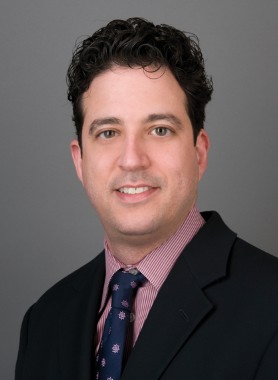
"I’ve found that my psoriasis patients actually like to be biopsied. They’ve been living with their disease for an average of 20 years, and they’re curious," he said. "And they’re also suspicious. They wonder, ‘How could I have this for 20 years and it’s still here?’ They’re worried that it’s really cancer or something else. So my patients never decline a biopsy of psoriasis," he said.
The literature on psoriasis and solid malignancies is "a mess," with some observational studies showing a positive association and others not, Dr. Gelfand noted.
In contrast, the studies looking at psoriasis and cutaneous T-cell lymphoma (CTCL) have been consistently positive. Case in point: when Dr. Gelfand and colleagues turned to the U.K. General Practice Research Database to study more than 153,000 psoriasis patients and nearly 800,000 controls, they found participants with mild psoriasis had a 4.1-fold increased relative risk of developing CTCL, while those with severe psoriasis had a 10.75-fold increased risk (J. Invest. Dermatol. 2006;126:2194-201).
One limitation of large, observational studies is that it’s hard to know whether some psoriasis patients who developed CTCL were initially misdiagnosed and actually had CTCL all along, Dr. Gelfand said.
"We have a large lymphoma study group at Penn, and we see all kinds: we see some patients who clearly had psoriasis for many years and then developed erythrodermic CTCL, and we have people who clearly were misdiagnosed as having psoriasis," he said.

Whether the increased lymphoma risk is caused by psoriasis itself, as opposed to the chronic use of immunosuppressive drugs employed in treating the skin disease, remains uncertain. To date, the studies are mostly reassuring that the psoriasis medications don’t significantly increase the risk. One thing that is clear, however, is that CTCL can progress very rapidly in a patient who is on potent immunosuppressive therapy for what is mistakenly thought to be psoriasis.
"The patient with tumor-stage mycosis fungoides is not a person you want to hit with a TNF inhibitor," Dr. Gelfand observed.
The distinction between severe psoriasis and CTCL can be tricky, according to veteran psoriasis researcher Dr. Craig L. Leonardi of Saint Louis University.
"In the last 13 years, while we’ve been developing the biologic agents, every now and then we’ll get a patient in a research trial who actually has CTCL. This is in an environment where patients are being examined closely, and yet the clinician is totally fooled by it," Dr. Leonardi said. "These drugs have evolved to the point that we get PASI-75 responses in the 70%-85% range. Most patients will have a rocking experience on these medications. So it’s a good general rule that if you find somebody who doesn’t respond, it’s time to start thinking about other diagnoses."
When Dr. Gelfand’s suspicions are raised, he typically biopsies one or two representative lesions after the patient has been off of topical steroids for at least a week, since the medication can reduce the epidermal infiltrate.

Be cautious if the histologic specimen is going to be read by a general pathologist. The situation is fairly straightforward if the report comes back as unequivocally psoriasis or CTCL. But if the report says, ‘psoriasiform dermatitis NOS’ it’s appropriate to insist that a dermatopathologist takes a look at the slides, Dr. Gelfand said.
"A lot of malpractice cases come across my desk, and ‘failure to diagnose’ is always a big one," said Dr. Guy F. Webster of Thomas Jefferson University, Philadelphia.
"It’s not always melanoma, either," he continued. "The story is always that somebody had a rash for a long time. It looked like eczema, psoriasis, whatever. And the physician treated it without ever questioning the diagnosis when the patient didn’t get better."
Dr. Alan Menter noted convincing evidence that, at pretreatment baseline, psoriasis patients, like those with rheumatoid arthritis, have a slightly increased risk of lymphoma.
"It’s kind of sensitive to talk to patients about the cancer issue. They all ask, ‘Is there a chance you’ll cause cancer by giving me this biologic drug?’ You have to gently tell them they are already at slightly increased risk," Dr. Menter said.

"Is the use of an anti-TNF agent going to increase that risk? The answer is that in all of the more than 2 million patients who’ve been treated with TNF inhibitors, there does not appear to be a statistical increase above the baseline risk," said Dr. Menter of Baylor University Medical Center, Dallas, and chair of the American Academy of Dermatology psoriasis guidelines committee.
SDEF and this news organization are owned by the same parent company. Dr. Menter, Dr. Gelfand, Dr. Webster, and Dr. Leonardi have received research funds and/or served as consultants to numerous pharmaceutical companies.
MAUI, HAWAII – The strong association between psoriasis and cutaneous T-cell lymphoma warrants a low threshold for skin biopsy in psoriasis patients, particularly since the two diseases can be tough to differentiate, experts emphasized at the Hawaii Dermatology Seminar sponsored by Global Academy for Medical Education/Skin Disease Education Foundation.
Indeed, skin biopsy is appropriate in any psoriasis patient with atypical features or psoriasis that isn’t responding to treatment, according to Dr. Joel M. Gelfand of the University of Pennsylvania, Philadelphia.
"I’ve found that my psoriasis patients actually like to be biopsied. They’ve been living with their disease for an average of 20 years, and they’re curious," he said. "And they’re also suspicious. They wonder, ‘How could I have this for 20 years and it’s still here?’ They’re worried that it’s really cancer or something else. So my patients never decline a biopsy of psoriasis," he said.
The literature on psoriasis and solid malignancies is "a mess," with some observational studies showing a positive association and others not, Dr. Gelfand noted.
In contrast, the studies looking at psoriasis and cutaneous T-cell lymphoma (CTCL) have been consistently positive. Case in point: when Dr. Gelfand and colleagues turned to the U.K. General Practice Research Database to study more than 153,000 psoriasis patients and nearly 800,000 controls, they found participants with mild psoriasis had a 4.1-fold increased relative risk of developing CTCL, while those with severe psoriasis had a 10.75-fold increased risk (J. Invest. Dermatol. 2006;126:2194-201).
One limitation of large, observational studies is that it’s hard to know whether some psoriasis patients who developed CTCL were initially misdiagnosed and actually had CTCL all along, Dr. Gelfand said.
"We have a large lymphoma study group at Penn, and we see all kinds: we see some patients who clearly had psoriasis for many years and then developed erythrodermic CTCL, and we have people who clearly were misdiagnosed as having psoriasis," he said.
Whether the increased lymphoma risk is caused by psoriasis itself, as opposed to the chronic use of immunosuppressive drugs employed in treating the skin disease, remains uncertain. To date, the studies are mostly reassuring that the psoriasis medications don’t significantly increase the risk. One thing that is clear, however, is that CTCL can progress very rapidly in a patient who is on potent immunosuppressive therapy for what is mistakenly thought to be psoriasis.
"The patient with tumor-stage mycosis fungoides is not a person you want to hit with a TNF inhibitor," Dr. Gelfand observed.
The distinction between severe psoriasis and CTCL can be tricky, according to veteran psoriasis researcher Dr. Craig L. Leonardi of Saint Louis University.
"In the last 13 years, while we’ve been developing the biologic agents, every now and then we’ll get a patient in a research trial who actually has CTCL. This is in an environment where patients are being examined closely, and yet the clinician is totally fooled by it," Dr. Leonardi said. "These drugs have evolved to the point that we get PASI-75 responses in the 70%-85% range. Most patients will have a rocking experience on these medications. So it’s a good general rule that if you find somebody who doesn’t respond, it’s time to start thinking about other diagnoses."
When Dr. Gelfand’s suspicions are raised, he typically biopsies one or two representative lesions after the patient has been off of topical steroids for at least a week, since the medication can reduce the epidermal infiltrate.
Be cautious if the histologic specimen is going to be read by a general pathologist. The situation is fairly straightforward if the report comes back as unequivocally psoriasis or CTCL. But if the report says, ‘psoriasiform dermatitis NOS’ it’s appropriate to insist that a dermatopathologist takes a look at the slides, Dr. Gelfand said.
"A lot of malpractice cases come across my desk, and ‘failure to diagnose’ is always a big one," said Dr. Guy F. Webster of Thomas Jefferson University, Philadelphia.
"It’s not always melanoma, either," he continued. "The story is always that somebody had a rash for a long time. It looked like eczema, psoriasis, whatever. And the physician treated it without ever questioning the diagnosis when the patient didn’t get better."
Dr. Alan Menter noted convincing evidence that, at pretreatment baseline, psoriasis patients, like those with rheumatoid arthritis, have a slightly increased risk of lymphoma.
"It’s kind of sensitive to talk to patients about the cancer issue. They all ask, ‘Is there a chance you’ll cause cancer by giving me this biologic drug?’ You have to gently tell them they are already at slightly increased risk," Dr. Menter said.
"Is the use of an anti-TNF agent going to increase that risk? The answer is that in all of the more than 2 million patients who’ve been treated with TNF inhibitors, there does not appear to be a statistical increase above the baseline risk," said Dr. Menter of Baylor University Medical Center, Dallas, and chair of the American Academy of Dermatology psoriasis guidelines committee.
SDEF and this news organization are owned by the same parent company. Dr. Menter, Dr. Gelfand, Dr. Webster, and Dr. Leonardi have received research funds and/or served as consultants to numerous pharmaceutical companies.
MAUI, HAWAII – The strong association between psoriasis and cutaneous T-cell lymphoma warrants a low threshold for skin biopsy in psoriasis patients, particularly since the two diseases can be tough to differentiate, experts emphasized at the Hawaii Dermatology Seminar sponsored by Global Academy for Medical Education/Skin Disease Education Foundation.
Indeed, skin biopsy is appropriate in any psoriasis patient with atypical features or psoriasis that isn’t responding to treatment, according to Dr. Joel M. Gelfand of the University of Pennsylvania, Philadelphia.
"I’ve found that my psoriasis patients actually like to be biopsied. They’ve been living with their disease for an average of 20 years, and they’re curious," he said. "And they’re also suspicious. They wonder, ‘How could I have this for 20 years and it’s still here?’ They’re worried that it’s really cancer or something else. So my patients never decline a biopsy of psoriasis," he said.
The literature on psoriasis and solid malignancies is "a mess," with some observational studies showing a positive association and others not, Dr. Gelfand noted.
In contrast, the studies looking at psoriasis and cutaneous T-cell lymphoma (CTCL) have been consistently positive. Case in point: when Dr. Gelfand and colleagues turned to the U.K. General Practice Research Database to study more than 153,000 psoriasis patients and nearly 800,000 controls, they found participants with mild psoriasis had a 4.1-fold increased relative risk of developing CTCL, while those with severe psoriasis had a 10.75-fold increased risk (J. Invest. Dermatol. 2006;126:2194-201).
One limitation of large, observational studies is that it’s hard to know whether some psoriasis patients who developed CTCL were initially misdiagnosed and actually had CTCL all along, Dr. Gelfand said.
"We have a large lymphoma study group at Penn, and we see all kinds: we see some patients who clearly had psoriasis for many years and then developed erythrodermic CTCL, and we have people who clearly were misdiagnosed as having psoriasis," he said.
Whether the increased lymphoma risk is caused by psoriasis itself, as opposed to the chronic use of immunosuppressive drugs employed in treating the skin disease, remains uncertain. To date, the studies are mostly reassuring that the psoriasis medications don’t significantly increase the risk. One thing that is clear, however, is that CTCL can progress very rapidly in a patient who is on potent immunosuppressive therapy for what is mistakenly thought to be psoriasis.
"The patient with tumor-stage mycosis fungoides is not a person you want to hit with a TNF inhibitor," Dr. Gelfand observed.
The distinction between severe psoriasis and CTCL can be tricky, according to veteran psoriasis researcher Dr. Craig L. Leonardi of Saint Louis University.
"In the last 13 years, while we’ve been developing the biologic agents, every now and then we’ll get a patient in a research trial who actually has CTCL. This is in an environment where patients are being examined closely, and yet the clinician is totally fooled by it," Dr. Leonardi said. "These drugs have evolved to the point that we get PASI-75 responses in the 70%-85% range. Most patients will have a rocking experience on these medications. So it’s a good general rule that if you find somebody who doesn’t respond, it’s time to start thinking about other diagnoses."
When Dr. Gelfand’s suspicions are raised, he typically biopsies one or two representative lesions after the patient has been off of topical steroids for at least a week, since the medication can reduce the epidermal infiltrate.
Be cautious if the histologic specimen is going to be read by a general pathologist. The situation is fairly straightforward if the report comes back as unequivocally psoriasis or CTCL. But if the report says, ‘psoriasiform dermatitis NOS’ it’s appropriate to insist that a dermatopathologist takes a look at the slides, Dr. Gelfand said.
"A lot of malpractice cases come across my desk, and ‘failure to diagnose’ is always a big one," said Dr. Guy F. Webster of Thomas Jefferson University, Philadelphia.
"It’s not always melanoma, either," he continued. "The story is always that somebody had a rash for a long time. It looked like eczema, psoriasis, whatever. And the physician treated it without ever questioning the diagnosis when the patient didn’t get better."
Dr. Alan Menter noted convincing evidence that, at pretreatment baseline, psoriasis patients, like those with rheumatoid arthritis, have a slightly increased risk of lymphoma.
"It’s kind of sensitive to talk to patients about the cancer issue. They all ask, ‘Is there a chance you’ll cause cancer by giving me this biologic drug?’ You have to gently tell them they are already at slightly increased risk," Dr. Menter said.
"Is the use of an anti-TNF agent going to increase that risk? The answer is that in all of the more than 2 million patients who’ve been treated with TNF inhibitors, there does not appear to be a statistical increase above the baseline risk," said Dr. Menter of Baylor University Medical Center, Dallas, and chair of the American Academy of Dermatology psoriasis guidelines committee.
SDEF and this news organization are owned by the same parent company. Dr. Menter, Dr. Gelfand, Dr. Webster, and Dr. Leonardi have received research funds and/or served as consultants to numerous pharmaceutical companies.
EXPERT OPINION FROM SDEF HAWAII DERMATOLOGY SEMINAR