User login
Exceeding 10 mg/day prednisone increased CV events in lupus
NEW YORK – Current use of prednisone above 10 mg/day more than doubles the risk of cardiovascular events in patients with systemic lupus erythematosus, according to a study conducted by Dr. Michelle Petri and her colleagues.
"Do everything you can to keep patients with lupus below the 10-mg/day cutoff for prednisone," said Dr. Petri, director of the Lupus Center at Johns Hopkins Hospital, Baltimore. She presented the results of her work at a meeting sponsored by New York University.
In an observational cohort study that explored factors that might increase the risk of cardiovascular events (CVEs) in people with systemic lupus erythematosus (SLE), Dr. Petri analyzed data from 1,874 SLE patients in the Hopkins Lupus Cohort who were seen quarterly at a single clinical center for more than 23 years (April 1987 to June 2010). In patients who took 1-9 mg/day of prednisone, 32 CVEs occurred, which was not significantly different from what would be expected in the general population. But once 10 mg/day was exceeded, the risk of having a CVE increased significantly in the 10- to 19-mg/day prednisone group (relative risk 2.4, P = .002), equivalent to a rate of 20.2/1,000 person-years). A more than a fivefold increase in risk was noted in those who took 20 mg or more per day (P less than .001), which was equivalent to 35.4/1,000 person-years (Am. J. Epidemiol. 2012;176:708-19).
After adjustment for age, CVE rates were not associated with disease duration, but were associated with average past levels of lupus disease activity and recent levels of circulating anti–double-stranded DNA. Past use of corticosteroids in the absence of current use did not affect CVE rates, although a cumulative past dose of 36,500 mg or more (equivalent to 10 or more years of prednisone 10 mg/day or equivalent) more than doubled the CVE rate (P = .0066).
To reduce cardiovascular risk in patients with SLE, Dr. Petri suggested assessing and treating traditional cardiovascular risk factors (hypertension, obesity, hyperlipidemia, smoking, and a sedentary lifestyle). Clinical trials in children and adults have shown that statins do not prevent accelerated atherosclerosis in SLE, so they are not helpful. "They don’t even work in mice!" said Dr. Petri, a professor in the division of rheumatology at Johns Hopkins University School of Medicine, Baltimore.
One possible treatment might be mycophenolate mofetil (MMF), which has not been approved by the Food and Drug Administration for use in SLE. Although there is some evidence that MMF slows progression of atherosclerosis in renal transplant patients and in mice, no clinical studies have been done to support its use in SLE. But Dr. Petri discouraged treating patients with MMF because of warnings associated with its use (infection, lymphoma and malignancies, pregnancy loss and congenital malformations, neutropenia and red cell aplasia, and interference with oral contraceptives).
NSAIDs have also been associated with a 66% increased risk of cardiovascular damage in SLE, Dr. Petri said. "These findings are a driving factor behind our need for new therapies for lupus. We need to avoid steroids as well as NSAIDs."
Dr. Petri is a consultant to GlaxoSmithKline.
NEW YORK – Current use of prednisone above 10 mg/day more than doubles the risk of cardiovascular events in patients with systemic lupus erythematosus, according to a study conducted by Dr. Michelle Petri and her colleagues.
"Do everything you can to keep patients with lupus below the 10-mg/day cutoff for prednisone," said Dr. Petri, director of the Lupus Center at Johns Hopkins Hospital, Baltimore. She presented the results of her work at a meeting sponsored by New York University.
In an observational cohort study that explored factors that might increase the risk of cardiovascular events (CVEs) in people with systemic lupus erythematosus (SLE), Dr. Petri analyzed data from 1,874 SLE patients in the Hopkins Lupus Cohort who were seen quarterly at a single clinical center for more than 23 years (April 1987 to June 2010). In patients who took 1-9 mg/day of prednisone, 32 CVEs occurred, which was not significantly different from what would be expected in the general population. But once 10 mg/day was exceeded, the risk of having a CVE increased significantly in the 10- to 19-mg/day prednisone group (relative risk 2.4, P = .002), equivalent to a rate of 20.2/1,000 person-years). A more than a fivefold increase in risk was noted in those who took 20 mg or more per day (P less than .001), which was equivalent to 35.4/1,000 person-years (Am. J. Epidemiol. 2012;176:708-19).
After adjustment for age, CVE rates were not associated with disease duration, but were associated with average past levels of lupus disease activity and recent levels of circulating anti–double-stranded DNA. Past use of corticosteroids in the absence of current use did not affect CVE rates, although a cumulative past dose of 36,500 mg or more (equivalent to 10 or more years of prednisone 10 mg/day or equivalent) more than doubled the CVE rate (P = .0066).
To reduce cardiovascular risk in patients with SLE, Dr. Petri suggested assessing and treating traditional cardiovascular risk factors (hypertension, obesity, hyperlipidemia, smoking, and a sedentary lifestyle). Clinical trials in children and adults have shown that statins do not prevent accelerated atherosclerosis in SLE, so they are not helpful. "They don’t even work in mice!" said Dr. Petri, a professor in the division of rheumatology at Johns Hopkins University School of Medicine, Baltimore.
One possible treatment might be mycophenolate mofetil (MMF), which has not been approved by the Food and Drug Administration for use in SLE. Although there is some evidence that MMF slows progression of atherosclerosis in renal transplant patients and in mice, no clinical studies have been done to support its use in SLE. But Dr. Petri discouraged treating patients with MMF because of warnings associated with its use (infection, lymphoma and malignancies, pregnancy loss and congenital malformations, neutropenia and red cell aplasia, and interference with oral contraceptives).
NSAIDs have also been associated with a 66% increased risk of cardiovascular damage in SLE, Dr. Petri said. "These findings are a driving factor behind our need for new therapies for lupus. We need to avoid steroids as well as NSAIDs."
Dr. Petri is a consultant to GlaxoSmithKline.
NEW YORK – Current use of prednisone above 10 mg/day more than doubles the risk of cardiovascular events in patients with systemic lupus erythematosus, according to a study conducted by Dr. Michelle Petri and her colleagues.
"Do everything you can to keep patients with lupus below the 10-mg/day cutoff for prednisone," said Dr. Petri, director of the Lupus Center at Johns Hopkins Hospital, Baltimore. She presented the results of her work at a meeting sponsored by New York University.
In an observational cohort study that explored factors that might increase the risk of cardiovascular events (CVEs) in people with systemic lupus erythematosus (SLE), Dr. Petri analyzed data from 1,874 SLE patients in the Hopkins Lupus Cohort who were seen quarterly at a single clinical center for more than 23 years (April 1987 to June 2010). In patients who took 1-9 mg/day of prednisone, 32 CVEs occurred, which was not significantly different from what would be expected in the general population. But once 10 mg/day was exceeded, the risk of having a CVE increased significantly in the 10- to 19-mg/day prednisone group (relative risk 2.4, P = .002), equivalent to a rate of 20.2/1,000 person-years). A more than a fivefold increase in risk was noted in those who took 20 mg or more per day (P less than .001), which was equivalent to 35.4/1,000 person-years (Am. J. Epidemiol. 2012;176:708-19).
After adjustment for age, CVE rates were not associated with disease duration, but were associated with average past levels of lupus disease activity and recent levels of circulating anti–double-stranded DNA. Past use of corticosteroids in the absence of current use did not affect CVE rates, although a cumulative past dose of 36,500 mg or more (equivalent to 10 or more years of prednisone 10 mg/day or equivalent) more than doubled the CVE rate (P = .0066).
To reduce cardiovascular risk in patients with SLE, Dr. Petri suggested assessing and treating traditional cardiovascular risk factors (hypertension, obesity, hyperlipidemia, smoking, and a sedentary lifestyle). Clinical trials in children and adults have shown that statins do not prevent accelerated atherosclerosis in SLE, so they are not helpful. "They don’t even work in mice!" said Dr. Petri, a professor in the division of rheumatology at Johns Hopkins University School of Medicine, Baltimore.
One possible treatment might be mycophenolate mofetil (MMF), which has not been approved by the Food and Drug Administration for use in SLE. Although there is some evidence that MMF slows progression of atherosclerosis in renal transplant patients and in mice, no clinical studies have been done to support its use in SLE. But Dr. Petri discouraged treating patients with MMF because of warnings associated with its use (infection, lymphoma and malignancies, pregnancy loss and congenital malformations, neutropenia and red cell aplasia, and interference with oral contraceptives).
NSAIDs have also been associated with a 66% increased risk of cardiovascular damage in SLE, Dr. Petri said. "These findings are a driving factor behind our need for new therapies for lupus. We need to avoid steroids as well as NSAIDs."
Dr. Petri is a consultant to GlaxoSmithKline.
AT THE NYU SEMINAR IN ADVANCED RHEUMATOLOGY
Major finding: Lupus patients had a 2.4-fold increased risk of cardiovascular events if their prednisone dose exceeded 10 mg/day.
Data source: An observational study of 1,874 patients with SLE seen quarterly for more than 23 years.
Disclosures: Dr. Petri is a consultant to GlaxoSmithKline.
Obesity interferes with TNF-alpha inhibitors in psoriatic arthritis
NEW YORK – Obesity appears to reduce response to anti–tumor necrosis factor–alpha treatment in individuals with psoriatic arthritis, but weight loss can improve it, according to a review of two studies by Dr. Christopher T. Ritchlin.
"These data convincingly show that if we talk to our patients and tell them to lose weight, it can have an impact on how their PsA [psoriatic arthritis] therapies are going to work," Dr. Ritchlin, director of the Translational Immunology Research Center at the University of Rochester (N.Y.), said at a meeting sponsored by New York University.

Dr. Ritchlin said these results fit in with previous epidemiologic studies that show that as body mass index goes up, so does the risk for both psoriasis and PsA (Arch. Intern. Med. 2009;167:1670-5 and Ann. Rheum. Dis. 2012;71:1273-7).
These data support a link between obesity-related chronic tissue inflammation and development of some rheumatic diseases, such as arthritis in psoriatic patients. These same inflammatory processes may also interfere with good clinical response to biologic agents.
In a study published by Dr. Matteo Nicola di Minno of Federico II University in Naples, Italy, and his colleagues, individuals with a BMI in the 30-35 kg/m2 range with PsA had a nearly fourfold increased risk of not responding well to treatment with tumor necrosis factor–alpha inhibitors (TNFis). The risk of a poor response rose more than fivefold for those whose BMIs greater than 35 kg/m2 (Arthritis Care Res. 2013;65:141-7).
The study prospectively followed PsA patients with active disease for 24 months who were starting TNFi therapy (30% adalimumab, 41% etanercept, 29% infliximab). The group comprised 135 obese patients (BMI greater than 30 kg/m2) and 135 controls of normal weight. The primary outcome was achievement of minimal disease activity (MDA), which meant they fulfilled five of seven outcome measures: one or fewer tender joints, one or fewer swollen joints, a score of 1 or less on the Psoriasis Area and Severity Index or body surface area = 3, a score of 15 or less on a visual analog scale (VAS) for pain, a score of 20 or less on a patient global disease severity VAS score, a score on the Health Assessment Questionnaire of 0.5 or less, or one or fewer tender entheseal points.
After 12 months, only 98 (36%) of the total group reached MDA. "What the results showed was that the odds of not achieving MDA were directly related to increased BMI," Dr. Ritchlin said.
Significantly more of the patients who did not achieve MDA were obese (64% vs. 25.5%, P less than .001). After adjustment for other variables, obesity was found to incur a nearly fivefold risk of poor response to therapy (hazard ratio 4.90, 95% confidence interval [CI] 3.04-7.87). The hazard ratios were 3.98 for those with BMI of 30-35 kg/m2 and 5.4 for those with BMI greater than 35 kg/m2 (both P less than .001). Among the 98 PsA patients who had achieved MDA by 12 months, those who were obese had a poor probability of sustaining MDA when tested at 24 months, according to Dr. di Minno.
In a follow-up study presented at the 2012 EULAR meeting (Ann. Rheum. Dis. 2012;71[Suppl. 3]:109), Dr. di Minno addressed the question of whether weight loss in obese PsA patients would improve treatment response. In this study, 138 obese PsA patients were divided into two groups of 69 patients each. One group received a hypocaloric diet and the controls followed a normal diet.
After 6 months, those who lost 10% of their BMI or more were almost five times more likely to achieve MDA (HR 4.79, P = .002). Those who lost 5%-10% of their BMI were twice as likely as were controls to reach MDA.
Dr. Ritchlin said that he had no relevant disclosures.
NEW YORK – Obesity appears to reduce response to anti–tumor necrosis factor–alpha treatment in individuals with psoriatic arthritis, but weight loss can improve it, according to a review of two studies by Dr. Christopher T. Ritchlin.
"These data convincingly show that if we talk to our patients and tell them to lose weight, it can have an impact on how their PsA [psoriatic arthritis] therapies are going to work," Dr. Ritchlin, director of the Translational Immunology Research Center at the University of Rochester (N.Y.), said at a meeting sponsored by New York University.
Dr. Ritchlin said these results fit in with previous epidemiologic studies that show that as body mass index goes up, so does the risk for both psoriasis and PsA (Arch. Intern. Med. 2009;167:1670-5 and Ann. Rheum. Dis. 2012;71:1273-7).
These data support a link between obesity-related chronic tissue inflammation and development of some rheumatic diseases, such as arthritis in psoriatic patients. These same inflammatory processes may also interfere with good clinical response to biologic agents.
In a study published by Dr. Matteo Nicola di Minno of Federico II University in Naples, Italy, and his colleagues, individuals with a BMI in the 30-35 kg/m2 range with PsA had a nearly fourfold increased risk of not responding well to treatment with tumor necrosis factor–alpha inhibitors (TNFis). The risk of a poor response rose more than fivefold for those whose BMIs greater than 35 kg/m2 (Arthritis Care Res. 2013;65:141-7).
The study prospectively followed PsA patients with active disease for 24 months who were starting TNFi therapy (30% adalimumab, 41% etanercept, 29% infliximab). The group comprised 135 obese patients (BMI greater than 30 kg/m2) and 135 controls of normal weight. The primary outcome was achievement of minimal disease activity (MDA), which meant they fulfilled five of seven outcome measures: one or fewer tender joints, one or fewer swollen joints, a score of 1 or less on the Psoriasis Area and Severity Index or body surface area = 3, a score of 15 or less on a visual analog scale (VAS) for pain, a score of 20 or less on a patient global disease severity VAS score, a score on the Health Assessment Questionnaire of 0.5 or less, or one or fewer tender entheseal points.
After 12 months, only 98 (36%) of the total group reached MDA. "What the results showed was that the odds of not achieving MDA were directly related to increased BMI," Dr. Ritchlin said.
Significantly more of the patients who did not achieve MDA were obese (64% vs. 25.5%, P less than .001). After adjustment for other variables, obesity was found to incur a nearly fivefold risk of poor response to therapy (hazard ratio 4.90, 95% confidence interval [CI] 3.04-7.87). The hazard ratios were 3.98 for those with BMI of 30-35 kg/m2 and 5.4 for those with BMI greater than 35 kg/m2 (both P less than .001). Among the 98 PsA patients who had achieved MDA by 12 months, those who were obese had a poor probability of sustaining MDA when tested at 24 months, according to Dr. di Minno.
In a follow-up study presented at the 2012 EULAR meeting (Ann. Rheum. Dis. 2012;71[Suppl. 3]:109), Dr. di Minno addressed the question of whether weight loss in obese PsA patients would improve treatment response. In this study, 138 obese PsA patients were divided into two groups of 69 patients each. One group received a hypocaloric diet and the controls followed a normal diet.
After 6 months, those who lost 10% of their BMI or more were almost five times more likely to achieve MDA (HR 4.79, P = .002). Those who lost 5%-10% of their BMI were twice as likely as were controls to reach MDA.
Dr. Ritchlin said that he had no relevant disclosures.
NEW YORK – Obesity appears to reduce response to anti–tumor necrosis factor–alpha treatment in individuals with psoriatic arthritis, but weight loss can improve it, according to a review of two studies by Dr. Christopher T. Ritchlin.
"These data convincingly show that if we talk to our patients and tell them to lose weight, it can have an impact on how their PsA [psoriatic arthritis] therapies are going to work," Dr. Ritchlin, director of the Translational Immunology Research Center at the University of Rochester (N.Y.), said at a meeting sponsored by New York University.
Dr. Ritchlin said these results fit in with previous epidemiologic studies that show that as body mass index goes up, so does the risk for both psoriasis and PsA (Arch. Intern. Med. 2009;167:1670-5 and Ann. Rheum. Dis. 2012;71:1273-7).
These data support a link between obesity-related chronic tissue inflammation and development of some rheumatic diseases, such as arthritis in psoriatic patients. These same inflammatory processes may also interfere with good clinical response to biologic agents.
In a study published by Dr. Matteo Nicola di Minno of Federico II University in Naples, Italy, and his colleagues, individuals with a BMI in the 30-35 kg/m2 range with PsA had a nearly fourfold increased risk of not responding well to treatment with tumor necrosis factor–alpha inhibitors (TNFis). The risk of a poor response rose more than fivefold for those whose BMIs greater than 35 kg/m2 (Arthritis Care Res. 2013;65:141-7).
The study prospectively followed PsA patients with active disease for 24 months who were starting TNFi therapy (30% adalimumab, 41% etanercept, 29% infliximab). The group comprised 135 obese patients (BMI greater than 30 kg/m2) and 135 controls of normal weight. The primary outcome was achievement of minimal disease activity (MDA), which meant they fulfilled five of seven outcome measures: one or fewer tender joints, one or fewer swollen joints, a score of 1 or less on the Psoriasis Area and Severity Index or body surface area = 3, a score of 15 or less on a visual analog scale (VAS) for pain, a score of 20 or less on a patient global disease severity VAS score, a score on the Health Assessment Questionnaire of 0.5 or less, or one or fewer tender entheseal points.
After 12 months, only 98 (36%) of the total group reached MDA. "What the results showed was that the odds of not achieving MDA were directly related to increased BMI," Dr. Ritchlin said.
Significantly more of the patients who did not achieve MDA were obese (64% vs. 25.5%, P less than .001). After adjustment for other variables, obesity was found to incur a nearly fivefold risk of poor response to therapy (hazard ratio 4.90, 95% confidence interval [CI] 3.04-7.87). The hazard ratios were 3.98 for those with BMI of 30-35 kg/m2 and 5.4 for those with BMI greater than 35 kg/m2 (both P less than .001). Among the 98 PsA patients who had achieved MDA by 12 months, those who were obese had a poor probability of sustaining MDA when tested at 24 months, according to Dr. di Minno.
In a follow-up study presented at the 2012 EULAR meeting (Ann. Rheum. Dis. 2012;71[Suppl. 3]:109), Dr. di Minno addressed the question of whether weight loss in obese PsA patients would improve treatment response. In this study, 138 obese PsA patients were divided into two groups of 69 patients each. One group received a hypocaloric diet and the controls followed a normal diet.
After 6 months, those who lost 10% of their BMI or more were almost five times more likely to achieve MDA (HR 4.79, P = .002). Those who lost 5%-10% of their BMI were twice as likely as were controls to reach MDA.
Dr. Ritchlin said that he had no relevant disclosures.
AT THE NYU SEMINAR IN ADVANCED RHEUMATOLOGY
All glucocorticoids linked to increased risk of VTE
Use of all glucocorticoids is associated with a two- to threefold increased risk of venous thromboembolism, depending on the type of glucocorticoid, the route of administration, and other factors, according to a report published online April 1 in JAMA Internal Medicine.
Systemic glucocorticoids, as compared with inhaled ones or glucocorticoids that act on the intestines, were associated with the highest risk of VTE. New use was linked to higher risk than continuing or past use, and the VTE risk increased as the dose of glucocorticoids increased, said Sigrun A. Johannesdottir of the department of clinical epidemiology, Aarhus (the Netherlands) University Hospital, and her associates.
These findings are from a population-based case-control study, which cannot prove a cause-and-effect relationship. Moreover, it is difficult to statistically account for all the confounding effects of patients’ underlying disease – the reason they were taking glucocorticoids in the first place – because such disorders raise the risk of VTE directly or cause immobility that in turn can lead to VTE.
However, the timing of this adverse effect, the strength of the association across all types of glucocorticoids, and the fact that the association persisted after the data were adjusted to account for multiple confounders all "increase our confidence that the results reflect a true biological effect," the investigators said.
"Clinicians should be aware of this association," they noted.
Ms. Johannesdottir and her colleagues used data from several Danish national medical registries to identify all adults who were diagnosed with VTE in Denmark in 2005-2012, all patients who filled prescriptions for glucocorticoids during the study period, and all indications for the drugs as well as all relevant comorbidities. They matched 10 control subjects for age and sex from the general population to each study subject.
A total of 38,765 VTE cases and 387,650 controls were included in this study. The median age was 67 years, and slightly more than half of those studied were women.
All glucocorticoid users were found to be at increased risk for VTE, particularly for pulmonary embolism, compared with nonusers, the researchers said.
Systemic glucocorticoids, including betamethasone, methylprednisolone, prednisolone, prednisone, triamcinolone, and hydrocortisone, raised VTE risk to the highest degree. (No patients filled prescriptions for dexamethasone in this study.)
Inhaled corticosteroids and corticosteroids that act on the intestines also raised VTE risk significantly. Among the systemic glucocorticoids, prednisolone and prednisone raised VTE risk the most.
New use of glucocorticoids was associated with the highest risk of VTE, but current use, continuing use, and former use also raised the risk significantly. Oral formulations were associated with the highest risk of VTE, but injectable formulations also raised the risk significantly, Ms. Johannesdottir and her associates reported (JAMA Intern. Med. 2013 April 1 [doi:10.1001/jamainternmed.2013.122]).
In particular, new use of systemic glucocorticoids was associated with the highest risk for VTE, with an estimated incidence rate ratio of 3.06, compared with nonuse of glucocorticoids.
The risk of VTE also rose with increasing cumulative doses of all glucocorticoids.
In further analyses, elevated risk for VTE persisted across all the subgroups that were examined.
The findings did not change appreciably in a sensitivity analysis that included only subjects who took glucocorticoids for at least 5 years.
"The temporality of the association (i.e., the strongest effect at initiation of therapy and the absence of an effect after discontinuation) is in line with an effect on coagulation," Ms. Johannesdottir and her associates said.
This study was supported by the Clinical Epidemiological Research Foundation at Aarhus University Hospital. No relevant conflicts of interest were reported.
This study provides strong evidence that glucocorticoids are linked to elevated risk of VTE, an association that is difficult to prove because some of the illnesses that are treated with these drugs may themselves cause VTE or may cause immobility that predisposes patients to VTE, said Dr. Mitchell H. Katz.
The findings don’t change the indications for prescribing glucocorticoids, but they "should remind us to always make sure that the potential benefits of treatment outweigh the risks, and to be prepared to diagnose and treat thromboembolism" in patients taking glucocorticoids, he said.
Dr. Mitchell H. Katz is a deputy editor of JAMA Internal Medicine. His remarks were taken from his editorial accompanying Ms. Johannesdottir’s report (JAMA Intern. Med. 2013 April 1 [doi:10.1001/jamainternmed.2013.93]).
This study provides strong evidence that glucocorticoids are linked to elevated risk of VTE, an association that is difficult to prove because some of the illnesses that are treated with these drugs may themselves cause VTE or may cause immobility that predisposes patients to VTE, said Dr. Mitchell H. Katz.
The findings don’t change the indications for prescribing glucocorticoids, but they "should remind us to always make sure that the potential benefits of treatment outweigh the risks, and to be prepared to diagnose and treat thromboembolism" in patients taking glucocorticoids, he said.
Dr. Mitchell H. Katz is a deputy editor of JAMA Internal Medicine. His remarks were taken from his editorial accompanying Ms. Johannesdottir’s report (JAMA Intern. Med. 2013 April 1 [doi:10.1001/jamainternmed.2013.93]).
This study provides strong evidence that glucocorticoids are linked to elevated risk of VTE, an association that is difficult to prove because some of the illnesses that are treated with these drugs may themselves cause VTE or may cause immobility that predisposes patients to VTE, said Dr. Mitchell H. Katz.
The findings don’t change the indications for prescribing glucocorticoids, but they "should remind us to always make sure that the potential benefits of treatment outweigh the risks, and to be prepared to diagnose and treat thromboembolism" in patients taking glucocorticoids, he said.
Dr. Mitchell H. Katz is a deputy editor of JAMA Internal Medicine. His remarks were taken from his editorial accompanying Ms. Johannesdottir’s report (JAMA Intern. Med. 2013 April 1 [doi:10.1001/jamainternmed.2013.93]).
Use of all glucocorticoids is associated with a two- to threefold increased risk of venous thromboembolism, depending on the type of glucocorticoid, the route of administration, and other factors, according to a report published online April 1 in JAMA Internal Medicine.
Systemic glucocorticoids, as compared with inhaled ones or glucocorticoids that act on the intestines, were associated with the highest risk of VTE. New use was linked to higher risk than continuing or past use, and the VTE risk increased as the dose of glucocorticoids increased, said Sigrun A. Johannesdottir of the department of clinical epidemiology, Aarhus (the Netherlands) University Hospital, and her associates.
These findings are from a population-based case-control study, which cannot prove a cause-and-effect relationship. Moreover, it is difficult to statistically account for all the confounding effects of patients’ underlying disease – the reason they were taking glucocorticoids in the first place – because such disorders raise the risk of VTE directly or cause immobility that in turn can lead to VTE.
However, the timing of this adverse effect, the strength of the association across all types of glucocorticoids, and the fact that the association persisted after the data were adjusted to account for multiple confounders all "increase our confidence that the results reflect a true biological effect," the investigators said.
"Clinicians should be aware of this association," they noted.
Ms. Johannesdottir and her colleagues used data from several Danish national medical registries to identify all adults who were diagnosed with VTE in Denmark in 2005-2012, all patients who filled prescriptions for glucocorticoids during the study period, and all indications for the drugs as well as all relevant comorbidities. They matched 10 control subjects for age and sex from the general population to each study subject.
A total of 38,765 VTE cases and 387,650 controls were included in this study. The median age was 67 years, and slightly more than half of those studied were women.
All glucocorticoid users were found to be at increased risk for VTE, particularly for pulmonary embolism, compared with nonusers, the researchers said.
Systemic glucocorticoids, including betamethasone, methylprednisolone, prednisolone, prednisone, triamcinolone, and hydrocortisone, raised VTE risk to the highest degree. (No patients filled prescriptions for dexamethasone in this study.)
Inhaled corticosteroids and corticosteroids that act on the intestines also raised VTE risk significantly. Among the systemic glucocorticoids, prednisolone and prednisone raised VTE risk the most.
New use of glucocorticoids was associated with the highest risk of VTE, but current use, continuing use, and former use also raised the risk significantly. Oral formulations were associated with the highest risk of VTE, but injectable formulations also raised the risk significantly, Ms. Johannesdottir and her associates reported (JAMA Intern. Med. 2013 April 1 [doi:10.1001/jamainternmed.2013.122]).
In particular, new use of systemic glucocorticoids was associated with the highest risk for VTE, with an estimated incidence rate ratio of 3.06, compared with nonuse of glucocorticoids.
The risk of VTE also rose with increasing cumulative doses of all glucocorticoids.
In further analyses, elevated risk for VTE persisted across all the subgroups that were examined.
The findings did not change appreciably in a sensitivity analysis that included only subjects who took glucocorticoids for at least 5 years.
"The temporality of the association (i.e., the strongest effect at initiation of therapy and the absence of an effect after discontinuation) is in line with an effect on coagulation," Ms. Johannesdottir and her associates said.
This study was supported by the Clinical Epidemiological Research Foundation at Aarhus University Hospital. No relevant conflicts of interest were reported.
Use of all glucocorticoids is associated with a two- to threefold increased risk of venous thromboembolism, depending on the type of glucocorticoid, the route of administration, and other factors, according to a report published online April 1 in JAMA Internal Medicine.
Systemic glucocorticoids, as compared with inhaled ones or glucocorticoids that act on the intestines, were associated with the highest risk of VTE. New use was linked to higher risk than continuing or past use, and the VTE risk increased as the dose of glucocorticoids increased, said Sigrun A. Johannesdottir of the department of clinical epidemiology, Aarhus (the Netherlands) University Hospital, and her associates.
These findings are from a population-based case-control study, which cannot prove a cause-and-effect relationship. Moreover, it is difficult to statistically account for all the confounding effects of patients’ underlying disease – the reason they were taking glucocorticoids in the first place – because such disorders raise the risk of VTE directly or cause immobility that in turn can lead to VTE.
However, the timing of this adverse effect, the strength of the association across all types of glucocorticoids, and the fact that the association persisted after the data were adjusted to account for multiple confounders all "increase our confidence that the results reflect a true biological effect," the investigators said.
"Clinicians should be aware of this association," they noted.
Ms. Johannesdottir and her colleagues used data from several Danish national medical registries to identify all adults who were diagnosed with VTE in Denmark in 2005-2012, all patients who filled prescriptions for glucocorticoids during the study period, and all indications for the drugs as well as all relevant comorbidities. They matched 10 control subjects for age and sex from the general population to each study subject.
A total of 38,765 VTE cases and 387,650 controls were included in this study. The median age was 67 years, and slightly more than half of those studied were women.
All glucocorticoid users were found to be at increased risk for VTE, particularly for pulmonary embolism, compared with nonusers, the researchers said.
Systemic glucocorticoids, including betamethasone, methylprednisolone, prednisolone, prednisone, triamcinolone, and hydrocortisone, raised VTE risk to the highest degree. (No patients filled prescriptions for dexamethasone in this study.)
Inhaled corticosteroids and corticosteroids that act on the intestines also raised VTE risk significantly. Among the systemic glucocorticoids, prednisolone and prednisone raised VTE risk the most.
New use of glucocorticoids was associated with the highest risk of VTE, but current use, continuing use, and former use also raised the risk significantly. Oral formulations were associated with the highest risk of VTE, but injectable formulations also raised the risk significantly, Ms. Johannesdottir and her associates reported (JAMA Intern. Med. 2013 April 1 [doi:10.1001/jamainternmed.2013.122]).
In particular, new use of systemic glucocorticoids was associated with the highest risk for VTE, with an estimated incidence rate ratio of 3.06, compared with nonuse of glucocorticoids.
The risk of VTE also rose with increasing cumulative doses of all glucocorticoids.
In further analyses, elevated risk for VTE persisted across all the subgroups that were examined.
The findings did not change appreciably in a sensitivity analysis that included only subjects who took glucocorticoids for at least 5 years.
"The temporality of the association (i.e., the strongest effect at initiation of therapy and the absence of an effect after discontinuation) is in line with an effect on coagulation," Ms. Johannesdottir and her associates said.
This study was supported by the Clinical Epidemiological Research Foundation at Aarhus University Hospital. No relevant conflicts of interest were reported.
FROM JAMA INTERNAL MEDICINE
Major Finding: New use of systemic glucocorticoids was associated with the highest risk for VTE, with an estimated incidence rate ratio of 3.06, compared with nonuse.
Data Source: A national population-based case-control study involving 38,765 Danish adults who developed VTE in a 7-year period and 387,650 controls.
Disclosures: This study was supported by the Clinical Epidemiological Research Foundation at Aarhus University Hospital. No relevant conflicts of interest were reported.
Consider treatment urgency when prescribing for psoriasis
WAILEA, HAWAII – While psoriasis experts typically emphasize the disease’s chronic nature and the importance of effective long-term therapy, in reality the first big question when a patient presents to the office should be, ‘What’s the urgency of treatment?’ according to Dr. Kenneth B. Gordon, professor of dermatology at Northwestern University, Chicago.
Two patients can have equally extensive disease yet dissimilar treatment urgencies – and different treatments of choice as a result, he said at the Hawaii Dermatology Seminar, sponsored by the Global Academy for Medical Education/Skin Disease Education Foundation.
The list of preferred medications for patients with high treatment urgency is short: "When you need to get people better fast, infliximab and cyclosporine are the go-to drugs," the dermatologist stressed.
Insurance companies will often insist that a patient try methotrexate before resorting to a far costlier biologic agent. That’s unreasonable when the treatment urgency is high.
"Methotrexate doesn’t have a high enough level of predictability or efficacy of response. Additionally, it takes a long time to act. When someone is acutely ill, you don’t want to have to wait 16 weeks to figure out what’s the highest level of efficacy you’re going to get. You want to know that answer in 10 weeks, like you do with infliximab. Infliximab is a wonderful short-term therapy for patients who have urgent disease. And with cyclosporine you see effects in 4-8 weeks," Dr. Gordon continued.
He noted that in the open-label RESTORE 1 trial, in which 868 psoriasis patients were randomized to infliximab or methotrexate, the PASI-75 response rate at week 6 in the infliximab group was already close to 60%. By week 10, the PASI-75 rate was 75% in the infliximab group and 27% in the methotrexate group (Br. J. Dermatol. 2011;165:1109-17).
The main safety concern with cyclosporine is renal toxicity, which doesn’t emerge as a real problem until after about a year on the drug, Dr. Gordon said. The safety concerns associated with short-term use (6-8 weeks) to treat an acute exacerbation of psoriasis before transitioning to a different medication are modest, and limited to relatively uncommon increases in blood pressure.
Factors that might raise a patient’s treatment urgency level range from sleep deprivation because of psoriasis pain and itching to workplace hassles because of extensive sick leave, to an important public appearance scheduled within 6-8 weeks.
Session moderator Dr. Craig L. Leonardi remarked that getting payer approval for infliximab often takes a month.
"Unless you’re university based, it’s unlikely you’re going to get infliximab fast, so cyclosporine becomes a real mainstay of treatment when it’s hot and bothersome psoriasis," he said. "And it’s the treatment of choice for psoriasis during pregnancy, absolutely. It’s category C, but there’s a lot of experience with it in the transplant population," noted Dr. Leonardi of St. Louis University.
Dr. Gordon also described a clinical scenario completely different from high treatment urgency – the patient with extensive, yet stable disease. In such a case, the priority is to select a drug the patient can tolerate for a year or more, with good long-term safety and little loss of efficacy over time.
The therapeutic responses to infliximab and adalimumab tend to fade over time, but the majority of patients still do well after 1-3 years of continuous therapy, said Dr. Gordon. His analysis of the phase III REVEAL trial extension showed that 83% of patients with at least a PASI-75 response through the first 33 weeks of adalimumab therapy continued to have a PASI-75 or better response through 100 weeks, and 76% of the original responders were still in that category after 160 weeks of therapy (J. Am. Acad. Dermatol. 2012;66:241-51).
The data on the long-term safety of antitumor necrosis factor agents are extensive and largely reassuring, Dr. Gordon noted.
"I make the argument that there is more known about anti-TNF therapy in terms of safety than any other medicines ever," Dr. Gordon said. Much of the data come courtesy of Europe, where most patients are able to get on anti-TNF therapy only if a physician enrolls them in a registry, he added.
The primary safety risk posed by biologic therapy is serious infections, in Dr. Gordon’s opinion. The collective registry experience in rheumatoid arthritis patients suggests that risk is about 20% greater than in patients on methotrexate, and this risk appears to be stable over time. But it’s probably a mistake to extrapolate from the rheumatologic experience to psoriasis, Dr. Gordon said. He and his colleagues have shown that rheumatoid arthritis patients on biologic therapy tend to be older and more likely to be on concomitant systemic corticosteroids and other immunosuppressive drugs than are psoriasis patients (Ann. Rheum. Dis. 2009;68:1863-9). More data on the risks of biologic therapies in psoriasis patients are anticipated from PSOLAR and other large ongoing patient registries, he said.
A key issue in long-term therapy is the desire of many psoriasis patients to see how they will fare without medication, and the issue has been studied extensively in clinical trials. Dr. Gordon tells patients who would like to discontinue therapy until they relapse, and that there is a one in three chance that they won’t improve upon retreatment. These patients would then need to try another medication. Today there are other medications, and there will likely be more in the coming years, he said.
"But there is a group of patients – and I think we all have them – who are just burning through these medications and don’t respond as well as they did before. So I think we have to be careful and try to convince patients they might be better off staying on their medicine," he said.
SDEF and this news organization are owned by the same parent company.
Dr. Gordon reported receiving research support and/or serving as a consultant to several pharmaceutical companies including Abbott, Amgen, Lilly, and Pfizer.
WAILEA, HAWAII – While psoriasis experts typically emphasize the disease’s chronic nature and the importance of effective long-term therapy, in reality the first big question when a patient presents to the office should be, ‘What’s the urgency of treatment?’ according to Dr. Kenneth B. Gordon, professor of dermatology at Northwestern University, Chicago.
Two patients can have equally extensive disease yet dissimilar treatment urgencies – and different treatments of choice as a result, he said at the Hawaii Dermatology Seminar, sponsored by the Global Academy for Medical Education/Skin Disease Education Foundation.
The list of preferred medications for patients with high treatment urgency is short: "When you need to get people better fast, infliximab and cyclosporine are the go-to drugs," the dermatologist stressed.
Insurance companies will often insist that a patient try methotrexate before resorting to a far costlier biologic agent. That’s unreasonable when the treatment urgency is high.
"Methotrexate doesn’t have a high enough level of predictability or efficacy of response. Additionally, it takes a long time to act. When someone is acutely ill, you don’t want to have to wait 16 weeks to figure out what’s the highest level of efficacy you’re going to get. You want to know that answer in 10 weeks, like you do with infliximab. Infliximab is a wonderful short-term therapy for patients who have urgent disease. And with cyclosporine you see effects in 4-8 weeks," Dr. Gordon continued.
He noted that in the open-label RESTORE 1 trial, in which 868 psoriasis patients were randomized to infliximab or methotrexate, the PASI-75 response rate at week 6 in the infliximab group was already close to 60%. By week 10, the PASI-75 rate was 75% in the infliximab group and 27% in the methotrexate group (Br. J. Dermatol. 2011;165:1109-17).
The main safety concern with cyclosporine is renal toxicity, which doesn’t emerge as a real problem until after about a year on the drug, Dr. Gordon said. The safety concerns associated with short-term use (6-8 weeks) to treat an acute exacerbation of psoriasis before transitioning to a different medication are modest, and limited to relatively uncommon increases in blood pressure.
Factors that might raise a patient’s treatment urgency level range from sleep deprivation because of psoriasis pain and itching to workplace hassles because of extensive sick leave, to an important public appearance scheduled within 6-8 weeks.
Session moderator Dr. Craig L. Leonardi remarked that getting payer approval for infliximab often takes a month.
"Unless you’re university based, it’s unlikely you’re going to get infliximab fast, so cyclosporine becomes a real mainstay of treatment when it’s hot and bothersome psoriasis," he said. "And it’s the treatment of choice for psoriasis during pregnancy, absolutely. It’s category C, but there’s a lot of experience with it in the transplant population," noted Dr. Leonardi of St. Louis University.
Dr. Gordon also described a clinical scenario completely different from high treatment urgency – the patient with extensive, yet stable disease. In such a case, the priority is to select a drug the patient can tolerate for a year or more, with good long-term safety and little loss of efficacy over time.
The therapeutic responses to infliximab and adalimumab tend to fade over time, but the majority of patients still do well after 1-3 years of continuous therapy, said Dr. Gordon. His analysis of the phase III REVEAL trial extension showed that 83% of patients with at least a PASI-75 response through the first 33 weeks of adalimumab therapy continued to have a PASI-75 or better response through 100 weeks, and 76% of the original responders were still in that category after 160 weeks of therapy (J. Am. Acad. Dermatol. 2012;66:241-51).
The data on the long-term safety of antitumor necrosis factor agents are extensive and largely reassuring, Dr. Gordon noted.
"I make the argument that there is more known about anti-TNF therapy in terms of safety than any other medicines ever," Dr. Gordon said. Much of the data come courtesy of Europe, where most patients are able to get on anti-TNF therapy only if a physician enrolls them in a registry, he added.
The primary safety risk posed by biologic therapy is serious infections, in Dr. Gordon’s opinion. The collective registry experience in rheumatoid arthritis patients suggests that risk is about 20% greater than in patients on methotrexate, and this risk appears to be stable over time. But it’s probably a mistake to extrapolate from the rheumatologic experience to psoriasis, Dr. Gordon said. He and his colleagues have shown that rheumatoid arthritis patients on biologic therapy tend to be older and more likely to be on concomitant systemic corticosteroids and other immunosuppressive drugs than are psoriasis patients (Ann. Rheum. Dis. 2009;68:1863-9). More data on the risks of biologic therapies in psoriasis patients are anticipated from PSOLAR and other large ongoing patient registries, he said.
A key issue in long-term therapy is the desire of many psoriasis patients to see how they will fare without medication, and the issue has been studied extensively in clinical trials. Dr. Gordon tells patients who would like to discontinue therapy until they relapse, and that there is a one in three chance that they won’t improve upon retreatment. These patients would then need to try another medication. Today there are other medications, and there will likely be more in the coming years, he said.
"But there is a group of patients – and I think we all have them – who are just burning through these medications and don’t respond as well as they did before. So I think we have to be careful and try to convince patients they might be better off staying on their medicine," he said.
SDEF and this news organization are owned by the same parent company.
Dr. Gordon reported receiving research support and/or serving as a consultant to several pharmaceutical companies including Abbott, Amgen, Lilly, and Pfizer.
WAILEA, HAWAII – While psoriasis experts typically emphasize the disease’s chronic nature and the importance of effective long-term therapy, in reality the first big question when a patient presents to the office should be, ‘What’s the urgency of treatment?’ according to Dr. Kenneth B. Gordon, professor of dermatology at Northwestern University, Chicago.
Two patients can have equally extensive disease yet dissimilar treatment urgencies – and different treatments of choice as a result, he said at the Hawaii Dermatology Seminar, sponsored by the Global Academy for Medical Education/Skin Disease Education Foundation.
The list of preferred medications for patients with high treatment urgency is short: "When you need to get people better fast, infliximab and cyclosporine are the go-to drugs," the dermatologist stressed.
Insurance companies will often insist that a patient try methotrexate before resorting to a far costlier biologic agent. That’s unreasonable when the treatment urgency is high.
"Methotrexate doesn’t have a high enough level of predictability or efficacy of response. Additionally, it takes a long time to act. When someone is acutely ill, you don’t want to have to wait 16 weeks to figure out what’s the highest level of efficacy you’re going to get. You want to know that answer in 10 weeks, like you do with infliximab. Infliximab is a wonderful short-term therapy for patients who have urgent disease. And with cyclosporine you see effects in 4-8 weeks," Dr. Gordon continued.
He noted that in the open-label RESTORE 1 trial, in which 868 psoriasis patients were randomized to infliximab or methotrexate, the PASI-75 response rate at week 6 in the infliximab group was already close to 60%. By week 10, the PASI-75 rate was 75% in the infliximab group and 27% in the methotrexate group (Br. J. Dermatol. 2011;165:1109-17).
The main safety concern with cyclosporine is renal toxicity, which doesn’t emerge as a real problem until after about a year on the drug, Dr. Gordon said. The safety concerns associated with short-term use (6-8 weeks) to treat an acute exacerbation of psoriasis before transitioning to a different medication are modest, and limited to relatively uncommon increases in blood pressure.
Factors that might raise a patient’s treatment urgency level range from sleep deprivation because of psoriasis pain and itching to workplace hassles because of extensive sick leave, to an important public appearance scheduled within 6-8 weeks.
Session moderator Dr. Craig L. Leonardi remarked that getting payer approval for infliximab often takes a month.
"Unless you’re university based, it’s unlikely you’re going to get infliximab fast, so cyclosporine becomes a real mainstay of treatment when it’s hot and bothersome psoriasis," he said. "And it’s the treatment of choice for psoriasis during pregnancy, absolutely. It’s category C, but there’s a lot of experience with it in the transplant population," noted Dr. Leonardi of St. Louis University.
Dr. Gordon also described a clinical scenario completely different from high treatment urgency – the patient with extensive, yet stable disease. In such a case, the priority is to select a drug the patient can tolerate for a year or more, with good long-term safety and little loss of efficacy over time.
The therapeutic responses to infliximab and adalimumab tend to fade over time, but the majority of patients still do well after 1-3 years of continuous therapy, said Dr. Gordon. His analysis of the phase III REVEAL trial extension showed that 83% of patients with at least a PASI-75 response through the first 33 weeks of adalimumab therapy continued to have a PASI-75 or better response through 100 weeks, and 76% of the original responders were still in that category after 160 weeks of therapy (J. Am. Acad. Dermatol. 2012;66:241-51).
The data on the long-term safety of antitumor necrosis factor agents are extensive and largely reassuring, Dr. Gordon noted.
"I make the argument that there is more known about anti-TNF therapy in terms of safety than any other medicines ever," Dr. Gordon said. Much of the data come courtesy of Europe, where most patients are able to get on anti-TNF therapy only if a physician enrolls them in a registry, he added.
The primary safety risk posed by biologic therapy is serious infections, in Dr. Gordon’s opinion. The collective registry experience in rheumatoid arthritis patients suggests that risk is about 20% greater than in patients on methotrexate, and this risk appears to be stable over time. But it’s probably a mistake to extrapolate from the rheumatologic experience to psoriasis, Dr. Gordon said. He and his colleagues have shown that rheumatoid arthritis patients on biologic therapy tend to be older and more likely to be on concomitant systemic corticosteroids and other immunosuppressive drugs than are psoriasis patients (Ann. Rheum. Dis. 2009;68:1863-9). More data on the risks of biologic therapies in psoriasis patients are anticipated from PSOLAR and other large ongoing patient registries, he said.
A key issue in long-term therapy is the desire of many psoriasis patients to see how they will fare without medication, and the issue has been studied extensively in clinical trials. Dr. Gordon tells patients who would like to discontinue therapy until they relapse, and that there is a one in three chance that they won’t improve upon retreatment. These patients would then need to try another medication. Today there are other medications, and there will likely be more in the coming years, he said.
"But there is a group of patients – and I think we all have them – who are just burning through these medications and don’t respond as well as they did before. So I think we have to be careful and try to convince patients they might be better off staying on their medicine," he said.
SDEF and this news organization are owned by the same parent company.
Dr. Gordon reported receiving research support and/or serving as a consultant to several pharmaceutical companies including Abbott, Amgen, Lilly, and Pfizer.
EXPERT ANALYSIS FROM SDEF HAWAII DERMATOLOGY SEMINAR
Screen all psoriasis patients for hepatitis before immunosuppressive therapy
MAUI, HAWAII – Routine screening for hepatitis B and C has become a must prior to initiation of chronic immunosuppressive therapy for psoriasis, Dr. Craig L. Leonardi said.
"Universal screening for hepatitis B and hepatitis C infection is not optional in 2013," he stressed at the Hawaii Dermatology Seminar sponsored by Global Academy for Medical Education/Skin Disease Education Foundation.
That said, professional society guidelines are at odds and in flux on this issue. The American Association for the Study of Liver Diseases, the European Association for the Study of the Liver, and the Centers for Disease Control and Prevention all recommend routine screening for hepatitis B surface antigen and hepatitis B core antibody prior to initiation of immunosuppressive therapy. The CDC also recommends universal pretreatment testing for antibody to hepatitis B surface antibody.
In contrast, the American College of Rheumatology recommends HBV screening only in high-risk patients and those treated with specific drugs (Arthritis Rheum. 2008;59:762-84).
For now, the American Academy of Dermatology guidelines take a middle-of-the-road position, which Dr. Leonardi said he finds unconvincing. The current guidelines recommend hepatitis B screening in the appropriate setting (J. Am. Acad. Dermatol. 2008;58:826-50).
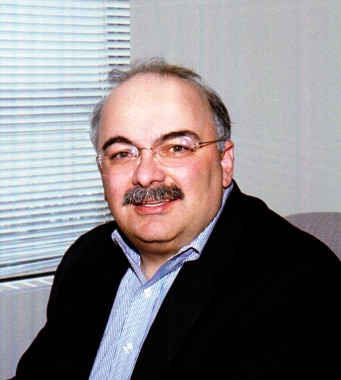
"Well, the appropriate setting is when you’re going to use immunosuppressive agents," he asserted. "So I think we all need to start ordering these tests and be on the lookout for the problem. Prophylactic antiviral therapy may be more than the average dermatologist wants to take on. Nonetheless, you want to do the testing and then refer affected patients to an experienced hepatology center."
Chronic immunosuppressive therapy for psoriasis encompasses all the biologics agents – the tumor necrosis factor inhibitors as well as the interleukin 12/23 inhibitor ustekinumab, said Dr. Leonardi of the dermatology department at St. Louis University.
It seems likely that the next iteration of the AAD psoriasis guidelines will firmly recommend universal pretreatment screening for hepatitis. That hand was tipped in a recent review article coauthored by Dr. Alan Menter, chair of the AAD psoriasis guidelines committee.
Dr. Menter and his coauthors endorsed universal screening for hepatitis B surface antigen and HBV core antigen prior to initiating anti-TNF therapy in psoriasis patients. And while the American College of Rheumatology guidelines say anti-TNF therapy is contraindicated in patients with chronic hepatitis B, Dr. Menter and his colleagues took issue. They argued that these important biologic therapies can be used safely for psoriasis, citing evidence that the risk of reactivation of hepatitis B can be greatly minimized or eliminated altogether by preemptive antiviral therapy (J. Am. Acad. Dermatol. 2012;67:1349-61).
They advocated preferential consideration of etanercept over the other TNF-inhibitors in light of evidence suggesting it renders HBV reactivation less likely. They further recommended monthly testing of serum transaminase levels for the first 6 months of therapy in patients with chronic HBV, quarterly testing thereafter, and referral to a hepatologist if liver enzyme levels climb above three times baseline.
A major impetus behind the increased attention being given to screening for hepatitis in patients prior to long-term immunosuppressive therapy was an influential paper published last year by investigators at the CDC, the American Association for the Study of Liver Diseases, and other institutions. The authors underscored the risk of HBV reactivation during such therapy, calling it a neglected danger that is poorly recognized in some professional medical groups’ treatment guidelines (Ann. Intern. Med. 2012;156:743-5).
The risk of HBV reactivation is substantial with anti-TNF therapy in patients who express surface antigen – in the 40% range in one review – but less than 5% in those who are core antibody–positive only.
The risk of hepatitis B reactivation during immunosuppressive therapy has gotten most of the recent attention because of the vast scope of HBV worldwide, with close to 400 million people being chronically infected. In his own busy, universally screened psoriasis practice, however, Dr. Leonardi said that uncovering chronic hepatitis C comes up far more commonly.
The medical board at the National Psoriasis Foundation has cautioned that standard interferon-alpha therapy for HCV seriously exacerbates psoriasis. The group recommends considering the full range of therapeutic options in treating psoriasis in HCV-positive patients. Topical therapies are called the best option for those with limited skin disease. Second-line therapies include UVB phototherapy, acitretin, etanercept, PUVA, and possibly the other TNF-antagonists, with cyclosporine and azathioprine held in reserve as the third line (J. Am. Acad. Dermatol. 2009;61:1044-55).
The recommendation is to monitor quantitative hepatitis C viral counts and liver enzymes during psoriasis therapy and refer to a hepatologist early should levels spike.
As yet, there are very few data on the impact of ustekinumab in patients who are HBV or HCV positive, and no meaningful conclusions as to risk are possible yet, Dr. Leonardi said.
He reported that he serves as a consultant to and recipient of research grants from all the major pharmaceutical companies having an interest in biologic therapies for psoriasis. SDEF and this news organization are owned by the same parent company.
MAUI, HAWAII – Routine screening for hepatitis B and C has become a must prior to initiation of chronic immunosuppressive therapy for psoriasis, Dr. Craig L. Leonardi said.
"Universal screening for hepatitis B and hepatitis C infection is not optional in 2013," he stressed at the Hawaii Dermatology Seminar sponsored by Global Academy for Medical Education/Skin Disease Education Foundation.
That said, professional society guidelines are at odds and in flux on this issue. The American Association for the Study of Liver Diseases, the European Association for the Study of the Liver, and the Centers for Disease Control and Prevention all recommend routine screening for hepatitis B surface antigen and hepatitis B core antibody prior to initiation of immunosuppressive therapy. The CDC also recommends universal pretreatment testing for antibody to hepatitis B surface antibody.
In contrast, the American College of Rheumatology recommends HBV screening only in high-risk patients and those treated with specific drugs (Arthritis Rheum. 2008;59:762-84).
For now, the American Academy of Dermatology guidelines take a middle-of-the-road position, which Dr. Leonardi said he finds unconvincing. The current guidelines recommend hepatitis B screening in the appropriate setting (J. Am. Acad. Dermatol. 2008;58:826-50).
"Well, the appropriate setting is when you’re going to use immunosuppressive agents," he asserted. "So I think we all need to start ordering these tests and be on the lookout for the problem. Prophylactic antiviral therapy may be more than the average dermatologist wants to take on. Nonetheless, you want to do the testing and then refer affected patients to an experienced hepatology center."
Chronic immunosuppressive therapy for psoriasis encompasses all the biologics agents – the tumor necrosis factor inhibitors as well as the interleukin 12/23 inhibitor ustekinumab, said Dr. Leonardi of the dermatology department at St. Louis University.
It seems likely that the next iteration of the AAD psoriasis guidelines will firmly recommend universal pretreatment screening for hepatitis. That hand was tipped in a recent review article coauthored by Dr. Alan Menter, chair of the AAD psoriasis guidelines committee.
Dr. Menter and his coauthors endorsed universal screening for hepatitis B surface antigen and HBV core antigen prior to initiating anti-TNF therapy in psoriasis patients. And while the American College of Rheumatology guidelines say anti-TNF therapy is contraindicated in patients with chronic hepatitis B, Dr. Menter and his colleagues took issue. They argued that these important biologic therapies can be used safely for psoriasis, citing evidence that the risk of reactivation of hepatitis B can be greatly minimized or eliminated altogether by preemptive antiviral therapy (J. Am. Acad. Dermatol. 2012;67:1349-61).
They advocated preferential consideration of etanercept over the other TNF-inhibitors in light of evidence suggesting it renders HBV reactivation less likely. They further recommended monthly testing of serum transaminase levels for the first 6 months of therapy in patients with chronic HBV, quarterly testing thereafter, and referral to a hepatologist if liver enzyme levels climb above three times baseline.
A major impetus behind the increased attention being given to screening for hepatitis in patients prior to long-term immunosuppressive therapy was an influential paper published last year by investigators at the CDC, the American Association for the Study of Liver Diseases, and other institutions. The authors underscored the risk of HBV reactivation during such therapy, calling it a neglected danger that is poorly recognized in some professional medical groups’ treatment guidelines (Ann. Intern. Med. 2012;156:743-5).
The risk of HBV reactivation is substantial with anti-TNF therapy in patients who express surface antigen – in the 40% range in one review – but less than 5% in those who are core antibody–positive only.
The risk of hepatitis B reactivation during immunosuppressive therapy has gotten most of the recent attention because of the vast scope of HBV worldwide, with close to 400 million people being chronically infected. In his own busy, universally screened psoriasis practice, however, Dr. Leonardi said that uncovering chronic hepatitis C comes up far more commonly.
The medical board at the National Psoriasis Foundation has cautioned that standard interferon-alpha therapy for HCV seriously exacerbates psoriasis. The group recommends considering the full range of therapeutic options in treating psoriasis in HCV-positive patients. Topical therapies are called the best option for those with limited skin disease. Second-line therapies include UVB phototherapy, acitretin, etanercept, PUVA, and possibly the other TNF-antagonists, with cyclosporine and azathioprine held in reserve as the third line (J. Am. Acad. Dermatol. 2009;61:1044-55).
The recommendation is to monitor quantitative hepatitis C viral counts and liver enzymes during psoriasis therapy and refer to a hepatologist early should levels spike.
As yet, there are very few data on the impact of ustekinumab in patients who are HBV or HCV positive, and no meaningful conclusions as to risk are possible yet, Dr. Leonardi said.
He reported that he serves as a consultant to and recipient of research grants from all the major pharmaceutical companies having an interest in biologic therapies for psoriasis. SDEF and this news organization are owned by the same parent company.
MAUI, HAWAII – Routine screening for hepatitis B and C has become a must prior to initiation of chronic immunosuppressive therapy for psoriasis, Dr. Craig L. Leonardi said.
"Universal screening for hepatitis B and hepatitis C infection is not optional in 2013," he stressed at the Hawaii Dermatology Seminar sponsored by Global Academy for Medical Education/Skin Disease Education Foundation.
That said, professional society guidelines are at odds and in flux on this issue. The American Association for the Study of Liver Diseases, the European Association for the Study of the Liver, and the Centers for Disease Control and Prevention all recommend routine screening for hepatitis B surface antigen and hepatitis B core antibody prior to initiation of immunosuppressive therapy. The CDC also recommends universal pretreatment testing for antibody to hepatitis B surface antibody.
In contrast, the American College of Rheumatology recommends HBV screening only in high-risk patients and those treated with specific drugs (Arthritis Rheum. 2008;59:762-84).
For now, the American Academy of Dermatology guidelines take a middle-of-the-road position, which Dr. Leonardi said he finds unconvincing. The current guidelines recommend hepatitis B screening in the appropriate setting (J. Am. Acad. Dermatol. 2008;58:826-50).
"Well, the appropriate setting is when you’re going to use immunosuppressive agents," he asserted. "So I think we all need to start ordering these tests and be on the lookout for the problem. Prophylactic antiviral therapy may be more than the average dermatologist wants to take on. Nonetheless, you want to do the testing and then refer affected patients to an experienced hepatology center."
Chronic immunosuppressive therapy for psoriasis encompasses all the biologics agents – the tumor necrosis factor inhibitors as well as the interleukin 12/23 inhibitor ustekinumab, said Dr. Leonardi of the dermatology department at St. Louis University.
It seems likely that the next iteration of the AAD psoriasis guidelines will firmly recommend universal pretreatment screening for hepatitis. That hand was tipped in a recent review article coauthored by Dr. Alan Menter, chair of the AAD psoriasis guidelines committee.
Dr. Menter and his coauthors endorsed universal screening for hepatitis B surface antigen and HBV core antigen prior to initiating anti-TNF therapy in psoriasis patients. And while the American College of Rheumatology guidelines say anti-TNF therapy is contraindicated in patients with chronic hepatitis B, Dr. Menter and his colleagues took issue. They argued that these important biologic therapies can be used safely for psoriasis, citing evidence that the risk of reactivation of hepatitis B can be greatly minimized or eliminated altogether by preemptive antiviral therapy (J. Am. Acad. Dermatol. 2012;67:1349-61).
They advocated preferential consideration of etanercept over the other TNF-inhibitors in light of evidence suggesting it renders HBV reactivation less likely. They further recommended monthly testing of serum transaminase levels for the first 6 months of therapy in patients with chronic HBV, quarterly testing thereafter, and referral to a hepatologist if liver enzyme levels climb above three times baseline.
A major impetus behind the increased attention being given to screening for hepatitis in patients prior to long-term immunosuppressive therapy was an influential paper published last year by investigators at the CDC, the American Association for the Study of Liver Diseases, and other institutions. The authors underscored the risk of HBV reactivation during such therapy, calling it a neglected danger that is poorly recognized in some professional medical groups’ treatment guidelines (Ann. Intern. Med. 2012;156:743-5).
The risk of HBV reactivation is substantial with anti-TNF therapy in patients who express surface antigen – in the 40% range in one review – but less than 5% in those who are core antibody–positive only.
The risk of hepatitis B reactivation during immunosuppressive therapy has gotten most of the recent attention because of the vast scope of HBV worldwide, with close to 400 million people being chronically infected. In his own busy, universally screened psoriasis practice, however, Dr. Leonardi said that uncovering chronic hepatitis C comes up far more commonly.
The medical board at the National Psoriasis Foundation has cautioned that standard interferon-alpha therapy for HCV seriously exacerbates psoriasis. The group recommends considering the full range of therapeutic options in treating psoriasis in HCV-positive patients. Topical therapies are called the best option for those with limited skin disease. Second-line therapies include UVB phototherapy, acitretin, etanercept, PUVA, and possibly the other TNF-antagonists, with cyclosporine and azathioprine held in reserve as the third line (J. Am. Acad. Dermatol. 2009;61:1044-55).
The recommendation is to monitor quantitative hepatitis C viral counts and liver enzymes during psoriasis therapy and refer to a hepatologist early should levels spike.
As yet, there are very few data on the impact of ustekinumab in patients who are HBV or HCV positive, and no meaningful conclusions as to risk are possible yet, Dr. Leonardi said.
He reported that he serves as a consultant to and recipient of research grants from all the major pharmaceutical companies having an interest in biologic therapies for psoriasis. SDEF and this news organization are owned by the same parent company.
EXPERT OPINION FROM SDEF HAWAII DERMATOLOGY SEMINAR
Systemic steroid prescriptions for psoriasis persist
ORLANDO – Although current guidelines do not recommend the use of systemic steroids for treatment of psoriasis, dermatologists still prescribe them, according to data presented at the Orlando Dermatology Aesthetic and Clinical Conference.
Researchers at Wake Forest University in Winston-Salem, N.C., analyzed a national database and found that U.S. dermatologists wrote more than 90% of the nearly 660,000 systemic steroid prescriptions for psoriasis over an 11-year period.

The authors concluded that the usefulness of systemic steroids for psoriasis should be reexamined in light of their findings.
"This is an issue that has been buried for a while," said Amir Al-Dabagh, the study’s first author and a fourth-year medical student at Wake Forest University. "Everyone knows it’s there, but it’s not discussed," he said.
Systemic steroids are not recommended for treatment of psoriasis because of evidence that discontinuing the drugs could lead to a rebound flair, sometimes beyond the baseline.
In addition, there are no data that systemic steroids are safe and effective in long-term treatment of psoriasis, said Dr. Joel Gelfand, one of the authors of the American Academy of Dermatology’s psoriasis guidelines, who was not involved in the analysis.
But, in reality, physicians do prescribe systemic steroids from time to time, especially when the patients are acutely flaring, said Dr. Gelfand, of the University of Pennsylvania in Philadelphia. "The general consensus is that it’s not a good thing to do. But sometimes the practitioners are stuck, and there are no other options for patients," he said in an interview.
Also, he added, not everyone follows the guidelines.
To analyze the prescription of steroids, Mr. Al-Dabagh and his colleagues used data from the National Ambulatory Medical Care Survey (NAMCS) from 1989 to 2010. In addition to showing that 90% of the systemic steroid prescriptions for psoriasis were written by dermatologists, the results indicated that three of the nine systemic therapies prescribed were steroids. Prednisone was ranked fourth among the nine therapies, and ranked first among the three systemic steroids, followed by methylprednisolone and dexamethasone.
In addition, no significant change was observed in the use of systemic steroids over the 11-year study period.
The poster’s findings are similar to the results of a 2011 German study that showed that systemic steroids are often used to treat psoriasis, although this treatment is not recommended in the European guidelines. The majority of prescribers in the German study were general practitioners and internists in Europe (J. Dtsch. Dermatol. Ges. 2011;9:833-8).
"If the dogma were true that systemic corticosteroids are frequently associated with severe exacerbations of the disease, then with the wide use of corticosteroids both for psoriasis and for comorbidities of psoriasis, we would expect that large numbers of patients would be seen for major problems such as precipitation, worsening, or rebound of their psoriasis. However, this has not been reported in the literature," Mr. Al-Dabagh and his colleagues wrote.
Academic dermatologists only see patients who aren’t cured by the physicians who prescribe the medications, which results in a selection bias where only the worst cases are seen in academia, the researchers noted. "This phenomenon may explain how steroids may be effective even though ‘everybody knows they don’t work,’ " they added.
Dr. Steven R. Feldman, senior author of the analysis and professor of dermatology at Wake Forest University, said that he and colleagues agreed with the current guidelines, but clinical trials of steroids for psoriasis would be helpful. "Avoiding systemic steroids in psoriasis is dogma, but is not supported by a strong scientific rationale," he said.
"There are long-term side effects from chronic use of systemic steroids, but we can say that about nearly all the treatments we use. The concerns about rebound from short-term use for psoriasis may be overblown as well," he added.
The debate on the use of systemic steroids for treatment of psoriasis is ongoing. Authors of a 2012 European study tried to parse out fact from fiction regarding the treatment and the condition. "There’s a remarkable lack of literature addressing adverse effects such as rebound, pustular, or erythrodermic flares or even new occurrence of psoriasis in patients with a negative disease history," the authors wrote. "A re-evaluation of the treatment of psoriasis and/or psoriatic arthritis with systemic steroids is necessary," the authors concluded (J. Eur. Acad. Dermatol. Venereol. 2012 Jul 25 [doi: 10.1111/j.1468-3083.2012.04656.x]).
More research is needed in the form of double-blind, controlled trials, Mr. Al-Dabagh said.
Mr. Al-Dabagh had no disclosures. Dr. Gelfand had no disclosures. Dr. Feldman said he had relationships with several pharmaceutical companies, but none produced systemic steroids.
ORLANDO – Although current guidelines do not recommend the use of systemic steroids for treatment of psoriasis, dermatologists still prescribe them, according to data presented at the Orlando Dermatology Aesthetic and Clinical Conference.
Researchers at Wake Forest University in Winston-Salem, N.C., analyzed a national database and found that U.S. dermatologists wrote more than 90% of the nearly 660,000 systemic steroid prescriptions for psoriasis over an 11-year period.
The authors concluded that the usefulness of systemic steroids for psoriasis should be reexamined in light of their findings.
"This is an issue that has been buried for a while," said Amir Al-Dabagh, the study’s first author and a fourth-year medical student at Wake Forest University. "Everyone knows it’s there, but it’s not discussed," he said.
Systemic steroids are not recommended for treatment of psoriasis because of evidence that discontinuing the drugs could lead to a rebound flair, sometimes beyond the baseline.
In addition, there are no data that systemic steroids are safe and effective in long-term treatment of psoriasis, said Dr. Joel Gelfand, one of the authors of the American Academy of Dermatology’s psoriasis guidelines, who was not involved in the analysis.
But, in reality, physicians do prescribe systemic steroids from time to time, especially when the patients are acutely flaring, said Dr. Gelfand, of the University of Pennsylvania in Philadelphia. "The general consensus is that it’s not a good thing to do. But sometimes the practitioners are stuck, and there are no other options for patients," he said in an interview.
Also, he added, not everyone follows the guidelines.
To analyze the prescription of steroids, Mr. Al-Dabagh and his colleagues used data from the National Ambulatory Medical Care Survey (NAMCS) from 1989 to 2010. In addition to showing that 90% of the systemic steroid prescriptions for psoriasis were written by dermatologists, the results indicated that three of the nine systemic therapies prescribed were steroids. Prednisone was ranked fourth among the nine therapies, and ranked first among the three systemic steroids, followed by methylprednisolone and dexamethasone.
In addition, no significant change was observed in the use of systemic steroids over the 11-year study period.
The poster’s findings are similar to the results of a 2011 German study that showed that systemic steroids are often used to treat psoriasis, although this treatment is not recommended in the European guidelines. The majority of prescribers in the German study were general practitioners and internists in Europe (J. Dtsch. Dermatol. Ges. 2011;9:833-8).
"If the dogma were true that systemic corticosteroids are frequently associated with severe exacerbations of the disease, then with the wide use of corticosteroids both for psoriasis and for comorbidities of psoriasis, we would expect that large numbers of patients would be seen for major problems such as precipitation, worsening, or rebound of their psoriasis. However, this has not been reported in the literature," Mr. Al-Dabagh and his colleagues wrote.
Academic dermatologists only see patients who aren’t cured by the physicians who prescribe the medications, which results in a selection bias where only the worst cases are seen in academia, the researchers noted. "This phenomenon may explain how steroids may be effective even though ‘everybody knows they don’t work,’ " they added.
Dr. Steven R. Feldman, senior author of the analysis and professor of dermatology at Wake Forest University, said that he and colleagues agreed with the current guidelines, but clinical trials of steroids for psoriasis would be helpful. "Avoiding systemic steroids in psoriasis is dogma, but is not supported by a strong scientific rationale," he said.
"There are long-term side effects from chronic use of systemic steroids, but we can say that about nearly all the treatments we use. The concerns about rebound from short-term use for psoriasis may be overblown as well," he added.
The debate on the use of systemic steroids for treatment of psoriasis is ongoing. Authors of a 2012 European study tried to parse out fact from fiction regarding the treatment and the condition. "There’s a remarkable lack of literature addressing adverse effects such as rebound, pustular, or erythrodermic flares or even new occurrence of psoriasis in patients with a negative disease history," the authors wrote. "A re-evaluation of the treatment of psoriasis and/or psoriatic arthritis with systemic steroids is necessary," the authors concluded (J. Eur. Acad. Dermatol. Venereol. 2012 Jul 25 [doi: 10.1111/j.1468-3083.2012.04656.x]).
More research is needed in the form of double-blind, controlled trials, Mr. Al-Dabagh said.
Mr. Al-Dabagh had no disclosures. Dr. Gelfand had no disclosures. Dr. Feldman said he had relationships with several pharmaceutical companies, but none produced systemic steroids.
ORLANDO – Although current guidelines do not recommend the use of systemic steroids for treatment of psoriasis, dermatologists still prescribe them, according to data presented at the Orlando Dermatology Aesthetic and Clinical Conference.
Researchers at Wake Forest University in Winston-Salem, N.C., analyzed a national database and found that U.S. dermatologists wrote more than 90% of the nearly 660,000 systemic steroid prescriptions for psoriasis over an 11-year period.
The authors concluded that the usefulness of systemic steroids for psoriasis should be reexamined in light of their findings.
"This is an issue that has been buried for a while," said Amir Al-Dabagh, the study’s first author and a fourth-year medical student at Wake Forest University. "Everyone knows it’s there, but it’s not discussed," he said.
Systemic steroids are not recommended for treatment of psoriasis because of evidence that discontinuing the drugs could lead to a rebound flair, sometimes beyond the baseline.
In addition, there are no data that systemic steroids are safe and effective in long-term treatment of psoriasis, said Dr. Joel Gelfand, one of the authors of the American Academy of Dermatology’s psoriasis guidelines, who was not involved in the analysis.
But, in reality, physicians do prescribe systemic steroids from time to time, especially when the patients are acutely flaring, said Dr. Gelfand, of the University of Pennsylvania in Philadelphia. "The general consensus is that it’s not a good thing to do. But sometimes the practitioners are stuck, and there are no other options for patients," he said in an interview.
Also, he added, not everyone follows the guidelines.
To analyze the prescription of steroids, Mr. Al-Dabagh and his colleagues used data from the National Ambulatory Medical Care Survey (NAMCS) from 1989 to 2010. In addition to showing that 90% of the systemic steroid prescriptions for psoriasis were written by dermatologists, the results indicated that three of the nine systemic therapies prescribed were steroids. Prednisone was ranked fourth among the nine therapies, and ranked first among the three systemic steroids, followed by methylprednisolone and dexamethasone.
In addition, no significant change was observed in the use of systemic steroids over the 11-year study period.
The poster’s findings are similar to the results of a 2011 German study that showed that systemic steroids are often used to treat psoriasis, although this treatment is not recommended in the European guidelines. The majority of prescribers in the German study were general practitioners and internists in Europe (J. Dtsch. Dermatol. Ges. 2011;9:833-8).
"If the dogma were true that systemic corticosteroids are frequently associated with severe exacerbations of the disease, then with the wide use of corticosteroids both for psoriasis and for comorbidities of psoriasis, we would expect that large numbers of patients would be seen for major problems such as precipitation, worsening, or rebound of their psoriasis. However, this has not been reported in the literature," Mr. Al-Dabagh and his colleagues wrote.
Academic dermatologists only see patients who aren’t cured by the physicians who prescribe the medications, which results in a selection bias where only the worst cases are seen in academia, the researchers noted. "This phenomenon may explain how steroids may be effective even though ‘everybody knows they don’t work,’ " they added.
Dr. Steven R. Feldman, senior author of the analysis and professor of dermatology at Wake Forest University, said that he and colleagues agreed with the current guidelines, but clinical trials of steroids for psoriasis would be helpful. "Avoiding systemic steroids in psoriasis is dogma, but is not supported by a strong scientific rationale," he said.
"There are long-term side effects from chronic use of systemic steroids, but we can say that about nearly all the treatments we use. The concerns about rebound from short-term use for psoriasis may be overblown as well," he added.
The debate on the use of systemic steroids for treatment of psoriasis is ongoing. Authors of a 2012 European study tried to parse out fact from fiction regarding the treatment and the condition. "There’s a remarkable lack of literature addressing adverse effects such as rebound, pustular, or erythrodermic flares or even new occurrence of psoriasis in patients with a negative disease history," the authors wrote. "A re-evaluation of the treatment of psoriasis and/or psoriatic arthritis with systemic steroids is necessary," the authors concluded (J. Eur. Acad. Dermatol. Venereol. 2012 Jul 25 [doi: 10.1111/j.1468-3083.2012.04656.x]).
More research is needed in the form of double-blind, controlled trials, Mr. Al-Dabagh said.
Mr. Al-Dabagh had no disclosures. Dr. Gelfand had no disclosures. Dr. Feldman said he had relationships with several pharmaceutical companies, but none produced systemic steroids.
AT THE ODAC CONFERENCE

Apremilast improves psoriasis, shows strong safety profile
The oral phosphodiesterase-4 inhibitor apremilast significantly improves moderate to severe psoriasis with minimal side effects, according to data from a phase III, randomized controlled trial of 844 patients.
The drug had an excellent safety profile and resulted in significantly greater improvement in moderate to severe psoriasis than placebo after 16 weeks of treatment in the ESTEEM 1 trial.
The results were reported in a late-breaker session at the annual meeting of the American Academy of Dermatology.
Apremilast is "one of the new small molecules being developed for treatment of psoriasis," said Dr. Kristian Reich of SCIderm Research Institute and Dermatologikum, Hamburg, Germany.
"We believe it has anti-inflammatory properties, because by increasing the intracellular level of cyclic AMP (adenosine monophosphate), it actually activates protein kinase A to modulate the balance between proinflammatory and anti-inflammatory mediators released by a cell in a way that pro-inflammatory mediators are down-regulated and anti-inflammatory mediators are upregulated," he said.
Of 562 patients randomized to receive 30 mg of apremilast twice daily for 16 weeks, 33.1% achieved 75% improvement on the Psoriasis Area Severity Index (PASI-75) scale score, compared with only 5.3% of 282 patients who received placebo. Patients in the treatment group also showed significant improvement compared with the placebo group for secondary endpoints including physician global assessment (PGA) score, change in body surface area affected, and pruritus.
Improvements also were noted in difficult to treat areas such as the scalp and nails. For example, about 50% of affected patients achieved a 50% reduction in nail psoriasis severity, Dr. Reich said.
The study participants were adults with moderate to severe chronic plaque psoriasis, surface area involvement greater than 10%, and a PGA score of 3 or higher. All were candidates for phototherapy or systemic therapy, half had been treated previously with other systemic therapies, including biologics, and nearly 1 in 5 patients had been treated with tumor necrosis factor (TNF) blockers.
Patients initially receiving placebo switched over to active treatment after the first 16 weeks, and treatment in all patients continued at the 30-mg twice-daily dose for an additional 16 weeks, followed by a randomized withdrawal phase through week 52.
The treatment effects seen with apremilast at 16 weeks were slightly greater in patients who had not previously received conventional systemic or biologic therapy compared with the total patient population, but even those with prior failed TNF treatment achieved a PASI-75 response.
Onset of action occurred within 2-4 weeks, and clinically relevant improvement continued beyond 16 weeks. The mean percent change from baseline in PASI score was 54.9% at 16 weeks, and 61.9% at 32 weeks, Dr. Reich said. "It will be interesting to see, long-term, what happens beyond the 16-week endpoint," he added.
The 16-week outcomes in the apremilast group represent "significant moderate efficacy," but the safety profile of the drug is the real story of the data, Dr. Reich said.
"Safety is a major issue when it comes to systemic therapies for psoriasis," he emphasized.
A slightly higher rate of withdrawals in the apremilast group may have been due to gastrointestinal effects, a well-known side effect of TNF inhibitors.
Gastrointestinal side effects included diarrhea and nausea, but most cases were transient, and mild to moderate. Most side effects occurred and resolved within the first 15 days of treatment. In fact, more than 96% of patients reported experiencing either no adverse events or only mild to moderate adverse events. Reports of serious adverse events were similar in the treatment and placebo groups (2.1% v. 2.8%, respectively), as were reports of severe adverse events (3.6% vs. 3.2%, respectively).
No problems were noted with respect to lipid levels, liver enzymes, opportunistic infections, or cardiac abnormalities, and no cases of tuberculosis or lymphoma occurred during the study period.
"What stands out so far is an extremely good safety profile," Dr. Reich said.
ESTEEM 1 is the first of two phase III studies of apremilast for chronic plaque psoriasis. Statistical significance for the primary and major secondary endpoints of both ESTEEM 1 and ESTEEM 2 was announced previously by Celgene, the maker of apremilast.
"A NDA (New Drug Application) submission to the U.S. Food and Drug Administration, based on the combined ESTEEM 1 and 2 studies for psoriasis, is expected in the second half of 2013," according to a Celgene press release.
Celgene previously announced it would file a separate NDA for psoriatic arthritis in the first quarter of 2013, based on data from three other trials (PALACE-1, 2, and 3), which were released in 2012. Another phase III trial (POSTURE) began enrolling patients in April 2012 to evaluate apremilast in patients with ankylosing spondylitis.
Participants in the ESTEEM 1 trial will be enrolled in a 5-year extension study so researchers can collect long-term safety and efficacy data. However, based on the current findings, including data from psoriatic arthritis patients, the drug looks quite promising for the treatment of psoriasis, Dr. Reich said.
"I see this as a prime candidate for future management of psoriasis that allows us to treat a range of patients, including more moderate cases earlier on," he said. Such a treatment is needed, particularly in light of new disease concepts that characterize psoriasis as involving systemic inflammation that requires early control, he explained.
The study was sponsored by Celgene.
The oral phosphodiesterase-4 inhibitor apremilast significantly improves moderate to severe psoriasis with minimal side effects, according to data from a phase III, randomized controlled trial of 844 patients.
The drug had an excellent safety profile and resulted in significantly greater improvement in moderate to severe psoriasis than placebo after 16 weeks of treatment in the ESTEEM 1 trial.
The results were reported in a late-breaker session at the annual meeting of the American Academy of Dermatology.
Apremilast is "one of the new small molecules being developed for treatment of psoriasis," said Dr. Kristian Reich of SCIderm Research Institute and Dermatologikum, Hamburg, Germany.
"We believe it has anti-inflammatory properties, because by increasing the intracellular level of cyclic AMP (adenosine monophosphate), it actually activates protein kinase A to modulate the balance between proinflammatory and anti-inflammatory mediators released by a cell in a way that pro-inflammatory mediators are down-regulated and anti-inflammatory mediators are upregulated," he said.
Of 562 patients randomized to receive 30 mg of apremilast twice daily for 16 weeks, 33.1% achieved 75% improvement on the Psoriasis Area Severity Index (PASI-75) scale score, compared with only 5.3% of 282 patients who received placebo. Patients in the treatment group also showed significant improvement compared with the placebo group for secondary endpoints including physician global assessment (PGA) score, change in body surface area affected, and pruritus.
Improvements also were noted in difficult to treat areas such as the scalp and nails. For example, about 50% of affected patients achieved a 50% reduction in nail psoriasis severity, Dr. Reich said.
The study participants were adults with moderate to severe chronic plaque psoriasis, surface area involvement greater than 10%, and a PGA score of 3 or higher. All were candidates for phototherapy or systemic therapy, half had been treated previously with other systemic therapies, including biologics, and nearly 1 in 5 patients had been treated with tumor necrosis factor (TNF) blockers.
Patients initially receiving placebo switched over to active treatment after the first 16 weeks, and treatment in all patients continued at the 30-mg twice-daily dose for an additional 16 weeks, followed by a randomized withdrawal phase through week 52.
The treatment effects seen with apremilast at 16 weeks were slightly greater in patients who had not previously received conventional systemic or biologic therapy compared with the total patient population, but even those with prior failed TNF treatment achieved a PASI-75 response.
Onset of action occurred within 2-4 weeks, and clinically relevant improvement continued beyond 16 weeks. The mean percent change from baseline in PASI score was 54.9% at 16 weeks, and 61.9% at 32 weeks, Dr. Reich said. "It will be interesting to see, long-term, what happens beyond the 16-week endpoint," he added.
The 16-week outcomes in the apremilast group represent "significant moderate efficacy," but the safety profile of the drug is the real story of the data, Dr. Reich said.
"Safety is a major issue when it comes to systemic therapies for psoriasis," he emphasized.
A slightly higher rate of withdrawals in the apremilast group may have been due to gastrointestinal effects, a well-known side effect of TNF inhibitors.
Gastrointestinal side effects included diarrhea and nausea, but most cases were transient, and mild to moderate. Most side effects occurred and resolved within the first 15 days of treatment. In fact, more than 96% of patients reported experiencing either no adverse events or only mild to moderate adverse events. Reports of serious adverse events were similar in the treatment and placebo groups (2.1% v. 2.8%, respectively), as were reports of severe adverse events (3.6% vs. 3.2%, respectively).
No problems were noted with respect to lipid levels, liver enzymes, opportunistic infections, or cardiac abnormalities, and no cases of tuberculosis or lymphoma occurred during the study period.
"What stands out so far is an extremely good safety profile," Dr. Reich said.
ESTEEM 1 is the first of two phase III studies of apremilast for chronic plaque psoriasis. Statistical significance for the primary and major secondary endpoints of both ESTEEM 1 and ESTEEM 2 was announced previously by Celgene, the maker of apremilast.
"A NDA (New Drug Application) submission to the U.S. Food and Drug Administration, based on the combined ESTEEM 1 and 2 studies for psoriasis, is expected in the second half of 2013," according to a Celgene press release.
Celgene previously announced it would file a separate NDA for psoriatic arthritis in the first quarter of 2013, based on data from three other trials (PALACE-1, 2, and 3), which were released in 2012. Another phase III trial (POSTURE) began enrolling patients in April 2012 to evaluate apremilast in patients with ankylosing spondylitis.
Participants in the ESTEEM 1 trial will be enrolled in a 5-year extension study so researchers can collect long-term safety and efficacy data. However, based on the current findings, including data from psoriatic arthritis patients, the drug looks quite promising for the treatment of psoriasis, Dr. Reich said.
"I see this as a prime candidate for future management of psoriasis that allows us to treat a range of patients, including more moderate cases earlier on," he said. Such a treatment is needed, particularly in light of new disease concepts that characterize psoriasis as involving systemic inflammation that requires early control, he explained.
The study was sponsored by Celgene.
The oral phosphodiesterase-4 inhibitor apremilast significantly improves moderate to severe psoriasis with minimal side effects, according to data from a phase III, randomized controlled trial of 844 patients.
The drug had an excellent safety profile and resulted in significantly greater improvement in moderate to severe psoriasis than placebo after 16 weeks of treatment in the ESTEEM 1 trial.
The results were reported in a late-breaker session at the annual meeting of the American Academy of Dermatology.
Apremilast is "one of the new small molecules being developed for treatment of psoriasis," said Dr. Kristian Reich of SCIderm Research Institute and Dermatologikum, Hamburg, Germany.
"We believe it has anti-inflammatory properties, because by increasing the intracellular level of cyclic AMP (adenosine monophosphate), it actually activates protein kinase A to modulate the balance between proinflammatory and anti-inflammatory mediators released by a cell in a way that pro-inflammatory mediators are down-regulated and anti-inflammatory mediators are upregulated," he said.
Of 562 patients randomized to receive 30 mg of apremilast twice daily for 16 weeks, 33.1% achieved 75% improvement on the Psoriasis Area Severity Index (PASI-75) scale score, compared with only 5.3% of 282 patients who received placebo. Patients in the treatment group also showed significant improvement compared with the placebo group for secondary endpoints including physician global assessment (PGA) score, change in body surface area affected, and pruritus.
Improvements also were noted in difficult to treat areas such as the scalp and nails. For example, about 50% of affected patients achieved a 50% reduction in nail psoriasis severity, Dr. Reich said.
The study participants were adults with moderate to severe chronic plaque psoriasis, surface area involvement greater than 10%, and a PGA score of 3 or higher. All were candidates for phototherapy or systemic therapy, half had been treated previously with other systemic therapies, including biologics, and nearly 1 in 5 patients had been treated with tumor necrosis factor (TNF) blockers.
Patients initially receiving placebo switched over to active treatment after the first 16 weeks, and treatment in all patients continued at the 30-mg twice-daily dose for an additional 16 weeks, followed by a randomized withdrawal phase through week 52.
The treatment effects seen with apremilast at 16 weeks were slightly greater in patients who had not previously received conventional systemic or biologic therapy compared with the total patient population, but even those with prior failed TNF treatment achieved a PASI-75 response.
Onset of action occurred within 2-4 weeks, and clinically relevant improvement continued beyond 16 weeks. The mean percent change from baseline in PASI score was 54.9% at 16 weeks, and 61.9% at 32 weeks, Dr. Reich said. "It will be interesting to see, long-term, what happens beyond the 16-week endpoint," he added.
The 16-week outcomes in the apremilast group represent "significant moderate efficacy," but the safety profile of the drug is the real story of the data, Dr. Reich said.
"Safety is a major issue when it comes to systemic therapies for psoriasis," he emphasized.
A slightly higher rate of withdrawals in the apremilast group may have been due to gastrointestinal effects, a well-known side effect of TNF inhibitors.
Gastrointestinal side effects included diarrhea and nausea, but most cases were transient, and mild to moderate. Most side effects occurred and resolved within the first 15 days of treatment. In fact, more than 96% of patients reported experiencing either no adverse events or only mild to moderate adverse events. Reports of serious adverse events were similar in the treatment and placebo groups (2.1% v. 2.8%, respectively), as were reports of severe adverse events (3.6% vs. 3.2%, respectively).
No problems were noted with respect to lipid levels, liver enzymes, opportunistic infections, or cardiac abnormalities, and no cases of tuberculosis or lymphoma occurred during the study period.
"What stands out so far is an extremely good safety profile," Dr. Reich said.
ESTEEM 1 is the first of two phase III studies of apremilast for chronic plaque psoriasis. Statistical significance for the primary and major secondary endpoints of both ESTEEM 1 and ESTEEM 2 was announced previously by Celgene, the maker of apremilast.
"A NDA (New Drug Application) submission to the U.S. Food and Drug Administration, based on the combined ESTEEM 1 and 2 studies for psoriasis, is expected in the second half of 2013," according to a Celgene press release.
Celgene previously announced it would file a separate NDA for psoriatic arthritis in the first quarter of 2013, based on data from three other trials (PALACE-1, 2, and 3), which were released in 2012. Another phase III trial (POSTURE) began enrolling patients in April 2012 to evaluate apremilast in patients with ankylosing spondylitis.
Participants in the ESTEEM 1 trial will be enrolled in a 5-year extension study so researchers can collect long-term safety and efficacy data. However, based on the current findings, including data from psoriatic arthritis patients, the drug looks quite promising for the treatment of psoriasis, Dr. Reich said.
"I see this as a prime candidate for future management of psoriasis that allows us to treat a range of patients, including more moderate cases earlier on," he said. Such a treatment is needed, particularly in light of new disease concepts that characterize psoriasis as involving systemic inflammation that requires early control, he explained.
The study was sponsored by Celgene.
AT THE AAD ANNUAL MEETING
Major finding: A total of 33.1% of apremilast patients achieved PASI-75, compared with 5.3% of placebo patients.
Data source: A phase III, randomized controlled trial involving 844 patients.
Disclosures: This study was sponsored by Celgene.
Anti-TNF drugs don't boost risk of herpes zoster in inflammatory disorders
Patients who initiated anti-TNF therapy for inflammatory diseases had no higher risk of developing herpes zoster than did those who took other disease-modifying antirheumatic drugs.
However, a large database review did find a doubling of risk among those taking at least 10 mg/day of corticosteroids, according to Dr. Kevin Winthrop and colleagues. The report is in the March 6 issue of the JAMA.

These findings shed important light on the current mixed-results in literature on the topic, wrote Dr. Winthrop of Oregon Health and Science University, Portland, and his coauthors. The study is more than twice as large as any other on the subject and looked at a large number of patients with elevated herpes zoster risk (JAMA 2013;309:887-95).
It comprised more than 61,000 patients: 33,324 with newly initiated anti-TNF alpha treatment for rheumatoid arthritis and 25,742 who took other nonbiologic disease modifying anti-rheumatic medications. It was a subanalysis of the ongoing Safety Assessment of Biologic Therapy, a U.S. multi-institutional project evaluating the safety of biologic therapies.
Patients were drawn from five large databases spanning 1998-2008: the National Medicaid and Medicare database; Tennessee Medicaid; New Jersey’s Pharmaceutical Assistance to the Aged and Disabled, Pennsylvania’s Pharmaceutical Assistance for the Elderly; and Kaiser Permanente of Northern California. Database selection was important in this study, the investigators said, "Because it contained a large number of Medicare and Medicaid recipients who might have had higher baseline herpes zoster risk due to comorbidities and other unknown factors."
The regression analysis was based on a propensity matching score that took into account a number of baseline factors, including demographics, markers of comorbidity and disease severity, and other potential risk factors for herpes including cancer or diabetes.
Patients were grouped according to disease: rheumatoid arthritis (36,212), inflammatory bowel disease. (10,717) and psoriasis, psoriatic arthritis, or ankylosing spondylitis (12,137). Across all of the groups, there were 470 cases of herpes zoster; 310 among those taking anti-TNF drugs (crude incidence rate of 10/1,000) and 160 among those taking other DMARDs (crude incidence rate of 11/1,000).
After the investigators adjusted for baseline corticosteroid use and the propensity matching score, they found no significant between-group differences in the risk of herpes zoster (hazard ratio of 11 for anti-TNFs; HR, 10 for DMARDs).
Daily use of at least 10 mg corticosteroids was associated with a significantly increased risk of the disease in all of the patient groups (HR, 2).
Most herpes cases (356) occurred in the rheumatoid arthritis group; the investigators analyzed this group separately. These patients were a median of 60 years old; 266 were taking the anti-TNF drugs and 90 other DMARDs. The median follow-up was almost 1 year (294 days). Herpes caused hospitalization in 16 (6%) of those using the medications and in five of the DMARD group (5.5%) – not a significant difference.
Limiting follow-up to 3-6 months did not change the results. When the researchers extended follow-up in the Medicaid/Medicare groups until the end of 2008, they found similar herpes crude incidence rates in the anti-TNF and DMARD groups, and similar disease risk (HR, 12.6 and HR, 12.4, respectively).
When the authors looked at risk in anti-TNF subgroups, they found the highest crude incidence rate among infliximab users (14/1,000) and the lowest for adalimumab users (10/1,000). However, this significant between-group difference disappeared when examined with the propensity matching score. "Furthermore," they noted, "A higher proportion of infliximab users used concomitant methotrexate at baseline and after [the] index date compared with those using etanercept or adalimumab."
The high herpes rate among patients with rheumatoid arthritis supports widespread use of the live attenuated herpes zoster vaccine in those aged 50 years and older, the authors contended.
"Currently, vaccination during active use of anti-TNF therapy is contraindicated due to theoretical safety concerns of using a live vaccine during such therapy; however, it is unclear if such concerns are valid. Our data suggest that patients who develop herpes zoster while taking anti-TNF therapy are no more likely to be hospitalized than persons with herpes zoster using nonbiologic DMARDs ... Given these findings, the potential importance of this vaccine within the rheumatoid arthritis setting and the difficulty in vaccinating patients given the widespread use of anti-TNF therapy, we believe that a trial to evaluate the safety of this live virus vaccine among current anti-TNF users is warranted."
Dr. Winthrop has consulted for Genentec, Abbott Pfizer, UCB Pharma, and Amgen, and received research grants from Pfizer. Other authors reported relationships with numerous pharmaceutical companies.
Patients who initiated anti-TNF therapy for inflammatory diseases had no higher risk of developing herpes zoster than did those who took other disease-modifying antirheumatic drugs.
However, a large database review did find a doubling of risk among those taking at least 10 mg/day of corticosteroids, according to Dr. Kevin Winthrop and colleagues. The report is in the March 6 issue of the JAMA.
These findings shed important light on the current mixed-results in literature on the topic, wrote Dr. Winthrop of Oregon Health and Science University, Portland, and his coauthors. The study is more than twice as large as any other on the subject and looked at a large number of patients with elevated herpes zoster risk (JAMA 2013;309:887-95).
It comprised more than 61,000 patients: 33,324 with newly initiated anti-TNF alpha treatment for rheumatoid arthritis and 25,742 who took other nonbiologic disease modifying anti-rheumatic medications. It was a subanalysis of the ongoing Safety Assessment of Biologic Therapy, a U.S. multi-institutional project evaluating the safety of biologic therapies.
Patients were drawn from five large databases spanning 1998-2008: the National Medicaid and Medicare database; Tennessee Medicaid; New Jersey’s Pharmaceutical Assistance to the Aged and Disabled, Pennsylvania’s Pharmaceutical Assistance for the Elderly; and Kaiser Permanente of Northern California. Database selection was important in this study, the investigators said, "Because it contained a large number of Medicare and Medicaid recipients who might have had higher baseline herpes zoster risk due to comorbidities and other unknown factors."
The regression analysis was based on a propensity matching score that took into account a number of baseline factors, including demographics, markers of comorbidity and disease severity, and other potential risk factors for herpes including cancer or diabetes.
Patients were grouped according to disease: rheumatoid arthritis (36,212), inflammatory bowel disease. (10,717) and psoriasis, psoriatic arthritis, or ankylosing spondylitis (12,137). Across all of the groups, there were 470 cases of herpes zoster; 310 among those taking anti-TNF drugs (crude incidence rate of 10/1,000) and 160 among those taking other DMARDs (crude incidence rate of 11/1,000).
After the investigators adjusted for baseline corticosteroid use and the propensity matching score, they found no significant between-group differences in the risk of herpes zoster (hazard ratio of 11 for anti-TNFs; HR, 10 for DMARDs).
Daily use of at least 10 mg corticosteroids was associated with a significantly increased risk of the disease in all of the patient groups (HR, 2).
Most herpes cases (356) occurred in the rheumatoid arthritis group; the investigators analyzed this group separately. These patients were a median of 60 years old; 266 were taking the anti-TNF drugs and 90 other DMARDs. The median follow-up was almost 1 year (294 days). Herpes caused hospitalization in 16 (6%) of those using the medications and in five of the DMARD group (5.5%) – not a significant difference.
Limiting follow-up to 3-6 months did not change the results. When the researchers extended follow-up in the Medicaid/Medicare groups until the end of 2008, they found similar herpes crude incidence rates in the anti-TNF and DMARD groups, and similar disease risk (HR, 12.6 and HR, 12.4, respectively).
When the authors looked at risk in anti-TNF subgroups, they found the highest crude incidence rate among infliximab users (14/1,000) and the lowest for adalimumab users (10/1,000). However, this significant between-group difference disappeared when examined with the propensity matching score. "Furthermore," they noted, "A higher proportion of infliximab users used concomitant methotrexate at baseline and after [the] index date compared with those using etanercept or adalimumab."
The high herpes rate among patients with rheumatoid arthritis supports widespread use of the live attenuated herpes zoster vaccine in those aged 50 years and older, the authors contended.
"Currently, vaccination during active use of anti-TNF therapy is contraindicated due to theoretical safety concerns of using a live vaccine during such therapy; however, it is unclear if such concerns are valid. Our data suggest that patients who develop herpes zoster while taking anti-TNF therapy are no more likely to be hospitalized than persons with herpes zoster using nonbiologic DMARDs ... Given these findings, the potential importance of this vaccine within the rheumatoid arthritis setting and the difficulty in vaccinating patients given the widespread use of anti-TNF therapy, we believe that a trial to evaluate the safety of this live virus vaccine among current anti-TNF users is warranted."
Dr. Winthrop has consulted for Genentec, Abbott Pfizer, UCB Pharma, and Amgen, and received research grants from Pfizer. Other authors reported relationships with numerous pharmaceutical companies.
Patients who initiated anti-TNF therapy for inflammatory diseases had no higher risk of developing herpes zoster than did those who took other disease-modifying antirheumatic drugs.
However, a large database review did find a doubling of risk among those taking at least 10 mg/day of corticosteroids, according to Dr. Kevin Winthrop and colleagues. The report is in the March 6 issue of the JAMA.
These findings shed important light on the current mixed-results in literature on the topic, wrote Dr. Winthrop of Oregon Health and Science University, Portland, and his coauthors. The study is more than twice as large as any other on the subject and looked at a large number of patients with elevated herpes zoster risk (JAMA 2013;309:887-95).
It comprised more than 61,000 patients: 33,324 with newly initiated anti-TNF alpha treatment for rheumatoid arthritis and 25,742 who took other nonbiologic disease modifying anti-rheumatic medications. It was a subanalysis of the ongoing Safety Assessment of Biologic Therapy, a U.S. multi-institutional project evaluating the safety of biologic therapies.
Patients were drawn from five large databases spanning 1998-2008: the National Medicaid and Medicare database; Tennessee Medicaid; New Jersey’s Pharmaceutical Assistance to the Aged and Disabled, Pennsylvania’s Pharmaceutical Assistance for the Elderly; and Kaiser Permanente of Northern California. Database selection was important in this study, the investigators said, "Because it contained a large number of Medicare and Medicaid recipients who might have had higher baseline herpes zoster risk due to comorbidities and other unknown factors."
The regression analysis was based on a propensity matching score that took into account a number of baseline factors, including demographics, markers of comorbidity and disease severity, and other potential risk factors for herpes including cancer or diabetes.
Patients were grouped according to disease: rheumatoid arthritis (36,212), inflammatory bowel disease. (10,717) and psoriasis, psoriatic arthritis, or ankylosing spondylitis (12,137). Across all of the groups, there were 470 cases of herpes zoster; 310 among those taking anti-TNF drugs (crude incidence rate of 10/1,000) and 160 among those taking other DMARDs (crude incidence rate of 11/1,000).
After the investigators adjusted for baseline corticosteroid use and the propensity matching score, they found no significant between-group differences in the risk of herpes zoster (hazard ratio of 11 for anti-TNFs; HR, 10 for DMARDs).
Daily use of at least 10 mg corticosteroids was associated with a significantly increased risk of the disease in all of the patient groups (HR, 2).
Most herpes cases (356) occurred in the rheumatoid arthritis group; the investigators analyzed this group separately. These patients were a median of 60 years old; 266 were taking the anti-TNF drugs and 90 other DMARDs. The median follow-up was almost 1 year (294 days). Herpes caused hospitalization in 16 (6%) of those using the medications and in five of the DMARD group (5.5%) – not a significant difference.
Limiting follow-up to 3-6 months did not change the results. When the researchers extended follow-up in the Medicaid/Medicare groups until the end of 2008, they found similar herpes crude incidence rates in the anti-TNF and DMARD groups, and similar disease risk (HR, 12.6 and HR, 12.4, respectively).
When the authors looked at risk in anti-TNF subgroups, they found the highest crude incidence rate among infliximab users (14/1,000) and the lowest for adalimumab users (10/1,000). However, this significant between-group difference disappeared when examined with the propensity matching score. "Furthermore," they noted, "A higher proportion of infliximab users used concomitant methotrexate at baseline and after [the] index date compared with those using etanercept or adalimumab."
The high herpes rate among patients with rheumatoid arthritis supports widespread use of the live attenuated herpes zoster vaccine in those aged 50 years and older, the authors contended.
"Currently, vaccination during active use of anti-TNF therapy is contraindicated due to theoretical safety concerns of using a live vaccine during such therapy; however, it is unclear if such concerns are valid. Our data suggest that patients who develop herpes zoster while taking anti-TNF therapy are no more likely to be hospitalized than persons with herpes zoster using nonbiologic DMARDs ... Given these findings, the potential importance of this vaccine within the rheumatoid arthritis setting and the difficulty in vaccinating patients given the widespread use of anti-TNF therapy, we believe that a trial to evaluate the safety of this live virus vaccine among current anti-TNF users is warranted."
Dr. Winthrop has consulted for Genentec, Abbott Pfizer, UCB Pharma, and Amgen, and received research grants from Pfizer. Other authors reported relationships with numerous pharmaceutical companies.
FROM JAMA
Major Finding: Patients with inflammatory diseases who started an anti-TNF drug were no more likely to develop herpes zoster than those who took other disease-modifying antirheumatics (HR 11 vs. HR 10).
Data Source: The database review comprised more than 61,000 patients.
Disclosures: Dr. Winthrop has consulted for Genentec, Abbott Pfizer, UCB Pharma, and Amgen, and received research grants from Pfizer. Other authors reported relationships with numerous pharmaceutical companies.

Pregnancies after vasculitis diagnosis are at risk
The risks of pregnancy loss and of preterm birth were higher in women who had vasculitis before they conceived than in women who were diagnosed as having vasculitis after conception in a retrospective cohort study.
Women who conceived before receiving a diagnosis of vasculitis had a rate of pregnancy loss similar to the general population, whereas women who conceived after they had received a diagnosis of vasculitis had a significantly higher rate of pregnancy loss, reported Dr. Megan E. B. Clowse of the division of rheumatology and immunology at Duke University, Durham, N.C., and her associates in the Vasculitis Clinical Research Consortium.

The investigators examined pregnancy outcomes among women with vasculitis, as well as the outcomes of pregnancies fathered by men with the disease, because so little is known about the subject. Such pregnancies were rare until recent improvements in treatments helped patients survive longer and lead fuller lives.
"Our goal was to identify pregnancies that occurred within a large cohort of women and men with vasculitis and assess whether such pregnancies were at greater risk for adverse outcomes and whether vasculitis activity increased during pregnancy," the researchers wrote.
They invited patients listed in a registry of rare diseases to complete an anonymous questionnaire regarding their reproductive health. A total of 329 women (who had 496 pregnancies) and 107 men (who fathered 156 pregnancies) were included in the analysis (Arthritis Care Res. 2013 Feb. 11 [doi:10.1002/acr.21983]).
Among the women, 140 had granulomatosis with polyangiitis, 22 had microscopic polyangiitis, 59 had Churg-Strauss syndrome, 18 had polyarteritis nodosa, 43 had Behcet’s disease, and 46 had Takayasu’s arteritis. The mean age at diagnosis was 39.7 years (range, 10-78 years). The mean age at the time of the study was 47 years.
The rate of pregnancy loss was significantly higher among the women who had vasculitis when they conceived (33.8%) than it was among women who conceived before they were diagnosed as having vasculitis (22.4%), giving a relative risk of 1.77 (CI 1.02-3.09; P = .04). This 22.4% rate of pregnancy loss is comparable with that reported in the general population (15%-20%), while the rate found in women who already had vasculitis was significantly higher than that in the general population, Dr. Clowse and her associates said.
Similarly, the rate of preterm birth was significantly higher in pregnancies that occurred after a diagnosis of vasculitis (23.3%) than in pregnancies that occurred before a diagnosis of vasculitis (11.4%), giving a relative risk of 2.35 (CI 1.07-5.16; P =.03).
However, the researchers said, it is important to note that the maternal age at conception was approximately 5 years older for women who became pregnant after they had vasculitis, which could have influenced the increased morbidity in this group.
Most (59%) of the women who had vasculitis when they conceived reported no change in their disease activity during pregnancy, and another 23% reported an improvement in vasculitis activity during pregnancy. Only 18% of women who had vasculitis when they conceived reported increased symptoms during pregnancy. Increased disease activity did not have a statistically significant effect on pregnancy loss or preterm delivery.
Exposure to cyclophosphamide or prednisone did not appear to affect pregnancy outcomes. However, the numbers of pregnancies among women taking these medications was small.
Among the men, 61 had granulomatosis with polyangitis, 8 had microscopic polyangiitis, 24 had Churg-Strauss syndrome, 9 had polyarteritis nodosa, 4 had Behcet’s disease, and 1 had Takayasu’s arteritis. The average age at diagnosis was 54.6 years (range, 23-86 years)
Six men fathered 18 pregnancies after they had been diagnosed as having vasculitis, and 48 men fathered 138 pregnancies before they were diagnosed as having vasculitis. The rate of pregnancy loss was 41.2% for fathers with vasculitis and 23.0% for fathers who did not yet have a diagnosis of vasculitis, a difference that did not reach statistical significance.
One man treated with cyclophosphamide fathered two pregnancies within a few years that resulted in live births without complications. However, two other men who had received cyclophosphamide at least 10 years before fathering a pregnancy reported a total of seven pregnancy losses (including one with anencephaly) and four live births.
This study was limited in that it relied on retrospective self-report for diagnosis and was not powered to ascertain the role of confounding factors such as maternal age at the time of conception, prior pregnancy complications, and tobacco use. It also may have been biased because patients who had pregnancy difficulties may have been more likely than those who did not to complete a long questionnaire on that topic.
In addition, the number of men in the cohort was low, and a high proportion of them reported multiple pregnancy losses. It remains unclear whether this reflects a true increase in pregnancy loss rate for fathers with vasculitis or "simply reflects the greater interest that these particular men might have in responding to such a survey," Dr. Clowse and her colleagues said.
This study was supported by the Vasculitis Foundation and the Vasculitis Clinical Research Consortium, which receives support from the National Institute of Arthritis and Musculoskeletal and Skin Diseases, the National Center for Research Resources, and the Office of Rare Diseases Research. No financial conflicts of interest were reported.
The risks of pregnancy loss and of preterm birth were higher in women who had vasculitis before they conceived than in women who were diagnosed as having vasculitis after conception in a retrospective cohort study.
Women who conceived before receiving a diagnosis of vasculitis had a rate of pregnancy loss similar to the general population, whereas women who conceived after they had received a diagnosis of vasculitis had a significantly higher rate of pregnancy loss, reported Dr. Megan E. B. Clowse of the division of rheumatology and immunology at Duke University, Durham, N.C., and her associates in the Vasculitis Clinical Research Consortium.
The investigators examined pregnancy outcomes among women with vasculitis, as well as the outcomes of pregnancies fathered by men with the disease, because so little is known about the subject. Such pregnancies were rare until recent improvements in treatments helped patients survive longer and lead fuller lives.
"Our goal was to identify pregnancies that occurred within a large cohort of women and men with vasculitis and assess whether such pregnancies were at greater risk for adverse outcomes and whether vasculitis activity increased during pregnancy," the researchers wrote.
They invited patients listed in a registry of rare diseases to complete an anonymous questionnaire regarding their reproductive health. A total of 329 women (who had 496 pregnancies) and 107 men (who fathered 156 pregnancies) were included in the analysis (Arthritis Care Res. 2013 Feb. 11 [doi:10.1002/acr.21983]).
Among the women, 140 had granulomatosis with polyangiitis, 22 had microscopic polyangiitis, 59 had Churg-Strauss syndrome, 18 had polyarteritis nodosa, 43 had Behcet’s disease, and 46 had Takayasu’s arteritis. The mean age at diagnosis was 39.7 years (range, 10-78 years). The mean age at the time of the study was 47 years.
The rate of pregnancy loss was significantly higher among the women who had vasculitis when they conceived (33.8%) than it was among women who conceived before they were diagnosed as having vasculitis (22.4%), giving a relative risk of 1.77 (CI 1.02-3.09; P = .04). This 22.4% rate of pregnancy loss is comparable with that reported in the general population (15%-20%), while the rate found in women who already had vasculitis was significantly higher than that in the general population, Dr. Clowse and her associates said.
Similarly, the rate of preterm birth was significantly higher in pregnancies that occurred after a diagnosis of vasculitis (23.3%) than in pregnancies that occurred before a diagnosis of vasculitis (11.4%), giving a relative risk of 2.35 (CI 1.07-5.16; P =.03).
However, the researchers said, it is important to note that the maternal age at conception was approximately 5 years older for women who became pregnant after they had vasculitis, which could have influenced the increased morbidity in this group.
Most (59%) of the women who had vasculitis when they conceived reported no change in their disease activity during pregnancy, and another 23% reported an improvement in vasculitis activity during pregnancy. Only 18% of women who had vasculitis when they conceived reported increased symptoms during pregnancy. Increased disease activity did not have a statistically significant effect on pregnancy loss or preterm delivery.
Exposure to cyclophosphamide or prednisone did not appear to affect pregnancy outcomes. However, the numbers of pregnancies among women taking these medications was small.
Among the men, 61 had granulomatosis with polyangitis, 8 had microscopic polyangiitis, 24 had Churg-Strauss syndrome, 9 had polyarteritis nodosa, 4 had Behcet’s disease, and 1 had Takayasu’s arteritis. The average age at diagnosis was 54.6 years (range, 23-86 years)
Six men fathered 18 pregnancies after they had been diagnosed as having vasculitis, and 48 men fathered 138 pregnancies before they were diagnosed as having vasculitis. The rate of pregnancy loss was 41.2% for fathers with vasculitis and 23.0% for fathers who did not yet have a diagnosis of vasculitis, a difference that did not reach statistical significance.
One man treated with cyclophosphamide fathered two pregnancies within a few years that resulted in live births without complications. However, two other men who had received cyclophosphamide at least 10 years before fathering a pregnancy reported a total of seven pregnancy losses (including one with anencephaly) and four live births.
This study was limited in that it relied on retrospective self-report for diagnosis and was not powered to ascertain the role of confounding factors such as maternal age at the time of conception, prior pregnancy complications, and tobacco use. It also may have been biased because patients who had pregnancy difficulties may have been more likely than those who did not to complete a long questionnaire on that topic.
In addition, the number of men in the cohort was low, and a high proportion of them reported multiple pregnancy losses. It remains unclear whether this reflects a true increase in pregnancy loss rate for fathers with vasculitis or "simply reflects the greater interest that these particular men might have in responding to such a survey," Dr. Clowse and her colleagues said.
This study was supported by the Vasculitis Foundation and the Vasculitis Clinical Research Consortium, which receives support from the National Institute of Arthritis and Musculoskeletal and Skin Diseases, the National Center for Research Resources, and the Office of Rare Diseases Research. No financial conflicts of interest were reported.
The risks of pregnancy loss and of preterm birth were higher in women who had vasculitis before they conceived than in women who were diagnosed as having vasculitis after conception in a retrospective cohort study.
Women who conceived before receiving a diagnosis of vasculitis had a rate of pregnancy loss similar to the general population, whereas women who conceived after they had received a diagnosis of vasculitis had a significantly higher rate of pregnancy loss, reported Dr. Megan E. B. Clowse of the division of rheumatology and immunology at Duke University, Durham, N.C., and her associates in the Vasculitis Clinical Research Consortium.
The investigators examined pregnancy outcomes among women with vasculitis, as well as the outcomes of pregnancies fathered by men with the disease, because so little is known about the subject. Such pregnancies were rare until recent improvements in treatments helped patients survive longer and lead fuller lives.
"Our goal was to identify pregnancies that occurred within a large cohort of women and men with vasculitis and assess whether such pregnancies were at greater risk for adverse outcomes and whether vasculitis activity increased during pregnancy," the researchers wrote.
They invited patients listed in a registry of rare diseases to complete an anonymous questionnaire regarding their reproductive health. A total of 329 women (who had 496 pregnancies) and 107 men (who fathered 156 pregnancies) were included in the analysis (Arthritis Care Res. 2013 Feb. 11 [doi:10.1002/acr.21983]).
Among the women, 140 had granulomatosis with polyangiitis, 22 had microscopic polyangiitis, 59 had Churg-Strauss syndrome, 18 had polyarteritis nodosa, 43 had Behcet’s disease, and 46 had Takayasu’s arteritis. The mean age at diagnosis was 39.7 years (range, 10-78 years). The mean age at the time of the study was 47 years.
The rate of pregnancy loss was significantly higher among the women who had vasculitis when they conceived (33.8%) than it was among women who conceived before they were diagnosed as having vasculitis (22.4%), giving a relative risk of 1.77 (CI 1.02-3.09; P = .04). This 22.4% rate of pregnancy loss is comparable with that reported in the general population (15%-20%), while the rate found in women who already had vasculitis was significantly higher than that in the general population, Dr. Clowse and her associates said.
Similarly, the rate of preterm birth was significantly higher in pregnancies that occurred after a diagnosis of vasculitis (23.3%) than in pregnancies that occurred before a diagnosis of vasculitis (11.4%), giving a relative risk of 2.35 (CI 1.07-5.16; P =.03).
However, the researchers said, it is important to note that the maternal age at conception was approximately 5 years older for women who became pregnant after they had vasculitis, which could have influenced the increased morbidity in this group.
Most (59%) of the women who had vasculitis when they conceived reported no change in their disease activity during pregnancy, and another 23% reported an improvement in vasculitis activity during pregnancy. Only 18% of women who had vasculitis when they conceived reported increased symptoms during pregnancy. Increased disease activity did not have a statistically significant effect on pregnancy loss or preterm delivery.
Exposure to cyclophosphamide or prednisone did not appear to affect pregnancy outcomes. However, the numbers of pregnancies among women taking these medications was small.
Among the men, 61 had granulomatosis with polyangitis, 8 had microscopic polyangiitis, 24 had Churg-Strauss syndrome, 9 had polyarteritis nodosa, 4 had Behcet’s disease, and 1 had Takayasu’s arteritis. The average age at diagnosis was 54.6 years (range, 23-86 years)
Six men fathered 18 pregnancies after they had been diagnosed as having vasculitis, and 48 men fathered 138 pregnancies before they were diagnosed as having vasculitis. The rate of pregnancy loss was 41.2% for fathers with vasculitis and 23.0% for fathers who did not yet have a diagnosis of vasculitis, a difference that did not reach statistical significance.
One man treated with cyclophosphamide fathered two pregnancies within a few years that resulted in live births without complications. However, two other men who had received cyclophosphamide at least 10 years before fathering a pregnancy reported a total of seven pregnancy losses (including one with anencephaly) and four live births.
This study was limited in that it relied on retrospective self-report for diagnosis and was not powered to ascertain the role of confounding factors such as maternal age at the time of conception, prior pregnancy complications, and tobacco use. It also may have been biased because patients who had pregnancy difficulties may have been more likely than those who did not to complete a long questionnaire on that topic.
In addition, the number of men in the cohort was low, and a high proportion of them reported multiple pregnancy losses. It remains unclear whether this reflects a true increase in pregnancy loss rate for fathers with vasculitis or "simply reflects the greater interest that these particular men might have in responding to such a survey," Dr. Clowse and her colleagues said.
This study was supported by the Vasculitis Foundation and the Vasculitis Clinical Research Consortium, which receives support from the National Institute of Arthritis and Musculoskeletal and Skin Diseases, the National Center for Research Resources, and the Office of Rare Diseases Research. No financial conflicts of interest were reported.
FROM ARTHRITIS CARE AND RESEARCH
Major Finding: The rate of pregnancy loss was significantly higher among women who had vasculitis when they conceived (33.8%) than it was among women who conceived before they were diagnosed with vasculitis (22.4%).
Data Source: A cohort study involving 329 women with vasculitis who had 496 pregnancies and 107 men with vasculitis who fathered 156 pregnancies.
Disclosures: This study was supported by the Vasculitis Foundation and the Vasculitis Clinical Research Consortium, which receives support from the National Institute of Arthritis and Musculoskeletal and Skin Diseases, the National Center for Research Resources, and the Office of Rare Diseases Research. No financial conflicts of interest were reported.

Psoriasis drug MK-3222 progresses through pipeline
MIAMI BEACH -- Patients with chronic plaque psoriasis showed significant improvement after 16 weeks of treatment with the humanized monoclonal antibody MK-3222, based on early data from an ongoing randomized, controlled, dose-ranging study of 355 adults. The findings were presented in a late-breaker session at the annual meeting of the American Academy of Dermatology.
The patients were randomized to receive MK-3222 doses of 5 mg, 25 mg, 100 mg, 200 mg, or a placebo, injected subcutaneously at weeks 0 and 4, then every 12 weeks thereafter until week 52. The mean baseline Psoriasis Area and Severity (PASI) index score of the patients was 12, and all patients had greater than 10% body surface area involvement and at least a moderate Physician Global Assessment (PGA) scale score.
Responses at 16 weeks were dose-dependent; PASI 75 responses occurred in 33%, 64%, 66%, 74%, and 4.4% in the 5-mg, 25-mg, 100-mg, 200-mg and placebo groups respectively, said Dr. Kim Papp of Probity Medical Research, Waterloo, Ontario, Canada. PGA responses were 33%, 58%, 62%, 74%, and 2%, respectively. The differences were statistically significant for each dose compared with placebo for both PASI 75 responses and PGA responses.
MK-3222 is a high-affinity humanized anti-IL-23p19 monoclonal antibody that doesn't bind human IL-12 (subunit p40), Dr. Papp said. "We know from results of previous studies that blockade of IL-23 is, in fact, an effective route to treating psoriasis," he said.
Dr. Papp noted that safety signals have been linked with IL-12 blockade, but not with IL-23 blockade, which provides support for further research of this agent.
In this study, MK-3222 was generally safe and well-tolerated, with a low drop-out rate. Adverse events were similar across all treatment groups. Four serious adverse events were reported within the first 16 weeks of treatment, including one case of bacterial arthritis possibly related to treatment, and one death that was unrelated to treatment.
"Those of us who see these patients know that there is an exquisite need for additional therapies," Dr. Papp said. The findings are encouraging, and MK-3222, which is currently in phase III development, "certainly deserves further exploration as a therapy for psoriasis," he said.
MIAMI BEACH -- Patients with chronic plaque psoriasis showed significant improvement after 16 weeks of treatment with the humanized monoclonal antibody MK-3222, based on early data from an ongoing randomized, controlled, dose-ranging study of 355 adults. The findings were presented in a late-breaker session at the annual meeting of the American Academy of Dermatology.
The patients were randomized to receive MK-3222 doses of 5 mg, 25 mg, 100 mg, 200 mg, or a placebo, injected subcutaneously at weeks 0 and 4, then every 12 weeks thereafter until week 52. The mean baseline Psoriasis Area and Severity (PASI) index score of the patients was 12, and all patients had greater than 10% body surface area involvement and at least a moderate Physician Global Assessment (PGA) scale score.
Responses at 16 weeks were dose-dependent; PASI 75 responses occurred in 33%, 64%, 66%, 74%, and 4.4% in the 5-mg, 25-mg, 100-mg, 200-mg and placebo groups respectively, said Dr. Kim Papp of Probity Medical Research, Waterloo, Ontario, Canada. PGA responses were 33%, 58%, 62%, 74%, and 2%, respectively. The differences were statistically significant for each dose compared with placebo for both PASI 75 responses and PGA responses.
MK-3222 is a high-affinity humanized anti-IL-23p19 monoclonal antibody that doesn't bind human IL-12 (subunit p40), Dr. Papp said. "We know from results of previous studies that blockade of IL-23 is, in fact, an effective route to treating psoriasis," he said.
Dr. Papp noted that safety signals have been linked with IL-12 blockade, but not with IL-23 blockade, which provides support for further research of this agent.
In this study, MK-3222 was generally safe and well-tolerated, with a low drop-out rate. Adverse events were similar across all treatment groups. Four serious adverse events were reported within the first 16 weeks of treatment, including one case of bacterial arthritis possibly related to treatment, and one death that was unrelated to treatment.
"Those of us who see these patients know that there is an exquisite need for additional therapies," Dr. Papp said. The findings are encouraging, and MK-3222, which is currently in phase III development, "certainly deserves further exploration as a therapy for psoriasis," he said.
MIAMI BEACH -- Patients with chronic plaque psoriasis showed significant improvement after 16 weeks of treatment with the humanized monoclonal antibody MK-3222, based on early data from an ongoing randomized, controlled, dose-ranging study of 355 adults. The findings were presented in a late-breaker session at the annual meeting of the American Academy of Dermatology.
The patients were randomized to receive MK-3222 doses of 5 mg, 25 mg, 100 mg, 200 mg, or a placebo, injected subcutaneously at weeks 0 and 4, then every 12 weeks thereafter until week 52. The mean baseline Psoriasis Area and Severity (PASI) index score of the patients was 12, and all patients had greater than 10% body surface area involvement and at least a moderate Physician Global Assessment (PGA) scale score.
Responses at 16 weeks were dose-dependent; PASI 75 responses occurred in 33%, 64%, 66%, 74%, and 4.4% in the 5-mg, 25-mg, 100-mg, 200-mg and placebo groups respectively, said Dr. Kim Papp of Probity Medical Research, Waterloo, Ontario, Canada. PGA responses were 33%, 58%, 62%, 74%, and 2%, respectively. The differences were statistically significant for each dose compared with placebo for both PASI 75 responses and PGA responses.
MK-3222 is a high-affinity humanized anti-IL-23p19 monoclonal antibody that doesn't bind human IL-12 (subunit p40), Dr. Papp said. "We know from results of previous studies that blockade of IL-23 is, in fact, an effective route to treating psoriasis," he said.
Dr. Papp noted that safety signals have been linked with IL-12 blockade, but not with IL-23 blockade, which provides support for further research of this agent.
In this study, MK-3222 was generally safe and well-tolerated, with a low drop-out rate. Adverse events were similar across all treatment groups. Four serious adverse events were reported within the first 16 weeks of treatment, including one case of bacterial arthritis possibly related to treatment, and one death that was unrelated to treatment.
"Those of us who see these patients know that there is an exquisite need for additional therapies," Dr. Papp said. The findings are encouraging, and MK-3222, which is currently in phase III development, "certainly deserves further exploration as a therapy for psoriasis," he said.
AT THE AAD ANNUAL MEETING
Major finding: PASI 75 responses occurred in 33%, 64%, 66% 74% of patients treated with 5 mg, 25 mg, 100 mg, and 200 mg, respectively, of anti-IL-23p19 humanized monoclonal antibody MK-3222, compared with 4% of placebo patients.
Data source: A randomized, placebo-controlled, dose-ranging study of 355 patients.
Disclosures: This study was funded by Merck, the maker of MK-3222. Dr. Papp is an investigator and consultant for Merck.