User login
Psoriasis severity correlates with aortic vascular inflammation
The severity of psoriasis appears to correlate with the degree of aortic vascular inflammation in patients who have psoriasis, according to a prospective observational study comparing patients with psoriasis with age- and sex-matched controls.
To better characterize the known relationship between psoriatic skin disease and atherosclerosis, they assessed vascular inflammation using 18F-fluorodeoxyglucose–positron emission tomography/computed tomography (FDG-PET/CT) of the aorta in 60 adults with moderate to severe psoriasis and 22 healthy control subjects (mean age, 44 years) during a 2-year period. FDG uptake in the blood vessel wall denotes activated endothelial cells and cellular infiltration in noncalcified atherosclerotic plaques and is a direct, reliable marker of vascular inflammation, said Dr. Haley B. Naik of the cardiovascular and pulmonary branch, National Heart, Lung, and Blood Institute in Bethesda Md., and her associates. The study was published online on Oct. 8 (Arterioscler Thromb Vasc Biol. 2015 Oct 8. doi: 10.1161/ATVBAHA.115.306460).
As the severity of psoriasis increased, as measured by scores on the Psoriasis Area Severity Index (PASI), the degree of vascular inflammation also increased. This association was stronger than would be expected, given the psoriasis patients’ already increased cardiovascular risk based on traditional risk factors (their higher incidence of obesity, dyslipidemia, hypertension, diabetes, and smoking) and their elevated Framingham risk scores and higher levels of C-reactive protein. This suggests that “psoriasis plaques are biologically active in promoting inflammation at remote sites,” the investigators concluded.
In addition, they found that the absolute neutrophil count in the circulation was significantly elevated in psoriasis patients, compared with control subjects (mean, 3.7 vs. 2.9). Immunophenotyping by flow cytometry identified a significant increase in neutrophil frequencies in whole blood (mean, 65.2 vs. 56.3). Protein markers of neutrophil activation also were significantly elevated. Levels of these markers correlated with both psoriasis severity and vascular inflammation, suggesting that the two disorders may share the same immune-mediated mechanism.
“Our observation that the psoriatic atherosclerotic milieu is upregulated in concert with markers of neutrophil activation underscores the concept that atherosclerosis may involve complex neutrophil biology, which future studies should focus on elucidating, especially after intervention,” Dr. Naik and her associates added.
The severity of psoriasis appears to correlate with the degree of aortic vascular inflammation in patients who have psoriasis, according to a prospective observational study comparing patients with psoriasis with age- and sex-matched controls.
To better characterize the known relationship between psoriatic skin disease and atherosclerosis, they assessed vascular inflammation using 18F-fluorodeoxyglucose–positron emission tomography/computed tomography (FDG-PET/CT) of the aorta in 60 adults with moderate to severe psoriasis and 22 healthy control subjects (mean age, 44 years) during a 2-year period. FDG uptake in the blood vessel wall denotes activated endothelial cells and cellular infiltration in noncalcified atherosclerotic plaques and is a direct, reliable marker of vascular inflammation, said Dr. Haley B. Naik of the cardiovascular and pulmonary branch, National Heart, Lung, and Blood Institute in Bethesda Md., and her associates. The study was published online on Oct. 8 (Arterioscler Thromb Vasc Biol. 2015 Oct 8. doi: 10.1161/ATVBAHA.115.306460).
As the severity of psoriasis increased, as measured by scores on the Psoriasis Area Severity Index (PASI), the degree of vascular inflammation also increased. This association was stronger than would be expected, given the psoriasis patients’ already increased cardiovascular risk based on traditional risk factors (their higher incidence of obesity, dyslipidemia, hypertension, diabetes, and smoking) and their elevated Framingham risk scores and higher levels of C-reactive protein. This suggests that “psoriasis plaques are biologically active in promoting inflammation at remote sites,” the investigators concluded.
In addition, they found that the absolute neutrophil count in the circulation was significantly elevated in psoriasis patients, compared with control subjects (mean, 3.7 vs. 2.9). Immunophenotyping by flow cytometry identified a significant increase in neutrophil frequencies in whole blood (mean, 65.2 vs. 56.3). Protein markers of neutrophil activation also were significantly elevated. Levels of these markers correlated with both psoriasis severity and vascular inflammation, suggesting that the two disorders may share the same immune-mediated mechanism.
“Our observation that the psoriatic atherosclerotic milieu is upregulated in concert with markers of neutrophil activation underscores the concept that atherosclerosis may involve complex neutrophil biology, which future studies should focus on elucidating, especially after intervention,” Dr. Naik and her associates added.
The severity of psoriasis appears to correlate with the degree of aortic vascular inflammation in patients who have psoriasis, according to a prospective observational study comparing patients with psoriasis with age- and sex-matched controls.
To better characterize the known relationship between psoriatic skin disease and atherosclerosis, they assessed vascular inflammation using 18F-fluorodeoxyglucose–positron emission tomography/computed tomography (FDG-PET/CT) of the aorta in 60 adults with moderate to severe psoriasis and 22 healthy control subjects (mean age, 44 years) during a 2-year period. FDG uptake in the blood vessel wall denotes activated endothelial cells and cellular infiltration in noncalcified atherosclerotic plaques and is a direct, reliable marker of vascular inflammation, said Dr. Haley B. Naik of the cardiovascular and pulmonary branch, National Heart, Lung, and Blood Institute in Bethesda Md., and her associates. The study was published online on Oct. 8 (Arterioscler Thromb Vasc Biol. 2015 Oct 8. doi: 10.1161/ATVBAHA.115.306460).
As the severity of psoriasis increased, as measured by scores on the Psoriasis Area Severity Index (PASI), the degree of vascular inflammation also increased. This association was stronger than would be expected, given the psoriasis patients’ already increased cardiovascular risk based on traditional risk factors (their higher incidence of obesity, dyslipidemia, hypertension, diabetes, and smoking) and their elevated Framingham risk scores and higher levels of C-reactive protein. This suggests that “psoriasis plaques are biologically active in promoting inflammation at remote sites,” the investigators concluded.
In addition, they found that the absolute neutrophil count in the circulation was significantly elevated in psoriasis patients, compared with control subjects (mean, 3.7 vs. 2.9). Immunophenotyping by flow cytometry identified a significant increase in neutrophil frequencies in whole blood (mean, 65.2 vs. 56.3). Protein markers of neutrophil activation also were significantly elevated. Levels of these markers correlated with both psoriasis severity and vascular inflammation, suggesting that the two disorders may share the same immune-mediated mechanism.
“Our observation that the psoriatic atherosclerotic milieu is upregulated in concert with markers of neutrophil activation underscores the concept that atherosclerosis may involve complex neutrophil biology, which future studies should focus on elucidating, especially after intervention,” Dr. Naik and her associates added.
FROM ARTERIOSCLEROSIS, THROMBOSIS, AND VASCULAR BIOLOGY
Key clinical point: The severity of psoriasis correlates with the degree of aortic vascular inflammation.
Major finding: The absolute neutrophil count in the circulation was significantly elevated in psoriasis patients compared with control subjects (mean, 3.7 vs. 2.9), and immunophenotyping by flow cytometry confirmed a significant increase in neutrophil frequencies in whole blood (mean, 65.2 vs. 56.3).
Data source: A prospective cross-sectional observational study compared vascular inflammation in 60 adults with psoriasis and 20 sex- and age-matched control subjects.
Disclosures: This study was supported by the National Heart, Lung, and Blood Institute and the National Psoriasis Foundation. Dr. Naik and her coauthors reported having no relevant financial disclosures.
Tumor Necrosis Factor Inhibitors and Multiple Sclerosis: A Closer Look
With the advent of tumor necrosis factor (TNF) inhibitors, one of the major topics of discussion is the relationship of the drug class with new or worsening multiple sclerosis (MS). Exacerbation of previously quiescent MS and the onset of other demyelinating diseases such as optic neuritis have been reported in patients taking TNF inhibitors. Symptoms included paraesthesia, visual disturbance, and confusion.
Therefore, controversy surrounds the use of TNF-α inhibitors in patients who are more predisposed to developing MS, specifically first-degree relatives of MS patients. The American Academy of Dermatology guidelines for TNF inhibitors state the following: “Because there is an association between anti-TNF therapy and demyelinating diseases (ie, MS), TNF inhibitors should not be used in patients with MS or other demyelinating diseases; first-degree relatives of patients with MS have an increased risk of developing MS, with a sibling relative risk of between 18 and 36, evidence strongly suggests that TNF inhibitors should not be used in first-degree relatives of patients with MS.”
Mansouri et al (J Drugs Dermatol. 2015;14:876-878) presented data suggesting that the number needed to treat is at least an order of magnitude smaller than the number needed to harm across all comparisons of anti–TNF-α agents and first-degree relative relationships. Based on these data, the authors suggest that physicians could weigh the treatment options available and work closely with neurological colleagues when prescribing anti–TNF-α therapy in this patient population, which could be an alternative approach to practicing absolute prohibition of anti–TNF-α agents in patients who have a first-degree relative with MS.
What’s the issue?
This article presents interesting data concerning the risk-benefit of using TNF inhibitors in a potential at-risk population. We are fortunate to have many treatment options available, but in many cases, a TNF inhibitor may be preferable. How will this information affect your use of TNF inhibitors in patients with a first-degree relative with MS?
With the advent of tumor necrosis factor (TNF) inhibitors, one of the major topics of discussion is the relationship of the drug class with new or worsening multiple sclerosis (MS). Exacerbation of previously quiescent MS and the onset of other demyelinating diseases such as optic neuritis have been reported in patients taking TNF inhibitors. Symptoms included paraesthesia, visual disturbance, and confusion.
Therefore, controversy surrounds the use of TNF-α inhibitors in patients who are more predisposed to developing MS, specifically first-degree relatives of MS patients. The American Academy of Dermatology guidelines for TNF inhibitors state the following: “Because there is an association between anti-TNF therapy and demyelinating diseases (ie, MS), TNF inhibitors should not be used in patients with MS or other demyelinating diseases; first-degree relatives of patients with MS have an increased risk of developing MS, with a sibling relative risk of between 18 and 36, evidence strongly suggests that TNF inhibitors should not be used in first-degree relatives of patients with MS.”
Mansouri et al (J Drugs Dermatol. 2015;14:876-878) presented data suggesting that the number needed to treat is at least an order of magnitude smaller than the number needed to harm across all comparisons of anti–TNF-α agents and first-degree relative relationships. Based on these data, the authors suggest that physicians could weigh the treatment options available and work closely with neurological colleagues when prescribing anti–TNF-α therapy in this patient population, which could be an alternative approach to practicing absolute prohibition of anti–TNF-α agents in patients who have a first-degree relative with MS.
What’s the issue?
This article presents interesting data concerning the risk-benefit of using TNF inhibitors in a potential at-risk population. We are fortunate to have many treatment options available, but in many cases, a TNF inhibitor may be preferable. How will this information affect your use of TNF inhibitors in patients with a first-degree relative with MS?
With the advent of tumor necrosis factor (TNF) inhibitors, one of the major topics of discussion is the relationship of the drug class with new or worsening multiple sclerosis (MS). Exacerbation of previously quiescent MS and the onset of other demyelinating diseases such as optic neuritis have been reported in patients taking TNF inhibitors. Symptoms included paraesthesia, visual disturbance, and confusion.
Therefore, controversy surrounds the use of TNF-α inhibitors in patients who are more predisposed to developing MS, specifically first-degree relatives of MS patients. The American Academy of Dermatology guidelines for TNF inhibitors state the following: “Because there is an association between anti-TNF therapy and demyelinating diseases (ie, MS), TNF inhibitors should not be used in patients with MS or other demyelinating diseases; first-degree relatives of patients with MS have an increased risk of developing MS, with a sibling relative risk of between 18 and 36, evidence strongly suggests that TNF inhibitors should not be used in first-degree relatives of patients with MS.”
Mansouri et al (J Drugs Dermatol. 2015;14:876-878) presented data suggesting that the number needed to treat is at least an order of magnitude smaller than the number needed to harm across all comparisons of anti–TNF-α agents and first-degree relative relationships. Based on these data, the authors suggest that physicians could weigh the treatment options available and work closely with neurological colleagues when prescribing anti–TNF-α therapy in this patient population, which could be an alternative approach to practicing absolute prohibition of anti–TNF-α agents in patients who have a first-degree relative with MS.
What’s the issue?
This article presents interesting data concerning the risk-benefit of using TNF inhibitors in a potential at-risk population. We are fortunate to have many treatment options available, but in many cases, a TNF inhibitor may be preferable. How will this information affect your use of TNF inhibitors in patients with a first-degree relative with MS?

PsA confers higher risk of cardiovascular disease, events
Cardiovascular disease and major adverse cardiovascular events are significantly more common in patients with psoriatic arthritis (PsA) than in those without, according to two case-control studies involving individuals in the longitudinal, population-based United Kingdom Clinical Practice Research Datalink.
Dr. Lin Li and associates determined that the incidence of cardiovascular disease (CVD) in patients with PsA was 12.8 per 1,000 person-years, compared with 9.6 per 1,000 person-years in the non-PsA group, giving an incidence rate ratio (IRR) of 1.33. The investigators defined CVD as arrhythmias, ischemic heart disease, angina, myocardial infarction, stroke, pericardial disease, pulmonary hypertension, and sudden death, and only counted cases that had one of these diagnoses during the 1988-2012 study period.

In a separate cohort from the U.K. database, the researchers selected individuals who had a major adverse cardiovascular event (MACE) – myocardial infarctions, strokes, and sudden deaths – since entering the cohort. The MACE incidence in the PsA group was 4.6 per 1,000 person-years and 3.5 per 1,000 person-years in the non-PsA group, yielding an IRR of 1.30.
Rates of CVD and MACE within the PsA group were higher in those who had received a prescription for systemic therapy. Patients who had taken corticosteroids had the highest rates of CVD and MACE, compared with those who had taken disease-modifying antirheumatic drugs, biologics, or immunosuppressants.
“The higher risk in treated patients with PsA compared to non-treated patients may be explained by the severity of the PsA disease: Patients who receive treatments are likely to have more severe disease than those who do not,” the investigators noted.
Find the full study in the Journal of Clinical Rheumatology (2015. doi: 10.1097/RHU.0000000000000306).
Cardiovascular disease and major adverse cardiovascular events are significantly more common in patients with psoriatic arthritis (PsA) than in those without, according to two case-control studies involving individuals in the longitudinal, population-based United Kingdom Clinical Practice Research Datalink.
Dr. Lin Li and associates determined that the incidence of cardiovascular disease (CVD) in patients with PsA was 12.8 per 1,000 person-years, compared with 9.6 per 1,000 person-years in the non-PsA group, giving an incidence rate ratio (IRR) of 1.33. The investigators defined CVD as arrhythmias, ischemic heart disease, angina, myocardial infarction, stroke, pericardial disease, pulmonary hypertension, and sudden death, and only counted cases that had one of these diagnoses during the 1988-2012 study period.
In a separate cohort from the U.K. database, the researchers selected individuals who had a major adverse cardiovascular event (MACE) – myocardial infarctions, strokes, and sudden deaths – since entering the cohort. The MACE incidence in the PsA group was 4.6 per 1,000 person-years and 3.5 per 1,000 person-years in the non-PsA group, yielding an IRR of 1.30.
Rates of CVD and MACE within the PsA group were higher in those who had received a prescription for systemic therapy. Patients who had taken corticosteroids had the highest rates of CVD and MACE, compared with those who had taken disease-modifying antirheumatic drugs, biologics, or immunosuppressants.
“The higher risk in treated patients with PsA compared to non-treated patients may be explained by the severity of the PsA disease: Patients who receive treatments are likely to have more severe disease than those who do not,” the investigators noted.
Find the full study in the Journal of Clinical Rheumatology (2015. doi: 10.1097/RHU.0000000000000306).
Cardiovascular disease and major adverse cardiovascular events are significantly more common in patients with psoriatic arthritis (PsA) than in those without, according to two case-control studies involving individuals in the longitudinal, population-based United Kingdom Clinical Practice Research Datalink.
Dr. Lin Li and associates determined that the incidence of cardiovascular disease (CVD) in patients with PsA was 12.8 per 1,000 person-years, compared with 9.6 per 1,000 person-years in the non-PsA group, giving an incidence rate ratio (IRR) of 1.33. The investigators defined CVD as arrhythmias, ischemic heart disease, angina, myocardial infarction, stroke, pericardial disease, pulmonary hypertension, and sudden death, and only counted cases that had one of these diagnoses during the 1988-2012 study period.
In a separate cohort from the U.K. database, the researchers selected individuals who had a major adverse cardiovascular event (MACE) – myocardial infarctions, strokes, and sudden deaths – since entering the cohort. The MACE incidence in the PsA group was 4.6 per 1,000 person-years and 3.5 per 1,000 person-years in the non-PsA group, yielding an IRR of 1.30.
Rates of CVD and MACE within the PsA group were higher in those who had received a prescription for systemic therapy. Patients who had taken corticosteroids had the highest rates of CVD and MACE, compared with those who had taken disease-modifying antirheumatic drugs, biologics, or immunosuppressants.
“The higher risk in treated patients with PsA compared to non-treated patients may be explained by the severity of the PsA disease: Patients who receive treatments are likely to have more severe disease than those who do not,” the investigators noted.
Find the full study in the Journal of Clinical Rheumatology (2015. doi: 10.1097/RHU.0000000000000306).

Brodalumab psoriasis results published, development plans continue
Brodalumab met all primary endpoints against its first-in-class rival, ustekinumab, and against placebo in two phase III trials of more than 3,700 patients with moderate to severe plaque psoriasis, investigators reported in the New England Journal of Medicine.
The results of the two studies, AMAGINE-2 and AMAGINE-3, were published on Sept. 30 (N Eng J Med. 2015;373:1318-28).

“The data for brodalumab are the best data we’ve seen. It literally is twice as effective at achieving PASI [Psoriasis Area Severity Index] 100 as ustekinumab, which is a spectacular drug,” lead investigator Dr. Mark Lebwohl said in an interview. “More than two-thirds of patients achieved PASI 90. We’ve never seen data like this before,” said Dr. Lebwohl, professor and chairman of the department of dermatology at Icahn School of Medicine at Mount Sinai, New York.
Dermatologists and patients have closely followed brodalumab, an investigational interleukin-17 receptor A inhibitor, which, in March 2015, was reported to have doubled the PASI 100 response rate of ustekinumab in the AMAGINE-2 trial. But 2 months later, Amgen pulled funding and ended its partnership with AstraZeneca on the biologic in the wake of suicides of two patients who had recently completed brodalumab treatment. At the time, Amgen stated that it was concerned that brodalumab would receive restrictive labeling related to suicidal ideation and behavior. An Amgen spokeswoman on Sept. 29 declined to elaborate.
On Sept. 1, however, Valeant Pharmaceuticals announced that it was partnering with AstraZeneca to continue with plans to develop and commercialize brodalumab and that regulatory submissions in the United States and the European Union were planned for the 4th quarter of 2015.
In the interview, Dr. Lebwohl said he did not know of a mechanism by which blocking the IL-17 receptor might increase the risk of depression or suicide. “But psoriasis is certainly associated with depression,” he added. “Two out of more than 3,700 patients committed suicide over more than a year, and that could certainly be attributable to the depression associated with the underlying skin disease.”
AMAGINE-2 and AMAGINE-3 were replicate phase III, double-blind, randomized, controlled trials of 3,712 patients with moderate to severe plaque psoriasis. In the two studies, week 12 PASI 75 rates were about 85% with 210 mg of brodalumab, about 68% for 140 mg of brodalumab, and 6%-8% for placebo (P less than .001). Moreover, week 12 PASI 100 response rates with 210 mg of brodalumab were 37% and 44%, compared with 19% and 22% for ustekinumab (P less than .001), the investigators reported.
Median time to PASI 75 on 210 mg of brodalumab was 4 weeks – about twice as fast as for ustekinumab. Rates of static Physician’s Global Assessment (sPGA) scores of 0 or 1 (clear or almost clear skin) also were significantly higher for brodalumab, compared with placebo (P less than .001).
Mild to moderate candidiasis was more common during induction of brodalumab, compared with ustekinumab or placebo, underscoring the role of interleukin-17A in microbial surveillance, Dr. Lebwohl and his associates pointed out. They estimated that 1-1.3 serious infections occurred for every 100 patient-years of exposure to brodalumab, through 52 weeks.
The investigators reported but did not comment on the suicides, stating only that the study populations were large enough to assess common adverse events but “may have been inadequate for the detection of rare adverse events, which would require longer follow-up of large numbers of patients to provide a full understanding of the safety profile of brodalumab.”
Ustekinumab is marketed as Stelara.
Amgen funded the AMAGINE-2 and AMAGINE-3 studies. Dr. Lebwohl reported having received grant support from Amgen, AbbVie, Janssen Biotech, UCB Pharma, Pfizer, Celgene, Eli Lilly, and Novartis outside the submitted work. Twenty-four coauthors reported grant support or personal fees from Amgen, Abbvie, Merck, Janssen, and several other pharmaceutical companies. The other investigators declared no competing interests.
Brodalumab met all primary endpoints against its first-in-class rival, ustekinumab, and against placebo in two phase III trials of more than 3,700 patients with moderate to severe plaque psoriasis, investigators reported in the New England Journal of Medicine.
The results of the two studies, AMAGINE-2 and AMAGINE-3, were published on Sept. 30 (N Eng J Med. 2015;373:1318-28).
“The data for brodalumab are the best data we’ve seen. It literally is twice as effective at achieving PASI [Psoriasis Area Severity Index] 100 as ustekinumab, which is a spectacular drug,” lead investigator Dr. Mark Lebwohl said in an interview. “More than two-thirds of patients achieved PASI 90. We’ve never seen data like this before,” said Dr. Lebwohl, professor and chairman of the department of dermatology at Icahn School of Medicine at Mount Sinai, New York.
Dermatologists and patients have closely followed brodalumab, an investigational interleukin-17 receptor A inhibitor, which, in March 2015, was reported to have doubled the PASI 100 response rate of ustekinumab in the AMAGINE-2 trial. But 2 months later, Amgen pulled funding and ended its partnership with AstraZeneca on the biologic in the wake of suicides of two patients who had recently completed brodalumab treatment. At the time, Amgen stated that it was concerned that brodalumab would receive restrictive labeling related to suicidal ideation and behavior. An Amgen spokeswoman on Sept. 29 declined to elaborate.
On Sept. 1, however, Valeant Pharmaceuticals announced that it was partnering with AstraZeneca to continue with plans to develop and commercialize brodalumab and that regulatory submissions in the United States and the European Union were planned for the 4th quarter of 2015.
In the interview, Dr. Lebwohl said he did not know of a mechanism by which blocking the IL-17 receptor might increase the risk of depression or suicide. “But psoriasis is certainly associated with depression,” he added. “Two out of more than 3,700 patients committed suicide over more than a year, and that could certainly be attributable to the depression associated with the underlying skin disease.”
AMAGINE-2 and AMAGINE-3 were replicate phase III, double-blind, randomized, controlled trials of 3,712 patients with moderate to severe plaque psoriasis. In the two studies, week 12 PASI 75 rates were about 85% with 210 mg of brodalumab, about 68% for 140 mg of brodalumab, and 6%-8% for placebo (P less than .001). Moreover, week 12 PASI 100 response rates with 210 mg of brodalumab were 37% and 44%, compared with 19% and 22% for ustekinumab (P less than .001), the investigators reported.
Median time to PASI 75 on 210 mg of brodalumab was 4 weeks – about twice as fast as for ustekinumab. Rates of static Physician’s Global Assessment (sPGA) scores of 0 or 1 (clear or almost clear skin) also were significantly higher for brodalumab, compared with placebo (P less than .001).
Mild to moderate candidiasis was more common during induction of brodalumab, compared with ustekinumab or placebo, underscoring the role of interleukin-17A in microbial surveillance, Dr. Lebwohl and his associates pointed out. They estimated that 1-1.3 serious infections occurred for every 100 patient-years of exposure to brodalumab, through 52 weeks.
The investigators reported but did not comment on the suicides, stating only that the study populations were large enough to assess common adverse events but “may have been inadequate for the detection of rare adverse events, which would require longer follow-up of large numbers of patients to provide a full understanding of the safety profile of brodalumab.”
Ustekinumab is marketed as Stelara.
Amgen funded the AMAGINE-2 and AMAGINE-3 studies. Dr. Lebwohl reported having received grant support from Amgen, AbbVie, Janssen Biotech, UCB Pharma, Pfizer, Celgene, Eli Lilly, and Novartis outside the submitted work. Twenty-four coauthors reported grant support or personal fees from Amgen, Abbvie, Merck, Janssen, and several other pharmaceutical companies. The other investigators declared no competing interests.
Brodalumab met all primary endpoints against its first-in-class rival, ustekinumab, and against placebo in two phase III trials of more than 3,700 patients with moderate to severe plaque psoriasis, investigators reported in the New England Journal of Medicine.
The results of the two studies, AMAGINE-2 and AMAGINE-3, were published on Sept. 30 (N Eng J Med. 2015;373:1318-28).
“The data for brodalumab are the best data we’ve seen. It literally is twice as effective at achieving PASI [Psoriasis Area Severity Index] 100 as ustekinumab, which is a spectacular drug,” lead investigator Dr. Mark Lebwohl said in an interview. “More than two-thirds of patients achieved PASI 90. We’ve never seen data like this before,” said Dr. Lebwohl, professor and chairman of the department of dermatology at Icahn School of Medicine at Mount Sinai, New York.
Dermatologists and patients have closely followed brodalumab, an investigational interleukin-17 receptor A inhibitor, which, in March 2015, was reported to have doubled the PASI 100 response rate of ustekinumab in the AMAGINE-2 trial. But 2 months later, Amgen pulled funding and ended its partnership with AstraZeneca on the biologic in the wake of suicides of two patients who had recently completed brodalumab treatment. At the time, Amgen stated that it was concerned that brodalumab would receive restrictive labeling related to suicidal ideation and behavior. An Amgen spokeswoman on Sept. 29 declined to elaborate.
On Sept. 1, however, Valeant Pharmaceuticals announced that it was partnering with AstraZeneca to continue with plans to develop and commercialize brodalumab and that regulatory submissions in the United States and the European Union were planned for the 4th quarter of 2015.
In the interview, Dr. Lebwohl said he did not know of a mechanism by which blocking the IL-17 receptor might increase the risk of depression or suicide. “But psoriasis is certainly associated with depression,” he added. “Two out of more than 3,700 patients committed suicide over more than a year, and that could certainly be attributable to the depression associated with the underlying skin disease.”
AMAGINE-2 and AMAGINE-3 were replicate phase III, double-blind, randomized, controlled trials of 3,712 patients with moderate to severe plaque psoriasis. In the two studies, week 12 PASI 75 rates were about 85% with 210 mg of brodalumab, about 68% for 140 mg of brodalumab, and 6%-8% for placebo (P less than .001). Moreover, week 12 PASI 100 response rates with 210 mg of brodalumab were 37% and 44%, compared with 19% and 22% for ustekinumab (P less than .001), the investigators reported.
Median time to PASI 75 on 210 mg of brodalumab was 4 weeks – about twice as fast as for ustekinumab. Rates of static Physician’s Global Assessment (sPGA) scores of 0 or 1 (clear or almost clear skin) also were significantly higher for brodalumab, compared with placebo (P less than .001).
Mild to moderate candidiasis was more common during induction of brodalumab, compared with ustekinumab or placebo, underscoring the role of interleukin-17A in microbial surveillance, Dr. Lebwohl and his associates pointed out. They estimated that 1-1.3 serious infections occurred for every 100 patient-years of exposure to brodalumab, through 52 weeks.
The investigators reported but did not comment on the suicides, stating only that the study populations were large enough to assess common adverse events but “may have been inadequate for the detection of rare adverse events, which would require longer follow-up of large numbers of patients to provide a full understanding of the safety profile of brodalumab.”
Ustekinumab is marketed as Stelara.
Amgen funded the AMAGINE-2 and AMAGINE-3 studies. Dr. Lebwohl reported having received grant support from Amgen, AbbVie, Janssen Biotech, UCB Pharma, Pfizer, Celgene, Eli Lilly, and Novartis outside the submitted work. Twenty-four coauthors reported grant support or personal fees from Amgen, Abbvie, Merck, Janssen, and several other pharmaceutical companies. The other investigators declared no competing interests.
FROM NEW ENGLAND JOURNAL OF MEDICINE
Key clinical point:Brodalumab met all primary endpoints against ustekinumab and placebo in patients with moderate to severe plaque psoriasis.
Major finding: Week 12 PASI 100 response rates were 37% and 44% with 210 mg biweekly brodalumab, compared with 19% and 22% for ustekinumab (P less than .001).
Data source: AMAGINE-2 and AMAGINE-3 were replicate phase III double-blind, randomized, placebo- and active-comparator controlled trials of 3,712 patients with moderate to severe plaque psoriasis.
Disclosures: Amgen funded the studies. Dr. Lebwohl reported having received grant support from Amgen, AbbVie, Janssen Biotech, UCB Pharma, Pfizer, Celgene, Eli Lilly, and Novartis outside the submitted work. Twenty-four coauthors reported financial relationships outside the submitted work with Abbvie, Merck, Janssen, and several other pharmaceutical companies. The other investigators declared no competing interests.
FUTURE 1 trial results fortify evidence base for secukinumab’s efficacy in psoriatic arthritis
Inhibition of interleukin-17A with secukinumab gave half of psoriatic arthritis patients treated with either a low or high dose of the monoclonal antibody at least 20% improvement in the American College of Rheumatology response criteria, according to investigators in the FUTURE 1 trial published Sept. 30 in the New England Journal of Medicine.
A team of researchers led by Dr. Philip J. Mease of the Swedish Medical Center and the University of Washington, both in Seattle, assessed the efficacy of secukinumab by measuring the proportion of patients from baseline to week 24 who attained an ACR20 level of response, defined as 20% improvement in the number of tender joints (from an analysis of 78 joints), in the number of swollen joints (from an analysis of 76 joints), and in at least three of five other important domains.

Dr. Mease and his associates examined 606 patients in this double-blind, phase III study and randomly assigned them in a 1:1:1 ratio to receive IV secukinumab 10 mg/kg at weeks 0, 2, and 4, followed by subcutaneous secukinumab at a dose of either 150 mg or 75 mg every 4 weeks, or placebo.
They found that ACR20 response rates at week 24 were significantly higher in the group receiving secukinumab at doses of 150 mg (50.0%) and 75 mg (50.5%) than in those receiving placebo (17.3%). There also was significantly less radiographic progression, as measured by the change from baseline on the van der Heijde–modified total Sharp score at week 24, in the secukinumab groups, compared with patients in the placebo group. The researchers, however, also noted that infections were more common in the secukinumab groups and that four patients in the secukinumab groups had a stroke.
Read the full article here (N Engl J Med. 2015 Sept. 30;373:1329-39. doi: 10.1056/NEJMoa1412679).
Inhibition of interleukin-17A with secukinumab gave half of psoriatic arthritis patients treated with either a low or high dose of the monoclonal antibody at least 20% improvement in the American College of Rheumatology response criteria, according to investigators in the FUTURE 1 trial published Sept. 30 in the New England Journal of Medicine.
A team of researchers led by Dr. Philip J. Mease of the Swedish Medical Center and the University of Washington, both in Seattle, assessed the efficacy of secukinumab by measuring the proportion of patients from baseline to week 24 who attained an ACR20 level of response, defined as 20% improvement in the number of tender joints (from an analysis of 78 joints), in the number of swollen joints (from an analysis of 76 joints), and in at least three of five other important domains.
Dr. Mease and his associates examined 606 patients in this double-blind, phase III study and randomly assigned them in a 1:1:1 ratio to receive IV secukinumab 10 mg/kg at weeks 0, 2, and 4, followed by subcutaneous secukinumab at a dose of either 150 mg or 75 mg every 4 weeks, or placebo.
They found that ACR20 response rates at week 24 were significantly higher in the group receiving secukinumab at doses of 150 mg (50.0%) and 75 mg (50.5%) than in those receiving placebo (17.3%). There also was significantly less radiographic progression, as measured by the change from baseline on the van der Heijde–modified total Sharp score at week 24, in the secukinumab groups, compared with patients in the placebo group. The researchers, however, also noted that infections were more common in the secukinumab groups and that four patients in the secukinumab groups had a stroke.
Read the full article here (N Engl J Med. 2015 Sept. 30;373:1329-39. doi: 10.1056/NEJMoa1412679).
Inhibition of interleukin-17A with secukinumab gave half of psoriatic arthritis patients treated with either a low or high dose of the monoclonal antibody at least 20% improvement in the American College of Rheumatology response criteria, according to investigators in the FUTURE 1 trial published Sept. 30 in the New England Journal of Medicine.
A team of researchers led by Dr. Philip J. Mease of the Swedish Medical Center and the University of Washington, both in Seattle, assessed the efficacy of secukinumab by measuring the proportion of patients from baseline to week 24 who attained an ACR20 level of response, defined as 20% improvement in the number of tender joints (from an analysis of 78 joints), in the number of swollen joints (from an analysis of 76 joints), and in at least three of five other important domains.
Dr. Mease and his associates examined 606 patients in this double-blind, phase III study and randomly assigned them in a 1:1:1 ratio to receive IV secukinumab 10 mg/kg at weeks 0, 2, and 4, followed by subcutaneous secukinumab at a dose of either 150 mg or 75 mg every 4 weeks, or placebo.
They found that ACR20 response rates at week 24 were significantly higher in the group receiving secukinumab at doses of 150 mg (50.0%) and 75 mg (50.5%) than in those receiving placebo (17.3%). There also was significantly less radiographic progression, as measured by the change from baseline on the van der Heijde–modified total Sharp score at week 24, in the secukinumab groups, compared with patients in the placebo group. The researchers, however, also noted that infections were more common in the secukinumab groups and that four patients in the secukinumab groups had a stroke.
Read the full article here (N Engl J Med. 2015 Sept. 30;373:1329-39. doi: 10.1056/NEJMoa1412679).

Improvements seen in adolescent psoriasis with ustekinumab
The CADMUS trial showed improvements in moderate to severe psoriasis in adolescent patients 12 years or older treated with ustekinumab, a study showed.
Treatment of psoriasis in pediatric patients is complicated by the limited number of approved treatments, despite approximately one-third of patients developing psoriasis before the age of 20 years. A human monoclonal antibody that targets the p40 subunit of interleukin-12/23, known as ustekinumab, was found to be effective and safe in moderate to severe psoriasis in adults.
Dr. Ian Landells of Memorial University of Newfoundland in St. John’s and his colleagues presented the results of the CADMUS trial, a randomized phase III trial of ustekinumab for active psoriasis in patients aged 12-17 years (J Am Acad Dermatol. 2015;73:594-603).

Patients aged 12-17 years with moderate to severe plaque psoriasis as defined by a Physician’s Global Assessment (PGA) score of greater than or equal to 3, a Psoriasis Area and Severity Index (PASI) of greater than or equal to 12, or 10% or more of body surface area involved for at least 6 months were included in the study.
The investigators conducted a multicenter, double-blind placebo-controlled trial with patients randomly assigned to weight-based standard dosing (SD) or weight-based half-standard dosing (HSD) at weeks 0, 4, and 16, then every 12 weeks until week 40. Conversely, participants could receive placebo at weeks 0 and 4 with crossover at week 12 and 16, then every 12 weeks until week 40 with either SD or HSD. Early escape to topical steroids at week 8 to week 12 for patients with a PASI increase to more than 50% above baseline was considered.
The primary endpoint of the study was the proportion of patients who achieved a PGA 0/1 by week 12. Secondary endpoints included the proportion of patients with 75% improvement by PASI (PASI 75) and 90% improvement by PASI (PASI 90) at 12 weeks, and change in the Children’s Dermatology Life Quality Index (CDLQI) at 12 weeks.
Between March 2010 and January 2014, 110 patients were included in the study: 36 randomly assigned to weight-based SD ustekinumab, 37 to weight-based HSD, and 37 to placebo, with 18 participants crossing over to SD and 19 participants crossing over to HSD. One participant each from the HSD and SD achieved early escape at 8 weeks. A total of nine participants (8%) discontinued the study because of adverse events (n = 3), death in an automobile accident (n = 1), or an unsatisfactory response (n = 5).
After 12 weeks, there were significantly more participants receiving either SD (69%) or HSD (68%) achieving a PGA of 0/1 vs. placebo (5%, P less than .001 for both doses). About one-third of the treatment participants achieved a PGA of 0/1 by week 4. Likewise, in the treatment group, significantly more participants achieved a PGA of 0 by week 12 (SD, 47%; HSD, 32%; placebo, 3%; P less than .001 for both doses).
When treatment response by PASI was assessed, a PASI 75 and PASI 90 were achieved significantly more often in the treatment groups (P less than .001 for both) than among controls. A PASI score of 0 (cleared) was achieved in 39% of the SD group and 22% of the HSD group vs. 3% with placebo (P less than .001 and P = .014, respectively).
Participants treated with ustekinumab demonstrated improvements in quality of life that were maintained at 52 weeks.
At week 12, 44% of the SD group, 51% of the HSD group, and 57% of the placebo group reported one or more adverse events. At the conclusion of the study at week 60, 82% of the participants had reported adverse events. Most of the adverse events were under the category of infections and infestations, which the authors noted were consistent with those observed in adults treated with ustekinumab.
Dr. Landells and his colleagues wrote, “Patients in both the HSD and SD ustekinumab groups experienced robust and clinically meaningful improvements in disease activity.”
The study was funded by Janssen Research and Development. The authors reported multiple financial disclosures.
The CADMUS trial showed improvements in moderate to severe psoriasis in adolescent patients 12 years or older treated with ustekinumab, a study showed.
Treatment of psoriasis in pediatric patients is complicated by the limited number of approved treatments, despite approximately one-third of patients developing psoriasis before the age of 20 years. A human monoclonal antibody that targets the p40 subunit of interleukin-12/23, known as ustekinumab, was found to be effective and safe in moderate to severe psoriasis in adults.
Dr. Ian Landells of Memorial University of Newfoundland in St. John’s and his colleagues presented the results of the CADMUS trial, a randomized phase III trial of ustekinumab for active psoriasis in patients aged 12-17 years (J Am Acad Dermatol. 2015;73:594-603).
Patients aged 12-17 years with moderate to severe plaque psoriasis as defined by a Physician’s Global Assessment (PGA) score of greater than or equal to 3, a Psoriasis Area and Severity Index (PASI) of greater than or equal to 12, or 10% or more of body surface area involved for at least 6 months were included in the study.
The investigators conducted a multicenter, double-blind placebo-controlled trial with patients randomly assigned to weight-based standard dosing (SD) or weight-based half-standard dosing (HSD) at weeks 0, 4, and 16, then every 12 weeks until week 40. Conversely, participants could receive placebo at weeks 0 and 4 with crossover at week 12 and 16, then every 12 weeks until week 40 with either SD or HSD. Early escape to topical steroids at week 8 to week 12 for patients with a PASI increase to more than 50% above baseline was considered.
The primary endpoint of the study was the proportion of patients who achieved a PGA 0/1 by week 12. Secondary endpoints included the proportion of patients with 75% improvement by PASI (PASI 75) and 90% improvement by PASI (PASI 90) at 12 weeks, and change in the Children’s Dermatology Life Quality Index (CDLQI) at 12 weeks.
Between March 2010 and January 2014, 110 patients were included in the study: 36 randomly assigned to weight-based SD ustekinumab, 37 to weight-based HSD, and 37 to placebo, with 18 participants crossing over to SD and 19 participants crossing over to HSD. One participant each from the HSD and SD achieved early escape at 8 weeks. A total of nine participants (8%) discontinued the study because of adverse events (n = 3), death in an automobile accident (n = 1), or an unsatisfactory response (n = 5).
After 12 weeks, there were significantly more participants receiving either SD (69%) or HSD (68%) achieving a PGA of 0/1 vs. placebo (5%, P less than .001 for both doses). About one-third of the treatment participants achieved a PGA of 0/1 by week 4. Likewise, in the treatment group, significantly more participants achieved a PGA of 0 by week 12 (SD, 47%; HSD, 32%; placebo, 3%; P less than .001 for both doses).
When treatment response by PASI was assessed, a PASI 75 and PASI 90 were achieved significantly more often in the treatment groups (P less than .001 for both) than among controls. A PASI score of 0 (cleared) was achieved in 39% of the SD group and 22% of the HSD group vs. 3% with placebo (P less than .001 and P = .014, respectively).
Participants treated with ustekinumab demonstrated improvements in quality of life that were maintained at 52 weeks.
At week 12, 44% of the SD group, 51% of the HSD group, and 57% of the placebo group reported one or more adverse events. At the conclusion of the study at week 60, 82% of the participants had reported adverse events. Most of the adverse events were under the category of infections and infestations, which the authors noted were consistent with those observed in adults treated with ustekinumab.
Dr. Landells and his colleagues wrote, “Patients in both the HSD and SD ustekinumab groups experienced robust and clinically meaningful improvements in disease activity.”
The study was funded by Janssen Research and Development. The authors reported multiple financial disclosures.
The CADMUS trial showed improvements in moderate to severe psoriasis in adolescent patients 12 years or older treated with ustekinumab, a study showed.
Treatment of psoriasis in pediatric patients is complicated by the limited number of approved treatments, despite approximately one-third of patients developing psoriasis before the age of 20 years. A human monoclonal antibody that targets the p40 subunit of interleukin-12/23, known as ustekinumab, was found to be effective and safe in moderate to severe psoriasis in adults.
Dr. Ian Landells of Memorial University of Newfoundland in St. John’s and his colleagues presented the results of the CADMUS trial, a randomized phase III trial of ustekinumab for active psoriasis in patients aged 12-17 years (J Am Acad Dermatol. 2015;73:594-603).
Patients aged 12-17 years with moderate to severe plaque psoriasis as defined by a Physician’s Global Assessment (PGA) score of greater than or equal to 3, a Psoriasis Area and Severity Index (PASI) of greater than or equal to 12, or 10% or more of body surface area involved for at least 6 months were included in the study.
The investigators conducted a multicenter, double-blind placebo-controlled trial with patients randomly assigned to weight-based standard dosing (SD) or weight-based half-standard dosing (HSD) at weeks 0, 4, and 16, then every 12 weeks until week 40. Conversely, participants could receive placebo at weeks 0 and 4 with crossover at week 12 and 16, then every 12 weeks until week 40 with either SD or HSD. Early escape to topical steroids at week 8 to week 12 for patients with a PASI increase to more than 50% above baseline was considered.
The primary endpoint of the study was the proportion of patients who achieved a PGA 0/1 by week 12. Secondary endpoints included the proportion of patients with 75% improvement by PASI (PASI 75) and 90% improvement by PASI (PASI 90) at 12 weeks, and change in the Children’s Dermatology Life Quality Index (CDLQI) at 12 weeks.
Between March 2010 and January 2014, 110 patients were included in the study: 36 randomly assigned to weight-based SD ustekinumab, 37 to weight-based HSD, and 37 to placebo, with 18 participants crossing over to SD and 19 participants crossing over to HSD. One participant each from the HSD and SD achieved early escape at 8 weeks. A total of nine participants (8%) discontinued the study because of adverse events (n = 3), death in an automobile accident (n = 1), or an unsatisfactory response (n = 5).
After 12 weeks, there were significantly more participants receiving either SD (69%) or HSD (68%) achieving a PGA of 0/1 vs. placebo (5%, P less than .001 for both doses). About one-third of the treatment participants achieved a PGA of 0/1 by week 4. Likewise, in the treatment group, significantly more participants achieved a PGA of 0 by week 12 (SD, 47%; HSD, 32%; placebo, 3%; P less than .001 for both doses).
When treatment response by PASI was assessed, a PASI 75 and PASI 90 were achieved significantly more often in the treatment groups (P less than .001 for both) than among controls. A PASI score of 0 (cleared) was achieved in 39% of the SD group and 22% of the HSD group vs. 3% with placebo (P less than .001 and P = .014, respectively).
Participants treated with ustekinumab demonstrated improvements in quality of life that were maintained at 52 weeks.
At week 12, 44% of the SD group, 51% of the HSD group, and 57% of the placebo group reported one or more adverse events. At the conclusion of the study at week 60, 82% of the participants had reported adverse events. Most of the adverse events were under the category of infections and infestations, which the authors noted were consistent with those observed in adults treated with ustekinumab.
Dr. Landells and his colleagues wrote, “Patients in both the HSD and SD ustekinumab groups experienced robust and clinically meaningful improvements in disease activity.”
The study was funded by Janssen Research and Development. The authors reported multiple financial disclosures.
FROM JOURNAL OF THE AMERICAN ACADEMY OF DERMATOLOGY
Key clinical point: The CADMUS trial showed improvements in moderate to severe psoriasis in adolescent patients treated with ustekinumab.
Major finding: There were significantly more participants treated with weight-based standard-dose (69%) or half-standard-dose (68%) ustekinumab who achieved a PGA of 0/1 vs. placebo (5%) at 12 weeks.
Data source: A multicenter, double-blind placebo-controlled trial with patients randomly assigned to standard dosing or half-standard dosing based on weight or placebo with crossover.
Disclosures: The study was funded by Janssen Research and Development. The authors reported multiple financial disclosures.

Large study identifies psoriasis as an independent risk factor for major depression
Self-reported psoriasis more than doubled the odds of major depression, even after accounting for demographic factors and comorbidities, reported the authors of a study that used data from the National Health and Nutrition Examination Survey.
In addition, depressive symptoms adversely affected the work and social lives of psoriasis patients in this first-in-kind study, said Dr. Brandon Cohen and his associates of the department of dermatology, New York University. “The risk of major depression was not associated with the self-reported degree of psoriasis. Therefore, our study supports that all patients with psoriasis, regardless of severity, are at risk for depressive symptoms and may benefit from depression screening,” they wrote. The study was published online on Sept. 30 in JAMA Dermatology (2015 Sep 30. doi: 10.1001/jamadermatol.2015.3605).
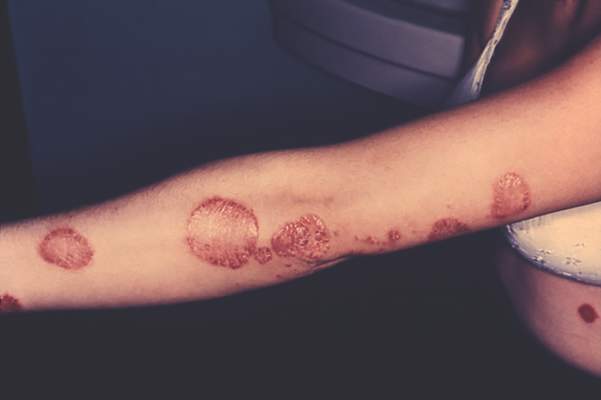
Psoriasis is known to increase the risk of major depression, as well as anxiety disorders, substance abuse, and suicidal ideation. To better understand whether disease severity or comorbidities affect the psoriasis-depression link, the researchers analyzed self-reported health data from 12,382 individuals who had responded to the National Health and Nutrition Examination Survey between 2009 and 2012. The investigators defined major depression as a score of at least 10 on the 27-point Patient Health Questionnaire-9 (PHQ-9). Psoriasis was self-reported, and some psoriasis patients were also asked to rate the severity of their skin disease.
After adjusting for factors such as age, sex, race, and history of myocardial infarction, stroke, and diabetes, the 351 individuals with psoriasis had more than twice the odds of major depression, compared with respondents without psoriasis (odds ratio, 2.09; 95% confidence interval, 1.41-3.11; P less than .001). Furthermore, the average PHQ-9 score among psoriasis patients was significantly higher than that among other respondents (4.54 vs. 3.22; P less than .001).
Neither severity of skin disease nor history of MI or stroke affected the relationship between psoriasis and depression. “The psychiatric burden of psoriasis may be more closely tied to patients’ perception of the social response to their appearance than objective disease severity,” the investigators said. They noted that as far as they know, this is the first study to use a nationally representative sample of patients to evaluate the association between psoriasis and major depression.
The investigators reported no funding sources and declared no competing interests.
Self-reported psoriasis more than doubled the odds of major depression, even after accounting for demographic factors and comorbidities, reported the authors of a study that used data from the National Health and Nutrition Examination Survey.
In addition, depressive symptoms adversely affected the work and social lives of psoriasis patients in this first-in-kind study, said Dr. Brandon Cohen and his associates of the department of dermatology, New York University. “The risk of major depression was not associated with the self-reported degree of psoriasis. Therefore, our study supports that all patients with psoriasis, regardless of severity, are at risk for depressive symptoms and may benefit from depression screening,” they wrote. The study was published online on Sept. 30 in JAMA Dermatology (2015 Sep 30. doi: 10.1001/jamadermatol.2015.3605).
Psoriasis is known to increase the risk of major depression, as well as anxiety disorders, substance abuse, and suicidal ideation. To better understand whether disease severity or comorbidities affect the psoriasis-depression link, the researchers analyzed self-reported health data from 12,382 individuals who had responded to the National Health and Nutrition Examination Survey between 2009 and 2012. The investigators defined major depression as a score of at least 10 on the 27-point Patient Health Questionnaire-9 (PHQ-9). Psoriasis was self-reported, and some psoriasis patients were also asked to rate the severity of their skin disease.
After adjusting for factors such as age, sex, race, and history of myocardial infarction, stroke, and diabetes, the 351 individuals with psoriasis had more than twice the odds of major depression, compared with respondents without psoriasis (odds ratio, 2.09; 95% confidence interval, 1.41-3.11; P less than .001). Furthermore, the average PHQ-9 score among psoriasis patients was significantly higher than that among other respondents (4.54 vs. 3.22; P less than .001).
Neither severity of skin disease nor history of MI or stroke affected the relationship between psoriasis and depression. “The psychiatric burden of psoriasis may be more closely tied to patients’ perception of the social response to their appearance than objective disease severity,” the investigators said. They noted that as far as they know, this is the first study to use a nationally representative sample of patients to evaluate the association between psoriasis and major depression.
The investigators reported no funding sources and declared no competing interests.
Self-reported psoriasis more than doubled the odds of major depression, even after accounting for demographic factors and comorbidities, reported the authors of a study that used data from the National Health and Nutrition Examination Survey.
In addition, depressive symptoms adversely affected the work and social lives of psoriasis patients in this first-in-kind study, said Dr. Brandon Cohen and his associates of the department of dermatology, New York University. “The risk of major depression was not associated with the self-reported degree of psoriasis. Therefore, our study supports that all patients with psoriasis, regardless of severity, are at risk for depressive symptoms and may benefit from depression screening,” they wrote. The study was published online on Sept. 30 in JAMA Dermatology (2015 Sep 30. doi: 10.1001/jamadermatol.2015.3605).
Psoriasis is known to increase the risk of major depression, as well as anxiety disorders, substance abuse, and suicidal ideation. To better understand whether disease severity or comorbidities affect the psoriasis-depression link, the researchers analyzed self-reported health data from 12,382 individuals who had responded to the National Health and Nutrition Examination Survey between 2009 and 2012. The investigators defined major depression as a score of at least 10 on the 27-point Patient Health Questionnaire-9 (PHQ-9). Psoriasis was self-reported, and some psoriasis patients were also asked to rate the severity of their skin disease.
After adjusting for factors such as age, sex, race, and history of myocardial infarction, stroke, and diabetes, the 351 individuals with psoriasis had more than twice the odds of major depression, compared with respondents without psoriasis (odds ratio, 2.09; 95% confidence interval, 1.41-3.11; P less than .001). Furthermore, the average PHQ-9 score among psoriasis patients was significantly higher than that among other respondents (4.54 vs. 3.22; P less than .001).
Neither severity of skin disease nor history of MI or stroke affected the relationship between psoriasis and depression. “The psychiatric burden of psoriasis may be more closely tied to patients’ perception of the social response to their appearance than objective disease severity,” the investigators said. They noted that as far as they know, this is the first study to use a nationally representative sample of patients to evaluate the association between psoriasis and major depression.
The investigators reported no funding sources and declared no competing interests.
FROM JAMA DERMATOLOGY
Key clinical point:Psoriasis was associated with a significantly increased risk of major depression in a large population-based U.S. study.
Major finding: Self-reported psoriasis more than doubled the odds of meeting criteria for major depression (OR, 2.09; P less than .001).
Data source: The cross-sectional study evaluated data from 12,382 National Health and Nutrition Examination Survey participants, who responded between 2009 and 2012.
Disclosures: The authors reported no funding sources and declared no competing interests.
Nail Psoriasis Diagnosis and Treatment Recommendations
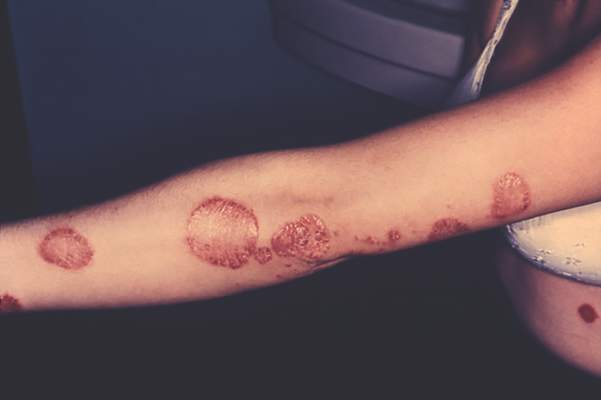
Clinical diagnosis of nail psoriasis may be difficult, as many of its symptoms are seen in other nail disorders. To ensure accurate diagnosis, it is important to recognize the characteristic signs of nail psoriasis and clarify which part of the nail matrix is affected. Dr. Antonella Tosti discusses common symptoms of nail psoriasis and provides treatment and nail care recommendations for patients. She also notes that psoriasis of the nails should raise suspicion of possible joint involvement.
The psoriasis audiocast series is created in collaboration with Cutis® and the National Psoriasis Foundation®.
Clinical diagnosis of nail psoriasis may be difficult, as many of its symptoms are seen in other nail disorders. To ensure accurate diagnosis, it is important to recognize the characteristic signs of nail psoriasis and clarify which part of the nail matrix is affected. Dr. Antonella Tosti discusses common symptoms of nail psoriasis and provides treatment and nail care recommendations for patients. She also notes that psoriasis of the nails should raise suspicion of possible joint involvement.
The psoriasis audiocast series is created in collaboration with Cutis® and the National Psoriasis Foundation®.
Clinical diagnosis of nail psoriasis may be difficult, as many of its symptoms are seen in other nail disorders. To ensure accurate diagnosis, it is important to recognize the characteristic signs of nail psoriasis and clarify which part of the nail matrix is affected. Dr. Antonella Tosti discusses common symptoms of nail psoriasis and provides treatment and nail care recommendations for patients. She also notes that psoriasis of the nails should raise suspicion of possible joint involvement.
The psoriasis audiocast series is created in collaboration with Cutis® and the National Psoriasis Foundation®.

PsA, PsC do not affect total hip replacement outcomes
Neither psoriatic arthritis (PsA) nor cutaneous psoriasis (PsC) is an independent predictor of poor postoperative pain or function following a total hip arthroplasty, according to the results of a case-control study by Dr. Lisa A. Mandl and her colleagues.
The study’s participants underwent surgery between May 1, 2007, and Dec. 31, 2010, in a center that performs more than 4,300 THAs annually. All subjects lived for at least 2 years after their operations. The researchers compared pre- and postoperative data from patients in the following three categories: those with PsA, those with PsC without evidence of inflammatory arthritis, and those with osteoarthritis (OA). Patients with OA comprised the control group, which excluded any patient who self-reported a history of PsA, rheumatoid arthritis, lupus erythematosus, or any other systematic rheumatic disease, or who had documentation of skin psoriasis. The researchers acquired postoperative self-report data from 47 PsA patients, 106 PsC patients, and 864 OA patients. Seventeen percent of patients submitted information on their status at 1 year, 69% at 2 years, and 14% at 3-5 years.

The primary outcomes of interest were postoperative pain and function, which were assessed via the Hip Osteoarthritis Outcome Score (HOOS), from which the Western Ontario and McMaster Universities Osteoarthritis Index (WOMAC) was derived.
There were no statistically significant differences in postoperative WOMAC pain or function scores between the three groups of patients (P = .78 and .96, respectively). The mean pain scores were 14.9, 6.1, and 15.8 for patients with PsA, PsC, and OA, respectively. These patients’ mean function scores were 16.3, 19.6, and 18.8 for the PsA, PsC and OA groups, respectively.
Overall levels of satisfaction with the surgery were similar among the three groups (P = .54). Ninety-three percent of the PsA patients, 79% of the PsC patients, and 84% of the OA patients were “very satisfied” with their total hip arthroplasty. Between 1% and 3% of each group reported being “very dissatisfied” with their surgery. The researchers found that extent of skin disease was not associated with worse postoperative pain or function.
“Further work needs to be done to better understand the interplay of disease activity and quality of life on the outcomes of [total hip arthroplasty] in PsA and PsC,” they wrote.
Read the report in Arthritis & Rheumatology (doi: 10.1002/art.39431).
Neither psoriatic arthritis (PsA) nor cutaneous psoriasis (PsC) is an independent predictor of poor postoperative pain or function following a total hip arthroplasty, according to the results of a case-control study by Dr. Lisa A. Mandl and her colleagues.
The study’s participants underwent surgery between May 1, 2007, and Dec. 31, 2010, in a center that performs more than 4,300 THAs annually. All subjects lived for at least 2 years after their operations. The researchers compared pre- and postoperative data from patients in the following three categories: those with PsA, those with PsC without evidence of inflammatory arthritis, and those with osteoarthritis (OA). Patients with OA comprised the control group, which excluded any patient who self-reported a history of PsA, rheumatoid arthritis, lupus erythematosus, or any other systematic rheumatic disease, or who had documentation of skin psoriasis. The researchers acquired postoperative self-report data from 47 PsA patients, 106 PsC patients, and 864 OA patients. Seventeen percent of patients submitted information on their status at 1 year, 69% at 2 years, and 14% at 3-5 years.
The primary outcomes of interest were postoperative pain and function, which were assessed via the Hip Osteoarthritis Outcome Score (HOOS), from which the Western Ontario and McMaster Universities Osteoarthritis Index (WOMAC) was derived.
There were no statistically significant differences in postoperative WOMAC pain or function scores between the three groups of patients (P = .78 and .96, respectively). The mean pain scores were 14.9, 6.1, and 15.8 for patients with PsA, PsC, and OA, respectively. These patients’ mean function scores were 16.3, 19.6, and 18.8 for the PsA, PsC and OA groups, respectively.
Overall levels of satisfaction with the surgery were similar among the three groups (P = .54). Ninety-three percent of the PsA patients, 79% of the PsC patients, and 84% of the OA patients were “very satisfied” with their total hip arthroplasty. Between 1% and 3% of each group reported being “very dissatisfied” with their surgery. The researchers found that extent of skin disease was not associated with worse postoperative pain or function.
“Further work needs to be done to better understand the interplay of disease activity and quality of life on the outcomes of [total hip arthroplasty] in PsA and PsC,” they wrote.
Read the report in Arthritis & Rheumatology (doi: 10.1002/art.39431).
Neither psoriatic arthritis (PsA) nor cutaneous psoriasis (PsC) is an independent predictor of poor postoperative pain or function following a total hip arthroplasty, according to the results of a case-control study by Dr. Lisa A. Mandl and her colleagues.
The study’s participants underwent surgery between May 1, 2007, and Dec. 31, 2010, in a center that performs more than 4,300 THAs annually. All subjects lived for at least 2 years after their operations. The researchers compared pre- and postoperative data from patients in the following three categories: those with PsA, those with PsC without evidence of inflammatory arthritis, and those with osteoarthritis (OA). Patients with OA comprised the control group, which excluded any patient who self-reported a history of PsA, rheumatoid arthritis, lupus erythematosus, or any other systematic rheumatic disease, or who had documentation of skin psoriasis. The researchers acquired postoperative self-report data from 47 PsA patients, 106 PsC patients, and 864 OA patients. Seventeen percent of patients submitted information on their status at 1 year, 69% at 2 years, and 14% at 3-5 years.
The primary outcomes of interest were postoperative pain and function, which were assessed via the Hip Osteoarthritis Outcome Score (HOOS), from which the Western Ontario and McMaster Universities Osteoarthritis Index (WOMAC) was derived.
There were no statistically significant differences in postoperative WOMAC pain or function scores between the three groups of patients (P = .78 and .96, respectively). The mean pain scores were 14.9, 6.1, and 15.8 for patients with PsA, PsC, and OA, respectively. These patients’ mean function scores were 16.3, 19.6, and 18.8 for the PsA, PsC and OA groups, respectively.
Overall levels of satisfaction with the surgery were similar among the three groups (P = .54). Ninety-three percent of the PsA patients, 79% of the PsC patients, and 84% of the OA patients were “very satisfied” with their total hip arthroplasty. Between 1% and 3% of each group reported being “very dissatisfied” with their surgery. The researchers found that extent of skin disease was not associated with worse postoperative pain or function.
“Further work needs to be done to better understand the interplay of disease activity and quality of life on the outcomes of [total hip arthroplasty] in PsA and PsC,” they wrote.
Read the report in Arthritis & Rheumatology (doi: 10.1002/art.39431).
FROM ARTHRITIS & RHEUMATOLOGY

Screening Tests for Psoriasis Patients
Dermatologists should screen psoriasis patients for tuberculosis (TB) and hepatitis B virus (HBV) before beginning treatment with tumor necrosis factor (TNF) inhibitors or biologics, according to Jashin J. Wu, MD, Director of the Psoriasis Clinic, Department of Dermatology, Kaiser Permanente Los Angeles Medical Center, California, at the 2015 Summer Academy Meeting of the American Academy of Dermatology. Dr. Wu provided 10 psoriasis pearls in 10 minutes. Among them he reviewed important screenings for psoriasis patients.
The National Psoriasis Foundation’s consensus statement on screening for latent TB infection in patients with psoriasis treated with systemic and biologic agents (J Am Acad Dermatol. 2008;59:209-217) indicated that chronic immunosuppression is a known risk factor for allowing latent TB to transform into active TB. Therefore, immunosuppressive and immunomodulatory therapies for psoriasis and psoriatic arthritis may be associated with an increased rate of active TB in some patients receiving these therapies. The consensus statement reported, “It is, therefore, of utmost importance to appropriately screen all patients for latent TB infection prior to initiating any immunologic therapy. Delaying immunologic therapy until latent TB infection prophylaxis is completed is preferable.”
When screening for tuberculosis, Dr. Wu recommends the IFN-γ release assay instead of the purified protein derivative (tuberculin)(PPD) test because it is more sensitive and more specific than the PPD in diagnosing latent TB infection in immunocompetent individuals. Additionally, Dr. Wu reports that the IFN-γ release assay is more specific than the PPD in those who have received the BCG vaccine and is more convenient for patients.
For patients who may receive TNF inhibitors, Dr. Wu recommends screening for HBV using triple serology testing: hepatitis B surface antigen, hepatitis B surface antibody, and hepatitis B core antibody. He also recommends this screening for patients who may be on biologics including ustekinumab and secukinumab. If the patient is at risk for reactivation of HBV, dermatologists should check liver function tests, hepatitis B surface antibody, hepatitis B core e antigen, and HBV DNA counts. Routine follow-up with testing for reactivation should continue for at least 6 months after the TNF inhibitor is discontinued. If patients have chronic HBV and biologics are considered, etanercept is recommended as first-line therapy.
Dermatologists should screen psoriasis patients for tuberculosis (TB) and hepatitis B virus (HBV) before beginning treatment with tumor necrosis factor (TNF) inhibitors or biologics, according to Jashin J. Wu, MD, Director of the Psoriasis Clinic, Department of Dermatology, Kaiser Permanente Los Angeles Medical Center, California, at the 2015 Summer Academy Meeting of the American Academy of Dermatology. Dr. Wu provided 10 psoriasis pearls in 10 minutes. Among them he reviewed important screenings for psoriasis patients.
The National Psoriasis Foundation’s consensus statement on screening for latent TB infection in patients with psoriasis treated with systemic and biologic agents (J Am Acad Dermatol. 2008;59:209-217) indicated that chronic immunosuppression is a known risk factor for allowing latent TB to transform into active TB. Therefore, immunosuppressive and immunomodulatory therapies for psoriasis and psoriatic arthritis may be associated with an increased rate of active TB in some patients receiving these therapies. The consensus statement reported, “It is, therefore, of utmost importance to appropriately screen all patients for latent TB infection prior to initiating any immunologic therapy. Delaying immunologic therapy until latent TB infection prophylaxis is completed is preferable.”
When screening for tuberculosis, Dr. Wu recommends the IFN-γ release assay instead of the purified protein derivative (tuberculin)(PPD) test because it is more sensitive and more specific than the PPD in diagnosing latent TB infection in immunocompetent individuals. Additionally, Dr. Wu reports that the IFN-γ release assay is more specific than the PPD in those who have received the BCG vaccine and is more convenient for patients.
For patients who may receive TNF inhibitors, Dr. Wu recommends screening for HBV using triple serology testing: hepatitis B surface antigen, hepatitis B surface antibody, and hepatitis B core antibody. He also recommends this screening for patients who may be on biologics including ustekinumab and secukinumab. If the patient is at risk for reactivation of HBV, dermatologists should check liver function tests, hepatitis B surface antibody, hepatitis B core e antigen, and HBV DNA counts. Routine follow-up with testing for reactivation should continue for at least 6 months after the TNF inhibitor is discontinued. If patients have chronic HBV and biologics are considered, etanercept is recommended as first-line therapy.
Dermatologists should screen psoriasis patients for tuberculosis (TB) and hepatitis B virus (HBV) before beginning treatment with tumor necrosis factor (TNF) inhibitors or biologics, according to Jashin J. Wu, MD, Director of the Psoriasis Clinic, Department of Dermatology, Kaiser Permanente Los Angeles Medical Center, California, at the 2015 Summer Academy Meeting of the American Academy of Dermatology. Dr. Wu provided 10 psoriasis pearls in 10 minutes. Among them he reviewed important screenings for psoriasis patients.
The National Psoriasis Foundation’s consensus statement on screening for latent TB infection in patients with psoriasis treated with systemic and biologic agents (J Am Acad Dermatol. 2008;59:209-217) indicated that chronic immunosuppression is a known risk factor for allowing latent TB to transform into active TB. Therefore, immunosuppressive and immunomodulatory therapies for psoriasis and psoriatic arthritis may be associated with an increased rate of active TB in some patients receiving these therapies. The consensus statement reported, “It is, therefore, of utmost importance to appropriately screen all patients for latent TB infection prior to initiating any immunologic therapy. Delaying immunologic therapy until latent TB infection prophylaxis is completed is preferable.”
When screening for tuberculosis, Dr. Wu recommends the IFN-γ release assay instead of the purified protein derivative (tuberculin)(PPD) test because it is more sensitive and more specific than the PPD in diagnosing latent TB infection in immunocompetent individuals. Additionally, Dr. Wu reports that the IFN-γ release assay is more specific than the PPD in those who have received the BCG vaccine and is more convenient for patients.
For patients who may receive TNF inhibitors, Dr. Wu recommends screening for HBV using triple serology testing: hepatitis B surface antigen, hepatitis B surface antibody, and hepatitis B core antibody. He also recommends this screening for patients who may be on biologics including ustekinumab and secukinumab. If the patient is at risk for reactivation of HBV, dermatologists should check liver function tests, hepatitis B surface antibody, hepatitis B core e antigen, and HBV DNA counts. Routine follow-up with testing for reactivation should continue for at least 6 months after the TNF inhibitor is discontinued. If patients have chronic HBV and biologics are considered, etanercept is recommended as first-line therapy.