User login
Health Care More Expensive Under Romney, Wonks Say
WASHINGTON – The projected cost of private, non-group health insurance would be twice as high for American families in 2016 if the Affordable Care Act is repealed and replaced with Republican proposals, according to an analysis by three prominent health care economists.
Families would pay $11,481 per year for private, non–group health insurance under the policies advocated by Republican presidential candidate Mitt Romney, compared with $5,985 a year under the Affordable Care Act.
The advocacy group Families USA issued the analysis at a Sept. 27 briefing as both candidates were heating up their campaign rhetoric.
The analysis was conducted with the help of three health policy experts, all of whom advised then-Gov. Romney as he developed the Massachusetts health insurance law. The Massachusetts law, enacted in 2006, is widely considered a model for the ACA.
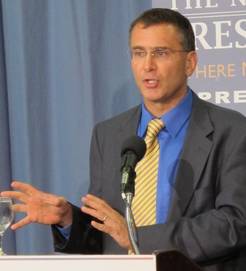
"There is no doubt, it was the model for the [ACA]," Jonathan Gruber, a professor of economics at the Massachusetts Institute of Technology, Cambridge, said at the briefing. He helped with the Families USA analysis and was a principal adviser to Mr. Romney, as well as to the Obama Administration on the ACA.
While the Massachusetts health law, dubbed "RomneyCare" by the Families USA report, is very similar to the ACA, "RomneyCandidateCare" – what the report terms policies espoused by the Romney campaign – is not the same, said Ron Pollack, executive director of Families USA. They are "as different as day and night."
Under "ObamaCare" (the report’s term for the ACA), depending on income, families would receive tax credits to help pay for premiums and in some cases, for other out-of-pocket costs. Under "RomneyCandidateCare," families would receive tax deductions.
Mr. Gruber and two other analysts – Stuart Altman of Brandeis University, Waltham, Mass., and John McDonough of Harvard School of Public Health, Boston – determined that the average size of the credit under the ACA would be $4,231 in 2016, while the Romney tax deduction would be around $2,490.
Some 20.3 million people would receive subsidies under the ACA, while only 10.1 million people would under Mr. Romney’s plan.
The year 2016 was selected because it is the end of the next presidential term.
The economists also projected a huge increase in the number of uninsured under a Romney administration. Using Census Department and Congressional Budget Office estimates, they project that without any health reform at all, the number of uninsured Americans would hit 56 million in 2016.
As enacted, the ACA is slated to reduce the number of uninsured to 25.3 million at that time. Conversely, the Romney plan would increase the number of uninsured to 67.2 million, the analysis found.
When looking at the three plans, the economists made certain assumptions regarding how "RomneyCandidateCare" would be implemented, should Mr. Romney be elected:
• The ACA would be repealed.
• Medicaid would be funded through block grants to the states.
• End tax discrimination against the individual purchase of insurance (per the Romney campaign website).
• Protections would be included for those with preexisting conditions.
The report homed in on potential effects of a Romney presidency on Medicare. The aim was in part to dispute the Romney campaign’s allegation that the ACA will cut Medicare benefits by $716 billion.

"Nothing could be further from the truth," said Mr. Altman, who added that the reduction came from a rejiggering of Medicare payments to private insurance plans for beneficiaries enrolled in Medicare Advantage.
Further, should the ACA be repealed, Medicare would no longer provide many free preventive care services and efforts to reduce beneficiaries out-of-pocket costs under Part D would be rolled back.
Finally, the report noted that the ACA would extend the life of the Medicare Trust Fund, in part by requiring higher income workers to pay in slightly more, and by reducing the Medicare Advantage payments. "RomneyCandidateCare" would not do so, and would also threaten Medicare by converting it to a voucher program, according to the analysis.
That’s because over time, the program would reduce the value of the Medicare subsidy, while costs would continue to rise. "By the time people born in 1983 reach Medicare eligibility age, their coverage would be worth 42% less than it would be under ObamaCare," the report said.
WASHINGTON – The projected cost of private, non-group health insurance would be twice as high for American families in 2016 if the Affordable Care Act is repealed and replaced with Republican proposals, according to an analysis by three prominent health care economists.
Families would pay $11,481 per year for private, non–group health insurance under the policies advocated by Republican presidential candidate Mitt Romney, compared with $5,985 a year under the Affordable Care Act.
The advocacy group Families USA issued the analysis at a Sept. 27 briefing as both candidates were heating up their campaign rhetoric.
The analysis was conducted with the help of three health policy experts, all of whom advised then-Gov. Romney as he developed the Massachusetts health insurance law. The Massachusetts law, enacted in 2006, is widely considered a model for the ACA.
"There is no doubt, it was the model for the [ACA]," Jonathan Gruber, a professor of economics at the Massachusetts Institute of Technology, Cambridge, said at the briefing. He helped with the Families USA analysis and was a principal adviser to Mr. Romney, as well as to the Obama Administration on the ACA.
While the Massachusetts health law, dubbed "RomneyCare" by the Families USA report, is very similar to the ACA, "RomneyCandidateCare" – what the report terms policies espoused by the Romney campaign – is not the same, said Ron Pollack, executive director of Families USA. They are "as different as day and night."
Under "ObamaCare" (the report’s term for the ACA), depending on income, families would receive tax credits to help pay for premiums and in some cases, for other out-of-pocket costs. Under "RomneyCandidateCare," families would receive tax deductions.
Mr. Gruber and two other analysts – Stuart Altman of Brandeis University, Waltham, Mass., and John McDonough of Harvard School of Public Health, Boston – determined that the average size of the credit under the ACA would be $4,231 in 2016, while the Romney tax deduction would be around $2,490.
Some 20.3 million people would receive subsidies under the ACA, while only 10.1 million people would under Mr. Romney’s plan.
The year 2016 was selected because it is the end of the next presidential term.
The economists also projected a huge increase in the number of uninsured under a Romney administration. Using Census Department and Congressional Budget Office estimates, they project that without any health reform at all, the number of uninsured Americans would hit 56 million in 2016.
As enacted, the ACA is slated to reduce the number of uninsured to 25.3 million at that time. Conversely, the Romney plan would increase the number of uninsured to 67.2 million, the analysis found.
When looking at the three plans, the economists made certain assumptions regarding how "RomneyCandidateCare" would be implemented, should Mr. Romney be elected:
• The ACA would be repealed.
• Medicaid would be funded through block grants to the states.
• End tax discrimination against the individual purchase of insurance (per the Romney campaign website).
• Protections would be included for those with preexisting conditions.
The report homed in on potential effects of a Romney presidency on Medicare. The aim was in part to dispute the Romney campaign’s allegation that the ACA will cut Medicare benefits by $716 billion.
"Nothing could be further from the truth," said Mr. Altman, who added that the reduction came from a rejiggering of Medicare payments to private insurance plans for beneficiaries enrolled in Medicare Advantage.
Further, should the ACA be repealed, Medicare would no longer provide many free preventive care services and efforts to reduce beneficiaries out-of-pocket costs under Part D would be rolled back.
Finally, the report noted that the ACA would extend the life of the Medicare Trust Fund, in part by requiring higher income workers to pay in slightly more, and by reducing the Medicare Advantage payments. "RomneyCandidateCare" would not do so, and would also threaten Medicare by converting it to a voucher program, according to the analysis.
That’s because over time, the program would reduce the value of the Medicare subsidy, while costs would continue to rise. "By the time people born in 1983 reach Medicare eligibility age, their coverage would be worth 42% less than it would be under ObamaCare," the report said.
WASHINGTON – The projected cost of private, non-group health insurance would be twice as high for American families in 2016 if the Affordable Care Act is repealed and replaced with Republican proposals, according to an analysis by three prominent health care economists.
Families would pay $11,481 per year for private, non–group health insurance under the policies advocated by Republican presidential candidate Mitt Romney, compared with $5,985 a year under the Affordable Care Act.
The advocacy group Families USA issued the analysis at a Sept. 27 briefing as both candidates were heating up their campaign rhetoric.
The analysis was conducted with the help of three health policy experts, all of whom advised then-Gov. Romney as he developed the Massachusetts health insurance law. The Massachusetts law, enacted in 2006, is widely considered a model for the ACA.
"There is no doubt, it was the model for the [ACA]," Jonathan Gruber, a professor of economics at the Massachusetts Institute of Technology, Cambridge, said at the briefing. He helped with the Families USA analysis and was a principal adviser to Mr. Romney, as well as to the Obama Administration on the ACA.
While the Massachusetts health law, dubbed "RomneyCare" by the Families USA report, is very similar to the ACA, "RomneyCandidateCare" – what the report terms policies espoused by the Romney campaign – is not the same, said Ron Pollack, executive director of Families USA. They are "as different as day and night."
Under "ObamaCare" (the report’s term for the ACA), depending on income, families would receive tax credits to help pay for premiums and in some cases, for other out-of-pocket costs. Under "RomneyCandidateCare," families would receive tax deductions.
Mr. Gruber and two other analysts – Stuart Altman of Brandeis University, Waltham, Mass., and John McDonough of Harvard School of Public Health, Boston – determined that the average size of the credit under the ACA would be $4,231 in 2016, while the Romney tax deduction would be around $2,490.
Some 20.3 million people would receive subsidies under the ACA, while only 10.1 million people would under Mr. Romney’s plan.
The year 2016 was selected because it is the end of the next presidential term.
The economists also projected a huge increase in the number of uninsured under a Romney administration. Using Census Department and Congressional Budget Office estimates, they project that without any health reform at all, the number of uninsured Americans would hit 56 million in 2016.
As enacted, the ACA is slated to reduce the number of uninsured to 25.3 million at that time. Conversely, the Romney plan would increase the number of uninsured to 67.2 million, the analysis found.
When looking at the three plans, the economists made certain assumptions regarding how "RomneyCandidateCare" would be implemented, should Mr. Romney be elected:
• The ACA would be repealed.
• Medicaid would be funded through block grants to the states.
• End tax discrimination against the individual purchase of insurance (per the Romney campaign website).
• Protections would be included for those with preexisting conditions.
The report homed in on potential effects of a Romney presidency on Medicare. The aim was in part to dispute the Romney campaign’s allegation that the ACA will cut Medicare benefits by $716 billion.
"Nothing could be further from the truth," said Mr. Altman, who added that the reduction came from a rejiggering of Medicare payments to private insurance plans for beneficiaries enrolled in Medicare Advantage.
Further, should the ACA be repealed, Medicare would no longer provide many free preventive care services and efforts to reduce beneficiaries out-of-pocket costs under Part D would be rolled back.
Finally, the report noted that the ACA would extend the life of the Medicare Trust Fund, in part by requiring higher income workers to pay in slightly more, and by reducing the Medicare Advantage payments. "RomneyCandidateCare" would not do so, and would also threaten Medicare by converting it to a voucher program, according to the analysis.
That’s because over time, the program would reduce the value of the Medicare subsidy, while costs would continue to rise. "By the time people born in 1983 reach Medicare eligibility age, their coverage would be worth 42% less than it would be under ObamaCare," the report said.
FROM A BRIEFING HELD BY FAMILIES USA
Cosmetic Derm Society Disbands
*This story was updated on 10/3/2012.
The American Society of Cosmetic Dermatology and Aesthetic Surgery has permanently disbanded, according to an announcement on its website.
In an open letter to members, ASCDAS president Ellen Marmur wrote, "This difficult decision was made after careful analysis of the current economic conditions and in the context of what the Society might accomplish for its membership and for dermatologic and aesthetic surgery."
The organization was founded in 2000 by a group of dermatologists that included Dr. Cherie M. Ditre. However, Dr. Ditre left the organization in 2007 after new leadership asked her and several other board members to step down, she told Skin & Allergy News.
In 2009, the American Society for Dermatologic Surgery and the ASCDAS combined their annual meetings, citing among other reasons the down economy. Officials from both societies said at the time that holding the meetings together would make it more financially feasible for dermatologists to attend. Dr. Phil Werschler, ASCDAS president at the time, also noted that many dermatologists were members of both societies
The disbanding of the ASCDAS brings into question the fate of the group’s annual meeting, slated for Nov. 29-Dec. 2 in Las Vegas.
*Dr. Joel Schlessinger, a past president of the ASCDAS, said that he was surprised that the society disbanded. He also said that it has caused confusion about whether Cosmetic Surgery Forum (Nov. 29-Dec. 1) is still being held in Las Vegas.
"I will still be having Cosmetic Surgery Forum this year at the Venetian/Palazzo. ... We have had quite a few vendors who were going to exhibit at the ASCDAS meeting who are now interested" in exhibiting at Cosmetic Surgery Forum, he said. Dr. Schlessinger also noted that his meeting has always been completely separate from the ASCDAS meeting that has been held around the same time in Las Vegas for the past 4 years.
The ASCDAS’s mission, according to a statement on the website, was in part "to promote the advancement of ethical aesthetic dermatology as a medical and surgical discipline."
The ASCDAS was one of several societies dedicated to cosmetic and aesthetic dermatology.
Calls to ASCDAS officials had not been returned as of press time.
*This story was updated on 10/3/2012.
The American Society of Cosmetic Dermatology and Aesthetic Surgery has permanently disbanded, according to an announcement on its website.
In an open letter to members, ASCDAS president Ellen Marmur wrote, "This difficult decision was made after careful analysis of the current economic conditions and in the context of what the Society might accomplish for its membership and for dermatologic and aesthetic surgery."
The organization was founded in 2000 by a group of dermatologists that included Dr. Cherie M. Ditre. However, Dr. Ditre left the organization in 2007 after new leadership asked her and several other board members to step down, she told Skin & Allergy News.
In 2009, the American Society for Dermatologic Surgery and the ASCDAS combined their annual meetings, citing among other reasons the down economy. Officials from both societies said at the time that holding the meetings together would make it more financially feasible for dermatologists to attend. Dr. Phil Werschler, ASCDAS president at the time, also noted that many dermatologists were members of both societies
The disbanding of the ASCDAS brings into question the fate of the group’s annual meeting, slated for Nov. 29-Dec. 2 in Las Vegas.
*Dr. Joel Schlessinger, a past president of the ASCDAS, said that he was surprised that the society disbanded. He also said that it has caused confusion about whether Cosmetic Surgery Forum (Nov. 29-Dec. 1) is still being held in Las Vegas.
"I will still be having Cosmetic Surgery Forum this year at the Venetian/Palazzo. ... We have had quite a few vendors who were going to exhibit at the ASCDAS meeting who are now interested" in exhibiting at Cosmetic Surgery Forum, he said. Dr. Schlessinger also noted that his meeting has always been completely separate from the ASCDAS meeting that has been held around the same time in Las Vegas for the past 4 years.
The ASCDAS’s mission, according to a statement on the website, was in part "to promote the advancement of ethical aesthetic dermatology as a medical and surgical discipline."
The ASCDAS was one of several societies dedicated to cosmetic and aesthetic dermatology.
Calls to ASCDAS officials had not been returned as of press time.
*This story was updated on 10/3/2012.
The American Society of Cosmetic Dermatology and Aesthetic Surgery has permanently disbanded, according to an announcement on its website.
In an open letter to members, ASCDAS president Ellen Marmur wrote, "This difficult decision was made after careful analysis of the current economic conditions and in the context of what the Society might accomplish for its membership and for dermatologic and aesthetic surgery."
The organization was founded in 2000 by a group of dermatologists that included Dr. Cherie M. Ditre. However, Dr. Ditre left the organization in 2007 after new leadership asked her and several other board members to step down, she told Skin & Allergy News.
In 2009, the American Society for Dermatologic Surgery and the ASCDAS combined their annual meetings, citing among other reasons the down economy. Officials from both societies said at the time that holding the meetings together would make it more financially feasible for dermatologists to attend. Dr. Phil Werschler, ASCDAS president at the time, also noted that many dermatologists were members of both societies
The disbanding of the ASCDAS brings into question the fate of the group’s annual meeting, slated for Nov. 29-Dec. 2 in Las Vegas.
*Dr. Joel Schlessinger, a past president of the ASCDAS, said that he was surprised that the society disbanded. He also said that it has caused confusion about whether Cosmetic Surgery Forum (Nov. 29-Dec. 1) is still being held in Las Vegas.
"I will still be having Cosmetic Surgery Forum this year at the Venetian/Palazzo. ... We have had quite a few vendors who were going to exhibit at the ASCDAS meeting who are now interested" in exhibiting at Cosmetic Surgery Forum, he said. Dr. Schlessinger also noted that his meeting has always been completely separate from the ASCDAS meeting that has been held around the same time in Las Vegas for the past 4 years.
The ASCDAS’s mission, according to a statement on the website, was in part "to promote the advancement of ethical aesthetic dermatology as a medical and surgical discipline."
The ASCDAS was one of several societies dedicated to cosmetic and aesthetic dermatology.
Calls to ASCDAS officials had not been returned as of press time.
Sequestration Will Hit Pay But Spare Incentives
Medicare physician pay would be cut by at least 2% in 2013 while some Affordable Care Act programs would be spared the automatic cuts called for under the Budget Control Act of 2011, according to a report from the federal Office of Management and Budget.
The report provides details on how to cut $1.2 trillion from the federal budget by 2021 and was mandated after the Joint Select Committee on Deficit Reduction failed to do the same. The process – known as sequestration – would cut funding for most federal agencies across the board.
The Office of Management and Budget (OMB) report noted that the estimates are preliminary; the true magnitude of the cuts won’t be known until sequestration actually occurs.
The report also notes that the White House firmly opposes the automatic cuts.
"Sequestration is a blunt and indiscriminate instrument. It is not the responsible way for our nation to achieve deficit reduction," according to the report. OMB called on Congress to avoid sequestration either by passing the President’s budget proposals or otherwise approving "a comprehensive and balanced deficit reduction package."
Under sequestration, there would be a 9.4% cut to defense discretionary funding, 10% to mandatory defense programs, 8.2% reduction to nondefense discretionary funding, and 7.6% to nondefense mandatory programs.
Medicare – including physician and hospital payment – is slated for a 2%, or $11 billion, cut in 2013 alone. The 2% reduction will continue each year through 2021.
The American Hospital Association, American Medical Association, and American Nurses Association in a joint statement said that as many as 766,000 health care and related jobs could be lost by 2021 if the Medicare cuts are allowed to stand, in part because of the reduction in payments to physicians and hospitals. They also predicted a ripple effect, including reduced spending on goods and services by health care providers and organizations, as well as reduced household purchases by health care workers who lose their jobs.
"Hospitals’ ability to maintain the kind of access to services that their communities need is being threatened," AHA President and CEO Rich Umbdenstock said in a statement. "Cuts to hospital services could create devastating job losses in communities where hospitals have long been an economic mainstay."
Dr. Jeremy A. Lazarus, president of the AMA, said, "Coupled with the looming 27% Medicare physician payment cut, this 2% sequester will hurt patient access to care and will inject more uncertainty into our Medicare system. We need stability in Medicare physician payment as we work to improve our nation’s Medicare payment and delivery system to promote high-quality, high-value, better-coordinated care to our patients."
Among other programs at the Center for Medicare and Medicaid Services that would take a hit under sequestration: health insurance exchange grants ($66 million); state demonstration grants ($40 million); fraud and abuse ($78 million); the prevention and public health fund ($76 million); the Office of the National Coordinator for Health Information Technology ($1 million); the Office of Inspector General ($5 million); and the Hospital Insurance Trust Fund ($5.6 billion).
Many programs would be exempt from sequestration, however, including the Children’s Health Insurance Program, Medicare and Medicaid incentive payments for participating in health IT programs, and the consumer operated and oriented plan and the pre-existing condition insurance plan, both of which were created by the ACA.
Food and Drug Administration funding would be cut $319 million, and the Centers for Disease Control and Prevention would see at least a $490 million budget reduction, with $14 million of that coming out of the World Trade Center Health Program Fund. Funding for the National Institutes of Health would be cut $2.6 billion.
Medicare physician pay would be cut by at least 2% in 2013 while some Affordable Care Act programs would be spared the automatic cuts called for under the Budget Control Act of 2011, according to a report from the federal Office of Management and Budget.
The report provides details on how to cut $1.2 trillion from the federal budget by 2021 and was mandated after the Joint Select Committee on Deficit Reduction failed to do the same. The process – known as sequestration – would cut funding for most federal agencies across the board.
The Office of Management and Budget (OMB) report noted that the estimates are preliminary; the true magnitude of the cuts won’t be known until sequestration actually occurs.
The report also notes that the White House firmly opposes the automatic cuts.
"Sequestration is a blunt and indiscriminate instrument. It is not the responsible way for our nation to achieve deficit reduction," according to the report. OMB called on Congress to avoid sequestration either by passing the President’s budget proposals or otherwise approving "a comprehensive and balanced deficit reduction package."
Under sequestration, there would be a 9.4% cut to defense discretionary funding, 10% to mandatory defense programs, 8.2% reduction to nondefense discretionary funding, and 7.6% to nondefense mandatory programs.
Medicare – including physician and hospital payment – is slated for a 2%, or $11 billion, cut in 2013 alone. The 2% reduction will continue each year through 2021.
The American Hospital Association, American Medical Association, and American Nurses Association in a joint statement said that as many as 766,000 health care and related jobs could be lost by 2021 if the Medicare cuts are allowed to stand, in part because of the reduction in payments to physicians and hospitals. They also predicted a ripple effect, including reduced spending on goods and services by health care providers and organizations, as well as reduced household purchases by health care workers who lose their jobs.
"Hospitals’ ability to maintain the kind of access to services that their communities need is being threatened," AHA President and CEO Rich Umbdenstock said in a statement. "Cuts to hospital services could create devastating job losses in communities where hospitals have long been an economic mainstay."
Dr. Jeremy A. Lazarus, president of the AMA, said, "Coupled with the looming 27% Medicare physician payment cut, this 2% sequester will hurt patient access to care and will inject more uncertainty into our Medicare system. We need stability in Medicare physician payment as we work to improve our nation’s Medicare payment and delivery system to promote high-quality, high-value, better-coordinated care to our patients."
Among other programs at the Center for Medicare and Medicaid Services that would take a hit under sequestration: health insurance exchange grants ($66 million); state demonstration grants ($40 million); fraud and abuse ($78 million); the prevention and public health fund ($76 million); the Office of the National Coordinator for Health Information Technology ($1 million); the Office of Inspector General ($5 million); and the Hospital Insurance Trust Fund ($5.6 billion).
Many programs would be exempt from sequestration, however, including the Children’s Health Insurance Program, Medicare and Medicaid incentive payments for participating in health IT programs, and the consumer operated and oriented plan and the pre-existing condition insurance plan, both of which were created by the ACA.
Food and Drug Administration funding would be cut $319 million, and the Centers for Disease Control and Prevention would see at least a $490 million budget reduction, with $14 million of that coming out of the World Trade Center Health Program Fund. Funding for the National Institutes of Health would be cut $2.6 billion.
Medicare physician pay would be cut by at least 2% in 2013 while some Affordable Care Act programs would be spared the automatic cuts called for under the Budget Control Act of 2011, according to a report from the federal Office of Management and Budget.
The report provides details on how to cut $1.2 trillion from the federal budget by 2021 and was mandated after the Joint Select Committee on Deficit Reduction failed to do the same. The process – known as sequestration – would cut funding for most federal agencies across the board.
The Office of Management and Budget (OMB) report noted that the estimates are preliminary; the true magnitude of the cuts won’t be known until sequestration actually occurs.
The report also notes that the White House firmly opposes the automatic cuts.
"Sequestration is a blunt and indiscriminate instrument. It is not the responsible way for our nation to achieve deficit reduction," according to the report. OMB called on Congress to avoid sequestration either by passing the President’s budget proposals or otherwise approving "a comprehensive and balanced deficit reduction package."
Under sequestration, there would be a 9.4% cut to defense discretionary funding, 10% to mandatory defense programs, 8.2% reduction to nondefense discretionary funding, and 7.6% to nondefense mandatory programs.
Medicare – including physician and hospital payment – is slated for a 2%, or $11 billion, cut in 2013 alone. The 2% reduction will continue each year through 2021.
The American Hospital Association, American Medical Association, and American Nurses Association in a joint statement said that as many as 766,000 health care and related jobs could be lost by 2021 if the Medicare cuts are allowed to stand, in part because of the reduction in payments to physicians and hospitals. They also predicted a ripple effect, including reduced spending on goods and services by health care providers and organizations, as well as reduced household purchases by health care workers who lose their jobs.
"Hospitals’ ability to maintain the kind of access to services that their communities need is being threatened," AHA President and CEO Rich Umbdenstock said in a statement. "Cuts to hospital services could create devastating job losses in communities where hospitals have long been an economic mainstay."
Dr. Jeremy A. Lazarus, president of the AMA, said, "Coupled with the looming 27% Medicare physician payment cut, this 2% sequester will hurt patient access to care and will inject more uncertainty into our Medicare system. We need stability in Medicare physician payment as we work to improve our nation’s Medicare payment and delivery system to promote high-quality, high-value, better-coordinated care to our patients."
Among other programs at the Center for Medicare and Medicaid Services that would take a hit under sequestration: health insurance exchange grants ($66 million); state demonstration grants ($40 million); fraud and abuse ($78 million); the prevention and public health fund ($76 million); the Office of the National Coordinator for Health Information Technology ($1 million); the Office of Inspector General ($5 million); and the Hospital Insurance Trust Fund ($5.6 billion).
Many programs would be exempt from sequestration, however, including the Children’s Health Insurance Program, Medicare and Medicaid incentive payments for participating in health IT programs, and the consumer operated and oriented plan and the pre-existing condition insurance plan, both of which were created by the ACA.
Food and Drug Administration funding would be cut $319 million, and the Centers for Disease Control and Prevention would see at least a $490 million budget reduction, with $14 million of that coming out of the World Trade Center Health Program Fund. Funding for the National Institutes of Health would be cut $2.6 billion.
Comprehensive Primary Care Initiative a Potentially Worthwhile Gamble
The federal government’s Comprehensive Primary Care Initiative could initially be a boon for physicians who participate, but may prove to be a more difficult proposition for them in the program’s later years, say some participants.
For the first 2 years, the 500 physician practices in seven regions selected for the program – sponsored by the Center for Medicare and Medicaid Innovation – will receive from Medicare a per member, monthly payment averaging $20, in addition to their normal fee-for-service payments.
Doctors are being given the fee in exchange for meeting certain goals and criteria, all with the aim of providing comprehensive primary care. CMS wants practices to better and more intensively manage patients with multiple conditions; ensure better access to care by keeping longer hours and via tools such as e-mail and patient portals; increase preventive care; and better coordinate care with specialists.
A handful of additional payers are participating in each state. Those payers – private insurers and in some states, Medicaid – also will give physicians a per patient/per month fee. The additional payers were selected in April, so that doctors would know how many of their patients might be covered by the added month payments when deciding to apply for the program.
But, by the third and fourth year of the program, the Medicare monthly fee will be reduced to an average of $15, and it’s not clear what private payers will do. Physicians will have an opportunity to share in savings, but it still represents a gamble, say some.
Dr. Stacey Zimmerman, an internist in Clinton, Ark., is looking forward to the revenue stream that will be provided by the primary care initiative, but says she is concerned about how she will manage once the payments drop. With better care coordination, patients will not need as many services, which means practice revenues will drop, she said in an interview. Meanwhile, expenses are not likely to moderate. "So how do we meet our overhead?" she asked.

"I think that is a bit of a concern for everyone," agreed Dr. Gregory Reicks, with Foresight Family Physicians in Grand Junction, Colo. Doctors will be building new practice models that are dependent on the per patient/per month fees. The challenge is to find a way to keep funding the new model, he said in an interview.
"Our hope is that the private payers will see the value of it, based on better overall patient satisfaction and lower costs, and that they’ll hopefully want to fund it going forward," he said.
Improving Revenue, Adding Services
Overall, both Dr. Zimmerman and Dr. Reicks said they were very happy to have been chosen for the program.
According to CMS, the practices were selected through a competitive application process. The practices, representing 2,144 providers caring for 313,000 Medicare beneficiaries, are in Arkansas; Colorado; New Jersey; the Capital District/Hudson Valley, N.Y., region; the Cincinnati/Dayton region of Ohio and Kentucky; the greater Tulsa (Okla.) area, and Oregon.
To be selected, practices had to demonstrate that they already had an electronic health record system, that they were already delivering advanced primary care, or that they were engaged in transforming their practices. They also had to have enough patients covered by Medicare and participating private payers to make it worthwhile.
The idea is to provide money to help practices fully transform, said Dr. Robert A. Gluckman, Chair of the American College of Physicians Medical Practice and Quality Committee.
In a traditional model, physicians are only paid for face-to-face encounters. Under this initiative, the monthly fee will help cover services delivered by e-mail, phone, group visits, or by allied health professionals like nutrition and behavioral counselors, said Dr. Gluckman, who also is the chief medical officer for Providence Health Plans. Providence is one of the participating payers in Oregon.
"This is going to be a tremendous opportunity for primary care practices to have the revenue to practice medicine differently," he said.
From a payer point of view, it was worth participating to help "facilitate a more robust primary care network," Dr. Gluckman said. "Payers are increasingly recognizing that we need a more robust primary care delivery system to deliver care more effectively," he said, noting that effective primary care can decrease emergency department visits and curb hospitalizations. "If no one ever tries to deliver care differently, we’re going to keep getting what we’re getting – high cost and some variation in quality."
Dr. Zimmerman said that she has already seen the benefits of creating a better primary care delivery model: happier and somewhat healthier patients. But it was all done without the additional revenue, which meant it was not sustainable, she said.
For the last 2 years, her practice, comprised of herself and two nurse practitioners, participated in a patient-centered medical home pilot program with Arkansas Blue Cross Blue Shield. It is ending in December. No additional payments were given for doing things like creating a patient portal and offering consultations by phone after hours. And not all of her 5,800 patients were covered by the pilot.
The current initiative, with four participating payers in Arkansas – Blue Cross Blue Shield, QualChoice, Humana, and Medicare – will cover 92% of her patients. It’s not clear yet what the monthly payment will be from Medicare or those insurers, but payments are due to start Oct. 1, Dr. Zimmerman said.
The additional funds will let her invest in areas that she couldn’t before, like diabetes education, and to perhaps hire a care coordinator. It also eill help her maintain her EHR and improve her patient portal. Only about a third of patients are using it – to make appointments, request prescription refills, and access lab results or e-mail Dr. Zimmerman. She uses it to send patients a visit summary and lab results and to share educational materials.
The portal makes her work a lot easier, she said. For instance, the system tracks whether a patient has accessed those educational materials or lab results and notifies the physician that the materials have been – or have not been – read. It also allows relatives – say a daughter of an elderly patient – to see medical records and communicate directly with her. That’s especially important if the daughter lives elsewhere.
She also uses her website and a clinic Facebook page to stay in touch with patients. In rural Arkansas, a large number of people have smartphones because so many use Facebook as entertainment, said Dr. Zimmerman. "I would rather them get on my Facebook page and read about something I posted from the Mayo Clinic than surf the web and look up something that’s not good educational information," she said.
Dr. Reicks also says that his patients have been enthusiastic about his patient portal, though only about a third have signed up for access. Initially, the practice’s providers – three physicians, a nurse practitioner, and a physician assistant – were worried that inviting patients to e-mail would open up a flood that would take away from actual practice time.
But uptake has been slow, and "we’ve found it to be convenient and effective," saving time, money on postage, and miscommunications, Dr. Reicks said.
His practice has had an EHR since 2007, and it participated in the Colorado Beacon Consortium, a CMS-funded practice-improvement program in western Colorado. Though the practice underwent a huge transformation, it was looking to move to the next level, said Dr. Reicks.
The per patient/per month fee under the primary care initiative will help the practice "pull in additional human resources," he said. That would include case managers, health coaches, and behavioral health specialists. The idea is to offer truly comprehensive care, Dr. Reicks said.
About 4,500 of the practice’s 10,000 patients will be covered under the initiative, including some 3,000 Medicare patients and 800 Medicaid patients. The practice anticipates an average $10 per patient monthly fee, but it could be more after Medicare payment is risk-adjusted. Like Dr. Zimmerman, Dr. Reicks is waiting on getting word from the private payers – which include Rocky Mountain Health Plans, Anthem Blue Cross Blue Shield, UnitedHealthcare and Cigna – on their monthly payment. But at least one payer – Rocky Mountain Health Plans – has suggested that it will offer in-kind resources such as health coaches instead of an actual payment, Dr. Reicks said.
The uncertainty over the revenue stream is a familiar, but vexing problem, he said. CMS is requiring the participating practices to submit a plan detailing how the monthly fees will be spent. "And we don’t know how much will be coming in," Dr. Reicks said.
It begs the question of why a practice would seek out participation in this initiative.
Besides improving patient satisfaction and health outcomes, "we’re hoping this will somehow restore the joy of practicing medicine again," he said.
The federal government’s Comprehensive Primary Care Initiative could initially be a boon for physicians who participate, but may prove to be a more difficult proposition for them in the program’s later years, say some participants.
For the first 2 years, the 500 physician practices in seven regions selected for the program – sponsored by the Center for Medicare and Medicaid Innovation – will receive from Medicare a per member, monthly payment averaging $20, in addition to their normal fee-for-service payments.
Doctors are being given the fee in exchange for meeting certain goals and criteria, all with the aim of providing comprehensive primary care. CMS wants practices to better and more intensively manage patients with multiple conditions; ensure better access to care by keeping longer hours and via tools such as e-mail and patient portals; increase preventive care; and better coordinate care with specialists.
A handful of additional payers are participating in each state. Those payers – private insurers and in some states, Medicaid – also will give physicians a per patient/per month fee. The additional payers were selected in April, so that doctors would know how many of their patients might be covered by the added month payments when deciding to apply for the program.
But, by the third and fourth year of the program, the Medicare monthly fee will be reduced to an average of $15, and it’s not clear what private payers will do. Physicians will have an opportunity to share in savings, but it still represents a gamble, say some.
Dr. Stacey Zimmerman, an internist in Clinton, Ark., is looking forward to the revenue stream that will be provided by the primary care initiative, but says she is concerned about how she will manage once the payments drop. With better care coordination, patients will not need as many services, which means practice revenues will drop, she said in an interview. Meanwhile, expenses are not likely to moderate. "So how do we meet our overhead?" she asked.
"I think that is a bit of a concern for everyone," agreed Dr. Gregory Reicks, with Foresight Family Physicians in Grand Junction, Colo. Doctors will be building new practice models that are dependent on the per patient/per month fees. The challenge is to find a way to keep funding the new model, he said in an interview.
"Our hope is that the private payers will see the value of it, based on better overall patient satisfaction and lower costs, and that they’ll hopefully want to fund it going forward," he said.
Improving Revenue, Adding Services
Overall, both Dr. Zimmerman and Dr. Reicks said they were very happy to have been chosen for the program.
According to CMS, the practices were selected through a competitive application process. The practices, representing 2,144 providers caring for 313,000 Medicare beneficiaries, are in Arkansas; Colorado; New Jersey; the Capital District/Hudson Valley, N.Y., region; the Cincinnati/Dayton region of Ohio and Kentucky; the greater Tulsa (Okla.) area, and Oregon.
To be selected, practices had to demonstrate that they already had an electronic health record system, that they were already delivering advanced primary care, or that they were engaged in transforming their practices. They also had to have enough patients covered by Medicare and participating private payers to make it worthwhile.
The idea is to provide money to help practices fully transform, said Dr. Robert A. Gluckman, Chair of the American College of Physicians Medical Practice and Quality Committee.
In a traditional model, physicians are only paid for face-to-face encounters. Under this initiative, the monthly fee will help cover services delivered by e-mail, phone, group visits, or by allied health professionals like nutrition and behavioral counselors, said Dr. Gluckman, who also is the chief medical officer for Providence Health Plans. Providence is one of the participating payers in Oregon.
"This is going to be a tremendous opportunity for primary care practices to have the revenue to practice medicine differently," he said.
From a payer point of view, it was worth participating to help "facilitate a more robust primary care network," Dr. Gluckman said. "Payers are increasingly recognizing that we need a more robust primary care delivery system to deliver care more effectively," he said, noting that effective primary care can decrease emergency department visits and curb hospitalizations. "If no one ever tries to deliver care differently, we’re going to keep getting what we’re getting – high cost and some variation in quality."
Dr. Zimmerman said that she has already seen the benefits of creating a better primary care delivery model: happier and somewhat healthier patients. But it was all done without the additional revenue, which meant it was not sustainable, she said.
For the last 2 years, her practice, comprised of herself and two nurse practitioners, participated in a patient-centered medical home pilot program with Arkansas Blue Cross Blue Shield. It is ending in December. No additional payments were given for doing things like creating a patient portal and offering consultations by phone after hours. And not all of her 5,800 patients were covered by the pilot.
The current initiative, with four participating payers in Arkansas – Blue Cross Blue Shield, QualChoice, Humana, and Medicare – will cover 92% of her patients. It’s not clear yet what the monthly payment will be from Medicare or those insurers, but payments are due to start Oct. 1, Dr. Zimmerman said.
The additional funds will let her invest in areas that she couldn’t before, like diabetes education, and to perhaps hire a care coordinator. It also eill help her maintain her EHR and improve her patient portal. Only about a third of patients are using it – to make appointments, request prescription refills, and access lab results or e-mail Dr. Zimmerman. She uses it to send patients a visit summary and lab results and to share educational materials.
The portal makes her work a lot easier, she said. For instance, the system tracks whether a patient has accessed those educational materials or lab results and notifies the physician that the materials have been – or have not been – read. It also allows relatives – say a daughter of an elderly patient – to see medical records and communicate directly with her. That’s especially important if the daughter lives elsewhere.
She also uses her website and a clinic Facebook page to stay in touch with patients. In rural Arkansas, a large number of people have smartphones because so many use Facebook as entertainment, said Dr. Zimmerman. "I would rather them get on my Facebook page and read about something I posted from the Mayo Clinic than surf the web and look up something that’s not good educational information," she said.
Dr. Reicks also says that his patients have been enthusiastic about his patient portal, though only about a third have signed up for access. Initially, the practice’s providers – three physicians, a nurse practitioner, and a physician assistant – were worried that inviting patients to e-mail would open up a flood that would take away from actual practice time.
But uptake has been slow, and "we’ve found it to be convenient and effective," saving time, money on postage, and miscommunications, Dr. Reicks said.
His practice has had an EHR since 2007, and it participated in the Colorado Beacon Consortium, a CMS-funded practice-improvement program in western Colorado. Though the practice underwent a huge transformation, it was looking to move to the next level, said Dr. Reicks.
The per patient/per month fee under the primary care initiative will help the practice "pull in additional human resources," he said. That would include case managers, health coaches, and behavioral health specialists. The idea is to offer truly comprehensive care, Dr. Reicks said.
About 4,500 of the practice’s 10,000 patients will be covered under the initiative, including some 3,000 Medicare patients and 800 Medicaid patients. The practice anticipates an average $10 per patient monthly fee, but it could be more after Medicare payment is risk-adjusted. Like Dr. Zimmerman, Dr. Reicks is waiting on getting word from the private payers – which include Rocky Mountain Health Plans, Anthem Blue Cross Blue Shield, UnitedHealthcare and Cigna – on their monthly payment. But at least one payer – Rocky Mountain Health Plans – has suggested that it will offer in-kind resources such as health coaches instead of an actual payment, Dr. Reicks said.
The uncertainty over the revenue stream is a familiar, but vexing problem, he said. CMS is requiring the participating practices to submit a plan detailing how the monthly fees will be spent. "And we don’t know how much will be coming in," Dr. Reicks said.
It begs the question of why a practice would seek out participation in this initiative.
Besides improving patient satisfaction and health outcomes, "we’re hoping this will somehow restore the joy of practicing medicine again," he said.
The federal government’s Comprehensive Primary Care Initiative could initially be a boon for physicians who participate, but may prove to be a more difficult proposition for them in the program’s later years, say some participants.
For the first 2 years, the 500 physician practices in seven regions selected for the program – sponsored by the Center for Medicare and Medicaid Innovation – will receive from Medicare a per member, monthly payment averaging $20, in addition to their normal fee-for-service payments.
Doctors are being given the fee in exchange for meeting certain goals and criteria, all with the aim of providing comprehensive primary care. CMS wants practices to better and more intensively manage patients with multiple conditions; ensure better access to care by keeping longer hours and via tools such as e-mail and patient portals; increase preventive care; and better coordinate care with specialists.
A handful of additional payers are participating in each state. Those payers – private insurers and in some states, Medicaid – also will give physicians a per patient/per month fee. The additional payers were selected in April, so that doctors would know how many of their patients might be covered by the added month payments when deciding to apply for the program.
But, by the third and fourth year of the program, the Medicare monthly fee will be reduced to an average of $15, and it’s not clear what private payers will do. Physicians will have an opportunity to share in savings, but it still represents a gamble, say some.
Dr. Stacey Zimmerman, an internist in Clinton, Ark., is looking forward to the revenue stream that will be provided by the primary care initiative, but says she is concerned about how she will manage once the payments drop. With better care coordination, patients will not need as many services, which means practice revenues will drop, she said in an interview. Meanwhile, expenses are not likely to moderate. "So how do we meet our overhead?" she asked.
"I think that is a bit of a concern for everyone," agreed Dr. Gregory Reicks, with Foresight Family Physicians in Grand Junction, Colo. Doctors will be building new practice models that are dependent on the per patient/per month fees. The challenge is to find a way to keep funding the new model, he said in an interview.
"Our hope is that the private payers will see the value of it, based on better overall patient satisfaction and lower costs, and that they’ll hopefully want to fund it going forward," he said.
Improving Revenue, Adding Services
Overall, both Dr. Zimmerman and Dr. Reicks said they were very happy to have been chosen for the program.
According to CMS, the practices were selected through a competitive application process. The practices, representing 2,144 providers caring for 313,000 Medicare beneficiaries, are in Arkansas; Colorado; New Jersey; the Capital District/Hudson Valley, N.Y., region; the Cincinnati/Dayton region of Ohio and Kentucky; the greater Tulsa (Okla.) area, and Oregon.
To be selected, practices had to demonstrate that they already had an electronic health record system, that they were already delivering advanced primary care, or that they were engaged in transforming their practices. They also had to have enough patients covered by Medicare and participating private payers to make it worthwhile.
The idea is to provide money to help practices fully transform, said Dr. Robert A. Gluckman, Chair of the American College of Physicians Medical Practice and Quality Committee.
In a traditional model, physicians are only paid for face-to-face encounters. Under this initiative, the monthly fee will help cover services delivered by e-mail, phone, group visits, or by allied health professionals like nutrition and behavioral counselors, said Dr. Gluckman, who also is the chief medical officer for Providence Health Plans. Providence is one of the participating payers in Oregon.
"This is going to be a tremendous opportunity for primary care practices to have the revenue to practice medicine differently," he said.
From a payer point of view, it was worth participating to help "facilitate a more robust primary care network," Dr. Gluckman said. "Payers are increasingly recognizing that we need a more robust primary care delivery system to deliver care more effectively," he said, noting that effective primary care can decrease emergency department visits and curb hospitalizations. "If no one ever tries to deliver care differently, we’re going to keep getting what we’re getting – high cost and some variation in quality."
Dr. Zimmerman said that she has already seen the benefits of creating a better primary care delivery model: happier and somewhat healthier patients. But it was all done without the additional revenue, which meant it was not sustainable, she said.
For the last 2 years, her practice, comprised of herself and two nurse practitioners, participated in a patient-centered medical home pilot program with Arkansas Blue Cross Blue Shield. It is ending in December. No additional payments were given for doing things like creating a patient portal and offering consultations by phone after hours. And not all of her 5,800 patients were covered by the pilot.
The current initiative, with four participating payers in Arkansas – Blue Cross Blue Shield, QualChoice, Humana, and Medicare – will cover 92% of her patients. It’s not clear yet what the monthly payment will be from Medicare or those insurers, but payments are due to start Oct. 1, Dr. Zimmerman said.
The additional funds will let her invest in areas that she couldn’t before, like diabetes education, and to perhaps hire a care coordinator. It also eill help her maintain her EHR and improve her patient portal. Only about a third of patients are using it – to make appointments, request prescription refills, and access lab results or e-mail Dr. Zimmerman. She uses it to send patients a visit summary and lab results and to share educational materials.
The portal makes her work a lot easier, she said. For instance, the system tracks whether a patient has accessed those educational materials or lab results and notifies the physician that the materials have been – or have not been – read. It also allows relatives – say a daughter of an elderly patient – to see medical records and communicate directly with her. That’s especially important if the daughter lives elsewhere.
She also uses her website and a clinic Facebook page to stay in touch with patients. In rural Arkansas, a large number of people have smartphones because so many use Facebook as entertainment, said Dr. Zimmerman. "I would rather them get on my Facebook page and read about something I posted from the Mayo Clinic than surf the web and look up something that’s not good educational information," she said.
Dr. Reicks also says that his patients have been enthusiastic about his patient portal, though only about a third have signed up for access. Initially, the practice’s providers – three physicians, a nurse practitioner, and a physician assistant – were worried that inviting patients to e-mail would open up a flood that would take away from actual practice time.
But uptake has been slow, and "we’ve found it to be convenient and effective," saving time, money on postage, and miscommunications, Dr. Reicks said.
His practice has had an EHR since 2007, and it participated in the Colorado Beacon Consortium, a CMS-funded practice-improvement program in western Colorado. Though the practice underwent a huge transformation, it was looking to move to the next level, said Dr. Reicks.
The per patient/per month fee under the primary care initiative will help the practice "pull in additional human resources," he said. That would include case managers, health coaches, and behavioral health specialists. The idea is to offer truly comprehensive care, Dr. Reicks said.
About 4,500 of the practice’s 10,000 patients will be covered under the initiative, including some 3,000 Medicare patients and 800 Medicaid patients. The practice anticipates an average $10 per patient monthly fee, but it could be more after Medicare payment is risk-adjusted. Like Dr. Zimmerman, Dr. Reicks is waiting on getting word from the private payers – which include Rocky Mountain Health Plans, Anthem Blue Cross Blue Shield, UnitedHealthcare and Cigna – on their monthly payment. But at least one payer – Rocky Mountain Health Plans – has suggested that it will offer in-kind resources such as health coaches instead of an actual payment, Dr. Reicks said.
The uncertainty over the revenue stream is a familiar, but vexing problem, he said. CMS is requiring the participating practices to submit a plan detailing how the monthly fees will be spent. "And we don’t know how much will be coming in," Dr. Reicks said.
It begs the question of why a practice would seek out participation in this initiative.
Besides improving patient satisfaction and health outcomes, "we’re hoping this will somehow restore the joy of practicing medicine again," he said.

FDA Approves Oral MS Drug Teriflunomide
The Food and Drug Administration has approved the latest oral therapy for relapsing multiple sclerosis, teriflunomide (Aubagio), but it will carry a strong warning that it increases the risk of fetal harm.
The drug, made by the Genzyme division of Sanofi Aventis, is the second oral tablet approved by the agency for MS. Novartis’ fingolimod (Gilenya) was approved in 2010.
Teriflunomide is the active metabolite of leflunomide, a synthetic, low-molecular-weight drug that was approved by the FDA in 1998 for the treatment of rheumatoid arthritis.
The most common side effects with teriflunomide were diarrhea, abnormal liver tests, nausea, and hair loss, the agency noted in a written statement. The drug will carry a boxed warning on the risk of liver toxicity. Clinicians are being advised to conduct liver function tests before initiating treatment and during therapy.
The warning also will highlight teriflunomide’s increased potential for causing birth defects. Animal studies suggested that the drug is a teratogen. Thus, it is being placed in pregnancy category X, which means that women of childbearing age must have a negative pregnancy test before starting teriflunomide therapy, and also must use effective birth control during treatment.
According to the FDA, the relapse rate for patients taking teriflunomide in trials was 30% lower than for those taking a placebo. Those results were first reported in late 2010 in the Teriflunomide Multiple Sclerosis Oral (TEMSO) trial.
"Multiple sclerosis can impair movement, sensation, and thinking, so it is important to have a variety of treatment options available to patients," Dr. Russell Katz, director of the Division of Neurology Products in the FDA’s Center for Drug Evaluation and Research, said in a written statement.
"We are greatly encouraged to see a new oral therapeutic option become available to people living with MS," Dr. Timothy Coetzee, chief research officer at the National Multiple Sclerosis Society, said in a statement provided by Genzyme.
The neurological disorder is thought to affect more than 350,000 Americans, and 2.5 million people worldwide. Symptoms usually begin between ages 20 and 40, and women are affected twice as often as are men. The relapsing phase of the disease is the most common.
Teriflunomide patients will receive a medication guide that outlines the drug’s potential harms.
The Food and Drug Administration has approved the latest oral therapy for relapsing multiple sclerosis, teriflunomide (Aubagio), but it will carry a strong warning that it increases the risk of fetal harm.
The drug, made by the Genzyme division of Sanofi Aventis, is the second oral tablet approved by the agency for MS. Novartis’ fingolimod (Gilenya) was approved in 2010.
Teriflunomide is the active metabolite of leflunomide, a synthetic, low-molecular-weight drug that was approved by the FDA in 1998 for the treatment of rheumatoid arthritis.
The most common side effects with teriflunomide were diarrhea, abnormal liver tests, nausea, and hair loss, the agency noted in a written statement. The drug will carry a boxed warning on the risk of liver toxicity. Clinicians are being advised to conduct liver function tests before initiating treatment and during therapy.
The warning also will highlight teriflunomide’s increased potential for causing birth defects. Animal studies suggested that the drug is a teratogen. Thus, it is being placed in pregnancy category X, which means that women of childbearing age must have a negative pregnancy test before starting teriflunomide therapy, and also must use effective birth control during treatment.
According to the FDA, the relapse rate for patients taking teriflunomide in trials was 30% lower than for those taking a placebo. Those results were first reported in late 2010 in the Teriflunomide Multiple Sclerosis Oral (TEMSO) trial.
"Multiple sclerosis can impair movement, sensation, and thinking, so it is important to have a variety of treatment options available to patients," Dr. Russell Katz, director of the Division of Neurology Products in the FDA’s Center for Drug Evaluation and Research, said in a written statement.
"We are greatly encouraged to see a new oral therapeutic option become available to people living with MS," Dr. Timothy Coetzee, chief research officer at the National Multiple Sclerosis Society, said in a statement provided by Genzyme.
The neurological disorder is thought to affect more than 350,000 Americans, and 2.5 million people worldwide. Symptoms usually begin between ages 20 and 40, and women are affected twice as often as are men. The relapsing phase of the disease is the most common.
Teriflunomide patients will receive a medication guide that outlines the drug’s potential harms.
The Food and Drug Administration has approved the latest oral therapy for relapsing multiple sclerosis, teriflunomide (Aubagio), but it will carry a strong warning that it increases the risk of fetal harm.
The drug, made by the Genzyme division of Sanofi Aventis, is the second oral tablet approved by the agency for MS. Novartis’ fingolimod (Gilenya) was approved in 2010.
Teriflunomide is the active metabolite of leflunomide, a synthetic, low-molecular-weight drug that was approved by the FDA in 1998 for the treatment of rheumatoid arthritis.
The most common side effects with teriflunomide were diarrhea, abnormal liver tests, nausea, and hair loss, the agency noted in a written statement. The drug will carry a boxed warning on the risk of liver toxicity. Clinicians are being advised to conduct liver function tests before initiating treatment and during therapy.
The warning also will highlight teriflunomide’s increased potential for causing birth defects. Animal studies suggested that the drug is a teratogen. Thus, it is being placed in pregnancy category X, which means that women of childbearing age must have a negative pregnancy test before starting teriflunomide therapy, and also must use effective birth control during treatment.
According to the FDA, the relapse rate for patients taking teriflunomide in trials was 30% lower than for those taking a placebo. Those results were first reported in late 2010 in the Teriflunomide Multiple Sclerosis Oral (TEMSO) trial.
"Multiple sclerosis can impair movement, sensation, and thinking, so it is important to have a variety of treatment options available to patients," Dr. Russell Katz, director of the Division of Neurology Products in the FDA’s Center for Drug Evaluation and Research, said in a written statement.
"We are greatly encouraged to see a new oral therapeutic option become available to people living with MS," Dr. Timothy Coetzee, chief research officer at the National Multiple Sclerosis Society, said in a statement provided by Genzyme.
The neurological disorder is thought to affect more than 350,000 Americans, and 2.5 million people worldwide. Symptoms usually begin between ages 20 and 40, and women are affected twice as often as are men. The relapsing phase of the disease is the most common.
Teriflunomide patients will receive a medication guide that outlines the drug’s potential harms.
Nonpayment for Hospital-Acquired Conditions Based on Faulty Data
Using claims data to support public quality reporting and nonpayment for hospital-acquired conditions may be flawed, at least when it comes to catheter-associated urinary tract infections.
Such infections were most likely being underreported by hospital coders, and as a result, the "accuracy of reporting from the data set is suspect," according to Dr. Jennifer A. Meddings of the University of Michigan, Ann Arbor, and her colleagues. Since the data on catheter-associated urinary tract infections (CAUTIs) are thought to be faulty, quality comparisons and incentive or disincentive payments based on it are also in doubt, they added.
The researchers studied discharge data from 96 acute care hospitals in Michigan, comparing adults discharged in 2007 with those discharged in 2009 (Ann. Intern. Med. 2012;157:305-12). The data were obtained from the Healthcare Cost and Utilization Project state inpatient database.
According to that database, there were 767,531 discharges in 2007 and 781,343 in 2009 in Michigan.
Previous studies have shown that there are 4.5 hospital-acquired infections per 100 hospitalizations; at least a third of those come from the urinary tract. And yet, the authors found an extremely low rate of UTIs reported by Michigan hospitals, whether present on admission or acquired in the hospital. The hospital-acquired rate was reported by less than half a percent of hospitals. Only 0.3% of discharges involved a hospital-acquired CAUTI.
Only 25 of the 781,343 (0.003%) hospitalizations in 2009 experienced a nonpayment for a CAUTI. The authors estimated that each hospital would have lost no more than $132,675 for each of those cases.
CAUTIs are being underreported for several reasons, Dr. Meddings said. A large proportion of UTIs are catheter-associated, but a review of medical records shows that they are generally not well documented by physicians. Nurses tend to be more accurate in reporting the infections and that they are catheter related, but those notes aren’t used by hospital coders to generate diagnoses for billing.
Also, if a coder suspects a UTI occurred after admission, he or she must contact the health care provider, but that doesn’t happen very often. Finally, the Centers for Medicare and Medicaid Services (CMS) does not require coders to list all hospital-acquired conditions in claims data.
And even though some states require reporting of certain hospital-acquired infections, those databases aren’t used for nonpayment determinations or for public reporting.
"The time has come to either improve the procedures for reporting hospital-acquired events in the claims data set to increase accuracy or abandon claims data for this purpose and change to data sets with more rigorous and standardized assessment about nosocomial events for comparing hospitals, such as surveillance data submitted to the National Healthcare Safety Network," Dr. Meddings and her colleagues concluded.
The CMS has been using claims data since 2008 to determine whether it should withhold payment for certain hospital-acquired conditions and as the basis for public reporting on the Hospital Compare website.
The study was funded by the Blue Cross Blue Shield of Michigan Foundation. The authors reported that they had no relevant disclosures.
There has been a long history of concern about the value and accuracy of administrative data. In this study, it is especially concerning because catheter-associated urinary tract infections are thought to be the most common health care infection. There is not a lot of morbidity and mortality associated with CAUTIs, but because they are the most common, the fact that they are being underrepresented on coding is concerning.
It’s still not clear how to increase the accuracy of diagnosis in coding or how to get hospitals to report such complications more often. The incentives and disincentives for poor performance have good meaning and intention, but the system is so complex that it isn’t translating into improvements in quality.
It’s been almost 5 years since CMS has not been paying for various complications, but there has not been much evidence to show that the nonpayment has had an impact on quality of care. The study argues for the need to ensure that, if we are going to link financial incentives or disincentives to data, we need to ensure that the data are accurate. And it’s unlikely that regulatory pressures are going to get us where we need to go.
The study is likely generalizable. It has not been replicated yet, but I don’t know of any reason why Michigan would be intentionally underreporting these infections. Also this group of researchers is exceedingly talented and well established.
Dr. Sean M. Berenholtz is associate professor of anesthesia, critical care medicine, and health policy and management at Johns Hopkins University, Baltimore.
There has been a long history of concern about the value and accuracy of administrative data. In this study, it is especially concerning because catheter-associated urinary tract infections are thought to be the most common health care infection. There is not a lot of morbidity and mortality associated with CAUTIs, but because they are the most common, the fact that they are being underrepresented on coding is concerning.
It’s still not clear how to increase the accuracy of diagnosis in coding or how to get hospitals to report such complications more often. The incentives and disincentives for poor performance have good meaning and intention, but the system is so complex that it isn’t translating into improvements in quality.
It’s been almost 5 years since CMS has not been paying for various complications, but there has not been much evidence to show that the nonpayment has had an impact on quality of care. The study argues for the need to ensure that, if we are going to link financial incentives or disincentives to data, we need to ensure that the data are accurate. And it’s unlikely that regulatory pressures are going to get us where we need to go.
The study is likely generalizable. It has not been replicated yet, but I don’t know of any reason why Michigan would be intentionally underreporting these infections. Also this group of researchers is exceedingly talented and well established.
Dr. Sean M. Berenholtz is associate professor of anesthesia, critical care medicine, and health policy and management at Johns Hopkins University, Baltimore.
There has been a long history of concern about the value and accuracy of administrative data. In this study, it is especially concerning because catheter-associated urinary tract infections are thought to be the most common health care infection. There is not a lot of morbidity and mortality associated with CAUTIs, but because they are the most common, the fact that they are being underrepresented on coding is concerning.
It’s still not clear how to increase the accuracy of diagnosis in coding or how to get hospitals to report such complications more often. The incentives and disincentives for poor performance have good meaning and intention, but the system is so complex that it isn’t translating into improvements in quality.
It’s been almost 5 years since CMS has not been paying for various complications, but there has not been much evidence to show that the nonpayment has had an impact on quality of care. The study argues for the need to ensure that, if we are going to link financial incentives or disincentives to data, we need to ensure that the data are accurate. And it’s unlikely that regulatory pressures are going to get us where we need to go.
The study is likely generalizable. It has not been replicated yet, but I don’t know of any reason why Michigan would be intentionally underreporting these infections. Also this group of researchers is exceedingly talented and well established.
Dr. Sean M. Berenholtz is associate professor of anesthesia, critical care medicine, and health policy and management at Johns Hopkins University, Baltimore.
Using claims data to support public quality reporting and nonpayment for hospital-acquired conditions may be flawed, at least when it comes to catheter-associated urinary tract infections.
Such infections were most likely being underreported by hospital coders, and as a result, the "accuracy of reporting from the data set is suspect," according to Dr. Jennifer A. Meddings of the University of Michigan, Ann Arbor, and her colleagues. Since the data on catheter-associated urinary tract infections (CAUTIs) are thought to be faulty, quality comparisons and incentive or disincentive payments based on it are also in doubt, they added.
The researchers studied discharge data from 96 acute care hospitals in Michigan, comparing adults discharged in 2007 with those discharged in 2009 (Ann. Intern. Med. 2012;157:305-12). The data were obtained from the Healthcare Cost and Utilization Project state inpatient database.
According to that database, there were 767,531 discharges in 2007 and 781,343 in 2009 in Michigan.
Previous studies have shown that there are 4.5 hospital-acquired infections per 100 hospitalizations; at least a third of those come from the urinary tract. And yet, the authors found an extremely low rate of UTIs reported by Michigan hospitals, whether present on admission or acquired in the hospital. The hospital-acquired rate was reported by less than half a percent of hospitals. Only 0.3% of discharges involved a hospital-acquired CAUTI.
Only 25 of the 781,343 (0.003%) hospitalizations in 2009 experienced a nonpayment for a CAUTI. The authors estimated that each hospital would have lost no more than $132,675 for each of those cases.
CAUTIs are being underreported for several reasons, Dr. Meddings said. A large proportion of UTIs are catheter-associated, but a review of medical records shows that they are generally not well documented by physicians. Nurses tend to be more accurate in reporting the infections and that they are catheter related, but those notes aren’t used by hospital coders to generate diagnoses for billing.
Also, if a coder suspects a UTI occurred after admission, he or she must contact the health care provider, but that doesn’t happen very often. Finally, the Centers for Medicare and Medicaid Services (CMS) does not require coders to list all hospital-acquired conditions in claims data.
And even though some states require reporting of certain hospital-acquired infections, those databases aren’t used for nonpayment determinations or for public reporting.
"The time has come to either improve the procedures for reporting hospital-acquired events in the claims data set to increase accuracy or abandon claims data for this purpose and change to data sets with more rigorous and standardized assessment about nosocomial events for comparing hospitals, such as surveillance data submitted to the National Healthcare Safety Network," Dr. Meddings and her colleagues concluded.
The CMS has been using claims data since 2008 to determine whether it should withhold payment for certain hospital-acquired conditions and as the basis for public reporting on the Hospital Compare website.
The study was funded by the Blue Cross Blue Shield of Michigan Foundation. The authors reported that they had no relevant disclosures.
Using claims data to support public quality reporting and nonpayment for hospital-acquired conditions may be flawed, at least when it comes to catheter-associated urinary tract infections.
Such infections were most likely being underreported by hospital coders, and as a result, the "accuracy of reporting from the data set is suspect," according to Dr. Jennifer A. Meddings of the University of Michigan, Ann Arbor, and her colleagues. Since the data on catheter-associated urinary tract infections (CAUTIs) are thought to be faulty, quality comparisons and incentive or disincentive payments based on it are also in doubt, they added.
The researchers studied discharge data from 96 acute care hospitals in Michigan, comparing adults discharged in 2007 with those discharged in 2009 (Ann. Intern. Med. 2012;157:305-12). The data were obtained from the Healthcare Cost and Utilization Project state inpatient database.
According to that database, there were 767,531 discharges in 2007 and 781,343 in 2009 in Michigan.
Previous studies have shown that there are 4.5 hospital-acquired infections per 100 hospitalizations; at least a third of those come from the urinary tract. And yet, the authors found an extremely low rate of UTIs reported by Michigan hospitals, whether present on admission or acquired in the hospital. The hospital-acquired rate was reported by less than half a percent of hospitals. Only 0.3% of discharges involved a hospital-acquired CAUTI.
Only 25 of the 781,343 (0.003%) hospitalizations in 2009 experienced a nonpayment for a CAUTI. The authors estimated that each hospital would have lost no more than $132,675 for each of those cases.
CAUTIs are being underreported for several reasons, Dr. Meddings said. A large proportion of UTIs are catheter-associated, but a review of medical records shows that they are generally not well documented by physicians. Nurses tend to be more accurate in reporting the infections and that they are catheter related, but those notes aren’t used by hospital coders to generate diagnoses for billing.
Also, if a coder suspects a UTI occurred after admission, he or she must contact the health care provider, but that doesn’t happen very often. Finally, the Centers for Medicare and Medicaid Services (CMS) does not require coders to list all hospital-acquired conditions in claims data.
And even though some states require reporting of certain hospital-acquired infections, those databases aren’t used for nonpayment determinations or for public reporting.
"The time has come to either improve the procedures for reporting hospital-acquired events in the claims data set to increase accuracy or abandon claims data for this purpose and change to data sets with more rigorous and standardized assessment about nosocomial events for comparing hospitals, such as surveillance data submitted to the National Healthcare Safety Network," Dr. Meddings and her colleagues concluded.
The CMS has been using claims data since 2008 to determine whether it should withhold payment for certain hospital-acquired conditions and as the basis for public reporting on the Hospital Compare website.
The study was funded by the Blue Cross Blue Shield of Michigan Foundation. The authors reported that they had no relevant disclosures.
FROM THE ANNALS OF INTERNAL MEDICINE
Major Finding: Catheter-associated urinary tract infections are underreported by hospital coders. The underreporting means that only a small percentage of hospitals have payment withheld by the Centers for Medicare and Medicaid Services for hospital-acquired conditions.
Data Source: The authors reviewed claims data for 96 acute care hospitals in Michigan.
Disclosures: The study was sponsored by the Blue Cross Blue Shield of Michigan Foundation.
HHS Partnership May Send Patients to Retail Clinics
A new partnership between the federal government and some of the nation’s largest pharmacy chains could help propel more Medicare beneficiaries into retail clinics for services traditionally provided by primary care physicians.
The Centers for Medicare and Medicaid Services soon will partner with CVS Caremark, Walgreens, Thrifty White, Walmart, and Sam’s Club to provide Medicare beneficiaries educational materials on the Medicare Wellness Visit and other preventive services, as well as on the doughnut hole associated with Medicare Part D prescription drug coverage.

In announcing the partnerships, Health and Human Services Secretary Kathleen Sebelius praised CVS for its efforts so far, and added, "we know that pharmacies are among our most effective messengers when it comes to reaching seniors with health information.
"Empowering [pharmacies] to educate people with media about the [Affordable Care Act’s] new benefits will help ensure that no senior goes without critical screening or medicines because they don’t realize the savings that are now available to them," she said during a press briefing.
Both CVS and Walgreens have said that they plan to more aggressively court seniors to come to their clinics for their health care needs.
Shifting Retail Clinic Demographic
The increased focus on older patients is part of a trend, according to Dr. Ateev Mehrotra and Judith Lave, Ph.D. of the University of Pittsburgh. Their recent survey published in the journal Health Affairs found almost 6 million visits to retail clinics in 2009, a fourfold increase from 2007 (Health Aff. [Millwood]. 2012;31:2123-9). That represents about $460 million in health care spending, according to the investigators.
Their survey also found that more patients are now going to clinics for preventive care, especially the flu vaccine, and increasingly those patients are older than age 65 years.
In an earlier study, Dr. Mehrotra and Dr. Lave found that in 2000-2006, the most common retail clinic patient was a young adult without a primary care physician who sought care for an acute illness such as an upper respiratory tract infection. At that time, 78% of visits were for acute care, whereas 22% were for preventive care.
In the later study period (2007-2009), 51% of visits were for acute care and 48% were for preventive care, largely flu shots.
In the earlier period, children made up 27% of patients, whereas seniors (those older than age 65) accounted for 7%. By 2007-2009, children had declined to 22% of patients and seniors made up 15% of the patient population.
Retail clinics are becoming more popular for several reasons, the investigators said. One is the growing number of locations. Since the earlier study, the number of clinics has grown from about 300 to about 1,200. The three largest retailers are CVS’ MinuteClinic, Walgreens’ Take Care, and the Little Clinic (which was bought by the Kroger Co. in 2010); in all, 24 companies run retail clinics around the country.
Peak visits are in October and November, and are primarily driven by the flu vaccine. Almost half of the visits occurred on nights and weekends, when physician offices were likely to be closed. The clinics are in convenient locations, have price transparency, and can be a low-cost alternative for the uninsured or people with high-deductible health plans, according to the investigators.
"The rapid growth of retail clinics makes it clear that they are meeting patients’ needs," Dr. Mehrotra and Dr. Lave wrote. Meeting those needs will become more crucial as the Affordable Care Act drives patients – and the health system – to a primary care–driven model.
Big Chains Hope to Capitalize
The big chains are maneuvering to keep meeting those needs. Walgreens, for instance, is already offering the Welcome to Medicare visit and the annual Wellness visit at its more than 360 Take Care Clinics.
CVS, which has 7,300 pharmacies and 600 Minute Clinics, has distributed 750,000 brochures on Medicare’s preventive benefits and the Part D doughnut hole, and has given patients some 30 million receipts imprinted with similar information, Helena Foulkes, executive vice president for CVS Caremark, said during the press briefing.
She noted that the chain has been informing Medicare beneficiaries when they enter the doughnut hole and become eligible for a 50% discount on brand-name drugs. Research has also shown that when drugs cost more, people are less likely to continue taking needed medications, Ms. Foulkes said in an interview.
One study that CVS Caremark conducted with Brigham & Women’s Hospital in Boston found that beneficiaries who had to pay the full cost of brand-name medications when they hit the doughnut hole were twice as likely to stop taking them altogether than to switch to generics.
Going forward, CVS Caremark is likely to provide even more services, Ms. Foulkes said. The company has a lot of employers and health plans as clients through its Caremark pharmacy benefit management company. Some have expressed interest in having MinuteClinics offer chronic disease management for their workers and enrollees.
And, CVS Caremark is also talking with the CMS about the role of pharmacies in accountable care organizations.
Ms. Foulkes added that the companies’ efforts will continue regardless of whether the ACA remains the law of the land. "We see a future where everyone’s trying to figure out how to bend the cost curve and people see us as providing solutions," she said.
A new partnership between the federal government and some of the nation’s largest pharmacy chains could help propel more Medicare beneficiaries into retail clinics for services traditionally provided by primary care physicians.
The Centers for Medicare and Medicaid Services soon will partner with CVS Caremark, Walgreens, Thrifty White, Walmart, and Sam’s Club to provide Medicare beneficiaries educational materials on the Medicare Wellness Visit and other preventive services, as well as on the doughnut hole associated with Medicare Part D prescription drug coverage.
In announcing the partnerships, Health and Human Services Secretary Kathleen Sebelius praised CVS for its efforts so far, and added, "we know that pharmacies are among our most effective messengers when it comes to reaching seniors with health information.
"Empowering [pharmacies] to educate people with media about the [Affordable Care Act’s] new benefits will help ensure that no senior goes without critical screening or medicines because they don’t realize the savings that are now available to them," she said during a press briefing.
Both CVS and Walgreens have said that they plan to more aggressively court seniors to come to their clinics for their health care needs.
Shifting Retail Clinic Demographic
The increased focus on older patients is part of a trend, according to Dr. Ateev Mehrotra and Judith Lave, Ph.D. of the University of Pittsburgh. Their recent survey published in the journal Health Affairs found almost 6 million visits to retail clinics in 2009, a fourfold increase from 2007 (Health Aff. [Millwood]. 2012;31:2123-9). That represents about $460 million in health care spending, according to the investigators.
Their survey also found that more patients are now going to clinics for preventive care, especially the flu vaccine, and increasingly those patients are older than age 65 years.
In an earlier study, Dr. Mehrotra and Dr. Lave found that in 2000-2006, the most common retail clinic patient was a young adult without a primary care physician who sought care for an acute illness such as an upper respiratory tract infection. At that time, 78% of visits were for acute care, whereas 22% were for preventive care.
In the later study period (2007-2009), 51% of visits were for acute care and 48% were for preventive care, largely flu shots.
In the earlier period, children made up 27% of patients, whereas seniors (those older than age 65) accounted for 7%. By 2007-2009, children had declined to 22% of patients and seniors made up 15% of the patient population.
Retail clinics are becoming more popular for several reasons, the investigators said. One is the growing number of locations. Since the earlier study, the number of clinics has grown from about 300 to about 1,200. The three largest retailers are CVS’ MinuteClinic, Walgreens’ Take Care, and the Little Clinic (which was bought by the Kroger Co. in 2010); in all, 24 companies run retail clinics around the country.
Peak visits are in October and November, and are primarily driven by the flu vaccine. Almost half of the visits occurred on nights and weekends, when physician offices were likely to be closed. The clinics are in convenient locations, have price transparency, and can be a low-cost alternative for the uninsured or people with high-deductible health plans, according to the investigators.
"The rapid growth of retail clinics makes it clear that they are meeting patients’ needs," Dr. Mehrotra and Dr. Lave wrote. Meeting those needs will become more crucial as the Affordable Care Act drives patients – and the health system – to a primary care–driven model.
Big Chains Hope to Capitalize
The big chains are maneuvering to keep meeting those needs. Walgreens, for instance, is already offering the Welcome to Medicare visit and the annual Wellness visit at its more than 360 Take Care Clinics.
CVS, which has 7,300 pharmacies and 600 Minute Clinics, has distributed 750,000 brochures on Medicare’s preventive benefits and the Part D doughnut hole, and has given patients some 30 million receipts imprinted with similar information, Helena Foulkes, executive vice president for CVS Caremark, said during the press briefing.
She noted that the chain has been informing Medicare beneficiaries when they enter the doughnut hole and become eligible for a 50% discount on brand-name drugs. Research has also shown that when drugs cost more, people are less likely to continue taking needed medications, Ms. Foulkes said in an interview.
One study that CVS Caremark conducted with Brigham & Women’s Hospital in Boston found that beneficiaries who had to pay the full cost of brand-name medications when they hit the doughnut hole were twice as likely to stop taking them altogether than to switch to generics.
Going forward, CVS Caremark is likely to provide even more services, Ms. Foulkes said. The company has a lot of employers and health plans as clients through its Caremark pharmacy benefit management company. Some have expressed interest in having MinuteClinics offer chronic disease management for their workers and enrollees.
And, CVS Caremark is also talking with the CMS about the role of pharmacies in accountable care organizations.
Ms. Foulkes added that the companies’ efforts will continue regardless of whether the ACA remains the law of the land. "We see a future where everyone’s trying to figure out how to bend the cost curve and people see us as providing solutions," she said.
A new partnership between the federal government and some of the nation’s largest pharmacy chains could help propel more Medicare beneficiaries into retail clinics for services traditionally provided by primary care physicians.
The Centers for Medicare and Medicaid Services soon will partner with CVS Caremark, Walgreens, Thrifty White, Walmart, and Sam’s Club to provide Medicare beneficiaries educational materials on the Medicare Wellness Visit and other preventive services, as well as on the doughnut hole associated with Medicare Part D prescription drug coverage.
In announcing the partnerships, Health and Human Services Secretary Kathleen Sebelius praised CVS for its efforts so far, and added, "we know that pharmacies are among our most effective messengers when it comes to reaching seniors with health information.
"Empowering [pharmacies] to educate people with media about the [Affordable Care Act’s] new benefits will help ensure that no senior goes without critical screening or medicines because they don’t realize the savings that are now available to them," she said during a press briefing.
Both CVS and Walgreens have said that they plan to more aggressively court seniors to come to their clinics for their health care needs.
Shifting Retail Clinic Demographic
The increased focus on older patients is part of a trend, according to Dr. Ateev Mehrotra and Judith Lave, Ph.D. of the University of Pittsburgh. Their recent survey published in the journal Health Affairs found almost 6 million visits to retail clinics in 2009, a fourfold increase from 2007 (Health Aff. [Millwood]. 2012;31:2123-9). That represents about $460 million in health care spending, according to the investigators.
Their survey also found that more patients are now going to clinics for preventive care, especially the flu vaccine, and increasingly those patients are older than age 65 years.
In an earlier study, Dr. Mehrotra and Dr. Lave found that in 2000-2006, the most common retail clinic patient was a young adult without a primary care physician who sought care for an acute illness such as an upper respiratory tract infection. At that time, 78% of visits were for acute care, whereas 22% were for preventive care.
In the later study period (2007-2009), 51% of visits were for acute care and 48% were for preventive care, largely flu shots.
In the earlier period, children made up 27% of patients, whereas seniors (those older than age 65) accounted for 7%. By 2007-2009, children had declined to 22% of patients and seniors made up 15% of the patient population.
Retail clinics are becoming more popular for several reasons, the investigators said. One is the growing number of locations. Since the earlier study, the number of clinics has grown from about 300 to about 1,200. The three largest retailers are CVS’ MinuteClinic, Walgreens’ Take Care, and the Little Clinic (which was bought by the Kroger Co. in 2010); in all, 24 companies run retail clinics around the country.
Peak visits are in October and November, and are primarily driven by the flu vaccine. Almost half of the visits occurred on nights and weekends, when physician offices were likely to be closed. The clinics are in convenient locations, have price transparency, and can be a low-cost alternative for the uninsured or people with high-deductible health plans, according to the investigators.
"The rapid growth of retail clinics makes it clear that they are meeting patients’ needs," Dr. Mehrotra and Dr. Lave wrote. Meeting those needs will become more crucial as the Affordable Care Act drives patients – and the health system – to a primary care–driven model.
Big Chains Hope to Capitalize
The big chains are maneuvering to keep meeting those needs. Walgreens, for instance, is already offering the Welcome to Medicare visit and the annual Wellness visit at its more than 360 Take Care Clinics.
CVS, which has 7,300 pharmacies and 600 Minute Clinics, has distributed 750,000 brochures on Medicare’s preventive benefits and the Part D doughnut hole, and has given patients some 30 million receipts imprinted with similar information, Helena Foulkes, executive vice president for CVS Caremark, said during the press briefing.
She noted that the chain has been informing Medicare beneficiaries when they enter the doughnut hole and become eligible for a 50% discount on brand-name drugs. Research has also shown that when drugs cost more, people are less likely to continue taking needed medications, Ms. Foulkes said in an interview.
One study that CVS Caremark conducted with Brigham & Women’s Hospital in Boston found that beneficiaries who had to pay the full cost of brand-name medications when they hit the doughnut hole were twice as likely to stop taking them altogether than to switch to generics.
Going forward, CVS Caremark is likely to provide even more services, Ms. Foulkes said. The company has a lot of employers and health plans as clients through its Caremark pharmacy benefit management company. Some have expressed interest in having MinuteClinics offer chronic disease management for their workers and enrollees.
And, CVS Caremark is also talking with the CMS about the role of pharmacies in accountable care organizations.
Ms. Foulkes added that the companies’ efforts will continue regardless of whether the ACA remains the law of the land. "We see a future where everyone’s trying to figure out how to bend the cost curve and people see us as providing solutions," she said.

Medicare Okays Wound Plasma Gel for Clinical Trial Patients
The Centers for Medicare and Medicaid Services has announced coverage of platelet-rich plasma gel for chronic wounds, but only for patients who are enrolled in clinical trials that meet the agency’s criteria.
"The available evidence does not permit us to conclude that use of autologous PRP improves health outcomes in beneficiaries with chronic diabetic, pressure, and/or venous wounds," the agency wrote in its decision statement Therefore, trials are needed to prove effectiveness.
The decision comes after CMS rejection of coverage since 1992, according to Cytomedix of Gaithersburg, Md., which manufactures a device called AutoloGel that produces PRP from a patient’s own blood. "This determination reverses a nearly 20-year non-coverage determination for PRP and provides for an appropriate research study with practical study designs we are confident will demonstrate that patients treated with our autologous PRP product, the AutoloGel System, experience clinically significant health outcomes," Martin P. Rosendale, CEO of Cytomedix, said in a statement.
Cytomedix submitted another request in October 2011 for CMS review of its PRP therapy, which was approved under the coverage with evidence development (CED) program.
Under the program, services, equipment, and supplies are covered through Medicare and Medicaid while a product is further investigated. CMS noted in its decision that it "is evaluating PRP as a service, and not a specific system for administrating PRP."
In the PRP process, autologous blood is centrifuged to produce a concentrate of platelets and plasma proteins. Individual growth factors are not identified or separated, but additives are used to change the consistency.
Autologous PRP has had many uses over the years, including use as an adhesive in plastic surgery and as filler for acute wounds. It has also been used to treat amateur and professional athletes – such as golfer Tiger Woods, basketball player Kobe Bryant, and baseball star Alex Rodriguez – to help heal tendons and ligaments, and is growing in popularity in the sports world, according to recent consumer news reports.
According to the CMS, to continue being covered for wound healing PRP therapy must show complete wound healing in patients and a reduction of wound size or healing trajectory. It also must help a patient’s ability to return to previous function and normal activities. The studies have to be prospective and enroll Medicare beneficiaries with chronic nonhealing diabetic, pressure, and/or venous wounds who are receiving optimal care, in addition to the therapy.
The agency must receive all pertinent data by August 2014.
Cytomedix said that it has been in talks with CMS about trials. "We look forward to continuing to work with CMS in the coming weeks in further defining the specifics of the protocols for the research studies and clinical questions to be answered through the CED program," said Mr. Rosendale.
The Centers for Medicare and Medicaid Services has announced coverage of platelet-rich plasma gel for chronic wounds, but only for patients who are enrolled in clinical trials that meet the agency’s criteria.
"The available evidence does not permit us to conclude that use of autologous PRP improves health outcomes in beneficiaries with chronic diabetic, pressure, and/or venous wounds," the agency wrote in its decision statement Therefore, trials are needed to prove effectiveness.
The decision comes after CMS rejection of coverage since 1992, according to Cytomedix of Gaithersburg, Md., which manufactures a device called AutoloGel that produces PRP from a patient’s own blood. "This determination reverses a nearly 20-year non-coverage determination for PRP and provides for an appropriate research study with practical study designs we are confident will demonstrate that patients treated with our autologous PRP product, the AutoloGel System, experience clinically significant health outcomes," Martin P. Rosendale, CEO of Cytomedix, said in a statement.
Cytomedix submitted another request in October 2011 for CMS review of its PRP therapy, which was approved under the coverage with evidence development (CED) program.
Under the program, services, equipment, and supplies are covered through Medicare and Medicaid while a product is further investigated. CMS noted in its decision that it "is evaluating PRP as a service, and not a specific system for administrating PRP."
In the PRP process, autologous blood is centrifuged to produce a concentrate of platelets and plasma proteins. Individual growth factors are not identified or separated, but additives are used to change the consistency.
Autologous PRP has had many uses over the years, including use as an adhesive in plastic surgery and as filler for acute wounds. It has also been used to treat amateur and professional athletes – such as golfer Tiger Woods, basketball player Kobe Bryant, and baseball star Alex Rodriguez – to help heal tendons and ligaments, and is growing in popularity in the sports world, according to recent consumer news reports.
According to the CMS, to continue being covered for wound healing PRP therapy must show complete wound healing in patients and a reduction of wound size or healing trajectory. It also must help a patient’s ability to return to previous function and normal activities. The studies have to be prospective and enroll Medicare beneficiaries with chronic nonhealing diabetic, pressure, and/or venous wounds who are receiving optimal care, in addition to the therapy.
The agency must receive all pertinent data by August 2014.
Cytomedix said that it has been in talks with CMS about trials. "We look forward to continuing to work with CMS in the coming weeks in further defining the specifics of the protocols for the research studies and clinical questions to be answered through the CED program," said Mr. Rosendale.
The Centers for Medicare and Medicaid Services has announced coverage of platelet-rich plasma gel for chronic wounds, but only for patients who are enrolled in clinical trials that meet the agency’s criteria.
"The available evidence does not permit us to conclude that use of autologous PRP improves health outcomes in beneficiaries with chronic diabetic, pressure, and/or venous wounds," the agency wrote in its decision statement Therefore, trials are needed to prove effectiveness.
The decision comes after CMS rejection of coverage since 1992, according to Cytomedix of Gaithersburg, Md., which manufactures a device called AutoloGel that produces PRP from a patient’s own blood. "This determination reverses a nearly 20-year non-coverage determination for PRP and provides for an appropriate research study with practical study designs we are confident will demonstrate that patients treated with our autologous PRP product, the AutoloGel System, experience clinically significant health outcomes," Martin P. Rosendale, CEO of Cytomedix, said in a statement.
Cytomedix submitted another request in October 2011 for CMS review of its PRP therapy, which was approved under the coverage with evidence development (CED) program.
Under the program, services, equipment, and supplies are covered through Medicare and Medicaid while a product is further investigated. CMS noted in its decision that it "is evaluating PRP as a service, and not a specific system for administrating PRP."
In the PRP process, autologous blood is centrifuged to produce a concentrate of platelets and plasma proteins. Individual growth factors are not identified or separated, but additives are used to change the consistency.
Autologous PRP has had many uses over the years, including use as an adhesive in plastic surgery and as filler for acute wounds. It has also been used to treat amateur and professional athletes – such as golfer Tiger Woods, basketball player Kobe Bryant, and baseball star Alex Rodriguez – to help heal tendons and ligaments, and is growing in popularity in the sports world, according to recent consumer news reports.
According to the CMS, to continue being covered for wound healing PRP therapy must show complete wound healing in patients and a reduction of wound size or healing trajectory. It also must help a patient’s ability to return to previous function and normal activities. The studies have to be prospective and enroll Medicare beneficiaries with chronic nonhealing diabetic, pressure, and/or venous wounds who are receiving optimal care, in addition to the therapy.
The agency must receive all pertinent data by August 2014.
Cytomedix said that it has been in talks with CMS about trials. "We look forward to continuing to work with CMS in the coming weeks in further defining the specifics of the protocols for the research studies and clinical questions to be answered through the CED program," said Mr. Rosendale.
Employers to Cut Health Care Spending by Steering Doctor Selection
WASHINGTON (IMNG) – In 2013 and going forward, employers are likely to increasingly rely on direct contracting with physicians and using other means to steer patients to certain physicians in an effort to bring employee benefit costs in line, according to a new survey.
Besides direct contracting, employers say they will use additional ways to get patients to use particular providers, such as reimbursing less for higher-cost providers and encouraging use of work-site health clinics, according to the National Business Group on Health.
The nonprofit NBGH surveyed its members in June, after the employers had finalized benefit plans for 2013, but before the Supreme Court issued its decision upholding the Affordable Care Act.
The Supreme Court ruling means that employers are facing slightly less uncertainty about the future, but costs were still an overriding concern, said Helen Darling, CEO of the NBGH. "Employers are very concerned about the severe cost pressures from providing comprehensive health services and health benefits," she said.
The 82 members that responded to the survey said that they expected the cost of benefits to rise 7% next year. While that is in keeping with the past several years’ increases, it comes during a time when revenues for many are flat or decreasing.
As a result, employers are exploring a variety of ways to control costs and improve quality. Eleven percent of respondents said they were using direct contracting with surgical centers of excellence to control costs, improve quality, and ensure appropriate care. Twenty-one percent said they were considering it. Fully 11% indicated that they were currently using direct contracting with patient-centered medical homes, and 18% said they were thinking about doing so in the future.
Making employees aware of the cost of their health care is another tactic being used by employers. Seventy-nine percent said they give their workers access to an online database showing the price of various services.
Employers also have begun to use "reference pricing" for health care services. The employer sets a price for a service, and if a worker wants something that is more expensive, he or she will have to pay the difference. Reference pricing is largely used with pharmaceuticals, but 4% said they use it for lab services and the same proportion do so for imaging.
Ms. Darling said she expects reference pricing to be applied to physician services in the near future.
Overall, employers said that using consumer-directed health plans – such as high-deductible plans – and wellness initiatives were proving to be more effective than shifting costs directly to workers through higher premiums or deductibles. Even so, 60% said they would ask employees to pay a larger percentage of the premium in 2013. More than a third also said they would increase in-network deductibles, out-of-network deductibles, and out-of-pocket maximums.
Employees will be influenced in other ways, too. Some 46% of the respondents said they have on-site health clinics in at least one of their locations, providing primarily acute care, but also health improvement programs and occupational health services. More than half of those clinics also offer primary care services.
In addition, companies are increasingly offering financial incentives for participating in weight management or tobacco cessation programs, or for meeting particular health outcomes. Almost half said they offer incentives just for participating, with a median payout of $450 per worker – a 50% increase from 2012.
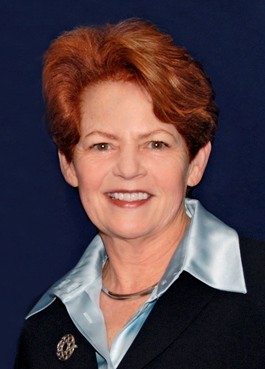
Courtesy the National Business Group on Health
Helen Darling
WASHINGTON (IMNG) – In 2013 and going forward, employers are likely to increasingly rely on direct contracting with physicians and using other means to steer patients to certain physicians in an effort to bring employee benefit costs in line, according to a new survey.
Besides direct contracting, employers say they will use additional ways to get patients to use particular providers, such as reimbursing less for higher-cost providers and encouraging use of work-site health clinics, according to the National Business Group on Health.
The nonprofit NBGH surveyed its members in June, after the employers had finalized benefit plans for 2013, but before the Supreme Court issued its decision upholding the Affordable Care Act.
The Supreme Court ruling means that employers are facing slightly less uncertainty about the future, but costs were still an overriding concern, said Helen Darling, CEO of the NBGH. "Employers are very concerned about the severe cost pressures from providing comprehensive health services and health benefits," she said.
The 82 members that responded to the survey said that they expected the cost of benefits to rise 7% next year. While that is in keeping with the past several years’ increases, it comes during a time when revenues for many are flat or decreasing.
As a result, employers are exploring a variety of ways to control costs and improve quality. Eleven percent of respondents said they were using direct contracting with surgical centers of excellence to control costs, improve quality, and ensure appropriate care. Twenty-one percent said they were considering it. Fully 11% indicated that they were currently using direct contracting with patient-centered medical homes, and 18% said they were thinking about doing so in the future.
Making employees aware of the cost of their health care is another tactic being used by employers. Seventy-nine percent said they give their workers access to an online database showing the price of various services.
Employers also have begun to use "reference pricing" for health care services. The employer sets a price for a service, and if a worker wants something that is more expensive, he or she will have to pay the difference. Reference pricing is largely used with pharmaceuticals, but 4% said they use it for lab services and the same proportion do so for imaging.
Ms. Darling said she expects reference pricing to be applied to physician services in the near future.
Overall, employers said that using consumer-directed health plans – such as high-deductible plans – and wellness initiatives were proving to be more effective than shifting costs directly to workers through higher premiums or deductibles. Even so, 60% said they would ask employees to pay a larger percentage of the premium in 2013. More than a third also said they would increase in-network deductibles, out-of-network deductibles, and out-of-pocket maximums.
Employees will be influenced in other ways, too. Some 46% of the respondents said they have on-site health clinics in at least one of their locations, providing primarily acute care, but also health improvement programs and occupational health services. More than half of those clinics also offer primary care services.
In addition, companies are increasingly offering financial incentives for participating in weight management or tobacco cessation programs, or for meeting particular health outcomes. Almost half said they offer incentives just for participating, with a median payout of $450 per worker – a 50% increase from 2012.
Courtesy the National Business Group on Health
Helen Darling
WASHINGTON (IMNG) – In 2013 and going forward, employers are likely to increasingly rely on direct contracting with physicians and using other means to steer patients to certain physicians in an effort to bring employee benefit costs in line, according to a new survey.
Besides direct contracting, employers say they will use additional ways to get patients to use particular providers, such as reimbursing less for higher-cost providers and encouraging use of work-site health clinics, according to the National Business Group on Health.
The nonprofit NBGH surveyed its members in June, after the employers had finalized benefit plans for 2013, but before the Supreme Court issued its decision upholding the Affordable Care Act.
The Supreme Court ruling means that employers are facing slightly less uncertainty about the future, but costs were still an overriding concern, said Helen Darling, CEO of the NBGH. "Employers are very concerned about the severe cost pressures from providing comprehensive health services and health benefits," she said.
The 82 members that responded to the survey said that they expected the cost of benefits to rise 7% next year. While that is in keeping with the past several years’ increases, it comes during a time when revenues for many are flat or decreasing.
As a result, employers are exploring a variety of ways to control costs and improve quality. Eleven percent of respondents said they were using direct contracting with surgical centers of excellence to control costs, improve quality, and ensure appropriate care. Twenty-one percent said they were considering it. Fully 11% indicated that they were currently using direct contracting with patient-centered medical homes, and 18% said they were thinking about doing so in the future.
Making employees aware of the cost of their health care is another tactic being used by employers. Seventy-nine percent said they give their workers access to an online database showing the price of various services.
Employers also have begun to use "reference pricing" for health care services. The employer sets a price for a service, and if a worker wants something that is more expensive, he or she will have to pay the difference. Reference pricing is largely used with pharmaceuticals, but 4% said they use it for lab services and the same proportion do so for imaging.
Ms. Darling said she expects reference pricing to be applied to physician services in the near future.
Overall, employers said that using consumer-directed health plans – such as high-deductible plans – and wellness initiatives were proving to be more effective than shifting costs directly to workers through higher premiums or deductibles. Even so, 60% said they would ask employees to pay a larger percentage of the premium in 2013. More than a third also said they would increase in-network deductibles, out-of-network deductibles, and out-of-pocket maximums.
Employees will be influenced in other ways, too. Some 46% of the respondents said they have on-site health clinics in at least one of their locations, providing primarily acute care, but also health improvement programs and occupational health services. More than half of those clinics also offer primary care services.
In addition, companies are increasingly offering financial incentives for participating in weight management or tobacco cessation programs, or for meeting particular health outcomes. Almost half said they offer incentives just for participating, with a median payout of $450 per worker – a 50% increase from 2012.
Courtesy the National Business Group on Health
Helen Darling
Stage 2 Meaningful Use Rule Delays Implementation
Doctors who want to earn Medicare and Medicaid incentives for the meaningful use of electronic health records will not have to meet so-called stage 2 requirements until 2014, under final federal regulations that were released on Aug. 23.
More than 120,000 eligible health care professionals and more than 3,300 hospitals have qualified to receive such incentive payments under stage 1 of meaningful use, which requires physicians to certify that EHRs can capture and report data, among other issues, according to the Health and Human Services department.
Under stage 2, users must show that they can exchange data with other providers and that they can give patients secure online access to their health information.
Original federal proposals required providers to meet stage 2 requirements next year. The delay was hailed by at least one group of physicians.
"MGMA is pleased that the Centers for Medicare and Medicaid Services responded to our concerns regarding several of the proposed stage 2 meaningful use requirements," said Dr. Susan Turney, president and CEO of MGMA-ACMPE, the merged entity of the Medical Group Management Association (MGMA) and the American College of Medical Practice Executives (ACMPE), in a statement."Extending the start for stage 2 until 2014 was a necessary step to permit medical groups sufficient time to implement new software," she added.
Dr. Turney also said that MGMA-ACMPE members applauded some other changes to the proposal, including "lowering the thresholds for achieving certain measures such as mandatory online access and electronic exchange of summary of care documents."
Other important provisions in the final rule exempt certain physicians from the penalties that will be assessed come 2015 on those providers who do not adopt EHRs.
Physicians or hospitals will be exempt from the 1% reduction in Medicare reimbursement if they can show that the following apply to them:
• They lack Internet access, or face barriers to obtaining health information technology infrastructure.
• They are newly practicing.
• They have to contend with unforeseen circumstances, such as natural disasters.
The rule also makes exceptions for physicians who have limited interaction with patients, who practice at multiple locations, or who have no control over the availability of EHRs at locations that make up more than half of their patient encounters.
"These exclusions will allow physicians to achieve meaningful use with fewer hurdles," said Dr. Turney.
The American Medical Association took a more cautious approach, at least in an initial statement by board chair Steven J. Stack. "In a comment letter submitted by the AMA and 100 state and specialty medical societies in May, recommendations were outlined to eliminate physician roadblocks and encourage greater physician participation," said Dr. Stack. "We will carefully review the final rule and hope to see the changes we advocated for to promote widespread adoption and meaningful use of EHRs by physicians."
The rule also further clarifies certification criteria for EHRs, and modifies the certification program to "cut red tape and make the certification process more efficient," according to an HHS statement. All EHRs that have been certified under the 2011 rules can be used until 2014.
"The changes we’re announcing today will lead to more coordination of patient care, reduced medical errors, elimination of duplicate screenings and tests and greater patient engagement in their own care," said HHS Secretary Kathleen Sebelius in the statement.
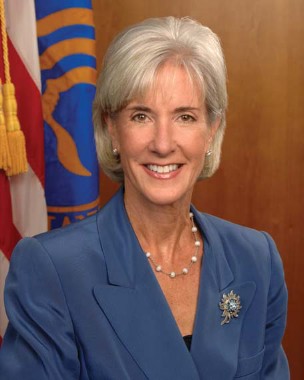
Kathleen Sebelius
Doctors who want to earn Medicare and Medicaid incentives for the meaningful use of electronic health records will not have to meet so-called stage 2 requirements until 2014, under final federal regulations that were released on Aug. 23.
More than 120,000 eligible health care professionals and more than 3,300 hospitals have qualified to receive such incentive payments under stage 1 of meaningful use, which requires physicians to certify that EHRs can capture and report data, among other issues, according to the Health and Human Services department.
Under stage 2, users must show that they can exchange data with other providers and that they can give patients secure online access to their health information.
Original federal proposals required providers to meet stage 2 requirements next year. The delay was hailed by at least one group of physicians.
"MGMA is pleased that the Centers for Medicare and Medicaid Services responded to our concerns regarding several of the proposed stage 2 meaningful use requirements," said Dr. Susan Turney, president and CEO of MGMA-ACMPE, the merged entity of the Medical Group Management Association (MGMA) and the American College of Medical Practice Executives (ACMPE), in a statement."Extending the start for stage 2 until 2014 was a necessary step to permit medical groups sufficient time to implement new software," she added.
Dr. Turney also said that MGMA-ACMPE members applauded some other changes to the proposal, including "lowering the thresholds for achieving certain measures such as mandatory online access and electronic exchange of summary of care documents."
Other important provisions in the final rule exempt certain physicians from the penalties that will be assessed come 2015 on those providers who do not adopt EHRs.
Physicians or hospitals will be exempt from the 1% reduction in Medicare reimbursement if they can show that the following apply to them:
• They lack Internet access, or face barriers to obtaining health information technology infrastructure.
• They are newly practicing.
• They have to contend with unforeseen circumstances, such as natural disasters.
The rule also makes exceptions for physicians who have limited interaction with patients, who practice at multiple locations, or who have no control over the availability of EHRs at locations that make up more than half of their patient encounters.
"These exclusions will allow physicians to achieve meaningful use with fewer hurdles," said Dr. Turney.
The American Medical Association took a more cautious approach, at least in an initial statement by board chair Steven J. Stack. "In a comment letter submitted by the AMA and 100 state and specialty medical societies in May, recommendations were outlined to eliminate physician roadblocks and encourage greater physician participation," said Dr. Stack. "We will carefully review the final rule and hope to see the changes we advocated for to promote widespread adoption and meaningful use of EHRs by physicians."
The rule also further clarifies certification criteria for EHRs, and modifies the certification program to "cut red tape and make the certification process more efficient," according to an HHS statement. All EHRs that have been certified under the 2011 rules can be used until 2014.
"The changes we’re announcing today will lead to more coordination of patient care, reduced medical errors, elimination of duplicate screenings and tests and greater patient engagement in their own care," said HHS Secretary Kathleen Sebelius in the statement.
Kathleen Sebelius
Doctors who want to earn Medicare and Medicaid incentives for the meaningful use of electronic health records will not have to meet so-called stage 2 requirements until 2014, under final federal regulations that were released on Aug. 23.
More than 120,000 eligible health care professionals and more than 3,300 hospitals have qualified to receive such incentive payments under stage 1 of meaningful use, which requires physicians to certify that EHRs can capture and report data, among other issues, according to the Health and Human Services department.
Under stage 2, users must show that they can exchange data with other providers and that they can give patients secure online access to their health information.
Original federal proposals required providers to meet stage 2 requirements next year. The delay was hailed by at least one group of physicians.
"MGMA is pleased that the Centers for Medicare and Medicaid Services responded to our concerns regarding several of the proposed stage 2 meaningful use requirements," said Dr. Susan Turney, president and CEO of MGMA-ACMPE, the merged entity of the Medical Group Management Association (MGMA) and the American College of Medical Practice Executives (ACMPE), in a statement."Extending the start for stage 2 until 2014 was a necessary step to permit medical groups sufficient time to implement new software," she added.
Dr. Turney also said that MGMA-ACMPE members applauded some other changes to the proposal, including "lowering the thresholds for achieving certain measures such as mandatory online access and electronic exchange of summary of care documents."
Other important provisions in the final rule exempt certain physicians from the penalties that will be assessed come 2015 on those providers who do not adopt EHRs.
Physicians or hospitals will be exempt from the 1% reduction in Medicare reimbursement if they can show that the following apply to them:
• They lack Internet access, or face barriers to obtaining health information technology infrastructure.
• They are newly practicing.
• They have to contend with unforeseen circumstances, such as natural disasters.
The rule also makes exceptions for physicians who have limited interaction with patients, who practice at multiple locations, or who have no control over the availability of EHRs at locations that make up more than half of their patient encounters.
"These exclusions will allow physicians to achieve meaningful use with fewer hurdles," said Dr. Turney.
The American Medical Association took a more cautious approach, at least in an initial statement by board chair Steven J. Stack. "In a comment letter submitted by the AMA and 100 state and specialty medical societies in May, recommendations were outlined to eliminate physician roadblocks and encourage greater physician participation," said Dr. Stack. "We will carefully review the final rule and hope to see the changes we advocated for to promote widespread adoption and meaningful use of EHRs by physicians."
The rule also further clarifies certification criteria for EHRs, and modifies the certification program to "cut red tape and make the certification process more efficient," according to an HHS statement. All EHRs that have been certified under the 2011 rules can be used until 2014.
"The changes we’re announcing today will lead to more coordination of patient care, reduced medical errors, elimination of duplicate screenings and tests and greater patient engagement in their own care," said HHS Secretary Kathleen Sebelius in the statement.
Kathleen Sebelius