User login
Doug Brunk is a San Diego-based award-winning reporter who began covering health care in 1991. Before joining the company, he wrote for the health sciences division of Columbia University and was an associate editor at Contemporary Long Term Care magazine when it won a Jesse H. Neal Award. His work has been syndicated by the Los Angeles Times and he is the author of two books related to the University of Kentucky Wildcats men's basketball program. Doug has a master’s degree in magazine journalism from the S.I. Newhouse School of Public Communications at Syracuse University. Follow him on Twitter @dougbrunk.
Thyroid Hormone Replacement Benefits Subset of CKD Patients
SAN DIEGO – Chronic kidney disease patients with subclinical hypothyroidism who were treated with thyroid hormone had better preserved renal function than did those who did not receive the treatment, a study has shown.
In addition, thyroid hormone replacement therapy was an independent predictor of renal outcomes in this subset of patients, Dr. Shin-Wook Kang reported at Kidney Week 2012.
"Subclinical hyperthyroidism is not a rare disorder, especially in females and in the elderly, and it is frequently observed in CKD [chronic kidney disease] patients," said Dr. Kang of the department of internal medicine at Yonsei University College of Medicine, Seoul, Korea. "In contrast to overt hypothyroidism, thyroid hormone treatment is seldom necessary in patients with subclinical hypothyroidism. Even though previous studies have demonstrated that thyroid hormone improves cardiac dysfunction and reduces total and LDL cholesterol levels in patients with subclinical hypothyroidism, the impact of thyroid hormone replacement therapy on renal function has never been studied in these patients."

In an effort to investigate whether restoration of euthyroidism is beneficial in terms of preserving renal function in CKD patients with subclinical hypothyroidism, he and his associates retrospectively studied the medical records of 309 patients with stage 2-4 CKD who were diagnosed with subclinical hypothyroidism and treated at the college of medicine during 2005-2010. They assessed demographic, clinical, and biochemical data including levels of calcium/phosphorus, albumin, total cholesterol, and triglycerides and estimated glomerular filtration rate (GFR). The researchers used a linear mixed model to compare changes in estimated GFR over time between patients who received thyroid hormone replacement therapy and those who did not.
Of the 309 patients, 180 (58%) were treated with l-thyroxine at an initial dose of 25 mcg/day (treatment group) while the remaining 42% were not (nontreatment group). Among patients in the treatment group, the dose of l-thyroxine was adjusted 5-6 weeks after the start of therapy and then every 3 months based on the patient’s serum TSH levels.
At baseline, levels of serum cholesterol and triglyceride were significantly higher in the treatment vs. the nontreatment group (180.0 vs. 161.3 mg/dL and 162.7 vs. 125.6 mg/dL, respectively).
During a mean follow-up of 34.8 months, the overall rate of decline in estimated GFR was significantly greater in the nontreatment group than in the treatment group (–5.93 vs. –2.11 mL/min per year per 1.73 mm2). Dr. Kang also reported that a linear mixed model showed a significant difference in the rates of estimated GFR over time between the two groups, while Kaplan-Meier analysis also showed that renal event-free survival was significantly higher in the treatment group.
Multivariate Cox regression analysis revealed that thyroid hormone replacement therapy was an independent predictor of renal outcome (hazard ratio, 0.28; P =.01).
"Thyroid hormone therapy not only preserved renal function better but also was an independent predictor of renal outcome in CKD patients with subclinical hypothyroidism, suggesting that thyroid hormone replacement should be considered in these patients," Dr. Kang said.
Dr. Kang said he had no relevant financial conflicts to disclose.
SAN DIEGO – Chronic kidney disease patients with subclinical hypothyroidism who were treated with thyroid hormone had better preserved renal function than did those who did not receive the treatment, a study has shown.
In addition, thyroid hormone replacement therapy was an independent predictor of renal outcomes in this subset of patients, Dr. Shin-Wook Kang reported at Kidney Week 2012.
"Subclinical hyperthyroidism is not a rare disorder, especially in females and in the elderly, and it is frequently observed in CKD [chronic kidney disease] patients," said Dr. Kang of the department of internal medicine at Yonsei University College of Medicine, Seoul, Korea. "In contrast to overt hypothyroidism, thyroid hormone treatment is seldom necessary in patients with subclinical hypothyroidism. Even though previous studies have demonstrated that thyroid hormone improves cardiac dysfunction and reduces total and LDL cholesterol levels in patients with subclinical hypothyroidism, the impact of thyroid hormone replacement therapy on renal function has never been studied in these patients."
In an effort to investigate whether restoration of euthyroidism is beneficial in terms of preserving renal function in CKD patients with subclinical hypothyroidism, he and his associates retrospectively studied the medical records of 309 patients with stage 2-4 CKD who were diagnosed with subclinical hypothyroidism and treated at the college of medicine during 2005-2010. They assessed demographic, clinical, and biochemical data including levels of calcium/phosphorus, albumin, total cholesterol, and triglycerides and estimated glomerular filtration rate (GFR). The researchers used a linear mixed model to compare changes in estimated GFR over time between patients who received thyroid hormone replacement therapy and those who did not.
Of the 309 patients, 180 (58%) were treated with l-thyroxine at an initial dose of 25 mcg/day (treatment group) while the remaining 42% were not (nontreatment group). Among patients in the treatment group, the dose of l-thyroxine was adjusted 5-6 weeks after the start of therapy and then every 3 months based on the patient’s serum TSH levels.
At baseline, levels of serum cholesterol and triglyceride were significantly higher in the treatment vs. the nontreatment group (180.0 vs. 161.3 mg/dL and 162.7 vs. 125.6 mg/dL, respectively).
During a mean follow-up of 34.8 months, the overall rate of decline in estimated GFR was significantly greater in the nontreatment group than in the treatment group (–5.93 vs. –2.11 mL/min per year per 1.73 mm2). Dr. Kang also reported that a linear mixed model showed a significant difference in the rates of estimated GFR over time between the two groups, while Kaplan-Meier analysis also showed that renal event-free survival was significantly higher in the treatment group.
Multivariate Cox regression analysis revealed that thyroid hormone replacement therapy was an independent predictor of renal outcome (hazard ratio, 0.28; P =.01).
"Thyroid hormone therapy not only preserved renal function better but also was an independent predictor of renal outcome in CKD patients with subclinical hypothyroidism, suggesting that thyroid hormone replacement should be considered in these patients," Dr. Kang said.
Dr. Kang said he had no relevant financial conflicts to disclose.
SAN DIEGO – Chronic kidney disease patients with subclinical hypothyroidism who were treated with thyroid hormone had better preserved renal function than did those who did not receive the treatment, a study has shown.
In addition, thyroid hormone replacement therapy was an independent predictor of renal outcomes in this subset of patients, Dr. Shin-Wook Kang reported at Kidney Week 2012.
"Subclinical hyperthyroidism is not a rare disorder, especially in females and in the elderly, and it is frequently observed in CKD [chronic kidney disease] patients," said Dr. Kang of the department of internal medicine at Yonsei University College of Medicine, Seoul, Korea. "In contrast to overt hypothyroidism, thyroid hormone treatment is seldom necessary in patients with subclinical hypothyroidism. Even though previous studies have demonstrated that thyroid hormone improves cardiac dysfunction and reduces total and LDL cholesterol levels in patients with subclinical hypothyroidism, the impact of thyroid hormone replacement therapy on renal function has never been studied in these patients."
In an effort to investigate whether restoration of euthyroidism is beneficial in terms of preserving renal function in CKD patients with subclinical hypothyroidism, he and his associates retrospectively studied the medical records of 309 patients with stage 2-4 CKD who were diagnosed with subclinical hypothyroidism and treated at the college of medicine during 2005-2010. They assessed demographic, clinical, and biochemical data including levels of calcium/phosphorus, albumin, total cholesterol, and triglycerides and estimated glomerular filtration rate (GFR). The researchers used a linear mixed model to compare changes in estimated GFR over time between patients who received thyroid hormone replacement therapy and those who did not.
Of the 309 patients, 180 (58%) were treated with l-thyroxine at an initial dose of 25 mcg/day (treatment group) while the remaining 42% were not (nontreatment group). Among patients in the treatment group, the dose of l-thyroxine was adjusted 5-6 weeks after the start of therapy and then every 3 months based on the patient’s serum TSH levels.
At baseline, levels of serum cholesterol and triglyceride were significantly higher in the treatment vs. the nontreatment group (180.0 vs. 161.3 mg/dL and 162.7 vs. 125.6 mg/dL, respectively).
During a mean follow-up of 34.8 months, the overall rate of decline in estimated GFR was significantly greater in the nontreatment group than in the treatment group (–5.93 vs. –2.11 mL/min per year per 1.73 mm2). Dr. Kang also reported that a linear mixed model showed a significant difference in the rates of estimated GFR over time between the two groups, while Kaplan-Meier analysis also showed that renal event-free survival was significantly higher in the treatment group.
Multivariate Cox regression analysis revealed that thyroid hormone replacement therapy was an independent predictor of renal outcome (hazard ratio, 0.28; P =.01).
"Thyroid hormone therapy not only preserved renal function better but also was an independent predictor of renal outcome in CKD patients with subclinical hypothyroidism, suggesting that thyroid hormone replacement should be considered in these patients," Dr. Kang said.
Dr. Kang said he had no relevant financial conflicts to disclose.
AT KIDNEY WEEK 2012
Major Finding: During a mean follow-up of 34.8 months, the overall rate of decline in estimated GFR was significantly greater among chronic kidney disease patients who did not receive thyroid hormone replacement than in those who did (–5.93 vs. –2.11 mL/min per year per 1.73 mm2).
Data Source: Data are from a single-center Korean study of 309 patients with stage 2-4 chronic kidney disease who were diagnosed with subclinical hypothyroidism and treated during 2005-2010.
Disclosures: Dr. Kang said he had no relevant financial conflicts to disclose.

Study Spotlights Disparities in Specialized Epilepsy Care
SAN DIEGO – People with epilepsy who lacked health insurance were less likely to receive specialized epilepsy care in the form of video EEG monitoring and surgery, as were those on Medicaid or who were elderly, black, Hispanic, or had comorbidities, a study of nearly 200,000 adults in California demonstrated.
"Specialized epilepsy care can provide proper diagnosis and therapeutic interventions to control seizures and improve quality of life," Nicholas K. Schiltz said in an interview in advance of the annual meeting of the American Epilepsy Society, where the work was presented. "Previous studies have found evidence of disparities in access to epilepsy specialists among persons with low socioeconomic status and among racial and ethnic minorities. Other studies have found patients with Medicaid have difficulty accessing specialty care. This is the first report that explores the impact of both individual and community characteristics on disparities in access to specialized epilepsy care in persons with epilepsy."

For the study, Mr. Schiltz, a PhD candidate in the department of epidemiology and biostatistics at Case Western Reserve University, Cleveland, and his associates performed a cross-sectional analysis using data between 2005 and 2009 from the California State Inpatient Sample, the State Ambulatory Surgery Database, and the State Emergency Department Database, which provided information on all hospital discharges, ambulatory surgeries, and emergency department visits. The researchers linked these datasets to a 2009 Area Resource File, which provided health resource information and socioeconomic characteristics at the county level, and used a two-level hierarchical logistic regression model to determine the probability that an individual would receive video EEG monitoring or surgery. Individual-level predictors included insurance status, age, race/ethnicity, gender, and comorbidities, while county level predictors included proximity to a comprehensive epilepsy center and social and economic characteristics.
Of the 195,166 adults with epilepsy who were included in the study, 4,707 had video EEG monitoring and 779 underwent surgery during the study period. Mr. Schiltz reported that uninsured individuals were less likely to have video EEG monitoring (adjusted odds ratio [AOR] 0.16) or surgery (AOR 0.05). Similarly, those on Medicaid had significantly lower odds of receiving video EEG monitoring (AOR 0.65) and surgery (AOR 0.38), compared with individuals who had private insurance.
Other individual characteristics significantly associated with a low likelihood of having video EEG monitoring including being black (AOR 0.56), Hispanic (AOR 0.81), older (AOR 0.51), and having comorbid conditions (AOR 0.62).
Other individual characteristics associated with a low likelihood of having surgery including being black (AOR 0.22), older (AOR 0.44), and having comorbid conditions (AOR 0.47).
The researchers also found that adults who routinely received their services in an area where epilepsy centers are located were more likely to undergo video EEG monitoring (AOR 1.61) and surgery (AOR 2.64) than were those who had a regular source of care elsewhere.
This effect size "was surprising to us as it shows that receiving care in the area proximate to an epilepsy center is as important a factor as individual factors in determining access to specialty care," Mr. Schiltz said. "It is possible that neurologists or physicians who are in the area close to epilepsy centers are more aware and therefore refer patients to the epilepsy centers. We were also surprised that other community-level characteristics such as the poverty and employment rate were not significant predictors of access, as studies in other areas of clinical and health services research have found this to be the case."
The study’s overall findings, he added, make continued emphasis on highlighting awareness of epilepsy management among general neurologists and primary care physicians "as important as ever, as they serve as the main gatekeepers for patients to access specialized epilepsy care."
Mr. Schiltz acknowledged certain limitations of the study, including the fact that it relied on hospital billing records, which "do not contain detailed clinical information," he said. "In addition, we only identify specialized epilepsy centers based on the data from the National Association of Epilepsy Centers (NAEC). Some of the hospitals that provide specialized epilepsy care might not be a member of the NAEC. We looked at geographic factors at the county level, which may be somewhat crude in a state like California with diverse populations within counties."
Support for the study was provided by the Epilepsy Foundation, a training grant from the Agency for Healthcare Research and Quality, and a grant from the National Center for Research Resources. Mr. Schiltz received support for travel to the meeting from his receipt of an American Epilepsy Society Young Investigator Award.
Mr. Schiltz said that he had no relevant financial conflicts to disclose.
SAN DIEGO – People with epilepsy who lacked health insurance were less likely to receive specialized epilepsy care in the form of video EEG monitoring and surgery, as were those on Medicaid or who were elderly, black, Hispanic, or had comorbidities, a study of nearly 200,000 adults in California demonstrated.
"Specialized epilepsy care can provide proper diagnosis and therapeutic interventions to control seizures and improve quality of life," Nicholas K. Schiltz said in an interview in advance of the annual meeting of the American Epilepsy Society, where the work was presented. "Previous studies have found evidence of disparities in access to epilepsy specialists among persons with low socioeconomic status and among racial and ethnic minorities. Other studies have found patients with Medicaid have difficulty accessing specialty care. This is the first report that explores the impact of both individual and community characteristics on disparities in access to specialized epilepsy care in persons with epilepsy."
For the study, Mr. Schiltz, a PhD candidate in the department of epidemiology and biostatistics at Case Western Reserve University, Cleveland, and his associates performed a cross-sectional analysis using data between 2005 and 2009 from the California State Inpatient Sample, the State Ambulatory Surgery Database, and the State Emergency Department Database, which provided information on all hospital discharges, ambulatory surgeries, and emergency department visits. The researchers linked these datasets to a 2009 Area Resource File, which provided health resource information and socioeconomic characteristics at the county level, and used a two-level hierarchical logistic regression model to determine the probability that an individual would receive video EEG monitoring or surgery. Individual-level predictors included insurance status, age, race/ethnicity, gender, and comorbidities, while county level predictors included proximity to a comprehensive epilepsy center and social and economic characteristics.
Of the 195,166 adults with epilepsy who were included in the study, 4,707 had video EEG monitoring and 779 underwent surgery during the study period. Mr. Schiltz reported that uninsured individuals were less likely to have video EEG monitoring (adjusted odds ratio [AOR] 0.16) or surgery (AOR 0.05). Similarly, those on Medicaid had significantly lower odds of receiving video EEG monitoring (AOR 0.65) and surgery (AOR 0.38), compared with individuals who had private insurance.
Other individual characteristics significantly associated with a low likelihood of having video EEG monitoring including being black (AOR 0.56), Hispanic (AOR 0.81), older (AOR 0.51), and having comorbid conditions (AOR 0.62).
Other individual characteristics associated with a low likelihood of having surgery including being black (AOR 0.22), older (AOR 0.44), and having comorbid conditions (AOR 0.47).
The researchers also found that adults who routinely received their services in an area where epilepsy centers are located were more likely to undergo video EEG monitoring (AOR 1.61) and surgery (AOR 2.64) than were those who had a regular source of care elsewhere.
This effect size "was surprising to us as it shows that receiving care in the area proximate to an epilepsy center is as important a factor as individual factors in determining access to specialty care," Mr. Schiltz said. "It is possible that neurologists or physicians who are in the area close to epilepsy centers are more aware and therefore refer patients to the epilepsy centers. We were also surprised that other community-level characteristics such as the poverty and employment rate were not significant predictors of access, as studies in other areas of clinical and health services research have found this to be the case."
The study’s overall findings, he added, make continued emphasis on highlighting awareness of epilepsy management among general neurologists and primary care physicians "as important as ever, as they serve as the main gatekeepers for patients to access specialized epilepsy care."
Mr. Schiltz acknowledged certain limitations of the study, including the fact that it relied on hospital billing records, which "do not contain detailed clinical information," he said. "In addition, we only identify specialized epilepsy centers based on the data from the National Association of Epilepsy Centers (NAEC). Some of the hospitals that provide specialized epilepsy care might not be a member of the NAEC. We looked at geographic factors at the county level, which may be somewhat crude in a state like California with diverse populations within counties."
Support for the study was provided by the Epilepsy Foundation, a training grant from the Agency for Healthcare Research and Quality, and a grant from the National Center for Research Resources. Mr. Schiltz received support for travel to the meeting from his receipt of an American Epilepsy Society Young Investigator Award.
Mr. Schiltz said that he had no relevant financial conflicts to disclose.
SAN DIEGO – People with epilepsy who lacked health insurance were less likely to receive specialized epilepsy care in the form of video EEG monitoring and surgery, as were those on Medicaid or who were elderly, black, Hispanic, or had comorbidities, a study of nearly 200,000 adults in California demonstrated.
"Specialized epilepsy care can provide proper diagnosis and therapeutic interventions to control seizures and improve quality of life," Nicholas K. Schiltz said in an interview in advance of the annual meeting of the American Epilepsy Society, where the work was presented. "Previous studies have found evidence of disparities in access to epilepsy specialists among persons with low socioeconomic status and among racial and ethnic minorities. Other studies have found patients with Medicaid have difficulty accessing specialty care. This is the first report that explores the impact of both individual and community characteristics on disparities in access to specialized epilepsy care in persons with epilepsy."
For the study, Mr. Schiltz, a PhD candidate in the department of epidemiology and biostatistics at Case Western Reserve University, Cleveland, and his associates performed a cross-sectional analysis using data between 2005 and 2009 from the California State Inpatient Sample, the State Ambulatory Surgery Database, and the State Emergency Department Database, which provided information on all hospital discharges, ambulatory surgeries, and emergency department visits. The researchers linked these datasets to a 2009 Area Resource File, which provided health resource information and socioeconomic characteristics at the county level, and used a two-level hierarchical logistic regression model to determine the probability that an individual would receive video EEG monitoring or surgery. Individual-level predictors included insurance status, age, race/ethnicity, gender, and comorbidities, while county level predictors included proximity to a comprehensive epilepsy center and social and economic characteristics.
Of the 195,166 adults with epilepsy who were included in the study, 4,707 had video EEG monitoring and 779 underwent surgery during the study period. Mr. Schiltz reported that uninsured individuals were less likely to have video EEG monitoring (adjusted odds ratio [AOR] 0.16) or surgery (AOR 0.05). Similarly, those on Medicaid had significantly lower odds of receiving video EEG monitoring (AOR 0.65) and surgery (AOR 0.38), compared with individuals who had private insurance.
Other individual characteristics significantly associated with a low likelihood of having video EEG monitoring including being black (AOR 0.56), Hispanic (AOR 0.81), older (AOR 0.51), and having comorbid conditions (AOR 0.62).
Other individual characteristics associated with a low likelihood of having surgery including being black (AOR 0.22), older (AOR 0.44), and having comorbid conditions (AOR 0.47).
The researchers also found that adults who routinely received their services in an area where epilepsy centers are located were more likely to undergo video EEG monitoring (AOR 1.61) and surgery (AOR 2.64) than were those who had a regular source of care elsewhere.
This effect size "was surprising to us as it shows that receiving care in the area proximate to an epilepsy center is as important a factor as individual factors in determining access to specialty care," Mr. Schiltz said. "It is possible that neurologists or physicians who are in the area close to epilepsy centers are more aware and therefore refer patients to the epilepsy centers. We were also surprised that other community-level characteristics such as the poverty and employment rate were not significant predictors of access, as studies in other areas of clinical and health services research have found this to be the case."
The study’s overall findings, he added, make continued emphasis on highlighting awareness of epilepsy management among general neurologists and primary care physicians "as important as ever, as they serve as the main gatekeepers for patients to access specialized epilepsy care."
Mr. Schiltz acknowledged certain limitations of the study, including the fact that it relied on hospital billing records, which "do not contain detailed clinical information," he said. "In addition, we only identify specialized epilepsy centers based on the data from the National Association of Epilepsy Centers (NAEC). Some of the hospitals that provide specialized epilepsy care might not be a member of the NAEC. We looked at geographic factors at the county level, which may be somewhat crude in a state like California with diverse populations within counties."
Support for the study was provided by the Epilepsy Foundation, a training grant from the Agency for Healthcare Research and Quality, and a grant from the National Center for Research Resources. Mr. Schiltz received support for travel to the meeting from his receipt of an American Epilepsy Society Young Investigator Award.
Mr. Schiltz said that he had no relevant financial conflicts to disclose.
AT THE ANNUAL MEETING OF THE AMERICAN EPILEPSY SOCIETY
Major Finding: Adults with epilepsy who routinely received their services in an area where epilepsy centers are located were more likely to undergo video EEG monitoring (adjusted odds ratio [AOR] 1.61) or surgery (AOR 2.64) than were those who had a regular source of care elsewhere.
Data Source: This was a cross-sectional analysis study of 195,166 California adults with epilepsy conducted between 2005 and 2009.
Disclosures: Support for the study was provided by the Epilepsy Foundation, a training grant from the Agency for Healthcare Research and Quality, and a grant from the National Center for Research Resources. Mr. Schiltz received support for travel to the meeting from his receipt of an American Epilepsy Society Young Investigator Award.

Mortality Rates Stable After Bundled Dialysis Payments
SAN DIEGO – Since the January 2011 move to bundled Medicare payments for outpatient dialysis services, mortality and hospitalizations appear to be stable among chronic kidney disease patients – but there have been dramatic trends toward lower hemoglobin levels and less use of intravenous epoetin, along with a rise in transfusions.
The findings come from the latest review of data contained in the Dialysis Outcomes and Practice Patterns Study (DOPPS) Practice Monitor, an ongoing effort to provide up-to-date trends in clinical care for dialysis patients.

During a special session at Kidney Week 2012, Dr. Bruce M. Robinson, a nephrologist and vice president for clinical research at Arbor Research Collaborative for Health in Ann Arbor, Mich., presented findings from a stratified random sample of more than 5,000 hemodialysis patients who were treated at about 140 dialysis facilities in the United States between August 2010 and April 2012.
Over that time period, the dialysis landscape changed dramatically, Dr. Robinson said.
Not only did Medicare launch its Prospective Payment System (PPS), but the Food and Drug Administration also modified dosing recommendations for erythropoietin-stimulating agents (such as epoetin) in patients with chronic kidney disease. In addition, new anemia guidelines debuted from Kidney Disease: Improving Global Outcomes (KDIGO), a global organization managed by the National Kidney Foundation. Finally, "a lot of folks are focused on what’s going to happen with the expected introduction of oral renal medications in the bundle in January 2014," said Dr. Robinson.
Since the introduction of the PPS, there has been no clear trend in mortality or hospitalizations, based on DOPPS data corroborated by Medicare claims data. Mortality ranged between 1.5% and 2% per month, or "close to 20% per year," said Dr. Robinson. "There certainly remains substantial room for improvement."
Hospitalizations stand at around 15%, "which has been flat over the study period," he said. "This translates into about two hospitalizations per patient per year."
He went on to report four key trends related to anemia management in the DOPPS data:
• First, median hemoglobin levels declined by 0.62 g/dL over the study period. "We have about 16% of patients overall with a hemoglobin level of less than 10 g/dL, and about 4% with hemoglobin less than 9 g/dL," Dr. Robinson said.
• Second, median weekly IV epoetin doses declined by 31%. "The ceiling dose has dropped more substantially," he said. "The 90th percentile dose declined by 42%, while the 10th percentile dose declined by 21% and is now under 3,000 units per week."
• The third trend related to anemia management was observed in the rising proportion of patients who received IV iron, growing from 58% per month in August 2010 to 73% per month in April 2012.
"Clearly, there is movement toward more patients getting IV iron on a regular basis," Dr. Robinson said. "When we surveyed dialysis facility medical directors, about 75% of them told us that they’re using maintenance IV iron dosing on a weekly or biweekly basis."
• The fourth trend related to anemia management was that median serum ferritin levels have increased by 28%. In fact, 39% of hemodialysis patients have ferritin levels at or above 800 ng/mL, and 10% of patients are at or above 1,200 ng/mL.
Dr. Robinson also reported that there has been an apparent rise in the percentage of patients receiving red blood cell transfusions, presenting Medicare claims data that indicated a 0.6% increase per month between November 2010 and November 2011.
"Making some assumptions, that translates to roughly 1 in 20 to 1 in 40 patients per year, so perhaps one additional patient per dialysis shift each year," he said.
In his opinion, this unwelcome trend may be preventable. In the DOPPS data, 12% of facilities reported at least 10% of their patients had hemoglobin levels less than 9 g/dL. DOPPS survey data indicate that 15% of facilities use a lower target for hemoglobin of 9 g/dL. It’s this practice that likely raises transfusion risk.
In what Dr. Robinson characterized as a surprising finding, serum albumin levels rose during the study period, from a mean of 3.8 g/dL to a mean of 4.0 g/dL. "That’s good news," he said. "The question is, why? It may be that this is due to greater use of oral nutritional supplements; but this topic needs further investigation."
The next update of the DOPPS Practice Monitor is scheduled for December 2012.
Kidney Week 2012 was sponsored by the American Society of Nephrology. DOPPS is supported by scientific research grants from Abbott Laboratories, Amgen, Baxter Healthcare, Fresenius Medical Care, Kyowa Hakko Kirin, Sanofi Renal, and Vifor Fresenius Medical Care Renal Pharma without restrictions on publications. Dr. Robinson said that he had no other relevant financial conflicts to disclose.
SAN DIEGO – Since the January 2011 move to bundled Medicare payments for outpatient dialysis services, mortality and hospitalizations appear to be stable among chronic kidney disease patients – but there have been dramatic trends toward lower hemoglobin levels and less use of intravenous epoetin, along with a rise in transfusions.
The findings come from the latest review of data contained in the Dialysis Outcomes and Practice Patterns Study (DOPPS) Practice Monitor, an ongoing effort to provide up-to-date trends in clinical care for dialysis patients.
During a special session at Kidney Week 2012, Dr. Bruce M. Robinson, a nephrologist and vice president for clinical research at Arbor Research Collaborative for Health in Ann Arbor, Mich., presented findings from a stratified random sample of more than 5,000 hemodialysis patients who were treated at about 140 dialysis facilities in the United States between August 2010 and April 2012.
Over that time period, the dialysis landscape changed dramatically, Dr. Robinson said.
Not only did Medicare launch its Prospective Payment System (PPS), but the Food and Drug Administration also modified dosing recommendations for erythropoietin-stimulating agents (such as epoetin) in patients with chronic kidney disease. In addition, new anemia guidelines debuted from Kidney Disease: Improving Global Outcomes (KDIGO), a global organization managed by the National Kidney Foundation. Finally, "a lot of folks are focused on what’s going to happen with the expected introduction of oral renal medications in the bundle in January 2014," said Dr. Robinson.
Since the introduction of the PPS, there has been no clear trend in mortality or hospitalizations, based on DOPPS data corroborated by Medicare claims data. Mortality ranged between 1.5% and 2% per month, or "close to 20% per year," said Dr. Robinson. "There certainly remains substantial room for improvement."
Hospitalizations stand at around 15%, "which has been flat over the study period," he said. "This translates into about two hospitalizations per patient per year."
He went on to report four key trends related to anemia management in the DOPPS data:
• First, median hemoglobin levels declined by 0.62 g/dL over the study period. "We have about 16% of patients overall with a hemoglobin level of less than 10 g/dL, and about 4% with hemoglobin less than 9 g/dL," Dr. Robinson said.
• Second, median weekly IV epoetin doses declined by 31%. "The ceiling dose has dropped more substantially," he said. "The 90th percentile dose declined by 42%, while the 10th percentile dose declined by 21% and is now under 3,000 units per week."
• The third trend related to anemia management was observed in the rising proportion of patients who received IV iron, growing from 58% per month in August 2010 to 73% per month in April 2012.
"Clearly, there is movement toward more patients getting IV iron on a regular basis," Dr. Robinson said. "When we surveyed dialysis facility medical directors, about 75% of them told us that they’re using maintenance IV iron dosing on a weekly or biweekly basis."
• The fourth trend related to anemia management was that median serum ferritin levels have increased by 28%. In fact, 39% of hemodialysis patients have ferritin levels at or above 800 ng/mL, and 10% of patients are at or above 1,200 ng/mL.
Dr. Robinson also reported that there has been an apparent rise in the percentage of patients receiving red blood cell transfusions, presenting Medicare claims data that indicated a 0.6% increase per month between November 2010 and November 2011.
"Making some assumptions, that translates to roughly 1 in 20 to 1 in 40 patients per year, so perhaps one additional patient per dialysis shift each year," he said.
In his opinion, this unwelcome trend may be preventable. In the DOPPS data, 12% of facilities reported at least 10% of their patients had hemoglobin levels less than 9 g/dL. DOPPS survey data indicate that 15% of facilities use a lower target for hemoglobin of 9 g/dL. It’s this practice that likely raises transfusion risk.
In what Dr. Robinson characterized as a surprising finding, serum albumin levels rose during the study period, from a mean of 3.8 g/dL to a mean of 4.0 g/dL. "That’s good news," he said. "The question is, why? It may be that this is due to greater use of oral nutritional supplements; but this topic needs further investigation."
The next update of the DOPPS Practice Monitor is scheduled for December 2012.
Kidney Week 2012 was sponsored by the American Society of Nephrology. DOPPS is supported by scientific research grants from Abbott Laboratories, Amgen, Baxter Healthcare, Fresenius Medical Care, Kyowa Hakko Kirin, Sanofi Renal, and Vifor Fresenius Medical Care Renal Pharma without restrictions on publications. Dr. Robinson said that he had no other relevant financial conflicts to disclose.
SAN DIEGO – Since the January 2011 move to bundled Medicare payments for outpatient dialysis services, mortality and hospitalizations appear to be stable among chronic kidney disease patients – but there have been dramatic trends toward lower hemoglobin levels and less use of intravenous epoetin, along with a rise in transfusions.
The findings come from the latest review of data contained in the Dialysis Outcomes and Practice Patterns Study (DOPPS) Practice Monitor, an ongoing effort to provide up-to-date trends in clinical care for dialysis patients.
During a special session at Kidney Week 2012, Dr. Bruce M. Robinson, a nephrologist and vice president for clinical research at Arbor Research Collaborative for Health in Ann Arbor, Mich., presented findings from a stratified random sample of more than 5,000 hemodialysis patients who were treated at about 140 dialysis facilities in the United States between August 2010 and April 2012.
Over that time period, the dialysis landscape changed dramatically, Dr. Robinson said.
Not only did Medicare launch its Prospective Payment System (PPS), but the Food and Drug Administration also modified dosing recommendations for erythropoietin-stimulating agents (such as epoetin) in patients with chronic kidney disease. In addition, new anemia guidelines debuted from Kidney Disease: Improving Global Outcomes (KDIGO), a global organization managed by the National Kidney Foundation. Finally, "a lot of folks are focused on what’s going to happen with the expected introduction of oral renal medications in the bundle in January 2014," said Dr. Robinson.
Since the introduction of the PPS, there has been no clear trend in mortality or hospitalizations, based on DOPPS data corroborated by Medicare claims data. Mortality ranged between 1.5% and 2% per month, or "close to 20% per year," said Dr. Robinson. "There certainly remains substantial room for improvement."
Hospitalizations stand at around 15%, "which has been flat over the study period," he said. "This translates into about two hospitalizations per patient per year."
He went on to report four key trends related to anemia management in the DOPPS data:
• First, median hemoglobin levels declined by 0.62 g/dL over the study period. "We have about 16% of patients overall with a hemoglobin level of less than 10 g/dL, and about 4% with hemoglobin less than 9 g/dL," Dr. Robinson said.
• Second, median weekly IV epoetin doses declined by 31%. "The ceiling dose has dropped more substantially," he said. "The 90th percentile dose declined by 42%, while the 10th percentile dose declined by 21% and is now under 3,000 units per week."
• The third trend related to anemia management was observed in the rising proportion of patients who received IV iron, growing from 58% per month in August 2010 to 73% per month in April 2012.
"Clearly, there is movement toward more patients getting IV iron on a regular basis," Dr. Robinson said. "When we surveyed dialysis facility medical directors, about 75% of them told us that they’re using maintenance IV iron dosing on a weekly or biweekly basis."
• The fourth trend related to anemia management was that median serum ferritin levels have increased by 28%. In fact, 39% of hemodialysis patients have ferritin levels at or above 800 ng/mL, and 10% of patients are at or above 1,200 ng/mL.
Dr. Robinson also reported that there has been an apparent rise in the percentage of patients receiving red blood cell transfusions, presenting Medicare claims data that indicated a 0.6% increase per month between November 2010 and November 2011.
"Making some assumptions, that translates to roughly 1 in 20 to 1 in 40 patients per year, so perhaps one additional patient per dialysis shift each year," he said.
In his opinion, this unwelcome trend may be preventable. In the DOPPS data, 12% of facilities reported at least 10% of their patients had hemoglobin levels less than 9 g/dL. DOPPS survey data indicate that 15% of facilities use a lower target for hemoglobin of 9 g/dL. It’s this practice that likely raises transfusion risk.
In what Dr. Robinson characterized as a surprising finding, serum albumin levels rose during the study period, from a mean of 3.8 g/dL to a mean of 4.0 g/dL. "That’s good news," he said. "The question is, why? It may be that this is due to greater use of oral nutritional supplements; but this topic needs further investigation."
The next update of the DOPPS Practice Monitor is scheduled for December 2012.
Kidney Week 2012 was sponsored by the American Society of Nephrology. DOPPS is supported by scientific research grants from Abbott Laboratories, Amgen, Baxter Healthcare, Fresenius Medical Care, Kyowa Hakko Kirin, Sanofi Renal, and Vifor Fresenius Medical Care Renal Pharma without restrictions on publications. Dr. Robinson said that he had no other relevant financial conflicts to disclose.
AT KIDNEY WEEK 2012
Major Finding: The mortality of dialysis patients ranged from 1.5% to 2% per month, or close to 20% per year, while about 15% of dialysis patients were hospitalized.
Data Source: The data are from a stratified random sample of more than 5,000 hemodialysis patients in the United States who were treated at about 140 dialysis facilities between August 2010 and April 2012, corroborated by Medicare claims data.
Disclosures: DOPPS is supported by scientific research grants from Abbott Laboratories, Amgen, Baxter Healthcare, Fresenius Medical Care, Kyowa Hakko Kirin, Sanofi Renal, and Vifor Fresenius Medical Care Renal Pharma without restrictions on publications. Dr. Robinson said that he had no other relevant financial conflicts to disclose.

There's No Place for 'Dabbling' in Mohs Surgery
SAN DIEGO – If you’re thinking about adding Mohs surgery to your dermatology practice, Dr. Edward Yob recommended that you consider the following question: "Am I willing to commit the time and resources necessary to developing a Mohs practice and do it right?"
Ultimately, your decision "will be based on your experience, how efficient you are, and how interested you are in Mohs surgery," he said at the meeting sponsored by the American Society for Mohs Surgery. "There’s no dabbling in Mohs; you either do it, or you don’t."
He offered the following tips on incorporating Mohs surgery into your existing practice:
• Start small. Allow extra time, be careful in your patient selection, and avoid distractions. "You don’t want to do your first few Mohs cases when you have a very busy general dermatology clinic," advised Dr. Yob, who practices dermatology and Mohs surgery in Tulsa, Okla. "Attention to detail is the key to Mohs surgery."
• Consider the impact on your practice environment. Do you plan to generate Mohs patients from your practice, or will the cases be generated from other referring physicians? What’s your population base, what are the community practice patterns, and what’s the competition like? "Do you have a Mohs surgeon on every other block?" Dr. Yob asked. "And what’s your surgical experience and that of your team? Are you in an area where managed care is going to reimburse you?"
• Be mindful of referral sources. In 1990, when Dr. Yob moved to Oklahoma from Washington, D.C., where he served as an Air Force dermatologist, "there was not a Mohs surgeon on the Eastern side of the state," he recalled. "Primary care physicians are an enormous referral source, especially those who do simple excisions. If they know you’re there to take care of those patients, you’ll build a bond and you’ll have a steady stream of patients to care for."
Dr. Yob emphasized the importance of keeping referring physicians in the loop about the patients they send you. "If another dermatologist sends me a patient and that patient says, ‘While I’m here, do you think you could check out this spot?’ I’ll check with the referring physician first," he explained. "Some of them will say, ‘Take care of whatever the patient needs while they’re there,’ while others will say, ‘Send them back and let me do the biopsy,’ or whatever the case may be. You have to respect that. Ultimately good communication is the key."
Other potential referral sources include colleagues who specialize in the ear, nose, and throat; plastic surgery; general surgery; and ophthalmology. You can also spread the word about your practice by offering to give Mohs-specific lectures to hospital staff or to meetings of church groups or civic groups. In those cases, "emphasize the advantage of Mohs in terms of its high cure rate, the fact that it spares tissue, and the fact that it involves an immediate repair," he said.
• What will your backup support be? If a case becomes troublesome beyond your scope of expertise, can you send the patient to the hospital right away and know that he or she will be taken care of? "What about specialty backup in the form of other Mohs surgeons, or experts in pathology, ENT, plastics, radiation oncology, general surgery, neurosurgery, and urology?" he asked. "You need to be able to take advice from your backups."
• Will you use an in-house tech or a contracted tech? "If you’re only doing Mohs on a limited basis, a contracted tech works pretty well," Dr. Yob said. "How experienced is your tech? How fast are they? Are they eager to learn?"
• Be conservative with patient scheduling. Scheduling patients depends on your volume, how many rooms you have dedicated to Mohs, your surgical experience, and the experience of your team. "If you think one Mohs case will take an hour, schedule the time for 2 hours," Dr. Yob recommended. He takes a complexity-based approach to scheduling in which "1" is a minimally complex case, "2" is a moderately complex case, and "3" is a highly complex case "that is going to take you some time and is going to be tough."
Dr. Yob said that he had no relevant financial conflicts to disclose.
SAN DIEGO – If you’re thinking about adding Mohs surgery to your dermatology practice, Dr. Edward Yob recommended that you consider the following question: "Am I willing to commit the time and resources necessary to developing a Mohs practice and do it right?"
Ultimately, your decision "will be based on your experience, how efficient you are, and how interested you are in Mohs surgery," he said at the meeting sponsored by the American Society for Mohs Surgery. "There’s no dabbling in Mohs; you either do it, or you don’t."
He offered the following tips on incorporating Mohs surgery into your existing practice:
• Start small. Allow extra time, be careful in your patient selection, and avoid distractions. "You don’t want to do your first few Mohs cases when you have a very busy general dermatology clinic," advised Dr. Yob, who practices dermatology and Mohs surgery in Tulsa, Okla. "Attention to detail is the key to Mohs surgery."
• Consider the impact on your practice environment. Do you plan to generate Mohs patients from your practice, or will the cases be generated from other referring physicians? What’s your population base, what are the community practice patterns, and what’s the competition like? "Do you have a Mohs surgeon on every other block?" Dr. Yob asked. "And what’s your surgical experience and that of your team? Are you in an area where managed care is going to reimburse you?"
• Be mindful of referral sources. In 1990, when Dr. Yob moved to Oklahoma from Washington, D.C., where he served as an Air Force dermatologist, "there was not a Mohs surgeon on the Eastern side of the state," he recalled. "Primary care physicians are an enormous referral source, especially those who do simple excisions. If they know you’re there to take care of those patients, you’ll build a bond and you’ll have a steady stream of patients to care for."
Dr. Yob emphasized the importance of keeping referring physicians in the loop about the patients they send you. "If another dermatologist sends me a patient and that patient says, ‘While I’m here, do you think you could check out this spot?’ I’ll check with the referring physician first," he explained. "Some of them will say, ‘Take care of whatever the patient needs while they’re there,’ while others will say, ‘Send them back and let me do the biopsy,’ or whatever the case may be. You have to respect that. Ultimately good communication is the key."
Other potential referral sources include colleagues who specialize in the ear, nose, and throat; plastic surgery; general surgery; and ophthalmology. You can also spread the word about your practice by offering to give Mohs-specific lectures to hospital staff or to meetings of church groups or civic groups. In those cases, "emphasize the advantage of Mohs in terms of its high cure rate, the fact that it spares tissue, and the fact that it involves an immediate repair," he said.
• What will your backup support be? If a case becomes troublesome beyond your scope of expertise, can you send the patient to the hospital right away and know that he or she will be taken care of? "What about specialty backup in the form of other Mohs surgeons, or experts in pathology, ENT, plastics, radiation oncology, general surgery, neurosurgery, and urology?" he asked. "You need to be able to take advice from your backups."
• Will you use an in-house tech or a contracted tech? "If you’re only doing Mohs on a limited basis, a contracted tech works pretty well," Dr. Yob said. "How experienced is your tech? How fast are they? Are they eager to learn?"
• Be conservative with patient scheduling. Scheduling patients depends on your volume, how many rooms you have dedicated to Mohs, your surgical experience, and the experience of your team. "If you think one Mohs case will take an hour, schedule the time for 2 hours," Dr. Yob recommended. He takes a complexity-based approach to scheduling in which "1" is a minimally complex case, "2" is a moderately complex case, and "3" is a highly complex case "that is going to take you some time and is going to be tough."
Dr. Yob said that he had no relevant financial conflicts to disclose.
SAN DIEGO – If you’re thinking about adding Mohs surgery to your dermatology practice, Dr. Edward Yob recommended that you consider the following question: "Am I willing to commit the time and resources necessary to developing a Mohs practice and do it right?"
Ultimately, your decision "will be based on your experience, how efficient you are, and how interested you are in Mohs surgery," he said at the meeting sponsored by the American Society for Mohs Surgery. "There’s no dabbling in Mohs; you either do it, or you don’t."
He offered the following tips on incorporating Mohs surgery into your existing practice:
• Start small. Allow extra time, be careful in your patient selection, and avoid distractions. "You don’t want to do your first few Mohs cases when you have a very busy general dermatology clinic," advised Dr. Yob, who practices dermatology and Mohs surgery in Tulsa, Okla. "Attention to detail is the key to Mohs surgery."
• Consider the impact on your practice environment. Do you plan to generate Mohs patients from your practice, or will the cases be generated from other referring physicians? What’s your population base, what are the community practice patterns, and what’s the competition like? "Do you have a Mohs surgeon on every other block?" Dr. Yob asked. "And what’s your surgical experience and that of your team? Are you in an area where managed care is going to reimburse you?"
• Be mindful of referral sources. In 1990, when Dr. Yob moved to Oklahoma from Washington, D.C., where he served as an Air Force dermatologist, "there was not a Mohs surgeon on the Eastern side of the state," he recalled. "Primary care physicians are an enormous referral source, especially those who do simple excisions. If they know you’re there to take care of those patients, you’ll build a bond and you’ll have a steady stream of patients to care for."
Dr. Yob emphasized the importance of keeping referring physicians in the loop about the patients they send you. "If another dermatologist sends me a patient and that patient says, ‘While I’m here, do you think you could check out this spot?’ I’ll check with the referring physician first," he explained. "Some of them will say, ‘Take care of whatever the patient needs while they’re there,’ while others will say, ‘Send them back and let me do the biopsy,’ or whatever the case may be. You have to respect that. Ultimately good communication is the key."
Other potential referral sources include colleagues who specialize in the ear, nose, and throat; plastic surgery; general surgery; and ophthalmology. You can also spread the word about your practice by offering to give Mohs-specific lectures to hospital staff or to meetings of church groups or civic groups. In those cases, "emphasize the advantage of Mohs in terms of its high cure rate, the fact that it spares tissue, and the fact that it involves an immediate repair," he said.
• What will your backup support be? If a case becomes troublesome beyond your scope of expertise, can you send the patient to the hospital right away and know that he or she will be taken care of? "What about specialty backup in the form of other Mohs surgeons, or experts in pathology, ENT, plastics, radiation oncology, general surgery, neurosurgery, and urology?" he asked. "You need to be able to take advice from your backups."
• Will you use an in-house tech or a contracted tech? "If you’re only doing Mohs on a limited basis, a contracted tech works pretty well," Dr. Yob said. "How experienced is your tech? How fast are they? Are they eager to learn?"
• Be conservative with patient scheduling. Scheduling patients depends on your volume, how many rooms you have dedicated to Mohs, your surgical experience, and the experience of your team. "If you think one Mohs case will take an hour, schedule the time for 2 hours," Dr. Yob recommended. He takes a complexity-based approach to scheduling in which "1" is a minimally complex case, "2" is a moderately complex case, and "3" is a highly complex case "that is going to take you some time and is going to be tough."
Dr. Yob said that he had no relevant financial conflicts to disclose.
EXPERT ANALYSIS FROM A MEETING SPONSORED BY THE AMERICAN SOCIETY FOR MOHS SURGERY
Sugary Beverages Linked to Kidney Stone Formation
SAN DIEGO – Regular consumption of sugar-sweetened sodas and punch are linked with an increased risk of kidney stone formation while consumption of coffee, tea, and other beverages may be protective, results from a large analysis demonstrated.
The findings confirm earlier reports of beverages believed to be associated with a reduced risk of kidney stone formation, Dr. Pietro Manuel Ferraro said in an interview during a poster session Kidney Week 2012. "Patients with a previous kidney stone are advised to ingest at least two liters of fluid per day, but not all fluids are equally beneficial," said Dr. Ferraro, a nephrologist at Catholic University of the Sacred Heart, Rome. "What we can say from this analysis is that it’s best to reduce consumption of sugar-sweetened beverages in these patients."

For the study, which Dr. Ferraro and his associates conducted over the past year at the Channing Division of Network Medicine in Boston, the researchers analyzed data from three large ongoing cohort studies: the Health Professionals Follow-Up Study, and the Nurses’ Health Study I and II. They used a Cox model to assess the risk of developing kidney stones associated with each beverage and adjusted for covariates including age, race, physical activity, body mass index, diabetes, high blood pressure, gout, use of diuretics and intake of calcium, potassium, animal protein, phytate, vitamin C, total energy, and alcohol.
Dr. Ferraro reported data from 194,095 participants in the pooled analysis, which represented 2,643,708 person-years of follow-up. Five categories of beverage consumption were evaluated: less than 1 beverage/week (the reference category), 1/week, 2-4/week, 5-6/week, and 1 or more/day. The researchers found that consumption of sugar-sweetened cola was significantly associated with kidney stone formation (hazard ratio of 1.07 for 1/week; HR, 1.19 for 2-4/week; HR, 1.28 for 5-6/week; and HR, 1.23 for 1 or more/day, compared with the less than 1/week category; P = .02), as was consumption of sugar-sweetened non-cola (HR, 1.17, 1.07, 1.22, and 1.33, respectively; P = .003) and sugar-sweetened punch (HR, 1.10, 1.15, 1.21, and 1.18, respectively; P = .04).
At the same time, consumption of certain beverages were found to be inversely associated with kidney stone formation, including coffee (P less than .001), tea (P = .02), red wine (P = .004), white wine (P = .002), beer (P less than .001), and orange juice (P = .004).
The study, which is the largest of its kind, was supported by a grant from the National Institutes of Health. Dr. Ferraro said that he had no relevant financial conflicts to disclose.
SAN DIEGO – Regular consumption of sugar-sweetened sodas and punch are linked with an increased risk of kidney stone formation while consumption of coffee, tea, and other beverages may be protective, results from a large analysis demonstrated.
The findings confirm earlier reports of beverages believed to be associated with a reduced risk of kidney stone formation, Dr. Pietro Manuel Ferraro said in an interview during a poster session Kidney Week 2012. "Patients with a previous kidney stone are advised to ingest at least two liters of fluid per day, but not all fluids are equally beneficial," said Dr. Ferraro, a nephrologist at Catholic University of the Sacred Heart, Rome. "What we can say from this analysis is that it’s best to reduce consumption of sugar-sweetened beverages in these patients."
For the study, which Dr. Ferraro and his associates conducted over the past year at the Channing Division of Network Medicine in Boston, the researchers analyzed data from three large ongoing cohort studies: the Health Professionals Follow-Up Study, and the Nurses’ Health Study I and II. They used a Cox model to assess the risk of developing kidney stones associated with each beverage and adjusted for covariates including age, race, physical activity, body mass index, diabetes, high blood pressure, gout, use of diuretics and intake of calcium, potassium, animal protein, phytate, vitamin C, total energy, and alcohol.
Dr. Ferraro reported data from 194,095 participants in the pooled analysis, which represented 2,643,708 person-years of follow-up. Five categories of beverage consumption were evaluated: less than 1 beverage/week (the reference category), 1/week, 2-4/week, 5-6/week, and 1 or more/day. The researchers found that consumption of sugar-sweetened cola was significantly associated with kidney stone formation (hazard ratio of 1.07 for 1/week; HR, 1.19 for 2-4/week; HR, 1.28 for 5-6/week; and HR, 1.23 for 1 or more/day, compared with the less than 1/week category; P = .02), as was consumption of sugar-sweetened non-cola (HR, 1.17, 1.07, 1.22, and 1.33, respectively; P = .003) and sugar-sweetened punch (HR, 1.10, 1.15, 1.21, and 1.18, respectively; P = .04).
At the same time, consumption of certain beverages were found to be inversely associated with kidney stone formation, including coffee (P less than .001), tea (P = .02), red wine (P = .004), white wine (P = .002), beer (P less than .001), and orange juice (P = .004).
The study, which is the largest of its kind, was supported by a grant from the National Institutes of Health. Dr. Ferraro said that he had no relevant financial conflicts to disclose.
SAN DIEGO – Regular consumption of sugar-sweetened sodas and punch are linked with an increased risk of kidney stone formation while consumption of coffee, tea, and other beverages may be protective, results from a large analysis demonstrated.
The findings confirm earlier reports of beverages believed to be associated with a reduced risk of kidney stone formation, Dr. Pietro Manuel Ferraro said in an interview during a poster session Kidney Week 2012. "Patients with a previous kidney stone are advised to ingest at least two liters of fluid per day, but not all fluids are equally beneficial," said Dr. Ferraro, a nephrologist at Catholic University of the Sacred Heart, Rome. "What we can say from this analysis is that it’s best to reduce consumption of sugar-sweetened beverages in these patients."
For the study, which Dr. Ferraro and his associates conducted over the past year at the Channing Division of Network Medicine in Boston, the researchers analyzed data from three large ongoing cohort studies: the Health Professionals Follow-Up Study, and the Nurses’ Health Study I and II. They used a Cox model to assess the risk of developing kidney stones associated with each beverage and adjusted for covariates including age, race, physical activity, body mass index, diabetes, high blood pressure, gout, use of diuretics and intake of calcium, potassium, animal protein, phytate, vitamin C, total energy, and alcohol.
Dr. Ferraro reported data from 194,095 participants in the pooled analysis, which represented 2,643,708 person-years of follow-up. Five categories of beverage consumption were evaluated: less than 1 beverage/week (the reference category), 1/week, 2-4/week, 5-6/week, and 1 or more/day. The researchers found that consumption of sugar-sweetened cola was significantly associated with kidney stone formation (hazard ratio of 1.07 for 1/week; HR, 1.19 for 2-4/week; HR, 1.28 for 5-6/week; and HR, 1.23 for 1 or more/day, compared with the less than 1/week category; P = .02), as was consumption of sugar-sweetened non-cola (HR, 1.17, 1.07, 1.22, and 1.33, respectively; P = .003) and sugar-sweetened punch (HR, 1.10, 1.15, 1.21, and 1.18, respectively; P = .04).
At the same time, consumption of certain beverages were found to be inversely associated with kidney stone formation, including coffee (P less than .001), tea (P = .02), red wine (P = .004), white wine (P = .002), beer (P less than .001), and orange juice (P = .004).
The study, which is the largest of its kind, was supported by a grant from the National Institutes of Health. Dr. Ferraro said that he had no relevant financial conflicts to disclose.
AT KIDNEY WEEK 2012
Major Finding: Consumption of sugar-sweetened cola was significantly associated with kidney stone formation (hazard ratio, 1.07 for 1 drink/week; HR, 1.19 for 2-4 drinks/week; HR, 1.28 for 5-6 drinks/week; and HR, 1.23 for 1 or more drinks/day, compared with the less than 1 drink/week category P = .02), as was consumption of sugar-sweetened non-cola and sugar-sweetened punch.
Data Source: Results were taken from a study of 194,095 people who participated in the Health Professionals Follow-up Study or in the Nurses’ Health Study I and II.
Disclosures: The study was supported by a grant from the National Institutes of Health. Dr. Ferraro said that he had no relevant financial conflicts to disclose.
Healthy Lifestyle Cut Cardiac Risks in CKD
SAN DIEGO – A healthy lifestyle cut the risk of cardiovascular events and death in chronic kidney disease, but it had no significant impact on the risk of renal events, preliminary results from an ongoing study have demonstrated.
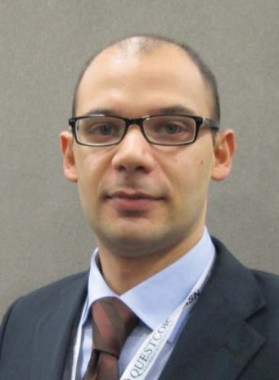
"The impact of a healthy lifestyle has been studied most often in the general population, but lifestyle as a predictor of adverse outcomes has not been previously evaluated in individuals with CKD," Dr. Ana C. Ricardo said in an interview during a poster session at Kidney Week 2012.

"There have been studies looking at individual risk factors such as smoking and chronic kidney disease progression alone, and exercise and mortality alone; but none have examined the impact of adherence to multiple lifestyle factors."
The findings come from 4 years of follow-up in 3,670 men and women with mild to moderate kidney disease who are enrolled in the Chronic Renal Insufficiency Cohort (CRIC) study, a multicenter, nationwide study supported by the National Institute of Diabetes and Digestive and Kidney Diseases (NIDDK) to examine the epidemiology, management, and outcomes of CKD.
Dr. Ricardo, a nephrologist with the University of Illinois at Chicago, and her colleagues evaluated the association of a healthy lifestyle with clinical outcomes based on each participant’s healthy lifestyle score. This was calculated by allocating one point for each of the following factors measured at study entry: not currently smoking, engaged in moderate exercise (defined as 150 minutes or greater per week), engaged in vigorous exercise (defined as 75 minutes or greater per week), and having a urinary sodium output of less than 100 mEq/day.
Outcomes of interest were progression of CKD (defined as 50% or greater estimated glomerular filtration rate loss or end-stage renal disease), the development of cardiovascular events (defined as myocardial infarction, stroke, heart failure, or peripheral arterial disease), or death. The researchers used multivariable Cox proportional hazards regression models to determine the impact of the lifestyle factors on these outcomes.
Dr. Ricardo reported that 86% of participants adhered to one or two healthy lifestyle factors. Women, non-Hispanic whites, and college graduates were more likely to have a healthy lifestyle score of 3. Participants with a healthy lifestyle score of 1 had a 35% reduced risk of cardiovascular events or death. This risk was reduced further for those with a score of 2 or 3 (45% and 44%, respectively).
The researchers also found that patients with a healthy lifestyle score of 1 had a 30% reduced risk of CKD progression – but this risk reduction did not reach statistical significance, and risk was not reduced further among those with a score of 2 or 3 (24% and 7%, respectively). "We will explore this in further analyses," Dr. Ricardo said.
She acknowledged certain limitations of the study, including its observational design. "This is a work in progress," she said of the work. "We have more analysis to do. This is just the beginning."
Kidney Week 2012 was sponsored by the American Society of Nephrology. The CRIC study was funded by the NIDDK. Dr. Ricardo said that she had no relevant financial conflicts to disclose.
SAN DIEGO – A healthy lifestyle cut the risk of cardiovascular events and death in chronic kidney disease, but it had no significant impact on the risk of renal events, preliminary results from an ongoing study have demonstrated.
"The impact of a healthy lifestyle has been studied most often in the general population, but lifestyle as a predictor of adverse outcomes has not been previously evaluated in individuals with CKD," Dr. Ana C. Ricardo said in an interview during a poster session at Kidney Week 2012.
"There have been studies looking at individual risk factors such as smoking and chronic kidney disease progression alone, and exercise and mortality alone; but none have examined the impact of adherence to multiple lifestyle factors."
The findings come from 4 years of follow-up in 3,670 men and women with mild to moderate kidney disease who are enrolled in the Chronic Renal Insufficiency Cohort (CRIC) study, a multicenter, nationwide study supported by the National Institute of Diabetes and Digestive and Kidney Diseases (NIDDK) to examine the epidemiology, management, and outcomes of CKD.
Dr. Ricardo, a nephrologist with the University of Illinois at Chicago, and her colleagues evaluated the association of a healthy lifestyle with clinical outcomes based on each participant’s healthy lifestyle score. This was calculated by allocating one point for each of the following factors measured at study entry: not currently smoking, engaged in moderate exercise (defined as 150 minutes or greater per week), engaged in vigorous exercise (defined as 75 minutes or greater per week), and having a urinary sodium output of less than 100 mEq/day.
Outcomes of interest were progression of CKD (defined as 50% or greater estimated glomerular filtration rate loss or end-stage renal disease), the development of cardiovascular events (defined as myocardial infarction, stroke, heart failure, or peripheral arterial disease), or death. The researchers used multivariable Cox proportional hazards regression models to determine the impact of the lifestyle factors on these outcomes.
Dr. Ricardo reported that 86% of participants adhered to one or two healthy lifestyle factors. Women, non-Hispanic whites, and college graduates were more likely to have a healthy lifestyle score of 3. Participants with a healthy lifestyle score of 1 had a 35% reduced risk of cardiovascular events or death. This risk was reduced further for those with a score of 2 or 3 (45% and 44%, respectively).
The researchers also found that patients with a healthy lifestyle score of 1 had a 30% reduced risk of CKD progression – but this risk reduction did not reach statistical significance, and risk was not reduced further among those with a score of 2 or 3 (24% and 7%, respectively). "We will explore this in further analyses," Dr. Ricardo said.
She acknowledged certain limitations of the study, including its observational design. "This is a work in progress," she said of the work. "We have more analysis to do. This is just the beginning."
Kidney Week 2012 was sponsored by the American Society of Nephrology. The CRIC study was funded by the NIDDK. Dr. Ricardo said that she had no relevant financial conflicts to disclose.
SAN DIEGO – A healthy lifestyle cut the risk of cardiovascular events and death in chronic kidney disease, but it had no significant impact on the risk of renal events, preliminary results from an ongoing study have demonstrated.
"The impact of a healthy lifestyle has been studied most often in the general population, but lifestyle as a predictor of adverse outcomes has not been previously evaluated in individuals with CKD," Dr. Ana C. Ricardo said in an interview during a poster session at Kidney Week 2012.
"There have been studies looking at individual risk factors such as smoking and chronic kidney disease progression alone, and exercise and mortality alone; but none have examined the impact of adherence to multiple lifestyle factors."
The findings come from 4 years of follow-up in 3,670 men and women with mild to moderate kidney disease who are enrolled in the Chronic Renal Insufficiency Cohort (CRIC) study, a multicenter, nationwide study supported by the National Institute of Diabetes and Digestive and Kidney Diseases (NIDDK) to examine the epidemiology, management, and outcomes of CKD.
Dr. Ricardo, a nephrologist with the University of Illinois at Chicago, and her colleagues evaluated the association of a healthy lifestyle with clinical outcomes based on each participant’s healthy lifestyle score. This was calculated by allocating one point for each of the following factors measured at study entry: not currently smoking, engaged in moderate exercise (defined as 150 minutes or greater per week), engaged in vigorous exercise (defined as 75 minutes or greater per week), and having a urinary sodium output of less than 100 mEq/day.
Outcomes of interest were progression of CKD (defined as 50% or greater estimated glomerular filtration rate loss or end-stage renal disease), the development of cardiovascular events (defined as myocardial infarction, stroke, heart failure, or peripheral arterial disease), or death. The researchers used multivariable Cox proportional hazards regression models to determine the impact of the lifestyle factors on these outcomes.
Dr. Ricardo reported that 86% of participants adhered to one or two healthy lifestyle factors. Women, non-Hispanic whites, and college graduates were more likely to have a healthy lifestyle score of 3. Participants with a healthy lifestyle score of 1 had a 35% reduced risk of cardiovascular events or death. This risk was reduced further for those with a score of 2 or 3 (45% and 44%, respectively).
The researchers also found that patients with a healthy lifestyle score of 1 had a 30% reduced risk of CKD progression – but this risk reduction did not reach statistical significance, and risk was not reduced further among those with a score of 2 or 3 (24% and 7%, respectively). "We will explore this in further analyses," Dr. Ricardo said.
She acknowledged certain limitations of the study, including its observational design. "This is a work in progress," she said of the work. "We have more analysis to do. This is just the beginning."
Kidney Week 2012 was sponsored by the American Society of Nephrology. The CRIC study was funded by the NIDDK. Dr. Ricardo said that she had no relevant financial conflicts to disclose.
AT KIDNEY WEEK 2012
Major Finding: Men and women with chronic kidney disease who had a healthy lifestyle score of 1 based on a three-point scale had a 35% reduced risk of cardiovascular events or death. This risk was further reduced for those with a score of 2 or 3 (45% and 44%, respectively).
Data Source: This was a study of 3,670 individuals with mild to moderate kidney disease who are enrolled in the federally funded Chronic Renal Insufficiency Cohort (CRIC) Study.
Disclosures: Kidney Week 2012 was sponsored by the American Society of Nephrology. The CRIC study was funded by the NIDDK. Dr. Ricardo said that she had no relevant financial conflicts to disclose.
Carotid Stent Cell Design May Affect Outcomes
SAN DIEGO – The 30-day periprocedural outcomes in patients who underwent carotid artery stenting with closed-cell design stents were not significantly inferior to outcomes of those treated with carotid endarterectomy, a large meta-analysis demonstrated.
However, patients who underwent carotid endarterectomy (CEA) had significantly better 30-day periprocedural outcomes, compared with those who underwent carotid artery stenting (CAS) with open-cell design stents.
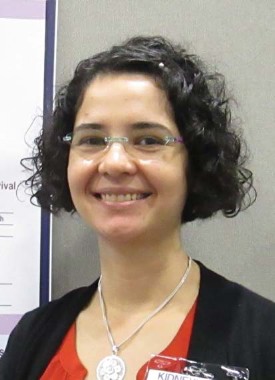
"A number of randomized clinical trials and meta-analyses have consistently showed the higher risk of periprocedural stroke in patients undergoing stenting when compared to endarterectomy," Dr. Mohammed A. Almekhlafi said at the annual meeting of the Society of Neurointerventional Surgery.
"One of the factors that has been implicated as a determinant of periprocedural neurological events is the stent cell design. The small free-cell area between the struts of a closed-cell stent theoretically provides better scaffolding of the vessel wall and superior plaque stabilization compared to the larger uncovered gaps in open-cell stents."
Dr. Almekhlafi, an interventional neurology fellow at the University of Calgary (Alta.), and his associates set out to investigate the impact of stent cell design on the outcome of randomized controlled trials comparing CAS vs. CEA. The stent cell design was divided into closed (meaning all stent struts are interconnected) or open (meaning not all stent-struts are interconnected). The primary outcome was a composite of the 30-day risk of stroke or death.
The final analysis included 4,949 patients from nine randomized clinical trials. Of these, 807 underwent CAS with closed-cell stenting, 1,657 underwent CAS with open-cell stenting, and 2,485 underwent CEA.
Dr. Almekhlafi reported that the primary outcome was significantly lower among patients in the CEA arm, compared with those in the CAS open-cell design arm (odds ratio, 1.84; P = .003). The primary outcome was lower among patients in the CEA arm, compared with those in the CAS closed-cell design arm, although this difference did not reach statistical significance (OR, 1.54; P = .29).
When the researchers limited their analysis to risk of 30-day periprocedural stroke, this outcome remained nonsignificant among patients in the CEA arm, compared with those in the CAS closed-cell design arm (OR 2.92; P = .22). However, the risk of 30-day periprocedural stroke remained significantly higher among patients in the CAS open-cell design arm, compared with those in the CEA arm (OR, 1.97; P = .0007).
"Uncertainty still exists regarding the impact of stent characteristics on CAS outcome," Dr. Almekhlafi said. "The size of the emboli might also be relevant."
He acknowledged certain limitations of the study, including the fact that trials included in this analysis did not randomize patients to open vs. closed stents, and that trials using the closed-design stents recruited fewer patients than did those using open-cell stents.
Dr. Almekhlafi said that he had no relevant financial disclosures to make.
Several randomized carotid trials have compared the outcome of carotid endarterectomy (CEA) and carotid artery stenting (CAS) over the past several years, with the majority, if not all, concluding that CAS had a higher rate of stroke than CEA, particularly in symptomatic patients. This has been thought to be secondary to the excessive microembolic burden during CAS. Several embolic protection devices have been designed to improve the safety profile of CAS, which have also been shown to induce new hyperintensities on diffusion-weighted magnetic resonance imaging (DWMRI) of the brain. There is also compelling evidence to suggest that distal filter protection devices are suboptimal, and that these embolic devices may actually increase the microembolization, compared with unprotected CAS procedures. Therefore, many authorities are advocating the use of proximal embolic protection devices (flow reversal system).
| Dr. AbuRhama |
In a recent systemic review (Stroke 2008;39:1911-19), comprised of 32 studies including a mix of CEA and CAS cases (incorporating 1,363 CAS procedures), demonstrated that closed-cell stents significantly reduced the new white lesion rate on DWMRI compared to open-cell stents. A recent study by Carlos Timaran of a randomized clinical trial of open- versus closed-cell stents for carotid stenting showed that cerebral embolization as detected by TCD and DWMRI occurred with similar frequency after CAS with open- and closed-cell stents.
The author did not support the superiority of any stent design in respect to cerebral embolization. Meanwhile, a recent study presented by Fritz Wodarg at the European Stroke Conference found that a primary outcome event of any stroke or death within 30 days of CAS occurred significantly less often in patients treated with closed-cell stents (6.1%) than in those with open-cell stents (10.1%, P = 0.003). Other trials, including the SPACE trial, showed that the use of closed-cell stents was associated with a significantly better outcome than open-cell stents. This present study will only add to the controversy of CAS and whether the stent design, open versus closed, has an impact on the outcome of this procedure and its future acceptance.
Dr. Ali F. AbuRahma is Professor of Surgery and Chief, Vascular & Endovascular Surgery, Robert C. Byrd Health Sciences Center, West Virginia University, Charleston Area Medical Center, Charleston W.V., and an associate medical editor for Vascular Specialist.
Several randomized carotid trials have compared the outcome of carotid endarterectomy (CEA) and carotid artery stenting (CAS) over the past several years, with the majority, if not all, concluding that CAS had a higher rate of stroke than CEA, particularly in symptomatic patients. This has been thought to be secondary to the excessive microembolic burden during CAS. Several embolic protection devices have been designed to improve the safety profile of CAS, which have also been shown to induce new hyperintensities on diffusion-weighted magnetic resonance imaging (DWMRI) of the brain. There is also compelling evidence to suggest that distal filter protection devices are suboptimal, and that these embolic devices may actually increase the microembolization, compared with unprotected CAS procedures. Therefore, many authorities are advocating the use of proximal embolic protection devices (flow reversal system).
| Dr. AbuRhama |
In a recent systemic review (Stroke 2008;39:1911-19), comprised of 32 studies including a mix of CEA and CAS cases (incorporating 1,363 CAS procedures), demonstrated that closed-cell stents significantly reduced the new white lesion rate on DWMRI compared to open-cell stents. A recent study by Carlos Timaran of a randomized clinical trial of open- versus closed-cell stents for carotid stenting showed that cerebral embolization as detected by TCD and DWMRI occurred with similar frequency after CAS with open- and closed-cell stents.
The author did not support the superiority of any stent design in respect to cerebral embolization. Meanwhile, a recent study presented by Fritz Wodarg at the European Stroke Conference found that a primary outcome event of any stroke or death within 30 days of CAS occurred significantly less often in patients treated with closed-cell stents (6.1%) than in those with open-cell stents (10.1%, P = 0.003). Other trials, including the SPACE trial, showed that the use of closed-cell stents was associated with a significantly better outcome than open-cell stents. This present study will only add to the controversy of CAS and whether the stent design, open versus closed, has an impact on the outcome of this procedure and its future acceptance.
Dr. Ali F. AbuRahma is Professor of Surgery and Chief, Vascular & Endovascular Surgery, Robert C. Byrd Health Sciences Center, West Virginia University, Charleston Area Medical Center, Charleston W.V., and an associate medical editor for Vascular Specialist.
Several randomized carotid trials have compared the outcome of carotid endarterectomy (CEA) and carotid artery stenting (CAS) over the past several years, with the majority, if not all, concluding that CAS had a higher rate of stroke than CEA, particularly in symptomatic patients. This has been thought to be secondary to the excessive microembolic burden during CAS. Several embolic protection devices have been designed to improve the safety profile of CAS, which have also been shown to induce new hyperintensities on diffusion-weighted magnetic resonance imaging (DWMRI) of the brain. There is also compelling evidence to suggest that distal filter protection devices are suboptimal, and that these embolic devices may actually increase the microembolization, compared with unprotected CAS procedures. Therefore, many authorities are advocating the use of proximal embolic protection devices (flow reversal system).
| Dr. AbuRhama |
In a recent systemic review (Stroke 2008;39:1911-19), comprised of 32 studies including a mix of CEA and CAS cases (incorporating 1,363 CAS procedures), demonstrated that closed-cell stents significantly reduced the new white lesion rate on DWMRI compared to open-cell stents. A recent study by Carlos Timaran of a randomized clinical trial of open- versus closed-cell stents for carotid stenting showed that cerebral embolization as detected by TCD and DWMRI occurred with similar frequency after CAS with open- and closed-cell stents.
The author did not support the superiority of any stent design in respect to cerebral embolization. Meanwhile, a recent study presented by Fritz Wodarg at the European Stroke Conference found that a primary outcome event of any stroke or death within 30 days of CAS occurred significantly less often in patients treated with closed-cell stents (6.1%) than in those with open-cell stents (10.1%, P = 0.003). Other trials, including the SPACE trial, showed that the use of closed-cell stents was associated with a significantly better outcome than open-cell stents. This present study will only add to the controversy of CAS and whether the stent design, open versus closed, has an impact on the outcome of this procedure and its future acceptance.
Dr. Ali F. AbuRahma is Professor of Surgery and Chief, Vascular & Endovascular Surgery, Robert C. Byrd Health Sciences Center, West Virginia University, Charleston Area Medical Center, Charleston W.V., and an associate medical editor for Vascular Specialist.
SAN DIEGO – The 30-day periprocedural outcomes in patients who underwent carotid artery stenting with closed-cell design stents were not significantly inferior to outcomes of those treated with carotid endarterectomy, a large meta-analysis demonstrated.
However, patients who underwent carotid endarterectomy (CEA) had significantly better 30-day periprocedural outcomes, compared with those who underwent carotid artery stenting (CAS) with open-cell design stents.
"A number of randomized clinical trials and meta-analyses have consistently showed the higher risk of periprocedural stroke in patients undergoing stenting when compared to endarterectomy," Dr. Mohammed A. Almekhlafi said at the annual meeting of the Society of Neurointerventional Surgery.
"One of the factors that has been implicated as a determinant of periprocedural neurological events is the stent cell design. The small free-cell area between the struts of a closed-cell stent theoretically provides better scaffolding of the vessel wall and superior plaque stabilization compared to the larger uncovered gaps in open-cell stents."
Dr. Almekhlafi, an interventional neurology fellow at the University of Calgary (Alta.), and his associates set out to investigate the impact of stent cell design on the outcome of randomized controlled trials comparing CAS vs. CEA. The stent cell design was divided into closed (meaning all stent struts are interconnected) or open (meaning not all stent-struts are interconnected). The primary outcome was a composite of the 30-day risk of stroke or death.
The final analysis included 4,949 patients from nine randomized clinical trials. Of these, 807 underwent CAS with closed-cell stenting, 1,657 underwent CAS with open-cell stenting, and 2,485 underwent CEA.
Dr. Almekhlafi reported that the primary outcome was significantly lower among patients in the CEA arm, compared with those in the CAS open-cell design arm (odds ratio, 1.84; P = .003). The primary outcome was lower among patients in the CEA arm, compared with those in the CAS closed-cell design arm, although this difference did not reach statistical significance (OR, 1.54; P = .29).
When the researchers limited their analysis to risk of 30-day periprocedural stroke, this outcome remained nonsignificant among patients in the CEA arm, compared with those in the CAS closed-cell design arm (OR 2.92; P = .22). However, the risk of 30-day periprocedural stroke remained significantly higher among patients in the CAS open-cell design arm, compared with those in the CEA arm (OR, 1.97; P = .0007).
"Uncertainty still exists regarding the impact of stent characteristics on CAS outcome," Dr. Almekhlafi said. "The size of the emboli might also be relevant."
He acknowledged certain limitations of the study, including the fact that trials included in this analysis did not randomize patients to open vs. closed stents, and that trials using the closed-design stents recruited fewer patients than did those using open-cell stents.
Dr. Almekhlafi said that he had no relevant financial disclosures to make.
SAN DIEGO – The 30-day periprocedural outcomes in patients who underwent carotid artery stenting with closed-cell design stents were not significantly inferior to outcomes of those treated with carotid endarterectomy, a large meta-analysis demonstrated.
However, patients who underwent carotid endarterectomy (CEA) had significantly better 30-day periprocedural outcomes, compared with those who underwent carotid artery stenting (CAS) with open-cell design stents.
"A number of randomized clinical trials and meta-analyses have consistently showed the higher risk of periprocedural stroke in patients undergoing stenting when compared to endarterectomy," Dr. Mohammed A. Almekhlafi said at the annual meeting of the Society of Neurointerventional Surgery.
"One of the factors that has been implicated as a determinant of periprocedural neurological events is the stent cell design. The small free-cell area between the struts of a closed-cell stent theoretically provides better scaffolding of the vessel wall and superior plaque stabilization compared to the larger uncovered gaps in open-cell stents."
Dr. Almekhlafi, an interventional neurology fellow at the University of Calgary (Alta.), and his associates set out to investigate the impact of stent cell design on the outcome of randomized controlled trials comparing CAS vs. CEA. The stent cell design was divided into closed (meaning all stent struts are interconnected) or open (meaning not all stent-struts are interconnected). The primary outcome was a composite of the 30-day risk of stroke or death.
The final analysis included 4,949 patients from nine randomized clinical trials. Of these, 807 underwent CAS with closed-cell stenting, 1,657 underwent CAS with open-cell stenting, and 2,485 underwent CEA.
Dr. Almekhlafi reported that the primary outcome was significantly lower among patients in the CEA arm, compared with those in the CAS open-cell design arm (odds ratio, 1.84; P = .003). The primary outcome was lower among patients in the CEA arm, compared with those in the CAS closed-cell design arm, although this difference did not reach statistical significance (OR, 1.54; P = .29).
When the researchers limited their analysis to risk of 30-day periprocedural stroke, this outcome remained nonsignificant among patients in the CEA arm, compared with those in the CAS closed-cell design arm (OR 2.92; P = .22). However, the risk of 30-day periprocedural stroke remained significantly higher among patients in the CAS open-cell design arm, compared with those in the CEA arm (OR, 1.97; P = .0007).
"Uncertainty still exists regarding the impact of stent characteristics on CAS outcome," Dr. Almekhlafi said. "The size of the emboli might also be relevant."
He acknowledged certain limitations of the study, including the fact that trials included in this analysis did not randomize patients to open vs. closed stents, and that trials using the closed-design stents recruited fewer patients than did those using open-cell stents.
Dr. Almekhlafi said that he had no relevant financial disclosures to make.
Major Finding: The 30-day risk of stroke or death was significantly lower among patients who underwent CEA, compared with those who underwent CAS with open-cell design stents (OR, 1.84; P = .003). The risk was also lower among patients who underwent CEA, compared with those who underwent CAS with closed-cell design stents, but this difference did not reach statistical significance (OR, 1.54; P = .29).
Data Source: Data are from a meta-analysis of 4,949 patients from nine randomized controlled trials comparing CAS vs. CEA.
Disclosures: Dr. Almekhlafi said that he had no relevant financial conflicts to disclose.

PCR Bests Nasal Swab in Patients Receiving Anti-MRSA Antibiotics
SAN DIEGO – Polymerase chain reaction testing recovered methicillin-resistant Staphylococcus aureus significantly more frequently than did nasal swab culture in hospitalized patients receiving antibiotics concurrently, a study has shown.
All of the patients studied had a history of MRSA colonization. "Because close to 50% of hospitalized patients receive antibiotics, it’s important to know whether or not your MRSA screening test is going to be accurate in detecting persistent colonization," Dr. Erica S. Shenoy said in an interview during a poster session at IDWeek, the combined annual meetings of the Infectious Diseases Society of America, the Society for Healthcare Epidemiology of America, the HIV Medicine Association, and the Pediatric Infectious Diseases Society.

Dr. Shenoy of Massachusetts General Hospital’s division of infectious diseases and infection control unit, Boston, and her associates compared the effect of concurrent administration of antibiotics with activity against MRSA on detection from nasal surveillance swabs. The study population included 259 patients who were admitted to Massachusetts General Hospital between Dec. 6, 2010, and Sept. 16, 2011, with a history of MRSA colonization, but no culture more recent than 90 days who underwent simultaneous screening for nasal carriage of MRSA with both culture and commercial PCR testing. Samples obtained within 2 days after administration of select antibiotics were considered to be obtained in the presence of "concurrent antibiotics." The list of select antibiotics included trimethoprim/sulfamethoxazole, mupirocin, ciprofloxacin, clindamycin, daptomycin, doxycycline, levofloxacin, linezolid, nitrofurantoin, quinupristin/dalfopristin, rifampin, tetracycline, tigecycline, and intravenous vancomycin.
Dr. Shenoy reported that 132 of the 259 paired samples were obtained in the presence of antibiotics while the remaining 127 were not. In the absence of antibiotics, the concordance rate between culture and PCR was 94%, with neither test being significantly more likely to yield a positive result. However, in the presence of antibiotics, the concordance rate between paired samples was 91%, with a significantly greater tendency for PCR to yield positive results compared with culture, suggesting to the researchers better performance of PCR testing in the setting of antibiotic exposure.
"These findings are important for clinicians and hospitals interested in an efficient approach to determining colonization status," Dr. Shenoy said. "In populations exposed to antibiotics with activity against MRSA, culture assays may miss true positives."

She emphasized that while PCR is more expensive than nasal swab culture on a per-test basis, the "cost of the capital equipment investment and the personnel time to actually do the swabbing is potentially dwarfed by the downstream impact on the patient and the hospital overall." For example, studies have shown that inpatients on contact precautions "see their doctors fewer times, have more preventable adverse events, and more dissatisfaction with care, and thus we should strive to only place patients on contact precautions if they remain colonized," Dr. Shenoy said. "In an ongoing pilot study at our institution, we’ve transitioned to using PCR to document clearance and discontinue contact precautions in eligible patients."
In their poster, the researchers acknowledged certain limitations of the study, including its single-center design and the fact that "it was not possible to randomize subjects in the study to receipt or nonreceipt of antibiotics, and thus we do not know if subjects in both groups differed on unobservable characteristics."
The study was supported by a 2010 Massachusetts General Hospital Clinical Innovation Award, a National Institute of Allergy and Infectious Diseases Training Grant, the Harvard Catalyst, and Harvard University. Cepheid provided reagents and a loaner GeneXpert for the randomized trial free of charge. Dr. Shenoy said she and her associates had no relevant financial conflicts to disclose.
SAN DIEGO – Polymerase chain reaction testing recovered methicillin-resistant Staphylococcus aureus significantly more frequently than did nasal swab culture in hospitalized patients receiving antibiotics concurrently, a study has shown.
All of the patients studied had a history of MRSA colonization. "Because close to 50% of hospitalized patients receive antibiotics, it’s important to know whether or not your MRSA screening test is going to be accurate in detecting persistent colonization," Dr. Erica S. Shenoy said in an interview during a poster session at IDWeek, the combined annual meetings of the Infectious Diseases Society of America, the Society for Healthcare Epidemiology of America, the HIV Medicine Association, and the Pediatric Infectious Diseases Society.
Dr. Shenoy of Massachusetts General Hospital’s division of infectious diseases and infection control unit, Boston, and her associates compared the effect of concurrent administration of antibiotics with activity against MRSA on detection from nasal surveillance swabs. The study population included 259 patients who were admitted to Massachusetts General Hospital between Dec. 6, 2010, and Sept. 16, 2011, with a history of MRSA colonization, but no culture more recent than 90 days who underwent simultaneous screening for nasal carriage of MRSA with both culture and commercial PCR testing. Samples obtained within 2 days after administration of select antibiotics were considered to be obtained in the presence of "concurrent antibiotics." The list of select antibiotics included trimethoprim/sulfamethoxazole, mupirocin, ciprofloxacin, clindamycin, daptomycin, doxycycline, levofloxacin, linezolid, nitrofurantoin, quinupristin/dalfopristin, rifampin, tetracycline, tigecycline, and intravenous vancomycin.
Dr. Shenoy reported that 132 of the 259 paired samples were obtained in the presence of antibiotics while the remaining 127 were not. In the absence of antibiotics, the concordance rate between culture and PCR was 94%, with neither test being significantly more likely to yield a positive result. However, in the presence of antibiotics, the concordance rate between paired samples was 91%, with a significantly greater tendency for PCR to yield positive results compared with culture, suggesting to the researchers better performance of PCR testing in the setting of antibiotic exposure.
"These findings are important for clinicians and hospitals interested in an efficient approach to determining colonization status," Dr. Shenoy said. "In populations exposed to antibiotics with activity against MRSA, culture assays may miss true positives."
She emphasized that while PCR is more expensive than nasal swab culture on a per-test basis, the "cost of the capital equipment investment and the personnel time to actually do the swabbing is potentially dwarfed by the downstream impact on the patient and the hospital overall." For example, studies have shown that inpatients on contact precautions "see their doctors fewer times, have more preventable adverse events, and more dissatisfaction with care, and thus we should strive to only place patients on contact precautions if they remain colonized," Dr. Shenoy said. "In an ongoing pilot study at our institution, we’ve transitioned to using PCR to document clearance and discontinue contact precautions in eligible patients."
In their poster, the researchers acknowledged certain limitations of the study, including its single-center design and the fact that "it was not possible to randomize subjects in the study to receipt or nonreceipt of antibiotics, and thus we do not know if subjects in both groups differed on unobservable characteristics."
The study was supported by a 2010 Massachusetts General Hospital Clinical Innovation Award, a National Institute of Allergy and Infectious Diseases Training Grant, the Harvard Catalyst, and Harvard University. Cepheid provided reagents and a loaner GeneXpert for the randomized trial free of charge. Dr. Shenoy said she and her associates had no relevant financial conflicts to disclose.
SAN DIEGO – Polymerase chain reaction testing recovered methicillin-resistant Staphylococcus aureus significantly more frequently than did nasal swab culture in hospitalized patients receiving antibiotics concurrently, a study has shown.
All of the patients studied had a history of MRSA colonization. "Because close to 50% of hospitalized patients receive antibiotics, it’s important to know whether or not your MRSA screening test is going to be accurate in detecting persistent colonization," Dr. Erica S. Shenoy said in an interview during a poster session at IDWeek, the combined annual meetings of the Infectious Diseases Society of America, the Society for Healthcare Epidemiology of America, the HIV Medicine Association, and the Pediatric Infectious Diseases Society.
Dr. Shenoy of Massachusetts General Hospital’s division of infectious diseases and infection control unit, Boston, and her associates compared the effect of concurrent administration of antibiotics with activity against MRSA on detection from nasal surveillance swabs. The study population included 259 patients who were admitted to Massachusetts General Hospital between Dec. 6, 2010, and Sept. 16, 2011, with a history of MRSA colonization, but no culture more recent than 90 days who underwent simultaneous screening for nasal carriage of MRSA with both culture and commercial PCR testing. Samples obtained within 2 days after administration of select antibiotics were considered to be obtained in the presence of "concurrent antibiotics." The list of select antibiotics included trimethoprim/sulfamethoxazole, mupirocin, ciprofloxacin, clindamycin, daptomycin, doxycycline, levofloxacin, linezolid, nitrofurantoin, quinupristin/dalfopristin, rifampin, tetracycline, tigecycline, and intravenous vancomycin.
Dr. Shenoy reported that 132 of the 259 paired samples were obtained in the presence of antibiotics while the remaining 127 were not. In the absence of antibiotics, the concordance rate between culture and PCR was 94%, with neither test being significantly more likely to yield a positive result. However, in the presence of antibiotics, the concordance rate between paired samples was 91%, with a significantly greater tendency for PCR to yield positive results compared with culture, suggesting to the researchers better performance of PCR testing in the setting of antibiotic exposure.
"These findings are important for clinicians and hospitals interested in an efficient approach to determining colonization status," Dr. Shenoy said. "In populations exposed to antibiotics with activity against MRSA, culture assays may miss true positives."
She emphasized that while PCR is more expensive than nasal swab culture on a per-test basis, the "cost of the capital equipment investment and the personnel time to actually do the swabbing is potentially dwarfed by the downstream impact on the patient and the hospital overall." For example, studies have shown that inpatients on contact precautions "see their doctors fewer times, have more preventable adverse events, and more dissatisfaction with care, and thus we should strive to only place patients on contact precautions if they remain colonized," Dr. Shenoy said. "In an ongoing pilot study at our institution, we’ve transitioned to using PCR to document clearance and discontinue contact precautions in eligible patients."
In their poster, the researchers acknowledged certain limitations of the study, including its single-center design and the fact that "it was not possible to randomize subjects in the study to receipt or nonreceipt of antibiotics, and thus we do not know if subjects in both groups differed on unobservable characteristics."
The study was supported by a 2010 Massachusetts General Hospital Clinical Innovation Award, a National Institute of Allergy and Infectious Diseases Training Grant, the Harvard Catalyst, and Harvard University. Cepheid provided reagents and a loaner GeneXpert for the randomized trial free of charge. Dr. Shenoy said she and her associates had no relevant financial conflicts to disclose.
AT IDWEEK

Serum Creatinine Elevations: Red Flag After Noncardiac Surgery
SAN DIEGO – Patients who have minor elevations in serum creatinine after noncardiac surgery may be more likely to require a longer postoperative hospital stay and face a twofold increased risk of dying during that stay, preliminary data from a German study have shown.
"This is a big problem, because minor kidney dysfunction may not be noticed postoperatively," Dr. Felix Kork said in an interview during a poster session at Kidney Week 2012 "About 2% of people in general have a small increase in serum creatinine. They are at a greater risk of dying and staying longer in the hospital. Therapeutic options are needed to prevent this minor kidney dysfunction perioperatively."

Dr. Kork of the department of anesthesiology and intensive care medicine at Charité Hospital in Berlin and his associates retrospectively studied the records of 27,616 patients who underwent noncardiac surgery at Charité between 2006 and 2012. The researchers evaluated perioperative renal function by serum creatinine level.
After doing a multivariate analysis that adjusted for age, comorbidities, renal function, high-risk surgery, and postoperative admission to the ICU, the researchers observed that minor elevations in serum creatinine (defined as a range from 0.25 to 0.50 mg/dL) were independently associated with a prolonged hospital length of stay (HR for early discharge, 0.81) and a twofold increased risk of death during the postoperative hospital stay (OR, 1.99) compared with patients without an increase in serum creatinine level. Both findings were statistically significant.
"While adjusting for covariates, we also found that having received radio contrast agent before surgery is independently associated with a greater risk of mortality and hospital length of stay, whether there was kidney dysfunction after the radio contrast agent or not," Dr. Kork added. "We’re still looking into that [association]. It could be that those patients were sicker."
He acknowledged that the study’s retrospective design is a limitation. Because of this "we can only show the association between the serum creatinine increase and the outcome," he said. "We are planning a prospective study right now." Dr. Kork explained that the current study has been submitted for publication in an undisclosed journal, which will contain more detail about these findings.
Dr. Kork said that he had no relevant financial conflicts to disclose.
SAN DIEGO – Patients who have minor elevations in serum creatinine after noncardiac surgery may be more likely to require a longer postoperative hospital stay and face a twofold increased risk of dying during that stay, preliminary data from a German study have shown.
"This is a big problem, because minor kidney dysfunction may not be noticed postoperatively," Dr. Felix Kork said in an interview during a poster session at Kidney Week 2012 "About 2% of people in general have a small increase in serum creatinine. They are at a greater risk of dying and staying longer in the hospital. Therapeutic options are needed to prevent this minor kidney dysfunction perioperatively."
Dr. Kork of the department of anesthesiology and intensive care medicine at Charité Hospital in Berlin and his associates retrospectively studied the records of 27,616 patients who underwent noncardiac surgery at Charité between 2006 and 2012. The researchers evaluated perioperative renal function by serum creatinine level.
After doing a multivariate analysis that adjusted for age, comorbidities, renal function, high-risk surgery, and postoperative admission to the ICU, the researchers observed that minor elevations in serum creatinine (defined as a range from 0.25 to 0.50 mg/dL) were independently associated with a prolonged hospital length of stay (HR for early discharge, 0.81) and a twofold increased risk of death during the postoperative hospital stay (OR, 1.99) compared with patients without an increase in serum creatinine level. Both findings were statistically significant.
"While adjusting for covariates, we also found that having received radio contrast agent before surgery is independently associated with a greater risk of mortality and hospital length of stay, whether there was kidney dysfunction after the radio contrast agent or not," Dr. Kork added. "We’re still looking into that [association]. It could be that those patients were sicker."
He acknowledged that the study’s retrospective design is a limitation. Because of this "we can only show the association between the serum creatinine increase and the outcome," he said. "We are planning a prospective study right now." Dr. Kork explained that the current study has been submitted for publication in an undisclosed journal, which will contain more detail about these findings.
Dr. Kork said that he had no relevant financial conflicts to disclose.
SAN DIEGO – Patients who have minor elevations in serum creatinine after noncardiac surgery may be more likely to require a longer postoperative hospital stay and face a twofold increased risk of dying during that stay, preliminary data from a German study have shown.
"This is a big problem, because minor kidney dysfunction may not be noticed postoperatively," Dr. Felix Kork said in an interview during a poster session at Kidney Week 2012 "About 2% of people in general have a small increase in serum creatinine. They are at a greater risk of dying and staying longer in the hospital. Therapeutic options are needed to prevent this minor kidney dysfunction perioperatively."
Dr. Kork of the department of anesthesiology and intensive care medicine at Charité Hospital in Berlin and his associates retrospectively studied the records of 27,616 patients who underwent noncardiac surgery at Charité between 2006 and 2012. The researchers evaluated perioperative renal function by serum creatinine level.
After doing a multivariate analysis that adjusted for age, comorbidities, renal function, high-risk surgery, and postoperative admission to the ICU, the researchers observed that minor elevations in serum creatinine (defined as a range from 0.25 to 0.50 mg/dL) were independently associated with a prolonged hospital length of stay (HR for early discharge, 0.81) and a twofold increased risk of death during the postoperative hospital stay (OR, 1.99) compared with patients without an increase in serum creatinine level. Both findings were statistically significant.
"While adjusting for covariates, we also found that having received radio contrast agent before surgery is independently associated with a greater risk of mortality and hospital length of stay, whether there was kidney dysfunction after the radio contrast agent or not," Dr. Kork added. "We’re still looking into that [association]. It could be that those patients were sicker."
He acknowledged that the study’s retrospective design is a limitation. Because of this "we can only show the association between the serum creatinine increase and the outcome," he said. "We are planning a prospective study right now." Dr. Kork explained that the current study has been submitted for publication in an undisclosed journal, which will contain more detail about these findings.
Dr. Kork said that he had no relevant financial conflicts to disclose.
AT KIDNEY WEEK 2012
Major Finding: Patients who experienced minor elevations in serum creatinine after noncardiac surgery had an increased risk of a prolonged hospital length of stay (HR for early discharge, 0.81; P less than .01) and a twofold increased risk of death during the postoperative hospital stay (OR, 1.99; P less than .01).
Data Source: A study of 27,616 patients who underwent noncardiac surgery at Charité Hospital in Berlin between 2006 and 2012.
Disclosures: Dr. Kork said he had no relevant financial conflicts to disclose.

Daptomycin Best for MRSA Bacteremia With High Vancomycin MICs
SAN FRANCISCO – An early switch to daptomycin improved clinical outcomes compared with dose-adjusted vancomycin in patients with methicillin-resistant Staphylococcus aureus bacteremia and a vancomycin minimum inhibitory concentration greater than 1 mcg/mL.
The findings come from the first matched comparison of daptomycin as early therapy versus dose-optimized vancomycin for this patient population.

"Continued vancomycin use is an independent predictor of clinical failure" in these patients, lead study investigator Kyle P. Murray, Pharm.D., said at the annual Interscience Conference on Antimicrobial Agents and Chemotherapy.
Dr. Murray and his associates at Detroit Medical Center and the Anti-Infective Research Laboratory at Wayne State University in Detroit evaluated data from 170 inpatients who had MRSA bacteremia and a vancomycin minimum inhibitory concentration (MIC) greater than 1 mcg/mL and were treated with daptomycin (at least 6 mg/kg daily) or vancomycin (a target trough of 15-20 mcg/mL). The patients were matched 1:1 on the basis of age, Pittsburgh bacteremia score, and their primary site of infection. The researchers excluded patients who had pneumonia or whose primary site of infection was an intravenous catheter, daptomycin-treated patients who received more than 72 hours of initial vancomycin, and patients who required renal replacement therapy.
The primary outcome was clinical failure, defined as either microbiological failure (bacteremia persisting for 7 or more days from the initial positive blood culture) or mortality within 30 days of the initial positive culture.
Baseline characteristics were similar between the daptomycin and vancomycin groups in terms of age (a median of 57 vs. 56 years, respectively), Pittsburgh bacteremia score (2 in each group), and Charlson comorbidity index score (5 vs. 4). The median daptomycin dose was 8.4 mg/kg per day and the median initial vancomycin trough was 12.9 mcg /mL. After dose adjustment, the median vancomycin trough was 17.6 mcg /mL.

Dr. Murray reported that 48% of patients in the vancomycin group experienced clinical failure compared with 20% of those in the daptomycin group, a difference that reached statistical significance with a P value of less than .001. There were also significant differences between the vancomycin and daptomycin groups in 30-day mortality (13% vs. 3.5%, respectively; P = .047) the proportion of patients with persistent bacteremia (42% vs. 19%; P = .001), and in the duration of bacteremia (a median of 3 vs. 5 days; P = .003). There were no significant differences between the treatment groups in the proportion of patients who were readmitted after 30 days (20% vs. 25%; P = .381).
After performing multivariate logistic regression analysis and adjusting for certain clinical variables, Dr. Murray and his associates observed three significant predictors of clinical failure: ICU admission (OR 5.8; P less than .001), vancomycin treatment (OR 4.5; P less than .001), and intravenous drug use (OR 3.0; P = .004).
Dr. Murray had no financial conflicts to disclose. Other coauthors disclosed having a consultant role with, receiving grant support from, or being a member of the speakers bureau for Merck, Pfizer, Cubist Pharmaceuticals, Astellas, Forest Pharmaceuticals, and Rib-X Pharmaceuticals.
The meeting was sponsored by the American Society for Microbiology.
SAN FRANCISCO – An early switch to daptomycin improved clinical outcomes compared with dose-adjusted vancomycin in patients with methicillin-resistant Staphylococcus aureus bacteremia and a vancomycin minimum inhibitory concentration greater than 1 mcg/mL.
The findings come from the first matched comparison of daptomycin as early therapy versus dose-optimized vancomycin for this patient population.
"Continued vancomycin use is an independent predictor of clinical failure" in these patients, lead study investigator Kyle P. Murray, Pharm.D., said at the annual Interscience Conference on Antimicrobial Agents and Chemotherapy.
Dr. Murray and his associates at Detroit Medical Center and the Anti-Infective Research Laboratory at Wayne State University in Detroit evaluated data from 170 inpatients who had MRSA bacteremia and a vancomycin minimum inhibitory concentration (MIC) greater than 1 mcg/mL and were treated with daptomycin (at least 6 mg/kg daily) or vancomycin (a target trough of 15-20 mcg/mL). The patients were matched 1:1 on the basis of age, Pittsburgh bacteremia score, and their primary site of infection. The researchers excluded patients who had pneumonia or whose primary site of infection was an intravenous catheter, daptomycin-treated patients who received more than 72 hours of initial vancomycin, and patients who required renal replacement therapy.
The primary outcome was clinical failure, defined as either microbiological failure (bacteremia persisting for 7 or more days from the initial positive blood culture) or mortality within 30 days of the initial positive culture.
Baseline characteristics were similar between the daptomycin and vancomycin groups in terms of age (a median of 57 vs. 56 years, respectively), Pittsburgh bacteremia score (2 in each group), and Charlson comorbidity index score (5 vs. 4). The median daptomycin dose was 8.4 mg/kg per day and the median initial vancomycin trough was 12.9 mcg /mL. After dose adjustment, the median vancomycin trough was 17.6 mcg /mL.
Dr. Murray reported that 48% of patients in the vancomycin group experienced clinical failure compared with 20% of those in the daptomycin group, a difference that reached statistical significance with a P value of less than .001. There were also significant differences between the vancomycin and daptomycin groups in 30-day mortality (13% vs. 3.5%, respectively; P = .047) the proportion of patients with persistent bacteremia (42% vs. 19%; P = .001), and in the duration of bacteremia (a median of 3 vs. 5 days; P = .003). There were no significant differences between the treatment groups in the proportion of patients who were readmitted after 30 days (20% vs. 25%; P = .381).
After performing multivariate logistic regression analysis and adjusting for certain clinical variables, Dr. Murray and his associates observed three significant predictors of clinical failure: ICU admission (OR 5.8; P less than .001), vancomycin treatment (OR 4.5; P less than .001), and intravenous drug use (OR 3.0; P = .004).
Dr. Murray had no financial conflicts to disclose. Other coauthors disclosed having a consultant role with, receiving grant support from, or being a member of the speakers bureau for Merck, Pfizer, Cubist Pharmaceuticals, Astellas, Forest Pharmaceuticals, and Rib-X Pharmaceuticals.
The meeting was sponsored by the American Society for Microbiology.
SAN FRANCISCO – An early switch to daptomycin improved clinical outcomes compared with dose-adjusted vancomycin in patients with methicillin-resistant Staphylococcus aureus bacteremia and a vancomycin minimum inhibitory concentration greater than 1 mcg/mL.
The findings come from the first matched comparison of daptomycin as early therapy versus dose-optimized vancomycin for this patient population.
"Continued vancomycin use is an independent predictor of clinical failure" in these patients, lead study investigator Kyle P. Murray, Pharm.D., said at the annual Interscience Conference on Antimicrobial Agents and Chemotherapy.
Dr. Murray and his associates at Detroit Medical Center and the Anti-Infective Research Laboratory at Wayne State University in Detroit evaluated data from 170 inpatients who had MRSA bacteremia and a vancomycin minimum inhibitory concentration (MIC) greater than 1 mcg/mL and were treated with daptomycin (at least 6 mg/kg daily) or vancomycin (a target trough of 15-20 mcg/mL). The patients were matched 1:1 on the basis of age, Pittsburgh bacteremia score, and their primary site of infection. The researchers excluded patients who had pneumonia or whose primary site of infection was an intravenous catheter, daptomycin-treated patients who received more than 72 hours of initial vancomycin, and patients who required renal replacement therapy.
The primary outcome was clinical failure, defined as either microbiological failure (bacteremia persisting for 7 or more days from the initial positive blood culture) or mortality within 30 days of the initial positive culture.
Baseline characteristics were similar between the daptomycin and vancomycin groups in terms of age (a median of 57 vs. 56 years, respectively), Pittsburgh bacteremia score (2 in each group), and Charlson comorbidity index score (5 vs. 4). The median daptomycin dose was 8.4 mg/kg per day and the median initial vancomycin trough was 12.9 mcg /mL. After dose adjustment, the median vancomycin trough was 17.6 mcg /mL.
Dr. Murray reported that 48% of patients in the vancomycin group experienced clinical failure compared with 20% of those in the daptomycin group, a difference that reached statistical significance with a P value of less than .001. There were also significant differences between the vancomycin and daptomycin groups in 30-day mortality (13% vs. 3.5%, respectively; P = .047) the proportion of patients with persistent bacteremia (42% vs. 19%; P = .001), and in the duration of bacteremia (a median of 3 vs. 5 days; P = .003). There were no significant differences between the treatment groups in the proportion of patients who were readmitted after 30 days (20% vs. 25%; P = .381).
After performing multivariate logistic regression analysis and adjusting for certain clinical variables, Dr. Murray and his associates observed three significant predictors of clinical failure: ICU admission (OR 5.8; P less than .001), vancomycin treatment (OR 4.5; P less than .001), and intravenous drug use (OR 3.0; P = .004).
Dr. Murray had no financial conflicts to disclose. Other coauthors disclosed having a consultant role with, receiving grant support from, or being a member of the speakers bureau for Merck, Pfizer, Cubist Pharmaceuticals, Astellas, Forest Pharmaceuticals, and Rib-X Pharmaceuticals.
The meeting was sponsored by the American Society for Microbiology.
AT THE ANNUAL INTERSCIENCE CONFERENCE ON ANTIMICROBIAL AGENTS AND CHEMOTHERAPY