User login
Task force advises behavioral intervention for obese adults
The U.S. Preventive Services Task Force advises clinicians to refer or offer intensive behavioral weight-loss interventions to obese adults, according to an updated recommendation statement published in JAMA.

Obesity affects more than one-third of U.S. adults, according to federal statistics. It carries increased risk for comorbidities including heart disease, diabetes, and various cancers, as well as increased risk of death among adults younger than 65 years, noted lead author Susan J. Curry, PhD, of the University of Iowa, Iowa City, and members of the Task Force.
The B recommendation applies to obese adults; obesity was defined as a body mass index of 30 kg/m2 or higher. The evidence review focused on interventions for weight loss and weight maintenance that could be provided in primary care or referred from primary care, such as nutrition counseling, exercise strategies, and goal setting.
The Task Force found adequate evidence that behavior-based weight-loss interventions improved weight, reduced incidence of type 2 diabetes, and helped maintain weight loss after interventions ended.
The Task Force found small to no evidence of harm associated with any of the behavioral weight-loss interventions, which included group sessions, personal sessions, print-based interventions, and technology-based interventions (such as text messages). Although interventions that combined drug therapy with behavioral intervention resulted in greater weight loss over 12-18 months, compared with behavioral interventions alone, the attrition rates were high and data on weight-loss maintenance after discontinuation of the drugs were limited, the Task Force noted.
“As a result, the USPSTF encourages clinicians to promote behavioral interventions as the primary focus of effective interventions for weight loss in adults,” they wrote.
The Task Force acknowledged the need for future research in subgroups and to explore whether factors such as genetics and untreated conditions are barriers to behavior-based weight loss interventions.
In the evidence review published in JAMA, Erin S. LeBlanc, MD, of Kaiser Permanente in Portland, Ore., and her colleagues reviewed data from 122 randomized, controlled trials including more than 62,000 persons and 2 observational studies including more than 209,000 persons.
The researchers found behavioral interventions were associated with greater weight loss and less risk of developing diabetes, compared with control interventions.
Intensive behavioral interventions included counseling patients about healthy eating, encouraging physical activity, setting weight and health goals, and assisting with weight monitoring. The interventions ranged from text messaging to in-person sessions for individuals or groups. The average absolute weight loss in the trials included in the review ranged from –0.5 kg to –9.3 kg (–1.1 lb to –20.5 lb) for intervention patients and from +1.4 kg to –5.6 kg (+3.1 lb to –12.3 lb) in controls.
Limitations of the review included a lack of data on population subgroups and a lack of long-term data on weight and health outcomes, the researchers noted. However, the results support the value of behavior-based therapy for obesity treatment.
The final recommendation is consistent with the 2018 draft recommendation and updates the 2012 final recommendation on obesity management.
The researchers and Task Force members had no relevant financial conflicts to disclose.
SOURCE: U.S. Preventive Services Task Force. JAMA. 2018;320(11):1163-71. doi: 10.1001/jama.2018.13022.
For most primary care clinicians, referring obese patients for more advanced behavioral therapy will be the most practical integration of the recommendation, Susan Z. Yanovski, MD, wrote in an accompanying editorial. Clinicians with training in motivational interviewing or counseling may help assess a patient’s readiness for treatment, but even being familiar with weight-management resources in the community can help patients find the right fit.
“Clinicians can do their patients a great service by showing respect for their patients’ struggles with weight management, screening for obesity-related comorbidities, and providing treatment for identified conditions regardless of the patient’s motivation for, or success with, weight-loss treatment,” she said.
Dr. Yanovski noted that pharmacotherapy options have increased since the 2012 recommendations, when orlistat was the only approved drug for long-term treatment of obesity. Five medications are currently available for this indication.
The USPSTF review was limited in scope for both drug and behavior therapy, noted Dr. Yanovski. “Because the recommendations are meant to apply to adults without diseases for which weight loss is part of disease management, some large and long-term clinical trials conducted among patients with type 2 diabetes or cardiovascular disease were not included.”
Another limitation was the exclusion of surgical treatments as being outside the primary care setting, but bariatric surgery remains a viable option for many patients, especially for prevention or resolution of type 2 diabetes. Primary care clinicians are in a position to identify patients who might benefit and to provide referrals to surgeons if appropriate, she wrote.
Dr. Yanovski agreed with the recommendations but concluded that early strategies to prevent obesity should not be neglected. “Research to develop effective prevention strategies throughout the life course, including infancy and early childhood, could ultimately decrease the number of adults who must confront the difficult challenge of losing excess weight.”
Dr. Yanovski is affiliated with the National Institute of Diabetes and Digestive and Kidney Diseases. She disclosed that her spouse has received research funding from Zafgen and Rhythm Pharmaceuticals for studies of investigational products to treat obesity. Her comments are summarized from an editorial accompanying the articles by Curry SJ et al. and LeBlanc ES et al. (JAMA. 2018;320[11]:1111-3).
For most primary care clinicians, referring obese patients for more advanced behavioral therapy will be the most practical integration of the recommendation, Susan Z. Yanovski, MD, wrote in an accompanying editorial. Clinicians with training in motivational interviewing or counseling may help assess a patient’s readiness for treatment, but even being familiar with weight-management resources in the community can help patients find the right fit.
“Clinicians can do their patients a great service by showing respect for their patients’ struggles with weight management, screening for obesity-related comorbidities, and providing treatment for identified conditions regardless of the patient’s motivation for, or success with, weight-loss treatment,” she said.
Dr. Yanovski noted that pharmacotherapy options have increased since the 2012 recommendations, when orlistat was the only approved drug for long-term treatment of obesity. Five medications are currently available for this indication.
The USPSTF review was limited in scope for both drug and behavior therapy, noted Dr. Yanovski. “Because the recommendations are meant to apply to adults without diseases for which weight loss is part of disease management, some large and long-term clinical trials conducted among patients with type 2 diabetes or cardiovascular disease were not included.”
Another limitation was the exclusion of surgical treatments as being outside the primary care setting, but bariatric surgery remains a viable option for many patients, especially for prevention or resolution of type 2 diabetes. Primary care clinicians are in a position to identify patients who might benefit and to provide referrals to surgeons if appropriate, she wrote.
Dr. Yanovski agreed with the recommendations but concluded that early strategies to prevent obesity should not be neglected. “Research to develop effective prevention strategies throughout the life course, including infancy and early childhood, could ultimately decrease the number of adults who must confront the difficult challenge of losing excess weight.”
Dr. Yanovski is affiliated with the National Institute of Diabetes and Digestive and Kidney Diseases. She disclosed that her spouse has received research funding from Zafgen and Rhythm Pharmaceuticals for studies of investigational products to treat obesity. Her comments are summarized from an editorial accompanying the articles by Curry SJ et al. and LeBlanc ES et al. (JAMA. 2018;320[11]:1111-3).
For most primary care clinicians, referring obese patients for more advanced behavioral therapy will be the most practical integration of the recommendation, Susan Z. Yanovski, MD, wrote in an accompanying editorial. Clinicians with training in motivational interviewing or counseling may help assess a patient’s readiness for treatment, but even being familiar with weight-management resources in the community can help patients find the right fit.
“Clinicians can do their patients a great service by showing respect for their patients’ struggles with weight management, screening for obesity-related comorbidities, and providing treatment for identified conditions regardless of the patient’s motivation for, or success with, weight-loss treatment,” she said.
Dr. Yanovski noted that pharmacotherapy options have increased since the 2012 recommendations, when orlistat was the only approved drug for long-term treatment of obesity. Five medications are currently available for this indication.
The USPSTF review was limited in scope for both drug and behavior therapy, noted Dr. Yanovski. “Because the recommendations are meant to apply to adults without diseases for which weight loss is part of disease management, some large and long-term clinical trials conducted among patients with type 2 diabetes or cardiovascular disease were not included.”
Another limitation was the exclusion of surgical treatments as being outside the primary care setting, but bariatric surgery remains a viable option for many patients, especially for prevention or resolution of type 2 diabetes. Primary care clinicians are in a position to identify patients who might benefit and to provide referrals to surgeons if appropriate, she wrote.
Dr. Yanovski agreed with the recommendations but concluded that early strategies to prevent obesity should not be neglected. “Research to develop effective prevention strategies throughout the life course, including infancy and early childhood, could ultimately decrease the number of adults who must confront the difficult challenge of losing excess weight.”
Dr. Yanovski is affiliated with the National Institute of Diabetes and Digestive and Kidney Diseases. She disclosed that her spouse has received research funding from Zafgen and Rhythm Pharmaceuticals for studies of investigational products to treat obesity. Her comments are summarized from an editorial accompanying the articles by Curry SJ et al. and LeBlanc ES et al. (JAMA. 2018;320[11]:1111-3).
The U.S. Preventive Services Task Force advises clinicians to refer or offer intensive behavioral weight-loss interventions to obese adults, according to an updated recommendation statement published in JAMA.
Obesity affects more than one-third of U.S. adults, according to federal statistics. It carries increased risk for comorbidities including heart disease, diabetes, and various cancers, as well as increased risk of death among adults younger than 65 years, noted lead author Susan J. Curry, PhD, of the University of Iowa, Iowa City, and members of the Task Force.
The B recommendation applies to obese adults; obesity was defined as a body mass index of 30 kg/m2 or higher. The evidence review focused on interventions for weight loss and weight maintenance that could be provided in primary care or referred from primary care, such as nutrition counseling, exercise strategies, and goal setting.
The Task Force found adequate evidence that behavior-based weight-loss interventions improved weight, reduced incidence of type 2 diabetes, and helped maintain weight loss after interventions ended.
The Task Force found small to no evidence of harm associated with any of the behavioral weight-loss interventions, which included group sessions, personal sessions, print-based interventions, and technology-based interventions (such as text messages). Although interventions that combined drug therapy with behavioral intervention resulted in greater weight loss over 12-18 months, compared with behavioral interventions alone, the attrition rates were high and data on weight-loss maintenance after discontinuation of the drugs were limited, the Task Force noted.
“As a result, the USPSTF encourages clinicians to promote behavioral interventions as the primary focus of effective interventions for weight loss in adults,” they wrote.
The Task Force acknowledged the need for future research in subgroups and to explore whether factors such as genetics and untreated conditions are barriers to behavior-based weight loss interventions.
In the evidence review published in JAMA, Erin S. LeBlanc, MD, of Kaiser Permanente in Portland, Ore., and her colleagues reviewed data from 122 randomized, controlled trials including more than 62,000 persons and 2 observational studies including more than 209,000 persons.
The researchers found behavioral interventions were associated with greater weight loss and less risk of developing diabetes, compared with control interventions.
Intensive behavioral interventions included counseling patients about healthy eating, encouraging physical activity, setting weight and health goals, and assisting with weight monitoring. The interventions ranged from text messaging to in-person sessions for individuals or groups. The average absolute weight loss in the trials included in the review ranged from –0.5 kg to –9.3 kg (–1.1 lb to –20.5 lb) for intervention patients and from +1.4 kg to –5.6 kg (+3.1 lb to –12.3 lb) in controls.
Limitations of the review included a lack of data on population subgroups and a lack of long-term data on weight and health outcomes, the researchers noted. However, the results support the value of behavior-based therapy for obesity treatment.
The final recommendation is consistent with the 2018 draft recommendation and updates the 2012 final recommendation on obesity management.
The researchers and Task Force members had no relevant financial conflicts to disclose.
SOURCE: U.S. Preventive Services Task Force. JAMA. 2018;320(11):1163-71. doi: 10.1001/jama.2018.13022.
The U.S. Preventive Services Task Force advises clinicians to refer or offer intensive behavioral weight-loss interventions to obese adults, according to an updated recommendation statement published in JAMA.
Obesity affects more than one-third of U.S. adults, according to federal statistics. It carries increased risk for comorbidities including heart disease, diabetes, and various cancers, as well as increased risk of death among adults younger than 65 years, noted lead author Susan J. Curry, PhD, of the University of Iowa, Iowa City, and members of the Task Force.
The B recommendation applies to obese adults; obesity was defined as a body mass index of 30 kg/m2 or higher. The evidence review focused on interventions for weight loss and weight maintenance that could be provided in primary care or referred from primary care, such as nutrition counseling, exercise strategies, and goal setting.
The Task Force found adequate evidence that behavior-based weight-loss interventions improved weight, reduced incidence of type 2 diabetes, and helped maintain weight loss after interventions ended.
The Task Force found small to no evidence of harm associated with any of the behavioral weight-loss interventions, which included group sessions, personal sessions, print-based interventions, and technology-based interventions (such as text messages). Although interventions that combined drug therapy with behavioral intervention resulted in greater weight loss over 12-18 months, compared with behavioral interventions alone, the attrition rates were high and data on weight-loss maintenance after discontinuation of the drugs were limited, the Task Force noted.
“As a result, the USPSTF encourages clinicians to promote behavioral interventions as the primary focus of effective interventions for weight loss in adults,” they wrote.
The Task Force acknowledged the need for future research in subgroups and to explore whether factors such as genetics and untreated conditions are barriers to behavior-based weight loss interventions.
In the evidence review published in JAMA, Erin S. LeBlanc, MD, of Kaiser Permanente in Portland, Ore., and her colleagues reviewed data from 122 randomized, controlled trials including more than 62,000 persons and 2 observational studies including more than 209,000 persons.
The researchers found behavioral interventions were associated with greater weight loss and less risk of developing diabetes, compared with control interventions.
Intensive behavioral interventions included counseling patients about healthy eating, encouraging physical activity, setting weight and health goals, and assisting with weight monitoring. The interventions ranged from text messaging to in-person sessions for individuals or groups. The average absolute weight loss in the trials included in the review ranged from –0.5 kg to –9.3 kg (–1.1 lb to –20.5 lb) for intervention patients and from +1.4 kg to –5.6 kg (+3.1 lb to –12.3 lb) in controls.
Limitations of the review included a lack of data on population subgroups and a lack of long-term data on weight and health outcomes, the researchers noted. However, the results support the value of behavior-based therapy for obesity treatment.
The final recommendation is consistent with the 2018 draft recommendation and updates the 2012 final recommendation on obesity management.
The researchers and Task Force members had no relevant financial conflicts to disclose.
SOURCE: U.S. Preventive Services Task Force. JAMA. 2018;320(11):1163-71. doi: 10.1001/jama.2018.13022.
FROM JAMA
One-step gestational diabetes screening doesn’t improve outcomes
according to data from a before-and-after cohort study of women in the state of Washington.
The one-step test, a 75-g 2-hour oral glucose tolerance test (OGTT), was recommended for all pregnant women in 2010, although the traditional two-step test – a 50-g screening glucose challenge test followed by a 100-g 3-hour OGTT – remains widely used, wrote Gaia Pocobelli, PhD, of Kaiser Permanente Washington Health Research Institute, Seattle, and her colleagues. “No randomized trial has been published comparing outcomes of the two approaches.”
In a study published in Obstetrics & Gynecology, the researchers compared data from 23,257 women who received prenatal care in Washington State between January 2009 and December 2014, including 8,363 women who received care before the guideline change, 4,103 who received care during a transition period, and 10,791 after the guideline change. Approximately 60% of the women received care from clinicians internal to Kaiser Permanente; 40% received care from external providers. Most (87%) of the internal clinicians switched to the one-step approach, the researchers said. Only 5% of external providers did so.
Overall, adopting the one-step approach was associated with a 41% increase in the diagnosis of GDM without improved maternal or neonatal outcomes, the researchers noted.
The incidence of GDM increased from 7% before the guideline change to 11% afterward for women seen by internal providers. For women seen by external providers, gestational diabetes incidence increased from 10% to 11%.
For women seen by internal providers, the use of insulin increased from 1% before the guideline change to 4% afterward; for women seen by external providers, use of insulin increased from 1.3% to 1.4% (change between the groups P less than .001).
In addition, women seen by internal providers were more likely to undergo induction of labor after the guideline change (25% to 29%), while labor induction decreased for women seen by external providers (31% to 29%) for a relative risk of 1.2.
Neonatal hypoglycemia increased from 1% to 2% among women seen by internal providers, but decreased slightly from 2.4% to 2.1% for women seen by external providers, for a relative risk of 1.77.
There were no significant differences between the women seen by internal and external providers in risk of primary cesarean section, large for gestational age, small for gestational age, or neonatal ICU admission.
The main limitation of the study was the potential confounding variables including maternal diet and exercise, and possible underreporting of risk factors such as smoking, the researchers noted. However, the results were strengthened by the large study population, and the results “do not suggest a benefit of adopting the one-step over the two-step approach.
“Kaiser Permanente Washington has revised [its] guidelines to return to a two-step process. We recommend that any health care system considering switching to the one-step approach incorporate a rigorous evaluation of changes in maternal and neonatal outcomes,” Dr. Pocobelli and her associates added.
Dr. Pocobelli disclosed funding from Jazz Pharmaceuticals for work unrelated to this study. The study was supported in part by a grant from the Group Health Foundation Momentum Fund.
Diabetes is a significant global public health concern, but is especially problematic for women of reproductive age because diabetes in pregnancy can cause significant health complications for the mother and baby. Gestational diabetes mellitus (GDM) affects up to 10% of pregnancies in the United States annually, and is associated with perinatal loss, operative delivery, macrosomia, hypoglycemia, respiratory distress syndrome, and metabolic derangements for the offspring. For the mother, GDM is associated with hypertensive disorders, infections, hydramnios, and increased risk for developing type 2 diabetes later in life. As the incidence of GDM continues to rise, studies examining how to reduce, manage or prevent this condition become increasingly important.
The authors’ conclusions, that adopting the one-step approach increased the number of women with diagnosed GDM but did not significantly improve maternal or neonatal outcomes, are not surprising. Since the initial publication of the Hyperglycemia and Adverse Pregnancy Outcome Study, upon which the International Association of the Diabetes in Pregnancy Study Groups based its recommendations to go to a one-step approach, much debate has ensued about the best method to diagnose GDM. Indeed, the National Institutes of Health convened a consensus panel to review the literature and determine whether the one-step approach should be universally adopted (the panel concluded that more information was needed, and that the current two-step approach should continue to be used).
As the authors concede, studies have shown conflicting results, and no large-scale randomized controlled trial has been conducted to date. However, the literature does not bear out the idea that the one-step approach is truly better. The current study, although including a significant number of women and a reasonable control group, only serves as yet another study to reinforce what has previously been published.
I would agree with the researchers’ conclusions that the one-step approach is not necessarily beneficial. Although the one-step approach may identify a subset of patients who might not otherwise be diagnosed with GDM, it still remains unclear whether the outcomes for these patients will be improved. Furthermore, additional testing, need for insulin or other oral antidiabetic medications, etc., would result in additional stress to the patient and the health care system. Based on the authors’ findings, and results of other studies, it remains to be determined if the effort (diagnosing additional patients with GDM) is justified medically, economically, or otherwise.
As ob.gyns., we must continually ask ourselves: “By not doing something, are we causing harm to our patients?” If we change the diagnostic criteria for GDM, thereby increasing the number of women with the condition who would then require additional care, medications, and, potentially, more complex decisions around timing and mode of delivery, we need to be certain that we are not doing harm. This, and other studies examining the use of the one- versus two-step approach have yet to demonstrate, unequivocally, that changing the criteria reduces harm, and, perhaps, might – unintentionally – cause more.
As the study authors and the NIH consensus panel concluded, more rigorous evaluation is needed; that is, a large, multicenter randomized controlled trial that examines not only the benefits during pregnancy but also the long-term benefits to women and their children.

E. Albert Reece, MD, PhD, MBA, who specializes in maternal-fetal medicine, is vice president for medical affairs at the University of Maryland, Baltimore, as well as the John Z. and Akiko K. Bowers Distinguished Professor and dean of the school of medicine. He provided commentary on the study by Pocobelli et al. Dr. Reece said he had no relevant financial disclosures.
Diabetes is a significant global public health concern, but is especially problematic for women of reproductive age because diabetes in pregnancy can cause significant health complications for the mother and baby. Gestational diabetes mellitus (GDM) affects up to 10% of pregnancies in the United States annually, and is associated with perinatal loss, operative delivery, macrosomia, hypoglycemia, respiratory distress syndrome, and metabolic derangements for the offspring. For the mother, GDM is associated with hypertensive disorders, infections, hydramnios, and increased risk for developing type 2 diabetes later in life. As the incidence of GDM continues to rise, studies examining how to reduce, manage or prevent this condition become increasingly important.
The authors’ conclusions, that adopting the one-step approach increased the number of women with diagnosed GDM but did not significantly improve maternal or neonatal outcomes, are not surprising. Since the initial publication of the Hyperglycemia and Adverse Pregnancy Outcome Study, upon which the International Association of the Diabetes in Pregnancy Study Groups based its recommendations to go to a one-step approach, much debate has ensued about the best method to diagnose GDM. Indeed, the National Institutes of Health convened a consensus panel to review the literature and determine whether the one-step approach should be universally adopted (the panel concluded that more information was needed, and that the current two-step approach should continue to be used).
As the authors concede, studies have shown conflicting results, and no large-scale randomized controlled trial has been conducted to date. However, the literature does not bear out the idea that the one-step approach is truly better. The current study, although including a significant number of women and a reasonable control group, only serves as yet another study to reinforce what has previously been published.
I would agree with the researchers’ conclusions that the one-step approach is not necessarily beneficial. Although the one-step approach may identify a subset of patients who might not otherwise be diagnosed with GDM, it still remains unclear whether the outcomes for these patients will be improved. Furthermore, additional testing, need for insulin or other oral antidiabetic medications, etc., would result in additional stress to the patient and the health care system. Based on the authors’ findings, and results of other studies, it remains to be determined if the effort (diagnosing additional patients with GDM) is justified medically, economically, or otherwise.
As ob.gyns., we must continually ask ourselves: “By not doing something, are we causing harm to our patients?” If we change the diagnostic criteria for GDM, thereby increasing the number of women with the condition who would then require additional care, medications, and, potentially, more complex decisions around timing and mode of delivery, we need to be certain that we are not doing harm. This, and other studies examining the use of the one- versus two-step approach have yet to demonstrate, unequivocally, that changing the criteria reduces harm, and, perhaps, might – unintentionally – cause more.
As the study authors and the NIH consensus panel concluded, more rigorous evaluation is needed; that is, a large, multicenter randomized controlled trial that examines not only the benefits during pregnancy but also the long-term benefits to women and their children.
E. Albert Reece, MD, PhD, MBA, who specializes in maternal-fetal medicine, is vice president for medical affairs at the University of Maryland, Baltimore, as well as the John Z. and Akiko K. Bowers Distinguished Professor and dean of the school of medicine. He provided commentary on the study by Pocobelli et al. Dr. Reece said he had no relevant financial disclosures.
Diabetes is a significant global public health concern, but is especially problematic for women of reproductive age because diabetes in pregnancy can cause significant health complications for the mother and baby. Gestational diabetes mellitus (GDM) affects up to 10% of pregnancies in the United States annually, and is associated with perinatal loss, operative delivery, macrosomia, hypoglycemia, respiratory distress syndrome, and metabolic derangements for the offspring. For the mother, GDM is associated with hypertensive disorders, infections, hydramnios, and increased risk for developing type 2 diabetes later in life. As the incidence of GDM continues to rise, studies examining how to reduce, manage or prevent this condition become increasingly important.
The authors’ conclusions, that adopting the one-step approach increased the number of women with diagnosed GDM but did not significantly improve maternal or neonatal outcomes, are not surprising. Since the initial publication of the Hyperglycemia and Adverse Pregnancy Outcome Study, upon which the International Association of the Diabetes in Pregnancy Study Groups based its recommendations to go to a one-step approach, much debate has ensued about the best method to diagnose GDM. Indeed, the National Institutes of Health convened a consensus panel to review the literature and determine whether the one-step approach should be universally adopted (the panel concluded that more information was needed, and that the current two-step approach should continue to be used).
As the authors concede, studies have shown conflicting results, and no large-scale randomized controlled trial has been conducted to date. However, the literature does not bear out the idea that the one-step approach is truly better. The current study, although including a significant number of women and a reasonable control group, only serves as yet another study to reinforce what has previously been published.
I would agree with the researchers’ conclusions that the one-step approach is not necessarily beneficial. Although the one-step approach may identify a subset of patients who might not otherwise be diagnosed with GDM, it still remains unclear whether the outcomes for these patients will be improved. Furthermore, additional testing, need for insulin or other oral antidiabetic medications, etc., would result in additional stress to the patient and the health care system. Based on the authors’ findings, and results of other studies, it remains to be determined if the effort (diagnosing additional patients with GDM) is justified medically, economically, or otherwise.
As ob.gyns., we must continually ask ourselves: “By not doing something, are we causing harm to our patients?” If we change the diagnostic criteria for GDM, thereby increasing the number of women with the condition who would then require additional care, medications, and, potentially, more complex decisions around timing and mode of delivery, we need to be certain that we are not doing harm. This, and other studies examining the use of the one- versus two-step approach have yet to demonstrate, unequivocally, that changing the criteria reduces harm, and, perhaps, might – unintentionally – cause more.
As the study authors and the NIH consensus panel concluded, more rigorous evaluation is needed; that is, a large, multicenter randomized controlled trial that examines not only the benefits during pregnancy but also the long-term benefits to women and their children.
E. Albert Reece, MD, PhD, MBA, who specializes in maternal-fetal medicine, is vice president for medical affairs at the University of Maryland, Baltimore, as well as the John Z. and Akiko K. Bowers Distinguished Professor and dean of the school of medicine. He provided commentary on the study by Pocobelli et al. Dr. Reece said he had no relevant financial disclosures.
according to data from a before-and-after cohort study of women in the state of Washington.
The one-step test, a 75-g 2-hour oral glucose tolerance test (OGTT), was recommended for all pregnant women in 2010, although the traditional two-step test – a 50-g screening glucose challenge test followed by a 100-g 3-hour OGTT – remains widely used, wrote Gaia Pocobelli, PhD, of Kaiser Permanente Washington Health Research Institute, Seattle, and her colleagues. “No randomized trial has been published comparing outcomes of the two approaches.”
In a study published in Obstetrics & Gynecology, the researchers compared data from 23,257 women who received prenatal care in Washington State between January 2009 and December 2014, including 8,363 women who received care before the guideline change, 4,103 who received care during a transition period, and 10,791 after the guideline change. Approximately 60% of the women received care from clinicians internal to Kaiser Permanente; 40% received care from external providers. Most (87%) of the internal clinicians switched to the one-step approach, the researchers said. Only 5% of external providers did so.
Overall, adopting the one-step approach was associated with a 41% increase in the diagnosis of GDM without improved maternal or neonatal outcomes, the researchers noted.
The incidence of GDM increased from 7% before the guideline change to 11% afterward for women seen by internal providers. For women seen by external providers, gestational diabetes incidence increased from 10% to 11%.
For women seen by internal providers, the use of insulin increased from 1% before the guideline change to 4% afterward; for women seen by external providers, use of insulin increased from 1.3% to 1.4% (change between the groups P less than .001).
In addition, women seen by internal providers were more likely to undergo induction of labor after the guideline change (25% to 29%), while labor induction decreased for women seen by external providers (31% to 29%) for a relative risk of 1.2.
Neonatal hypoglycemia increased from 1% to 2% among women seen by internal providers, but decreased slightly from 2.4% to 2.1% for women seen by external providers, for a relative risk of 1.77.
There were no significant differences between the women seen by internal and external providers in risk of primary cesarean section, large for gestational age, small for gestational age, or neonatal ICU admission.
The main limitation of the study was the potential confounding variables including maternal diet and exercise, and possible underreporting of risk factors such as smoking, the researchers noted. However, the results were strengthened by the large study population, and the results “do not suggest a benefit of adopting the one-step over the two-step approach.
“Kaiser Permanente Washington has revised [its] guidelines to return to a two-step process. We recommend that any health care system considering switching to the one-step approach incorporate a rigorous evaluation of changes in maternal and neonatal outcomes,” Dr. Pocobelli and her associates added.
Dr. Pocobelli disclosed funding from Jazz Pharmaceuticals for work unrelated to this study. The study was supported in part by a grant from the Group Health Foundation Momentum Fund.
according to data from a before-and-after cohort study of women in the state of Washington.
The one-step test, a 75-g 2-hour oral glucose tolerance test (OGTT), was recommended for all pregnant women in 2010, although the traditional two-step test – a 50-g screening glucose challenge test followed by a 100-g 3-hour OGTT – remains widely used, wrote Gaia Pocobelli, PhD, of Kaiser Permanente Washington Health Research Institute, Seattle, and her colleagues. “No randomized trial has been published comparing outcomes of the two approaches.”
In a study published in Obstetrics & Gynecology, the researchers compared data from 23,257 women who received prenatal care in Washington State between January 2009 and December 2014, including 8,363 women who received care before the guideline change, 4,103 who received care during a transition period, and 10,791 after the guideline change. Approximately 60% of the women received care from clinicians internal to Kaiser Permanente; 40% received care from external providers. Most (87%) of the internal clinicians switched to the one-step approach, the researchers said. Only 5% of external providers did so.
Overall, adopting the one-step approach was associated with a 41% increase in the diagnosis of GDM without improved maternal or neonatal outcomes, the researchers noted.
The incidence of GDM increased from 7% before the guideline change to 11% afterward for women seen by internal providers. For women seen by external providers, gestational diabetes incidence increased from 10% to 11%.
For women seen by internal providers, the use of insulin increased from 1% before the guideline change to 4% afterward; for women seen by external providers, use of insulin increased from 1.3% to 1.4% (change between the groups P less than .001).
In addition, women seen by internal providers were more likely to undergo induction of labor after the guideline change (25% to 29%), while labor induction decreased for women seen by external providers (31% to 29%) for a relative risk of 1.2.
Neonatal hypoglycemia increased from 1% to 2% among women seen by internal providers, but decreased slightly from 2.4% to 2.1% for women seen by external providers, for a relative risk of 1.77.
There were no significant differences between the women seen by internal and external providers in risk of primary cesarean section, large for gestational age, small for gestational age, or neonatal ICU admission.
The main limitation of the study was the potential confounding variables including maternal diet and exercise, and possible underreporting of risk factors such as smoking, the researchers noted. However, the results were strengthened by the large study population, and the results “do not suggest a benefit of adopting the one-step over the two-step approach.
“Kaiser Permanente Washington has revised [its] guidelines to return to a two-step process. We recommend that any health care system considering switching to the one-step approach incorporate a rigorous evaluation of changes in maternal and neonatal outcomes,” Dr. Pocobelli and her associates added.
Dr. Pocobelli disclosed funding from Jazz Pharmaceuticals for work unrelated to this study. The study was supported in part by a grant from the Group Health Foundation Momentum Fund.
FROM OBSTETRICS & GYNECOLOGY
Key clinical point: Increased diagnoses of gestational diabetes did not significantly improve maternal or fetal outcomes.
Major finding: Adoption of a one-step screening process for gestational diabetes increased diagnoses by 41%.
Study details: The data come from a before-and-after cohort study with a population of 23,257 women.
Disclosures: Dr. Pocobelli disclosed funding from Jazz Pharmaceuticals for work unrelated to this study. The study was supported in part by a grant from the Group Health Foundation Momentum Fund.
Source: Pocobelli G et al. Obstet Gynecol. 2018;132:859-67.
FDA attacks antibiotic resistance with new strategy
WASHINGTON – A strategy combining stewardship and science is needed to help combat antimicrobial resistance, and updated plans from the U.S. Food and Drug Administration include four key components to address all aspects of product development and use, FDA commissioner Scott Gottlieb, MD, said in a press briefing in Washington on Sept. 14.
“The FDA plays a unique role in advancing human and animal health” that provides a unique vantage point for coordinating all aspects of product development and application, he said.
The FDA’s comprehensive approach to the challenge of antimicrobial resistance (AMR) includes:
- Facilitating product development.
- Promoting antimicrobial stewardship.
- Supporting the development of new tools for surveillance.
- Advancing scientific initiatives, including research for the development of alternative treatments.

The FDA’s product development plan to combat AMR includes the creation of incentives for companies to develop new antibiotic products and create a robust pipeline, which is a challenge because of the lack of immediate economic gain, Dr. Gottlieb said.
“It necessary to change the perception that the costs and risks of antibiotic innovation are too high relative to their expected gains,” he emphasized.
Strategies to incentivize companies include fast track designation, priority review, and breakthrough therapy designation. In addition, the Limited Population Pathway for Antibacterial and Antifungal Drugs (LPAD) is designed to promote development of antimicrobial drugs for limited and underserved populations, Dr. Gottlieb said. The FDA plan also calls for pursuing reimbursement options with the Centers for Medicare & Medicaid Services.
Promoting antimicrobial stewardship remains an ongoing element of the FDA’s plan to reduce AMR. In conjunction with the release of the FDA’s updated approach to AMR, the FDA’s Center for Veterinary Medicine CVM released a 5-year action plan to promote and support antimicrobial stewardship in not only the agricultural arena, but in companion animals as well.
The FDA plans to bring all antimicrobials of medical importance that are approved for use in animals under the oversight of CVM, which will pursue the improve labeling on antimicrobial drugs used in the feed and water of food-producing animals, including defining durations of use, Dr. Gottlieb noted.
Supporting the development and improvement of surveillance tools is “essential to understanding the drivers of resistance in human and veterinary settings and formulating appropriate responses” to outbreaks, Dr. Gottlieb said.
To help meet this goal, the FDA will expand sampling via the National Antimicrobial Resistance Monitoring System (NARMS) database, he said. Other surveillance goals include supporting genomics research and expanding AMR monitoring to include pathogens associated with animal feed and companion animals, he added.
As part of the final component of the FDA’s AMR strategy to advance scientific initiatives, the FDA has released a new Request for Information “to obtain additional, external input on how best to develop an annual list of regulatory science initiatives specific for antimicrobial products,” Dr. Gottlieb announced. The FDA intends to use the information gained from clinicians and others in its creation of guidance documents and recommendations to streamline the antibiotic development process. He also cited the FDA’s ongoing support of partnerships with public and private organizations such as the Clinical Trials Transformation Initiative, which focuses on drug development for severe bacterial infections with current unmet medical need.
“We need to harness science and policy to help our public health systems and researchers become nimbler in the battle against drug-resistant pathogens,” Dr. Gottlieb concluded.
In a panel discussion following the briefing, several experts offered perspective on the FDA’s goals and on the challenges of AMR.
William Flynn, DVM, deputy director of science policy for the Center of Veterinary Medicine, noted some goals for reducing the use of antibiotics in the veterinary arena.
“We are trying to focus on the driver: What are the disease conditions that drive use of the product,” he said. Ideally, better management of disease conditions can reduce reliance on antibiotics, he added.
Also in the panel discussion, Steven Gitterman, MD, deputy director of the division of microbiology devices at the Center for Devices and Radiological Health, emphasized the value of sustainable trial databases so AMR research can continue on an ongoing basis. Finally, Carolyn Wilson, PhD, associate director of research at the Center for Biologics Evaluation and Research, noted that the FDA’s research and development efforts include antibiotic alternatives, including live biotherapeutic products, fecal microbiota transplantation, and bacteriophage therapy.
Visit www.fda.gov for a transcript of Dr. Gottlieb’s talk, and for the updated FDA website page with more details on the agency’s plans to combat antimicrobial resistance.
Dr. Gottlieb and the panelists had no financial conflicts to disclose.
WASHINGTON – A strategy combining stewardship and science is needed to help combat antimicrobial resistance, and updated plans from the U.S. Food and Drug Administration include four key components to address all aspects of product development and use, FDA commissioner Scott Gottlieb, MD, said in a press briefing in Washington on Sept. 14.
“The FDA plays a unique role in advancing human and animal health” that provides a unique vantage point for coordinating all aspects of product development and application, he said.
The FDA’s comprehensive approach to the challenge of antimicrobial resistance (AMR) includes:
- Facilitating product development.
- Promoting antimicrobial stewardship.
- Supporting the development of new tools for surveillance.
- Advancing scientific initiatives, including research for the development of alternative treatments.
The FDA’s product development plan to combat AMR includes the creation of incentives for companies to develop new antibiotic products and create a robust pipeline, which is a challenge because of the lack of immediate economic gain, Dr. Gottlieb said.
“It necessary to change the perception that the costs and risks of antibiotic innovation are too high relative to their expected gains,” he emphasized.
Strategies to incentivize companies include fast track designation, priority review, and breakthrough therapy designation. In addition, the Limited Population Pathway for Antibacterial and Antifungal Drugs (LPAD) is designed to promote development of antimicrobial drugs for limited and underserved populations, Dr. Gottlieb said. The FDA plan also calls for pursuing reimbursement options with the Centers for Medicare & Medicaid Services.
Promoting antimicrobial stewardship remains an ongoing element of the FDA’s plan to reduce AMR. In conjunction with the release of the FDA’s updated approach to AMR, the FDA’s Center for Veterinary Medicine CVM released a 5-year action plan to promote and support antimicrobial stewardship in not only the agricultural arena, but in companion animals as well.
The FDA plans to bring all antimicrobials of medical importance that are approved for use in animals under the oversight of CVM, which will pursue the improve labeling on antimicrobial drugs used in the feed and water of food-producing animals, including defining durations of use, Dr. Gottlieb noted.
Supporting the development and improvement of surveillance tools is “essential to understanding the drivers of resistance in human and veterinary settings and formulating appropriate responses” to outbreaks, Dr. Gottlieb said.
To help meet this goal, the FDA will expand sampling via the National Antimicrobial Resistance Monitoring System (NARMS) database, he said. Other surveillance goals include supporting genomics research and expanding AMR monitoring to include pathogens associated with animal feed and companion animals, he added.
As part of the final component of the FDA’s AMR strategy to advance scientific initiatives, the FDA has released a new Request for Information “to obtain additional, external input on how best to develop an annual list of regulatory science initiatives specific for antimicrobial products,” Dr. Gottlieb announced. The FDA intends to use the information gained from clinicians and others in its creation of guidance documents and recommendations to streamline the antibiotic development process. He also cited the FDA’s ongoing support of partnerships with public and private organizations such as the Clinical Trials Transformation Initiative, which focuses on drug development for severe bacterial infections with current unmet medical need.
“We need to harness science and policy to help our public health systems and researchers become nimbler in the battle against drug-resistant pathogens,” Dr. Gottlieb concluded.
In a panel discussion following the briefing, several experts offered perspective on the FDA’s goals and on the challenges of AMR.
William Flynn, DVM, deputy director of science policy for the Center of Veterinary Medicine, noted some goals for reducing the use of antibiotics in the veterinary arena.
“We are trying to focus on the driver: What are the disease conditions that drive use of the product,” he said. Ideally, better management of disease conditions can reduce reliance on antibiotics, he added.
Also in the panel discussion, Steven Gitterman, MD, deputy director of the division of microbiology devices at the Center for Devices and Radiological Health, emphasized the value of sustainable trial databases so AMR research can continue on an ongoing basis. Finally, Carolyn Wilson, PhD, associate director of research at the Center for Biologics Evaluation and Research, noted that the FDA’s research and development efforts include antibiotic alternatives, including live biotherapeutic products, fecal microbiota transplantation, and bacteriophage therapy.
Visit www.fda.gov for a transcript of Dr. Gottlieb’s talk, and for the updated FDA website page with more details on the agency’s plans to combat antimicrobial resistance.
Dr. Gottlieb and the panelists had no financial conflicts to disclose.
WASHINGTON – A strategy combining stewardship and science is needed to help combat antimicrobial resistance, and updated plans from the U.S. Food and Drug Administration include four key components to address all aspects of product development and use, FDA commissioner Scott Gottlieb, MD, said in a press briefing in Washington on Sept. 14.
“The FDA plays a unique role in advancing human and animal health” that provides a unique vantage point for coordinating all aspects of product development and application, he said.
The FDA’s comprehensive approach to the challenge of antimicrobial resistance (AMR) includes:
- Facilitating product development.
- Promoting antimicrobial stewardship.
- Supporting the development of new tools for surveillance.
- Advancing scientific initiatives, including research for the development of alternative treatments.
The FDA’s product development plan to combat AMR includes the creation of incentives for companies to develop new antibiotic products and create a robust pipeline, which is a challenge because of the lack of immediate economic gain, Dr. Gottlieb said.
“It necessary to change the perception that the costs and risks of antibiotic innovation are too high relative to their expected gains,” he emphasized.
Strategies to incentivize companies include fast track designation, priority review, and breakthrough therapy designation. In addition, the Limited Population Pathway for Antibacterial and Antifungal Drugs (LPAD) is designed to promote development of antimicrobial drugs for limited and underserved populations, Dr. Gottlieb said. The FDA plan also calls for pursuing reimbursement options with the Centers for Medicare & Medicaid Services.
Promoting antimicrobial stewardship remains an ongoing element of the FDA’s plan to reduce AMR. In conjunction with the release of the FDA’s updated approach to AMR, the FDA’s Center for Veterinary Medicine CVM released a 5-year action plan to promote and support antimicrobial stewardship in not only the agricultural arena, but in companion animals as well.
The FDA plans to bring all antimicrobials of medical importance that are approved for use in animals under the oversight of CVM, which will pursue the improve labeling on antimicrobial drugs used in the feed and water of food-producing animals, including defining durations of use, Dr. Gottlieb noted.
Supporting the development and improvement of surveillance tools is “essential to understanding the drivers of resistance in human and veterinary settings and formulating appropriate responses” to outbreaks, Dr. Gottlieb said.
To help meet this goal, the FDA will expand sampling via the National Antimicrobial Resistance Monitoring System (NARMS) database, he said. Other surveillance goals include supporting genomics research and expanding AMR monitoring to include pathogens associated with animal feed and companion animals, he added.
As part of the final component of the FDA’s AMR strategy to advance scientific initiatives, the FDA has released a new Request for Information “to obtain additional, external input on how best to develop an annual list of regulatory science initiatives specific for antimicrobial products,” Dr. Gottlieb announced. The FDA intends to use the information gained from clinicians and others in its creation of guidance documents and recommendations to streamline the antibiotic development process. He also cited the FDA’s ongoing support of partnerships with public and private organizations such as the Clinical Trials Transformation Initiative, which focuses on drug development for severe bacterial infections with current unmet medical need.
“We need to harness science and policy to help our public health systems and researchers become nimbler in the battle against drug-resistant pathogens,” Dr. Gottlieb concluded.
In a panel discussion following the briefing, several experts offered perspective on the FDA’s goals and on the challenges of AMR.
William Flynn, DVM, deputy director of science policy for the Center of Veterinary Medicine, noted some goals for reducing the use of antibiotics in the veterinary arena.
“We are trying to focus on the driver: What are the disease conditions that drive use of the product,” he said. Ideally, better management of disease conditions can reduce reliance on antibiotics, he added.
Also in the panel discussion, Steven Gitterman, MD, deputy director of the division of microbiology devices at the Center for Devices and Radiological Health, emphasized the value of sustainable trial databases so AMR research can continue on an ongoing basis. Finally, Carolyn Wilson, PhD, associate director of research at the Center for Biologics Evaluation and Research, noted that the FDA’s research and development efforts include antibiotic alternatives, including live biotherapeutic products, fecal microbiota transplantation, and bacteriophage therapy.
Visit www.fda.gov for a transcript of Dr. Gottlieb’s talk, and for the updated FDA website page with more details on the agency’s plans to combat antimicrobial resistance.
Dr. Gottlieb and the panelists had no financial conflicts to disclose.
GERD patients who fail PPI often have functional heartburn or hypersensitivity
Abnormal pH results were similar in patients with gastroesophageal reflux disease (GERD) who improved or failed to improve on a once-daily dose of a proton pump inhibitor (PPI), but 75% of patients who failed treatment demonstrated either functional heartburn or reflux hypersensitivity, based on data from 29 adults.

Previous research on PPI failure in GERD patients has focused on twice-daily doses; “the purpose of the study was to compare impedance-pH parameters between patients who failed versus those who responded to PPI once daily,” wrote Jason Abdallah, MD, of Case Western Reserve University in Cleveland and colleagues.
In a study published in Clinical Gastroenterology and Hepatology, the investigators reviewed data from adults diagnosed with GERD who were treated with PPI therapy. The 16 who reported heartburn and/or regurgitation at least twice a week for 3 months while on a standard, once-daily PPI dose were classified as the failure group. The 13 patients who reported complete symptom resolution for at least 4 weeks while on the same standard dose were classified as the success group.
Most of the patients in the PPI-failure group (75%) were found to have either functional heartburn or reflux hypersensitivity with GERD. Impedance and pH parameters did not differ significantly between the PPI-failure and -success group, the researchers noted. Abnormal pH test results were similar between the groups, occurring in four of the patients who were successfully treated with PPI (31%) and four of the patients who failed PPI treatment (25%).
All patients completed the Short-Form 36 (SF-36) and GERD Health-Related Quality of Life (GERD-HRQL) questionnaires, and all underwent upper endoscopy and combined 24-hour esophageal impedance and pH monitoring within 2-4 weeks of study enrollment and while following their PPI treatment plans. There were no significant differences in demographic characteristics between the success and failure groups; the mean ages were 55 years and 47 years, respectively.
The patients in the success group averaged higher scores on the SF-36 than the failure group, but the difference was not significant. On the GERD-HRQL, treatment-failure patients reported that overall heartburn and either heartburn or bloating while lying down were the symptoms they found most annoying on a daily basis.
Among the treatment-failure patients, 10 (62%) had normal acid exposure and negative symptom-reflux association, 2 patients (13%) had normal acid exposure and positive symptom-reflux association, and 4 patients (25%) had abnormal esophageal acid exposure. Patients in the treatment failure group reported a total of 315 episodes of either heartburn or regurgitation.
Endoscopy findings were normal in most of the patients in both groups; 81% of the treatment-failure patients and 69% of the treatment-success patients had normal upper endoscopy findings. Abnormal findings in the treatment-success group included one case of erosive esophagitis, two cases of Barrett’s esophagus, three cases of nonobstructive Schatzki rings, and five cases of hiatal hernia. Abnormal findings in the treatment-failure group included two cases of Schatzki rings, one case of esophageal stricture, and three cases of hiatal hernia.
The total number of reflux events was similar between the groups; 1,279 in the treatment-failure group and 1,099 in the treatment-success group, with the number of reflux events per patient averaging 80 and 84, respectively.
“Our results support the hypothesis that PPI failure is primarily driven by esophageal hypersensitivity,” the researchers noted. The similarity in impedance and reflux “implies that the shift to nonacidic reflux is a general PPI phenomenon, as opposed to being unique to PPI-failure patients,” they said.
The study was limited by the small patient population, but the results provide some insight into refractory GERD and suggest that patients who fail to respond to once-daily PPI might benefit from a neuromodulator, as well as psychological interventions including cognitive-behavioral therapy, hypnotherapy, relaxation techniques, mindfulness, and biofeedback, the researchers concluded.
Dr. Abdullah had no financial conflicts to disclose; a coauthor disclosed relationships with companies including Ironwood Pharmaceuticals, Mederi Therapeutics, and Ethicon Pharmaceuticals.
SOURCE: Abdallah J et al. Clin Gastroenterol Hepatol. 2018; doi: 10.1016/j.cgh.2018.06.018.
Abnormal pH results were similar in patients with gastroesophageal reflux disease (GERD) who improved or failed to improve on a once-daily dose of a proton pump inhibitor (PPI), but 75% of patients who failed treatment demonstrated either functional heartburn or reflux hypersensitivity, based on data from 29 adults.
Previous research on PPI failure in GERD patients has focused on twice-daily doses; “the purpose of the study was to compare impedance-pH parameters between patients who failed versus those who responded to PPI once daily,” wrote Jason Abdallah, MD, of Case Western Reserve University in Cleveland and colleagues.
In a study published in Clinical Gastroenterology and Hepatology, the investigators reviewed data from adults diagnosed with GERD who were treated with PPI therapy. The 16 who reported heartburn and/or regurgitation at least twice a week for 3 months while on a standard, once-daily PPI dose were classified as the failure group. The 13 patients who reported complete symptom resolution for at least 4 weeks while on the same standard dose were classified as the success group.
Most of the patients in the PPI-failure group (75%) were found to have either functional heartburn or reflux hypersensitivity with GERD. Impedance and pH parameters did not differ significantly between the PPI-failure and -success group, the researchers noted. Abnormal pH test results were similar between the groups, occurring in four of the patients who were successfully treated with PPI (31%) and four of the patients who failed PPI treatment (25%).
All patients completed the Short-Form 36 (SF-36) and GERD Health-Related Quality of Life (GERD-HRQL) questionnaires, and all underwent upper endoscopy and combined 24-hour esophageal impedance and pH monitoring within 2-4 weeks of study enrollment and while following their PPI treatment plans. There were no significant differences in demographic characteristics between the success and failure groups; the mean ages were 55 years and 47 years, respectively.
The patients in the success group averaged higher scores on the SF-36 than the failure group, but the difference was not significant. On the GERD-HRQL, treatment-failure patients reported that overall heartburn and either heartburn or bloating while lying down were the symptoms they found most annoying on a daily basis.
Among the treatment-failure patients, 10 (62%) had normal acid exposure and negative symptom-reflux association, 2 patients (13%) had normal acid exposure and positive symptom-reflux association, and 4 patients (25%) had abnormal esophageal acid exposure. Patients in the treatment failure group reported a total of 315 episodes of either heartburn or regurgitation.
Endoscopy findings were normal in most of the patients in both groups; 81% of the treatment-failure patients and 69% of the treatment-success patients had normal upper endoscopy findings. Abnormal findings in the treatment-success group included one case of erosive esophagitis, two cases of Barrett’s esophagus, three cases of nonobstructive Schatzki rings, and five cases of hiatal hernia. Abnormal findings in the treatment-failure group included two cases of Schatzki rings, one case of esophageal stricture, and three cases of hiatal hernia.
The total number of reflux events was similar between the groups; 1,279 in the treatment-failure group and 1,099 in the treatment-success group, with the number of reflux events per patient averaging 80 and 84, respectively.
“Our results support the hypothesis that PPI failure is primarily driven by esophageal hypersensitivity,” the researchers noted. The similarity in impedance and reflux “implies that the shift to nonacidic reflux is a general PPI phenomenon, as opposed to being unique to PPI-failure patients,” they said.
The study was limited by the small patient population, but the results provide some insight into refractory GERD and suggest that patients who fail to respond to once-daily PPI might benefit from a neuromodulator, as well as psychological interventions including cognitive-behavioral therapy, hypnotherapy, relaxation techniques, mindfulness, and biofeedback, the researchers concluded.
Dr. Abdullah had no financial conflicts to disclose; a coauthor disclosed relationships with companies including Ironwood Pharmaceuticals, Mederi Therapeutics, and Ethicon Pharmaceuticals.
SOURCE: Abdallah J et al. Clin Gastroenterol Hepatol. 2018; doi: 10.1016/j.cgh.2018.06.018.
Abnormal pH results were similar in patients with gastroesophageal reflux disease (GERD) who improved or failed to improve on a once-daily dose of a proton pump inhibitor (PPI), but 75% of patients who failed treatment demonstrated either functional heartburn or reflux hypersensitivity, based on data from 29 adults.
Previous research on PPI failure in GERD patients has focused on twice-daily doses; “the purpose of the study was to compare impedance-pH parameters between patients who failed versus those who responded to PPI once daily,” wrote Jason Abdallah, MD, of Case Western Reserve University in Cleveland and colleagues.
In a study published in Clinical Gastroenterology and Hepatology, the investigators reviewed data from adults diagnosed with GERD who were treated with PPI therapy. The 16 who reported heartburn and/or regurgitation at least twice a week for 3 months while on a standard, once-daily PPI dose were classified as the failure group. The 13 patients who reported complete symptom resolution for at least 4 weeks while on the same standard dose were classified as the success group.
Most of the patients in the PPI-failure group (75%) were found to have either functional heartburn or reflux hypersensitivity with GERD. Impedance and pH parameters did not differ significantly between the PPI-failure and -success group, the researchers noted. Abnormal pH test results were similar between the groups, occurring in four of the patients who were successfully treated with PPI (31%) and four of the patients who failed PPI treatment (25%).
All patients completed the Short-Form 36 (SF-36) and GERD Health-Related Quality of Life (GERD-HRQL) questionnaires, and all underwent upper endoscopy and combined 24-hour esophageal impedance and pH monitoring within 2-4 weeks of study enrollment and while following their PPI treatment plans. There were no significant differences in demographic characteristics between the success and failure groups; the mean ages were 55 years and 47 years, respectively.
The patients in the success group averaged higher scores on the SF-36 than the failure group, but the difference was not significant. On the GERD-HRQL, treatment-failure patients reported that overall heartburn and either heartburn or bloating while lying down were the symptoms they found most annoying on a daily basis.
Among the treatment-failure patients, 10 (62%) had normal acid exposure and negative symptom-reflux association, 2 patients (13%) had normal acid exposure and positive symptom-reflux association, and 4 patients (25%) had abnormal esophageal acid exposure. Patients in the treatment failure group reported a total of 315 episodes of either heartburn or regurgitation.
Endoscopy findings were normal in most of the patients in both groups; 81% of the treatment-failure patients and 69% of the treatment-success patients had normal upper endoscopy findings. Abnormal findings in the treatment-success group included one case of erosive esophagitis, two cases of Barrett’s esophagus, three cases of nonobstructive Schatzki rings, and five cases of hiatal hernia. Abnormal findings in the treatment-failure group included two cases of Schatzki rings, one case of esophageal stricture, and three cases of hiatal hernia.
The total number of reflux events was similar between the groups; 1,279 in the treatment-failure group and 1,099 in the treatment-success group, with the number of reflux events per patient averaging 80 and 84, respectively.
“Our results support the hypothesis that PPI failure is primarily driven by esophageal hypersensitivity,” the researchers noted. The similarity in impedance and reflux “implies that the shift to nonacidic reflux is a general PPI phenomenon, as opposed to being unique to PPI-failure patients,” they said.
The study was limited by the small patient population, but the results provide some insight into refractory GERD and suggest that patients who fail to respond to once-daily PPI might benefit from a neuromodulator, as well as psychological interventions including cognitive-behavioral therapy, hypnotherapy, relaxation techniques, mindfulness, and biofeedback, the researchers concluded.
Dr. Abdullah had no financial conflicts to disclose; a coauthor disclosed relationships with companies including Ironwood Pharmaceuticals, Mederi Therapeutics, and Ethicon Pharmaceuticals.
SOURCE: Abdallah J et al. Clin Gastroenterol Hepatol. 2018; doi: 10.1016/j.cgh.2018.06.018.
FROM CLINICAL GASTROENTEROLOGY AND HEPATOLOGY
Key clinical point: PPI failure in GERD patients appears to be driven by esophageal hypersensitivity, not significantly associated with reflux.
Major finding: Most (75%) of the patients who failed PPI treatment had heartburn or reflux hypersensitivity with GERD.
Study details: The data come from a prospective cohort study of 29 adults with GERD.
Disclosures: Dr. Abdullah had no financial conflicts to disclose; a coauthor disclosed relationships with companies including Ironwood Pharmaceuticals, Mederi Therapeutics, and Ethicon Pharmaceuticals.
Source: Abdullah J et al. Clin Gastroenterol Hepatol. 2018; doi: 10.1016/j.cgh.2018.06.018.
Psoriatic arthritis activity spikes briefly postpartum
Disease activity for women with psoriatic arthritis seeking pregnancy was relatively stable through 1 year after delivery, but there was a significant jump at 6 months postpartum follow-up, based on data from a prospective study of more than 100 patients.
Previous research has described rheumatoid arthritis remission during pregnancy, but the symptoms of psoriatic arthritis (PsA) before, during, and after pregnancy have not been well studied, wrote Kristin Ursin, MD, of Trondheim (Norway) University Hospital, and her colleagues.
In a study published in Arthritis Care & Research, the investigators reviewed data from 108 pregnancies in 103 women with PsA who were diagnosed between January 2006 and October 2017.
The participants were enrolled in a Norwegian nationwide registry that followed women with inflammatory diseases from preconception through 1 year after delivery. Disease activity was measured using the DAS28-CRP (28-Joint Disease Activity Score with C-reactive Protein). Participants were assessed at seven time points: before pregnancy, during each trimester, and at 6 weeks, 6 months, and 12 months after delivery.
Although approximately 75% of the women had stable disease activity throughout the study period, activity spiked at 6 months after delivery; DAS28-CRP scores at 6 months post partum were significantly higher than scores at 6 weeks post partum (2.71 vs. 2.45, respectively; P = .016).
The researchers conducted an additional analysis of the potential role of tumor necrosis factor inhibitor use and found that women taking a TNFi had significantly lower disease activity during pregnancy, compared with women not taking a TNFi; mean DAS28-CRP scores at 6 months post partum for these groups were 2.22 and 2.72, respectively (P = .043).
The study was limited by the use of DAS28-CRP as the main measure of disease activity; the index does not include potentially affected distal interphalangeal joints. In addition, not all the participants were assessed at each of the seven time points. However, the results suggest that most pregnant women with PsA experience low levels of disease activity, the researchers said. “Future research on pregnancy in women with PsA should include extended joint count (66/68 joints), and assessment of dactylitis, entheses, axial skeleton, and psoriasis,” they added.
The researchers had no financial conflicts to disclose. The study was funded by the department of rheumatology at Trondheim University Hospital and the Research Fund of the Norwegian organization for people with rheumatic disease.
SOURCE: Ursin K et al. Arthritis Care Res. 2018 Sep 7. doi: 10.1002/acr.23747.
Disease activity for women with psoriatic arthritis seeking pregnancy was relatively stable through 1 year after delivery, but there was a significant jump at 6 months postpartum follow-up, based on data from a prospective study of more than 100 patients.
Previous research has described rheumatoid arthritis remission during pregnancy, but the symptoms of psoriatic arthritis (PsA) before, during, and after pregnancy have not been well studied, wrote Kristin Ursin, MD, of Trondheim (Norway) University Hospital, and her colleagues.
In a study published in Arthritis Care & Research, the investigators reviewed data from 108 pregnancies in 103 women with PsA who were diagnosed between January 2006 and October 2017.
The participants were enrolled in a Norwegian nationwide registry that followed women with inflammatory diseases from preconception through 1 year after delivery. Disease activity was measured using the DAS28-CRP (28-Joint Disease Activity Score with C-reactive Protein). Participants were assessed at seven time points: before pregnancy, during each trimester, and at 6 weeks, 6 months, and 12 months after delivery.
Although approximately 75% of the women had stable disease activity throughout the study period, activity spiked at 6 months after delivery; DAS28-CRP scores at 6 months post partum were significantly higher than scores at 6 weeks post partum (2.71 vs. 2.45, respectively; P = .016).
The researchers conducted an additional analysis of the potential role of tumor necrosis factor inhibitor use and found that women taking a TNFi had significantly lower disease activity during pregnancy, compared with women not taking a TNFi; mean DAS28-CRP scores at 6 months post partum for these groups were 2.22 and 2.72, respectively (P = .043).
The study was limited by the use of DAS28-CRP as the main measure of disease activity; the index does not include potentially affected distal interphalangeal joints. In addition, not all the participants were assessed at each of the seven time points. However, the results suggest that most pregnant women with PsA experience low levels of disease activity, the researchers said. “Future research on pregnancy in women with PsA should include extended joint count (66/68 joints), and assessment of dactylitis, entheses, axial skeleton, and psoriasis,” they added.
The researchers had no financial conflicts to disclose. The study was funded by the department of rheumatology at Trondheim University Hospital and the Research Fund of the Norwegian organization for people with rheumatic disease.
SOURCE: Ursin K et al. Arthritis Care Res. 2018 Sep 7. doi: 10.1002/acr.23747.
Disease activity for women with psoriatic arthritis seeking pregnancy was relatively stable through 1 year after delivery, but there was a significant jump at 6 months postpartum follow-up, based on data from a prospective study of more than 100 patients.
Previous research has described rheumatoid arthritis remission during pregnancy, but the symptoms of psoriatic arthritis (PsA) before, during, and after pregnancy have not been well studied, wrote Kristin Ursin, MD, of Trondheim (Norway) University Hospital, and her colleagues.
In a study published in Arthritis Care & Research, the investigators reviewed data from 108 pregnancies in 103 women with PsA who were diagnosed between January 2006 and October 2017.
The participants were enrolled in a Norwegian nationwide registry that followed women with inflammatory diseases from preconception through 1 year after delivery. Disease activity was measured using the DAS28-CRP (28-Joint Disease Activity Score with C-reactive Protein). Participants were assessed at seven time points: before pregnancy, during each trimester, and at 6 weeks, 6 months, and 12 months after delivery.
Although approximately 75% of the women had stable disease activity throughout the study period, activity spiked at 6 months after delivery; DAS28-CRP scores at 6 months post partum were significantly higher than scores at 6 weeks post partum (2.71 vs. 2.45, respectively; P = .016).
The researchers conducted an additional analysis of the potential role of tumor necrosis factor inhibitor use and found that women taking a TNFi had significantly lower disease activity during pregnancy, compared with women not taking a TNFi; mean DAS28-CRP scores at 6 months post partum for these groups were 2.22 and 2.72, respectively (P = .043).
The study was limited by the use of DAS28-CRP as the main measure of disease activity; the index does not include potentially affected distal interphalangeal joints. In addition, not all the participants were assessed at each of the seven time points. However, the results suggest that most pregnant women with PsA experience low levels of disease activity, the researchers said. “Future research on pregnancy in women with PsA should include extended joint count (66/68 joints), and assessment of dactylitis, entheses, axial skeleton, and psoriasis,” they added.
The researchers had no financial conflicts to disclose. The study was funded by the department of rheumatology at Trondheim University Hospital and the Research Fund of the Norwegian organization for people with rheumatic disease.
SOURCE: Ursin K et al. Arthritis Care Res. 2018 Sep 7. doi: 10.1002/acr.23747.
FROM ARTHRITIS CARE & RESEARCH
Key clinical point: Disease activity for pregnant women with PsA decreased during pregnancy, increased significantly by 6 months post partum, and returned to baseline by 12 months post partum.
Major finding: The average DAS28-CRP was 2.71 at 6 months vs. 2.45 at 6 weeks (P = .016).
Study details: The data come from 108 women with 103 pregnancies who were part of a national registry in Norway.
Disclosures: The researchers had no financial conflicts to disclose. The study was funded by the department of rheumatology at Trondheim University Hospital and the Research Fund of the Norwegian organization for people with rheumatic disease.
Source: Ursin K et al. Arthritis Care Res. 2018 Sep 7. doi: 10.1002/acr.23747.
Global incidence of rosacea estimated to be over 5%
The global incidence of rosacea among adults is approximately 5%, based on data from a meta-analysis and systematic review.
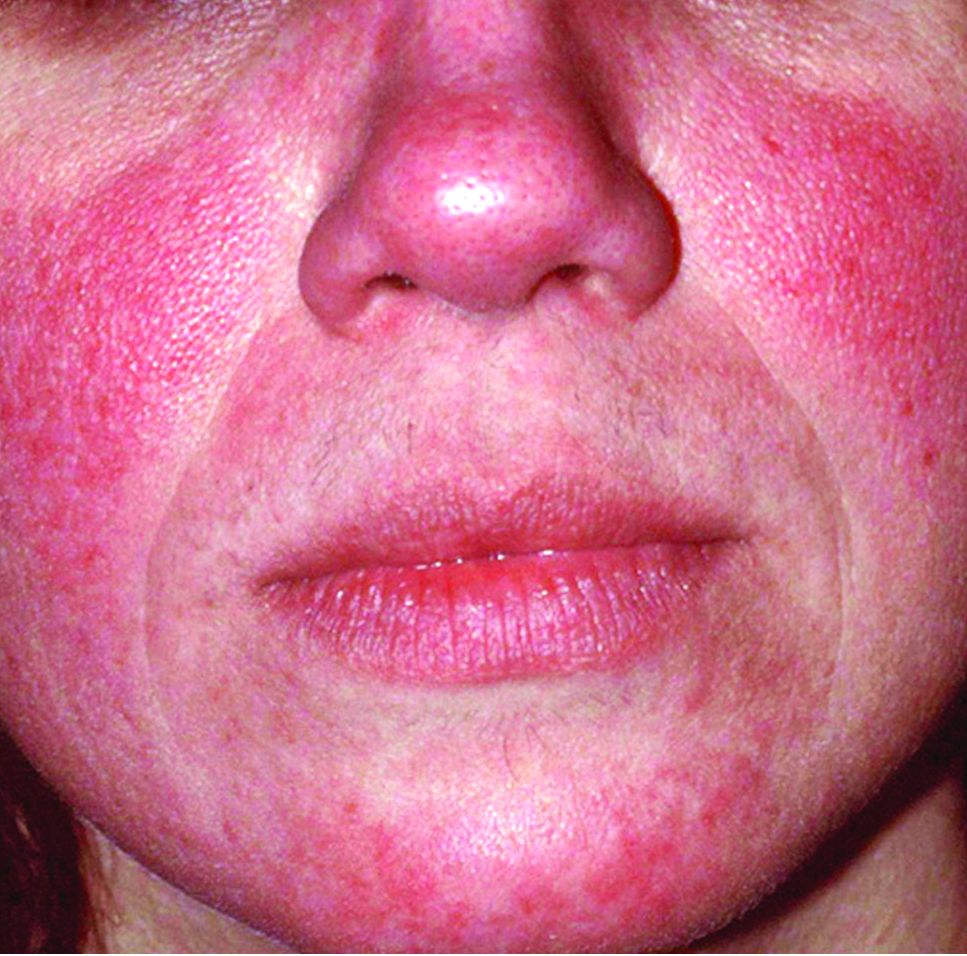
The National Rosacea Society Expert Committee recently updated its phenotype-based classification system, but the global prevalence and incidence of rosacea remain unknown, wrote Lise Gether, MD, of the University of Copenhagen, Denmark, and her colleagues.
In a review published in the British Journal of Dermatology, the researchers examined the prevalence of rosacea among dermatology patients and in the general population worldwide by analyzing 32 studies including 41 populations and 26,538,319 individuals. The study populations comprised 22 from Europe, 9 from North America, 4 from Asia, 3 from South America, and 3 from Africa. Of the 32 studies, 18 included the general population and 14 included only dermatology patients.
Overall, the pooled proportion of individuals with rosacea was 5.46% in the general population and 2.39% among dermatology patients. Of note, the pooled proportions varied when the studies were grouped by diagnostic method: self-diagnosis (9.7%), physician diagnosis (5.5%), and health care database estimate (1.05%).
Rosacea prevalence by age was highest among individuals aged 45-60 years, but “based on the available data, it was not possible to make useful stratified estimates,” the researchers said.
The researchers estimated rosacea prevalence by gender using data from the 10 studies that reported numbers from both genders. Based on a population of 5,601,642 women and 3,529,559 men, the pooled proportions were similar; 5.4% for women and 3.9% for men.
“The methods used to study the prevalence of rosacea are of great importance as misclassification may be a concern,” the researchers noted. Individuals with mild to moderate rosacea might not seek medical treatment, which might contribute to the low prevalence from health care database estimates. Conversely, the high prevalence with self-reports might suggest a lack of specificity in the questionnaires.
There were no external funding sources. Dr. Gether had no relevant financial disclosures. Coauthors disclosed relationships with companies including Galderma, Pfizer, Eli Lilly, Novartis, and Janssen.
SOURCE: Gether L et al. Br J Dermatol. 2018. doi: 10.1111/bjd.16481
The global incidence of rosacea among adults is approximately 5%, based on data from a meta-analysis and systematic review.
The National Rosacea Society Expert Committee recently updated its phenotype-based classification system, but the global prevalence and incidence of rosacea remain unknown, wrote Lise Gether, MD, of the University of Copenhagen, Denmark, and her colleagues.
In a review published in the British Journal of Dermatology, the researchers examined the prevalence of rosacea among dermatology patients and in the general population worldwide by analyzing 32 studies including 41 populations and 26,538,319 individuals. The study populations comprised 22 from Europe, 9 from North America, 4 from Asia, 3 from South America, and 3 from Africa. Of the 32 studies, 18 included the general population and 14 included only dermatology patients.
Overall, the pooled proportion of individuals with rosacea was 5.46% in the general population and 2.39% among dermatology patients. Of note, the pooled proportions varied when the studies were grouped by diagnostic method: self-diagnosis (9.7%), physician diagnosis (5.5%), and health care database estimate (1.05%).
Rosacea prevalence by age was highest among individuals aged 45-60 years, but “based on the available data, it was not possible to make useful stratified estimates,” the researchers said.
The researchers estimated rosacea prevalence by gender using data from the 10 studies that reported numbers from both genders. Based on a population of 5,601,642 women and 3,529,559 men, the pooled proportions were similar; 5.4% for women and 3.9% for men.
“The methods used to study the prevalence of rosacea are of great importance as misclassification may be a concern,” the researchers noted. Individuals with mild to moderate rosacea might not seek medical treatment, which might contribute to the low prevalence from health care database estimates. Conversely, the high prevalence with self-reports might suggest a lack of specificity in the questionnaires.
There were no external funding sources. Dr. Gether had no relevant financial disclosures. Coauthors disclosed relationships with companies including Galderma, Pfizer, Eli Lilly, Novartis, and Janssen.
SOURCE: Gether L et al. Br J Dermatol. 2018. doi: 10.1111/bjd.16481
The global incidence of rosacea among adults is approximately 5%, based on data from a meta-analysis and systematic review.
The National Rosacea Society Expert Committee recently updated its phenotype-based classification system, but the global prevalence and incidence of rosacea remain unknown, wrote Lise Gether, MD, of the University of Copenhagen, Denmark, and her colleagues.
In a review published in the British Journal of Dermatology, the researchers examined the prevalence of rosacea among dermatology patients and in the general population worldwide by analyzing 32 studies including 41 populations and 26,538,319 individuals. The study populations comprised 22 from Europe, 9 from North America, 4 from Asia, 3 from South America, and 3 from Africa. Of the 32 studies, 18 included the general population and 14 included only dermatology patients.
Overall, the pooled proportion of individuals with rosacea was 5.46% in the general population and 2.39% among dermatology patients. Of note, the pooled proportions varied when the studies were grouped by diagnostic method: self-diagnosis (9.7%), physician diagnosis (5.5%), and health care database estimate (1.05%).
Rosacea prevalence by age was highest among individuals aged 45-60 years, but “based on the available data, it was not possible to make useful stratified estimates,” the researchers said.
The researchers estimated rosacea prevalence by gender using data from the 10 studies that reported numbers from both genders. Based on a population of 5,601,642 women and 3,529,559 men, the pooled proportions were similar; 5.4% for women and 3.9% for men.
“The methods used to study the prevalence of rosacea are of great importance as misclassification may be a concern,” the researchers noted. Individuals with mild to moderate rosacea might not seek medical treatment, which might contribute to the low prevalence from health care database estimates. Conversely, the high prevalence with self-reports might suggest a lack of specificity in the questionnaires.
There were no external funding sources. Dr. Gether had no relevant financial disclosures. Coauthors disclosed relationships with companies including Galderma, Pfizer, Eli Lilly, Novartis, and Janssen.
SOURCE: Gether L et al. Br J Dermatol. 2018. doi: 10.1111/bjd.16481
FROM THE BRITISH JOURNAL OF DERMATOLOGY
Key clinical point: Rosacea occurs worldwide in both men and women, but diagnosis remains inconsistent.
Major finding:
Study details: A meta-analysis of 32 studies and 26,538,319 individuals.
Disclosures: There were no external funding sources. Dr. Gether had no relevant financial disclosures. Coauthors disclosed relationships with companies including Galderma, Pfizer, Eli Lilly, Novartis, and Janssen.
Source: Gether L et al. Br J Dermatol. 2018. doi: 10.1111/bjd.16481.
Tai chi tempers risk of falls in older adults
A tai chi exercise program was more effective than multimodal exercise or stretching at reducing falls among older adults in a 6-month study of 670 participants aged 70 years and older.

Although exercise can be a safe way to reduce falls in older adults, “few comparative effectiveness data are available, especially for older adults with high fall risk,” wrote Fuzhong Li, PhD, of the Oregon Research Institute in Eugene, and his colleagues.
In a study published in JAMA Internal Medicine, the researchers randomized participants to a tailored tai chi program, Tai Ji Quan: Moving for Better Balance (TJQMBB), multimodal exercise, or a control intervention of basic stretching. Each intervention consisted of a twice-weekly 60-minute session for 24 weeks.
The study population included 670 community-dwelling adults aged 70 years and older at seven urban and suburban cities in Oregon. All participants had fallen within the past year or had impaired mobility that put them at increased fall risk. The average age of the participants was 78 years, 65% were women, and 92% were white.
A total of 152 falls occurred among 85 individuals in the TJQMBB group during the study period, compared with 218 falls among 112 individuals in the multimodal exercise group and 363 falls among 127 individuals in the stretching group. Overall, the tai chi group had a 58% reduced incidence of falls, compared with stretching, and a 31% reduced risk, compared with multimodal exercise.
The tai chi program used in the study included balance and stability training, described by the researchers as “unilateral weight-bearing and weight-shifting movements, trunk and pelvic rotation, ankle sway, and eye-head-hand movements.” The multimodal exercise program included aerobic conditioning, strength, balance, and flexibility activities, and the stretching intervention included stretching, breathing, and relaxation.
The results were limited by several factors, including the use of self-reports, low representation of African American participants, and collection of data from a single state, the researchers noted.
However, the findings support the potential of tai chi programs to reduce the risk of falls in older adults. “With increasing evidence of community adoption and implementation and information from cost-benefit and cost-effectiveness analyses, the intervention program represents a promising approach to low-cost and easily implementable fall prevention programs,” the researchers explained.
The study was supported in part by the National Institute on Aging. Dr. Li reported that he is the founder and owner of a consulting company, Exercise Alternatives, and that a licensing free for TJQMBB is paid directly to that company.
SOURCE: Li F et al. JAMA Intern Med. 2018 Sep 10. doi: 10.1001/jamainternmed.2018.3915.
A tai chi exercise program was more effective than multimodal exercise or stretching at reducing falls among older adults in a 6-month study of 670 participants aged 70 years and older.
Although exercise can be a safe way to reduce falls in older adults, “few comparative effectiveness data are available, especially for older adults with high fall risk,” wrote Fuzhong Li, PhD, of the Oregon Research Institute in Eugene, and his colleagues.
In a study published in JAMA Internal Medicine, the researchers randomized participants to a tailored tai chi program, Tai Ji Quan: Moving for Better Balance (TJQMBB), multimodal exercise, or a control intervention of basic stretching. Each intervention consisted of a twice-weekly 60-minute session for 24 weeks.
The study population included 670 community-dwelling adults aged 70 years and older at seven urban and suburban cities in Oregon. All participants had fallen within the past year or had impaired mobility that put them at increased fall risk. The average age of the participants was 78 years, 65% were women, and 92% were white.
A total of 152 falls occurred among 85 individuals in the TJQMBB group during the study period, compared with 218 falls among 112 individuals in the multimodal exercise group and 363 falls among 127 individuals in the stretching group. Overall, the tai chi group had a 58% reduced incidence of falls, compared with stretching, and a 31% reduced risk, compared with multimodal exercise.
The tai chi program used in the study included balance and stability training, described by the researchers as “unilateral weight-bearing and weight-shifting movements, trunk and pelvic rotation, ankle sway, and eye-head-hand movements.” The multimodal exercise program included aerobic conditioning, strength, balance, and flexibility activities, and the stretching intervention included stretching, breathing, and relaxation.
The results were limited by several factors, including the use of self-reports, low representation of African American participants, and collection of data from a single state, the researchers noted.
However, the findings support the potential of tai chi programs to reduce the risk of falls in older adults. “With increasing evidence of community adoption and implementation and information from cost-benefit and cost-effectiveness analyses, the intervention program represents a promising approach to low-cost and easily implementable fall prevention programs,” the researchers explained.
The study was supported in part by the National Institute on Aging. Dr. Li reported that he is the founder and owner of a consulting company, Exercise Alternatives, and that a licensing free for TJQMBB is paid directly to that company.
SOURCE: Li F et al. JAMA Intern Med. 2018 Sep 10. doi: 10.1001/jamainternmed.2018.3915.
A tai chi exercise program was more effective than multimodal exercise or stretching at reducing falls among older adults in a 6-month study of 670 participants aged 70 years and older.
Although exercise can be a safe way to reduce falls in older adults, “few comparative effectiveness data are available, especially for older adults with high fall risk,” wrote Fuzhong Li, PhD, of the Oregon Research Institute in Eugene, and his colleagues.
In a study published in JAMA Internal Medicine, the researchers randomized participants to a tailored tai chi program, Tai Ji Quan: Moving for Better Balance (TJQMBB), multimodal exercise, or a control intervention of basic stretching. Each intervention consisted of a twice-weekly 60-minute session for 24 weeks.
The study population included 670 community-dwelling adults aged 70 years and older at seven urban and suburban cities in Oregon. All participants had fallen within the past year or had impaired mobility that put them at increased fall risk. The average age of the participants was 78 years, 65% were women, and 92% were white.
A total of 152 falls occurred among 85 individuals in the TJQMBB group during the study period, compared with 218 falls among 112 individuals in the multimodal exercise group and 363 falls among 127 individuals in the stretching group. Overall, the tai chi group had a 58% reduced incidence of falls, compared with stretching, and a 31% reduced risk, compared with multimodal exercise.
The tai chi program used in the study included balance and stability training, described by the researchers as “unilateral weight-bearing and weight-shifting movements, trunk and pelvic rotation, ankle sway, and eye-head-hand movements.” The multimodal exercise program included aerobic conditioning, strength, balance, and flexibility activities, and the stretching intervention included stretching, breathing, and relaxation.
The results were limited by several factors, including the use of self-reports, low representation of African American participants, and collection of data from a single state, the researchers noted.
However, the findings support the potential of tai chi programs to reduce the risk of falls in older adults. “With increasing evidence of community adoption and implementation and information from cost-benefit and cost-effectiveness analyses, the intervention program represents a promising approach to low-cost and easily implementable fall prevention programs,” the researchers explained.
The study was supported in part by the National Institute on Aging. Dr. Li reported that he is the founder and owner of a consulting company, Exercise Alternatives, and that a licensing free for TJQMBB is paid directly to that company.
SOURCE: Li F et al. JAMA Intern Med. 2018 Sep 10. doi: 10.1001/jamainternmed.2018.3915.
FROM JAMA INTERNAL MEDICINE
Key clinical point: Tai chi reduced the incidence of falls in high-risk older adults more effectively than stretching or conventional exercise.
Major finding: Tai chi participants had a 58% reduced incidence of falls, compared with stretching, and a 31% reduced risk, compared with multimodal exercise.
Study details: The data came from a single-blind, randomized trial of 670 adults aged 70 years and older.
Disclosures: The study was supported in part by the National Institute on Aging. Dr. Li reported that he is the founder and owner of a consulting company, Exercise Alternatives, and that a licensing free for Tai Ji Quan: Moving for Better Balance is paid directly to that company.
Source: Li F et al. JAMA Intern Med. 2018 Sep 10. doi: 10.1001/jamainternmed.2018.3915.
Dermatologists continue to prefer urban areas
, according to data from a longitudinal study published online Sept. 5 in JAMA Dermatology.
Data from previous studies suggest that the demand for dermatologists continues to outpace the supply, thus dermatologists have their choice of locations and prefer urban areas because of greater professional opportunities, desire to live near family, and lack of financial incentives to relocate to underserved areas, wrote Hao Feng, MD, of the department of dermatology, New York University, and his colleagues.
To evaluate the latest longitudinal trends in dermatology and factors affecting geographic distribution, the researchers used the Area Health Resources File from 1995 to 2013 to examine the geographic densities of dermatologists and other physicians, as well as the age distribution of dermatologists. The counties were classified as rural, nonmetropolitan, and metropolitan.
Although the percentage changes in dermatologist density at the county level showed a greater increase during the study period in rural counties (30%) and nonmetropolitan counties (25%), compared with metropolitan counties (18%), the differences in actual density of dermatologists per 100,000 people were highest in urban areas.
Overall, dermatologist density in metropolitan areas increased from 3.47 to 4.11 per 100,000 people between 1995 and 2013. Dermatologist density in nonmetropolitan areas during this time increased from 0.84 in 1995 to 1.05 per 100,000 people in 2013, and from 0.065 to 0.085 per 100,000 people in rural areas during that time.
The researchers also evaluated dermatologist trends by age, and found that the number of dermatologists younger than 55 years increased by 21% in metropolitan areas and by 7% in nonmetropolitan and rural areas combined between 1995 and 2013.
The study findings were strengthened by the long time period, but limited by factors including inability to differentiate among full-time and part-time dermatologists, and among medical or cosmetic dermatologists and dermatologic surgeons, the researchers said. However, the results suggest that geographic disparities for dermatologists in the United States continue to increase, and strategies to correct it are important to maintain patient care, they wrote. “Careful workforce planning will be needed to consider alternative health care delivery models, dermatologist recruitment strategies, and the role of nonphysician practitioners and telemedicine, especially in nonmetropolitan or rural areas,” they noted.
The researchers had no financial conflicts to disclose.
SOURCE: Feng H et al. JAMA Dermatol. 2018 Sep 5. doi: 10.1001/jamadermatol.2018.3022.
A stagnation of dermatology training programs in the 1980s and 1990s led to a limited supply of dermatologists, most of whom chose to work in urban areas, and this geographic distribution gap has persisted and worsened, Martina L. Porter, MD, and Alexa B. Kimball, MD, wrote in an editorial. The trend of more dermatologists opting for academic, group, or multispecialty practices instead of solo practices has continued, which adds to the maldistribution of dermatologists by geography, they said. “This demographic pattern poses an additional threat because almost half of rural dermatology practices were solo practices as of 2014,” they noted.
In addition, women make up approximately half of the current and future dermatology workforce, and they have historically been less likely to move to rural areas, even when offered forgiveness on student loans. Even so, the authors encouraged the use of exposure to rural medicine to establish a connection to an area, along with financial incentives and loan repayment.
“In parallel, because there appears to be increasing willingness to fund telemedicine, doubling down on training rural physicians and APPs in some areas of dermatology and engaging technology to support them seems prudent and responsible,” they wrote. “We may not be able to modify the overall dermatology workforce imbalance, but ensuring timely access to our expertise for those patients who need us most can still be achieved if prioritized correctly” (JAMA Dermatol. 2018 Sep 5. doi: 10.1001/jamadermatol.2018.2925).
Dr. Porter and Dr. Kimball are affiliated with Harvard Medical School in Boston. They had no financial conflicts to disclose.
A stagnation of dermatology training programs in the 1980s and 1990s led to a limited supply of dermatologists, most of whom chose to work in urban areas, and this geographic distribution gap has persisted and worsened, Martina L. Porter, MD, and Alexa B. Kimball, MD, wrote in an editorial. The trend of more dermatologists opting for academic, group, or multispecialty practices instead of solo practices has continued, which adds to the maldistribution of dermatologists by geography, they said. “This demographic pattern poses an additional threat because almost half of rural dermatology practices were solo practices as of 2014,” they noted.
In addition, women make up approximately half of the current and future dermatology workforce, and they have historically been less likely to move to rural areas, even when offered forgiveness on student loans. Even so, the authors encouraged the use of exposure to rural medicine to establish a connection to an area, along with financial incentives and loan repayment.
“In parallel, because there appears to be increasing willingness to fund telemedicine, doubling down on training rural physicians and APPs in some areas of dermatology and engaging technology to support them seems prudent and responsible,” they wrote. “We may not be able to modify the overall dermatology workforce imbalance, but ensuring timely access to our expertise for those patients who need us most can still be achieved if prioritized correctly” (JAMA Dermatol. 2018 Sep 5. doi: 10.1001/jamadermatol.2018.2925).
Dr. Porter and Dr. Kimball are affiliated with Harvard Medical School in Boston. They had no financial conflicts to disclose.
A stagnation of dermatology training programs in the 1980s and 1990s led to a limited supply of dermatologists, most of whom chose to work in urban areas, and this geographic distribution gap has persisted and worsened, Martina L. Porter, MD, and Alexa B. Kimball, MD, wrote in an editorial. The trend of more dermatologists opting for academic, group, or multispecialty practices instead of solo practices has continued, which adds to the maldistribution of dermatologists by geography, they said. “This demographic pattern poses an additional threat because almost half of rural dermatology practices were solo practices as of 2014,” they noted.
In addition, women make up approximately half of the current and future dermatology workforce, and they have historically been less likely to move to rural areas, even when offered forgiveness on student loans. Even so, the authors encouraged the use of exposure to rural medicine to establish a connection to an area, along with financial incentives and loan repayment.
“In parallel, because there appears to be increasing willingness to fund telemedicine, doubling down on training rural physicians and APPs in some areas of dermatology and engaging technology to support them seems prudent and responsible,” they wrote. “We may not be able to modify the overall dermatology workforce imbalance, but ensuring timely access to our expertise for those patients who need us most can still be achieved if prioritized correctly” (JAMA Dermatol. 2018 Sep 5. doi: 10.1001/jamadermatol.2018.2925).
Dr. Porter and Dr. Kimball are affiliated with Harvard Medical School in Boston. They had no financial conflicts to disclose.
, according to data from a longitudinal study published online Sept. 5 in JAMA Dermatology.
Data from previous studies suggest that the demand for dermatologists continues to outpace the supply, thus dermatologists have their choice of locations and prefer urban areas because of greater professional opportunities, desire to live near family, and lack of financial incentives to relocate to underserved areas, wrote Hao Feng, MD, of the department of dermatology, New York University, and his colleagues.
To evaluate the latest longitudinal trends in dermatology and factors affecting geographic distribution, the researchers used the Area Health Resources File from 1995 to 2013 to examine the geographic densities of dermatologists and other physicians, as well as the age distribution of dermatologists. The counties were classified as rural, nonmetropolitan, and metropolitan.
Although the percentage changes in dermatologist density at the county level showed a greater increase during the study period in rural counties (30%) and nonmetropolitan counties (25%), compared with metropolitan counties (18%), the differences in actual density of dermatologists per 100,000 people were highest in urban areas.
Overall, dermatologist density in metropolitan areas increased from 3.47 to 4.11 per 100,000 people between 1995 and 2013. Dermatologist density in nonmetropolitan areas during this time increased from 0.84 in 1995 to 1.05 per 100,000 people in 2013, and from 0.065 to 0.085 per 100,000 people in rural areas during that time.
The researchers also evaluated dermatologist trends by age, and found that the number of dermatologists younger than 55 years increased by 21% in metropolitan areas and by 7% in nonmetropolitan and rural areas combined between 1995 and 2013.
The study findings were strengthened by the long time period, but limited by factors including inability to differentiate among full-time and part-time dermatologists, and among medical or cosmetic dermatologists and dermatologic surgeons, the researchers said. However, the results suggest that geographic disparities for dermatologists in the United States continue to increase, and strategies to correct it are important to maintain patient care, they wrote. “Careful workforce planning will be needed to consider alternative health care delivery models, dermatologist recruitment strategies, and the role of nonphysician practitioners and telemedicine, especially in nonmetropolitan or rural areas,” they noted.
The researchers had no financial conflicts to disclose.
SOURCE: Feng H et al. JAMA Dermatol. 2018 Sep 5. doi: 10.1001/jamadermatol.2018.3022.
, according to data from a longitudinal study published online Sept. 5 in JAMA Dermatology.
Data from previous studies suggest that the demand for dermatologists continues to outpace the supply, thus dermatologists have their choice of locations and prefer urban areas because of greater professional opportunities, desire to live near family, and lack of financial incentives to relocate to underserved areas, wrote Hao Feng, MD, of the department of dermatology, New York University, and his colleagues.
To evaluate the latest longitudinal trends in dermatology and factors affecting geographic distribution, the researchers used the Area Health Resources File from 1995 to 2013 to examine the geographic densities of dermatologists and other physicians, as well as the age distribution of dermatologists. The counties were classified as rural, nonmetropolitan, and metropolitan.
Although the percentage changes in dermatologist density at the county level showed a greater increase during the study period in rural counties (30%) and nonmetropolitan counties (25%), compared with metropolitan counties (18%), the differences in actual density of dermatologists per 100,000 people were highest in urban areas.
Overall, dermatologist density in metropolitan areas increased from 3.47 to 4.11 per 100,000 people between 1995 and 2013. Dermatologist density in nonmetropolitan areas during this time increased from 0.84 in 1995 to 1.05 per 100,000 people in 2013, and from 0.065 to 0.085 per 100,000 people in rural areas during that time.
The researchers also evaluated dermatologist trends by age, and found that the number of dermatologists younger than 55 years increased by 21% in metropolitan areas and by 7% in nonmetropolitan and rural areas combined between 1995 and 2013.
The study findings were strengthened by the long time period, but limited by factors including inability to differentiate among full-time and part-time dermatologists, and among medical or cosmetic dermatologists and dermatologic surgeons, the researchers said. However, the results suggest that geographic disparities for dermatologists in the United States continue to increase, and strategies to correct it are important to maintain patient care, they wrote. “Careful workforce planning will be needed to consider alternative health care delivery models, dermatologist recruitment strategies, and the role of nonphysician practitioners and telemedicine, especially in nonmetropolitan or rural areas,” they noted.
The researchers had no financial conflicts to disclose.
SOURCE: Feng H et al. JAMA Dermatol. 2018 Sep 5. doi: 10.1001/jamadermatol.2018.3022.
FROM JAMA DERMATOLOGY
Key clinical point: Geographic disparity for dermatologists in the United States has increased over time.
Major finding: The density of dermatologists increased by 21% from 1995 to 2013, but gaps persist between urban and rural areas.
Study details: A review of county-level data for 1995-2013 from the Area Health Resources File.
Disclosures: The researchers had no financial conflicts to disclose.
Source: Feng H et al. JAMA Dermatol. 2018 Sep 5. doi: 10.1001/jamadermatol.2018.3022.
Obstructive sleep apnea may promote gout
Adults with obstructive sleep apnea are approximately twice as likely as are those without it to develop gout, according to data from a large, retrospective study with a median 5-year follow-up.

Data from previous studies have shown an increased risk in developing gout within the first year of an obstructive sleep apnea (OSA) diagnosis, wrote Milica Blagojevic-Bucknall, PhD, of Keele (England) University, and her colleagues.
In a study published in Arthritis & Rheumatology, the researchers compared 15,879 patients with OSA and 63,296 without.
Overall, 4.9% of OSA patients and 2.6% non‐OSA controls developed gout over a median follow‐up period of 5.8 years. The incidence rate for gout per 1,000 person‐years was 7.83 among patients with OSA and 4.03 for controls (adjusted hazard ratio, 1.42). The greatest risk for gout in the OSA patients occurred approximately 1-2 years after their diagnosis.
The researchers also found significant associations between body mass index and gout risk in sleep apnea across all BMI categories, but the strongest association occurred in the normal BMI group (HR 2.02) at 2-5 years after the index date of OSA.
“The novelty of this study lies in assessing both the short- and long-term association of OSA with incident gout in a large primary care-based population,” the researchers said. They proposed that the most likely explanation for the events was that “intermittent hypoxia increases nucleotide turnover which enhances endogenous uric acid production.”
The study findings were limited by several factors including potential misclassification of OSA and the impact of confounding variables such as genetics and diet, they noted.
However, the results support the association between sleep apnea and gout, but also serve to highlight that clinicians should “consider the possibility of gout in patients with sleep apnea regardless of obesity,” the researchers wrote.
The National Institute for Health Research funded the study. The authors have no conflicts of interest to declare.
SOURCE: Blagojevic-Bucknall M et al. Arthritis Rheumatol. 2018 Aug 30. doi: 10.1002/art.40662.
Adults with obstructive sleep apnea are approximately twice as likely as are those without it to develop gout, according to data from a large, retrospective study with a median 5-year follow-up.
Data from previous studies have shown an increased risk in developing gout within the first year of an obstructive sleep apnea (OSA) diagnosis, wrote Milica Blagojevic-Bucknall, PhD, of Keele (England) University, and her colleagues.
In a study published in Arthritis & Rheumatology, the researchers compared 15,879 patients with OSA and 63,296 without.
Overall, 4.9% of OSA patients and 2.6% non‐OSA controls developed gout over a median follow‐up period of 5.8 years. The incidence rate for gout per 1,000 person‐years was 7.83 among patients with OSA and 4.03 for controls (adjusted hazard ratio, 1.42). The greatest risk for gout in the OSA patients occurred approximately 1-2 years after their diagnosis.
The researchers also found significant associations between body mass index and gout risk in sleep apnea across all BMI categories, but the strongest association occurred in the normal BMI group (HR 2.02) at 2-5 years after the index date of OSA.
“The novelty of this study lies in assessing both the short- and long-term association of OSA with incident gout in a large primary care-based population,” the researchers said. They proposed that the most likely explanation for the events was that “intermittent hypoxia increases nucleotide turnover which enhances endogenous uric acid production.”
The study findings were limited by several factors including potential misclassification of OSA and the impact of confounding variables such as genetics and diet, they noted.
However, the results support the association between sleep apnea and gout, but also serve to highlight that clinicians should “consider the possibility of gout in patients with sleep apnea regardless of obesity,” the researchers wrote.
The National Institute for Health Research funded the study. The authors have no conflicts of interest to declare.
SOURCE: Blagojevic-Bucknall M et al. Arthritis Rheumatol. 2018 Aug 30. doi: 10.1002/art.40662.
Adults with obstructive sleep apnea are approximately twice as likely as are those without it to develop gout, according to data from a large, retrospective study with a median 5-year follow-up.
Data from previous studies have shown an increased risk in developing gout within the first year of an obstructive sleep apnea (OSA) diagnosis, wrote Milica Blagojevic-Bucknall, PhD, of Keele (England) University, and her colleagues.
In a study published in Arthritis & Rheumatology, the researchers compared 15,879 patients with OSA and 63,296 without.
Overall, 4.9% of OSA patients and 2.6% non‐OSA controls developed gout over a median follow‐up period of 5.8 years. The incidence rate for gout per 1,000 person‐years was 7.83 among patients with OSA and 4.03 for controls (adjusted hazard ratio, 1.42). The greatest risk for gout in the OSA patients occurred approximately 1-2 years after their diagnosis.
The researchers also found significant associations between body mass index and gout risk in sleep apnea across all BMI categories, but the strongest association occurred in the normal BMI group (HR 2.02) at 2-5 years after the index date of OSA.
“The novelty of this study lies in assessing both the short- and long-term association of OSA with incident gout in a large primary care-based population,” the researchers said. They proposed that the most likely explanation for the events was that “intermittent hypoxia increases nucleotide turnover which enhances endogenous uric acid production.”
The study findings were limited by several factors including potential misclassification of OSA and the impact of confounding variables such as genetics and diet, they noted.
However, the results support the association between sleep apnea and gout, but also serve to highlight that clinicians should “consider the possibility of gout in patients with sleep apnea regardless of obesity,” the researchers wrote.
The National Institute for Health Research funded the study. The authors have no conflicts of interest to declare.
SOURCE: Blagojevic-Bucknall M et al. Arthritis Rheumatol. 2018 Aug 30. doi: 10.1002/art.40662.
FROM ARTHRITIS & RHEUMATOLOGY
Key clinical point: Adults with obstructive sleep apnea were more likely to develop gout than were those without the condition.
Major finding: Over a median follow‐up of 5.8 years, 4.9% of OSA patients and 2.6% of controls without OSA developed gout.
Study details: A matched retrospective cohort study of 15,879 OSA patients and 63,296 controls.
Disclosures: The National Institute for Health Research funded the study. The researchers had no financial conflicts to disclose.
Source: Blagojevich-Bucknall M et al. Arthritis Rheumatol. 2018 Aug 30. doi: 10.1002/art.40662.
CT scans overused for children’s head traumas
Approximately one-third of children seen for head trauma visits in EDs underwent CT scans over a 9-year period in the United States, despite quality improvement initiatives to reduce unnecessary scans, based on a data from a cross-sectional survey published in Pediatrics.

“Computed tomography (CT) is the reference standard to provide a rapid and definitive diagnosis of intracranial pathology but must be balanced against the risks of radiation-induced malignancy,” wrote Brett Burstein, MD, PhD, of Harvard T.H. Chan School of Public Health, Cambridge, Mass., and his colleagues.
The researchers reviewed data from National Hospital Ambulatory Care Medical Survey database of nationally representative ED visits by children younger than 18 years for head trauma from 2007 to 2015. The median age of the patients was 6 years; 61% were boys. Approximately 88% were seen in nonteaching or nonpediatric hospitals.
During the 9-year period, 32% of 3,054 children underwent head CT scans; the 3,054 represented an estimated 14.3 million children making pediatric ED visits for head trauma. No significant differences were noted from year to year after the researchers controlled for confounding patient and ED factors.
Overall, use of CT was associated with patient’s age 2 years and older (adjusted odds ratio 1.51), white race (aOR 1.43), highest level of triage (aOR 8.24), and treatment at a nonteaching or nonpediatric hospital (aOR 1.47 and 1.53, respectively).
No significant differences in CT use were observed when the researchers compared the periods before (2007-2009) and after (2010-2015) the introduction of the Pediatric Emergency Care Applied Research Network (PECARN) rules – a clinical prediction protocol to assess head injuries in children in an ED setting. The unadjusted proportion of children who underwent CTs during the before PECARN and after PECARN periods was 33% and 31%, respectively.
“The finding of no decrease in CT neuroimaging during the 9-year study period, and particularly after the publication of the PECARN rules in 2009, was counter to the a priori hypothesis of this study,” Dr. Burstein and his associates noted.
The findings were limited by several factors including the lack of data on the severity of the head injuries, data on repeat visits, and potential misclassification of hospitals, they said. However, the results highlight the need for targeted interventions to disseminate the latest clinical decisions into practice.
Dr. Burstein and his associates had no financial conflicts to disclose.
SOURCE: Burstein B al. Pediatrics. 2018 Sept 4. doi: 10.1542/peds.2018-0814.
The data on the overuse of CT scans in cases of pediatric head trauma suggest that the latest best practices based on clinical research are not necessarily reaching out of academic settings and to the points of care where many children receive treatment, Eric Coon, MD, MS, and Susan L. Bratton, MD, MPH, wrote in an editorial.
The habit of CT use for children with head trauma may stem from an American Academy of Pediatrics 1999 recommendation on CT scans for children with a loss of consciousness, they noted.
Although data on CT use after the introduction of prediction algorithms showed signs of decline, these studies focused on children’s hospitals or teaching hospitals, and closer examination showed that “improvements achieved in refining CT use at children’s and teaching hospitals were the exception, with no measurable change on a broader, national level,” the editorialists said.
“Better diffusion of best practices is likely possible if attention is given to care delivered outside of children’s hospitals,” Dr. Coon and Dr. Bratton concluded.
Dr. Coon and Dr. Bratton are affiliated with the University of Utah, Salt Lake City. They had no relevant financial disclosures. These comments are summarized from their editorial accompanying the article by Burstein et al. (Pediatrics. 2018 Sept 4. doi: 10.1542/peds.2018-2137.)
The data on the overuse of CT scans in cases of pediatric head trauma suggest that the latest best practices based on clinical research are not necessarily reaching out of academic settings and to the points of care where many children receive treatment, Eric Coon, MD, MS, and Susan L. Bratton, MD, MPH, wrote in an editorial.
The habit of CT use for children with head trauma may stem from an American Academy of Pediatrics 1999 recommendation on CT scans for children with a loss of consciousness, they noted.
Although data on CT use after the introduction of prediction algorithms showed signs of decline, these studies focused on children’s hospitals or teaching hospitals, and closer examination showed that “improvements achieved in refining CT use at children’s and teaching hospitals were the exception, with no measurable change on a broader, national level,” the editorialists said.
“Better diffusion of best practices is likely possible if attention is given to care delivered outside of children’s hospitals,” Dr. Coon and Dr. Bratton concluded.
Dr. Coon and Dr. Bratton are affiliated with the University of Utah, Salt Lake City. They had no relevant financial disclosures. These comments are summarized from their editorial accompanying the article by Burstein et al. (Pediatrics. 2018 Sept 4. doi: 10.1542/peds.2018-2137.)
The data on the overuse of CT scans in cases of pediatric head trauma suggest that the latest best practices based on clinical research are not necessarily reaching out of academic settings and to the points of care where many children receive treatment, Eric Coon, MD, MS, and Susan L. Bratton, MD, MPH, wrote in an editorial.
The habit of CT use for children with head trauma may stem from an American Academy of Pediatrics 1999 recommendation on CT scans for children with a loss of consciousness, they noted.
Although data on CT use after the introduction of prediction algorithms showed signs of decline, these studies focused on children’s hospitals or teaching hospitals, and closer examination showed that “improvements achieved in refining CT use at children’s and teaching hospitals were the exception, with no measurable change on a broader, national level,” the editorialists said.
“Better diffusion of best practices is likely possible if attention is given to care delivered outside of children’s hospitals,” Dr. Coon and Dr. Bratton concluded.
Dr. Coon and Dr. Bratton are affiliated with the University of Utah, Salt Lake City. They had no relevant financial disclosures. These comments are summarized from their editorial accompanying the article by Burstein et al. (Pediatrics. 2018 Sept 4. doi: 10.1542/peds.2018-2137.)
Approximately one-third of children seen for head trauma visits in EDs underwent CT scans over a 9-year period in the United States, despite quality improvement initiatives to reduce unnecessary scans, based on a data from a cross-sectional survey published in Pediatrics.
“Computed tomography (CT) is the reference standard to provide a rapid and definitive diagnosis of intracranial pathology but must be balanced against the risks of radiation-induced malignancy,” wrote Brett Burstein, MD, PhD, of Harvard T.H. Chan School of Public Health, Cambridge, Mass., and his colleagues.
The researchers reviewed data from National Hospital Ambulatory Care Medical Survey database of nationally representative ED visits by children younger than 18 years for head trauma from 2007 to 2015. The median age of the patients was 6 years; 61% were boys. Approximately 88% were seen in nonteaching or nonpediatric hospitals.
During the 9-year period, 32% of 3,054 children underwent head CT scans; the 3,054 represented an estimated 14.3 million children making pediatric ED visits for head trauma. No significant differences were noted from year to year after the researchers controlled for confounding patient and ED factors.
Overall, use of CT was associated with patient’s age 2 years and older (adjusted odds ratio 1.51), white race (aOR 1.43), highest level of triage (aOR 8.24), and treatment at a nonteaching or nonpediatric hospital (aOR 1.47 and 1.53, respectively).
No significant differences in CT use were observed when the researchers compared the periods before (2007-2009) and after (2010-2015) the introduction of the Pediatric Emergency Care Applied Research Network (PECARN) rules – a clinical prediction protocol to assess head injuries in children in an ED setting. The unadjusted proportion of children who underwent CTs during the before PECARN and after PECARN periods was 33% and 31%, respectively.
“The finding of no decrease in CT neuroimaging during the 9-year study period, and particularly after the publication of the PECARN rules in 2009, was counter to the a priori hypothesis of this study,” Dr. Burstein and his associates noted.
The findings were limited by several factors including the lack of data on the severity of the head injuries, data on repeat visits, and potential misclassification of hospitals, they said. However, the results highlight the need for targeted interventions to disseminate the latest clinical decisions into practice.
Dr. Burstein and his associates had no financial conflicts to disclose.
SOURCE: Burstein B al. Pediatrics. 2018 Sept 4. doi: 10.1542/peds.2018-0814.
Approximately one-third of children seen for head trauma visits in EDs underwent CT scans over a 9-year period in the United States, despite quality improvement initiatives to reduce unnecessary scans, based on a data from a cross-sectional survey published in Pediatrics.
“Computed tomography (CT) is the reference standard to provide a rapid and definitive diagnosis of intracranial pathology but must be balanced against the risks of radiation-induced malignancy,” wrote Brett Burstein, MD, PhD, of Harvard T.H. Chan School of Public Health, Cambridge, Mass., and his colleagues.
The researchers reviewed data from National Hospital Ambulatory Care Medical Survey database of nationally representative ED visits by children younger than 18 years for head trauma from 2007 to 2015. The median age of the patients was 6 years; 61% were boys. Approximately 88% were seen in nonteaching or nonpediatric hospitals.
During the 9-year period, 32% of 3,054 children underwent head CT scans; the 3,054 represented an estimated 14.3 million children making pediatric ED visits for head trauma. No significant differences were noted from year to year after the researchers controlled for confounding patient and ED factors.
Overall, use of CT was associated with patient’s age 2 years and older (adjusted odds ratio 1.51), white race (aOR 1.43), highest level of triage (aOR 8.24), and treatment at a nonteaching or nonpediatric hospital (aOR 1.47 and 1.53, respectively).
No significant differences in CT use were observed when the researchers compared the periods before (2007-2009) and after (2010-2015) the introduction of the Pediatric Emergency Care Applied Research Network (PECARN) rules – a clinical prediction protocol to assess head injuries in children in an ED setting. The unadjusted proportion of children who underwent CTs during the before PECARN and after PECARN periods was 33% and 31%, respectively.
“The finding of no decrease in CT neuroimaging during the 9-year study period, and particularly after the publication of the PECARN rules in 2009, was counter to the a priori hypothesis of this study,” Dr. Burstein and his associates noted.
The findings were limited by several factors including the lack of data on the severity of the head injuries, data on repeat visits, and potential misclassification of hospitals, they said. However, the results highlight the need for targeted interventions to disseminate the latest clinical decisions into practice.
Dr. Burstein and his associates had no financial conflicts to disclose.
SOURCE: Burstein B al. Pediatrics. 2018 Sept 4. doi: 10.1542/peds.2018-0814.
FROM PEDIATRICS
Key clinical point: Use of CT scans to assess head trauma in children remained constant between 2007 and 2015 in the United States.
Major finding: Thirty-two percent of 3,054 children with head trauma underwent CT scans during a 9-year period.
Study details: A cross-sectional survey of 3,054 children, representing 14.3 million pediatric head trauma visits.
Disclosures: The researchers had no financial conflicts to disclose.
Source: Burstein B al. Pediatrics. 2018 Sept 4. doi: 10.1542/peds.2018-0814.