User login
FDA approves lenvatinib for HCC
Approval was based on a noninferiority trial of 954 patients with previously untreated, metastatic or unresectable HCC, comparing treatment with lenvatinib to sorafenib, according to an FDA statement.
Lenvatinib was found noninferior but not statistically superior to sorafenib for overall survival (hazard ratio, 0.92; 95% confidence interval, 0.79-1.06). Median overall survival was 13.6 months for patients in the lenvatinib arm, compared with 12.3 months for patients in the sorafenib arm.
The most common adverse reactions with lenvatinib were hypertension, fatigue, diarrhea, decreased appetite, arthralgia/myalgia, decreased weight, abdominal pain, palmar-plantar erythrodysesthesia syndrome, proteinuria, dysphonia, hemorrhagic events, hypothyroidism, and nausea.
The recommended lenvatinib dosages are 12 mg orally once daily in patients weighing 60 kg or greater actual body weight or 8 mg orally once daily in patients weighing less than 60 kg actual body weight, the FDA said.
Lenvatinib is marketed as Lenvima by Eisai.
Approval was based on a noninferiority trial of 954 patients with previously untreated, metastatic or unresectable HCC, comparing treatment with lenvatinib to sorafenib, according to an FDA statement.
Lenvatinib was found noninferior but not statistically superior to sorafenib for overall survival (hazard ratio, 0.92; 95% confidence interval, 0.79-1.06). Median overall survival was 13.6 months for patients in the lenvatinib arm, compared with 12.3 months for patients in the sorafenib arm.
The most common adverse reactions with lenvatinib were hypertension, fatigue, diarrhea, decreased appetite, arthralgia/myalgia, decreased weight, abdominal pain, palmar-plantar erythrodysesthesia syndrome, proteinuria, dysphonia, hemorrhagic events, hypothyroidism, and nausea.
The recommended lenvatinib dosages are 12 mg orally once daily in patients weighing 60 kg or greater actual body weight or 8 mg orally once daily in patients weighing less than 60 kg actual body weight, the FDA said.
Lenvatinib is marketed as Lenvima by Eisai.
Approval was based on a noninferiority trial of 954 patients with previously untreated, metastatic or unresectable HCC, comparing treatment with lenvatinib to sorafenib, according to an FDA statement.
Lenvatinib was found noninferior but not statistically superior to sorafenib for overall survival (hazard ratio, 0.92; 95% confidence interval, 0.79-1.06). Median overall survival was 13.6 months for patients in the lenvatinib arm, compared with 12.3 months for patients in the sorafenib arm.
The most common adverse reactions with lenvatinib were hypertension, fatigue, diarrhea, decreased appetite, arthralgia/myalgia, decreased weight, abdominal pain, palmar-plantar erythrodysesthesia syndrome, proteinuria, dysphonia, hemorrhagic events, hypothyroidism, and nausea.
The recommended lenvatinib dosages are 12 mg orally once daily in patients weighing 60 kg or greater actual body weight or 8 mg orally once daily in patients weighing less than 60 kg actual body weight, the FDA said.
Lenvatinib is marketed as Lenvima by Eisai.
Feds aim to streamline gene therapy oversight

“As the NIH, the FDA, and research entities have moved to strengthen their individual oversight efforts, some overlaps have occurred,” Dr. Collins and Dr. Gottlieb wrote Aug. 15 in the New England Journal of Medicine. “Substantial duplication has arisen in the submission of initial protocols, annual reports, amendments, and reports of serious adverse events. Originally, these overlaps – which affect no other field in biomedical research – were viewed as harmonized reporting that enabled FDA to conduct regulatory oversight while maintaining confidentiality with sponsors and allowed NIH to provide transparency with regard to the research.”
With three approved treatments – two CAR T therapies and a treatment for a genetic retinal dystrophy – and more than 700 active investigational new drug applications in front of the FDA, “it seems reasonable to envision a day when gene therapy will be a mainstay of treatment for many diseases,” according to the editorial.
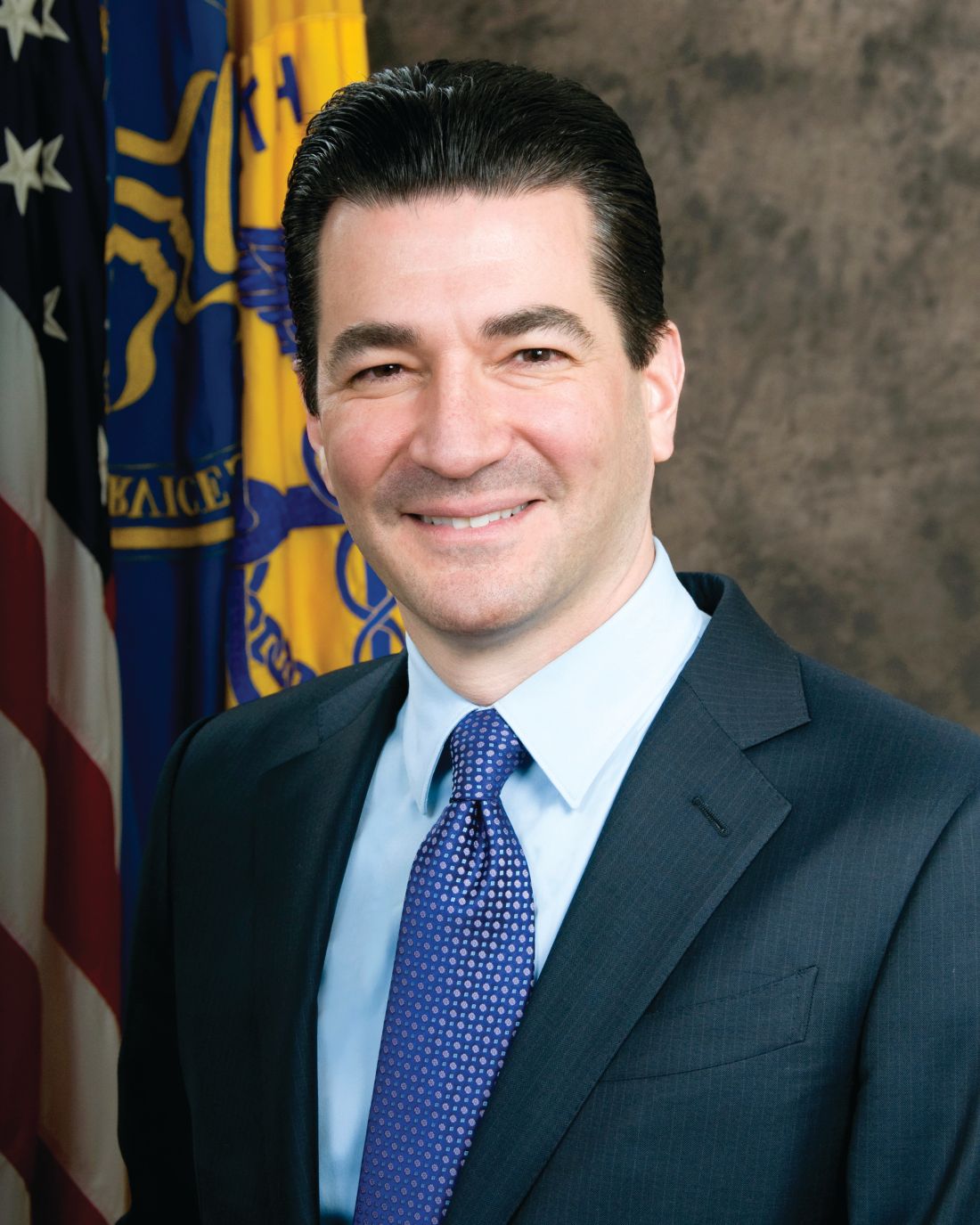
To remedy the situation, NIH officials Aug. 16 posted a proposed update to NIH guidance that seeks “to reduce the duplicative oversight burden by further limiting the role of NIH and RAC [Recombinant DNA Advisory Committee] in assessing gene therapy protocols and reviewing their safety information,” Dr. Collins and Dr. Gottlieb wrote. “Specifically, these proposals will eliminate RAC review and reporting requirements to the NIH for human gene therapy protocols. They will also revise the responsibility of institutional Biosafety Committees, which have local oversight for this research, making their review of human gene therapy protocols consistent with review of other research subject to the NIH Guidelines. Such streamlining will also appropriately place the focus of the NIH Guidelines squarely back on laboratory biosafety.”
RAC was originally established in 1974 to advise the NIH director on research involving manipulation of nucleic acids, but was later expanded to review and discuss protocols for gene therapy in humans.
The proposed structure provides an opportunity “to return the RAC to the spirit in which it was founded. ... The NIH envisions using the RAC as an advisory board on today’s emerging technologies, such as gene editing, synthetic biology, and neurotechnology, while harnessing the attributes that have long ensured its transparency,” they wrote.
This latest proposal follows a suite of FDA draft guidances on gene therapies issued in July that proposed new guidance on manufacturing issues, long-term follow-up, and pathways for clinical development in certain areas.
The guidance is scheduled for publication in the Federal Register on Aug. 17.
SOURCE: Collins FS and Gottlieb S. N Engl J Med. doi: 10.1056/NEJMp1810628.
“As the NIH, the FDA, and research entities have moved to strengthen their individual oversight efforts, some overlaps have occurred,” Dr. Collins and Dr. Gottlieb wrote Aug. 15 in the New England Journal of Medicine. “Substantial duplication has arisen in the submission of initial protocols, annual reports, amendments, and reports of serious adverse events. Originally, these overlaps – which affect no other field in biomedical research – were viewed as harmonized reporting that enabled FDA to conduct regulatory oversight while maintaining confidentiality with sponsors and allowed NIH to provide transparency with regard to the research.”
With three approved treatments – two CAR T therapies and a treatment for a genetic retinal dystrophy – and more than 700 active investigational new drug applications in front of the FDA, “it seems reasonable to envision a day when gene therapy will be a mainstay of treatment for many diseases,” according to the editorial.
To remedy the situation, NIH officials Aug. 16 posted a proposed update to NIH guidance that seeks “to reduce the duplicative oversight burden by further limiting the role of NIH and RAC [Recombinant DNA Advisory Committee] in assessing gene therapy protocols and reviewing their safety information,” Dr. Collins and Dr. Gottlieb wrote. “Specifically, these proposals will eliminate RAC review and reporting requirements to the NIH for human gene therapy protocols. They will also revise the responsibility of institutional Biosafety Committees, which have local oversight for this research, making their review of human gene therapy protocols consistent with review of other research subject to the NIH Guidelines. Such streamlining will also appropriately place the focus of the NIH Guidelines squarely back on laboratory biosafety.”
RAC was originally established in 1974 to advise the NIH director on research involving manipulation of nucleic acids, but was later expanded to review and discuss protocols for gene therapy in humans.
The proposed structure provides an opportunity “to return the RAC to the spirit in which it was founded. ... The NIH envisions using the RAC as an advisory board on today’s emerging technologies, such as gene editing, synthetic biology, and neurotechnology, while harnessing the attributes that have long ensured its transparency,” they wrote.
This latest proposal follows a suite of FDA draft guidances on gene therapies issued in July that proposed new guidance on manufacturing issues, long-term follow-up, and pathways for clinical development in certain areas.
The guidance is scheduled for publication in the Federal Register on Aug. 17.
SOURCE: Collins FS and Gottlieb S. N Engl J Med. doi: 10.1056/NEJMp1810628.
“As the NIH, the FDA, and research entities have moved to strengthen their individual oversight efforts, some overlaps have occurred,” Dr. Collins and Dr. Gottlieb wrote Aug. 15 in the New England Journal of Medicine. “Substantial duplication has arisen in the submission of initial protocols, annual reports, amendments, and reports of serious adverse events. Originally, these overlaps – which affect no other field in biomedical research – were viewed as harmonized reporting that enabled FDA to conduct regulatory oversight while maintaining confidentiality with sponsors and allowed NIH to provide transparency with regard to the research.”
With three approved treatments – two CAR T therapies and a treatment for a genetic retinal dystrophy – and more than 700 active investigational new drug applications in front of the FDA, “it seems reasonable to envision a day when gene therapy will be a mainstay of treatment for many diseases,” according to the editorial.
To remedy the situation, NIH officials Aug. 16 posted a proposed update to NIH guidance that seeks “to reduce the duplicative oversight burden by further limiting the role of NIH and RAC [Recombinant DNA Advisory Committee] in assessing gene therapy protocols and reviewing their safety information,” Dr. Collins and Dr. Gottlieb wrote. “Specifically, these proposals will eliminate RAC review and reporting requirements to the NIH for human gene therapy protocols. They will also revise the responsibility of institutional Biosafety Committees, which have local oversight for this research, making their review of human gene therapy protocols consistent with review of other research subject to the NIH Guidelines. Such streamlining will also appropriately place the focus of the NIH Guidelines squarely back on laboratory biosafety.”
RAC was originally established in 1974 to advise the NIH director on research involving manipulation of nucleic acids, but was later expanded to review and discuss protocols for gene therapy in humans.
The proposed structure provides an opportunity “to return the RAC to the spirit in which it was founded. ... The NIH envisions using the RAC as an advisory board on today’s emerging technologies, such as gene editing, synthetic biology, and neurotechnology, while harnessing the attributes that have long ensured its transparency,” they wrote.
This latest proposal follows a suite of FDA draft guidances on gene therapies issued in July that proposed new guidance on manufacturing issues, long-term follow-up, and pathways for clinical development in certain areas.
The guidance is scheduled for publication in the Federal Register on Aug. 17.
SOURCE: Collins FS and Gottlieb S. N Engl J Med. doi: 10.1056/NEJMp1810628.
Key clinical point: NIH and FDA are looking to streamline gene therapy development oversight.
Major finding: The proposal would return the function of the Recombinant DNA Advisory Committee (RAC) to a function more in line with its original mission.
Study details: Full proposal details are to be published in the Federal Register on Aug. 17.
Disclosures: The agency leaders reported no relevant disclosures in the production of the proposal.
Source: Collins FS and Gottlieb S. N Engl J Med. doi: 10.1056/NEJMp1810628.
FDA approves first EpiPen generic
The , including anaphylaxis, for adults and children weighing more than 33 pounds, according to an announcement from the agency.

“Today’s approval of the first generic version of the most widely prescribed epinephrine autoinjector in the U.S. is part of our longstanding commitment to advance access to lower cost, safe, and effective generic alternatives once patents and other exclusivities no longer prevent approval,” FDA commissioner Scott Gottlieb, MD, said in the release.
Manufactured by Teva Pharmaceuticals USA, the two strengths of the generic versions are 0.3 mg and 0.15 mg.
The FDA has previously approved other epinephrine autoinjectors, which include brand-name products and so-called “authorized generic” versions of Epi-Pen and Adrenaclick. An authorized generic “is made under the brand name’s existing drug application using the same formulation, process, and manufacturing facilities that are used by the brand name manufacturer. The labeling or packaging is, however, changed to remove the brand name or other trade dress. In some cases, a company may choose to sell an authorized generic at a lower cost than the brand-name drug product,” according to the FDA statement.
“Complex” generics – those that, as with this generic, include both a drug and a delivery device – face a tougher path to approval because the FDA has to evaluate and approve both components. “We remain committed to doing our part to provide scientific and regulatory clarity for sponsors seeking to develop complex generics, as well as prioritize the approval of medicines with little or no generic competition, as part of our overarching effort to remove barriers to generic development and market entry of critically important medicines,” Dr. Gottlieb explained.
Side effects of epinephrine autoinjectors include anxiety, restlessness, palpitations, nausea, and weakness; rarely, serious skin and soft-tissue infections after use of epinephrine autoinjectors have been reported.
Find more information about this approval in the FDA press announcement.
The , including anaphylaxis, for adults and children weighing more than 33 pounds, according to an announcement from the agency.
“Today’s approval of the first generic version of the most widely prescribed epinephrine autoinjector in the U.S. is part of our longstanding commitment to advance access to lower cost, safe, and effective generic alternatives once patents and other exclusivities no longer prevent approval,” FDA commissioner Scott Gottlieb, MD, said in the release.
Manufactured by Teva Pharmaceuticals USA, the two strengths of the generic versions are 0.3 mg and 0.15 mg.
The FDA has previously approved other epinephrine autoinjectors, which include brand-name products and so-called “authorized generic” versions of Epi-Pen and Adrenaclick. An authorized generic “is made under the brand name’s existing drug application using the same formulation, process, and manufacturing facilities that are used by the brand name manufacturer. The labeling or packaging is, however, changed to remove the brand name or other trade dress. In some cases, a company may choose to sell an authorized generic at a lower cost than the brand-name drug product,” according to the FDA statement.
“Complex” generics – those that, as with this generic, include both a drug and a delivery device – face a tougher path to approval because the FDA has to evaluate and approve both components. “We remain committed to doing our part to provide scientific and regulatory clarity for sponsors seeking to develop complex generics, as well as prioritize the approval of medicines with little or no generic competition, as part of our overarching effort to remove barriers to generic development and market entry of critically important medicines,” Dr. Gottlieb explained.
Side effects of epinephrine autoinjectors include anxiety, restlessness, palpitations, nausea, and weakness; rarely, serious skin and soft-tissue infections after use of epinephrine autoinjectors have been reported.
Find more information about this approval in the FDA press announcement.
The , including anaphylaxis, for adults and children weighing more than 33 pounds, according to an announcement from the agency.
“Today’s approval of the first generic version of the most widely prescribed epinephrine autoinjector in the U.S. is part of our longstanding commitment to advance access to lower cost, safe, and effective generic alternatives once patents and other exclusivities no longer prevent approval,” FDA commissioner Scott Gottlieb, MD, said in the release.
Manufactured by Teva Pharmaceuticals USA, the two strengths of the generic versions are 0.3 mg and 0.15 mg.
The FDA has previously approved other epinephrine autoinjectors, which include brand-name products and so-called “authorized generic” versions of Epi-Pen and Adrenaclick. An authorized generic “is made under the brand name’s existing drug application using the same formulation, process, and manufacturing facilities that are used by the brand name manufacturer. The labeling or packaging is, however, changed to remove the brand name or other trade dress. In some cases, a company may choose to sell an authorized generic at a lower cost than the brand-name drug product,” according to the FDA statement.
“Complex” generics – those that, as with this generic, include both a drug and a delivery device – face a tougher path to approval because the FDA has to evaluate and approve both components. “We remain committed to doing our part to provide scientific and regulatory clarity for sponsors seeking to develop complex generics, as well as prioritize the approval of medicines with little or no generic competition, as part of our overarching effort to remove barriers to generic development and market entry of critically important medicines,” Dr. Gottlieb explained.
Side effects of epinephrine autoinjectors include anxiety, restlessness, palpitations, nausea, and weakness; rarely, serious skin and soft-tissue infections after use of epinephrine autoinjectors have been reported.
Find more information about this approval in the FDA press announcement.
Lurbinectedin shows activity against relapsed Ewing’s
CHICAGO – Single-agent lurbinectedin (PM1183, Zepsyre) showed “encouraging” activity against advanced Ewing’s Sarcoma in previously treated adults, results of a phase 2 study indicated.
Among 28 adults with Ewing’s sarcoma (ES) that had relapsed after up to two prior lines of therapy, treatment with lurbinectedin was associated with five partial responses and six cases of stable disease, reported Vivek Subbiah, MD, from the University of Texas MD Anderson Cancer Center in Houston and his colleagues.
“Treatment in combination with other agents is warranted in this patient population,” they wrote in a poster presented at the annual meeting of the American Society of Clinical Oncology.
Lurbinectedin’s mechanism of action is through blocking DNA transcription and inducing DNA double-strand breaks, which leads to programmed cell death.
“Moreover, in sarcomas associated with translocations, such as ES, in which the translocation produces a fusion protein that acts as a deregulated transcription factor, lurbinectedin might interfere with the binding of this protein to specific DNA promoters and thus with the synthesis of downstream proteins,” the investigators wrote.
This agent is being investigated against ES as part of a phase 2 basket trial, which is testing the drug against a variety of malignancies. The ES cohort in this study included 15 adults who had received up to two prior chemotherapy regimens. The trial rules called for recruitment of a minimum of 10 more patients if at least one of the first 15 had a confirmed response. There were two responses among the 15 patients, leading to an expansion cohort with 13 patients, for a total of 28 in the current analysis.
The median patient age was 33 years (range, 18-74 years). The majority of patients had good performance status, with Eastern Cooperative Oncology Group scores of 0 (11 patients) or 1 (15 patients); one patient had an ECOG PS score of 2, and one had unknown status.
All but one patient had received a minimum of two prior lines of therapy.
The patients were treated with lurbinectedin 3.2 mg/m2 in a 1-hour infusion on day 1 of every 21-day cycle, with the longest duration of therapy out to 14 cycles.
Among 25 evaluable patients, eight had tumor shrinkage, ranging from less than 5% (two patients) to more than 45% (four patients).
Median progression-free survival (PFS) was 2.7 months. The 4-month PFS rate was 42.9%, and the 6-month rates was 21.4%.
A total of 11 patients had some clinical benefit, including five partial responses and six cases of stable disease.
Grade 3 or 4 treatment-related adverse events included febrile neutropenia (two events grade 3 and two grade 4), anemia (five events, all grade 3), neutropenia (five grade 3 and 10 grade 4), thrombocytopenia (four grade 3 events), and elevated alanine aminotransferase levels (two grade 3 events).
Myelosuppression was transient and manageable with granulocyte colony-stimulating factor, the investigators said.
The study was supported by PharmaMar. Dr. Subbiah disclosed travel, accommodations, and/or expenses from the company and from Bayer; a consulting or advisory role with MedImmune; and institutional research funding from PharmaMar and multiple other companies.
SOURCE: Subbiah V et al. ASCO 2018, Abstract 11519.
CHICAGO – Single-agent lurbinectedin (PM1183, Zepsyre) showed “encouraging” activity against advanced Ewing’s Sarcoma in previously treated adults, results of a phase 2 study indicated.
Among 28 adults with Ewing’s sarcoma (ES) that had relapsed after up to two prior lines of therapy, treatment with lurbinectedin was associated with five partial responses and six cases of stable disease, reported Vivek Subbiah, MD, from the University of Texas MD Anderson Cancer Center in Houston and his colleagues.
“Treatment in combination with other agents is warranted in this patient population,” they wrote in a poster presented at the annual meeting of the American Society of Clinical Oncology.
Lurbinectedin’s mechanism of action is through blocking DNA transcription and inducing DNA double-strand breaks, which leads to programmed cell death.
“Moreover, in sarcomas associated with translocations, such as ES, in which the translocation produces a fusion protein that acts as a deregulated transcription factor, lurbinectedin might interfere with the binding of this protein to specific DNA promoters and thus with the synthesis of downstream proteins,” the investigators wrote.
This agent is being investigated against ES as part of a phase 2 basket trial, which is testing the drug against a variety of malignancies. The ES cohort in this study included 15 adults who had received up to two prior chemotherapy regimens. The trial rules called for recruitment of a minimum of 10 more patients if at least one of the first 15 had a confirmed response. There were two responses among the 15 patients, leading to an expansion cohort with 13 patients, for a total of 28 in the current analysis.
The median patient age was 33 years (range, 18-74 years). The majority of patients had good performance status, with Eastern Cooperative Oncology Group scores of 0 (11 patients) or 1 (15 patients); one patient had an ECOG PS score of 2, and one had unknown status.
All but one patient had received a minimum of two prior lines of therapy.
The patients were treated with lurbinectedin 3.2 mg/m2 in a 1-hour infusion on day 1 of every 21-day cycle, with the longest duration of therapy out to 14 cycles.
Among 25 evaluable patients, eight had tumor shrinkage, ranging from less than 5% (two patients) to more than 45% (four patients).
Median progression-free survival (PFS) was 2.7 months. The 4-month PFS rate was 42.9%, and the 6-month rates was 21.4%.
A total of 11 patients had some clinical benefit, including five partial responses and six cases of stable disease.
Grade 3 or 4 treatment-related adverse events included febrile neutropenia (two events grade 3 and two grade 4), anemia (five events, all grade 3), neutropenia (five grade 3 and 10 grade 4), thrombocytopenia (four grade 3 events), and elevated alanine aminotransferase levels (two grade 3 events).
Myelosuppression was transient and manageable with granulocyte colony-stimulating factor, the investigators said.
The study was supported by PharmaMar. Dr. Subbiah disclosed travel, accommodations, and/or expenses from the company and from Bayer; a consulting or advisory role with MedImmune; and institutional research funding from PharmaMar and multiple other companies.
SOURCE: Subbiah V et al. ASCO 2018, Abstract 11519.
CHICAGO – Single-agent lurbinectedin (PM1183, Zepsyre) showed “encouraging” activity against advanced Ewing’s Sarcoma in previously treated adults, results of a phase 2 study indicated.
Among 28 adults with Ewing’s sarcoma (ES) that had relapsed after up to two prior lines of therapy, treatment with lurbinectedin was associated with five partial responses and six cases of stable disease, reported Vivek Subbiah, MD, from the University of Texas MD Anderson Cancer Center in Houston and his colleagues.
“Treatment in combination with other agents is warranted in this patient population,” they wrote in a poster presented at the annual meeting of the American Society of Clinical Oncology.
Lurbinectedin’s mechanism of action is through blocking DNA transcription and inducing DNA double-strand breaks, which leads to programmed cell death.
“Moreover, in sarcomas associated with translocations, such as ES, in which the translocation produces a fusion protein that acts as a deregulated transcription factor, lurbinectedin might interfere with the binding of this protein to specific DNA promoters and thus with the synthesis of downstream proteins,” the investigators wrote.
This agent is being investigated against ES as part of a phase 2 basket trial, which is testing the drug against a variety of malignancies. The ES cohort in this study included 15 adults who had received up to two prior chemotherapy regimens. The trial rules called for recruitment of a minimum of 10 more patients if at least one of the first 15 had a confirmed response. There were two responses among the 15 patients, leading to an expansion cohort with 13 patients, for a total of 28 in the current analysis.
The median patient age was 33 years (range, 18-74 years). The majority of patients had good performance status, with Eastern Cooperative Oncology Group scores of 0 (11 patients) or 1 (15 patients); one patient had an ECOG PS score of 2, and one had unknown status.
All but one patient had received a minimum of two prior lines of therapy.
The patients were treated with lurbinectedin 3.2 mg/m2 in a 1-hour infusion on day 1 of every 21-day cycle, with the longest duration of therapy out to 14 cycles.
Among 25 evaluable patients, eight had tumor shrinkage, ranging from less than 5% (two patients) to more than 45% (four patients).
Median progression-free survival (PFS) was 2.7 months. The 4-month PFS rate was 42.9%, and the 6-month rates was 21.4%.
A total of 11 patients had some clinical benefit, including five partial responses and six cases of stable disease.
Grade 3 or 4 treatment-related adverse events included febrile neutropenia (two events grade 3 and two grade 4), anemia (five events, all grade 3), neutropenia (five grade 3 and 10 grade 4), thrombocytopenia (four grade 3 events), and elevated alanine aminotransferase levels (two grade 3 events).
Myelosuppression was transient and manageable with granulocyte colony-stimulating factor, the investigators said.
The study was supported by PharmaMar. Dr. Subbiah disclosed travel, accommodations, and/or expenses from the company and from Bayer; a consulting or advisory role with MedImmune; and institutional research funding from PharmaMar and multiple other companies.
SOURCE: Subbiah V et al. ASCO 2018, Abstract 11519.
REPORTING FROM ASCO 2018
Key clinical point: Lurbinectedin showed single-agent activity against Ewing’s sarcoma.
Major finding: Out of 28 patients, 5 had partial responses, and 6 had stable disease.
Study details: Phase 2 basket trial of lurbinectedin including 15 patients with Ewing’s sarcoma in the primary cohort and 13 in an expansion cohort.
Disclosures: The study was supported by PharmaMar. Dr. Subbiah disclosed travel, accommodations, and/or expenses from the company and from Bayer; a consulting or advisory role with MedImmune; and institutional research funding from PharmaMar and multiple other companies.
Source: Subbiah V et al. ASCO 2018, Abstract 11519.
Kalydeco approved for patients aged 1-2 years
The Food and Drug Administration has approved Kalydeco (ivacaftor) for the treatment of patients aged 12 to less than 24 months who have cystic fibrosis that is caused by any of 10 mutations in the CFTR gene and is responsive to the drug, the drug’s developer announced.
The drug was approved for patients aged 6 years and older in 2012 and in patients aged 2-5 years in 2015 and is the only approved drug that treats the underlying cause of cystic fibrosis rather than its symptoms.
The approval is based on the ongoing phase 3, open-label ARRIVAL trial (NCT02725567), which is assessing the drug’s safety in children aged 12 months to less than 24 months. The trial’s investigators have found that its safety profile in this age group is consistent with that seen in older children and adults. Most adverse events were mild to moderate; the most common (occurring in more than 30% of patients) were cough, pyrexia, elevated aspartate aminotransferase, elevated alanine aminotransferase, and runny nose. The trial found that, after 24 weeks of treatment, the mean sweat chloride levels decreased from 104.1 mmol/L (n = 14) to 33.8 mmol/L (n = 14).
Ivacaftor is contraindicated in patients taking certain antibiotics, seizure medications, or other medications; risk of drug interaction – affecting either the performance of ivacaftor or that of the other medication – is also a concern. Patients should inform their doctors if they are pregnant, planning to become pregnant, or breastfeeding; have liver or kidney problems; or drink grapefruit juice or eat grapefruit or Seville oranges. There also is a risk of high liver enzymes or cataracts. Ivacaftor is available in 150-mg tablets for adults and pediatric patients aged 6 years and older and in 50-mg and 75-mg granules for younger patients. Full prescribing information can be found on the FDA website.
The Food and Drug Administration has approved Kalydeco (ivacaftor) for the treatment of patients aged 12 to less than 24 months who have cystic fibrosis that is caused by any of 10 mutations in the CFTR gene and is responsive to the drug, the drug’s developer announced.
The drug was approved for patients aged 6 years and older in 2012 and in patients aged 2-5 years in 2015 and is the only approved drug that treats the underlying cause of cystic fibrosis rather than its symptoms.
The approval is based on the ongoing phase 3, open-label ARRIVAL trial (NCT02725567), which is assessing the drug’s safety in children aged 12 months to less than 24 months. The trial’s investigators have found that its safety profile in this age group is consistent with that seen in older children and adults. Most adverse events were mild to moderate; the most common (occurring in more than 30% of patients) were cough, pyrexia, elevated aspartate aminotransferase, elevated alanine aminotransferase, and runny nose. The trial found that, after 24 weeks of treatment, the mean sweat chloride levels decreased from 104.1 mmol/L (n = 14) to 33.8 mmol/L (n = 14).
Ivacaftor is contraindicated in patients taking certain antibiotics, seizure medications, or other medications; risk of drug interaction – affecting either the performance of ivacaftor or that of the other medication – is also a concern. Patients should inform their doctors if they are pregnant, planning to become pregnant, or breastfeeding; have liver or kidney problems; or drink grapefruit juice or eat grapefruit or Seville oranges. There also is a risk of high liver enzymes or cataracts. Ivacaftor is available in 150-mg tablets for adults and pediatric patients aged 6 years and older and in 50-mg and 75-mg granules for younger patients. Full prescribing information can be found on the FDA website.
The Food and Drug Administration has approved Kalydeco (ivacaftor) for the treatment of patients aged 12 to less than 24 months who have cystic fibrosis that is caused by any of 10 mutations in the CFTR gene and is responsive to the drug, the drug’s developer announced.
The drug was approved for patients aged 6 years and older in 2012 and in patients aged 2-5 years in 2015 and is the only approved drug that treats the underlying cause of cystic fibrosis rather than its symptoms.
The approval is based on the ongoing phase 3, open-label ARRIVAL trial (NCT02725567), which is assessing the drug’s safety in children aged 12 months to less than 24 months. The trial’s investigators have found that its safety profile in this age group is consistent with that seen in older children and adults. Most adverse events were mild to moderate; the most common (occurring in more than 30% of patients) were cough, pyrexia, elevated aspartate aminotransferase, elevated alanine aminotransferase, and runny nose. The trial found that, after 24 weeks of treatment, the mean sweat chloride levels decreased from 104.1 mmol/L (n = 14) to 33.8 mmol/L (n = 14).
Ivacaftor is contraindicated in patients taking certain antibiotics, seizure medications, or other medications; risk of drug interaction – affecting either the performance of ivacaftor or that of the other medication – is also a concern. Patients should inform their doctors if they are pregnant, planning to become pregnant, or breastfeeding; have liver or kidney problems; or drink grapefruit juice or eat grapefruit or Seville oranges. There also is a risk of high liver enzymes or cataracts. Ivacaftor is available in 150-mg tablets for adults and pediatric patients aged 6 years and older and in 50-mg and 75-mg granules for younger patients. Full prescribing information can be found on the FDA website.
Meta-analysis supports rituximab maintenance in MCL
albeit with the trade-off of higher risk of neutropenia, according to results of a meta-analysis reported in HemaSphere.
Investigators led by Liat Vidal, MD, of Tel-Aviv University, analyzed data from six randomized controlled trials of maintenance therapy including 858 patients with MCL who had a complete or partial response to induction therapy. The maintenance therapy was rituximab in five trials and bortezomib (Velcade) in one trial. The median duration of follow-up was 26-59 months across trials.
Main results showed that, compared with patients who were simply observed or given maintenance interferon-alfa, those given maintenance rituximab had a significantly reduced risk of progression or death (pooled hazard ratio, 0.58; 95% confidence interval, 0.45-0.73) and a nonsignificantly reduced risk of death (pHR, 0.79; 95% CI, 0.58-1.06).
Rituximab maintenance therapy was associated with a doubling of the risk of grade 3 or 4 neutropenia (risk ratio, 2.02; 95% CI, 1.50-2.73). However, there was no significant difference between groups with respect to risks of infection, or grade 3 or 4 anemia or thrombocythemia.
None of the included trials reported on quality of life outcomes.
The lone trial of bortezomib maintenance did not find any significant event-free survival or overall survival benefit.
“Based on our results, rituximab maintenance is recommended after immunochemotherapy with R-CHOP or cytarabine-containing induction in the front-line setting for transplant-eligible and -ineligible patients, and after R-CHOP in the relapse setting. It is unclear if maintenance is of benefit after different induction chemotherapy such as bendamustine or fludarabine,” Dr. Vidal and coauthors conclude. “By contrast, current data does not support improved outcomes with bortezomib maintenance for MCL patients.”
Dr. Vidal disclosed that she is an employee of Syneos Health. The study received no funding.
SOURCE: Vidal L et al. HemaSphere. 2018 Aug;2(4):e136.
albeit with the trade-off of higher risk of neutropenia, according to results of a meta-analysis reported in HemaSphere.
Investigators led by Liat Vidal, MD, of Tel-Aviv University, analyzed data from six randomized controlled trials of maintenance therapy including 858 patients with MCL who had a complete or partial response to induction therapy. The maintenance therapy was rituximab in five trials and bortezomib (Velcade) in one trial. The median duration of follow-up was 26-59 months across trials.
Main results showed that, compared with patients who were simply observed or given maintenance interferon-alfa, those given maintenance rituximab had a significantly reduced risk of progression or death (pooled hazard ratio, 0.58; 95% confidence interval, 0.45-0.73) and a nonsignificantly reduced risk of death (pHR, 0.79; 95% CI, 0.58-1.06).
Rituximab maintenance therapy was associated with a doubling of the risk of grade 3 or 4 neutropenia (risk ratio, 2.02; 95% CI, 1.50-2.73). However, there was no significant difference between groups with respect to risks of infection, or grade 3 or 4 anemia or thrombocythemia.
None of the included trials reported on quality of life outcomes.
The lone trial of bortezomib maintenance did not find any significant event-free survival or overall survival benefit.
“Based on our results, rituximab maintenance is recommended after immunochemotherapy with R-CHOP or cytarabine-containing induction in the front-line setting for transplant-eligible and -ineligible patients, and after R-CHOP in the relapse setting. It is unclear if maintenance is of benefit after different induction chemotherapy such as bendamustine or fludarabine,” Dr. Vidal and coauthors conclude. “By contrast, current data does not support improved outcomes with bortezomib maintenance for MCL patients.”
Dr. Vidal disclosed that she is an employee of Syneos Health. The study received no funding.
SOURCE: Vidal L et al. HemaSphere. 2018 Aug;2(4):e136.
albeit with the trade-off of higher risk of neutropenia, according to results of a meta-analysis reported in HemaSphere.
Investigators led by Liat Vidal, MD, of Tel-Aviv University, analyzed data from six randomized controlled trials of maintenance therapy including 858 patients with MCL who had a complete or partial response to induction therapy. The maintenance therapy was rituximab in five trials and bortezomib (Velcade) in one trial. The median duration of follow-up was 26-59 months across trials.
Main results showed that, compared with patients who were simply observed or given maintenance interferon-alfa, those given maintenance rituximab had a significantly reduced risk of progression or death (pooled hazard ratio, 0.58; 95% confidence interval, 0.45-0.73) and a nonsignificantly reduced risk of death (pHR, 0.79; 95% CI, 0.58-1.06).
Rituximab maintenance therapy was associated with a doubling of the risk of grade 3 or 4 neutropenia (risk ratio, 2.02; 95% CI, 1.50-2.73). However, there was no significant difference between groups with respect to risks of infection, or grade 3 or 4 anemia or thrombocythemia.
None of the included trials reported on quality of life outcomes.
The lone trial of bortezomib maintenance did not find any significant event-free survival or overall survival benefit.
“Based on our results, rituximab maintenance is recommended after immunochemotherapy with R-CHOP or cytarabine-containing induction in the front-line setting for transplant-eligible and -ineligible patients, and after R-CHOP in the relapse setting. It is unclear if maintenance is of benefit after different induction chemotherapy such as bendamustine or fludarabine,” Dr. Vidal and coauthors conclude. “By contrast, current data does not support improved outcomes with bortezomib maintenance for MCL patients.”
Dr. Vidal disclosed that she is an employee of Syneos Health. The study received no funding.
SOURCE: Vidal L et al. HemaSphere. 2018 Aug;2(4):e136.
FROM HEMASPHERE
Key clinical point: Rituximab maintenance therapy improves outcomes in patients with MCL.
Major finding: Compared with observation or maintenance interferon-alfa, maintenance rituximab was associated with reduced risk of progression-free survival events (HR, 0.58) and increased risk of grade 3 or 4 neutropenia (RR, 2.02).
Study details: A meta-analysis of six randomized controlled trials including 858 patients with MCL who had a response to induction therapy.
Disclosures: Dr. Vidal disclosed that she is an employee of Syneos Health. The study received no funding.
Source: Vidal L et al. HemaSphere. 2018 Aug;2(4):e136.
How about the practice website?
I want to start with a disclaimer: I don’t have a website for my private practice, and I have no formal education in marketing. My opinions on what should and should not be on physician practice websites are my own, and as you take my thoughts into account, remember that others have different opinions about what belongs on a website.
Periodically, I look at websites my colleagues have set up, and I have noted some interesting differences in how detailed they are, the photos that are chosen, the information that is listed, the editing, and how the doctor presents himself or herself. It seems like a wonderful way to both “advertise” and to have people know about the doctor in advance. Practice websites can save time for everyone: A patient can weed out psychiatrists who don’t treat the condition he or she has, and the doctor can refer to the website rather than having long phone conversations with someone who would not want to see them for any number of reasons. In theory, websites can include ways for patients to schedule their own appointments, but I have not yet seen this software on any psychiatry sites.
Psychiatrist websites often start with some biographical and training issues on either the home or Welcome page or in a specific About section. They may give helpful information, such as directions to the office, parking instructions, and what conditions the doctor treats. It’s important to have a clear link to the site’s menu, and I’m not sure that older users always know that the “hamburger” icon of three horizontal lines is a menu link. It’s nice if there is a picture of the doctor, and I’ve even seen a few sites where there is a photo of the doctor’s office; it seems like a nice touch and may allay some anxiety for new patients if the doctor and his or her space feel familiar and nonthreatening. As with everything on the website, the artwork and graphics reflect something about the doctor. Many psychotherapists will use nature photos; others feature stethoscopes and lab coats for a more medical feel. Some psychiatrists opt for more opaque graphics – geometric shapes, for example.

Psychiatrists differ as to the tone of the websites, with a range from chatty to purely informative. Some are done in the third person, as though written by an agent for the doctor, while others, like Dr. Soulen’s, are written in the first person with a conversational feel. Several psychiatrists I know in solo practice use the first-person plural voice of “we/our” to discuss their practice. It is probably best to choose a single option and stick to it; it can sound awkward if a solo practitioner mixes both “I” and “we,” and a prospective patient may not be sure if he is to meet with one person or a team.

A website can be a painless way to let prospective patients know about insurance participation, fees, and payment policies before the first meeting. Some psychiatrists list their fees and others choose not to. Many doctors list their cancellation policies, and this also seems reasonable. I, personally, find it off-putting when a psychiatrist gets too detailed about money, and there may be better venues for telling patients very specific practice policies such as the price per page for copying records or the consequences of arriving late to a session. In my practice, I don’t charge patients to call or send in prescriptions between sessions, but it does take up physician time, so I have mixed feelings when I see a website that lists a price for this service. I might also worry that patients would stop their medications and risk relapse if they had to worry about paying a fee to have a medication renewal sent in to the pharmacy.
It’s important to remember that patients want a psychiatrist who cares about them, and too much website emphasis on fee collection or office rules may give prospective patients the impression that financial issues take precedence. While many psychiatrists list detailed office policies with grace, I have occasionally seen sites filled with rules such that they almost read, “Here is what I won’t do for you.” Practice ground rules and policies are helpful and set useful boundaries, but a website might not be the best place to announce every policy with every contingency, and doing so may create the impression – accurate or not – that the psychiatrist is rigid and uncaring. And they may hedge the doctor in such that it’s harder to be flexible when a situation warrants doing something other than what is publicly proclaimed.
Many psychiatrists also use their practice websites as a place to offer something more: a blog where they post information on psychiatric conditions, a video of a talk they have given, recommendations for helpful books or articles, and links to other resources. It can be an efficient way of communicating with patients, prospective patients, family members, or referral sources.
Finally, in our age of information overload and Yelp doctor reviews, a practice website allows the physician some control over what a person might learn on a Google search. It doesn’t make negative information go away, but it gives the physician a place to have a say and put up information he or she wants others to see.
Websites come in a variety of formats: Some doctors have them professionally designed; others use free templates. Whatever option one chooses, it’s important to think about how the site will be perceived and to check carefully for spelling and grammar mistakes. Abbreviations should also be avoided; while many patients know what ECT or SSRIs are, it’s best to assume that site visitors may not be familiar with psychiatric lingo.
“A website is a modern-day storefront. I feel it is important to have something that is professional,” Dr. Andrews said.
Dr. Miller is the coauthor of “Committed: The Battle Over Involuntary Psychiatric Care” (Baltimore: Johns Hopkins University Press, 2016).
I want to start with a disclaimer: I don’t have a website for my private practice, and I have no formal education in marketing. My opinions on what should and should not be on physician practice websites are my own, and as you take my thoughts into account, remember that others have different opinions about what belongs on a website.
Periodically, I look at websites my colleagues have set up, and I have noted some interesting differences in how detailed they are, the photos that are chosen, the information that is listed, the editing, and how the doctor presents himself or herself. It seems like a wonderful way to both “advertise” and to have people know about the doctor in advance. Practice websites can save time for everyone: A patient can weed out psychiatrists who don’t treat the condition he or she has, and the doctor can refer to the website rather than having long phone conversations with someone who would not want to see them for any number of reasons. In theory, websites can include ways for patients to schedule their own appointments, but I have not yet seen this software on any psychiatry sites.
Psychiatrist websites often start with some biographical and training issues on either the home or Welcome page or in a specific About section. They may give helpful information, such as directions to the office, parking instructions, and what conditions the doctor treats. It’s important to have a clear link to the site’s menu, and I’m not sure that older users always know that the “hamburger” icon of three horizontal lines is a menu link. It’s nice if there is a picture of the doctor, and I’ve even seen a few sites where there is a photo of the doctor’s office; it seems like a nice touch and may allay some anxiety for new patients if the doctor and his or her space feel familiar and nonthreatening. As with everything on the website, the artwork and graphics reflect something about the doctor. Many psychotherapists will use nature photos; others feature stethoscopes and lab coats for a more medical feel. Some psychiatrists opt for more opaque graphics – geometric shapes, for example.
Psychiatrists differ as to the tone of the websites, with a range from chatty to purely informative. Some are done in the third person, as though written by an agent for the doctor, while others, like Dr. Soulen’s, are written in the first person with a conversational feel. Several psychiatrists I know in solo practice use the first-person plural voice of “we/our” to discuss their practice. It is probably best to choose a single option and stick to it; it can sound awkward if a solo practitioner mixes both “I” and “we,” and a prospective patient may not be sure if he is to meet with one person or a team.
A website can be a painless way to let prospective patients know about insurance participation, fees, and payment policies before the first meeting. Some psychiatrists list their fees and others choose not to. Many doctors list their cancellation policies, and this also seems reasonable. I, personally, find it off-putting when a psychiatrist gets too detailed about money, and there may be better venues for telling patients very specific practice policies such as the price per page for copying records or the consequences of arriving late to a session. In my practice, I don’t charge patients to call or send in prescriptions between sessions, but it does take up physician time, so I have mixed feelings when I see a website that lists a price for this service. I might also worry that patients would stop their medications and risk relapse if they had to worry about paying a fee to have a medication renewal sent in to the pharmacy.
It’s important to remember that patients want a psychiatrist who cares about them, and too much website emphasis on fee collection or office rules may give prospective patients the impression that financial issues take precedence. While many psychiatrists list detailed office policies with grace, I have occasionally seen sites filled with rules such that they almost read, “Here is what I won’t do for you.” Practice ground rules and policies are helpful and set useful boundaries, but a website might not be the best place to announce every policy with every contingency, and doing so may create the impression – accurate or not – that the psychiatrist is rigid and uncaring. And they may hedge the doctor in such that it’s harder to be flexible when a situation warrants doing something other than what is publicly proclaimed.
Many psychiatrists also use their practice websites as a place to offer something more: a blog where they post information on psychiatric conditions, a video of a talk they have given, recommendations for helpful books or articles, and links to other resources. It can be an efficient way of communicating with patients, prospective patients, family members, or referral sources.
Finally, in our age of information overload and Yelp doctor reviews, a practice website allows the physician some control over what a person might learn on a Google search. It doesn’t make negative information go away, but it gives the physician a place to have a say and put up information he or she wants others to see.
Websites come in a variety of formats: Some doctors have them professionally designed; others use free templates. Whatever option one chooses, it’s important to think about how the site will be perceived and to check carefully for spelling and grammar mistakes. Abbreviations should also be avoided; while many patients know what ECT or SSRIs are, it’s best to assume that site visitors may not be familiar with psychiatric lingo.
“A website is a modern-day storefront. I feel it is important to have something that is professional,” Dr. Andrews said.
Dr. Miller is the coauthor of “Committed: The Battle Over Involuntary Psychiatric Care” (Baltimore: Johns Hopkins University Press, 2016).
I want to start with a disclaimer: I don’t have a website for my private practice, and I have no formal education in marketing. My opinions on what should and should not be on physician practice websites are my own, and as you take my thoughts into account, remember that others have different opinions about what belongs on a website.
Periodically, I look at websites my colleagues have set up, and I have noted some interesting differences in how detailed they are, the photos that are chosen, the information that is listed, the editing, and how the doctor presents himself or herself. It seems like a wonderful way to both “advertise” and to have people know about the doctor in advance. Practice websites can save time for everyone: A patient can weed out psychiatrists who don’t treat the condition he or she has, and the doctor can refer to the website rather than having long phone conversations with someone who would not want to see them for any number of reasons. In theory, websites can include ways for patients to schedule their own appointments, but I have not yet seen this software on any psychiatry sites.
Psychiatrist websites often start with some biographical and training issues on either the home or Welcome page or in a specific About section. They may give helpful information, such as directions to the office, parking instructions, and what conditions the doctor treats. It’s important to have a clear link to the site’s menu, and I’m not sure that older users always know that the “hamburger” icon of three horizontal lines is a menu link. It’s nice if there is a picture of the doctor, and I’ve even seen a few sites where there is a photo of the doctor’s office; it seems like a nice touch and may allay some anxiety for new patients if the doctor and his or her space feel familiar and nonthreatening. As with everything on the website, the artwork and graphics reflect something about the doctor. Many psychotherapists will use nature photos; others feature stethoscopes and lab coats for a more medical feel. Some psychiatrists opt for more opaque graphics – geometric shapes, for example.
Psychiatrists differ as to the tone of the websites, with a range from chatty to purely informative. Some are done in the third person, as though written by an agent for the doctor, while others, like Dr. Soulen’s, are written in the first person with a conversational feel. Several psychiatrists I know in solo practice use the first-person plural voice of “we/our” to discuss their practice. It is probably best to choose a single option and stick to it; it can sound awkward if a solo practitioner mixes both “I” and “we,” and a prospective patient may not be sure if he is to meet with one person or a team.
A website can be a painless way to let prospective patients know about insurance participation, fees, and payment policies before the first meeting. Some psychiatrists list their fees and others choose not to. Many doctors list their cancellation policies, and this also seems reasonable. I, personally, find it off-putting when a psychiatrist gets too detailed about money, and there may be better venues for telling patients very specific practice policies such as the price per page for copying records or the consequences of arriving late to a session. In my practice, I don’t charge patients to call or send in prescriptions between sessions, but it does take up physician time, so I have mixed feelings when I see a website that lists a price for this service. I might also worry that patients would stop their medications and risk relapse if they had to worry about paying a fee to have a medication renewal sent in to the pharmacy.
It’s important to remember that patients want a psychiatrist who cares about them, and too much website emphasis on fee collection or office rules may give prospective patients the impression that financial issues take precedence. While many psychiatrists list detailed office policies with grace, I have occasionally seen sites filled with rules such that they almost read, “Here is what I won’t do for you.” Practice ground rules and policies are helpful and set useful boundaries, but a website might not be the best place to announce every policy with every contingency, and doing so may create the impression – accurate or not – that the psychiatrist is rigid and uncaring. And they may hedge the doctor in such that it’s harder to be flexible when a situation warrants doing something other than what is publicly proclaimed.
Many psychiatrists also use their practice websites as a place to offer something more: a blog where they post information on psychiatric conditions, a video of a talk they have given, recommendations for helpful books or articles, and links to other resources. It can be an efficient way of communicating with patients, prospective patients, family members, or referral sources.
Finally, in our age of information overload and Yelp doctor reviews, a practice website allows the physician some control over what a person might learn on a Google search. It doesn’t make negative information go away, but it gives the physician a place to have a say and put up information he or she wants others to see.
Websites come in a variety of formats: Some doctors have them professionally designed; others use free templates. Whatever option one chooses, it’s important to think about how the site will be perceived and to check carefully for spelling and grammar mistakes. Abbreviations should also be avoided; while many patients know what ECT or SSRIs are, it’s best to assume that site visitors may not be familiar with psychiatric lingo.
“A website is a modern-day storefront. I feel it is important to have something that is professional,” Dr. Andrews said.
Dr. Miller is the coauthor of “Committed: The Battle Over Involuntary Psychiatric Care” (Baltimore: Johns Hopkins University Press, 2016).
Prepare for ‘the coming tsunami’ of NAFLD
NEW ORLEANS – Zobair M. Younossi, MD, declared at the annual meeting of the American College of Physicians.

The massive growth in nonalcoholic fatty liver disease (NAFLD) is being fueled to a great extent by the related epidemics of obesity and type 2 diabetes mellitus. While the overall prevalence of NAFLD worldwide is 24%, almost three-quarters of patients with NAFLD are obese. And the prevalence of NAFLD in individuals with T2DM was 58% in a recent meta-analysis of studies from 20 countries conducted by Dr. Younossi and his coinvestigators.
“The prevalence of NAFLD in U.S. kids is about 10%. This is of course part of the coming tsunami because our kids are getting obese, diabetic, and they’re going to have problems with NASH [nonalcoholic steatohepatitis],” said Dr. Younossi, a gastroenterologist who is professor and chairman of the department of medicine at the Inova Fairfax (Va.) campus of Virginia Commonwealth University.
NASH is the form of NAFLD that has the strongest prognostic implications. It can progress to cirrhosis, liver failure, or hepatocellular carcinoma. As Dr. Younossi and his coworkers have shown (Hepat Commun. 2017 Jun 6;1[5]:421-8), it is associated with a significantly greater risk of both liver-related and all-cause mortality than that of non-NASH NAFLD, although NAFLD also carries an increased risk of cardiovascular disease, the leading cause of death in that population.
In addition to highlighting the enormous clinical, economic, and quality-of-life implications of the NAFLD epidemic, Dr. Younossi offered practical tips on how busy primary care physicians can identify patients in their practice who have high-risk NAFLD. They have not done a very good job of this to date. That’s possibly due to lack of incentive, since in 2018 there is no approved drug for the treatment of NASH. He cited one representative retrospective study in which only about 15% of patients identified as having NAFLD received a recommendation for lifestyle modification involving diet and exercise, which is the standard evidence-based treatment, albeit admittedly difficult to sustain. And only 3% of patients with advanced liver fibrosis were referred to a specialist for management.
“So NAFLD is common, but its recognition and doing something about it is quite a challenge,” Dr. Younossi observed.
He argued that patients who have NASH deserve to know it because of its prognostic implications and also so they can have the chance to participate in one of the roughly two dozen ongoing clinical trials of potential therapies, some of which look quite promising. All of the trials required a liver biopsy as a condition for enrollment. Plus, once a patient is known to have stage 3 fibrosis, it’s time to start screening for hepatocellular carcinoma and esophageal varices.
The scope of the epidemic
NASH is the most rapidly growing indication for liver transplantation in the United States, with most of the increase coming from the baby boomer population. NASH is now the second most common indication for placement on the wait list. Meanwhile, liver transplantation due to the consequences of hepatitis C, the No. 1 indication, is declining as a result of the spectacular advances in medical treatment introduced a few years ago. It’s likely that in coming years NASH will take over the top spot, according to Dr. Younossi.
He was coauthor of a recent study that modeled the estimated trends for the NAFLD epidemic in the United States through 2030. The forecast is that the prevalence of NAFLD among adults will climb to 33.5% and the proportion of NAFLD categorized as NASH will increase from 20% at present to 27%. Moreover, this will result in a 168% jump in the incidence of decompensated cirrhosis, a 137% increase in the incidence of hepatocellular carcinoma, and a 178% increase in liver-related mortality, which will account for an estimated 78,300 deaths in 2030 (Hepatology. 2018 Jan;67[1]:123-33).
Practical ways to identify high-risk patients
The best noninvasive means of detecting NAFLD is by ultrasound showing a fatty liver. Often the condition is detected as an incidental finding on abdominal ultrasound ordered for another reason. Elevated liver enzymes can be a tipoff as well. Of course, alcoholic liver disease and other causes must be excluded.
But what’s most important is to identify patients with NASH. It’s a diagnosis made by biopsy. However, it is unthinkable to perform liver biopsies in the entire vast population with NAFLD, so there is a great deal of interest in developing noninvasive diagnostic modalities that can help zero in on the subset of high-risk NAFLD patients who should be considered for referral for liver biopsy.
One useful clue is the presence of comorbid metabolic syndrome in patients with NAFLD. It confers a substantially higher mortality risk – especially cardiovascular mortality – than does NAFLD without metabolic syndrome. Dr. Younossi and his coinvestigators have shown in a study of 3,613 NAFLD patients followed long-term that those with one component of the metabolic syndrome – either hypertension, central obesity, increased fasting plasma glucose, or hyperlipidemia – had 8- and 16-year all-cause mortality rates of 4.7% and 11.9%, nearly double the 2.6% and 6% rates in NAFLD patients with no elements of the metabolic syndrome.
Moreover, the magnitude of risk increased with each additional metabolic syndrome condition: a 3.57-fold increased mortality risk in NAFLD patients with two components of metabolic syndrome, a 5.87-fold increase in those with three, and a 13.09-fold increase in NAFLD patients with all four elements of metabolic syndrome (Medicine [Baltimore]. 2018 Mar;97[13]:e0214. doi: 10.1097/MD.0000000000010214).
Dr. Younossi was a member of the American Association for the Study of Liver Disease expert panel that developed the latest practice guidance regarding the diagnosis and management of NAFLD (Hepatology. 2018 Jan;67[1]:328-57). He said that probably the best simple noninvasive scoring system for the detection of NASH with advanced fibrosis is the NAFLD fibrosis score, which is easily calculated using laboratory values and clinical parameters already in a patient’s chart.
A more sophisticated serum biomarker test known as ELF, or the Enhanced Liver Fibrosis test, combines serum levels of hyaluronic acid, tissue inhibitor of metalloproteinase I, and procollagen amino terminal peptide.
“ELF is a very, very good test. It’s approved in Europe and I suspect it will be in the U.S. within the next year or so,” said Dr. Younossi.
The most exciting noninvasive tests, however, involve imaging that measures liver stiffness, which provides a fairly accurate indication of the degree of scarring in the organ. There are two methods available: vibration wave transient elastography and magnetic resonance elastography.
Transient elastography using the FibroScan device is commercially available in the United States. “It’s a good test, very easy to do, noninvasive. I have a couple of these machines, and we use them all the time,” the gastroenterologist said.
MR elastography provides superior accuracy, but access is an issue.
“At our institution you sometimes have to wait for weeks to get an outpatient MRI, so if you have hundreds of patients with fatty liver disease it makes things difficult. So in our practice we use transient elastography,” he explained.
Both imaging modalities also measure the amount of fat in the liver.
Dr. Younossi uses transient elastography in patients who don’t have type 2 diabetes or frank insulin resistance. If the FibroScan score is 7 kiloPascals or more, he considers liver biopsy, since that’s the threshold for detection of earlier, potentially reversible stage 2 fibrosis. If, however, a patient has diabetes or insulin resistance along with a NAFLD fibrosis score suggesting a high possibility of fibrosis, he sends that patient for liver biopsy, since those endocrinologic disorders are known to be independent risk factors for mortality in the setting of NAFLD.
Dr. Younossi reported having no financial conflicts of interest regarding his presentation.
NEW ORLEANS – Zobair M. Younossi, MD, declared at the annual meeting of the American College of Physicians.
The massive growth in nonalcoholic fatty liver disease (NAFLD) is being fueled to a great extent by the related epidemics of obesity and type 2 diabetes mellitus. While the overall prevalence of NAFLD worldwide is 24%, almost three-quarters of patients with NAFLD are obese. And the prevalence of NAFLD in individuals with T2DM was 58% in a recent meta-analysis of studies from 20 countries conducted by Dr. Younossi and his coinvestigators.
“The prevalence of NAFLD in U.S. kids is about 10%. This is of course part of the coming tsunami because our kids are getting obese, diabetic, and they’re going to have problems with NASH [nonalcoholic steatohepatitis],” said Dr. Younossi, a gastroenterologist who is professor and chairman of the department of medicine at the Inova Fairfax (Va.) campus of Virginia Commonwealth University.
NASH is the form of NAFLD that has the strongest prognostic implications. It can progress to cirrhosis, liver failure, or hepatocellular carcinoma. As Dr. Younossi and his coworkers have shown (Hepat Commun. 2017 Jun 6;1[5]:421-8), it is associated with a significantly greater risk of both liver-related and all-cause mortality than that of non-NASH NAFLD, although NAFLD also carries an increased risk of cardiovascular disease, the leading cause of death in that population.
In addition to highlighting the enormous clinical, economic, and quality-of-life implications of the NAFLD epidemic, Dr. Younossi offered practical tips on how busy primary care physicians can identify patients in their practice who have high-risk NAFLD. They have not done a very good job of this to date. That’s possibly due to lack of incentive, since in 2018 there is no approved drug for the treatment of NASH. He cited one representative retrospective study in which only about 15% of patients identified as having NAFLD received a recommendation for lifestyle modification involving diet and exercise, which is the standard evidence-based treatment, albeit admittedly difficult to sustain. And only 3% of patients with advanced liver fibrosis were referred to a specialist for management.
“So NAFLD is common, but its recognition and doing something about it is quite a challenge,” Dr. Younossi observed.
He argued that patients who have NASH deserve to know it because of its prognostic implications and also so they can have the chance to participate in one of the roughly two dozen ongoing clinical trials of potential therapies, some of which look quite promising. All of the trials required a liver biopsy as a condition for enrollment. Plus, once a patient is known to have stage 3 fibrosis, it’s time to start screening for hepatocellular carcinoma and esophageal varices.
The scope of the epidemic
NASH is the most rapidly growing indication for liver transplantation in the United States, with most of the increase coming from the baby boomer population. NASH is now the second most common indication for placement on the wait list. Meanwhile, liver transplantation due to the consequences of hepatitis C, the No. 1 indication, is declining as a result of the spectacular advances in medical treatment introduced a few years ago. It’s likely that in coming years NASH will take over the top spot, according to Dr. Younossi.
He was coauthor of a recent study that modeled the estimated trends for the NAFLD epidemic in the United States through 2030. The forecast is that the prevalence of NAFLD among adults will climb to 33.5% and the proportion of NAFLD categorized as NASH will increase from 20% at present to 27%. Moreover, this will result in a 168% jump in the incidence of decompensated cirrhosis, a 137% increase in the incidence of hepatocellular carcinoma, and a 178% increase in liver-related mortality, which will account for an estimated 78,300 deaths in 2030 (Hepatology. 2018 Jan;67[1]:123-33).
Practical ways to identify high-risk patients
The best noninvasive means of detecting NAFLD is by ultrasound showing a fatty liver. Often the condition is detected as an incidental finding on abdominal ultrasound ordered for another reason. Elevated liver enzymes can be a tipoff as well. Of course, alcoholic liver disease and other causes must be excluded.
But what’s most important is to identify patients with NASH. It’s a diagnosis made by biopsy. However, it is unthinkable to perform liver biopsies in the entire vast population with NAFLD, so there is a great deal of interest in developing noninvasive diagnostic modalities that can help zero in on the subset of high-risk NAFLD patients who should be considered for referral for liver biopsy.
One useful clue is the presence of comorbid metabolic syndrome in patients with NAFLD. It confers a substantially higher mortality risk – especially cardiovascular mortality – than does NAFLD without metabolic syndrome. Dr. Younossi and his coinvestigators have shown in a study of 3,613 NAFLD patients followed long-term that those with one component of the metabolic syndrome – either hypertension, central obesity, increased fasting plasma glucose, or hyperlipidemia – had 8- and 16-year all-cause mortality rates of 4.7% and 11.9%, nearly double the 2.6% and 6% rates in NAFLD patients with no elements of the metabolic syndrome.
Moreover, the magnitude of risk increased with each additional metabolic syndrome condition: a 3.57-fold increased mortality risk in NAFLD patients with two components of metabolic syndrome, a 5.87-fold increase in those with three, and a 13.09-fold increase in NAFLD patients with all four elements of metabolic syndrome (Medicine [Baltimore]. 2018 Mar;97[13]:e0214. doi: 10.1097/MD.0000000000010214).
Dr. Younossi was a member of the American Association for the Study of Liver Disease expert panel that developed the latest practice guidance regarding the diagnosis and management of NAFLD (Hepatology. 2018 Jan;67[1]:328-57). He said that probably the best simple noninvasive scoring system for the detection of NASH with advanced fibrosis is the NAFLD fibrosis score, which is easily calculated using laboratory values and clinical parameters already in a patient’s chart.
A more sophisticated serum biomarker test known as ELF, or the Enhanced Liver Fibrosis test, combines serum levels of hyaluronic acid, tissue inhibitor of metalloproteinase I, and procollagen amino terminal peptide.
“ELF is a very, very good test. It’s approved in Europe and I suspect it will be in the U.S. within the next year or so,” said Dr. Younossi.
The most exciting noninvasive tests, however, involve imaging that measures liver stiffness, which provides a fairly accurate indication of the degree of scarring in the organ. There are two methods available: vibration wave transient elastography and magnetic resonance elastography.
Transient elastography using the FibroScan device is commercially available in the United States. “It’s a good test, very easy to do, noninvasive. I have a couple of these machines, and we use them all the time,” the gastroenterologist said.
MR elastography provides superior accuracy, but access is an issue.
“At our institution you sometimes have to wait for weeks to get an outpatient MRI, so if you have hundreds of patients with fatty liver disease it makes things difficult. So in our practice we use transient elastography,” he explained.
Both imaging modalities also measure the amount of fat in the liver.
Dr. Younossi uses transient elastography in patients who don’t have type 2 diabetes or frank insulin resistance. If the FibroScan score is 7 kiloPascals or more, he considers liver biopsy, since that’s the threshold for detection of earlier, potentially reversible stage 2 fibrosis. If, however, a patient has diabetes or insulin resistance along with a NAFLD fibrosis score suggesting a high possibility of fibrosis, he sends that patient for liver biopsy, since those endocrinologic disorders are known to be independent risk factors for mortality in the setting of NAFLD.
Dr. Younossi reported having no financial conflicts of interest regarding his presentation.
NEW ORLEANS – Zobair M. Younossi, MD, declared at the annual meeting of the American College of Physicians.
The massive growth in nonalcoholic fatty liver disease (NAFLD) is being fueled to a great extent by the related epidemics of obesity and type 2 diabetes mellitus. While the overall prevalence of NAFLD worldwide is 24%, almost three-quarters of patients with NAFLD are obese. And the prevalence of NAFLD in individuals with T2DM was 58% in a recent meta-analysis of studies from 20 countries conducted by Dr. Younossi and his coinvestigators.
“The prevalence of NAFLD in U.S. kids is about 10%. This is of course part of the coming tsunami because our kids are getting obese, diabetic, and they’re going to have problems with NASH [nonalcoholic steatohepatitis],” said Dr. Younossi, a gastroenterologist who is professor and chairman of the department of medicine at the Inova Fairfax (Va.) campus of Virginia Commonwealth University.
NASH is the form of NAFLD that has the strongest prognostic implications. It can progress to cirrhosis, liver failure, or hepatocellular carcinoma. As Dr. Younossi and his coworkers have shown (Hepat Commun. 2017 Jun 6;1[5]:421-8), it is associated with a significantly greater risk of both liver-related and all-cause mortality than that of non-NASH NAFLD, although NAFLD also carries an increased risk of cardiovascular disease, the leading cause of death in that population.
In addition to highlighting the enormous clinical, economic, and quality-of-life implications of the NAFLD epidemic, Dr. Younossi offered practical tips on how busy primary care physicians can identify patients in their practice who have high-risk NAFLD. They have not done a very good job of this to date. That’s possibly due to lack of incentive, since in 2018 there is no approved drug for the treatment of NASH. He cited one representative retrospective study in which only about 15% of patients identified as having NAFLD received a recommendation for lifestyle modification involving diet and exercise, which is the standard evidence-based treatment, albeit admittedly difficult to sustain. And only 3% of patients with advanced liver fibrosis were referred to a specialist for management.
“So NAFLD is common, but its recognition and doing something about it is quite a challenge,” Dr. Younossi observed.
He argued that patients who have NASH deserve to know it because of its prognostic implications and also so they can have the chance to participate in one of the roughly two dozen ongoing clinical trials of potential therapies, some of which look quite promising. All of the trials required a liver biopsy as a condition for enrollment. Plus, once a patient is known to have stage 3 fibrosis, it’s time to start screening for hepatocellular carcinoma and esophageal varices.
The scope of the epidemic
NASH is the most rapidly growing indication for liver transplantation in the United States, with most of the increase coming from the baby boomer population. NASH is now the second most common indication for placement on the wait list. Meanwhile, liver transplantation due to the consequences of hepatitis C, the No. 1 indication, is declining as a result of the spectacular advances in medical treatment introduced a few years ago. It’s likely that in coming years NASH will take over the top spot, according to Dr. Younossi.
He was coauthor of a recent study that modeled the estimated trends for the NAFLD epidemic in the United States through 2030. The forecast is that the prevalence of NAFLD among adults will climb to 33.5% and the proportion of NAFLD categorized as NASH will increase from 20% at present to 27%. Moreover, this will result in a 168% jump in the incidence of decompensated cirrhosis, a 137% increase in the incidence of hepatocellular carcinoma, and a 178% increase in liver-related mortality, which will account for an estimated 78,300 deaths in 2030 (Hepatology. 2018 Jan;67[1]:123-33).
Practical ways to identify high-risk patients
The best noninvasive means of detecting NAFLD is by ultrasound showing a fatty liver. Often the condition is detected as an incidental finding on abdominal ultrasound ordered for another reason. Elevated liver enzymes can be a tipoff as well. Of course, alcoholic liver disease and other causes must be excluded.
But what’s most important is to identify patients with NASH. It’s a diagnosis made by biopsy. However, it is unthinkable to perform liver biopsies in the entire vast population with NAFLD, so there is a great deal of interest in developing noninvasive diagnostic modalities that can help zero in on the subset of high-risk NAFLD patients who should be considered for referral for liver biopsy.
One useful clue is the presence of comorbid metabolic syndrome in patients with NAFLD. It confers a substantially higher mortality risk – especially cardiovascular mortality – than does NAFLD without metabolic syndrome. Dr. Younossi and his coinvestigators have shown in a study of 3,613 NAFLD patients followed long-term that those with one component of the metabolic syndrome – either hypertension, central obesity, increased fasting plasma glucose, or hyperlipidemia – had 8- and 16-year all-cause mortality rates of 4.7% and 11.9%, nearly double the 2.6% and 6% rates in NAFLD patients with no elements of the metabolic syndrome.
Moreover, the magnitude of risk increased with each additional metabolic syndrome condition: a 3.57-fold increased mortality risk in NAFLD patients with two components of metabolic syndrome, a 5.87-fold increase in those with three, and a 13.09-fold increase in NAFLD patients with all four elements of metabolic syndrome (Medicine [Baltimore]. 2018 Mar;97[13]:e0214. doi: 10.1097/MD.0000000000010214).
Dr. Younossi was a member of the American Association for the Study of Liver Disease expert panel that developed the latest practice guidance regarding the diagnosis and management of NAFLD (Hepatology. 2018 Jan;67[1]:328-57). He said that probably the best simple noninvasive scoring system for the detection of NASH with advanced fibrosis is the NAFLD fibrosis score, which is easily calculated using laboratory values and clinical parameters already in a patient’s chart.
A more sophisticated serum biomarker test known as ELF, or the Enhanced Liver Fibrosis test, combines serum levels of hyaluronic acid, tissue inhibitor of metalloproteinase I, and procollagen amino terminal peptide.
“ELF is a very, very good test. It’s approved in Europe and I suspect it will be in the U.S. within the next year or so,” said Dr. Younossi.
The most exciting noninvasive tests, however, involve imaging that measures liver stiffness, which provides a fairly accurate indication of the degree of scarring in the organ. There are two methods available: vibration wave transient elastography and magnetic resonance elastography.
Transient elastography using the FibroScan device is commercially available in the United States. “It’s a good test, very easy to do, noninvasive. I have a couple of these machines, and we use them all the time,” the gastroenterologist said.
MR elastography provides superior accuracy, but access is an issue.
“At our institution you sometimes have to wait for weeks to get an outpatient MRI, so if you have hundreds of patients with fatty liver disease it makes things difficult. So in our practice we use transient elastography,” he explained.
Both imaging modalities also measure the amount of fat in the liver.
Dr. Younossi uses transient elastography in patients who don’t have type 2 diabetes or frank insulin resistance. If the FibroScan score is 7 kiloPascals or more, he considers liver biopsy, since that’s the threshold for detection of earlier, potentially reversible stage 2 fibrosis. If, however, a patient has diabetes or insulin resistance along with a NAFLD fibrosis score suggesting a high possibility of fibrosis, he sends that patient for liver biopsy, since those endocrinologic disorders are known to be independent risk factors for mortality in the setting of NAFLD.
Dr. Younossi reported having no financial conflicts of interest regarding his presentation.
REPORTING FROM ACP INTERNAL MEDICINE
This Baby's Got Flare
At birth, this child had a lesion on his shoulder that now—a year later—has doubled in size. His parents report no systemic symptoms or medication use for their son. They say that the child exhibits no distress; he does not attempt to scratch at the affected patch of skin. However, they observe that if the lesion is touched, it swells and then (within minutes) returns to normal.
There is no family history of similar problems. However, both the patient and his mother are highly atopic.
EXAMINATION
The lesion—a low, orange, oval plaque—measures about 3.5 x 2 cm. Barely palpable, it urticates when stroked with a fingernail edge but does not appear to cause any discomfort.

No other lesions of note are found. The child appears quite healthy and is in no distress.
What is the diagnosis?
DISCUSSION
Mastocytosis is caused by a localized accumulation of mast cells (a type of white blood cell) and CD34-positive mast cell precursors, which are normally present but widely scattered and sparse. This child has the most common form of cutaneous mastocytosis, which can manifest with solitary lesions or with dozens or hundreds of scattered lesions (the latter known as urticaria pigmentosa). Both types are typically benign and self-limited.
When stroked, mast cell lesions degranulate portions of the cell, releasing histamine precursors and leukotrienes (eg, IL 1 and IL 31). In most cases, stroking merely leads to short-lived urtication. But if the problem is more widespread (eg, urticaria pigmentosa) and the lesions are sufficiently traumatized, the release of these substances can lead to problems such as hypotension, malaise, fever, and abdominal pain.
Fortunately, this is rare, as is systemic mastocytosis—a condition in which mast cells infiltrate internal organs and bone marrow, interrupting normal function and, in the extreme, leading to mast cell leukemia. Our patient is not at risk for these complications; his lesion should resolve completely by age 3.
The differential for this patient’s lesion includes congenital nevus, lichen aureus, and café au lait spot.
TAKE-HOME LEARNING POINTS
- Cutaneous mastocytosis manifests as a reddish orange maculopapular patch, which urticates upon forceful stroking.
- Stroking the lesion degranulates the mast cells comprising it, leading to the release of histamine precursors.
- Mast cells can infiltrate internal organs and bone marrow, leading, in the extreme, to mast cell leukemia.
- Urticaria pigmentosa is a variation of mastocytosis in which hundreds of such lesions develop all over the body.
At birth, this child had a lesion on his shoulder that now—a year later—has doubled in size. His parents report no systemic symptoms or medication use for their son. They say that the child exhibits no distress; he does not attempt to scratch at the affected patch of skin. However, they observe that if the lesion is touched, it swells and then (within minutes) returns to normal.
There is no family history of similar problems. However, both the patient and his mother are highly atopic.
EXAMINATION
The lesion—a low, orange, oval plaque—measures about 3.5 x 2 cm. Barely palpable, it urticates when stroked with a fingernail edge but does not appear to cause any discomfort.
No other lesions of note are found. The child appears quite healthy and is in no distress.
What is the diagnosis?
DISCUSSION
Mastocytosis is caused by a localized accumulation of mast cells (a type of white blood cell) and CD34-positive mast cell precursors, which are normally present but widely scattered and sparse. This child has the most common form of cutaneous mastocytosis, which can manifest with solitary lesions or with dozens or hundreds of scattered lesions (the latter known as urticaria pigmentosa). Both types are typically benign and self-limited.
When stroked, mast cell lesions degranulate portions of the cell, releasing histamine precursors and leukotrienes (eg, IL 1 and IL 31). In most cases, stroking merely leads to short-lived urtication. But if the problem is more widespread (eg, urticaria pigmentosa) and the lesions are sufficiently traumatized, the release of these substances can lead to problems such as hypotension, malaise, fever, and abdominal pain.
Fortunately, this is rare, as is systemic mastocytosis—a condition in which mast cells infiltrate internal organs and bone marrow, interrupting normal function and, in the extreme, leading to mast cell leukemia. Our patient is not at risk for these complications; his lesion should resolve completely by age 3.
The differential for this patient’s lesion includes congenital nevus, lichen aureus, and café au lait spot.
TAKE-HOME LEARNING POINTS
- Cutaneous mastocytosis manifests as a reddish orange maculopapular patch, which urticates upon forceful stroking.
- Stroking the lesion degranulates the mast cells comprising it, leading to the release of histamine precursors.
- Mast cells can infiltrate internal organs and bone marrow, leading, in the extreme, to mast cell leukemia.
- Urticaria pigmentosa is a variation of mastocytosis in which hundreds of such lesions develop all over the body.
At birth, this child had a lesion on his shoulder that now—a year later—has doubled in size. His parents report no systemic symptoms or medication use for their son. They say that the child exhibits no distress; he does not attempt to scratch at the affected patch of skin. However, they observe that if the lesion is touched, it swells and then (within minutes) returns to normal.
There is no family history of similar problems. However, both the patient and his mother are highly atopic.
EXAMINATION
The lesion—a low, orange, oval plaque—measures about 3.5 x 2 cm. Barely palpable, it urticates when stroked with a fingernail edge but does not appear to cause any discomfort.
No other lesions of note are found. The child appears quite healthy and is in no distress.
What is the diagnosis?
DISCUSSION
Mastocytosis is caused by a localized accumulation of mast cells (a type of white blood cell) and CD34-positive mast cell precursors, which are normally present but widely scattered and sparse. This child has the most common form of cutaneous mastocytosis, which can manifest with solitary lesions or with dozens or hundreds of scattered lesions (the latter known as urticaria pigmentosa). Both types are typically benign and self-limited.
When stroked, mast cell lesions degranulate portions of the cell, releasing histamine precursors and leukotrienes (eg, IL 1 and IL 31). In most cases, stroking merely leads to short-lived urtication. But if the problem is more widespread (eg, urticaria pigmentosa) and the lesions are sufficiently traumatized, the release of these substances can lead to problems such as hypotension, malaise, fever, and abdominal pain.
Fortunately, this is rare, as is systemic mastocytosis—a condition in which mast cells infiltrate internal organs and bone marrow, interrupting normal function and, in the extreme, leading to mast cell leukemia. Our patient is not at risk for these complications; his lesion should resolve completely by age 3.
The differential for this patient’s lesion includes congenital nevus, lichen aureus, and café au lait spot.
TAKE-HOME LEARNING POINTS
- Cutaneous mastocytosis manifests as a reddish orange maculopapular patch, which urticates upon forceful stroking.
- Stroking the lesion degranulates the mast cells comprising it, leading to the release of histamine precursors.
- Mast cells can infiltrate internal organs and bone marrow, leading, in the extreme, to mast cell leukemia.
- Urticaria pigmentosa is a variation of mastocytosis in which hundreds of such lesions develop all over the body.
Having prescription drug coverage is associated with improved myeloma outcomes
Medicare beneficiaries with myeloma who have prescription drug coverage have shown both decreased used of classic cytotoxic chemotherapy and better survival, according to new research.

The findings suggested that prescription drug coverage brings better access to all existing treatment options.
“In this analysis of Medicare beneficiaries with myeloma, the receipt of therapy and survival differed according to prescription drug coverage status,” Adam Olszewski, MD, of the Lifespan Cancer Institute at Rhode Island Hospital in Providence, R.I., and his colleagues noted in the study. “Patients with PDP [prescription drug plan coverage through Medicare Part D] or OCC [other credible prescription drug coverage] more often received active myeloma care, compared to those without coverage,” they wrote in Journal of Clinical Oncology.
The researchers looked at 9,755 patients diagnosed with myeloma during 2006-2011 and examined what was used to treat the myeloma as a first line treatment. The cohort included 1,460 patients with no prescription drug coverage, 3,283 with PDP coverage, 3,607 with OCC, and 1,405 dual eligibility for Medicare and Medicaid coverage.
The study found that, compared with beneficiaries with no coverage, Medicare beneficiaries with PDP coverage “were 14% less likely to be treated with parenteral chemotherapy and 38% less likely to receive classic cytotoxic agents.” Additionally, among the cohort of beneficiaries that were without drug coverage prior to the diagnosis of myeloma, 41% actively obtained coverage, but even then, their survival was “significantly worse, compared with the beneficiaries who had coverage at diagnosis.”
Beneficiaries classified as having other credible coverage were 3% more likely to receive active myeloma care than were those without coverage, but the use of parenteral regimens did not differ between those groups.
Researchers noted that overall survival was 10% higher at 1 year and 6% higher at 3 years for beneficiaries with PDP coverage or OCC than it was for those without coverage, but they added that the analysis required cautious interpretation “as it is confounded by multiple baseline factors and mediated by the quality of cancer treatment. ... We could not discern whether worse survival in the group without coverage was a result of not receiving therapy at all, an inability to access IMiDs [immunomodulatory drugs], or poor control of other medical issues.”
However, a comparison with the control group “strongly suggest[s] that patients with myeloma without prescription drug coverage may not have received the most effective first-line therapy,” Dr. Olszewski and his colleagues added. “Survival for PDP and OCC groups remained identical, which supports the notion that having any prescription drug coverage contributed to optimal treatment and outcomes.”
The study was limited by the fact that unobserved clinical differences between beneficiaries with or without prescription drug coverage could have accounted for differences in mortality and that the comparison of treatments was restricted to parenteral regimens because IMiDs were observed to have been administered only for PDP enrollees.
Dr. Olszewski and study coauthor Amy Davidoff, PhD, of Yale University, New Haven, Conn., disclosed acting in consulting or advisory roles and receiving research funding from several pharmaceutical companies that develop cancer treatments.
SOURCE: Olszewski A et al. J Clin Oncol. 2018 Aug 16. doi: 10.1200/JCO.2018.77.8894.
Medicare beneficiaries with myeloma who have prescription drug coverage have shown both decreased used of classic cytotoxic chemotherapy and better survival, according to new research.
The findings suggested that prescription drug coverage brings better access to all existing treatment options.
“In this analysis of Medicare beneficiaries with myeloma, the receipt of therapy and survival differed according to prescription drug coverage status,” Adam Olszewski, MD, of the Lifespan Cancer Institute at Rhode Island Hospital in Providence, R.I., and his colleagues noted in the study. “Patients with PDP [prescription drug plan coverage through Medicare Part D] or OCC [other credible prescription drug coverage] more often received active myeloma care, compared to those without coverage,” they wrote in Journal of Clinical Oncology.
The researchers looked at 9,755 patients diagnosed with myeloma during 2006-2011 and examined what was used to treat the myeloma as a first line treatment. The cohort included 1,460 patients with no prescription drug coverage, 3,283 with PDP coverage, 3,607 with OCC, and 1,405 dual eligibility for Medicare and Medicaid coverage.
The study found that, compared with beneficiaries with no coverage, Medicare beneficiaries with PDP coverage “were 14% less likely to be treated with parenteral chemotherapy and 38% less likely to receive classic cytotoxic agents.” Additionally, among the cohort of beneficiaries that were without drug coverage prior to the diagnosis of myeloma, 41% actively obtained coverage, but even then, their survival was “significantly worse, compared with the beneficiaries who had coverage at diagnosis.”
Beneficiaries classified as having other credible coverage were 3% more likely to receive active myeloma care than were those without coverage, but the use of parenteral regimens did not differ between those groups.
Researchers noted that overall survival was 10% higher at 1 year and 6% higher at 3 years for beneficiaries with PDP coverage or OCC than it was for those without coverage, but they added that the analysis required cautious interpretation “as it is confounded by multiple baseline factors and mediated by the quality of cancer treatment. ... We could not discern whether worse survival in the group without coverage was a result of not receiving therapy at all, an inability to access IMiDs [immunomodulatory drugs], or poor control of other medical issues.”
However, a comparison with the control group “strongly suggest[s] that patients with myeloma without prescription drug coverage may not have received the most effective first-line therapy,” Dr. Olszewski and his colleagues added. “Survival for PDP and OCC groups remained identical, which supports the notion that having any prescription drug coverage contributed to optimal treatment and outcomes.”
The study was limited by the fact that unobserved clinical differences between beneficiaries with or without prescription drug coverage could have accounted for differences in mortality and that the comparison of treatments was restricted to parenteral regimens because IMiDs were observed to have been administered only for PDP enrollees.
Dr. Olszewski and study coauthor Amy Davidoff, PhD, of Yale University, New Haven, Conn., disclosed acting in consulting or advisory roles and receiving research funding from several pharmaceutical companies that develop cancer treatments.
SOURCE: Olszewski A et al. J Clin Oncol. 2018 Aug 16. doi: 10.1200/JCO.2018.77.8894.
Medicare beneficiaries with myeloma who have prescription drug coverage have shown both decreased used of classic cytotoxic chemotherapy and better survival, according to new research.
The findings suggested that prescription drug coverage brings better access to all existing treatment options.
“In this analysis of Medicare beneficiaries with myeloma, the receipt of therapy and survival differed according to prescription drug coverage status,” Adam Olszewski, MD, of the Lifespan Cancer Institute at Rhode Island Hospital in Providence, R.I., and his colleagues noted in the study. “Patients with PDP [prescription drug plan coverage through Medicare Part D] or OCC [other credible prescription drug coverage] more often received active myeloma care, compared to those without coverage,” they wrote in Journal of Clinical Oncology.
The researchers looked at 9,755 patients diagnosed with myeloma during 2006-2011 and examined what was used to treat the myeloma as a first line treatment. The cohort included 1,460 patients with no prescription drug coverage, 3,283 with PDP coverage, 3,607 with OCC, and 1,405 dual eligibility for Medicare and Medicaid coverage.
The study found that, compared with beneficiaries with no coverage, Medicare beneficiaries with PDP coverage “were 14% less likely to be treated with parenteral chemotherapy and 38% less likely to receive classic cytotoxic agents.” Additionally, among the cohort of beneficiaries that were without drug coverage prior to the diagnosis of myeloma, 41% actively obtained coverage, but even then, their survival was “significantly worse, compared with the beneficiaries who had coverage at diagnosis.”
Beneficiaries classified as having other credible coverage were 3% more likely to receive active myeloma care than were those without coverage, but the use of parenteral regimens did not differ between those groups.
Researchers noted that overall survival was 10% higher at 1 year and 6% higher at 3 years for beneficiaries with PDP coverage or OCC than it was for those without coverage, but they added that the analysis required cautious interpretation “as it is confounded by multiple baseline factors and mediated by the quality of cancer treatment. ... We could not discern whether worse survival in the group without coverage was a result of not receiving therapy at all, an inability to access IMiDs [immunomodulatory drugs], or poor control of other medical issues.”
However, a comparison with the control group “strongly suggest[s] that patients with myeloma without prescription drug coverage may not have received the most effective first-line therapy,” Dr. Olszewski and his colleagues added. “Survival for PDP and OCC groups remained identical, which supports the notion that having any prescription drug coverage contributed to optimal treatment and outcomes.”
The study was limited by the fact that unobserved clinical differences between beneficiaries with or without prescription drug coverage could have accounted for differences in mortality and that the comparison of treatments was restricted to parenteral regimens because IMiDs were observed to have been administered only for PDP enrollees.
Dr. Olszewski and study coauthor Amy Davidoff, PhD, of Yale University, New Haven, Conn., disclosed acting in consulting or advisory roles and receiving research funding from several pharmaceutical companies that develop cancer treatments.
SOURCE: Olszewski A et al. J Clin Oncol. 2018 Aug 16. doi: 10.1200/JCO.2018.77.8894.
FROM THE JOURNAL OF CLINICAL ONCOLOGY
Key clinical point: Prescription drug coverage is related to better outcomes for Medicare patients with myeloma.
Major finding: Compared with patients without coverage, patients with prescription drug plan coverage through Medicare Part D were 14% less likely to receive parenteral chemotherapy and 38% less likely to receive classic cytotoxic agents.
Study details: Observational study using SEER-Medicare data for 9,755 beneficiaries diagnosed with myeloma during 2006-2011.
Disclosures: The study was supported by scholar awards from the American Cancer Society and the American Society of Hematology and by a grant from the National Institute of General Medical Sciences. Report authors Dr. Olszewski and one coauthor disclosed receiving research funding and other financial compensation from several pharmaceutical companies that develop cancer treatments.
Source: Olszewski A et al. J Clin Oncol. 2018 Aug 16. doi: 10.1200/JCO.2018.77.8894