User login
Which Factors Predict Response to Acute Migraine Treatment?
Demographic variables, headache features, comorbidity, and treatment factors may predict inadequate response to acute migraine treatment at two hours and at 24 hours, according to research published in the November issue of Headache. Similar factors may predict which patients with an adequate response at two hours will have an inadequate response at 24 hours.
The data suggest substantial unmet acute treatment needs at the population level, said Richard B. Lipton, MD, Edwin S. Lowe Chair in Neurology at the Albert Einstein College of Medicine in Bronx, New York, and colleagues. “A good response at two hours was associated with doing well at 24 hours. This [result] highlights the importance of initial response to treatment in overall patient outcomes.”

An Analysis of AMPP Data
Much of the literature intended to identify predictors of response to migraine treatment focuses on outcomes of individual attacks. Study populations generally are limited, furthermore, to the select group of patients willing to participate in trials. A thorough evaluation of unmet acute treatment needs requires a more representative sample population, as well as information about long-term responses to multiple attacks, said Dr. Lipton.
He and his colleagues examined data from the American Migraine Prevalence and Prevention (AMPP) Study to identify factors that predict the success or failure of acute treatment at two hours and at 24 hours. The investigators focused on the 2006 AMPP survey, which included the Migraine Treatment Optimization Questionnaire (mTOQ). Eligible participants met criteria for episodic migraine, used acute pharmacologic treatment for migraine, and provided the necessary data for the researchers’ analysis.
In all, 14,520 people responded to the 2006 survey, 10,006 of whom met International Classification of Headache Disorders-3 beta criteria for migraine. Dr. Lipton’s group examined two questions from the mTOQ to assess pain-response outcomes following acute treatment. The first question asked whether the respondent was pain-free within two hours of treatment for most attacks. The second asked whether one dose of medication usually relieved the respondent’s headache and kept it away for at least 24 hours.
In all, 8,233 people responded to both questions. Patients who responded “never,” “rarely,” or “less than half the time” to the first or second question were considered to have an inadequate two-hour pain-free response or an inadequate 24-hour pain relief response, respectively. A response of “half the time or more” was defined as an adequate response. In addition, the researchers defined a 24-hour sustained pain-free response as an adequate response to both questions. Participants with an adequate two-hour response and an inadequate 24-hour response were considered to have recurrence. To identify outcome predictors, Dr. Lipton and colleagues conducted logistic regression analyses.
Most Participants Had Inadequate Response
Most participants (56.0%) reported inadequate two-hour pain-free response to usual acute treatment, and 53.6% of respondents reported inadequate 24-hour pain relief. Of the 44.0% of people with adequate two-hour pain-free response, 74.3% reported sustained pain relief at 24 hours.
The significant predictors of inadequate two-hour pain-free response were greater pain intensity, cutaneous allodynia, depression, higher BMI, and higher average monthly headache day frequency. Factors that protected against an inadequate two-hour pain-free response included using a preventive medication for migraine, female gender, and being married.
Factors that predicted inadequate 24-hour pain relief included greater feelings of depression, cutaneous allodynia, greater monthly headache day frequency, greater headache pain intensity, overuse of acute medication, lack of health insurance, being a smoker, and being unmarried. Predictors of inadequate 24-hour sustained pain-free response were greater monthly headache day frequency, cutaneous allodynia, meeting criteria for depression, acute medication overuse, and migraine symptom severity.
A Need for Treatment Optimization
Previous studies have found an association between high BMI and severe and progressive forms of migraine. This association “may reflect a proinflammatory state in obesity that renders treatment less effective,” said Dr. Lipton.
The authors’ finding of an association between depression and inadequate response is consistent with previous research suggesting that depression is a risk factor for headache progression. Preventive migraine medications were protective against this outcome, however.
A possible explanation for smokers’ higher likelihood of having inadequate 24-hour pain relief is that “smoking may alter drug metabolism and shorten the duration of action of selected acute treatments,” said Dr. Lipton. In addition, the association between monthly headache days and inadequate 24-hour pain relief “may reflect the fact that more frequent attacks may be associated with prolonged activation of neuronal networks involved in pain processing during attacks, which may lead to lowering the threshold for subsequent attacks.”
One limitation of the current study is its reliance on self-reported data, said the authors. The questionnaire that the researchers used is limited by recall bias, recency effects, and the risk that the preceding month did not represent the individual’s usual experience. Nonetheless, mTOQ items have demonstrated high reliability and validity. Other study limitations include the retrospective design, the high proportion of participants who used more than one acute treatment, and the fact that the data are 10 years old.
On the other hand, the study examined a large, representative sample of the US population. It also included various validated measures to diagnose migraine and to assess headache-related disability, allodynia, and depression.
“These results show that unmet needs remain, and the expansion of therapeutic options for episodic migraine is needed, as well as optimizing treatment by carefully designing comprehensive treatment plans with existing acute therapies with various doses, routes of administration, preventive and interventional treatment approaches, behavioral therapies, neuromodulators, and other empirically validated approaches to achieve optimized treatment,” Dr. Lipton concluded.
—Erik Greb
Suggested Reading
Lipton RB, Munjal S, Buse DC, et al. Predicting inadequate response to acute migraine medication: results from the American Migraine Prevalence and Prevention (AMPP) Study. Headache. 2016;56(10):1635-1648.
Demographic variables, headache features, comorbidity, and treatment factors may predict inadequate response to acute migraine treatment at two hours and at 24 hours, according to research published in the November issue of Headache. Similar factors may predict which patients with an adequate response at two hours will have an inadequate response at 24 hours.
The data suggest substantial unmet acute treatment needs at the population level, said Richard B. Lipton, MD, Edwin S. Lowe Chair in Neurology at the Albert Einstein College of Medicine in Bronx, New York, and colleagues. “A good response at two hours was associated with doing well at 24 hours. This [result] highlights the importance of initial response to treatment in overall patient outcomes.”
An Analysis of AMPP Data
Much of the literature intended to identify predictors of response to migraine treatment focuses on outcomes of individual attacks. Study populations generally are limited, furthermore, to the select group of patients willing to participate in trials. A thorough evaluation of unmet acute treatment needs requires a more representative sample population, as well as information about long-term responses to multiple attacks, said Dr. Lipton.
He and his colleagues examined data from the American Migraine Prevalence and Prevention (AMPP) Study to identify factors that predict the success or failure of acute treatment at two hours and at 24 hours. The investigators focused on the 2006 AMPP survey, which included the Migraine Treatment Optimization Questionnaire (mTOQ). Eligible participants met criteria for episodic migraine, used acute pharmacologic treatment for migraine, and provided the necessary data for the researchers’ analysis.
In all, 14,520 people responded to the 2006 survey, 10,006 of whom met International Classification of Headache Disorders-3 beta criteria for migraine. Dr. Lipton’s group examined two questions from the mTOQ to assess pain-response outcomes following acute treatment. The first question asked whether the respondent was pain-free within two hours of treatment for most attacks. The second asked whether one dose of medication usually relieved the respondent’s headache and kept it away for at least 24 hours.
In all, 8,233 people responded to both questions. Patients who responded “never,” “rarely,” or “less than half the time” to the first or second question were considered to have an inadequate two-hour pain-free response or an inadequate 24-hour pain relief response, respectively. A response of “half the time or more” was defined as an adequate response. In addition, the researchers defined a 24-hour sustained pain-free response as an adequate response to both questions. Participants with an adequate two-hour response and an inadequate 24-hour response were considered to have recurrence. To identify outcome predictors, Dr. Lipton and colleagues conducted logistic regression analyses.
Most Participants Had Inadequate Response
Most participants (56.0%) reported inadequate two-hour pain-free response to usual acute treatment, and 53.6% of respondents reported inadequate 24-hour pain relief. Of the 44.0% of people with adequate two-hour pain-free response, 74.3% reported sustained pain relief at 24 hours.
The significant predictors of inadequate two-hour pain-free response were greater pain intensity, cutaneous allodynia, depression, higher BMI, and higher average monthly headache day frequency. Factors that protected against an inadequate two-hour pain-free response included using a preventive medication for migraine, female gender, and being married.
Factors that predicted inadequate 24-hour pain relief included greater feelings of depression, cutaneous allodynia, greater monthly headache day frequency, greater headache pain intensity, overuse of acute medication, lack of health insurance, being a smoker, and being unmarried. Predictors of inadequate 24-hour sustained pain-free response were greater monthly headache day frequency, cutaneous allodynia, meeting criteria for depression, acute medication overuse, and migraine symptom severity.
A Need for Treatment Optimization
Previous studies have found an association between high BMI and severe and progressive forms of migraine. This association “may reflect a proinflammatory state in obesity that renders treatment less effective,” said Dr. Lipton.
The authors’ finding of an association between depression and inadequate response is consistent with previous research suggesting that depression is a risk factor for headache progression. Preventive migraine medications were protective against this outcome, however.
A possible explanation for smokers’ higher likelihood of having inadequate 24-hour pain relief is that “smoking may alter drug metabolism and shorten the duration of action of selected acute treatments,” said Dr. Lipton. In addition, the association between monthly headache days and inadequate 24-hour pain relief “may reflect the fact that more frequent attacks may be associated with prolonged activation of neuronal networks involved in pain processing during attacks, which may lead to lowering the threshold for subsequent attacks.”
One limitation of the current study is its reliance on self-reported data, said the authors. The questionnaire that the researchers used is limited by recall bias, recency effects, and the risk that the preceding month did not represent the individual’s usual experience. Nonetheless, mTOQ items have demonstrated high reliability and validity. Other study limitations include the retrospective design, the high proportion of participants who used more than one acute treatment, and the fact that the data are 10 years old.
On the other hand, the study examined a large, representative sample of the US population. It also included various validated measures to diagnose migraine and to assess headache-related disability, allodynia, and depression.
“These results show that unmet needs remain, and the expansion of therapeutic options for episodic migraine is needed, as well as optimizing treatment by carefully designing comprehensive treatment plans with existing acute therapies with various doses, routes of administration, preventive and interventional treatment approaches, behavioral therapies, neuromodulators, and other empirically validated approaches to achieve optimized treatment,” Dr. Lipton concluded.
—Erik Greb
Suggested Reading
Lipton RB, Munjal S, Buse DC, et al. Predicting inadequate response to acute migraine medication: results from the American Migraine Prevalence and Prevention (AMPP) Study. Headache. 2016;56(10):1635-1648.
Demographic variables, headache features, comorbidity, and treatment factors may predict inadequate response to acute migraine treatment at two hours and at 24 hours, according to research published in the November issue of Headache. Similar factors may predict which patients with an adequate response at two hours will have an inadequate response at 24 hours.
The data suggest substantial unmet acute treatment needs at the population level, said Richard B. Lipton, MD, Edwin S. Lowe Chair in Neurology at the Albert Einstein College of Medicine in Bronx, New York, and colleagues. “A good response at two hours was associated with doing well at 24 hours. This [result] highlights the importance of initial response to treatment in overall patient outcomes.”
An Analysis of AMPP Data
Much of the literature intended to identify predictors of response to migraine treatment focuses on outcomes of individual attacks. Study populations generally are limited, furthermore, to the select group of patients willing to participate in trials. A thorough evaluation of unmet acute treatment needs requires a more representative sample population, as well as information about long-term responses to multiple attacks, said Dr. Lipton.
He and his colleagues examined data from the American Migraine Prevalence and Prevention (AMPP) Study to identify factors that predict the success or failure of acute treatment at two hours and at 24 hours. The investigators focused on the 2006 AMPP survey, which included the Migraine Treatment Optimization Questionnaire (mTOQ). Eligible participants met criteria for episodic migraine, used acute pharmacologic treatment for migraine, and provided the necessary data for the researchers’ analysis.
In all, 14,520 people responded to the 2006 survey, 10,006 of whom met International Classification of Headache Disorders-3 beta criteria for migraine. Dr. Lipton’s group examined two questions from the mTOQ to assess pain-response outcomes following acute treatment. The first question asked whether the respondent was pain-free within two hours of treatment for most attacks. The second asked whether one dose of medication usually relieved the respondent’s headache and kept it away for at least 24 hours.
In all, 8,233 people responded to both questions. Patients who responded “never,” “rarely,” or “less than half the time” to the first or second question were considered to have an inadequate two-hour pain-free response or an inadequate 24-hour pain relief response, respectively. A response of “half the time or more” was defined as an adequate response. In addition, the researchers defined a 24-hour sustained pain-free response as an adequate response to both questions. Participants with an adequate two-hour response and an inadequate 24-hour response were considered to have recurrence. To identify outcome predictors, Dr. Lipton and colleagues conducted logistic regression analyses.
Most Participants Had Inadequate Response
Most participants (56.0%) reported inadequate two-hour pain-free response to usual acute treatment, and 53.6% of respondents reported inadequate 24-hour pain relief. Of the 44.0% of people with adequate two-hour pain-free response, 74.3% reported sustained pain relief at 24 hours.
The significant predictors of inadequate two-hour pain-free response were greater pain intensity, cutaneous allodynia, depression, higher BMI, and higher average monthly headache day frequency. Factors that protected against an inadequate two-hour pain-free response included using a preventive medication for migraine, female gender, and being married.
Factors that predicted inadequate 24-hour pain relief included greater feelings of depression, cutaneous allodynia, greater monthly headache day frequency, greater headache pain intensity, overuse of acute medication, lack of health insurance, being a smoker, and being unmarried. Predictors of inadequate 24-hour sustained pain-free response were greater monthly headache day frequency, cutaneous allodynia, meeting criteria for depression, acute medication overuse, and migraine symptom severity.
A Need for Treatment Optimization
Previous studies have found an association between high BMI and severe and progressive forms of migraine. This association “may reflect a proinflammatory state in obesity that renders treatment less effective,” said Dr. Lipton.
The authors’ finding of an association between depression and inadequate response is consistent with previous research suggesting that depression is a risk factor for headache progression. Preventive migraine medications were protective against this outcome, however.
A possible explanation for smokers’ higher likelihood of having inadequate 24-hour pain relief is that “smoking may alter drug metabolism and shorten the duration of action of selected acute treatments,” said Dr. Lipton. In addition, the association between monthly headache days and inadequate 24-hour pain relief “may reflect the fact that more frequent attacks may be associated with prolonged activation of neuronal networks involved in pain processing during attacks, which may lead to lowering the threshold for subsequent attacks.”
One limitation of the current study is its reliance on self-reported data, said the authors. The questionnaire that the researchers used is limited by recall bias, recency effects, and the risk that the preceding month did not represent the individual’s usual experience. Nonetheless, mTOQ items have demonstrated high reliability and validity. Other study limitations include the retrospective design, the high proportion of participants who used more than one acute treatment, and the fact that the data are 10 years old.
On the other hand, the study examined a large, representative sample of the US population. It also included various validated measures to diagnose migraine and to assess headache-related disability, allodynia, and depression.
“These results show that unmet needs remain, and the expansion of therapeutic options for episodic migraine is needed, as well as optimizing treatment by carefully designing comprehensive treatment plans with existing acute therapies with various doses, routes of administration, preventive and interventional treatment approaches, behavioral therapies, neuromodulators, and other empirically validated approaches to achieve optimized treatment,” Dr. Lipton concluded.
—Erik Greb
Suggested Reading
Lipton RB, Munjal S, Buse DC, et al. Predicting inadequate response to acute migraine medication: results from the American Migraine Prevalence and Prevention (AMPP) Study. Headache. 2016;56(10):1635-1648.

Rituximab May Have Advantages Over Fingolimod and Natalizumab in MS
LONDON—As a first- or second-line agent for relapsing-remitting multiple sclerosis (MS), rituximab demonstrates superior drug survival (ie, the proportion of patients remaining on a
Rituximab Is Not Indicated for MS
Rituximab, a chimeric mouse–human anti-CD20 monoclonal antibody, is not approved as an MS treatment, but researchers have studied it for this indication. Naismith et al found that rituximab effectively treated breakthrough disease in patients with relapsing-remitting MS.
In a retrospective, observational study, Fredrik Piehl, MD, Professor of Neuroimmunology at Karolinska Institutet in Stockholm, and colleagues examined outcomes in patients with MS who switched from natalizumab to rituximab or fingolimod as part of a risk-management strategy. Compared with patients who switched to fingolimod, patients who switched to rituximab had lower risks of clinical relapses and adverse events.

These results prompted Dr. Piehl and colleagues to conduct a study to compare the baseline characteristics and outcomes of patients with relapsing-remitting MS starting rituximab, fingolimod, or natalizumab. The investigators used data from the Swedish Neuroregistry, which contains information on approximately 80% of all Swedish patients with MS. They included 4,244 patients in their final analysis and examined only the first period for each therapy and patient.
Rituximab Reduced Likelihood of Relapse
Approximately 14% of Swedish patients with relapsing-remitting MS received natalizumab, 10% received fingolimod, and 29% received rituximab. Patients who initiated therapy with natalizumab tended to be younger, have a higher Expanded Disability Status Scale (EDSS) score, and have more active disease at baseline, compared with the other participants.
Drug survival was greater among all patients who ever received rituximab, compared with all patients who ever received fingolimod or natalizumab. When the researchers examined the drugs as first-line agents, drug survival was greater with rituximab than with the other therapies. They found the same result when they analyzed the treatments as second-line agents. Among patients who switched from natalizumab, drug survival was greater in patients who initiated rituximab, compared with those who initiated fingolimod.
Relapse-free survival was most likely among patients receiving rituximab, compared with patients receiving fingolimod or natalizumab. When the researchers analyzed the drugs as first-line agents, they found that relapse-free survival was more likely with rituximab than with the other therapies, but the difference was small. The difference in relapse-free survival was greater, however, when the researchers analyzed the three drugs as second-line therapies.
“The strengths of this study are that it is nationwide and [that] it is a real-world population, including patients with various comorbidities,” said Dr. Piehl. The study results were susceptible to hidden confounding by indication, however. Another weakness of the study was its retrospective, observational design, said Dr. Piehl.
—Erik Greb
Suggested Reading
Naismith RT, Piccio L, Lyons JA, et al. Rituximab add-on therapy for breakthrough relapsing multiple sclerosis: a 52-week phase II trial. Neurology. 2010;74(23):1860-1867.
Salzer J, Svenningsson R, Alping P, et al. Rituximab in multiple sclerosis: A retrospective observational study on safety and efficacy. Neurology. 2016 Oct 19 [Epub ahead of print].
LONDON—As a first- or second-line agent for relapsing-remitting multiple sclerosis (MS), rituximab demonstrates superior drug survival (ie, the proportion of patients remaining on a
Rituximab Is Not Indicated for MS
Rituximab, a chimeric mouse–human anti-CD20 monoclonal antibody, is not approved as an MS treatment, but researchers have studied it for this indication. Naismith et al found that rituximab effectively treated breakthrough disease in patients with relapsing-remitting MS.
In a retrospective, observational study, Fredrik Piehl, MD, Professor of Neuroimmunology at Karolinska Institutet in Stockholm, and colleagues examined outcomes in patients with MS who switched from natalizumab to rituximab or fingolimod as part of a risk-management strategy. Compared with patients who switched to fingolimod, patients who switched to rituximab had lower risks of clinical relapses and adverse events.
These results prompted Dr. Piehl and colleagues to conduct a study to compare the baseline characteristics and outcomes of patients with relapsing-remitting MS starting rituximab, fingolimod, or natalizumab. The investigators used data from the Swedish Neuroregistry, which contains information on approximately 80% of all Swedish patients with MS. They included 4,244 patients in their final analysis and examined only the first period for each therapy and patient.
Rituximab Reduced Likelihood of Relapse
Approximately 14% of Swedish patients with relapsing-remitting MS received natalizumab, 10% received fingolimod, and 29% received rituximab. Patients who initiated therapy with natalizumab tended to be younger, have a higher Expanded Disability Status Scale (EDSS) score, and have more active disease at baseline, compared with the other participants.
Drug survival was greater among all patients who ever received rituximab, compared with all patients who ever received fingolimod or natalizumab. When the researchers examined the drugs as first-line agents, drug survival was greater with rituximab than with the other therapies. They found the same result when they analyzed the treatments as second-line agents. Among patients who switched from natalizumab, drug survival was greater in patients who initiated rituximab, compared with those who initiated fingolimod.
Relapse-free survival was most likely among patients receiving rituximab, compared with patients receiving fingolimod or natalizumab. When the researchers analyzed the drugs as first-line agents, they found that relapse-free survival was more likely with rituximab than with the other therapies, but the difference was small. The difference in relapse-free survival was greater, however, when the researchers analyzed the three drugs as second-line therapies.
“The strengths of this study are that it is nationwide and [that] it is a real-world population, including patients with various comorbidities,” said Dr. Piehl. The study results were susceptible to hidden confounding by indication, however. Another weakness of the study was its retrospective, observational design, said Dr. Piehl.
—Erik Greb
Suggested Reading
Naismith RT, Piccio L, Lyons JA, et al. Rituximab add-on therapy for breakthrough relapsing multiple sclerosis: a 52-week phase II trial. Neurology. 2010;74(23):1860-1867.
Salzer J, Svenningsson R, Alping P, et al. Rituximab in multiple sclerosis: A retrospective observational study on safety and efficacy. Neurology. 2016 Oct 19 [Epub ahead of print].
LONDON—As a first- or second-line agent for relapsing-remitting multiple sclerosis (MS), rituximab demonstrates superior drug survival (ie, the proportion of patients remaining on a
Rituximab Is Not Indicated for MS
Rituximab, a chimeric mouse–human anti-CD20 monoclonal antibody, is not approved as an MS treatment, but researchers have studied it for this indication. Naismith et al found that rituximab effectively treated breakthrough disease in patients with relapsing-remitting MS.
In a retrospective, observational study, Fredrik Piehl, MD, Professor of Neuroimmunology at Karolinska Institutet in Stockholm, and colleagues examined outcomes in patients with MS who switched from natalizumab to rituximab or fingolimod as part of a risk-management strategy. Compared with patients who switched to fingolimod, patients who switched to rituximab had lower risks of clinical relapses and adverse events.
These results prompted Dr. Piehl and colleagues to conduct a study to compare the baseline characteristics and outcomes of patients with relapsing-remitting MS starting rituximab, fingolimod, or natalizumab. The investigators used data from the Swedish Neuroregistry, which contains information on approximately 80% of all Swedish patients with MS. They included 4,244 patients in their final analysis and examined only the first period for each therapy and patient.
Rituximab Reduced Likelihood of Relapse
Approximately 14% of Swedish patients with relapsing-remitting MS received natalizumab, 10% received fingolimod, and 29% received rituximab. Patients who initiated therapy with natalizumab tended to be younger, have a higher Expanded Disability Status Scale (EDSS) score, and have more active disease at baseline, compared with the other participants.
Drug survival was greater among all patients who ever received rituximab, compared with all patients who ever received fingolimod or natalizumab. When the researchers examined the drugs as first-line agents, drug survival was greater with rituximab than with the other therapies. They found the same result when they analyzed the treatments as second-line agents. Among patients who switched from natalizumab, drug survival was greater in patients who initiated rituximab, compared with those who initiated fingolimod.
Relapse-free survival was most likely among patients receiving rituximab, compared with patients receiving fingolimod or natalizumab. When the researchers analyzed the drugs as first-line agents, they found that relapse-free survival was more likely with rituximab than with the other therapies, but the difference was small. The difference in relapse-free survival was greater, however, when the researchers analyzed the three drugs as second-line therapies.
“The strengths of this study are that it is nationwide and [that] it is a real-world population, including patients with various comorbidities,” said Dr. Piehl. The study results were susceptible to hidden confounding by indication, however. Another weakness of the study was its retrospective, observational design, said Dr. Piehl.
—Erik Greb
Suggested Reading
Naismith RT, Piccio L, Lyons JA, et al. Rituximab add-on therapy for breakthrough relapsing multiple sclerosis: a 52-week phase II trial. Neurology. 2010;74(23):1860-1867.
Salzer J, Svenningsson R, Alping P, et al. Rituximab in multiple sclerosis: A retrospective observational study on safety and efficacy. Neurology. 2016 Oct 19 [Epub ahead of print].

DoD Starts Flu Season Without FluMist
This flu season is seeing some changes in preventive care. The DoD will not be using FluMist, an intranasal flu vaccine, following CDC recommendations against it. Several studies have shown it is not effective against H1N1, the strain that caused the 2009 pandemic. It also was deemed ineffective during the 2013-2014 and 2015-16 seasons in children aged 2 to 17.
Related: DoD and VA Enhance Complex Care Initiatives
“Because the CDC didn’t recommend it this year, FluMist will not be available in MTFs and will not count toward our military member’s readiness requirements, and it won’t be covered by TRICARE,” said COL Margaret Yacovone, Chief DHA Immunization Healthcare Branch, in an interview with Health.mil News, “If CDC changes its recommendation in the future, it may again be available in the DoD.” She adds that, although it isn’t known why the vaccine wasn’t effective, its safety was not in question.
Related: A New Kind of Flu Drug
Instead, this season, all flu vaccines will be injectables. The DoD expects to have enough supply of injectable vaccine at military treatment facilities for all age groups, according to the article. The Army is expecting to give approximately 1.6 million flu shots—more than half the total number of doses ordered by the DoD annually. Although the DoD goal is to have at least 90% immunized by year’s end, LTC Charlene Warren-Davis, USAMMA’s Pharmacy Consultant and Distribution Operations Center director, says if people haven’t had their flu shots by then, “we still encourage them to get immunized. The flu vaccine is usually viable until June 30.”
This flu season is seeing some changes in preventive care. The DoD will not be using FluMist, an intranasal flu vaccine, following CDC recommendations against it. Several studies have shown it is not effective against H1N1, the strain that caused the 2009 pandemic. It also was deemed ineffective during the 2013-2014 and 2015-16 seasons in children aged 2 to 17.
Related: DoD and VA Enhance Complex Care Initiatives
“Because the CDC didn’t recommend it this year, FluMist will not be available in MTFs and will not count toward our military member’s readiness requirements, and it won’t be covered by TRICARE,” said COL Margaret Yacovone, Chief DHA Immunization Healthcare Branch, in an interview with Health.mil News, “If CDC changes its recommendation in the future, it may again be available in the DoD.” She adds that, although it isn’t known why the vaccine wasn’t effective, its safety was not in question.
Related: A New Kind of Flu Drug
Instead, this season, all flu vaccines will be injectables. The DoD expects to have enough supply of injectable vaccine at military treatment facilities for all age groups, according to the article. The Army is expecting to give approximately 1.6 million flu shots—more than half the total number of doses ordered by the DoD annually. Although the DoD goal is to have at least 90% immunized by year’s end, LTC Charlene Warren-Davis, USAMMA’s Pharmacy Consultant and Distribution Operations Center director, says if people haven’t had their flu shots by then, “we still encourage them to get immunized. The flu vaccine is usually viable until June 30.”
This flu season is seeing some changes in preventive care. The DoD will not be using FluMist, an intranasal flu vaccine, following CDC recommendations against it. Several studies have shown it is not effective against H1N1, the strain that caused the 2009 pandemic. It also was deemed ineffective during the 2013-2014 and 2015-16 seasons in children aged 2 to 17.
Related: DoD and VA Enhance Complex Care Initiatives
“Because the CDC didn’t recommend it this year, FluMist will not be available in MTFs and will not count toward our military member’s readiness requirements, and it won’t be covered by TRICARE,” said COL Margaret Yacovone, Chief DHA Immunization Healthcare Branch, in an interview with Health.mil News, “If CDC changes its recommendation in the future, it may again be available in the DoD.” She adds that, although it isn’t known why the vaccine wasn’t effective, its safety was not in question.
Related: A New Kind of Flu Drug
Instead, this season, all flu vaccines will be injectables. The DoD expects to have enough supply of injectable vaccine at military treatment facilities for all age groups, according to the article. The Army is expecting to give approximately 1.6 million flu shots—more than half the total number of doses ordered by the DoD annually. Although the DoD goal is to have at least 90% immunized by year’s end, LTC Charlene Warren-Davis, USAMMA’s Pharmacy Consultant and Distribution Operations Center director, says if people haven’t had their flu shots by then, “we still encourage them to get immunized. The flu vaccine is usually viable until June 30.”
HU trial to prevent stroke in SCA feasible in Nigeria

© Todd Buchanan 2016
SAN DIEGO—High rates of recruitment (90%), enrollment (92%), and adherence to study drug and follow-up visits have confirmed the feasibility of conducting a trial of hydroxyurea (HU) for stroke prevention in Nigeria (the SPIN trial), researchers say.
The 235 children with sickle cell anemia (SCA)enrolled on the SPIN trial did not miss any of the scheduled monthly visits, and drug adherence was 84% based on the increase in their mean corpuscular volume (MCV) by 10 fL.
These data provide strong evidence, researchers believe, for patient and family acceptability of the trial and potential safety of a moderate dose of HU to prevent stroke in children with SCA in Nigeria.
Nigeria has the largest burden of sickle cell disease (SCD) in the world, Najibah Galadanci, MBBS, of Bayero University/Aminu Kano Teaching Hospital in Nigeria, said at the 2016 ASH Annual Meeting.
Every year, about 150,000 children in Nigeria are born with SCD. This compares with 2400 children in the United States and 300 children in the United Kingdom.
“And it is estimated that 15,000 children with SCA per year in Nigeria will have strokes,” Dr Galadanci added.
She presented data from the SPIN trial (NCT01801423) at ASH as abstract 122.
At present, she explained, primary stroke prevention consists of regular blood transfusions for patients with transcranial Doppler (TCD) measurements higher than 200 cm/second.
However, distinct challenges with this prevention method exist in sub-Saharan Africa, such as inadequate blood supply, cost, unsafe transfusion practice, and the high probability of blood-borne infections.
HU is the only drug approved by the US Food and Drug administration to treat SCD. It increases total hemoglobin level, which is associated with a decreased risk of strokes.
In addition, HU significantly decreases TCD ultrasound velocity in children with SCD and abnormal TCD and is cost-effective and practical in sub-Saharan Africa.
So investigators at Aminu Kano teaching hospital in Nigeria undertook to study the feasibility of using HU to prevent stroke in children with SCD.
The team based their decision on 3 main components: recruitment rate, retention rate, and adherence to study medication.
SPIN trial
Children ages 5 to 12 were eligible if they had a diagnosis of SCA, either HbSS or HbSb0. They had to have 2 independent readings of elevated TCD velocity of 200 to 219 cm/second or 1 reading of 220 cm/second or higher.
Investigators enrolled 25 children on the treatment arm. The children received a moderate dose (20 mg/kg/day) of HU for 3 years.
Investigators also enrolled a comparison group of 210 children with SCA who had a TCD velocity of less than 200 cm/second.
The median follow-up was 2.1 years. The median age was 6.8 years and 8 years in the treatment and comparison groups, respectively.
The treatment group had a total of 603 follow-up visits.
The recruitment rate was 90% (335 of 370 families), the enrollment rate for the treatment arm was 92% (25 of 27 patients), and the adherence rate to monthly visits was 100%. Eighty-four percent of patients (21/25) adhered to the medication regimen, based on their increased MCV.
HU therapy
Investigators observed no laboratory evidence of severe myelosuppression or toxicity.
Of 712 complete blood counts performed on 25 study participants, 2 patients had repeated hemoglobin counts of less than 6 g/dL, and no participant had a repeat platelet count below 80 x 109/L nor a repeat absolute neutrophil count of less than 1.2 x 10⁹/L.
Investigators found no significant difference overall (P=0.37) in the rate of hospitalization between the treatment and comparison groups based on hospitalizations for acute chest syndrome, pain, stroke, transfusion, malaria, and infection.
Investigators also found no significant difference (P=0.67) in rates of severe adverse events between the study and comparison groups.
Twelve deaths occurred during the study period, 2 in the treatment group (2.69/100 patient years) and 10 in the comparison group (1.81/100 patient years).
Deaths in the treatment arm were due to sepsis and progressive renal disease. Deaths in the comparison group were due to severe anemia, infection, and malaria.
“The most interesting finding of our study,” Dr Galadanci indicated, “was the 85% reduction in TCD velocity after starting hydroxyurea therapy.”
Baseline TCD measurements went from 211 cm/second to 165 cm/second at 24 months.
Dr Galadanci said next steps include conducting a phase 3, multicenter, randomized controlled trial (NCT 02560935) comparing low-dose (10 mg/kg/day) and moderate-dose (20 mg/kg/day) HU therapy for preventing primary strokes in children with SCA living in Nigeria (SPRING Trial).
Investigators hypothesize there will be a 66% reduction over 3 years in relative risk of primary strokes in children with SCA and elevated TCD velocity in the moderate-dose group compared to the low-dose group. 
© Todd Buchanan 2016
SAN DIEGO—High rates of recruitment (90%), enrollment (92%), and adherence to study drug and follow-up visits have confirmed the feasibility of conducting a trial of hydroxyurea (HU) for stroke prevention in Nigeria (the SPIN trial), researchers say.
The 235 children with sickle cell anemia (SCA)enrolled on the SPIN trial did not miss any of the scheduled monthly visits, and drug adherence was 84% based on the increase in their mean corpuscular volume (MCV) by 10 fL.
These data provide strong evidence, researchers believe, for patient and family acceptability of the trial and potential safety of a moderate dose of HU to prevent stroke in children with SCA in Nigeria.
Nigeria has the largest burden of sickle cell disease (SCD) in the world, Najibah Galadanci, MBBS, of Bayero University/Aminu Kano Teaching Hospital in Nigeria, said at the 2016 ASH Annual Meeting.
Every year, about 150,000 children in Nigeria are born with SCD. This compares with 2400 children in the United States and 300 children in the United Kingdom.
“And it is estimated that 15,000 children with SCA per year in Nigeria will have strokes,” Dr Galadanci added.
She presented data from the SPIN trial (NCT01801423) at ASH as abstract 122.
At present, she explained, primary stroke prevention consists of regular blood transfusions for patients with transcranial Doppler (TCD) measurements higher than 200 cm/second.
However, distinct challenges with this prevention method exist in sub-Saharan Africa, such as inadequate blood supply, cost, unsafe transfusion practice, and the high probability of blood-borne infections.
HU is the only drug approved by the US Food and Drug administration to treat SCD. It increases total hemoglobin level, which is associated with a decreased risk of strokes.
In addition, HU significantly decreases TCD ultrasound velocity in children with SCD and abnormal TCD and is cost-effective and practical in sub-Saharan Africa.
So investigators at Aminu Kano teaching hospital in Nigeria undertook to study the feasibility of using HU to prevent stroke in children with SCD.
The team based their decision on 3 main components: recruitment rate, retention rate, and adherence to study medication.
SPIN trial
Children ages 5 to 12 were eligible if they had a diagnosis of SCA, either HbSS or HbSb0. They had to have 2 independent readings of elevated TCD velocity of 200 to 219 cm/second or 1 reading of 220 cm/second or higher.
Investigators enrolled 25 children on the treatment arm. The children received a moderate dose (20 mg/kg/day) of HU for 3 years.
Investigators also enrolled a comparison group of 210 children with SCA who had a TCD velocity of less than 200 cm/second.
The median follow-up was 2.1 years. The median age was 6.8 years and 8 years in the treatment and comparison groups, respectively.
The treatment group had a total of 603 follow-up visits.
The recruitment rate was 90% (335 of 370 families), the enrollment rate for the treatment arm was 92% (25 of 27 patients), and the adherence rate to monthly visits was 100%. Eighty-four percent of patients (21/25) adhered to the medication regimen, based on their increased MCV.
HU therapy
Investigators observed no laboratory evidence of severe myelosuppression or toxicity.
Of 712 complete blood counts performed on 25 study participants, 2 patients had repeated hemoglobin counts of less than 6 g/dL, and no participant had a repeat platelet count below 80 x 109/L nor a repeat absolute neutrophil count of less than 1.2 x 10⁹/L.
Investigators found no significant difference overall (P=0.37) in the rate of hospitalization between the treatment and comparison groups based on hospitalizations for acute chest syndrome, pain, stroke, transfusion, malaria, and infection.
Investigators also found no significant difference (P=0.67) in rates of severe adverse events between the study and comparison groups.
Twelve deaths occurred during the study period, 2 in the treatment group (2.69/100 patient years) and 10 in the comparison group (1.81/100 patient years).
Deaths in the treatment arm were due to sepsis and progressive renal disease. Deaths in the comparison group were due to severe anemia, infection, and malaria.
“The most interesting finding of our study,” Dr Galadanci indicated, “was the 85% reduction in TCD velocity after starting hydroxyurea therapy.”
Baseline TCD measurements went from 211 cm/second to 165 cm/second at 24 months.
Dr Galadanci said next steps include conducting a phase 3, multicenter, randomized controlled trial (NCT 02560935) comparing low-dose (10 mg/kg/day) and moderate-dose (20 mg/kg/day) HU therapy for preventing primary strokes in children with SCA living in Nigeria (SPRING Trial).
Investigators hypothesize there will be a 66% reduction over 3 years in relative risk of primary strokes in children with SCA and elevated TCD velocity in the moderate-dose group compared to the low-dose group.
© Todd Buchanan 2016
SAN DIEGO—High rates of recruitment (90%), enrollment (92%), and adherence to study drug and follow-up visits have confirmed the feasibility of conducting a trial of hydroxyurea (HU) for stroke prevention in Nigeria (the SPIN trial), researchers say.
The 235 children with sickle cell anemia (SCA)enrolled on the SPIN trial did not miss any of the scheduled monthly visits, and drug adherence was 84% based on the increase in their mean corpuscular volume (MCV) by 10 fL.
These data provide strong evidence, researchers believe, for patient and family acceptability of the trial and potential safety of a moderate dose of HU to prevent stroke in children with SCA in Nigeria.
Nigeria has the largest burden of sickle cell disease (SCD) in the world, Najibah Galadanci, MBBS, of Bayero University/Aminu Kano Teaching Hospital in Nigeria, said at the 2016 ASH Annual Meeting.
Every year, about 150,000 children in Nigeria are born with SCD. This compares with 2400 children in the United States and 300 children in the United Kingdom.
“And it is estimated that 15,000 children with SCA per year in Nigeria will have strokes,” Dr Galadanci added.
She presented data from the SPIN trial (NCT01801423) at ASH as abstract 122.
At present, she explained, primary stroke prevention consists of regular blood transfusions for patients with transcranial Doppler (TCD) measurements higher than 200 cm/second.
However, distinct challenges with this prevention method exist in sub-Saharan Africa, such as inadequate blood supply, cost, unsafe transfusion practice, and the high probability of blood-borne infections.
HU is the only drug approved by the US Food and Drug administration to treat SCD. It increases total hemoglobin level, which is associated with a decreased risk of strokes.
In addition, HU significantly decreases TCD ultrasound velocity in children with SCD and abnormal TCD and is cost-effective and practical in sub-Saharan Africa.
So investigators at Aminu Kano teaching hospital in Nigeria undertook to study the feasibility of using HU to prevent stroke in children with SCD.
The team based their decision on 3 main components: recruitment rate, retention rate, and adherence to study medication.
SPIN trial
Children ages 5 to 12 were eligible if they had a diagnosis of SCA, either HbSS or HbSb0. They had to have 2 independent readings of elevated TCD velocity of 200 to 219 cm/second or 1 reading of 220 cm/second or higher.
Investigators enrolled 25 children on the treatment arm. The children received a moderate dose (20 mg/kg/day) of HU for 3 years.
Investigators also enrolled a comparison group of 210 children with SCA who had a TCD velocity of less than 200 cm/second.
The median follow-up was 2.1 years. The median age was 6.8 years and 8 years in the treatment and comparison groups, respectively.
The treatment group had a total of 603 follow-up visits.
The recruitment rate was 90% (335 of 370 families), the enrollment rate for the treatment arm was 92% (25 of 27 patients), and the adherence rate to monthly visits was 100%. Eighty-four percent of patients (21/25) adhered to the medication regimen, based on their increased MCV.
HU therapy
Investigators observed no laboratory evidence of severe myelosuppression or toxicity.
Of 712 complete blood counts performed on 25 study participants, 2 patients had repeated hemoglobin counts of less than 6 g/dL, and no participant had a repeat platelet count below 80 x 109/L nor a repeat absolute neutrophil count of less than 1.2 x 10⁹/L.
Investigators found no significant difference overall (P=0.37) in the rate of hospitalization between the treatment and comparison groups based on hospitalizations for acute chest syndrome, pain, stroke, transfusion, malaria, and infection.
Investigators also found no significant difference (P=0.67) in rates of severe adverse events between the study and comparison groups.
Twelve deaths occurred during the study period, 2 in the treatment group (2.69/100 patient years) and 10 in the comparison group (1.81/100 patient years).
Deaths in the treatment arm were due to sepsis and progressive renal disease. Deaths in the comparison group were due to severe anemia, infection, and malaria.
“The most interesting finding of our study,” Dr Galadanci indicated, “was the 85% reduction in TCD velocity after starting hydroxyurea therapy.”
Baseline TCD measurements went from 211 cm/second to 165 cm/second at 24 months.
Dr Galadanci said next steps include conducting a phase 3, multicenter, randomized controlled trial (NCT 02560935) comparing low-dose (10 mg/kg/day) and moderate-dose (20 mg/kg/day) HU therapy for preventing primary strokes in children with SCA living in Nigeria (SPRING Trial).
Investigators hypothesize there will be a 66% reduction over 3 years in relative risk of primary strokes in children with SCA and elevated TCD velocity in the moderate-dose group compared to the low-dose group.
FDA places AML trials on full, partial clinical hold
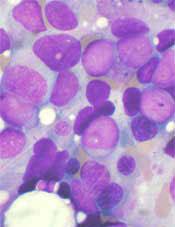
The US Food and Drug Administration (FDA) has placed holds on 3 early stage trials of vadastuximab talirine (SGN-CD33A) in acute myeloid leukemia (AML).
A phase 1/2 trial of vadastuximab talirine monotherapy in pre- and post-allogeneic transplant patients has been placed on full clinical hold.
This means no new subjects can be enrolled on the trial, and there can be no further dosing of subjects who are already enrolled.
Two phase 1 trials of vadastuximab talirine have been placed on partial clinical hold. This means no new subjects can be enrolled, but existing patients may continue treatment with re-consent.
In one of the trials on partial hold, researchers are investigating vadastuximab talirine alone and in combination with hypomethylating agents in AML patients who either relapsed after induction/consolidation or declined treatment with high-dose induction/consolidation.
In the other trial on partial hold, researchers are testing vadastuximab talirine in combination with 7+3 chemotherapy in newly diagnosed AML patients. Results from this trial were presented at the 2016 ASH Annual Meeting.
All 3 clinical holds were initiated to evaluate the potential risk of hepatotoxicity in patients who were treated with vadastuximab talirine and received allogeneic stem cell transplant either before or after treatment.
There have been 6 patients with hepatotoxicity, including several cases of veno-occlusive disease, with 4 fatal events.
Seattle Genetics, Inc., the company developing vadastuximab talirine, said it is working with the FDA to determine whether there is any association between hepatotoxicity and treatment with vadastuximab talirine to identify appropriate protocol amendments for patient safety and to enable continuation of these trials.
No new studies of vadastuximab talirine will be initiated until the clinical holds are lifted.
Seattle Genetics’ other ongoing trials of vadastuximab talirine, including the phase 3 CASCADE trial in older AML patients and phase 1/2 trial in patients with myelodysplastic syndrome (MDS), are proceeding with enrollment.
Overall, more than 300 patients have been treated with vadastuximab talirine in clinical trials across multiple treatment settings.
Vadastuximab talirine is an investigational antibody-drug conjugate (ADC) targeted to CD33, which is expressed on most AML and MDS blast cells. The CD33 engineered cysteine antibody is stably linked to a DNA binding agent called a pyrrolobenzodiazepine (PBD) dimer via site-specific conjugation technology (EC-mAb).
PBD dimers are said to be significantly more potent than systemic chemotherapeutic drugs, and the EC-mAb technology allows uniform drug-loading onto an ADC. The ADC is designed to be stable in the bloodstream and to release its PBD agent upon internalization into CD33-expressing cells.
The US Food and Drug Administration (FDA) has placed holds on 3 early stage trials of vadastuximab talirine (SGN-CD33A) in acute myeloid leukemia (AML).
A phase 1/2 trial of vadastuximab talirine monotherapy in pre- and post-allogeneic transplant patients has been placed on full clinical hold.
This means no new subjects can be enrolled on the trial, and there can be no further dosing of subjects who are already enrolled.
Two phase 1 trials of vadastuximab talirine have been placed on partial clinical hold. This means no new subjects can be enrolled, but existing patients may continue treatment with re-consent.
In one of the trials on partial hold, researchers are investigating vadastuximab talirine alone and in combination with hypomethylating agents in AML patients who either relapsed after induction/consolidation or declined treatment with high-dose induction/consolidation.
In the other trial on partial hold, researchers are testing vadastuximab talirine in combination with 7+3 chemotherapy in newly diagnosed AML patients. Results from this trial were presented at the 2016 ASH Annual Meeting.
All 3 clinical holds were initiated to evaluate the potential risk of hepatotoxicity in patients who were treated with vadastuximab talirine and received allogeneic stem cell transplant either before or after treatment.
There have been 6 patients with hepatotoxicity, including several cases of veno-occlusive disease, with 4 fatal events.
Seattle Genetics, Inc., the company developing vadastuximab talirine, said it is working with the FDA to determine whether there is any association between hepatotoxicity and treatment with vadastuximab talirine to identify appropriate protocol amendments for patient safety and to enable continuation of these trials.
No new studies of vadastuximab talirine will be initiated until the clinical holds are lifted.
Seattle Genetics’ other ongoing trials of vadastuximab talirine, including the phase 3 CASCADE trial in older AML patients and phase 1/2 trial in patients with myelodysplastic syndrome (MDS), are proceeding with enrollment.
Overall, more than 300 patients have been treated with vadastuximab talirine in clinical trials across multiple treatment settings.
Vadastuximab talirine is an investigational antibody-drug conjugate (ADC) targeted to CD33, which is expressed on most AML and MDS blast cells. The CD33 engineered cysteine antibody is stably linked to a DNA binding agent called a pyrrolobenzodiazepine (PBD) dimer via site-specific conjugation technology (EC-mAb).
PBD dimers are said to be significantly more potent than systemic chemotherapeutic drugs, and the EC-mAb technology allows uniform drug-loading onto an ADC. The ADC is designed to be stable in the bloodstream and to release its PBD agent upon internalization into CD33-expressing cells.
The US Food and Drug Administration (FDA) has placed holds on 3 early stage trials of vadastuximab talirine (SGN-CD33A) in acute myeloid leukemia (AML).
A phase 1/2 trial of vadastuximab talirine monotherapy in pre- and post-allogeneic transplant patients has been placed on full clinical hold.
This means no new subjects can be enrolled on the trial, and there can be no further dosing of subjects who are already enrolled.
Two phase 1 trials of vadastuximab talirine have been placed on partial clinical hold. This means no new subjects can be enrolled, but existing patients may continue treatment with re-consent.
In one of the trials on partial hold, researchers are investigating vadastuximab talirine alone and in combination with hypomethylating agents in AML patients who either relapsed after induction/consolidation or declined treatment with high-dose induction/consolidation.
In the other trial on partial hold, researchers are testing vadastuximab talirine in combination with 7+3 chemotherapy in newly diagnosed AML patients. Results from this trial were presented at the 2016 ASH Annual Meeting.
All 3 clinical holds were initiated to evaluate the potential risk of hepatotoxicity in patients who were treated with vadastuximab talirine and received allogeneic stem cell transplant either before or after treatment.
There have been 6 patients with hepatotoxicity, including several cases of veno-occlusive disease, with 4 fatal events.
Seattle Genetics, Inc., the company developing vadastuximab talirine, said it is working with the FDA to determine whether there is any association between hepatotoxicity and treatment with vadastuximab talirine to identify appropriate protocol amendments for patient safety and to enable continuation of these trials.
No new studies of vadastuximab talirine will be initiated until the clinical holds are lifted.
Seattle Genetics’ other ongoing trials of vadastuximab talirine, including the phase 3 CASCADE trial in older AML patients and phase 1/2 trial in patients with myelodysplastic syndrome (MDS), are proceeding with enrollment.
Overall, more than 300 patients have been treated with vadastuximab talirine in clinical trials across multiple treatment settings.
Vadastuximab talirine is an investigational antibody-drug conjugate (ADC) targeted to CD33, which is expressed on most AML and MDS blast cells. The CD33 engineered cysteine antibody is stably linked to a DNA binding agent called a pyrrolobenzodiazepine (PBD) dimer via site-specific conjugation technology (EC-mAb).
PBD dimers are said to be significantly more potent than systemic chemotherapeutic drugs, and the EC-mAb technology allows uniform drug-loading onto an ADC. The ADC is designed to be stable in the bloodstream and to release its PBD agent upon internalization into CD33-expressing cells.
FDA expands approval for hemophilia A drug
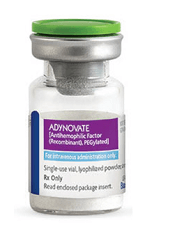
Photo courtesy of Baxalta
The US Food and Drug Administration (FDA) has expanded the approved use of Adynovate, a recombinant pegylated factor VIII (FVIII) product, in patients with hemophilia A.
Adynovate was previously approved as routine prophylaxis and for on-demand treatment of bleeding episodes in patients age 12 and older.
Now, Adynovate is approved for the same indications in patients younger than 12 and for perioperative management in patients of all ages.
Adynovate is built on the full-length Advate molecule, which was approved by the FDA in 2003. Adynovate leverages proprietary pegylation technology designed to extend the amount of FVIII available for use in the body.
The technology was selected because it maintains the integrity of the parent molecule (Advate) while reducing the time at which the body clears Adynovate, resulting in an extended circulating half-life.
Adynovate and Advate are registered trademarks of Baxalta Incorporated, a wholly owned, indirect subsidiary of Shire plc.
For more details on Adynovate, see the full prescribing information.
Trials of Adynovate
The FDA’s approval of Adynovate in children is based on data from a phase 3 trial, which were presented at the World Federation of Hemophilia 2016 World Congress.
The study enrolled previously treated children younger than 12 with no history of FVIII inhibitors. The patients received twice-weekly prophylaxis with Adynovate (50 ± 10 IU/kg) for at least 6 months or 50 exposure days, whichever occurred last.
Sixty-six patients were evaluable. None of them developed inhibitory antibodies, and there were no adverse events related to Adynovate.
The median annualized bleeding rate was 2.0, and 38% of patients did not have any bleeding episodes.
The FDA’s approval of Adynovate for perioperative management was based on interim results of an ongoing phase 3 study in 15 patients with severe hemophilia A undergoing surgical procedures. The interim results were presented at the 2015 ASH Annual Meeting.
The patients underwent 11 major surgical procedures (3 knee replacements, 2 arthroscopic synovectomies, 1 cyst extirpation, 1 port placement, 1 gastric band placement, and 3 multiple tooth extractions including 1 radicular cyst removal) and 4 minor surgeries (1 synoviorthesis, 1 radiosynovectomy, 1 tooth extraction, and 1 dermatological surgery).
Perioperative hemostatic efficacy was rated as “excellent” for most procedures. Excellent hemostatic efficacy was defined as blood loss less than or equal to that expected for the same type of procedure performed in a non-hemophilic patient and requiring blood components for transfusions less than or similar to that expected in the non-hemophilic population.
The median observed intraoperative blood loss (n=10) was 10.0 mL, compared to the predicted average blood loss (n=11) of 50.0 mL for major surgeries.
Photo courtesy of Baxalta
The US Food and Drug Administration (FDA) has expanded the approved use of Adynovate, a recombinant pegylated factor VIII (FVIII) product, in patients with hemophilia A.
Adynovate was previously approved as routine prophylaxis and for on-demand treatment of bleeding episodes in patients age 12 and older.
Now, Adynovate is approved for the same indications in patients younger than 12 and for perioperative management in patients of all ages.
Adynovate is built on the full-length Advate molecule, which was approved by the FDA in 2003. Adynovate leverages proprietary pegylation technology designed to extend the amount of FVIII available for use in the body.
The technology was selected because it maintains the integrity of the parent molecule (Advate) while reducing the time at which the body clears Adynovate, resulting in an extended circulating half-life.
Adynovate and Advate are registered trademarks of Baxalta Incorporated, a wholly owned, indirect subsidiary of Shire plc.
For more details on Adynovate, see the full prescribing information.
Trials of Adynovate
The FDA’s approval of Adynovate in children is based on data from a phase 3 trial, which were presented at the World Federation of Hemophilia 2016 World Congress.
The study enrolled previously treated children younger than 12 with no history of FVIII inhibitors. The patients received twice-weekly prophylaxis with Adynovate (50 ± 10 IU/kg) for at least 6 months or 50 exposure days, whichever occurred last.
Sixty-six patients were evaluable. None of them developed inhibitory antibodies, and there were no adverse events related to Adynovate.
The median annualized bleeding rate was 2.0, and 38% of patients did not have any bleeding episodes.
The FDA’s approval of Adynovate for perioperative management was based on interim results of an ongoing phase 3 study in 15 patients with severe hemophilia A undergoing surgical procedures. The interim results were presented at the 2015 ASH Annual Meeting.
The patients underwent 11 major surgical procedures (3 knee replacements, 2 arthroscopic synovectomies, 1 cyst extirpation, 1 port placement, 1 gastric band placement, and 3 multiple tooth extractions including 1 radicular cyst removal) and 4 minor surgeries (1 synoviorthesis, 1 radiosynovectomy, 1 tooth extraction, and 1 dermatological surgery).
Perioperative hemostatic efficacy was rated as “excellent” for most procedures. Excellent hemostatic efficacy was defined as blood loss less than or equal to that expected for the same type of procedure performed in a non-hemophilic patient and requiring blood components for transfusions less than or similar to that expected in the non-hemophilic population.
The median observed intraoperative blood loss (n=10) was 10.0 mL, compared to the predicted average blood loss (n=11) of 50.0 mL for major surgeries.
Photo courtesy of Baxalta
The US Food and Drug Administration (FDA) has expanded the approved use of Adynovate, a recombinant pegylated factor VIII (FVIII) product, in patients with hemophilia A.
Adynovate was previously approved as routine prophylaxis and for on-demand treatment of bleeding episodes in patients age 12 and older.
Now, Adynovate is approved for the same indications in patients younger than 12 and for perioperative management in patients of all ages.
Adynovate is built on the full-length Advate molecule, which was approved by the FDA in 2003. Adynovate leverages proprietary pegylation technology designed to extend the amount of FVIII available for use in the body.
The technology was selected because it maintains the integrity of the parent molecule (Advate) while reducing the time at which the body clears Adynovate, resulting in an extended circulating half-life.
Adynovate and Advate are registered trademarks of Baxalta Incorporated, a wholly owned, indirect subsidiary of Shire plc.
For more details on Adynovate, see the full prescribing information.
Trials of Adynovate
The FDA’s approval of Adynovate in children is based on data from a phase 3 trial, which were presented at the World Federation of Hemophilia 2016 World Congress.
The study enrolled previously treated children younger than 12 with no history of FVIII inhibitors. The patients received twice-weekly prophylaxis with Adynovate (50 ± 10 IU/kg) for at least 6 months or 50 exposure days, whichever occurred last.
Sixty-six patients were evaluable. None of them developed inhibitory antibodies, and there were no adverse events related to Adynovate.
The median annualized bleeding rate was 2.0, and 38% of patients did not have any bleeding episodes.
The FDA’s approval of Adynovate for perioperative management was based on interim results of an ongoing phase 3 study in 15 patients with severe hemophilia A undergoing surgical procedures. The interim results were presented at the 2015 ASH Annual Meeting.
The patients underwent 11 major surgical procedures (3 knee replacements, 2 arthroscopic synovectomies, 1 cyst extirpation, 1 port placement, 1 gastric band placement, and 3 multiple tooth extractions including 1 radicular cyst removal) and 4 minor surgeries (1 synoviorthesis, 1 radiosynovectomy, 1 tooth extraction, and 1 dermatological surgery).
Perioperative hemostatic efficacy was rated as “excellent” for most procedures. Excellent hemostatic efficacy was defined as blood loss less than or equal to that expected for the same type of procedure performed in a non-hemophilic patient and requiring blood components for transfusions less than or similar to that expected in the non-hemophilic population.
The median observed intraoperative blood loss (n=10) was 10.0 mL, compared to the predicted average blood loss (n=11) of 50.0 mL for major surgeries.
Why kids with cancer have a higher risk of treatment-related toxicity

Preclinical research appears to explain why certain tissues in very young children are more sensitive to collateral damage from cancer treatment than tissues in older individuals.
Researchers found evidence to suggest that, early in life, cells in the brain, heart, and kidney are primed for apoptosis.
On the other hand, cells in the healthy adult brain, heart, and kidneys are apoptosis-refractory.
Kristopher A. Sarosiek, PhD, of the Harvard T.H. Chan School of Public Health in Boston, Massachusetts, and his colleagues reported these findings in Cancer Cell.
The researchers used BH3 profiling to measure the relative dominance of pro-survival or pro-death signals inside cells.
A cancer cell in which apoptotic signals are dominant is said to be “highly primed” for self-destruction and therefore easily killed by therapy, while a cell with low priming is more resistant to death or damage.
Dr Sarosiek and his colleagues measured the priming of cells in tissues from adult mice and young mice.
In the adult mice, cells of the hematopoietic lineage from the periphery, thymus, spleen, and bone marrow were the most primed for apoptosis. Cells from the large intestine, small intestine, lungs, and liver were relatively unprimed. And cells in brain, heart, and kidney tissues were far less primed.
However, in embryonic and very young mice, cells in the brain, heart, and kidney were extremely primed for apoptosis.
The researchers found that, in the adult brains, hearts, and kidneys, the molecular machinery needed to perform apoptosis was nearly completely absent.
In contrast, this machinery was abundant in the brains, hearts, and kidneys of young mice. As a result, brain, heart, and kidney cells were much more vulnerable to cell death when exposed to chemotherapy or radiation.
After determining in mouse models that certain cells grew more resistant to treatment toxicity with age, the researchers tested human cells. The team obtained fresh samples of tissue that had been removed from brains of children and adults to prevent intractable epileptic seizures.
As in the mice, the youngest human brain cells were more highly primed with apoptotic machinery and vulnerable to chemotherapy and radiation damage.
The researchers said there was a period of higher heterogeneity in apoptotic priming among patients between 2 and 6 years of age. After that, the brain transitions to full apoptotic resistance.
The team also found that, in young tissues, expression of the apoptotic protein machinery is driven by c-Myc. This transcription factor drives an apoptotically primed state by directly activating transcription of the pro-apoptotic genes Bax, Bim, and Bid.
“[This research] has uncovered some opportunities to selectively block apoptosis in our healthy tissues and prevent toxicity from radiation or chemotherapy while still maintaining sensitivity within cancer cells,” Dr Sarosiek said. “We are actively pursuing the identification of new medicines that can be used exactly for this purpose.”
Preclinical research appears to explain why certain tissues in very young children are more sensitive to collateral damage from cancer treatment than tissues in older individuals.
Researchers found evidence to suggest that, early in life, cells in the brain, heart, and kidney are primed for apoptosis.
On the other hand, cells in the healthy adult brain, heart, and kidneys are apoptosis-refractory.
Kristopher A. Sarosiek, PhD, of the Harvard T.H. Chan School of Public Health in Boston, Massachusetts, and his colleagues reported these findings in Cancer Cell.
The researchers used BH3 profiling to measure the relative dominance of pro-survival or pro-death signals inside cells.
A cancer cell in which apoptotic signals are dominant is said to be “highly primed” for self-destruction and therefore easily killed by therapy, while a cell with low priming is more resistant to death or damage.
Dr Sarosiek and his colleagues measured the priming of cells in tissues from adult mice and young mice.
In the adult mice, cells of the hematopoietic lineage from the periphery, thymus, spleen, and bone marrow were the most primed for apoptosis. Cells from the large intestine, small intestine, lungs, and liver were relatively unprimed. And cells in brain, heart, and kidney tissues were far less primed.
However, in embryonic and very young mice, cells in the brain, heart, and kidney were extremely primed for apoptosis.
The researchers found that, in the adult brains, hearts, and kidneys, the molecular machinery needed to perform apoptosis was nearly completely absent.
In contrast, this machinery was abundant in the brains, hearts, and kidneys of young mice. As a result, brain, heart, and kidney cells were much more vulnerable to cell death when exposed to chemotherapy or radiation.
After determining in mouse models that certain cells grew more resistant to treatment toxicity with age, the researchers tested human cells. The team obtained fresh samples of tissue that had been removed from brains of children and adults to prevent intractable epileptic seizures.
As in the mice, the youngest human brain cells were more highly primed with apoptotic machinery and vulnerable to chemotherapy and radiation damage.
The researchers said there was a period of higher heterogeneity in apoptotic priming among patients between 2 and 6 years of age. After that, the brain transitions to full apoptotic resistance.
The team also found that, in young tissues, expression of the apoptotic protein machinery is driven by c-Myc. This transcription factor drives an apoptotically primed state by directly activating transcription of the pro-apoptotic genes Bax, Bim, and Bid.
“[This research] has uncovered some opportunities to selectively block apoptosis in our healthy tissues and prevent toxicity from radiation or chemotherapy while still maintaining sensitivity within cancer cells,” Dr Sarosiek said. “We are actively pursuing the identification of new medicines that can be used exactly for this purpose.”
Preclinical research appears to explain why certain tissues in very young children are more sensitive to collateral damage from cancer treatment than tissues in older individuals.
Researchers found evidence to suggest that, early in life, cells in the brain, heart, and kidney are primed for apoptosis.
On the other hand, cells in the healthy adult brain, heart, and kidneys are apoptosis-refractory.
Kristopher A. Sarosiek, PhD, of the Harvard T.H. Chan School of Public Health in Boston, Massachusetts, and his colleagues reported these findings in Cancer Cell.
The researchers used BH3 profiling to measure the relative dominance of pro-survival or pro-death signals inside cells.
A cancer cell in which apoptotic signals are dominant is said to be “highly primed” for self-destruction and therefore easily killed by therapy, while a cell with low priming is more resistant to death or damage.
Dr Sarosiek and his colleagues measured the priming of cells in tissues from adult mice and young mice.
In the adult mice, cells of the hematopoietic lineage from the periphery, thymus, spleen, and bone marrow were the most primed for apoptosis. Cells from the large intestine, small intestine, lungs, and liver were relatively unprimed. And cells in brain, heart, and kidney tissues were far less primed.
However, in embryonic and very young mice, cells in the brain, heart, and kidney were extremely primed for apoptosis.
The researchers found that, in the adult brains, hearts, and kidneys, the molecular machinery needed to perform apoptosis was nearly completely absent.
In contrast, this machinery was abundant in the brains, hearts, and kidneys of young mice. As a result, brain, heart, and kidney cells were much more vulnerable to cell death when exposed to chemotherapy or radiation.
After determining in mouse models that certain cells grew more resistant to treatment toxicity with age, the researchers tested human cells. The team obtained fresh samples of tissue that had been removed from brains of children and adults to prevent intractable epileptic seizures.
As in the mice, the youngest human brain cells were more highly primed with apoptotic machinery and vulnerable to chemotherapy and radiation damage.
The researchers said there was a period of higher heterogeneity in apoptotic priming among patients between 2 and 6 years of age. After that, the brain transitions to full apoptotic resistance.
The team also found that, in young tissues, expression of the apoptotic protein machinery is driven by c-Myc. This transcription factor drives an apoptotically primed state by directly activating transcription of the pro-apoptotic genes Bax, Bim, and Bid.
“[This research] has uncovered some opportunities to selectively block apoptosis in our healthy tissues and prevent toxicity from radiation or chemotherapy while still maintaining sensitivity within cancer cells,” Dr Sarosiek said. “We are actively pursuing the identification of new medicines that can be used exactly for this purpose.”
Smoking Cessation
The video associated with this article is no longer available on this site. Please view all of our videos on the MDedge YouTube channel
The video associated with this article is no longer available on this site. Please view all of our videos on the MDedge YouTube channel
The video associated with this article is no longer available on this site. Please view all of our videos on the MDedge YouTube channel

Recovery From TBI and Better Sleep Go Hand in Hand
After a traumatic brain injury (TBI), people also experience major sleep problems, including changes in their sleep–wake cycle. A new study published online ahead of print December 21, 2016, in Neurology showed that recovering from these two conditions occurs in parallel.
“These results suggest that monitoring a person’s sleep–wake cycle may be a useful tool for assessing their recovery after TBI,” said study author Nadia Gosselin, PhD, an Assistant Professor in the Department of Psychology at the University of Montréal in Québec. “We found that when someone sustained a brain injury and had not recovered a certain level of consciousness to keep them awake and aware of their surroundings, they were not able to generate a good sleep–wake cycle. But as they recovered, their quality of sleep improved.”

The study involved 30 people, ages 17 to 58, who had been hospitalized for moderate to severe TBI. Most of the patients were in a coma when they were admitted to the hospital, and all initially received care in an ICU. The injuries were caused by motor vehicle accidents for 20 people, falls for seven people, recreational or sports activities for two people and a blow to the head for one person. They were hospitalized for an average of 45 days, with monitoring for the study beginning an average of 21 days into the patient’s stay.
Each person was monitored daily for an average of 11 days for level of consciousness and thinking abilities using the Rancho Los Amigos scale, which ranges from 1 to 8. Each person also wore an activity monitor on the wrist so researchers could measure their sleep.
Researchers found that consciousness and thinking abilities improved hand in hand with measures of quality of sleep, showing a linear relationship.
One measure, the daytime activity ratio, reflects the percentage of activity that occurs during the day. Immediately after the injury, activity occurs throughout the day and night. The study showed that participants reached an acceptable sleep–wake cycle, with a daytime activity ratio of at least 80%, at the same point when they emerged from a minimally conscious state.
The participants still had inadequate sleep–wake cycles, at a score of 5 on the Rancho Los Amigos scale, where people are confused and give inappropriate responses to stimuli, but are able to follow simple commands. Sleep–wake cycles reached adequate levels at the same time that people reached a score of 6 on the Rancho Los Amigos scale, which is when people can give appropriate responses while still depending on outside input for direction. At that level, they can remember relearned tasks, but cannot remember new tasks.
The results were the same when researchers adjusted for the amount of time that had passed since the injury and the amount of medications they had received while they were in the ICU.
“It is possible that there are common underlying brain mechanisms involved in both recovery from TBI and improvement in sleep,” said Dr. Gosselin. “Still, more study needs to be done, and future research may want to examine how hospital lighting and noise also affect quality of sleep for those with TBI.”
Suggested Reading
Duclos C, Dumont M, Arbour C, et al. Parallel recovery of consciousness and sleep in acute traumatic brain injury. Neurology. 2016 Dec 21 [Epub ahead of print].
Soddu A, Bassetti CL. A good sleep for a fresh mind in patients with acute tramatic brain injury. Neurology. 2016 Dec 21 [Epub ahead of print].
After a traumatic brain injury (TBI), people also experience major sleep problems, including changes in their sleep–wake cycle. A new study published online ahead of print December 21, 2016, in Neurology showed that recovering from these two conditions occurs in parallel.
“These results suggest that monitoring a person’s sleep–wake cycle may be a useful tool for assessing their recovery after TBI,” said study author Nadia Gosselin, PhD, an Assistant Professor in the Department of Psychology at the University of Montréal in Québec. “We found that when someone sustained a brain injury and had not recovered a certain level of consciousness to keep them awake and aware of their surroundings, they were not able to generate a good sleep–wake cycle. But as they recovered, their quality of sleep improved.”
The study involved 30 people, ages 17 to 58, who had been hospitalized for moderate to severe TBI. Most of the patients were in a coma when they were admitted to the hospital, and all initially received care in an ICU. The injuries were caused by motor vehicle accidents for 20 people, falls for seven people, recreational or sports activities for two people and a blow to the head for one person. They were hospitalized for an average of 45 days, with monitoring for the study beginning an average of 21 days into the patient’s stay.
Each person was monitored daily for an average of 11 days for level of consciousness and thinking abilities using the Rancho Los Amigos scale, which ranges from 1 to 8. Each person also wore an activity monitor on the wrist so researchers could measure their sleep.
Researchers found that consciousness and thinking abilities improved hand in hand with measures of quality of sleep, showing a linear relationship.
One measure, the daytime activity ratio, reflects the percentage of activity that occurs during the day. Immediately after the injury, activity occurs throughout the day and night. The study showed that participants reached an acceptable sleep–wake cycle, with a daytime activity ratio of at least 80%, at the same point when they emerged from a minimally conscious state.
The participants still had inadequate sleep–wake cycles, at a score of 5 on the Rancho Los Amigos scale, where people are confused and give inappropriate responses to stimuli, but are able to follow simple commands. Sleep–wake cycles reached adequate levels at the same time that people reached a score of 6 on the Rancho Los Amigos scale, which is when people can give appropriate responses while still depending on outside input for direction. At that level, they can remember relearned tasks, but cannot remember new tasks.
The results were the same when researchers adjusted for the amount of time that had passed since the injury and the amount of medications they had received while they were in the ICU.
“It is possible that there are common underlying brain mechanisms involved in both recovery from TBI and improvement in sleep,” said Dr. Gosselin. “Still, more study needs to be done, and future research may want to examine how hospital lighting and noise also affect quality of sleep for those with TBI.”
Suggested Reading
Duclos C, Dumont M, Arbour C, et al. Parallel recovery of consciousness and sleep in acute traumatic brain injury. Neurology. 2016 Dec 21 [Epub ahead of print].
Soddu A, Bassetti CL. A good sleep for a fresh mind in patients with acute tramatic brain injury. Neurology. 2016 Dec 21 [Epub ahead of print].
After a traumatic brain injury (TBI), people also experience major sleep problems, including changes in their sleep–wake cycle. A new study published online ahead of print December 21, 2016, in Neurology showed that recovering from these two conditions occurs in parallel.
“These results suggest that monitoring a person’s sleep–wake cycle may be a useful tool for assessing their recovery after TBI,” said study author Nadia Gosselin, PhD, an Assistant Professor in the Department of Psychology at the University of Montréal in Québec. “We found that when someone sustained a brain injury and had not recovered a certain level of consciousness to keep them awake and aware of their surroundings, they were not able to generate a good sleep–wake cycle. But as they recovered, their quality of sleep improved.”
The study involved 30 people, ages 17 to 58, who had been hospitalized for moderate to severe TBI. Most of the patients were in a coma when they were admitted to the hospital, and all initially received care in an ICU. The injuries were caused by motor vehicle accidents for 20 people, falls for seven people, recreational or sports activities for two people and a blow to the head for one person. They were hospitalized for an average of 45 days, with monitoring for the study beginning an average of 21 days into the patient’s stay.
Each person was monitored daily for an average of 11 days for level of consciousness and thinking abilities using the Rancho Los Amigos scale, which ranges from 1 to 8. Each person also wore an activity monitor on the wrist so researchers could measure their sleep.
Researchers found that consciousness and thinking abilities improved hand in hand with measures of quality of sleep, showing a linear relationship.
One measure, the daytime activity ratio, reflects the percentage of activity that occurs during the day. Immediately after the injury, activity occurs throughout the day and night. The study showed that participants reached an acceptable sleep–wake cycle, with a daytime activity ratio of at least 80%, at the same point when they emerged from a minimally conscious state.
The participants still had inadequate sleep–wake cycles, at a score of 5 on the Rancho Los Amigos scale, where people are confused and give inappropriate responses to stimuli, but are able to follow simple commands. Sleep–wake cycles reached adequate levels at the same time that people reached a score of 6 on the Rancho Los Amigos scale, which is when people can give appropriate responses while still depending on outside input for direction. At that level, they can remember relearned tasks, but cannot remember new tasks.
The results were the same when researchers adjusted for the amount of time that had passed since the injury and the amount of medications they had received while they were in the ICU.
“It is possible that there are common underlying brain mechanisms involved in both recovery from TBI and improvement in sleep,” said Dr. Gosselin. “Still, more study needs to be done, and future research may want to examine how hospital lighting and noise also affect quality of sleep for those with TBI.”
Suggested Reading
Duclos C, Dumont M, Arbour C, et al. Parallel recovery of consciousness and sleep in acute traumatic brain injury. Neurology. 2016 Dec 21 [Epub ahead of print].
Soddu A, Bassetti CL. A good sleep for a fresh mind in patients with acute tramatic brain injury. Neurology. 2016 Dec 21 [Epub ahead of print].
Tips for Living With Muscular Dystrophy
Click here to download the PDF. 
Click here to download the PDF.
Click here to download the PDF.