User login
Clinical Guidelines: Pressure ulcers – prevention and treatment
Pressure ulcers affect approximately 3 million adults in the United States and cause significant morbidity, with treatment costs of approximately $11 billion per year. The prevalence varies between 0.4% and 38% in acute care settings and 2%-24% in long-term care settings. Because of the high prevalence and cost associated with pressure ulcers, there has been a push toward prevention and appropriate treatment.
Pressure ulcers are defined as damage to a localized area of skin resulting from pressure or pressure and shear. They are most common in patients who are limited in their mobility. Other risk factors include advanced age, black or Hispanic ethnicity, cognitive and physical impairments, and low body weight. Any comorbid condition that decreases skin integrity or healing may also be considered a risk factor, including fecal or urinary incontinence, diabetes, prolonged edema, a low albumin level, or malnutrition.
The American College of Physicians’s guidelines grade its recommendations by the strength and basis of the supporting data. A strong recommendation is one for which the benefits clearly outweigh the risks and burdens; a weak recommendation is defined as one in which the benefits do not outweigh the risks and burdens. There are three levels of evidence quality: low, moderate, and high.
The first recommendation for the prevention of pressure ulcers is to perform a risk assessment on all patients in order to identify who is at risk. There was no specific recommendation as to which, if any, risk assessment tool should be used. This was a weak recommendation supported by low-quality evidence. There are various scales available for assessing a patient’s risk of pressure ulcer development, including the Braden, Cubbin, Jackson, Norton, and Waterlow scales. There are pitfalls with each tool, and they have all been found to have a low sensitivity and specificity. There has not been any evidence to show that the use of a risk assessment scale is superior to clinical judgment in assessing a patient’s risk for developing pressure ulcers. Although there have been a few studies that directly compared the various risk assessment tools, none of the tools emerged as superior.
The second recommendation for the prevention of pressure ulcers is to use advanced static mattresses or mattress overlays in patients who are at increased risk for developing pressure ulcers. This was a strong recommendation supported by moderate-quality evidence. There are few studies that exist on interventions for pressure ulcer prevention, and the different types of interventions are often each used in only one study. This made comparing the strategies for prevention difficult.
The third recommendation for the prevention of pressure ulcers is not to use alternating air mattresses or air overlays in patients at increased risk for developing pressure ulcers. This weak recommendation is supported by moderate-quality evidence. Most of the studies compared found no significant difference between these and static mattresses; however, air-alternating mattresses were less tolerable to patients and cost more.
It should be noted that the analysis of commonly used methods for the prevention of pressure ulcers – heel support boots, wheelchair cushions, nutritional supplementation, dressings, and repositioning – found no statistically significant difference in the prevention of pressure ulcers. Therefore, they are not part of the recommendations from the ACP. Multicomponent team-based interventions do appear to show a benefit.
The first recommendation for the treatment of pressure ulcers is that protein and amino acid supplementation be used to decrease wound size. This was a weak recommendation based on low-quality evidence. There was no recommendation as to what dose of protein supplementation to use, and it should be noted it is unclear whether this is applicable to the entire population or reserved for patients with nutritional deficiencies. There was no evidence to suggest other supplementation with vitamin C should be recommended.
The second recommendation for the treatment of pressure ulcers is that hydrocolloid or foam dressings be used to decrease wound size. This was a weak recommendation based on low-quality evidence. There was insufficient evidence to comment on complete wound healing with hydrocolloid or foam dressings, and the relationship between the reduction of wound size and complete healing has not been well defined. The analysis evaluated other dressing types – dextranomer paste, topical collagen, and radiant heat dressings – and did not recommend their use.
The third recommendation for the treatment of pressure ulcers from the ACP is the use of electrical stimulation as an adjunctive therapy to help accelerate wound healing. This was a weak recommendation based on moderate-quality evidence. It should be noted that this treatment modality was associated with an increase in adverse events, especially skin irritation, in the elderly population.
Other strategies evaluated for the treatment of pressure ulcers include the use of oxandrolone (an androgen used to promote weight gain), which was found to show no improvement versus placebo in wound healing and to have associated adverse events. Additional therapies evaluated included electromagnetic therapy, therapeutic ultrasound, negative pressure wound therapy, light therapy, and laser therapy, which all showed no improvement in the reduction of wound size, or complete healing, when compared with sham therapies.
Bottom line
For the prevention of pressure ulcers, assess each patient for risk using clinical judgment or a risk assessment tool of your choice. When possible, choose static mattresses or mattress overlays rather than the more costly, and more bothersome, alternating air mattresses. For the treatment of pressure ulcers, use protein or amino acid supplementation to aid in wound healing, use hydrocolloid or foam dressings to help decrease wound size, and consider electrical stimulation as a treatment option in younger patients.
References
Risk Assessment and Prevention of Pressure Ulcers: A Clinical Practice Guideline From the American College of Physicians. Ann Intern Med. 2015;162[5]:359-69.
Treatment of Pressure Ulcers: A Clinical Practice Guideline From the American College of Physicians. Ann Intern Med. 2015;162[5]:370-9.
Dr. Skolnik is associate director of the family medicine residency program at Abington (Pa.) Memorial Hospital and professor of family and community medicine at Temple University in Philadelphia. Dr. Carcia is chief resident in the family medicine program at Abington.
Pressure ulcers affect approximately 3 million adults in the United States and cause significant morbidity, with treatment costs of approximately $11 billion per year. The prevalence varies between 0.4% and 38% in acute care settings and 2%-24% in long-term care settings. Because of the high prevalence and cost associated with pressure ulcers, there has been a push toward prevention and appropriate treatment.
Pressure ulcers are defined as damage to a localized area of skin resulting from pressure or pressure and shear. They are most common in patients who are limited in their mobility. Other risk factors include advanced age, black or Hispanic ethnicity, cognitive and physical impairments, and low body weight. Any comorbid condition that decreases skin integrity or healing may also be considered a risk factor, including fecal or urinary incontinence, diabetes, prolonged edema, a low albumin level, or malnutrition.
The American College of Physicians’s guidelines grade its recommendations by the strength and basis of the supporting data. A strong recommendation is one for which the benefits clearly outweigh the risks and burdens; a weak recommendation is defined as one in which the benefits do not outweigh the risks and burdens. There are three levels of evidence quality: low, moderate, and high.
The first recommendation for the prevention of pressure ulcers is to perform a risk assessment on all patients in order to identify who is at risk. There was no specific recommendation as to which, if any, risk assessment tool should be used. This was a weak recommendation supported by low-quality evidence. There are various scales available for assessing a patient’s risk of pressure ulcer development, including the Braden, Cubbin, Jackson, Norton, and Waterlow scales. There are pitfalls with each tool, and they have all been found to have a low sensitivity and specificity. There has not been any evidence to show that the use of a risk assessment scale is superior to clinical judgment in assessing a patient’s risk for developing pressure ulcers. Although there have been a few studies that directly compared the various risk assessment tools, none of the tools emerged as superior.
The second recommendation for the prevention of pressure ulcers is to use advanced static mattresses or mattress overlays in patients who are at increased risk for developing pressure ulcers. This was a strong recommendation supported by moderate-quality evidence. There are few studies that exist on interventions for pressure ulcer prevention, and the different types of interventions are often each used in only one study. This made comparing the strategies for prevention difficult.
The third recommendation for the prevention of pressure ulcers is not to use alternating air mattresses or air overlays in patients at increased risk for developing pressure ulcers. This weak recommendation is supported by moderate-quality evidence. Most of the studies compared found no significant difference between these and static mattresses; however, air-alternating mattresses were less tolerable to patients and cost more.
It should be noted that the analysis of commonly used methods for the prevention of pressure ulcers – heel support boots, wheelchair cushions, nutritional supplementation, dressings, and repositioning – found no statistically significant difference in the prevention of pressure ulcers. Therefore, they are not part of the recommendations from the ACP. Multicomponent team-based interventions do appear to show a benefit.
The first recommendation for the treatment of pressure ulcers is that protein and amino acid supplementation be used to decrease wound size. This was a weak recommendation based on low-quality evidence. There was no recommendation as to what dose of protein supplementation to use, and it should be noted it is unclear whether this is applicable to the entire population or reserved for patients with nutritional deficiencies. There was no evidence to suggest other supplementation with vitamin C should be recommended.
The second recommendation for the treatment of pressure ulcers is that hydrocolloid or foam dressings be used to decrease wound size. This was a weak recommendation based on low-quality evidence. There was insufficient evidence to comment on complete wound healing with hydrocolloid or foam dressings, and the relationship between the reduction of wound size and complete healing has not been well defined. The analysis evaluated other dressing types – dextranomer paste, topical collagen, and radiant heat dressings – and did not recommend their use.
The third recommendation for the treatment of pressure ulcers from the ACP is the use of electrical stimulation as an adjunctive therapy to help accelerate wound healing. This was a weak recommendation based on moderate-quality evidence. It should be noted that this treatment modality was associated with an increase in adverse events, especially skin irritation, in the elderly population.
Other strategies evaluated for the treatment of pressure ulcers include the use of oxandrolone (an androgen used to promote weight gain), which was found to show no improvement versus placebo in wound healing and to have associated adverse events. Additional therapies evaluated included electromagnetic therapy, therapeutic ultrasound, negative pressure wound therapy, light therapy, and laser therapy, which all showed no improvement in the reduction of wound size, or complete healing, when compared with sham therapies.
Bottom line
For the prevention of pressure ulcers, assess each patient for risk using clinical judgment or a risk assessment tool of your choice. When possible, choose static mattresses or mattress overlays rather than the more costly, and more bothersome, alternating air mattresses. For the treatment of pressure ulcers, use protein or amino acid supplementation to aid in wound healing, use hydrocolloid or foam dressings to help decrease wound size, and consider electrical stimulation as a treatment option in younger patients.
References
Risk Assessment and Prevention of Pressure Ulcers: A Clinical Practice Guideline From the American College of Physicians. Ann Intern Med. 2015;162[5]:359-69.
Treatment of Pressure Ulcers: A Clinical Practice Guideline From the American College of Physicians. Ann Intern Med. 2015;162[5]:370-9.
Dr. Skolnik is associate director of the family medicine residency program at Abington (Pa.) Memorial Hospital and professor of family and community medicine at Temple University in Philadelphia. Dr. Carcia is chief resident in the family medicine program at Abington.
Pressure ulcers affect approximately 3 million adults in the United States and cause significant morbidity, with treatment costs of approximately $11 billion per year. The prevalence varies between 0.4% and 38% in acute care settings and 2%-24% in long-term care settings. Because of the high prevalence and cost associated with pressure ulcers, there has been a push toward prevention and appropriate treatment.
Pressure ulcers are defined as damage to a localized area of skin resulting from pressure or pressure and shear. They are most common in patients who are limited in their mobility. Other risk factors include advanced age, black or Hispanic ethnicity, cognitive and physical impairments, and low body weight. Any comorbid condition that decreases skin integrity or healing may also be considered a risk factor, including fecal or urinary incontinence, diabetes, prolonged edema, a low albumin level, or malnutrition.
The American College of Physicians’s guidelines grade its recommendations by the strength and basis of the supporting data. A strong recommendation is one for which the benefits clearly outweigh the risks and burdens; a weak recommendation is defined as one in which the benefits do not outweigh the risks and burdens. There are three levels of evidence quality: low, moderate, and high.
The first recommendation for the prevention of pressure ulcers is to perform a risk assessment on all patients in order to identify who is at risk. There was no specific recommendation as to which, if any, risk assessment tool should be used. This was a weak recommendation supported by low-quality evidence. There are various scales available for assessing a patient’s risk of pressure ulcer development, including the Braden, Cubbin, Jackson, Norton, and Waterlow scales. There are pitfalls with each tool, and they have all been found to have a low sensitivity and specificity. There has not been any evidence to show that the use of a risk assessment scale is superior to clinical judgment in assessing a patient’s risk for developing pressure ulcers. Although there have been a few studies that directly compared the various risk assessment tools, none of the tools emerged as superior.
The second recommendation for the prevention of pressure ulcers is to use advanced static mattresses or mattress overlays in patients who are at increased risk for developing pressure ulcers. This was a strong recommendation supported by moderate-quality evidence. There are few studies that exist on interventions for pressure ulcer prevention, and the different types of interventions are often each used in only one study. This made comparing the strategies for prevention difficult.
The third recommendation for the prevention of pressure ulcers is not to use alternating air mattresses or air overlays in patients at increased risk for developing pressure ulcers. This weak recommendation is supported by moderate-quality evidence. Most of the studies compared found no significant difference between these and static mattresses; however, air-alternating mattresses were less tolerable to patients and cost more.
It should be noted that the analysis of commonly used methods for the prevention of pressure ulcers – heel support boots, wheelchair cushions, nutritional supplementation, dressings, and repositioning – found no statistically significant difference in the prevention of pressure ulcers. Therefore, they are not part of the recommendations from the ACP. Multicomponent team-based interventions do appear to show a benefit.
The first recommendation for the treatment of pressure ulcers is that protein and amino acid supplementation be used to decrease wound size. This was a weak recommendation based on low-quality evidence. There was no recommendation as to what dose of protein supplementation to use, and it should be noted it is unclear whether this is applicable to the entire population or reserved for patients with nutritional deficiencies. There was no evidence to suggest other supplementation with vitamin C should be recommended.
The second recommendation for the treatment of pressure ulcers is that hydrocolloid or foam dressings be used to decrease wound size. This was a weak recommendation based on low-quality evidence. There was insufficient evidence to comment on complete wound healing with hydrocolloid or foam dressings, and the relationship between the reduction of wound size and complete healing has not been well defined. The analysis evaluated other dressing types – dextranomer paste, topical collagen, and radiant heat dressings – and did not recommend their use.
The third recommendation for the treatment of pressure ulcers from the ACP is the use of electrical stimulation as an adjunctive therapy to help accelerate wound healing. This was a weak recommendation based on moderate-quality evidence. It should be noted that this treatment modality was associated with an increase in adverse events, especially skin irritation, in the elderly population.
Other strategies evaluated for the treatment of pressure ulcers include the use of oxandrolone (an androgen used to promote weight gain), which was found to show no improvement versus placebo in wound healing and to have associated adverse events. Additional therapies evaluated included electromagnetic therapy, therapeutic ultrasound, negative pressure wound therapy, light therapy, and laser therapy, which all showed no improvement in the reduction of wound size, or complete healing, when compared with sham therapies.
Bottom line
For the prevention of pressure ulcers, assess each patient for risk using clinical judgment or a risk assessment tool of your choice. When possible, choose static mattresses or mattress overlays rather than the more costly, and more bothersome, alternating air mattresses. For the treatment of pressure ulcers, use protein or amino acid supplementation to aid in wound healing, use hydrocolloid or foam dressings to help decrease wound size, and consider electrical stimulation as a treatment option in younger patients.
References
Risk Assessment and Prevention of Pressure Ulcers: A Clinical Practice Guideline From the American College of Physicians. Ann Intern Med. 2015;162[5]:359-69.
Treatment of Pressure Ulcers: A Clinical Practice Guideline From the American College of Physicians. Ann Intern Med. 2015;162[5]:370-9.
Dr. Skolnik is associate director of the family medicine residency program at Abington (Pa.) Memorial Hospital and professor of family and community medicine at Temple University in Philadelphia. Dr. Carcia is chief resident in the family medicine program at Abington.
Casting stones
What Matters prides itself on reviewing the literature and presenting thoughtful commentary on articles that are relevant and applicable to the practicing clinician. We separate the wheat from the chaff. We are not, however, above taking on attention-grabbing articles.
Over the years, this column has reported on various methods to facilitate the expulsion of kidney stones, including tamsulosin, phosphodiesterase type 5 (PDE5) inhibitors, and steroids. But this one called out for our assessment: sex to expel kidney stones. Erroneously perceived prurient interests must be forgiven.
Dr. Omer Gokhan Doluoglu of the Clinic of Ankara (Turkey) Training and Research Hospital and colleagues conducted a randomized trial evaluating the effectiveness of sexual intercourse, tamsulosin, or standard medical therapy for kidney stone expulsion (Urology. 2015;86[1]:19-24). Potential subjects were eligible for inclusion if they had radiopaque distal ureteral stones. Subjects were excluded if the stones were larger than 6 mm.
Subjects were randomized to encouragement to have sexual intercourse at least three times per week, tamsulosin 0.4 mg/day, or symptomatic therapy alone. All patients received an antispasmodic and an anti-inflammatory, and were told to drink 2 L of water per day. Sexual intercourse and masturbation were prohibited in groups 2 and 3 during the treatment period, which lasted 4 weeks.
Ninety patients were randomized to the three groups. The mean stone size was 4.7-5.0 mm and not significantly different between the groups.
At 2 weeks, 83.9% (26 of 31) of the patients in the intercourse group, 47.6% (10 of 21) in the tamsulosin group, and 34.8% (8 of 23) passed the stones (P = .001). There was no difference between the groups at 4 weeks. Mean expulsion times were 10 days, 16.6 days, and 18 days, respectively (P = .0001).
The study’s authors propose that nitrous oxide is operant here by causing ureteric relaxation when released to create penile tumescence and during sexual activity. Because masturbation could achieve the same effect, patients in the other groups were told they could not. How effective this instruction was in the current study is unknown, because only “sexual intercourses” were collected on follow-up.
The random-envelope method used is less than ideal, and no data were reported on differences in the number of sexual experiences between groups. If we assume for a moment that a real effect exists, one is left wondering if more would be better. Does the requirement of a partner decrease the likelihood of more frequent stone-expelling sexual experiences? If our patients do not have sexual partners, do we not share these data with them?
And if we use PDE5 inhibitors and encourage sexual activity, do we … kill two birds with one stone?
Dr. Ebbert is professor of medicine, a general internist at the Mayo Clinic in Rochester, Minn., and a diplomate of the American Board of Addiction Medicine. The opinions expressed are those of the author and do not necessarily represent the views and opinions of the Mayo Clinic. The opinions expressed in this article should not be used to diagnose or treat any medical condition nor should they be used as a substitute for medical advice from a qualified, board-certified practicing clinician. Dr. Ebbert has no relevant financial disclosures about this article. Follow him on Twitter @jonebbert.
What Matters prides itself on reviewing the literature and presenting thoughtful commentary on articles that are relevant and applicable to the practicing clinician. We separate the wheat from the chaff. We are not, however, above taking on attention-grabbing articles.
Over the years, this column has reported on various methods to facilitate the expulsion of kidney stones, including tamsulosin, phosphodiesterase type 5 (PDE5) inhibitors, and steroids. But this one called out for our assessment: sex to expel kidney stones. Erroneously perceived prurient interests must be forgiven.
Dr. Omer Gokhan Doluoglu of the Clinic of Ankara (Turkey) Training and Research Hospital and colleagues conducted a randomized trial evaluating the effectiveness of sexual intercourse, tamsulosin, or standard medical therapy for kidney stone expulsion (Urology. 2015;86[1]:19-24). Potential subjects were eligible for inclusion if they had radiopaque distal ureteral stones. Subjects were excluded if the stones were larger than 6 mm.
Subjects were randomized to encouragement to have sexual intercourse at least three times per week, tamsulosin 0.4 mg/day, or symptomatic therapy alone. All patients received an antispasmodic and an anti-inflammatory, and were told to drink 2 L of water per day. Sexual intercourse and masturbation were prohibited in groups 2 and 3 during the treatment period, which lasted 4 weeks.
Ninety patients were randomized to the three groups. The mean stone size was 4.7-5.0 mm and not significantly different between the groups.
At 2 weeks, 83.9% (26 of 31) of the patients in the intercourse group, 47.6% (10 of 21) in the tamsulosin group, and 34.8% (8 of 23) passed the stones (P = .001). There was no difference between the groups at 4 weeks. Mean expulsion times were 10 days, 16.6 days, and 18 days, respectively (P = .0001).
The study’s authors propose that nitrous oxide is operant here by causing ureteric relaxation when released to create penile tumescence and during sexual activity. Because masturbation could achieve the same effect, patients in the other groups were told they could not. How effective this instruction was in the current study is unknown, because only “sexual intercourses” were collected on follow-up.
The random-envelope method used is less than ideal, and no data were reported on differences in the number of sexual experiences between groups. If we assume for a moment that a real effect exists, one is left wondering if more would be better. Does the requirement of a partner decrease the likelihood of more frequent stone-expelling sexual experiences? If our patients do not have sexual partners, do we not share these data with them?
And if we use PDE5 inhibitors and encourage sexual activity, do we … kill two birds with one stone?
Dr. Ebbert is professor of medicine, a general internist at the Mayo Clinic in Rochester, Minn., and a diplomate of the American Board of Addiction Medicine. The opinions expressed are those of the author and do not necessarily represent the views and opinions of the Mayo Clinic. The opinions expressed in this article should not be used to diagnose or treat any medical condition nor should they be used as a substitute for medical advice from a qualified, board-certified practicing clinician. Dr. Ebbert has no relevant financial disclosures about this article. Follow him on Twitter @jonebbert.
What Matters prides itself on reviewing the literature and presenting thoughtful commentary on articles that are relevant and applicable to the practicing clinician. We separate the wheat from the chaff. We are not, however, above taking on attention-grabbing articles.
Over the years, this column has reported on various methods to facilitate the expulsion of kidney stones, including tamsulosin, phosphodiesterase type 5 (PDE5) inhibitors, and steroids. But this one called out for our assessment: sex to expel kidney stones. Erroneously perceived prurient interests must be forgiven.
Dr. Omer Gokhan Doluoglu of the Clinic of Ankara (Turkey) Training and Research Hospital and colleagues conducted a randomized trial evaluating the effectiveness of sexual intercourse, tamsulosin, or standard medical therapy for kidney stone expulsion (Urology. 2015;86[1]:19-24). Potential subjects were eligible for inclusion if they had radiopaque distal ureteral stones. Subjects were excluded if the stones were larger than 6 mm.
Subjects were randomized to encouragement to have sexual intercourse at least three times per week, tamsulosin 0.4 mg/day, or symptomatic therapy alone. All patients received an antispasmodic and an anti-inflammatory, and were told to drink 2 L of water per day. Sexual intercourse and masturbation were prohibited in groups 2 and 3 during the treatment period, which lasted 4 weeks.
Ninety patients were randomized to the three groups. The mean stone size was 4.7-5.0 mm and not significantly different between the groups.
At 2 weeks, 83.9% (26 of 31) of the patients in the intercourse group, 47.6% (10 of 21) in the tamsulosin group, and 34.8% (8 of 23) passed the stones (P = .001). There was no difference between the groups at 4 weeks. Mean expulsion times were 10 days, 16.6 days, and 18 days, respectively (P = .0001).
The study’s authors propose that nitrous oxide is operant here by causing ureteric relaxation when released to create penile tumescence and during sexual activity. Because masturbation could achieve the same effect, patients in the other groups were told they could not. How effective this instruction was in the current study is unknown, because only “sexual intercourses” were collected on follow-up.
The random-envelope method used is less than ideal, and no data were reported on differences in the number of sexual experiences between groups. If we assume for a moment that a real effect exists, one is left wondering if more would be better. Does the requirement of a partner decrease the likelihood of more frequent stone-expelling sexual experiences? If our patients do not have sexual partners, do we not share these data with them?
And if we use PDE5 inhibitors and encourage sexual activity, do we … kill two birds with one stone?
Dr. Ebbert is professor of medicine, a general internist at the Mayo Clinic in Rochester, Minn., and a diplomate of the American Board of Addiction Medicine. The opinions expressed are those of the author and do not necessarily represent the views and opinions of the Mayo Clinic. The opinions expressed in this article should not be used to diagnose or treat any medical condition nor should they be used as a substitute for medical advice from a qualified, board-certified practicing clinician. Dr. Ebbert has no relevant financial disclosures about this article. Follow him on Twitter @jonebbert.

The perplexing phantom appointment
How often do you encounter phantom appointments?
What are phantom appointments? They’re patient visits that are nowhere on your schedule.
I’m not talking about someone who shows up on the wrong day or time. That’s at least partially understandable. I’m talking about people who you have no record of but say they have an appointment.
The first impression is to assume they’re scheduled with someone else in the building or another neurologist in my area, but they’ll often pull out a crumpled sheet of paper with my name and address on it, and a time circled.
Where on Earth do these people come from? I have no clue. When asked who made the appointment, it’s always “They made it for me,” or “They told me to be here.” It’s never clear who “they” are. These folks almost never can give you the name of their referring doctor, or who they spoke to. I’m a pretty small office here, just me and my secretary, so there aren’t many people here to talk to.
These aren’t common, maybe a handful per year, but generally unpleasant when they occur. If they happen to show up when I’ve got a gap in the schedule, I’ll try to see them, but the majority end up being turned away. We always offer to make an appointment for them, but most leave, usually angry.
I suspect some were referred for cognitive issues, which partially explains the confusion. Others may be doing it intentionally, hoping that they’ll be seen. (I suspect these are the minority.) Misinterpreted information from other offices likely plays a big part. Perhaps they were given my name and info by another office and told to make an appointment. Somehow, a time for something else got mixed in on the same sheet … and they show up here.
Although they are a minor annoyance on the scale of daily office goings-on, these patients are still a problem. Most are angry and frustrated, as they want to see me. Some are willing to schedule an appointment, but most aren’t. The awkward situation interrupts the routine flow of check-ins and phone calls, and it certainly isn’t something anyone waiting in the lobby wants to overhear. Oftentimes, I have to go up front to handle it, taking me away from a patient. In cases when the patient was referred by another doctor, they might call that office to complain.
It’s a losing situation for all involved. I wish there was some way to prevent them, but their uncertain nature makes it impossible.
Dr. Block has a solo neurology practice in Scottsdale, Ariz.
How often do you encounter phantom appointments?
What are phantom appointments? They’re patient visits that are nowhere on your schedule.
I’m not talking about someone who shows up on the wrong day or time. That’s at least partially understandable. I’m talking about people who you have no record of but say they have an appointment.
The first impression is to assume they’re scheduled with someone else in the building or another neurologist in my area, but they’ll often pull out a crumpled sheet of paper with my name and address on it, and a time circled.
Where on Earth do these people come from? I have no clue. When asked who made the appointment, it’s always “They made it for me,” or “They told me to be here.” It’s never clear who “they” are. These folks almost never can give you the name of their referring doctor, or who they spoke to. I’m a pretty small office here, just me and my secretary, so there aren’t many people here to talk to.
These aren’t common, maybe a handful per year, but generally unpleasant when they occur. If they happen to show up when I’ve got a gap in the schedule, I’ll try to see them, but the majority end up being turned away. We always offer to make an appointment for them, but most leave, usually angry.
I suspect some were referred for cognitive issues, which partially explains the confusion. Others may be doing it intentionally, hoping that they’ll be seen. (I suspect these are the minority.) Misinterpreted information from other offices likely plays a big part. Perhaps they were given my name and info by another office and told to make an appointment. Somehow, a time for something else got mixed in on the same sheet … and they show up here.
Although they are a minor annoyance on the scale of daily office goings-on, these patients are still a problem. Most are angry and frustrated, as they want to see me. Some are willing to schedule an appointment, but most aren’t. The awkward situation interrupts the routine flow of check-ins and phone calls, and it certainly isn’t something anyone waiting in the lobby wants to overhear. Oftentimes, I have to go up front to handle it, taking me away from a patient. In cases when the patient was referred by another doctor, they might call that office to complain.
It’s a losing situation for all involved. I wish there was some way to prevent them, but their uncertain nature makes it impossible.
Dr. Block has a solo neurology practice in Scottsdale, Ariz.
How often do you encounter phantom appointments?
What are phantom appointments? They’re patient visits that are nowhere on your schedule.
I’m not talking about someone who shows up on the wrong day or time. That’s at least partially understandable. I’m talking about people who you have no record of but say they have an appointment.
The first impression is to assume they’re scheduled with someone else in the building or another neurologist in my area, but they’ll often pull out a crumpled sheet of paper with my name and address on it, and a time circled.
Where on Earth do these people come from? I have no clue. When asked who made the appointment, it’s always “They made it for me,” or “They told me to be here.” It’s never clear who “they” are. These folks almost never can give you the name of their referring doctor, or who they spoke to. I’m a pretty small office here, just me and my secretary, so there aren’t many people here to talk to.
These aren’t common, maybe a handful per year, but generally unpleasant when they occur. If they happen to show up when I’ve got a gap in the schedule, I’ll try to see them, but the majority end up being turned away. We always offer to make an appointment for them, but most leave, usually angry.
I suspect some were referred for cognitive issues, which partially explains the confusion. Others may be doing it intentionally, hoping that they’ll be seen. (I suspect these are the minority.) Misinterpreted information from other offices likely plays a big part. Perhaps they were given my name and info by another office and told to make an appointment. Somehow, a time for something else got mixed in on the same sheet … and they show up here.
Although they are a minor annoyance on the scale of daily office goings-on, these patients are still a problem. Most are angry and frustrated, as they want to see me. Some are willing to schedule an appointment, but most aren’t. The awkward situation interrupts the routine flow of check-ins and phone calls, and it certainly isn’t something anyone waiting in the lobby wants to overhear. Oftentimes, I have to go up front to handle it, taking me away from a patient. In cases when the patient was referred by another doctor, they might call that office to complain.
It’s a losing situation for all involved. I wish there was some way to prevent them, but their uncertain nature makes it impossible.
Dr. Block has a solo neurology practice in Scottsdale, Ariz.
Advice for new rheumatology fellows
My residency program was fantastic. There were about 40 residents in my intern year and more than 100 residents in all. You were never alone. The atmosphere was congenial. You sat at the nurses’ station for hours charting away, but you interacted with co-residents, fellows, attendings, and residents from other specialties. Residency was tough, but it was easy to make friends with people sharing the experience.
I was unprepared for how different fellowship would be. I expected to be milling about in the wards, getting to know fellows in other specialties. Instead, I spent all of my time in the rheumatology office seeing patients or fulfilling research or teaching or conference obligations. I had a great relationship with my co-fellows, but there were only four of us and we each had different schedules. It felt surprisingly isolating.
The isolation led to another, more insidious change: I started forgetting internal medicine. Right out of residency, you think you know most everything there is to know. After all, you did just run an ICU by yourself and you just passed the internal medicine boards. You are eager to put that behind you, and you channel all your efforts into learning rheumatology.
But with each passing day that you are not called on to identify a murmur, feel a spleen tip, or treat a patient with diabetes, your ability to do those things diminishes. My world has shrunk significantly in ways I do not care to admit. I have never been as familiar with the nail-seeking properties of my rheumatology hammer as I am now. That’s fine until you consider that metabolic problems, infections, and malignancies can all masquerade as rheumatologic conditions.
When I realized that my IM skills were vanishing, I resolved to reverse the isolation. It helps that I belong to a fantastic community of physicians who welcomed me into their tribe. I started attending the weekly IM grand rounds and morbidity and mortality conferences. I am giddy with the excitement of being immersed in internal medicine once again and grateful to receive the collected wisdom of the brilliant people that surround me.
Dr. Chan practices rheumatology in Pawtucket, R.I.
My residency program was fantastic. There were about 40 residents in my intern year and more than 100 residents in all. You were never alone. The atmosphere was congenial. You sat at the nurses’ station for hours charting away, but you interacted with co-residents, fellows, attendings, and residents from other specialties. Residency was tough, but it was easy to make friends with people sharing the experience.
I was unprepared for how different fellowship would be. I expected to be milling about in the wards, getting to know fellows in other specialties. Instead, I spent all of my time in the rheumatology office seeing patients or fulfilling research or teaching or conference obligations. I had a great relationship with my co-fellows, but there were only four of us and we each had different schedules. It felt surprisingly isolating.
The isolation led to another, more insidious change: I started forgetting internal medicine. Right out of residency, you think you know most everything there is to know. After all, you did just run an ICU by yourself and you just passed the internal medicine boards. You are eager to put that behind you, and you channel all your efforts into learning rheumatology.
But with each passing day that you are not called on to identify a murmur, feel a spleen tip, or treat a patient with diabetes, your ability to do those things diminishes. My world has shrunk significantly in ways I do not care to admit. I have never been as familiar with the nail-seeking properties of my rheumatology hammer as I am now. That’s fine until you consider that metabolic problems, infections, and malignancies can all masquerade as rheumatologic conditions.
When I realized that my IM skills were vanishing, I resolved to reverse the isolation. It helps that I belong to a fantastic community of physicians who welcomed me into their tribe. I started attending the weekly IM grand rounds and morbidity and mortality conferences. I am giddy with the excitement of being immersed in internal medicine once again and grateful to receive the collected wisdom of the brilliant people that surround me.
Dr. Chan practices rheumatology in Pawtucket, R.I.
My residency program was fantastic. There were about 40 residents in my intern year and more than 100 residents in all. You were never alone. The atmosphere was congenial. You sat at the nurses’ station for hours charting away, but you interacted with co-residents, fellows, attendings, and residents from other specialties. Residency was tough, but it was easy to make friends with people sharing the experience.
I was unprepared for how different fellowship would be. I expected to be milling about in the wards, getting to know fellows in other specialties. Instead, I spent all of my time in the rheumatology office seeing patients or fulfilling research or teaching or conference obligations. I had a great relationship with my co-fellows, but there were only four of us and we each had different schedules. It felt surprisingly isolating.
The isolation led to another, more insidious change: I started forgetting internal medicine. Right out of residency, you think you know most everything there is to know. After all, you did just run an ICU by yourself and you just passed the internal medicine boards. You are eager to put that behind you, and you channel all your efforts into learning rheumatology.
But with each passing day that you are not called on to identify a murmur, feel a spleen tip, or treat a patient with diabetes, your ability to do those things diminishes. My world has shrunk significantly in ways I do not care to admit. I have never been as familiar with the nail-seeking properties of my rheumatology hammer as I am now. That’s fine until you consider that metabolic problems, infections, and malignancies can all masquerade as rheumatologic conditions.
When I realized that my IM skills were vanishing, I resolved to reverse the isolation. It helps that I belong to a fantastic community of physicians who welcomed me into their tribe. I started attending the weekly IM grand rounds and morbidity and mortality conferences. I am giddy with the excitement of being immersed in internal medicine once again and grateful to receive the collected wisdom of the brilliant people that surround me.
Dr. Chan practices rheumatology in Pawtucket, R.I.

The Art of Negotiation: Strategy for Success
As I maneuvered through the winding cobblestone roads of the Old City in Jerusalem, the smell of fresh bread intertwined with spices filled the air. Sensory overload blended with the multicultural flavor of the Holy City is a scene difficult to paint with words. In the hustle and bustle of the market, I can still vividly see the image of a lady negotiating over a bag of zaatar (thyme). As her kids pulled on her garb trying to move their mom along, I watched as the buyer and seller went back and forth on the final price of the herbs. This was negotiation as an art form! With both parties satisfied with the deal and parting with a smile, it was clearly a win-win outcome. But bargaining in a fashion so common in the souk (open air market) is not the norm in the United States.
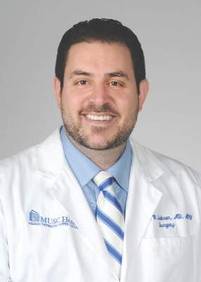
In my household, I was taught to never accept the first offer, and therefore, negotiating in second nature to me. As I neared the end of my fellowship and began my job search, I began to really enjoy the negotiation process with potential employers. I was surprised to learn, however, that not only was this not common practice among my colleagues, but also at times discouraged. I heard remarks like, “Don’t worry about your first contract, it doesn’t really matter,” and “These contracts are all pretty standard,” or “You better not ask for too much or they will find someone else,” or “Negotiating will upset them.” While I was baffled by this attitude, it dawned on me that, despite our trainees spending more than a decade in surgical training, many clinicians are currently entering surgical practice unprepared to negotiate the best contract to meet their needs. Let me be clear, I do not claim to be an expert in negotiations. However, I offer my experiences as a hope that it might provide some insight and guidance to those entering the medical workforce.
This introductory article is one of three meant to provide insight when it comes to basic negotiating principles for those doctors heading out into the work world. In no way is it meant to be a comprehensive guide, yet I hope that it offers an idea of what to look for and how best to approach these formal discussions.
Often individuals can find the negotiation process uncomfortable and stressful. However, the ability to negotiate well is something that can be learned, and is not predicated on some innate ability. The key to reaching optimal outcomes really comes down to two things: 1) walking into the negotiation prepared; and 2) maintaining a high level of emotional intelligence that allows you to be disciplined at the table. With the medical community being relatively small, the process should be geared toward building a relationship, in hopes of meeting the interests of all stakeholders. The resulting relationship, whether good or bad, will have future ramifications. This applies to both the employer and employee. Your goal is not to “one-up” the other party, but to ensure you walk away with a solution that meets your needs based on your interest.
Walking in prepared
One of the first steps in making sure you are well prepared is taking the time to determine what your interests are and how you would prioritize them. Do your homework! Often we get caught up in the salary number while losing sight of a wide range of potential benefits that might be discussed (for example, research support, time protection, employment for spouse, moving costs, signing bonus, mentorship, support for advanced degrees) and included in your overall compensation package.
The ability to be creative and move past focusing on one number will enhance your ability to attain better outcomes. That creativity requires that you take time to research the position, speak to colleagues and mentors, evaluate national salaries based on your specialty and expertise, and attempt to understand the other parties’ interest. This preparation will allow you to leverage the acquired knowledge in order to reach an outcome that would be considered a win-win. Part of your preparation also requires you to determine your best alternative to a negotiated agreement is (BATNA), a term coined in 1981 by Roger Fisher and William L. Ury in their book “Getting to Yes.” The BATNA essentially means if one does not accept the agreement, what is the best walk-away. Not only should you evaluate your own BATNA, but also that of the other parties.
Maintaining discipline
The ability to sustain a high level of emotional intelligence, be an active listener, and maintain discipline in your response can be critical to a negotiation. This tends to be more problematic when you are negotiating in a team because you are not in control of all that is being communicated by your team members. When you are the sole negotiator, as is the case in many of these faculty contracts, one has the ability to minimize the risk of serious gaffe at the table.
Additionally, developing and understanding your goals prior to the negotiation and where they rank from a priority and preference standpoint can reduce errors. This discipline also allows you to develop a strategic approach to the negotiation process that will ensure a systematic and thoughtful process in reaching the desired outcome. Every so often you run into a situation in which you are not prepared to answer a question or may need more time to think about it. One might respond by saying “That is an interesting option; let me take some time to think about it.” It is important not to commit yourself in the midst of a negotiation if you are not 100% sure the option is right for you. Having to come back and retract something you agree to can break down trust between the parties, which is detrimental to the relationship.
Parting thoughts
Negotiating your first contract can be nerve-wracking. The importance of taking the emotion out of the business aspect should not be overlooked. As well-trained, competent surgeons, you deserve to reach an agreement that you not only deem fair, but one that also will set you up for future success. Making sure that you are prepared, and having a systematic strategy is critical in this process. Gut instinct is not a strategy.
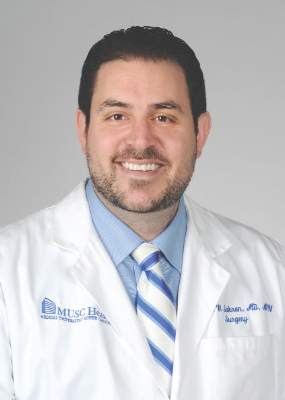
Dr. Sakran is an assistant profesor of surgery and Director of Global Health & Disaster Preparedness for the department of surgery at the Medical University of South Carolina. He is currently chair of the ACS Resident and Associate Society and recently finished a year at the Harvard Kennedy School of Government studying public policy, economics, and leadership development. He has no relevant disclosures.
As I maneuvered through the winding cobblestone roads of the Old City in Jerusalem, the smell of fresh bread intertwined with spices filled the air. Sensory overload blended with the multicultural flavor of the Holy City is a scene difficult to paint with words. In the hustle and bustle of the market, I can still vividly see the image of a lady negotiating over a bag of zaatar (thyme). As her kids pulled on her garb trying to move their mom along, I watched as the buyer and seller went back and forth on the final price of the herbs. This was negotiation as an art form! With both parties satisfied with the deal and parting with a smile, it was clearly a win-win outcome. But bargaining in a fashion so common in the souk (open air market) is not the norm in the United States.
In my household, I was taught to never accept the first offer, and therefore, negotiating in second nature to me. As I neared the end of my fellowship and began my job search, I began to really enjoy the negotiation process with potential employers. I was surprised to learn, however, that not only was this not common practice among my colleagues, but also at times discouraged. I heard remarks like, “Don’t worry about your first contract, it doesn’t really matter,” and “These contracts are all pretty standard,” or “You better not ask for too much or they will find someone else,” or “Negotiating will upset them.” While I was baffled by this attitude, it dawned on me that, despite our trainees spending more than a decade in surgical training, many clinicians are currently entering surgical practice unprepared to negotiate the best contract to meet their needs. Let me be clear, I do not claim to be an expert in negotiations. However, I offer my experiences as a hope that it might provide some insight and guidance to those entering the medical workforce.
This introductory article is one of three meant to provide insight when it comes to basic negotiating principles for those doctors heading out into the work world. In no way is it meant to be a comprehensive guide, yet I hope that it offers an idea of what to look for and how best to approach these formal discussions.
Often individuals can find the negotiation process uncomfortable and stressful. However, the ability to negotiate well is something that can be learned, and is not predicated on some innate ability. The key to reaching optimal outcomes really comes down to two things: 1) walking into the negotiation prepared; and 2) maintaining a high level of emotional intelligence that allows you to be disciplined at the table. With the medical community being relatively small, the process should be geared toward building a relationship, in hopes of meeting the interests of all stakeholders. The resulting relationship, whether good or bad, will have future ramifications. This applies to both the employer and employee. Your goal is not to “one-up” the other party, but to ensure you walk away with a solution that meets your needs based on your interest.
Walking in prepared
One of the first steps in making sure you are well prepared is taking the time to determine what your interests are and how you would prioritize them. Do your homework! Often we get caught up in the salary number while losing sight of a wide range of potential benefits that might be discussed (for example, research support, time protection, employment for spouse, moving costs, signing bonus, mentorship, support for advanced degrees) and included in your overall compensation package.
The ability to be creative and move past focusing on one number will enhance your ability to attain better outcomes. That creativity requires that you take time to research the position, speak to colleagues and mentors, evaluate national salaries based on your specialty and expertise, and attempt to understand the other parties’ interest. This preparation will allow you to leverage the acquired knowledge in order to reach an outcome that would be considered a win-win. Part of your preparation also requires you to determine your best alternative to a negotiated agreement is (BATNA), a term coined in 1981 by Roger Fisher and William L. Ury in their book “Getting to Yes.” The BATNA essentially means if one does not accept the agreement, what is the best walk-away. Not only should you evaluate your own BATNA, but also that of the other parties.
Maintaining discipline
The ability to sustain a high level of emotional intelligence, be an active listener, and maintain discipline in your response can be critical to a negotiation. This tends to be more problematic when you are negotiating in a team because you are not in control of all that is being communicated by your team members. When you are the sole negotiator, as is the case in many of these faculty contracts, one has the ability to minimize the risk of serious gaffe at the table.
Additionally, developing and understanding your goals prior to the negotiation and where they rank from a priority and preference standpoint can reduce errors. This discipline also allows you to develop a strategic approach to the negotiation process that will ensure a systematic and thoughtful process in reaching the desired outcome. Every so often you run into a situation in which you are not prepared to answer a question or may need more time to think about it. One might respond by saying “That is an interesting option; let me take some time to think about it.” It is important not to commit yourself in the midst of a negotiation if you are not 100% sure the option is right for you. Having to come back and retract something you agree to can break down trust between the parties, which is detrimental to the relationship.
Parting thoughts
Negotiating your first contract can be nerve-wracking. The importance of taking the emotion out of the business aspect should not be overlooked. As well-trained, competent surgeons, you deserve to reach an agreement that you not only deem fair, but one that also will set you up for future success. Making sure that you are prepared, and having a systematic strategy is critical in this process. Gut instinct is not a strategy.
Dr. Sakran is an assistant profesor of surgery and Director of Global Health & Disaster Preparedness for the department of surgery at the Medical University of South Carolina. He is currently chair of the ACS Resident and Associate Society and recently finished a year at the Harvard Kennedy School of Government studying public policy, economics, and leadership development. He has no relevant disclosures.
As I maneuvered through the winding cobblestone roads of the Old City in Jerusalem, the smell of fresh bread intertwined with spices filled the air. Sensory overload blended with the multicultural flavor of the Holy City is a scene difficult to paint with words. In the hustle and bustle of the market, I can still vividly see the image of a lady negotiating over a bag of zaatar (thyme). As her kids pulled on her garb trying to move their mom along, I watched as the buyer and seller went back and forth on the final price of the herbs. This was negotiation as an art form! With both parties satisfied with the deal and parting with a smile, it was clearly a win-win outcome. But bargaining in a fashion so common in the souk (open air market) is not the norm in the United States.
In my household, I was taught to never accept the first offer, and therefore, negotiating in second nature to me. As I neared the end of my fellowship and began my job search, I began to really enjoy the negotiation process with potential employers. I was surprised to learn, however, that not only was this not common practice among my colleagues, but also at times discouraged. I heard remarks like, “Don’t worry about your first contract, it doesn’t really matter,” and “These contracts are all pretty standard,” or “You better not ask for too much or they will find someone else,” or “Negotiating will upset them.” While I was baffled by this attitude, it dawned on me that, despite our trainees spending more than a decade in surgical training, many clinicians are currently entering surgical practice unprepared to negotiate the best contract to meet their needs. Let me be clear, I do not claim to be an expert in negotiations. However, I offer my experiences as a hope that it might provide some insight and guidance to those entering the medical workforce.
This introductory article is one of three meant to provide insight when it comes to basic negotiating principles for those doctors heading out into the work world. In no way is it meant to be a comprehensive guide, yet I hope that it offers an idea of what to look for and how best to approach these formal discussions.
Often individuals can find the negotiation process uncomfortable and stressful. However, the ability to negotiate well is something that can be learned, and is not predicated on some innate ability. The key to reaching optimal outcomes really comes down to two things: 1) walking into the negotiation prepared; and 2) maintaining a high level of emotional intelligence that allows you to be disciplined at the table. With the medical community being relatively small, the process should be geared toward building a relationship, in hopes of meeting the interests of all stakeholders. The resulting relationship, whether good or bad, will have future ramifications. This applies to both the employer and employee. Your goal is not to “one-up” the other party, but to ensure you walk away with a solution that meets your needs based on your interest.
Walking in prepared
One of the first steps in making sure you are well prepared is taking the time to determine what your interests are and how you would prioritize them. Do your homework! Often we get caught up in the salary number while losing sight of a wide range of potential benefits that might be discussed (for example, research support, time protection, employment for spouse, moving costs, signing bonus, mentorship, support for advanced degrees) and included in your overall compensation package.
The ability to be creative and move past focusing on one number will enhance your ability to attain better outcomes. That creativity requires that you take time to research the position, speak to colleagues and mentors, evaluate national salaries based on your specialty and expertise, and attempt to understand the other parties’ interest. This preparation will allow you to leverage the acquired knowledge in order to reach an outcome that would be considered a win-win. Part of your preparation also requires you to determine your best alternative to a negotiated agreement is (BATNA), a term coined in 1981 by Roger Fisher and William L. Ury in their book “Getting to Yes.” The BATNA essentially means if one does not accept the agreement, what is the best walk-away. Not only should you evaluate your own BATNA, but also that of the other parties.
Maintaining discipline
The ability to sustain a high level of emotional intelligence, be an active listener, and maintain discipline in your response can be critical to a negotiation. This tends to be more problematic when you are negotiating in a team because you are not in control of all that is being communicated by your team members. When you are the sole negotiator, as is the case in many of these faculty contracts, one has the ability to minimize the risk of serious gaffe at the table.
Additionally, developing and understanding your goals prior to the negotiation and where they rank from a priority and preference standpoint can reduce errors. This discipline also allows you to develop a strategic approach to the negotiation process that will ensure a systematic and thoughtful process in reaching the desired outcome. Every so often you run into a situation in which you are not prepared to answer a question or may need more time to think about it. One might respond by saying “That is an interesting option; let me take some time to think about it.” It is important not to commit yourself in the midst of a negotiation if you are not 100% sure the option is right for you. Having to come back and retract something you agree to can break down trust between the parties, which is detrimental to the relationship.
Parting thoughts
Negotiating your first contract can be nerve-wracking. The importance of taking the emotion out of the business aspect should not be overlooked. As well-trained, competent surgeons, you deserve to reach an agreement that you not only deem fair, but one that also will set you up for future success. Making sure that you are prepared, and having a systematic strategy is critical in this process. Gut instinct is not a strategy.
Dr. Sakran is an assistant profesor of surgery and Director of Global Health & Disaster Preparedness for the department of surgery at the Medical University of South Carolina. He is currently chair of the ACS Resident and Associate Society and recently finished a year at the Harvard Kennedy School of Government studying public policy, economics, and leadership development. He has no relevant disclosures.
The Surgical M&M Conference: Balancing a Blame-Free Environment with Individual Responsibility
The traditional Surgical Morbidity and Mortality Conference that I remember so well from my residency days has changed. Not everything has changed, however. Usually the most senior resident involved still presents the case along with a discussion of the operation performed and the complication. There is invariably a discussion of the central question, “What should have been done differently?” Residents still occasionally get nervous before presenting a case as I did years ago, and there is still the occasional disagreement over how a surgical issue was handled. But there are subtle differences notable in the M&M discussions of today.
Rather than focusing on who did something wrong, there is today more often a focus on the “systems issues” in the case. In other words, if a pneumothorax was missed after a central line placement, the discussion today is much more commonly focused on the systems that should have been in place to ensure that such an abnormality was noted and acted upon. In years past, the focus was squarely on identifying which resident shirked his or her responsibility to review the film.
This current “blame-free” environment is the hallmark of a “learning organization” that aims to use the review process to improve performance. Mistakes are viewed as opportunities for learning and improving the system. And the nonpunitive analysis goes a long way toward improving morale among the residents and certainly encourages teamwork and identification of mechanisms to avoid errors within a hospital or service. These are all good things. But I worry that perhaps there is a tendency to go too far with avoiding individual responsibility.
Sometimes it is easy to talk about things “just happening” in large medical systems of today. Many surgeons are accustomed to dictating operative reports in the passive voice. For example, I find myself routinely stating, “the patient was prepped and draped,” “an incision was made,” and “exposure was obtained.” All these statements suggest that things happened and, perhaps “mistakes were made,” but there is little attribution to a specific actor. Unfortunately, it can be easy to also talk about patient care in a similarly abstract manner in which it is hard to identify who did what to whom.
The central question, I believe, is whether this new focus on the system and the team is ultimately better for patient care. We do want all members of the operating room team, for example, to feel responsible for speaking up when something does not seem right. We want every person involved in a patient’s care to feel comfortable with stopping an incorrect intervention. Surgeons, in particular, should not be upset by having the medical student question which side of the patient is being operated upon. Hierarchy should never stand in the way of speaking up to avoid an error being made. Nevertheless, we must not completely eliminate the sense of personal responsibility that each individual caregiver should feel toward ensuring the well-being of the patient.
In 1937, Chicago surgeon Max Thorek, M.D., wrote a pioneering book entitled, Surgical Errors and Safeguards. Dr. Thorek wrote, “While it is human to err, it is inhuman not to try, if possible, to protect those who entrust their lives into our hands from avoidable failures and danger.” I believe that this philosophy continues to be embodied in the Surgical M&M conference.
One of the central components of the M&M discussion has not changed. After all of the discussion about systems and corporate responsibility, I believe that the most common statement that I have heard from the treating surgeon is, “My error was that I should have done ... ” Although some observers might see this ascription of the individual role of the surgeon to be anachronistic, I believe that it captures the reality of the situation that even though patients are operated upon by teams, it is most commonly an individual relationship with a specific surgeon that has prompted the patient to go ahead with the surgery. We must not lose sight of the importance of that individual relationship and the responsibility that the individual surgeon has in influencing patient choice. In many ways, although the tenor of the Surgical M&M conference has changed the old question of “What could I have done differently?” remains of central importance to ensuring that surgeons take responsibility for their patients’ well-being.
Dr. Angelos is an ACS Fellow; the Linda Kohler Anderson Professor of Surgery and Surgical Ethics; chief, endocrine surgery; and associate director of the MacLean Center for Clinical Medical Ethics at the University of Chicago.
The traditional Surgical Morbidity and Mortality Conference that I remember so well from my residency days has changed. Not everything has changed, however. Usually the most senior resident involved still presents the case along with a discussion of the operation performed and the complication. There is invariably a discussion of the central question, “What should have been done differently?” Residents still occasionally get nervous before presenting a case as I did years ago, and there is still the occasional disagreement over how a surgical issue was handled. But there are subtle differences notable in the M&M discussions of today.
Rather than focusing on who did something wrong, there is today more often a focus on the “systems issues” in the case. In other words, if a pneumothorax was missed after a central line placement, the discussion today is much more commonly focused on the systems that should have been in place to ensure that such an abnormality was noted and acted upon. In years past, the focus was squarely on identifying which resident shirked his or her responsibility to review the film.
This current “blame-free” environment is the hallmark of a “learning organization” that aims to use the review process to improve performance. Mistakes are viewed as opportunities for learning and improving the system. And the nonpunitive analysis goes a long way toward improving morale among the residents and certainly encourages teamwork and identification of mechanisms to avoid errors within a hospital or service. These are all good things. But I worry that perhaps there is a tendency to go too far with avoiding individual responsibility.
Sometimes it is easy to talk about things “just happening” in large medical systems of today. Many surgeons are accustomed to dictating operative reports in the passive voice. For example, I find myself routinely stating, “the patient was prepped and draped,” “an incision was made,” and “exposure was obtained.” All these statements suggest that things happened and, perhaps “mistakes were made,” but there is little attribution to a specific actor. Unfortunately, it can be easy to also talk about patient care in a similarly abstract manner in which it is hard to identify who did what to whom.
The central question, I believe, is whether this new focus on the system and the team is ultimately better for patient care. We do want all members of the operating room team, for example, to feel responsible for speaking up when something does not seem right. We want every person involved in a patient’s care to feel comfortable with stopping an incorrect intervention. Surgeons, in particular, should not be upset by having the medical student question which side of the patient is being operated upon. Hierarchy should never stand in the way of speaking up to avoid an error being made. Nevertheless, we must not completely eliminate the sense of personal responsibility that each individual caregiver should feel toward ensuring the well-being of the patient.
In 1937, Chicago surgeon Max Thorek, M.D., wrote a pioneering book entitled, Surgical Errors and Safeguards. Dr. Thorek wrote, “While it is human to err, it is inhuman not to try, if possible, to protect those who entrust their lives into our hands from avoidable failures and danger.” I believe that this philosophy continues to be embodied in the Surgical M&M conference.
One of the central components of the M&M discussion has not changed. After all of the discussion about systems and corporate responsibility, I believe that the most common statement that I have heard from the treating surgeon is, “My error was that I should have done ... ” Although some observers might see this ascription of the individual role of the surgeon to be anachronistic, I believe that it captures the reality of the situation that even though patients are operated upon by teams, it is most commonly an individual relationship with a specific surgeon that has prompted the patient to go ahead with the surgery. We must not lose sight of the importance of that individual relationship and the responsibility that the individual surgeon has in influencing patient choice. In many ways, although the tenor of the Surgical M&M conference has changed the old question of “What could I have done differently?” remains of central importance to ensuring that surgeons take responsibility for their patients’ well-being.
Dr. Angelos is an ACS Fellow; the Linda Kohler Anderson Professor of Surgery and Surgical Ethics; chief, endocrine surgery; and associate director of the MacLean Center for Clinical Medical Ethics at the University of Chicago.
The traditional Surgical Morbidity and Mortality Conference that I remember so well from my residency days has changed. Not everything has changed, however. Usually the most senior resident involved still presents the case along with a discussion of the operation performed and the complication. There is invariably a discussion of the central question, “What should have been done differently?” Residents still occasionally get nervous before presenting a case as I did years ago, and there is still the occasional disagreement over how a surgical issue was handled. But there are subtle differences notable in the M&M discussions of today.
Rather than focusing on who did something wrong, there is today more often a focus on the “systems issues” in the case. In other words, if a pneumothorax was missed after a central line placement, the discussion today is much more commonly focused on the systems that should have been in place to ensure that such an abnormality was noted and acted upon. In years past, the focus was squarely on identifying which resident shirked his or her responsibility to review the film.
This current “blame-free” environment is the hallmark of a “learning organization” that aims to use the review process to improve performance. Mistakes are viewed as opportunities for learning and improving the system. And the nonpunitive analysis goes a long way toward improving morale among the residents and certainly encourages teamwork and identification of mechanisms to avoid errors within a hospital or service. These are all good things. But I worry that perhaps there is a tendency to go too far with avoiding individual responsibility.
Sometimes it is easy to talk about things “just happening” in large medical systems of today. Many surgeons are accustomed to dictating operative reports in the passive voice. For example, I find myself routinely stating, “the patient was prepped and draped,” “an incision was made,” and “exposure was obtained.” All these statements suggest that things happened and, perhaps “mistakes were made,” but there is little attribution to a specific actor. Unfortunately, it can be easy to also talk about patient care in a similarly abstract manner in which it is hard to identify who did what to whom.
The central question, I believe, is whether this new focus on the system and the team is ultimately better for patient care. We do want all members of the operating room team, for example, to feel responsible for speaking up when something does not seem right. We want every person involved in a patient’s care to feel comfortable with stopping an incorrect intervention. Surgeons, in particular, should not be upset by having the medical student question which side of the patient is being operated upon. Hierarchy should never stand in the way of speaking up to avoid an error being made. Nevertheless, we must not completely eliminate the sense of personal responsibility that each individual caregiver should feel toward ensuring the well-being of the patient.
In 1937, Chicago surgeon Max Thorek, M.D., wrote a pioneering book entitled, Surgical Errors and Safeguards. Dr. Thorek wrote, “While it is human to err, it is inhuman not to try, if possible, to protect those who entrust their lives into our hands from avoidable failures and danger.” I believe that this philosophy continues to be embodied in the Surgical M&M conference.
One of the central components of the M&M discussion has not changed. After all of the discussion about systems and corporate responsibility, I believe that the most common statement that I have heard from the treating surgeon is, “My error was that I should have done ... ” Although some observers might see this ascription of the individual role of the surgeon to be anachronistic, I believe that it captures the reality of the situation that even though patients are operated upon by teams, it is most commonly an individual relationship with a specific surgeon that has prompted the patient to go ahead with the surgery. We must not lose sight of the importance of that individual relationship and the responsibility that the individual surgeon has in influencing patient choice. In many ways, although the tenor of the Surgical M&M conference has changed the old question of “What could I have done differently?” remains of central importance to ensuring that surgeons take responsibility for their patients’ well-being.
Dr. Angelos is an ACS Fellow; the Linda Kohler Anderson Professor of Surgery and Surgical Ethics; chief, endocrine surgery; and associate director of the MacLean Center for Clinical Medical Ethics at the University of Chicago.
Your College: A Remarkable Organization
Peering out from 28 floors above the busy, early morning streets of downtown Chicago, I was entranced by the view. The rising sun in the east created a shimmering, iridescent play of light on the waters of Lake Michigan that extended as far as the eye could see. The room I was in also commanded my attention. Several rows of desks, each with a computer screen, faced a single elevated line of chairs for the leaders of the deliberations that were about to take place. Above this row on the front wall of this imposing room is emblazoned the seal of our College with its mission statement, “The ACS is dedicated to improving the care of the surgical patient and to safeguarding standards of care in an optimal and ethical practice environment,” to remind those in the room of the ultimate purpose in serving this professional organization. So the Regents room and view appeared to me, a newcomer to these meetings of the leadership of the American College of Surgeons.
I hope I can convince you in the paragraphs that follow that this mission and its execution by Regents, Governors, and Fellows of the ACS, are every bit as noble as the architecture of the room and the view it affords.

I have been a Fellow of the American College of Surgeons since 1980. My membership in this extraordinary association has provided me many benefits and numerous opportunities. In the early years, I significantly expanded the knowledge base I had gained in residency by attending every fall Clinical Congress and consuming as many educational offerings as time would permit during this nearly week-long learning marathon. After a few years, I was granted the privilege of being on the instructor end of several of these educational exchanges. At that time in my career, it appeared to me that the ACS’s main and almost sole purpose was to provide continuing education for surgeons who attended the annual Clinical Congress. I have subsequently found that it is so much more.
In 2005, I was invited to represent one of my specialist surgical societies as a Governor. During my 6-year term, I came to realize that the key purpose of the Board of Governors (BOG) is to provide an effective communication conduit between the Fellows and the sole policy-making body of the ACS, the Board of Regents (BOR). In recent years, most of the Regents have attended the annual BOG meeting in order to facilitate this interaction.
In 2012, I was elected First Vice-President of the ACS. Now as an officer of the College, I was invited for 2 years to attend all BOR meetings and to be in the mainstream of all communications relating to strategy and policy. These opportunities provided me with an intimate, inside look at how this large organization of nearly 80,000 members functions to serve the entire surgical profession including each of its many specialties. What I learned about the internal workings of the leadership and those who dedicate their time to this work has reinforced my own commitment to the ACS. It is a remarkable organization.
This brings us back to the well-designed and impressive Regents’ room high above Chicago. The hum of numerous disjointed conversations ceased as the Chair of the ACS Board of Regents called the June 2012 meeting to order. My attention is now focused on the proceedings rather than on the beauty of Lake Michigan below. Although every surgical specialty is represented among the 22 Regents, all discussion was invariably directed toward the betterment of the surgical profession as a whole rather than about any specific specialty’s interests.
The Regents are dedicated servants of the ACS. In addition to three one-and-a-half day meetings annually, each of which requires hours of reading in preparation, most of the Regents serve on at least two committees of the Board. Regents are nominated by Fellows, advisory councils, and committees, and are elected by the much larger BOG which represents every state and Canadian province, several countries, and many surgery specialist societies. In addition to assuring that all surgical specialties are represented, bylaws of the ACS state that the President of the ACS and two Canadian Fellows must be among the BOR membership. Based on my 2-year experience, the BOG has exhibited considerable wisdom in their choice of Regents.
The officers of the ACS (President-Elect, First and Second Vice-Presidents and Vice-Presidents-Elect, Secretary, Treasurer), and the officers of the BOG (Chair, Vice-Chair, and Secretary/Treasurer) attend all BOR meetings and serve in an advisory capacity. Also in attendance and providing essential input are executive members of the ACS staff and, representing the younger ACS membership, the chairs of the Resident Associates Society (RAS) and the Young Fellows Association (YAF). Although only Regents can vote and are therefore responsible for establishing ACS policy, I discovered they welcome participation from all in attendance. I always felt that my contributions and those of other non-voting attendees were thoughtfully and carefully considered.
Much of the preparatory work for BOR meetings is done in the committees that meet just prior to the full Board meeting. I had the pleasure of being on the Honors Committee that selects Honorary Fellows of the ACS from regions throughout the world and selects Fellows for special awards such as the Distinguished Service Award, and on the Members Services Liaison Committee that concentrates on expanding ACS membership and on more fully informing the Fellows of BOR activities. Among several other important committees are the Central Judiciary Committee that is responsible for disciplining Fellows who breach the ethical standards of our College and the Finance Committee that assures responsible fiscal stewardship of the ACS. Deliberations of all of the committees are brought before the full Board for final approval
Although the BOR has been the policy-making body since the founding of the ACS 102 years ago, the structure of our society has evolved considerably, especially during the past 2 decades. The ACS is organized around five major Divisions: Advocacy and Health Policy, Education, Integrated Communications, Member Services, and Research and Optimal Patient Care. The Directors of these Divisions report on a regular basis to the BOR to keep the Regents’ knowledge up-to-date and to assist them in determining the strategic direction of the ACS. Much of the discussion, modifications, and innovations center around these Divisions, also represented as pillars in the recent BOG re-organization. I trust you are aware of the many achievements that have resulted: NSQIP, legislative elimination of the flawed Sustainable Growth Rate (SGR) formula, reorganization of the Clinical Congress, and a re-emphasis on global surgery and the Operation Giving Back Program to name but a few.
Finally, a key role of the BOR is to select the Executive Director of the ACS who manages the day-to-day operations of the College with the Board’s strategic guidance. The ACS has been blessed with a number of excellent Directors, none more visionary and competent than the present Director, David Hoyt, MD, FACS, who is 1 year into his second 5-year term.
I hope that this discussion provides you with a better understanding of the role and functioning of the BOR and the College of which you are a member. The grandeur of the BOR room appropriately parallels the excellence of what takes place within it.
Take time to visit the next time you are in Chicago. I am certain the ACS staff would be pleased and proud to meet you, show you around, and have you experience what I have tried to describe in this brief discourse.
Dr. Rikkers is Editor in Chief of ACS Surgery News.
Peering out from 28 floors above the busy, early morning streets of downtown Chicago, I was entranced by the view. The rising sun in the east created a shimmering, iridescent play of light on the waters of Lake Michigan that extended as far as the eye could see. The room I was in also commanded my attention. Several rows of desks, each with a computer screen, faced a single elevated line of chairs for the leaders of the deliberations that were about to take place. Above this row on the front wall of this imposing room is emblazoned the seal of our College with its mission statement, “The ACS is dedicated to improving the care of the surgical patient and to safeguarding standards of care in an optimal and ethical practice environment,” to remind those in the room of the ultimate purpose in serving this professional organization. So the Regents room and view appeared to me, a newcomer to these meetings of the leadership of the American College of Surgeons.
I hope I can convince you in the paragraphs that follow that this mission and its execution by Regents, Governors, and Fellows of the ACS, are every bit as noble as the architecture of the room and the view it affords.
I have been a Fellow of the American College of Surgeons since 1980. My membership in this extraordinary association has provided me many benefits and numerous opportunities. In the early years, I significantly expanded the knowledge base I had gained in residency by attending every fall Clinical Congress and consuming as many educational offerings as time would permit during this nearly week-long learning marathon. After a few years, I was granted the privilege of being on the instructor end of several of these educational exchanges. At that time in my career, it appeared to me that the ACS’s main and almost sole purpose was to provide continuing education for surgeons who attended the annual Clinical Congress. I have subsequently found that it is so much more.
In 2005, I was invited to represent one of my specialist surgical societies as a Governor. During my 6-year term, I came to realize that the key purpose of the Board of Governors (BOG) is to provide an effective communication conduit between the Fellows and the sole policy-making body of the ACS, the Board of Regents (BOR). In recent years, most of the Regents have attended the annual BOG meeting in order to facilitate this interaction.
In 2012, I was elected First Vice-President of the ACS. Now as an officer of the College, I was invited for 2 years to attend all BOR meetings and to be in the mainstream of all communications relating to strategy and policy. These opportunities provided me with an intimate, inside look at how this large organization of nearly 80,000 members functions to serve the entire surgical profession including each of its many specialties. What I learned about the internal workings of the leadership and those who dedicate their time to this work has reinforced my own commitment to the ACS. It is a remarkable organization.
This brings us back to the well-designed and impressive Regents’ room high above Chicago. The hum of numerous disjointed conversations ceased as the Chair of the ACS Board of Regents called the June 2012 meeting to order. My attention is now focused on the proceedings rather than on the beauty of Lake Michigan below. Although every surgical specialty is represented among the 22 Regents, all discussion was invariably directed toward the betterment of the surgical profession as a whole rather than about any specific specialty’s interests.
The Regents are dedicated servants of the ACS. In addition to three one-and-a-half day meetings annually, each of which requires hours of reading in preparation, most of the Regents serve on at least two committees of the Board. Regents are nominated by Fellows, advisory councils, and committees, and are elected by the much larger BOG which represents every state and Canadian province, several countries, and many surgery specialist societies. In addition to assuring that all surgical specialties are represented, bylaws of the ACS state that the President of the ACS and two Canadian Fellows must be among the BOR membership. Based on my 2-year experience, the BOG has exhibited considerable wisdom in their choice of Regents.
The officers of the ACS (President-Elect, First and Second Vice-Presidents and Vice-Presidents-Elect, Secretary, Treasurer), and the officers of the BOG (Chair, Vice-Chair, and Secretary/Treasurer) attend all BOR meetings and serve in an advisory capacity. Also in attendance and providing essential input are executive members of the ACS staff and, representing the younger ACS membership, the chairs of the Resident Associates Society (RAS) and the Young Fellows Association (YAF). Although only Regents can vote and are therefore responsible for establishing ACS policy, I discovered they welcome participation from all in attendance. I always felt that my contributions and those of other non-voting attendees were thoughtfully and carefully considered.
Much of the preparatory work for BOR meetings is done in the committees that meet just prior to the full Board meeting. I had the pleasure of being on the Honors Committee that selects Honorary Fellows of the ACS from regions throughout the world and selects Fellows for special awards such as the Distinguished Service Award, and on the Members Services Liaison Committee that concentrates on expanding ACS membership and on more fully informing the Fellows of BOR activities. Among several other important committees are the Central Judiciary Committee that is responsible for disciplining Fellows who breach the ethical standards of our College and the Finance Committee that assures responsible fiscal stewardship of the ACS. Deliberations of all of the committees are brought before the full Board for final approval
Although the BOR has been the policy-making body since the founding of the ACS 102 years ago, the structure of our society has evolved considerably, especially during the past 2 decades. The ACS is organized around five major Divisions: Advocacy and Health Policy, Education, Integrated Communications, Member Services, and Research and Optimal Patient Care. The Directors of these Divisions report on a regular basis to the BOR to keep the Regents’ knowledge up-to-date and to assist them in determining the strategic direction of the ACS. Much of the discussion, modifications, and innovations center around these Divisions, also represented as pillars in the recent BOG re-organization. I trust you are aware of the many achievements that have resulted: NSQIP, legislative elimination of the flawed Sustainable Growth Rate (SGR) formula, reorganization of the Clinical Congress, and a re-emphasis on global surgery and the Operation Giving Back Program to name but a few.
Finally, a key role of the BOR is to select the Executive Director of the ACS who manages the day-to-day operations of the College with the Board’s strategic guidance. The ACS has been blessed with a number of excellent Directors, none more visionary and competent than the present Director, David Hoyt, MD, FACS, who is 1 year into his second 5-year term.
I hope that this discussion provides you with a better understanding of the role and functioning of the BOR and the College of which you are a member. The grandeur of the BOR room appropriately parallels the excellence of what takes place within it.
Take time to visit the next time you are in Chicago. I am certain the ACS staff would be pleased and proud to meet you, show you around, and have you experience what I have tried to describe in this brief discourse.
Dr. Rikkers is Editor in Chief of ACS Surgery News.
Peering out from 28 floors above the busy, early morning streets of downtown Chicago, I was entranced by the view. The rising sun in the east created a shimmering, iridescent play of light on the waters of Lake Michigan that extended as far as the eye could see. The room I was in also commanded my attention. Several rows of desks, each with a computer screen, faced a single elevated line of chairs for the leaders of the deliberations that were about to take place. Above this row on the front wall of this imposing room is emblazoned the seal of our College with its mission statement, “The ACS is dedicated to improving the care of the surgical patient and to safeguarding standards of care in an optimal and ethical practice environment,” to remind those in the room of the ultimate purpose in serving this professional organization. So the Regents room and view appeared to me, a newcomer to these meetings of the leadership of the American College of Surgeons.
I hope I can convince you in the paragraphs that follow that this mission and its execution by Regents, Governors, and Fellows of the ACS, are every bit as noble as the architecture of the room and the view it affords.
I have been a Fellow of the American College of Surgeons since 1980. My membership in this extraordinary association has provided me many benefits and numerous opportunities. In the early years, I significantly expanded the knowledge base I had gained in residency by attending every fall Clinical Congress and consuming as many educational offerings as time would permit during this nearly week-long learning marathon. After a few years, I was granted the privilege of being on the instructor end of several of these educational exchanges. At that time in my career, it appeared to me that the ACS’s main and almost sole purpose was to provide continuing education for surgeons who attended the annual Clinical Congress. I have subsequently found that it is so much more.
In 2005, I was invited to represent one of my specialist surgical societies as a Governor. During my 6-year term, I came to realize that the key purpose of the Board of Governors (BOG) is to provide an effective communication conduit between the Fellows and the sole policy-making body of the ACS, the Board of Regents (BOR). In recent years, most of the Regents have attended the annual BOG meeting in order to facilitate this interaction.
In 2012, I was elected First Vice-President of the ACS. Now as an officer of the College, I was invited for 2 years to attend all BOR meetings and to be in the mainstream of all communications relating to strategy and policy. These opportunities provided me with an intimate, inside look at how this large organization of nearly 80,000 members functions to serve the entire surgical profession including each of its many specialties. What I learned about the internal workings of the leadership and those who dedicate their time to this work has reinforced my own commitment to the ACS. It is a remarkable organization.
This brings us back to the well-designed and impressive Regents’ room high above Chicago. The hum of numerous disjointed conversations ceased as the Chair of the ACS Board of Regents called the June 2012 meeting to order. My attention is now focused on the proceedings rather than on the beauty of Lake Michigan below. Although every surgical specialty is represented among the 22 Regents, all discussion was invariably directed toward the betterment of the surgical profession as a whole rather than about any specific specialty’s interests.
The Regents are dedicated servants of the ACS. In addition to three one-and-a-half day meetings annually, each of which requires hours of reading in preparation, most of the Regents serve on at least two committees of the Board. Regents are nominated by Fellows, advisory councils, and committees, and are elected by the much larger BOG which represents every state and Canadian province, several countries, and many surgery specialist societies. In addition to assuring that all surgical specialties are represented, bylaws of the ACS state that the President of the ACS and two Canadian Fellows must be among the BOR membership. Based on my 2-year experience, the BOG has exhibited considerable wisdom in their choice of Regents.
The officers of the ACS (President-Elect, First and Second Vice-Presidents and Vice-Presidents-Elect, Secretary, Treasurer), and the officers of the BOG (Chair, Vice-Chair, and Secretary/Treasurer) attend all BOR meetings and serve in an advisory capacity. Also in attendance and providing essential input are executive members of the ACS staff and, representing the younger ACS membership, the chairs of the Resident Associates Society (RAS) and the Young Fellows Association (YAF). Although only Regents can vote and are therefore responsible for establishing ACS policy, I discovered they welcome participation from all in attendance. I always felt that my contributions and those of other non-voting attendees were thoughtfully and carefully considered.
Much of the preparatory work for BOR meetings is done in the committees that meet just prior to the full Board meeting. I had the pleasure of being on the Honors Committee that selects Honorary Fellows of the ACS from regions throughout the world and selects Fellows for special awards such as the Distinguished Service Award, and on the Members Services Liaison Committee that concentrates on expanding ACS membership and on more fully informing the Fellows of BOR activities. Among several other important committees are the Central Judiciary Committee that is responsible for disciplining Fellows who breach the ethical standards of our College and the Finance Committee that assures responsible fiscal stewardship of the ACS. Deliberations of all of the committees are brought before the full Board for final approval
Although the BOR has been the policy-making body since the founding of the ACS 102 years ago, the structure of our society has evolved considerably, especially during the past 2 decades. The ACS is organized around five major Divisions: Advocacy and Health Policy, Education, Integrated Communications, Member Services, and Research and Optimal Patient Care. The Directors of these Divisions report on a regular basis to the BOR to keep the Regents’ knowledge up-to-date and to assist them in determining the strategic direction of the ACS. Much of the discussion, modifications, and innovations center around these Divisions, also represented as pillars in the recent BOG re-organization. I trust you are aware of the many achievements that have resulted: NSQIP, legislative elimination of the flawed Sustainable Growth Rate (SGR) formula, reorganization of the Clinical Congress, and a re-emphasis on global surgery and the Operation Giving Back Program to name but a few.
Finally, a key role of the BOR is to select the Executive Director of the ACS who manages the day-to-day operations of the College with the Board’s strategic guidance. The ACS has been blessed with a number of excellent Directors, none more visionary and competent than the present Director, David Hoyt, MD, FACS, who is 1 year into his second 5-year term.
I hope that this discussion provides you with a better understanding of the role and functioning of the BOR and the College of which you are a member. The grandeur of the BOR room appropriately parallels the excellence of what takes place within it.
Take time to visit the next time you are in Chicago. I am certain the ACS staff would be pleased and proud to meet you, show you around, and have you experience what I have tried to describe in this brief discourse.
Dr. Rikkers is Editor in Chief of ACS Surgery News.

From the Washington Office: Avoid Medicare Penalties
In the August edition of this column, I wrote at length about the requirement for surgeons to successfully report Medicare quality data in the current calendar year of 2015 in order to avoid Medicare payment penalties of up to 9 percent in 2017. It is absolutely imperative that surgeons take the time necessary to comply with the requirements of Medicare’s three current law quality programs in order to avoid the penalties associated with such.
Even though the MACRA legislation passed earlier this year mandates significant changes in the way Medicare payment updates to physicians are calculated, those changes will not go into effect until 2019. In the meantime, penalties remain in effect for Medicare’s three current law quality programs: PQRS (Physician Quality Reporting System), VBM (Value-Based Modifier) and EHR-MU (Electronic Health Record-Meaningful Use).
While it is certainly understandable that one could deem this requirement to be an unnecessary administrative burden taking time away from otherwise already busy and complex lives, successful compliance is not as daunting as one might imagine. Specifically, only one key action is necessary to avoid the Medicare penalties otherwise imposed by both PQRS and the VBM. That key action is compliance with the requirements of PQRS. Additionally, there are several resources available to you through the College’s website specifically designed to facilitate successful reporting in the most efficient way possible and minimize the time on task necessary to comply.
As was recently communicated to all Fellows in an e-mail communication from Dr. Hoyt, the ACS Surgeon Specific Registry (SSR) allows surgeons to track their cases and also facilitates compliance with the regulatory requirements of PQRS. Registration for the SSR can be found at: https://www.facs.org/quality-programs/ssr
The SSR allows surgeons to report on:
1) PQRS General Surgery Measures Group
2) PQRS Individual Measures
3) ACS SSR QCDR – Trauma Measures Option
Surgeons can utilize any of the three options to meet the requirements for PQRS compliance. A list of all the reportable measures available for each of the above can be found at: https://www.facs.org/quality-programs/ssr/pqrs/options.
For those surgeons for whom it could be applicable, the PQRS General Surgery Measure Group option is perhaps the least onerous. With this option, surgeons need to report on only twenty patients, eleven of whom must be Medicare Part B patients. Should this option be selected, Fellows need to be certain to complete the information by reporting on ALL seven of the included measures along with all nine risk factor variables for each of the twenty patients.
The deadline for submission of calendar year 2015 data into the SSR is January 31, 2016. The SSR will submit PQRS data on behalf of surgeons to Centers for Medicare and Medicaid Services (CMS).
The SSR is free of charge to ACS members.
Links to additional resources which provide further information include:
1) Glossary of Terms: https://www.facs.org/advocacy/regulatory/medicare-penalties/glossary
2) “How to Avoid Medicare Penalties” – summary document: https://www.facs.org/advocacy/regulatory/medicare-penalties
3) Step by Step Flowchart of Participation in Medicare Quality Programs: https://www.facs.org/advocacy/quality/medicare-programs
As always, ACS staff in both the Washington and Chicago offices are available to answer questions and assist members in participating in the 2015 PQRS program:
General PQRS questions: ACS Division of Advocacy and Health Policy, 202/337-6701 or [email protected].
Specific SSR questions: ACS Division of Research and Optimal Patient Care, 312/202-5000 or [email protected].
In closing, I will again highly encourage all Fellows to invest the time necessary to successfully comply with the PQRS requirement through the SSR and thereby avoid penalties of up to 9 percent in their 2017 Medicare payment.
Until next month...
Dr. Bailey is a pediatric surgeon and Medical Director, Advocacy for the Division of Advocacy and Health Policy in the ACS offices in Washington.
In the August edition of this column, I wrote at length about the requirement for surgeons to successfully report Medicare quality data in the current calendar year of 2015 in order to avoid Medicare payment penalties of up to 9 percent in 2017. It is absolutely imperative that surgeons take the time necessary to comply with the requirements of Medicare’s three current law quality programs in order to avoid the penalties associated with such.
Even though the MACRA legislation passed earlier this year mandates significant changes in the way Medicare payment updates to physicians are calculated, those changes will not go into effect until 2019. In the meantime, penalties remain in effect for Medicare’s three current law quality programs: PQRS (Physician Quality Reporting System), VBM (Value-Based Modifier) and EHR-MU (Electronic Health Record-Meaningful Use).
While it is certainly understandable that one could deem this requirement to be an unnecessary administrative burden taking time away from otherwise already busy and complex lives, successful compliance is not as daunting as one might imagine. Specifically, only one key action is necessary to avoid the Medicare penalties otherwise imposed by both PQRS and the VBM. That key action is compliance with the requirements of PQRS. Additionally, there are several resources available to you through the College’s website specifically designed to facilitate successful reporting in the most efficient way possible and minimize the time on task necessary to comply.
As was recently communicated to all Fellows in an e-mail communication from Dr. Hoyt, the ACS Surgeon Specific Registry (SSR) allows surgeons to track their cases and also facilitates compliance with the regulatory requirements of PQRS. Registration for the SSR can be found at: https://www.facs.org/quality-programs/ssr
The SSR allows surgeons to report on:
1) PQRS General Surgery Measures Group
2) PQRS Individual Measures
3) ACS SSR QCDR – Trauma Measures Option
Surgeons can utilize any of the three options to meet the requirements for PQRS compliance. A list of all the reportable measures available for each of the above can be found at: https://www.facs.org/quality-programs/ssr/pqrs/options.
For those surgeons for whom it could be applicable, the PQRS General Surgery Measure Group option is perhaps the least onerous. With this option, surgeons need to report on only twenty patients, eleven of whom must be Medicare Part B patients. Should this option be selected, Fellows need to be certain to complete the information by reporting on ALL seven of the included measures along with all nine risk factor variables for each of the twenty patients.
The deadline for submission of calendar year 2015 data into the SSR is January 31, 2016. The SSR will submit PQRS data on behalf of surgeons to Centers for Medicare and Medicaid Services (CMS).
The SSR is free of charge to ACS members.
Links to additional resources which provide further information include:
1) Glossary of Terms: https://www.facs.org/advocacy/regulatory/medicare-penalties/glossary
2) “How to Avoid Medicare Penalties” – summary document: https://www.facs.org/advocacy/regulatory/medicare-penalties
3) Step by Step Flowchart of Participation in Medicare Quality Programs: https://www.facs.org/advocacy/quality/medicare-programs
As always, ACS staff in both the Washington and Chicago offices are available to answer questions and assist members in participating in the 2015 PQRS program:
General PQRS questions: ACS Division of Advocacy and Health Policy, 202/337-6701 or [email protected].
Specific SSR questions: ACS Division of Research and Optimal Patient Care, 312/202-5000 or [email protected].
In closing, I will again highly encourage all Fellows to invest the time necessary to successfully comply with the PQRS requirement through the SSR and thereby avoid penalties of up to 9 percent in their 2017 Medicare payment.
Until next month...
Dr. Bailey is a pediatric surgeon and Medical Director, Advocacy for the Division of Advocacy and Health Policy in the ACS offices in Washington.
In the August edition of this column, I wrote at length about the requirement for surgeons to successfully report Medicare quality data in the current calendar year of 2015 in order to avoid Medicare payment penalties of up to 9 percent in 2017. It is absolutely imperative that surgeons take the time necessary to comply with the requirements of Medicare’s three current law quality programs in order to avoid the penalties associated with such.
Even though the MACRA legislation passed earlier this year mandates significant changes in the way Medicare payment updates to physicians are calculated, those changes will not go into effect until 2019. In the meantime, penalties remain in effect for Medicare’s three current law quality programs: PQRS (Physician Quality Reporting System), VBM (Value-Based Modifier) and EHR-MU (Electronic Health Record-Meaningful Use).
While it is certainly understandable that one could deem this requirement to be an unnecessary administrative burden taking time away from otherwise already busy and complex lives, successful compliance is not as daunting as one might imagine. Specifically, only one key action is necessary to avoid the Medicare penalties otherwise imposed by both PQRS and the VBM. That key action is compliance with the requirements of PQRS. Additionally, there are several resources available to you through the College’s website specifically designed to facilitate successful reporting in the most efficient way possible and minimize the time on task necessary to comply.
As was recently communicated to all Fellows in an e-mail communication from Dr. Hoyt, the ACS Surgeon Specific Registry (SSR) allows surgeons to track their cases and also facilitates compliance with the regulatory requirements of PQRS. Registration for the SSR can be found at: https://www.facs.org/quality-programs/ssr
The SSR allows surgeons to report on:
1) PQRS General Surgery Measures Group
2) PQRS Individual Measures
3) ACS SSR QCDR – Trauma Measures Option
Surgeons can utilize any of the three options to meet the requirements for PQRS compliance. A list of all the reportable measures available for each of the above can be found at: https://www.facs.org/quality-programs/ssr/pqrs/options.
For those surgeons for whom it could be applicable, the PQRS General Surgery Measure Group option is perhaps the least onerous. With this option, surgeons need to report on only twenty patients, eleven of whom must be Medicare Part B patients. Should this option be selected, Fellows need to be certain to complete the information by reporting on ALL seven of the included measures along with all nine risk factor variables for each of the twenty patients.
The deadline for submission of calendar year 2015 data into the SSR is January 31, 2016. The SSR will submit PQRS data on behalf of surgeons to Centers for Medicare and Medicaid Services (CMS).
The SSR is free of charge to ACS members.
Links to additional resources which provide further information include:
1) Glossary of Terms: https://www.facs.org/advocacy/regulatory/medicare-penalties/glossary
2) “How to Avoid Medicare Penalties” – summary document: https://www.facs.org/advocacy/regulatory/medicare-penalties
3) Step by Step Flowchart of Participation in Medicare Quality Programs: https://www.facs.org/advocacy/quality/medicare-programs
As always, ACS staff in both the Washington and Chicago offices are available to answer questions and assist members in participating in the 2015 PQRS program:
General PQRS questions: ACS Division of Advocacy and Health Policy, 202/337-6701 or [email protected].
Specific SSR questions: ACS Division of Research and Optimal Patient Care, 312/202-5000 or [email protected].
In closing, I will again highly encourage all Fellows to invest the time necessary to successfully comply with the PQRS requirement through the SSR and thereby avoid penalties of up to 9 percent in their 2017 Medicare payment.
Until next month...
Dr. Bailey is a pediatric surgeon and Medical Director, Advocacy for the Division of Advocacy and Health Policy in the ACS offices in Washington.
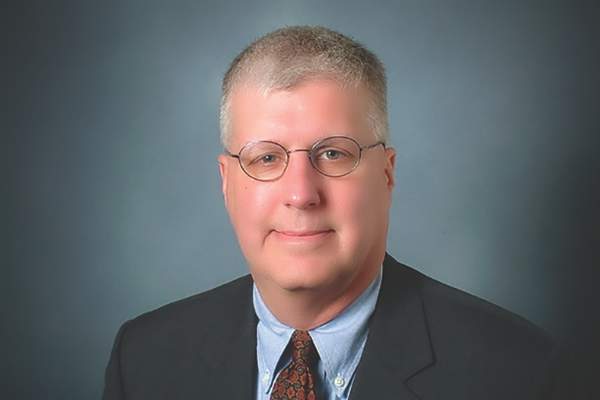
We hold the pen, but who writes the story?
Mrs. J, a physically frail but mentally sharp 75-year-old with known metastatic gastric cancer was admitted to the hospital 2 days ago with a small bowel obstruction. Despite appropriate conservative management, her symptoms are worsening. Her prior cancer treatment consisted of gastric resection with reconstruction and chemo and radiation therapy. The probability of identifying a treatable cause for her bowel obstruction during exploratory laparotomy is believed to be small.
Mr. S, a debilitated 58-year-old previously treated with primary chemotherapy and radiation for cancer at the base of his tongue, presents to your office with severe pain due to recurrent disease. The cancer is potentially resectable, but it will require an extensive resection necessitating complex free flap reconstruction in this previously irradiated field.
Is an operation indicated in either/both of these patients? The risk of causing harm with these operations may outweigh the potential benefits, so how do you decide?
Surgery residents have a lot to learn during their residency training. Not only must they gain a mastery of the pathophysiology of surgical disease, they must learn a multitude of operations while they hone their manual dexterity skills. And they must learn how to take care of a multitude of patients.
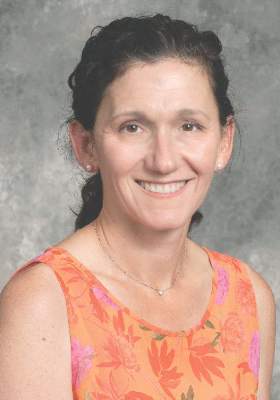
Less understood and explicitly taught is how to determine whether an operation is appropriate for this specific patient. Understanding the pathophysiology of the patient’s illness is not enough; it requires an ability to effectively communicate with the patient, to understand that person’s hopes and goals, and then honestly determine whether an operation is in fact indicated. It may sound like the antithesis of surgical training, but learning when not to operate is as important as learning when to do so.
Sometimes it’s easy. When the underlying condition is easily treatable by an operation and without it the previously healthy patient will likely die, operation is usually warranted and accepted. For the critically ill patient who will not survive transfer to the operating room and induction of anesthesia, an operation would be impossible.
As illustrated by the patients described at the beginning of this piece, the decision making can be a bit more complicated.
These are the type of patients the surgeon intuitively believes will not do well, but they are referred for an operation and what surgeons do, is ... operate. “To cut is to cure,” is the old adage, not “To cut is to care.”
These are some of the toughest decisions a surgeon can make and are the ones surgeons seem to remember. The enormous responsibility that accompanies the decision to take someone to the operating room and through a potentially difficult postoperative period can be burdensome for the surgeon and potentially fraught with suffering for all.
Understanding how to address goals of care with patients and families can make these decisions easier. Yet these communication skills are not necessarily emphasized during surgical training, and in fact, they are not the forte of many physicians in general, which has led to the growth of the specialty of palliative medicine. Palliative medicine specialists are trained experts in these communication techniques.
One of the cardinal goals of palliative medicine is to help patients and families think about and clarify their treatment goals. Asking questions about “code status” is not the same as exploring someone’s overall treatment goals. Goals can range from wanting to stay alive no matter in what condition to wanting to be kept comfortable at home surrounded by loved ones even if it means a potentially shorter lifespan. By having patients clarify their ultimate goals it may become apparent that a high-risk operation is not the best way to proceed. Perhaps aggressive pain management and arranging effective home support better meets the patient’s overall goals.
You don’t have to be a palliative medicine specialist to have these conversations with patients, but it does require specific communication skills, which can be taught.
For example, many clinicians start their patient encounters by giving a brief overview of the current situation or skip straight to discussions concerning the various treatment options. But are you sure you and your patient are really starting from the same place? You can’t assume that the patient/family truly understands the medical condition, no matter what may be implied in the medical record or the referring physician’s notes. And you can’t assume a patient wants an operation just because he or she shows up in your office.
A more effective way to start the conversation is to begin by asking patients what they understand about their conditions. This will ensure your subsequent discussion corrects any misinformation and better clarifies their understanding of the situation. Starting your encounter in this fashion is critical and can avoid misunderstandings that can lead to treatments the patients do not actually want, and mistrust should complications arise.
An elective rotation with palliative medicine providers to learn these skills can be a great addition to surgical residency training. These conversations can be some of the most meaningful patient interactions a physician can experience. Incorporating an elective rotation with a palliative medicine team into surgical residency training can add value to residency training and have long-lasting benefit for future surgeons, and ultimately, for their patients, as they venture on in their surgical careers.
Nadine B. Semer, M.D., MPH, FACS, is board certified in general surgery, plastic surgery, and palliative medicine. As a reconstructive plastic surgeon, she has worked not only in the United States, but has had the privilege of taking her skills to underserved and resource-poor areas throughout the world. She currently is practicing palliative medicine full time, and is an assistant professor at UT Southwestern Medical School, in Dallas, based at Parkland Hospital.
Mrs. J, a physically frail but mentally sharp 75-year-old with known metastatic gastric cancer was admitted to the hospital 2 days ago with a small bowel obstruction. Despite appropriate conservative management, her symptoms are worsening. Her prior cancer treatment consisted of gastric resection with reconstruction and chemo and radiation therapy. The probability of identifying a treatable cause for her bowel obstruction during exploratory laparotomy is believed to be small.
Mr. S, a debilitated 58-year-old previously treated with primary chemotherapy and radiation for cancer at the base of his tongue, presents to your office with severe pain due to recurrent disease. The cancer is potentially resectable, but it will require an extensive resection necessitating complex free flap reconstruction in this previously irradiated field.
Is an operation indicated in either/both of these patients? The risk of causing harm with these operations may outweigh the potential benefits, so how do you decide?
Surgery residents have a lot to learn during their residency training. Not only must they gain a mastery of the pathophysiology of surgical disease, they must learn a multitude of operations while they hone their manual dexterity skills. And they must learn how to take care of a multitude of patients.
Less understood and explicitly taught is how to determine whether an operation is appropriate for this specific patient. Understanding the pathophysiology of the patient’s illness is not enough; it requires an ability to effectively communicate with the patient, to understand that person’s hopes and goals, and then honestly determine whether an operation is in fact indicated. It may sound like the antithesis of surgical training, but learning when not to operate is as important as learning when to do so.
Sometimes it’s easy. When the underlying condition is easily treatable by an operation and without it the previously healthy patient will likely die, operation is usually warranted and accepted. For the critically ill patient who will not survive transfer to the operating room and induction of anesthesia, an operation would be impossible.
As illustrated by the patients described at the beginning of this piece, the decision making can be a bit more complicated.
These are the type of patients the surgeon intuitively believes will not do well, but they are referred for an operation and what surgeons do, is ... operate. “To cut is to cure,” is the old adage, not “To cut is to care.”
These are some of the toughest decisions a surgeon can make and are the ones surgeons seem to remember. The enormous responsibility that accompanies the decision to take someone to the operating room and through a potentially difficult postoperative period can be burdensome for the surgeon and potentially fraught with suffering for all.
Understanding how to address goals of care with patients and families can make these decisions easier. Yet these communication skills are not necessarily emphasized during surgical training, and in fact, they are not the forte of many physicians in general, which has led to the growth of the specialty of palliative medicine. Palliative medicine specialists are trained experts in these communication techniques.
One of the cardinal goals of palliative medicine is to help patients and families think about and clarify their treatment goals. Asking questions about “code status” is not the same as exploring someone’s overall treatment goals. Goals can range from wanting to stay alive no matter in what condition to wanting to be kept comfortable at home surrounded by loved ones even if it means a potentially shorter lifespan. By having patients clarify their ultimate goals it may become apparent that a high-risk operation is not the best way to proceed. Perhaps aggressive pain management and arranging effective home support better meets the patient’s overall goals.
You don’t have to be a palliative medicine specialist to have these conversations with patients, but it does require specific communication skills, which can be taught.
For example, many clinicians start their patient encounters by giving a brief overview of the current situation or skip straight to discussions concerning the various treatment options. But are you sure you and your patient are really starting from the same place? You can’t assume that the patient/family truly understands the medical condition, no matter what may be implied in the medical record or the referring physician’s notes. And you can’t assume a patient wants an operation just because he or she shows up in your office.
A more effective way to start the conversation is to begin by asking patients what they understand about their conditions. This will ensure your subsequent discussion corrects any misinformation and better clarifies their understanding of the situation. Starting your encounter in this fashion is critical and can avoid misunderstandings that can lead to treatments the patients do not actually want, and mistrust should complications arise.
An elective rotation with palliative medicine providers to learn these skills can be a great addition to surgical residency training. These conversations can be some of the most meaningful patient interactions a physician can experience. Incorporating an elective rotation with a palliative medicine team into surgical residency training can add value to residency training and have long-lasting benefit for future surgeons, and ultimately, for their patients, as they venture on in their surgical careers.
Nadine B. Semer, M.D., MPH, FACS, is board certified in general surgery, plastic surgery, and palliative medicine. As a reconstructive plastic surgeon, she has worked not only in the United States, but has had the privilege of taking her skills to underserved and resource-poor areas throughout the world. She currently is practicing palliative medicine full time, and is an assistant professor at UT Southwestern Medical School, in Dallas, based at Parkland Hospital.
Mrs. J, a physically frail but mentally sharp 75-year-old with known metastatic gastric cancer was admitted to the hospital 2 days ago with a small bowel obstruction. Despite appropriate conservative management, her symptoms are worsening. Her prior cancer treatment consisted of gastric resection with reconstruction and chemo and radiation therapy. The probability of identifying a treatable cause for her bowel obstruction during exploratory laparotomy is believed to be small.
Mr. S, a debilitated 58-year-old previously treated with primary chemotherapy and radiation for cancer at the base of his tongue, presents to your office with severe pain due to recurrent disease. The cancer is potentially resectable, but it will require an extensive resection necessitating complex free flap reconstruction in this previously irradiated field.
Is an operation indicated in either/both of these patients? The risk of causing harm with these operations may outweigh the potential benefits, so how do you decide?
Surgery residents have a lot to learn during their residency training. Not only must they gain a mastery of the pathophysiology of surgical disease, they must learn a multitude of operations while they hone their manual dexterity skills. And they must learn how to take care of a multitude of patients.
Less understood and explicitly taught is how to determine whether an operation is appropriate for this specific patient. Understanding the pathophysiology of the patient’s illness is not enough; it requires an ability to effectively communicate with the patient, to understand that person’s hopes and goals, and then honestly determine whether an operation is in fact indicated. It may sound like the antithesis of surgical training, but learning when not to operate is as important as learning when to do so.
Sometimes it’s easy. When the underlying condition is easily treatable by an operation and without it the previously healthy patient will likely die, operation is usually warranted and accepted. For the critically ill patient who will not survive transfer to the operating room and induction of anesthesia, an operation would be impossible.
As illustrated by the patients described at the beginning of this piece, the decision making can be a bit more complicated.
These are the type of patients the surgeon intuitively believes will not do well, but they are referred for an operation and what surgeons do, is ... operate. “To cut is to cure,” is the old adage, not “To cut is to care.”
These are some of the toughest decisions a surgeon can make and are the ones surgeons seem to remember. The enormous responsibility that accompanies the decision to take someone to the operating room and through a potentially difficult postoperative period can be burdensome for the surgeon and potentially fraught with suffering for all.
Understanding how to address goals of care with patients and families can make these decisions easier. Yet these communication skills are not necessarily emphasized during surgical training, and in fact, they are not the forte of many physicians in general, which has led to the growth of the specialty of palliative medicine. Palliative medicine specialists are trained experts in these communication techniques.
One of the cardinal goals of palliative medicine is to help patients and families think about and clarify their treatment goals. Asking questions about “code status” is not the same as exploring someone’s overall treatment goals. Goals can range from wanting to stay alive no matter in what condition to wanting to be kept comfortable at home surrounded by loved ones even if it means a potentially shorter lifespan. By having patients clarify their ultimate goals it may become apparent that a high-risk operation is not the best way to proceed. Perhaps aggressive pain management and arranging effective home support better meets the patient’s overall goals.
You don’t have to be a palliative medicine specialist to have these conversations with patients, but it does require specific communication skills, which can be taught.
For example, many clinicians start their patient encounters by giving a brief overview of the current situation or skip straight to discussions concerning the various treatment options. But are you sure you and your patient are really starting from the same place? You can’t assume that the patient/family truly understands the medical condition, no matter what may be implied in the medical record or the referring physician’s notes. And you can’t assume a patient wants an operation just because he or she shows up in your office.
A more effective way to start the conversation is to begin by asking patients what they understand about their conditions. This will ensure your subsequent discussion corrects any misinformation and better clarifies their understanding of the situation. Starting your encounter in this fashion is critical and can avoid misunderstandings that can lead to treatments the patients do not actually want, and mistrust should complications arise.
An elective rotation with palliative medicine providers to learn these skills can be a great addition to surgical residency training. These conversations can be some of the most meaningful patient interactions a physician can experience. Incorporating an elective rotation with a palliative medicine team into surgical residency training can add value to residency training and have long-lasting benefit for future surgeons, and ultimately, for their patients, as they venture on in their surgical careers.
Nadine B. Semer, M.D., MPH, FACS, is board certified in general surgery, plastic surgery, and palliative medicine. As a reconstructive plastic surgeon, she has worked not only in the United States, but has had the privilege of taking her skills to underserved and resource-poor areas throughout the world. She currently is practicing palliative medicine full time, and is an assistant professor at UT Southwestern Medical School, in Dallas, based at Parkland Hospital.
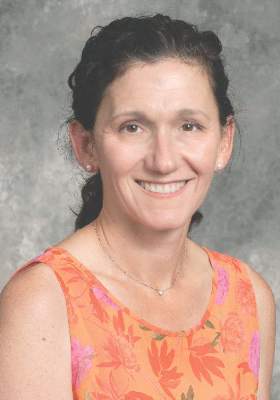
Leading Innovation
Life is not the way it was 20 years ago, or even 10 years ago, and it will not be the same 20 years from now. Health care is changing all around us and it behooves us to be informed and proactive to keep up with the inevitable evolution. Awareness of the many factors that currently impinge or will impinge on our daily practice and patient care is a perfect opportunity for innovation.
“Mindless habitual behavior is the enemy of innovation.”
—Rosabeth Moss Kanter
Take a minute to think about a roadblock in your practice or something that occurs every day and ask yourself why it is done that way and if it could be done better. Keep it in mind for later or jot it down on scrap paper. Maybe prior authorizations are monopolizing your nurses’ time, or you have always sutured punch biopsies.
Innovation is not a conscious part of most people’s routine daily activities and is not a focus during the course of medical training. As a matter of fact, “As medicine has become more standardized and increasingly regulated, it turns out there is much less room for innovation.”1 It often falls into the category of “when I have some time,” but time never seems to come. It may not seem urgent, but it certainly is important and requires attention. Time, however small, should be allotted for innovation.
“Creativity is thinking up new things. Innovation is doing new things.”
—Theodore Levitt
Often people think of new drug and device development or technological advances when they hear “innovation,” but it could come in the form of new job descriptions, new models of care, or better processes and approaches to what we have always done. It can be thought of as fixing what is broken or creating something new.2
Innovation is not just the generation of creative ideas but their distillation and implementation. It is an active process that starts with inspiration; identifying what is broken, or better yet, what we can do better. The challenge that follows from this inspiration is the gauntlet that is thrown down to the team. The group should be given free reign to generate ideas, practical or outlandish, that can then be combined, amalgamated, and considered before implementation.3
“If you look at history, innovation doesn’t come just from giving people incentives; it comes from creating environments where their ideas can
connect.”
—Steven Johnson
We may not be able to teach creativity or dictate innovation, but we can foster it or at least stop hindering it. Innovation typically occurs from brainstorming and interacting when ideas are assimilated and put into action. How do you foster it? Hold meetings, or parts of meetings, on opportunities instead of problems. Improve mingling of participants at all levels to stimulate the collaboration of ideas and acknowledge that everyone’s perspective and creativity is valuable.
It is essential to empower the team and encourage an open, receptive, and questioning culture. Encourage the team to challenge assumptions and inferred rules that really are only habit. Once the ideas start flowing, do not stop with the first “good” idea. Allow the brainstorming to continue and refine it into the “best” idea. Leaders should work to remove as many roadblocks of implementation as possible and strive to tolerate the ambiguity that will remain. Insistence on hard data can result in analysis paralysis and lack of follow-through. Consider any failure to be a discovery of what does not work without looking for blame. Recognize and reward successful and attempted innovation to create a supportive atmosphere.
Creating such a culture is often more about conscious avoidance of actions that stifle innovation. Leaders may naturally avoid conflict by surrounding themselves with yes men, but without the lateral thinkers the team will be stuck in groupthink. If necessary, assign someone to play devil’s advocate. As adults, we tend to compare ideas with our internal database for what is wrong rather than asking what is right about the idea and playing with the possibilities. Avoid playing whack-a-mole with ideas and using phrases such as “it will never work,” “we tried that before,” “but we have always done it this way,” or “if it ain’t broke, don’t fix it.”
When change is imminent we can argue, complain, and wait for others to find ways to adjust, or we can make innovation a deliberate focus by establishing a culture that fosters it and educates the team about the innovative process. Go back to the roadblocks and/or habits in your practice that you considered earlier, present the challenge to your group, and get innovating!
- Shaywitz DA, Ausiello DA. Preserving creativity in medicine. PLoS Med. 2004;1:e34
- Prather C. Manager’s Guide to Fostering Innovation and Creativity in Teams. New York, NY: McGraw-Hill Companies, Inc; 2010.
- Baumgartner J. The innovation process. Jeffrey Baumgartner Web site. http://www.creativejeffrey.com /creative/innovationprocess.php?topic=creative. Accessed September 21, 2015.
Life is not the way it was 20 years ago, or even 10 years ago, and it will not be the same 20 years from now. Health care is changing all around us and it behooves us to be informed and proactive to keep up with the inevitable evolution. Awareness of the many factors that currently impinge or will impinge on our daily practice and patient care is a perfect opportunity for innovation.
“Mindless habitual behavior is the enemy of innovation.”
—Rosabeth Moss Kanter
Take a minute to think about a roadblock in your practice or something that occurs every day and ask yourself why it is done that way and if it could be done better. Keep it in mind for later or jot it down on scrap paper. Maybe prior authorizations are monopolizing your nurses’ time, or you have always sutured punch biopsies.
Innovation is not a conscious part of most people’s routine daily activities and is not a focus during the course of medical training. As a matter of fact, “As medicine has become more standardized and increasingly regulated, it turns out there is much less room for innovation.”1 It often falls into the category of “when I have some time,” but time never seems to come. It may not seem urgent, but it certainly is important and requires attention. Time, however small, should be allotted for innovation.
“Creativity is thinking up new things. Innovation is doing new things.”
—Theodore Levitt
Often people think of new drug and device development or technological advances when they hear “innovation,” but it could come in the form of new job descriptions, new models of care, or better processes and approaches to what we have always done. It can be thought of as fixing what is broken or creating something new.2
Innovation is not just the generation of creative ideas but their distillation and implementation. It is an active process that starts with inspiration; identifying what is broken, or better yet, what we can do better. The challenge that follows from this inspiration is the gauntlet that is thrown down to the team. The group should be given free reign to generate ideas, practical or outlandish, that can then be combined, amalgamated, and considered before implementation.3
“If you look at history, innovation doesn’t come just from giving people incentives; it comes from creating environments where their ideas can
connect.”
—Steven Johnson
We may not be able to teach creativity or dictate innovation, but we can foster it or at least stop hindering it. Innovation typically occurs from brainstorming and interacting when ideas are assimilated and put into action. How do you foster it? Hold meetings, or parts of meetings, on opportunities instead of problems. Improve mingling of participants at all levels to stimulate the collaboration of ideas and acknowledge that everyone’s perspective and creativity is valuable.
It is essential to empower the team and encourage an open, receptive, and questioning culture. Encourage the team to challenge assumptions and inferred rules that really are only habit. Once the ideas start flowing, do not stop with the first “good” idea. Allow the brainstorming to continue and refine it into the “best” idea. Leaders should work to remove as many roadblocks of implementation as possible and strive to tolerate the ambiguity that will remain. Insistence on hard data can result in analysis paralysis and lack of follow-through. Consider any failure to be a discovery of what does not work without looking for blame. Recognize and reward successful and attempted innovation to create a supportive atmosphere.
Creating such a culture is often more about conscious avoidance of actions that stifle innovation. Leaders may naturally avoid conflict by surrounding themselves with yes men, but without the lateral thinkers the team will be stuck in groupthink. If necessary, assign someone to play devil’s advocate. As adults, we tend to compare ideas with our internal database for what is wrong rather than asking what is right about the idea and playing with the possibilities. Avoid playing whack-a-mole with ideas and using phrases such as “it will never work,” “we tried that before,” “but we have always done it this way,” or “if it ain’t broke, don’t fix it.”
When change is imminent we can argue, complain, and wait for others to find ways to adjust, or we can make innovation a deliberate focus by establishing a culture that fosters it and educates the team about the innovative process. Go back to the roadblocks and/or habits in your practice that you considered earlier, present the challenge to your group, and get innovating!
Life is not the way it was 20 years ago, or even 10 years ago, and it will not be the same 20 years from now. Health care is changing all around us and it behooves us to be informed and proactive to keep up with the inevitable evolution. Awareness of the many factors that currently impinge or will impinge on our daily practice and patient care is a perfect opportunity for innovation.
“Mindless habitual behavior is the enemy of innovation.”
—Rosabeth Moss Kanter
Take a minute to think about a roadblock in your practice or something that occurs every day and ask yourself why it is done that way and if it could be done better. Keep it in mind for later or jot it down on scrap paper. Maybe prior authorizations are monopolizing your nurses’ time, or you have always sutured punch biopsies.
Innovation is not a conscious part of most people’s routine daily activities and is not a focus during the course of medical training. As a matter of fact, “As medicine has become more standardized and increasingly regulated, it turns out there is much less room for innovation.”1 It often falls into the category of “when I have some time,” but time never seems to come. It may not seem urgent, but it certainly is important and requires attention. Time, however small, should be allotted for innovation.
“Creativity is thinking up new things. Innovation is doing new things.”
—Theodore Levitt
Often people think of new drug and device development or technological advances when they hear “innovation,” but it could come in the form of new job descriptions, new models of care, or better processes and approaches to what we have always done. It can be thought of as fixing what is broken or creating something new.2
Innovation is not just the generation of creative ideas but their distillation and implementation. It is an active process that starts with inspiration; identifying what is broken, or better yet, what we can do better. The challenge that follows from this inspiration is the gauntlet that is thrown down to the team. The group should be given free reign to generate ideas, practical or outlandish, that can then be combined, amalgamated, and considered before implementation.3
“If you look at history, innovation doesn’t come just from giving people incentives; it comes from creating environments where their ideas can
connect.”
—Steven Johnson
We may not be able to teach creativity or dictate innovation, but we can foster it or at least stop hindering it. Innovation typically occurs from brainstorming and interacting when ideas are assimilated and put into action. How do you foster it? Hold meetings, or parts of meetings, on opportunities instead of problems. Improve mingling of participants at all levels to stimulate the collaboration of ideas and acknowledge that everyone’s perspective and creativity is valuable.
It is essential to empower the team and encourage an open, receptive, and questioning culture. Encourage the team to challenge assumptions and inferred rules that really are only habit. Once the ideas start flowing, do not stop with the first “good” idea. Allow the brainstorming to continue and refine it into the “best” idea. Leaders should work to remove as many roadblocks of implementation as possible and strive to tolerate the ambiguity that will remain. Insistence on hard data can result in analysis paralysis and lack of follow-through. Consider any failure to be a discovery of what does not work without looking for blame. Recognize and reward successful and attempted innovation to create a supportive atmosphere.
Creating such a culture is often more about conscious avoidance of actions that stifle innovation. Leaders may naturally avoid conflict by surrounding themselves with yes men, but without the lateral thinkers the team will be stuck in groupthink. If necessary, assign someone to play devil’s advocate. As adults, we tend to compare ideas with our internal database for what is wrong rather than asking what is right about the idea and playing with the possibilities. Avoid playing whack-a-mole with ideas and using phrases such as “it will never work,” “we tried that before,” “but we have always done it this way,” or “if it ain’t broke, don’t fix it.”
When change is imminent we can argue, complain, and wait for others to find ways to adjust, or we can make innovation a deliberate focus by establishing a culture that fosters it and educates the team about the innovative process. Go back to the roadblocks and/or habits in your practice that you considered earlier, present the challenge to your group, and get innovating!
- Shaywitz DA, Ausiello DA. Preserving creativity in medicine. PLoS Med. 2004;1:e34
- Prather C. Manager’s Guide to Fostering Innovation and Creativity in Teams. New York, NY: McGraw-Hill Companies, Inc; 2010.
- Baumgartner J. The innovation process. Jeffrey Baumgartner Web site. http://www.creativejeffrey.com /creative/innovationprocess.php?topic=creative. Accessed September 21, 2015.
- Shaywitz DA, Ausiello DA. Preserving creativity in medicine. PLoS Med. 2004;1:e34
- Prather C. Manager’s Guide to Fostering Innovation and Creativity in Teams. New York, NY: McGraw-Hill Companies, Inc; 2010.
- Baumgartner J. The innovation process. Jeffrey Baumgartner Web site. http://www.creativejeffrey.com /creative/innovationprocess.php?topic=creative. Accessed September 21, 2015.