User login
A primer on sexuality and gender identity
I am a relatively young physician. When I started medical school 10 years ago, I thought that most medical school campuses would be fairly progressive. This was not the case for me.
My school did not have a nondiscrimination policy on sexual orientation or gender identity at the time, nor do I recall any lectures about this patient population. So during my first year of medical school, I embarked on a mission to educate both my classmates and the faculty about sexual orientation, gender identity, and related health disparities. My fellow classmates and the administration received my efforts warmly; nevertheless, this effort to educate was an incredible challenge for me. Surely other medical school campuses were already discussing the importance of sexuality and gender identity, I thought.
Fast forward to the year 2011. A study in JAMA found that many medical schools fall short in teaching the next generation of physicians about lesbian, gay, bisexual, and transgender (LGBT) health (JAMA. 2011;306[9]:971-7).

Things may have improved for LGBT people, but the world of medicine has yet to catch up. If LGBT medical education is lacking today, imagine how lacking it was for those who went to medical school decades ago. It is my hope that with this new column, we as a medical community can make up for lost time.
Why should physicians, especially pediatricians, care about LGBT health? Although LGBT youth comprise less than 10% of the adolescent population, they have a disproportionate share of health problems compared with their heterosexual peers. LGBT youth are three times as likely to attempt suicide and almost two times as likely to abuse alcohol and drugs compared with heterosexual youth. Among homeless teens in the United States, a whopping 40% are LGBT. HIV still plagues young gay males – especially those of color – and young gay and bisexual women experience an inordinate amount of dating violence from both men and women. Most appalling of all, every 3 days, a transgender person is murdered. These sobering statistics highlight the impact sexual orientation and gender identity have on health.
Why do LGBT youth experience such enormous health problems? A rich body of evidence points to stigma and discrimination as a likely cause. We are familiar with stories of how LGBT youth are kicked out of their homes after coming out to their parents or how male teens suffered bullying for being perceived as “too feminine.” Nonetheless, we tend to ignore the more subtle ways LGBT youth experience stigma and discrimination through our heterosexist language and behavior. Although we could dismiss the phrase “that’s so gay” as just another variation of “that’s so dumb,” an LGBT teen might think “if something is that dumb, then so am I.”
My fellow columnists and I hope that this column will help you get to know a very vulnerable, yet special, population. We will ask you to rethink what you have learned about sexuality and gender. Here, we will start with the basics.
What is the difference between sex and gender?
Sex is the biological distinction between male and female that is determined chromosomally (XX versus XY, although there are variations) and phenotypically, such as organs like the penis or vagina. Gender is a range of characteristics that a culture assigns as typically male and female, which encompasses both anatomy and behaviors. For example, an individual assigned as male because he was born with a penis is also expected to be proactive, a problem solver, stoic, and the breadwinner of the family. Although we’d like to believe that there are clear distinctions between the two solely on the basis of anatomy, we often see many people diverge from behaviors that are typically assigned to a gender. In modern day U.S. society, there are an increasing number of men who stay home to take care of their children – a typically female role. In other words, gender is a spectrum ranging from the very masculine to the very feminine and everything else in between.
What is gender identity?
Gender identity is our own sense of maleness or femaleness. This identity can be based on a variety of factors, including the sex organ one is born with and the culture one is raised in. It also is possible for some people to feel that they do not fit neatly into male or female categories. At the end of the day, only you can determine your gender identity, despite beliefs and attitudes in society about which appearances and behaviors are stereotypically male or female.
Transgender people are individuals who experience a mismatch between their gender identity and their assigned sex at birth. The word “trans” is Latin for “the other side,” highlighting the discrepancy between one’s gender identity and assigned sex. In contrast, people who identify as their assigned sex would be called cisgender. The word “cis” is Latin for “the same side.” A transgender male is someone who was assigned female at birth, but identifies as a male, whereas a transgender female is someone who was assigned male at birth, but identifies as a female. You also may also hear the terms “FTM” (female to male) and “MTF” (male to female) to describe transgender males and females, respectively.
What is sexual orientation?
Sexual orientation refers to our pattern of emotional and/or physical attraction to people who are the same or the opposite gender. The most common in this society is heterosexual, where one finds the opposite gender attractive. Those who identify as gay or lesbian find the same gender attractive. A person who identifies as bisexual finds both genders attractive. There are other sexual orientations that are not as commonly known. Someone who is pansexual is attracted to any sex or gender identity. Asexuals are individuals who don’t find anyone sexually attractive, but could be attracted to someone romantically or emotionally irrespective of sex or gender.
Just as gender is fluid, so is sexuality. Alfred Kinsey, a well-known sexologist, introduced the concept of sexual fluidity with the Kinsey Scale. With this scale, people rate themselves on how attracted they are to each sex, ranging from 0 – meaning exclusively attracted to the opposite sex – to 3 – equally attracted to both sexes – to 6 – exclusively attracted to the same sex. It is possible to move along the spectrum in either direction over time or stay in one place. It is also possible for our sexual identity (i.e. lesbian, gay, bisexual) and sexual behavior (i.e. whom we are having sex with) to not perfectly overlap; attraction is complex. Finally, people often confuse gender identity and sexual orientation. These are two separate concepts and not dependent on each other. For example, someone who was assigned female at birth but now identifies as male can still be attracted to men.
This primer is by no means complete or comprehensive and runs the risk of being oversimplistic. Nevertheless, I hope it will get you thinking about the nature of sexuality and gender identity and how they affect health. In the next couple of months, you will read more on the complexities of sexuality and gender identity, advice on how to talk to your patients about these topics, how to make your clinic a safe place for LGBT youth, the transition process for transgender youth, and much more. I encourage you stick around to learn how you can help this vulnerable, but amazing, group of young people. Until next time …
Dr. Montano is an adolescent medicine fellow at Children’s Hospital of Pittsburgh of UPMC and a postdoctoral fellow in the department of pediatrics the University of Pittsburgh.
I am a relatively young physician. When I started medical school 10 years ago, I thought that most medical school campuses would be fairly progressive. This was not the case for me.
My school did not have a nondiscrimination policy on sexual orientation or gender identity at the time, nor do I recall any lectures about this patient population. So during my first year of medical school, I embarked on a mission to educate both my classmates and the faculty about sexual orientation, gender identity, and related health disparities. My fellow classmates and the administration received my efforts warmly; nevertheless, this effort to educate was an incredible challenge for me. Surely other medical school campuses were already discussing the importance of sexuality and gender identity, I thought.
Fast forward to the year 2011. A study in JAMA found that many medical schools fall short in teaching the next generation of physicians about lesbian, gay, bisexual, and transgender (LGBT) health (JAMA. 2011;306[9]:971-7).
Things may have improved for LGBT people, but the world of medicine has yet to catch up. If LGBT medical education is lacking today, imagine how lacking it was for those who went to medical school decades ago. It is my hope that with this new column, we as a medical community can make up for lost time.
Why should physicians, especially pediatricians, care about LGBT health? Although LGBT youth comprise less than 10% of the adolescent population, they have a disproportionate share of health problems compared with their heterosexual peers. LGBT youth are three times as likely to attempt suicide and almost two times as likely to abuse alcohol and drugs compared with heterosexual youth. Among homeless teens in the United States, a whopping 40% are LGBT. HIV still plagues young gay males – especially those of color – and young gay and bisexual women experience an inordinate amount of dating violence from both men and women. Most appalling of all, every 3 days, a transgender person is murdered. These sobering statistics highlight the impact sexual orientation and gender identity have on health.
Why do LGBT youth experience such enormous health problems? A rich body of evidence points to stigma and discrimination as a likely cause. We are familiar with stories of how LGBT youth are kicked out of their homes after coming out to their parents or how male teens suffered bullying for being perceived as “too feminine.” Nonetheless, we tend to ignore the more subtle ways LGBT youth experience stigma and discrimination through our heterosexist language and behavior. Although we could dismiss the phrase “that’s so gay” as just another variation of “that’s so dumb,” an LGBT teen might think “if something is that dumb, then so am I.”
My fellow columnists and I hope that this column will help you get to know a very vulnerable, yet special, population. We will ask you to rethink what you have learned about sexuality and gender. Here, we will start with the basics.
What is the difference between sex and gender?
Sex is the biological distinction between male and female that is determined chromosomally (XX versus XY, although there are variations) and phenotypically, such as organs like the penis or vagina. Gender is a range of characteristics that a culture assigns as typically male and female, which encompasses both anatomy and behaviors. For example, an individual assigned as male because he was born with a penis is also expected to be proactive, a problem solver, stoic, and the breadwinner of the family. Although we’d like to believe that there are clear distinctions between the two solely on the basis of anatomy, we often see many people diverge from behaviors that are typically assigned to a gender. In modern day U.S. society, there are an increasing number of men who stay home to take care of their children – a typically female role. In other words, gender is a spectrum ranging from the very masculine to the very feminine and everything else in between.
What is gender identity?
Gender identity is our own sense of maleness or femaleness. This identity can be based on a variety of factors, including the sex organ one is born with and the culture one is raised in. It also is possible for some people to feel that they do not fit neatly into male or female categories. At the end of the day, only you can determine your gender identity, despite beliefs and attitudes in society about which appearances and behaviors are stereotypically male or female.
Transgender people are individuals who experience a mismatch between their gender identity and their assigned sex at birth. The word “trans” is Latin for “the other side,” highlighting the discrepancy between one’s gender identity and assigned sex. In contrast, people who identify as their assigned sex would be called cisgender. The word “cis” is Latin for “the same side.” A transgender male is someone who was assigned female at birth, but identifies as a male, whereas a transgender female is someone who was assigned male at birth, but identifies as a female. You also may also hear the terms “FTM” (female to male) and “MTF” (male to female) to describe transgender males and females, respectively.
What is sexual orientation?
Sexual orientation refers to our pattern of emotional and/or physical attraction to people who are the same or the opposite gender. The most common in this society is heterosexual, where one finds the opposite gender attractive. Those who identify as gay or lesbian find the same gender attractive. A person who identifies as bisexual finds both genders attractive. There are other sexual orientations that are not as commonly known. Someone who is pansexual is attracted to any sex or gender identity. Asexuals are individuals who don’t find anyone sexually attractive, but could be attracted to someone romantically or emotionally irrespective of sex or gender.
Just as gender is fluid, so is sexuality. Alfred Kinsey, a well-known sexologist, introduced the concept of sexual fluidity with the Kinsey Scale. With this scale, people rate themselves on how attracted they are to each sex, ranging from 0 – meaning exclusively attracted to the opposite sex – to 3 – equally attracted to both sexes – to 6 – exclusively attracted to the same sex. It is possible to move along the spectrum in either direction over time or stay in one place. It is also possible for our sexual identity (i.e. lesbian, gay, bisexual) and sexual behavior (i.e. whom we are having sex with) to not perfectly overlap; attraction is complex. Finally, people often confuse gender identity and sexual orientation. These are two separate concepts and not dependent on each other. For example, someone who was assigned female at birth but now identifies as male can still be attracted to men.
This primer is by no means complete or comprehensive and runs the risk of being oversimplistic. Nevertheless, I hope it will get you thinking about the nature of sexuality and gender identity and how they affect health. In the next couple of months, you will read more on the complexities of sexuality and gender identity, advice on how to talk to your patients about these topics, how to make your clinic a safe place for LGBT youth, the transition process for transgender youth, and much more. I encourage you stick around to learn how you can help this vulnerable, but amazing, group of young people. Until next time …
Dr. Montano is an adolescent medicine fellow at Children’s Hospital of Pittsburgh of UPMC and a postdoctoral fellow in the department of pediatrics the University of Pittsburgh.
I am a relatively young physician. When I started medical school 10 years ago, I thought that most medical school campuses would be fairly progressive. This was not the case for me.
My school did not have a nondiscrimination policy on sexual orientation or gender identity at the time, nor do I recall any lectures about this patient population. So during my first year of medical school, I embarked on a mission to educate both my classmates and the faculty about sexual orientation, gender identity, and related health disparities. My fellow classmates and the administration received my efforts warmly; nevertheless, this effort to educate was an incredible challenge for me. Surely other medical school campuses were already discussing the importance of sexuality and gender identity, I thought.
Fast forward to the year 2011. A study in JAMA found that many medical schools fall short in teaching the next generation of physicians about lesbian, gay, bisexual, and transgender (LGBT) health (JAMA. 2011;306[9]:971-7).
Things may have improved for LGBT people, but the world of medicine has yet to catch up. If LGBT medical education is lacking today, imagine how lacking it was for those who went to medical school decades ago. It is my hope that with this new column, we as a medical community can make up for lost time.
Why should physicians, especially pediatricians, care about LGBT health? Although LGBT youth comprise less than 10% of the adolescent population, they have a disproportionate share of health problems compared with their heterosexual peers. LGBT youth are three times as likely to attempt suicide and almost two times as likely to abuse alcohol and drugs compared with heterosexual youth. Among homeless teens in the United States, a whopping 40% are LGBT. HIV still plagues young gay males – especially those of color – and young gay and bisexual women experience an inordinate amount of dating violence from both men and women. Most appalling of all, every 3 days, a transgender person is murdered. These sobering statistics highlight the impact sexual orientation and gender identity have on health.
Why do LGBT youth experience such enormous health problems? A rich body of evidence points to stigma and discrimination as a likely cause. We are familiar with stories of how LGBT youth are kicked out of their homes after coming out to their parents or how male teens suffered bullying for being perceived as “too feminine.” Nonetheless, we tend to ignore the more subtle ways LGBT youth experience stigma and discrimination through our heterosexist language and behavior. Although we could dismiss the phrase “that’s so gay” as just another variation of “that’s so dumb,” an LGBT teen might think “if something is that dumb, then so am I.”
My fellow columnists and I hope that this column will help you get to know a very vulnerable, yet special, population. We will ask you to rethink what you have learned about sexuality and gender. Here, we will start with the basics.
What is the difference between sex and gender?
Sex is the biological distinction between male and female that is determined chromosomally (XX versus XY, although there are variations) and phenotypically, such as organs like the penis or vagina. Gender is a range of characteristics that a culture assigns as typically male and female, which encompasses both anatomy and behaviors. For example, an individual assigned as male because he was born with a penis is also expected to be proactive, a problem solver, stoic, and the breadwinner of the family. Although we’d like to believe that there are clear distinctions between the two solely on the basis of anatomy, we often see many people diverge from behaviors that are typically assigned to a gender. In modern day U.S. society, there are an increasing number of men who stay home to take care of their children – a typically female role. In other words, gender is a spectrum ranging from the very masculine to the very feminine and everything else in between.
What is gender identity?
Gender identity is our own sense of maleness or femaleness. This identity can be based on a variety of factors, including the sex organ one is born with and the culture one is raised in. It also is possible for some people to feel that they do not fit neatly into male or female categories. At the end of the day, only you can determine your gender identity, despite beliefs and attitudes in society about which appearances and behaviors are stereotypically male or female.
Transgender people are individuals who experience a mismatch between their gender identity and their assigned sex at birth. The word “trans” is Latin for “the other side,” highlighting the discrepancy between one’s gender identity and assigned sex. In contrast, people who identify as their assigned sex would be called cisgender. The word “cis” is Latin for “the same side.” A transgender male is someone who was assigned female at birth, but identifies as a male, whereas a transgender female is someone who was assigned male at birth, but identifies as a female. You also may also hear the terms “FTM” (female to male) and “MTF” (male to female) to describe transgender males and females, respectively.
What is sexual orientation?
Sexual orientation refers to our pattern of emotional and/or physical attraction to people who are the same or the opposite gender. The most common in this society is heterosexual, where one finds the opposite gender attractive. Those who identify as gay or lesbian find the same gender attractive. A person who identifies as bisexual finds both genders attractive. There are other sexual orientations that are not as commonly known. Someone who is pansexual is attracted to any sex or gender identity. Asexuals are individuals who don’t find anyone sexually attractive, but could be attracted to someone romantically or emotionally irrespective of sex or gender.
Just as gender is fluid, so is sexuality. Alfred Kinsey, a well-known sexologist, introduced the concept of sexual fluidity with the Kinsey Scale. With this scale, people rate themselves on how attracted they are to each sex, ranging from 0 – meaning exclusively attracted to the opposite sex – to 3 – equally attracted to both sexes – to 6 – exclusively attracted to the same sex. It is possible to move along the spectrum in either direction over time or stay in one place. It is also possible for our sexual identity (i.e. lesbian, gay, bisexual) and sexual behavior (i.e. whom we are having sex with) to not perfectly overlap; attraction is complex. Finally, people often confuse gender identity and sexual orientation. These are two separate concepts and not dependent on each other. For example, someone who was assigned female at birth but now identifies as male can still be attracted to men.
This primer is by no means complete or comprehensive and runs the risk of being oversimplistic. Nevertheless, I hope it will get you thinking about the nature of sexuality and gender identity and how they affect health. In the next couple of months, you will read more on the complexities of sexuality and gender identity, advice on how to talk to your patients about these topics, how to make your clinic a safe place for LGBT youth, the transition process for transgender youth, and much more. I encourage you stick around to learn how you can help this vulnerable, but amazing, group of young people. Until next time …
Dr. Montano is an adolescent medicine fellow at Children’s Hospital of Pittsburgh of UPMC and a postdoctoral fellow in the department of pediatrics the University of Pittsburgh.

Screening for speech/language disorders: The case for pediatrician involvement
In an effort to update nearly decade-old guidance on the effectiveness of brief, formal screening in primary care for speech and language delays in young children, the U.S. Preventive Services Task Force (USPSTF) recently issued a new review on the topic. Its final recommendation: The current evidence is insufficient to assess the balance of benefits and harms of screening for speech and language delay and disorders in children age 5 years and younger.
The task force’s recommendation is troubling for several reasons. Undoubtedly, more research in this area is needed. However, insufficient evidence for screening is not counter-evidence. I fear this may be easily interpreted as such based on the limited language put forth by the USPSTF. Especially concerning is the possibility that current screening practices will be scaled back in some way based upon this recommendation.
The good news is the speech and language disorders are treatable. The bad: They appear to be spiking among U.S. children.
A 2014 study published in Pediatrics (doi: 10.1542/peds.2014-0594) showed a 63% increase in disability associated with speech problems in children from 2001 to 2011. While some of that rise is probably attributable to cases of autism spectrum disorder, which were not tracked for this particular study, there is no doubt speech and language problems are trending upward.
Clearly, this is not the time to cut back on screening for conditions that stand to be debilitative and life-altering if left unchecked. Without general population screening, I fear many diagnoses will be missed during children’s most critical developmental window. This could be especially true for some of society’s most vulnerable – children who live in poverty. Doing away with screening could contribute to holding them down and back their whole lives.
Despite the USPSTF review panel’s ultimate recommendation, its recent article in Pediatrics (doi: 10.1542/peds.2014-3889) actually made a strong case for screening:
“Young children with speech and language delay in the preschool years may be at increased risk for learning disabilities once they reach school age.”
“Estimates of the increased risk for poor reading outcomes in grade school are 4 to 5 times greater for children with speech and language impairment than for children with appropriate development; risk persists into adulthood.”
“Adults who had speech and language disorders as children may hold lower-skilled jobs and are more likely to experience unemployment than other adults.”
“Behavior problems and impaired psychosocial adjustment associated with speech and language may also persist into adulthood.”
Moreover, building on the USPSTF’s 2006 review on the same topic, the new review did find evidence that supports the effectiveness of treating speech and language delays and disorders in children.
Beyond the substantial benefits of early intervention, a number of other factors argue for pediatrician involvement in screening. These include:
• Ease and appropriateness of screening at well-child visits. Screening has already been successfully incorporated into routine pediatrician visits at times when a variety of other developmental milestones also are being tracked. As pediatricians are the only health professionals that most children reliably see during their early years when intervention is key, another opportunity for screening would be difficult to identify.
• Lack of evidence of harm from screenings. There is inadequate evidence of any harm from screening in primary care settings. I struggle to find a downside that comes anywhere close to the potential benefit of identifying a child early.
• Evidence of effective screening tools. There is robust evidence that at least two parent-administered screenings have high sensitivity and specificity, and can accurately identify children for diagnostic evaluations and interventions. This is included in the USPSTF review, but it is not highlighted.
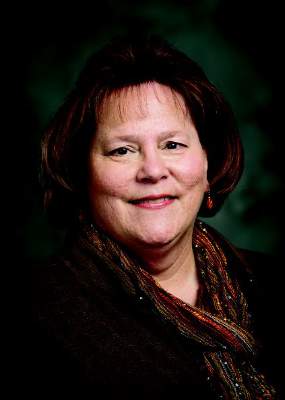
• Availability of specialized professionals. There are more than 148,000 certified speech-language pathologists nationwide who are extensively trained to identify and treat speech and language disorders. Pediatricians are encouraged to refer any patients with suspected problems to these certified professionals. A searchable directory is available at www.asha.org/profind. More information about certification and credentials is available at www.ASHACertified.org.
Current American Academy of Pediatrics clinical guidelines recommend surveillance at well-child visits. They specify ages 9, 18, and 24 or 30 months as appropriate for screening. While the USPSTF review raises the need for more research and other important points, I encourage pediatricians to continue the practice of general screening. Doing so will be to the benefit of our nation’s children, who are increasingly grappling with communication and other developmental disorders.
Dr. Page is the 2015 president of the American Speech-Language-Hearing Association and an associate professor in the division of communication sciences and disorders at the University of Kentucky, Lexington.
In an effort to update nearly decade-old guidance on the effectiveness of brief, formal screening in primary care for speech and language delays in young children, the U.S. Preventive Services Task Force (USPSTF) recently issued a new review on the topic. Its final recommendation: The current evidence is insufficient to assess the balance of benefits and harms of screening for speech and language delay and disorders in children age 5 years and younger.
The task force’s recommendation is troubling for several reasons. Undoubtedly, more research in this area is needed. However, insufficient evidence for screening is not counter-evidence. I fear this may be easily interpreted as such based on the limited language put forth by the USPSTF. Especially concerning is the possibility that current screening practices will be scaled back in some way based upon this recommendation.
The good news is the speech and language disorders are treatable. The bad: They appear to be spiking among U.S. children.
A 2014 study published in Pediatrics (doi: 10.1542/peds.2014-0594) showed a 63% increase in disability associated with speech problems in children from 2001 to 2011. While some of that rise is probably attributable to cases of autism spectrum disorder, which were not tracked for this particular study, there is no doubt speech and language problems are trending upward.
Clearly, this is not the time to cut back on screening for conditions that stand to be debilitative and life-altering if left unchecked. Without general population screening, I fear many diagnoses will be missed during children’s most critical developmental window. This could be especially true for some of society’s most vulnerable – children who live in poverty. Doing away with screening could contribute to holding them down and back their whole lives.
Despite the USPSTF review panel’s ultimate recommendation, its recent article in Pediatrics (doi: 10.1542/peds.2014-3889) actually made a strong case for screening:
“Young children with speech and language delay in the preschool years may be at increased risk for learning disabilities once they reach school age.”
“Estimates of the increased risk for poor reading outcomes in grade school are 4 to 5 times greater for children with speech and language impairment than for children with appropriate development; risk persists into adulthood.”
“Adults who had speech and language disorders as children may hold lower-skilled jobs and are more likely to experience unemployment than other adults.”
“Behavior problems and impaired psychosocial adjustment associated with speech and language may also persist into adulthood.”
Moreover, building on the USPSTF’s 2006 review on the same topic, the new review did find evidence that supports the effectiveness of treating speech and language delays and disorders in children.
Beyond the substantial benefits of early intervention, a number of other factors argue for pediatrician involvement in screening. These include:
• Ease and appropriateness of screening at well-child visits. Screening has already been successfully incorporated into routine pediatrician visits at times when a variety of other developmental milestones also are being tracked. As pediatricians are the only health professionals that most children reliably see during their early years when intervention is key, another opportunity for screening would be difficult to identify.
• Lack of evidence of harm from screenings. There is inadequate evidence of any harm from screening in primary care settings. I struggle to find a downside that comes anywhere close to the potential benefit of identifying a child early.
• Evidence of effective screening tools. There is robust evidence that at least two parent-administered screenings have high sensitivity and specificity, and can accurately identify children for diagnostic evaluations and interventions. This is included in the USPSTF review, but it is not highlighted.
• Availability of specialized professionals. There are more than 148,000 certified speech-language pathologists nationwide who are extensively trained to identify and treat speech and language disorders. Pediatricians are encouraged to refer any patients with suspected problems to these certified professionals. A searchable directory is available at www.asha.org/profind. More information about certification and credentials is available at www.ASHACertified.org.
Current American Academy of Pediatrics clinical guidelines recommend surveillance at well-child visits. They specify ages 9, 18, and 24 or 30 months as appropriate for screening. While the USPSTF review raises the need for more research and other important points, I encourage pediatricians to continue the practice of general screening. Doing so will be to the benefit of our nation’s children, who are increasingly grappling with communication and other developmental disorders.
Dr. Page is the 2015 president of the American Speech-Language-Hearing Association and an associate professor in the division of communication sciences and disorders at the University of Kentucky, Lexington.
In an effort to update nearly decade-old guidance on the effectiveness of brief, formal screening in primary care for speech and language delays in young children, the U.S. Preventive Services Task Force (USPSTF) recently issued a new review on the topic. Its final recommendation: The current evidence is insufficient to assess the balance of benefits and harms of screening for speech and language delay and disorders in children age 5 years and younger.
The task force’s recommendation is troubling for several reasons. Undoubtedly, more research in this area is needed. However, insufficient evidence for screening is not counter-evidence. I fear this may be easily interpreted as such based on the limited language put forth by the USPSTF. Especially concerning is the possibility that current screening practices will be scaled back in some way based upon this recommendation.
The good news is the speech and language disorders are treatable. The bad: They appear to be spiking among U.S. children.
A 2014 study published in Pediatrics (doi: 10.1542/peds.2014-0594) showed a 63% increase in disability associated with speech problems in children from 2001 to 2011. While some of that rise is probably attributable to cases of autism spectrum disorder, which were not tracked for this particular study, there is no doubt speech and language problems are trending upward.
Clearly, this is not the time to cut back on screening for conditions that stand to be debilitative and life-altering if left unchecked. Without general population screening, I fear many diagnoses will be missed during children’s most critical developmental window. This could be especially true for some of society’s most vulnerable – children who live in poverty. Doing away with screening could contribute to holding them down and back their whole lives.
Despite the USPSTF review panel’s ultimate recommendation, its recent article in Pediatrics (doi: 10.1542/peds.2014-3889) actually made a strong case for screening:
“Young children with speech and language delay in the preschool years may be at increased risk for learning disabilities once they reach school age.”
“Estimates of the increased risk for poor reading outcomes in grade school are 4 to 5 times greater for children with speech and language impairment than for children with appropriate development; risk persists into adulthood.”
“Adults who had speech and language disorders as children may hold lower-skilled jobs and are more likely to experience unemployment than other adults.”
“Behavior problems and impaired psychosocial adjustment associated with speech and language may also persist into adulthood.”
Moreover, building on the USPSTF’s 2006 review on the same topic, the new review did find evidence that supports the effectiveness of treating speech and language delays and disorders in children.
Beyond the substantial benefits of early intervention, a number of other factors argue for pediatrician involvement in screening. These include:
• Ease and appropriateness of screening at well-child visits. Screening has already been successfully incorporated into routine pediatrician visits at times when a variety of other developmental milestones also are being tracked. As pediatricians are the only health professionals that most children reliably see during their early years when intervention is key, another opportunity for screening would be difficult to identify.
• Lack of evidence of harm from screenings. There is inadequate evidence of any harm from screening in primary care settings. I struggle to find a downside that comes anywhere close to the potential benefit of identifying a child early.
• Evidence of effective screening tools. There is robust evidence that at least two parent-administered screenings have high sensitivity and specificity, and can accurately identify children for diagnostic evaluations and interventions. This is included in the USPSTF review, but it is not highlighted.
• Availability of specialized professionals. There are more than 148,000 certified speech-language pathologists nationwide who are extensively trained to identify and treat speech and language disorders. Pediatricians are encouraged to refer any patients with suspected problems to these certified professionals. A searchable directory is available at www.asha.org/profind. More information about certification and credentials is available at www.ASHACertified.org.
Current American Academy of Pediatrics clinical guidelines recommend surveillance at well-child visits. They specify ages 9, 18, and 24 or 30 months as appropriate for screening. While the USPSTF review raises the need for more research and other important points, I encourage pediatricians to continue the practice of general screening. Doing so will be to the benefit of our nation’s children, who are increasingly grappling with communication and other developmental disorders.
Dr. Page is the 2015 president of the American Speech-Language-Hearing Association and an associate professor in the division of communication sciences and disorders at the University of Kentucky, Lexington.
Washington legislative conference: Driving home the unfairness of narrow networks
I just returned from the American Academy of Dermatology’s Washington “fly-in” and wanted to share some of my experiences. Every year, 180 or so dermatologists (all are invited!) and patient advocates spend 3 days in D.C., getting informed, trained, and organized to deliver our message to Congress. Each year, members and AAD staff winnow our many “wants” down to three reasonable “asks.” Background is given and our message rehearsed, for delivery in congressional and Senate offices. On the third day, appointments are kept with your representatives, and you get to try and convince them that your particular ask is beneficial to the country and, most importantly, patients.
This year, our “asks” were for better access to medications, specifically the ability to compound medications in the office (think diluting Kenalog for injection, come on!), which new Food and Drug Administration rules will interfere with; emphasizing the unfairness of narrow Medicare advantage networks; and our last, and usually annual, request for increased research funding for skin disease research.
The fly-in is a fascinating, and often fun, experience, which does affect how the U.S. government works. Truly, the squeaky (and most coherent and organized, thanks to AAD staff) wheel gets the grease.
This year, we had the additional weapon of a Government Accountability Office report released the day before our Hill visit, which independently confirmed our allegations regarding the unfairness of narrow networks to patients.
You may recall that last year, the Center for Medicare & Medicaid Services published detailed rules on increasing the accuracy of provider networks, which would have corrected many of the current problems we face. The only deficiency was that CMS has no procedures to review, audit, or enforce the rules they wrote. At the prodding of the AAD, the GAO took CMS to the mat and pummeled them, including such choice quotes as “99% of current provider networks have never been reviewed for accuracy” and “exemptions to insurers with inadequate provider access are approved routinely and never reviewed again.” The GAO made several sweeping recommendations for increased accountability, and the Department of Health & Human Services agreed with all of them.
Boring? Hardly. Think of this as taking the wooden stake created by your AAD, which was adopted by one government agency, and having it driven through the heart of insurance company deceit by another. It made for great emphasis on the Hill, and I expect big changes (and moaning and groaning from Medicare advantage plan insurance providers) in the coming months.
We also made great progress (you can tell by the interest by the staffers and members in our topics) on our other issues. I want to emphasize how effective our patient advocates were in explaining how expensive generics and cost of new drugs adversely affects them, how they have seen their doctors “delisted” from their insurance because their care is expensive, and why research into skin disease is so important to them. They “tie it all together” and bring it home.
I often talk about my “Washington Epiphany,” which can be summarized as, “politicians don’t worry about doctors, but they do about patients.” When you talk to politicians, bureaucrats, policy wonks, or the public about the woes of medical practice, always align it with the needs of patients, and you will be well received. In short, take care of your patients and they will take care of you.
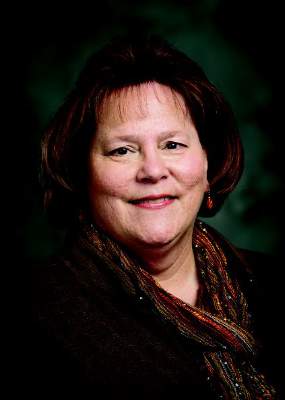
Dr. Coldiron is a past president of the American Academy of Dermatology. He is currently in private practice, but maintains a clinical assistant professorship at the University of Cincinnati. He cares for patients, teaches medical students and residents, and has several active clinical research projects. Dr. Coldiron is the author of more than 80 scientific letters, papers, and several book chapters, and he speaks frequently on a variety of topics. Reach him at [email protected].
I just returned from the American Academy of Dermatology’s Washington “fly-in” and wanted to share some of my experiences. Every year, 180 or so dermatologists (all are invited!) and patient advocates spend 3 days in D.C., getting informed, trained, and organized to deliver our message to Congress. Each year, members and AAD staff winnow our many “wants” down to three reasonable “asks.” Background is given and our message rehearsed, for delivery in congressional and Senate offices. On the third day, appointments are kept with your representatives, and you get to try and convince them that your particular ask is beneficial to the country and, most importantly, patients.
This year, our “asks” were for better access to medications, specifically the ability to compound medications in the office (think diluting Kenalog for injection, come on!), which new Food and Drug Administration rules will interfere with; emphasizing the unfairness of narrow Medicare advantage networks; and our last, and usually annual, request for increased research funding for skin disease research.
The fly-in is a fascinating, and often fun, experience, which does affect how the U.S. government works. Truly, the squeaky (and most coherent and organized, thanks to AAD staff) wheel gets the grease.
This year, we had the additional weapon of a Government Accountability Office report released the day before our Hill visit, which independently confirmed our allegations regarding the unfairness of narrow networks to patients.
You may recall that last year, the Center for Medicare & Medicaid Services published detailed rules on increasing the accuracy of provider networks, which would have corrected many of the current problems we face. The only deficiency was that CMS has no procedures to review, audit, or enforce the rules they wrote. At the prodding of the AAD, the GAO took CMS to the mat and pummeled them, including such choice quotes as “99% of current provider networks have never been reviewed for accuracy” and “exemptions to insurers with inadequate provider access are approved routinely and never reviewed again.” The GAO made several sweeping recommendations for increased accountability, and the Department of Health & Human Services agreed with all of them.
Boring? Hardly. Think of this as taking the wooden stake created by your AAD, which was adopted by one government agency, and having it driven through the heart of insurance company deceit by another. It made for great emphasis on the Hill, and I expect big changes (and moaning and groaning from Medicare advantage plan insurance providers) in the coming months.
We also made great progress (you can tell by the interest by the staffers and members in our topics) on our other issues. I want to emphasize how effective our patient advocates were in explaining how expensive generics and cost of new drugs adversely affects them, how they have seen their doctors “delisted” from their insurance because their care is expensive, and why research into skin disease is so important to them. They “tie it all together” and bring it home.
I often talk about my “Washington Epiphany,” which can be summarized as, “politicians don’t worry about doctors, but they do about patients.” When you talk to politicians, bureaucrats, policy wonks, or the public about the woes of medical practice, always align it with the needs of patients, and you will be well received. In short, take care of your patients and they will take care of you.
Dr. Coldiron is a past president of the American Academy of Dermatology. He is currently in private practice, but maintains a clinical assistant professorship at the University of Cincinnati. He cares for patients, teaches medical students and residents, and has several active clinical research projects. Dr. Coldiron is the author of more than 80 scientific letters, papers, and several book chapters, and he speaks frequently on a variety of topics. Reach him at [email protected].
I just returned from the American Academy of Dermatology’s Washington “fly-in” and wanted to share some of my experiences. Every year, 180 or so dermatologists (all are invited!) and patient advocates spend 3 days in D.C., getting informed, trained, and organized to deliver our message to Congress. Each year, members and AAD staff winnow our many “wants” down to three reasonable “asks.” Background is given and our message rehearsed, for delivery in congressional and Senate offices. On the third day, appointments are kept with your representatives, and you get to try and convince them that your particular ask is beneficial to the country and, most importantly, patients.
This year, our “asks” were for better access to medications, specifically the ability to compound medications in the office (think diluting Kenalog for injection, come on!), which new Food and Drug Administration rules will interfere with; emphasizing the unfairness of narrow Medicare advantage networks; and our last, and usually annual, request for increased research funding for skin disease research.
The fly-in is a fascinating, and often fun, experience, which does affect how the U.S. government works. Truly, the squeaky (and most coherent and organized, thanks to AAD staff) wheel gets the grease.
This year, we had the additional weapon of a Government Accountability Office report released the day before our Hill visit, which independently confirmed our allegations regarding the unfairness of narrow networks to patients.
You may recall that last year, the Center for Medicare & Medicaid Services published detailed rules on increasing the accuracy of provider networks, which would have corrected many of the current problems we face. The only deficiency was that CMS has no procedures to review, audit, or enforce the rules they wrote. At the prodding of the AAD, the GAO took CMS to the mat and pummeled them, including such choice quotes as “99% of current provider networks have never been reviewed for accuracy” and “exemptions to insurers with inadequate provider access are approved routinely and never reviewed again.” The GAO made several sweeping recommendations for increased accountability, and the Department of Health & Human Services agreed with all of them.
Boring? Hardly. Think of this as taking the wooden stake created by your AAD, which was adopted by one government agency, and having it driven through the heart of insurance company deceit by another. It made for great emphasis on the Hill, and I expect big changes (and moaning and groaning from Medicare advantage plan insurance providers) in the coming months.
We also made great progress (you can tell by the interest by the staffers and members in our topics) on our other issues. I want to emphasize how effective our patient advocates were in explaining how expensive generics and cost of new drugs adversely affects them, how they have seen their doctors “delisted” from their insurance because their care is expensive, and why research into skin disease is so important to them. They “tie it all together” and bring it home.
I often talk about my “Washington Epiphany,” which can be summarized as, “politicians don’t worry about doctors, but they do about patients.” When you talk to politicians, bureaucrats, policy wonks, or the public about the woes of medical practice, always align it with the needs of patients, and you will be well received. In short, take care of your patients and they will take care of you.
Dr. Coldiron is a past president of the American Academy of Dermatology. He is currently in private practice, but maintains a clinical assistant professorship at the University of Cincinnati. He cares for patients, teaches medical students and residents, and has several active clinical research projects. Dr. Coldiron is the author of more than 80 scientific letters, papers, and several book chapters, and he speaks frequently on a variety of topics. Reach him at [email protected].
Learned helplessness
Apparently, it is well known among canine behavior specialists that under similar situations dogs will look at human faces while wolves continue about their business – usually eating (“Why Is That Dog Looking at Me?” by James Gorman, New York Times, Sept. 15, 2015).
It also has been shown that when presented with the challenge of opening a food container that has been sealed shut, dogs will give up quickly and look to a nearby human, presumably for help. On the other hand, wolves raised by humans don’t look for help, suggesting that this looking to humans for help behavior may have a genetic component.
If the container of food has been altered so that it can be opened, but only with significant effort, the wolves will persist until they succeed. The adult dogs give up too quickly to succeed and instead look to humans. But, it is very interesting that in some preexperiment trials, at least one 8-month-old puppy kept at it until he was able to open the container, suggesting that in addition to some genetic influence, hanging around humans may foster what we might consider learned helplessness.
This observation wouldn’t surprise the product engineers tasked with developing child-resistant closures that can be easily opened by an adult. And I’m sure this evidence of learned helplessness in an animal wouldn’t surprise those who believe that welfare in any form is an abomination. As a card-carrying centrist, I will leave that argument to the polarizers on both ends of the political spectrum.
But I think this observation is most interesting because it raises the question of how often today’s parents are contributing to their children’s sense of helplessness. You only have to watch a child or grandchild tackle and construct a Lego project to realize that children are natural problem solvers. They get the trial-and-error thing. The problem is that too often we adults intervene at the first hint of failure, and in doing so, screw up the beautiful simplicity of the trial-and-error method of learning.
Watching someone struggle with a challenge for which you know the solution is difficult, particularly difficult if the struggler is your child or spouse. It is tempting to step forward and offer, “Here, let me show you how to do it.” Or, even worse, “Let me do it for you.”
To return to the canine world, consider the dog that brings a ball or stick to his/her master and then sits patiently waiting for the object to be tossed. If nothing is thrown, the dog will eventually give up and curl up for a nap. Puppies, on the other hand, don’t expect someone to initiate the game. They will paw at the ball until it moves or chase some unsuspecting insect playmate.
While offering children the chance to participate in organized sports is preferable to having them sit inside watching television or glued to a computer screen, the pendulum has swung a little too far toward the “organized” side of things. Too many parents seem unaware that if children are placed in an environment with room to run, a ball or two, and a few older children from whom they can model behavior, the children will organize themselves. They will figure out how to choose teams, make rules, and settle disputes.
The sad thing is that too many children have been offered so few opportunities to exercise their own powers of invention that they believe they are helpless to organize themselves. To them a sport is just a miniature version of what they see on television and comes complete with full uniforms, organized teams, sidelines lined with adoring fans ... and – of course – team pictures and trophies for everyone at the end of the season.
Dr. Wilkoff practiced primary care pediatrics in Brunswick, Maine, for nearly 40 years. He has authored several books on behavioral pediatrics, including “Coping with a Picky Eater.” Email him at [email protected].
Apparently, it is well known among canine behavior specialists that under similar situations dogs will look at human faces while wolves continue about their business – usually eating (“Why Is That Dog Looking at Me?” by James Gorman, New York Times, Sept. 15, 2015).
It also has been shown that when presented with the challenge of opening a food container that has been sealed shut, dogs will give up quickly and look to a nearby human, presumably for help. On the other hand, wolves raised by humans don’t look for help, suggesting that this looking to humans for help behavior may have a genetic component.
If the container of food has been altered so that it can be opened, but only with significant effort, the wolves will persist until they succeed. The adult dogs give up too quickly to succeed and instead look to humans. But, it is very interesting that in some preexperiment trials, at least one 8-month-old puppy kept at it until he was able to open the container, suggesting that in addition to some genetic influence, hanging around humans may foster what we might consider learned helplessness.
This observation wouldn’t surprise the product engineers tasked with developing child-resistant closures that can be easily opened by an adult. And I’m sure this evidence of learned helplessness in an animal wouldn’t surprise those who believe that welfare in any form is an abomination. As a card-carrying centrist, I will leave that argument to the polarizers on both ends of the political spectrum.
But I think this observation is most interesting because it raises the question of how often today’s parents are contributing to their children’s sense of helplessness. You only have to watch a child or grandchild tackle and construct a Lego project to realize that children are natural problem solvers. They get the trial-and-error thing. The problem is that too often we adults intervene at the first hint of failure, and in doing so, screw up the beautiful simplicity of the trial-and-error method of learning.
Watching someone struggle with a challenge for which you know the solution is difficult, particularly difficult if the struggler is your child or spouse. It is tempting to step forward and offer, “Here, let me show you how to do it.” Or, even worse, “Let me do it for you.”
To return to the canine world, consider the dog that brings a ball or stick to his/her master and then sits patiently waiting for the object to be tossed. If nothing is thrown, the dog will eventually give up and curl up for a nap. Puppies, on the other hand, don’t expect someone to initiate the game. They will paw at the ball until it moves or chase some unsuspecting insect playmate.
While offering children the chance to participate in organized sports is preferable to having them sit inside watching television or glued to a computer screen, the pendulum has swung a little too far toward the “organized” side of things. Too many parents seem unaware that if children are placed in an environment with room to run, a ball or two, and a few older children from whom they can model behavior, the children will organize themselves. They will figure out how to choose teams, make rules, and settle disputes.
The sad thing is that too many children have been offered so few opportunities to exercise their own powers of invention that they believe they are helpless to organize themselves. To them a sport is just a miniature version of what they see on television and comes complete with full uniforms, organized teams, sidelines lined with adoring fans ... and – of course – team pictures and trophies for everyone at the end of the season.
Dr. Wilkoff practiced primary care pediatrics in Brunswick, Maine, for nearly 40 years. He has authored several books on behavioral pediatrics, including “Coping with a Picky Eater.” Email him at [email protected].
Apparently, it is well known among canine behavior specialists that under similar situations dogs will look at human faces while wolves continue about their business – usually eating (“Why Is That Dog Looking at Me?” by James Gorman, New York Times, Sept. 15, 2015).
It also has been shown that when presented with the challenge of opening a food container that has been sealed shut, dogs will give up quickly and look to a nearby human, presumably for help. On the other hand, wolves raised by humans don’t look for help, suggesting that this looking to humans for help behavior may have a genetic component.
If the container of food has been altered so that it can be opened, but only with significant effort, the wolves will persist until they succeed. The adult dogs give up too quickly to succeed and instead look to humans. But, it is very interesting that in some preexperiment trials, at least one 8-month-old puppy kept at it until he was able to open the container, suggesting that in addition to some genetic influence, hanging around humans may foster what we might consider learned helplessness.
This observation wouldn’t surprise the product engineers tasked with developing child-resistant closures that can be easily opened by an adult. And I’m sure this evidence of learned helplessness in an animal wouldn’t surprise those who believe that welfare in any form is an abomination. As a card-carrying centrist, I will leave that argument to the polarizers on both ends of the political spectrum.
But I think this observation is most interesting because it raises the question of how often today’s parents are contributing to their children’s sense of helplessness. You only have to watch a child or grandchild tackle and construct a Lego project to realize that children are natural problem solvers. They get the trial-and-error thing. The problem is that too often we adults intervene at the first hint of failure, and in doing so, screw up the beautiful simplicity of the trial-and-error method of learning.
Watching someone struggle with a challenge for which you know the solution is difficult, particularly difficult if the struggler is your child or spouse. It is tempting to step forward and offer, “Here, let me show you how to do it.” Or, even worse, “Let me do it for you.”
To return to the canine world, consider the dog that brings a ball or stick to his/her master and then sits patiently waiting for the object to be tossed. If nothing is thrown, the dog will eventually give up and curl up for a nap. Puppies, on the other hand, don’t expect someone to initiate the game. They will paw at the ball until it moves or chase some unsuspecting insect playmate.
While offering children the chance to participate in organized sports is preferable to having them sit inside watching television or glued to a computer screen, the pendulum has swung a little too far toward the “organized” side of things. Too many parents seem unaware that if children are placed in an environment with room to run, a ball or two, and a few older children from whom they can model behavior, the children will organize themselves. They will figure out how to choose teams, make rules, and settle disputes.
The sad thing is that too many children have been offered so few opportunities to exercise their own powers of invention that they believe they are helpless to organize themselves. To them a sport is just a miniature version of what they see on television and comes complete with full uniforms, organized teams, sidelines lined with adoring fans ... and – of course – team pictures and trophies for everyone at the end of the season.
Dr. Wilkoff practiced primary care pediatrics in Brunswick, Maine, for nearly 40 years. He has authored several books on behavioral pediatrics, including “Coping with a Picky Eater.” Email him at [email protected].
BLOG: Cardiologists quickly adopt SPRINT’s 120-mm Hg blood pressure target
Heart failure physicians were quick to embrace the sub–120 mm Hg systolic blood pressure target for both patients and at-risk people fewer than 3 weeks after the early-release news came out from the SPRINT trial that treating to this level produced a significant cut in cardiovascular disease events, compared with a less stringent systolic blood-pressure target of below 140 mm Hg.
At the annual meeting of the Heart Failure Society of America this week – one of the first cardiology gatherings held since the SPRINT announcement on Sept. 11 – at least 10 heart failure specialists offered their opinion at various times during the sessions on what the results have already meant for their practice. What was most striking was their unanimity in accepting this new blood pressure treatment target for heart failure patients and for people at increased risk for developing heart failure, and the rapidity at which they had come to their decision despite the absence so far of details about the trial’s results.
The unifying theme was that these physicians constituted a highly receptive audience for the SPRINT message, several of these specialists said in interviews. They appeared poised to pounce on a scientific rationale as soon as it became available to adopt a more aggressive blood pressure goal. It’s certainly no coincidence that most (if not all) these physicians now see uncontrolled hypertension as one of the top drivers of both heart failure onset and progression.
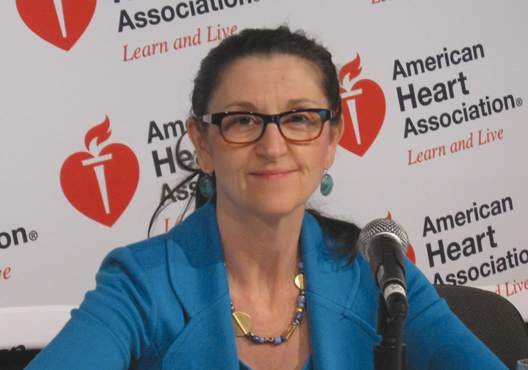
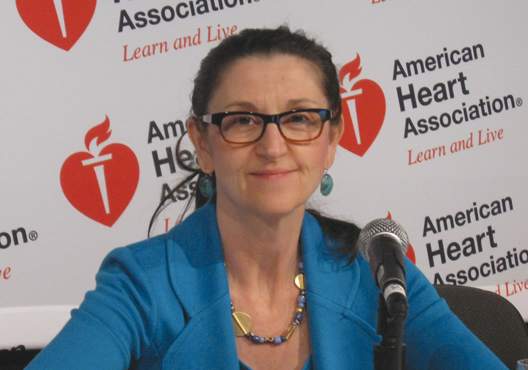
“We’ve all had some misgivings” about the systolic blood pressure targets set by the JNC 8 panel members last year of less than 150 mm Hg or less than 140 mm Hg (depending on age), and as a result of those misgivings, “I think people were ready to do a reverse and accept a new, lower target,” said Dr. Margaret M. Redfield, a heart failure specialist who was among those at the meeting who voiced endorsement for a new, sub–120 mm Hg target. “We don’t have the [SPRINT] data yet, but it’s very unusual for the NHLBI to release trial information ahead of time, so it must be very dramatic,” she added.
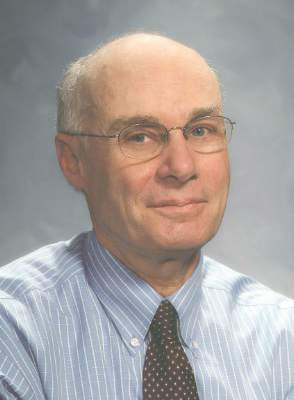
“The data and safety monitoring board had strict rules to govern early stopping,” said Dr. Clyde W. Yancy, a heart failure cardiologist and a member of the SPRINT data and safety monitoring panel. While careful not to prematurely provide any unreleased details of the SPRINT results, Dr. Yancy tried to frame what the September announcement meant in objective terms, while also rationalizing the quick uptake of the finding by so many of his colleagues.
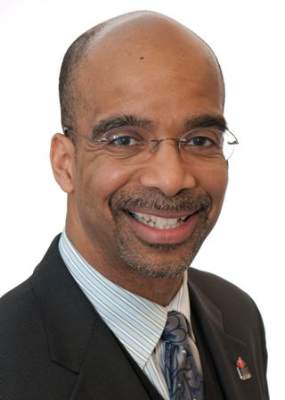
“The decision to stop early must have been driven by some high level of evidence,” he told me, “You can infer a significant scientific rational” for a new target of less than 120 mm Hg “and you have to also surmise that there was no signal of harm.”
And, of course, some cardiologists had decided even before the SPRINT results came out in September that a lower target was better even without any evidence to back up that instinct.
“I love the 120s; a 140-mm Hg target has always been too high for me,” said Dr. Ileana L. Piña, a heart failure specialist at Montefiore Medical Center, Bronx, N.Y.
Another question, following so many endorsements of the 120-mm Hg goal, was whether these physicians believed people stood a good chance to reach this ambitious target.
“It’s a target; it’s not that everyone will get to it, but we need to apply the same rigor for blood pressure control as we use in heart failure clinics,” Dr. Redfield said. “We need to use a system” for patient support and monitoring and to promote adherence to treatment, “and keep pushing” patients to work toward their goal, she said.
Dr. Yancy predicted that a more aggressive blood pressure goal will help generate a stronger and more innovative infrastructure of drugs and monitoring tools to help patients get there.
“If a target blood pressure of 120/80 mm Hg gains credibility in guidelines, I think that industry will respond” with more combined drug formulations, new drugs, and innovative methods for easier blood pressure measurement, he said.
On Twitter @mitchelzoler
Heart failure physicians were quick to embrace the sub–120 mm Hg systolic blood pressure target for both patients and at-risk people fewer than 3 weeks after the early-release news came out from the SPRINT trial that treating to this level produced a significant cut in cardiovascular disease events, compared with a less stringent systolic blood-pressure target of below 140 mm Hg.
At the annual meeting of the Heart Failure Society of America this week – one of the first cardiology gatherings held since the SPRINT announcement on Sept. 11 – at least 10 heart failure specialists offered their opinion at various times during the sessions on what the results have already meant for their practice. What was most striking was their unanimity in accepting this new blood pressure treatment target for heart failure patients and for people at increased risk for developing heart failure, and the rapidity at which they had come to their decision despite the absence so far of details about the trial’s results.
The unifying theme was that these physicians constituted a highly receptive audience for the SPRINT message, several of these specialists said in interviews. They appeared poised to pounce on a scientific rationale as soon as it became available to adopt a more aggressive blood pressure goal. It’s certainly no coincidence that most (if not all) these physicians now see uncontrolled hypertension as one of the top drivers of both heart failure onset and progression.
“We’ve all had some misgivings” about the systolic blood pressure targets set by the JNC 8 panel members last year of less than 150 mm Hg or less than 140 mm Hg (depending on age), and as a result of those misgivings, “I think people were ready to do a reverse and accept a new, lower target,” said Dr. Margaret M. Redfield, a heart failure specialist who was among those at the meeting who voiced endorsement for a new, sub–120 mm Hg target. “We don’t have the [SPRINT] data yet, but it’s very unusual for the NHLBI to release trial information ahead of time, so it must be very dramatic,” she added.
“The data and safety monitoring board had strict rules to govern early stopping,” said Dr. Clyde W. Yancy, a heart failure cardiologist and a member of the SPRINT data and safety monitoring panel. While careful not to prematurely provide any unreleased details of the SPRINT results, Dr. Yancy tried to frame what the September announcement meant in objective terms, while also rationalizing the quick uptake of the finding by so many of his colleagues.
“The decision to stop early must have been driven by some high level of evidence,” he told me, “You can infer a significant scientific rational” for a new target of less than 120 mm Hg “and you have to also surmise that there was no signal of harm.”
And, of course, some cardiologists had decided even before the SPRINT results came out in September that a lower target was better even without any evidence to back up that instinct.
“I love the 120s; a 140-mm Hg target has always been too high for me,” said Dr. Ileana L. Piña, a heart failure specialist at Montefiore Medical Center, Bronx, N.Y.
Another question, following so many endorsements of the 120-mm Hg goal, was whether these physicians believed people stood a good chance to reach this ambitious target.
“It’s a target; it’s not that everyone will get to it, but we need to apply the same rigor for blood pressure control as we use in heart failure clinics,” Dr. Redfield said. “We need to use a system” for patient support and monitoring and to promote adherence to treatment, “and keep pushing” patients to work toward their goal, she said.
Dr. Yancy predicted that a more aggressive blood pressure goal will help generate a stronger and more innovative infrastructure of drugs and monitoring tools to help patients get there.
“If a target blood pressure of 120/80 mm Hg gains credibility in guidelines, I think that industry will respond” with more combined drug formulations, new drugs, and innovative methods for easier blood pressure measurement, he said.
On Twitter @mitchelzoler
Heart failure physicians were quick to embrace the sub–120 mm Hg systolic blood pressure target for both patients and at-risk people fewer than 3 weeks after the early-release news came out from the SPRINT trial that treating to this level produced a significant cut in cardiovascular disease events, compared with a less stringent systolic blood-pressure target of below 140 mm Hg.
At the annual meeting of the Heart Failure Society of America this week – one of the first cardiology gatherings held since the SPRINT announcement on Sept. 11 – at least 10 heart failure specialists offered their opinion at various times during the sessions on what the results have already meant for their practice. What was most striking was their unanimity in accepting this new blood pressure treatment target for heart failure patients and for people at increased risk for developing heart failure, and the rapidity at which they had come to their decision despite the absence so far of details about the trial’s results.
The unifying theme was that these physicians constituted a highly receptive audience for the SPRINT message, several of these specialists said in interviews. They appeared poised to pounce on a scientific rationale as soon as it became available to adopt a more aggressive blood pressure goal. It’s certainly no coincidence that most (if not all) these physicians now see uncontrolled hypertension as one of the top drivers of both heart failure onset and progression.
“We’ve all had some misgivings” about the systolic blood pressure targets set by the JNC 8 panel members last year of less than 150 mm Hg or less than 140 mm Hg (depending on age), and as a result of those misgivings, “I think people were ready to do a reverse and accept a new, lower target,” said Dr. Margaret M. Redfield, a heart failure specialist who was among those at the meeting who voiced endorsement for a new, sub–120 mm Hg target. “We don’t have the [SPRINT] data yet, but it’s very unusual for the NHLBI to release trial information ahead of time, so it must be very dramatic,” she added.
“The data and safety monitoring board had strict rules to govern early stopping,” said Dr. Clyde W. Yancy, a heart failure cardiologist and a member of the SPRINT data and safety monitoring panel. While careful not to prematurely provide any unreleased details of the SPRINT results, Dr. Yancy tried to frame what the September announcement meant in objective terms, while also rationalizing the quick uptake of the finding by so many of his colleagues.
“The decision to stop early must have been driven by some high level of evidence,” he told me, “You can infer a significant scientific rational” for a new target of less than 120 mm Hg “and you have to also surmise that there was no signal of harm.”
And, of course, some cardiologists had decided even before the SPRINT results came out in September that a lower target was better even without any evidence to back up that instinct.
“I love the 120s; a 140-mm Hg target has always been too high for me,” said Dr. Ileana L. Piña, a heart failure specialist at Montefiore Medical Center, Bronx, N.Y.
Another question, following so many endorsements of the 120-mm Hg goal, was whether these physicians believed people stood a good chance to reach this ambitious target.
“It’s a target; it’s not that everyone will get to it, but we need to apply the same rigor for blood pressure control as we use in heart failure clinics,” Dr. Redfield said. “We need to use a system” for patient support and monitoring and to promote adherence to treatment, “and keep pushing” patients to work toward their goal, she said.
Dr. Yancy predicted that a more aggressive blood pressure goal will help generate a stronger and more innovative infrastructure of drugs and monitoring tools to help patients get there.
“If a target blood pressure of 120/80 mm Hg gains credibility in guidelines, I think that industry will respond” with more combined drug formulations, new drugs, and innovative methods for easier blood pressure measurement, he said.
On Twitter @mitchelzoler
Dear insurance companies: Stop sending me unnecessary reminder letters
I am, apparently, not a very good doctor. At least, that’s what some mailings I get from insurance companies make me think.
You probably get the same ones. They tell me what guidelines I’m not following or drug interactions I’m not mindful of. I suppose I should be grateful for their efforts to protect patients.
Letters I’ve gotten in the last week have reminded me that:
• Patients with elevated fasting blood sugars should be started on metformin.
• A lady on Eliquis (apixaban) after developing a deep-vein thrombosis should be considered for a less costly alternative, such as warfarin, to help her save money.
• An antihypertensive agent is recommended for a young man with persistently elevated blood pressures.
• An older gentleman’s lipid-lowering agent may interfere with his diabetes medication.
What do these have to do with anything that I, as a neurologist, am doing for the patient? Nothing.
Why are they being sent to me, as opposed to an internist or cardiologist? I have no idea. Of course, for all I know, the other docs might be getting recommendations on how to manage Parkinson’s disease or multiple sclerosis.
The insurance companies pay the bills. They obviously know which doctors are seeing who and prescribing what. Their billing systems track who practices what specialty. If I were to try submitting a claim for pulmonary evaluation, I’m sure they’d immediately notice and deny it.
So why can’t they get this straight? It seems like a big waste of time, paper, and postage all around.
On rare occasions, they actually get it right … sort of. About a month ago, I received a letter about a migraine patient, telling me that, for those with frequent migraines, a preventive medication should be considered. It even listed her current prescriptions to help me understand.
I absolutely agree with the letter, but it completely ignored that her medication list already included topiramate and nortriptyline, both commonly used for migraine prophylaxis. Since she has no other reason to be on either, I have no idea why they thought I’d use them. These kinds of notes all end with some generic comment that these are just suggestions, and only I and my patient can make the correct decisions about treatment, etc. etc.
That letter may be well intentioned, perhaps, but it is also inaccurate, unnecessary, and – to me – even a little demeaning. If you don’t think I know what I’m doing, then why are you sending patients to me? Maybe the software you’re using to screen charts and send these letters should open its own practice instead.
If the real goal of these letters is to save money (and we all know it is), then why is the company wasting it on redundant and inaccurate letters, usually not even sent to the correct doctor?
Dr. Block has a solo neurology practice in Scottsdale, Ariz.
I am, apparently, not a very good doctor. At least, that’s what some mailings I get from insurance companies make me think.
You probably get the same ones. They tell me what guidelines I’m not following or drug interactions I’m not mindful of. I suppose I should be grateful for their efforts to protect patients.
Letters I’ve gotten in the last week have reminded me that:
• Patients with elevated fasting blood sugars should be started on metformin.
• A lady on Eliquis (apixaban) after developing a deep-vein thrombosis should be considered for a less costly alternative, such as warfarin, to help her save money.
• An antihypertensive agent is recommended for a young man with persistently elevated blood pressures.
• An older gentleman’s lipid-lowering agent may interfere with his diabetes medication.
What do these have to do with anything that I, as a neurologist, am doing for the patient? Nothing.
Why are they being sent to me, as opposed to an internist or cardiologist? I have no idea. Of course, for all I know, the other docs might be getting recommendations on how to manage Parkinson’s disease or multiple sclerosis.
The insurance companies pay the bills. They obviously know which doctors are seeing who and prescribing what. Their billing systems track who practices what specialty. If I were to try submitting a claim for pulmonary evaluation, I’m sure they’d immediately notice and deny it.
So why can’t they get this straight? It seems like a big waste of time, paper, and postage all around.
On rare occasions, they actually get it right … sort of. About a month ago, I received a letter about a migraine patient, telling me that, for those with frequent migraines, a preventive medication should be considered. It even listed her current prescriptions to help me understand.
I absolutely agree with the letter, but it completely ignored that her medication list already included topiramate and nortriptyline, both commonly used for migraine prophylaxis. Since she has no other reason to be on either, I have no idea why they thought I’d use them. These kinds of notes all end with some generic comment that these are just suggestions, and only I and my patient can make the correct decisions about treatment, etc. etc.
That letter may be well intentioned, perhaps, but it is also inaccurate, unnecessary, and – to me – even a little demeaning. If you don’t think I know what I’m doing, then why are you sending patients to me? Maybe the software you’re using to screen charts and send these letters should open its own practice instead.
If the real goal of these letters is to save money (and we all know it is), then why is the company wasting it on redundant and inaccurate letters, usually not even sent to the correct doctor?
Dr. Block has a solo neurology practice in Scottsdale, Ariz.
I am, apparently, not a very good doctor. At least, that’s what some mailings I get from insurance companies make me think.
You probably get the same ones. They tell me what guidelines I’m not following or drug interactions I’m not mindful of. I suppose I should be grateful for their efforts to protect patients.
Letters I’ve gotten in the last week have reminded me that:
• Patients with elevated fasting blood sugars should be started on metformin.
• A lady on Eliquis (apixaban) after developing a deep-vein thrombosis should be considered for a less costly alternative, such as warfarin, to help her save money.
• An antihypertensive agent is recommended for a young man with persistently elevated blood pressures.
• An older gentleman’s lipid-lowering agent may interfere with his diabetes medication.
What do these have to do with anything that I, as a neurologist, am doing for the patient? Nothing.
Why are they being sent to me, as opposed to an internist or cardiologist? I have no idea. Of course, for all I know, the other docs might be getting recommendations on how to manage Parkinson’s disease or multiple sclerosis.
The insurance companies pay the bills. They obviously know which doctors are seeing who and prescribing what. Their billing systems track who practices what specialty. If I were to try submitting a claim for pulmonary evaluation, I’m sure they’d immediately notice and deny it.
So why can’t they get this straight? It seems like a big waste of time, paper, and postage all around.
On rare occasions, they actually get it right … sort of. About a month ago, I received a letter about a migraine patient, telling me that, for those with frequent migraines, a preventive medication should be considered. It even listed her current prescriptions to help me understand.
I absolutely agree with the letter, but it completely ignored that her medication list already included topiramate and nortriptyline, both commonly used for migraine prophylaxis. Since she has no other reason to be on either, I have no idea why they thought I’d use them. These kinds of notes all end with some generic comment that these are just suggestions, and only I and my patient can make the correct decisions about treatment, etc. etc.
That letter may be well intentioned, perhaps, but it is also inaccurate, unnecessary, and – to me – even a little demeaning. If you don’t think I know what I’m doing, then why are you sending patients to me? Maybe the software you’re using to screen charts and send these letters should open its own practice instead.
If the real goal of these letters is to save money (and we all know it is), then why is the company wasting it on redundant and inaccurate letters, usually not even sent to the correct doctor?
Dr. Block has a solo neurology practice in Scottsdale, Ariz.
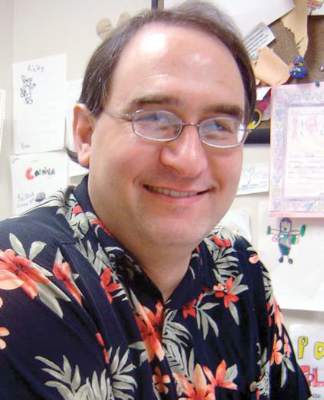
Dear insurance companies: Stop sending me unnecessary reminder letters
I am, apparently, not a very good doctor. At least, that’s what some mailings I get from insurance companies make me think.
You probably get the same ones. They tell me what guidelines I’m not following or drug interactions I’m not mindful of. I suppose I should be grateful for their efforts to protect patients.
Letters I’ve gotten in the last week have reminded me that:
• Patients with elevated fasting blood sugars should be started on metformin.
• A lady on Eliquis (apixaban) after developing a deep-vein thrombosis should be considered for a less costly alternative, such as warfarin, to help her save money.
• An antihypertensive agent is recommended for a young man with persistently elevated blood pressures.
• An older gentleman’s lipid-lowering agent may interfere with his diabetes medication.
What do these have to do with anything that I, as a neurologist, am doing for the patient? Nothing.
Why are they being sent to me, as opposed to an internist or cardiologist? I have no idea. Of course, for all I know, the other docs might be getting recommendations on how to manage Parkinson’s disease or multiple sclerosis.
The insurance companies pay the bills. They obviously know which doctors are seeing who and prescribing what. Their billing systems track who practices what specialty. If I were to try submitting a claim for pulmonary evaluation, I’m sure they’d immediately notice and deny it.
So why can’t they get this straight? It seems like a big waste of time, paper, and postage all around.
On rare occasions, they actually get it right … sort of. About a month ago, I received a letter about a migraine patient, telling me that, for those with frequent migraines, a preventive medication should be considered. It even listed her current prescriptions to help me understand.
I absolutely agree with the letter, but it completely ignored that her medication list already included topiramate and nortriptyline, both commonly used for migraine prophylaxis. Since she has no other reason to be on either, I have no idea why they thought I’d use them. These kinds of notes all end with some generic comment that these are just suggestions, and only I and my patient can make the correct decisions about treatment, etc. etc.
That letter may be well intentioned, perhaps, but it is also inaccurate, unnecessary, and – to me – even a little demeaning. If you don’t think I know what I’m doing, then why are you sending patients to me? Maybe the software you’re using to screen charts and send these letters should open its own practice instead.
If the real goal of these letters is to save money (and we all know it is), then why is the company wasting it on redundant and inaccurate letters, usually not even sent to the correct doctor?
Dr. Block has a solo neurology practice in Scottsdale, Ariz.
I am, apparently, not a very good doctor. At least, that’s what some mailings I get from insurance companies make me think.
You probably get the same ones. They tell me what guidelines I’m not following or drug interactions I’m not mindful of. I suppose I should be grateful for their efforts to protect patients.
Letters I’ve gotten in the last week have reminded me that:
• Patients with elevated fasting blood sugars should be started on metformin.
• A lady on Eliquis (apixaban) after developing a deep-vein thrombosis should be considered for a less costly alternative, such as warfarin, to help her save money.
• An antihypertensive agent is recommended for a young man with persistently elevated blood pressures.
• An older gentleman’s lipid-lowering agent may interfere with his diabetes medication.
What do these have to do with anything that I, as a neurologist, am doing for the patient? Nothing.
Why are they being sent to me, as opposed to an internist or cardiologist? I have no idea. Of course, for all I know, the other docs might be getting recommendations on how to manage Parkinson’s disease or multiple sclerosis.
The insurance companies pay the bills. They obviously know which doctors are seeing who and prescribing what. Their billing systems track who practices what specialty. If I were to try submitting a claim for pulmonary evaluation, I’m sure they’d immediately notice and deny it.
So why can’t they get this straight? It seems like a big waste of time, paper, and postage all around.
On rare occasions, they actually get it right … sort of. About a month ago, I received a letter about a migraine patient, telling me that, for those with frequent migraines, a preventive medication should be considered. It even listed her current prescriptions to help me understand.
I absolutely agree with the letter, but it completely ignored that her medication list already included topiramate and nortriptyline, both commonly used for migraine prophylaxis. Since she has no other reason to be on either, I have no idea why they thought I’d use them. These kinds of notes all end with some generic comment that these are just suggestions, and only I and my patient can make the correct decisions about treatment, etc. etc.
That letter may be well intentioned, perhaps, but it is also inaccurate, unnecessary, and – to me – even a little demeaning. If you don’t think I know what I’m doing, then why are you sending patients to me? Maybe the software you’re using to screen charts and send these letters should open its own practice instead.
If the real goal of these letters is to save money (and we all know it is), then why is the company wasting it on redundant and inaccurate letters, usually not even sent to the correct doctor?
Dr. Block has a solo neurology practice in Scottsdale, Ariz.
I am, apparently, not a very good doctor. At least, that’s what some mailings I get from insurance companies make me think.
You probably get the same ones. They tell me what guidelines I’m not following or drug interactions I’m not mindful of. I suppose I should be grateful for their efforts to protect patients.
Letters I’ve gotten in the last week have reminded me that:
• Patients with elevated fasting blood sugars should be started on metformin.
• A lady on Eliquis (apixaban) after developing a deep-vein thrombosis should be considered for a less costly alternative, such as warfarin, to help her save money.
• An antihypertensive agent is recommended for a young man with persistently elevated blood pressures.
• An older gentleman’s lipid-lowering agent may interfere with his diabetes medication.
What do these have to do with anything that I, as a neurologist, am doing for the patient? Nothing.
Why are they being sent to me, as opposed to an internist or cardiologist? I have no idea. Of course, for all I know, the other docs might be getting recommendations on how to manage Parkinson’s disease or multiple sclerosis.
The insurance companies pay the bills. They obviously know which doctors are seeing who and prescribing what. Their billing systems track who practices what specialty. If I were to try submitting a claim for pulmonary evaluation, I’m sure they’d immediately notice and deny it.
So why can’t they get this straight? It seems like a big waste of time, paper, and postage all around.
On rare occasions, they actually get it right … sort of. About a month ago, I received a letter about a migraine patient, telling me that, for those with frequent migraines, a preventive medication should be considered. It even listed her current prescriptions to help me understand.
I absolutely agree with the letter, but it completely ignored that her medication list already included topiramate and nortriptyline, both commonly used for migraine prophylaxis. Since she has no other reason to be on either, I have no idea why they thought I’d use them. These kinds of notes all end with some generic comment that these are just suggestions, and only I and my patient can make the correct decisions about treatment, etc. etc.
That letter may be well intentioned, perhaps, but it is also inaccurate, unnecessary, and – to me – even a little demeaning. If you don’t think I know what I’m doing, then why are you sending patients to me? Maybe the software you’re using to screen charts and send these letters should open its own practice instead.
If the real goal of these letters is to save money (and we all know it is), then why is the company wasting it on redundant and inaccurate letters, usually not even sent to the correct doctor?
Dr. Block has a solo neurology practice in Scottsdale, Ariz.
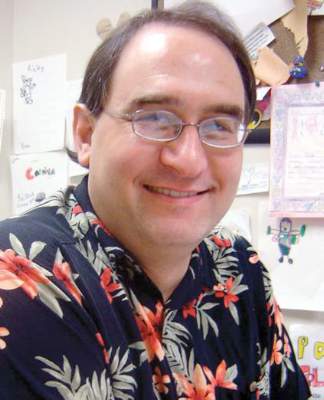
Autonomy Now! Why PAs, Like NPs, Need Full Practice Authority
Across the nation, states are dealing with shortages of health care providers.1 The situation is expected to worsen as the physician population ages and many retire from the workforce.2 Meanwhile, the number of medical schools—and graduates from them—continue to stagnate. Even when additional residency spots are created, relatively small percentages of MDs/DOs choose to practice in primary care. Combine these circumstances with the fact that the Affordable Care Act has injected a significant number of new patients into an already overburdened health care system and you realize that new innovations are desperately needed to increase access to care for patients.
Utilizing PAs and NPs to the full extent of their training will not only help alleviate the shortages but also increase the quality and accessibility of care. NP and PA programs are proliferating across the country and producing steadily increasing numbers of graduates.3 Many of these newly minted NPs and PAs choose to enter primary care settings to practice, where they help to lower health care costs, decrease malpractice rates, and yield excellent patient outcomes and satisfaction rates.4,5
Yet physician organizations and state legislators continue to resist efforts to give these experienced and well-trained providers expanded scopes of practice and full practice authority. In many cases, physician interest groups continue to lobby for restrictive laws that are not backed with any data.6
Patients continue to suffer from a lack of access to health care because of legislative battles between groups of providers over practice territory, money, and egos. Many patients have to wait extended periods to see a provider; in some rural areas, there may be no care available at all.
In these situations, experienced PAs and NPs are held hostage and unable to practice without collaborative agreements. Often, physicians demand monthly stipends (sometimes thousands of dollars) to act as a collaborator under such an agreement. In many cases, these “collaborating” physicians provide almost no oversight. Burdensome legislation stipulating supervisory or collaborative requirements—for which there is little to no supportive evidence—keeps health care costs higher than necessary, decreases access to care, and stifles any flexibility or innovation in health care.
NPs presently have full practice authority in 21 states and the District of Columbia and are recognized for their education and clinical training.7 They must, and will, continue to lobby and fight for full practice authority in the rest of the country. PAs must join in this effort by continuing to lobby for full practice authority for experienced PAs in primary care. It’s time PAs were also recognized by state legislators for their education, clinical training, and dedication to quality patient outcomes.
PAs are graduate-level educated providers with a wealth of knowledge and experience. PAs, like our NP counterparts, have 50 years of patient outcomes data and studies that prove we are effective and safe providers. Organizations such as the VA, the FTC, and other citizen advocacy groups support PAs.8-10 These organizations have supported NP independence and will support the push for PA practice autonomy as well.
The time has come to start the movement for full practice authority for PAs on a national and state level. Experienced PAs in primary care are ready for this challenge and should lobby for legislation that would allow them the option to practice without collaborative agreements. In states that have granted independence to NPs, the wording “practice alone or in collaboration with a physician” has been used, allowing flexibility in practice environments; PAs could use the same language in their lobbying efforts.
The criteria for PA autonomy will undoubtedly be debated extensively. For our NP colleagues, many states require a specific number of hours practicing with a collaborative agreement in place before independent practice is allowed. Since very little data exist that can direct the PA profession on the number of years a PA should practice before gaining autonomy, relevant NP legislative requirements could be used as a precedent.
For example, Nevada gives NPs the ability to practice without a collaborative agreement as new graduates. Connecticut gives NPs the ability to practice independently after three years of collaboration with a physician. There is little doubt that these are arbitrary numbers that were agreed upon at the state level—but PAs will face the same negotiations when lobbying for their right to practice autonomously.
Continue for PA criteria >>
I propose several criteria as a starting point for PA autonomy discussions.11 PAs should
• Be NCCPA board-certified and eligible for state licensure
• Have three years full-time, or 6,000 hours, of practice in a primary care setting
• Have practiced at least one of the three required years within the previous two calendar years.
As I see it, PAs in a state that has passed full practice authority legislation, and met the above criteria, could start practicing without collaboration as soon as the law takes effect. Out-of-state PAs applying for licensure in a state with autonomy legislation should be permitted to use their practice experience in another state to meet the minimum requirements for autonomy.
The time has come to remove punitive legislation and supervisory burdens from hard-working, well-intentioned, quality providers. Many physicians practicing on the front lines of medicine with PAs and NPs are choosing to hire NPs who are independent, because it’s easier for them to do so. Independent NPs do not come burdened with a state-mandated list of supervisory requirements (which may create a perception of increased legal liability for the physician).
Many PAs may fear backlash from physicians over the issue of autonomy. The reality is that, yes, there will be some resistance from organized medicine. But when PA autonomy legislation is passed, organizations and physicians will continue to hire PAs—just as they continue to hire NPs. PAs who gain autonomy will be studied just as independent NPs are being studied. And, as is the case with our NP colleagues, PAs’ patient outcome data will continue to be positive.
Laws are not what make good providers. Accredited education programs, quality CME, access to technology, best practices, and team health care make good providers. America doesn’t have 20 years to wait for PAs and NPs to creep forward with baby steps in legislative sessions that last years. Our patients need us now! They need PAs and NPs to fight for their care, to be their advocates, and to be their providers.11 They need us to stand up and own our professions so we can be more effective—not for us, but for them. I hope you agree. Feel free to send your thoughts to [email protected].
REFERENCES
1. United Health Foundation. America’s Health Rankings: a Call to Action for Individuals and Their Communities (2014). http://cdnfiles.americashealthrankings.org/SiteFiles/PressReleases/Americas%20Health%20Rankings%202014%20Edition.pdf. Accessed September 9, 2015.
2. Association of American Medical Colleges Center for Workforce Studies. 2013 State Physician Workforce Data Book. https://members.aamc.org/eweb/upload/State%20Physician%20Workforce%20Data%20Book%202013%20(PDF).pdf. Accessed September 9, 2015.
3. Physician Assistant Education Association. PAEA 28th Annual Report: Physician Assistant Educational Programs in the United States, 2011-2012. www.paeaonline.org/index.php?ht=a/GetDocumentAction/i/156969. Accessed September 9, 2015.
4. Hooker RS, Nicholson JG, Le T. Does the employment of physician assistants and nurse practitioners increase liability? J Med Licensure Discipline. 2009;95(2):6-15.
5. Hooker RS, Muchow AN. Modifying state laws for NPs and PAs can reduce cost of medical services. Nurs Econ. 2015;33(2):88-94.
6. Isaacs S, Jellinek P. Accept No Substitute: A Report on Scope of Practice. The Physicians Foundation. November 2012: 14-15. www.sc.edu/study/colleges_schools/nursing/centers_institutes/center_nursing_leadership/sc_onevoice_oneplan/a_report_on_scope_of_practice.pdf. Accessed September 9, 2015.
7. American Association of Nurse Practitioners. State Practice Environment. www.aanp.org/legislation-regulation/state-legislation/state-practice-environment. Accessed September 9, 2015.
8. LeBuhn R, Swankin DA. Reforming Scopes of Practice: A White Paper. Citizen Advocacy Center. July 2010. www.cacenter.org/files/ReformingScopesofPractice-WhitePaper.pdf. Accessed September 9, 2015.
9. Department of Veteran’s Affairs, Veteran’s Health Administration. VHA DIRECTIVE 1063: Utilization of Physician Assistants, Appendix A-5. www.va.gov/vhapublications/ViewPublication.asp?pub_ID=2958. Accessed September 9, 2015.
10. Federal Trade Commission Office of Policy Planning, Bureau of Economics, and Bureau of Competition. Letter to Representative Kirkton, April 21, 2015. www.ftc.gov/system/files/documents/advocacy_documents/ftc-staff-comment-representative-jeanne-kirkton-missouri-house-representatives-regarding-competitive/150422missourihouse.pdf. Accessed September 9, 2015.
11. Sady B. Optional Autonomy for PAs in Nevada: A White Paper. June 2015. https://app.box.com/s/6f6567b1fobkvvo1g7egfd2gq6ir1jx7. Accessed September 10, 2015.
Across the nation, states are dealing with shortages of health care providers.1 The situation is expected to worsen as the physician population ages and many retire from the workforce.2 Meanwhile, the number of medical schools—and graduates from them—continue to stagnate. Even when additional residency spots are created, relatively small percentages of MDs/DOs choose to practice in primary care. Combine these circumstances with the fact that the Affordable Care Act has injected a significant number of new patients into an already overburdened health care system and you realize that new innovations are desperately needed to increase access to care for patients.
Utilizing PAs and NPs to the full extent of their training will not only help alleviate the shortages but also increase the quality and accessibility of care. NP and PA programs are proliferating across the country and producing steadily increasing numbers of graduates.3 Many of these newly minted NPs and PAs choose to enter primary care settings to practice, where they help to lower health care costs, decrease malpractice rates, and yield excellent patient outcomes and satisfaction rates.4,5
Yet physician organizations and state legislators continue to resist efforts to give these experienced and well-trained providers expanded scopes of practice and full practice authority. In many cases, physician interest groups continue to lobby for restrictive laws that are not backed with any data.6
Patients continue to suffer from a lack of access to health care because of legislative battles between groups of providers over practice territory, money, and egos. Many patients have to wait extended periods to see a provider; in some rural areas, there may be no care available at all.
In these situations, experienced PAs and NPs are held hostage and unable to practice without collaborative agreements. Often, physicians demand monthly stipends (sometimes thousands of dollars) to act as a collaborator under such an agreement. In many cases, these “collaborating” physicians provide almost no oversight. Burdensome legislation stipulating supervisory or collaborative requirements—for which there is little to no supportive evidence—keeps health care costs higher than necessary, decreases access to care, and stifles any flexibility or innovation in health care.
NPs presently have full practice authority in 21 states and the District of Columbia and are recognized for their education and clinical training.7 They must, and will, continue to lobby and fight for full practice authority in the rest of the country. PAs must join in this effort by continuing to lobby for full practice authority for experienced PAs in primary care. It’s time PAs were also recognized by state legislators for their education, clinical training, and dedication to quality patient outcomes.
PAs are graduate-level educated providers with a wealth of knowledge and experience. PAs, like our NP counterparts, have 50 years of patient outcomes data and studies that prove we are effective and safe providers. Organizations such as the VA, the FTC, and other citizen advocacy groups support PAs.8-10 These organizations have supported NP independence and will support the push for PA practice autonomy as well.
The time has come to start the movement for full practice authority for PAs on a national and state level. Experienced PAs in primary care are ready for this challenge and should lobby for legislation that would allow them the option to practice without collaborative agreements. In states that have granted independence to NPs, the wording “practice alone or in collaboration with a physician” has been used, allowing flexibility in practice environments; PAs could use the same language in their lobbying efforts.
The criteria for PA autonomy will undoubtedly be debated extensively. For our NP colleagues, many states require a specific number of hours practicing with a collaborative agreement in place before independent practice is allowed. Since very little data exist that can direct the PA profession on the number of years a PA should practice before gaining autonomy, relevant NP legislative requirements could be used as a precedent.
For example, Nevada gives NPs the ability to practice without a collaborative agreement as new graduates. Connecticut gives NPs the ability to practice independently after three years of collaboration with a physician. There is little doubt that these are arbitrary numbers that were agreed upon at the state level—but PAs will face the same negotiations when lobbying for their right to practice autonomously.
Continue for PA criteria >>
I propose several criteria as a starting point for PA autonomy discussions.11 PAs should
• Be NCCPA board-certified and eligible for state licensure
• Have three years full-time, or 6,000 hours, of practice in a primary care setting
• Have practiced at least one of the three required years within the previous two calendar years.
As I see it, PAs in a state that has passed full practice authority legislation, and met the above criteria, could start practicing without collaboration as soon as the law takes effect. Out-of-state PAs applying for licensure in a state with autonomy legislation should be permitted to use their practice experience in another state to meet the minimum requirements for autonomy.
The time has come to remove punitive legislation and supervisory burdens from hard-working, well-intentioned, quality providers. Many physicians practicing on the front lines of medicine with PAs and NPs are choosing to hire NPs who are independent, because it’s easier for them to do so. Independent NPs do not come burdened with a state-mandated list of supervisory requirements (which may create a perception of increased legal liability for the physician).
Many PAs may fear backlash from physicians over the issue of autonomy. The reality is that, yes, there will be some resistance from organized medicine. But when PA autonomy legislation is passed, organizations and physicians will continue to hire PAs—just as they continue to hire NPs. PAs who gain autonomy will be studied just as independent NPs are being studied. And, as is the case with our NP colleagues, PAs’ patient outcome data will continue to be positive.
Laws are not what make good providers. Accredited education programs, quality CME, access to technology, best practices, and team health care make good providers. America doesn’t have 20 years to wait for PAs and NPs to creep forward with baby steps in legislative sessions that last years. Our patients need us now! They need PAs and NPs to fight for their care, to be their advocates, and to be their providers.11 They need us to stand up and own our professions so we can be more effective—not for us, but for them. I hope you agree. Feel free to send your thoughts to [email protected].
REFERENCES
1. United Health Foundation. America’s Health Rankings: a Call to Action for Individuals and Their Communities (2014). http://cdnfiles.americashealthrankings.org/SiteFiles/PressReleases/Americas%20Health%20Rankings%202014%20Edition.pdf. Accessed September 9, 2015.
2. Association of American Medical Colleges Center for Workforce Studies. 2013 State Physician Workforce Data Book. https://members.aamc.org/eweb/upload/State%20Physician%20Workforce%20Data%20Book%202013%20(PDF).pdf. Accessed September 9, 2015.
3. Physician Assistant Education Association. PAEA 28th Annual Report: Physician Assistant Educational Programs in the United States, 2011-2012. www.paeaonline.org/index.php?ht=a/GetDocumentAction/i/156969. Accessed September 9, 2015.
4. Hooker RS, Nicholson JG, Le T. Does the employment of physician assistants and nurse practitioners increase liability? J Med Licensure Discipline. 2009;95(2):6-15.
5. Hooker RS, Muchow AN. Modifying state laws for NPs and PAs can reduce cost of medical services. Nurs Econ. 2015;33(2):88-94.
6. Isaacs S, Jellinek P. Accept No Substitute: A Report on Scope of Practice. The Physicians Foundation. November 2012: 14-15. www.sc.edu/study/colleges_schools/nursing/centers_institutes/center_nursing_leadership/sc_onevoice_oneplan/a_report_on_scope_of_practice.pdf. Accessed September 9, 2015.
7. American Association of Nurse Practitioners. State Practice Environment. www.aanp.org/legislation-regulation/state-legislation/state-practice-environment. Accessed September 9, 2015.
8. LeBuhn R, Swankin DA. Reforming Scopes of Practice: A White Paper. Citizen Advocacy Center. July 2010. www.cacenter.org/files/ReformingScopesofPractice-WhitePaper.pdf. Accessed September 9, 2015.
9. Department of Veteran’s Affairs, Veteran’s Health Administration. VHA DIRECTIVE 1063: Utilization of Physician Assistants, Appendix A-5. www.va.gov/vhapublications/ViewPublication.asp?pub_ID=2958. Accessed September 9, 2015.
10. Federal Trade Commission Office of Policy Planning, Bureau of Economics, and Bureau of Competition. Letter to Representative Kirkton, April 21, 2015. www.ftc.gov/system/files/documents/advocacy_documents/ftc-staff-comment-representative-jeanne-kirkton-missouri-house-representatives-regarding-competitive/150422missourihouse.pdf. Accessed September 9, 2015.
11. Sady B. Optional Autonomy for PAs in Nevada: A White Paper. June 2015. https://app.box.com/s/6f6567b1fobkvvo1g7egfd2gq6ir1jx7. Accessed September 10, 2015.
Across the nation, states are dealing with shortages of health care providers.1 The situation is expected to worsen as the physician population ages and many retire from the workforce.2 Meanwhile, the number of medical schools—and graduates from them—continue to stagnate. Even when additional residency spots are created, relatively small percentages of MDs/DOs choose to practice in primary care. Combine these circumstances with the fact that the Affordable Care Act has injected a significant number of new patients into an already overburdened health care system and you realize that new innovations are desperately needed to increase access to care for patients.
Utilizing PAs and NPs to the full extent of their training will not only help alleviate the shortages but also increase the quality and accessibility of care. NP and PA programs are proliferating across the country and producing steadily increasing numbers of graduates.3 Many of these newly minted NPs and PAs choose to enter primary care settings to practice, where they help to lower health care costs, decrease malpractice rates, and yield excellent patient outcomes and satisfaction rates.4,5
Yet physician organizations and state legislators continue to resist efforts to give these experienced and well-trained providers expanded scopes of practice and full practice authority. In many cases, physician interest groups continue to lobby for restrictive laws that are not backed with any data.6
Patients continue to suffer from a lack of access to health care because of legislative battles between groups of providers over practice territory, money, and egos. Many patients have to wait extended periods to see a provider; in some rural areas, there may be no care available at all.
In these situations, experienced PAs and NPs are held hostage and unable to practice without collaborative agreements. Often, physicians demand monthly stipends (sometimes thousands of dollars) to act as a collaborator under such an agreement. In many cases, these “collaborating” physicians provide almost no oversight. Burdensome legislation stipulating supervisory or collaborative requirements—for which there is little to no supportive evidence—keeps health care costs higher than necessary, decreases access to care, and stifles any flexibility or innovation in health care.
NPs presently have full practice authority in 21 states and the District of Columbia and are recognized for their education and clinical training.7 They must, and will, continue to lobby and fight for full practice authority in the rest of the country. PAs must join in this effort by continuing to lobby for full practice authority for experienced PAs in primary care. It’s time PAs were also recognized by state legislators for their education, clinical training, and dedication to quality patient outcomes.
PAs are graduate-level educated providers with a wealth of knowledge and experience. PAs, like our NP counterparts, have 50 years of patient outcomes data and studies that prove we are effective and safe providers. Organizations such as the VA, the FTC, and other citizen advocacy groups support PAs.8-10 These organizations have supported NP independence and will support the push for PA practice autonomy as well.
The time has come to start the movement for full practice authority for PAs on a national and state level. Experienced PAs in primary care are ready for this challenge and should lobby for legislation that would allow them the option to practice without collaborative agreements. In states that have granted independence to NPs, the wording “practice alone or in collaboration with a physician” has been used, allowing flexibility in practice environments; PAs could use the same language in their lobbying efforts.
The criteria for PA autonomy will undoubtedly be debated extensively. For our NP colleagues, many states require a specific number of hours practicing with a collaborative agreement in place before independent practice is allowed. Since very little data exist that can direct the PA profession on the number of years a PA should practice before gaining autonomy, relevant NP legislative requirements could be used as a precedent.
For example, Nevada gives NPs the ability to practice without a collaborative agreement as new graduates. Connecticut gives NPs the ability to practice independently after three years of collaboration with a physician. There is little doubt that these are arbitrary numbers that were agreed upon at the state level—but PAs will face the same negotiations when lobbying for their right to practice autonomously.
Continue for PA criteria >>
I propose several criteria as a starting point for PA autonomy discussions.11 PAs should
• Be NCCPA board-certified and eligible for state licensure
• Have three years full-time, or 6,000 hours, of practice in a primary care setting
• Have practiced at least one of the three required years within the previous two calendar years.
As I see it, PAs in a state that has passed full practice authority legislation, and met the above criteria, could start practicing without collaboration as soon as the law takes effect. Out-of-state PAs applying for licensure in a state with autonomy legislation should be permitted to use their practice experience in another state to meet the minimum requirements for autonomy.
The time has come to remove punitive legislation and supervisory burdens from hard-working, well-intentioned, quality providers. Many physicians practicing on the front lines of medicine with PAs and NPs are choosing to hire NPs who are independent, because it’s easier for them to do so. Independent NPs do not come burdened with a state-mandated list of supervisory requirements (which may create a perception of increased legal liability for the physician).
Many PAs may fear backlash from physicians over the issue of autonomy. The reality is that, yes, there will be some resistance from organized medicine. But when PA autonomy legislation is passed, organizations and physicians will continue to hire PAs—just as they continue to hire NPs. PAs who gain autonomy will be studied just as independent NPs are being studied. And, as is the case with our NP colleagues, PAs’ patient outcome data will continue to be positive.
Laws are not what make good providers. Accredited education programs, quality CME, access to technology, best practices, and team health care make good providers. America doesn’t have 20 years to wait for PAs and NPs to creep forward with baby steps in legislative sessions that last years. Our patients need us now! They need PAs and NPs to fight for their care, to be their advocates, and to be their providers.11 They need us to stand up and own our professions so we can be more effective—not for us, but for them. I hope you agree. Feel free to send your thoughts to [email protected].
REFERENCES
1. United Health Foundation. America’s Health Rankings: a Call to Action for Individuals and Their Communities (2014). http://cdnfiles.americashealthrankings.org/SiteFiles/PressReleases/Americas%20Health%20Rankings%202014%20Edition.pdf. Accessed September 9, 2015.
2. Association of American Medical Colleges Center for Workforce Studies. 2013 State Physician Workforce Data Book. https://members.aamc.org/eweb/upload/State%20Physician%20Workforce%20Data%20Book%202013%20(PDF).pdf. Accessed September 9, 2015.
3. Physician Assistant Education Association. PAEA 28th Annual Report: Physician Assistant Educational Programs in the United States, 2011-2012. www.paeaonline.org/index.php?ht=a/GetDocumentAction/i/156969. Accessed September 9, 2015.
4. Hooker RS, Nicholson JG, Le T. Does the employment of physician assistants and nurse practitioners increase liability? J Med Licensure Discipline. 2009;95(2):6-15.
5. Hooker RS, Muchow AN. Modifying state laws for NPs and PAs can reduce cost of medical services. Nurs Econ. 2015;33(2):88-94.
6. Isaacs S, Jellinek P. Accept No Substitute: A Report on Scope of Practice. The Physicians Foundation. November 2012: 14-15. www.sc.edu/study/colleges_schools/nursing/centers_institutes/center_nursing_leadership/sc_onevoice_oneplan/a_report_on_scope_of_practice.pdf. Accessed September 9, 2015.
7. American Association of Nurse Practitioners. State Practice Environment. www.aanp.org/legislation-regulation/state-legislation/state-practice-environment. Accessed September 9, 2015.
8. LeBuhn R, Swankin DA. Reforming Scopes of Practice: A White Paper. Citizen Advocacy Center. July 2010. www.cacenter.org/files/ReformingScopesofPractice-WhitePaper.pdf. Accessed September 9, 2015.
9. Department of Veteran’s Affairs, Veteran’s Health Administration. VHA DIRECTIVE 1063: Utilization of Physician Assistants, Appendix A-5. www.va.gov/vhapublications/ViewPublication.asp?pub_ID=2958. Accessed September 9, 2015.
10. Federal Trade Commission Office of Policy Planning, Bureau of Economics, and Bureau of Competition. Letter to Representative Kirkton, April 21, 2015. www.ftc.gov/system/files/documents/advocacy_documents/ftc-staff-comment-representative-jeanne-kirkton-missouri-house-representatives-regarding-competitive/150422missourihouse.pdf. Accessed September 9, 2015.
11. Sady B. Optional Autonomy for PAs in Nevada: A White Paper. June 2015. https://app.box.com/s/6f6567b1fobkvvo1g7egfd2gq6ir1jx7. Accessed September 10, 2015.
Office visits should be a “dance,” not a dictate
Last month, a group of investigators from the American Academy of Family Physicians and the University of Wisconsin led by Holman1 published a study entitled, “The myth of standardized workflow in primary care.” The researchers directly observed 20 primary care physician (PCP) visits and coded the usual tasks physicians perform during a visit. For some physicians, they observed 2 encounters to see if individual physicians followed a consistent pattern. What they found won’t surprise any of you:
“…We found no consistent workflows when analyzing visits individually or by PCP, or visits conducted at clinics with or without an [electronic medical record (EMR)]. The workflow for tasks is dictated not by the type of chart, the patient, or the physician. Instead, workflow emerges from the interaction between the patient’s and the physician’s agendas.”
This rang true for me. For example, sometimes a patient immediately pulls out her bag of pills, so I do the medication review first. Other times, social chat comes first. Often, asking, “Is there anything else you need today?” leads to another round of history-taking and test-ordering.
The physicians in this study approached patient visits as a conversation rather than adhering to a rigid protocol, as the EMR vendors imply we should do. Frankly, that has never made sense to me. Why shouldn’t the EMR companies adapt their tools to the needs of patients and physicians? It was so heartening to read that experienced family physicians are not kowtowing to EMR experts’ insistence that we change our workflow to adapt to the realities of EMRs. We still approach patient encounters in a patient-centered way, following the thread of the conversation to fully respond to our patients’ needs. (Can the same be said for medical students? See last month’s Guest Editorial, “Med students: Look up from your EMRs”.)
"Workflow" was a foreign concept to me until the advent of EMRs. I never worried much about the order in which I was performing "tasks," and I still don't.
Holman et al1 describe the interplay between physicians and patients during office visits as a “dance” in which patients and physicians take turns leading. Let’s invite EMR vendors to join our dance—and follow our lead.
Reference
1. Holman GT, Beasley JW, Karsh BT, et al. The myth of standardized workflow in primary care. J Am Med Inform Assoc. 2015. [Epub ahead of print].
Last month, a group of investigators from the American Academy of Family Physicians and the University of Wisconsin led by Holman1 published a study entitled, “The myth of standardized workflow in primary care.” The researchers directly observed 20 primary care physician (PCP) visits and coded the usual tasks physicians perform during a visit. For some physicians, they observed 2 encounters to see if individual physicians followed a consistent pattern. What they found won’t surprise any of you:
“…We found no consistent workflows when analyzing visits individually or by PCP, or visits conducted at clinics with or without an [electronic medical record (EMR)]. The workflow for tasks is dictated not by the type of chart, the patient, or the physician. Instead, workflow emerges from the interaction between the patient’s and the physician’s agendas.”
This rang true for me. For example, sometimes a patient immediately pulls out her bag of pills, so I do the medication review first. Other times, social chat comes first. Often, asking, “Is there anything else you need today?” leads to another round of history-taking and test-ordering.
The physicians in this study approached patient visits as a conversation rather than adhering to a rigid protocol, as the EMR vendors imply we should do. Frankly, that has never made sense to me. Why shouldn’t the EMR companies adapt their tools to the needs of patients and physicians? It was so heartening to read that experienced family physicians are not kowtowing to EMR experts’ insistence that we change our workflow to adapt to the realities of EMRs. We still approach patient encounters in a patient-centered way, following the thread of the conversation to fully respond to our patients’ needs. (Can the same be said for medical students? See last month’s Guest Editorial, “Med students: Look up from your EMRs”.)
"Workflow" was a foreign concept to me until the advent of EMRs. I never worried much about the order in which I was performing "tasks," and I still don't.
Holman et al1 describe the interplay between physicians and patients during office visits as a “dance” in which patients and physicians take turns leading. Let’s invite EMR vendors to join our dance—and follow our lead.
Last month, a group of investigators from the American Academy of Family Physicians and the University of Wisconsin led by Holman1 published a study entitled, “The myth of standardized workflow in primary care.” The researchers directly observed 20 primary care physician (PCP) visits and coded the usual tasks physicians perform during a visit. For some physicians, they observed 2 encounters to see if individual physicians followed a consistent pattern. What they found won’t surprise any of you:
“…We found no consistent workflows when analyzing visits individually or by PCP, or visits conducted at clinics with or without an [electronic medical record (EMR)]. The workflow for tasks is dictated not by the type of chart, the patient, or the physician. Instead, workflow emerges from the interaction between the patient’s and the physician’s agendas.”
This rang true for me. For example, sometimes a patient immediately pulls out her bag of pills, so I do the medication review first. Other times, social chat comes first. Often, asking, “Is there anything else you need today?” leads to another round of history-taking and test-ordering.
The physicians in this study approached patient visits as a conversation rather than adhering to a rigid protocol, as the EMR vendors imply we should do. Frankly, that has never made sense to me. Why shouldn’t the EMR companies adapt their tools to the needs of patients and physicians? It was so heartening to read that experienced family physicians are not kowtowing to EMR experts’ insistence that we change our workflow to adapt to the realities of EMRs. We still approach patient encounters in a patient-centered way, following the thread of the conversation to fully respond to our patients’ needs. (Can the same be said for medical students? See last month’s Guest Editorial, “Med students: Look up from your EMRs”.)
"Workflow" was a foreign concept to me until the advent of EMRs. I never worried much about the order in which I was performing "tasks," and I still don't.
Holman et al1 describe the interplay between physicians and patients during office visits as a “dance” in which patients and physicians take turns leading. Let’s invite EMR vendors to join our dance—and follow our lead.
Reference
1. Holman GT, Beasley JW, Karsh BT, et al. The myth of standardized workflow in primary care. J Am Med Inform Assoc. 2015. [Epub ahead of print].
Reference
1. Holman GT, Beasley JW, Karsh BT, et al. The myth of standardized workflow in primary care. J Am Med Inform Assoc. 2015. [Epub ahead of print].
Harold Osborn, MD, Paul Krochmal, MD, and ACEP Scientific Assembly
Several years ago, I read an op-ed piece in the New York Times about how celebrating Christmas is different for children and adults. While most children experience pure joy, adults’ joy is usually tempered with the sadness of thinking about family members and friends who were part of past celebrations but have since passed away. So too, now when I attend annual ACEP scientific assemblies, my thoughts frequently turn to some of the pioneering emergency physicians (EPs) who I no longer encounter in the convention center hallways, session rooms, and exhibition halls. |
At ACEP this year, I will be thinking a lot about Harold Osborn, MD, who died at the age of 71 after a long illness in New Rochelle, NY on April 30, 2015 (http://www.legacy.com/obituaries/nytimes/obituary.aspx?pid=175075119). “Oz” was a striking figure in the ED and in the corridors of ACEP meetings over the years, as his ponytail turned from black to white. Having embraced radical politics by the time he obtained his MD degree from Columbia University in 1970, Oz was a fierce advocate of healthcare reform, particularly emergency medicine (EM) and health issues affecting poor and minority populations. During residency training at Lincoln Hospital in the South Bronx, Oz organized and led community-oriented care initiatives, including detox and holistic medicine programs. He also was a leading advocate of more rational working conditions for house officers a decade before work-hour reform became part of the New York State health code and later nationwide ACGME standards.
At times Oz’s unrelenting zeal could make you crazy, but he would also be the first person to come to your aid, or defense, if there was a need. As an EP with a growing interest in treating overdoses and poisonings in the Bronx, Oz worked with Lewis Goldfrank, MD, with whom he coauthored many early chapters of Goldfrank’s Toxicologic Emergencies. In 1993, Oz became one of the first academic chairs of EM in the New York metropolitan area.
In a career spanning more than 30 years, Oz never hesitated to champion a health-related cause he believed in—often at great personal risk and sacrifice. His strong advocacy helped elevate the standards for New York City receiving hospital EDs, even as many worried that his moving so fast would prompt an unsympathetic healthcare establishment to take back recent EM gains. Looking back now, almost everything Oz fought for has become standard practice for EM in New York and elsewhere.
I will also be thinking about Paul Krochmal, MD, at ACEP this year. Paul, who died unexpectedly in his sleep at the age of 67, on August 25, 2015, was one of the very first EM residents trained at Einstein/Jacobi Hospital in the Bronx, at a time when the entire residency consisted of three residents in each of 2 years. An imposing figure with a thick mustache longer then the handlebar of his BMW motorcycle, Paul was smart, skilled, gentle, and understanding. He befriended everyone he met and was an effective ambassador for EM in the days when the rest of academia had trouble figuring out who we were and how we fit in.
If you would like to read about how one EP can profoundly affect the lives of so many members of his community, and about the truly inspiring legacy Paul leaves behind, read the short obituary about him followed by more than 60 brief tributes, in the August 27, 2015 issue of the Southington Citizen (http://www.legacy.com/obituaries/thesouthingtoncitizen/obituary.aspx?pid=175654394).
As for the pure joy of youth, I still remember clearly the first ACEP Scientific Assembly I attended in San Francisco, in 1977. Registering late, I couldn’t obtain a room at any of the convention hotels and ended up staying at the Hotel California—really! I suppose it’s fair to say that, paraphrasing the song of the same name, I may have checked out after the meeting, but part of me never left.
Several years ago, I read an op-ed piece in the New York Times about how celebrating Christmas is different for children and adults. While most children experience pure joy, adults’ joy is usually tempered with the sadness of thinking about family members and friends who were part of past celebrations but have since passed away. So too, now when I attend annual ACEP scientific assemblies, my thoughts frequently turn to some of the pioneering emergency physicians (EPs) who I no longer encounter in the convention center hallways, session rooms, and exhibition halls. |
At ACEP this year, I will be thinking a lot about Harold Osborn, MD, who died at the age of 71 after a long illness in New Rochelle, NY on April 30, 2015 (http://www.legacy.com/obituaries/nytimes/obituary.aspx?pid=175075119). “Oz” was a striking figure in the ED and in the corridors of ACEP meetings over the years, as his ponytail turned from black to white. Having embraced radical politics by the time he obtained his MD degree from Columbia University in 1970, Oz was a fierce advocate of healthcare reform, particularly emergency medicine (EM) and health issues affecting poor and minority populations. During residency training at Lincoln Hospital in the South Bronx, Oz organized and led community-oriented care initiatives, including detox and holistic medicine programs. He also was a leading advocate of more rational working conditions for house officers a decade before work-hour reform became part of the New York State health code and later nationwide ACGME standards.
At times Oz’s unrelenting zeal could make you crazy, but he would also be the first person to come to your aid, or defense, if there was a need. As an EP with a growing interest in treating overdoses and poisonings in the Bronx, Oz worked with Lewis Goldfrank, MD, with whom he coauthored many early chapters of Goldfrank’s Toxicologic Emergencies. In 1993, Oz became one of the first academic chairs of EM in the New York metropolitan area.
In a career spanning more than 30 years, Oz never hesitated to champion a health-related cause he believed in—often at great personal risk and sacrifice. His strong advocacy helped elevate the standards for New York City receiving hospital EDs, even as many worried that his moving so fast would prompt an unsympathetic healthcare establishment to take back recent EM gains. Looking back now, almost everything Oz fought for has become standard practice for EM in New York and elsewhere.
I will also be thinking about Paul Krochmal, MD, at ACEP this year. Paul, who died unexpectedly in his sleep at the age of 67, on August 25, 2015, was one of the very first EM residents trained at Einstein/Jacobi Hospital in the Bronx, at a time when the entire residency consisted of three residents in each of 2 years. An imposing figure with a thick mustache longer then the handlebar of his BMW motorcycle, Paul was smart, skilled, gentle, and understanding. He befriended everyone he met and was an effective ambassador for EM in the days when the rest of academia had trouble figuring out who we were and how we fit in.
If you would like to read about how one EP can profoundly affect the lives of so many members of his community, and about the truly inspiring legacy Paul leaves behind, read the short obituary about him followed by more than 60 brief tributes, in the August 27, 2015 issue of the Southington Citizen (http://www.legacy.com/obituaries/thesouthingtoncitizen/obituary.aspx?pid=175654394).
As for the pure joy of youth, I still remember clearly the first ACEP Scientific Assembly I attended in San Francisco, in 1977. Registering late, I couldn’t obtain a room at any of the convention hotels and ended up staying at the Hotel California—really! I suppose it’s fair to say that, paraphrasing the song of the same name, I may have checked out after the meeting, but part of me never left.
Several years ago, I read an op-ed piece in the New York Times about how celebrating Christmas is different for children and adults. While most children experience pure joy, adults’ joy is usually tempered with the sadness of thinking about family members and friends who were part of past celebrations but have since passed away. So too, now when I attend annual ACEP scientific assemblies, my thoughts frequently turn to some of the pioneering emergency physicians (EPs) who I no longer encounter in the convention center hallways, session rooms, and exhibition halls. |
At ACEP this year, I will be thinking a lot about Harold Osborn, MD, who died at the age of 71 after a long illness in New Rochelle, NY on April 30, 2015 (http://www.legacy.com/obituaries/nytimes/obituary.aspx?pid=175075119). “Oz” was a striking figure in the ED and in the corridors of ACEP meetings over the years, as his ponytail turned from black to white. Having embraced radical politics by the time he obtained his MD degree from Columbia University in 1970, Oz was a fierce advocate of healthcare reform, particularly emergency medicine (EM) and health issues affecting poor and minority populations. During residency training at Lincoln Hospital in the South Bronx, Oz organized and led community-oriented care initiatives, including detox and holistic medicine programs. He also was a leading advocate of more rational working conditions for house officers a decade before work-hour reform became part of the New York State health code and later nationwide ACGME standards.
At times Oz’s unrelenting zeal could make you crazy, but he would also be the first person to come to your aid, or defense, if there was a need. As an EP with a growing interest in treating overdoses and poisonings in the Bronx, Oz worked with Lewis Goldfrank, MD, with whom he coauthored many early chapters of Goldfrank’s Toxicologic Emergencies. In 1993, Oz became one of the first academic chairs of EM in the New York metropolitan area.
In a career spanning more than 30 years, Oz never hesitated to champion a health-related cause he believed in—often at great personal risk and sacrifice. His strong advocacy helped elevate the standards for New York City receiving hospital EDs, even as many worried that his moving so fast would prompt an unsympathetic healthcare establishment to take back recent EM gains. Looking back now, almost everything Oz fought for has become standard practice for EM in New York and elsewhere.
I will also be thinking about Paul Krochmal, MD, at ACEP this year. Paul, who died unexpectedly in his sleep at the age of 67, on August 25, 2015, was one of the very first EM residents trained at Einstein/Jacobi Hospital in the Bronx, at a time when the entire residency consisted of three residents in each of 2 years. An imposing figure with a thick mustache longer then the handlebar of his BMW motorcycle, Paul was smart, skilled, gentle, and understanding. He befriended everyone he met and was an effective ambassador for EM in the days when the rest of academia had trouble figuring out who we were and how we fit in.
If you would like to read about how one EP can profoundly affect the lives of so many members of his community, and about the truly inspiring legacy Paul leaves behind, read the short obituary about him followed by more than 60 brief tributes, in the August 27, 2015 issue of the Southington Citizen (http://www.legacy.com/obituaries/thesouthingtoncitizen/obituary.aspx?pid=175654394).
As for the pure joy of youth, I still remember clearly the first ACEP Scientific Assembly I attended in San Francisco, in 1977. Registering late, I couldn’t obtain a room at any of the convention hotels and ended up staying at the Hotel California—really! I suppose it’s fair to say that, paraphrasing the song of the same name, I may have checked out after the meeting, but part of me never left.