User login
Acute care surgical oncology: A new specialty?
To answer the question proposed in the title above – no. However, in an era of increasing specialization, it is not unexpected to respond to challenges in surgery with increased training. One challenge that is confronted on an almost daily basis at cancer centers is the patient who experiences a complication requiring surgical evaluation during treatment of an advanced or incurable malignancy.
These complications come in many forms and include bowel perforation, bowel obstruction, gastrointestinal bleeding, and wound problems. These complications are also notable in that they often represent a sharp turn in the intent of the patient’s care, from improving length of life to improving quality of life. It also will not come as a surprise to any surgeon who is called upon to evaluate a patient with a metastatic incurable malignancy with bowel perforation while on systemic chemotherapy that the surgeon may even be the first health care provider who attempts to address prognosis and end-of-life issues with the patient and/or family members.
Palliative surgery can account for 1,000 or more procedures per year and as much as 20% of a surgeon’s practice at major cancer centers. In addition, up to 40% of all inpatient surgical consultations at cancer centers meet the criteria for palliative care. In understanding the scope, volume, and complexity of acute care surgical oncology, it is important to define palliative surgical care as distinct from palliative medical care, as there are clear differences that are not always recognized. Palliative medical care expertise can be obtained through a palliative care fellowship, and focuses on the treatment of problems such as cachexia, delirium, fatigue, dyspnea, pain, and end-of-life psychosocial issues. Palliative surgical care is specifically surgery for which the major intent is improvement in symptoms or quality of life. As the population ages and the “silver tsunami” of aging patients with cancer washes over our surgical practice, palliative surgical concepts will become an increasingly important aspect of surgical training. Palliative surgical training is not a pasture upon which surgeons are put to keep them out of the operating room. On the contrary, palliative surgical procedures are some of the highest-risk procedures that are performed and often require a lengthy preoperative discussion of the anticipated risk-benefit ratio. This ratio is often very narrow, and the increased risks of palliative surgery must be balanced against the difficult task of estimating the remaining length of a patient’s life or the potential for future cancer-directed treatment options.
So how do we respond to the challenge of palliative surgery in cancer patients? Actually, we do need new and improved training, but it can and should be included as part of general surgery residency and the new ACGME certification in complex general surgical oncology. Our local response at M.D. Anderson has included the creation of an Acute and Palliative Surgical Oncology Service modeled after the acute care surgery model. Acute care surgery has been recognized as providing more timely consultation and improved quality of care, and minimizing disruption of elective practice and research efforts for other faculty. In response to our current demand of one to two palliative surgical consults per day, in addition to other acute inpatient consults, we are attempting to focus the care of these patients on a smaller group of faculty in an effort to develop better algorithms of care and improved clinical expertise. Surgical oncologists may not have the best reputation for acute care clinical expertise. I can think back to my own residency experience where the surgical oncologists did not take call in response to their belief that “there are no emergency surgical oncology problems.”
Cancer care is becoming more complex; even targeted agents can create life-threatening surgical problems, and our current level of palliative surgical training can be improved. My hope is that through acceptance of surgical oncology as a specialty within the Board of Surgery, we will be recognized not only for our expertise in elective cancer surgery but for acute and palliative cancer surgery as well.
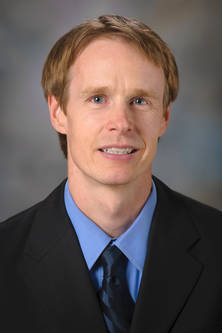
Dr. Badgwell is an ACS Fellow and an associate professor of surgery at M.D. Anderson Cancer Center in Houston. He specializes in gastric cancer and palliative surgical oncology.
To answer the question proposed in the title above – no. However, in an era of increasing specialization, it is not unexpected to respond to challenges in surgery with increased training. One challenge that is confronted on an almost daily basis at cancer centers is the patient who experiences a complication requiring surgical evaluation during treatment of an advanced or incurable malignancy.
These complications come in many forms and include bowel perforation, bowel obstruction, gastrointestinal bleeding, and wound problems. These complications are also notable in that they often represent a sharp turn in the intent of the patient’s care, from improving length of life to improving quality of life. It also will not come as a surprise to any surgeon who is called upon to evaluate a patient with a metastatic incurable malignancy with bowel perforation while on systemic chemotherapy that the surgeon may even be the first health care provider who attempts to address prognosis and end-of-life issues with the patient and/or family members.
Palliative surgery can account for 1,000 or more procedures per year and as much as 20% of a surgeon’s practice at major cancer centers. In addition, up to 40% of all inpatient surgical consultations at cancer centers meet the criteria for palliative care. In understanding the scope, volume, and complexity of acute care surgical oncology, it is important to define palliative surgical care as distinct from palliative medical care, as there are clear differences that are not always recognized. Palliative medical care expertise can be obtained through a palliative care fellowship, and focuses on the treatment of problems such as cachexia, delirium, fatigue, dyspnea, pain, and end-of-life psychosocial issues. Palliative surgical care is specifically surgery for which the major intent is improvement in symptoms or quality of life. As the population ages and the “silver tsunami” of aging patients with cancer washes over our surgical practice, palliative surgical concepts will become an increasingly important aspect of surgical training. Palliative surgical training is not a pasture upon which surgeons are put to keep them out of the operating room. On the contrary, palliative surgical procedures are some of the highest-risk procedures that are performed and often require a lengthy preoperative discussion of the anticipated risk-benefit ratio. This ratio is often very narrow, and the increased risks of palliative surgery must be balanced against the difficult task of estimating the remaining length of a patient’s life or the potential for future cancer-directed treatment options.
So how do we respond to the challenge of palliative surgery in cancer patients? Actually, we do need new and improved training, but it can and should be included as part of general surgery residency and the new ACGME certification in complex general surgical oncology. Our local response at M.D. Anderson has included the creation of an Acute and Palliative Surgical Oncology Service modeled after the acute care surgery model. Acute care surgery has been recognized as providing more timely consultation and improved quality of care, and minimizing disruption of elective practice and research efforts for other faculty. In response to our current demand of one to two palliative surgical consults per day, in addition to other acute inpatient consults, we are attempting to focus the care of these patients on a smaller group of faculty in an effort to develop better algorithms of care and improved clinical expertise. Surgical oncologists may not have the best reputation for acute care clinical expertise. I can think back to my own residency experience where the surgical oncologists did not take call in response to their belief that “there are no emergency surgical oncology problems.”
Cancer care is becoming more complex; even targeted agents can create life-threatening surgical problems, and our current level of palliative surgical training can be improved. My hope is that through acceptance of surgical oncology as a specialty within the Board of Surgery, we will be recognized not only for our expertise in elective cancer surgery but for acute and palliative cancer surgery as well.
Dr. Badgwell is an ACS Fellow and an associate professor of surgery at M.D. Anderson Cancer Center in Houston. He specializes in gastric cancer and palliative surgical oncology.
To answer the question proposed in the title above – no. However, in an era of increasing specialization, it is not unexpected to respond to challenges in surgery with increased training. One challenge that is confronted on an almost daily basis at cancer centers is the patient who experiences a complication requiring surgical evaluation during treatment of an advanced or incurable malignancy.
These complications come in many forms and include bowel perforation, bowel obstruction, gastrointestinal bleeding, and wound problems. These complications are also notable in that they often represent a sharp turn in the intent of the patient’s care, from improving length of life to improving quality of life. It also will not come as a surprise to any surgeon who is called upon to evaluate a patient with a metastatic incurable malignancy with bowel perforation while on systemic chemotherapy that the surgeon may even be the first health care provider who attempts to address prognosis and end-of-life issues with the patient and/or family members.
Palliative surgery can account for 1,000 or more procedures per year and as much as 20% of a surgeon’s practice at major cancer centers. In addition, up to 40% of all inpatient surgical consultations at cancer centers meet the criteria for palliative care. In understanding the scope, volume, and complexity of acute care surgical oncology, it is important to define palliative surgical care as distinct from palliative medical care, as there are clear differences that are not always recognized. Palliative medical care expertise can be obtained through a palliative care fellowship, and focuses on the treatment of problems such as cachexia, delirium, fatigue, dyspnea, pain, and end-of-life psychosocial issues. Palliative surgical care is specifically surgery for which the major intent is improvement in symptoms or quality of life. As the population ages and the “silver tsunami” of aging patients with cancer washes over our surgical practice, palliative surgical concepts will become an increasingly important aspect of surgical training. Palliative surgical training is not a pasture upon which surgeons are put to keep them out of the operating room. On the contrary, palliative surgical procedures are some of the highest-risk procedures that are performed and often require a lengthy preoperative discussion of the anticipated risk-benefit ratio. This ratio is often very narrow, and the increased risks of palliative surgery must be balanced against the difficult task of estimating the remaining length of a patient’s life or the potential for future cancer-directed treatment options.
So how do we respond to the challenge of palliative surgery in cancer patients? Actually, we do need new and improved training, but it can and should be included as part of general surgery residency and the new ACGME certification in complex general surgical oncology. Our local response at M.D. Anderson has included the creation of an Acute and Palliative Surgical Oncology Service modeled after the acute care surgery model. Acute care surgery has been recognized as providing more timely consultation and improved quality of care, and minimizing disruption of elective practice and research efforts for other faculty. In response to our current demand of one to two palliative surgical consults per day, in addition to other acute inpatient consults, we are attempting to focus the care of these patients on a smaller group of faculty in an effort to develop better algorithms of care and improved clinical expertise. Surgical oncologists may not have the best reputation for acute care clinical expertise. I can think back to my own residency experience where the surgical oncologists did not take call in response to their belief that “there are no emergency surgical oncology problems.”
Cancer care is becoming more complex; even targeted agents can create life-threatening surgical problems, and our current level of palliative surgical training can be improved. My hope is that through acceptance of surgical oncology as a specialty within the Board of Surgery, we will be recognized not only for our expertise in elective cancer surgery but for acute and palliative cancer surgery as well.
Dr. Badgwell is an ACS Fellow and an associate professor of surgery at M.D. Anderson Cancer Center in Houston. He specializes in gastric cancer and palliative surgical oncology.
Ode to my immune system
Our bodies are amazing feats of nature
Pathways that we understand through science
Among the most complex though, I would wager
Immunity, autoimmunity, and balance.
First there is the issue of barriers,
Skin, and gut, and membranes
Primary defense against invaders
Seems ordinary, but really far from mundane.
What comes next is not pure serendipity
Not chance but an evolutionary gift
We kill germs with innate immunity
Imprecise but efficient and swift.
Phagocytes, a fitting name for greed
Neutrophils, macrophages, dendritic cells
Summoned to areas of injury, they proceed
To ingest and digest and clear dead cells.
Complement, a cascade of proteases
Opsonize invading pathogens
Activated by three different pathways
Membrane attack complex a terminal engine.
Simultaneously, adaptive immunity
In special regions, lymph nodes and Peyer’s patches
B cells develop some memory
Immunoglobulins churned out in batches.
Helper Ts aid antibody production
Cytotoxic Ts kill the bugs hiding within
Regulatory Ts promote self toleration
MHCs on cell surfaces weigh in.
Many elements require orchestration
Helped along by a bevy of proteins
Chemokines, interleukins, growth factors, interferons
Enzymatic cascades form routine.
This cellular/molecular adventure
Fantastically intricate choreography
Self or non-self, intruder, interloper
Defense against microbial tomfoolery.
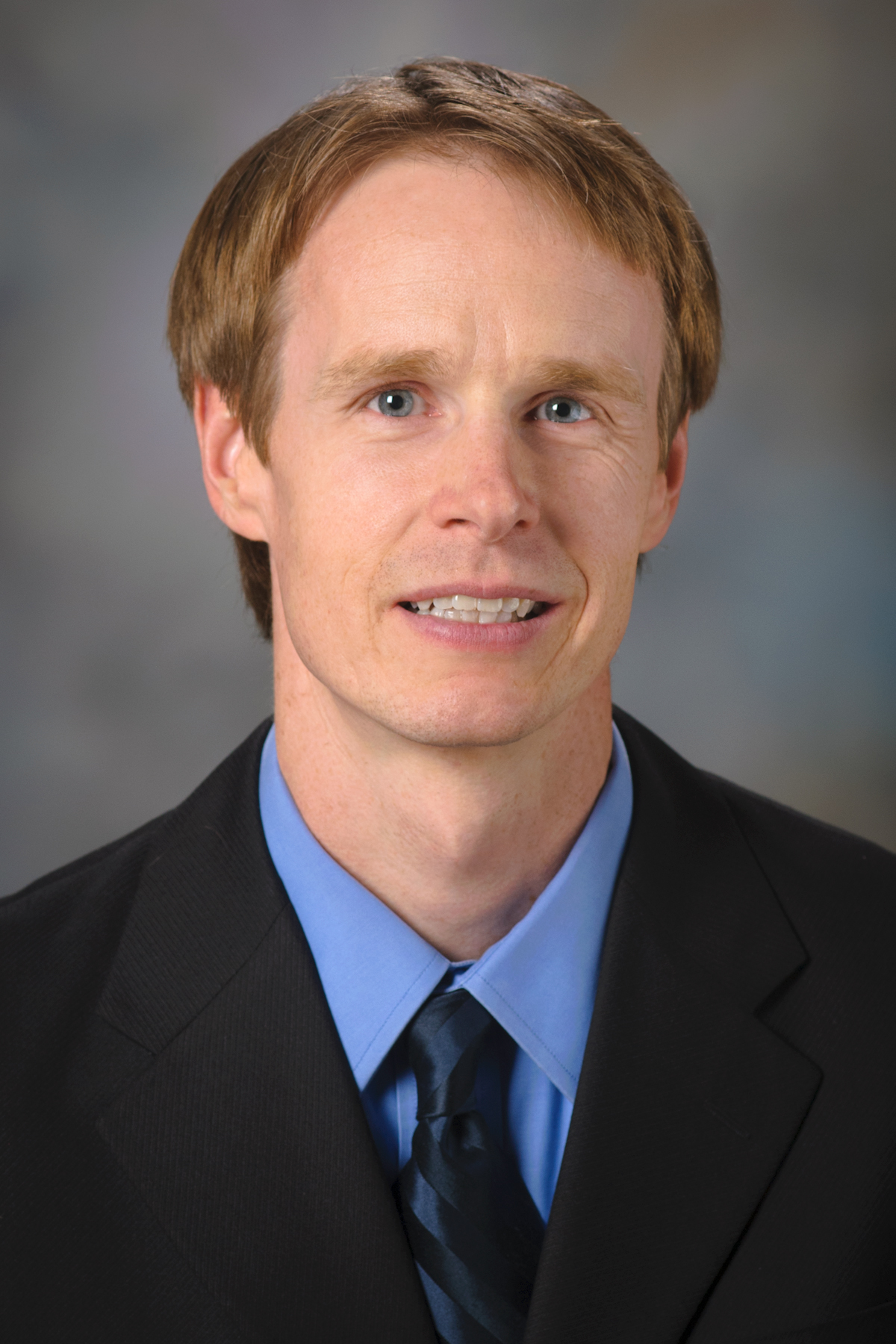
Dr. Chan practices rheumatology is Pawtucket, R.I.
Our bodies are amazing feats of nature
Pathways that we understand through science
Among the most complex though, I would wager
Immunity, autoimmunity, and balance.
First there is the issue of barriers,
Skin, and gut, and membranes
Primary defense against invaders
Seems ordinary, but really far from mundane.
What comes next is not pure serendipity
Not chance but an evolutionary gift
We kill germs with innate immunity
Imprecise but efficient and swift.
Phagocytes, a fitting name for greed
Neutrophils, macrophages, dendritic cells
Summoned to areas of injury, they proceed
To ingest and digest and clear dead cells.
Complement, a cascade of proteases
Opsonize invading pathogens
Activated by three different pathways
Membrane attack complex a terminal engine.
Simultaneously, adaptive immunity
In special regions, lymph nodes and Peyer’s patches
B cells develop some memory
Immunoglobulins churned out in batches.
Helper Ts aid antibody production
Cytotoxic Ts kill the bugs hiding within
Regulatory Ts promote self toleration
MHCs on cell surfaces weigh in.
Many elements require orchestration
Helped along by a bevy of proteins
Chemokines, interleukins, growth factors, interferons
Enzymatic cascades form routine.
This cellular/molecular adventure
Fantastically intricate choreography
Self or non-self, intruder, interloper
Defense against microbial tomfoolery.
Dr. Chan practices rheumatology is Pawtucket, R.I.
Our bodies are amazing feats of nature
Pathways that we understand through science
Among the most complex though, I would wager
Immunity, autoimmunity, and balance.
First there is the issue of barriers,
Skin, and gut, and membranes
Primary defense against invaders
Seems ordinary, but really far from mundane.
What comes next is not pure serendipity
Not chance but an evolutionary gift
We kill germs with innate immunity
Imprecise but efficient and swift.
Phagocytes, a fitting name for greed
Neutrophils, macrophages, dendritic cells
Summoned to areas of injury, they proceed
To ingest and digest and clear dead cells.
Complement, a cascade of proteases
Opsonize invading pathogens
Activated by three different pathways
Membrane attack complex a terminal engine.
Simultaneously, adaptive immunity
In special regions, lymph nodes and Peyer’s patches
B cells develop some memory
Immunoglobulins churned out in batches.
Helper Ts aid antibody production
Cytotoxic Ts kill the bugs hiding within
Regulatory Ts promote self toleration
MHCs on cell surfaces weigh in.
Many elements require orchestration
Helped along by a bevy of proteins
Chemokines, interleukins, growth factors, interferons
Enzymatic cascades form routine.
This cellular/molecular adventure
Fantastically intricate choreography
Self or non-self, intruder, interloper
Defense against microbial tomfoolery.
Dr. Chan practices rheumatology is Pawtucket, R.I.
Doctor Nurse? What Is That?

“Doctor nurse?” If you want to be a doctor, go to medical school, right? That’s what I and many of my medical and nursing colleagues have concluded since advanced nursing education has evolved into the Doctor of Nursing Practice (DNP) as the terminal degree for the profession.
School has always come fairly easily to me. Thus, I tend to turn to education for self-fulfillment. So, I researched the DNP. Nurse practitioners have been around since 1965, and myriad studies have determined the NP to be an effective (even superior, according to some studies) provider of health care. Despite this, the concept of NPs as care providers remains controversial, and the thought that nurses would aspire to an even more advanced station has become fodder for heated discussion.
Early concerns regarding the safety and quality of care provided by NPs have been deemed largely irrelevant by “bipartisan” study, but the value of a DNP continues to be debated. Much study and contemplation have led me to 3 rationales for the nursing doctorate: (1) The highest level of research-based education is needed to help develop the practice of professional nursing within a dynamic health care environment; (2) Nursing models of care are distinct from medical models of care, and DNPs will be well prepared to articulate these complementary distinctions; (3) The nursing profession needs to develop leaders who are prepared to work alongside other doctorate-prepared professionals to be able to contribute to the continued evaluation and improvement of a multifaceted health care system.
In order to contribute to the evolution of the health care system, the nursing profession must be able to define and refine its practices. The Affordable Care Act requires cost-effective ways to serve more patients. Nurse practitioners as independent providers will serve as gatekeepers of the health care needs for these patients, responsible for collaborating with other members of the health care team and consulting with specialists as needed. The actions of the NP must provide value: Models of care must be continually evaluated and modified to ensure that best practices are determined and maintained. Doctors of nursing practice will be in key positions to guide these processes and optimize outcomes.
As a profession, nursing focuses on the human’s response(s) to disruptions in health and on optimizing the state of wellness. We apply some of the same concepts when we interact with our health care organizations and strive to improve them. We embrace the concept of the wholeness of the individual (and the system!) rather than on isolating the separate parts. Doctors of nursing practice are able to articulate this model as distinct from medicine while recognizing areas of overlap. Such understanding is imperative as we develop the most cost-effective models of patient care.
The American Academy of Colleges of Nursing has endorsed the proposal that the doctorate will be the entry level of education for nurse practitioners by 2015. The Institute of Medicine recommends doubling the number of nurses with doctorates by 2020. Our peers in pharmacy, psychology, occupational therapy, etc, have already recognized the value of higher academic and clinical preparation for leaders in their fields. Competence and leadership are gained not only through experience, but also through formal research-based learning. The doctorate in any profession or field of study has traditionally represented the most advanced level of practice and education.
As the largest of the health care–related fields, nursing is long overdue for being recognized as a profession that is on par with our colleagues. The DNP provides the avenue for such recognition.
The DNP is a doctorate in areas relating to clinical practice and health care organizational leadership. The degree is becoming a necessary pursuit, because health care is changing at an incredibly fast pace. As NPs, we are ready to earn the distinction as a recognized professional leader with the attainment of doctorate education.
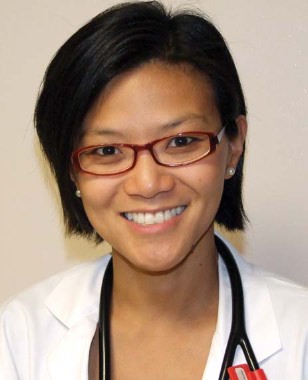
Thus, though I have not come to terms with my new role of widow yet, I eagerly embrace the opportunity to one day introduce myself as “Dr. Brennan, your nurse practitioner.”
“Doctor nurse?” If you want to be a doctor, go to medical school, right? That’s what I and many of my medical and nursing colleagues have concluded since advanced nursing education has evolved into the Doctor of Nursing Practice (DNP) as the terminal degree for the profession.
School has always come fairly easily to me. Thus, I tend to turn to education for self-fulfillment. So, I researched the DNP. Nurse practitioners have been around since 1965, and myriad studies have determined the NP to be an effective (even superior, according to some studies) provider of health care. Despite this, the concept of NPs as care providers remains controversial, and the thought that nurses would aspire to an even more advanced station has become fodder for heated discussion.
Early concerns regarding the safety and quality of care provided by NPs have been deemed largely irrelevant by “bipartisan” study, but the value of a DNP continues to be debated. Much study and contemplation have led me to 3 rationales for the nursing doctorate: (1) The highest level of research-based education is needed to help develop the practice of professional nursing within a dynamic health care environment; (2) Nursing models of care are distinct from medical models of care, and DNPs will be well prepared to articulate these complementary distinctions; (3) The nursing profession needs to develop leaders who are prepared to work alongside other doctorate-prepared professionals to be able to contribute to the continued evaluation and improvement of a multifaceted health care system.
In order to contribute to the evolution of the health care system, the nursing profession must be able to define and refine its practices. The Affordable Care Act requires cost-effective ways to serve more patients. Nurse practitioners as independent providers will serve as gatekeepers of the health care needs for these patients, responsible for collaborating with other members of the health care team and consulting with specialists as needed. The actions of the NP must provide value: Models of care must be continually evaluated and modified to ensure that best practices are determined and maintained. Doctors of nursing practice will be in key positions to guide these processes and optimize outcomes.
As a profession, nursing focuses on the human’s response(s) to disruptions in health and on optimizing the state of wellness. We apply some of the same concepts when we interact with our health care organizations and strive to improve them. We embrace the concept of the wholeness of the individual (and the system!) rather than on isolating the separate parts. Doctors of nursing practice are able to articulate this model as distinct from medicine while recognizing areas of overlap. Such understanding is imperative as we develop the most cost-effective models of patient care.
The American Academy of Colleges of Nursing has endorsed the proposal that the doctorate will be the entry level of education for nurse practitioners by 2015. The Institute of Medicine recommends doubling the number of nurses with doctorates by 2020. Our peers in pharmacy, psychology, occupational therapy, etc, have already recognized the value of higher academic and clinical preparation for leaders in their fields. Competence and leadership are gained not only through experience, but also through formal research-based learning. The doctorate in any profession or field of study has traditionally represented the most advanced level of practice and education.
As the largest of the health care–related fields, nursing is long overdue for being recognized as a profession that is on par with our colleagues. The DNP provides the avenue for such recognition.
The DNP is a doctorate in areas relating to clinical practice and health care organizational leadership. The degree is becoming a necessary pursuit, because health care is changing at an incredibly fast pace. As NPs, we are ready to earn the distinction as a recognized professional leader with the attainment of doctorate education.
Thus, though I have not come to terms with my new role of widow yet, I eagerly embrace the opportunity to one day introduce myself as “Dr. Brennan, your nurse practitioner.”
“Doctor nurse?” If you want to be a doctor, go to medical school, right? That’s what I and many of my medical and nursing colleagues have concluded since advanced nursing education has evolved into the Doctor of Nursing Practice (DNP) as the terminal degree for the profession.
School has always come fairly easily to me. Thus, I tend to turn to education for self-fulfillment. So, I researched the DNP. Nurse practitioners have been around since 1965, and myriad studies have determined the NP to be an effective (even superior, according to some studies) provider of health care. Despite this, the concept of NPs as care providers remains controversial, and the thought that nurses would aspire to an even more advanced station has become fodder for heated discussion.
Early concerns regarding the safety and quality of care provided by NPs have been deemed largely irrelevant by “bipartisan” study, but the value of a DNP continues to be debated. Much study and contemplation have led me to 3 rationales for the nursing doctorate: (1) The highest level of research-based education is needed to help develop the practice of professional nursing within a dynamic health care environment; (2) Nursing models of care are distinct from medical models of care, and DNPs will be well prepared to articulate these complementary distinctions; (3) The nursing profession needs to develop leaders who are prepared to work alongside other doctorate-prepared professionals to be able to contribute to the continued evaluation and improvement of a multifaceted health care system.
In order to contribute to the evolution of the health care system, the nursing profession must be able to define and refine its practices. The Affordable Care Act requires cost-effective ways to serve more patients. Nurse practitioners as independent providers will serve as gatekeepers of the health care needs for these patients, responsible for collaborating with other members of the health care team and consulting with specialists as needed. The actions of the NP must provide value: Models of care must be continually evaluated and modified to ensure that best practices are determined and maintained. Doctors of nursing practice will be in key positions to guide these processes and optimize outcomes.
As a profession, nursing focuses on the human’s response(s) to disruptions in health and on optimizing the state of wellness. We apply some of the same concepts when we interact with our health care organizations and strive to improve them. We embrace the concept of the wholeness of the individual (and the system!) rather than on isolating the separate parts. Doctors of nursing practice are able to articulate this model as distinct from medicine while recognizing areas of overlap. Such understanding is imperative as we develop the most cost-effective models of patient care.
The American Academy of Colleges of Nursing has endorsed the proposal that the doctorate will be the entry level of education for nurse practitioners by 2015. The Institute of Medicine recommends doubling the number of nurses with doctorates by 2020. Our peers in pharmacy, psychology, occupational therapy, etc, have already recognized the value of higher academic and clinical preparation for leaders in their fields. Competence and leadership are gained not only through experience, but also through formal research-based learning. The doctorate in any profession or field of study has traditionally represented the most advanced level of practice and education.
As the largest of the health care–related fields, nursing is long overdue for being recognized as a profession that is on par with our colleagues. The DNP provides the avenue for such recognition.
The DNP is a doctorate in areas relating to clinical practice and health care organizational leadership. The degree is becoming a necessary pursuit, because health care is changing at an incredibly fast pace. As NPs, we are ready to earn the distinction as a recognized professional leader with the attainment of doctorate education.
Thus, though I have not come to terms with my new role of widow yet, I eagerly embrace the opportunity to one day introduce myself as “Dr. Brennan, your nurse practitioner.”
Sock it to me
Is it wrong that I’m now criticizing my kids’ fashion choices? I mean, that’s a hazardous endeavor for someone who once wore a Members Only jacket and parachute pants. With a muscle shirt. And yet...yet I worry that my 9-year-old son is going to suffer frostbite of the knees. This is because he and all his little friends insist on wearing shorts and mid-calf athletic socks under any and all weather conditions. In other years, this uniform might work for coastal North Carolina, but the last 2 months here have been like living in Minnesota, only with worse drivers.

To be fair, the socks are impressive: bright, thick synthetic constructions with “R” and “L” woven into them so that if you lose a left one from one pair you have to lose the right one from another or you’ve wasted more than socks should reasonably cost. (How is it a child can keep track of Right and Left socks when he can’t find his own laundry bin?) Now if I can only get him to wear a pair that comes up to his shorts.
Sound of silence
Don’t you hate those conversations where halfway through you think, “I should probably just stop talking now”? According to a new study, if you’re counseling vaccine-hesitant parents, shut up, like right now. Zip it. Hush! If your lips are still moving, you’re just making it worse.
We now know scientifically that there is nothing at all you can say that will change their minds about vaccines and much that will strengthen their resolve to make their own children and the rest of us sicker. Move on to another topic: “Sure has been cold around here! Can you believe my son wore shorts today?”
A study released in Pediatrics examined the effectiveness of four logical-seeming strategies used by the Centers for Disease Control and Prevention to encourage parents to give their kids measles vaccine: correct misinformation, present information on measles risks, use a dramatic narrative to make the risk of measles more salient, or display visuals so that people understand that measles temporarily gives you an unattractive complexion and then sometimes kills you. If vaccine resistance were rational, we would be talking about which of these strategies worked best.
Instead, we’re talking about how they ranged from not working at all to making parents more convinced than ever that measles vaccination is a worldwide conspiracy organized by a super-villain who hopes to build an army of autistic children in order to, to, oh, who knows? Does it matter? The point is, as cognitive psychologists already know, people first make emotional decisions and then search for reasons. When you bring up evidence that doesn’t match their beliefs, you just make them mad. Which is why, from now on, I’ll be conducting my wellness exams in mime.
Kick
Sometimes the scariest part of being a parent is that you have to set an example, like, all the time. That’s exhausting! Just once I want to lie down on the floor in the candy aisle and scream, but can I? No, I cannot, at least according to the grocery store manager.
When it comes to playing with cell phones and other mobile devices, however, it turns out that many parents are worse than their kids. We know this because a group of researchers from Boston University sat around in local restaurants pretending to eat french fries while surreptitiously documenting the behavior of children and their caretakers, then actually eating french fries.
What they saw wasn’t pretty. Forty out of 55 adults observed were riveted to their mobile devices, often completely ignoring the children in their care, not to mention the researchers who kept staring at them and scribbling in ketchup-stained notebooks. In the clinical language of the report, “one female adult kicked a child’s foot under the table; another female caregiver pushed a young boy’s hands away when he was trying to repeatedly lift her face up from looking at a tablet screen.”
Some kids responded to the parental neglect by ramping up attention-getting behavior. Others were so used to it that they simply entertained themselves, periodically texting their parents to ask for help getting to the bathroom. The researchers gained valuable insights into how mobile devices alter parenting behavior, as well as an average of 15 pounds.
Big difference
History is littered with innovations once considered wondrous that turned out to be more damaging than anyone had initially imagined: radium, DDT, Justin Bieber. A new study further suggests that this catalogue of infamy should expand to include antibiotics, potentially life-saving medicines whose overuse may ultimately be as damaging to society as reality TV.
We’ve known for a while that antibiotics contribute to allergic reactions, asthma, diarrhea, and the development of highly resistant “superbugs.” Now an all-star team of epidemiologists from around the country implicates recent antibiotic use in increasing cases of childhood intestinal infections with Clostridium difficile (“Come for the cramping. Stay for the bloody diarrhea.”).
Sadly, there are still a fair number of docs out there who’d rather cave to parents demanding antibiotics for a cold (and yes, green snot is part of a cold) than explain that not only will the antibiotics not fix the problem, they’ll cause all sorts of new ones. Next time a parent is insisting on a script, for the sake of us all, grow a spine and tell them to put a sock in it. If they don’t have a sock, no sweat, I have a spare: it’s a Left.
David L. Hill, M.D., FAAP, is the author of Dad to Dad: Parenting Like a Pro (AAP Publishing, 2012). He is also vice president of Cape Fear Pediatrics in Wilmington, N.C., and adjunct assistant professor of pediatrics at the University of North Carolina at Chapel Hill. He serves as Program Director for the AAP Council on Communications and Media and as an executive committee member of the North Carolina Pediatric Society. He has recorded commentaries for NPR's All Things Considered and provided content for various print, television, and Internet outlets.
Is it wrong that I’m now criticizing my kids’ fashion choices? I mean, that’s a hazardous endeavor for someone who once wore a Members Only jacket and parachute pants. With a muscle shirt. And yet...yet I worry that my 9-year-old son is going to suffer frostbite of the knees. This is because he and all his little friends insist on wearing shorts and mid-calf athletic socks under any and all weather conditions. In other years, this uniform might work for coastal North Carolina, but the last 2 months here have been like living in Minnesota, only with worse drivers.
To be fair, the socks are impressive: bright, thick synthetic constructions with “R” and “L” woven into them so that if you lose a left one from one pair you have to lose the right one from another or you’ve wasted more than socks should reasonably cost. (How is it a child can keep track of Right and Left socks when he can’t find his own laundry bin?) Now if I can only get him to wear a pair that comes up to his shorts.
Sound of silence
Don’t you hate those conversations where halfway through you think, “I should probably just stop talking now”? According to a new study, if you’re counseling vaccine-hesitant parents, shut up, like right now. Zip it. Hush! If your lips are still moving, you’re just making it worse.
We now know scientifically that there is nothing at all you can say that will change their minds about vaccines and much that will strengthen their resolve to make their own children and the rest of us sicker. Move on to another topic: “Sure has been cold around here! Can you believe my son wore shorts today?”
A study released in Pediatrics examined the effectiveness of four logical-seeming strategies used by the Centers for Disease Control and Prevention to encourage parents to give their kids measles vaccine: correct misinformation, present information on measles risks, use a dramatic narrative to make the risk of measles more salient, or display visuals so that people understand that measles temporarily gives you an unattractive complexion and then sometimes kills you. If vaccine resistance were rational, we would be talking about which of these strategies worked best.
Instead, we’re talking about how they ranged from not working at all to making parents more convinced than ever that measles vaccination is a worldwide conspiracy organized by a super-villain who hopes to build an army of autistic children in order to, to, oh, who knows? Does it matter? The point is, as cognitive psychologists already know, people first make emotional decisions and then search for reasons. When you bring up evidence that doesn’t match their beliefs, you just make them mad. Which is why, from now on, I’ll be conducting my wellness exams in mime.
Kick
Sometimes the scariest part of being a parent is that you have to set an example, like, all the time. That’s exhausting! Just once I want to lie down on the floor in the candy aisle and scream, but can I? No, I cannot, at least according to the grocery store manager.
When it comes to playing with cell phones and other mobile devices, however, it turns out that many parents are worse than their kids. We know this because a group of researchers from Boston University sat around in local restaurants pretending to eat french fries while surreptitiously documenting the behavior of children and their caretakers, then actually eating french fries.
What they saw wasn’t pretty. Forty out of 55 adults observed were riveted to their mobile devices, often completely ignoring the children in their care, not to mention the researchers who kept staring at them and scribbling in ketchup-stained notebooks. In the clinical language of the report, “one female adult kicked a child’s foot under the table; another female caregiver pushed a young boy’s hands away when he was trying to repeatedly lift her face up from looking at a tablet screen.”
Some kids responded to the parental neglect by ramping up attention-getting behavior. Others were so used to it that they simply entertained themselves, periodically texting their parents to ask for help getting to the bathroom. The researchers gained valuable insights into how mobile devices alter parenting behavior, as well as an average of 15 pounds.
Big difference
History is littered with innovations once considered wondrous that turned out to be more damaging than anyone had initially imagined: radium, DDT, Justin Bieber. A new study further suggests that this catalogue of infamy should expand to include antibiotics, potentially life-saving medicines whose overuse may ultimately be as damaging to society as reality TV.
We’ve known for a while that antibiotics contribute to allergic reactions, asthma, diarrhea, and the development of highly resistant “superbugs.” Now an all-star team of epidemiologists from around the country implicates recent antibiotic use in increasing cases of childhood intestinal infections with Clostridium difficile (“Come for the cramping. Stay for the bloody diarrhea.”).
Sadly, there are still a fair number of docs out there who’d rather cave to parents demanding antibiotics for a cold (and yes, green snot is part of a cold) than explain that not only will the antibiotics not fix the problem, they’ll cause all sorts of new ones. Next time a parent is insisting on a script, for the sake of us all, grow a spine and tell them to put a sock in it. If they don’t have a sock, no sweat, I have a spare: it’s a Left.
David L. Hill, M.D., FAAP, is the author of Dad to Dad: Parenting Like a Pro (AAP Publishing, 2012). He is also vice president of Cape Fear Pediatrics in Wilmington, N.C., and adjunct assistant professor of pediatrics at the University of North Carolina at Chapel Hill. He serves as Program Director for the AAP Council on Communications and Media and as an executive committee member of the North Carolina Pediatric Society. He has recorded commentaries for NPR's All Things Considered and provided content for various print, television, and Internet outlets.
Is it wrong that I’m now criticizing my kids’ fashion choices? I mean, that’s a hazardous endeavor for someone who once wore a Members Only jacket and parachute pants. With a muscle shirt. And yet...yet I worry that my 9-year-old son is going to suffer frostbite of the knees. This is because he and all his little friends insist on wearing shorts and mid-calf athletic socks under any and all weather conditions. In other years, this uniform might work for coastal North Carolina, but the last 2 months here have been like living in Minnesota, only with worse drivers.
To be fair, the socks are impressive: bright, thick synthetic constructions with “R” and “L” woven into them so that if you lose a left one from one pair you have to lose the right one from another or you’ve wasted more than socks should reasonably cost. (How is it a child can keep track of Right and Left socks when he can’t find his own laundry bin?) Now if I can only get him to wear a pair that comes up to his shorts.
Sound of silence
Don’t you hate those conversations where halfway through you think, “I should probably just stop talking now”? According to a new study, if you’re counseling vaccine-hesitant parents, shut up, like right now. Zip it. Hush! If your lips are still moving, you’re just making it worse.
We now know scientifically that there is nothing at all you can say that will change their minds about vaccines and much that will strengthen their resolve to make their own children and the rest of us sicker. Move on to another topic: “Sure has been cold around here! Can you believe my son wore shorts today?”
A study released in Pediatrics examined the effectiveness of four logical-seeming strategies used by the Centers for Disease Control and Prevention to encourage parents to give their kids measles vaccine: correct misinformation, present information on measles risks, use a dramatic narrative to make the risk of measles more salient, or display visuals so that people understand that measles temporarily gives you an unattractive complexion and then sometimes kills you. If vaccine resistance were rational, we would be talking about which of these strategies worked best.
Instead, we’re talking about how they ranged from not working at all to making parents more convinced than ever that measles vaccination is a worldwide conspiracy organized by a super-villain who hopes to build an army of autistic children in order to, to, oh, who knows? Does it matter? The point is, as cognitive psychologists already know, people first make emotional decisions and then search for reasons. When you bring up evidence that doesn’t match their beliefs, you just make them mad. Which is why, from now on, I’ll be conducting my wellness exams in mime.
Kick
Sometimes the scariest part of being a parent is that you have to set an example, like, all the time. That’s exhausting! Just once I want to lie down on the floor in the candy aisle and scream, but can I? No, I cannot, at least according to the grocery store manager.
When it comes to playing with cell phones and other mobile devices, however, it turns out that many parents are worse than their kids. We know this because a group of researchers from Boston University sat around in local restaurants pretending to eat french fries while surreptitiously documenting the behavior of children and their caretakers, then actually eating french fries.
What they saw wasn’t pretty. Forty out of 55 adults observed were riveted to their mobile devices, often completely ignoring the children in their care, not to mention the researchers who kept staring at them and scribbling in ketchup-stained notebooks. In the clinical language of the report, “one female adult kicked a child’s foot under the table; another female caregiver pushed a young boy’s hands away when he was trying to repeatedly lift her face up from looking at a tablet screen.”
Some kids responded to the parental neglect by ramping up attention-getting behavior. Others were so used to it that they simply entertained themselves, periodically texting their parents to ask for help getting to the bathroom. The researchers gained valuable insights into how mobile devices alter parenting behavior, as well as an average of 15 pounds.
Big difference
History is littered with innovations once considered wondrous that turned out to be more damaging than anyone had initially imagined: radium, DDT, Justin Bieber. A new study further suggests that this catalogue of infamy should expand to include antibiotics, potentially life-saving medicines whose overuse may ultimately be as damaging to society as reality TV.
We’ve known for a while that antibiotics contribute to allergic reactions, asthma, diarrhea, and the development of highly resistant “superbugs.” Now an all-star team of epidemiologists from around the country implicates recent antibiotic use in increasing cases of childhood intestinal infections with Clostridium difficile (“Come for the cramping. Stay for the bloody diarrhea.”).
Sadly, there are still a fair number of docs out there who’d rather cave to parents demanding antibiotics for a cold (and yes, green snot is part of a cold) than explain that not only will the antibiotics not fix the problem, they’ll cause all sorts of new ones. Next time a parent is insisting on a script, for the sake of us all, grow a spine and tell them to put a sock in it. If they don’t have a sock, no sweat, I have a spare: it’s a Left.
David L. Hill, M.D., FAAP, is the author of Dad to Dad: Parenting Like a Pro (AAP Publishing, 2012). He is also vice president of Cape Fear Pediatrics in Wilmington, N.C., and adjunct assistant professor of pediatrics at the University of North Carolina at Chapel Hill. He serves as Program Director for the AAP Council on Communications and Media and as an executive committee member of the North Carolina Pediatric Society. He has recorded commentaries for NPR's All Things Considered and provided content for various print, television, and Internet outlets.
Ouppfostrade
Ouppfostrade ... Is it a) The sound of a pendulum that has swung too far to the left? Or is it b) a Swedish word that means "badly raised children"?
As I learned in a Wall Street Journal article, the correct answer is b ("Badly Raised Kids? Sweden Has a Word for That," Jens Hansegard, Feb. 11, 2014).
In the opinion of Dr. David Eberhard, a Swedish psychiatrist, decades of child-centric policies have "gone too far" and the result is a nation of poorly raised children who may be more vulnerable to anxiety and depression as they grow older.
Dr. Eberhard, who is also the father of six, freely admits that his conclusions are based on "common sense" and observations that are not the result of scientific studies. However, his opinions have touched a sympathetic nerve with more than a few of his fellow countrymen. Although most newspaper editorials have been critical of his ideas, blogs are divided 50/50. Apparently, there are plenty of Swedes who feel that new millennium parents are spineless wimps being pushed around by their children. Dr. Eberhard’s critics counter that Sweden’s reputation for innovation in a broad variety of fields and its enviable happiness rating are in part the result of its policies empowering children.
Does any of this parenting brouhaha strike a familiar chord? Or, is the issue of poorly disciplined children a uniquely Swedish phenomenon? The United States has certainly not enacted as many robust child-centric policies as Sweden and her Scandinavian sisters have. But, while critics have little cause to blame the government, one certainly feels a rumbling of discontent in some circles that America has an overabundance of poorly disciplined children. It is tempting to assume that most of the grumbling is coming from grandparents and their peers in the form of "when-I-was-your-age" rhetoric. But I think there are enough young parents who feel that they have lost (if they ever had) control of the situation that it is an issue worth considering by pediatricians.
As in Sweden, the situation is probably the result of generational drift in which today’s children are being parented by parents whose parents and even grandparents were uncomfortable saying "no." Without solid role models and without a cultural tradition to follow, many modern parents are adrift. Blown in one direction by "experts" with overly child-centric advice and pushed in another by a vocal minority who advocate an authoritarian style, parents can be paralyzed by the fear of doing it all wrong. So they don’t do anything about creating structure and discipline.
Most parents know that spanking is wrong, but they aren’t sure what strategy they should use when their child misbehaves. They may have tried time-out, but for a variety of reasons it didn’t work. Some parents may have trouble overcoming a nagging feeling of guilt that they have to leave their children in day care. Once home, it is hard for a working parent, in fact any parent, to be a friend to the child, and still be the person who makes the rules and metes out the consequences. And, of course, there are a few parents who even question whether there should be any rules for children.
Fortunately, the examples of extreme child-centricity are rare. Most of the time, parents are eager to hear parenting advice from their pediatricians. However, it is up to the pediatrician to make it clear that she or he is interested in the everyday behavior issues, such as saying "no." Pediatricians must be prepared to offer advice that is based on their knowledge of normal child development and not tilted toward either extreme. But, this kind of counseling takes time. To help parents develop a system of limits and consequences that is appropriate for their child’s temperament and developmental age can’t be done in a 10-minute visit. But, first, pediatricians must make it clear that we aren’t just the ear infection folks. We have the skills and experience to deal with ouppfostrade before it becomes epidemic here in America.
Dr. Wilkoff practiced primary care pediatrics in Brunswick, Maine, for nearly 40 years. He has authored several books on behavioral pediatrics including, "How to Say No to Your Toddler." E-mail him at [email protected].
Ouppfostrade ... Is it a) The sound of a pendulum that has swung too far to the left? Or is it b) a Swedish word that means "badly raised children"?
As I learned in a Wall Street Journal article, the correct answer is b ("Badly Raised Kids? Sweden Has a Word for That," Jens Hansegard, Feb. 11, 2014).
In the opinion of Dr. David Eberhard, a Swedish psychiatrist, decades of child-centric policies have "gone too far" and the result is a nation of poorly raised children who may be more vulnerable to anxiety and depression as they grow older.
Dr. Eberhard, who is also the father of six, freely admits that his conclusions are based on "common sense" and observations that are not the result of scientific studies. However, his opinions have touched a sympathetic nerve with more than a few of his fellow countrymen. Although most newspaper editorials have been critical of his ideas, blogs are divided 50/50. Apparently, there are plenty of Swedes who feel that new millennium parents are spineless wimps being pushed around by their children. Dr. Eberhard’s critics counter that Sweden’s reputation for innovation in a broad variety of fields and its enviable happiness rating are in part the result of its policies empowering children.
Does any of this parenting brouhaha strike a familiar chord? Or, is the issue of poorly disciplined children a uniquely Swedish phenomenon? The United States has certainly not enacted as many robust child-centric policies as Sweden and her Scandinavian sisters have. But, while critics have little cause to blame the government, one certainly feels a rumbling of discontent in some circles that America has an overabundance of poorly disciplined children. It is tempting to assume that most of the grumbling is coming from grandparents and their peers in the form of "when-I-was-your-age" rhetoric. But I think there are enough young parents who feel that they have lost (if they ever had) control of the situation that it is an issue worth considering by pediatricians.
As in Sweden, the situation is probably the result of generational drift in which today’s children are being parented by parents whose parents and even grandparents were uncomfortable saying "no." Without solid role models and without a cultural tradition to follow, many modern parents are adrift. Blown in one direction by "experts" with overly child-centric advice and pushed in another by a vocal minority who advocate an authoritarian style, parents can be paralyzed by the fear of doing it all wrong. So they don’t do anything about creating structure and discipline.
Most parents know that spanking is wrong, but they aren’t sure what strategy they should use when their child misbehaves. They may have tried time-out, but for a variety of reasons it didn’t work. Some parents may have trouble overcoming a nagging feeling of guilt that they have to leave their children in day care. Once home, it is hard for a working parent, in fact any parent, to be a friend to the child, and still be the person who makes the rules and metes out the consequences. And, of course, there are a few parents who even question whether there should be any rules for children.
Fortunately, the examples of extreme child-centricity are rare. Most of the time, parents are eager to hear parenting advice from their pediatricians. However, it is up to the pediatrician to make it clear that she or he is interested in the everyday behavior issues, such as saying "no." Pediatricians must be prepared to offer advice that is based on their knowledge of normal child development and not tilted toward either extreme. But, this kind of counseling takes time. To help parents develop a system of limits and consequences that is appropriate for their child’s temperament and developmental age can’t be done in a 10-minute visit. But, first, pediatricians must make it clear that we aren’t just the ear infection folks. We have the skills and experience to deal with ouppfostrade before it becomes epidemic here in America.
Dr. Wilkoff practiced primary care pediatrics in Brunswick, Maine, for nearly 40 years. He has authored several books on behavioral pediatrics including, "How to Say No to Your Toddler." E-mail him at [email protected].
Ouppfostrade ... Is it a) The sound of a pendulum that has swung too far to the left? Or is it b) a Swedish word that means "badly raised children"?
As I learned in a Wall Street Journal article, the correct answer is b ("Badly Raised Kids? Sweden Has a Word for That," Jens Hansegard, Feb. 11, 2014).
In the opinion of Dr. David Eberhard, a Swedish psychiatrist, decades of child-centric policies have "gone too far" and the result is a nation of poorly raised children who may be more vulnerable to anxiety and depression as they grow older.
Dr. Eberhard, who is also the father of six, freely admits that his conclusions are based on "common sense" and observations that are not the result of scientific studies. However, his opinions have touched a sympathetic nerve with more than a few of his fellow countrymen. Although most newspaper editorials have been critical of his ideas, blogs are divided 50/50. Apparently, there are plenty of Swedes who feel that new millennium parents are spineless wimps being pushed around by their children. Dr. Eberhard’s critics counter that Sweden’s reputation for innovation in a broad variety of fields and its enviable happiness rating are in part the result of its policies empowering children.
Does any of this parenting brouhaha strike a familiar chord? Or, is the issue of poorly disciplined children a uniquely Swedish phenomenon? The United States has certainly not enacted as many robust child-centric policies as Sweden and her Scandinavian sisters have. But, while critics have little cause to blame the government, one certainly feels a rumbling of discontent in some circles that America has an overabundance of poorly disciplined children. It is tempting to assume that most of the grumbling is coming from grandparents and their peers in the form of "when-I-was-your-age" rhetoric. But I think there are enough young parents who feel that they have lost (if they ever had) control of the situation that it is an issue worth considering by pediatricians.
As in Sweden, the situation is probably the result of generational drift in which today’s children are being parented by parents whose parents and even grandparents were uncomfortable saying "no." Without solid role models and without a cultural tradition to follow, many modern parents are adrift. Blown in one direction by "experts" with overly child-centric advice and pushed in another by a vocal minority who advocate an authoritarian style, parents can be paralyzed by the fear of doing it all wrong. So they don’t do anything about creating structure and discipline.
Most parents know that spanking is wrong, but they aren’t sure what strategy they should use when their child misbehaves. They may have tried time-out, but for a variety of reasons it didn’t work. Some parents may have trouble overcoming a nagging feeling of guilt that they have to leave their children in day care. Once home, it is hard for a working parent, in fact any parent, to be a friend to the child, and still be the person who makes the rules and metes out the consequences. And, of course, there are a few parents who even question whether there should be any rules for children.
Fortunately, the examples of extreme child-centricity are rare. Most of the time, parents are eager to hear parenting advice from their pediatricians. However, it is up to the pediatrician to make it clear that she or he is interested in the everyday behavior issues, such as saying "no." Pediatricians must be prepared to offer advice that is based on their knowledge of normal child development and not tilted toward either extreme. But, this kind of counseling takes time. To help parents develop a system of limits and consequences that is appropriate for their child’s temperament and developmental age can’t be done in a 10-minute visit. But, first, pediatricians must make it clear that we aren’t just the ear infection folks. We have the skills and experience to deal with ouppfostrade before it becomes epidemic here in America.
Dr. Wilkoff practiced primary care pediatrics in Brunswick, Maine, for nearly 40 years. He has authored several books on behavioral pediatrics including, "How to Say No to Your Toddler." E-mail him at [email protected].

Can coffee reduce weight?
Caffeine in the form of tea and coffee is the most widely consumed, socially acceptable stimulant around the globe. More than 150 million people in the United States drink coffee daily, with an average intake of 2 cups (which contains about 280 mg of caffeine).
Caffeine results in the release of excitatory neurotransmitters. Caffeine may increase energy expenditure and has been associated with reduced body mass. Studies have observed lower body mass index (BMI) in coffee consumers, compared with individuals who don’t consume coffee. Coffee may reduce appetite and dietary intake.
Greek researchers at Harokopio University, Athens, conducted a cross-over study to evaluate the effects of caffeinated coffee on appetite and dietary intake (Obesity 2013;21:1127-32). Sixteen normal-weight and 17 overweight/obese habitual coffee consumers (at least 1 cup of coffee/day) were enrolled. Each participant took part in three trials at least 1 week apart. Participants were required to abstain from caffeine for 24 hours and then reported to the lab to consume a breakfast and 200 mL of one of three experimental beverages: instant coffee with 3 mg caffeine/kg body weight (Coffee 3); instant coffee with 6 mg caffeine/kg (Coffee 6); or water. Participants had to consume the breakfast and the beverage within 5 minutes.
During a 3-hour period following beverage consumption, appetite feelings and participants’ dietary intake the day before the experiment were assessed. After this 3-hour period, participants were offered an ad libitum lunch buffet. The following day, participants reported by telephone their food and fluid intake for the rest of the experiment day.
Normal-weight participants consumed comparable energy in the ad libitum meal and in their total daily intake in the three interventions. However, among overweight/obese individuals, Coffee 6 resulted in significantly reduced energy intake during the ad libitum meal, compared with Coffee 3, and in significantly reduced total day energy intake, compared with both water and Coffee 3.
Doses used in this study for participants were somewhat staggering. The average caffeine content of the beverage in the Coffee 6 group was 526 mg. This is the caffeine content of roughly four 8-ounce cups of brewed coffee. The authors acknowledged that the Coffee 6 beverage was not easily consumed by "most of the volunteers."
We need to be cautious about the use of this dosing in the clinical setting. But as part of comprehensive weight-management strategy, caffeinated coffee may be helpful for reducing energy intake.
Dr. Ebbert is professor of medicine, a general internist at the Mayo Clinic in Rochester, Minn., and a diplomate of the American Board of Addiction Medicine. The opinions expressed are those of the author. He reports no conflicts of interest.
Caffeine in the form of tea and coffee is the most widely consumed, socially acceptable stimulant around the globe. More than 150 million people in the United States drink coffee daily, with an average intake of 2 cups (which contains about 280 mg of caffeine).
Caffeine results in the release of excitatory neurotransmitters. Caffeine may increase energy expenditure and has been associated with reduced body mass. Studies have observed lower body mass index (BMI) in coffee consumers, compared with individuals who don’t consume coffee. Coffee may reduce appetite and dietary intake.
Greek researchers at Harokopio University, Athens, conducted a cross-over study to evaluate the effects of caffeinated coffee on appetite and dietary intake (Obesity 2013;21:1127-32). Sixteen normal-weight and 17 overweight/obese habitual coffee consumers (at least 1 cup of coffee/day) were enrolled. Each participant took part in three trials at least 1 week apart. Participants were required to abstain from caffeine for 24 hours and then reported to the lab to consume a breakfast and 200 mL of one of three experimental beverages: instant coffee with 3 mg caffeine/kg body weight (Coffee 3); instant coffee with 6 mg caffeine/kg (Coffee 6); or water. Participants had to consume the breakfast and the beverage within 5 minutes.
During a 3-hour period following beverage consumption, appetite feelings and participants’ dietary intake the day before the experiment were assessed. After this 3-hour period, participants were offered an ad libitum lunch buffet. The following day, participants reported by telephone their food and fluid intake for the rest of the experiment day.
Normal-weight participants consumed comparable energy in the ad libitum meal and in their total daily intake in the three interventions. However, among overweight/obese individuals, Coffee 6 resulted in significantly reduced energy intake during the ad libitum meal, compared with Coffee 3, and in significantly reduced total day energy intake, compared with both water and Coffee 3.
Doses used in this study for participants were somewhat staggering. The average caffeine content of the beverage in the Coffee 6 group was 526 mg. This is the caffeine content of roughly four 8-ounce cups of brewed coffee. The authors acknowledged that the Coffee 6 beverage was not easily consumed by "most of the volunteers."
We need to be cautious about the use of this dosing in the clinical setting. But as part of comprehensive weight-management strategy, caffeinated coffee may be helpful for reducing energy intake.
Dr. Ebbert is professor of medicine, a general internist at the Mayo Clinic in Rochester, Minn., and a diplomate of the American Board of Addiction Medicine. The opinions expressed are those of the author. He reports no conflicts of interest.
Caffeine in the form of tea and coffee is the most widely consumed, socially acceptable stimulant around the globe. More than 150 million people in the United States drink coffee daily, with an average intake of 2 cups (which contains about 280 mg of caffeine).
Caffeine results in the release of excitatory neurotransmitters. Caffeine may increase energy expenditure and has been associated with reduced body mass. Studies have observed lower body mass index (BMI) in coffee consumers, compared with individuals who don’t consume coffee. Coffee may reduce appetite and dietary intake.
Greek researchers at Harokopio University, Athens, conducted a cross-over study to evaluate the effects of caffeinated coffee on appetite and dietary intake (Obesity 2013;21:1127-32). Sixteen normal-weight and 17 overweight/obese habitual coffee consumers (at least 1 cup of coffee/day) were enrolled. Each participant took part in three trials at least 1 week apart. Participants were required to abstain from caffeine for 24 hours and then reported to the lab to consume a breakfast and 200 mL of one of three experimental beverages: instant coffee with 3 mg caffeine/kg body weight (Coffee 3); instant coffee with 6 mg caffeine/kg (Coffee 6); or water. Participants had to consume the breakfast and the beverage within 5 minutes.
During a 3-hour period following beverage consumption, appetite feelings and participants’ dietary intake the day before the experiment were assessed. After this 3-hour period, participants were offered an ad libitum lunch buffet. The following day, participants reported by telephone their food and fluid intake for the rest of the experiment day.
Normal-weight participants consumed comparable energy in the ad libitum meal and in their total daily intake in the three interventions. However, among overweight/obese individuals, Coffee 6 resulted in significantly reduced energy intake during the ad libitum meal, compared with Coffee 3, and in significantly reduced total day energy intake, compared with both water and Coffee 3.
Doses used in this study for participants were somewhat staggering. The average caffeine content of the beverage in the Coffee 6 group was 526 mg. This is the caffeine content of roughly four 8-ounce cups of brewed coffee. The authors acknowledged that the Coffee 6 beverage was not easily consumed by "most of the volunteers."
We need to be cautious about the use of this dosing in the clinical setting. But as part of comprehensive weight-management strategy, caffeinated coffee may be helpful for reducing energy intake.
Dr. Ebbert is professor of medicine, a general internist at the Mayo Clinic in Rochester, Minn., and a diplomate of the American Board of Addiction Medicine. The opinions expressed are those of the author. He reports no conflicts of interest.
‘Right to refuse service’ or ‘the customer is always right’?
The Hospital Consumer Assessment of Healthcare Providers and Systems is a term I was not familiar with during residency. But now, as an attending, HCAHPS is not only familiar to me but it is – rightly or wrongly – top of mind in nearly every patient encounter I have.
The jury may still be out on whether patient satisfaction is correlated with outcomes, but all things considered, I think it is a totally reasonable goal for the majority of patients. And therein lies the rub: that "minority" of patients for whom the quest for patient satisfaction scores was lost before it even began.

Like pain management, patient satisfaction can and should be a goal for most patients. I would want it for my own family members. The problem is, there always seem (key word, seem) to be 1 or 2 on my team of about 14 patients, who need excessive amounts of time to complain, have unrealistic or perhaps pathologic goals of pain management, or who (either themselves or their family) require long explanations every day, and sometimes (though it seems like often) all three.
For the most part, these requests are reasonable; but what happens when the 1 or 2 patients begin to affect the care of the other 12?
There have been multiple days in which I have spent the most time and energy with my least sick patients. Some days, that is OK, but when it is the same patient every day for the 7-10 days that I am on service, how can I justify that time – in my mind at least – to the other patients on my team? It is not fair to them.
It is often the stoic elderly man who has a newly found mass or the women with a large effusion, whose pain and satisfaction needs I absolutely want to meet, but whom, because they complain the least may get less of me. Furthermore, it is the one or two that, over time, jade a practitioner’s mind to make the leap to the faulty mindset of "all patients are pain seekers" or "all my patients are social nightmares."
On days when I begin to feel like that, I objectively count how many patients on my list for which this is actually true. The number is small.
I am usually surprised by how the tiring encounters with the few have jaded my view of all, and this, I believe, is a pervasive problem throughout health care.
So, my question is, what should I, what should the system, do about it?
Can I tell the one or two patients, in the most polite way possible, that I only have X amount of time today because I have other sick patients I need to see? Can I tell the rude patients that they shouldn’t/can’t talk to their care team in such a manner?
Part of me says no – this is the art, these people are suffering, it is my job to listen. But again, when I see the toll they are taking on the entire staff, I think I should intervene. Because of all the time spent on the one today, there was not enough time to find disposition for the other two; they will be staying an extra night. Is that fair? Can I – and is it my job to – draw boundaries to protect my other patients, the staff, and health care resources from those one or two patients?
Do I have the right, the duty, to refuse some requests? Or is every customer always right?
What do you think? Write to [email protected] with STARTING OUT in the e-mail subject line.
Dr. Horton completed his residency in internal medicine and pediatrics at the University of Utah and Primary Children’s Medical Center, both in Salt Lake City, in July and joined the faculty there. He is sharing his new-career experiences with Hospitalist News.
The Hospital Consumer Assessment of Healthcare Providers and Systems is a term I was not familiar with during residency. But now, as an attending, HCAHPS is not only familiar to me but it is – rightly or wrongly – top of mind in nearly every patient encounter I have.
The jury may still be out on whether patient satisfaction is correlated with outcomes, but all things considered, I think it is a totally reasonable goal for the majority of patients. And therein lies the rub: that "minority" of patients for whom the quest for patient satisfaction scores was lost before it even began.
Like pain management, patient satisfaction can and should be a goal for most patients. I would want it for my own family members. The problem is, there always seem (key word, seem) to be 1 or 2 on my team of about 14 patients, who need excessive amounts of time to complain, have unrealistic or perhaps pathologic goals of pain management, or who (either themselves or their family) require long explanations every day, and sometimes (though it seems like often) all three.
For the most part, these requests are reasonable; but what happens when the 1 or 2 patients begin to affect the care of the other 12?
There have been multiple days in which I have spent the most time and energy with my least sick patients. Some days, that is OK, but when it is the same patient every day for the 7-10 days that I am on service, how can I justify that time – in my mind at least – to the other patients on my team? It is not fair to them.
It is often the stoic elderly man who has a newly found mass or the women with a large effusion, whose pain and satisfaction needs I absolutely want to meet, but whom, because they complain the least may get less of me. Furthermore, it is the one or two that, over time, jade a practitioner’s mind to make the leap to the faulty mindset of "all patients are pain seekers" or "all my patients are social nightmares."
On days when I begin to feel like that, I objectively count how many patients on my list for which this is actually true. The number is small.
I am usually surprised by how the tiring encounters with the few have jaded my view of all, and this, I believe, is a pervasive problem throughout health care.
So, my question is, what should I, what should the system, do about it?
Can I tell the one or two patients, in the most polite way possible, that I only have X amount of time today because I have other sick patients I need to see? Can I tell the rude patients that they shouldn’t/can’t talk to their care team in such a manner?
Part of me says no – this is the art, these people are suffering, it is my job to listen. But again, when I see the toll they are taking on the entire staff, I think I should intervene. Because of all the time spent on the one today, there was not enough time to find disposition for the other two; they will be staying an extra night. Is that fair? Can I – and is it my job to – draw boundaries to protect my other patients, the staff, and health care resources from those one or two patients?
Do I have the right, the duty, to refuse some requests? Or is every customer always right?
What do you think? Write to [email protected] with STARTING OUT in the e-mail subject line.
Dr. Horton completed his residency in internal medicine and pediatrics at the University of Utah and Primary Children’s Medical Center, both in Salt Lake City, in July and joined the faculty there. He is sharing his new-career experiences with Hospitalist News.
The Hospital Consumer Assessment of Healthcare Providers and Systems is a term I was not familiar with during residency. But now, as an attending, HCAHPS is not only familiar to me but it is – rightly or wrongly – top of mind in nearly every patient encounter I have.
The jury may still be out on whether patient satisfaction is correlated with outcomes, but all things considered, I think it is a totally reasonable goal for the majority of patients. And therein lies the rub: that "minority" of patients for whom the quest for patient satisfaction scores was lost before it even began.
Like pain management, patient satisfaction can and should be a goal for most patients. I would want it for my own family members. The problem is, there always seem (key word, seem) to be 1 or 2 on my team of about 14 patients, who need excessive amounts of time to complain, have unrealistic or perhaps pathologic goals of pain management, or who (either themselves or their family) require long explanations every day, and sometimes (though it seems like often) all three.
For the most part, these requests are reasonable; but what happens when the 1 or 2 patients begin to affect the care of the other 12?
There have been multiple days in which I have spent the most time and energy with my least sick patients. Some days, that is OK, but when it is the same patient every day for the 7-10 days that I am on service, how can I justify that time – in my mind at least – to the other patients on my team? It is not fair to them.
It is often the stoic elderly man who has a newly found mass or the women with a large effusion, whose pain and satisfaction needs I absolutely want to meet, but whom, because they complain the least may get less of me. Furthermore, it is the one or two that, over time, jade a practitioner’s mind to make the leap to the faulty mindset of "all patients are pain seekers" or "all my patients are social nightmares."
On days when I begin to feel like that, I objectively count how many patients on my list for which this is actually true. The number is small.
I am usually surprised by how the tiring encounters with the few have jaded my view of all, and this, I believe, is a pervasive problem throughout health care.
So, my question is, what should I, what should the system, do about it?
Can I tell the one or two patients, in the most polite way possible, that I only have X amount of time today because I have other sick patients I need to see? Can I tell the rude patients that they shouldn’t/can’t talk to their care team in such a manner?
Part of me says no – this is the art, these people are suffering, it is my job to listen. But again, when I see the toll they are taking on the entire staff, I think I should intervene. Because of all the time spent on the one today, there was not enough time to find disposition for the other two; they will be staying an extra night. Is that fair? Can I – and is it my job to – draw boundaries to protect my other patients, the staff, and health care resources from those one or two patients?
Do I have the right, the duty, to refuse some requests? Or is every customer always right?
What do you think? Write to [email protected] with STARTING OUT in the e-mail subject line.
Dr. Horton completed his residency in internal medicine and pediatrics at the University of Utah and Primary Children’s Medical Center, both in Salt Lake City, in July and joined the faculty there. He is sharing his new-career experiences with Hospitalist News.

Why the ACA makes me appreciate hospital medicine more each day
When I moved to Maryland over a decade ago, my first job was at Kaiser Permanente, where I had a panel of office patients and occasionally rounded at the hospital. Ultimately, management gave us the option of being solely office-based and giving up hospital rounds or continuing to do both. Most of my colleagues jumped at the chance to give up the grueling 24-hour shifts – a full day in the office followed by in-house night call at our hospital. Ouch!
But a little voice inside my head told me not to give up my hospital skills, and I’m so glad I listened. Little did I know that I would soon be offered a full-time hospitalist position. What a lifestyle change! I went from working Monday through Friday with occasional weekend and night shifts, counting the months until my next vacation, to working block shifts and having "vacation" time every month. What’s more, unlike my days in private practice, when I often struggled to make ends meet, I could count on a steady paycheck.
And while many of our office-based colleagues currently thrive in primary care, the Affordable Care Act has made many rethink their future. The ACA has ushered in new payment rates and regulations that make it more challenging for some small practices to stay afloat, and impossible for others.
Since the ACA was passed in 2010, many hospitals have aggressively pursued and acquired physician practices, which allows them to reap the benefits of some incentives available under the Affordable Care Act, potentially a win-win for hospitals and struggling physicians alike. In addition, many primary care physicians have joined independent accountable care organizations to mitigate the challenges and reap the potential rewards of the ACA.
But this is only the tip of the iceberg. For instance, in its recently released 2015 budget request, the administration proposed cutting an additional $2 billion from health care through decreased payments to rural hospitals, reductions to postacute care, and reimbursements for care given to those Medicare beneficiaries whose bills go unpaid. Meanwhile, the Federation of American Hospitals, an organization representing over 1,000 providers of health care, is working on a study it hopes will help persuade lawmakers to forgo the proposed cuts.
In this seemingly never-ending flux of our new health care system, it appears that we hospitalists, for the moment, are faring quite well. And, relatively unburdened by these forces of flux, we are free to focus our energies on top-notch patient care.
Dr. Hester is a hospitalist with Baltimore-Washington Medical Center who has a passion for empowering patients to partner in their health care. She is the creator of the Patient Whiz, a patient-engagement app for iOS.
When I moved to Maryland over a decade ago, my first job was at Kaiser Permanente, where I had a panel of office patients and occasionally rounded at the hospital. Ultimately, management gave us the option of being solely office-based and giving up hospital rounds or continuing to do both. Most of my colleagues jumped at the chance to give up the grueling 24-hour shifts – a full day in the office followed by in-house night call at our hospital. Ouch!
But a little voice inside my head told me not to give up my hospital skills, and I’m so glad I listened. Little did I know that I would soon be offered a full-time hospitalist position. What a lifestyle change! I went from working Monday through Friday with occasional weekend and night shifts, counting the months until my next vacation, to working block shifts and having "vacation" time every month. What’s more, unlike my days in private practice, when I often struggled to make ends meet, I could count on a steady paycheck.
And while many of our office-based colleagues currently thrive in primary care, the Affordable Care Act has made many rethink their future. The ACA has ushered in new payment rates and regulations that make it more challenging for some small practices to stay afloat, and impossible for others.
Since the ACA was passed in 2010, many hospitals have aggressively pursued and acquired physician practices, which allows them to reap the benefits of some incentives available under the Affordable Care Act, potentially a win-win for hospitals and struggling physicians alike. In addition, many primary care physicians have joined independent accountable care organizations to mitigate the challenges and reap the potential rewards of the ACA.
But this is only the tip of the iceberg. For instance, in its recently released 2015 budget request, the administration proposed cutting an additional $2 billion from health care through decreased payments to rural hospitals, reductions to postacute care, and reimbursements for care given to those Medicare beneficiaries whose bills go unpaid. Meanwhile, the Federation of American Hospitals, an organization representing over 1,000 providers of health care, is working on a study it hopes will help persuade lawmakers to forgo the proposed cuts.
In this seemingly never-ending flux of our new health care system, it appears that we hospitalists, for the moment, are faring quite well. And, relatively unburdened by these forces of flux, we are free to focus our energies on top-notch patient care.
Dr. Hester is a hospitalist with Baltimore-Washington Medical Center who has a passion for empowering patients to partner in their health care. She is the creator of the Patient Whiz, a patient-engagement app for iOS.
When I moved to Maryland over a decade ago, my first job was at Kaiser Permanente, where I had a panel of office patients and occasionally rounded at the hospital. Ultimately, management gave us the option of being solely office-based and giving up hospital rounds or continuing to do both. Most of my colleagues jumped at the chance to give up the grueling 24-hour shifts – a full day in the office followed by in-house night call at our hospital. Ouch!
But a little voice inside my head told me not to give up my hospital skills, and I’m so glad I listened. Little did I know that I would soon be offered a full-time hospitalist position. What a lifestyle change! I went from working Monday through Friday with occasional weekend and night shifts, counting the months until my next vacation, to working block shifts and having "vacation" time every month. What’s more, unlike my days in private practice, when I often struggled to make ends meet, I could count on a steady paycheck.
And while many of our office-based colleagues currently thrive in primary care, the Affordable Care Act has made many rethink their future. The ACA has ushered in new payment rates and regulations that make it more challenging for some small practices to stay afloat, and impossible for others.
Since the ACA was passed in 2010, many hospitals have aggressively pursued and acquired physician practices, which allows them to reap the benefits of some incentives available under the Affordable Care Act, potentially a win-win for hospitals and struggling physicians alike. In addition, many primary care physicians have joined independent accountable care organizations to mitigate the challenges and reap the potential rewards of the ACA.
But this is only the tip of the iceberg. For instance, in its recently released 2015 budget request, the administration proposed cutting an additional $2 billion from health care through decreased payments to rural hospitals, reductions to postacute care, and reimbursements for care given to those Medicare beneficiaries whose bills go unpaid. Meanwhile, the Federation of American Hospitals, an organization representing over 1,000 providers of health care, is working on a study it hopes will help persuade lawmakers to forgo the proposed cuts.
In this seemingly never-ending flux of our new health care system, it appears that we hospitalists, for the moment, are faring quite well. And, relatively unburdened by these forces of flux, we are free to focus our energies on top-notch patient care.
Dr. Hester is a hospitalist with Baltimore-Washington Medical Center who has a passion for empowering patients to partner in their health care. She is the creator of the Patient Whiz, a patient-engagement app for iOS.
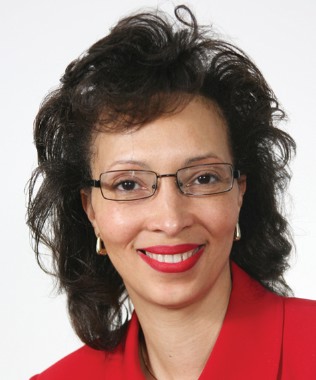
Managing acute pyelonephritis during pregnancy
Acute pyelonephritis is a serious and common medical complication of pregnancy. It is estimated to occur in up to 1%-2% of pregnancies and is a common nonobstetrical indication for antepartum hospital admissions. Its prevalence is probably even higher in obstetrical clinics serving underserved inner-city populations such as ours in Newark, N.J.
The diagnosis of acute pyelonephritis is based on clinical signs and symptoms. Patients usually feel ill and have fever, chills, flank pain (usually right-sided), dysuria, and urgency and frequency. Nausea and vomiting also may be present. Laboratory abnormalities may include pyuria and bacteriuria, with white blood cell counts often predictive of pyelonephritis. A urine culture and sensitivity will often reveal Escherichia coli, but other less commonly found causative organisms may be detected as well.

It is the prevailing view that most pregnant women with acute pyelonephritis should be hospitalized for careful monitoring, evaluated for possible sepsis, and treated with parenteral antibiotics. Recently published retrospective cohort studies, as well as our own experience, have emphasized that the risks of preterm labor and delivery in these patients can be significant, as can the risks of septic shock and other complications. Treatment, therefore, should be aggressive, with careful monitoring and charting of vital signs, including urinary output; and fetal monitoring and monitoring of uterine contractions. That way one can identify patients who are not responding to treatment or who may be developing septic shock or preterm labor.
Studies have shown that 10%-12% of all pregnant women have asymptomatic bacteriuria. Because physiologic changes associated with pregnancy encourage urinary stasis, there is an increased risk of progression to acute pyelonephritis with the potential for serious infectious complications, even in pregnant women who are otherwise healthy. By and large, however, pyelonephritis is usually a preventable problem given access to prenatal care. Screening for asymptomatic bacteriuria during the first prenatal visit is important, and repeat screening in each trimester in women who are at high risk for recurrent infection is critical for preventing symptomatic and possibly severe infection.
Our screening preference is to perform a urine culture and sensitivity test at the first prenatal visit. Other providers may utilize a urinalysis and leukocyte esterase test initially, but as this approach is not as sensitive or specific, it must be followed by a urine culture and sensitivity testing if the urinalysis results are positive. Obstetricians and others providing prenatal care should utilize whatever approach works best for their patients and environment. Most importantly, screening for asymptomatic bacteriuria must occur early in the pregnancy.
Additional urine culture and sensitivity testing are advisable for patients who are at high risk for urinary tract infections, such as those who have had frequent UTIs before pregnancy and those who have anemia, sickle cell trait, a history of renal stones, diabetes mellitus, obesity, or neurologic disorders (such as neurogenic bladder and multiple sclerosis). Considering the increase in prevalence of obesity and diabetes, these high-risk patients represent a growing proportion of the obstetric population and appear to be at increased risk of UTIs as well. Women of increasing age and increasing parity also may be at higher risk of developing UTIs during pregnancy.
Cranberry juice has been touted for years as an effective remedy for the prevention and treatment of UTIs in women, and I advise my patients who have a UTI during pregnancy, who have diabetes, or who have other risk factors, to drink a glass of unsweetened cranberry juice each day. No definitive mechanism of action has been established, but it appears that cranberry juice prevents or interferes with the adherence of bacteria (particularly E. coli) to uroepithelial cells. It is important to emphasize to patients to consume unsweetened cranberry juice and not cranberry juice cocktail because of the high sugar content in the latter.
Recent research has emphasized that pregnancies of women who develop pyelonephritis are more likely to be complicated by spontaneous preterm birth, septicemia, and other adverse outcomes. In a retrospective cohort study of more than 546,000 singleton pregnancies delivered in all Kaiser Permanente of Southern California hospitals from 1993 to 2010, women with pyelonephritis were almost 57 times more likely than those without pyelonephritis to develop septicemia and 1.3 times more likely to have spontaneous preterm birth.
In addition, pregnancies of women with pyelonephritis were 2.6 times more likely than those of the baseline obstetric population to be complicated by anemia and 16.5 times more likely to be complicated by acute renal failure (Am. J. Obstet. Gynecol. 2014;210:219.e1-6). The overall incidence of acute antepartum pyelonephritis in this cohort study was relatively low compared with the incidence in other populations – 0.5% – which is not surprising given that patients in Kaiser’s integrated health care system routinely receive prenatal screening for asymptomatic bacteriuria.
Another retrospective population-based study comparing almost 220,000 singleton pregnancies of patients with and without acute pyelonephritis concluded that the infection is an independent risk factor for preterm delivery (Eur. J. Obstet. Gynecol. Reprod. Biol 2012;162:24-7).
After admission to the hospital, patients must be carefully monitored for uterine contractions and changes in vital signs and fetal heart rate. Several years ago, in an effort to empirically and synergistically target E. coli, the most common cause of UTIs and pyelonephritis, we began administering both an extended-spectrum cephalosporin (intravenous ceftriaxone) and an antimicrobial that will target gram-negative organisms, such as an aminoglycoside (gentamicin) or aztreonam.
We established this protocol because reviews of the outcomes at our institution indicated that intravenous ceftriaxone alone had not prevented some of our patients from developing septic shock in the first 8-20 hours post admission, despite the fact that culture and sensitivity results later indicated that the organism was E. coli and sensitive to the antimicrobial.
While we have not yet done any formal data analysis since changing our protocol, the combination parenteral antimicrobial regimen prescribed on admission appears to be effective in preventing the development of septic shock. We prescribe ceftriaxone 2 g intravenously once a day and gentamicin 5 mg/kg per day. Both drugs are continued until the patient improves clinically and has been afebrile for 48 hours.
At discharge, patients are prescribed a 10- to 14-day oral antimicrobial regimen dependent upon the culture and sensitivity report. Because at least 50% of E. coli are resistant to penicillin-like antimicrobials, the initial treatment no longer involves the use of ampicillin or amoxicillin. A repeat urine culture test at the end of treatment to confirm clearance of the infection is essential.
The possibility of anatomical obstructions in the urinary system should be investigated in pregnant patients who have multiple UTIs or who are unresponsive to appropriate antibiotic therapy for pyelonephritis. In this group we have performed ultrasound of the urinary tract system and have diagnosed renal stones as the risk factor for recurrent UTI. These patients are prescribed antimicrobial prophylaxis for the duration of the pregnancy. After delivery, they are referred to a urologist for follow-up care and treatment.
Dr. Apuzzio reported that he has no disclosures relevant to this Master Class.
Dr. Apuzzio is a professor in the department of obstetrics, gynecology, and women’s health, director of prenatal diagnosis and infectious diseases, professor of radiology, and director of maternal-fetal medicine at Rutgers New Jersey Medical School, Newark.
Acute pyelonephritis is a serious and common medical complication of pregnancy. It is estimated to occur in up to 1%-2% of pregnancies and is a common nonobstetrical indication for antepartum hospital admissions. Its prevalence is probably even higher in obstetrical clinics serving underserved inner-city populations such as ours in Newark, N.J.
The diagnosis of acute pyelonephritis is based on clinical signs and symptoms. Patients usually feel ill and have fever, chills, flank pain (usually right-sided), dysuria, and urgency and frequency. Nausea and vomiting also may be present. Laboratory abnormalities may include pyuria and bacteriuria, with white blood cell counts often predictive of pyelonephritis. A urine culture and sensitivity will often reveal Escherichia coli, but other less commonly found causative organisms may be detected as well.
It is the prevailing view that most pregnant women with acute pyelonephritis should be hospitalized for careful monitoring, evaluated for possible sepsis, and treated with parenteral antibiotics. Recently published retrospective cohort studies, as well as our own experience, have emphasized that the risks of preterm labor and delivery in these patients can be significant, as can the risks of septic shock and other complications. Treatment, therefore, should be aggressive, with careful monitoring and charting of vital signs, including urinary output; and fetal monitoring and monitoring of uterine contractions. That way one can identify patients who are not responding to treatment or who may be developing septic shock or preterm labor.
Studies have shown that 10%-12% of all pregnant women have asymptomatic bacteriuria. Because physiologic changes associated with pregnancy encourage urinary stasis, there is an increased risk of progression to acute pyelonephritis with the potential for serious infectious complications, even in pregnant women who are otherwise healthy. By and large, however, pyelonephritis is usually a preventable problem given access to prenatal care. Screening for asymptomatic bacteriuria during the first prenatal visit is important, and repeat screening in each trimester in women who are at high risk for recurrent infection is critical for preventing symptomatic and possibly severe infection.
Our screening preference is to perform a urine culture and sensitivity test at the first prenatal visit. Other providers may utilize a urinalysis and leukocyte esterase test initially, but as this approach is not as sensitive or specific, it must be followed by a urine culture and sensitivity testing if the urinalysis results are positive. Obstetricians and others providing prenatal care should utilize whatever approach works best for their patients and environment. Most importantly, screening for asymptomatic bacteriuria must occur early in the pregnancy.
Additional urine culture and sensitivity testing are advisable for patients who are at high risk for urinary tract infections, such as those who have had frequent UTIs before pregnancy and those who have anemia, sickle cell trait, a history of renal stones, diabetes mellitus, obesity, or neurologic disorders (such as neurogenic bladder and multiple sclerosis). Considering the increase in prevalence of obesity and diabetes, these high-risk patients represent a growing proportion of the obstetric population and appear to be at increased risk of UTIs as well. Women of increasing age and increasing parity also may be at higher risk of developing UTIs during pregnancy.
Cranberry juice has been touted for years as an effective remedy for the prevention and treatment of UTIs in women, and I advise my patients who have a UTI during pregnancy, who have diabetes, or who have other risk factors, to drink a glass of unsweetened cranberry juice each day. No definitive mechanism of action has been established, but it appears that cranberry juice prevents or interferes with the adherence of bacteria (particularly E. coli) to uroepithelial cells. It is important to emphasize to patients to consume unsweetened cranberry juice and not cranberry juice cocktail because of the high sugar content in the latter.
Recent research has emphasized that pregnancies of women who develop pyelonephritis are more likely to be complicated by spontaneous preterm birth, septicemia, and other adverse outcomes. In a retrospective cohort study of more than 546,000 singleton pregnancies delivered in all Kaiser Permanente of Southern California hospitals from 1993 to 2010, women with pyelonephritis were almost 57 times more likely than those without pyelonephritis to develop septicemia and 1.3 times more likely to have spontaneous preterm birth.
In addition, pregnancies of women with pyelonephritis were 2.6 times more likely than those of the baseline obstetric population to be complicated by anemia and 16.5 times more likely to be complicated by acute renal failure (Am. J. Obstet. Gynecol. 2014;210:219.e1-6). The overall incidence of acute antepartum pyelonephritis in this cohort study was relatively low compared with the incidence in other populations – 0.5% – which is not surprising given that patients in Kaiser’s integrated health care system routinely receive prenatal screening for asymptomatic bacteriuria.
Another retrospective population-based study comparing almost 220,000 singleton pregnancies of patients with and without acute pyelonephritis concluded that the infection is an independent risk factor for preterm delivery (Eur. J. Obstet. Gynecol. Reprod. Biol 2012;162:24-7).
After admission to the hospital, patients must be carefully monitored for uterine contractions and changes in vital signs and fetal heart rate. Several years ago, in an effort to empirically and synergistically target E. coli, the most common cause of UTIs and pyelonephritis, we began administering both an extended-spectrum cephalosporin (intravenous ceftriaxone) and an antimicrobial that will target gram-negative organisms, such as an aminoglycoside (gentamicin) or aztreonam.
We established this protocol because reviews of the outcomes at our institution indicated that intravenous ceftriaxone alone had not prevented some of our patients from developing septic shock in the first 8-20 hours post admission, despite the fact that culture and sensitivity results later indicated that the organism was E. coli and sensitive to the antimicrobial.
While we have not yet done any formal data analysis since changing our protocol, the combination parenteral antimicrobial regimen prescribed on admission appears to be effective in preventing the development of septic shock. We prescribe ceftriaxone 2 g intravenously once a day and gentamicin 5 mg/kg per day. Both drugs are continued until the patient improves clinically and has been afebrile for 48 hours.
At discharge, patients are prescribed a 10- to 14-day oral antimicrobial regimen dependent upon the culture and sensitivity report. Because at least 50% of E. coli are resistant to penicillin-like antimicrobials, the initial treatment no longer involves the use of ampicillin or amoxicillin. A repeat urine culture test at the end of treatment to confirm clearance of the infection is essential.
The possibility of anatomical obstructions in the urinary system should be investigated in pregnant patients who have multiple UTIs or who are unresponsive to appropriate antibiotic therapy for pyelonephritis. In this group we have performed ultrasound of the urinary tract system and have diagnosed renal stones as the risk factor for recurrent UTI. These patients are prescribed antimicrobial prophylaxis for the duration of the pregnancy. After delivery, they are referred to a urologist for follow-up care and treatment.
Dr. Apuzzio reported that he has no disclosures relevant to this Master Class.
Dr. Apuzzio is a professor in the department of obstetrics, gynecology, and women’s health, director of prenatal diagnosis and infectious diseases, professor of radiology, and director of maternal-fetal medicine at Rutgers New Jersey Medical School, Newark.
Acute pyelonephritis is a serious and common medical complication of pregnancy. It is estimated to occur in up to 1%-2% of pregnancies and is a common nonobstetrical indication for antepartum hospital admissions. Its prevalence is probably even higher in obstetrical clinics serving underserved inner-city populations such as ours in Newark, N.J.
The diagnosis of acute pyelonephritis is based on clinical signs and symptoms. Patients usually feel ill and have fever, chills, flank pain (usually right-sided), dysuria, and urgency and frequency. Nausea and vomiting also may be present. Laboratory abnormalities may include pyuria and bacteriuria, with white blood cell counts often predictive of pyelonephritis. A urine culture and sensitivity will often reveal Escherichia coli, but other less commonly found causative organisms may be detected as well.
It is the prevailing view that most pregnant women with acute pyelonephritis should be hospitalized for careful monitoring, evaluated for possible sepsis, and treated with parenteral antibiotics. Recently published retrospective cohort studies, as well as our own experience, have emphasized that the risks of preterm labor and delivery in these patients can be significant, as can the risks of septic shock and other complications. Treatment, therefore, should be aggressive, with careful monitoring and charting of vital signs, including urinary output; and fetal monitoring and monitoring of uterine contractions. That way one can identify patients who are not responding to treatment or who may be developing septic shock or preterm labor.
Studies have shown that 10%-12% of all pregnant women have asymptomatic bacteriuria. Because physiologic changes associated with pregnancy encourage urinary stasis, there is an increased risk of progression to acute pyelonephritis with the potential for serious infectious complications, even in pregnant women who are otherwise healthy. By and large, however, pyelonephritis is usually a preventable problem given access to prenatal care. Screening for asymptomatic bacteriuria during the first prenatal visit is important, and repeat screening in each trimester in women who are at high risk for recurrent infection is critical for preventing symptomatic and possibly severe infection.
Our screening preference is to perform a urine culture and sensitivity test at the first prenatal visit. Other providers may utilize a urinalysis and leukocyte esterase test initially, but as this approach is not as sensitive or specific, it must be followed by a urine culture and sensitivity testing if the urinalysis results are positive. Obstetricians and others providing prenatal care should utilize whatever approach works best for their patients and environment. Most importantly, screening for asymptomatic bacteriuria must occur early in the pregnancy.
Additional urine culture and sensitivity testing are advisable for patients who are at high risk for urinary tract infections, such as those who have had frequent UTIs before pregnancy and those who have anemia, sickle cell trait, a history of renal stones, diabetes mellitus, obesity, or neurologic disorders (such as neurogenic bladder and multiple sclerosis). Considering the increase in prevalence of obesity and diabetes, these high-risk patients represent a growing proportion of the obstetric population and appear to be at increased risk of UTIs as well. Women of increasing age and increasing parity also may be at higher risk of developing UTIs during pregnancy.
Cranberry juice has been touted for years as an effective remedy for the prevention and treatment of UTIs in women, and I advise my patients who have a UTI during pregnancy, who have diabetes, or who have other risk factors, to drink a glass of unsweetened cranberry juice each day. No definitive mechanism of action has been established, but it appears that cranberry juice prevents or interferes with the adherence of bacteria (particularly E. coli) to uroepithelial cells. It is important to emphasize to patients to consume unsweetened cranberry juice and not cranberry juice cocktail because of the high sugar content in the latter.
Recent research has emphasized that pregnancies of women who develop pyelonephritis are more likely to be complicated by spontaneous preterm birth, septicemia, and other adverse outcomes. In a retrospective cohort study of more than 546,000 singleton pregnancies delivered in all Kaiser Permanente of Southern California hospitals from 1993 to 2010, women with pyelonephritis were almost 57 times more likely than those without pyelonephritis to develop septicemia and 1.3 times more likely to have spontaneous preterm birth.
In addition, pregnancies of women with pyelonephritis were 2.6 times more likely than those of the baseline obstetric population to be complicated by anemia and 16.5 times more likely to be complicated by acute renal failure (Am. J. Obstet. Gynecol. 2014;210:219.e1-6). The overall incidence of acute antepartum pyelonephritis in this cohort study was relatively low compared with the incidence in other populations – 0.5% – which is not surprising given that patients in Kaiser’s integrated health care system routinely receive prenatal screening for asymptomatic bacteriuria.
Another retrospective population-based study comparing almost 220,000 singleton pregnancies of patients with and without acute pyelonephritis concluded that the infection is an independent risk factor for preterm delivery (Eur. J. Obstet. Gynecol. Reprod. Biol 2012;162:24-7).
After admission to the hospital, patients must be carefully monitored for uterine contractions and changes in vital signs and fetal heart rate. Several years ago, in an effort to empirically and synergistically target E. coli, the most common cause of UTIs and pyelonephritis, we began administering both an extended-spectrum cephalosporin (intravenous ceftriaxone) and an antimicrobial that will target gram-negative organisms, such as an aminoglycoside (gentamicin) or aztreonam.
We established this protocol because reviews of the outcomes at our institution indicated that intravenous ceftriaxone alone had not prevented some of our patients from developing septic shock in the first 8-20 hours post admission, despite the fact that culture and sensitivity results later indicated that the organism was E. coli and sensitive to the antimicrobial.
While we have not yet done any formal data analysis since changing our protocol, the combination parenteral antimicrobial regimen prescribed on admission appears to be effective in preventing the development of septic shock. We prescribe ceftriaxone 2 g intravenously once a day and gentamicin 5 mg/kg per day. Both drugs are continued until the patient improves clinically and has been afebrile for 48 hours.
At discharge, patients are prescribed a 10- to 14-day oral antimicrobial regimen dependent upon the culture and sensitivity report. Because at least 50% of E. coli are resistant to penicillin-like antimicrobials, the initial treatment no longer involves the use of ampicillin or amoxicillin. A repeat urine culture test at the end of treatment to confirm clearance of the infection is essential.
The possibility of anatomical obstructions in the urinary system should be investigated in pregnant patients who have multiple UTIs or who are unresponsive to appropriate antibiotic therapy for pyelonephritis. In this group we have performed ultrasound of the urinary tract system and have diagnosed renal stones as the risk factor for recurrent UTI. These patients are prescribed antimicrobial prophylaxis for the duration of the pregnancy. After delivery, they are referred to a urologist for follow-up care and treatment.
Dr. Apuzzio reported that he has no disclosures relevant to this Master Class.
Dr. Apuzzio is a professor in the department of obstetrics, gynecology, and women’s health, director of prenatal diagnosis and infectious diseases, professor of radiology, and director of maternal-fetal medicine at Rutgers New Jersey Medical School, Newark.

Liability and casualty insurance claims
The current discussion of the transition to ICD-10 and other health insurance reforms has overshadowed the broader issue of dealing with other types of insurance claims. We buy casualty and liability insurance hoping we will never need it; but when we do, it’s important to get it right, and your extensive experience in coping with health insurance claims can be put to good use in such situations.
Prompt filing is just as important with a casualty or liability claim as it is with a health claim. All insurance policies have a filing deadline, which varies with different policies and states. But just because you file promptly does not mean you have to settle on a payment right away.
Most insurers want a quick resolution as much as you do, but if you allow yourself to be rushed, you could end up with a smaller settlement than you deserve.
If you’re a regular reader of this column, you’re familiar with my first rule of dealing with health insurers: Everything is negotiable. And it’s no different with casualty insurers. Regardless of what adjusters tell you, the initial amount offered is never engraved in stone.
Adjusters are evaluated on the basis of how much money they "save" on claims; so their initial number will usually be low – often too low.
Just as with health insurance claims, there are multiple "gray areas" in casualty policies that can be negotiated. In the case of a burglary or storm or fire damage in your office, for example, reasonable expenses will vary considerably for repair of damaged medical equipment and replacement of equipment that was destroyed, or for rental of alternate office space while a damaged office is being repaired.
Other negotiable costs are moving expenses, storage of damaged and undamaged equipment, and depreciation on specific items. And as we all know from our health insurance experience, injuries are particularly fertile areas for negotiation.
Another adjuster’s trick, which you may have already encountered with a damaged car, is to steer you to certain repair shops and contractors that give the insurer prenegotiated prices for their work, but may offer inferior parts and service. Most policies do not require that you accept the insurer’s choice of contractors. Insist on having work done by people you know and trust. Almost always, you are entitled to the same kind and quality of materials you had before the disaster.
Do your own research on the value of lost and damaged items; the more documentation you have, the less likely an adjuster is to question your claim. Just as with health insurance coding, preparation pays off.
Document your losses very specifically. Adjusters often attempt to group material losses nonselectively, just as health insurers sometimes attempt to "bundle" your services. For example, if a certain cabinet contained medical supplies, try to be very specific about the supplies it contained. That way, you can assign value to individual items, rather than allowing the insurance company to estimate a lump sum.
After the trauma of a burglary, fire, or flood, you may overlook some damage. As many victims of hurricanes and other natural disasters have learned, damage that is not immediately apparent can add up to a significant amount of money later. Another thing your insurer may not tell you is even after you arrive at a settlement, you can still file another claim if you discover additional losses.
It is usually not wise to rely solely on your insurance agent in such situations, because an agent’s loyalty resides primarily with the insurance company, not the claimant. Retaining a lawyer is often a good idea, if only to review paperwork and help you value your losses. It will cost comparatively little, and is usually money well spent. In addition, you will probably need a lawyer for representation if you have a large or complicated case, and certainly if you suspect that the insurance company is not dealing with you fairly.
A less expensive alternative to a lawyer may be a public insurance adjuster. Public adjusters are professionals who work for policyholders, not insurers. They inspect the loss site, analyze the damages, assemble claim support data, review your coverage, determine replacement costs, and strive to maximize your settlement in the same way the insurer’s adjuster will try to minimize it. You can find more information and a list of public adjusters in your area on the website of the National Association of Public Insurance Adjusters.
Dr. Eastern practices dermatology and dermatologic surgery in Belleville, N.J. He holds teaching positions at several hospitals and has delivered more than 500 academic speaking presentations. He is the author of numerous articles and textbook chapters, and is a long-time monthly columnist for Skin & Allergy News.
The current discussion of the transition to ICD-10 and other health insurance reforms has overshadowed the broader issue of dealing with other types of insurance claims. We buy casualty and liability insurance hoping we will never need it; but when we do, it’s important to get it right, and your extensive experience in coping with health insurance claims can be put to good use in such situations.
Prompt filing is just as important with a casualty or liability claim as it is with a health claim. All insurance policies have a filing deadline, which varies with different policies and states. But just because you file promptly does not mean you have to settle on a payment right away.
Most insurers want a quick resolution as much as you do, but if you allow yourself to be rushed, you could end up with a smaller settlement than you deserve.
If you’re a regular reader of this column, you’re familiar with my first rule of dealing with health insurers: Everything is negotiable. And it’s no different with casualty insurers. Regardless of what adjusters tell you, the initial amount offered is never engraved in stone.
Adjusters are evaluated on the basis of how much money they "save" on claims; so their initial number will usually be low – often too low.
Just as with health insurance claims, there are multiple "gray areas" in casualty policies that can be negotiated. In the case of a burglary or storm or fire damage in your office, for example, reasonable expenses will vary considerably for repair of damaged medical equipment and replacement of equipment that was destroyed, or for rental of alternate office space while a damaged office is being repaired.
Other negotiable costs are moving expenses, storage of damaged and undamaged equipment, and depreciation on specific items. And as we all know from our health insurance experience, injuries are particularly fertile areas for negotiation.
Another adjuster’s trick, which you may have already encountered with a damaged car, is to steer you to certain repair shops and contractors that give the insurer prenegotiated prices for their work, but may offer inferior parts and service. Most policies do not require that you accept the insurer’s choice of contractors. Insist on having work done by people you know and trust. Almost always, you are entitled to the same kind and quality of materials you had before the disaster.
Do your own research on the value of lost and damaged items; the more documentation you have, the less likely an adjuster is to question your claim. Just as with health insurance coding, preparation pays off.
Document your losses very specifically. Adjusters often attempt to group material losses nonselectively, just as health insurers sometimes attempt to "bundle" your services. For example, if a certain cabinet contained medical supplies, try to be very specific about the supplies it contained. That way, you can assign value to individual items, rather than allowing the insurance company to estimate a lump sum.
After the trauma of a burglary, fire, or flood, you may overlook some damage. As many victims of hurricanes and other natural disasters have learned, damage that is not immediately apparent can add up to a significant amount of money later. Another thing your insurer may not tell you is even after you arrive at a settlement, you can still file another claim if you discover additional losses.
It is usually not wise to rely solely on your insurance agent in such situations, because an agent’s loyalty resides primarily with the insurance company, not the claimant. Retaining a lawyer is often a good idea, if only to review paperwork and help you value your losses. It will cost comparatively little, and is usually money well spent. In addition, you will probably need a lawyer for representation if you have a large or complicated case, and certainly if you suspect that the insurance company is not dealing with you fairly.
A less expensive alternative to a lawyer may be a public insurance adjuster. Public adjusters are professionals who work for policyholders, not insurers. They inspect the loss site, analyze the damages, assemble claim support data, review your coverage, determine replacement costs, and strive to maximize your settlement in the same way the insurer’s adjuster will try to minimize it. You can find more information and a list of public adjusters in your area on the website of the National Association of Public Insurance Adjusters.
Dr. Eastern practices dermatology and dermatologic surgery in Belleville, N.J. He holds teaching positions at several hospitals and has delivered more than 500 academic speaking presentations. He is the author of numerous articles and textbook chapters, and is a long-time monthly columnist for Skin & Allergy News.
The current discussion of the transition to ICD-10 and other health insurance reforms has overshadowed the broader issue of dealing with other types of insurance claims. We buy casualty and liability insurance hoping we will never need it; but when we do, it’s important to get it right, and your extensive experience in coping with health insurance claims can be put to good use in such situations.
Prompt filing is just as important with a casualty or liability claim as it is with a health claim. All insurance policies have a filing deadline, which varies with different policies and states. But just because you file promptly does not mean you have to settle on a payment right away.
Most insurers want a quick resolution as much as you do, but if you allow yourself to be rushed, you could end up with a smaller settlement than you deserve.
If you’re a regular reader of this column, you’re familiar with my first rule of dealing with health insurers: Everything is negotiable. And it’s no different with casualty insurers. Regardless of what adjusters tell you, the initial amount offered is never engraved in stone.
Adjusters are evaluated on the basis of how much money they "save" on claims; so their initial number will usually be low – often too low.
Just as with health insurance claims, there are multiple "gray areas" in casualty policies that can be negotiated. In the case of a burglary or storm or fire damage in your office, for example, reasonable expenses will vary considerably for repair of damaged medical equipment and replacement of equipment that was destroyed, or for rental of alternate office space while a damaged office is being repaired.
Other negotiable costs are moving expenses, storage of damaged and undamaged equipment, and depreciation on specific items. And as we all know from our health insurance experience, injuries are particularly fertile areas for negotiation.
Another adjuster’s trick, which you may have already encountered with a damaged car, is to steer you to certain repair shops and contractors that give the insurer prenegotiated prices for their work, but may offer inferior parts and service. Most policies do not require that you accept the insurer’s choice of contractors. Insist on having work done by people you know and trust. Almost always, you are entitled to the same kind and quality of materials you had before the disaster.
Do your own research on the value of lost and damaged items; the more documentation you have, the less likely an adjuster is to question your claim. Just as with health insurance coding, preparation pays off.
Document your losses very specifically. Adjusters often attempt to group material losses nonselectively, just as health insurers sometimes attempt to "bundle" your services. For example, if a certain cabinet contained medical supplies, try to be very specific about the supplies it contained. That way, you can assign value to individual items, rather than allowing the insurance company to estimate a lump sum.
After the trauma of a burglary, fire, or flood, you may overlook some damage. As many victims of hurricanes and other natural disasters have learned, damage that is not immediately apparent can add up to a significant amount of money later. Another thing your insurer may not tell you is even after you arrive at a settlement, you can still file another claim if you discover additional losses.
It is usually not wise to rely solely on your insurance agent in such situations, because an agent’s loyalty resides primarily with the insurance company, not the claimant. Retaining a lawyer is often a good idea, if only to review paperwork and help you value your losses. It will cost comparatively little, and is usually money well spent. In addition, you will probably need a lawyer for representation if you have a large or complicated case, and certainly if you suspect that the insurance company is not dealing with you fairly.
A less expensive alternative to a lawyer may be a public insurance adjuster. Public adjusters are professionals who work for policyholders, not insurers. They inspect the loss site, analyze the damages, assemble claim support data, review your coverage, determine replacement costs, and strive to maximize your settlement in the same way the insurer’s adjuster will try to minimize it. You can find more information and a list of public adjusters in your area on the website of the National Association of Public Insurance Adjusters.
Dr. Eastern practices dermatology and dermatologic surgery in Belleville, N.J. He holds teaching positions at several hospitals and has delivered more than 500 academic speaking presentations. He is the author of numerous articles and textbook chapters, and is a long-time monthly columnist for Skin & Allergy News.