User login
COVID-19 vaccines and cancer patients: 4 things to know
Earlier this week, Medscape spoke with Nora Disis, MD, about vaccinating cancer patients. Disis is a medical oncologist and director of both the Institute of Translational Health Sciences and the Cancer Vaccine Institute, the University of Washington, Seattle, Washington. As editor-in-chief of JAMA Oncology, she has watched COVID-19 developments in the oncology community over the past year.
Here are a few themes that Disis said oncologists should be aware of as vaccines eventually begin reaching cancer patients.
We should expect cancer patients to respond to vaccines. Historically, some believed that cancer patients would be unable to mount an immune response to vaccines. Data on other viral vaccines have shown otherwise. For example, there has been a long history of studies of flu vaccination in cancer patients, and in general, those vaccines confer protection. Likewise for pneumococcal vaccine, which, generally speaking, cancer patients should receive.
Special cases may include hematologic malignancies in which the immune system has been destroyed and profound immunosuppression occurs. Data on immunization during this immunosuppressed period are scarce, but what data are available suggest that once cancer patients are through this immunosuppressed period, they can be vaccinated successfully.
The type of vaccine will probably be important for cancer patients. Currently, there are 61 coronavirus vaccines in human clinical trials, and 17 have reached the final stages of testing. At least 85 preclinical vaccines are under active investigation in animals.
Both the Pfizer-BioNTech and Moderna COVID vaccines are mRNA type. There are many other types, including protein-based vaccines, viral vector vaccines based on adenoviruses, and inactivated or attenuated coronavirus vaccines.
The latter vaccines, particularly attenuated live virus vaccines, may not be a good choice for cancer patients. Especially in those with rapidly progressing disease or on chemotherapy, attenuated live viruses may cause a low-grade infection.
Incidentally, the technology used in the genetic, or mRNA, vaccines developed by both Pfizer-BioNTech and Moderna was initially developed for fighting cancer, and studies have shown that patients can generate immune responses to cancer-associated proteins with this type of vaccine.
These genetic vaccines could turn out to be the most effective for cancer patients, especially those with solid tumors.
Our understanding is very limited right now. Neither the Pfizer-BioNTech nor the Moderna early data discuss cancer patients. Two of the most important questions for cancer patients are dosing and booster scheduling. Potential defects in lymphocyte function among cancer patients may require unique initial dosing and booster schedules. In terms of timing, it is unclear how active therapy might affect a patient’s immune response to vaccination and whether vaccines should be timed with therapy cycles.
Vaccine access may depend on whether cancer patients are viewed as a vulnerable population. Those at higher risk for severe COVID-19 clearly have a greater need for vaccination. While there are data suggesting that cancer patients are at higher risk, they are a bit murky, in part because cancer patients are a heterogeneous group. For example, there are data suggesting that lung and blood cancer patients fare worse. There is also a suggestion that, like in the general population, COVID risk in cancer patients remains driven by comorbidities.
It is likely, then, that personalized risk factors such as type of cancer therapy, site of disease, and comorbidities will shape individual choices about vaccination among cancer patients.
A version of this article first appeared on Medscape.com.
Earlier this week, Medscape spoke with Nora Disis, MD, about vaccinating cancer patients. Disis is a medical oncologist and director of both the Institute of Translational Health Sciences and the Cancer Vaccine Institute, the University of Washington, Seattle, Washington. As editor-in-chief of JAMA Oncology, she has watched COVID-19 developments in the oncology community over the past year.
Here are a few themes that Disis said oncologists should be aware of as vaccines eventually begin reaching cancer patients.
We should expect cancer patients to respond to vaccines. Historically, some believed that cancer patients would be unable to mount an immune response to vaccines. Data on other viral vaccines have shown otherwise. For example, there has been a long history of studies of flu vaccination in cancer patients, and in general, those vaccines confer protection. Likewise for pneumococcal vaccine, which, generally speaking, cancer patients should receive.
Special cases may include hematologic malignancies in which the immune system has been destroyed and profound immunosuppression occurs. Data on immunization during this immunosuppressed period are scarce, but what data are available suggest that once cancer patients are through this immunosuppressed period, they can be vaccinated successfully.
The type of vaccine will probably be important for cancer patients. Currently, there are 61 coronavirus vaccines in human clinical trials, and 17 have reached the final stages of testing. At least 85 preclinical vaccines are under active investigation in animals.
Both the Pfizer-BioNTech and Moderna COVID vaccines are mRNA type. There are many other types, including protein-based vaccines, viral vector vaccines based on adenoviruses, and inactivated or attenuated coronavirus vaccines.
The latter vaccines, particularly attenuated live virus vaccines, may not be a good choice for cancer patients. Especially in those with rapidly progressing disease or on chemotherapy, attenuated live viruses may cause a low-grade infection.
Incidentally, the technology used in the genetic, or mRNA, vaccines developed by both Pfizer-BioNTech and Moderna was initially developed for fighting cancer, and studies have shown that patients can generate immune responses to cancer-associated proteins with this type of vaccine.
These genetic vaccines could turn out to be the most effective for cancer patients, especially those with solid tumors.
Our understanding is very limited right now. Neither the Pfizer-BioNTech nor the Moderna early data discuss cancer patients. Two of the most important questions for cancer patients are dosing and booster scheduling. Potential defects in lymphocyte function among cancer patients may require unique initial dosing and booster schedules. In terms of timing, it is unclear how active therapy might affect a patient’s immune response to vaccination and whether vaccines should be timed with therapy cycles.
Vaccine access may depend on whether cancer patients are viewed as a vulnerable population. Those at higher risk for severe COVID-19 clearly have a greater need for vaccination. While there are data suggesting that cancer patients are at higher risk, they are a bit murky, in part because cancer patients are a heterogeneous group. For example, there are data suggesting that lung and blood cancer patients fare worse. There is also a suggestion that, like in the general population, COVID risk in cancer patients remains driven by comorbidities.
It is likely, then, that personalized risk factors such as type of cancer therapy, site of disease, and comorbidities will shape individual choices about vaccination among cancer patients.
A version of this article first appeared on Medscape.com.
Earlier this week, Medscape spoke with Nora Disis, MD, about vaccinating cancer patients. Disis is a medical oncologist and director of both the Institute of Translational Health Sciences and the Cancer Vaccine Institute, the University of Washington, Seattle, Washington. As editor-in-chief of JAMA Oncology, she has watched COVID-19 developments in the oncology community over the past year.
Here are a few themes that Disis said oncologists should be aware of as vaccines eventually begin reaching cancer patients.
We should expect cancer patients to respond to vaccines. Historically, some believed that cancer patients would be unable to mount an immune response to vaccines. Data on other viral vaccines have shown otherwise. For example, there has been a long history of studies of flu vaccination in cancer patients, and in general, those vaccines confer protection. Likewise for pneumococcal vaccine, which, generally speaking, cancer patients should receive.
Special cases may include hematologic malignancies in which the immune system has been destroyed and profound immunosuppression occurs. Data on immunization during this immunosuppressed period are scarce, but what data are available suggest that once cancer patients are through this immunosuppressed period, they can be vaccinated successfully.
The type of vaccine will probably be important for cancer patients. Currently, there are 61 coronavirus vaccines in human clinical trials, and 17 have reached the final stages of testing. At least 85 preclinical vaccines are under active investigation in animals.
Both the Pfizer-BioNTech and Moderna COVID vaccines are mRNA type. There are many other types, including protein-based vaccines, viral vector vaccines based on adenoviruses, and inactivated or attenuated coronavirus vaccines.
The latter vaccines, particularly attenuated live virus vaccines, may not be a good choice for cancer patients. Especially in those with rapidly progressing disease or on chemotherapy, attenuated live viruses may cause a low-grade infection.
Incidentally, the technology used in the genetic, or mRNA, vaccines developed by both Pfizer-BioNTech and Moderna was initially developed for fighting cancer, and studies have shown that patients can generate immune responses to cancer-associated proteins with this type of vaccine.
These genetic vaccines could turn out to be the most effective for cancer patients, especially those with solid tumors.
Our understanding is very limited right now. Neither the Pfizer-BioNTech nor the Moderna early data discuss cancer patients. Two of the most important questions for cancer patients are dosing and booster scheduling. Potential defects in lymphocyte function among cancer patients may require unique initial dosing and booster schedules. In terms of timing, it is unclear how active therapy might affect a patient’s immune response to vaccination and whether vaccines should be timed with therapy cycles.
Vaccine access may depend on whether cancer patients are viewed as a vulnerable population. Those at higher risk for severe COVID-19 clearly have a greater need for vaccination. While there are data suggesting that cancer patients are at higher risk, they are a bit murky, in part because cancer patients are a heterogeneous group. For example, there are data suggesting that lung and blood cancer patients fare worse. There is also a suggestion that, like in the general population, COVID risk in cancer patients remains driven by comorbidities.
It is likely, then, that personalized risk factors such as type of cancer therapy, site of disease, and comorbidities will shape individual choices about vaccination among cancer patients.
A version of this article first appeared on Medscape.com.
Gut microbiome influences response to methotrexate in new-onset RA patients
The pretreatment gut microbiome can determine response to methotrexate therapy in patients with newly diagnosed rheumatoid arthritis, according to recent research published in Arthritis & Rheumatology.
About half of patients do not respond to methotrexate (MTX), despite it being a first-line therapy for RA, according to Alejandro Artacho of the Centro Superior de Investigación en Salud Pública in Valencia, Spain, and colleagues. In addition, there is currently no way to predict which patients will respond to MTX.

The role of the microbiome in drug response for patients with RA “has been known since it was discovered in 1972 that sulfasalazine requires gut bacteria for its activity,” Veena Taneja, PhD, a researcher and associate professor of immunology at the Mayo Clinic in Rochester, Minn., said in an interview. The microbiome and how it functions “needs to be explored as biomarkers as well as for treatment options for RA and other diseases,” added Dr. Taneja, who was not involved with the study.
Using 16S rRNA gene and shotgun metagenomic sequencing, the researchers evaluated whether the gut microbiome of a patient newly diagnosed with RA (NORA) influenced their response to MTX. The researchers extracted DNA from fecal samples in 26 patients from New York University Langone Medical Center, Lutheran Hospital, Staten Island, and Mount Sinai School of Medicine rheumatology clinics 48 hours prior to treatment with MTX and determined the bacterial taxa, operational taxonomic units (OTUs), and ribosomal sequence variants in each sample. These patients then received oral MTX with an average dose of 20 mg per week (range, 15-25 mg). The patients were grouped based on whether they responded (39%) or did not respond (61%) to MTX based on improvement of at least 1.8 in their Disease Activity Score in 28 joints (DAS28) after 4 months and no need to add a biologic.
Patients with a statistically significantly lower level of microbial diversity (P < .05) as measured by OTU level tended to respond better to MTX therapy. In patients who did not respond to MTX, there was a significantly higher abundance of Firmicutes, a significantly lower abundance of Bacteroidetes (P < .05), and a higher ratio of Firmicutes to Bacteroidetes.
There was also a consistent difference between abundance of gut microbial genes in patients who did not respond to MTX. “Taken together, these results indicate that the gut microbiome of NORA patients that respond favorably to MTX is distinct from that of MTX-NR, prompting us to hypothesize that the pretreatment microbiome could be used to predict clinical nonresponse,” the researchers said.
Using machine learning, Mr. Artacho and colleagues developed a predictive model based on the initial training cohort of 26 patients to assess MTX response. When the researchers tested the model in a validation cohort of 21 patients, they found it correctly predicted 78% of MTX responders and 83.3% of patients who did not respond to MTX, with the percentage of correct predictions increasing “when considering only those patients with the highest probability score of belonging to either group.”
In a separate set of 20 patients with RA who were prescribed either different conventional synthetic disease-modifying antirheumatic drugs or biologics or had not started any medications, the researchers’ model could not predict clinical response, “suggesting that the potential clinical utility of the model is restricted to RA patients that are both drug naive and exposed directly to MTX, but not to other drugs.”
“Our results open the possibility to rationally design microbiome-modulating strategies to improve oral absorption of MTX and its downstream immune effects, inform clinical decision-making or both,” they said.
Clinical application
Dr. Taneja said the findings of the study are novel and intriguing. “The observations suggest a strong influence of [the] host’s microbiome in response to MTX and in future may inform best treatment options for patients. The study speculates that certain microbial clades or microbes can be used to derive a favorable response in patients. This could explain why “one drug fits all” does not apply in treatment for RA,” she said.
The study is also a “step forward” in using the microbiome in regular clinical practice, she noted. “Since MTX is used as a first line of treatment and is one of the most affordable treatments for RA, the observations are definitely exciting.”

In an interview, Martin Kriegel, MD, PhD, of the department of immunobiology at Yale University, New Haven, Conn., and chair of rheumatology and clinical immunology at the University of Münster (Germany), explained that the prediction model has the potential to one day be a tool for clinicians to predict MTX response in patients with RA. However, he noted the researchers did not test a functional link between MTX and gut microbes in vivo.
“It would be useful to test mechanistic effects of MTX on gut microbial communities in vitro and in vivo,” he said. “In addition, it would be informative to apply the prediction model in other cohorts of RA with a different geographic background, possibly also a different duration of disease. If confirmed in a more heterogeneous group of patients, the tool could potentially be used in the clinic to tell some patients that they might not respond to MTX and therefore start therapy with another agent.”
This study was funded by the National Institutes of Health, the Rheumatology Research Foundation, the Searle Scholars Program, various funds from the Spanish government, the UCSF Breakthrough Program for Rheumatoid Arthritis-related Research, and the Arthritis Foundation Center for Excellence. Four authors report consultancies and memberships on scientific advisory boards with pharmaceutical and biotechnology companies that do not overlap with the current study.
Dr. Taneja reported that her institution holds a patent for developing Prevotella histicola as an anti-inflammatory treatment, of which she is a coinventor. Evelo Biosciences is a licensee for the patent, and Dr. Taneja reported receiving research support from the company. Dr. Kriegel reported receiving salary, consulting fees, honoraria, or research funds from AbbVie, Bristol-Myers Squibb, Cell Applications, Eligo Bioscience, and Roche. He also holds a patent on the use of antibiotics and commensal vaccination to treat autoimmunity.
SOURCE: Artacho A et al. Arthritis Rheumatol. 2020 Dec 13. doi: 10.1002/art.41622.
The pretreatment gut microbiome can determine response to methotrexate therapy in patients with newly diagnosed rheumatoid arthritis, according to recent research published in Arthritis & Rheumatology.
About half of patients do not respond to methotrexate (MTX), despite it being a first-line therapy for RA, according to Alejandro Artacho of the Centro Superior de Investigación en Salud Pública in Valencia, Spain, and colleagues. In addition, there is currently no way to predict which patients will respond to MTX.
The role of the microbiome in drug response for patients with RA “has been known since it was discovered in 1972 that sulfasalazine requires gut bacteria for its activity,” Veena Taneja, PhD, a researcher and associate professor of immunology at the Mayo Clinic in Rochester, Minn., said in an interview. The microbiome and how it functions “needs to be explored as biomarkers as well as for treatment options for RA and other diseases,” added Dr. Taneja, who was not involved with the study.
Using 16S rRNA gene and shotgun metagenomic sequencing, the researchers evaluated whether the gut microbiome of a patient newly diagnosed with RA (NORA) influenced their response to MTX. The researchers extracted DNA from fecal samples in 26 patients from New York University Langone Medical Center, Lutheran Hospital, Staten Island, and Mount Sinai School of Medicine rheumatology clinics 48 hours prior to treatment with MTX and determined the bacterial taxa, operational taxonomic units (OTUs), and ribosomal sequence variants in each sample. These patients then received oral MTX with an average dose of 20 mg per week (range, 15-25 mg). The patients were grouped based on whether they responded (39%) or did not respond (61%) to MTX based on improvement of at least 1.8 in their Disease Activity Score in 28 joints (DAS28) after 4 months and no need to add a biologic.
Patients with a statistically significantly lower level of microbial diversity (P < .05) as measured by OTU level tended to respond better to MTX therapy. In patients who did not respond to MTX, there was a significantly higher abundance of Firmicutes, a significantly lower abundance of Bacteroidetes (P < .05), and a higher ratio of Firmicutes to Bacteroidetes.
There was also a consistent difference between abundance of gut microbial genes in patients who did not respond to MTX. “Taken together, these results indicate that the gut microbiome of NORA patients that respond favorably to MTX is distinct from that of MTX-NR, prompting us to hypothesize that the pretreatment microbiome could be used to predict clinical nonresponse,” the researchers said.
Using machine learning, Mr. Artacho and colleagues developed a predictive model based on the initial training cohort of 26 patients to assess MTX response. When the researchers tested the model in a validation cohort of 21 patients, they found it correctly predicted 78% of MTX responders and 83.3% of patients who did not respond to MTX, with the percentage of correct predictions increasing “when considering only those patients with the highest probability score of belonging to either group.”
In a separate set of 20 patients with RA who were prescribed either different conventional synthetic disease-modifying antirheumatic drugs or biologics or had not started any medications, the researchers’ model could not predict clinical response, “suggesting that the potential clinical utility of the model is restricted to RA patients that are both drug naive and exposed directly to MTX, but not to other drugs.”
“Our results open the possibility to rationally design microbiome-modulating strategies to improve oral absorption of MTX and its downstream immune effects, inform clinical decision-making or both,” they said.
Clinical application
Dr. Taneja said the findings of the study are novel and intriguing. “The observations suggest a strong influence of [the] host’s microbiome in response to MTX and in future may inform best treatment options for patients. The study speculates that certain microbial clades or microbes can be used to derive a favorable response in patients. This could explain why “one drug fits all” does not apply in treatment for RA,” she said.
The study is also a “step forward” in using the microbiome in regular clinical practice, she noted. “Since MTX is used as a first line of treatment and is one of the most affordable treatments for RA, the observations are definitely exciting.”
In an interview, Martin Kriegel, MD, PhD, of the department of immunobiology at Yale University, New Haven, Conn., and chair of rheumatology and clinical immunology at the University of Münster (Germany), explained that the prediction model has the potential to one day be a tool for clinicians to predict MTX response in patients with RA. However, he noted the researchers did not test a functional link between MTX and gut microbes in vivo.
“It would be useful to test mechanistic effects of MTX on gut microbial communities in vitro and in vivo,” he said. “In addition, it would be informative to apply the prediction model in other cohorts of RA with a different geographic background, possibly also a different duration of disease. If confirmed in a more heterogeneous group of patients, the tool could potentially be used in the clinic to tell some patients that they might not respond to MTX and therefore start therapy with another agent.”
This study was funded by the National Institutes of Health, the Rheumatology Research Foundation, the Searle Scholars Program, various funds from the Spanish government, the UCSF Breakthrough Program for Rheumatoid Arthritis-related Research, and the Arthritis Foundation Center for Excellence. Four authors report consultancies and memberships on scientific advisory boards with pharmaceutical and biotechnology companies that do not overlap with the current study.
Dr. Taneja reported that her institution holds a patent for developing Prevotella histicola as an anti-inflammatory treatment, of which she is a coinventor. Evelo Biosciences is a licensee for the patent, and Dr. Taneja reported receiving research support from the company. Dr. Kriegel reported receiving salary, consulting fees, honoraria, or research funds from AbbVie, Bristol-Myers Squibb, Cell Applications, Eligo Bioscience, and Roche. He also holds a patent on the use of antibiotics and commensal vaccination to treat autoimmunity.
SOURCE: Artacho A et al. Arthritis Rheumatol. 2020 Dec 13. doi: 10.1002/art.41622.
The pretreatment gut microbiome can determine response to methotrexate therapy in patients with newly diagnosed rheumatoid arthritis, according to recent research published in Arthritis & Rheumatology.
About half of patients do not respond to methotrexate (MTX), despite it being a first-line therapy for RA, according to Alejandro Artacho of the Centro Superior de Investigación en Salud Pública in Valencia, Spain, and colleagues. In addition, there is currently no way to predict which patients will respond to MTX.
The role of the microbiome in drug response for patients with RA “has been known since it was discovered in 1972 that sulfasalazine requires gut bacteria for its activity,” Veena Taneja, PhD, a researcher and associate professor of immunology at the Mayo Clinic in Rochester, Minn., said in an interview. The microbiome and how it functions “needs to be explored as biomarkers as well as for treatment options for RA and other diseases,” added Dr. Taneja, who was not involved with the study.
Using 16S rRNA gene and shotgun metagenomic sequencing, the researchers evaluated whether the gut microbiome of a patient newly diagnosed with RA (NORA) influenced their response to MTX. The researchers extracted DNA from fecal samples in 26 patients from New York University Langone Medical Center, Lutheran Hospital, Staten Island, and Mount Sinai School of Medicine rheumatology clinics 48 hours prior to treatment with MTX and determined the bacterial taxa, operational taxonomic units (OTUs), and ribosomal sequence variants in each sample. These patients then received oral MTX with an average dose of 20 mg per week (range, 15-25 mg). The patients were grouped based on whether they responded (39%) or did not respond (61%) to MTX based on improvement of at least 1.8 in their Disease Activity Score in 28 joints (DAS28) after 4 months and no need to add a biologic.
Patients with a statistically significantly lower level of microbial diversity (P < .05) as measured by OTU level tended to respond better to MTX therapy. In patients who did not respond to MTX, there was a significantly higher abundance of Firmicutes, a significantly lower abundance of Bacteroidetes (P < .05), and a higher ratio of Firmicutes to Bacteroidetes.
There was also a consistent difference between abundance of gut microbial genes in patients who did not respond to MTX. “Taken together, these results indicate that the gut microbiome of NORA patients that respond favorably to MTX is distinct from that of MTX-NR, prompting us to hypothesize that the pretreatment microbiome could be used to predict clinical nonresponse,” the researchers said.
Using machine learning, Mr. Artacho and colleagues developed a predictive model based on the initial training cohort of 26 patients to assess MTX response. When the researchers tested the model in a validation cohort of 21 patients, they found it correctly predicted 78% of MTX responders and 83.3% of patients who did not respond to MTX, with the percentage of correct predictions increasing “when considering only those patients with the highest probability score of belonging to either group.”
In a separate set of 20 patients with RA who were prescribed either different conventional synthetic disease-modifying antirheumatic drugs or biologics or had not started any medications, the researchers’ model could not predict clinical response, “suggesting that the potential clinical utility of the model is restricted to RA patients that are both drug naive and exposed directly to MTX, but not to other drugs.”
“Our results open the possibility to rationally design microbiome-modulating strategies to improve oral absorption of MTX and its downstream immune effects, inform clinical decision-making or both,” they said.
Clinical application
Dr. Taneja said the findings of the study are novel and intriguing. “The observations suggest a strong influence of [the] host’s microbiome in response to MTX and in future may inform best treatment options for patients. The study speculates that certain microbial clades or microbes can be used to derive a favorable response in patients. This could explain why “one drug fits all” does not apply in treatment for RA,” she said.
The study is also a “step forward” in using the microbiome in regular clinical practice, she noted. “Since MTX is used as a first line of treatment and is one of the most affordable treatments for RA, the observations are definitely exciting.”
In an interview, Martin Kriegel, MD, PhD, of the department of immunobiology at Yale University, New Haven, Conn., and chair of rheumatology and clinical immunology at the University of Münster (Germany), explained that the prediction model has the potential to one day be a tool for clinicians to predict MTX response in patients with RA. However, he noted the researchers did not test a functional link between MTX and gut microbes in vivo.
“It would be useful to test mechanistic effects of MTX on gut microbial communities in vitro and in vivo,” he said. “In addition, it would be informative to apply the prediction model in other cohorts of RA with a different geographic background, possibly also a different duration of disease. If confirmed in a more heterogeneous group of patients, the tool could potentially be used in the clinic to tell some patients that they might not respond to MTX and therefore start therapy with another agent.”
This study was funded by the National Institutes of Health, the Rheumatology Research Foundation, the Searle Scholars Program, various funds from the Spanish government, the UCSF Breakthrough Program for Rheumatoid Arthritis-related Research, and the Arthritis Foundation Center for Excellence. Four authors report consultancies and memberships on scientific advisory boards with pharmaceutical and biotechnology companies that do not overlap with the current study.
Dr. Taneja reported that her institution holds a patent for developing Prevotella histicola as an anti-inflammatory treatment, of which she is a coinventor. Evelo Biosciences is a licensee for the patent, and Dr. Taneja reported receiving research support from the company. Dr. Kriegel reported receiving salary, consulting fees, honoraria, or research funds from AbbVie, Bristol-Myers Squibb, Cell Applications, Eligo Bioscience, and Roche. He also holds a patent on the use of antibiotics and commensal vaccination to treat autoimmunity.
SOURCE: Artacho A et al. Arthritis Rheumatol. 2020 Dec 13. doi: 10.1002/art.41622.
FROM ARTHRITIS & RHEUMATOLOGY
Study links sleep meds and dementia risk in older adults
Sleep medications for older patients who report sleep problems may not be the best treatment given growing evidence of the link between these medications and the risk of incident dementia.

Adults aged 65 years and older who used sleep medications 5-7 days a week demonstrated a 30% increased risk of dementia, compared with those who did not use sleep medications, findings from a prospective study of 6,373 individuals show.
Adults aged 65 and older report a higher burden of sleep problems than other age groups, but major medical associations discourage the use of sleep medications by older adults because of growing evidence of a link between sleep medication use and cognitive decline, wrote Rebecca Robbins, MD, of Brigham and Women’s Hospital, Boston, and colleagues. However, data on this association among adults in the United States are limited, they said.
In a study published in Sleep Medicine, the researchers surveyed 6,373 adults aged 65 years and older who were enrolled in the nationally representative National Health and Aging Trends Study (NHATS). The majority of the participants were non-Hispanic White (71%), 59% were women, and 21% ranged in age from 70 to 74 years.
Participants responded to questions about routine sleep medication use. Routine was defined as “most nights” or “every night.” The data were collected for an 8-year period from 2011 to 2018. The study began in 2011, with a core interview administered annually.
Approximately 15% of the study population reported routine use of sleep medications. Overall, routine use of sleep medication was significantly associated with risk of incident dementia (hazard ratio, 1.30; P < .01) after controlling for multiple variables including age, sex, education level, and chronic conditions.
Dementia screening was conducted by participants rating their memory and then performing a memory-related activity (immediate and delayed 10-word recall) and other exercises to assess executive function and orientation. A separate eight-item informant screener was performed for patient proxies. The researcher noted, “Sensitivity of the NHATS probable dementia screening measure has been determined in previous research to be 66%, and specificity is 87%, with respect to a clinical dementia diagnosis.”
The study findings were limited by several factors including the use of self-reports, the lack of data on type or dose of sleep medication, and lack of data on the indication for the prescription, the researchers noted.
“Also, sleep medication use leads to worse performance on cognitive testing, such as the questionnaires used to screen for dementia in this study, and therefore could have resulted in a false diagnosis of dementia,” they added.
However, the results were strengthened by the large, nationally representative study population and support the need for quality geriatric care, the researchers said.
“Our findings provide further support and evidence that sleep medications are all too commonly administered, yet associated with greater risk for incident dementia, and that the U.S. health care system is in need of creative solutions for addressing poor sleep among older individuals,” they concluded.
Implications and alternatives
The study is important as the number of aging Americans increases, said Carolyn M. D’Ambrosio, MD, FCCP, of Brigham and Women’s Hospital and Harvard Medical School, Boston, in an interview. “In the elderly, inability to fall asleep or stay asleep are common issues that are brought to a health care provider,” she said. Dr. D’Ambrosio said she was not surprised by the study findings “as elderly patients often have sleep issues and sometimes a well-meaning health care provider gives them sleep medication to help. We have known that some of these sleep medications such as benzodiazepines affect cognitive performance,” she said.
Dr. D’Ambrosio said she avoids prescribing sleep medications for older adults if possible. “A deep dive into sleep habits, environment, and other things that disrupt sleep often gets to the problem rather than just masking it with a sleep medication,” she noted. Alternatives to improve sleep in older adults include exercise, exposure to bright light during the day, and good healthy sleep habits, all of which contribute to improved sleep in the elderly, said Dr. D’Ambrosio. She also recommends screening older adults for other issues that affect sleep, such as chronic pain.
The current study highlighted the association between sleep medication use and dementia, but it does not show causation, Dr. D’Ambrosio said. “So much more needs to be done to determine whether the sleep medications are causing worsening cognitive function long term, or if the dementia is starting but not yet diagnosed and the sleep medication is given but not the cause of the dementia, she noted.
Research gaps and treatment strategies
Older adults experiencing sleep difficulties may try various medications including pharmacologics (e.g., benzodiazepines), over-the-counter agents, such as diphenhydramine or doxylamine preparations, and/or herbal and nutritional supplements such as valerian or melatonin, said Mary Jo S. Farmer, MD, FCCP, of the University of Massachusetts Medical School–Baystate, Springfield, in an interview. “However, sleep medications, particularly benzodiazepines, are strongly discouraged by major medical associations including the American Geriatrics Society in part because of the growing evidence that use of sleep medications is associated with cognitive impairment and decline,” she said.

The current study results contribute to previous work demonstrating that both pharmacologic and nonpharmacologic sleep medication, although commonly administered, is associated with subsequent adverse outcomes in older adults, Dr. Farmer said. This association sets the stage for creative and different solutions for addressing poor sleep among older adults, such as behavioral treatments including cognitive-behavioral therapy, she noted.
Dr. Farmer said, “Areas for future research include exploring the causal link between prescription and/or over-the-counter sleep medication use and incident dementia in a randomized controlled trial,” she added.
“Another interesting opportunity for future research is to explore the indications for sleep medications among older adults since it has been shown in the general population that sleep difficulties represent only 12% of the indication for sleep medication prescriptions,” Dr. Farmer noted. “Future research could examine the strength of the underlying motivation to use sleep medication even in light of suggested long-term effects, and the effectiveness of other measures to avoid or minimize sleep difficulties,” she said.
“My experience is that the majority of ambulatory patients recently seen in sleep clinic want to avoid long-term use of sleep medications and will ask what other measures can be tried to consistently achieve a good night’s sleep without medication use,” Dr. Farmer said. “If medications are used, patients would rather try melatonin than a benzodiazepine. Many patients who come to sleep clinic with sleep medications already prescribed and are subsequently found to have sleep apnea and/or restless legs find that they no longer need sleep medication when these other medical conditions are appropriately diagnosed and managed,” she explained. “Finally, many patients tell me they feel less energetic upon awakening, almost feel hung over, and express being less sharp cognitively when taking pharmacologic sleep medication, whether for short or long periods of time, and therefore they want to avoid continuing with sleep medication use,” she said.
Dr. Farmer’s strategy for developing alternatives to sleep medications in older adults includes taking a careful history, including a complete list of medical problems, review of medications, and a thorough sleep history including usual time of sleep onset, awake time, and the frequency of daytime naps. “Tips for improving the quality of nighttime sleep may include adequately treating pain and other medical conditions such as heartburn, sleep apnea, and restless legs, creating a soothing environment to promote sleep by eliminating noise and bright lights, avoiding stimulant medications and substances such as caffeine and nicotine before bedtime, avoiding excessive amounts of alcohol, avoiding diuretics before bedtime, encouraging physical activity during the day, spending time in the sunlight as much as possible to help regulate the sleep cycle, limiting daytime naps, and establishing a regular sleep schedule,” she said.
The study was supported by National Institutes of Health awards K01HL150339, U54MD000538, K07AG052685, R01AG056531, R01AG056031. Lead author Dr. Robbins had no financial conflicts to disclose. Dr. D’Ambrosio disclosed serving as a section editor for sleep medicine for Dynamed and owning a patent on a circadian programming device. Dr. Farmer had no disclosures.
SOURCE: Robbins R et al. Sleep Med. 2020 Nov 11. doi: 10.1016/j.sleep.2020.11.004.
Sleep medications for older patients who report sleep problems may not be the best treatment given growing evidence of the link between these medications and the risk of incident dementia.
Adults aged 65 years and older who used sleep medications 5-7 days a week demonstrated a 30% increased risk of dementia, compared with those who did not use sleep medications, findings from a prospective study of 6,373 individuals show.
Adults aged 65 and older report a higher burden of sleep problems than other age groups, but major medical associations discourage the use of sleep medications by older adults because of growing evidence of a link between sleep medication use and cognitive decline, wrote Rebecca Robbins, MD, of Brigham and Women’s Hospital, Boston, and colleagues. However, data on this association among adults in the United States are limited, they said.
In a study published in Sleep Medicine, the researchers surveyed 6,373 adults aged 65 years and older who were enrolled in the nationally representative National Health and Aging Trends Study (NHATS). The majority of the participants were non-Hispanic White (71%), 59% were women, and 21% ranged in age from 70 to 74 years.
Participants responded to questions about routine sleep medication use. Routine was defined as “most nights” or “every night.” The data were collected for an 8-year period from 2011 to 2018. The study began in 2011, with a core interview administered annually.
Approximately 15% of the study population reported routine use of sleep medications. Overall, routine use of sleep medication was significantly associated with risk of incident dementia (hazard ratio, 1.30; P < .01) after controlling for multiple variables including age, sex, education level, and chronic conditions.
Dementia screening was conducted by participants rating their memory and then performing a memory-related activity (immediate and delayed 10-word recall) and other exercises to assess executive function and orientation. A separate eight-item informant screener was performed for patient proxies. The researcher noted, “Sensitivity of the NHATS probable dementia screening measure has been determined in previous research to be 66%, and specificity is 87%, with respect to a clinical dementia diagnosis.”
The study findings were limited by several factors including the use of self-reports, the lack of data on type or dose of sleep medication, and lack of data on the indication for the prescription, the researchers noted.
“Also, sleep medication use leads to worse performance on cognitive testing, such as the questionnaires used to screen for dementia in this study, and therefore could have resulted in a false diagnosis of dementia,” they added.
However, the results were strengthened by the large, nationally representative study population and support the need for quality geriatric care, the researchers said.
“Our findings provide further support and evidence that sleep medications are all too commonly administered, yet associated with greater risk for incident dementia, and that the U.S. health care system is in need of creative solutions for addressing poor sleep among older individuals,” they concluded.
Implications and alternatives
The study is important as the number of aging Americans increases, said Carolyn M. D’Ambrosio, MD, FCCP, of Brigham and Women’s Hospital and Harvard Medical School, Boston, in an interview. “In the elderly, inability to fall asleep or stay asleep are common issues that are brought to a health care provider,” she said. Dr. D’Ambrosio said she was not surprised by the study findings “as elderly patients often have sleep issues and sometimes a well-meaning health care provider gives them sleep medication to help. We have known that some of these sleep medications such as benzodiazepines affect cognitive performance,” she said.
Dr. D’Ambrosio said she avoids prescribing sleep medications for older adults if possible. “A deep dive into sleep habits, environment, and other things that disrupt sleep often gets to the problem rather than just masking it with a sleep medication,” she noted. Alternatives to improve sleep in older adults include exercise, exposure to bright light during the day, and good healthy sleep habits, all of which contribute to improved sleep in the elderly, said Dr. D’Ambrosio. She also recommends screening older adults for other issues that affect sleep, such as chronic pain.
The current study highlighted the association between sleep medication use and dementia, but it does not show causation, Dr. D’Ambrosio said. “So much more needs to be done to determine whether the sleep medications are causing worsening cognitive function long term, or if the dementia is starting but not yet diagnosed and the sleep medication is given but not the cause of the dementia, she noted.
Research gaps and treatment strategies
Older adults experiencing sleep difficulties may try various medications including pharmacologics (e.g., benzodiazepines), over-the-counter agents, such as diphenhydramine or doxylamine preparations, and/or herbal and nutritional supplements such as valerian or melatonin, said Mary Jo S. Farmer, MD, FCCP, of the University of Massachusetts Medical School–Baystate, Springfield, in an interview. “However, sleep medications, particularly benzodiazepines, are strongly discouraged by major medical associations including the American Geriatrics Society in part because of the growing evidence that use of sleep medications is associated with cognitive impairment and decline,” she said.
The current study results contribute to previous work demonstrating that both pharmacologic and nonpharmacologic sleep medication, although commonly administered, is associated with subsequent adverse outcomes in older adults, Dr. Farmer said. This association sets the stage for creative and different solutions for addressing poor sleep among older adults, such as behavioral treatments including cognitive-behavioral therapy, she noted.
Dr. Farmer said, “Areas for future research include exploring the causal link between prescription and/or over-the-counter sleep medication use and incident dementia in a randomized controlled trial,” she added.
“Another interesting opportunity for future research is to explore the indications for sleep medications among older adults since it has been shown in the general population that sleep difficulties represent only 12% of the indication for sleep medication prescriptions,” Dr. Farmer noted. “Future research could examine the strength of the underlying motivation to use sleep medication even in light of suggested long-term effects, and the effectiveness of other measures to avoid or minimize sleep difficulties,” she said.
“My experience is that the majority of ambulatory patients recently seen in sleep clinic want to avoid long-term use of sleep medications and will ask what other measures can be tried to consistently achieve a good night’s sleep without medication use,” Dr. Farmer said. “If medications are used, patients would rather try melatonin than a benzodiazepine. Many patients who come to sleep clinic with sleep medications already prescribed and are subsequently found to have sleep apnea and/or restless legs find that they no longer need sleep medication when these other medical conditions are appropriately diagnosed and managed,” she explained. “Finally, many patients tell me they feel less energetic upon awakening, almost feel hung over, and express being less sharp cognitively when taking pharmacologic sleep medication, whether for short or long periods of time, and therefore they want to avoid continuing with sleep medication use,” she said.
Dr. Farmer’s strategy for developing alternatives to sleep medications in older adults includes taking a careful history, including a complete list of medical problems, review of medications, and a thorough sleep history including usual time of sleep onset, awake time, and the frequency of daytime naps. “Tips for improving the quality of nighttime sleep may include adequately treating pain and other medical conditions such as heartburn, sleep apnea, and restless legs, creating a soothing environment to promote sleep by eliminating noise and bright lights, avoiding stimulant medications and substances such as caffeine and nicotine before bedtime, avoiding excessive amounts of alcohol, avoiding diuretics before bedtime, encouraging physical activity during the day, spending time in the sunlight as much as possible to help regulate the sleep cycle, limiting daytime naps, and establishing a regular sleep schedule,” she said.
The study was supported by National Institutes of Health awards K01HL150339, U54MD000538, K07AG052685, R01AG056531, R01AG056031. Lead author Dr. Robbins had no financial conflicts to disclose. Dr. D’Ambrosio disclosed serving as a section editor for sleep medicine for Dynamed and owning a patent on a circadian programming device. Dr. Farmer had no disclosures.
SOURCE: Robbins R et al. Sleep Med. 2020 Nov 11. doi: 10.1016/j.sleep.2020.11.004.
Sleep medications for older patients who report sleep problems may not be the best treatment given growing evidence of the link between these medications and the risk of incident dementia.
Adults aged 65 years and older who used sleep medications 5-7 days a week demonstrated a 30% increased risk of dementia, compared with those who did not use sleep medications, findings from a prospective study of 6,373 individuals show.
Adults aged 65 and older report a higher burden of sleep problems than other age groups, but major medical associations discourage the use of sleep medications by older adults because of growing evidence of a link between sleep medication use and cognitive decline, wrote Rebecca Robbins, MD, of Brigham and Women’s Hospital, Boston, and colleagues. However, data on this association among adults in the United States are limited, they said.
In a study published in Sleep Medicine, the researchers surveyed 6,373 adults aged 65 years and older who were enrolled in the nationally representative National Health and Aging Trends Study (NHATS). The majority of the participants were non-Hispanic White (71%), 59% were women, and 21% ranged in age from 70 to 74 years.
Participants responded to questions about routine sleep medication use. Routine was defined as “most nights” or “every night.” The data were collected for an 8-year period from 2011 to 2018. The study began in 2011, with a core interview administered annually.
Approximately 15% of the study population reported routine use of sleep medications. Overall, routine use of sleep medication was significantly associated with risk of incident dementia (hazard ratio, 1.30; P < .01) after controlling for multiple variables including age, sex, education level, and chronic conditions.
Dementia screening was conducted by participants rating their memory and then performing a memory-related activity (immediate and delayed 10-word recall) and other exercises to assess executive function and orientation. A separate eight-item informant screener was performed for patient proxies. The researcher noted, “Sensitivity of the NHATS probable dementia screening measure has been determined in previous research to be 66%, and specificity is 87%, with respect to a clinical dementia diagnosis.”
The study findings were limited by several factors including the use of self-reports, the lack of data on type or dose of sleep medication, and lack of data on the indication for the prescription, the researchers noted.
“Also, sleep medication use leads to worse performance on cognitive testing, such as the questionnaires used to screen for dementia in this study, and therefore could have resulted in a false diagnosis of dementia,” they added.
However, the results were strengthened by the large, nationally representative study population and support the need for quality geriatric care, the researchers said.
“Our findings provide further support and evidence that sleep medications are all too commonly administered, yet associated with greater risk for incident dementia, and that the U.S. health care system is in need of creative solutions for addressing poor sleep among older individuals,” they concluded.
Implications and alternatives
The study is important as the number of aging Americans increases, said Carolyn M. D’Ambrosio, MD, FCCP, of Brigham and Women’s Hospital and Harvard Medical School, Boston, in an interview. “In the elderly, inability to fall asleep or stay asleep are common issues that are brought to a health care provider,” she said. Dr. D’Ambrosio said she was not surprised by the study findings “as elderly patients often have sleep issues and sometimes a well-meaning health care provider gives them sleep medication to help. We have known that some of these sleep medications such as benzodiazepines affect cognitive performance,” she said.
Dr. D’Ambrosio said she avoids prescribing sleep medications for older adults if possible. “A deep dive into sleep habits, environment, and other things that disrupt sleep often gets to the problem rather than just masking it with a sleep medication,” she noted. Alternatives to improve sleep in older adults include exercise, exposure to bright light during the day, and good healthy sleep habits, all of which contribute to improved sleep in the elderly, said Dr. D’Ambrosio. She also recommends screening older adults for other issues that affect sleep, such as chronic pain.
The current study highlighted the association between sleep medication use and dementia, but it does not show causation, Dr. D’Ambrosio said. “So much more needs to be done to determine whether the sleep medications are causing worsening cognitive function long term, or if the dementia is starting but not yet diagnosed and the sleep medication is given but not the cause of the dementia, she noted.
Research gaps and treatment strategies
Older adults experiencing sleep difficulties may try various medications including pharmacologics (e.g., benzodiazepines), over-the-counter agents, such as diphenhydramine or doxylamine preparations, and/or herbal and nutritional supplements such as valerian or melatonin, said Mary Jo S. Farmer, MD, FCCP, of the University of Massachusetts Medical School–Baystate, Springfield, in an interview. “However, sleep medications, particularly benzodiazepines, are strongly discouraged by major medical associations including the American Geriatrics Society in part because of the growing evidence that use of sleep medications is associated with cognitive impairment and decline,” she said.
The current study results contribute to previous work demonstrating that both pharmacologic and nonpharmacologic sleep medication, although commonly administered, is associated with subsequent adverse outcomes in older adults, Dr. Farmer said. This association sets the stage for creative and different solutions for addressing poor sleep among older adults, such as behavioral treatments including cognitive-behavioral therapy, she noted.
Dr. Farmer said, “Areas for future research include exploring the causal link between prescription and/or over-the-counter sleep medication use and incident dementia in a randomized controlled trial,” she added.
“Another interesting opportunity for future research is to explore the indications for sleep medications among older adults since it has been shown in the general population that sleep difficulties represent only 12% of the indication for sleep medication prescriptions,” Dr. Farmer noted. “Future research could examine the strength of the underlying motivation to use sleep medication even in light of suggested long-term effects, and the effectiveness of other measures to avoid or minimize sleep difficulties,” she said.
“My experience is that the majority of ambulatory patients recently seen in sleep clinic want to avoid long-term use of sleep medications and will ask what other measures can be tried to consistently achieve a good night’s sleep without medication use,” Dr. Farmer said. “If medications are used, patients would rather try melatonin than a benzodiazepine. Many patients who come to sleep clinic with sleep medications already prescribed and are subsequently found to have sleep apnea and/or restless legs find that they no longer need sleep medication when these other medical conditions are appropriately diagnosed and managed,” she explained. “Finally, many patients tell me they feel less energetic upon awakening, almost feel hung over, and express being less sharp cognitively when taking pharmacologic sleep medication, whether for short or long periods of time, and therefore they want to avoid continuing with sleep medication use,” she said.
Dr. Farmer’s strategy for developing alternatives to sleep medications in older adults includes taking a careful history, including a complete list of medical problems, review of medications, and a thorough sleep history including usual time of sleep onset, awake time, and the frequency of daytime naps. “Tips for improving the quality of nighttime sleep may include adequately treating pain and other medical conditions such as heartburn, sleep apnea, and restless legs, creating a soothing environment to promote sleep by eliminating noise and bright lights, avoiding stimulant medications and substances such as caffeine and nicotine before bedtime, avoiding excessive amounts of alcohol, avoiding diuretics before bedtime, encouraging physical activity during the day, spending time in the sunlight as much as possible to help regulate the sleep cycle, limiting daytime naps, and establishing a regular sleep schedule,” she said.
The study was supported by National Institutes of Health awards K01HL150339, U54MD000538, K07AG052685, R01AG056531, R01AG056031. Lead author Dr. Robbins had no financial conflicts to disclose. Dr. D’Ambrosio disclosed serving as a section editor for sleep medicine for Dynamed and owning a patent on a circadian programming device. Dr. Farmer had no disclosures.
SOURCE: Robbins R et al. Sleep Med. 2020 Nov 11. doi: 10.1016/j.sleep.2020.11.004.
FROM SLEEP MEDICINE
Oral steroids plus PPIs increase osteoporotic fracture risk in RA patients
Rheumatoid arthritis patients who are on both oral glucocorticoids (CGs) and proton pump inhibitors (PPIs) have an increased risk of osteoporotic fractures, according to a retrospective study of RA patients in the United Kingdom.
“Considering the increasing life expectancies and high consumption of PPIs among elderly patients, fracture risk assessment could be considered when a patient with RA is co-prescribed oral GCs and PPIs,” wrote Shahab Abtahi, MD, of Maastricht (Netherlands) University Medical Centre and colleagues. The study was published in Annals of the Rheumatic Diseases.
To determine if concomitant use of the two medications – both already associated with osteoporotic fractures – would lead to a notable increase in fracture risk, the researchers conducted a population-based cohort study of RA patients aged 50 years or older who were diagnosed during 1997-2017. Patient data was gathered via the Clinical Practice Research Datalink, a primary care database of millions of U.K. medical records.
Patients with a recent history of GC/PPI use or those with a previous osteoporotic fracture were excluded from the study. Osteoporotic fractures were defined as fractures of the hip, vertebrae, humerus, forearm, pelvis, or rib. The study population included 12,351 patients, roughly two-thirds of whom were women, with a mean age of 68 years. Of the population, 4,254 patients were concomitant users of oral GCs and PPIs, compared with 3,138 patients who were not on either medication.
Among all patients, 1,411 osteoporotic fractures occurred, 264 of which occurred in the concomitant users group. After adjustments for age and sex, patients on both medications had a higher risk of fracture (adjusted hazard ratio, 1.93; 95% confidence interval, 1.65-2.27), compared to patients on oral GCs alone (aHR, 1.34; 95% CI, 1.12-1.59) or PPIs alone (aHR, 1.32; 95% CI, 1.14-1.54). After full adjustment, concomitant users again had a higher risk of fracture (aHR, 1.60; 95% CI, 1.35-1.89).
Regarding specific types of breaks, the concomitant users had a notably higher risk of hip (aHR, 1.45; 95% CI, 1.11-1.91), vertebrae (aHR, 2.84; 95% CI, 1.87-4.32), pelvis (aHR, 2.47; 95% CI, 1.41-4.34), and rib fractures (aHR, 4.03; 95% CI, 2.13-7.63). No increased risk was found for either humerus or forearm fractures. The risk of fracture did not rise for concomitant users who had either increasing daily doses of PPI or a longer duration of use.
The authors noted their study’s potential limitations, including having access to data on prescriptions only, not the actual use of medication, and a lack of information in the medical records regarding biologic therapies or certain indicators of RA disease activity. In addition, there was a likelihood that some patients who were improving might have stopped taking the drugs and lessened their risk of fracture, though the researchers attempted to account for this by “adjusting our analyses for six indicators of RA severity, including analgesics and csDMARDs.”
Two of the authors reported receiving research grants and speakers’ fees from various pharmaceutical companies. The others reported no conflicts of interest.
SOURCE: Abtahi S et al. Ann Rheum Dis. 2020 Dec 11. doi: 10.1136/annrheumdis-2020-218758.
Rheumatoid arthritis patients who are on both oral glucocorticoids (CGs) and proton pump inhibitors (PPIs) have an increased risk of osteoporotic fractures, according to a retrospective study of RA patients in the United Kingdom.
“Considering the increasing life expectancies and high consumption of PPIs among elderly patients, fracture risk assessment could be considered when a patient with RA is co-prescribed oral GCs and PPIs,” wrote Shahab Abtahi, MD, of Maastricht (Netherlands) University Medical Centre and colleagues. The study was published in Annals of the Rheumatic Diseases.
To determine if concomitant use of the two medications – both already associated with osteoporotic fractures – would lead to a notable increase in fracture risk, the researchers conducted a population-based cohort study of RA patients aged 50 years or older who were diagnosed during 1997-2017. Patient data was gathered via the Clinical Practice Research Datalink, a primary care database of millions of U.K. medical records.
Patients with a recent history of GC/PPI use or those with a previous osteoporotic fracture were excluded from the study. Osteoporotic fractures were defined as fractures of the hip, vertebrae, humerus, forearm, pelvis, or rib. The study population included 12,351 patients, roughly two-thirds of whom were women, with a mean age of 68 years. Of the population, 4,254 patients were concomitant users of oral GCs and PPIs, compared with 3,138 patients who were not on either medication.
Among all patients, 1,411 osteoporotic fractures occurred, 264 of which occurred in the concomitant users group. After adjustments for age and sex, patients on both medications had a higher risk of fracture (adjusted hazard ratio, 1.93; 95% confidence interval, 1.65-2.27), compared to patients on oral GCs alone (aHR, 1.34; 95% CI, 1.12-1.59) or PPIs alone (aHR, 1.32; 95% CI, 1.14-1.54). After full adjustment, concomitant users again had a higher risk of fracture (aHR, 1.60; 95% CI, 1.35-1.89).
Regarding specific types of breaks, the concomitant users had a notably higher risk of hip (aHR, 1.45; 95% CI, 1.11-1.91), vertebrae (aHR, 2.84; 95% CI, 1.87-4.32), pelvis (aHR, 2.47; 95% CI, 1.41-4.34), and rib fractures (aHR, 4.03; 95% CI, 2.13-7.63). No increased risk was found for either humerus or forearm fractures. The risk of fracture did not rise for concomitant users who had either increasing daily doses of PPI or a longer duration of use.
The authors noted their study’s potential limitations, including having access to data on prescriptions only, not the actual use of medication, and a lack of information in the medical records regarding biologic therapies or certain indicators of RA disease activity. In addition, there was a likelihood that some patients who were improving might have stopped taking the drugs and lessened their risk of fracture, though the researchers attempted to account for this by “adjusting our analyses for six indicators of RA severity, including analgesics and csDMARDs.”
Two of the authors reported receiving research grants and speakers’ fees from various pharmaceutical companies. The others reported no conflicts of interest.
SOURCE: Abtahi S et al. Ann Rheum Dis. 2020 Dec 11. doi: 10.1136/annrheumdis-2020-218758.
Rheumatoid arthritis patients who are on both oral glucocorticoids (CGs) and proton pump inhibitors (PPIs) have an increased risk of osteoporotic fractures, according to a retrospective study of RA patients in the United Kingdom.
“Considering the increasing life expectancies and high consumption of PPIs among elderly patients, fracture risk assessment could be considered when a patient with RA is co-prescribed oral GCs and PPIs,” wrote Shahab Abtahi, MD, of Maastricht (Netherlands) University Medical Centre and colleagues. The study was published in Annals of the Rheumatic Diseases.
To determine if concomitant use of the two medications – both already associated with osteoporotic fractures – would lead to a notable increase in fracture risk, the researchers conducted a population-based cohort study of RA patients aged 50 years or older who were diagnosed during 1997-2017. Patient data was gathered via the Clinical Practice Research Datalink, a primary care database of millions of U.K. medical records.
Patients with a recent history of GC/PPI use or those with a previous osteoporotic fracture were excluded from the study. Osteoporotic fractures were defined as fractures of the hip, vertebrae, humerus, forearm, pelvis, or rib. The study population included 12,351 patients, roughly two-thirds of whom were women, with a mean age of 68 years. Of the population, 4,254 patients were concomitant users of oral GCs and PPIs, compared with 3,138 patients who were not on either medication.
Among all patients, 1,411 osteoporotic fractures occurred, 264 of which occurred in the concomitant users group. After adjustments for age and sex, patients on both medications had a higher risk of fracture (adjusted hazard ratio, 1.93; 95% confidence interval, 1.65-2.27), compared to patients on oral GCs alone (aHR, 1.34; 95% CI, 1.12-1.59) or PPIs alone (aHR, 1.32; 95% CI, 1.14-1.54). After full adjustment, concomitant users again had a higher risk of fracture (aHR, 1.60; 95% CI, 1.35-1.89).
Regarding specific types of breaks, the concomitant users had a notably higher risk of hip (aHR, 1.45; 95% CI, 1.11-1.91), vertebrae (aHR, 2.84; 95% CI, 1.87-4.32), pelvis (aHR, 2.47; 95% CI, 1.41-4.34), and rib fractures (aHR, 4.03; 95% CI, 2.13-7.63). No increased risk was found for either humerus or forearm fractures. The risk of fracture did not rise for concomitant users who had either increasing daily doses of PPI or a longer duration of use.
The authors noted their study’s potential limitations, including having access to data on prescriptions only, not the actual use of medication, and a lack of information in the medical records regarding biologic therapies or certain indicators of RA disease activity. In addition, there was a likelihood that some patients who were improving might have stopped taking the drugs and lessened their risk of fracture, though the researchers attempted to account for this by “adjusting our analyses for six indicators of RA severity, including analgesics and csDMARDs.”
Two of the authors reported receiving research grants and speakers’ fees from various pharmaceutical companies. The others reported no conflicts of interest.
SOURCE: Abtahi S et al. Ann Rheum Dis. 2020 Dec 11. doi: 10.1136/annrheumdis-2020-218758.
FROM ANNALS OF RHEUMATIC DISEASES
Study found dual-targeted CAR T highly active against relapsed/refractory multiple myeloma
An investigational chimeric antigen receptor T-cell (CAR T-cell) construct targeting two antigens on multiple myeloma cells showed promise in a first-in-humans trial, investigators said.
Among 16 patients with relapsed/refractory, heavily pretreated multiple myeloma who received the dual-targeting construct GC012F, the overall response rate was 93.8%, and all of six patients who received the cells at the highest of three dose levels had stringent complete responses (sCR) and were negative for minimal residual disease (MRD) at 6 months follow-up, reported Weijun Fu, MD, PhD, from Shanghai (China) Changzheng Hospital in an oral abstract presented during the virtual American Society of Hematology annual meeting.
GC012F is a novel CAR-T cell platform targeting both the B-cell maturation antigen (BCMA), which is universally expressed on malignant plasma cells, and CD19, which is expressed on both multiple myeloma cells and progenitors, Dr. Fu said.
“Targeting CD19 can trigger elimination of malignant cells by CAR T. Our preclinical work demonstrated more effective elimination of multiple myeloma clone-forming cells by BCMA and CD19 dual CAR T, so targeting both BCMA and CD19 antigens could improve efficacy and reduce relapse,” he said.
The construct is created using the FasTCAR platform that, according to manufacturer Gracell Biotechnologies (Shanghai), allows for cell culturing and expansion within 24-36 hours, rather than 2-3 weeks required for other CAR T-cell products.
Investigator-initiated trial
In a phase 1 investigator-initiated trial, 16 patients with a median age of 56 (range 27-71) years were enrolled. The patients all had relapsed or refractory multiple myeloma according to 2016 International Myeloma Working Group criteria, with a life expectancy of at least 3 months and adequate organ function.
The median time since diagnosis was 3 years (range 1-10). All but one of the 16 patients had high-risk disease, 3 had double-hit disease (the presence of two deletions, gain of function, or p53 mutation), and 5 patients had one or more extramedullary plasmacytomas. Four of the patients had received therapy with an anti-CD38 monoclonal antibody.
Following lymphodepletion with fludarabine and cyclophosphamide, the patients received the CAR T cells in a single infusion at dose levels of either 1, 2, or 3 times 105 cells/kg.
As of the cutoff date in July 2020, 15 of the 16 patients had a clinical response, including 9 with a CR or sCR, and 6 with a very good partial response (VGPR). As noted before, all of the six patients treated at the highest dose level had a sCR. At the median follow-up of 7.3 months, the median duration of response had not been reached.
Among all patients evaluable for response at month 1 (14 patients), 11 were MRD negative by flow cytometry. At month 3 all 11 evaluable patients were MRD negative, and all of 10 patients evaluable at 6 months were also MRD negative.
As with other CAR T-cell constructs, all patients developed the cytokine-release syndrome (CRS), with grade 1 or 2 severity in 14 patients, and grade 3 in 2 patients. The median time to onset of CRS was 6 days (range 2-10), and the median duration was 4 days (range 1-8 days).
No cases of immune effector cell–associated neurotoxicity syndrome (ICANS) were observed.
One patient treated at the middle dose level presented with fever and died shortly after day 78 of an unknown cause during the COVID-19 pandemic. Two patients died of extramedullary disease; each had achieved MRD negativity.
Investigators continue to follow the patients and are enrolling new patients in the ongoing study.
‘Interesting approach’
Sandy W. Wong, MD, from the Helen Diller Family Comprehensive Cancer Center at the University of California San Francisco, who was not involved in the study, said in an interview that the dual-targeted approach is interesting, in light of a case report presented at ASH 2020 of a patient with multiple myeloma who had a partial response to CAR T-cell therapy with a different construct and who developed a subsequent biallelic loss of BCMA that resulted in resistance to CAR T-cell therapy.
“This raises the idea that, if we perhaps had a dual-targeted CAR T, perhaps we will prolong progression-free survival, in order to avoid antigen escape. So I do think the concept is very interesting and does deserve further study,” she said.
CD19 is thought to be expressed on myeloma stem cells, “so the question is: Are patients not being cured because there is a reservoir of myeloma cells, and targeting CD19 is thought to get at this putative myeloma stem cell? but that remains to be seen,” she added.
Dr. Wong comoderated the session where Dr. Fu presented the data.
The study was supported by participating medical centers and Gracell Biotechnologies. Dr. Fu and Dr. Wong reported no relevant conflicts of interest to disclose.
SOURCE: Jiang H et al. ASH 2020, Abstract 178.
An investigational chimeric antigen receptor T-cell (CAR T-cell) construct targeting two antigens on multiple myeloma cells showed promise in a first-in-humans trial, investigators said.
Among 16 patients with relapsed/refractory, heavily pretreated multiple myeloma who received the dual-targeting construct GC012F, the overall response rate was 93.8%, and all of six patients who received the cells at the highest of three dose levels had stringent complete responses (sCR) and were negative for minimal residual disease (MRD) at 6 months follow-up, reported Weijun Fu, MD, PhD, from Shanghai (China) Changzheng Hospital in an oral abstract presented during the virtual American Society of Hematology annual meeting.
GC012F is a novel CAR-T cell platform targeting both the B-cell maturation antigen (BCMA), which is universally expressed on malignant plasma cells, and CD19, which is expressed on both multiple myeloma cells and progenitors, Dr. Fu said.
“Targeting CD19 can trigger elimination of malignant cells by CAR T. Our preclinical work demonstrated more effective elimination of multiple myeloma clone-forming cells by BCMA and CD19 dual CAR T, so targeting both BCMA and CD19 antigens could improve efficacy and reduce relapse,” he said.
The construct is created using the FasTCAR platform that, according to manufacturer Gracell Biotechnologies (Shanghai), allows for cell culturing and expansion within 24-36 hours, rather than 2-3 weeks required for other CAR T-cell products.
Investigator-initiated trial
In a phase 1 investigator-initiated trial, 16 patients with a median age of 56 (range 27-71) years were enrolled. The patients all had relapsed or refractory multiple myeloma according to 2016 International Myeloma Working Group criteria, with a life expectancy of at least 3 months and adequate organ function.
The median time since diagnosis was 3 years (range 1-10). All but one of the 16 patients had high-risk disease, 3 had double-hit disease (the presence of two deletions, gain of function, or p53 mutation), and 5 patients had one or more extramedullary plasmacytomas. Four of the patients had received therapy with an anti-CD38 monoclonal antibody.
Following lymphodepletion with fludarabine and cyclophosphamide, the patients received the CAR T cells in a single infusion at dose levels of either 1, 2, or 3 times 105 cells/kg.
As of the cutoff date in July 2020, 15 of the 16 patients had a clinical response, including 9 with a CR or sCR, and 6 with a very good partial response (VGPR). As noted before, all of the six patients treated at the highest dose level had a sCR. At the median follow-up of 7.3 months, the median duration of response had not been reached.
Among all patients evaluable for response at month 1 (14 patients), 11 were MRD negative by flow cytometry. At month 3 all 11 evaluable patients were MRD negative, and all of 10 patients evaluable at 6 months were also MRD negative.
As with other CAR T-cell constructs, all patients developed the cytokine-release syndrome (CRS), with grade 1 or 2 severity in 14 patients, and grade 3 in 2 patients. The median time to onset of CRS was 6 days (range 2-10), and the median duration was 4 days (range 1-8 days).
No cases of immune effector cell–associated neurotoxicity syndrome (ICANS) were observed.
One patient treated at the middle dose level presented with fever and died shortly after day 78 of an unknown cause during the COVID-19 pandemic. Two patients died of extramedullary disease; each had achieved MRD negativity.
Investigators continue to follow the patients and are enrolling new patients in the ongoing study.
‘Interesting approach’
Sandy W. Wong, MD, from the Helen Diller Family Comprehensive Cancer Center at the University of California San Francisco, who was not involved in the study, said in an interview that the dual-targeted approach is interesting, in light of a case report presented at ASH 2020 of a patient with multiple myeloma who had a partial response to CAR T-cell therapy with a different construct and who developed a subsequent biallelic loss of BCMA that resulted in resistance to CAR T-cell therapy.
“This raises the idea that, if we perhaps had a dual-targeted CAR T, perhaps we will prolong progression-free survival, in order to avoid antigen escape. So I do think the concept is very interesting and does deserve further study,” she said.
CD19 is thought to be expressed on myeloma stem cells, “so the question is: Are patients not being cured because there is a reservoir of myeloma cells, and targeting CD19 is thought to get at this putative myeloma stem cell? but that remains to be seen,” she added.
Dr. Wong comoderated the session where Dr. Fu presented the data.
The study was supported by participating medical centers and Gracell Biotechnologies. Dr. Fu and Dr. Wong reported no relevant conflicts of interest to disclose.
SOURCE: Jiang H et al. ASH 2020, Abstract 178.
An investigational chimeric antigen receptor T-cell (CAR T-cell) construct targeting two antigens on multiple myeloma cells showed promise in a first-in-humans trial, investigators said.
Among 16 patients with relapsed/refractory, heavily pretreated multiple myeloma who received the dual-targeting construct GC012F, the overall response rate was 93.8%, and all of six patients who received the cells at the highest of three dose levels had stringent complete responses (sCR) and were negative for minimal residual disease (MRD) at 6 months follow-up, reported Weijun Fu, MD, PhD, from Shanghai (China) Changzheng Hospital in an oral abstract presented during the virtual American Society of Hematology annual meeting.
GC012F is a novel CAR-T cell platform targeting both the B-cell maturation antigen (BCMA), which is universally expressed on malignant plasma cells, and CD19, which is expressed on both multiple myeloma cells and progenitors, Dr. Fu said.
“Targeting CD19 can trigger elimination of malignant cells by CAR T. Our preclinical work demonstrated more effective elimination of multiple myeloma clone-forming cells by BCMA and CD19 dual CAR T, so targeting both BCMA and CD19 antigens could improve efficacy and reduce relapse,” he said.
The construct is created using the FasTCAR platform that, according to manufacturer Gracell Biotechnologies (Shanghai), allows for cell culturing and expansion within 24-36 hours, rather than 2-3 weeks required for other CAR T-cell products.
Investigator-initiated trial
In a phase 1 investigator-initiated trial, 16 patients with a median age of 56 (range 27-71) years were enrolled. The patients all had relapsed or refractory multiple myeloma according to 2016 International Myeloma Working Group criteria, with a life expectancy of at least 3 months and adequate organ function.
The median time since diagnosis was 3 years (range 1-10). All but one of the 16 patients had high-risk disease, 3 had double-hit disease (the presence of two deletions, gain of function, or p53 mutation), and 5 patients had one or more extramedullary plasmacytomas. Four of the patients had received therapy with an anti-CD38 monoclonal antibody.
Following lymphodepletion with fludarabine and cyclophosphamide, the patients received the CAR T cells in a single infusion at dose levels of either 1, 2, or 3 times 105 cells/kg.
As of the cutoff date in July 2020, 15 of the 16 patients had a clinical response, including 9 with a CR or sCR, and 6 with a very good partial response (VGPR). As noted before, all of the six patients treated at the highest dose level had a sCR. At the median follow-up of 7.3 months, the median duration of response had not been reached.
Among all patients evaluable for response at month 1 (14 patients), 11 were MRD negative by flow cytometry. At month 3 all 11 evaluable patients were MRD negative, and all of 10 patients evaluable at 6 months were also MRD negative.
As with other CAR T-cell constructs, all patients developed the cytokine-release syndrome (CRS), with grade 1 or 2 severity in 14 patients, and grade 3 in 2 patients. The median time to onset of CRS was 6 days (range 2-10), and the median duration was 4 days (range 1-8 days).
No cases of immune effector cell–associated neurotoxicity syndrome (ICANS) were observed.
One patient treated at the middle dose level presented with fever and died shortly after day 78 of an unknown cause during the COVID-19 pandemic. Two patients died of extramedullary disease; each had achieved MRD negativity.
Investigators continue to follow the patients and are enrolling new patients in the ongoing study.
‘Interesting approach’
Sandy W. Wong, MD, from the Helen Diller Family Comprehensive Cancer Center at the University of California San Francisco, who was not involved in the study, said in an interview that the dual-targeted approach is interesting, in light of a case report presented at ASH 2020 of a patient with multiple myeloma who had a partial response to CAR T-cell therapy with a different construct and who developed a subsequent biallelic loss of BCMA that resulted in resistance to CAR T-cell therapy.
“This raises the idea that, if we perhaps had a dual-targeted CAR T, perhaps we will prolong progression-free survival, in order to avoid antigen escape. So I do think the concept is very interesting and does deserve further study,” she said.
CD19 is thought to be expressed on myeloma stem cells, “so the question is: Are patients not being cured because there is a reservoir of myeloma cells, and targeting CD19 is thought to get at this putative myeloma stem cell? but that remains to be seen,” she added.
Dr. Wong comoderated the session where Dr. Fu presented the data.
The study was supported by participating medical centers and Gracell Biotechnologies. Dr. Fu and Dr. Wong reported no relevant conflicts of interest to disclose.
SOURCE: Jiang H et al. ASH 2020, Abstract 178.
FROM ASH 2020
Fixed duration ibrutinib/venetoclax appears feasible for some CLL/SLL patients
Among chronic lymphocytic leukemia (CLL)/small lymphocytic lymphoma (SLL) patients in the minimal residual disease (MRD) cohort of the phase 2 CAPTIVATE trial, a 1-year disease-free survival (DFS) rate of 95% in those randomized to placebo after 12 cycles of combined ibrutinib plus venetoclax supports a fixed-duration treatment approach, according to William G. Wierda, MD, PhD, University of Texas, MD Anderson Cancer Center, Houston.
Ibrutinib, a once-daily Bruton kinase inhibitor, is the only targeted therapy for first-line treatment of CLL that has demonstrated significant overall survival benefit in randomized phase 3 studies, Dr. Wierda said at the American Society of Hematology annual meeting, held virtually.
Ibrutinib and venetoclax have synergistic and complementary antitumor activity, he noted, through mobilizing and clearing CLL cells from protective niches and disease compartments beyond blood and bone marrow.
Fixed-duration study
CAPTIVATE (PCYC-1142), an international phase 2 study, evaluated first-line treatment with 12 cycles of the ibrutinib/venetoclax combination in MRD and fixed-duration cohorts. The current primary analysis of 1-year DFS from the MRD cohort tested whether the regimen allows for treatment-free remission in the setting of confirmed undetectable MRD (uMRD).
Patients (n = 164, median age 58 years) in the CAPTIVATE study MRD cohort had previously untreated active CLL/SLL requiring treatment per International Workshop on Chronic Lymphocytic Leukemia criteria.
They received 3 cycles of lead-in ibrutinib (420 mg once daily) followed by 12 cycles of ibrutinib (420 mg once daily plus venetoclax ramp-up to 400 mg once daily). Thereafter, in an MRD-guided 1:1 randomization stratified by immunoglobulin heavy chain (IGHV) mutational status, those with confirmed uMRD received either placebo or ibrutinib, and those with uMRD not confirmed received either ibrutinib or ibrutinib plus venetoclax (both open-label).
Among high-risk features in CAPTIVATE subjects, 60% of patients had unmutated IGHV, with del(17p)/TP53 mutation in 20%, del(11Q) in 17%, complex karyotype in 19%, cytopenias in 36%, bulky lymph nodes in 32%, and absolute neutrophil count ≥25x109/L in 76%.
Response findings
The ibrutinib lead-in, Dr. Wierda said, reduced tumor lysis syndrome (TLS) risk, shifting 90% of patients with high baseline TLS risk to medium or low-risk categories (from 77 to 51 patients), precluding need for hospitalization with venetoclax initiation.
The rate for best response of uMRD (defined as uMRD over at least 3 cycles in both peripheral blood and bone marrow) in evaluable patients was 75% in peripheral blood (n = 163) and 72% in bone marrow (n = 155).
Confirmed uMRD was achieved in 86/149 (58%), with uMRD not confirmed in 63/149 (uMRD 32% in bone marrow and 48% in peripheral blood). One-year DFS after the further randomization to placebo or ibrutinib in the confirmed uMRD group was 95.3% in the placebo group and 100% in the ibrutinib group (P = .1475). In the uMRD not confirmed group, 30-month progression-free survival (PFS) was 95.2% and 96.7% in the ibrutinib and ibrutinib plus venetoclax groups, respectively. Thirty-month PFS rates in the confirmed uMRD placebo and ibrutinib arms were 95.3% and 100%. “Thirty-month PFS rates were greater than 95% across all randomized arms,” Dr. Wierda stated.
In patients without confirmed uMRD after 12 cycles of combined ibrutinib plus venetoclax, additional randomized treatment led to greater increases in uMRD in the ibrutinib plus venetoclax group than in the ibrutinib alone group (bone marrow additional 10% ibrutinib alone, 34% ibrutinib plus venetoclax; peripheral blood 0% ibrutinib, 19% ibrutinib plus venetoclax).
Adverse events generally decreased after the first 6 months of ibrutinib plus venetoclax treatment, with no new safety signals emerging over time. “There were no safety concerns with this highly active combination of first-line ibrutinib plus venetoclax. It’s an oral, once-daily fixed duration regimen that achieves undetectable MRD in blood or bone marrow in three-fourths of patients after 12 cycles of combined treatment.”
When asked, in a question-and-answer session after his presentation, if the findings were “practice changing,” Dr. Wierda responded: “We need additional data from ongoing studies looking at various combinations of targeted therapy. But this study does clearly show efficacy in terms of depth of remission, and it supports the concept of fixed duration treatment, particularly for those patients who achieved undetectable MRD status.”
SOURCE: William G. Wierda, MD, PhD. ASH 2020, Abstract 123.
Among chronic lymphocytic leukemia (CLL)/small lymphocytic lymphoma (SLL) patients in the minimal residual disease (MRD) cohort of the phase 2 CAPTIVATE trial, a 1-year disease-free survival (DFS) rate of 95% in those randomized to placebo after 12 cycles of combined ibrutinib plus venetoclax supports a fixed-duration treatment approach, according to William G. Wierda, MD, PhD, University of Texas, MD Anderson Cancer Center, Houston.
Ibrutinib, a once-daily Bruton kinase inhibitor, is the only targeted therapy for first-line treatment of CLL that has demonstrated significant overall survival benefit in randomized phase 3 studies, Dr. Wierda said at the American Society of Hematology annual meeting, held virtually.
Ibrutinib and venetoclax have synergistic and complementary antitumor activity, he noted, through mobilizing and clearing CLL cells from protective niches and disease compartments beyond blood and bone marrow.
Fixed-duration study
CAPTIVATE (PCYC-1142), an international phase 2 study, evaluated first-line treatment with 12 cycles of the ibrutinib/venetoclax combination in MRD and fixed-duration cohorts. The current primary analysis of 1-year DFS from the MRD cohort tested whether the regimen allows for treatment-free remission in the setting of confirmed undetectable MRD (uMRD).
Patients (n = 164, median age 58 years) in the CAPTIVATE study MRD cohort had previously untreated active CLL/SLL requiring treatment per International Workshop on Chronic Lymphocytic Leukemia criteria.
They received 3 cycles of lead-in ibrutinib (420 mg once daily) followed by 12 cycles of ibrutinib (420 mg once daily plus venetoclax ramp-up to 400 mg once daily). Thereafter, in an MRD-guided 1:1 randomization stratified by immunoglobulin heavy chain (IGHV) mutational status, those with confirmed uMRD received either placebo or ibrutinib, and those with uMRD not confirmed received either ibrutinib or ibrutinib plus venetoclax (both open-label).
Among high-risk features in CAPTIVATE subjects, 60% of patients had unmutated IGHV, with del(17p)/TP53 mutation in 20%, del(11Q) in 17%, complex karyotype in 19%, cytopenias in 36%, bulky lymph nodes in 32%, and absolute neutrophil count ≥25x109/L in 76%.
Response findings
The ibrutinib lead-in, Dr. Wierda said, reduced tumor lysis syndrome (TLS) risk, shifting 90% of patients with high baseline TLS risk to medium or low-risk categories (from 77 to 51 patients), precluding need for hospitalization with venetoclax initiation.
The rate for best response of uMRD (defined as uMRD over at least 3 cycles in both peripheral blood and bone marrow) in evaluable patients was 75% in peripheral blood (n = 163) and 72% in bone marrow (n = 155).
Confirmed uMRD was achieved in 86/149 (58%), with uMRD not confirmed in 63/149 (uMRD 32% in bone marrow and 48% in peripheral blood). One-year DFS after the further randomization to placebo or ibrutinib in the confirmed uMRD group was 95.3% in the placebo group and 100% in the ibrutinib group (P = .1475). In the uMRD not confirmed group, 30-month progression-free survival (PFS) was 95.2% and 96.7% in the ibrutinib and ibrutinib plus venetoclax groups, respectively. Thirty-month PFS rates in the confirmed uMRD placebo and ibrutinib arms were 95.3% and 100%. “Thirty-month PFS rates were greater than 95% across all randomized arms,” Dr. Wierda stated.
In patients without confirmed uMRD after 12 cycles of combined ibrutinib plus venetoclax, additional randomized treatment led to greater increases in uMRD in the ibrutinib plus venetoclax group than in the ibrutinib alone group (bone marrow additional 10% ibrutinib alone, 34% ibrutinib plus venetoclax; peripheral blood 0% ibrutinib, 19% ibrutinib plus venetoclax).
Adverse events generally decreased after the first 6 months of ibrutinib plus venetoclax treatment, with no new safety signals emerging over time. “There were no safety concerns with this highly active combination of first-line ibrutinib plus venetoclax. It’s an oral, once-daily fixed duration regimen that achieves undetectable MRD in blood or bone marrow in three-fourths of patients after 12 cycles of combined treatment.”
When asked, in a question-and-answer session after his presentation, if the findings were “practice changing,” Dr. Wierda responded: “We need additional data from ongoing studies looking at various combinations of targeted therapy. But this study does clearly show efficacy in terms of depth of remission, and it supports the concept of fixed duration treatment, particularly for those patients who achieved undetectable MRD status.”
SOURCE: William G. Wierda, MD, PhD. ASH 2020, Abstract 123.
Among chronic lymphocytic leukemia (CLL)/small lymphocytic lymphoma (SLL) patients in the minimal residual disease (MRD) cohort of the phase 2 CAPTIVATE trial, a 1-year disease-free survival (DFS) rate of 95% in those randomized to placebo after 12 cycles of combined ibrutinib plus venetoclax supports a fixed-duration treatment approach, according to William G. Wierda, MD, PhD, University of Texas, MD Anderson Cancer Center, Houston.
Ibrutinib, a once-daily Bruton kinase inhibitor, is the only targeted therapy for first-line treatment of CLL that has demonstrated significant overall survival benefit in randomized phase 3 studies, Dr. Wierda said at the American Society of Hematology annual meeting, held virtually.
Ibrutinib and venetoclax have synergistic and complementary antitumor activity, he noted, through mobilizing and clearing CLL cells from protective niches and disease compartments beyond blood and bone marrow.
Fixed-duration study
CAPTIVATE (PCYC-1142), an international phase 2 study, evaluated first-line treatment with 12 cycles of the ibrutinib/venetoclax combination in MRD and fixed-duration cohorts. The current primary analysis of 1-year DFS from the MRD cohort tested whether the regimen allows for treatment-free remission in the setting of confirmed undetectable MRD (uMRD).
Patients (n = 164, median age 58 years) in the CAPTIVATE study MRD cohort had previously untreated active CLL/SLL requiring treatment per International Workshop on Chronic Lymphocytic Leukemia criteria.
They received 3 cycles of lead-in ibrutinib (420 mg once daily) followed by 12 cycles of ibrutinib (420 mg once daily plus venetoclax ramp-up to 400 mg once daily). Thereafter, in an MRD-guided 1:1 randomization stratified by immunoglobulin heavy chain (IGHV) mutational status, those with confirmed uMRD received either placebo or ibrutinib, and those with uMRD not confirmed received either ibrutinib or ibrutinib plus venetoclax (both open-label).
Among high-risk features in CAPTIVATE subjects, 60% of patients had unmutated IGHV, with del(17p)/TP53 mutation in 20%, del(11Q) in 17%, complex karyotype in 19%, cytopenias in 36%, bulky lymph nodes in 32%, and absolute neutrophil count ≥25x109/L in 76%.
Response findings
The ibrutinib lead-in, Dr. Wierda said, reduced tumor lysis syndrome (TLS) risk, shifting 90% of patients with high baseline TLS risk to medium or low-risk categories (from 77 to 51 patients), precluding need for hospitalization with venetoclax initiation.
The rate for best response of uMRD (defined as uMRD over at least 3 cycles in both peripheral blood and bone marrow) in evaluable patients was 75% in peripheral blood (n = 163) and 72% in bone marrow (n = 155).
Confirmed uMRD was achieved in 86/149 (58%), with uMRD not confirmed in 63/149 (uMRD 32% in bone marrow and 48% in peripheral blood). One-year DFS after the further randomization to placebo or ibrutinib in the confirmed uMRD group was 95.3% in the placebo group and 100% in the ibrutinib group (P = .1475). In the uMRD not confirmed group, 30-month progression-free survival (PFS) was 95.2% and 96.7% in the ibrutinib and ibrutinib plus venetoclax groups, respectively. Thirty-month PFS rates in the confirmed uMRD placebo and ibrutinib arms were 95.3% and 100%. “Thirty-month PFS rates were greater than 95% across all randomized arms,” Dr. Wierda stated.
In patients without confirmed uMRD after 12 cycles of combined ibrutinib plus venetoclax, additional randomized treatment led to greater increases in uMRD in the ibrutinib plus venetoclax group than in the ibrutinib alone group (bone marrow additional 10% ibrutinib alone, 34% ibrutinib plus venetoclax; peripheral blood 0% ibrutinib, 19% ibrutinib plus venetoclax).
Adverse events generally decreased after the first 6 months of ibrutinib plus venetoclax treatment, with no new safety signals emerging over time. “There were no safety concerns with this highly active combination of first-line ibrutinib plus venetoclax. It’s an oral, once-daily fixed duration regimen that achieves undetectable MRD in blood or bone marrow in three-fourths of patients after 12 cycles of combined treatment.”
When asked, in a question-and-answer session after his presentation, if the findings were “practice changing,” Dr. Wierda responded: “We need additional data from ongoing studies looking at various combinations of targeted therapy. But this study does clearly show efficacy in terms of depth of remission, and it supports the concept of fixed duration treatment, particularly for those patients who achieved undetectable MRD status.”
SOURCE: William G. Wierda, MD, PhD. ASH 2020, Abstract 123.
FROM ASH 2020
Key clinical point: A favorable 1-year DFS in patients after 12 cycles of ibrutinib plus venetoclax in the MRD cohort of the phase 2 CAPTIVATE trial supports fixed-duration treatment for chronic lymphocytic leukemia/small lymphocytic lymphoma.
Major finding: One-year DFS after randomization to placebo or ibrutinib in the confirmed undetectable MRD group was 95.3% in the placebo group and 100.0 percent in the ibrutinib group (P = .1475).
Study details: The phase 2 CAPTIVATE study included 164 patients with previously untreated active chronic lymphocytic leukemia/small lymphocytic lymphoma requiring treatment per International Workshop on Chronic Lymphocytic Leukemia criteria.
Disclosures: Dr. Wierda disclosed consultancy and research funding with multiple pharmaceutical companies.
Source: William G. Wierda, MD, PhD. ASH 2020 Abstract 123.
Durable responses with anti-BCMA CAR T-cell for multiple myeloma
For patients with heavily-pretreated multiple myeloma, the early and deep responses seen with the novel chimeric antigen receptor T-cell (CAR T-cell) construct ciltacabtagene autoleucel (cilta-cel) have also been durable, according to investigators in the CARTITUDE-1 trial.
Among 97 patients with multiple myeloma that had progressed on three or more prior lines of therapy or following treatment with at least two lines of therapy with a proteasome inhibitor and immunomodulating agent, the overall response rate (ORR) was 96.9%, with a median duration of response not reached after a median of 12.4 months of follow-up, reported Deepu Madduri, MD of Mount Sinai Medical Center in New York, and colleagues.
“We saw how heavily pretreated these patients were, and to see a one-time treatment get these kind of response rates is quite exceptional. What’s even more impressive is that 72% of these patients were still maintaining their response at the time of data cutoff,“ she said in an oral abstract presented during the virtual American Society of Hematology annual meeting.
Cilta-cel is a second-generation CAR T containing two single-domain antibodies targeted against B-cell maturation protein (BCMA). BCMA was first described in myeloma in 2004 as a mechanism for the growth and survival of malignant plasma cells.
As previously reported, the same CAR T-cell construct showed a high overall response with manageable toxicities in 74 patients with relapsed/refractory multiple myeloma.
Ciltacabtagene autoleucel was granted a breakthrough therapy designation for relapsed/refractory multiple myeloma by the Food and Drug Administration in December 2019, a priority medicines (PRIME) designation by the European Medicines Agency in April 2019, and breakthrough designation in China in September 2020.
At the 2019 ASH annual meeting, Dr. Madduri reported phase 1b results from the trial, which showed that for 29 patients with heavily pretreated, relapsed/refractory multiple myeloma, the ORR at 6 months median follow-up was 100%, including 69% complete responses, with 27 patients remaining free of disease progression.
Combined data
For the 2020 ASH annual meeting, Dr. Madduri reported combined results from phases 1b and 2 of the CARTITUDE-1 study.
The investigators enrolled patients with multiple myeloma with measurable diseases as assessed by M-protein or serum free light chain levels who had experienced disease progression on at least three prior lines of therapy, or whose disease was refractory to at least two lines of therapy with a proteasome inhibitor, immunomodulatory drug, and an anti-CD38 antibody.
Patients underwent apheresis for T-cell collection, with bridging therapy allowed until the expanded T cells could be delivered.
Following T-cell depletion with cyclophosphamide 300 mg/m2 and fludarabine 30 mg/m2 over 3 days, patients received a single weight-based infusion (compared with fixed-dose infusions used with other CAR T-cell constructs).
The dose was targeted at 0.75x10⁶ CAR-positive cells/kg, with a target range of 0.5–1.0x10⁶, administered 5-7 days after the start of the conditioning regimen.
Of the 101 patients who underwent lymphodepletion, 97 (29 in phase 1b and 68 in phase 2) were treated with cilta-cel. Five of the patients in phase 1b and nine in phase 2 died on study, five of whom succumbed to progressive disease, and three due to adverse events unrelated to treatment. The remaining six patients died from treatment-related causes, including two patients from sepsis or septic shock, and one each from the cytokine release syndrome (CRS)/hemophagocytic lymphohistiocytosis (HLH), lung abscess, respiratory failure, and neurotoxicity.
At the time of data cutoff, 83 patients remained on study.
High ORR
The ORR was 96.9% (94 of 97 patients), comprising 67% stringent complete responses (sCR), 25.8% very good partial responses (VGPR), and 4.1% partial responses (PR).
Among 57 patients evaluable for minimal residual disease (MRD), 53 (93%) were MRD negative. Of this group, 49 had a VGPR or better.
The median time to first response was 1 month (range 0.9 to 8.5 months). At the time of data cutoff 70 patients had an ongoing response.
Among patients followed for a minimum of 6 months, most had cilta-cel CAR T-cells below the level of quantification (2 cells per microliter) in peripheral blood.
At a median follow-up of 12.4 months, 12-month overall progression-free survival rate was 76%, with the median PFS not reached. The 12-month overall survival rate was 88.5%, with the median OS not reached.
Safety data
All patients had at least one hematologic adverse event, 96 of which were grade 3 or 4 in severity. The events include neutropenia, anemia, thrombocytopenia, leukopenia, and lymphopenia. The median time to recovery was 2 weeks for grade 3 or 4 neutropenia and 4 weeks for thrombocytopenia.
Infections of any grade occurred in 57.7% of patients, including grade 3/4 pneumonia in 8.2% and grade 3/4 sepsis in 4.1%.
Grade 3 or 4 nonhematologic toxicities were uncommon, Dr. Madduri noted.
CRS of any grade occurred in 92 patients, but only 4 had grade 3 or 4 CRS.
Neurotoxicities occurred in 20 patients, of whom 10 had grade 3 or 4 neurotoxicity.
Immune effector cell-associated neurotoxicity syndrome (ICANS) occurred in 16 patients, with 2 having grade 3 or greater ICANS. Other neurotoxicities of any grade, many which overlapped with ICANS, occurred in 12 patients, with 9 having grade 3 or 4 neurotoxicity.
The median time to ICANS onset was 8 days, with a median time to recovery of 4 days. Other neurotoxicities took longer to manifest and disappear, however, with a median time to onset of 27 days, and median time to recovery of 75 days.
Neurotoxicity mechanism questioned
In the question-and-answer session following her presentation, an audience member asked whether the investigators had any insights into the mechanism underlying the non-ICANS neurotoxicities they saw.
“We saw no clear etiology in the other neurotoxicities, but we saw that maybe there could be some mild associations with high tumor burden, prior CRS, ICANS, or even the higher expansion and persistence of these cells,” Dr. Madduri replied.
She noted that subsequent to these findings, the investigators have implemented mitigation strategies including allowing patients to have more bridging chemotherapy, more aggressive steroid use for early ICANS, and extensive monitoring.
Eric Smith, MD, PhD, of Memorial Sloan Kettering Cancer Center in New York, said that the non-ICANS neurotoxicity profile of cilta-cel was different from that seen in other CAR T-cell trials, and asked how it compared to that of bi-specific BCMA/CD3 CAR T constructs.
“We did see some nerve palsies and peripheral motor neuropathy, but it wasn’t that many patients, and it’s really hard to compare what happened here with the bi-specifics, as every product is very different,” she said.
The study was sponsored by Janssen Research & Development and Legend Biotech. Dr. Madduri disclosed honoraria, consultancy, and speakers bureau activities for those companies and others.
SOURCE: Madduri D et al. ASH 2020. Abstract 177.
For patients with heavily-pretreated multiple myeloma, the early and deep responses seen with the novel chimeric antigen receptor T-cell (CAR T-cell) construct ciltacabtagene autoleucel (cilta-cel) have also been durable, according to investigators in the CARTITUDE-1 trial.
Among 97 patients with multiple myeloma that had progressed on three or more prior lines of therapy or following treatment with at least two lines of therapy with a proteasome inhibitor and immunomodulating agent, the overall response rate (ORR) was 96.9%, with a median duration of response not reached after a median of 12.4 months of follow-up, reported Deepu Madduri, MD of Mount Sinai Medical Center in New York, and colleagues.
“We saw how heavily pretreated these patients were, and to see a one-time treatment get these kind of response rates is quite exceptional. What’s even more impressive is that 72% of these patients were still maintaining their response at the time of data cutoff,“ she said in an oral abstract presented during the virtual American Society of Hematology annual meeting.
Cilta-cel is a second-generation CAR T containing two single-domain antibodies targeted against B-cell maturation protein (BCMA). BCMA was first described in myeloma in 2004 as a mechanism for the growth and survival of malignant plasma cells.
As previously reported, the same CAR T-cell construct showed a high overall response with manageable toxicities in 74 patients with relapsed/refractory multiple myeloma.
Ciltacabtagene autoleucel was granted a breakthrough therapy designation for relapsed/refractory multiple myeloma by the Food and Drug Administration in December 2019, a priority medicines (PRIME) designation by the European Medicines Agency in April 2019, and breakthrough designation in China in September 2020.
At the 2019 ASH annual meeting, Dr. Madduri reported phase 1b results from the trial, which showed that for 29 patients with heavily pretreated, relapsed/refractory multiple myeloma, the ORR at 6 months median follow-up was 100%, including 69% complete responses, with 27 patients remaining free of disease progression.
Combined data
For the 2020 ASH annual meeting, Dr. Madduri reported combined results from phases 1b and 2 of the CARTITUDE-1 study.
The investigators enrolled patients with multiple myeloma with measurable diseases as assessed by M-protein or serum free light chain levels who had experienced disease progression on at least three prior lines of therapy, or whose disease was refractory to at least two lines of therapy with a proteasome inhibitor, immunomodulatory drug, and an anti-CD38 antibody.
Patients underwent apheresis for T-cell collection, with bridging therapy allowed until the expanded T cells could be delivered.
Following T-cell depletion with cyclophosphamide 300 mg/m2 and fludarabine 30 mg/m2 over 3 days, patients received a single weight-based infusion (compared with fixed-dose infusions used with other CAR T-cell constructs).
The dose was targeted at 0.75x10⁶ CAR-positive cells/kg, with a target range of 0.5–1.0x10⁶, administered 5-7 days after the start of the conditioning regimen.
Of the 101 patients who underwent lymphodepletion, 97 (29 in phase 1b and 68 in phase 2) were treated with cilta-cel. Five of the patients in phase 1b and nine in phase 2 died on study, five of whom succumbed to progressive disease, and three due to adverse events unrelated to treatment. The remaining six patients died from treatment-related causes, including two patients from sepsis or septic shock, and one each from the cytokine release syndrome (CRS)/hemophagocytic lymphohistiocytosis (HLH), lung abscess, respiratory failure, and neurotoxicity.
At the time of data cutoff, 83 patients remained on study.
High ORR
The ORR was 96.9% (94 of 97 patients), comprising 67% stringent complete responses (sCR), 25.8% very good partial responses (VGPR), and 4.1% partial responses (PR).
Among 57 patients evaluable for minimal residual disease (MRD), 53 (93%) were MRD negative. Of this group, 49 had a VGPR or better.
The median time to first response was 1 month (range 0.9 to 8.5 months). At the time of data cutoff 70 patients had an ongoing response.
Among patients followed for a minimum of 6 months, most had cilta-cel CAR T-cells below the level of quantification (2 cells per microliter) in peripheral blood.
At a median follow-up of 12.4 months, 12-month overall progression-free survival rate was 76%, with the median PFS not reached. The 12-month overall survival rate was 88.5%, with the median OS not reached.
Safety data
All patients had at least one hematologic adverse event, 96 of which were grade 3 or 4 in severity. The events include neutropenia, anemia, thrombocytopenia, leukopenia, and lymphopenia. The median time to recovery was 2 weeks for grade 3 or 4 neutropenia and 4 weeks for thrombocytopenia.
Infections of any grade occurred in 57.7% of patients, including grade 3/4 pneumonia in 8.2% and grade 3/4 sepsis in 4.1%.
Grade 3 or 4 nonhematologic toxicities were uncommon, Dr. Madduri noted.
CRS of any grade occurred in 92 patients, but only 4 had grade 3 or 4 CRS.
Neurotoxicities occurred in 20 patients, of whom 10 had grade 3 or 4 neurotoxicity.
Immune effector cell-associated neurotoxicity syndrome (ICANS) occurred in 16 patients, with 2 having grade 3 or greater ICANS. Other neurotoxicities of any grade, many which overlapped with ICANS, occurred in 12 patients, with 9 having grade 3 or 4 neurotoxicity.
The median time to ICANS onset was 8 days, with a median time to recovery of 4 days. Other neurotoxicities took longer to manifest and disappear, however, with a median time to onset of 27 days, and median time to recovery of 75 days.
Neurotoxicity mechanism questioned
In the question-and-answer session following her presentation, an audience member asked whether the investigators had any insights into the mechanism underlying the non-ICANS neurotoxicities they saw.
“We saw no clear etiology in the other neurotoxicities, but we saw that maybe there could be some mild associations with high tumor burden, prior CRS, ICANS, or even the higher expansion and persistence of these cells,” Dr. Madduri replied.
She noted that subsequent to these findings, the investigators have implemented mitigation strategies including allowing patients to have more bridging chemotherapy, more aggressive steroid use for early ICANS, and extensive monitoring.
Eric Smith, MD, PhD, of Memorial Sloan Kettering Cancer Center in New York, said that the non-ICANS neurotoxicity profile of cilta-cel was different from that seen in other CAR T-cell trials, and asked how it compared to that of bi-specific BCMA/CD3 CAR T constructs.
“We did see some nerve palsies and peripheral motor neuropathy, but it wasn’t that many patients, and it’s really hard to compare what happened here with the bi-specifics, as every product is very different,” she said.
The study was sponsored by Janssen Research & Development and Legend Biotech. Dr. Madduri disclosed honoraria, consultancy, and speakers bureau activities for those companies and others.
SOURCE: Madduri D et al. ASH 2020. Abstract 177.
For patients with heavily-pretreated multiple myeloma, the early and deep responses seen with the novel chimeric antigen receptor T-cell (CAR T-cell) construct ciltacabtagene autoleucel (cilta-cel) have also been durable, according to investigators in the CARTITUDE-1 trial.
Among 97 patients with multiple myeloma that had progressed on three or more prior lines of therapy or following treatment with at least two lines of therapy with a proteasome inhibitor and immunomodulating agent, the overall response rate (ORR) was 96.9%, with a median duration of response not reached after a median of 12.4 months of follow-up, reported Deepu Madduri, MD of Mount Sinai Medical Center in New York, and colleagues.
“We saw how heavily pretreated these patients were, and to see a one-time treatment get these kind of response rates is quite exceptional. What’s even more impressive is that 72% of these patients were still maintaining their response at the time of data cutoff,“ she said in an oral abstract presented during the virtual American Society of Hematology annual meeting.
Cilta-cel is a second-generation CAR T containing two single-domain antibodies targeted against B-cell maturation protein (BCMA). BCMA was first described in myeloma in 2004 as a mechanism for the growth and survival of malignant plasma cells.
As previously reported, the same CAR T-cell construct showed a high overall response with manageable toxicities in 74 patients with relapsed/refractory multiple myeloma.
Ciltacabtagene autoleucel was granted a breakthrough therapy designation for relapsed/refractory multiple myeloma by the Food and Drug Administration in December 2019, a priority medicines (PRIME) designation by the European Medicines Agency in April 2019, and breakthrough designation in China in September 2020.
At the 2019 ASH annual meeting, Dr. Madduri reported phase 1b results from the trial, which showed that for 29 patients with heavily pretreated, relapsed/refractory multiple myeloma, the ORR at 6 months median follow-up was 100%, including 69% complete responses, with 27 patients remaining free of disease progression.
Combined data
For the 2020 ASH annual meeting, Dr. Madduri reported combined results from phases 1b and 2 of the CARTITUDE-1 study.
The investigators enrolled patients with multiple myeloma with measurable diseases as assessed by M-protein or serum free light chain levels who had experienced disease progression on at least three prior lines of therapy, or whose disease was refractory to at least two lines of therapy with a proteasome inhibitor, immunomodulatory drug, and an anti-CD38 antibody.
Patients underwent apheresis for T-cell collection, with bridging therapy allowed until the expanded T cells could be delivered.
Following T-cell depletion with cyclophosphamide 300 mg/m2 and fludarabine 30 mg/m2 over 3 days, patients received a single weight-based infusion (compared with fixed-dose infusions used with other CAR T-cell constructs).
The dose was targeted at 0.75x10⁶ CAR-positive cells/kg, with a target range of 0.5–1.0x10⁶, administered 5-7 days after the start of the conditioning regimen.
Of the 101 patients who underwent lymphodepletion, 97 (29 in phase 1b and 68 in phase 2) were treated with cilta-cel. Five of the patients in phase 1b and nine in phase 2 died on study, five of whom succumbed to progressive disease, and three due to adverse events unrelated to treatment. The remaining six patients died from treatment-related causes, including two patients from sepsis or septic shock, and one each from the cytokine release syndrome (CRS)/hemophagocytic lymphohistiocytosis (HLH), lung abscess, respiratory failure, and neurotoxicity.
At the time of data cutoff, 83 patients remained on study.
High ORR
The ORR was 96.9% (94 of 97 patients), comprising 67% stringent complete responses (sCR), 25.8% very good partial responses (VGPR), and 4.1% partial responses (PR).
Among 57 patients evaluable for minimal residual disease (MRD), 53 (93%) were MRD negative. Of this group, 49 had a VGPR or better.
The median time to first response was 1 month (range 0.9 to 8.5 months). At the time of data cutoff 70 patients had an ongoing response.
Among patients followed for a minimum of 6 months, most had cilta-cel CAR T-cells below the level of quantification (2 cells per microliter) in peripheral blood.
At a median follow-up of 12.4 months, 12-month overall progression-free survival rate was 76%, with the median PFS not reached. The 12-month overall survival rate was 88.5%, with the median OS not reached.
Safety data
All patients had at least one hematologic adverse event, 96 of which were grade 3 or 4 in severity. The events include neutropenia, anemia, thrombocytopenia, leukopenia, and lymphopenia. The median time to recovery was 2 weeks for grade 3 or 4 neutropenia and 4 weeks for thrombocytopenia.
Infections of any grade occurred in 57.7% of patients, including grade 3/4 pneumonia in 8.2% and grade 3/4 sepsis in 4.1%.
Grade 3 or 4 nonhematologic toxicities were uncommon, Dr. Madduri noted.
CRS of any grade occurred in 92 patients, but only 4 had grade 3 or 4 CRS.
Neurotoxicities occurred in 20 patients, of whom 10 had grade 3 or 4 neurotoxicity.
Immune effector cell-associated neurotoxicity syndrome (ICANS) occurred in 16 patients, with 2 having grade 3 or greater ICANS. Other neurotoxicities of any grade, many which overlapped with ICANS, occurred in 12 patients, with 9 having grade 3 or 4 neurotoxicity.
The median time to ICANS onset was 8 days, with a median time to recovery of 4 days. Other neurotoxicities took longer to manifest and disappear, however, with a median time to onset of 27 days, and median time to recovery of 75 days.
Neurotoxicity mechanism questioned
In the question-and-answer session following her presentation, an audience member asked whether the investigators had any insights into the mechanism underlying the non-ICANS neurotoxicities they saw.
“We saw no clear etiology in the other neurotoxicities, but we saw that maybe there could be some mild associations with high tumor burden, prior CRS, ICANS, or even the higher expansion and persistence of these cells,” Dr. Madduri replied.
She noted that subsequent to these findings, the investigators have implemented mitigation strategies including allowing patients to have more bridging chemotherapy, more aggressive steroid use for early ICANS, and extensive monitoring.
Eric Smith, MD, PhD, of Memorial Sloan Kettering Cancer Center in New York, said that the non-ICANS neurotoxicity profile of cilta-cel was different from that seen in other CAR T-cell trials, and asked how it compared to that of bi-specific BCMA/CD3 CAR T constructs.
“We did see some nerve palsies and peripheral motor neuropathy, but it wasn’t that many patients, and it’s really hard to compare what happened here with the bi-specifics, as every product is very different,” she said.
The study was sponsored by Janssen Research & Development and Legend Biotech. Dr. Madduri disclosed honoraria, consultancy, and speakers bureau activities for those companies and others.
SOURCE: Madduri D et al. ASH 2020. Abstract 177.
FROM ASH 2020
ZUMA-5: Axi-cel yields high response rate in indolent NHL
, according to phase 2 study results presented at the annual meeting of the American Society of Hematology, held virtually this year.
The overall response rate exceeded 90% in the ZUMA-5 study, which included patients with multiply relapsed follicular lymphoma (FL) or marginal zone lymphoma (MZL) who were treated with this anti-CD19 chimeric antigen receptor (CAR) T cell therapy.
“Although longer follow-up is needed, these responses appear to be durable,” said investigator Caron Jacobson, MD, of Dana-Farber Cancer Institute in Boston.
Complete responses (CRs) after axi-cel treatment were seen in about three-quarters of patients, and most of those patients were still in response with a median follow-up that approached 1.5 years as of this report at the ASH meeting.
In her presentation, Dr. Jacobson said the safety profile of axi-cel in ZUMA-5 was manageable and “at least similar” to what was previously seen in aggressive relapsed lymphomas, referring to the ZUMA-1 study that led to 2017 approval by the Food and Drug Administration of the treatment for relapsed or refractory large B-cell lymphoma after two or more lines of systemic therapy.
The FL patient cohort in ZUMA-5 appeared to have lower rates of cytokine release syndrome (CRS) and high-grade neurotoxicity, compared with the MZL cohort in the study, she added.
Catherine Bollard, MD, of Children’s National Research Institute in Washington, said these results suggest axi-cel may be a “viable treatment option” for some patients with indolent lymphomas who have not responded to other therapies.
“What the field does need is long-term follow-up in the real-world setting to see what the true progression-free and disease-free survival is for these patients,” said Dr. Bollard, who moderated a media briefing that included the ZUMA-5 study.
“It’s really exciting to see this data in the [indolent] lymphoma setting, and I actually would like to see it moved further up in the treatment of patients, earlier in their disease process, if that’s going to be possible,” she added.
Promising results
The report on ZUMA-5, presented by Dr. Jacobson, involved 146 patients with relapsed/refractory indolent NHL: 124 patients with FL and an exploratory cohort of 22 patients with MZL. All patients had received at least two prior lines of therapy.
Following a fludarabine/cyclophosphamide conditioning regimen, patients received axi-cel at the FDA-approved dose of 2 x 10⁶ CAR-positive T cells per kg of body weight. The primary endpoint of the study was overall response rate (ORR).
For 104 patients evaluable for efficacy, the ORR was 92% (96 patients), including CR in 76% (79 patients), data show. Among 84 FL patients evaluable for efficacy, ORR and CR were 94% (79 patients) and 80% (67 patients), respectively, while among 20 evaluable patients in the exploratory MZL cohort, ORR and CR were 60% (12 patients) and 25% (5 patients), respectively.
Sixty-four percent of patients with FL had an ongoing response at a median follow-up of 17.5 months, according to Dr. Jacobson, who added that median duration of response (DOR) had not been reached, while the 12-month DOR rate approached 72%.
The 12-month progression-free survival and overall survival rates were 73.7% and 92.9%, respectively, with medians not yet reached for either survival outcome, according to reported data.
Adverse effects
The incidence of grade 3 or greater neurologic events was lower in FL patients (15%), compared with MZL patients (41%), according to Dr. Jacobson.
While CRS occurred in 82% of patients, rates of grade 3 or greater CRS occurred in just 6% of FL patients and 9% of MZL patients, the investigator said.
There were no grade 5 neurologic events, and one grade 5 CRS was observed, she noted in her presentation.
The median time to onset of CRS was 4 days, compared with 2 days in the ZUMA-1 trial. “This may have implications for the possibility of outpatient therapy,” she said.
A study is planned to look at outpatient administration of axi-cel in patients with indolent NHL, she added.
Dr. Jacobson said she had no conflicts of interest to declare. Coauthors reported disclosures related to Kite, a Gilead Company; Genentech; Epizyme; Verastem; Novartis; and Pfizer, among others.
Correction, 12/7/20: An earlier version of this article misattributed some aspects of the ZUMA-5 trial to ZUMA-1.
SOURCE: Jacobson CA et al. ASH 2020, Abstract 700.
, according to phase 2 study results presented at the annual meeting of the American Society of Hematology, held virtually this year.
The overall response rate exceeded 90% in the ZUMA-5 study, which included patients with multiply relapsed follicular lymphoma (FL) or marginal zone lymphoma (MZL) who were treated with this anti-CD19 chimeric antigen receptor (CAR) T cell therapy.
“Although longer follow-up is needed, these responses appear to be durable,” said investigator Caron Jacobson, MD, of Dana-Farber Cancer Institute in Boston.
Complete responses (CRs) after axi-cel treatment were seen in about three-quarters of patients, and most of those patients were still in response with a median follow-up that approached 1.5 years as of this report at the ASH meeting.
In her presentation, Dr. Jacobson said the safety profile of axi-cel in ZUMA-5 was manageable and “at least similar” to what was previously seen in aggressive relapsed lymphomas, referring to the ZUMA-1 study that led to 2017 approval by the Food and Drug Administration of the treatment for relapsed or refractory large B-cell lymphoma after two or more lines of systemic therapy.
The FL patient cohort in ZUMA-5 appeared to have lower rates of cytokine release syndrome (CRS) and high-grade neurotoxicity, compared with the MZL cohort in the study, she added.
Catherine Bollard, MD, of Children’s National Research Institute in Washington, said these results suggest axi-cel may be a “viable treatment option” for some patients with indolent lymphomas who have not responded to other therapies.
“What the field does need is long-term follow-up in the real-world setting to see what the true progression-free and disease-free survival is for these patients,” said Dr. Bollard, who moderated a media briefing that included the ZUMA-5 study.
“It’s really exciting to see this data in the [indolent] lymphoma setting, and I actually would like to see it moved further up in the treatment of patients, earlier in their disease process, if that’s going to be possible,” she added.
Promising results
The report on ZUMA-5, presented by Dr. Jacobson, involved 146 patients with relapsed/refractory indolent NHL: 124 patients with FL and an exploratory cohort of 22 patients with MZL. All patients had received at least two prior lines of therapy.
Following a fludarabine/cyclophosphamide conditioning regimen, patients received axi-cel at the FDA-approved dose of 2 x 10⁶ CAR-positive T cells per kg of body weight. The primary endpoint of the study was overall response rate (ORR).
For 104 patients evaluable for efficacy, the ORR was 92% (96 patients), including CR in 76% (79 patients), data show. Among 84 FL patients evaluable for efficacy, ORR and CR were 94% (79 patients) and 80% (67 patients), respectively, while among 20 evaluable patients in the exploratory MZL cohort, ORR and CR were 60% (12 patients) and 25% (5 patients), respectively.
Sixty-four percent of patients with FL had an ongoing response at a median follow-up of 17.5 months, according to Dr. Jacobson, who added that median duration of response (DOR) had not been reached, while the 12-month DOR rate approached 72%.
The 12-month progression-free survival and overall survival rates were 73.7% and 92.9%, respectively, with medians not yet reached for either survival outcome, according to reported data.
Adverse effects
The incidence of grade 3 or greater neurologic events was lower in FL patients (15%), compared with MZL patients (41%), according to Dr. Jacobson.
While CRS occurred in 82% of patients, rates of grade 3 or greater CRS occurred in just 6% of FL patients and 9% of MZL patients, the investigator said.
There were no grade 5 neurologic events, and one grade 5 CRS was observed, she noted in her presentation.
The median time to onset of CRS was 4 days, compared with 2 days in the ZUMA-1 trial. “This may have implications for the possibility of outpatient therapy,” she said.
A study is planned to look at outpatient administration of axi-cel in patients with indolent NHL, she added.
Dr. Jacobson said she had no conflicts of interest to declare. Coauthors reported disclosures related to Kite, a Gilead Company; Genentech; Epizyme; Verastem; Novartis; and Pfizer, among others.
Correction, 12/7/20: An earlier version of this article misattributed some aspects of the ZUMA-5 trial to ZUMA-1.
SOURCE: Jacobson CA et al. ASH 2020, Abstract 700.
, according to phase 2 study results presented at the annual meeting of the American Society of Hematology, held virtually this year.
The overall response rate exceeded 90% in the ZUMA-5 study, which included patients with multiply relapsed follicular lymphoma (FL) or marginal zone lymphoma (MZL) who were treated with this anti-CD19 chimeric antigen receptor (CAR) T cell therapy.
“Although longer follow-up is needed, these responses appear to be durable,” said investigator Caron Jacobson, MD, of Dana-Farber Cancer Institute in Boston.
Complete responses (CRs) after axi-cel treatment were seen in about three-quarters of patients, and most of those patients were still in response with a median follow-up that approached 1.5 years as of this report at the ASH meeting.
In her presentation, Dr. Jacobson said the safety profile of axi-cel in ZUMA-5 was manageable and “at least similar” to what was previously seen in aggressive relapsed lymphomas, referring to the ZUMA-1 study that led to 2017 approval by the Food and Drug Administration of the treatment for relapsed or refractory large B-cell lymphoma after two or more lines of systemic therapy.
The FL patient cohort in ZUMA-5 appeared to have lower rates of cytokine release syndrome (CRS) and high-grade neurotoxicity, compared with the MZL cohort in the study, she added.
Catherine Bollard, MD, of Children’s National Research Institute in Washington, said these results suggest axi-cel may be a “viable treatment option” for some patients with indolent lymphomas who have not responded to other therapies.
“What the field does need is long-term follow-up in the real-world setting to see what the true progression-free and disease-free survival is for these patients,” said Dr. Bollard, who moderated a media briefing that included the ZUMA-5 study.
“It’s really exciting to see this data in the [indolent] lymphoma setting, and I actually would like to see it moved further up in the treatment of patients, earlier in their disease process, if that’s going to be possible,” she added.
Promising results
The report on ZUMA-5, presented by Dr. Jacobson, involved 146 patients with relapsed/refractory indolent NHL: 124 patients with FL and an exploratory cohort of 22 patients with MZL. All patients had received at least two prior lines of therapy.
Following a fludarabine/cyclophosphamide conditioning regimen, patients received axi-cel at the FDA-approved dose of 2 x 10⁶ CAR-positive T cells per kg of body weight. The primary endpoint of the study was overall response rate (ORR).
For 104 patients evaluable for efficacy, the ORR was 92% (96 patients), including CR in 76% (79 patients), data show. Among 84 FL patients evaluable for efficacy, ORR and CR were 94% (79 patients) and 80% (67 patients), respectively, while among 20 evaluable patients in the exploratory MZL cohort, ORR and CR were 60% (12 patients) and 25% (5 patients), respectively.
Sixty-four percent of patients with FL had an ongoing response at a median follow-up of 17.5 months, according to Dr. Jacobson, who added that median duration of response (DOR) had not been reached, while the 12-month DOR rate approached 72%.
The 12-month progression-free survival and overall survival rates were 73.7% and 92.9%, respectively, with medians not yet reached for either survival outcome, according to reported data.
Adverse effects
The incidence of grade 3 or greater neurologic events was lower in FL patients (15%), compared with MZL patients (41%), according to Dr. Jacobson.
While CRS occurred in 82% of patients, rates of grade 3 or greater CRS occurred in just 6% of FL patients and 9% of MZL patients, the investigator said.
There were no grade 5 neurologic events, and one grade 5 CRS was observed, she noted in her presentation.
The median time to onset of CRS was 4 days, compared with 2 days in the ZUMA-1 trial. “This may have implications for the possibility of outpatient therapy,” she said.
A study is planned to look at outpatient administration of axi-cel in patients with indolent NHL, she added.
Dr. Jacobson said she had no conflicts of interest to declare. Coauthors reported disclosures related to Kite, a Gilead Company; Genentech; Epizyme; Verastem; Novartis; and Pfizer, among others.
Correction, 12/7/20: An earlier version of this article misattributed some aspects of the ZUMA-5 trial to ZUMA-1.
SOURCE: Jacobson CA et al. ASH 2020, Abstract 700.
FROM ASH 2020
Colchicine a case study for what’s wrong with U.S. drug pricing
Public spending on colchicine has grown exponentially over the past decade despite generics suggesting an uphill slog for patients seeking access to long-term therapy for gout or cardiac conditions.
Medicaid spending on single-ingredient colchicine jumped 2,833%, from $1.1 million in 2008 to $32.2 million in 2017, new findings show. Medicaid expansion likely played a role in the increase, but 58% was due to price hikes alone.
The centuries-old drug sold for pennies in the United States before increasing 50-fold to about $5 per pill in 2009 after the first FDA-approved colchicine product, Colcrys, was granted 3 years’ market exclusivity for the treatment of acute gout based on a 1-week trial.
If prices had remained at pre-Colcrys levels, Medicaid spending in 2017 would have totaled just $2.1 million rather than $32.2 million according to the analysis, published online Nov. 30 in JAMA Internal Medicine (doi: 10.1001/jamainternmed.2020.5017).
The study was motivated by difficulties gout patients have in accessing colchicine, but also last year’s COLCOT trial, which reported fewer ischemic cardiovascular events in patients receiving colchicine after MI, observed Natalie McCormick, PhD, of Massachusetts General Hospital and Harvard Medical School, both in Boston.
“They were suggesting it could be a cost-effective way for secondary prevention and it is fairly inexpensive in most countries, but not the U.S.,” she said in an interview. “So there’s really a potential to increase public spending if more and more patients are then taking colchicine for prevention of cardiovascular events and the prices don’t change.”
The current pandemic could potentially further increase demand. Results initially slated for September are expected this month from the COLCORONA trial, which is testing whether the anti-inflammatory agent can prevent hospitalizations, lung complications, and death when given early in the course of COVID-19.
University of Oxford (England) researchers also announced last week that colchicine is being added to the massive RECOVERY trial, which is studying treatments for hospitalized COVID-19 patients.
Notably, the Canadian-based COLCOT trial did not use Colcrys, but rather a colchicine product that costs just $0.26 a pill in Canada, roughly the price of most generics available worldwide.
Authorized generics typically drive down drug prices when competing with independent generics, but this competition is missing in the United States, where Colcrys holds patents until 2029, Dr. McCormick and colleagues noted. More than a half-dozen independent generics have FDA approval to date, but only authorized generics with price points set by the brand-name companies are available to treat acute gout, pericarditis, and potentially millions with MI.
“One of the key takeaways is this difference between the brand names and the authorized generics and the independents,” she said. “The authorized [generics] have really not saved money. The list prices were just slightly lower and patients can also have more difficulty in getting those covered.”
For this analysis, the investigators used Medicaid and Medicare data to examine prices for all available forms of colchicine from 2008 to 2017, including unregulated/unapproved colchicine (2008-2010), generic combination probenecid-colchicine (2008-2017), Colcrys (2009-2017), brand-name single-ingredient colchicine Mitigare (approved in late 2014 but not marketed until 2015), and their authorized generics (2015-2017). Medicare trends from 2012 to 2017 were analyzed separately because pre-Colcrys Medicare data were not available.
Based on the results, combined spending on Medicare and Medicaid claims for single-ingredient colchicine exceeded $340 million in 2017.
Inflation- and rebate-adjusted Medicaid unit prices rose from $0.24 a pill in 2008, when unapproved formulations were still available, to $4.20 a pill in 2011 (Colcrys only), and peaked at $4.66 a pill in 2015 (Colcrys plus authorized generics).
Prescribing of lower-priced probenecid-colchicine ($0.66/pill in 2017) remained stable throughout. Medicaid rebate-adjusted prices in 2017 were $3.99/pill for all single-ingredient colchicine products, $5.13/pill for Colcrys, $4.49/pill for Mitigare, and $3.88/pill for authorized generics.
Medicare rebate-adjusted 2017 per-pill prices were $5.81 for all single-ingredient colchicine products, $6.78 for Colcrys, $5.68 for Mitigare, $5.16 for authorized generics, and $0.70 for probenecid-colchicine.
“Authorized generics have still driven high spending,” Dr. McCormick said. “We really need to encourage more competition in order to improve access.”
In an accompanying commentary, B. Joseph Guglielmo, PharmD, University of California, San Francisco, pointed out that the estimated median research and development cost to bring a drug to market is between $985 million and $1,335 million, which inevitably translates into a high selling price for the drug. Such investment and its resultant cost, however, should be associated with potential worth to society.
“Only a fraction of an investment was required for Colcrys, a product that has provided no increased value and an unnecessary, long-term cost burden to the health care system,” he wrote. “The current study findings illustrate that we can never allow such an egregious case to take place again.”
Dr. McCormick reported grants from Canadian Institutes of Health Research during the conduct of the study. Dr. Guglielmo reported having no relevant conflicts of interest.
This article first appeared on Medscape.com.
Public spending on colchicine has grown exponentially over the past decade despite generics suggesting an uphill slog for patients seeking access to long-term therapy for gout or cardiac conditions.
Medicaid spending on single-ingredient colchicine jumped 2,833%, from $1.1 million in 2008 to $32.2 million in 2017, new findings show. Medicaid expansion likely played a role in the increase, but 58% was due to price hikes alone.
The centuries-old drug sold for pennies in the United States before increasing 50-fold to about $5 per pill in 2009 after the first FDA-approved colchicine product, Colcrys, was granted 3 years’ market exclusivity for the treatment of acute gout based on a 1-week trial.
If prices had remained at pre-Colcrys levels, Medicaid spending in 2017 would have totaled just $2.1 million rather than $32.2 million according to the analysis, published online Nov. 30 in JAMA Internal Medicine (doi: 10.1001/jamainternmed.2020.5017).
The study was motivated by difficulties gout patients have in accessing colchicine, but also last year’s COLCOT trial, which reported fewer ischemic cardiovascular events in patients receiving colchicine after MI, observed Natalie McCormick, PhD, of Massachusetts General Hospital and Harvard Medical School, both in Boston.
“They were suggesting it could be a cost-effective way for secondary prevention and it is fairly inexpensive in most countries, but not the U.S.,” she said in an interview. “So there’s really a potential to increase public spending if more and more patients are then taking colchicine for prevention of cardiovascular events and the prices don’t change.”
The current pandemic could potentially further increase demand. Results initially slated for September are expected this month from the COLCORONA trial, which is testing whether the anti-inflammatory agent can prevent hospitalizations, lung complications, and death when given early in the course of COVID-19.
University of Oxford (England) researchers also announced last week that colchicine is being added to the massive RECOVERY trial, which is studying treatments for hospitalized COVID-19 patients.
Notably, the Canadian-based COLCOT trial did not use Colcrys, but rather a colchicine product that costs just $0.26 a pill in Canada, roughly the price of most generics available worldwide.
Authorized generics typically drive down drug prices when competing with independent generics, but this competition is missing in the United States, where Colcrys holds patents until 2029, Dr. McCormick and colleagues noted. More than a half-dozen independent generics have FDA approval to date, but only authorized generics with price points set by the brand-name companies are available to treat acute gout, pericarditis, and potentially millions with MI.
“One of the key takeaways is this difference between the brand names and the authorized generics and the independents,” she said. “The authorized [generics] have really not saved money. The list prices were just slightly lower and patients can also have more difficulty in getting those covered.”
For this analysis, the investigators used Medicaid and Medicare data to examine prices for all available forms of colchicine from 2008 to 2017, including unregulated/unapproved colchicine (2008-2010), generic combination probenecid-colchicine (2008-2017), Colcrys (2009-2017), brand-name single-ingredient colchicine Mitigare (approved in late 2014 but not marketed until 2015), and their authorized generics (2015-2017). Medicare trends from 2012 to 2017 were analyzed separately because pre-Colcrys Medicare data were not available.
Based on the results, combined spending on Medicare and Medicaid claims for single-ingredient colchicine exceeded $340 million in 2017.
Inflation- and rebate-adjusted Medicaid unit prices rose from $0.24 a pill in 2008, when unapproved formulations were still available, to $4.20 a pill in 2011 (Colcrys only), and peaked at $4.66 a pill in 2015 (Colcrys plus authorized generics).
Prescribing of lower-priced probenecid-colchicine ($0.66/pill in 2017) remained stable throughout. Medicaid rebate-adjusted prices in 2017 were $3.99/pill for all single-ingredient colchicine products, $5.13/pill for Colcrys, $4.49/pill for Mitigare, and $3.88/pill for authorized generics.
Medicare rebate-adjusted 2017 per-pill prices were $5.81 for all single-ingredient colchicine products, $6.78 for Colcrys, $5.68 for Mitigare, $5.16 for authorized generics, and $0.70 for probenecid-colchicine.
“Authorized generics have still driven high spending,” Dr. McCormick said. “We really need to encourage more competition in order to improve access.”
In an accompanying commentary, B. Joseph Guglielmo, PharmD, University of California, San Francisco, pointed out that the estimated median research and development cost to bring a drug to market is between $985 million and $1,335 million, which inevitably translates into a high selling price for the drug. Such investment and its resultant cost, however, should be associated with potential worth to society.
“Only a fraction of an investment was required for Colcrys, a product that has provided no increased value and an unnecessary, long-term cost burden to the health care system,” he wrote. “The current study findings illustrate that we can never allow such an egregious case to take place again.”
Dr. McCormick reported grants from Canadian Institutes of Health Research during the conduct of the study. Dr. Guglielmo reported having no relevant conflicts of interest.
This article first appeared on Medscape.com.
Public spending on colchicine has grown exponentially over the past decade despite generics suggesting an uphill slog for patients seeking access to long-term therapy for gout or cardiac conditions.
Medicaid spending on single-ingredient colchicine jumped 2,833%, from $1.1 million in 2008 to $32.2 million in 2017, new findings show. Medicaid expansion likely played a role in the increase, but 58% was due to price hikes alone.
The centuries-old drug sold for pennies in the United States before increasing 50-fold to about $5 per pill in 2009 after the first FDA-approved colchicine product, Colcrys, was granted 3 years’ market exclusivity for the treatment of acute gout based on a 1-week trial.
If prices had remained at pre-Colcrys levels, Medicaid spending in 2017 would have totaled just $2.1 million rather than $32.2 million according to the analysis, published online Nov. 30 in JAMA Internal Medicine (doi: 10.1001/jamainternmed.2020.5017).
The study was motivated by difficulties gout patients have in accessing colchicine, but also last year’s COLCOT trial, which reported fewer ischemic cardiovascular events in patients receiving colchicine after MI, observed Natalie McCormick, PhD, of Massachusetts General Hospital and Harvard Medical School, both in Boston.
“They were suggesting it could be a cost-effective way for secondary prevention and it is fairly inexpensive in most countries, but not the U.S.,” she said in an interview. “So there’s really a potential to increase public spending if more and more patients are then taking colchicine for prevention of cardiovascular events and the prices don’t change.”
The current pandemic could potentially further increase demand. Results initially slated for September are expected this month from the COLCORONA trial, which is testing whether the anti-inflammatory agent can prevent hospitalizations, lung complications, and death when given early in the course of COVID-19.
University of Oxford (England) researchers also announced last week that colchicine is being added to the massive RECOVERY trial, which is studying treatments for hospitalized COVID-19 patients.
Notably, the Canadian-based COLCOT trial did not use Colcrys, but rather a colchicine product that costs just $0.26 a pill in Canada, roughly the price of most generics available worldwide.
Authorized generics typically drive down drug prices when competing with independent generics, but this competition is missing in the United States, where Colcrys holds patents until 2029, Dr. McCormick and colleagues noted. More than a half-dozen independent generics have FDA approval to date, but only authorized generics with price points set by the brand-name companies are available to treat acute gout, pericarditis, and potentially millions with MI.
“One of the key takeaways is this difference between the brand names and the authorized generics and the independents,” she said. “The authorized [generics] have really not saved money. The list prices were just slightly lower and patients can also have more difficulty in getting those covered.”
For this analysis, the investigators used Medicaid and Medicare data to examine prices for all available forms of colchicine from 2008 to 2017, including unregulated/unapproved colchicine (2008-2010), generic combination probenecid-colchicine (2008-2017), Colcrys (2009-2017), brand-name single-ingredient colchicine Mitigare (approved in late 2014 but not marketed until 2015), and their authorized generics (2015-2017). Medicare trends from 2012 to 2017 were analyzed separately because pre-Colcrys Medicare data were not available.
Based on the results, combined spending on Medicare and Medicaid claims for single-ingredient colchicine exceeded $340 million in 2017.
Inflation- and rebate-adjusted Medicaid unit prices rose from $0.24 a pill in 2008, when unapproved formulations were still available, to $4.20 a pill in 2011 (Colcrys only), and peaked at $4.66 a pill in 2015 (Colcrys plus authorized generics).
Prescribing of lower-priced probenecid-colchicine ($0.66/pill in 2017) remained stable throughout. Medicaid rebate-adjusted prices in 2017 were $3.99/pill for all single-ingredient colchicine products, $5.13/pill for Colcrys, $4.49/pill for Mitigare, and $3.88/pill for authorized generics.
Medicare rebate-adjusted 2017 per-pill prices were $5.81 for all single-ingredient colchicine products, $6.78 for Colcrys, $5.68 for Mitigare, $5.16 for authorized generics, and $0.70 for probenecid-colchicine.
“Authorized generics have still driven high spending,” Dr. McCormick said. “We really need to encourage more competition in order to improve access.”
In an accompanying commentary, B. Joseph Guglielmo, PharmD, University of California, San Francisco, pointed out that the estimated median research and development cost to bring a drug to market is between $985 million and $1,335 million, which inevitably translates into a high selling price for the drug. Such investment and its resultant cost, however, should be associated with potential worth to society.
“Only a fraction of an investment was required for Colcrys, a product that has provided no increased value and an unnecessary, long-term cost burden to the health care system,” he wrote. “The current study findings illustrate that we can never allow such an egregious case to take place again.”
Dr. McCormick reported grants from Canadian Institutes of Health Research during the conduct of the study. Dr. Guglielmo reported having no relevant conflicts of interest.
This article first appeared on Medscape.com.
The case for anti–IL-17 agents as first-line biologics in psoriatic arthritis
LAS VEGAS – at MedscapeLive’s annual Las Vegas Dermatology Seminar, held virtually this year.

The 2018 joint American College of Rheumatology/National Psoriasis Association guidelines recommend the anti–tumor necrosis factor agents as first-line biologic therapy for PsA, with the anti–IL-17 biologics held in reserve as second-tier therapy for when the anti-TNFs don’t work. That’s largely because the guidance was developed before the compelling evidence for the anti–IL-17 agents as the biologics of choice was appreciated, according to Dr. Gordon, professor and chair of the department of dermatology at the Medical College of Wisconsin, Milwaukee.
“Many people go by these guidelines,” the dermatologist noted. “I think it’s really critical to look at the data and not just the guidelines because the guidelines don’t give full credit to the anti–IL-17 agents,” he added.
“Emerging psoriatic arthritis data may likely put this class of medications into the forefront of treatment for patients who have both psoriasis and psoriatic arthritis because you generally get higher responses for the skin disease than with anti-TNF therapy, and with similar responses in psoriatic arthritis.”
Two IL-17 inhibitors are approved for both PsA and psoriasis: secukinumab (Cosentyx) and ixekizumab (Taltz). In addition, brodalumab (Siliq), approved for psoriasis, is expected to receive an expanded indication for PsA based upon its strong showing in the AMVISION-1 and -2 trials. Data from those trials, as well as the FUTURE 2 trial for secukinumab and SPIRIT-P1 for ixekizumab, consistently document at least 20% improvement in the ACR criteria for PsA severity – that is, an ACR 20 response – in 50%-60% of patients on one of the three IL-17 inhibitors, as well as ACR 50 response rates of around 30%. Those outcomes are quite consistent with the impact of the anti-TNF biologics on joint disease. But the TNF inhibitors can’t touch the anti–IL-17 biologics when it comes to improvement in Psoriasis Area and Severity Index (PASI) scores: The anti–IL-17 agents have week-52 PASI 75 response rates in the range of 80%, PASI 90 response rates of 70%-75%, and PASI 100 response rates of 40%-55%, with the highest-end results being seen with brodalumab, he continued.
A point worth remembering when prescribing secukinumab is that the approved dose for PsA is 150 mg every 4 weeks, which is just half of the typical dose in psoriasis.
“I spend a lot of time convincing my rheumatology colleagues that if you’re treating both psoriasis and psoriatic arthritis, use the psoriasis dose. There’s some evidence that the higher dose provides some benefit in terms of prevention of permanent joint damage by x-ray,” Dr. Gordon said.
Evidence that TNF inhibitors inhibit permanent joint damage in patients with PsA has been considered a major advantage, establishing this medication class as first-line biologic therapy. But anti–IL-17 therapies appear to have a similar beneficial effect. That was demonstrated in the SPIRIT-P1 trial, where Sharp scores – a radiographic measure of progression of joint damage – were similar at 24 weeks in PsA patients randomized to ixekizumab as compared to adalimumab, with both biologics being superior to placebo. An Assessment of SpondyloArthritis International Society 20% improvement (ASAS 20) response or an ACR 50 response doesn’t capture what’s going on with regard to axial disease. That’s assessed through ASAS 20 and ASAS 40 responses – that is, at least 20% or 40% improvement, compared with baseline, in Assessment in Ankylosing Spondylitis scores. And in the MEASURE 1 and 2 trials, secukinumab achieved robust improvement in axial disease as reflected in favorable ASAS 20 and ASAS 40 responses through 52 weeks in patients with active ankylosing spondylitis.
“The anti–IL-17 agents do actually work in ankylosing spondylitis, which might be a surrogate for the treatment effect in axial psoriatic arthritis,” Dr. Gordon commented.
The phase 3b MAXIMISE trial presented at the 2019 EULAR meeting looked specifically at the impact of secukinumab in patients with psoriatic arthritis with axial involvement. An ASAS 20 response at week 12 was seen in 67% and 65% of patients randomized to secukinumab at 150 or 300 mg, respectively, if they were on concomitant methotrexate, and 64% and 61% if they were not, compared with ASAS 20 rates of 34% and 31% in placebo-treated controls.
“This is the only study of an anti–IL-17 agent that’s been done for axial disease to date in psoriatic arthritis. It’s very, very encouraging,” the dermatologist commented.
Durability of response and safety
“In terms of safety, the anti–IL-17s have been a truly remarkable success story. There are very low rates of things to be concerned about,” Dr. Gordon said.
Oral candidiasis occurs in 2%-4% of treated patients, but he noted, “It’s almost always very mild disease” that’s easily treatable with nystatin or, in the worst case, with some fluconazole.
Inflammatory bowel disease (IBD) as a side effect of anti–IL-17 therapy has been a controversial issue. Dr. Gordon’s interpretation of the evidence is that there probably is a very slight increase in the risk of developing ulcerative colitis, but not Crohn’s disease.
“This rate is extraordinarily low, so while it’s something that I consider, and if a patient has a personal history of IBD I will sometimes hesitate to use an anti–IL-17 agent, in patients who don’t have a personal history I’ll go ahead,” he explained.
There is a signal of a slight increase in risk of depression in patients on brodalumab, which isn’t the case for secukinumab or ixekizumab.
Importantly, large long-term extension studies with years of follow-up show that the initially low adverse event rates associated with the IL-17 inhibitors don’t increase over time; rather, they remain steady over years of use.
Long-term maintenance of response with these biologics is impressive. “It’s not perfect, but it’s still a tremendous advantage for patients, especially if you can get them through that initial period,” Dr. Gordon said.
For example, in the long-term extension of the UNCOVER-1 trial, psoriasis patients who had clear or almost clear skin at week 12 on ixekizumab and continued to take the medication open label for 5 years had PASI 75, 90, and 100 response rates of 94%, 82%, and 47%, respectively, at week 264.
What about IL-12/23 and IL-23 inhibitors in PsA?
In a separate presentation at the MedscapeLive seminar, Bruce E. Strober, MD, PhD, said that, although ustekinumab (Stelara) is approved for both psoriasis and PsA, the IL-12/-23 inhibitor’s efficacy in PsA is inconsistent and lower than other approved biologics. In contrast, the IL-23 inhibitor guselkumab (Tremfya), which also has the dual indications, is a strong performer in both. In the DISCOVER-2 trial, conducted in treatment-naive patients with PsA, guselkumab at the approved dose of 100 mg every 8 weeks achieved ACR 20, 50, and 70 rates of 64%, 31%, and 19%, respectively. It was also significantly better than placebo for resolution of enthesitis.
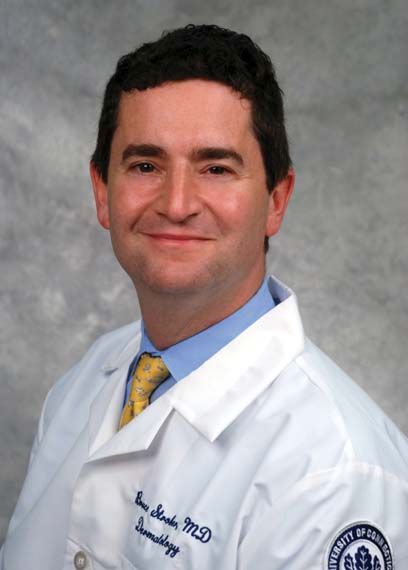
An important caveat: While radiographic inhibition of progression of joint disease occurred with guselkumab dosed at 100 mg every 4 weeks in DISCOVER-2, that’s not the approved dose. At 100 mg every 8 weeks – the FDA-approved dosing for both psoriatic arthritis and psoriasis – radiographic inhibition wasn’t better than with placebo, noted Dr. Strober, a dermatologist at Yale University, New Haven, Conn.
Dr. Gordon and Dr. Strober are clinical trialists who reported receiving research support and/or honoraria from more than a dozen pharmaceutical companies, including virtually all of those with biologics for dermatology.
MedscapeLive and this news organization are owned by the same parent company.
LAS VEGAS – at MedscapeLive’s annual Las Vegas Dermatology Seminar, held virtually this year.
The 2018 joint American College of Rheumatology/National Psoriasis Association guidelines recommend the anti–tumor necrosis factor agents as first-line biologic therapy for PsA, with the anti–IL-17 biologics held in reserve as second-tier therapy for when the anti-TNFs don’t work. That’s largely because the guidance was developed before the compelling evidence for the anti–IL-17 agents as the biologics of choice was appreciated, according to Dr. Gordon, professor and chair of the department of dermatology at the Medical College of Wisconsin, Milwaukee.
“Many people go by these guidelines,” the dermatologist noted. “I think it’s really critical to look at the data and not just the guidelines because the guidelines don’t give full credit to the anti–IL-17 agents,” he added.
“Emerging psoriatic arthritis data may likely put this class of medications into the forefront of treatment for patients who have both psoriasis and psoriatic arthritis because you generally get higher responses for the skin disease than with anti-TNF therapy, and with similar responses in psoriatic arthritis.”
Two IL-17 inhibitors are approved for both PsA and psoriasis: secukinumab (Cosentyx) and ixekizumab (Taltz). In addition, brodalumab (Siliq), approved for psoriasis, is expected to receive an expanded indication for PsA based upon its strong showing in the AMVISION-1 and -2 trials. Data from those trials, as well as the FUTURE 2 trial for secukinumab and SPIRIT-P1 for ixekizumab, consistently document at least 20% improvement in the ACR criteria for PsA severity – that is, an ACR 20 response – in 50%-60% of patients on one of the three IL-17 inhibitors, as well as ACR 50 response rates of around 30%. Those outcomes are quite consistent with the impact of the anti-TNF biologics on joint disease. But the TNF inhibitors can’t touch the anti–IL-17 biologics when it comes to improvement in Psoriasis Area and Severity Index (PASI) scores: The anti–IL-17 agents have week-52 PASI 75 response rates in the range of 80%, PASI 90 response rates of 70%-75%, and PASI 100 response rates of 40%-55%, with the highest-end results being seen with brodalumab, he continued.
A point worth remembering when prescribing secukinumab is that the approved dose for PsA is 150 mg every 4 weeks, which is just half of the typical dose in psoriasis.
“I spend a lot of time convincing my rheumatology colleagues that if you’re treating both psoriasis and psoriatic arthritis, use the psoriasis dose. There’s some evidence that the higher dose provides some benefit in terms of prevention of permanent joint damage by x-ray,” Dr. Gordon said.
Evidence that TNF inhibitors inhibit permanent joint damage in patients with PsA has been considered a major advantage, establishing this medication class as first-line biologic therapy. But anti–IL-17 therapies appear to have a similar beneficial effect. That was demonstrated in the SPIRIT-P1 trial, where Sharp scores – a radiographic measure of progression of joint damage – were similar at 24 weeks in PsA patients randomized to ixekizumab as compared to adalimumab, with both biologics being superior to placebo. An Assessment of SpondyloArthritis International Society 20% improvement (ASAS 20) response or an ACR 50 response doesn’t capture what’s going on with regard to axial disease. That’s assessed through ASAS 20 and ASAS 40 responses – that is, at least 20% or 40% improvement, compared with baseline, in Assessment in Ankylosing Spondylitis scores. And in the MEASURE 1 and 2 trials, secukinumab achieved robust improvement in axial disease as reflected in favorable ASAS 20 and ASAS 40 responses through 52 weeks in patients with active ankylosing spondylitis.
“The anti–IL-17 agents do actually work in ankylosing spondylitis, which might be a surrogate for the treatment effect in axial psoriatic arthritis,” Dr. Gordon commented.
The phase 3b MAXIMISE trial presented at the 2019 EULAR meeting looked specifically at the impact of secukinumab in patients with psoriatic arthritis with axial involvement. An ASAS 20 response at week 12 was seen in 67% and 65% of patients randomized to secukinumab at 150 or 300 mg, respectively, if they were on concomitant methotrexate, and 64% and 61% if they were not, compared with ASAS 20 rates of 34% and 31% in placebo-treated controls.
“This is the only study of an anti–IL-17 agent that’s been done for axial disease to date in psoriatic arthritis. It’s very, very encouraging,” the dermatologist commented.
Durability of response and safety
“In terms of safety, the anti–IL-17s have been a truly remarkable success story. There are very low rates of things to be concerned about,” Dr. Gordon said.
Oral candidiasis occurs in 2%-4% of treated patients, but he noted, “It’s almost always very mild disease” that’s easily treatable with nystatin or, in the worst case, with some fluconazole.
Inflammatory bowel disease (IBD) as a side effect of anti–IL-17 therapy has been a controversial issue. Dr. Gordon’s interpretation of the evidence is that there probably is a very slight increase in the risk of developing ulcerative colitis, but not Crohn’s disease.
“This rate is extraordinarily low, so while it’s something that I consider, and if a patient has a personal history of IBD I will sometimes hesitate to use an anti–IL-17 agent, in patients who don’t have a personal history I’ll go ahead,” he explained.
There is a signal of a slight increase in risk of depression in patients on brodalumab, which isn’t the case for secukinumab or ixekizumab.
Importantly, large long-term extension studies with years of follow-up show that the initially low adverse event rates associated with the IL-17 inhibitors don’t increase over time; rather, they remain steady over years of use.
Long-term maintenance of response with these biologics is impressive. “It’s not perfect, but it’s still a tremendous advantage for patients, especially if you can get them through that initial period,” Dr. Gordon said.
For example, in the long-term extension of the UNCOVER-1 trial, psoriasis patients who had clear or almost clear skin at week 12 on ixekizumab and continued to take the medication open label for 5 years had PASI 75, 90, and 100 response rates of 94%, 82%, and 47%, respectively, at week 264.
What about IL-12/23 and IL-23 inhibitors in PsA?
In a separate presentation at the MedscapeLive seminar, Bruce E. Strober, MD, PhD, said that, although ustekinumab (Stelara) is approved for both psoriasis and PsA, the IL-12/-23 inhibitor’s efficacy in PsA is inconsistent and lower than other approved biologics. In contrast, the IL-23 inhibitor guselkumab (Tremfya), which also has the dual indications, is a strong performer in both. In the DISCOVER-2 trial, conducted in treatment-naive patients with PsA, guselkumab at the approved dose of 100 mg every 8 weeks achieved ACR 20, 50, and 70 rates of 64%, 31%, and 19%, respectively. It was also significantly better than placebo for resolution of enthesitis.
An important caveat: While radiographic inhibition of progression of joint disease occurred with guselkumab dosed at 100 mg every 4 weeks in DISCOVER-2, that’s not the approved dose. At 100 mg every 8 weeks – the FDA-approved dosing for both psoriatic arthritis and psoriasis – radiographic inhibition wasn’t better than with placebo, noted Dr. Strober, a dermatologist at Yale University, New Haven, Conn.
Dr. Gordon and Dr. Strober are clinical trialists who reported receiving research support and/or honoraria from more than a dozen pharmaceutical companies, including virtually all of those with biologics for dermatology.
MedscapeLive and this news organization are owned by the same parent company.
LAS VEGAS – at MedscapeLive’s annual Las Vegas Dermatology Seminar, held virtually this year.
The 2018 joint American College of Rheumatology/National Psoriasis Association guidelines recommend the anti–tumor necrosis factor agents as first-line biologic therapy for PsA, with the anti–IL-17 biologics held in reserve as second-tier therapy for when the anti-TNFs don’t work. That’s largely because the guidance was developed before the compelling evidence for the anti–IL-17 agents as the biologics of choice was appreciated, according to Dr. Gordon, professor and chair of the department of dermatology at the Medical College of Wisconsin, Milwaukee.
“Many people go by these guidelines,” the dermatologist noted. “I think it’s really critical to look at the data and not just the guidelines because the guidelines don’t give full credit to the anti–IL-17 agents,” he added.
“Emerging psoriatic arthritis data may likely put this class of medications into the forefront of treatment for patients who have both psoriasis and psoriatic arthritis because you generally get higher responses for the skin disease than with anti-TNF therapy, and with similar responses in psoriatic arthritis.”
Two IL-17 inhibitors are approved for both PsA and psoriasis: secukinumab (Cosentyx) and ixekizumab (Taltz). In addition, brodalumab (Siliq), approved for psoriasis, is expected to receive an expanded indication for PsA based upon its strong showing in the AMVISION-1 and -2 trials. Data from those trials, as well as the FUTURE 2 trial for secukinumab and SPIRIT-P1 for ixekizumab, consistently document at least 20% improvement in the ACR criteria for PsA severity – that is, an ACR 20 response – in 50%-60% of patients on one of the three IL-17 inhibitors, as well as ACR 50 response rates of around 30%. Those outcomes are quite consistent with the impact of the anti-TNF biologics on joint disease. But the TNF inhibitors can’t touch the anti–IL-17 biologics when it comes to improvement in Psoriasis Area and Severity Index (PASI) scores: The anti–IL-17 agents have week-52 PASI 75 response rates in the range of 80%, PASI 90 response rates of 70%-75%, and PASI 100 response rates of 40%-55%, with the highest-end results being seen with brodalumab, he continued.
A point worth remembering when prescribing secukinumab is that the approved dose for PsA is 150 mg every 4 weeks, which is just half of the typical dose in psoriasis.
“I spend a lot of time convincing my rheumatology colleagues that if you’re treating both psoriasis and psoriatic arthritis, use the psoriasis dose. There’s some evidence that the higher dose provides some benefit in terms of prevention of permanent joint damage by x-ray,” Dr. Gordon said.
Evidence that TNF inhibitors inhibit permanent joint damage in patients with PsA has been considered a major advantage, establishing this medication class as first-line biologic therapy. But anti–IL-17 therapies appear to have a similar beneficial effect. That was demonstrated in the SPIRIT-P1 trial, where Sharp scores – a radiographic measure of progression of joint damage – were similar at 24 weeks in PsA patients randomized to ixekizumab as compared to adalimumab, with both biologics being superior to placebo. An Assessment of SpondyloArthritis International Society 20% improvement (ASAS 20) response or an ACR 50 response doesn’t capture what’s going on with regard to axial disease. That’s assessed through ASAS 20 and ASAS 40 responses – that is, at least 20% or 40% improvement, compared with baseline, in Assessment in Ankylosing Spondylitis scores. And in the MEASURE 1 and 2 trials, secukinumab achieved robust improvement in axial disease as reflected in favorable ASAS 20 and ASAS 40 responses through 52 weeks in patients with active ankylosing spondylitis.
“The anti–IL-17 agents do actually work in ankylosing spondylitis, which might be a surrogate for the treatment effect in axial psoriatic arthritis,” Dr. Gordon commented.
The phase 3b MAXIMISE trial presented at the 2019 EULAR meeting looked specifically at the impact of secukinumab in patients with psoriatic arthritis with axial involvement. An ASAS 20 response at week 12 was seen in 67% and 65% of patients randomized to secukinumab at 150 or 300 mg, respectively, if they were on concomitant methotrexate, and 64% and 61% if they were not, compared with ASAS 20 rates of 34% and 31% in placebo-treated controls.
“This is the only study of an anti–IL-17 agent that’s been done for axial disease to date in psoriatic arthritis. It’s very, very encouraging,” the dermatologist commented.
Durability of response and safety
“In terms of safety, the anti–IL-17s have been a truly remarkable success story. There are very low rates of things to be concerned about,” Dr. Gordon said.
Oral candidiasis occurs in 2%-4% of treated patients, but he noted, “It’s almost always very mild disease” that’s easily treatable with nystatin or, in the worst case, with some fluconazole.
Inflammatory bowel disease (IBD) as a side effect of anti–IL-17 therapy has been a controversial issue. Dr. Gordon’s interpretation of the evidence is that there probably is a very slight increase in the risk of developing ulcerative colitis, but not Crohn’s disease.
“This rate is extraordinarily low, so while it’s something that I consider, and if a patient has a personal history of IBD I will sometimes hesitate to use an anti–IL-17 agent, in patients who don’t have a personal history I’ll go ahead,” he explained.
There is a signal of a slight increase in risk of depression in patients on brodalumab, which isn’t the case for secukinumab or ixekizumab.
Importantly, large long-term extension studies with years of follow-up show that the initially low adverse event rates associated with the IL-17 inhibitors don’t increase over time; rather, they remain steady over years of use.
Long-term maintenance of response with these biologics is impressive. “It’s not perfect, but it’s still a tremendous advantage for patients, especially if you can get them through that initial period,” Dr. Gordon said.
For example, in the long-term extension of the UNCOVER-1 trial, psoriasis patients who had clear or almost clear skin at week 12 on ixekizumab and continued to take the medication open label for 5 years had PASI 75, 90, and 100 response rates of 94%, 82%, and 47%, respectively, at week 264.
What about IL-12/23 and IL-23 inhibitors in PsA?
In a separate presentation at the MedscapeLive seminar, Bruce E. Strober, MD, PhD, said that, although ustekinumab (Stelara) is approved for both psoriasis and PsA, the IL-12/-23 inhibitor’s efficacy in PsA is inconsistent and lower than other approved biologics. In contrast, the IL-23 inhibitor guselkumab (Tremfya), which also has the dual indications, is a strong performer in both. In the DISCOVER-2 trial, conducted in treatment-naive patients with PsA, guselkumab at the approved dose of 100 mg every 8 weeks achieved ACR 20, 50, and 70 rates of 64%, 31%, and 19%, respectively. It was also significantly better than placebo for resolution of enthesitis.
An important caveat: While radiographic inhibition of progression of joint disease occurred with guselkumab dosed at 100 mg every 4 weeks in DISCOVER-2, that’s not the approved dose. At 100 mg every 8 weeks – the FDA-approved dosing for both psoriatic arthritis and psoriasis – radiographic inhibition wasn’t better than with placebo, noted Dr. Strober, a dermatologist at Yale University, New Haven, Conn.
Dr. Gordon and Dr. Strober are clinical trialists who reported receiving research support and/or honoraria from more than a dozen pharmaceutical companies, including virtually all of those with biologics for dermatology.
MedscapeLive and this news organization are owned by the same parent company.
FROM MEDSCAPELIVE LAS VEGAS DERMATOLOGY SEMINAR