User login
Product News: 09 2013
Psoriasiform Eruption Associated With Graft-Versus-Host Disease
Methotrexate Toxicity Induced by Ciprofloxacin Leading to Psoriatic Plaque Ulceration: A Case Report
Combination Therapy With Tumor Necrosis Factor Inhibitors in Psoriasis Treatment
Lichen Planus Mimicking Recalcitrant Ulcerative Psoriasis: When Is It Time to Biopsy?

Pulsed Dye Laser for the Treatment of Nail Psoriasis
Partial Reversal of Androgenetic Alopecia With Methotrexate Therapy for Psoriasis
Five pearls guide pediatric psoriasis systemic therapy
SAN FRANCISCO – Five practice tips can help physicians consider systemic therapy for the subset of children with psoriasis who develop severe disease at some point, Dr. Kelly M. Cordoro said.
The key is to weigh the risks and benefits to decide which is worse, the treatment or the disease, in terms of how it affects the patient medically, psychosocially, and physically, she said at the annual meeting of the Pacific Dermatologic Association.
Approximately a quarter of the physicians in the audience had treated patients younger than 18 years with systemic therapy for psoriasis, an informal poll showed.*"
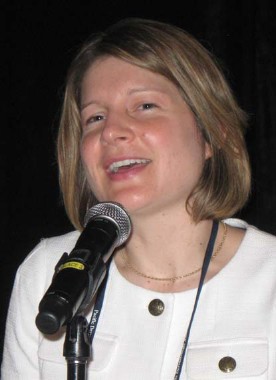
The exact approach varies per patient, and not all cases of severe pediatric psoriasis need systemic treatment. "It’s an art as much as it is a science," said Dr. Cordoro of the University of California, San Francisco.
It’s often a good idea to start with nonimmunosuppressive systemic agents for psoriasis in children, such as phototherapy or acitretin, before trying immunosuppressive treatments such as cyclosporine, methotrexate, or biologics, she suggested. Systemic therapy should be added to a multimodal care plan that includes identification and treatment of triggers and comorbidities, topical therapy, lifestyle modifications, education, and support. Keep in mind that no systemic medications are approved to treat psoriasis in children, and management is based on expert opinion, Dr. Cordoro noted.
Dr. Cordoro offered the following five pearls and principles to guide physicians managing severe pediatric psoriasis:
• Don’t just do something, stand there! Treat these children conservatively at first and observe the response, especially in patients with new-onset psoriasis and in particular if they have a family history of psoriasis, said Dr. Cordoro. It’s also a good approach in patients who’ve had a recent infection – group A streptococcal infection is a very common trigger of pediatric psoriasis, for example – or a recent viral illness or skin trauma.
"If you can find the trigger" and treat it, "you may be able to prevent the use of systemic therapy" for the psoriasis, she said. Conservative, yet aggressive, treatment might include a combination of topical therapy, wet wraps, itch control, and managing the triggers. Let the disease evolve for a few days to weeks before moving to systemic therapy, she suggested.
• Don’t just stand there, do something! The psychological impact of chronic disease can be as disabling as the physical impact, and uncontrolled inflammation can cause long-term health consequences, Dr. Cordoro said. No systemic therapies are approved for pediatric psoriasis because of a lack of studies, "but I encourage you to treat these kids" with severe disease who fail topical and other treatment strategies, she said.
Off-label use of methotrexate can help children with any form of psoriasis, in a dose range of 0.2-0.7 mg/kg per week, with a maximum of 25 mg/week, said Dr. Cordoro. Consider this a rescue phase, and then try to taper to the lowest effective dose or off of systemic therapy.
"Methotrexate doesn’t have to be forever," Dr. Cordoro emphasized. In children, methotrexate’s side effects commonly include GI symptoms and anorexia, and the drug very rarely causes pulmonary and hepatotoxicity. Dr. Cordoro recommended a supplemental folate dose of 1-5 mg every day, except methotrexate dose days, to ameliorate some of the GI side effects and the potential bone marrow toxicity. Monitoring is less intense than in adults, and involves frequent lab evaluations but no liver biopsies. Drug interactions with NSAIDs or trimethoprim/sulfamethoxazole can cause bone marrow toxicity, so be sure to send a letter to the child’s pediatrician and parents to alert them, she said.
For severe, diffuse plaque psoriasis in children, any of the conventional systemic or biologic treatments can be effective, and the choice depends on patient and clinical factors, Dr. Cordoro said. The goal is to gain control, taper the systemic treatment, and hold it at the lowest effective dose or transition to topical therapy or phototherapy.
• Don’t forget oral retinoids. Often a forgotten choice for therapy, short-term oral retinoids can be the best first systemic treatment for severe guttate psoriasis if phototherapy is not indicated or unavailable, or for palmoplantar psoriasis or pustular psoriasis, Dr. Cordoro said. In some cases, there can be synergistic effects from combining a low-dose retinoid with low-dose narrow-band UVB phototherapy.
Acitretin is not immunosuppressive but is teratogenic, so it should be avoided in girls older than 8 years, Dr. Cordoro noted. Reversible, dose-dependent side effects include mucocutaneous effects, dyslipidemia, or transaminitis. "Kids cannot tolerate high doses of retinoids, so 1 mg/kg per day or less is where you need to be," she said. Much-feared potential skeletal effects are very rare at doses that low when the medication is used for no more than a year or two, she added.
• When you need speed, try cyclosporine. Cyclosporine acts rapidly. An initial high dose of 5 mg/kg per day can take control of refractory plaque psoriasis, rapidly moving pustular psoriasis, or severe, rapidly progressive psoriasis. No more than a year of continuous use is the guideline, so you don’t want to start low and go slow. "Kids and typically tolerate and need higher doses" compared with adults, Dr. Cordoro said. Use the modified form (Neoral) for better oral bioavailability and better sustained drug levels, she suggested.
This, too, is a rescue treatment intended to control and stabilize the disease, followed by tapering and transitioning to other therapies. The most serious potential side effects include nephrotoxicity, hypertension, and immunosuppression. The most common side effects include nausea, vomiting and diarrhea, anorexia, and headache. Less often, cyclosporine can cause myalgia, arthralgia, paresthesia, gingival hyperplasia, or hypertrichosis. "My colleagues in oncology assure me that at the doses we’re using for psoriasis, we’re not at risk for giving these kids carcinomas down the road," she said.
• Biologics play an important role. Biologics are potent, but wouldn’t be the first choice for systemic therapy because they don’t have prolonged efficacy, said Dr. Cordoro. Their precise place in the therapeutic armamentarium is yet to be defined. "I like to reserve a biologic for when I don’t necessarily have a better choice, because I know I have a finite period of time for biologics," she said.
Nonetheless, anti–tumor necrosis factor agents can play a role in treating refractory plaque psoriasis, severe or refractory generalized pustular psoriasis, or psoriatic arthritis, Dr. Cordoro said. Anecdotal reports suggest that IL-12 and IL-23 inhibitors may help with pediatric psoriasis, but there are no study data yet.
The potential advantages of using biologics include less frequent dosing, less laboratory monitoring, and targeted treatment. On the other hand, biologics are expensive, require injection or infusion, have as-yet-unknown long-term risks, and are not approved for treating pediatric psoriasis (so insurance coverage is a battle), said Dr. Cordoro. Questions remain about standardized dosing and monitoring protocols, and about the endpoints of biologic therapy in this setting, although experience with biologics and evidence of their efficacy and safety in children are accumulating, she said.
Dr. Cordoro recommended two articles that she coauthored that provide expert consensus guidelines, tables, and charts for systemic treatment and monitoring of children with psoriasis (Dermatol. Clin. 2013;31:267-88 and Skin Therapy Lett. 2013;18:1-4).
Dr. Cordoro reported having no financial disclosures.
On Twitter @sherryboschert
*CORRECTION, 11/4/2013: An earlier version of this article imprecisely stated the results of the informal study.
SAN FRANCISCO – Five practice tips can help physicians consider systemic therapy for the subset of children with psoriasis who develop severe disease at some point, Dr. Kelly M. Cordoro said.
The key is to weigh the risks and benefits to decide which is worse, the treatment or the disease, in terms of how it affects the patient medically, psychosocially, and physically, she said at the annual meeting of the Pacific Dermatologic Association.
Approximately a quarter of the physicians in the audience had treated patients younger than 18 years with systemic therapy for psoriasis, an informal poll showed.*"
The exact approach varies per patient, and not all cases of severe pediatric psoriasis need systemic treatment. "It’s an art as much as it is a science," said Dr. Cordoro of the University of California, San Francisco.
It’s often a good idea to start with nonimmunosuppressive systemic agents for psoriasis in children, such as phototherapy or acitretin, before trying immunosuppressive treatments such as cyclosporine, methotrexate, or biologics, she suggested. Systemic therapy should be added to a multimodal care plan that includes identification and treatment of triggers and comorbidities, topical therapy, lifestyle modifications, education, and support. Keep in mind that no systemic medications are approved to treat psoriasis in children, and management is based on expert opinion, Dr. Cordoro noted.
Dr. Cordoro offered the following five pearls and principles to guide physicians managing severe pediatric psoriasis:
• Don’t just do something, stand there! Treat these children conservatively at first and observe the response, especially in patients with new-onset psoriasis and in particular if they have a family history of psoriasis, said Dr. Cordoro. It’s also a good approach in patients who’ve had a recent infection – group A streptococcal infection is a very common trigger of pediatric psoriasis, for example – or a recent viral illness or skin trauma.
"If you can find the trigger" and treat it, "you may be able to prevent the use of systemic therapy" for the psoriasis, she said. Conservative, yet aggressive, treatment might include a combination of topical therapy, wet wraps, itch control, and managing the triggers. Let the disease evolve for a few days to weeks before moving to systemic therapy, she suggested.
• Don’t just stand there, do something! The psychological impact of chronic disease can be as disabling as the physical impact, and uncontrolled inflammation can cause long-term health consequences, Dr. Cordoro said. No systemic therapies are approved for pediatric psoriasis because of a lack of studies, "but I encourage you to treat these kids" with severe disease who fail topical and other treatment strategies, she said.
Off-label use of methotrexate can help children with any form of psoriasis, in a dose range of 0.2-0.7 mg/kg per week, with a maximum of 25 mg/week, said Dr. Cordoro. Consider this a rescue phase, and then try to taper to the lowest effective dose or off of systemic therapy.
"Methotrexate doesn’t have to be forever," Dr. Cordoro emphasized. In children, methotrexate’s side effects commonly include GI symptoms and anorexia, and the drug very rarely causes pulmonary and hepatotoxicity. Dr. Cordoro recommended a supplemental folate dose of 1-5 mg every day, except methotrexate dose days, to ameliorate some of the GI side effects and the potential bone marrow toxicity. Monitoring is less intense than in adults, and involves frequent lab evaluations but no liver biopsies. Drug interactions with NSAIDs or trimethoprim/sulfamethoxazole can cause bone marrow toxicity, so be sure to send a letter to the child’s pediatrician and parents to alert them, she said.
For severe, diffuse plaque psoriasis in children, any of the conventional systemic or biologic treatments can be effective, and the choice depends on patient and clinical factors, Dr. Cordoro said. The goal is to gain control, taper the systemic treatment, and hold it at the lowest effective dose or transition to topical therapy or phototherapy.
• Don’t forget oral retinoids. Often a forgotten choice for therapy, short-term oral retinoids can be the best first systemic treatment for severe guttate psoriasis if phototherapy is not indicated or unavailable, or for palmoplantar psoriasis or pustular psoriasis, Dr. Cordoro said. In some cases, there can be synergistic effects from combining a low-dose retinoid with low-dose narrow-band UVB phototherapy.
Acitretin is not immunosuppressive but is teratogenic, so it should be avoided in girls older than 8 years, Dr. Cordoro noted. Reversible, dose-dependent side effects include mucocutaneous effects, dyslipidemia, or transaminitis. "Kids cannot tolerate high doses of retinoids, so 1 mg/kg per day or less is where you need to be," she said. Much-feared potential skeletal effects are very rare at doses that low when the medication is used for no more than a year or two, she added.
• When you need speed, try cyclosporine. Cyclosporine acts rapidly. An initial high dose of 5 mg/kg per day can take control of refractory plaque psoriasis, rapidly moving pustular psoriasis, or severe, rapidly progressive psoriasis. No more than a year of continuous use is the guideline, so you don’t want to start low and go slow. "Kids and typically tolerate and need higher doses" compared with adults, Dr. Cordoro said. Use the modified form (Neoral) for better oral bioavailability and better sustained drug levels, she suggested.
This, too, is a rescue treatment intended to control and stabilize the disease, followed by tapering and transitioning to other therapies. The most serious potential side effects include nephrotoxicity, hypertension, and immunosuppression. The most common side effects include nausea, vomiting and diarrhea, anorexia, and headache. Less often, cyclosporine can cause myalgia, arthralgia, paresthesia, gingival hyperplasia, or hypertrichosis. "My colleagues in oncology assure me that at the doses we’re using for psoriasis, we’re not at risk for giving these kids carcinomas down the road," she said.
• Biologics play an important role. Biologics are potent, but wouldn’t be the first choice for systemic therapy because they don’t have prolonged efficacy, said Dr. Cordoro. Their precise place in the therapeutic armamentarium is yet to be defined. "I like to reserve a biologic for when I don’t necessarily have a better choice, because I know I have a finite period of time for biologics," she said.
Nonetheless, anti–tumor necrosis factor agents can play a role in treating refractory plaque psoriasis, severe or refractory generalized pustular psoriasis, or psoriatic arthritis, Dr. Cordoro said. Anecdotal reports suggest that IL-12 and IL-23 inhibitors may help with pediatric psoriasis, but there are no study data yet.
The potential advantages of using biologics include less frequent dosing, less laboratory monitoring, and targeted treatment. On the other hand, biologics are expensive, require injection or infusion, have as-yet-unknown long-term risks, and are not approved for treating pediatric psoriasis (so insurance coverage is a battle), said Dr. Cordoro. Questions remain about standardized dosing and monitoring protocols, and about the endpoints of biologic therapy in this setting, although experience with biologics and evidence of their efficacy and safety in children are accumulating, she said.
Dr. Cordoro recommended two articles that she coauthored that provide expert consensus guidelines, tables, and charts for systemic treatment and monitoring of children with psoriasis (Dermatol. Clin. 2013;31:267-88 and Skin Therapy Lett. 2013;18:1-4).
Dr. Cordoro reported having no financial disclosures.
On Twitter @sherryboschert
*CORRECTION, 11/4/2013: An earlier version of this article imprecisely stated the results of the informal study.
SAN FRANCISCO – Five practice tips can help physicians consider systemic therapy for the subset of children with psoriasis who develop severe disease at some point, Dr. Kelly M. Cordoro said.
The key is to weigh the risks and benefits to decide which is worse, the treatment or the disease, in terms of how it affects the patient medically, psychosocially, and physically, she said at the annual meeting of the Pacific Dermatologic Association.
Approximately a quarter of the physicians in the audience had treated patients younger than 18 years with systemic therapy for psoriasis, an informal poll showed.*"
The exact approach varies per patient, and not all cases of severe pediatric psoriasis need systemic treatment. "It’s an art as much as it is a science," said Dr. Cordoro of the University of California, San Francisco.
It’s often a good idea to start with nonimmunosuppressive systemic agents for psoriasis in children, such as phototherapy or acitretin, before trying immunosuppressive treatments such as cyclosporine, methotrexate, or biologics, she suggested. Systemic therapy should be added to a multimodal care plan that includes identification and treatment of triggers and comorbidities, topical therapy, lifestyle modifications, education, and support. Keep in mind that no systemic medications are approved to treat psoriasis in children, and management is based on expert opinion, Dr. Cordoro noted.
Dr. Cordoro offered the following five pearls and principles to guide physicians managing severe pediatric psoriasis:
• Don’t just do something, stand there! Treat these children conservatively at first and observe the response, especially in patients with new-onset psoriasis and in particular if they have a family history of psoriasis, said Dr. Cordoro. It’s also a good approach in patients who’ve had a recent infection – group A streptococcal infection is a very common trigger of pediatric psoriasis, for example – or a recent viral illness or skin trauma.
"If you can find the trigger" and treat it, "you may be able to prevent the use of systemic therapy" for the psoriasis, she said. Conservative, yet aggressive, treatment might include a combination of topical therapy, wet wraps, itch control, and managing the triggers. Let the disease evolve for a few days to weeks before moving to systemic therapy, she suggested.
• Don’t just stand there, do something! The psychological impact of chronic disease can be as disabling as the physical impact, and uncontrolled inflammation can cause long-term health consequences, Dr. Cordoro said. No systemic therapies are approved for pediatric psoriasis because of a lack of studies, "but I encourage you to treat these kids" with severe disease who fail topical and other treatment strategies, she said.
Off-label use of methotrexate can help children with any form of psoriasis, in a dose range of 0.2-0.7 mg/kg per week, with a maximum of 25 mg/week, said Dr. Cordoro. Consider this a rescue phase, and then try to taper to the lowest effective dose or off of systemic therapy.
"Methotrexate doesn’t have to be forever," Dr. Cordoro emphasized. In children, methotrexate’s side effects commonly include GI symptoms and anorexia, and the drug very rarely causes pulmonary and hepatotoxicity. Dr. Cordoro recommended a supplemental folate dose of 1-5 mg every day, except methotrexate dose days, to ameliorate some of the GI side effects and the potential bone marrow toxicity. Monitoring is less intense than in adults, and involves frequent lab evaluations but no liver biopsies. Drug interactions with NSAIDs or trimethoprim/sulfamethoxazole can cause bone marrow toxicity, so be sure to send a letter to the child’s pediatrician and parents to alert them, she said.
For severe, diffuse plaque psoriasis in children, any of the conventional systemic or biologic treatments can be effective, and the choice depends on patient and clinical factors, Dr. Cordoro said. The goal is to gain control, taper the systemic treatment, and hold it at the lowest effective dose or transition to topical therapy or phototherapy.
• Don’t forget oral retinoids. Often a forgotten choice for therapy, short-term oral retinoids can be the best first systemic treatment for severe guttate psoriasis if phototherapy is not indicated or unavailable, or for palmoplantar psoriasis or pustular psoriasis, Dr. Cordoro said. In some cases, there can be synergistic effects from combining a low-dose retinoid with low-dose narrow-band UVB phototherapy.
Acitretin is not immunosuppressive but is teratogenic, so it should be avoided in girls older than 8 years, Dr. Cordoro noted. Reversible, dose-dependent side effects include mucocutaneous effects, dyslipidemia, or transaminitis. "Kids cannot tolerate high doses of retinoids, so 1 mg/kg per day or less is where you need to be," she said. Much-feared potential skeletal effects are very rare at doses that low when the medication is used for no more than a year or two, she added.
• When you need speed, try cyclosporine. Cyclosporine acts rapidly. An initial high dose of 5 mg/kg per day can take control of refractory plaque psoriasis, rapidly moving pustular psoriasis, or severe, rapidly progressive psoriasis. No more than a year of continuous use is the guideline, so you don’t want to start low and go slow. "Kids and typically tolerate and need higher doses" compared with adults, Dr. Cordoro said. Use the modified form (Neoral) for better oral bioavailability and better sustained drug levels, she suggested.
This, too, is a rescue treatment intended to control and stabilize the disease, followed by tapering and transitioning to other therapies. The most serious potential side effects include nephrotoxicity, hypertension, and immunosuppression. The most common side effects include nausea, vomiting and diarrhea, anorexia, and headache. Less often, cyclosporine can cause myalgia, arthralgia, paresthesia, gingival hyperplasia, or hypertrichosis. "My colleagues in oncology assure me that at the doses we’re using for psoriasis, we’re not at risk for giving these kids carcinomas down the road," she said.
• Biologics play an important role. Biologics are potent, but wouldn’t be the first choice for systemic therapy because they don’t have prolonged efficacy, said Dr. Cordoro. Their precise place in the therapeutic armamentarium is yet to be defined. "I like to reserve a biologic for when I don’t necessarily have a better choice, because I know I have a finite period of time for biologics," she said.
Nonetheless, anti–tumor necrosis factor agents can play a role in treating refractory plaque psoriasis, severe or refractory generalized pustular psoriasis, or psoriatic arthritis, Dr. Cordoro said. Anecdotal reports suggest that IL-12 and IL-23 inhibitors may help with pediatric psoriasis, but there are no study data yet.
The potential advantages of using biologics include less frequent dosing, less laboratory monitoring, and targeted treatment. On the other hand, biologics are expensive, require injection or infusion, have as-yet-unknown long-term risks, and are not approved for treating pediatric psoriasis (so insurance coverage is a battle), said Dr. Cordoro. Questions remain about standardized dosing and monitoring protocols, and about the endpoints of biologic therapy in this setting, although experience with biologics and evidence of their efficacy and safety in children are accumulating, she said.
Dr. Cordoro recommended two articles that she coauthored that provide expert consensus guidelines, tables, and charts for systemic treatment and monitoring of children with psoriasis (Dermatol. Clin. 2013;31:267-88 and Skin Therapy Lett. 2013;18:1-4).
Dr. Cordoro reported having no financial disclosures.
On Twitter @sherryboschert
*CORRECTION, 11/4/2013: An earlier version of this article imprecisely stated the results of the informal study.
EXPERT ANALYSIS FROM THE PDA ANNUAL MEETING
The Relationship Between Obesity and Psoriasis in the Pediatric Population: Implications and Future Directions
Suboptimal, dissatisfying treatment affects many psoriasis patients
Despite advancements in therapies for psoriasis, a large proportion of patients are not treated or are receiving suboptimal treatment, according to analysis of a series of comprehensive patient surveys.
The analysis showed that nearly half of the patients with mild psoriasis were receiving no treatments at all in 2011, while 42% of them were treated only with topical agents. In other words, they were undertreated.

On a positive note, the proportion of patients with severe psoriasis who reported receiving no treatment dropped from 30% in the early 2000s to 9% in 2011. Still, 22% of them were undertreated and were prescribed topical medications alone (JAMA Dermatol. 2013 Aug. 14 [doi: 10.1001/jamadermatol.2013.5264]).
The study also revealed that many of the patients were dissatisfied with their treatment, highlighting "a call to action for [dermatologists] to actively seek feedback from psoriasis patients, and find out how their condition is being treated from their perspective," said Dr. April W. Armstrong, lead author of the study and associate professor of dermatology at the University of California, Davis.
"And since many new medications are coming up as well, we should be up to date on the data and literature, and be comfortable with using all sorts of different treatment modalities so that we can offer patients a wide range of treatment options and be able to individualize the treatments," Dr. Armstrong said in an interview.
Meanwhile, the type of health insurance can limit treatment options. In two of the surveys, patients were asked why they discontinued using biological agents. Lack of health insurance was among the top reasons.
"Hopefully, payers will pay attention and find a way to work with providers to make therapies more accessible," Dr. Armstrong said. "Many of our patients need systemic treatments, and I hope payers will pay attention and understand consequences."
Some estimates show that the cost of psoriasis is nearly $11 billion in the United States. But there’s a dearth of studies on patients’ perspectives and the extent to which patients are treated, the authors noted.
One source that has captured such data is the National Psoriasis Foundation’s (NPF’s) biannual surveys of its members. A 2007 study of the survey data was the first to show that as many as 40% of patients with moderate to severe psoriasis didn’t receive treatment (J. Am. Acad. Dermatol. 2007;57:957-62).
For their analysis, Dr. Armstrong and her colleagues examined 13 NPF surveys conducted during 2003-2011. More than 5,600 patients with psoriasis and/or psoriatic arthritis completed the surveys. They had a mean age of 50 years, and most were white.
The analysis showed that the proportion of patients with mild psoriasis who didn’t receive any treatment rose from 42% in the 2003-2005 period to 49% in 2011. The percentage of untreated patients with moderate psoriasis dropped from 36% to 24% during that period, and from 30% to 9% for patients with severe psoriasis.
Dr. Armstrong said there are several explanations for why patients go untreated. Psoriasis is chronic, and after going to one, two, or three doctors and not getting satisfactory results, the patients may give up, she said. "Some of the untreated patients might have sought help before and decided that nothing could be done, and resolved [themselves] to their situation."
Meanwhile, she expressed her concern with the proportion of patients who were undertreated. Close to 30% of patients with moderate psoriasis and 22% of those with severe psoriasis were treated only with topical agents, and the proportions were higher in 2011 than in the 2003-2005 period.
Patients said the top three reasons they used topical agents alone were because they had fewer adverse effects than other treatments, their disease wasn’t serious enough for other kinds of treatments, and their physician wouldn’t prescribe any other treatments.
"There is still much to be learned about exactly why psoriasis patients are undertreated," Dr. Junko Takeshita of the University of Pennsylvania said via e-mail.
But, "it is essential that patients be properly educated about the risks and benefits of various therapies so that they can make informed treatment choices. It is also important for physicians to be aware of and inform their psoriasis patients about the overall health implications of psoriasis itself (i.e., associations with cardiovascular and metabolic diseases as well as emerging associations with other comorbid diseases)," said Dr. Takeshita, who was not involved in the study.
The study also showed the most common forms of various treatment modalities, with ultraviolet B as the most common form of phototherapy, methotrexate as the top oral agent, and etanercept and adalimumab as the most common biological agents.
The authors said that the study had some limitations. The results may have underestimated the data in the general population, because NPF members are more involved in their health care. Also, severity of the disease at the time of the survey may not have been representative of the patients’ disease course, they noted.
"Going forward, it will be important for us to better understand why psoriasis patients are being undertreated and their reasons for treatment dissatisfaction and discontinuation so that, as physicians, we can provide better care to our psoriasis patients," Dr. Takeshita said.
Dr. Armstrong has received research grants or consultant honoraria from Abbott, Amgen, and Janssen. Dr. Takeshita is a former recipient of the National Psoriasis Foundation’s research fellowship in 2011-2012 and 2012-2013.
On Twitter @naseemsmiller
Despite advancements in therapies for psoriasis, a large proportion of patients are not treated or are receiving suboptimal treatment, according to analysis of a series of comprehensive patient surveys.
The analysis showed that nearly half of the patients with mild psoriasis were receiving no treatments at all in 2011, while 42% of them were treated only with topical agents. In other words, they were undertreated.
On a positive note, the proportion of patients with severe psoriasis who reported receiving no treatment dropped from 30% in the early 2000s to 9% in 2011. Still, 22% of them were undertreated and were prescribed topical medications alone (JAMA Dermatol. 2013 Aug. 14 [doi: 10.1001/jamadermatol.2013.5264]).
The study also revealed that many of the patients were dissatisfied with their treatment, highlighting "a call to action for [dermatologists] to actively seek feedback from psoriasis patients, and find out how their condition is being treated from their perspective," said Dr. April W. Armstrong, lead author of the study and associate professor of dermatology at the University of California, Davis.
"And since many new medications are coming up as well, we should be up to date on the data and literature, and be comfortable with using all sorts of different treatment modalities so that we can offer patients a wide range of treatment options and be able to individualize the treatments," Dr. Armstrong said in an interview.
Meanwhile, the type of health insurance can limit treatment options. In two of the surveys, patients were asked why they discontinued using biological agents. Lack of health insurance was among the top reasons.
"Hopefully, payers will pay attention and find a way to work with providers to make therapies more accessible," Dr. Armstrong said. "Many of our patients need systemic treatments, and I hope payers will pay attention and understand consequences."
Some estimates show that the cost of psoriasis is nearly $11 billion in the United States. But there’s a dearth of studies on patients’ perspectives and the extent to which patients are treated, the authors noted.
One source that has captured such data is the National Psoriasis Foundation’s (NPF’s) biannual surveys of its members. A 2007 study of the survey data was the first to show that as many as 40% of patients with moderate to severe psoriasis didn’t receive treatment (J. Am. Acad. Dermatol. 2007;57:957-62).
For their analysis, Dr. Armstrong and her colleagues examined 13 NPF surveys conducted during 2003-2011. More than 5,600 patients with psoriasis and/or psoriatic arthritis completed the surveys. They had a mean age of 50 years, and most were white.
The analysis showed that the proportion of patients with mild psoriasis who didn’t receive any treatment rose from 42% in the 2003-2005 period to 49% in 2011. The percentage of untreated patients with moderate psoriasis dropped from 36% to 24% during that period, and from 30% to 9% for patients with severe psoriasis.
Dr. Armstrong said there are several explanations for why patients go untreated. Psoriasis is chronic, and after going to one, two, or three doctors and not getting satisfactory results, the patients may give up, she said. "Some of the untreated patients might have sought help before and decided that nothing could be done, and resolved [themselves] to their situation."
Meanwhile, she expressed her concern with the proportion of patients who were undertreated. Close to 30% of patients with moderate psoriasis and 22% of those with severe psoriasis were treated only with topical agents, and the proportions were higher in 2011 than in the 2003-2005 period.
Patients said the top three reasons they used topical agents alone were because they had fewer adverse effects than other treatments, their disease wasn’t serious enough for other kinds of treatments, and their physician wouldn’t prescribe any other treatments.
"There is still much to be learned about exactly why psoriasis patients are undertreated," Dr. Junko Takeshita of the University of Pennsylvania said via e-mail.
But, "it is essential that patients be properly educated about the risks and benefits of various therapies so that they can make informed treatment choices. It is also important for physicians to be aware of and inform their psoriasis patients about the overall health implications of psoriasis itself (i.e., associations with cardiovascular and metabolic diseases as well as emerging associations with other comorbid diseases)," said Dr. Takeshita, who was not involved in the study.
The study also showed the most common forms of various treatment modalities, with ultraviolet B as the most common form of phototherapy, methotrexate as the top oral agent, and etanercept and adalimumab as the most common biological agents.
The authors said that the study had some limitations. The results may have underestimated the data in the general population, because NPF members are more involved in their health care. Also, severity of the disease at the time of the survey may not have been representative of the patients’ disease course, they noted.
"Going forward, it will be important for us to better understand why psoriasis patients are being undertreated and their reasons for treatment dissatisfaction and discontinuation so that, as physicians, we can provide better care to our psoriasis patients," Dr. Takeshita said.
Dr. Armstrong has received research grants or consultant honoraria from Abbott, Amgen, and Janssen. Dr. Takeshita is a former recipient of the National Psoriasis Foundation’s research fellowship in 2011-2012 and 2012-2013.
On Twitter @naseemsmiller
Despite advancements in therapies for psoriasis, a large proportion of patients are not treated or are receiving suboptimal treatment, according to analysis of a series of comprehensive patient surveys.
The analysis showed that nearly half of the patients with mild psoriasis were receiving no treatments at all in 2011, while 42% of them were treated only with topical agents. In other words, they were undertreated.
On a positive note, the proportion of patients with severe psoriasis who reported receiving no treatment dropped from 30% in the early 2000s to 9% in 2011. Still, 22% of them were undertreated and were prescribed topical medications alone (JAMA Dermatol. 2013 Aug. 14 [doi: 10.1001/jamadermatol.2013.5264]).
The study also revealed that many of the patients were dissatisfied with their treatment, highlighting "a call to action for [dermatologists] to actively seek feedback from psoriasis patients, and find out how their condition is being treated from their perspective," said Dr. April W. Armstrong, lead author of the study and associate professor of dermatology at the University of California, Davis.
"And since many new medications are coming up as well, we should be up to date on the data and literature, and be comfortable with using all sorts of different treatment modalities so that we can offer patients a wide range of treatment options and be able to individualize the treatments," Dr. Armstrong said in an interview.
Meanwhile, the type of health insurance can limit treatment options. In two of the surveys, patients were asked why they discontinued using biological agents. Lack of health insurance was among the top reasons.
"Hopefully, payers will pay attention and find a way to work with providers to make therapies more accessible," Dr. Armstrong said. "Many of our patients need systemic treatments, and I hope payers will pay attention and understand consequences."
Some estimates show that the cost of psoriasis is nearly $11 billion in the United States. But there’s a dearth of studies on patients’ perspectives and the extent to which patients are treated, the authors noted.
One source that has captured such data is the National Psoriasis Foundation’s (NPF’s) biannual surveys of its members. A 2007 study of the survey data was the first to show that as many as 40% of patients with moderate to severe psoriasis didn’t receive treatment (J. Am. Acad. Dermatol. 2007;57:957-62).
For their analysis, Dr. Armstrong and her colleagues examined 13 NPF surveys conducted during 2003-2011. More than 5,600 patients with psoriasis and/or psoriatic arthritis completed the surveys. They had a mean age of 50 years, and most were white.
The analysis showed that the proportion of patients with mild psoriasis who didn’t receive any treatment rose from 42% in the 2003-2005 period to 49% in 2011. The percentage of untreated patients with moderate psoriasis dropped from 36% to 24% during that period, and from 30% to 9% for patients with severe psoriasis.
Dr. Armstrong said there are several explanations for why patients go untreated. Psoriasis is chronic, and after going to one, two, or three doctors and not getting satisfactory results, the patients may give up, she said. "Some of the untreated patients might have sought help before and decided that nothing could be done, and resolved [themselves] to their situation."
Meanwhile, she expressed her concern with the proportion of patients who were undertreated. Close to 30% of patients with moderate psoriasis and 22% of those with severe psoriasis were treated only with topical agents, and the proportions were higher in 2011 than in the 2003-2005 period.
Patients said the top three reasons they used topical agents alone were because they had fewer adverse effects than other treatments, their disease wasn’t serious enough for other kinds of treatments, and their physician wouldn’t prescribe any other treatments.
"There is still much to be learned about exactly why psoriasis patients are undertreated," Dr. Junko Takeshita of the University of Pennsylvania said via e-mail.
But, "it is essential that patients be properly educated about the risks and benefits of various therapies so that they can make informed treatment choices. It is also important for physicians to be aware of and inform their psoriasis patients about the overall health implications of psoriasis itself (i.e., associations with cardiovascular and metabolic diseases as well as emerging associations with other comorbid diseases)," said Dr. Takeshita, who was not involved in the study.
The study also showed the most common forms of various treatment modalities, with ultraviolet B as the most common form of phototherapy, methotrexate as the top oral agent, and etanercept and adalimumab as the most common biological agents.
The authors said that the study had some limitations. The results may have underestimated the data in the general population, because NPF members are more involved in their health care. Also, severity of the disease at the time of the survey may not have been representative of the patients’ disease course, they noted.
"Going forward, it will be important for us to better understand why psoriasis patients are being undertreated and their reasons for treatment dissatisfaction and discontinuation so that, as physicians, we can provide better care to our psoriasis patients," Dr. Takeshita said.
Dr. Armstrong has received research grants or consultant honoraria from Abbott, Amgen, and Janssen. Dr. Takeshita is a former recipient of the National Psoriasis Foundation’s research fellowship in 2011-2012 and 2012-2013.
On Twitter @naseemsmiller
FROM JAMA DERMATOLOGY
Major finding: Nearly half of the patients with mild psoriasis were receiving no treatments at all in 2011, while 42% of them were treated with topical agents only.
Data source: 13 National Psoriasis Foundation surveys conducted between 2003 and 2011.
Disclosures: Dr. Armstrong has received research grants or consultant honoraria from Abbott, Amgen, and Janssen. Dr. Takeshita is a former recipient of the National Psoriasis Foundation’s research fellowship in 2011-2012 and 2012-2013.
