User login
ID Practitioner is an independent news source that provides infectious disease specialists with timely and relevant news and commentary about clinical developments and the impact of health care policy on the infectious disease specialist’s practice. Specialty focus topics include antimicrobial resistance, emerging infections, global ID, hepatitis, HIV, hospital-acquired infections, immunizations and vaccines, influenza, mycoses, pediatric infections, and STIs. Infectious Diseases News is owned by Frontline Medical Communications.
sofosbuvir
ritonavir with dasabuvir
discount
support path
program
ritonavir
greedy
ledipasvir
assistance
viekira pak
vpak
advocacy
needy
protest
abbvie
paritaprevir
ombitasvir
direct-acting antivirals
dasabuvir
gilead
fake-ovir
support
v pak
oasis
harvoni
section[contains(@class, 'footer-nav-section-wrapper')]
div[contains(@class, 'pane-pub-article-idp')]
div[contains(@class, 'pane-medstat-latest-articles-articles-section')]
div[contains(@class, 'pane-pub-home-idp')]
div[contains(@class, 'pane-pub-topic-idp')]
Senate Dems call for nationwide COVID-19 testing strategy, more funding
Senate Democrats are calling on the Trump Administration to develop a comprehensive strategy for nationwide COVID-19 testing.
Lawmakers released a “roadmap” document with the goal of including its provisions in the next legislative aid package for COVID-19. Sen. Patty Murray (D-Wash.), the ranking member of the Health, Education, Labor & Pensions committee, noted during an April 15 press conference call that testing in the United States is actually slowing because of shortages and glitches.
“At our current pace, getting 100 million tests done would already take far too long,” she said. “We absolutely cannot afford any backsliding.”
The components of the roadmap include requiring the federal government to develop and communicate a detailed strategic plan to rapidly scale and optimize COVID-19 testing, Sen. Murray said. “This is a national crisis. We need a federally coordinated, whole-of-society response, not one that leaves each state to fend for itself.”
The strategic plan called for in the roadmap would need to establish a high-functioning supply chain with a sufficient amount of available testing materials and supplies; assess potential bottlenecks in the supply chain and communicate them to all stakeholders; and develop and validate accurate and reliable tests for COVID-19, with an emphasis on tests that can deliver rapid results.
Legislation would be used to bolster the supply chain enhancements, according to the roadmap, and would include incentives for domestic manufacturing of testing supplies and compel the sharing of intellectual property and guarantees on the purchase of testing materials.
Testing would be available to patients at no cost sharing under this proposal. The plan also calls for strengthening the price gouging policy in the CARES (Coronavirus Aid, Relief, and Economic Security) Act to ensure that health care professionals are fairly reimbursed by insurers.
The roadmap calls for $30 billion in new emergency funding to enable faster scaling of testing and development of different types of test, with an emphasis on rapid response tests. The funding would also be used to address supply chain issues, according to the roadmap document.
Sen. Lamar Alexander (R.-Tenn.), who chairs the Senate Health, Education, Labor & Pensions committee, echoed the need for more testing to be done, but suggested that the funding that has already been approved by Congress should be exhausted before more is allocated.
“In the last month, Congress has given federal agencies up to $38 billion to develop tests, treatments, and vaccines. Nothing is more important than finding a new diagnostic technology that will make it possible to test tens of millions of Americans, something our country has never tried to do before,” he said in a statement issued after the roadmap’s release. “We should start by using the money Congress has already provided, put politics aside, and work together on more tests with quick results.”
Senate Democrats are calling on the Trump Administration to develop a comprehensive strategy for nationwide COVID-19 testing.
Lawmakers released a “roadmap” document with the goal of including its provisions in the next legislative aid package for COVID-19. Sen. Patty Murray (D-Wash.), the ranking member of the Health, Education, Labor & Pensions committee, noted during an April 15 press conference call that testing in the United States is actually slowing because of shortages and glitches.
“At our current pace, getting 100 million tests done would already take far too long,” she said. “We absolutely cannot afford any backsliding.”
The components of the roadmap include requiring the federal government to develop and communicate a detailed strategic plan to rapidly scale and optimize COVID-19 testing, Sen. Murray said. “This is a national crisis. We need a federally coordinated, whole-of-society response, not one that leaves each state to fend for itself.”
The strategic plan called for in the roadmap would need to establish a high-functioning supply chain with a sufficient amount of available testing materials and supplies; assess potential bottlenecks in the supply chain and communicate them to all stakeholders; and develop and validate accurate and reliable tests for COVID-19, with an emphasis on tests that can deliver rapid results.
Legislation would be used to bolster the supply chain enhancements, according to the roadmap, and would include incentives for domestic manufacturing of testing supplies and compel the sharing of intellectual property and guarantees on the purchase of testing materials.
Testing would be available to patients at no cost sharing under this proposal. The plan also calls for strengthening the price gouging policy in the CARES (Coronavirus Aid, Relief, and Economic Security) Act to ensure that health care professionals are fairly reimbursed by insurers.
The roadmap calls for $30 billion in new emergency funding to enable faster scaling of testing and development of different types of test, with an emphasis on rapid response tests. The funding would also be used to address supply chain issues, according to the roadmap document.
Sen. Lamar Alexander (R.-Tenn.), who chairs the Senate Health, Education, Labor & Pensions committee, echoed the need for more testing to be done, but suggested that the funding that has already been approved by Congress should be exhausted before more is allocated.
“In the last month, Congress has given federal agencies up to $38 billion to develop tests, treatments, and vaccines. Nothing is more important than finding a new diagnostic technology that will make it possible to test tens of millions of Americans, something our country has never tried to do before,” he said in a statement issued after the roadmap’s release. “We should start by using the money Congress has already provided, put politics aside, and work together on more tests with quick results.”
Senate Democrats are calling on the Trump Administration to develop a comprehensive strategy for nationwide COVID-19 testing.
Lawmakers released a “roadmap” document with the goal of including its provisions in the next legislative aid package for COVID-19. Sen. Patty Murray (D-Wash.), the ranking member of the Health, Education, Labor & Pensions committee, noted during an April 15 press conference call that testing in the United States is actually slowing because of shortages and glitches.
“At our current pace, getting 100 million tests done would already take far too long,” she said. “We absolutely cannot afford any backsliding.”
The components of the roadmap include requiring the federal government to develop and communicate a detailed strategic plan to rapidly scale and optimize COVID-19 testing, Sen. Murray said. “This is a national crisis. We need a federally coordinated, whole-of-society response, not one that leaves each state to fend for itself.”
The strategic plan called for in the roadmap would need to establish a high-functioning supply chain with a sufficient amount of available testing materials and supplies; assess potential bottlenecks in the supply chain and communicate them to all stakeholders; and develop and validate accurate and reliable tests for COVID-19, with an emphasis on tests that can deliver rapid results.
Legislation would be used to bolster the supply chain enhancements, according to the roadmap, and would include incentives for domestic manufacturing of testing supplies and compel the sharing of intellectual property and guarantees on the purchase of testing materials.
Testing would be available to patients at no cost sharing under this proposal. The plan also calls for strengthening the price gouging policy in the CARES (Coronavirus Aid, Relief, and Economic Security) Act to ensure that health care professionals are fairly reimbursed by insurers.
The roadmap calls for $30 billion in new emergency funding to enable faster scaling of testing and development of different types of test, with an emphasis on rapid response tests. The funding would also be used to address supply chain issues, according to the roadmap document.
Sen. Lamar Alexander (R.-Tenn.), who chairs the Senate Health, Education, Labor & Pensions committee, echoed the need for more testing to be done, but suggested that the funding that has already been approved by Congress should be exhausted before more is allocated.
“In the last month, Congress has given federal agencies up to $38 billion to develop tests, treatments, and vaccines. Nothing is more important than finding a new diagnostic technology that will make it possible to test tens of millions of Americans, something our country has never tried to do before,” he said in a statement issued after the roadmap’s release. “We should start by using the money Congress has already provided, put politics aside, and work together on more tests with quick results.”
COVID-19 cases highlight longstanding racial disparities in health care
African Americans are overrepresented among patients who have died as a result of the COVID-19 pandemic, but the current crisis puts a spotlight on long-standing racial disparities in health care and health access in the United States, according to David R. Williams, PhD, a professor of public health at the Harvard T.H. Chan School of Public Health in Boston.

Dr. Williams, a social scientist specializing in the link between race and health, is a professor of African and African American Studies and of Sociology at Harvard. He spoke on the topic of racial disparities amid the COVID-19 pandemic in a teleconference sponsored by the Robert Wood Johnson Foundation.
“Many Americans are shocked” by the higher mortality rates among African American COVID-19 patients, said Dr. Williams. However, data from decades of research show that “black people in America live sicker and shorter lives,” he said.
Keys to the increased mortality among African Americans include an increased prevalence of risk factors, increased risk for exposure to the virus because of socioeconomic factors, and less access to health care if they do become ill, he said.
Many minority individuals work outside the home in areas deemed essential during the pandemic, such as transit, delivery, maintenance, cleaning, and in businesses such as grocery stores, although in general “race continues to matter for health at every level of income and education,” Dr. Williams said.
In addition, social distance guidelines are not realistic for many people in high-density, low-income areas, who often live in shared, multigenerational housing, he said.
Data show that individuals with chronic conditions such as diabetes and cardiovascular disease are more likely to die as a result of COVID-19, and minority populations are more likely to develop these conditions at younger ages, Dr. Williams noted. Access to health care also plays a role. Many minority individuals of lower socioeconomic status are less likely to have health insurance, or if they do, may have Medicaid, which is not consistently accepted, he said. Also, some low-income neighborhoods lack convenient access to primary care and thus to screening services, he noted.

Dr. Williams said the COVID-19 pandemic could serve as an opportunity to examine and improve health care services for underserved communities. In the short term, “we need to collect data so we can see patterns” and address pressing needs, he said, but long-term goals should “prioritize investments that would create healthy homes and communities,” he emphasized.
A recent study from the Centers for Disease Control and Prevention’s Morbidity and Mortality Weekly Report cited COVID-NET (the COVID-19 Associated Hospitalization Surveillance Network) as showing that, in their catchment population, “approximately 59% of residents are white, 18% are black, and 14% are Hispanic; however, among 580 hospitalized COVID-19 patients with race/ethnicity data, approximately 45% were white, 33% were black, and 8% were Hispanic, suggesting that black populations might be disproportionately affected by COVID-19,” the researchers said.
“These findings, including the potential impact of both sex and race on COVID-19–associated hospitalization rates, need to be confirmed with additional data,” according to the report.
Collecting racial/ethnic information is not always feasible on the front lines, and many areas still face shortages of ventilators and protective equipment, said Dr. Williams.
“I want to salute the providers on the front lines of this pandemic, many putting their own lives at risk, I want to acknowledge the good that they are doing,” Dr. Williams emphasized. He noted that all of us, himself included, may have conscious or unconscious stereotypes, but the key is to acknowledge the potential for these thoughts and feelings and continue to provide the best care.

Clyde W. Yancy, MD, of Northwestern University in Chicago, expressed similar concerns about disparity in COVID-19 cases in an editorial published on April 15 in JAMA.
“Researchers have emphasized older age, male sex, hypertension, diabetes, obesity, concomitant cardiovascular diseases (including coronary artery disease and heart failure), and myocardial injury as important risk factors associated with worse outcomes,” wrote Dr. Yancy. However, evidence also suggests that “persons who are African American or black are contracting SARS-CoV-2 at higher rates and are more likely to die,” he said.
“Why is this uniquely important to me? I am an academic cardiologist; I study health care disparities; and I am a black man,” he wrote.
“Even though these data are preliminary and further study is warranted, the pattern is irrefutable: Underrepresented minorities are developing COVID-19 infection more frequently and dying disproportionately,” said Dr. Yancy.
Dr. Williams’ and Dr. Yancy’s comments were supported by an analysis of COVID-19 patient data from several areas of the country conducted by the Washington Post. In that analysis, data showed that several counties with a majority black population showed three times the rate of COVID-19 infections and approximately six times as many deaths compared with counties with a majority of white residents.
“The U.S. has needed a trigger to fully address health care disparities; COVID-19 may be that bellwether event,” said Dr. Yancy. “Certainly, within the broad and powerful economic and legislative engines of the US, there is room to definitively address a scourge even worse than COVID-19: health care disparities. It only takes will. It is time to end the refrain,” he said.
Dr. Williams had no financial conflicts to disclose. Dr. Yancy had no financial conflicts to disclose.
SOURCES: Yancy CW. JAMA 2020 Apr 15. doi: 10.1001/jama.2020.6548Garg S et al. MMWR Morb Mortal Wkly Rep 2020 Apr 8;69:458-64.
Thebault R et al. The coronavirus is infecting and killing black Americans at an alarmingly high rate. Washington Post. 2020 Apr 7.
African Americans are overrepresented among patients who have died as a result of the COVID-19 pandemic, but the current crisis puts a spotlight on long-standing racial disparities in health care and health access in the United States, according to David R. Williams, PhD, a professor of public health at the Harvard T.H. Chan School of Public Health in Boston.
Dr. Williams, a social scientist specializing in the link between race and health, is a professor of African and African American Studies and of Sociology at Harvard. He spoke on the topic of racial disparities amid the COVID-19 pandemic in a teleconference sponsored by the Robert Wood Johnson Foundation.
“Many Americans are shocked” by the higher mortality rates among African American COVID-19 patients, said Dr. Williams. However, data from decades of research show that “black people in America live sicker and shorter lives,” he said.
Keys to the increased mortality among African Americans include an increased prevalence of risk factors, increased risk for exposure to the virus because of socioeconomic factors, and less access to health care if they do become ill, he said.
Many minority individuals work outside the home in areas deemed essential during the pandemic, such as transit, delivery, maintenance, cleaning, and in businesses such as grocery stores, although in general “race continues to matter for health at every level of income and education,” Dr. Williams said.
In addition, social distance guidelines are not realistic for many people in high-density, low-income areas, who often live in shared, multigenerational housing, he said.
Data show that individuals with chronic conditions such as diabetes and cardiovascular disease are more likely to die as a result of COVID-19, and minority populations are more likely to develop these conditions at younger ages, Dr. Williams noted. Access to health care also plays a role. Many minority individuals of lower socioeconomic status are less likely to have health insurance, or if they do, may have Medicaid, which is not consistently accepted, he said. Also, some low-income neighborhoods lack convenient access to primary care and thus to screening services, he noted.
Dr. Williams said the COVID-19 pandemic could serve as an opportunity to examine and improve health care services for underserved communities. In the short term, “we need to collect data so we can see patterns” and address pressing needs, he said, but long-term goals should “prioritize investments that would create healthy homes and communities,” he emphasized.
A recent study from the Centers for Disease Control and Prevention’s Morbidity and Mortality Weekly Report cited COVID-NET (the COVID-19 Associated Hospitalization Surveillance Network) as showing that, in their catchment population, “approximately 59% of residents are white, 18% are black, and 14% are Hispanic; however, among 580 hospitalized COVID-19 patients with race/ethnicity data, approximately 45% were white, 33% were black, and 8% were Hispanic, suggesting that black populations might be disproportionately affected by COVID-19,” the researchers said.
“These findings, including the potential impact of both sex and race on COVID-19–associated hospitalization rates, need to be confirmed with additional data,” according to the report.
Collecting racial/ethnic information is not always feasible on the front lines, and many areas still face shortages of ventilators and protective equipment, said Dr. Williams.
“I want to salute the providers on the front lines of this pandemic, many putting their own lives at risk, I want to acknowledge the good that they are doing,” Dr. Williams emphasized. He noted that all of us, himself included, may have conscious or unconscious stereotypes, but the key is to acknowledge the potential for these thoughts and feelings and continue to provide the best care.
Clyde W. Yancy, MD, of Northwestern University in Chicago, expressed similar concerns about disparity in COVID-19 cases in an editorial published on April 15 in JAMA.
“Researchers have emphasized older age, male sex, hypertension, diabetes, obesity, concomitant cardiovascular diseases (including coronary artery disease and heart failure), and myocardial injury as important risk factors associated with worse outcomes,” wrote Dr. Yancy. However, evidence also suggests that “persons who are African American or black are contracting SARS-CoV-2 at higher rates and are more likely to die,” he said.
“Why is this uniquely important to me? I am an academic cardiologist; I study health care disparities; and I am a black man,” he wrote.
“Even though these data are preliminary and further study is warranted, the pattern is irrefutable: Underrepresented minorities are developing COVID-19 infection more frequently and dying disproportionately,” said Dr. Yancy.
Dr. Williams’ and Dr. Yancy’s comments were supported by an analysis of COVID-19 patient data from several areas of the country conducted by the Washington Post. In that analysis, data showed that several counties with a majority black population showed three times the rate of COVID-19 infections and approximately six times as many deaths compared with counties with a majority of white residents.
“The U.S. has needed a trigger to fully address health care disparities; COVID-19 may be that bellwether event,” said Dr. Yancy. “Certainly, within the broad and powerful economic and legislative engines of the US, there is room to definitively address a scourge even worse than COVID-19: health care disparities. It only takes will. It is time to end the refrain,” he said.
Dr. Williams had no financial conflicts to disclose. Dr. Yancy had no financial conflicts to disclose.
SOURCES: Yancy CW. JAMA 2020 Apr 15. doi: 10.1001/jama.2020.6548Garg S et al. MMWR Morb Mortal Wkly Rep 2020 Apr 8;69:458-64.
Thebault R et al. The coronavirus is infecting and killing black Americans at an alarmingly high rate. Washington Post. 2020 Apr 7.
African Americans are overrepresented among patients who have died as a result of the COVID-19 pandemic, but the current crisis puts a spotlight on long-standing racial disparities in health care and health access in the United States, according to David R. Williams, PhD, a professor of public health at the Harvard T.H. Chan School of Public Health in Boston.
Dr. Williams, a social scientist specializing in the link between race and health, is a professor of African and African American Studies and of Sociology at Harvard. He spoke on the topic of racial disparities amid the COVID-19 pandemic in a teleconference sponsored by the Robert Wood Johnson Foundation.
“Many Americans are shocked” by the higher mortality rates among African American COVID-19 patients, said Dr. Williams. However, data from decades of research show that “black people in America live sicker and shorter lives,” he said.
Keys to the increased mortality among African Americans include an increased prevalence of risk factors, increased risk for exposure to the virus because of socioeconomic factors, and less access to health care if they do become ill, he said.
Many minority individuals work outside the home in areas deemed essential during the pandemic, such as transit, delivery, maintenance, cleaning, and in businesses such as grocery stores, although in general “race continues to matter for health at every level of income and education,” Dr. Williams said.
In addition, social distance guidelines are not realistic for many people in high-density, low-income areas, who often live in shared, multigenerational housing, he said.
Data show that individuals with chronic conditions such as diabetes and cardiovascular disease are more likely to die as a result of COVID-19, and minority populations are more likely to develop these conditions at younger ages, Dr. Williams noted. Access to health care also plays a role. Many minority individuals of lower socioeconomic status are less likely to have health insurance, or if they do, may have Medicaid, which is not consistently accepted, he said. Also, some low-income neighborhoods lack convenient access to primary care and thus to screening services, he noted.
Dr. Williams said the COVID-19 pandemic could serve as an opportunity to examine and improve health care services for underserved communities. In the short term, “we need to collect data so we can see patterns” and address pressing needs, he said, but long-term goals should “prioritize investments that would create healthy homes and communities,” he emphasized.
A recent study from the Centers for Disease Control and Prevention’s Morbidity and Mortality Weekly Report cited COVID-NET (the COVID-19 Associated Hospitalization Surveillance Network) as showing that, in their catchment population, “approximately 59% of residents are white, 18% are black, and 14% are Hispanic; however, among 580 hospitalized COVID-19 patients with race/ethnicity data, approximately 45% were white, 33% were black, and 8% were Hispanic, suggesting that black populations might be disproportionately affected by COVID-19,” the researchers said.
“These findings, including the potential impact of both sex and race on COVID-19–associated hospitalization rates, need to be confirmed with additional data,” according to the report.
Collecting racial/ethnic information is not always feasible on the front lines, and many areas still face shortages of ventilators and protective equipment, said Dr. Williams.
“I want to salute the providers on the front lines of this pandemic, many putting their own lives at risk, I want to acknowledge the good that they are doing,” Dr. Williams emphasized. He noted that all of us, himself included, may have conscious or unconscious stereotypes, but the key is to acknowledge the potential for these thoughts and feelings and continue to provide the best care.
Clyde W. Yancy, MD, of Northwestern University in Chicago, expressed similar concerns about disparity in COVID-19 cases in an editorial published on April 15 in JAMA.
“Researchers have emphasized older age, male sex, hypertension, diabetes, obesity, concomitant cardiovascular diseases (including coronary artery disease and heart failure), and myocardial injury as important risk factors associated with worse outcomes,” wrote Dr. Yancy. However, evidence also suggests that “persons who are African American or black are contracting SARS-CoV-2 at higher rates and are more likely to die,” he said.
“Why is this uniquely important to me? I am an academic cardiologist; I study health care disparities; and I am a black man,” he wrote.
“Even though these data are preliminary and further study is warranted, the pattern is irrefutable: Underrepresented minorities are developing COVID-19 infection more frequently and dying disproportionately,” said Dr. Yancy.
Dr. Williams’ and Dr. Yancy’s comments were supported by an analysis of COVID-19 patient data from several areas of the country conducted by the Washington Post. In that analysis, data showed that several counties with a majority black population showed three times the rate of COVID-19 infections and approximately six times as many deaths compared with counties with a majority of white residents.
“The U.S. has needed a trigger to fully address health care disparities; COVID-19 may be that bellwether event,” said Dr. Yancy. “Certainly, within the broad and powerful economic and legislative engines of the US, there is room to definitively address a scourge even worse than COVID-19: health care disparities. It only takes will. It is time to end the refrain,” he said.
Dr. Williams had no financial conflicts to disclose. Dr. Yancy had no financial conflicts to disclose.
SOURCES: Yancy CW. JAMA 2020 Apr 15. doi: 10.1001/jama.2020.6548Garg S et al. MMWR Morb Mortal Wkly Rep 2020 Apr 8;69:458-64.
Thebault R et al. The coronavirus is infecting and killing black Americans at an alarmingly high rate. Washington Post. 2020 Apr 7.
FROM A TELECONFERENCE SPONSORED BY THE ROBERT WOOD JOHNSON FOUNDATION
Call for volunteers for palliative care in COVID-19
While working in health care has never been easy, the COVID-19 pandemic has brought on an entirely new dimension to the challenges that clinicians face. Many of the daily concerns we once had now pale in comparison with the weight of this historic pandemic. Anxiety about the survival of our patients is compounded by our own physical and emotional exhaustion, concern for our loved ones, and fear for our own safety while on the front lines. Through this seemingly insurmountable array of challenges, survival mode kicks in. We come into the hospital every day, put on our mask and gowns, and focus on providing the care we’ve been trained for. That’s what we do best – keeping on.

However, the sheer volume of patients grows by the day, including those who are critically ill and ventilated. With hundreds of deaths every day in New York City, and ICUs filled beyond three times capacity, our frontline clinicians are overstretched, exhausted, and in need of additional help. Emergency codes are called overhead at staggering frequencies. Our colleagues on the front lines are unfortunately becoming sick themselves, and those who are healthy are working extra shifts, at a pace they can only keep up for so long.
The heartbreaking reality of this pandemic is that our connection with our patients and families is fading amid the chaos. Many infection prevention policies prohibit families from physically visiting the hospitals. The scariest parts of a hospitalization – gasping for air, before intubation, and the final moments before death – are tragically occurring alone. The support we are able to give occurs behind masks and fogged goggles. There’s not a clinician I know who doesn’t want better for patients and families – and we can mobilize to do so.

At NYC Health + Hospitals, the largest public health system in the United States, and a hot zone of the COVID-19 pandemic, we’ve taken major steps to mitigate this tragedy. Our palliative care clinicians have stepped up to help reconnect the patients with their families. We secured hundreds of tablets to enable video calls, and improved inpatient work flows to facilitate updates to families. We bolstered support from our palliative care clinicians to our ICU teams and are expanding capacity to initiate goals of care conversations earlier, through automatic triggers and proactive discussions with our hospitalist teams. Last but certainly not least, we are calling out across the country for our willing colleagues who can volunteer their time remotely via telehealth to support our patients, families, and staff here in NYC Health + Hospitals.
We have been encouraged by the resolve and commitment of our friends and colleagues from all corners of the country. NYC Health + Hospitals is receiving many brave volunteers who are rising to the call and assisting in whatever way they can. If you are proficient in goals-of-care conversations and/or trained in palliative care and willing, please sign up here to volunteer remotely via telemedicine. We are still in the beginning of this war; this struggle will continue for months even after public eye has turned away. Our patients and frontline staff need your help.
Thank you and stay safe.
Dr. Cho is chief value officer at NYC Health + Hospitals, and clinical associate professor of medicine at New York University. He is a member of the Hospitalist’s editorial advisory board. Ms. Israilov is the inaugural Quality and Safety Student Scholar at NYC Health + Hospitals. She is an MD candidate at the Icahn School of Medicine at Mount Sinai, New York.
While working in health care has never been easy, the COVID-19 pandemic has brought on an entirely new dimension to the challenges that clinicians face. Many of the daily concerns we once had now pale in comparison with the weight of this historic pandemic. Anxiety about the survival of our patients is compounded by our own physical and emotional exhaustion, concern for our loved ones, and fear for our own safety while on the front lines. Through this seemingly insurmountable array of challenges, survival mode kicks in. We come into the hospital every day, put on our mask and gowns, and focus on providing the care we’ve been trained for. That’s what we do best – keeping on.
However, the sheer volume of patients grows by the day, including those who are critically ill and ventilated. With hundreds of deaths every day in New York City, and ICUs filled beyond three times capacity, our frontline clinicians are overstretched, exhausted, and in need of additional help. Emergency codes are called overhead at staggering frequencies. Our colleagues on the front lines are unfortunately becoming sick themselves, and those who are healthy are working extra shifts, at a pace they can only keep up for so long.
The heartbreaking reality of this pandemic is that our connection with our patients and families is fading amid the chaos. Many infection prevention policies prohibit families from physically visiting the hospitals. The scariest parts of a hospitalization – gasping for air, before intubation, and the final moments before death – are tragically occurring alone. The support we are able to give occurs behind masks and fogged goggles. There’s not a clinician I know who doesn’t want better for patients and families – and we can mobilize to do so.
At NYC Health + Hospitals, the largest public health system in the United States, and a hot zone of the COVID-19 pandemic, we’ve taken major steps to mitigate this tragedy. Our palliative care clinicians have stepped up to help reconnect the patients with their families. We secured hundreds of tablets to enable video calls, and improved inpatient work flows to facilitate updates to families. We bolstered support from our palliative care clinicians to our ICU teams and are expanding capacity to initiate goals of care conversations earlier, through automatic triggers and proactive discussions with our hospitalist teams. Last but certainly not least, we are calling out across the country for our willing colleagues who can volunteer their time remotely via telehealth to support our patients, families, and staff here in NYC Health + Hospitals.
We have been encouraged by the resolve and commitment of our friends and colleagues from all corners of the country. NYC Health + Hospitals is receiving many brave volunteers who are rising to the call and assisting in whatever way they can. If you are proficient in goals-of-care conversations and/or trained in palliative care and willing, please sign up here to volunteer remotely via telemedicine. We are still in the beginning of this war; this struggle will continue for months even after public eye has turned away. Our patients and frontline staff need your help.
Thank you and stay safe.
Dr. Cho is chief value officer at NYC Health + Hospitals, and clinical associate professor of medicine at New York University. He is a member of the Hospitalist’s editorial advisory board. Ms. Israilov is the inaugural Quality and Safety Student Scholar at NYC Health + Hospitals. She is an MD candidate at the Icahn School of Medicine at Mount Sinai, New York.
While working in health care has never been easy, the COVID-19 pandemic has brought on an entirely new dimension to the challenges that clinicians face. Many of the daily concerns we once had now pale in comparison with the weight of this historic pandemic. Anxiety about the survival of our patients is compounded by our own physical and emotional exhaustion, concern for our loved ones, and fear for our own safety while on the front lines. Through this seemingly insurmountable array of challenges, survival mode kicks in. We come into the hospital every day, put on our mask and gowns, and focus on providing the care we’ve been trained for. That’s what we do best – keeping on.
However, the sheer volume of patients grows by the day, including those who are critically ill and ventilated. With hundreds of deaths every day in New York City, and ICUs filled beyond three times capacity, our frontline clinicians are overstretched, exhausted, and in need of additional help. Emergency codes are called overhead at staggering frequencies. Our colleagues on the front lines are unfortunately becoming sick themselves, and those who are healthy are working extra shifts, at a pace they can only keep up for so long.
The heartbreaking reality of this pandemic is that our connection with our patients and families is fading amid the chaos. Many infection prevention policies prohibit families from physically visiting the hospitals. The scariest parts of a hospitalization – gasping for air, before intubation, and the final moments before death – are tragically occurring alone. The support we are able to give occurs behind masks and fogged goggles. There’s not a clinician I know who doesn’t want better for patients and families – and we can mobilize to do so.
At NYC Health + Hospitals, the largest public health system in the United States, and a hot zone of the COVID-19 pandemic, we’ve taken major steps to mitigate this tragedy. Our palliative care clinicians have stepped up to help reconnect the patients with their families. We secured hundreds of tablets to enable video calls, and improved inpatient work flows to facilitate updates to families. We bolstered support from our palliative care clinicians to our ICU teams and are expanding capacity to initiate goals of care conversations earlier, through automatic triggers and proactive discussions with our hospitalist teams. Last but certainly not least, we are calling out across the country for our willing colleagues who can volunteer their time remotely via telehealth to support our patients, families, and staff here in NYC Health + Hospitals.
We have been encouraged by the resolve and commitment of our friends and colleagues from all corners of the country. NYC Health + Hospitals is receiving many brave volunteers who are rising to the call and assisting in whatever way they can. If you are proficient in goals-of-care conversations and/or trained in palliative care and willing, please sign up here to volunteer remotely via telemedicine. We are still in the beginning of this war; this struggle will continue for months even after public eye has turned away. Our patients and frontline staff need your help.
Thank you and stay safe.
Dr. Cho is chief value officer at NYC Health + Hospitals, and clinical associate professor of medicine at New York University. He is a member of the Hospitalist’s editorial advisory board. Ms. Israilov is the inaugural Quality and Safety Student Scholar at NYC Health + Hospitals. She is an MD candidate at the Icahn School of Medicine at Mount Sinai, New York.
Balancing ethics with empathy
My patients and their families have never been more anxious. In the pediatric ED where I practice, everyone is on edge. The COVID-19 pandemic has amplified the feelings of anxious anticipation and uncertainty that families have when they bring their child to the ED. People are scared that their children have the virus or that they will contract it in this high-risk environment. Both are reasonable fears. As a doctor, it has never been more difficult for me to lessen that anxiety.

Every doctor has a version of an interpersonal toolkit they use to project confidence, maintain calm, and convey empathy. Parts of it are taught in medical school, but most components are learned by trial and error. For me, it starts with speaking clearly and directly. If I can do this successfully, it allows parents to understand my recommendations and feel comfortable with my expertise. But words alone are rarely enough to gain trust. For most people, trusting a doctor requires believing that the physician is empathetic and invested in their care or the care of their loved one.
My experience is that, in the short, high-intensity interactions of the ED, this often has to be achieved with body language and facial expressions. We use so many little movements in interactions with patients: a knowing smile, kind eyes, a timely frown, open arms. These gestures would typically show parents I understand how they feel, and I am invested in the health of their child. Hidden behind my mask, face shield, gown, and gloves, I remain a black box. I dispense advice but struggle to convey that it comes from someone who cares.
At the beginning of the pandemic, I would skirt the rules of personal protective equipment (PPE) usage to try and get a moment of human connection. I might appear in the doorway of a patient’s room, smile, and introduce myself before putting on my mask and goggles. If a parent seemed to expect a firm handshake, I would give one, careful to wash my hands before and after. As the guidelines around PPE usage have become more consistent and the danger of the virus increasingly evident, I have cut out these little indulgences. I wear a mask and eye protection from the moment I enter the ED until I leave. I touch as few patients as possible and generally stand 6 feet or more from everyone I talk to.
I believe most providers would agree; these precautions are the only ethical way to see patients during the pandemic. Patients and families are entitled to health care workers who are doing everything they can to protect themselves and those around them. As long as the pandemic lasts, patients and providers will need to recalibrate their expectations of interpersonal interactions. For the time being, good doctors might be defined as much by their PPE adherence as by their ability to connect with patients.
Dr. Shapiro is a clinical instructor of pediatrics at the George Washington University and a clinical associate in the division of emergency medicine at Children’s National Hospital, both in Washington. He said he had no relevant financial disclosures. Email Dr. Shapiro at [email protected].
My patients and their families have never been more anxious. In the pediatric ED where I practice, everyone is on edge. The COVID-19 pandemic has amplified the feelings of anxious anticipation and uncertainty that families have when they bring their child to the ED. People are scared that their children have the virus or that they will contract it in this high-risk environment. Both are reasonable fears. As a doctor, it has never been more difficult for me to lessen that anxiety.
Every doctor has a version of an interpersonal toolkit they use to project confidence, maintain calm, and convey empathy. Parts of it are taught in medical school, but most components are learned by trial and error. For me, it starts with speaking clearly and directly. If I can do this successfully, it allows parents to understand my recommendations and feel comfortable with my expertise. But words alone are rarely enough to gain trust. For most people, trusting a doctor requires believing that the physician is empathetic and invested in their care or the care of their loved one.
My experience is that, in the short, high-intensity interactions of the ED, this often has to be achieved with body language and facial expressions. We use so many little movements in interactions with patients: a knowing smile, kind eyes, a timely frown, open arms. These gestures would typically show parents I understand how they feel, and I am invested in the health of their child. Hidden behind my mask, face shield, gown, and gloves, I remain a black box. I dispense advice but struggle to convey that it comes from someone who cares.
At the beginning of the pandemic, I would skirt the rules of personal protective equipment (PPE) usage to try and get a moment of human connection. I might appear in the doorway of a patient’s room, smile, and introduce myself before putting on my mask and goggles. If a parent seemed to expect a firm handshake, I would give one, careful to wash my hands before and after. As the guidelines around PPE usage have become more consistent and the danger of the virus increasingly evident, I have cut out these little indulgences. I wear a mask and eye protection from the moment I enter the ED until I leave. I touch as few patients as possible and generally stand 6 feet or more from everyone I talk to.
I believe most providers would agree; these precautions are the only ethical way to see patients during the pandemic. Patients and families are entitled to health care workers who are doing everything they can to protect themselves and those around them. As long as the pandemic lasts, patients and providers will need to recalibrate their expectations of interpersonal interactions. For the time being, good doctors might be defined as much by their PPE adherence as by their ability to connect with patients.
Dr. Shapiro is a clinical instructor of pediatrics at the George Washington University and a clinical associate in the division of emergency medicine at Children’s National Hospital, both in Washington. He said he had no relevant financial disclosures. Email Dr. Shapiro at [email protected].
My patients and their families have never been more anxious. In the pediatric ED where I practice, everyone is on edge. The COVID-19 pandemic has amplified the feelings of anxious anticipation and uncertainty that families have when they bring their child to the ED. People are scared that their children have the virus or that they will contract it in this high-risk environment. Both are reasonable fears. As a doctor, it has never been more difficult for me to lessen that anxiety.
Every doctor has a version of an interpersonal toolkit they use to project confidence, maintain calm, and convey empathy. Parts of it are taught in medical school, but most components are learned by trial and error. For me, it starts with speaking clearly and directly. If I can do this successfully, it allows parents to understand my recommendations and feel comfortable with my expertise. But words alone are rarely enough to gain trust. For most people, trusting a doctor requires believing that the physician is empathetic and invested in their care or the care of their loved one.
My experience is that, in the short, high-intensity interactions of the ED, this often has to be achieved with body language and facial expressions. We use so many little movements in interactions with patients: a knowing smile, kind eyes, a timely frown, open arms. These gestures would typically show parents I understand how they feel, and I am invested in the health of their child. Hidden behind my mask, face shield, gown, and gloves, I remain a black box. I dispense advice but struggle to convey that it comes from someone who cares.
At the beginning of the pandemic, I would skirt the rules of personal protective equipment (PPE) usage to try and get a moment of human connection. I might appear in the doorway of a patient’s room, smile, and introduce myself before putting on my mask and goggles. If a parent seemed to expect a firm handshake, I would give one, careful to wash my hands before and after. As the guidelines around PPE usage have become more consistent and the danger of the virus increasingly evident, I have cut out these little indulgences. I wear a mask and eye protection from the moment I enter the ED until I leave. I touch as few patients as possible and generally stand 6 feet or more from everyone I talk to.
I believe most providers would agree; these precautions are the only ethical way to see patients during the pandemic. Patients and families are entitled to health care workers who are doing everything they can to protect themselves and those around them. As long as the pandemic lasts, patients and providers will need to recalibrate their expectations of interpersonal interactions. For the time being, good doctors might be defined as much by their PPE adherence as by their ability to connect with patients.
Dr. Shapiro is a clinical instructor of pediatrics at the George Washington University and a clinical associate in the division of emergency medicine at Children’s National Hospital, both in Washington. He said he had no relevant financial disclosures. Email Dr. Shapiro at [email protected].
Pandemic strains blood supply for COVID-19 and noninfected patients
The COVID-19 pandemic is putting a strain on the blood supply and could be putting people – including those who normally get transfusions, such as patients with sickle cell disease and cancer – at risk.
“Around the beginning of March, the hematology community got wind of what was going on because the blood banks were saying think about your patients and begin to restrict blood usage because we are expecting an increase in usage for COVID-positive ICU patients,” Ifeyinwa (Ify) Osunkwo, MD, a specialist in hematology and sickle cell disease at Levine Cancer Institute in Charlotte, N.C., said in an interview.
“I think that was the first call to arms around hematology ... you don’t want to shortchange somebody who is well and who is being sustained by life-giving transfusions and cut out their transfusion therapy because you are hoping to use the blood for people who are coming in with COVID-19,” she continued. “That is an ethical dilemma that no doctor wants to have to go through. But the reality is we have to do something to make it work for everybody.”
And the timing of the social restrictions due to the pandemic has added additional strain on the blood supply.
“Over the winter, traditionally, blood drives slow down because of the flu and different viruses,” she noted. “The spring and the summer are when we see the biggest recruitment and uptake of blood donation. COVID-19 hit [and] a lot of the blood drives that were traditionally scheduled to supply blood for the country have been canceled because of the new guidance for social distancing.”
Another big source of blood are health care professionals themselves and they may not be able to donate because of the extra hours being worked because of the pandemic.
In speaking about the needs for traditional patients such as those who are dealing with cancer or leukemia or sickle cell diseases as well as those who are being treated for COVID-19 in North Carolina, “we are not at the critical point, but I am a little bit nervous that we may get there because they are not going to up the usual blood drives anytime this summer. We project [sometime] in the fall, but maybe not even then. So there needs to be a significant call-out for people to make every effort to donate blood,” said Dr. Osunkwo. She added that in places such as New York City that are hot spots for the COVID-19 outbreak, the need is likely a lot greater.
She recalled a recent incident at a New York hospital that highlighted how those managing blood supplies are being restrictive and how this could be harming patients.
“A sickle cell patient came in with COVID-19 and the treatment recommendation was do a red blood cell exchange but the blood bank was nervous about getting enough blood to supply for that exchange transfusion,” she said, noting that the doctor still went to bat for that patient to get the needed treatment. “We gave her the supporting evidence that when you are on treatment for sickle cell disease, you tend to do better if you get COVID-19 or any other viral infection. The symptoms of COVID-19 in sickle cell disease is acute chest syndrome, for which the treatment is red blood cell exchange. Not doing that for [these patients] is really not giving them the optimal way of managing their disease, and managing their disease in the setting of COVID-19.”
To that end, Dr. Osunkwo stressed that doctors need to be doing all they can to get the word out that blood is needed and that the American Red Cross and other donation organizations are making it safe for people to donate. She has been using social media to highlight when her fellow doctors and others make donations as a way to motivate individuals.
“Everybody can do something during this pandemic,” she said. “Don’t feel like you are not working, that you are not a frontline worker, that you have nothing to contribute. You can donate blood. Your cousin can donate blood. You can tell your friends, your neighbors, your relatives, your enemies to go donate. We will take every kind of blood we can get because people are needing it more now. Even though we canceled elective surgeries, my patients when they get COVID-19, they need more blood ... than they usually do during their regular sickle cell admission. It is going to be the same for people who have other blood disorders like cancer and leukemia. We can’t stop life-saving treatments just because we have the COVID pandemic.”
Dr. Osunkwo also praised recent actions taken by the Food and Drug Administration to lessen some of the deferral periods for when an individual can donate.
The FDA on April 2 issued three sets of revised recommendations aimed at getting more people eligible to donate blood. All of the revised recommendations will remain in effect after the COVID-19 health emergency is declared over.
The first revised recommendation makes changes to December 2015 guidance.
For male blood donors who would have been deferred for having sex with another male partner, the deferral period has been reduced from 12 months to 3 months. That deferral period change also applies to female donors who had sex with a man who had sex with another man as well as for those with recent tattoos and piercings.
The second recommendation revises guidance from August 2013 and relates to the risk of transfusion-transmitted malaria.
Under the new recommendations, for those who traveled to malaria-endemic areas (and are residents of malaria non-endemic countries), the FDA is lowering the recommended deferral period from 12 months to 3 months, and also provides notices of an alternate procedure that permits donations without a deferral period provided the blood components are pathogen-reduced using an FDA-approved pathogen reduction device.
The third recommendation finalizes draft guidance from January that eliminates the referral period for donors who spent time in certain European countries or were on military bases in Europe and were previously considered to have been exposed to a potential risk of transmission of Creutzfeldt-Jakob Disease or Variant Creutzfeldt-Jakob Disease.
Dr. Osunkwo reports consultancy and being on the speakers bureau and participating in the advisory board for Novartis, and relationships with a variety of other pharmaceutical companies. She is the editor-in-chief for Hematology News.
The COVID-19 pandemic is putting a strain on the blood supply and could be putting people – including those who normally get transfusions, such as patients with sickle cell disease and cancer – at risk.
“Around the beginning of March, the hematology community got wind of what was going on because the blood banks were saying think about your patients and begin to restrict blood usage because we are expecting an increase in usage for COVID-positive ICU patients,” Ifeyinwa (Ify) Osunkwo, MD, a specialist in hematology and sickle cell disease at Levine Cancer Institute in Charlotte, N.C., said in an interview.
“I think that was the first call to arms around hematology ... you don’t want to shortchange somebody who is well and who is being sustained by life-giving transfusions and cut out their transfusion therapy because you are hoping to use the blood for people who are coming in with COVID-19,” she continued. “That is an ethical dilemma that no doctor wants to have to go through. But the reality is we have to do something to make it work for everybody.”
And the timing of the social restrictions due to the pandemic has added additional strain on the blood supply.
“Over the winter, traditionally, blood drives slow down because of the flu and different viruses,” she noted. “The spring and the summer are when we see the biggest recruitment and uptake of blood donation. COVID-19 hit [and] a lot of the blood drives that were traditionally scheduled to supply blood for the country have been canceled because of the new guidance for social distancing.”
Another big source of blood are health care professionals themselves and they may not be able to donate because of the extra hours being worked because of the pandemic.
In speaking about the needs for traditional patients such as those who are dealing with cancer or leukemia or sickle cell diseases as well as those who are being treated for COVID-19 in North Carolina, “we are not at the critical point, but I am a little bit nervous that we may get there because they are not going to up the usual blood drives anytime this summer. We project [sometime] in the fall, but maybe not even then. So there needs to be a significant call-out for people to make every effort to donate blood,” said Dr. Osunkwo. She added that in places such as New York City that are hot spots for the COVID-19 outbreak, the need is likely a lot greater.
She recalled a recent incident at a New York hospital that highlighted how those managing blood supplies are being restrictive and how this could be harming patients.
“A sickle cell patient came in with COVID-19 and the treatment recommendation was do a red blood cell exchange but the blood bank was nervous about getting enough blood to supply for that exchange transfusion,” she said, noting that the doctor still went to bat for that patient to get the needed treatment. “We gave her the supporting evidence that when you are on treatment for sickle cell disease, you tend to do better if you get COVID-19 or any other viral infection. The symptoms of COVID-19 in sickle cell disease is acute chest syndrome, for which the treatment is red blood cell exchange. Not doing that for [these patients] is really not giving them the optimal way of managing their disease, and managing their disease in the setting of COVID-19.”
To that end, Dr. Osunkwo stressed that doctors need to be doing all they can to get the word out that blood is needed and that the American Red Cross and other donation organizations are making it safe for people to donate. She has been using social media to highlight when her fellow doctors and others make donations as a way to motivate individuals.
“Everybody can do something during this pandemic,” she said. “Don’t feel like you are not working, that you are not a frontline worker, that you have nothing to contribute. You can donate blood. Your cousin can donate blood. You can tell your friends, your neighbors, your relatives, your enemies to go donate. We will take every kind of blood we can get because people are needing it more now. Even though we canceled elective surgeries, my patients when they get COVID-19, they need more blood ... than they usually do during their regular sickle cell admission. It is going to be the same for people who have other blood disorders like cancer and leukemia. We can’t stop life-saving treatments just because we have the COVID pandemic.”
Dr. Osunkwo also praised recent actions taken by the Food and Drug Administration to lessen some of the deferral periods for when an individual can donate.
The FDA on April 2 issued three sets of revised recommendations aimed at getting more people eligible to donate blood. All of the revised recommendations will remain in effect after the COVID-19 health emergency is declared over.
The first revised recommendation makes changes to December 2015 guidance.
For male blood donors who would have been deferred for having sex with another male partner, the deferral period has been reduced from 12 months to 3 months. That deferral period change also applies to female donors who had sex with a man who had sex with another man as well as for those with recent tattoos and piercings.
The second recommendation revises guidance from August 2013 and relates to the risk of transfusion-transmitted malaria.
Under the new recommendations, for those who traveled to malaria-endemic areas (and are residents of malaria non-endemic countries), the FDA is lowering the recommended deferral period from 12 months to 3 months, and also provides notices of an alternate procedure that permits donations without a deferral period provided the blood components are pathogen-reduced using an FDA-approved pathogen reduction device.
The third recommendation finalizes draft guidance from January that eliminates the referral period for donors who spent time in certain European countries or were on military bases in Europe and were previously considered to have been exposed to a potential risk of transmission of Creutzfeldt-Jakob Disease or Variant Creutzfeldt-Jakob Disease.
Dr. Osunkwo reports consultancy and being on the speakers bureau and participating in the advisory board for Novartis, and relationships with a variety of other pharmaceutical companies. She is the editor-in-chief for Hematology News.
The COVID-19 pandemic is putting a strain on the blood supply and could be putting people – including those who normally get transfusions, such as patients with sickle cell disease and cancer – at risk.
“Around the beginning of March, the hematology community got wind of what was going on because the blood banks were saying think about your patients and begin to restrict blood usage because we are expecting an increase in usage for COVID-positive ICU patients,” Ifeyinwa (Ify) Osunkwo, MD, a specialist in hematology and sickle cell disease at Levine Cancer Institute in Charlotte, N.C., said in an interview.
“I think that was the first call to arms around hematology ... you don’t want to shortchange somebody who is well and who is being sustained by life-giving transfusions and cut out their transfusion therapy because you are hoping to use the blood for people who are coming in with COVID-19,” she continued. “That is an ethical dilemma that no doctor wants to have to go through. But the reality is we have to do something to make it work for everybody.”
And the timing of the social restrictions due to the pandemic has added additional strain on the blood supply.
“Over the winter, traditionally, blood drives slow down because of the flu and different viruses,” she noted. “The spring and the summer are when we see the biggest recruitment and uptake of blood donation. COVID-19 hit [and] a lot of the blood drives that were traditionally scheduled to supply blood for the country have been canceled because of the new guidance for social distancing.”
Another big source of blood are health care professionals themselves and they may not be able to donate because of the extra hours being worked because of the pandemic.
In speaking about the needs for traditional patients such as those who are dealing with cancer or leukemia or sickle cell diseases as well as those who are being treated for COVID-19 in North Carolina, “we are not at the critical point, but I am a little bit nervous that we may get there because they are not going to up the usual blood drives anytime this summer. We project [sometime] in the fall, but maybe not even then. So there needs to be a significant call-out for people to make every effort to donate blood,” said Dr. Osunkwo. She added that in places such as New York City that are hot spots for the COVID-19 outbreak, the need is likely a lot greater.
She recalled a recent incident at a New York hospital that highlighted how those managing blood supplies are being restrictive and how this could be harming patients.
“A sickle cell patient came in with COVID-19 and the treatment recommendation was do a red blood cell exchange but the blood bank was nervous about getting enough blood to supply for that exchange transfusion,” she said, noting that the doctor still went to bat for that patient to get the needed treatment. “We gave her the supporting evidence that when you are on treatment for sickle cell disease, you tend to do better if you get COVID-19 or any other viral infection. The symptoms of COVID-19 in sickle cell disease is acute chest syndrome, for which the treatment is red blood cell exchange. Not doing that for [these patients] is really not giving them the optimal way of managing their disease, and managing their disease in the setting of COVID-19.”
To that end, Dr. Osunkwo stressed that doctors need to be doing all they can to get the word out that blood is needed and that the American Red Cross and other donation organizations are making it safe for people to donate. She has been using social media to highlight when her fellow doctors and others make donations as a way to motivate individuals.
“Everybody can do something during this pandemic,” she said. “Don’t feel like you are not working, that you are not a frontline worker, that you have nothing to contribute. You can donate blood. Your cousin can donate blood. You can tell your friends, your neighbors, your relatives, your enemies to go donate. We will take every kind of blood we can get because people are needing it more now. Even though we canceled elective surgeries, my patients when they get COVID-19, they need more blood ... than they usually do during their regular sickle cell admission. It is going to be the same for people who have other blood disorders like cancer and leukemia. We can’t stop life-saving treatments just because we have the COVID pandemic.”
Dr. Osunkwo also praised recent actions taken by the Food and Drug Administration to lessen some of the deferral periods for when an individual can donate.
The FDA on April 2 issued three sets of revised recommendations aimed at getting more people eligible to donate blood. All of the revised recommendations will remain in effect after the COVID-19 health emergency is declared over.
The first revised recommendation makes changes to December 2015 guidance.
For male blood donors who would have been deferred for having sex with another male partner, the deferral period has been reduced from 12 months to 3 months. That deferral period change also applies to female donors who had sex with a man who had sex with another man as well as for those with recent tattoos and piercings.
The second recommendation revises guidance from August 2013 and relates to the risk of transfusion-transmitted malaria.
Under the new recommendations, for those who traveled to malaria-endemic areas (and are residents of malaria non-endemic countries), the FDA is lowering the recommended deferral period from 12 months to 3 months, and also provides notices of an alternate procedure that permits donations without a deferral period provided the blood components are pathogen-reduced using an FDA-approved pathogen reduction device.
The third recommendation finalizes draft guidance from January that eliminates the referral period for donors who spent time in certain European countries or were on military bases in Europe and were previously considered to have been exposed to a potential risk of transmission of Creutzfeldt-Jakob Disease or Variant Creutzfeldt-Jakob Disease.
Dr. Osunkwo reports consultancy and being on the speakers bureau and participating in the advisory board for Novartis, and relationships with a variety of other pharmaceutical companies. She is the editor-in-chief for Hematology News.
COVID-19 PPE-related skin effects described in survey of Chinese doctors, nurses

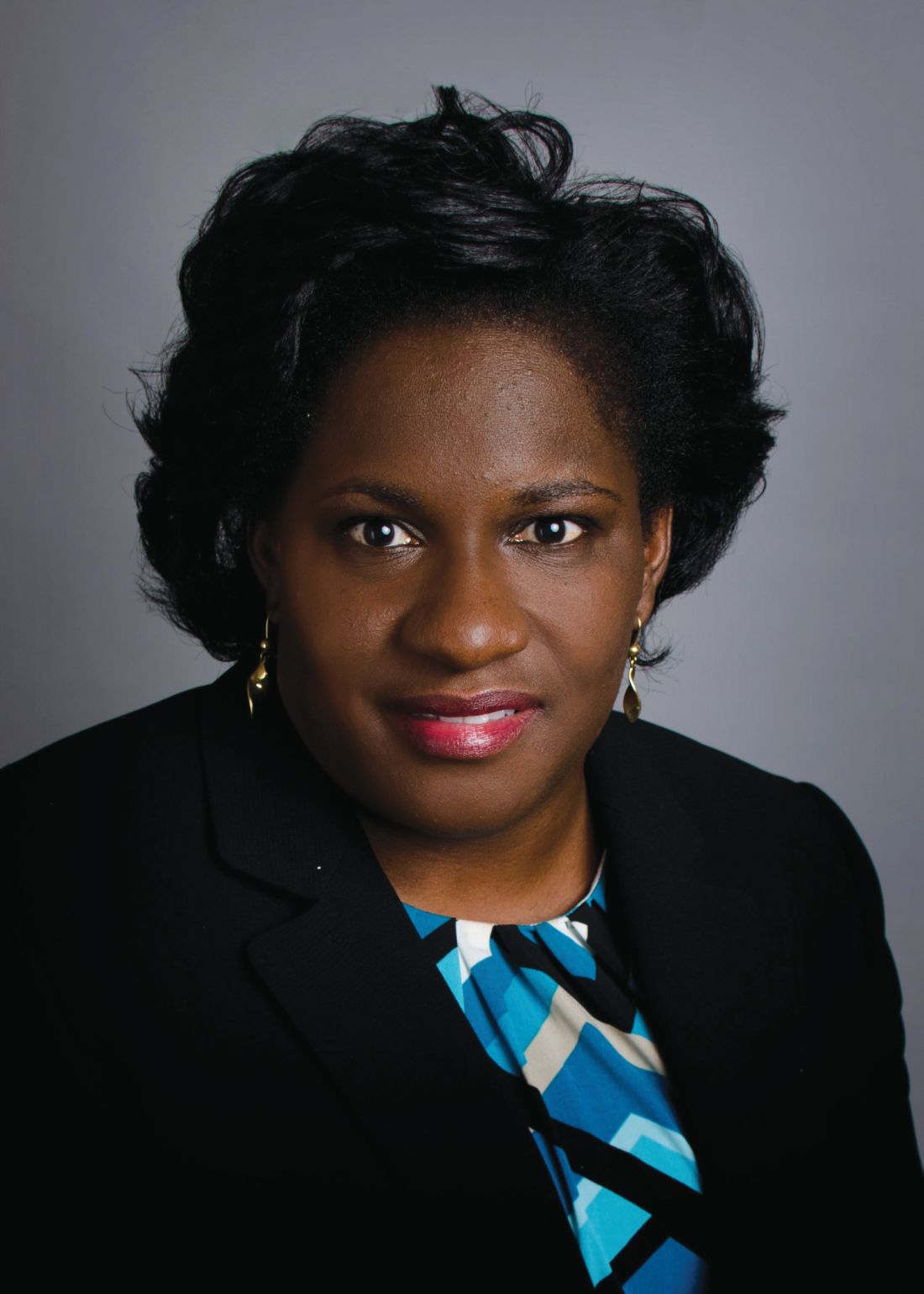
Almost 75% of doctors and nurses in and around Wuhan, China, where the outbreak first emerged, reported skin problems during a single week in early February 2020, in a survey of health care workers (HCW) caring for COVID-19 patients at five university and five regional hospitals. Hands, cheeks, and the nasal bridge were the most commonly affected areas, with skin dryness, maceration, papules, and erythema the most common problems, according to research published in the British Journal of Dermatology.
In New York City, masks in particular are “really an issue,” said Ellen Marmur, MD, a dermatologist in private practice and an associate clinical professor at the Mount Sinai School of Medicine, New York.
She’s dealing with patients who have abrasions and skin infections at the tip of the nose, bruising from the metal strap that goes across the bridge of the nose, and skin irritation from the straps. “Rosacea is [also] definitely flaring up, [and] people’s acne is definitely flaring up, not only because of the stress, but because of the sweat and humidity” that builds up under the masks, she said.

“It’s not a life-threatening thing, but it’s definitely something we’ve been helping people with,” she said. This includes her husband, a cardiologist pulling 12-hour shifts in a New York City hospital wearing an N95 mask; when he comes home, the tip of his nose is red and abraded.
Treatment entails first aid skin care: a dab of a gentle ointment like Aquaphor to prevent abrasions while the mask is on and to help them heal after it’s off, and bacitracin if infection is a worry. For acne and rosacea flares, a course of minocycline or topical clindamycin might help, Dr. Marmur said.
Although almost 75% of the doctors and nurses in the Chinese study reported skin problems, the response rate was low, just 376 of the 1,000 surveyed (37.6%). That might have tilted the results to providers who actually ran into problems, wrote the investigators, led by Ping Lin of the department of dermatology and venereology at Peking University First Hospital, Beijing.
Still, 280 (74.5%) reported adverse skin reactions from caring for COVID-19 patients. “Of note, this rate was much higher than the rate of occupational contact dermatitis (31.5%) in HCWs under normal working condition[s], and that of adverse skin reactions (21.4%-35.5%)” during the outbreak of another coronavirus in 2003, severe acute respiratory syndrome, they wrote.
Most providers in the study washed their hands more than 10 times a day, but only about 22% applied hand cream afterwards, they reported.
On multivariate analysis, working in hospitals harder hit by the pandemic (odds ratio, 2.41; P = .001), working on inpatient wards (OR, 2.44; P = .003), wearing full-body personal protective equipment over 6 hours (OR, 4.26; P < .001), and female sex (OR, 1.87; P = .038) increased the risk of adverse skin reactions. The team suggested moisturizers would help to protect against hand dermatitis, and alcohol-based products instead of soaps “as the former show high antimicrobial activity and low risks of skin damage.” Also, “restricting duration of wearing” of protection gear “to no more than 6 hours would help.”
The study investigators reported that they had no conflicts of interest.
SOURCE: Lin P et al. Br J Dermatol. 2020 Apr 7. doi: 10.1111/bjd.19089.
Almost 75% of doctors and nurses in and around Wuhan, China, where the outbreak first emerged, reported skin problems during a single week in early February 2020, in a survey of health care workers (HCW) caring for COVID-19 patients at five university and five regional hospitals. Hands, cheeks, and the nasal bridge were the most commonly affected areas, with skin dryness, maceration, papules, and erythema the most common problems, according to research published in the British Journal of Dermatology.
In New York City, masks in particular are “really an issue,” said Ellen Marmur, MD, a dermatologist in private practice and an associate clinical professor at the Mount Sinai School of Medicine, New York.
She’s dealing with patients who have abrasions and skin infections at the tip of the nose, bruising from the metal strap that goes across the bridge of the nose, and skin irritation from the straps. “Rosacea is [also] definitely flaring up, [and] people’s acne is definitely flaring up, not only because of the stress, but because of the sweat and humidity” that builds up under the masks, she said.
“It’s not a life-threatening thing, but it’s definitely something we’ve been helping people with,” she said. This includes her husband, a cardiologist pulling 12-hour shifts in a New York City hospital wearing an N95 mask; when he comes home, the tip of his nose is red and abraded.
Treatment entails first aid skin care: a dab of a gentle ointment like Aquaphor to prevent abrasions while the mask is on and to help them heal after it’s off, and bacitracin if infection is a worry. For acne and rosacea flares, a course of minocycline or topical clindamycin might help, Dr. Marmur said.
Although almost 75% of the doctors and nurses in the Chinese study reported skin problems, the response rate was low, just 376 of the 1,000 surveyed (37.6%). That might have tilted the results to providers who actually ran into problems, wrote the investigators, led by Ping Lin of the department of dermatology and venereology at Peking University First Hospital, Beijing.
Still, 280 (74.5%) reported adverse skin reactions from caring for COVID-19 patients. “Of note, this rate was much higher than the rate of occupational contact dermatitis (31.5%) in HCWs under normal working condition[s], and that of adverse skin reactions (21.4%-35.5%)” during the outbreak of another coronavirus in 2003, severe acute respiratory syndrome, they wrote.
Most providers in the study washed their hands more than 10 times a day, but only about 22% applied hand cream afterwards, they reported.
On multivariate analysis, working in hospitals harder hit by the pandemic (odds ratio, 2.41; P = .001), working on inpatient wards (OR, 2.44; P = .003), wearing full-body personal protective equipment over 6 hours (OR, 4.26; P < .001), and female sex (OR, 1.87; P = .038) increased the risk of adverse skin reactions. The team suggested moisturizers would help to protect against hand dermatitis, and alcohol-based products instead of soaps “as the former show high antimicrobial activity and low risks of skin damage.” Also, “restricting duration of wearing” of protection gear “to no more than 6 hours would help.”
The study investigators reported that they had no conflicts of interest.
SOURCE: Lin P et al. Br J Dermatol. 2020 Apr 7. doi: 10.1111/bjd.19089.
Almost 75% of doctors and nurses in and around Wuhan, China, where the outbreak first emerged, reported skin problems during a single week in early February 2020, in a survey of health care workers (HCW) caring for COVID-19 patients at five university and five regional hospitals. Hands, cheeks, and the nasal bridge were the most commonly affected areas, with skin dryness, maceration, papules, and erythema the most common problems, according to research published in the British Journal of Dermatology.
In New York City, masks in particular are “really an issue,” said Ellen Marmur, MD, a dermatologist in private practice and an associate clinical professor at the Mount Sinai School of Medicine, New York.
She’s dealing with patients who have abrasions and skin infections at the tip of the nose, bruising from the metal strap that goes across the bridge of the nose, and skin irritation from the straps. “Rosacea is [also] definitely flaring up, [and] people’s acne is definitely flaring up, not only because of the stress, but because of the sweat and humidity” that builds up under the masks, she said.
“It’s not a life-threatening thing, but it’s definitely something we’ve been helping people with,” she said. This includes her husband, a cardiologist pulling 12-hour shifts in a New York City hospital wearing an N95 mask; when he comes home, the tip of his nose is red and abraded.
Treatment entails first aid skin care: a dab of a gentle ointment like Aquaphor to prevent abrasions while the mask is on and to help them heal after it’s off, and bacitracin if infection is a worry. For acne and rosacea flares, a course of minocycline or topical clindamycin might help, Dr. Marmur said.
Although almost 75% of the doctors and nurses in the Chinese study reported skin problems, the response rate was low, just 376 of the 1,000 surveyed (37.6%). That might have tilted the results to providers who actually ran into problems, wrote the investigators, led by Ping Lin of the department of dermatology and venereology at Peking University First Hospital, Beijing.
Still, 280 (74.5%) reported adverse skin reactions from caring for COVID-19 patients. “Of note, this rate was much higher than the rate of occupational contact dermatitis (31.5%) in HCWs under normal working condition[s], and that of adverse skin reactions (21.4%-35.5%)” during the outbreak of another coronavirus in 2003, severe acute respiratory syndrome, they wrote.
Most providers in the study washed their hands more than 10 times a day, but only about 22% applied hand cream afterwards, they reported.
On multivariate analysis, working in hospitals harder hit by the pandemic (odds ratio, 2.41; P = .001), working on inpatient wards (OR, 2.44; P = .003), wearing full-body personal protective equipment over 6 hours (OR, 4.26; P < .001), and female sex (OR, 1.87; P = .038) increased the risk of adverse skin reactions. The team suggested moisturizers would help to protect against hand dermatitis, and alcohol-based products instead of soaps “as the former show high antimicrobial activity and low risks of skin damage.” Also, “restricting duration of wearing” of protection gear “to no more than 6 hours would help.”
The study investigators reported that they had no conflicts of interest.
SOURCE: Lin P et al. Br J Dermatol. 2020 Apr 7. doi: 10.1111/bjd.19089.
FROM THE BRITISH JOURNAL OF DERMATOLOGY

Bone density slow to rebound after lactation in women with HIV
Women with HIV had more bone mobilization during lactation, and attenuated skeletal recovery after lactation, compared with HIV-negative women, according to research presented during the Conference on Retroviruses & Opportunistic Infections, which was presented online this year. CROI organizers chose to hold a virtual meeting because of concerns about the spread of COVID-19.
The study “demonstrated that there were reductions as expected in BMD during breastfeeding, and there was recovery at the end of breastfeeding, which was higher among women who were not HIV-infected compared to HIV-infected women,” said Mary Glenn Fowler, MD, speaking in a video presentation during the virtual conference. The differences between women who had HIV and the HIV-negative reference group were statistically significant (P = .003 for lumbar spine and P less than .001 for whole-body aBMD).
“We also saw that for whole-body BMD, there was recovery at the end of breastfeeding for women who were not HIV infected, but a dampened response of recovery for BMD for HIV-infected women,” she went on, adding: “These findings held after adjustment for parity, age, body mass, breastfeeding practices, duration of breastfeeding, use of [injectable medroxyprogesterone acetate], and resumption of menses.”
Dr. Fowler presented the study’s results on behalf of lead author Florence Nabwire, PhD, an investigator scientist in the nutrition and bone health group of the United Kingdom’s Medical Research Council (Cambridge).
Although it’s known that antiretroviral therapy (ART) is associated with bone loss, Dr. Fowler explained that there are only limited data in HIV-positive women who are lactating. It’s important to see what happens during lactation for this group of women because of the potential sequelae later in life of insufficient recovery from the physiological bone mobilization that occurs during lactation. The study looked at changes in areal bone mineral density (aBMD) both during and after lactation for women with HIV living in Uganda who were taking Option B+ ART, a regimen that includes tenofovir, 3TC, and efavirenz. These women were compared with a reference group of HIV-negative women.
In all, 95 women with HIV and 96 HIV negative women were recruited into the study during pregnancy. Participants were followed postpartum at weeks 2, 14, and 26, and at a final visit that occurred 14 weeks after lactation stopped.
In addition to lumbar spine, total hip, and femoral neck aBMD measurements, the investigators also obtained whole body-less-head reading.
For total hip and femoral neck aBMD, the nadir of density was seen at 26 postpartum, when a drop of about 6% was seen from baseline readings. By the final post-lactation visit, women without HIV had recovered to their baseline; for women with HIV, some recovery also occurred, but the effect was dampened, with a persistent bone density deficit of about 3% from baseline. The differences between HIV-positive and HIV-negative women in these measurements were also statistically significant, at P less than .001 for total hip aBMD differences and P = .0008 for femoral neck differences. Again, correction for multiple confounders didn’t attenuate the results, said Dr. Fowler.
“In conclusion, these data showed accentuated mobilization of hip and whole body aBMD during lactation,” said Dr. Fowler, who also noted “slower skeletal recovery post lactation for HIV-infected women.” Clinical implications of these findings aren’t currently known, she said. Further ongoing studies are aiming to tease out both mechanisms and longer-term consequences for the bone health of HIV-infected women and their children, who may also see differences in bone mineral accretion and growth.
Session moderator Risa Hoffman, MD, in introductory remarks, set the findings in some context. “As we know, HIV-positive adults have low bone mineral density, and this appears to be a result of interactions of HIV, traditional risk factors for loss of bone density, and antiretroviral therapy,” said Dr. Hoffman, director of the global health program at the University of California, Los Angeles. She added that previous work had shown that “middle-aged HIV-positive women have higher 10-year fracture incidence compared to their HIV-negative counterparts.” The current study, she said, “has both short- and long-term implications for women as they go through multiple pregnancies and multiple periods of breastfeeding.”
The study was funded by the United Kingdom’s Medical Research Council and Department for International Development as well as the Alborada Trust and the Gates Cambridge Scholarship. The authors reported no conflicts of interest.
SOURCE: Nabwire F et al. CROI 2020, Abstract 768.
Women with HIV had more bone mobilization during lactation, and attenuated skeletal recovery after lactation, compared with HIV-negative women, according to research presented during the Conference on Retroviruses & Opportunistic Infections, which was presented online this year. CROI organizers chose to hold a virtual meeting because of concerns about the spread of COVID-19.
The study “demonstrated that there were reductions as expected in BMD during breastfeeding, and there was recovery at the end of breastfeeding, which was higher among women who were not HIV-infected compared to HIV-infected women,” said Mary Glenn Fowler, MD, speaking in a video presentation during the virtual conference. The differences between women who had HIV and the HIV-negative reference group were statistically significant (P = .003 for lumbar spine and P less than .001 for whole-body aBMD).
“We also saw that for whole-body BMD, there was recovery at the end of breastfeeding for women who were not HIV infected, but a dampened response of recovery for BMD for HIV-infected women,” she went on, adding: “These findings held after adjustment for parity, age, body mass, breastfeeding practices, duration of breastfeeding, use of [injectable medroxyprogesterone acetate], and resumption of menses.”
Dr. Fowler presented the study’s results on behalf of lead author Florence Nabwire, PhD, an investigator scientist in the nutrition and bone health group of the United Kingdom’s Medical Research Council (Cambridge).
Although it’s known that antiretroviral therapy (ART) is associated with bone loss, Dr. Fowler explained that there are only limited data in HIV-positive women who are lactating. It’s important to see what happens during lactation for this group of women because of the potential sequelae later in life of insufficient recovery from the physiological bone mobilization that occurs during lactation. The study looked at changes in areal bone mineral density (aBMD) both during and after lactation for women with HIV living in Uganda who were taking Option B+ ART, a regimen that includes tenofovir, 3TC, and efavirenz. These women were compared with a reference group of HIV-negative women.
In all, 95 women with HIV and 96 HIV negative women were recruited into the study during pregnancy. Participants were followed postpartum at weeks 2, 14, and 26, and at a final visit that occurred 14 weeks after lactation stopped.
In addition to lumbar spine, total hip, and femoral neck aBMD measurements, the investigators also obtained whole body-less-head reading.
For total hip and femoral neck aBMD, the nadir of density was seen at 26 postpartum, when a drop of about 6% was seen from baseline readings. By the final post-lactation visit, women without HIV had recovered to their baseline; for women with HIV, some recovery also occurred, but the effect was dampened, with a persistent bone density deficit of about 3% from baseline. The differences between HIV-positive and HIV-negative women in these measurements were also statistically significant, at P less than .001 for total hip aBMD differences and P = .0008 for femoral neck differences. Again, correction for multiple confounders didn’t attenuate the results, said Dr. Fowler.
“In conclusion, these data showed accentuated mobilization of hip and whole body aBMD during lactation,” said Dr. Fowler, who also noted “slower skeletal recovery post lactation for HIV-infected women.” Clinical implications of these findings aren’t currently known, she said. Further ongoing studies are aiming to tease out both mechanisms and longer-term consequences for the bone health of HIV-infected women and their children, who may also see differences in bone mineral accretion and growth.
Session moderator Risa Hoffman, MD, in introductory remarks, set the findings in some context. “As we know, HIV-positive adults have low bone mineral density, and this appears to be a result of interactions of HIV, traditional risk factors for loss of bone density, and antiretroviral therapy,” said Dr. Hoffman, director of the global health program at the University of California, Los Angeles. She added that previous work had shown that “middle-aged HIV-positive women have higher 10-year fracture incidence compared to their HIV-negative counterparts.” The current study, she said, “has both short- and long-term implications for women as they go through multiple pregnancies and multiple periods of breastfeeding.”
The study was funded by the United Kingdom’s Medical Research Council and Department for International Development as well as the Alborada Trust and the Gates Cambridge Scholarship. The authors reported no conflicts of interest.
SOURCE: Nabwire F et al. CROI 2020, Abstract 768.
Women with HIV had more bone mobilization during lactation, and attenuated skeletal recovery after lactation, compared with HIV-negative women, according to research presented during the Conference on Retroviruses & Opportunistic Infections, which was presented online this year. CROI organizers chose to hold a virtual meeting because of concerns about the spread of COVID-19.
The study “demonstrated that there were reductions as expected in BMD during breastfeeding, and there was recovery at the end of breastfeeding, which was higher among women who were not HIV-infected compared to HIV-infected women,” said Mary Glenn Fowler, MD, speaking in a video presentation during the virtual conference. The differences between women who had HIV and the HIV-negative reference group were statistically significant (P = .003 for lumbar spine and P less than .001 for whole-body aBMD).
“We also saw that for whole-body BMD, there was recovery at the end of breastfeeding for women who were not HIV infected, but a dampened response of recovery for BMD for HIV-infected women,” she went on, adding: “These findings held after adjustment for parity, age, body mass, breastfeeding practices, duration of breastfeeding, use of [injectable medroxyprogesterone acetate], and resumption of menses.”
Dr. Fowler presented the study’s results on behalf of lead author Florence Nabwire, PhD, an investigator scientist in the nutrition and bone health group of the United Kingdom’s Medical Research Council (Cambridge).
Although it’s known that antiretroviral therapy (ART) is associated with bone loss, Dr. Fowler explained that there are only limited data in HIV-positive women who are lactating. It’s important to see what happens during lactation for this group of women because of the potential sequelae later in life of insufficient recovery from the physiological bone mobilization that occurs during lactation. The study looked at changes in areal bone mineral density (aBMD) both during and after lactation for women with HIV living in Uganda who were taking Option B+ ART, a regimen that includes tenofovir, 3TC, and efavirenz. These women were compared with a reference group of HIV-negative women.
In all, 95 women with HIV and 96 HIV negative women were recruited into the study during pregnancy. Participants were followed postpartum at weeks 2, 14, and 26, and at a final visit that occurred 14 weeks after lactation stopped.
In addition to lumbar spine, total hip, and femoral neck aBMD measurements, the investigators also obtained whole body-less-head reading.
For total hip and femoral neck aBMD, the nadir of density was seen at 26 postpartum, when a drop of about 6% was seen from baseline readings. By the final post-lactation visit, women without HIV had recovered to their baseline; for women with HIV, some recovery also occurred, but the effect was dampened, with a persistent bone density deficit of about 3% from baseline. The differences between HIV-positive and HIV-negative women in these measurements were also statistically significant, at P less than .001 for total hip aBMD differences and P = .0008 for femoral neck differences. Again, correction for multiple confounders didn’t attenuate the results, said Dr. Fowler.
“In conclusion, these data showed accentuated mobilization of hip and whole body aBMD during lactation,” said Dr. Fowler, who also noted “slower skeletal recovery post lactation for HIV-infected women.” Clinical implications of these findings aren’t currently known, she said. Further ongoing studies are aiming to tease out both mechanisms and longer-term consequences for the bone health of HIV-infected women and their children, who may also see differences in bone mineral accretion and growth.
Session moderator Risa Hoffman, MD, in introductory remarks, set the findings in some context. “As we know, HIV-positive adults have low bone mineral density, and this appears to be a result of interactions of HIV, traditional risk factors for loss of bone density, and antiretroviral therapy,” said Dr. Hoffman, director of the global health program at the University of California, Los Angeles. She added that previous work had shown that “middle-aged HIV-positive women have higher 10-year fracture incidence compared to their HIV-negative counterparts.” The current study, she said, “has both short- and long-term implications for women as they go through multiple pregnancies and multiple periods of breastfeeding.”
The study was funded by the United Kingdom’s Medical Research Council and Department for International Development as well as the Alborada Trust and the Gates Cambridge Scholarship. The authors reported no conflicts of interest.
SOURCE: Nabwire F et al. CROI 2020, Abstract 768.
FROM CROI 2020
“I have to watch my bank accounts closely”: a solo practitioner during COVID-19
Medicine, as often said, is a business.
That’s often forgotten in a crisis, such as COVID-19, and with good reason. Our training in medicine is needed to care for the sick and find ways to prevent disease. Things like money are in the background when it comes to the emergencies of saving lives and helping the sick.

But that doesn’t mean finances don’t matter. They’re always in the background for medical practices of all sizes – just like any business.
Some practices have closed for patient and staff safety. I haven’t gone that far, as some people still need me. I am, after all, a doctor.
So I’m alone in my office, my staff working from home. That helps cut some lines of transmission there.
Like everyone else, I’m also doing telemedicine, and even a few phone appointments. These keep all involved safe, but also have a lot of limitations. They’re fine for checking up on stable, established patients, or following up on test results. But certainly not for new patients or established ones with new problems.
After all, you can’t evaluate a foot drop, extrapyramidal rigidity, or do an EMG/NCV over the video-phone connection.
In-person appointments are spaced out to minimize the number of people in my waiting room. Patients are told not to come in if they’re sick, and I insist we both be wearing masks (of pretty much any kind at this point). Common-use pens, such as those out in the waiting room, are wiped down with alcohol between uses.
With only two staff members, there really isn’t anyone extraneous to cut. I’ve stopped taking a paycheck so I can keep paying them, my rent, and the other miscellaneous costs of running an office.
I’ve always taken a bonus only at the end of the year, after all the other accounts have been paid, and take only a modest regular salary. In this case, that’s worked to my advantage, as I had more cash on hand when the emergency started. While not a huge amount, it’s enough to buy me some time, maybe several weeks, to see how this plays out. After that I’d have to tap into a line of credit, which obviously no one wants to do.
Telemedicine and the few office patients I’m seeing are a trickle of revenue. It’s better than nothing, but certainly isn’t enough to keep the door open and lights on.
That said, I’m not ungrateful. I’m well aware how fortunate my practice and family are compared to many others during this time. I haven’t had to ask for a pass on a mortgage or rent payment – yet. My staff and I have been together since 2004. I’m not going to break up a great team now.
I have no idea when things will turn around and people will start to come in. Your guess is as good as mine. I suspect the trickle will slowly increase at some point, then suddenly there will be a surge of calls for appointments from people who’ve been putting off coming in. Even then, though, I’ll likely space appointments apart and keep using a mask until it appears things are stable. There are going to be further waves of infections, and we don’t know how bad they’ll be.
Like everyone else, I can only hope for the best.
Dr. Block has a solo neurology practice in Scottsdale, Ariz. He has no relevant disclosures.
Medicine, as often said, is a business.
That’s often forgotten in a crisis, such as COVID-19, and with good reason. Our training in medicine is needed to care for the sick and find ways to prevent disease. Things like money are in the background when it comes to the emergencies of saving lives and helping the sick.
But that doesn’t mean finances don’t matter. They’re always in the background for medical practices of all sizes – just like any business.
Some practices have closed for patient and staff safety. I haven’t gone that far, as some people still need me. I am, after all, a doctor.
So I’m alone in my office, my staff working from home. That helps cut some lines of transmission there.
Like everyone else, I’m also doing telemedicine, and even a few phone appointments. These keep all involved safe, but also have a lot of limitations. They’re fine for checking up on stable, established patients, or following up on test results. But certainly not for new patients or established ones with new problems.
After all, you can’t evaluate a foot drop, extrapyramidal rigidity, or do an EMG/NCV over the video-phone connection.
In-person appointments are spaced out to minimize the number of people in my waiting room. Patients are told not to come in if they’re sick, and I insist we both be wearing masks (of pretty much any kind at this point). Common-use pens, such as those out in the waiting room, are wiped down with alcohol between uses.
With only two staff members, there really isn’t anyone extraneous to cut. I’ve stopped taking a paycheck so I can keep paying them, my rent, and the other miscellaneous costs of running an office.
I’ve always taken a bonus only at the end of the year, after all the other accounts have been paid, and take only a modest regular salary. In this case, that’s worked to my advantage, as I had more cash on hand when the emergency started. While not a huge amount, it’s enough to buy me some time, maybe several weeks, to see how this plays out. After that I’d have to tap into a line of credit, which obviously no one wants to do.
Telemedicine and the few office patients I’m seeing are a trickle of revenue. It’s better than nothing, but certainly isn’t enough to keep the door open and lights on.
That said, I’m not ungrateful. I’m well aware how fortunate my practice and family are compared to many others during this time. I haven’t had to ask for a pass on a mortgage or rent payment – yet. My staff and I have been together since 2004. I’m not going to break up a great team now.
I have no idea when things will turn around and people will start to come in. Your guess is as good as mine. I suspect the trickle will slowly increase at some point, then suddenly there will be a surge of calls for appointments from people who’ve been putting off coming in. Even then, though, I’ll likely space appointments apart and keep using a mask until it appears things are stable. There are going to be further waves of infections, and we don’t know how bad they’ll be.
Like everyone else, I can only hope for the best.
Dr. Block has a solo neurology practice in Scottsdale, Ariz. He has no relevant disclosures.
Medicine, as often said, is a business.
That’s often forgotten in a crisis, such as COVID-19, and with good reason. Our training in medicine is needed to care for the sick and find ways to prevent disease. Things like money are in the background when it comes to the emergencies of saving lives and helping the sick.
But that doesn’t mean finances don’t matter. They’re always in the background for medical practices of all sizes – just like any business.
Some practices have closed for patient and staff safety. I haven’t gone that far, as some people still need me. I am, after all, a doctor.
So I’m alone in my office, my staff working from home. That helps cut some lines of transmission there.
Like everyone else, I’m also doing telemedicine, and even a few phone appointments. These keep all involved safe, but also have a lot of limitations. They’re fine for checking up on stable, established patients, or following up on test results. But certainly not for new patients or established ones with new problems.
After all, you can’t evaluate a foot drop, extrapyramidal rigidity, or do an EMG/NCV over the video-phone connection.
In-person appointments are spaced out to minimize the number of people in my waiting room. Patients are told not to come in if they’re sick, and I insist we both be wearing masks (of pretty much any kind at this point). Common-use pens, such as those out in the waiting room, are wiped down with alcohol between uses.
With only two staff members, there really isn’t anyone extraneous to cut. I’ve stopped taking a paycheck so I can keep paying them, my rent, and the other miscellaneous costs of running an office.
I’ve always taken a bonus only at the end of the year, after all the other accounts have been paid, and take only a modest regular salary. In this case, that’s worked to my advantage, as I had more cash on hand when the emergency started. While not a huge amount, it’s enough to buy me some time, maybe several weeks, to see how this plays out. After that I’d have to tap into a line of credit, which obviously no one wants to do.
Telemedicine and the few office patients I’m seeing are a trickle of revenue. It’s better than nothing, but certainly isn’t enough to keep the door open and lights on.
That said, I’m not ungrateful. I’m well aware how fortunate my practice and family are compared to many others during this time. I haven’t had to ask for a pass on a mortgage or rent payment – yet. My staff and I have been together since 2004. I’m not going to break up a great team now.
I have no idea when things will turn around and people will start to come in. Your guess is as good as mine. I suspect the trickle will slowly increase at some point, then suddenly there will be a surge of calls for appointments from people who’ve been putting off coming in. Even then, though, I’ll likely space appointments apart and keep using a mask until it appears things are stable. There are going to be further waves of infections, and we don’t know how bad they’ll be.
Like everyone else, I can only hope for the best.
Dr. Block has a solo neurology practice in Scottsdale, Ariz. He has no relevant disclosures.
Making something ordinary out of the extraordinary
These are tough times for families, children, and practices. In this case, the entire world is going through it at the same time, leaving no escape. There are so many new things each of us needs to do, and for some of the challenges, we are completely thwarted by safety restrictions from doing anything. Adults and children alike are trying to work or learn at home in new ways. This also means that old daily routines have been broken. The sense of disorientation is pervasive. Although it is only one part of what is needed, reestablishing routines can go a long way toward restoring a sense of control and meaning that you can institute for yourself and recommend to your patients.

Examples of such change include natural disasters such as COVID-19, deaths, or separations from loved ones, but also moving, job loss, or new financial instability. Many families and many doctors and staff are experiencing several of these at once these days.
Evidence from studies of times of major disruption such as divorce, a death, war, and natural disasters show that parenting tends to shift to being less organized, with less overall discipline or more arbitrary punishment, and, in some cases, less parent-child connection. Children, on their part, also tend to act differently under these conditions. They are more irritable, upset, anxious, clingy, and aggressive, and also tend to regress in recent developmental achievements such as maintaining toileting and sleep patterns. Parents often do not see the connection to the stress and react to these behaviors in ways that may make things worse by scolding or punishing.
I was really surprised to hear Daniel Kahneman, PhD, Nobel laureate in economics, talk about how even he has trouble judging risk based on mathematical probability. Instead, he recognizes that adults decide about risk based on the behavior of the people around them – when others act worried or agitated, the person does too. Children, even more than adults, must decide if they are safe based on the behavior of the adults around them. When parents maintain routines as closely as possible after a major disruption, children feel reassured that they can expect continuity of their relationship – their most important lifeboat. If their parents keep doing the things they are used to, children basically feel safe.
Simple aspects of sameness important to children are very familiar to pediatricians: always wanting the same spoon, the sandwich cut the same way, only chicken nuggets from a certain store. This tends to be true in typically developing toddlers, preschool, and some school-aged children. The desire to have the same story read to them multiple times – until parents are ready to scream! – is another sign of the importance of predictable routines to children. All of these are best accommodated during times of stress rather than trying to “avoid making a bad habit.” All disruptions of routine are even more disorienting for children with intellectual disabilities or those on the autism spectrum who are generally less able to understand or control their world. Children and adults with preexisting anxiety disorders also are more likely to have more severe reactions to major disruptions and need extra understanding.
Routines for eating at least something at regular times – even if the food is not as interesting as prior fare – provide a sense of security, as well as stabilizing blood sugar and bowel patterns. Keeping patterns of washing hands, sitting together as a family, and interacting in conversation, rather than watching TV news, allow an oasis of respite from ongoing stresses. Family meals are also known to promote learning, vocabulary growth, and better behavior.
Setting a schedule for schooling, play, hygiene, and exercise may seem silly when parents and children are home all day, but it instills a sense of meaning to the day. Making a visual schedule for younger children or a written or online one for older children can be a shared activity in itself. I remember hearing about how important changing clothes and cleaning teeth were to prisoners of war during World War II in maintaining a sense of normalcy in that time of chaos.
Exercise is particularly important to set as a routine as it directly reduces stress – even if it may need to take new forms. While there are lots of online exercise programs for adults, it is better for everyone to go outside if they can manage adequate personal spacing. There they can experience the orderly changing of the seasons and the weather, as well as soak up some sunshine. Interactive parent-child play serves multiple purposes of stress relief, seeing each other more relaxed, interacting, and having fun!
Routines for sleep are especially important. To fall asleep under normal circumstances requires a sense of safety, perhaps for evolutionary reasons because of the vulnerability of the paralysis that is part of REM sleep stages. Fear at bedtime is common in young children, as is disorientation in the elderly. Both respond to reassuring bedtime routines done the same way every night, such as brushing teeth, changing clothes, washing up, reading or being read to, and praying – if these were the previous habit. When there has been a major disruption, these routines take on added importance, even if some modifications need to be made in sleep location, privacy, etc. Keeping schedules for naps, bedtime, and wake time as stable as possible makes sleep onset easier and sleep maintenance more likely. It also increases the chances of adequate sleep duration. Getting enough sleep stabilizes mood, reduces irritability, and improves daytime concentration and problem-solving skills. These all are especially needed by adults as well as children when there are major disruptions.
Maintaining chores at times of disruption can be extra difficult, plus this may seem to parents like an added stress for their already-stressed child. But in fact, children are reassured by adults’ continuing these requirements. Not only is an expectation that chores be done a signal that life can be expected to proceed normally, but having children do things to help – such as cleaning up, restocking soap and towels, or emptying trash – gives them an active role and hence some sense of control.
Discipline is, in essence, also a routine. Maintaining standards for kindness to others and following rules can be especially difficult when life has been disrupted because emotional lability is more likely in both adults and children when severely stressed. It is important for parents to consider the source of the misbehavior as possibly stress related and to interrupt it in a gentle and understanding way. A parent might say: “I know you are upset by all the changes. It is even more important now than ever to be kind to your brother.” Under stressful conditions, it is especially important to ask how the child was feeling when acting up, but also to “speak for them” about possible stress-related reasons for their behavior. While parents may correctly say that their child will “take advantage of this excuse,” it is still a teaching opportunity. Children have little insight into these connections to their feelings and actions, but they can learn.
Times when old patterns are disrupted also are times for making new habits. The main new habit I recommend for stress relief and overall mental health are the practices of mindfulness or meditation. Mindfulness may be easier to teach children as it involves paying close attention to one’s thoughts, feelings, and sensations, but doing this without judgment. Children often are naturally better at this than adults, who have layered on more experiences to their thoughts. We pediatricians, as well as the parents we serve, can benefit – especially in stressful times – from sharing in the simple ways children experience the world.
Dr. Howard is assistant professor of pediatrics at Johns Hopkins University, Baltimore, and creator of CHADIS (www.CHADIS.com). She had no other relevant disclosures. Dr. Howard’s contribution to this publication was as a paid expert to MDedge News. Email her at [email protected].
These are tough times for families, children, and practices. In this case, the entire world is going through it at the same time, leaving no escape. There are so many new things each of us needs to do, and for some of the challenges, we are completely thwarted by safety restrictions from doing anything. Adults and children alike are trying to work or learn at home in new ways. This also means that old daily routines have been broken. The sense of disorientation is pervasive. Although it is only one part of what is needed, reestablishing routines can go a long way toward restoring a sense of control and meaning that you can institute for yourself and recommend to your patients.
Examples of such change include natural disasters such as COVID-19, deaths, or separations from loved ones, but also moving, job loss, or new financial instability. Many families and many doctors and staff are experiencing several of these at once these days.
Evidence from studies of times of major disruption such as divorce, a death, war, and natural disasters show that parenting tends to shift to being less organized, with less overall discipline or more arbitrary punishment, and, in some cases, less parent-child connection. Children, on their part, also tend to act differently under these conditions. They are more irritable, upset, anxious, clingy, and aggressive, and also tend to regress in recent developmental achievements such as maintaining toileting and sleep patterns. Parents often do not see the connection to the stress and react to these behaviors in ways that may make things worse by scolding or punishing.
I was really surprised to hear Daniel Kahneman, PhD, Nobel laureate in economics, talk about how even he has trouble judging risk based on mathematical probability. Instead, he recognizes that adults decide about risk based on the behavior of the people around them – when others act worried or agitated, the person does too. Children, even more than adults, must decide if they are safe based on the behavior of the adults around them. When parents maintain routines as closely as possible after a major disruption, children feel reassured that they can expect continuity of their relationship – their most important lifeboat. If their parents keep doing the things they are used to, children basically feel safe.
Simple aspects of sameness important to children are very familiar to pediatricians: always wanting the same spoon, the sandwich cut the same way, only chicken nuggets from a certain store. This tends to be true in typically developing toddlers, preschool, and some school-aged children. The desire to have the same story read to them multiple times – until parents are ready to scream! – is another sign of the importance of predictable routines to children. All of these are best accommodated during times of stress rather than trying to “avoid making a bad habit.” All disruptions of routine are even more disorienting for children with intellectual disabilities or those on the autism spectrum who are generally less able to understand or control their world. Children and adults with preexisting anxiety disorders also are more likely to have more severe reactions to major disruptions and need extra understanding.
Routines for eating at least something at regular times – even if the food is not as interesting as prior fare – provide a sense of security, as well as stabilizing blood sugar and bowel patterns. Keeping patterns of washing hands, sitting together as a family, and interacting in conversation, rather than watching TV news, allow an oasis of respite from ongoing stresses. Family meals are also known to promote learning, vocabulary growth, and better behavior.
Setting a schedule for schooling, play, hygiene, and exercise may seem silly when parents and children are home all day, but it instills a sense of meaning to the day. Making a visual schedule for younger children or a written or online one for older children can be a shared activity in itself. I remember hearing about how important changing clothes and cleaning teeth were to prisoners of war during World War II in maintaining a sense of normalcy in that time of chaos.
Exercise is particularly important to set as a routine as it directly reduces stress – even if it may need to take new forms. While there are lots of online exercise programs for adults, it is better for everyone to go outside if they can manage adequate personal spacing. There they can experience the orderly changing of the seasons and the weather, as well as soak up some sunshine. Interactive parent-child play serves multiple purposes of stress relief, seeing each other more relaxed, interacting, and having fun!
Routines for sleep are especially important. To fall asleep under normal circumstances requires a sense of safety, perhaps for evolutionary reasons because of the vulnerability of the paralysis that is part of REM sleep stages. Fear at bedtime is common in young children, as is disorientation in the elderly. Both respond to reassuring bedtime routines done the same way every night, such as brushing teeth, changing clothes, washing up, reading or being read to, and praying – if these were the previous habit. When there has been a major disruption, these routines take on added importance, even if some modifications need to be made in sleep location, privacy, etc. Keeping schedules for naps, bedtime, and wake time as stable as possible makes sleep onset easier and sleep maintenance more likely. It also increases the chances of adequate sleep duration. Getting enough sleep stabilizes mood, reduces irritability, and improves daytime concentration and problem-solving skills. These all are especially needed by adults as well as children when there are major disruptions.
Maintaining chores at times of disruption can be extra difficult, plus this may seem to parents like an added stress for their already-stressed child. But in fact, children are reassured by adults’ continuing these requirements. Not only is an expectation that chores be done a signal that life can be expected to proceed normally, but having children do things to help – such as cleaning up, restocking soap and towels, or emptying trash – gives them an active role and hence some sense of control.
Discipline is, in essence, also a routine. Maintaining standards for kindness to others and following rules can be especially difficult when life has been disrupted because emotional lability is more likely in both adults and children when severely stressed. It is important for parents to consider the source of the misbehavior as possibly stress related and to interrupt it in a gentle and understanding way. A parent might say: “I know you are upset by all the changes. It is even more important now than ever to be kind to your brother.” Under stressful conditions, it is especially important to ask how the child was feeling when acting up, but also to “speak for them” about possible stress-related reasons for their behavior. While parents may correctly say that their child will “take advantage of this excuse,” it is still a teaching opportunity. Children have little insight into these connections to their feelings and actions, but they can learn.
Times when old patterns are disrupted also are times for making new habits. The main new habit I recommend for stress relief and overall mental health are the practices of mindfulness or meditation. Mindfulness may be easier to teach children as it involves paying close attention to one’s thoughts, feelings, and sensations, but doing this without judgment. Children often are naturally better at this than adults, who have layered on more experiences to their thoughts. We pediatricians, as well as the parents we serve, can benefit – especially in stressful times – from sharing in the simple ways children experience the world.
Dr. Howard is assistant professor of pediatrics at Johns Hopkins University, Baltimore, and creator of CHADIS (www.CHADIS.com). She had no other relevant disclosures. Dr. Howard’s contribution to this publication was as a paid expert to MDedge News. Email her at [email protected].
These are tough times for families, children, and practices. In this case, the entire world is going through it at the same time, leaving no escape. There are so many new things each of us needs to do, and for some of the challenges, we are completely thwarted by safety restrictions from doing anything. Adults and children alike are trying to work or learn at home in new ways. This also means that old daily routines have been broken. The sense of disorientation is pervasive. Although it is only one part of what is needed, reestablishing routines can go a long way toward restoring a sense of control and meaning that you can institute for yourself and recommend to your patients.
Examples of such change include natural disasters such as COVID-19, deaths, or separations from loved ones, but also moving, job loss, or new financial instability. Many families and many doctors and staff are experiencing several of these at once these days.
Evidence from studies of times of major disruption such as divorce, a death, war, and natural disasters show that parenting tends to shift to being less organized, with less overall discipline or more arbitrary punishment, and, in some cases, less parent-child connection. Children, on their part, also tend to act differently under these conditions. They are more irritable, upset, anxious, clingy, and aggressive, and also tend to regress in recent developmental achievements such as maintaining toileting and sleep patterns. Parents often do not see the connection to the stress and react to these behaviors in ways that may make things worse by scolding or punishing.
I was really surprised to hear Daniel Kahneman, PhD, Nobel laureate in economics, talk about how even he has trouble judging risk based on mathematical probability. Instead, he recognizes that adults decide about risk based on the behavior of the people around them – when others act worried or agitated, the person does too. Children, even more than adults, must decide if they are safe based on the behavior of the adults around them. When parents maintain routines as closely as possible after a major disruption, children feel reassured that they can expect continuity of their relationship – their most important lifeboat. If their parents keep doing the things they are used to, children basically feel safe.
Simple aspects of sameness important to children are very familiar to pediatricians: always wanting the same spoon, the sandwich cut the same way, only chicken nuggets from a certain store. This tends to be true in typically developing toddlers, preschool, and some school-aged children. The desire to have the same story read to them multiple times – until parents are ready to scream! – is another sign of the importance of predictable routines to children. All of these are best accommodated during times of stress rather than trying to “avoid making a bad habit.” All disruptions of routine are even more disorienting for children with intellectual disabilities or those on the autism spectrum who are generally less able to understand or control their world. Children and adults with preexisting anxiety disorders also are more likely to have more severe reactions to major disruptions and need extra understanding.
Routines for eating at least something at regular times – even if the food is not as interesting as prior fare – provide a sense of security, as well as stabilizing blood sugar and bowel patterns. Keeping patterns of washing hands, sitting together as a family, and interacting in conversation, rather than watching TV news, allow an oasis of respite from ongoing stresses. Family meals are also known to promote learning, vocabulary growth, and better behavior.
Setting a schedule for schooling, play, hygiene, and exercise may seem silly when parents and children are home all day, but it instills a sense of meaning to the day. Making a visual schedule for younger children or a written or online one for older children can be a shared activity in itself. I remember hearing about how important changing clothes and cleaning teeth were to prisoners of war during World War II in maintaining a sense of normalcy in that time of chaos.
Exercise is particularly important to set as a routine as it directly reduces stress – even if it may need to take new forms. While there are lots of online exercise programs for adults, it is better for everyone to go outside if they can manage adequate personal spacing. There they can experience the orderly changing of the seasons and the weather, as well as soak up some sunshine. Interactive parent-child play serves multiple purposes of stress relief, seeing each other more relaxed, interacting, and having fun!
Routines for sleep are especially important. To fall asleep under normal circumstances requires a sense of safety, perhaps for evolutionary reasons because of the vulnerability of the paralysis that is part of REM sleep stages. Fear at bedtime is common in young children, as is disorientation in the elderly. Both respond to reassuring bedtime routines done the same way every night, such as brushing teeth, changing clothes, washing up, reading or being read to, and praying – if these were the previous habit. When there has been a major disruption, these routines take on added importance, even if some modifications need to be made in sleep location, privacy, etc. Keeping schedules for naps, bedtime, and wake time as stable as possible makes sleep onset easier and sleep maintenance more likely. It also increases the chances of adequate sleep duration. Getting enough sleep stabilizes mood, reduces irritability, and improves daytime concentration and problem-solving skills. These all are especially needed by adults as well as children when there are major disruptions.
Maintaining chores at times of disruption can be extra difficult, plus this may seem to parents like an added stress for their already-stressed child. But in fact, children are reassured by adults’ continuing these requirements. Not only is an expectation that chores be done a signal that life can be expected to proceed normally, but having children do things to help – such as cleaning up, restocking soap and towels, or emptying trash – gives them an active role and hence some sense of control.
Discipline is, in essence, also a routine. Maintaining standards for kindness to others and following rules can be especially difficult when life has been disrupted because emotional lability is more likely in both adults and children when severely stressed. It is important for parents to consider the source of the misbehavior as possibly stress related and to interrupt it in a gentle and understanding way. A parent might say: “I know you are upset by all the changes. It is even more important now than ever to be kind to your brother.” Under stressful conditions, it is especially important to ask how the child was feeling when acting up, but also to “speak for them” about possible stress-related reasons for their behavior. While parents may correctly say that their child will “take advantage of this excuse,” it is still a teaching opportunity. Children have little insight into these connections to their feelings and actions, but they can learn.
Times when old patterns are disrupted also are times for making new habits. The main new habit I recommend for stress relief and overall mental health are the practices of mindfulness or meditation. Mindfulness may be easier to teach children as it involves paying close attention to one’s thoughts, feelings, and sensations, but doing this without judgment. Children often are naturally better at this than adults, who have layered on more experiences to their thoughts. We pediatricians, as well as the parents we serve, can benefit – especially in stressful times – from sharing in the simple ways children experience the world.
Dr. Howard is assistant professor of pediatrics at Johns Hopkins University, Baltimore, and creator of CHADIS (www.CHADIS.com). She had no other relevant disclosures. Dr. Howard’s contribution to this publication was as a paid expert to MDedge News. Email her at [email protected].
Severe COVID-19 may lower hemoglobin levels
A meta-analysis of four applicable studies found that the hemoglobin value was significantly lower in COVID-19 patients with severe disease, compared with those with milder forms, according to a letter to the editor of Hematology Transfusion and Cell Therapy by Giuseppe Lippi, MD, of the University of Verona (Italy) and colleague.
The four studies comprised 1,210 COVID-19 patients (224 with severe disease; 18.5%). The primary endpoint was defined as a composite of admission to the ICU, need of mechanical ventilation or death. The heterogeneity among the studies was high.
Overall, the hemoglobin value was found to be significantly lower in COVID-19 patients with severe disease than in those with milder forms, yielding a weighted mean difference of −7.1 g/L, with a 95% confidence interval of −8.3 g/L to −5.9 g/L.
“Initial assessment and longitudinal monitoring of hemoglobin values seems advisable in patients with the SARS-CoV-2 infection, whereby a progressive decrease in the hemoglobin concentration may reflect a worse clinical progression,” the authors stated. They also suggested that studies should be “urgently planned to assess whether transfusion support (e.g., with administration of blood or packed red blood cells) may be helpful in this clinical setting to prevent evolution into severe disease and death.”
The authors declared the had no conflicts of interest.
SOURCE: Lippi G et al. Hematol Transfus Cell Ther. 2020 Apr 11; doi:10.1016/j.htct.2020.03.001.
A meta-analysis of four applicable studies found that the hemoglobin value was significantly lower in COVID-19 patients with severe disease, compared with those with milder forms, according to a letter to the editor of Hematology Transfusion and Cell Therapy by Giuseppe Lippi, MD, of the University of Verona (Italy) and colleague.
The four studies comprised 1,210 COVID-19 patients (224 with severe disease; 18.5%). The primary endpoint was defined as a composite of admission to the ICU, need of mechanical ventilation or death. The heterogeneity among the studies was high.
Overall, the hemoglobin value was found to be significantly lower in COVID-19 patients with severe disease than in those with milder forms, yielding a weighted mean difference of −7.1 g/L, with a 95% confidence interval of −8.3 g/L to −5.9 g/L.
“Initial assessment and longitudinal monitoring of hemoglobin values seems advisable in patients with the SARS-CoV-2 infection, whereby a progressive decrease in the hemoglobin concentration may reflect a worse clinical progression,” the authors stated. They also suggested that studies should be “urgently planned to assess whether transfusion support (e.g., with administration of blood or packed red blood cells) may be helpful in this clinical setting to prevent evolution into severe disease and death.”
The authors declared the had no conflicts of interest.
SOURCE: Lippi G et al. Hematol Transfus Cell Ther. 2020 Apr 11; doi:10.1016/j.htct.2020.03.001.
A meta-analysis of four applicable studies found that the hemoglobin value was significantly lower in COVID-19 patients with severe disease, compared with those with milder forms, according to a letter to the editor of Hematology Transfusion and Cell Therapy by Giuseppe Lippi, MD, of the University of Verona (Italy) and colleague.
The four studies comprised 1,210 COVID-19 patients (224 with severe disease; 18.5%). The primary endpoint was defined as a composite of admission to the ICU, need of mechanical ventilation or death. The heterogeneity among the studies was high.
Overall, the hemoglobin value was found to be significantly lower in COVID-19 patients with severe disease than in those with milder forms, yielding a weighted mean difference of −7.1 g/L, with a 95% confidence interval of −8.3 g/L to −5.9 g/L.
“Initial assessment and longitudinal monitoring of hemoglobin values seems advisable in patients with the SARS-CoV-2 infection, whereby a progressive decrease in the hemoglobin concentration may reflect a worse clinical progression,” the authors stated. They also suggested that studies should be “urgently planned to assess whether transfusion support (e.g., with administration of blood or packed red blood cells) may be helpful in this clinical setting to prevent evolution into severe disease and death.”
The authors declared the had no conflicts of interest.
SOURCE: Lippi G et al. Hematol Transfus Cell Ther. 2020 Apr 11; doi:10.1016/j.htct.2020.03.001.
FROM HEMATOLOGY, TRANSFUSION AND CELL THERAPY