User login
Bringing you the latest news, research and reviews, exclusive interviews, podcasts, quizzes, and more.
div[contains(@class, 'header__large-screen')]
div[contains(@class, 'read-next-article')]
div[contains(@class, 'nav-primary')]
nav[contains(@class, 'nav-primary')]
section[contains(@class, 'footer-nav-section-wrapper')]
footer[@id='footer']
div[contains(@class, 'main-prefix')]
section[contains(@class, 'nav-hidden')]
div[contains(@class, 'ce-card-content')]
nav[contains(@class, 'nav-ce-stack')]
Does hustling equate to success?
Thank Goodness it’s Monday? Sincerely yours, #hustle.
The COVID-19 pandemic has given us the opportunity to reevaluate what we believe is important and valuable in our life. For some, it’s the opportunity to perform meaningful work; for others, it’s increased financial compensation; and, for the remaining, it may be autonomy (e.g., control over their time). One example of where this mindset has manifested has been in the Great Resignation.
The Great Resignation refers to the significant increase in resignations that was recorded in April 2021. Resignation rates tend to be higher in fields with high turnover rates (e.g., health care, tech) as a result of increased demand and burnout. Although hustle culture has been an ongoing trend for the last few years, the pandemic has given somewhat of a reality check of the future.
Hustle culture refers to the embracing of work as a lifestyle such that it takes over other important aspects of your life – in other words, when work-life balance becomes work-work (im)balance. It has also been aptly referred to as burnout culture or grind culture. It’s a bit ironic or counterintuitive to think that stopping work means increased productivity – but it’s true.
During my undergraduate years, I was always hustling – there wasn’t a moment where I wasn’t studying, doing research, training for my sport, or thinking about how I could do better and be better. It was all about working 24/7 – an illusion to think I was being productive. Now don’t get me wrong, I think the time and effort I invested during those years paid off. However, it also resulted in a sense of dissatisfaction; that is, dissatisfaction that I didn’t explore other potential paths, that I didn’t have the courage to try new things and to be okay with making mistakes. I had extremely narrow tunnel vision because my one and only goal was to go to medical school.
However, after entering graduate school and actually taking the time to explore other options and career pathways in health, as well as realize that nontraditional pathways are becoming more and more conventional, there is a sense of relief that “failure” is not about changing paths or making mistakes.
The part of hustle culture that has me hung up is being able to take the time to reflect whether this is what you truly want.
The pandemic has shaped a lot of the way we think, what we value, and how we proceed forward. Who we are and what we value is a continuing and ever-growing process, and how we choose to live our lives will play a part.
I’m curious to hear from you, do you believe in #hustle? Are you part of the #grind culture? Or do you believe we can achieve success, greatness, and satisfaction without the hustle culture?
Ms. Lui is an MSc candidate at the University of Toronto, and is with the Mood Disorders Psychopharmacology Unit, Toronto Western Hospital. She has received income from Braxia Scientific. A version of this article first appeared on Medscape.com.
Thank Goodness it’s Monday? Sincerely yours, #hustle.
The COVID-19 pandemic has given us the opportunity to reevaluate what we believe is important and valuable in our life. For some, it’s the opportunity to perform meaningful work; for others, it’s increased financial compensation; and, for the remaining, it may be autonomy (e.g., control over their time). One example of where this mindset has manifested has been in the Great Resignation.
The Great Resignation refers to the significant increase in resignations that was recorded in April 2021. Resignation rates tend to be higher in fields with high turnover rates (e.g., health care, tech) as a result of increased demand and burnout. Although hustle culture has been an ongoing trend for the last few years, the pandemic has given somewhat of a reality check of the future.
Hustle culture refers to the embracing of work as a lifestyle such that it takes over other important aspects of your life – in other words, when work-life balance becomes work-work (im)balance. It has also been aptly referred to as burnout culture or grind culture. It’s a bit ironic or counterintuitive to think that stopping work means increased productivity – but it’s true.
During my undergraduate years, I was always hustling – there wasn’t a moment where I wasn’t studying, doing research, training for my sport, or thinking about how I could do better and be better. It was all about working 24/7 – an illusion to think I was being productive. Now don’t get me wrong, I think the time and effort I invested during those years paid off. However, it also resulted in a sense of dissatisfaction; that is, dissatisfaction that I didn’t explore other potential paths, that I didn’t have the courage to try new things and to be okay with making mistakes. I had extremely narrow tunnel vision because my one and only goal was to go to medical school.
However, after entering graduate school and actually taking the time to explore other options and career pathways in health, as well as realize that nontraditional pathways are becoming more and more conventional, there is a sense of relief that “failure” is not about changing paths or making mistakes.
The part of hustle culture that has me hung up is being able to take the time to reflect whether this is what you truly want.
The pandemic has shaped a lot of the way we think, what we value, and how we proceed forward. Who we are and what we value is a continuing and ever-growing process, and how we choose to live our lives will play a part.
I’m curious to hear from you, do you believe in #hustle? Are you part of the #grind culture? Or do you believe we can achieve success, greatness, and satisfaction without the hustle culture?
Ms. Lui is an MSc candidate at the University of Toronto, and is with the Mood Disorders Psychopharmacology Unit, Toronto Western Hospital. She has received income from Braxia Scientific. A version of this article first appeared on Medscape.com.
Thank Goodness it’s Monday? Sincerely yours, #hustle.
The COVID-19 pandemic has given us the opportunity to reevaluate what we believe is important and valuable in our life. For some, it’s the opportunity to perform meaningful work; for others, it’s increased financial compensation; and, for the remaining, it may be autonomy (e.g., control over their time). One example of where this mindset has manifested has been in the Great Resignation.
The Great Resignation refers to the significant increase in resignations that was recorded in April 2021. Resignation rates tend to be higher in fields with high turnover rates (e.g., health care, tech) as a result of increased demand and burnout. Although hustle culture has been an ongoing trend for the last few years, the pandemic has given somewhat of a reality check of the future.
Hustle culture refers to the embracing of work as a lifestyle such that it takes over other important aspects of your life – in other words, when work-life balance becomes work-work (im)balance. It has also been aptly referred to as burnout culture or grind culture. It’s a bit ironic or counterintuitive to think that stopping work means increased productivity – but it’s true.
During my undergraduate years, I was always hustling – there wasn’t a moment where I wasn’t studying, doing research, training for my sport, or thinking about how I could do better and be better. It was all about working 24/7 – an illusion to think I was being productive. Now don’t get me wrong, I think the time and effort I invested during those years paid off. However, it also resulted in a sense of dissatisfaction; that is, dissatisfaction that I didn’t explore other potential paths, that I didn’t have the courage to try new things and to be okay with making mistakes. I had extremely narrow tunnel vision because my one and only goal was to go to medical school.
However, after entering graduate school and actually taking the time to explore other options and career pathways in health, as well as realize that nontraditional pathways are becoming more and more conventional, there is a sense of relief that “failure” is not about changing paths or making mistakes.
The part of hustle culture that has me hung up is being able to take the time to reflect whether this is what you truly want.
The pandemic has shaped a lot of the way we think, what we value, and how we proceed forward. Who we are and what we value is a continuing and ever-growing process, and how we choose to live our lives will play a part.
I’m curious to hear from you, do you believe in #hustle? Are you part of the #grind culture? Or do you believe we can achieve success, greatness, and satisfaction without the hustle culture?
Ms. Lui is an MSc candidate at the University of Toronto, and is with the Mood Disorders Psychopharmacology Unit, Toronto Western Hospital. She has received income from Braxia Scientific. A version of this article first appeared on Medscape.com.
Drunk, sleeping jurors during virtual malpractice trials
During a recent virtual medical malpractice trial, the judge called a break, and the participants left their screens. When the trial resumed a short time later, one juror was missing. The court called his phone, but there was no answer.
“Everyone had to keep waiting and waiting while the bailiff kept trying to call,” recalled Elizabeth Leedom, a medical malpractice defense attorney based in Seattle. “The juror fell asleep.”
The sleeping juror caused a significant delay in the trial, Ms. Leedom said. Finally, he woke up, and the trial was able to continue.
In another instance, a potential juror showed up drunk to a virtual jury selection. The man was slurring his words as he answered questions, Ms. Leedom said, and when asked if he was okay, he admitted that he had a drinking problem. The judge asked whether he had consumed alcohol, and the man admitted that he’d been drinking that day. He was excused from jury selection.
These alarming incidents are among the mishaps that happen during virtual medical malpractice trials. Since the pandemic started, many courts have moved to virtual settings to slow the spread of COVID-19. Although some courts have now shifted back to in-person trials, some areas continue to mandate virtual malpractice trials, hearings, and depositions.
Some jurors are not taking virtual cases seriously or do not stay focused on the subject matter, according to attorneys.
“Virtual trials are not as fair to physicians as in-person trials,” said Andrew DeSimone, a medical malpractice defense attorney based in Lexington, Ky. “It’s too easy not to pay attention in a virtual setting. And when you are dealing with complex medical topics, juror attention is a paramount issue.”
Casual settings, constant interruptions during jury selections
Understanding and reaching the jury have been the greatest challenges with virtual and hybrid trials, said Laura Eschleman, a medical liability defense attorney based in Atlanta. Hybrid trials are part virtual and part in person.
Ms. Eschleman has participated in jury selections via Zoom in which jurors lounge in bed during the process and spouses and children waltz into the room as they please, she said.
“With over 36 Zoom boxes of potential jurors, assessing each potential juror was difficult to say the least,” she said. “[Jury selection] has always been an opportunity to introduce the defendant physicians to the jurors as humans; doing it virtually took that away. It is difficult to humanize a box on a screen.”
Regarding one virtual jury selection, Ms. Eschleman said the court had narrowed the pool to a final 12 jurors when one juror’s wife burst into his room and started yelling in front of his computer.
The judge allowed her to speak, and the crying woman begged the judge not to select her husband for the trial because it would disrupt the couple’s child care. After a lengthy exchange, they learned that the child was 16 years old and had his own car. The husband disagreed with his wife and wanted to remain a juror.
“This would have never happened had the twelfth juror been called to an in-person jury selection,” Ms. Eschleman said.
Keeping juries focused while the trial is underway can also be a problem, DeSimone said. He describes the courtroom during malpractice trials as a theater of sorts. Jurors watch intently as witnesses testify, evidence is presented, and the judge gives instructions. During virtual trials, however, watching through a screen doesn’t always yield the same captive audiences, he said.
“During Zoom, it’s much harder to connect with the jury because they won’t be as tuned into it,” he said. “If the jury believes the physician is empathetic, conscientious, caring, and compassionate, they will give the physician the benefit of the doubt, even if something went wrong or a bad outcome occurred. Developing that connection through good eye contact, being a teacher, and showing compassion is the most important thing a physician can do when testifying.”
A related challenge is that medical experts can’t connect as well with jurors, and some may have trouble conveying their message from a screen, said Evan Lyman, a medical malpractice defense attorney based in White Plains, N.Y.
“Some experts like to get out of the witness box and kind of take over the courtroom with a laser pointer or a white board,” he said. “For some, that’s what makes them effective experts. Some experts lose their touch when they can’t do that.”
Technical difficulties during virtual trials can cause further woes, said Kari Adams, vice president of claims for Physicians Insurance – A Mutual Company. She recalled a recent case in which technical problems arose during the defense attorney’s closing arguments.
“It’s hard to see our defense attorneys who are used to using all of their advocacy skills, all of their charisma trying to convey it in a virtual format,” she said. “When it’s disrupted, it can really throw things. A lot of their advocacy and personality can play through, but it’s just a little less in that forum.”
Doc fights against virtual trial
When Texas cardiologist Amin Al-Ahmad’s malpractice trial was changed to a virtual format because of COVID-19 concerns, Dr. Al-Ahmad and his attorneys fought the move.
They argued that the malpractice case was too complex for a virtual format and that a video trial would deprive Dr. Al-Ahmad of his rights to due process, including the right to trial by jury.
Dr. Al-Ahmad’s case involved allegations that he had failed to promptly diagnose and treat an atrial esophageal fistula, resulting in a patient’s stroke and ongoing neurologic problems. The trial was expected to last up to 10 days. Nine witnesses were expected to testify, and $1 million in damages were at stake, according to court documents.
“The length of trial anticipated, complexity of the medical issues, the confidential medical information at issue, and the number of anticipated medical records exhibits lead to a real risk of juror ‘Zoom fatigue,’ even if the trial is not interrupted with technology glitches, such as jurors dropping off the link or sound loss,” Dr. Al-Ahmad’s attorneys wrote in a petition to the Texas Supreme Court. “The risks of forcing [the defendants] to trial through the procedure of a remote or virtual jury trial are numerous. Not least of these is the risk that [defendants’] relators will be prevented from presenting an adequate defense or being able to fully preserve error during a virtual trial.”
Another concern regards the lack of uniformity from county to county in conducting a virtual trial, said David A. Wright, an attorney for Dr. Al-Ahmad. Some counties don’t permit them, while others permit parties to opt out of virtual trials, he noted.
“Even those that hold virtual trials seem to have different procedures and rules,” he said. “Travis County, where I have tried my virtual cases, has iPads that they provide to each juror so that they are limited to using just the county iPad for the trial. Others, I have heard, permit jurors to use their own devices. There are simply no uniform rules.”
Despite requests to the trial court and petitions to the appellate and Texas Supreme Court, Dr. Al-Ahmad lost his bid to have his trial delayed until in-person trials resumed. The Texas Supreme Court in late 2021 refused to halt the virtual trial.
Dr. Al-Ahmad, based in Austin, declined to comment through his attorney. Mr. Wright said the court’s denial “was not unexpected.”
Dr. Al-Ahmad’s virtual trial went forward in October 2021, and the jury ruled in his favor.
“We were very pleased with the jury’s verdict,” Mr. Wright said.
Are virtual trials ending in higher awards?
In addition to jurors’ not taking their roles as seriously, the casual vibe of virtual trials may also be diminishing how jurors view the verdict’s magnitude.
“Virtual trials don’t have the gravity or the seriousness of a real trial,” Ms. Leedom said. “I don’t think the importance of the jury’s decision weighs on them as much during a Zoom trial as it does an in-person trial.”
Alarmingly, Ms. Leedom said that, in her experience, damages in virtual trials have been higher in comparison with damages awarded during in-person trials.
Ms. Adams agreed with this observation.
“We’ll still win cases, but we’re concerned that, in the cases we lose, the damages can be slightly higher because there hasn’t been that interpersonal connection with the defendant,” she said. “It almost becomes like monopoly money to jurors.”
Remember these tips during virtual trials
Physicians undergoing virtual trials may have better experiences if they keep a few tips in mind.
Mr. DeSimone emphasized the importance of eye contact with jurors, which can be tricky during virtual settings. It helps if physicians look at the camera, rather than the screen, while talking.
Physicians should be cognizant of their facial expressions as they watch others speak.
“Don’t roll your eyes like: ‘Oh my gosh, he’s an idiot,’ ” Mr. DeSimone said. “Keep a poker face. Be respectful of what’s going on. Don’t be lulled into letting your guard down.”
Before the virtual trial, practice the cross examination and direct examination with your attorney and record it, Ms. Leedom said. That way, doctors can watch how they present on video and make necessary changes before the real trial. Lighting is also important, she noted. Her firm provides special lamps to clients and witnesses for virtual trials and proceedings.
“The lighting makes a huge difference,” she said.
Its also a good idea for physicians to have a paper copy of the records or exhibits that are going to be used so it’s easy for them to flip through them while on the screen. Physicians should also be mindful of how they come across during video depositions, which are sometimes played during virtual trials, Ms. Adams said.
“If you’re not looking professional during the video deposition – you’re eating, you’re not dressed well – the plaintiff’s attorney will take the most inopportune segment of the deposition and portray the physician as: ‘Look, here’s someone who was careless in the medical care, and look, they don’t even look professional when they’re testifying about this horrifying experience,’ ” she said. “They’ll use the clips to make a very careful provider appear distracted.”
Are virtual trials and hearings here to stay?
Whether virtual malpractice trials continue will largely depend on the location in which physicians practice. Some insurance carriers are opting to continue virtual trials, but in some areas, trials are being delayed until in-person proceedings can resume, Ms. Adams said. Some areas never adopted video trials and never ceased in-person trials.
“I think it’s going to be very regionally based,” she said. “Some of the smaller, rural counties just don’t have the capacity or the resources to continue, so they’ll probably just go back to in person.”
Not all virtual proceedings are problematic for physicians, say legal experts. Virtual depositions can be beneficial for doctors because they are less intimidating and confrontational than in-person depositions, Mr. Lyman said.
Additionally, virtual mediations can take much less time than in-person mediations, Ms. Adams said. Video depositions and mediations also save travel costs and reduce time missed from work for physicians.
“But I hope we all go back to in-person trials,” Ms. Leedom said. “Even here in King County, [Washington,] where we’ve done federal and state court trials by Zoom, I’m hopeful that it will go back to in-person trials.”
A version of this article first appeared on Medscape.com.
During a recent virtual medical malpractice trial, the judge called a break, and the participants left their screens. When the trial resumed a short time later, one juror was missing. The court called his phone, but there was no answer.
“Everyone had to keep waiting and waiting while the bailiff kept trying to call,” recalled Elizabeth Leedom, a medical malpractice defense attorney based in Seattle. “The juror fell asleep.”
The sleeping juror caused a significant delay in the trial, Ms. Leedom said. Finally, he woke up, and the trial was able to continue.
In another instance, a potential juror showed up drunk to a virtual jury selection. The man was slurring his words as he answered questions, Ms. Leedom said, and when asked if he was okay, he admitted that he had a drinking problem. The judge asked whether he had consumed alcohol, and the man admitted that he’d been drinking that day. He was excused from jury selection.
These alarming incidents are among the mishaps that happen during virtual medical malpractice trials. Since the pandemic started, many courts have moved to virtual settings to slow the spread of COVID-19. Although some courts have now shifted back to in-person trials, some areas continue to mandate virtual malpractice trials, hearings, and depositions.
Some jurors are not taking virtual cases seriously or do not stay focused on the subject matter, according to attorneys.
“Virtual trials are not as fair to physicians as in-person trials,” said Andrew DeSimone, a medical malpractice defense attorney based in Lexington, Ky. “It’s too easy not to pay attention in a virtual setting. And when you are dealing with complex medical topics, juror attention is a paramount issue.”
Casual settings, constant interruptions during jury selections
Understanding and reaching the jury have been the greatest challenges with virtual and hybrid trials, said Laura Eschleman, a medical liability defense attorney based in Atlanta. Hybrid trials are part virtual and part in person.
Ms. Eschleman has participated in jury selections via Zoom in which jurors lounge in bed during the process and spouses and children waltz into the room as they please, she said.
“With over 36 Zoom boxes of potential jurors, assessing each potential juror was difficult to say the least,” she said. “[Jury selection] has always been an opportunity to introduce the defendant physicians to the jurors as humans; doing it virtually took that away. It is difficult to humanize a box on a screen.”
Regarding one virtual jury selection, Ms. Eschleman said the court had narrowed the pool to a final 12 jurors when one juror’s wife burst into his room and started yelling in front of his computer.
The judge allowed her to speak, and the crying woman begged the judge not to select her husband for the trial because it would disrupt the couple’s child care. After a lengthy exchange, they learned that the child was 16 years old and had his own car. The husband disagreed with his wife and wanted to remain a juror.
“This would have never happened had the twelfth juror been called to an in-person jury selection,” Ms. Eschleman said.
Keeping juries focused while the trial is underway can also be a problem, DeSimone said. He describes the courtroom during malpractice trials as a theater of sorts. Jurors watch intently as witnesses testify, evidence is presented, and the judge gives instructions. During virtual trials, however, watching through a screen doesn’t always yield the same captive audiences, he said.
“During Zoom, it’s much harder to connect with the jury because they won’t be as tuned into it,” he said. “If the jury believes the physician is empathetic, conscientious, caring, and compassionate, they will give the physician the benefit of the doubt, even if something went wrong or a bad outcome occurred. Developing that connection through good eye contact, being a teacher, and showing compassion is the most important thing a physician can do when testifying.”
A related challenge is that medical experts can’t connect as well with jurors, and some may have trouble conveying their message from a screen, said Evan Lyman, a medical malpractice defense attorney based in White Plains, N.Y.
“Some experts like to get out of the witness box and kind of take over the courtroom with a laser pointer or a white board,” he said. “For some, that’s what makes them effective experts. Some experts lose their touch when they can’t do that.”
Technical difficulties during virtual trials can cause further woes, said Kari Adams, vice president of claims for Physicians Insurance – A Mutual Company. She recalled a recent case in which technical problems arose during the defense attorney’s closing arguments.
“It’s hard to see our defense attorneys who are used to using all of their advocacy skills, all of their charisma trying to convey it in a virtual format,” she said. “When it’s disrupted, it can really throw things. A lot of their advocacy and personality can play through, but it’s just a little less in that forum.”
Doc fights against virtual trial
When Texas cardiologist Amin Al-Ahmad’s malpractice trial was changed to a virtual format because of COVID-19 concerns, Dr. Al-Ahmad and his attorneys fought the move.
They argued that the malpractice case was too complex for a virtual format and that a video trial would deprive Dr. Al-Ahmad of his rights to due process, including the right to trial by jury.
Dr. Al-Ahmad’s case involved allegations that he had failed to promptly diagnose and treat an atrial esophageal fistula, resulting in a patient’s stroke and ongoing neurologic problems. The trial was expected to last up to 10 days. Nine witnesses were expected to testify, and $1 million in damages were at stake, according to court documents.
“The length of trial anticipated, complexity of the medical issues, the confidential medical information at issue, and the number of anticipated medical records exhibits lead to a real risk of juror ‘Zoom fatigue,’ even if the trial is not interrupted with technology glitches, such as jurors dropping off the link or sound loss,” Dr. Al-Ahmad’s attorneys wrote in a petition to the Texas Supreme Court. “The risks of forcing [the defendants] to trial through the procedure of a remote or virtual jury trial are numerous. Not least of these is the risk that [defendants’] relators will be prevented from presenting an adequate defense or being able to fully preserve error during a virtual trial.”
Another concern regards the lack of uniformity from county to county in conducting a virtual trial, said David A. Wright, an attorney for Dr. Al-Ahmad. Some counties don’t permit them, while others permit parties to opt out of virtual trials, he noted.
“Even those that hold virtual trials seem to have different procedures and rules,” he said. “Travis County, where I have tried my virtual cases, has iPads that they provide to each juror so that they are limited to using just the county iPad for the trial. Others, I have heard, permit jurors to use their own devices. There are simply no uniform rules.”
Despite requests to the trial court and petitions to the appellate and Texas Supreme Court, Dr. Al-Ahmad lost his bid to have his trial delayed until in-person trials resumed. The Texas Supreme Court in late 2021 refused to halt the virtual trial.
Dr. Al-Ahmad, based in Austin, declined to comment through his attorney. Mr. Wright said the court’s denial “was not unexpected.”
Dr. Al-Ahmad’s virtual trial went forward in October 2021, and the jury ruled in his favor.
“We were very pleased with the jury’s verdict,” Mr. Wright said.
Are virtual trials ending in higher awards?
In addition to jurors’ not taking their roles as seriously, the casual vibe of virtual trials may also be diminishing how jurors view the verdict’s magnitude.
“Virtual trials don’t have the gravity or the seriousness of a real trial,” Ms. Leedom said. “I don’t think the importance of the jury’s decision weighs on them as much during a Zoom trial as it does an in-person trial.”
Alarmingly, Ms. Leedom said that, in her experience, damages in virtual trials have been higher in comparison with damages awarded during in-person trials.
Ms. Adams agreed with this observation.
“We’ll still win cases, but we’re concerned that, in the cases we lose, the damages can be slightly higher because there hasn’t been that interpersonal connection with the defendant,” she said. “It almost becomes like monopoly money to jurors.”
Remember these tips during virtual trials
Physicians undergoing virtual trials may have better experiences if they keep a few tips in mind.
Mr. DeSimone emphasized the importance of eye contact with jurors, which can be tricky during virtual settings. It helps if physicians look at the camera, rather than the screen, while talking.
Physicians should be cognizant of their facial expressions as they watch others speak.
“Don’t roll your eyes like: ‘Oh my gosh, he’s an idiot,’ ” Mr. DeSimone said. “Keep a poker face. Be respectful of what’s going on. Don’t be lulled into letting your guard down.”
Before the virtual trial, practice the cross examination and direct examination with your attorney and record it, Ms. Leedom said. That way, doctors can watch how they present on video and make necessary changes before the real trial. Lighting is also important, she noted. Her firm provides special lamps to clients and witnesses for virtual trials and proceedings.
“The lighting makes a huge difference,” she said.
Its also a good idea for physicians to have a paper copy of the records or exhibits that are going to be used so it’s easy for them to flip through them while on the screen. Physicians should also be mindful of how they come across during video depositions, which are sometimes played during virtual trials, Ms. Adams said.
“If you’re not looking professional during the video deposition – you’re eating, you’re not dressed well – the plaintiff’s attorney will take the most inopportune segment of the deposition and portray the physician as: ‘Look, here’s someone who was careless in the medical care, and look, they don’t even look professional when they’re testifying about this horrifying experience,’ ” she said. “They’ll use the clips to make a very careful provider appear distracted.”
Are virtual trials and hearings here to stay?
Whether virtual malpractice trials continue will largely depend on the location in which physicians practice. Some insurance carriers are opting to continue virtual trials, but in some areas, trials are being delayed until in-person proceedings can resume, Ms. Adams said. Some areas never adopted video trials and never ceased in-person trials.
“I think it’s going to be very regionally based,” she said. “Some of the smaller, rural counties just don’t have the capacity or the resources to continue, so they’ll probably just go back to in person.”
Not all virtual proceedings are problematic for physicians, say legal experts. Virtual depositions can be beneficial for doctors because they are less intimidating and confrontational than in-person depositions, Mr. Lyman said.
Additionally, virtual mediations can take much less time than in-person mediations, Ms. Adams said. Video depositions and mediations also save travel costs and reduce time missed from work for physicians.
“But I hope we all go back to in-person trials,” Ms. Leedom said. “Even here in King County, [Washington,] where we’ve done federal and state court trials by Zoom, I’m hopeful that it will go back to in-person trials.”
A version of this article first appeared on Medscape.com.
During a recent virtual medical malpractice trial, the judge called a break, and the participants left their screens. When the trial resumed a short time later, one juror was missing. The court called his phone, but there was no answer.
“Everyone had to keep waiting and waiting while the bailiff kept trying to call,” recalled Elizabeth Leedom, a medical malpractice defense attorney based in Seattle. “The juror fell asleep.”
The sleeping juror caused a significant delay in the trial, Ms. Leedom said. Finally, he woke up, and the trial was able to continue.
In another instance, a potential juror showed up drunk to a virtual jury selection. The man was slurring his words as he answered questions, Ms. Leedom said, and when asked if he was okay, he admitted that he had a drinking problem. The judge asked whether he had consumed alcohol, and the man admitted that he’d been drinking that day. He was excused from jury selection.
These alarming incidents are among the mishaps that happen during virtual medical malpractice trials. Since the pandemic started, many courts have moved to virtual settings to slow the spread of COVID-19. Although some courts have now shifted back to in-person trials, some areas continue to mandate virtual malpractice trials, hearings, and depositions.
Some jurors are not taking virtual cases seriously or do not stay focused on the subject matter, according to attorneys.
“Virtual trials are not as fair to physicians as in-person trials,” said Andrew DeSimone, a medical malpractice defense attorney based in Lexington, Ky. “It’s too easy not to pay attention in a virtual setting. And when you are dealing with complex medical topics, juror attention is a paramount issue.”
Casual settings, constant interruptions during jury selections
Understanding and reaching the jury have been the greatest challenges with virtual and hybrid trials, said Laura Eschleman, a medical liability defense attorney based in Atlanta. Hybrid trials are part virtual and part in person.
Ms. Eschleman has participated in jury selections via Zoom in which jurors lounge in bed during the process and spouses and children waltz into the room as they please, she said.
“With over 36 Zoom boxes of potential jurors, assessing each potential juror was difficult to say the least,” she said. “[Jury selection] has always been an opportunity to introduce the defendant physicians to the jurors as humans; doing it virtually took that away. It is difficult to humanize a box on a screen.”
Regarding one virtual jury selection, Ms. Eschleman said the court had narrowed the pool to a final 12 jurors when one juror’s wife burst into his room and started yelling in front of his computer.
The judge allowed her to speak, and the crying woman begged the judge not to select her husband for the trial because it would disrupt the couple’s child care. After a lengthy exchange, they learned that the child was 16 years old and had his own car. The husband disagreed with his wife and wanted to remain a juror.
“This would have never happened had the twelfth juror been called to an in-person jury selection,” Ms. Eschleman said.
Keeping juries focused while the trial is underway can also be a problem, DeSimone said. He describes the courtroom during malpractice trials as a theater of sorts. Jurors watch intently as witnesses testify, evidence is presented, and the judge gives instructions. During virtual trials, however, watching through a screen doesn’t always yield the same captive audiences, he said.
“During Zoom, it’s much harder to connect with the jury because they won’t be as tuned into it,” he said. “If the jury believes the physician is empathetic, conscientious, caring, and compassionate, they will give the physician the benefit of the doubt, even if something went wrong or a bad outcome occurred. Developing that connection through good eye contact, being a teacher, and showing compassion is the most important thing a physician can do when testifying.”
A related challenge is that medical experts can’t connect as well with jurors, and some may have trouble conveying their message from a screen, said Evan Lyman, a medical malpractice defense attorney based in White Plains, N.Y.
“Some experts like to get out of the witness box and kind of take over the courtroom with a laser pointer or a white board,” he said. “For some, that’s what makes them effective experts. Some experts lose their touch when they can’t do that.”
Technical difficulties during virtual trials can cause further woes, said Kari Adams, vice president of claims for Physicians Insurance – A Mutual Company. She recalled a recent case in which technical problems arose during the defense attorney’s closing arguments.
“It’s hard to see our defense attorneys who are used to using all of their advocacy skills, all of their charisma trying to convey it in a virtual format,” she said. “When it’s disrupted, it can really throw things. A lot of their advocacy and personality can play through, but it’s just a little less in that forum.”
Doc fights against virtual trial
When Texas cardiologist Amin Al-Ahmad’s malpractice trial was changed to a virtual format because of COVID-19 concerns, Dr. Al-Ahmad and his attorneys fought the move.
They argued that the malpractice case was too complex for a virtual format and that a video trial would deprive Dr. Al-Ahmad of his rights to due process, including the right to trial by jury.
Dr. Al-Ahmad’s case involved allegations that he had failed to promptly diagnose and treat an atrial esophageal fistula, resulting in a patient’s stroke and ongoing neurologic problems. The trial was expected to last up to 10 days. Nine witnesses were expected to testify, and $1 million in damages were at stake, according to court documents.
“The length of trial anticipated, complexity of the medical issues, the confidential medical information at issue, and the number of anticipated medical records exhibits lead to a real risk of juror ‘Zoom fatigue,’ even if the trial is not interrupted with technology glitches, such as jurors dropping off the link or sound loss,” Dr. Al-Ahmad’s attorneys wrote in a petition to the Texas Supreme Court. “The risks of forcing [the defendants] to trial through the procedure of a remote or virtual jury trial are numerous. Not least of these is the risk that [defendants’] relators will be prevented from presenting an adequate defense or being able to fully preserve error during a virtual trial.”
Another concern regards the lack of uniformity from county to county in conducting a virtual trial, said David A. Wright, an attorney for Dr. Al-Ahmad. Some counties don’t permit them, while others permit parties to opt out of virtual trials, he noted.
“Even those that hold virtual trials seem to have different procedures and rules,” he said. “Travis County, where I have tried my virtual cases, has iPads that they provide to each juror so that they are limited to using just the county iPad for the trial. Others, I have heard, permit jurors to use their own devices. There are simply no uniform rules.”
Despite requests to the trial court and petitions to the appellate and Texas Supreme Court, Dr. Al-Ahmad lost his bid to have his trial delayed until in-person trials resumed. The Texas Supreme Court in late 2021 refused to halt the virtual trial.
Dr. Al-Ahmad, based in Austin, declined to comment through his attorney. Mr. Wright said the court’s denial “was not unexpected.”
Dr. Al-Ahmad’s virtual trial went forward in October 2021, and the jury ruled in his favor.
“We were very pleased with the jury’s verdict,” Mr. Wright said.
Are virtual trials ending in higher awards?
In addition to jurors’ not taking their roles as seriously, the casual vibe of virtual trials may also be diminishing how jurors view the verdict’s magnitude.
“Virtual trials don’t have the gravity or the seriousness of a real trial,” Ms. Leedom said. “I don’t think the importance of the jury’s decision weighs on them as much during a Zoom trial as it does an in-person trial.”
Alarmingly, Ms. Leedom said that, in her experience, damages in virtual trials have been higher in comparison with damages awarded during in-person trials.
Ms. Adams agreed with this observation.
“We’ll still win cases, but we’re concerned that, in the cases we lose, the damages can be slightly higher because there hasn’t been that interpersonal connection with the defendant,” she said. “It almost becomes like monopoly money to jurors.”
Remember these tips during virtual trials
Physicians undergoing virtual trials may have better experiences if they keep a few tips in mind.
Mr. DeSimone emphasized the importance of eye contact with jurors, which can be tricky during virtual settings. It helps if physicians look at the camera, rather than the screen, while talking.
Physicians should be cognizant of their facial expressions as they watch others speak.
“Don’t roll your eyes like: ‘Oh my gosh, he’s an idiot,’ ” Mr. DeSimone said. “Keep a poker face. Be respectful of what’s going on. Don’t be lulled into letting your guard down.”
Before the virtual trial, practice the cross examination and direct examination with your attorney and record it, Ms. Leedom said. That way, doctors can watch how they present on video and make necessary changes before the real trial. Lighting is also important, she noted. Her firm provides special lamps to clients and witnesses for virtual trials and proceedings.
“The lighting makes a huge difference,” she said.
Its also a good idea for physicians to have a paper copy of the records or exhibits that are going to be used so it’s easy for them to flip through them while on the screen. Physicians should also be mindful of how they come across during video depositions, which are sometimes played during virtual trials, Ms. Adams said.
“If you’re not looking professional during the video deposition – you’re eating, you’re not dressed well – the plaintiff’s attorney will take the most inopportune segment of the deposition and portray the physician as: ‘Look, here’s someone who was careless in the medical care, and look, they don’t even look professional when they’re testifying about this horrifying experience,’ ” she said. “They’ll use the clips to make a very careful provider appear distracted.”
Are virtual trials and hearings here to stay?
Whether virtual malpractice trials continue will largely depend on the location in which physicians practice. Some insurance carriers are opting to continue virtual trials, but in some areas, trials are being delayed until in-person proceedings can resume, Ms. Adams said. Some areas never adopted video trials and never ceased in-person trials.
“I think it’s going to be very regionally based,” she said. “Some of the smaller, rural counties just don’t have the capacity or the resources to continue, so they’ll probably just go back to in person.”
Not all virtual proceedings are problematic for physicians, say legal experts. Virtual depositions can be beneficial for doctors because they are less intimidating and confrontational than in-person depositions, Mr. Lyman said.
Additionally, virtual mediations can take much less time than in-person mediations, Ms. Adams said. Video depositions and mediations also save travel costs and reduce time missed from work for physicians.
“But I hope we all go back to in-person trials,” Ms. Leedom said. “Even here in King County, [Washington,] where we’ve done federal and state court trials by Zoom, I’m hopeful that it will go back to in-person trials.”
A version of this article first appeared on Medscape.com.
COVID-19 infection linked to risk of cutaneous autoimmune and vascular diseases
BOSTON – . This predominately favored systemic disease states with cutaneous involvement, rather than skin-limited processes.
The findings come from a large multicenter analysis that Zachary Holcomb, MD, presented during a late-breaking abstract session at the annual meeting of the American Academy of Dermatology.

“Viral triggers have been implicated in the pathogenesis of rheumatologic disease, but information regarding development of autoimmune disease following SARS-CoV-2 infection is limited,” said Dr. Holcomb, chief resident in the Harvard Combined Internal Medicine–Dermatology Residency, Boston. “Given its proposed thromboinflammatory pathobiology, we hypothesized that SARS-CoV-2 infection increases the risk of development of autoimmune disease with cutaneous manifestations and sought to define incidence rates of newly-diagnosed autoimmune diseases following SARS-CoV-2 infection.”
The researchers drew from the TriNetX Dataworks platform, an online cloud-based system that contains aggregated and deidentified patient information from about 75 million patients across 48 health care organizations. The infected cohort was defined as having a positive lab test for severe SARS-CoV-2 within the study window using Logical Observation Identifiers Names and Codes (LOINCs). Healthy controls consisted of a documented health care contact (inpatient or outpatient visit) during the study window without a positive SARS-CoV-2 lab test. Each cohort included patients aged 18-65 at the time of the study, and patients with previously diagnosed cutaneous autoimmune or vascular diseases were excluded from the analysis.
After propensity matching, the COVID-19 infected cohort and the healthy cohort included 1,904,864 patients each, with no baseline differences in age at index event, ethnicity, race, or sex. The study window was between April 1, 2020, and Oct. 1, 2020. The index event was a COVID-19 infection for the infected group and first documented health care contact in the healthy control group. The researchers looked at a window of 60 days following this index event for new incidence of cutaneous or vascular disease.
In the realm of connective tissue and related diseases, they found the incidence was increased among the COVID-19 infected group compared with controls for dermatomyositis (risk ratio, 2.273; P = .0196), scleroderma (RR, 1.959; P = .0001), and systemic lupus erythematosus (RR, 1.401; P < .0001). They also noted a significant decrease in the new incidence of alopecia areata in the COVID-19 infected group compared with controls (RR, 0.527; P < .0001).
No significant differences in the incidence of bullous and papulosquamous diseases were observed between the two groups. However, sarcoidosis was significantly more common in the COVID-19–infected group compared with controls (RR, 2.086; P < .001). “When taking all of these autoinflammatory diseases as a whole, there was an increased incidence in the COVID-19 infected group overall with a RR of 1.168 (P < .0001),” Dr. Holcomb said.
In the realm of vascular skin diseases, there was an increased incidence in the COVID-19 infected group in acrocyanosis (RR, 2.825; P < .001), Raynaud’s phenomenon (RR, 1.462; P < .0001), cutaneous small vessel vasculitis (RR, 1.714; P < .0001), granulomatosis with polyangiitis (RR, 2.667; P = .0002), and temporal arteritis (RR, 1.900; P = .0038).
“Interestingly, despite the academic and lay press reports of COVID toes, we did not see that in our data related to the COVID-infected group,” he said.
Dr. Holcomb acknowledged certain limitations of the study, including a narrow study window with a relatively short follow-up. “We were able to propensity match based on baseline demographics but not necessarily so based on health status and prior autoimmune disease,” he said. In addition, since the study was limited to those aged 18-65, the results may not be generalizable to pediatric and elderly patients, he said.
He described the study findings as “somewhat hypothesis-generating.” For instance, “why would we have more of a systemic process [at play?]. Our theory is that the severe inflammatory nature of COVID-19 leads to a lot of internal organ damage and exposure of autoantigens in that process, with relative skin sparing.”
One of the session moderators, Robert Paul Dellavalle, MD, PhD, professor of dermatology at the University of Colorado, Aurora, characterized the findings as “intriguing” but preliminary. “It would be interesting to look at more recent cohorts and see how vaccination for COVID-19 would impact the incidence rates of some of these diseases,” he said.
When asked for comment, Jeffrey A. Sparks, MD, MMSc, a rheumatologist at Brigham and Women's Hospital and assistant professor of medicine at Harvard Medical School, both in Boston, said, "This is an interesting study that should be followed up. Viral triggers have been known to precede autoimmune diseases so it will be very important to understand whether COVID-19 also impacts systemic autoimmune rheumatic diseases. I would be interested in differences in surveillance between the infection and control groups early in the pandemic. Many patients were avoiding interaction with the health care system at that point."
Dr. Holcomb reported having no financial disclosures. Dr. Dellavalle disclosed that he is a consultant for Altus Labs and ParaPRO LLC. He has received grants and research funding from Pfizer.
* This story was updated on 3/29/22.
BOSTON – . This predominately favored systemic disease states with cutaneous involvement, rather than skin-limited processes.
The findings come from a large multicenter analysis that Zachary Holcomb, MD, presented during a late-breaking abstract session at the annual meeting of the American Academy of Dermatology.
“Viral triggers have been implicated in the pathogenesis of rheumatologic disease, but information regarding development of autoimmune disease following SARS-CoV-2 infection is limited,” said Dr. Holcomb, chief resident in the Harvard Combined Internal Medicine–Dermatology Residency, Boston. “Given its proposed thromboinflammatory pathobiology, we hypothesized that SARS-CoV-2 infection increases the risk of development of autoimmune disease with cutaneous manifestations and sought to define incidence rates of newly-diagnosed autoimmune diseases following SARS-CoV-2 infection.”
The researchers drew from the TriNetX Dataworks platform, an online cloud-based system that contains aggregated and deidentified patient information from about 75 million patients across 48 health care organizations. The infected cohort was defined as having a positive lab test for severe SARS-CoV-2 within the study window using Logical Observation Identifiers Names and Codes (LOINCs). Healthy controls consisted of a documented health care contact (inpatient or outpatient visit) during the study window without a positive SARS-CoV-2 lab test. Each cohort included patients aged 18-65 at the time of the study, and patients with previously diagnosed cutaneous autoimmune or vascular diseases were excluded from the analysis.
After propensity matching, the COVID-19 infected cohort and the healthy cohort included 1,904,864 patients each, with no baseline differences in age at index event, ethnicity, race, or sex. The study window was between April 1, 2020, and Oct. 1, 2020. The index event was a COVID-19 infection for the infected group and first documented health care contact in the healthy control group. The researchers looked at a window of 60 days following this index event for new incidence of cutaneous or vascular disease.
In the realm of connective tissue and related diseases, they found the incidence was increased among the COVID-19 infected group compared with controls for dermatomyositis (risk ratio, 2.273; P = .0196), scleroderma (RR, 1.959; P = .0001), and systemic lupus erythematosus (RR, 1.401; P < .0001). They also noted a significant decrease in the new incidence of alopecia areata in the COVID-19 infected group compared with controls (RR, 0.527; P < .0001).
No significant differences in the incidence of bullous and papulosquamous diseases were observed between the two groups. However, sarcoidosis was significantly more common in the COVID-19–infected group compared with controls (RR, 2.086; P < .001). “When taking all of these autoinflammatory diseases as a whole, there was an increased incidence in the COVID-19 infected group overall with a RR of 1.168 (P < .0001),” Dr. Holcomb said.
In the realm of vascular skin diseases, there was an increased incidence in the COVID-19 infected group in acrocyanosis (RR, 2.825; P < .001), Raynaud’s phenomenon (RR, 1.462; P < .0001), cutaneous small vessel vasculitis (RR, 1.714; P < .0001), granulomatosis with polyangiitis (RR, 2.667; P = .0002), and temporal arteritis (RR, 1.900; P = .0038).
“Interestingly, despite the academic and lay press reports of COVID toes, we did not see that in our data related to the COVID-infected group,” he said.
Dr. Holcomb acknowledged certain limitations of the study, including a narrow study window with a relatively short follow-up. “We were able to propensity match based on baseline demographics but not necessarily so based on health status and prior autoimmune disease,” he said. In addition, since the study was limited to those aged 18-65, the results may not be generalizable to pediatric and elderly patients, he said.
He described the study findings as “somewhat hypothesis-generating.” For instance, “why would we have more of a systemic process [at play?]. Our theory is that the severe inflammatory nature of COVID-19 leads to a lot of internal organ damage and exposure of autoantigens in that process, with relative skin sparing.”
One of the session moderators, Robert Paul Dellavalle, MD, PhD, professor of dermatology at the University of Colorado, Aurora, characterized the findings as “intriguing” but preliminary. “It would be interesting to look at more recent cohorts and see how vaccination for COVID-19 would impact the incidence rates of some of these diseases,” he said.
When asked for comment, Jeffrey A. Sparks, MD, MMSc, a rheumatologist at Brigham and Women's Hospital and assistant professor of medicine at Harvard Medical School, both in Boston, said, "This is an interesting study that should be followed up. Viral triggers have been known to precede autoimmune diseases so it will be very important to understand whether COVID-19 also impacts systemic autoimmune rheumatic diseases. I would be interested in differences in surveillance between the infection and control groups early in the pandemic. Many patients were avoiding interaction with the health care system at that point."
Dr. Holcomb reported having no financial disclosures. Dr. Dellavalle disclosed that he is a consultant for Altus Labs and ParaPRO LLC. He has received grants and research funding from Pfizer.
* This story was updated on 3/29/22.
BOSTON – . This predominately favored systemic disease states with cutaneous involvement, rather than skin-limited processes.
The findings come from a large multicenter analysis that Zachary Holcomb, MD, presented during a late-breaking abstract session at the annual meeting of the American Academy of Dermatology.
“Viral triggers have been implicated in the pathogenesis of rheumatologic disease, but information regarding development of autoimmune disease following SARS-CoV-2 infection is limited,” said Dr. Holcomb, chief resident in the Harvard Combined Internal Medicine–Dermatology Residency, Boston. “Given its proposed thromboinflammatory pathobiology, we hypothesized that SARS-CoV-2 infection increases the risk of development of autoimmune disease with cutaneous manifestations and sought to define incidence rates of newly-diagnosed autoimmune diseases following SARS-CoV-2 infection.”
The researchers drew from the TriNetX Dataworks platform, an online cloud-based system that contains aggregated and deidentified patient information from about 75 million patients across 48 health care organizations. The infected cohort was defined as having a positive lab test for severe SARS-CoV-2 within the study window using Logical Observation Identifiers Names and Codes (LOINCs). Healthy controls consisted of a documented health care contact (inpatient or outpatient visit) during the study window without a positive SARS-CoV-2 lab test. Each cohort included patients aged 18-65 at the time of the study, and patients with previously diagnosed cutaneous autoimmune or vascular diseases were excluded from the analysis.
After propensity matching, the COVID-19 infected cohort and the healthy cohort included 1,904,864 patients each, with no baseline differences in age at index event, ethnicity, race, or sex. The study window was between April 1, 2020, and Oct. 1, 2020. The index event was a COVID-19 infection for the infected group and first documented health care contact in the healthy control group. The researchers looked at a window of 60 days following this index event for new incidence of cutaneous or vascular disease.
In the realm of connective tissue and related diseases, they found the incidence was increased among the COVID-19 infected group compared with controls for dermatomyositis (risk ratio, 2.273; P = .0196), scleroderma (RR, 1.959; P = .0001), and systemic lupus erythematosus (RR, 1.401; P < .0001). They also noted a significant decrease in the new incidence of alopecia areata in the COVID-19 infected group compared with controls (RR, 0.527; P < .0001).
No significant differences in the incidence of bullous and papulosquamous diseases were observed between the two groups. However, sarcoidosis was significantly more common in the COVID-19–infected group compared with controls (RR, 2.086; P < .001). “When taking all of these autoinflammatory diseases as a whole, there was an increased incidence in the COVID-19 infected group overall with a RR of 1.168 (P < .0001),” Dr. Holcomb said.
In the realm of vascular skin diseases, there was an increased incidence in the COVID-19 infected group in acrocyanosis (RR, 2.825; P < .001), Raynaud’s phenomenon (RR, 1.462; P < .0001), cutaneous small vessel vasculitis (RR, 1.714; P < .0001), granulomatosis with polyangiitis (RR, 2.667; P = .0002), and temporal arteritis (RR, 1.900; P = .0038).
“Interestingly, despite the academic and lay press reports of COVID toes, we did not see that in our data related to the COVID-infected group,” he said.
Dr. Holcomb acknowledged certain limitations of the study, including a narrow study window with a relatively short follow-up. “We were able to propensity match based on baseline demographics but not necessarily so based on health status and prior autoimmune disease,” he said. In addition, since the study was limited to those aged 18-65, the results may not be generalizable to pediatric and elderly patients, he said.
He described the study findings as “somewhat hypothesis-generating.” For instance, “why would we have more of a systemic process [at play?]. Our theory is that the severe inflammatory nature of COVID-19 leads to a lot of internal organ damage and exposure of autoantigens in that process, with relative skin sparing.”
One of the session moderators, Robert Paul Dellavalle, MD, PhD, professor of dermatology at the University of Colorado, Aurora, characterized the findings as “intriguing” but preliminary. “It would be interesting to look at more recent cohorts and see how vaccination for COVID-19 would impact the incidence rates of some of these diseases,” he said.
When asked for comment, Jeffrey A. Sparks, MD, MMSc, a rheumatologist at Brigham and Women's Hospital and assistant professor of medicine at Harvard Medical School, both in Boston, said, "This is an interesting study that should be followed up. Viral triggers have been known to precede autoimmune diseases so it will be very important to understand whether COVID-19 also impacts systemic autoimmune rheumatic diseases. I would be interested in differences in surveillance between the infection and control groups early in the pandemic. Many patients were avoiding interaction with the health care system at that point."
Dr. Holcomb reported having no financial disclosures. Dr. Dellavalle disclosed that he is a consultant for Altus Labs and ParaPRO LLC. He has received grants and research funding from Pfizer.
* This story was updated on 3/29/22.
AT AAD 2022
Tick-borne Heartland virus circulating in U.S., researchers say
published in Emerging Infectious Diseases.
People can get the virus after being bitten by an infected tick, which can lead to hospitalization and death. The virus has also been found among deer and other wild mammals.
“Heartland is an emerging infectious disease that is not well understood,” Gonzalo Vazquez-Prokopec, PhD, the senior study author and an expert in vector-borne diseases at Emory University, Atlanta, said in a statement.
“We’re trying to get ahead of this virus by learning everything that we can about it before it potentially becomes a bigger problem,” he said.
Researchers at Emory and the University of Georgia analyzed virus samples from nearly 10,000 ticks collected in central Georgia. They found that about 1 out of every 2,000 specimens had the Heartland virus, including the adult and nymph stages.
The virus, which was first identified in Missouri in 2009, has been documented in several states across the Southeast and Midwest. There have been more than 50 cases in people from 11 states, according to the Centers for Disease Control and Prevention, with most cases requiring hospitalization. Most people diagnosed with the disease became sick from May to September, the CDC reported. Symptoms can be a high fever, fatigue, diarrhea, muscle pain, and low counts of white blood cells and platelets. It can take up to 2 weeks for symptoms to appear after a bite from an infected tick.
There are no vaccines or medications to prevent or treat the Heartland virus, according to the CDC. Doctors may be able to provide medications to improve symptoms. Overall, though, experts recommend that people avoid tick bites as much as possible, particularly during “high tick season” between April and September.
“You should be thinking about them almost any time of the year. It’s something that should be on everybody’s mind,” Jonathan Larson, PhD, an extension entomologist at the University of Kentucky, Lexington, told USA Today.
The CDC recognizes 18 tick-borne diseases in the United States, including Lyme disease, which has become the most common vector-borne disease in the country. The black-legged tick, also known as the deer tick, typically transmits the bacteria that causes Lyme disease.
But researchers are still studying how the Heartland virus spreads. In the latest study, they found the virus in the lone star tick, which is named for a distinctive white spot on its back and is the most common tick in Georgia. The tick is also widely distributed in wooded areas across the Southeast, Midwest, and Eastern United States.
The research team will now collect ticks across Georgia for testing to better understand what could raise the risk of getting the Heartland virus.
“We want to start filling in the huge gaps of knowledge of the transmission cycle for Heartland virus,” Dr. Vazquez-Prokopec said. “We need to better understand the key actors that transmit the virus and any environmental factors that may help it to persist within different habitats.”
A version of this article first appeared on WebMD.com.
published in Emerging Infectious Diseases.
People can get the virus after being bitten by an infected tick, which can lead to hospitalization and death. The virus has also been found among deer and other wild mammals.
“Heartland is an emerging infectious disease that is not well understood,” Gonzalo Vazquez-Prokopec, PhD, the senior study author and an expert in vector-borne diseases at Emory University, Atlanta, said in a statement.
“We’re trying to get ahead of this virus by learning everything that we can about it before it potentially becomes a bigger problem,” he said.
Researchers at Emory and the University of Georgia analyzed virus samples from nearly 10,000 ticks collected in central Georgia. They found that about 1 out of every 2,000 specimens had the Heartland virus, including the adult and nymph stages.
The virus, which was first identified in Missouri in 2009, has been documented in several states across the Southeast and Midwest. There have been more than 50 cases in people from 11 states, according to the Centers for Disease Control and Prevention, with most cases requiring hospitalization. Most people diagnosed with the disease became sick from May to September, the CDC reported. Symptoms can be a high fever, fatigue, diarrhea, muscle pain, and low counts of white blood cells and platelets. It can take up to 2 weeks for symptoms to appear after a bite from an infected tick.
There are no vaccines or medications to prevent or treat the Heartland virus, according to the CDC. Doctors may be able to provide medications to improve symptoms. Overall, though, experts recommend that people avoid tick bites as much as possible, particularly during “high tick season” between April and September.
“You should be thinking about them almost any time of the year. It’s something that should be on everybody’s mind,” Jonathan Larson, PhD, an extension entomologist at the University of Kentucky, Lexington, told USA Today.
The CDC recognizes 18 tick-borne diseases in the United States, including Lyme disease, which has become the most common vector-borne disease in the country. The black-legged tick, also known as the deer tick, typically transmits the bacteria that causes Lyme disease.
But researchers are still studying how the Heartland virus spreads. In the latest study, they found the virus in the lone star tick, which is named for a distinctive white spot on its back and is the most common tick in Georgia. The tick is also widely distributed in wooded areas across the Southeast, Midwest, and Eastern United States.
The research team will now collect ticks across Georgia for testing to better understand what could raise the risk of getting the Heartland virus.
“We want to start filling in the huge gaps of knowledge of the transmission cycle for Heartland virus,” Dr. Vazquez-Prokopec said. “We need to better understand the key actors that transmit the virus and any environmental factors that may help it to persist within different habitats.”
A version of this article first appeared on WebMD.com.
published in Emerging Infectious Diseases.
People can get the virus after being bitten by an infected tick, which can lead to hospitalization and death. The virus has also been found among deer and other wild mammals.
“Heartland is an emerging infectious disease that is not well understood,” Gonzalo Vazquez-Prokopec, PhD, the senior study author and an expert in vector-borne diseases at Emory University, Atlanta, said in a statement.
“We’re trying to get ahead of this virus by learning everything that we can about it before it potentially becomes a bigger problem,” he said.
Researchers at Emory and the University of Georgia analyzed virus samples from nearly 10,000 ticks collected in central Georgia. They found that about 1 out of every 2,000 specimens had the Heartland virus, including the adult and nymph stages.
The virus, which was first identified in Missouri in 2009, has been documented in several states across the Southeast and Midwest. There have been more than 50 cases in people from 11 states, according to the Centers for Disease Control and Prevention, with most cases requiring hospitalization. Most people diagnosed with the disease became sick from May to September, the CDC reported. Symptoms can be a high fever, fatigue, diarrhea, muscle pain, and low counts of white blood cells and platelets. It can take up to 2 weeks for symptoms to appear after a bite from an infected tick.
There are no vaccines or medications to prevent or treat the Heartland virus, according to the CDC. Doctors may be able to provide medications to improve symptoms. Overall, though, experts recommend that people avoid tick bites as much as possible, particularly during “high tick season” between April and September.
“You should be thinking about them almost any time of the year. It’s something that should be on everybody’s mind,” Jonathan Larson, PhD, an extension entomologist at the University of Kentucky, Lexington, told USA Today.
The CDC recognizes 18 tick-borne diseases in the United States, including Lyme disease, which has become the most common vector-borne disease in the country. The black-legged tick, also known as the deer tick, typically transmits the bacteria that causes Lyme disease.
But researchers are still studying how the Heartland virus spreads. In the latest study, they found the virus in the lone star tick, which is named for a distinctive white spot on its back and is the most common tick in Georgia. The tick is also widely distributed in wooded areas across the Southeast, Midwest, and Eastern United States.
The research team will now collect ticks across Georgia for testing to better understand what could raise the risk of getting the Heartland virus.
“We want to start filling in the huge gaps of knowledge of the transmission cycle for Heartland virus,” Dr. Vazquez-Prokopec said. “We need to better understand the key actors that transmit the virus and any environmental factors that may help it to persist within different habitats.”
A version of this article first appeared on WebMD.com.
FROM EMERGING INFECTIOUS DISEASES
How social drivers of health lead to physician burnout
The vast majority of U.S. physicians regularly treat patients with socioeconomic challenges – from financial instability and a lack of transportation to eviction threats and domestic problems – but are deeply frustrated by their inability to adequately address these issues, a new survey has found.
The survey, conducted in February by The Physicians Foundation, queried 1,502 doctors (500 primary care physicians and 1,002 specialists) about their experience with social drivers – also known as determinants – of health (SDOH). Among the key findings: More than 60% of respondents said they had little or no time to effectively address the SDOH needs of their patients, yet nearly 9 in 10 (87%) said they would like to be able to do so in the future.
Most (63%) said they feel burned out when they try to help patients with their SDOH needs; and nearly 7 in 10 (68%) said managing SDOH for their patients has a “major impact” on their mental health and well-being.
This news organization spoke with Gary Price, MD, president of The Physicians Foundation, about the findings.
Q: These issues aren’t new. Why did you undertake this survey now?
The Physicians Foundation has surveyed America’s physicians for a decade on their practice and the broader health care environment, which included questions on SDOH. However, this is the first one we’ve done that concentrated entirely on SDOH. We think it’s particularly timely now.
The COVID-19 pandemic focused a very harsh spotlight on the tremendous impact SDOH can have on patient health, care outcomes, costs, physician burden, and the physician-patient relationship. It’s become increasingly apparent that for our country to achieve health equity and improve our health care system, including physician satisfaction, we must address the impact of SDOH on patients and physicians.
Even before the pandemic, we had an epidemic of physician burnout. That was driven in large part by the huge amount of time being wasted on administrative tasks such as pre-approvals, insurance forms, and working with electronic medical records. Now we’re recognizing that the causes of physician burnout are much larger than that.
Q: The results of the survey show that physicians are seeing the effects of SDOH no matter where they practice – rural (81%), urban (81%), suburban (73%) – how old they are, or their own racial or ethnic heritage. Is that surprising?
I was, in fact, surprised by the pervasiveness. Every physician is seeing the impact of social drivers on their patients every day. For a long time, physicians tried to ignore these problems because they couldn’t deal with them at the practice level; it was too big a task. But if we’re going to decrease the cost of health care and increase the quality of outcomes and decrease the enormous disparities we see, we’re going to have to deal with these SDOH.
I think the problem is grim, but physicians recognize this issue. It’s not one that they traditionally are trained to deal with – and, more importantly, they are not reimbursed on these issues. But despite that, they all want to help.
Q: The survey found that 83% of physicians believed their inability to adequately deal with SDOH moderately (60%) or significantly (23%) contributed to their feelings of burnout. Why do you think physicians find these problems so frustrating and stressful?
The definition of burnout is feeling that you’re being held responsible for things you no longer have any control or authority over. A patient’s inability to find transportation to get to an appointment, or who has financial instability that can lead them to have to make a choice between buying medicine or buying food for their family, isn’t something a physician can change. The overwhelming majority of physicians in our survey not only recognize that their patients have needs in these areas, but they don’t have time to be able to deal with them the way that they’d like to – either the resources aren’t there, or they aren’t effective, or they simply don’t know where to turn.
This phenomenon has been quantified by research. A 2020 study in JAMA, by the Physicians Foundation Center for the Study of Physician Practice and Leadership at Weill Cornell Medicine, found that physicians who had a larger burden of patients with more social needs received lower quality scores from Medicare and were less likely to receive bonuses for the care they provided. But the lower scores were related to the patients’ socioeconomic environment and had nothing do with the quality of the care they received.
Q: Researchers have looked at the relationship between SDOH and burnout, and what happens when physicians incorporate resources to address social issues into their practice. And it seems that doing so can help ease burnout at least a little.
That makes perfect sense. You’re now giving them the ability to intervene and do something about a health-related issue that’s going to help their patients get better quicker. At the same time, addressing these social issues can reduce health care costs to the system while improving outcomes. For example, when a patient with diabetes who needs insulin has their electricity cut off, they can no longer refrigerate the insulin. So simply having their electricity restored could keep them from being hospitalized for a diabetic coma because they weren’t able to follow their treatment.
The Health Leads Grow and Catalyze project, which we helped fund in 2014-2018, trained college students to make lists of key resources patients might require – like food, electricity, or heat – and work with physicians in the emergency room to get a prescription for that need. We’ve seen a very excellent return on investment and it’s now in health systems all over the country.
Q: The survey does a good job of highlighting the nature and scope of the problem, but what about solutions? What, if anything, can physicians be doing now to reduce the burden of SDOH for their patients?
The most important thing we’re doing now is drawing attention to the problem, not only to the impact it’s having on patients’ health but the health and well-being of our physicians.
The greatest challenge physicians said they faced was not having enough time to address these issues in their practice, and that stems directly from a lot of time that gets wasted on other things – preapprovals, inefficient EHRs, checkboxes. Our doctors reported that even when they know where the resources exist, they are hard to access or unavailable when they want them.
Almost all these things are going to require innovative solutions, and in some cases might vary by the individual. With transportation, for example, maybe we need a system like Meals on Wheels, where part of the solution could be a system of volunteer drivers to take patients to appointments. Or we might need more funding for transportation directly aimed at people who don’t have access to a bus line. But when you think about how much a ride in an ambulance costs versus how much it would cost to get someone to the doctor before they got sick enough to require that ambulance, that kind of expenditure makes a lot of sense for driving down individual and system costs.
Q: The problem of unconscious bias in medicine has been receiving increasing attention. Do you think this bias is related to the issues of SDOH the new survey reveals?
Discrimination and racism are examples of SDOH. Implicit bias can happen in any aspect of our lives and interactions with others – so for physicians this can happen with our patients. Our survey didn’t specifically dive into how bias plays a role in addressing the impact of SDOH, but as a society we can no longer ignore any factor that hinders a person from accessing high-quality, cost-effective health care, including our own unconscious bias.
A version of this article first appeared on Medscape.com.
The vast majority of U.S. physicians regularly treat patients with socioeconomic challenges – from financial instability and a lack of transportation to eviction threats and domestic problems – but are deeply frustrated by their inability to adequately address these issues, a new survey has found.
The survey, conducted in February by The Physicians Foundation, queried 1,502 doctors (500 primary care physicians and 1,002 specialists) about their experience with social drivers – also known as determinants – of health (SDOH). Among the key findings: More than 60% of respondents said they had little or no time to effectively address the SDOH needs of their patients, yet nearly 9 in 10 (87%) said they would like to be able to do so in the future.
Most (63%) said they feel burned out when they try to help patients with their SDOH needs; and nearly 7 in 10 (68%) said managing SDOH for their patients has a “major impact” on their mental health and well-being.
This news organization spoke with Gary Price, MD, president of The Physicians Foundation, about the findings.
Q: These issues aren’t new. Why did you undertake this survey now?
The Physicians Foundation has surveyed America’s physicians for a decade on their practice and the broader health care environment, which included questions on SDOH. However, this is the first one we’ve done that concentrated entirely on SDOH. We think it’s particularly timely now.
The COVID-19 pandemic focused a very harsh spotlight on the tremendous impact SDOH can have on patient health, care outcomes, costs, physician burden, and the physician-patient relationship. It’s become increasingly apparent that for our country to achieve health equity and improve our health care system, including physician satisfaction, we must address the impact of SDOH on patients and physicians.
Even before the pandemic, we had an epidemic of physician burnout. That was driven in large part by the huge amount of time being wasted on administrative tasks such as pre-approvals, insurance forms, and working with electronic medical records. Now we’re recognizing that the causes of physician burnout are much larger than that.
Q: The results of the survey show that physicians are seeing the effects of SDOH no matter where they practice – rural (81%), urban (81%), suburban (73%) – how old they are, or their own racial or ethnic heritage. Is that surprising?
I was, in fact, surprised by the pervasiveness. Every physician is seeing the impact of social drivers on their patients every day. For a long time, physicians tried to ignore these problems because they couldn’t deal with them at the practice level; it was too big a task. But if we’re going to decrease the cost of health care and increase the quality of outcomes and decrease the enormous disparities we see, we’re going to have to deal with these SDOH.
I think the problem is grim, but physicians recognize this issue. It’s not one that they traditionally are trained to deal with – and, more importantly, they are not reimbursed on these issues. But despite that, they all want to help.
Q: The survey found that 83% of physicians believed their inability to adequately deal with SDOH moderately (60%) or significantly (23%) contributed to their feelings of burnout. Why do you think physicians find these problems so frustrating and stressful?
The definition of burnout is feeling that you’re being held responsible for things you no longer have any control or authority over. A patient’s inability to find transportation to get to an appointment, or who has financial instability that can lead them to have to make a choice between buying medicine or buying food for their family, isn’t something a physician can change. The overwhelming majority of physicians in our survey not only recognize that their patients have needs in these areas, but they don’t have time to be able to deal with them the way that they’d like to – either the resources aren’t there, or they aren’t effective, or they simply don’t know where to turn.
This phenomenon has been quantified by research. A 2020 study in JAMA, by the Physicians Foundation Center for the Study of Physician Practice and Leadership at Weill Cornell Medicine, found that physicians who had a larger burden of patients with more social needs received lower quality scores from Medicare and were less likely to receive bonuses for the care they provided. But the lower scores were related to the patients’ socioeconomic environment and had nothing do with the quality of the care they received.
Q: Researchers have looked at the relationship between SDOH and burnout, and what happens when physicians incorporate resources to address social issues into their practice. And it seems that doing so can help ease burnout at least a little.
That makes perfect sense. You’re now giving them the ability to intervene and do something about a health-related issue that’s going to help their patients get better quicker. At the same time, addressing these social issues can reduce health care costs to the system while improving outcomes. For example, when a patient with diabetes who needs insulin has their electricity cut off, they can no longer refrigerate the insulin. So simply having their electricity restored could keep them from being hospitalized for a diabetic coma because they weren’t able to follow their treatment.
The Health Leads Grow and Catalyze project, which we helped fund in 2014-2018, trained college students to make lists of key resources patients might require – like food, electricity, or heat – and work with physicians in the emergency room to get a prescription for that need. We’ve seen a very excellent return on investment and it’s now in health systems all over the country.
Q: The survey does a good job of highlighting the nature and scope of the problem, but what about solutions? What, if anything, can physicians be doing now to reduce the burden of SDOH for their patients?
The most important thing we’re doing now is drawing attention to the problem, not only to the impact it’s having on patients’ health but the health and well-being of our physicians.
The greatest challenge physicians said they faced was not having enough time to address these issues in their practice, and that stems directly from a lot of time that gets wasted on other things – preapprovals, inefficient EHRs, checkboxes. Our doctors reported that even when they know where the resources exist, they are hard to access or unavailable when they want them.
Almost all these things are going to require innovative solutions, and in some cases might vary by the individual. With transportation, for example, maybe we need a system like Meals on Wheels, where part of the solution could be a system of volunteer drivers to take patients to appointments. Or we might need more funding for transportation directly aimed at people who don’t have access to a bus line. But when you think about how much a ride in an ambulance costs versus how much it would cost to get someone to the doctor before they got sick enough to require that ambulance, that kind of expenditure makes a lot of sense for driving down individual and system costs.
Q: The problem of unconscious bias in medicine has been receiving increasing attention. Do you think this bias is related to the issues of SDOH the new survey reveals?
Discrimination and racism are examples of SDOH. Implicit bias can happen in any aspect of our lives and interactions with others – so for physicians this can happen with our patients. Our survey didn’t specifically dive into how bias plays a role in addressing the impact of SDOH, but as a society we can no longer ignore any factor that hinders a person from accessing high-quality, cost-effective health care, including our own unconscious bias.
A version of this article first appeared on Medscape.com.
The vast majority of U.S. physicians regularly treat patients with socioeconomic challenges – from financial instability and a lack of transportation to eviction threats and domestic problems – but are deeply frustrated by their inability to adequately address these issues, a new survey has found.
The survey, conducted in February by The Physicians Foundation, queried 1,502 doctors (500 primary care physicians and 1,002 specialists) about their experience with social drivers – also known as determinants – of health (SDOH). Among the key findings: More than 60% of respondents said they had little or no time to effectively address the SDOH needs of their patients, yet nearly 9 in 10 (87%) said they would like to be able to do so in the future.
Most (63%) said they feel burned out when they try to help patients with their SDOH needs; and nearly 7 in 10 (68%) said managing SDOH for their patients has a “major impact” on their mental health and well-being.
This news organization spoke with Gary Price, MD, president of The Physicians Foundation, about the findings.
Q: These issues aren’t new. Why did you undertake this survey now?
The Physicians Foundation has surveyed America’s physicians for a decade on their practice and the broader health care environment, which included questions on SDOH. However, this is the first one we’ve done that concentrated entirely on SDOH. We think it’s particularly timely now.
The COVID-19 pandemic focused a very harsh spotlight on the tremendous impact SDOH can have on patient health, care outcomes, costs, physician burden, and the physician-patient relationship. It’s become increasingly apparent that for our country to achieve health equity and improve our health care system, including physician satisfaction, we must address the impact of SDOH on patients and physicians.
Even before the pandemic, we had an epidemic of physician burnout. That was driven in large part by the huge amount of time being wasted on administrative tasks such as pre-approvals, insurance forms, and working with electronic medical records. Now we’re recognizing that the causes of physician burnout are much larger than that.
Q: The results of the survey show that physicians are seeing the effects of SDOH no matter where they practice – rural (81%), urban (81%), suburban (73%) – how old they are, or their own racial or ethnic heritage. Is that surprising?
I was, in fact, surprised by the pervasiveness. Every physician is seeing the impact of social drivers on their patients every day. For a long time, physicians tried to ignore these problems because they couldn’t deal with them at the practice level; it was too big a task. But if we’re going to decrease the cost of health care and increase the quality of outcomes and decrease the enormous disparities we see, we’re going to have to deal with these SDOH.
I think the problem is grim, but physicians recognize this issue. It’s not one that they traditionally are trained to deal with – and, more importantly, they are not reimbursed on these issues. But despite that, they all want to help.
Q: The survey found that 83% of physicians believed their inability to adequately deal with SDOH moderately (60%) or significantly (23%) contributed to their feelings of burnout. Why do you think physicians find these problems so frustrating and stressful?
The definition of burnout is feeling that you’re being held responsible for things you no longer have any control or authority over. A patient’s inability to find transportation to get to an appointment, or who has financial instability that can lead them to have to make a choice between buying medicine or buying food for their family, isn’t something a physician can change. The overwhelming majority of physicians in our survey not only recognize that their patients have needs in these areas, but they don’t have time to be able to deal with them the way that they’d like to – either the resources aren’t there, or they aren’t effective, or they simply don’t know where to turn.
This phenomenon has been quantified by research. A 2020 study in JAMA, by the Physicians Foundation Center for the Study of Physician Practice and Leadership at Weill Cornell Medicine, found that physicians who had a larger burden of patients with more social needs received lower quality scores from Medicare and were less likely to receive bonuses for the care they provided. But the lower scores were related to the patients’ socioeconomic environment and had nothing do with the quality of the care they received.
Q: Researchers have looked at the relationship between SDOH and burnout, and what happens when physicians incorporate resources to address social issues into their practice. And it seems that doing so can help ease burnout at least a little.
That makes perfect sense. You’re now giving them the ability to intervene and do something about a health-related issue that’s going to help their patients get better quicker. At the same time, addressing these social issues can reduce health care costs to the system while improving outcomes. For example, when a patient with diabetes who needs insulin has their electricity cut off, they can no longer refrigerate the insulin. So simply having their electricity restored could keep them from being hospitalized for a diabetic coma because they weren’t able to follow their treatment.
The Health Leads Grow and Catalyze project, which we helped fund in 2014-2018, trained college students to make lists of key resources patients might require – like food, electricity, or heat – and work with physicians in the emergency room to get a prescription for that need. We’ve seen a very excellent return on investment and it’s now in health systems all over the country.
Q: The survey does a good job of highlighting the nature and scope of the problem, but what about solutions? What, if anything, can physicians be doing now to reduce the burden of SDOH for their patients?
The most important thing we’re doing now is drawing attention to the problem, not only to the impact it’s having on patients’ health but the health and well-being of our physicians.
The greatest challenge physicians said they faced was not having enough time to address these issues in their practice, and that stems directly from a lot of time that gets wasted on other things – preapprovals, inefficient EHRs, checkboxes. Our doctors reported that even when they know where the resources exist, they are hard to access or unavailable when they want them.
Almost all these things are going to require innovative solutions, and in some cases might vary by the individual. With transportation, for example, maybe we need a system like Meals on Wheels, where part of the solution could be a system of volunteer drivers to take patients to appointments. Or we might need more funding for transportation directly aimed at people who don’t have access to a bus line. But when you think about how much a ride in an ambulance costs versus how much it would cost to get someone to the doctor before they got sick enough to require that ambulance, that kind of expenditure makes a lot of sense for driving down individual and system costs.
Q: The problem of unconscious bias in medicine has been receiving increasing attention. Do you think this bias is related to the issues of SDOH the new survey reveals?
Discrimination and racism are examples of SDOH. Implicit bias can happen in any aspect of our lives and interactions with others – so for physicians this can happen with our patients. Our survey didn’t specifically dive into how bias plays a role in addressing the impact of SDOH, but as a society we can no longer ignore any factor that hinders a person from accessing high-quality, cost-effective health care, including our own unconscious bias.
A version of this article first appeared on Medscape.com.
Boring is good. Boring is right. Boring is … interesting
Can you keep it down? I’m trying to be boring
He chides his friends for not looking both ways before crossing the road. He is never questioned by the police because they fall asleep listening to him talk. He has won the office’s coveted perfect attendance award 10 years running. Look out, Dos Equis guy, you’ve got some new competition. That’s right, it’s the most boring man in the world.
For this boring study (sorry, study on boredom) conducted by English researchers and published in Personality and Social Psychology Bulletin, people were surveyed on various jobs and hobbies, ranking them by how exciting or boring they are, as well as how competent someone with those jobs/hobbies would be, their willingness to avoid someone with those jobs/hobbies, and how much they’d need to be paid to spend time with someone who had an undesirable job/hobby.
According to the British public, the most boring person in the world is a religious data analyst who likes to sleep and lives in a small town. In fact, spending time with this person is almost a full-time job on its own: To make it worth their while, survey subjects wanted 35 pounds a day. The boring person also was viewed as less competent, as is anyone with a boring job.
Now, there probably aren’t a lot of religious data analysts out there, but don’t worry, there are plenty of other boring jobs – accounting, tax/insurance, cleaning, and banking rounded out the top five (apparently people don’t like finances) – and hobbies – watching TV, observing animals, and mathematics filled out the top five. In case you’re curious, performing artists, scientists, journalists, health professionals, and teachers were viewed as having exciting jobs; exciting hobbies included gaming, reading, domestic tasks (really?), gardening, and writing.
Lead researcher Wijnand Van Tilburg, PhD, made an excellent point about people with boring jobs: They “have power in society – perhaps we should try not to upset them and stereotype them as boring!”
We think they should lean into it and make The Most Boring Man in the World ads: “When I drive a car off the lot, its value increases because I used the correct lending association. Batman trusts me with his Batmobile insurance. I can make those Cuban cigars tax exempt. Stay financially solvent, my friends.”
Fungi, but make it fashion
Fashion is an expensive and costly industry to sustain. Cotton production takes a toll on the environment, leather production comes with environmental and ethical/moral conundrums, and thanks to fast fashion, about 85% of textiles are being thrown away in the United States.

Researchers at the University of Borås in Sweden, however, have found a newish solution to create leather, cotton, and other textiles. And as with so many of the finer things, it starts with unsold bread from the grocery store.
Akram Zamani, PhD, and her team take that bread and turn it into breadcrumbs, then combine it with water and Rhizopus delemar, a fungus typically found in decaying food. After a couple of days of feasting on the bread, the fungus produces natural fibers made of chitin and chitosan that accumulate in the cell walls. After proteins, lipids, and other byproducts are removed, the team is left with a jelly-like substance made of those fibrous cell walls that can be spun into a fabric.
The researchers started small with very thin nonpliable sheets, but with a little layering by using tree tannins for softness and alkali for strength, their fungal leather is more like real leather than competing fungal leathers. Not to mention its being able to be produced in a fraction of the time.
This new fungal leather is fast to produce, it’s biodegradable, and it uses only natural ingredients to treat the materials. It’s the ultimate environmental fashion statement.
Who’s afraid of cancer? Not C. elegans
And now, we bring you part 2 of our ongoing series: Creatures that can diagnose cancer. Last week, we discovered that ants are well on their way to replacing dogs in our medical labs and in our hearts. This week, we present the even-more-lovable nematode.
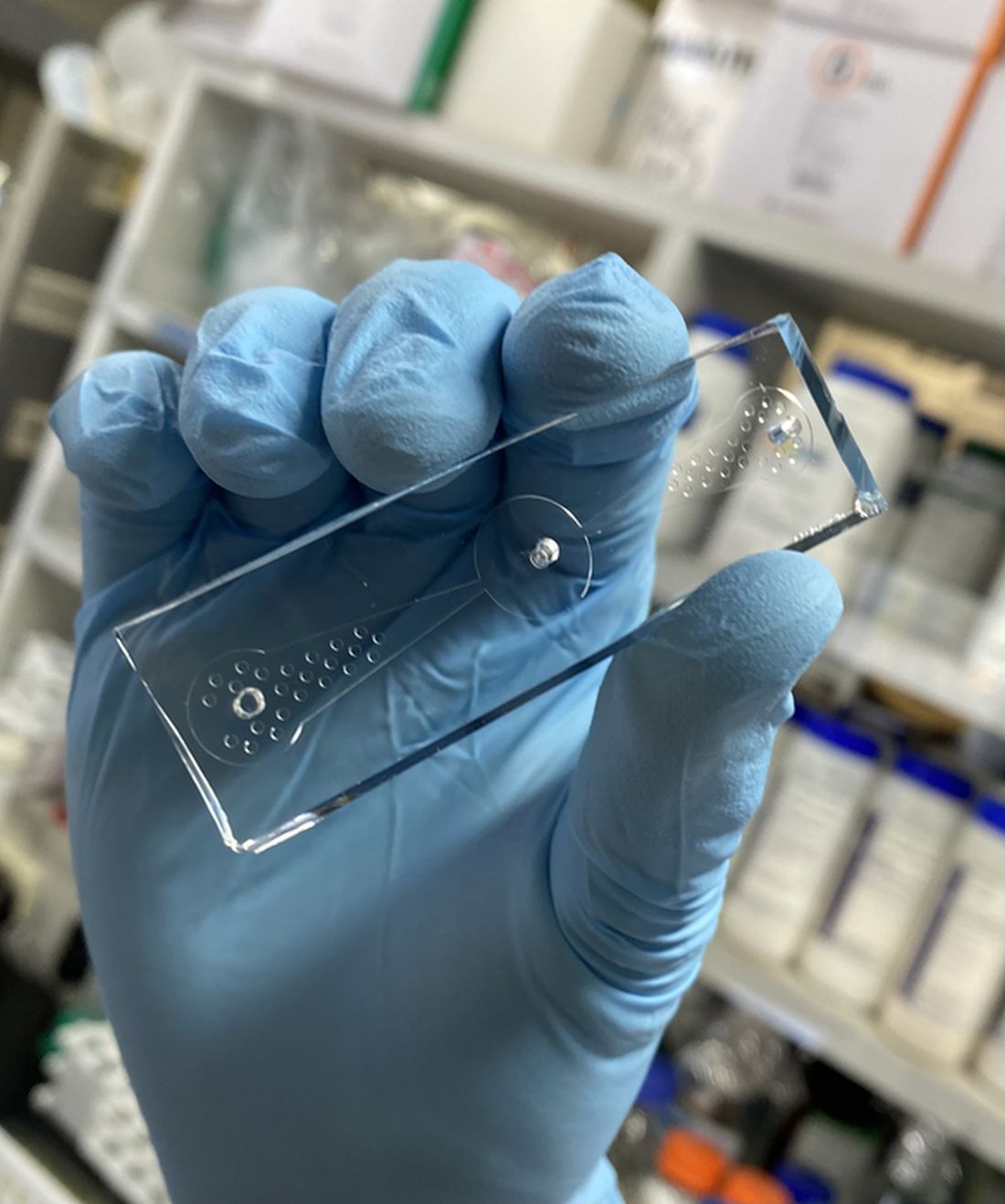
The soil-dwelling nematode Caenorhabditis elegans, which is less than 1 mm long, is known to be “attracted or repelled by certain odors, so we came up with an idea that the roundworm could be used to detect lung cancer,” Shin Sik Choi, PhD, of Myongji University in South Korea, who is the project’s principal investigator, said in a statement on Eurekalert.
Dr. Choi’s team created a “worm-on-a-chip” that allowed the nematodes to choose between a drop of culture media from lung cancer cells and media from normal lung fibroblasts. An hour after being placed in the chip’s central chamber, more nematodes had crawled toward the lung cancer media than the normal-cell sample.
The investigators estimate that the device is about 70% effective at detecting cancer cells, but “they hope to increase both the accuracy and sensitivity of the method by using worms that were previously exposed to cancer cell media and therefore have a ‘memory’ of cancer-specific odor molecules,” according to the statement from the American Chemical Society.
Since C. elegans is easy to grow in a lab and, apparently, easy to train, the researchers hope that the worm-on-a-chip can become a quick, easy, economical, and noninvasive cancer screen.
So watch out cancer, because we never bet against the creepy crawlies.
Mosquitoes have us figured out
We are nearing mosquito season; quite possibly the most annoying and itchy time of the year. We stock up on bottles of bug spray, but somehow we still get bite after bite. It appears that mosquitoes are basically able to ignore our bug sprays, which explains why we’re still covered in bites after the Fourth of July fireworks. It turns out mosquitoes are more complex than we thought for such tiny creatures.
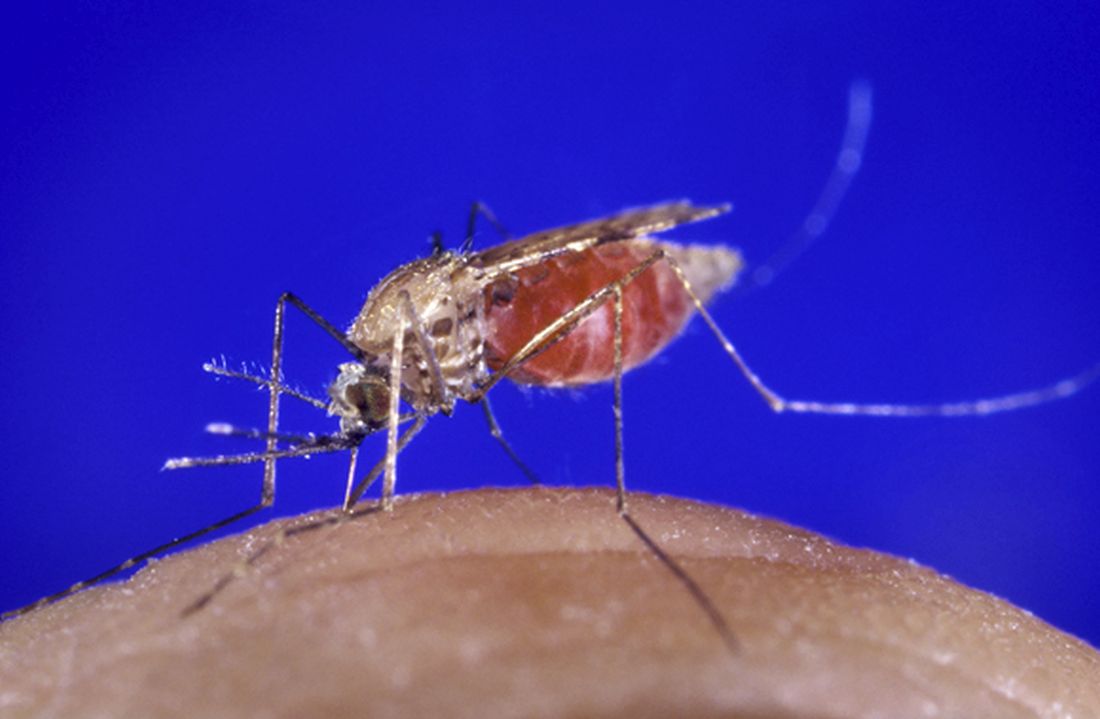
There’s plenty of research on the best ways to keep mosquitoes away, because not only are they incredibly annoying, but they also carry potentially harmful diseases. In a recent experiment, researchers used mosquitoes that were genetically modified to have an excessive amount of an odor receptor called AgOR2, which responds to the smell of humans.
“AgOR2 overexpression threw a wrench in the whole system by inactivating olfactory receptors in these mosquitoes,” Christopher Potter, PhD, associate professor of neuroscience at Johns Hopkins University, said in a written statement.
After testing how these genetically modified mosquitoes reacted to some of the common smells of bug spray such as lemongrass, they discovered that it’s easy for the mosquitoes to ignore the smell. We wish it were that easy for us to ignore that chemically fruity smell.
Researchers continue to work hard to figure out how to repel mosquitoes and we’re rooting for them as summer approaches, despite the mosquito’s status as a creepy crawly.
Can you keep it down? I’m trying to be boring
He chides his friends for not looking both ways before crossing the road. He is never questioned by the police because they fall asleep listening to him talk. He has won the office’s coveted perfect attendance award 10 years running. Look out, Dos Equis guy, you’ve got some new competition. That’s right, it’s the most boring man in the world.
For this boring study (sorry, study on boredom) conducted by English researchers and published in Personality and Social Psychology Bulletin, people were surveyed on various jobs and hobbies, ranking them by how exciting or boring they are, as well as how competent someone with those jobs/hobbies would be, their willingness to avoid someone with those jobs/hobbies, and how much they’d need to be paid to spend time with someone who had an undesirable job/hobby.
According to the British public, the most boring person in the world is a religious data analyst who likes to sleep and lives in a small town. In fact, spending time with this person is almost a full-time job on its own: To make it worth their while, survey subjects wanted 35 pounds a day. The boring person also was viewed as less competent, as is anyone with a boring job.
Now, there probably aren’t a lot of religious data analysts out there, but don’t worry, there are plenty of other boring jobs – accounting, tax/insurance, cleaning, and banking rounded out the top five (apparently people don’t like finances) – and hobbies – watching TV, observing animals, and mathematics filled out the top five. In case you’re curious, performing artists, scientists, journalists, health professionals, and teachers were viewed as having exciting jobs; exciting hobbies included gaming, reading, domestic tasks (really?), gardening, and writing.
Lead researcher Wijnand Van Tilburg, PhD, made an excellent point about people with boring jobs: They “have power in society – perhaps we should try not to upset them and stereotype them as boring!”
We think they should lean into it and make The Most Boring Man in the World ads: “When I drive a car off the lot, its value increases because I used the correct lending association. Batman trusts me with his Batmobile insurance. I can make those Cuban cigars tax exempt. Stay financially solvent, my friends.”
Fungi, but make it fashion
Fashion is an expensive and costly industry to sustain. Cotton production takes a toll on the environment, leather production comes with environmental and ethical/moral conundrums, and thanks to fast fashion, about 85% of textiles are being thrown away in the United States.
Researchers at the University of Borås in Sweden, however, have found a newish solution to create leather, cotton, and other textiles. And as with so many of the finer things, it starts with unsold bread from the grocery store.
Akram Zamani, PhD, and her team take that bread and turn it into breadcrumbs, then combine it with water and Rhizopus delemar, a fungus typically found in decaying food. After a couple of days of feasting on the bread, the fungus produces natural fibers made of chitin and chitosan that accumulate in the cell walls. After proteins, lipids, and other byproducts are removed, the team is left with a jelly-like substance made of those fibrous cell walls that can be spun into a fabric.
The researchers started small with very thin nonpliable sheets, but with a little layering by using tree tannins for softness and alkali for strength, their fungal leather is more like real leather than competing fungal leathers. Not to mention its being able to be produced in a fraction of the time.
This new fungal leather is fast to produce, it’s biodegradable, and it uses only natural ingredients to treat the materials. It’s the ultimate environmental fashion statement.
Who’s afraid of cancer? Not C. elegans
And now, we bring you part 2 of our ongoing series: Creatures that can diagnose cancer. Last week, we discovered that ants are well on their way to replacing dogs in our medical labs and in our hearts. This week, we present the even-more-lovable nematode.
The soil-dwelling nematode Caenorhabditis elegans, which is less than 1 mm long, is known to be “attracted or repelled by certain odors, so we came up with an idea that the roundworm could be used to detect lung cancer,” Shin Sik Choi, PhD, of Myongji University in South Korea, who is the project’s principal investigator, said in a statement on Eurekalert.
Dr. Choi’s team created a “worm-on-a-chip” that allowed the nematodes to choose between a drop of culture media from lung cancer cells and media from normal lung fibroblasts. An hour after being placed in the chip’s central chamber, more nematodes had crawled toward the lung cancer media than the normal-cell sample.
The investigators estimate that the device is about 70% effective at detecting cancer cells, but “they hope to increase both the accuracy and sensitivity of the method by using worms that were previously exposed to cancer cell media and therefore have a ‘memory’ of cancer-specific odor molecules,” according to the statement from the American Chemical Society.
Since C. elegans is easy to grow in a lab and, apparently, easy to train, the researchers hope that the worm-on-a-chip can become a quick, easy, economical, and noninvasive cancer screen.
So watch out cancer, because we never bet against the creepy crawlies.
Mosquitoes have us figured out
We are nearing mosquito season; quite possibly the most annoying and itchy time of the year. We stock up on bottles of bug spray, but somehow we still get bite after bite. It appears that mosquitoes are basically able to ignore our bug sprays, which explains why we’re still covered in bites after the Fourth of July fireworks. It turns out mosquitoes are more complex than we thought for such tiny creatures.
There’s plenty of research on the best ways to keep mosquitoes away, because not only are they incredibly annoying, but they also carry potentially harmful diseases. In a recent experiment, researchers used mosquitoes that were genetically modified to have an excessive amount of an odor receptor called AgOR2, which responds to the smell of humans.
“AgOR2 overexpression threw a wrench in the whole system by inactivating olfactory receptors in these mosquitoes,” Christopher Potter, PhD, associate professor of neuroscience at Johns Hopkins University, said in a written statement.
After testing how these genetically modified mosquitoes reacted to some of the common smells of bug spray such as lemongrass, they discovered that it’s easy for the mosquitoes to ignore the smell. We wish it were that easy for us to ignore that chemically fruity smell.
Researchers continue to work hard to figure out how to repel mosquitoes and we’re rooting for them as summer approaches, despite the mosquito’s status as a creepy crawly.
Can you keep it down? I’m trying to be boring
He chides his friends for not looking both ways before crossing the road. He is never questioned by the police because they fall asleep listening to him talk. He has won the office’s coveted perfect attendance award 10 years running. Look out, Dos Equis guy, you’ve got some new competition. That’s right, it’s the most boring man in the world.
For this boring study (sorry, study on boredom) conducted by English researchers and published in Personality and Social Psychology Bulletin, people were surveyed on various jobs and hobbies, ranking them by how exciting or boring they are, as well as how competent someone with those jobs/hobbies would be, their willingness to avoid someone with those jobs/hobbies, and how much they’d need to be paid to spend time with someone who had an undesirable job/hobby.
According to the British public, the most boring person in the world is a religious data analyst who likes to sleep and lives in a small town. In fact, spending time with this person is almost a full-time job on its own: To make it worth their while, survey subjects wanted 35 pounds a day. The boring person also was viewed as less competent, as is anyone with a boring job.
Now, there probably aren’t a lot of religious data analysts out there, but don’t worry, there are plenty of other boring jobs – accounting, tax/insurance, cleaning, and banking rounded out the top five (apparently people don’t like finances) – and hobbies – watching TV, observing animals, and mathematics filled out the top five. In case you’re curious, performing artists, scientists, journalists, health professionals, and teachers were viewed as having exciting jobs; exciting hobbies included gaming, reading, domestic tasks (really?), gardening, and writing.
Lead researcher Wijnand Van Tilburg, PhD, made an excellent point about people with boring jobs: They “have power in society – perhaps we should try not to upset them and stereotype them as boring!”
We think they should lean into it and make The Most Boring Man in the World ads: “When I drive a car off the lot, its value increases because I used the correct lending association. Batman trusts me with his Batmobile insurance. I can make those Cuban cigars tax exempt. Stay financially solvent, my friends.”
Fungi, but make it fashion
Fashion is an expensive and costly industry to sustain. Cotton production takes a toll on the environment, leather production comes with environmental and ethical/moral conundrums, and thanks to fast fashion, about 85% of textiles are being thrown away in the United States.
Researchers at the University of Borås in Sweden, however, have found a newish solution to create leather, cotton, and other textiles. And as with so many of the finer things, it starts with unsold bread from the grocery store.
Akram Zamani, PhD, and her team take that bread and turn it into breadcrumbs, then combine it with water and Rhizopus delemar, a fungus typically found in decaying food. After a couple of days of feasting on the bread, the fungus produces natural fibers made of chitin and chitosan that accumulate in the cell walls. After proteins, lipids, and other byproducts are removed, the team is left with a jelly-like substance made of those fibrous cell walls that can be spun into a fabric.
The researchers started small with very thin nonpliable sheets, but with a little layering by using tree tannins for softness and alkali for strength, their fungal leather is more like real leather than competing fungal leathers. Not to mention its being able to be produced in a fraction of the time.
This new fungal leather is fast to produce, it’s biodegradable, and it uses only natural ingredients to treat the materials. It’s the ultimate environmental fashion statement.
Who’s afraid of cancer? Not C. elegans
And now, we bring you part 2 of our ongoing series: Creatures that can diagnose cancer. Last week, we discovered that ants are well on their way to replacing dogs in our medical labs and in our hearts. This week, we present the even-more-lovable nematode.
The soil-dwelling nematode Caenorhabditis elegans, which is less than 1 mm long, is known to be “attracted or repelled by certain odors, so we came up with an idea that the roundworm could be used to detect lung cancer,” Shin Sik Choi, PhD, of Myongji University in South Korea, who is the project’s principal investigator, said in a statement on Eurekalert.
Dr. Choi’s team created a “worm-on-a-chip” that allowed the nematodes to choose between a drop of culture media from lung cancer cells and media from normal lung fibroblasts. An hour after being placed in the chip’s central chamber, more nematodes had crawled toward the lung cancer media than the normal-cell sample.
The investigators estimate that the device is about 70% effective at detecting cancer cells, but “they hope to increase both the accuracy and sensitivity of the method by using worms that were previously exposed to cancer cell media and therefore have a ‘memory’ of cancer-specific odor molecules,” according to the statement from the American Chemical Society.
Since C. elegans is easy to grow in a lab and, apparently, easy to train, the researchers hope that the worm-on-a-chip can become a quick, easy, economical, and noninvasive cancer screen.
So watch out cancer, because we never bet against the creepy crawlies.
Mosquitoes have us figured out
We are nearing mosquito season; quite possibly the most annoying and itchy time of the year. We stock up on bottles of bug spray, but somehow we still get bite after bite. It appears that mosquitoes are basically able to ignore our bug sprays, which explains why we’re still covered in bites after the Fourth of July fireworks. It turns out mosquitoes are more complex than we thought for such tiny creatures.
There’s plenty of research on the best ways to keep mosquitoes away, because not only are they incredibly annoying, but they also carry potentially harmful diseases. In a recent experiment, researchers used mosquitoes that were genetically modified to have an excessive amount of an odor receptor called AgOR2, which responds to the smell of humans.
“AgOR2 overexpression threw a wrench in the whole system by inactivating olfactory receptors in these mosquitoes,” Christopher Potter, PhD, associate professor of neuroscience at Johns Hopkins University, said in a written statement.
After testing how these genetically modified mosquitoes reacted to some of the common smells of bug spray such as lemongrass, they discovered that it’s easy for the mosquitoes to ignore the smell. We wish it were that easy for us to ignore that chemically fruity smell.
Researchers continue to work hard to figure out how to repel mosquitoes and we’re rooting for them as summer approaches, despite the mosquito’s status as a creepy crawly.
Natural, vaccine-induced, and hybrid immunity to COVID-19
Seroprevalence surveys suggest that, from the beginning of the pandemic to 2022, more than a third of the global population had been infected with SARS-CoV-2. As large numbers of people continue to be infected, the efficacy and duration of natural immunity, in terms of protection against SARS-CoV-2 reinfections and severe disease, are of crucial significance. The virus’s epidemiologic trajectory will be influenced by the trends in vaccine-induced and hybrid immunity.
Omicron’s immune evasion
Cases of SARS-CoV-2 reinfection are increasing around the world. According to data from the U.K. Health Security Agency, 650,000 people in England have been infected twice, and most of them were reinfected in the past 2 months. Before mid-November 2021, reinfections accounted for about 1% of reported cases, but the rate has now increased to around 10%. The reinfection risk was 16 times higher between mid-December 2021 and early January 2022. Experts believe that this spike in reinfections is related to the spread of Omicron, which overtook Delta as the dominant variant. Nonetheless, other aspects should also be considered.
Omicron’s greater propensity to spread is not unrelated to its ability to evade the body’s immune defenses. This aspect was raised in a letter recently published in the New England Journal of Medicine. The authors reported that the effectiveness of previous infection in preventing reinfection against the Alpha, Beta, and Delta variants was around 90%, but it was only 56% against Omicron.
Natural immunity
Natural immunity showed roughly similar effectiveness regarding protection against reinfection across different SARS-CoV-2 variants, with the exception of the Omicron variant. The risk of hospitalization and death was also reduced in SARS-CoV-2 reinfections versus primary infections. Observational studies indicate that natural immunity may offer equal or greater protection against SARS-CoV-2 infections, compared with immunization with two doses of an mRNA vaccine, but the data are not fully consistent.
Natural immunity seems to be relatively long-lasting. Data from Denmark and Austria show no evidence that protection against reinfections wanes after 6 months. Some investigations indicate that protection against reinfection is lowest 4-5 months after initial infection and increases thereafter, a finding that might hypothetically be explained by persistent viral shedding; that is, misclassification of prolonged SARS-CoV-2 infections as reinfections. While no comparison was made against information pertaining to unvaccinated, not previously-infected individuals, preliminary data from Israel suggest that protection from reinfection can decrease from 6 to more than 12 months after the first SARS-CoV-2 infection. Taken together, epidemiologic studies indicate that protection against reinfections by natural immunity lasts over 1 year with only moderate, if any, decline over this period. Among older individuals, immunocompromised patients, and those with certain comorbidities or exposure risk (for example, health care workers), rates of reinfection may be higher. It is plausible that reinfection risk may be a function of exposure risk.
There is accumulating evidence that reinfections may be significantly less severe than primary infections with SARS-CoV-2. Reduced clinical severity of SARS-CoV-2 reinfections naturally also makes sense from a biologic point of view, inasmuch as a previously primed immune system should be better prepared for a rechallenge with this virus.
Vaccine-induced immunity
The short-term (<4 months) efficacy of mRNA vaccines against SARS-CoV-2 is high and varies from 94.1% (Moderna) to 95% (BioNTech/Pfizer). This has been confirmed by randomized controlled trials and was subsequently confirmed in effectiveness studies in real-world settings. Waning efficacy was observed with respect to protection against SARS-CoV-2 infections (for example, only approximately 20% after about half a year in Qatar), whereas protection against severe disease was either sustained or showed only a moderate decline.
In individuals who received two doses of the BioNTech/Pfizer vaccine at least 5 months earlier, an additional vaccine dose, a so-called booster, significantly lowered mortality and severe illness. These findings suggest that the booster restored and probably exceeded the initial short-term efficacy of the initial vaccination.
Data are still emerging regarding the efficacy of boosters against the Omicron variants. Preliminary data suggest a far lower ability to restore protection from infection and vaccination. However, fatalities and hospitalizations remain low.
Natural immunity vs. vaccine-induced immunity
Comparisons of natural immunity with vaccine-induced immunity are complicated by a series of biases and by combinations of biases – for example, the biases of comparisons between infected and uninfected, plus the biases of comparisons between vaccinated and nonvaccinated, with strong potential selection biases and confounding. Of particular note, the proportion of people previously infected and/or vaccinated may influence estimates of effectiveness. Regarding this point, one study compared unvaccinated patients with a prior SARS-CoV-2 infection and vaccinated individuals followed up from a week after the second vaccine dose onward versus a group of unvaccinated, not previously infected individuals. The findings showed that, compared with unvaccinated, not previously infected individuals, the natural immunity group and the vaccinated group had similar protection of 94.8% and 92.8% against infection, of 94.1% and 94.2% against hospitalization, and of 96.4% and 94.4% against severe illness, respectively.
Hybrid immunity
The combination of a previous SARS-CoV-2 infection and a respective vaccination is called hybrid immunity. This combination seems to confer the greatest protection against SARS-CoV-2 infections, but several knowledge gaps remain regarding this issue.
Data from Israel showed that, when the time since the last immunity-conferring event (either primary infection or vaccination) was the same, the rates of SARS-CoV-2 infections were similar in the following groups: individuals who had a previous infection and no vaccination, individuals who had an infection and were then vaccinated with a single dose after at least 3 months, and individuals who were vaccinated (two doses) and then infected. Severe disease was relatively rare overall.
Data on the efficacy of hybrid immunity point in the direction of hybrid immunity being superior, as compared with either vaccine-induced (without a booster) immunity or natural immunity alone. Timing and mode of vaccination of previously infected individuals to achieve optimal hybrid immunity are central questions that remain to be addressed in future studies.
Given that vaccination rates are continuously increasing and that, by the beginning of 2022, perhaps half or more of the global population had already been infected with SARS-CoV-2, with the vast majority of this group not being officially detected, it would appear logical that future infection waves, even with highly transmissible variants of SARS-CoV-2, may be limited with respect to their maximum potential health burden. The advent of Omicron suggests that massive surges can occur even in populations with extremely high rates of previous vaccination and variable rates of prior infections. However, even then, the accompanying burden of hospitalizations and deaths is far less than what was seen in 2020 and 2021. One may argue that the pandemic has already transitioned to the endemic phase and that Omicron is an endemic wave occurring in the setting of already widespread population immunity.
A version of this article first appeared on Medscape.com.
Seroprevalence surveys suggest that, from the beginning of the pandemic to 2022, more than a third of the global population had been infected with SARS-CoV-2. As large numbers of people continue to be infected, the efficacy and duration of natural immunity, in terms of protection against SARS-CoV-2 reinfections and severe disease, are of crucial significance. The virus’s epidemiologic trajectory will be influenced by the trends in vaccine-induced and hybrid immunity.
Omicron’s immune evasion
Cases of SARS-CoV-2 reinfection are increasing around the world. According to data from the U.K. Health Security Agency, 650,000 people in England have been infected twice, and most of them were reinfected in the past 2 months. Before mid-November 2021, reinfections accounted for about 1% of reported cases, but the rate has now increased to around 10%. The reinfection risk was 16 times higher between mid-December 2021 and early January 2022. Experts believe that this spike in reinfections is related to the spread of Omicron, which overtook Delta as the dominant variant. Nonetheless, other aspects should also be considered.
Omicron’s greater propensity to spread is not unrelated to its ability to evade the body’s immune defenses. This aspect was raised in a letter recently published in the New England Journal of Medicine. The authors reported that the effectiveness of previous infection in preventing reinfection against the Alpha, Beta, and Delta variants was around 90%, but it was only 56% against Omicron.
Natural immunity
Natural immunity showed roughly similar effectiveness regarding protection against reinfection across different SARS-CoV-2 variants, with the exception of the Omicron variant. The risk of hospitalization and death was also reduced in SARS-CoV-2 reinfections versus primary infections. Observational studies indicate that natural immunity may offer equal or greater protection against SARS-CoV-2 infections, compared with immunization with two doses of an mRNA vaccine, but the data are not fully consistent.
Natural immunity seems to be relatively long-lasting. Data from Denmark and Austria show no evidence that protection against reinfections wanes after 6 months. Some investigations indicate that protection against reinfection is lowest 4-5 months after initial infection and increases thereafter, a finding that might hypothetically be explained by persistent viral shedding; that is, misclassification of prolonged SARS-CoV-2 infections as reinfections. While no comparison was made against information pertaining to unvaccinated, not previously-infected individuals, preliminary data from Israel suggest that protection from reinfection can decrease from 6 to more than 12 months after the first SARS-CoV-2 infection. Taken together, epidemiologic studies indicate that protection against reinfections by natural immunity lasts over 1 year with only moderate, if any, decline over this period. Among older individuals, immunocompromised patients, and those with certain comorbidities or exposure risk (for example, health care workers), rates of reinfection may be higher. It is plausible that reinfection risk may be a function of exposure risk.
There is accumulating evidence that reinfections may be significantly less severe than primary infections with SARS-CoV-2. Reduced clinical severity of SARS-CoV-2 reinfections naturally also makes sense from a biologic point of view, inasmuch as a previously primed immune system should be better prepared for a rechallenge with this virus.
Vaccine-induced immunity
The short-term (<4 months) efficacy of mRNA vaccines against SARS-CoV-2 is high and varies from 94.1% (Moderna) to 95% (BioNTech/Pfizer). This has been confirmed by randomized controlled trials and was subsequently confirmed in effectiveness studies in real-world settings. Waning efficacy was observed with respect to protection against SARS-CoV-2 infections (for example, only approximately 20% after about half a year in Qatar), whereas protection against severe disease was either sustained or showed only a moderate decline.
In individuals who received two doses of the BioNTech/Pfizer vaccine at least 5 months earlier, an additional vaccine dose, a so-called booster, significantly lowered mortality and severe illness. These findings suggest that the booster restored and probably exceeded the initial short-term efficacy of the initial vaccination.
Data are still emerging regarding the efficacy of boosters against the Omicron variants. Preliminary data suggest a far lower ability to restore protection from infection and vaccination. However, fatalities and hospitalizations remain low.
Natural immunity vs. vaccine-induced immunity
Comparisons of natural immunity with vaccine-induced immunity are complicated by a series of biases and by combinations of biases – for example, the biases of comparisons between infected and uninfected, plus the biases of comparisons between vaccinated and nonvaccinated, with strong potential selection biases and confounding. Of particular note, the proportion of people previously infected and/or vaccinated may influence estimates of effectiveness. Regarding this point, one study compared unvaccinated patients with a prior SARS-CoV-2 infection and vaccinated individuals followed up from a week after the second vaccine dose onward versus a group of unvaccinated, not previously infected individuals. The findings showed that, compared with unvaccinated, not previously infected individuals, the natural immunity group and the vaccinated group had similar protection of 94.8% and 92.8% against infection, of 94.1% and 94.2% against hospitalization, and of 96.4% and 94.4% against severe illness, respectively.
Hybrid immunity
The combination of a previous SARS-CoV-2 infection and a respective vaccination is called hybrid immunity. This combination seems to confer the greatest protection against SARS-CoV-2 infections, but several knowledge gaps remain regarding this issue.
Data from Israel showed that, when the time since the last immunity-conferring event (either primary infection or vaccination) was the same, the rates of SARS-CoV-2 infections were similar in the following groups: individuals who had a previous infection and no vaccination, individuals who had an infection and were then vaccinated with a single dose after at least 3 months, and individuals who were vaccinated (two doses) and then infected. Severe disease was relatively rare overall.
Data on the efficacy of hybrid immunity point in the direction of hybrid immunity being superior, as compared with either vaccine-induced (without a booster) immunity or natural immunity alone. Timing and mode of vaccination of previously infected individuals to achieve optimal hybrid immunity are central questions that remain to be addressed in future studies.
Given that vaccination rates are continuously increasing and that, by the beginning of 2022, perhaps half or more of the global population had already been infected with SARS-CoV-2, with the vast majority of this group not being officially detected, it would appear logical that future infection waves, even with highly transmissible variants of SARS-CoV-2, may be limited with respect to their maximum potential health burden. The advent of Omicron suggests that massive surges can occur even in populations with extremely high rates of previous vaccination and variable rates of prior infections. However, even then, the accompanying burden of hospitalizations and deaths is far less than what was seen in 2020 and 2021. One may argue that the pandemic has already transitioned to the endemic phase and that Omicron is an endemic wave occurring in the setting of already widespread population immunity.
A version of this article first appeared on Medscape.com.
Seroprevalence surveys suggest that, from the beginning of the pandemic to 2022, more than a third of the global population had been infected with SARS-CoV-2. As large numbers of people continue to be infected, the efficacy and duration of natural immunity, in terms of protection against SARS-CoV-2 reinfections and severe disease, are of crucial significance. The virus’s epidemiologic trajectory will be influenced by the trends in vaccine-induced and hybrid immunity.
Omicron’s immune evasion
Cases of SARS-CoV-2 reinfection are increasing around the world. According to data from the U.K. Health Security Agency, 650,000 people in England have been infected twice, and most of them were reinfected in the past 2 months. Before mid-November 2021, reinfections accounted for about 1% of reported cases, but the rate has now increased to around 10%. The reinfection risk was 16 times higher between mid-December 2021 and early January 2022. Experts believe that this spike in reinfections is related to the spread of Omicron, which overtook Delta as the dominant variant. Nonetheless, other aspects should also be considered.
Omicron’s greater propensity to spread is not unrelated to its ability to evade the body’s immune defenses. This aspect was raised in a letter recently published in the New England Journal of Medicine. The authors reported that the effectiveness of previous infection in preventing reinfection against the Alpha, Beta, and Delta variants was around 90%, but it was only 56% against Omicron.
Natural immunity
Natural immunity showed roughly similar effectiveness regarding protection against reinfection across different SARS-CoV-2 variants, with the exception of the Omicron variant. The risk of hospitalization and death was also reduced in SARS-CoV-2 reinfections versus primary infections. Observational studies indicate that natural immunity may offer equal or greater protection against SARS-CoV-2 infections, compared with immunization with two doses of an mRNA vaccine, but the data are not fully consistent.
Natural immunity seems to be relatively long-lasting. Data from Denmark and Austria show no evidence that protection against reinfections wanes after 6 months. Some investigations indicate that protection against reinfection is lowest 4-5 months after initial infection and increases thereafter, a finding that might hypothetically be explained by persistent viral shedding; that is, misclassification of prolonged SARS-CoV-2 infections as reinfections. While no comparison was made against information pertaining to unvaccinated, not previously-infected individuals, preliminary data from Israel suggest that protection from reinfection can decrease from 6 to more than 12 months after the first SARS-CoV-2 infection. Taken together, epidemiologic studies indicate that protection against reinfections by natural immunity lasts over 1 year with only moderate, if any, decline over this period. Among older individuals, immunocompromised patients, and those with certain comorbidities or exposure risk (for example, health care workers), rates of reinfection may be higher. It is plausible that reinfection risk may be a function of exposure risk.
There is accumulating evidence that reinfections may be significantly less severe than primary infections with SARS-CoV-2. Reduced clinical severity of SARS-CoV-2 reinfections naturally also makes sense from a biologic point of view, inasmuch as a previously primed immune system should be better prepared for a rechallenge with this virus.
Vaccine-induced immunity
The short-term (<4 months) efficacy of mRNA vaccines against SARS-CoV-2 is high and varies from 94.1% (Moderna) to 95% (BioNTech/Pfizer). This has been confirmed by randomized controlled trials and was subsequently confirmed in effectiveness studies in real-world settings. Waning efficacy was observed with respect to protection against SARS-CoV-2 infections (for example, only approximately 20% after about half a year in Qatar), whereas protection against severe disease was either sustained or showed only a moderate decline.
In individuals who received two doses of the BioNTech/Pfizer vaccine at least 5 months earlier, an additional vaccine dose, a so-called booster, significantly lowered mortality and severe illness. These findings suggest that the booster restored and probably exceeded the initial short-term efficacy of the initial vaccination.
Data are still emerging regarding the efficacy of boosters against the Omicron variants. Preliminary data suggest a far lower ability to restore protection from infection and vaccination. However, fatalities and hospitalizations remain low.
Natural immunity vs. vaccine-induced immunity
Comparisons of natural immunity with vaccine-induced immunity are complicated by a series of biases and by combinations of biases – for example, the biases of comparisons between infected and uninfected, plus the biases of comparisons between vaccinated and nonvaccinated, with strong potential selection biases and confounding. Of particular note, the proportion of people previously infected and/or vaccinated may influence estimates of effectiveness. Regarding this point, one study compared unvaccinated patients with a prior SARS-CoV-2 infection and vaccinated individuals followed up from a week after the second vaccine dose onward versus a group of unvaccinated, not previously infected individuals. The findings showed that, compared with unvaccinated, not previously infected individuals, the natural immunity group and the vaccinated group had similar protection of 94.8% and 92.8% against infection, of 94.1% and 94.2% against hospitalization, and of 96.4% and 94.4% against severe illness, respectively.
Hybrid immunity
The combination of a previous SARS-CoV-2 infection and a respective vaccination is called hybrid immunity. This combination seems to confer the greatest protection against SARS-CoV-2 infections, but several knowledge gaps remain regarding this issue.
Data from Israel showed that, when the time since the last immunity-conferring event (either primary infection or vaccination) was the same, the rates of SARS-CoV-2 infections were similar in the following groups: individuals who had a previous infection and no vaccination, individuals who had an infection and were then vaccinated with a single dose after at least 3 months, and individuals who were vaccinated (two doses) and then infected. Severe disease was relatively rare overall.
Data on the efficacy of hybrid immunity point in the direction of hybrid immunity being superior, as compared with either vaccine-induced (without a booster) immunity or natural immunity alone. Timing and mode of vaccination of previously infected individuals to achieve optimal hybrid immunity are central questions that remain to be addressed in future studies.
Given that vaccination rates are continuously increasing and that, by the beginning of 2022, perhaps half or more of the global population had already been infected with SARS-CoV-2, with the vast majority of this group not being officially detected, it would appear logical that future infection waves, even with highly transmissible variants of SARS-CoV-2, may be limited with respect to their maximum potential health burden. The advent of Omicron suggests that massive surges can occur even in populations with extremely high rates of previous vaccination and variable rates of prior infections. However, even then, the accompanying burden of hospitalizations and deaths is far less than what was seen in 2020 and 2021. One may argue that the pandemic has already transitioned to the endemic phase and that Omicron is an endemic wave occurring in the setting of already widespread population immunity.
A version of this article first appeared on Medscape.com.
More questions than answers when managing HIV and menopause
Note: In this article, “women” refers to ciswomen – those who identify as women and were assigned female sex at birth. Menopause also affects transmen and nonbinary people, but published research on the menopause experience has included only ciswomen participants.
Gina Brown was boarding an early morning flight in 2016 when suddenly she started to overheat. “As soon as I stepped on the plane, I immediately was drenched in sweat,” she said. Not knowing what to do, she stood still until a fellow female passenger noticed her alarm and asked a flight attendant to grab her a cup of ice. “Is this the first time this has happened to you?” the woman asked, and Ms. Brown nodded. “It’s called a hot flash,” the woman continued, “and you’re going to be okay.”
As soon as Ms. Brown returned from her trip, she visited her doctor for blood work and learned that her hormone levels were decreasing. “I knew something was going on, but [my provider and I] didn’t have a conversation about menopause,” she said. Ms. Brown, who is 56 years old, has been living with HIV for nearly 28 years, and is part of a growing group of women with HIV now entering menopause.
In 1996, a person diagnosed with HIV at 20 years of age could expect to live only to age 39. Because of antiretroviral therapy (ART), an HIV diagnosis is not nearly so dire. Now, someone with HIV who adheres to the ART regimen is estimated to have a lifespan close to that of the general population.
For women with HIV, this means going through menopause. Though this transition can be challenging for any woman, experiencing menopause with HIV adds another level of complication. On top of adhering to daily ART regimens, the woman must also deal with the hormonal changes of menopause and the symptoms that come with it. And the limited research in this area suggests that women with HIV and their clinicians may not be prepared.
“Those of us long-term survivors who have been around for a while never expected to be here, and I don’t think providers or the health care system expected us to be here,” said Vickie A. Lynn, PhD, 56, who has been living with HIV for 37 years and received an AIDS diagnosis in 1991. Her work focuses on health care interventions for people with HIV. “So now that we’re here, I don’t know that we have enough information or research to inform some of our treatment options.” Instead, these women are met with a series of unknowns due to limited studies and conflicting findings.
Earlier menopause?
The onset of menopause can be difficult to determine in women living with HIV, said Sara Looby, PhD, ANP-BC, a researcher at Massachusetts General Hospital and assistant professor of medicine at Harvard Medical School, both in Boston. Her research focuses on metabolic disorders, including bone loss, cardiovascular disease risk, and menopause in women living with HIV. This population is at an increased risk for amenorrhea, due to both behavioral and clinical factors, and sometimes this amenorrhea is mistakenly assumed to be menopause, she explained. A history of smoking, low weight, methadone use, or use of other psychotropic medications are common in women with HIV and can lead to missed periods. Some factors specific to HIV – including a low CD4 count and a history of an AIDS diagnosis – have also been linked to amenorrhea.
This is likely why research studies on the age of onset of menopause with women with HIV can reach conflicting conclusions. Some studies suggest that women with HIV tend to go through menopause 3-5 years earlier than women without HIV. Other studies suggest no difference in the age of onset in menopause between women living with and without HIV. But how menopause status has been accessed can vary from study to study, Dr. Looby said. Future research needs to consider participants’ complete menstrual and reproductive history, as well as relevant medical, social, and behavioral factors, she added, so that the findings are reliably capturing the age of onset of menopause rather than amenorrhea from other causes.
If menopause does occur earlier in women with HIV, there could be additional health implications. Estrogen regulates bone mass, and some research suggests the hormone may be cardioprotective. Estrogen is also thought to increase production of the neurotransmitter serotonin, which could affect mood and cognition. Women with HIV are already at higher risk for bone loss, cardiovascular disease, and depressed mood compared to women without HIV, Dr. Looby said, and as estrogen levels fall during menopause, these conditions may be deleteriously affected.
“If it is determined that women with HIV experience menopause at an earlier age, maybe early to mid-40s instead of 51 and older, they may be at increased risk for cardiovascular and bone conditions as well as mood symptoms associated with estrogen loss at an earlier age than women without HIV, which could be highly detrimental to their physical and mental health,” Dr. Looby said.
More frequent and severe menopausal symptoms?
Women with HIV may not only go through menopause earlier than women without HIV, but their symptoms may also be more frequent and more severe. In a 2017 study of both HIV-positive and HIV-negative Nigerian women, participants with HIV had more menopause symptoms overall and were three times as likely to report severe symptoms compared to women without HIV. A 2005 study conducted in New York found HIV-positive women were 24% more likely to report menopause symptoms compared to HIV-negative women in the study.
Looby’s own research has also found a similar pattern. In a study comparing 33 women with HIV to 33 women without HIV – all were close to menopause and matched for age, race, body mass index, and menstrual patterns – women with HIV reported more severe hot flashes and more days with hot flashes. These women also reported that their hot flashes interfered to a much greater degree with daily activities and quality of life compared to participants without HIV.
But studies of women with HIV who are entering menopause are rare, and most include only small numbers of women. As a result, many women with HIV do not know what to expect entering menopause. “I always say, I wish somebody would do some real research on HIV and menopause, because I want to know if it is worse for us or if it is the same,” said Ms. Brown, who works as the director of strategic partnership and community engagement at the Southern Aids Coalition in Powder Springs, Ga. “I would think it’s worse for me.”
More frequent and severe symptoms can have downstream effects, with some evidence suggesting that women with HIV who experience severe menopause symptoms are less likely to stick to their ART regimen. “There’s a clear picture emerging that menopausal symptoms in this group really matter,” said Shema Tariq, PhD, FRCP, an HIV physician-scientist at the University College London Institute for Global Health in England. “They really impact women’s well-being, as well as impacting their ability to look after their long-term condition.”
Providers wary of treating menopause symptoms in women with HIV
The little research we do have about women with HIV experiencing menopause suggests that this population could greatly benefit from treatment prescribed in women without HIV for menopause symptoms and conditions, including hormone replacement therapy (HRT). Women with HIV regularly experience night sweats and hot flashes during the menopause transition and may have more severe symptoms than women not living with the virus. If women with HIV also frequently enter early menopause (entering menopause before the age of 45), then this group meets two indications for hormone replacement therapy.
Despite the potential benefits of HRT in this population, some studies suggest this intervention is underutilized. In Dr. Tariq’s Positive Transitions through Menopause (PRIME) study, which explores how menopause affects more than 800 women living with HIV, only 8% of respondents reported using HRT. In a Canadian study that has not yet gone through peer review, 11.8% of perimenopausal and postmenopausal women reported ever using HRT, about half the rate of women in North America without HIV.
Provider discomfort with managing menopause-related care in women with HIV is one reason for such low HRT use in this population, Dr. Tariq said. In a survey of 88 general practitioners in the United Kingdom, nearly all (> 95%) respondents said they were comfortable managing menopause in a general population, but just 46% said they felt comfortable managing menopause in women with HIV. Their top concerns included the potential for drug-to-drug interactions between ART and HRT, missing an HIV-related diagnosis, and risks of menopausal hormone therapy in HIV. Nearly half of respondents (46%) said only specialists should be providing menopause-related care for women with HIV.
But specialists may also feel conflicted about managing menopause-related care in women with HIV, said Dr. Tariq. “If you’re looking at people who manage HIV, you’re looking primarily at infectious disease physicians and HIV physicians. We’re not trained as gynecologists. We’re not used to prescribing HRT,” she said. “And the problem is gynecologists aren’t used to managing HIV. They get nervous about prescribing anything when they see antiretroviral medication because all that people think of is a drug-drug interaction.”
This leaves women with HIV seeking care and treatment for menopause in a difficult situation, where they are “just being ping-ponged around between different health care providers,” said Susan Cole-Haley, 53, an HIV-activist in London who has been living with the virus for 23 years. “So many women with HIV have multiple health conditions and multiple health care providers, which can just make it really problematic and really exhausting in terms of getting help.”
Many unknowns
Providers may also be uncomfortable with prescribing hormone therapy because of alarming research in the early 2000s, which found that hormone replacement therapy increased the risk of breast cancer and cardiovascular disease. Later analyses have found no increased cardiovascular disease risk in women who were younger than 60 or were less than 10 years beyond the onset of menopause. Still, the “media frenzy” around the initial findings “has put off a whole load of patients and a whole load of clinicians from even thinking of HRT,” Dr. Tariq said.
Providers may be even more hesitant because people with HIV already have a higher risk for heart disease, due to behaviors such as smoking and HIV-specific factors. (Research has yet to tease out whether these cardiovascular effects are a result of the virus, a result of the antiretroviral therapy, or a result of both factors.) In addition, there have been no prospective studies looking directly at the efficacy and safety of hormone replacement therapy in women with HIV, so providers generally rely on the guidelines for the use of menopausal hormone therapy for women without HIV. While researchers from Canada and the United Kingdom have compiled recommendations for HRT in women with HIV, there is great need for a large-scale clinical trial to establish consistent guidelines for the use of HRT for women with HIV globally, Dr. Looby said.
There are also hormonal preparations and drug-to-drug interactions to consider, though none of the interactions identified so far rise to the level of contraindications. Because of how the liver metabolizes ART and HRT, hormone doses may need to be adjusted, or perhaps administered transdermally via a patch versus a pill form. (Estrogen delivered via skin patch may have reduced cardiovascular disease risk compared to other methods of delivery, some studies in women without HIV suggest.) These expected interactions are based on data from contraceptives, noted Elizabeth King, MD, whose research at the Women’s Health Research Institute at BC Women’s Hospital in Vancouver, B.C., focuses on menopause and HIV. Studies have not been done on drug-drug interactions between ART and HRT specifically, she said, and formulations for HRT are a bit different from contraceptives.
While these unknowns do need to be discussed in shared decision-making around starting HRT in women with HIV, they should not dissuade providers from considering the treatment, Dr. King said. “If women are having extremely troublesome symptoms, then withholding therapy that is potentially beneficial because of worries about some of the things we do not know – I don’t know if that is any better,” she said.
Many women with HIV may not want to start HRT – as was the case for Dr. Lynn. “I’ve taken a lot of medication in my time, and I really try to avoid it as much as possible,” she said. Uncertainties around drug interactions were the main concern for Dawn Averitt, 53, founder of the Well Project, an HIV nonprofit focused on women and girls. Ms. Averitt has lived with HIV for 34 years. “What if some of the things that I’m dealing with could be managed by HRT?” she said. “Or what if taking it exacerbates problems in a way that nobody knows to look for?” In this case, providers may work with patients to discuss nonhormonal treatment options for menopause symptom management.
While some women with HIV may not want HRT, “It’s important that women have that option, and from what we are seeing right now, not a lot of women are even being offered the therapy,” Dr. King said.
There are other nonhormonal treatments available for managing menopause symptoms, including selective serotonin reuptake inhibitors (SSRIs) as well as nonmedicinal interventions such as cognitive behavioral therapy, but these also have not been studied specifically in women with HIV.
The path forward
Dr. Tariq and Dr. Looby agreed the next step in expanding our knowledge around HIV and menopause should be to better engage women with HIV in research and clinical care around their experience with menopause. This includes studies on the symptoms they regularly experience and how these symptoms affect their quality of life, including their physical, psychological, cognitive, and social health. These studies could also help researchers and clinicians understand what these women with HIV want for their menopause care, whether that be medication, psychotherapy, and/or peer support groups. These interventions, whether pharmaceutical based or not, can then be assessed based on outcomes in women with HIV, Dr. Tariq noted.
Another important factor is increasing education, on both the patient and provider side, Dr. Looby said. Many women may not know what menopause is, what symptoms look like, and how these hormonal changes can affect their health. If providers keep an open dialogue with female patients around menopause throughout their adult care, that can better prepare women for the menopause transition and alert them to common symptoms they may experience. There also is a great need for provider education, Dr. Looby added. Infectious disease specialists may need further education on menopause management, while women’s health specialists may need additional training for managing care for patients with HIV. Ideally, this information could be shared among a team of providers, including infectious disease, primary care, and women’s health specialists, so that clinicians can collaborate in prescribing treatment for women with HIV, Dr. Looby said.
Lastly, there needs to be more research funding allocated toward answering questions related to menopause and HIV, including the age of onset of menopause in women with HIV, the severity of symptoms, how HIV may influence the menopause transition and vice versa, and regarding the effectiveness of treatment – pharmaceutical and nonpharmaceutical – for women with HIV going through the menopause transition. “If we don’t have funding for these studies, then we won’t have answers to establish clinical care guidelines necessary to support the health, well-being, and quality of life of women with HIV,” Dr. Looby said.
And the number of women living with HIV entering menopause is expected to keep growing, Dr. King added. “It was only a couple of decades ago when women were being told they wouldn’t even live to experience menopause, and now we are at a point where this is the highest proportion of menopausal women ever that we have seen in our HIV clinics,” she said. “It speaks to the success of antiretrovirals,” Dr. King acknowledged, but that also means identifying new challenges and addressing recognized gaps in care.
“We are charting a new course, in some ways,” she added. “There is a lot of work to be done.”
A version of this article first appeared on Medscape.com.
Note: In this article, “women” refers to ciswomen – those who identify as women and were assigned female sex at birth. Menopause also affects transmen and nonbinary people, but published research on the menopause experience has included only ciswomen participants.
Gina Brown was boarding an early morning flight in 2016 when suddenly she started to overheat. “As soon as I stepped on the plane, I immediately was drenched in sweat,” she said. Not knowing what to do, she stood still until a fellow female passenger noticed her alarm and asked a flight attendant to grab her a cup of ice. “Is this the first time this has happened to you?” the woman asked, and Ms. Brown nodded. “It’s called a hot flash,” the woman continued, “and you’re going to be okay.”
As soon as Ms. Brown returned from her trip, she visited her doctor for blood work and learned that her hormone levels were decreasing. “I knew something was going on, but [my provider and I] didn’t have a conversation about menopause,” she said. Ms. Brown, who is 56 years old, has been living with HIV for nearly 28 years, and is part of a growing group of women with HIV now entering menopause.
In 1996, a person diagnosed with HIV at 20 years of age could expect to live only to age 39. Because of antiretroviral therapy (ART), an HIV diagnosis is not nearly so dire. Now, someone with HIV who adheres to the ART regimen is estimated to have a lifespan close to that of the general population.
For women with HIV, this means going through menopause. Though this transition can be challenging for any woman, experiencing menopause with HIV adds another level of complication. On top of adhering to daily ART regimens, the woman must also deal with the hormonal changes of menopause and the symptoms that come with it. And the limited research in this area suggests that women with HIV and their clinicians may not be prepared.
“Those of us long-term survivors who have been around for a while never expected to be here, and I don’t think providers or the health care system expected us to be here,” said Vickie A. Lynn, PhD, 56, who has been living with HIV for 37 years and received an AIDS diagnosis in 1991. Her work focuses on health care interventions for people with HIV. “So now that we’re here, I don’t know that we have enough information or research to inform some of our treatment options.” Instead, these women are met with a series of unknowns due to limited studies and conflicting findings.
Earlier menopause?
The onset of menopause can be difficult to determine in women living with HIV, said Sara Looby, PhD, ANP-BC, a researcher at Massachusetts General Hospital and assistant professor of medicine at Harvard Medical School, both in Boston. Her research focuses on metabolic disorders, including bone loss, cardiovascular disease risk, and menopause in women living with HIV. This population is at an increased risk for amenorrhea, due to both behavioral and clinical factors, and sometimes this amenorrhea is mistakenly assumed to be menopause, she explained. A history of smoking, low weight, methadone use, or use of other psychotropic medications are common in women with HIV and can lead to missed periods. Some factors specific to HIV – including a low CD4 count and a history of an AIDS diagnosis – have also been linked to amenorrhea.
This is likely why research studies on the age of onset of menopause with women with HIV can reach conflicting conclusions. Some studies suggest that women with HIV tend to go through menopause 3-5 years earlier than women without HIV. Other studies suggest no difference in the age of onset in menopause between women living with and without HIV. But how menopause status has been accessed can vary from study to study, Dr. Looby said. Future research needs to consider participants’ complete menstrual and reproductive history, as well as relevant medical, social, and behavioral factors, she added, so that the findings are reliably capturing the age of onset of menopause rather than amenorrhea from other causes.
If menopause does occur earlier in women with HIV, there could be additional health implications. Estrogen regulates bone mass, and some research suggests the hormone may be cardioprotective. Estrogen is also thought to increase production of the neurotransmitter serotonin, which could affect mood and cognition. Women with HIV are already at higher risk for bone loss, cardiovascular disease, and depressed mood compared to women without HIV, Dr. Looby said, and as estrogen levels fall during menopause, these conditions may be deleteriously affected.
“If it is determined that women with HIV experience menopause at an earlier age, maybe early to mid-40s instead of 51 and older, they may be at increased risk for cardiovascular and bone conditions as well as mood symptoms associated with estrogen loss at an earlier age than women without HIV, which could be highly detrimental to their physical and mental health,” Dr. Looby said.
More frequent and severe menopausal symptoms?
Women with HIV may not only go through menopause earlier than women without HIV, but their symptoms may also be more frequent and more severe. In a 2017 study of both HIV-positive and HIV-negative Nigerian women, participants with HIV had more menopause symptoms overall and were three times as likely to report severe symptoms compared to women without HIV. A 2005 study conducted in New York found HIV-positive women were 24% more likely to report menopause symptoms compared to HIV-negative women in the study.
Looby’s own research has also found a similar pattern. In a study comparing 33 women with HIV to 33 women without HIV – all were close to menopause and matched for age, race, body mass index, and menstrual patterns – women with HIV reported more severe hot flashes and more days with hot flashes. These women also reported that their hot flashes interfered to a much greater degree with daily activities and quality of life compared to participants without HIV.
But studies of women with HIV who are entering menopause are rare, and most include only small numbers of women. As a result, many women with HIV do not know what to expect entering menopause. “I always say, I wish somebody would do some real research on HIV and menopause, because I want to know if it is worse for us or if it is the same,” said Ms. Brown, who works as the director of strategic partnership and community engagement at the Southern Aids Coalition in Powder Springs, Ga. “I would think it’s worse for me.”
More frequent and severe symptoms can have downstream effects, with some evidence suggesting that women with HIV who experience severe menopause symptoms are less likely to stick to their ART regimen. “There’s a clear picture emerging that menopausal symptoms in this group really matter,” said Shema Tariq, PhD, FRCP, an HIV physician-scientist at the University College London Institute for Global Health in England. “They really impact women’s well-being, as well as impacting their ability to look after their long-term condition.”
Providers wary of treating menopause symptoms in women with HIV
The little research we do have about women with HIV experiencing menopause suggests that this population could greatly benefit from treatment prescribed in women without HIV for menopause symptoms and conditions, including hormone replacement therapy (HRT). Women with HIV regularly experience night sweats and hot flashes during the menopause transition and may have more severe symptoms than women not living with the virus. If women with HIV also frequently enter early menopause (entering menopause before the age of 45), then this group meets two indications for hormone replacement therapy.
Despite the potential benefits of HRT in this population, some studies suggest this intervention is underutilized. In Dr. Tariq’s Positive Transitions through Menopause (PRIME) study, which explores how menopause affects more than 800 women living with HIV, only 8% of respondents reported using HRT. In a Canadian study that has not yet gone through peer review, 11.8% of perimenopausal and postmenopausal women reported ever using HRT, about half the rate of women in North America without HIV.
Provider discomfort with managing menopause-related care in women with HIV is one reason for such low HRT use in this population, Dr. Tariq said. In a survey of 88 general practitioners in the United Kingdom, nearly all (> 95%) respondents said they were comfortable managing menopause in a general population, but just 46% said they felt comfortable managing menopause in women with HIV. Their top concerns included the potential for drug-to-drug interactions between ART and HRT, missing an HIV-related diagnosis, and risks of menopausal hormone therapy in HIV. Nearly half of respondents (46%) said only specialists should be providing menopause-related care for women with HIV.
But specialists may also feel conflicted about managing menopause-related care in women with HIV, said Dr. Tariq. “If you’re looking at people who manage HIV, you’re looking primarily at infectious disease physicians and HIV physicians. We’re not trained as gynecologists. We’re not used to prescribing HRT,” she said. “And the problem is gynecologists aren’t used to managing HIV. They get nervous about prescribing anything when they see antiretroviral medication because all that people think of is a drug-drug interaction.”
This leaves women with HIV seeking care and treatment for menopause in a difficult situation, where they are “just being ping-ponged around between different health care providers,” said Susan Cole-Haley, 53, an HIV-activist in London who has been living with the virus for 23 years. “So many women with HIV have multiple health conditions and multiple health care providers, which can just make it really problematic and really exhausting in terms of getting help.”
Many unknowns
Providers may also be uncomfortable with prescribing hormone therapy because of alarming research in the early 2000s, which found that hormone replacement therapy increased the risk of breast cancer and cardiovascular disease. Later analyses have found no increased cardiovascular disease risk in women who were younger than 60 or were less than 10 years beyond the onset of menopause. Still, the “media frenzy” around the initial findings “has put off a whole load of patients and a whole load of clinicians from even thinking of HRT,” Dr. Tariq said.
Providers may be even more hesitant because people with HIV already have a higher risk for heart disease, due to behaviors such as smoking and HIV-specific factors. (Research has yet to tease out whether these cardiovascular effects are a result of the virus, a result of the antiretroviral therapy, or a result of both factors.) In addition, there have been no prospective studies looking directly at the efficacy and safety of hormone replacement therapy in women with HIV, so providers generally rely on the guidelines for the use of menopausal hormone therapy for women without HIV. While researchers from Canada and the United Kingdom have compiled recommendations for HRT in women with HIV, there is great need for a large-scale clinical trial to establish consistent guidelines for the use of HRT for women with HIV globally, Dr. Looby said.
There are also hormonal preparations and drug-to-drug interactions to consider, though none of the interactions identified so far rise to the level of contraindications. Because of how the liver metabolizes ART and HRT, hormone doses may need to be adjusted, or perhaps administered transdermally via a patch versus a pill form. (Estrogen delivered via skin patch may have reduced cardiovascular disease risk compared to other methods of delivery, some studies in women without HIV suggest.) These expected interactions are based on data from contraceptives, noted Elizabeth King, MD, whose research at the Women’s Health Research Institute at BC Women’s Hospital in Vancouver, B.C., focuses on menopause and HIV. Studies have not been done on drug-drug interactions between ART and HRT specifically, she said, and formulations for HRT are a bit different from contraceptives.
While these unknowns do need to be discussed in shared decision-making around starting HRT in women with HIV, they should not dissuade providers from considering the treatment, Dr. King said. “If women are having extremely troublesome symptoms, then withholding therapy that is potentially beneficial because of worries about some of the things we do not know – I don’t know if that is any better,” she said.
Many women with HIV may not want to start HRT – as was the case for Dr. Lynn. “I’ve taken a lot of medication in my time, and I really try to avoid it as much as possible,” she said. Uncertainties around drug interactions were the main concern for Dawn Averitt, 53, founder of the Well Project, an HIV nonprofit focused on women and girls. Ms. Averitt has lived with HIV for 34 years. “What if some of the things that I’m dealing with could be managed by HRT?” she said. “Or what if taking it exacerbates problems in a way that nobody knows to look for?” In this case, providers may work with patients to discuss nonhormonal treatment options for menopause symptom management.
While some women with HIV may not want HRT, “It’s important that women have that option, and from what we are seeing right now, not a lot of women are even being offered the therapy,” Dr. King said.
There are other nonhormonal treatments available for managing menopause symptoms, including selective serotonin reuptake inhibitors (SSRIs) as well as nonmedicinal interventions such as cognitive behavioral therapy, but these also have not been studied specifically in women with HIV.
The path forward
Dr. Tariq and Dr. Looby agreed the next step in expanding our knowledge around HIV and menopause should be to better engage women with HIV in research and clinical care around their experience with menopause. This includes studies on the symptoms they regularly experience and how these symptoms affect their quality of life, including their physical, psychological, cognitive, and social health. These studies could also help researchers and clinicians understand what these women with HIV want for their menopause care, whether that be medication, psychotherapy, and/or peer support groups. These interventions, whether pharmaceutical based or not, can then be assessed based on outcomes in women with HIV, Dr. Tariq noted.
Another important factor is increasing education, on both the patient and provider side, Dr. Looby said. Many women may not know what menopause is, what symptoms look like, and how these hormonal changes can affect their health. If providers keep an open dialogue with female patients around menopause throughout their adult care, that can better prepare women for the menopause transition and alert them to common symptoms they may experience. There also is a great need for provider education, Dr. Looby added. Infectious disease specialists may need further education on menopause management, while women’s health specialists may need additional training for managing care for patients with HIV. Ideally, this information could be shared among a team of providers, including infectious disease, primary care, and women’s health specialists, so that clinicians can collaborate in prescribing treatment for women with HIV, Dr. Looby said.
Lastly, there needs to be more research funding allocated toward answering questions related to menopause and HIV, including the age of onset of menopause in women with HIV, the severity of symptoms, how HIV may influence the menopause transition and vice versa, and regarding the effectiveness of treatment – pharmaceutical and nonpharmaceutical – for women with HIV going through the menopause transition. “If we don’t have funding for these studies, then we won’t have answers to establish clinical care guidelines necessary to support the health, well-being, and quality of life of women with HIV,” Dr. Looby said.
And the number of women living with HIV entering menopause is expected to keep growing, Dr. King added. “It was only a couple of decades ago when women were being told they wouldn’t even live to experience menopause, and now we are at a point where this is the highest proportion of menopausal women ever that we have seen in our HIV clinics,” she said. “It speaks to the success of antiretrovirals,” Dr. King acknowledged, but that also means identifying new challenges and addressing recognized gaps in care.
“We are charting a new course, in some ways,” she added. “There is a lot of work to be done.”
A version of this article first appeared on Medscape.com.
Note: In this article, “women” refers to ciswomen – those who identify as women and were assigned female sex at birth. Menopause also affects transmen and nonbinary people, but published research on the menopause experience has included only ciswomen participants.
Gina Brown was boarding an early morning flight in 2016 when suddenly she started to overheat. “As soon as I stepped on the plane, I immediately was drenched in sweat,” she said. Not knowing what to do, she stood still until a fellow female passenger noticed her alarm and asked a flight attendant to grab her a cup of ice. “Is this the first time this has happened to you?” the woman asked, and Ms. Brown nodded. “It’s called a hot flash,” the woman continued, “and you’re going to be okay.”
As soon as Ms. Brown returned from her trip, she visited her doctor for blood work and learned that her hormone levels were decreasing. “I knew something was going on, but [my provider and I] didn’t have a conversation about menopause,” she said. Ms. Brown, who is 56 years old, has been living with HIV for nearly 28 years, and is part of a growing group of women with HIV now entering menopause.
In 1996, a person diagnosed with HIV at 20 years of age could expect to live only to age 39. Because of antiretroviral therapy (ART), an HIV diagnosis is not nearly so dire. Now, someone with HIV who adheres to the ART regimen is estimated to have a lifespan close to that of the general population.
For women with HIV, this means going through menopause. Though this transition can be challenging for any woman, experiencing menopause with HIV adds another level of complication. On top of adhering to daily ART regimens, the woman must also deal with the hormonal changes of menopause and the symptoms that come with it. And the limited research in this area suggests that women with HIV and their clinicians may not be prepared.
“Those of us long-term survivors who have been around for a while never expected to be here, and I don’t think providers or the health care system expected us to be here,” said Vickie A. Lynn, PhD, 56, who has been living with HIV for 37 years and received an AIDS diagnosis in 1991. Her work focuses on health care interventions for people with HIV. “So now that we’re here, I don’t know that we have enough information or research to inform some of our treatment options.” Instead, these women are met with a series of unknowns due to limited studies and conflicting findings.
Earlier menopause?
The onset of menopause can be difficult to determine in women living with HIV, said Sara Looby, PhD, ANP-BC, a researcher at Massachusetts General Hospital and assistant professor of medicine at Harvard Medical School, both in Boston. Her research focuses on metabolic disorders, including bone loss, cardiovascular disease risk, and menopause in women living with HIV. This population is at an increased risk for amenorrhea, due to both behavioral and clinical factors, and sometimes this amenorrhea is mistakenly assumed to be menopause, she explained. A history of smoking, low weight, methadone use, or use of other psychotropic medications are common in women with HIV and can lead to missed periods. Some factors specific to HIV – including a low CD4 count and a history of an AIDS diagnosis – have also been linked to amenorrhea.
This is likely why research studies on the age of onset of menopause with women with HIV can reach conflicting conclusions. Some studies suggest that women with HIV tend to go through menopause 3-5 years earlier than women without HIV. Other studies suggest no difference in the age of onset in menopause between women living with and without HIV. But how menopause status has been accessed can vary from study to study, Dr. Looby said. Future research needs to consider participants’ complete menstrual and reproductive history, as well as relevant medical, social, and behavioral factors, she added, so that the findings are reliably capturing the age of onset of menopause rather than amenorrhea from other causes.
If menopause does occur earlier in women with HIV, there could be additional health implications. Estrogen regulates bone mass, and some research suggests the hormone may be cardioprotective. Estrogen is also thought to increase production of the neurotransmitter serotonin, which could affect mood and cognition. Women with HIV are already at higher risk for bone loss, cardiovascular disease, and depressed mood compared to women without HIV, Dr. Looby said, and as estrogen levels fall during menopause, these conditions may be deleteriously affected.
“If it is determined that women with HIV experience menopause at an earlier age, maybe early to mid-40s instead of 51 and older, they may be at increased risk for cardiovascular and bone conditions as well as mood symptoms associated with estrogen loss at an earlier age than women without HIV, which could be highly detrimental to their physical and mental health,” Dr. Looby said.
More frequent and severe menopausal symptoms?
Women with HIV may not only go through menopause earlier than women without HIV, but their symptoms may also be more frequent and more severe. In a 2017 study of both HIV-positive and HIV-negative Nigerian women, participants with HIV had more menopause symptoms overall and were three times as likely to report severe symptoms compared to women without HIV. A 2005 study conducted in New York found HIV-positive women were 24% more likely to report menopause symptoms compared to HIV-negative women in the study.
Looby’s own research has also found a similar pattern. In a study comparing 33 women with HIV to 33 women without HIV – all were close to menopause and matched for age, race, body mass index, and menstrual patterns – women with HIV reported more severe hot flashes and more days with hot flashes. These women also reported that their hot flashes interfered to a much greater degree with daily activities and quality of life compared to participants without HIV.
But studies of women with HIV who are entering menopause are rare, and most include only small numbers of women. As a result, many women with HIV do not know what to expect entering menopause. “I always say, I wish somebody would do some real research on HIV and menopause, because I want to know if it is worse for us or if it is the same,” said Ms. Brown, who works as the director of strategic partnership and community engagement at the Southern Aids Coalition in Powder Springs, Ga. “I would think it’s worse for me.”
More frequent and severe symptoms can have downstream effects, with some evidence suggesting that women with HIV who experience severe menopause symptoms are less likely to stick to their ART regimen. “There’s a clear picture emerging that menopausal symptoms in this group really matter,” said Shema Tariq, PhD, FRCP, an HIV physician-scientist at the University College London Institute for Global Health in England. “They really impact women’s well-being, as well as impacting their ability to look after their long-term condition.”
Providers wary of treating menopause symptoms in women with HIV
The little research we do have about women with HIV experiencing menopause suggests that this population could greatly benefit from treatment prescribed in women without HIV for menopause symptoms and conditions, including hormone replacement therapy (HRT). Women with HIV regularly experience night sweats and hot flashes during the menopause transition and may have more severe symptoms than women not living with the virus. If women with HIV also frequently enter early menopause (entering menopause before the age of 45), then this group meets two indications for hormone replacement therapy.
Despite the potential benefits of HRT in this population, some studies suggest this intervention is underutilized. In Dr. Tariq’s Positive Transitions through Menopause (PRIME) study, which explores how menopause affects more than 800 women living with HIV, only 8% of respondents reported using HRT. In a Canadian study that has not yet gone through peer review, 11.8% of perimenopausal and postmenopausal women reported ever using HRT, about half the rate of women in North America without HIV.
Provider discomfort with managing menopause-related care in women with HIV is one reason for such low HRT use in this population, Dr. Tariq said. In a survey of 88 general practitioners in the United Kingdom, nearly all (> 95%) respondents said they were comfortable managing menopause in a general population, but just 46% said they felt comfortable managing menopause in women with HIV. Their top concerns included the potential for drug-to-drug interactions between ART and HRT, missing an HIV-related diagnosis, and risks of menopausal hormone therapy in HIV. Nearly half of respondents (46%) said only specialists should be providing menopause-related care for women with HIV.
But specialists may also feel conflicted about managing menopause-related care in women with HIV, said Dr. Tariq. “If you’re looking at people who manage HIV, you’re looking primarily at infectious disease physicians and HIV physicians. We’re not trained as gynecologists. We’re not used to prescribing HRT,” she said. “And the problem is gynecologists aren’t used to managing HIV. They get nervous about prescribing anything when they see antiretroviral medication because all that people think of is a drug-drug interaction.”
This leaves women with HIV seeking care and treatment for menopause in a difficult situation, where they are “just being ping-ponged around between different health care providers,” said Susan Cole-Haley, 53, an HIV-activist in London who has been living with the virus for 23 years. “So many women with HIV have multiple health conditions and multiple health care providers, which can just make it really problematic and really exhausting in terms of getting help.”
Many unknowns
Providers may also be uncomfortable with prescribing hormone therapy because of alarming research in the early 2000s, which found that hormone replacement therapy increased the risk of breast cancer and cardiovascular disease. Later analyses have found no increased cardiovascular disease risk in women who were younger than 60 or were less than 10 years beyond the onset of menopause. Still, the “media frenzy” around the initial findings “has put off a whole load of patients and a whole load of clinicians from even thinking of HRT,” Dr. Tariq said.
Providers may be even more hesitant because people with HIV already have a higher risk for heart disease, due to behaviors such as smoking and HIV-specific factors. (Research has yet to tease out whether these cardiovascular effects are a result of the virus, a result of the antiretroviral therapy, or a result of both factors.) In addition, there have been no prospective studies looking directly at the efficacy and safety of hormone replacement therapy in women with HIV, so providers generally rely on the guidelines for the use of menopausal hormone therapy for women without HIV. While researchers from Canada and the United Kingdom have compiled recommendations for HRT in women with HIV, there is great need for a large-scale clinical trial to establish consistent guidelines for the use of HRT for women with HIV globally, Dr. Looby said.
There are also hormonal preparations and drug-to-drug interactions to consider, though none of the interactions identified so far rise to the level of contraindications. Because of how the liver metabolizes ART and HRT, hormone doses may need to be adjusted, or perhaps administered transdermally via a patch versus a pill form. (Estrogen delivered via skin patch may have reduced cardiovascular disease risk compared to other methods of delivery, some studies in women without HIV suggest.) These expected interactions are based on data from contraceptives, noted Elizabeth King, MD, whose research at the Women’s Health Research Institute at BC Women’s Hospital in Vancouver, B.C., focuses on menopause and HIV. Studies have not been done on drug-drug interactions between ART and HRT specifically, she said, and formulations for HRT are a bit different from contraceptives.
While these unknowns do need to be discussed in shared decision-making around starting HRT in women with HIV, they should not dissuade providers from considering the treatment, Dr. King said. “If women are having extremely troublesome symptoms, then withholding therapy that is potentially beneficial because of worries about some of the things we do not know – I don’t know if that is any better,” she said.
Many women with HIV may not want to start HRT – as was the case for Dr. Lynn. “I’ve taken a lot of medication in my time, and I really try to avoid it as much as possible,” she said. Uncertainties around drug interactions were the main concern for Dawn Averitt, 53, founder of the Well Project, an HIV nonprofit focused on women and girls. Ms. Averitt has lived with HIV for 34 years. “What if some of the things that I’m dealing with could be managed by HRT?” she said. “Or what if taking it exacerbates problems in a way that nobody knows to look for?” In this case, providers may work with patients to discuss nonhormonal treatment options for menopause symptom management.
While some women with HIV may not want HRT, “It’s important that women have that option, and from what we are seeing right now, not a lot of women are even being offered the therapy,” Dr. King said.
There are other nonhormonal treatments available for managing menopause symptoms, including selective serotonin reuptake inhibitors (SSRIs) as well as nonmedicinal interventions such as cognitive behavioral therapy, but these also have not been studied specifically in women with HIV.
The path forward
Dr. Tariq and Dr. Looby agreed the next step in expanding our knowledge around HIV and menopause should be to better engage women with HIV in research and clinical care around their experience with menopause. This includes studies on the symptoms they regularly experience and how these symptoms affect their quality of life, including their physical, psychological, cognitive, and social health. These studies could also help researchers and clinicians understand what these women with HIV want for their menopause care, whether that be medication, psychotherapy, and/or peer support groups. These interventions, whether pharmaceutical based or not, can then be assessed based on outcomes in women with HIV, Dr. Tariq noted.
Another important factor is increasing education, on both the patient and provider side, Dr. Looby said. Many women may not know what menopause is, what symptoms look like, and how these hormonal changes can affect their health. If providers keep an open dialogue with female patients around menopause throughout their adult care, that can better prepare women for the menopause transition and alert them to common symptoms they may experience. There also is a great need for provider education, Dr. Looby added. Infectious disease specialists may need further education on menopause management, while women’s health specialists may need additional training for managing care for patients with HIV. Ideally, this information could be shared among a team of providers, including infectious disease, primary care, and women’s health specialists, so that clinicians can collaborate in prescribing treatment for women with HIV, Dr. Looby said.
Lastly, there needs to be more research funding allocated toward answering questions related to menopause and HIV, including the age of onset of menopause in women with HIV, the severity of symptoms, how HIV may influence the menopause transition and vice versa, and regarding the effectiveness of treatment – pharmaceutical and nonpharmaceutical – for women with HIV going through the menopause transition. “If we don’t have funding for these studies, then we won’t have answers to establish clinical care guidelines necessary to support the health, well-being, and quality of life of women with HIV,” Dr. Looby said.
And the number of women living with HIV entering menopause is expected to keep growing, Dr. King added. “It was only a couple of decades ago when women were being told they wouldn’t even live to experience menopause, and now we are at a point where this is the highest proportion of menopausal women ever that we have seen in our HIV clinics,” she said. “It speaks to the success of antiretrovirals,” Dr. King acknowledged, but that also means identifying new challenges and addressing recognized gaps in care.
“We are charting a new course, in some ways,” she added. “There is a lot of work to be done.”
A version of this article first appeared on Medscape.com.
‘Pandemic brain’ not limited to patients infected with COVID-19
The stress of living through a pandemic may cause brain inflammation even in those uninfected with SARS-CoV-2, a study suggests.
Healthy individuals who tested negative for the virus that causes COVID-19 had elevated levels of inflammatory markers known to be involved in depression, stress, and mental fatigue. The study indicates a possible link between pandemic-associated stressors and neuroimmune responses.
“The most important finding is the evidence of neuroinflammation in noninfected, otherwise healthy participants, which may explain the variety of sickness-behavior-like symptoms experienced by many during the pandemic,” lead author Ludovica Brusaferri, PhD, a postdoctoral research fellow at Massachusetts General Hospital and Harvard Medical School in Boston, told this news organization.
The study was published online Feb. 16 in Brain, Behavior, and Immunity.
Impact of pandemic stress?
Reports of psychological distress have increased considerably in the United States during the pandemic, including among those not infected with SARS-CoV-2.
To better understand the effects of the pandemic on brain and mental health, the investigators retrospectively analyzed data collected from 57 people who were enrolled as control subjects for unrelated studies before the pandemic began.
They also enrolled 15 people living in Massachusetts during that state’s 2-month lockdown/stay-at-home order from March to May 2020, all of whom had tested negative for COVID-19 antibodies.
The investigators used PET and MRI imaging and blood sample analyses to investigate whether there were any differences in the brains of healthy people before and during the pandemic following the lockdown.
Compared with the control group, the pandemic cohort had elevated levels of 18 kDa translocator protein (TSPO) and myoinositol, inflammatory markers in the brain. Increased TSPO has been associated with depression and suicidal thoughts and elevated myoinositol has been linked to schizophrenia.
Blood levels of two inflammatory markers, interleukin-16 and monocyte chemoattractant protein-1, were also elevated in the pandemic cohort, although to a lesser extent.
TSPO levels were especially high in participants in the pandemic cohort who reported moodiness and mental and physical fatigue, compared with those reporting few or no symptoms.
“These findings provide support to a role for neuroinflammation in stress, an observation that, if replicated, might help guide the development of novel treatments focused on the reduction of brain inflammation,” study author Marco Loggia, PhD, codirector of the Center for Integrative Pain NeuroImaging at Mass General and Harvard Medical School, told this news organization.
Although the data showing increased neuroinflammation were collected when participants were under a stay-at-home order, the researchers said it’s not clear that this was the cause.
“We’re not saying it is the lockdown that was causing it,” Dr. Loggia said. “It could have been social isolation, changes in diet, or changes in exercise patterns. We don’t know exactly what the cause was so, maybe.”
A significant contribution
Commenting on the study for this news organization, Ning Quan, PhD, professor of biomedical science at Florida Atlantic University, Boca Raton, said although questions remain, the findings offer valuable information.
“This study contributes significantly to our understanding of how pandemic stress might impact our brain and behavior,” Dr. Quan said. “The main advance that this paper provides is that fatigue or brain fog could be induced in individuals with COVID infection during the pandemic.”
However, Dr. Quan added, the study has a number of limitations, including a small sample size, which makes it difficult to generalize the results.
“Another issue is the subjects of the study all lived in Massachusetts,” Dr. Quan added. “Subjects from different states or different countries could yield different results.”
The study was funded by the National Institutes of Health and by the Landreth Family Foundation. The study authors and Dr. Quan have disclosed no relevant financial relationships.
A version of this article first appeared on Medscape.com.
The stress of living through a pandemic may cause brain inflammation even in those uninfected with SARS-CoV-2, a study suggests.
Healthy individuals who tested negative for the virus that causes COVID-19 had elevated levels of inflammatory markers known to be involved in depression, stress, and mental fatigue. The study indicates a possible link between pandemic-associated stressors and neuroimmune responses.
“The most important finding is the evidence of neuroinflammation in noninfected, otherwise healthy participants, which may explain the variety of sickness-behavior-like symptoms experienced by many during the pandemic,” lead author Ludovica Brusaferri, PhD, a postdoctoral research fellow at Massachusetts General Hospital and Harvard Medical School in Boston, told this news organization.
The study was published online Feb. 16 in Brain, Behavior, and Immunity.
Impact of pandemic stress?
Reports of psychological distress have increased considerably in the United States during the pandemic, including among those not infected with SARS-CoV-2.
To better understand the effects of the pandemic on brain and mental health, the investigators retrospectively analyzed data collected from 57 people who were enrolled as control subjects for unrelated studies before the pandemic began.
They also enrolled 15 people living in Massachusetts during that state’s 2-month lockdown/stay-at-home order from March to May 2020, all of whom had tested negative for COVID-19 antibodies.
The investigators used PET and MRI imaging and blood sample analyses to investigate whether there were any differences in the brains of healthy people before and during the pandemic following the lockdown.
Compared with the control group, the pandemic cohort had elevated levels of 18 kDa translocator protein (TSPO) and myoinositol, inflammatory markers in the brain. Increased TSPO has been associated with depression and suicidal thoughts and elevated myoinositol has been linked to schizophrenia.
Blood levels of two inflammatory markers, interleukin-16 and monocyte chemoattractant protein-1, were also elevated in the pandemic cohort, although to a lesser extent.
TSPO levels were especially high in participants in the pandemic cohort who reported moodiness and mental and physical fatigue, compared with those reporting few or no symptoms.
“These findings provide support to a role for neuroinflammation in stress, an observation that, if replicated, might help guide the development of novel treatments focused on the reduction of brain inflammation,” study author Marco Loggia, PhD, codirector of the Center for Integrative Pain NeuroImaging at Mass General and Harvard Medical School, told this news organization.
Although the data showing increased neuroinflammation were collected when participants were under a stay-at-home order, the researchers said it’s not clear that this was the cause.
“We’re not saying it is the lockdown that was causing it,” Dr. Loggia said. “It could have been social isolation, changes in diet, or changes in exercise patterns. We don’t know exactly what the cause was so, maybe.”
A significant contribution
Commenting on the study for this news organization, Ning Quan, PhD, professor of biomedical science at Florida Atlantic University, Boca Raton, said although questions remain, the findings offer valuable information.
“This study contributes significantly to our understanding of how pandemic stress might impact our brain and behavior,” Dr. Quan said. “The main advance that this paper provides is that fatigue or brain fog could be induced in individuals with COVID infection during the pandemic.”
However, Dr. Quan added, the study has a number of limitations, including a small sample size, which makes it difficult to generalize the results.
“Another issue is the subjects of the study all lived in Massachusetts,” Dr. Quan added. “Subjects from different states or different countries could yield different results.”
The study was funded by the National Institutes of Health and by the Landreth Family Foundation. The study authors and Dr. Quan have disclosed no relevant financial relationships.
A version of this article first appeared on Medscape.com.
The stress of living through a pandemic may cause brain inflammation even in those uninfected with SARS-CoV-2, a study suggests.
Healthy individuals who tested negative for the virus that causes COVID-19 had elevated levels of inflammatory markers known to be involved in depression, stress, and mental fatigue. The study indicates a possible link between pandemic-associated stressors and neuroimmune responses.
“The most important finding is the evidence of neuroinflammation in noninfected, otherwise healthy participants, which may explain the variety of sickness-behavior-like symptoms experienced by many during the pandemic,” lead author Ludovica Brusaferri, PhD, a postdoctoral research fellow at Massachusetts General Hospital and Harvard Medical School in Boston, told this news organization.
The study was published online Feb. 16 in Brain, Behavior, and Immunity.
Impact of pandemic stress?
Reports of psychological distress have increased considerably in the United States during the pandemic, including among those not infected with SARS-CoV-2.
To better understand the effects of the pandemic on brain and mental health, the investigators retrospectively analyzed data collected from 57 people who were enrolled as control subjects for unrelated studies before the pandemic began.
They also enrolled 15 people living in Massachusetts during that state’s 2-month lockdown/stay-at-home order from March to May 2020, all of whom had tested negative for COVID-19 antibodies.
The investigators used PET and MRI imaging and blood sample analyses to investigate whether there were any differences in the brains of healthy people before and during the pandemic following the lockdown.
Compared with the control group, the pandemic cohort had elevated levels of 18 kDa translocator protein (TSPO) and myoinositol, inflammatory markers in the brain. Increased TSPO has been associated with depression and suicidal thoughts and elevated myoinositol has been linked to schizophrenia.
Blood levels of two inflammatory markers, interleukin-16 and monocyte chemoattractant protein-1, were also elevated in the pandemic cohort, although to a lesser extent.
TSPO levels were especially high in participants in the pandemic cohort who reported moodiness and mental and physical fatigue, compared with those reporting few or no symptoms.
“These findings provide support to a role for neuroinflammation in stress, an observation that, if replicated, might help guide the development of novel treatments focused on the reduction of brain inflammation,” study author Marco Loggia, PhD, codirector of the Center for Integrative Pain NeuroImaging at Mass General and Harvard Medical School, told this news organization.
Although the data showing increased neuroinflammation were collected when participants were under a stay-at-home order, the researchers said it’s not clear that this was the cause.
“We’re not saying it is the lockdown that was causing it,” Dr. Loggia said. “It could have been social isolation, changes in diet, or changes in exercise patterns. We don’t know exactly what the cause was so, maybe.”
A significant contribution
Commenting on the study for this news organization, Ning Quan, PhD, professor of biomedical science at Florida Atlantic University, Boca Raton, said although questions remain, the findings offer valuable information.
“This study contributes significantly to our understanding of how pandemic stress might impact our brain and behavior,” Dr. Quan said. “The main advance that this paper provides is that fatigue or brain fog could be induced in individuals with COVID infection during the pandemic.”
However, Dr. Quan added, the study has a number of limitations, including a small sample size, which makes it difficult to generalize the results.
“Another issue is the subjects of the study all lived in Massachusetts,” Dr. Quan added. “Subjects from different states or different countries could yield different results.”
The study was funded by the National Institutes of Health and by the Landreth Family Foundation. The study authors and Dr. Quan have disclosed no relevant financial relationships.
A version of this article first appeared on Medscape.com.
FROM BRAIN, BEHAVIOR, AND IMMUNITY
Moderna reports positive COVID-19 vaccine response in kids down to 6 months
Moderna on March 23 released interim results indicating that its mRNA-1273 COVID vaccine produced “robust” neutralizing antibody titers in children aged 6 months to 6 years – levels similar to those seen in adults.
Vaccine efficacy against infection was 43.7% in children aged 6 months to 2 years and 37.5% among children aged 2-6 years, the new data from its phase 2/3 KidCOVE study show.
The company explained the lower efficacy numbers by noting that its study involving these younger children was conducted during the Omicron wave. The same decrease in efficacy against infection was reported in adults during the Omicron surge.
A majority of COVID-19 cases were mild in the approximately 6,900 children aged 6 months to 6 years in the study. No severe COVID-19 cases, hospitalizations, or deaths were reported.
The primary series of two 25-mcg doses of the vaccine given 28 days apart was generally well tolerated. Most adverse events were mild to moderate. For example, temperature greater than 38° C (>100.4° F) was reported for 17.0% of the 6-month-old to 2-year-old group and for 14.6% of the 2- to 6-year-old group. A few children, 0.2% of each group, experienced a temperature greater than 40° C (>104° F).
Moderna plans to include these response, efficacy, and safety data in an application to the Food and Drug Administration for emergency use authorization (EUA) of the vaccine in these younger children in the coming weeks.
“We now have clinical data on the performance of our vaccine from infants 6 months of age through older adults,” Moderna CEO Stephane Bancel said in a news release. He described the interim results as “good news for parents of children under 6 years of age.”
In other news
Moderna also announced that it began the FDA EUA submission process for a 50-μg two-dose primary series for children aged 6-12 years.
The company is also updating its EUA submission for a 100-mcg two-dose primary series for children and adolescents aged 12-18 years.
Similar to its booster research in adults, Moderna plans to evaluate the potential of a booster dose for all pediatric populations, including those aged 6 months to 6 years, 6-12 years, and adolescents. The company is evaluating both a booster dose of mRNA-1273 and its bivalent booster candidate (mRNA1273.214), which includes an Omicron variant booster and mRNA-1273.
A version of this article first appeared on Medscape.com.
Moderna on March 23 released interim results indicating that its mRNA-1273 COVID vaccine produced “robust” neutralizing antibody titers in children aged 6 months to 6 years – levels similar to those seen in adults.
Vaccine efficacy against infection was 43.7% in children aged 6 months to 2 years and 37.5% among children aged 2-6 years, the new data from its phase 2/3 KidCOVE study show.
The company explained the lower efficacy numbers by noting that its study involving these younger children was conducted during the Omicron wave. The same decrease in efficacy against infection was reported in adults during the Omicron surge.
A majority of COVID-19 cases were mild in the approximately 6,900 children aged 6 months to 6 years in the study. No severe COVID-19 cases, hospitalizations, or deaths were reported.
The primary series of two 25-mcg doses of the vaccine given 28 days apart was generally well tolerated. Most adverse events were mild to moderate. For example, temperature greater than 38° C (>100.4° F) was reported for 17.0% of the 6-month-old to 2-year-old group and for 14.6% of the 2- to 6-year-old group. A few children, 0.2% of each group, experienced a temperature greater than 40° C (>104° F).
Moderna plans to include these response, efficacy, and safety data in an application to the Food and Drug Administration for emergency use authorization (EUA) of the vaccine in these younger children in the coming weeks.
“We now have clinical data on the performance of our vaccine from infants 6 months of age through older adults,” Moderna CEO Stephane Bancel said in a news release. He described the interim results as “good news for parents of children under 6 years of age.”
In other news
Moderna also announced that it began the FDA EUA submission process for a 50-μg two-dose primary series for children aged 6-12 years.
The company is also updating its EUA submission for a 100-mcg two-dose primary series for children and adolescents aged 12-18 years.
Similar to its booster research in adults, Moderna plans to evaluate the potential of a booster dose for all pediatric populations, including those aged 6 months to 6 years, 6-12 years, and adolescents. The company is evaluating both a booster dose of mRNA-1273 and its bivalent booster candidate (mRNA1273.214), which includes an Omicron variant booster and mRNA-1273.
A version of this article first appeared on Medscape.com.
Moderna on March 23 released interim results indicating that its mRNA-1273 COVID vaccine produced “robust” neutralizing antibody titers in children aged 6 months to 6 years – levels similar to those seen in adults.
Vaccine efficacy against infection was 43.7% in children aged 6 months to 2 years and 37.5% among children aged 2-6 years, the new data from its phase 2/3 KidCOVE study show.
The company explained the lower efficacy numbers by noting that its study involving these younger children was conducted during the Omicron wave. The same decrease in efficacy against infection was reported in adults during the Omicron surge.
A majority of COVID-19 cases were mild in the approximately 6,900 children aged 6 months to 6 years in the study. No severe COVID-19 cases, hospitalizations, or deaths were reported.
The primary series of two 25-mcg doses of the vaccine given 28 days apart was generally well tolerated. Most adverse events were mild to moderate. For example, temperature greater than 38° C (>100.4° F) was reported for 17.0% of the 6-month-old to 2-year-old group and for 14.6% of the 2- to 6-year-old group. A few children, 0.2% of each group, experienced a temperature greater than 40° C (>104° F).
Moderna plans to include these response, efficacy, and safety data in an application to the Food and Drug Administration for emergency use authorization (EUA) of the vaccine in these younger children in the coming weeks.
“We now have clinical data on the performance of our vaccine from infants 6 months of age through older adults,” Moderna CEO Stephane Bancel said in a news release. He described the interim results as “good news for parents of children under 6 years of age.”
In other news
Moderna also announced that it began the FDA EUA submission process for a 50-μg two-dose primary series for children aged 6-12 years.
The company is also updating its EUA submission for a 100-mcg two-dose primary series for children and adolescents aged 12-18 years.
Similar to its booster research in adults, Moderna plans to evaluate the potential of a booster dose for all pediatric populations, including those aged 6 months to 6 years, 6-12 years, and adolescents. The company is evaluating both a booster dose of mRNA-1273 and its bivalent booster candidate (mRNA1273.214), which includes an Omicron variant booster and mRNA-1273.
A version of this article first appeared on Medscape.com.