User login
U.S. biosimilar competition, use, and availability still lags behind European countries
The uptake and treatment costs of biosimilar drugs in the United States from 2011 to 2020 were significantly higher than in both Germany and Switzerland, based on data from a cohort study of publicly available commercial databases.
Biologics remain the fastest growing segment of drug research and development, but their costs remain high, David L. Carl, MSc, of the University of Zurich, and colleagues wrote in their study, published online in JAMA Network Open.
As patents and regulatory exclusivity periods expire, biologics face competition from biosimilars, which may drive competition and lower prices, they said.
“However, studies have shown that there are varying policies and biosimilar uptake in European countries and that the observed levels of competition and uptake have not reached the expected levels in the U.S.,” the researchers said.
To assist the discussions of policy makers in the United States and Europe as they consider legislative and regulatory reforms that are intended to promote the competition of biosimilars, the researchers reviewed data from 15 biosimilars and 6 biologics in the United States, 52 biosimilars and 15 biologics in Germany, and 28 biosimilars and 13 biologics in Switzerland.
They analyzed temporal trends in the uptake of biosimilars and their relative prices, compared with the prices of biologics in each country, by obtaining wholesale acquisition costs from online drug pricing databases. They extracted quarterly sales volume data for 2011-2020 from the IQVIA database. In the case of confidential rebates in Switzerland, the researchers obtained list prices.
Overall, the uptake of biosimilars increased in all three countries during the study period. However, the prices of biosimilars and the reference products were significantly higher in the United States, compared with Germany and Switzerland, both of which have national mechanisms for drug price negotiation. The monthly treatment cost of biosimilars was a median of 1.94 and 2.74 times higher in the United States than in Germany and Switzerland, respectively.
On average, the biosimilar market share at launch was highest in Germany; however, it increased at the fastest rate in the United States.
The findings were limited by several factors, including the sample size and the inclusion only of sales data provided by IQVIA, and by the use of list prices only without accounting for drug rebates, the researchers noted. Other limitations were the inability to compare conclusions from the United States and European Union directly because the drugs entered markets at different times, and not all the same drugs have been approved or designated as biosimilars, they said.
However, the results illustrate a difference in uptake of biosimilars in the United States with a reduced impact on drug costs, they said.
Looking ahead, “Policies for drug pricing negotiations in the U.S. against anticompetitive practices of exclusionary contracts could allow biosimilars to enter the market sooner and at lower costs, which could result in lower health care costs and improved patient access,” they concluded.
The study was partially funded by the Swiss National Science Foundation. Lead author Mr. Carl had no financial conflicts to disclose; several coauthors disclosed funding from organizations including The Health Foundation, the U.K. National Institute for Health Research, and the Pharmaceutical Group of the European Union; all were unrelated to the current study.
The uptake and treatment costs of biosimilar drugs in the United States from 2011 to 2020 were significantly higher than in both Germany and Switzerland, based on data from a cohort study of publicly available commercial databases.
Biologics remain the fastest growing segment of drug research and development, but their costs remain high, David L. Carl, MSc, of the University of Zurich, and colleagues wrote in their study, published online in JAMA Network Open.
As patents and regulatory exclusivity periods expire, biologics face competition from biosimilars, which may drive competition and lower prices, they said.
“However, studies have shown that there are varying policies and biosimilar uptake in European countries and that the observed levels of competition and uptake have not reached the expected levels in the U.S.,” the researchers said.
To assist the discussions of policy makers in the United States and Europe as they consider legislative and regulatory reforms that are intended to promote the competition of biosimilars, the researchers reviewed data from 15 biosimilars and 6 biologics in the United States, 52 biosimilars and 15 biologics in Germany, and 28 biosimilars and 13 biologics in Switzerland.
They analyzed temporal trends in the uptake of biosimilars and their relative prices, compared with the prices of biologics in each country, by obtaining wholesale acquisition costs from online drug pricing databases. They extracted quarterly sales volume data for 2011-2020 from the IQVIA database. In the case of confidential rebates in Switzerland, the researchers obtained list prices.
Overall, the uptake of biosimilars increased in all three countries during the study period. However, the prices of biosimilars and the reference products were significantly higher in the United States, compared with Germany and Switzerland, both of which have national mechanisms for drug price negotiation. The monthly treatment cost of biosimilars was a median of 1.94 and 2.74 times higher in the United States than in Germany and Switzerland, respectively.
On average, the biosimilar market share at launch was highest in Germany; however, it increased at the fastest rate in the United States.
The findings were limited by several factors, including the sample size and the inclusion only of sales data provided by IQVIA, and by the use of list prices only without accounting for drug rebates, the researchers noted. Other limitations were the inability to compare conclusions from the United States and European Union directly because the drugs entered markets at different times, and not all the same drugs have been approved or designated as biosimilars, they said.
However, the results illustrate a difference in uptake of biosimilars in the United States with a reduced impact on drug costs, they said.
Looking ahead, “Policies for drug pricing negotiations in the U.S. against anticompetitive practices of exclusionary contracts could allow biosimilars to enter the market sooner and at lower costs, which could result in lower health care costs and improved patient access,” they concluded.
The study was partially funded by the Swiss National Science Foundation. Lead author Mr. Carl had no financial conflicts to disclose; several coauthors disclosed funding from organizations including The Health Foundation, the U.K. National Institute for Health Research, and the Pharmaceutical Group of the European Union; all were unrelated to the current study.
The uptake and treatment costs of biosimilar drugs in the United States from 2011 to 2020 were significantly higher than in both Germany and Switzerland, based on data from a cohort study of publicly available commercial databases.
Biologics remain the fastest growing segment of drug research and development, but their costs remain high, David L. Carl, MSc, of the University of Zurich, and colleagues wrote in their study, published online in JAMA Network Open.
As patents and regulatory exclusivity periods expire, biologics face competition from biosimilars, which may drive competition and lower prices, they said.
“However, studies have shown that there are varying policies and biosimilar uptake in European countries and that the observed levels of competition and uptake have not reached the expected levels in the U.S.,” the researchers said.
To assist the discussions of policy makers in the United States and Europe as they consider legislative and regulatory reforms that are intended to promote the competition of biosimilars, the researchers reviewed data from 15 biosimilars and 6 biologics in the United States, 52 biosimilars and 15 biologics in Germany, and 28 biosimilars and 13 biologics in Switzerland.
They analyzed temporal trends in the uptake of biosimilars and their relative prices, compared with the prices of biologics in each country, by obtaining wholesale acquisition costs from online drug pricing databases. They extracted quarterly sales volume data for 2011-2020 from the IQVIA database. In the case of confidential rebates in Switzerland, the researchers obtained list prices.
Overall, the uptake of biosimilars increased in all three countries during the study period. However, the prices of biosimilars and the reference products were significantly higher in the United States, compared with Germany and Switzerland, both of which have national mechanisms for drug price negotiation. The monthly treatment cost of biosimilars was a median of 1.94 and 2.74 times higher in the United States than in Germany and Switzerland, respectively.
On average, the biosimilar market share at launch was highest in Germany; however, it increased at the fastest rate in the United States.
The findings were limited by several factors, including the sample size and the inclusion only of sales data provided by IQVIA, and by the use of list prices only without accounting for drug rebates, the researchers noted. Other limitations were the inability to compare conclusions from the United States and European Union directly because the drugs entered markets at different times, and not all the same drugs have been approved or designated as biosimilars, they said.
However, the results illustrate a difference in uptake of biosimilars in the United States with a reduced impact on drug costs, they said.
Looking ahead, “Policies for drug pricing negotiations in the U.S. against anticompetitive practices of exclusionary contracts could allow biosimilars to enter the market sooner and at lower costs, which could result in lower health care costs and improved patient access,” they concluded.
The study was partially funded by the Swiss National Science Foundation. Lead author Mr. Carl had no financial conflicts to disclose; several coauthors disclosed funding from organizations including The Health Foundation, the U.K. National Institute for Health Research, and the Pharmaceutical Group of the European Union; all were unrelated to the current study.
FROM JAMA NETWORK OPEN
Gestational hypertension-diabetes combo signals CVD risk
Women who develop transient hypertensive disorders during their pregnancy are at risk for developing subsequent cardiovascular disease (CVD), particularly if this experienced at the same time as gestational diabetes.
In a large population-based study, the adjusted hazard ratios for developing CVD following a gestational hypertensive disorder (GHTD) alone were 1.90 (95% confidence interval, 1.151-2.25) within 5 years and 1.41 (95% CI, 1.12-1.76) after 5 years or more.
When gestational diabetes was added into the mix, however, the risk for CVD after 5 years more than doubled (aHR, 2.43; 95% CI, 1.60-3.67). Risk in the earlier postpartum period was also raised by the combination, but this was not significant (aHR, 1.42; 95% CI, 0.78-2.58).
Having gestational diabetes by itself did not seem to increase the risk for later CVD in the analysis, despite being linked to higher heart disease risk in other studies.
“These are women coming out of a pregnancy – young women of reproductive age – so this is not a group that typically has cardiovascular events,” said Ravi Retnakaran, MD, in an interview, an investigator in the new study, which is published in JAMA Network Open.
“If they are somebody who has both disorders concurrently in their pregnancy, they may be at even greater risk than a woman with one or the other disorder,” added Dr. Retnakaran, who is professor of medicine at the University of Toronto and an endocrinologist at the Leadership Sinai Centre for Diabetes, Mount Sinai Hospital, also in Toronto. “In other words, amongst already high-risk patients. This is identifying a subset at maybe an even higher risk.”
It doesn’t mean that there is a huge absolute risk, Dr. Retnakaran said, but it is showing that there is a heightened risk such that women and their clinicians need to be aware of and potentially the need for greater preventative care in the future.
“It is allowing you to identify future lifetime risk of cardiovascular disease,” he said.
Study rationale and design
GHTD is “a forerunner of hypertension,” and gestational diabetes is “a precursor of diabetes” – each associated with a high risk of developing CVD in the years after pregnancy, the investigators said. While studies have looked at their individual contributions to future CVD risk, not many had looked to see what risks having both may confer in the postpregnancy years.
For the analysis, data on 886,295 women with GHTD (43,861), gestational diabetes (54,061), both (4,975), or neither (783,398) were obtained from several Canadian administrative health databases.
The mean age was around 30 years across the groups, with those with both conditions or gestational diabetes alone more likely to be older than those with GTHD alone or neither condition (32 vs. 29 years, respectively, P < .001).
After a total follow-up period of 12 years, 1,999 CVD events were recorded, most of them (1,162) 5 years after the pregnancy.
Pregnancy is a stress test for the heart
“We know that what we call adverse pregnancy outcomes – things like gestational hypertension, and gestational diabetes, and preeclampsia – are on the rise globally,” Natalie A. Bello, MD, director of hypertension research at the Smidt Heart Institute, Cedars-Sinai Medical Center, Los Angeles, commented in an interview.
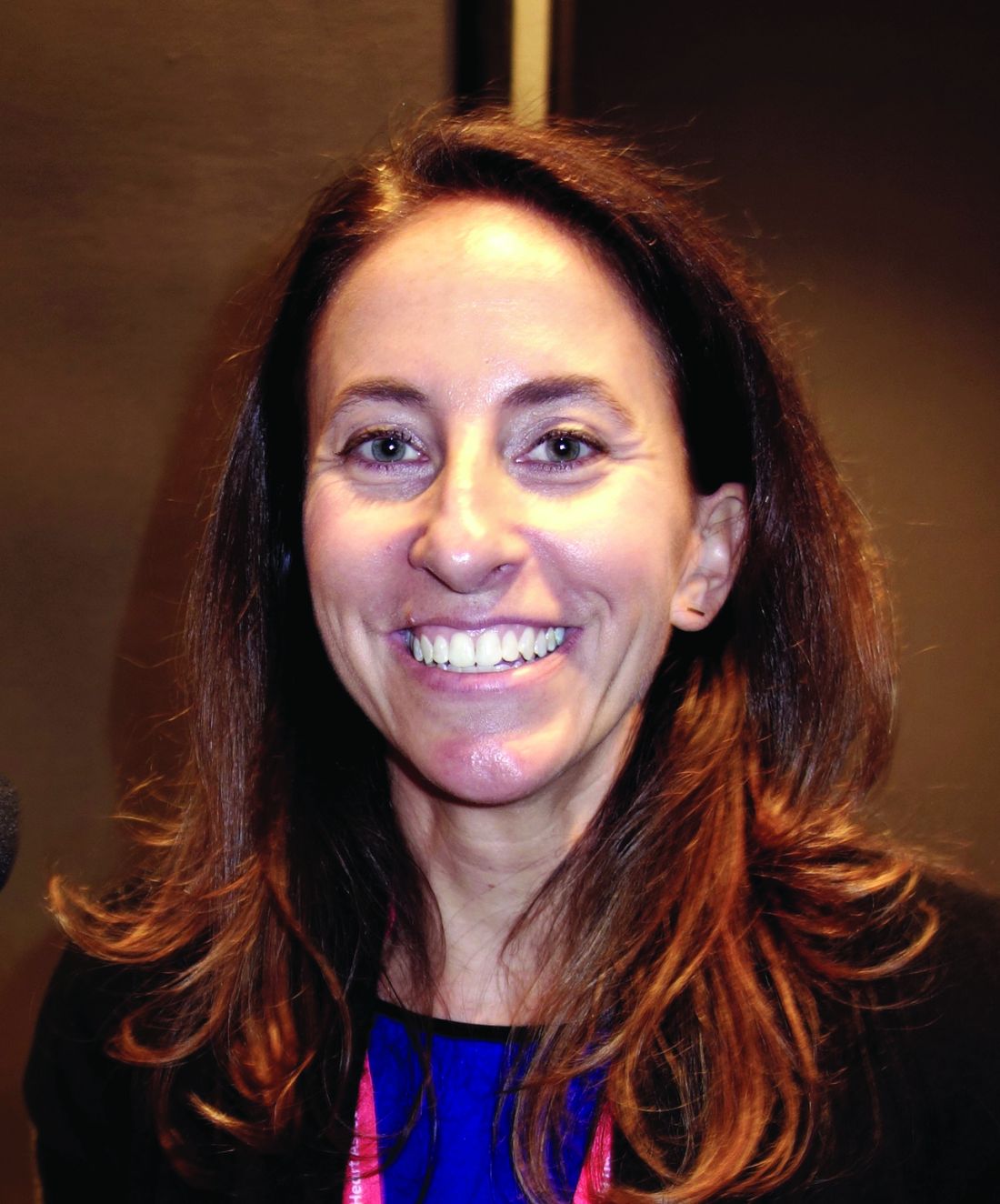
“People who are younger and of childbearing age who are going into pregnancy now are less healthy than they perhaps were in the past,” Dr. Bello suggested, with more hypertension, more obesity, and people being less physically active. “We think that’s translating into some of the pregnancy complications.”
That’s concerning for a number of reasons, said Dr. Bello, who is also the cochair of the American College of Cardiology’s Cardio-Obstetrics Workgroup, and the biggest one perhaps is the stress that these may conditions may be placing on the heart.
“We know that when individuals have an adverse pregnancy outcome like gestational hypertension, or gestational diabetes, their risk for heart disease is increased in the future compared to someone who has an uncomplicated pregnancy,” she said. “So, we sort of say pregnancy is like a stress test for your heart.”
Dr. Bello added that “these situations, these adverse pregnancy outcomes are an indicator for us as physicians, but also they should be for patients as well, to sort of make sure they’re talking to their doctor about their risk factors and modifying them whenever possible.”
The population studied came from quite a racially, ethnically, and economically diverse area of Canada, Dr. Bello pointed out, although because of the nature of an administrative database there wasn’t information on individual level risk factors.
“We don’t know things like smoking, or if individuals were obese when they were pregnant. So, there are some limitations that should be noted,” she said.
Also, the results don’t mean that isolated gestational diabetes “isn’t something we need to be concerned about,” Dr. Bello observed, adding that the study may have been underpowered to look at this association. “It may just be that it will take a longer time for individuals who have gestational diabetes who don’t make lifestyle changes to develop diabetes, and then develop heart disease.”
The main message is that the women who have a co-occurrence of gestational hypertension and gestational diabetes are at particularly high risk of cardiovascular disease in the future,” said Dr. Retnakaran.
“The way to look at it from a patient standpoint is that we are all on different tracks in terms of our cardiometabolic destiny,” and that these data give “some understanding of what kind of tracks they are on for future risk,” Dr. Retnakaran said.
“A history of either gestational hypertension, and/or gestational diabetes should be really a warning sign for physicians and for patients that they have a higher risk of heart disease,” said Dr. Bello.
She added that this is a signal “that we need to do things to modify their risk, because we know that about 80% of heart disease is modifiable and preventable with proper risk factor management.”
The study was funded by the Ontario Ministry of Health and Long-Term Care. Dr. Retnakaran has received grants and personal fees from Novo Nordisk and Merck, grants from Boehringer Ingelheim, and personal fees from Eli Lily Takeda, and Sanofi. Dr. Bello had no conflicts of interest to disclose.
Women who develop transient hypertensive disorders during their pregnancy are at risk for developing subsequent cardiovascular disease (CVD), particularly if this experienced at the same time as gestational diabetes.
In a large population-based study, the adjusted hazard ratios for developing CVD following a gestational hypertensive disorder (GHTD) alone were 1.90 (95% confidence interval, 1.151-2.25) within 5 years and 1.41 (95% CI, 1.12-1.76) after 5 years or more.
When gestational diabetes was added into the mix, however, the risk for CVD after 5 years more than doubled (aHR, 2.43; 95% CI, 1.60-3.67). Risk in the earlier postpartum period was also raised by the combination, but this was not significant (aHR, 1.42; 95% CI, 0.78-2.58).
Having gestational diabetes by itself did not seem to increase the risk for later CVD in the analysis, despite being linked to higher heart disease risk in other studies.
“These are women coming out of a pregnancy – young women of reproductive age – so this is not a group that typically has cardiovascular events,” said Ravi Retnakaran, MD, in an interview, an investigator in the new study, which is published in JAMA Network Open.
“If they are somebody who has both disorders concurrently in their pregnancy, they may be at even greater risk than a woman with one or the other disorder,” added Dr. Retnakaran, who is professor of medicine at the University of Toronto and an endocrinologist at the Leadership Sinai Centre for Diabetes, Mount Sinai Hospital, also in Toronto. “In other words, amongst already high-risk patients. This is identifying a subset at maybe an even higher risk.”
It doesn’t mean that there is a huge absolute risk, Dr. Retnakaran said, but it is showing that there is a heightened risk such that women and their clinicians need to be aware of and potentially the need for greater preventative care in the future.
“It is allowing you to identify future lifetime risk of cardiovascular disease,” he said.
Study rationale and design
GHTD is “a forerunner of hypertension,” and gestational diabetes is “a precursor of diabetes” – each associated with a high risk of developing CVD in the years after pregnancy, the investigators said. While studies have looked at their individual contributions to future CVD risk, not many had looked to see what risks having both may confer in the postpregnancy years.
For the analysis, data on 886,295 women with GHTD (43,861), gestational diabetes (54,061), both (4,975), or neither (783,398) were obtained from several Canadian administrative health databases.
The mean age was around 30 years across the groups, with those with both conditions or gestational diabetes alone more likely to be older than those with GTHD alone or neither condition (32 vs. 29 years, respectively, P < .001).
After a total follow-up period of 12 years, 1,999 CVD events were recorded, most of them (1,162) 5 years after the pregnancy.
Pregnancy is a stress test for the heart
“We know that what we call adverse pregnancy outcomes – things like gestational hypertension, and gestational diabetes, and preeclampsia – are on the rise globally,” Natalie A. Bello, MD, director of hypertension research at the Smidt Heart Institute, Cedars-Sinai Medical Center, Los Angeles, commented in an interview.
“People who are younger and of childbearing age who are going into pregnancy now are less healthy than they perhaps were in the past,” Dr. Bello suggested, with more hypertension, more obesity, and people being less physically active. “We think that’s translating into some of the pregnancy complications.”
That’s concerning for a number of reasons, said Dr. Bello, who is also the cochair of the American College of Cardiology’s Cardio-Obstetrics Workgroup, and the biggest one perhaps is the stress that these may conditions may be placing on the heart.
“We know that when individuals have an adverse pregnancy outcome like gestational hypertension, or gestational diabetes, their risk for heart disease is increased in the future compared to someone who has an uncomplicated pregnancy,” she said. “So, we sort of say pregnancy is like a stress test for your heart.”
Dr. Bello added that “these situations, these adverse pregnancy outcomes are an indicator for us as physicians, but also they should be for patients as well, to sort of make sure they’re talking to their doctor about their risk factors and modifying them whenever possible.”
The population studied came from quite a racially, ethnically, and economically diverse area of Canada, Dr. Bello pointed out, although because of the nature of an administrative database there wasn’t information on individual level risk factors.
“We don’t know things like smoking, or if individuals were obese when they were pregnant. So, there are some limitations that should be noted,” she said.
Also, the results don’t mean that isolated gestational diabetes “isn’t something we need to be concerned about,” Dr. Bello observed, adding that the study may have been underpowered to look at this association. “It may just be that it will take a longer time for individuals who have gestational diabetes who don’t make lifestyle changes to develop diabetes, and then develop heart disease.”
The main message is that the women who have a co-occurrence of gestational hypertension and gestational diabetes are at particularly high risk of cardiovascular disease in the future,” said Dr. Retnakaran.
“The way to look at it from a patient standpoint is that we are all on different tracks in terms of our cardiometabolic destiny,” and that these data give “some understanding of what kind of tracks they are on for future risk,” Dr. Retnakaran said.
“A history of either gestational hypertension, and/or gestational diabetes should be really a warning sign for physicians and for patients that they have a higher risk of heart disease,” said Dr. Bello.
She added that this is a signal “that we need to do things to modify their risk, because we know that about 80% of heart disease is modifiable and preventable with proper risk factor management.”
The study was funded by the Ontario Ministry of Health and Long-Term Care. Dr. Retnakaran has received grants and personal fees from Novo Nordisk and Merck, grants from Boehringer Ingelheim, and personal fees from Eli Lily Takeda, and Sanofi. Dr. Bello had no conflicts of interest to disclose.
Women who develop transient hypertensive disorders during their pregnancy are at risk for developing subsequent cardiovascular disease (CVD), particularly if this experienced at the same time as gestational diabetes.
In a large population-based study, the adjusted hazard ratios for developing CVD following a gestational hypertensive disorder (GHTD) alone were 1.90 (95% confidence interval, 1.151-2.25) within 5 years and 1.41 (95% CI, 1.12-1.76) after 5 years or more.
When gestational diabetes was added into the mix, however, the risk for CVD after 5 years more than doubled (aHR, 2.43; 95% CI, 1.60-3.67). Risk in the earlier postpartum period was also raised by the combination, but this was not significant (aHR, 1.42; 95% CI, 0.78-2.58).
Having gestational diabetes by itself did not seem to increase the risk for later CVD in the analysis, despite being linked to higher heart disease risk in other studies.
“These are women coming out of a pregnancy – young women of reproductive age – so this is not a group that typically has cardiovascular events,” said Ravi Retnakaran, MD, in an interview, an investigator in the new study, which is published in JAMA Network Open.
“If they are somebody who has both disorders concurrently in their pregnancy, they may be at even greater risk than a woman with one or the other disorder,” added Dr. Retnakaran, who is professor of medicine at the University of Toronto and an endocrinologist at the Leadership Sinai Centre for Diabetes, Mount Sinai Hospital, also in Toronto. “In other words, amongst already high-risk patients. This is identifying a subset at maybe an even higher risk.”
It doesn’t mean that there is a huge absolute risk, Dr. Retnakaran said, but it is showing that there is a heightened risk such that women and their clinicians need to be aware of and potentially the need for greater preventative care in the future.
“It is allowing you to identify future lifetime risk of cardiovascular disease,” he said.
Study rationale and design
GHTD is “a forerunner of hypertension,” and gestational diabetes is “a precursor of diabetes” – each associated with a high risk of developing CVD in the years after pregnancy, the investigators said. While studies have looked at their individual contributions to future CVD risk, not many had looked to see what risks having both may confer in the postpregnancy years.
For the analysis, data on 886,295 women with GHTD (43,861), gestational diabetes (54,061), both (4,975), or neither (783,398) were obtained from several Canadian administrative health databases.
The mean age was around 30 years across the groups, with those with both conditions or gestational diabetes alone more likely to be older than those with GTHD alone or neither condition (32 vs. 29 years, respectively, P < .001).
After a total follow-up period of 12 years, 1,999 CVD events were recorded, most of them (1,162) 5 years after the pregnancy.
Pregnancy is a stress test for the heart
“We know that what we call adverse pregnancy outcomes – things like gestational hypertension, and gestational diabetes, and preeclampsia – are on the rise globally,” Natalie A. Bello, MD, director of hypertension research at the Smidt Heart Institute, Cedars-Sinai Medical Center, Los Angeles, commented in an interview.
“People who are younger and of childbearing age who are going into pregnancy now are less healthy than they perhaps were in the past,” Dr. Bello suggested, with more hypertension, more obesity, and people being less physically active. “We think that’s translating into some of the pregnancy complications.”
That’s concerning for a number of reasons, said Dr. Bello, who is also the cochair of the American College of Cardiology’s Cardio-Obstetrics Workgroup, and the biggest one perhaps is the stress that these may conditions may be placing on the heart.
“We know that when individuals have an adverse pregnancy outcome like gestational hypertension, or gestational diabetes, their risk for heart disease is increased in the future compared to someone who has an uncomplicated pregnancy,” she said. “So, we sort of say pregnancy is like a stress test for your heart.”
Dr. Bello added that “these situations, these adverse pregnancy outcomes are an indicator for us as physicians, but also they should be for patients as well, to sort of make sure they’re talking to their doctor about their risk factors and modifying them whenever possible.”
The population studied came from quite a racially, ethnically, and economically diverse area of Canada, Dr. Bello pointed out, although because of the nature of an administrative database there wasn’t information on individual level risk factors.
“We don’t know things like smoking, or if individuals were obese when they were pregnant. So, there are some limitations that should be noted,” she said.
Also, the results don’t mean that isolated gestational diabetes “isn’t something we need to be concerned about,” Dr. Bello observed, adding that the study may have been underpowered to look at this association. “It may just be that it will take a longer time for individuals who have gestational diabetes who don’t make lifestyle changes to develop diabetes, and then develop heart disease.”
The main message is that the women who have a co-occurrence of gestational hypertension and gestational diabetes are at particularly high risk of cardiovascular disease in the future,” said Dr. Retnakaran.
“The way to look at it from a patient standpoint is that we are all on different tracks in terms of our cardiometabolic destiny,” and that these data give “some understanding of what kind of tracks they are on for future risk,” Dr. Retnakaran said.
“A history of either gestational hypertension, and/or gestational diabetes should be really a warning sign for physicians and for patients that they have a higher risk of heart disease,” said Dr. Bello.
She added that this is a signal “that we need to do things to modify their risk, because we know that about 80% of heart disease is modifiable and preventable with proper risk factor management.”
The study was funded by the Ontario Ministry of Health and Long-Term Care. Dr. Retnakaran has received grants and personal fees from Novo Nordisk and Merck, grants from Boehringer Ingelheim, and personal fees from Eli Lily Takeda, and Sanofi. Dr. Bello had no conflicts of interest to disclose.
FROM JAMA NETWORK OPEN

What the election results mean for GI
In the Senate, Democrats clinched the majority with 50 seats. Only one race, Georgia, is still undecided where a December runoff is planned. This race will not flip the majority since Vice President Kamala Harris casts tie-breaking votes as the President of the Senate.
Republicans recaptured control of the House after reaching 218 seats – enough to take control but the sweeping flip “red wave” did not occur as predicted. Republicans currently hold 220 seats to 213 Democratic seats, while two seats remain undecided. Margins in both chambers are slim, reflecting the division in the country.
What does this mean?
The majorities in both chambers are razor thin and compromises will need to be made to pass funding bills and other priorities.
AGA will continue to prioritize our bipartisan efforts with congressional champions on both sides of the aisle, including Rep. Ami Bera (D-Calif.), Rep. Larry Bucshon (R-Ind.), Sen. Sherrod Brown (D-Ohio), and Sen. Bill Cassidy (R-La.). For the remainder of this Congress, we will fight to:
- Encourage the Senate to take a vote on the House-passed prior authorization reform bill.
- Support robust federal research funding for gastroenterology.
- Reduce dangerous cuts in the Medicare Physician Fee Schedule, effective Jan. 1, 2023.
In the Senate, Democrats clinched the majority with 50 seats. Only one race, Georgia, is still undecided where a December runoff is planned. This race will not flip the majority since Vice President Kamala Harris casts tie-breaking votes as the President of the Senate.
Republicans recaptured control of the House after reaching 218 seats – enough to take control but the sweeping flip “red wave” did not occur as predicted. Republicans currently hold 220 seats to 213 Democratic seats, while two seats remain undecided. Margins in both chambers are slim, reflecting the division in the country.
What does this mean?
The majorities in both chambers are razor thin and compromises will need to be made to pass funding bills and other priorities.
AGA will continue to prioritize our bipartisan efforts with congressional champions on both sides of the aisle, including Rep. Ami Bera (D-Calif.), Rep. Larry Bucshon (R-Ind.), Sen. Sherrod Brown (D-Ohio), and Sen. Bill Cassidy (R-La.). For the remainder of this Congress, we will fight to:
- Encourage the Senate to take a vote on the House-passed prior authorization reform bill.
- Support robust federal research funding for gastroenterology.
- Reduce dangerous cuts in the Medicare Physician Fee Schedule, effective Jan. 1, 2023.
In the Senate, Democrats clinched the majority with 50 seats. Only one race, Georgia, is still undecided where a December runoff is planned. This race will not flip the majority since Vice President Kamala Harris casts tie-breaking votes as the President of the Senate.
Republicans recaptured control of the House after reaching 218 seats – enough to take control but the sweeping flip “red wave” did not occur as predicted. Republicans currently hold 220 seats to 213 Democratic seats, while two seats remain undecided. Margins in both chambers are slim, reflecting the division in the country.
What does this mean?
The majorities in both chambers are razor thin and compromises will need to be made to pass funding bills and other priorities.
AGA will continue to prioritize our bipartisan efforts with congressional champions on both sides of the aisle, including Rep. Ami Bera (D-Calif.), Rep. Larry Bucshon (R-Ind.), Sen. Sherrod Brown (D-Ohio), and Sen. Bill Cassidy (R-La.). For the remainder of this Congress, we will fight to:
- Encourage the Senate to take a vote on the House-passed prior authorization reform bill.
- Support robust federal research funding for gastroenterology.
- Reduce dangerous cuts in the Medicare Physician Fee Schedule, effective Jan. 1, 2023.
AGA makes its first investment through new GI innovation fund
Virgo provides gastroenterologists, clinical trial sponsors, and trial site investigators with artificial intelligence–fueled, always-on endoscopic procedure recording and patient recruitment tools for clinical trials in gastroenterology, starting with inflammatory bowel disease clinical trials.
Virgo provides gastroenterologists, clinical trial sponsors, and trial site investigators with artificial intelligence–fueled, always-on endoscopic procedure recording and patient recruitment tools for clinical trials in gastroenterology, starting with inflammatory bowel disease clinical trials.
Virgo provides gastroenterologists, clinical trial sponsors, and trial site investigators with artificial intelligence–fueled, always-on endoscopic procedure recording and patient recruitment tools for clinical trials in gastroenterology, starting with inflammatory bowel disease clinical trials.
Highlights in Breast Cancer From SITC 2022
Jennifer Guerriero, PhD, from Brigham and Women's Hospital in Boston, Massachusetts, shares highlights in breast cancer from the 37th Annual Meeting of the Society for Immunotherapy of Cancer.
She begins with a study of the tumor microenvironment that found a range of MHC-1 expression across breast cancer subtypes. Crucially, expression appears to affect the local immune landscape and response to immunotherapy.
Next, she looks at a study that showed that the tyrosine kinase Ron affects T-cell recruitment into sites of metastatic breast cancer, offering a potential therapeutic target via Ron kinase inhibitors.
Dr Guerriero moves on to a study exploring tumor antigen-specific antibody responses in patients with metastatic triple-negative breast cancer patients and their association with immunotherapy outcomes.
This is followed by a phase 1/2 trial in which an in situ anti-cancer vaccine was created with a combination of four treatments, achieving responses in heavily pretreated patients.
Dr Guerriero ends with a series of posters on CT-0508, a novel anti-HER2 chimeric antigen receptor macrophage therapy, that showed encouraging activity in targeting HER2 overexpressing tumors.
--
Assistant Professor, Department of Surgery, Division of Breast Surgery, Brigham and Women's Hospital, Boston, Massachusetts
Jennifer L. Guerriero, PhD, has disclosed the following relevant financial relationships:
Serve(d) as a director, officer, partner, employee, advisor, consultant, or trustee for: Mersana; Duke St Bio; AstraZeneca; OncoOne
Received research grant from: Merck
Jennifer Guerriero, PhD, from Brigham and Women's Hospital in Boston, Massachusetts, shares highlights in breast cancer from the 37th Annual Meeting of the Society for Immunotherapy of Cancer.
She begins with a study of the tumor microenvironment that found a range of MHC-1 expression across breast cancer subtypes. Crucially, expression appears to affect the local immune landscape and response to immunotherapy.
Next, she looks at a study that showed that the tyrosine kinase Ron affects T-cell recruitment into sites of metastatic breast cancer, offering a potential therapeutic target via Ron kinase inhibitors.
Dr Guerriero moves on to a study exploring tumor antigen-specific antibody responses in patients with metastatic triple-negative breast cancer patients and their association with immunotherapy outcomes.
This is followed by a phase 1/2 trial in which an in situ anti-cancer vaccine was created with a combination of four treatments, achieving responses in heavily pretreated patients.
Dr Guerriero ends with a series of posters on CT-0508, a novel anti-HER2 chimeric antigen receptor macrophage therapy, that showed encouraging activity in targeting HER2 overexpressing tumors.
--
Assistant Professor, Department of Surgery, Division of Breast Surgery, Brigham and Women's Hospital, Boston, Massachusetts
Jennifer L. Guerriero, PhD, has disclosed the following relevant financial relationships:
Serve(d) as a director, officer, partner, employee, advisor, consultant, or trustee for: Mersana; Duke St Bio; AstraZeneca; OncoOne
Received research grant from: Merck
Jennifer Guerriero, PhD, from Brigham and Women's Hospital in Boston, Massachusetts, shares highlights in breast cancer from the 37th Annual Meeting of the Society for Immunotherapy of Cancer.
She begins with a study of the tumor microenvironment that found a range of MHC-1 expression across breast cancer subtypes. Crucially, expression appears to affect the local immune landscape and response to immunotherapy.
Next, she looks at a study that showed that the tyrosine kinase Ron affects T-cell recruitment into sites of metastatic breast cancer, offering a potential therapeutic target via Ron kinase inhibitors.
Dr Guerriero moves on to a study exploring tumor antigen-specific antibody responses in patients with metastatic triple-negative breast cancer patients and their association with immunotherapy outcomes.
This is followed by a phase 1/2 trial in which an in situ anti-cancer vaccine was created with a combination of four treatments, achieving responses in heavily pretreated patients.
Dr Guerriero ends with a series of posters on CT-0508, a novel anti-HER2 chimeric antigen receptor macrophage therapy, that showed encouraging activity in targeting HER2 overexpressing tumors.
--
Assistant Professor, Department of Surgery, Division of Breast Surgery, Brigham and Women's Hospital, Boston, Massachusetts
Jennifer L. Guerriero, PhD, has disclosed the following relevant financial relationships:
Serve(d) as a director, officer, partner, employee, advisor, consultant, or trustee for: Mersana; Duke St Bio; AstraZeneca; OncoOne
Received research grant from: Merck

Advances in Non–Small Cell Lung Cancer From SITC 2022
Dr Jack West, from City of Hope Comprehensive Cancer Center, Duarte, California, gives his picks of noteworthy advances in non–small cell lung cancer (NSCLC) presented at the 37th Annual Meeting of the Society for Immunotherapy of Cancer.
Dr West starts by discussing data from a real-world analysis of patients who had undergone next-generation sequencing and received a variety of treatments. This revealed that those with KRAS mutations, alongside STK11 and KEAP1 mutations, had worse outcomes.
Next, he reports on a genomic study indicating that acquired resistance mechanisms affecting a range of genes were unique to immunotherapy and were not seen with chemotherapy or targeted therapies.
Dr West moves on to KEYNOTE-495, which found that NSCLC patients with a favorable gene expression profile and low tumor mutational burden had the greatest response to combination therapy with pembrolizumab and lenvatinib.
The LAG-3 inhibitor eftilagimod alpha in combination with pembrolizumab was examined in the next study, which showed that PD-L1 expression was related to response rates.
Dr West closes by discussing a talk that made the case for neoadjuvant over adjuvant immunotherapy in lung cancer and other settings.
--
Associate Professor, Department of Medical Oncology, City of Hope Comprehensive Cancer Center, Duarte, California; Vice President, Network Strategy, AccessHope, Los Angeles, California
H. Jack West, MD, has disclosed the following relevant financial relationships:
Serve(d) as a director, officer, partner, employee, advisor, consultant, or trustee for: Amgen; AstraZeneca; Genentech/Roche; Merck; Mirati; Regeneron; Takeda
Serve(d) as a speaker or a member of a speakers bureau for: Amgen; AstraZeneca; Merck
Dr Jack West, from City of Hope Comprehensive Cancer Center, Duarte, California, gives his picks of noteworthy advances in non–small cell lung cancer (NSCLC) presented at the 37th Annual Meeting of the Society for Immunotherapy of Cancer.
Dr West starts by discussing data from a real-world analysis of patients who had undergone next-generation sequencing and received a variety of treatments. This revealed that those with KRAS mutations, alongside STK11 and KEAP1 mutations, had worse outcomes.
Next, he reports on a genomic study indicating that acquired resistance mechanisms affecting a range of genes were unique to immunotherapy and were not seen with chemotherapy or targeted therapies.
Dr West moves on to KEYNOTE-495, which found that NSCLC patients with a favorable gene expression profile and low tumor mutational burden had the greatest response to combination therapy with pembrolizumab and lenvatinib.
The LAG-3 inhibitor eftilagimod alpha in combination with pembrolizumab was examined in the next study, which showed that PD-L1 expression was related to response rates.
Dr West closes by discussing a talk that made the case for neoadjuvant over adjuvant immunotherapy in lung cancer and other settings.
--
Associate Professor, Department of Medical Oncology, City of Hope Comprehensive Cancer Center, Duarte, California; Vice President, Network Strategy, AccessHope, Los Angeles, California
H. Jack West, MD, has disclosed the following relevant financial relationships:
Serve(d) as a director, officer, partner, employee, advisor, consultant, or trustee for: Amgen; AstraZeneca; Genentech/Roche; Merck; Mirati; Regeneron; Takeda
Serve(d) as a speaker or a member of a speakers bureau for: Amgen; AstraZeneca; Merck
Dr Jack West, from City of Hope Comprehensive Cancer Center, Duarte, California, gives his picks of noteworthy advances in non–small cell lung cancer (NSCLC) presented at the 37th Annual Meeting of the Society for Immunotherapy of Cancer.
Dr West starts by discussing data from a real-world analysis of patients who had undergone next-generation sequencing and received a variety of treatments. This revealed that those with KRAS mutations, alongside STK11 and KEAP1 mutations, had worse outcomes.
Next, he reports on a genomic study indicating that acquired resistance mechanisms affecting a range of genes were unique to immunotherapy and were not seen with chemotherapy or targeted therapies.
Dr West moves on to KEYNOTE-495, which found that NSCLC patients with a favorable gene expression profile and low tumor mutational burden had the greatest response to combination therapy with pembrolizumab and lenvatinib.
The LAG-3 inhibitor eftilagimod alpha in combination with pembrolizumab was examined in the next study, which showed that PD-L1 expression was related to response rates.
Dr West closes by discussing a talk that made the case for neoadjuvant over adjuvant immunotherapy in lung cancer and other settings.
--
Associate Professor, Department of Medical Oncology, City of Hope Comprehensive Cancer Center, Duarte, California; Vice President, Network Strategy, AccessHope, Los Angeles, California
H. Jack West, MD, has disclosed the following relevant financial relationships:
Serve(d) as a director, officer, partner, employee, advisor, consultant, or trustee for: Amgen; AstraZeneca; Genentech/Roche; Merck; Mirati; Regeneron; Takeda
Serve(d) as a speaker or a member of a speakers bureau for: Amgen; AstraZeneca; Merck

A new use for dating apps: Chasing STDs
Heather Meador and Anna Herber-Downey use dating apps on the job – and their boss knows it.
Both are public health nurses employed by Linn County Public Health in eastern Iowa. They’ve learned that dating apps are the most efficient way to inform users that people they previously met on the sites may have exposed them to sexually transmitted infections.
A nationwide surge in STIs, also known as STDs – with reported cases of gonorrhea and syphilis increasing 10% and 7%, respectively, from 2019 to 2020, according to the Centers for Disease Control and Prevention – isn’t sparing Iowa. The duo has found that the telephone call, a traditional method of contact tracing, no longer works well.
“When I started 12 years ago, we called everyone,” said Ms. Meador, the county health department’s clinical branch supervisor. “It’s getting harder and harder to just call someone on the phone.”
Even texting is ineffective, they said. And people aren’t necessarily answering messages on Facebook. The dating apps are where they’re at.
Because many people are meeting sex partners online – via sites like Grindr or Snapchat, which are headquartered in West Hollywood and Santa Monica, Calif., respectively – contact tracers often don’t have much information to go on, just a screen name or a picture.
So, about a year ago, Ms. Meador and her colleagues got approval from their bosses at the local level to build profiles on the app, through which they can contact the sex partners of infected people.
Traditionally, contact tracers interview people infected with an STI about their recent encounters and then reach out to those partners to tell them about the potential exposure.
Linn County contact tracers use the apps throughout their workday. Grindr, in particular, relies on geolocation, showing users matches who are close by. So the tracers use the apps when they’re out and about, hoping to wander into the same neighborhoods as the person diagnosed with an STI. Sometimes users “tap” the contract tracers to see whether they’re interested – in dating, that is.
When the public health officials spot someone they’re looking for, they send a message asking for a call. It’s a successful method: Ms. Herber-Downey estimated they make an initial contact 75% of the time.
Linn County’s decision to move online comes as STI rates rise nationally, funding to fight them falls, and people adopt new technologies to meet people and seek fun. “STIs are increasing way faster than the funding we have,” said Leo Parker, director of prevention programs for the National Coalition of STD Directors, all while public health departments – many underfunded – are grappling with new behaviors.
“Social media companies have billions; we have tens of thousands,” said Jeffrey Klausner, MD, MPH, a University of Southern California, Los Angeles, public health professor, who previously served as San Francisco’s director of STD prevention and control services. That funding disparity means few public health departments have staff members who can go online. “It’s only really in major cities that they have anyone who’s tasked for that,” Dr. Klausner said.
Even when departments have enough employees to take on the challenge, institutional support can be lacking. Some public health officials question employees who log into the apps. Dr. Klausner once testified on behalf of a Ventura County, Calif., contact tracer who was fired for using sex sites for work.
But with people migrating online to meet partners, following them there makes sense. “We’re now in a digital age,” Mr. Parker said. Individuals might not be out, or might be questioning their identity, making online venues comfortable, anonymous spaces for romance – which, in turn, means people are harder to reach face-to-face, at least at first.
What’s more, online spaces like Grindr are effective public health tools beyond contact tracing. They can be useful ways to get the word out about public health concerns.
Mr. Parker and the Linn County officials said public service announcements on dating apps – advocating for condom use or sharing the business hours for sexual health clinics – do seem to lead people to services. “We do have individuals coming in, saying, ‘I saw you had free testing. I saw it on Grindr,’ ” Mr. Parker said.
Grindr, which touts itself as the biggest dating app focused on LGBTQ+ people, pushes out messages and information to its members, said Jack Harrison-Quintana, director of Grindr for Equality. That engagement intensified during a 2015 meningitis outbreak among LGBTQ+ communities in Chicago, for example.
During that outbreak, the app sent citywide messages about vaccination. Then Mr. Harrison-Quintana took advantage of the service’s design: Using the site’s geolocating capabilities, Grindr workers targeted messages to specific neighborhoods. “We could go in and really go block to block and say, ‘Is this where the cases are showing up?’ ” he said. If so, they sent more messages to that area.
That campaign encouraged further efforts from the app, which regularly sends public health messages about everything from COVID-19 to monkeypox to the platform’s base of roughly 11 million monthly users. Grindr also allows users to display their HIV status and indicate whether they’re vaccinated against COVID, monkeypox, and meningitis.
There are a couple of things Grindr won’t do, however. The company won’t allow public health departments to create institutional accounts. And it won’t allow automated notifications about STI exposures to be sent to users.
That’s due to privacy concerns, the company said, despite calls from public health advocates to deploy better messaging features. Grindr believes that a government presence on the app would be too intrusive and that even anonymous notifications would allow users to trace infections back to their source. (When asked about public health officials who join the site on their own, company spokesperson Patrick Lenihan said: “Individuals are free to say something like ‘I’m a public health professional – ask me about my work!’ in their profile and are free to discuss sexual and public health matters however they see fit.”)
Grindr’s position – however disappointing to some in the public health world – reflects a longtime balancing act attempted by the private sector, which aims to square government concerns with users’ privacy interests.
Dr. Klausner pointed to a 1999 syphilis outbreak in San Francisco as one of the first times he saw how those interests could be at odds. The outbreak was traced to an AOL chatroom. Based on his research, Dr. Klausner said it seemed as though people could go online and “get a sex partner faster than you can get a pizza delivered.”
But persuading New York–based Time Warner, eventually AOL’s corporate parent, to cooperate was time-intensive and tricky – gaining entrée into the chatroom required help from the New York attorney general’s office.
The online industry has advanced since then, Dr. Klausner said. He helped one service develop a system to send digital postcards to potentially exposed people. “Congratulations, you got syphilis,” the postcards read. “They were edgy postcards,” he said, although some options were less “snarky.”
Overall, however, the dating app world is still “bifurcated,” he said. For public health efforts, apps that appeal to LGBTQ+ users are generally more helpful than those that predominantly cater to heterosexual clients.
That’s due to the community’s history with sexual health, explained Jen Hecht, a leader of Building Healthy Online Communities, a public health group partnering with dating apps. “Folks in the queer community have – what – 30, 40 years of thinking about HIV?” she said.
Even though STIs affect everyone, “the norm and the expectation is not there” for straight-focused dating apps, she said. Indeed, neither Match Group nor Bumble – the corporations with the biggest apps focused on heterosexual dating, both based in Texas – responded to multiple requests for comment from KHN.
But users, at least so far, seem to appreciate the app-based interventions. Mr. Harrison-Quintana said Grindr has landed on a just-the-facts approach to conveying health information. He has never received any backlash, “which has been very nice.”
KHN (Kaiser Health News) is a national newsroom that produces in-depth journalism about health issues. Together with Policy Analysis and Polling, KHN is one of the three major operating programs at KFF (Kaiser Family Foundation). KFF is an endowed nonprofit organization providing information on health issues to the nation.
Heather Meador and Anna Herber-Downey use dating apps on the job – and their boss knows it.
Both are public health nurses employed by Linn County Public Health in eastern Iowa. They’ve learned that dating apps are the most efficient way to inform users that people they previously met on the sites may have exposed them to sexually transmitted infections.
A nationwide surge in STIs, also known as STDs – with reported cases of gonorrhea and syphilis increasing 10% and 7%, respectively, from 2019 to 2020, according to the Centers for Disease Control and Prevention – isn’t sparing Iowa. The duo has found that the telephone call, a traditional method of contact tracing, no longer works well.
“When I started 12 years ago, we called everyone,” said Ms. Meador, the county health department’s clinical branch supervisor. “It’s getting harder and harder to just call someone on the phone.”
Even texting is ineffective, they said. And people aren’t necessarily answering messages on Facebook. The dating apps are where they’re at.
Because many people are meeting sex partners online – via sites like Grindr or Snapchat, which are headquartered in West Hollywood and Santa Monica, Calif., respectively – contact tracers often don’t have much information to go on, just a screen name or a picture.
So, about a year ago, Ms. Meador and her colleagues got approval from their bosses at the local level to build profiles on the app, through which they can contact the sex partners of infected people.
Traditionally, contact tracers interview people infected with an STI about their recent encounters and then reach out to those partners to tell them about the potential exposure.
Linn County contact tracers use the apps throughout their workday. Grindr, in particular, relies on geolocation, showing users matches who are close by. So the tracers use the apps when they’re out and about, hoping to wander into the same neighborhoods as the person diagnosed with an STI. Sometimes users “tap” the contract tracers to see whether they’re interested – in dating, that is.
When the public health officials spot someone they’re looking for, they send a message asking for a call. It’s a successful method: Ms. Herber-Downey estimated they make an initial contact 75% of the time.
Linn County’s decision to move online comes as STI rates rise nationally, funding to fight them falls, and people adopt new technologies to meet people and seek fun. “STIs are increasing way faster than the funding we have,” said Leo Parker, director of prevention programs for the National Coalition of STD Directors, all while public health departments – many underfunded – are grappling with new behaviors.
“Social media companies have billions; we have tens of thousands,” said Jeffrey Klausner, MD, MPH, a University of Southern California, Los Angeles, public health professor, who previously served as San Francisco’s director of STD prevention and control services. That funding disparity means few public health departments have staff members who can go online. “It’s only really in major cities that they have anyone who’s tasked for that,” Dr. Klausner said.
Even when departments have enough employees to take on the challenge, institutional support can be lacking. Some public health officials question employees who log into the apps. Dr. Klausner once testified on behalf of a Ventura County, Calif., contact tracer who was fired for using sex sites for work.
But with people migrating online to meet partners, following them there makes sense. “We’re now in a digital age,” Mr. Parker said. Individuals might not be out, or might be questioning their identity, making online venues comfortable, anonymous spaces for romance – which, in turn, means people are harder to reach face-to-face, at least at first.
What’s more, online spaces like Grindr are effective public health tools beyond contact tracing. They can be useful ways to get the word out about public health concerns.
Mr. Parker and the Linn County officials said public service announcements on dating apps – advocating for condom use or sharing the business hours for sexual health clinics – do seem to lead people to services. “We do have individuals coming in, saying, ‘I saw you had free testing. I saw it on Grindr,’ ” Mr. Parker said.
Grindr, which touts itself as the biggest dating app focused on LGBTQ+ people, pushes out messages and information to its members, said Jack Harrison-Quintana, director of Grindr for Equality. That engagement intensified during a 2015 meningitis outbreak among LGBTQ+ communities in Chicago, for example.
During that outbreak, the app sent citywide messages about vaccination. Then Mr. Harrison-Quintana took advantage of the service’s design: Using the site’s geolocating capabilities, Grindr workers targeted messages to specific neighborhoods. “We could go in and really go block to block and say, ‘Is this where the cases are showing up?’ ” he said. If so, they sent more messages to that area.
That campaign encouraged further efforts from the app, which regularly sends public health messages about everything from COVID-19 to monkeypox to the platform’s base of roughly 11 million monthly users. Grindr also allows users to display their HIV status and indicate whether they’re vaccinated against COVID, monkeypox, and meningitis.
There are a couple of things Grindr won’t do, however. The company won’t allow public health departments to create institutional accounts. And it won’t allow automated notifications about STI exposures to be sent to users.
That’s due to privacy concerns, the company said, despite calls from public health advocates to deploy better messaging features. Grindr believes that a government presence on the app would be too intrusive and that even anonymous notifications would allow users to trace infections back to their source. (When asked about public health officials who join the site on their own, company spokesperson Patrick Lenihan said: “Individuals are free to say something like ‘I’m a public health professional – ask me about my work!’ in their profile and are free to discuss sexual and public health matters however they see fit.”)
Grindr’s position – however disappointing to some in the public health world – reflects a longtime balancing act attempted by the private sector, which aims to square government concerns with users’ privacy interests.
Dr. Klausner pointed to a 1999 syphilis outbreak in San Francisco as one of the first times he saw how those interests could be at odds. The outbreak was traced to an AOL chatroom. Based on his research, Dr. Klausner said it seemed as though people could go online and “get a sex partner faster than you can get a pizza delivered.”
But persuading New York–based Time Warner, eventually AOL’s corporate parent, to cooperate was time-intensive and tricky – gaining entrée into the chatroom required help from the New York attorney general’s office.
The online industry has advanced since then, Dr. Klausner said. He helped one service develop a system to send digital postcards to potentially exposed people. “Congratulations, you got syphilis,” the postcards read. “They were edgy postcards,” he said, although some options were less “snarky.”
Overall, however, the dating app world is still “bifurcated,” he said. For public health efforts, apps that appeal to LGBTQ+ users are generally more helpful than those that predominantly cater to heterosexual clients.
That’s due to the community’s history with sexual health, explained Jen Hecht, a leader of Building Healthy Online Communities, a public health group partnering with dating apps. “Folks in the queer community have – what – 30, 40 years of thinking about HIV?” she said.
Even though STIs affect everyone, “the norm and the expectation is not there” for straight-focused dating apps, she said. Indeed, neither Match Group nor Bumble – the corporations with the biggest apps focused on heterosexual dating, both based in Texas – responded to multiple requests for comment from KHN.
But users, at least so far, seem to appreciate the app-based interventions. Mr. Harrison-Quintana said Grindr has landed on a just-the-facts approach to conveying health information. He has never received any backlash, “which has been very nice.”
KHN (Kaiser Health News) is a national newsroom that produces in-depth journalism about health issues. Together with Policy Analysis and Polling, KHN is one of the three major operating programs at KFF (Kaiser Family Foundation). KFF is an endowed nonprofit organization providing information on health issues to the nation.
Heather Meador and Anna Herber-Downey use dating apps on the job – and their boss knows it.
Both are public health nurses employed by Linn County Public Health in eastern Iowa. They’ve learned that dating apps are the most efficient way to inform users that people they previously met on the sites may have exposed them to sexually transmitted infections.
A nationwide surge in STIs, also known as STDs – with reported cases of gonorrhea and syphilis increasing 10% and 7%, respectively, from 2019 to 2020, according to the Centers for Disease Control and Prevention – isn’t sparing Iowa. The duo has found that the telephone call, a traditional method of contact tracing, no longer works well.
“When I started 12 years ago, we called everyone,” said Ms. Meador, the county health department’s clinical branch supervisor. “It’s getting harder and harder to just call someone on the phone.”
Even texting is ineffective, they said. And people aren’t necessarily answering messages on Facebook. The dating apps are where they’re at.
Because many people are meeting sex partners online – via sites like Grindr or Snapchat, which are headquartered in West Hollywood and Santa Monica, Calif., respectively – contact tracers often don’t have much information to go on, just a screen name or a picture.
So, about a year ago, Ms. Meador and her colleagues got approval from their bosses at the local level to build profiles on the app, through which they can contact the sex partners of infected people.
Traditionally, contact tracers interview people infected with an STI about their recent encounters and then reach out to those partners to tell them about the potential exposure.
Linn County contact tracers use the apps throughout their workday. Grindr, in particular, relies on geolocation, showing users matches who are close by. So the tracers use the apps when they’re out and about, hoping to wander into the same neighborhoods as the person diagnosed with an STI. Sometimes users “tap” the contract tracers to see whether they’re interested – in dating, that is.
When the public health officials spot someone they’re looking for, they send a message asking for a call. It’s a successful method: Ms. Herber-Downey estimated they make an initial contact 75% of the time.
Linn County’s decision to move online comes as STI rates rise nationally, funding to fight them falls, and people adopt new technologies to meet people and seek fun. “STIs are increasing way faster than the funding we have,” said Leo Parker, director of prevention programs for the National Coalition of STD Directors, all while public health departments – many underfunded – are grappling with new behaviors.
“Social media companies have billions; we have tens of thousands,” said Jeffrey Klausner, MD, MPH, a University of Southern California, Los Angeles, public health professor, who previously served as San Francisco’s director of STD prevention and control services. That funding disparity means few public health departments have staff members who can go online. “It’s only really in major cities that they have anyone who’s tasked for that,” Dr. Klausner said.
Even when departments have enough employees to take on the challenge, institutional support can be lacking. Some public health officials question employees who log into the apps. Dr. Klausner once testified on behalf of a Ventura County, Calif., contact tracer who was fired for using sex sites for work.
But with people migrating online to meet partners, following them there makes sense. “We’re now in a digital age,” Mr. Parker said. Individuals might not be out, or might be questioning their identity, making online venues comfortable, anonymous spaces for romance – which, in turn, means people are harder to reach face-to-face, at least at first.
What’s more, online spaces like Grindr are effective public health tools beyond contact tracing. They can be useful ways to get the word out about public health concerns.
Mr. Parker and the Linn County officials said public service announcements on dating apps – advocating for condom use or sharing the business hours for sexual health clinics – do seem to lead people to services. “We do have individuals coming in, saying, ‘I saw you had free testing. I saw it on Grindr,’ ” Mr. Parker said.
Grindr, which touts itself as the biggest dating app focused on LGBTQ+ people, pushes out messages and information to its members, said Jack Harrison-Quintana, director of Grindr for Equality. That engagement intensified during a 2015 meningitis outbreak among LGBTQ+ communities in Chicago, for example.
During that outbreak, the app sent citywide messages about vaccination. Then Mr. Harrison-Quintana took advantage of the service’s design: Using the site’s geolocating capabilities, Grindr workers targeted messages to specific neighborhoods. “We could go in and really go block to block and say, ‘Is this where the cases are showing up?’ ” he said. If so, they sent more messages to that area.
That campaign encouraged further efforts from the app, which regularly sends public health messages about everything from COVID-19 to monkeypox to the platform’s base of roughly 11 million monthly users. Grindr also allows users to display their HIV status and indicate whether they’re vaccinated against COVID, monkeypox, and meningitis.
There are a couple of things Grindr won’t do, however. The company won’t allow public health departments to create institutional accounts. And it won’t allow automated notifications about STI exposures to be sent to users.
That’s due to privacy concerns, the company said, despite calls from public health advocates to deploy better messaging features. Grindr believes that a government presence on the app would be too intrusive and that even anonymous notifications would allow users to trace infections back to their source. (When asked about public health officials who join the site on their own, company spokesperson Patrick Lenihan said: “Individuals are free to say something like ‘I’m a public health professional – ask me about my work!’ in their profile and are free to discuss sexual and public health matters however they see fit.”)
Grindr’s position – however disappointing to some in the public health world – reflects a longtime balancing act attempted by the private sector, which aims to square government concerns with users’ privacy interests.
Dr. Klausner pointed to a 1999 syphilis outbreak in San Francisco as one of the first times he saw how those interests could be at odds. The outbreak was traced to an AOL chatroom. Based on his research, Dr. Klausner said it seemed as though people could go online and “get a sex partner faster than you can get a pizza delivered.”
But persuading New York–based Time Warner, eventually AOL’s corporate parent, to cooperate was time-intensive and tricky – gaining entrée into the chatroom required help from the New York attorney general’s office.
The online industry has advanced since then, Dr. Klausner said. He helped one service develop a system to send digital postcards to potentially exposed people. “Congratulations, you got syphilis,” the postcards read. “They were edgy postcards,” he said, although some options were less “snarky.”
Overall, however, the dating app world is still “bifurcated,” he said. For public health efforts, apps that appeal to LGBTQ+ users are generally more helpful than those that predominantly cater to heterosexual clients.
That’s due to the community’s history with sexual health, explained Jen Hecht, a leader of Building Healthy Online Communities, a public health group partnering with dating apps. “Folks in the queer community have – what – 30, 40 years of thinking about HIV?” she said.
Even though STIs affect everyone, “the norm and the expectation is not there” for straight-focused dating apps, she said. Indeed, neither Match Group nor Bumble – the corporations with the biggest apps focused on heterosexual dating, both based in Texas – responded to multiple requests for comment from KHN.
But users, at least so far, seem to appreciate the app-based interventions. Mr. Harrison-Quintana said Grindr has landed on a just-the-facts approach to conveying health information. He has never received any backlash, “which has been very nice.”
KHN (Kaiser Health News) is a national newsroom that produces in-depth journalism about health issues. Together with Policy Analysis and Polling, KHN is one of the three major operating programs at KFF (Kaiser Family Foundation). KFF is an endowed nonprofit organization providing information on health issues to the nation.
Higher potency of fentanyl affects addiction treatment, screening
As fentanyl-related overdose deaths continue to increase, clinicians should take note of important differences that set the drug apart from the other drugs of misuse – and the troubling reality that fentanyl now contaminates most of them.
“It would be fair to tell patients, if you’re buying any illicit drugs – pills, powder, liquid, whatever it is, you’ve got to assume it’s either contaminated with or replaced by fentanyl,” said Edwin Salsitz, MD, an associate clinical professor at the Icahn School of Medicine at Mount Sinai, New York, during a presentation on the subject at the 21st Annual Psychopharmacology Update presented by Current Psychiatry and the American Academy of Clinical Psychiatrists.
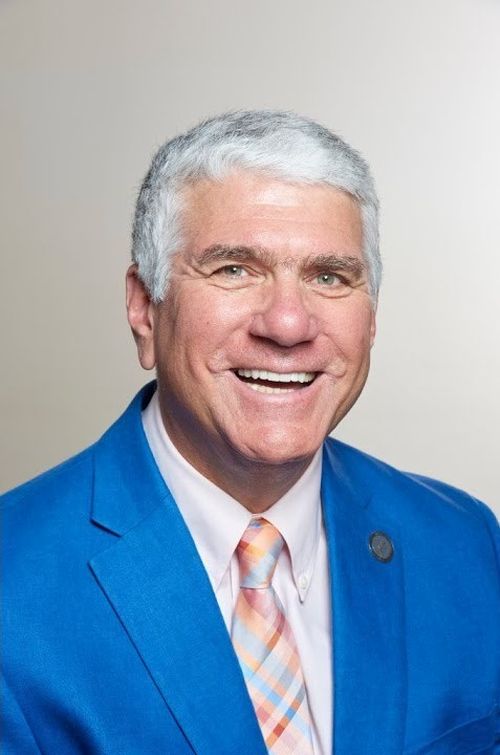
In many if not most cases, he noted, patients become addicted to fentanyl unknowingly. They assume they are ingesting oxycodone, cocaine, or another drug, and have no realization that they are even exposed to fentanyl until they test positive for it – or overdose.
Meanwhile, the high potency of fentanyl can overcome the opioid blockade of addiction treatment therapies – methadone and buprenorphine – that take away the high that users get from less potent drugs such as heroin.
“Fentanyl is overcoming this blockade that methadone and buprenorphine used to provide,” Dr. Salsitz said. “With fentanyl having such a higher potency, patients are saying ‘no, I still feel the fentanyl effects,’ and they continue feeling it even with 200 milligrams of methadone or 24 milligrams of buprenorphine.”
‘Wooden chest syndrome’
Among the lesser-known dangers of fentanyl is the possibility that some overdose deaths may occur as the result of a syndrome previously reported as a rare complication following the medical use of fentanyl in critically ill patients – fentanyl-induced chest-wall rigidity, or “wooden chest syndrome,” Dr. Salsitz explained.
In such cases, the muscles of respiration become rigid and paralyzed, causing suffocation within a matter of minutes – too soon to benefit from the overdose rescue medication naloxone.
In one recent study published in Clinical Toxicology , nearly half of fentanyl overdose deaths were found to have occurred even before the body had a chance to produce norfentanyl, a metabolite of fentanyl that takes only about 2-3 minutes to appear in the system, suggesting the deaths occurred rapidly.
In the study of 48 fentanyl deaths, no appreciable concentrations of norfentanyl could be detected in 20 of the 48 overdose deaths (42%), and concentrations were less than 1 ng/mL in 25 cases (52%).
“The lack of any measurable norfentanyl in half of our cases suggests a very rapid death, consistent with acute chest rigidity,” the authors reported.
“In several cases fentanyl concentrations were strikingly high (22 ng/mL and 20 ng/mL) with no norfentanyl detected,” they said.
Dr. Salsitz noted that the syndrome is not well known among the addiction treatment community.
“This is different than the usual respiratory opioid overdose where there’s a gradual decrease in the breathing rate and a gradual decrease in how much air is going in and out of the lungs,” Dr. Salsitz explained.
“With those cases, some may survive for an hour or longer, allowing time for someone to administer naloxone or to get the patient to the emergency room,” he said. “But with this, breathing stops and people can die within minutes.
“I think that this is one of the reasons that fentanyl deaths keep going up despite more and more naloxone availability out there,” he said.
Clearance may take longer
In toxicology testing for fentanyl, clinicians should also note the important difference between fentanyl and other opioids – that fentanyl, because of its high lipophilicity, may be detected in urine toxicology testing up to 3 weeks after last use. This is much longer than the 2- to 4-day clearance observed with other opioids, possibly causing patients to continue to test positive for the drug weeks after cessation.
This effect was observed in one recent study of 12 opioid use disorder patients in a residential treatment program who had previously been exposed to daily fentanyl.
The study showed the mean amount of time of fentanyl clearance was 2 weeks, with a range of 4-26 days after last use.
The authors pointed out that the findings “might explain recent reports of difficulty in buprenorphine inductions for persons who use fentanyl, and point to a need to better understand the pharmacokinetics of fentanyl in the context of opioid withdrawal in persons who regularly use fentanyl.”
Though the study was small, Dr. Salsitz said “that’s not a stumbling block to the important finding that, with regular use of fentanyl, the drug may stay in the urine for a long time.”
Dr. Salsitz noted that similar observations have been made at his center, with clinicians logically assuming that patients were still somehow getting fentanyl.
“When we initially found this in patients, we thought that they were using on the unit, perhaps that they brought in the fentanyl, because otherwise how could it stay in the urine that long,” he noted. “But fentanyl appears to be more lipophilic and gets into the fat; it’s then excreted very slowly and then stays in the urine.”
Dr. Salsitz said most practitioners think of fentanyl as a short-acting drug, so “it’s important to realize that people may continue to test positive and it should be thought of as a long-acting opioid.”
Opiate screening tests don’t work
Dr. Salsitz warned of another misconception in fentanyl testing – the common mistake of assuming that fentanyl should show up in a test for opiates – when in fact fentanyl is not, technically, an opiate.
“The word opiate only refers to morphine, codeine, heroin and sometimes hydrocodone,” he explained. “Other opioids are classified as semisynthetic, such as oxycodone, or synthetics, such as fentanyl and methadone, buprenorphine.”
“In order to detect the synthetics, you must have a separate strip for each one of those drugs. They will not show up positive on a screen for opiates,” he noted.
The belief that fentanyl and other synthetic and semisynthetic opioids will show positive on an opiate screen is a common misconception, he said. “The misunderstanding in toxicology interpretation is a problem for many practitioners, [but] it’s essential to understand because otherwise false assumptions about the patient will be considered.”
Another important testing misreading can occur with the antidepressant drug trazodone, which Dr. Salsitz cautioned may falsely test as positive for fentanyl on immunoassays.
“Trazodone is very commonly used in addiction treatment centers, but it can give a false positive on the fentanyl immunoassay and we’ve had a number of those cases,” he said.
Dr. Salsitz had no disclosures to report.
The Psychopharmacology Update was sponsored by Medscape Live. Medscape Live and this news organization are owned by the same parent company.
As fentanyl-related overdose deaths continue to increase, clinicians should take note of important differences that set the drug apart from the other drugs of misuse – and the troubling reality that fentanyl now contaminates most of them.
“It would be fair to tell patients, if you’re buying any illicit drugs – pills, powder, liquid, whatever it is, you’ve got to assume it’s either contaminated with or replaced by fentanyl,” said Edwin Salsitz, MD, an associate clinical professor at the Icahn School of Medicine at Mount Sinai, New York, during a presentation on the subject at the 21st Annual Psychopharmacology Update presented by Current Psychiatry and the American Academy of Clinical Psychiatrists.
In many if not most cases, he noted, patients become addicted to fentanyl unknowingly. They assume they are ingesting oxycodone, cocaine, or another drug, and have no realization that they are even exposed to fentanyl until they test positive for it – or overdose.
Meanwhile, the high potency of fentanyl can overcome the opioid blockade of addiction treatment therapies – methadone and buprenorphine – that take away the high that users get from less potent drugs such as heroin.
“Fentanyl is overcoming this blockade that methadone and buprenorphine used to provide,” Dr. Salsitz said. “With fentanyl having such a higher potency, patients are saying ‘no, I still feel the fentanyl effects,’ and they continue feeling it even with 200 milligrams of methadone or 24 milligrams of buprenorphine.”
‘Wooden chest syndrome’
Among the lesser-known dangers of fentanyl is the possibility that some overdose deaths may occur as the result of a syndrome previously reported as a rare complication following the medical use of fentanyl in critically ill patients – fentanyl-induced chest-wall rigidity, or “wooden chest syndrome,” Dr. Salsitz explained.
In such cases, the muscles of respiration become rigid and paralyzed, causing suffocation within a matter of minutes – too soon to benefit from the overdose rescue medication naloxone.
In one recent study published in Clinical Toxicology , nearly half of fentanyl overdose deaths were found to have occurred even before the body had a chance to produce norfentanyl, a metabolite of fentanyl that takes only about 2-3 minutes to appear in the system, suggesting the deaths occurred rapidly.
In the study of 48 fentanyl deaths, no appreciable concentrations of norfentanyl could be detected in 20 of the 48 overdose deaths (42%), and concentrations were less than 1 ng/mL in 25 cases (52%).
“The lack of any measurable norfentanyl in half of our cases suggests a very rapid death, consistent with acute chest rigidity,” the authors reported.
“In several cases fentanyl concentrations were strikingly high (22 ng/mL and 20 ng/mL) with no norfentanyl detected,” they said.
Dr. Salsitz noted that the syndrome is not well known among the addiction treatment community.
“This is different than the usual respiratory opioid overdose where there’s a gradual decrease in the breathing rate and a gradual decrease in how much air is going in and out of the lungs,” Dr. Salsitz explained.
“With those cases, some may survive for an hour or longer, allowing time for someone to administer naloxone or to get the patient to the emergency room,” he said. “But with this, breathing stops and people can die within minutes.
“I think that this is one of the reasons that fentanyl deaths keep going up despite more and more naloxone availability out there,” he said.
Clearance may take longer
In toxicology testing for fentanyl, clinicians should also note the important difference between fentanyl and other opioids – that fentanyl, because of its high lipophilicity, may be detected in urine toxicology testing up to 3 weeks after last use. This is much longer than the 2- to 4-day clearance observed with other opioids, possibly causing patients to continue to test positive for the drug weeks after cessation.
This effect was observed in one recent study of 12 opioid use disorder patients in a residential treatment program who had previously been exposed to daily fentanyl.
The study showed the mean amount of time of fentanyl clearance was 2 weeks, with a range of 4-26 days after last use.
The authors pointed out that the findings “might explain recent reports of difficulty in buprenorphine inductions for persons who use fentanyl, and point to a need to better understand the pharmacokinetics of fentanyl in the context of opioid withdrawal in persons who regularly use fentanyl.”
Though the study was small, Dr. Salsitz said “that’s not a stumbling block to the important finding that, with regular use of fentanyl, the drug may stay in the urine for a long time.”
Dr. Salsitz noted that similar observations have been made at his center, with clinicians logically assuming that patients were still somehow getting fentanyl.
“When we initially found this in patients, we thought that they were using on the unit, perhaps that they brought in the fentanyl, because otherwise how could it stay in the urine that long,” he noted. “But fentanyl appears to be more lipophilic and gets into the fat; it’s then excreted very slowly and then stays in the urine.”
Dr. Salsitz said most practitioners think of fentanyl as a short-acting drug, so “it’s important to realize that people may continue to test positive and it should be thought of as a long-acting opioid.”
Opiate screening tests don’t work
Dr. Salsitz warned of another misconception in fentanyl testing – the common mistake of assuming that fentanyl should show up in a test for opiates – when in fact fentanyl is not, technically, an opiate.
“The word opiate only refers to morphine, codeine, heroin and sometimes hydrocodone,” he explained. “Other opioids are classified as semisynthetic, such as oxycodone, or synthetics, such as fentanyl and methadone, buprenorphine.”
“In order to detect the synthetics, you must have a separate strip for each one of those drugs. They will not show up positive on a screen for opiates,” he noted.
The belief that fentanyl and other synthetic and semisynthetic opioids will show positive on an opiate screen is a common misconception, he said. “The misunderstanding in toxicology interpretation is a problem for many practitioners, [but] it’s essential to understand because otherwise false assumptions about the patient will be considered.”
Another important testing misreading can occur with the antidepressant drug trazodone, which Dr. Salsitz cautioned may falsely test as positive for fentanyl on immunoassays.
“Trazodone is very commonly used in addiction treatment centers, but it can give a false positive on the fentanyl immunoassay and we’ve had a number of those cases,” he said.
Dr. Salsitz had no disclosures to report.
The Psychopharmacology Update was sponsored by Medscape Live. Medscape Live and this news organization are owned by the same parent company.
As fentanyl-related overdose deaths continue to increase, clinicians should take note of important differences that set the drug apart from the other drugs of misuse – and the troubling reality that fentanyl now contaminates most of them.
“It would be fair to tell patients, if you’re buying any illicit drugs – pills, powder, liquid, whatever it is, you’ve got to assume it’s either contaminated with or replaced by fentanyl,” said Edwin Salsitz, MD, an associate clinical professor at the Icahn School of Medicine at Mount Sinai, New York, during a presentation on the subject at the 21st Annual Psychopharmacology Update presented by Current Psychiatry and the American Academy of Clinical Psychiatrists.
In many if not most cases, he noted, patients become addicted to fentanyl unknowingly. They assume they are ingesting oxycodone, cocaine, or another drug, and have no realization that they are even exposed to fentanyl until they test positive for it – or overdose.
Meanwhile, the high potency of fentanyl can overcome the opioid blockade of addiction treatment therapies – methadone and buprenorphine – that take away the high that users get from less potent drugs such as heroin.
“Fentanyl is overcoming this blockade that methadone and buprenorphine used to provide,” Dr. Salsitz said. “With fentanyl having such a higher potency, patients are saying ‘no, I still feel the fentanyl effects,’ and they continue feeling it even with 200 milligrams of methadone or 24 milligrams of buprenorphine.”
‘Wooden chest syndrome’
Among the lesser-known dangers of fentanyl is the possibility that some overdose deaths may occur as the result of a syndrome previously reported as a rare complication following the medical use of fentanyl in critically ill patients – fentanyl-induced chest-wall rigidity, or “wooden chest syndrome,” Dr. Salsitz explained.
In such cases, the muscles of respiration become rigid and paralyzed, causing suffocation within a matter of minutes – too soon to benefit from the overdose rescue medication naloxone.
In one recent study published in Clinical Toxicology , nearly half of fentanyl overdose deaths were found to have occurred even before the body had a chance to produce norfentanyl, a metabolite of fentanyl that takes only about 2-3 minutes to appear in the system, suggesting the deaths occurred rapidly.
In the study of 48 fentanyl deaths, no appreciable concentrations of norfentanyl could be detected in 20 of the 48 overdose deaths (42%), and concentrations were less than 1 ng/mL in 25 cases (52%).
“The lack of any measurable norfentanyl in half of our cases suggests a very rapid death, consistent with acute chest rigidity,” the authors reported.
“In several cases fentanyl concentrations were strikingly high (22 ng/mL and 20 ng/mL) with no norfentanyl detected,” they said.
Dr. Salsitz noted that the syndrome is not well known among the addiction treatment community.
“This is different than the usual respiratory opioid overdose where there’s a gradual decrease in the breathing rate and a gradual decrease in how much air is going in and out of the lungs,” Dr. Salsitz explained.
“With those cases, some may survive for an hour or longer, allowing time for someone to administer naloxone or to get the patient to the emergency room,” he said. “But with this, breathing stops and people can die within minutes.
“I think that this is one of the reasons that fentanyl deaths keep going up despite more and more naloxone availability out there,” he said.
Clearance may take longer
In toxicology testing for fentanyl, clinicians should also note the important difference between fentanyl and other opioids – that fentanyl, because of its high lipophilicity, may be detected in urine toxicology testing up to 3 weeks after last use. This is much longer than the 2- to 4-day clearance observed with other opioids, possibly causing patients to continue to test positive for the drug weeks after cessation.
This effect was observed in one recent study of 12 opioid use disorder patients in a residential treatment program who had previously been exposed to daily fentanyl.
The study showed the mean amount of time of fentanyl clearance was 2 weeks, with a range of 4-26 days after last use.
The authors pointed out that the findings “might explain recent reports of difficulty in buprenorphine inductions for persons who use fentanyl, and point to a need to better understand the pharmacokinetics of fentanyl in the context of opioid withdrawal in persons who regularly use fentanyl.”
Though the study was small, Dr. Salsitz said “that’s not a stumbling block to the important finding that, with regular use of fentanyl, the drug may stay in the urine for a long time.”
Dr. Salsitz noted that similar observations have been made at his center, with clinicians logically assuming that patients were still somehow getting fentanyl.
“When we initially found this in patients, we thought that they were using on the unit, perhaps that they brought in the fentanyl, because otherwise how could it stay in the urine that long,” he noted. “But fentanyl appears to be more lipophilic and gets into the fat; it’s then excreted very slowly and then stays in the urine.”
Dr. Salsitz said most practitioners think of fentanyl as a short-acting drug, so “it’s important to realize that people may continue to test positive and it should be thought of as a long-acting opioid.”
Opiate screening tests don’t work
Dr. Salsitz warned of another misconception in fentanyl testing – the common mistake of assuming that fentanyl should show up in a test for opiates – when in fact fentanyl is not, technically, an opiate.
“The word opiate only refers to morphine, codeine, heroin and sometimes hydrocodone,” he explained. “Other opioids are classified as semisynthetic, such as oxycodone, or synthetics, such as fentanyl and methadone, buprenorphine.”
“In order to detect the synthetics, you must have a separate strip for each one of those drugs. They will not show up positive on a screen for opiates,” he noted.
The belief that fentanyl and other synthetic and semisynthetic opioids will show positive on an opiate screen is a common misconception, he said. “The misunderstanding in toxicology interpretation is a problem for many practitioners, [but] it’s essential to understand because otherwise false assumptions about the patient will be considered.”
Another important testing misreading can occur with the antidepressant drug trazodone, which Dr. Salsitz cautioned may falsely test as positive for fentanyl on immunoassays.
“Trazodone is very commonly used in addiction treatment centers, but it can give a false positive on the fentanyl immunoassay and we’ve had a number of those cases,” he said.
Dr. Salsitz had no disclosures to report.
The Psychopharmacology Update was sponsored by Medscape Live. Medscape Live and this news organization are owned by the same parent company.
FROM PSYCHOPHARMACOLOGY UPDATE
Over half of targetable NSCLC patients miss out on correct tx
because of gaps in clinical practice all along the cancer care spectrum, reveals a new analysis of data from U.S. practices.
For some of these patients, it could mean missing the chance for long-term survival or even cure.
One lung cancer patient, Janet Freeman-Daily, recently tweeted that she entered a targeted therapy clinical trial 10 years ago and is still taking the same, now approved, oral drug, with “no evidence of disease.”
Patients who have lung cancer with mutations that can be targeted with drug therapies – but who do not receive them – are missing this opportunity.
The new study suggests that there are many such patients. The researchers analyzed data on more than 38,000 patients with actively managed advanced NSCLC. They found that about half did not receive biomarker test results for a variety of reasons. But even among the half who were successfully tested, 30% of these patients did not receive the appropriate targeted therapies.
Overall, around 64% of eligible patients with advanced NSCLC are not benefiting from the most appropriate therapies, the team concludes.
The research was published online in JCO Precision Oncology.
Gaps in clinical practice
The high rate of failure points to clinical practice gaps in “many areas” across the cancer care spectrum, lead author Daryl Pritchard, PhD, from the Personalized Medicine Coalition, Washington, told this news organization.
“There’s various steps along the way that affect clinicians, laboratories, payers, the health providers [and] even patients,” he said. He added that product manufacturers also “have a role.”
“So it’s not an individual group that’s causing the problem. It’s a systemic awareness and systemic need to improve the delivery process.”
Dr. Pritchard underlined that the “the main goal of this analysis is to put everybody on alert that we need to do something about it.
“We need to – and this is easy to say but hard to do – evolve health care from a traditional one-size-fits-all mentality to a value-based strategy where you’re saying we want the best treatments” for patients, he said.
This means developing optimized and standardized laboratory processes, as well as clinical guidelines that set out the standard of care and optimized and integrated clinical decision support.
“We need to work as a community to demonstrate the value of this care and improve education and awareness to providers and payers,” Dr. Pritchard said. “That will encourage value-based practice coverage and reimbursement policies, and then also incentivize utilization in validated cases.”
Julie R. Brahmer, MD, who directs the thoracic oncology program at Sidney Kimmel Comprehensive Cancer Center at Johns Hopkins, Baltimore, Maryland, who was not involved with the study, said she was not sure whether she would say she was “surprised or disheartened” by the findings.
The study was focused on advanced NSCLC patients treated in 2019. Dr. Brahmer wondered whether the COVID-19 pandemic “might actually have made things worse.”
It will be important to “drill down” into some of the reasons why 30% of patients for whom biomarker testing results were available did not receive the appropriate treatment, she said.
Aside from cost-related problems, one factor at play could be whether the patient saw an oncologist, she said, while another could be that they went “straight to hospice” and were “not healthy enough to be able to tolerate” their targeted therapy.
Greater use of liquid biopsies, which identify biomarkers in the blood, are one way to improve access to biomarker testing, she suggested. It would help if these liquid biopsies were “consistently paid for by the payer, particularly for patients with advanced disease,” she added. Currently, payers often want patients to first undergo a tissue biopsy, which involves lung aspiration and may not be possible for some patients.
“If a Medicare patient is in the hospital when they have their biopsy or surgery, and then they have to wait 14 days in order for mutation tests to be ordered, and then if you add another 2 weeks for that test to come back, or even longer … [These delays] are some of the reasons why patients didn’t end up receiving therapy,” she elaborated.
“Some of these patients just can’t last that long before starting treatment,” she said.
Sandip P. Patel, MD, an oncologist at the Precision Immunotherapy Clinic at the University of California, San Diego, in La Jolla, wondered whether the issue is lack of education among physicians or whether there are potential financial problems. “Is there a financial risk to patients, for example, that is not being captured?” he mused.
It could also be a question of urban vs. rural centers, language barriers in communicating to patients, or other social determinants of health, he added.
At his institution (UCSD), there are “multiple choices” of molecular tests, each with “little nuances that differ among the tests that folks sometimes will take a look at in term of picking the best.
“But the best test is the one that gets done, and here we’re seeing no testing at all” for many patients, he said.
“It’s really unfortunate because for a lot of these patients, not only are they not getting the latest therapy, but they’re often getting something else that’s expensive and toxic instead,” Dr. Patel said.
Referring to the relatively high proportion of patients who didn’t receive targeted therapy even after being tested, he said, “For me, this study leaves more questions and answers.
“We’ve seen a lot of work in this space, showing us the problem,” Dr. Patel said. “What I haven’t yet seen is a very discrete analysis of the cause of that problem upstream.”
Cornerstone of personalized medicine
In their article, Dr. Pritchard and colleagues note that more than 90 targeted therapies have been approved by the U.S. Food and Drug Administration for use in eligible cancer patients. An estimated 55% of recent oncology trials involved the use of biomarkers.
Predictive biomarker testing to identify patients who may benefit from targeted therapies “is a cornerstone of personalized medicine in cancer care, allowing for more rapid diagnosis while informing treatment decisions that could lead to better patient outcomes and systemic efficiencies,” they emphasize.
However, providers “face several challenges” when integrating biomarker testing and targeted therapeutics into cancer care, and the use of biomarker testing varies widely across tumor types, biomarkers, and practice settings.
For their study, the team examined the use of targeted therapy in advanced NSCLC using data from the Diaceutics Data Repository, which includes commercial and Medicare claims, as well as laboratory data.
They focused on 38,068 patients with actively managed advanced NSCLC. Of those patients, 50.80% were women, and 64.6% were aged 71 years or older. The vast majority (84.50%) were non-Hispanic White patients.
The team examined the impact of seven clinical practice gaps on the timeline from ordering a biopsy to delivering targeted treatment. They then normalized the results to a standard patient population of 1,000.
In 6.6% of cases, an initial tissue or liquid biopsy was never performed, meaning that 66 of the 1,000 patients could not progress toward targeted therapy.
Among those who underwent a biopsy, for 4.0%, there was insufficient tissue on the initial biopsy, while for a further 0.97%, there was insufficient tissue on re-biopsy. Moreover, 9.6% could not undergo biopsy testing because of a lack of tumor tissue. Consequently, a further 136 of the 944 remaining patients were lost.
For the third clinical practice gap, the tumor cell content was overestimated in 1.7% of patients. As a result, their biopsy specimen could not be tested because it did not meet the threshold requirements. This resulted in the loss of a further 14 patients.
Moreover, for a further 17.5% of patients, biomarker testing was not ordered at all, owing to cost concerns, a lack of access to testing, a lack of awareness of testing options, and low confidence in the results, among other reasons. An additional 0.6% began treatment before any testing was ordered; together, that accounted for 142 patients being lost.
Even among patients who underwent biomarker testing, 14.5% had uninformative or inconclusive results, and 3.9% had false-negative results, meaning that a further 118 patients were lost.
In another 4.0% of cases, the results of biomarker testing did not arrive within the treatment decision window, owing to delays in reporting the results, and so for these patients, treatment began without the results being taken into consideration. A further 21 patients were lost.
The final clinical practice gap was not choosing the appropriate targeted treatment on the basis of test results. The researchers found that of 27,186 patients who underwent biomarker testing and received a timely result, 29.2% were not given the corresponding therapy. This resulted in the loss of a further 147 of the original 1,000 patients.
Overall, the team calculated that 64.4% of patients newly diagnosed with advanced NSCLC “are not benefiting from precision oncology care options appropriate for their diseases and will likely have suboptimal outcomes.”
The research was supported in part by the Personalized Medicine Coalition, a nonprofit 501c3 organization dedicated to the advancement of personalized medicine. Dr. Pritchard is an employee of the Personalized Medicine Coalition. A coauthor has relationships with Thermo Fisher Scientific, AstraZeneca, Eli Lilly, Blueprint Medicines, and Oncocyte.
A version of this article first appeared on Medscape.com.
because of gaps in clinical practice all along the cancer care spectrum, reveals a new analysis of data from U.S. practices.
For some of these patients, it could mean missing the chance for long-term survival or even cure.
One lung cancer patient, Janet Freeman-Daily, recently tweeted that she entered a targeted therapy clinical trial 10 years ago and is still taking the same, now approved, oral drug, with “no evidence of disease.”
Patients who have lung cancer with mutations that can be targeted with drug therapies – but who do not receive them – are missing this opportunity.
The new study suggests that there are many such patients. The researchers analyzed data on more than 38,000 patients with actively managed advanced NSCLC. They found that about half did not receive biomarker test results for a variety of reasons. But even among the half who were successfully tested, 30% of these patients did not receive the appropriate targeted therapies.
Overall, around 64% of eligible patients with advanced NSCLC are not benefiting from the most appropriate therapies, the team concludes.
The research was published online in JCO Precision Oncology.
Gaps in clinical practice
The high rate of failure points to clinical practice gaps in “many areas” across the cancer care spectrum, lead author Daryl Pritchard, PhD, from the Personalized Medicine Coalition, Washington, told this news organization.
“There’s various steps along the way that affect clinicians, laboratories, payers, the health providers [and] even patients,” he said. He added that product manufacturers also “have a role.”
“So it’s not an individual group that’s causing the problem. It’s a systemic awareness and systemic need to improve the delivery process.”
Dr. Pritchard underlined that the “the main goal of this analysis is to put everybody on alert that we need to do something about it.
“We need to – and this is easy to say but hard to do – evolve health care from a traditional one-size-fits-all mentality to a value-based strategy where you’re saying we want the best treatments” for patients, he said.
This means developing optimized and standardized laboratory processes, as well as clinical guidelines that set out the standard of care and optimized and integrated clinical decision support.
“We need to work as a community to demonstrate the value of this care and improve education and awareness to providers and payers,” Dr. Pritchard said. “That will encourage value-based practice coverage and reimbursement policies, and then also incentivize utilization in validated cases.”
Julie R. Brahmer, MD, who directs the thoracic oncology program at Sidney Kimmel Comprehensive Cancer Center at Johns Hopkins, Baltimore, Maryland, who was not involved with the study, said she was not sure whether she would say she was “surprised or disheartened” by the findings.
The study was focused on advanced NSCLC patients treated in 2019. Dr. Brahmer wondered whether the COVID-19 pandemic “might actually have made things worse.”
It will be important to “drill down” into some of the reasons why 30% of patients for whom biomarker testing results were available did not receive the appropriate treatment, she said.
Aside from cost-related problems, one factor at play could be whether the patient saw an oncologist, she said, while another could be that they went “straight to hospice” and were “not healthy enough to be able to tolerate” their targeted therapy.
Greater use of liquid biopsies, which identify biomarkers in the blood, are one way to improve access to biomarker testing, she suggested. It would help if these liquid biopsies were “consistently paid for by the payer, particularly for patients with advanced disease,” she added. Currently, payers often want patients to first undergo a tissue biopsy, which involves lung aspiration and may not be possible for some patients.
“If a Medicare patient is in the hospital when they have their biopsy or surgery, and then they have to wait 14 days in order for mutation tests to be ordered, and then if you add another 2 weeks for that test to come back, or even longer … [These delays] are some of the reasons why patients didn’t end up receiving therapy,” she elaborated.
“Some of these patients just can’t last that long before starting treatment,” she said.
Sandip P. Patel, MD, an oncologist at the Precision Immunotherapy Clinic at the University of California, San Diego, in La Jolla, wondered whether the issue is lack of education among physicians or whether there are potential financial problems. “Is there a financial risk to patients, for example, that is not being captured?” he mused.
It could also be a question of urban vs. rural centers, language barriers in communicating to patients, or other social determinants of health, he added.
At his institution (UCSD), there are “multiple choices” of molecular tests, each with “little nuances that differ among the tests that folks sometimes will take a look at in term of picking the best.
“But the best test is the one that gets done, and here we’re seeing no testing at all” for many patients, he said.
“It’s really unfortunate because for a lot of these patients, not only are they not getting the latest therapy, but they’re often getting something else that’s expensive and toxic instead,” Dr. Patel said.
Referring to the relatively high proportion of patients who didn’t receive targeted therapy even after being tested, he said, “For me, this study leaves more questions and answers.
“We’ve seen a lot of work in this space, showing us the problem,” Dr. Patel said. “What I haven’t yet seen is a very discrete analysis of the cause of that problem upstream.”
Cornerstone of personalized medicine
In their article, Dr. Pritchard and colleagues note that more than 90 targeted therapies have been approved by the U.S. Food and Drug Administration for use in eligible cancer patients. An estimated 55% of recent oncology trials involved the use of biomarkers.
Predictive biomarker testing to identify patients who may benefit from targeted therapies “is a cornerstone of personalized medicine in cancer care, allowing for more rapid diagnosis while informing treatment decisions that could lead to better patient outcomes and systemic efficiencies,” they emphasize.
However, providers “face several challenges” when integrating biomarker testing and targeted therapeutics into cancer care, and the use of biomarker testing varies widely across tumor types, biomarkers, and practice settings.
For their study, the team examined the use of targeted therapy in advanced NSCLC using data from the Diaceutics Data Repository, which includes commercial and Medicare claims, as well as laboratory data.
They focused on 38,068 patients with actively managed advanced NSCLC. Of those patients, 50.80% were women, and 64.6% were aged 71 years or older. The vast majority (84.50%) were non-Hispanic White patients.
The team examined the impact of seven clinical practice gaps on the timeline from ordering a biopsy to delivering targeted treatment. They then normalized the results to a standard patient population of 1,000.
In 6.6% of cases, an initial tissue or liquid biopsy was never performed, meaning that 66 of the 1,000 patients could not progress toward targeted therapy.
Among those who underwent a biopsy, for 4.0%, there was insufficient tissue on the initial biopsy, while for a further 0.97%, there was insufficient tissue on re-biopsy. Moreover, 9.6% could not undergo biopsy testing because of a lack of tumor tissue. Consequently, a further 136 of the 944 remaining patients were lost.
For the third clinical practice gap, the tumor cell content was overestimated in 1.7% of patients. As a result, their biopsy specimen could not be tested because it did not meet the threshold requirements. This resulted in the loss of a further 14 patients.
Moreover, for a further 17.5% of patients, biomarker testing was not ordered at all, owing to cost concerns, a lack of access to testing, a lack of awareness of testing options, and low confidence in the results, among other reasons. An additional 0.6% began treatment before any testing was ordered; together, that accounted for 142 patients being lost.
Even among patients who underwent biomarker testing, 14.5% had uninformative or inconclusive results, and 3.9% had false-negative results, meaning that a further 118 patients were lost.
In another 4.0% of cases, the results of biomarker testing did not arrive within the treatment decision window, owing to delays in reporting the results, and so for these patients, treatment began without the results being taken into consideration. A further 21 patients were lost.
The final clinical practice gap was not choosing the appropriate targeted treatment on the basis of test results. The researchers found that of 27,186 patients who underwent biomarker testing and received a timely result, 29.2% were not given the corresponding therapy. This resulted in the loss of a further 147 of the original 1,000 patients.
Overall, the team calculated that 64.4% of patients newly diagnosed with advanced NSCLC “are not benefiting from precision oncology care options appropriate for their diseases and will likely have suboptimal outcomes.”
The research was supported in part by the Personalized Medicine Coalition, a nonprofit 501c3 organization dedicated to the advancement of personalized medicine. Dr. Pritchard is an employee of the Personalized Medicine Coalition. A coauthor has relationships with Thermo Fisher Scientific, AstraZeneca, Eli Lilly, Blueprint Medicines, and Oncocyte.
A version of this article first appeared on Medscape.com.
because of gaps in clinical practice all along the cancer care spectrum, reveals a new analysis of data from U.S. practices.
For some of these patients, it could mean missing the chance for long-term survival or even cure.
One lung cancer patient, Janet Freeman-Daily, recently tweeted that she entered a targeted therapy clinical trial 10 years ago and is still taking the same, now approved, oral drug, with “no evidence of disease.”
Patients who have lung cancer with mutations that can be targeted with drug therapies – but who do not receive them – are missing this opportunity.
The new study suggests that there are many such patients. The researchers analyzed data on more than 38,000 patients with actively managed advanced NSCLC. They found that about half did not receive biomarker test results for a variety of reasons. But even among the half who were successfully tested, 30% of these patients did not receive the appropriate targeted therapies.
Overall, around 64% of eligible patients with advanced NSCLC are not benefiting from the most appropriate therapies, the team concludes.
The research was published online in JCO Precision Oncology.
Gaps in clinical practice
The high rate of failure points to clinical practice gaps in “many areas” across the cancer care spectrum, lead author Daryl Pritchard, PhD, from the Personalized Medicine Coalition, Washington, told this news organization.
“There’s various steps along the way that affect clinicians, laboratories, payers, the health providers [and] even patients,” he said. He added that product manufacturers also “have a role.”
“So it’s not an individual group that’s causing the problem. It’s a systemic awareness and systemic need to improve the delivery process.”
Dr. Pritchard underlined that the “the main goal of this analysis is to put everybody on alert that we need to do something about it.
“We need to – and this is easy to say but hard to do – evolve health care from a traditional one-size-fits-all mentality to a value-based strategy where you’re saying we want the best treatments” for patients, he said.
This means developing optimized and standardized laboratory processes, as well as clinical guidelines that set out the standard of care and optimized and integrated clinical decision support.
“We need to work as a community to demonstrate the value of this care and improve education and awareness to providers and payers,” Dr. Pritchard said. “That will encourage value-based practice coverage and reimbursement policies, and then also incentivize utilization in validated cases.”
Julie R. Brahmer, MD, who directs the thoracic oncology program at Sidney Kimmel Comprehensive Cancer Center at Johns Hopkins, Baltimore, Maryland, who was not involved with the study, said she was not sure whether she would say she was “surprised or disheartened” by the findings.
The study was focused on advanced NSCLC patients treated in 2019. Dr. Brahmer wondered whether the COVID-19 pandemic “might actually have made things worse.”
It will be important to “drill down” into some of the reasons why 30% of patients for whom biomarker testing results were available did not receive the appropriate treatment, she said.
Aside from cost-related problems, one factor at play could be whether the patient saw an oncologist, she said, while another could be that they went “straight to hospice” and were “not healthy enough to be able to tolerate” their targeted therapy.
Greater use of liquid biopsies, which identify biomarkers in the blood, are one way to improve access to biomarker testing, she suggested. It would help if these liquid biopsies were “consistently paid for by the payer, particularly for patients with advanced disease,” she added. Currently, payers often want patients to first undergo a tissue biopsy, which involves lung aspiration and may not be possible for some patients.
“If a Medicare patient is in the hospital when they have their biopsy or surgery, and then they have to wait 14 days in order for mutation tests to be ordered, and then if you add another 2 weeks for that test to come back, or even longer … [These delays] are some of the reasons why patients didn’t end up receiving therapy,” she elaborated.
“Some of these patients just can’t last that long before starting treatment,” she said.
Sandip P. Patel, MD, an oncologist at the Precision Immunotherapy Clinic at the University of California, San Diego, in La Jolla, wondered whether the issue is lack of education among physicians or whether there are potential financial problems. “Is there a financial risk to patients, for example, that is not being captured?” he mused.
It could also be a question of urban vs. rural centers, language barriers in communicating to patients, or other social determinants of health, he added.
At his institution (UCSD), there are “multiple choices” of molecular tests, each with “little nuances that differ among the tests that folks sometimes will take a look at in term of picking the best.
“But the best test is the one that gets done, and here we’re seeing no testing at all” for many patients, he said.
“It’s really unfortunate because for a lot of these patients, not only are they not getting the latest therapy, but they’re often getting something else that’s expensive and toxic instead,” Dr. Patel said.
Referring to the relatively high proportion of patients who didn’t receive targeted therapy even after being tested, he said, “For me, this study leaves more questions and answers.
“We’ve seen a lot of work in this space, showing us the problem,” Dr. Patel said. “What I haven’t yet seen is a very discrete analysis of the cause of that problem upstream.”
Cornerstone of personalized medicine
In their article, Dr. Pritchard and colleagues note that more than 90 targeted therapies have been approved by the U.S. Food and Drug Administration for use in eligible cancer patients. An estimated 55% of recent oncology trials involved the use of biomarkers.
Predictive biomarker testing to identify patients who may benefit from targeted therapies “is a cornerstone of personalized medicine in cancer care, allowing for more rapid diagnosis while informing treatment decisions that could lead to better patient outcomes and systemic efficiencies,” they emphasize.
However, providers “face several challenges” when integrating biomarker testing and targeted therapeutics into cancer care, and the use of biomarker testing varies widely across tumor types, biomarkers, and practice settings.
For their study, the team examined the use of targeted therapy in advanced NSCLC using data from the Diaceutics Data Repository, which includes commercial and Medicare claims, as well as laboratory data.
They focused on 38,068 patients with actively managed advanced NSCLC. Of those patients, 50.80% were women, and 64.6% were aged 71 years or older. The vast majority (84.50%) were non-Hispanic White patients.
The team examined the impact of seven clinical practice gaps on the timeline from ordering a biopsy to delivering targeted treatment. They then normalized the results to a standard patient population of 1,000.
In 6.6% of cases, an initial tissue or liquid biopsy was never performed, meaning that 66 of the 1,000 patients could not progress toward targeted therapy.
Among those who underwent a biopsy, for 4.0%, there was insufficient tissue on the initial biopsy, while for a further 0.97%, there was insufficient tissue on re-biopsy. Moreover, 9.6% could not undergo biopsy testing because of a lack of tumor tissue. Consequently, a further 136 of the 944 remaining patients were lost.
For the third clinical practice gap, the tumor cell content was overestimated in 1.7% of patients. As a result, their biopsy specimen could not be tested because it did not meet the threshold requirements. This resulted in the loss of a further 14 patients.
Moreover, for a further 17.5% of patients, biomarker testing was not ordered at all, owing to cost concerns, a lack of access to testing, a lack of awareness of testing options, and low confidence in the results, among other reasons. An additional 0.6% began treatment before any testing was ordered; together, that accounted for 142 patients being lost.
Even among patients who underwent biomarker testing, 14.5% had uninformative or inconclusive results, and 3.9% had false-negative results, meaning that a further 118 patients were lost.
In another 4.0% of cases, the results of biomarker testing did not arrive within the treatment decision window, owing to delays in reporting the results, and so for these patients, treatment began without the results being taken into consideration. A further 21 patients were lost.
The final clinical practice gap was not choosing the appropriate targeted treatment on the basis of test results. The researchers found that of 27,186 patients who underwent biomarker testing and received a timely result, 29.2% were not given the corresponding therapy. This resulted in the loss of a further 147 of the original 1,000 patients.
Overall, the team calculated that 64.4% of patients newly diagnosed with advanced NSCLC “are not benefiting from precision oncology care options appropriate for their diseases and will likely have suboptimal outcomes.”
The research was supported in part by the Personalized Medicine Coalition, a nonprofit 501c3 organization dedicated to the advancement of personalized medicine. Dr. Pritchard is an employee of the Personalized Medicine Coalition. A coauthor has relationships with Thermo Fisher Scientific, AstraZeneca, Eli Lilly, Blueprint Medicines, and Oncocyte.
A version of this article first appeared on Medscape.com.
FDA requests more restrictions on ovarian cancer drugs
citing recent data showing an increased risk for death with the agents versus chemotherapy.
These restrictions could mean bankruptcy for one company.
Earlier this year, several companies voluntarily withdrew their respective PARP inhibitors for heavily pretreated patients with ovarian cancer in later-line indications.
Now, the FDA has asked GlaxoSmithKline and Clovis Oncology to restrict the second-line indications for their PARP inhibitors – niraparib (Zejula) for GSK and rucaparib (Rubraca) for Clovis.
The FDA’s requests are based on recent data showing an increased risk for death with the PARP inhibitors versus chemotherapy.
On Nov. 11, GSK announced that, at the FDA’s request, it will limit the second-line maintenance indication for its PARP inhibitor niraparib to patients with deleterious or suspected deleterious germline BRCA mutations.
The prescribing change was based on an FDA review of the final overall survival analysis of the NOVA phase 3 trial, which served as the basis for the approval of the second-line maintenance indication. The final overall survival data showed a hazard ratio of 1.06 (95% confidence interval, 0.81-1.37) in the cohort without germline BRCA mutations.
The company noted, however, that its first-line indication remains unchanged.
The FDA has also asked Clovis Oncology to restrict its PARP inhibitor rucaparib in the second-line maintenance therapy setting, according to a Nov. 14 U.S. Securities and Exchange Commission filing from the company. Rucaparib is currently not approved to treat ovarian cancer in the first-line setting.
According to the filing, the FDA met with Clovis Oncology to discuss the overall survival data from the ARIEL3 clinical trial, which formed the basis for the drug’s approval in the United States as second-line maintenance for adult patients with recurrent epithelial ovarian, fallopian tube, or primary peritoneal cancer who had a complete or partial response to platinum-based chemotherapy.
In September 2022, Clovis Oncology submitted the final overall survival data from the ARIEL3 trial to FDA. According to the company, among all populations analyzed, the confidence intervals for all hazard ratios crossed 1, “indicating no difference between the treatment arms.”
Based on the overall survival data, the FDA requested that Clovis “voluntarily revise the label to limit the indication of Rubraca in this second-line maintenance treatment” to only patients with BRCA mutations.
Clovis said it is “currently evaluating FDA’s request.” If an agreement can’t be reached, the FDA said it would convene an advisory committee to review the matter.
However, further restricting the indication for rucaparib could put the company’s future in jeopardy. In an earlier report, Clovis Oncology foreshadowed a “potential bankruptcy filing in the very near term” as “increasingly probable.”
The company explained that, because “a substantial portion” of the drug’s revenue is attributable to its second-line indication, limiting that indication “could result in a significant impact on our revenue.”
The report continued: “Based on our current cash and cash equivalents, together with current estimates for revenues to be generated by sales of Rubraca, we will not have sufficient liquidity to maintain our operations beyond January 2023.”
A version of this article first appeared on Medscape.com.
citing recent data showing an increased risk for death with the agents versus chemotherapy.
These restrictions could mean bankruptcy for one company.
Earlier this year, several companies voluntarily withdrew their respective PARP inhibitors for heavily pretreated patients with ovarian cancer in later-line indications.
Now, the FDA has asked GlaxoSmithKline and Clovis Oncology to restrict the second-line indications for their PARP inhibitors – niraparib (Zejula) for GSK and rucaparib (Rubraca) for Clovis.
The FDA’s requests are based on recent data showing an increased risk for death with the PARP inhibitors versus chemotherapy.
On Nov. 11, GSK announced that, at the FDA’s request, it will limit the second-line maintenance indication for its PARP inhibitor niraparib to patients with deleterious or suspected deleterious germline BRCA mutations.
The prescribing change was based on an FDA review of the final overall survival analysis of the NOVA phase 3 trial, which served as the basis for the approval of the second-line maintenance indication. The final overall survival data showed a hazard ratio of 1.06 (95% confidence interval, 0.81-1.37) in the cohort without germline BRCA mutations.
The company noted, however, that its first-line indication remains unchanged.
The FDA has also asked Clovis Oncology to restrict its PARP inhibitor rucaparib in the second-line maintenance therapy setting, according to a Nov. 14 U.S. Securities and Exchange Commission filing from the company. Rucaparib is currently not approved to treat ovarian cancer in the first-line setting.
According to the filing, the FDA met with Clovis Oncology to discuss the overall survival data from the ARIEL3 clinical trial, which formed the basis for the drug’s approval in the United States as second-line maintenance for adult patients with recurrent epithelial ovarian, fallopian tube, or primary peritoneal cancer who had a complete or partial response to platinum-based chemotherapy.
In September 2022, Clovis Oncology submitted the final overall survival data from the ARIEL3 trial to FDA. According to the company, among all populations analyzed, the confidence intervals for all hazard ratios crossed 1, “indicating no difference between the treatment arms.”
Based on the overall survival data, the FDA requested that Clovis “voluntarily revise the label to limit the indication of Rubraca in this second-line maintenance treatment” to only patients with BRCA mutations.
Clovis said it is “currently evaluating FDA’s request.” If an agreement can’t be reached, the FDA said it would convene an advisory committee to review the matter.
However, further restricting the indication for rucaparib could put the company’s future in jeopardy. In an earlier report, Clovis Oncology foreshadowed a “potential bankruptcy filing in the very near term” as “increasingly probable.”
The company explained that, because “a substantial portion” of the drug’s revenue is attributable to its second-line indication, limiting that indication “could result in a significant impact on our revenue.”
The report continued: “Based on our current cash and cash equivalents, together with current estimates for revenues to be generated by sales of Rubraca, we will not have sufficient liquidity to maintain our operations beyond January 2023.”
A version of this article first appeared on Medscape.com.
citing recent data showing an increased risk for death with the agents versus chemotherapy.
These restrictions could mean bankruptcy for one company.
Earlier this year, several companies voluntarily withdrew their respective PARP inhibitors for heavily pretreated patients with ovarian cancer in later-line indications.
Now, the FDA has asked GlaxoSmithKline and Clovis Oncology to restrict the second-line indications for their PARP inhibitors – niraparib (Zejula) for GSK and rucaparib (Rubraca) for Clovis.
The FDA’s requests are based on recent data showing an increased risk for death with the PARP inhibitors versus chemotherapy.
On Nov. 11, GSK announced that, at the FDA’s request, it will limit the second-line maintenance indication for its PARP inhibitor niraparib to patients with deleterious or suspected deleterious germline BRCA mutations.
The prescribing change was based on an FDA review of the final overall survival analysis of the NOVA phase 3 trial, which served as the basis for the approval of the second-line maintenance indication. The final overall survival data showed a hazard ratio of 1.06 (95% confidence interval, 0.81-1.37) in the cohort without germline BRCA mutations.
The company noted, however, that its first-line indication remains unchanged.
The FDA has also asked Clovis Oncology to restrict its PARP inhibitor rucaparib in the second-line maintenance therapy setting, according to a Nov. 14 U.S. Securities and Exchange Commission filing from the company. Rucaparib is currently not approved to treat ovarian cancer in the first-line setting.
According to the filing, the FDA met with Clovis Oncology to discuss the overall survival data from the ARIEL3 clinical trial, which formed the basis for the drug’s approval in the United States as second-line maintenance for adult patients with recurrent epithelial ovarian, fallopian tube, or primary peritoneal cancer who had a complete or partial response to platinum-based chemotherapy.
In September 2022, Clovis Oncology submitted the final overall survival data from the ARIEL3 trial to FDA. According to the company, among all populations analyzed, the confidence intervals for all hazard ratios crossed 1, “indicating no difference between the treatment arms.”
Based on the overall survival data, the FDA requested that Clovis “voluntarily revise the label to limit the indication of Rubraca in this second-line maintenance treatment” to only patients with BRCA mutations.
Clovis said it is “currently evaluating FDA’s request.” If an agreement can’t be reached, the FDA said it would convene an advisory committee to review the matter.
However, further restricting the indication for rucaparib could put the company’s future in jeopardy. In an earlier report, Clovis Oncology foreshadowed a “potential bankruptcy filing in the very near term” as “increasingly probable.”
The company explained that, because “a substantial portion” of the drug’s revenue is attributable to its second-line indication, limiting that indication “could result in a significant impact on our revenue.”
The report continued: “Based on our current cash and cash equivalents, together with current estimates for revenues to be generated by sales of Rubraca, we will not have sufficient liquidity to maintain our operations beyond January 2023.”
A version of this article first appeared on Medscape.com.