User login
Barcelona’s Best: Vasculitis Treatment Studies on Stopping Steroids, Abatacept, Plasma Exchange, Vaccination
Some of the best clinical trials of patients with antineutrophil cytoplasmic antibody–associated vasculitis (AAV) that were presented at the 21st International Vasculitis Workshop in Barcelona, Spain, included studies addressing relapse after stopping steroids, preventing relapse with abatacept, improving kidney function with plasma exchange, and vaccinating rituximab-treated patients.
Stopping Steroids After Remission in GPA
In the randomized, open-label TAPIR (The Assessment of Prednisone In Remission Trial) study of 159 adults with GPA in remission who had tapered to a prednisone dose of 5 mg/day, those who remained at that dosage had a significantly lower rate of relapse after 6 months than those who tapered to 0 mg/day (4.2% vs 15.5%; P = .227), according to results reported at the meeting.
However, use of a higher dose of prednisone for disease relapse by 6 months was similar for patients who used rituximab at baseline (8.8% with 0 mg/day vs 6.1% with 5 mg/day; P = .667), and the difference in this primary outcome was more pronounced among patients who did not take rituximab at baseline (20.0% with 0 mg/day vs 2.6% with 5 mg/day; P = .023).
A higher percentage of patients taking prednisone 0 mg/day had disease relapses that were considered minor (14.1% and 4.2%; P = .0391). Major relapses occurred in none of the patients taking 5 mg/day and in 1.4% receiving 0 mg/day. About 90% of patients in either treatment arm completed the trial.
The study, funded by the National Institute of Arthritis and Musculoskelatal and Skin Diseases and the National Heart Lung and Blood Institute, was unique in that half of patients randomized in the study were enrolled at community clinics and half were enrolled at Vasculitis Clinical Research Consortium clinical centers.
Abatacept Falls Short for Preventing Relapse in GPA
Adding abatacept to glucocorticoids failed to reduce risk of relapse, worsening disease, or failure to reach remission in adults with relapsing, nonsevere GPA, based on data from a randomized trial of 65 individuals.
In the 20-site, randomized, double-blind ABROGATE (Abatacept for the Treatment of Relapsing, Non-Severe, Granulomatosis With Polyangiitis) study, 34 patients received 125 mg subcutaneous abatacept once a week or a placebo in addition to 30 mg/day of prednisone that was tapered and discontinued after 12 weeks. Patients who were receiving methotrexate, azathioprine, mycophenolate, or leflunomide at baseline continued the medication at a stable dose.
The primary outcome of disease worsening or relapse occurred in 62% of the abatacept group and 68% of the placebo group, and no significant difference in treatment failure rate appeared between the groups. In addition, key secondary endpoints of time to full remission, duration of glucocorticoid-free remission, relapse severity, prevention of damage, and patient-reported quality of life outcomes were not significantly different between the groups.
A total of 112 adverse events occurred, with similar type and severity between the groups, including incidence of infections.
The findings were limited by the relatively small sample size, but the results suggest a need for further research to determine mechanisms of disease and explore additional novel treatments for this rare patient population, the researchers wrote in their abstract.
The study was funded by the National Institutes of Health and Bristol-Myers Squibb.
Plasma Exchange Improves Kidney Function in AAV
Use of therapeutic plasma exchange (PLEX) as an adjunct treatment improved early kidney function in adults with AAV and glomerulonephritis but did not extend beyond 8 weeks, and recovery of kidney function was no different between patients receiving a regular glucocorticoid regimen versus a reduced course, based on a post-hoc analysis of 691 individuals in the international randomized controlled trial called PEXIVAS.
The primary outcomes of change in kidney function based on estimated glomerular filtration rate (eGFR) from baseline over 1 year and the percentage of patients with improvement in eGFR of at least 15 mL/min/1.73 m2 at weeks 12, 26, and 52.
The rate of improved eGFR was significantly greater in the PLEX group, compared with controls, at 2, 4, and 8 weeks. At 4 weeks, significantly more patients in the PLEX group had an increase in eGFR by at least 15 mL/min/1.73 m2, compared with the control group (relative risk [RR], 1.41; P = .008). In addition, improved kidney function within 4 weeks was significantly associated with lower risk of kidney failure within 1 year, regardless of treatment group.
The original PEXIVAS trial was supported by various government institutes and agencies from multiple countries.
Reinforced Vaccine Strategy with Rituximab Improved Antibody Response in AAV
A vaccine strategy consisting of a double dose of 13-valent antipneumococcal conjugate vaccine (PCV13) at day 0 and day 7 followed by a single dose of 23-valent unconjugated pneumococcal polysaccharide vaccine (PPV23) at 5 months significantly improved antibody responses against Streptococcus pneumoniae in patients with AAV, compared with standard treatment, based on data from 95 individuals in the multicenter, open-label study called PNEUMOVAS.
Adults with newly diagnosed AAV were randomly assigned to one of three treatment arms: a standard regimen of one dose of PCV13 at day 0 and one dose of PPV23 at month 5 (arm 1); a double dose of PCV13 at day 0 and day 7 with a dose of PPV23 at month 5 (arm 2); or four doses of PCV13 at day 0 and one dose of PPV23 at month 5 (arm 3). These patients received PCV13 within 2 days before or after their first infusion of rituximab.
The primary endpoint was positive antibody response against 12 pneumococcal subtypes common to the PCV13 and PCV23 vaccines at 6 months. At 6 months, the immune response to 0-3, 4-6, 7-9, or 10-12 serotypes was 83.3%, 13.3%, 3.3%, and 0%, respectively, in arm 1; 56.3%, 28.1%, 15.6%, and 0% in arm 2; and 60.6%, 33.3%, 6.1%, and 0% in arm 3.
No severe adverse events related to vaccination were observed in any of the groups; a total of eight AAV flares occurred in six patients (one in arm 1, two in arm 2, and three in arm 3). Local and systemic reactions occurred more frequently with the reinforced dose regimens, but these were mostly grade 1 or 2 local reactions.
The study was supported by the French Ministry of Health.
Some of the best clinical trials of patients with antineutrophil cytoplasmic antibody–associated vasculitis (AAV) that were presented at the 21st International Vasculitis Workshop in Barcelona, Spain, included studies addressing relapse after stopping steroids, preventing relapse with abatacept, improving kidney function with plasma exchange, and vaccinating rituximab-treated patients.
Stopping Steroids After Remission in GPA
In the randomized, open-label TAPIR (The Assessment of Prednisone In Remission Trial) study of 159 adults with GPA in remission who had tapered to a prednisone dose of 5 mg/day, those who remained at that dosage had a significantly lower rate of relapse after 6 months than those who tapered to 0 mg/day (4.2% vs 15.5%; P = .227), according to results reported at the meeting.
However, use of a higher dose of prednisone for disease relapse by 6 months was similar for patients who used rituximab at baseline (8.8% with 0 mg/day vs 6.1% with 5 mg/day; P = .667), and the difference in this primary outcome was more pronounced among patients who did not take rituximab at baseline (20.0% with 0 mg/day vs 2.6% with 5 mg/day; P = .023).
A higher percentage of patients taking prednisone 0 mg/day had disease relapses that were considered minor (14.1% and 4.2%; P = .0391). Major relapses occurred in none of the patients taking 5 mg/day and in 1.4% receiving 0 mg/day. About 90% of patients in either treatment arm completed the trial.
The study, funded by the National Institute of Arthritis and Musculoskelatal and Skin Diseases and the National Heart Lung and Blood Institute, was unique in that half of patients randomized in the study were enrolled at community clinics and half were enrolled at Vasculitis Clinical Research Consortium clinical centers.
Abatacept Falls Short for Preventing Relapse in GPA
Adding abatacept to glucocorticoids failed to reduce risk of relapse, worsening disease, or failure to reach remission in adults with relapsing, nonsevere GPA, based on data from a randomized trial of 65 individuals.
In the 20-site, randomized, double-blind ABROGATE (Abatacept for the Treatment of Relapsing, Non-Severe, Granulomatosis With Polyangiitis) study, 34 patients received 125 mg subcutaneous abatacept once a week or a placebo in addition to 30 mg/day of prednisone that was tapered and discontinued after 12 weeks. Patients who were receiving methotrexate, azathioprine, mycophenolate, or leflunomide at baseline continued the medication at a stable dose.
The primary outcome of disease worsening or relapse occurred in 62% of the abatacept group and 68% of the placebo group, and no significant difference in treatment failure rate appeared between the groups. In addition, key secondary endpoints of time to full remission, duration of glucocorticoid-free remission, relapse severity, prevention of damage, and patient-reported quality of life outcomes were not significantly different between the groups.
A total of 112 adverse events occurred, with similar type and severity between the groups, including incidence of infections.
The findings were limited by the relatively small sample size, but the results suggest a need for further research to determine mechanisms of disease and explore additional novel treatments for this rare patient population, the researchers wrote in their abstract.
The study was funded by the National Institutes of Health and Bristol-Myers Squibb.
Plasma Exchange Improves Kidney Function in AAV
Use of therapeutic plasma exchange (PLEX) as an adjunct treatment improved early kidney function in adults with AAV and glomerulonephritis but did not extend beyond 8 weeks, and recovery of kidney function was no different between patients receiving a regular glucocorticoid regimen versus a reduced course, based on a post-hoc analysis of 691 individuals in the international randomized controlled trial called PEXIVAS.
The primary outcomes of change in kidney function based on estimated glomerular filtration rate (eGFR) from baseline over 1 year and the percentage of patients with improvement in eGFR of at least 15 mL/min/1.73 m2 at weeks 12, 26, and 52.
The rate of improved eGFR was significantly greater in the PLEX group, compared with controls, at 2, 4, and 8 weeks. At 4 weeks, significantly more patients in the PLEX group had an increase in eGFR by at least 15 mL/min/1.73 m2, compared with the control group (relative risk [RR], 1.41; P = .008). In addition, improved kidney function within 4 weeks was significantly associated with lower risk of kidney failure within 1 year, regardless of treatment group.
The original PEXIVAS trial was supported by various government institutes and agencies from multiple countries.
Reinforced Vaccine Strategy with Rituximab Improved Antibody Response in AAV
A vaccine strategy consisting of a double dose of 13-valent antipneumococcal conjugate vaccine (PCV13) at day 0 and day 7 followed by a single dose of 23-valent unconjugated pneumococcal polysaccharide vaccine (PPV23) at 5 months significantly improved antibody responses against Streptococcus pneumoniae in patients with AAV, compared with standard treatment, based on data from 95 individuals in the multicenter, open-label study called PNEUMOVAS.
Adults with newly diagnosed AAV were randomly assigned to one of three treatment arms: a standard regimen of one dose of PCV13 at day 0 and one dose of PPV23 at month 5 (arm 1); a double dose of PCV13 at day 0 and day 7 with a dose of PPV23 at month 5 (arm 2); or four doses of PCV13 at day 0 and one dose of PPV23 at month 5 (arm 3). These patients received PCV13 within 2 days before or after their first infusion of rituximab.
The primary endpoint was positive antibody response against 12 pneumococcal subtypes common to the PCV13 and PCV23 vaccines at 6 months. At 6 months, the immune response to 0-3, 4-6, 7-9, or 10-12 serotypes was 83.3%, 13.3%, 3.3%, and 0%, respectively, in arm 1; 56.3%, 28.1%, 15.6%, and 0% in arm 2; and 60.6%, 33.3%, 6.1%, and 0% in arm 3.
No severe adverse events related to vaccination were observed in any of the groups; a total of eight AAV flares occurred in six patients (one in arm 1, two in arm 2, and three in arm 3). Local and systemic reactions occurred more frequently with the reinforced dose regimens, but these were mostly grade 1 or 2 local reactions.
The study was supported by the French Ministry of Health.
Some of the best clinical trials of patients with antineutrophil cytoplasmic antibody–associated vasculitis (AAV) that were presented at the 21st International Vasculitis Workshop in Barcelona, Spain, included studies addressing relapse after stopping steroids, preventing relapse with abatacept, improving kidney function with plasma exchange, and vaccinating rituximab-treated patients.
Stopping Steroids After Remission in GPA
In the randomized, open-label TAPIR (The Assessment of Prednisone In Remission Trial) study of 159 adults with GPA in remission who had tapered to a prednisone dose of 5 mg/day, those who remained at that dosage had a significantly lower rate of relapse after 6 months than those who tapered to 0 mg/day (4.2% vs 15.5%; P = .227), according to results reported at the meeting.
However, use of a higher dose of prednisone for disease relapse by 6 months was similar for patients who used rituximab at baseline (8.8% with 0 mg/day vs 6.1% with 5 mg/day; P = .667), and the difference in this primary outcome was more pronounced among patients who did not take rituximab at baseline (20.0% with 0 mg/day vs 2.6% with 5 mg/day; P = .023).
A higher percentage of patients taking prednisone 0 mg/day had disease relapses that were considered minor (14.1% and 4.2%; P = .0391). Major relapses occurred in none of the patients taking 5 mg/day and in 1.4% receiving 0 mg/day. About 90% of patients in either treatment arm completed the trial.
The study, funded by the National Institute of Arthritis and Musculoskelatal and Skin Diseases and the National Heart Lung and Blood Institute, was unique in that half of patients randomized in the study were enrolled at community clinics and half were enrolled at Vasculitis Clinical Research Consortium clinical centers.
Abatacept Falls Short for Preventing Relapse in GPA
Adding abatacept to glucocorticoids failed to reduce risk of relapse, worsening disease, or failure to reach remission in adults with relapsing, nonsevere GPA, based on data from a randomized trial of 65 individuals.
In the 20-site, randomized, double-blind ABROGATE (Abatacept for the Treatment of Relapsing, Non-Severe, Granulomatosis With Polyangiitis) study, 34 patients received 125 mg subcutaneous abatacept once a week or a placebo in addition to 30 mg/day of prednisone that was tapered and discontinued after 12 weeks. Patients who were receiving methotrexate, azathioprine, mycophenolate, or leflunomide at baseline continued the medication at a stable dose.
The primary outcome of disease worsening or relapse occurred in 62% of the abatacept group and 68% of the placebo group, and no significant difference in treatment failure rate appeared between the groups. In addition, key secondary endpoints of time to full remission, duration of glucocorticoid-free remission, relapse severity, prevention of damage, and patient-reported quality of life outcomes were not significantly different between the groups.
A total of 112 adverse events occurred, with similar type and severity between the groups, including incidence of infections.
The findings were limited by the relatively small sample size, but the results suggest a need for further research to determine mechanisms of disease and explore additional novel treatments for this rare patient population, the researchers wrote in their abstract.
The study was funded by the National Institutes of Health and Bristol-Myers Squibb.
Plasma Exchange Improves Kidney Function in AAV
Use of therapeutic plasma exchange (PLEX) as an adjunct treatment improved early kidney function in adults with AAV and glomerulonephritis but did not extend beyond 8 weeks, and recovery of kidney function was no different between patients receiving a regular glucocorticoid regimen versus a reduced course, based on a post-hoc analysis of 691 individuals in the international randomized controlled trial called PEXIVAS.
The primary outcomes of change in kidney function based on estimated glomerular filtration rate (eGFR) from baseline over 1 year and the percentage of patients with improvement in eGFR of at least 15 mL/min/1.73 m2 at weeks 12, 26, and 52.
The rate of improved eGFR was significantly greater in the PLEX group, compared with controls, at 2, 4, and 8 weeks. At 4 weeks, significantly more patients in the PLEX group had an increase in eGFR by at least 15 mL/min/1.73 m2, compared with the control group (relative risk [RR], 1.41; P = .008). In addition, improved kidney function within 4 weeks was significantly associated with lower risk of kidney failure within 1 year, regardless of treatment group.
The original PEXIVAS trial was supported by various government institutes and agencies from multiple countries.
Reinforced Vaccine Strategy with Rituximab Improved Antibody Response in AAV
A vaccine strategy consisting of a double dose of 13-valent antipneumococcal conjugate vaccine (PCV13) at day 0 and day 7 followed by a single dose of 23-valent unconjugated pneumococcal polysaccharide vaccine (PPV23) at 5 months significantly improved antibody responses against Streptococcus pneumoniae in patients with AAV, compared with standard treatment, based on data from 95 individuals in the multicenter, open-label study called PNEUMOVAS.
Adults with newly diagnosed AAV were randomly assigned to one of three treatment arms: a standard regimen of one dose of PCV13 at day 0 and one dose of PPV23 at month 5 (arm 1); a double dose of PCV13 at day 0 and day 7 with a dose of PPV23 at month 5 (arm 2); or four doses of PCV13 at day 0 and one dose of PPV23 at month 5 (arm 3). These patients received PCV13 within 2 days before or after their first infusion of rituximab.
The primary endpoint was positive antibody response against 12 pneumococcal subtypes common to the PCV13 and PCV23 vaccines at 6 months. At 6 months, the immune response to 0-3, 4-6, 7-9, or 10-12 serotypes was 83.3%, 13.3%, 3.3%, and 0%, respectively, in arm 1; 56.3%, 28.1%, 15.6%, and 0% in arm 2; and 60.6%, 33.3%, 6.1%, and 0% in arm 3.
No severe adverse events related to vaccination were observed in any of the groups; a total of eight AAV flares occurred in six patients (one in arm 1, two in arm 2, and three in arm 3). Local and systemic reactions occurred more frequently with the reinforced dose regimens, but these were mostly grade 1 or 2 local reactions.
The study was supported by the French Ministry of Health.
How Medicare Reimbursement Trends Could Affect Breast Surgeries
These were findings of new research presented by Terry P. Gao, MD, at the American Society of Breast Surgeons annual meeting.
Medicare reimbursements often set a benchmark that is followed by private insurers, and the impact of changes on various breast surgeries have not been examined, Dr. Gao, a research resident at Temple University Hospital, Philadelphia, said during a press briefing in advance of the meeting.
“This study is important because it is the first to analyze trends in Medicare reimbursement for breast cancer surgery over a long period,” Dr. Gao said during an interview. The findings highlight a critical issue that could impact access to quality care, especially for vulnerable populations, she said.
How Were the Data Analyzed?
Dr. Gao and colleagues reviewed percent changes in reimbursement procedures over a 20-year period and compared them to changes in the consumer price index (CPI) to show the real-life impact of inflation.
The study examined reimbursements based on the Medicare Physician Fee Schedule Look-Up Tool from 2003 to 2023 for 10 procedures. The procedures were core needle biopsy, open incisional breast biopsy, open excisional breast biopsy, lumpectomy, lumpectomy with axillary lymph node dissection (ALND), simple mastectomy, radical mastectomy, modified radical mastectomy, biopsy/removal of lymph nodes, and sentinel lymph node biopsy.
What Does the New Study Show?
“Reimbursements did not keep pace with the price of goods and services,” Dr. Gao said during the press briefing.
After the researchers corrected data for inflation, the overall mean Medicare reimbursement for breast cancer surgeries decreased by approximately 21%, based in part on the 69% increase in the CPI over the study period, Dr. Gao said. The greatest change was in core needle biopsy, for which reimbursement decreased by 36%.
After inflation adjustment, reimbursement increases were seen for only two procedures, lumpectomy and simple mastectomy, of 0.37% and 3.58%, respectively, but these do not represent meaningful gains, Dr. Gao said.
The researchers also used a model to estimate the real-life impact of decreased reimbursement on clinicians. They subtracted the actual 2023 compensation from expected 2023 compensation based on inflation for a breast cancer case incidence of 297,790 patients who underwent axillary surgery, breast lumpectomy, or simple mastectomy. The calculated potential real-world compensation loss for that year was $107,604,444.
What are the Clinical Implications?
The current study is the first to put specific numbers on the trend in declining breast cancer payments, and the findings should encourage physicians to advocate for equitable policies, Dr. Gao noted during the briefing.
The substantial decrease in inflation-adjusted reimbursement rates was significant, she said during the interview. Although the decrease reflects similar trends seen in other specialties, the magnitude is a potential cause for concern, she said.
Declining reimbursements could disproportionately hurt safety-net hospitals serving vulnerable populations by limiting their ability to invest in better care and potentially worsening existing racial disparities, Dr. Gao told this publication. “Additionally, surgeons may opt out of Medicare networks due to low rates, leading to access issues and longer wait times. Finally, these trends could discourage future generations from specializing in breast cancer surgery.”
The study findings should be considered in the context of the complex and rapidly changing clinical landscape in which breast cancer care is evolving, Mediget Teshome, MD, chief of breast surgery at UCLA Health, said during an interview.
“Surgery remains a critically important aspect to curative treatment,” Dr. Teshome said.
Surgical decision-making tailored to each patient’s goals involves coordination from a multidisciplinary team as well as skill and attention from surgeons, she added.
“This degree of specialization and nuance is not always captured in reimbursement models for breast surgery,” Dr. Teshome emphasized. The policy implications of any changes in Medicare reimbursement will be important given the American Cancer Society reports breast cancer as the most commonly diagnosed cancer in women in the United States, and as the second leading cause of cancer death in US women, she noted.
What Additional Research Is Needed?
Research is needed to understand how declining reimbursements affect patients’ access to care, treatment choices, and long-term outcomes, Dr. Gao said in the interview. Future studies also are needed to examine provider overhead costs, staffing structures, and profit margins to offer a more comprehensive understanding of financial sustainability.
Dr. Gao and Dr. Teshome had no financial conflicts to disclose.
These were findings of new research presented by Terry P. Gao, MD, at the American Society of Breast Surgeons annual meeting.
Medicare reimbursements often set a benchmark that is followed by private insurers, and the impact of changes on various breast surgeries have not been examined, Dr. Gao, a research resident at Temple University Hospital, Philadelphia, said during a press briefing in advance of the meeting.
“This study is important because it is the first to analyze trends in Medicare reimbursement for breast cancer surgery over a long period,” Dr. Gao said during an interview. The findings highlight a critical issue that could impact access to quality care, especially for vulnerable populations, she said.
How Were the Data Analyzed?
Dr. Gao and colleagues reviewed percent changes in reimbursement procedures over a 20-year period and compared them to changes in the consumer price index (CPI) to show the real-life impact of inflation.
The study examined reimbursements based on the Medicare Physician Fee Schedule Look-Up Tool from 2003 to 2023 for 10 procedures. The procedures were core needle biopsy, open incisional breast biopsy, open excisional breast biopsy, lumpectomy, lumpectomy with axillary lymph node dissection (ALND), simple mastectomy, radical mastectomy, modified radical mastectomy, biopsy/removal of lymph nodes, and sentinel lymph node biopsy.
What Does the New Study Show?
“Reimbursements did not keep pace with the price of goods and services,” Dr. Gao said during the press briefing.
After the researchers corrected data for inflation, the overall mean Medicare reimbursement for breast cancer surgeries decreased by approximately 21%, based in part on the 69% increase in the CPI over the study period, Dr. Gao said. The greatest change was in core needle biopsy, for which reimbursement decreased by 36%.
After inflation adjustment, reimbursement increases were seen for only two procedures, lumpectomy and simple mastectomy, of 0.37% and 3.58%, respectively, but these do not represent meaningful gains, Dr. Gao said.
The researchers also used a model to estimate the real-life impact of decreased reimbursement on clinicians. They subtracted the actual 2023 compensation from expected 2023 compensation based on inflation for a breast cancer case incidence of 297,790 patients who underwent axillary surgery, breast lumpectomy, or simple mastectomy. The calculated potential real-world compensation loss for that year was $107,604,444.
What are the Clinical Implications?
The current study is the first to put specific numbers on the trend in declining breast cancer payments, and the findings should encourage physicians to advocate for equitable policies, Dr. Gao noted during the briefing.
The substantial decrease in inflation-adjusted reimbursement rates was significant, she said during the interview. Although the decrease reflects similar trends seen in other specialties, the magnitude is a potential cause for concern, she said.
Declining reimbursements could disproportionately hurt safety-net hospitals serving vulnerable populations by limiting their ability to invest in better care and potentially worsening existing racial disparities, Dr. Gao told this publication. “Additionally, surgeons may opt out of Medicare networks due to low rates, leading to access issues and longer wait times. Finally, these trends could discourage future generations from specializing in breast cancer surgery.”
The study findings should be considered in the context of the complex and rapidly changing clinical landscape in which breast cancer care is evolving, Mediget Teshome, MD, chief of breast surgery at UCLA Health, said during an interview.
“Surgery remains a critically important aspect to curative treatment,” Dr. Teshome said.
Surgical decision-making tailored to each patient’s goals involves coordination from a multidisciplinary team as well as skill and attention from surgeons, she added.
“This degree of specialization and nuance is not always captured in reimbursement models for breast surgery,” Dr. Teshome emphasized. The policy implications of any changes in Medicare reimbursement will be important given the American Cancer Society reports breast cancer as the most commonly diagnosed cancer in women in the United States, and as the second leading cause of cancer death in US women, she noted.
What Additional Research Is Needed?
Research is needed to understand how declining reimbursements affect patients’ access to care, treatment choices, and long-term outcomes, Dr. Gao said in the interview. Future studies also are needed to examine provider overhead costs, staffing structures, and profit margins to offer a more comprehensive understanding of financial sustainability.
Dr. Gao and Dr. Teshome had no financial conflicts to disclose.
These were findings of new research presented by Terry P. Gao, MD, at the American Society of Breast Surgeons annual meeting.
Medicare reimbursements often set a benchmark that is followed by private insurers, and the impact of changes on various breast surgeries have not been examined, Dr. Gao, a research resident at Temple University Hospital, Philadelphia, said during a press briefing in advance of the meeting.
“This study is important because it is the first to analyze trends in Medicare reimbursement for breast cancer surgery over a long period,” Dr. Gao said during an interview. The findings highlight a critical issue that could impact access to quality care, especially for vulnerable populations, she said.
How Were the Data Analyzed?
Dr. Gao and colleagues reviewed percent changes in reimbursement procedures over a 20-year period and compared them to changes in the consumer price index (CPI) to show the real-life impact of inflation.
The study examined reimbursements based on the Medicare Physician Fee Schedule Look-Up Tool from 2003 to 2023 for 10 procedures. The procedures were core needle biopsy, open incisional breast biopsy, open excisional breast biopsy, lumpectomy, lumpectomy with axillary lymph node dissection (ALND), simple mastectomy, radical mastectomy, modified radical mastectomy, biopsy/removal of lymph nodes, and sentinel lymph node biopsy.
What Does the New Study Show?
“Reimbursements did not keep pace with the price of goods and services,” Dr. Gao said during the press briefing.
After the researchers corrected data for inflation, the overall mean Medicare reimbursement for breast cancer surgeries decreased by approximately 21%, based in part on the 69% increase in the CPI over the study period, Dr. Gao said. The greatest change was in core needle biopsy, for which reimbursement decreased by 36%.
After inflation adjustment, reimbursement increases were seen for only two procedures, lumpectomy and simple mastectomy, of 0.37% and 3.58%, respectively, but these do not represent meaningful gains, Dr. Gao said.
The researchers also used a model to estimate the real-life impact of decreased reimbursement on clinicians. They subtracted the actual 2023 compensation from expected 2023 compensation based on inflation for a breast cancer case incidence of 297,790 patients who underwent axillary surgery, breast lumpectomy, or simple mastectomy. The calculated potential real-world compensation loss for that year was $107,604,444.
What are the Clinical Implications?
The current study is the first to put specific numbers on the trend in declining breast cancer payments, and the findings should encourage physicians to advocate for equitable policies, Dr. Gao noted during the briefing.
The substantial decrease in inflation-adjusted reimbursement rates was significant, she said during the interview. Although the decrease reflects similar trends seen in other specialties, the magnitude is a potential cause for concern, she said.
Declining reimbursements could disproportionately hurt safety-net hospitals serving vulnerable populations by limiting their ability to invest in better care and potentially worsening existing racial disparities, Dr. Gao told this publication. “Additionally, surgeons may opt out of Medicare networks due to low rates, leading to access issues and longer wait times. Finally, these trends could discourage future generations from specializing in breast cancer surgery.”
The study findings should be considered in the context of the complex and rapidly changing clinical landscape in which breast cancer care is evolving, Mediget Teshome, MD, chief of breast surgery at UCLA Health, said during an interview.
“Surgery remains a critically important aspect to curative treatment,” Dr. Teshome said.
Surgical decision-making tailored to each patient’s goals involves coordination from a multidisciplinary team as well as skill and attention from surgeons, she added.
“This degree of specialization and nuance is not always captured in reimbursement models for breast surgery,” Dr. Teshome emphasized. The policy implications of any changes in Medicare reimbursement will be important given the American Cancer Society reports breast cancer as the most commonly diagnosed cancer in women in the United States, and as the second leading cause of cancer death in US women, she noted.
What Additional Research Is Needed?
Research is needed to understand how declining reimbursements affect patients’ access to care, treatment choices, and long-term outcomes, Dr. Gao said in the interview. Future studies also are needed to examine provider overhead costs, staffing structures, and profit margins to offer a more comprehensive understanding of financial sustainability.
Dr. Gao and Dr. Teshome had no financial conflicts to disclose.
FROM THE AMERICAN SOCIETY OF BREAST SURGEONS ANNUAL MEETING
Mandibular Device Comparable to CPAP to Reduce BP in Hypertension, OSA
Use of a mandibular advancement device (MAD) proved non-inferior to guideline-recommended continuous positive airway pressure (CPAP) to reduce blood pressure in patients with hypertension and obstructive sleep apnea (OSA), in a randomized trial.
“These findings suggest that MAD could be considered an alternative to CPAP for optimizing blood pressure control in OSA patients with hypertension and high cardiovascular risk,” the researchers conclude.
“Looking at the totality of evidence available in the literature, it is still reasonable to say that CPAP is the first-line treatment until we have more data on the MAD,” said Ronald Lee Chi-Hang, MD, professor of medicine at Yong Loo Lin School of Medicine, National University of Singapore, who presented the results.
“However, for patients who truly cannot tolerate or accept using a CPAP, we should be more open-minded in looking for an alternative therapy such as a MAD, which based on our study, numerically had a better blood pressure reduction in patients compared with a CPAP,” said Dr. Chi-Hang, who is also a senior consultant in the Department of Cardiology at Singapore’s National University Heart Centre.
The results were presented April 6 at the American College of Cardiology Scientific Sessions 2024 and published online simultaneously in the Journal of the American College of Cardiology
Oral Appliance
OSA is increasingly recognized as “an underdiagnosed and modifiable cause of hypertension,” the researchers note in their report. “Patients with OSA develop recurrent collapse of the upper airway during sleep, resulting in hypoxemia, sympathetic hyperactivity, and BP surges.”
Current guidelines recommend screening and treatment of OSA in patients with hypertension, and CPAP is considered first-line therapy, they note.
“Despite being effective, unfortunately, many patients decline to use a CPAP or find it challenging to stick to the therapy,” Dr. Chi-Hang said, particularly those without daytime sleepiness.
MADs are oral appliances that work by advancing the mandible about 5 to 10 mm during sleep, he said. They provide an alternative to OSA patients and have been shown to improve daytime sleepiness and quality of life, “and in general, is better accepted and tolerated than CPAP.”
However, early studies are small, with short follow up, included patients with and without hypertension, and didn’t specify BP reduction as the primary outcome.
The CRESCENT trial was an investigator-initiated, randomized, non-inferiority trial that aimed to compare the relative effectiveness of MAD vs CPAP in reducing 24-hour ambulatory blood pressure in patients with moderate-to-severe OSA, hypertension and high cardiovascular risk. The prespecified margin for non-inferiority was 1.5 mm Hg.
A total of 321 participants were recruited at three public hospitals for polysomnography. All were older than age 40 years, had hypertension, and were at increased cardiovascular risk. Of these, 220 with moderate-to-severe OSA, defined as an apnea–hypopnea index (AHI) of ≥ 15 events/hour, were randomly assigned to either MAD or CPAP treatment.
The primary outcome was the difference between the 24-hour mean arterial BP at baseline and 6 months. The median age was 61 years, most patients (85.5%) were male, and all were Chinese. All had essential hypertension and were on one or more antihypertensive medications. Hypertension was relatively well controlled at baseline.
At 6 months, 24-hour mean arterial BP decreased by 2.5 mm Hg in the MAD group (P = .003) compared to no change from baseline in the CPAP group (P = .374).
The between-group difference was -1.6 mm Hg (95% CI, -3.51 to 0.24, non-inferiority P < .001).
There was a larger between-group reduction in all secondary ambulatory BP parameters in the MAD versus the CPAP group, with the most pronounced effects seen in the asleep BP parameters.
Both the MAD and CPAP significantly improved daytime sleepiness, with no between-group differences (P =.384). There were no between-group differences in cardiovascular biomarkers.
During the presentation, panel discussant Julie B. Damp, MD, associate professor of medicine at Vanderbilt Health in Nashville, Tennessee, called CRESCENT “a really interesting study, and I think it has a lot of information to add [regarding] what we know about this comparison in the literature, because this is a big study and it also followed these patients for longer than we’ve seen in some of the previous studies.”
Dr. Damp asked, however, about how these results might be extrapolated to other populations, since the vast majority of participants were male.
Dr. Chi-Hang pointed out that most OSA studies include mostly male patients, but noted that particularly in Asian culture, female patients may be more conservative in seeking treatment for problems with snoring, poor quality of sleep, or extensive daytime sleepiness. “Therefore, lots of times, even in clinical practice, we see that over 80 or 90% of patients are male patients,” he said.
Dr. Damp followed up by asking about the differential effectiveness of CPAP vs MAD. “Just in thinking about these two therapies, there is some evidence that the mandibular devices are potentially less effective on some of the sleep apnea-specific measures, so how much of this do you think is an issue of a better vs a not better treatment as opposed to an issue truly of compliance and what patients are able to tolerate?”
Dr. Chi-Hang agreed that in terms of reducing the AHI, CPAP is more effective than MAD. “In fact, in our data, the residual AHI was 10 for the MAD group and 2 for the CPAP group. Clearly, CPAP is more effective,” he said. “But the problem we are facing in this area is the value of AHI as an index is being questioned.”
AHI considers only the number of events, without taking into account the duration or the depth of the apnea, he said. “AHI is simply not an ideal index to document the disease severity,” or the impact on cardiovascular outcomes.
A Tailored Approach
In an editorial accompanying the JACC publication, Michele Emdin, MD, PhD, Francesco Gentile, MD, and Alberto Giannoni, MD, PhD, all from the Health Science Interdisciplinary Center, Scuola Superiore Sant’ Anna, and Fondazione Toscana Gabriele Monasterio, in Pisa, Italy, commend the researchers for designing and conducting “such a pragmatic and informative trial, which confirms and extends previous findings.”
They also discuss the compliance vs effectiveness issue, pointing out that although CPAP appeared to be more effective in reducing apnea burden, there was higher adherence to MAD — with 57% using the device 6 or more hours per night, vs 23% for CPAP — which might have offset the greater reduction in apnea burden and resulted in the reduction in blood pressure seen in the trial.
“Addressing poor adherence to OSA treatments seems therefore necessary, particularly in the case of less symptomatic patients, who often have a lower perception of the related risks,” they write.
“Currently, a tailored approach seems reasonable, based on updated evidence, considering: a) the differential effects of CPAP or MAD on OSA, blood pressure; b) the treatment feasibility; c) the individual baseline demographic and clinical characteristics, including the presence of resistant hypertension; and d) compliance with the therapeutic tool and patient’s preferences,” the editorialists conclude.
The study was funded by the Singapore Ministry of Health. The authors and editorialists report no relevant financial relationships.
A version of this article appeared on Medscape.com.
Use of a mandibular advancement device (MAD) proved non-inferior to guideline-recommended continuous positive airway pressure (CPAP) to reduce blood pressure in patients with hypertension and obstructive sleep apnea (OSA), in a randomized trial.
“These findings suggest that MAD could be considered an alternative to CPAP for optimizing blood pressure control in OSA patients with hypertension and high cardiovascular risk,” the researchers conclude.
“Looking at the totality of evidence available in the literature, it is still reasonable to say that CPAP is the first-line treatment until we have more data on the MAD,” said Ronald Lee Chi-Hang, MD, professor of medicine at Yong Loo Lin School of Medicine, National University of Singapore, who presented the results.
“However, for patients who truly cannot tolerate or accept using a CPAP, we should be more open-minded in looking for an alternative therapy such as a MAD, which based on our study, numerically had a better blood pressure reduction in patients compared with a CPAP,” said Dr. Chi-Hang, who is also a senior consultant in the Department of Cardiology at Singapore’s National University Heart Centre.
The results were presented April 6 at the American College of Cardiology Scientific Sessions 2024 and published online simultaneously in the Journal of the American College of Cardiology
Oral Appliance
OSA is increasingly recognized as “an underdiagnosed and modifiable cause of hypertension,” the researchers note in their report. “Patients with OSA develop recurrent collapse of the upper airway during sleep, resulting in hypoxemia, sympathetic hyperactivity, and BP surges.”
Current guidelines recommend screening and treatment of OSA in patients with hypertension, and CPAP is considered first-line therapy, they note.
“Despite being effective, unfortunately, many patients decline to use a CPAP or find it challenging to stick to the therapy,” Dr. Chi-Hang said, particularly those without daytime sleepiness.
MADs are oral appliances that work by advancing the mandible about 5 to 10 mm during sleep, he said. They provide an alternative to OSA patients and have been shown to improve daytime sleepiness and quality of life, “and in general, is better accepted and tolerated than CPAP.”
However, early studies are small, with short follow up, included patients with and without hypertension, and didn’t specify BP reduction as the primary outcome.
The CRESCENT trial was an investigator-initiated, randomized, non-inferiority trial that aimed to compare the relative effectiveness of MAD vs CPAP in reducing 24-hour ambulatory blood pressure in patients with moderate-to-severe OSA, hypertension and high cardiovascular risk. The prespecified margin for non-inferiority was 1.5 mm Hg.
A total of 321 participants were recruited at three public hospitals for polysomnography. All were older than age 40 years, had hypertension, and were at increased cardiovascular risk. Of these, 220 with moderate-to-severe OSA, defined as an apnea–hypopnea index (AHI) of ≥ 15 events/hour, were randomly assigned to either MAD or CPAP treatment.
The primary outcome was the difference between the 24-hour mean arterial BP at baseline and 6 months. The median age was 61 years, most patients (85.5%) were male, and all were Chinese. All had essential hypertension and were on one or more antihypertensive medications. Hypertension was relatively well controlled at baseline.
At 6 months, 24-hour mean arterial BP decreased by 2.5 mm Hg in the MAD group (P = .003) compared to no change from baseline in the CPAP group (P = .374).
The between-group difference was -1.6 mm Hg (95% CI, -3.51 to 0.24, non-inferiority P < .001).
There was a larger between-group reduction in all secondary ambulatory BP parameters in the MAD versus the CPAP group, with the most pronounced effects seen in the asleep BP parameters.
Both the MAD and CPAP significantly improved daytime sleepiness, with no between-group differences (P =.384). There were no between-group differences in cardiovascular biomarkers.
During the presentation, panel discussant Julie B. Damp, MD, associate professor of medicine at Vanderbilt Health in Nashville, Tennessee, called CRESCENT “a really interesting study, and I think it has a lot of information to add [regarding] what we know about this comparison in the literature, because this is a big study and it also followed these patients for longer than we’ve seen in some of the previous studies.”
Dr. Damp asked, however, about how these results might be extrapolated to other populations, since the vast majority of participants were male.
Dr. Chi-Hang pointed out that most OSA studies include mostly male patients, but noted that particularly in Asian culture, female patients may be more conservative in seeking treatment for problems with snoring, poor quality of sleep, or extensive daytime sleepiness. “Therefore, lots of times, even in clinical practice, we see that over 80 or 90% of patients are male patients,” he said.
Dr. Damp followed up by asking about the differential effectiveness of CPAP vs MAD. “Just in thinking about these two therapies, there is some evidence that the mandibular devices are potentially less effective on some of the sleep apnea-specific measures, so how much of this do you think is an issue of a better vs a not better treatment as opposed to an issue truly of compliance and what patients are able to tolerate?”
Dr. Chi-Hang agreed that in terms of reducing the AHI, CPAP is more effective than MAD. “In fact, in our data, the residual AHI was 10 for the MAD group and 2 for the CPAP group. Clearly, CPAP is more effective,” he said. “But the problem we are facing in this area is the value of AHI as an index is being questioned.”
AHI considers only the number of events, without taking into account the duration or the depth of the apnea, he said. “AHI is simply not an ideal index to document the disease severity,” or the impact on cardiovascular outcomes.
A Tailored Approach
In an editorial accompanying the JACC publication, Michele Emdin, MD, PhD, Francesco Gentile, MD, and Alberto Giannoni, MD, PhD, all from the Health Science Interdisciplinary Center, Scuola Superiore Sant’ Anna, and Fondazione Toscana Gabriele Monasterio, in Pisa, Italy, commend the researchers for designing and conducting “such a pragmatic and informative trial, which confirms and extends previous findings.”
They also discuss the compliance vs effectiveness issue, pointing out that although CPAP appeared to be more effective in reducing apnea burden, there was higher adherence to MAD — with 57% using the device 6 or more hours per night, vs 23% for CPAP — which might have offset the greater reduction in apnea burden and resulted in the reduction in blood pressure seen in the trial.
“Addressing poor adherence to OSA treatments seems therefore necessary, particularly in the case of less symptomatic patients, who often have a lower perception of the related risks,” they write.
“Currently, a tailored approach seems reasonable, based on updated evidence, considering: a) the differential effects of CPAP or MAD on OSA, blood pressure; b) the treatment feasibility; c) the individual baseline demographic and clinical characteristics, including the presence of resistant hypertension; and d) compliance with the therapeutic tool and patient’s preferences,” the editorialists conclude.
The study was funded by the Singapore Ministry of Health. The authors and editorialists report no relevant financial relationships.
A version of this article appeared on Medscape.com.
Use of a mandibular advancement device (MAD) proved non-inferior to guideline-recommended continuous positive airway pressure (CPAP) to reduce blood pressure in patients with hypertension and obstructive sleep apnea (OSA), in a randomized trial.
“These findings suggest that MAD could be considered an alternative to CPAP for optimizing blood pressure control in OSA patients with hypertension and high cardiovascular risk,” the researchers conclude.
“Looking at the totality of evidence available in the literature, it is still reasonable to say that CPAP is the first-line treatment until we have more data on the MAD,” said Ronald Lee Chi-Hang, MD, professor of medicine at Yong Loo Lin School of Medicine, National University of Singapore, who presented the results.
“However, for patients who truly cannot tolerate or accept using a CPAP, we should be more open-minded in looking for an alternative therapy such as a MAD, which based on our study, numerically had a better blood pressure reduction in patients compared with a CPAP,” said Dr. Chi-Hang, who is also a senior consultant in the Department of Cardiology at Singapore’s National University Heart Centre.
The results were presented April 6 at the American College of Cardiology Scientific Sessions 2024 and published online simultaneously in the Journal of the American College of Cardiology
Oral Appliance
OSA is increasingly recognized as “an underdiagnosed and modifiable cause of hypertension,” the researchers note in their report. “Patients with OSA develop recurrent collapse of the upper airway during sleep, resulting in hypoxemia, sympathetic hyperactivity, and BP surges.”
Current guidelines recommend screening and treatment of OSA in patients with hypertension, and CPAP is considered first-line therapy, they note.
“Despite being effective, unfortunately, many patients decline to use a CPAP or find it challenging to stick to the therapy,” Dr. Chi-Hang said, particularly those without daytime sleepiness.
MADs are oral appliances that work by advancing the mandible about 5 to 10 mm during sleep, he said. They provide an alternative to OSA patients and have been shown to improve daytime sleepiness and quality of life, “and in general, is better accepted and tolerated than CPAP.”
However, early studies are small, with short follow up, included patients with and without hypertension, and didn’t specify BP reduction as the primary outcome.
The CRESCENT trial was an investigator-initiated, randomized, non-inferiority trial that aimed to compare the relative effectiveness of MAD vs CPAP in reducing 24-hour ambulatory blood pressure in patients with moderate-to-severe OSA, hypertension and high cardiovascular risk. The prespecified margin for non-inferiority was 1.5 mm Hg.
A total of 321 participants were recruited at three public hospitals for polysomnography. All were older than age 40 years, had hypertension, and were at increased cardiovascular risk. Of these, 220 with moderate-to-severe OSA, defined as an apnea–hypopnea index (AHI) of ≥ 15 events/hour, were randomly assigned to either MAD or CPAP treatment.
The primary outcome was the difference between the 24-hour mean arterial BP at baseline and 6 months. The median age was 61 years, most patients (85.5%) were male, and all were Chinese. All had essential hypertension and were on one or more antihypertensive medications. Hypertension was relatively well controlled at baseline.
At 6 months, 24-hour mean arterial BP decreased by 2.5 mm Hg in the MAD group (P = .003) compared to no change from baseline in the CPAP group (P = .374).
The between-group difference was -1.6 mm Hg (95% CI, -3.51 to 0.24, non-inferiority P < .001).
There was a larger between-group reduction in all secondary ambulatory BP parameters in the MAD versus the CPAP group, with the most pronounced effects seen in the asleep BP parameters.
Both the MAD and CPAP significantly improved daytime sleepiness, with no between-group differences (P =.384). There were no between-group differences in cardiovascular biomarkers.
During the presentation, panel discussant Julie B. Damp, MD, associate professor of medicine at Vanderbilt Health in Nashville, Tennessee, called CRESCENT “a really interesting study, and I think it has a lot of information to add [regarding] what we know about this comparison in the literature, because this is a big study and it also followed these patients for longer than we’ve seen in some of the previous studies.”
Dr. Damp asked, however, about how these results might be extrapolated to other populations, since the vast majority of participants were male.
Dr. Chi-Hang pointed out that most OSA studies include mostly male patients, but noted that particularly in Asian culture, female patients may be more conservative in seeking treatment for problems with snoring, poor quality of sleep, or extensive daytime sleepiness. “Therefore, lots of times, even in clinical practice, we see that over 80 or 90% of patients are male patients,” he said.
Dr. Damp followed up by asking about the differential effectiveness of CPAP vs MAD. “Just in thinking about these two therapies, there is some evidence that the mandibular devices are potentially less effective on some of the sleep apnea-specific measures, so how much of this do you think is an issue of a better vs a not better treatment as opposed to an issue truly of compliance and what patients are able to tolerate?”
Dr. Chi-Hang agreed that in terms of reducing the AHI, CPAP is more effective than MAD. “In fact, in our data, the residual AHI was 10 for the MAD group and 2 for the CPAP group. Clearly, CPAP is more effective,” he said. “But the problem we are facing in this area is the value of AHI as an index is being questioned.”
AHI considers only the number of events, without taking into account the duration or the depth of the apnea, he said. “AHI is simply not an ideal index to document the disease severity,” or the impact on cardiovascular outcomes.
A Tailored Approach
In an editorial accompanying the JACC publication, Michele Emdin, MD, PhD, Francesco Gentile, MD, and Alberto Giannoni, MD, PhD, all from the Health Science Interdisciplinary Center, Scuola Superiore Sant’ Anna, and Fondazione Toscana Gabriele Monasterio, in Pisa, Italy, commend the researchers for designing and conducting “such a pragmatic and informative trial, which confirms and extends previous findings.”
They also discuss the compliance vs effectiveness issue, pointing out that although CPAP appeared to be more effective in reducing apnea burden, there was higher adherence to MAD — with 57% using the device 6 or more hours per night, vs 23% for CPAP — which might have offset the greater reduction in apnea burden and resulted in the reduction in blood pressure seen in the trial.
“Addressing poor adherence to OSA treatments seems therefore necessary, particularly in the case of less symptomatic patients, who often have a lower perception of the related risks,” they write.
“Currently, a tailored approach seems reasonable, based on updated evidence, considering: a) the differential effects of CPAP or MAD on OSA, blood pressure; b) the treatment feasibility; c) the individual baseline demographic and clinical characteristics, including the presence of resistant hypertension; and d) compliance with the therapeutic tool and patient’s preferences,” the editorialists conclude.
The study was funded by the Singapore Ministry of Health. The authors and editorialists report no relevant financial relationships.
A version of this article appeared on Medscape.com.
Salt Substitutes May Cut All-Cause And Cardiovascular Mortality
Large-scale salt substitution holds promise for reducing mortality with no elevated risk of serious harms, especially for older people at increased cardiovascular disease (CVD) risk, a systematic review and meta-analysis by Australian researchers suggested.
The study, published in Annals of Internal Medicine, adds more evidence that broad adoption of potassium-rich salt substitutes for food preparation could have a significant effect on population health.
Although the supporting evidence was of low certainty, the analysis of 16 international randomized controlled trials of various interventions with 35,321 participants found salt substitution to be associated with an absolute reduction of 5 in 1000 in all-cause mortality (confidence interval, –3 to –7) and 3 in 1000 in CVD mortality (CI, –1 to –5).
Led by Hannah Greenwood, BPsychSc, a cardiovascular researcher at the Institute for Evidence-Based Healthcare at Bond University in Gold Coast, Queensland, the investigators also found very low certainty evidence of an absolute reduction of 8 in 1000 in major adverse cardiovascular events (CI, 0 to –15), with a 1 in 1000 decrease in more serious adverse events (CI, 4 to –2) in the same population.
Seven of the 16 studies were conducted in China and Taiwan and seven were conducted in populations of older age (mean age 62 years) and/or at higher cardiovascular risk.
With most of the data deriving from populations of older age at higher-than-average CV risk and/or eating an Asian diet, the findings’ generalizability to populations following a Western diet and/or at average CVD risk is limited, the researchers acknowledged.
“We are less certain about the effects in Western, younger, and healthy population groups,” corresponding author Loai Albarqouni, MD, MSc, PhD, assistant professor at the Institute for Evidence-Based Healthcare, said in an interview. “While we saw small, clinically meaningful reductions in cardiovascular deaths and events, effectiveness should be better established before salt substitutes are recommended more broadly, though they are promising.”
In addition, he said, since the longest follow-up of substitute use was 10 years, “we can’t speak to benefits or harms beyond this time frame.”
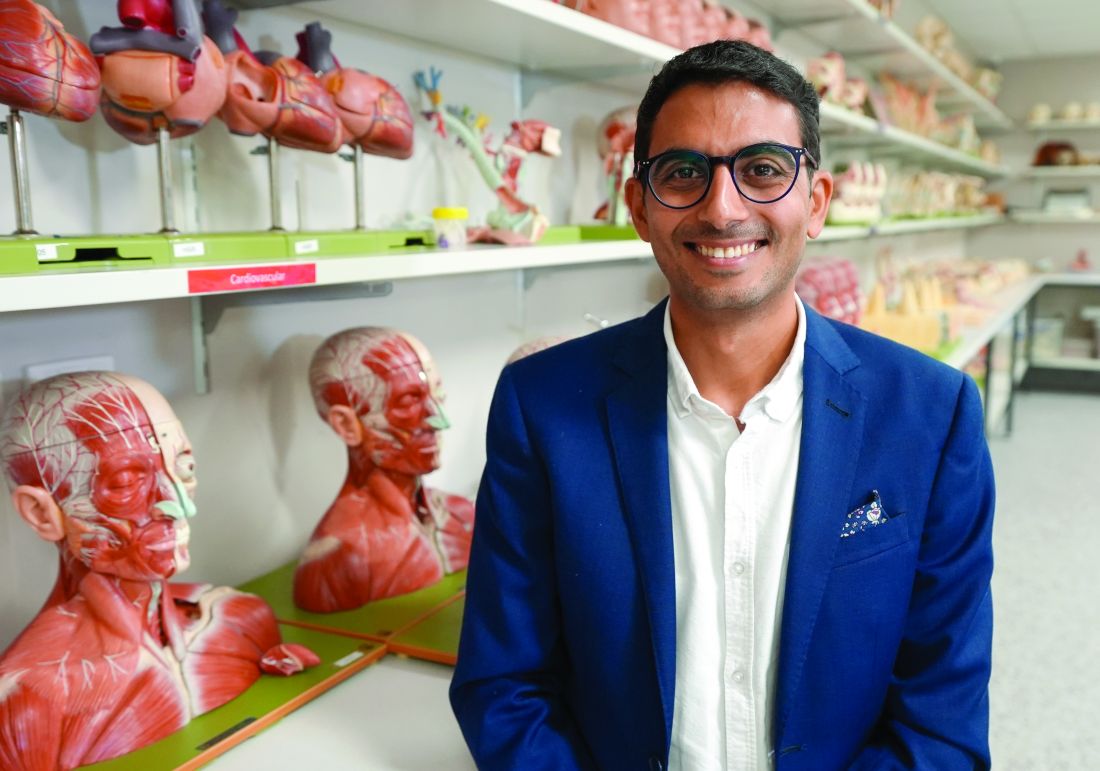
Still, recommending salt substitutes may be an effective way for physicians to help patients reduce CVD risk, especially those hesitant to start medication, he said. “But physicians should take into account individual circumstances and other factors like kidney disease before recommending salt substitutes. Other non-drug methods of reducing cardiovascular risk, such as diet or exercise, may also be considered.”
Dr. Albarqouni stressed that sodium intake is not the only driver of CVD and reducing intake is just one piece of the puzzle. He cautioned that substitutes themselves can contain high levels of sodium, “so if people are using them in large volumes, they may still present similar risks to the sodium in regular salt.”
While the substitutes appear safe as evidenced by low incidence of hyperkalemia or renal dysfunction, the evidence is scarce, heterogeneous, and weak, the authors stressed.
“They can pose a health risk among people who have kidney disease, diabetes, and heart failure or who take certain medications, including ACE inhibitors and potassium-sparing diuretics,” said Emma Laing, PhD, RDN, director of dietetics at the University of Georgia in Athens. And while their salty flavor makes these a reasonable alternate to sodium chloride, “the downsides include a higher cost and bitter or metallic taste in high amounts. These salt substitutes tend to be better accepted by patients if they contain less than 30% potassium chloride.”
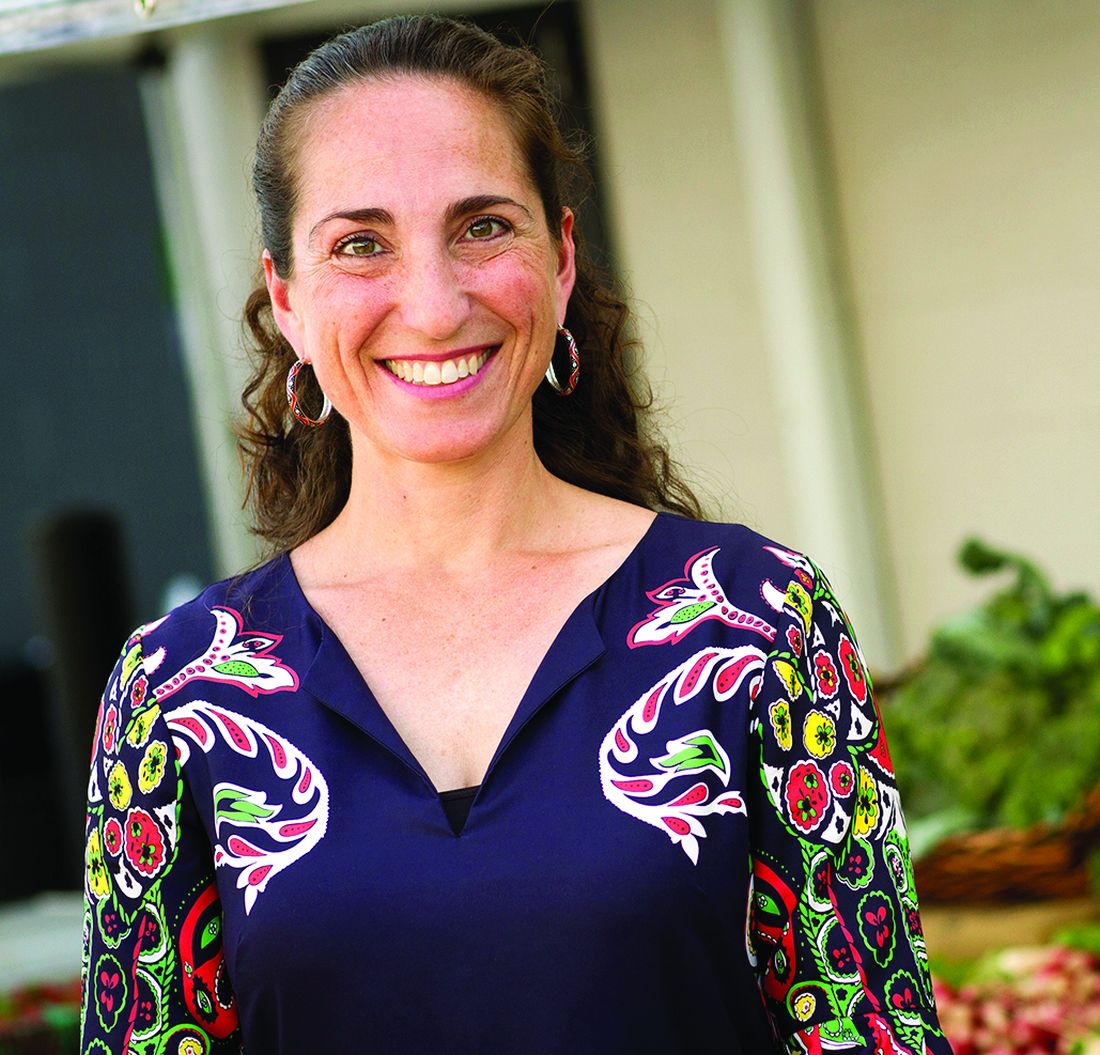
She noted that flavorful salt-free spices, herbs, lemon and lime juices, and vinegars can be effective in lowering dietary sodium when used in lieu of cooking salt.
In similar findings, a recent Chinese study of elderly normotensive people in residential care facilities observed a decrease in the incidence of hypertension with salt substitution.
Approximately one-third of otherwise health individuals are salt-sensitive, rising to more than 50% those with hypertension, and excessive salt intake is estimated to be responsible for nearly 5 million deaths per year globally.
How much impact could household food preparation with salt substitutes really have in North America where sodium consumption is largely driven by processed and takeout food? “While someone may make the switch to a salt substitute for home cooking, their sodium intake might still be very high if a lot of processed or takeaway foods are eaten,” Dr. Albarqouni said. “To see large population impacts, we will likely need policy and institutional-level change as to how sodium is used in food processing, alongside individuals’ switching from regular salt to salt substitutes.”
In agreement, an accompanying editorial by researchers from the universities of Sydney, New South Wales, and California, San Diego, noted the failure of governments and industry to address the World Health Organization’s call for a 30% reduction in global sodium consumption by 2025. With hypertension a major global health burden, the editorialists, led by J. Jaime Miranda, MD, MSc, PhD, of the Sydney School of Public Health at the University of Sydney, believe salt substitutes could be an accessible path toward that goal for food production companies.

“Although the benefits of reducing salt intake have been known for decades, little progress has been made in the quest to lower salt intake on the industry and commercial fronts with existing regulatory tools,” they wrote. “Consequently, we must turn our attention to effective evidence-based alternatives, such as the use of potassium-enriched salts.”
Given the high rates of nonadherence to antihypertensive medication, nonpharmacologic measures to improve blood pressure control are required, they added. “Expanding the routine use of potassium-enriched salts across households and the food industry would benefit not only persons with existing hypertension but all members of the household and communities. An entire shift of the population’s blood pressure curve is possible.”
The study authors called for research to determine the cost-effectiveness of salt substitution in older Asian populations and its efficacy in groups at average cardiovascular risk or following a Western diet.
This research was supported by the National Health and Medical Research Council of Australia and an Australian Government Research Training Program Scholarship. Coauthor Dr. Lauren Ball disclosed support from the National Health and Medical Research Council of Australia. Ms. Hannah Greenwood received support from the Australian government and Bond University. Dr. Miranda disclosed numerous consulting, advisory, and research-funding relationships with government, academic, philanthropic, and nonprofit organizations. Editorial commentator Dr. Kathy Trieu reported research support from multiple government and non-profit research-funding organizations. Dr. Cheryl Anderson disclosed ties to Weight Watchers and the McCormick Science Institute, as well support from numerous government, academic, and nonprofit research-funding agencies.
Large-scale salt substitution holds promise for reducing mortality with no elevated risk of serious harms, especially for older people at increased cardiovascular disease (CVD) risk, a systematic review and meta-analysis by Australian researchers suggested.
The study, published in Annals of Internal Medicine, adds more evidence that broad adoption of potassium-rich salt substitutes for food preparation could have a significant effect on population health.
Although the supporting evidence was of low certainty, the analysis of 16 international randomized controlled trials of various interventions with 35,321 participants found salt substitution to be associated with an absolute reduction of 5 in 1000 in all-cause mortality (confidence interval, –3 to –7) and 3 in 1000 in CVD mortality (CI, –1 to –5).
Led by Hannah Greenwood, BPsychSc, a cardiovascular researcher at the Institute for Evidence-Based Healthcare at Bond University in Gold Coast, Queensland, the investigators also found very low certainty evidence of an absolute reduction of 8 in 1000 in major adverse cardiovascular events (CI, 0 to –15), with a 1 in 1000 decrease in more serious adverse events (CI, 4 to –2) in the same population.
Seven of the 16 studies were conducted in China and Taiwan and seven were conducted in populations of older age (mean age 62 years) and/or at higher cardiovascular risk.
With most of the data deriving from populations of older age at higher-than-average CV risk and/or eating an Asian diet, the findings’ generalizability to populations following a Western diet and/or at average CVD risk is limited, the researchers acknowledged.
“We are less certain about the effects in Western, younger, and healthy population groups,” corresponding author Loai Albarqouni, MD, MSc, PhD, assistant professor at the Institute for Evidence-Based Healthcare, said in an interview. “While we saw small, clinically meaningful reductions in cardiovascular deaths and events, effectiveness should be better established before salt substitutes are recommended more broadly, though they are promising.”
In addition, he said, since the longest follow-up of substitute use was 10 years, “we can’t speak to benefits or harms beyond this time frame.”
Still, recommending salt substitutes may be an effective way for physicians to help patients reduce CVD risk, especially those hesitant to start medication, he said. “But physicians should take into account individual circumstances and other factors like kidney disease before recommending salt substitutes. Other non-drug methods of reducing cardiovascular risk, such as diet or exercise, may also be considered.”
Dr. Albarqouni stressed that sodium intake is not the only driver of CVD and reducing intake is just one piece of the puzzle. He cautioned that substitutes themselves can contain high levels of sodium, “so if people are using them in large volumes, they may still present similar risks to the sodium in regular salt.”
While the substitutes appear safe as evidenced by low incidence of hyperkalemia or renal dysfunction, the evidence is scarce, heterogeneous, and weak, the authors stressed.
“They can pose a health risk among people who have kidney disease, diabetes, and heart failure or who take certain medications, including ACE inhibitors and potassium-sparing diuretics,” said Emma Laing, PhD, RDN, director of dietetics at the University of Georgia in Athens. And while their salty flavor makes these a reasonable alternate to sodium chloride, “the downsides include a higher cost and bitter or metallic taste in high amounts. These salt substitutes tend to be better accepted by patients if they contain less than 30% potassium chloride.”
She noted that flavorful salt-free spices, herbs, lemon and lime juices, and vinegars can be effective in lowering dietary sodium when used in lieu of cooking salt.
In similar findings, a recent Chinese study of elderly normotensive people in residential care facilities observed a decrease in the incidence of hypertension with salt substitution.
Approximately one-third of otherwise health individuals are salt-sensitive, rising to more than 50% those with hypertension, and excessive salt intake is estimated to be responsible for nearly 5 million deaths per year globally.
How much impact could household food preparation with salt substitutes really have in North America where sodium consumption is largely driven by processed and takeout food? “While someone may make the switch to a salt substitute for home cooking, their sodium intake might still be very high if a lot of processed or takeaway foods are eaten,” Dr. Albarqouni said. “To see large population impacts, we will likely need policy and institutional-level change as to how sodium is used in food processing, alongside individuals’ switching from regular salt to salt substitutes.”
In agreement, an accompanying editorial by researchers from the universities of Sydney, New South Wales, and California, San Diego, noted the failure of governments and industry to address the World Health Organization’s call for a 30% reduction in global sodium consumption by 2025. With hypertension a major global health burden, the editorialists, led by J. Jaime Miranda, MD, MSc, PhD, of the Sydney School of Public Health at the University of Sydney, believe salt substitutes could be an accessible path toward that goal for food production companies.
“Although the benefits of reducing salt intake have been known for decades, little progress has been made in the quest to lower salt intake on the industry and commercial fronts with existing regulatory tools,” they wrote. “Consequently, we must turn our attention to effective evidence-based alternatives, such as the use of potassium-enriched salts.”
Given the high rates of nonadherence to antihypertensive medication, nonpharmacologic measures to improve blood pressure control are required, they added. “Expanding the routine use of potassium-enriched salts across households and the food industry would benefit not only persons with existing hypertension but all members of the household and communities. An entire shift of the population’s blood pressure curve is possible.”
The study authors called for research to determine the cost-effectiveness of salt substitution in older Asian populations and its efficacy in groups at average cardiovascular risk or following a Western diet.
This research was supported by the National Health and Medical Research Council of Australia and an Australian Government Research Training Program Scholarship. Coauthor Dr. Lauren Ball disclosed support from the National Health and Medical Research Council of Australia. Ms. Hannah Greenwood received support from the Australian government and Bond University. Dr. Miranda disclosed numerous consulting, advisory, and research-funding relationships with government, academic, philanthropic, and nonprofit organizations. Editorial commentator Dr. Kathy Trieu reported research support from multiple government and non-profit research-funding organizations. Dr. Cheryl Anderson disclosed ties to Weight Watchers and the McCormick Science Institute, as well support from numerous government, academic, and nonprofit research-funding agencies.
Large-scale salt substitution holds promise for reducing mortality with no elevated risk of serious harms, especially for older people at increased cardiovascular disease (CVD) risk, a systematic review and meta-analysis by Australian researchers suggested.
The study, published in Annals of Internal Medicine, adds more evidence that broad adoption of potassium-rich salt substitutes for food preparation could have a significant effect on population health.
Although the supporting evidence was of low certainty, the analysis of 16 international randomized controlled trials of various interventions with 35,321 participants found salt substitution to be associated with an absolute reduction of 5 in 1000 in all-cause mortality (confidence interval, –3 to –7) and 3 in 1000 in CVD mortality (CI, –1 to –5).
Led by Hannah Greenwood, BPsychSc, a cardiovascular researcher at the Institute for Evidence-Based Healthcare at Bond University in Gold Coast, Queensland, the investigators also found very low certainty evidence of an absolute reduction of 8 in 1000 in major adverse cardiovascular events (CI, 0 to –15), with a 1 in 1000 decrease in more serious adverse events (CI, 4 to –2) in the same population.
Seven of the 16 studies were conducted in China and Taiwan and seven were conducted in populations of older age (mean age 62 years) and/or at higher cardiovascular risk.
With most of the data deriving from populations of older age at higher-than-average CV risk and/or eating an Asian diet, the findings’ generalizability to populations following a Western diet and/or at average CVD risk is limited, the researchers acknowledged.
“We are less certain about the effects in Western, younger, and healthy population groups,” corresponding author Loai Albarqouni, MD, MSc, PhD, assistant professor at the Institute for Evidence-Based Healthcare, said in an interview. “While we saw small, clinically meaningful reductions in cardiovascular deaths and events, effectiveness should be better established before salt substitutes are recommended more broadly, though they are promising.”
In addition, he said, since the longest follow-up of substitute use was 10 years, “we can’t speak to benefits or harms beyond this time frame.”
Still, recommending salt substitutes may be an effective way for physicians to help patients reduce CVD risk, especially those hesitant to start medication, he said. “But physicians should take into account individual circumstances and other factors like kidney disease before recommending salt substitutes. Other non-drug methods of reducing cardiovascular risk, such as diet or exercise, may also be considered.”
Dr. Albarqouni stressed that sodium intake is not the only driver of CVD and reducing intake is just one piece of the puzzle. He cautioned that substitutes themselves can contain high levels of sodium, “so if people are using them in large volumes, they may still present similar risks to the sodium in regular salt.”
While the substitutes appear safe as evidenced by low incidence of hyperkalemia or renal dysfunction, the evidence is scarce, heterogeneous, and weak, the authors stressed.
“They can pose a health risk among people who have kidney disease, diabetes, and heart failure or who take certain medications, including ACE inhibitors and potassium-sparing diuretics,” said Emma Laing, PhD, RDN, director of dietetics at the University of Georgia in Athens. And while their salty flavor makes these a reasonable alternate to sodium chloride, “the downsides include a higher cost and bitter or metallic taste in high amounts. These salt substitutes tend to be better accepted by patients if they contain less than 30% potassium chloride.”
She noted that flavorful salt-free spices, herbs, lemon and lime juices, and vinegars can be effective in lowering dietary sodium when used in lieu of cooking salt.
In similar findings, a recent Chinese study of elderly normotensive people in residential care facilities observed a decrease in the incidence of hypertension with salt substitution.
Approximately one-third of otherwise health individuals are salt-sensitive, rising to more than 50% those with hypertension, and excessive salt intake is estimated to be responsible for nearly 5 million deaths per year globally.
How much impact could household food preparation with salt substitutes really have in North America where sodium consumption is largely driven by processed and takeout food? “While someone may make the switch to a salt substitute for home cooking, their sodium intake might still be very high if a lot of processed or takeaway foods are eaten,” Dr. Albarqouni said. “To see large population impacts, we will likely need policy and institutional-level change as to how sodium is used in food processing, alongside individuals’ switching from regular salt to salt substitutes.”
In agreement, an accompanying editorial by researchers from the universities of Sydney, New South Wales, and California, San Diego, noted the failure of governments and industry to address the World Health Organization’s call for a 30% reduction in global sodium consumption by 2025. With hypertension a major global health burden, the editorialists, led by J. Jaime Miranda, MD, MSc, PhD, of the Sydney School of Public Health at the University of Sydney, believe salt substitutes could be an accessible path toward that goal for food production companies.
“Although the benefits of reducing salt intake have been known for decades, little progress has been made in the quest to lower salt intake on the industry and commercial fronts with existing regulatory tools,” they wrote. “Consequently, we must turn our attention to effective evidence-based alternatives, such as the use of potassium-enriched salts.”
Given the high rates of nonadherence to antihypertensive medication, nonpharmacologic measures to improve blood pressure control are required, they added. “Expanding the routine use of potassium-enriched salts across households and the food industry would benefit not only persons with existing hypertension but all members of the household and communities. An entire shift of the population’s blood pressure curve is possible.”
The study authors called for research to determine the cost-effectiveness of salt substitution in older Asian populations and its efficacy in groups at average cardiovascular risk or following a Western diet.
This research was supported by the National Health and Medical Research Council of Australia and an Australian Government Research Training Program Scholarship. Coauthor Dr. Lauren Ball disclosed support from the National Health and Medical Research Council of Australia. Ms. Hannah Greenwood received support from the Australian government and Bond University. Dr. Miranda disclosed numerous consulting, advisory, and research-funding relationships with government, academic, philanthropic, and nonprofit organizations. Editorial commentator Dr. Kathy Trieu reported research support from multiple government and non-profit research-funding organizations. Dr. Cheryl Anderson disclosed ties to Weight Watchers and the McCormick Science Institute, as well support from numerous government, academic, and nonprofit research-funding agencies.
FROM ANNALS OF INTERNAL MEDICINE
Environmental Chemicals Linked to Parkinson’s Disease in Urban Areas
DENVER — , according to results from a new nationwide analysis of a Medicare population.
TCE has long been used as an industrial solvent, and it is a component of several household cleaning products. Case reports have suggested that workers exposed to it have increased risk of Parkinson’s disease, with risk increases as high as 500%.
Exposure can come through air or water, but 97% of environmental TCE is found in the air, according to Brittany Krzyzanowski, PhD, who presented the study at the 2024 annual meeting of the American Academy of Neurology.
Previous studies of TCE had looked primarily at occupational exposure, such as workers at TCE-emitting facilities, or soldiers stationed at Camp Lejeune in North Carolina, where levels of TCE were more than 70-fold higher than EPA-permissible levels. A recent study found a 70% increase in risk of Parkinson’s disease associated with individuals who were stationed there.
From Population Data to Individual Risk
In an interview, Dr. Krzyzanowski pointed out that the Camp Lejeune studies didn’t assign TCE exposure to individuals — instead, researchers noted whether an individual was stationed at that base or another. “Our study adds to the previous work by investigating environmental exposure using TCE estimates that we are able to assign to individuals. [It shows that] you don’t have to work in a facility with TCE, you don’t have to be stationed on a military base with tainted water, you just have to live in a census tract with higher levels of TCE to have increased risk,” said Dr. Krzyzanowski, a research assistant professor at Barrow Neurological Institute in Phoenix.
In the new study, Dr. Krzyzanowski and her colleagues analyzed data from 1,559,135 Medicare beneficiaries with no other health coverage, who had a valid US ZIP code. There were 252,700 incident cases of Parkinson’s disease who were initially diagnosed between 2016 and 2018. These individuals were matched 1:5 with 1,306,435 healthy controls.
Airborne TCE exposure data was drawn the Environmental Protection Agency’s National Air Toxics Assessment data from 2005, about 12 years prior to the start of the study and in line with the expected latency between exposure and development of Parkinson’s disease.
“We found a nationwide association between airborne TCE exposure and Parkinson’s disease risks, but this was only true for the metropolitan areas. Within these metro areas, there was a dose-response effect, where increasing levels of TCE were associated with increasing risk of Parkinson’s disease. In particular, those living in the metros with the highest levels of TCE had a 24% greater risk of Parkinson’s compared with those in metros with the lowest levels of TCE,” Dr. Krzyzanowski said during her presentation. The P-value for the trend was less than .0001.
The census tracts in metropolitan areas are smaller than those in rural areas because of differences in population density, and this leads to greater precision of TCE exposure estimates in urban environments, according to Dr. Krzyzanowski, and this could explain the lack of a statistically significant association seen among rural populations.
‘More Substantial’ Data Adds to Previous Evidence
The new study is an important addition to the literature examining TCE exposure and Parkinson’s disease, according to session moderator Jeff Bronstein, MD, PhD, who was asked for comment. “It’s more substantial data making that association between TCE and Parkinson’s. It’s been growing over the past decade, and this is a more objective, big data association, so it adds more strength to the body of knowledge that we already have. It’s unbiased, which is nice,” said Dr. Bronstein, professor of neurology and director of movement disorders at UCLA.
It remains uncertain whether TCE is a direct cause of Parkinson’s disease, but “a lot of us believe it’s causal. There’s a lot of evidence now. There are some very good studies with inhalation models that show it affects autophagy, or the way we break down proteins, and that it also involves LRRK2 [leucine-rich repeat kinase 2], which is one of the proteins involved in some of the genetic forms [of Parkinson’s disease], and it might affect mitochondria. They’re all linked in network and right now the animal studies point to that network,” said Dr. Bronstein.
Dr. Krzyzanowski has no relevant financial disclosures. Dr. Bronstein consults for a legal firm involved in the Camp Lejeune litigation.
DENVER — , according to results from a new nationwide analysis of a Medicare population.
TCE has long been used as an industrial solvent, and it is a component of several household cleaning products. Case reports have suggested that workers exposed to it have increased risk of Parkinson’s disease, with risk increases as high as 500%.
Exposure can come through air or water, but 97% of environmental TCE is found in the air, according to Brittany Krzyzanowski, PhD, who presented the study at the 2024 annual meeting of the American Academy of Neurology.
Previous studies of TCE had looked primarily at occupational exposure, such as workers at TCE-emitting facilities, or soldiers stationed at Camp Lejeune in North Carolina, where levels of TCE were more than 70-fold higher than EPA-permissible levels. A recent study found a 70% increase in risk of Parkinson’s disease associated with individuals who were stationed there.
From Population Data to Individual Risk
In an interview, Dr. Krzyzanowski pointed out that the Camp Lejeune studies didn’t assign TCE exposure to individuals — instead, researchers noted whether an individual was stationed at that base or another. “Our study adds to the previous work by investigating environmental exposure using TCE estimates that we are able to assign to individuals. [It shows that] you don’t have to work in a facility with TCE, you don’t have to be stationed on a military base with tainted water, you just have to live in a census tract with higher levels of TCE to have increased risk,” said Dr. Krzyzanowski, a research assistant professor at Barrow Neurological Institute in Phoenix.
In the new study, Dr. Krzyzanowski and her colleagues analyzed data from 1,559,135 Medicare beneficiaries with no other health coverage, who had a valid US ZIP code. There were 252,700 incident cases of Parkinson’s disease who were initially diagnosed between 2016 and 2018. These individuals were matched 1:5 with 1,306,435 healthy controls.
Airborne TCE exposure data was drawn the Environmental Protection Agency’s National Air Toxics Assessment data from 2005, about 12 years prior to the start of the study and in line with the expected latency between exposure and development of Parkinson’s disease.
“We found a nationwide association between airborne TCE exposure and Parkinson’s disease risks, but this was only true for the metropolitan areas. Within these metro areas, there was a dose-response effect, where increasing levels of TCE were associated with increasing risk of Parkinson’s disease. In particular, those living in the metros with the highest levels of TCE had a 24% greater risk of Parkinson’s compared with those in metros with the lowest levels of TCE,” Dr. Krzyzanowski said during her presentation. The P-value for the trend was less than .0001.
The census tracts in metropolitan areas are smaller than those in rural areas because of differences in population density, and this leads to greater precision of TCE exposure estimates in urban environments, according to Dr. Krzyzanowski, and this could explain the lack of a statistically significant association seen among rural populations.
‘More Substantial’ Data Adds to Previous Evidence
The new study is an important addition to the literature examining TCE exposure and Parkinson’s disease, according to session moderator Jeff Bronstein, MD, PhD, who was asked for comment. “It’s more substantial data making that association between TCE and Parkinson’s. It’s been growing over the past decade, and this is a more objective, big data association, so it adds more strength to the body of knowledge that we already have. It’s unbiased, which is nice,” said Dr. Bronstein, professor of neurology and director of movement disorders at UCLA.
It remains uncertain whether TCE is a direct cause of Parkinson’s disease, but “a lot of us believe it’s causal. There’s a lot of evidence now. There are some very good studies with inhalation models that show it affects autophagy, or the way we break down proteins, and that it also involves LRRK2 [leucine-rich repeat kinase 2], which is one of the proteins involved in some of the genetic forms [of Parkinson’s disease], and it might affect mitochondria. They’re all linked in network and right now the animal studies point to that network,” said Dr. Bronstein.
Dr. Krzyzanowski has no relevant financial disclosures. Dr. Bronstein consults for a legal firm involved in the Camp Lejeune litigation.
DENVER — , according to results from a new nationwide analysis of a Medicare population.
TCE has long been used as an industrial solvent, and it is a component of several household cleaning products. Case reports have suggested that workers exposed to it have increased risk of Parkinson’s disease, with risk increases as high as 500%.
Exposure can come through air or water, but 97% of environmental TCE is found in the air, according to Brittany Krzyzanowski, PhD, who presented the study at the 2024 annual meeting of the American Academy of Neurology.
Previous studies of TCE had looked primarily at occupational exposure, such as workers at TCE-emitting facilities, or soldiers stationed at Camp Lejeune in North Carolina, where levels of TCE were more than 70-fold higher than EPA-permissible levels. A recent study found a 70% increase in risk of Parkinson’s disease associated with individuals who were stationed there.
From Population Data to Individual Risk
In an interview, Dr. Krzyzanowski pointed out that the Camp Lejeune studies didn’t assign TCE exposure to individuals — instead, researchers noted whether an individual was stationed at that base or another. “Our study adds to the previous work by investigating environmental exposure using TCE estimates that we are able to assign to individuals. [It shows that] you don’t have to work in a facility with TCE, you don’t have to be stationed on a military base with tainted water, you just have to live in a census tract with higher levels of TCE to have increased risk,” said Dr. Krzyzanowski, a research assistant professor at Barrow Neurological Institute in Phoenix.
In the new study, Dr. Krzyzanowski and her colleagues analyzed data from 1,559,135 Medicare beneficiaries with no other health coverage, who had a valid US ZIP code. There were 252,700 incident cases of Parkinson’s disease who were initially diagnosed between 2016 and 2018. These individuals were matched 1:5 with 1,306,435 healthy controls.
Airborne TCE exposure data was drawn the Environmental Protection Agency’s National Air Toxics Assessment data from 2005, about 12 years prior to the start of the study and in line with the expected latency between exposure and development of Parkinson’s disease.
“We found a nationwide association between airborne TCE exposure and Parkinson’s disease risks, but this was only true for the metropolitan areas. Within these metro areas, there was a dose-response effect, where increasing levels of TCE were associated with increasing risk of Parkinson’s disease. In particular, those living in the metros with the highest levels of TCE had a 24% greater risk of Parkinson’s compared with those in metros with the lowest levels of TCE,” Dr. Krzyzanowski said during her presentation. The P-value for the trend was less than .0001.
The census tracts in metropolitan areas are smaller than those in rural areas because of differences in population density, and this leads to greater precision of TCE exposure estimates in urban environments, according to Dr. Krzyzanowski, and this could explain the lack of a statistically significant association seen among rural populations.
‘More Substantial’ Data Adds to Previous Evidence
The new study is an important addition to the literature examining TCE exposure and Parkinson’s disease, according to session moderator Jeff Bronstein, MD, PhD, who was asked for comment. “It’s more substantial data making that association between TCE and Parkinson’s. It’s been growing over the past decade, and this is a more objective, big data association, so it adds more strength to the body of knowledge that we already have. It’s unbiased, which is nice,” said Dr. Bronstein, professor of neurology and director of movement disorders at UCLA.
It remains uncertain whether TCE is a direct cause of Parkinson’s disease, but “a lot of us believe it’s causal. There’s a lot of evidence now. There are some very good studies with inhalation models that show it affects autophagy, or the way we break down proteins, and that it also involves LRRK2 [leucine-rich repeat kinase 2], which is one of the proteins involved in some of the genetic forms [of Parkinson’s disease], and it might affect mitochondria. They’re all linked in network and right now the animal studies point to that network,” said Dr. Bronstein.
Dr. Krzyzanowski has no relevant financial disclosures. Dr. Bronstein consults for a legal firm involved in the Camp Lejeune litigation.
FROM AAN 2024
No Routine Cancer Screening Option? New MCED Tests May Help
Analyses presented during a session at the American Association for Cancer Research annual meeting, revealed that three new MCED tests — CanScan, MERCURY, and OncoSeek — could detect a range of cancers and recognize the tissue of origin with high accuracy. One — OncoSeek — could also provide an affordable cancer screening option for individuals living in lower-income countries.
The need for these noninvasive liquid biopsy tests that can accurately identify multiple cancer types with a single blood draw, especially cancers without routine screening strategies, is pressing. “We know that the current cancer standard of care screening will identify less than 50% of all cancers, while more than 50% of all cancer deaths occur in types of cancer with no recommended screening,” said co-moderator Marie E. Wood, MD, of the University of Colorado Anschutz Medical Campus, in Aurora, Colorado.
That being said, “the clinical utility of multicancer detection tests has not been established and we’re concerned about issues of overdiagnosis and overtreatment,” she noted.
The Early Data
One new MCED test called CanScan, developed by Geneseeq Technology, uses plasma cell-free DNA fragment patterns to detect cancer signals as well as identify the tissue of origin across 13 cancer types.
Overall, the CanScan test covers cancer types that contribute to two thirds of new cancer cases and 74% of morality globally, said presenter Shanshan Yang, of Geneseeq Research Institute, in Nanjing, China.
However, only five of these cancer types have screening recommendations issued by the US Preventive Services Task Force (USPSTF), Dr. Yang added.
The interim data comes from an ongoing large-scale prospective study evaluating the MCED test in a cohort of asymptomatic individuals between ages 45 and 75 years with an average risk for cancer and no cancer-related symptoms on enrollment.
Patients at baseline had their blood collected for the CanScan test and subsequently received annual routine physical exams once a year for 3 consecutive years, with an additional 2 years of follow-up.
The analysis included 3724 participants with analyzable samples at the data cutoff in September 2023. Among the 3724 participants, 29 had confirmed cancer diagnoses. Among these cases, 14 patients had their cancer confirmed through USPSTF recommended screening and 15 were detected through outside of standard USPSTF screening, such as a thyroid ultrasound, Dr. Yang explained.
Almost 90% of the cancers (26 of 29) were detected in the stage I or II, and eight (27.5%) were not one of the test’s 13 targeted cancer types.
The CanScan test had a sensitivity of 55.2%, identifying 16 of 29 of the patients with cancer, including 10 of 21 individuals with stage I (47.6%), and two of three with stage II (66.7%).
The test had a high specificity of 97.9%, meaning out of 100 people screened, only two had false negative findings.
Among the 15 patients who had their cancer detected outside of USPSTF screening recommendations, eight (53.3%) were found using a CanScan test, including patients with liver and endometrial cancers.
Compared with a positive predictive value of (PPV) of 1.6% with screening or physical exam methods alone, the CanScan test had a PPV of 17.4%, Dr. Yang reported.
“The MCED test holds significant potential for early cancer screening in asymptomatic populations,” Dr. Yang and colleagues concluded.
Another new MCED test called MERCURY, also developed by Geneseeq Technology and presented during the session, used a similar method to detect cancer signals and predict the tissue of origin across 13 cancer types.
The researchers initially validated the test using 3076 patients with cancer and 3477 healthy controls with a target specificity of 99%. In this group, researchers reported a sensitivity of 0.865 and a specificity of 0.989.
The team then performed an independent validation analysis with 1465 participants, 732 with cancer and 733 with no cancer, and confirmed a high sensitivity and specificity of 0.874 and 0.978, respectively. The sensitivity increased incrementally by cancer stage — 0.768 for stage I, 0.840 for stage II, 0.923 for stage III, and 0.971 for stage IV.
The test identified the tissue of origin with high accuracy, the researchers noted, but cautioned that the test needs “to be further validated in a prospective cohort study.”
MCED in Low-Income Settings
The session also featured findings on a new affordable MCED test called OncoSeek, which could provide greater access to cancer testing in low- and middle-income countries.
The OncoSeek algorithm identifies the presence of cancer using seven protein tumor markers alongside clinical information, such as gender and age. Like other tests, the test also predicts the possible tissue of origin.
The test can be run on clinical protein assay instruments that are already widely available, such as Roche cobas analyzer, Mao Mao, MD, PhD, the founder and CEO of SeekIn, of Shenzhen, China, told this news organization.
This “feature makes the test accessible worldwide, even in low- and middle-income countries,” he said. “These instruments are fully-automated and part of today’s clinical practice. Therefore, the test does not require additional infrastructure building and lab personal training.”
Another notable advantage: the OncoSeek test only costs about $20, compared with other MCED tests, which can cost anywhere from $200 to $1000.
To validate the technology in a large, diverse cohort, Dr. Mao and colleagues enrolled approximately 10,000 participants, including 2003 cancer cases and 7888 non-cancer cases.
Peripheral blood was collected from each participant and analyzed using a panel of the seven protein tumor markers — AFP, CA125, CA15-3, CA19-9, CA72-4, CEA, and CYFRA 21-1.
To reduce the risk for false positive findings, the team designed the OncoSeek algorithm to achieve a specificity of 93%. Dr. Mao and colleagues found a sensitivity of 51.7%, resulting in an overall accuracy of 84.6%.
The performance was consistent in additional validation cohorts in Brazil, China, and the United States, with sensitivities ranging from 39.0% to 77.6% for detecting nine common cancer types, including breast, colorectal, liver, lung, lymphoma, esophagus, ovary, pancreas, and stomach. The sensitivity for pancreatic cancer was at the high end of 77.6%.
The test could predict the tissue of origin in about two thirds of cases.
Given its low cost, OncoSeek represents an affordable and accessible option for cancer screening, the authors concluded.
Overall, “I think MCEDs have the potential to enhance cancer screening,” Dr. Wood told this news organization.
Still, questions remain about the optimal use of these tests, such as whether they are best for average-risk or higher risk populations, and how to integrate them into standard screening, she said.
Dr. Wood also cautioned that the studies presented in the session represent early data, and it is likely that the numbers, such as sensitivity and specificity, will change with further prospective analyses.
And ultimately, these tests should complement, not replace, standard screening. “A negative testing should not be taken as a sign to avoid standard screening,” Dr. Wood said.
Dr. Yang is an employee of Geneseeq Technology, Inc., and Dr. Mao is an employee of SeekIn. Dr. Wood had no disclosures to report.
A version of this article appeared on Medscape.com.
Analyses presented during a session at the American Association for Cancer Research annual meeting, revealed that three new MCED tests — CanScan, MERCURY, and OncoSeek — could detect a range of cancers and recognize the tissue of origin with high accuracy. One — OncoSeek — could also provide an affordable cancer screening option for individuals living in lower-income countries.
The need for these noninvasive liquid biopsy tests that can accurately identify multiple cancer types with a single blood draw, especially cancers without routine screening strategies, is pressing. “We know that the current cancer standard of care screening will identify less than 50% of all cancers, while more than 50% of all cancer deaths occur in types of cancer with no recommended screening,” said co-moderator Marie E. Wood, MD, of the University of Colorado Anschutz Medical Campus, in Aurora, Colorado.
That being said, “the clinical utility of multicancer detection tests has not been established and we’re concerned about issues of overdiagnosis and overtreatment,” she noted.
The Early Data
One new MCED test called CanScan, developed by Geneseeq Technology, uses plasma cell-free DNA fragment patterns to detect cancer signals as well as identify the tissue of origin across 13 cancer types.
Overall, the CanScan test covers cancer types that contribute to two thirds of new cancer cases and 74% of morality globally, said presenter Shanshan Yang, of Geneseeq Research Institute, in Nanjing, China.
However, only five of these cancer types have screening recommendations issued by the US Preventive Services Task Force (USPSTF), Dr. Yang added.
The interim data comes from an ongoing large-scale prospective study evaluating the MCED test in a cohort of asymptomatic individuals between ages 45 and 75 years with an average risk for cancer and no cancer-related symptoms on enrollment.
Patients at baseline had their blood collected for the CanScan test and subsequently received annual routine physical exams once a year for 3 consecutive years, with an additional 2 years of follow-up.
The analysis included 3724 participants with analyzable samples at the data cutoff in September 2023. Among the 3724 participants, 29 had confirmed cancer diagnoses. Among these cases, 14 patients had their cancer confirmed through USPSTF recommended screening and 15 were detected through outside of standard USPSTF screening, such as a thyroid ultrasound, Dr. Yang explained.
Almost 90% of the cancers (26 of 29) were detected in the stage I or II, and eight (27.5%) were not one of the test’s 13 targeted cancer types.
The CanScan test had a sensitivity of 55.2%, identifying 16 of 29 of the patients with cancer, including 10 of 21 individuals with stage I (47.6%), and two of three with stage II (66.7%).
The test had a high specificity of 97.9%, meaning out of 100 people screened, only two had false negative findings.
Among the 15 patients who had their cancer detected outside of USPSTF screening recommendations, eight (53.3%) were found using a CanScan test, including patients with liver and endometrial cancers.
Compared with a positive predictive value of (PPV) of 1.6% with screening or physical exam methods alone, the CanScan test had a PPV of 17.4%, Dr. Yang reported.
“The MCED test holds significant potential for early cancer screening in asymptomatic populations,” Dr. Yang and colleagues concluded.
Another new MCED test called MERCURY, also developed by Geneseeq Technology and presented during the session, used a similar method to detect cancer signals and predict the tissue of origin across 13 cancer types.
The researchers initially validated the test using 3076 patients with cancer and 3477 healthy controls with a target specificity of 99%. In this group, researchers reported a sensitivity of 0.865 and a specificity of 0.989.
The team then performed an independent validation analysis with 1465 participants, 732 with cancer and 733 with no cancer, and confirmed a high sensitivity and specificity of 0.874 and 0.978, respectively. The sensitivity increased incrementally by cancer stage — 0.768 for stage I, 0.840 for stage II, 0.923 for stage III, and 0.971 for stage IV.
The test identified the tissue of origin with high accuracy, the researchers noted, but cautioned that the test needs “to be further validated in a prospective cohort study.”
MCED in Low-Income Settings
The session also featured findings on a new affordable MCED test called OncoSeek, which could provide greater access to cancer testing in low- and middle-income countries.
The OncoSeek algorithm identifies the presence of cancer using seven protein tumor markers alongside clinical information, such as gender and age. Like other tests, the test also predicts the possible tissue of origin.
The test can be run on clinical protein assay instruments that are already widely available, such as Roche cobas analyzer, Mao Mao, MD, PhD, the founder and CEO of SeekIn, of Shenzhen, China, told this news organization.
This “feature makes the test accessible worldwide, even in low- and middle-income countries,” he said. “These instruments are fully-automated and part of today’s clinical practice. Therefore, the test does not require additional infrastructure building and lab personal training.”
Another notable advantage: the OncoSeek test only costs about $20, compared with other MCED tests, which can cost anywhere from $200 to $1000.
To validate the technology in a large, diverse cohort, Dr. Mao and colleagues enrolled approximately 10,000 participants, including 2003 cancer cases and 7888 non-cancer cases.
Peripheral blood was collected from each participant and analyzed using a panel of the seven protein tumor markers — AFP, CA125, CA15-3, CA19-9, CA72-4, CEA, and CYFRA 21-1.
To reduce the risk for false positive findings, the team designed the OncoSeek algorithm to achieve a specificity of 93%. Dr. Mao and colleagues found a sensitivity of 51.7%, resulting in an overall accuracy of 84.6%.
The performance was consistent in additional validation cohorts in Brazil, China, and the United States, with sensitivities ranging from 39.0% to 77.6% for detecting nine common cancer types, including breast, colorectal, liver, lung, lymphoma, esophagus, ovary, pancreas, and stomach. The sensitivity for pancreatic cancer was at the high end of 77.6%.
The test could predict the tissue of origin in about two thirds of cases.
Given its low cost, OncoSeek represents an affordable and accessible option for cancer screening, the authors concluded.
Overall, “I think MCEDs have the potential to enhance cancer screening,” Dr. Wood told this news organization.
Still, questions remain about the optimal use of these tests, such as whether they are best for average-risk or higher risk populations, and how to integrate them into standard screening, she said.
Dr. Wood also cautioned that the studies presented in the session represent early data, and it is likely that the numbers, such as sensitivity and specificity, will change with further prospective analyses.
And ultimately, these tests should complement, not replace, standard screening. “A negative testing should not be taken as a sign to avoid standard screening,” Dr. Wood said.
Dr. Yang is an employee of Geneseeq Technology, Inc., and Dr. Mao is an employee of SeekIn. Dr. Wood had no disclosures to report.
A version of this article appeared on Medscape.com.
Analyses presented during a session at the American Association for Cancer Research annual meeting, revealed that three new MCED tests — CanScan, MERCURY, and OncoSeek — could detect a range of cancers and recognize the tissue of origin with high accuracy. One — OncoSeek — could also provide an affordable cancer screening option for individuals living in lower-income countries.
The need for these noninvasive liquid biopsy tests that can accurately identify multiple cancer types with a single blood draw, especially cancers without routine screening strategies, is pressing. “We know that the current cancer standard of care screening will identify less than 50% of all cancers, while more than 50% of all cancer deaths occur in types of cancer with no recommended screening,” said co-moderator Marie E. Wood, MD, of the University of Colorado Anschutz Medical Campus, in Aurora, Colorado.
That being said, “the clinical utility of multicancer detection tests has not been established and we’re concerned about issues of overdiagnosis and overtreatment,” she noted.
The Early Data
One new MCED test called CanScan, developed by Geneseeq Technology, uses plasma cell-free DNA fragment patterns to detect cancer signals as well as identify the tissue of origin across 13 cancer types.
Overall, the CanScan test covers cancer types that contribute to two thirds of new cancer cases and 74% of morality globally, said presenter Shanshan Yang, of Geneseeq Research Institute, in Nanjing, China.
However, only five of these cancer types have screening recommendations issued by the US Preventive Services Task Force (USPSTF), Dr. Yang added.
The interim data comes from an ongoing large-scale prospective study evaluating the MCED test in a cohort of asymptomatic individuals between ages 45 and 75 years with an average risk for cancer and no cancer-related symptoms on enrollment.
Patients at baseline had their blood collected for the CanScan test and subsequently received annual routine physical exams once a year for 3 consecutive years, with an additional 2 years of follow-up.
The analysis included 3724 participants with analyzable samples at the data cutoff in September 2023. Among the 3724 participants, 29 had confirmed cancer diagnoses. Among these cases, 14 patients had their cancer confirmed through USPSTF recommended screening and 15 were detected through outside of standard USPSTF screening, such as a thyroid ultrasound, Dr. Yang explained.
Almost 90% of the cancers (26 of 29) were detected in the stage I or II, and eight (27.5%) were not one of the test’s 13 targeted cancer types.
The CanScan test had a sensitivity of 55.2%, identifying 16 of 29 of the patients with cancer, including 10 of 21 individuals with stage I (47.6%), and two of three with stage II (66.7%).
The test had a high specificity of 97.9%, meaning out of 100 people screened, only two had false negative findings.
Among the 15 patients who had their cancer detected outside of USPSTF screening recommendations, eight (53.3%) were found using a CanScan test, including patients with liver and endometrial cancers.
Compared with a positive predictive value of (PPV) of 1.6% with screening or physical exam methods alone, the CanScan test had a PPV of 17.4%, Dr. Yang reported.
“The MCED test holds significant potential for early cancer screening in asymptomatic populations,” Dr. Yang and colleagues concluded.
Another new MCED test called MERCURY, also developed by Geneseeq Technology and presented during the session, used a similar method to detect cancer signals and predict the tissue of origin across 13 cancer types.
The researchers initially validated the test using 3076 patients with cancer and 3477 healthy controls with a target specificity of 99%. In this group, researchers reported a sensitivity of 0.865 and a specificity of 0.989.
The team then performed an independent validation analysis with 1465 participants, 732 with cancer and 733 with no cancer, and confirmed a high sensitivity and specificity of 0.874 and 0.978, respectively. The sensitivity increased incrementally by cancer stage — 0.768 for stage I, 0.840 for stage II, 0.923 for stage III, and 0.971 for stage IV.
The test identified the tissue of origin with high accuracy, the researchers noted, but cautioned that the test needs “to be further validated in a prospective cohort study.”
MCED in Low-Income Settings
The session also featured findings on a new affordable MCED test called OncoSeek, which could provide greater access to cancer testing in low- and middle-income countries.
The OncoSeek algorithm identifies the presence of cancer using seven protein tumor markers alongside clinical information, such as gender and age. Like other tests, the test also predicts the possible tissue of origin.
The test can be run on clinical protein assay instruments that are already widely available, such as Roche cobas analyzer, Mao Mao, MD, PhD, the founder and CEO of SeekIn, of Shenzhen, China, told this news organization.
This “feature makes the test accessible worldwide, even in low- and middle-income countries,” he said. “These instruments are fully-automated and part of today’s clinical practice. Therefore, the test does not require additional infrastructure building and lab personal training.”
Another notable advantage: the OncoSeek test only costs about $20, compared with other MCED tests, which can cost anywhere from $200 to $1000.
To validate the technology in a large, diverse cohort, Dr. Mao and colleagues enrolled approximately 10,000 participants, including 2003 cancer cases and 7888 non-cancer cases.
Peripheral blood was collected from each participant and analyzed using a panel of the seven protein tumor markers — AFP, CA125, CA15-3, CA19-9, CA72-4, CEA, and CYFRA 21-1.
To reduce the risk for false positive findings, the team designed the OncoSeek algorithm to achieve a specificity of 93%. Dr. Mao and colleagues found a sensitivity of 51.7%, resulting in an overall accuracy of 84.6%.
The performance was consistent in additional validation cohorts in Brazil, China, and the United States, with sensitivities ranging from 39.0% to 77.6% for detecting nine common cancer types, including breast, colorectal, liver, lung, lymphoma, esophagus, ovary, pancreas, and stomach. The sensitivity for pancreatic cancer was at the high end of 77.6%.
The test could predict the tissue of origin in about two thirds of cases.
Given its low cost, OncoSeek represents an affordable and accessible option for cancer screening, the authors concluded.
Overall, “I think MCEDs have the potential to enhance cancer screening,” Dr. Wood told this news organization.
Still, questions remain about the optimal use of these tests, such as whether they are best for average-risk or higher risk populations, and how to integrate them into standard screening, she said.
Dr. Wood also cautioned that the studies presented in the session represent early data, and it is likely that the numbers, such as sensitivity and specificity, will change with further prospective analyses.
And ultimately, these tests should complement, not replace, standard screening. “A negative testing should not be taken as a sign to avoid standard screening,” Dr. Wood said.
Dr. Yang is an employee of Geneseeq Technology, Inc., and Dr. Mao is an employee of SeekIn. Dr. Wood had no disclosures to report.
A version of this article appeared on Medscape.com.
Are You Ready for AI to Be a Better Doctor Than You?
In a 2023 study published in the Annals of Emergency Medicine, European researchers fed the AI system ChatGPT information on 30 ER patients. Details included physician notes on the patients’ symptoms, physical exams, and lab results. ChatGPT made the correct diagnosis in 97% of patients compared to 87% for human doctors.
AI 1, Physicians 0
JAMA Cardiology reported in 2021 that an AI trained on nearly a million ECGs performed comparably to or exceeded cardiologist clinical diagnoses and the MUSE (GE Healthcare) system›s automated ECG analysis for most diagnostic classes.
AI 2, Physicians 0
Google’s medically focused AI model (Med-PaLM2) scored 85%+ when answering US Medical Licensing Examination–style questions. That›s an «expert» physician level and far beyond the accuracy threshold needed to pass the actual exam.
AI 3, Physicians 0
A new AI tool that uses an online finger-tapping test outperformed primary care physicians when assessing the severity of Parkinson’s disease.
AI 4, Physicians 0
JAMA Ophthalmology reported in 2024 that a chatbot outperformed glaucoma specialists and matched retina specialists in diagnostic and treatment accuracy.
AI 5, Physicians 0
Should we stop? Because we could go on. In the last few years, these AI vs Physician studies have proliferated, and guess who’s winning?
65% of Doctors are Concerned
Now, the standard answer with anything AI-and-Medicine goes something like this: AI is coming, and it will be a transformative tool for physicians and improve patient care.
But the underlying unanswered question is:
The Medscape 2023 Physician and AI Report surveyed 1043 US physicians about their views on AI. In total, 65% are concerned about AI making diagnosis and treatment decisions, but 56% are enthusiastic about having it as an adjunct.
Cardiologists, anesthesiologists, and radiologists are most enthusiastic about AI, whereas family physicians and pediatricians are the least enthusiastic.
To get a more personal view of how physicians and other healthcare professionals are feeling about this transformative tech, I spoke with a variety of practicing doctors, a psychotherapist, and a third-year Harvard Medical School student.
‘Abysmally Poor Understanding’
Alfredo A. Sadun, MD, PhD, has been a neuro-ophthalmologist for nearly 50 years. A graduate of MIT and vice-chair of ophthalmology at UCLA, he’s long been fascinated by AI’s march into medicine. He’s watched it accomplish things that no ophthalmologist can do, such as identify gender, age, and risk for heart attack and stroke from retinal scans. But he doesn›t see the same level of interest and comprehension among the medical community.
“There’s still an abysmally poor understanding of AI among physicians in general,” he said. “It’s striking because these are intelligent, well-educated people. But we tend to draw conclusions based on what we’re familiar with, and most doctors’ experience with computers involves EHRs [electronic health records] and administrative garbage. It’s the reason they’re burning out.”
Easing the Burden
Anthony Philippakis, MD, PhD, left his cardiology practice in 2015 to become the chief data officer at the Broad Institute of MIT and Harvard. While there, he helped develop an AI-based method for identifying patients at risk for atrial fibrillation. Now, he’s a general partner at Google Ventures with the goal of bridging the gap between data sciences and medicine. His perspective on AI is unique, given that he’s seen the issue from both sides.
“I am not a bitter physician, but to be honest, when I was practicing, way too much of my time was spent staring at screens and not enough laying hands on patients,” he said. “Can you imagine what it would be like to speak to the EHR naturally and say, ‘Please order the following labs for this patient and notify me when the results come in.’ Boy, would that improve healthcare and physician satisfaction. Every physician I know is excited and optimistic about that. Almost everyone I’ve talked to feels like AI could take a lot of the stuff they don’t like doing off their plates.”
Indeed, the dividing line between physician support for AI and physician suspicion or skepticism of AI is just that. In our survey, more than three quarters of physicians said they would consider using AI for office administrative tasks, scheduling, EHRs, researching medical conditions, and even summarizing a patient’s record before a visit. But far fewer are supportive of it delivering diagnoses and treatments. This, despite an estimated 800,000 Americans dying or becoming permanently disabled each year because of diagnostic error.
Could AI Have Diagnosed This?
John D. Nuschke, MD, has been a primary care physician in Allentown, Pennsylvania, for 40 years. He’s a jovial general physician who insists his patients call him Jack. He’s recently started using an AI medical scribe called Freed. With the patient’s permission, it listens in on the visit and generates notes, saving Dr. Nuschke time and helping him focus on the person. He likes that type of assistance, but when it comes to AI replacing him, he’s skeptical.
“I had this patient I diagnosed with prostate cancer,” he explained. “He got treated and was fine for 5 years. Then, he started losing weight and feeling awful — got weak as a kitten. He went back to his urologist and oncologist who thought he had metastatic prostate cancer. He went through PET scans and blood work, but there was no sign his cancer had returned. So the specialists sent him back to me, and the second he walked in, I saw he was floridly hyperthyroid. I could tell across the room just by looking at him. Would AI have been able to make that diagnosis? Does AI do physical exams?”
Dr. Nuschke said he’s also had several instances where patients received their cancer diagnosis from the lab through an automated patient-portal system rather than from him. “That’s an AI of sorts, and I found it distressing,” he said.
Empathy From a Robot
All the doctors I spoke to were hopeful that by freeing them from the burden of administrative work, they would be able to return to the reason they got into this business in the first place — to spend more time with patients in need and support them with grace and compassion.
But suppose AI could do that too?
In a 2023 study conducted at the University of California San Diego and published in JAMA Internal Medicine, three licensed healthcare professionals compared the responses of ChatGPT and physicians to real-world health questions. The panel rated the AI’s answers nearly four times higher in quality and almost 10 times more empathetic than physicians’ replies.
A similar 2024 study in Nature found that Google’s large-language model AI matched or surpassed physician diagnostic accuracy in all six of the medical specialties considered. Plus, it outperformed doctors in 24 of 26 criteria for conversation quality, including politeness, explanation, honesty, and expressing care and commitment.
Nathaniel Chin, MD, is a gerontologist at the University of Wisconsin and advisory board member for the Alzheimer’s Foundation of America. Although he admits that studies like these “sadden me,” he’s also a realist. “There was hesitation among physicians at the beginning of the pandemic to virtual care because we missed the human connection,” he explained, “but we worked our way around that. We need to remember that what makes a chatbot strong is that it’s nothuman. It doesn’t burn out, it doesn’t get tired, it can look at data very quickly, and it doesn’t have to go home to a family and try to balance work with other aspects of life. A human being is very complex, whereas a chatbot has one single purpose.”
“Even if you don’t have AI in your space now or don’t like the idea of it, that doesn’t matter,” he added. “It’s coming. But it needs to be done right. If AI is implemented by clinicians for clinicians, it has great potential. But if it’s implemented by businesspeople for business reasons, perhaps not.”
‘The Ones Who Use the Tools the Best Will Be the Best’
One branch of medicine that stands to be dramatically affected by AI is mental health. Because bots are natural data-crunchers, they are becoming adept at analyzing the many subtle clues (phrasing in social media posts and text messages, smartwatch biometrics, therapy session videos…) that could indicate depression or other psychological disorders. In fact, its availability via smartphone apps could help democratize and destigmatize the practice.
“There is a day ahead — probably within 5 years — when a patient won’t be able to tell the difference between a real therapist and an AI therapist,” said Ken Mallon, MS, LMFT, a clinical psychotherapist and data scientist in San Jose, California. “That doesn’t worry me, though. It’s hard on therapists’ egos, but new technologies get developed. Things change. People who embrace these tools will benefit from them. The ones who use the tools the best will be the best.”
Time to Restructure Med School
Aditya Jain is in his third year at Harvard Medical School. At age 24, he’s heading into this brave new medical world with excitement and anxiety. Excitement because he sees AI revolutionizing healthcare on every level. Although the current generations of physicians and patients may grumble about its onset, he believes younger ones will feel comfortable with “DocGPT.” He’s excited that his generation of physicians will be the “translators and managers of this transition” and redefine “what it means to be a doctor.”
His anxiety, however, stems from the fact that AI has come on so fast that “it has not yet crossed the threshold of medical education,” he said. “Medical schools still largely prepare students to work as solo clinical decision makers. Most of my first 2 years were spent on pattern recognition and rote memorization, skills that AI can and will master.”
Indeed, Mr. Jain said AI was not a part of his first- or second-year curriculum. “I talk to students who are a year older than me, graduating, heading to residency, and they tell me they wish they had gotten a better grasp of how to use these technologies in medicine and in their practice. They were surprised to hear that people in my year hadn’t started using ChatGPT. We need to expend a lot more effort within the field, within academia, within practicing physicians, to figure out what our role will be in a world where AI is matching or even exceeding human intelligence. And then we need to restructure the medical education to better accomplish these goals.”
So Are You Ready for AI to Be a Better Doctor Than You?
“Yes, I am,” said Dr. Philippakis without hesitation. “When I was going through my medical training, I was continually confronted with the reality that I personally was not smart enough to keep all the information in my head that could be used to make a good decision for a patient. We have now reached a point where the amount of information that is important and useful in the practice of medicine outstrips what a human being can know. The opportunity to enable physicians with AI to remedy that situation is a good thing for doctors and, most importantly, a good thing for patients. I believe the future of medicine belongs not so much to the AI practitioner but to the AI-enabled practitioner.”
“Quick story,” added Dr. Chin. “I asked ChatGPT two questions. The first was ‘Explain the difference between Alzheimer’s and dementia’ because that’s the most common misconception in my field. And it gave me a pretty darn good answer — one I would use in a presentation with some tweaking. Then I asked it, ‘Are you a better doctor than me?’ And it replied, ‘My purpose is not to replace you, my purpose is to be supportive of you and enhance your ability.’ ”
A version of this article appeared on Medscape.com.
In a 2023 study published in the Annals of Emergency Medicine, European researchers fed the AI system ChatGPT information on 30 ER patients. Details included physician notes on the patients’ symptoms, physical exams, and lab results. ChatGPT made the correct diagnosis in 97% of patients compared to 87% for human doctors.
AI 1, Physicians 0
JAMA Cardiology reported in 2021 that an AI trained on nearly a million ECGs performed comparably to or exceeded cardiologist clinical diagnoses and the MUSE (GE Healthcare) system›s automated ECG analysis for most diagnostic classes.
AI 2, Physicians 0
Google’s medically focused AI model (Med-PaLM2) scored 85%+ when answering US Medical Licensing Examination–style questions. That›s an «expert» physician level and far beyond the accuracy threshold needed to pass the actual exam.
AI 3, Physicians 0
A new AI tool that uses an online finger-tapping test outperformed primary care physicians when assessing the severity of Parkinson’s disease.
AI 4, Physicians 0
JAMA Ophthalmology reported in 2024 that a chatbot outperformed glaucoma specialists and matched retina specialists in diagnostic and treatment accuracy.
AI 5, Physicians 0
Should we stop? Because we could go on. In the last few years, these AI vs Physician studies have proliferated, and guess who’s winning?
65% of Doctors are Concerned
Now, the standard answer with anything AI-and-Medicine goes something like this: AI is coming, and it will be a transformative tool for physicians and improve patient care.
But the underlying unanswered question is:
The Medscape 2023 Physician and AI Report surveyed 1043 US physicians about their views on AI. In total, 65% are concerned about AI making diagnosis and treatment decisions, but 56% are enthusiastic about having it as an adjunct.
Cardiologists, anesthesiologists, and radiologists are most enthusiastic about AI, whereas family physicians and pediatricians are the least enthusiastic.
To get a more personal view of how physicians and other healthcare professionals are feeling about this transformative tech, I spoke with a variety of practicing doctors, a psychotherapist, and a third-year Harvard Medical School student.
‘Abysmally Poor Understanding’
Alfredo A. Sadun, MD, PhD, has been a neuro-ophthalmologist for nearly 50 years. A graduate of MIT and vice-chair of ophthalmology at UCLA, he’s long been fascinated by AI’s march into medicine. He’s watched it accomplish things that no ophthalmologist can do, such as identify gender, age, and risk for heart attack and stroke from retinal scans. But he doesn›t see the same level of interest and comprehension among the medical community.
“There’s still an abysmally poor understanding of AI among physicians in general,” he said. “It’s striking because these are intelligent, well-educated people. But we tend to draw conclusions based on what we’re familiar with, and most doctors’ experience with computers involves EHRs [electronic health records] and administrative garbage. It’s the reason they’re burning out.”
Easing the Burden
Anthony Philippakis, MD, PhD, left his cardiology practice in 2015 to become the chief data officer at the Broad Institute of MIT and Harvard. While there, he helped develop an AI-based method for identifying patients at risk for atrial fibrillation. Now, he’s a general partner at Google Ventures with the goal of bridging the gap between data sciences and medicine. His perspective on AI is unique, given that he’s seen the issue from both sides.
“I am not a bitter physician, but to be honest, when I was practicing, way too much of my time was spent staring at screens and not enough laying hands on patients,” he said. “Can you imagine what it would be like to speak to the EHR naturally and say, ‘Please order the following labs for this patient and notify me when the results come in.’ Boy, would that improve healthcare and physician satisfaction. Every physician I know is excited and optimistic about that. Almost everyone I’ve talked to feels like AI could take a lot of the stuff they don’t like doing off their plates.”
Indeed, the dividing line between physician support for AI and physician suspicion or skepticism of AI is just that. In our survey, more than three quarters of physicians said they would consider using AI for office administrative tasks, scheduling, EHRs, researching medical conditions, and even summarizing a patient’s record before a visit. But far fewer are supportive of it delivering diagnoses and treatments. This, despite an estimated 800,000 Americans dying or becoming permanently disabled each year because of diagnostic error.
Could AI Have Diagnosed This?
John D. Nuschke, MD, has been a primary care physician in Allentown, Pennsylvania, for 40 years. He’s a jovial general physician who insists his patients call him Jack. He’s recently started using an AI medical scribe called Freed. With the patient’s permission, it listens in on the visit and generates notes, saving Dr. Nuschke time and helping him focus on the person. He likes that type of assistance, but when it comes to AI replacing him, he’s skeptical.
“I had this patient I diagnosed with prostate cancer,” he explained. “He got treated and was fine for 5 years. Then, he started losing weight and feeling awful — got weak as a kitten. He went back to his urologist and oncologist who thought he had metastatic prostate cancer. He went through PET scans and blood work, but there was no sign his cancer had returned. So the specialists sent him back to me, and the second he walked in, I saw he was floridly hyperthyroid. I could tell across the room just by looking at him. Would AI have been able to make that diagnosis? Does AI do physical exams?”
Dr. Nuschke said he’s also had several instances where patients received their cancer diagnosis from the lab through an automated patient-portal system rather than from him. “That’s an AI of sorts, and I found it distressing,” he said.
Empathy From a Robot
All the doctors I spoke to were hopeful that by freeing them from the burden of administrative work, they would be able to return to the reason they got into this business in the first place — to spend more time with patients in need and support them with grace and compassion.
But suppose AI could do that too?
In a 2023 study conducted at the University of California San Diego and published in JAMA Internal Medicine, three licensed healthcare professionals compared the responses of ChatGPT and physicians to real-world health questions. The panel rated the AI’s answers nearly four times higher in quality and almost 10 times more empathetic than physicians’ replies.
A similar 2024 study in Nature found that Google’s large-language model AI matched or surpassed physician diagnostic accuracy in all six of the medical specialties considered. Plus, it outperformed doctors in 24 of 26 criteria for conversation quality, including politeness, explanation, honesty, and expressing care and commitment.
Nathaniel Chin, MD, is a gerontologist at the University of Wisconsin and advisory board member for the Alzheimer’s Foundation of America. Although he admits that studies like these “sadden me,” he’s also a realist. “There was hesitation among physicians at the beginning of the pandemic to virtual care because we missed the human connection,” he explained, “but we worked our way around that. We need to remember that what makes a chatbot strong is that it’s nothuman. It doesn’t burn out, it doesn’t get tired, it can look at data very quickly, and it doesn’t have to go home to a family and try to balance work with other aspects of life. A human being is very complex, whereas a chatbot has one single purpose.”
“Even if you don’t have AI in your space now or don’t like the idea of it, that doesn’t matter,” he added. “It’s coming. But it needs to be done right. If AI is implemented by clinicians for clinicians, it has great potential. But if it’s implemented by businesspeople for business reasons, perhaps not.”
‘The Ones Who Use the Tools the Best Will Be the Best’
One branch of medicine that stands to be dramatically affected by AI is mental health. Because bots are natural data-crunchers, they are becoming adept at analyzing the many subtle clues (phrasing in social media posts and text messages, smartwatch biometrics, therapy session videos…) that could indicate depression or other psychological disorders. In fact, its availability via smartphone apps could help democratize and destigmatize the practice.
“There is a day ahead — probably within 5 years — when a patient won’t be able to tell the difference between a real therapist and an AI therapist,” said Ken Mallon, MS, LMFT, a clinical psychotherapist and data scientist in San Jose, California. “That doesn’t worry me, though. It’s hard on therapists’ egos, but new technologies get developed. Things change. People who embrace these tools will benefit from them. The ones who use the tools the best will be the best.”
Time to Restructure Med School
Aditya Jain is in his third year at Harvard Medical School. At age 24, he’s heading into this brave new medical world with excitement and anxiety. Excitement because he sees AI revolutionizing healthcare on every level. Although the current generations of physicians and patients may grumble about its onset, he believes younger ones will feel comfortable with “DocGPT.” He’s excited that his generation of physicians will be the “translators and managers of this transition” and redefine “what it means to be a doctor.”
His anxiety, however, stems from the fact that AI has come on so fast that “it has not yet crossed the threshold of medical education,” he said. “Medical schools still largely prepare students to work as solo clinical decision makers. Most of my first 2 years were spent on pattern recognition and rote memorization, skills that AI can and will master.”
Indeed, Mr. Jain said AI was not a part of his first- or second-year curriculum. “I talk to students who are a year older than me, graduating, heading to residency, and they tell me they wish they had gotten a better grasp of how to use these technologies in medicine and in their practice. They were surprised to hear that people in my year hadn’t started using ChatGPT. We need to expend a lot more effort within the field, within academia, within practicing physicians, to figure out what our role will be in a world where AI is matching or even exceeding human intelligence. And then we need to restructure the medical education to better accomplish these goals.”
So Are You Ready for AI to Be a Better Doctor Than You?
“Yes, I am,” said Dr. Philippakis without hesitation. “When I was going through my medical training, I was continually confronted with the reality that I personally was not smart enough to keep all the information in my head that could be used to make a good decision for a patient. We have now reached a point where the amount of information that is important and useful in the practice of medicine outstrips what a human being can know. The opportunity to enable physicians with AI to remedy that situation is a good thing for doctors and, most importantly, a good thing for patients. I believe the future of medicine belongs not so much to the AI practitioner but to the AI-enabled practitioner.”
“Quick story,” added Dr. Chin. “I asked ChatGPT two questions. The first was ‘Explain the difference between Alzheimer’s and dementia’ because that’s the most common misconception in my field. And it gave me a pretty darn good answer — one I would use in a presentation with some tweaking. Then I asked it, ‘Are you a better doctor than me?’ And it replied, ‘My purpose is not to replace you, my purpose is to be supportive of you and enhance your ability.’ ”
A version of this article appeared on Medscape.com.
In a 2023 study published in the Annals of Emergency Medicine, European researchers fed the AI system ChatGPT information on 30 ER patients. Details included physician notes on the patients’ symptoms, physical exams, and lab results. ChatGPT made the correct diagnosis in 97% of patients compared to 87% for human doctors.
AI 1, Physicians 0
JAMA Cardiology reported in 2021 that an AI trained on nearly a million ECGs performed comparably to or exceeded cardiologist clinical diagnoses and the MUSE (GE Healthcare) system›s automated ECG analysis for most diagnostic classes.
AI 2, Physicians 0
Google’s medically focused AI model (Med-PaLM2) scored 85%+ when answering US Medical Licensing Examination–style questions. That›s an «expert» physician level and far beyond the accuracy threshold needed to pass the actual exam.
AI 3, Physicians 0
A new AI tool that uses an online finger-tapping test outperformed primary care physicians when assessing the severity of Parkinson’s disease.
AI 4, Physicians 0
JAMA Ophthalmology reported in 2024 that a chatbot outperformed glaucoma specialists and matched retina specialists in diagnostic and treatment accuracy.
AI 5, Physicians 0
Should we stop? Because we could go on. In the last few years, these AI vs Physician studies have proliferated, and guess who’s winning?
65% of Doctors are Concerned
Now, the standard answer with anything AI-and-Medicine goes something like this: AI is coming, and it will be a transformative tool for physicians and improve patient care.
But the underlying unanswered question is:
The Medscape 2023 Physician and AI Report surveyed 1043 US physicians about their views on AI. In total, 65% are concerned about AI making diagnosis and treatment decisions, but 56% are enthusiastic about having it as an adjunct.
Cardiologists, anesthesiologists, and radiologists are most enthusiastic about AI, whereas family physicians and pediatricians are the least enthusiastic.
To get a more personal view of how physicians and other healthcare professionals are feeling about this transformative tech, I spoke with a variety of practicing doctors, a psychotherapist, and a third-year Harvard Medical School student.
‘Abysmally Poor Understanding’
Alfredo A. Sadun, MD, PhD, has been a neuro-ophthalmologist for nearly 50 years. A graduate of MIT and vice-chair of ophthalmology at UCLA, he’s long been fascinated by AI’s march into medicine. He’s watched it accomplish things that no ophthalmologist can do, such as identify gender, age, and risk for heart attack and stroke from retinal scans. But he doesn›t see the same level of interest and comprehension among the medical community.
“There’s still an abysmally poor understanding of AI among physicians in general,” he said. “It’s striking because these are intelligent, well-educated people. But we tend to draw conclusions based on what we’re familiar with, and most doctors’ experience with computers involves EHRs [electronic health records] and administrative garbage. It’s the reason they’re burning out.”
Easing the Burden
Anthony Philippakis, MD, PhD, left his cardiology practice in 2015 to become the chief data officer at the Broad Institute of MIT and Harvard. While there, he helped develop an AI-based method for identifying patients at risk for atrial fibrillation. Now, he’s a general partner at Google Ventures with the goal of bridging the gap between data sciences and medicine. His perspective on AI is unique, given that he’s seen the issue from both sides.
“I am not a bitter physician, but to be honest, when I was practicing, way too much of my time was spent staring at screens and not enough laying hands on patients,” he said. “Can you imagine what it would be like to speak to the EHR naturally and say, ‘Please order the following labs for this patient and notify me when the results come in.’ Boy, would that improve healthcare and physician satisfaction. Every physician I know is excited and optimistic about that. Almost everyone I’ve talked to feels like AI could take a lot of the stuff they don’t like doing off their plates.”
Indeed, the dividing line between physician support for AI and physician suspicion or skepticism of AI is just that. In our survey, more than three quarters of physicians said they would consider using AI for office administrative tasks, scheduling, EHRs, researching medical conditions, and even summarizing a patient’s record before a visit. But far fewer are supportive of it delivering diagnoses and treatments. This, despite an estimated 800,000 Americans dying or becoming permanently disabled each year because of diagnostic error.
Could AI Have Diagnosed This?
John D. Nuschke, MD, has been a primary care physician in Allentown, Pennsylvania, for 40 years. He’s a jovial general physician who insists his patients call him Jack. He’s recently started using an AI medical scribe called Freed. With the patient’s permission, it listens in on the visit and generates notes, saving Dr. Nuschke time and helping him focus on the person. He likes that type of assistance, but when it comes to AI replacing him, he’s skeptical.
“I had this patient I diagnosed with prostate cancer,” he explained. “He got treated and was fine for 5 years. Then, he started losing weight and feeling awful — got weak as a kitten. He went back to his urologist and oncologist who thought he had metastatic prostate cancer. He went through PET scans and blood work, but there was no sign his cancer had returned. So the specialists sent him back to me, and the second he walked in, I saw he was floridly hyperthyroid. I could tell across the room just by looking at him. Would AI have been able to make that diagnosis? Does AI do physical exams?”
Dr. Nuschke said he’s also had several instances where patients received their cancer diagnosis from the lab through an automated patient-portal system rather than from him. “That’s an AI of sorts, and I found it distressing,” he said.
Empathy From a Robot
All the doctors I spoke to were hopeful that by freeing them from the burden of administrative work, they would be able to return to the reason they got into this business in the first place — to spend more time with patients in need and support them with grace and compassion.
But suppose AI could do that too?
In a 2023 study conducted at the University of California San Diego and published in JAMA Internal Medicine, three licensed healthcare professionals compared the responses of ChatGPT and physicians to real-world health questions. The panel rated the AI’s answers nearly four times higher in quality and almost 10 times more empathetic than physicians’ replies.
A similar 2024 study in Nature found that Google’s large-language model AI matched or surpassed physician diagnostic accuracy in all six of the medical specialties considered. Plus, it outperformed doctors in 24 of 26 criteria for conversation quality, including politeness, explanation, honesty, and expressing care and commitment.
Nathaniel Chin, MD, is a gerontologist at the University of Wisconsin and advisory board member for the Alzheimer’s Foundation of America. Although he admits that studies like these “sadden me,” he’s also a realist. “There was hesitation among physicians at the beginning of the pandemic to virtual care because we missed the human connection,” he explained, “but we worked our way around that. We need to remember that what makes a chatbot strong is that it’s nothuman. It doesn’t burn out, it doesn’t get tired, it can look at data very quickly, and it doesn’t have to go home to a family and try to balance work with other aspects of life. A human being is very complex, whereas a chatbot has one single purpose.”
“Even if you don’t have AI in your space now or don’t like the idea of it, that doesn’t matter,” he added. “It’s coming. But it needs to be done right. If AI is implemented by clinicians for clinicians, it has great potential. But if it’s implemented by businesspeople for business reasons, perhaps not.”
‘The Ones Who Use the Tools the Best Will Be the Best’
One branch of medicine that stands to be dramatically affected by AI is mental health. Because bots are natural data-crunchers, they are becoming adept at analyzing the many subtle clues (phrasing in social media posts and text messages, smartwatch biometrics, therapy session videos…) that could indicate depression or other psychological disorders. In fact, its availability via smartphone apps could help democratize and destigmatize the practice.
“There is a day ahead — probably within 5 years — when a patient won’t be able to tell the difference between a real therapist and an AI therapist,” said Ken Mallon, MS, LMFT, a clinical psychotherapist and data scientist in San Jose, California. “That doesn’t worry me, though. It’s hard on therapists’ egos, but new technologies get developed. Things change. People who embrace these tools will benefit from them. The ones who use the tools the best will be the best.”
Time to Restructure Med School
Aditya Jain is in his third year at Harvard Medical School. At age 24, he’s heading into this brave new medical world with excitement and anxiety. Excitement because he sees AI revolutionizing healthcare on every level. Although the current generations of physicians and patients may grumble about its onset, he believes younger ones will feel comfortable with “DocGPT.” He’s excited that his generation of physicians will be the “translators and managers of this transition” and redefine “what it means to be a doctor.”
His anxiety, however, stems from the fact that AI has come on so fast that “it has not yet crossed the threshold of medical education,” he said. “Medical schools still largely prepare students to work as solo clinical decision makers. Most of my first 2 years were spent on pattern recognition and rote memorization, skills that AI can and will master.”
Indeed, Mr. Jain said AI was not a part of his first- or second-year curriculum. “I talk to students who are a year older than me, graduating, heading to residency, and they tell me they wish they had gotten a better grasp of how to use these technologies in medicine and in their practice. They were surprised to hear that people in my year hadn’t started using ChatGPT. We need to expend a lot more effort within the field, within academia, within practicing physicians, to figure out what our role will be in a world where AI is matching or even exceeding human intelligence. And then we need to restructure the medical education to better accomplish these goals.”
So Are You Ready for AI to Be a Better Doctor Than You?
“Yes, I am,” said Dr. Philippakis without hesitation. “When I was going through my medical training, I was continually confronted with the reality that I personally was not smart enough to keep all the information in my head that could be used to make a good decision for a patient. We have now reached a point where the amount of information that is important and useful in the practice of medicine outstrips what a human being can know. The opportunity to enable physicians with AI to remedy that situation is a good thing for doctors and, most importantly, a good thing for patients. I believe the future of medicine belongs not so much to the AI practitioner but to the AI-enabled practitioner.”
“Quick story,” added Dr. Chin. “I asked ChatGPT two questions. The first was ‘Explain the difference between Alzheimer’s and dementia’ because that’s the most common misconception in my field. And it gave me a pretty darn good answer — one I would use in a presentation with some tweaking. Then I asked it, ‘Are you a better doctor than me?’ And it replied, ‘My purpose is not to replace you, my purpose is to be supportive of you and enhance your ability.’ ”
A version of this article appeared on Medscape.com.
Are E-Cigarettes Bad for the Heart?
E-cigarettes entered the market as consumer products without comprehensive toxicological testing,based on the assessment that they were 95% less harmful than traditional cigarettes. Further, consumer dvertising suggests that e-cigarettes are a good alternative to conventional combustible cigarettes and can serve as a gateway to quitting smoking.
However, hen considering damage to the endothelium and toxicity, e-cigarettes have a negative impact like that of conventional cigarettes. Moreover, switching to e-cigarettes often leads to dual use, said Stefan Andreas, MD, director of the Lungenfachklinik in Immenhausen, Germany, at the Congress of the German Respiratory Society and Intensive Care Medicine.
Subclinical Atherosclerosis
Because e-cigarettes have emerged relatively recently, long-term studies on their cardiac consequences are not yet available. Dr. Andreas explained that the impact on endothelial function is relevant for risk assessment. Endothelial function is a biomarker for early, subclinical atherosclerosis. “If endothelial function is impaired, the risk for heart attack and stroke is significantly increased 5-10 years later,” said Dr. Andreas.
The results of a crossover study showed reduced vascular elasticity after consuming both tobacco cigarettes and e-cigarettes. The study included 20 smokers, and endothelial function was measured using flow-mediated vasodilation.
Significant effects on the vessels were also found in a study of 31 participants who had never smoked. The study participants inhaled a nicotine-free aerosol from e-cigarettes. Before and after, parameters of endothelial function were examined using a 3.0-T MRI. After aerosol inhalation, the resistance index was 2.3% higher (P < .05), and flow-mediated vascular dilation was reduced by 34% (P < .001).
A recent review involving 372 participants from China showed that e-cigarettes lead to an increase in pulse wave velocity, with a difference of 3.08 (P < .001). “Pulse wave velocity is also a marker of endothelial function: The stiffer the vessels, the higher the pulse wave velocity,” said Dr. Andreas. The authors of the review concluded that “e-cigarettes should not be promoted as a healthier alternative to tobacco smoking.”
No Harmless Alternative
A recent review compared the effects of tobacco smoking and e-cigarettes. Although the toxic mixture in smoke is more complex, both e-cigarettes and tobacco cigarettes “impaired endothelial function to a similar extent,” they wrote. The authors attributed this finding to oxidative stress as the central mechanism.
“There is increasing evidence that e-cigarettes are not a harmless alternative to tobacco cigarettes,” wrote Thomas Münzel, MD, professor of cardiology at the University of Mainz and his team in their 2020 review, which examined studies in humans and animals. They provided an overview of the effects of tobacco/hookah smoking and e-cigarette vaping on endothelial function. They also pointed to emerging adverse effects on the proteome, transcriptome, epigenome, microbiome, and circadian clock.
Finally, a toxicological review of e-cigarettes also found alarmingly high levels of carcinogens and toxins that could have long-term effects on other organs, including the development of neurological symptoms, lung cancer, cardiovascular diseases, and cavities.
Dr. Andreas observed that even small amounts, such as those obtained through secondhand smoking, can be harmful. In 2007, Dr. Andreas and his colleagues showed that even low exposure to tobacco smoke can lead to a significant increase in cardiovascular events.
Conflicts of Interest
Dr. Andreas recommended closely examining the studies that suggest that e-cigarettes are less risky. “It is noticeable that there is a significant difference depending on whether publications were supported by the tobacco industry or not,” he emphasized.
Danish scientists found that a conflict of interest (COI) has a strong influence on study results. “In studies without a COI, e-cigarettes are found to cause damage 95% of the time. In contrast, when there is a strong conflict of interest, the result is often ‘no harm,’” said Dr. Andreas.
This effect is quite relevant for the discussion of e-cigarettes. “If scientists make a critical statement in a position paper, there will always be someone who says, ‘No, it’s different, there are these and those publications.’ The true nature of interest-driven publications on e-cigarettes is not always easy to discern,” said Dr. Andreas.
No Gateway to Quitting
E-cigarettes are used in clinical studies for tobacco cessation. The results of a randomized study showed that significantly more smokers who were switched to e-cigarettes quit smoking, compared with controls. But there was no significant difference in complete smoking cessation between groups. Moreover, 45% of smokers who switched to e-cigarettes became dual users, compared with 11% of controls.
“Translating these results means that for one person who quits smoking by using e-cigarettes, they gain five people who use both traditional cigarettes and e-cigarettes,” explained Dr. Andreas.
In their recent review, Münzel and colleagues pointed out that the assessment that e-cigarettes could help with quitting might be wrong. Rather, it seems that “e-cigarettes have the opposite effect.” They also note that the age of initiation for e-cigarettes is generally lower than for tobacco cigarettes: Consumption often starts at age 13 or 14 years. And the consumption of e-cigarettes among children and adolescents increased by 7% from 2016 to 2023.
A meta-analysis published at the end of February also shows that e-cigarettes are about as dangerous as tobacco cigarettes. They are more dangerous than not smoking, and dual use is more dangerous than tobacco cigarettes alone. “There is a need to reassess the assumption that e-cigarette use provides substantial harm reduction across all cigarette-caused diseases, particularly accounting for dual use,” wrote the authors.
“One must always consider that e-cigarettes have only been available for a relatively short time. We can only see the cumulative toxicity in 10, 20 years when we have patients who have smoked e-cigarettes only for 20 years,” said Dr. Andreas. Ultimately, however, e-cigarettes promote dual use and, consequently, additive toxicity.
Nicotine Replacement Therapies
Quitting smoking reduces the risk of cardiovascular events and premature death by 40%, even among patients with cardiovascular disease, according to a Cochrane meta-analysis. Smoking cessation reduces the risk for cardiovascular death by 39%, the risk for major adverse cardiovascular events by 43%, the risk for heart attack by 36%, the risk for stroke by 30%, and overall mortality by 40%.
Quitting smoking is the most effective measure for risk reduction, as a meta-analysis of 20 studies in patients with coronary heart disease found. Smoking cessation was associated with a 36% risk reduction compared with 29% risk reduction for statin therapy, 23% risk reduction with beta-blockers and ACE inhibitors and 15% risk reduction with aspirin.
Dr. Andreas emphasized that nicotine replacement therapies are well-researched and safe even in cardiovascular disease, as shown by a US study that included patients who had sustained a heart attack. A group of the participants was treated with nicotine patches for 10 weeks, while the other group received a placebo. After 14 weeks, 21% of the nicotine patch group achieved abstinence vs 9% of the placebo group (P = .001). Transdermal nicotine application does not lead to a significant increase in cardiovascular events in high-risk patients.
The German “Nonsmoker Heroes” app has proven to be an effective means of behavioral therapeutic coaching. A recent study of it included 17 study centers with 661 participants. About 21% of the subjects had chronic obstructive pulmonary disease, 19% had asthma. Smoking onset occurred at age 16 years. The subjects were highly dependent: > 72% had at least moderate dependence, > 58% had high to very high dependence, and the population had an average of 3.6 quit attempts. The odds ratio for self-reported abstinence was 2.2 after 6 months. “The app is not only effective, but also can be prescribed on an extrabudgetary basis,” said Dr. Andreas.
This story was translated from the Medscape German edition using several editorial tools, including AI, as part of the process. Human editors reviewed this content before publication. A version of this article appeared on Medscape.com.
E-cigarettes entered the market as consumer products without comprehensive toxicological testing,based on the assessment that they were 95% less harmful than traditional cigarettes. Further, consumer dvertising suggests that e-cigarettes are a good alternative to conventional combustible cigarettes and can serve as a gateway to quitting smoking.
However, hen considering damage to the endothelium and toxicity, e-cigarettes have a negative impact like that of conventional cigarettes. Moreover, switching to e-cigarettes often leads to dual use, said Stefan Andreas, MD, director of the Lungenfachklinik in Immenhausen, Germany, at the Congress of the German Respiratory Society and Intensive Care Medicine.
Subclinical Atherosclerosis
Because e-cigarettes have emerged relatively recently, long-term studies on their cardiac consequences are not yet available. Dr. Andreas explained that the impact on endothelial function is relevant for risk assessment. Endothelial function is a biomarker for early, subclinical atherosclerosis. “If endothelial function is impaired, the risk for heart attack and stroke is significantly increased 5-10 years later,” said Dr. Andreas.
The results of a crossover study showed reduced vascular elasticity after consuming both tobacco cigarettes and e-cigarettes. The study included 20 smokers, and endothelial function was measured using flow-mediated vasodilation.
Significant effects on the vessels were also found in a study of 31 participants who had never smoked. The study participants inhaled a nicotine-free aerosol from e-cigarettes. Before and after, parameters of endothelial function were examined using a 3.0-T MRI. After aerosol inhalation, the resistance index was 2.3% higher (P < .05), and flow-mediated vascular dilation was reduced by 34% (P < .001).
A recent review involving 372 participants from China showed that e-cigarettes lead to an increase in pulse wave velocity, with a difference of 3.08 (P < .001). “Pulse wave velocity is also a marker of endothelial function: The stiffer the vessels, the higher the pulse wave velocity,” said Dr. Andreas. The authors of the review concluded that “e-cigarettes should not be promoted as a healthier alternative to tobacco smoking.”
No Harmless Alternative
A recent review compared the effects of tobacco smoking and e-cigarettes. Although the toxic mixture in smoke is more complex, both e-cigarettes and tobacco cigarettes “impaired endothelial function to a similar extent,” they wrote. The authors attributed this finding to oxidative stress as the central mechanism.
“There is increasing evidence that e-cigarettes are not a harmless alternative to tobacco cigarettes,” wrote Thomas Münzel, MD, professor of cardiology at the University of Mainz and his team in their 2020 review, which examined studies in humans and animals. They provided an overview of the effects of tobacco/hookah smoking and e-cigarette vaping on endothelial function. They also pointed to emerging adverse effects on the proteome, transcriptome, epigenome, microbiome, and circadian clock.
Finally, a toxicological review of e-cigarettes also found alarmingly high levels of carcinogens and toxins that could have long-term effects on other organs, including the development of neurological symptoms, lung cancer, cardiovascular diseases, and cavities.
Dr. Andreas observed that even small amounts, such as those obtained through secondhand smoking, can be harmful. In 2007, Dr. Andreas and his colleagues showed that even low exposure to tobacco smoke can lead to a significant increase in cardiovascular events.
Conflicts of Interest
Dr. Andreas recommended closely examining the studies that suggest that e-cigarettes are less risky. “It is noticeable that there is a significant difference depending on whether publications were supported by the tobacco industry or not,” he emphasized.
Danish scientists found that a conflict of interest (COI) has a strong influence on study results. “In studies without a COI, e-cigarettes are found to cause damage 95% of the time. In contrast, when there is a strong conflict of interest, the result is often ‘no harm,’” said Dr. Andreas.
This effect is quite relevant for the discussion of e-cigarettes. “If scientists make a critical statement in a position paper, there will always be someone who says, ‘No, it’s different, there are these and those publications.’ The true nature of interest-driven publications on e-cigarettes is not always easy to discern,” said Dr. Andreas.
No Gateway to Quitting
E-cigarettes are used in clinical studies for tobacco cessation. The results of a randomized study showed that significantly more smokers who were switched to e-cigarettes quit smoking, compared with controls. But there was no significant difference in complete smoking cessation between groups. Moreover, 45% of smokers who switched to e-cigarettes became dual users, compared with 11% of controls.
“Translating these results means that for one person who quits smoking by using e-cigarettes, they gain five people who use both traditional cigarettes and e-cigarettes,” explained Dr. Andreas.
In their recent review, Münzel and colleagues pointed out that the assessment that e-cigarettes could help with quitting might be wrong. Rather, it seems that “e-cigarettes have the opposite effect.” They also note that the age of initiation for e-cigarettes is generally lower than for tobacco cigarettes: Consumption often starts at age 13 or 14 years. And the consumption of e-cigarettes among children and adolescents increased by 7% from 2016 to 2023.
A meta-analysis published at the end of February also shows that e-cigarettes are about as dangerous as tobacco cigarettes. They are more dangerous than not smoking, and dual use is more dangerous than tobacco cigarettes alone. “There is a need to reassess the assumption that e-cigarette use provides substantial harm reduction across all cigarette-caused diseases, particularly accounting for dual use,” wrote the authors.
“One must always consider that e-cigarettes have only been available for a relatively short time. We can only see the cumulative toxicity in 10, 20 years when we have patients who have smoked e-cigarettes only for 20 years,” said Dr. Andreas. Ultimately, however, e-cigarettes promote dual use and, consequently, additive toxicity.
Nicotine Replacement Therapies
Quitting smoking reduces the risk of cardiovascular events and premature death by 40%, even among patients with cardiovascular disease, according to a Cochrane meta-analysis. Smoking cessation reduces the risk for cardiovascular death by 39%, the risk for major adverse cardiovascular events by 43%, the risk for heart attack by 36%, the risk for stroke by 30%, and overall mortality by 40%.
Quitting smoking is the most effective measure for risk reduction, as a meta-analysis of 20 studies in patients with coronary heart disease found. Smoking cessation was associated with a 36% risk reduction compared with 29% risk reduction for statin therapy, 23% risk reduction with beta-blockers and ACE inhibitors and 15% risk reduction with aspirin.
Dr. Andreas emphasized that nicotine replacement therapies are well-researched and safe even in cardiovascular disease, as shown by a US study that included patients who had sustained a heart attack. A group of the participants was treated with nicotine patches for 10 weeks, while the other group received a placebo. After 14 weeks, 21% of the nicotine patch group achieved abstinence vs 9% of the placebo group (P = .001). Transdermal nicotine application does not lead to a significant increase in cardiovascular events in high-risk patients.
The German “Nonsmoker Heroes” app has proven to be an effective means of behavioral therapeutic coaching. A recent study of it included 17 study centers with 661 participants. About 21% of the subjects had chronic obstructive pulmonary disease, 19% had asthma. Smoking onset occurred at age 16 years. The subjects were highly dependent: > 72% had at least moderate dependence, > 58% had high to very high dependence, and the population had an average of 3.6 quit attempts. The odds ratio for self-reported abstinence was 2.2 after 6 months. “The app is not only effective, but also can be prescribed on an extrabudgetary basis,” said Dr. Andreas.
This story was translated from the Medscape German edition using several editorial tools, including AI, as part of the process. Human editors reviewed this content before publication. A version of this article appeared on Medscape.com.
E-cigarettes entered the market as consumer products without comprehensive toxicological testing,based on the assessment that they were 95% less harmful than traditional cigarettes. Further, consumer dvertising suggests that e-cigarettes are a good alternative to conventional combustible cigarettes and can serve as a gateway to quitting smoking.
However, hen considering damage to the endothelium and toxicity, e-cigarettes have a negative impact like that of conventional cigarettes. Moreover, switching to e-cigarettes often leads to dual use, said Stefan Andreas, MD, director of the Lungenfachklinik in Immenhausen, Germany, at the Congress of the German Respiratory Society and Intensive Care Medicine.
Subclinical Atherosclerosis
Because e-cigarettes have emerged relatively recently, long-term studies on their cardiac consequences are not yet available. Dr. Andreas explained that the impact on endothelial function is relevant for risk assessment. Endothelial function is a biomarker for early, subclinical atherosclerosis. “If endothelial function is impaired, the risk for heart attack and stroke is significantly increased 5-10 years later,” said Dr. Andreas.
The results of a crossover study showed reduced vascular elasticity after consuming both tobacco cigarettes and e-cigarettes. The study included 20 smokers, and endothelial function was measured using flow-mediated vasodilation.
Significant effects on the vessels were also found in a study of 31 participants who had never smoked. The study participants inhaled a nicotine-free aerosol from e-cigarettes. Before and after, parameters of endothelial function were examined using a 3.0-T MRI. After aerosol inhalation, the resistance index was 2.3% higher (P < .05), and flow-mediated vascular dilation was reduced by 34% (P < .001).
A recent review involving 372 participants from China showed that e-cigarettes lead to an increase in pulse wave velocity, with a difference of 3.08 (P < .001). “Pulse wave velocity is also a marker of endothelial function: The stiffer the vessels, the higher the pulse wave velocity,” said Dr. Andreas. The authors of the review concluded that “e-cigarettes should not be promoted as a healthier alternative to tobacco smoking.”
No Harmless Alternative
A recent review compared the effects of tobacco smoking and e-cigarettes. Although the toxic mixture in smoke is more complex, both e-cigarettes and tobacco cigarettes “impaired endothelial function to a similar extent,” they wrote. The authors attributed this finding to oxidative stress as the central mechanism.
“There is increasing evidence that e-cigarettes are not a harmless alternative to tobacco cigarettes,” wrote Thomas Münzel, MD, professor of cardiology at the University of Mainz and his team in their 2020 review, which examined studies in humans and animals. They provided an overview of the effects of tobacco/hookah smoking and e-cigarette vaping on endothelial function. They also pointed to emerging adverse effects on the proteome, transcriptome, epigenome, microbiome, and circadian clock.
Finally, a toxicological review of e-cigarettes also found alarmingly high levels of carcinogens and toxins that could have long-term effects on other organs, including the development of neurological symptoms, lung cancer, cardiovascular diseases, and cavities.
Dr. Andreas observed that even small amounts, such as those obtained through secondhand smoking, can be harmful. In 2007, Dr. Andreas and his colleagues showed that even low exposure to tobacco smoke can lead to a significant increase in cardiovascular events.
Conflicts of Interest
Dr. Andreas recommended closely examining the studies that suggest that e-cigarettes are less risky. “It is noticeable that there is a significant difference depending on whether publications were supported by the tobacco industry or not,” he emphasized.
Danish scientists found that a conflict of interest (COI) has a strong influence on study results. “In studies without a COI, e-cigarettes are found to cause damage 95% of the time. In contrast, when there is a strong conflict of interest, the result is often ‘no harm,’” said Dr. Andreas.
This effect is quite relevant for the discussion of e-cigarettes. “If scientists make a critical statement in a position paper, there will always be someone who says, ‘No, it’s different, there are these and those publications.’ The true nature of interest-driven publications on e-cigarettes is not always easy to discern,” said Dr. Andreas.
No Gateway to Quitting
E-cigarettes are used in clinical studies for tobacco cessation. The results of a randomized study showed that significantly more smokers who were switched to e-cigarettes quit smoking, compared with controls. But there was no significant difference in complete smoking cessation between groups. Moreover, 45% of smokers who switched to e-cigarettes became dual users, compared with 11% of controls.
“Translating these results means that for one person who quits smoking by using e-cigarettes, they gain five people who use both traditional cigarettes and e-cigarettes,” explained Dr. Andreas.
In their recent review, Münzel and colleagues pointed out that the assessment that e-cigarettes could help with quitting might be wrong. Rather, it seems that “e-cigarettes have the opposite effect.” They also note that the age of initiation for e-cigarettes is generally lower than for tobacco cigarettes: Consumption often starts at age 13 or 14 years. And the consumption of e-cigarettes among children and adolescents increased by 7% from 2016 to 2023.
A meta-analysis published at the end of February also shows that e-cigarettes are about as dangerous as tobacco cigarettes. They are more dangerous than not smoking, and dual use is more dangerous than tobacco cigarettes alone. “There is a need to reassess the assumption that e-cigarette use provides substantial harm reduction across all cigarette-caused diseases, particularly accounting for dual use,” wrote the authors.
“One must always consider that e-cigarettes have only been available for a relatively short time. We can only see the cumulative toxicity in 10, 20 years when we have patients who have smoked e-cigarettes only for 20 years,” said Dr. Andreas. Ultimately, however, e-cigarettes promote dual use and, consequently, additive toxicity.
Nicotine Replacement Therapies
Quitting smoking reduces the risk of cardiovascular events and premature death by 40%, even among patients with cardiovascular disease, according to a Cochrane meta-analysis. Smoking cessation reduces the risk for cardiovascular death by 39%, the risk for major adverse cardiovascular events by 43%, the risk for heart attack by 36%, the risk for stroke by 30%, and overall mortality by 40%.
Quitting smoking is the most effective measure for risk reduction, as a meta-analysis of 20 studies in patients with coronary heart disease found. Smoking cessation was associated with a 36% risk reduction compared with 29% risk reduction for statin therapy, 23% risk reduction with beta-blockers and ACE inhibitors and 15% risk reduction with aspirin.
Dr. Andreas emphasized that nicotine replacement therapies are well-researched and safe even in cardiovascular disease, as shown by a US study that included patients who had sustained a heart attack. A group of the participants was treated with nicotine patches for 10 weeks, while the other group received a placebo. After 14 weeks, 21% of the nicotine patch group achieved abstinence vs 9% of the placebo group (P = .001). Transdermal nicotine application does not lead to a significant increase in cardiovascular events in high-risk patients.
The German “Nonsmoker Heroes” app has proven to be an effective means of behavioral therapeutic coaching. A recent study of it included 17 study centers with 661 participants. About 21% of the subjects had chronic obstructive pulmonary disease, 19% had asthma. Smoking onset occurred at age 16 years. The subjects were highly dependent: > 72% had at least moderate dependence, > 58% had high to very high dependence, and the population had an average of 3.6 quit attempts. The odds ratio for self-reported abstinence was 2.2 after 6 months. “The app is not only effective, but also can be prescribed on an extrabudgetary basis,” said Dr. Andreas.
This story was translated from the Medscape German edition using several editorial tools, including AI, as part of the process. Human editors reviewed this content before publication. A version of this article appeared on Medscape.com.
Endoscopic Sleeve Gastroplasty More Cost-Effective Long Term Than Semaglutide for Treating Obesity
TOPLINE:
Endoscopic sleeve gastroplasty (ESG) is more cost-effective, and achieves and sustains greater weight loss, than semaglutide over a 5-year period in patients with class II obesity.
METHODOLOGY:
- Researchers used a Markov cohort model to assess the cost-effectiveness of semaglutide vs ESG over 5 years in people with class II obesity (body mass index [BMI], 35-39.9), with the model costs based on the US healthcare system.
- A 45-year-old patient with a BMI of 37 was included as the base case in this study.
- The model simulated hypothetical patients with class II obesity who received ESG, semaglutide, or no treatment (reference group with zero treatment costs).
- The model derived clinical data for the first year from two randomized clinical trials, STEP 1 (semaglutide) and MERIT (ESG); for the following years, data were derived from published studies and publicly available data sources.
- Study outcomes were total costs, quality-adjusted life years (QALYs), and incremental cost-effectiveness ratio (ICER).
TAKEAWAY:
- ESG led to better weight loss outcomes (BMI, 31.7 vs 33.0) and added 0.06 more QALYs relative to semaglutide in the modelled patients over the 5-year time horizon; about 20% of the patients receiving semaglutide dropped out owing to medication intolerance or other reasons.
- The semaglutide treatment was $33,583 more expensive than the ESG treatment over the 5-year period.
- The annual price of semaglutide would need to be reduced from $13,618 to $3591 to achieve nondominance compared with ESG.
IN PRACTICE:
“The strategic choice of cost saving yet effective treatment such as ESG compared with semaglutide for specific patient groups could help alleviate the potential budget strain expected from the use of semaglutide,” the authors wrote.
SOURCE:
Muhammad Haseeb, MD, MSc, Division of Gastroenterology, Hepatology and Endoscopy, Brigham and Women’s Hospital, Boston, led this study, which was published online on April 12, 2024, in JAMA Network Open.
LIMITATIONS:
The study did not look at benefits associated with improvements in comorbidities from either treatment strategy, and the model used did not account for any microlevel follow-up costs such as routine clinic visits. The authors acknowledged that semaglutide’s prices may fall in the future when more anti-obesity drugs get approved.
DISCLOSURES:
This study was supported in part by the National Institutes of Health. Some authors declared receiving personal fees, royalty payments, and/or grants and having other ties with several sources.
A version of this article appeared on Medscape.com.
TOPLINE:
Endoscopic sleeve gastroplasty (ESG) is more cost-effective, and achieves and sustains greater weight loss, than semaglutide over a 5-year period in patients with class II obesity.
METHODOLOGY:
- Researchers used a Markov cohort model to assess the cost-effectiveness of semaglutide vs ESG over 5 years in people with class II obesity (body mass index [BMI], 35-39.9), with the model costs based on the US healthcare system.
- A 45-year-old patient with a BMI of 37 was included as the base case in this study.
- The model simulated hypothetical patients with class II obesity who received ESG, semaglutide, or no treatment (reference group with zero treatment costs).
- The model derived clinical data for the first year from two randomized clinical trials, STEP 1 (semaglutide) and MERIT (ESG); for the following years, data were derived from published studies and publicly available data sources.
- Study outcomes were total costs, quality-adjusted life years (QALYs), and incremental cost-effectiveness ratio (ICER).
TAKEAWAY:
- ESG led to better weight loss outcomes (BMI, 31.7 vs 33.0) and added 0.06 more QALYs relative to semaglutide in the modelled patients over the 5-year time horizon; about 20% of the patients receiving semaglutide dropped out owing to medication intolerance or other reasons.
- The semaglutide treatment was $33,583 more expensive than the ESG treatment over the 5-year period.
- The annual price of semaglutide would need to be reduced from $13,618 to $3591 to achieve nondominance compared with ESG.
IN PRACTICE:
“The strategic choice of cost saving yet effective treatment such as ESG compared with semaglutide for specific patient groups could help alleviate the potential budget strain expected from the use of semaglutide,” the authors wrote.
SOURCE:
Muhammad Haseeb, MD, MSc, Division of Gastroenterology, Hepatology and Endoscopy, Brigham and Women’s Hospital, Boston, led this study, which was published online on April 12, 2024, in JAMA Network Open.
LIMITATIONS:
The study did not look at benefits associated with improvements in comorbidities from either treatment strategy, and the model used did not account for any microlevel follow-up costs such as routine clinic visits. The authors acknowledged that semaglutide’s prices may fall in the future when more anti-obesity drugs get approved.
DISCLOSURES:
This study was supported in part by the National Institutes of Health. Some authors declared receiving personal fees, royalty payments, and/or grants and having other ties with several sources.
A version of this article appeared on Medscape.com.
TOPLINE:
Endoscopic sleeve gastroplasty (ESG) is more cost-effective, and achieves and sustains greater weight loss, than semaglutide over a 5-year period in patients with class II obesity.
METHODOLOGY:
- Researchers used a Markov cohort model to assess the cost-effectiveness of semaglutide vs ESG over 5 years in people with class II obesity (body mass index [BMI], 35-39.9), with the model costs based on the US healthcare system.
- A 45-year-old patient with a BMI of 37 was included as the base case in this study.
- The model simulated hypothetical patients with class II obesity who received ESG, semaglutide, or no treatment (reference group with zero treatment costs).
- The model derived clinical data for the first year from two randomized clinical trials, STEP 1 (semaglutide) and MERIT (ESG); for the following years, data were derived from published studies and publicly available data sources.
- Study outcomes were total costs, quality-adjusted life years (QALYs), and incremental cost-effectiveness ratio (ICER).
TAKEAWAY:
- ESG led to better weight loss outcomes (BMI, 31.7 vs 33.0) and added 0.06 more QALYs relative to semaglutide in the modelled patients over the 5-year time horizon; about 20% of the patients receiving semaglutide dropped out owing to medication intolerance or other reasons.
- The semaglutide treatment was $33,583 more expensive than the ESG treatment over the 5-year period.
- The annual price of semaglutide would need to be reduced from $13,618 to $3591 to achieve nondominance compared with ESG.
IN PRACTICE:
“The strategic choice of cost saving yet effective treatment such as ESG compared with semaglutide for specific patient groups could help alleviate the potential budget strain expected from the use of semaglutide,” the authors wrote.
SOURCE:
Muhammad Haseeb, MD, MSc, Division of Gastroenterology, Hepatology and Endoscopy, Brigham and Women’s Hospital, Boston, led this study, which was published online on April 12, 2024, in JAMA Network Open.
LIMITATIONS:
The study did not look at benefits associated with improvements in comorbidities from either treatment strategy, and the model used did not account for any microlevel follow-up costs such as routine clinic visits. The authors acknowledged that semaglutide’s prices may fall in the future when more anti-obesity drugs get approved.
DISCLOSURES:
This study was supported in part by the National Institutes of Health. Some authors declared receiving personal fees, royalty payments, and/or grants and having other ties with several sources.
A version of this article appeared on Medscape.com.
Vocal Biomarkers a Tell for Mental Health Status?
A smartphone-based tool that tracks mental health status by detecting changes in voice may complement traditional psychiatric assessments and improve an individual’s ability to self-monitor depressive and other mental health symptoms, new research suggested.
Investigators used the Mental Fitness Vocal Biomarker (MFVB) scoring algorithm, which is incorporated into a smartphone voice journaling application, to detect increased or decreased risk for elevated mental health symptom severity by analyzing 30-second free speech voice recordings for specific vocal patterns previously linked to mental health.
“While the MFVB tool is not intended to diagnose or treat mental health conditions, these findings provide a robust initial foundation upon which to further explore its potential in personalized wellness tracking, which has so far not yet been able to extend measurement of physical health to mental wellbeing,” reported the researchers, led by Erik Larsen, PhD, with Boston-based Sonde Health, which developed the tool.
The study was published online in Frontiers in Psychiatry.
Eight Vocal Features
The potential value of vocal biomarkers for mental health assessment has gained increasing attention.
“Somebody that is depressed often sounds more monotone; they may have less inflection in their voice and speak slower with less energy, which can be recognized in voice recordings,” Dr. Larsen told this news organization.
“This is an area which has received quite a bit of research in the last few decades to find out what specific aspects of acoustics and rhythm of speech could point to conditions like depression,” Dr. Larsen said.
In the current study, the researchers set out to validate the ability of the MFVB platform to detect mental health symptoms.
With the tool, users record their thoughts and feelings as a 30-second voice journal. The tool analyzes the recordings for eight vocal features previously shown to be relevant to mental health. These include jitter, shimmer, pitch variability, energy variability, vowel space, phonation duration, speech rate, and pause duration.
The tool calculates a real-time MFVB score ranging from 0 to 100. A score of 80-100 is defined as “excellent” and 70-79 as “good,” while a score of 0-69 is categorized as “pay attention.” It was trained on more than 1 million voice samples to optimize performance across a diverse range of cultures, languages, and socioeconomic groups.
The current study included 104 outpatient psychiatric patients (73% women) with anxiety-related diagnoses, trauma, and stress-related disorders or depressive disorders. The cohort was mostly made up of White, non-Hispanic young adults. Patients with a history of substance abuse or who were taking psychiatric medications that may affect voice and speech were excluded.
During the 4-week study period, participants conducted 1336 app sessions with voice recordings, resulting in an average of 12.8 sessions per participant, or 3.2 per week.
MFVB scores were cross-referenced against the results of participants’ M3 Checklist, a clinically validated mental health assessment tool.
Over a period of 2 weeks, participants were twice as likely to report elevated mental health symptoms if their MFVB scores remained in the “pay attention” range vs in the “excellent” range, the researchers found.
The effect was more pronounced in those who used the app more frequently, with frequent users 8.5 times more likely to show elevated symptoms.
The correlation between MFVB scores and established mental health assessments was “not only statistically significant but also meaningful for participants,” researchers wrote. Subgroup analyses suggest the app works best for depression and stress- and trauma-related disorders.
The tool provides psychiatric outpatients with “immediate quantitative feedback on their mental health symptom severity,” the researchers noted.
In their paper, the investigators caution that the results highlight the “general ability” of MFVB score categories to differentiate mental health symptom severity levels but do not distinguish what type of symptoms these may be, such as depression, anxiety, or posttraumatic stress disorder.
In a statement, study investigator Lindsey Venesky, PhD, psychologist and clinical director at the Cognitive Behavior Institute in Pittsburgh, noted that the ability to collect mental health data from patients between clinic visits “could transform how we monitor symptoms and optimize treatment plans.”
“Voice-based health tracking technology can provide accurate insights into a client’s mental health status over time and can do so seamlessly and unobtrusively, with little added effort for clients,” Dr. Venesky said.
Need for Replication, Validation
Commenting on the findings, John Torous, MD, director of the division of digital psychiatry at Beth Israel Deaconess Medical Center, Boston, noted that “over the last 20 years, there has been a lot of interest in voice biomarkers, yet somehow that research has never been translated into mainstream clinical care.”
Voice biomarkers are “relevant and have potential” in mental health, he noted. The findings in this study are “interesting, but they need to be thoroughly externally replicated and validated to show that these biomarkers are valid and reliable,” Dr. Torous added.
Changes in voice are part of the mental status exam, Dr. Torous said, “but it’s only one piece of information that we collect in a clinical assessment of many pieces of information.”
Dr. Torous also cautioned that “as a practicing psychiatrist, it can be tricky to be given new data if you don’t know how to interpret it or what it means. An important step would be education, outreach, and resources for physicians to learn about potential voice biomarkers.”
The authors received internal financial support for the research, authorship, and/or publication of this article. The pilot phase of the study at St. Joseph’s Healthcare Hamilton was partially supported through Mitacs Accelerate International, Canada. Dr. Larsen and three coauthors are employed by Sonde Health. Dr. Torous had no relevant conflicts of interest.
A version of this article appeared on Medscape.com.
A smartphone-based tool that tracks mental health status by detecting changes in voice may complement traditional psychiatric assessments and improve an individual’s ability to self-monitor depressive and other mental health symptoms, new research suggested.
Investigators used the Mental Fitness Vocal Biomarker (MFVB) scoring algorithm, which is incorporated into a smartphone voice journaling application, to detect increased or decreased risk for elevated mental health symptom severity by analyzing 30-second free speech voice recordings for specific vocal patterns previously linked to mental health.
“While the MFVB tool is not intended to diagnose or treat mental health conditions, these findings provide a robust initial foundation upon which to further explore its potential in personalized wellness tracking, which has so far not yet been able to extend measurement of physical health to mental wellbeing,” reported the researchers, led by Erik Larsen, PhD, with Boston-based Sonde Health, which developed the tool.
The study was published online in Frontiers in Psychiatry.
Eight Vocal Features
The potential value of vocal biomarkers for mental health assessment has gained increasing attention.
“Somebody that is depressed often sounds more monotone; they may have less inflection in their voice and speak slower with less energy, which can be recognized in voice recordings,” Dr. Larsen told this news organization.
“This is an area which has received quite a bit of research in the last few decades to find out what specific aspects of acoustics and rhythm of speech could point to conditions like depression,” Dr. Larsen said.
In the current study, the researchers set out to validate the ability of the MFVB platform to detect mental health symptoms.
With the tool, users record their thoughts and feelings as a 30-second voice journal. The tool analyzes the recordings for eight vocal features previously shown to be relevant to mental health. These include jitter, shimmer, pitch variability, energy variability, vowel space, phonation duration, speech rate, and pause duration.
The tool calculates a real-time MFVB score ranging from 0 to 100. A score of 80-100 is defined as “excellent” and 70-79 as “good,” while a score of 0-69 is categorized as “pay attention.” It was trained on more than 1 million voice samples to optimize performance across a diverse range of cultures, languages, and socioeconomic groups.
The current study included 104 outpatient psychiatric patients (73% women) with anxiety-related diagnoses, trauma, and stress-related disorders or depressive disorders. The cohort was mostly made up of White, non-Hispanic young adults. Patients with a history of substance abuse or who were taking psychiatric medications that may affect voice and speech were excluded.
During the 4-week study period, participants conducted 1336 app sessions with voice recordings, resulting in an average of 12.8 sessions per participant, or 3.2 per week.
MFVB scores were cross-referenced against the results of participants’ M3 Checklist, a clinically validated mental health assessment tool.
Over a period of 2 weeks, participants were twice as likely to report elevated mental health symptoms if their MFVB scores remained in the “pay attention” range vs in the “excellent” range, the researchers found.
The effect was more pronounced in those who used the app more frequently, with frequent users 8.5 times more likely to show elevated symptoms.
The correlation between MFVB scores and established mental health assessments was “not only statistically significant but also meaningful for participants,” researchers wrote. Subgroup analyses suggest the app works best for depression and stress- and trauma-related disorders.
The tool provides psychiatric outpatients with “immediate quantitative feedback on their mental health symptom severity,” the researchers noted.
In their paper, the investigators caution that the results highlight the “general ability” of MFVB score categories to differentiate mental health symptom severity levels but do not distinguish what type of symptoms these may be, such as depression, anxiety, or posttraumatic stress disorder.
In a statement, study investigator Lindsey Venesky, PhD, psychologist and clinical director at the Cognitive Behavior Institute in Pittsburgh, noted that the ability to collect mental health data from patients between clinic visits “could transform how we monitor symptoms and optimize treatment plans.”
“Voice-based health tracking technology can provide accurate insights into a client’s mental health status over time and can do so seamlessly and unobtrusively, with little added effort for clients,” Dr. Venesky said.
Need for Replication, Validation
Commenting on the findings, John Torous, MD, director of the division of digital psychiatry at Beth Israel Deaconess Medical Center, Boston, noted that “over the last 20 years, there has been a lot of interest in voice biomarkers, yet somehow that research has never been translated into mainstream clinical care.”
Voice biomarkers are “relevant and have potential” in mental health, he noted. The findings in this study are “interesting, but they need to be thoroughly externally replicated and validated to show that these biomarkers are valid and reliable,” Dr. Torous added.
Changes in voice are part of the mental status exam, Dr. Torous said, “but it’s only one piece of information that we collect in a clinical assessment of many pieces of information.”
Dr. Torous also cautioned that “as a practicing psychiatrist, it can be tricky to be given new data if you don’t know how to interpret it or what it means. An important step would be education, outreach, and resources for physicians to learn about potential voice biomarkers.”
The authors received internal financial support for the research, authorship, and/or publication of this article. The pilot phase of the study at St. Joseph’s Healthcare Hamilton was partially supported through Mitacs Accelerate International, Canada. Dr. Larsen and three coauthors are employed by Sonde Health. Dr. Torous had no relevant conflicts of interest.
A version of this article appeared on Medscape.com.
A smartphone-based tool that tracks mental health status by detecting changes in voice may complement traditional psychiatric assessments and improve an individual’s ability to self-monitor depressive and other mental health symptoms, new research suggested.
Investigators used the Mental Fitness Vocal Biomarker (MFVB) scoring algorithm, which is incorporated into a smartphone voice journaling application, to detect increased or decreased risk for elevated mental health symptom severity by analyzing 30-second free speech voice recordings for specific vocal patterns previously linked to mental health.
“While the MFVB tool is not intended to diagnose or treat mental health conditions, these findings provide a robust initial foundation upon which to further explore its potential in personalized wellness tracking, which has so far not yet been able to extend measurement of physical health to mental wellbeing,” reported the researchers, led by Erik Larsen, PhD, with Boston-based Sonde Health, which developed the tool.
The study was published online in Frontiers in Psychiatry.
Eight Vocal Features
The potential value of vocal biomarkers for mental health assessment has gained increasing attention.
“Somebody that is depressed often sounds more monotone; they may have less inflection in their voice and speak slower with less energy, which can be recognized in voice recordings,” Dr. Larsen told this news organization.
“This is an area which has received quite a bit of research in the last few decades to find out what specific aspects of acoustics and rhythm of speech could point to conditions like depression,” Dr. Larsen said.
In the current study, the researchers set out to validate the ability of the MFVB platform to detect mental health symptoms.
With the tool, users record their thoughts and feelings as a 30-second voice journal. The tool analyzes the recordings for eight vocal features previously shown to be relevant to mental health. These include jitter, shimmer, pitch variability, energy variability, vowel space, phonation duration, speech rate, and pause duration.
The tool calculates a real-time MFVB score ranging from 0 to 100. A score of 80-100 is defined as “excellent” and 70-79 as “good,” while a score of 0-69 is categorized as “pay attention.” It was trained on more than 1 million voice samples to optimize performance across a diverse range of cultures, languages, and socioeconomic groups.
The current study included 104 outpatient psychiatric patients (73% women) with anxiety-related diagnoses, trauma, and stress-related disorders or depressive disorders. The cohort was mostly made up of White, non-Hispanic young adults. Patients with a history of substance abuse or who were taking psychiatric medications that may affect voice and speech were excluded.
During the 4-week study period, participants conducted 1336 app sessions with voice recordings, resulting in an average of 12.8 sessions per participant, or 3.2 per week.
MFVB scores were cross-referenced against the results of participants’ M3 Checklist, a clinically validated mental health assessment tool.
Over a period of 2 weeks, participants were twice as likely to report elevated mental health symptoms if their MFVB scores remained in the “pay attention” range vs in the “excellent” range, the researchers found.
The effect was more pronounced in those who used the app more frequently, with frequent users 8.5 times more likely to show elevated symptoms.
The correlation between MFVB scores and established mental health assessments was “not only statistically significant but also meaningful for participants,” researchers wrote. Subgroup analyses suggest the app works best for depression and stress- and trauma-related disorders.
The tool provides psychiatric outpatients with “immediate quantitative feedback on their mental health symptom severity,” the researchers noted.
In their paper, the investigators caution that the results highlight the “general ability” of MFVB score categories to differentiate mental health symptom severity levels but do not distinguish what type of symptoms these may be, such as depression, anxiety, or posttraumatic stress disorder.
In a statement, study investigator Lindsey Venesky, PhD, psychologist and clinical director at the Cognitive Behavior Institute in Pittsburgh, noted that the ability to collect mental health data from patients between clinic visits “could transform how we monitor symptoms and optimize treatment plans.”
“Voice-based health tracking technology can provide accurate insights into a client’s mental health status over time and can do so seamlessly and unobtrusively, with little added effort for clients,” Dr. Venesky said.
Need for Replication, Validation
Commenting on the findings, John Torous, MD, director of the division of digital psychiatry at Beth Israel Deaconess Medical Center, Boston, noted that “over the last 20 years, there has been a lot of interest in voice biomarkers, yet somehow that research has never been translated into mainstream clinical care.”
Voice biomarkers are “relevant and have potential” in mental health, he noted. The findings in this study are “interesting, but they need to be thoroughly externally replicated and validated to show that these biomarkers are valid and reliable,” Dr. Torous added.
Changes in voice are part of the mental status exam, Dr. Torous said, “but it’s only one piece of information that we collect in a clinical assessment of many pieces of information.”
Dr. Torous also cautioned that “as a practicing psychiatrist, it can be tricky to be given new data if you don’t know how to interpret it or what it means. An important step would be education, outreach, and resources for physicians to learn about potential voice biomarkers.”
The authors received internal financial support for the research, authorship, and/or publication of this article. The pilot phase of the study at St. Joseph’s Healthcare Hamilton was partially supported through Mitacs Accelerate International, Canada. Dr. Larsen and three coauthors are employed by Sonde Health. Dr. Torous had no relevant conflicts of interest.
A version of this article appeared on Medscape.com.