User login
A Prescription Checklist for Older Adults in ED
TOPLINE:
The geriatric emergency medication safety recommendations (GEMS-Rx) is the first expert consensus-based list identifying high-risk medication classes that should not be prescribed to older patients visiting the emergency department (ED).
METHODOLOGY:
- The American Geriatrics Society (AGS) has already established guidelines to identify potentially inappropriate medications in older adults; however, the criteria are centered on chronic conditions and long-term medication use and are unsuitable for managing ED prescriptions.
- In this study, the GEMS-Rx high-risk prescription list was prepared with a panel of 10 ED physicians with expertise in geriatrics and quality measurement and a pharmacist with expertise in geriatric pharmacotherapy and emergency medicine.
- They reviewed over 30 medication classes from the 2019 AGS Beers Criteria that were deemed inappropriate for use in older patients. Despite their not being included in the Beers list, the use of short- and long-acting opioids was also discussed.
- After three rounds of review and discussion, the panelists ranked each class of medication on a 5-point Likert scale, with a score of 1 indicating the lowest and 5 indicating the greatest need for avoiding a drug in an ED prescription.
TAKEAWAY:
- The first round suggested that first-generation antihistamines, metoclopramide, short-acting opioids, antipsychotics, barbiturates, skeletal muscle relaxants, and benzodiazepines should be avoided, with mean Likert scores ranging from 3.7 to 4.6.
- Although nonbenzodiazepine and benzodiazepine receptor agonist hypnotics (“Z-drugs”) were not initially considered owing to their low frequency of prescription in ED settings, the panelists finally included “Z” drugs and sulfonylureas in the GEMS-Rx list after the second and third rounds.
- The final list of high-risk medications to be avoided in ED settings that were prioritized included benzodiazepines, skeletal muscle relaxants, barbiturates, first-generation antipsychotics, first-generation antihistamines, “Z” drugs, metoclopramide, and sulfonylureas.
- However, seizure disorders, benzodiazepine withdrawal, ethanol withdrawal, severe generalized anxiety disorder, end-of-life care, allergic reactions, and ED visits for prescription refilling were deemed exceptional cases in which these high-risk medications could be prescribed.
IN PRACTICE:
“By combining expert consensus and evidence-based criteria, this list can serve as a resource to guide prescribing decisions and mitigate potential risks associated with medications at this crucial care transition. The incorporation of this emergency medicine-specific geriatric prescription list in a national quality measure has the potential to improve patient safety and enhance the quality of care for the millions of older adults who seek care in EDs each year,” the authors said.
SOURCE:
This study was led by Rachel M. Skains, MD, MSPH, Department of Emergency Medicine, University of Alabama at Birmingham, and published online in Annals of Emergency Medicine.
LIMITATIONS:
The GEMS-Rx list was prepared by physicians and pharmacists and may not have fully captured data regarding individual patient preferences, comorbidities, or other contextual factors. During the meetings, the panelists’ identities were not concealed from one another, which may have affected the conversations owing to response and social desirability bias. Furthermore, this list may not be generalizable to other settings because it was produced and intended for usage in US EDs.
DISCLOSURES:
This work was supported by the American College of Emergency Physicians. Some of the authors, including the lead author, declared being supported by various funding agencies. Few authors also declared serving in leadership positions for several sources.
A version of this article appeared on Medscape.com.
TOPLINE:
The geriatric emergency medication safety recommendations (GEMS-Rx) is the first expert consensus-based list identifying high-risk medication classes that should not be prescribed to older patients visiting the emergency department (ED).
METHODOLOGY:
- The American Geriatrics Society (AGS) has already established guidelines to identify potentially inappropriate medications in older adults; however, the criteria are centered on chronic conditions and long-term medication use and are unsuitable for managing ED prescriptions.
- In this study, the GEMS-Rx high-risk prescription list was prepared with a panel of 10 ED physicians with expertise in geriatrics and quality measurement and a pharmacist with expertise in geriatric pharmacotherapy and emergency medicine.
- They reviewed over 30 medication classes from the 2019 AGS Beers Criteria that were deemed inappropriate for use in older patients. Despite their not being included in the Beers list, the use of short- and long-acting opioids was also discussed.
- After three rounds of review and discussion, the panelists ranked each class of medication on a 5-point Likert scale, with a score of 1 indicating the lowest and 5 indicating the greatest need for avoiding a drug in an ED prescription.
TAKEAWAY:
- The first round suggested that first-generation antihistamines, metoclopramide, short-acting opioids, antipsychotics, barbiturates, skeletal muscle relaxants, and benzodiazepines should be avoided, with mean Likert scores ranging from 3.7 to 4.6.
- Although nonbenzodiazepine and benzodiazepine receptor agonist hypnotics (“Z-drugs”) were not initially considered owing to their low frequency of prescription in ED settings, the panelists finally included “Z” drugs and sulfonylureas in the GEMS-Rx list after the second and third rounds.
- The final list of high-risk medications to be avoided in ED settings that were prioritized included benzodiazepines, skeletal muscle relaxants, barbiturates, first-generation antipsychotics, first-generation antihistamines, “Z” drugs, metoclopramide, and sulfonylureas.
- However, seizure disorders, benzodiazepine withdrawal, ethanol withdrawal, severe generalized anxiety disorder, end-of-life care, allergic reactions, and ED visits for prescription refilling were deemed exceptional cases in which these high-risk medications could be prescribed.
IN PRACTICE:
“By combining expert consensus and evidence-based criteria, this list can serve as a resource to guide prescribing decisions and mitigate potential risks associated with medications at this crucial care transition. The incorporation of this emergency medicine-specific geriatric prescription list in a national quality measure has the potential to improve patient safety and enhance the quality of care for the millions of older adults who seek care in EDs each year,” the authors said.
SOURCE:
This study was led by Rachel M. Skains, MD, MSPH, Department of Emergency Medicine, University of Alabama at Birmingham, and published online in Annals of Emergency Medicine.
LIMITATIONS:
The GEMS-Rx list was prepared by physicians and pharmacists and may not have fully captured data regarding individual patient preferences, comorbidities, or other contextual factors. During the meetings, the panelists’ identities were not concealed from one another, which may have affected the conversations owing to response and social desirability bias. Furthermore, this list may not be generalizable to other settings because it was produced and intended for usage in US EDs.
DISCLOSURES:
This work was supported by the American College of Emergency Physicians. Some of the authors, including the lead author, declared being supported by various funding agencies. Few authors also declared serving in leadership positions for several sources.
A version of this article appeared on Medscape.com.
TOPLINE:
The geriatric emergency medication safety recommendations (GEMS-Rx) is the first expert consensus-based list identifying high-risk medication classes that should not be prescribed to older patients visiting the emergency department (ED).
METHODOLOGY:
- The American Geriatrics Society (AGS) has already established guidelines to identify potentially inappropriate medications in older adults; however, the criteria are centered on chronic conditions and long-term medication use and are unsuitable for managing ED prescriptions.
- In this study, the GEMS-Rx high-risk prescription list was prepared with a panel of 10 ED physicians with expertise in geriatrics and quality measurement and a pharmacist with expertise in geriatric pharmacotherapy and emergency medicine.
- They reviewed over 30 medication classes from the 2019 AGS Beers Criteria that were deemed inappropriate for use in older patients. Despite their not being included in the Beers list, the use of short- and long-acting opioids was also discussed.
- After three rounds of review and discussion, the panelists ranked each class of medication on a 5-point Likert scale, with a score of 1 indicating the lowest and 5 indicating the greatest need for avoiding a drug in an ED prescription.
TAKEAWAY:
- The first round suggested that first-generation antihistamines, metoclopramide, short-acting opioids, antipsychotics, barbiturates, skeletal muscle relaxants, and benzodiazepines should be avoided, with mean Likert scores ranging from 3.7 to 4.6.
- Although nonbenzodiazepine and benzodiazepine receptor agonist hypnotics (“Z-drugs”) were not initially considered owing to their low frequency of prescription in ED settings, the panelists finally included “Z” drugs and sulfonylureas in the GEMS-Rx list after the second and third rounds.
- The final list of high-risk medications to be avoided in ED settings that were prioritized included benzodiazepines, skeletal muscle relaxants, barbiturates, first-generation antipsychotics, first-generation antihistamines, “Z” drugs, metoclopramide, and sulfonylureas.
- However, seizure disorders, benzodiazepine withdrawal, ethanol withdrawal, severe generalized anxiety disorder, end-of-life care, allergic reactions, and ED visits for prescription refilling were deemed exceptional cases in which these high-risk medications could be prescribed.
IN PRACTICE:
“By combining expert consensus and evidence-based criteria, this list can serve as a resource to guide prescribing decisions and mitigate potential risks associated with medications at this crucial care transition. The incorporation of this emergency medicine-specific geriatric prescription list in a national quality measure has the potential to improve patient safety and enhance the quality of care for the millions of older adults who seek care in EDs each year,” the authors said.
SOURCE:
This study was led by Rachel M. Skains, MD, MSPH, Department of Emergency Medicine, University of Alabama at Birmingham, and published online in Annals of Emergency Medicine.
LIMITATIONS:
The GEMS-Rx list was prepared by physicians and pharmacists and may not have fully captured data regarding individual patient preferences, comorbidities, or other contextual factors. During the meetings, the panelists’ identities were not concealed from one another, which may have affected the conversations owing to response and social desirability bias. Furthermore, this list may not be generalizable to other settings because it was produced and intended for usage in US EDs.
DISCLOSURES:
This work was supported by the American College of Emergency Physicians. Some of the authors, including the lead author, declared being supported by various funding agencies. Few authors also declared serving in leadership positions for several sources.
A version of this article appeared on Medscape.com.
Clinical Characteristics of Chronic Nonbacterial Osteomyelitis Can Predict Therapy Needs Over Time
CORRECTED April 7, 2024 // An earlier version of this article misstated the clinical factors of children with CNO that were significantly associated with the need for second-line treatment, as well as the scope of assessments of aspects of disease involvement and their relationship to total number of days on NSAID monotherapy and the odds of needing a second-line treatment.
Children with chronic nonbacterial osteomyelitis (CNO) who had symmetric bone lesions or multiple affected body regions were more likely to need second-line treatment than were patients without these features, according to findings presented at the annual scientific meeting of the Childhood Arthritis and Rheumatology Research Alliance.
CNO is an auto-inflammatory condition that results in sterile inflammatory bone lesions and most commonly affects the long bones of people who are skeletally immature. After a first-line treatment of nonsteroidal anti-inflammatory drugs (NSAIDs), second-line treatments per CARRA guidelines typically include methotrexate or sulfasalazine, tumor necrosis factor (TNF)–alpha inhibitors, and bisphosphonates.
“Since it’s common for there to be long delays before diagnosis of CNO, it is important to start an effective treatment promptly,” Katherine D. Nowicki, MD, of Children’s Hospital Colorado, Aurora, told attendees. “While we have guidance on which treatments to use, it remains unclear which patients are most likely to respond to NSAIDs and which patients will require a second-line treatment.”
Findings Helpful for Counseling
Melissa S. Oliver, MD, MS, assistant professor of clinical pediatrics in rheumatology at Riley Children’s Health at Indiana University Health, Indianapolis, who was not involved in the research, said the findings of this study are helpful in “counseling families and patients at that initial visit and having a lower threshold to start a second-line agent if NSAID monotherapy is not working well.”
There are no clinical trials on patients with CNO, Dr. Oliver said, so very little data exist for guiding clinicians on the best therapy to use and how long to keep patients on therapy while minimizing risk for flare when coming off therapy.
A key clinical takeaway for clinicians is being able to tell patients with unifocal disease that they may not need to be on NSAIDs for a long period and can still do well, Dr. Oliver said. For patients with multifocal disease with symmetric bone lesions or multiple regions involved with CNO, “pediatric rheumatologists should have a lower threshold to start a second-line therapy for these patients,” she said.
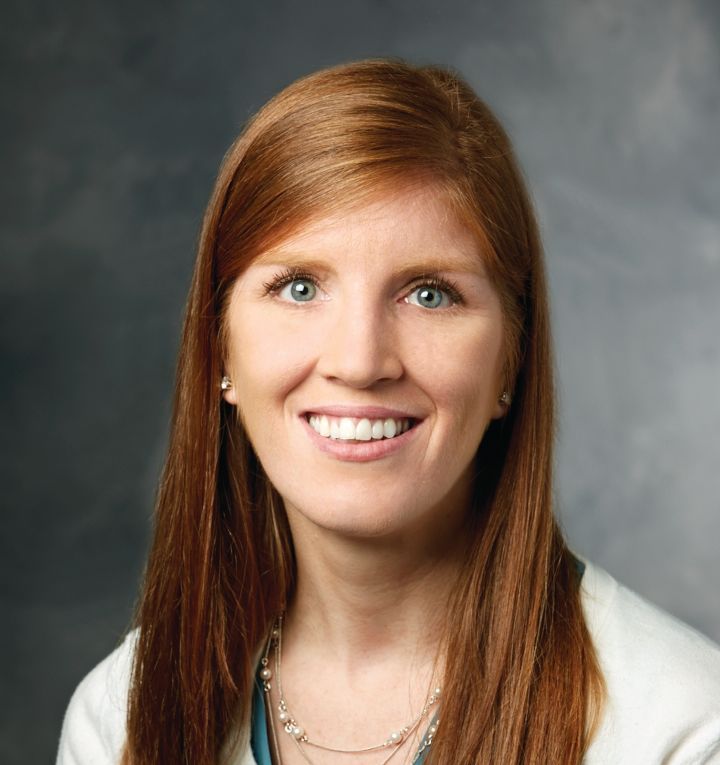
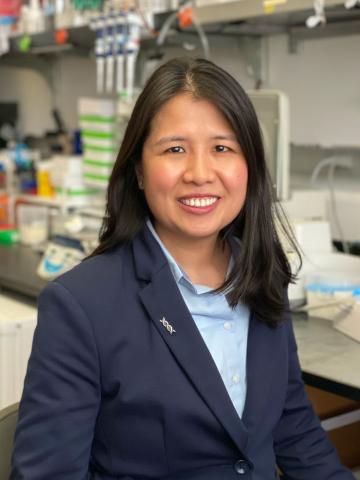
To better understand how different clinical characteristics predict treatment needs, the researchers conducted a retrospective chart review of 234 patients who received a CNO diagnosis before age 18 and who established care in the Children’s Hospital Colorado’s CNO multidisciplinary clinic between January 2005 and July 2021. After excluding 70 patients, primarily due to inadequate follow-up for assessing treatment response, the researchers included 164 patients whose records they reviewed through January 2022.
The researchers assessed how multiple aspects of disease involvement, including unifocal or multifocal at diagnosis, ever having symmetric bone lesions, number of regions ever affected by CNO, complications, and disease activity at most recent follow-up, to determine their relationship to the total number of days on NSAID monotherapy and the odds of needing a second-line treatment.
Among the 164 patients in the study, 32 had a short course of NSAIDs (3-7 months), 62 had a long course of NSAIDs (7 or more months), and 70 received second-line treatment.
Findings From Largest Single-Center Cohort in North America
Their topline findings revealed that patients with unifocal disease at diagnosis required 47% fewer total days of NSAID monotherapy treatment than those with multifocal disease at diagnosis, Dr. Nowicki told attendees. Having symmetric bone lesions increased the likelihood of needing a second-line therapy by 6.86 times compared with those without symmetric bone lesions, and for each additional region affected by CNO, the odds of needing a second-line therapy increased by a factor of 1.94, she said.
There were no significant differences in patient ages or sex or in mean interval from symptom onset to treatment onset across treatment groups. However, patients who received second-line treatment did have a significantly longer average time from symptom onset to diagnosis (324 days) than those who had a short course (119 days) or long course (270 days) of NSAIDs (P = .023). Mean follow-up was also significantly longer for patients with second-line treatment (3.8 years) or long-course NSAIDs (2.7 years) than for those with short-course NSAIDs (1.2 years; P < .001).
Mean erythrocyte sedimentation rate or C-reactive protein did not differ across treatment groups nor did presence of a CNO lesion on x-rays at presentation. But significantly more patients in the second-line group had a biopsy (94%) than in the long-course (74%) or short-course (69%) NSAID groups (P = .0025). They were also more likely to have one or more whole-body MRIs. Most of the patients on short-course (88%) and long-course (82%) NSAIDs did not undergo a whole-body MRI, whereas most patients (59%) on a second-line treatment underwent at least one and 24% underwent three or more MRIs (P < .001).
More patients on short-course NSAIDs had unifocal disease at diagnosis (72%) than those on long-course NSAIDs (47%) or a second-line treatment (41%; P = .015). Patients on a second-line treatment were also more likely to have symmetric involvement in the same bone (73% vs 16% short-course and 23% long-course NSAIDs) and to have more regions of the body affected (P < .001).
There were significant differences in mean days on NSAID monotherapy and number of NSAIDs trialed. Patients on a second-line treatment had a mean 441 days of NSAID monotherapy compared with 175 days for patients on short-course NSAIDs and 725 for patients on long-course NSAIDs (P < .001). Nearly all the short-course patients (94%) trialed a single NSAID, while more than half the long-course and second-line patients trialed two or more (P < .001).
None of the patients on short-course NSAIDs had complications. More patients on second-line treatments had vertebral height loss (20%) or amplified pain (14%) than long-course patients (13% and 5%, respectively; P = .02).
At the study’s end date, nearly all the patients on short-course NSAIDs were in remission (94%) compared with 71% of patients on long-course NSAIDs and only half of patients (51%) on the second-line treatment (P < .001). None of the patients on short-course NSAIDs had active disease compared with 11% of patients on long-course NSAIDs and 20% of patients on second-line treatments (P = .02).
This study included the largest single-center cohort of patients with CNO in North America, all treated at a multidisciplinary clinic with a protocolized treatment approach, but it remains limited by its retrospective nature and the missing data for 70 patients, Dr. Nowicki said. She noted that whole-body MRI was not systematically performed on all patients, so it was possible patients without a whole-body MRI had undetected asymptomatic lesions.
Despite these limitations, Dr. Oliver said retrospective studies like these can help pediatric rheumatologists get an idea of reasonable therapies to start, how long to keep patients on them, and when to escalate to the next step.
“I hope one day our CNO research will be able to tell us about which is the optimal second-line therapy for patients, such as bisphosphonates vs TNF inhibitors vs DMARDs [disease-modifying antirheumatic drugs],” Dr. Oliver said.
Dr. Nowicki and Dr. Oliver reported no disclosures. Information on study funding was not provided.
A version of this article appeared on Medscape.com .
CORRECTED April 7, 2024 // An earlier version of this article misstated the clinical factors of children with CNO that were significantly associated with the need for second-line treatment, as well as the scope of assessments of aspects of disease involvement and their relationship to total number of days on NSAID monotherapy and the odds of needing a second-line treatment.
Children with chronic nonbacterial osteomyelitis (CNO) who had symmetric bone lesions or multiple affected body regions were more likely to need second-line treatment than were patients without these features, according to findings presented at the annual scientific meeting of the Childhood Arthritis and Rheumatology Research Alliance.
CNO is an auto-inflammatory condition that results in sterile inflammatory bone lesions and most commonly affects the long bones of people who are skeletally immature. After a first-line treatment of nonsteroidal anti-inflammatory drugs (NSAIDs), second-line treatments per CARRA guidelines typically include methotrexate or sulfasalazine, tumor necrosis factor (TNF)–alpha inhibitors, and bisphosphonates.
“Since it’s common for there to be long delays before diagnosis of CNO, it is important to start an effective treatment promptly,” Katherine D. Nowicki, MD, of Children’s Hospital Colorado, Aurora, told attendees. “While we have guidance on which treatments to use, it remains unclear which patients are most likely to respond to NSAIDs and which patients will require a second-line treatment.”
Findings Helpful for Counseling
Melissa S. Oliver, MD, MS, assistant professor of clinical pediatrics in rheumatology at Riley Children’s Health at Indiana University Health, Indianapolis, who was not involved in the research, said the findings of this study are helpful in “counseling families and patients at that initial visit and having a lower threshold to start a second-line agent if NSAID monotherapy is not working well.”
There are no clinical trials on patients with CNO, Dr. Oliver said, so very little data exist for guiding clinicians on the best therapy to use and how long to keep patients on therapy while minimizing risk for flare when coming off therapy.
A key clinical takeaway for clinicians is being able to tell patients with unifocal disease that they may not need to be on NSAIDs for a long period and can still do well, Dr. Oliver said. For patients with multifocal disease with symmetric bone lesions or multiple regions involved with CNO, “pediatric rheumatologists should have a lower threshold to start a second-line therapy for these patients,” she said.
To better understand how different clinical characteristics predict treatment needs, the researchers conducted a retrospective chart review of 234 patients who received a CNO diagnosis before age 18 and who established care in the Children’s Hospital Colorado’s CNO multidisciplinary clinic between January 2005 and July 2021. After excluding 70 patients, primarily due to inadequate follow-up for assessing treatment response, the researchers included 164 patients whose records they reviewed through January 2022.
The researchers assessed how multiple aspects of disease involvement, including unifocal or multifocal at diagnosis, ever having symmetric bone lesions, number of regions ever affected by CNO, complications, and disease activity at most recent follow-up, to determine their relationship to the total number of days on NSAID monotherapy and the odds of needing a second-line treatment.
Among the 164 patients in the study, 32 had a short course of NSAIDs (3-7 months), 62 had a long course of NSAIDs (7 or more months), and 70 received second-line treatment.
Findings From Largest Single-Center Cohort in North America
Their topline findings revealed that patients with unifocal disease at diagnosis required 47% fewer total days of NSAID monotherapy treatment than those with multifocal disease at diagnosis, Dr. Nowicki told attendees. Having symmetric bone lesions increased the likelihood of needing a second-line therapy by 6.86 times compared with those without symmetric bone lesions, and for each additional region affected by CNO, the odds of needing a second-line therapy increased by a factor of 1.94, she said.
There were no significant differences in patient ages or sex or in mean interval from symptom onset to treatment onset across treatment groups. However, patients who received second-line treatment did have a significantly longer average time from symptom onset to diagnosis (324 days) than those who had a short course (119 days) or long course (270 days) of NSAIDs (P = .023). Mean follow-up was also significantly longer for patients with second-line treatment (3.8 years) or long-course NSAIDs (2.7 years) than for those with short-course NSAIDs (1.2 years; P < .001).
Mean erythrocyte sedimentation rate or C-reactive protein did not differ across treatment groups nor did presence of a CNO lesion on x-rays at presentation. But significantly more patients in the second-line group had a biopsy (94%) than in the long-course (74%) or short-course (69%) NSAID groups (P = .0025). They were also more likely to have one or more whole-body MRIs. Most of the patients on short-course (88%) and long-course (82%) NSAIDs did not undergo a whole-body MRI, whereas most patients (59%) on a second-line treatment underwent at least one and 24% underwent three or more MRIs (P < .001).
More patients on short-course NSAIDs had unifocal disease at diagnosis (72%) than those on long-course NSAIDs (47%) or a second-line treatment (41%; P = .015). Patients on a second-line treatment were also more likely to have symmetric involvement in the same bone (73% vs 16% short-course and 23% long-course NSAIDs) and to have more regions of the body affected (P < .001).
There were significant differences in mean days on NSAID monotherapy and number of NSAIDs trialed. Patients on a second-line treatment had a mean 441 days of NSAID monotherapy compared with 175 days for patients on short-course NSAIDs and 725 for patients on long-course NSAIDs (P < .001). Nearly all the short-course patients (94%) trialed a single NSAID, while more than half the long-course and second-line patients trialed two or more (P < .001).
None of the patients on short-course NSAIDs had complications. More patients on second-line treatments had vertebral height loss (20%) or amplified pain (14%) than long-course patients (13% and 5%, respectively; P = .02).
At the study’s end date, nearly all the patients on short-course NSAIDs were in remission (94%) compared with 71% of patients on long-course NSAIDs and only half of patients (51%) on the second-line treatment (P < .001). None of the patients on short-course NSAIDs had active disease compared with 11% of patients on long-course NSAIDs and 20% of patients on second-line treatments (P = .02).
This study included the largest single-center cohort of patients with CNO in North America, all treated at a multidisciplinary clinic with a protocolized treatment approach, but it remains limited by its retrospective nature and the missing data for 70 patients, Dr. Nowicki said. She noted that whole-body MRI was not systematically performed on all patients, so it was possible patients without a whole-body MRI had undetected asymptomatic lesions.
Despite these limitations, Dr. Oliver said retrospective studies like these can help pediatric rheumatologists get an idea of reasonable therapies to start, how long to keep patients on them, and when to escalate to the next step.
“I hope one day our CNO research will be able to tell us about which is the optimal second-line therapy for patients, such as bisphosphonates vs TNF inhibitors vs DMARDs [disease-modifying antirheumatic drugs],” Dr. Oliver said.
Dr. Nowicki and Dr. Oliver reported no disclosures. Information on study funding was not provided.
A version of this article appeared on Medscape.com .
CORRECTED April 7, 2024 // An earlier version of this article misstated the clinical factors of children with CNO that were significantly associated with the need for second-line treatment, as well as the scope of assessments of aspects of disease involvement and their relationship to total number of days on NSAID monotherapy and the odds of needing a second-line treatment.
Children with chronic nonbacterial osteomyelitis (CNO) who had symmetric bone lesions or multiple affected body regions were more likely to need second-line treatment than were patients without these features, according to findings presented at the annual scientific meeting of the Childhood Arthritis and Rheumatology Research Alliance.
CNO is an auto-inflammatory condition that results in sterile inflammatory bone lesions and most commonly affects the long bones of people who are skeletally immature. After a first-line treatment of nonsteroidal anti-inflammatory drugs (NSAIDs), second-line treatments per CARRA guidelines typically include methotrexate or sulfasalazine, tumor necrosis factor (TNF)–alpha inhibitors, and bisphosphonates.
“Since it’s common for there to be long delays before diagnosis of CNO, it is important to start an effective treatment promptly,” Katherine D. Nowicki, MD, of Children’s Hospital Colorado, Aurora, told attendees. “While we have guidance on which treatments to use, it remains unclear which patients are most likely to respond to NSAIDs and which patients will require a second-line treatment.”
Findings Helpful for Counseling
Melissa S. Oliver, MD, MS, assistant professor of clinical pediatrics in rheumatology at Riley Children’s Health at Indiana University Health, Indianapolis, who was not involved in the research, said the findings of this study are helpful in “counseling families and patients at that initial visit and having a lower threshold to start a second-line agent if NSAID monotherapy is not working well.”
There are no clinical trials on patients with CNO, Dr. Oliver said, so very little data exist for guiding clinicians on the best therapy to use and how long to keep patients on therapy while minimizing risk for flare when coming off therapy.
A key clinical takeaway for clinicians is being able to tell patients with unifocal disease that they may not need to be on NSAIDs for a long period and can still do well, Dr. Oliver said. For patients with multifocal disease with symmetric bone lesions or multiple regions involved with CNO, “pediatric rheumatologists should have a lower threshold to start a second-line therapy for these patients,” she said.
To better understand how different clinical characteristics predict treatment needs, the researchers conducted a retrospective chart review of 234 patients who received a CNO diagnosis before age 18 and who established care in the Children’s Hospital Colorado’s CNO multidisciplinary clinic between January 2005 and July 2021. After excluding 70 patients, primarily due to inadequate follow-up for assessing treatment response, the researchers included 164 patients whose records they reviewed through January 2022.
The researchers assessed how multiple aspects of disease involvement, including unifocal or multifocal at diagnosis, ever having symmetric bone lesions, number of regions ever affected by CNO, complications, and disease activity at most recent follow-up, to determine their relationship to the total number of days on NSAID monotherapy and the odds of needing a second-line treatment.
Among the 164 patients in the study, 32 had a short course of NSAIDs (3-7 months), 62 had a long course of NSAIDs (7 or more months), and 70 received second-line treatment.
Findings From Largest Single-Center Cohort in North America
Their topline findings revealed that patients with unifocal disease at diagnosis required 47% fewer total days of NSAID monotherapy treatment than those with multifocal disease at diagnosis, Dr. Nowicki told attendees. Having symmetric bone lesions increased the likelihood of needing a second-line therapy by 6.86 times compared with those without symmetric bone lesions, and for each additional region affected by CNO, the odds of needing a second-line therapy increased by a factor of 1.94, she said.
There were no significant differences in patient ages or sex or in mean interval from symptom onset to treatment onset across treatment groups. However, patients who received second-line treatment did have a significantly longer average time from symptom onset to diagnosis (324 days) than those who had a short course (119 days) or long course (270 days) of NSAIDs (P = .023). Mean follow-up was also significantly longer for patients with second-line treatment (3.8 years) or long-course NSAIDs (2.7 years) than for those with short-course NSAIDs (1.2 years; P < .001).
Mean erythrocyte sedimentation rate or C-reactive protein did not differ across treatment groups nor did presence of a CNO lesion on x-rays at presentation. But significantly more patients in the second-line group had a biopsy (94%) than in the long-course (74%) or short-course (69%) NSAID groups (P = .0025). They were also more likely to have one or more whole-body MRIs. Most of the patients on short-course (88%) and long-course (82%) NSAIDs did not undergo a whole-body MRI, whereas most patients (59%) on a second-line treatment underwent at least one and 24% underwent three or more MRIs (P < .001).
More patients on short-course NSAIDs had unifocal disease at diagnosis (72%) than those on long-course NSAIDs (47%) or a second-line treatment (41%; P = .015). Patients on a second-line treatment were also more likely to have symmetric involvement in the same bone (73% vs 16% short-course and 23% long-course NSAIDs) and to have more regions of the body affected (P < .001).
There were significant differences in mean days on NSAID monotherapy and number of NSAIDs trialed. Patients on a second-line treatment had a mean 441 days of NSAID monotherapy compared with 175 days for patients on short-course NSAIDs and 725 for patients on long-course NSAIDs (P < .001). Nearly all the short-course patients (94%) trialed a single NSAID, while more than half the long-course and second-line patients trialed two or more (P < .001).
None of the patients on short-course NSAIDs had complications. More patients on second-line treatments had vertebral height loss (20%) or amplified pain (14%) than long-course patients (13% and 5%, respectively; P = .02).
At the study’s end date, nearly all the patients on short-course NSAIDs were in remission (94%) compared with 71% of patients on long-course NSAIDs and only half of patients (51%) on the second-line treatment (P < .001). None of the patients on short-course NSAIDs had active disease compared with 11% of patients on long-course NSAIDs and 20% of patients on second-line treatments (P = .02).
This study included the largest single-center cohort of patients with CNO in North America, all treated at a multidisciplinary clinic with a protocolized treatment approach, but it remains limited by its retrospective nature and the missing data for 70 patients, Dr. Nowicki said. She noted that whole-body MRI was not systematically performed on all patients, so it was possible patients without a whole-body MRI had undetected asymptomatic lesions.
Despite these limitations, Dr. Oliver said retrospective studies like these can help pediatric rheumatologists get an idea of reasonable therapies to start, how long to keep patients on them, and when to escalate to the next step.
“I hope one day our CNO research will be able to tell us about which is the optimal second-line therapy for patients, such as bisphosphonates vs TNF inhibitors vs DMARDs [disease-modifying antirheumatic drugs],” Dr. Oliver said.
Dr. Nowicki and Dr. Oliver reported no disclosures. Information on study funding was not provided.
A version of this article appeared on Medscape.com .
FROM CARRA 2024
Tuberculosis Screening Gaps Persist in New DMARD Users
TOPLINE:
The rates of screening for latent tuberculosis remain suboptimal among new users of biologic and targeted synthetic disease-modifying antirheumatic drugs (b/tsDMARDs), with notable variations by medication type and demographic characteristics.
METHODOLOGY:
- Professional society guidelines recommend screening for tuberculosis before starting treatment with most b/tsDMARDs.
- In an attempt to estimate the extent of latent tuberculosis screening, researchers combined claims and electronic health record datasets to evaluate 2853 new b/tsDMARD users (mean age, 73 years; 72% women; and 73% non-Hispanic White).
- The primary analysis focused on assessing the proportion of patients screened for latent tuberculosis in the year before starting a new b/tsDMARD.
- A sensitivity analysis evaluated the extent of screening within the 3 years preceding the initiation of a new b/tsDMARD.
- A total of 65.6% of patients received screening for latent tuberculosis in the year before initiating a new b/tsDMARD.
- Screening rates improved only slightly on expanding the window to 3 years, with 72.9% of patients receiving any tuberculosis screening.
- When stratified by drug type, over half of new users of Janus kinase inhibitors and nearly 90% of new users of interleukin-17 inhibitors had not received screening.
- Hispanic patients had lower odds of tuberculosis screening within 1 year than White patients (odds ratio [OR], 0.64; 95% CI, 0.46-0.90), as did those in the highest socioeconomic quartile, compared with the lowest (OR, 0.61; 95% CI, 0.40-0.94).
IN PRACTICE:
“Educational initiatives, team-based care delivery, task shifting, and technological interventions to address observed gaps in patient safety procedures are needed,” the authors wrote.
SOURCE:
The study was led by Eric T. Roberts, PhD, University of California, San Francisco, and published online in Arthritis Care & Research
LIMITATIONS:
The study lacked access to scanned documents or clinical notes, which may have resulted in the omission of a small number of tests that had no Medicare billing. Moreover, the study was restricted to a 3-year lookback period, potentially missing some remote screenings. The findings may have limited generalizability to younger patients or those not dually eligible for Medicare and Medicaid.
DISCLOSURES:
This study was funded by grants from the Agency for Healthcare Research and Quality and the National Institute for Arthritis and Musculoskeletal and Skin Diseases. The authors declared no conflicts of interest.
A version of this article appeared on Medscape.com.
TOPLINE:
The rates of screening for latent tuberculosis remain suboptimal among new users of biologic and targeted synthetic disease-modifying antirheumatic drugs (b/tsDMARDs), with notable variations by medication type and demographic characteristics.
METHODOLOGY:
- Professional society guidelines recommend screening for tuberculosis before starting treatment with most b/tsDMARDs.
- In an attempt to estimate the extent of latent tuberculosis screening, researchers combined claims and electronic health record datasets to evaluate 2853 new b/tsDMARD users (mean age, 73 years; 72% women; and 73% non-Hispanic White).
- The primary analysis focused on assessing the proportion of patients screened for latent tuberculosis in the year before starting a new b/tsDMARD.
- A sensitivity analysis evaluated the extent of screening within the 3 years preceding the initiation of a new b/tsDMARD.
- A total of 65.6% of patients received screening for latent tuberculosis in the year before initiating a new b/tsDMARD.
- Screening rates improved only slightly on expanding the window to 3 years, with 72.9% of patients receiving any tuberculosis screening.
- When stratified by drug type, over half of new users of Janus kinase inhibitors and nearly 90% of new users of interleukin-17 inhibitors had not received screening.
- Hispanic patients had lower odds of tuberculosis screening within 1 year than White patients (odds ratio [OR], 0.64; 95% CI, 0.46-0.90), as did those in the highest socioeconomic quartile, compared with the lowest (OR, 0.61; 95% CI, 0.40-0.94).
IN PRACTICE:
“Educational initiatives, team-based care delivery, task shifting, and technological interventions to address observed gaps in patient safety procedures are needed,” the authors wrote.
SOURCE:
The study was led by Eric T. Roberts, PhD, University of California, San Francisco, and published online in Arthritis Care & Research
LIMITATIONS:
The study lacked access to scanned documents or clinical notes, which may have resulted in the omission of a small number of tests that had no Medicare billing. Moreover, the study was restricted to a 3-year lookback period, potentially missing some remote screenings. The findings may have limited generalizability to younger patients or those not dually eligible for Medicare and Medicaid.
DISCLOSURES:
This study was funded by grants from the Agency for Healthcare Research and Quality and the National Institute for Arthritis and Musculoskeletal and Skin Diseases. The authors declared no conflicts of interest.
A version of this article appeared on Medscape.com.
TOPLINE:
The rates of screening for latent tuberculosis remain suboptimal among new users of biologic and targeted synthetic disease-modifying antirheumatic drugs (b/tsDMARDs), with notable variations by medication type and demographic characteristics.
METHODOLOGY:
- Professional society guidelines recommend screening for tuberculosis before starting treatment with most b/tsDMARDs.
- In an attempt to estimate the extent of latent tuberculosis screening, researchers combined claims and electronic health record datasets to evaluate 2853 new b/tsDMARD users (mean age, 73 years; 72% women; and 73% non-Hispanic White).
- The primary analysis focused on assessing the proportion of patients screened for latent tuberculosis in the year before starting a new b/tsDMARD.
- A sensitivity analysis evaluated the extent of screening within the 3 years preceding the initiation of a new b/tsDMARD.
- A total of 65.6% of patients received screening for latent tuberculosis in the year before initiating a new b/tsDMARD.
- Screening rates improved only slightly on expanding the window to 3 years, with 72.9% of patients receiving any tuberculosis screening.
- When stratified by drug type, over half of new users of Janus kinase inhibitors and nearly 90% of new users of interleukin-17 inhibitors had not received screening.
- Hispanic patients had lower odds of tuberculosis screening within 1 year than White patients (odds ratio [OR], 0.64; 95% CI, 0.46-0.90), as did those in the highest socioeconomic quartile, compared with the lowest (OR, 0.61; 95% CI, 0.40-0.94).
IN PRACTICE:
“Educational initiatives, team-based care delivery, task shifting, and technological interventions to address observed gaps in patient safety procedures are needed,” the authors wrote.
SOURCE:
The study was led by Eric T. Roberts, PhD, University of California, San Francisco, and published online in Arthritis Care & Research
LIMITATIONS:
The study lacked access to scanned documents or clinical notes, which may have resulted in the omission of a small number of tests that had no Medicare billing. Moreover, the study was restricted to a 3-year lookback period, potentially missing some remote screenings. The findings may have limited generalizability to younger patients or those not dually eligible for Medicare and Medicaid.
DISCLOSURES:
This study was funded by grants from the Agency for Healthcare Research and Quality and the National Institute for Arthritis and Musculoskeletal and Skin Diseases. The authors declared no conflicts of interest.
A version of this article appeared on Medscape.com.
How Does Diet Affect Gastroesophageal Reflux Disease?
What dietary recommendations are appropriate for gastroesophageal reflux disease (GERD)? While 85% of patients identify at least one food associated with reflux symptoms, misconceptions about diet in GERD are widespread. The issue was discussed during a dedicated session at the Francophone Days of Hepatology, Gastroenterology, and Digestive Oncology.
GERD occurs when the contents, especially acid, of the stomach back up into the esophagus, leading to symptoms or lesions of the esophageal mucosa.
In addition to proton pump inhibitors, several hygienic-dietary rules are integrated into the therapeutic management of GERD. Some, such as elevating the head of the bed and allowing a 2- to 3-hour gap between meals and bedtime, have proven effective.
Diet and obesity also play a role in the onset of GERD symptoms. Thus, hygienic-dietary rules are an integral part of current recommendations.
“Weight loss is effective in reducing reflux symptoms and should be recommended,” stated Frank Zerbib, MD, head of Hepatology, Gastroenterology, and Digestive Oncology at University Hospital of Bordeaux in France, during the presentation.
Furthermore, most patients with GERD identify foods that may trigger their symptoms, even if there is no evidence to support this in the literature. However, it has been shown that reducing the consumption of these foods is effective.
Caloric Intake and Lipid Content
Meal intake affects esophagogastric physiology in several ways: It reduces the tone of the lower esophageal sphincter (LES) and increases the number of transient LES relaxations (TLESRs), which are induced by distension and relaxation of the proximal stomach. These effects are mediated by vagal afferent stimulation and the stretching of the mechanoreceptors of the fundic wall. They are influenced by neuropeptide effects such as cholecystokinin (CCK), which is released in the presence of lipids in the duodenal lumen. Hence, the importance of caloric intake and lipid content, even though it is difficult to distinguish their respective effects.
A high-calorie meal slows gastric emptying, thus prolonging gastric distension, reducing LES tone, and promoting the onset of TLESRs. Several studies have emphasized that at equivalent caloric intake, lipid composition has no impact on LES tone and the number of TLESRs in healthy patients or those with GERD. However, with equivalent caloric intake, and thus equivalent acid exposure, the presence of lipids in the meal increases the perception of reflux. This “reflux hypersensitivity” effect induced by lipids is caused by the endogenous release of CCK and its action on vagal afferents. This effect also is observed in the perception of functional dyspepsia symptoms.
Several studies have established a correlation between saturated fat consumption and the presence of GERD symptoms.
The Role of Carbohydrates
While the protein component of a meal has little impact on esophagogastric physiology, carbohydrates produce effects on esophagogastric motility that are mediated by their fermentation products, especially short-chain fatty acids (SCFAs), which are synthesized in the colon. Colonic perfusion of these SCFAs leads to fundus relaxation, reduced LES tone, and increased TLESRs. Moreover, in patients with GERD, adding prebiotics (fructo-oligosaccharide) to the meal content increases the number of TLESRs, acid reflux, and symptoms by amplifying colonic fermentation and SCFA production.
Several studies have evaluated low-carbohydrate diets in GERD. A small study of eight patients with morbid obesity on a very low–carbohydrate diet observed benefits on symptoms and esophageal acid exposure in pH probe testing.
A randomized French study of 31 patients with refractory GERD found no significant difference between a low fermentable oligo-, di-, monosaccharides, and polyols diet and usual dietary advice.
A recent American study of 95 veterans found an improvement in pH in the group reducing simple sugars but symptomatic improvement in all groups reducing sugar consumption in general.
Therefore, based on all these data, according to Dr. Zerbib, “high-calorie meals, rich in fats or carbohydrates, promote the onset of reflux episodes and their perception. Diets low in fats and carbohydrates should be recommended.”
Questionable Studies
Certain foods can reduce LES pressure, such as coffee (excluding decaf), chocolate, and white wine. Moreover, white wine, beer, and chocolate have been associated with increased esophageal acid exposure. No significant effects on LES pressure or reflux have been observed with the consumption of citrus fruits or spicy foods. These conclusions, however, are based on older studies and subject to methodological criticisms.
Population studies on tea and coffee yield conflicting results. A recent study of 48,000 nurses without documented GERD found that consumption of tea, coffee, or sodas increased the risk for reflux symptoms by about 30% at least once per week, while water, milk, or fruit juice had no effect. Furthermore, the consumption of carbonated beverages also does not seem to increase the risk for GERD.
Regarding alcohol consumption as a risk factor for GERD, epidemiological data do not allow for a definitive conclusion. Most studies have not found a significant link, a finding confirmed by a recent meta-analysis of 24 publications.
Obesity contributes to GERD by promoting increased abdominal pressure and constraints on the esophagogastric junction. A high-resolution manometry study provided robust evidence for this mechanism. Generally, the relative risk for symptomatic GERD with obesity is 2-3 compared with normal body mass index (BMI), with a linear increase according to BMI.
Dr. Zerbib reported no relevant financial conflicts related to his presentation.
This story was translated from the Medscape French edition using several editorial tools, including AI, as part of the process. Human editors reviewed this content before publication. A version of this article first appeared on Medscape.com.
What dietary recommendations are appropriate for gastroesophageal reflux disease (GERD)? While 85% of patients identify at least one food associated with reflux symptoms, misconceptions about diet in GERD are widespread. The issue was discussed during a dedicated session at the Francophone Days of Hepatology, Gastroenterology, and Digestive Oncology.
GERD occurs when the contents, especially acid, of the stomach back up into the esophagus, leading to symptoms or lesions of the esophageal mucosa.
In addition to proton pump inhibitors, several hygienic-dietary rules are integrated into the therapeutic management of GERD. Some, such as elevating the head of the bed and allowing a 2- to 3-hour gap between meals and bedtime, have proven effective.
Diet and obesity also play a role in the onset of GERD symptoms. Thus, hygienic-dietary rules are an integral part of current recommendations.
“Weight loss is effective in reducing reflux symptoms and should be recommended,” stated Frank Zerbib, MD, head of Hepatology, Gastroenterology, and Digestive Oncology at University Hospital of Bordeaux in France, during the presentation.
Furthermore, most patients with GERD identify foods that may trigger their symptoms, even if there is no evidence to support this in the literature. However, it has been shown that reducing the consumption of these foods is effective.
Caloric Intake and Lipid Content
Meal intake affects esophagogastric physiology in several ways: It reduces the tone of the lower esophageal sphincter (LES) and increases the number of transient LES relaxations (TLESRs), which are induced by distension and relaxation of the proximal stomach. These effects are mediated by vagal afferent stimulation and the stretching of the mechanoreceptors of the fundic wall. They are influenced by neuropeptide effects such as cholecystokinin (CCK), which is released in the presence of lipids in the duodenal lumen. Hence, the importance of caloric intake and lipid content, even though it is difficult to distinguish their respective effects.
A high-calorie meal slows gastric emptying, thus prolonging gastric distension, reducing LES tone, and promoting the onset of TLESRs. Several studies have emphasized that at equivalent caloric intake, lipid composition has no impact on LES tone and the number of TLESRs in healthy patients or those with GERD. However, with equivalent caloric intake, and thus equivalent acid exposure, the presence of lipids in the meal increases the perception of reflux. This “reflux hypersensitivity” effect induced by lipids is caused by the endogenous release of CCK and its action on vagal afferents. This effect also is observed in the perception of functional dyspepsia symptoms.
Several studies have established a correlation between saturated fat consumption and the presence of GERD symptoms.
The Role of Carbohydrates
While the protein component of a meal has little impact on esophagogastric physiology, carbohydrates produce effects on esophagogastric motility that are mediated by their fermentation products, especially short-chain fatty acids (SCFAs), which are synthesized in the colon. Colonic perfusion of these SCFAs leads to fundus relaxation, reduced LES tone, and increased TLESRs. Moreover, in patients with GERD, adding prebiotics (fructo-oligosaccharide) to the meal content increases the number of TLESRs, acid reflux, and symptoms by amplifying colonic fermentation and SCFA production.
Several studies have evaluated low-carbohydrate diets in GERD. A small study of eight patients with morbid obesity on a very low–carbohydrate diet observed benefits on symptoms and esophageal acid exposure in pH probe testing.
A randomized French study of 31 patients with refractory GERD found no significant difference between a low fermentable oligo-, di-, monosaccharides, and polyols diet and usual dietary advice.
A recent American study of 95 veterans found an improvement in pH in the group reducing simple sugars but symptomatic improvement in all groups reducing sugar consumption in general.
Therefore, based on all these data, according to Dr. Zerbib, “high-calorie meals, rich in fats or carbohydrates, promote the onset of reflux episodes and their perception. Diets low in fats and carbohydrates should be recommended.”
Questionable Studies
Certain foods can reduce LES pressure, such as coffee (excluding decaf), chocolate, and white wine. Moreover, white wine, beer, and chocolate have been associated with increased esophageal acid exposure. No significant effects on LES pressure or reflux have been observed with the consumption of citrus fruits or spicy foods. These conclusions, however, are based on older studies and subject to methodological criticisms.
Population studies on tea and coffee yield conflicting results. A recent study of 48,000 nurses without documented GERD found that consumption of tea, coffee, or sodas increased the risk for reflux symptoms by about 30% at least once per week, while water, milk, or fruit juice had no effect. Furthermore, the consumption of carbonated beverages also does not seem to increase the risk for GERD.
Regarding alcohol consumption as a risk factor for GERD, epidemiological data do not allow for a definitive conclusion. Most studies have not found a significant link, a finding confirmed by a recent meta-analysis of 24 publications.
Obesity contributes to GERD by promoting increased abdominal pressure and constraints on the esophagogastric junction. A high-resolution manometry study provided robust evidence for this mechanism. Generally, the relative risk for symptomatic GERD with obesity is 2-3 compared with normal body mass index (BMI), with a linear increase according to BMI.
Dr. Zerbib reported no relevant financial conflicts related to his presentation.
This story was translated from the Medscape French edition using several editorial tools, including AI, as part of the process. Human editors reviewed this content before publication. A version of this article first appeared on Medscape.com.
What dietary recommendations are appropriate for gastroesophageal reflux disease (GERD)? While 85% of patients identify at least one food associated with reflux symptoms, misconceptions about diet in GERD are widespread. The issue was discussed during a dedicated session at the Francophone Days of Hepatology, Gastroenterology, and Digestive Oncology.
GERD occurs when the contents, especially acid, of the stomach back up into the esophagus, leading to symptoms or lesions of the esophageal mucosa.
In addition to proton pump inhibitors, several hygienic-dietary rules are integrated into the therapeutic management of GERD. Some, such as elevating the head of the bed and allowing a 2- to 3-hour gap between meals and bedtime, have proven effective.
Diet and obesity also play a role in the onset of GERD symptoms. Thus, hygienic-dietary rules are an integral part of current recommendations.
“Weight loss is effective in reducing reflux symptoms and should be recommended,” stated Frank Zerbib, MD, head of Hepatology, Gastroenterology, and Digestive Oncology at University Hospital of Bordeaux in France, during the presentation.
Furthermore, most patients with GERD identify foods that may trigger their symptoms, even if there is no evidence to support this in the literature. However, it has been shown that reducing the consumption of these foods is effective.
Caloric Intake and Lipid Content
Meal intake affects esophagogastric physiology in several ways: It reduces the tone of the lower esophageal sphincter (LES) and increases the number of transient LES relaxations (TLESRs), which are induced by distension and relaxation of the proximal stomach. These effects are mediated by vagal afferent stimulation and the stretching of the mechanoreceptors of the fundic wall. They are influenced by neuropeptide effects such as cholecystokinin (CCK), which is released in the presence of lipids in the duodenal lumen. Hence, the importance of caloric intake and lipid content, even though it is difficult to distinguish their respective effects.
A high-calorie meal slows gastric emptying, thus prolonging gastric distension, reducing LES tone, and promoting the onset of TLESRs. Several studies have emphasized that at equivalent caloric intake, lipid composition has no impact on LES tone and the number of TLESRs in healthy patients or those with GERD. However, with equivalent caloric intake, and thus equivalent acid exposure, the presence of lipids in the meal increases the perception of reflux. This “reflux hypersensitivity” effect induced by lipids is caused by the endogenous release of CCK and its action on vagal afferents. This effect also is observed in the perception of functional dyspepsia symptoms.
Several studies have established a correlation between saturated fat consumption and the presence of GERD symptoms.
The Role of Carbohydrates
While the protein component of a meal has little impact on esophagogastric physiology, carbohydrates produce effects on esophagogastric motility that are mediated by their fermentation products, especially short-chain fatty acids (SCFAs), which are synthesized in the colon. Colonic perfusion of these SCFAs leads to fundus relaxation, reduced LES tone, and increased TLESRs. Moreover, in patients with GERD, adding prebiotics (fructo-oligosaccharide) to the meal content increases the number of TLESRs, acid reflux, and symptoms by amplifying colonic fermentation and SCFA production.
Several studies have evaluated low-carbohydrate diets in GERD. A small study of eight patients with morbid obesity on a very low–carbohydrate diet observed benefits on symptoms and esophageal acid exposure in pH probe testing.
A randomized French study of 31 patients with refractory GERD found no significant difference between a low fermentable oligo-, di-, monosaccharides, and polyols diet and usual dietary advice.
A recent American study of 95 veterans found an improvement in pH in the group reducing simple sugars but symptomatic improvement in all groups reducing sugar consumption in general.
Therefore, based on all these data, according to Dr. Zerbib, “high-calorie meals, rich in fats or carbohydrates, promote the onset of reflux episodes and their perception. Diets low in fats and carbohydrates should be recommended.”
Questionable Studies
Certain foods can reduce LES pressure, such as coffee (excluding decaf), chocolate, and white wine. Moreover, white wine, beer, and chocolate have been associated with increased esophageal acid exposure. No significant effects on LES pressure or reflux have been observed with the consumption of citrus fruits or spicy foods. These conclusions, however, are based on older studies and subject to methodological criticisms.
Population studies on tea and coffee yield conflicting results. A recent study of 48,000 nurses without documented GERD found that consumption of tea, coffee, or sodas increased the risk for reflux symptoms by about 30% at least once per week, while water, milk, or fruit juice had no effect. Furthermore, the consumption of carbonated beverages also does not seem to increase the risk for GERD.
Regarding alcohol consumption as a risk factor for GERD, epidemiological data do not allow for a definitive conclusion. Most studies have not found a significant link, a finding confirmed by a recent meta-analysis of 24 publications.
Obesity contributes to GERD by promoting increased abdominal pressure and constraints on the esophagogastric junction. A high-resolution manometry study provided robust evidence for this mechanism. Generally, the relative risk for symptomatic GERD with obesity is 2-3 compared with normal body mass index (BMI), with a linear increase according to BMI.
Dr. Zerbib reported no relevant financial conflicts related to his presentation.
This story was translated from the Medscape French edition using several editorial tools, including AI, as part of the process. Human editors reviewed this content before publication. A version of this article first appeared on Medscape.com.
Overlord or Underachiever: AI Poised to Disrupt Eye Care
You can’t spell “ophthalmologist” without artificial intelligence (AI) — a fact that might have many eye specialists looking warily over their shoulders. But should they be concerned, or is it time to embrace the new technology?
Ophthalmologists, like most other medical specialists, might be looking warily over their shoulders as AI continues to evolve. But should they be concerned, or is it time to embrace the new technology?
Two recent studies have demonstrated the ability of AI to match ophthalmologists’ answers to patients’ questions about eye disease, and the technology is poised to assist ophthalmologists in managing patient workflow and overcome shortages in the ophthalmic workforce, attendees at the American Glaucoma Society meeting presented on March 2, 2024, in Huntington Beach, California, were told.
A study at the Icahn School of Medicine at Mount Sinai in New York City found chatbots matched the proficiency of fellowship-trained ophthalmologists in diagnostic accuracy and completeness in handling questions about eye disease and real patient cases. Another study found a similar result in handling 200 eye care questions from an online chat forum, Robert Chang, MD, co-author of the second study and a glaucoma specialist and associate professor of ophthalmology at Stanford University in Stanford, California, reported.
“Using prompt engineering of ChatGPT, replies to patient online forum questions are becoming so realistic that specialist physicians are having difficulty telling the difference between human- and machine-generated responses,” Dr. Chang said.
The study used questions patients submitted to an online medical forum that received responses from ophthalmologists, then presented those responses plus answers generated by ChatGPT to a panel of eight ophthalmologists and asked them to distinguish between the two. “The accuracy of judging whether you could tell if it was written by AI or a human was about 61%,” Dr. Chang reported. “So most of the time you could not tell the difference.”
The study reported that of 800 evaluations of chatbot-written answers, ophthalmologists rated 21% of them as human-written, while they marked 64.6% of human-written answers as AI-written. The study also found that the likelihood of chatbot answers containing incorrect or inappropriate material was comparable with human answers: Less than 1% for both.
Dr. Chang also referenced a similar, more recent study from the Icahn School of Medicine in which 15 clinicians reviewed answers to patient questions by fellowship-trained glaucoma and retina specialists and those generated by ChatGPT-4, the chatbot model released by OpenAI in the spring of 2023. The study used a statistical tool to evaluate the combined question-case mean rank for accuracy, which was 506.2 for ChatGPT and 403.4 for glaucoma specialists based on 831 question cases. The mean rank for completeness was 528.3 and 398.7, respectively, based on 828 question cases (P < .001).
“The specialists themselves didn’t rate their answers as good as they rated the chatbot answers,” Dr. Chang said. “So it’s really showing that what we can come up with generative AI so human-like that it’s difficult for us to tell the difference on accuracy and completeness.”
‘Getting Close’
However, he noted that chatbots still have some kinks to work out with factual errors, difficulty referencing reliable sources, and hallucinations — fabricated material that may not be accurate. “We’re not quite there yet, but it’s getting close,” Dr. Chang added.
Dr. Chang noted that his clinic at Stanford is testing an AI platform to perform virtual scribing of patient encounters in real time. “That can save a lot of time on documentation,” he said. “I think this is a direction moving forward to increase our productivity because as we know, we all have workforce problems whether it’s the doctors or having enough technicians.”
Chatbots also are being tested for scheduling and generating letters. “Because of the unique needs of each ophthalmologist, AI agents that augment the existing workforce on specific administrative tasks will be the most likely early use case rather than autonomous disease screening or clinical decision support tools, which will take longer to validate prospectively in specific cohorts,” he said.
“Any AI today still has a long way to go before it can ingest and verify all the data for independent decision-making and be validated for fairness and generalizability,” Dr. Chang added. “It is much easier to have ‘low-level thinking’, repetitive tasks be taken care of by algorithms first.”
Dr. Chang “made a convincing case for embracing currently feasible applications of AI, highlighting the potential benefits of leveraging LLMs such as ChatGPT to enhance clinical productivity,” said Thasarat Vajaranant, MD, MHA, director of the glaucoma service and of data sourcing and strategy for the AI Ophthalmology Center at Illinois Eye and Ear Infirmary and the University of Illinois Chicago.
“With the growing demands of an aging population and workforce shortages in ophthalmology, AI-driven solutions offer promise in various areas, including telemedicine triage, organizing clinical notes, assisting in assessments and treatment planning, and virtual scribing,” Dr. Vajaranant said. “Rather than fearing this technology, we should approach its integration with caution.”
Dr. Chang disclosed relationships with Alcon, Genentech/Roche, Itnalight, Verana Health, Sight Sciences, Ocular Therapeutix, Glaukos, Carl Zeiss Meditec, and Apple. Dr. Vajaranant had no relevant disclosures.
A version of this article first appeared on Medscape.com.
You can’t spell “ophthalmologist” without artificial intelligence (AI) — a fact that might have many eye specialists looking warily over their shoulders. But should they be concerned, or is it time to embrace the new technology?
Ophthalmologists, like most other medical specialists, might be looking warily over their shoulders as AI continues to evolve. But should they be concerned, or is it time to embrace the new technology?
Two recent studies have demonstrated the ability of AI to match ophthalmologists’ answers to patients’ questions about eye disease, and the technology is poised to assist ophthalmologists in managing patient workflow and overcome shortages in the ophthalmic workforce, attendees at the American Glaucoma Society meeting presented on March 2, 2024, in Huntington Beach, California, were told.
A study at the Icahn School of Medicine at Mount Sinai in New York City found chatbots matched the proficiency of fellowship-trained ophthalmologists in diagnostic accuracy and completeness in handling questions about eye disease and real patient cases. Another study found a similar result in handling 200 eye care questions from an online chat forum, Robert Chang, MD, co-author of the second study and a glaucoma specialist and associate professor of ophthalmology at Stanford University in Stanford, California, reported.
“Using prompt engineering of ChatGPT, replies to patient online forum questions are becoming so realistic that specialist physicians are having difficulty telling the difference between human- and machine-generated responses,” Dr. Chang said.
The study used questions patients submitted to an online medical forum that received responses from ophthalmologists, then presented those responses plus answers generated by ChatGPT to a panel of eight ophthalmologists and asked them to distinguish between the two. “The accuracy of judging whether you could tell if it was written by AI or a human was about 61%,” Dr. Chang reported. “So most of the time you could not tell the difference.”
The study reported that of 800 evaluations of chatbot-written answers, ophthalmologists rated 21% of them as human-written, while they marked 64.6% of human-written answers as AI-written. The study also found that the likelihood of chatbot answers containing incorrect or inappropriate material was comparable with human answers: Less than 1% for both.
Dr. Chang also referenced a similar, more recent study from the Icahn School of Medicine in which 15 clinicians reviewed answers to patient questions by fellowship-trained glaucoma and retina specialists and those generated by ChatGPT-4, the chatbot model released by OpenAI in the spring of 2023. The study used a statistical tool to evaluate the combined question-case mean rank for accuracy, which was 506.2 for ChatGPT and 403.4 for glaucoma specialists based on 831 question cases. The mean rank for completeness was 528.3 and 398.7, respectively, based on 828 question cases (P < .001).
“The specialists themselves didn’t rate their answers as good as they rated the chatbot answers,” Dr. Chang said. “So it’s really showing that what we can come up with generative AI so human-like that it’s difficult for us to tell the difference on accuracy and completeness.”
‘Getting Close’
However, he noted that chatbots still have some kinks to work out with factual errors, difficulty referencing reliable sources, and hallucinations — fabricated material that may not be accurate. “We’re not quite there yet, but it’s getting close,” Dr. Chang added.
Dr. Chang noted that his clinic at Stanford is testing an AI platform to perform virtual scribing of patient encounters in real time. “That can save a lot of time on documentation,” he said. “I think this is a direction moving forward to increase our productivity because as we know, we all have workforce problems whether it’s the doctors or having enough technicians.”
Chatbots also are being tested for scheduling and generating letters. “Because of the unique needs of each ophthalmologist, AI agents that augment the existing workforce on specific administrative tasks will be the most likely early use case rather than autonomous disease screening or clinical decision support tools, which will take longer to validate prospectively in specific cohorts,” he said.
“Any AI today still has a long way to go before it can ingest and verify all the data for independent decision-making and be validated for fairness and generalizability,” Dr. Chang added. “It is much easier to have ‘low-level thinking’, repetitive tasks be taken care of by algorithms first.”
Dr. Chang “made a convincing case for embracing currently feasible applications of AI, highlighting the potential benefits of leveraging LLMs such as ChatGPT to enhance clinical productivity,” said Thasarat Vajaranant, MD, MHA, director of the glaucoma service and of data sourcing and strategy for the AI Ophthalmology Center at Illinois Eye and Ear Infirmary and the University of Illinois Chicago.
“With the growing demands of an aging population and workforce shortages in ophthalmology, AI-driven solutions offer promise in various areas, including telemedicine triage, organizing clinical notes, assisting in assessments and treatment planning, and virtual scribing,” Dr. Vajaranant said. “Rather than fearing this technology, we should approach its integration with caution.”
Dr. Chang disclosed relationships with Alcon, Genentech/Roche, Itnalight, Verana Health, Sight Sciences, Ocular Therapeutix, Glaukos, Carl Zeiss Meditec, and Apple. Dr. Vajaranant had no relevant disclosures.
A version of this article first appeared on Medscape.com.
You can’t spell “ophthalmologist” without artificial intelligence (AI) — a fact that might have many eye specialists looking warily over their shoulders. But should they be concerned, or is it time to embrace the new technology?
Ophthalmologists, like most other medical specialists, might be looking warily over their shoulders as AI continues to evolve. But should they be concerned, or is it time to embrace the new technology?
Two recent studies have demonstrated the ability of AI to match ophthalmologists’ answers to patients’ questions about eye disease, and the technology is poised to assist ophthalmologists in managing patient workflow and overcome shortages in the ophthalmic workforce, attendees at the American Glaucoma Society meeting presented on March 2, 2024, in Huntington Beach, California, were told.
A study at the Icahn School of Medicine at Mount Sinai in New York City found chatbots matched the proficiency of fellowship-trained ophthalmologists in diagnostic accuracy and completeness in handling questions about eye disease and real patient cases. Another study found a similar result in handling 200 eye care questions from an online chat forum, Robert Chang, MD, co-author of the second study and a glaucoma specialist and associate professor of ophthalmology at Stanford University in Stanford, California, reported.
“Using prompt engineering of ChatGPT, replies to patient online forum questions are becoming so realistic that specialist physicians are having difficulty telling the difference between human- and machine-generated responses,” Dr. Chang said.
The study used questions patients submitted to an online medical forum that received responses from ophthalmologists, then presented those responses plus answers generated by ChatGPT to a panel of eight ophthalmologists and asked them to distinguish between the two. “The accuracy of judging whether you could tell if it was written by AI or a human was about 61%,” Dr. Chang reported. “So most of the time you could not tell the difference.”
The study reported that of 800 evaluations of chatbot-written answers, ophthalmologists rated 21% of them as human-written, while they marked 64.6% of human-written answers as AI-written. The study also found that the likelihood of chatbot answers containing incorrect or inappropriate material was comparable with human answers: Less than 1% for both.
Dr. Chang also referenced a similar, more recent study from the Icahn School of Medicine in which 15 clinicians reviewed answers to patient questions by fellowship-trained glaucoma and retina specialists and those generated by ChatGPT-4, the chatbot model released by OpenAI in the spring of 2023. The study used a statistical tool to evaluate the combined question-case mean rank for accuracy, which was 506.2 for ChatGPT and 403.4 for glaucoma specialists based on 831 question cases. The mean rank for completeness was 528.3 and 398.7, respectively, based on 828 question cases (P < .001).
“The specialists themselves didn’t rate their answers as good as they rated the chatbot answers,” Dr. Chang said. “So it’s really showing that what we can come up with generative AI so human-like that it’s difficult for us to tell the difference on accuracy and completeness.”
‘Getting Close’
However, he noted that chatbots still have some kinks to work out with factual errors, difficulty referencing reliable sources, and hallucinations — fabricated material that may not be accurate. “We’re not quite there yet, but it’s getting close,” Dr. Chang added.
Dr. Chang noted that his clinic at Stanford is testing an AI platform to perform virtual scribing of patient encounters in real time. “That can save a lot of time on documentation,” he said. “I think this is a direction moving forward to increase our productivity because as we know, we all have workforce problems whether it’s the doctors or having enough technicians.”
Chatbots also are being tested for scheduling and generating letters. “Because of the unique needs of each ophthalmologist, AI agents that augment the existing workforce on specific administrative tasks will be the most likely early use case rather than autonomous disease screening or clinical decision support tools, which will take longer to validate prospectively in specific cohorts,” he said.
“Any AI today still has a long way to go before it can ingest and verify all the data for independent decision-making and be validated for fairness and generalizability,” Dr. Chang added. “It is much easier to have ‘low-level thinking’, repetitive tasks be taken care of by algorithms first.”
Dr. Chang “made a convincing case for embracing currently feasible applications of AI, highlighting the potential benefits of leveraging LLMs such as ChatGPT to enhance clinical productivity,” said Thasarat Vajaranant, MD, MHA, director of the glaucoma service and of data sourcing and strategy for the AI Ophthalmology Center at Illinois Eye and Ear Infirmary and the University of Illinois Chicago.
“With the growing demands of an aging population and workforce shortages in ophthalmology, AI-driven solutions offer promise in various areas, including telemedicine triage, organizing clinical notes, assisting in assessments and treatment planning, and virtual scribing,” Dr. Vajaranant said. “Rather than fearing this technology, we should approach its integration with caution.”
Dr. Chang disclosed relationships with Alcon, Genentech/Roche, Itnalight, Verana Health, Sight Sciences, Ocular Therapeutix, Glaukos, Carl Zeiss Meditec, and Apple. Dr. Vajaranant had no relevant disclosures.
A version of this article first appeared on Medscape.com.
Physicians Received $12 Billion from Drug, Device Makers in Less Than 10 Years
A review of the federal Open Payments database found that the pharmaceutical and medical device industry paid physicians $12.1 billion over nearly a decade.
Almost two thirds of eligible physicians — 826,313 doctors — received a payment from a drug or device maker from 2013 to 2022, according to a study published online in JAMA on March 28. Overall, the median payment was $48 per physician.
Orthopedists received the largest amount of payments in aggregate, $1.3 billion, followed by neurologists and psychiatrists at $1.2 billion and cardiologists at $1.29 billion.
Geriatric and nuclear medicine specialists and trauma and pediatric surgeons received the least amount of money in aggregate, and the mean amount paid to a pediatric surgeon in the top 0.1% was just $338,183 over the 9-year study period.
Excluding 2013 (the database was established in August that year), the total value of payments was highest in 2019 at $1.6 billion, up from $1.34 billion in 2014. It was lowest in 2020, the peak year of the COVID-19 pandemic, but dipped to $864 billion that year and rebounded to $1.28 billion in 2022, wrote the authors.
The Open Payments database, administered by the Centers for Medicare & Medicaid Services, requires drug and device makers and group purchasing organizations to report payments made to physicians, including for consulting services, speaking fees, food and beverages, travel and lodging, education, gifts, grants, and honoraria.
The database was created to shed light on these payments, which have been linked in multiple studies to more prescribing of a particular drug or more use of a particular device.
The JAMA review appeared to show that with the exception of the pandemic year, the relationships have more or less stayed the same since Open Payments began.
“There’s been no sea change, no massive shift in how these interactions are happening,” said Deborah C. Marshall, MD, assistant professor in the Department of Radiation Oncology at the Icahn School of Medicine at Mount Sinai in New York City, who has studied industry payments.
“There’s no suggestion that anything is really changing other than that’s there is transparency,” said Robert Steinbrook, MD, director of the Health Research Group at Public Citizen.
Still, Dr. Steinbrook told this news organization, “it’s better to know this than to not know this.”
The unchanging nature of industry-physician relationships “suggests that to reduce the volume and magnitude of payments, more would need to be done,” he said.
“Really, this should be banned. Doctors should not be allowed to get gifts from pharmaceutical companies,” said Adriane Fugh-Berman, MD, professor of pharmacology and physiology at Georgetown University, and director of PharmedOut, a Georgetown-based project that advances evidence-based prescribing and educates healthcare professionals about pharmaceutical marketing practices.
“The interactions wouldn’t be happening unless there was a purpose for them,” said Dr. Marshall. The relationships are “built with intention,” Dr. Marshall told this news organization.
Top Earners Range From $195,000 to $4.8 Million
Payments to the median physician over the study period ranged from $0 to $2339, but the mean payment to top earners — those in the top 0.1% — ranged from $194,933 for hospitalists to $4.8 million for orthopedic specialists.
Overall, the median payment was $48 per physician.
But small dollar amounts should not be discounted — even if it’s just a $25-catered lunch — said Aaron Mitchell, MD, a medical oncologist and assistant attending physician at Memorial Sloan Kettering Cancer Center in New York City who has studied industry-physician relationships. “The influence is not just in the dollar value,” Dr. Mitchell told this news organization. “It’s about the time listening to and the time in personal contact with industry representatives that these dollars are a marker for,” he said.
“There’s no such thing as a free lunch,” agreed Dr. Marshall. It’s “pretty well established” that lower-value payments do have influence, which is why academic institutions have established policies that limit gifts and meals and other payments from industry, she said.
Dr. Fugh-Berman said, “the size of the gift doesn’t really matter,” adding that research she conducted had shown that “accepting a meal increased not only the expense of the prescriptions that Medicare physicians wrote but also the number of prescriptions.”
Payments Mostly for High-Dollar Products
The top 25 drugs and devices that were related to industry payments tended to be high-cost brand-name products.
The top drug was Janssen’s Xarelto, an anticoagulant first approved in 2011 that costs about $600 a month, according to GoodRx. The drug has had annual sales of $4-$6 billion.
Xarelto was followed by Eliquis, another anticoagulant; Humira, used for a variety of autoimmune conditions including plaque psoriasis, rheumatoid arthritis, Crohn’s disease, and ulcerative colitis; Invokana, Jardiance, and Farxiga, all for type 2 diabetes.
The top medical devices included the da Vinci Surgical System, Mako SmartRobotics, CoreValve Evolut, Natrelle Implants, and Impella, a heart pump that received a US Food and Drug Administration (FDA) warning that it was associated with a heightened risk for death.
Industry Influence May Lead to Higher Cost, Poor Quality Care
Multiple studies have shown that payments to physicians tend to lead to increased prescribing and, often, higher costs for Medicare, a health system, or patients.
“I’m sure there are still a lot of physicians out there who think they’re getting away with something, that they can take meals, or they can take consulting fees and not be influenced, but there’s overwhelming data showing that it always influences you,” said Dr. Fugh-Berman.
One study in 2020 that used the Open Payments database found that physicians increase prescribing of the drugs for which they receive payment in the months just after the payment. The authors also showed that physicians who are paid prescribe lower-quality drugs following the payment, “although the magnitude is small and unlikely to be clinically significant.”
Dr. Marshall said that more studies are needed to determine whether quality of care is being affected when a physician prescribes a drug after an industry payment.
For now, there seems to be little appetite among physicians to give up the payments, said Dr. Marshall and others.
Physicians in some specialties see the payments as “an implicit statement about their value,” said Dr. Marshall.
In oncology, having received a lot of payments “gets worn more as a badge of honor,” said Dr. Mitchell.
The clinicians believe that “by collaborating with industry we are providing scientific expertise to help develop the next generation of technology and cures,” Dr. Mitchell said, adding that they see the payments “as a mark of their impact.”
Among the JAMA study authors, Joseph S. Ross, MD, reported that he is a deputy editor of JAMA but was not involved in decisions regarding acceptance of the manuscript or its review. Dr. Ross also reported receiving grants from the FDA, Johnson and Johnson, the Medical Devices Innovation Consortium, the Agency for Healthcare Research and Quality, and the National Heart, Lung, and Blood Institute. He was an expert witness in a qui tam suit alleging violations of the False Claims Act and Anti-Kickback Statute against Biogen that was settled in 2022. Dr. Steinbrook, Dr. Marshall, and Dr. Mitchell reported no relevant financial relationships. Dr. Fugh-Berman reported being an expert witness for plaintiffs in complaints about drug and device marketing practices.
A version of this article appeared on Medscape.com.
A review of the federal Open Payments database found that the pharmaceutical and medical device industry paid physicians $12.1 billion over nearly a decade.
Almost two thirds of eligible physicians — 826,313 doctors — received a payment from a drug or device maker from 2013 to 2022, according to a study published online in JAMA on March 28. Overall, the median payment was $48 per physician.
Orthopedists received the largest amount of payments in aggregate, $1.3 billion, followed by neurologists and psychiatrists at $1.2 billion and cardiologists at $1.29 billion.
Geriatric and nuclear medicine specialists and trauma and pediatric surgeons received the least amount of money in aggregate, and the mean amount paid to a pediatric surgeon in the top 0.1% was just $338,183 over the 9-year study period.
Excluding 2013 (the database was established in August that year), the total value of payments was highest in 2019 at $1.6 billion, up from $1.34 billion in 2014. It was lowest in 2020, the peak year of the COVID-19 pandemic, but dipped to $864 billion that year and rebounded to $1.28 billion in 2022, wrote the authors.
The Open Payments database, administered by the Centers for Medicare & Medicaid Services, requires drug and device makers and group purchasing organizations to report payments made to physicians, including for consulting services, speaking fees, food and beverages, travel and lodging, education, gifts, grants, and honoraria.
The database was created to shed light on these payments, which have been linked in multiple studies to more prescribing of a particular drug or more use of a particular device.
The JAMA review appeared to show that with the exception of the pandemic year, the relationships have more or less stayed the same since Open Payments began.
“There’s been no sea change, no massive shift in how these interactions are happening,” said Deborah C. Marshall, MD, assistant professor in the Department of Radiation Oncology at the Icahn School of Medicine at Mount Sinai in New York City, who has studied industry payments.
“There’s no suggestion that anything is really changing other than that’s there is transparency,” said Robert Steinbrook, MD, director of the Health Research Group at Public Citizen.
Still, Dr. Steinbrook told this news organization, “it’s better to know this than to not know this.”
The unchanging nature of industry-physician relationships “suggests that to reduce the volume and magnitude of payments, more would need to be done,” he said.
“Really, this should be banned. Doctors should not be allowed to get gifts from pharmaceutical companies,” said Adriane Fugh-Berman, MD, professor of pharmacology and physiology at Georgetown University, and director of PharmedOut, a Georgetown-based project that advances evidence-based prescribing and educates healthcare professionals about pharmaceutical marketing practices.
“The interactions wouldn’t be happening unless there was a purpose for them,” said Dr. Marshall. The relationships are “built with intention,” Dr. Marshall told this news organization.
Top Earners Range From $195,000 to $4.8 Million
Payments to the median physician over the study period ranged from $0 to $2339, but the mean payment to top earners — those in the top 0.1% — ranged from $194,933 for hospitalists to $4.8 million for orthopedic specialists.
Overall, the median payment was $48 per physician.
But small dollar amounts should not be discounted — even if it’s just a $25-catered lunch — said Aaron Mitchell, MD, a medical oncologist and assistant attending physician at Memorial Sloan Kettering Cancer Center in New York City who has studied industry-physician relationships. “The influence is not just in the dollar value,” Dr. Mitchell told this news organization. “It’s about the time listening to and the time in personal contact with industry representatives that these dollars are a marker for,” he said.
“There’s no such thing as a free lunch,” agreed Dr. Marshall. It’s “pretty well established” that lower-value payments do have influence, which is why academic institutions have established policies that limit gifts and meals and other payments from industry, she said.
Dr. Fugh-Berman said, “the size of the gift doesn’t really matter,” adding that research she conducted had shown that “accepting a meal increased not only the expense of the prescriptions that Medicare physicians wrote but also the number of prescriptions.”
Payments Mostly for High-Dollar Products
The top 25 drugs and devices that were related to industry payments tended to be high-cost brand-name products.
The top drug was Janssen’s Xarelto, an anticoagulant first approved in 2011 that costs about $600 a month, according to GoodRx. The drug has had annual sales of $4-$6 billion.
Xarelto was followed by Eliquis, another anticoagulant; Humira, used for a variety of autoimmune conditions including plaque psoriasis, rheumatoid arthritis, Crohn’s disease, and ulcerative colitis; Invokana, Jardiance, and Farxiga, all for type 2 diabetes.
The top medical devices included the da Vinci Surgical System, Mako SmartRobotics, CoreValve Evolut, Natrelle Implants, and Impella, a heart pump that received a US Food and Drug Administration (FDA) warning that it was associated with a heightened risk for death.
Industry Influence May Lead to Higher Cost, Poor Quality Care
Multiple studies have shown that payments to physicians tend to lead to increased prescribing and, often, higher costs for Medicare, a health system, or patients.
“I’m sure there are still a lot of physicians out there who think they’re getting away with something, that they can take meals, or they can take consulting fees and not be influenced, but there’s overwhelming data showing that it always influences you,” said Dr. Fugh-Berman.
One study in 2020 that used the Open Payments database found that physicians increase prescribing of the drugs for which they receive payment in the months just after the payment. The authors also showed that physicians who are paid prescribe lower-quality drugs following the payment, “although the magnitude is small and unlikely to be clinically significant.”
Dr. Marshall said that more studies are needed to determine whether quality of care is being affected when a physician prescribes a drug after an industry payment.
For now, there seems to be little appetite among physicians to give up the payments, said Dr. Marshall and others.
Physicians in some specialties see the payments as “an implicit statement about their value,” said Dr. Marshall.
In oncology, having received a lot of payments “gets worn more as a badge of honor,” said Dr. Mitchell.
The clinicians believe that “by collaborating with industry we are providing scientific expertise to help develop the next generation of technology and cures,” Dr. Mitchell said, adding that they see the payments “as a mark of their impact.”
Among the JAMA study authors, Joseph S. Ross, MD, reported that he is a deputy editor of JAMA but was not involved in decisions regarding acceptance of the manuscript or its review. Dr. Ross also reported receiving grants from the FDA, Johnson and Johnson, the Medical Devices Innovation Consortium, the Agency for Healthcare Research and Quality, and the National Heart, Lung, and Blood Institute. He was an expert witness in a qui tam suit alleging violations of the False Claims Act and Anti-Kickback Statute against Biogen that was settled in 2022. Dr. Steinbrook, Dr. Marshall, and Dr. Mitchell reported no relevant financial relationships. Dr. Fugh-Berman reported being an expert witness for plaintiffs in complaints about drug and device marketing practices.
A version of this article appeared on Medscape.com.
A review of the federal Open Payments database found that the pharmaceutical and medical device industry paid physicians $12.1 billion over nearly a decade.
Almost two thirds of eligible physicians — 826,313 doctors — received a payment from a drug or device maker from 2013 to 2022, according to a study published online in JAMA on March 28. Overall, the median payment was $48 per physician.
Orthopedists received the largest amount of payments in aggregate, $1.3 billion, followed by neurologists and psychiatrists at $1.2 billion and cardiologists at $1.29 billion.
Geriatric and nuclear medicine specialists and trauma and pediatric surgeons received the least amount of money in aggregate, and the mean amount paid to a pediatric surgeon in the top 0.1% was just $338,183 over the 9-year study period.
Excluding 2013 (the database was established in August that year), the total value of payments was highest in 2019 at $1.6 billion, up from $1.34 billion in 2014. It was lowest in 2020, the peak year of the COVID-19 pandemic, but dipped to $864 billion that year and rebounded to $1.28 billion in 2022, wrote the authors.
The Open Payments database, administered by the Centers for Medicare & Medicaid Services, requires drug and device makers and group purchasing organizations to report payments made to physicians, including for consulting services, speaking fees, food and beverages, travel and lodging, education, gifts, grants, and honoraria.
The database was created to shed light on these payments, which have been linked in multiple studies to more prescribing of a particular drug or more use of a particular device.
The JAMA review appeared to show that with the exception of the pandemic year, the relationships have more or less stayed the same since Open Payments began.
“There’s been no sea change, no massive shift in how these interactions are happening,” said Deborah C. Marshall, MD, assistant professor in the Department of Radiation Oncology at the Icahn School of Medicine at Mount Sinai in New York City, who has studied industry payments.
“There’s no suggestion that anything is really changing other than that’s there is transparency,” said Robert Steinbrook, MD, director of the Health Research Group at Public Citizen.
Still, Dr. Steinbrook told this news organization, “it’s better to know this than to not know this.”
The unchanging nature of industry-physician relationships “suggests that to reduce the volume and magnitude of payments, more would need to be done,” he said.
“Really, this should be banned. Doctors should not be allowed to get gifts from pharmaceutical companies,” said Adriane Fugh-Berman, MD, professor of pharmacology and physiology at Georgetown University, and director of PharmedOut, a Georgetown-based project that advances evidence-based prescribing and educates healthcare professionals about pharmaceutical marketing practices.
“The interactions wouldn’t be happening unless there was a purpose for them,” said Dr. Marshall. The relationships are “built with intention,” Dr. Marshall told this news organization.
Top Earners Range From $195,000 to $4.8 Million
Payments to the median physician over the study period ranged from $0 to $2339, but the mean payment to top earners — those in the top 0.1% — ranged from $194,933 for hospitalists to $4.8 million for orthopedic specialists.
Overall, the median payment was $48 per physician.
But small dollar amounts should not be discounted — even if it’s just a $25-catered lunch — said Aaron Mitchell, MD, a medical oncologist and assistant attending physician at Memorial Sloan Kettering Cancer Center in New York City who has studied industry-physician relationships. “The influence is not just in the dollar value,” Dr. Mitchell told this news organization. “It’s about the time listening to and the time in personal contact with industry representatives that these dollars are a marker for,” he said.
“There’s no such thing as a free lunch,” agreed Dr. Marshall. It’s “pretty well established” that lower-value payments do have influence, which is why academic institutions have established policies that limit gifts and meals and other payments from industry, she said.
Dr. Fugh-Berman said, “the size of the gift doesn’t really matter,” adding that research she conducted had shown that “accepting a meal increased not only the expense of the prescriptions that Medicare physicians wrote but also the number of prescriptions.”
Payments Mostly for High-Dollar Products
The top 25 drugs and devices that were related to industry payments tended to be high-cost brand-name products.
The top drug was Janssen’s Xarelto, an anticoagulant first approved in 2011 that costs about $600 a month, according to GoodRx. The drug has had annual sales of $4-$6 billion.
Xarelto was followed by Eliquis, another anticoagulant; Humira, used for a variety of autoimmune conditions including plaque psoriasis, rheumatoid arthritis, Crohn’s disease, and ulcerative colitis; Invokana, Jardiance, and Farxiga, all for type 2 diabetes.
The top medical devices included the da Vinci Surgical System, Mako SmartRobotics, CoreValve Evolut, Natrelle Implants, and Impella, a heart pump that received a US Food and Drug Administration (FDA) warning that it was associated with a heightened risk for death.
Industry Influence May Lead to Higher Cost, Poor Quality Care
Multiple studies have shown that payments to physicians tend to lead to increased prescribing and, often, higher costs for Medicare, a health system, or patients.
“I’m sure there are still a lot of physicians out there who think they’re getting away with something, that they can take meals, or they can take consulting fees and not be influenced, but there’s overwhelming data showing that it always influences you,” said Dr. Fugh-Berman.
One study in 2020 that used the Open Payments database found that physicians increase prescribing of the drugs for which they receive payment in the months just after the payment. The authors also showed that physicians who are paid prescribe lower-quality drugs following the payment, “although the magnitude is small and unlikely to be clinically significant.”
Dr. Marshall said that more studies are needed to determine whether quality of care is being affected when a physician prescribes a drug after an industry payment.
For now, there seems to be little appetite among physicians to give up the payments, said Dr. Marshall and others.
Physicians in some specialties see the payments as “an implicit statement about their value,” said Dr. Marshall.
In oncology, having received a lot of payments “gets worn more as a badge of honor,” said Dr. Mitchell.
The clinicians believe that “by collaborating with industry we are providing scientific expertise to help develop the next generation of technology and cures,” Dr. Mitchell said, adding that they see the payments “as a mark of their impact.”
Among the JAMA study authors, Joseph S. Ross, MD, reported that he is a deputy editor of JAMA but was not involved in decisions regarding acceptance of the manuscript or its review. Dr. Ross also reported receiving grants from the FDA, Johnson and Johnson, the Medical Devices Innovation Consortium, the Agency for Healthcare Research and Quality, and the National Heart, Lung, and Blood Institute. He was an expert witness in a qui tam suit alleging violations of the False Claims Act and Anti-Kickback Statute against Biogen that was settled in 2022. Dr. Steinbrook, Dr. Marshall, and Dr. Mitchell reported no relevant financial relationships. Dr. Fugh-Berman reported being an expert witness for plaintiffs in complaints about drug and device marketing practices.
A version of this article appeared on Medscape.com.
FROM JAMA
A Banned Chemical That Is Still Causing Cancer
This transcript has been edited for clarity.
These types of stories usually end with a call for regulation — to ban said chemical or substance, or to regulate it — but in this case, that has already happened. This new carcinogen I’m telling you about is actually an old chemical. And it has not been manufactured or legally imported in the US since 2013.
So, why bother? Because in this case, the chemical — or, really, a group of chemicals called polybrominated diphenyl ethers (PBDEs) — are still around: in our soil, in our food, and in our blood.
PBDEs are a group of compounds that confer flame-retardant properties to plastics, and they were used extensively in the latter part of the 20th century in electronic enclosures, business equipment, and foam cushioning in upholstery.
But there was a problem. They don’t chemically bond to plastics; they are just sort of mixed in, which means they can leach out. They are hydrophobic, meaning they don’t get washed out of soil, and, when ingested or inhaled by humans, they dissolve in our fat stores, making it difficult for our normal excretory systems to excrete them.
PBDEs biomagnify. Small animals can take them up from contaminated soil or water, and those animals are eaten by larger animals, which accumulate higher concentrations of the chemicals. This bioaccumulation increases as you move up the food web until you get to an apex predator — like you and me.
This is true of lots of chemicals, of course. The concern arises when these chemicals are toxic. To date, the toxicity data for PBDEs were pretty limited. There were some animal studies where rats were exposed to extremely high doses and they developed liver lesions — but I am always very wary of extrapolating high-dose rat toxicity studies to humans. There was also some suggestion that the chemicals could be endocrine disruptors, affecting breast and thyroid tissue.
What about cancer? In 2016, the International Agency for Research on Cancer concluded there was “inadequate evidence in humans for the carcinogencity of” PBDEs.
In the same report, though, they suggested PBDEs are “probably carcinogenic to humans” based on mechanistic studies.
In other words, we can’t prove they’re cancerous — but come on, they probably are.
Finally, we have some evidence that really pushes us toward the carcinogenic conclusion, in the form of this study, appearing in JAMA Network Open. It’s a nice bit of epidemiology leveraging the population-based National Health and Nutrition Examination Survey (NHANES).
Researchers measured PBDE levels in blood samples from 1100 people enrolled in NHANES in 2003 and 2004 and linked them to death records collected over the next 20 years or so.
The first thing to note is that the researchers were able to measure PBDEs in the blood samples. They were in there. They were detectable. And they were variable. Dividing the 1100 participants into low, medium, and high PBDE tertiles, you can see a nearly 10-fold difference across the population.
Importantly, not many baseline variables correlated with PBDE levels. People in the highest group were a bit younger but had a fairly similar sex distribution, race, ethnicity, education, income, physical activity, smoking status, and body mass index.
This is not a randomized trial, of course — but at least based on these data, exposure levels do seem fairly random, which is what you would expect from an environmental toxin that percolates up through the food chain. They are often somewhat indiscriminate.
This similarity in baseline characteristics between people with low or high blood levels of PBDE also allows us to make some stronger inferences about the observed outcomes. Let’s take a look at them.
After adjustment for baseline factors, individuals in the highest PBDE group had a 43% higher rate of death from any cause over the follow-up period. This was not enough to achieve statistical significance, but it was close.
But the key finding is deaths due to cancer. After adjustment, cancer deaths occurred four times as frequently among those in the high PBDE group, and that is a statistically significant difference.
To be fair, cancer deaths were rare in this cohort. The vast majority of people did not die of anything during the follow-up period regardless of PBDE level. But the data are strongly suggestive of the carcinogenicity of these chemicals.
I should also point out that the researchers are linking the PBDE level at a single time point to all these future events. If PBDE levels remain relatively stable within an individual over time, that’s fine, but if they tend to vary with intake of different foods for example, this would not be captured and would actually lead to an underestimation of the cancer risk.
The researchers also didn’t have granular enough data to determine the type of cancer, but they do show that rates are similar between men and women, which might point away from the more sex-specific cancer etiologies. Clearly, some more work is needed.
Of course, I started this piece by telling you that these chemicals are already pretty much banned in the United States. What are we supposed to do about these findings? Studies have examined the primary ongoing sources of PBDE in our environment and it seems like most of our exposure will be coming from the food we eat due to that biomagnification thing: high-fat fish, meat and dairy products, and fish oil supplements. It may be worth some investigation into the relative adulteration of these products with this new old carcinogen.
Dr. F. Perry Wilson is associate professor of medicine and public health and director of the Clinical and Translational Research Accelerator at Yale University, New Haven, Conn. He has disclosed no relevant financial relationships.
A version of this article appeared on Medscape.com.
This transcript has been edited for clarity.
These types of stories usually end with a call for regulation — to ban said chemical or substance, or to regulate it — but in this case, that has already happened. This new carcinogen I’m telling you about is actually an old chemical. And it has not been manufactured or legally imported in the US since 2013.
So, why bother? Because in this case, the chemical — or, really, a group of chemicals called polybrominated diphenyl ethers (PBDEs) — are still around: in our soil, in our food, and in our blood.
PBDEs are a group of compounds that confer flame-retardant properties to plastics, and they were used extensively in the latter part of the 20th century in electronic enclosures, business equipment, and foam cushioning in upholstery.
But there was a problem. They don’t chemically bond to plastics; they are just sort of mixed in, which means they can leach out. They are hydrophobic, meaning they don’t get washed out of soil, and, when ingested or inhaled by humans, they dissolve in our fat stores, making it difficult for our normal excretory systems to excrete them.
PBDEs biomagnify. Small animals can take them up from contaminated soil or water, and those animals are eaten by larger animals, which accumulate higher concentrations of the chemicals. This bioaccumulation increases as you move up the food web until you get to an apex predator — like you and me.
This is true of lots of chemicals, of course. The concern arises when these chemicals are toxic. To date, the toxicity data for PBDEs were pretty limited. There were some animal studies where rats were exposed to extremely high doses and they developed liver lesions — but I am always very wary of extrapolating high-dose rat toxicity studies to humans. There was also some suggestion that the chemicals could be endocrine disruptors, affecting breast and thyroid tissue.
What about cancer? In 2016, the International Agency for Research on Cancer concluded there was “inadequate evidence in humans for the carcinogencity of” PBDEs.
In the same report, though, they suggested PBDEs are “probably carcinogenic to humans” based on mechanistic studies.
In other words, we can’t prove they’re cancerous — but come on, they probably are.
Finally, we have some evidence that really pushes us toward the carcinogenic conclusion, in the form of this study, appearing in JAMA Network Open. It’s a nice bit of epidemiology leveraging the population-based National Health and Nutrition Examination Survey (NHANES).
Researchers measured PBDE levels in blood samples from 1100 people enrolled in NHANES in 2003 and 2004 and linked them to death records collected over the next 20 years or so.
The first thing to note is that the researchers were able to measure PBDEs in the blood samples. They were in there. They were detectable. And they were variable. Dividing the 1100 participants into low, medium, and high PBDE tertiles, you can see a nearly 10-fold difference across the population.
Importantly, not many baseline variables correlated with PBDE levels. People in the highest group were a bit younger but had a fairly similar sex distribution, race, ethnicity, education, income, physical activity, smoking status, and body mass index.
This is not a randomized trial, of course — but at least based on these data, exposure levels do seem fairly random, which is what you would expect from an environmental toxin that percolates up through the food chain. They are often somewhat indiscriminate.
This similarity in baseline characteristics between people with low or high blood levels of PBDE also allows us to make some stronger inferences about the observed outcomes. Let’s take a look at them.
After adjustment for baseline factors, individuals in the highest PBDE group had a 43% higher rate of death from any cause over the follow-up period. This was not enough to achieve statistical significance, but it was close.
But the key finding is deaths due to cancer. After adjustment, cancer deaths occurred four times as frequently among those in the high PBDE group, and that is a statistically significant difference.
To be fair, cancer deaths were rare in this cohort. The vast majority of people did not die of anything during the follow-up period regardless of PBDE level. But the data are strongly suggestive of the carcinogenicity of these chemicals.
I should also point out that the researchers are linking the PBDE level at a single time point to all these future events. If PBDE levels remain relatively stable within an individual over time, that’s fine, but if they tend to vary with intake of different foods for example, this would not be captured and would actually lead to an underestimation of the cancer risk.
The researchers also didn’t have granular enough data to determine the type of cancer, but they do show that rates are similar between men and women, which might point away from the more sex-specific cancer etiologies. Clearly, some more work is needed.
Of course, I started this piece by telling you that these chemicals are already pretty much banned in the United States. What are we supposed to do about these findings? Studies have examined the primary ongoing sources of PBDE in our environment and it seems like most of our exposure will be coming from the food we eat due to that biomagnification thing: high-fat fish, meat and dairy products, and fish oil supplements. It may be worth some investigation into the relative adulteration of these products with this new old carcinogen.
Dr. F. Perry Wilson is associate professor of medicine and public health and director of the Clinical and Translational Research Accelerator at Yale University, New Haven, Conn. He has disclosed no relevant financial relationships.
A version of this article appeared on Medscape.com.
This transcript has been edited for clarity.
These types of stories usually end with a call for regulation — to ban said chemical or substance, or to regulate it — but in this case, that has already happened. This new carcinogen I’m telling you about is actually an old chemical. And it has not been manufactured or legally imported in the US since 2013.
So, why bother? Because in this case, the chemical — or, really, a group of chemicals called polybrominated diphenyl ethers (PBDEs) — are still around: in our soil, in our food, and in our blood.
PBDEs are a group of compounds that confer flame-retardant properties to plastics, and they were used extensively in the latter part of the 20th century in electronic enclosures, business equipment, and foam cushioning in upholstery.
But there was a problem. They don’t chemically bond to plastics; they are just sort of mixed in, which means they can leach out. They are hydrophobic, meaning they don’t get washed out of soil, and, when ingested or inhaled by humans, they dissolve in our fat stores, making it difficult for our normal excretory systems to excrete them.
PBDEs biomagnify. Small animals can take them up from contaminated soil or water, and those animals are eaten by larger animals, which accumulate higher concentrations of the chemicals. This bioaccumulation increases as you move up the food web until you get to an apex predator — like you and me.
This is true of lots of chemicals, of course. The concern arises when these chemicals are toxic. To date, the toxicity data for PBDEs were pretty limited. There were some animal studies where rats were exposed to extremely high doses and they developed liver lesions — but I am always very wary of extrapolating high-dose rat toxicity studies to humans. There was also some suggestion that the chemicals could be endocrine disruptors, affecting breast and thyroid tissue.
What about cancer? In 2016, the International Agency for Research on Cancer concluded there was “inadequate evidence in humans for the carcinogencity of” PBDEs.
In the same report, though, they suggested PBDEs are “probably carcinogenic to humans” based on mechanistic studies.
In other words, we can’t prove they’re cancerous — but come on, they probably are.
Finally, we have some evidence that really pushes us toward the carcinogenic conclusion, in the form of this study, appearing in JAMA Network Open. It’s a nice bit of epidemiology leveraging the population-based National Health and Nutrition Examination Survey (NHANES).
Researchers measured PBDE levels in blood samples from 1100 people enrolled in NHANES in 2003 and 2004 and linked them to death records collected over the next 20 years or so.
The first thing to note is that the researchers were able to measure PBDEs in the blood samples. They were in there. They were detectable. And they were variable. Dividing the 1100 participants into low, medium, and high PBDE tertiles, you can see a nearly 10-fold difference across the population.
Importantly, not many baseline variables correlated with PBDE levels. People in the highest group were a bit younger but had a fairly similar sex distribution, race, ethnicity, education, income, physical activity, smoking status, and body mass index.
This is not a randomized trial, of course — but at least based on these data, exposure levels do seem fairly random, which is what you would expect from an environmental toxin that percolates up through the food chain. They are often somewhat indiscriminate.
This similarity in baseline characteristics between people with low or high blood levels of PBDE also allows us to make some stronger inferences about the observed outcomes. Let’s take a look at them.
After adjustment for baseline factors, individuals in the highest PBDE group had a 43% higher rate of death from any cause over the follow-up period. This was not enough to achieve statistical significance, but it was close.
But the key finding is deaths due to cancer. After adjustment, cancer deaths occurred four times as frequently among those in the high PBDE group, and that is a statistically significant difference.
To be fair, cancer deaths were rare in this cohort. The vast majority of people did not die of anything during the follow-up period regardless of PBDE level. But the data are strongly suggestive of the carcinogenicity of these chemicals.
I should also point out that the researchers are linking the PBDE level at a single time point to all these future events. If PBDE levels remain relatively stable within an individual over time, that’s fine, but if they tend to vary with intake of different foods for example, this would not be captured and would actually lead to an underestimation of the cancer risk.
The researchers also didn’t have granular enough data to determine the type of cancer, but they do show that rates are similar between men and women, which might point away from the more sex-specific cancer etiologies. Clearly, some more work is needed.
Of course, I started this piece by telling you that these chemicals are already pretty much banned in the United States. What are we supposed to do about these findings? Studies have examined the primary ongoing sources of PBDE in our environment and it seems like most of our exposure will be coming from the food we eat due to that biomagnification thing: high-fat fish, meat and dairy products, and fish oil supplements. It may be worth some investigation into the relative adulteration of these products with this new old carcinogen.
Dr. F. Perry Wilson is associate professor of medicine and public health and director of the Clinical and Translational Research Accelerator at Yale University, New Haven, Conn. He has disclosed no relevant financial relationships.
A version of this article appeared on Medscape.com.
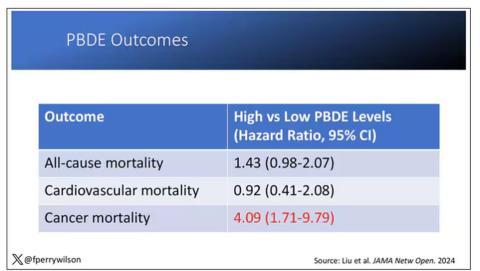
What We’ve Learned About Remote Learning
I would have preferred to start this Letter reporting to you that the pandemic is fading out of sight in our rear view mirror. However, I think it is more accurate to say the pandemic is sitting in that blind spot off our passenger side rear fender. Unless you’re like one of those cars with “blind spot detection” blinking a warning, you probably aren’t giving the pandemic much thought. However, three journalists at The New York Times have taken this lull in the pandemic’s newsworthiness to consider the consequences of school closure and remote learning.
From what you may have read and heard, and possibly experienced firsthand, you have a sense that keeping children out of school has been awash in negatives. These journalists looked at all the data they could find and their article is replete with graphs and references. I will just summarize some of what they discovered.

“While poverty and other factors played a role, remote learning was a key driver in academic declines ...” They found there was a direct relationship between the length of school closure and the severity of academic skill loss. The journalists noted that “some time in school was better than no time.” And sadly, “most students have not caught up.”
Poverty played a significant role, with students in economically challenged communities experiencing steeper losses in academics. The reporters quoted Stanford Professor Sean F. Reardon, EdD, who has said “A community’s poverty rate and length of school closures had a ‘roughly equal’ effect.” Poorer school districts tended to continue remote learning longer than those in more well off communities.
At the very beginning of the pandemic, when we were floating in a sea of unknowns, the decision to close schools and take advantage of the new technology that made remote learning possible sounded like the best and maybe only option. However, looking back, Dr. Sean O’Leary, who helped craft AAP guidelines, admits “we probably kept schools closed longer than we should have.”
Early signs that children were not as likely as adults to get sick, and that students posed little threat to others in the school environment, were not taken seriously enough. Too much time and energy was wasted in deep cleaning even after it was clear the virus was airborne. Opening windows that had been painted shut would have been a much better investment.
As it became more apparent that school closures were not having the deterrent effect we had hoped for, there were still communities that resisted. The Times’ reporters noted that teachers’ unions and Democratic cities tended to be more cautious about reopening. And clearly there was political flavor to how communities responded. Masking is probably one of the best examples where emotions and politics colored our responses.
Are there things we could have done differently? One can certainly understand why teachers might have been cautious about returning to in-school learning. With more than a quarter of teachers in this country being older than 50 (16% over 55) and nearly 80% of elementary and middle school teachers self-reporting that they are obese or overweight, educators represent a group that we know now is more vulnerable to complications from COVID. In retrospect, had we understood more about the virus and the downsides of remote learning, the government could have offered paid leave to teachers who felt vulnerable. Then, by expediting the transition of the younger, less vulnerable college students in their final years of training into the workforce earlier could have kept schools open until we were up to speed with vaccines and treatment. But the water has spilled over the dam. We can hope that we as a nation have learned that making frequent evaluations of our strategies and being flexible enough to make changes will help in future pandemics. Unfortunately, those RNA viruses are fast mutators and clever adapters. Strategies we thought were working the first time may not succeed with new variants.
We have now learned that, in general, remote learning was a bust. My grandkids knew it at the time. It’s not just the learning piece. It’s about the social contact with peers that can provide comfort and support when the adults around at home may be anxious and depressed. School is a place you can be physically active away from 24/7 television at home. Adapting to going to school can be difficult for some young children in the beginning because of separation anxiety, but for the vast majority of children doing the school thing is a habit that is quickly rewarded and reinforced daily.
Children learn in school because they are rubbing elbows with other kids who are learning. While some peers may be distracting, the data suggest the distractions of home are far more of a problem. Most children I know were eager to get back in school because that’s where their friends were. But, getting back in the habit of going to school can be difficult for some, especially those who have been less successful in the past. Not surprisingly, the longer the hiatus the more difficult the reentry becomes.
The big lesson we mustn’t forget is that being in school is far more valuable than we ever imagined. And, when we are considering our options in future pandemics and natural disasters, we should be giving much more weight to in-school learning than we have in the past.
Dr. Wilkoff practiced primary care pediatrics in Brunswick, Maine, for nearly 40 years. He has authored several books on behavioral pediatrics, including “How to Say No to Your Toddler.” Other than a Littman stethoscope he accepted as a first-year medical student in 1966, Dr. Wilkoff reports having nothing to disclose. Email him at [email protected].
I would have preferred to start this Letter reporting to you that the pandemic is fading out of sight in our rear view mirror. However, I think it is more accurate to say the pandemic is sitting in that blind spot off our passenger side rear fender. Unless you’re like one of those cars with “blind spot detection” blinking a warning, you probably aren’t giving the pandemic much thought. However, three journalists at The New York Times have taken this lull in the pandemic’s newsworthiness to consider the consequences of school closure and remote learning.
From what you may have read and heard, and possibly experienced firsthand, you have a sense that keeping children out of school has been awash in negatives. These journalists looked at all the data they could find and their article is replete with graphs and references. I will just summarize some of what they discovered.
“While poverty and other factors played a role, remote learning was a key driver in academic declines ...” They found there was a direct relationship between the length of school closure and the severity of academic skill loss. The journalists noted that “some time in school was better than no time.” And sadly, “most students have not caught up.”
Poverty played a significant role, with students in economically challenged communities experiencing steeper losses in academics. The reporters quoted Stanford Professor Sean F. Reardon, EdD, who has said “A community’s poverty rate and length of school closures had a ‘roughly equal’ effect.” Poorer school districts tended to continue remote learning longer than those in more well off communities.
At the very beginning of the pandemic, when we were floating in a sea of unknowns, the decision to close schools and take advantage of the new technology that made remote learning possible sounded like the best and maybe only option. However, looking back, Dr. Sean O’Leary, who helped craft AAP guidelines, admits “we probably kept schools closed longer than we should have.”
Early signs that children were not as likely as adults to get sick, and that students posed little threat to others in the school environment, were not taken seriously enough. Too much time and energy was wasted in deep cleaning even after it was clear the virus was airborne. Opening windows that had been painted shut would have been a much better investment.
As it became more apparent that school closures were not having the deterrent effect we had hoped for, there were still communities that resisted. The Times’ reporters noted that teachers’ unions and Democratic cities tended to be more cautious about reopening. And clearly there was political flavor to how communities responded. Masking is probably one of the best examples where emotions and politics colored our responses.
Are there things we could have done differently? One can certainly understand why teachers might have been cautious about returning to in-school learning. With more than a quarter of teachers in this country being older than 50 (16% over 55) and nearly 80% of elementary and middle school teachers self-reporting that they are obese or overweight, educators represent a group that we know now is more vulnerable to complications from COVID. In retrospect, had we understood more about the virus and the downsides of remote learning, the government could have offered paid leave to teachers who felt vulnerable. Then, by expediting the transition of the younger, less vulnerable college students in their final years of training into the workforce earlier could have kept schools open until we were up to speed with vaccines and treatment. But the water has spilled over the dam. We can hope that we as a nation have learned that making frequent evaluations of our strategies and being flexible enough to make changes will help in future pandemics. Unfortunately, those RNA viruses are fast mutators and clever adapters. Strategies we thought were working the first time may not succeed with new variants.
We have now learned that, in general, remote learning was a bust. My grandkids knew it at the time. It’s not just the learning piece. It’s about the social contact with peers that can provide comfort and support when the adults around at home may be anxious and depressed. School is a place you can be physically active away from 24/7 television at home. Adapting to going to school can be difficult for some young children in the beginning because of separation anxiety, but for the vast majority of children doing the school thing is a habit that is quickly rewarded and reinforced daily.
Children learn in school because they are rubbing elbows with other kids who are learning. While some peers may be distracting, the data suggest the distractions of home are far more of a problem. Most children I know were eager to get back in school because that’s where their friends were. But, getting back in the habit of going to school can be difficult for some, especially those who have been less successful in the past. Not surprisingly, the longer the hiatus the more difficult the reentry becomes.
The big lesson we mustn’t forget is that being in school is far more valuable than we ever imagined. And, when we are considering our options in future pandemics and natural disasters, we should be giving much more weight to in-school learning than we have in the past.
Dr. Wilkoff practiced primary care pediatrics in Brunswick, Maine, for nearly 40 years. He has authored several books on behavioral pediatrics, including “How to Say No to Your Toddler.” Other than a Littman stethoscope he accepted as a first-year medical student in 1966, Dr. Wilkoff reports having nothing to disclose. Email him at [email protected].
I would have preferred to start this Letter reporting to you that the pandemic is fading out of sight in our rear view mirror. However, I think it is more accurate to say the pandemic is sitting in that blind spot off our passenger side rear fender. Unless you’re like one of those cars with “blind spot detection” blinking a warning, you probably aren’t giving the pandemic much thought. However, three journalists at The New York Times have taken this lull in the pandemic’s newsworthiness to consider the consequences of school closure and remote learning.
From what you may have read and heard, and possibly experienced firsthand, you have a sense that keeping children out of school has been awash in negatives. These journalists looked at all the data they could find and their article is replete with graphs and references. I will just summarize some of what they discovered.
“While poverty and other factors played a role, remote learning was a key driver in academic declines ...” They found there was a direct relationship between the length of school closure and the severity of academic skill loss. The journalists noted that “some time in school was better than no time.” And sadly, “most students have not caught up.”
Poverty played a significant role, with students in economically challenged communities experiencing steeper losses in academics. The reporters quoted Stanford Professor Sean F. Reardon, EdD, who has said “A community’s poverty rate and length of school closures had a ‘roughly equal’ effect.” Poorer school districts tended to continue remote learning longer than those in more well off communities.
At the very beginning of the pandemic, when we were floating in a sea of unknowns, the decision to close schools and take advantage of the new technology that made remote learning possible sounded like the best and maybe only option. However, looking back, Dr. Sean O’Leary, who helped craft AAP guidelines, admits “we probably kept schools closed longer than we should have.”
Early signs that children were not as likely as adults to get sick, and that students posed little threat to others in the school environment, were not taken seriously enough. Too much time and energy was wasted in deep cleaning even after it was clear the virus was airborne. Opening windows that had been painted shut would have been a much better investment.
As it became more apparent that school closures were not having the deterrent effect we had hoped for, there were still communities that resisted. The Times’ reporters noted that teachers’ unions and Democratic cities tended to be more cautious about reopening. And clearly there was political flavor to how communities responded. Masking is probably one of the best examples where emotions and politics colored our responses.
Are there things we could have done differently? One can certainly understand why teachers might have been cautious about returning to in-school learning. With more than a quarter of teachers in this country being older than 50 (16% over 55) and nearly 80% of elementary and middle school teachers self-reporting that they are obese or overweight, educators represent a group that we know now is more vulnerable to complications from COVID. In retrospect, had we understood more about the virus and the downsides of remote learning, the government could have offered paid leave to teachers who felt vulnerable. Then, by expediting the transition of the younger, less vulnerable college students in their final years of training into the workforce earlier could have kept schools open until we were up to speed with vaccines and treatment. But the water has spilled over the dam. We can hope that we as a nation have learned that making frequent evaluations of our strategies and being flexible enough to make changes will help in future pandemics. Unfortunately, those RNA viruses are fast mutators and clever adapters. Strategies we thought were working the first time may not succeed with new variants.
We have now learned that, in general, remote learning was a bust. My grandkids knew it at the time. It’s not just the learning piece. It’s about the social contact with peers that can provide comfort and support when the adults around at home may be anxious and depressed. School is a place you can be physically active away from 24/7 television at home. Adapting to going to school can be difficult for some young children in the beginning because of separation anxiety, but for the vast majority of children doing the school thing is a habit that is quickly rewarded and reinforced daily.
Children learn in school because they are rubbing elbows with other kids who are learning. While some peers may be distracting, the data suggest the distractions of home are far more of a problem. Most children I know were eager to get back in school because that’s where their friends were. But, getting back in the habit of going to school can be difficult for some, especially those who have been less successful in the past. Not surprisingly, the longer the hiatus the more difficult the reentry becomes.
The big lesson we mustn’t forget is that being in school is far more valuable than we ever imagined. And, when we are considering our options in future pandemics and natural disasters, we should be giving much more weight to in-school learning than we have in the past.
Dr. Wilkoff practiced primary care pediatrics in Brunswick, Maine, for nearly 40 years. He has authored several books on behavioral pediatrics, including “How to Say No to Your Toddler.” Other than a Littman stethoscope he accepted as a first-year medical student in 1966, Dr. Wilkoff reports having nothing to disclose. Email him at [email protected].

When Does a Disease Become Its Own Specialty?
Once upon a time, treating multiple sclerosis (MS) was easy — steroids.
Then, in the 1990s, came Betaseron, then Avonex, then Copaxone. Suddenly we had three options to choose from, though overall roughly similar in efficacy (yeah, I’m leaving Novantrone out; it’s a niche drug). Treatment required some decision making, though not a huge amount. I usually laid out the different schedules and side effect to patients and let them decide.

MS treatment was uncomplicated enough that I knew family doctors who treated MS patients on their own, and I can’t say I could have done any better. If you’ve got a clear MRI, then prescribe Betaseron and hope.
Then came Rebif, then Tysabri, and then pretty much an explosion of new drugs which hasn’t slowed down. Next up are the BTK agents. An embarrassment of riches, though for patients, their families, and neurologists, a very welcome one.
But as more drugs come out, with different mechanisms of action and monitoring requirements, the treatment of MS becomes more complicated, slowly moving from the realm of a general neurologist to an MS subspecialist.
At some point it raises the question of when does a disease become its own specialty? Perhaps this is a bit of hyperbole — I’m pretty sure I’ll be seeing MS patients for a long time to come — but it’s a valid point. Especially as further research may subdivide MS treatment by genetics and other breakdowns.
Alzheimer’s disease may follow a similar (albeit very welcome) trajectory. While nothing really game-changing has come out in the 20 years, the number of new drugs and different mechanisms of action in development is large. Granted, not all of them will work, but hopefully some will. At some point it may come down to treating patients with a cocktail of drugs with separate ways of managing the disease, with guidance based on genetic or clinical profiles.
And that’s a good thing, but it may, again, move the disease from the province of general neurologists to subspecialists. Maybe that would be a good, maybe not. Probably will depend on the patient, their families, and other factors.
Of course, I may be overthinking this. The number of drugs we have for MS is nothing compared with the available treatments we have for hypertension, yet it’s certainly well within the capabilities of most internists to treat without referring to a cardiologist or nephrologist.
Perhaps the new drugs won’t make a difference except in a handful of cases. As new drugs come out we also move on from the old ones, dropping them from our mental armamentarium except in rare cases. When was the last time you prescribed Betaseron?
These drugs are very welcome, and very needed. I will be happy if we can beat back some of the diseases neurologist see, regardless of whom the patients and up seeing.
Dr. Block has a solo neurology practice in Scottsdale, Ariz.
Once upon a time, treating multiple sclerosis (MS) was easy — steroids.
Then, in the 1990s, came Betaseron, then Avonex, then Copaxone. Suddenly we had three options to choose from, though overall roughly similar in efficacy (yeah, I’m leaving Novantrone out; it’s a niche drug). Treatment required some decision making, though not a huge amount. I usually laid out the different schedules and side effect to patients and let them decide.
MS treatment was uncomplicated enough that I knew family doctors who treated MS patients on their own, and I can’t say I could have done any better. If you’ve got a clear MRI, then prescribe Betaseron and hope.
Then came Rebif, then Tysabri, and then pretty much an explosion of new drugs which hasn’t slowed down. Next up are the BTK agents. An embarrassment of riches, though for patients, their families, and neurologists, a very welcome one.
But as more drugs come out, with different mechanisms of action and monitoring requirements, the treatment of MS becomes more complicated, slowly moving from the realm of a general neurologist to an MS subspecialist.
At some point it raises the question of when does a disease become its own specialty? Perhaps this is a bit of hyperbole — I’m pretty sure I’ll be seeing MS patients for a long time to come — but it’s a valid point. Especially as further research may subdivide MS treatment by genetics and other breakdowns.
Alzheimer’s disease may follow a similar (albeit very welcome) trajectory. While nothing really game-changing has come out in the 20 years, the number of new drugs and different mechanisms of action in development is large. Granted, not all of them will work, but hopefully some will. At some point it may come down to treating patients with a cocktail of drugs with separate ways of managing the disease, with guidance based on genetic or clinical profiles.
And that’s a good thing, but it may, again, move the disease from the province of general neurologists to subspecialists. Maybe that would be a good, maybe not. Probably will depend on the patient, their families, and other factors.
Of course, I may be overthinking this. The number of drugs we have for MS is nothing compared with the available treatments we have for hypertension, yet it’s certainly well within the capabilities of most internists to treat without referring to a cardiologist or nephrologist.
Perhaps the new drugs won’t make a difference except in a handful of cases. As new drugs come out we also move on from the old ones, dropping them from our mental armamentarium except in rare cases. When was the last time you prescribed Betaseron?
These drugs are very welcome, and very needed. I will be happy if we can beat back some of the diseases neurologist see, regardless of whom the patients and up seeing.
Dr. Block has a solo neurology practice in Scottsdale, Ariz.
Once upon a time, treating multiple sclerosis (MS) was easy — steroids.
Then, in the 1990s, came Betaseron, then Avonex, then Copaxone. Suddenly we had three options to choose from, though overall roughly similar in efficacy (yeah, I’m leaving Novantrone out; it’s a niche drug). Treatment required some decision making, though not a huge amount. I usually laid out the different schedules and side effect to patients and let them decide.
MS treatment was uncomplicated enough that I knew family doctors who treated MS patients on their own, and I can’t say I could have done any better. If you’ve got a clear MRI, then prescribe Betaseron and hope.
Then came Rebif, then Tysabri, and then pretty much an explosion of new drugs which hasn’t slowed down. Next up are the BTK agents. An embarrassment of riches, though for patients, their families, and neurologists, a very welcome one.
But as more drugs come out, with different mechanisms of action and monitoring requirements, the treatment of MS becomes more complicated, slowly moving from the realm of a general neurologist to an MS subspecialist.
At some point it raises the question of when does a disease become its own specialty? Perhaps this is a bit of hyperbole — I’m pretty sure I’ll be seeing MS patients for a long time to come — but it’s a valid point. Especially as further research may subdivide MS treatment by genetics and other breakdowns.
Alzheimer’s disease may follow a similar (albeit very welcome) trajectory. While nothing really game-changing has come out in the 20 years, the number of new drugs and different mechanisms of action in development is large. Granted, not all of them will work, but hopefully some will. At some point it may come down to treating patients with a cocktail of drugs with separate ways of managing the disease, with guidance based on genetic or clinical profiles.
And that’s a good thing, but it may, again, move the disease from the province of general neurologists to subspecialists. Maybe that would be a good, maybe not. Probably will depend on the patient, their families, and other factors.
Of course, I may be overthinking this. The number of drugs we have for MS is nothing compared with the available treatments we have for hypertension, yet it’s certainly well within the capabilities of most internists to treat without referring to a cardiologist or nephrologist.
Perhaps the new drugs won’t make a difference except in a handful of cases. As new drugs come out we also move on from the old ones, dropping them from our mental armamentarium except in rare cases. When was the last time you prescribed Betaseron?
These drugs are very welcome, and very needed. I will be happy if we can beat back some of the diseases neurologist see, regardless of whom the patients and up seeing.
Dr. Block has a solo neurology practice in Scottsdale, Ariz.

Autoimmunity’s Female Bias and the Mysteries of Xist
Female bias in autoimmune disease can be profound, with nine females developing lupus for every male affected, and nearly twice that ratio seen in Sjögren disease.
For years, researchers have worked to determine the reasons for sex-linked differences in immune response and autoimmunity, with environmental factors, sex hormones, and X-chromosome inactivation — the process by which a second X chromosome is silenced — all seen as having roles.
More recently, different groups of researchers have homed in on a long noncoding RNA fragment called X-inactive specific transcript, or Xist, as a potential driver of sex bias in autoimmune disease. Xist, which occurs in female mammals, has been known since the 1990s as the master regulator of X-chromosome inactivation, the process by which the second X chromosome is silenced, averting a fatal double dose of X-linked genes.
The inactivation process, which scientists liken to wrapping the extra X with a fluffy cloud of proteins, occurs early in embryonic development. After its initial work silencing the X, Xist is produced throughout the female’s life, allowing X inactivation to be maintained.
But is it possible that Xist, and the many dozens of proteins it recruits to keep that extra X chromosome silent, can also provoke autoimmunity? This is the question that several teams of researchers have been grappling with, resulting in provocative findings and opening exciting new avenues of discovery.
Xist Protein Complexes Make Male Mice Vulnerable to Lupus
In February, researchers Howard Chang, MD, PhD, and Diana Dou, PhD, of Stanford University in Stanford, California, made worldwide news when they published results from an experiment using male mice genetically engineered to carry a non-silencing form of Xist on one of their chromosomes.
Xist acts like a scaffold, recruiting multiple protein complexes to help it do its job. Dr. Dou explained in an interview that her team has been eyeing suspiciously for years the dozens of proteins Xist recruits in the process of X-chromosome inactivation, many of which are known autoantigens.
When the mice were injected with pristane, a chemical that induces lupus-like autoimmunity in mice, the Xist-producing males developed symptoms at a rate similar to that of females, while wild-type male mice did not.
By using a male model, the scientists could determine whether Xist could cause an increased vulnerability for autoimmunity absent the influence of female hormones and development. “Everything else about the animal is male,” Dr. Dou commented. “You just add the formation of the Xist ribonucleoprotein particles — Xist RNA plus the associating proteins — to male cells that would not ordinarily have these particles. Is just having the particles present in these animals sufficient to increase their autoimmunity? This is what our paper showed: That just having expression of Xist, the presence of these Xist [ribonucleoproteins], is enough in permissive genetic backgrounds to invoke higher incidence and severity of autoimmune disease development in our pristane-induced lupus model.”
The Stanford group sees the Xist protein complex, which they have studied extensively, as a key to understanding how Xist might provoke autoimmunity. Nonetheless, Dr. Dou said, “It’s important to note that there are other contributing factors, which is why not all females develop autoimmunity, and we had very different results in our autoimmune-resistant mouse strain compared to the more autoimmune-prone strain. Xist is a factor, but many factors are required to subvert the checkpoints in immune balance and allow the progression to full-blown autoimmunity.”
Faulty X Inactivation and Gene Escape
The understanding that Xist might be implicated in autoimmune disease — and explain some of its female bias — is not new.
About a decade ago, Montserrat Anguera, PhD, a biologist at the University of Pennsylvania, Philadelphia, began looking at the relationship of X-chromosome inactivation, which by definition involves Xist, and lupus.

Dr. Anguera hypothesized that imperfect X inactivation allowed for greater escape of genes associated with immunity and autoimmunity. Studying patients with lupus, Dr. Anguera found that the silencing process was abnormal, allowing more of these genes to escape the silenced X — including toll-like receptor 7 (TLR-7) and other genes implicated in the pathogenesis of lupus.
“If you get increased expression of certain genes from the [silenced] X, like TLR-7, it can result in autoimmune disease,” Dr. Anguera said. “So what we think is that in the lupus patients, because the silencing is impacted, you’re going to have more expression happening from the inactive X. And then in conjunction with the active X, that’s going to throw off the dosage [of autoimmunity-linked genes]. You’re changing the dosage of genes, and that’s what’s critical.”
Even among patients with lupus whose symptoms are well controlled with medication, “if you look at their T cells and B cells, they still have messed up X inactivation,” Dr. Anguera said. “The Xist RNA that’s supposed to be tethered to the inactive X in a fluffy cloud is not localized, and instead is dispersed all over the nucleus.”
Dr. Anguera pointed out that autoimmune diseases are complex and can result from a combination of factors. “You also have a host of hormonal and environmental contributors, such as previous viral infections,” she said. And of course men can also develop lupus, meaning that the X chromosome cannot explain everything.
Dr. Anguera said that, while the findings by the Stanford scientists do not explain the full pathogenesis of lupus and related diseases, they still support a strong role for Xist in sex-biased autoimmune diseases. “It’s sort of another take on it,” she said.
Is It the Proteins, the RNA, or Both?
The Stanford team points to the proteins recruited by Xist in the process of X-chromosome inactivation as the likely trigger of autoimmunity. However, a group of researchers at Johns Hopkins University in Baltimore, Maryland, made the case in a 2022 paper that Xist RNA itself was dangerous. They found that numerous short RNA sequences within the Xist molecule serve as ligands for TLR-7. And TLR-7 ligation causes plasmacytoid dendritic cells to overproduce type 1 interferon, a classic hallmark of lupus.
“Within rheumatology, the diseases that tend to be most female biased are the ones that are antibody positive and have this presence of upregulated interferon,” explained Brendan Antiochos, MD. “Lupus is an example of that. Sjögren’s syndrome is another. So there’s always been this quest to want to understand the mechanisms that explain why women would have more autoimmunity. And are there specific pathways which could contribute? One of the key pathways that’s been shown in humans and in mice to be important in lupus is toll-like receptor signaling.” Most convincingly, one recent study showed that people who have a gain-of-function mutation in their TLR-7 gene get a spontaneous form of lupus.

These findings led Erika Darrah, PhD, and her colleague Dr. Antiochos to begin looking more deeply into which RNAs could be triggering this signaling pathway. “We started to think: Well, there is this sex bias. Could it be that women have unique RNAs that could potentially act as triggers for TLR-7 signaling?” Dr. Darrah said.
Dr. Darrah and Dr. Antiochos looked at publicly available genetic data to identify sex-biased sources of self-RNA containing TLR-7 ligands. Xist, they found, was chock full of them. “Every time we analyzed that data, no matter what filter we applied, Xist kept popping out over and over again as the most highly female skewed RNA, the RNA most likely to contain these TLR-7 binding motifs,” Dr. Darrah said. “We started to formulate the hypothesis that Xist was actually promoting responses that were dangerous and pathogenic in lupus.”
That finding led the team to conduct in-vitro experiments that showed different fragments of Xist can activate TLR-7, resulting in higher interferon production. Finally, they looked at blood and kidney cells from women with lupus and found that higher Xist expression correlated with more interferon production, and higher disease activity. “The more Xist, the sicker people were,” Dr. Darrah said.
Xist’s Other Functions
Xist was first studied in the 1990s, and most research has centered on its primary role in X-chromosome inactivation. A research group led by Kathrin Plath, PhD, at the University of California, Los Angeles, has been occupied for years with untangling exactly how Xist does what it does. “It’s a very clever RNA, right? It can silence the whole chromosome,” Dr. Plath said in an interview.

In 2021, Dr. Plath and her colleagues established in detail how Xist executes silencing, setting down pairs of molecules in specific spots along the chromosome and building huge protein clouds around them. “We worked on learning where Xist binds and what proteins it binds, drilling down to understand how these proteins and the RNA are coming together.”
Dr. Plath has long suspected that Xist has other functions besides X inactivation, and she and her colleagues are starting to identify them. Early this year they published the surprising finding that Xist can regulate gene expression in autosomes, or non–sex-linked chromosomes, “which it might well also do in cancer cells and lymphocytes,” Dr. Plath said. “And now there is this new evidence of an autoimmune function,” she said. “It’s a super exciting time.”
The different hypotheses surrounding Xist’s role in sex-biased autoimmunity aren’t mutually exclusive, Dr. Plath said. “There’s a tremendous enrichment of proteins occurring” during X inactivation, she said, supporting the Stanford team’s hypothesis that proteins are triggering autoimmunity. As for the Johns Hopkins researchers’ understanding that Xist RNA itself is the trigger, “I’m totally open to that,” she said. “Why can’t it be an autoantigen?”
The other model in the field, Dr. Plath noted, is the one proposed by Dr. Anguera — “that there’s [gene] escape from X-inactivation — that females have more escape expression, and that Xist is more dispersed in the lymphocytes [of patients with lupus]. In fact, Xist becoming a little dispersed might make it a better antigen. So I do think everything is possible.”
The plethora of new findings related to autoimmunity has caused Dr. Plath to consider redirecting her lab’s focus toward more translational work, “because we are obviously good at studying Xist.” Among the mysteries Dr. Plath would like to solve is how some genes manage to escape the Xist cloud.
What is needed, she said, is collaboration. “Everyone will come up with different ideas. So I think it’s good to have more people look at things together. Then the field will achieve a breakthrough treatment.”
Female bias in autoimmune disease can be profound, with nine females developing lupus for every male affected, and nearly twice that ratio seen in Sjögren disease.
For years, researchers have worked to determine the reasons for sex-linked differences in immune response and autoimmunity, with environmental factors, sex hormones, and X-chromosome inactivation — the process by which a second X chromosome is silenced — all seen as having roles.
More recently, different groups of researchers have homed in on a long noncoding RNA fragment called X-inactive specific transcript, or Xist, as a potential driver of sex bias in autoimmune disease. Xist, which occurs in female mammals, has been known since the 1990s as the master regulator of X-chromosome inactivation, the process by which the second X chromosome is silenced, averting a fatal double dose of X-linked genes.
The inactivation process, which scientists liken to wrapping the extra X with a fluffy cloud of proteins, occurs early in embryonic development. After its initial work silencing the X, Xist is produced throughout the female’s life, allowing X inactivation to be maintained.
But is it possible that Xist, and the many dozens of proteins it recruits to keep that extra X chromosome silent, can also provoke autoimmunity? This is the question that several teams of researchers have been grappling with, resulting in provocative findings and opening exciting new avenues of discovery.
Xist Protein Complexes Make Male Mice Vulnerable to Lupus
In February, researchers Howard Chang, MD, PhD, and Diana Dou, PhD, of Stanford University in Stanford, California, made worldwide news when they published results from an experiment using male mice genetically engineered to carry a non-silencing form of Xist on one of their chromosomes.
Xist acts like a scaffold, recruiting multiple protein complexes to help it do its job. Dr. Dou explained in an interview that her team has been eyeing suspiciously for years the dozens of proteins Xist recruits in the process of X-chromosome inactivation, many of which are known autoantigens.
When the mice were injected with pristane, a chemical that induces lupus-like autoimmunity in mice, the Xist-producing males developed symptoms at a rate similar to that of females, while wild-type male mice did not.
By using a male model, the scientists could determine whether Xist could cause an increased vulnerability for autoimmunity absent the influence of female hormones and development. “Everything else about the animal is male,” Dr. Dou commented. “You just add the formation of the Xist ribonucleoprotein particles — Xist RNA plus the associating proteins — to male cells that would not ordinarily have these particles. Is just having the particles present in these animals sufficient to increase their autoimmunity? This is what our paper showed: That just having expression of Xist, the presence of these Xist [ribonucleoproteins], is enough in permissive genetic backgrounds to invoke higher incidence and severity of autoimmune disease development in our pristane-induced lupus model.”
The Stanford group sees the Xist protein complex, which they have studied extensively, as a key to understanding how Xist might provoke autoimmunity. Nonetheless, Dr. Dou said, “It’s important to note that there are other contributing factors, which is why not all females develop autoimmunity, and we had very different results in our autoimmune-resistant mouse strain compared to the more autoimmune-prone strain. Xist is a factor, but many factors are required to subvert the checkpoints in immune balance and allow the progression to full-blown autoimmunity.”
Faulty X Inactivation and Gene Escape
The understanding that Xist might be implicated in autoimmune disease — and explain some of its female bias — is not new.
About a decade ago, Montserrat Anguera, PhD, a biologist at the University of Pennsylvania, Philadelphia, began looking at the relationship of X-chromosome inactivation, which by definition involves Xist, and lupus.
Dr. Anguera hypothesized that imperfect X inactivation allowed for greater escape of genes associated with immunity and autoimmunity. Studying patients with lupus, Dr. Anguera found that the silencing process was abnormal, allowing more of these genes to escape the silenced X — including toll-like receptor 7 (TLR-7) and other genes implicated in the pathogenesis of lupus.
“If you get increased expression of certain genes from the [silenced] X, like TLR-7, it can result in autoimmune disease,” Dr. Anguera said. “So what we think is that in the lupus patients, because the silencing is impacted, you’re going to have more expression happening from the inactive X. And then in conjunction with the active X, that’s going to throw off the dosage [of autoimmunity-linked genes]. You’re changing the dosage of genes, and that’s what’s critical.”
Even among patients with lupus whose symptoms are well controlled with medication, “if you look at their T cells and B cells, they still have messed up X inactivation,” Dr. Anguera said. “The Xist RNA that’s supposed to be tethered to the inactive X in a fluffy cloud is not localized, and instead is dispersed all over the nucleus.”
Dr. Anguera pointed out that autoimmune diseases are complex and can result from a combination of factors. “You also have a host of hormonal and environmental contributors, such as previous viral infections,” she said. And of course men can also develop lupus, meaning that the X chromosome cannot explain everything.
Dr. Anguera said that, while the findings by the Stanford scientists do not explain the full pathogenesis of lupus and related diseases, they still support a strong role for Xist in sex-biased autoimmune diseases. “It’s sort of another take on it,” she said.
Is It the Proteins, the RNA, or Both?
The Stanford team points to the proteins recruited by Xist in the process of X-chromosome inactivation as the likely trigger of autoimmunity. However, a group of researchers at Johns Hopkins University in Baltimore, Maryland, made the case in a 2022 paper that Xist RNA itself was dangerous. They found that numerous short RNA sequences within the Xist molecule serve as ligands for TLR-7. And TLR-7 ligation causes plasmacytoid dendritic cells to overproduce type 1 interferon, a classic hallmark of lupus.
“Within rheumatology, the diseases that tend to be most female biased are the ones that are antibody positive and have this presence of upregulated interferon,” explained Brendan Antiochos, MD. “Lupus is an example of that. Sjögren’s syndrome is another. So there’s always been this quest to want to understand the mechanisms that explain why women would have more autoimmunity. And are there specific pathways which could contribute? One of the key pathways that’s been shown in humans and in mice to be important in lupus is toll-like receptor signaling.” Most convincingly, one recent study showed that people who have a gain-of-function mutation in their TLR-7 gene get a spontaneous form of lupus.
These findings led Erika Darrah, PhD, and her colleague Dr. Antiochos to begin looking more deeply into which RNAs could be triggering this signaling pathway. “We started to think: Well, there is this sex bias. Could it be that women have unique RNAs that could potentially act as triggers for TLR-7 signaling?” Dr. Darrah said.
Dr. Darrah and Dr. Antiochos looked at publicly available genetic data to identify sex-biased sources of self-RNA containing TLR-7 ligands. Xist, they found, was chock full of them. “Every time we analyzed that data, no matter what filter we applied, Xist kept popping out over and over again as the most highly female skewed RNA, the RNA most likely to contain these TLR-7 binding motifs,” Dr. Darrah said. “We started to formulate the hypothesis that Xist was actually promoting responses that were dangerous and pathogenic in lupus.”
That finding led the team to conduct in-vitro experiments that showed different fragments of Xist can activate TLR-7, resulting in higher interferon production. Finally, they looked at blood and kidney cells from women with lupus and found that higher Xist expression correlated with more interferon production, and higher disease activity. “The more Xist, the sicker people were,” Dr. Darrah said.
Xist’s Other Functions
Xist was first studied in the 1990s, and most research has centered on its primary role in X-chromosome inactivation. A research group led by Kathrin Plath, PhD, at the University of California, Los Angeles, has been occupied for years with untangling exactly how Xist does what it does. “It’s a very clever RNA, right? It can silence the whole chromosome,” Dr. Plath said in an interview.
In 2021, Dr. Plath and her colleagues established in detail how Xist executes silencing, setting down pairs of molecules in specific spots along the chromosome and building huge protein clouds around them. “We worked on learning where Xist binds and what proteins it binds, drilling down to understand how these proteins and the RNA are coming together.”
Dr. Plath has long suspected that Xist has other functions besides X inactivation, and she and her colleagues are starting to identify them. Early this year they published the surprising finding that Xist can regulate gene expression in autosomes, or non–sex-linked chromosomes, “which it might well also do in cancer cells and lymphocytes,” Dr. Plath said. “And now there is this new evidence of an autoimmune function,” she said. “It’s a super exciting time.”
The different hypotheses surrounding Xist’s role in sex-biased autoimmunity aren’t mutually exclusive, Dr. Plath said. “There’s a tremendous enrichment of proteins occurring” during X inactivation, she said, supporting the Stanford team’s hypothesis that proteins are triggering autoimmunity. As for the Johns Hopkins researchers’ understanding that Xist RNA itself is the trigger, “I’m totally open to that,” she said. “Why can’t it be an autoantigen?”
The other model in the field, Dr. Plath noted, is the one proposed by Dr. Anguera — “that there’s [gene] escape from X-inactivation — that females have more escape expression, and that Xist is more dispersed in the lymphocytes [of patients with lupus]. In fact, Xist becoming a little dispersed might make it a better antigen. So I do think everything is possible.”
The plethora of new findings related to autoimmunity has caused Dr. Plath to consider redirecting her lab’s focus toward more translational work, “because we are obviously good at studying Xist.” Among the mysteries Dr. Plath would like to solve is how some genes manage to escape the Xist cloud.
What is needed, she said, is collaboration. “Everyone will come up with different ideas. So I think it’s good to have more people look at things together. Then the field will achieve a breakthrough treatment.”
Female bias in autoimmune disease can be profound, with nine females developing lupus for every male affected, and nearly twice that ratio seen in Sjögren disease.
For years, researchers have worked to determine the reasons for sex-linked differences in immune response and autoimmunity, with environmental factors, sex hormones, and X-chromosome inactivation — the process by which a second X chromosome is silenced — all seen as having roles.
More recently, different groups of researchers have homed in on a long noncoding RNA fragment called X-inactive specific transcript, or Xist, as a potential driver of sex bias in autoimmune disease. Xist, which occurs in female mammals, has been known since the 1990s as the master regulator of X-chromosome inactivation, the process by which the second X chromosome is silenced, averting a fatal double dose of X-linked genes.
The inactivation process, which scientists liken to wrapping the extra X with a fluffy cloud of proteins, occurs early in embryonic development. After its initial work silencing the X, Xist is produced throughout the female’s life, allowing X inactivation to be maintained.
But is it possible that Xist, and the many dozens of proteins it recruits to keep that extra X chromosome silent, can also provoke autoimmunity? This is the question that several teams of researchers have been grappling with, resulting in provocative findings and opening exciting new avenues of discovery.
Xist Protein Complexes Make Male Mice Vulnerable to Lupus
In February, researchers Howard Chang, MD, PhD, and Diana Dou, PhD, of Stanford University in Stanford, California, made worldwide news when they published results from an experiment using male mice genetically engineered to carry a non-silencing form of Xist on one of their chromosomes.
Xist acts like a scaffold, recruiting multiple protein complexes to help it do its job. Dr. Dou explained in an interview that her team has been eyeing suspiciously for years the dozens of proteins Xist recruits in the process of X-chromosome inactivation, many of which are known autoantigens.
When the mice were injected with pristane, a chemical that induces lupus-like autoimmunity in mice, the Xist-producing males developed symptoms at a rate similar to that of females, while wild-type male mice did not.
By using a male model, the scientists could determine whether Xist could cause an increased vulnerability for autoimmunity absent the influence of female hormones and development. “Everything else about the animal is male,” Dr. Dou commented. “You just add the formation of the Xist ribonucleoprotein particles — Xist RNA plus the associating proteins — to male cells that would not ordinarily have these particles. Is just having the particles present in these animals sufficient to increase their autoimmunity? This is what our paper showed: That just having expression of Xist, the presence of these Xist [ribonucleoproteins], is enough in permissive genetic backgrounds to invoke higher incidence and severity of autoimmune disease development in our pristane-induced lupus model.”
The Stanford group sees the Xist protein complex, which they have studied extensively, as a key to understanding how Xist might provoke autoimmunity. Nonetheless, Dr. Dou said, “It’s important to note that there are other contributing factors, which is why not all females develop autoimmunity, and we had very different results in our autoimmune-resistant mouse strain compared to the more autoimmune-prone strain. Xist is a factor, but many factors are required to subvert the checkpoints in immune balance and allow the progression to full-blown autoimmunity.”
Faulty X Inactivation and Gene Escape
The understanding that Xist might be implicated in autoimmune disease — and explain some of its female bias — is not new.
About a decade ago, Montserrat Anguera, PhD, a biologist at the University of Pennsylvania, Philadelphia, began looking at the relationship of X-chromosome inactivation, which by definition involves Xist, and lupus.
Dr. Anguera hypothesized that imperfect X inactivation allowed for greater escape of genes associated with immunity and autoimmunity. Studying patients with lupus, Dr. Anguera found that the silencing process was abnormal, allowing more of these genes to escape the silenced X — including toll-like receptor 7 (TLR-7) and other genes implicated in the pathogenesis of lupus.
“If you get increased expression of certain genes from the [silenced] X, like TLR-7, it can result in autoimmune disease,” Dr. Anguera said. “So what we think is that in the lupus patients, because the silencing is impacted, you’re going to have more expression happening from the inactive X. And then in conjunction with the active X, that’s going to throw off the dosage [of autoimmunity-linked genes]. You’re changing the dosage of genes, and that’s what’s critical.”
Even among patients with lupus whose symptoms are well controlled with medication, “if you look at their T cells and B cells, they still have messed up X inactivation,” Dr. Anguera said. “The Xist RNA that’s supposed to be tethered to the inactive X in a fluffy cloud is not localized, and instead is dispersed all over the nucleus.”
Dr. Anguera pointed out that autoimmune diseases are complex and can result from a combination of factors. “You also have a host of hormonal and environmental contributors, such as previous viral infections,” she said. And of course men can also develop lupus, meaning that the X chromosome cannot explain everything.
Dr. Anguera said that, while the findings by the Stanford scientists do not explain the full pathogenesis of lupus and related diseases, they still support a strong role for Xist in sex-biased autoimmune diseases. “It’s sort of another take on it,” she said.
Is It the Proteins, the RNA, or Both?
The Stanford team points to the proteins recruited by Xist in the process of X-chromosome inactivation as the likely trigger of autoimmunity. However, a group of researchers at Johns Hopkins University in Baltimore, Maryland, made the case in a 2022 paper that Xist RNA itself was dangerous. They found that numerous short RNA sequences within the Xist molecule serve as ligands for TLR-7. And TLR-7 ligation causes plasmacytoid dendritic cells to overproduce type 1 interferon, a classic hallmark of lupus.
“Within rheumatology, the diseases that tend to be most female biased are the ones that are antibody positive and have this presence of upregulated interferon,” explained Brendan Antiochos, MD. “Lupus is an example of that. Sjögren’s syndrome is another. So there’s always been this quest to want to understand the mechanisms that explain why women would have more autoimmunity. And are there specific pathways which could contribute? One of the key pathways that’s been shown in humans and in mice to be important in lupus is toll-like receptor signaling.” Most convincingly, one recent study showed that people who have a gain-of-function mutation in their TLR-7 gene get a spontaneous form of lupus.
These findings led Erika Darrah, PhD, and her colleague Dr. Antiochos to begin looking more deeply into which RNAs could be triggering this signaling pathway. “We started to think: Well, there is this sex bias. Could it be that women have unique RNAs that could potentially act as triggers for TLR-7 signaling?” Dr. Darrah said.
Dr. Darrah and Dr. Antiochos looked at publicly available genetic data to identify sex-biased sources of self-RNA containing TLR-7 ligands. Xist, they found, was chock full of them. “Every time we analyzed that data, no matter what filter we applied, Xist kept popping out over and over again as the most highly female skewed RNA, the RNA most likely to contain these TLR-7 binding motifs,” Dr. Darrah said. “We started to formulate the hypothesis that Xist was actually promoting responses that were dangerous and pathogenic in lupus.”
That finding led the team to conduct in-vitro experiments that showed different fragments of Xist can activate TLR-7, resulting in higher interferon production. Finally, they looked at blood and kidney cells from women with lupus and found that higher Xist expression correlated with more interferon production, and higher disease activity. “The more Xist, the sicker people were,” Dr. Darrah said.
Xist’s Other Functions
Xist was first studied in the 1990s, and most research has centered on its primary role in X-chromosome inactivation. A research group led by Kathrin Plath, PhD, at the University of California, Los Angeles, has been occupied for years with untangling exactly how Xist does what it does. “It’s a very clever RNA, right? It can silence the whole chromosome,” Dr. Plath said in an interview.
In 2021, Dr. Plath and her colleagues established in detail how Xist executes silencing, setting down pairs of molecules in specific spots along the chromosome and building huge protein clouds around them. “We worked on learning where Xist binds and what proteins it binds, drilling down to understand how these proteins and the RNA are coming together.”
Dr. Plath has long suspected that Xist has other functions besides X inactivation, and she and her colleagues are starting to identify them. Early this year they published the surprising finding that Xist can regulate gene expression in autosomes, or non–sex-linked chromosomes, “which it might well also do in cancer cells and lymphocytes,” Dr. Plath said. “And now there is this new evidence of an autoimmune function,” she said. “It’s a super exciting time.”
The different hypotheses surrounding Xist’s role in sex-biased autoimmunity aren’t mutually exclusive, Dr. Plath said. “There’s a tremendous enrichment of proteins occurring” during X inactivation, she said, supporting the Stanford team’s hypothesis that proteins are triggering autoimmunity. As for the Johns Hopkins researchers’ understanding that Xist RNA itself is the trigger, “I’m totally open to that,” she said. “Why can’t it be an autoantigen?”
The other model in the field, Dr. Plath noted, is the one proposed by Dr. Anguera — “that there’s [gene] escape from X-inactivation — that females have more escape expression, and that Xist is more dispersed in the lymphocytes [of patients with lupus]. In fact, Xist becoming a little dispersed might make it a better antigen. So I do think everything is possible.”
The plethora of new findings related to autoimmunity has caused Dr. Plath to consider redirecting her lab’s focus toward more translational work, “because we are obviously good at studying Xist.” Among the mysteries Dr. Plath would like to solve is how some genes manage to escape the Xist cloud.
What is needed, she said, is collaboration. “Everyone will come up with different ideas. So I think it’s good to have more people look at things together. Then the field will achieve a breakthrough treatment.”