User login
Genomic profiling of AML and MDS yields prognostic clues
ORLANDO – A genome-wide study of blood and bone marrow samples from more than 1,300 adults with myeloid disorders has both confirmed the role of known or suspected driver mutations and uncovered new associations that could inform clinical care for patients with acute myeloid leukemia and myelodysplastic syndrome.

“Integration of mutational and expression data is important to refine subytpes and constellations of mutations with prognostic significance,” Ilaria Iacobucci, PhD, of St. Jude Children’s Research Hospital in Memphis said during a late-breaking abstract session at the annual meeting of the American Society of Hematology.
Her team conducted an analysis combining full genomic sequencing and gene-expression profiles in blood and bone marrow samples from 598 adults with acute myeloid leukemia (AML) and 706 with myelodysplastic syndrome (MDS).
The goals of the study were to provide “unbiased analysis of AML and MDS by integrated genomic and transcriptome data and clinico-pathologic features and clinical outcome” and to identify and define myeloid leukemia subtypes with diagnostic, prognostic, and therapeutic significance, she said.
The median age of the MDS cohort was 73.2 years (range 23.3-93.1). According to 2016 World Health Organization criteria, 37% had a diagnosis of MDS with excess blasts, 26.3% had MDS with ring sideroblasts, 20.9% had MDS with multilineage dysplasia, 14.6% had MDS with deletion 5q, and 1.1% had unclassifiable MDS.
The median age of the AML cohort was 68 years. Of this group, 31.7% had a diagnosis of AML not otherwise specified, 29.9% had known cytogenetic alterations, 27.3% had NPM1-mutated AML, and 9.7% had RUNX1-mutated disease.
Samples from all patients underwent tumor whole-genome sequencing and whole-transcriptome sequencing.
The combined sequencing confirmed a diagnosis of AML with recurrent genetic abnormalities in 11% of cases. These patients had disease with distinct gene-expression profiles and favorable prognosis. The sequencing identified combinations of mutations in genes linked with specific AML subtypes.
For example, combinations of mutations in KIT, ZBTB7A, ASXL2, RAD21, CSF3R, and DNM2 were associated with RUNX1-RUNXT1 leukemia, whereas mutations in FLT3, DDX54, WT1, and CALR in promyelocytic leukemia/retinoic acid receptor alpha were associated with promyelocytic leukemia, and KIT and BCORL1 mutations were associated with CBFB-rearranged leukemia.
In addition to rounding up the usual genomic suspects, the investigators also identified combinations that are associated with prognosis. Notably, NPM1 mutations were found in 27.4% of AML and 1% of MDS cases, and these mutations were characterized by four gene-expression signatures that were associated with different combinations of cooperating mutations in cohesin and signaling genes, and with outcome.
They found that patients with co-occurring NPM1 and FLT3 mutations had worse prognosis than those with mutations only in NPM1, whereas patients with NPM1 mutations co-occurring with cohesin gene mutations had better outcomes.
At a briefing prior to her presentation of the data, Dr. Iacobucci explained how her group’s findings might inform treatment, including the possibility of preventing development of AML in patients with MDS.
“What we are doing, in addition to the genomic part, is also establishing a repository of patient-derived xenografts, so in this way we can have the genome information, and we can have the biological material in vivo to test different therapies,” she said.

In an interview, Andrew H. Wei, MBBS, PhD, from the Alfred Hospital in Melbourne, who was not involved in the genomic study, commented on the role of sequencing in treatment of patients with myeloid malignancies.
“I think the future is that as the leukemia evolves, our therapy will evolve along with it. Furthermore, we now have the potential to measure many of these mutations with much higher sensitivity than just whole-genome sequencing, so we can imagine a future whereby we can track and measure these mutations as they rise in the patient’s bone marrow or blood before the patients becomes sick with florid leukemia, and it gives us the potential to predictably alter our management before they become sick,” he said.
The study was supported by St. Jude Children’s Research Hospital and the Leukemia and Lymphoma Society. Dr. Iacobucci and Dr. Wei reported having no relevant disclosures.
SOURCE: Iacobucci I et al. ASH 2019, Abstract LBA-4.
ORLANDO – A genome-wide study of blood and bone marrow samples from more than 1,300 adults with myeloid disorders has both confirmed the role of known or suspected driver mutations and uncovered new associations that could inform clinical care for patients with acute myeloid leukemia and myelodysplastic syndrome.
“Integration of mutational and expression data is important to refine subytpes and constellations of mutations with prognostic significance,” Ilaria Iacobucci, PhD, of St. Jude Children’s Research Hospital in Memphis said during a late-breaking abstract session at the annual meeting of the American Society of Hematology.
Her team conducted an analysis combining full genomic sequencing and gene-expression profiles in blood and bone marrow samples from 598 adults with acute myeloid leukemia (AML) and 706 with myelodysplastic syndrome (MDS).
The goals of the study were to provide “unbiased analysis of AML and MDS by integrated genomic and transcriptome data and clinico-pathologic features and clinical outcome” and to identify and define myeloid leukemia subtypes with diagnostic, prognostic, and therapeutic significance, she said.
The median age of the MDS cohort was 73.2 years (range 23.3-93.1). According to 2016 World Health Organization criteria, 37% had a diagnosis of MDS with excess blasts, 26.3% had MDS with ring sideroblasts, 20.9% had MDS with multilineage dysplasia, 14.6% had MDS with deletion 5q, and 1.1% had unclassifiable MDS.
The median age of the AML cohort was 68 years. Of this group, 31.7% had a diagnosis of AML not otherwise specified, 29.9% had known cytogenetic alterations, 27.3% had NPM1-mutated AML, and 9.7% had RUNX1-mutated disease.
Samples from all patients underwent tumor whole-genome sequencing and whole-transcriptome sequencing.
The combined sequencing confirmed a diagnosis of AML with recurrent genetic abnormalities in 11% of cases. These patients had disease with distinct gene-expression profiles and favorable prognosis. The sequencing identified combinations of mutations in genes linked with specific AML subtypes.
For example, combinations of mutations in KIT, ZBTB7A, ASXL2, RAD21, CSF3R, and DNM2 were associated with RUNX1-RUNXT1 leukemia, whereas mutations in FLT3, DDX54, WT1, and CALR in promyelocytic leukemia/retinoic acid receptor alpha were associated with promyelocytic leukemia, and KIT and BCORL1 mutations were associated with CBFB-rearranged leukemia.
In addition to rounding up the usual genomic suspects, the investigators also identified combinations that are associated with prognosis. Notably, NPM1 mutations were found in 27.4% of AML and 1% of MDS cases, and these mutations were characterized by four gene-expression signatures that were associated with different combinations of cooperating mutations in cohesin and signaling genes, and with outcome.
They found that patients with co-occurring NPM1 and FLT3 mutations had worse prognosis than those with mutations only in NPM1, whereas patients with NPM1 mutations co-occurring with cohesin gene mutations had better outcomes.
At a briefing prior to her presentation of the data, Dr. Iacobucci explained how her group’s findings might inform treatment, including the possibility of preventing development of AML in patients with MDS.
“What we are doing, in addition to the genomic part, is also establishing a repository of patient-derived xenografts, so in this way we can have the genome information, and we can have the biological material in vivo to test different therapies,” she said.
In an interview, Andrew H. Wei, MBBS, PhD, from the Alfred Hospital in Melbourne, who was not involved in the genomic study, commented on the role of sequencing in treatment of patients with myeloid malignancies.
“I think the future is that as the leukemia evolves, our therapy will evolve along with it. Furthermore, we now have the potential to measure many of these mutations with much higher sensitivity than just whole-genome sequencing, so we can imagine a future whereby we can track and measure these mutations as they rise in the patient’s bone marrow or blood before the patients becomes sick with florid leukemia, and it gives us the potential to predictably alter our management before they become sick,” he said.
The study was supported by St. Jude Children’s Research Hospital and the Leukemia and Lymphoma Society. Dr. Iacobucci and Dr. Wei reported having no relevant disclosures.
SOURCE: Iacobucci I et al. ASH 2019, Abstract LBA-4.
ORLANDO – A genome-wide study of blood and bone marrow samples from more than 1,300 adults with myeloid disorders has both confirmed the role of known or suspected driver mutations and uncovered new associations that could inform clinical care for patients with acute myeloid leukemia and myelodysplastic syndrome.
“Integration of mutational and expression data is important to refine subytpes and constellations of mutations with prognostic significance,” Ilaria Iacobucci, PhD, of St. Jude Children’s Research Hospital in Memphis said during a late-breaking abstract session at the annual meeting of the American Society of Hematology.
Her team conducted an analysis combining full genomic sequencing and gene-expression profiles in blood and bone marrow samples from 598 adults with acute myeloid leukemia (AML) and 706 with myelodysplastic syndrome (MDS).
The goals of the study were to provide “unbiased analysis of AML and MDS by integrated genomic and transcriptome data and clinico-pathologic features and clinical outcome” and to identify and define myeloid leukemia subtypes with diagnostic, prognostic, and therapeutic significance, she said.
The median age of the MDS cohort was 73.2 years (range 23.3-93.1). According to 2016 World Health Organization criteria, 37% had a diagnosis of MDS with excess blasts, 26.3% had MDS with ring sideroblasts, 20.9% had MDS with multilineage dysplasia, 14.6% had MDS with deletion 5q, and 1.1% had unclassifiable MDS.
The median age of the AML cohort was 68 years. Of this group, 31.7% had a diagnosis of AML not otherwise specified, 29.9% had known cytogenetic alterations, 27.3% had NPM1-mutated AML, and 9.7% had RUNX1-mutated disease.
Samples from all patients underwent tumor whole-genome sequencing and whole-transcriptome sequencing.
The combined sequencing confirmed a diagnosis of AML with recurrent genetic abnormalities in 11% of cases. These patients had disease with distinct gene-expression profiles and favorable prognosis. The sequencing identified combinations of mutations in genes linked with specific AML subtypes.
For example, combinations of mutations in KIT, ZBTB7A, ASXL2, RAD21, CSF3R, and DNM2 were associated with RUNX1-RUNXT1 leukemia, whereas mutations in FLT3, DDX54, WT1, and CALR in promyelocytic leukemia/retinoic acid receptor alpha were associated with promyelocytic leukemia, and KIT and BCORL1 mutations were associated with CBFB-rearranged leukemia.
In addition to rounding up the usual genomic suspects, the investigators also identified combinations that are associated with prognosis. Notably, NPM1 mutations were found in 27.4% of AML and 1% of MDS cases, and these mutations were characterized by four gene-expression signatures that were associated with different combinations of cooperating mutations in cohesin and signaling genes, and with outcome.
They found that patients with co-occurring NPM1 and FLT3 mutations had worse prognosis than those with mutations only in NPM1, whereas patients with NPM1 mutations co-occurring with cohesin gene mutations had better outcomes.
At a briefing prior to her presentation of the data, Dr. Iacobucci explained how her group’s findings might inform treatment, including the possibility of preventing development of AML in patients with MDS.
“What we are doing, in addition to the genomic part, is also establishing a repository of patient-derived xenografts, so in this way we can have the genome information, and we can have the biological material in vivo to test different therapies,” she said.
In an interview, Andrew H. Wei, MBBS, PhD, from the Alfred Hospital in Melbourne, who was not involved in the genomic study, commented on the role of sequencing in treatment of patients with myeloid malignancies.
“I think the future is that as the leukemia evolves, our therapy will evolve along with it. Furthermore, we now have the potential to measure many of these mutations with much higher sensitivity than just whole-genome sequencing, so we can imagine a future whereby we can track and measure these mutations as they rise in the patient’s bone marrow or blood before the patients becomes sick with florid leukemia, and it gives us the potential to predictably alter our management before they become sick,” he said.
The study was supported by St. Jude Children’s Research Hospital and the Leukemia and Lymphoma Society. Dr. Iacobucci and Dr. Wei reported having no relevant disclosures.
SOURCE: Iacobucci I et al. ASH 2019, Abstract LBA-4.
REPORTING FROM ASH 2019
HRS urges consumers to direct questions about wearables’ data to clinicians
With much of the public now wearing devices on their wrists or elsewhere capable of recording a range of vital signs, including heart rate abnormalities, the Heart Rhythm Society launched a guide for American consumers about wearables and the data they collect during a session on Jan. 9 at CES 2020 in Las Vegas.

While providing a succinct but comprehensive overview of the types of wearables and the health metrics they can record, the main and recurring message of the 10-page e-pamphlet is that, when a layperson has a question or concern about their data, the best course is to consult a clinician.
The “Guidance for Wearable Health Solutions,” produced by the Heart Rhythm Society (HRS) along with the Consumer Technology Association (CTA, which presents the annual CES exhibition), cautions that “most wearables are primarily suited for fitness and wellness,” and stresses that wearables “are not a substitute for medical devices prescribed by a clinician.” And in all cases, the document advises, when questions arise about the data – including an apparently high heart rate; a reading the device identifies as abnormal; and when symptoms appear such as a rapid heart rate, dizziness, or fluttering or flopping of the heart – the response that the guidance advocates is consistent: Talk with your clinician.
“Heart Rhythm Society members are seeing more and more patients with their own data collected by wearables,” said Nassir F. Marrouche, MD, professor of medicine and director of electrophysiology at Tulane University, New Orleans, and a member of the panel that wrote the guidance document for the HRS and CTA. “Every provider is dealing with consumer wearable data. The need is important for consumers to be supported. Consumers and patients are buying over-the-counter devices and using them for diagnosis and management, with little to no guidance, and we want to help them feel supported in managing their data and understand what to do with it,” Dr. Marrouche said in an interview.
“This is a new reality in medicine; the direction of information is changing. Consumers are collecting data themselves and coming to physicians already informed. There is a new shift in how information is collected, shared, and used.” Dr. Marrouche was 1 of 5 cardiac electrophysiologists who served on the 11-member writing group.

The new document for consumers “addresses an unmet need,” and the HRS collaboration with the CTA was “a unique opportunity to develop useful guidance that supports education and empowers consumers,” said Christina Wurster, chief strategy officer for the HRS in Washington and a member of the writing panel. “The questions outlined in the document are questions our members receive daily. The document is a resource they can direct people to.”
The HRS and CTA will “partner with consumer advocacy groups and professional societies to further disseminate the document,” added Ms. Wurster. “We’ll also have a strong push on social media to reach consumer audiences and drive awareness of this new resource,” she said in an interview. In addition, HRS “has strategic partnerships with other societies and will aim to work with them for dissemination, including societies related to internal medicine, emergency medicine, cardiology, and nursing, as well as also working with patient and consumer advocacy groups to reach the public.” The CTA will also actively publicize and disseminate the guidance document through their members.
Clinical guidelines play catch-up
Ironically, the HRS has issued this guidance to the public and has told people to take their wearable-collected heart data to clinicians before the HRS or any other medical group has advised clinicians on how they should handle, interpret, and use heart rhythm data collected this way.
Presumably, many if not most of the people with questions about their heart data from wearables are asymptomatic, because symptoms are what usually drive patients with a cardiac arrhythmia to consult a physician – they don’t wait to see what their device tells them. But the best way to manage asymptomatic arrhythmias like atrial fibrillation (AFib) remains a big clinical uncertainty today, with no evidence base as a guide, although several studies exploring this question are in progress.

“There are no clear and definitive data showing that treating subclinical atrial fibrillation improves outcomes. That’s what we need, and until we get these data you won’t see strong recommendations in guidelines” to screen patients for asymptomatic AFib or other arrhythmias, said Sana M. Al-Khatib, MD, a cardiac electrophysiologist and professor of medicine at Duke University, Durham, N.C., during the 2019 American Heart Association scientific sessions in Philadelphia in a talk about wearables and guidelines.
“If you intervene with silent AFib, do you improve outcomes? That evidence is lacking,” she said. Another shortcoming of current evidence is a clear understanding of what AFib burden warrants intervention, added Dr. Al-Khatib. “We see high-rate AFib episodes recorded in patients with implanted cardiac devices [and no symptoms], and we don’t know what to do with that either.”
The closest any existing guideline from a medical society comes to currently endorsing screening for AFib by a wearable is the 2016 European Society of Cardiology’s AFib management guidelines, which give “opportunistic screening” among people aged older than 65 years a IB recommendation, but specifically for screening by taking a patient’s pulse or with a ECG recording, with no mention of the screening role for wearables (Eur Heart J. 2016 Oct 7;37[38]:2893-967), Dr. Al-Khatib noted.
The most extensive data on screening for asymptomatic AFib in an unselected population came in the recently reported results from the Apple Heart Study, which enrolled more than 419,000 people monitored by a smart watch for a median of 117 days. During this screening, 2,161 people (0.52%) received a notification of having an irregular pulse (including 3.1% of those who were aged at least 65 years), which triggered more intensive assessment with an ECG patch for a median of 13 days in 450 of the 2,161 screening positives (21%) who agreed to participate in this follow-up. Among those 450 people, the patch test identified 34% as having actual AFib (N Engl J Med. 2019 Nov 14;381[20]:1909-17). But while this study provided evidence that screening for an irregular heartbeat with a wearable can identify AFib with some level of success, the results did not address whether this approach improved short- or long-term patient outcomes.
In addition, what the Apple Heart Study results showed was that this sort of screening results in a relatively large volume of follow-up testing. Of the 2,161 participants who received an irregular pulse notification, 1,376 (64%) returned a 90-day survey. Of these, 787 (57%) reported contact with a health care provider outside the study, 28% were prescribed a new medication, 33% were recommended to see a specialist (such as a cardiologist), and 36% were recommended to have additional testing.
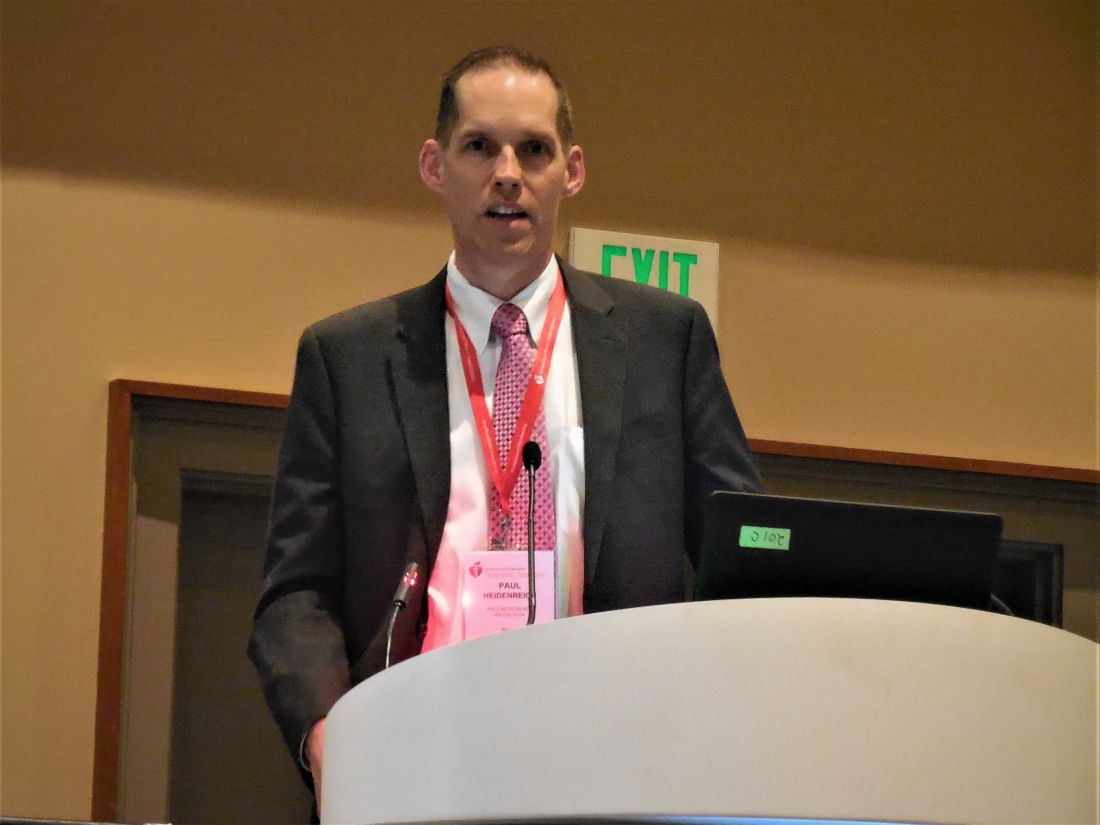
“The results raise the question that a lot of resources were used,” to assess patients with a positive screening result, noted Paul A. Heidenreich, MD, a cardiologist and professor of medicine at Stanford (Calif.) University who studies quality of care for patients with heart disease. He estimated that, in the Apple Heart Study, each of the more than 2,000 patients who screening positive for an irregular heartbeat and underwent subsequent assessment ran up about $700 worth of follow-up testing. But he added that, in the case of AFib, the primary intervention that many previously undiagnosed AFib patients receive is some sort of anticoagulation for stroke prevention. Moreover, because this intervention is so effective there is a lot of money to play with to make AFib screening cost effective, as judged by typical, contemporary metrics of cost efficacy that value a quality-adjusted life-year (QALY) gain as reasonable for society to pay if the cost of an incremental QALY is $50,000-$150,000.
If the benchmark is a cost that’s within $50,000/QALY, then an average follow-up cost of $116/person to assess screened positives can fall within this cost ceiling. If the benchmark is $150,000/QALY, then follow-up costs can run as high as $491/person screened, said Dr. Heidenreich during the same AHA session where Dr. Al-Khatib spoke last November.
Despite this good news for screening for AFib with a wearable from a cost-effectiveness perspective, “there is so much uncertainty regarding the benefit and the consequences of incidental findings that we need an outcomes study before widespread implementation” of this type of screening, Dr. Heidenreich concluded. “We need an outcomes study to feel comfortable” with screening. “There is a huge potential for extra care that we don’t understand.”
Dr. Marrouche agreed that collecting adequate evidence to drive changes in clinical guidelines on how to use data from wearables has lagged behind the rapid spread of wearables and the information they can produce among the American public. “Outcomes and evidence will support guidelines development, but in the meantime, we’re offering education to clinicians, patients, and consumers. Consumers own their data, and they can share them with whomever they choose.”
The document notes that people who use wearables are, in general, “enthusiastic about tracking their data, not only for their own use, but also to share” with others, often on social media websites.
“We cannot control that, but our goal in the document is focused on the clinical relevance [of the data] and to help people better understand their data and use it in a meaningful and safe way,” Dr. Marrouche said.
Dr. Marrouche has been a consultant to, advisor to, or received research support from Abbott, Biosense Webster, Biotronik, GE Healthcare, Medtronic, Preventice, Sanofi-Aventis, Siemens, and Vytronus. Ms. Wurster is an employee of the Heart Rhythm Society. Dr. Al-Khatib has been a consultant to Milestone Pharmaceuticals and Medtronic, and she has also received other financial benefits from Medtronic. Dr. Heidenreich had no disclosures,
With much of the public now wearing devices on their wrists or elsewhere capable of recording a range of vital signs, including heart rate abnormalities, the Heart Rhythm Society launched a guide for American consumers about wearables and the data they collect during a session on Jan. 9 at CES 2020 in Las Vegas.
While providing a succinct but comprehensive overview of the types of wearables and the health metrics they can record, the main and recurring message of the 10-page e-pamphlet is that, when a layperson has a question or concern about their data, the best course is to consult a clinician.
The “Guidance for Wearable Health Solutions,” produced by the Heart Rhythm Society (HRS) along with the Consumer Technology Association (CTA, which presents the annual CES exhibition), cautions that “most wearables are primarily suited for fitness and wellness,” and stresses that wearables “are not a substitute for medical devices prescribed by a clinician.” And in all cases, the document advises, when questions arise about the data – including an apparently high heart rate; a reading the device identifies as abnormal; and when symptoms appear such as a rapid heart rate, dizziness, or fluttering or flopping of the heart – the response that the guidance advocates is consistent: Talk with your clinician.
“Heart Rhythm Society members are seeing more and more patients with their own data collected by wearables,” said Nassir F. Marrouche, MD, professor of medicine and director of electrophysiology at Tulane University, New Orleans, and a member of the panel that wrote the guidance document for the HRS and CTA. “Every provider is dealing with consumer wearable data. The need is important for consumers to be supported. Consumers and patients are buying over-the-counter devices and using them for diagnosis and management, with little to no guidance, and we want to help them feel supported in managing their data and understand what to do with it,” Dr. Marrouche said in an interview.
“This is a new reality in medicine; the direction of information is changing. Consumers are collecting data themselves and coming to physicians already informed. There is a new shift in how information is collected, shared, and used.” Dr. Marrouche was 1 of 5 cardiac electrophysiologists who served on the 11-member writing group.
The new document for consumers “addresses an unmet need,” and the HRS collaboration with the CTA was “a unique opportunity to develop useful guidance that supports education and empowers consumers,” said Christina Wurster, chief strategy officer for the HRS in Washington and a member of the writing panel. “The questions outlined in the document are questions our members receive daily. The document is a resource they can direct people to.”
The HRS and CTA will “partner with consumer advocacy groups and professional societies to further disseminate the document,” added Ms. Wurster. “We’ll also have a strong push on social media to reach consumer audiences and drive awareness of this new resource,” she said in an interview. In addition, HRS “has strategic partnerships with other societies and will aim to work with them for dissemination, including societies related to internal medicine, emergency medicine, cardiology, and nursing, as well as also working with patient and consumer advocacy groups to reach the public.” The CTA will also actively publicize and disseminate the guidance document through their members.
Clinical guidelines play catch-up
Ironically, the HRS has issued this guidance to the public and has told people to take their wearable-collected heart data to clinicians before the HRS or any other medical group has advised clinicians on how they should handle, interpret, and use heart rhythm data collected this way.
Presumably, many if not most of the people with questions about their heart data from wearables are asymptomatic, because symptoms are what usually drive patients with a cardiac arrhythmia to consult a physician – they don’t wait to see what their device tells them. But the best way to manage asymptomatic arrhythmias like atrial fibrillation (AFib) remains a big clinical uncertainty today, with no evidence base as a guide, although several studies exploring this question are in progress.
“There are no clear and definitive data showing that treating subclinical atrial fibrillation improves outcomes. That’s what we need, and until we get these data you won’t see strong recommendations in guidelines” to screen patients for asymptomatic AFib or other arrhythmias, said Sana M. Al-Khatib, MD, a cardiac electrophysiologist and professor of medicine at Duke University, Durham, N.C., during the 2019 American Heart Association scientific sessions in Philadelphia in a talk about wearables and guidelines.
“If you intervene with silent AFib, do you improve outcomes? That evidence is lacking,” she said. Another shortcoming of current evidence is a clear understanding of what AFib burden warrants intervention, added Dr. Al-Khatib. “We see high-rate AFib episodes recorded in patients with implanted cardiac devices [and no symptoms], and we don’t know what to do with that either.”
The closest any existing guideline from a medical society comes to currently endorsing screening for AFib by a wearable is the 2016 European Society of Cardiology’s AFib management guidelines, which give “opportunistic screening” among people aged older than 65 years a IB recommendation, but specifically for screening by taking a patient’s pulse or with a ECG recording, with no mention of the screening role for wearables (Eur Heart J. 2016 Oct 7;37[38]:2893-967), Dr. Al-Khatib noted.
The most extensive data on screening for asymptomatic AFib in an unselected population came in the recently reported results from the Apple Heart Study, which enrolled more than 419,000 people monitored by a smart watch for a median of 117 days. During this screening, 2,161 people (0.52%) received a notification of having an irregular pulse (including 3.1% of those who were aged at least 65 years), which triggered more intensive assessment with an ECG patch for a median of 13 days in 450 of the 2,161 screening positives (21%) who agreed to participate in this follow-up. Among those 450 people, the patch test identified 34% as having actual AFib (N Engl J Med. 2019 Nov 14;381[20]:1909-17). But while this study provided evidence that screening for an irregular heartbeat with a wearable can identify AFib with some level of success, the results did not address whether this approach improved short- or long-term patient outcomes.
In addition, what the Apple Heart Study results showed was that this sort of screening results in a relatively large volume of follow-up testing. Of the 2,161 participants who received an irregular pulse notification, 1,376 (64%) returned a 90-day survey. Of these, 787 (57%) reported contact with a health care provider outside the study, 28% were prescribed a new medication, 33% were recommended to see a specialist (such as a cardiologist), and 36% were recommended to have additional testing.
“The results raise the question that a lot of resources were used,” to assess patients with a positive screening result, noted Paul A. Heidenreich, MD, a cardiologist and professor of medicine at Stanford (Calif.) University who studies quality of care for patients with heart disease. He estimated that, in the Apple Heart Study, each of the more than 2,000 patients who screening positive for an irregular heartbeat and underwent subsequent assessment ran up about $700 worth of follow-up testing. But he added that, in the case of AFib, the primary intervention that many previously undiagnosed AFib patients receive is some sort of anticoagulation for stroke prevention. Moreover, because this intervention is so effective there is a lot of money to play with to make AFib screening cost effective, as judged by typical, contemporary metrics of cost efficacy that value a quality-adjusted life-year (QALY) gain as reasonable for society to pay if the cost of an incremental QALY is $50,000-$150,000.
If the benchmark is a cost that’s within $50,000/QALY, then an average follow-up cost of $116/person to assess screened positives can fall within this cost ceiling. If the benchmark is $150,000/QALY, then follow-up costs can run as high as $491/person screened, said Dr. Heidenreich during the same AHA session where Dr. Al-Khatib spoke last November.
Despite this good news for screening for AFib with a wearable from a cost-effectiveness perspective, “there is so much uncertainty regarding the benefit and the consequences of incidental findings that we need an outcomes study before widespread implementation” of this type of screening, Dr. Heidenreich concluded. “We need an outcomes study to feel comfortable” with screening. “There is a huge potential for extra care that we don’t understand.”
Dr. Marrouche agreed that collecting adequate evidence to drive changes in clinical guidelines on how to use data from wearables has lagged behind the rapid spread of wearables and the information they can produce among the American public. “Outcomes and evidence will support guidelines development, but in the meantime, we’re offering education to clinicians, patients, and consumers. Consumers own their data, and they can share them with whomever they choose.”
The document notes that people who use wearables are, in general, “enthusiastic about tracking their data, not only for their own use, but also to share” with others, often on social media websites.
“We cannot control that, but our goal in the document is focused on the clinical relevance [of the data] and to help people better understand their data and use it in a meaningful and safe way,” Dr. Marrouche said.
Dr. Marrouche has been a consultant to, advisor to, or received research support from Abbott, Biosense Webster, Biotronik, GE Healthcare, Medtronic, Preventice, Sanofi-Aventis, Siemens, and Vytronus. Ms. Wurster is an employee of the Heart Rhythm Society. Dr. Al-Khatib has been a consultant to Milestone Pharmaceuticals and Medtronic, and she has also received other financial benefits from Medtronic. Dr. Heidenreich had no disclosures,
With much of the public now wearing devices on their wrists or elsewhere capable of recording a range of vital signs, including heart rate abnormalities, the Heart Rhythm Society launched a guide for American consumers about wearables and the data they collect during a session on Jan. 9 at CES 2020 in Las Vegas.
While providing a succinct but comprehensive overview of the types of wearables and the health metrics they can record, the main and recurring message of the 10-page e-pamphlet is that, when a layperson has a question or concern about their data, the best course is to consult a clinician.
The “Guidance for Wearable Health Solutions,” produced by the Heart Rhythm Society (HRS) along with the Consumer Technology Association (CTA, which presents the annual CES exhibition), cautions that “most wearables are primarily suited for fitness and wellness,” and stresses that wearables “are not a substitute for medical devices prescribed by a clinician.” And in all cases, the document advises, when questions arise about the data – including an apparently high heart rate; a reading the device identifies as abnormal; and when symptoms appear such as a rapid heart rate, dizziness, or fluttering or flopping of the heart – the response that the guidance advocates is consistent: Talk with your clinician.
“Heart Rhythm Society members are seeing more and more patients with their own data collected by wearables,” said Nassir F. Marrouche, MD, professor of medicine and director of electrophysiology at Tulane University, New Orleans, and a member of the panel that wrote the guidance document for the HRS and CTA. “Every provider is dealing with consumer wearable data. The need is important for consumers to be supported. Consumers and patients are buying over-the-counter devices and using them for diagnosis and management, with little to no guidance, and we want to help them feel supported in managing their data and understand what to do with it,” Dr. Marrouche said in an interview.
“This is a new reality in medicine; the direction of information is changing. Consumers are collecting data themselves and coming to physicians already informed. There is a new shift in how information is collected, shared, and used.” Dr. Marrouche was 1 of 5 cardiac electrophysiologists who served on the 11-member writing group.
The new document for consumers “addresses an unmet need,” and the HRS collaboration with the CTA was “a unique opportunity to develop useful guidance that supports education and empowers consumers,” said Christina Wurster, chief strategy officer for the HRS in Washington and a member of the writing panel. “The questions outlined in the document are questions our members receive daily. The document is a resource they can direct people to.”
The HRS and CTA will “partner with consumer advocacy groups and professional societies to further disseminate the document,” added Ms. Wurster. “We’ll also have a strong push on social media to reach consumer audiences and drive awareness of this new resource,” she said in an interview. In addition, HRS “has strategic partnerships with other societies and will aim to work with them for dissemination, including societies related to internal medicine, emergency medicine, cardiology, and nursing, as well as also working with patient and consumer advocacy groups to reach the public.” The CTA will also actively publicize and disseminate the guidance document through their members.
Clinical guidelines play catch-up
Ironically, the HRS has issued this guidance to the public and has told people to take their wearable-collected heart data to clinicians before the HRS or any other medical group has advised clinicians on how they should handle, interpret, and use heart rhythm data collected this way.
Presumably, many if not most of the people with questions about their heart data from wearables are asymptomatic, because symptoms are what usually drive patients with a cardiac arrhythmia to consult a physician – they don’t wait to see what their device tells them. But the best way to manage asymptomatic arrhythmias like atrial fibrillation (AFib) remains a big clinical uncertainty today, with no evidence base as a guide, although several studies exploring this question are in progress.
“There are no clear and definitive data showing that treating subclinical atrial fibrillation improves outcomes. That’s what we need, and until we get these data you won’t see strong recommendations in guidelines” to screen patients for asymptomatic AFib or other arrhythmias, said Sana M. Al-Khatib, MD, a cardiac electrophysiologist and professor of medicine at Duke University, Durham, N.C., during the 2019 American Heart Association scientific sessions in Philadelphia in a talk about wearables and guidelines.
“If you intervene with silent AFib, do you improve outcomes? That evidence is lacking,” she said. Another shortcoming of current evidence is a clear understanding of what AFib burden warrants intervention, added Dr. Al-Khatib. “We see high-rate AFib episodes recorded in patients with implanted cardiac devices [and no symptoms], and we don’t know what to do with that either.”
The closest any existing guideline from a medical society comes to currently endorsing screening for AFib by a wearable is the 2016 European Society of Cardiology’s AFib management guidelines, which give “opportunistic screening” among people aged older than 65 years a IB recommendation, but specifically for screening by taking a patient’s pulse or with a ECG recording, with no mention of the screening role for wearables (Eur Heart J. 2016 Oct 7;37[38]:2893-967), Dr. Al-Khatib noted.
The most extensive data on screening for asymptomatic AFib in an unselected population came in the recently reported results from the Apple Heart Study, which enrolled more than 419,000 people monitored by a smart watch for a median of 117 days. During this screening, 2,161 people (0.52%) received a notification of having an irregular pulse (including 3.1% of those who were aged at least 65 years), which triggered more intensive assessment with an ECG patch for a median of 13 days in 450 of the 2,161 screening positives (21%) who agreed to participate in this follow-up. Among those 450 people, the patch test identified 34% as having actual AFib (N Engl J Med. 2019 Nov 14;381[20]:1909-17). But while this study provided evidence that screening for an irregular heartbeat with a wearable can identify AFib with some level of success, the results did not address whether this approach improved short- or long-term patient outcomes.
In addition, what the Apple Heart Study results showed was that this sort of screening results in a relatively large volume of follow-up testing. Of the 2,161 participants who received an irregular pulse notification, 1,376 (64%) returned a 90-day survey. Of these, 787 (57%) reported contact with a health care provider outside the study, 28% were prescribed a new medication, 33% were recommended to see a specialist (such as a cardiologist), and 36% were recommended to have additional testing.
“The results raise the question that a lot of resources were used,” to assess patients with a positive screening result, noted Paul A. Heidenreich, MD, a cardiologist and professor of medicine at Stanford (Calif.) University who studies quality of care for patients with heart disease. He estimated that, in the Apple Heart Study, each of the more than 2,000 patients who screening positive for an irregular heartbeat and underwent subsequent assessment ran up about $700 worth of follow-up testing. But he added that, in the case of AFib, the primary intervention that many previously undiagnosed AFib patients receive is some sort of anticoagulation for stroke prevention. Moreover, because this intervention is so effective there is a lot of money to play with to make AFib screening cost effective, as judged by typical, contemporary metrics of cost efficacy that value a quality-adjusted life-year (QALY) gain as reasonable for society to pay if the cost of an incremental QALY is $50,000-$150,000.
If the benchmark is a cost that’s within $50,000/QALY, then an average follow-up cost of $116/person to assess screened positives can fall within this cost ceiling. If the benchmark is $150,000/QALY, then follow-up costs can run as high as $491/person screened, said Dr. Heidenreich during the same AHA session where Dr. Al-Khatib spoke last November.
Despite this good news for screening for AFib with a wearable from a cost-effectiveness perspective, “there is so much uncertainty regarding the benefit and the consequences of incidental findings that we need an outcomes study before widespread implementation” of this type of screening, Dr. Heidenreich concluded. “We need an outcomes study to feel comfortable” with screening. “There is a huge potential for extra care that we don’t understand.”
Dr. Marrouche agreed that collecting adequate evidence to drive changes in clinical guidelines on how to use data from wearables has lagged behind the rapid spread of wearables and the information they can produce among the American public. “Outcomes and evidence will support guidelines development, but in the meantime, we’re offering education to clinicians, patients, and consumers. Consumers own their data, and they can share them with whomever they choose.”
The document notes that people who use wearables are, in general, “enthusiastic about tracking their data, not only for their own use, but also to share” with others, often on social media websites.
“We cannot control that, but our goal in the document is focused on the clinical relevance [of the data] and to help people better understand their data and use it in a meaningful and safe way,” Dr. Marrouche said.
Dr. Marrouche has been a consultant to, advisor to, or received research support from Abbott, Biosense Webster, Biotronik, GE Healthcare, Medtronic, Preventice, Sanofi-Aventis, Siemens, and Vytronus. Ms. Wurster is an employee of the Heart Rhythm Society. Dr. Al-Khatib has been a consultant to Milestone Pharmaceuticals and Medtronic, and she has also received other financial benefits from Medtronic. Dr. Heidenreich had no disclosures,
Gastric electrical stimulation device may improve refractory vomiting
An implanted gastric electrical stimulation device significantly improved refractory vomiting but not quality of life in a randomized, multicenter, double-blind crossover trial of 172 patients.
After 4 months of electrical stimulation, frequency of vomiting was significantly improved from baseline in the intervention arm, compared with the control arm, in patients with both delayed (P less than .01) and normal (P = .05) gastric emptying. There was also an improvement in nausea with gastric stimulation. In contrast, there was no significant improvement in the coprimary endpoint of quality of life. Based on these findings, “a limited number of medically resistant patients may benefit from gastroelectric stimulation to relieve nausea and vomiting,” wrote Philippe Ducrotté, MD, of Rouen (France) University Hospital and associates in Gastroenterology.
High-frequency gastric electrical stimulation with the surgically implanted Enterra device is regarded as a treatment option for chronic refractory vomiting in patients with or without gastroparesis. However, only moderate evidence supports the use of this therapy, with level 1 evidence limited to a single study, according to the researchers. For the study, they enrolled 172 adults with at least 12 months of nausea or vomiting that was refractory to antiemetic or prokinetic therapy and was either idiopathic or related to type 1 or 2 diabetes mellitus or surgery (partial gastric resection or vagotomy). Symptoms “had to be severe enough to affect the general condition of the patient, including [causing] weight loss, or the need to change dietary intake to control diabetes,” said the researchers.
The study started with a 4-month run-in period, after which all patients had the device implanted and left off for one month. Patients in the intervention arm then had the device turned on and programmed at standard parameters (5 mA, 14 Hz, 330 micros, cycle on 0.1s, cycle off 5s). Both groups were assessed at 4 months, and 149 patients then crossed over to the other arm and were assessed again at 4 months. Vomiting was evaluated on a 5-point scale ranging from 0 (most severe) to 5 (symptom absent), while quality of life was assessed by means of the 36-question, self-administered Gastrointestinal Quality of Life Index (GIQLI).
During the intervention, 30.6% of patients reported at least a 1-point improvement on the vomiting frequency scale, while 53% reported no change. With the device turned off, 16.5% of patients reported an improvement in vomiting. During both phases of the trial, median vomiting frequency score was improved in the intervention arm compared with the control arm (P less than .001) in patients with (42%) and without (58%) diabetes. “Gastric emptying was not accelerated during the on period compared with the off period,” the investigators wrote.
A total of 133 (77%) patients in the study had gastroparesis. Most patients were women in their 40s who vomited several times per day. Among 45 device-related events, the most common was abdominal pain at the implantation site (62%), followed by “infectious problems” at the abdominal pouch level (36%) and hematoma (2%). Three of these events “were serious enough to prompt device removal,” the researchers wrote.
The French government funded the study. The investigators reported having no conflicts of interest. They dedicated the paper to the memory of Dr. Ducrotté, who died during the course of the study.
*This story was updated on January 13, 2020.
SOURCE: Ducrotté P et al. Gastroenterology. 2019 Oct 1. https://doi.org/10.1053/j.gastro.2019.10.018
Use of gastric electric stimulation is a controversial therapy for gastroparesis. The Enterra Gastric Electric Stimulator System received FDA approval under a Humanitarian Device Exemption in 2000 considering the device to be safe and of probable benefit. Enterra had been shown to decrease vomiting frequency in patients with medication refractory gastroparesis. Subsequent studies performed for approval for efficacy did not meet their predefined endpoint. Some physicians use this as treatment for their patients with refractory gastroparesis under the HDE and with institutional review board approval; many physicians do not.

The article by the French group brings support for gastric electric stimulation in a double blind study that showed gastric stimulation significantly reduced nausea and vomiting, both in diabetic and nondiabetic patients and in both those with delayed and normal gastric emptying.
The NIH Gastroparesis Clinical Research Consortium recently reported the symptom response with gastric stimulation for clinical care of patients with gastroparesis, compared with those who did not receive this treatment. In this observational study in multiple practice settings, 15% of patients with symptoms of gastroparesis in the NIH registry underwent gastric stimulation. Patients with more severe overall symptoms were more likely to improve symptomatically over 48 weeks, primarily because of reduction in nausea severity.
In the last 5 years, pyloromyotomy for gastroparesis has reemerged as a treatment for gastroparesis, especially when performed endoscopically (G-POEM or POP). Multiple studies, primarily single-center studies, support this treatment in improving gastroparesis symptoms and gastric emptying, though placebo-controlled studies have not been performed.
When should one perform gastric electric stimulation versus pyloromyotomy? At our center, we perform both stimulator placement and pyloromyotomy procedures in patients with refractory gastroparesis symptoms with delayed gastric emptying. We find that patients with refractory symptoms of gastroparesis undergoing stimulator placement, pyloromyotomy, or combined stimulator with pyloromyotomy each had improvement of their gastroparesis symptoms. Gastric stimulation and combined stimulator with pyloromyotomy improved nausea/vomiting, whereas pyloromyotomy alone tended to improve early satiety and postprandial fullness.
Presently, our clinical protocol for patients with refractory gastroparesis (not responding to metoclopramide, domperidone, granisetron patch, mirtazapine) is the following:
- If nausea and vomiting are particularly severe, we proceed with gastric stimulation.
- If gastric emptying is significantly delayed especially with symptoms of early satiety, patients undergo pyloromyotomy.
- If patients have significant nausea and vomiting with markedly delayed gastric emptying, patients get both stimulator placement and pyloromyotomy.
Studies are currently being performed to evaluate this type of patient-oriented management approach.
Henry P. Parkman, MD, gastroenterologist, gastroenterology section, Temple University, Philadelphia. He has no conflicts of interest.
Use of gastric electric stimulation is a controversial therapy for gastroparesis. The Enterra Gastric Electric Stimulator System received FDA approval under a Humanitarian Device Exemption in 2000 considering the device to be safe and of probable benefit. Enterra had been shown to decrease vomiting frequency in patients with medication refractory gastroparesis. Subsequent studies performed for approval for efficacy did not meet their predefined endpoint. Some physicians use this as treatment for their patients with refractory gastroparesis under the HDE and with institutional review board approval; many physicians do not.
The article by the French group brings support for gastric electric stimulation in a double blind study that showed gastric stimulation significantly reduced nausea and vomiting, both in diabetic and nondiabetic patients and in both those with delayed and normal gastric emptying.
The NIH Gastroparesis Clinical Research Consortium recently reported the symptom response with gastric stimulation for clinical care of patients with gastroparesis, compared with those who did not receive this treatment. In this observational study in multiple practice settings, 15% of patients with symptoms of gastroparesis in the NIH registry underwent gastric stimulation. Patients with more severe overall symptoms were more likely to improve symptomatically over 48 weeks, primarily because of reduction in nausea severity.
In the last 5 years, pyloromyotomy for gastroparesis has reemerged as a treatment for gastroparesis, especially when performed endoscopically (G-POEM or POP). Multiple studies, primarily single-center studies, support this treatment in improving gastroparesis symptoms and gastric emptying, though placebo-controlled studies have not been performed.
When should one perform gastric electric stimulation versus pyloromyotomy? At our center, we perform both stimulator placement and pyloromyotomy procedures in patients with refractory gastroparesis symptoms with delayed gastric emptying. We find that patients with refractory symptoms of gastroparesis undergoing stimulator placement, pyloromyotomy, or combined stimulator with pyloromyotomy each had improvement of their gastroparesis symptoms. Gastric stimulation and combined stimulator with pyloromyotomy improved nausea/vomiting, whereas pyloromyotomy alone tended to improve early satiety and postprandial fullness.
Presently, our clinical protocol for patients with refractory gastroparesis (not responding to metoclopramide, domperidone, granisetron patch, mirtazapine) is the following:
- If nausea and vomiting are particularly severe, we proceed with gastric stimulation.
- If gastric emptying is significantly delayed especially with symptoms of early satiety, patients undergo pyloromyotomy.
- If patients have significant nausea and vomiting with markedly delayed gastric emptying, patients get both stimulator placement and pyloromyotomy.
Studies are currently being performed to evaluate this type of patient-oriented management approach.
Henry P. Parkman, MD, gastroenterologist, gastroenterology section, Temple University, Philadelphia. He has no conflicts of interest.
Use of gastric electric stimulation is a controversial therapy for gastroparesis. The Enterra Gastric Electric Stimulator System received FDA approval under a Humanitarian Device Exemption in 2000 considering the device to be safe and of probable benefit. Enterra had been shown to decrease vomiting frequency in patients with medication refractory gastroparesis. Subsequent studies performed for approval for efficacy did not meet their predefined endpoint. Some physicians use this as treatment for their patients with refractory gastroparesis under the HDE and with institutional review board approval; many physicians do not.
The article by the French group brings support for gastric electric stimulation in a double blind study that showed gastric stimulation significantly reduced nausea and vomiting, both in diabetic and nondiabetic patients and in both those with delayed and normal gastric emptying.
The NIH Gastroparesis Clinical Research Consortium recently reported the symptom response with gastric stimulation for clinical care of patients with gastroparesis, compared with those who did not receive this treatment. In this observational study in multiple practice settings, 15% of patients with symptoms of gastroparesis in the NIH registry underwent gastric stimulation. Patients with more severe overall symptoms were more likely to improve symptomatically over 48 weeks, primarily because of reduction in nausea severity.
In the last 5 years, pyloromyotomy for gastroparesis has reemerged as a treatment for gastroparesis, especially when performed endoscopically (G-POEM or POP). Multiple studies, primarily single-center studies, support this treatment in improving gastroparesis symptoms and gastric emptying, though placebo-controlled studies have not been performed.
When should one perform gastric electric stimulation versus pyloromyotomy? At our center, we perform both stimulator placement and pyloromyotomy procedures in patients with refractory gastroparesis symptoms with delayed gastric emptying. We find that patients with refractory symptoms of gastroparesis undergoing stimulator placement, pyloromyotomy, or combined stimulator with pyloromyotomy each had improvement of their gastroparesis symptoms. Gastric stimulation and combined stimulator with pyloromyotomy improved nausea/vomiting, whereas pyloromyotomy alone tended to improve early satiety and postprandial fullness.
Presently, our clinical protocol for patients with refractory gastroparesis (not responding to metoclopramide, domperidone, granisetron patch, mirtazapine) is the following:
- If nausea and vomiting are particularly severe, we proceed with gastric stimulation.
- If gastric emptying is significantly delayed especially with symptoms of early satiety, patients undergo pyloromyotomy.
- If patients have significant nausea and vomiting with markedly delayed gastric emptying, patients get both stimulator placement and pyloromyotomy.
Studies are currently being performed to evaluate this type of patient-oriented management approach.
Henry P. Parkman, MD, gastroenterologist, gastroenterology section, Temple University, Philadelphia. He has no conflicts of interest.
An implanted gastric electrical stimulation device significantly improved refractory vomiting but not quality of life in a randomized, multicenter, double-blind crossover trial of 172 patients.
After 4 months of electrical stimulation, frequency of vomiting was significantly improved from baseline in the intervention arm, compared with the control arm, in patients with both delayed (P less than .01) and normal (P = .05) gastric emptying. There was also an improvement in nausea with gastric stimulation. In contrast, there was no significant improvement in the coprimary endpoint of quality of life. Based on these findings, “a limited number of medically resistant patients may benefit from gastroelectric stimulation to relieve nausea and vomiting,” wrote Philippe Ducrotté, MD, of Rouen (France) University Hospital and associates in Gastroenterology.
High-frequency gastric electrical stimulation with the surgically implanted Enterra device is regarded as a treatment option for chronic refractory vomiting in patients with or without gastroparesis. However, only moderate evidence supports the use of this therapy, with level 1 evidence limited to a single study, according to the researchers. For the study, they enrolled 172 adults with at least 12 months of nausea or vomiting that was refractory to antiemetic or prokinetic therapy and was either idiopathic or related to type 1 or 2 diabetes mellitus or surgery (partial gastric resection or vagotomy). Symptoms “had to be severe enough to affect the general condition of the patient, including [causing] weight loss, or the need to change dietary intake to control diabetes,” said the researchers.
The study started with a 4-month run-in period, after which all patients had the device implanted and left off for one month. Patients in the intervention arm then had the device turned on and programmed at standard parameters (5 mA, 14 Hz, 330 micros, cycle on 0.1s, cycle off 5s). Both groups were assessed at 4 months, and 149 patients then crossed over to the other arm and were assessed again at 4 months. Vomiting was evaluated on a 5-point scale ranging from 0 (most severe) to 5 (symptom absent), while quality of life was assessed by means of the 36-question, self-administered Gastrointestinal Quality of Life Index (GIQLI).
During the intervention, 30.6% of patients reported at least a 1-point improvement on the vomiting frequency scale, while 53% reported no change. With the device turned off, 16.5% of patients reported an improvement in vomiting. During both phases of the trial, median vomiting frequency score was improved in the intervention arm compared with the control arm (P less than .001) in patients with (42%) and without (58%) diabetes. “Gastric emptying was not accelerated during the on period compared with the off period,” the investigators wrote.
A total of 133 (77%) patients in the study had gastroparesis. Most patients were women in their 40s who vomited several times per day. Among 45 device-related events, the most common was abdominal pain at the implantation site (62%), followed by “infectious problems” at the abdominal pouch level (36%) and hematoma (2%). Three of these events “were serious enough to prompt device removal,” the researchers wrote.
The French government funded the study. The investigators reported having no conflicts of interest. They dedicated the paper to the memory of Dr. Ducrotté, who died during the course of the study.
*This story was updated on January 13, 2020.
SOURCE: Ducrotté P et al. Gastroenterology. 2019 Oct 1. https://doi.org/10.1053/j.gastro.2019.10.018
An implanted gastric electrical stimulation device significantly improved refractory vomiting but not quality of life in a randomized, multicenter, double-blind crossover trial of 172 patients.
After 4 months of electrical stimulation, frequency of vomiting was significantly improved from baseline in the intervention arm, compared with the control arm, in patients with both delayed (P less than .01) and normal (P = .05) gastric emptying. There was also an improvement in nausea with gastric stimulation. In contrast, there was no significant improvement in the coprimary endpoint of quality of life. Based on these findings, “a limited number of medically resistant patients may benefit from gastroelectric stimulation to relieve nausea and vomiting,” wrote Philippe Ducrotté, MD, of Rouen (France) University Hospital and associates in Gastroenterology.
High-frequency gastric electrical stimulation with the surgically implanted Enterra device is regarded as a treatment option for chronic refractory vomiting in patients with or without gastroparesis. However, only moderate evidence supports the use of this therapy, with level 1 evidence limited to a single study, according to the researchers. For the study, they enrolled 172 adults with at least 12 months of nausea or vomiting that was refractory to antiemetic or prokinetic therapy and was either idiopathic or related to type 1 or 2 diabetes mellitus or surgery (partial gastric resection or vagotomy). Symptoms “had to be severe enough to affect the general condition of the patient, including [causing] weight loss, or the need to change dietary intake to control diabetes,” said the researchers.
The study started with a 4-month run-in period, after which all patients had the device implanted and left off for one month. Patients in the intervention arm then had the device turned on and programmed at standard parameters (5 mA, 14 Hz, 330 micros, cycle on 0.1s, cycle off 5s). Both groups were assessed at 4 months, and 149 patients then crossed over to the other arm and were assessed again at 4 months. Vomiting was evaluated on a 5-point scale ranging from 0 (most severe) to 5 (symptom absent), while quality of life was assessed by means of the 36-question, self-administered Gastrointestinal Quality of Life Index (GIQLI).
During the intervention, 30.6% of patients reported at least a 1-point improvement on the vomiting frequency scale, while 53% reported no change. With the device turned off, 16.5% of patients reported an improvement in vomiting. During both phases of the trial, median vomiting frequency score was improved in the intervention arm compared with the control arm (P less than .001) in patients with (42%) and without (58%) diabetes. “Gastric emptying was not accelerated during the on period compared with the off period,” the investigators wrote.
A total of 133 (77%) patients in the study had gastroparesis. Most patients were women in their 40s who vomited several times per day. Among 45 device-related events, the most common was abdominal pain at the implantation site (62%), followed by “infectious problems” at the abdominal pouch level (36%) and hematoma (2%). Three of these events “were serious enough to prompt device removal,” the researchers wrote.
The French government funded the study. The investigators reported having no conflicts of interest. They dedicated the paper to the memory of Dr. Ducrotté, who died during the course of the study.
*This story was updated on January 13, 2020.
SOURCE: Ducrotté P et al. Gastroenterology. 2019 Oct 1. https://doi.org/10.1053/j.gastro.2019.10.018
FROM GASTROENTEROLOGY
ctDNA outmatches CEA for detection of colorectal cancer recurrence
For detection of recurrent colorectal cancer, circulating tumor DNA (ctDNA) may be more reliable than carcinoembryonic antigen (CEA), based on a recent Australian study.
Among 144 patients with a history of colorectal cancer, ctDNA testing offered a sensitivity of 66.0%, compared with 31.9% for CEA, reported lead author Erin L. Symonds, PhD, of Flinders University, Bedford Park, Australia, and colleagues, who noted that the two tests had comparable specificity.
According to the investigators, many patients with colorectal cancer who relapse are incurable because they have multiple unresectable metastases.
“This may be due to the poor sensitivity of the currently applied surveillance tools, with guidelines focused on radiological imaging (mostly yearly computed tomography [CT] scans) and regular blood tests for carcinoembryonic antigen (CEA),” the investigators wrote in Cancer. “There is a need to improve the timely detection of metastatic disease while it is still confined to a resectable state.”
To this end, the investigators compared ctDNA testing with CEA testing in a real-world setting. Initially, 548 patients were enrolled. The final dataset included 144 of these patients, all of whom were disease negative on CT or MRI after surgical resection or neoadjuvant therapy. Most exclusions were due to unavailability of imaging results. Circulating tumor DNA testing evaluated methylation levels of BCAT1 and IKZF1 (COLVERA test, Clinical Genomics Pty, North Ryde, New South Wales, Australia) . The LIAISON CEA test was used to measure CEA plasma concentration.
After a median follow-up of almost 4 years, 50 out of 144 patients had disease recurrence, most of which involved distant metastasis (74%). As described above, the sensitivity of ctDNA was higher than CEA by a wide and significant margin (66.0% vs. 31.9%; P less than .001). The superior sensitivity of ctDNA was observed regardless of whether recurrence was locoregional (76.9% vs. 15.4%; P = .006) or distant (62.1% vs. 38.2%; P = .044). Specificity was not statistically different between ctDNA (97.9%) and CEA (96.4%). Multivariate analysis showed that ctDNA was an independent predictor of recurrence, while CEA was not.
“In conclusion, the methylated BCAT1/IKZF1 ctDNA test is twice as sensitive as CEA for detecting recurrent CRC during the monitoring of patients after their initial treatment,” the investigators wrote.
The study was funded by the National Health and Medical Research Council, Clinical Genomics, Cancer Council SA’s Beat Cancer Project, and others. The investigators reported additional relationships with Eiken Chemical and the Commonwealth Scientific and Industrial Research Organisation.
*This story was updated on Jan. 10, 2020.
SOURCE: Symonds et al. Cancer. 2020 Jan 7. doi: 10.1002/cncr.32695.
For detection of recurrent colorectal cancer, circulating tumor DNA (ctDNA) may be more reliable than carcinoembryonic antigen (CEA), based on a recent Australian study.
Among 144 patients with a history of colorectal cancer, ctDNA testing offered a sensitivity of 66.0%, compared with 31.9% for CEA, reported lead author Erin L. Symonds, PhD, of Flinders University, Bedford Park, Australia, and colleagues, who noted that the two tests had comparable specificity.
According to the investigators, many patients with colorectal cancer who relapse are incurable because they have multiple unresectable metastases.
“This may be due to the poor sensitivity of the currently applied surveillance tools, with guidelines focused on radiological imaging (mostly yearly computed tomography [CT] scans) and regular blood tests for carcinoembryonic antigen (CEA),” the investigators wrote in Cancer. “There is a need to improve the timely detection of metastatic disease while it is still confined to a resectable state.”
To this end, the investigators compared ctDNA testing with CEA testing in a real-world setting. Initially, 548 patients were enrolled. The final dataset included 144 of these patients, all of whom were disease negative on CT or MRI after surgical resection or neoadjuvant therapy. Most exclusions were due to unavailability of imaging results. Circulating tumor DNA testing evaluated methylation levels of BCAT1 and IKZF1 (COLVERA test, Clinical Genomics Pty, North Ryde, New South Wales, Australia) . The LIAISON CEA test was used to measure CEA plasma concentration.
After a median follow-up of almost 4 years, 50 out of 144 patients had disease recurrence, most of which involved distant metastasis (74%). As described above, the sensitivity of ctDNA was higher than CEA by a wide and significant margin (66.0% vs. 31.9%; P less than .001). The superior sensitivity of ctDNA was observed regardless of whether recurrence was locoregional (76.9% vs. 15.4%; P = .006) or distant (62.1% vs. 38.2%; P = .044). Specificity was not statistically different between ctDNA (97.9%) and CEA (96.4%). Multivariate analysis showed that ctDNA was an independent predictor of recurrence, while CEA was not.
“In conclusion, the methylated BCAT1/IKZF1 ctDNA test is twice as sensitive as CEA for detecting recurrent CRC during the monitoring of patients after their initial treatment,” the investigators wrote.
The study was funded by the National Health and Medical Research Council, Clinical Genomics, Cancer Council SA’s Beat Cancer Project, and others. The investigators reported additional relationships with Eiken Chemical and the Commonwealth Scientific and Industrial Research Organisation.
*This story was updated on Jan. 10, 2020.
SOURCE: Symonds et al. Cancer. 2020 Jan 7. doi: 10.1002/cncr.32695.
For detection of recurrent colorectal cancer, circulating tumor DNA (ctDNA) may be more reliable than carcinoembryonic antigen (CEA), based on a recent Australian study.
Among 144 patients with a history of colorectal cancer, ctDNA testing offered a sensitivity of 66.0%, compared with 31.9% for CEA, reported lead author Erin L. Symonds, PhD, of Flinders University, Bedford Park, Australia, and colleagues, who noted that the two tests had comparable specificity.
According to the investigators, many patients with colorectal cancer who relapse are incurable because they have multiple unresectable metastases.
“This may be due to the poor sensitivity of the currently applied surveillance tools, with guidelines focused on radiological imaging (mostly yearly computed tomography [CT] scans) and regular blood tests for carcinoembryonic antigen (CEA),” the investigators wrote in Cancer. “There is a need to improve the timely detection of metastatic disease while it is still confined to a resectable state.”
To this end, the investigators compared ctDNA testing with CEA testing in a real-world setting. Initially, 548 patients were enrolled. The final dataset included 144 of these patients, all of whom were disease negative on CT or MRI after surgical resection or neoadjuvant therapy. Most exclusions were due to unavailability of imaging results. Circulating tumor DNA testing evaluated methylation levels of BCAT1 and IKZF1 (COLVERA test, Clinical Genomics Pty, North Ryde, New South Wales, Australia) . The LIAISON CEA test was used to measure CEA plasma concentration.
After a median follow-up of almost 4 years, 50 out of 144 patients had disease recurrence, most of which involved distant metastasis (74%). As described above, the sensitivity of ctDNA was higher than CEA by a wide and significant margin (66.0% vs. 31.9%; P less than .001). The superior sensitivity of ctDNA was observed regardless of whether recurrence was locoregional (76.9% vs. 15.4%; P = .006) or distant (62.1% vs. 38.2%; P = .044). Specificity was not statistically different between ctDNA (97.9%) and CEA (96.4%). Multivariate analysis showed that ctDNA was an independent predictor of recurrence, while CEA was not.
“In conclusion, the methylated BCAT1/IKZF1 ctDNA test is twice as sensitive as CEA for detecting recurrent CRC during the monitoring of patients after their initial treatment,” the investigators wrote.
The study was funded by the National Health and Medical Research Council, Clinical Genomics, Cancer Council SA’s Beat Cancer Project, and others. The investigators reported additional relationships with Eiken Chemical and the Commonwealth Scientific and Industrial Research Organisation.
*This story was updated on Jan. 10, 2020.
SOURCE: Symonds et al. Cancer. 2020 Jan 7. doi: 10.1002/cncr.32695.
FROM CANCER
Product update: Neuromodulation device, cystoscopy simplified, hysteroscopy seal, next immunization frontier
NEW SACRAL NEUROMODULATION DEVICE
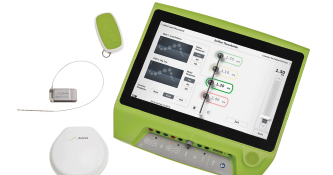
FOR MORE INFORMATION, VISIT: https://www.axonics.com/
CERVICAL SEAL FOR HYSTEROSCOPIC DEVICES
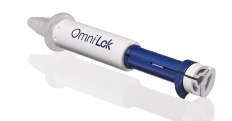
For more information, visit: https://gynsurgicalsolutions.com/product/omni-lok/
UNIVERSAL CYSTOSCOPY SIMPLIFIED
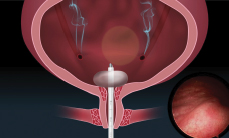
FOR MORE INFORMATION, VISIT: https://cystosure.com/
NEXT FRONTIER IN VACCINE IMMUNIZATION

Globally, there are 410,000 cases of GBS every year. GBS is most common in newborns; women who are carriers of the GBS bacteria may pass it on to their newborns during labor and birth. An estimated 10% to 30% of pregnant women carry the GBS bacteria. The disease can manifest as sepsis, pneumonia, and meningitis, with potentially fatal outcomes for some. A maternal vaccine may prevent 231,000 infant and maternal GBS cases, says Pfizer.
According to Pfizer, RSV causes more hospitalizations each year than influenza among young children, with an estimated 33 million cases globally each year in children less than age 5 years.
FOR MORE INFORMATION, VISIT: https://www.pfizer.com/
NEW SACRAL NEUROMODULATION DEVICE
FOR MORE INFORMATION, VISIT: https://www.axonics.com/
CERVICAL SEAL FOR HYSTEROSCOPIC DEVICES
For more information, visit: https://gynsurgicalsolutions.com/product/omni-lok/
UNIVERSAL CYSTOSCOPY SIMPLIFIED
FOR MORE INFORMATION, VISIT: https://cystosure.com/
NEXT FRONTIER IN VACCINE IMMUNIZATION
Globally, there are 410,000 cases of GBS every year. GBS is most common in newborns; women who are carriers of the GBS bacteria may pass it on to their newborns during labor and birth. An estimated 10% to 30% of pregnant women carry the GBS bacteria. The disease can manifest as sepsis, pneumonia, and meningitis, with potentially fatal outcomes for some. A maternal vaccine may prevent 231,000 infant and maternal GBS cases, says Pfizer.
According to Pfizer, RSV causes more hospitalizations each year than influenza among young children, with an estimated 33 million cases globally each year in children less than age 5 years.
FOR MORE INFORMATION, VISIT: https://www.pfizer.com/
NEW SACRAL NEUROMODULATION DEVICE
FOR MORE INFORMATION, VISIT: https://www.axonics.com/
CERVICAL SEAL FOR HYSTEROSCOPIC DEVICES
For more information, visit: https://gynsurgicalsolutions.com/product/omni-lok/
UNIVERSAL CYSTOSCOPY SIMPLIFIED
FOR MORE INFORMATION, VISIT: https://cystosure.com/
NEXT FRONTIER IN VACCINE IMMUNIZATION
Globally, there are 410,000 cases of GBS every year. GBS is most common in newborns; women who are carriers of the GBS bacteria may pass it on to their newborns during labor and birth. An estimated 10% to 30% of pregnant women carry the GBS bacteria. The disease can manifest as sepsis, pneumonia, and meningitis, with potentially fatal outcomes for some. A maternal vaccine may prevent 231,000 infant and maternal GBS cases, says Pfizer.
According to Pfizer, RSV causes more hospitalizations each year than influenza among young children, with an estimated 33 million cases globally each year in children less than age 5 years.
FOR MORE INFORMATION, VISIT: https://www.pfizer.com/
Evidence builds for bariatric surgery’s role in cancer prevention
LAS VEGAS – The ability of bariatric surgery and substantial subsequent weight loss to cut the incidence of a variety of obesity-related cancers and other malignancies received further confirmation in results from two studies reported at a meeting presented by the Obesity Society and the American Society for Metabolic and Bariatric Surgery.
In one study, 2,107 adults enrolled in the Longitudinal Assessment of Bariatric Surgery (LABS-2) study showed a statistically significant halving of the cancer incidence during 7 years of follow-up in patients who underwent bariatric surgery and had a reduction of at least 20% in their presurgical body mass index (BMI), compared with patients in the study who underwent bariatric surgery but lost less weight, reported Andrea M. Stroud, MD, a bariatric surgeon at the Oregon Health & Science University, Portland.
In the second study, analysis of about 1.7 million hospitalized U.S. patients in the National Inpatient Sample showed that the incidence of an obesity-related cancer was 21% higher in more than 1.4 million obese individuals (BMI, 35 kg/m2 or greater) with no history of bariatric surgery, compared with nearly 247,000 people in the same database with a history of both obesity and bariatric surgery, said Juliana Henrique, MD, a bariatric surgeon at the Cleveland Clinic Florida in Weston.
The study reported by Dr. Henrique focused specifically on the 13 cancer types identified by the Centers for Disease Control and Prevention as having an incidence that links with overweight and obesity (Morb Mortal Wkly Rep. 2017;66[39]:1052-8), whereas the study presented by Dr. Stroud included all incident cancers during follow-up, but which were predominantly obesity related, with breast cancer – an obesity-related malignancy – having the highest incidence. Overall, 40% of all U.S. cancers in 2014 were obesity related, according to the CDC’s report.

“A number of studies have shown decreases in cancer rates after bariatric surgery, especially female cancers like breast and ovarian,” commented John Scott, MD, director of metabolic and bariatric surgery for Prism Health–Upstate in Greenville, S.C. “These two reports build on that.”
The evidence for weight loss after bariatric surgery as a means to cut the risk of a first or recurrent cancer has become strong enough for some patients to see cancer prophylaxis as a prime reason to undergo the procedure, said surgeons at the meeting.
Bariatric surgery and subsequent weight loss “is a substantial preventive factor for cancer, especially in patients who have obesity and diabetes,” commented Theresa LaMasters, MD, a bariatric surgeon in West Des Moines, Iowa. “It might not just be weight loss. It’s likely a multifactorial effect, including reduced inflammation after bariatric surgery, but weight loss is a component” of the effect, Dr. LaMasters said in an interview. It is now common for her to see patients seeking bariatric surgery because of a family or personal history of cancer. “Patients are trying to reduce their future risk” for cancer with bariatric surgery, she added.
The LABS-2 study enrolled 2,458 patients who were part of the first LABS cohort, LABS-1, but followed them longer term. The data Dr. Stroud reported came from 2,107 of the LABS-2 patients without a history of cancer, no cancer diagnosed in the first year after bariatric surgery, and longer-term follow-up of 7 years. About three-quarters of the patients underwent gastric bypass, with the rest undergoing laparoscopic gastric band placement. Nearly half of those included had diabetes. Their average BMI was 45-50 kg/m2.
Dr. Stroud and associates ran an analysis that divided the populations into tertiles based on percentage of baseline body mass lost at 12 months after surgery and cancer-free survival during the 7 years after the 12-month follow-up. The incidence of cancer was 51% lower in patients who lost 20%-34% of their BMI, compared with those who lost less than 20%, a statistically significant difference, and patients who lost 35% or more of their BMI had a 31% reduced cancer rate, compared with those who lost less than 20%, a difference that was not statistically significant, Dr. Stroud reported. The patients who lost less weight after surgery mostly underwent gastric banding, whereas those who lost more mostly underwent gastric bypass.
The analysis reported by Dr. Henrique used data collected in the U.S. National Inpatient Sample during 2010-2014, which totaled more than 7 million patients hospitalized for cancer, including 1,423,367 with a history of obesity and 246,668 with obesity who had undergone bariatric surgery. Those without bariatric surgery had a 21% higher rate of developing obesity-related cancers after adjustment for many baseline demographic and clinical features, Dr. Henrique said. The cancer protection after bariatric surgery was especially notable in the subset of patients in the sample with a genetic predisposition to developing cancer.
LABS-1 and LABS-2 were funded by the National Institute of Diabetes and Digestive and Kidney Diseases. Dr. Stroud and Dr. Henrique had no disclosures.
SOURCES: Stroud AM et al. Obesity Week, Abstract A107; Henrique J et al. Obesity Week, Abstract A108.
LAS VEGAS – The ability of bariatric surgery and substantial subsequent weight loss to cut the incidence of a variety of obesity-related cancers and other malignancies received further confirmation in results from two studies reported at a meeting presented by the Obesity Society and the American Society for Metabolic and Bariatric Surgery.
In one study, 2,107 adults enrolled in the Longitudinal Assessment of Bariatric Surgery (LABS-2) study showed a statistically significant halving of the cancer incidence during 7 years of follow-up in patients who underwent bariatric surgery and had a reduction of at least 20% in their presurgical body mass index (BMI), compared with patients in the study who underwent bariatric surgery but lost less weight, reported Andrea M. Stroud, MD, a bariatric surgeon at the Oregon Health & Science University, Portland.
In the second study, analysis of about 1.7 million hospitalized U.S. patients in the National Inpatient Sample showed that the incidence of an obesity-related cancer was 21% higher in more than 1.4 million obese individuals (BMI, 35 kg/m2 or greater) with no history of bariatric surgery, compared with nearly 247,000 people in the same database with a history of both obesity and bariatric surgery, said Juliana Henrique, MD, a bariatric surgeon at the Cleveland Clinic Florida in Weston.
The study reported by Dr. Henrique focused specifically on the 13 cancer types identified by the Centers for Disease Control and Prevention as having an incidence that links with overweight and obesity (Morb Mortal Wkly Rep. 2017;66[39]:1052-8), whereas the study presented by Dr. Stroud included all incident cancers during follow-up, but which were predominantly obesity related, with breast cancer – an obesity-related malignancy – having the highest incidence. Overall, 40% of all U.S. cancers in 2014 were obesity related, according to the CDC’s report.
“A number of studies have shown decreases in cancer rates after bariatric surgery, especially female cancers like breast and ovarian,” commented John Scott, MD, director of metabolic and bariatric surgery for Prism Health–Upstate in Greenville, S.C. “These two reports build on that.”
The evidence for weight loss after bariatric surgery as a means to cut the risk of a first or recurrent cancer has become strong enough for some patients to see cancer prophylaxis as a prime reason to undergo the procedure, said surgeons at the meeting.
Bariatric surgery and subsequent weight loss “is a substantial preventive factor for cancer, especially in patients who have obesity and diabetes,” commented Theresa LaMasters, MD, a bariatric surgeon in West Des Moines, Iowa. “It might not just be weight loss. It’s likely a multifactorial effect, including reduced inflammation after bariatric surgery, but weight loss is a component” of the effect, Dr. LaMasters said in an interview. It is now common for her to see patients seeking bariatric surgery because of a family or personal history of cancer. “Patients are trying to reduce their future risk” for cancer with bariatric surgery, she added.
The LABS-2 study enrolled 2,458 patients who were part of the first LABS cohort, LABS-1, but followed them longer term. The data Dr. Stroud reported came from 2,107 of the LABS-2 patients without a history of cancer, no cancer diagnosed in the first year after bariatric surgery, and longer-term follow-up of 7 years. About three-quarters of the patients underwent gastric bypass, with the rest undergoing laparoscopic gastric band placement. Nearly half of those included had diabetes. Their average BMI was 45-50 kg/m2.
Dr. Stroud and associates ran an analysis that divided the populations into tertiles based on percentage of baseline body mass lost at 12 months after surgery and cancer-free survival during the 7 years after the 12-month follow-up. The incidence of cancer was 51% lower in patients who lost 20%-34% of their BMI, compared with those who lost less than 20%, a statistically significant difference, and patients who lost 35% or more of their BMI had a 31% reduced cancer rate, compared with those who lost less than 20%, a difference that was not statistically significant, Dr. Stroud reported. The patients who lost less weight after surgery mostly underwent gastric banding, whereas those who lost more mostly underwent gastric bypass.
The analysis reported by Dr. Henrique used data collected in the U.S. National Inpatient Sample during 2010-2014, which totaled more than 7 million patients hospitalized for cancer, including 1,423,367 with a history of obesity and 246,668 with obesity who had undergone bariatric surgery. Those without bariatric surgery had a 21% higher rate of developing obesity-related cancers after adjustment for many baseline demographic and clinical features, Dr. Henrique said. The cancer protection after bariatric surgery was especially notable in the subset of patients in the sample with a genetic predisposition to developing cancer.
LABS-1 and LABS-2 were funded by the National Institute of Diabetes and Digestive and Kidney Diseases. Dr. Stroud and Dr. Henrique had no disclosures.
SOURCES: Stroud AM et al. Obesity Week, Abstract A107; Henrique J et al. Obesity Week, Abstract A108.
LAS VEGAS – The ability of bariatric surgery and substantial subsequent weight loss to cut the incidence of a variety of obesity-related cancers and other malignancies received further confirmation in results from two studies reported at a meeting presented by the Obesity Society and the American Society for Metabolic and Bariatric Surgery.
In one study, 2,107 adults enrolled in the Longitudinal Assessment of Bariatric Surgery (LABS-2) study showed a statistically significant halving of the cancer incidence during 7 years of follow-up in patients who underwent bariatric surgery and had a reduction of at least 20% in their presurgical body mass index (BMI), compared with patients in the study who underwent bariatric surgery but lost less weight, reported Andrea M. Stroud, MD, a bariatric surgeon at the Oregon Health & Science University, Portland.
In the second study, analysis of about 1.7 million hospitalized U.S. patients in the National Inpatient Sample showed that the incidence of an obesity-related cancer was 21% higher in more than 1.4 million obese individuals (BMI, 35 kg/m2 or greater) with no history of bariatric surgery, compared with nearly 247,000 people in the same database with a history of both obesity and bariatric surgery, said Juliana Henrique, MD, a bariatric surgeon at the Cleveland Clinic Florida in Weston.
The study reported by Dr. Henrique focused specifically on the 13 cancer types identified by the Centers for Disease Control and Prevention as having an incidence that links with overweight and obesity (Morb Mortal Wkly Rep. 2017;66[39]:1052-8), whereas the study presented by Dr. Stroud included all incident cancers during follow-up, but which were predominantly obesity related, with breast cancer – an obesity-related malignancy – having the highest incidence. Overall, 40% of all U.S. cancers in 2014 were obesity related, according to the CDC’s report.
“A number of studies have shown decreases in cancer rates after bariatric surgery, especially female cancers like breast and ovarian,” commented John Scott, MD, director of metabolic and bariatric surgery for Prism Health–Upstate in Greenville, S.C. “These two reports build on that.”
The evidence for weight loss after bariatric surgery as a means to cut the risk of a first or recurrent cancer has become strong enough for some patients to see cancer prophylaxis as a prime reason to undergo the procedure, said surgeons at the meeting.
Bariatric surgery and subsequent weight loss “is a substantial preventive factor for cancer, especially in patients who have obesity and diabetes,” commented Theresa LaMasters, MD, a bariatric surgeon in West Des Moines, Iowa. “It might not just be weight loss. It’s likely a multifactorial effect, including reduced inflammation after bariatric surgery, but weight loss is a component” of the effect, Dr. LaMasters said in an interview. It is now common for her to see patients seeking bariatric surgery because of a family or personal history of cancer. “Patients are trying to reduce their future risk” for cancer with bariatric surgery, she added.
The LABS-2 study enrolled 2,458 patients who were part of the first LABS cohort, LABS-1, but followed them longer term. The data Dr. Stroud reported came from 2,107 of the LABS-2 patients without a history of cancer, no cancer diagnosed in the first year after bariatric surgery, and longer-term follow-up of 7 years. About three-quarters of the patients underwent gastric bypass, with the rest undergoing laparoscopic gastric band placement. Nearly half of those included had diabetes. Their average BMI was 45-50 kg/m2.
Dr. Stroud and associates ran an analysis that divided the populations into tertiles based on percentage of baseline body mass lost at 12 months after surgery and cancer-free survival during the 7 years after the 12-month follow-up. The incidence of cancer was 51% lower in patients who lost 20%-34% of their BMI, compared with those who lost less than 20%, a statistically significant difference, and patients who lost 35% or more of their BMI had a 31% reduced cancer rate, compared with those who lost less than 20%, a difference that was not statistically significant, Dr. Stroud reported. The patients who lost less weight after surgery mostly underwent gastric banding, whereas those who lost more mostly underwent gastric bypass.
The analysis reported by Dr. Henrique used data collected in the U.S. National Inpatient Sample during 2010-2014, which totaled more than 7 million patients hospitalized for cancer, including 1,423,367 with a history of obesity and 246,668 with obesity who had undergone bariatric surgery. Those without bariatric surgery had a 21% higher rate of developing obesity-related cancers after adjustment for many baseline demographic and clinical features, Dr. Henrique said. The cancer protection after bariatric surgery was especially notable in the subset of patients in the sample with a genetic predisposition to developing cancer.
LABS-1 and LABS-2 were funded by the National Institute of Diabetes and Digestive and Kidney Diseases. Dr. Stroud and Dr. Henrique had no disclosures.
SOURCES: Stroud AM et al. Obesity Week, Abstract A107; Henrique J et al. Obesity Week, Abstract A108.
REPORTING FROM OBESITY WEEK 2019
HRQoL deteriorates during chemoradiotherapy for bladder cancer
Chemoradiotherapy impairs health-related quality of life (HRQoL) after the initiation of treatment in patients with muscle-invasive bladder cancer, according to an exploratory analysis of trial data.
However, HRQoL scores improved to pretreatment levels within 6 months, and improvements were maintained at 5-year follow up.
“[We] planned a prospective assessment of patient-reported outcomes within BC2001, using the Functional Assessment of Cancer Therapy–Bladder (FACT-BL) questionnaire,” wrote Robert A. Huddart, MBBS, MRCP, FRCR, PhD, of the Institute of Cancer Research, England, and colleagues. Their report is in European Urology.
The exploratory analyses of HRQoL data included 452 patients from the phase 3 BC2001 trial. The objective of the analysis was to evaluate the impact of chemoradiotherapy on HRQoL in trial participants.
The BC2001 trial randomized patients to either radiotherapy (standard or reduced high-dose volume radiotherapy) and/or chemotherapy (radiotherapy or chemoradiotherapy) comparison groups. The primary outcome was the change in bladder cancer subscale (BLCS) scores from baseline to 12 months.
At trial baseline, study subjects were enrolled into the optional substudy, which involved completion of the FACT-BL questionnaire. Follow-up assessment was conducted at various time points after the start of radiotherapy.
After analysis, the researchers found that HRQoL scores deteriorated at end of treatment (BLCS: –5.06; 99% confidence interval, –6.12 to –4.00; overall FACT-BL: –8.22; 99% CI, –10.76 to –5.68), but improved to baseline levels at 6 months, and were maintained thereafter.
“Two-thirds of patients report stable or improved HRQoL on long-term follow-up,” they reported. “There [was] no evidence of impairment in HRQoL resulting from the addition of chemotherapy,” the researchers said.
In addition, the team found that pretrial administration of neoadjuvant chemotherapy had no significant impact on HRQoL outcomes.
One key limitation of the analysis was incomplete follow-up with HRQoL questionnaires. Over time, response rates declined, with a 60% expected response rate at 5 years.
“Addition of concomitant chemotherapy or use of neoadjuvant chemotherapy has no significant impact on HRQoL, further supporting the routine use of 5-FU and mitomycin C in this setting,” Dr. Huddart and coauthors concluded.
Cancer Research UK funded the study. The authors reported having no conflicts of interest.
SOURCE: Huddart RA et al. Eur Urol. 2019 Dec 13. doi: 10.1016/j.eururo.2019.11.001.
Chemoradiotherapy impairs health-related quality of life (HRQoL) after the initiation of treatment in patients with muscle-invasive bladder cancer, according to an exploratory analysis of trial data.
However, HRQoL scores improved to pretreatment levels within 6 months, and improvements were maintained at 5-year follow up.
“[We] planned a prospective assessment of patient-reported outcomes within BC2001, using the Functional Assessment of Cancer Therapy–Bladder (FACT-BL) questionnaire,” wrote Robert A. Huddart, MBBS, MRCP, FRCR, PhD, of the Institute of Cancer Research, England, and colleagues. Their report is in European Urology.
The exploratory analyses of HRQoL data included 452 patients from the phase 3 BC2001 trial. The objective of the analysis was to evaluate the impact of chemoradiotherapy on HRQoL in trial participants.
The BC2001 trial randomized patients to either radiotherapy (standard or reduced high-dose volume radiotherapy) and/or chemotherapy (radiotherapy or chemoradiotherapy) comparison groups. The primary outcome was the change in bladder cancer subscale (BLCS) scores from baseline to 12 months.
At trial baseline, study subjects were enrolled into the optional substudy, which involved completion of the FACT-BL questionnaire. Follow-up assessment was conducted at various time points after the start of radiotherapy.
After analysis, the researchers found that HRQoL scores deteriorated at end of treatment (BLCS: –5.06; 99% confidence interval, –6.12 to –4.00; overall FACT-BL: –8.22; 99% CI, –10.76 to –5.68), but improved to baseline levels at 6 months, and were maintained thereafter.
“Two-thirds of patients report stable or improved HRQoL on long-term follow-up,” they reported. “There [was] no evidence of impairment in HRQoL resulting from the addition of chemotherapy,” the researchers said.
In addition, the team found that pretrial administration of neoadjuvant chemotherapy had no significant impact on HRQoL outcomes.
One key limitation of the analysis was incomplete follow-up with HRQoL questionnaires. Over time, response rates declined, with a 60% expected response rate at 5 years.
“Addition of concomitant chemotherapy or use of neoadjuvant chemotherapy has no significant impact on HRQoL, further supporting the routine use of 5-FU and mitomycin C in this setting,” Dr. Huddart and coauthors concluded.
Cancer Research UK funded the study. The authors reported having no conflicts of interest.
SOURCE: Huddart RA et al. Eur Urol. 2019 Dec 13. doi: 10.1016/j.eururo.2019.11.001.
Chemoradiotherapy impairs health-related quality of life (HRQoL) after the initiation of treatment in patients with muscle-invasive bladder cancer, according to an exploratory analysis of trial data.
However, HRQoL scores improved to pretreatment levels within 6 months, and improvements were maintained at 5-year follow up.
“[We] planned a prospective assessment of patient-reported outcomes within BC2001, using the Functional Assessment of Cancer Therapy–Bladder (FACT-BL) questionnaire,” wrote Robert A. Huddart, MBBS, MRCP, FRCR, PhD, of the Institute of Cancer Research, England, and colleagues. Their report is in European Urology.
The exploratory analyses of HRQoL data included 452 patients from the phase 3 BC2001 trial. The objective of the analysis was to evaluate the impact of chemoradiotherapy on HRQoL in trial participants.
The BC2001 trial randomized patients to either radiotherapy (standard or reduced high-dose volume radiotherapy) and/or chemotherapy (radiotherapy or chemoradiotherapy) comparison groups. The primary outcome was the change in bladder cancer subscale (BLCS) scores from baseline to 12 months.
At trial baseline, study subjects were enrolled into the optional substudy, which involved completion of the FACT-BL questionnaire. Follow-up assessment was conducted at various time points after the start of radiotherapy.
After analysis, the researchers found that HRQoL scores deteriorated at end of treatment (BLCS: –5.06; 99% confidence interval, –6.12 to –4.00; overall FACT-BL: –8.22; 99% CI, –10.76 to –5.68), but improved to baseline levels at 6 months, and were maintained thereafter.
“Two-thirds of patients report stable or improved HRQoL on long-term follow-up,” they reported. “There [was] no evidence of impairment in HRQoL resulting from the addition of chemotherapy,” the researchers said.
In addition, the team found that pretrial administration of neoadjuvant chemotherapy had no significant impact on HRQoL outcomes.
One key limitation of the analysis was incomplete follow-up with HRQoL questionnaires. Over time, response rates declined, with a 60% expected response rate at 5 years.
“Addition of concomitant chemotherapy or use of neoadjuvant chemotherapy has no significant impact on HRQoL, further supporting the routine use of 5-FU and mitomycin C in this setting,” Dr. Huddart and coauthors concluded.
Cancer Research UK funded the study. The authors reported having no conflicts of interest.
SOURCE: Huddart RA et al. Eur Urol. 2019 Dec 13. doi: 10.1016/j.eururo.2019.11.001.
FROM EUROPEAN UROLOGY
Delayed hospital admission after hip fracture raises mortality risk
a retrospective, observational study suggests.
Among 867 elderly patients who underwent hip fracture surgery at a university hospital in China and who were available for follow-up, the proportion hospitalized on the day of injury was 25.4%, and the proportion hospitalized on days 1, 2, and 7 after injury were 54.7%, 66.3%, and 12.6%, respectively, reported Wei He, MD, of the Second Affiliated Hospital of Zhejiang University, Hangzhou, China, and colleagues in the World Journal of Emergency Medicine.
The mean time from admission to surgery was 5.2 days. Mortality rates at 1 year, 3 months, and 1 month after surgery were 10.5%, 5.4%, and 3.3%, respectively. Hospitalization at 7 or more days after injury was an independent risk factor for 1-year mortality (odds ratio, 1.76), the authors found.
Although the influence of surgical delay on mortality and morbidity among hip fracture patients has been widely studied, most data focus on surgery timing among hospitalized patients and fail to consider preadmission waiting time, they noted.
The current study aimed to assess outcomes based on “actual preadmission waiting time” through an analysis of data and surgical outcomes from a hospital electronic medical record system and from postoperative telephone interviews. Study subjects were patients aged over 65 years who underwent hip fracture surgery between Jan. 1, 2014, and Dec. 31, 2017. The mean age was 81.4 years, 74.7% of the patients were women, 67.1% had femoral neck fracture, and 56.1% had hip replacement surgery.
The findings, though limited by the retrospective nature of the study and the single-center design, suggest that, under the current conditions in China, admission delay may increase 1-year mortality, they wrote, concluding that “[i]n addition to early surgery highlighted in the guidelines, we also advocate early admission.”
The authors reported having no disclosures.
SOURCE: He W et al. World J Emerg Med. 2020;11(1):27-32.
a retrospective, observational study suggests.
Among 867 elderly patients who underwent hip fracture surgery at a university hospital in China and who were available for follow-up, the proportion hospitalized on the day of injury was 25.4%, and the proportion hospitalized on days 1, 2, and 7 after injury were 54.7%, 66.3%, and 12.6%, respectively, reported Wei He, MD, of the Second Affiliated Hospital of Zhejiang University, Hangzhou, China, and colleagues in the World Journal of Emergency Medicine.
The mean time from admission to surgery was 5.2 days. Mortality rates at 1 year, 3 months, and 1 month after surgery were 10.5%, 5.4%, and 3.3%, respectively. Hospitalization at 7 or more days after injury was an independent risk factor for 1-year mortality (odds ratio, 1.76), the authors found.
Although the influence of surgical delay on mortality and morbidity among hip fracture patients has been widely studied, most data focus on surgery timing among hospitalized patients and fail to consider preadmission waiting time, they noted.
The current study aimed to assess outcomes based on “actual preadmission waiting time” through an analysis of data and surgical outcomes from a hospital electronic medical record system and from postoperative telephone interviews. Study subjects were patients aged over 65 years who underwent hip fracture surgery between Jan. 1, 2014, and Dec. 31, 2017. The mean age was 81.4 years, 74.7% of the patients were women, 67.1% had femoral neck fracture, and 56.1% had hip replacement surgery.
The findings, though limited by the retrospective nature of the study and the single-center design, suggest that, under the current conditions in China, admission delay may increase 1-year mortality, they wrote, concluding that “[i]n addition to early surgery highlighted in the guidelines, we also advocate early admission.”
The authors reported having no disclosures.
SOURCE: He W et al. World J Emerg Med. 2020;11(1):27-32.
a retrospective, observational study suggests.
Among 867 elderly patients who underwent hip fracture surgery at a university hospital in China and who were available for follow-up, the proportion hospitalized on the day of injury was 25.4%, and the proportion hospitalized on days 1, 2, and 7 after injury were 54.7%, 66.3%, and 12.6%, respectively, reported Wei He, MD, of the Second Affiliated Hospital of Zhejiang University, Hangzhou, China, and colleagues in the World Journal of Emergency Medicine.
The mean time from admission to surgery was 5.2 days. Mortality rates at 1 year, 3 months, and 1 month after surgery were 10.5%, 5.4%, and 3.3%, respectively. Hospitalization at 7 or more days after injury was an independent risk factor for 1-year mortality (odds ratio, 1.76), the authors found.
Although the influence of surgical delay on mortality and morbidity among hip fracture patients has been widely studied, most data focus on surgery timing among hospitalized patients and fail to consider preadmission waiting time, they noted.
The current study aimed to assess outcomes based on “actual preadmission waiting time” through an analysis of data and surgical outcomes from a hospital electronic medical record system and from postoperative telephone interviews. Study subjects were patients aged over 65 years who underwent hip fracture surgery between Jan. 1, 2014, and Dec. 31, 2017. The mean age was 81.4 years, 74.7% of the patients were women, 67.1% had femoral neck fracture, and 56.1% had hip replacement surgery.
The findings, though limited by the retrospective nature of the study and the single-center design, suggest that, under the current conditions in China, admission delay may increase 1-year mortality, they wrote, concluding that “[i]n addition to early surgery highlighted in the guidelines, we also advocate early admission.”
The authors reported having no disclosures.
SOURCE: He W et al. World J Emerg Med. 2020;11(1):27-32.
FROM THE WORLD JOURNAL OF EMERGENCY MEDICINE
Carbohydrate restriction a viable choice for reversal of type 2 diabetes, expert says
LOS ANGELES – according to Sarah Hallberg, DO.

“Nutritional ketosis supports diabetes reversal by reducing insulin resistance while providing an alternative fuel to glucose with favorable signaling properties,” she said at the World Congress on Insulin Resistance, Diabetes, and Cardiovascular Disease.
Low-carbohydrate nutritional patterns including ketosis have extensive clinical trial evidence for improvement of type 2 diabetes, including preliminary results from a 5-year study of 465 patients enrolled in the Indiana Type 2 Diabetes Reversal Trial that Dr. Hallberg is overseeing in her role as medical director and founder of the medically supervised weight-loss program at Indiana University Health Arnett, Lafayette.
“The ketogenic diet is not a fad diet, it’s what we used to treat people with before the advent of insulin,” said Dr. Hallberg, who has been recommending and counseling patients with type 2 diabetes to follow a ketogenic diet for nearly 10 years. “Of course, insulin has been wonderful. It’s saved so many people with type 1 diabetes. But we also misused it in type 2 diabetes. Instead of counseling people the way we used to about the food that they’re taking in to control their blood sugar, we’ve just been putting [them] on medication, including insulin.”
The American Diabetes Association and other organizations have updated their guidelines to include low-carbohydrate eating patterns for type 2 diabetes treatment, she continued. Veterans Affairs/Department of Defense recommend carbohydrate levels as low as 14%.
Dr. Hallberg, who is also medical director for Virta Health, defined a very-low-carbohydrate or ketogenic diet as less than 50 g of carbohydrates per day, or fewer than 10% of calories consumed. A low-carbohydrate diet is 51-130 g of carbohydrates per day, or 25% or fewer calories consumed, whereas anything above 25% calories consumed is a not a low-carbohydrate diet. A well-formulated ketogenic diet, she continued, consists of 5%-10% carbohydrates (or less than 50 g), 15%-20% protein, and 70%-80% fat. The carbohydrates include 5-10 g per day of protein-based food, 10-15 g of vegetables, 5-10 g of nuts/seeds, 5-10 g of fruits, and 5-10 g of miscellaneous nutrients. “When we’re talking about a total carbohydrate intake per day of under 50 g, you can get a lot of vegetables and nuts in,” she said. “I like to tell my patients they’re not eating GPS: no grains, no potatoes, and no sugar.”
Recently, Dr. Hallberg and colleagues published a review in which they sought to evaluate the appropriateness of sources cited in the ADA’s guidelines on eating patterns for the management of type 2 diabetes, identify additional relevant sources, and evaluate the evidence (Diabetes Obes Metab. 2019;21[8]:1769-79). “We looked at how much evidence there is for the low-carb diet, the Mediterranean diet, the DASH [Dietary Approaches to Stop Hypertension] diet, and a plant-based diet,” she said. “We found a wide variation in the evidence for each eating pattern, but the low-carb eating pattern for diabetes has so much more evidence than any of the other eating patterns.”
In an earlier study, researchers followed 10 inpatients with diabetes in a metabolic ward for 3 weeks. Their mean age was 51 years, and their mean body mass index was 40.3 kg/m2. The patients were fed a standard diet for 7 days, then a low-carbohydrate diet (21 g per day) for 14 days (Ann Intern Med 2005; 142[6]:403-11). After 2 weeks of the low-carbohydrate diet, their mean fasting blood glucose dropped from 7.5 to 6.3 mmol/L, and their mean hemoglobin A1c (HbA1c) fell from 7.3% to 6.8%. “The levels came down very fast,” said Dr. Hallberg, who was not involved with the study. “This is an important part of the intervention, because when you get a patient who’s tried everything, who’s injecting hundreds of units of insulin every day, you can make a huge difference in the first couple of weeks. It is not unusual for us to pull patients off of 200-plus units of insulin. This is as motivating as all get out. It also affects their pocketbook right away. This is one of the reasons our patients are able to sustain a ketogenic diet along with support: early motivation and satisfaction.”
In a longer-term trial, researchers evaluated the impact of a ketogenic diet in 64 obese patients with diabetes over the course of 56 weeks (Moll Cell Biochem. 2007;302[1-2]:249-56). The body weight, body mass index, and levels of blood glucose, total cholesterol, LDL cholesterol, triglycerides, and urea showed a significant decrease from week 1 to week 56 (P less than .0001), while the level of HDL cholesterol increased significantly (P less than .0001).
A separate trial conducted in Israel evaluated the effects of a low-carbohydrate diet, compared with a Mediterranean or low-fat diet in 322 moderately obese patients over the course of 2 years (N Engl J Med. 2008;359:229-41). The rate of adherence to a study diet was 85% at 2 years. The mean weight change was greatest for those on the low-carbohydrate diet, followed by the Mediterranean and low-fat diets. Fasting glucose was best for those on the Mediterranean diet at the end of 2 years, whereas change in HbA1c was best among those on the low-carbohydrate diet.
Another study randomized patients to a low-carbohydrate ketogenic diet (less than 20 g per day with no calorie restriction) or to a low–glycemic index diet (55% carbohydrate restriction of 500 kcal from baseline) over the course of 24 weeks (Nutr Metab [Lond]. 2008 Dec 19. doi:10.1186/1743-7075-5-36). Between baseline and week 24, the mean HbA1c fell from 8.8% to 7.3% in the very-low-carbohydrate diet group, and from 8.3% to 7.8% in the low–glycemic diet group, for a between-group comparison P value of .03. In addition, 95% of patients in the low-carbohydrate diet group were able to reduce or eliminate the number of medications they were taking, compared with 62% of patients in the low–glycemic diet group (P less than .01).
Dr. Hallberg and colleagues are currently in year 4 of the 5-year Indiana Type 2 Diabetes Reversal Study, a prospective, nonrandomized, controlled trial of carbohydrate restriction in 465 patients, making it the largest and longest study of its kind. Of the 465 patients, 387 are in the continuous-care arm, which consists of a diet from Virta Health based on principles of nutritional ketosis, and 87 patients in a usual care arm who are followed for 2 years. The trial includes patients who have been prescribed insulin and who have been diagnosed with diabetes for an average of 8 years.
At the meeting, Dr. Hallberg presented preliminary results based on 2 years of data collection. The retention rate was 83% at 1 year and 74% at 2 years. In the treatment arm, the researchers observed that the level of beta hydroxybutyrate, or evidence of ketogenesis, was the same at 2 years as it had been at 1 year. “So, people were still following the diet, as well as being engaged,” she said.
At the end of 2 years, the mean HbA1c reduction was 0.9, the mean reduction for the Homeostatic Model Assessment of Insulin Resistance was 32%, and 55% of completers experienced reversal of their diabetes. Overall, 91% of insulin users reduced or eliminated their use of insulin, and the average weight loss was 10% of baseline weight. “Medication reduction was across the board,” she added. “This is huge from a cost-savings and a patient-satisfaction standpoint. We were improving A1c levels in patients who have had diabetes for an average of over 8 years while we were getting [them] off medication, including insulin. Low carb is now the standard of care.”
Even patients who did not experience a reversal of their diabetes were conferred a benefit. They had an average reduction of 1.2 in HbA1c level, to 7%; their average weight loss was 9.8%; 45% of patients eliminated their diabetes prescriptions; 81% reduced or eliminated their use of insulin; there was an average reduction of 27% in triglyceride levels; and they had a 17% reduction in their 10-year risk score for atherosclerotic cardiovascular disease.
In the overall cohort, the 10-year Atherosclerotic Cardiovascular Disease risk score improved by 12%; almost all markers for cardiovascular disease improved at 1 year. “We were giving these patients appropriate support, which I think is key,” Dr. Hallberg said. “No matter what you do, you have to have a high-touch intervention, and supply that through technology. We do better than medication adherence. Putting patients on a carbohydrate-restricted diet with the appropriate support works for sustainability.”
Dr. Hallberg disclosed that she is an employee of Virta Health and that she is an adviser for Simply Good Foods.
LOS ANGELES – according to Sarah Hallberg, DO.
“Nutritional ketosis supports diabetes reversal by reducing insulin resistance while providing an alternative fuel to glucose with favorable signaling properties,” she said at the World Congress on Insulin Resistance, Diabetes, and Cardiovascular Disease.
Low-carbohydrate nutritional patterns including ketosis have extensive clinical trial evidence for improvement of type 2 diabetes, including preliminary results from a 5-year study of 465 patients enrolled in the Indiana Type 2 Diabetes Reversal Trial that Dr. Hallberg is overseeing in her role as medical director and founder of the medically supervised weight-loss program at Indiana University Health Arnett, Lafayette.
“The ketogenic diet is not a fad diet, it’s what we used to treat people with before the advent of insulin,” said Dr. Hallberg, who has been recommending and counseling patients with type 2 diabetes to follow a ketogenic diet for nearly 10 years. “Of course, insulin has been wonderful. It’s saved so many people with type 1 diabetes. But we also misused it in type 2 diabetes. Instead of counseling people the way we used to about the food that they’re taking in to control their blood sugar, we’ve just been putting [them] on medication, including insulin.”
The American Diabetes Association and other organizations have updated their guidelines to include low-carbohydrate eating patterns for type 2 diabetes treatment, she continued. Veterans Affairs/Department of Defense recommend carbohydrate levels as low as 14%.
Dr. Hallberg, who is also medical director for Virta Health, defined a very-low-carbohydrate or ketogenic diet as less than 50 g of carbohydrates per day, or fewer than 10% of calories consumed. A low-carbohydrate diet is 51-130 g of carbohydrates per day, or 25% or fewer calories consumed, whereas anything above 25% calories consumed is a not a low-carbohydrate diet. A well-formulated ketogenic diet, she continued, consists of 5%-10% carbohydrates (or less than 50 g), 15%-20% protein, and 70%-80% fat. The carbohydrates include 5-10 g per day of protein-based food, 10-15 g of vegetables, 5-10 g of nuts/seeds, 5-10 g of fruits, and 5-10 g of miscellaneous nutrients. “When we’re talking about a total carbohydrate intake per day of under 50 g, you can get a lot of vegetables and nuts in,” she said. “I like to tell my patients they’re not eating GPS: no grains, no potatoes, and no sugar.”
Recently, Dr. Hallberg and colleagues published a review in which they sought to evaluate the appropriateness of sources cited in the ADA’s guidelines on eating patterns for the management of type 2 diabetes, identify additional relevant sources, and evaluate the evidence (Diabetes Obes Metab. 2019;21[8]:1769-79). “We looked at how much evidence there is for the low-carb diet, the Mediterranean diet, the DASH [Dietary Approaches to Stop Hypertension] diet, and a plant-based diet,” she said. “We found a wide variation in the evidence for each eating pattern, but the low-carb eating pattern for diabetes has so much more evidence than any of the other eating patterns.”
In an earlier study, researchers followed 10 inpatients with diabetes in a metabolic ward for 3 weeks. Their mean age was 51 years, and their mean body mass index was 40.3 kg/m2. The patients were fed a standard diet for 7 days, then a low-carbohydrate diet (21 g per day) for 14 days (Ann Intern Med 2005; 142[6]:403-11). After 2 weeks of the low-carbohydrate diet, their mean fasting blood glucose dropped from 7.5 to 6.3 mmol/L, and their mean hemoglobin A1c (HbA1c) fell from 7.3% to 6.8%. “The levels came down very fast,” said Dr. Hallberg, who was not involved with the study. “This is an important part of the intervention, because when you get a patient who’s tried everything, who’s injecting hundreds of units of insulin every day, you can make a huge difference in the first couple of weeks. It is not unusual for us to pull patients off of 200-plus units of insulin. This is as motivating as all get out. It also affects their pocketbook right away. This is one of the reasons our patients are able to sustain a ketogenic diet along with support: early motivation and satisfaction.”
In a longer-term trial, researchers evaluated the impact of a ketogenic diet in 64 obese patients with diabetes over the course of 56 weeks (Moll Cell Biochem. 2007;302[1-2]:249-56). The body weight, body mass index, and levels of blood glucose, total cholesterol, LDL cholesterol, triglycerides, and urea showed a significant decrease from week 1 to week 56 (P less than .0001), while the level of HDL cholesterol increased significantly (P less than .0001).
A separate trial conducted in Israel evaluated the effects of a low-carbohydrate diet, compared with a Mediterranean or low-fat diet in 322 moderately obese patients over the course of 2 years (N Engl J Med. 2008;359:229-41). The rate of adherence to a study diet was 85% at 2 years. The mean weight change was greatest for those on the low-carbohydrate diet, followed by the Mediterranean and low-fat diets. Fasting glucose was best for those on the Mediterranean diet at the end of 2 years, whereas change in HbA1c was best among those on the low-carbohydrate diet.
Another study randomized patients to a low-carbohydrate ketogenic diet (less than 20 g per day with no calorie restriction) or to a low–glycemic index diet (55% carbohydrate restriction of 500 kcal from baseline) over the course of 24 weeks (Nutr Metab [Lond]. 2008 Dec 19. doi:10.1186/1743-7075-5-36). Between baseline and week 24, the mean HbA1c fell from 8.8% to 7.3% in the very-low-carbohydrate diet group, and from 8.3% to 7.8% in the low–glycemic diet group, for a between-group comparison P value of .03. In addition, 95% of patients in the low-carbohydrate diet group were able to reduce or eliminate the number of medications they were taking, compared with 62% of patients in the low–glycemic diet group (P less than .01).
Dr. Hallberg and colleagues are currently in year 4 of the 5-year Indiana Type 2 Diabetes Reversal Study, a prospective, nonrandomized, controlled trial of carbohydrate restriction in 465 patients, making it the largest and longest study of its kind. Of the 465 patients, 387 are in the continuous-care arm, which consists of a diet from Virta Health based on principles of nutritional ketosis, and 87 patients in a usual care arm who are followed for 2 years. The trial includes patients who have been prescribed insulin and who have been diagnosed with diabetes for an average of 8 years.
At the meeting, Dr. Hallberg presented preliminary results based on 2 years of data collection. The retention rate was 83% at 1 year and 74% at 2 years. In the treatment arm, the researchers observed that the level of beta hydroxybutyrate, or evidence of ketogenesis, was the same at 2 years as it had been at 1 year. “So, people were still following the diet, as well as being engaged,” she said.
At the end of 2 years, the mean HbA1c reduction was 0.9, the mean reduction for the Homeostatic Model Assessment of Insulin Resistance was 32%, and 55% of completers experienced reversal of their diabetes. Overall, 91% of insulin users reduced or eliminated their use of insulin, and the average weight loss was 10% of baseline weight. “Medication reduction was across the board,” she added. “This is huge from a cost-savings and a patient-satisfaction standpoint. We were improving A1c levels in patients who have had diabetes for an average of over 8 years while we were getting [them] off medication, including insulin. Low carb is now the standard of care.”
Even patients who did not experience a reversal of their diabetes were conferred a benefit. They had an average reduction of 1.2 in HbA1c level, to 7%; their average weight loss was 9.8%; 45% of patients eliminated their diabetes prescriptions; 81% reduced or eliminated their use of insulin; there was an average reduction of 27% in triglyceride levels; and they had a 17% reduction in their 10-year risk score for atherosclerotic cardiovascular disease.
In the overall cohort, the 10-year Atherosclerotic Cardiovascular Disease risk score improved by 12%; almost all markers for cardiovascular disease improved at 1 year. “We were giving these patients appropriate support, which I think is key,” Dr. Hallberg said. “No matter what you do, you have to have a high-touch intervention, and supply that through technology. We do better than medication adherence. Putting patients on a carbohydrate-restricted diet with the appropriate support works for sustainability.”
Dr. Hallberg disclosed that she is an employee of Virta Health and that she is an adviser for Simply Good Foods.
LOS ANGELES – according to Sarah Hallberg, DO.
“Nutritional ketosis supports diabetes reversal by reducing insulin resistance while providing an alternative fuel to glucose with favorable signaling properties,” she said at the World Congress on Insulin Resistance, Diabetes, and Cardiovascular Disease.
Low-carbohydrate nutritional patterns including ketosis have extensive clinical trial evidence for improvement of type 2 diabetes, including preliminary results from a 5-year study of 465 patients enrolled in the Indiana Type 2 Diabetes Reversal Trial that Dr. Hallberg is overseeing in her role as medical director and founder of the medically supervised weight-loss program at Indiana University Health Arnett, Lafayette.
“The ketogenic diet is not a fad diet, it’s what we used to treat people with before the advent of insulin,” said Dr. Hallberg, who has been recommending and counseling patients with type 2 diabetes to follow a ketogenic diet for nearly 10 years. “Of course, insulin has been wonderful. It’s saved so many people with type 1 diabetes. But we also misused it in type 2 diabetes. Instead of counseling people the way we used to about the food that they’re taking in to control their blood sugar, we’ve just been putting [them] on medication, including insulin.”
The American Diabetes Association and other organizations have updated their guidelines to include low-carbohydrate eating patterns for type 2 diabetes treatment, she continued. Veterans Affairs/Department of Defense recommend carbohydrate levels as low as 14%.
Dr. Hallberg, who is also medical director for Virta Health, defined a very-low-carbohydrate or ketogenic diet as less than 50 g of carbohydrates per day, or fewer than 10% of calories consumed. A low-carbohydrate diet is 51-130 g of carbohydrates per day, or 25% or fewer calories consumed, whereas anything above 25% calories consumed is a not a low-carbohydrate diet. A well-formulated ketogenic diet, she continued, consists of 5%-10% carbohydrates (or less than 50 g), 15%-20% protein, and 70%-80% fat. The carbohydrates include 5-10 g per day of protein-based food, 10-15 g of vegetables, 5-10 g of nuts/seeds, 5-10 g of fruits, and 5-10 g of miscellaneous nutrients. “When we’re talking about a total carbohydrate intake per day of under 50 g, you can get a lot of vegetables and nuts in,” she said. “I like to tell my patients they’re not eating GPS: no grains, no potatoes, and no sugar.”
Recently, Dr. Hallberg and colleagues published a review in which they sought to evaluate the appropriateness of sources cited in the ADA’s guidelines on eating patterns for the management of type 2 diabetes, identify additional relevant sources, and evaluate the evidence (Diabetes Obes Metab. 2019;21[8]:1769-79). “We looked at how much evidence there is for the low-carb diet, the Mediterranean diet, the DASH [Dietary Approaches to Stop Hypertension] diet, and a plant-based diet,” she said. “We found a wide variation in the evidence for each eating pattern, but the low-carb eating pattern for diabetes has so much more evidence than any of the other eating patterns.”
In an earlier study, researchers followed 10 inpatients with diabetes in a metabolic ward for 3 weeks. Their mean age was 51 years, and their mean body mass index was 40.3 kg/m2. The patients were fed a standard diet for 7 days, then a low-carbohydrate diet (21 g per day) for 14 days (Ann Intern Med 2005; 142[6]:403-11). After 2 weeks of the low-carbohydrate diet, their mean fasting blood glucose dropped from 7.5 to 6.3 mmol/L, and their mean hemoglobin A1c (HbA1c) fell from 7.3% to 6.8%. “The levels came down very fast,” said Dr. Hallberg, who was not involved with the study. “This is an important part of the intervention, because when you get a patient who’s tried everything, who’s injecting hundreds of units of insulin every day, you can make a huge difference in the first couple of weeks. It is not unusual for us to pull patients off of 200-plus units of insulin. This is as motivating as all get out. It also affects their pocketbook right away. This is one of the reasons our patients are able to sustain a ketogenic diet along with support: early motivation and satisfaction.”
In a longer-term trial, researchers evaluated the impact of a ketogenic diet in 64 obese patients with diabetes over the course of 56 weeks (Moll Cell Biochem. 2007;302[1-2]:249-56). The body weight, body mass index, and levels of blood glucose, total cholesterol, LDL cholesterol, triglycerides, and urea showed a significant decrease from week 1 to week 56 (P less than .0001), while the level of HDL cholesterol increased significantly (P less than .0001).
A separate trial conducted in Israel evaluated the effects of a low-carbohydrate diet, compared with a Mediterranean or low-fat diet in 322 moderately obese patients over the course of 2 years (N Engl J Med. 2008;359:229-41). The rate of adherence to a study diet was 85% at 2 years. The mean weight change was greatest for those on the low-carbohydrate diet, followed by the Mediterranean and low-fat diets. Fasting glucose was best for those on the Mediterranean diet at the end of 2 years, whereas change in HbA1c was best among those on the low-carbohydrate diet.
Another study randomized patients to a low-carbohydrate ketogenic diet (less than 20 g per day with no calorie restriction) or to a low–glycemic index diet (55% carbohydrate restriction of 500 kcal from baseline) over the course of 24 weeks (Nutr Metab [Lond]. 2008 Dec 19. doi:10.1186/1743-7075-5-36). Between baseline and week 24, the mean HbA1c fell from 8.8% to 7.3% in the very-low-carbohydrate diet group, and from 8.3% to 7.8% in the low–glycemic diet group, for a between-group comparison P value of .03. In addition, 95% of patients in the low-carbohydrate diet group were able to reduce or eliminate the number of medications they were taking, compared with 62% of patients in the low–glycemic diet group (P less than .01).
Dr. Hallberg and colleagues are currently in year 4 of the 5-year Indiana Type 2 Diabetes Reversal Study, a prospective, nonrandomized, controlled trial of carbohydrate restriction in 465 patients, making it the largest and longest study of its kind. Of the 465 patients, 387 are in the continuous-care arm, which consists of a diet from Virta Health based on principles of nutritional ketosis, and 87 patients in a usual care arm who are followed for 2 years. The trial includes patients who have been prescribed insulin and who have been diagnosed with diabetes for an average of 8 years.
At the meeting, Dr. Hallberg presented preliminary results based on 2 years of data collection. The retention rate was 83% at 1 year and 74% at 2 years. In the treatment arm, the researchers observed that the level of beta hydroxybutyrate, or evidence of ketogenesis, was the same at 2 years as it had been at 1 year. “So, people were still following the diet, as well as being engaged,” she said.
At the end of 2 years, the mean HbA1c reduction was 0.9, the mean reduction for the Homeostatic Model Assessment of Insulin Resistance was 32%, and 55% of completers experienced reversal of their diabetes. Overall, 91% of insulin users reduced or eliminated their use of insulin, and the average weight loss was 10% of baseline weight. “Medication reduction was across the board,” she added. “This is huge from a cost-savings and a patient-satisfaction standpoint. We were improving A1c levels in patients who have had diabetes for an average of over 8 years while we were getting [them] off medication, including insulin. Low carb is now the standard of care.”
Even patients who did not experience a reversal of their diabetes were conferred a benefit. They had an average reduction of 1.2 in HbA1c level, to 7%; their average weight loss was 9.8%; 45% of patients eliminated their diabetes prescriptions; 81% reduced or eliminated their use of insulin; there was an average reduction of 27% in triglyceride levels; and they had a 17% reduction in their 10-year risk score for atherosclerotic cardiovascular disease.
In the overall cohort, the 10-year Atherosclerotic Cardiovascular Disease risk score improved by 12%; almost all markers for cardiovascular disease improved at 1 year. “We were giving these patients appropriate support, which I think is key,” Dr. Hallberg said. “No matter what you do, you have to have a high-touch intervention, and supply that through technology. We do better than medication adherence. Putting patients on a carbohydrate-restricted diet with the appropriate support works for sustainability.”
Dr. Hallberg disclosed that she is an employee of Virta Health and that she is an adviser for Simply Good Foods.
EXPERT ANALYSIS FROM WCIRDC 2019
2020 Update on obstetrics
Attributed to the ancient Greek philosopher Heraclitus, and often quoted in contemporary times, is the expression “the only constant is change.” This sentiment rings true for the field of obstetrics this past year, as several bread-and-butter guidelines for managing common obstetric conditions were either challenged or altered.
The publication of the PROLONG trial called into question the use of intramuscular progesterone for the prevention of preterm birth. Prophylaxis guidelines for group B streptococcal disease were updated, including several significant clinical practice changes. Finally, there was a comprehensive overhaul of the guidelines for hypertensive disorders of pregnancy, which replaced a landmark Task Force document from the American College of Obstetricians and Gynecologists (ACOG) that was published only a few years ago.
Change is constant, and in obstetrics it is vital to keep up with the changing guidelines that result as new data become available for digestion and implementation into everyday clinical practice.
Results from the PROLONG trial may shake up treatment options for recurrent preterm birth
Blackwell SC, Gyamfi-Bannerman C, Biggio JR Jr, et al. 17-OHPC to prevent recurrent preterm birth in singleton gestations (PROLONG study): a multicenter, international, randomized double-blind trial. Am J Perinatol. 2019. doi: 10.1055/s-0039-3400227. 
The drug 17 α-hydroxyprogesterone caproate (17-OHPC, or 17P; Makena) was approved by the US Food and Drug Administration (FDA) in 2011 for the prevention of spontaneous preterm birth (PTB) in women with a singleton pregnancy and a history of singleton spontaneous PTB. The results of the trial by Meis and colleagues of 17-OHPC played a major role in achieving that approval, as it demonstrated a 34% reduction in recurrent PTB and a reduction in some neonatal morbidities.1 Following the drug's approval, both ACOG and the Society for Maternal-Fetal Medicine (SMFM) published guidelines recommending progesterone therapy, including 17-OHPC, for the prevention of recurrent spontaneous PTB.2
The FDA approval of 17-OHPC was granted under an accelerated conditional pathway that required a confirmatory trial evaluating efficacy, safety, and long-term infant follow-up to be performed by the sponsor. That trial, Progestin's Role in Optimizing Neonatal Gestation (PROLONG), was started in 2009, and its results were published on October 25, 2019.3
Continue to: Design of the trial...
Design of the trial
PROLONG was a multicenter (93 sites), randomized, placebo-controlled, double-blind study conducted in 9 countries (23% of participants were in the United States, 60% were in Russia and Ukraine). The co-primary outcome was PTB < 35 weeks and a composite neonatal morbidity and mortality index. The primary safety outcome was fetal/early infant death.
The study was designed to have 98% power to detect a 30% reduction in PTB < 35 weeks, and 90% power to detect a 35% reduction in the neonatal composite index. It included 1,708 participants (1,130 were treated with 17-OHPC, and 578 received placebo).
Trial outcomes. There was no difference in PTB < 35 weeks between the 17-OHPC and the placebo groups (11.0% vs 11.5%; relative risk [RR], 0.95; 95% confidence interval [CI], 0.71-1.26). There was no difference in PTB < 32 or < 37 weeks.
The study revealed also that there was no difference between groups in the neonatal composite index (5.6% for 17-OHPC vs 5.0% for placebo; RR, 1.12; 95% CI, 0.68-1.61). In addition, there was no difference in fetal/early infant death between the 17-OHPC and placebo groups (1.7% vs 1.9%; RR, 0.87; 95% CI, 0.4-1.81).
Conclusions. The trial investigators concluded that 17-OHPC did not demonstrate a reduction in recurrent PTB and did not decrease neonatal morbidity.
Study limitations included underpowering and selection bias
The investigators noted that the PTB rate in PROLONG was unexpectedly almost 50% lower than that in the Meis trial, and that therefore the PROLONG trial was underpowered to assess the primary outcomes.
Further, the study populations of the 2 trials were very different: The Meis trial included women at higher baseline risk for PTB (> 1 prior PTB and at least 1 other risk factor for PTB). Additionally, while the PROLONG trial included mostly white (90%), married (90%), nonsmoking women (8% smoked), the Meis trial population was 59% black and 50% married, and 20% were smokers.
The availability and common use of 17-OHPC in the United States likely led to a selection bias for the PROLONG trial population, as the highest-risk patients were most likely already receiving treatment and were therefore excluded from the PROLONG trial.
Society, and FDA, responses to the new data
The results of the PROLONG trial call into question what has become standard practice for patients with a history of spontaneous PTB in the United States. While the safety profile of 17-OHPC has not been cited as a concern, whether or not the drug should be used at all has—as has its current FDA-approved status.
In response to the publication of the PROLONG trial results, ACOG released a Practice Advisory that acknowledged the study's findings but did not alter the current recommendations to continue to offer progesterone for the prevention of preterm birth, upholding ACOG's current Practice Bulletin guidance.2,4 Additional considerations for offering 17-OHPC use include the patients' preferences, available resources, and the setting for the intervention.
SMFM's response was more specific, stating that it is reasonable to continue to use 17-OHPC in high-risk patient populations consistent with those in the Meis trial.5 In the rest of the general population at risk for recurrent PTB, SMFM recommends that, due to uncertain benefit with 17-OHPC, the high cost, patient discomfort, and increased visits should be taken into account.
Four days after the publication of the PROLONG study, the FDA Bone, Reproductive, and Urologic Drugs Advisory Committee voted 9-7 to withdraw approval for 17-OHPC.6 In response, SMFM released a statement supporting continued access to 17-OHPC.7 The FDA's final decision on the status of the drug is expected within the next several months from this writing.
17-OHPC continues to be considered safe and still is recommended by both ACOG and SMFM for the prevention of recurrent preterm birth in high-risk patients. The high-risk patient population who may benefit most from this therapy is still not certain, but hopefully future studies will better delineate this. The landscape for 17-OHPC use may change dramatically if FDA approval is not upheld in the future. In my current practice, I am continuing to offer 17-OHPC to patients per the current ACOG guidelines, but I am counseling patients in a shared decision-making model regarding the findings of the PROLONG trial and the potential change in FDA approval.
Continue to: ACOG updates guidance on preventing early-onset GBS disease...
ACOG updates guidance on preventing early-onset GBS disease
American College of Obstetricians and Gynecologists—Committee on Obstetric Practice. ACOG committee opinion no. 782: prevention of early-onset group B streptococcal disease in newborns. Obstet Gynecol. 2019;134:e19-e40. 
Group B streptococcus (GBS) is the leading cause of newborn infection and is associated with maternal infections as well as preterm labor and stillbirth. Early-onset GBS disease occurs within 7 days of birth and is linked to vertical transmission via maternal colonization of the genitourinary or gastrointestinal tract and fetal/neonatal aspiration at birth.
Preventing early-onset GBS disease with maternal screening and intrapartum prophylaxis according to the Centers for Disease Control and Prevention (CDC) guidelines has reduced early-onset disease by 80% since the 1990s. By contrast, late-onset GBS infection, which occurs 7 days to 3 months after birth, usually is associated with horizontal maternal transmission or hospital or community infections, and it is not prevented by intrapartum treatment.
In 2018, the CDC transferred responsibility for GBS prophylaxis guidelines to ACOG and the American Academy of Pediatrics (AAP). In July 2019, ACOG released its Committee Opinion on preventing early-onset GBS disease in newborns.8 This guidance replaces and updates the previous guidelines, with 3 notable changes.
The screening timing has changed
In the CDC's 2010 guidelines, GBS screening was recommended to start at 35 weeks' gestation. The new guidelines recommend universal vaginal-rectal screening at 36 to 37 6/7 weeks' gestation. The new timing of culture will shift the expected 5-week window in which GBS cultures are considered valid up to at least 41 weeks' gestation. The rationale for this change is that any GBS-unknown patient who previously would have been cultured under 37 weeks' would be an automatic candidate for empiric therapy and the lower rate of birth in the 35th versus the 41st week of gestation.
Identifying candidates for intrapartum treatment
The usual indications for intrapartum antibiotic prophylaxis include a GBS-positive culture at 36 weeks or beyond, GBS bacteriuria at any point in pregnancy, a prior GBS-affected child, or unknown GBS status with any of the following: < 37 weeks, rupture of membranes ≥ 18 hours or temperature ≥ 100.4°F (38°C), and a positive rapid GBS culture in labor. In addition, antibiotics now should be considered for patients at term with unknown GBS status but with a history of GBS colonization in a prior pregnancy.
This represents a major practice change for women at ≥ 37 weeks with unknown GBS status and no other traditional risk factors. The rationale for this recommendation is that women who have been positive for GBS in a prior pregnancy have a 50% chance of being colonized in the current pregnancy, and their newborns are therefore at higher risk for early-onset GBS disease.
Managing patients with penicillin allergy
Intravenous penicillin (or ampicillin) remains the antibiotic of choice for intrapartum prophylaxis against GBS due to its efficacy and specific, narrow coverage of gram-positive organisms. The updated recommendations emphasize that it is important to carefully evaluate patients with reported penicillin allergies for several reasons: determining risk of anaphylaxis and clindamycin susceptibility testing in GBS evaluations are often overlooked by obstetric providers, the need for antibiotic stewardship to reduce the development of antibiotic resistance, and clarification of allergy status for future health care needs.
Three recommendations are made:
- Laboratory requisitions for cultures should specifically note a penicillin allergy so that clindamycin susceptibility testing can be performed.
- Penicillin allergy skin testing should be considered for patients at unknown or low risk for anaphylaxis, as it is considered safe in pregnancy and most patients (80%-90%) who report a penicillin allergy are actually penicillin tolerant.
- For patients at high risk for anaphylaxis to penicillin, the recommended vancomycin dosing has been changed from 1 g IV every 12 hours to 20 mg/kg IV every 8 hours (maximum single dose, 2 g). Renal function should be assessed prior to dosing. This weight- and renal function-based dosing increased neonatal therapeutic levels in several studies of different doses.
ACOG's key recommendations for preventing early-onset GBS disease in newborns include:
- Universal vaginal-rectal screening for GBS should be performed at 36 to 37 6/7 weeks' gestation.
- Intrapartum antibiotic prophylaxis should be considered for low-risk patients at term with unknown GBS status and a history of GBS colonization in a prior pregnancy.
- Patients with a reported penicillin allergy require careful evaluation of the nature of their allergy, including consideration of skin testing and GBS susceptibility evaluation in order to promote the best practices for antibiotic use.
- For GBS-positive patients at high risk for penicillin anaphylaxis, vancomycin 20 mg/kg IV every 8 hours (maximum single dose, 2 g) is recommended.
Continue to: Managing hypertension in pregnancy: New recommendations...
Managing hypertension in pregnancy: New recommendations
American College of Obstetricians and Gynecologists. ACOG practice bulletin no. 202. Gestational hypertension and preeclampsia. Obstet Gynecol. 2019;133:e1-e25.

In 2013, ACOG released "Hypertension in pregnancy," a 99-page comprehensive document developed by their Task Force on Hypertension in Pregnancy, to summarize knowledge on the subject, provide guidelines for management, and identify needed areas of research.9 I summarized key points from that document in the 2014 "Update on Obstetrics" (OBG Manag. 2013;26[1]:28-36). Now, ACOG has released 2 Practice Bulletins—"Gestational hypertension and preeclampsia" and "Chronic hypertension in pregnancy"—that replace the 2013 document.10,11 These Practice Bulletins are quite comprehensive and warrant a thorough read. Several noteworthy changes relevant to the practicing obstetrician are summarized below.
Highlights of revised guidance
Expectant management vs early delivery in preeclampsia with fetal growth restriction. Fetal growth restriction, which was removed from the definition of preeclampsia with severe features in 2013, is no longer an indication for delivery in preeclampsia with severe features (previously, if the estimated fetal weight was < 5th percentile for gestational age, delivery after steroid administration was recommended). Rather, expectant management is reasonable if fetal antenatal testing, amniotic fluid, and Doppler ultrasound studies are reassuring. Abnormal umbilical artery Doppler studies continue to be an indication for earlier delivery.
Postpartum NSAID use in hypertension. The 2013 document cautioned against nonsteroidal anti-inflammatory drug (NSAID) use postpartum in women with hypertensive disorders of pregnancy because of concern for exacerbating hypertension. The updated Practice Bulletins recommend NSAIDs as the preferred choice over opioid analgesics as data have not shown these drugs to increase blood pressure, antihypertensive requirements, or other adverse events in postpartum patients with blood pressure issues.
More women will be diagnosed with chronic hypertension. Recently, the American College of Cardiology and the American Heart Association changed the definition of hypertension. Stage 1 hypertension is now defined as a systolic blood pressure of 130-139 mm Hg or a diastolic blood pressure of 80-89 mm Hg. Treatment of stage 1 hypertension is recommended for nonpregnant adults with risk factors for current or future cardiovascular disease. The potential impact is that more women will enter pregnancy with a diagnosis of chronic hypertension, and more may be on prepregnancy antihypertensive therapy that will need to be addressed during the pregnancy.
Blood pressure goals. The target blood pressure range for pregnant women with chronic hypertension is recommended to be ≥ 120/80 mm Hg and < 160/110 mm Hg (this represents a slight change, as previously diastolic blood pressure was to be < 105 mm Hg). Postpartum blood pressure goals of < 150/100 mm Hg remain the same.
Managing acute hypertensive emergencies. Both Practice Bulletins emphasize the importance of aggressive management of acute hypertensive emergency, with options for 3 protocols: labetalol, nifedipine, and hydralazine. The goal is to administer antihypertensive therapy within 30 to 60 minutes, but administration as soon as feasibly possible after diagnosis of severe hypertension is ideal.
Timing of delivery. Recommended delivery timing in patients with chronic hypertension was slightly altered (previous recommendations included a range of 37 to 39 6/7 weeks). The lower limit of gestational age for recommended delivery timing in chronic hypertension has not changed—it remains not before 38 weeks if no antihypertensive therapy and stable, and not before 37 weeks if antihypertensive therapy and stable.
The upper limit of 39 6/7 weeks is challenged, however, because data support that induction of labor at either 38 or 39 weeks reduces the risk of severe hypertensive complications (such as superimposed preeclampsia and eclampsia) without increasing the risk of cesarean delivery. Therefore, for patients with chronic hypertension, expectant management beyond 39 weeks is cautioned, to be done only with careful consideration of risks and with close surveillance.
As with ACOG’s original Task Force document on hypertension, clinicians should thoroughly read these 2 Practice Bulletins on hypertension in pregnancy as there are subtle changes that affect day-to-day practice, such as the definition of hypertension prior to pregnancy, treatment guidelines, and delivery timing recommendations. As always, these are guidelines, and the obstetrician’s clinical judgment and the needs of specific patient populations also must be taken into account.
- Meis PJ, Klebanoff M, Thom E, et al; National Institute of Child Health and Human Development Maternal-Fetal Medicine Units Network. Prevention of recurrent preterm delivery by 17 alpha-hydroxyprogesterone caproate. N Engl J Med. 2003;348:2379-2385.
- American College of Obstetricians and Gynecologists Committee on Practice Bulletins—Obstetrics. Practice bulletin No. 130: prediction and prevention of preterm birth. Obstet Gynecol. 2012;120:964-973.
- Blackwell SC, Gyamfi-Bannerman C, Biggio JR Jr, et al. 17-OHPC to prevent recurrent preterm birth in singleton gestations (PROLONG study): a multicenter, international, randomized double-blind trial. Am J Perinatol. 2019. doi: 10.1055/s-0039-3400227.
- ACOG Practice Advisory. Clinical guidance for integration of the findings of the PROLONG study: progestin’s role in optimizing neonatal gestation. https://www.acog.org/Clinical-Guidance-and-Publications/Practice-Advisories/Clinical-guidance-for-integration-of-the-findings-of-The-PROLONG-study-Progestins-Role-in-Optimizing. Accessed November 10, 2019.
- Society for Maternal-Fetal Medicine Publications Committee. SMFM Statement: use of 17-alpha hydroxyprogesterone caproate for prevention of recurrent preterm birth. https://www.smfm.org/publications/280-smfm-statement-use-of-17-alpha-hydroxyprogesterone-caproate-for-prevention-of-recurrent-preterm-birth. Accessed November 10, 2019.
- US Food and Drug Administration. Bone, Reproductive, and Urologic Drugs Advisory Committee Meeting, October 29, 2019. Advisory Committee Briefing Materials: Available for Public Release. https://www.fda.gov/media/132004/download. Accessed November 19, 2019.
- Society for Maternal-Fetal Medicine. SMFM responds to the FDA’s Bone, Reproductive and Urologic Advisory Committee. https://s3.amazonaws.com/cdn.smfm.org/media/2091/17P_Public_Statement.pdf. Accessed November 19, 2019.
- American College of Obstetricians and Gynecologists—Committee on Obstetric Practice. ACOG committee opinion no. 782: prevention of early-onset group B streptococcal disease in newborns. Obstet Gynecol. 2019;134:e19-e40.
- American College of Obstetricians and Gynecologists, Task Force on Hypertension in Pregnancy. Hypertension in Pregnancy. Washington, DC: ACOG; November 2013.
- American College of Obstetricians and Gynecologists. ACOG practice bulletin no. 202: gestational hypertension and preeclampsia. Obstet Gynecol. 2019;133:e1-e25.
- American College of Obstetricians and Gynecologists. ACOG practice bulletin no. 203: chronic hypertension in pregnancy. Obstet Gynecol. 2019;133:e26-e50.

Dr. Pauli is Associate Professor and Attending Perinatologist, Division of Maternal-Fetal Medicine, Department of Obstetrics and Gynecology, Penn State Health, Milton S. Hershey Medical Center, Hershey, Pennsylvania.
The author reports no financial relationships relevant to this article.
Dr. Pauli is Associate Professor and Attending Perinatologist, Division of Maternal-Fetal Medicine, Department of Obstetrics and Gynecology, Penn State Health, Milton S. Hershey Medical Center, Hershey, Pennsylvania.
The author reports no financial relationships relevant to this article.
Dr. Pauli is Associate Professor and Attending Perinatologist, Division of Maternal-Fetal Medicine, Department of Obstetrics and Gynecology, Penn State Health, Milton S. Hershey Medical Center, Hershey, Pennsylvania.
The author reports no financial relationships relevant to this article.
Attributed to the ancient Greek philosopher Heraclitus, and often quoted in contemporary times, is the expression “the only constant is change.” This sentiment rings true for the field of obstetrics this past year, as several bread-and-butter guidelines for managing common obstetric conditions were either challenged or altered.
The publication of the PROLONG trial called into question the use of intramuscular progesterone for the prevention of preterm birth. Prophylaxis guidelines for group B streptococcal disease were updated, including several significant clinical practice changes. Finally, there was a comprehensive overhaul of the guidelines for hypertensive disorders of pregnancy, which replaced a landmark Task Force document from the American College of Obstetricians and Gynecologists (ACOG) that was published only a few years ago.
Change is constant, and in obstetrics it is vital to keep up with the changing guidelines that result as new data become available for digestion and implementation into everyday clinical practice.
Results from the PROLONG trial may shake up treatment options for recurrent preterm birth
Blackwell SC, Gyamfi-Bannerman C, Biggio JR Jr, et al. 17-OHPC to prevent recurrent preterm birth in singleton gestations (PROLONG study): a multicenter, international, randomized double-blind trial. Am J Perinatol. 2019. doi: 10.1055/s-0039-3400227.
The drug 17 α-hydroxyprogesterone caproate (17-OHPC, or 17P; Makena) was approved by the US Food and Drug Administration (FDA) in 2011 for the prevention of spontaneous preterm birth (PTB) in women with a singleton pregnancy and a history of singleton spontaneous PTB. The results of the trial by Meis and colleagues of 17-OHPC played a major role in achieving that approval, as it demonstrated a 34% reduction in recurrent PTB and a reduction in some neonatal morbidities.1 Following the drug's approval, both ACOG and the Society for Maternal-Fetal Medicine (SMFM) published guidelines recommending progesterone therapy, including 17-OHPC, for the prevention of recurrent spontaneous PTB.2
The FDA approval of 17-OHPC was granted under an accelerated conditional pathway that required a confirmatory trial evaluating efficacy, safety, and long-term infant follow-up to be performed by the sponsor. That trial, Progestin's Role in Optimizing Neonatal Gestation (PROLONG), was started in 2009, and its results were published on October 25, 2019.3
Continue to: Design of the trial...
Design of the trial
PROLONG was a multicenter (93 sites), randomized, placebo-controlled, double-blind study conducted in 9 countries (23% of participants were in the United States, 60% were in Russia and Ukraine). The co-primary outcome was PTB < 35 weeks and a composite neonatal morbidity and mortality index. The primary safety outcome was fetal/early infant death.
The study was designed to have 98% power to detect a 30% reduction in PTB < 35 weeks, and 90% power to detect a 35% reduction in the neonatal composite index. It included 1,708 participants (1,130 were treated with 17-OHPC, and 578 received placebo).
Trial outcomes. There was no difference in PTB < 35 weeks between the 17-OHPC and the placebo groups (11.0% vs 11.5%; relative risk [RR], 0.95; 95% confidence interval [CI], 0.71-1.26). There was no difference in PTB < 32 or < 37 weeks.
The study revealed also that there was no difference between groups in the neonatal composite index (5.6% for 17-OHPC vs 5.0% for placebo; RR, 1.12; 95% CI, 0.68-1.61). In addition, there was no difference in fetal/early infant death between the 17-OHPC and placebo groups (1.7% vs 1.9%; RR, 0.87; 95% CI, 0.4-1.81).
Conclusions. The trial investigators concluded that 17-OHPC did not demonstrate a reduction in recurrent PTB and did not decrease neonatal morbidity.
Study limitations included underpowering and selection bias
The investigators noted that the PTB rate in PROLONG was unexpectedly almost 50% lower than that in the Meis trial, and that therefore the PROLONG trial was underpowered to assess the primary outcomes.
Further, the study populations of the 2 trials were very different: The Meis trial included women at higher baseline risk for PTB (> 1 prior PTB and at least 1 other risk factor for PTB). Additionally, while the PROLONG trial included mostly white (90%), married (90%), nonsmoking women (8% smoked), the Meis trial population was 59% black and 50% married, and 20% were smokers.
The availability and common use of 17-OHPC in the United States likely led to a selection bias for the PROLONG trial population, as the highest-risk patients were most likely already receiving treatment and were therefore excluded from the PROLONG trial.
Society, and FDA, responses to the new data
The results of the PROLONG trial call into question what has become standard practice for patients with a history of spontaneous PTB in the United States. While the safety profile of 17-OHPC has not been cited as a concern, whether or not the drug should be used at all has—as has its current FDA-approved status.
In response to the publication of the PROLONG trial results, ACOG released a Practice Advisory that acknowledged the study's findings but did not alter the current recommendations to continue to offer progesterone for the prevention of preterm birth, upholding ACOG's current Practice Bulletin guidance.2,4 Additional considerations for offering 17-OHPC use include the patients' preferences, available resources, and the setting for the intervention.
SMFM's response was more specific, stating that it is reasonable to continue to use 17-OHPC in high-risk patient populations consistent with those in the Meis trial.5 In the rest of the general population at risk for recurrent PTB, SMFM recommends that, due to uncertain benefit with 17-OHPC, the high cost, patient discomfort, and increased visits should be taken into account.
Four days after the publication of the PROLONG study, the FDA Bone, Reproductive, and Urologic Drugs Advisory Committee voted 9-7 to withdraw approval for 17-OHPC.6 In response, SMFM released a statement supporting continued access to 17-OHPC.7 The FDA's final decision on the status of the drug is expected within the next several months from this writing.
17-OHPC continues to be considered safe and still is recommended by both ACOG and SMFM for the prevention of recurrent preterm birth in high-risk patients. The high-risk patient population who may benefit most from this therapy is still not certain, but hopefully future studies will better delineate this. The landscape for 17-OHPC use may change dramatically if FDA approval is not upheld in the future. In my current practice, I am continuing to offer 17-OHPC to patients per the current ACOG guidelines, but I am counseling patients in a shared decision-making model regarding the findings of the PROLONG trial and the potential change in FDA approval.
Continue to: ACOG updates guidance on preventing early-onset GBS disease...
ACOG updates guidance on preventing early-onset GBS disease
American College of Obstetricians and Gynecologists—Committee on Obstetric Practice. ACOG committee opinion no. 782: prevention of early-onset group B streptococcal disease in newborns. Obstet Gynecol. 2019;134:e19-e40.
Group B streptococcus (GBS) is the leading cause of newborn infection and is associated with maternal infections as well as preterm labor and stillbirth. Early-onset GBS disease occurs within 7 days of birth and is linked to vertical transmission via maternal colonization of the genitourinary or gastrointestinal tract and fetal/neonatal aspiration at birth.
Preventing early-onset GBS disease with maternal screening and intrapartum prophylaxis according to the Centers for Disease Control and Prevention (CDC) guidelines has reduced early-onset disease by 80% since the 1990s. By contrast, late-onset GBS infection, which occurs 7 days to 3 months after birth, usually is associated with horizontal maternal transmission or hospital or community infections, and it is not prevented by intrapartum treatment.
In 2018, the CDC transferred responsibility for GBS prophylaxis guidelines to ACOG and the American Academy of Pediatrics (AAP). In July 2019, ACOG released its Committee Opinion on preventing early-onset GBS disease in newborns.8 This guidance replaces and updates the previous guidelines, with 3 notable changes.
The screening timing has changed
In the CDC's 2010 guidelines, GBS screening was recommended to start at 35 weeks' gestation. The new guidelines recommend universal vaginal-rectal screening at 36 to 37 6/7 weeks' gestation. The new timing of culture will shift the expected 5-week window in which GBS cultures are considered valid up to at least 41 weeks' gestation. The rationale for this change is that any GBS-unknown patient who previously would have been cultured under 37 weeks' would be an automatic candidate for empiric therapy and the lower rate of birth in the 35th versus the 41st week of gestation.
Identifying candidates for intrapartum treatment
The usual indications for intrapartum antibiotic prophylaxis include a GBS-positive culture at 36 weeks or beyond, GBS bacteriuria at any point in pregnancy, a prior GBS-affected child, or unknown GBS status with any of the following: < 37 weeks, rupture of membranes ≥ 18 hours or temperature ≥ 100.4°F (38°C), and a positive rapid GBS culture in labor. In addition, antibiotics now should be considered for patients at term with unknown GBS status but with a history of GBS colonization in a prior pregnancy.
This represents a major practice change for women at ≥ 37 weeks with unknown GBS status and no other traditional risk factors. The rationale for this recommendation is that women who have been positive for GBS in a prior pregnancy have a 50% chance of being colonized in the current pregnancy, and their newborns are therefore at higher risk for early-onset GBS disease.
Managing patients with penicillin allergy
Intravenous penicillin (or ampicillin) remains the antibiotic of choice for intrapartum prophylaxis against GBS due to its efficacy and specific, narrow coverage of gram-positive organisms. The updated recommendations emphasize that it is important to carefully evaluate patients with reported penicillin allergies for several reasons: determining risk of anaphylaxis and clindamycin susceptibility testing in GBS evaluations are often overlooked by obstetric providers, the need for antibiotic stewardship to reduce the development of antibiotic resistance, and clarification of allergy status for future health care needs.
Three recommendations are made:
- Laboratory requisitions for cultures should specifically note a penicillin allergy so that clindamycin susceptibility testing can be performed.
- Penicillin allergy skin testing should be considered for patients at unknown or low risk for anaphylaxis, as it is considered safe in pregnancy and most patients (80%-90%) who report a penicillin allergy are actually penicillin tolerant.
- For patients at high risk for anaphylaxis to penicillin, the recommended vancomycin dosing has been changed from 1 g IV every 12 hours to 20 mg/kg IV every 8 hours (maximum single dose, 2 g). Renal function should be assessed prior to dosing. This weight- and renal function-based dosing increased neonatal therapeutic levels in several studies of different doses.
ACOG's key recommendations for preventing early-onset GBS disease in newborns include:
- Universal vaginal-rectal screening for GBS should be performed at 36 to 37 6/7 weeks' gestation.
- Intrapartum antibiotic prophylaxis should be considered for low-risk patients at term with unknown GBS status and a history of GBS colonization in a prior pregnancy.
- Patients with a reported penicillin allergy require careful evaluation of the nature of their allergy, including consideration of skin testing and GBS susceptibility evaluation in order to promote the best practices for antibiotic use.
- For GBS-positive patients at high risk for penicillin anaphylaxis, vancomycin 20 mg/kg IV every 8 hours (maximum single dose, 2 g) is recommended.
Continue to: Managing hypertension in pregnancy: New recommendations...
Managing hypertension in pregnancy: New recommendations
American College of Obstetricians and Gynecologists. ACOG practice bulletin no. 202. Gestational hypertension and preeclampsia. Obstet Gynecol. 2019;133:e1-e25.
In 2013, ACOG released "Hypertension in pregnancy," a 99-page comprehensive document developed by their Task Force on Hypertension in Pregnancy, to summarize knowledge on the subject, provide guidelines for management, and identify needed areas of research.9 I summarized key points from that document in the 2014 "Update on Obstetrics" (OBG Manag. 2013;26[1]:28-36). Now, ACOG has released 2 Practice Bulletins—"Gestational hypertension and preeclampsia" and "Chronic hypertension in pregnancy"—that replace the 2013 document.10,11 These Practice Bulletins are quite comprehensive and warrant a thorough read. Several noteworthy changes relevant to the practicing obstetrician are summarized below.
Highlights of revised guidance
Expectant management vs early delivery in preeclampsia with fetal growth restriction. Fetal growth restriction, which was removed from the definition of preeclampsia with severe features in 2013, is no longer an indication for delivery in preeclampsia with severe features (previously, if the estimated fetal weight was < 5th percentile for gestational age, delivery after steroid administration was recommended). Rather, expectant management is reasonable if fetal antenatal testing, amniotic fluid, and Doppler ultrasound studies are reassuring. Abnormal umbilical artery Doppler studies continue to be an indication for earlier delivery.
Postpartum NSAID use in hypertension. The 2013 document cautioned against nonsteroidal anti-inflammatory drug (NSAID) use postpartum in women with hypertensive disorders of pregnancy because of concern for exacerbating hypertension. The updated Practice Bulletins recommend NSAIDs as the preferred choice over opioid analgesics as data have not shown these drugs to increase blood pressure, antihypertensive requirements, or other adverse events in postpartum patients with blood pressure issues.
More women will be diagnosed with chronic hypertension. Recently, the American College of Cardiology and the American Heart Association changed the definition of hypertension. Stage 1 hypertension is now defined as a systolic blood pressure of 130-139 mm Hg or a diastolic blood pressure of 80-89 mm Hg. Treatment of stage 1 hypertension is recommended for nonpregnant adults with risk factors for current or future cardiovascular disease. The potential impact is that more women will enter pregnancy with a diagnosis of chronic hypertension, and more may be on prepregnancy antihypertensive therapy that will need to be addressed during the pregnancy.
Blood pressure goals. The target blood pressure range for pregnant women with chronic hypertension is recommended to be ≥ 120/80 mm Hg and < 160/110 mm Hg (this represents a slight change, as previously diastolic blood pressure was to be < 105 mm Hg). Postpartum blood pressure goals of < 150/100 mm Hg remain the same.
Managing acute hypertensive emergencies. Both Practice Bulletins emphasize the importance of aggressive management of acute hypertensive emergency, with options for 3 protocols: labetalol, nifedipine, and hydralazine. The goal is to administer antihypertensive therapy within 30 to 60 minutes, but administration as soon as feasibly possible after diagnosis of severe hypertension is ideal.
Timing of delivery. Recommended delivery timing in patients with chronic hypertension was slightly altered (previous recommendations included a range of 37 to 39 6/7 weeks). The lower limit of gestational age for recommended delivery timing in chronic hypertension has not changed—it remains not before 38 weeks if no antihypertensive therapy and stable, and not before 37 weeks if antihypertensive therapy and stable.
The upper limit of 39 6/7 weeks is challenged, however, because data support that induction of labor at either 38 or 39 weeks reduces the risk of severe hypertensive complications (such as superimposed preeclampsia and eclampsia) without increasing the risk of cesarean delivery. Therefore, for patients with chronic hypertension, expectant management beyond 39 weeks is cautioned, to be done only with careful consideration of risks and with close surveillance.
As with ACOG’s original Task Force document on hypertension, clinicians should thoroughly read these 2 Practice Bulletins on hypertension in pregnancy as there are subtle changes that affect day-to-day practice, such as the definition of hypertension prior to pregnancy, treatment guidelines, and delivery timing recommendations. As always, these are guidelines, and the obstetrician’s clinical judgment and the needs of specific patient populations also must be taken into account.
Attributed to the ancient Greek philosopher Heraclitus, and often quoted in contemporary times, is the expression “the only constant is change.” This sentiment rings true for the field of obstetrics this past year, as several bread-and-butter guidelines for managing common obstetric conditions were either challenged or altered.
The publication of the PROLONG trial called into question the use of intramuscular progesterone for the prevention of preterm birth. Prophylaxis guidelines for group B streptococcal disease were updated, including several significant clinical practice changes. Finally, there was a comprehensive overhaul of the guidelines for hypertensive disorders of pregnancy, which replaced a landmark Task Force document from the American College of Obstetricians and Gynecologists (ACOG) that was published only a few years ago.
Change is constant, and in obstetrics it is vital to keep up with the changing guidelines that result as new data become available for digestion and implementation into everyday clinical practice.
Results from the PROLONG trial may shake up treatment options for recurrent preterm birth
Blackwell SC, Gyamfi-Bannerman C, Biggio JR Jr, et al. 17-OHPC to prevent recurrent preterm birth in singleton gestations (PROLONG study): a multicenter, international, randomized double-blind trial. Am J Perinatol. 2019. doi: 10.1055/s-0039-3400227.
The drug 17 α-hydroxyprogesterone caproate (17-OHPC, or 17P; Makena) was approved by the US Food and Drug Administration (FDA) in 2011 for the prevention of spontaneous preterm birth (PTB) in women with a singleton pregnancy and a history of singleton spontaneous PTB. The results of the trial by Meis and colleagues of 17-OHPC played a major role in achieving that approval, as it demonstrated a 34% reduction in recurrent PTB and a reduction in some neonatal morbidities.1 Following the drug's approval, both ACOG and the Society for Maternal-Fetal Medicine (SMFM) published guidelines recommending progesterone therapy, including 17-OHPC, for the prevention of recurrent spontaneous PTB.2
The FDA approval of 17-OHPC was granted under an accelerated conditional pathway that required a confirmatory trial evaluating efficacy, safety, and long-term infant follow-up to be performed by the sponsor. That trial, Progestin's Role in Optimizing Neonatal Gestation (PROLONG), was started in 2009, and its results were published on October 25, 2019.3
Continue to: Design of the trial...
Design of the trial
PROLONG was a multicenter (93 sites), randomized, placebo-controlled, double-blind study conducted in 9 countries (23% of participants were in the United States, 60% were in Russia and Ukraine). The co-primary outcome was PTB < 35 weeks and a composite neonatal morbidity and mortality index. The primary safety outcome was fetal/early infant death.
The study was designed to have 98% power to detect a 30% reduction in PTB < 35 weeks, and 90% power to detect a 35% reduction in the neonatal composite index. It included 1,708 participants (1,130 were treated with 17-OHPC, and 578 received placebo).
Trial outcomes. There was no difference in PTB < 35 weeks between the 17-OHPC and the placebo groups (11.0% vs 11.5%; relative risk [RR], 0.95; 95% confidence interval [CI], 0.71-1.26). There was no difference in PTB < 32 or < 37 weeks.
The study revealed also that there was no difference between groups in the neonatal composite index (5.6% for 17-OHPC vs 5.0% for placebo; RR, 1.12; 95% CI, 0.68-1.61). In addition, there was no difference in fetal/early infant death between the 17-OHPC and placebo groups (1.7% vs 1.9%; RR, 0.87; 95% CI, 0.4-1.81).
Conclusions. The trial investigators concluded that 17-OHPC did not demonstrate a reduction in recurrent PTB and did not decrease neonatal morbidity.
Study limitations included underpowering and selection bias
The investigators noted that the PTB rate in PROLONG was unexpectedly almost 50% lower than that in the Meis trial, and that therefore the PROLONG trial was underpowered to assess the primary outcomes.
Further, the study populations of the 2 trials were very different: The Meis trial included women at higher baseline risk for PTB (> 1 prior PTB and at least 1 other risk factor for PTB). Additionally, while the PROLONG trial included mostly white (90%), married (90%), nonsmoking women (8% smoked), the Meis trial population was 59% black and 50% married, and 20% were smokers.
The availability and common use of 17-OHPC in the United States likely led to a selection bias for the PROLONG trial population, as the highest-risk patients were most likely already receiving treatment and were therefore excluded from the PROLONG trial.
Society, and FDA, responses to the new data
The results of the PROLONG trial call into question what has become standard practice for patients with a history of spontaneous PTB in the United States. While the safety profile of 17-OHPC has not been cited as a concern, whether or not the drug should be used at all has—as has its current FDA-approved status.
In response to the publication of the PROLONG trial results, ACOG released a Practice Advisory that acknowledged the study's findings but did not alter the current recommendations to continue to offer progesterone for the prevention of preterm birth, upholding ACOG's current Practice Bulletin guidance.2,4 Additional considerations for offering 17-OHPC use include the patients' preferences, available resources, and the setting for the intervention.
SMFM's response was more specific, stating that it is reasonable to continue to use 17-OHPC in high-risk patient populations consistent with those in the Meis trial.5 In the rest of the general population at risk for recurrent PTB, SMFM recommends that, due to uncertain benefit with 17-OHPC, the high cost, patient discomfort, and increased visits should be taken into account.
Four days after the publication of the PROLONG study, the FDA Bone, Reproductive, and Urologic Drugs Advisory Committee voted 9-7 to withdraw approval for 17-OHPC.6 In response, SMFM released a statement supporting continued access to 17-OHPC.7 The FDA's final decision on the status of the drug is expected within the next several months from this writing.
17-OHPC continues to be considered safe and still is recommended by both ACOG and SMFM for the prevention of recurrent preterm birth in high-risk patients. The high-risk patient population who may benefit most from this therapy is still not certain, but hopefully future studies will better delineate this. The landscape for 17-OHPC use may change dramatically if FDA approval is not upheld in the future. In my current practice, I am continuing to offer 17-OHPC to patients per the current ACOG guidelines, but I am counseling patients in a shared decision-making model regarding the findings of the PROLONG trial and the potential change in FDA approval.
Continue to: ACOG updates guidance on preventing early-onset GBS disease...
ACOG updates guidance on preventing early-onset GBS disease
American College of Obstetricians and Gynecologists—Committee on Obstetric Practice. ACOG committee opinion no. 782: prevention of early-onset group B streptococcal disease in newborns. Obstet Gynecol. 2019;134:e19-e40.
Group B streptococcus (GBS) is the leading cause of newborn infection and is associated with maternal infections as well as preterm labor and stillbirth. Early-onset GBS disease occurs within 7 days of birth and is linked to vertical transmission via maternal colonization of the genitourinary or gastrointestinal tract and fetal/neonatal aspiration at birth.
Preventing early-onset GBS disease with maternal screening and intrapartum prophylaxis according to the Centers for Disease Control and Prevention (CDC) guidelines has reduced early-onset disease by 80% since the 1990s. By contrast, late-onset GBS infection, which occurs 7 days to 3 months after birth, usually is associated with horizontal maternal transmission or hospital or community infections, and it is not prevented by intrapartum treatment.
In 2018, the CDC transferred responsibility for GBS prophylaxis guidelines to ACOG and the American Academy of Pediatrics (AAP). In July 2019, ACOG released its Committee Opinion on preventing early-onset GBS disease in newborns.8 This guidance replaces and updates the previous guidelines, with 3 notable changes.
The screening timing has changed
In the CDC's 2010 guidelines, GBS screening was recommended to start at 35 weeks' gestation. The new guidelines recommend universal vaginal-rectal screening at 36 to 37 6/7 weeks' gestation. The new timing of culture will shift the expected 5-week window in which GBS cultures are considered valid up to at least 41 weeks' gestation. The rationale for this change is that any GBS-unknown patient who previously would have been cultured under 37 weeks' would be an automatic candidate for empiric therapy and the lower rate of birth in the 35th versus the 41st week of gestation.
Identifying candidates for intrapartum treatment
The usual indications for intrapartum antibiotic prophylaxis include a GBS-positive culture at 36 weeks or beyond, GBS bacteriuria at any point in pregnancy, a prior GBS-affected child, or unknown GBS status with any of the following: < 37 weeks, rupture of membranes ≥ 18 hours or temperature ≥ 100.4°F (38°C), and a positive rapid GBS culture in labor. In addition, antibiotics now should be considered for patients at term with unknown GBS status but with a history of GBS colonization in a prior pregnancy.
This represents a major practice change for women at ≥ 37 weeks with unknown GBS status and no other traditional risk factors. The rationale for this recommendation is that women who have been positive for GBS in a prior pregnancy have a 50% chance of being colonized in the current pregnancy, and their newborns are therefore at higher risk for early-onset GBS disease.
Managing patients with penicillin allergy
Intravenous penicillin (or ampicillin) remains the antibiotic of choice for intrapartum prophylaxis against GBS due to its efficacy and specific, narrow coverage of gram-positive organisms. The updated recommendations emphasize that it is important to carefully evaluate patients with reported penicillin allergies for several reasons: determining risk of anaphylaxis and clindamycin susceptibility testing in GBS evaluations are often overlooked by obstetric providers, the need for antibiotic stewardship to reduce the development of antibiotic resistance, and clarification of allergy status for future health care needs.
Three recommendations are made:
- Laboratory requisitions for cultures should specifically note a penicillin allergy so that clindamycin susceptibility testing can be performed.
- Penicillin allergy skin testing should be considered for patients at unknown or low risk for anaphylaxis, as it is considered safe in pregnancy and most patients (80%-90%) who report a penicillin allergy are actually penicillin tolerant.
- For patients at high risk for anaphylaxis to penicillin, the recommended vancomycin dosing has been changed from 1 g IV every 12 hours to 20 mg/kg IV every 8 hours (maximum single dose, 2 g). Renal function should be assessed prior to dosing. This weight- and renal function-based dosing increased neonatal therapeutic levels in several studies of different doses.
ACOG's key recommendations for preventing early-onset GBS disease in newborns include:
- Universal vaginal-rectal screening for GBS should be performed at 36 to 37 6/7 weeks' gestation.
- Intrapartum antibiotic prophylaxis should be considered for low-risk patients at term with unknown GBS status and a history of GBS colonization in a prior pregnancy.
- Patients with a reported penicillin allergy require careful evaluation of the nature of their allergy, including consideration of skin testing and GBS susceptibility evaluation in order to promote the best practices for antibiotic use.
- For GBS-positive patients at high risk for penicillin anaphylaxis, vancomycin 20 mg/kg IV every 8 hours (maximum single dose, 2 g) is recommended.
Continue to: Managing hypertension in pregnancy: New recommendations...
Managing hypertension in pregnancy: New recommendations
American College of Obstetricians and Gynecologists. ACOG practice bulletin no. 202. Gestational hypertension and preeclampsia. Obstet Gynecol. 2019;133:e1-e25.
In 2013, ACOG released "Hypertension in pregnancy," a 99-page comprehensive document developed by their Task Force on Hypertension in Pregnancy, to summarize knowledge on the subject, provide guidelines for management, and identify needed areas of research.9 I summarized key points from that document in the 2014 "Update on Obstetrics" (OBG Manag. 2013;26[1]:28-36). Now, ACOG has released 2 Practice Bulletins—"Gestational hypertension and preeclampsia" and "Chronic hypertension in pregnancy"—that replace the 2013 document.10,11 These Practice Bulletins are quite comprehensive and warrant a thorough read. Several noteworthy changes relevant to the practicing obstetrician are summarized below.
Highlights of revised guidance
Expectant management vs early delivery in preeclampsia with fetal growth restriction. Fetal growth restriction, which was removed from the definition of preeclampsia with severe features in 2013, is no longer an indication for delivery in preeclampsia with severe features (previously, if the estimated fetal weight was < 5th percentile for gestational age, delivery after steroid administration was recommended). Rather, expectant management is reasonable if fetal antenatal testing, amniotic fluid, and Doppler ultrasound studies are reassuring. Abnormal umbilical artery Doppler studies continue to be an indication for earlier delivery.
Postpartum NSAID use in hypertension. The 2013 document cautioned against nonsteroidal anti-inflammatory drug (NSAID) use postpartum in women with hypertensive disorders of pregnancy because of concern for exacerbating hypertension. The updated Practice Bulletins recommend NSAIDs as the preferred choice over opioid analgesics as data have not shown these drugs to increase blood pressure, antihypertensive requirements, or other adverse events in postpartum patients with blood pressure issues.
More women will be diagnosed with chronic hypertension. Recently, the American College of Cardiology and the American Heart Association changed the definition of hypertension. Stage 1 hypertension is now defined as a systolic blood pressure of 130-139 mm Hg or a diastolic blood pressure of 80-89 mm Hg. Treatment of stage 1 hypertension is recommended for nonpregnant adults with risk factors for current or future cardiovascular disease. The potential impact is that more women will enter pregnancy with a diagnosis of chronic hypertension, and more may be on prepregnancy antihypertensive therapy that will need to be addressed during the pregnancy.
Blood pressure goals. The target blood pressure range for pregnant women with chronic hypertension is recommended to be ≥ 120/80 mm Hg and < 160/110 mm Hg (this represents a slight change, as previously diastolic blood pressure was to be < 105 mm Hg). Postpartum blood pressure goals of < 150/100 mm Hg remain the same.
Managing acute hypertensive emergencies. Both Practice Bulletins emphasize the importance of aggressive management of acute hypertensive emergency, with options for 3 protocols: labetalol, nifedipine, and hydralazine. The goal is to administer antihypertensive therapy within 30 to 60 minutes, but administration as soon as feasibly possible after diagnosis of severe hypertension is ideal.
Timing of delivery. Recommended delivery timing in patients with chronic hypertension was slightly altered (previous recommendations included a range of 37 to 39 6/7 weeks). The lower limit of gestational age for recommended delivery timing in chronic hypertension has not changed—it remains not before 38 weeks if no antihypertensive therapy and stable, and not before 37 weeks if antihypertensive therapy and stable.
The upper limit of 39 6/7 weeks is challenged, however, because data support that induction of labor at either 38 or 39 weeks reduces the risk of severe hypertensive complications (such as superimposed preeclampsia and eclampsia) without increasing the risk of cesarean delivery. Therefore, for patients with chronic hypertension, expectant management beyond 39 weeks is cautioned, to be done only with careful consideration of risks and with close surveillance.
As with ACOG’s original Task Force document on hypertension, clinicians should thoroughly read these 2 Practice Bulletins on hypertension in pregnancy as there are subtle changes that affect day-to-day practice, such as the definition of hypertension prior to pregnancy, treatment guidelines, and delivery timing recommendations. As always, these are guidelines, and the obstetrician’s clinical judgment and the needs of specific patient populations also must be taken into account.
- Meis PJ, Klebanoff M, Thom E, et al; National Institute of Child Health and Human Development Maternal-Fetal Medicine Units Network. Prevention of recurrent preterm delivery by 17 alpha-hydroxyprogesterone caproate. N Engl J Med. 2003;348:2379-2385.
- American College of Obstetricians and Gynecologists Committee on Practice Bulletins—Obstetrics. Practice bulletin No. 130: prediction and prevention of preterm birth. Obstet Gynecol. 2012;120:964-973.
- Blackwell SC, Gyamfi-Bannerman C, Biggio JR Jr, et al. 17-OHPC to prevent recurrent preterm birth in singleton gestations (PROLONG study): a multicenter, international, randomized double-blind trial. Am J Perinatol. 2019. doi: 10.1055/s-0039-3400227.
- ACOG Practice Advisory. Clinical guidance for integration of the findings of the PROLONG study: progestin’s role in optimizing neonatal gestation. https://www.acog.org/Clinical-Guidance-and-Publications/Practice-Advisories/Clinical-guidance-for-integration-of-the-findings-of-The-PROLONG-study-Progestins-Role-in-Optimizing. Accessed November 10, 2019.
- Society for Maternal-Fetal Medicine Publications Committee. SMFM Statement: use of 17-alpha hydroxyprogesterone caproate for prevention of recurrent preterm birth. https://www.smfm.org/publications/280-smfm-statement-use-of-17-alpha-hydroxyprogesterone-caproate-for-prevention-of-recurrent-preterm-birth. Accessed November 10, 2019.
- US Food and Drug Administration. Bone, Reproductive, and Urologic Drugs Advisory Committee Meeting, October 29, 2019. Advisory Committee Briefing Materials: Available for Public Release. https://www.fda.gov/media/132004/download. Accessed November 19, 2019.
- Society for Maternal-Fetal Medicine. SMFM responds to the FDA’s Bone, Reproductive and Urologic Advisory Committee. https://s3.amazonaws.com/cdn.smfm.org/media/2091/17P_Public_Statement.pdf. Accessed November 19, 2019.
- American College of Obstetricians and Gynecologists—Committee on Obstetric Practice. ACOG committee opinion no. 782: prevention of early-onset group B streptococcal disease in newborns. Obstet Gynecol. 2019;134:e19-e40.
- American College of Obstetricians and Gynecologists, Task Force on Hypertension in Pregnancy. Hypertension in Pregnancy. Washington, DC: ACOG; November 2013.
- American College of Obstetricians and Gynecologists. ACOG practice bulletin no. 202: gestational hypertension and preeclampsia. Obstet Gynecol. 2019;133:e1-e25.
- American College of Obstetricians and Gynecologists. ACOG practice bulletin no. 203: chronic hypertension in pregnancy. Obstet Gynecol. 2019;133:e26-e50.
- Meis PJ, Klebanoff M, Thom E, et al; National Institute of Child Health and Human Development Maternal-Fetal Medicine Units Network. Prevention of recurrent preterm delivery by 17 alpha-hydroxyprogesterone caproate. N Engl J Med. 2003;348:2379-2385.
- American College of Obstetricians and Gynecologists Committee on Practice Bulletins—Obstetrics. Practice bulletin No. 130: prediction and prevention of preterm birth. Obstet Gynecol. 2012;120:964-973.
- Blackwell SC, Gyamfi-Bannerman C, Biggio JR Jr, et al. 17-OHPC to prevent recurrent preterm birth in singleton gestations (PROLONG study): a multicenter, international, randomized double-blind trial. Am J Perinatol. 2019. doi: 10.1055/s-0039-3400227.
- ACOG Practice Advisory. Clinical guidance for integration of the findings of the PROLONG study: progestin’s role in optimizing neonatal gestation. https://www.acog.org/Clinical-Guidance-and-Publications/Practice-Advisories/Clinical-guidance-for-integration-of-the-findings-of-The-PROLONG-study-Progestins-Role-in-Optimizing. Accessed November 10, 2019.
- Society for Maternal-Fetal Medicine Publications Committee. SMFM Statement: use of 17-alpha hydroxyprogesterone caproate for prevention of recurrent preterm birth. https://www.smfm.org/publications/280-smfm-statement-use-of-17-alpha-hydroxyprogesterone-caproate-for-prevention-of-recurrent-preterm-birth. Accessed November 10, 2019.
- US Food and Drug Administration. Bone, Reproductive, and Urologic Drugs Advisory Committee Meeting, October 29, 2019. Advisory Committee Briefing Materials: Available for Public Release. https://www.fda.gov/media/132004/download. Accessed November 19, 2019.
- Society for Maternal-Fetal Medicine. SMFM responds to the FDA’s Bone, Reproductive and Urologic Advisory Committee. https://s3.amazonaws.com/cdn.smfm.org/media/2091/17P_Public_Statement.pdf. Accessed November 19, 2019.
- American College of Obstetricians and Gynecologists—Committee on Obstetric Practice. ACOG committee opinion no. 782: prevention of early-onset group B streptococcal disease in newborns. Obstet Gynecol. 2019;134:e19-e40.
- American College of Obstetricians and Gynecologists, Task Force on Hypertension in Pregnancy. Hypertension in Pregnancy. Washington, DC: ACOG; November 2013.
- American College of Obstetricians and Gynecologists. ACOG practice bulletin no. 202: gestational hypertension and preeclampsia. Obstet Gynecol. 2019;133:e1-e25.
- American College of Obstetricians and Gynecologists. ACOG practice bulletin no. 203: chronic hypertension in pregnancy. Obstet Gynecol. 2019;133:e26-e50.