User login
Clinician educator opportunities at CHEST 2018
Are you a clinician educator? Chances are, the answer is yes! Teaching is integral to the practice of chest medicine, whether the audience is medical students, residents, fellows, nurse practitioners, physician assistants, nurses, respiratory therapists, or patients. If you are interested in further developing this essential skill, CHEST 2018 has you covered! This year at the annual meeting, you will be offered more than 25 hours of content focused on enhancing your teaching.
If most of your teaching is in an academic setting, be sure to make time for the CHEST/APCCMPD Symposium on Sunday afternoon. Here you will learn from experienced program directors and faculty how to implement state-of-the art faculty development methods. You will also have the opportunity to discuss your own experience giving feedback to learners, as best practices are discussed and shared. And the Sunday content doesn’t stop there; we also have sessions on ICU burnout – an important factor for all of us – and the use of new mobile technologies to enhance your teaching.
Monday’s sessions will cover teaching in several different settings. First up, a session covering several techniques you can use to teach one-on-one or in a small group setting – perfect for enhancing your teaching during rounds! Next, learn practical tips to increase the impact of your teaching in a large group lecture or a small group session. The afternoon opens with the latest innovations in Pulmonary and Critical Care fellowship training, to keep you abreast of the newest opportunities for your learners, and a session at the end of the day reviews advances in the teaching of point-of-care ultrasound. Finally, don’t miss the 3:15 symposium on tips to get your CHEST Foundation Grant funded – this session will be pure gold for increasing your proposal’s chance for success!
Educators will also be interested in the Tuesday sessions on implicit bias. Although educators always have clear and defined curriculum that we teach to our learners, we can all recognize when a “hidden curriculum” exists. This hidden curriculum can influence our learning and working environment in positive or negative ways. Learning more about our implicit biases can help tilt the balance in the right direction!
Above and beyond the didactics, CHEST 2018 will offer many opportunities for clinician educators beyond what I’ve described here. While you are planning your personal meeting schedule, be sure to make time for networking with other clinician educators from around the globe. As is the case with so many other skills, we are better teachers together!
Looking forward to seeing you at CHEST 2018!
For more on CHEST Annual Meeting 2018— chestmeeting.chestnet.org.
Are you a clinician educator? Chances are, the answer is yes! Teaching is integral to the practice of chest medicine, whether the audience is medical students, residents, fellows, nurse practitioners, physician assistants, nurses, respiratory therapists, or patients. If you are interested in further developing this essential skill, CHEST 2018 has you covered! This year at the annual meeting, you will be offered more than 25 hours of content focused on enhancing your teaching.
If most of your teaching is in an academic setting, be sure to make time for the CHEST/APCCMPD Symposium on Sunday afternoon. Here you will learn from experienced program directors and faculty how to implement state-of-the art faculty development methods. You will also have the opportunity to discuss your own experience giving feedback to learners, as best practices are discussed and shared. And the Sunday content doesn’t stop there; we also have sessions on ICU burnout – an important factor for all of us – and the use of new mobile technologies to enhance your teaching.
Monday’s sessions will cover teaching in several different settings. First up, a session covering several techniques you can use to teach one-on-one or in a small group setting – perfect for enhancing your teaching during rounds! Next, learn practical tips to increase the impact of your teaching in a large group lecture or a small group session. The afternoon opens with the latest innovations in Pulmonary and Critical Care fellowship training, to keep you abreast of the newest opportunities for your learners, and a session at the end of the day reviews advances in the teaching of point-of-care ultrasound. Finally, don’t miss the 3:15 symposium on tips to get your CHEST Foundation Grant funded – this session will be pure gold for increasing your proposal’s chance for success!
Educators will also be interested in the Tuesday sessions on implicit bias. Although educators always have clear and defined curriculum that we teach to our learners, we can all recognize when a “hidden curriculum” exists. This hidden curriculum can influence our learning and working environment in positive or negative ways. Learning more about our implicit biases can help tilt the balance in the right direction!
Above and beyond the didactics, CHEST 2018 will offer many opportunities for clinician educators beyond what I’ve described here. While you are planning your personal meeting schedule, be sure to make time for networking with other clinician educators from around the globe. As is the case with so many other skills, we are better teachers together!
Looking forward to seeing you at CHEST 2018!
For more on CHEST Annual Meeting 2018— chestmeeting.chestnet.org.
Are you a clinician educator? Chances are, the answer is yes! Teaching is integral to the practice of chest medicine, whether the audience is medical students, residents, fellows, nurse practitioners, physician assistants, nurses, respiratory therapists, or patients. If you are interested in further developing this essential skill, CHEST 2018 has you covered! This year at the annual meeting, you will be offered more than 25 hours of content focused on enhancing your teaching.
If most of your teaching is in an academic setting, be sure to make time for the CHEST/APCCMPD Symposium on Sunday afternoon. Here you will learn from experienced program directors and faculty how to implement state-of-the art faculty development methods. You will also have the opportunity to discuss your own experience giving feedback to learners, as best practices are discussed and shared. And the Sunday content doesn’t stop there; we also have sessions on ICU burnout – an important factor for all of us – and the use of new mobile technologies to enhance your teaching.
Monday’s sessions will cover teaching in several different settings. First up, a session covering several techniques you can use to teach one-on-one or in a small group setting – perfect for enhancing your teaching during rounds! Next, learn practical tips to increase the impact of your teaching in a large group lecture or a small group session. The afternoon opens with the latest innovations in Pulmonary and Critical Care fellowship training, to keep you abreast of the newest opportunities for your learners, and a session at the end of the day reviews advances in the teaching of point-of-care ultrasound. Finally, don’t miss the 3:15 symposium on tips to get your CHEST Foundation Grant funded – this session will be pure gold for increasing your proposal’s chance for success!
Educators will also be interested in the Tuesday sessions on implicit bias. Although educators always have clear and defined curriculum that we teach to our learners, we can all recognize when a “hidden curriculum” exists. This hidden curriculum can influence our learning and working environment in positive or negative ways. Learning more about our implicit biases can help tilt the balance in the right direction!
Above and beyond the didactics, CHEST 2018 will offer many opportunities for clinician educators beyond what I’ve described here. While you are planning your personal meeting schedule, be sure to make time for networking with other clinician educators from around the globe. As is the case with so many other skills, we are better teachers together!
Looking forward to seeing you at CHEST 2018!
For more on CHEST Annual Meeting 2018— chestmeeting.chestnet.org.
News from the Board – June 2018
The Board of Regents met at CHEST headquarters in June to review our work and progress with the 2018-2022 Strategic Plan. As President of CHEST, Dr. John Studdard leads these meetings and shared the great progress toward our goals.

• A theme emphasized by John and CHEST EVP and CEO Steve Welch is the importance of nurturing healthy relationships with other organizations. Whether these are sister societies, like ATS and SCCM, industry partners, or international organizations, CHEST’s mission is furthered when we collaborate on important issues. Keep an eye out of upcoming collaborative projects on everything from position statements and clinical guidelines on medical topics, to educational materials for our patients,and joint conferences with our international partners; we anticipate holding more than 20 international events over the next year, including programs in Dubai, China, Bangkok, India, Helsinki, and Athens.
• The finance committee, led by Dr. Jan Mauer, reported that CHEST is on track to meet its budget for the year. In addition, greater revenue from our publishing enterprises is anticipated for next year, which will help enable enhanced offerings at CHEST courses, live-learning events, and other programs. Thanks to all of our members for making CHEST and CHEST Physician the top two most widely read publications in the field of Pulmonary and Critical Care Medicine.
• CHEST’s new Governance Committee will be reviewing nominations for President and members of the Boards of Regents and Trustees, with a goal to ensure our leaders reflect our membership and bring a wide variety of skills to match organizational needs.
• Planning continues for CHEST’s annual meeting October 6-10, 2018, in San Antonio, Texas. Under the leadership of the Scientific Program Chair, Dr. David Schulman, this year’s theme is Learn by Doing and will offer more than ever before hands-on learning activities as requested by so many of our members. We look forward to seeing you in San Antonio.
• On a related note, there was a lengthy discussion regarding abstract and case report acceptance. CHEST is very fortunate to receive hundreds of excellent submissions for its annual meeting each year. There are always some proposals that are not accepted for presentation but likely could be with a little polishing. The Board agreed to develop a plan to mentor these submitters to help them get their content accepted for the meeting; this will roll out for submissions to CHEST 2019.
• CHEST’s Board of Regents continues to pursue its own development. Max Reed, Vice President of Leadership and Strategic Initiatives at Lake Forest Graduate School of Management, was invited to the meeting to help the board better understand unconscious bias and learn the steps to strengthen the goals of being an inclusive organization. This most worthwhile half-day educational session will help CHEST achieve one of the most important goals of its strategic plan.
Editor’s Note
One of the missions of CHEST Physician is to keep you—our members, colleagues, and friends—apprised of ongoing actions of your CHEST Board of Regents. Thanks to Dr. Buckley for penning this column. We plan to run quarterly updates from the Board, and hope to have regular updates from the CHEST Foundation’s Board of Trustees, as well! If there are additional items that you’d like to see related to the function of the College or the Foundation, please let us know at [email protected].
David A. Schulman, MD, FCCP
The Board of Regents met at CHEST headquarters in June to review our work and progress with the 2018-2022 Strategic Plan. As President of CHEST, Dr. John Studdard leads these meetings and shared the great progress toward our goals.
• A theme emphasized by John and CHEST EVP and CEO Steve Welch is the importance of nurturing healthy relationships with other organizations. Whether these are sister societies, like ATS and SCCM, industry partners, or international organizations, CHEST’s mission is furthered when we collaborate on important issues. Keep an eye out of upcoming collaborative projects on everything from position statements and clinical guidelines on medical topics, to educational materials for our patients,and joint conferences with our international partners; we anticipate holding more than 20 international events over the next year, including programs in Dubai, China, Bangkok, India, Helsinki, and Athens.
• The finance committee, led by Dr. Jan Mauer, reported that CHEST is on track to meet its budget for the year. In addition, greater revenue from our publishing enterprises is anticipated for next year, which will help enable enhanced offerings at CHEST courses, live-learning events, and other programs. Thanks to all of our members for making CHEST and CHEST Physician the top two most widely read publications in the field of Pulmonary and Critical Care Medicine.
• CHEST’s new Governance Committee will be reviewing nominations for President and members of the Boards of Regents and Trustees, with a goal to ensure our leaders reflect our membership and bring a wide variety of skills to match organizational needs.
• Planning continues for CHEST’s annual meeting October 6-10, 2018, in San Antonio, Texas. Under the leadership of the Scientific Program Chair, Dr. David Schulman, this year’s theme is Learn by Doing and will offer more than ever before hands-on learning activities as requested by so many of our members. We look forward to seeing you in San Antonio.
• On a related note, there was a lengthy discussion regarding abstract and case report acceptance. CHEST is very fortunate to receive hundreds of excellent submissions for its annual meeting each year. There are always some proposals that are not accepted for presentation but likely could be with a little polishing. The Board agreed to develop a plan to mentor these submitters to help them get their content accepted for the meeting; this will roll out for submissions to CHEST 2019.
• CHEST’s Board of Regents continues to pursue its own development. Max Reed, Vice President of Leadership and Strategic Initiatives at Lake Forest Graduate School of Management, was invited to the meeting to help the board better understand unconscious bias and learn the steps to strengthen the goals of being an inclusive organization. This most worthwhile half-day educational session will help CHEST achieve one of the most important goals of its strategic plan.
Editor’s Note
One of the missions of CHEST Physician is to keep you—our members, colleagues, and friends—apprised of ongoing actions of your CHEST Board of Regents. Thanks to Dr. Buckley for penning this column. We plan to run quarterly updates from the Board, and hope to have regular updates from the CHEST Foundation’s Board of Trustees, as well! If there are additional items that you’d like to see related to the function of the College or the Foundation, please let us know at [email protected].
David A. Schulman, MD, FCCP
The Board of Regents met at CHEST headquarters in June to review our work and progress with the 2018-2022 Strategic Plan. As President of CHEST, Dr. John Studdard leads these meetings and shared the great progress toward our goals.
• A theme emphasized by John and CHEST EVP and CEO Steve Welch is the importance of nurturing healthy relationships with other organizations. Whether these are sister societies, like ATS and SCCM, industry partners, or international organizations, CHEST’s mission is furthered when we collaborate on important issues. Keep an eye out of upcoming collaborative projects on everything from position statements and clinical guidelines on medical topics, to educational materials for our patients,and joint conferences with our international partners; we anticipate holding more than 20 international events over the next year, including programs in Dubai, China, Bangkok, India, Helsinki, and Athens.
• The finance committee, led by Dr. Jan Mauer, reported that CHEST is on track to meet its budget for the year. In addition, greater revenue from our publishing enterprises is anticipated for next year, which will help enable enhanced offerings at CHEST courses, live-learning events, and other programs. Thanks to all of our members for making CHEST and CHEST Physician the top two most widely read publications in the field of Pulmonary and Critical Care Medicine.
• CHEST’s new Governance Committee will be reviewing nominations for President and members of the Boards of Regents and Trustees, with a goal to ensure our leaders reflect our membership and bring a wide variety of skills to match organizational needs.
• Planning continues for CHEST’s annual meeting October 6-10, 2018, in San Antonio, Texas. Under the leadership of the Scientific Program Chair, Dr. David Schulman, this year’s theme is Learn by Doing and will offer more than ever before hands-on learning activities as requested by so many of our members. We look forward to seeing you in San Antonio.
• On a related note, there was a lengthy discussion regarding abstract and case report acceptance. CHEST is very fortunate to receive hundreds of excellent submissions for its annual meeting each year. There are always some proposals that are not accepted for presentation but likely could be with a little polishing. The Board agreed to develop a plan to mentor these submitters to help them get their content accepted for the meeting; this will roll out for submissions to CHEST 2019.
• CHEST’s Board of Regents continues to pursue its own development. Max Reed, Vice President of Leadership and Strategic Initiatives at Lake Forest Graduate School of Management, was invited to the meeting to help the board better understand unconscious bias and learn the steps to strengthen the goals of being an inclusive organization. This most worthwhile half-day educational session will help CHEST achieve one of the most important goals of its strategic plan.
Editor’s Note
One of the missions of CHEST Physician is to keep you—our members, colleagues, and friends—apprised of ongoing actions of your CHEST Board of Regents. Thanks to Dr. Buckley for penning this column. We plan to run quarterly updates from the Board, and hope to have regular updates from the CHEST Foundation’s Board of Trustees, as well! If there are additional items that you’d like to see related to the function of the College or the Foundation, please let us know at [email protected].
David A. Schulman, MD, FCCP
Restaurants galore at CHEST 2018
San Antonio is known for its sports teams, the River Walk, and, of course, the Alamo, but one thing that doesn’t get the recognition it deserves is the food. San Antonio offers a variety of must-try food items that you simply can’t find anywhere else. Ready to get your grub on? Here are just a few picks to try out while visiting the Alamo City.
Bella on the River
A 13-minute walk from the Convention Center along the River Walk will land you at this San Antonio hotspot. Bella on the River is known for its “Texas Style Italian food,” which means bigger, flavor-packed portions with an Italian twist. From antipasto to paella, you’re sure to find something on the menu to feast on. Be sure to take a look at their extensive wine list, as well.
Cookhouse
Who says you can’t get a little taste of New Orleans while in Texas? The Cookhouse is serving up cajun favorites just a 6-minute drive from the Convention Center. Known for its New Orleans barbequed shrimp, fried boudin balls, and Po’ Boys, it’ll be hard to pick which one to feast on for dinner.
El Mirador
Just a 4-minute Uber from the Convention Center, you’ll find El Mirador, known for its deliciously authentic Mexican food. El Mirador has been serving up chicharrones, fresh breakfast tacos, and other savory dishes to the San Antonio community since 1968. Be sure to grab a seat on their outdoor patio, and take a look at the nearby shops and bars while enjoying your delicious meal.
La Fonda on Main
Take a trip to the Alta Vista neighborhood post-CHEST and visit the oldest Mexican restaurant in San Antonio, open since 1932. La Fonda on Main is known for its lively atmosphere and its traditional Tex-Mex food options. Be sure to take your dinner outside, and sit along their tree-lined patio. As this is one of San Antonio’s most recommended restaurants, we suggest making reservations.
Restaurant Gwendolyn
Tired out from the latest in medical advancements and tech? Kick it old school and grab a seat at Restaurant Gwendolyn along the River Walk and feast on local, seasonal, and handmade food from around the San Antonio area. This restaurant’s mission is to serve food entirely old school, which means using what they had and creating food like it was prepared prior to the industrial revolution in 1850. If you like surprises, you’re in luck, as the menu constantly changes based on what is available at that time!
Keep in mind, these are just some of the San Antonio restaurants serving up delicious dishes. If you find 0other restaurants we should add to our list, tag us on social media (@accpchest) with your picks!
San Antonio is known for its sports teams, the River Walk, and, of course, the Alamo, but one thing that doesn’t get the recognition it deserves is the food. San Antonio offers a variety of must-try food items that you simply can’t find anywhere else. Ready to get your grub on? Here are just a few picks to try out while visiting the Alamo City.
Bella on the River
A 13-minute walk from the Convention Center along the River Walk will land you at this San Antonio hotspot. Bella on the River is known for its “Texas Style Italian food,” which means bigger, flavor-packed portions with an Italian twist. From antipasto to paella, you’re sure to find something on the menu to feast on. Be sure to take a look at their extensive wine list, as well.
Cookhouse
Who says you can’t get a little taste of New Orleans while in Texas? The Cookhouse is serving up cajun favorites just a 6-minute drive from the Convention Center. Known for its New Orleans barbequed shrimp, fried boudin balls, and Po’ Boys, it’ll be hard to pick which one to feast on for dinner.
El Mirador
Just a 4-minute Uber from the Convention Center, you’ll find El Mirador, known for its deliciously authentic Mexican food. El Mirador has been serving up chicharrones, fresh breakfast tacos, and other savory dishes to the San Antonio community since 1968. Be sure to grab a seat on their outdoor patio, and take a look at the nearby shops and bars while enjoying your delicious meal.
La Fonda on Main
Take a trip to the Alta Vista neighborhood post-CHEST and visit the oldest Mexican restaurant in San Antonio, open since 1932. La Fonda on Main is known for its lively atmosphere and its traditional Tex-Mex food options. Be sure to take your dinner outside, and sit along their tree-lined patio. As this is one of San Antonio’s most recommended restaurants, we suggest making reservations.
Restaurant Gwendolyn
Tired out from the latest in medical advancements and tech? Kick it old school and grab a seat at Restaurant Gwendolyn along the River Walk and feast on local, seasonal, and handmade food from around the San Antonio area. This restaurant’s mission is to serve food entirely old school, which means using what they had and creating food like it was prepared prior to the industrial revolution in 1850. If you like surprises, you’re in luck, as the menu constantly changes based on what is available at that time!
Keep in mind, these are just some of the San Antonio restaurants serving up delicious dishes. If you find 0other restaurants we should add to our list, tag us on social media (@accpchest) with your picks!
San Antonio is known for its sports teams, the River Walk, and, of course, the Alamo, but one thing that doesn’t get the recognition it deserves is the food. San Antonio offers a variety of must-try food items that you simply can’t find anywhere else. Ready to get your grub on? Here are just a few picks to try out while visiting the Alamo City.
Bella on the River
A 13-minute walk from the Convention Center along the River Walk will land you at this San Antonio hotspot. Bella on the River is known for its “Texas Style Italian food,” which means bigger, flavor-packed portions with an Italian twist. From antipasto to paella, you’re sure to find something on the menu to feast on. Be sure to take a look at their extensive wine list, as well.
Cookhouse
Who says you can’t get a little taste of New Orleans while in Texas? The Cookhouse is serving up cajun favorites just a 6-minute drive from the Convention Center. Known for its New Orleans barbequed shrimp, fried boudin balls, and Po’ Boys, it’ll be hard to pick which one to feast on for dinner.
El Mirador
Just a 4-minute Uber from the Convention Center, you’ll find El Mirador, known for its deliciously authentic Mexican food. El Mirador has been serving up chicharrones, fresh breakfast tacos, and other savory dishes to the San Antonio community since 1968. Be sure to grab a seat on their outdoor patio, and take a look at the nearby shops and bars while enjoying your delicious meal.
La Fonda on Main
Take a trip to the Alta Vista neighborhood post-CHEST and visit the oldest Mexican restaurant in San Antonio, open since 1932. La Fonda on Main is known for its lively atmosphere and its traditional Tex-Mex food options. Be sure to take your dinner outside, and sit along their tree-lined patio. As this is one of San Antonio’s most recommended restaurants, we suggest making reservations.
Restaurant Gwendolyn
Tired out from the latest in medical advancements and tech? Kick it old school and grab a seat at Restaurant Gwendolyn along the River Walk and feast on local, seasonal, and handmade food from around the San Antonio area. This restaurant’s mission is to serve food entirely old school, which means using what they had and creating food like it was prepared prior to the industrial revolution in 1850. If you like surprises, you’re in luck, as the menu constantly changes based on what is available at that time!
Keep in mind, these are just some of the San Antonio restaurants serving up delicious dishes. If you find 0other restaurants we should add to our list, tag us on social media (@accpchest) with your picks!
New opportunity for CHEST Foundation
In June 2018, the CHEST Foundation was approved to participate as a National Organization in the 2018 Combined Federal Campaign (CFC). The CFC is the only authorized solicitation of employees in the federal workplace on behalf of charitable organizations. As an approved organization, we will be listed on the 2018 CFC Charity List and receive our own code to promote to donors. Receiving this approval to participate in the CFC is a wonderful honor for the CHEST Foundation, and we are excited to share our news with you!
CHEST Foundation President, Lisa K. Moores, MD, FCCP, shares her insight and value about this new opportunity to engage and support the foundation’s mission of clinical research, community service, and patient education. “As a long-time federal employee, I am extremely excited that I can now show my support of the CHEST Foundation through employee giving during the annual CFC campaign. This will also allow me to share the story of the CHEST Foundation with colleagues. When they choose who they want to give to for their work place giving, they can support the CHEST Foundation, as well. This is a great opportunity for the CHEST Foundation, as I know each year during the CFC campaign (September -January), it is highly encouraged and promoted to employees. This increased exposure is very exciting and will hopefully allow us to strengthen the philanthropic work we do with the Foundation.”
Stay tuned for more information as we kick off the Combined Federal Campaign in September 2018!
In June 2018, the CHEST Foundation was approved to participate as a National Organization in the 2018 Combined Federal Campaign (CFC). The CFC is the only authorized solicitation of employees in the federal workplace on behalf of charitable organizations. As an approved organization, we will be listed on the 2018 CFC Charity List and receive our own code to promote to donors. Receiving this approval to participate in the CFC is a wonderful honor for the CHEST Foundation, and we are excited to share our news with you!
CHEST Foundation President, Lisa K. Moores, MD, FCCP, shares her insight and value about this new opportunity to engage and support the foundation’s mission of clinical research, community service, and patient education. “As a long-time federal employee, I am extremely excited that I can now show my support of the CHEST Foundation through employee giving during the annual CFC campaign. This will also allow me to share the story of the CHEST Foundation with colleagues. When they choose who they want to give to for their work place giving, they can support the CHEST Foundation, as well. This is a great opportunity for the CHEST Foundation, as I know each year during the CFC campaign (September -January), it is highly encouraged and promoted to employees. This increased exposure is very exciting and will hopefully allow us to strengthen the philanthropic work we do with the Foundation.”
Stay tuned for more information as we kick off the Combined Federal Campaign in September 2018!
In June 2018, the CHEST Foundation was approved to participate as a National Organization in the 2018 Combined Federal Campaign (CFC). The CFC is the only authorized solicitation of employees in the federal workplace on behalf of charitable organizations. As an approved organization, we will be listed on the 2018 CFC Charity List and receive our own code to promote to donors. Receiving this approval to participate in the CFC is a wonderful honor for the CHEST Foundation, and we are excited to share our news with you!
CHEST Foundation President, Lisa K. Moores, MD, FCCP, shares her insight and value about this new opportunity to engage and support the foundation’s mission of clinical research, community service, and patient education. “As a long-time federal employee, I am extremely excited that I can now show my support of the CHEST Foundation through employee giving during the annual CFC campaign. This will also allow me to share the story of the CHEST Foundation with colleagues. When they choose who they want to give to for their work place giving, they can support the CHEST Foundation, as well. This is a great opportunity for the CHEST Foundation, as I know each year during the CFC campaign (September -January), it is highly encouraged and promoted to employees. This increased exposure is very exciting and will hopefully allow us to strengthen the philanthropic work we do with the Foundation.”
Stay tuned for more information as we kick off the Combined Federal Campaign in September 2018!
CHEST 2018 postgrad courses – incredible learning opportunities
One of the great educational opportunities that comes with each annual CHEST meeting is the slate of postgraduate courses that kicks the meeting off. I have always found them to be in-depth, clinically relevant reviews on specific aspects of pulmonary, critical care, and sleep medicine, as delivered by the best educators and clinical experts CHEST has to offer. And, this year is no exception. We have a total of 11 courses offered this go around, including four dedicated full-day sessions on subjects as wide-ranging as lung and pleural ultrasonography, state-of-the-art practices in the diagnosis and management of interstitial lung diseases, and a year-in-review of the best of the pulmonary literature. The American Association for Bronchology and Interventional Pulmonology will hold its annual 1-day meeting at this time, as well.
For those of you who prefer our half-day courses, we have seven of those queued up for you; morning sessions focus on pulmonary hypertension, asthma, and sleep medicine, while our afternoon courses cover updates in lung cancer, critical care medicine, use of noninvasive ventilation, and our always-popular InPHOCUS case-based hands-on simulation course for pulmonary vascular disease.
It has been a little while since I attended my first CHEST meeting as a pulmonary and critical care medicine fellow, but I vividly remember thinking how incredibly valuable these courses were, how engaging and welcoming the faculty was, and how much knowledge CHEST was able to cram into a single day. Those opinions have not changed over the last 2 decades. While we think we’ve got some pretty cool stuff going on throughout the San Antonio meeting, I hope you won’t miss the chance to sign up for these incredible learning opportunities.
Looking forward to seeing you all in Texas!
One of the great educational opportunities that comes with each annual CHEST meeting is the slate of postgraduate courses that kicks the meeting off. I have always found them to be in-depth, clinically relevant reviews on specific aspects of pulmonary, critical care, and sleep medicine, as delivered by the best educators and clinical experts CHEST has to offer. And, this year is no exception. We have a total of 11 courses offered this go around, including four dedicated full-day sessions on subjects as wide-ranging as lung and pleural ultrasonography, state-of-the-art practices in the diagnosis and management of interstitial lung diseases, and a year-in-review of the best of the pulmonary literature. The American Association for Bronchology and Interventional Pulmonology will hold its annual 1-day meeting at this time, as well.
For those of you who prefer our half-day courses, we have seven of those queued up for you; morning sessions focus on pulmonary hypertension, asthma, and sleep medicine, while our afternoon courses cover updates in lung cancer, critical care medicine, use of noninvasive ventilation, and our always-popular InPHOCUS case-based hands-on simulation course for pulmonary vascular disease.
It has been a little while since I attended my first CHEST meeting as a pulmonary and critical care medicine fellow, but I vividly remember thinking how incredibly valuable these courses were, how engaging and welcoming the faculty was, and how much knowledge CHEST was able to cram into a single day. Those opinions have not changed over the last 2 decades. While we think we’ve got some pretty cool stuff going on throughout the San Antonio meeting, I hope you won’t miss the chance to sign up for these incredible learning opportunities.
Looking forward to seeing you all in Texas!
One of the great educational opportunities that comes with each annual CHEST meeting is the slate of postgraduate courses that kicks the meeting off. I have always found them to be in-depth, clinically relevant reviews on specific aspects of pulmonary, critical care, and sleep medicine, as delivered by the best educators and clinical experts CHEST has to offer. And, this year is no exception. We have a total of 11 courses offered this go around, including four dedicated full-day sessions on subjects as wide-ranging as lung and pleural ultrasonography, state-of-the-art practices in the diagnosis and management of interstitial lung diseases, and a year-in-review of the best of the pulmonary literature. The American Association for Bronchology and Interventional Pulmonology will hold its annual 1-day meeting at this time, as well.
For those of you who prefer our half-day courses, we have seven of those queued up for you; morning sessions focus on pulmonary hypertension, asthma, and sleep medicine, while our afternoon courses cover updates in lung cancer, critical care medicine, use of noninvasive ventilation, and our always-popular InPHOCUS case-based hands-on simulation course for pulmonary vascular disease.
It has been a little while since I attended my first CHEST meeting as a pulmonary and critical care medicine fellow, but I vividly remember thinking how incredibly valuable these courses were, how engaging and welcoming the faculty was, and how much knowledge CHEST was able to cram into a single day. Those opinions have not changed over the last 2 decades. While we think we’ve got some pretty cool stuff going on throughout the San Antonio meeting, I hope you won’t miss the chance to sign up for these incredible learning opportunities.
Looking forward to seeing you all in Texas!
Balanced crystalloids vs saline for critically ill patients
If you work in an ICU, chances are good that you frequently order IV fluids (IVF). Between resuscitation, maintenance, and medication carriers, nearly all ICU patients receive IVF. Historically, much of this IVF has been 0.9% sodium chloride (“saline” or “normal saline”). Providers in the United States alone administer more than 200 million liters of saline each year (Myburgh JA, et al. N Engl J Med. 2013;369[13]:1243). New evidence, however, suggests that treating your ICU patients with so-called “balanced crystalloids,” rather than saline, may improve patient outcomes.

For over a century, clinicians ordering IV isotonic crystalloids have had two basic options: saline or balanced crystalloids (BC). Saline contains water and 154 mmol/L of sodium chloride (around 50% more chloride than human extracellular fluid). In contrast, BCs, like lactated Ringer’s (LR), Hartman’s solution, and others, contain an amount of chloride resembling human plasma (Table 1). BC substitute an organic anion such as bicarbonate, lactate, acetate, or gluconate, in place of chloride – resulting in lower chloride level and a more neutral pH.
Over the last 2 decades, evidence has slowly accumulated that the different compositions of saline and BC might translate into differences in patient physiology and outcomes. Research in the operating room and ICU found that saline administration caused hyperchloremia and metabolic acidosis. Studies of healthy volunteers found that saline decreased blood flow to the kidney (Chowdhury AH, et al. Ann Surg. 2012;256[1]:18). Animal sepsis models suggested that saline might cause inflammation, low blood pressure, and kidney injury (Zhou F, et al. Crit Care Med. 2014;42[4]:e270). Large observational studies among ICU patients found saline to be associated with increased risk of kidney injury, dialysis, or death (Raghunathan K, et al. Crit Care Med. 2014 Jul;42[7]:1585). These preliminary studies set the stage for a large randomized clinical trial comparing clinical outcomes between BC and saline among acutely ill adults.
Between June 2015 and April 2017, our research group conducted the Isotonic Solutions and Major Adverse Renal Events Trial (SMART) (Semler MW, et al. N Engl J Med. 2018;378[9]:819). SMART was a pragmatic trial in which 15,802 adults in five ICUs were assigned to receive either saline (0.9% sodium chloride) or BC (LR or another branded BC [PlasmaLyte A]). The goal was to determine whether using BC rather than saline would decrease the rates of death, new dialysis, or renal dysfunction lasting through hospital discharge. Patients in the BC group received primarily BC (44% LR and 56% another branded BC [PlasmaLyte A]), whereas patients in the saline group received primarily saline. The rate of death, new dialysis, or renal dysfunction lasting through hospital discharge was lower in the BC group (14.3%) than the saline group (15.4%) (OR: 0.90; 95% CI, 0.82-0.99; P=0.04). The difference between groups was primarily in death and new dialysis, not changes in creatinine. For every 100 patients admitted to an ICU, using BC rather than saline would spare one patient from experiencing death, dialysis, or renal dysfunction lasting to hospital discharge (number needed to treat). The benefits of BC appeared to be greater among patients who received larger volumes of IVF and patients with sepsis. In fact, among patients with sepsis, mortality was significantly lower with BC (25.2%) than with saline (29.4%) (P=.02).
Another trial was conducted in parallel. Saline against LR or another branded BC (PlasmaLyte) in the ED (SALT-ED) compared BC with saline among 13,347 non-critically ill adults treated with IVF in the ED (Self WH, et al. N Engl J Med. 2018;378[9]:829). Like the SMART trial, the SALT-ED trial found a 1% absolute reduction in the risk of death, new dialysis, or renal dysfunction lasting to hospital discharge favoring BC.
The SMART and SALT-ED trials have important limitations. They were conducted at a single academic center, and treating clinicians were not blinded to the assigned fluid. The key outcome was a composite of death, new dialysis, and renal dysfunction lasting to hospital discharge – and the trials were not powered to show differences in each of the individual components of the composite.
Despite these limitations, we now have data from two trials enrolling nearly 30,000 acutely ill patients suggesting that BC may result in better clinical outcomes than saline for acutely ill adults. For clinicians who were already using primarily BC solutions, these results will reinforce their current practice. For clinicians whose default IVF has been saline, these new findings raise challenging questions. Prior to these trials, the ICU in which I practice had always used primarily saline. Some of the questions we faced in considering how to apply the results of the SMART and SALT-ED trials to our practice included:
1. Recent data suggest BC may produce better clinical outcomes than saline for acutely ill adults. Are there any data that saline may produce better clinical outcomes than BC? Currently, there are not.
2. Cost is an important consideration in critical care, are BC more expensive than saline? The cost to produce saline and BC is similar. At our hospital, the cost for a 1L bag of saline, LR, and another branded BC (PlasmaLyte A ) is the exactly the same.
3. Is there a specific population for whom BC might have important adverse effects? Because some BC are hypotonic, the safety of administration of BC to patients with elevated intracranial pressure (e.g., traumatic brain injury) is unknown.
4. Are there practical considerations to using BC in the ICU? Compatibility with medications can pose a challenge. For example, the calcium in LR may be incompatible with ceftriaxone infusion. Although BC are compatible with many of the medication infusions used in the ICU for which testing has been performed, less data on compatibility exist for BC than for saline.
5. Are BC as readily available as saline? The three companies that make the majority of IVF used in the United States produce both saline and BC. Recent damage to production facilities has contributed to shortages in the supply of all of them. Over the long term, however, saline and BC are similar in their availability to hospital pharmacies.
After discussing each of these considerations with our ICU physicians and nurses, consultants, and pharmacists, our ICU collectively decided to switch from using primarily saline to BC. This involved (1) our pharmacy team stocking the medication dispensing cabinets in the ICU with 90% LR and 10% saline; and (2) making BC rather than saline the default in order sets within our electronic order entry system. Based on the results of the SMART trial, making the change from saline to BC might be expected to prevent around 100 deaths in our ICU each year.
Many questions regarding the effect of IV crystalloid solutions on clinical outcomes for critically ill adults remain unanswered. The mechanism by which BC may produce better clinical outcomes than saline is uncertain. Whether acetate-containing BC (eg, PlasmaLyte) produced better outcomes than non-acetate-containing BC (eg, LR) is unknown. The safety and efficacy of BC for specific subgroups of patients (eg, those with hyperkalemia) requires further study. Two ongoing trials comparing BC to saline among critically ill adults are expected to finish in 2021 and may provide additional insights into the best approach to IVF management for critically ill adults. An ongoing pilot trial comparing LR to other branded BC (Plasmalyte/Normosol )may inform the choice between BC.
In summary, IVF administration is ubiquitous in critical care. For decades, much of that fluid has been saline. BC are similar to saline in availability and cost. Two large trials now demonstrate better patient outcomes with BC compared with saline. These data challenge ICU providers, pharmacies, and hospital systems primarily using saline to evaluate the available data, their current IVF prescribing practices, and the logistical barriers to change, to determine whether there are legitimate reasons to continue using saline, or whether the time has come to make BC the first-line fluid therapy for acutely ill adults.
Dr. Semler is with the Department of Medicine, Division of Allergy, Pulmonary, and Critical Care Medicine –Vanderbilt University Medical Center, Nashville, Tennessee.
Editor’s Comment
For a very long time, normal saline has been the go-to crystalloid in most ICUs around the globe. In the recent past, evidence started mounting about the potential downside of this solution. The recent SMART trial, the largest to date, indicates that we could prevent adverse renal outcomes by choosing balanced crystalloids over normal saline. These results were even more marked in patients who received a large amount of crystalloids and in patients with sepsis. Dr. Matthew Semler presents solid arguments to consider in changing our practice and adopting a “balanced approach” to fluid resuscitation. We certainly should not only worry about the amount of fluids infused but also about the type of solution we give our patients. Hopefully, we will soon learn if the different balanced solutions also lead to outcome differences.
Angel Coz, MD, FCCP – Section Editor
If you work in an ICU, chances are good that you frequently order IV fluids (IVF). Between resuscitation, maintenance, and medication carriers, nearly all ICU patients receive IVF. Historically, much of this IVF has been 0.9% sodium chloride (“saline” or “normal saline”). Providers in the United States alone administer more than 200 million liters of saline each year (Myburgh JA, et al. N Engl J Med. 2013;369[13]:1243). New evidence, however, suggests that treating your ICU patients with so-called “balanced crystalloids,” rather than saline, may improve patient outcomes.
For over a century, clinicians ordering IV isotonic crystalloids have had two basic options: saline or balanced crystalloids (BC). Saline contains water and 154 mmol/L of sodium chloride (around 50% more chloride than human extracellular fluid). In contrast, BCs, like lactated Ringer’s (LR), Hartman’s solution, and others, contain an amount of chloride resembling human plasma (Table 1). BC substitute an organic anion such as bicarbonate, lactate, acetate, or gluconate, in place of chloride – resulting in lower chloride level and a more neutral pH.
Over the last 2 decades, evidence has slowly accumulated that the different compositions of saline and BC might translate into differences in patient physiology and outcomes. Research in the operating room and ICU found that saline administration caused hyperchloremia and metabolic acidosis. Studies of healthy volunteers found that saline decreased blood flow to the kidney (Chowdhury AH, et al. Ann Surg. 2012;256[1]:18). Animal sepsis models suggested that saline might cause inflammation, low blood pressure, and kidney injury (Zhou F, et al. Crit Care Med. 2014;42[4]:e270). Large observational studies among ICU patients found saline to be associated with increased risk of kidney injury, dialysis, or death (Raghunathan K, et al. Crit Care Med. 2014 Jul;42[7]:1585). These preliminary studies set the stage for a large randomized clinical trial comparing clinical outcomes between BC and saline among acutely ill adults.
Between June 2015 and April 2017, our research group conducted the Isotonic Solutions and Major Adverse Renal Events Trial (SMART) (Semler MW, et al. N Engl J Med. 2018;378[9]:819). SMART was a pragmatic trial in which 15,802 adults in five ICUs were assigned to receive either saline (0.9% sodium chloride) or BC (LR or another branded BC [PlasmaLyte A]). The goal was to determine whether using BC rather than saline would decrease the rates of death, new dialysis, or renal dysfunction lasting through hospital discharge. Patients in the BC group received primarily BC (44% LR and 56% another branded BC [PlasmaLyte A]), whereas patients in the saline group received primarily saline. The rate of death, new dialysis, or renal dysfunction lasting through hospital discharge was lower in the BC group (14.3%) than the saline group (15.4%) (OR: 0.90; 95% CI, 0.82-0.99; P=0.04). The difference between groups was primarily in death and new dialysis, not changes in creatinine. For every 100 patients admitted to an ICU, using BC rather than saline would spare one patient from experiencing death, dialysis, or renal dysfunction lasting to hospital discharge (number needed to treat). The benefits of BC appeared to be greater among patients who received larger volumes of IVF and patients with sepsis. In fact, among patients with sepsis, mortality was significantly lower with BC (25.2%) than with saline (29.4%) (P=.02).
Another trial was conducted in parallel. Saline against LR or another branded BC (PlasmaLyte) in the ED (SALT-ED) compared BC with saline among 13,347 non-critically ill adults treated with IVF in the ED (Self WH, et al. N Engl J Med. 2018;378[9]:829). Like the SMART trial, the SALT-ED trial found a 1% absolute reduction in the risk of death, new dialysis, or renal dysfunction lasting to hospital discharge favoring BC.
The SMART and SALT-ED trials have important limitations. They were conducted at a single academic center, and treating clinicians were not blinded to the assigned fluid. The key outcome was a composite of death, new dialysis, and renal dysfunction lasting to hospital discharge – and the trials were not powered to show differences in each of the individual components of the composite.
Despite these limitations, we now have data from two trials enrolling nearly 30,000 acutely ill patients suggesting that BC may result in better clinical outcomes than saline for acutely ill adults. For clinicians who were already using primarily BC solutions, these results will reinforce their current practice. For clinicians whose default IVF has been saline, these new findings raise challenging questions. Prior to these trials, the ICU in which I practice had always used primarily saline. Some of the questions we faced in considering how to apply the results of the SMART and SALT-ED trials to our practice included:
1. Recent data suggest BC may produce better clinical outcomes than saline for acutely ill adults. Are there any data that saline may produce better clinical outcomes than BC? Currently, there are not.
2. Cost is an important consideration in critical care, are BC more expensive than saline? The cost to produce saline and BC is similar. At our hospital, the cost for a 1L bag of saline, LR, and another branded BC (PlasmaLyte A ) is the exactly the same.
3. Is there a specific population for whom BC might have important adverse effects? Because some BC are hypotonic, the safety of administration of BC to patients with elevated intracranial pressure (e.g., traumatic brain injury) is unknown.
4. Are there practical considerations to using BC in the ICU? Compatibility with medications can pose a challenge. For example, the calcium in LR may be incompatible with ceftriaxone infusion. Although BC are compatible with many of the medication infusions used in the ICU for which testing has been performed, less data on compatibility exist for BC than for saline.
5. Are BC as readily available as saline? The three companies that make the majority of IVF used in the United States produce both saline and BC. Recent damage to production facilities has contributed to shortages in the supply of all of them. Over the long term, however, saline and BC are similar in their availability to hospital pharmacies.
After discussing each of these considerations with our ICU physicians and nurses, consultants, and pharmacists, our ICU collectively decided to switch from using primarily saline to BC. This involved (1) our pharmacy team stocking the medication dispensing cabinets in the ICU with 90% LR and 10% saline; and (2) making BC rather than saline the default in order sets within our electronic order entry system. Based on the results of the SMART trial, making the change from saline to BC might be expected to prevent around 100 deaths in our ICU each year.
Many questions regarding the effect of IV crystalloid solutions on clinical outcomes for critically ill adults remain unanswered. The mechanism by which BC may produce better clinical outcomes than saline is uncertain. Whether acetate-containing BC (eg, PlasmaLyte) produced better outcomes than non-acetate-containing BC (eg, LR) is unknown. The safety and efficacy of BC for specific subgroups of patients (eg, those with hyperkalemia) requires further study. Two ongoing trials comparing BC to saline among critically ill adults are expected to finish in 2021 and may provide additional insights into the best approach to IVF management for critically ill adults. An ongoing pilot trial comparing LR to other branded BC (Plasmalyte/Normosol )may inform the choice between BC.
In summary, IVF administration is ubiquitous in critical care. For decades, much of that fluid has been saline. BC are similar to saline in availability and cost. Two large trials now demonstrate better patient outcomes with BC compared with saline. These data challenge ICU providers, pharmacies, and hospital systems primarily using saline to evaluate the available data, their current IVF prescribing practices, and the logistical barriers to change, to determine whether there are legitimate reasons to continue using saline, or whether the time has come to make BC the first-line fluid therapy for acutely ill adults.
Dr. Semler is with the Department of Medicine, Division of Allergy, Pulmonary, and Critical Care Medicine –Vanderbilt University Medical Center, Nashville, Tennessee.
Editor’s Comment
For a very long time, normal saline has been the go-to crystalloid in most ICUs around the globe. In the recent past, evidence started mounting about the potential downside of this solution. The recent SMART trial, the largest to date, indicates that we could prevent adverse renal outcomes by choosing balanced crystalloids over normal saline. These results were even more marked in patients who received a large amount of crystalloids and in patients with sepsis. Dr. Matthew Semler presents solid arguments to consider in changing our practice and adopting a “balanced approach” to fluid resuscitation. We certainly should not only worry about the amount of fluids infused but also about the type of solution we give our patients. Hopefully, we will soon learn if the different balanced solutions also lead to outcome differences.
Angel Coz, MD, FCCP – Section Editor
If you work in an ICU, chances are good that you frequently order IV fluids (IVF). Between resuscitation, maintenance, and medication carriers, nearly all ICU patients receive IVF. Historically, much of this IVF has been 0.9% sodium chloride (“saline” or “normal saline”). Providers in the United States alone administer more than 200 million liters of saline each year (Myburgh JA, et al. N Engl J Med. 2013;369[13]:1243). New evidence, however, suggests that treating your ICU patients with so-called “balanced crystalloids,” rather than saline, may improve patient outcomes.
For over a century, clinicians ordering IV isotonic crystalloids have had two basic options: saline or balanced crystalloids (BC). Saline contains water and 154 mmol/L of sodium chloride (around 50% more chloride than human extracellular fluid). In contrast, BCs, like lactated Ringer’s (LR), Hartman’s solution, and others, contain an amount of chloride resembling human plasma (Table 1). BC substitute an organic anion such as bicarbonate, lactate, acetate, or gluconate, in place of chloride – resulting in lower chloride level and a more neutral pH.
Over the last 2 decades, evidence has slowly accumulated that the different compositions of saline and BC might translate into differences in patient physiology and outcomes. Research in the operating room and ICU found that saline administration caused hyperchloremia and metabolic acidosis. Studies of healthy volunteers found that saline decreased blood flow to the kidney (Chowdhury AH, et al. Ann Surg. 2012;256[1]:18). Animal sepsis models suggested that saline might cause inflammation, low blood pressure, and kidney injury (Zhou F, et al. Crit Care Med. 2014;42[4]:e270). Large observational studies among ICU patients found saline to be associated with increased risk of kidney injury, dialysis, or death (Raghunathan K, et al. Crit Care Med. 2014 Jul;42[7]:1585). These preliminary studies set the stage for a large randomized clinical trial comparing clinical outcomes between BC and saline among acutely ill adults.
Between June 2015 and April 2017, our research group conducted the Isotonic Solutions and Major Adverse Renal Events Trial (SMART) (Semler MW, et al. N Engl J Med. 2018;378[9]:819). SMART was a pragmatic trial in which 15,802 adults in five ICUs were assigned to receive either saline (0.9% sodium chloride) or BC (LR or another branded BC [PlasmaLyte A]). The goal was to determine whether using BC rather than saline would decrease the rates of death, new dialysis, or renal dysfunction lasting through hospital discharge. Patients in the BC group received primarily BC (44% LR and 56% another branded BC [PlasmaLyte A]), whereas patients in the saline group received primarily saline. The rate of death, new dialysis, or renal dysfunction lasting through hospital discharge was lower in the BC group (14.3%) than the saline group (15.4%) (OR: 0.90; 95% CI, 0.82-0.99; P=0.04). The difference between groups was primarily in death and new dialysis, not changes in creatinine. For every 100 patients admitted to an ICU, using BC rather than saline would spare one patient from experiencing death, dialysis, or renal dysfunction lasting to hospital discharge (number needed to treat). The benefits of BC appeared to be greater among patients who received larger volumes of IVF and patients with sepsis. In fact, among patients with sepsis, mortality was significantly lower with BC (25.2%) than with saline (29.4%) (P=.02).
Another trial was conducted in parallel. Saline against LR or another branded BC (PlasmaLyte) in the ED (SALT-ED) compared BC with saline among 13,347 non-critically ill adults treated with IVF in the ED (Self WH, et al. N Engl J Med. 2018;378[9]:829). Like the SMART trial, the SALT-ED trial found a 1% absolute reduction in the risk of death, new dialysis, or renal dysfunction lasting to hospital discharge favoring BC.
The SMART and SALT-ED trials have important limitations. They were conducted at a single academic center, and treating clinicians were not blinded to the assigned fluid. The key outcome was a composite of death, new dialysis, and renal dysfunction lasting to hospital discharge – and the trials were not powered to show differences in each of the individual components of the composite.
Despite these limitations, we now have data from two trials enrolling nearly 30,000 acutely ill patients suggesting that BC may result in better clinical outcomes than saline for acutely ill adults. For clinicians who were already using primarily BC solutions, these results will reinforce their current practice. For clinicians whose default IVF has been saline, these new findings raise challenging questions. Prior to these trials, the ICU in which I practice had always used primarily saline. Some of the questions we faced in considering how to apply the results of the SMART and SALT-ED trials to our practice included:
1. Recent data suggest BC may produce better clinical outcomes than saline for acutely ill adults. Are there any data that saline may produce better clinical outcomes than BC? Currently, there are not.
2. Cost is an important consideration in critical care, are BC more expensive than saline? The cost to produce saline and BC is similar. At our hospital, the cost for a 1L bag of saline, LR, and another branded BC (PlasmaLyte A ) is the exactly the same.
3. Is there a specific population for whom BC might have important adverse effects? Because some BC are hypotonic, the safety of administration of BC to patients with elevated intracranial pressure (e.g., traumatic brain injury) is unknown.
4. Are there practical considerations to using BC in the ICU? Compatibility with medications can pose a challenge. For example, the calcium in LR may be incompatible with ceftriaxone infusion. Although BC are compatible with many of the medication infusions used in the ICU for which testing has been performed, less data on compatibility exist for BC than for saline.
5. Are BC as readily available as saline? The three companies that make the majority of IVF used in the United States produce both saline and BC. Recent damage to production facilities has contributed to shortages in the supply of all of them. Over the long term, however, saline and BC are similar in their availability to hospital pharmacies.
After discussing each of these considerations with our ICU physicians and nurses, consultants, and pharmacists, our ICU collectively decided to switch from using primarily saline to BC. This involved (1) our pharmacy team stocking the medication dispensing cabinets in the ICU with 90% LR and 10% saline; and (2) making BC rather than saline the default in order sets within our electronic order entry system. Based on the results of the SMART trial, making the change from saline to BC might be expected to prevent around 100 deaths in our ICU each year.
Many questions regarding the effect of IV crystalloid solutions on clinical outcomes for critically ill adults remain unanswered. The mechanism by which BC may produce better clinical outcomes than saline is uncertain. Whether acetate-containing BC (eg, PlasmaLyte) produced better outcomes than non-acetate-containing BC (eg, LR) is unknown. The safety and efficacy of BC for specific subgroups of patients (eg, those with hyperkalemia) requires further study. Two ongoing trials comparing BC to saline among critically ill adults are expected to finish in 2021 and may provide additional insights into the best approach to IVF management for critically ill adults. An ongoing pilot trial comparing LR to other branded BC (Plasmalyte/Normosol )may inform the choice between BC.
In summary, IVF administration is ubiquitous in critical care. For decades, much of that fluid has been saline. BC are similar to saline in availability and cost. Two large trials now demonstrate better patient outcomes with BC compared with saline. These data challenge ICU providers, pharmacies, and hospital systems primarily using saline to evaluate the available data, their current IVF prescribing practices, and the logistical barriers to change, to determine whether there are legitimate reasons to continue using saline, or whether the time has come to make BC the first-line fluid therapy for acutely ill adults.
Dr. Semler is with the Department of Medicine, Division of Allergy, Pulmonary, and Critical Care Medicine –Vanderbilt University Medical Center, Nashville, Tennessee.
Editor’s Comment
For a very long time, normal saline has been the go-to crystalloid in most ICUs around the globe. In the recent past, evidence started mounting about the potential downside of this solution. The recent SMART trial, the largest to date, indicates that we could prevent adverse renal outcomes by choosing balanced crystalloids over normal saline. These results were even more marked in patients who received a large amount of crystalloids and in patients with sepsis. Dr. Matthew Semler presents solid arguments to consider in changing our practice and adopting a “balanced approach” to fluid resuscitation. We certainly should not only worry about the amount of fluids infused but also about the type of solution we give our patients. Hopefully, we will soon learn if the different balanced solutions also lead to outcome differences.
Angel Coz, MD, FCCP – Section Editor
Ebola virus, social media, opioid crisis, gender in pulmonary disease
Disaster Response
Ebola virus outbreak preparedness
The 2014-2016 Ebola virus disease (EVD) outbreak in West Africa highlighted the global reach of emerging infectious diseases and shattered a sense of complacency in an increasingly interconnected world. Consequently, a subsequent outbreak of EVD in the Democratic Republic of the Congo (DRC) in early May 2018 triggered a swift response. International agencies and workers benefited from increased experience with the disease, new investigational vaccines, including the rVSV-ZEBOV vaccine, and novel therapies, including ZMapp, favipiravir, and remdesivir (GS-5734).
However, are health-care providers and facilities outside of outbreak areas truly more prepared to handle high-risk pathogens today than they were in 2014? The answer, at least in the United States, seems to be “yes,” due to a regional concentration of funding and resources. The US Department of Health and Human Services (HHS) has identified treatment centers for Ebola and other special pathogens nationwide.1 The National Ebola Training and Education Center (NETEC) trains health systems to implement disease management plans.2 The Centers for Disease Control and Prevention (CDC) has prepared recommendations for public health planners.3
In nonreferral centers, providers should always obtain a travel history, remain cognizant of emerging diseases,4 and optimize supportive care. Early collaboration with public health authorities and appropriate infection control precautions are necessary for rapid confirmation of a suspected high-risk pathogen and for ensuring patient and staff safety. Most centers will not need to care for a patient with EVD for an extended period, but the ability to recognize, contain, and refer is essential for good outcomes.
Ryan Maves, MD, FCCP
Cristian Madar, MD
Steering Committee Members
References
1. www.hhs.gov/about/news/2016/06/14/hhs-selects-regional-ebola-treatment-center-southwestern-us.html. Accessed July 18, 2018.
2. www.netec.org. Accessed July 18, 2018.
3. www.cdc.gov/vhf/ebola/public-health-planners. Accessed July 18, 2018.
4. www.cdc.gov/travel/notices. Accessed July 18, 2018.
Practice Operations
Current impact of social media on health care
In an age of connectivity, social media websites pose many challenges. Not immune to this are the physicians and their health-care practices, particularly their online presence to their patients. Many of these sites publish user-submitted patient appreciation or complaints. These postings are generally viewable to the public and often not moderated or restricted in content. With value-based care at the front lines, these posts may be detrimental to the success of the practice. Public postings exist regardless of providers’ awareness or management of them.
There is limited training on social media presence, handling negative reviews, addressing patient-specific posts online, or mediating conflicts. This includes legal issues related to licensing, privacy, litigation, and fraud. Compliance to ethical requirements and protecting patient privacy online still remains crucial in the heavily regulated health-care industry. The burden of social media remains a widely unacknowledged impediment to growing physicians’ practice. While several organizations have published guidelines to help ensure success and to better inform physicians, these are not widely practiced or well known.
However, significant potential benefits to social media include marketing opportunities, education, and connection with patients. Social media has been key for support group networks amongst patients. Similar to professionals in other fields, it is recommended that providers separate their public and private social media accounts or use alternate names. For more information about social media and answers to many legal questions, attend the Practice Operations NetWork Featured Lecture at the CHEST Annual Meeting on Monday, October 8, at 1:30 PM.
Megan Sisk, DO
Fellow-in-Training Member
Humayun Anjum, MD
Steering Committee Member
Transplant
Implications of the opioid crisis on organ donation for lung transplantation
The opioid epidemic in the United States claims a substantial number of lives annually, with overdose-related deaths increasing five times between 2000 and2016.1 In the midst of this national crisis, perhaps one solace is an increase in organ donation for thoracic transplantation. In fact, data show that patients dying of overdose have the highest donation rates,2 and a staggering 10 times increase in the proportion of eligible donors dying of overdose has been witnessed over this period (1.2% of donors in 2000, 13.7% in 2016),3 with a parallel increase in transplants performed.4
Despite this, transplant program organ utilization in overdose deaths falls well short of expected, in part due to disease transmission concerns, supported by the observation that these donors are two to five times more likely designated as “PHS-Increased-Risk” Criteria for transmission of HBV, HCV, and HIV.2,5 In lung transplantation, additional concerns over donor quality often exist, including aspiration, edema, or other opioid-induced injuries. Although a disturbing premise, as the health-care community and lawmakers attempt to curtail the opioid epidemic, it is important to recognize opportunities for improvement in organ utilization, which offers potential to help many patients with cardiopulmonary disease. In addition to community-wide organ donation campaigns, this may stem from dissemination of knowledge of the low infectious risks in PHS-increased-risk donors,5 as well as analyses showing similar survival among recipients of allografts from overdose-death donors compared with donors from other causes.3 Use of HCV-positive organs, particularly in the modern era of infectious testing and therapies, offers additional potential,6 as does fine-tuning technologies such as ex-vivo lung perfusion, which may enhance organ quality making lungs suitable for transplant.
Anupam Kumar, MD
Fellow-in-Training Member
Siddhartha G. Kapnadak, MD
Steering Committee Member
References
1. Rudd RA, et al. MMWR Morb Mortal Wkly Rep. 2016;Dec 30;65(5051):1445.
2. Goldberg DS, et al. Am J Transplant. 2016 Oct; 16(10): 2836.
3. Mehra MR, et al. N Engl J Med. 2018 May 17;378(20):1943.
4. Durand CM, et al. Ann Intern Med. 2018 May 15;168(10):702.
5. Sibulesky L, et al. Clin Transplant. 2015 Sep;29(9):724.
6. Abdelbasit A, et al. Am J Respir Crit Care Med. 2018 Jun 1;197(11):1492.
Women’s Health
Sex and gender in pulmonary disease
On September 18-19, 2017, the National Heart, Lung, and Blood Institute convened a workshop of investigators with the National Institutes of Health, the Office of Research on Women’s Health, and the Office of Rare Diseases Research to discuss the role of sex and gender in pulmonary disease. The findings of this workshop, published online ahead of print (Han MK, et al. Am J Respir Crit Care Med. 2018 May 10. doi: 10.1164/rccm.201801-0168WS. [Epub ahead of print]), outline important future directions for research in pulmonary medicine.
The group identified several areas in which there are substantial sex-specific differences in clinical presentation and treatment outcomes in pulmonary diseases, including tobacco cessation, circadian rhythms and sleep-disordered breathing, COPD, asthma, cystic fibrosis, and interstitial lung disease.
In addition to defining the terms sex and gender, the committee called for standardization of the reporting of sex as a variable in animal and cellular models. Given the observed relationship between sex hormones and the development of lung disease, a collaboration across disciplines, including endocrinology, would be useful to understand this relationship at a basic and clinical science level. Furthermore, in the era of big data research, sex and gender should be included as co-variates when possible to better clarify the contributions of these variables in pulmonary disease.
The workshop also highlighted the need to educate clinicians about these differences. Just as trainees are taught that women can present with atypical symptoms for a heart attack, so should they be taught about the differences in management of chronic lung disease and tobacco dependence between men and women.
Nikita Desai, MD
Fellow-in-Training Member
Disaster Response
Ebola virus outbreak preparedness
The 2014-2016 Ebola virus disease (EVD) outbreak in West Africa highlighted the global reach of emerging infectious diseases and shattered a sense of complacency in an increasingly interconnected world. Consequently, a subsequent outbreak of EVD in the Democratic Republic of the Congo (DRC) in early May 2018 triggered a swift response. International agencies and workers benefited from increased experience with the disease, new investigational vaccines, including the rVSV-ZEBOV vaccine, and novel therapies, including ZMapp, favipiravir, and remdesivir (GS-5734).
However, are health-care providers and facilities outside of outbreak areas truly more prepared to handle high-risk pathogens today than they were in 2014? The answer, at least in the United States, seems to be “yes,” due to a regional concentration of funding and resources. The US Department of Health and Human Services (HHS) has identified treatment centers for Ebola and other special pathogens nationwide.1 The National Ebola Training and Education Center (NETEC) trains health systems to implement disease management plans.2 The Centers for Disease Control and Prevention (CDC) has prepared recommendations for public health planners.3
In nonreferral centers, providers should always obtain a travel history, remain cognizant of emerging diseases,4 and optimize supportive care. Early collaboration with public health authorities and appropriate infection control precautions are necessary for rapid confirmation of a suspected high-risk pathogen and for ensuring patient and staff safety. Most centers will not need to care for a patient with EVD for an extended period, but the ability to recognize, contain, and refer is essential for good outcomes.
Ryan Maves, MD, FCCP
Cristian Madar, MD
Steering Committee Members
References
1. www.hhs.gov/about/news/2016/06/14/hhs-selects-regional-ebola-treatment-center-southwestern-us.html. Accessed July 18, 2018.
2. www.netec.org. Accessed July 18, 2018.
3. www.cdc.gov/vhf/ebola/public-health-planners. Accessed July 18, 2018.
4. www.cdc.gov/travel/notices. Accessed July 18, 2018.
Practice Operations
Current impact of social media on health care
In an age of connectivity, social media websites pose many challenges. Not immune to this are the physicians and their health-care practices, particularly their online presence to their patients. Many of these sites publish user-submitted patient appreciation or complaints. These postings are generally viewable to the public and often not moderated or restricted in content. With value-based care at the front lines, these posts may be detrimental to the success of the practice. Public postings exist regardless of providers’ awareness or management of them.
There is limited training on social media presence, handling negative reviews, addressing patient-specific posts online, or mediating conflicts. This includes legal issues related to licensing, privacy, litigation, and fraud. Compliance to ethical requirements and protecting patient privacy online still remains crucial in the heavily regulated health-care industry. The burden of social media remains a widely unacknowledged impediment to growing physicians’ practice. While several organizations have published guidelines to help ensure success and to better inform physicians, these are not widely practiced or well known.
However, significant potential benefits to social media include marketing opportunities, education, and connection with patients. Social media has been key for support group networks amongst patients. Similar to professionals in other fields, it is recommended that providers separate their public and private social media accounts or use alternate names. For more information about social media and answers to many legal questions, attend the Practice Operations NetWork Featured Lecture at the CHEST Annual Meeting on Monday, October 8, at 1:30 PM.
Megan Sisk, DO
Fellow-in-Training Member
Humayun Anjum, MD
Steering Committee Member
Transplant
Implications of the opioid crisis on organ donation for lung transplantation
The opioid epidemic in the United States claims a substantial number of lives annually, with overdose-related deaths increasing five times between 2000 and2016.1 In the midst of this national crisis, perhaps one solace is an increase in organ donation for thoracic transplantation. In fact, data show that patients dying of overdose have the highest donation rates,2 and a staggering 10 times increase in the proportion of eligible donors dying of overdose has been witnessed over this period (1.2% of donors in 2000, 13.7% in 2016),3 with a parallel increase in transplants performed.4
Despite this, transplant program organ utilization in overdose deaths falls well short of expected, in part due to disease transmission concerns, supported by the observation that these donors are two to five times more likely designated as “PHS-Increased-Risk” Criteria for transmission of HBV, HCV, and HIV.2,5 In lung transplantation, additional concerns over donor quality often exist, including aspiration, edema, or other opioid-induced injuries. Although a disturbing premise, as the health-care community and lawmakers attempt to curtail the opioid epidemic, it is important to recognize opportunities for improvement in organ utilization, which offers potential to help many patients with cardiopulmonary disease. In addition to community-wide organ donation campaigns, this may stem from dissemination of knowledge of the low infectious risks in PHS-increased-risk donors,5 as well as analyses showing similar survival among recipients of allografts from overdose-death donors compared with donors from other causes.3 Use of HCV-positive organs, particularly in the modern era of infectious testing and therapies, offers additional potential,6 as does fine-tuning technologies such as ex-vivo lung perfusion, which may enhance organ quality making lungs suitable for transplant.
Anupam Kumar, MD
Fellow-in-Training Member
Siddhartha G. Kapnadak, MD
Steering Committee Member
References
1. Rudd RA, et al. MMWR Morb Mortal Wkly Rep. 2016;Dec 30;65(5051):1445.
2. Goldberg DS, et al. Am J Transplant. 2016 Oct; 16(10): 2836.
3. Mehra MR, et al. N Engl J Med. 2018 May 17;378(20):1943.
4. Durand CM, et al. Ann Intern Med. 2018 May 15;168(10):702.
5. Sibulesky L, et al. Clin Transplant. 2015 Sep;29(9):724.
6. Abdelbasit A, et al. Am J Respir Crit Care Med. 2018 Jun 1;197(11):1492.
Women’s Health
Sex and gender in pulmonary disease
On September 18-19, 2017, the National Heart, Lung, and Blood Institute convened a workshop of investigators with the National Institutes of Health, the Office of Research on Women’s Health, and the Office of Rare Diseases Research to discuss the role of sex and gender in pulmonary disease. The findings of this workshop, published online ahead of print (Han MK, et al. Am J Respir Crit Care Med. 2018 May 10. doi: 10.1164/rccm.201801-0168WS. [Epub ahead of print]), outline important future directions for research in pulmonary medicine.
The group identified several areas in which there are substantial sex-specific differences in clinical presentation and treatment outcomes in pulmonary diseases, including tobacco cessation, circadian rhythms and sleep-disordered breathing, COPD, asthma, cystic fibrosis, and interstitial lung disease.
In addition to defining the terms sex and gender, the committee called for standardization of the reporting of sex as a variable in animal and cellular models. Given the observed relationship between sex hormones and the development of lung disease, a collaboration across disciplines, including endocrinology, would be useful to understand this relationship at a basic and clinical science level. Furthermore, in the era of big data research, sex and gender should be included as co-variates when possible to better clarify the contributions of these variables in pulmonary disease.
The workshop also highlighted the need to educate clinicians about these differences. Just as trainees are taught that women can present with atypical symptoms for a heart attack, so should they be taught about the differences in management of chronic lung disease and tobacco dependence between men and women.
Nikita Desai, MD
Fellow-in-Training Member
Disaster Response
Ebola virus outbreak preparedness
The 2014-2016 Ebola virus disease (EVD) outbreak in West Africa highlighted the global reach of emerging infectious diseases and shattered a sense of complacency in an increasingly interconnected world. Consequently, a subsequent outbreak of EVD in the Democratic Republic of the Congo (DRC) in early May 2018 triggered a swift response. International agencies and workers benefited from increased experience with the disease, new investigational vaccines, including the rVSV-ZEBOV vaccine, and novel therapies, including ZMapp, favipiravir, and remdesivir (GS-5734).
However, are health-care providers and facilities outside of outbreak areas truly more prepared to handle high-risk pathogens today than they were in 2014? The answer, at least in the United States, seems to be “yes,” due to a regional concentration of funding and resources. The US Department of Health and Human Services (HHS) has identified treatment centers for Ebola and other special pathogens nationwide.1 The National Ebola Training and Education Center (NETEC) trains health systems to implement disease management plans.2 The Centers for Disease Control and Prevention (CDC) has prepared recommendations for public health planners.3
In nonreferral centers, providers should always obtain a travel history, remain cognizant of emerging diseases,4 and optimize supportive care. Early collaboration with public health authorities and appropriate infection control precautions are necessary for rapid confirmation of a suspected high-risk pathogen and for ensuring patient and staff safety. Most centers will not need to care for a patient with EVD for an extended period, but the ability to recognize, contain, and refer is essential for good outcomes.
Ryan Maves, MD, FCCP
Cristian Madar, MD
Steering Committee Members
References
1. www.hhs.gov/about/news/2016/06/14/hhs-selects-regional-ebola-treatment-center-southwestern-us.html. Accessed July 18, 2018.
2. www.netec.org. Accessed July 18, 2018.
3. www.cdc.gov/vhf/ebola/public-health-planners. Accessed July 18, 2018.
4. www.cdc.gov/travel/notices. Accessed July 18, 2018.
Practice Operations
Current impact of social media on health care
In an age of connectivity, social media websites pose many challenges. Not immune to this are the physicians and their health-care practices, particularly their online presence to their patients. Many of these sites publish user-submitted patient appreciation or complaints. These postings are generally viewable to the public and often not moderated or restricted in content. With value-based care at the front lines, these posts may be detrimental to the success of the practice. Public postings exist regardless of providers’ awareness or management of them.
There is limited training on social media presence, handling negative reviews, addressing patient-specific posts online, or mediating conflicts. This includes legal issues related to licensing, privacy, litigation, and fraud. Compliance to ethical requirements and protecting patient privacy online still remains crucial in the heavily regulated health-care industry. The burden of social media remains a widely unacknowledged impediment to growing physicians’ practice. While several organizations have published guidelines to help ensure success and to better inform physicians, these are not widely practiced or well known.
However, significant potential benefits to social media include marketing opportunities, education, and connection with patients. Social media has been key for support group networks amongst patients. Similar to professionals in other fields, it is recommended that providers separate their public and private social media accounts or use alternate names. For more information about social media and answers to many legal questions, attend the Practice Operations NetWork Featured Lecture at the CHEST Annual Meeting on Monday, October 8, at 1:30 PM.
Megan Sisk, DO
Fellow-in-Training Member
Humayun Anjum, MD
Steering Committee Member
Transplant
Implications of the opioid crisis on organ donation for lung transplantation
The opioid epidemic in the United States claims a substantial number of lives annually, with overdose-related deaths increasing five times between 2000 and2016.1 In the midst of this national crisis, perhaps one solace is an increase in organ donation for thoracic transplantation. In fact, data show that patients dying of overdose have the highest donation rates,2 and a staggering 10 times increase in the proportion of eligible donors dying of overdose has been witnessed over this period (1.2% of donors in 2000, 13.7% in 2016),3 with a parallel increase in transplants performed.4
Despite this, transplant program organ utilization in overdose deaths falls well short of expected, in part due to disease transmission concerns, supported by the observation that these donors are two to five times more likely designated as “PHS-Increased-Risk” Criteria for transmission of HBV, HCV, and HIV.2,5 In lung transplantation, additional concerns over donor quality often exist, including aspiration, edema, or other opioid-induced injuries. Although a disturbing premise, as the health-care community and lawmakers attempt to curtail the opioid epidemic, it is important to recognize opportunities for improvement in organ utilization, which offers potential to help many patients with cardiopulmonary disease. In addition to community-wide organ donation campaigns, this may stem from dissemination of knowledge of the low infectious risks in PHS-increased-risk donors,5 as well as analyses showing similar survival among recipients of allografts from overdose-death donors compared with donors from other causes.3 Use of HCV-positive organs, particularly in the modern era of infectious testing and therapies, offers additional potential,6 as does fine-tuning technologies such as ex-vivo lung perfusion, which may enhance organ quality making lungs suitable for transplant.
Anupam Kumar, MD
Fellow-in-Training Member
Siddhartha G. Kapnadak, MD
Steering Committee Member
References
1. Rudd RA, et al. MMWR Morb Mortal Wkly Rep. 2016;Dec 30;65(5051):1445.
2. Goldberg DS, et al. Am J Transplant. 2016 Oct; 16(10): 2836.
3. Mehra MR, et al. N Engl J Med. 2018 May 17;378(20):1943.
4. Durand CM, et al. Ann Intern Med. 2018 May 15;168(10):702.
5. Sibulesky L, et al. Clin Transplant. 2015 Sep;29(9):724.
6. Abdelbasit A, et al. Am J Respir Crit Care Med. 2018 Jun 1;197(11):1492.
Women’s Health
Sex and gender in pulmonary disease
On September 18-19, 2017, the National Heart, Lung, and Blood Institute convened a workshop of investigators with the National Institutes of Health, the Office of Research on Women’s Health, and the Office of Rare Diseases Research to discuss the role of sex and gender in pulmonary disease. The findings of this workshop, published online ahead of print (Han MK, et al. Am J Respir Crit Care Med. 2018 May 10. doi: 10.1164/rccm.201801-0168WS. [Epub ahead of print]), outline important future directions for research in pulmonary medicine.
The group identified several areas in which there are substantial sex-specific differences in clinical presentation and treatment outcomes in pulmonary diseases, including tobacco cessation, circadian rhythms and sleep-disordered breathing, COPD, asthma, cystic fibrosis, and interstitial lung disease.
In addition to defining the terms sex and gender, the committee called for standardization of the reporting of sex as a variable in animal and cellular models. Given the observed relationship between sex hormones and the development of lung disease, a collaboration across disciplines, including endocrinology, would be useful to understand this relationship at a basic and clinical science level. Furthermore, in the era of big data research, sex and gender should be included as co-variates when possible to better clarify the contributions of these variables in pulmonary disease.
The workshop also highlighted the need to educate clinicians about these differences. Just as trainees are taught that women can present with atypical symptoms for a heart attack, so should they be taught about the differences in management of chronic lung disease and tobacco dependence between men and women.
Nikita Desai, MD
Fellow-in-Training Member
Methylphenidate deemed best first-line option for ADHD in children
Methylphenidate appears to be the safest and most effective treatment option for attention-deficit/hyperactivity disorder in children and adolescents, while amphetamines are the preferred first-line choice in adults, a systematic review and meta-analysis have found.
Researchers reported the results of a network meta-analysis of 133 double-blind randomized controlled trials – 81 in children and adolescents, 51 in adults, and 1 in both – involving a total of 10,068 children and adolescents, and 8,131 adults. The included studies all compared a range of medications to placebo or in head-to-head trials. The meta-analysis was published online Aug. 7 in The Lancet Psychiatry.
At 12 weeks, all the medications, which included amphetamines, atomoxetine, bupropion, clonidine, guanfacine, methylphenidate, and modafinil, were found to be better than placebo in reducing core ADHD symptoms in children and adolescents, according to clinicians’ ratings. However, when teachers’ ratings were used, only methylphenidate and modafinil were better than placebo.
In adults, clinicians’ ratings found that amphetamines, methylphenidate, bupropion, and atomoxetine – but not modafinil – were better than placebo.
In head-to-head trials, clinicians’ ratings favored amphetamines over modafinil, atomoxetine, and methylphenidate in children, adolescents, and adults.
But in adults, amphetamines, bupropion, and methylphenidate all beat placebo.
When it came to tolerability in children and adolescents, guanfacine and amphetamines were the only two treatments that were less well tolerated than placebo. However, a post hoc analysis suggested lisdexamfetamine had a lower tolerability relative to other amphetamines, at least in children and adolescents. In adults, modafinil, amphetamines, methylphenidate, and atomoxetine were beaten by placebo for tolerability.
“Overall, all medications, except modafinil in adults, were more efficacious than placebo for the short-term treatment of ADHD, and they were less efficacious and less well tolerated in adults than in children and adolescents,” wrote Samuele Cortese, MD, PhD, of the University of Southampton (England), and his coauthors. “However, the included medications were not equivalent in relation to their mean effect size, which ranged from moderate to high and varied according to the type of rater.”
For example, while atomoxetine had the lowest mean effect size in children and adolescents based on clinicians’ ratings, in adults, it was on par with methylphenidate. Amphetamines increased diastolic blood pressure in children but not in adults.
“Taking into account both efficacy and safety, evidence from this meta-analysis supports methylphenidate in children and adolescents, and amphetamines in adults, as preferred first-choice medications for the short-term treatment of ADHD,” the authors wrote.
Dr. Cortese and his coauthors cited a few limitations. One is that the most recent study included in their meta-analysis was published in April 2017. When the researchers conducted a PubMed search in May 2018, they found three additional studies that met their criteria. “Since we already had 133 included studies, we decided that adding these three studies would not have changed the final results materially,” they wrote.
The study was supported by the Stichting Eunethydis (European Network for Hyperkinetic Disorders), and the U.K. National Institute for Health Research Oxford Health Biomedical Research Centre. Nine authors declared support, funding, or advisory roles with a range of organizations or the pharmaceutical industry.
SOURCE: Cortese S et al. Lancet Psychiatry. 2018 Aug 7. doi: 10.1016/S2215-0366(18)30269-4.
Methylphenidate appears to be the safest and most effective treatment option for attention-deficit/hyperactivity disorder in children and adolescents, while amphetamines are the preferred first-line choice in adults, a systematic review and meta-analysis have found.
Researchers reported the results of a network meta-analysis of 133 double-blind randomized controlled trials – 81 in children and adolescents, 51 in adults, and 1 in both – involving a total of 10,068 children and adolescents, and 8,131 adults. The included studies all compared a range of medications to placebo or in head-to-head trials. The meta-analysis was published online Aug. 7 in The Lancet Psychiatry.
At 12 weeks, all the medications, which included amphetamines, atomoxetine, bupropion, clonidine, guanfacine, methylphenidate, and modafinil, were found to be better than placebo in reducing core ADHD symptoms in children and adolescents, according to clinicians’ ratings. However, when teachers’ ratings were used, only methylphenidate and modafinil were better than placebo.
In adults, clinicians’ ratings found that amphetamines, methylphenidate, bupropion, and atomoxetine – but not modafinil – were better than placebo.
In head-to-head trials, clinicians’ ratings favored amphetamines over modafinil, atomoxetine, and methylphenidate in children, adolescents, and adults.
But in adults, amphetamines, bupropion, and methylphenidate all beat placebo.
When it came to tolerability in children and adolescents, guanfacine and amphetamines were the only two treatments that were less well tolerated than placebo. However, a post hoc analysis suggested lisdexamfetamine had a lower tolerability relative to other amphetamines, at least in children and adolescents. In adults, modafinil, amphetamines, methylphenidate, and atomoxetine were beaten by placebo for tolerability.
“Overall, all medications, except modafinil in adults, were more efficacious than placebo for the short-term treatment of ADHD, and they were less efficacious and less well tolerated in adults than in children and adolescents,” wrote Samuele Cortese, MD, PhD, of the University of Southampton (England), and his coauthors. “However, the included medications were not equivalent in relation to their mean effect size, which ranged from moderate to high and varied according to the type of rater.”
For example, while atomoxetine had the lowest mean effect size in children and adolescents based on clinicians’ ratings, in adults, it was on par with methylphenidate. Amphetamines increased diastolic blood pressure in children but not in adults.
“Taking into account both efficacy and safety, evidence from this meta-analysis supports methylphenidate in children and adolescents, and amphetamines in adults, as preferred first-choice medications for the short-term treatment of ADHD,” the authors wrote.
Dr. Cortese and his coauthors cited a few limitations. One is that the most recent study included in their meta-analysis was published in April 2017. When the researchers conducted a PubMed search in May 2018, they found three additional studies that met their criteria. “Since we already had 133 included studies, we decided that adding these three studies would not have changed the final results materially,” they wrote.
The study was supported by the Stichting Eunethydis (European Network for Hyperkinetic Disorders), and the U.K. National Institute for Health Research Oxford Health Biomedical Research Centre. Nine authors declared support, funding, or advisory roles with a range of organizations or the pharmaceutical industry.
SOURCE: Cortese S et al. Lancet Psychiatry. 2018 Aug 7. doi: 10.1016/S2215-0366(18)30269-4.
Methylphenidate appears to be the safest and most effective treatment option for attention-deficit/hyperactivity disorder in children and adolescents, while amphetamines are the preferred first-line choice in adults, a systematic review and meta-analysis have found.
Researchers reported the results of a network meta-analysis of 133 double-blind randomized controlled trials – 81 in children and adolescents, 51 in adults, and 1 in both – involving a total of 10,068 children and adolescents, and 8,131 adults. The included studies all compared a range of medications to placebo or in head-to-head trials. The meta-analysis was published online Aug. 7 in The Lancet Psychiatry.
At 12 weeks, all the medications, which included amphetamines, atomoxetine, bupropion, clonidine, guanfacine, methylphenidate, and modafinil, were found to be better than placebo in reducing core ADHD symptoms in children and adolescents, according to clinicians’ ratings. However, when teachers’ ratings were used, only methylphenidate and modafinil were better than placebo.
In adults, clinicians’ ratings found that amphetamines, methylphenidate, bupropion, and atomoxetine – but not modafinil – were better than placebo.
In head-to-head trials, clinicians’ ratings favored amphetamines over modafinil, atomoxetine, and methylphenidate in children, adolescents, and adults.
But in adults, amphetamines, bupropion, and methylphenidate all beat placebo.
When it came to tolerability in children and adolescents, guanfacine and amphetamines were the only two treatments that were less well tolerated than placebo. However, a post hoc analysis suggested lisdexamfetamine had a lower tolerability relative to other amphetamines, at least in children and adolescents. In adults, modafinil, amphetamines, methylphenidate, and atomoxetine were beaten by placebo for tolerability.
“Overall, all medications, except modafinil in adults, were more efficacious than placebo for the short-term treatment of ADHD, and they were less efficacious and less well tolerated in adults than in children and adolescents,” wrote Samuele Cortese, MD, PhD, of the University of Southampton (England), and his coauthors. “However, the included medications were not equivalent in relation to their mean effect size, which ranged from moderate to high and varied according to the type of rater.”
For example, while atomoxetine had the lowest mean effect size in children and adolescents based on clinicians’ ratings, in adults, it was on par with methylphenidate. Amphetamines increased diastolic blood pressure in children but not in adults.
“Taking into account both efficacy and safety, evidence from this meta-analysis supports methylphenidate in children and adolescents, and amphetamines in adults, as preferred first-choice medications for the short-term treatment of ADHD,” the authors wrote.
Dr. Cortese and his coauthors cited a few limitations. One is that the most recent study included in their meta-analysis was published in April 2017. When the researchers conducted a PubMed search in May 2018, they found three additional studies that met their criteria. “Since we already had 133 included studies, we decided that adding these three studies would not have changed the final results materially,” they wrote.
The study was supported by the Stichting Eunethydis (European Network for Hyperkinetic Disorders), and the U.K. National Institute for Health Research Oxford Health Biomedical Research Centre. Nine authors declared support, funding, or advisory roles with a range of organizations or the pharmaceutical industry.
SOURCE: Cortese S et al. Lancet Psychiatry. 2018 Aug 7. doi: 10.1016/S2215-0366(18)30269-4.
FROM THE LANCET PSYCHIATRY
Key clinical point: “All medications, except modafinil in adults, were more efficacious than placebo for the short-term treatment of ADHD.”
Major finding: Methylphenidate showed the greatest tolerability and efficacy of ADHD treatments for children and adolescents.
Study details: Systematic review and meta-analysis of 133 double-blind randomized controlled trials.
Disclosures: The study was supported by the Stichting Eunethydis (European Network for Hyperkinetic Disorders), and the U.K. National Institute for Health Research Oxford Health Biomedical Research Centre. Nine authors declared support, funding, or advisory roles with a range of organizations or the pharmaceutical industry.
Source: Cortese S et al. Lancet Psychiatry. 2018 Aug 7. doi: 10.1016/S2215-0366(18)30269-4.
Hip fracture outcomes are the next ERAS improvement goal
ORLANDO – compared with patients treated before the intervention, an investigator reported at the American College of Surgeons Quality and Safety Conference.
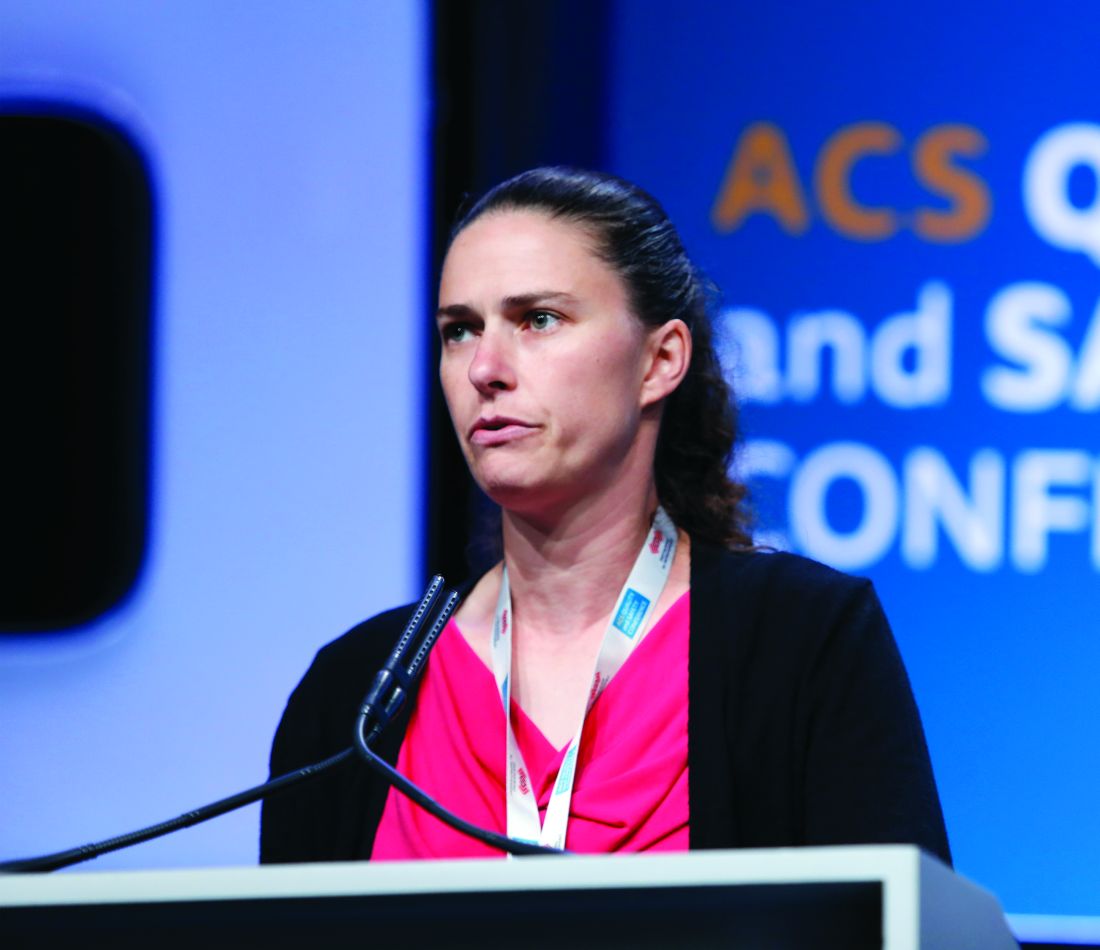
These patients had a lower pneumonia rate and were more often discharged to home from acute care after the program was implemented, according to Lila Gottenbos, RN, BSN, of Langley (B.C.) Memorial Hospital.
The intervention incorporated some traditional enhanced recovery after surgery (ERAS) process measures, along with others that were not so traditional, Ms. Gottenbos said. “Implementing ERAS in a fractured hip patient population is possible, and by doing so, more patients go home faster to their previous places of residence with fewer complications.”
A multidisciplinary team at Langley Memorial Hospital, a 200-bed community hospital with approximately 6,000 surgical procedures performed each year, has used ERAS measures in their colorectal patient population since 2013. Those measures have been successful in creating a sustained reduction in morbidity and length of stay, according to Ms. Gottenbos.
The team began searching for other patient populations who might also benefit. They chose to focus on the fractured hip population, which in 2015 had a 9.7% mortality rate, 17% morbidity rate, 5% pneumonia rate, and 19% rate of discharge to home from acute care. “We looked at this data and we realized we had a significant opportunity to do better for our patients,” Ms. Gottenbos told meeting attendees.
The team developed ERAS-based process measures tailored specifically to pre- and postoperative challenges in the fractured hip patient population, Ms. Gottenbos said. Measures included preoperative patient and family education, elimination of prolonged preoperative NPO status, early mobilization, assessment of mentation, and use of standardized order sets. The protocol has been applied to every hip fracture patient who has had surgery from January 2016 to the present. The hospital averages 110 of these procedures per year.
Fractured hip mortality dropped after the modified ERAS process measures were adopted, Ms. Gottenbos reported. Measured to 30 days postoperatively, mortality decreased from 9.7% in 2015 to 4.2% by 2017. Similarly, fractured hip morbidity within 30 days, excluding transfusion, dropped from 17.7% in 2015 to 11.7% in 2017, and fractured hip pneumonia dropped from 5.4% to 2.5%.
Perhaps the most telling evidence of success, according to the presenter, was the increase in the number of patients going home from acute care: “Before ERAS, fractured hip patients were going home to their place of residence less than 20% of the time from the acute care setting, meaning they were languishing in the hospital, in a convalescent unit, in a rehab unit, or worse, residential care,” she said. “We’ve been able to increase that to over 43%.”
The program is ongoing. A multidisciplinary team meets monthly to review outcomes data and devise strategies to improve compliance with the process measures. “It’s an iterative process, and it’s one that’s worked very well for us so far,” Ms. Gottenbos remarked.
The investigator had no disclosures.
ORLANDO – compared with patients treated before the intervention, an investigator reported at the American College of Surgeons Quality and Safety Conference.
These patients had a lower pneumonia rate and were more often discharged to home from acute care after the program was implemented, according to Lila Gottenbos, RN, BSN, of Langley (B.C.) Memorial Hospital.
The intervention incorporated some traditional enhanced recovery after surgery (ERAS) process measures, along with others that were not so traditional, Ms. Gottenbos said. “Implementing ERAS in a fractured hip patient population is possible, and by doing so, more patients go home faster to their previous places of residence with fewer complications.”
A multidisciplinary team at Langley Memorial Hospital, a 200-bed community hospital with approximately 6,000 surgical procedures performed each year, has used ERAS measures in their colorectal patient population since 2013. Those measures have been successful in creating a sustained reduction in morbidity and length of stay, according to Ms. Gottenbos.
The team began searching for other patient populations who might also benefit. They chose to focus on the fractured hip population, which in 2015 had a 9.7% mortality rate, 17% morbidity rate, 5% pneumonia rate, and 19% rate of discharge to home from acute care. “We looked at this data and we realized we had a significant opportunity to do better for our patients,” Ms. Gottenbos told meeting attendees.
The team developed ERAS-based process measures tailored specifically to pre- and postoperative challenges in the fractured hip patient population, Ms. Gottenbos said. Measures included preoperative patient and family education, elimination of prolonged preoperative NPO status, early mobilization, assessment of mentation, and use of standardized order sets. The protocol has been applied to every hip fracture patient who has had surgery from January 2016 to the present. The hospital averages 110 of these procedures per year.
Fractured hip mortality dropped after the modified ERAS process measures were adopted, Ms. Gottenbos reported. Measured to 30 days postoperatively, mortality decreased from 9.7% in 2015 to 4.2% by 2017. Similarly, fractured hip morbidity within 30 days, excluding transfusion, dropped from 17.7% in 2015 to 11.7% in 2017, and fractured hip pneumonia dropped from 5.4% to 2.5%.
Perhaps the most telling evidence of success, according to the presenter, was the increase in the number of patients going home from acute care: “Before ERAS, fractured hip patients were going home to their place of residence less than 20% of the time from the acute care setting, meaning they were languishing in the hospital, in a convalescent unit, in a rehab unit, or worse, residential care,” she said. “We’ve been able to increase that to over 43%.”
The program is ongoing. A multidisciplinary team meets monthly to review outcomes data and devise strategies to improve compliance with the process measures. “It’s an iterative process, and it’s one that’s worked very well for us so far,” Ms. Gottenbos remarked.
The investigator had no disclosures.
ORLANDO – compared with patients treated before the intervention, an investigator reported at the American College of Surgeons Quality and Safety Conference.
These patients had a lower pneumonia rate and were more often discharged to home from acute care after the program was implemented, according to Lila Gottenbos, RN, BSN, of Langley (B.C.) Memorial Hospital.
The intervention incorporated some traditional enhanced recovery after surgery (ERAS) process measures, along with others that were not so traditional, Ms. Gottenbos said. “Implementing ERAS in a fractured hip patient population is possible, and by doing so, more patients go home faster to their previous places of residence with fewer complications.”
A multidisciplinary team at Langley Memorial Hospital, a 200-bed community hospital with approximately 6,000 surgical procedures performed each year, has used ERAS measures in their colorectal patient population since 2013. Those measures have been successful in creating a sustained reduction in morbidity and length of stay, according to Ms. Gottenbos.
The team began searching for other patient populations who might also benefit. They chose to focus on the fractured hip population, which in 2015 had a 9.7% mortality rate, 17% morbidity rate, 5% pneumonia rate, and 19% rate of discharge to home from acute care. “We looked at this data and we realized we had a significant opportunity to do better for our patients,” Ms. Gottenbos told meeting attendees.
The team developed ERAS-based process measures tailored specifically to pre- and postoperative challenges in the fractured hip patient population, Ms. Gottenbos said. Measures included preoperative patient and family education, elimination of prolonged preoperative NPO status, early mobilization, assessment of mentation, and use of standardized order sets. The protocol has been applied to every hip fracture patient who has had surgery from January 2016 to the present. The hospital averages 110 of these procedures per year.
Fractured hip mortality dropped after the modified ERAS process measures were adopted, Ms. Gottenbos reported. Measured to 30 days postoperatively, mortality decreased from 9.7% in 2015 to 4.2% by 2017. Similarly, fractured hip morbidity within 30 days, excluding transfusion, dropped from 17.7% in 2015 to 11.7% in 2017, and fractured hip pneumonia dropped from 5.4% to 2.5%.
Perhaps the most telling evidence of success, according to the presenter, was the increase in the number of patients going home from acute care: “Before ERAS, fractured hip patients were going home to their place of residence less than 20% of the time from the acute care setting, meaning they were languishing in the hospital, in a convalescent unit, in a rehab unit, or worse, residential care,” she said. “We’ve been able to increase that to over 43%.”
The program is ongoing. A multidisciplinary team meets monthly to review outcomes data and devise strategies to improve compliance with the process measures. “It’s an iterative process, and it’s one that’s worked very well for us so far,” Ms. Gottenbos remarked.
The investigator had no disclosures.
REPORTING FROM ACSQSC 2018
Key clinical point: Fractured hip patients managed with the ERAS protocol had improved outcomes.
Major finding: After implementation of the ERAS protocol, 43% of fractured hip patients were discharged to home, which is up from 20% before the project.
Study details: More than 200 patients treated for hip fracture during 2016-2017 at the Langley (B.C.) Memorial Hospital.
Disclosures: The investigator had no disclosures. .
1 in 7 Zika-exposed babies have at least one health problem related to the virus
About 14% of 1-year-olds with prenatal Zika virus exposure show at least one health problem probably related to the virus, according to a study published in Morbidity and Mortality Weekly Report.

Many of the problems are brain and eye abnormalities, which occurred at 30 times the 0.16% background rate among unexposed babies, Margaret Honein, PhD, and colleagues reported.
In a press briefing, Dr. Honein, chief of the Birth Defects Branch at the National Center on Birth Defects and Developmental Disabilities, described findings from the U.S. Zika Pregnancy and Infant Registry (USZPIR).
“Today’s report is the largest to date with long-term outcomes of babies born to mothers with [lab-confirmed] Zika infections, and the first published data on children 1 year or older from the ongoing surveillance network,” Dr. Honein said. It “clearly shows that the Zika story is not over, especially for the children and families who are affected by it.”
USZPIR is monitoring the outcomes of 7,300 pregnancies with lab-confirmed Zika infection. From these, 4,800 babies were born in the U.S. territories and freely associated states, had reached the age of 1 year by Feb. 1, 2018, and were included in the study.
In addition to clinical outcomes, the investigators looked at how many babies received the recommended evaluations, including neuroimaging, hearing screens, opthalmologic exams, developmental screening, and physical exams.
Almost all (95%) had at least one exam in the first 2 weeks of life; 76% had at least one developmental screening; 60% had postnatal neuroimaging; 48% at least one hearing exam; and 36% at least one eye exam by a specialist, the investigators found.
Findings that many didn’t get all the recommended health screenings are concerning, CDC Director Robert Redfield, MD. said during the briefing. “We are still learning about the full range of long-term health problems these babies could face. We thank clinicians for their continued commitment to conduct all necessary tests and evaluations to ensure appropriate care.”
Zika-associated birth defects occurred 203 babies (14%). Another 136 (9%) had at least one neurodevelopmental abnormality possibly associated with congenital Zika virus infection, and 20 (1%) had both. Most babies (1,386; 96%) did not have microcephaly detected at birth. But there was some “misclassification” of the condition, the investigators found. “Five infants had microcephaly at birth with brain or eye anomalies identified at birth; 59 had microcephaly at birth with no brain or eye anomalies identified at birth; and 20 infants did not have microcephaly identified at birth but had postnatal identification of microcephaly.”
Neurodevelopmental abnormalities possibly associated with Zika occurred in 136 (9%) of the cohort; 116 (8%) had no Zika-associated birth defects. Among these, half (58) had only possible developmental delay.
Zika transmission appears to be slowing, Lyle Peterson, MD, said during the press briefing, with no cases in the continental U.S. since 2017. That year, there were two cases in Florida and five in Texas. However, it is now endemic in many regions. Everyone should continue to take precautions against mosquito bites, he urged.
The MMWR also included updated guidance for men who are planning a pregnancy with a partner and may have been exposed to Zika.
CDC now recommends that these men wait at least 3 months after onset of Zika symptoms or any possible exposure, including travel to or living in a risk area. Past guidance recommended a 6-month waiting period. The new recommendation reflects emerging data suggesting that the risk of infectious Zika in semen declines during the 3 months after symptom onset.
Men who want to avoid passing Zika through sex should abstain for 3 months, or use a condom every time they have sex, the new recommendation said.
“All other Zika guidance remains unchanged,” the guidelines note. “Men with possible Zika virus exposure whose partner is pregnant should use condoms or the couple should not have sex for the entire pregnancy to reduce the risk of transmission.”
SOURCE: Honein, MA et al. MMWR 2018; 67: 1-10.
About 14% of 1-year-olds with prenatal Zika virus exposure show at least one health problem probably related to the virus, according to a study published in Morbidity and Mortality Weekly Report.
Many of the problems are brain and eye abnormalities, which occurred at 30 times the 0.16% background rate among unexposed babies, Margaret Honein, PhD, and colleagues reported.
In a press briefing, Dr. Honein, chief of the Birth Defects Branch at the National Center on Birth Defects and Developmental Disabilities, described findings from the U.S. Zika Pregnancy and Infant Registry (USZPIR).
“Today’s report is the largest to date with long-term outcomes of babies born to mothers with [lab-confirmed] Zika infections, and the first published data on children 1 year or older from the ongoing surveillance network,” Dr. Honein said. It “clearly shows that the Zika story is not over, especially for the children and families who are affected by it.”
USZPIR is monitoring the outcomes of 7,300 pregnancies with lab-confirmed Zika infection. From these, 4,800 babies were born in the U.S. territories and freely associated states, had reached the age of 1 year by Feb. 1, 2018, and were included in the study.
In addition to clinical outcomes, the investigators looked at how many babies received the recommended evaluations, including neuroimaging, hearing screens, opthalmologic exams, developmental screening, and physical exams.
Almost all (95%) had at least one exam in the first 2 weeks of life; 76% had at least one developmental screening; 60% had postnatal neuroimaging; 48% at least one hearing exam; and 36% at least one eye exam by a specialist, the investigators found.
Findings that many didn’t get all the recommended health screenings are concerning, CDC Director Robert Redfield, MD. said during the briefing. “We are still learning about the full range of long-term health problems these babies could face. We thank clinicians for their continued commitment to conduct all necessary tests and evaluations to ensure appropriate care.”
Zika-associated birth defects occurred 203 babies (14%). Another 136 (9%) had at least one neurodevelopmental abnormality possibly associated with congenital Zika virus infection, and 20 (1%) had both. Most babies (1,386; 96%) did not have microcephaly detected at birth. But there was some “misclassification” of the condition, the investigators found. “Five infants had microcephaly at birth with brain or eye anomalies identified at birth; 59 had microcephaly at birth with no brain or eye anomalies identified at birth; and 20 infants did not have microcephaly identified at birth but had postnatal identification of microcephaly.”
Neurodevelopmental abnormalities possibly associated with Zika occurred in 136 (9%) of the cohort; 116 (8%) had no Zika-associated birth defects. Among these, half (58) had only possible developmental delay.
Zika transmission appears to be slowing, Lyle Peterson, MD, said during the press briefing, with no cases in the continental U.S. since 2017. That year, there were two cases in Florida and five in Texas. However, it is now endemic in many regions. Everyone should continue to take precautions against mosquito bites, he urged.
The MMWR also included updated guidance for men who are planning a pregnancy with a partner and may have been exposed to Zika.
CDC now recommends that these men wait at least 3 months after onset of Zika symptoms or any possible exposure, including travel to or living in a risk area. Past guidance recommended a 6-month waiting period. The new recommendation reflects emerging data suggesting that the risk of infectious Zika in semen declines during the 3 months after symptom onset.
Men who want to avoid passing Zika through sex should abstain for 3 months, or use a condom every time they have sex, the new recommendation said.
“All other Zika guidance remains unchanged,” the guidelines note. “Men with possible Zika virus exposure whose partner is pregnant should use condoms or the couple should not have sex for the entire pregnancy to reduce the risk of transmission.”
SOURCE: Honein, MA et al. MMWR 2018; 67: 1-10.
About 14% of 1-year-olds with prenatal Zika virus exposure show at least one health problem probably related to the virus, according to a study published in Morbidity and Mortality Weekly Report.
Many of the problems are brain and eye abnormalities, which occurred at 30 times the 0.16% background rate among unexposed babies, Margaret Honein, PhD, and colleagues reported.
In a press briefing, Dr. Honein, chief of the Birth Defects Branch at the National Center on Birth Defects and Developmental Disabilities, described findings from the U.S. Zika Pregnancy and Infant Registry (USZPIR).
“Today’s report is the largest to date with long-term outcomes of babies born to mothers with [lab-confirmed] Zika infections, and the first published data on children 1 year or older from the ongoing surveillance network,” Dr. Honein said. It “clearly shows that the Zika story is not over, especially for the children and families who are affected by it.”
USZPIR is monitoring the outcomes of 7,300 pregnancies with lab-confirmed Zika infection. From these, 4,800 babies were born in the U.S. territories and freely associated states, had reached the age of 1 year by Feb. 1, 2018, and were included in the study.
In addition to clinical outcomes, the investigators looked at how many babies received the recommended evaluations, including neuroimaging, hearing screens, opthalmologic exams, developmental screening, and physical exams.
Almost all (95%) had at least one exam in the first 2 weeks of life; 76% had at least one developmental screening; 60% had postnatal neuroimaging; 48% at least one hearing exam; and 36% at least one eye exam by a specialist, the investigators found.
Findings that many didn’t get all the recommended health screenings are concerning, CDC Director Robert Redfield, MD. said during the briefing. “We are still learning about the full range of long-term health problems these babies could face. We thank clinicians for their continued commitment to conduct all necessary tests and evaluations to ensure appropriate care.”
Zika-associated birth defects occurred 203 babies (14%). Another 136 (9%) had at least one neurodevelopmental abnormality possibly associated with congenital Zika virus infection, and 20 (1%) had both. Most babies (1,386; 96%) did not have microcephaly detected at birth. But there was some “misclassification” of the condition, the investigators found. “Five infants had microcephaly at birth with brain or eye anomalies identified at birth; 59 had microcephaly at birth with no brain or eye anomalies identified at birth; and 20 infants did not have microcephaly identified at birth but had postnatal identification of microcephaly.”
Neurodevelopmental abnormalities possibly associated with Zika occurred in 136 (9%) of the cohort; 116 (8%) had no Zika-associated birth defects. Among these, half (58) had only possible developmental delay.
Zika transmission appears to be slowing, Lyle Peterson, MD, said during the press briefing, with no cases in the continental U.S. since 2017. That year, there were two cases in Florida and five in Texas. However, it is now endemic in many regions. Everyone should continue to take precautions against mosquito bites, he urged.
The MMWR also included updated guidance for men who are planning a pregnancy with a partner and may have been exposed to Zika.
CDC now recommends that these men wait at least 3 months after onset of Zika symptoms or any possible exposure, including travel to or living in a risk area. Past guidance recommended a 6-month waiting period. The new recommendation reflects emerging data suggesting that the risk of infectious Zika in semen declines during the 3 months after symptom onset.
Men who want to avoid passing Zika through sex should abstain for 3 months, or use a condom every time they have sex, the new recommendation said.
“All other Zika guidance remains unchanged,” the guidelines note. “Men with possible Zika virus exposure whose partner is pregnant should use condoms or the couple should not have sex for the entire pregnancy to reduce the risk of transmission.”
SOURCE: Honein, MA et al. MMWR 2018; 67: 1-10.
FROM MMWR
Key clinical point: Zika-related health problems are present in a substantial number of prenatally exposed babies.
Major finding: Problems occurred in 14% of 4,800 included in a national registry.
Study details: USZPIR is monitoring the outcomes of 7,300 pregnancies with lab-confirmed Zika infection. Disclosures: No relevant conflicts of interest were disclosed.
Source: Honein, MA et al. MMWR 2018; 67: 1-10.