User login
Bringing you the latest news, research and reviews, exclusive interviews, podcasts, quizzes, and more.
div[contains(@class, 'header__large-screen')]
div[contains(@class, 'read-next-article')]
div[contains(@class, 'main-prefix')]
div[contains(@class, 'nav-primary')]
nav[contains(@class, 'nav-primary')]
section[contains(@class, 'footer-nav-section-wrapper')]
footer[@id='footer']
section[contains(@class, 'nav-hidden')]
div[contains(@class, 'ce-card-content')]
nav[contains(@class, 'nav-ce-stack')]
div[contains(@class, 'view-medstat-quiz-listing-panes')]
div[contains(@class, 'pane-article-sidebar-latest-news')]
div[contains(@class, 'medstat-accordion-set article-series')]
First recommendations for cancer screening in myositis issued
AT ACR 2022
PHILADELPHIA – The first consensus screening guidelines for patients with idiopathic inflammatory myopathy (IIM) provide recommendations on risk stratification for individuals, basic and enhanced screening protocols, and screening frequency.
The recommendations, issued by the International Myositis Assessment and Clinical Studies Group (IMACS), stratify cancer risk for individual patients into low, intermediate, or high categories based on the IIM disease subtype, autoantibody status, and clinical features, reported Alexander Oldroyd, PhD, MSc, MBChB of the University of Manchester, England.

“There’s a big unmet need for cancer screening. One in four adults with myositis has cancer, either 3 years before or after a diagnosis of myositis. It’s one of the leading causes of death in these patients, and they’re overwhelmingly diagnosed at a late stage, so we need standardized approaches to get early diagnosis,” he said in an interview at the annual meeting of the American College of Rheumatology.
Sharon Kolasinski, MD, of the University of Pennsylvania in Philadelphia, said in an interview that the guideline is a welcome development for rheumatologists. Dr. Kolasinski moderated the session where Dr. Oldroyd described the guideline, but she was not involved in its formulation.
“I think that we all have wondered for a very long time: What is the optimal cancer screening for myositis patients? We all worry that the onset of their diseases is associated with a coincident cancer, or that they will develop it soon,” she said.
Dr. Oldroyd emphasized that all patients with myositis have elevated risk for cancer compared with the general population and that the guideline categories of low, intermediate, and high are relative only to patients with IIM.
International consensus
The data on which the recommendations are based come from a systematic review and meta-analysis by Dr. Oldroyd and colleagues of 69 studies on cancer risk factors and 9 on IIM-specific cancer screening.
The authors of that paper found that the dermatomyositis subtype, older age, male sex, dysphagia, cutaneous ulceration and antitranscriptional intermediary factor-1 gamma (anti-TIF1-gamma) positivity were associated with significantly increased risk of cancer.
In contrast, polymyositis and clinically amyopathic dermatomyositis subtypes, Raynaud’s phenomenon, interstitial lung disease, very high serum creatine kinase or lactate dehydrogenase levels, and positivity for anti-Jo1 or anti-EJ antibodies were associated with significantly reduced risk of cancer.
The consensus recommendations were developed with anonymous contributions from 75 expert participants in 22 countries, with additional input from 3 patient partners.
Do this
The guideline lists 18 recommendations, of which 13 are strong and 5 are conditional.
An example of a strong recommendation is number 3, based on a moderate level of evidences:
“All adult IIM patients, irrespective of cancer risk, should continue to participate in country/region-specific age and sex appropriate cancer screening programs,” the guideline recommends.
Patients with verified inclusion body myositis or juvenile-onset IIM do not, however, require routine screening for myositis-associated cancer, the guideline says (recommendations 1 and 2).
There are also recommendations that all adults with new-onset IIM be tested for myositis-specific and myositis-associated autoantibodies to assist in stratifying patients by risk category.
The guideline divides screening recommendations into basic and enhanced. The basic screening should include a comprehensive history and physical exam, complete blood count, liver functions tests, erythrocyte sedimentation rates/plasma viscosity, serum protein electrophoresis, urinalysis, and chest x-ray.
Adults with IIM who are determined to be at low risk for IIM-related cancer should have basic cancer screening at the time of IIM diagnosis. Adults with intermediate risk should undergo both basic and enhanced screening at the time of IIM diagnosis, and those with high risk should undergo enhanced screening at the time of myositis diagnosis, with basic screening annually for 3 years, the recommendations say.
Consider doing this
Conditional recommendations (“clinicians should consider ...”) include the use of PET/CT for adults at high risk for cancer when an underlying cancer has not been detected at the time of IIM diagnosis. They also include a single screening test for anti-TIF1-gamma positive dermatomyositis patients whose disease onset was after age 40 and who have at least one additional risk factor.
Also conditionally recommended are upper and lower gastrointestinal endoscopy for patients at high risk when an underlying cancer is not found at the time of IIM diagnosis, nasoendoscopy in geographical regions with elevated risk for nasopharyngeal cancers, and screening for all IIM patients with red-flag symptoms or clinical features of cancer, including unexplained weight loss, family history of cancer, smoking, unexplained fever, or night sweats.
Guided steps
“I think clinicians have a lot of questions such as, ‘well, what should I do, when should I do it?’ These are important clinical questions, and we need guidance about this. We need to balance comprehensiveness with cost-effectiveness, and we need expert opinion about what steps we should take now and which should we take later,” Dr. Kolasinski said.
The guideline development process was supported by the University of Manchester, IMACS, National Institute for Health Research (United Kingdom), National Institutes of Health, National Health Service Northern Care Alliance, The Myositis Association, Myositis UK, University of Pittsburgh, Versus Arthritis, and the Center for Musculoskeletal Research. Dr. Oldroyd and Dr. Kolasinski reported having no relevant conflicts of interest.
AT ACR 2022
PHILADELPHIA – The first consensus screening guidelines for patients with idiopathic inflammatory myopathy (IIM) provide recommendations on risk stratification for individuals, basic and enhanced screening protocols, and screening frequency.
The recommendations, issued by the International Myositis Assessment and Clinical Studies Group (IMACS), stratify cancer risk for individual patients into low, intermediate, or high categories based on the IIM disease subtype, autoantibody status, and clinical features, reported Alexander Oldroyd, PhD, MSc, MBChB of the University of Manchester, England.
“There’s a big unmet need for cancer screening. One in four adults with myositis has cancer, either 3 years before or after a diagnosis of myositis. It’s one of the leading causes of death in these patients, and they’re overwhelmingly diagnosed at a late stage, so we need standardized approaches to get early diagnosis,” he said in an interview at the annual meeting of the American College of Rheumatology.
Sharon Kolasinski, MD, of the University of Pennsylvania in Philadelphia, said in an interview that the guideline is a welcome development for rheumatologists. Dr. Kolasinski moderated the session where Dr. Oldroyd described the guideline, but she was not involved in its formulation.
“I think that we all have wondered for a very long time: What is the optimal cancer screening for myositis patients? We all worry that the onset of their diseases is associated with a coincident cancer, or that they will develop it soon,” she said.
Dr. Oldroyd emphasized that all patients with myositis have elevated risk for cancer compared with the general population and that the guideline categories of low, intermediate, and high are relative only to patients with IIM.
International consensus
The data on which the recommendations are based come from a systematic review and meta-analysis by Dr. Oldroyd and colleagues of 69 studies on cancer risk factors and 9 on IIM-specific cancer screening.
The authors of that paper found that the dermatomyositis subtype, older age, male sex, dysphagia, cutaneous ulceration and antitranscriptional intermediary factor-1 gamma (anti-TIF1-gamma) positivity were associated with significantly increased risk of cancer.
In contrast, polymyositis and clinically amyopathic dermatomyositis subtypes, Raynaud’s phenomenon, interstitial lung disease, very high serum creatine kinase or lactate dehydrogenase levels, and positivity for anti-Jo1 or anti-EJ antibodies were associated with significantly reduced risk of cancer.
The consensus recommendations were developed with anonymous contributions from 75 expert participants in 22 countries, with additional input from 3 patient partners.
Do this
The guideline lists 18 recommendations, of which 13 are strong and 5 are conditional.
An example of a strong recommendation is number 3, based on a moderate level of evidences:
“All adult IIM patients, irrespective of cancer risk, should continue to participate in country/region-specific age and sex appropriate cancer screening programs,” the guideline recommends.
Patients with verified inclusion body myositis or juvenile-onset IIM do not, however, require routine screening for myositis-associated cancer, the guideline says (recommendations 1 and 2).
There are also recommendations that all adults with new-onset IIM be tested for myositis-specific and myositis-associated autoantibodies to assist in stratifying patients by risk category.
The guideline divides screening recommendations into basic and enhanced. The basic screening should include a comprehensive history and physical exam, complete blood count, liver functions tests, erythrocyte sedimentation rates/plasma viscosity, serum protein electrophoresis, urinalysis, and chest x-ray.
Adults with IIM who are determined to be at low risk for IIM-related cancer should have basic cancer screening at the time of IIM diagnosis. Adults with intermediate risk should undergo both basic and enhanced screening at the time of IIM diagnosis, and those with high risk should undergo enhanced screening at the time of myositis diagnosis, with basic screening annually for 3 years, the recommendations say.
Consider doing this
Conditional recommendations (“clinicians should consider ...”) include the use of PET/CT for adults at high risk for cancer when an underlying cancer has not been detected at the time of IIM diagnosis. They also include a single screening test for anti-TIF1-gamma positive dermatomyositis patients whose disease onset was after age 40 and who have at least one additional risk factor.
Also conditionally recommended are upper and lower gastrointestinal endoscopy for patients at high risk when an underlying cancer is not found at the time of IIM diagnosis, nasoendoscopy in geographical regions with elevated risk for nasopharyngeal cancers, and screening for all IIM patients with red-flag symptoms or clinical features of cancer, including unexplained weight loss, family history of cancer, smoking, unexplained fever, or night sweats.
Guided steps
“I think clinicians have a lot of questions such as, ‘well, what should I do, when should I do it?’ These are important clinical questions, and we need guidance about this. We need to balance comprehensiveness with cost-effectiveness, and we need expert opinion about what steps we should take now and which should we take later,” Dr. Kolasinski said.
The guideline development process was supported by the University of Manchester, IMACS, National Institute for Health Research (United Kingdom), National Institutes of Health, National Health Service Northern Care Alliance, The Myositis Association, Myositis UK, University of Pittsburgh, Versus Arthritis, and the Center for Musculoskeletal Research. Dr. Oldroyd and Dr. Kolasinski reported having no relevant conflicts of interest.
AT ACR 2022
PHILADELPHIA – The first consensus screening guidelines for patients with idiopathic inflammatory myopathy (IIM) provide recommendations on risk stratification for individuals, basic and enhanced screening protocols, and screening frequency.
The recommendations, issued by the International Myositis Assessment and Clinical Studies Group (IMACS), stratify cancer risk for individual patients into low, intermediate, or high categories based on the IIM disease subtype, autoantibody status, and clinical features, reported Alexander Oldroyd, PhD, MSc, MBChB of the University of Manchester, England.
“There’s a big unmet need for cancer screening. One in four adults with myositis has cancer, either 3 years before or after a diagnosis of myositis. It’s one of the leading causes of death in these patients, and they’re overwhelmingly diagnosed at a late stage, so we need standardized approaches to get early diagnosis,” he said in an interview at the annual meeting of the American College of Rheumatology.
Sharon Kolasinski, MD, of the University of Pennsylvania in Philadelphia, said in an interview that the guideline is a welcome development for rheumatologists. Dr. Kolasinski moderated the session where Dr. Oldroyd described the guideline, but she was not involved in its formulation.
“I think that we all have wondered for a very long time: What is the optimal cancer screening for myositis patients? We all worry that the onset of their diseases is associated with a coincident cancer, or that they will develop it soon,” she said.
Dr. Oldroyd emphasized that all patients with myositis have elevated risk for cancer compared with the general population and that the guideline categories of low, intermediate, and high are relative only to patients with IIM.
International consensus
The data on which the recommendations are based come from a systematic review and meta-analysis by Dr. Oldroyd and colleagues of 69 studies on cancer risk factors and 9 on IIM-specific cancer screening.
The authors of that paper found that the dermatomyositis subtype, older age, male sex, dysphagia, cutaneous ulceration and antitranscriptional intermediary factor-1 gamma (anti-TIF1-gamma) positivity were associated with significantly increased risk of cancer.
In contrast, polymyositis and clinically amyopathic dermatomyositis subtypes, Raynaud’s phenomenon, interstitial lung disease, very high serum creatine kinase or lactate dehydrogenase levels, and positivity for anti-Jo1 or anti-EJ antibodies were associated with significantly reduced risk of cancer.
The consensus recommendations were developed with anonymous contributions from 75 expert participants in 22 countries, with additional input from 3 patient partners.
Do this
The guideline lists 18 recommendations, of which 13 are strong and 5 are conditional.
An example of a strong recommendation is number 3, based on a moderate level of evidences:
“All adult IIM patients, irrespective of cancer risk, should continue to participate in country/region-specific age and sex appropriate cancer screening programs,” the guideline recommends.
Patients with verified inclusion body myositis or juvenile-onset IIM do not, however, require routine screening for myositis-associated cancer, the guideline says (recommendations 1 and 2).
There are also recommendations that all adults with new-onset IIM be tested for myositis-specific and myositis-associated autoantibodies to assist in stratifying patients by risk category.
The guideline divides screening recommendations into basic and enhanced. The basic screening should include a comprehensive history and physical exam, complete blood count, liver functions tests, erythrocyte sedimentation rates/plasma viscosity, serum protein electrophoresis, urinalysis, and chest x-ray.
Adults with IIM who are determined to be at low risk for IIM-related cancer should have basic cancer screening at the time of IIM diagnosis. Adults with intermediate risk should undergo both basic and enhanced screening at the time of IIM diagnosis, and those with high risk should undergo enhanced screening at the time of myositis diagnosis, with basic screening annually for 3 years, the recommendations say.
Consider doing this
Conditional recommendations (“clinicians should consider ...”) include the use of PET/CT for adults at high risk for cancer when an underlying cancer has not been detected at the time of IIM diagnosis. They also include a single screening test for anti-TIF1-gamma positive dermatomyositis patients whose disease onset was after age 40 and who have at least one additional risk factor.
Also conditionally recommended are upper and lower gastrointestinal endoscopy for patients at high risk when an underlying cancer is not found at the time of IIM diagnosis, nasoendoscopy in geographical regions with elevated risk for nasopharyngeal cancers, and screening for all IIM patients with red-flag symptoms or clinical features of cancer, including unexplained weight loss, family history of cancer, smoking, unexplained fever, or night sweats.
Guided steps
“I think clinicians have a lot of questions such as, ‘well, what should I do, when should I do it?’ These are important clinical questions, and we need guidance about this. We need to balance comprehensiveness with cost-effectiveness, and we need expert opinion about what steps we should take now and which should we take later,” Dr. Kolasinski said.
The guideline development process was supported by the University of Manchester, IMACS, National Institute for Health Research (United Kingdom), National Institutes of Health, National Health Service Northern Care Alliance, The Myositis Association, Myositis UK, University of Pittsburgh, Versus Arthritis, and the Center for Musculoskeletal Research. Dr. Oldroyd and Dr. Kolasinski reported having no relevant conflicts of interest.
No benefit of rivaroxaban in COVID outpatients: PREVENT-HD
A new U.S. randomized trial has failed to show benefit of a 35-day course of oral anticoagulation with rivaroxaban for the prevention of thrombotic events in outpatients with symptomatic COVID-19.
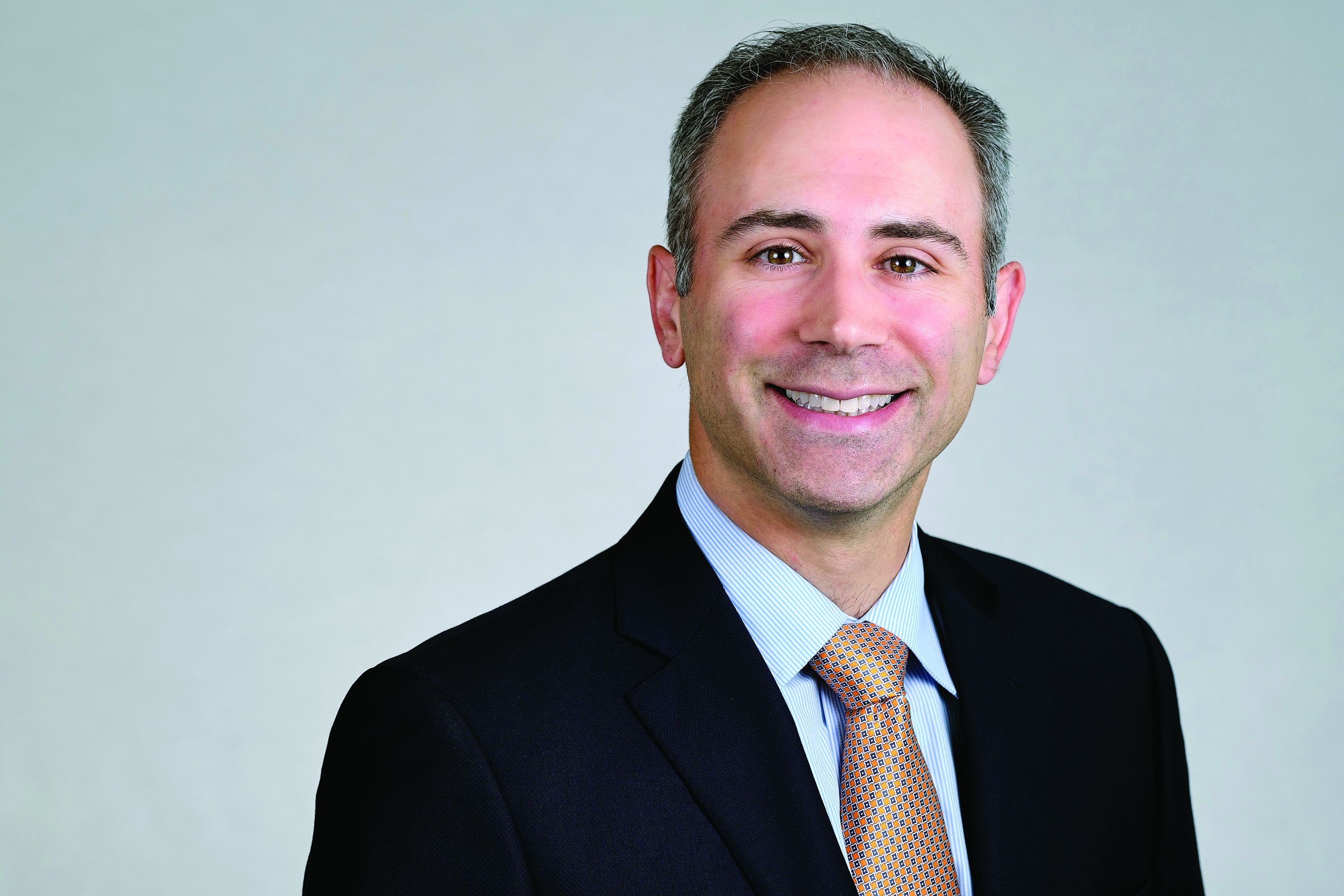
The PREVENT-HD trial was presented at the American Heart Association scientific sessions by Gregory Piazza, MD, Brigham and Women’s Hospital, Boston.
“With the caveat that the trial was underpowered to provide a definitive conclusion, these data do not support routine antithrombotic prophylaxis in nonhospitalized patients with symptomatic COVID-19,” Dr. Piazza concluded.
PREVENT-HD is the largest randomized study to look at anticoagulation in nonhospitalized COVID-19 patients and joins a long list of smaller trials that have also shown no benefit with this approach.
However, anticoagulation is recommended in patients who are hospitalized with COVID-19.
Dr. Piazza noted that the issue of anticoagulation in COVID-19 has focused mainly on hospitalized patients, but most COVID-19 cases are treated as outpatients, who are also suspected to be at risk for venous and arterial thrombotic events, especially if they have additional risk factors. Histopathological evidence also suggests that at least part of the deterioration in lung function leading to hospitalization may be attributable to in situ pulmonary artery thrombosis.
The PREVENT-HD trial explored the question of whether early initiation of thromboprophylaxis dosing of rivaroxaban in higher-risk outpatients with COVID-19 may lower the incidence of venous and arterial thrombotic events, reduce in situ pulmonary thrombosis and the worsening of pulmonary function that may lead to hospitalization, and reduce all-cause mortality.
The trial included 1,284 outpatients with a positive test for COVID-19 and who were within 14 days of symptom onset. They also had to have at least one of the following additional risk factors: age over 60 years; prior history of venous thromboembolism (VTE), thrombophilia, coronary artery disease, peripheral artery disease, cardiovascular disease or ischemic stroke, cancer, diabetes, heart failure, obesity (body mass index ≥ 35 kg/m2) or D-dimer > upper limit of normal. Around 35% of the study population had two or more of these risk factors.
Patients were randomized to rivaroxaban 10 mg daily for 35 days or placebo.
The primary efficacy endpoint was time to first occurrence of a composite of symptomatic VTE, myocardial infarction, ischemic stroke, acute limb ischemia, non–central nervous system systemic embolization, all-cause hospitalization, and all-cause mortality up to day 35.
The primary safety endpoint was time to first occurrence of International Society on Thrombosis and Hemostasis (ISTH) critical-site and fatal bleeding.
A modified intention-to-treat analysis (all participants taking at least one dose of study intervention) was also planned.
The trial was stopped early in April this year because of a lower than expected event incidence (3.2%), compared with the planned rate (8.5%), giving a very low likelihood of being able to achieve the required number of events.
Dr. Piazza said reasons contributing to the low event rate included a falling COVID-19 death and hospitalization rate nationwide, and increased use of effective vaccines.
Results of the main intention-to-treat analysis (in 1,284 patients) showed no significant difference in the primary efficacy composite endpoint, which occurred in 3.4% of the rivaroxaban group versus 3.0% of the placebo group.
In the modified intention-to-treat analysis (which included 1,197 patients who actually took at least one dose of the study medication) there was shift in the directionality of the point estimate (rivaroxaban 2.0% vs. placebo 2.7%), which Dr. Piazza said was related to a higher number of patients hospitalized before receiving study drug in the rivaroxaban group. However, the difference was still nonsignificant.
The first major secondary outcome of symptomatic VTE, arterial thrombotic events, and all-cause mortality occurred in 0.3% of rivaroxaban patients versus 1.1% of placebo patients, but this difference did not reach statistical significance.
However, a post hoc exploratory analysis did show a significant reduction in the outcome of symptomatic VTE and arterial thrombotic events.
In terms of safety, there were no fatal critical-site bleeding events, and there was no difference in ISTH major bleeding, which occurred in one patient in the rivaroxaban group versus no patients in the placebo group.
There was, however, a significant increase in nonmajor clinically relevant bleeding with rivaroxaban, which occurred in nine patients (1.5%) versus one patient (0.2%) in the placebo group.
Trivial bleeding was also increased in the rivaroxaban group, occurring in 17 patients (2.8%) versus 5 patients (0.8%) in the placebo group.

Discussant for the study, Renato Lopes, MD, Duke University Medical Center, Durham, N.C., noted that the relationship between COVID-19 and thrombosis has been an important issue since the beginning of the pandemic, with many proposed mechanisms to explain the COVID-19–associated coagulopathy, which is a major cause of death and disability.
While observational data at the beginning of the pandemic suggested patients with COVID-19 might benefit from anticoagulation, looking at all the different randomized trials that have tested anticoagulation in COVID-19 outpatients, there is no treatment effect on the various different primary outcomes in those studies and also no effect on all-cause mortality, Dr. Lopes said.
He pointed out that PREVENT-HD was stopped prematurely with only about one-third of the planned number of patients enrolled, “just like every other outpatient COVID-19 trial.”
He also drew attention to the low rates of vaccination in the trial population, which does not reflect the current vaccination rate in the United States, and said the different direction of the results between the main intention-to-treat and modified intention-to-treat analyses deserve further investigation.
However, Dr. Lopes concluded, “The results of this trial, in line with the body of evidence in this field, do not support the routine use of any antithrombotic therapy for outpatients with COVID-19.”
The PREVENT-HD trial was sponsored by Janssen. Dr. Piazza has reported receiving research support from Bristol-Myers Squibb/Pfizer Alliance, Bayer, Janssen, Alexion, Amgen, and Boston Scientific, and consulting fees from Bristol-Myers Squibb/Pfizer Alliance, Boston Scientific, Janssen, NAMSA, Prairie Education and Research Cooperative, Boston Clinical Research Institute, and Amgen.
A version of this article first appeared on Medscape.com.
A new U.S. randomized trial has failed to show benefit of a 35-day course of oral anticoagulation with rivaroxaban for the prevention of thrombotic events in outpatients with symptomatic COVID-19.
The PREVENT-HD trial was presented at the American Heart Association scientific sessions by Gregory Piazza, MD, Brigham and Women’s Hospital, Boston.
“With the caveat that the trial was underpowered to provide a definitive conclusion, these data do not support routine antithrombotic prophylaxis in nonhospitalized patients with symptomatic COVID-19,” Dr. Piazza concluded.
PREVENT-HD is the largest randomized study to look at anticoagulation in nonhospitalized COVID-19 patients and joins a long list of smaller trials that have also shown no benefit with this approach.
However, anticoagulation is recommended in patients who are hospitalized with COVID-19.
Dr. Piazza noted that the issue of anticoagulation in COVID-19 has focused mainly on hospitalized patients, but most COVID-19 cases are treated as outpatients, who are also suspected to be at risk for venous and arterial thrombotic events, especially if they have additional risk factors. Histopathological evidence also suggests that at least part of the deterioration in lung function leading to hospitalization may be attributable to in situ pulmonary artery thrombosis.
The PREVENT-HD trial explored the question of whether early initiation of thromboprophylaxis dosing of rivaroxaban in higher-risk outpatients with COVID-19 may lower the incidence of venous and arterial thrombotic events, reduce in situ pulmonary thrombosis and the worsening of pulmonary function that may lead to hospitalization, and reduce all-cause mortality.
The trial included 1,284 outpatients with a positive test for COVID-19 and who were within 14 days of symptom onset. They also had to have at least one of the following additional risk factors: age over 60 years; prior history of venous thromboembolism (VTE), thrombophilia, coronary artery disease, peripheral artery disease, cardiovascular disease or ischemic stroke, cancer, diabetes, heart failure, obesity (body mass index ≥ 35 kg/m2) or D-dimer > upper limit of normal. Around 35% of the study population had two or more of these risk factors.
Patients were randomized to rivaroxaban 10 mg daily for 35 days or placebo.
The primary efficacy endpoint was time to first occurrence of a composite of symptomatic VTE, myocardial infarction, ischemic stroke, acute limb ischemia, non–central nervous system systemic embolization, all-cause hospitalization, and all-cause mortality up to day 35.
The primary safety endpoint was time to first occurrence of International Society on Thrombosis and Hemostasis (ISTH) critical-site and fatal bleeding.
A modified intention-to-treat analysis (all participants taking at least one dose of study intervention) was also planned.
The trial was stopped early in April this year because of a lower than expected event incidence (3.2%), compared with the planned rate (8.5%), giving a very low likelihood of being able to achieve the required number of events.
Dr. Piazza said reasons contributing to the low event rate included a falling COVID-19 death and hospitalization rate nationwide, and increased use of effective vaccines.
Results of the main intention-to-treat analysis (in 1,284 patients) showed no significant difference in the primary efficacy composite endpoint, which occurred in 3.4% of the rivaroxaban group versus 3.0% of the placebo group.
In the modified intention-to-treat analysis (which included 1,197 patients who actually took at least one dose of the study medication) there was shift in the directionality of the point estimate (rivaroxaban 2.0% vs. placebo 2.7%), which Dr. Piazza said was related to a higher number of patients hospitalized before receiving study drug in the rivaroxaban group. However, the difference was still nonsignificant.
The first major secondary outcome of symptomatic VTE, arterial thrombotic events, and all-cause mortality occurred in 0.3% of rivaroxaban patients versus 1.1% of placebo patients, but this difference did not reach statistical significance.
However, a post hoc exploratory analysis did show a significant reduction in the outcome of symptomatic VTE and arterial thrombotic events.
In terms of safety, there were no fatal critical-site bleeding events, and there was no difference in ISTH major bleeding, which occurred in one patient in the rivaroxaban group versus no patients in the placebo group.
There was, however, a significant increase in nonmajor clinically relevant bleeding with rivaroxaban, which occurred in nine patients (1.5%) versus one patient (0.2%) in the placebo group.
Trivial bleeding was also increased in the rivaroxaban group, occurring in 17 patients (2.8%) versus 5 patients (0.8%) in the placebo group.
Discussant for the study, Renato Lopes, MD, Duke University Medical Center, Durham, N.C., noted that the relationship between COVID-19 and thrombosis has been an important issue since the beginning of the pandemic, with many proposed mechanisms to explain the COVID-19–associated coagulopathy, which is a major cause of death and disability.
While observational data at the beginning of the pandemic suggested patients with COVID-19 might benefit from anticoagulation, looking at all the different randomized trials that have tested anticoagulation in COVID-19 outpatients, there is no treatment effect on the various different primary outcomes in those studies and also no effect on all-cause mortality, Dr. Lopes said.
He pointed out that PREVENT-HD was stopped prematurely with only about one-third of the planned number of patients enrolled, “just like every other outpatient COVID-19 trial.”
He also drew attention to the low rates of vaccination in the trial population, which does not reflect the current vaccination rate in the United States, and said the different direction of the results between the main intention-to-treat and modified intention-to-treat analyses deserve further investigation.
However, Dr. Lopes concluded, “The results of this trial, in line with the body of evidence in this field, do not support the routine use of any antithrombotic therapy for outpatients with COVID-19.”
The PREVENT-HD trial was sponsored by Janssen. Dr. Piazza has reported receiving research support from Bristol-Myers Squibb/Pfizer Alliance, Bayer, Janssen, Alexion, Amgen, and Boston Scientific, and consulting fees from Bristol-Myers Squibb/Pfizer Alliance, Boston Scientific, Janssen, NAMSA, Prairie Education and Research Cooperative, Boston Clinical Research Institute, and Amgen.
A version of this article first appeared on Medscape.com.
A new U.S. randomized trial has failed to show benefit of a 35-day course of oral anticoagulation with rivaroxaban for the prevention of thrombotic events in outpatients with symptomatic COVID-19.
The PREVENT-HD trial was presented at the American Heart Association scientific sessions by Gregory Piazza, MD, Brigham and Women’s Hospital, Boston.
“With the caveat that the trial was underpowered to provide a definitive conclusion, these data do not support routine antithrombotic prophylaxis in nonhospitalized patients with symptomatic COVID-19,” Dr. Piazza concluded.
PREVENT-HD is the largest randomized study to look at anticoagulation in nonhospitalized COVID-19 patients and joins a long list of smaller trials that have also shown no benefit with this approach.
However, anticoagulation is recommended in patients who are hospitalized with COVID-19.
Dr. Piazza noted that the issue of anticoagulation in COVID-19 has focused mainly on hospitalized patients, but most COVID-19 cases are treated as outpatients, who are also suspected to be at risk for venous and arterial thrombotic events, especially if they have additional risk factors. Histopathological evidence also suggests that at least part of the deterioration in lung function leading to hospitalization may be attributable to in situ pulmonary artery thrombosis.
The PREVENT-HD trial explored the question of whether early initiation of thromboprophylaxis dosing of rivaroxaban in higher-risk outpatients with COVID-19 may lower the incidence of venous and arterial thrombotic events, reduce in situ pulmonary thrombosis and the worsening of pulmonary function that may lead to hospitalization, and reduce all-cause mortality.
The trial included 1,284 outpatients with a positive test for COVID-19 and who were within 14 days of symptom onset. They also had to have at least one of the following additional risk factors: age over 60 years; prior history of venous thromboembolism (VTE), thrombophilia, coronary artery disease, peripheral artery disease, cardiovascular disease or ischemic stroke, cancer, diabetes, heart failure, obesity (body mass index ≥ 35 kg/m2) or D-dimer > upper limit of normal. Around 35% of the study population had two or more of these risk factors.
Patients were randomized to rivaroxaban 10 mg daily for 35 days or placebo.
The primary efficacy endpoint was time to first occurrence of a composite of symptomatic VTE, myocardial infarction, ischemic stroke, acute limb ischemia, non–central nervous system systemic embolization, all-cause hospitalization, and all-cause mortality up to day 35.
The primary safety endpoint was time to first occurrence of International Society on Thrombosis and Hemostasis (ISTH) critical-site and fatal bleeding.
A modified intention-to-treat analysis (all participants taking at least one dose of study intervention) was also planned.
The trial was stopped early in April this year because of a lower than expected event incidence (3.2%), compared with the planned rate (8.5%), giving a very low likelihood of being able to achieve the required number of events.
Dr. Piazza said reasons contributing to the low event rate included a falling COVID-19 death and hospitalization rate nationwide, and increased use of effective vaccines.
Results of the main intention-to-treat analysis (in 1,284 patients) showed no significant difference in the primary efficacy composite endpoint, which occurred in 3.4% of the rivaroxaban group versus 3.0% of the placebo group.
In the modified intention-to-treat analysis (which included 1,197 patients who actually took at least one dose of the study medication) there was shift in the directionality of the point estimate (rivaroxaban 2.0% vs. placebo 2.7%), which Dr. Piazza said was related to a higher number of patients hospitalized before receiving study drug in the rivaroxaban group. However, the difference was still nonsignificant.
The first major secondary outcome of symptomatic VTE, arterial thrombotic events, and all-cause mortality occurred in 0.3% of rivaroxaban patients versus 1.1% of placebo patients, but this difference did not reach statistical significance.
However, a post hoc exploratory analysis did show a significant reduction in the outcome of symptomatic VTE and arterial thrombotic events.
In terms of safety, there were no fatal critical-site bleeding events, and there was no difference in ISTH major bleeding, which occurred in one patient in the rivaroxaban group versus no patients in the placebo group.
There was, however, a significant increase in nonmajor clinically relevant bleeding with rivaroxaban, which occurred in nine patients (1.5%) versus one patient (0.2%) in the placebo group.
Trivial bleeding was also increased in the rivaroxaban group, occurring in 17 patients (2.8%) versus 5 patients (0.8%) in the placebo group.
Discussant for the study, Renato Lopes, MD, Duke University Medical Center, Durham, N.C., noted that the relationship between COVID-19 and thrombosis has been an important issue since the beginning of the pandemic, with many proposed mechanisms to explain the COVID-19–associated coagulopathy, which is a major cause of death and disability.
While observational data at the beginning of the pandemic suggested patients with COVID-19 might benefit from anticoagulation, looking at all the different randomized trials that have tested anticoagulation in COVID-19 outpatients, there is no treatment effect on the various different primary outcomes in those studies and also no effect on all-cause mortality, Dr. Lopes said.
He pointed out that PREVENT-HD was stopped prematurely with only about one-third of the planned number of patients enrolled, “just like every other outpatient COVID-19 trial.”
He also drew attention to the low rates of vaccination in the trial population, which does not reflect the current vaccination rate in the United States, and said the different direction of the results between the main intention-to-treat and modified intention-to-treat analyses deserve further investigation.
However, Dr. Lopes concluded, “The results of this trial, in line with the body of evidence in this field, do not support the routine use of any antithrombotic therapy for outpatients with COVID-19.”
The PREVENT-HD trial was sponsored by Janssen. Dr. Piazza has reported receiving research support from Bristol-Myers Squibb/Pfizer Alliance, Bayer, Janssen, Alexion, Amgen, and Boston Scientific, and consulting fees from Bristol-Myers Squibb/Pfizer Alliance, Boston Scientific, Janssen, NAMSA, Prairie Education and Research Cooperative, Boston Clinical Research Institute, and Amgen.
A version of this article first appeared on Medscape.com.
FROM AHA 2022
Have you heard the one about the emergency dept. that called 911?
Who watches the ED staff?
We heard a really great joke recently, one we simply have to share.
A man in Seattle went to a therapist. “I’m depressed,” he says. “Depressed, overworked, and lonely.”
“Oh dear, that sounds quite serious,” the therapist replies. “Tell me all about it.”
“Life just seems so harsh and cruel,” the man explains. “The pandemic has caused 300,000 health care workers across the country to leave the industry.”
“Such as the doctor typically filling this role in the joke,” the therapist, who is not licensed to prescribe medicine, nods.
“Exactly! And with so many respiratory viruses circulating and COVID still hanging around, emergency departments all over the country are facing massive backups. People are waiting outside the hospital for hours, hoping a bed will open up. Things got so bad at a hospital near Seattle in October that a nurse called 911 on her own ED. Told the 911 operator to send the fire department to help out, since they were ‘drowning’ and ‘in dire straits.’ They had 45 patients waiting and only five nurses to take care of them.”
“That is quite serious,” the therapist says, scribbling down unseen notes.
“The fire chief did send a crew out, and they cleaned rooms, changed beds, and took vitals for 90 minutes until the crisis passed,” the man says. “But it’s only a matter of time before it happens again. The hospital president said they have 300 open positions, and literally no one has applied to work in the emergency department. Not one person.”
“And how does all this make you feel?” the therapist asks.
“I feel all alone,” the man says. “This world feels so threatening, like no one cares, and I have no idea what will come next. It’s so vague and uncertain.”
“Ah, I think I have a solution for you,” the therapist says. “Go to the emergency department at St. Michael Medical Center in Silverdale, near Seattle. They’ll get your bad mood all settled, and they’ll prescribe you the medicine you need to relax.”
The man bursts into tears. “You don’t understand,” he says. “I am the emergency department at St. Michael Medical Center.”
Good joke. Everybody laugh. Roll on snare drum. Curtains.
Myth buster: Supplements for cholesterol lowering
When it comes to that nasty low-density lipoprotein cholesterol, some people swear by supplements over statins as a holistic approach. Well, we’re busting the myth that those heart-healthy supplements are even effective in comparison.

Which supplements are we talking about? These six are always on sale at the pharmacy: fish oil, cinnamon, garlic, turmeric, plant sterols, and red yeast rice.
In a study presented at the recent American Heart Association scientific sessions, researchers compared these supplements’ effectiveness in lowering LDL cholesterol with low-dose rosuvastatin or placebo among 199 adults aged 40-75 years who didn’t have a personal history of cardiovascular disease.
Participants who took the statin for 28 days had an average of 24% decrease in total cholesterol and a 38% reduction in LDL cholesterol, while 28 days’ worth of the supplements did no better than the placebo in either measure. Compared with placebo, the plant sterols supplement notably lowered HDL cholesterol and the garlic supplement notably increased LDL cholesterol.
Even though there are other studies showing the validity of plant sterols and red yeast rice to lower LDL cholesterol, author Luke J. Laffin, MD, of the Cleveland Clinic noted that this study shows how supplement results can vary and that more research is needed to see the effect they truly have on cholesterol over time.
So, should you stop taking or recommending supplements for heart health or healthy cholesterol levels? Well, we’re not going to come to your house and raid your medicine cabinet, but the authors of this study are definitely not saying that you should rely on them.
Consider this myth mostly busted.
COVID dept. of unintended consequences, part 2
The surveillance testing programs conducted in the first year of the pandemic were, in theory, meant to keep everyone safer. Someone, apparently, forgot to explain that to the students of the University of Wyoming and the University of Idaho.

We’re all familiar with the drill: Students at the two schools had to undergo frequent COVID screening to keep the virus from spreading, thereby making everyone safer. Duck your head now, because here comes the unintended consequence.
The students who didn’t get COVID eventually, and perhaps not so surprisingly, “perceived that the mandatory testing policy decreased their risk of contracting COVID-19, and … this perception led to higher participation in COVID-risky events,” Chian Jones Ritten, PhD, and associates said in PNAS Nexus.
They surveyed 757 students from the Univ. of Washington and 517 from the Univ. of Idaho and found that those who were tested more frequently perceived that they were less likely to contract the virus. Those respondents also more frequently attended indoor gatherings, both small and large, and spent more time in restaurants and bars.
The investigators did not mince words: “From a public health standpoint, such behavior is problematic.”
Current parents/participants in the workforce might have other ideas about an appropriate response to COVID.
At this point, we probably should mention that appropriation is the second-most sincere form of flattery.
Who watches the ED staff?
We heard a really great joke recently, one we simply have to share.
A man in Seattle went to a therapist. “I’m depressed,” he says. “Depressed, overworked, and lonely.”
“Oh dear, that sounds quite serious,” the therapist replies. “Tell me all about it.”
“Life just seems so harsh and cruel,” the man explains. “The pandemic has caused 300,000 health care workers across the country to leave the industry.”
“Such as the doctor typically filling this role in the joke,” the therapist, who is not licensed to prescribe medicine, nods.
“Exactly! And with so many respiratory viruses circulating and COVID still hanging around, emergency departments all over the country are facing massive backups. People are waiting outside the hospital for hours, hoping a bed will open up. Things got so bad at a hospital near Seattle in October that a nurse called 911 on her own ED. Told the 911 operator to send the fire department to help out, since they were ‘drowning’ and ‘in dire straits.’ They had 45 patients waiting and only five nurses to take care of them.”
“That is quite serious,” the therapist says, scribbling down unseen notes.
“The fire chief did send a crew out, and they cleaned rooms, changed beds, and took vitals for 90 minutes until the crisis passed,” the man says. “But it’s only a matter of time before it happens again. The hospital president said they have 300 open positions, and literally no one has applied to work in the emergency department. Not one person.”
“And how does all this make you feel?” the therapist asks.
“I feel all alone,” the man says. “This world feels so threatening, like no one cares, and I have no idea what will come next. It’s so vague and uncertain.”
“Ah, I think I have a solution for you,” the therapist says. “Go to the emergency department at St. Michael Medical Center in Silverdale, near Seattle. They’ll get your bad mood all settled, and they’ll prescribe you the medicine you need to relax.”
The man bursts into tears. “You don’t understand,” he says. “I am the emergency department at St. Michael Medical Center.”
Good joke. Everybody laugh. Roll on snare drum. Curtains.
Myth buster: Supplements for cholesterol lowering
When it comes to that nasty low-density lipoprotein cholesterol, some people swear by supplements over statins as a holistic approach. Well, we’re busting the myth that those heart-healthy supplements are even effective in comparison.
Which supplements are we talking about? These six are always on sale at the pharmacy: fish oil, cinnamon, garlic, turmeric, plant sterols, and red yeast rice.
In a study presented at the recent American Heart Association scientific sessions, researchers compared these supplements’ effectiveness in lowering LDL cholesterol with low-dose rosuvastatin or placebo among 199 adults aged 40-75 years who didn’t have a personal history of cardiovascular disease.
Participants who took the statin for 28 days had an average of 24% decrease in total cholesterol and a 38% reduction in LDL cholesterol, while 28 days’ worth of the supplements did no better than the placebo in either measure. Compared with placebo, the plant sterols supplement notably lowered HDL cholesterol and the garlic supplement notably increased LDL cholesterol.
Even though there are other studies showing the validity of plant sterols and red yeast rice to lower LDL cholesterol, author Luke J. Laffin, MD, of the Cleveland Clinic noted that this study shows how supplement results can vary and that more research is needed to see the effect they truly have on cholesterol over time.
So, should you stop taking or recommending supplements for heart health or healthy cholesterol levels? Well, we’re not going to come to your house and raid your medicine cabinet, but the authors of this study are definitely not saying that you should rely on them.
Consider this myth mostly busted.
COVID dept. of unintended consequences, part 2
The surveillance testing programs conducted in the first year of the pandemic were, in theory, meant to keep everyone safer. Someone, apparently, forgot to explain that to the students of the University of Wyoming and the University of Idaho.
We’re all familiar with the drill: Students at the two schools had to undergo frequent COVID screening to keep the virus from spreading, thereby making everyone safer. Duck your head now, because here comes the unintended consequence.
The students who didn’t get COVID eventually, and perhaps not so surprisingly, “perceived that the mandatory testing policy decreased their risk of contracting COVID-19, and … this perception led to higher participation in COVID-risky events,” Chian Jones Ritten, PhD, and associates said in PNAS Nexus.
They surveyed 757 students from the Univ. of Washington and 517 from the Univ. of Idaho and found that those who were tested more frequently perceived that they were less likely to contract the virus. Those respondents also more frequently attended indoor gatherings, both small and large, and spent more time in restaurants and bars.
The investigators did not mince words: “From a public health standpoint, such behavior is problematic.”
Current parents/participants in the workforce might have other ideas about an appropriate response to COVID.
At this point, we probably should mention that appropriation is the second-most sincere form of flattery.
Who watches the ED staff?
We heard a really great joke recently, one we simply have to share.
A man in Seattle went to a therapist. “I’m depressed,” he says. “Depressed, overworked, and lonely.”
“Oh dear, that sounds quite serious,” the therapist replies. “Tell me all about it.”
“Life just seems so harsh and cruel,” the man explains. “The pandemic has caused 300,000 health care workers across the country to leave the industry.”
“Such as the doctor typically filling this role in the joke,” the therapist, who is not licensed to prescribe medicine, nods.
“Exactly! And with so many respiratory viruses circulating and COVID still hanging around, emergency departments all over the country are facing massive backups. People are waiting outside the hospital for hours, hoping a bed will open up. Things got so bad at a hospital near Seattle in October that a nurse called 911 on her own ED. Told the 911 operator to send the fire department to help out, since they were ‘drowning’ and ‘in dire straits.’ They had 45 patients waiting and only five nurses to take care of them.”
“That is quite serious,” the therapist says, scribbling down unseen notes.
“The fire chief did send a crew out, and they cleaned rooms, changed beds, and took vitals for 90 minutes until the crisis passed,” the man says. “But it’s only a matter of time before it happens again. The hospital president said they have 300 open positions, and literally no one has applied to work in the emergency department. Not one person.”
“And how does all this make you feel?” the therapist asks.
“I feel all alone,” the man says. “This world feels so threatening, like no one cares, and I have no idea what will come next. It’s so vague and uncertain.”
“Ah, I think I have a solution for you,” the therapist says. “Go to the emergency department at St. Michael Medical Center in Silverdale, near Seattle. They’ll get your bad mood all settled, and they’ll prescribe you the medicine you need to relax.”
The man bursts into tears. “You don’t understand,” he says. “I am the emergency department at St. Michael Medical Center.”
Good joke. Everybody laugh. Roll on snare drum. Curtains.
Myth buster: Supplements for cholesterol lowering
When it comes to that nasty low-density lipoprotein cholesterol, some people swear by supplements over statins as a holistic approach. Well, we’re busting the myth that those heart-healthy supplements are even effective in comparison.
Which supplements are we talking about? These six are always on sale at the pharmacy: fish oil, cinnamon, garlic, turmeric, plant sterols, and red yeast rice.
In a study presented at the recent American Heart Association scientific sessions, researchers compared these supplements’ effectiveness in lowering LDL cholesterol with low-dose rosuvastatin or placebo among 199 adults aged 40-75 years who didn’t have a personal history of cardiovascular disease.
Participants who took the statin for 28 days had an average of 24% decrease in total cholesterol and a 38% reduction in LDL cholesterol, while 28 days’ worth of the supplements did no better than the placebo in either measure. Compared with placebo, the plant sterols supplement notably lowered HDL cholesterol and the garlic supplement notably increased LDL cholesterol.
Even though there are other studies showing the validity of plant sterols and red yeast rice to lower LDL cholesterol, author Luke J. Laffin, MD, of the Cleveland Clinic noted that this study shows how supplement results can vary and that more research is needed to see the effect they truly have on cholesterol over time.
So, should you stop taking or recommending supplements for heart health or healthy cholesterol levels? Well, we’re not going to come to your house and raid your medicine cabinet, but the authors of this study are definitely not saying that you should rely on them.
Consider this myth mostly busted.
COVID dept. of unintended consequences, part 2
The surveillance testing programs conducted in the first year of the pandemic were, in theory, meant to keep everyone safer. Someone, apparently, forgot to explain that to the students of the University of Wyoming and the University of Idaho.
We’re all familiar with the drill: Students at the two schools had to undergo frequent COVID screening to keep the virus from spreading, thereby making everyone safer. Duck your head now, because here comes the unintended consequence.
The students who didn’t get COVID eventually, and perhaps not so surprisingly, “perceived that the mandatory testing policy decreased their risk of contracting COVID-19, and … this perception led to higher participation in COVID-risky events,” Chian Jones Ritten, PhD, and associates said in PNAS Nexus.
They surveyed 757 students from the Univ. of Washington and 517 from the Univ. of Idaho and found that those who were tested more frequently perceived that they were less likely to contract the virus. Those respondents also more frequently attended indoor gatherings, both small and large, and spent more time in restaurants and bars.
The investigators did not mince words: “From a public health standpoint, such behavior is problematic.”
Current parents/participants in the workforce might have other ideas about an appropriate response to COVID.
At this point, we probably should mention that appropriation is the second-most sincere form of flattery.
Physicians react: Climate change and other social issues
Around half of them rated climate change among their five most important issues. Slightly lower percentages of doctors prioritized domestic violence and immigration/refugee policies that highly, and about 40% did so regarding reproductive rights in the United States.
Survey responses and comments left on the Physicians’ Views on Today’s Divisive Social Issues 2022 report provide insights into doctors’ attitudes and thinking about these four social challenges.
Relevance of climate change to health care
In the Medscape report, 61% of physicians described themselves as “very concerned” or “concerned” about climate change, and about 7 in 10 agreed with the statement that it should be a top worldwide priority. “Climate change is the most pressing issue of this century,” a psychiatrist respondent wrote.
What about direct effects on patients’ health? An internist worried that rising temperatures will cause “pathogens to spread and infect disadvantaged people who do not have health access and have immunocompromised conditions.” A family medicine physician predicted “more weather disasters, more asthma, more hormonal changes, and more obesity.”
However, physician viewpoints ran the gamut with an issue that has become politically and emotionally charged. Descriptions such as “overblown,” “hysteria,” “hoax,” and “farce” were used. “Climate change is a natural phenomenon under God’s purview,” an emergency medicine physician said.
And there was some middle-ground thinking. “It’s overstated but quite real,” a pediatrician respondent wrote. Added an ophthalmologist: “It has gone on for ages. We must work to decrease man-made conditions that affect climate change, but it must be done in an intelligent fashion.”
Domestic violence: What physicians can do
About 7 in 10 physicians surveyed by Medscape said they don’t think the United States is adequately tackling domestic violence. “It is underrecognized and ignored,” a psychiatrist respondent argued. The problem is “rampant and unacceptable, pushed into a closet and normalized, with associated shame,” an emergency medicine doctor wrote.
Many respondents noted that physicians are under a mandate to report abuse of or a suspicious injury to a patient. Some shared anecdotes about how they reported action they had taken when they suspected it. “I’ve told patients who may be in dangerous situations that I’m a safe person and provide a safe space,” a radiologist added. An internist said, “I’ve recently started to ask about safety at home during triage on every patient.”
Other doctors bemoaned a lack of adequate education on detecting and managing domestic violence and abuse. “Domestic violence is often not recognized by health care providers,” a psychiatrist respondent observed.
Expanding legal immigration
In the Medscape report, 34% of physicians felt U.S. immigration/refugee policies need to be tougher, while 28% said they are too restrictive, and about a fifth saw them as appropriate.
“As an immigrant, I can tell you that the system is flawed and needs a complete overhaul, which will take a bipartisan effort,” an endocrinologist respondent wrote.
A number of respondents argued that it’s critical to simplify the process of obtaining U.S. citizenship so that fewer will feel forced to enter the country illegally. “For a country that relies very heavily on immigrants to sustain our health care system, we behave like idiots in denying safe harbor,” a nephrologist asserted.
A neurologist concurred. “Legal immigration needs to be encouraged. It should be easier to exchange visitor or student visa to immigrant visa in order to retain talent in the health care and technology fields, which would alleviate the shortage of workers in health care.”
Reproductive rights: No easy answers
Medscape’s survey was conducted before the U.S. Supreme Court in June reversed Roe v. Wade. In the report, 71% of physicians described themselves as very to somewhat concerned about women’s reproductive rights, but their viewpoints became nuanced after that. “There is a big disparity among physicians on this topic,” an oncologist respondent wrote.
At one end of the spectrum, 3% of doctors felt that abortions should never be permitted. “The human baby in the womb is an independent person with the right to life,” a pathologist said. At the other end, nearly one-fourth of physicians believed abortion should be accessible under all circumstances, regardless of trimester or reason. “I am just here to support the woman and make her decision a reality,” an internist said.
While saying an abortion should be granted after “fetal viability” only “in extenuating circumstances,” an ob.gyn. respondent said she is “extremely concerned” about attacks on abortion rights. “Some of us are old enough to remember women coming to the ER in extremis after illegal procedures, prior to Roe v. Wade.”
A version of this article first appeared on Medscape.com.
Around half of them rated climate change among their five most important issues. Slightly lower percentages of doctors prioritized domestic violence and immigration/refugee policies that highly, and about 40% did so regarding reproductive rights in the United States.
Survey responses and comments left on the Physicians’ Views on Today’s Divisive Social Issues 2022 report provide insights into doctors’ attitudes and thinking about these four social challenges.
Relevance of climate change to health care
In the Medscape report, 61% of physicians described themselves as “very concerned” or “concerned” about climate change, and about 7 in 10 agreed with the statement that it should be a top worldwide priority. “Climate change is the most pressing issue of this century,” a psychiatrist respondent wrote.
What about direct effects on patients’ health? An internist worried that rising temperatures will cause “pathogens to spread and infect disadvantaged people who do not have health access and have immunocompromised conditions.” A family medicine physician predicted “more weather disasters, more asthma, more hormonal changes, and more obesity.”
However, physician viewpoints ran the gamut with an issue that has become politically and emotionally charged. Descriptions such as “overblown,” “hysteria,” “hoax,” and “farce” were used. “Climate change is a natural phenomenon under God’s purview,” an emergency medicine physician said.
And there was some middle-ground thinking. “It’s overstated but quite real,” a pediatrician respondent wrote. Added an ophthalmologist: “It has gone on for ages. We must work to decrease man-made conditions that affect climate change, but it must be done in an intelligent fashion.”
Domestic violence: What physicians can do
About 7 in 10 physicians surveyed by Medscape said they don’t think the United States is adequately tackling domestic violence. “It is underrecognized and ignored,” a psychiatrist respondent argued. The problem is “rampant and unacceptable, pushed into a closet and normalized, with associated shame,” an emergency medicine doctor wrote.
Many respondents noted that physicians are under a mandate to report abuse of or a suspicious injury to a patient. Some shared anecdotes about how they reported action they had taken when they suspected it. “I’ve told patients who may be in dangerous situations that I’m a safe person and provide a safe space,” a radiologist added. An internist said, “I’ve recently started to ask about safety at home during triage on every patient.”
Other doctors bemoaned a lack of adequate education on detecting and managing domestic violence and abuse. “Domestic violence is often not recognized by health care providers,” a psychiatrist respondent observed.
Expanding legal immigration
In the Medscape report, 34% of physicians felt U.S. immigration/refugee policies need to be tougher, while 28% said they are too restrictive, and about a fifth saw them as appropriate.
“As an immigrant, I can tell you that the system is flawed and needs a complete overhaul, which will take a bipartisan effort,” an endocrinologist respondent wrote.
A number of respondents argued that it’s critical to simplify the process of obtaining U.S. citizenship so that fewer will feel forced to enter the country illegally. “For a country that relies very heavily on immigrants to sustain our health care system, we behave like idiots in denying safe harbor,” a nephrologist asserted.
A neurologist concurred. “Legal immigration needs to be encouraged. It should be easier to exchange visitor or student visa to immigrant visa in order to retain talent in the health care and technology fields, which would alleviate the shortage of workers in health care.”
Reproductive rights: No easy answers
Medscape’s survey was conducted before the U.S. Supreme Court in June reversed Roe v. Wade. In the report, 71% of physicians described themselves as very to somewhat concerned about women’s reproductive rights, but their viewpoints became nuanced after that. “There is a big disparity among physicians on this topic,” an oncologist respondent wrote.
At one end of the spectrum, 3% of doctors felt that abortions should never be permitted. “The human baby in the womb is an independent person with the right to life,” a pathologist said. At the other end, nearly one-fourth of physicians believed abortion should be accessible under all circumstances, regardless of trimester or reason. “I am just here to support the woman and make her decision a reality,” an internist said.
While saying an abortion should be granted after “fetal viability” only “in extenuating circumstances,” an ob.gyn. respondent said she is “extremely concerned” about attacks on abortion rights. “Some of us are old enough to remember women coming to the ER in extremis after illegal procedures, prior to Roe v. Wade.”
A version of this article first appeared on Medscape.com.
Around half of them rated climate change among their five most important issues. Slightly lower percentages of doctors prioritized domestic violence and immigration/refugee policies that highly, and about 40% did so regarding reproductive rights in the United States.
Survey responses and comments left on the Physicians’ Views on Today’s Divisive Social Issues 2022 report provide insights into doctors’ attitudes and thinking about these four social challenges.
Relevance of climate change to health care
In the Medscape report, 61% of physicians described themselves as “very concerned” or “concerned” about climate change, and about 7 in 10 agreed with the statement that it should be a top worldwide priority. “Climate change is the most pressing issue of this century,” a psychiatrist respondent wrote.
What about direct effects on patients’ health? An internist worried that rising temperatures will cause “pathogens to spread and infect disadvantaged people who do not have health access and have immunocompromised conditions.” A family medicine physician predicted “more weather disasters, more asthma, more hormonal changes, and more obesity.”
However, physician viewpoints ran the gamut with an issue that has become politically and emotionally charged. Descriptions such as “overblown,” “hysteria,” “hoax,” and “farce” were used. “Climate change is a natural phenomenon under God’s purview,” an emergency medicine physician said.
And there was some middle-ground thinking. “It’s overstated but quite real,” a pediatrician respondent wrote. Added an ophthalmologist: “It has gone on for ages. We must work to decrease man-made conditions that affect climate change, but it must be done in an intelligent fashion.”
Domestic violence: What physicians can do
About 7 in 10 physicians surveyed by Medscape said they don’t think the United States is adequately tackling domestic violence. “It is underrecognized and ignored,” a psychiatrist respondent argued. The problem is “rampant and unacceptable, pushed into a closet and normalized, with associated shame,” an emergency medicine doctor wrote.
Many respondents noted that physicians are under a mandate to report abuse of or a suspicious injury to a patient. Some shared anecdotes about how they reported action they had taken when they suspected it. “I’ve told patients who may be in dangerous situations that I’m a safe person and provide a safe space,” a radiologist added. An internist said, “I’ve recently started to ask about safety at home during triage on every patient.”
Other doctors bemoaned a lack of adequate education on detecting and managing domestic violence and abuse. “Domestic violence is often not recognized by health care providers,” a psychiatrist respondent observed.
Expanding legal immigration
In the Medscape report, 34% of physicians felt U.S. immigration/refugee policies need to be tougher, while 28% said they are too restrictive, and about a fifth saw them as appropriate.
“As an immigrant, I can tell you that the system is flawed and needs a complete overhaul, which will take a bipartisan effort,” an endocrinologist respondent wrote.
A number of respondents argued that it’s critical to simplify the process of obtaining U.S. citizenship so that fewer will feel forced to enter the country illegally. “For a country that relies very heavily on immigrants to sustain our health care system, we behave like idiots in denying safe harbor,” a nephrologist asserted.
A neurologist concurred. “Legal immigration needs to be encouraged. It should be easier to exchange visitor or student visa to immigrant visa in order to retain talent in the health care and technology fields, which would alleviate the shortage of workers in health care.”
Reproductive rights: No easy answers
Medscape’s survey was conducted before the U.S. Supreme Court in June reversed Roe v. Wade. In the report, 71% of physicians described themselves as very to somewhat concerned about women’s reproductive rights, but their viewpoints became nuanced after that. “There is a big disparity among physicians on this topic,” an oncologist respondent wrote.
At one end of the spectrum, 3% of doctors felt that abortions should never be permitted. “The human baby in the womb is an independent person with the right to life,” a pathologist said. At the other end, nearly one-fourth of physicians believed abortion should be accessible under all circumstances, regardless of trimester or reason. “I am just here to support the woman and make her decision a reality,” an internist said.
While saying an abortion should be granted after “fetal viability” only “in extenuating circumstances,” an ob.gyn. respondent said she is “extremely concerned” about attacks on abortion rights. “Some of us are old enough to remember women coming to the ER in extremis after illegal procedures, prior to Roe v. Wade.”
A version of this article first appeared on Medscape.com.
ACR introduces guideline for integrative interventions in RA
Exercise tops the list of 28 recommendations in a guideline for integrative interventions in patients with rheumatoid arthritis developed by the American College of Rheumatology.
The guideline is specific to RA and presents integrative interventions to accompany treatment with disease-modifying antirheumatic drugs (DMARDs), according to a summary statement issued by the ACR. The summary was approved by the ACR Board of Directors on Oct. 31, and the recommendations are part of a manuscript that will be submitted for publication in both Arthritis & Rheumatology and Arthritis Care & Research.
Consistent engagement in exercise earned the only strong recommendation; the other 27 were conditional. In the exercise category, the authors offered conditional recommendations for aerobic exercise, aquatic exercise, resistance exercise, and mind-body exercise.

Three recommendations focused on diet. Notably, the recommended diet is Mediterranean style. Two other recommendations were specifically against any other formal diet and against the use of dietary supplements. “The conditional recommendation for adhering to a Mediterranean-style diet, but not other formally defined diets, to improve RA-specific outcomes may be surprising to some clinicians,” said Bryant R. England, MD, PhD, of the University of Nebraska Medical Center, Omaha, and one of the guideline’s coprincipal investigators, in a press release. “The voting panel acknowledged, however, that other health indications may exist for alternative diet and dietary supplements, which makes it crucial for clinicians and patients to engage in shared decision-making,” Dr. England said.
Nearly half of the 28 recommendations (13) focused on rehabilitation, but all were conditional. These included comprehensive occupational and physical therapy and hand therapy, as well as the use of splinting, orthoses, compression, bracing, and taping of affected areas. Other conditional recommendations supported the use of joint protection techniques, assistive devices, adaptive equipment, and/or environmental adaptations. The authors also included a conditional recommendation for vocational rehabilitation and work-site evaluations and/or modifications.
A category of additional integrative interventions included recommendations against both electrotherapy and chiropractic care. However, conditional recommendations were positive for acupuncture, massage therapy, and thermal modalities. Conditional recommendations also supported cognitive-behavioral therapy and/or mind-body strategies, and a standardized self-management program.
The guideline was developed by an interprofessional voting panel of 20 individuals with expertise in epidemiology, exercise physiology, GRADE (Grading of Recommendations Assessment, Development, and Evaluation) methodology, integrative medicine, nursing, nutrition, occupational therapy, physical therapy, rheumatology, and social work, as well as three individuals who have RA. The panel developed questions, conducted a literature review, and used the GRADE approach to rate the certainty of evidence.
“These recommendations are specific to RA management, understanding that other medical indications and general health benefits may exist for many of these interventions,” the authors write in the summary statement.
The range of interventions shows both the importance of an interprofessional team–based approach to RA management and the need to engage patients in shared decision-making, they said.
A version of this article first appeared on Medscape.com.
Exercise tops the list of 28 recommendations in a guideline for integrative interventions in patients with rheumatoid arthritis developed by the American College of Rheumatology.
The guideline is specific to RA and presents integrative interventions to accompany treatment with disease-modifying antirheumatic drugs (DMARDs), according to a summary statement issued by the ACR. The summary was approved by the ACR Board of Directors on Oct. 31, and the recommendations are part of a manuscript that will be submitted for publication in both Arthritis & Rheumatology and Arthritis Care & Research.
Consistent engagement in exercise earned the only strong recommendation; the other 27 were conditional. In the exercise category, the authors offered conditional recommendations for aerobic exercise, aquatic exercise, resistance exercise, and mind-body exercise.
Three recommendations focused on diet. Notably, the recommended diet is Mediterranean style. Two other recommendations were specifically against any other formal diet and against the use of dietary supplements. “The conditional recommendation for adhering to a Mediterranean-style diet, but not other formally defined diets, to improve RA-specific outcomes may be surprising to some clinicians,” said Bryant R. England, MD, PhD, of the University of Nebraska Medical Center, Omaha, and one of the guideline’s coprincipal investigators, in a press release. “The voting panel acknowledged, however, that other health indications may exist for alternative diet and dietary supplements, which makes it crucial for clinicians and patients to engage in shared decision-making,” Dr. England said.
Nearly half of the 28 recommendations (13) focused on rehabilitation, but all were conditional. These included comprehensive occupational and physical therapy and hand therapy, as well as the use of splinting, orthoses, compression, bracing, and taping of affected areas. Other conditional recommendations supported the use of joint protection techniques, assistive devices, adaptive equipment, and/or environmental adaptations. The authors also included a conditional recommendation for vocational rehabilitation and work-site evaluations and/or modifications.
A category of additional integrative interventions included recommendations against both electrotherapy and chiropractic care. However, conditional recommendations were positive for acupuncture, massage therapy, and thermal modalities. Conditional recommendations also supported cognitive-behavioral therapy and/or mind-body strategies, and a standardized self-management program.
The guideline was developed by an interprofessional voting panel of 20 individuals with expertise in epidemiology, exercise physiology, GRADE (Grading of Recommendations Assessment, Development, and Evaluation) methodology, integrative medicine, nursing, nutrition, occupational therapy, physical therapy, rheumatology, and social work, as well as three individuals who have RA. The panel developed questions, conducted a literature review, and used the GRADE approach to rate the certainty of evidence.
“These recommendations are specific to RA management, understanding that other medical indications and general health benefits may exist for many of these interventions,” the authors write in the summary statement.
The range of interventions shows both the importance of an interprofessional team–based approach to RA management and the need to engage patients in shared decision-making, they said.
A version of this article first appeared on Medscape.com.
Exercise tops the list of 28 recommendations in a guideline for integrative interventions in patients with rheumatoid arthritis developed by the American College of Rheumatology.
The guideline is specific to RA and presents integrative interventions to accompany treatment with disease-modifying antirheumatic drugs (DMARDs), according to a summary statement issued by the ACR. The summary was approved by the ACR Board of Directors on Oct. 31, and the recommendations are part of a manuscript that will be submitted for publication in both Arthritis & Rheumatology and Arthritis Care & Research.
Consistent engagement in exercise earned the only strong recommendation; the other 27 were conditional. In the exercise category, the authors offered conditional recommendations for aerobic exercise, aquatic exercise, resistance exercise, and mind-body exercise.
Three recommendations focused on diet. Notably, the recommended diet is Mediterranean style. Two other recommendations were specifically against any other formal diet and against the use of dietary supplements. “The conditional recommendation for adhering to a Mediterranean-style diet, but not other formally defined diets, to improve RA-specific outcomes may be surprising to some clinicians,” said Bryant R. England, MD, PhD, of the University of Nebraska Medical Center, Omaha, and one of the guideline’s coprincipal investigators, in a press release. “The voting panel acknowledged, however, that other health indications may exist for alternative diet and dietary supplements, which makes it crucial for clinicians and patients to engage in shared decision-making,” Dr. England said.
Nearly half of the 28 recommendations (13) focused on rehabilitation, but all were conditional. These included comprehensive occupational and physical therapy and hand therapy, as well as the use of splinting, orthoses, compression, bracing, and taping of affected areas. Other conditional recommendations supported the use of joint protection techniques, assistive devices, adaptive equipment, and/or environmental adaptations. The authors also included a conditional recommendation for vocational rehabilitation and work-site evaluations and/or modifications.
A category of additional integrative interventions included recommendations against both electrotherapy and chiropractic care. However, conditional recommendations were positive for acupuncture, massage therapy, and thermal modalities. Conditional recommendations also supported cognitive-behavioral therapy and/or mind-body strategies, and a standardized self-management program.
The guideline was developed by an interprofessional voting panel of 20 individuals with expertise in epidemiology, exercise physiology, GRADE (Grading of Recommendations Assessment, Development, and Evaluation) methodology, integrative medicine, nursing, nutrition, occupational therapy, physical therapy, rheumatology, and social work, as well as three individuals who have RA. The panel developed questions, conducted a literature review, and used the GRADE approach to rate the certainty of evidence.
“These recommendations are specific to RA management, understanding that other medical indications and general health benefits may exist for many of these interventions,” the authors write in the summary statement.
The range of interventions shows both the importance of an interprofessional team–based approach to RA management and the need to engage patients in shared decision-making, they said.
A version of this article first appeared on Medscape.com.
The danger when doctors don’t get mental health help
As medical professionals, you’re continually exposed to overwork, burnout, stressful situations, and challenging ethical decisions. Yet seeking help for mental health care may be last on your to-do list – or completely off your radar.
That’s sad and dangerous, since the American College of Emergency Physicians said 300-400 physicians die by suicide each year, and the stigma keeps 69% of female physicians from seeking mental health care, according to a prepandemic study.
In the 2022 Medscape Physician Suicide Report, 11% of female doctors and 9% of male doctors said they have had thoughts of suicide, and 64% experienced colloquial depression (feeling down, sad, or blue).
What’s more, physicians are typically seen as strong and capable and are often put on a pedestal by loved ones, patients, and the public and thought of as superhuman. No wonder it isn’t easy when you need to take time away to decompress and treat your mental well-being.
“There is a real fear for physicians when it comes to getting mental health care,” said Emil Tsai, MD, PhD, MAS, professor at the department of psychiatry and behavioral sciences at the University of California, Los Angeles, and an internationally reputed scientist in neurosciences and brain disorders.
The fear, said Dr. Tsai, comes from the stigma of mental health issues, potential repercussions to employment, and conceivable medical board suspension or revocation of your medical license.
Dr. Tsai said in an interview that to combat anxiety about “punishment” that many physicians fear when seeking care for their mental health, we must allow physicians to take time away from their day-to-day patient care for respite and treatment without reprisal.
Since the medical profession is high stress and has a high depression and suicide rate, finding solutions is imperative. And physicians must feel supported enough to seek treatment when needed. So how can we normalize seeking mental health care among physicians?
Get honest about stress and burnout
The only way to normalize any behavior is to be open and candid, Dr. Tsai said in an interview. The mental health conversation must occur across the board, not just within the medical profession.
“The greatest thing we can do to try and lift the burden that we place on physicians is to be willing to talk and be honest about the stress that physicians deal with and the importance of everyone feeling free to seek treatment and rest to strengthen their mental health,” said Dr. Tsai.
The more we talk about mental health and its treatment, the more we lessen the stigma, said Dr. Tsai. That could be more employer-employee check-ins, counseling as part of physician wellness, and programs structured so as not to construe a penal system.
“Mental health in the medical profession is a big issue and one that has to be met with the same compassion and care as it should be for any patient. We have annual physical checkups. Why don’t we offer annual mental health checkups for all, physicians included?” asked Dr. Tsai.
Evaluate the workload
Elizabeth Lombardo, PhD, psychologist, coach, and global keynote speaker, thinks that health care employers should reexamine their physicians’ workloads to see if they’re contributing to mental health issues.
The conversation on mental health in the workplace shouldn’t be about whether a certain person can handle stressors that are “normal” for health care settings. Instead, workplace managers in health care institutions should redefine workloads to ensure that physicians aren’t too heavily burdened with responsibilities that can cause overwork, burnout, and mental health problems,” she said.
Lessen the stigma
Even when physicians want to seek help for their psychological struggles, they may be weary of how their colleagues would react if they knew.
Raffaello Antonino, MD, clinical director at Therapy Central in London, said several underlying fears may exist at a physician’s core that prevent them from seeking care – being seen as weak, being judged as unfit to practice medicine, and the notion that “something is wrong with them.”
Dr. Antonino said we need to understand that physicians face challenges of bereavement and trauma derived from losing patients and the inability to save someone’s life. “These issues can easily develop into an accumulation of difficult, unprocessed emotions, later arising in symptoms and signs of PTSD, anxiety, and depression.”
Education is the best way to end this stigma, just like with any form of prejudice and stereotypes. For instance, we know that health care professionals are at risk of developing burnout. So, educating physicians on the symptoms and management of burnout and its consequences and prevention strategies is a must.
“Imagine what could happen if there were regular opportunities to work through the day’s events before signing out from a shift. The idea that individual weekly therapy is the only way to relieve mental distress is false,” said Lori McIsaac Bewsher, MSW, RSW, a trauma therapist and owner of a trauma-focused mental health clinic in New Brunswick.
“There are ways of integrating individual care into our doctor’s offices and hospitals that can be brief, effective, and confidential. The best way to introduce these interventions is early and collectively; no one is immune to the potential impact of exposure to trauma. The earlier these interventions can be accessed, the better the outcomes for everyone,” she said.
Dr. Antonino suggests, perhaps in the future, organizations can have “burnout checks” or mental health wellness checks for physicians akin to how we also have quick examinations for various physical ailments. What if physicians regularly answered a 10-question mental health survey as part of a burnout or trauma prevention strategy?
“Theirs is a profession and an identity which is often linked with a sense of strength, leadership and [benevolent] power: adjectives, which on the surface one might see as incompatible with what instead, unfortunately, and wrongly, may be associated with mental health issues,” said Dr. Antonino.
Keep it private
When it comes to removing the stigma from mental health care and treatment for physicians, privacy is top of mind. There needs to be some form of privacy protection for physicians who seek professional help for mental health reasons. Dr. Lombardo said physicians need to have the choice to keep their mental health journeys private. “Ideally, normalization should mean openly conversing about mental health, but for physicians, it can be a matter of life or death for their career, so the choice to remain private is something that should be afforded to them.”
Along those lines, the American Medical Association is pushing for system changes in legislative and regulatory arenas to support the mental health of practicing physicians, residents, and medical students. The organization is also urging health systems and state medical licensing bodies to remove questions on their applications that ask about prior treatment for mental health conditions.
Among many programs across the country, the Foundation of the Pennsylvania Medical Society has also created a Physicians’ Health Program, which provides confidential assessment, counseling, and referral services for physicians with mental health concerns.
“All of these initiatives are important in helping to destigmatize mental health issues among physicians,” said Harold Hong, MD, a board-certified psychiatrist in Raleigh, N.C.
Hail the benefits of treatment
Dr. Hong said to continue to destigmatize mental health among physicians and normalize its treatment, we not only have to emphasize how attending to mental health has individual benefits but also how it helps us help our patients.
“One key aspect that perhaps underpins this issue is the still present separation between mental and physical health, between mind and body, Dr. Hong said in an interview. “Feeling sad or angry or anxious should become a fact of life, a characteristic of being human, just like catching a cold or breaking a leg.”
It’s a normalization that, perhaps more than anything else, can lead the way for improving physicians’ mental health outcomes while also improving them for the rest of society. When society can finally see the health and well-being of someone in both their psychological and physical status, some of the stigmas may dissipate, and perhaps more physicians’ lives can be saved.
A version of this article first appeared on Medscape.com.
As medical professionals, you’re continually exposed to overwork, burnout, stressful situations, and challenging ethical decisions. Yet seeking help for mental health care may be last on your to-do list – or completely off your radar.
That’s sad and dangerous, since the American College of Emergency Physicians said 300-400 physicians die by suicide each year, and the stigma keeps 69% of female physicians from seeking mental health care, according to a prepandemic study.
In the 2022 Medscape Physician Suicide Report, 11% of female doctors and 9% of male doctors said they have had thoughts of suicide, and 64% experienced colloquial depression (feeling down, sad, or blue).
What’s more, physicians are typically seen as strong and capable and are often put on a pedestal by loved ones, patients, and the public and thought of as superhuman. No wonder it isn’t easy when you need to take time away to decompress and treat your mental well-being.
“There is a real fear for physicians when it comes to getting mental health care,” said Emil Tsai, MD, PhD, MAS, professor at the department of psychiatry and behavioral sciences at the University of California, Los Angeles, and an internationally reputed scientist in neurosciences and brain disorders.
The fear, said Dr. Tsai, comes from the stigma of mental health issues, potential repercussions to employment, and conceivable medical board suspension or revocation of your medical license.
Dr. Tsai said in an interview that to combat anxiety about “punishment” that many physicians fear when seeking care for their mental health, we must allow physicians to take time away from their day-to-day patient care for respite and treatment without reprisal.
Since the medical profession is high stress and has a high depression and suicide rate, finding solutions is imperative. And physicians must feel supported enough to seek treatment when needed. So how can we normalize seeking mental health care among physicians?
Get honest about stress and burnout
The only way to normalize any behavior is to be open and candid, Dr. Tsai said in an interview. The mental health conversation must occur across the board, not just within the medical profession.
“The greatest thing we can do to try and lift the burden that we place on physicians is to be willing to talk and be honest about the stress that physicians deal with and the importance of everyone feeling free to seek treatment and rest to strengthen their mental health,” said Dr. Tsai.
The more we talk about mental health and its treatment, the more we lessen the stigma, said Dr. Tsai. That could be more employer-employee check-ins, counseling as part of physician wellness, and programs structured so as not to construe a penal system.
“Mental health in the medical profession is a big issue and one that has to be met with the same compassion and care as it should be for any patient. We have annual physical checkups. Why don’t we offer annual mental health checkups for all, physicians included?” asked Dr. Tsai.
Evaluate the workload
Elizabeth Lombardo, PhD, psychologist, coach, and global keynote speaker, thinks that health care employers should reexamine their physicians’ workloads to see if they’re contributing to mental health issues.
The conversation on mental health in the workplace shouldn’t be about whether a certain person can handle stressors that are “normal” for health care settings. Instead, workplace managers in health care institutions should redefine workloads to ensure that physicians aren’t too heavily burdened with responsibilities that can cause overwork, burnout, and mental health problems,” she said.
Lessen the stigma
Even when physicians want to seek help for their psychological struggles, they may be weary of how their colleagues would react if they knew.
Raffaello Antonino, MD, clinical director at Therapy Central in London, said several underlying fears may exist at a physician’s core that prevent them from seeking care – being seen as weak, being judged as unfit to practice medicine, and the notion that “something is wrong with them.”
Dr. Antonino said we need to understand that physicians face challenges of bereavement and trauma derived from losing patients and the inability to save someone’s life. “These issues can easily develop into an accumulation of difficult, unprocessed emotions, later arising in symptoms and signs of PTSD, anxiety, and depression.”
Education is the best way to end this stigma, just like with any form of prejudice and stereotypes. For instance, we know that health care professionals are at risk of developing burnout. So, educating physicians on the symptoms and management of burnout and its consequences and prevention strategies is a must.
“Imagine what could happen if there were regular opportunities to work through the day’s events before signing out from a shift. The idea that individual weekly therapy is the only way to relieve mental distress is false,” said Lori McIsaac Bewsher, MSW, RSW, a trauma therapist and owner of a trauma-focused mental health clinic in New Brunswick.
“There are ways of integrating individual care into our doctor’s offices and hospitals that can be brief, effective, and confidential. The best way to introduce these interventions is early and collectively; no one is immune to the potential impact of exposure to trauma. The earlier these interventions can be accessed, the better the outcomes for everyone,” she said.
Dr. Antonino suggests, perhaps in the future, organizations can have “burnout checks” or mental health wellness checks for physicians akin to how we also have quick examinations for various physical ailments. What if physicians regularly answered a 10-question mental health survey as part of a burnout or trauma prevention strategy?
“Theirs is a profession and an identity which is often linked with a sense of strength, leadership and [benevolent] power: adjectives, which on the surface one might see as incompatible with what instead, unfortunately, and wrongly, may be associated with mental health issues,” said Dr. Antonino.
Keep it private
When it comes to removing the stigma from mental health care and treatment for physicians, privacy is top of mind. There needs to be some form of privacy protection for physicians who seek professional help for mental health reasons. Dr. Lombardo said physicians need to have the choice to keep their mental health journeys private. “Ideally, normalization should mean openly conversing about mental health, but for physicians, it can be a matter of life or death for their career, so the choice to remain private is something that should be afforded to them.”
Along those lines, the American Medical Association is pushing for system changes in legislative and regulatory arenas to support the mental health of practicing physicians, residents, and medical students. The organization is also urging health systems and state medical licensing bodies to remove questions on their applications that ask about prior treatment for mental health conditions.
Among many programs across the country, the Foundation of the Pennsylvania Medical Society has also created a Physicians’ Health Program, which provides confidential assessment, counseling, and referral services for physicians with mental health concerns.
“All of these initiatives are important in helping to destigmatize mental health issues among physicians,” said Harold Hong, MD, a board-certified psychiatrist in Raleigh, N.C.
Hail the benefits of treatment
Dr. Hong said to continue to destigmatize mental health among physicians and normalize its treatment, we not only have to emphasize how attending to mental health has individual benefits but also how it helps us help our patients.
“One key aspect that perhaps underpins this issue is the still present separation between mental and physical health, between mind and body, Dr. Hong said in an interview. “Feeling sad or angry or anxious should become a fact of life, a characteristic of being human, just like catching a cold or breaking a leg.”
It’s a normalization that, perhaps more than anything else, can lead the way for improving physicians’ mental health outcomes while also improving them for the rest of society. When society can finally see the health and well-being of someone in both their psychological and physical status, some of the stigmas may dissipate, and perhaps more physicians’ lives can be saved.
A version of this article first appeared on Medscape.com.
As medical professionals, you’re continually exposed to overwork, burnout, stressful situations, and challenging ethical decisions. Yet seeking help for mental health care may be last on your to-do list – or completely off your radar.
That’s sad and dangerous, since the American College of Emergency Physicians said 300-400 physicians die by suicide each year, and the stigma keeps 69% of female physicians from seeking mental health care, according to a prepandemic study.
In the 2022 Medscape Physician Suicide Report, 11% of female doctors and 9% of male doctors said they have had thoughts of suicide, and 64% experienced colloquial depression (feeling down, sad, or blue).
What’s more, physicians are typically seen as strong and capable and are often put on a pedestal by loved ones, patients, and the public and thought of as superhuman. No wonder it isn’t easy when you need to take time away to decompress and treat your mental well-being.
“There is a real fear for physicians when it comes to getting mental health care,” said Emil Tsai, MD, PhD, MAS, professor at the department of psychiatry and behavioral sciences at the University of California, Los Angeles, and an internationally reputed scientist in neurosciences and brain disorders.
The fear, said Dr. Tsai, comes from the stigma of mental health issues, potential repercussions to employment, and conceivable medical board suspension or revocation of your medical license.
Dr. Tsai said in an interview that to combat anxiety about “punishment” that many physicians fear when seeking care for their mental health, we must allow physicians to take time away from their day-to-day patient care for respite and treatment without reprisal.
Since the medical profession is high stress and has a high depression and suicide rate, finding solutions is imperative. And physicians must feel supported enough to seek treatment when needed. So how can we normalize seeking mental health care among physicians?
Get honest about stress and burnout
The only way to normalize any behavior is to be open and candid, Dr. Tsai said in an interview. The mental health conversation must occur across the board, not just within the medical profession.
“The greatest thing we can do to try and lift the burden that we place on physicians is to be willing to talk and be honest about the stress that physicians deal with and the importance of everyone feeling free to seek treatment and rest to strengthen their mental health,” said Dr. Tsai.
The more we talk about mental health and its treatment, the more we lessen the stigma, said Dr. Tsai. That could be more employer-employee check-ins, counseling as part of physician wellness, and programs structured so as not to construe a penal system.
“Mental health in the medical profession is a big issue and one that has to be met with the same compassion and care as it should be for any patient. We have annual physical checkups. Why don’t we offer annual mental health checkups for all, physicians included?” asked Dr. Tsai.
Evaluate the workload
Elizabeth Lombardo, PhD, psychologist, coach, and global keynote speaker, thinks that health care employers should reexamine their physicians’ workloads to see if they’re contributing to mental health issues.
The conversation on mental health in the workplace shouldn’t be about whether a certain person can handle stressors that are “normal” for health care settings. Instead, workplace managers in health care institutions should redefine workloads to ensure that physicians aren’t too heavily burdened with responsibilities that can cause overwork, burnout, and mental health problems,” she said.
Lessen the stigma
Even when physicians want to seek help for their psychological struggles, they may be weary of how their colleagues would react if they knew.
Raffaello Antonino, MD, clinical director at Therapy Central in London, said several underlying fears may exist at a physician’s core that prevent them from seeking care – being seen as weak, being judged as unfit to practice medicine, and the notion that “something is wrong with them.”
Dr. Antonino said we need to understand that physicians face challenges of bereavement and trauma derived from losing patients and the inability to save someone’s life. “These issues can easily develop into an accumulation of difficult, unprocessed emotions, later arising in symptoms and signs of PTSD, anxiety, and depression.”
Education is the best way to end this stigma, just like with any form of prejudice and stereotypes. For instance, we know that health care professionals are at risk of developing burnout. So, educating physicians on the symptoms and management of burnout and its consequences and prevention strategies is a must.
“Imagine what could happen if there were regular opportunities to work through the day’s events before signing out from a shift. The idea that individual weekly therapy is the only way to relieve mental distress is false,” said Lori McIsaac Bewsher, MSW, RSW, a trauma therapist and owner of a trauma-focused mental health clinic in New Brunswick.
“There are ways of integrating individual care into our doctor’s offices and hospitals that can be brief, effective, and confidential. The best way to introduce these interventions is early and collectively; no one is immune to the potential impact of exposure to trauma. The earlier these interventions can be accessed, the better the outcomes for everyone,” she said.
Dr. Antonino suggests, perhaps in the future, organizations can have “burnout checks” or mental health wellness checks for physicians akin to how we also have quick examinations for various physical ailments. What if physicians regularly answered a 10-question mental health survey as part of a burnout or trauma prevention strategy?
“Theirs is a profession and an identity which is often linked with a sense of strength, leadership and [benevolent] power: adjectives, which on the surface one might see as incompatible with what instead, unfortunately, and wrongly, may be associated with mental health issues,” said Dr. Antonino.
Keep it private
When it comes to removing the stigma from mental health care and treatment for physicians, privacy is top of mind. There needs to be some form of privacy protection for physicians who seek professional help for mental health reasons. Dr. Lombardo said physicians need to have the choice to keep their mental health journeys private. “Ideally, normalization should mean openly conversing about mental health, but for physicians, it can be a matter of life or death for their career, so the choice to remain private is something that should be afforded to them.”
Along those lines, the American Medical Association is pushing for system changes in legislative and regulatory arenas to support the mental health of practicing physicians, residents, and medical students. The organization is also urging health systems and state medical licensing bodies to remove questions on their applications that ask about prior treatment for mental health conditions.
Among many programs across the country, the Foundation of the Pennsylvania Medical Society has also created a Physicians’ Health Program, which provides confidential assessment, counseling, and referral services for physicians with mental health concerns.
“All of these initiatives are important in helping to destigmatize mental health issues among physicians,” said Harold Hong, MD, a board-certified psychiatrist in Raleigh, N.C.
Hail the benefits of treatment
Dr. Hong said to continue to destigmatize mental health among physicians and normalize its treatment, we not only have to emphasize how attending to mental health has individual benefits but also how it helps us help our patients.
“One key aspect that perhaps underpins this issue is the still present separation between mental and physical health, between mind and body, Dr. Hong said in an interview. “Feeling sad or angry or anxious should become a fact of life, a characteristic of being human, just like catching a cold or breaking a leg.”
It’s a normalization that, perhaps more than anything else, can lead the way for improving physicians’ mental health outcomes while also improving them for the rest of society. When society can finally see the health and well-being of someone in both their psychological and physical status, some of the stigmas may dissipate, and perhaps more physicians’ lives can be saved.
A version of this article first appeared on Medscape.com.
Med students dismayed that residency match process won’t change
– mostly medical students, residents, and fellows – who supported the change.
The program’s decision comes after nearly 3 months of feedback from the public, medical students, and education community. Although about 60% of public respondents believed the change could reduce stress and allow students more time for momentous career decisions, the program’s board of directors decided the disadvantages were “of greater consequence,” according to a Oct. 28 statement.
Those disadvantages included introducing application or interview behaviors that could increase students’ stress; potentially identifying partially matched or unmatched applicants, which could lead to bias; and extending the match process time for those applicants.
In addition, members of 12 medical education and student organizations raised other concerns, such as the proposed change not addressing high application numbers, according to the statement. NRMP has reported record numbers of applicants over the past few years, typically with more applicants than available program slots.
“While the testimony gave nod to the positive aspects of the proposal ... there was substantially more concern voiced about the potential negative consequences identified in the public comments,” NRMP President and CEO Donna L. Lamb, DHSc, MBA, BSN, told this news organization. Some of those issues could not be addressed without further study, so the board decided not to proceed with the proposal, she explained.
The proposal would have separated the Main Residency Match into two phases and replaced the Supplemental Offer and Acceptance Program (SOAP), in which unmatched or partially matched applicants apply for unfilled residency positions. Under the proposed change, each phase would have operated the same way, from rank order lists and using a matching algorithm to a pair of Match Days instead of a single day.
The two-phase process would have given students who didn’t match more time to carefully weigh residency programs – they can apply to up to 45 placements as part of SOAP – that will guide their career path for the next few years, PGY-1 intern Asim A., who asked not to be identified further, told this news organization. The alternative is a hasty decision once students learn which residency spots are available, he added. “Applicants would have breathing room to make a more informed decision.”
Asim, who is Canadian, said he is participating in a transitional year in internal medicine in the hopes of being matched into internal medicine or psychiatry. He said Canada’s two-phase match is a “lot less stressful” than the U.S. system.
Meanwhile, students on Reddit’s medical school community also questioned NRMP’s decision.
“A significant majority of those surveyed thought it would be beneficial. But NRMP decides to not go through with it,” one Reddit user wrote. Another posted, “The one thing that could have improved the match and they chose not to do it.”
Others supported the decision to retain a 1-day match.
“I think this was the right call,” Bryan Carmody, MD, an outspoken medical education blogger, tweeted after learning of NRMP’s decision. Dr. Carmody, a pediatric nephrologist, previously expressed to this news organization misgivings about whether the two-phase match would make it difficult for programs to thoroughly review candidates and vice versa. He was concerned that it would compress the interview season and pressure programs to rapidly review applicants and conduct interviews.
More than 8,000 people responded to the public survey that began in August and ran for a month. Nearly two-thirds of the respondents (60%) were students, residents, or fellows. About 25% included faculty, program directors, and staff. Among the survey findings, respondents were equally divided between whether the two-phase match would be modestly advantageous (30%) or significantly advantageous (30%) compared to 20% who viewed it as modestly or significantly disadvantageous.
The NRMP said it would continue engaging with the community through focus groups and other means to improve the match experience and transition to residency.
“It is important to remember that a proposal is just that,” Dr. Lamb told this news orgnization, “an opportunity to discuss the pros and cons of an idea or framework ... and to mitigate unwanted consequences determined to be detrimental to learners and programs.”
The NRMP will involve the community in future discussions “to continue to give learners a voice,” she said.
A version of this article first appeared on Medscape.com.
– mostly medical students, residents, and fellows – who supported the change.
The program’s decision comes after nearly 3 months of feedback from the public, medical students, and education community. Although about 60% of public respondents believed the change could reduce stress and allow students more time for momentous career decisions, the program’s board of directors decided the disadvantages were “of greater consequence,” according to a Oct. 28 statement.
Those disadvantages included introducing application or interview behaviors that could increase students’ stress; potentially identifying partially matched or unmatched applicants, which could lead to bias; and extending the match process time for those applicants.
In addition, members of 12 medical education and student organizations raised other concerns, such as the proposed change not addressing high application numbers, according to the statement. NRMP has reported record numbers of applicants over the past few years, typically with more applicants than available program slots.
“While the testimony gave nod to the positive aspects of the proposal ... there was substantially more concern voiced about the potential negative consequences identified in the public comments,” NRMP President and CEO Donna L. Lamb, DHSc, MBA, BSN, told this news organization. Some of those issues could not be addressed without further study, so the board decided not to proceed with the proposal, she explained.
The proposal would have separated the Main Residency Match into two phases and replaced the Supplemental Offer and Acceptance Program (SOAP), in which unmatched or partially matched applicants apply for unfilled residency positions. Under the proposed change, each phase would have operated the same way, from rank order lists and using a matching algorithm to a pair of Match Days instead of a single day.
The two-phase process would have given students who didn’t match more time to carefully weigh residency programs – they can apply to up to 45 placements as part of SOAP – that will guide their career path for the next few years, PGY-1 intern Asim A., who asked not to be identified further, told this news organization. The alternative is a hasty decision once students learn which residency spots are available, he added. “Applicants would have breathing room to make a more informed decision.”
Asim, who is Canadian, said he is participating in a transitional year in internal medicine in the hopes of being matched into internal medicine or psychiatry. He said Canada’s two-phase match is a “lot less stressful” than the U.S. system.
Meanwhile, students on Reddit’s medical school community also questioned NRMP’s decision.
“A significant majority of those surveyed thought it would be beneficial. But NRMP decides to not go through with it,” one Reddit user wrote. Another posted, “The one thing that could have improved the match and they chose not to do it.”
Others supported the decision to retain a 1-day match.
“I think this was the right call,” Bryan Carmody, MD, an outspoken medical education blogger, tweeted after learning of NRMP’s decision. Dr. Carmody, a pediatric nephrologist, previously expressed to this news organization misgivings about whether the two-phase match would make it difficult for programs to thoroughly review candidates and vice versa. He was concerned that it would compress the interview season and pressure programs to rapidly review applicants and conduct interviews.
More than 8,000 people responded to the public survey that began in August and ran for a month. Nearly two-thirds of the respondents (60%) were students, residents, or fellows. About 25% included faculty, program directors, and staff. Among the survey findings, respondents were equally divided between whether the two-phase match would be modestly advantageous (30%) or significantly advantageous (30%) compared to 20% who viewed it as modestly or significantly disadvantageous.
The NRMP said it would continue engaging with the community through focus groups and other means to improve the match experience and transition to residency.
“It is important to remember that a proposal is just that,” Dr. Lamb told this news orgnization, “an opportunity to discuss the pros and cons of an idea or framework ... and to mitigate unwanted consequences determined to be detrimental to learners and programs.”
The NRMP will involve the community in future discussions “to continue to give learners a voice,” she said.
A version of this article first appeared on Medscape.com.
– mostly medical students, residents, and fellows – who supported the change.
The program’s decision comes after nearly 3 months of feedback from the public, medical students, and education community. Although about 60% of public respondents believed the change could reduce stress and allow students more time for momentous career decisions, the program’s board of directors decided the disadvantages were “of greater consequence,” according to a Oct. 28 statement.
Those disadvantages included introducing application or interview behaviors that could increase students’ stress; potentially identifying partially matched or unmatched applicants, which could lead to bias; and extending the match process time for those applicants.
In addition, members of 12 medical education and student organizations raised other concerns, such as the proposed change not addressing high application numbers, according to the statement. NRMP has reported record numbers of applicants over the past few years, typically with more applicants than available program slots.
“While the testimony gave nod to the positive aspects of the proposal ... there was substantially more concern voiced about the potential negative consequences identified in the public comments,” NRMP President and CEO Donna L. Lamb, DHSc, MBA, BSN, told this news organization. Some of those issues could not be addressed without further study, so the board decided not to proceed with the proposal, she explained.
The proposal would have separated the Main Residency Match into two phases and replaced the Supplemental Offer and Acceptance Program (SOAP), in which unmatched or partially matched applicants apply for unfilled residency positions. Under the proposed change, each phase would have operated the same way, from rank order lists and using a matching algorithm to a pair of Match Days instead of a single day.
The two-phase process would have given students who didn’t match more time to carefully weigh residency programs – they can apply to up to 45 placements as part of SOAP – that will guide their career path for the next few years, PGY-1 intern Asim A., who asked not to be identified further, told this news organization. The alternative is a hasty decision once students learn which residency spots are available, he added. “Applicants would have breathing room to make a more informed decision.”
Asim, who is Canadian, said he is participating in a transitional year in internal medicine in the hopes of being matched into internal medicine or psychiatry. He said Canada’s two-phase match is a “lot less stressful” than the U.S. system.
Meanwhile, students on Reddit’s medical school community also questioned NRMP’s decision.
“A significant majority of those surveyed thought it would be beneficial. But NRMP decides to not go through with it,” one Reddit user wrote. Another posted, “The one thing that could have improved the match and they chose not to do it.”
Others supported the decision to retain a 1-day match.
“I think this was the right call,” Bryan Carmody, MD, an outspoken medical education blogger, tweeted after learning of NRMP’s decision. Dr. Carmody, a pediatric nephrologist, previously expressed to this news organization misgivings about whether the two-phase match would make it difficult for programs to thoroughly review candidates and vice versa. He was concerned that it would compress the interview season and pressure programs to rapidly review applicants and conduct interviews.
More than 8,000 people responded to the public survey that began in August and ran for a month. Nearly two-thirds of the respondents (60%) were students, residents, or fellows. About 25% included faculty, program directors, and staff. Among the survey findings, respondents were equally divided between whether the two-phase match would be modestly advantageous (30%) or significantly advantageous (30%) compared to 20% who viewed it as modestly or significantly disadvantageous.
The NRMP said it would continue engaging with the community through focus groups and other means to improve the match experience and transition to residency.
“It is important to remember that a proposal is just that,” Dr. Lamb told this news orgnization, “an opportunity to discuss the pros and cons of an idea or framework ... and to mitigate unwanted consequences determined to be detrimental to learners and programs.”
The NRMP will involve the community in future discussions “to continue to give learners a voice,” she said.
A version of this article first appeared on Medscape.com.
Daily aspirin fails to reduce risk of fractures in older adults
Previous research suggests that aspirin may reduce the risk of fragility fractures by delaying bone loss, but the direct effects of aspirin on bone microarchitecture and the association between aspirin use and fracture risk in humans has not been explored, corresponding author Anna L. Barker, PhD, and colleagues wrote in their paper published in JAMA Internal Medicine.
Dr. Barker, who is executive director of research and innovation for Silverchain (a senior care program), said, in an interview, that she and her coauthors hypothesized “that aspirin could reduce both falls and fractures by reducing cardiovascular-associated physical and cognitive impairments and the anti-inflammatory properties mediating bone remodeling.”
Study methods and results
In the ASPREE-FRACTURE substudy, the authors examined the impact of daily low-dose aspirin (100 mg) on incidence of any fracture in more than 16,000 community-dwelling adults aged 70 years and older. A secondary endpoint was the incidence of serious falls, defined as falls requiring a hospital visit. Individuals with chronic illness and cardiovascular or cerebrovascular disease were excluded, as were those with dementia or other cognitive impairment, or a physical disability.
The study population included 16,703 participants enrolled in the larger Aspirin in Reducing Events in the Elderly (ASPREE) clinical trial between 2010 and 2014. Of these, 8,322 were randomized to aspirin and 8,381 to a placebo. The median age was 74 years, and 55% of the participants were women.
Over a median follow-up of 4.6 years (76,219 total person-years), the risk of first fracture was similar between the aspirin and placebo groups (hazard ratio, 0.97), but the risk of serious falls was significantly higher in the aspirin group (884 falls vs. 804 falls, P = .01).
The incidence of first fracture was similar between the aspirin and placebo groups (813 vs. 718), as was the incidence of all fractures (1,394 and 1,471, respectively).
The results for both fractures and falls were essentially unchanged in a multivariate analysis controlling for variables known to affect fracture and fall risk and remained similar for different types of fractures (hip, trauma-related, nonpathological) as well, the researchers noted.
In their discussion, the researchers wrote that the clinical significance of the study is the inability of aspirin to reduce the risk of fractures in otherwise healthy older adults. They expressed surprise at the increase in serious falls, citing their hypothesis that the antiplatelet effects of aspirin may reduce cardiovascular and cerebrovascular events, thereby slowing physical decline and decreasing fall risk.
The increased risk of serious falls was not accompanied by an increase in fractures, and the increased fall risk was similar across subgroups of aspirin users, the researchers said.
Low-dose aspirin’s failure to reduce the risk of fractures but increasing the risk of serious falls adds to evidence that this agent provides little favorable benefit in a healthy, White older adult population.
The study findings were limited by several factors including the relatively homogeneous older and healthy population, and possible insufficient study duration to allow for changes in fracture and fall risk, the researchers noted. Other potential limitations include that the dose of aspirin used in the study was too low to affect bone remodeling and the lack of data on bone density, rheumatoid arthritis, and osteoporosis, they said.
However, the results were strengthened by the large sample size and high participant retention rate, and represent the first known examination of data from a randomized, controlled trial of the effect of aspirin on fractures, they added.
Setting the stage for more research
Overall, “This study adds to the growing body of evidence from other studies that the use of aspirin in people who do not have a risk of cardiovascular disease or stroke provides little benefit,” said Dr. Barker, who is also a professor at Monash University, Melbourne, Australia. However, “Older adults with a medical reason to take aspirin should continue to do so,” she emphasized.
“The most important thing the study showed is the primary endpoint, which was that aspirin use does not have an effect on fracture risk,” said Neil Skolnik, MD, of Sidney Kimmel Medical College, Philadelphia, in an interview.
“The increase in serious falls, as defined by a fall resulting in a visit to a hospital, is likely due to an increased risk of bleeding after a fall on aspirin,” said Dr. Skolnik, who was not involved in the study. Dr. Skolnik added that the current study findings support the current recommendations of the United States Preventive Services Task Force, which he quoted as follows, “The USPSTF recommends against initiating low-dose aspirin use for the primary prevention of CVD in adults 60 years or older.”
The study was supported by the National Institute on Aging and the National Cancer Institute at the National Institutes of Health; the National Health and Medical Research Council (Australia); Monash University; and the Victorian Cancer Agency. Lead author Dr. Barker was supported in part by the NHMRC and also disclosed grants from the NHMRC outside the current study. The ASPREE substudy also was supported by the University of Pittsburgh Claude D. Pepper Older American Independence Center and the Wake Forest University Claude D. Pepper Older Americans Independence Center. Bayer AG provided the aspirin used in the study but had no other role. Dr. Skolnik had no financial conflicts to disclose, but he serves on the editorial advisory board of Family Practice News.
Previous research suggests that aspirin may reduce the risk of fragility fractures by delaying bone loss, but the direct effects of aspirin on bone microarchitecture and the association between aspirin use and fracture risk in humans has not been explored, corresponding author Anna L. Barker, PhD, and colleagues wrote in their paper published in JAMA Internal Medicine.
Dr. Barker, who is executive director of research and innovation for Silverchain (a senior care program), said, in an interview, that she and her coauthors hypothesized “that aspirin could reduce both falls and fractures by reducing cardiovascular-associated physical and cognitive impairments and the anti-inflammatory properties mediating bone remodeling.”
Study methods and results
In the ASPREE-FRACTURE substudy, the authors examined the impact of daily low-dose aspirin (100 mg) on incidence of any fracture in more than 16,000 community-dwelling adults aged 70 years and older. A secondary endpoint was the incidence of serious falls, defined as falls requiring a hospital visit. Individuals with chronic illness and cardiovascular or cerebrovascular disease were excluded, as were those with dementia or other cognitive impairment, or a physical disability.
The study population included 16,703 participants enrolled in the larger Aspirin in Reducing Events in the Elderly (ASPREE) clinical trial between 2010 and 2014. Of these, 8,322 were randomized to aspirin and 8,381 to a placebo. The median age was 74 years, and 55% of the participants were women.
Over a median follow-up of 4.6 years (76,219 total person-years), the risk of first fracture was similar between the aspirin and placebo groups (hazard ratio, 0.97), but the risk of serious falls was significantly higher in the aspirin group (884 falls vs. 804 falls, P = .01).
The incidence of first fracture was similar between the aspirin and placebo groups (813 vs. 718), as was the incidence of all fractures (1,394 and 1,471, respectively).
The results for both fractures and falls were essentially unchanged in a multivariate analysis controlling for variables known to affect fracture and fall risk and remained similar for different types of fractures (hip, trauma-related, nonpathological) as well, the researchers noted.
In their discussion, the researchers wrote that the clinical significance of the study is the inability of aspirin to reduce the risk of fractures in otherwise healthy older adults. They expressed surprise at the increase in serious falls, citing their hypothesis that the antiplatelet effects of aspirin may reduce cardiovascular and cerebrovascular events, thereby slowing physical decline and decreasing fall risk.
The increased risk of serious falls was not accompanied by an increase in fractures, and the increased fall risk was similar across subgroups of aspirin users, the researchers said.
Low-dose aspirin’s failure to reduce the risk of fractures but increasing the risk of serious falls adds to evidence that this agent provides little favorable benefit in a healthy, White older adult population.
The study findings were limited by several factors including the relatively homogeneous older and healthy population, and possible insufficient study duration to allow for changes in fracture and fall risk, the researchers noted. Other potential limitations include that the dose of aspirin used in the study was too low to affect bone remodeling and the lack of data on bone density, rheumatoid arthritis, and osteoporosis, they said.
However, the results were strengthened by the large sample size and high participant retention rate, and represent the first known examination of data from a randomized, controlled trial of the effect of aspirin on fractures, they added.
Setting the stage for more research
Overall, “This study adds to the growing body of evidence from other studies that the use of aspirin in people who do not have a risk of cardiovascular disease or stroke provides little benefit,” said Dr. Barker, who is also a professor at Monash University, Melbourne, Australia. However, “Older adults with a medical reason to take aspirin should continue to do so,” she emphasized.
“The most important thing the study showed is the primary endpoint, which was that aspirin use does not have an effect on fracture risk,” said Neil Skolnik, MD, of Sidney Kimmel Medical College, Philadelphia, in an interview.
“The increase in serious falls, as defined by a fall resulting in a visit to a hospital, is likely due to an increased risk of bleeding after a fall on aspirin,” said Dr. Skolnik, who was not involved in the study. Dr. Skolnik added that the current study findings support the current recommendations of the United States Preventive Services Task Force, which he quoted as follows, “The USPSTF recommends against initiating low-dose aspirin use for the primary prevention of CVD in adults 60 years or older.”
The study was supported by the National Institute on Aging and the National Cancer Institute at the National Institutes of Health; the National Health and Medical Research Council (Australia); Monash University; and the Victorian Cancer Agency. Lead author Dr. Barker was supported in part by the NHMRC and also disclosed grants from the NHMRC outside the current study. The ASPREE substudy also was supported by the University of Pittsburgh Claude D. Pepper Older American Independence Center and the Wake Forest University Claude D. Pepper Older Americans Independence Center. Bayer AG provided the aspirin used in the study but had no other role. Dr. Skolnik had no financial conflicts to disclose, but he serves on the editorial advisory board of Family Practice News.
Previous research suggests that aspirin may reduce the risk of fragility fractures by delaying bone loss, but the direct effects of aspirin on bone microarchitecture and the association between aspirin use and fracture risk in humans has not been explored, corresponding author Anna L. Barker, PhD, and colleagues wrote in their paper published in JAMA Internal Medicine.
Dr. Barker, who is executive director of research and innovation for Silverchain (a senior care program), said, in an interview, that she and her coauthors hypothesized “that aspirin could reduce both falls and fractures by reducing cardiovascular-associated physical and cognitive impairments and the anti-inflammatory properties mediating bone remodeling.”
Study methods and results
In the ASPREE-FRACTURE substudy, the authors examined the impact of daily low-dose aspirin (100 mg) on incidence of any fracture in more than 16,000 community-dwelling adults aged 70 years and older. A secondary endpoint was the incidence of serious falls, defined as falls requiring a hospital visit. Individuals with chronic illness and cardiovascular or cerebrovascular disease were excluded, as were those with dementia or other cognitive impairment, or a physical disability.
The study population included 16,703 participants enrolled in the larger Aspirin in Reducing Events in the Elderly (ASPREE) clinical trial between 2010 and 2014. Of these, 8,322 were randomized to aspirin and 8,381 to a placebo. The median age was 74 years, and 55% of the participants were women.
Over a median follow-up of 4.6 years (76,219 total person-years), the risk of first fracture was similar between the aspirin and placebo groups (hazard ratio, 0.97), but the risk of serious falls was significantly higher in the aspirin group (884 falls vs. 804 falls, P = .01).
The incidence of first fracture was similar between the aspirin and placebo groups (813 vs. 718), as was the incidence of all fractures (1,394 and 1,471, respectively).
The results for both fractures and falls were essentially unchanged in a multivariate analysis controlling for variables known to affect fracture and fall risk and remained similar for different types of fractures (hip, trauma-related, nonpathological) as well, the researchers noted.
In their discussion, the researchers wrote that the clinical significance of the study is the inability of aspirin to reduce the risk of fractures in otherwise healthy older adults. They expressed surprise at the increase in serious falls, citing their hypothesis that the antiplatelet effects of aspirin may reduce cardiovascular and cerebrovascular events, thereby slowing physical decline and decreasing fall risk.
The increased risk of serious falls was not accompanied by an increase in fractures, and the increased fall risk was similar across subgroups of aspirin users, the researchers said.
Low-dose aspirin’s failure to reduce the risk of fractures but increasing the risk of serious falls adds to evidence that this agent provides little favorable benefit in a healthy, White older adult population.
The study findings were limited by several factors including the relatively homogeneous older and healthy population, and possible insufficient study duration to allow for changes in fracture and fall risk, the researchers noted. Other potential limitations include that the dose of aspirin used in the study was too low to affect bone remodeling and the lack of data on bone density, rheumatoid arthritis, and osteoporosis, they said.
However, the results were strengthened by the large sample size and high participant retention rate, and represent the first known examination of data from a randomized, controlled trial of the effect of aspirin on fractures, they added.
Setting the stage for more research
Overall, “This study adds to the growing body of evidence from other studies that the use of aspirin in people who do not have a risk of cardiovascular disease or stroke provides little benefit,” said Dr. Barker, who is also a professor at Monash University, Melbourne, Australia. However, “Older adults with a medical reason to take aspirin should continue to do so,” she emphasized.
“The most important thing the study showed is the primary endpoint, which was that aspirin use does not have an effect on fracture risk,” said Neil Skolnik, MD, of Sidney Kimmel Medical College, Philadelphia, in an interview.
“The increase in serious falls, as defined by a fall resulting in a visit to a hospital, is likely due to an increased risk of bleeding after a fall on aspirin,” said Dr. Skolnik, who was not involved in the study. Dr. Skolnik added that the current study findings support the current recommendations of the United States Preventive Services Task Force, which he quoted as follows, “The USPSTF recommends against initiating low-dose aspirin use for the primary prevention of CVD in adults 60 years or older.”
The study was supported by the National Institute on Aging and the National Cancer Institute at the National Institutes of Health; the National Health and Medical Research Council (Australia); Monash University; and the Victorian Cancer Agency. Lead author Dr. Barker was supported in part by the NHMRC and also disclosed grants from the NHMRC outside the current study. The ASPREE substudy also was supported by the University of Pittsburgh Claude D. Pepper Older American Independence Center and the Wake Forest University Claude D. Pepper Older Americans Independence Center. Bayer AG provided the aspirin used in the study but had no other role. Dr. Skolnik had no financial conflicts to disclose, but he serves on the editorial advisory board of Family Practice News.
FROM JAMA INTERNAL MEDICINE
In rheumatoid arthritis, reducing inflammation reduces dementia risk
The incidence of dementia in patients with rheumatoid arthritis who took either a biologic disease-modifying antirheumatic drug (bDMARD) or targeted synthetic DMARD (tsDMARD) was significantly lower than the rate observed in patients who take only a conventional synthetic DMARD (csDMARD) in a national database study.
The work builds on previous research indicating a higher risk of Alzheimer’s disease and related dementias in people with RA. While joint pain and swelling are the cardinal symptoms of RA, its systemic inflammation leads to multiple systemic manifestations, offering biologically plausible links with cognitive decline. In addition, patients with RA have high prevalence of cardiovascular disease, diabetes, depression, disability, and physical inactivity, all of which are risk factors for dementia.
Chronic neuroinflammation secondary to either intrinsic or systemic stimuli is thought to play a key role in dementia development, especially Alzheimer’s dementia (AD). Research showing a role of tumor necrosis factor–alpha (TNF-alpha) in the development of dementia has piqued interest in a potential protective effect of TNF inhibitors. “TNF-alpha is thought to have an important role in different stages of the pathophysiology and disease progression of Alzheimer’s disease,” study first author Sebastian E. Sattui, MD, assistant professor of medicine at the University of Pittsburgh and director of the University of Pittsburgh Vasculitis Center, said in an interview. “Animal models have shown that TNF inhibition reduces microgliosis, neuronal loss, and tau phosphorylation. Cognitive improvement has been seen in two trials with Alzheimer’s disease patients, but were not in rheumatoid arthritis patients.”
In the newest study, published online in Seminars in Arthritis and Rheumatism, Dr. Sattui and colleagues suggest that a lower risk for dementia seen with bDMARDs and tsDMARDs may be attributable to an overall greater decrease in inflammation rather than any mechanism of action specific to these drugs.
In the study of Centers for Medicare & Medicaid Services claims during 2006-2017 for 141,326 adult patients with RA, the crude incident rates were 2.0 per 100 person-years (95% confidence interval, 1.9-2.1) for patients on csDMARDs and 1.3 (95% CI, 1.2-1.4) for patients on any b/tsDMARD. There were 3,794 cases of incident dementia during follow-up among 233,271 initiations of any DMARD. The adjusted risk for dementia among users of bDMARDs or tsDMARDs was 19% lower than the adjusted risk for patients on csDMARDs (hazard ratio, 0.81; 95% CI, 0.76-0.87). No significant differences were found between classes of bDMARDs or tsDMARDs.
Dr. Sattui and coauthors’ investigation included adults aged at least 40 years with two RA diagnoses by a rheumatologist more than 7 and less than 365 days apart. Those with prior dementia diagnoses were excluded. Their analysis found the risk of incident dementia to be comparable between patients receiving TNF inhibitors (HR, 0.86; 95% CI, 0.80-0.93), non-TNFi bDMARDs (HR, 0.76; 95% CI, 0.70-0.83), and tsDMARDs (HR, 0.69; 95% CI, 0.53-0.90), with csDMARDs as the referent. A second subgroup analysis looking at patients with prior methotrexate use who were taking bDMARDs or tsDMARDs revealed similar decreases in risk of incident dementia, compared with patients taking bDMARDs or tsDMARDs along with methotrexate at baseline.
“NSAIDs and glucocorticoids have been studied in RCTs [randomized, controlled trials],” Dr. Sattui said in the interview. “Despite initial observational data that showed some signal for improvement, no benefit was observed in either of the RCTs. Other agents with possible anti-inflammatory effects and more benign profiles, such as curcumin, are being studied. There are also ongoing trials looking into the use of JAK [Janus kinase] inhibitors or [interleukin]-1 inhibition in dementia.”
He added: “There is a need to better study the association between cognition and disease activity, as well as treat-to-target strategies, prospectively in patients with RA. It is important to also acknowledge that any of these findings might be just specific for RA, so extrapolation to non-RA individuals might be limited.”
In commenting on the findings of the study, Rishi J. Desai, PhD, assistant professor of medicine in the division of pharmacoepidemiology and pharmacoeconomics at Brigham and Women’s Hospital, Boston, said that “superior inflammation control with biologics or targeted DMARDs is an interesting hypothesis explaining the observed findings. It merits further investigation and replication in diverse populations.” He added: “It should be noted that a key challenge in evaluating this hypothesis using insurance claims data is unavailability of some important factors such as socioeconomic status and patient frailty. These may be driving treatment selection between conventional DMARDs, which are cheaper with more benign adverse-event profiles, and biologic or targeted DMARDs, which are more expensive with a less favorable adverse-event profile.”
Prior research
Several studies have investigated the effect of DMARDs, including bDMARDs like tumor necrosis factor inhibitors, on incident dementia in patients with RA.
Among this research is a study by Dr. Desai and colleagues that looked at comparative risk of AD and related dementia in 22,569 Medicare beneficiaries receiving tofacitinib (a JAK inhibitor), tocilizumab (an IL-6 inhibitor), or TNF inhibitors in comparison with abatacept (a T-cell activation inhibitor). No differentiating risk associations were found in this cohort study.
Other past studies include:
- A study comparing about 21,000 patients with RA and a non-RA cohort of about 62,000 found a 37% reduction in dementia development among RA patients receiving DMARDs. The effect was dose dependent, greater with high cumulative dosages, and was found in both men and women and in subgroups younger and older than 65 years.
- A retrospective study of electronic health records from 56 million adult patients identified a subset of patients with RA, psoriasis, ankylosing spondylitis, ulcerative colitis, or Crohn’s disease in whom systemic inflammation increased risk for AD through a mechanism involving TNF. The risk for AD in patients was lowered by treatment with etanercept, adalimumab, infliximab, or methotrexate, with larger reductions observed in younger patients than in older patients receiving TNF blockers.
- A propensity score–matched retrospective cohort study in 2,510 U.S. veterans with RA found that use of a TNF inhibitor reduced the risk of dementia by 36%, compared with control patients (HR, 0.64; 95% CI, 0.52-0.80), and the effect was consistent over 5-20 years post RA diagnosis.
- In a retrospective, multinational, matched, case-control study of patients older than 50 years with RA, prior methotrexate use was associated with lower dementia risk (OR, 0.71; 95% CI, 0.52-0.98). Use of methotrexate longer than 4 years demonstrated the lowest dementia risk (odds ratio, 0.37; 95% CI, 0.17-0.79).
These past studies, Dr. Sattui and colleagues pointed out, have multiple shortcomings, including case-control design, different definitions of exposure or outcomes, and inadequate control of confounders, underscoring the need for more rigorous studies.
Several authors of the CMS claims study disclosed research support, grants, and consulting fees from pharmaceutical companies. The research was supported by a grant from the National Institutes of Health. Dr. Desai disclosed that he has received funding from the National Institute on Aging for drug repurposing studies of dementia.
The incidence of dementia in patients with rheumatoid arthritis who took either a biologic disease-modifying antirheumatic drug (bDMARD) or targeted synthetic DMARD (tsDMARD) was significantly lower than the rate observed in patients who take only a conventional synthetic DMARD (csDMARD) in a national database study.
The work builds on previous research indicating a higher risk of Alzheimer’s disease and related dementias in people with RA. While joint pain and swelling are the cardinal symptoms of RA, its systemic inflammation leads to multiple systemic manifestations, offering biologically plausible links with cognitive decline. In addition, patients with RA have high prevalence of cardiovascular disease, diabetes, depression, disability, and physical inactivity, all of which are risk factors for dementia.
Chronic neuroinflammation secondary to either intrinsic or systemic stimuli is thought to play a key role in dementia development, especially Alzheimer’s dementia (AD). Research showing a role of tumor necrosis factor–alpha (TNF-alpha) in the development of dementia has piqued interest in a potential protective effect of TNF inhibitors. “TNF-alpha is thought to have an important role in different stages of the pathophysiology and disease progression of Alzheimer’s disease,” study first author Sebastian E. Sattui, MD, assistant professor of medicine at the University of Pittsburgh and director of the University of Pittsburgh Vasculitis Center, said in an interview. “Animal models have shown that TNF inhibition reduces microgliosis, neuronal loss, and tau phosphorylation. Cognitive improvement has been seen in two trials with Alzheimer’s disease patients, but were not in rheumatoid arthritis patients.”
In the newest study, published online in Seminars in Arthritis and Rheumatism, Dr. Sattui and colleagues suggest that a lower risk for dementia seen with bDMARDs and tsDMARDs may be attributable to an overall greater decrease in inflammation rather than any mechanism of action specific to these drugs.
In the study of Centers for Medicare & Medicaid Services claims during 2006-2017 for 141,326 adult patients with RA, the crude incident rates were 2.0 per 100 person-years (95% confidence interval, 1.9-2.1) for patients on csDMARDs and 1.3 (95% CI, 1.2-1.4) for patients on any b/tsDMARD. There were 3,794 cases of incident dementia during follow-up among 233,271 initiations of any DMARD. The adjusted risk for dementia among users of bDMARDs or tsDMARDs was 19% lower than the adjusted risk for patients on csDMARDs (hazard ratio, 0.81; 95% CI, 0.76-0.87). No significant differences were found between classes of bDMARDs or tsDMARDs.
Dr. Sattui and coauthors’ investigation included adults aged at least 40 years with two RA diagnoses by a rheumatologist more than 7 and less than 365 days apart. Those with prior dementia diagnoses were excluded. Their analysis found the risk of incident dementia to be comparable between patients receiving TNF inhibitors (HR, 0.86; 95% CI, 0.80-0.93), non-TNFi bDMARDs (HR, 0.76; 95% CI, 0.70-0.83), and tsDMARDs (HR, 0.69; 95% CI, 0.53-0.90), with csDMARDs as the referent. A second subgroup analysis looking at patients with prior methotrexate use who were taking bDMARDs or tsDMARDs revealed similar decreases in risk of incident dementia, compared with patients taking bDMARDs or tsDMARDs along with methotrexate at baseline.
“NSAIDs and glucocorticoids have been studied in RCTs [randomized, controlled trials],” Dr. Sattui said in the interview. “Despite initial observational data that showed some signal for improvement, no benefit was observed in either of the RCTs. Other agents with possible anti-inflammatory effects and more benign profiles, such as curcumin, are being studied. There are also ongoing trials looking into the use of JAK [Janus kinase] inhibitors or [interleukin]-1 inhibition in dementia.”
He added: “There is a need to better study the association between cognition and disease activity, as well as treat-to-target strategies, prospectively in patients with RA. It is important to also acknowledge that any of these findings might be just specific for RA, so extrapolation to non-RA individuals might be limited.”
In commenting on the findings of the study, Rishi J. Desai, PhD, assistant professor of medicine in the division of pharmacoepidemiology and pharmacoeconomics at Brigham and Women’s Hospital, Boston, said that “superior inflammation control with biologics or targeted DMARDs is an interesting hypothesis explaining the observed findings. It merits further investigation and replication in diverse populations.” He added: “It should be noted that a key challenge in evaluating this hypothesis using insurance claims data is unavailability of some important factors such as socioeconomic status and patient frailty. These may be driving treatment selection between conventional DMARDs, which are cheaper with more benign adverse-event profiles, and biologic or targeted DMARDs, which are more expensive with a less favorable adverse-event profile.”
Prior research
Several studies have investigated the effect of DMARDs, including bDMARDs like tumor necrosis factor inhibitors, on incident dementia in patients with RA.
Among this research is a study by Dr. Desai and colleagues that looked at comparative risk of AD and related dementia in 22,569 Medicare beneficiaries receiving tofacitinib (a JAK inhibitor), tocilizumab (an IL-6 inhibitor), or TNF inhibitors in comparison with abatacept (a T-cell activation inhibitor). No differentiating risk associations were found in this cohort study.
Other past studies include:
- A study comparing about 21,000 patients with RA and a non-RA cohort of about 62,000 found a 37% reduction in dementia development among RA patients receiving DMARDs. The effect was dose dependent, greater with high cumulative dosages, and was found in both men and women and in subgroups younger and older than 65 years.
- A retrospective study of electronic health records from 56 million adult patients identified a subset of patients with RA, psoriasis, ankylosing spondylitis, ulcerative colitis, or Crohn’s disease in whom systemic inflammation increased risk for AD through a mechanism involving TNF. The risk for AD in patients was lowered by treatment with etanercept, adalimumab, infliximab, or methotrexate, with larger reductions observed in younger patients than in older patients receiving TNF blockers.
- A propensity score–matched retrospective cohort study in 2,510 U.S. veterans with RA found that use of a TNF inhibitor reduced the risk of dementia by 36%, compared with control patients (HR, 0.64; 95% CI, 0.52-0.80), and the effect was consistent over 5-20 years post RA diagnosis.
- In a retrospective, multinational, matched, case-control study of patients older than 50 years with RA, prior methotrexate use was associated with lower dementia risk (OR, 0.71; 95% CI, 0.52-0.98). Use of methotrexate longer than 4 years demonstrated the lowest dementia risk (odds ratio, 0.37; 95% CI, 0.17-0.79).
These past studies, Dr. Sattui and colleagues pointed out, have multiple shortcomings, including case-control design, different definitions of exposure or outcomes, and inadequate control of confounders, underscoring the need for more rigorous studies.
Several authors of the CMS claims study disclosed research support, grants, and consulting fees from pharmaceutical companies. The research was supported by a grant from the National Institutes of Health. Dr. Desai disclosed that he has received funding from the National Institute on Aging for drug repurposing studies of dementia.
The incidence of dementia in patients with rheumatoid arthritis who took either a biologic disease-modifying antirheumatic drug (bDMARD) or targeted synthetic DMARD (tsDMARD) was significantly lower than the rate observed in patients who take only a conventional synthetic DMARD (csDMARD) in a national database study.
The work builds on previous research indicating a higher risk of Alzheimer’s disease and related dementias in people with RA. While joint pain and swelling are the cardinal symptoms of RA, its systemic inflammation leads to multiple systemic manifestations, offering biologically plausible links with cognitive decline. In addition, patients with RA have high prevalence of cardiovascular disease, diabetes, depression, disability, and physical inactivity, all of which are risk factors for dementia.
Chronic neuroinflammation secondary to either intrinsic or systemic stimuli is thought to play a key role in dementia development, especially Alzheimer’s dementia (AD). Research showing a role of tumor necrosis factor–alpha (TNF-alpha) in the development of dementia has piqued interest in a potential protective effect of TNF inhibitors. “TNF-alpha is thought to have an important role in different stages of the pathophysiology and disease progression of Alzheimer’s disease,” study first author Sebastian E. Sattui, MD, assistant professor of medicine at the University of Pittsburgh and director of the University of Pittsburgh Vasculitis Center, said in an interview. “Animal models have shown that TNF inhibition reduces microgliosis, neuronal loss, and tau phosphorylation. Cognitive improvement has been seen in two trials with Alzheimer’s disease patients, but were not in rheumatoid arthritis patients.”
In the newest study, published online in Seminars in Arthritis and Rheumatism, Dr. Sattui and colleagues suggest that a lower risk for dementia seen with bDMARDs and tsDMARDs may be attributable to an overall greater decrease in inflammation rather than any mechanism of action specific to these drugs.
In the study of Centers for Medicare & Medicaid Services claims during 2006-2017 for 141,326 adult patients with RA, the crude incident rates were 2.0 per 100 person-years (95% confidence interval, 1.9-2.1) for patients on csDMARDs and 1.3 (95% CI, 1.2-1.4) for patients on any b/tsDMARD. There were 3,794 cases of incident dementia during follow-up among 233,271 initiations of any DMARD. The adjusted risk for dementia among users of bDMARDs or tsDMARDs was 19% lower than the adjusted risk for patients on csDMARDs (hazard ratio, 0.81; 95% CI, 0.76-0.87). No significant differences were found between classes of bDMARDs or tsDMARDs.
Dr. Sattui and coauthors’ investigation included adults aged at least 40 years with two RA diagnoses by a rheumatologist more than 7 and less than 365 days apart. Those with prior dementia diagnoses were excluded. Their analysis found the risk of incident dementia to be comparable between patients receiving TNF inhibitors (HR, 0.86; 95% CI, 0.80-0.93), non-TNFi bDMARDs (HR, 0.76; 95% CI, 0.70-0.83), and tsDMARDs (HR, 0.69; 95% CI, 0.53-0.90), with csDMARDs as the referent. A second subgroup analysis looking at patients with prior methotrexate use who were taking bDMARDs or tsDMARDs revealed similar decreases in risk of incident dementia, compared with patients taking bDMARDs or tsDMARDs along with methotrexate at baseline.
“NSAIDs and glucocorticoids have been studied in RCTs [randomized, controlled trials],” Dr. Sattui said in the interview. “Despite initial observational data that showed some signal for improvement, no benefit was observed in either of the RCTs. Other agents with possible anti-inflammatory effects and more benign profiles, such as curcumin, are being studied. There are also ongoing trials looking into the use of JAK [Janus kinase] inhibitors or [interleukin]-1 inhibition in dementia.”
He added: “There is a need to better study the association between cognition and disease activity, as well as treat-to-target strategies, prospectively in patients with RA. It is important to also acknowledge that any of these findings might be just specific for RA, so extrapolation to non-RA individuals might be limited.”
In commenting on the findings of the study, Rishi J. Desai, PhD, assistant professor of medicine in the division of pharmacoepidemiology and pharmacoeconomics at Brigham and Women’s Hospital, Boston, said that “superior inflammation control with biologics or targeted DMARDs is an interesting hypothesis explaining the observed findings. It merits further investigation and replication in diverse populations.” He added: “It should be noted that a key challenge in evaluating this hypothesis using insurance claims data is unavailability of some important factors such as socioeconomic status and patient frailty. These may be driving treatment selection between conventional DMARDs, which are cheaper with more benign adverse-event profiles, and biologic or targeted DMARDs, which are more expensive with a less favorable adverse-event profile.”
Prior research
Several studies have investigated the effect of DMARDs, including bDMARDs like tumor necrosis factor inhibitors, on incident dementia in patients with RA.
Among this research is a study by Dr. Desai and colleagues that looked at comparative risk of AD and related dementia in 22,569 Medicare beneficiaries receiving tofacitinib (a JAK inhibitor), tocilizumab (an IL-6 inhibitor), or TNF inhibitors in comparison with abatacept (a T-cell activation inhibitor). No differentiating risk associations were found in this cohort study.
Other past studies include:
- A study comparing about 21,000 patients with RA and a non-RA cohort of about 62,000 found a 37% reduction in dementia development among RA patients receiving DMARDs. The effect was dose dependent, greater with high cumulative dosages, and was found in both men and women and in subgroups younger and older than 65 years.
- A retrospective study of electronic health records from 56 million adult patients identified a subset of patients with RA, psoriasis, ankylosing spondylitis, ulcerative colitis, or Crohn’s disease in whom systemic inflammation increased risk for AD through a mechanism involving TNF. The risk for AD in patients was lowered by treatment with etanercept, adalimumab, infliximab, or methotrexate, with larger reductions observed in younger patients than in older patients receiving TNF blockers.
- A propensity score–matched retrospective cohort study in 2,510 U.S. veterans with RA found that use of a TNF inhibitor reduced the risk of dementia by 36%, compared with control patients (HR, 0.64; 95% CI, 0.52-0.80), and the effect was consistent over 5-20 years post RA diagnosis.
- In a retrospective, multinational, matched, case-control study of patients older than 50 years with RA, prior methotrexate use was associated with lower dementia risk (OR, 0.71; 95% CI, 0.52-0.98). Use of methotrexate longer than 4 years demonstrated the lowest dementia risk (odds ratio, 0.37; 95% CI, 0.17-0.79).
These past studies, Dr. Sattui and colleagues pointed out, have multiple shortcomings, including case-control design, different definitions of exposure or outcomes, and inadequate control of confounders, underscoring the need for more rigorous studies.
Several authors of the CMS claims study disclosed research support, grants, and consulting fees from pharmaceutical companies. The research was supported by a grant from the National Institutes of Health. Dr. Desai disclosed that he has received funding from the National Institute on Aging for drug repurposing studies of dementia.
FROM SEMINARS IN ARTHRITIS AND RHEUMATISM
Giving birth may permanently alter a mother’s bones
Female primates who had been pregnant showed lower levels of calcium, magnesium, and phosphorous in their bones, revealing for the first time new ways that females are changed by pregnancy and breastfeeding, according to a study published by PLOS One.
“Our findings provide additional evidence of the profound impact that reproduction has on the female organism, further demonstrating that the skeleton is not a static organ but a dynamic one that changes with life events,” said lead author and New York University doctoral student Paola Cerrito in a news release.
The study evaluated the bones of rhesus macaques, also known as rhesus monkeys, which share 93% of genes with humans, according to the National Primate Research Centers. They have been used in research that paved the way for many medical breakthroughs such as treatments for HIV/AIDS; they’re also used in Alzheimer’s research.
Menopause has long been known to impact bone health, which is tied to calcium and phosphorous levels. This latest research does not address how bone health is affected by pregnancy and lactation but further points to the everchanging state of bones based on life events.
“Our research shows that even before the cessation of fertility, the skeleton responds dynamically to changes in reproductive status,” Ms. Cerrito said. “Moreover, these findings reaffirm the significant impact giving birth has on a female organism – quite simply, evidence of reproduction is ‘written in the bones’ for life.”
A version of this article first appeared on WebMD.com.
Female primates who had been pregnant showed lower levels of calcium, magnesium, and phosphorous in their bones, revealing for the first time new ways that females are changed by pregnancy and breastfeeding, according to a study published by PLOS One.
“Our findings provide additional evidence of the profound impact that reproduction has on the female organism, further demonstrating that the skeleton is not a static organ but a dynamic one that changes with life events,” said lead author and New York University doctoral student Paola Cerrito in a news release.
The study evaluated the bones of rhesus macaques, also known as rhesus monkeys, which share 93% of genes with humans, according to the National Primate Research Centers. They have been used in research that paved the way for many medical breakthroughs such as treatments for HIV/AIDS; they’re also used in Alzheimer’s research.
Menopause has long been known to impact bone health, which is tied to calcium and phosphorous levels. This latest research does not address how bone health is affected by pregnancy and lactation but further points to the everchanging state of bones based on life events.
“Our research shows that even before the cessation of fertility, the skeleton responds dynamically to changes in reproductive status,” Ms. Cerrito said. “Moreover, these findings reaffirm the significant impact giving birth has on a female organism – quite simply, evidence of reproduction is ‘written in the bones’ for life.”
A version of this article first appeared on WebMD.com.
Female primates who had been pregnant showed lower levels of calcium, magnesium, and phosphorous in their bones, revealing for the first time new ways that females are changed by pregnancy and breastfeeding, according to a study published by PLOS One.
“Our findings provide additional evidence of the profound impact that reproduction has on the female organism, further demonstrating that the skeleton is not a static organ but a dynamic one that changes with life events,” said lead author and New York University doctoral student Paola Cerrito in a news release.
The study evaluated the bones of rhesus macaques, also known as rhesus monkeys, which share 93% of genes with humans, according to the National Primate Research Centers. They have been used in research that paved the way for many medical breakthroughs such as treatments for HIV/AIDS; they’re also used in Alzheimer’s research.
Menopause has long been known to impact bone health, which is tied to calcium and phosphorous levels. This latest research does not address how bone health is affected by pregnancy and lactation but further points to the everchanging state of bones based on life events.
“Our research shows that even before the cessation of fertility, the skeleton responds dynamically to changes in reproductive status,” Ms. Cerrito said. “Moreover, these findings reaffirm the significant impact giving birth has on a female organism – quite simply, evidence of reproduction is ‘written in the bones’ for life.”
A version of this article first appeared on WebMD.com.
FROM PLOS ONE