User login
Official Newspaper of the American College of Surgeons
Survival of pancreatic cancer is better when adjuvant therapy is given in high-volume centers
SAN FRANCISCO – Receiving adjuvant therapy for pancreatic cancer at a center that treats a high volume of patients with the disease confers a survival advantage, according to results of a retrospective cohort study reported at the symposium sponsored by ASCO, ASTRO, the American Gastroenterological Association, and the Society of Surgical Oncology.
The analysis of 245 patients found that those given adjuvant therapy at Virginia Mason Medical Center – a high-volume center seeing up to 300 patients with newly diagnosed pancreatic cancer each year and putting about a third of them in trials – had a 37% reduction in the adjusted risk of death when compared with peers referred to community clinics for this therapy, reported first author Margaret T. Mandelson, Ph.D., director of research and quality at the center’s cancer institute in Seattle.

“Our study does lend some support to the concept of using high-volume centers for all therapy components for pancreatic cancer that is treated with curative intent,” she commented. “Ongoing investigation of patterns of care and volume impact in medical oncology is certainly warranted.”
A variety of factors may be driving the observed survival difference, such as the regimens used, with some evidence suggesting, for example, that patients treated in the community are more likely to receive single-agent therapy, she noted.
“We know that we have a strong setting for supportive care [at the center] and that we try to maximize our patients’ tolerance to treatment,” she added. “We have a high rate of completion of treatment in this setting. And of course the impact of optimism and hope cannot be underestimated in this patient population.”
Giving the academic medical center perspective, Dr. James L. Abbruzzese of the Duke Cancer Institute, Duke University, Durham, N.C., speculated that volume is a proxy for processes of care: staffing, use of guidelines or treatment algorithms, staging practices, and especially a multidisciplinary approach with components such as tumor boards and use of clinical trials. And larger centers are in a better position to offer these processes.

“While the primary determinant of the long-term outcome of patients requires adequate volumes, I don’t think this is the whole answer,” he summarized. “I think it relies on and relates much more to the processes and the extent to which we can bring the multidisciplinary team to the patients.”
Giving the community oncology perspective, Dr. Michael V. Seiden, chief medical officer of the US Oncology Network, contended that instead of focusing solely on outcomes, the field should be focusing on the value of care, broadly defined as outcome divided by cost.
“I don’t really think this is a discussion about should your pancreatic cancer be treated in the community or in an academic center or a large regional health center. What we have to realize is that tens of thousands of patients with pancreatic cancer who will be diagnosed in the years ahead are going to receive care across the country in a lot of different venues,” he commented. “The questions we need to answer are how do we maximize value? What should be done in the ‘mouse’ hospitals? What should be done in the gigantic centers of excellence? What should be done in the well-organized health care systems? And what should be done in the community? Because delivering maximal value requires keeping an eye not only on best outcomes, but also on patient convenience and cost.”
Giving some background to the study, Dr. Mandelson noted that a volume-outcome relationship has been established when it comes to surgery for pancreatic cancer, but not when it comes to adjuvant therapy for the disease.
She and her colleagues used registry data to identify patients who received a pancreatic cancer diagnosis during 2003-2014 and underwent primary resection at Virginia Mason Medical Center. They compared outcomes between those who stayed at the center to receive their adjuvant therapy and those who were referred to a community oncology practice to receive this therapy.
Patients were excluded if they had received neoadjuvant therapy, had synchronous cancers, died or were lost to follow-up within 3 months of surgery, or had contraindications to receiving adjuvant therapy. Also excluded were any who declined this therapy and for whom a medical oncologist could not be identified.
Results showed that the patients treated in the high-volume center and in community clinics were similar with respect to sex, insurance status, travel distance to a high-volume center, performance status, and tumor size, nodal status, and margin status, Dr. Mandelson reported. Those treated in the community were, on average, 5 years older.
At the high-volume center, 96% of patients started chemotherapy, 81% received a multiagent regimen, and 53% underwent chemoradiation. Detailed data on therapies received were not available for the community group.
The patients treated in the high-volume center had a more than one-third reduction in the adjusted risk of death relative to peers treated in the community (hazard ratio, 0.63; P less than .01). Median overall survival was 43.6 months for the former, compared with 27.9 months for the latter (P less than .01). The corresponding 5-year rates of overall survival were 38.6% and 24.8% (P less than .01).
“We know from the literature that pancreas cancer is undertreated in the community as a whole, both from the surgical perspective and the medical perspective. So it wouldn’t be surprising if some of the patients with a referral to an outside oncologist in fact never received treatment,” Dr. Mandelson commented.
“The patient population that received surgery in the community setting and then came to Virginia Mason for adjuvant therapy has not yet been analyzed, which is essentially the inverse of this study,” she noted. “That will be very powerful evidence.”
Dr. Mandelson disclosed that she had no relevant conflicts of interest. Dr. Abbruzzese disclosed that he receives honoraria from Celgene and Halozyme, and that he has a consulting or advisory role with Acerta Pharma, Bessor, Celgene, Cornerstone Pharma, Daiichi Sankyo, EMD Serono, Halozyme, Progen, Merck Sharpe & Dohme, Sun BioPharma, and Viba Therapeutics. Dr. Seiden disclosed that he is an employee of McKesson Specialty Health and Texas Oncology; that he is chief medical officer of US Oncology; and that he owns stock in and receives travel expenses from McKesson Specialty Health.
SAN FRANCISCO – Receiving adjuvant therapy for pancreatic cancer at a center that treats a high volume of patients with the disease confers a survival advantage, according to results of a retrospective cohort study reported at the symposium sponsored by ASCO, ASTRO, the American Gastroenterological Association, and the Society of Surgical Oncology.
The analysis of 245 patients found that those given adjuvant therapy at Virginia Mason Medical Center – a high-volume center seeing up to 300 patients with newly diagnosed pancreatic cancer each year and putting about a third of them in trials – had a 37% reduction in the adjusted risk of death when compared with peers referred to community clinics for this therapy, reported first author Margaret T. Mandelson, Ph.D., director of research and quality at the center’s cancer institute in Seattle.
“Our study does lend some support to the concept of using high-volume centers for all therapy components for pancreatic cancer that is treated with curative intent,” she commented. “Ongoing investigation of patterns of care and volume impact in medical oncology is certainly warranted.”
A variety of factors may be driving the observed survival difference, such as the regimens used, with some evidence suggesting, for example, that patients treated in the community are more likely to receive single-agent therapy, she noted.
“We know that we have a strong setting for supportive care [at the center] and that we try to maximize our patients’ tolerance to treatment,” she added. “We have a high rate of completion of treatment in this setting. And of course the impact of optimism and hope cannot be underestimated in this patient population.”
Giving the academic medical center perspective, Dr. James L. Abbruzzese of the Duke Cancer Institute, Duke University, Durham, N.C., speculated that volume is a proxy for processes of care: staffing, use of guidelines or treatment algorithms, staging practices, and especially a multidisciplinary approach with components such as tumor boards and use of clinical trials. And larger centers are in a better position to offer these processes.
“While the primary determinant of the long-term outcome of patients requires adequate volumes, I don’t think this is the whole answer,” he summarized. “I think it relies on and relates much more to the processes and the extent to which we can bring the multidisciplinary team to the patients.”
Giving the community oncology perspective, Dr. Michael V. Seiden, chief medical officer of the US Oncology Network, contended that instead of focusing solely on outcomes, the field should be focusing on the value of care, broadly defined as outcome divided by cost.
“I don’t really think this is a discussion about should your pancreatic cancer be treated in the community or in an academic center or a large regional health center. What we have to realize is that tens of thousands of patients with pancreatic cancer who will be diagnosed in the years ahead are going to receive care across the country in a lot of different venues,” he commented. “The questions we need to answer are how do we maximize value? What should be done in the ‘mouse’ hospitals? What should be done in the gigantic centers of excellence? What should be done in the well-organized health care systems? And what should be done in the community? Because delivering maximal value requires keeping an eye not only on best outcomes, but also on patient convenience and cost.”
Giving some background to the study, Dr. Mandelson noted that a volume-outcome relationship has been established when it comes to surgery for pancreatic cancer, but not when it comes to adjuvant therapy for the disease.
She and her colleagues used registry data to identify patients who received a pancreatic cancer diagnosis during 2003-2014 and underwent primary resection at Virginia Mason Medical Center. They compared outcomes between those who stayed at the center to receive their adjuvant therapy and those who were referred to a community oncology practice to receive this therapy.
Patients were excluded if they had received neoadjuvant therapy, had synchronous cancers, died or were lost to follow-up within 3 months of surgery, or had contraindications to receiving adjuvant therapy. Also excluded were any who declined this therapy and for whom a medical oncologist could not be identified.
Results showed that the patients treated in the high-volume center and in community clinics were similar with respect to sex, insurance status, travel distance to a high-volume center, performance status, and tumor size, nodal status, and margin status, Dr. Mandelson reported. Those treated in the community were, on average, 5 years older.
At the high-volume center, 96% of patients started chemotherapy, 81% received a multiagent regimen, and 53% underwent chemoradiation. Detailed data on therapies received were not available for the community group.
The patients treated in the high-volume center had a more than one-third reduction in the adjusted risk of death relative to peers treated in the community (hazard ratio, 0.63; P less than .01). Median overall survival was 43.6 months for the former, compared with 27.9 months for the latter (P less than .01). The corresponding 5-year rates of overall survival were 38.6% and 24.8% (P less than .01).
“We know from the literature that pancreas cancer is undertreated in the community as a whole, both from the surgical perspective and the medical perspective. So it wouldn’t be surprising if some of the patients with a referral to an outside oncologist in fact never received treatment,” Dr. Mandelson commented.
“The patient population that received surgery in the community setting and then came to Virginia Mason for adjuvant therapy has not yet been analyzed, which is essentially the inverse of this study,” she noted. “That will be very powerful evidence.”
Dr. Mandelson disclosed that she had no relevant conflicts of interest. Dr. Abbruzzese disclosed that he receives honoraria from Celgene and Halozyme, and that he has a consulting or advisory role with Acerta Pharma, Bessor, Celgene, Cornerstone Pharma, Daiichi Sankyo, EMD Serono, Halozyme, Progen, Merck Sharpe & Dohme, Sun BioPharma, and Viba Therapeutics. Dr. Seiden disclosed that he is an employee of McKesson Specialty Health and Texas Oncology; that he is chief medical officer of US Oncology; and that he owns stock in and receives travel expenses from McKesson Specialty Health.
SAN FRANCISCO – Receiving adjuvant therapy for pancreatic cancer at a center that treats a high volume of patients with the disease confers a survival advantage, according to results of a retrospective cohort study reported at the symposium sponsored by ASCO, ASTRO, the American Gastroenterological Association, and the Society of Surgical Oncology.
The analysis of 245 patients found that those given adjuvant therapy at Virginia Mason Medical Center – a high-volume center seeing up to 300 patients with newly diagnosed pancreatic cancer each year and putting about a third of them in trials – had a 37% reduction in the adjusted risk of death when compared with peers referred to community clinics for this therapy, reported first author Margaret T. Mandelson, Ph.D., director of research and quality at the center’s cancer institute in Seattle.
“Our study does lend some support to the concept of using high-volume centers for all therapy components for pancreatic cancer that is treated with curative intent,” she commented. “Ongoing investigation of patterns of care and volume impact in medical oncology is certainly warranted.”
A variety of factors may be driving the observed survival difference, such as the regimens used, with some evidence suggesting, for example, that patients treated in the community are more likely to receive single-agent therapy, she noted.
“We know that we have a strong setting for supportive care [at the center] and that we try to maximize our patients’ tolerance to treatment,” she added. “We have a high rate of completion of treatment in this setting. And of course the impact of optimism and hope cannot be underestimated in this patient population.”
Giving the academic medical center perspective, Dr. James L. Abbruzzese of the Duke Cancer Institute, Duke University, Durham, N.C., speculated that volume is a proxy for processes of care: staffing, use of guidelines or treatment algorithms, staging practices, and especially a multidisciplinary approach with components such as tumor boards and use of clinical trials. And larger centers are in a better position to offer these processes.
“While the primary determinant of the long-term outcome of patients requires adequate volumes, I don’t think this is the whole answer,” he summarized. “I think it relies on and relates much more to the processes and the extent to which we can bring the multidisciplinary team to the patients.”
Giving the community oncology perspective, Dr. Michael V. Seiden, chief medical officer of the US Oncology Network, contended that instead of focusing solely on outcomes, the field should be focusing on the value of care, broadly defined as outcome divided by cost.
“I don’t really think this is a discussion about should your pancreatic cancer be treated in the community or in an academic center or a large regional health center. What we have to realize is that tens of thousands of patients with pancreatic cancer who will be diagnosed in the years ahead are going to receive care across the country in a lot of different venues,” he commented. “The questions we need to answer are how do we maximize value? What should be done in the ‘mouse’ hospitals? What should be done in the gigantic centers of excellence? What should be done in the well-organized health care systems? And what should be done in the community? Because delivering maximal value requires keeping an eye not only on best outcomes, but also on patient convenience and cost.”
Giving some background to the study, Dr. Mandelson noted that a volume-outcome relationship has been established when it comes to surgery for pancreatic cancer, but not when it comes to adjuvant therapy for the disease.
She and her colleagues used registry data to identify patients who received a pancreatic cancer diagnosis during 2003-2014 and underwent primary resection at Virginia Mason Medical Center. They compared outcomes between those who stayed at the center to receive their adjuvant therapy and those who were referred to a community oncology practice to receive this therapy.
Patients were excluded if they had received neoadjuvant therapy, had synchronous cancers, died or were lost to follow-up within 3 months of surgery, or had contraindications to receiving adjuvant therapy. Also excluded were any who declined this therapy and for whom a medical oncologist could not be identified.
Results showed that the patients treated in the high-volume center and in community clinics were similar with respect to sex, insurance status, travel distance to a high-volume center, performance status, and tumor size, nodal status, and margin status, Dr. Mandelson reported. Those treated in the community were, on average, 5 years older.
At the high-volume center, 96% of patients started chemotherapy, 81% received a multiagent regimen, and 53% underwent chemoradiation. Detailed data on therapies received were not available for the community group.
The patients treated in the high-volume center had a more than one-third reduction in the adjusted risk of death relative to peers treated in the community (hazard ratio, 0.63; P less than .01). Median overall survival was 43.6 months for the former, compared with 27.9 months for the latter (P less than .01). The corresponding 5-year rates of overall survival were 38.6% and 24.8% (P less than .01).
“We know from the literature that pancreas cancer is undertreated in the community as a whole, both from the surgical perspective and the medical perspective. So it wouldn’t be surprising if some of the patients with a referral to an outside oncologist in fact never received treatment,” Dr. Mandelson commented.
“The patient population that received surgery in the community setting and then came to Virginia Mason for adjuvant therapy has not yet been analyzed, which is essentially the inverse of this study,” she noted. “That will be very powerful evidence.”
Dr. Mandelson disclosed that she had no relevant conflicts of interest. Dr. Abbruzzese disclosed that he receives honoraria from Celgene and Halozyme, and that he has a consulting or advisory role with Acerta Pharma, Bessor, Celgene, Cornerstone Pharma, Daiichi Sankyo, EMD Serono, Halozyme, Progen, Merck Sharpe & Dohme, Sun BioPharma, and Viba Therapeutics. Dr. Seiden disclosed that he is an employee of McKesson Specialty Health and Texas Oncology; that he is chief medical officer of US Oncology; and that he owns stock in and receives travel expenses from McKesson Specialty Health.
AT THE ASCO GASTROINTESTINAL CANCERS SYMPOSIUM
Key clinical point: Patients with pancreatic cancer live longer if given adjuvant therapy in a center that treats a high volume of patients with this disease.
Major finding: The risk of death was lower for patients who received adjuvant therapy in a high-volume center, compared with peers receiving this therapy in community clinics (HR, 0.63).
Data source: A retrospective cohort study of 139 patients treated in a high-volume center and 106 patients treated in community clinics.
Disclosures: Dr. Mandelson disclosed that she had no relevant conflicts of interest. Dr. Abbruzzese disclosed that he receives honoraria from Celgene and Halozyme, and that he has a consulting or advisory role with Acerta Pharma, Bessor, Celgene, Cornerstone Pharma, Daiichi Sankyo, EMD Serono, Halozyme, Progen, Merck Sharpe & Dohme, Sun BioPharma, and Viba Therapeutics. Dr. Seiden disclosed that he is an employee of McKesson Specialty Health and Texas Oncology; that he is chief medical officer of US Oncology; and that he owns stock in and receives travel expenses from McKesson Specialty Health.

TEP hernia repair superior to Lichtenstein in pain outcomes
Patients undergoing endoscopic total extraperitoneal repair (TEP) of hernias had less persistent pain and greater mobility than those whose hernias were repaired using the Lichtenstein technique.
For their research, conducted in Sweden, researchers led by Dr. Linn Westin of the Karolinska Institutet in Stockholm and colleagues randomized 384 adult men with primary unilateral inguinal hernia to surgery with Lichtenstein using local anesthesia (n = 191) or TEP with general anesthesia (n = 193). Patients underwent operations in two hospitals between 2006 and 2011, with four surgeons participating, and the same heavyweight mesh was used in both groups.
All patients were followed for 1 year for postoperative pain, recurrence of hernias, difficulty in performing daily activities, complications, and use of analgesics. Pain was measured using the Inguinal Pain Questionnaire (IPQ).
In a paper published in the February issue of Annals of Surgery (2016;263:240-3), Dr. Westin and colleagues reported that the group randomized to TEP saw significantly less persistent mild pain at 1 year, compared with the Lichtenstein group. In the TEP group 39 patients reported such pain, compared with 62 in the Lichtenstein group (20.7% vs. 33.2,% P = .007).
Five TEP patients reported pain in the groin that limited their ability to perform physical exercise, while 14 in the Lichtenstein group reported similar pain, a difference that reached statistical significance (2.7% vs. 7.5%, P = .034). Severe pain, defined as pain affecting most activities, was comparable in both groups, with four patients in the TEP group and six in the Lichtenstein group reporting severe pain (2.1% and 3.2%, P = .543).
No significant between-group differences were seen in recurrences, use of pain medications, or specific measures of mobility, such as being able to sit or stand for more than 30 minutes at a stretch.
“Our results show a clinically significant advantage in favor of TEP regarding long-term postoperative pain, and justify the use of TEP for routine inguinal hernia surgery,” Dr. Westin and colleagues noted in their analysis. Their findings, they said, should prompt more extensive training of surgeons in the TEP technique.
The investigators noted as a limitation of their study that it was not powered to detect differences in severe pain, which could be considered more clinically relevant than mild persistent pain.
Patients’ pain outcomes may have been related to surgeons’ handling of the nerves in the inguinal tract, they wrote.
Also, they noted, the same heavyweight mesh was used in all operations in the study, for consistency, despite the fact that, after the initiation of the trial, lightweight mesh was shown in studies to be associated with less pain. Dr. Westin and colleagues wrote that their findings would be applicable to surgeries using lightweight mesh, which might further limit pain.
Their results, they wrote, suggested that TEP should be considered a valid first choice not only for the study population, which included only men with primary unilateral hernias, but for those with bilateral or recurrent hernias and also for women.
The study was funded by the Uppsala-Orebro Regional Research Council, Stockholm County Council, Swedish Society of Medicine, and Olle Engqvist Research Foundation. None of the investigators declared conflicts of interest.
Patients undergoing endoscopic total extraperitoneal repair (TEP) of hernias had less persistent pain and greater mobility than those whose hernias were repaired using the Lichtenstein technique.
For their research, conducted in Sweden, researchers led by Dr. Linn Westin of the Karolinska Institutet in Stockholm and colleagues randomized 384 adult men with primary unilateral inguinal hernia to surgery with Lichtenstein using local anesthesia (n = 191) or TEP with general anesthesia (n = 193). Patients underwent operations in two hospitals between 2006 and 2011, with four surgeons participating, and the same heavyweight mesh was used in both groups.
All patients were followed for 1 year for postoperative pain, recurrence of hernias, difficulty in performing daily activities, complications, and use of analgesics. Pain was measured using the Inguinal Pain Questionnaire (IPQ).
In a paper published in the February issue of Annals of Surgery (2016;263:240-3), Dr. Westin and colleagues reported that the group randomized to TEP saw significantly less persistent mild pain at 1 year, compared with the Lichtenstein group. In the TEP group 39 patients reported such pain, compared with 62 in the Lichtenstein group (20.7% vs. 33.2,% P = .007).
Five TEP patients reported pain in the groin that limited their ability to perform physical exercise, while 14 in the Lichtenstein group reported similar pain, a difference that reached statistical significance (2.7% vs. 7.5%, P = .034). Severe pain, defined as pain affecting most activities, was comparable in both groups, with four patients in the TEP group and six in the Lichtenstein group reporting severe pain (2.1% and 3.2%, P = .543).
No significant between-group differences were seen in recurrences, use of pain medications, or specific measures of mobility, such as being able to sit or stand for more than 30 minutes at a stretch.
“Our results show a clinically significant advantage in favor of TEP regarding long-term postoperative pain, and justify the use of TEP for routine inguinal hernia surgery,” Dr. Westin and colleagues noted in their analysis. Their findings, they said, should prompt more extensive training of surgeons in the TEP technique.
The investigators noted as a limitation of their study that it was not powered to detect differences in severe pain, which could be considered more clinically relevant than mild persistent pain.
Patients’ pain outcomes may have been related to surgeons’ handling of the nerves in the inguinal tract, they wrote.
Also, they noted, the same heavyweight mesh was used in all operations in the study, for consistency, despite the fact that, after the initiation of the trial, lightweight mesh was shown in studies to be associated with less pain. Dr. Westin and colleagues wrote that their findings would be applicable to surgeries using lightweight mesh, which might further limit pain.
Their results, they wrote, suggested that TEP should be considered a valid first choice not only for the study population, which included only men with primary unilateral hernias, but for those with bilateral or recurrent hernias and also for women.
The study was funded by the Uppsala-Orebro Regional Research Council, Stockholm County Council, Swedish Society of Medicine, and Olle Engqvist Research Foundation. None of the investigators declared conflicts of interest.
Patients undergoing endoscopic total extraperitoneal repair (TEP) of hernias had less persistent pain and greater mobility than those whose hernias were repaired using the Lichtenstein technique.
For their research, conducted in Sweden, researchers led by Dr. Linn Westin of the Karolinska Institutet in Stockholm and colleagues randomized 384 adult men with primary unilateral inguinal hernia to surgery with Lichtenstein using local anesthesia (n = 191) or TEP with general anesthesia (n = 193). Patients underwent operations in two hospitals between 2006 and 2011, with four surgeons participating, and the same heavyweight mesh was used in both groups.
All patients were followed for 1 year for postoperative pain, recurrence of hernias, difficulty in performing daily activities, complications, and use of analgesics. Pain was measured using the Inguinal Pain Questionnaire (IPQ).
In a paper published in the February issue of Annals of Surgery (2016;263:240-3), Dr. Westin and colleagues reported that the group randomized to TEP saw significantly less persistent mild pain at 1 year, compared with the Lichtenstein group. In the TEP group 39 patients reported such pain, compared with 62 in the Lichtenstein group (20.7% vs. 33.2,% P = .007).
Five TEP patients reported pain in the groin that limited their ability to perform physical exercise, while 14 in the Lichtenstein group reported similar pain, a difference that reached statistical significance (2.7% vs. 7.5%, P = .034). Severe pain, defined as pain affecting most activities, was comparable in both groups, with four patients in the TEP group and six in the Lichtenstein group reporting severe pain (2.1% and 3.2%, P = .543).
No significant between-group differences were seen in recurrences, use of pain medications, or specific measures of mobility, such as being able to sit or stand for more than 30 minutes at a stretch.
“Our results show a clinically significant advantage in favor of TEP regarding long-term postoperative pain, and justify the use of TEP for routine inguinal hernia surgery,” Dr. Westin and colleagues noted in their analysis. Their findings, they said, should prompt more extensive training of surgeons in the TEP technique.
The investigators noted as a limitation of their study that it was not powered to detect differences in severe pain, which could be considered more clinically relevant than mild persistent pain.
Patients’ pain outcomes may have been related to surgeons’ handling of the nerves in the inguinal tract, they wrote.
Also, they noted, the same heavyweight mesh was used in all operations in the study, for consistency, despite the fact that, after the initiation of the trial, lightweight mesh was shown in studies to be associated with less pain. Dr. Westin and colleagues wrote that their findings would be applicable to surgeries using lightweight mesh, which might further limit pain.
Their results, they wrote, suggested that TEP should be considered a valid first choice not only for the study population, which included only men with primary unilateral hernias, but for those with bilateral or recurrent hernias and also for women.
The study was funded by the Uppsala-Orebro Regional Research Council, Stockholm County Council, Swedish Society of Medicine, and Olle Engqvist Research Foundation. None of the investigators declared conflicts of interest.
FROM ANNALS OF SURGERY
Key clinical point: Patients undergoing TEP for hernia repair were less likely to report persistent pain after 1 year than those undergoing Lichtenstein procedures.
Major finding: In the TEP group, 39 (20.7%) patients reported persistent pain, compared with 62 (33.2%) in the Lichtenstein group (P = .007).
Data source: A randomized multisite surgical trial in Sweden enrolling 384 men with unilateral primary inguinal hernias, with 375 followed up at 1 year.
Disclosures: The study was funded by Swedish government grants, the Swedish Society of Medicine, and the Olle Engqvist Research Foundation. Investigators disclosed no conflicts of interest.
Ischemic mitral regurgitation: valve repair vs. replacement
SNOWMASS, COLO. – A clear message from the first-ever randomized trial of surgical mitral valve repair versus replacement for patients with severe ischemic mitral regurgitation is that replacement should be utilized more liberally, Dr. Michael J. Mack said at the Annual Cardiovascular Conference at Snowmass.
The results of prosthetic valve implantation proved far more durable than repair. At 2 years of follow-up in this 251-patient multicenter trial conducted by the Cardiothoracic Surgical Trials Network (CSTN), the incidence of recurrent moderate or severe mitral regurgitation was just 3.8% in the valve replacement group, compared with 58.8% with repair via restrictive annuloplasty. As a result, the repair group had significantly more heart failure–related adverse events and cardiovascular hospitalizations and a lower rate of clinically meaningful improvement in quality of life scores, noted Dr. Mack, an investigator in the trial and medical director of the Baylor Health Care System in Plano, Tex.

“I think surgical mitral valve replacement has had a bad name over the years, and one of the reasons is because of the worse left ventricular function afterwards. However, that was a casualty of excising the mitral valve and the subvalvular apparatus, causing atrial-ventricular disconnection. We’ve gotten smarter about this. The techniques we now use are valve sparing,” the cardiothoracic surgeon said.
He was quick to add, however, that the CSTN study results are by no means the death knell for restrictive mitral annuloplasty. Indeed, participants in the mitral valve repair group who didn’t develop recurrent regurgitation actually experienced significant positive reverse remodeling as reflected by improvement in their left ventricular end-systolic volume index, the primary endpoint of the study (N Engl J Med. 2016;374:344-35).
The key to successful outcomes in mitral valve repair is to save the procedure for patients who are unlikely to develop recurrent regurgitation. And a substudy of the CTSN trial led by Dr. Irving L. Kron, professor of surgery at the University of Virginia, Charlottesville, provides practical guidance on that score. The investigators conducted a logistic regression analysis of the mitral valve repair group’s baseline echocardiographic and clinical characteristics and identified a collection of strong predictors of recurrent regurgitation within 2 years (J Thorac Cardiovasc Surg. 2015 Mar;149[3]:752-61).
“The bottom line is, the more tethering you have of the mitral valve leaflets, the more likely you are to have recurrent mitral regurgitation after mitral valve annuloplasty,” Dr. Mack said.
The predictors of recurrent regurgitation included a coaptation depth greater than 10 mm, a posterior leaflet angle in excess of 45 degrees, a distal anterior leaflet angle greater than 25 degrees, inferior basal aneurysm, mitral annular calcification, and a left ventricular end diastolic diameter greater than 65 mm, as well as other indices of advanced left ventricular remodeling.
No or only mild annular dilation, as occurs, for example, in patients whose mitral regurgitation is caused by atrial fibrillation, is another independent predictor of recurrent regurgitation post repair.
“Shrinking the annulus isn’t going to make a difference if the annulus wasn’t dilated to begin with,” the surgeon observed. “If surgery is performed, we now know those patients who are most likely to recur – and they should have mitral valve replacement. If those factors are not present, then repair is still a viable option,” according to Dr. Mack.
That being said, it’s still not known whether correcting severe ischemic mitral regurgitation prolongs life or improves quality of life long term, compared with guideline-directed medical therapy, he stressed.
“Secondary mitral regurgitation is a disease of the left ventricle, not the mitral valve. So it’s possible that mitral regurgitation reduction has no benefit because the regurgitation is a surrogate marker not causally related to outcome. I don’t think so, but it is a possibility,” Dr. Mack conceded.
This is a clinically important unresolved question because secondary mitral regurgitation is extremely common. In a retrospective echocardiographic study of 558 heart failure patients with a left ventricular ejection fraction of 35% or less and class III-IV symptoms, 90% of them had some degree of mitral regurgitation (J Card Fail. 2004 Aug;10[4]:285-91).
Together with Columbia University cardiologist Dr. Gregg W. Stone, Dr. Mack is coprincipal investigator of the COAPT (Cardiovascular Outcomes Assessment of the MitraClip Percutaneous Therapy for Heart Failure Patients with Functional Mitral Regurgitation) trial, which is expected to provide an answer to this key question. The multicenter U.S. study involves a planned 420 patients with severely symptomatic secondary mitral regurgitation who are deemed at prohibitive risk for surgery. They are to be randomized to guideline-directed medical therapy with or without transcatheter mitral valve repair using the MitraClip device. Enrollment should be completed by May, with initial results available in late 2017.
Dr. Mack reported receiving research grants from Abbott Vascular, which is sponsoring the COAPT trial, as well as from Edwards Lifesciences.
SNOWMASS, COLO. – A clear message from the first-ever randomized trial of surgical mitral valve repair versus replacement for patients with severe ischemic mitral regurgitation is that replacement should be utilized more liberally, Dr. Michael J. Mack said at the Annual Cardiovascular Conference at Snowmass.
The results of prosthetic valve implantation proved far more durable than repair. At 2 years of follow-up in this 251-patient multicenter trial conducted by the Cardiothoracic Surgical Trials Network (CSTN), the incidence of recurrent moderate or severe mitral regurgitation was just 3.8% in the valve replacement group, compared with 58.8% with repair via restrictive annuloplasty. As a result, the repair group had significantly more heart failure–related adverse events and cardiovascular hospitalizations and a lower rate of clinically meaningful improvement in quality of life scores, noted Dr. Mack, an investigator in the trial and medical director of the Baylor Health Care System in Plano, Tex.
“I think surgical mitral valve replacement has had a bad name over the years, and one of the reasons is because of the worse left ventricular function afterwards. However, that was a casualty of excising the mitral valve and the subvalvular apparatus, causing atrial-ventricular disconnection. We’ve gotten smarter about this. The techniques we now use are valve sparing,” the cardiothoracic surgeon said.
He was quick to add, however, that the CSTN study results are by no means the death knell for restrictive mitral annuloplasty. Indeed, participants in the mitral valve repair group who didn’t develop recurrent regurgitation actually experienced significant positive reverse remodeling as reflected by improvement in their left ventricular end-systolic volume index, the primary endpoint of the study (N Engl J Med. 2016;374:344-35).
The key to successful outcomes in mitral valve repair is to save the procedure for patients who are unlikely to develop recurrent regurgitation. And a substudy of the CTSN trial led by Dr. Irving L. Kron, professor of surgery at the University of Virginia, Charlottesville, provides practical guidance on that score. The investigators conducted a logistic regression analysis of the mitral valve repair group’s baseline echocardiographic and clinical characteristics and identified a collection of strong predictors of recurrent regurgitation within 2 years (J Thorac Cardiovasc Surg. 2015 Mar;149[3]:752-61).
“The bottom line is, the more tethering you have of the mitral valve leaflets, the more likely you are to have recurrent mitral regurgitation after mitral valve annuloplasty,” Dr. Mack said.
The predictors of recurrent regurgitation included a coaptation depth greater than 10 mm, a posterior leaflet angle in excess of 45 degrees, a distal anterior leaflet angle greater than 25 degrees, inferior basal aneurysm, mitral annular calcification, and a left ventricular end diastolic diameter greater than 65 mm, as well as other indices of advanced left ventricular remodeling.
No or only mild annular dilation, as occurs, for example, in patients whose mitral regurgitation is caused by atrial fibrillation, is another independent predictor of recurrent regurgitation post repair.
“Shrinking the annulus isn’t going to make a difference if the annulus wasn’t dilated to begin with,” the surgeon observed. “If surgery is performed, we now know those patients who are most likely to recur – and they should have mitral valve replacement. If those factors are not present, then repair is still a viable option,” according to Dr. Mack.
That being said, it’s still not known whether correcting severe ischemic mitral regurgitation prolongs life or improves quality of life long term, compared with guideline-directed medical therapy, he stressed.
“Secondary mitral regurgitation is a disease of the left ventricle, not the mitral valve. So it’s possible that mitral regurgitation reduction has no benefit because the regurgitation is a surrogate marker not causally related to outcome. I don’t think so, but it is a possibility,” Dr. Mack conceded.
This is a clinically important unresolved question because secondary mitral regurgitation is extremely common. In a retrospective echocardiographic study of 558 heart failure patients with a left ventricular ejection fraction of 35% or less and class III-IV symptoms, 90% of them had some degree of mitral regurgitation (J Card Fail. 2004 Aug;10[4]:285-91).
Together with Columbia University cardiologist Dr. Gregg W. Stone, Dr. Mack is coprincipal investigator of the COAPT (Cardiovascular Outcomes Assessment of the MitraClip Percutaneous Therapy for Heart Failure Patients with Functional Mitral Regurgitation) trial, which is expected to provide an answer to this key question. The multicenter U.S. study involves a planned 420 patients with severely symptomatic secondary mitral regurgitation who are deemed at prohibitive risk for surgery. They are to be randomized to guideline-directed medical therapy with or without transcatheter mitral valve repair using the MitraClip device. Enrollment should be completed by May, with initial results available in late 2017.
Dr. Mack reported receiving research grants from Abbott Vascular, which is sponsoring the COAPT trial, as well as from Edwards Lifesciences.
SNOWMASS, COLO. – A clear message from the first-ever randomized trial of surgical mitral valve repair versus replacement for patients with severe ischemic mitral regurgitation is that replacement should be utilized more liberally, Dr. Michael J. Mack said at the Annual Cardiovascular Conference at Snowmass.
The results of prosthetic valve implantation proved far more durable than repair. At 2 years of follow-up in this 251-patient multicenter trial conducted by the Cardiothoracic Surgical Trials Network (CSTN), the incidence of recurrent moderate or severe mitral regurgitation was just 3.8% in the valve replacement group, compared with 58.8% with repair via restrictive annuloplasty. As a result, the repair group had significantly more heart failure–related adverse events and cardiovascular hospitalizations and a lower rate of clinically meaningful improvement in quality of life scores, noted Dr. Mack, an investigator in the trial and medical director of the Baylor Health Care System in Plano, Tex.
“I think surgical mitral valve replacement has had a bad name over the years, and one of the reasons is because of the worse left ventricular function afterwards. However, that was a casualty of excising the mitral valve and the subvalvular apparatus, causing atrial-ventricular disconnection. We’ve gotten smarter about this. The techniques we now use are valve sparing,” the cardiothoracic surgeon said.
He was quick to add, however, that the CSTN study results are by no means the death knell for restrictive mitral annuloplasty. Indeed, participants in the mitral valve repair group who didn’t develop recurrent regurgitation actually experienced significant positive reverse remodeling as reflected by improvement in their left ventricular end-systolic volume index, the primary endpoint of the study (N Engl J Med. 2016;374:344-35).
The key to successful outcomes in mitral valve repair is to save the procedure for patients who are unlikely to develop recurrent regurgitation. And a substudy of the CTSN trial led by Dr. Irving L. Kron, professor of surgery at the University of Virginia, Charlottesville, provides practical guidance on that score. The investigators conducted a logistic regression analysis of the mitral valve repair group’s baseline echocardiographic and clinical characteristics and identified a collection of strong predictors of recurrent regurgitation within 2 years (J Thorac Cardiovasc Surg. 2015 Mar;149[3]:752-61).
“The bottom line is, the more tethering you have of the mitral valve leaflets, the more likely you are to have recurrent mitral regurgitation after mitral valve annuloplasty,” Dr. Mack said.
The predictors of recurrent regurgitation included a coaptation depth greater than 10 mm, a posterior leaflet angle in excess of 45 degrees, a distal anterior leaflet angle greater than 25 degrees, inferior basal aneurysm, mitral annular calcification, and a left ventricular end diastolic diameter greater than 65 mm, as well as other indices of advanced left ventricular remodeling.
No or only mild annular dilation, as occurs, for example, in patients whose mitral regurgitation is caused by atrial fibrillation, is another independent predictor of recurrent regurgitation post repair.
“Shrinking the annulus isn’t going to make a difference if the annulus wasn’t dilated to begin with,” the surgeon observed. “If surgery is performed, we now know those patients who are most likely to recur – and they should have mitral valve replacement. If those factors are not present, then repair is still a viable option,” according to Dr. Mack.
That being said, it’s still not known whether correcting severe ischemic mitral regurgitation prolongs life or improves quality of life long term, compared with guideline-directed medical therapy, he stressed.
“Secondary mitral regurgitation is a disease of the left ventricle, not the mitral valve. So it’s possible that mitral regurgitation reduction has no benefit because the regurgitation is a surrogate marker not causally related to outcome. I don’t think so, but it is a possibility,” Dr. Mack conceded.
This is a clinically important unresolved question because secondary mitral regurgitation is extremely common. In a retrospective echocardiographic study of 558 heart failure patients with a left ventricular ejection fraction of 35% or less and class III-IV symptoms, 90% of them had some degree of mitral regurgitation (J Card Fail. 2004 Aug;10[4]:285-91).
Together with Columbia University cardiologist Dr. Gregg W. Stone, Dr. Mack is coprincipal investigator of the COAPT (Cardiovascular Outcomes Assessment of the MitraClip Percutaneous Therapy for Heart Failure Patients with Functional Mitral Regurgitation) trial, which is expected to provide an answer to this key question. The multicenter U.S. study involves a planned 420 patients with severely symptomatic secondary mitral regurgitation who are deemed at prohibitive risk for surgery. They are to be randomized to guideline-directed medical therapy with or without transcatheter mitral valve repair using the MitraClip device. Enrollment should be completed by May, with initial results available in late 2017.
Dr. Mack reported receiving research grants from Abbott Vascular, which is sponsoring the COAPT trial, as well as from Edwards Lifesciences.
EXPERT ANALYSIS FROM THE CARDIOVASCULAR CONFERENCE AT SNOWMASS

CMS proposal would allow sharing, selling of claims data
Physicians may soon be able to purchase reports that combine their Medicare and private payer claims data, according to the details of a new government proposal.
The proposed rule, released on Jan. 29, would enable entities approved by the government to share or sell Medicare and private claims information to health providers, suppliers, hospital associations, and medical societies. The new rule, as required by the Medicare Access and CHIP Reauthorization Act (MACRA), seeks to increase transparency about provider performance and generate data uses that improve care delivery, according to a statement from the Centers for Medicare & Medicaid Services.
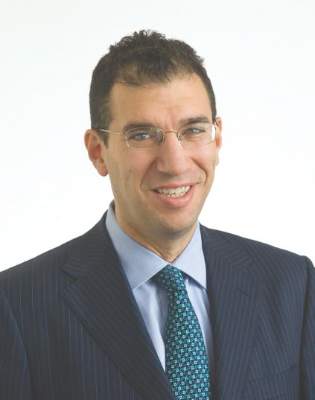
“Increasing access to analyses and data that include Medicare data will make it easier for stakeholders throughout the healthcare system to make smarter and more informed healthcare decisions,” CMS Acting Administrator Andy Slavitt said in a statement.
Under the rule, qualified entities may provide or sell data or analyses of the data to providers and suppliers. CMS encourages the sharing of data analytics that would assist in quality and patient care improvement activities, including the development of new models of care.
Disclosure or use of data for marketing purposes would be barred.
The rule includes strict privacy and security requirements for all entities receiving Medicare analyses or data.
If finalized, the rule could help practices in their efforts to provide value-based care and perform population management, said Dr. Yul D. Ejnes, chair-emeritus of the American College of Physicians Board of Regents and an internist in private practice in Cranston, R.I.

“A barrier, especially for small groups, is access to all-payer data, since what is available now is often partitioned by payer and not easy to compile into practice-wide data covering all patients,” he said in an interview. “Clearly, there is also a need for analysis of the data that is beyond the reach of most practices and is best done by third parties with the resources and expertise, so making the CMS data available facilitates that.”
However, Dr. Ejnes questioned how much these analyses will cost practices, especially smaller practices.
“Another related issue, beyond CMS’ purview, is how affordable this type of data analysis would be for the small practice that might benefit the most from it, since larger organizations have resources that may make much of this available to its physicians at little or no cost,” he said.
Entities supplying the information to providers must be accepted into the qualified entity program. The program, authorized under the Affordable Care Act, allows organizations that meet certain criteria to access patient-protected Medicare data to produce public reports. Qualified entities must combine the Medicare data with other claims data to produce reports that are “representative of how providers and suppliers are performing across multiple payers.”
Thus far, 13 organizations have been accepted into the program. Of these organizations, 2 have completed public reporting, while the other 11 are preparing for public reporting, according to CMS.
Comments on the new rule are due by March 29.
On Twitter @legal_med
Physicians may soon be able to purchase reports that combine their Medicare and private payer claims data, according to the details of a new government proposal.
The proposed rule, released on Jan. 29, would enable entities approved by the government to share or sell Medicare and private claims information to health providers, suppliers, hospital associations, and medical societies. The new rule, as required by the Medicare Access and CHIP Reauthorization Act (MACRA), seeks to increase transparency about provider performance and generate data uses that improve care delivery, according to a statement from the Centers for Medicare & Medicaid Services.
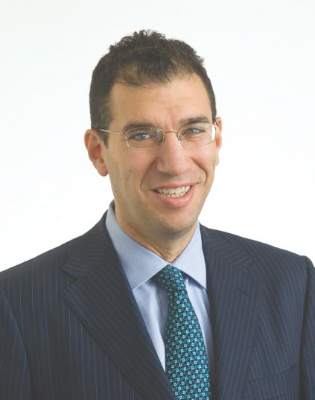
“Increasing access to analyses and data that include Medicare data will make it easier for stakeholders throughout the healthcare system to make smarter and more informed healthcare decisions,” CMS Acting Administrator Andy Slavitt said in a statement.
Under the rule, qualified entities may provide or sell data or analyses of the data to providers and suppliers. CMS encourages the sharing of data analytics that would assist in quality and patient care improvement activities, including the development of new models of care.
Disclosure or use of data for marketing purposes would be barred.
The rule includes strict privacy and security requirements for all entities receiving Medicare analyses or data.
If finalized, the rule could help practices in their efforts to provide value-based care and perform population management, said Dr. Yul D. Ejnes, chair-emeritus of the American College of Physicians Board of Regents and an internist in private practice in Cranston, R.I.
“A barrier, especially for small groups, is access to all-payer data, since what is available now is often partitioned by payer and not easy to compile into practice-wide data covering all patients,” he said in an interview. “Clearly, there is also a need for analysis of the data that is beyond the reach of most practices and is best done by third parties with the resources and expertise, so making the CMS data available facilitates that.”
However, Dr. Ejnes questioned how much these analyses will cost practices, especially smaller practices.
“Another related issue, beyond CMS’ purview, is how affordable this type of data analysis would be for the small practice that might benefit the most from it, since larger organizations have resources that may make much of this available to its physicians at little or no cost,” he said.
Entities supplying the information to providers must be accepted into the qualified entity program. The program, authorized under the Affordable Care Act, allows organizations that meet certain criteria to access patient-protected Medicare data to produce public reports. Qualified entities must combine the Medicare data with other claims data to produce reports that are “representative of how providers and suppliers are performing across multiple payers.”
Thus far, 13 organizations have been accepted into the program. Of these organizations, 2 have completed public reporting, while the other 11 are preparing for public reporting, according to CMS.
Comments on the new rule are due by March 29.
On Twitter @legal_med
Physicians may soon be able to purchase reports that combine their Medicare and private payer claims data, according to the details of a new government proposal.
The proposed rule, released on Jan. 29, would enable entities approved by the government to share or sell Medicare and private claims information to health providers, suppliers, hospital associations, and medical societies. The new rule, as required by the Medicare Access and CHIP Reauthorization Act (MACRA), seeks to increase transparency about provider performance and generate data uses that improve care delivery, according to a statement from the Centers for Medicare & Medicaid Services.
“Increasing access to analyses and data that include Medicare data will make it easier for stakeholders throughout the healthcare system to make smarter and more informed healthcare decisions,” CMS Acting Administrator Andy Slavitt said in a statement.
Under the rule, qualified entities may provide or sell data or analyses of the data to providers and suppliers. CMS encourages the sharing of data analytics that would assist in quality and patient care improvement activities, including the development of new models of care.
Disclosure or use of data for marketing purposes would be barred.
The rule includes strict privacy and security requirements for all entities receiving Medicare analyses or data.
If finalized, the rule could help practices in their efforts to provide value-based care and perform population management, said Dr. Yul D. Ejnes, chair-emeritus of the American College of Physicians Board of Regents and an internist in private practice in Cranston, R.I.
“A barrier, especially for small groups, is access to all-payer data, since what is available now is often partitioned by payer and not easy to compile into practice-wide data covering all patients,” he said in an interview. “Clearly, there is also a need for analysis of the data that is beyond the reach of most practices and is best done by third parties with the resources and expertise, so making the CMS data available facilitates that.”
However, Dr. Ejnes questioned how much these analyses will cost practices, especially smaller practices.
“Another related issue, beyond CMS’ purview, is how affordable this type of data analysis would be for the small practice that might benefit the most from it, since larger organizations have resources that may make much of this available to its physicians at little or no cost,” he said.
Entities supplying the information to providers must be accepted into the qualified entity program. The program, authorized under the Affordable Care Act, allows organizations that meet certain criteria to access patient-protected Medicare data to produce public reports. Qualified entities must combine the Medicare data with other claims data to produce reports that are “representative of how providers and suppliers are performing across multiple payers.”
Thus far, 13 organizations have been accepted into the program. Of these organizations, 2 have completed public reporting, while the other 11 are preparing for public reporting, according to CMS.
Comments on the new rule are due by March 29.
On Twitter @legal_med
VIDEO: U.S. TAVR growth continues, mostly among octogenarians
PHOENIX – Use of transcatheter aortic valve replacement continued to expand through the first half of 2015, but the procedure remained primarily targeted to patients at least 80 years old, according to data collected in a U.S. postmarketing registry.
When the Food and Drug Administration first approved a transcatheter aortic valve replacement (TAVR) system for routine U.S. use in late 2011, the patients who underwent TAVR “were either at very high risk or inoperable, and we’ve seen that move into high-risk patients – and I’m sure we’ll see more introduction of this into patients who are at medium risk,” said Dr. Frederick L. Grover in a video interview at the annual meeting of the Society of Thoracic Surgeons.
Despite this downward trend in risk level, the median and average ages of TAVR patients remain above 80 years.
In 2015, U.S. TAVR recipients had a median age of 83 years and a mean age of 81 years, virtually unchanged from the 84-year median and 82-year mean during routine U.S. practice in 2012, the first year for data collection by the STS and American College of Cardiology Transcatheter Valve Therapy (TVT) Registry. Dr. Grover reported the latest data from the registry at the meeting, through roughly the first half of 2015.
“There has been some movement downward” from 2012 to 2014 in the predicted 30-day mortality rate of patients as measured by their preprocedural STS risk score. The rate declined from an average predicted mortality rate of 7.05% in 2012 to an average of 6.69% among patients treated during 2014.
Despite this shift, TAVR patients remain highly vulnerable to surgical complications because of their advanced age and frailty, said Dr. Grover, a professor of cardiothoracic surgery at the University of Colorado in Aurora and vice chairman of the registry steering committee.
STS encourages surgeons and cardiologists who collaborate on the heart teams that judge patient suitability for TAVR to measure frailty with the 5-meter walk test, run sequentially three times. Patients who take an average of 6 seconds or more to complete the test are deemed frail and eligible for TAVR. Registry data show that during 2012-2014, 81% of TAVR patients met this frailty criterion.
Perhaps the most notable statistics in the registry are the snowballing numbers of procedures performed, which have come close to doubling each year.
In the first full year of commercial use, 2012, 4,601 patients underwent TAVR, which jumped to 9,128 patients in 2013, 16,314 patients in 2014, and 23,002 patients during just the first part of 2015, Dr. Grover reported.
Dr. Grover had no relevant disclosures.
The video associated with this article is no longer available on this site. Please view all of our videos on the MDedge YouTube channel
On Twitter @mitchelzoler
PHOENIX – Use of transcatheter aortic valve replacement continued to expand through the first half of 2015, but the procedure remained primarily targeted to patients at least 80 years old, according to data collected in a U.S. postmarketing registry.
When the Food and Drug Administration first approved a transcatheter aortic valve replacement (TAVR) system for routine U.S. use in late 2011, the patients who underwent TAVR “were either at very high risk or inoperable, and we’ve seen that move into high-risk patients – and I’m sure we’ll see more introduction of this into patients who are at medium risk,” said Dr. Frederick L. Grover in a video interview at the annual meeting of the Society of Thoracic Surgeons.
Despite this downward trend in risk level, the median and average ages of TAVR patients remain above 80 years.
In 2015, U.S. TAVR recipients had a median age of 83 years and a mean age of 81 years, virtually unchanged from the 84-year median and 82-year mean during routine U.S. practice in 2012, the first year for data collection by the STS and American College of Cardiology Transcatheter Valve Therapy (TVT) Registry. Dr. Grover reported the latest data from the registry at the meeting, through roughly the first half of 2015.
“There has been some movement downward” from 2012 to 2014 in the predicted 30-day mortality rate of patients as measured by their preprocedural STS risk score. The rate declined from an average predicted mortality rate of 7.05% in 2012 to an average of 6.69% among patients treated during 2014.
Despite this shift, TAVR patients remain highly vulnerable to surgical complications because of their advanced age and frailty, said Dr. Grover, a professor of cardiothoracic surgery at the University of Colorado in Aurora and vice chairman of the registry steering committee.
STS encourages surgeons and cardiologists who collaborate on the heart teams that judge patient suitability for TAVR to measure frailty with the 5-meter walk test, run sequentially three times. Patients who take an average of 6 seconds or more to complete the test are deemed frail and eligible for TAVR. Registry data show that during 2012-2014, 81% of TAVR patients met this frailty criterion.
Perhaps the most notable statistics in the registry are the snowballing numbers of procedures performed, which have come close to doubling each year.
In the first full year of commercial use, 2012, 4,601 patients underwent TAVR, which jumped to 9,128 patients in 2013, 16,314 patients in 2014, and 23,002 patients during just the first part of 2015, Dr. Grover reported.
Dr. Grover had no relevant disclosures.
The video associated with this article is no longer available on this site. Please view all of our videos on the MDedge YouTube channel
On Twitter @mitchelzoler
PHOENIX – Use of transcatheter aortic valve replacement continued to expand through the first half of 2015, but the procedure remained primarily targeted to patients at least 80 years old, according to data collected in a U.S. postmarketing registry.
When the Food and Drug Administration first approved a transcatheter aortic valve replacement (TAVR) system for routine U.S. use in late 2011, the patients who underwent TAVR “were either at very high risk or inoperable, and we’ve seen that move into high-risk patients – and I’m sure we’ll see more introduction of this into patients who are at medium risk,” said Dr. Frederick L. Grover in a video interview at the annual meeting of the Society of Thoracic Surgeons.
Despite this downward trend in risk level, the median and average ages of TAVR patients remain above 80 years.
In 2015, U.S. TAVR recipients had a median age of 83 years and a mean age of 81 years, virtually unchanged from the 84-year median and 82-year mean during routine U.S. practice in 2012, the first year for data collection by the STS and American College of Cardiology Transcatheter Valve Therapy (TVT) Registry. Dr. Grover reported the latest data from the registry at the meeting, through roughly the first half of 2015.
“There has been some movement downward” from 2012 to 2014 in the predicted 30-day mortality rate of patients as measured by their preprocedural STS risk score. The rate declined from an average predicted mortality rate of 7.05% in 2012 to an average of 6.69% among patients treated during 2014.
Despite this shift, TAVR patients remain highly vulnerable to surgical complications because of their advanced age and frailty, said Dr. Grover, a professor of cardiothoracic surgery at the University of Colorado in Aurora and vice chairman of the registry steering committee.
STS encourages surgeons and cardiologists who collaborate on the heart teams that judge patient suitability for TAVR to measure frailty with the 5-meter walk test, run sequentially three times. Patients who take an average of 6 seconds or more to complete the test are deemed frail and eligible for TAVR. Registry data show that during 2012-2014, 81% of TAVR patients met this frailty criterion.
Perhaps the most notable statistics in the registry are the snowballing numbers of procedures performed, which have come close to doubling each year.
In the first full year of commercial use, 2012, 4,601 patients underwent TAVR, which jumped to 9,128 patients in 2013, 16,314 patients in 2014, and 23,002 patients during just the first part of 2015, Dr. Grover reported.
Dr. Grover had no relevant disclosures.
The video associated with this article is no longer available on this site. Please view all of our videos on the MDedge YouTube channel
On Twitter @mitchelzoler
AT THE STS ANNUAL MEETING
Key clinical point: The U.S. postmarketing database for TAVR showed steadily increasing growth in use from 2012 to 2015, with an ongoing focus on treating octogenarian patients.
Major finding: U.S. TAVR use jumped from 4,600 procedures in 2012 to 23,000 procedures in roughly the first half of 2015.
Data source: The STS/ACC TVT registry, which included 53,045 U.S. TAVR patients through mid 2015.
Disclosures: Dr. Grover had no relevant disclosures.

Best closure for contaminated ventral hernia depends on primary surgical objective
Outcomes after contaminated open ventral hernia repair did not differ significantly, whether the incision was closed using sutures, low- or mid-density polypropylene mesh, or non–cross-linked biologic matrix material, in a multicenter study reported online in the Journal of Surgical Research.
In the absence of high-level evidence favoring any of these approaches, surgeons should carefully balance the risks and costs against the benefits when choosing how to close such incisions, said Ioana L. Bondre of the department of surgery, University of Texas Health Science Center, Houston, and her associates.

At present, there is no widely accepted consensus and certainly no clinical guidelines regarding closure of contaminated ventral hernias. It is assumed that synthetic mesh and biologic mesh reduce the rate of hernia recurrence but at the cost of increased wound complications and surgical site infections. To examine this issue, the investigators performed a retrospective analysis of information in a database of all consecutive open ventral hernia repairs performed at seven medical centers during a 2-year period.
They focused on 761 patients in whom the repair was closed using sutures (38%), synthetic mesh (40%), or biologic matrix (22%). Thirty-day rates of surgical site infection (15.1%, 17.8%, and 21.0%, respectively), hernia recurrence (17.8%, 13.5%, and 21.5%, respectively), and reoperation (31.7%, 10.9%, and 15.6%, respectively) did not differ significantly among these three groups, Ms. Bondre and her associates said (J Surg Res. 2016 Feb;200[2]:488-94).
“Based on the available evidence, we currently recommend decisions to be based on the primary purpose of the procedure. If the primary purpose is not to perform a hernia repair (e.g., laparoscopic appendectomy for appendicitis), then a suture repair should be performed (e.g., umbilical hernia repair with sutures). However, if the primary purpose of the procedure includes hernia repair (e.g., colostomy reversal and parastomal hernia repair), mesh reinforcement should be used. Given the current evidence and practice patterns, we use mid-density synthetic mesh in wound class I procedures and biologic mesh in wound class II-IV repairs,” they noted.
This study was limited in that many patients were followed for only 1 month, which may not be sufficient time to capture long-term outcomes. Moreover, the database didn’t include information regarding outcomes that are most important to patients, such as chronic pain, chronic infections, and nonhealing surgical wounds, Ms. Bondre and her associates added.
This study was supported by the Center for Clinical and Translational Sciences. The authors’ financial disclosures were not reported.
Outcomes after contaminated open ventral hernia repair did not differ significantly, whether the incision was closed using sutures, low- or mid-density polypropylene mesh, or non–cross-linked biologic matrix material, in a multicenter study reported online in the Journal of Surgical Research.
In the absence of high-level evidence favoring any of these approaches, surgeons should carefully balance the risks and costs against the benefits when choosing how to close such incisions, said Ioana L. Bondre of the department of surgery, University of Texas Health Science Center, Houston, and her associates.
At present, there is no widely accepted consensus and certainly no clinical guidelines regarding closure of contaminated ventral hernias. It is assumed that synthetic mesh and biologic mesh reduce the rate of hernia recurrence but at the cost of increased wound complications and surgical site infections. To examine this issue, the investigators performed a retrospective analysis of information in a database of all consecutive open ventral hernia repairs performed at seven medical centers during a 2-year period.
They focused on 761 patients in whom the repair was closed using sutures (38%), synthetic mesh (40%), or biologic matrix (22%). Thirty-day rates of surgical site infection (15.1%, 17.8%, and 21.0%, respectively), hernia recurrence (17.8%, 13.5%, and 21.5%, respectively), and reoperation (31.7%, 10.9%, and 15.6%, respectively) did not differ significantly among these three groups, Ms. Bondre and her associates said (J Surg Res. 2016 Feb;200[2]:488-94).
“Based on the available evidence, we currently recommend decisions to be based on the primary purpose of the procedure. If the primary purpose is not to perform a hernia repair (e.g., laparoscopic appendectomy for appendicitis), then a suture repair should be performed (e.g., umbilical hernia repair with sutures). However, if the primary purpose of the procedure includes hernia repair (e.g., colostomy reversal and parastomal hernia repair), mesh reinforcement should be used. Given the current evidence and practice patterns, we use mid-density synthetic mesh in wound class I procedures and biologic mesh in wound class II-IV repairs,” they noted.
This study was limited in that many patients were followed for only 1 month, which may not be sufficient time to capture long-term outcomes. Moreover, the database didn’t include information regarding outcomes that are most important to patients, such as chronic pain, chronic infections, and nonhealing surgical wounds, Ms. Bondre and her associates added.
This study was supported by the Center for Clinical and Translational Sciences. The authors’ financial disclosures were not reported.
Outcomes after contaminated open ventral hernia repair did not differ significantly, whether the incision was closed using sutures, low- or mid-density polypropylene mesh, or non–cross-linked biologic matrix material, in a multicenter study reported online in the Journal of Surgical Research.
In the absence of high-level evidence favoring any of these approaches, surgeons should carefully balance the risks and costs against the benefits when choosing how to close such incisions, said Ioana L. Bondre of the department of surgery, University of Texas Health Science Center, Houston, and her associates.
At present, there is no widely accepted consensus and certainly no clinical guidelines regarding closure of contaminated ventral hernias. It is assumed that synthetic mesh and biologic mesh reduce the rate of hernia recurrence but at the cost of increased wound complications and surgical site infections. To examine this issue, the investigators performed a retrospective analysis of information in a database of all consecutive open ventral hernia repairs performed at seven medical centers during a 2-year period.
They focused on 761 patients in whom the repair was closed using sutures (38%), synthetic mesh (40%), or biologic matrix (22%). Thirty-day rates of surgical site infection (15.1%, 17.8%, and 21.0%, respectively), hernia recurrence (17.8%, 13.5%, and 21.5%, respectively), and reoperation (31.7%, 10.9%, and 15.6%, respectively) did not differ significantly among these three groups, Ms. Bondre and her associates said (J Surg Res. 2016 Feb;200[2]:488-94).
“Based on the available evidence, we currently recommend decisions to be based on the primary purpose of the procedure. If the primary purpose is not to perform a hernia repair (e.g., laparoscopic appendectomy for appendicitis), then a suture repair should be performed (e.g., umbilical hernia repair with sutures). However, if the primary purpose of the procedure includes hernia repair (e.g., colostomy reversal and parastomal hernia repair), mesh reinforcement should be used. Given the current evidence and practice patterns, we use mid-density synthetic mesh in wound class I procedures and biologic mesh in wound class II-IV repairs,” they noted.
This study was limited in that many patients were followed for only 1 month, which may not be sufficient time to capture long-term outcomes. Moreover, the database didn’t include information regarding outcomes that are most important to patients, such as chronic pain, chronic infections, and nonhealing surgical wounds, Ms. Bondre and her associates added.
This study was supported by the Center for Clinical and Translational Sciences. The authors’ financial disclosures were not reported.
FROM JOURNAL OF SURGICAL RESEARCH
Key clinical point: Outcomes after surgery did not differ significantly, whether the incision was closed using sutures, low- or mid-density polypropylene mesh, or non–cross-linked biologic matrix material.
Major finding: Thirty-day rates of surgical site infection, hernia recurrence, and reoperation did not differ significantly among patients in whom the repair was closed using sutures (38%), synthetic mesh (40%), or biologic matrix (22%).
Data source: A retrospective analysis of consecutive open contaminated ventral hernia repairs performed at seven medical centers during a 2-year period.
Disclosures: This study was supported by the Center for Clinical and Translational Sciences. The authors’ financial disclosures were not reported.

Reaction: Poor methodology mars malpractice study
Physicians and insurers are taking exception to a medical malpractice study published Jan. 28 in the New England Journal of Medicine.
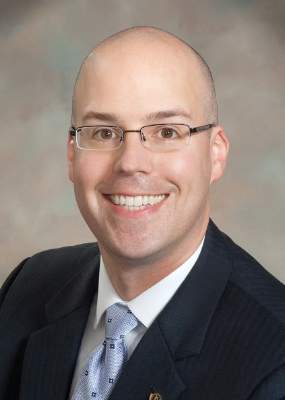
“Once again a study of medical liability claims has based unreliable conclusions on information obtained from the inherently flawed National Practitioner Data Bank,” Dr. Steven J. Stack, president of the American Medical Association, said in an interview.
David M. Studdert, Sc.D., of Stanford (Calif.) University, lead author of the study, said that he stands behind the findings, saying that the methodology used was strong and any significant limitations were noted.
“The data bank is the most authoritative repository of information that we have on medical malpractice claims nationwide,” Dr. Studdert said in an interview. “We don’t have an ability to look across the country at what’s happening with medical malpractice claims in any more comprehensive way than the [data bank]. Is it a perfect source of data? No. It has some limitations.”
The National Practitioner Data Bank (NPDB) is a congressionally mandated repository of medical malpractice payments and certain adverse actions related to health care providers, entities, and suppliers. Dr. Studdert and his colleagues calculated the cumulative distribution of paid claims in two physician populations: U.S. doctors with one or more paid claims and all active U.S. physicians, finding, on summation, that if physicians had one claim paid against them, they were more likely to have a subsequent claim paid against them as well (N Engl J Med. 2016; 374:354-62).
The credibility of the data bank has long been in question. An investigation published by the Government Accountability Office (GAO) in 2000 found that reports collected by the data bank were often untimely, inaccurate, or duplicated, which made it appear that “twice the number of disciplinary actions against a practitioner had been taken.”

In addition, most reports in the NPDB are based on legal settlements that were never adjudicated by a court, proven to involve negligence, or settled with a physician’s consent, according to Dr. Stack of the AMA. “Settlement information offers an incomplete and often misleading indicator of physician quality and competence. The nation’s best physicians who practice cutting-edge medicine and take on the riskiest cases are involved in settlements, yet the [NPDB] information does not acknowledge their high-level of competence.”
The study acknowledged that only 3% of the lawsuits studied were paid through trial verdicts, and that the remaining claims were paid by out-of-court settlements. Dr. Studdert and his colleagues also pointed out that payments do not necessarily indicate that a claim has merit, but that paid claims are “much more likely than unpaid claims to involve substandard care.”
Another study limitation was the unknown extent of underreporting to the NPDB, Dr. Studdert said.
As for the GAO report, the findings analyzed disciplinary actions, while the current study evaluated medical malpractice claims, Dr. Studdert said. Investigators tested for duplicate records during the course of their study and did not find repeated cases.
“That wasn’t an issue with the data we examined,” he said. “The information was very complete. I don’t doubt that the GAO report was correct, but it looks like over the last 15 years there must have been some improvements to the quality of the data bank.”
PIAA, a national trade association that represents medical liability insurers, expressed concern over findings that certain specialists face more claims than others.
“We know that certain specialties, such a neurosurgery, obstetrics and gynecology, and others, have been linked with a higher frequency of claims,” PIAA President and CEO Brian K. Atchinson said in a statement. “These doctors experience more claims because of the risk associated with their particular specialty, and not because they are inherently prone to making mistakes more often than their colleagues.”
“Studies have shown that all physicians are likely to be named in at least one medical liability claim during the course of their career with some subject to more based on their specialty,” P. Divya Parikh, PIAA vice president of research, said in a statement. “Thus, this study hasn’t really revealed anything we didn’t already know.”
Dr. Studdert said that he disagrees. “That’s really not an accurate analysis of what our analysis does. Our analysis controls for specialty and then looks at other risk factors for recurrent claims. It’s a regression model.”
On Twitter@legal_med
Physicians and insurers are taking exception to a medical malpractice study published Jan. 28 in the New England Journal of Medicine.
“Once again a study of medical liability claims has based unreliable conclusions on information obtained from the inherently flawed National Practitioner Data Bank,” Dr. Steven J. Stack, president of the American Medical Association, said in an interview.
David M. Studdert, Sc.D., of Stanford (Calif.) University, lead author of the study, said that he stands behind the findings, saying that the methodology used was strong and any significant limitations were noted.
“The data bank is the most authoritative repository of information that we have on medical malpractice claims nationwide,” Dr. Studdert said in an interview. “We don’t have an ability to look across the country at what’s happening with medical malpractice claims in any more comprehensive way than the [data bank]. Is it a perfect source of data? No. It has some limitations.”
The National Practitioner Data Bank (NPDB) is a congressionally mandated repository of medical malpractice payments and certain adverse actions related to health care providers, entities, and suppliers. Dr. Studdert and his colleagues calculated the cumulative distribution of paid claims in two physician populations: U.S. doctors with one or more paid claims and all active U.S. physicians, finding, on summation, that if physicians had one claim paid against them, they were more likely to have a subsequent claim paid against them as well (N Engl J Med. 2016; 374:354-62).
The credibility of the data bank has long been in question. An investigation published by the Government Accountability Office (GAO) in 2000 found that reports collected by the data bank were often untimely, inaccurate, or duplicated, which made it appear that “twice the number of disciplinary actions against a practitioner had been taken.”
In addition, most reports in the NPDB are based on legal settlements that were never adjudicated by a court, proven to involve negligence, or settled with a physician’s consent, according to Dr. Stack of the AMA. “Settlement information offers an incomplete and often misleading indicator of physician quality and competence. The nation’s best physicians who practice cutting-edge medicine and take on the riskiest cases are involved in settlements, yet the [NPDB] information does not acknowledge their high-level of competence.”
The study acknowledged that only 3% of the lawsuits studied were paid through trial verdicts, and that the remaining claims were paid by out-of-court settlements. Dr. Studdert and his colleagues also pointed out that payments do not necessarily indicate that a claim has merit, but that paid claims are “much more likely than unpaid claims to involve substandard care.”
Another study limitation was the unknown extent of underreporting to the NPDB, Dr. Studdert said.
As for the GAO report, the findings analyzed disciplinary actions, while the current study evaluated medical malpractice claims, Dr. Studdert said. Investigators tested for duplicate records during the course of their study and did not find repeated cases.
“That wasn’t an issue with the data we examined,” he said. “The information was very complete. I don’t doubt that the GAO report was correct, but it looks like over the last 15 years there must have been some improvements to the quality of the data bank.”
PIAA, a national trade association that represents medical liability insurers, expressed concern over findings that certain specialists face more claims than others.
“We know that certain specialties, such a neurosurgery, obstetrics and gynecology, and others, have been linked with a higher frequency of claims,” PIAA President and CEO Brian K. Atchinson said in a statement. “These doctors experience more claims because of the risk associated with their particular specialty, and not because they are inherently prone to making mistakes more often than their colleagues.”
“Studies have shown that all physicians are likely to be named in at least one medical liability claim during the course of their career with some subject to more based on their specialty,” P. Divya Parikh, PIAA vice president of research, said in a statement. “Thus, this study hasn’t really revealed anything we didn’t already know.”
Dr. Studdert said that he disagrees. “That’s really not an accurate analysis of what our analysis does. Our analysis controls for specialty and then looks at other risk factors for recurrent claims. It’s a regression model.”
On Twitter@legal_med
Physicians and insurers are taking exception to a medical malpractice study published Jan. 28 in the New England Journal of Medicine.
“Once again a study of medical liability claims has based unreliable conclusions on information obtained from the inherently flawed National Practitioner Data Bank,” Dr. Steven J. Stack, president of the American Medical Association, said in an interview.
David M. Studdert, Sc.D., of Stanford (Calif.) University, lead author of the study, said that he stands behind the findings, saying that the methodology used was strong and any significant limitations were noted.
“The data bank is the most authoritative repository of information that we have on medical malpractice claims nationwide,” Dr. Studdert said in an interview. “We don’t have an ability to look across the country at what’s happening with medical malpractice claims in any more comprehensive way than the [data bank]. Is it a perfect source of data? No. It has some limitations.”
The National Practitioner Data Bank (NPDB) is a congressionally mandated repository of medical malpractice payments and certain adverse actions related to health care providers, entities, and suppliers. Dr. Studdert and his colleagues calculated the cumulative distribution of paid claims in two physician populations: U.S. doctors with one or more paid claims and all active U.S. physicians, finding, on summation, that if physicians had one claim paid against them, they were more likely to have a subsequent claim paid against them as well (N Engl J Med. 2016; 374:354-62).
The credibility of the data bank has long been in question. An investigation published by the Government Accountability Office (GAO) in 2000 found that reports collected by the data bank were often untimely, inaccurate, or duplicated, which made it appear that “twice the number of disciplinary actions against a practitioner had been taken.”
In addition, most reports in the NPDB are based on legal settlements that were never adjudicated by a court, proven to involve negligence, or settled with a physician’s consent, according to Dr. Stack of the AMA. “Settlement information offers an incomplete and often misleading indicator of physician quality and competence. The nation’s best physicians who practice cutting-edge medicine and take on the riskiest cases are involved in settlements, yet the [NPDB] information does not acknowledge their high-level of competence.”
The study acknowledged that only 3% of the lawsuits studied were paid through trial verdicts, and that the remaining claims were paid by out-of-court settlements. Dr. Studdert and his colleagues also pointed out that payments do not necessarily indicate that a claim has merit, but that paid claims are “much more likely than unpaid claims to involve substandard care.”
Another study limitation was the unknown extent of underreporting to the NPDB, Dr. Studdert said.
As for the GAO report, the findings analyzed disciplinary actions, while the current study evaluated medical malpractice claims, Dr. Studdert said. Investigators tested for duplicate records during the course of their study and did not find repeated cases.
“That wasn’t an issue with the data we examined,” he said. “The information was very complete. I don’t doubt that the GAO report was correct, but it looks like over the last 15 years there must have been some improvements to the quality of the data bank.”
PIAA, a national trade association that represents medical liability insurers, expressed concern over findings that certain specialists face more claims than others.
“We know that certain specialties, such a neurosurgery, obstetrics and gynecology, and others, have been linked with a higher frequency of claims,” PIAA President and CEO Brian K. Atchinson said in a statement. “These doctors experience more claims because of the risk associated with their particular specialty, and not because they are inherently prone to making mistakes more often than their colleagues.”
“Studies have shown that all physicians are likely to be named in at least one medical liability claim during the course of their career with some subject to more based on their specialty,” P. Divya Parikh, PIAA vice president of research, said in a statement. “Thus, this study hasn’t really revealed anything we didn’t already know.”
Dr. Studdert said that he disagrees. “That’s really not an accurate analysis of what our analysis does. Our analysis controls for specialty and then looks at other risk factors for recurrent claims. It’s a regression model.”
On Twitter@legal_med

VIDEO: Shorter gap from heart attack to CABG shown safe
PHOENIX – Patients who are stable following a myocardial infarction and need isolated coronary artery bypass surgery (CABG) don’t need to wait 5 or so days for their surgery, a delay that many surgeons and cardiologists often impose.
The operation can safely occur after just a 1- or 2-day gap following either an ST-elevation MI or a non–ST-elevation MI, based on real-world outcomes seen in more than 3,000 patients treated at any of seven U.S. medical centers.
“Waiting an arbitrary 5 days is not important,” Elizabeth L. Nichols said during a video interview and during her report at the annual meeting of the Society of Thoracic Surgeons.
Ms. Nichols and her associates analyzed the in-hospital mortality rates among 3,060 patients who underwent isolated CABG during 2008-2014 at any of the seven medical centers that participate in the Northern New England Cardiovascular Disease Study Group and offer CABG. They included patients who had their surgery within 21 days of their MI, and excluded patients who had their CABG within 6 hours of their MI, had emergency surgery, or those with shock or incomplete data. The study group included 529 patients who had a ST-elevation MI and 2,531 patients with a non-ST-elevation MI.
The analysis divided patients into four groups based on timing of their CABG: 99 patients (3%) had surgery within the first 24 hours, 369 patients (12%) had their surgery 1-2 days after their MI, 1,966 (64%) had their operation 3-7 days following their MI, and 626 (21%) had their surgery 8-21 days after the MI.
The unadjusted mortality rates for these four subgroups were 5.1%, 1.6%, 1.6%, and 2.7%, respectively, reported Ms. Nichols, a health services researcher at the Dartmouth Institute for Health Policy & Clinical Practice, Lebanon, N.H.
After researchers adjusted for several demographic and clinical variables, the mortality rates remained identical for patients who underwent CABG 1 or 2 days following their MI, compared with patients whose surgery was deferred until 3-7 days after the MI. Patients with surgery 8-21 days following the MI had a small but not statistically significant higher rate of in-hospital death.
Patients who had their surgery 7-23 hours following an MI had a statistically significant increased hospital mortality following surgery that ran more than threefold greater than patients who underwent CABG 3-7 days after their MI.
The main message from the analysis is that for the typical, stable MI patient who requires CABG to treat multivessel coronary disease, no need exists to wait several days following an MI to do the surgery, Ms. Nichols explained. A delay of just 1 or 2 days is safe and sufficient, as long as it provides adequate time for any acutely administered antiplatelet or antithrombotic drugs to clear.

The findings “provide a degree of comfort for not waiting the 3-5 days that had previously been thought necessary,” said Dr. Jock N. McCullough, chief of cardiac surgery at Dartmouth-Hitchcock Medical Center in Lebanon and a collaborator on the study.
The findings are not meant to supersede clinical judgment, both Dr. McCullough and Ms. Nichols emphasized. Individual patients might have good reasons to either undergo faster surgery or to wait at least 8 days following their MI.
“The patients who waited 8-21 days had a lot of comorbidities and were sicker patients, and their delay is often warranted” to make sure the patient is stable enough for surgery, Ms. Nichols explained. Other patients might be worsening following their MI and need to undergo their surgery within 24 hours of their MI.
“Clinical judgment is always the trump card,” Ms. Nichols said.
Ms. Nichols and Dr. McCullough had no disclosures.
The video associated with this article is no longer available on this site. Please view all of our videos on the MDedge YouTube channel
On Twitter @mitchelzoler
PHOENIX – Patients who are stable following a myocardial infarction and need isolated coronary artery bypass surgery (CABG) don’t need to wait 5 or so days for their surgery, a delay that many surgeons and cardiologists often impose.
The operation can safely occur after just a 1- or 2-day gap following either an ST-elevation MI or a non–ST-elevation MI, based on real-world outcomes seen in more than 3,000 patients treated at any of seven U.S. medical centers.
“Waiting an arbitrary 5 days is not important,” Elizabeth L. Nichols said during a video interview and during her report at the annual meeting of the Society of Thoracic Surgeons.
Ms. Nichols and her associates analyzed the in-hospital mortality rates among 3,060 patients who underwent isolated CABG during 2008-2014 at any of the seven medical centers that participate in the Northern New England Cardiovascular Disease Study Group and offer CABG. They included patients who had their surgery within 21 days of their MI, and excluded patients who had their CABG within 6 hours of their MI, had emergency surgery, or those with shock or incomplete data. The study group included 529 patients who had a ST-elevation MI and 2,531 patients with a non-ST-elevation MI.
The analysis divided patients into four groups based on timing of their CABG: 99 patients (3%) had surgery within the first 24 hours, 369 patients (12%) had their surgery 1-2 days after their MI, 1,966 (64%) had their operation 3-7 days following their MI, and 626 (21%) had their surgery 8-21 days after the MI.
The unadjusted mortality rates for these four subgroups were 5.1%, 1.6%, 1.6%, and 2.7%, respectively, reported Ms. Nichols, a health services researcher at the Dartmouth Institute for Health Policy & Clinical Practice, Lebanon, N.H.
After researchers adjusted for several demographic and clinical variables, the mortality rates remained identical for patients who underwent CABG 1 or 2 days following their MI, compared with patients whose surgery was deferred until 3-7 days after the MI. Patients with surgery 8-21 days following the MI had a small but not statistically significant higher rate of in-hospital death.
Patients who had their surgery 7-23 hours following an MI had a statistically significant increased hospital mortality following surgery that ran more than threefold greater than patients who underwent CABG 3-7 days after their MI.
The main message from the analysis is that for the typical, stable MI patient who requires CABG to treat multivessel coronary disease, no need exists to wait several days following an MI to do the surgery, Ms. Nichols explained. A delay of just 1 or 2 days is safe and sufficient, as long as it provides adequate time for any acutely administered antiplatelet or antithrombotic drugs to clear.
The findings “provide a degree of comfort for not waiting the 3-5 days that had previously been thought necessary,” said Dr. Jock N. McCullough, chief of cardiac surgery at Dartmouth-Hitchcock Medical Center in Lebanon and a collaborator on the study.
The findings are not meant to supersede clinical judgment, both Dr. McCullough and Ms. Nichols emphasized. Individual patients might have good reasons to either undergo faster surgery or to wait at least 8 days following their MI.
“The patients who waited 8-21 days had a lot of comorbidities and were sicker patients, and their delay is often warranted” to make sure the patient is stable enough for surgery, Ms. Nichols explained. Other patients might be worsening following their MI and need to undergo their surgery within 24 hours of their MI.
“Clinical judgment is always the trump card,” Ms. Nichols said.
Ms. Nichols and Dr. McCullough had no disclosures.
The video associated with this article is no longer available on this site. Please view all of our videos on the MDedge YouTube channel
On Twitter @mitchelzoler
PHOENIX – Patients who are stable following a myocardial infarction and need isolated coronary artery bypass surgery (CABG) don’t need to wait 5 or so days for their surgery, a delay that many surgeons and cardiologists often impose.
The operation can safely occur after just a 1- or 2-day gap following either an ST-elevation MI or a non–ST-elevation MI, based on real-world outcomes seen in more than 3,000 patients treated at any of seven U.S. medical centers.
“Waiting an arbitrary 5 days is not important,” Elizabeth L. Nichols said during a video interview and during her report at the annual meeting of the Society of Thoracic Surgeons.
Ms. Nichols and her associates analyzed the in-hospital mortality rates among 3,060 patients who underwent isolated CABG during 2008-2014 at any of the seven medical centers that participate in the Northern New England Cardiovascular Disease Study Group and offer CABG. They included patients who had their surgery within 21 days of their MI, and excluded patients who had their CABG within 6 hours of their MI, had emergency surgery, or those with shock or incomplete data. The study group included 529 patients who had a ST-elevation MI and 2,531 patients with a non-ST-elevation MI.
The analysis divided patients into four groups based on timing of their CABG: 99 patients (3%) had surgery within the first 24 hours, 369 patients (12%) had their surgery 1-2 days after their MI, 1,966 (64%) had their operation 3-7 days following their MI, and 626 (21%) had their surgery 8-21 days after the MI.
The unadjusted mortality rates for these four subgroups were 5.1%, 1.6%, 1.6%, and 2.7%, respectively, reported Ms. Nichols, a health services researcher at the Dartmouth Institute for Health Policy & Clinical Practice, Lebanon, N.H.
After researchers adjusted for several demographic and clinical variables, the mortality rates remained identical for patients who underwent CABG 1 or 2 days following their MI, compared with patients whose surgery was deferred until 3-7 days after the MI. Patients with surgery 8-21 days following the MI had a small but not statistically significant higher rate of in-hospital death.
Patients who had their surgery 7-23 hours following an MI had a statistically significant increased hospital mortality following surgery that ran more than threefold greater than patients who underwent CABG 3-7 days after their MI.
The main message from the analysis is that for the typical, stable MI patient who requires CABG to treat multivessel coronary disease, no need exists to wait several days following an MI to do the surgery, Ms. Nichols explained. A delay of just 1 or 2 days is safe and sufficient, as long as it provides adequate time for any acutely administered antiplatelet or antithrombotic drugs to clear.
The findings “provide a degree of comfort for not waiting the 3-5 days that had previously been thought necessary,” said Dr. Jock N. McCullough, chief of cardiac surgery at Dartmouth-Hitchcock Medical Center in Lebanon and a collaborator on the study.
The findings are not meant to supersede clinical judgment, both Dr. McCullough and Ms. Nichols emphasized. Individual patients might have good reasons to either undergo faster surgery or to wait at least 8 days following their MI.
“The patients who waited 8-21 days had a lot of comorbidities and were sicker patients, and their delay is often warranted” to make sure the patient is stable enough for surgery, Ms. Nichols explained. Other patients might be worsening following their MI and need to undergo their surgery within 24 hours of their MI.
“Clinical judgment is always the trump card,” Ms. Nichols said.
Ms. Nichols and Dr. McCullough had no disclosures.
The video associated with this article is no longer available on this site. Please view all of our videos on the MDedge YouTube channel
On Twitter @mitchelzoler
AT THE STS ANNUAL MEETING
Key clinical point: Performing coronary artery bypass grafting 1-2 days following an MI was as safe as when surgery was delayed 3-7 days.
Major finding: In-hospital mortality after CABG was identical in patients operated on 1-2 days or 3-7 days following an MI.
Data source: Retrospective analysis of 3,060 patients who underwent CABG within 21 days following an MI at any of seven U.S. centers.
Disclosures: Ms. Nichols and Dr. McCullough had no disclosures.

Physicians’ odds of beating addiction higher
Physicians appear to have much greater odds of substance abuse and dependence disorders related to alcohol, opiates, and sedatives than their nonphysician counterparts, some estimates showed.
The good news is that physicians with substance abuse and addiction respond particularly well to treatment – so much so that experts have recommended that the treatment methods employed in specialized programs for impaired health professionals be disseminated and used in programs for the general public.
“In a nutshell, for a physician with addiction who goes to an appropriate program that has expertise working with physicians and then follows up with 5-year monitoring, the average rate of abstinence of about 80% is the polar opposite of that in the general population, Dr. Daniel H. Angres of Northwestern University in Chicago said in an interview.
At best, the abstinence rate after treatment is about 20% for the general population, said Dr. Angres, an addiction psychiatrist and medical director of the Positive Sobriety Institute in Chicago, who has spent more than 3 decades working with physicians and other health care professionals struggling with drug abuse and dependence.
The key is proper treatment in a setting with other health professionals and long-term monitoring; without both, the outcomes won’t be as good, he stressed. But Dr. Angres added that there is more to it than that. Often, the very factors that drive a person to become a physician and help that person succeed in the endeavor are the factors that can improve the odds of beating addiction, he explained.
Scope of the problem
Substance abuse and dependence in general are on the rise. This is true among physicians as well as the general public. Opioid use has been a particular problem. A 2008 review by Dr. Mark S. Gold, former chair of the psychiatry department at the University of Florida, Gainesville, and Lisa J. Merlo, Ph.D., also of the university, noted that 12%-23% of physicians admit to prescription opioid use, compared with 1%-4% of nonphysicians (Harv Rev Psychiatry. 2008;16[3]:181-94).

However, Dr. Angres said there are few data to suggest that physicians are at substantially increased risk of addiction.
“The rule of thumb is that addiction affects probably 1 in 10 people. We can comfortably say about 10% will have an addiction problem at some point in their lives,” he said.
But addiction is a disease with genetic underpinnings, and while there was a time when it was thought that perhaps physicians had greater risk because they had greater access, the playing field with respect to access has been leveled over time. There are no good data to suggest that more than 15% of physicians are affected, Dr. Angres noted.
That’s not to say certain specialties aren’t overrepresented among addicts, he added.

Anesthesiologists, for example, have been shown to have a greater risk of addiction – perhaps as a result of their having access to, and/or excess exposure to, drugs like fentanyl and propofol. In fact, the review by Dr. Gold and Dr. Merlo also noted an increasing trend for abuse of sublingual and intravenously administered analgesics among health care professionals. Not far behind anesthesiologists are surgeons, pain doctors, and emergency physicians, Dr. Gold said in an interview. “We have proposed a number of theories to explain this, from self-selection bias to selecting anesthesia because of student drug use to second- and third-hand occupational exposure risks.”
Meanwhile, another 2008 study by Dr. Gold, Dr. Merlo, and their colleagues demonstrated that chronic secondhand exposure to low doses of drugs such as fentanyl and propofol among health care professionals in the operating room might sensitize vulnerable individuals to the “rewarding effects of these drugs, placing them at higher risk for developing an addiction.” The authors concluded that the findings, while they served only as “preliminary support for an unproven hypothesis,” suggest a need for workplace protections (J Addict Dis. 2008;27[3]:67-75).
Dr. Gold also led a more recent study comparing psychiatric and substance use disorders among physicians in a state Physician’s Health Program (PHP) with those in a general treatment population. He and his colleagues found that 99 physicians referred to the PHP for suspected impairment had similar lifetime use of alcohol, opiates, and sedatives as a group of age, sex, and education status–matched persons in a general treatment population.
However, the physicians had significantly higher odds of meeting DSM-IV criteria for abuse/dependence disorders related to alcohol (odds ratio, 2.56), opiates (OR, 86.58), and sedatives (OR, 54.76), the authors reported (J Addic Med. 2013 Mar-Apr;7[2]:108-12).
Further, the physicians had significantly lower odds of lifetime use, but higher odds of lifetime abuse/dependence, for cocaine/crack cocaine and cannabis vs. the comparison group, as well as lower lifetime amphetamine use (OR, 0.21) with no difference in abuse/dependence vs. the comparison group, and lower odds of psychiatric disorders, including obsessive-compulsive disorder, major depression, and specific phobias.
While Dr. Gold and his colleagues concluded that more research is needed to understand psychiatric morbidity in physicians, and while physicians in certain specialties may have an increased likelihood of addiction in relation to exposure to drugs in the operating room setting, most physicians “get addicted in ways that are similar to others in the population,” Dr. Angres said: They have a pain problem, they get a drug like hydrocodone or other narcotic, they have a particular kind of experience that “goes above and beyond the pain management” (some individuals have a paradoxical effect in which they feel connected and energized, for example), and they become addicted.
The main drug of choice, even among physicians, is alcohol, he noted, explaining that stress is another common precipitating factor.
There is a definite relationship between stress and addiction; alcohol may be used to cope with stress, and those who are vulnerable to addiction can become dependent.
“Physicians are more stressed today than ever. The whole landscape of medicine, the economics of medicine means physicians have to see more patients and spend less time with patients,” Dr. Angres said, adding that factors like electronic medical records requirements and concerns about malpractice all contribute to increasing stress levels and are likely also increasing the rate of addiction and other forms of physician impairment or distress, including cognitive difficulties, depression, and anxiety.
Affected physicians, sometimes referred to as “disruptive physicians,” are increasingly a focus of programs and protocols to promote physician wellness.*
Northwestern and other high-level academic centers are “gearing up” for the problem. It is becoming more common for physicians to undergo screening when they are hired, and to undergo random screening to make sure they aren’t under the influence, he explained.
“And I also think that the medical community is much more attuned to detecting this and helping people gain access to proper assessment, rehabilitation, and reentry,” he added.
Treatment and outcomes
Treatment for physicians is often provided through state PHPs, some of which are under the umbrella of a licensing board or are part of a diversion program involving an autonomous entity.
“PHPs are really critical,” Dr. Angres said, explaining that they provide education, conduct research to help reduce malpractice claims, and ensure proper assessment of physicians, and they do long-term monitoring involving wellness checks.
While there is some controversy about the role of PHPs – some physicians have resented the monitoring, say they have felt coerced into participating, and have demanded more choice regarding treatment options – these programs are highly successful and data driven, Dr. Angres said.
“When the outcomes are clearly very good with a certain kind of protocol, you want to stick with that, particularly if public safety is involved,” he said, adding that these programs work because they are more supportive than punitive, they treat affected physicians for their disease, and they help physicians do what they need to do to safely reenter the practice of medicine.
Punitive programs would drive substance abuse/dependence problems underground, making them more dangerous, he said.
There is a great deal of debate about the appropriate duration of treatment, but most importantly, physicians should be with other physicians.
“What gets people sober is really being with other people who are sober,” he said, adding that a peer group of others with similar experiences and a similar life path is critical.
Twelve-step programs, which employ this principle as part of treatment and aftercare, result in better outcomes, and it is also crucial that physicians be treated by personnel who are experienced and conversant with working with physicians, because there are important factors necessary for successful reentry and engagement in the workplace.
Medications also are an important part of care, in many cases.
Dr. Gold’s research has long focused on the evaluation and treatment of impaired health professionals.
“After the discovery of the antiopiate withdrawal efficacy of clonidine, we tried an experimental medication – naltrexone – as a treatment for impaired health professional opiate addicts. … Naltrexone was both safe and effective. Injectable naltrexone is now widely recognized as a safe and effective treatment to prevent opiate relapse,” he said in an interview.
Naltrexone is particularly important for the treatment of addicted anesthesiologists, as they are at high risk of relapse when they return to work; their relapses are often overdoses after detoxification, he said.
Five-year outcomes studies suggest that with appropriate treatment, outcomes are indeed excellent among physicians, compared with their peers. Two such studies, led by researchers from the Institute of Behavior and Health in Rockville, Md., respectively showed that 102 anesthesiologists treated and monitored under PHP supervision had excellent outcomes similar to those of other impaired physicians (Anesth Analg. 2009;109[3]:891-6), and that 144 surgeons treated under PHP supervision had positive outcomes similar to those of nonsurgeons (Arch Surg. 2011;146[11]:1286-91).
In their review article, Dr. Gold and Dr. Merlo concluded that for physicians overall, “appropriate intervention (e.g., typically in with the state PHP), methods of evaluation and treatment for addicted physicians are extremely effective. The combination of medical, psychosocial, and support group interventions, combined with extensive posttreatment monitoring and drug testing, generally results in sustained recovery among the physicians who attend specialized treatment programs. These outcomes are typically obtained even when physicians did not enter treatment voluntarily. Thus, it is likely that impaired professional programs represent the best treatment available for opioid use disorders, and nonphysician addicts would likely experience a similar benefit from participating in such a program.”
Dr. Angres agreed that physicians in general are “a good outcome group.”
“If treated and monitored appropriately, these are some of the best outcomes we see in addiction treatment,” he said.
Many factors are involved in the superior results among physicians vs. their nonphysician counterparts, he said, explaining that physicians tend to be particularly conscientious, hard-working individuals with good support systems and personality variables that allow them to persevere under difficult circumstances. They also have a great deal riding on recovery in terms of reentering the practice of medicine.
“So motivation is a big issue. ... All of these things come together,” he said.
Changing trends
In addition to the stress-related factors that appear to be contributing to increased substance abuse and dependence, concerning cultural trends are emerging.
“We have an epidemic among young adults,” Dr. Angres said.
Heroin, prescription opiates, psychostimulants, binge drinking – all are occurring in epidemic proportions throughout our culture, including among the new generation of medical students and young physicians, he added.
“We are seeing for the first time, even in the last year or so, medical students, residents, and young adults who are addicted to drugs like heroin because it is so ubiquitous. So this is a new phenomenon. This is just a new reality. It’s not a massive problem [in medicine], but it is something that we’re seeing that we didn’t see before. ... These are emerging issues that are disconcerting,” he said.
Dr. Gold also noted the changing trends, explaining that over the course of his career, substance misuse and dependence have emerged and changed.
“In the ’70s and ’80s, medical students rarely presented in need of treatment, but when they did, they had alcohol, tobacco, and benzodiazepine problems. Residents ... had problems with prescription opiates, and many programs reported overdoses. More recently, medical students no longer smoke cigarettes. ... Now it is marijuana,” he said, adding that binge drinking, club drugs, and psychostimulant abuse also are on the rise.
Students now are more like their peers and unlike their mentors with respect to drug misuse, use, and dependence, and there is an emerging concern that the most heavily involved students in terms of drug abuse and addiction will select one specialty or another based on drug access, said Dr. Gold, now professor (adjunct) at the University of Southern California, Los Angeles, and at Washington University in St. Louis.
“They often are surprised that the college of medicine, their patients, and professors do not accept as appropriate behavior the taking of another person’s [attention-deficit/hyperactivity disorder] medication, or smoking cannabis, or taking drugs for their mentees,” he said.
As for treatment in this new era of substance abuse and dependence, the approach remains much the same, Dr. Angres said, noting that medication-assisted treatment may be necessary for heroin addiction. A concern, however, is that the relapse rate may be higher.
“We don’t know what that will mean,” he said. “It will be years before we can see how it plays out with physicians with [heroin], but you do the same things, with perhaps some extra support above and beyond [the standard approach].”
Dr. Angres disclosed that he is part owner of the Positive Sobriety Institute, which treats addicted professionals, including physicians. Dr. Gold reported having no relevant financial disclosures.
*Correction, 03/09/2016: An earlier version of this story misstated the term sometimes used to describe physicians with addictive behaviors
Physicians appear to have much greater odds of substance abuse and dependence disorders related to alcohol, opiates, and sedatives than their nonphysician counterparts, some estimates showed.
The good news is that physicians with substance abuse and addiction respond particularly well to treatment – so much so that experts have recommended that the treatment methods employed in specialized programs for impaired health professionals be disseminated and used in programs for the general public.
“In a nutshell, for a physician with addiction who goes to an appropriate program that has expertise working with physicians and then follows up with 5-year monitoring, the average rate of abstinence of about 80% is the polar opposite of that in the general population, Dr. Daniel H. Angres of Northwestern University in Chicago said in an interview.
At best, the abstinence rate after treatment is about 20% for the general population, said Dr. Angres, an addiction psychiatrist and medical director of the Positive Sobriety Institute in Chicago, who has spent more than 3 decades working with physicians and other health care professionals struggling with drug abuse and dependence.
The key is proper treatment in a setting with other health professionals and long-term monitoring; without both, the outcomes won’t be as good, he stressed. But Dr. Angres added that there is more to it than that. Often, the very factors that drive a person to become a physician and help that person succeed in the endeavor are the factors that can improve the odds of beating addiction, he explained.
Scope of the problem
Substance abuse and dependence in general are on the rise. This is true among physicians as well as the general public. Opioid use has been a particular problem. A 2008 review by Dr. Mark S. Gold, former chair of the psychiatry department at the University of Florida, Gainesville, and Lisa J. Merlo, Ph.D., also of the university, noted that 12%-23% of physicians admit to prescription opioid use, compared with 1%-4% of nonphysicians (Harv Rev Psychiatry. 2008;16[3]:181-94).
However, Dr. Angres said there are few data to suggest that physicians are at substantially increased risk of addiction.
“The rule of thumb is that addiction affects probably 1 in 10 people. We can comfortably say about 10% will have an addiction problem at some point in their lives,” he said.
But addiction is a disease with genetic underpinnings, and while there was a time when it was thought that perhaps physicians had greater risk because they had greater access, the playing field with respect to access has been leveled over time. There are no good data to suggest that more than 15% of physicians are affected, Dr. Angres noted.
That’s not to say certain specialties aren’t overrepresented among addicts, he added.
Anesthesiologists, for example, have been shown to have a greater risk of addiction – perhaps as a result of their having access to, and/or excess exposure to, drugs like fentanyl and propofol. In fact, the review by Dr. Gold and Dr. Merlo also noted an increasing trend for abuse of sublingual and intravenously administered analgesics among health care professionals. Not far behind anesthesiologists are surgeons, pain doctors, and emergency physicians, Dr. Gold said in an interview. “We have proposed a number of theories to explain this, from self-selection bias to selecting anesthesia because of student drug use to second- and third-hand occupational exposure risks.”
Meanwhile, another 2008 study by Dr. Gold, Dr. Merlo, and their colleagues demonstrated that chronic secondhand exposure to low doses of drugs such as fentanyl and propofol among health care professionals in the operating room might sensitize vulnerable individuals to the “rewarding effects of these drugs, placing them at higher risk for developing an addiction.” The authors concluded that the findings, while they served only as “preliminary support for an unproven hypothesis,” suggest a need for workplace protections (J Addict Dis. 2008;27[3]:67-75).
Dr. Gold also led a more recent study comparing psychiatric and substance use disorders among physicians in a state Physician’s Health Program (PHP) with those in a general treatment population. He and his colleagues found that 99 physicians referred to the PHP for suspected impairment had similar lifetime use of alcohol, opiates, and sedatives as a group of age, sex, and education status–matched persons in a general treatment population.
However, the physicians had significantly higher odds of meeting DSM-IV criteria for abuse/dependence disorders related to alcohol (odds ratio, 2.56), opiates (OR, 86.58), and sedatives (OR, 54.76), the authors reported (J Addic Med. 2013 Mar-Apr;7[2]:108-12).
Further, the physicians had significantly lower odds of lifetime use, but higher odds of lifetime abuse/dependence, for cocaine/crack cocaine and cannabis vs. the comparison group, as well as lower lifetime amphetamine use (OR, 0.21) with no difference in abuse/dependence vs. the comparison group, and lower odds of psychiatric disorders, including obsessive-compulsive disorder, major depression, and specific phobias.
While Dr. Gold and his colleagues concluded that more research is needed to understand psychiatric morbidity in physicians, and while physicians in certain specialties may have an increased likelihood of addiction in relation to exposure to drugs in the operating room setting, most physicians “get addicted in ways that are similar to others in the population,” Dr. Angres said: They have a pain problem, they get a drug like hydrocodone or other narcotic, they have a particular kind of experience that “goes above and beyond the pain management” (some individuals have a paradoxical effect in which they feel connected and energized, for example), and they become addicted.
The main drug of choice, even among physicians, is alcohol, he noted, explaining that stress is another common precipitating factor.
There is a definite relationship between stress and addiction; alcohol may be used to cope with stress, and those who are vulnerable to addiction can become dependent.
“Physicians are more stressed today than ever. The whole landscape of medicine, the economics of medicine means physicians have to see more patients and spend less time with patients,” Dr. Angres said, adding that factors like electronic medical records requirements and concerns about malpractice all contribute to increasing stress levels and are likely also increasing the rate of addiction and other forms of physician impairment or distress, including cognitive difficulties, depression, and anxiety.
Affected physicians, sometimes referred to as “disruptive physicians,” are increasingly a focus of programs and protocols to promote physician wellness.*
Northwestern and other high-level academic centers are “gearing up” for the problem. It is becoming more common for physicians to undergo screening when they are hired, and to undergo random screening to make sure they aren’t under the influence, he explained.
“And I also think that the medical community is much more attuned to detecting this and helping people gain access to proper assessment, rehabilitation, and reentry,” he added.
Treatment and outcomes
Treatment for physicians is often provided through state PHPs, some of which are under the umbrella of a licensing board or are part of a diversion program involving an autonomous entity.
“PHPs are really critical,” Dr. Angres said, explaining that they provide education, conduct research to help reduce malpractice claims, and ensure proper assessment of physicians, and they do long-term monitoring involving wellness checks.
While there is some controversy about the role of PHPs – some physicians have resented the monitoring, say they have felt coerced into participating, and have demanded more choice regarding treatment options – these programs are highly successful and data driven, Dr. Angres said.
“When the outcomes are clearly very good with a certain kind of protocol, you want to stick with that, particularly if public safety is involved,” he said, adding that these programs work because they are more supportive than punitive, they treat affected physicians for their disease, and they help physicians do what they need to do to safely reenter the practice of medicine.
Punitive programs would drive substance abuse/dependence problems underground, making them more dangerous, he said.
There is a great deal of debate about the appropriate duration of treatment, but most importantly, physicians should be with other physicians.
“What gets people sober is really being with other people who are sober,” he said, adding that a peer group of others with similar experiences and a similar life path is critical.
Twelve-step programs, which employ this principle as part of treatment and aftercare, result in better outcomes, and it is also crucial that physicians be treated by personnel who are experienced and conversant with working with physicians, because there are important factors necessary for successful reentry and engagement in the workplace.
Medications also are an important part of care, in many cases.
Dr. Gold’s research has long focused on the evaluation and treatment of impaired health professionals.
“After the discovery of the antiopiate withdrawal efficacy of clonidine, we tried an experimental medication – naltrexone – as a treatment for impaired health professional opiate addicts. … Naltrexone was both safe and effective. Injectable naltrexone is now widely recognized as a safe and effective treatment to prevent opiate relapse,” he said in an interview.
Naltrexone is particularly important for the treatment of addicted anesthesiologists, as they are at high risk of relapse when they return to work; their relapses are often overdoses after detoxification, he said.
Five-year outcomes studies suggest that with appropriate treatment, outcomes are indeed excellent among physicians, compared with their peers. Two such studies, led by researchers from the Institute of Behavior and Health in Rockville, Md., respectively showed that 102 anesthesiologists treated and monitored under PHP supervision had excellent outcomes similar to those of other impaired physicians (Anesth Analg. 2009;109[3]:891-6), and that 144 surgeons treated under PHP supervision had positive outcomes similar to those of nonsurgeons (Arch Surg. 2011;146[11]:1286-91).
In their review article, Dr. Gold and Dr. Merlo concluded that for physicians overall, “appropriate intervention (e.g., typically in with the state PHP), methods of evaluation and treatment for addicted physicians are extremely effective. The combination of medical, psychosocial, and support group interventions, combined with extensive posttreatment monitoring and drug testing, generally results in sustained recovery among the physicians who attend specialized treatment programs. These outcomes are typically obtained even when physicians did not enter treatment voluntarily. Thus, it is likely that impaired professional programs represent the best treatment available for opioid use disorders, and nonphysician addicts would likely experience a similar benefit from participating in such a program.”
Dr. Angres agreed that physicians in general are “a good outcome group.”
“If treated and monitored appropriately, these are some of the best outcomes we see in addiction treatment,” he said.
Many factors are involved in the superior results among physicians vs. their nonphysician counterparts, he said, explaining that physicians tend to be particularly conscientious, hard-working individuals with good support systems and personality variables that allow them to persevere under difficult circumstances. They also have a great deal riding on recovery in terms of reentering the practice of medicine.
“So motivation is a big issue. ... All of these things come together,” he said.
Changing trends
In addition to the stress-related factors that appear to be contributing to increased substance abuse and dependence, concerning cultural trends are emerging.
“We have an epidemic among young adults,” Dr. Angres said.
Heroin, prescription opiates, psychostimulants, binge drinking – all are occurring in epidemic proportions throughout our culture, including among the new generation of medical students and young physicians, he added.
“We are seeing for the first time, even in the last year or so, medical students, residents, and young adults who are addicted to drugs like heroin because it is so ubiquitous. So this is a new phenomenon. This is just a new reality. It’s not a massive problem [in medicine], but it is something that we’re seeing that we didn’t see before. ... These are emerging issues that are disconcerting,” he said.
Dr. Gold also noted the changing trends, explaining that over the course of his career, substance misuse and dependence have emerged and changed.
“In the ’70s and ’80s, medical students rarely presented in need of treatment, but when they did, they had alcohol, tobacco, and benzodiazepine problems. Residents ... had problems with prescription opiates, and many programs reported overdoses. More recently, medical students no longer smoke cigarettes. ... Now it is marijuana,” he said, adding that binge drinking, club drugs, and psychostimulant abuse also are on the rise.
Students now are more like their peers and unlike their mentors with respect to drug misuse, use, and dependence, and there is an emerging concern that the most heavily involved students in terms of drug abuse and addiction will select one specialty or another based on drug access, said Dr. Gold, now professor (adjunct) at the University of Southern California, Los Angeles, and at Washington University in St. Louis.
“They often are surprised that the college of medicine, their patients, and professors do not accept as appropriate behavior the taking of another person’s [attention-deficit/hyperactivity disorder] medication, or smoking cannabis, or taking drugs for their mentees,” he said.
As for treatment in this new era of substance abuse and dependence, the approach remains much the same, Dr. Angres said, noting that medication-assisted treatment may be necessary for heroin addiction. A concern, however, is that the relapse rate may be higher.
“We don’t know what that will mean,” he said. “It will be years before we can see how it plays out with physicians with [heroin], but you do the same things, with perhaps some extra support above and beyond [the standard approach].”
Dr. Angres disclosed that he is part owner of the Positive Sobriety Institute, which treats addicted professionals, including physicians. Dr. Gold reported having no relevant financial disclosures.
*Correction, 03/09/2016: An earlier version of this story misstated the term sometimes used to describe physicians with addictive behaviors
Physicians appear to have much greater odds of substance abuse and dependence disorders related to alcohol, opiates, and sedatives than their nonphysician counterparts, some estimates showed.
The good news is that physicians with substance abuse and addiction respond particularly well to treatment – so much so that experts have recommended that the treatment methods employed in specialized programs for impaired health professionals be disseminated and used in programs for the general public.
“In a nutshell, for a physician with addiction who goes to an appropriate program that has expertise working with physicians and then follows up with 5-year monitoring, the average rate of abstinence of about 80% is the polar opposite of that in the general population, Dr. Daniel H. Angres of Northwestern University in Chicago said in an interview.
At best, the abstinence rate after treatment is about 20% for the general population, said Dr. Angres, an addiction psychiatrist and medical director of the Positive Sobriety Institute in Chicago, who has spent more than 3 decades working with physicians and other health care professionals struggling with drug abuse and dependence.
The key is proper treatment in a setting with other health professionals and long-term monitoring; without both, the outcomes won’t be as good, he stressed. But Dr. Angres added that there is more to it than that. Often, the very factors that drive a person to become a physician and help that person succeed in the endeavor are the factors that can improve the odds of beating addiction, he explained.
Scope of the problem
Substance abuse and dependence in general are on the rise. This is true among physicians as well as the general public. Opioid use has been a particular problem. A 2008 review by Dr. Mark S. Gold, former chair of the psychiatry department at the University of Florida, Gainesville, and Lisa J. Merlo, Ph.D., also of the university, noted that 12%-23% of physicians admit to prescription opioid use, compared with 1%-4% of nonphysicians (Harv Rev Psychiatry. 2008;16[3]:181-94).
However, Dr. Angres said there are few data to suggest that physicians are at substantially increased risk of addiction.
“The rule of thumb is that addiction affects probably 1 in 10 people. We can comfortably say about 10% will have an addiction problem at some point in their lives,” he said.
But addiction is a disease with genetic underpinnings, and while there was a time when it was thought that perhaps physicians had greater risk because they had greater access, the playing field with respect to access has been leveled over time. There are no good data to suggest that more than 15% of physicians are affected, Dr. Angres noted.
That’s not to say certain specialties aren’t overrepresented among addicts, he added.
Anesthesiologists, for example, have been shown to have a greater risk of addiction – perhaps as a result of their having access to, and/or excess exposure to, drugs like fentanyl and propofol. In fact, the review by Dr. Gold and Dr. Merlo also noted an increasing trend for abuse of sublingual and intravenously administered analgesics among health care professionals. Not far behind anesthesiologists are surgeons, pain doctors, and emergency physicians, Dr. Gold said in an interview. “We have proposed a number of theories to explain this, from self-selection bias to selecting anesthesia because of student drug use to second- and third-hand occupational exposure risks.”
Meanwhile, another 2008 study by Dr. Gold, Dr. Merlo, and their colleagues demonstrated that chronic secondhand exposure to low doses of drugs such as fentanyl and propofol among health care professionals in the operating room might sensitize vulnerable individuals to the “rewarding effects of these drugs, placing them at higher risk for developing an addiction.” The authors concluded that the findings, while they served only as “preliminary support for an unproven hypothesis,” suggest a need for workplace protections (J Addict Dis. 2008;27[3]:67-75).
Dr. Gold also led a more recent study comparing psychiatric and substance use disorders among physicians in a state Physician’s Health Program (PHP) with those in a general treatment population. He and his colleagues found that 99 physicians referred to the PHP for suspected impairment had similar lifetime use of alcohol, opiates, and sedatives as a group of age, sex, and education status–matched persons in a general treatment population.
However, the physicians had significantly higher odds of meeting DSM-IV criteria for abuse/dependence disorders related to alcohol (odds ratio, 2.56), opiates (OR, 86.58), and sedatives (OR, 54.76), the authors reported (J Addic Med. 2013 Mar-Apr;7[2]:108-12).
Further, the physicians had significantly lower odds of lifetime use, but higher odds of lifetime abuse/dependence, for cocaine/crack cocaine and cannabis vs. the comparison group, as well as lower lifetime amphetamine use (OR, 0.21) with no difference in abuse/dependence vs. the comparison group, and lower odds of psychiatric disorders, including obsessive-compulsive disorder, major depression, and specific phobias.
While Dr. Gold and his colleagues concluded that more research is needed to understand psychiatric morbidity in physicians, and while physicians in certain specialties may have an increased likelihood of addiction in relation to exposure to drugs in the operating room setting, most physicians “get addicted in ways that are similar to others in the population,” Dr. Angres said: They have a pain problem, they get a drug like hydrocodone or other narcotic, they have a particular kind of experience that “goes above and beyond the pain management” (some individuals have a paradoxical effect in which they feel connected and energized, for example), and they become addicted.
The main drug of choice, even among physicians, is alcohol, he noted, explaining that stress is another common precipitating factor.
There is a definite relationship between stress and addiction; alcohol may be used to cope with stress, and those who are vulnerable to addiction can become dependent.
“Physicians are more stressed today than ever. The whole landscape of medicine, the economics of medicine means physicians have to see more patients and spend less time with patients,” Dr. Angres said, adding that factors like electronic medical records requirements and concerns about malpractice all contribute to increasing stress levels and are likely also increasing the rate of addiction and other forms of physician impairment or distress, including cognitive difficulties, depression, and anxiety.
Affected physicians, sometimes referred to as “disruptive physicians,” are increasingly a focus of programs and protocols to promote physician wellness.*
Northwestern and other high-level academic centers are “gearing up” for the problem. It is becoming more common for physicians to undergo screening when they are hired, and to undergo random screening to make sure they aren’t under the influence, he explained.
“And I also think that the medical community is much more attuned to detecting this and helping people gain access to proper assessment, rehabilitation, and reentry,” he added.
Treatment and outcomes
Treatment for physicians is often provided through state PHPs, some of which are under the umbrella of a licensing board or are part of a diversion program involving an autonomous entity.
“PHPs are really critical,” Dr. Angres said, explaining that they provide education, conduct research to help reduce malpractice claims, and ensure proper assessment of physicians, and they do long-term monitoring involving wellness checks.
While there is some controversy about the role of PHPs – some physicians have resented the monitoring, say they have felt coerced into participating, and have demanded more choice regarding treatment options – these programs are highly successful and data driven, Dr. Angres said.
“When the outcomes are clearly very good with a certain kind of protocol, you want to stick with that, particularly if public safety is involved,” he said, adding that these programs work because they are more supportive than punitive, they treat affected physicians for their disease, and they help physicians do what they need to do to safely reenter the practice of medicine.
Punitive programs would drive substance abuse/dependence problems underground, making them more dangerous, he said.
There is a great deal of debate about the appropriate duration of treatment, but most importantly, physicians should be with other physicians.
“What gets people sober is really being with other people who are sober,” he said, adding that a peer group of others with similar experiences and a similar life path is critical.
Twelve-step programs, which employ this principle as part of treatment and aftercare, result in better outcomes, and it is also crucial that physicians be treated by personnel who are experienced and conversant with working with physicians, because there are important factors necessary for successful reentry and engagement in the workplace.
Medications also are an important part of care, in many cases.
Dr. Gold’s research has long focused on the evaluation and treatment of impaired health professionals.
“After the discovery of the antiopiate withdrawal efficacy of clonidine, we tried an experimental medication – naltrexone – as a treatment for impaired health professional opiate addicts. … Naltrexone was both safe and effective. Injectable naltrexone is now widely recognized as a safe and effective treatment to prevent opiate relapse,” he said in an interview.
Naltrexone is particularly important for the treatment of addicted anesthesiologists, as they are at high risk of relapse when they return to work; their relapses are often overdoses after detoxification, he said.
Five-year outcomes studies suggest that with appropriate treatment, outcomes are indeed excellent among physicians, compared with their peers. Two such studies, led by researchers from the Institute of Behavior and Health in Rockville, Md., respectively showed that 102 anesthesiologists treated and monitored under PHP supervision had excellent outcomes similar to those of other impaired physicians (Anesth Analg. 2009;109[3]:891-6), and that 144 surgeons treated under PHP supervision had positive outcomes similar to those of nonsurgeons (Arch Surg. 2011;146[11]:1286-91).
In their review article, Dr. Gold and Dr. Merlo concluded that for physicians overall, “appropriate intervention (e.g., typically in with the state PHP), methods of evaluation and treatment for addicted physicians are extremely effective. The combination of medical, psychosocial, and support group interventions, combined with extensive posttreatment monitoring and drug testing, generally results in sustained recovery among the physicians who attend specialized treatment programs. These outcomes are typically obtained even when physicians did not enter treatment voluntarily. Thus, it is likely that impaired professional programs represent the best treatment available for opioid use disorders, and nonphysician addicts would likely experience a similar benefit from participating in such a program.”
Dr. Angres agreed that physicians in general are “a good outcome group.”
“If treated and monitored appropriately, these are some of the best outcomes we see in addiction treatment,” he said.
Many factors are involved in the superior results among physicians vs. their nonphysician counterparts, he said, explaining that physicians tend to be particularly conscientious, hard-working individuals with good support systems and personality variables that allow them to persevere under difficult circumstances. They also have a great deal riding on recovery in terms of reentering the practice of medicine.
“So motivation is a big issue. ... All of these things come together,” he said.
Changing trends
In addition to the stress-related factors that appear to be contributing to increased substance abuse and dependence, concerning cultural trends are emerging.
“We have an epidemic among young adults,” Dr. Angres said.
Heroin, prescription opiates, psychostimulants, binge drinking – all are occurring in epidemic proportions throughout our culture, including among the new generation of medical students and young physicians, he added.
“We are seeing for the first time, even in the last year or so, medical students, residents, and young adults who are addicted to drugs like heroin because it is so ubiquitous. So this is a new phenomenon. This is just a new reality. It’s not a massive problem [in medicine], but it is something that we’re seeing that we didn’t see before. ... These are emerging issues that are disconcerting,” he said.
Dr. Gold also noted the changing trends, explaining that over the course of his career, substance misuse and dependence have emerged and changed.
“In the ’70s and ’80s, medical students rarely presented in need of treatment, but when they did, they had alcohol, tobacco, and benzodiazepine problems. Residents ... had problems with prescription opiates, and many programs reported overdoses. More recently, medical students no longer smoke cigarettes. ... Now it is marijuana,” he said, adding that binge drinking, club drugs, and psychostimulant abuse also are on the rise.
Students now are more like their peers and unlike their mentors with respect to drug misuse, use, and dependence, and there is an emerging concern that the most heavily involved students in terms of drug abuse and addiction will select one specialty or another based on drug access, said Dr. Gold, now professor (adjunct) at the University of Southern California, Los Angeles, and at Washington University in St. Louis.
“They often are surprised that the college of medicine, their patients, and professors do not accept as appropriate behavior the taking of another person’s [attention-deficit/hyperactivity disorder] medication, or smoking cannabis, or taking drugs for their mentees,” he said.
As for treatment in this new era of substance abuse and dependence, the approach remains much the same, Dr. Angres said, noting that medication-assisted treatment may be necessary for heroin addiction. A concern, however, is that the relapse rate may be higher.
“We don’t know what that will mean,” he said. “It will be years before we can see how it plays out with physicians with [heroin], but you do the same things, with perhaps some extra support above and beyond [the standard approach].”
Dr. Angres disclosed that he is part owner of the Positive Sobriety Institute, which treats addicted professionals, including physicians. Dr. Gold reported having no relevant financial disclosures.
*Correction, 03/09/2016: An earlier version of this story misstated the term sometimes used to describe physicians with addictive behaviors

VIDEO: Prophylaxis for atopic dermatitis
GRAND CAYMAN – What simple prophylactic measures can you recommend to parents of children at risk of atopic dermatitis? In an interview at this year’s Caribbean Dermatology Symposium, Dr. Albert C. Yan, section chief of dermatology at the Children’s Hospital of Philadelphia and professor of pediatrics and dermatology, University of Pennsylvania, Philadelphia, discusses the evidence indicating that early use of moisturizers reduces the risk of atopic dermatitis in children at risk.
The meeting is provided by Global Academy for Medical Education. Global Academy and this news organization are owned by the same parent company.
On Twitter @whitneymcknight
GRAND CAYMAN – What simple prophylactic measures can you recommend to parents of children at risk of atopic dermatitis? In an interview at this year’s Caribbean Dermatology Symposium, Dr. Albert C. Yan, section chief of dermatology at the Children’s Hospital of Philadelphia and professor of pediatrics and dermatology, University of Pennsylvania, Philadelphia, discusses the evidence indicating that early use of moisturizers reduces the risk of atopic dermatitis in children at risk.
The meeting is provided by Global Academy for Medical Education. Global Academy and this news organization are owned by the same parent company.
On Twitter @whitneymcknight
GRAND CAYMAN – What simple prophylactic measures can you recommend to parents of children at risk of atopic dermatitis? In an interview at this year’s Caribbean Dermatology Symposium, Dr. Albert C. Yan, section chief of dermatology at the Children’s Hospital of Philadelphia and professor of pediatrics and dermatology, University of Pennsylvania, Philadelphia, discusses the evidence indicating that early use of moisturizers reduces the risk of atopic dermatitis in children at risk.
The meeting is provided by Global Academy for Medical Education. Global Academy and this news organization are owned by the same parent company.
On Twitter @whitneymcknight
AT THE CARIBBEAN DERMATOLOGY SYMPOSIUM