User login
Stroke Centers More Common Where Laws Encourage Them
State laws have played a big part in boosting the number of hospitals where specialized stroke care is available, a new study shows.
During the study, the increase in the number of hospitals certified as primary stroke centers was more than twice as high in states with stroke legislation as in states without similar laws.
At these hospitals, a dedicated stroke-focused program staffed by professionals with special training delivers emergency therapy rapidly and reliably.
All hospitals should be able to see patients with stroke, but PSC certification attests to quality of care, said lead author Dr. Ken Uchino of the Cleveland Clinic.
"It takes money and effort to organize quality care," he told Reuters Health by email. "Sometimes a hospital is so small that the facility does not expect many patients with stroke to arrive. Sometimes the resources to provide quality care are not available, such as radiology technicians on call to run a CT scanner 24 hours a day or a specialist physician in the community."
U.S. organizations first began certifying stroke centers in 2003. Some states developed their own certification programs, and many passed laws requiring ambulance personnel to take an acute stroke patient directly to a certified center, bypassing hospitals that are not certified.
These laws seem to have encouraged more hospitals to get certification, according to a paper online now in the journal Stroke.
Between 2009 and 2013, states with stroke legislation had a 16% increase in PSC certification, compared to a 6% increase in states without similar legislation.
"I think if a hospital administrator realizes that an ambulance might bypass his or her hospital because it is not stroke-certified, there is an incentive to organize stroke care in the hospital and have stroke center certification," Uchino said.
By 2013, about a third of short-term adult general hospitals with emergency departments in the U.S. were certified as primary stroke centers, he said. But growth rates have varied by state, and by 2013 there were still three states with only one certified center, he said.
Out of 4,640 general hospitals with emergency rooms in the country, 1,505 have been certified as primary stroke centers following action by state legislatures. But the proportion of stroke centers by state still varied from as low as 4% in Wyoming, which has no stroke legislation, to 100% in Delaware, which does have stroke laws.
"Massachusetts, Florida, and New Jersey, which passed stroke legislation in 2004, had 74% to 97% of the hospitals certified as stroke centers by 2013," Uchino said.
Larger, more urban hospitals in states with higher economic output are most likely to be certified as primary stroke centers, the researchers found.
Patients brought to a certified stroke center have a better chance of survival than those brought elsewhere, Uchino said.
Almost all large hospitals can and should be stroke centers, and small hospitals still need help to improve, he said.
"Small hospitals still can become stroke centers, but they had to be creative with how they pulled resources together," said Dr. Lee H. Schwamm of Massachusetts General Hospital and Harvard Medical School in Boston.
"Every community should have at least one" primary stroke center, Schwamm, who was not part of the new study, told Reuters Health by phone. "The real challenge is how do I ensure equitable access for people all over the country."
State laws have played a big part in boosting the number of hospitals where specialized stroke care is available, a new study shows.
During the study, the increase in the number of hospitals certified as primary stroke centers was more than twice as high in states with stroke legislation as in states without similar laws.
At these hospitals, a dedicated stroke-focused program staffed by professionals with special training delivers emergency therapy rapidly and reliably.
All hospitals should be able to see patients with stroke, but PSC certification attests to quality of care, said lead author Dr. Ken Uchino of the Cleveland Clinic.
"It takes money and effort to organize quality care," he told Reuters Health by email. "Sometimes a hospital is so small that the facility does not expect many patients with stroke to arrive. Sometimes the resources to provide quality care are not available, such as radiology technicians on call to run a CT scanner 24 hours a day or a specialist physician in the community."
U.S. organizations first began certifying stroke centers in 2003. Some states developed their own certification programs, and many passed laws requiring ambulance personnel to take an acute stroke patient directly to a certified center, bypassing hospitals that are not certified.
These laws seem to have encouraged more hospitals to get certification, according to a paper online now in the journal Stroke.
Between 2009 and 2013, states with stroke legislation had a 16% increase in PSC certification, compared to a 6% increase in states without similar legislation.
"I think if a hospital administrator realizes that an ambulance might bypass his or her hospital because it is not stroke-certified, there is an incentive to organize stroke care in the hospital and have stroke center certification," Uchino said.
By 2013, about a third of short-term adult general hospitals with emergency departments in the U.S. were certified as primary stroke centers, he said. But growth rates have varied by state, and by 2013 there were still three states with only one certified center, he said.
Out of 4,640 general hospitals with emergency rooms in the country, 1,505 have been certified as primary stroke centers following action by state legislatures. But the proportion of stroke centers by state still varied from as low as 4% in Wyoming, which has no stroke legislation, to 100% in Delaware, which does have stroke laws.
"Massachusetts, Florida, and New Jersey, which passed stroke legislation in 2004, had 74% to 97% of the hospitals certified as stroke centers by 2013," Uchino said.
Larger, more urban hospitals in states with higher economic output are most likely to be certified as primary stroke centers, the researchers found.
Patients brought to a certified stroke center have a better chance of survival than those brought elsewhere, Uchino said.
Almost all large hospitals can and should be stroke centers, and small hospitals still need help to improve, he said.
"Small hospitals still can become stroke centers, but they had to be creative with how they pulled resources together," said Dr. Lee H. Schwamm of Massachusetts General Hospital and Harvard Medical School in Boston.
"Every community should have at least one" primary stroke center, Schwamm, who was not part of the new study, told Reuters Health by phone. "The real challenge is how do I ensure equitable access for people all over the country."
State laws have played a big part in boosting the number of hospitals where specialized stroke care is available, a new study shows.
During the study, the increase in the number of hospitals certified as primary stroke centers was more than twice as high in states with stroke legislation as in states without similar laws.
At these hospitals, a dedicated stroke-focused program staffed by professionals with special training delivers emergency therapy rapidly and reliably.
All hospitals should be able to see patients with stroke, but PSC certification attests to quality of care, said lead author Dr. Ken Uchino of the Cleveland Clinic.
"It takes money and effort to organize quality care," he told Reuters Health by email. "Sometimes a hospital is so small that the facility does not expect many patients with stroke to arrive. Sometimes the resources to provide quality care are not available, such as radiology technicians on call to run a CT scanner 24 hours a day or a specialist physician in the community."
U.S. organizations first began certifying stroke centers in 2003. Some states developed their own certification programs, and many passed laws requiring ambulance personnel to take an acute stroke patient directly to a certified center, bypassing hospitals that are not certified.
These laws seem to have encouraged more hospitals to get certification, according to a paper online now in the journal Stroke.
Between 2009 and 2013, states with stroke legislation had a 16% increase in PSC certification, compared to a 6% increase in states without similar legislation.
"I think if a hospital administrator realizes that an ambulance might bypass his or her hospital because it is not stroke-certified, there is an incentive to organize stroke care in the hospital and have stroke center certification," Uchino said.
By 2013, about a third of short-term adult general hospitals with emergency departments in the U.S. were certified as primary stroke centers, he said. But growth rates have varied by state, and by 2013 there were still three states with only one certified center, he said.
Out of 4,640 general hospitals with emergency rooms in the country, 1,505 have been certified as primary stroke centers following action by state legislatures. But the proportion of stroke centers by state still varied from as low as 4% in Wyoming, which has no stroke legislation, to 100% in Delaware, which does have stroke laws.
"Massachusetts, Florida, and New Jersey, which passed stroke legislation in 2004, had 74% to 97% of the hospitals certified as stroke centers by 2013," Uchino said.
Larger, more urban hospitals in states with higher economic output are most likely to be certified as primary stroke centers, the researchers found.
Patients brought to a certified stroke center have a better chance of survival than those brought elsewhere, Uchino said.
Almost all large hospitals can and should be stroke centers, and small hospitals still need help to improve, he said.
"Small hospitals still can become stroke centers, but they had to be creative with how they pulled resources together," said Dr. Lee H. Schwamm of Massachusetts General Hospital and Harvard Medical School in Boston.
"Every community should have at least one" primary stroke center, Schwamm, who was not part of the new study, told Reuters Health by phone. "The real challenge is how do I ensure equitable access for people all over the country."
Approach could build bridge to HSCT in T-PLL

Photo by Chad McNeeley
A treatment approach that combines epigenetics and immunotherapy could provide a bridge to transplant in patients with T-cell prolymphocytic leukemia (T-PLL), according to researchers.
In a pilot study, the team found that combining alemtuzumab with epigenetic agents could override alemtuzumab resistance in T-PLL.
The approach produced complete responses (CRs) in 7 of 8 patients. The eighth patient achieved a partial response (PR).
However, 5 of the patients ultimately died of persistent disease, and 2 are alive in early relapse. One patient remains in remission after allogeneic hematopoietic stem cell transplant (HSCT).
“There’s been a revolution in the last few years seeing success with immunotherapy, and people speculated that, perhaps, if you combined epigenetic and immunotherapy, that might be even more spectacular,” said Thomas P. Loughran Jr, MD, of the University of Virginia Cancer Center in Charlottesville. “This is proof of principle that this might be true.”
Dr Loughran and his colleagues described this research in Science Translational Medicine.
The researchers evaluated 8 patients with T-PLL, 4 of whom were previously untreated (patients 3, 4, 5, and 6).
Patient 2 presented with alemtuzumab-resistant disease but achieved a CR after receiving the drug along with cladribine and vorinostat. He achieved PRs with the same regimen after a second and third relapse but ultimately progressed and died.
“It was unbelievable, really, seeing a patient who had already failed [alemtuzumab] literally going back into remission,” Dr Loughran said.
Patients 1, 4, 6, and 8 achieved a CR with cladribine and alemtuzumab, and patient 3 achieved a PR on the same regimen.
Patient 7 received cladribine and alemtuzumab as well but only achieved a CR with the addition of valproic acid. Patient 5 achieved a CR with cladribine, alemtuzumab, and vorinostat.
Patients 3, 4, and 5 ultimately died. Patient 4 experienced a grade 5 intracranial hemorrhage that may have been treatment-related.
Patients 7 and 8 are in relapse, but they are receiving treatment and are under consideration for HSCT. Patient 6 went on to HSCT after achieving a CR and has been in remission for 4 years.
Major adverse events in this study include neutropenia (5 grade 4, 3 grade 3), thrombocytopenia (2 grade 4, 1 grade 3), anemia (1 grade 2, 2 grade 3), grade 3 febrile neutropenia (n=2), grade 2 lung infection (n=2), grade 1 CMV reactivation (n=1), grade 3 oral mucositis (n=1), grade 3 skin infection (n=1), and grade 5 intracranial hemorrhage (n=1). 
Photo by Chad McNeeley
A treatment approach that combines epigenetics and immunotherapy could provide a bridge to transplant in patients with T-cell prolymphocytic leukemia (T-PLL), according to researchers.
In a pilot study, the team found that combining alemtuzumab with epigenetic agents could override alemtuzumab resistance in T-PLL.
The approach produced complete responses (CRs) in 7 of 8 patients. The eighth patient achieved a partial response (PR).
However, 5 of the patients ultimately died of persistent disease, and 2 are alive in early relapse. One patient remains in remission after allogeneic hematopoietic stem cell transplant (HSCT).
“There’s been a revolution in the last few years seeing success with immunotherapy, and people speculated that, perhaps, if you combined epigenetic and immunotherapy, that might be even more spectacular,” said Thomas P. Loughran Jr, MD, of the University of Virginia Cancer Center in Charlottesville. “This is proof of principle that this might be true.”
Dr Loughran and his colleagues described this research in Science Translational Medicine.
The researchers evaluated 8 patients with T-PLL, 4 of whom were previously untreated (patients 3, 4, 5, and 6).
Patient 2 presented with alemtuzumab-resistant disease but achieved a CR after receiving the drug along with cladribine and vorinostat. He achieved PRs with the same regimen after a second and third relapse but ultimately progressed and died.
“It was unbelievable, really, seeing a patient who had already failed [alemtuzumab] literally going back into remission,” Dr Loughran said.
Patients 1, 4, 6, and 8 achieved a CR with cladribine and alemtuzumab, and patient 3 achieved a PR on the same regimen.
Patient 7 received cladribine and alemtuzumab as well but only achieved a CR with the addition of valproic acid. Patient 5 achieved a CR with cladribine, alemtuzumab, and vorinostat.
Patients 3, 4, and 5 ultimately died. Patient 4 experienced a grade 5 intracranial hemorrhage that may have been treatment-related.
Patients 7 and 8 are in relapse, but they are receiving treatment and are under consideration for HSCT. Patient 6 went on to HSCT after achieving a CR and has been in remission for 4 years.
Major adverse events in this study include neutropenia (5 grade 4, 3 grade 3), thrombocytopenia (2 grade 4, 1 grade 3), anemia (1 grade 2, 2 grade 3), grade 3 febrile neutropenia (n=2), grade 2 lung infection (n=2), grade 1 CMV reactivation (n=1), grade 3 oral mucositis (n=1), grade 3 skin infection (n=1), and grade 5 intracranial hemorrhage (n=1).
Photo by Chad McNeeley
A treatment approach that combines epigenetics and immunotherapy could provide a bridge to transplant in patients with T-cell prolymphocytic leukemia (T-PLL), according to researchers.
In a pilot study, the team found that combining alemtuzumab with epigenetic agents could override alemtuzumab resistance in T-PLL.
The approach produced complete responses (CRs) in 7 of 8 patients. The eighth patient achieved a partial response (PR).
However, 5 of the patients ultimately died of persistent disease, and 2 are alive in early relapse. One patient remains in remission after allogeneic hematopoietic stem cell transplant (HSCT).
“There’s been a revolution in the last few years seeing success with immunotherapy, and people speculated that, perhaps, if you combined epigenetic and immunotherapy, that might be even more spectacular,” said Thomas P. Loughran Jr, MD, of the University of Virginia Cancer Center in Charlottesville. “This is proof of principle that this might be true.”
Dr Loughran and his colleagues described this research in Science Translational Medicine.
The researchers evaluated 8 patients with T-PLL, 4 of whom were previously untreated (patients 3, 4, 5, and 6).
Patient 2 presented with alemtuzumab-resistant disease but achieved a CR after receiving the drug along with cladribine and vorinostat. He achieved PRs with the same regimen after a second and third relapse but ultimately progressed and died.
“It was unbelievable, really, seeing a patient who had already failed [alemtuzumab] literally going back into remission,” Dr Loughran said.
Patients 1, 4, 6, and 8 achieved a CR with cladribine and alemtuzumab, and patient 3 achieved a PR on the same regimen.
Patient 7 received cladribine and alemtuzumab as well but only achieved a CR with the addition of valproic acid. Patient 5 achieved a CR with cladribine, alemtuzumab, and vorinostat.
Patients 3, 4, and 5 ultimately died. Patient 4 experienced a grade 5 intracranial hemorrhage that may have been treatment-related.
Patients 7 and 8 are in relapse, but they are receiving treatment and are under consideration for HSCT. Patient 6 went on to HSCT after achieving a CR and has been in remission for 4 years.
Major adverse events in this study include neutropenia (5 grade 4, 3 grade 3), thrombocytopenia (2 grade 4, 1 grade 3), anemia (1 grade 2, 2 grade 3), grade 3 febrile neutropenia (n=2), grade 2 lung infection (n=2), grade 1 CMV reactivation (n=1), grade 3 oral mucositis (n=1), grade 3 skin infection (n=1), and grade 5 intracranial hemorrhage (n=1).
Agent reduces fibrosis, improves platelet counts in MF

VIENNA—The immunotherapeutic agent PRM-151, when given alone or in combination with ruxolitinib, can reduce bone marrow fibrosis and improve platelet counts in patients with myelofibrosis (MF), results of a phase 2 trial suggest.
Using a novel assessment technique known as computer-assisted image analysis (CIA), researchers found that PRM-151, with or without ruxolitinib, prompted fibrosis responses in nearly three-quarters of patients studied.
And nearly 60% of thrombocytopenic patients saw improvements in their platelet counts.
“Thrombocytopenia remains a significant problem for many patients with myelofibrosis, and a new treatment that is not myelosuppressive and actually increases platelet counts would be of great benefit to patients,” said Srdan Verstovsek, MD, PhD, of the University of Texas MD Anderson Cancer Center in Houston.
He and his colleagues presented this research—the first part of a 2-stage study—at the 20th Congress of the European Hematology Association (abstract P677*). The trial is sponsored by Promedior, the company developing PRM-151.
Stage 1 of the study included 27 patients with a median age of 67 (range, 51-85). They had been diagnosed with primary MF, post-polycythemia vera MF, or post-essential thrombocythemia MF.
The patients received PRM-151 at 10 mg/kg IV dosed weekly (n=8) or monthly (n=7), or ruxolitinib plus PRM-151 at 10 mg/kg IV dosed weekly (n=6) or monthly (n=6). The patients who received ruxolitinib were already taking the drug, and doses varied. The mean duration of ruxolitinib treatment was 1.6 years (range, 0.6-3 years).
Patients were set to receive study treatment for 24 weeks but could continue beyond that if they experienced clinical improvement.
Response assessment: Using CIA
Hematopathologists who were blinded to the patient, treatment, and time point performed morphologic analysis on bone marrow specimens taken at baseline and at 12, 24, and 36 weeks (if available).
The pathologists also performed CIA on whole-slide scans from specimens taken at the same time points. The idea to use CIA came after morphologic analyses revealed some surprising findings.
“[The pathologists] were really struck by the fact that, in the patients who had reductions in fibrosis, there were other elements in the bone marrow that showed improvements,” said Beth Trehu, MD, Chief Medical Officer at Promedior. “There were trends toward normalization of the red cells and of the megakaryocytes.”
“They also remarked that, whereas the baseline samples were totally homogeneous—a grade 3 was a grade 3 throughout the bone marrow—after treatment, the samples became very heterogeneous. There were areas of grade 3, grade 2, grade 1, and 0, all in one sample.”
To solve this problem, the pathologists decided that a sample’s WHO grade would be defined as whatever grade was present in at least 50% of the sample. But the team still thought these grades weren’t accurately quantifying the effects of PRM-151.
So they turned to CIA, which allowed them to quantify the volume of collagen or reticulin fibers in the bone marrow.
Fibrosis and platelet responses
According to CIA, 73% of evaluable patients (19/26) experienced reductions in bone marrow fibrosis at any time during the trial.
Of the 23 evaluable patients who had grade 2 or 3 fibrosis at baseline, 11 patients had a reduction of 1 grade or more during the study period, according to morphologic analysis. Nine patients had a fibrosis response by morphology at the last time point they were assessed.
Reductions in fibrosis correlated with increased platelet counts in thrombocytopenic patients. Fifty-seven percent of thrombocytopenic patients (8/14) saw an improvement in platelet counts after treatment.
Results across treatment groups were as follows:
| Treatment group (n) | WHO fibrosis
response at any time |
CIA fibrosis
response at any time |
Platelet
improvement |
| PRM-151 QW (7) | 3 | 4 | 2 |
| PRM-151 Q4W (7) | 3 | 6 | 4 |
| PRM-151 QW + RUX (6) | 2 | 4 | 1 |
| PRM-151 Q4W + RUX (6) | 3 | 5 | 1 |
“The responses we saw with single-agent PRM-151, in particular, give us a lot of confidence that this drug is absolutely reversing fibrosis in the bone marrow,” Dr Trehu said. “And that is very nicely correlated with improvements in platelets, which are much harder to see in patients who are getting ruxolitinib because it’s a myelosuppressive agent.”
Dr Trehu added that these data suggest a monthly dose of PRM-151 is sufficient to treat MF patients, and there is a path forward for PRM-151 both alone and in combination with ruxolitinib.
Hemoglobin and spleen responses
The researchers also observed some improvements in hemoglobin levels and spleen size after treatment.
Of the 15 patients who had hemoglobin levels below 100 g/L at baseline, 3 met criteria for hemoglobin improvement. This included becoming transfusion independent, having a 50% reduction in the need for transfusion, or experiencing a 2 g/L increase in hemoglobin.
“Other patients had a nice trend toward hemoglobin improvement,” Dr Trehu noted.
Of the 20 patients with palpable spleen at baseline, reductions occurred in all but 1 patient. Four patients had a 50% or greater reduction in spleen size, but this response did not last beyond 12 weeks.
Adverse events
Forty-eight percent of patients (13/27) had at least 1 treatment-related adverse event (AE). Grade 1 AEs included diarrhea (n=3), fatigue (n=2), bruising at the infusion site (n=2), oral herpes (n=1), joint swelling (n=2), and headache (n=2). One patient had grade 2 oral herpes.
There were 5 serious AEs that were possibly treatment-related. Three events, from which patients recovered, were abdominal pain, sialadenitis, and pneumonia. The other 2 serious AEs were gastroenteritis and pneumonia, which resulted in death in an 85-year-old patient.
There were 2 deaths unrelated to treatment. One was due to pneumonia, and the other was a result of multi-organ failure and cardiac arrest.
*Information in the abstract differs from that presented at the meeting.
VIENNA—The immunotherapeutic agent PRM-151, when given alone or in combination with ruxolitinib, can reduce bone marrow fibrosis and improve platelet counts in patients with myelofibrosis (MF), results of a phase 2 trial suggest.
Using a novel assessment technique known as computer-assisted image analysis (CIA), researchers found that PRM-151, with or without ruxolitinib, prompted fibrosis responses in nearly three-quarters of patients studied.
And nearly 60% of thrombocytopenic patients saw improvements in their platelet counts.
“Thrombocytopenia remains a significant problem for many patients with myelofibrosis, and a new treatment that is not myelosuppressive and actually increases platelet counts would be of great benefit to patients,” said Srdan Verstovsek, MD, PhD, of the University of Texas MD Anderson Cancer Center in Houston.
He and his colleagues presented this research—the first part of a 2-stage study—at the 20th Congress of the European Hematology Association (abstract P677*). The trial is sponsored by Promedior, the company developing PRM-151.
Stage 1 of the study included 27 patients with a median age of 67 (range, 51-85). They had been diagnosed with primary MF, post-polycythemia vera MF, or post-essential thrombocythemia MF.
The patients received PRM-151 at 10 mg/kg IV dosed weekly (n=8) or monthly (n=7), or ruxolitinib plus PRM-151 at 10 mg/kg IV dosed weekly (n=6) or monthly (n=6). The patients who received ruxolitinib were already taking the drug, and doses varied. The mean duration of ruxolitinib treatment was 1.6 years (range, 0.6-3 years).
Patients were set to receive study treatment for 24 weeks but could continue beyond that if they experienced clinical improvement.
Response assessment: Using CIA
Hematopathologists who were blinded to the patient, treatment, and time point performed morphologic analysis on bone marrow specimens taken at baseline and at 12, 24, and 36 weeks (if available).
The pathologists also performed CIA on whole-slide scans from specimens taken at the same time points. The idea to use CIA came after morphologic analyses revealed some surprising findings.
“[The pathologists] were really struck by the fact that, in the patients who had reductions in fibrosis, there were other elements in the bone marrow that showed improvements,” said Beth Trehu, MD, Chief Medical Officer at Promedior. “There were trends toward normalization of the red cells and of the megakaryocytes.”
“They also remarked that, whereas the baseline samples were totally homogeneous—a grade 3 was a grade 3 throughout the bone marrow—after treatment, the samples became very heterogeneous. There were areas of grade 3, grade 2, grade 1, and 0, all in one sample.”
To solve this problem, the pathologists decided that a sample’s WHO grade would be defined as whatever grade was present in at least 50% of the sample. But the team still thought these grades weren’t accurately quantifying the effects of PRM-151.
So they turned to CIA, which allowed them to quantify the volume of collagen or reticulin fibers in the bone marrow.
Fibrosis and platelet responses
According to CIA, 73% of evaluable patients (19/26) experienced reductions in bone marrow fibrosis at any time during the trial.
Of the 23 evaluable patients who had grade 2 or 3 fibrosis at baseline, 11 patients had a reduction of 1 grade or more during the study period, according to morphologic analysis. Nine patients had a fibrosis response by morphology at the last time point they were assessed.
Reductions in fibrosis correlated with increased platelet counts in thrombocytopenic patients. Fifty-seven percent of thrombocytopenic patients (8/14) saw an improvement in platelet counts after treatment.
Results across treatment groups were as follows:
| Treatment group (n) | WHO fibrosis
response at any time |
CIA fibrosis
response at any time |
Platelet
improvement |
| PRM-151 QW (7) | 3 | 4 | 2 |
| PRM-151 Q4W (7) | 3 | 6 | 4 |
| PRM-151 QW + RUX (6) | 2 | 4 | 1 |
| PRM-151 Q4W + RUX (6) | 3 | 5 | 1 |
“The responses we saw with single-agent PRM-151, in particular, give us a lot of confidence that this drug is absolutely reversing fibrosis in the bone marrow,” Dr Trehu said. “And that is very nicely correlated with improvements in platelets, which are much harder to see in patients who are getting ruxolitinib because it’s a myelosuppressive agent.”
Dr Trehu added that these data suggest a monthly dose of PRM-151 is sufficient to treat MF patients, and there is a path forward for PRM-151 both alone and in combination with ruxolitinib.
Hemoglobin and spleen responses
The researchers also observed some improvements in hemoglobin levels and spleen size after treatment.
Of the 15 patients who had hemoglobin levels below 100 g/L at baseline, 3 met criteria for hemoglobin improvement. This included becoming transfusion independent, having a 50% reduction in the need for transfusion, or experiencing a 2 g/L increase in hemoglobin.
“Other patients had a nice trend toward hemoglobin improvement,” Dr Trehu noted.
Of the 20 patients with palpable spleen at baseline, reductions occurred in all but 1 patient. Four patients had a 50% or greater reduction in spleen size, but this response did not last beyond 12 weeks.
Adverse events
Forty-eight percent of patients (13/27) had at least 1 treatment-related adverse event (AE). Grade 1 AEs included diarrhea (n=3), fatigue (n=2), bruising at the infusion site (n=2), oral herpes (n=1), joint swelling (n=2), and headache (n=2). One patient had grade 2 oral herpes.
There were 5 serious AEs that were possibly treatment-related. Three events, from which patients recovered, were abdominal pain, sialadenitis, and pneumonia. The other 2 serious AEs were gastroenteritis and pneumonia, which resulted in death in an 85-year-old patient.
There were 2 deaths unrelated to treatment. One was due to pneumonia, and the other was a result of multi-organ failure and cardiac arrest.
*Information in the abstract differs from that presented at the meeting.
VIENNA—The immunotherapeutic agent PRM-151, when given alone or in combination with ruxolitinib, can reduce bone marrow fibrosis and improve platelet counts in patients with myelofibrosis (MF), results of a phase 2 trial suggest.
Using a novel assessment technique known as computer-assisted image analysis (CIA), researchers found that PRM-151, with or without ruxolitinib, prompted fibrosis responses in nearly three-quarters of patients studied.
And nearly 60% of thrombocytopenic patients saw improvements in their platelet counts.
“Thrombocytopenia remains a significant problem for many patients with myelofibrosis, and a new treatment that is not myelosuppressive and actually increases platelet counts would be of great benefit to patients,” said Srdan Verstovsek, MD, PhD, of the University of Texas MD Anderson Cancer Center in Houston.
He and his colleagues presented this research—the first part of a 2-stage study—at the 20th Congress of the European Hematology Association (abstract P677*). The trial is sponsored by Promedior, the company developing PRM-151.
Stage 1 of the study included 27 patients with a median age of 67 (range, 51-85). They had been diagnosed with primary MF, post-polycythemia vera MF, or post-essential thrombocythemia MF.
The patients received PRM-151 at 10 mg/kg IV dosed weekly (n=8) or monthly (n=7), or ruxolitinib plus PRM-151 at 10 mg/kg IV dosed weekly (n=6) or monthly (n=6). The patients who received ruxolitinib were already taking the drug, and doses varied. The mean duration of ruxolitinib treatment was 1.6 years (range, 0.6-3 years).
Patients were set to receive study treatment for 24 weeks but could continue beyond that if they experienced clinical improvement.
Response assessment: Using CIA
Hematopathologists who were blinded to the patient, treatment, and time point performed morphologic analysis on bone marrow specimens taken at baseline and at 12, 24, and 36 weeks (if available).
The pathologists also performed CIA on whole-slide scans from specimens taken at the same time points. The idea to use CIA came after morphologic analyses revealed some surprising findings.
“[The pathologists] were really struck by the fact that, in the patients who had reductions in fibrosis, there were other elements in the bone marrow that showed improvements,” said Beth Trehu, MD, Chief Medical Officer at Promedior. “There were trends toward normalization of the red cells and of the megakaryocytes.”
“They also remarked that, whereas the baseline samples were totally homogeneous—a grade 3 was a grade 3 throughout the bone marrow—after treatment, the samples became very heterogeneous. There were areas of grade 3, grade 2, grade 1, and 0, all in one sample.”
To solve this problem, the pathologists decided that a sample’s WHO grade would be defined as whatever grade was present in at least 50% of the sample. But the team still thought these grades weren’t accurately quantifying the effects of PRM-151.
So they turned to CIA, which allowed them to quantify the volume of collagen or reticulin fibers in the bone marrow.
Fibrosis and platelet responses
According to CIA, 73% of evaluable patients (19/26) experienced reductions in bone marrow fibrosis at any time during the trial.
Of the 23 evaluable patients who had grade 2 or 3 fibrosis at baseline, 11 patients had a reduction of 1 grade or more during the study period, according to morphologic analysis. Nine patients had a fibrosis response by morphology at the last time point they were assessed.
Reductions in fibrosis correlated with increased platelet counts in thrombocytopenic patients. Fifty-seven percent of thrombocytopenic patients (8/14) saw an improvement in platelet counts after treatment.
Results across treatment groups were as follows:
| Treatment group (n) | WHO fibrosis
response at any time |
CIA fibrosis
response at any time |
Platelet
improvement |
| PRM-151 QW (7) | 3 | 4 | 2 |
| PRM-151 Q4W (7) | 3 | 6 | 4 |
| PRM-151 QW + RUX (6) | 2 | 4 | 1 |
| PRM-151 Q4W + RUX (6) | 3 | 5 | 1 |
“The responses we saw with single-agent PRM-151, in particular, give us a lot of confidence that this drug is absolutely reversing fibrosis in the bone marrow,” Dr Trehu said. “And that is very nicely correlated with improvements in platelets, which are much harder to see in patients who are getting ruxolitinib because it’s a myelosuppressive agent.”
Dr Trehu added that these data suggest a monthly dose of PRM-151 is sufficient to treat MF patients, and there is a path forward for PRM-151 both alone and in combination with ruxolitinib.
Hemoglobin and spleen responses
The researchers also observed some improvements in hemoglobin levels and spleen size after treatment.
Of the 15 patients who had hemoglobin levels below 100 g/L at baseline, 3 met criteria for hemoglobin improvement. This included becoming transfusion independent, having a 50% reduction in the need for transfusion, or experiencing a 2 g/L increase in hemoglobin.
“Other patients had a nice trend toward hemoglobin improvement,” Dr Trehu noted.
Of the 20 patients with palpable spleen at baseline, reductions occurred in all but 1 patient. Four patients had a 50% or greater reduction in spleen size, but this response did not last beyond 12 weeks.
Adverse events
Forty-eight percent of patients (13/27) had at least 1 treatment-related adverse event (AE). Grade 1 AEs included diarrhea (n=3), fatigue (n=2), bruising at the infusion site (n=2), oral herpes (n=1), joint swelling (n=2), and headache (n=2). One patient had grade 2 oral herpes.
There were 5 serious AEs that were possibly treatment-related. Three events, from which patients recovered, were abdominal pain, sialadenitis, and pneumonia. The other 2 serious AEs were gastroenteritis and pneumonia, which resulted in death in an 85-year-old patient.
There were 2 deaths unrelated to treatment. One was due to pneumonia, and the other was a result of multi-organ failure and cardiac arrest.
*Information in the abstract differs from that presented at the meeting.
Nanobody can help treat acquired TTP

Image by Erhabor Osaro
TORONTO—Adding the anti-von Willebrand factor nanobody caplacizumab to standard therapy can provide clinical benefits for patients with
acquired thrombotic thrombocytopenic purpura (TTP), according to research presented at the 2015 ISTH Congress.
In the phase 2 TITAN trial, patients who received caplacizumab and standard therapy had a significantly shorter time to platelet normalization than patients who received standard therapy and placebo.
Caplacizumab was also associated with a shorter time to troponin, creatinine, and lactate dehydrogenase (LDH) normalization, as well as a reduced need for plasma exchange (PE).
However, some patients relapsed after stopping caplacizumab, and the majority of these relapses could be linked to unresolved disease activity. The drug also increased the risk of mild-to-moderate bleeding compared to placebo.
Flora Peyvandi, MD, PhD, of the University of Milan in Italy, presented data from the TITAN trial at ISTH as abstract LB006. Information on using ADAMTS13 activity for treatment monitoring in the TITAN trial was also presented at the meeting, as abstract OR363.
TITAN was sponsored by Ablynx, the company developing caplacizumab.
The study enrolled 75 patients with acquired TTP from January 2011 to January 2014. Patients were randomized to receive caplacizumab (n=36) or placebo (n=39).
All patients also received the current standard of care, which is, primarily, multiple PEs. The protocol for the study was adapted in September 2013 to allow 1 day of PE prior to study enrollment.
Patients in the caplacizumab arm immediately received an intravenous bolus dose of 10 mg and then a 10 mg subcutaneous dose of the drug daily until 30 days had elapsed after the final PE. Patients in the control arm received placebo at the same time points.
Platelet responses and relapse
The study’s primary endpoint was the time to platelet normalization. And patients in the caplacizumab arm achieved platelet normalization at more than twice the rate of patients in the placebo arm (overall hazard rate ratio=2.2, P=0.005).
Among patients with no prior PE, the median time to platelet normalization was 3 days in caplacizumab-treated patients (n=34) and 4.9 days in controls (n=35). Among patients with 1 prior PE, the median time to platelet normalization was 2.4 days in the caplacizumab arm (n=2) and 4.3 days in the placebo arm (n=4).
In the caplacizumab arm, a higher proportion of patients achieved a complete remission, and fewer patients had exacerbations of TTP. The complete remission rates were 81% and 46%, respectively. And the exacerbation rates were 8% and 28%, respectively.
However, the rate of exacerbation and/or relapse at up to 1 month of follow-up was the same in both arms, at 28%.
Seven patients relapsed within 10 days of stopping caplacizumab. All of these patients had continuous low ADAMTS13 activity (<10%) during and near the end of treatment.
Cardiac, renal, and tissue responses
Additional analyses revealed that patients in the caplacizumab arm had a faster time to troponin normalization than those in the placebo arm. At baseline, 53% of caplacizumab-treated patients and 46% of controls had elevated troponin. The median time to normalization was 9 days and 27 days, respectively.
Patients in the caplacizumab arm also had a faster time to creatinine normalization than those in the placebo arm. At baseline, 31% of caplacizumab-treated patients and 41% of controls had elevated creatinine. The median time to normalization was 4 days and 6 days, respectively.
And patients in the caplacizumab arm had a faster time to LDH normalization than those in the placebo arm. At baseline, 91% of caplacizumab-treated patients and 87% of controls had elevated LDH. The median time to normalization was 3 days and 4 days, respectively.
However, the investigators said they could not rule out a possible effect of PE therapy on LDH, creatinine, and troponin levels.
Need for PE
Results showed that caplacizumab could reduce the need for PE, at least while patients continued to receive the drug.
Patients in the caplacizumab arm required fewer PEs during the daily PE treatment period and the overall treatment period. But this benefit was lost during the 1-month follow-up period, which is reflective of the increased number of relapses, according to the investigators.
During the daily PE treatment period, the mean number of PE days was 5.9 in the caplacizumab arm and 7.9 in the placebo arm. During the overall treatment period, it was 7.7 and 11.7 days, respectively. And during the overall treatment and follow-up period, it was 10.2 and 11.7 days, respectively.
Adverse events
The investigators said caplacizumab increased the risk of bleeding events, but these were readily managed.
Treatment-emergent adverse events (AEs) occurred in 97% of patients in the caplacizumab arm and 100% of patients in the placebo arm. Eight percent of caplacizumab-treated patients discontinued treatment due to AEs, but none of the controls did.
Fifty-four percent of patients in the caplacizumab arm had a bleeding event, as did 38% of patients in the placebo arm. Eighty percent of the bleeding events in the caplacizumab arm were mild. Three patients required drug treatment. None required von Willebrand factor or factor VIII substitution.
Serious AEs occurred in 57% of caplacizumab-treated patients and 51% of controls. Serious bleeding events occurred in 6% and 5%, respectively.
Image by Erhabor Osaro
TORONTO—Adding the anti-von Willebrand factor nanobody caplacizumab to standard therapy can provide clinical benefits for patients with
acquired thrombotic thrombocytopenic purpura (TTP), according to research presented at the 2015 ISTH Congress.
In the phase 2 TITAN trial, patients who received caplacizumab and standard therapy had a significantly shorter time to platelet normalization than patients who received standard therapy and placebo.
Caplacizumab was also associated with a shorter time to troponin, creatinine, and lactate dehydrogenase (LDH) normalization, as well as a reduced need for plasma exchange (PE).
However, some patients relapsed after stopping caplacizumab, and the majority of these relapses could be linked to unresolved disease activity. The drug also increased the risk of mild-to-moderate bleeding compared to placebo.
Flora Peyvandi, MD, PhD, of the University of Milan in Italy, presented data from the TITAN trial at ISTH as abstract LB006. Information on using ADAMTS13 activity for treatment monitoring in the TITAN trial was also presented at the meeting, as abstract OR363.
TITAN was sponsored by Ablynx, the company developing caplacizumab.
The study enrolled 75 patients with acquired TTP from January 2011 to January 2014. Patients were randomized to receive caplacizumab (n=36) or placebo (n=39).
All patients also received the current standard of care, which is, primarily, multiple PEs. The protocol for the study was adapted in September 2013 to allow 1 day of PE prior to study enrollment.
Patients in the caplacizumab arm immediately received an intravenous bolus dose of 10 mg and then a 10 mg subcutaneous dose of the drug daily until 30 days had elapsed after the final PE. Patients in the control arm received placebo at the same time points.
Platelet responses and relapse
The study’s primary endpoint was the time to platelet normalization. And patients in the caplacizumab arm achieved platelet normalization at more than twice the rate of patients in the placebo arm (overall hazard rate ratio=2.2, P=0.005).
Among patients with no prior PE, the median time to platelet normalization was 3 days in caplacizumab-treated patients (n=34) and 4.9 days in controls (n=35). Among patients with 1 prior PE, the median time to platelet normalization was 2.4 days in the caplacizumab arm (n=2) and 4.3 days in the placebo arm (n=4).
In the caplacizumab arm, a higher proportion of patients achieved a complete remission, and fewer patients had exacerbations of TTP. The complete remission rates were 81% and 46%, respectively. And the exacerbation rates were 8% and 28%, respectively.
However, the rate of exacerbation and/or relapse at up to 1 month of follow-up was the same in both arms, at 28%.
Seven patients relapsed within 10 days of stopping caplacizumab. All of these patients had continuous low ADAMTS13 activity (<10%) during and near the end of treatment.
Cardiac, renal, and tissue responses
Additional analyses revealed that patients in the caplacizumab arm had a faster time to troponin normalization than those in the placebo arm. At baseline, 53% of caplacizumab-treated patients and 46% of controls had elevated troponin. The median time to normalization was 9 days and 27 days, respectively.
Patients in the caplacizumab arm also had a faster time to creatinine normalization than those in the placebo arm. At baseline, 31% of caplacizumab-treated patients and 41% of controls had elevated creatinine. The median time to normalization was 4 days and 6 days, respectively.
And patients in the caplacizumab arm had a faster time to LDH normalization than those in the placebo arm. At baseline, 91% of caplacizumab-treated patients and 87% of controls had elevated LDH. The median time to normalization was 3 days and 4 days, respectively.
However, the investigators said they could not rule out a possible effect of PE therapy on LDH, creatinine, and troponin levels.
Need for PE
Results showed that caplacizumab could reduce the need for PE, at least while patients continued to receive the drug.
Patients in the caplacizumab arm required fewer PEs during the daily PE treatment period and the overall treatment period. But this benefit was lost during the 1-month follow-up period, which is reflective of the increased number of relapses, according to the investigators.
During the daily PE treatment period, the mean number of PE days was 5.9 in the caplacizumab arm and 7.9 in the placebo arm. During the overall treatment period, it was 7.7 and 11.7 days, respectively. And during the overall treatment and follow-up period, it was 10.2 and 11.7 days, respectively.
Adverse events
The investigators said caplacizumab increased the risk of bleeding events, but these were readily managed.
Treatment-emergent adverse events (AEs) occurred in 97% of patients in the caplacizumab arm and 100% of patients in the placebo arm. Eight percent of caplacizumab-treated patients discontinued treatment due to AEs, but none of the controls did.
Fifty-four percent of patients in the caplacizumab arm had a bleeding event, as did 38% of patients in the placebo arm. Eighty percent of the bleeding events in the caplacizumab arm were mild. Three patients required drug treatment. None required von Willebrand factor or factor VIII substitution.
Serious AEs occurred in 57% of caplacizumab-treated patients and 51% of controls. Serious bleeding events occurred in 6% and 5%, respectively.
Image by Erhabor Osaro
TORONTO—Adding the anti-von Willebrand factor nanobody caplacizumab to standard therapy can provide clinical benefits for patients with
acquired thrombotic thrombocytopenic purpura (TTP), according to research presented at the 2015 ISTH Congress.
In the phase 2 TITAN trial, patients who received caplacizumab and standard therapy had a significantly shorter time to platelet normalization than patients who received standard therapy and placebo.
Caplacizumab was also associated with a shorter time to troponin, creatinine, and lactate dehydrogenase (LDH) normalization, as well as a reduced need for plasma exchange (PE).
However, some patients relapsed after stopping caplacizumab, and the majority of these relapses could be linked to unresolved disease activity. The drug also increased the risk of mild-to-moderate bleeding compared to placebo.
Flora Peyvandi, MD, PhD, of the University of Milan in Italy, presented data from the TITAN trial at ISTH as abstract LB006. Information on using ADAMTS13 activity for treatment monitoring in the TITAN trial was also presented at the meeting, as abstract OR363.
TITAN was sponsored by Ablynx, the company developing caplacizumab.
The study enrolled 75 patients with acquired TTP from January 2011 to January 2014. Patients were randomized to receive caplacizumab (n=36) or placebo (n=39).
All patients also received the current standard of care, which is, primarily, multiple PEs. The protocol for the study was adapted in September 2013 to allow 1 day of PE prior to study enrollment.
Patients in the caplacizumab arm immediately received an intravenous bolus dose of 10 mg and then a 10 mg subcutaneous dose of the drug daily until 30 days had elapsed after the final PE. Patients in the control arm received placebo at the same time points.
Platelet responses and relapse
The study’s primary endpoint was the time to platelet normalization. And patients in the caplacizumab arm achieved platelet normalization at more than twice the rate of patients in the placebo arm (overall hazard rate ratio=2.2, P=0.005).
Among patients with no prior PE, the median time to platelet normalization was 3 days in caplacizumab-treated patients (n=34) and 4.9 days in controls (n=35). Among patients with 1 prior PE, the median time to platelet normalization was 2.4 days in the caplacizumab arm (n=2) and 4.3 days in the placebo arm (n=4).
In the caplacizumab arm, a higher proportion of patients achieved a complete remission, and fewer patients had exacerbations of TTP. The complete remission rates were 81% and 46%, respectively. And the exacerbation rates were 8% and 28%, respectively.
However, the rate of exacerbation and/or relapse at up to 1 month of follow-up was the same in both arms, at 28%.
Seven patients relapsed within 10 days of stopping caplacizumab. All of these patients had continuous low ADAMTS13 activity (<10%) during and near the end of treatment.
Cardiac, renal, and tissue responses
Additional analyses revealed that patients in the caplacizumab arm had a faster time to troponin normalization than those in the placebo arm. At baseline, 53% of caplacizumab-treated patients and 46% of controls had elevated troponin. The median time to normalization was 9 days and 27 days, respectively.
Patients in the caplacizumab arm also had a faster time to creatinine normalization than those in the placebo arm. At baseline, 31% of caplacizumab-treated patients and 41% of controls had elevated creatinine. The median time to normalization was 4 days and 6 days, respectively.
And patients in the caplacizumab arm had a faster time to LDH normalization than those in the placebo arm. At baseline, 91% of caplacizumab-treated patients and 87% of controls had elevated LDH. The median time to normalization was 3 days and 4 days, respectively.
However, the investigators said they could not rule out a possible effect of PE therapy on LDH, creatinine, and troponin levels.
Need for PE
Results showed that caplacizumab could reduce the need for PE, at least while patients continued to receive the drug.
Patients in the caplacizumab arm required fewer PEs during the daily PE treatment period and the overall treatment period. But this benefit was lost during the 1-month follow-up period, which is reflective of the increased number of relapses, according to the investigators.
During the daily PE treatment period, the mean number of PE days was 5.9 in the caplacizumab arm and 7.9 in the placebo arm. During the overall treatment period, it was 7.7 and 11.7 days, respectively. And during the overall treatment and follow-up period, it was 10.2 and 11.7 days, respectively.
Adverse events
The investigators said caplacizumab increased the risk of bleeding events, but these were readily managed.
Treatment-emergent adverse events (AEs) occurred in 97% of patients in the caplacizumab arm and 100% of patients in the placebo arm. Eight percent of caplacizumab-treated patients discontinued treatment due to AEs, but none of the controls did.
Fifty-four percent of patients in the caplacizumab arm had a bleeding event, as did 38% of patients in the placebo arm. Eighty percent of the bleeding events in the caplacizumab arm were mild. Three patients required drug treatment. None required von Willebrand factor or factor VIII substitution.
Serious AEs occurred in 57% of caplacizumab-treated patients and 51% of controls. Serious bleeding events occurred in 6% and 5%, respectively.
Bivalirudin provides no net benefit in PCI, doc says

Photo by Frank C. Muller
Results of a large meta-analysis indicate that bivalirudin may not be appropriate thromboprophylaxis for patients undergoing percutaneous coronary intervention (PCI).
Investigators found that bivalirudin was associated with an increased risk of stent thrombosis, when compared to an active control group.
Bivalirudin did confer a lower risk of major bleeding and cardiac death than the other anticoagulants studied.
But the drug had “no discernible impact” on all-cause mortality, according to the investigators.
“The take-home message is that, essentially, we didn’t find a net benefit with bivalirudin,” said Behnood Bikdeli, MD, of Yale-New Haven Hospital in Connecticut.
He and his colleagues detailed this discovery in Thrombosis Research.
The team analyzed data from 25 trials involving 41,243 PCI patients. The trials compared bivalirudin to other anticoagulants—largely unfractionated heparin, with or without other agents.
Compared with the active control group, bivalirudin use was associated with a significantly increased risk of definite stent thrombosis (risk ratio[RR]=1.73, P<0.001) and a significantly decreased risk of major bleeding (RR=0.59, P<0.001) and cardiac death (RR=0.72, P=0.05).
The risk of acute myocardial infarction was similar between the 2 groups (RR=1.00, P=0.96), as was the risk of all-cause mortality (RR=0.96, P=0.69).
The investigators said these results were consistent across a wide set of subgroup and sensitivity analyses.
“In our extensive analyses, we could not identify any patient subgroups that had less bleeding but no increase in the risk of clots, or stent thrombosis [with bivalirudin],” Dr Bikdeli said.
“This expensive medication, which is being used in a widespread manner, is not doing a slam-dunk better job. We might need more studies to see if a select minority of patients could potentially fare better with it.”
Photo by Frank C. Muller
Results of a large meta-analysis indicate that bivalirudin may not be appropriate thromboprophylaxis for patients undergoing percutaneous coronary intervention (PCI).
Investigators found that bivalirudin was associated with an increased risk of stent thrombosis, when compared to an active control group.
Bivalirudin did confer a lower risk of major bleeding and cardiac death than the other anticoagulants studied.
But the drug had “no discernible impact” on all-cause mortality, according to the investigators.
“The take-home message is that, essentially, we didn’t find a net benefit with bivalirudin,” said Behnood Bikdeli, MD, of Yale-New Haven Hospital in Connecticut.
He and his colleagues detailed this discovery in Thrombosis Research.
The team analyzed data from 25 trials involving 41,243 PCI patients. The trials compared bivalirudin to other anticoagulants—largely unfractionated heparin, with or without other agents.
Compared with the active control group, bivalirudin use was associated with a significantly increased risk of definite stent thrombosis (risk ratio[RR]=1.73, P<0.001) and a significantly decreased risk of major bleeding (RR=0.59, P<0.001) and cardiac death (RR=0.72, P=0.05).
The risk of acute myocardial infarction was similar between the 2 groups (RR=1.00, P=0.96), as was the risk of all-cause mortality (RR=0.96, P=0.69).
The investigators said these results were consistent across a wide set of subgroup and sensitivity analyses.
“In our extensive analyses, we could not identify any patient subgroups that had less bleeding but no increase in the risk of clots, or stent thrombosis [with bivalirudin],” Dr Bikdeli said.
“This expensive medication, which is being used in a widespread manner, is not doing a slam-dunk better job. We might need more studies to see if a select minority of patients could potentially fare better with it.”
Photo by Frank C. Muller
Results of a large meta-analysis indicate that bivalirudin may not be appropriate thromboprophylaxis for patients undergoing percutaneous coronary intervention (PCI).
Investigators found that bivalirudin was associated with an increased risk of stent thrombosis, when compared to an active control group.
Bivalirudin did confer a lower risk of major bleeding and cardiac death than the other anticoagulants studied.
But the drug had “no discernible impact” on all-cause mortality, according to the investigators.
“The take-home message is that, essentially, we didn’t find a net benefit with bivalirudin,” said Behnood Bikdeli, MD, of Yale-New Haven Hospital in Connecticut.
He and his colleagues detailed this discovery in Thrombosis Research.
The team analyzed data from 25 trials involving 41,243 PCI patients. The trials compared bivalirudin to other anticoagulants—largely unfractionated heparin, with or without other agents.
Compared with the active control group, bivalirudin use was associated with a significantly increased risk of definite stent thrombosis (risk ratio[RR]=1.73, P<0.001) and a significantly decreased risk of major bleeding (RR=0.59, P<0.001) and cardiac death (RR=0.72, P=0.05).
The risk of acute myocardial infarction was similar between the 2 groups (RR=1.00, P=0.96), as was the risk of all-cause mortality (RR=0.96, P=0.69).
The investigators said these results were consistent across a wide set of subgroup and sensitivity analyses.
“In our extensive analyses, we could not identify any patient subgroups that had less bleeding but no increase in the risk of clots, or stent thrombosis [with bivalirudin],” Dr Bikdeli said.
“This expensive medication, which is being used in a widespread manner, is not doing a slam-dunk better job. We might need more studies to see if a select minority of patients could potentially fare better with it.”
Product Update: LILETTA, myHDL, KleenSpec, STEPS Forward

NEW, SMALL IUD NOW AVAILABLE
LILETTA™ (levonorgestrel-releasing intrauterine system) 52 mg is now available for use by women to prevent pregnancy for up to 3 years. LILETTA is a small, flexible plastic T-shaped system 32 mm x 32 mm in size. It works to prevent pregnancy by slowly releasing levonorgestrel (LNG), a progestin, at an initial release rate of 18.6 µg/day with an average in vivo release rate of LNG of approximately 15.6 µg/day over a period of 3 years. Generally, LILETTA can be inserted at any time if the provider is reasonably certain that the woman is not pregnant. While LILETTA is intended for use up to 3 years, according to a press release from Actavis, it can be removed by a clinician at any time and can be replaced at the time of removal with a new LILETTA if continued contraceptive protection is desired.
The February 2015 FDA approval of LILETTA was based on the largest hormonal IUD trial conducted in the United States, designed to reflect the US population, says the manufacturer. The IUD was studied in women aged 16 to 45 years who were nulliparous or parous with a BMI of 15.8 kg/m2 to 61.6 kg/m2.
Through a partnership between Actavis and Medicines360 described at www.liletta.com, IUD-appropriate women, regardless of income and insurance coverage, now have access to this IUD at their doctor’s offices and at public health clinics enrolled in the 340B Drug Pricing Program.
FOR MORE INFORMATION, VISIT www.liletta.com
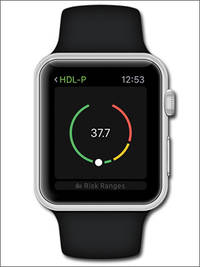
MYHDL APP ON APPLE WATCH, iPAD, iPHONE
The myHDL Physician App from Health Diagnostic Laboratory, Inc. (HDL) is newly available on the Apple Watch, iPhone, and iPad. The app is designed to allow users to view and manage patient cases from their wrist on all models of Apple Watch. HDL says that the myHDL app helps clinicians offer effective, personalized care to their patients, and features include the ability to manage multiple patients’ results, ease of use through color coding and categorized test results, and security and privacy. HDL provides comprehensive biomarker testing and clinical health consulting for earlier disease detection and targeted disease management. The myHDL app is available on iTunes App Store and can be downloaded at www.myhdlapp.com.
FOR MORE INFORMATION, VISIT www.hdlabinc.com
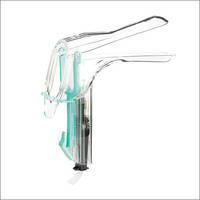
SINGLE-USE LED SPECULA IN 3 SIZES
Welch Allyn, Inc. recently launched the KleenSpec® Single Use LED Vaginal Specula intended for use in hospital emergency departments, labor and delivery units, urgent care centers, ambulatory care surgery centers, clinics, and other women’s health treatment centers.
Welch Allyn says that the KleenSpec Single Use LED Vaginal Specula are 100% acrylic and designed with smooth, molded edges to deliver maximum patient comfort. Wide handles are meant to provide comfortable ergonomics, ease of use, and good balance. According to Welch Allyn, the cordless device’s LED light source provides enhanced visualization of the examination area by supplying uniform white light for more than 30 minutes. The sealed LED light source and Lithium-primary battery are placed in the handle to reduce patient risk. The LED and battery can be removed for disposal or recycling. The device is ready to use out of the package and has a 5-year shelf life. The KleenSpec Single Use LED Vaginal Specula are available in extra small, small, and medium sizes in a distinctive color scheme to help clinicians identify various sizes.
FOR MORE INFORMATION, VISIT www.welchallyn.com

AMA’S PRACTICE TRANSFORMATION SERIES
AMA STEPS Forward™ is an online, interactive practice transformation series offering innovative strategies to help physicians and their staff refocus their practice. The American Medical Association (AMA) developed this initiative after a recent AMA-RAND report found that the satisfaction physicians derive from their work is eroding as they spend more and more time on administrative tasks. The AMA’s goal by offering STEPS Forward is to help clinicians achieve the “Quadruple Aim” to provide better patient experiences, better population health, lower overall costs, and improved professional satisfaction.
Physicians can access a collection of interactive educational modules to help deal with common practice challenges and also earn CME credit. Currently, 16 modules include steps for implementation, case studies, and downloadable videos, tools, and resources that address: practice efficiency and patient care, patient health, physician health, and technology and innovation. Additional modules are planned.
FOR MORE INFORMATION, VISIT www.stepsforward.org
NEW, SMALL IUD NOW AVAILABLE
LILETTA™ (levonorgestrel-releasing intrauterine system) 52 mg is now available for use by women to prevent pregnancy for up to 3 years. LILETTA is a small, flexible plastic T-shaped system 32 mm x 32 mm in size. It works to prevent pregnancy by slowly releasing levonorgestrel (LNG), a progestin, at an initial release rate of 18.6 µg/day with an average in vivo release rate of LNG of approximately 15.6 µg/day over a period of 3 years. Generally, LILETTA can be inserted at any time if the provider is reasonably certain that the woman is not pregnant. While LILETTA is intended for use up to 3 years, according to a press release from Actavis, it can be removed by a clinician at any time and can be replaced at the time of removal with a new LILETTA if continued contraceptive protection is desired.
The February 2015 FDA approval of LILETTA was based on the largest hormonal IUD trial conducted in the United States, designed to reflect the US population, says the manufacturer. The IUD was studied in women aged 16 to 45 years who were nulliparous or parous with a BMI of 15.8 kg/m2 to 61.6 kg/m2.
Through a partnership between Actavis and Medicines360 described at www.liletta.com, IUD-appropriate women, regardless of income and insurance coverage, now have access to this IUD at their doctor’s offices and at public health clinics enrolled in the 340B Drug Pricing Program.
FOR MORE INFORMATION, VISIT www.liletta.com
MYHDL APP ON APPLE WATCH, iPAD, iPHONE
The myHDL Physician App from Health Diagnostic Laboratory, Inc. (HDL) is newly available on the Apple Watch, iPhone, and iPad. The app is designed to allow users to view and manage patient cases from their wrist on all models of Apple Watch. HDL says that the myHDL app helps clinicians offer effective, personalized care to their patients, and features include the ability to manage multiple patients’ results, ease of use through color coding and categorized test results, and security and privacy. HDL provides comprehensive biomarker testing and clinical health consulting for earlier disease detection and targeted disease management. The myHDL app is available on iTunes App Store and can be downloaded at www.myhdlapp.com.
FOR MORE INFORMATION, VISIT www.hdlabinc.com
SINGLE-USE LED SPECULA IN 3 SIZES
Welch Allyn, Inc. recently launched the KleenSpec® Single Use LED Vaginal Specula intended for use in hospital emergency departments, labor and delivery units, urgent care centers, ambulatory care surgery centers, clinics, and other women’s health treatment centers.
Welch Allyn says that the KleenSpec Single Use LED Vaginal Specula are 100% acrylic and designed with smooth, molded edges to deliver maximum patient comfort. Wide handles are meant to provide comfortable ergonomics, ease of use, and good balance. According to Welch Allyn, the cordless device’s LED light source provides enhanced visualization of the examination area by supplying uniform white light for more than 30 minutes. The sealed LED light source and Lithium-primary battery are placed in the handle to reduce patient risk. The LED and battery can be removed for disposal or recycling. The device is ready to use out of the package and has a 5-year shelf life. The KleenSpec Single Use LED Vaginal Specula are available in extra small, small, and medium sizes in a distinctive color scheme to help clinicians identify various sizes.
FOR MORE INFORMATION, VISIT www.welchallyn.com
AMA’S PRACTICE TRANSFORMATION SERIES
AMA STEPS Forward™ is an online, interactive practice transformation series offering innovative strategies to help physicians and their staff refocus their practice. The American Medical Association (AMA) developed this initiative after a recent AMA-RAND report found that the satisfaction physicians derive from their work is eroding as they spend more and more time on administrative tasks. The AMA’s goal by offering STEPS Forward is to help clinicians achieve the “Quadruple Aim” to provide better patient experiences, better population health, lower overall costs, and improved professional satisfaction.
Physicians can access a collection of interactive educational modules to help deal with common practice challenges and also earn CME credit. Currently, 16 modules include steps for implementation, case studies, and downloadable videos, tools, and resources that address: practice efficiency and patient care, patient health, physician health, and technology and innovation. Additional modules are planned.
FOR MORE INFORMATION, VISIT www.stepsforward.org
NEW, SMALL IUD NOW AVAILABLE
LILETTA™ (levonorgestrel-releasing intrauterine system) 52 mg is now available for use by women to prevent pregnancy for up to 3 years. LILETTA is a small, flexible plastic T-shaped system 32 mm x 32 mm in size. It works to prevent pregnancy by slowly releasing levonorgestrel (LNG), a progestin, at an initial release rate of 18.6 µg/day with an average in vivo release rate of LNG of approximately 15.6 µg/day over a period of 3 years. Generally, LILETTA can be inserted at any time if the provider is reasonably certain that the woman is not pregnant. While LILETTA is intended for use up to 3 years, according to a press release from Actavis, it can be removed by a clinician at any time and can be replaced at the time of removal with a new LILETTA if continued contraceptive protection is desired.
The February 2015 FDA approval of LILETTA was based on the largest hormonal IUD trial conducted in the United States, designed to reflect the US population, says the manufacturer. The IUD was studied in women aged 16 to 45 years who were nulliparous or parous with a BMI of 15.8 kg/m2 to 61.6 kg/m2.
Through a partnership between Actavis and Medicines360 described at www.liletta.com, IUD-appropriate women, regardless of income and insurance coverage, now have access to this IUD at their doctor’s offices and at public health clinics enrolled in the 340B Drug Pricing Program.
FOR MORE INFORMATION, VISIT www.liletta.com
MYHDL APP ON APPLE WATCH, iPAD, iPHONE
The myHDL Physician App from Health Diagnostic Laboratory, Inc. (HDL) is newly available on the Apple Watch, iPhone, and iPad. The app is designed to allow users to view and manage patient cases from their wrist on all models of Apple Watch. HDL says that the myHDL app helps clinicians offer effective, personalized care to their patients, and features include the ability to manage multiple patients’ results, ease of use through color coding and categorized test results, and security and privacy. HDL provides comprehensive biomarker testing and clinical health consulting for earlier disease detection and targeted disease management. The myHDL app is available on iTunes App Store and can be downloaded at www.myhdlapp.com.
FOR MORE INFORMATION, VISIT www.hdlabinc.com
SINGLE-USE LED SPECULA IN 3 SIZES
Welch Allyn, Inc. recently launched the KleenSpec® Single Use LED Vaginal Specula intended for use in hospital emergency departments, labor and delivery units, urgent care centers, ambulatory care surgery centers, clinics, and other women’s health treatment centers.
Welch Allyn says that the KleenSpec Single Use LED Vaginal Specula are 100% acrylic and designed with smooth, molded edges to deliver maximum patient comfort. Wide handles are meant to provide comfortable ergonomics, ease of use, and good balance. According to Welch Allyn, the cordless device’s LED light source provides enhanced visualization of the examination area by supplying uniform white light for more than 30 minutes. The sealed LED light source and Lithium-primary battery are placed in the handle to reduce patient risk. The LED and battery can be removed for disposal or recycling. The device is ready to use out of the package and has a 5-year shelf life. The KleenSpec Single Use LED Vaginal Specula are available in extra small, small, and medium sizes in a distinctive color scheme to help clinicians identify various sizes.
FOR MORE INFORMATION, VISIT www.welchallyn.com
AMA’S PRACTICE TRANSFORMATION SERIES
AMA STEPS Forward™ is an online, interactive practice transformation series offering innovative strategies to help physicians and their staff refocus their practice. The American Medical Association (AMA) developed this initiative after a recent AMA-RAND report found that the satisfaction physicians derive from their work is eroding as they spend more and more time on administrative tasks. The AMA’s goal by offering STEPS Forward is to help clinicians achieve the “Quadruple Aim” to provide better patient experiences, better population health, lower overall costs, and improved professional satisfaction.
Physicians can access a collection of interactive educational modules to help deal with common practice challenges and also earn CME credit. Currently, 16 modules include steps for implementation, case studies, and downloadable videos, tools, and resources that address: practice efficiency and patient care, patient health, physician health, and technology and innovation. Additional modules are planned.
FOR MORE INFORMATION, VISIT www.stepsforward.org
Merck Manuals end print publication, go all digital
Pharmaceutical manufacturer Merck & Co. is ceasing print publication of the Merck Manuals, a popular series of reference books, but the long-running publication will continue on in all-digital format starting this month.
The company first published the original Merck Manual for doctors in 1898 and has updated the manual 18 times, most recently in 2011. The new all-digital edition, which includes separate pages on medical conditions for patients and health care providers, will be available online at no charge, and no registration is required to view the new content.
“Merck will no longer publish the Merck Manuals, at least not on paper,” explained Editor-in-Chief Robert S. Porter. “We are continually updating our content and publishing it online as soon as it is ready, so we make no distinction among ‘editions.’ Our sole distinction is audience.”
Find the newly published reference books here: http://www.merckmanuals.com/.
Pharmaceutical manufacturer Merck & Co. is ceasing print publication of the Merck Manuals, a popular series of reference books, but the long-running publication will continue on in all-digital format starting this month.
The company first published the original Merck Manual for doctors in 1898 and has updated the manual 18 times, most recently in 2011. The new all-digital edition, which includes separate pages on medical conditions for patients and health care providers, will be available online at no charge, and no registration is required to view the new content.
“Merck will no longer publish the Merck Manuals, at least not on paper,” explained Editor-in-Chief Robert S. Porter. “We are continually updating our content and publishing it online as soon as it is ready, so we make no distinction among ‘editions.’ Our sole distinction is audience.”
Find the newly published reference books here: http://www.merckmanuals.com/.
Pharmaceutical manufacturer Merck & Co. is ceasing print publication of the Merck Manuals, a popular series of reference books, but the long-running publication will continue on in all-digital format starting this month.
The company first published the original Merck Manual for doctors in 1898 and has updated the manual 18 times, most recently in 2011. The new all-digital edition, which includes separate pages on medical conditions for patients and health care providers, will be available online at no charge, and no registration is required to view the new content.
“Merck will no longer publish the Merck Manuals, at least not on paper,” explained Editor-in-Chief Robert S. Porter. “We are continually updating our content and publishing it online as soon as it is ready, so we make no distinction among ‘editions.’ Our sole distinction is audience.”
Find the newly published reference books here: http://www.merckmanuals.com/.
Auto accidents in sleepy medical trainees
Question: Driving home after a demanding 24 hours on call, the sleepy and fatigued first-year medical resident momentarily dozed off at the wheel, ran a stop sign, and struck an oncoming car, injuring its driver. In a lawsuit by the injured victim, which of the following answers is best?
A. The residency program is definitely liable, being in violation of Accreditation Council for Graduate Medical Education rules on consecutive work hours.
B. The resident is solely liable, because he’s the one who owed the duty of due care.
C. The hospital may be a named codefendant, because it knew or should have known that sleep deprivation can impair a person’s driving ability.
D. A and C are correct.
E. Only B and C are correct.
Answer: E. Residency training programs face many potential liabilities, such as those arising from disciplinary actions, employer-employee disputes, sexual harassment, and so on. But one issue deserving attention is auto accidents in overfatigued trainees. The incidence of falling asleep at the wheel is very high – in some surveys, close to 50% – and accidents are more likely to occur in the immediate post-call period.
The two main research papers documenting a relationship between extended work duty and auto accidents are from Laura K. Barger, Ph.D., and Dr. Colin P. West.
In the Barger study, the authors conducted a nationwide Web-based survey of 2,737 interns (N. Engl. J. Med. 2005;352:125-34). They found that an extended work shift (greater than 24 hours) was 2.3 times as likely for a motor vehicle crash, and 5.9 times for a near-miss accident. The researchers calculated that every extended shift in the month increased the crash risk by 9.1% and near-miss risk by 16.2%.
In the West study, the authors performed a prospective, 5-year longitudinal study of a cohort of 340 first-year Mayo Clinic residents in internal medicine (Mayo Clin. Proc. 2012;87:1138-44). In self-generated quarterly filings, 11.3% reported a motor vehicle crash and 43.3% a near-miss accident. Sleepiness (as well as other variables such as depression, burnout, diminished quality of life, and fatigue) significantly increased the odds of a motor vehicle incident in the subsequent 3-month period. Each 1-point increase in fatigue or Epworth Sleepiness Scale score was associated with a 52% and 12% respective increase in a motor vehicle crash.
The Accreditation Council for Graduate Medical Education (ACGME) has formulated rules, which have undergone recent changes, regarding consecutive work-duty hours. Its latest edict in June 2014 can be found on its website and stipulates that “Duty periods of PGY-1 residents must not exceed 16 hours in duration,” and “Duty periods of PGY-2 residents and above may be scheduled to a maximum of 24 hours of continuous duty in the hospital.”
Furthermore, programs must encourage residents to use alertness management strategies in the context of patient care responsibilities. Strategic napping, especially after 16 hours of continuous duty and between the hours of 10:00 p.m. and 8:00 a.m., was a strong suggestion.
In a 2005 lawsuit naming Chicago’s Rush Presbyterian-St. Luke’s Medical Center as a defendant, an Illinois court faced the issue of whether a hospital owed a duty to a plaintiff injured by an off-duty resident doctor allegedly suffering from sleep deprivation as a result of a hospital’s policy on working hours (Brewster v. Rush Presbyterian-St. Luke’s Medical Center (836 N.E.2d 635 (Il. App. 2005)). The doctor was an intern who had worked 34 hours of a 36-hour work shift, and fell asleep behind the wheel of her car, striking and seriously injuring the driver of an oncoming car.
In its decision, the court noted the plaintiff’s argument that it was reasonably foreseeable and likely that drivers who were sleep deprived would cause traffic accidents resulting in injuries. For public policy reasons, the plaintiff also maintained that such injuries could be prevented if hospitals either changed work schedules of their residents or provided them with additional rest periods.
However, the court held that there was no liability imputed to health care providers for injuries to nonpatient third parties absent the existence of a “special relationship” between the parties.
Thus, training programs or hospitals may or may not be found liable in future such cases or in other jurisdictions – but the new, stricter ACGME rules suggest that they will, at a minimum, be a named defendant.
Note that in some jurisdictions, injured nonpatient third parties have successfully sued doctors for failing to warn their patients that certain medications can adversely affect their driving ability, and for failing to warn about medical conditions, e.g., syncope, that can adversely impact driving.
Court decisions in analogous factual circumstances have sometimes favored the accident victim.
In Robertson v. LeMaster (301 S.E.2d 563 (W. Va. 1983)), the West Virginia Supreme Court of Appeals noted that the defendant’s employer, Norfolk & Western Railway Company, “could have reasonably foreseen that its exhausted employee, who had been required to work 27 hours without rest, would pose a risk of harm to other motorists.”
In Faverty v. McDonald’s Restaurants of Oregon (892 P.2d 703 (Ore. Ct. App.1995)), an Oregon appeals court held that the defendant corporation (McDonald’s Restaurants of Oregon) knew or should have known that its employee was a hazard to himself and others when he drove home from the workplace after working multiple shifts in a 24-hour period.
On the other hand, in Barclay v. Briscoe (47 A.3d 560 (Md. 2012)), a longshoreman employed by Ports America Baltimore fell asleep at the wheel while traveling home after working a 22-hour shift and caused a head-on collision resulting in catastrophic injuries. Ports America Baltimore contended that it could not be held primarily liable, because it owed no duty to the public to ensure that an employee was fit to drive his personal vehicle home. The trial court agreed, and the Maryland Court of Appeals affirmed.
Dr. Tan is emeritus professor of medicine and former adjunct professor of law at the University of Hawaii, and currently directs the St. Francis International Center for Healthcare Ethics in Honolulu. This article is meant to be educational and does not constitute medical, ethical, or legal advice. Some of the articles in this series are adapted from the author’s 2006 book, “Medical Malpractice: Understanding the Law, Managing the Risk,” and his 2012 Halsbury treatise, “Medical Negligence and Professional Misconduct.” For additional information, readers may contact the author at [email protected].
Question: Driving home after a demanding 24 hours on call, the sleepy and fatigued first-year medical resident momentarily dozed off at the wheel, ran a stop sign, and struck an oncoming car, injuring its driver. In a lawsuit by the injured victim, which of the following answers is best?
A. The residency program is definitely liable, being in violation of Accreditation Council for Graduate Medical Education rules on consecutive work hours.
B. The resident is solely liable, because he’s the one who owed the duty of due care.
C. The hospital may be a named codefendant, because it knew or should have known that sleep deprivation can impair a person’s driving ability.
D. A and C are correct.
E. Only B and C are correct.
Answer: E. Residency training programs face many potential liabilities, such as those arising from disciplinary actions, employer-employee disputes, sexual harassment, and so on. But one issue deserving attention is auto accidents in overfatigued trainees. The incidence of falling asleep at the wheel is very high – in some surveys, close to 50% – and accidents are more likely to occur in the immediate post-call period.
The two main research papers documenting a relationship between extended work duty and auto accidents are from Laura K. Barger, Ph.D., and Dr. Colin P. West.
In the Barger study, the authors conducted a nationwide Web-based survey of 2,737 interns (N. Engl. J. Med. 2005;352:125-34). They found that an extended work shift (greater than 24 hours) was 2.3 times as likely for a motor vehicle crash, and 5.9 times for a near-miss accident. The researchers calculated that every extended shift in the month increased the crash risk by 9.1% and near-miss risk by 16.2%.
In the West study, the authors performed a prospective, 5-year longitudinal study of a cohort of 340 first-year Mayo Clinic residents in internal medicine (Mayo Clin. Proc. 2012;87:1138-44). In self-generated quarterly filings, 11.3% reported a motor vehicle crash and 43.3% a near-miss accident. Sleepiness (as well as other variables such as depression, burnout, diminished quality of life, and fatigue) significantly increased the odds of a motor vehicle incident in the subsequent 3-month period. Each 1-point increase in fatigue or Epworth Sleepiness Scale score was associated with a 52% and 12% respective increase in a motor vehicle crash.
The Accreditation Council for Graduate Medical Education (ACGME) has formulated rules, which have undergone recent changes, regarding consecutive work-duty hours. Its latest edict in June 2014 can be found on its website and stipulates that “Duty periods of PGY-1 residents must not exceed 16 hours in duration,” and “Duty periods of PGY-2 residents and above may be scheduled to a maximum of 24 hours of continuous duty in the hospital.”
Furthermore, programs must encourage residents to use alertness management strategies in the context of patient care responsibilities. Strategic napping, especially after 16 hours of continuous duty and between the hours of 10:00 p.m. and 8:00 a.m., was a strong suggestion.
In a 2005 lawsuit naming Chicago’s Rush Presbyterian-St. Luke’s Medical Center as a defendant, an Illinois court faced the issue of whether a hospital owed a duty to a plaintiff injured by an off-duty resident doctor allegedly suffering from sleep deprivation as a result of a hospital’s policy on working hours (Brewster v. Rush Presbyterian-St. Luke’s Medical Center (836 N.E.2d 635 (Il. App. 2005)). The doctor was an intern who had worked 34 hours of a 36-hour work shift, and fell asleep behind the wheel of her car, striking and seriously injuring the driver of an oncoming car.
In its decision, the court noted the plaintiff’s argument that it was reasonably foreseeable and likely that drivers who were sleep deprived would cause traffic accidents resulting in injuries. For public policy reasons, the plaintiff also maintained that such injuries could be prevented if hospitals either changed work schedules of their residents or provided them with additional rest periods.
However, the court held that there was no liability imputed to health care providers for injuries to nonpatient third parties absent the existence of a “special relationship” between the parties.
Thus, training programs or hospitals may or may not be found liable in future such cases or in other jurisdictions – but the new, stricter ACGME rules suggest that they will, at a minimum, be a named defendant.
Note that in some jurisdictions, injured nonpatient third parties have successfully sued doctors for failing to warn their patients that certain medications can adversely affect their driving ability, and for failing to warn about medical conditions, e.g., syncope, that can adversely impact driving.
Court decisions in analogous factual circumstances have sometimes favored the accident victim.
In Robertson v. LeMaster (301 S.E.2d 563 (W. Va. 1983)), the West Virginia Supreme Court of Appeals noted that the defendant’s employer, Norfolk & Western Railway Company, “could have reasonably foreseen that its exhausted employee, who had been required to work 27 hours without rest, would pose a risk of harm to other motorists.”
In Faverty v. McDonald’s Restaurants of Oregon (892 P.2d 703 (Ore. Ct. App.1995)), an Oregon appeals court held that the defendant corporation (McDonald’s Restaurants of Oregon) knew or should have known that its employee was a hazard to himself and others when he drove home from the workplace after working multiple shifts in a 24-hour period.
On the other hand, in Barclay v. Briscoe (47 A.3d 560 (Md. 2012)), a longshoreman employed by Ports America Baltimore fell asleep at the wheel while traveling home after working a 22-hour shift and caused a head-on collision resulting in catastrophic injuries. Ports America Baltimore contended that it could not be held primarily liable, because it owed no duty to the public to ensure that an employee was fit to drive his personal vehicle home. The trial court agreed, and the Maryland Court of Appeals affirmed.
Dr. Tan is emeritus professor of medicine and former adjunct professor of law at the University of Hawaii, and currently directs the St. Francis International Center for Healthcare Ethics in Honolulu. This article is meant to be educational and does not constitute medical, ethical, or legal advice. Some of the articles in this series are adapted from the author’s 2006 book, “Medical Malpractice: Understanding the Law, Managing the Risk,” and his 2012 Halsbury treatise, “Medical Negligence and Professional Misconduct.” For additional information, readers may contact the author at [email protected].
Question: Driving home after a demanding 24 hours on call, the sleepy and fatigued first-year medical resident momentarily dozed off at the wheel, ran a stop sign, and struck an oncoming car, injuring its driver. In a lawsuit by the injured victim, which of the following answers is best?
A. The residency program is definitely liable, being in violation of Accreditation Council for Graduate Medical Education rules on consecutive work hours.
B. The resident is solely liable, because he’s the one who owed the duty of due care.
C. The hospital may be a named codefendant, because it knew or should have known that sleep deprivation can impair a person’s driving ability.
D. A and C are correct.
E. Only B and C are correct.
Answer: E. Residency training programs face many potential liabilities, such as those arising from disciplinary actions, employer-employee disputes, sexual harassment, and so on. But one issue deserving attention is auto accidents in overfatigued trainees. The incidence of falling asleep at the wheel is very high – in some surveys, close to 50% – and accidents are more likely to occur in the immediate post-call period.
The two main research papers documenting a relationship between extended work duty and auto accidents are from Laura K. Barger, Ph.D., and Dr. Colin P. West.
In the Barger study, the authors conducted a nationwide Web-based survey of 2,737 interns (N. Engl. J. Med. 2005;352:125-34). They found that an extended work shift (greater than 24 hours) was 2.3 times as likely for a motor vehicle crash, and 5.9 times for a near-miss accident. The researchers calculated that every extended shift in the month increased the crash risk by 9.1% and near-miss risk by 16.2%.
In the West study, the authors performed a prospective, 5-year longitudinal study of a cohort of 340 first-year Mayo Clinic residents in internal medicine (Mayo Clin. Proc. 2012;87:1138-44). In self-generated quarterly filings, 11.3% reported a motor vehicle crash and 43.3% a near-miss accident. Sleepiness (as well as other variables such as depression, burnout, diminished quality of life, and fatigue) significantly increased the odds of a motor vehicle incident in the subsequent 3-month period. Each 1-point increase in fatigue or Epworth Sleepiness Scale score was associated with a 52% and 12% respective increase in a motor vehicle crash.
The Accreditation Council for Graduate Medical Education (ACGME) has formulated rules, which have undergone recent changes, regarding consecutive work-duty hours. Its latest edict in June 2014 can be found on its website and stipulates that “Duty periods of PGY-1 residents must not exceed 16 hours in duration,” and “Duty periods of PGY-2 residents and above may be scheduled to a maximum of 24 hours of continuous duty in the hospital.”
Furthermore, programs must encourage residents to use alertness management strategies in the context of patient care responsibilities. Strategic napping, especially after 16 hours of continuous duty and between the hours of 10:00 p.m. and 8:00 a.m., was a strong suggestion.
In a 2005 lawsuit naming Chicago’s Rush Presbyterian-St. Luke’s Medical Center as a defendant, an Illinois court faced the issue of whether a hospital owed a duty to a plaintiff injured by an off-duty resident doctor allegedly suffering from sleep deprivation as a result of a hospital’s policy on working hours (Brewster v. Rush Presbyterian-St. Luke’s Medical Center (836 N.E.2d 635 (Il. App. 2005)). The doctor was an intern who had worked 34 hours of a 36-hour work shift, and fell asleep behind the wheel of her car, striking and seriously injuring the driver of an oncoming car.
In its decision, the court noted the plaintiff’s argument that it was reasonably foreseeable and likely that drivers who were sleep deprived would cause traffic accidents resulting in injuries. For public policy reasons, the plaintiff also maintained that such injuries could be prevented if hospitals either changed work schedules of their residents or provided them with additional rest periods.
However, the court held that there was no liability imputed to health care providers for injuries to nonpatient third parties absent the existence of a “special relationship” between the parties.
Thus, training programs or hospitals may or may not be found liable in future such cases or in other jurisdictions – but the new, stricter ACGME rules suggest that they will, at a minimum, be a named defendant.
Note that in some jurisdictions, injured nonpatient third parties have successfully sued doctors for failing to warn their patients that certain medications can adversely affect their driving ability, and for failing to warn about medical conditions, e.g., syncope, that can adversely impact driving.
Court decisions in analogous factual circumstances have sometimes favored the accident victim.
In Robertson v. LeMaster (301 S.E.2d 563 (W. Va. 1983)), the West Virginia Supreme Court of Appeals noted that the defendant’s employer, Norfolk & Western Railway Company, “could have reasonably foreseen that its exhausted employee, who had been required to work 27 hours without rest, would pose a risk of harm to other motorists.”
In Faverty v. McDonald’s Restaurants of Oregon (892 P.2d 703 (Ore. Ct. App.1995)), an Oregon appeals court held that the defendant corporation (McDonald’s Restaurants of Oregon) knew or should have known that its employee was a hazard to himself and others when he drove home from the workplace after working multiple shifts in a 24-hour period.
On the other hand, in Barclay v. Briscoe (47 A.3d 560 (Md. 2012)), a longshoreman employed by Ports America Baltimore fell asleep at the wheel while traveling home after working a 22-hour shift and caused a head-on collision resulting in catastrophic injuries. Ports America Baltimore contended that it could not be held primarily liable, because it owed no duty to the public to ensure that an employee was fit to drive his personal vehicle home. The trial court agreed, and the Maryland Court of Appeals affirmed.
Dr. Tan is emeritus professor of medicine and former adjunct professor of law at the University of Hawaii, and currently directs the St. Francis International Center for Healthcare Ethics in Honolulu. This article is meant to be educational and does not constitute medical, ethical, or legal advice. Some of the articles in this series are adapted from the author’s 2006 book, “Medical Malpractice: Understanding the Law, Managing the Risk,” and his 2012 Halsbury treatise, “Medical Negligence and Professional Misconduct.” For additional information, readers may contact the author at [email protected].

Study establishes protocol for perioperative dabigatran discontinuation
TORONTO – In atrial fibrillation (AF) patients who must discontinue dabigatran for elective surgery, the risk of both stroke and major bleeding can be reduced to low levels using a formalized strategy for stopping and then restarting anticoagulation, according to results of a prospective study presented at the International Society on Thrombosis and Haemostasis Congress.
Among key findings presented at a press conference at the ISTH 2015 Congress, no strokes were recorded in more than 500 patients managed with the protocol, and the major bleeding rate was less than 2%, reported the study’s principal investigator, Dr. Sam Schulman, professor of hematology and thromboembolism, McMaster University, Hamilton, Ont.
Data from this study (Circulation 2015) were reported at the press conference alongside a second study of perioperative warfarin management. Both studies are potentially practice changing, because they supply evidence-based guidance for anticoagulation in patients with AF.

Based on the findings from these two studies, “it is important to get this message out” that there are now data available on which to base clinical decisions, reported Dr. Schulman, who is also president of the ISTH 2015 Congress. His data were presented alongside a study that found no benefit from heparin bridging in AF patients when warfarin was stopped 5 days in advance of surgery.
In the study presented by Dr. Schulman, 542 patients with AF who were on dabigatran and scheduled for elective surgery were managed on a prespecified protocol for risk assessment. The protocol provided a time for stopping dabigatran before surgery based on such factors as renal function and procedure-related bleeding risk. Dabigatran was restarted after surgery on prespecified measures of surgery complexity and severity of consequences if bleeding occurred.
The primary outcome evaluated in the study was major bleeding in the first 30 days. Other outcomes of interest included thromboembolic complications, death and minor bleeding.
Major bleeding was observed in 1.8% of patients, a rate that Dr. Schulman characterized as “low and acceptable” in the context of expected background bleeding rates. There were four deaths, but all were unrelated to either bleeding or arterial thromboembolism. The only thromboembolic complication was a single transient ischemic attack. Minor bleeding occurred in 5.2%.
On the basis of the protocol, about half of the patients discontinued dabigatran 24 hours before surgery. No patient discontinued therapy more than 96 hours prior to surgery. The median time to resumption of dabigatran after surgery was 1 day, but the point at which it was restarted ranged between hours and 2 days. Bridging, which describes the injection of heparin for short-term anticoagulation, was not employed preoperatively but was used in 1.7% of cases postoperatively.
At the press conference, data also were reported from the BRIDGE study. That study, published online in the New England Journal of Medicine (2015 June 22; epub ahead of print ), found that bridging was not an effective strategy in AF patients who discontinue warfarin prior to elective surgery. In the press conference, Dr. Thomas L. Ortel, hematology/oncology division, Duke University Medical Center, Durham, N.C., agreed with Dr. Schulman that this is an area where evidence is needed to guide care.
In the absence of data, “physicians do whatever they think is best,” Dr. Schulman noted at the press conference. Referring to strategies for stopping anticoagulants for surgery in patients with AF, Dr. Schulman said, “some of them stop the blood thinner too early because they are afraid that the patient is going to bleed during surgery and instead the patient can have a stroke. Some stop too late, and the patient can have bleeding.”
The data presented at the meeting provide an evidence base for clinical decisions. Dr. Schulman suggested that these data are meaningful for guiding care.
Dr. Ortel disclosed grant/research support from Eisai and Pfizer. Dr. Schulman had no disclosures.
TORONTO – In atrial fibrillation (AF) patients who must discontinue dabigatran for elective surgery, the risk of both stroke and major bleeding can be reduced to low levels using a formalized strategy for stopping and then restarting anticoagulation, according to results of a prospective study presented at the International Society on Thrombosis and Haemostasis Congress.
Among key findings presented at a press conference at the ISTH 2015 Congress, no strokes were recorded in more than 500 patients managed with the protocol, and the major bleeding rate was less than 2%, reported the study’s principal investigator, Dr. Sam Schulman, professor of hematology and thromboembolism, McMaster University, Hamilton, Ont.
Data from this study (Circulation 2015) were reported at the press conference alongside a second study of perioperative warfarin management. Both studies are potentially practice changing, because they supply evidence-based guidance for anticoagulation in patients with AF.
Based on the findings from these two studies, “it is important to get this message out” that there are now data available on which to base clinical decisions, reported Dr. Schulman, who is also president of the ISTH 2015 Congress. His data were presented alongside a study that found no benefit from heparin bridging in AF patients when warfarin was stopped 5 days in advance of surgery.
In the study presented by Dr. Schulman, 542 patients with AF who were on dabigatran and scheduled for elective surgery were managed on a prespecified protocol for risk assessment. The protocol provided a time for stopping dabigatran before surgery based on such factors as renal function and procedure-related bleeding risk. Dabigatran was restarted after surgery on prespecified measures of surgery complexity and severity of consequences if bleeding occurred.
The primary outcome evaluated in the study was major bleeding in the first 30 days. Other outcomes of interest included thromboembolic complications, death and minor bleeding.
Major bleeding was observed in 1.8% of patients, a rate that Dr. Schulman characterized as “low and acceptable” in the context of expected background bleeding rates. There were four deaths, but all were unrelated to either bleeding or arterial thromboembolism. The only thromboembolic complication was a single transient ischemic attack. Minor bleeding occurred in 5.2%.
On the basis of the protocol, about half of the patients discontinued dabigatran 24 hours before surgery. No patient discontinued therapy more than 96 hours prior to surgery. The median time to resumption of dabigatran after surgery was 1 day, but the point at which it was restarted ranged between hours and 2 days. Bridging, which describes the injection of heparin for short-term anticoagulation, was not employed preoperatively but was used in 1.7% of cases postoperatively.
At the press conference, data also were reported from the BRIDGE study. That study, published online in the New England Journal of Medicine (2015 June 22; epub ahead of print ), found that bridging was not an effective strategy in AF patients who discontinue warfarin prior to elective surgery. In the press conference, Dr. Thomas L. Ortel, hematology/oncology division, Duke University Medical Center, Durham, N.C., agreed with Dr. Schulman that this is an area where evidence is needed to guide care.
In the absence of data, “physicians do whatever they think is best,” Dr. Schulman noted at the press conference. Referring to strategies for stopping anticoagulants for surgery in patients with AF, Dr. Schulman said, “some of them stop the blood thinner too early because they are afraid that the patient is going to bleed during surgery and instead the patient can have a stroke. Some stop too late, and the patient can have bleeding.”
The data presented at the meeting provide an evidence base for clinical decisions. Dr. Schulman suggested that these data are meaningful for guiding care.
Dr. Ortel disclosed grant/research support from Eisai and Pfizer. Dr. Schulman had no disclosures.
TORONTO – In atrial fibrillation (AF) patients who must discontinue dabigatran for elective surgery, the risk of both stroke and major bleeding can be reduced to low levels using a formalized strategy for stopping and then restarting anticoagulation, according to results of a prospective study presented at the International Society on Thrombosis and Haemostasis Congress.
Among key findings presented at a press conference at the ISTH 2015 Congress, no strokes were recorded in more than 500 patients managed with the protocol, and the major bleeding rate was less than 2%, reported the study’s principal investigator, Dr. Sam Schulman, professor of hematology and thromboembolism, McMaster University, Hamilton, Ont.
Data from this study (Circulation 2015) were reported at the press conference alongside a second study of perioperative warfarin management. Both studies are potentially practice changing, because they supply evidence-based guidance for anticoagulation in patients with AF.
Based on the findings from these two studies, “it is important to get this message out” that there are now data available on which to base clinical decisions, reported Dr. Schulman, who is also president of the ISTH 2015 Congress. His data were presented alongside a study that found no benefit from heparin bridging in AF patients when warfarin was stopped 5 days in advance of surgery.
In the study presented by Dr. Schulman, 542 patients with AF who were on dabigatran and scheduled for elective surgery were managed on a prespecified protocol for risk assessment. The protocol provided a time for stopping dabigatran before surgery based on such factors as renal function and procedure-related bleeding risk. Dabigatran was restarted after surgery on prespecified measures of surgery complexity and severity of consequences if bleeding occurred.
The primary outcome evaluated in the study was major bleeding in the first 30 days. Other outcomes of interest included thromboembolic complications, death and minor bleeding.
Major bleeding was observed in 1.8% of patients, a rate that Dr. Schulman characterized as “low and acceptable” in the context of expected background bleeding rates. There were four deaths, but all were unrelated to either bleeding or arterial thromboembolism. The only thromboembolic complication was a single transient ischemic attack. Minor bleeding occurred in 5.2%.
On the basis of the protocol, about half of the patients discontinued dabigatran 24 hours before surgery. No patient discontinued therapy more than 96 hours prior to surgery. The median time to resumption of dabigatran after surgery was 1 day, but the point at which it was restarted ranged between hours and 2 days. Bridging, which describes the injection of heparin for short-term anticoagulation, was not employed preoperatively but was used in 1.7% of cases postoperatively.
At the press conference, data also were reported from the BRIDGE study. That study, published online in the New England Journal of Medicine (2015 June 22; epub ahead of print ), found that bridging was not an effective strategy in AF patients who discontinue warfarin prior to elective surgery. In the press conference, Dr. Thomas L. Ortel, hematology/oncology division, Duke University Medical Center, Durham, N.C., agreed with Dr. Schulman that this is an area where evidence is needed to guide care.
In the absence of data, “physicians do whatever they think is best,” Dr. Schulman noted at the press conference. Referring to strategies for stopping anticoagulants for surgery in patients with AF, Dr. Schulman said, “some of them stop the blood thinner too early because they are afraid that the patient is going to bleed during surgery and instead the patient can have a stroke. Some stop too late, and the patient can have bleeding.”
The data presented at the meeting provide an evidence base for clinical decisions. Dr. Schulman suggested that these data are meaningful for guiding care.
Dr. Ortel disclosed grant/research support from Eisai and Pfizer. Dr. Schulman had no disclosures.
AT 2015 ISTH CONGRESS
Key clinical point: The risk of stroke and major bleeding can be reduced to low levels using a formalized strategy for stopping and then restarting dabigatran.
Major finding: The protocol developed provided a time for stopping dabigatran before surgery based on such factors as renal function and procedure-related bleeding risk. Dabigatran was restarted after surgery on prespecified measures of surgery complexity and severity of consequences if bleeding occurred.
Data source: 542 patients with AF who were on dabigatran and scheduled for elective surgery were managed on a prespecified protocol for risk assessment.
Disclosures: Dr. Ortel disclosed grant/research support from Eisai and Pfizer. Dr. Schulman had no disclosures.

Beware of high blood pressure
High blood pressure may not have any symptoms except in the most extreme cases, but the effect it can have on the human body is real and severe.
The only symptom of high blood pressure is a very serious condition known as hypertensive crisis, which occurs only when blood pressure rises over 180/110 mm Hg. This condition requires immediate medical attention. High blood pressure can cause a series of other serious health issues, such as damage to the heart and arteries, stroke, kidney damage, vision loss, erectile dysfunction, memory loss, angina, and peripheral artery disease.
High blood pressure in combination with other risk factors such as age, heredity, gender, obesity, smoking, high cholesterol, diabetes, and physical inactivity can further increase risk of major health issues. Diet and exercise changes, however, can help lessen that risk.
Learn more at the American Heart Association website.
High blood pressure may not have any symptoms except in the most extreme cases, but the effect it can have on the human body is real and severe.
The only symptom of high blood pressure is a very serious condition known as hypertensive crisis, which occurs only when blood pressure rises over 180/110 mm Hg. This condition requires immediate medical attention. High blood pressure can cause a series of other serious health issues, such as damage to the heart and arteries, stroke, kidney damage, vision loss, erectile dysfunction, memory loss, angina, and peripheral artery disease.
High blood pressure in combination with other risk factors such as age, heredity, gender, obesity, smoking, high cholesterol, diabetes, and physical inactivity can further increase risk of major health issues. Diet and exercise changes, however, can help lessen that risk.
Learn more at the American Heart Association website.
High blood pressure may not have any symptoms except in the most extreme cases, but the effect it can have on the human body is real and severe.
The only symptom of high blood pressure is a very serious condition known as hypertensive crisis, which occurs only when blood pressure rises over 180/110 mm Hg. This condition requires immediate medical attention. High blood pressure can cause a series of other serious health issues, such as damage to the heart and arteries, stroke, kidney damage, vision loss, erectile dysfunction, memory loss, angina, and peripheral artery disease.
High blood pressure in combination with other risk factors such as age, heredity, gender, obesity, smoking, high cholesterol, diabetes, and physical inactivity can further increase risk of major health issues. Diet and exercise changes, however, can help lessen that risk.
Learn more at the American Heart Association website.