User login
Drug granted orphan status for hemophilia A
The US Food and Drug Administration (FDA) has granted orphan drug designation to the investigational agent ATX-F8-117 for use in patients with hemophilia A.
The drug is designed to prevent the development of factor VIII (FVIII) inhibitors in patients receiving FVIII therapy or treat patients who already have FVIII inhibitors.
ATX-F8-117 received orphan designation from the European Medicines Agency in November 2014.
“These designations emphasize the need for an effective treatment for hemophilia A patients developing factor VIII inhibitors that occurs in approximately 30% of patients,” said Keith Martin, CEO of Apitope, the company developing ATX-F8-117.
“This results in poor clotting of the blood, leading to severe health issues. This orphan drug designation follows extensive preclinical evaluation, and we look forward to advancing a clinical development program for this important medical condition.”
ATX-F8-117 consists of 2 peptides derived from FVIII. Research conducted by Apitope investigators has shown that ATX-F8-117 induces T-cell tolerance toward FVIII in HLA-DRB1*1501 transgenic mice and decreases FVIII inhibitor formation in mice with FVIII neutralizing antibodies.
About orphan designation
The FDA grants orphan designation to encourage companies to develop therapies for diseases that affect fewer than 200,000 individuals in the US.
Orphan designation provides a company with research and development tax credits, an opportunity to obtain grant funding, exemption from FDA application fees, and other benefits.
If ATX-F8-117 is approved to treat patients with hemophilia A, orphan designation will provide Apitope with 7 years of marketing exclusivity in the US. 
The US Food and Drug Administration (FDA) has granted orphan drug designation to the investigational agent ATX-F8-117 for use in patients with hemophilia A.
The drug is designed to prevent the development of factor VIII (FVIII) inhibitors in patients receiving FVIII therapy or treat patients who already have FVIII inhibitors.
ATX-F8-117 received orphan designation from the European Medicines Agency in November 2014.
“These designations emphasize the need for an effective treatment for hemophilia A patients developing factor VIII inhibitors that occurs in approximately 30% of patients,” said Keith Martin, CEO of Apitope, the company developing ATX-F8-117.
“This results in poor clotting of the blood, leading to severe health issues. This orphan drug designation follows extensive preclinical evaluation, and we look forward to advancing a clinical development program for this important medical condition.”
ATX-F8-117 consists of 2 peptides derived from FVIII. Research conducted by Apitope investigators has shown that ATX-F8-117 induces T-cell tolerance toward FVIII in HLA-DRB1*1501 transgenic mice and decreases FVIII inhibitor formation in mice with FVIII neutralizing antibodies.
About orphan designation
The FDA grants orphan designation to encourage companies to develop therapies for diseases that affect fewer than 200,000 individuals in the US.
Orphan designation provides a company with research and development tax credits, an opportunity to obtain grant funding, exemption from FDA application fees, and other benefits.
If ATX-F8-117 is approved to treat patients with hemophilia A, orphan designation will provide Apitope with 7 years of marketing exclusivity in the US.
The US Food and Drug Administration (FDA) has granted orphan drug designation to the investigational agent ATX-F8-117 for use in patients with hemophilia A.
The drug is designed to prevent the development of factor VIII (FVIII) inhibitors in patients receiving FVIII therapy or treat patients who already have FVIII inhibitors.
ATX-F8-117 received orphan designation from the European Medicines Agency in November 2014.
“These designations emphasize the need for an effective treatment for hemophilia A patients developing factor VIII inhibitors that occurs in approximately 30% of patients,” said Keith Martin, CEO of Apitope, the company developing ATX-F8-117.
“This results in poor clotting of the blood, leading to severe health issues. This orphan drug designation follows extensive preclinical evaluation, and we look forward to advancing a clinical development program for this important medical condition.”
ATX-F8-117 consists of 2 peptides derived from FVIII. Research conducted by Apitope investigators has shown that ATX-F8-117 induces T-cell tolerance toward FVIII in HLA-DRB1*1501 transgenic mice and decreases FVIII inhibitor formation in mice with FVIII neutralizing antibodies.
About orphan designation
The FDA grants orphan designation to encourage companies to develop therapies for diseases that affect fewer than 200,000 individuals in the US.
Orphan designation provides a company with research and development tax credits, an opportunity to obtain grant funding, exemption from FDA application fees, and other benefits.
If ATX-F8-117 is approved to treat patients with hemophilia A, orphan designation will provide Apitope with 7 years of marketing exclusivity in the US.
The Rural Surgeon: Surgical practice in the Indian Health Service
Only last week I thought to myself: an almost perfect surgery day. A few endoscopy cases, a breast case, a parathyroid adenoma, and a gastrectomy. I remind myself from time to time how fortunate I am to have the diversity of cases that I am afforded by my unique rural location and employment in the Indian Health Service (IHS).
Over 2 decades ago with what seemed to be an upheaval in health care, I decided to either leave surgery altogether or find some alternative to the business side of medicine that I was experiencing in the world of my private surgical practice. It was 1993 and the Health Security Act was being formulated with a task force with a paucity of physician input. It looked like medicine was headed to a period of increasing bureaucracy and decreased autonomy.
While thumbing through one of the recruiting magazines, I noticed an article about an internal medicine physician and his wife, an obstetrician/ gynecologist, who together joined the Indian Health Service. I made some inquiries.
I knew nothing about the Indian Health Service. I had a picture in my mind of a remote barren reservation working with doctors who couldn’t get a job in the real world. What I found was the best career I could have imagined.
I landed in a rural community in Oklahoma. The colleagues that I have come to know have been some of the best I have seen anywhere. I have had the distinct privilege of taking care of patients who are for the most part very grateful for the care I can give them.
I can recall during the interview process I was concerned that as a non-Native, I might not be accepted by the patients in this part of the country. My concerns were dispelled. I have felt accepted and appreciated.
What I found was that in many ways, my Native American patients are similar to the rural patients I have had in private practice. In the Native American culture, elders are respected. Family is very important – not just the nuclear family but the extended family, cousins, and multiple generations. Patients are proud of their heritage. There is a sense of interdependence and connection. I have been blessed to be a part of healing ceremonies that have left a lasting influence on my approach to disease, health, and spirituality.
Many of these patients have limited resources and astounding health burdens. Native Americans are disproportionately afflicted with diabetes, cardiovascular disease, and obesity. Because of these health problems, programs that address these specific issues have been developed within our system. We have a diabetic clinic that includes foot care, eye care, nutritional counseling, general medicine, and pharmacy needs as well as extensive education about prevention and disease control. We have also developed a Healthy Eating for Life Program (HELP) involving a multidisciplinary approach to weight loss that includes a cognitive behavioral health program, one-on-one education with a certified bariatric nurse, support groups, nutritional instruction, and for some patients, surgical intervention.
Patients may access the Indian and Tribal Health Systems regardless of insurance status. While our practice is not totally devoid of the business aspects of medicine, most of the time we are unaware of the patients’ insurance status. Procedures or diagnostic studies that cannot be done onsite are sometimes covered through contract health services.
Our facility was built with the intent of providing health care for the adjacent counties, but by the time it was completed the need had already outstripped the resources. While funding has improved over the years, the rising costs of medical care and increases in the volume of the service population have continued to translate into unmet needs, especially for services not directly provided in our facility.
There are many physicians who have come and gone during my tenure. Some have Indian Health Service scholarship paybacks that they fulfill and move on, and others may be in transition from one greener pasture to another. The surgical service has grown from two surgeons to six. We have a good mix of youth and seasoned doctors, with half the group over 40 and half younger. The gender mix is also balanced with three females and three males.
There is a plethora of pathology. Most of us have carved out niches of surgical interest. We average 150 referrals per week, which translates into plenty to do. There are no turf battles. We have not adopted the hospitalist model. The surgeons here round and follow their own patients, which is great for continuity. Our patients appreciate seeing the same doctor. We are not, however, tethered to the facility. The surgeon on call will graciously cover any patients if needed, and we are fortunate in that we all have similar practice styles. Thus, we have cross coverage by surgeons who think and operate similarly.
We have had the pleasure of hosting both fellowship trained surgeons (vascular and trauma) and general surgeons interested in a rural lifestyle and Native medicine. The facility is also a teaching hospital. An array of students including surgical technicians, Certified Registered Nurse Anesthetist (CRNA) students, residents, medical students, and U.S. Army Special Forces all rotate through our operating rooms.
One of the benefits of the Indian Health Service is that you are part of a system. Sometimes one can forget that point amid the daily work. Going to meetings specifically geared toward IHS issues is often very rewarding. You are a part of something much bigger than your own practice. Progress is defined over time – a decrease in amputation rates as hemoglobin A1C’s improve, a system-wide approach to colorectal cancer screening, the development of a tumor registry that specifically tracks cancer for Native Americans (no longer grouping them under “white” or lost under “other”).
Although we are rural surgeons, we do not work in isolation. All of our providers are board certified. We are currently the only facility in Oklahoma participating in the American College of Surgeons National Surgical Quality Improvement Program (ACS-NSQIP).
In training, we were encouraged to be aggressive and work independently. It was the era of the pyramid system. No one cared how much sleep you got or when you last ate, and yet there was a team approach among the residents. That same independence is fostered here but in a much more conducive environment.
Many of us sought surgical careers because we truly enjoyed being in the operating room, the haven. We liked the technical aspects, the challenges. We joked that we liked our patients asleep, either on early morning rounds or in the surgical suite.
Where once clinic was a necessary evil, I now enjoy the interaction and find I can often do as much for the patient or family in the clinic as I can in the operating room.
I have also found that with the support of administration, we can have an impact on care beyond the individual level. We can affect the health status of an entire population.
There has been much progress in this system over the last 2 decades and there continues to be room for even more. The key may be in the name: Indian Health Service. I would encourage those who think they might find this type of practice intriguing to explore www.ihs.gov and look under career opportunities.
Dr. Hope Baluh is an ACS fellow. She serves as chief of surgery at Cherokee Nation W.W. Hastings Hospital in Oklahoma and is a recent graduate from Johns Hopkins School of Public Health.
Only last week I thought to myself: an almost perfect surgery day. A few endoscopy cases, a breast case, a parathyroid adenoma, and a gastrectomy. I remind myself from time to time how fortunate I am to have the diversity of cases that I am afforded by my unique rural location and employment in the Indian Health Service (IHS).
Over 2 decades ago with what seemed to be an upheaval in health care, I decided to either leave surgery altogether or find some alternative to the business side of medicine that I was experiencing in the world of my private surgical practice. It was 1993 and the Health Security Act was being formulated with a task force with a paucity of physician input. It looked like medicine was headed to a period of increasing bureaucracy and decreased autonomy.
While thumbing through one of the recruiting magazines, I noticed an article about an internal medicine physician and his wife, an obstetrician/ gynecologist, who together joined the Indian Health Service. I made some inquiries.
I knew nothing about the Indian Health Service. I had a picture in my mind of a remote barren reservation working with doctors who couldn’t get a job in the real world. What I found was the best career I could have imagined.
I landed in a rural community in Oklahoma. The colleagues that I have come to know have been some of the best I have seen anywhere. I have had the distinct privilege of taking care of patients who are for the most part very grateful for the care I can give them.
I can recall during the interview process I was concerned that as a non-Native, I might not be accepted by the patients in this part of the country. My concerns were dispelled. I have felt accepted and appreciated.
What I found was that in many ways, my Native American patients are similar to the rural patients I have had in private practice. In the Native American culture, elders are respected. Family is very important – not just the nuclear family but the extended family, cousins, and multiple generations. Patients are proud of their heritage. There is a sense of interdependence and connection. I have been blessed to be a part of healing ceremonies that have left a lasting influence on my approach to disease, health, and spirituality.
Many of these patients have limited resources and astounding health burdens. Native Americans are disproportionately afflicted with diabetes, cardiovascular disease, and obesity. Because of these health problems, programs that address these specific issues have been developed within our system. We have a diabetic clinic that includes foot care, eye care, nutritional counseling, general medicine, and pharmacy needs as well as extensive education about prevention and disease control. We have also developed a Healthy Eating for Life Program (HELP) involving a multidisciplinary approach to weight loss that includes a cognitive behavioral health program, one-on-one education with a certified bariatric nurse, support groups, nutritional instruction, and for some patients, surgical intervention.
Patients may access the Indian and Tribal Health Systems regardless of insurance status. While our practice is not totally devoid of the business aspects of medicine, most of the time we are unaware of the patients’ insurance status. Procedures or diagnostic studies that cannot be done onsite are sometimes covered through contract health services.
Our facility was built with the intent of providing health care for the adjacent counties, but by the time it was completed the need had already outstripped the resources. While funding has improved over the years, the rising costs of medical care and increases in the volume of the service population have continued to translate into unmet needs, especially for services not directly provided in our facility.
There are many physicians who have come and gone during my tenure. Some have Indian Health Service scholarship paybacks that they fulfill and move on, and others may be in transition from one greener pasture to another. The surgical service has grown from two surgeons to six. We have a good mix of youth and seasoned doctors, with half the group over 40 and half younger. The gender mix is also balanced with three females and three males.
There is a plethora of pathology. Most of us have carved out niches of surgical interest. We average 150 referrals per week, which translates into plenty to do. There are no turf battles. We have not adopted the hospitalist model. The surgeons here round and follow their own patients, which is great for continuity. Our patients appreciate seeing the same doctor. We are not, however, tethered to the facility. The surgeon on call will graciously cover any patients if needed, and we are fortunate in that we all have similar practice styles. Thus, we have cross coverage by surgeons who think and operate similarly.
We have had the pleasure of hosting both fellowship trained surgeons (vascular and trauma) and general surgeons interested in a rural lifestyle and Native medicine. The facility is also a teaching hospital. An array of students including surgical technicians, Certified Registered Nurse Anesthetist (CRNA) students, residents, medical students, and U.S. Army Special Forces all rotate through our operating rooms.
One of the benefits of the Indian Health Service is that you are part of a system. Sometimes one can forget that point amid the daily work. Going to meetings specifically geared toward IHS issues is often very rewarding. You are a part of something much bigger than your own practice. Progress is defined over time – a decrease in amputation rates as hemoglobin A1C’s improve, a system-wide approach to colorectal cancer screening, the development of a tumor registry that specifically tracks cancer for Native Americans (no longer grouping them under “white” or lost under “other”).
Although we are rural surgeons, we do not work in isolation. All of our providers are board certified. We are currently the only facility in Oklahoma participating in the American College of Surgeons National Surgical Quality Improvement Program (ACS-NSQIP).
In training, we were encouraged to be aggressive and work independently. It was the era of the pyramid system. No one cared how much sleep you got or when you last ate, and yet there was a team approach among the residents. That same independence is fostered here but in a much more conducive environment.
Many of us sought surgical careers because we truly enjoyed being in the operating room, the haven. We liked the technical aspects, the challenges. We joked that we liked our patients asleep, either on early morning rounds or in the surgical suite.
Where once clinic was a necessary evil, I now enjoy the interaction and find I can often do as much for the patient or family in the clinic as I can in the operating room.
I have also found that with the support of administration, we can have an impact on care beyond the individual level. We can affect the health status of an entire population.
There has been much progress in this system over the last 2 decades and there continues to be room for even more. The key may be in the name: Indian Health Service. I would encourage those who think they might find this type of practice intriguing to explore www.ihs.gov and look under career opportunities.
Dr. Hope Baluh is an ACS fellow. She serves as chief of surgery at Cherokee Nation W.W. Hastings Hospital in Oklahoma and is a recent graduate from Johns Hopkins School of Public Health.
Only last week I thought to myself: an almost perfect surgery day. A few endoscopy cases, a breast case, a parathyroid adenoma, and a gastrectomy. I remind myself from time to time how fortunate I am to have the diversity of cases that I am afforded by my unique rural location and employment in the Indian Health Service (IHS).
Over 2 decades ago with what seemed to be an upheaval in health care, I decided to either leave surgery altogether or find some alternative to the business side of medicine that I was experiencing in the world of my private surgical practice. It was 1993 and the Health Security Act was being formulated with a task force with a paucity of physician input. It looked like medicine was headed to a period of increasing bureaucracy and decreased autonomy.
While thumbing through one of the recruiting magazines, I noticed an article about an internal medicine physician and his wife, an obstetrician/ gynecologist, who together joined the Indian Health Service. I made some inquiries.
I knew nothing about the Indian Health Service. I had a picture in my mind of a remote barren reservation working with doctors who couldn’t get a job in the real world. What I found was the best career I could have imagined.
I landed in a rural community in Oklahoma. The colleagues that I have come to know have been some of the best I have seen anywhere. I have had the distinct privilege of taking care of patients who are for the most part very grateful for the care I can give them.
I can recall during the interview process I was concerned that as a non-Native, I might not be accepted by the patients in this part of the country. My concerns were dispelled. I have felt accepted and appreciated.
What I found was that in many ways, my Native American patients are similar to the rural patients I have had in private practice. In the Native American culture, elders are respected. Family is very important – not just the nuclear family but the extended family, cousins, and multiple generations. Patients are proud of their heritage. There is a sense of interdependence and connection. I have been blessed to be a part of healing ceremonies that have left a lasting influence on my approach to disease, health, and spirituality.
Many of these patients have limited resources and astounding health burdens. Native Americans are disproportionately afflicted with diabetes, cardiovascular disease, and obesity. Because of these health problems, programs that address these specific issues have been developed within our system. We have a diabetic clinic that includes foot care, eye care, nutritional counseling, general medicine, and pharmacy needs as well as extensive education about prevention and disease control. We have also developed a Healthy Eating for Life Program (HELP) involving a multidisciplinary approach to weight loss that includes a cognitive behavioral health program, one-on-one education with a certified bariatric nurse, support groups, nutritional instruction, and for some patients, surgical intervention.
Patients may access the Indian and Tribal Health Systems regardless of insurance status. While our practice is not totally devoid of the business aspects of medicine, most of the time we are unaware of the patients’ insurance status. Procedures or diagnostic studies that cannot be done onsite are sometimes covered through contract health services.
Our facility was built with the intent of providing health care for the adjacent counties, but by the time it was completed the need had already outstripped the resources. While funding has improved over the years, the rising costs of medical care and increases in the volume of the service population have continued to translate into unmet needs, especially for services not directly provided in our facility.
There are many physicians who have come and gone during my tenure. Some have Indian Health Service scholarship paybacks that they fulfill and move on, and others may be in transition from one greener pasture to another. The surgical service has grown from two surgeons to six. We have a good mix of youth and seasoned doctors, with half the group over 40 and half younger. The gender mix is also balanced with three females and three males.
There is a plethora of pathology. Most of us have carved out niches of surgical interest. We average 150 referrals per week, which translates into plenty to do. There are no turf battles. We have not adopted the hospitalist model. The surgeons here round and follow their own patients, which is great for continuity. Our patients appreciate seeing the same doctor. We are not, however, tethered to the facility. The surgeon on call will graciously cover any patients if needed, and we are fortunate in that we all have similar practice styles. Thus, we have cross coverage by surgeons who think and operate similarly.
We have had the pleasure of hosting both fellowship trained surgeons (vascular and trauma) and general surgeons interested in a rural lifestyle and Native medicine. The facility is also a teaching hospital. An array of students including surgical technicians, Certified Registered Nurse Anesthetist (CRNA) students, residents, medical students, and U.S. Army Special Forces all rotate through our operating rooms.
One of the benefits of the Indian Health Service is that you are part of a system. Sometimes one can forget that point amid the daily work. Going to meetings specifically geared toward IHS issues is often very rewarding. You are a part of something much bigger than your own practice. Progress is defined over time – a decrease in amputation rates as hemoglobin A1C’s improve, a system-wide approach to colorectal cancer screening, the development of a tumor registry that specifically tracks cancer for Native Americans (no longer grouping them under “white” or lost under “other”).
Although we are rural surgeons, we do not work in isolation. All of our providers are board certified. We are currently the only facility in Oklahoma participating in the American College of Surgeons National Surgical Quality Improvement Program (ACS-NSQIP).
In training, we were encouraged to be aggressive and work independently. It was the era of the pyramid system. No one cared how much sleep you got or when you last ate, and yet there was a team approach among the residents. That same independence is fostered here but in a much more conducive environment.
Many of us sought surgical careers because we truly enjoyed being in the operating room, the haven. We liked the technical aspects, the challenges. We joked that we liked our patients asleep, either on early morning rounds or in the surgical suite.
Where once clinic was a necessary evil, I now enjoy the interaction and find I can often do as much for the patient or family in the clinic as I can in the operating room.
I have also found that with the support of administration, we can have an impact on care beyond the individual level. We can affect the health status of an entire population.
There has been much progress in this system over the last 2 decades and there continues to be room for even more. The key may be in the name: Indian Health Service. I would encourage those who think they might find this type of practice intriguing to explore www.ihs.gov and look under career opportunities.
Dr. Hope Baluh is an ACS fellow. She serves as chief of surgery at Cherokee Nation W.W. Hastings Hospital in Oklahoma and is a recent graduate from Johns Hopkins School of Public Health.
From the Washington Office
As mentioned at the end of last month’s column, in the wake of the permanent repeal of the SGR, it will be necessary for surgeons to become familiar with an entire new lexicon of acronyms. That being said, I would like to first borrow a line from Kevin Bacon at the end of the movie Animal House and assure you that “all is well.”
The first of the new acronyms is MIPS – Merit-based Incentive Payment System.
To start, there is good news for several reasons. First, the MIPS program does not go into effect until 2019. This gives all surgeons ample opportunity to become educated and to prepare for the new program. In addition, most surgeons are already familiar with most, if not all, of the individual components of MIPS. Finally, MIPS provides payment updates based on each surgeon’s individual performance. These updates are independent of an arbitrarily set aggregate spending target as was the case previously under the SGR.
Surgeons who treat few Medicare patients or who receive a significant portion of their revenue from an eligible Alternative Payment Model program (APM) will be excluded from the MIPS program. APMs will be discussed in a later edition of this column.
MIPS will provide annual updates, again starting in 2019, based on individual performance in four categories: Quality, Resource Use, Electronic Health Record Meaningful Use and Clinical Practice Improvement Activities.
Surgeons participating in MIPS will receive an individual composite score of 0-100 based on their performance in the aforementioned four categories. Each individual composite score will then be compared to a performance threshold. The threshold consists of the mean or median of the composite performance scores for all MIPS-eligible professionals during a performance period prior to the current period. The threshold resets each year such that an individual’s score in 1 year does not impact their composite score the following year. All those with an individual composite performance score above the threshold will receive a positive payment adjustment, while those with an individual composite performance score below the threshold will receive a negative payment adjustment.
Positive adjustments can be up to 4% in 2019 and grow to 9% in 2022. Should the number of providers achieving high composite scores be low, the positive adjustments can be increased by up to a factor of three. If the number of those over the threshold far exceeds the number of those below the threshold, the incentives are scaled back to ensure budget neutrality. An additional $500 million per year is available for the top 75% of providers above the performance threshold. This ensures that in a circumstance where all physicians met the MIPS threshold, there would be funds available for positive updates.
Similarly, negative adjustments will be capped at 4% in 2019, rising to 9% in 2022. Those whose composite performance score falls in the lowest quartile below the threshold (i.e., with a performance threshold set at 60, those with scores between 0 and 15), will be subject to the maximum possible payment adjustment. Those with composite performance scores closer to the threshold will be subject to proportionally smaller negative payment adjustments.
The quality component of the MIPS will consist of quality measures currently used in existing quality performance programs. Specifically, these are the PQRS (Physician Quality Reporting System), the VBM (Value-Based Modifier program), and EHR-MU (Electronic Health Record Meaningful Use), with which most surgeons are already familiar. The Secretary of the Department of Health & Human Services will also solicit other measures from professional organizations such as ACS. Composite measures from QCDR (Qualified Clinical Data Registries) may also be used. The College is working with CMS to determine how to ensure its data registries, NSQIP and the SSR (Surgeon Specific Registry), can be utilized to meet the QCDR requirements.
The resource use component of MIPS will also include measures used in the current VBM program. The methodology by which these measures are applied will be enhanced through public input to include directly engaging providers. Surgeons will be allowed to report their specific role in treating patients. This provision seeks to allay concerns that the current methodology and attribution rules fail to accurately link the cost of services to the correct, specific professional. Additionally, research and public input will be sought on how to improve risk-adjustment methodologies such that surgeons are not penalized for providing care to sicker patients whose care is more costly.
With regard to the EHR-MU component of MIPS, the current EHR-MU requirements will continue to apply. ACS continues to advocate for changes to the EHR-MU program to make it easier for surgeons to comply with the requirements. Electronic health records are required to be interoperable by 2018 and vendors are prohibited from deliberately blocking information sharing with another vendor’s product.
In next month’s column, we will discuss the final component category of MIPS, the CPIA (Clinical Practice Improvement Activities) and the APMs as mentioned above.
Until next month …
Dr. Bailey is a pediatric surgeon and Medical Director, Advocacy for the Division of Advocacy and Health Policy in the ACS offices in Washington, D.C.
As mentioned at the end of last month’s column, in the wake of the permanent repeal of the SGR, it will be necessary for surgeons to become familiar with an entire new lexicon of acronyms. That being said, I would like to first borrow a line from Kevin Bacon at the end of the movie Animal House and assure you that “all is well.”
The first of the new acronyms is MIPS – Merit-based Incentive Payment System.
To start, there is good news for several reasons. First, the MIPS program does not go into effect until 2019. This gives all surgeons ample opportunity to become educated and to prepare for the new program. In addition, most surgeons are already familiar with most, if not all, of the individual components of MIPS. Finally, MIPS provides payment updates based on each surgeon’s individual performance. These updates are independent of an arbitrarily set aggregate spending target as was the case previously under the SGR.
Surgeons who treat few Medicare patients or who receive a significant portion of their revenue from an eligible Alternative Payment Model program (APM) will be excluded from the MIPS program. APMs will be discussed in a later edition of this column.
MIPS will provide annual updates, again starting in 2019, based on individual performance in four categories: Quality, Resource Use, Electronic Health Record Meaningful Use and Clinical Practice Improvement Activities.
Surgeons participating in MIPS will receive an individual composite score of 0-100 based on their performance in the aforementioned four categories. Each individual composite score will then be compared to a performance threshold. The threshold consists of the mean or median of the composite performance scores for all MIPS-eligible professionals during a performance period prior to the current period. The threshold resets each year such that an individual’s score in 1 year does not impact their composite score the following year. All those with an individual composite performance score above the threshold will receive a positive payment adjustment, while those with an individual composite performance score below the threshold will receive a negative payment adjustment.
Positive adjustments can be up to 4% in 2019 and grow to 9% in 2022. Should the number of providers achieving high composite scores be low, the positive adjustments can be increased by up to a factor of three. If the number of those over the threshold far exceeds the number of those below the threshold, the incentives are scaled back to ensure budget neutrality. An additional $500 million per year is available for the top 75% of providers above the performance threshold. This ensures that in a circumstance where all physicians met the MIPS threshold, there would be funds available for positive updates.
Similarly, negative adjustments will be capped at 4% in 2019, rising to 9% in 2022. Those whose composite performance score falls in the lowest quartile below the threshold (i.e., with a performance threshold set at 60, those with scores between 0 and 15), will be subject to the maximum possible payment adjustment. Those with composite performance scores closer to the threshold will be subject to proportionally smaller negative payment adjustments.
The quality component of the MIPS will consist of quality measures currently used in existing quality performance programs. Specifically, these are the PQRS (Physician Quality Reporting System), the VBM (Value-Based Modifier program), and EHR-MU (Electronic Health Record Meaningful Use), with which most surgeons are already familiar. The Secretary of the Department of Health & Human Services will also solicit other measures from professional organizations such as ACS. Composite measures from QCDR (Qualified Clinical Data Registries) may also be used. The College is working with CMS to determine how to ensure its data registries, NSQIP and the SSR (Surgeon Specific Registry), can be utilized to meet the QCDR requirements.
The resource use component of MIPS will also include measures used in the current VBM program. The methodology by which these measures are applied will be enhanced through public input to include directly engaging providers. Surgeons will be allowed to report their specific role in treating patients. This provision seeks to allay concerns that the current methodology and attribution rules fail to accurately link the cost of services to the correct, specific professional. Additionally, research and public input will be sought on how to improve risk-adjustment methodologies such that surgeons are not penalized for providing care to sicker patients whose care is more costly.
With regard to the EHR-MU component of MIPS, the current EHR-MU requirements will continue to apply. ACS continues to advocate for changes to the EHR-MU program to make it easier for surgeons to comply with the requirements. Electronic health records are required to be interoperable by 2018 and vendors are prohibited from deliberately blocking information sharing with another vendor’s product.
In next month’s column, we will discuss the final component category of MIPS, the CPIA (Clinical Practice Improvement Activities) and the APMs as mentioned above.
Until next month …
Dr. Bailey is a pediatric surgeon and Medical Director, Advocacy for the Division of Advocacy and Health Policy in the ACS offices in Washington, D.C.
As mentioned at the end of last month’s column, in the wake of the permanent repeal of the SGR, it will be necessary for surgeons to become familiar with an entire new lexicon of acronyms. That being said, I would like to first borrow a line from Kevin Bacon at the end of the movie Animal House and assure you that “all is well.”
The first of the new acronyms is MIPS – Merit-based Incentive Payment System.
To start, there is good news for several reasons. First, the MIPS program does not go into effect until 2019. This gives all surgeons ample opportunity to become educated and to prepare for the new program. In addition, most surgeons are already familiar with most, if not all, of the individual components of MIPS. Finally, MIPS provides payment updates based on each surgeon’s individual performance. These updates are independent of an arbitrarily set aggregate spending target as was the case previously under the SGR.
Surgeons who treat few Medicare patients or who receive a significant portion of their revenue from an eligible Alternative Payment Model program (APM) will be excluded from the MIPS program. APMs will be discussed in a later edition of this column.
MIPS will provide annual updates, again starting in 2019, based on individual performance in four categories: Quality, Resource Use, Electronic Health Record Meaningful Use and Clinical Practice Improvement Activities.
Surgeons participating in MIPS will receive an individual composite score of 0-100 based on their performance in the aforementioned four categories. Each individual composite score will then be compared to a performance threshold. The threshold consists of the mean or median of the composite performance scores for all MIPS-eligible professionals during a performance period prior to the current period. The threshold resets each year such that an individual’s score in 1 year does not impact their composite score the following year. All those with an individual composite performance score above the threshold will receive a positive payment adjustment, while those with an individual composite performance score below the threshold will receive a negative payment adjustment.
Positive adjustments can be up to 4% in 2019 and grow to 9% in 2022. Should the number of providers achieving high composite scores be low, the positive adjustments can be increased by up to a factor of three. If the number of those over the threshold far exceeds the number of those below the threshold, the incentives are scaled back to ensure budget neutrality. An additional $500 million per year is available for the top 75% of providers above the performance threshold. This ensures that in a circumstance where all physicians met the MIPS threshold, there would be funds available for positive updates.
Similarly, negative adjustments will be capped at 4% in 2019, rising to 9% in 2022. Those whose composite performance score falls in the lowest quartile below the threshold (i.e., with a performance threshold set at 60, those with scores between 0 and 15), will be subject to the maximum possible payment adjustment. Those with composite performance scores closer to the threshold will be subject to proportionally smaller negative payment adjustments.
The quality component of the MIPS will consist of quality measures currently used in existing quality performance programs. Specifically, these are the PQRS (Physician Quality Reporting System), the VBM (Value-Based Modifier program), and EHR-MU (Electronic Health Record Meaningful Use), with which most surgeons are already familiar. The Secretary of the Department of Health & Human Services will also solicit other measures from professional organizations such as ACS. Composite measures from QCDR (Qualified Clinical Data Registries) may also be used. The College is working with CMS to determine how to ensure its data registries, NSQIP and the SSR (Surgeon Specific Registry), can be utilized to meet the QCDR requirements.
The resource use component of MIPS will also include measures used in the current VBM program. The methodology by which these measures are applied will be enhanced through public input to include directly engaging providers. Surgeons will be allowed to report their specific role in treating patients. This provision seeks to allay concerns that the current methodology and attribution rules fail to accurately link the cost of services to the correct, specific professional. Additionally, research and public input will be sought on how to improve risk-adjustment methodologies such that surgeons are not penalized for providing care to sicker patients whose care is more costly.
With regard to the EHR-MU component of MIPS, the current EHR-MU requirements will continue to apply. ACS continues to advocate for changes to the EHR-MU program to make it easier for surgeons to comply with the requirements. Electronic health records are required to be interoperable by 2018 and vendors are prohibited from deliberately blocking information sharing with another vendor’s product.
In next month’s column, we will discuss the final component category of MIPS, the CPIA (Clinical Practice Improvement Activities) and the APMs as mentioned above.
Until next month …
Dr. Bailey is a pediatric surgeon and Medical Director, Advocacy for the Division of Advocacy and Health Policy in the ACS offices in Washington, D.C.
The right choice? Too little too soon?
The case being presented at Surgical Morbidity and Mortality Conference was all too familiar to many of the surgeons in the auditorium. After extensive discussions with the surgeon, an elderly man had undergone a risky operation. Although the operation had gone well, the patient had several setbacks in the first 48 hours requiring a second trip to the operating room. The patient was back in the surgical ICU fully ventilated on minimal pressors less than 24 hours after leaving the operating room the second time when the patient’s two sons and a daughter approached the surgeon to talk about the plan moving forward.
This was not a surprising turn of events since the patient’s wife had died several years earlier and he was in close contact with his children. They all lived in the area and had been present in the waiting room during both of his trips to the operating room. In accordance with the accepted standards for surrogate decision making, since the patient was not able to make decisions for himself, the appropriate surrogates were the two sons and a daughter. What was surprising to the surgeon was that now, less than 24 hours after leaving the operating room, the children were unanimous in their request that the patient’s life-supporting measures be stopped. Although there was no written advance directive, all the children felt strongly that their father would not have been wanted to be kept alive through “artificial means.”
This request created a series of quandaries for the attending surgeon. First, the surgeon felt that the patient had fully understood the small risks of complications and he had wanted to proceed with the operation despite understanding these risks. Second, the surgeon fully believed that the patient had a good chance for a complete recovery after surgery despite the complication. Based on the belief that the current requirement for intubation and ventilation was a temporary one, the surgeon felt that to withdraw support of the patient for a reversible problem so soon after surgery would be evidence of her not respecting the patient’s specifically stated wishes that he wanted to have surgery and recover from it.
The ensuing M&M discussion focused on a series of important questions. Had the patient fully understood the risks of the operation? His surgeon felt that he had, and she believed that the patient would not have wanted her to “give up” so soon after the operation. Someone asked whether the surgeon should have been willing to perform a high-risk operation on an elderly patient without having had the sons and daughter present to participate in the preoperative discussions. Such a scenario might have avoided the circumstance of the surgeon having a different understanding of the patient’s wishes than was currently being expressed by the sons and daughter. However, the logistics of requiring a competent adult patient who is living independently to bring his sons and daughter to the consultation before the surgeon was willing to operate seemed problematic.
It became clear that from the surgeon’s point of view (as well as from the majority of us at the M&M conference) that when the patient agreed to have the operation, he was not only agreeing to the surgery but also to the necessary perioperative care to allow him to recover. On the other hand, the family (who were now the appropriate surrogate decision makers) believed that the operation was over and all further treatments were open to discussion and should be evaluated based on what they believed their father’s wishes would have been.
What should be done when the surgeon’s responsibility to respect what she believes the patient’s wishes were are in conflict with the surrogate decision makers? Unfortunately, there is no clear answer to this question. The closer in time one is to the operation, the more the patient’s initial decision to proceed with surgery seemingly should hold sway. The further away from the operation, the more the family members’ interpretation of the patient’s wishes should guide decisions about treatments.
The surgeon in this case seemed to have reached an excellent compromise with the family. Based on the belief that the need for intubation and ventilation was short term, the surgeon convinced the family to allow aggressive treatment for 48 hours. She had expressed to the family that she felt she had a responsibility to their father to try to get him safely through this early part of the recovery. After the 48-hour time-limited trial, the surgeon and the family would meet again to discuss his status. If there had been improvements, then the same aggressive treatments would be continued in the hopes that the patient would soon be able to make his own decisions. Alternatively, if there was not improvement over the next 2 days, the surgeon agreed that further interventions would all be reassessed in accordance with what the family believed would have been their father’s wishes.
Although the patient ultimately did not recover, the surgeon felt that she had lived up to her responsibility to respect her patient’s decision to have surgery, while not completely ignoring the family’s wishes. The family also felt that the surgeon had been respectful of their own interpretation of their father’s goals and values. Sometimes in the ethical care of surgical patients, there is not a right and a wrong answer, but a series of compromises that we all hope will lead to the best outcome for our patients.
Dr. Angelos is an ACS Fellow; the Linda Kohler Anderson Professor of Surgery and Surgical Ethics; chief, endocrine surgery; and associate director of the MacLean Center for Clinical Medical Ethics at the University of Chicago.
The case being presented at Surgical Morbidity and Mortality Conference was all too familiar to many of the surgeons in the auditorium. After extensive discussions with the surgeon, an elderly man had undergone a risky operation. Although the operation had gone well, the patient had several setbacks in the first 48 hours requiring a second trip to the operating room. The patient was back in the surgical ICU fully ventilated on minimal pressors less than 24 hours after leaving the operating room the second time when the patient’s two sons and a daughter approached the surgeon to talk about the plan moving forward.
This was not a surprising turn of events since the patient’s wife had died several years earlier and he was in close contact with his children. They all lived in the area and had been present in the waiting room during both of his trips to the operating room. In accordance with the accepted standards for surrogate decision making, since the patient was not able to make decisions for himself, the appropriate surrogates were the two sons and a daughter. What was surprising to the surgeon was that now, less than 24 hours after leaving the operating room, the children were unanimous in their request that the patient’s life-supporting measures be stopped. Although there was no written advance directive, all the children felt strongly that their father would not have been wanted to be kept alive through “artificial means.”
This request created a series of quandaries for the attending surgeon. First, the surgeon felt that the patient had fully understood the small risks of complications and he had wanted to proceed with the operation despite understanding these risks. Second, the surgeon fully believed that the patient had a good chance for a complete recovery after surgery despite the complication. Based on the belief that the current requirement for intubation and ventilation was a temporary one, the surgeon felt that to withdraw support of the patient for a reversible problem so soon after surgery would be evidence of her not respecting the patient’s specifically stated wishes that he wanted to have surgery and recover from it.
The ensuing M&M discussion focused on a series of important questions. Had the patient fully understood the risks of the operation? His surgeon felt that he had, and she believed that the patient would not have wanted her to “give up” so soon after the operation. Someone asked whether the surgeon should have been willing to perform a high-risk operation on an elderly patient without having had the sons and daughter present to participate in the preoperative discussions. Such a scenario might have avoided the circumstance of the surgeon having a different understanding of the patient’s wishes than was currently being expressed by the sons and daughter. However, the logistics of requiring a competent adult patient who is living independently to bring his sons and daughter to the consultation before the surgeon was willing to operate seemed problematic.
It became clear that from the surgeon’s point of view (as well as from the majority of us at the M&M conference) that when the patient agreed to have the operation, he was not only agreeing to the surgery but also to the necessary perioperative care to allow him to recover. On the other hand, the family (who were now the appropriate surrogate decision makers) believed that the operation was over and all further treatments were open to discussion and should be evaluated based on what they believed their father’s wishes would have been.
What should be done when the surgeon’s responsibility to respect what she believes the patient’s wishes were are in conflict with the surrogate decision makers? Unfortunately, there is no clear answer to this question. The closer in time one is to the operation, the more the patient’s initial decision to proceed with surgery seemingly should hold sway. The further away from the operation, the more the family members’ interpretation of the patient’s wishes should guide decisions about treatments.
The surgeon in this case seemed to have reached an excellent compromise with the family. Based on the belief that the need for intubation and ventilation was short term, the surgeon convinced the family to allow aggressive treatment for 48 hours. She had expressed to the family that she felt she had a responsibility to their father to try to get him safely through this early part of the recovery. After the 48-hour time-limited trial, the surgeon and the family would meet again to discuss his status. If there had been improvements, then the same aggressive treatments would be continued in the hopes that the patient would soon be able to make his own decisions. Alternatively, if there was not improvement over the next 2 days, the surgeon agreed that further interventions would all be reassessed in accordance with what the family believed would have been their father’s wishes.
Although the patient ultimately did not recover, the surgeon felt that she had lived up to her responsibility to respect her patient’s decision to have surgery, while not completely ignoring the family’s wishes. The family also felt that the surgeon had been respectful of their own interpretation of their father’s goals and values. Sometimes in the ethical care of surgical patients, there is not a right and a wrong answer, but a series of compromises that we all hope will lead to the best outcome for our patients.
Dr. Angelos is an ACS Fellow; the Linda Kohler Anderson Professor of Surgery and Surgical Ethics; chief, endocrine surgery; and associate director of the MacLean Center for Clinical Medical Ethics at the University of Chicago.
The case being presented at Surgical Morbidity and Mortality Conference was all too familiar to many of the surgeons in the auditorium. After extensive discussions with the surgeon, an elderly man had undergone a risky operation. Although the operation had gone well, the patient had several setbacks in the first 48 hours requiring a second trip to the operating room. The patient was back in the surgical ICU fully ventilated on minimal pressors less than 24 hours after leaving the operating room the second time when the patient’s two sons and a daughter approached the surgeon to talk about the plan moving forward.
This was not a surprising turn of events since the patient’s wife had died several years earlier and he was in close contact with his children. They all lived in the area and had been present in the waiting room during both of his trips to the operating room. In accordance with the accepted standards for surrogate decision making, since the patient was not able to make decisions for himself, the appropriate surrogates were the two sons and a daughter. What was surprising to the surgeon was that now, less than 24 hours after leaving the operating room, the children were unanimous in their request that the patient’s life-supporting measures be stopped. Although there was no written advance directive, all the children felt strongly that their father would not have been wanted to be kept alive through “artificial means.”
This request created a series of quandaries for the attending surgeon. First, the surgeon felt that the patient had fully understood the small risks of complications and he had wanted to proceed with the operation despite understanding these risks. Second, the surgeon fully believed that the patient had a good chance for a complete recovery after surgery despite the complication. Based on the belief that the current requirement for intubation and ventilation was a temporary one, the surgeon felt that to withdraw support of the patient for a reversible problem so soon after surgery would be evidence of her not respecting the patient’s specifically stated wishes that he wanted to have surgery and recover from it.
The ensuing M&M discussion focused on a series of important questions. Had the patient fully understood the risks of the operation? His surgeon felt that he had, and she believed that the patient would not have wanted her to “give up” so soon after the operation. Someone asked whether the surgeon should have been willing to perform a high-risk operation on an elderly patient without having had the sons and daughter present to participate in the preoperative discussions. Such a scenario might have avoided the circumstance of the surgeon having a different understanding of the patient’s wishes than was currently being expressed by the sons and daughter. However, the logistics of requiring a competent adult patient who is living independently to bring his sons and daughter to the consultation before the surgeon was willing to operate seemed problematic.
It became clear that from the surgeon’s point of view (as well as from the majority of us at the M&M conference) that when the patient agreed to have the operation, he was not only agreeing to the surgery but also to the necessary perioperative care to allow him to recover. On the other hand, the family (who were now the appropriate surrogate decision makers) believed that the operation was over and all further treatments were open to discussion and should be evaluated based on what they believed their father’s wishes would have been.
What should be done when the surgeon’s responsibility to respect what she believes the patient’s wishes were are in conflict with the surrogate decision makers? Unfortunately, there is no clear answer to this question. The closer in time one is to the operation, the more the patient’s initial decision to proceed with surgery seemingly should hold sway. The further away from the operation, the more the family members’ interpretation of the patient’s wishes should guide decisions about treatments.
The surgeon in this case seemed to have reached an excellent compromise with the family. Based on the belief that the need for intubation and ventilation was short term, the surgeon convinced the family to allow aggressive treatment for 48 hours. She had expressed to the family that she felt she had a responsibility to their father to try to get him safely through this early part of the recovery. After the 48-hour time-limited trial, the surgeon and the family would meet again to discuss his status. If there had been improvements, then the same aggressive treatments would be continued in the hopes that the patient would soon be able to make his own decisions. Alternatively, if there was not improvement over the next 2 days, the surgeon agreed that further interventions would all be reassessed in accordance with what the family believed would have been their father’s wishes.
Although the patient ultimately did not recover, the surgeon felt that she had lived up to her responsibility to respect her patient’s decision to have surgery, while not completely ignoring the family’s wishes. The family also felt that the surgeon had been respectful of their own interpretation of their father’s goals and values. Sometimes in the ethical care of surgical patients, there is not a right and a wrong answer, but a series of compromises that we all hope will lead to the best outcome for our patients.
Dr. Angelos is an ACS Fellow; the Linda Kohler Anderson Professor of Surgery and Surgical Ethics; chief, endocrine surgery; and associate director of the MacLean Center for Clinical Medical Ethics at the University of Chicago.
Send all my records
They put Bill’s chart on my desk, with a cover sheet. “I authorize you to send all my medical records,” it read, over his signature. The destination was a dermatologist across town.
I reviewed Bill’s record. His last visit was 6 months ago, just a skin check to mop up some solar keratoses. One of many such visits over 20 years. A basal cell on the shoulder 10 years ago. Nothing eventful.
“What happened?” I wondered, as I signed off on sending his chart. Had I missed a skin cancer?
That thought brought to mind Maxine. She, too, had been my patient for many years. Her niece still comes in.
Maxine had a history of sun damage, along with a few low-grade skin cancers. One day I biopsied a hand lesion. It was a squamous cell. I called her with the results and referred her to a surgeon. Nothing new or special, or so it seemed.
A few weeks later I got Maxine’s letter. “Send all my medical records.”
So I had not missed her squamous cell, but she still wanted out. How come?
Over the course of a clinical career, patients drop out. They move away, pass away, change insurance, retire to Florida or Arizona. Sometimes they come back, years later. They lost their job in L.A., or moved back to nurse a sick parent. Perhaps they got their old insurance back, or their new doctor stopped accepting the kind they had. It’s been 5 years, 10 years. You didn’t even notice they were gone.
The same thing happens of course in other aspects of life. People move in and out of our orbit: school chums, work mates, parents of kids who play with our kids, neighbors. They grow up, move away, get lost somehow. Unless they reappear, we often don’t realize they aren’t there anymore.
Most of the time there was no special event, no angry falling out. Lives just diverged. We lost whatever we had in common. Nothing personal.
But former acquaintances don’t generally send you a note officially severing relations, a letter notifying you to, “Forget about me. You won’t be seeing me again.”
If we got such a letter, we might actually be relieved. Chances are, though, that if we weren’t expecting it (or secretly wishing for it), we would wonder what it was about. Was there a quarrel we didn’t even know about?
Chances are we wouldn’t try too hard to find out what the problem was, though. Whatever we did manage to learn would probably be unpleasant and unfixable.
The same is true when patients ask us to send all their records. Most people stay, unless something propels them to move on. Absent a shift in geography or health insurance, whatever did overcome their inertia it is probably not something we want to know.
“This will happen to you,” I tell my students. “Count on it. Patients will ask for their records. They may send you a note of complaint. ‘You didn’t find the skin cancer on mother’s leg,’ they may say. Or else, ‘Your treatments were useless. I went to another doctor who actually knew what was wrong and gave me what I needed.’ ” Nowadays, people put such sentiments into unfavorable online reviews.
“When you get letters or read reviews like those,” I advise, “count to 10 before you respond. Then count to 10 again. Then don’t respond. I’ve tried doing it the other way and regretted it every time.
“Mostly, there’s no potential litigation involved,” I continue. “If there is a threatened suit, you’ll need an attorney to respond anyway. Otherwise, learn what you can from the patient’s disappointment, file the letter, note the review, send all the records, and move on.”
We doctors tend to be an ingratiating sort. Because we try to help people, we want them to like us. Many will, often to excess. But good as we ever get, try as hard as we can, not everybody will like us. That’s life, in and out of medical practice.
Rejection is never pleasant. Experience thickens the skin, but even then a signed request to “Send all my records” can sting. Even after all these years, it still does.
Dr. Rockoff practices dermatology in Brookline, Mass., and is a longtime contributor to Dermatology News. He serves on the clinical faculty at Tufts University, Boston, and has taught senior medical students and other trainees for 30 years.
They put Bill’s chart on my desk, with a cover sheet. “I authorize you to send all my medical records,” it read, over his signature. The destination was a dermatologist across town.
I reviewed Bill’s record. His last visit was 6 months ago, just a skin check to mop up some solar keratoses. One of many such visits over 20 years. A basal cell on the shoulder 10 years ago. Nothing eventful.
“What happened?” I wondered, as I signed off on sending his chart. Had I missed a skin cancer?
That thought brought to mind Maxine. She, too, had been my patient for many years. Her niece still comes in.
Maxine had a history of sun damage, along with a few low-grade skin cancers. One day I biopsied a hand lesion. It was a squamous cell. I called her with the results and referred her to a surgeon. Nothing new or special, or so it seemed.
A few weeks later I got Maxine’s letter. “Send all my medical records.”
So I had not missed her squamous cell, but she still wanted out. How come?
Over the course of a clinical career, patients drop out. They move away, pass away, change insurance, retire to Florida or Arizona. Sometimes they come back, years later. They lost their job in L.A., or moved back to nurse a sick parent. Perhaps they got their old insurance back, or their new doctor stopped accepting the kind they had. It’s been 5 years, 10 years. You didn’t even notice they were gone.
The same thing happens of course in other aspects of life. People move in and out of our orbit: school chums, work mates, parents of kids who play with our kids, neighbors. They grow up, move away, get lost somehow. Unless they reappear, we often don’t realize they aren’t there anymore.
Most of the time there was no special event, no angry falling out. Lives just diverged. We lost whatever we had in common. Nothing personal.
But former acquaintances don’t generally send you a note officially severing relations, a letter notifying you to, “Forget about me. You won’t be seeing me again.”
If we got such a letter, we might actually be relieved. Chances are, though, that if we weren’t expecting it (or secretly wishing for it), we would wonder what it was about. Was there a quarrel we didn’t even know about?
Chances are we wouldn’t try too hard to find out what the problem was, though. Whatever we did manage to learn would probably be unpleasant and unfixable.
The same is true when patients ask us to send all their records. Most people stay, unless something propels them to move on. Absent a shift in geography or health insurance, whatever did overcome their inertia it is probably not something we want to know.
“This will happen to you,” I tell my students. “Count on it. Patients will ask for their records. They may send you a note of complaint. ‘You didn’t find the skin cancer on mother’s leg,’ they may say. Or else, ‘Your treatments were useless. I went to another doctor who actually knew what was wrong and gave me what I needed.’ ” Nowadays, people put such sentiments into unfavorable online reviews.
“When you get letters or read reviews like those,” I advise, “count to 10 before you respond. Then count to 10 again. Then don’t respond. I’ve tried doing it the other way and regretted it every time.
“Mostly, there’s no potential litigation involved,” I continue. “If there is a threatened suit, you’ll need an attorney to respond anyway. Otherwise, learn what you can from the patient’s disappointment, file the letter, note the review, send all the records, and move on.”
We doctors tend to be an ingratiating sort. Because we try to help people, we want them to like us. Many will, often to excess. But good as we ever get, try as hard as we can, not everybody will like us. That’s life, in and out of medical practice.
Rejection is never pleasant. Experience thickens the skin, but even then a signed request to “Send all my records” can sting. Even after all these years, it still does.
Dr. Rockoff practices dermatology in Brookline, Mass., and is a longtime contributor to Dermatology News. He serves on the clinical faculty at Tufts University, Boston, and has taught senior medical students and other trainees for 30 years.
They put Bill’s chart on my desk, with a cover sheet. “I authorize you to send all my medical records,” it read, over his signature. The destination was a dermatologist across town.
I reviewed Bill’s record. His last visit was 6 months ago, just a skin check to mop up some solar keratoses. One of many such visits over 20 years. A basal cell on the shoulder 10 years ago. Nothing eventful.
“What happened?” I wondered, as I signed off on sending his chart. Had I missed a skin cancer?
That thought brought to mind Maxine. She, too, had been my patient for many years. Her niece still comes in.
Maxine had a history of sun damage, along with a few low-grade skin cancers. One day I biopsied a hand lesion. It was a squamous cell. I called her with the results and referred her to a surgeon. Nothing new or special, or so it seemed.
A few weeks later I got Maxine’s letter. “Send all my medical records.”
So I had not missed her squamous cell, but she still wanted out. How come?
Over the course of a clinical career, patients drop out. They move away, pass away, change insurance, retire to Florida or Arizona. Sometimes they come back, years later. They lost their job in L.A., or moved back to nurse a sick parent. Perhaps they got their old insurance back, or their new doctor stopped accepting the kind they had. It’s been 5 years, 10 years. You didn’t even notice they were gone.
The same thing happens of course in other aspects of life. People move in and out of our orbit: school chums, work mates, parents of kids who play with our kids, neighbors. They grow up, move away, get lost somehow. Unless they reappear, we often don’t realize they aren’t there anymore.
Most of the time there was no special event, no angry falling out. Lives just diverged. We lost whatever we had in common. Nothing personal.
But former acquaintances don’t generally send you a note officially severing relations, a letter notifying you to, “Forget about me. You won’t be seeing me again.”
If we got such a letter, we might actually be relieved. Chances are, though, that if we weren’t expecting it (or secretly wishing for it), we would wonder what it was about. Was there a quarrel we didn’t even know about?
Chances are we wouldn’t try too hard to find out what the problem was, though. Whatever we did manage to learn would probably be unpleasant and unfixable.
The same is true when patients ask us to send all their records. Most people stay, unless something propels them to move on. Absent a shift in geography or health insurance, whatever did overcome their inertia it is probably not something we want to know.
“This will happen to you,” I tell my students. “Count on it. Patients will ask for their records. They may send you a note of complaint. ‘You didn’t find the skin cancer on mother’s leg,’ they may say. Or else, ‘Your treatments were useless. I went to another doctor who actually knew what was wrong and gave me what I needed.’ ” Nowadays, people put such sentiments into unfavorable online reviews.
“When you get letters or read reviews like those,” I advise, “count to 10 before you respond. Then count to 10 again. Then don’t respond. I’ve tried doing it the other way and regretted it every time.
“Mostly, there’s no potential litigation involved,” I continue. “If there is a threatened suit, you’ll need an attorney to respond anyway. Otherwise, learn what you can from the patient’s disappointment, file the letter, note the review, send all the records, and move on.”
We doctors tend to be an ingratiating sort. Because we try to help people, we want them to like us. Many will, often to excess. But good as we ever get, try as hard as we can, not everybody will like us. That’s life, in and out of medical practice.
Rejection is never pleasant. Experience thickens the skin, but even then a signed request to “Send all my records” can sting. Even after all these years, it still does.
Dr. Rockoff practices dermatology in Brookline, Mass., and is a longtime contributor to Dermatology News. He serves on the clinical faculty at Tufts University, Boston, and has taught senior medical students and other trainees for 30 years.
Handheld ECG helps spot atrial fibrillation after stroke
VIENNA – Handheld ECG monitors offered a practical, noninvasive solution to detecting atrial fibrillation in patients who had been diagnosed with ischemic stroke or transient ischemic attack in a retrospective hospital-based study.
The results presented at the annual European Stroke Conference showed an overall detection rate of 7.6%, which is in the same range seen in previous studies of handheld ECG monitors but was higher than in most studies that used 24-hour Holter monitoring, said study investigator Dr. Ann-Sofie Olsson of Hallands Hospital Halmstead (Sweden).
The retrospective study included data on 356 patients who had been seen at the hospital for ischemic stroke or transient ischemic attack (TIA) and who had undergone intermittent handheld ECG testing to monitor for atrial fibrillation (AF). The mean age of patients was 66 years, 53% were male, and 46% were diagnosed with ischemic stroke and 56% with TIA. The mean baseline CHA2DS2-VASc score was 4.2, suggesting patients were at reasonably moderate risk of subsequent AF-related stroke.
The ECG monitor used consisted of a small, lightweight plastic box that patients held by two thumb sensors for 10, 20, or 30 seconds, with measurements taken twice a day (morning and evening) for 14 days. The sensors, which provided lead I of a standard ECG, provided information on atrial movement that was transmitted to a data server and was viewed via a web browser.
“We defined a positive investigation as either atrial fibrillation for a minimum of 10 seconds or a short, irregular supraventricular arrhythmia, Dr. Olsson explained.
Overall, 27 (7.6%) of the 356 patients evaluated had a positive result, with a 95% confidence interval ranging from 5.1% to 10.1%. While there was no statistically significant difference in AF detection rates between men (8.5%) and women (6.5%), detection rates were higher if patients had had an ischemic stroke rather than a TIA (11% vs. 5%, P = .032). There was also a trend (P = .051) for better detection rates in older (≥65 years) than younger (<65 years) patients, at 8.8% vs. 4.2%, respectively.
“It is natural to ask ourselves whether we can improve the detection rates by selecting higher-risk patients,” Dr. Olsson said, commenting on the lower detection rate seen in TIA patients despite there being more TIA cases in the study cohort.
“We saw high adherence to the monitoring; only six (1.5%) patients did not complete the investigation,” said Dr. Olsson, noting that older age did not seem to be an obstacle to performing the ECG with the handheld monitor as the oldest patient in the study was 90 years.
Dr. Olsson noted that the monitor used in the study had a sensitivity of 96% and a specificity of 92%.
Dr. Olsson reported having no relevant financial disclosures.
VIENNA – Handheld ECG monitors offered a practical, noninvasive solution to detecting atrial fibrillation in patients who had been diagnosed with ischemic stroke or transient ischemic attack in a retrospective hospital-based study.
The results presented at the annual European Stroke Conference showed an overall detection rate of 7.6%, which is in the same range seen in previous studies of handheld ECG monitors but was higher than in most studies that used 24-hour Holter monitoring, said study investigator Dr. Ann-Sofie Olsson of Hallands Hospital Halmstead (Sweden).
The retrospective study included data on 356 patients who had been seen at the hospital for ischemic stroke or transient ischemic attack (TIA) and who had undergone intermittent handheld ECG testing to monitor for atrial fibrillation (AF). The mean age of patients was 66 years, 53% were male, and 46% were diagnosed with ischemic stroke and 56% with TIA. The mean baseline CHA2DS2-VASc score was 4.2, suggesting patients were at reasonably moderate risk of subsequent AF-related stroke.
The ECG monitor used consisted of a small, lightweight plastic box that patients held by two thumb sensors for 10, 20, or 30 seconds, with measurements taken twice a day (morning and evening) for 14 days. The sensors, which provided lead I of a standard ECG, provided information on atrial movement that was transmitted to a data server and was viewed via a web browser.
“We defined a positive investigation as either atrial fibrillation for a minimum of 10 seconds or a short, irregular supraventricular arrhythmia, Dr. Olsson explained.
Overall, 27 (7.6%) of the 356 patients evaluated had a positive result, with a 95% confidence interval ranging from 5.1% to 10.1%. While there was no statistically significant difference in AF detection rates between men (8.5%) and women (6.5%), detection rates were higher if patients had had an ischemic stroke rather than a TIA (11% vs. 5%, P = .032). There was also a trend (P = .051) for better detection rates in older (≥65 years) than younger (<65 years) patients, at 8.8% vs. 4.2%, respectively.
“It is natural to ask ourselves whether we can improve the detection rates by selecting higher-risk patients,” Dr. Olsson said, commenting on the lower detection rate seen in TIA patients despite there being more TIA cases in the study cohort.
“We saw high adherence to the monitoring; only six (1.5%) patients did not complete the investigation,” said Dr. Olsson, noting that older age did not seem to be an obstacle to performing the ECG with the handheld monitor as the oldest patient in the study was 90 years.
Dr. Olsson noted that the monitor used in the study had a sensitivity of 96% and a specificity of 92%.
Dr. Olsson reported having no relevant financial disclosures.
VIENNA – Handheld ECG monitors offered a practical, noninvasive solution to detecting atrial fibrillation in patients who had been diagnosed with ischemic stroke or transient ischemic attack in a retrospective hospital-based study.
The results presented at the annual European Stroke Conference showed an overall detection rate of 7.6%, which is in the same range seen in previous studies of handheld ECG monitors but was higher than in most studies that used 24-hour Holter monitoring, said study investigator Dr. Ann-Sofie Olsson of Hallands Hospital Halmstead (Sweden).
The retrospective study included data on 356 patients who had been seen at the hospital for ischemic stroke or transient ischemic attack (TIA) and who had undergone intermittent handheld ECG testing to monitor for atrial fibrillation (AF). The mean age of patients was 66 years, 53% were male, and 46% were diagnosed with ischemic stroke and 56% with TIA. The mean baseline CHA2DS2-VASc score was 4.2, suggesting patients were at reasonably moderate risk of subsequent AF-related stroke.
The ECG monitor used consisted of a small, lightweight plastic box that patients held by two thumb sensors for 10, 20, or 30 seconds, with measurements taken twice a day (morning and evening) for 14 days. The sensors, which provided lead I of a standard ECG, provided information on atrial movement that was transmitted to a data server and was viewed via a web browser.
“We defined a positive investigation as either atrial fibrillation for a minimum of 10 seconds or a short, irregular supraventricular arrhythmia, Dr. Olsson explained.
Overall, 27 (7.6%) of the 356 patients evaluated had a positive result, with a 95% confidence interval ranging from 5.1% to 10.1%. While there was no statistically significant difference in AF detection rates between men (8.5%) and women (6.5%), detection rates were higher if patients had had an ischemic stroke rather than a TIA (11% vs. 5%, P = .032). There was also a trend (P = .051) for better detection rates in older (≥65 years) than younger (<65 years) patients, at 8.8% vs. 4.2%, respectively.
“It is natural to ask ourselves whether we can improve the detection rates by selecting higher-risk patients,” Dr. Olsson said, commenting on the lower detection rate seen in TIA patients despite there being more TIA cases in the study cohort.
“We saw high adherence to the monitoring; only six (1.5%) patients did not complete the investigation,” said Dr. Olsson, noting that older age did not seem to be an obstacle to performing the ECG with the handheld monitor as the oldest patient in the study was 90 years.
Dr. Olsson noted that the monitor used in the study had a sensitivity of 96% and a specificity of 92%.
Dr. Olsson reported having no relevant financial disclosures.
AT THE EUROPEAN STROKE CONFERENCE
Key clinical point: Handheld ECG monitoring may be a practical way to monitor AF risk following a stroke/TIA.
Major finding: AF was detected in 7.6% of patients (95% confidence interval, 5.1%-10.1%).
Data source: A retrospective study of 356 patients seen at a Swedish Hospital for stroke/TIA over a 4-year period.
Disclosures: Dr. Olsson had no relevant financial conflicts.
Poison center calls for fake pot up 330% in first half of 2015
The number of telephone calls to U.S. poison centers reporting adverse health effects or concerns about possible adverse health effects related to synthetic cannabinoid use soared 330% from 349 in January 2015 to 1,501 in April 2015, newly published data from the Centers for Disease and Control and Prevention show.
Between January and May 2015, poison centers reported 3,572 calls related to synthetic cannabinoid use, a 229% increase from the 1,085 calls during the same January-May period in 2014. The number of calls spiked notably in mid-April before decreasing nearly to 2014 levels by the end of May, according to the CDC’s Morbidity and Mortality Weekly Report.

Synthetic marijuana is sold under a variety of names (such as K2, spice, or black mamba), but since manufacturers frequently change the formulation to avoid detection and regulation, chemical formulas can vary wildly, even within similar strains. The most commonly reported adverse health effects were agitation (1,262 [35.3%]), tachycardia (1,035 [29.0%]), drowsiness or lethargy (939 [26.3%]), vomiting (585 [16.4%]), and confusion (506, [14.2%]). Most of the reported use was intentional (3,310 [92.7%]) (MMWR 2015;64:618-9).
The report said that most of the calls involved males (2,882 [80.7%]), and “where age of the user was recorded, the median age was 26 years.”
“Recent outbreaks suggest a need for greater public health surveillance and awareness, targeted public health messaging, and enhanced efforts to remove these products from the market,” wrote the authors, led by Royal K. Law of the CDC.
The number of telephone calls to U.S. poison centers reporting adverse health effects or concerns about possible adverse health effects related to synthetic cannabinoid use soared 330% from 349 in January 2015 to 1,501 in April 2015, newly published data from the Centers for Disease and Control and Prevention show.
Between January and May 2015, poison centers reported 3,572 calls related to synthetic cannabinoid use, a 229% increase from the 1,085 calls during the same January-May period in 2014. The number of calls spiked notably in mid-April before decreasing nearly to 2014 levels by the end of May, according to the CDC’s Morbidity and Mortality Weekly Report.
Synthetic marijuana is sold under a variety of names (such as K2, spice, or black mamba), but since manufacturers frequently change the formulation to avoid detection and regulation, chemical formulas can vary wildly, even within similar strains. The most commonly reported adverse health effects were agitation (1,262 [35.3%]), tachycardia (1,035 [29.0%]), drowsiness or lethargy (939 [26.3%]), vomiting (585 [16.4%]), and confusion (506, [14.2%]). Most of the reported use was intentional (3,310 [92.7%]) (MMWR 2015;64:618-9).
The report said that most of the calls involved males (2,882 [80.7%]), and “where age of the user was recorded, the median age was 26 years.”
“Recent outbreaks suggest a need for greater public health surveillance and awareness, targeted public health messaging, and enhanced efforts to remove these products from the market,” wrote the authors, led by Royal K. Law of the CDC.
The number of telephone calls to U.S. poison centers reporting adverse health effects or concerns about possible adverse health effects related to synthetic cannabinoid use soared 330% from 349 in January 2015 to 1,501 in April 2015, newly published data from the Centers for Disease and Control and Prevention show.
Between January and May 2015, poison centers reported 3,572 calls related to synthetic cannabinoid use, a 229% increase from the 1,085 calls during the same January-May period in 2014. The number of calls spiked notably in mid-April before decreasing nearly to 2014 levels by the end of May, according to the CDC’s Morbidity and Mortality Weekly Report.
Synthetic marijuana is sold under a variety of names (such as K2, spice, or black mamba), but since manufacturers frequently change the formulation to avoid detection and regulation, chemical formulas can vary wildly, even within similar strains. The most commonly reported adverse health effects were agitation (1,262 [35.3%]), tachycardia (1,035 [29.0%]), drowsiness or lethargy (939 [26.3%]), vomiting (585 [16.4%]), and confusion (506, [14.2%]). Most of the reported use was intentional (3,310 [92.7%]) (MMWR 2015;64:618-9).
The report said that most of the calls involved males (2,882 [80.7%]), and “where age of the user was recorded, the median age was 26 years.”
“Recent outbreaks suggest a need for greater public health surveillance and awareness, targeted public health messaging, and enhanced efforts to remove these products from the market,” wrote the authors, led by Royal K. Law of the CDC.
FROM MMWR

VIDEO: How should you respond to a possible privacy breach?
CHICAGO – Overreact, don’t underreact, when it comes to possible health care privacy breaches, attorney Clinton Mikel advised at a conference held by the American Bar Association.
The actions that physicians take immediately following a potential data exposure will significantly impact how the Health and Human Services Department’s Office for Civil Rights (OCR) responds to the incident and whether physicians face penalties, said Mr. Mikel, who specializes in the Health Insurance Portability and Accountability Act (HIPAA) and state privacy laws.
In an interview at the conference, Mr. Mikel, who practices law in Southfield, Mich., discussed common misconceptions that physicians have about privacy breaches and the best ways in which to respond internally to possible exposures. He also offered guidance on the top mistakes to avoid when confronted with possible security breaches and shared perspective on how the OCR might address such issues in the future.
The video associated with this article is no longer available on this site. Please view all of our videos on the MDedge YouTube channel
On Twitter @legal_med
CHICAGO – Overreact, don’t underreact, when it comes to possible health care privacy breaches, attorney Clinton Mikel advised at a conference held by the American Bar Association.
The actions that physicians take immediately following a potential data exposure will significantly impact how the Health and Human Services Department’s Office for Civil Rights (OCR) responds to the incident and whether physicians face penalties, said Mr. Mikel, who specializes in the Health Insurance Portability and Accountability Act (HIPAA) and state privacy laws.
In an interview at the conference, Mr. Mikel, who practices law in Southfield, Mich., discussed common misconceptions that physicians have about privacy breaches and the best ways in which to respond internally to possible exposures. He also offered guidance on the top mistakes to avoid when confronted with possible security breaches and shared perspective on how the OCR might address such issues in the future.
The video associated with this article is no longer available on this site. Please view all of our videos on the MDedge YouTube channel
On Twitter @legal_med
CHICAGO – Overreact, don’t underreact, when it comes to possible health care privacy breaches, attorney Clinton Mikel advised at a conference held by the American Bar Association.
The actions that physicians take immediately following a potential data exposure will significantly impact how the Health and Human Services Department’s Office for Civil Rights (OCR) responds to the incident and whether physicians face penalties, said Mr. Mikel, who specializes in the Health Insurance Portability and Accountability Act (HIPAA) and state privacy laws.
In an interview at the conference, Mr. Mikel, who practices law in Southfield, Mich., discussed common misconceptions that physicians have about privacy breaches and the best ways in which to respond internally to possible exposures. He also offered guidance on the top mistakes to avoid when confronted with possible security breaches and shared perspective on how the OCR might address such issues in the future.
The video associated with this article is no longer available on this site. Please view all of our videos on the MDedge YouTube channel
On Twitter @legal_med
EXPERT ANALYSIS FROM THE PHYSICIANS LEGAL ISSUES CONFERENCE
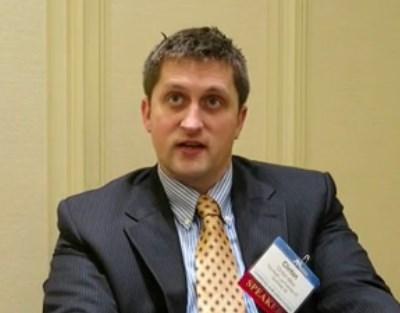
Doctor, why DO you get paid so much?
The reporter wanted to nail me, and shot me the zinger, “Doctor why do you get paid $106 to do a skin biopsy, and they only get $30 in Germany”?
I paused for minute (she was sure she had me), and then I said, “They only get $30? That stinks. You know I do get $49.”
The reporter said, “No, no, I see here in the Medicare database that doctors in the United States get paid $106.”
I explained to her that $57 of that was for equipment, staff, and supplies, and that doctors in Germany do everything in the hospital setting, where they don’t have to pay for any of that.
Oh.
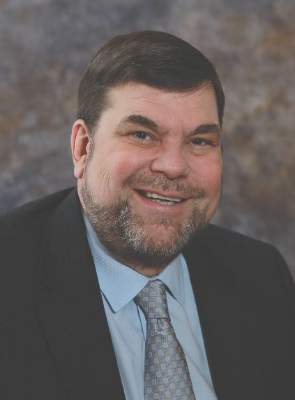
This is an error that is repeated again and again, and you need to know the reason you get paid “so much.” The second year’s worth of the Medicare data were released last month, with a wrinkle: They removed the cost of medications. They floated the surgeons, oncologists, and ophthalmologists down and floated dermatology up to near the top, just under radiation oncology.
Let’s think about this for a minute. How many radiation oncologists have linear accelerators in their offices, and how many cardiologists have cath labs? How many ophthalmologists do cataract procedures in the office? The same is true for almost every other specialty. Most practitioners of procedural medicine do procedures in a hospital, where they pay no practice expenses. They may have a small office for consultations and suture removals, but for anything else they say, “Meet me at the hospital.” Often, the hospital supplies the office space for free or at a discount.
Now I don’t envy the primary care doctors, who also do everything in their offices, but guess what? Practice expense is only about 20% of the valuation of the evaluation and management codes. Think about this again. They don’t have power tables, OR lights, prep kits, sutures, hand tools, gauze, sponges, bandages, etc., to pay for, so it makes sense.
This means that most procedural physicians keep (before the huge tax bill we all are subject to) almost every Medicare dollar or insurance dollar they receive. Dermatologists’ reimbursements are 60% for practice expenses overall, with some even higher. Mohs surgery, for example, costs an average of 66% to provide. Dermatologists do almost nothing in the hospital, and instead provide more care for patients in the office setting. So, when the reporter tries to zing you about collecting $300,000 from Medicare, you explain that your dollars aren’t the same as everyone else’s dollars, and you really took $120,000 to the tax man (not that any of this is really their business anyway).
And, by the way, tell them you only get $24 for a second biopsy, which is just as much work as the first.
I think we should ask CMS to pull the practice expense out of its Medicare numbers in the next report. A dollar spent for surgical supplies is the same as a dollar spent for medications. It’s all money the doctor never sees.
Dr. Coldiron is a past president of the American Academy of Dermatology. He is currently in private practice, but maintains a clinical assistant professorship at the University of Cincinnati. He cares for patients, teaches medical students and residents, and has several active clinical research projects. Dr. Coldiron is the author of more than 80 scientific letters, papers, and several book chapters, and he speaks frequently on a variety of topics.
The reporter wanted to nail me, and shot me the zinger, “Doctor why do you get paid $106 to do a skin biopsy, and they only get $30 in Germany”?
I paused for minute (she was sure she had me), and then I said, “They only get $30? That stinks. You know I do get $49.”
The reporter said, “No, no, I see here in the Medicare database that doctors in the United States get paid $106.”
I explained to her that $57 of that was for equipment, staff, and supplies, and that doctors in Germany do everything in the hospital setting, where they don’t have to pay for any of that.
Oh.
This is an error that is repeated again and again, and you need to know the reason you get paid “so much.” The second year’s worth of the Medicare data were released last month, with a wrinkle: They removed the cost of medications. They floated the surgeons, oncologists, and ophthalmologists down and floated dermatology up to near the top, just under radiation oncology.
Let’s think about this for a minute. How many radiation oncologists have linear accelerators in their offices, and how many cardiologists have cath labs? How many ophthalmologists do cataract procedures in the office? The same is true for almost every other specialty. Most practitioners of procedural medicine do procedures in a hospital, where they pay no practice expenses. They may have a small office for consultations and suture removals, but for anything else they say, “Meet me at the hospital.” Often, the hospital supplies the office space for free or at a discount.
Now I don’t envy the primary care doctors, who also do everything in their offices, but guess what? Practice expense is only about 20% of the valuation of the evaluation and management codes. Think about this again. They don’t have power tables, OR lights, prep kits, sutures, hand tools, gauze, sponges, bandages, etc., to pay for, so it makes sense.
This means that most procedural physicians keep (before the huge tax bill we all are subject to) almost every Medicare dollar or insurance dollar they receive. Dermatologists’ reimbursements are 60% for practice expenses overall, with some even higher. Mohs surgery, for example, costs an average of 66% to provide. Dermatologists do almost nothing in the hospital, and instead provide more care for patients in the office setting. So, when the reporter tries to zing you about collecting $300,000 from Medicare, you explain that your dollars aren’t the same as everyone else’s dollars, and you really took $120,000 to the tax man (not that any of this is really their business anyway).
And, by the way, tell them you only get $24 for a second biopsy, which is just as much work as the first.
I think we should ask CMS to pull the practice expense out of its Medicare numbers in the next report. A dollar spent for surgical supplies is the same as a dollar spent for medications. It’s all money the doctor never sees.
Dr. Coldiron is a past president of the American Academy of Dermatology. He is currently in private practice, but maintains a clinical assistant professorship at the University of Cincinnati. He cares for patients, teaches medical students and residents, and has several active clinical research projects. Dr. Coldiron is the author of more than 80 scientific letters, papers, and several book chapters, and he speaks frequently on a variety of topics.
The reporter wanted to nail me, and shot me the zinger, “Doctor why do you get paid $106 to do a skin biopsy, and they only get $30 in Germany”?
I paused for minute (she was sure she had me), and then I said, “They only get $30? That stinks. You know I do get $49.”
The reporter said, “No, no, I see here in the Medicare database that doctors in the United States get paid $106.”
I explained to her that $57 of that was for equipment, staff, and supplies, and that doctors in Germany do everything in the hospital setting, where they don’t have to pay for any of that.
Oh.
This is an error that is repeated again and again, and you need to know the reason you get paid “so much.” The second year’s worth of the Medicare data were released last month, with a wrinkle: They removed the cost of medications. They floated the surgeons, oncologists, and ophthalmologists down and floated dermatology up to near the top, just under radiation oncology.
Let’s think about this for a minute. How many radiation oncologists have linear accelerators in their offices, and how many cardiologists have cath labs? How many ophthalmologists do cataract procedures in the office? The same is true for almost every other specialty. Most practitioners of procedural medicine do procedures in a hospital, where they pay no practice expenses. They may have a small office for consultations and suture removals, but for anything else they say, “Meet me at the hospital.” Often, the hospital supplies the office space for free or at a discount.
Now I don’t envy the primary care doctors, who also do everything in their offices, but guess what? Practice expense is only about 20% of the valuation of the evaluation and management codes. Think about this again. They don’t have power tables, OR lights, prep kits, sutures, hand tools, gauze, sponges, bandages, etc., to pay for, so it makes sense.
This means that most procedural physicians keep (before the huge tax bill we all are subject to) almost every Medicare dollar or insurance dollar they receive. Dermatologists’ reimbursements are 60% for practice expenses overall, with some even higher. Mohs surgery, for example, costs an average of 66% to provide. Dermatologists do almost nothing in the hospital, and instead provide more care for patients in the office setting. So, when the reporter tries to zing you about collecting $300,000 from Medicare, you explain that your dollars aren’t the same as everyone else’s dollars, and you really took $120,000 to the tax man (not that any of this is really their business anyway).
And, by the way, tell them you only get $24 for a second biopsy, which is just as much work as the first.
I think we should ask CMS to pull the practice expense out of its Medicare numbers in the next report. A dollar spent for surgical supplies is the same as a dollar spent for medications. It’s all money the doctor never sees.
Dr. Coldiron is a past president of the American Academy of Dermatology. He is currently in private practice, but maintains a clinical assistant professorship at the University of Cincinnati. He cares for patients, teaches medical students and residents, and has several active clinical research projects. Dr. Coldiron is the author of more than 80 scientific letters, papers, and several book chapters, and he speaks frequently on a variety of topics.
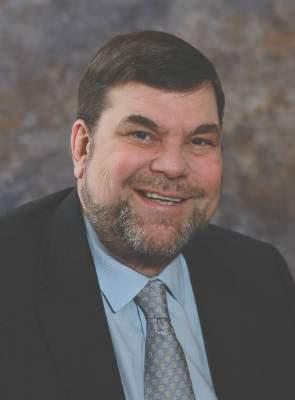
Pathway may play key role in FLT3-ITD AML
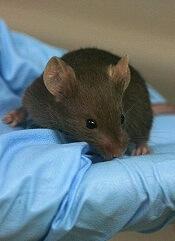
Results of preclinical research suggest the Hedgehog signaling pathway works with FLT3-ITD mutations to accelerate the development of acute myeloid leukemia (AML).
This finding prompted investigators to look at Hedgehog signaling as a possible second target for treatment in FLT3-ITD AML.
By combining the FLT3 inhibitor sorafenib with the Hedgehog pathway inhibitor IPI-926 (saridegib), the team found they could limit AML growth in vitro and in vivo.
William Matsui, MD, of the Johns Hopkins University School of Medicine in Baltimore, Maryland, and his colleagues conducted this research and disclosed the results in Science Translational Medicine.
The investigators began this work with the goal of discovering why FLT3 inhibitors have fallen short in treating AML. They analyzed gene expression profiles from AML patients and found abnormally enhanced activity in the Hedgehog signaling pathway.
This pathway, which normally regulates embryonic development, is known to fuel many cancer types, but its role in AML has, thus far, remained unresolved.
In experiments with mice, the investigators found the Hedgehog pathway seemed to work together with FLT3 to accelerate AML development and earlier death.
When the team activated Hedgehog signaling in mice expressing FLT3-ITD, they observed enhanced STAT5 signaling, myeloid progenitor proliferation, and AML development.
“From our data, it appears that Hedgehog signaling is like an accelerator,” Dr Matsui said. “It facilitates the cellular events that lead to cancer, but it itself is not the driver of the whole process.”
The investigators also found that mice with both the FLT3 mutation and Hedgehog activity had a significantly shorter lifespan than mice with FLT3-ITD only—an average of 12 weeks and 40 weeks, respectively.
To build upon these findings, the team tested IPI-926 and sorafenib, both alone and in combination, in mice with AML. They found that mice treated with the combination had significantly fewer leukemic cells in the blood and bone marrow than mice treated with either drug alone.
In addition, 3 of the 5 mice treated with the combination survived past the 16 days of the experiment without any further treatment, but none of the mice treated with sorafenib or IPI-926 alone survived that long.
“When we treat mice that have leukemia with both drugs, they live longer than with either drug alone, and there is a portion of them that don’t die at all,” Dr Matsui noted.
He said it’s likely that Hedgehog signaling is involved in the progression of a number of cancers, and “this study brings home the idea that, in treating these cancers, clinicians may need to inhibit Hedgehog along with specific gene mutations.”
Dr Matsui and his colleagues have begun investigating how Hedgehog inhibitors work when combined with newer drugs that target FLT3 more precisely than sorafenib. If these tests continue to show signs that the two types of inhibitors can fight AML, the investigators think such combination therapy could move on to clinical trials.
Results of preclinical research suggest the Hedgehog signaling pathway works with FLT3-ITD mutations to accelerate the development of acute myeloid leukemia (AML).
This finding prompted investigators to look at Hedgehog signaling as a possible second target for treatment in FLT3-ITD AML.
By combining the FLT3 inhibitor sorafenib with the Hedgehog pathway inhibitor IPI-926 (saridegib), the team found they could limit AML growth in vitro and in vivo.
William Matsui, MD, of the Johns Hopkins University School of Medicine in Baltimore, Maryland, and his colleagues conducted this research and disclosed the results in Science Translational Medicine.
The investigators began this work with the goal of discovering why FLT3 inhibitors have fallen short in treating AML. They analyzed gene expression profiles from AML patients and found abnormally enhanced activity in the Hedgehog signaling pathway.
This pathway, which normally regulates embryonic development, is known to fuel many cancer types, but its role in AML has, thus far, remained unresolved.
In experiments with mice, the investigators found the Hedgehog pathway seemed to work together with FLT3 to accelerate AML development and earlier death.
When the team activated Hedgehog signaling in mice expressing FLT3-ITD, they observed enhanced STAT5 signaling, myeloid progenitor proliferation, and AML development.
“From our data, it appears that Hedgehog signaling is like an accelerator,” Dr Matsui said. “It facilitates the cellular events that lead to cancer, but it itself is not the driver of the whole process.”
The investigators also found that mice with both the FLT3 mutation and Hedgehog activity had a significantly shorter lifespan than mice with FLT3-ITD only—an average of 12 weeks and 40 weeks, respectively.
To build upon these findings, the team tested IPI-926 and sorafenib, both alone and in combination, in mice with AML. They found that mice treated with the combination had significantly fewer leukemic cells in the blood and bone marrow than mice treated with either drug alone.
In addition, 3 of the 5 mice treated with the combination survived past the 16 days of the experiment without any further treatment, but none of the mice treated with sorafenib or IPI-926 alone survived that long.
“When we treat mice that have leukemia with both drugs, they live longer than with either drug alone, and there is a portion of them that don’t die at all,” Dr Matsui noted.
He said it’s likely that Hedgehog signaling is involved in the progression of a number of cancers, and “this study brings home the idea that, in treating these cancers, clinicians may need to inhibit Hedgehog along with specific gene mutations.”
Dr Matsui and his colleagues have begun investigating how Hedgehog inhibitors work when combined with newer drugs that target FLT3 more precisely than sorafenib. If these tests continue to show signs that the two types of inhibitors can fight AML, the investigators think such combination therapy could move on to clinical trials.
Results of preclinical research suggest the Hedgehog signaling pathway works with FLT3-ITD mutations to accelerate the development of acute myeloid leukemia (AML).
This finding prompted investigators to look at Hedgehog signaling as a possible second target for treatment in FLT3-ITD AML.
By combining the FLT3 inhibitor sorafenib with the Hedgehog pathway inhibitor IPI-926 (saridegib), the team found they could limit AML growth in vitro and in vivo.
William Matsui, MD, of the Johns Hopkins University School of Medicine in Baltimore, Maryland, and his colleagues conducted this research and disclosed the results in Science Translational Medicine.
The investigators began this work with the goal of discovering why FLT3 inhibitors have fallen short in treating AML. They analyzed gene expression profiles from AML patients and found abnormally enhanced activity in the Hedgehog signaling pathway.
This pathway, which normally regulates embryonic development, is known to fuel many cancer types, but its role in AML has, thus far, remained unresolved.
In experiments with mice, the investigators found the Hedgehog pathway seemed to work together with FLT3 to accelerate AML development and earlier death.
When the team activated Hedgehog signaling in mice expressing FLT3-ITD, they observed enhanced STAT5 signaling, myeloid progenitor proliferation, and AML development.
“From our data, it appears that Hedgehog signaling is like an accelerator,” Dr Matsui said. “It facilitates the cellular events that lead to cancer, but it itself is not the driver of the whole process.”
The investigators also found that mice with both the FLT3 mutation and Hedgehog activity had a significantly shorter lifespan than mice with FLT3-ITD only—an average of 12 weeks and 40 weeks, respectively.
To build upon these findings, the team tested IPI-926 and sorafenib, both alone and in combination, in mice with AML. They found that mice treated with the combination had significantly fewer leukemic cells in the blood and bone marrow than mice treated with either drug alone.
In addition, 3 of the 5 mice treated with the combination survived past the 16 days of the experiment without any further treatment, but none of the mice treated with sorafenib or IPI-926 alone survived that long.
“When we treat mice that have leukemia with both drugs, they live longer than with either drug alone, and there is a portion of them that don’t die at all,” Dr Matsui noted.
He said it’s likely that Hedgehog signaling is involved in the progression of a number of cancers, and “this study brings home the idea that, in treating these cancers, clinicians may need to inhibit Hedgehog along with specific gene mutations.”
Dr Matsui and his colleagues have begun investigating how Hedgehog inhibitors work when combined with newer drugs that target FLT3 more precisely than sorafenib. If these tests continue to show signs that the two types of inhibitors can fight AML, the investigators think such combination therapy could move on to clinical trials.