User login
Diet recommendations for diverticular disease
A 60-year-old man comes to clinic following an episode of diverticulitis. He was treated with a course of amoxicillin clavulanate and improved. He asks, “What is the best way to prevent a recurrence?” Which answer would you give him?
A. Chronic antibiotics.
B. Avoid nuts and popcorn.
C. Regular laxative use.
D. High residue diet.
The classic teaching has been to advise patients who have had diverticulitis to avoid high-residue foods such as nuts, seeds, and popcorn. An additional classic teaching has been to advise patients with active diverticulitis to avoid solid foods and a higher-fiber diet during their acute illness.
Are these classic teachings right? Is there evidence to support these approaches?
The prevailing thought behind avoidance of high-residue foods causing diverticulitis flares was that indigestible nuts, seeds, corn, and popcorn could enter, block, or irritate a diverticulum, result in diverticulitis, and possibly increase the risk of perforation.1,2
In an article based on a survey of gastroenterologists, published in 1999, 68% recommended a low-residue diet for patients with diverticulitis, and half felt avoidance of seeds and nuts was of no value.3
Dr. Lisa L. Strate and colleagues studied a cohort of 47,288 men between the ages of 40 years and 75 years who were initially without any form of diverticular disease.4 These men were followed through food-frequency questionnaires over the course of 18 years. The main outcome was development of diverticulitis or diverticular bleeding. A total of 801 cases of diverticulitis occurred, as did 383 cases of diverticular bleeding.
There was an inverse correlation between nut and popcorn consumption and the development of diverticulitis. Comparing individuals with the highest nut and popcorn consumption with those with the lowest consumption yielded a hazard ratio of 0.8 for nuts (95% confidence interval, 0.63-1.01) and a hazard ratio of 0.72 for popcorn (95% CI, 0.56-0.92). These results were the opposite of the classic belief that eating nuts and popcorn increased the risk of diverticulitis.
There is no mention of avoidance of nuts or popcorn for the prevention of diverticulitis in the most recent practice parameters released by the American Society of Colon and Rectal Surgeons.5
High-residue diets including fiber may be beneficial in reducing further episodes of diverticulitis, although this remains somewhat controversial.
Several retrospective studies in patients with symptomatic diverticulosis and diverticulitis showed decreases in symptoms and decreased progression to more complicated disease.6,7,8,9 In a recent study of diet for patients hospitalized with acute diverticulitis, 256 patients were evaluated.10 A total of 65 patients received nothing by mouth (NPO), 89 received a clear liquid diet, 75 received a full liquid diet, and 27 received solid foods. Patients who received a full liquid diet (HR, 1.66; 95% CI, 1.19-2.33) or solid foods (HR, 2.39; 95% CI, 1.52-3.78) were more likely to be discharged than were patients who received a clear liquid diet (HR, 1.26; 95% CI, 1.52-3.78) or who were NPO (the reference group).
A diet high in fiber is recommended by the National Digestive Disease Information Clearinghouse patient portal and the American Society of Colon and Rectal Surgeons for patients with diverticular disease.5,11 But the Practice Parameters Committee of the American College of Gastroenterology did not believe that there is sufficient evidence of a significant role for fiber in preventing recurrent diverticulitis to make a recommendation.1,12
So, where does this leave us?
I think we can stop recommending that our patients with diverticular disease avoid seeds, popcorn, and nuts. Fiber is very likely helpful in decreasing the risk of development of diverticulosis and may be helpful in patients with established diverticular disease, without evidence of harm. For patients who are having an acute flare of diverticulitis, resuming a regular diet as soon as feasible is likely the best option.
Dr. Paauw is professor of medicine in the division of general internal medicine at the University of Washington, Seattle, and he serves as third-year medical student clerkship director at the University of Washington. Contact Dr. Paauw at [email protected].
References
1. Nutr Clin Pract. 2011 Apr;26(2):137-42.
2. Am J Dig Dis. 1958 May;3(5):343-50.
3. Dis Colon Rectum. 1999 Apr;42(4):470-5.
4. JAMA. 2008 Aug 27;300(8):907-14.
5. Dis Colon Rectum. 2014 Mar;57(3):284-94.
6. Br Med J. 1972 Apr 15;2(5806):137-40.
7. Br J Surg. 1980 Feb;67(2):77-9.
8. Ann R Coll Surg Engl. 1985 May;67(3):173-4.
10. Int J Colorectal Dis. 2013 Sep;28(9):1287-93.
11. What I need to know about diverticular disease. National Digestive Diseases Information Clearinghouse.
A 60-year-old man comes to clinic following an episode of diverticulitis. He was treated with a course of amoxicillin clavulanate and improved. He asks, “What is the best way to prevent a recurrence?” Which answer would you give him?
A. Chronic antibiotics.
B. Avoid nuts and popcorn.
C. Regular laxative use.
D. High residue diet.
The classic teaching has been to advise patients who have had diverticulitis to avoid high-residue foods such as nuts, seeds, and popcorn. An additional classic teaching has been to advise patients with active diverticulitis to avoid solid foods and a higher-fiber diet during their acute illness.
Are these classic teachings right? Is there evidence to support these approaches?
The prevailing thought behind avoidance of high-residue foods causing diverticulitis flares was that indigestible nuts, seeds, corn, and popcorn could enter, block, or irritate a diverticulum, result in diverticulitis, and possibly increase the risk of perforation.1,2
In an article based on a survey of gastroenterologists, published in 1999, 68% recommended a low-residue diet for patients with diverticulitis, and half felt avoidance of seeds and nuts was of no value.3
Dr. Lisa L. Strate and colleagues studied a cohort of 47,288 men between the ages of 40 years and 75 years who were initially without any form of diverticular disease.4 These men were followed through food-frequency questionnaires over the course of 18 years. The main outcome was development of diverticulitis or diverticular bleeding. A total of 801 cases of diverticulitis occurred, as did 383 cases of diverticular bleeding.
There was an inverse correlation between nut and popcorn consumption and the development of diverticulitis. Comparing individuals with the highest nut and popcorn consumption with those with the lowest consumption yielded a hazard ratio of 0.8 for nuts (95% confidence interval, 0.63-1.01) and a hazard ratio of 0.72 for popcorn (95% CI, 0.56-0.92). These results were the opposite of the classic belief that eating nuts and popcorn increased the risk of diverticulitis.
There is no mention of avoidance of nuts or popcorn for the prevention of diverticulitis in the most recent practice parameters released by the American Society of Colon and Rectal Surgeons.5
High-residue diets including fiber may be beneficial in reducing further episodes of diverticulitis, although this remains somewhat controversial.
Several retrospective studies in patients with symptomatic diverticulosis and diverticulitis showed decreases in symptoms and decreased progression to more complicated disease.6,7,8,9 In a recent study of diet for patients hospitalized with acute diverticulitis, 256 patients were evaluated.10 A total of 65 patients received nothing by mouth (NPO), 89 received a clear liquid diet, 75 received a full liquid diet, and 27 received solid foods. Patients who received a full liquid diet (HR, 1.66; 95% CI, 1.19-2.33) or solid foods (HR, 2.39; 95% CI, 1.52-3.78) were more likely to be discharged than were patients who received a clear liquid diet (HR, 1.26; 95% CI, 1.52-3.78) or who were NPO (the reference group).
A diet high in fiber is recommended by the National Digestive Disease Information Clearinghouse patient portal and the American Society of Colon and Rectal Surgeons for patients with diverticular disease.5,11 But the Practice Parameters Committee of the American College of Gastroenterology did not believe that there is sufficient evidence of a significant role for fiber in preventing recurrent diverticulitis to make a recommendation.1,12
So, where does this leave us?
I think we can stop recommending that our patients with diverticular disease avoid seeds, popcorn, and nuts. Fiber is very likely helpful in decreasing the risk of development of diverticulosis and may be helpful in patients with established diverticular disease, without evidence of harm. For patients who are having an acute flare of diverticulitis, resuming a regular diet as soon as feasible is likely the best option.
Dr. Paauw is professor of medicine in the division of general internal medicine at the University of Washington, Seattle, and he serves as third-year medical student clerkship director at the University of Washington. Contact Dr. Paauw at [email protected].
References
1. Nutr Clin Pract. 2011 Apr;26(2):137-42.
2. Am J Dig Dis. 1958 May;3(5):343-50.
3. Dis Colon Rectum. 1999 Apr;42(4):470-5.
4. JAMA. 2008 Aug 27;300(8):907-14.
5. Dis Colon Rectum. 2014 Mar;57(3):284-94.
6. Br Med J. 1972 Apr 15;2(5806):137-40.
7. Br J Surg. 1980 Feb;67(2):77-9.
8. Ann R Coll Surg Engl. 1985 May;67(3):173-4.
10. Int J Colorectal Dis. 2013 Sep;28(9):1287-93.
11. What I need to know about diverticular disease. National Digestive Diseases Information Clearinghouse.
A 60-year-old man comes to clinic following an episode of diverticulitis. He was treated with a course of amoxicillin clavulanate and improved. He asks, “What is the best way to prevent a recurrence?” Which answer would you give him?
A. Chronic antibiotics.
B. Avoid nuts and popcorn.
C. Regular laxative use.
D. High residue diet.
The classic teaching has been to advise patients who have had diverticulitis to avoid high-residue foods such as nuts, seeds, and popcorn. An additional classic teaching has been to advise patients with active diverticulitis to avoid solid foods and a higher-fiber diet during their acute illness.
Are these classic teachings right? Is there evidence to support these approaches?
The prevailing thought behind avoidance of high-residue foods causing diverticulitis flares was that indigestible nuts, seeds, corn, and popcorn could enter, block, or irritate a diverticulum, result in diverticulitis, and possibly increase the risk of perforation.1,2
In an article based on a survey of gastroenterologists, published in 1999, 68% recommended a low-residue diet for patients with diverticulitis, and half felt avoidance of seeds and nuts was of no value.3
Dr. Lisa L. Strate and colleagues studied a cohort of 47,288 men between the ages of 40 years and 75 years who were initially without any form of diverticular disease.4 These men were followed through food-frequency questionnaires over the course of 18 years. The main outcome was development of diverticulitis or diverticular bleeding. A total of 801 cases of diverticulitis occurred, as did 383 cases of diverticular bleeding.
There was an inverse correlation between nut and popcorn consumption and the development of diverticulitis. Comparing individuals with the highest nut and popcorn consumption with those with the lowest consumption yielded a hazard ratio of 0.8 for nuts (95% confidence interval, 0.63-1.01) and a hazard ratio of 0.72 for popcorn (95% CI, 0.56-0.92). These results were the opposite of the classic belief that eating nuts and popcorn increased the risk of diverticulitis.
There is no mention of avoidance of nuts or popcorn for the prevention of diverticulitis in the most recent practice parameters released by the American Society of Colon and Rectal Surgeons.5
High-residue diets including fiber may be beneficial in reducing further episodes of diverticulitis, although this remains somewhat controversial.
Several retrospective studies in patients with symptomatic diverticulosis and diverticulitis showed decreases in symptoms and decreased progression to more complicated disease.6,7,8,9 In a recent study of diet for patients hospitalized with acute diverticulitis, 256 patients were evaluated.10 A total of 65 patients received nothing by mouth (NPO), 89 received a clear liquid diet, 75 received a full liquid diet, and 27 received solid foods. Patients who received a full liquid diet (HR, 1.66; 95% CI, 1.19-2.33) or solid foods (HR, 2.39; 95% CI, 1.52-3.78) were more likely to be discharged than were patients who received a clear liquid diet (HR, 1.26; 95% CI, 1.52-3.78) or who were NPO (the reference group).
A diet high in fiber is recommended by the National Digestive Disease Information Clearinghouse patient portal and the American Society of Colon and Rectal Surgeons for patients with diverticular disease.5,11 But the Practice Parameters Committee of the American College of Gastroenterology did not believe that there is sufficient evidence of a significant role for fiber in preventing recurrent diverticulitis to make a recommendation.1,12
So, where does this leave us?
I think we can stop recommending that our patients with diverticular disease avoid seeds, popcorn, and nuts. Fiber is very likely helpful in decreasing the risk of development of diverticulosis and may be helpful in patients with established diverticular disease, without evidence of harm. For patients who are having an acute flare of diverticulitis, resuming a regular diet as soon as feasible is likely the best option.
Dr. Paauw is professor of medicine in the division of general internal medicine at the University of Washington, Seattle, and he serves as third-year medical student clerkship director at the University of Washington. Contact Dr. Paauw at [email protected].
References
1. Nutr Clin Pract. 2011 Apr;26(2):137-42.
2. Am J Dig Dis. 1958 May;3(5):343-50.
3. Dis Colon Rectum. 1999 Apr;42(4):470-5.
4. JAMA. 2008 Aug 27;300(8):907-14.
5. Dis Colon Rectum. 2014 Mar;57(3):284-94.
6. Br Med J. 1972 Apr 15;2(5806):137-40.
7. Br J Surg. 1980 Feb;67(2):77-9.
8. Ann R Coll Surg Engl. 1985 May;67(3):173-4.
10. Int J Colorectal Dis. 2013 Sep;28(9):1287-93.
11. What I need to know about diverticular disease. National Digestive Diseases Information Clearinghouse.
Why go to international conferences?
I recently returned from the DASS (Dermatology and Allied Specialties Summit) in New Delhi. It was interesting and thought provoking. New Delhi, and India in general, are modern and ancient, growing like Topsy, crushed into one another, in a hyperkinetic mix, something like Mexico on amphetamines.
I generally find conferences far afield introduce novel ideas. It helps greatly that these conferences almost always use English as the official language.
The underlying concept for DASS is multidisciplinary, which is unusual in dermatology. It was rewarding to discuss skin cancer treatment with surgical oncologists, plastic and general surgeons, and medical oncologists. There were also discussions on polycystic ovary disease, rosacea and the “red face,” current treatment of Hansen disease, man-eating psoriasis and urticaria, and of course, botulinum toxin, fillers, lasers, and chemical peels. Of great interest were new “old” treatments for skin disease, since biologics are generally not affordable.
I also got into lively discussions at the World Congress of Dermatology in Vancouver a few weeks earlier. The problem in many countries is funding of dermatologic treatments (particularly Mohs) within a fixed dermatology budget. We in the United States can vote with our feet, and generally seek out treatment we decide is best. Over the past 30 years, 70% of skin cancer has migrated from hospital-based surgical specialties to office-based dermatology, at great cost savings to the health care system.
In most of the world, the government allocates money, and tells hospitals and doctors to make do. This results in a static, change-resistant budget process, where patients have even fewer choices than in the U.S. Hospitals always win in these budget battles, to the detriment of office-based medicine and patient choice, and innovation.
Internationally, correcting this may require dermatologists going to politicians and not saying, “we need more money,” but rather saying, “we can save you money.” For example, if 99% of skin cancer treatment moves out of the hospital to the office setting, where it should be, the budgeteers should be delighted to pay your office costs, which are a fraction of those for an operating room. The budget should reflect that X number of new operating rooms do not need to be built, X number of scrub nurses do not need to trained or can be reassigned, X number of support staff are not needed, or that wait times, a chronic complaint around the world, can shrink.
There will be resistance to this approach from hospital-dependent specialists, and the hospitals. They will argue it isn’t safe, and that the costs aren’t defined. However, these issues have been worked out in detail and the data published.
The same argument can be made for the use of biologics. How many erythrodermic hospitalizations will be avoided? How many missed days of work will not be missed?
It is far easier to budge a bureaucracy by emphasizing cost savings rather than quality, though these are opportunities for dermatologists to improve both.
Dr. Coldiron is in private practice, but maintains a clinical assistant professorship of dermatology at the University of Cincinnati. Email him at [email protected].
I recently returned from the DASS (Dermatology and Allied Specialties Summit) in New Delhi. It was interesting and thought provoking. New Delhi, and India in general, are modern and ancient, growing like Topsy, crushed into one another, in a hyperkinetic mix, something like Mexico on amphetamines.
I generally find conferences far afield introduce novel ideas. It helps greatly that these conferences almost always use English as the official language.
The underlying concept for DASS is multidisciplinary, which is unusual in dermatology. It was rewarding to discuss skin cancer treatment with surgical oncologists, plastic and general surgeons, and medical oncologists. There were also discussions on polycystic ovary disease, rosacea and the “red face,” current treatment of Hansen disease, man-eating psoriasis and urticaria, and of course, botulinum toxin, fillers, lasers, and chemical peels. Of great interest were new “old” treatments for skin disease, since biologics are generally not affordable.
I also got into lively discussions at the World Congress of Dermatology in Vancouver a few weeks earlier. The problem in many countries is funding of dermatologic treatments (particularly Mohs) within a fixed dermatology budget. We in the United States can vote with our feet, and generally seek out treatment we decide is best. Over the past 30 years, 70% of skin cancer has migrated from hospital-based surgical specialties to office-based dermatology, at great cost savings to the health care system.
In most of the world, the government allocates money, and tells hospitals and doctors to make do. This results in a static, change-resistant budget process, where patients have even fewer choices than in the U.S. Hospitals always win in these budget battles, to the detriment of office-based medicine and patient choice, and innovation.
Internationally, correcting this may require dermatologists going to politicians and not saying, “we need more money,” but rather saying, “we can save you money.” For example, if 99% of skin cancer treatment moves out of the hospital to the office setting, where it should be, the budgeteers should be delighted to pay your office costs, which are a fraction of those for an operating room. The budget should reflect that X number of new operating rooms do not need to be built, X number of scrub nurses do not need to trained or can be reassigned, X number of support staff are not needed, or that wait times, a chronic complaint around the world, can shrink.
There will be resistance to this approach from hospital-dependent specialists, and the hospitals. They will argue it isn’t safe, and that the costs aren’t defined. However, these issues have been worked out in detail and the data published.
The same argument can be made for the use of biologics. How many erythrodermic hospitalizations will be avoided? How many missed days of work will not be missed?
It is far easier to budge a bureaucracy by emphasizing cost savings rather than quality, though these are opportunities for dermatologists to improve both.
Dr. Coldiron is in private practice, but maintains a clinical assistant professorship of dermatology at the University of Cincinnati. Email him at [email protected].
I recently returned from the DASS (Dermatology and Allied Specialties Summit) in New Delhi. It was interesting and thought provoking. New Delhi, and India in general, are modern and ancient, growing like Topsy, crushed into one another, in a hyperkinetic mix, something like Mexico on amphetamines.
I generally find conferences far afield introduce novel ideas. It helps greatly that these conferences almost always use English as the official language.
The underlying concept for DASS is multidisciplinary, which is unusual in dermatology. It was rewarding to discuss skin cancer treatment with surgical oncologists, plastic and general surgeons, and medical oncologists. There were also discussions on polycystic ovary disease, rosacea and the “red face,” current treatment of Hansen disease, man-eating psoriasis and urticaria, and of course, botulinum toxin, fillers, lasers, and chemical peels. Of great interest were new “old” treatments for skin disease, since biologics are generally not affordable.
I also got into lively discussions at the World Congress of Dermatology in Vancouver a few weeks earlier. The problem in many countries is funding of dermatologic treatments (particularly Mohs) within a fixed dermatology budget. We in the United States can vote with our feet, and generally seek out treatment we decide is best. Over the past 30 years, 70% of skin cancer has migrated from hospital-based surgical specialties to office-based dermatology, at great cost savings to the health care system.
In most of the world, the government allocates money, and tells hospitals and doctors to make do. This results in a static, change-resistant budget process, where patients have even fewer choices than in the U.S. Hospitals always win in these budget battles, to the detriment of office-based medicine and patient choice, and innovation.
Internationally, correcting this may require dermatologists going to politicians and not saying, “we need more money,” but rather saying, “we can save you money.” For example, if 99% of skin cancer treatment moves out of the hospital to the office setting, where it should be, the budgeteers should be delighted to pay your office costs, which are a fraction of those for an operating room. The budget should reflect that X number of new operating rooms do not need to be built, X number of scrub nurses do not need to trained or can be reassigned, X number of support staff are not needed, or that wait times, a chronic complaint around the world, can shrink.
There will be resistance to this approach from hospital-dependent specialists, and the hospitals. They will argue it isn’t safe, and that the costs aren’t defined. However, these issues have been worked out in detail and the data published.
The same argument can be made for the use of biologics. How many erythrodermic hospitalizations will be avoided? How many missed days of work will not be missed?
It is far easier to budge a bureaucracy by emphasizing cost savings rather than quality, though these are opportunities for dermatologists to improve both.
Dr. Coldiron is in private practice, but maintains a clinical assistant professorship of dermatology at the University of Cincinnati. Email him at [email protected].
Caps on malpractice damages
Question: Which of the following statements regarding statutory caps on malpractice damages is best?
A. All states have such a statutory provision.
B. The provision limits the recovery of both economic and noneconomic losses.
C. It’s constitutional.
D. It’s not constitutional.
E. Whether it’s constitutional depends on the jurisdiction.
Answer: E. In 1975, California enacted its historic Medical Injury Compensation Reform Act (MICRA),1 the state legislature declaring that there was “a major health care crisis in the State of California attributable to skyrocketing malpractice premium costs and resulting in a potential breakdown of the health delivery system.”
The rationale was to provide some predictability, because noneconomic damages are difficult to quantify, and jury sympathy may result in unrealistically high payments. It was believed that damages for pain and suffering, for example, often contributed to runaway jury verdicts, prompting one indignant observer to write: “In making arguments for pain and suffering awards, both sides attempt to win the jurors’ sympathies with highly emotional evidence. A blind plaintiff will receive careful instruction to come to court with his [guide] dog, and to dab at his eyes with a handkerchief.”2
One of the main provisions of MICRA is to limit noneconomic recovery for injuries arising out of medical negligence. It caps noneconomic damages – for example, pain and suffering, disfigurement, emotional distress, loss of consortium, and other nonpecuniary losses – at $250,000. The law does not restrict recovery of economic damages such as wage loss, medical expenses, and future lost income.
California is the pioneer state to institute this tort reform measure, and about a dozen other states have followed suit, such as Proposition 12 in Texas, which limits noneconomic damages to $750,000 – $250,000 from the defendant doctor and $500,000 from the hospital.
Many tort reformists hail MICRA as the prototype success story, crediting it for bringing California’s malpractice insurance premiums from one of the highest levels in the nation to one of its lowest. A 2004 study reported that states with caps have a loss ratio (losses plus costs over premiums) that is 12% lower than in those without damage caps.3 Lower premiums in turn are linked to greater physician entry into the locality, especially for high-risk specialists.
In addition, caps may have a salutary effect on the wasteful practice of defensive medicine. A 2007 report by the American Medical Association confirms and extends an earlier study that reached such conclusions.
However, recent medical malpractice rates are generally no longer rising or even falling – both in states that had enacted tort reform and in states that had not. This may mean that other interventions such as medical error recognition and reduction are also effective.
Unsurprisingly, caps on damages have been challenged on constitutional grounds, as a violation of the equal rights amendment and the patient’s right to a jury trial. Two recent cases with divergent results – one on California, and the other in Florida – illustrate the state of flux over this controversy.
In Chan v. Curran, the plaintiff sought to relitigate the constitutionality of the California damage cap, but the appellate court ruled for the doctor defendant.4 The case alleged a wrongful death when the patient died from hemorrhage related to warfarin (Coumadin) use during open heart surgery.
The plaintiff argued that MICRA’s rationale was irrelevant, because there was no longer a malpractice insurance crisis in California – thus, restrictions placed on the quantum of damages are not rationally related to any legitimate state interest.
Furthermore, by limiting the amount of noneconomic damages to $250,000, MICRA violated equal protection and discouraged or inhibited attorneys from taking up malpractice cases on a contingency fee basis. Finally, the plaintiff argued that under the statute, a litigant is deprived of the right to a jury trial.
The court rejected all of these arguments, and reaffirmed the constitutionality of MICRA in line with earlier decisions that began with California’s Supreme Court decision in the Fein v. Permanente Medical Group case.5
On the other hand, the recent case of Estate of Michelle Evette McCall v. U.S. found the Florida Supreme Court ruling for the plaintiff.6 There, the court deemed unconstitutional Florida’s statute limiting wrongful death damages in medical malpractice to $1 million.
The case involved a young mother who died of massive hemorrhage following a cesarean section. In a 5-2 decision, the court held that the statute was arbitrary, reasoning that “the statutory cap on wrongful death noneconomic damages fails because it imposes unfair and illogical burdens on injured parties.”
Unlike California, the Florida court found that the cap bears no rational relationship to any perceived malpractice insurance crisis. And, while saving a modest amount for many, the statute imposed devastating costs on those who are most grievously injured, as well as on cases affecting multiple claimants.
The court commented that “the finding by the Legislature and the Task Force that Florida was in the midst of a bona fide medical malpractice crisis, threatening the access of Floridians to health care, is dubious and questionable at the very best.” The court also noted that four malpractice carriers actually increased their net income by more than 4,300% between 2003 and 2010.
In 2010, the Illinois Supreme Court also held in Lebron v. Gottlieb Memorial Hospital that the state’s $500,000 cap for noneconomic damages was unconstitutional, being in violation of the separation of powers doctrine.7 Only judges are empowered to reduce excessive verdicts, termed a remittitur. Thus, a statutory damage cap amounted to a “legislative remittitur” that invaded the power of the judiciary and violated the constitutional requirement of separation of powers.
The battle over caps continues unabated, with the trend appearing to favor the plaintiff bar. Florida’s ruling was the eighth state supreme court decision that held damage caps unconstitutional, joining Alabama, Georgia, Illinois, Missouri, New Hampshire, Oregon, and Washington. Five other states – Arizona, Arkansas, Kentucky, Pennsylvania, and Wyoming – already have state constitutional prohibitions on damage caps.
References
1. Medical Injury Compensation Reform Act of 1975, Cal. Civ. Proc. Code § 3333.2 (West 1982).
2. O’Connell, J. Offers That Can’t Be Refused: Foreclosure of Personal Injury Claims by Defendants’ Prompt Tender of Claimants’ Net Economic Losses. 77 N.W.U.L. Rev. 589, 591 (1982).
3. Thorpe, K. The Medical Malpractice Crisis: Recent Trends and the Impact of State Tort Reforms, Health Affairs 2004, Jan 21 [doi:10.1377/hlthaff.w4.20].
4. Chan v. Curran, 237 Cal. App. 4th 601 (Cal.Ct.App. 2015).
5. Fein v. Permanente Medical Group, 695 P.2d 665 (Cal. 1985).
6. Estate of Michelle Evette McCall v. U.S., 2014 Fla. LEXIS 933 (Fla. Mar. 13, 2014).
7. Lebron v. Gottlieb Memorial Hospital, 930 N.E.2d 895 (Ill. 2010).
Dr. Tan is emeritus professor of medicine and former adjunct professor of law at the University of Hawaii, and currently directs the St. Francis International Center for Healthcare Ethics in Honolulu. This article is meant to be educational and does not constitute medical, ethical, or legal advice. Some of the articles in this series are adapted from the author’s 2006 book, “Medical Malpractice: Understanding the Law, Managing the Risk,” and his 2012 Halsbury treatise, “Medical Negligence and Professional Misconduct.” For additional information, readers may contact the author at [email protected].
Question: Which of the following statements regarding statutory caps on malpractice damages is best?
A. All states have such a statutory provision.
B. The provision limits the recovery of both economic and noneconomic losses.
C. It’s constitutional.
D. It’s not constitutional.
E. Whether it’s constitutional depends on the jurisdiction.
Answer: E. In 1975, California enacted its historic Medical Injury Compensation Reform Act (MICRA),1 the state legislature declaring that there was “a major health care crisis in the State of California attributable to skyrocketing malpractice premium costs and resulting in a potential breakdown of the health delivery system.”
The rationale was to provide some predictability, because noneconomic damages are difficult to quantify, and jury sympathy may result in unrealistically high payments. It was believed that damages for pain and suffering, for example, often contributed to runaway jury verdicts, prompting one indignant observer to write: “In making arguments for pain and suffering awards, both sides attempt to win the jurors’ sympathies with highly emotional evidence. A blind plaintiff will receive careful instruction to come to court with his [guide] dog, and to dab at his eyes with a handkerchief.”2
One of the main provisions of MICRA is to limit noneconomic recovery for injuries arising out of medical negligence. It caps noneconomic damages – for example, pain and suffering, disfigurement, emotional distress, loss of consortium, and other nonpecuniary losses – at $250,000. The law does not restrict recovery of economic damages such as wage loss, medical expenses, and future lost income.
California is the pioneer state to institute this tort reform measure, and about a dozen other states have followed suit, such as Proposition 12 in Texas, which limits noneconomic damages to $750,000 – $250,000 from the defendant doctor and $500,000 from the hospital.
Many tort reformists hail MICRA as the prototype success story, crediting it for bringing California’s malpractice insurance premiums from one of the highest levels in the nation to one of its lowest. A 2004 study reported that states with caps have a loss ratio (losses plus costs over premiums) that is 12% lower than in those without damage caps.3 Lower premiums in turn are linked to greater physician entry into the locality, especially for high-risk specialists.
In addition, caps may have a salutary effect on the wasteful practice of defensive medicine. A 2007 report by the American Medical Association confirms and extends an earlier study that reached such conclusions.
However, recent medical malpractice rates are generally no longer rising or even falling – both in states that had enacted tort reform and in states that had not. This may mean that other interventions such as medical error recognition and reduction are also effective.
Unsurprisingly, caps on damages have been challenged on constitutional grounds, as a violation of the equal rights amendment and the patient’s right to a jury trial. Two recent cases with divergent results – one on California, and the other in Florida – illustrate the state of flux over this controversy.
In Chan v. Curran, the plaintiff sought to relitigate the constitutionality of the California damage cap, but the appellate court ruled for the doctor defendant.4 The case alleged a wrongful death when the patient died from hemorrhage related to warfarin (Coumadin) use during open heart surgery.
The plaintiff argued that MICRA’s rationale was irrelevant, because there was no longer a malpractice insurance crisis in California – thus, restrictions placed on the quantum of damages are not rationally related to any legitimate state interest.
Furthermore, by limiting the amount of noneconomic damages to $250,000, MICRA violated equal protection and discouraged or inhibited attorneys from taking up malpractice cases on a contingency fee basis. Finally, the plaintiff argued that under the statute, a litigant is deprived of the right to a jury trial.
The court rejected all of these arguments, and reaffirmed the constitutionality of MICRA in line with earlier decisions that began with California’s Supreme Court decision in the Fein v. Permanente Medical Group case.5
On the other hand, the recent case of Estate of Michelle Evette McCall v. U.S. found the Florida Supreme Court ruling for the plaintiff.6 There, the court deemed unconstitutional Florida’s statute limiting wrongful death damages in medical malpractice to $1 million.
The case involved a young mother who died of massive hemorrhage following a cesarean section. In a 5-2 decision, the court held that the statute was arbitrary, reasoning that “the statutory cap on wrongful death noneconomic damages fails because it imposes unfair and illogical burdens on injured parties.”
Unlike California, the Florida court found that the cap bears no rational relationship to any perceived malpractice insurance crisis. And, while saving a modest amount for many, the statute imposed devastating costs on those who are most grievously injured, as well as on cases affecting multiple claimants.
The court commented that “the finding by the Legislature and the Task Force that Florida was in the midst of a bona fide medical malpractice crisis, threatening the access of Floridians to health care, is dubious and questionable at the very best.” The court also noted that four malpractice carriers actually increased their net income by more than 4,300% between 2003 and 2010.
In 2010, the Illinois Supreme Court also held in Lebron v. Gottlieb Memorial Hospital that the state’s $500,000 cap for noneconomic damages was unconstitutional, being in violation of the separation of powers doctrine.7 Only judges are empowered to reduce excessive verdicts, termed a remittitur. Thus, a statutory damage cap amounted to a “legislative remittitur” that invaded the power of the judiciary and violated the constitutional requirement of separation of powers.
The battle over caps continues unabated, with the trend appearing to favor the plaintiff bar. Florida’s ruling was the eighth state supreme court decision that held damage caps unconstitutional, joining Alabama, Georgia, Illinois, Missouri, New Hampshire, Oregon, and Washington. Five other states – Arizona, Arkansas, Kentucky, Pennsylvania, and Wyoming – already have state constitutional prohibitions on damage caps.
References
1. Medical Injury Compensation Reform Act of 1975, Cal. Civ. Proc. Code § 3333.2 (West 1982).
2. O’Connell, J. Offers That Can’t Be Refused: Foreclosure of Personal Injury Claims by Defendants’ Prompt Tender of Claimants’ Net Economic Losses. 77 N.W.U.L. Rev. 589, 591 (1982).
3. Thorpe, K. The Medical Malpractice Crisis: Recent Trends and the Impact of State Tort Reforms, Health Affairs 2004, Jan 21 [doi:10.1377/hlthaff.w4.20].
4. Chan v. Curran, 237 Cal. App. 4th 601 (Cal.Ct.App. 2015).
5. Fein v. Permanente Medical Group, 695 P.2d 665 (Cal. 1985).
6. Estate of Michelle Evette McCall v. U.S., 2014 Fla. LEXIS 933 (Fla. Mar. 13, 2014).
7. Lebron v. Gottlieb Memorial Hospital, 930 N.E.2d 895 (Ill. 2010).
Dr. Tan is emeritus professor of medicine and former adjunct professor of law at the University of Hawaii, and currently directs the St. Francis International Center for Healthcare Ethics in Honolulu. This article is meant to be educational and does not constitute medical, ethical, or legal advice. Some of the articles in this series are adapted from the author’s 2006 book, “Medical Malpractice: Understanding the Law, Managing the Risk,” and his 2012 Halsbury treatise, “Medical Negligence and Professional Misconduct.” For additional information, readers may contact the author at [email protected].
Question: Which of the following statements regarding statutory caps on malpractice damages is best?
A. All states have such a statutory provision.
B. The provision limits the recovery of both economic and noneconomic losses.
C. It’s constitutional.
D. It’s not constitutional.
E. Whether it’s constitutional depends on the jurisdiction.
Answer: E. In 1975, California enacted its historic Medical Injury Compensation Reform Act (MICRA),1 the state legislature declaring that there was “a major health care crisis in the State of California attributable to skyrocketing malpractice premium costs and resulting in a potential breakdown of the health delivery system.”
The rationale was to provide some predictability, because noneconomic damages are difficult to quantify, and jury sympathy may result in unrealistically high payments. It was believed that damages for pain and suffering, for example, often contributed to runaway jury verdicts, prompting one indignant observer to write: “In making arguments for pain and suffering awards, both sides attempt to win the jurors’ sympathies with highly emotional evidence. A blind plaintiff will receive careful instruction to come to court with his [guide] dog, and to dab at his eyes with a handkerchief.”2
One of the main provisions of MICRA is to limit noneconomic recovery for injuries arising out of medical negligence. It caps noneconomic damages – for example, pain and suffering, disfigurement, emotional distress, loss of consortium, and other nonpecuniary losses – at $250,000. The law does not restrict recovery of economic damages such as wage loss, medical expenses, and future lost income.
California is the pioneer state to institute this tort reform measure, and about a dozen other states have followed suit, such as Proposition 12 in Texas, which limits noneconomic damages to $750,000 – $250,000 from the defendant doctor and $500,000 from the hospital.
Many tort reformists hail MICRA as the prototype success story, crediting it for bringing California’s malpractice insurance premiums from one of the highest levels in the nation to one of its lowest. A 2004 study reported that states with caps have a loss ratio (losses plus costs over premiums) that is 12% lower than in those without damage caps.3 Lower premiums in turn are linked to greater physician entry into the locality, especially for high-risk specialists.
In addition, caps may have a salutary effect on the wasteful practice of defensive medicine. A 2007 report by the American Medical Association confirms and extends an earlier study that reached such conclusions.
However, recent medical malpractice rates are generally no longer rising or even falling – both in states that had enacted tort reform and in states that had not. This may mean that other interventions such as medical error recognition and reduction are also effective.
Unsurprisingly, caps on damages have been challenged on constitutional grounds, as a violation of the equal rights amendment and the patient’s right to a jury trial. Two recent cases with divergent results – one on California, and the other in Florida – illustrate the state of flux over this controversy.
In Chan v. Curran, the plaintiff sought to relitigate the constitutionality of the California damage cap, but the appellate court ruled for the doctor defendant.4 The case alleged a wrongful death when the patient died from hemorrhage related to warfarin (Coumadin) use during open heart surgery.
The plaintiff argued that MICRA’s rationale was irrelevant, because there was no longer a malpractice insurance crisis in California – thus, restrictions placed on the quantum of damages are not rationally related to any legitimate state interest.
Furthermore, by limiting the amount of noneconomic damages to $250,000, MICRA violated equal protection and discouraged or inhibited attorneys from taking up malpractice cases on a contingency fee basis. Finally, the plaintiff argued that under the statute, a litigant is deprived of the right to a jury trial.
The court rejected all of these arguments, and reaffirmed the constitutionality of MICRA in line with earlier decisions that began with California’s Supreme Court decision in the Fein v. Permanente Medical Group case.5
On the other hand, the recent case of Estate of Michelle Evette McCall v. U.S. found the Florida Supreme Court ruling for the plaintiff.6 There, the court deemed unconstitutional Florida’s statute limiting wrongful death damages in medical malpractice to $1 million.
The case involved a young mother who died of massive hemorrhage following a cesarean section. In a 5-2 decision, the court held that the statute was arbitrary, reasoning that “the statutory cap on wrongful death noneconomic damages fails because it imposes unfair and illogical burdens on injured parties.”
Unlike California, the Florida court found that the cap bears no rational relationship to any perceived malpractice insurance crisis. And, while saving a modest amount for many, the statute imposed devastating costs on those who are most grievously injured, as well as on cases affecting multiple claimants.
The court commented that “the finding by the Legislature and the Task Force that Florida was in the midst of a bona fide medical malpractice crisis, threatening the access of Floridians to health care, is dubious and questionable at the very best.” The court also noted that four malpractice carriers actually increased their net income by more than 4,300% between 2003 and 2010.
In 2010, the Illinois Supreme Court also held in Lebron v. Gottlieb Memorial Hospital that the state’s $500,000 cap for noneconomic damages was unconstitutional, being in violation of the separation of powers doctrine.7 Only judges are empowered to reduce excessive verdicts, termed a remittitur. Thus, a statutory damage cap amounted to a “legislative remittitur” that invaded the power of the judiciary and violated the constitutional requirement of separation of powers.
The battle over caps continues unabated, with the trend appearing to favor the plaintiff bar. Florida’s ruling was the eighth state supreme court decision that held damage caps unconstitutional, joining Alabama, Georgia, Illinois, Missouri, New Hampshire, Oregon, and Washington. Five other states – Arizona, Arkansas, Kentucky, Pennsylvania, and Wyoming – already have state constitutional prohibitions on damage caps.
References
1. Medical Injury Compensation Reform Act of 1975, Cal. Civ. Proc. Code § 3333.2 (West 1982).
2. O’Connell, J. Offers That Can’t Be Refused: Foreclosure of Personal Injury Claims by Defendants’ Prompt Tender of Claimants’ Net Economic Losses. 77 N.W.U.L. Rev. 589, 591 (1982).
3. Thorpe, K. The Medical Malpractice Crisis: Recent Trends and the Impact of State Tort Reforms, Health Affairs 2004, Jan 21 [doi:10.1377/hlthaff.w4.20].
4. Chan v. Curran, 237 Cal. App. 4th 601 (Cal.Ct.App. 2015).
5. Fein v. Permanente Medical Group, 695 P.2d 665 (Cal. 1985).
6. Estate of Michelle Evette McCall v. U.S., 2014 Fla. LEXIS 933 (Fla. Mar. 13, 2014).
7. Lebron v. Gottlieb Memorial Hospital, 930 N.E.2d 895 (Ill. 2010).
Dr. Tan is emeritus professor of medicine and former adjunct professor of law at the University of Hawaii, and currently directs the St. Francis International Center for Healthcare Ethics in Honolulu. This article is meant to be educational and does not constitute medical, ethical, or legal advice. Some of the articles in this series are adapted from the author’s 2006 book, “Medical Malpractice: Understanding the Law, Managing the Risk,” and his 2012 Halsbury treatise, “Medical Negligence and Professional Misconduct.” For additional information, readers may contact the author at [email protected].
PAs in Liberia: Challenges and Opportunities
In November 2012 and January 2014, I traveled to Liberia to conduct a needs assessment of the health care system there and discovered that the physician assistant profession has been in existence in Liberia since 1965—the same year that it started in the United States. During my time there, I became close friends with Jerry Kollie, PA, President of the Liberian National Physician Assistants Association (LINPAA). I recently interviewed him to learn more about his organization and the PA profession in Liberia.
John Oliphant (JO): Please tell me about your country’s physician assistant organization.
Jerry Kollie (JK): LINPAA is an umbrella organization of physician assistants that has been legally established since 1974, when a group of PAs saw the need for an association with a board of directors that would advocate for PAs, monitor and provide supportive supervision, evaluate their performance, create job opportunities, conduct capacity-building training, administer state board exams to new graduates, and issue professional licenses annually, among others functions.
In terms of structure, LINPAA has a board of directors headed by a chairman, an executive committee headed by the president, and a large membership. LINPAA hosts a convention biannually, during which elections for executives are held. Every year, on the second Saturday in November, LINPAA celebrates National Physician Assistants Day across the country.
JO: How culturally diverse is your organization?
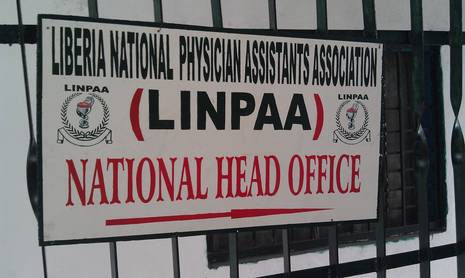
JK: LINPAA’s membership is inclusive of PAs from a lot of diverse cultural backgrounds, tribal lines, and religious affiliations.
JO: What do you consider LINPAA’s greatest strengths and weaknesses at this time?
JK: Our greatest strength is unity among PAs, and the establishment of local chapters across the 15 political subdivisions of Liberia. The major weakness is the delay in license renewal due to low salaries and incentives.
JO: What are the biggest challenges and opportunities for the PA profession in Liberia?
JK: Right now, our biggest challenges include lack of permanent office space, equipment, and supplies for our national headquarters, lack of vehicles with which to do monitoring and supportive supervision, and lack of subsidies from the government of Liberia (GOL) and financial support from other partners.
Also, there is poor recognition of PAs by the GOL and a sense of marginalization and neglect by Ministry of Health (MOH) officials. PAs do not have a career ladder in Liberia; there are no specialist or subspecialist programs, and the government refuses to elevate the PA program at Tubman National Institute of Medical Arts to a degree-granting institution. Currently, it offers a three-year certificate program.
On the more positive side, what we consider our biggest opportunity for now is the gradual recognition by our international PA colleagues, such as the American PAs.
JO: How do you plan to address these challenges and explore your opportunities?
JK: We plan to write proposals to solicit funding to build our headquarters and procure office equipment, supplies, and vehicles. We want to engage stakeholders for proper recognition and support, and work on legislation recognizing LINPAA’s board and providing funding for PAs in the national budget. Through talking to international partners, we hope to prevail on our government to see the reasons to give us the kind of recognition we need and deserve. We must also appeal to partners through proposals to help establish programs for specialist or subspecialist training for us, either in country or out.
JO: If you could talk directly to the PAs of America and the rest of the world, what would you want to tell them about the PAs of Liberia?

JK: The PAs in Liberia are eager to get connected to and seek recognition from our international colleagues. We are striving for a degree-granting program, and so we are asking our international colleagues to help us achieve our goal. We are appealing to international colleagues to buttress our efforts in talking to our government for better recognition. We are in search of assistance from individuals, organizations, or institutions to build our LINPAA headquarters. Our office lacks a vehicle, LINPAA stationery, and other office supplies, and we will highly appreciate however people can help us.
JO: What sort of relationship would you like to see exist between the AAPA and LINPAA?
JK: I would like to see AAPA and LINPAA having a very good relationship in terms of inviting one another to programs, conferences, and other annual activities; having exchange programs to share knowledge and experiences; and engaging our government to ensure that we have better care.
JO: What are some practical ways that the international PA community could support your efforts in Liberia?
JK: Invite us to international PA activities and attend some of our yearly or biannual programs or activities upon invitation. Help to prevail on our government to provide us a degree-granting program. Help us to establish either national career development programs or provide us scholarships for career development at the international level.
Editor’s note: To learn more about LINPPA and the PA profession in Liberia, visit the organization’s website at www.linpaa.com.
In November 2012 and January 2014, I traveled to Liberia to conduct a needs assessment of the health care system there and discovered that the physician assistant profession has been in existence in Liberia since 1965—the same year that it started in the United States. During my time there, I became close friends with Jerry Kollie, PA, President of the Liberian National Physician Assistants Association (LINPAA). I recently interviewed him to learn more about his organization and the PA profession in Liberia.
John Oliphant (JO): Please tell me about your country’s physician assistant organization.
Jerry Kollie (JK): LINPAA is an umbrella organization of physician assistants that has been legally established since 1974, when a group of PAs saw the need for an association with a board of directors that would advocate for PAs, monitor and provide supportive supervision, evaluate their performance, create job opportunities, conduct capacity-building training, administer state board exams to new graduates, and issue professional licenses annually, among others functions.
In terms of structure, LINPAA has a board of directors headed by a chairman, an executive committee headed by the president, and a large membership. LINPAA hosts a convention biannually, during which elections for executives are held. Every year, on the second Saturday in November, LINPAA celebrates National Physician Assistants Day across the country.
JO: How culturally diverse is your organization?
JK: LINPAA’s membership is inclusive of PAs from a lot of diverse cultural backgrounds, tribal lines, and religious affiliations.
JO: What do you consider LINPAA’s greatest strengths and weaknesses at this time?
JK: Our greatest strength is unity among PAs, and the establishment of local chapters across the 15 political subdivisions of Liberia. The major weakness is the delay in license renewal due to low salaries and incentives.
JO: What are the biggest challenges and opportunities for the PA profession in Liberia?
JK: Right now, our biggest challenges include lack of permanent office space, equipment, and supplies for our national headquarters, lack of vehicles with which to do monitoring and supportive supervision, and lack of subsidies from the government of Liberia (GOL) and financial support from other partners.
Also, there is poor recognition of PAs by the GOL and a sense of marginalization and neglect by Ministry of Health (MOH) officials. PAs do not have a career ladder in Liberia; there are no specialist or subspecialist programs, and the government refuses to elevate the PA program at Tubman National Institute of Medical Arts to a degree-granting institution. Currently, it offers a three-year certificate program.
On the more positive side, what we consider our biggest opportunity for now is the gradual recognition by our international PA colleagues, such as the American PAs.
JO: How do you plan to address these challenges and explore your opportunities?
JK: We plan to write proposals to solicit funding to build our headquarters and procure office equipment, supplies, and vehicles. We want to engage stakeholders for proper recognition and support, and work on legislation recognizing LINPAA’s board and providing funding for PAs in the national budget. Through talking to international partners, we hope to prevail on our government to see the reasons to give us the kind of recognition we need and deserve. We must also appeal to partners through proposals to help establish programs for specialist or subspecialist training for us, either in country or out.
JO: If you could talk directly to the PAs of America and the rest of the world, what would you want to tell them about the PAs of Liberia?
JK: The PAs in Liberia are eager to get connected to and seek recognition from our international colleagues. We are striving for a degree-granting program, and so we are asking our international colleagues to help us achieve our goal. We are appealing to international colleagues to buttress our efforts in talking to our government for better recognition. We are in search of assistance from individuals, organizations, or institutions to build our LINPAA headquarters. Our office lacks a vehicle, LINPAA stationery, and other office supplies, and we will highly appreciate however people can help us.
JO: What sort of relationship would you like to see exist between the AAPA and LINPAA?
JK: I would like to see AAPA and LINPAA having a very good relationship in terms of inviting one another to programs, conferences, and other annual activities; having exchange programs to share knowledge and experiences; and engaging our government to ensure that we have better care.
JO: What are some practical ways that the international PA community could support your efforts in Liberia?
JK: Invite us to international PA activities and attend some of our yearly or biannual programs or activities upon invitation. Help to prevail on our government to provide us a degree-granting program. Help us to establish either national career development programs or provide us scholarships for career development at the international level.
Editor’s note: To learn more about LINPPA and the PA profession in Liberia, visit the organization’s website at www.linpaa.com.
In November 2012 and January 2014, I traveled to Liberia to conduct a needs assessment of the health care system there and discovered that the physician assistant profession has been in existence in Liberia since 1965—the same year that it started in the United States. During my time there, I became close friends with Jerry Kollie, PA, President of the Liberian National Physician Assistants Association (LINPAA). I recently interviewed him to learn more about his organization and the PA profession in Liberia.
John Oliphant (JO): Please tell me about your country’s physician assistant organization.
Jerry Kollie (JK): LINPAA is an umbrella organization of physician assistants that has been legally established since 1974, when a group of PAs saw the need for an association with a board of directors that would advocate for PAs, monitor and provide supportive supervision, evaluate their performance, create job opportunities, conduct capacity-building training, administer state board exams to new graduates, and issue professional licenses annually, among others functions.
In terms of structure, LINPAA has a board of directors headed by a chairman, an executive committee headed by the president, and a large membership. LINPAA hosts a convention biannually, during which elections for executives are held. Every year, on the second Saturday in November, LINPAA celebrates National Physician Assistants Day across the country.
JO: How culturally diverse is your organization?
JK: LINPAA’s membership is inclusive of PAs from a lot of diverse cultural backgrounds, tribal lines, and religious affiliations.
JO: What do you consider LINPAA’s greatest strengths and weaknesses at this time?
JK: Our greatest strength is unity among PAs, and the establishment of local chapters across the 15 political subdivisions of Liberia. The major weakness is the delay in license renewal due to low salaries and incentives.
JO: What are the biggest challenges and opportunities for the PA profession in Liberia?
JK: Right now, our biggest challenges include lack of permanent office space, equipment, and supplies for our national headquarters, lack of vehicles with which to do monitoring and supportive supervision, and lack of subsidies from the government of Liberia (GOL) and financial support from other partners.
Also, there is poor recognition of PAs by the GOL and a sense of marginalization and neglect by Ministry of Health (MOH) officials. PAs do not have a career ladder in Liberia; there are no specialist or subspecialist programs, and the government refuses to elevate the PA program at Tubman National Institute of Medical Arts to a degree-granting institution. Currently, it offers a three-year certificate program.
On the more positive side, what we consider our biggest opportunity for now is the gradual recognition by our international PA colleagues, such as the American PAs.
JO: How do you plan to address these challenges and explore your opportunities?
JK: We plan to write proposals to solicit funding to build our headquarters and procure office equipment, supplies, and vehicles. We want to engage stakeholders for proper recognition and support, and work on legislation recognizing LINPAA’s board and providing funding for PAs in the national budget. Through talking to international partners, we hope to prevail on our government to see the reasons to give us the kind of recognition we need and deserve. We must also appeal to partners through proposals to help establish programs for specialist or subspecialist training for us, either in country or out.
JO: If you could talk directly to the PAs of America and the rest of the world, what would you want to tell them about the PAs of Liberia?
JK: The PAs in Liberia are eager to get connected to and seek recognition from our international colleagues. We are striving for a degree-granting program, and so we are asking our international colleagues to help us achieve our goal. We are appealing to international colleagues to buttress our efforts in talking to our government for better recognition. We are in search of assistance from individuals, organizations, or institutions to build our LINPAA headquarters. Our office lacks a vehicle, LINPAA stationery, and other office supplies, and we will highly appreciate however people can help us.
JO: What sort of relationship would you like to see exist between the AAPA and LINPAA?
JK: I would like to see AAPA and LINPAA having a very good relationship in terms of inviting one another to programs, conferences, and other annual activities; having exchange programs to share knowledge and experiences; and engaging our government to ensure that we have better care.
JO: What are some practical ways that the international PA community could support your efforts in Liberia?
JK: Invite us to international PA activities and attend some of our yearly or biannual programs or activities upon invitation. Help to prevail on our government to provide us a degree-granting program. Help us to establish either national career development programs or provide us scholarships for career development at the international level.
Editor’s note: To learn more about LINPPA and the PA profession in Liberia, visit the organization’s website at www.linpaa.com.
What Does Empathy Contribute in This Age of Science and Technology?
The patient was in his 70s—a professor, not quite retired, who was quiet but engaged. The basal cell carcinoma on his temple was finally clear after 4 stages of Mohs micrographic surgery. The resident and I discussed an A-to-T flap for reconstruction as we reviewed his last slides at the microscope. While I finished another repair, the resident went into the procedure room to explain the proposed repair. He was still with the patient when I finished but finally came out saying the patient understood what we wanted to do, so I entered the room, ready to put on my gloves.
Something about the way the patient looked at me made me stop. I went over to him, put my hand on his arm, and said, “I know you’ve heard about the repair. It will look really good when we are done and you are healed. Are you ready?” He continued looking at me and nodded. Because I was not sure why he was looking at me, I kept looking at him eye-to-eye and talked about the procedure. I started my usual explanation of why we have to move tissue to close the defect, and out of the corner of my eye I could see his foot moving while he peered back at me. I went back to explaining about the tumor and the Mohs procedure and what had created the defect, and his foot stopped moving. Then I started talking about the repair again, reassuring him that we would avoid his eye, leaving his vision intact, and that we could place most of the scar in his hairline. His foot started moving again. He kept looking at me and I kept looking back at him with my hand on his arm.
By this time I knew there was something about the repair that made the patient uncomfortable, but I did not know what. I said something about the bandage and asked whether that would bother him during his classes or in meetings. He said no, and his foot stopped momentarily. Then I said that while we wanted to do this repair, I could give him other treatment options. I started to talk about Mother Nature (second intention healing). His look got less intense and his foot stopped moving, so I discussed the end result of this healing process, the time it would take to heal, and the required wound care. Then the patient took a big breath, smiled, and said, “Mother Nature always does a good job for me.”
Empathy is a tool that can be used in the patient-physician relationship to arrive at a mutually acceptable plan of action. Empathy is defined in the dictionary as “the action of understanding, being aware of, being sensitive to, and vicariously experiencing the feelings, thoughts, and experience of another of either in the past or present without having the feelings, thoughts, and experience fully communicated in an objectively explicit manner.”1 However, I prefer the more simple explanation that empathy is engaged curiosity about another’s emotional perspective.2 It is not sympathy, which is sharing another person’s emotions with mutual susceptibility, and it is not compassion, which is the emotion that drives us to help someone in need. Instead, empathy is a form of knowledge, albeit reflexive and personal, as if the physician were momentarily in the place of the patient. An empathetic physician also retains a sense of self so that he/she can be purposeful and objective in examining the information gained in that moment. Empathy is openness to oneself (Why do I have an odd feeling about the way the patient is looking at me?) as well as openness to the patient (Why is his foot moving?).
Not only a form of knowledge but also a skill that can be practiced and mastered, empathy consists of observation, listening, introspection, and deliberation repeated in cycles as needed to come to a conclusion. It is a cognitive process that acknowledges competing interests in a respectful nonjudgmental way. Its manifestation is that of the provider being fully present but without the emotional complications of concern or pity.
Why should we, as physicians, bother with adding the skill of empathy to our clinical armamentarium? First, although the physiology of empathy is not well understood, it has physiologic effects in the physician-patient relationship. Skin conductance studies of 20 well-established patient-therapist dyads documented a significant positive correlation between skin conductance concordance and patient reports of perceived therapist empathy (P=.03).3 Secondly, it has been found that physician empathy, as determined by the ability to understand a patient’s needs, encouraged patient cooperation, pain relief, and healing in studies of metastatic cancer4 and trauma surgery patients5; the physician-patient relationship was protected even if patient’s needs were unmet. Third, empathy can speed up the process of developing a mutually agreed upon treatment plan. My discussion with the patient presented here lasted less than 5 minutes, and the resident, who had spoken to the same patient for 30 minutes, expressed amazement that I “knew” the patient did not want to undergo the proposed procedure. The use of empathy definitely fits within the profile of professional ethics, as it attends to the basic principle of respecting the autonomy of the patient. It certainly promotes teamwork and an integrative approach to patient care.6 Empathy also allows us to take good care of patients who have a long list of physical traits and characteristics that are known to elicit negative responses from physicians, such as an unkempt appearance or substance abuse.7 Empathy may even have a therapeutic context of its own. Behavioral scientists hypothesize that empathy allows emotions to be managed in a socially positive way that conserves metabolically costly resources and facilitates adaptation to environmental changes.8 Importantly for physicians, having empathy can protect against the symptoms and consequences of burnout.9
Modern society needs empathy to understand the events and consequences that occur in our lives and the choices we must make. Witness the popularity of Atul Gawande’s latest book, Being Mortal: Medicine and What Matters in the End.10 The book is intensely personal and thought provoking, and the end-of-life issues Gawande discusses are true to the challenges faced by patients and their caretakers. We may be the caretakers now, but we will all be the patient at some point in our lives. I suggest reading (or rereading) the book and considering whether some of the troubling stories Gawande tells might have been improved if empathy had been present.
If you are having trouble getting in touch with your empathy, the Cleveland Clinic created a powerful video about empathy and patient care that might be helpful (https://www.youtube.com /watch?v=cDDWvj_q-o8).
Be present today, be open to yourself, and be open to the others around you. Let me know if it makes a difference.
1. Empathy. Merriam-Webster Web site. www.merriam-webster.com/dictionary/empathy. Accessed June 25, 2015.
2. Bellet PS, Maloney MJ. The importance of empathy as an interviewing skill in medicine. JAMA. 1991;226:1831-1832.
3. Marci C, Ham J, Moran E, et al. Physiologic correlates of perceived therapist empathy and social-emotional process during psychotherapy. J Nerv Mental Dis. 2007;195:103-110.
4. Lelorain S, Bredart A, Dolbeault S, et al. How does a physician’s accurate understanding of a cancer patient’s unmet needs contribute to patient perception of physician empathy? Patient Educ Couns. 2015;98:734-741.
5. Steinhausen S, Ommen O, Antoine SL, et al. Short- and long-term subjective medical treatment outcome of trauma surgery patients: the importance of physician empathy. Patient Prefer Adherence. 2014;18:1239-1253.
6. Hojat M, Bianco JA, Mann D, et al. Overlap between empathy, teamwork and integrative approach to patient care. Med Teach. 2014;14:1-4.
7. Klein D, Najman J, Kohrman AF, et al. Patient characteristics that elicit negative responses from family physicians. J Fam Practice. 1982;14:881-888.
8. Decety J, Fotopoulou A. Why empathy has a beneficial impact on others in medicine: unifying theories. Front Behav Neurosci. 2015;8:457.
9. Derksen F, Bensing J, Kuiper S, et al. Empathy: what does it mean for GPs? Fam Pract. 2015;32:94-100.
10. Gawande A. Being Mortal: Medicine and What Matters in the End. New York, NY: Metropolitan Books; 2014.
The patient was in his 70s—a professor, not quite retired, who was quiet but engaged. The basal cell carcinoma on his temple was finally clear after 4 stages of Mohs micrographic surgery. The resident and I discussed an A-to-T flap for reconstruction as we reviewed his last slides at the microscope. While I finished another repair, the resident went into the procedure room to explain the proposed repair. He was still with the patient when I finished but finally came out saying the patient understood what we wanted to do, so I entered the room, ready to put on my gloves.
Something about the way the patient looked at me made me stop. I went over to him, put my hand on his arm, and said, “I know you’ve heard about the repair. It will look really good when we are done and you are healed. Are you ready?” He continued looking at me and nodded. Because I was not sure why he was looking at me, I kept looking at him eye-to-eye and talked about the procedure. I started my usual explanation of why we have to move tissue to close the defect, and out of the corner of my eye I could see his foot moving while he peered back at me. I went back to explaining about the tumor and the Mohs procedure and what had created the defect, and his foot stopped moving. Then I started talking about the repair again, reassuring him that we would avoid his eye, leaving his vision intact, and that we could place most of the scar in his hairline. His foot started moving again. He kept looking at me and I kept looking back at him with my hand on his arm.
By this time I knew there was something about the repair that made the patient uncomfortable, but I did not know what. I said something about the bandage and asked whether that would bother him during his classes or in meetings. He said no, and his foot stopped momentarily. Then I said that while we wanted to do this repair, I could give him other treatment options. I started to talk about Mother Nature (second intention healing). His look got less intense and his foot stopped moving, so I discussed the end result of this healing process, the time it would take to heal, and the required wound care. Then the patient took a big breath, smiled, and said, “Mother Nature always does a good job for me.”
Empathy is a tool that can be used in the patient-physician relationship to arrive at a mutually acceptable plan of action. Empathy is defined in the dictionary as “the action of understanding, being aware of, being sensitive to, and vicariously experiencing the feelings, thoughts, and experience of another of either in the past or present without having the feelings, thoughts, and experience fully communicated in an objectively explicit manner.”1 However, I prefer the more simple explanation that empathy is engaged curiosity about another’s emotional perspective.2 It is not sympathy, which is sharing another person’s emotions with mutual susceptibility, and it is not compassion, which is the emotion that drives us to help someone in need. Instead, empathy is a form of knowledge, albeit reflexive and personal, as if the physician were momentarily in the place of the patient. An empathetic physician also retains a sense of self so that he/she can be purposeful and objective in examining the information gained in that moment. Empathy is openness to oneself (Why do I have an odd feeling about the way the patient is looking at me?) as well as openness to the patient (Why is his foot moving?).
Not only a form of knowledge but also a skill that can be practiced and mastered, empathy consists of observation, listening, introspection, and deliberation repeated in cycles as needed to come to a conclusion. It is a cognitive process that acknowledges competing interests in a respectful nonjudgmental way. Its manifestation is that of the provider being fully present but without the emotional complications of concern or pity.
Why should we, as physicians, bother with adding the skill of empathy to our clinical armamentarium? First, although the physiology of empathy is not well understood, it has physiologic effects in the physician-patient relationship. Skin conductance studies of 20 well-established patient-therapist dyads documented a significant positive correlation between skin conductance concordance and patient reports of perceived therapist empathy (P=.03).3 Secondly, it has been found that physician empathy, as determined by the ability to understand a patient’s needs, encouraged patient cooperation, pain relief, and healing in studies of metastatic cancer4 and trauma surgery patients5; the physician-patient relationship was protected even if patient’s needs were unmet. Third, empathy can speed up the process of developing a mutually agreed upon treatment plan. My discussion with the patient presented here lasted less than 5 minutes, and the resident, who had spoken to the same patient for 30 minutes, expressed amazement that I “knew” the patient did not want to undergo the proposed procedure. The use of empathy definitely fits within the profile of professional ethics, as it attends to the basic principle of respecting the autonomy of the patient. It certainly promotes teamwork and an integrative approach to patient care.6 Empathy also allows us to take good care of patients who have a long list of physical traits and characteristics that are known to elicit negative responses from physicians, such as an unkempt appearance or substance abuse.7 Empathy may even have a therapeutic context of its own. Behavioral scientists hypothesize that empathy allows emotions to be managed in a socially positive way that conserves metabolically costly resources and facilitates adaptation to environmental changes.8 Importantly for physicians, having empathy can protect against the symptoms and consequences of burnout.9
Modern society needs empathy to understand the events and consequences that occur in our lives and the choices we must make. Witness the popularity of Atul Gawande’s latest book, Being Mortal: Medicine and What Matters in the End.10 The book is intensely personal and thought provoking, and the end-of-life issues Gawande discusses are true to the challenges faced by patients and their caretakers. We may be the caretakers now, but we will all be the patient at some point in our lives. I suggest reading (or rereading) the book and considering whether some of the troubling stories Gawande tells might have been improved if empathy had been present.
If you are having trouble getting in touch with your empathy, the Cleveland Clinic created a powerful video about empathy and patient care that might be helpful (https://www.youtube.com /watch?v=cDDWvj_q-o8).
Be present today, be open to yourself, and be open to the others around you. Let me know if it makes a difference.
The patient was in his 70s—a professor, not quite retired, who was quiet but engaged. The basal cell carcinoma on his temple was finally clear after 4 stages of Mohs micrographic surgery. The resident and I discussed an A-to-T flap for reconstruction as we reviewed his last slides at the microscope. While I finished another repair, the resident went into the procedure room to explain the proposed repair. He was still with the patient when I finished but finally came out saying the patient understood what we wanted to do, so I entered the room, ready to put on my gloves.
Something about the way the patient looked at me made me stop. I went over to him, put my hand on his arm, and said, “I know you’ve heard about the repair. It will look really good when we are done and you are healed. Are you ready?” He continued looking at me and nodded. Because I was not sure why he was looking at me, I kept looking at him eye-to-eye and talked about the procedure. I started my usual explanation of why we have to move tissue to close the defect, and out of the corner of my eye I could see his foot moving while he peered back at me. I went back to explaining about the tumor and the Mohs procedure and what had created the defect, and his foot stopped moving. Then I started talking about the repair again, reassuring him that we would avoid his eye, leaving his vision intact, and that we could place most of the scar in his hairline. His foot started moving again. He kept looking at me and I kept looking back at him with my hand on his arm.
By this time I knew there was something about the repair that made the patient uncomfortable, but I did not know what. I said something about the bandage and asked whether that would bother him during his classes or in meetings. He said no, and his foot stopped momentarily. Then I said that while we wanted to do this repair, I could give him other treatment options. I started to talk about Mother Nature (second intention healing). His look got less intense and his foot stopped moving, so I discussed the end result of this healing process, the time it would take to heal, and the required wound care. Then the patient took a big breath, smiled, and said, “Mother Nature always does a good job for me.”
Empathy is a tool that can be used in the patient-physician relationship to arrive at a mutually acceptable plan of action. Empathy is defined in the dictionary as “the action of understanding, being aware of, being sensitive to, and vicariously experiencing the feelings, thoughts, and experience of another of either in the past or present without having the feelings, thoughts, and experience fully communicated in an objectively explicit manner.”1 However, I prefer the more simple explanation that empathy is engaged curiosity about another’s emotional perspective.2 It is not sympathy, which is sharing another person’s emotions with mutual susceptibility, and it is not compassion, which is the emotion that drives us to help someone in need. Instead, empathy is a form of knowledge, albeit reflexive and personal, as if the physician were momentarily in the place of the patient. An empathetic physician also retains a sense of self so that he/she can be purposeful and objective in examining the information gained in that moment. Empathy is openness to oneself (Why do I have an odd feeling about the way the patient is looking at me?) as well as openness to the patient (Why is his foot moving?).
Not only a form of knowledge but also a skill that can be practiced and mastered, empathy consists of observation, listening, introspection, and deliberation repeated in cycles as needed to come to a conclusion. It is a cognitive process that acknowledges competing interests in a respectful nonjudgmental way. Its manifestation is that of the provider being fully present but without the emotional complications of concern or pity.
Why should we, as physicians, bother with adding the skill of empathy to our clinical armamentarium? First, although the physiology of empathy is not well understood, it has physiologic effects in the physician-patient relationship. Skin conductance studies of 20 well-established patient-therapist dyads documented a significant positive correlation between skin conductance concordance and patient reports of perceived therapist empathy (P=.03).3 Secondly, it has been found that physician empathy, as determined by the ability to understand a patient’s needs, encouraged patient cooperation, pain relief, and healing in studies of metastatic cancer4 and trauma surgery patients5; the physician-patient relationship was protected even if patient’s needs were unmet. Third, empathy can speed up the process of developing a mutually agreed upon treatment plan. My discussion with the patient presented here lasted less than 5 minutes, and the resident, who had spoken to the same patient for 30 minutes, expressed amazement that I “knew” the patient did not want to undergo the proposed procedure. The use of empathy definitely fits within the profile of professional ethics, as it attends to the basic principle of respecting the autonomy of the patient. It certainly promotes teamwork and an integrative approach to patient care.6 Empathy also allows us to take good care of patients who have a long list of physical traits and characteristics that are known to elicit negative responses from physicians, such as an unkempt appearance or substance abuse.7 Empathy may even have a therapeutic context of its own. Behavioral scientists hypothesize that empathy allows emotions to be managed in a socially positive way that conserves metabolically costly resources and facilitates adaptation to environmental changes.8 Importantly for physicians, having empathy can protect against the symptoms and consequences of burnout.9
Modern society needs empathy to understand the events and consequences that occur in our lives and the choices we must make. Witness the popularity of Atul Gawande’s latest book, Being Mortal: Medicine and What Matters in the End.10 The book is intensely personal and thought provoking, and the end-of-life issues Gawande discusses are true to the challenges faced by patients and their caretakers. We may be the caretakers now, but we will all be the patient at some point in our lives. I suggest reading (or rereading) the book and considering whether some of the troubling stories Gawande tells might have been improved if empathy had been present.
If you are having trouble getting in touch with your empathy, the Cleveland Clinic created a powerful video about empathy and patient care that might be helpful (https://www.youtube.com /watch?v=cDDWvj_q-o8).
Be present today, be open to yourself, and be open to the others around you. Let me know if it makes a difference.
1. Empathy. Merriam-Webster Web site. www.merriam-webster.com/dictionary/empathy. Accessed June 25, 2015.
2. Bellet PS, Maloney MJ. The importance of empathy as an interviewing skill in medicine. JAMA. 1991;226:1831-1832.
3. Marci C, Ham J, Moran E, et al. Physiologic correlates of perceived therapist empathy and social-emotional process during psychotherapy. J Nerv Mental Dis. 2007;195:103-110.
4. Lelorain S, Bredart A, Dolbeault S, et al. How does a physician’s accurate understanding of a cancer patient’s unmet needs contribute to patient perception of physician empathy? Patient Educ Couns. 2015;98:734-741.
5. Steinhausen S, Ommen O, Antoine SL, et al. Short- and long-term subjective medical treatment outcome of trauma surgery patients: the importance of physician empathy. Patient Prefer Adherence. 2014;18:1239-1253.
6. Hojat M, Bianco JA, Mann D, et al. Overlap between empathy, teamwork and integrative approach to patient care. Med Teach. 2014;14:1-4.
7. Klein D, Najman J, Kohrman AF, et al. Patient characteristics that elicit negative responses from family physicians. J Fam Practice. 1982;14:881-888.
8. Decety J, Fotopoulou A. Why empathy has a beneficial impact on others in medicine: unifying theories. Front Behav Neurosci. 2015;8:457.
9. Derksen F, Bensing J, Kuiper S, et al. Empathy: what does it mean for GPs? Fam Pract. 2015;32:94-100.
10. Gawande A. Being Mortal: Medicine and What Matters in the End. New York, NY: Metropolitan Books; 2014.
1. Empathy. Merriam-Webster Web site. www.merriam-webster.com/dictionary/empathy. Accessed June 25, 2015.
2. Bellet PS, Maloney MJ. The importance of empathy as an interviewing skill in medicine. JAMA. 1991;226:1831-1832.
3. Marci C, Ham J, Moran E, et al. Physiologic correlates of perceived therapist empathy and social-emotional process during psychotherapy. J Nerv Mental Dis. 2007;195:103-110.
4. Lelorain S, Bredart A, Dolbeault S, et al. How does a physician’s accurate understanding of a cancer patient’s unmet needs contribute to patient perception of physician empathy? Patient Educ Couns. 2015;98:734-741.
5. Steinhausen S, Ommen O, Antoine SL, et al. Short- and long-term subjective medical treatment outcome of trauma surgery patients: the importance of physician empathy. Patient Prefer Adherence. 2014;18:1239-1253.
6. Hojat M, Bianco JA, Mann D, et al. Overlap between empathy, teamwork and integrative approach to patient care. Med Teach. 2014;14:1-4.
7. Klein D, Najman J, Kohrman AF, et al. Patient characteristics that elicit negative responses from family physicians. J Fam Practice. 1982;14:881-888.
8. Decety J, Fotopoulou A. Why empathy has a beneficial impact on others in medicine: unifying theories. Front Behav Neurosci. 2015;8:457.
9. Derksen F, Bensing J, Kuiper S, et al. Empathy: what does it mean for GPs? Fam Pract. 2015;32:94-100.
10. Gawande A. Being Mortal: Medicine and What Matters in the End. New York, NY: Metropolitan Books; 2014.

Unvetted drug indications mean safety uncertainties
The coincidence of two recent news items highlighted the tension between a more unfettered approach to pharmaceutical drug marketing and the need for caution when promoting and prescribing drugs.
A federal court judge issued a decision August 7 that ruled the drug company Amarin was not subject to Food and Drug Administration penalty for truthful but off-label promotion of the FDA-approved drug Vascepa, a triglyceride-lowering agent. Also on August 7, Dr. Frances Oldham Kelsey died at 101 years old. She was the FDA staffer singled out for recognition in 1962 as the primary firewall who prevented the agency from approving thalidomide for U.S. marketing as a treatment for morning sickness in pregnant woman, thereby sparing America from the epidemic of thalidomide-induced birth defects seen in Europe.
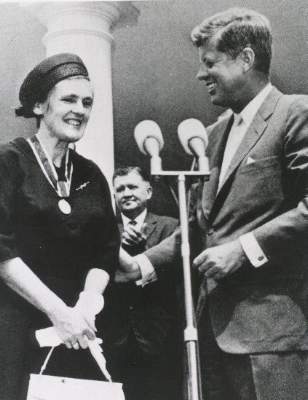
Despite the interesting juxtaposition of these two events, talking about them in the same breath requires a couple of important caveats: Vascepa has received FDA acceptance as safe for its approved indication, and circumstances would need to be unusual and severe for physicians to consider prescribing it to pregnant women. Society has dramatically changed the way it thinks about dosing pregnant women with drugs, compared with 60 years ago. It’s an attitudinal change driven at least in part by the thalidomide tragedy.
But the careful line that regulatory agencies and physicians must navigate that can mean denying patients potentially useful or even life-saving drugs because of insufficient evidence of safety and the need for caution against unsuspected consequences remains an enduring fact of medical practice.
Underappreciated threats exist even from drugs widely perceived as commonplace and benign. Consider NSAIDs. In July, the FDA strengthened and broadened its label warning for drugs in this class to say that treatment with NSAIDs of all types, including those sold OTC, can increase a person’s risk for MI, stroke, and heart failure, and that the elevated risk occurs even after just a few weeks of NSAID use.
Also in July, I covered a report at the Alzheimer’s Association International Conference 2015 on the off-label use for treating agitation in Alzheimer’s disease patients with the combination of dextromethorphan and quinidine, a formulation branded as Nuedexta with FDA approval for treating pseudobulbar affect. Although this combination is already on the U.S. market, and the main active agent dextromethorphan is also widely marketed in several OTC cough-medicine products, the principal investigator of the Alzheimer’s disease study, Dr. Jeffrey L. Cummings, told me that he cautions physicians against prescribing the dextromethorphan plus quinidine combination to patients with Alzheimer’s disease agitation, even though controlling Alzheimer’s agitation is a major unmet need for patients and their families. Dr. Cummings stressed that the 93 patients he studied during 10 weeks of treatment were too few people followed for too short a period to draw any conclusions on safety in this new patient population.
Once a drug receives FDA approval, and so presumably has an adequate evidence base proving clinical safety, extrapolation of its safety to different patient types can be tricky. As clinical experience with a drug or a drug class accumulates and as use expands to different sorts of patients, appreciation often grows for subtle or uncommon adverse effects not signaled during initial testing. How many physicians or patients suspected a potential risk from all prescription NSAIDs before the FDA issued its first warning about the class 10 year ago, and how many remained oblivious to the danger from OTC NSAIDs until the FDA strengthened its warning a few weeks ago? And nearly 60 years ago, few physicians aside from Dr. Kelsey and her associates at the FDA focused on the unanticipated danger posed by thalidomide treatment during pregnancy.
Truthful free speech about possible benefits of FDA-approved drugs for additional indications is a interesting concept, but physicians and patients must remain mindful of the need for caution and the danger of extrapolating too much and being too aggressive with drug use when an agent’s safety is uncertain.
On Twitter @mitchelzoler
The coincidence of two recent news items highlighted the tension between a more unfettered approach to pharmaceutical drug marketing and the need for caution when promoting and prescribing drugs.
A federal court judge issued a decision August 7 that ruled the drug company Amarin was not subject to Food and Drug Administration penalty for truthful but off-label promotion of the FDA-approved drug Vascepa, a triglyceride-lowering agent. Also on August 7, Dr. Frances Oldham Kelsey died at 101 years old. She was the FDA staffer singled out for recognition in 1962 as the primary firewall who prevented the agency from approving thalidomide for U.S. marketing as a treatment for morning sickness in pregnant woman, thereby sparing America from the epidemic of thalidomide-induced birth defects seen in Europe.
Despite the interesting juxtaposition of these two events, talking about them in the same breath requires a couple of important caveats: Vascepa has received FDA acceptance as safe for its approved indication, and circumstances would need to be unusual and severe for physicians to consider prescribing it to pregnant women. Society has dramatically changed the way it thinks about dosing pregnant women with drugs, compared with 60 years ago. It’s an attitudinal change driven at least in part by the thalidomide tragedy.
But the careful line that regulatory agencies and physicians must navigate that can mean denying patients potentially useful or even life-saving drugs because of insufficient evidence of safety and the need for caution against unsuspected consequences remains an enduring fact of medical practice.
Underappreciated threats exist even from drugs widely perceived as commonplace and benign. Consider NSAIDs. In July, the FDA strengthened and broadened its label warning for drugs in this class to say that treatment with NSAIDs of all types, including those sold OTC, can increase a person’s risk for MI, stroke, and heart failure, and that the elevated risk occurs even after just a few weeks of NSAID use.
Also in July, I covered a report at the Alzheimer’s Association International Conference 2015 on the off-label use for treating agitation in Alzheimer’s disease patients with the combination of dextromethorphan and quinidine, a formulation branded as Nuedexta with FDA approval for treating pseudobulbar affect. Although this combination is already on the U.S. market, and the main active agent dextromethorphan is also widely marketed in several OTC cough-medicine products, the principal investigator of the Alzheimer’s disease study, Dr. Jeffrey L. Cummings, told me that he cautions physicians against prescribing the dextromethorphan plus quinidine combination to patients with Alzheimer’s disease agitation, even though controlling Alzheimer’s agitation is a major unmet need for patients and their families. Dr. Cummings stressed that the 93 patients he studied during 10 weeks of treatment were too few people followed for too short a period to draw any conclusions on safety in this new patient population.
Once a drug receives FDA approval, and so presumably has an adequate evidence base proving clinical safety, extrapolation of its safety to different patient types can be tricky. As clinical experience with a drug or a drug class accumulates and as use expands to different sorts of patients, appreciation often grows for subtle or uncommon adverse effects not signaled during initial testing. How many physicians or patients suspected a potential risk from all prescription NSAIDs before the FDA issued its first warning about the class 10 year ago, and how many remained oblivious to the danger from OTC NSAIDs until the FDA strengthened its warning a few weeks ago? And nearly 60 years ago, few physicians aside from Dr. Kelsey and her associates at the FDA focused on the unanticipated danger posed by thalidomide treatment during pregnancy.
Truthful free speech about possible benefits of FDA-approved drugs for additional indications is a interesting concept, but physicians and patients must remain mindful of the need for caution and the danger of extrapolating too much and being too aggressive with drug use when an agent’s safety is uncertain.
On Twitter @mitchelzoler
The coincidence of two recent news items highlighted the tension between a more unfettered approach to pharmaceutical drug marketing and the need for caution when promoting and prescribing drugs.
A federal court judge issued a decision August 7 that ruled the drug company Amarin was not subject to Food and Drug Administration penalty for truthful but off-label promotion of the FDA-approved drug Vascepa, a triglyceride-lowering agent. Also on August 7, Dr. Frances Oldham Kelsey died at 101 years old. She was the FDA staffer singled out for recognition in 1962 as the primary firewall who prevented the agency from approving thalidomide for U.S. marketing as a treatment for morning sickness in pregnant woman, thereby sparing America from the epidemic of thalidomide-induced birth defects seen in Europe.
Despite the interesting juxtaposition of these two events, talking about them in the same breath requires a couple of important caveats: Vascepa has received FDA acceptance as safe for its approved indication, and circumstances would need to be unusual and severe for physicians to consider prescribing it to pregnant women. Society has dramatically changed the way it thinks about dosing pregnant women with drugs, compared with 60 years ago. It’s an attitudinal change driven at least in part by the thalidomide tragedy.
But the careful line that regulatory agencies and physicians must navigate that can mean denying patients potentially useful or even life-saving drugs because of insufficient evidence of safety and the need for caution against unsuspected consequences remains an enduring fact of medical practice.
Underappreciated threats exist even from drugs widely perceived as commonplace and benign. Consider NSAIDs. In July, the FDA strengthened and broadened its label warning for drugs in this class to say that treatment with NSAIDs of all types, including those sold OTC, can increase a person’s risk for MI, stroke, and heart failure, and that the elevated risk occurs even after just a few weeks of NSAID use.
Also in July, I covered a report at the Alzheimer’s Association International Conference 2015 on the off-label use for treating agitation in Alzheimer’s disease patients with the combination of dextromethorphan and quinidine, a formulation branded as Nuedexta with FDA approval for treating pseudobulbar affect. Although this combination is already on the U.S. market, and the main active agent dextromethorphan is also widely marketed in several OTC cough-medicine products, the principal investigator of the Alzheimer’s disease study, Dr. Jeffrey L. Cummings, told me that he cautions physicians against prescribing the dextromethorphan plus quinidine combination to patients with Alzheimer’s disease agitation, even though controlling Alzheimer’s agitation is a major unmet need for patients and their families. Dr. Cummings stressed that the 93 patients he studied during 10 weeks of treatment were too few people followed for too short a period to draw any conclusions on safety in this new patient population.
Once a drug receives FDA approval, and so presumably has an adequate evidence base proving clinical safety, extrapolation of its safety to different patient types can be tricky. As clinical experience with a drug or a drug class accumulates and as use expands to different sorts of patients, appreciation often grows for subtle or uncommon adverse effects not signaled during initial testing. How many physicians or patients suspected a potential risk from all prescription NSAIDs before the FDA issued its first warning about the class 10 year ago, and how many remained oblivious to the danger from OTC NSAIDs until the FDA strengthened its warning a few weeks ago? And nearly 60 years ago, few physicians aside from Dr. Kelsey and her associates at the FDA focused on the unanticipated danger posed by thalidomide treatment during pregnancy.
Truthful free speech about possible benefits of FDA-approved drugs for additional indications is a interesting concept, but physicians and patients must remain mindful of the need for caution and the danger of extrapolating too much and being too aggressive with drug use when an agent’s safety is uncertain.
On Twitter @mitchelzoler

Family-centered care in the NICU
Hospitals are slow to change, especially when changes – such as the inclusion of families in patient care – are not big money makers. Even so, in a competitive marketplace, hospitals are beginning to realize that patient and family satisfaction develops loyal customers.
When patients and families have a good experience, they are likely to return to the hospital and recommend the hospital to others. From a business perspective, it makes sense to develop family-oriented care in hospital specialty units such as the neonatal intensive care unit.
Involving families in the NICU also reduces the neonate’s length of stay (Nurs Adm Q. 2009 Jan-Mar;33[1]32-7).
COPE is a manualized intervention program comprising DVDs and a workbook.
The DVDs provide parents with educational information about the appearance and behavioral characteristics of their premature infants and about how they can participate in their infants’ care, meet their needs, enhance the quality of interaction with their infants, and facilitate their development.
The workbook skills-building activities assist parents in implementing the educational information (for example, learning how to read their infants’ awake states and stress cues, keeping track of important developmental milestones, determining what behaviors are helpful when their infants are stressed).
Parents listen to the COPE educational information on DVDs as they read it in their workbooks. The first intervention in COPE is delivered to the parents 2-4 days after the infant is admitted to the NICU. The second COPE intervention is delivered 2-4 days after the first intervention, and the third intervention is delivered to parents 1-4 days prior to the infant’s discharge from the NICU. Parents receive the fourth COPE intervention 1 week after the infant is discharged from the hospital. Each of the four DVDs has corresponding skills-building activities that parents complete after they listen to the educational information on the DVDs.
The problem
In NICUs, families are not the primary focus of care. To nursing staff, parents are an unknown factor. Parents may silence alarms or open cribs to touch the baby, not realizing that by doing so, they are dysregulating the neonate’s delicate environment. They see nurses moving things around, and so feel they should be able to do it, too. Parents come in many varieties. Some parents sit quietly and appear overwhelmed. Some parents behave erratically. Some parents may smell of alcohol or marijuana, putting everyone in the NICU on alert. Assessing and intervening with parents is helpful to nurses, reduces tension between nurse and parent, and ensures that the daily caring for the neonate is smooth and optimal. Nurses are eager to help with parents.
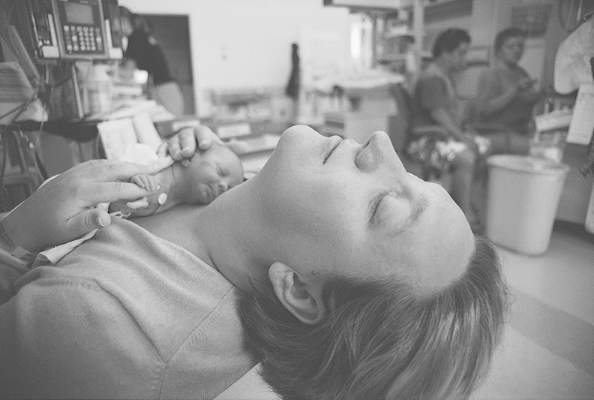
Nursing perspective
From the nurses’ perspective, the parents are not the patient! Nurses have not been trained to assess and manage distressed parents. Nurses can provide basic education about the baby’s medical condition but do not have time to explain the details that overanxious parents might demand. The nurses recognize that some parents are under severe stress and do not want to leave the bedside, even to care for their own needs. The nurses recognize that some parents have their own health conditions but are unsure how to approach this issue. Nurses welcome education about how to intervene and how to refer parents to appropriate resources.
Parental perspective
Parents are distressed and uncertain about the fate of their newborns. There is an immediate need to gain as much information as possible about the baby’s medical condition and to understand what the nurses are “doing to our baby.” There may be concern that the nurse seems more bonded to the baby than the parents. There may be a lack of understanding of when the babies can be handled and what and when they can be fed. There is significant emotional distress about “not being able to take the baby home.” Parents may want to assign blame or may feel overwhelmed with guilt. For families with poor coping skills, fear and anger may predominate and can be directed at the nurses – an immediate and ever available target. Generally, parents want to be included as much as possible in the care of their children.
Postpartum disorders in the NICU
It is expected that having a baby in the NICU is stressful. However, a meta-analysis of 38 studies of stress in parents of preterm infants, compared with term infants, found that parents of preterm children experience only slightly more stress than do parents of term children. There is decreasing parental stress from the 1980s onward, probably because of the increased quality of care for preterm infants. These studies included 3,025 parents of preterm and low-birth-weight infants (PLoS One 2013;8[2]:e54992).
Over the long term, the psychological functioning of NICU parents is no different from that of control parents. A prospective randomized controlled study defined psychological distress as meeting one or more of the following criteria: any psychiatric diagnosis on the Mini-International Neuropsychiatric Interview at 2 years; Edinburgh Postnatal Depression Scale score more than 12.5 at 2 years; Hospital Anxiety and Depression Scale score more than 11.0 at 2 years, receiving treatment with antidepressants/psychotherapy/counseling over the previous 15 months (Psychosomatics 2014;55[6]:613-20).
In the short term, NICU parents are at risk for postpartum depression (PPD) with the resultant difficulty in establishing good attachment with their babies. The prevalence of PPD in mothers of term newborns is 10%-15%, compared with 28%-70% among NICU mothers (Int J Womens Health. 2014;2014[6]:975-87).
Fathers are known as the forgotten parents and experience a high prevalence of depressive symptoms. Fathers of term newborns experience depression at rates of 2%-10%, but rates of up to 60% have been reported in NICU fathers (Adv Neonatal Care. 2010 Aug;10[4]:200-3).
Prevention of psychiatric illness in family members
The NICU environment is often dimly lighted, and improving lighting prevents depression in NICU mothers. A 3-week bright-light therapy intervention improved the sleep and health outcomes of NICU mothers, who experienced less morning fatigue and depressive symptoms, and improved quality of life, compared with the control group (Biol Res Nurs. 2013 Oct;15[4] 398-406). An architect on our team is designing “quiet spaces” for parents and creating more ambient light and daylighting in our NICU.
For parents who do not want to leave the NICU, mobile computer terminals can bring education to the bedside. For parents who can leave the bedside, family educational interventions are well received (Adv Neonatal Care. 2013 Apr;13[2]:115-26).
In current practice, in our labor and delivery suite and in many NICUs, mothers are screened for postpartum depression via the Edinburgh Postnatal Depression Scale (EPDS) (Br J Psychiatry 1987 Jun;150[6]:782-6). If mothers score over 13, they are referred for further assessment. Treatment often consists of referral for individual intervention for the mother (usually sertraline and disclosures/instructions about breastfeeding, as well as supportive psychotherapy).
What does family-centered care look like?
A family perspective supports the screening of both parents, using the EPDS. This can occur on admission of the baby to the NICU and at 2-week intervals thereafter and again at discharge (J Perinatol 2013 Oct;33[10]748-53). Ideally, family functioning also can be assessed, and if needed, intervention can be offered to the whole family system.
Family screening occurs in other pediatric medical settings. High-risk families can be identified with the Psychosocial Assessment Tool (PAT) (Acta Oncol. 2015 May;54[5]:574-80).
The PAT is a brief parent self-report composed of items that assess risk associated with the child, family, and broader systems. It is currently used at 50 sites in 28 states in the United States. The PAT has been translated into Spanish, Columbian Spanish, Dutch, Brazilian Portuguese, Hebrew, Greek, Polish, Italian, Japanese, Chinese, and Korean, and is used internationally. English adaptations for Canada, the United Kingdom, Australia, New Zealand, and Singapore also are available. It has been modified for use in NICUs.
The screening enables health care providers to refer families to the appropriate service: support groups (low risk), psychoeducation (medium risk), or intensive outpatient services (high risk). This stratification allows for the appropriate use of services.
Likewise, family interventions can be thought about in tiers, similar to the risk stratification of the PAT. Tier 1 is a universal educational intervention for all parents, tier 2 parents have higher needs, and tier 3 parents need immediate intervention. The following descriptions show how this might work in practice.
Family intervention: Tier 1
•All families can be given educational material about the mental health needs of parents with a newborn in the NICU. Ideally, this material can be provided through handouts, references for further reading, and through websites accessed in the NICU. For parents who are willing to leave the NICU, they can attend support groups.
•All parents can be screened at initial contact in the NICU and then on discharge from the NICU. If the neonate stays an extended time, the parents can be screened at 2-week intervals. A high score on the EPDS screen indicates an immediate need to refer a parent. A family assessment tool, such as the PAT, can identify high-risk families for immediate referral.
•NICU nursing staff can actively address coparenting struggles. Our NICU nurses provide formal letters between nurses and parents to establish the parameters of the care of the baby, and provide direction for coparenting.
Family intervention: Tier 2
Parents identified on the PAT as having higher needs can be enrolled in psychoeducational groups, led by staff members who have behavioral health training and experience.
Family intervention: Tier 3
These parents are identified on the PAT as high risk and need significant health care services. The NICU social worker can actively work on consultation with addiction medicine, mental health, or social services.
In summary, a family approach in the NICU improves nurse-parent interactions. A focus on coparenting sets the stage for cooperation, trust, and better family outcomes. Some basic training in systems concepts and family dynamics can provide NICU staff with basic clinical skills to provide psychoeducation. Adequate screening can triage high-risk parents appropriately. For NICUs that want to implement a psychoeducational program, Melnyk’s COPE program is an evidenced-based program that is well worth implementation.
Dr. Heru is with the department of psychiatry at the University of Colorado Denver, Aurora. She is editor of “Working With Families in Medical Settings: A Multidisciplinary Guide for Psychiatrists and Other Health Professionals” (New York: Routledge, 2013). She thanks other members of the NICU team at the University of Colorado Hospital: Christy Math, Katherine Perica, and John J. White.
Hospitals are slow to change, especially when changes – such as the inclusion of families in patient care – are not big money makers. Even so, in a competitive marketplace, hospitals are beginning to realize that patient and family satisfaction develops loyal customers.
When patients and families have a good experience, they are likely to return to the hospital and recommend the hospital to others. From a business perspective, it makes sense to develop family-oriented care in hospital specialty units such as the neonatal intensive care unit.
Involving families in the NICU also reduces the neonate’s length of stay (Nurs Adm Q. 2009 Jan-Mar;33[1]32-7).
COPE is a manualized intervention program comprising DVDs and a workbook.
The DVDs provide parents with educational information about the appearance and behavioral characteristics of their premature infants and about how they can participate in their infants’ care, meet their needs, enhance the quality of interaction with their infants, and facilitate their development.
The workbook skills-building activities assist parents in implementing the educational information (for example, learning how to read their infants’ awake states and stress cues, keeping track of important developmental milestones, determining what behaviors are helpful when their infants are stressed).
Parents listen to the COPE educational information on DVDs as they read it in their workbooks. The first intervention in COPE is delivered to the parents 2-4 days after the infant is admitted to the NICU. The second COPE intervention is delivered 2-4 days after the first intervention, and the third intervention is delivered to parents 1-4 days prior to the infant’s discharge from the NICU. Parents receive the fourth COPE intervention 1 week after the infant is discharged from the hospital. Each of the four DVDs has corresponding skills-building activities that parents complete after they listen to the educational information on the DVDs.
The problem
In NICUs, families are not the primary focus of care. To nursing staff, parents are an unknown factor. Parents may silence alarms or open cribs to touch the baby, not realizing that by doing so, they are dysregulating the neonate’s delicate environment. They see nurses moving things around, and so feel they should be able to do it, too. Parents come in many varieties. Some parents sit quietly and appear overwhelmed. Some parents behave erratically. Some parents may smell of alcohol or marijuana, putting everyone in the NICU on alert. Assessing and intervening with parents is helpful to nurses, reduces tension between nurse and parent, and ensures that the daily caring for the neonate is smooth and optimal. Nurses are eager to help with parents.
Nursing perspective
From the nurses’ perspective, the parents are not the patient! Nurses have not been trained to assess and manage distressed parents. Nurses can provide basic education about the baby’s medical condition but do not have time to explain the details that overanxious parents might demand. The nurses recognize that some parents are under severe stress and do not want to leave the bedside, even to care for their own needs. The nurses recognize that some parents have their own health conditions but are unsure how to approach this issue. Nurses welcome education about how to intervene and how to refer parents to appropriate resources.
Parental perspective
Parents are distressed and uncertain about the fate of their newborns. There is an immediate need to gain as much information as possible about the baby’s medical condition and to understand what the nurses are “doing to our baby.” There may be concern that the nurse seems more bonded to the baby than the parents. There may be a lack of understanding of when the babies can be handled and what and when they can be fed. There is significant emotional distress about “not being able to take the baby home.” Parents may want to assign blame or may feel overwhelmed with guilt. For families with poor coping skills, fear and anger may predominate and can be directed at the nurses – an immediate and ever available target. Generally, parents want to be included as much as possible in the care of their children.
Postpartum disorders in the NICU
It is expected that having a baby in the NICU is stressful. However, a meta-analysis of 38 studies of stress in parents of preterm infants, compared with term infants, found that parents of preterm children experience only slightly more stress than do parents of term children. There is decreasing parental stress from the 1980s onward, probably because of the increased quality of care for preterm infants. These studies included 3,025 parents of preterm and low-birth-weight infants (PLoS One 2013;8[2]:e54992).
Over the long term, the psychological functioning of NICU parents is no different from that of control parents. A prospective randomized controlled study defined psychological distress as meeting one or more of the following criteria: any psychiatric diagnosis on the Mini-International Neuropsychiatric Interview at 2 years; Edinburgh Postnatal Depression Scale score more than 12.5 at 2 years; Hospital Anxiety and Depression Scale score more than 11.0 at 2 years, receiving treatment with antidepressants/psychotherapy/counseling over the previous 15 months (Psychosomatics 2014;55[6]:613-20).
In the short term, NICU parents are at risk for postpartum depression (PPD) with the resultant difficulty in establishing good attachment with their babies. The prevalence of PPD in mothers of term newborns is 10%-15%, compared with 28%-70% among NICU mothers (Int J Womens Health. 2014;2014[6]:975-87).
Fathers are known as the forgotten parents and experience a high prevalence of depressive symptoms. Fathers of term newborns experience depression at rates of 2%-10%, but rates of up to 60% have been reported in NICU fathers (Adv Neonatal Care. 2010 Aug;10[4]:200-3).
Prevention of psychiatric illness in family members
The NICU environment is often dimly lighted, and improving lighting prevents depression in NICU mothers. A 3-week bright-light therapy intervention improved the sleep and health outcomes of NICU mothers, who experienced less morning fatigue and depressive symptoms, and improved quality of life, compared with the control group (Biol Res Nurs. 2013 Oct;15[4] 398-406). An architect on our team is designing “quiet spaces” for parents and creating more ambient light and daylighting in our NICU.
For parents who do not want to leave the NICU, mobile computer terminals can bring education to the bedside. For parents who can leave the bedside, family educational interventions are well received (Adv Neonatal Care. 2013 Apr;13[2]:115-26).
In current practice, in our labor and delivery suite and in many NICUs, mothers are screened for postpartum depression via the Edinburgh Postnatal Depression Scale (EPDS) (Br J Psychiatry 1987 Jun;150[6]:782-6). If mothers score over 13, they are referred for further assessment. Treatment often consists of referral for individual intervention for the mother (usually sertraline and disclosures/instructions about breastfeeding, as well as supportive psychotherapy).
What does family-centered care look like?
A family perspective supports the screening of both parents, using the EPDS. This can occur on admission of the baby to the NICU and at 2-week intervals thereafter and again at discharge (J Perinatol 2013 Oct;33[10]748-53). Ideally, family functioning also can be assessed, and if needed, intervention can be offered to the whole family system.
Family screening occurs in other pediatric medical settings. High-risk families can be identified with the Psychosocial Assessment Tool (PAT) (Acta Oncol. 2015 May;54[5]:574-80).
The PAT is a brief parent self-report composed of items that assess risk associated with the child, family, and broader systems. It is currently used at 50 sites in 28 states in the United States. The PAT has been translated into Spanish, Columbian Spanish, Dutch, Brazilian Portuguese, Hebrew, Greek, Polish, Italian, Japanese, Chinese, and Korean, and is used internationally. English adaptations for Canada, the United Kingdom, Australia, New Zealand, and Singapore also are available. It has been modified for use in NICUs.
The screening enables health care providers to refer families to the appropriate service: support groups (low risk), psychoeducation (medium risk), or intensive outpatient services (high risk). This stratification allows for the appropriate use of services.
Likewise, family interventions can be thought about in tiers, similar to the risk stratification of the PAT. Tier 1 is a universal educational intervention for all parents, tier 2 parents have higher needs, and tier 3 parents need immediate intervention. The following descriptions show how this might work in practice.
Family intervention: Tier 1
•All families can be given educational material about the mental health needs of parents with a newborn in the NICU. Ideally, this material can be provided through handouts, references for further reading, and through websites accessed in the NICU. For parents who are willing to leave the NICU, they can attend support groups.
•All parents can be screened at initial contact in the NICU and then on discharge from the NICU. If the neonate stays an extended time, the parents can be screened at 2-week intervals. A high score on the EPDS screen indicates an immediate need to refer a parent. A family assessment tool, such as the PAT, can identify high-risk families for immediate referral.
•NICU nursing staff can actively address coparenting struggles. Our NICU nurses provide formal letters between nurses and parents to establish the parameters of the care of the baby, and provide direction for coparenting.
Family intervention: Tier 2
Parents identified on the PAT as having higher needs can be enrolled in psychoeducational groups, led by staff members who have behavioral health training and experience.
Family intervention: Tier 3
These parents are identified on the PAT as high risk and need significant health care services. The NICU social worker can actively work on consultation with addiction medicine, mental health, or social services.
In summary, a family approach in the NICU improves nurse-parent interactions. A focus on coparenting sets the stage for cooperation, trust, and better family outcomes. Some basic training in systems concepts and family dynamics can provide NICU staff with basic clinical skills to provide psychoeducation. Adequate screening can triage high-risk parents appropriately. For NICUs that want to implement a psychoeducational program, Melnyk’s COPE program is an evidenced-based program that is well worth implementation.
Dr. Heru is with the department of psychiatry at the University of Colorado Denver, Aurora. She is editor of “Working With Families in Medical Settings: A Multidisciplinary Guide for Psychiatrists and Other Health Professionals” (New York: Routledge, 2013). She thanks other members of the NICU team at the University of Colorado Hospital: Christy Math, Katherine Perica, and John J. White.
Hospitals are slow to change, especially when changes – such as the inclusion of families in patient care – are not big money makers. Even so, in a competitive marketplace, hospitals are beginning to realize that patient and family satisfaction develops loyal customers.
When patients and families have a good experience, they are likely to return to the hospital and recommend the hospital to others. From a business perspective, it makes sense to develop family-oriented care in hospital specialty units such as the neonatal intensive care unit.
Involving families in the NICU also reduces the neonate’s length of stay (Nurs Adm Q. 2009 Jan-Mar;33[1]32-7).
COPE is a manualized intervention program comprising DVDs and a workbook.
The DVDs provide parents with educational information about the appearance and behavioral characteristics of their premature infants and about how they can participate in their infants’ care, meet their needs, enhance the quality of interaction with their infants, and facilitate their development.
The workbook skills-building activities assist parents in implementing the educational information (for example, learning how to read their infants’ awake states and stress cues, keeping track of important developmental milestones, determining what behaviors are helpful when their infants are stressed).
Parents listen to the COPE educational information on DVDs as they read it in their workbooks. The first intervention in COPE is delivered to the parents 2-4 days after the infant is admitted to the NICU. The second COPE intervention is delivered 2-4 days after the first intervention, and the third intervention is delivered to parents 1-4 days prior to the infant’s discharge from the NICU. Parents receive the fourth COPE intervention 1 week after the infant is discharged from the hospital. Each of the four DVDs has corresponding skills-building activities that parents complete after they listen to the educational information on the DVDs.
The problem
In NICUs, families are not the primary focus of care. To nursing staff, parents are an unknown factor. Parents may silence alarms or open cribs to touch the baby, not realizing that by doing so, they are dysregulating the neonate’s delicate environment. They see nurses moving things around, and so feel they should be able to do it, too. Parents come in many varieties. Some parents sit quietly and appear overwhelmed. Some parents behave erratically. Some parents may smell of alcohol or marijuana, putting everyone in the NICU on alert. Assessing and intervening with parents is helpful to nurses, reduces tension between nurse and parent, and ensures that the daily caring for the neonate is smooth and optimal. Nurses are eager to help with parents.
Nursing perspective
From the nurses’ perspective, the parents are not the patient! Nurses have not been trained to assess and manage distressed parents. Nurses can provide basic education about the baby’s medical condition but do not have time to explain the details that overanxious parents might demand. The nurses recognize that some parents are under severe stress and do not want to leave the bedside, even to care for their own needs. The nurses recognize that some parents have their own health conditions but are unsure how to approach this issue. Nurses welcome education about how to intervene and how to refer parents to appropriate resources.
Parental perspective
Parents are distressed and uncertain about the fate of their newborns. There is an immediate need to gain as much information as possible about the baby’s medical condition and to understand what the nurses are “doing to our baby.” There may be concern that the nurse seems more bonded to the baby than the parents. There may be a lack of understanding of when the babies can be handled and what and when they can be fed. There is significant emotional distress about “not being able to take the baby home.” Parents may want to assign blame or may feel overwhelmed with guilt. For families with poor coping skills, fear and anger may predominate and can be directed at the nurses – an immediate and ever available target. Generally, parents want to be included as much as possible in the care of their children.
Postpartum disorders in the NICU
It is expected that having a baby in the NICU is stressful. However, a meta-analysis of 38 studies of stress in parents of preterm infants, compared with term infants, found that parents of preterm children experience only slightly more stress than do parents of term children. There is decreasing parental stress from the 1980s onward, probably because of the increased quality of care for preterm infants. These studies included 3,025 parents of preterm and low-birth-weight infants (PLoS One 2013;8[2]:e54992).
Over the long term, the psychological functioning of NICU parents is no different from that of control parents. A prospective randomized controlled study defined psychological distress as meeting one or more of the following criteria: any psychiatric diagnosis on the Mini-International Neuropsychiatric Interview at 2 years; Edinburgh Postnatal Depression Scale score more than 12.5 at 2 years; Hospital Anxiety and Depression Scale score more than 11.0 at 2 years, receiving treatment with antidepressants/psychotherapy/counseling over the previous 15 months (Psychosomatics 2014;55[6]:613-20).
In the short term, NICU parents are at risk for postpartum depression (PPD) with the resultant difficulty in establishing good attachment with their babies. The prevalence of PPD in mothers of term newborns is 10%-15%, compared with 28%-70% among NICU mothers (Int J Womens Health. 2014;2014[6]:975-87).
Fathers are known as the forgotten parents and experience a high prevalence of depressive symptoms. Fathers of term newborns experience depression at rates of 2%-10%, but rates of up to 60% have been reported in NICU fathers (Adv Neonatal Care. 2010 Aug;10[4]:200-3).
Prevention of psychiatric illness in family members
The NICU environment is often dimly lighted, and improving lighting prevents depression in NICU mothers. A 3-week bright-light therapy intervention improved the sleep and health outcomes of NICU mothers, who experienced less morning fatigue and depressive symptoms, and improved quality of life, compared with the control group (Biol Res Nurs. 2013 Oct;15[4] 398-406). An architect on our team is designing “quiet spaces” for parents and creating more ambient light and daylighting in our NICU.
For parents who do not want to leave the NICU, mobile computer terminals can bring education to the bedside. For parents who can leave the bedside, family educational interventions are well received (Adv Neonatal Care. 2013 Apr;13[2]:115-26).
In current practice, in our labor and delivery suite and in many NICUs, mothers are screened for postpartum depression via the Edinburgh Postnatal Depression Scale (EPDS) (Br J Psychiatry 1987 Jun;150[6]:782-6). If mothers score over 13, they are referred for further assessment. Treatment often consists of referral for individual intervention for the mother (usually sertraline and disclosures/instructions about breastfeeding, as well as supportive psychotherapy).
What does family-centered care look like?
A family perspective supports the screening of both parents, using the EPDS. This can occur on admission of the baby to the NICU and at 2-week intervals thereafter and again at discharge (J Perinatol 2013 Oct;33[10]748-53). Ideally, family functioning also can be assessed, and if needed, intervention can be offered to the whole family system.
Family screening occurs in other pediatric medical settings. High-risk families can be identified with the Psychosocial Assessment Tool (PAT) (Acta Oncol. 2015 May;54[5]:574-80).
The PAT is a brief parent self-report composed of items that assess risk associated with the child, family, and broader systems. It is currently used at 50 sites in 28 states in the United States. The PAT has been translated into Spanish, Columbian Spanish, Dutch, Brazilian Portuguese, Hebrew, Greek, Polish, Italian, Japanese, Chinese, and Korean, and is used internationally. English adaptations for Canada, the United Kingdom, Australia, New Zealand, and Singapore also are available. It has been modified for use in NICUs.
The screening enables health care providers to refer families to the appropriate service: support groups (low risk), psychoeducation (medium risk), or intensive outpatient services (high risk). This stratification allows for the appropriate use of services.
Likewise, family interventions can be thought about in tiers, similar to the risk stratification of the PAT. Tier 1 is a universal educational intervention for all parents, tier 2 parents have higher needs, and tier 3 parents need immediate intervention. The following descriptions show how this might work in practice.
Family intervention: Tier 1
•All families can be given educational material about the mental health needs of parents with a newborn in the NICU. Ideally, this material can be provided through handouts, references for further reading, and through websites accessed in the NICU. For parents who are willing to leave the NICU, they can attend support groups.
•All parents can be screened at initial contact in the NICU and then on discharge from the NICU. If the neonate stays an extended time, the parents can be screened at 2-week intervals. A high score on the EPDS screen indicates an immediate need to refer a parent. A family assessment tool, such as the PAT, can identify high-risk families for immediate referral.
•NICU nursing staff can actively address coparenting struggles. Our NICU nurses provide formal letters between nurses and parents to establish the parameters of the care of the baby, and provide direction for coparenting.
Family intervention: Tier 2
Parents identified on the PAT as having higher needs can be enrolled in psychoeducational groups, led by staff members who have behavioral health training and experience.
Family intervention: Tier 3
These parents are identified on the PAT as high risk and need significant health care services. The NICU social worker can actively work on consultation with addiction medicine, mental health, or social services.
In summary, a family approach in the NICU improves nurse-parent interactions. A focus on coparenting sets the stage for cooperation, trust, and better family outcomes. Some basic training in systems concepts and family dynamics can provide NICU staff with basic clinical skills to provide psychoeducation. Adequate screening can triage high-risk parents appropriately. For NICUs that want to implement a psychoeducational program, Melnyk’s COPE program is an evidenced-based program that is well worth implementation.
Dr. Heru is with the department of psychiatry at the University of Colorado Denver, Aurora. She is editor of “Working With Families in Medical Settings: A Multidisciplinary Guide for Psychiatrists and Other Health Professionals” (New York: Routledge, 2013). She thanks other members of the NICU team at the University of Colorado Hospital: Christy Math, Katherine Perica, and John J. White.
OpenNotes: Transparency in health care
Transparency, until recently, was rarely associated with health care. Not anymore. For better and sometimes worse, there is a revolutionary movement toward transparency in all facets of health care: transparency of costs, outcomes, quality, service, and reputation. Full transparency has now come to medical records in the form of OpenNotes. This is a patient-centered initiative that allows patients full access to their charts, including all their doctors’ notes.
Patients have always had the right to see their records. Ordinarily though, they would be required to go to the medical records office, fill out paperwork, and request copies of their charts. They’d have to supply a reason and usually pay a fee. OpenNotes changes that. Open patient charts are free and easy to access, usually digitally. OpenNotes programs are still rare, and before we go any further, it’s important to examine what we’ve learned about them.

In 2010, Beth Israel Deaconess Medical Center in Boston, Geisinger Health System in Pennsylvania, and Harborview Medical Center in Seattle invited 105 primary care physicians to open their notes to nearly 14,000 patients. The results were overwhelmingly (and to me, surprisingly) positive: More than 85% of patients accessed their notes at least once. Nearly 100% of patients wanted the program to continue. Patients reported a better understanding of their medical issues, better medication adherence, increased adoption of healthy habits, and less anxiety about their health. I would have expected more confusion and anxiety among the patients.
What about the physicians? According to the initiative, whereas 1 in 3 patients thought they should have unfettered access to their physicians’ notes, only 1 in 10 physicians did. That’s understandable. The physicians in the pilot shared many of the same concerns you and I have, namely that OpenNotes would lead to an increased workload to explain esoteric notes to patients and to allay anxieties.
Yet, this extra workload didn’t occur. Only 3% of physicians reported spending more time answering patients’ questions. One-fifth did report that they changed the language they used when writing notes, primarily to avoid offending patients. Every physician in the initiative said he or she would continue using OpenNotes. Surprised? So was I.
Even the usually conservative SERMO physician audience responded in an unexpected manner. According to a poll conducted this June, SERMO asked 2,300 physicians if patients should have access to their medical records (including MD notes). Forty-nine percent said “only on a case-by-case basis,” 34% said “yes, always,” and 17% said “no, never.”
So, are OpenNotes a success? Let’s take a closer look at some of the challenges: First, we physicians use language that will confuse patients at best and lead them to incorrect conclusions at worst. “Acne necrotica?” Sounds like a case of medieval pimples, but actually it’s pretty harmless. Or consider, “Differential diagnosis includes neuroendocrine tumor.” It doesn’t mean you have it, but some patients will believe they do. Will we have to dumb down our charts then to appease them? Won’t this degrade note quality, one of the primary objectives we are trying to avoid? It’s unclear.
The purpose of a patient note is to inform other providers and to remind ourselves of the critical information needed to care for a patient. It must be pithy and honest. It often reflects our inchoate thoughts as much as our diagnoses. It must also include the sundry requirements we know and love that are needed only to bill for the visit. These are not characteristics that make for a good patient read.
Indeed, the benefits of transparency are not limitless. In some instances, more transparency is worse. Imagine if all your emails and texts were transparent to everyone. Or if everything you’ve ever said about your mother-in-law were viewable by her. That would clearly be a case of bad transparency. Not sharing everything doesn’t mean we are dishonest or duplicitous. It means we are civil. It doesn’t mean we don’t care; it means we do care. We care about our friends and family. We care about our patients and the best way to make them well.
Unless we make it clear to patients that the notes they are viewing are not written for them, I’m worried simply opening charts could damage the doctor-patient relationship as much as it fosters it. Interestingly, there are companies trying to build a technical solution for this conundrum. Others are advocating for standardization of pathology and lab reports that are patient friendly. I’ll research these topics and let you know what I find out in a future column.
Perhaps I shouldn’t have been surprised by the positive results from the OpenNotes initiative. After all, for the last several years, I have given patients their actual pathology report for every biopsy I’ve done (which numbers in the many thousands). I have had fewer than five follow-up questions from patients that I can remember. Pretty much all were legitimate, as I recall, including a wrong site error in a report.
Today, more than 5 million patients have access to their providers’ notes on OpenNotes. That number will grow. Our biggest risk is to not be involved. “Just say no” didn’t work for Nancy Reagan; it won’t do our cause any good either.
Dr. Benabio is a partner physician in the department of dermatology of the Southern California Permanente Group in San Diego, and a volunteer clinical assistant professor at the University of California, San Diego. Dr. Benabio is @dermdoc on Twitter.
Transparency, until recently, was rarely associated with health care. Not anymore. For better and sometimes worse, there is a revolutionary movement toward transparency in all facets of health care: transparency of costs, outcomes, quality, service, and reputation. Full transparency has now come to medical records in the form of OpenNotes. This is a patient-centered initiative that allows patients full access to their charts, including all their doctors’ notes.
Patients have always had the right to see their records. Ordinarily though, they would be required to go to the medical records office, fill out paperwork, and request copies of their charts. They’d have to supply a reason and usually pay a fee. OpenNotes changes that. Open patient charts are free and easy to access, usually digitally. OpenNotes programs are still rare, and before we go any further, it’s important to examine what we’ve learned about them.
In 2010, Beth Israel Deaconess Medical Center in Boston, Geisinger Health System in Pennsylvania, and Harborview Medical Center in Seattle invited 105 primary care physicians to open their notes to nearly 14,000 patients. The results were overwhelmingly (and to me, surprisingly) positive: More than 85% of patients accessed their notes at least once. Nearly 100% of patients wanted the program to continue. Patients reported a better understanding of their medical issues, better medication adherence, increased adoption of healthy habits, and less anxiety about their health. I would have expected more confusion and anxiety among the patients.
What about the physicians? According to the initiative, whereas 1 in 3 patients thought they should have unfettered access to their physicians’ notes, only 1 in 10 physicians did. That’s understandable. The physicians in the pilot shared many of the same concerns you and I have, namely that OpenNotes would lead to an increased workload to explain esoteric notes to patients and to allay anxieties.
Yet, this extra workload didn’t occur. Only 3% of physicians reported spending more time answering patients’ questions. One-fifth did report that they changed the language they used when writing notes, primarily to avoid offending patients. Every physician in the initiative said he or she would continue using OpenNotes. Surprised? So was I.
Even the usually conservative SERMO physician audience responded in an unexpected manner. According to a poll conducted this June, SERMO asked 2,300 physicians if patients should have access to their medical records (including MD notes). Forty-nine percent said “only on a case-by-case basis,” 34% said “yes, always,” and 17% said “no, never.”
So, are OpenNotes a success? Let’s take a closer look at some of the challenges: First, we physicians use language that will confuse patients at best and lead them to incorrect conclusions at worst. “Acne necrotica?” Sounds like a case of medieval pimples, but actually it’s pretty harmless. Or consider, “Differential diagnosis includes neuroendocrine tumor.” It doesn’t mean you have it, but some patients will believe they do. Will we have to dumb down our charts then to appease them? Won’t this degrade note quality, one of the primary objectives we are trying to avoid? It’s unclear.
The purpose of a patient note is to inform other providers and to remind ourselves of the critical information needed to care for a patient. It must be pithy and honest. It often reflects our inchoate thoughts as much as our diagnoses. It must also include the sundry requirements we know and love that are needed only to bill for the visit. These are not characteristics that make for a good patient read.
Indeed, the benefits of transparency are not limitless. In some instances, more transparency is worse. Imagine if all your emails and texts were transparent to everyone. Or if everything you’ve ever said about your mother-in-law were viewable by her. That would clearly be a case of bad transparency. Not sharing everything doesn’t mean we are dishonest or duplicitous. It means we are civil. It doesn’t mean we don’t care; it means we do care. We care about our friends and family. We care about our patients and the best way to make them well.
Unless we make it clear to patients that the notes they are viewing are not written for them, I’m worried simply opening charts could damage the doctor-patient relationship as much as it fosters it. Interestingly, there are companies trying to build a technical solution for this conundrum. Others are advocating for standardization of pathology and lab reports that are patient friendly. I’ll research these topics and let you know what I find out in a future column.
Perhaps I shouldn’t have been surprised by the positive results from the OpenNotes initiative. After all, for the last several years, I have given patients their actual pathology report for every biopsy I’ve done (which numbers in the many thousands). I have had fewer than five follow-up questions from patients that I can remember. Pretty much all were legitimate, as I recall, including a wrong site error in a report.
Today, more than 5 million patients have access to their providers’ notes on OpenNotes. That number will grow. Our biggest risk is to not be involved. “Just say no” didn’t work for Nancy Reagan; it won’t do our cause any good either.
Dr. Benabio is a partner physician in the department of dermatology of the Southern California Permanente Group in San Diego, and a volunteer clinical assistant professor at the University of California, San Diego. Dr. Benabio is @dermdoc on Twitter.
Transparency, until recently, was rarely associated with health care. Not anymore. For better and sometimes worse, there is a revolutionary movement toward transparency in all facets of health care: transparency of costs, outcomes, quality, service, and reputation. Full transparency has now come to medical records in the form of OpenNotes. This is a patient-centered initiative that allows patients full access to their charts, including all their doctors’ notes.
Patients have always had the right to see their records. Ordinarily though, they would be required to go to the medical records office, fill out paperwork, and request copies of their charts. They’d have to supply a reason and usually pay a fee. OpenNotes changes that. Open patient charts are free and easy to access, usually digitally. OpenNotes programs are still rare, and before we go any further, it’s important to examine what we’ve learned about them.
In 2010, Beth Israel Deaconess Medical Center in Boston, Geisinger Health System in Pennsylvania, and Harborview Medical Center in Seattle invited 105 primary care physicians to open their notes to nearly 14,000 patients. The results were overwhelmingly (and to me, surprisingly) positive: More than 85% of patients accessed their notes at least once. Nearly 100% of patients wanted the program to continue. Patients reported a better understanding of their medical issues, better medication adherence, increased adoption of healthy habits, and less anxiety about their health. I would have expected more confusion and anxiety among the patients.
What about the physicians? According to the initiative, whereas 1 in 3 patients thought they should have unfettered access to their physicians’ notes, only 1 in 10 physicians did. That’s understandable. The physicians in the pilot shared many of the same concerns you and I have, namely that OpenNotes would lead to an increased workload to explain esoteric notes to patients and to allay anxieties.
Yet, this extra workload didn’t occur. Only 3% of physicians reported spending more time answering patients’ questions. One-fifth did report that they changed the language they used when writing notes, primarily to avoid offending patients. Every physician in the initiative said he or she would continue using OpenNotes. Surprised? So was I.
Even the usually conservative SERMO physician audience responded in an unexpected manner. According to a poll conducted this June, SERMO asked 2,300 physicians if patients should have access to their medical records (including MD notes). Forty-nine percent said “only on a case-by-case basis,” 34% said “yes, always,” and 17% said “no, never.”
So, are OpenNotes a success? Let’s take a closer look at some of the challenges: First, we physicians use language that will confuse patients at best and lead them to incorrect conclusions at worst. “Acne necrotica?” Sounds like a case of medieval pimples, but actually it’s pretty harmless. Or consider, “Differential diagnosis includes neuroendocrine tumor.” It doesn’t mean you have it, but some patients will believe they do. Will we have to dumb down our charts then to appease them? Won’t this degrade note quality, one of the primary objectives we are trying to avoid? It’s unclear.
The purpose of a patient note is to inform other providers and to remind ourselves of the critical information needed to care for a patient. It must be pithy and honest. It often reflects our inchoate thoughts as much as our diagnoses. It must also include the sundry requirements we know and love that are needed only to bill for the visit. These are not characteristics that make for a good patient read.
Indeed, the benefits of transparency are not limitless. In some instances, more transparency is worse. Imagine if all your emails and texts were transparent to everyone. Or if everything you’ve ever said about your mother-in-law were viewable by her. That would clearly be a case of bad transparency. Not sharing everything doesn’t mean we are dishonest or duplicitous. It means we are civil. It doesn’t mean we don’t care; it means we do care. We care about our friends and family. We care about our patients and the best way to make them well.
Unless we make it clear to patients that the notes they are viewing are not written for them, I’m worried simply opening charts could damage the doctor-patient relationship as much as it fosters it. Interestingly, there are companies trying to build a technical solution for this conundrum. Others are advocating for standardization of pathology and lab reports that are patient friendly. I’ll research these topics and let you know what I find out in a future column.
Perhaps I shouldn’t have been surprised by the positive results from the OpenNotes initiative. After all, for the last several years, I have given patients their actual pathology report for every biopsy I’ve done (which numbers in the many thousands). I have had fewer than five follow-up questions from patients that I can remember. Pretty much all were legitimate, as I recall, including a wrong site error in a report.
Today, more than 5 million patients have access to their providers’ notes on OpenNotes. That number will grow. Our biggest risk is to not be involved. “Just say no” didn’t work for Nancy Reagan; it won’t do our cause any good either.
Dr. Benabio is a partner physician in the department of dermatology of the Southern California Permanente Group in San Diego, and a volunteer clinical assistant professor at the University of California, San Diego. Dr. Benabio is @dermdoc on Twitter.
One dollar and forty-two cents
No good deed goes unpunished.
We froze Myrna’s keratosis off her forehead. Gratis, of course.
This was followed by repeated calls from Myrna: the spot was red, it was painful, it wasn’t healing right.
So we mailed her an envelope filled with cream to help heal the skin. Although we used our regular postage meter, somehow Myrna got the package with $1.42 postage due.
Not going to work.
Myrna called to complain. Then she drove over and walked into the office, but we weren’t there. Then she called again and left a message. “I’m coming in this afternoon,” she said. “I expect to pick up my $1.42.”
Really.
Later that morning, Stephanie came by for a skin check. Because Stephanie is catering manager at a downtown ultra-upscale hotel, I knew she would both appreciate the tale of $1.42 and be able to top it. Everyone in her field can fill several books of client encounters no one could make up.
When I asked her to share some stories, Stephanie did not disappoint.

“Sure,” she said. “People plan lavish weddings, no expense spared. But when they send gift baskets, we have to charge $3.50 each to pay the livery people who deliver them. That they object to.
“But what’s even worse,” she went on, “is when it comes to feeding the band. We discount the meals for musicians 60%-70% below the per-plate rate for guests.
“That’s not low enough for some people, though. We explain to them that the band members do have to eat. ‘Yes,’ say some of the brides, ‘but do we have to give them a whole meal? Can’t we just give them a sandwich or something?’ This is from people who are spending six figures on food alone.”
“Sounds like Marie Antoinette,” I said. “What do you tell them?”
“We say, OK, we’ll see if we can discount the band meals even more,” Stephanie said.
Not an hour later, Ken came in. Ken manages an art-house movie theater in a close-in, affluent suburb. As I knew he would, Ken had stories, too.
“People are always angling for some kind of special privilege,” he said. ‘I’ve been a patron for years,” they say. ‘Can’t you do something for me?’
“What do they want?” I ask. “Free tickets?”
“Yes, or preferential seating,” said Ken, “but we tell them that if we do that for them, we’d have to do it for everybody.
“Or else it’s a cold, winter night and the theater is a little chilly. Some of the patrons want us to give them free popcorn.” Ken sighed.
Anybody in the service business is going to meet up with behavior like this. We probably should be grateful that most patients have enough respect for our profession to dissuade them from:
• Demanding to be seen for free or have us waive the copay since “the treatment didn’t work.”
• Refusing to hand over the copay for a follow-up, because, “It was just a quick check, didn’t take any time.”
• Insist on having us treat the wart or skin tag again at no charge, because “you missed a spot.”
And so on. At least even our demanding patients don’t ask for popcorn.
Myrna did show up that afternoon, by the way. I don’t know how much she spent on gas to come in. Our office manager Fatima took care of things. She gave Myrna her Buck-42:
Three quarters.
Two dimes.
Five nickels.
And 22 pennies.
Fatima is really good at keeping a straight face.
Dr. Rockoff practices dermatology in Brookline, Mass., and is a longtime contributor to Dermatology News. He serves on the clinical faculty at Tufts University, Boston, and has taught senior medical students and other trainees for 30 years.
No good deed goes unpunished.
We froze Myrna’s keratosis off her forehead. Gratis, of course.
This was followed by repeated calls from Myrna: the spot was red, it was painful, it wasn’t healing right.
So we mailed her an envelope filled with cream to help heal the skin. Although we used our regular postage meter, somehow Myrna got the package with $1.42 postage due.
Not going to work.
Myrna called to complain. Then she drove over and walked into the office, but we weren’t there. Then she called again and left a message. “I’m coming in this afternoon,” she said. “I expect to pick up my $1.42.”
Really.
Later that morning, Stephanie came by for a skin check. Because Stephanie is catering manager at a downtown ultra-upscale hotel, I knew she would both appreciate the tale of $1.42 and be able to top it. Everyone in her field can fill several books of client encounters no one could make up.
When I asked her to share some stories, Stephanie did not disappoint.
“Sure,” she said. “People plan lavish weddings, no expense spared. But when they send gift baskets, we have to charge $3.50 each to pay the livery people who deliver them. That they object to.
“But what’s even worse,” she went on, “is when it comes to feeding the band. We discount the meals for musicians 60%-70% below the per-plate rate for guests.
“That’s not low enough for some people, though. We explain to them that the band members do have to eat. ‘Yes,’ say some of the brides, ‘but do we have to give them a whole meal? Can’t we just give them a sandwich or something?’ This is from people who are spending six figures on food alone.”
“Sounds like Marie Antoinette,” I said. “What do you tell them?”
“We say, OK, we’ll see if we can discount the band meals even more,” Stephanie said.
Not an hour later, Ken came in. Ken manages an art-house movie theater in a close-in, affluent suburb. As I knew he would, Ken had stories, too.
“People are always angling for some kind of special privilege,” he said. ‘I’ve been a patron for years,” they say. ‘Can’t you do something for me?’
“What do they want?” I ask. “Free tickets?”
“Yes, or preferential seating,” said Ken, “but we tell them that if we do that for them, we’d have to do it for everybody.
“Or else it’s a cold, winter night and the theater is a little chilly. Some of the patrons want us to give them free popcorn.” Ken sighed.
Anybody in the service business is going to meet up with behavior like this. We probably should be grateful that most patients have enough respect for our profession to dissuade them from:
• Demanding to be seen for free or have us waive the copay since “the treatment didn’t work.”
• Refusing to hand over the copay for a follow-up, because, “It was just a quick check, didn’t take any time.”
• Insist on having us treat the wart or skin tag again at no charge, because “you missed a spot.”
And so on. At least even our demanding patients don’t ask for popcorn.
Myrna did show up that afternoon, by the way. I don’t know how much she spent on gas to come in. Our office manager Fatima took care of things. She gave Myrna her Buck-42:
Three quarters.
Two dimes.
Five nickels.
And 22 pennies.
Fatima is really good at keeping a straight face.
Dr. Rockoff practices dermatology in Brookline, Mass., and is a longtime contributor to Dermatology News. He serves on the clinical faculty at Tufts University, Boston, and has taught senior medical students and other trainees for 30 years.
No good deed goes unpunished.
We froze Myrna’s keratosis off her forehead. Gratis, of course.
This was followed by repeated calls from Myrna: the spot was red, it was painful, it wasn’t healing right.
So we mailed her an envelope filled with cream to help heal the skin. Although we used our regular postage meter, somehow Myrna got the package with $1.42 postage due.
Not going to work.
Myrna called to complain. Then she drove over and walked into the office, but we weren’t there. Then she called again and left a message. “I’m coming in this afternoon,” she said. “I expect to pick up my $1.42.”
Really.
Later that morning, Stephanie came by for a skin check. Because Stephanie is catering manager at a downtown ultra-upscale hotel, I knew she would both appreciate the tale of $1.42 and be able to top it. Everyone in her field can fill several books of client encounters no one could make up.
When I asked her to share some stories, Stephanie did not disappoint.
“Sure,” she said. “People plan lavish weddings, no expense spared. But when they send gift baskets, we have to charge $3.50 each to pay the livery people who deliver them. That they object to.
“But what’s even worse,” she went on, “is when it comes to feeding the band. We discount the meals for musicians 60%-70% below the per-plate rate for guests.
“That’s not low enough for some people, though. We explain to them that the band members do have to eat. ‘Yes,’ say some of the brides, ‘but do we have to give them a whole meal? Can’t we just give them a sandwich or something?’ This is from people who are spending six figures on food alone.”
“Sounds like Marie Antoinette,” I said. “What do you tell them?”
“We say, OK, we’ll see if we can discount the band meals even more,” Stephanie said.
Not an hour later, Ken came in. Ken manages an art-house movie theater in a close-in, affluent suburb. As I knew he would, Ken had stories, too.
“People are always angling for some kind of special privilege,” he said. ‘I’ve been a patron for years,” they say. ‘Can’t you do something for me?’
“What do they want?” I ask. “Free tickets?”
“Yes, or preferential seating,” said Ken, “but we tell them that if we do that for them, we’d have to do it for everybody.
“Or else it’s a cold, winter night and the theater is a little chilly. Some of the patrons want us to give them free popcorn.” Ken sighed.
Anybody in the service business is going to meet up with behavior like this. We probably should be grateful that most patients have enough respect for our profession to dissuade them from:
• Demanding to be seen for free or have us waive the copay since “the treatment didn’t work.”
• Refusing to hand over the copay for a follow-up, because, “It was just a quick check, didn’t take any time.”
• Insist on having us treat the wart or skin tag again at no charge, because “you missed a spot.”
And so on. At least even our demanding patients don’t ask for popcorn.
Myrna did show up that afternoon, by the way. I don’t know how much she spent on gas to come in. Our office manager Fatima took care of things. She gave Myrna her Buck-42:
Three quarters.
Two dimes.
Five nickels.
And 22 pennies.
Fatima is really good at keeping a straight face.
Dr. Rockoff practices dermatology in Brookline, Mass., and is a longtime contributor to Dermatology News. He serves on the clinical faculty at Tufts University, Boston, and has taught senior medical students and other trainees for 30 years.
Stat! has lost its meaning
STAT. It’s often capitalized, I guess to convey urgency. It shouldn’t be, though, since it’s not an acronym. It’s a shortening of the Latin word “statim” meaning “immediately.”
Everyone in health care says it at one time or another, but I find it unsettling how many have no idea, or simply don’t care, what that really means.
To me, it’s that the test you’re ordering is urgent. You need to make a decision based on its results – STAT – to save life and/or limb. The results may make a significant difference in your treatment plan.
I find a lot of people don’t use this as the meaning anymore. They think STAT means “because I’m trying to get the patient out of here before Monday” or “a family is breathing down my neck” or “this is a VIP hospital board donor and I need to be extra nice.”
I’ve had my share of debates with other docs about those meanings, but I still stand by mine. To me, this is like pulling a fire alarm. When you do it, you want people to know you’re serious, and there’s a problem that needs to be addressed urgently.
Medicine, regrettably, has become a field of immediate gratification. Patients want results NOW. I’ve had people call me for results within 10 minutes of leaving an MRI facility or lab, even though I’d told them in advance that turnaround time would be days. Rather than accepting this, many ask that I call the radiologist or otherwise have their results rushed to make it more convenient for them. Of course, if you refuse, they may threaten to give you a bad review on Yelp or other rate-a-doc sites.
Some doctors are the same way. A syncope patient is stable, but needs to have a STAT EEG over the weekend so they can be sent home within the 24-hour observation window. It might be possible to send the patient out and get the study as an outpatient, but then they might not have it done, or another neurologist might get the billing. So better to pay the EEG tech overtime and have it done STAT.
Like the boy who cried wolf, STAT has become so commonplace at some hospitals as to be meaningless. Which only hurts the patients who legitimately need urgent studies.
Dr. Block has a solo neurology practice in Scottsdale, Ariz.
STAT. It’s often capitalized, I guess to convey urgency. It shouldn’t be, though, since it’s not an acronym. It’s a shortening of the Latin word “statim” meaning “immediately.”
Everyone in health care says it at one time or another, but I find it unsettling how many have no idea, or simply don’t care, what that really means.
To me, it’s that the test you’re ordering is urgent. You need to make a decision based on its results – STAT – to save life and/or limb. The results may make a significant difference in your treatment plan.
I find a lot of people don’t use this as the meaning anymore. They think STAT means “because I’m trying to get the patient out of here before Monday” or “a family is breathing down my neck” or “this is a VIP hospital board donor and I need to be extra nice.”
I’ve had my share of debates with other docs about those meanings, but I still stand by mine. To me, this is like pulling a fire alarm. When you do it, you want people to know you’re serious, and there’s a problem that needs to be addressed urgently.
Medicine, regrettably, has become a field of immediate gratification. Patients want results NOW. I’ve had people call me for results within 10 minutes of leaving an MRI facility or lab, even though I’d told them in advance that turnaround time would be days. Rather than accepting this, many ask that I call the radiologist or otherwise have their results rushed to make it more convenient for them. Of course, if you refuse, they may threaten to give you a bad review on Yelp or other rate-a-doc sites.
Some doctors are the same way. A syncope patient is stable, but needs to have a STAT EEG over the weekend so they can be sent home within the 24-hour observation window. It might be possible to send the patient out and get the study as an outpatient, but then they might not have it done, or another neurologist might get the billing. So better to pay the EEG tech overtime and have it done STAT.
Like the boy who cried wolf, STAT has become so commonplace at some hospitals as to be meaningless. Which only hurts the patients who legitimately need urgent studies.
Dr. Block has a solo neurology practice in Scottsdale, Ariz.
STAT. It’s often capitalized, I guess to convey urgency. It shouldn’t be, though, since it’s not an acronym. It’s a shortening of the Latin word “statim” meaning “immediately.”
Everyone in health care says it at one time or another, but I find it unsettling how many have no idea, or simply don’t care, what that really means.
To me, it’s that the test you’re ordering is urgent. You need to make a decision based on its results – STAT – to save life and/or limb. The results may make a significant difference in your treatment plan.
I find a lot of people don’t use this as the meaning anymore. They think STAT means “because I’m trying to get the patient out of here before Monday” or “a family is breathing down my neck” or “this is a VIP hospital board donor and I need to be extra nice.”
I’ve had my share of debates with other docs about those meanings, but I still stand by mine. To me, this is like pulling a fire alarm. When you do it, you want people to know you’re serious, and there’s a problem that needs to be addressed urgently.
Medicine, regrettably, has become a field of immediate gratification. Patients want results NOW. I’ve had people call me for results within 10 minutes of leaving an MRI facility or lab, even though I’d told them in advance that turnaround time would be days. Rather than accepting this, many ask that I call the radiologist or otherwise have their results rushed to make it more convenient for them. Of course, if you refuse, they may threaten to give you a bad review on Yelp or other rate-a-doc sites.
Some doctors are the same way. A syncope patient is stable, but needs to have a STAT EEG over the weekend so they can be sent home within the 24-hour observation window. It might be possible to send the patient out and get the study as an outpatient, but then they might not have it done, or another neurologist might get the billing. So better to pay the EEG tech overtime and have it done STAT.
Like the boy who cried wolf, STAT has become so commonplace at some hospitals as to be meaningless. Which only hurts the patients who legitimately need urgent studies.
Dr. Block has a solo neurology practice in Scottsdale, Ariz.
