User login
Hospitalist Programs Climb Aboard Palliative-Care Bandwagon
Palliative care in U.S. hospitals is growing, with 1,568 operational programs in nearly 2,500 hospitals, according to the most recent tally from the American Hospital Association and the Center to Advance Palliative Care. And as palliative care becomes a staple of inpatient care, hospitalists across the country become more involved in end-of-life care planning..jpg)
At Kaiser Permanente’s San Rafael Medical Center in California, most of the 21-member hospitalist group has been learning palliative-care concepts through grand rounds, practice updates, and self-study. Hospitalists are incorporating the concepts into routine practice and doing palliative-care consults and family meetings, says Robert Lavaysse, MD, who started the inpatient palliative-care team at San Rafael. About 10 hospitalists will join nephrologists, oncologists, and pulmonologists and sit for board certification in hospice and palliative medicine (HPM), a subspecialty recognized by 10 medical boards of the American Board of Medical Specialties. The Oct. 4 board exam is the last time physicians can earn the recognition without first completing a full-year HPM fellowship.
At Monarch Healthcare, a large physician group in Southern California, a dozen employed hospitalists and “SNFists” have been working with the palliative-care team at the University of California Irvine (UCI) Medical Center, says Vincent Nguyen, DO, CMD, Monarch’s medical director for geriatrics and palliative care. The hospitalists, who work seven-on, seven-off schedules, are using “off” weeks to train at UCI. Nine have completed six weeks of training and plan to sit for the HPM boards in October. Dr. Nguyen also pulled in palliative-care experts for 26 hours of didactic presentations, and invited hospices from the community to hold their interdisciplinary team meetings at the medical group’s office so that interested hospitalists could sit in and observe how hospice cases are managed.
—Edward Merrens, MD, FHM, hospital medicine section chief, Dartmouth-Hitchcock Medical Center, Hanover, N.H.
“Every physician who has gone through this experience is utilizing it in daily practice and influencing their colleagues,” Dr. Nguyen says. He also says hospitalists need to learn to “slow down a bit” with seriously ill patients, many of whom are good candidates for palliative care. He suggests hospitalists make certain that patient goals of care are elicited and advance directives are captured, and that they are 100% ready for the next care transition.
At Dartmouth-Hitchcock Medical Center in Hanover, N.H., hospitalists and palliative care collaborate in many areas, says HM section chief Edward Merrens, MD, FHM. “I made it a priority to broaden palliative care’s role in the organization, across all subspecialties,” says Dr. Merrens, who started the program in 2004.
Palliative-care consults are embedded in the ICUs at Dartmouth-Hitchcock, and the palliative-care team is involved in the assessment process at its affiliated outpatient cancer center.
“If a cancer patient is admitted to the hospital for reasons other than to receive chemotherapy, we take on the care of that patient, which provides an opportunity for us to collaborate with the inpatient palliative-care team,” Dr. Merrens says. “We do an initial conversation with patients about decision-making and code status within our service, and then work closely with the palliative-care team.”
Palliative care is part of the hospital’s current conversation about preventing unnecessary hospital readmissions. One example is end-stage renal patients, who come from a broad catchment area, and have high rates of mortality. “[They] can get caught in a vortex of readmissions,” he says.
The collaboration is just one example of how the “robust” 25-member hospitalist program “covers virtually everything that hospitalists do,” Dr. Merrens says. “Palliative care is a big part of how we envision the right care for these patients. There are no miracles about what palliative care does, but [caretakers] take the time to sit down and have these conversations. As we continue to take care of sicker, older patients, palliative care will play an ever-larger role.”
Larry Beresford is a freelance writer in Oakland, Calif.
Palliative care in U.S. hospitals is growing, with 1,568 operational programs in nearly 2,500 hospitals, according to the most recent tally from the American Hospital Association and the Center to Advance Palliative Care. And as palliative care becomes a staple of inpatient care, hospitalists across the country become more involved in end-of-life care planning.
At Kaiser Permanente’s San Rafael Medical Center in California, most of the 21-member hospitalist group has been learning palliative-care concepts through grand rounds, practice updates, and self-study. Hospitalists are incorporating the concepts into routine practice and doing palliative-care consults and family meetings, says Robert Lavaysse, MD, who started the inpatient palliative-care team at San Rafael. About 10 hospitalists will join nephrologists, oncologists, and pulmonologists and sit for board certification in hospice and palliative medicine (HPM), a subspecialty recognized by 10 medical boards of the American Board of Medical Specialties. The Oct. 4 board exam is the last time physicians can earn the recognition without first completing a full-year HPM fellowship.
At Monarch Healthcare, a large physician group in Southern California, a dozen employed hospitalists and “SNFists” have been working with the palliative-care team at the University of California Irvine (UCI) Medical Center, says Vincent Nguyen, DO, CMD, Monarch’s medical director for geriatrics and palliative care. The hospitalists, who work seven-on, seven-off schedules, are using “off” weeks to train at UCI. Nine have completed six weeks of training and plan to sit for the HPM boards in October. Dr. Nguyen also pulled in palliative-care experts for 26 hours of didactic presentations, and invited hospices from the community to hold their interdisciplinary team meetings at the medical group’s office so that interested hospitalists could sit in and observe how hospice cases are managed.
—Edward Merrens, MD, FHM, hospital medicine section chief, Dartmouth-Hitchcock Medical Center, Hanover, N.H.
“Every physician who has gone through this experience is utilizing it in daily practice and influencing their colleagues,” Dr. Nguyen says. He also says hospitalists need to learn to “slow down a bit” with seriously ill patients, many of whom are good candidates for palliative care. He suggests hospitalists make certain that patient goals of care are elicited and advance directives are captured, and that they are 100% ready for the next care transition.
At Dartmouth-Hitchcock Medical Center in Hanover, N.H., hospitalists and palliative care collaborate in many areas, says HM section chief Edward Merrens, MD, FHM. “I made it a priority to broaden palliative care’s role in the organization, across all subspecialties,” says Dr. Merrens, who started the program in 2004.
Palliative-care consults are embedded in the ICUs at Dartmouth-Hitchcock, and the palliative-care team is involved in the assessment process at its affiliated outpatient cancer center.
“If a cancer patient is admitted to the hospital for reasons other than to receive chemotherapy, we take on the care of that patient, which provides an opportunity for us to collaborate with the inpatient palliative-care team,” Dr. Merrens says. “We do an initial conversation with patients about decision-making and code status within our service, and then work closely with the palliative-care team.”
Palliative care is part of the hospital’s current conversation about preventing unnecessary hospital readmissions. One example is end-stage renal patients, who come from a broad catchment area, and have high rates of mortality. “[They] can get caught in a vortex of readmissions,” he says.
The collaboration is just one example of how the “robust” 25-member hospitalist program “covers virtually everything that hospitalists do,” Dr. Merrens says. “Palliative care is a big part of how we envision the right care for these patients. There are no miracles about what palliative care does, but [caretakers] take the time to sit down and have these conversations. As we continue to take care of sicker, older patients, palliative care will play an ever-larger role.”
Larry Beresford is a freelance writer in Oakland, Calif.
Palliative care in U.S. hospitals is growing, with 1,568 operational programs in nearly 2,500 hospitals, according to the most recent tally from the American Hospital Association and the Center to Advance Palliative Care. And as palliative care becomes a staple of inpatient care, hospitalists across the country become more involved in end-of-life care planning.
At Kaiser Permanente’s San Rafael Medical Center in California, most of the 21-member hospitalist group has been learning palliative-care concepts through grand rounds, practice updates, and self-study. Hospitalists are incorporating the concepts into routine practice and doing palliative-care consults and family meetings, says Robert Lavaysse, MD, who started the inpatient palliative-care team at San Rafael. About 10 hospitalists will join nephrologists, oncologists, and pulmonologists and sit for board certification in hospice and palliative medicine (HPM), a subspecialty recognized by 10 medical boards of the American Board of Medical Specialties. The Oct. 4 board exam is the last time physicians can earn the recognition without first completing a full-year HPM fellowship.
At Monarch Healthcare, a large physician group in Southern California, a dozen employed hospitalists and “SNFists” have been working with the palliative-care team at the University of California Irvine (UCI) Medical Center, says Vincent Nguyen, DO, CMD, Monarch’s medical director for geriatrics and palliative care. The hospitalists, who work seven-on, seven-off schedules, are using “off” weeks to train at UCI. Nine have completed six weeks of training and plan to sit for the HPM boards in October. Dr. Nguyen also pulled in palliative-care experts for 26 hours of didactic presentations, and invited hospices from the community to hold their interdisciplinary team meetings at the medical group’s office so that interested hospitalists could sit in and observe how hospice cases are managed.
—Edward Merrens, MD, FHM, hospital medicine section chief, Dartmouth-Hitchcock Medical Center, Hanover, N.H.
“Every physician who has gone through this experience is utilizing it in daily practice and influencing their colleagues,” Dr. Nguyen says. He also says hospitalists need to learn to “slow down a bit” with seriously ill patients, many of whom are good candidates for palliative care. He suggests hospitalists make certain that patient goals of care are elicited and advance directives are captured, and that they are 100% ready for the next care transition.
At Dartmouth-Hitchcock Medical Center in Hanover, N.H., hospitalists and palliative care collaborate in many areas, says HM section chief Edward Merrens, MD, FHM. “I made it a priority to broaden palliative care’s role in the organization, across all subspecialties,” says Dr. Merrens, who started the program in 2004.
Palliative-care consults are embedded in the ICUs at Dartmouth-Hitchcock, and the palliative-care team is involved in the assessment process at its affiliated outpatient cancer center.
“If a cancer patient is admitted to the hospital for reasons other than to receive chemotherapy, we take on the care of that patient, which provides an opportunity for us to collaborate with the inpatient palliative-care team,” Dr. Merrens says. “We do an initial conversation with patients about decision-making and code status within our service, and then work closely with the palliative-care team.”
Palliative care is part of the hospital’s current conversation about preventing unnecessary hospital readmissions. One example is end-stage renal patients, who come from a broad catchment area, and have high rates of mortality. “[They] can get caught in a vortex of readmissions,” he says.
The collaboration is just one example of how the “robust” 25-member hospitalist program “covers virtually everything that hospitalists do,” Dr. Merrens says. “Palliative care is a big part of how we envision the right care for these patients. There are no miracles about what palliative care does, but [caretakers] take the time to sit down and have these conversations. As we continue to take care of sicker, older patients, palliative care will play an ever-larger role.”
Larry Beresford is a freelance writer in Oakland, Calif.
Psychostimulants, Ketamine Improve Depression Quickly in Hospice
DENVER – Methylphenidate and oral ketamine show considerable promise as extremely rapid-acting, safe, and cost-effective treatments for depression in the hospice setting.
Moreover, early indications are that ketamine might be even more effective as the treatment of anxiety disorders than as an antidepressant in this population nearing end of life, Dr. Scott A. Irwin said at the conference.
This is off-label therapy. But standard antidepressant medications and guideline-recommended treatment algorithms for depression just don’t cut it in the hospice setting. The reason is quite simple: "We don’t have that kind of time," noted Dr. Irwin, director of psychiatry programs at the Institute for Palliative Medicine at San Diego Hospice.
For example, current American Psychiatric Association guidelines for treatment of moderate to severe depression call for 6-8 weeks of antidepressant medication and psychotherapy before switching agents or adding a second one in the event there hasn’t been at least moderate improvement. Patients are then supposed to be monitored for another 6-8 weeks. Yet, the median time in hospice care in the United States is only about 3 weeks. One-third of patients at San Diego Hospice die within the first week.
In one study of more than 1,000 consecutive patients in a palliative care unit, three-quarters of those who were prescribed an antidepressant got the medication only during their last 2 weeks of life. That’s not enough time to allow relief of symptoms, the psychiatrist said.
The prevalence of major depressive disorder in palliative care patients has been estimated at about 15%. No published randomized controlled trials have examined methylphenidate for treatment of such episodes in palliative care settings. But mechanistically, it is sound, Dr. Irwin said, since the psychostimulant blocks reuptake of dopamine in central adrenergic neurons and inhibits reuptake of serotonin and norepinephrine as well, just like standard antidepressants. There have been encouraging review articles, and Dr. Irwin presented his own highly promising retrospective blinded chart review study.
His study included 64 palliative care patients with psychiatrist-diagnosed depressive disorders treated in various ways, with treatment efficacy and side effects evaluated using the Clinical Global Impressions Scale (CGI).
Twenty of 21 methylphenidate-treated patients (95%) were blindly rated as having a significant clinical response, as were 4 of 9 (44%) treated with selective serotonin reuptake inhibitors (SSRIs), 3 of 13 (23%) who received other antidepressants, and 0 of 21 who received usual care alone. The time to response was 4 days with methylphenidate, 10 days with SSRIs, and about 5 days with other antidepressants. Those response times for standard antidepressants are much shorter than expected and require further study, according to Dr. Irwin.
Methylphenidate was blindly rated as significantly more effective than were the nonstimulant antidepressants. The mean score on the CGI 0-4 efficacy scale, in which lower is better, was 2.33 in methylphenidate-treated patients, compared with 3.06 with nonstimulant antidepressants.
On the other hand, side effects were significantly greater with methylphenidate: a mean score of 1.72, compared with 1.13. However, Dr. Irwin characterized side effects in the 1.0-2.0 range on the CGI as being in the "mild and don’t worry about-it" level.
It’s readily apparent within the first day or two if methylphenidate is going to be effective, he continued.
Somatic symptoms, which are very common in palliative care patients, typically improve markedly in methylphenidate-treated patients as their depression improves. However, anxiety increases in a minority of treated patients as depression wanes, sometimes requiring methylphenidate discontinuation, said Dr. Irwin, who is also a faculty psychiatrist at the University of California, San Diego.
He is now conducting a prospective open-label study of methylphenidate in hospice patients having a current major depressive episode. The study employs a flexible dosing schedule with dosing changes on days 3, 7, and 14, and a maximum dose of 20 mg b.i.d. But he finds it extremely challenging to conduct clinical trials in hospice patients because of their high death rate, its unpredictable timing, and informed consent issues.
Turning to ketamine for depression, Dr. Irwin said exciting preliminary evidence in nonhospice patients suggests that a single intravenous infusion of the anesthetic improves depression literally within minutes and that the effect lasts for weeks.
As it turns out, hospice physicians already have long experience using ketamine, not as an antidepressant but for treatment of pain, including cancer pain. They view ketamine as a familiar and inexpensive analgesic that they’re comfortable giving by the oral, subcutaneous, and transdermal routes.
Dr. Irwin is in the midst of conducting an open label pilot study to evaluate the efficacy and tolerability of oral ketamine for the treatment of major depression in hospice patients. Fourteen of a planned 20 patients have completed the 28-day study. The dosing is 0.5 mg/kg of the intravenous ketamine solution mixed in cherry syrup to hide the universally loathed taste. Treatment is once daily.
The therapeutic efficacy has been impressive, as reflected in a drop in average scores on the Hospital Anxiety and Depression Scale from about 20 to 5.
"Interestingly, several patients had diagnosable severe anxiety disorders that went away completely. We’re finding that anxiety may be even more affected by ketamine than depression," Dr. Irwin said.
The high burden of somatic symptoms present in these patients also lightened significantly, with scores on the Adverse Symptom Checklist falling from about 28 to 5. This doesn’t appear to be a result of the drug’s analgesic effect, because some patients didn’t have significant pain, while in others the somatic symptoms improved while pain scores remained unchanged.
Another 30 or so San Diego Hospice patients have received oral ketamine outside of the pilot study, with similar benefits.
"We’ve gone to nightly dosing. And if you see a decrement in benefit, bump up the dose by 20%," Dr. Irwin advised in response to audience questions.
He called depression near the end of life a major yet widely underappreciated public health problem. The consequences of untreated depression in these patients include longer inpatient hospital stays, worsening medical illness, greater difficulty in treating pain and nausea, and interference with making preparations for death. Untreated depression also impedes interactions with caregivers and, most importantly, with loved ones.
Dr. Irwin recalled one of the first hospice patients for whom he prescribed methylphenidate. After 24 hours on treatment, the man no longer met criteria for major depressive disorder. He lived for another week with newly restored enjoyment of nature and his family. Dr. Irwin learned of his death when he ran into the patient’s daughter in the parking lot.
"She said, ‘I want to thank you for giving me my father back. I will now remember him as the great man he always was, and not the miserable man that he’d become for the last 6 months,’ "
Dr. Irwin said. "So we changed her life for decades.
"If anyone asks you, ‘Why bother treating depression in hospice when you’re only changing the last few days?’ tell them it’s a family experience. It’s not just about the patient."
He reported having no financial conflicts.
DENVER – Methylphenidate and oral ketamine show considerable promise as extremely rapid-acting, safe, and cost-effective treatments for depression in the hospice setting.
Moreover, early indications are that ketamine might be even more effective as the treatment of anxiety disorders than as an antidepressant in this population nearing end of life, Dr. Scott A. Irwin said at the conference.
This is off-label therapy. But standard antidepressant medications and guideline-recommended treatment algorithms for depression just don’t cut it in the hospice setting. The reason is quite simple: "We don’t have that kind of time," noted Dr. Irwin, director of psychiatry programs at the Institute for Palliative Medicine at San Diego Hospice.
For example, current American Psychiatric Association guidelines for treatment of moderate to severe depression call for 6-8 weeks of antidepressant medication and psychotherapy before switching agents or adding a second one in the event there hasn’t been at least moderate improvement. Patients are then supposed to be monitored for another 6-8 weeks. Yet, the median time in hospice care in the United States is only about 3 weeks. One-third of patients at San Diego Hospice die within the first week.
In one study of more than 1,000 consecutive patients in a palliative care unit, three-quarters of those who were prescribed an antidepressant got the medication only during their last 2 weeks of life. That’s not enough time to allow relief of symptoms, the psychiatrist said.
The prevalence of major depressive disorder in palliative care patients has been estimated at about 15%. No published randomized controlled trials have examined methylphenidate for treatment of such episodes in palliative care settings. But mechanistically, it is sound, Dr. Irwin said, since the psychostimulant blocks reuptake of dopamine in central adrenergic neurons and inhibits reuptake of serotonin and norepinephrine as well, just like standard antidepressants. There have been encouraging review articles, and Dr. Irwin presented his own highly promising retrospective blinded chart review study.
His study included 64 palliative care patients with psychiatrist-diagnosed depressive disorders treated in various ways, with treatment efficacy and side effects evaluated using the Clinical Global Impressions Scale (CGI).
Twenty of 21 methylphenidate-treated patients (95%) were blindly rated as having a significant clinical response, as were 4 of 9 (44%) treated with selective serotonin reuptake inhibitors (SSRIs), 3 of 13 (23%) who received other antidepressants, and 0 of 21 who received usual care alone. The time to response was 4 days with methylphenidate, 10 days with SSRIs, and about 5 days with other antidepressants. Those response times for standard antidepressants are much shorter than expected and require further study, according to Dr. Irwin.
Methylphenidate was blindly rated as significantly more effective than were the nonstimulant antidepressants. The mean score on the CGI 0-4 efficacy scale, in which lower is better, was 2.33 in methylphenidate-treated patients, compared with 3.06 with nonstimulant antidepressants.
On the other hand, side effects were significantly greater with methylphenidate: a mean score of 1.72, compared with 1.13. However, Dr. Irwin characterized side effects in the 1.0-2.0 range on the CGI as being in the "mild and don’t worry about-it" level.
It’s readily apparent within the first day or two if methylphenidate is going to be effective, he continued.
Somatic symptoms, which are very common in palliative care patients, typically improve markedly in methylphenidate-treated patients as their depression improves. However, anxiety increases in a minority of treated patients as depression wanes, sometimes requiring methylphenidate discontinuation, said Dr. Irwin, who is also a faculty psychiatrist at the University of California, San Diego.
He is now conducting a prospective open-label study of methylphenidate in hospice patients having a current major depressive episode. The study employs a flexible dosing schedule with dosing changes on days 3, 7, and 14, and a maximum dose of 20 mg b.i.d. But he finds it extremely challenging to conduct clinical trials in hospice patients because of their high death rate, its unpredictable timing, and informed consent issues.
Turning to ketamine for depression, Dr. Irwin said exciting preliminary evidence in nonhospice patients suggests that a single intravenous infusion of the anesthetic improves depression literally within minutes and that the effect lasts for weeks.
As it turns out, hospice physicians already have long experience using ketamine, not as an antidepressant but for treatment of pain, including cancer pain. They view ketamine as a familiar and inexpensive analgesic that they’re comfortable giving by the oral, subcutaneous, and transdermal routes.
Dr. Irwin is in the midst of conducting an open label pilot study to evaluate the efficacy and tolerability of oral ketamine for the treatment of major depression in hospice patients. Fourteen of a planned 20 patients have completed the 28-day study. The dosing is 0.5 mg/kg of the intravenous ketamine solution mixed in cherry syrup to hide the universally loathed taste. Treatment is once daily.
The therapeutic efficacy has been impressive, as reflected in a drop in average scores on the Hospital Anxiety and Depression Scale from about 20 to 5.
"Interestingly, several patients had diagnosable severe anxiety disorders that went away completely. We’re finding that anxiety may be even more affected by ketamine than depression," Dr. Irwin said.
The high burden of somatic symptoms present in these patients also lightened significantly, with scores on the Adverse Symptom Checklist falling from about 28 to 5. This doesn’t appear to be a result of the drug’s analgesic effect, because some patients didn’t have significant pain, while in others the somatic symptoms improved while pain scores remained unchanged.
Another 30 or so San Diego Hospice patients have received oral ketamine outside of the pilot study, with similar benefits.
"We’ve gone to nightly dosing. And if you see a decrement in benefit, bump up the dose by 20%," Dr. Irwin advised in response to audience questions.
He called depression near the end of life a major yet widely underappreciated public health problem. The consequences of untreated depression in these patients include longer inpatient hospital stays, worsening medical illness, greater difficulty in treating pain and nausea, and interference with making preparations for death. Untreated depression also impedes interactions with caregivers and, most importantly, with loved ones.
Dr. Irwin recalled one of the first hospice patients for whom he prescribed methylphenidate. After 24 hours on treatment, the man no longer met criteria for major depressive disorder. He lived for another week with newly restored enjoyment of nature and his family. Dr. Irwin learned of his death when he ran into the patient’s daughter in the parking lot.
"She said, ‘I want to thank you for giving me my father back. I will now remember him as the great man he always was, and not the miserable man that he’d become for the last 6 months,’ "
Dr. Irwin said. "So we changed her life for decades.
"If anyone asks you, ‘Why bother treating depression in hospice when you’re only changing the last few days?’ tell them it’s a family experience. It’s not just about the patient."
He reported having no financial conflicts.
DENVER – Methylphenidate and oral ketamine show considerable promise as extremely rapid-acting, safe, and cost-effective treatments for depression in the hospice setting.
Moreover, early indications are that ketamine might be even more effective as the treatment of anxiety disorders than as an antidepressant in this population nearing end of life, Dr. Scott A. Irwin said at the conference.
This is off-label therapy. But standard antidepressant medications and guideline-recommended treatment algorithms for depression just don’t cut it in the hospice setting. The reason is quite simple: "We don’t have that kind of time," noted Dr. Irwin, director of psychiatry programs at the Institute for Palliative Medicine at San Diego Hospice.
For example, current American Psychiatric Association guidelines for treatment of moderate to severe depression call for 6-8 weeks of antidepressant medication and psychotherapy before switching agents or adding a second one in the event there hasn’t been at least moderate improvement. Patients are then supposed to be monitored for another 6-8 weeks. Yet, the median time in hospice care in the United States is only about 3 weeks. One-third of patients at San Diego Hospice die within the first week.
In one study of more than 1,000 consecutive patients in a palliative care unit, three-quarters of those who were prescribed an antidepressant got the medication only during their last 2 weeks of life. That’s not enough time to allow relief of symptoms, the psychiatrist said.
The prevalence of major depressive disorder in palliative care patients has been estimated at about 15%. No published randomized controlled trials have examined methylphenidate for treatment of such episodes in palliative care settings. But mechanistically, it is sound, Dr. Irwin said, since the psychostimulant blocks reuptake of dopamine in central adrenergic neurons and inhibits reuptake of serotonin and norepinephrine as well, just like standard antidepressants. There have been encouraging review articles, and Dr. Irwin presented his own highly promising retrospective blinded chart review study.
His study included 64 palliative care patients with psychiatrist-diagnosed depressive disorders treated in various ways, with treatment efficacy and side effects evaluated using the Clinical Global Impressions Scale (CGI).
Twenty of 21 methylphenidate-treated patients (95%) were blindly rated as having a significant clinical response, as were 4 of 9 (44%) treated with selective serotonin reuptake inhibitors (SSRIs), 3 of 13 (23%) who received other antidepressants, and 0 of 21 who received usual care alone. The time to response was 4 days with methylphenidate, 10 days with SSRIs, and about 5 days with other antidepressants. Those response times for standard antidepressants are much shorter than expected and require further study, according to Dr. Irwin.
Methylphenidate was blindly rated as significantly more effective than were the nonstimulant antidepressants. The mean score on the CGI 0-4 efficacy scale, in which lower is better, was 2.33 in methylphenidate-treated patients, compared with 3.06 with nonstimulant antidepressants.
On the other hand, side effects were significantly greater with methylphenidate: a mean score of 1.72, compared with 1.13. However, Dr. Irwin characterized side effects in the 1.0-2.0 range on the CGI as being in the "mild and don’t worry about-it" level.
It’s readily apparent within the first day or two if methylphenidate is going to be effective, he continued.
Somatic symptoms, which are very common in palliative care patients, typically improve markedly in methylphenidate-treated patients as their depression improves. However, anxiety increases in a minority of treated patients as depression wanes, sometimes requiring methylphenidate discontinuation, said Dr. Irwin, who is also a faculty psychiatrist at the University of California, San Diego.
He is now conducting a prospective open-label study of methylphenidate in hospice patients having a current major depressive episode. The study employs a flexible dosing schedule with dosing changes on days 3, 7, and 14, and a maximum dose of 20 mg b.i.d. But he finds it extremely challenging to conduct clinical trials in hospice patients because of their high death rate, its unpredictable timing, and informed consent issues.
Turning to ketamine for depression, Dr. Irwin said exciting preliminary evidence in nonhospice patients suggests that a single intravenous infusion of the anesthetic improves depression literally within minutes and that the effect lasts for weeks.
As it turns out, hospice physicians already have long experience using ketamine, not as an antidepressant but for treatment of pain, including cancer pain. They view ketamine as a familiar and inexpensive analgesic that they’re comfortable giving by the oral, subcutaneous, and transdermal routes.
Dr. Irwin is in the midst of conducting an open label pilot study to evaluate the efficacy and tolerability of oral ketamine for the treatment of major depression in hospice patients. Fourteen of a planned 20 patients have completed the 28-day study. The dosing is 0.5 mg/kg of the intravenous ketamine solution mixed in cherry syrup to hide the universally loathed taste. Treatment is once daily.
The therapeutic efficacy has been impressive, as reflected in a drop in average scores on the Hospital Anxiety and Depression Scale from about 20 to 5.
"Interestingly, several patients had diagnosable severe anxiety disorders that went away completely. We’re finding that anxiety may be even more affected by ketamine than depression," Dr. Irwin said.
The high burden of somatic symptoms present in these patients also lightened significantly, with scores on the Adverse Symptom Checklist falling from about 28 to 5. This doesn’t appear to be a result of the drug’s analgesic effect, because some patients didn’t have significant pain, while in others the somatic symptoms improved while pain scores remained unchanged.
Another 30 or so San Diego Hospice patients have received oral ketamine outside of the pilot study, with similar benefits.
"We’ve gone to nightly dosing. And if you see a decrement in benefit, bump up the dose by 20%," Dr. Irwin advised in response to audience questions.
He called depression near the end of life a major yet widely underappreciated public health problem. The consequences of untreated depression in these patients include longer inpatient hospital stays, worsening medical illness, greater difficulty in treating pain and nausea, and interference with making preparations for death. Untreated depression also impedes interactions with caregivers and, most importantly, with loved ones.
Dr. Irwin recalled one of the first hospice patients for whom he prescribed methylphenidate. After 24 hours on treatment, the man no longer met criteria for major depressive disorder. He lived for another week with newly restored enjoyment of nature and his family. Dr. Irwin learned of his death when he ran into the patient’s daughter in the parking lot.
"She said, ‘I want to thank you for giving me my father back. I will now remember him as the great man he always was, and not the miserable man that he’d become for the last 6 months,’ "
Dr. Irwin said. "So we changed her life for decades.
"If anyone asks you, ‘Why bother treating depression in hospice when you’re only changing the last few days?’ tell them it’s a family experience. It’s not just about the patient."
He reported having no financial conflicts.
EXPERT ANALYSIS FROM THE ANNUAL ASSEMBLY OF THE AMERICAN ACADEMY OF HOSPICE AND PALLIATIVE MEDICINE
Lung Cancer Trauma Leads to Emotional Growth
MIAMI – Well over a third of non–small cell lung cancer patients met clinically diagnostic criteria for distress, but many of the same patients also demonstrated positive mental health outcomes in the form of posttraumatic growth, a University of Kentucky study showed.
The seemingly paradoxical results may suggest that the most troubled cancer patients have the most to gain from the experience of learning how to cope, audience members suggested at the annual meeting of the American Psychosocial Cancer Society, where the findings were presented.
"We know from a theoretical standpoint that in order to grow, you have to have distress," agreed Michael Andrykowski, Ph.D., of the University of Kentucky, Lexington, primary investigator of the study of distress and posttraumatic growth in 189 survivors of non–small cell lung cancer (NSCLC).
Patients recruited from a statewide Surveillance, Epidemiology and End Results (SEER) registry completed a series of questionnaires a median 15.5 months following their diagnosis.
Younger patients and those diagnosed with metastatic disease were most likely to be among the 37% who met the Diagnostic and Statistical Manual of Mental Disorders, Fourth Edition (DSM-IV) threshold for traumatic stress.
"As we anticipated, these survivors had poorer outcomes on distress [measures], on average two-thirds of a standard deviation. I think we agree that’s a clinically important difference," said Dr. Andrykowski.
What was not expected was that the same distressed survivors also demonstrated more posttraumatic growth – a term used to describe positive psychological change arising from hardship – than less-troubled survivors, he noted.
The mean effect size of posttraumatic growth between groups – traumatized vs. less-traumatized survivors, was .42, with the most distressed survivors reporting more improvement in personal relationships, personal strength, and spirituality.
Dr. Andrykowski suggested that the results may indicate that distress and growth are two separate and independent dimensions of adjustment, rather than opposite extremes on a continuum. In other words, someone could simultaneously be quite distressed by the cancer experience, and also experiencing meaningful insight into life’s priorities, connection to others, and the power of resiliency.
Intriguingly, clinically distressed survivors enrolled also reported less connection to mental health resources that would be assumed to be helpful in nurturing posttraumatic growth, such as a supportive social environment, a sense of optimism, and belief in their own efficacy.
"That’s something that I’m wrestling with and puzzled by," said Dr. Andrykowski.
He noted that data are still being collected on potential mediators that might offer clues as to how the most traumatized patients were able to grow as a result of their experience.
In the future, a longitudinal study tracking distress and posttraumatic growth over time might be able to track the origins of positive adjustment arising from an otherwise traumatic and difficult experience, he said.
Funding for the study was through a variety of federal grants. Rachel Steffens, a teaching assistant at the University of Kentucky, was coauthor. Neither investigator reported any relevant financial conflicts of interest.
MIAMI – Well over a third of non–small cell lung cancer patients met clinically diagnostic criteria for distress, but many of the same patients also demonstrated positive mental health outcomes in the form of posttraumatic growth, a University of Kentucky study showed.
The seemingly paradoxical results may suggest that the most troubled cancer patients have the most to gain from the experience of learning how to cope, audience members suggested at the annual meeting of the American Psychosocial Cancer Society, where the findings were presented.
"We know from a theoretical standpoint that in order to grow, you have to have distress," agreed Michael Andrykowski, Ph.D., of the University of Kentucky, Lexington, primary investigator of the study of distress and posttraumatic growth in 189 survivors of non–small cell lung cancer (NSCLC).
Patients recruited from a statewide Surveillance, Epidemiology and End Results (SEER) registry completed a series of questionnaires a median 15.5 months following their diagnosis.
Younger patients and those diagnosed with metastatic disease were most likely to be among the 37% who met the Diagnostic and Statistical Manual of Mental Disorders, Fourth Edition (DSM-IV) threshold for traumatic stress.
"As we anticipated, these survivors had poorer outcomes on distress [measures], on average two-thirds of a standard deviation. I think we agree that’s a clinically important difference," said Dr. Andrykowski.
What was not expected was that the same distressed survivors also demonstrated more posttraumatic growth – a term used to describe positive psychological change arising from hardship – than less-troubled survivors, he noted.
The mean effect size of posttraumatic growth between groups – traumatized vs. less-traumatized survivors, was .42, with the most distressed survivors reporting more improvement in personal relationships, personal strength, and spirituality.
Dr. Andrykowski suggested that the results may indicate that distress and growth are two separate and independent dimensions of adjustment, rather than opposite extremes on a continuum. In other words, someone could simultaneously be quite distressed by the cancer experience, and also experiencing meaningful insight into life’s priorities, connection to others, and the power of resiliency.
Intriguingly, clinically distressed survivors enrolled also reported less connection to mental health resources that would be assumed to be helpful in nurturing posttraumatic growth, such as a supportive social environment, a sense of optimism, and belief in their own efficacy.
"That’s something that I’m wrestling with and puzzled by," said Dr. Andrykowski.
He noted that data are still being collected on potential mediators that might offer clues as to how the most traumatized patients were able to grow as a result of their experience.
In the future, a longitudinal study tracking distress and posttraumatic growth over time might be able to track the origins of positive adjustment arising from an otherwise traumatic and difficult experience, he said.
Funding for the study was through a variety of federal grants. Rachel Steffens, a teaching assistant at the University of Kentucky, was coauthor. Neither investigator reported any relevant financial conflicts of interest.
MIAMI – Well over a third of non–small cell lung cancer patients met clinically diagnostic criteria for distress, but many of the same patients also demonstrated positive mental health outcomes in the form of posttraumatic growth, a University of Kentucky study showed.
The seemingly paradoxical results may suggest that the most troubled cancer patients have the most to gain from the experience of learning how to cope, audience members suggested at the annual meeting of the American Psychosocial Cancer Society, where the findings were presented.
"We know from a theoretical standpoint that in order to grow, you have to have distress," agreed Michael Andrykowski, Ph.D., of the University of Kentucky, Lexington, primary investigator of the study of distress and posttraumatic growth in 189 survivors of non–small cell lung cancer (NSCLC).
Patients recruited from a statewide Surveillance, Epidemiology and End Results (SEER) registry completed a series of questionnaires a median 15.5 months following their diagnosis.
Younger patients and those diagnosed with metastatic disease were most likely to be among the 37% who met the Diagnostic and Statistical Manual of Mental Disorders, Fourth Edition (DSM-IV) threshold for traumatic stress.
"As we anticipated, these survivors had poorer outcomes on distress [measures], on average two-thirds of a standard deviation. I think we agree that’s a clinically important difference," said Dr. Andrykowski.
What was not expected was that the same distressed survivors also demonstrated more posttraumatic growth – a term used to describe positive psychological change arising from hardship – than less-troubled survivors, he noted.
The mean effect size of posttraumatic growth between groups – traumatized vs. less-traumatized survivors, was .42, with the most distressed survivors reporting more improvement in personal relationships, personal strength, and spirituality.
Dr. Andrykowski suggested that the results may indicate that distress and growth are two separate and independent dimensions of adjustment, rather than opposite extremes on a continuum. In other words, someone could simultaneously be quite distressed by the cancer experience, and also experiencing meaningful insight into life’s priorities, connection to others, and the power of resiliency.
Intriguingly, clinically distressed survivors enrolled also reported less connection to mental health resources that would be assumed to be helpful in nurturing posttraumatic growth, such as a supportive social environment, a sense of optimism, and belief in their own efficacy.
"That’s something that I’m wrestling with and puzzled by," said Dr. Andrykowski.
He noted that data are still being collected on potential mediators that might offer clues as to how the most traumatized patients were able to grow as a result of their experience.
In the future, a longitudinal study tracking distress and posttraumatic growth over time might be able to track the origins of positive adjustment arising from an otherwise traumatic and difficult experience, he said.
Funding for the study was through a variety of federal grants. Rachel Steffens, a teaching assistant at the University of Kentucky, was coauthor. Neither investigator reported any relevant financial conflicts of interest.
FROM THE ANNUAL MEETING OF THE AMERICAN PSYCHOSOCIAL ONCOLOGY SOCIETY
Major Finding: More than a third – 37% – of patients with non–small cell lung cancer met the DSM-IV threshold for traumatic stress.
Data Source: Investigators analyzed questionnaires completed by 189 survivors of non–small cell lung cancer.
Disclosures: Funding was through a variety of federal grants. Neither investigator reported any relevant financial conflicts of interest.
Experts Weigh In on Decoding Care Transitions
SAN DIEGO – Thinking through how to better prepare patients to go from the hospital to home occupies an increasing amount of time for the typical hospitalist. Aside from the fact that transitions of care are a core competency in the specialty, Medicare is also turning up the heat with its plan to impose financial penalties on hospitals with excessive readmission rates. Those penalties will take effect this October.
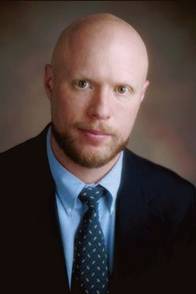
At the annual meeting of the Society of Hospital Medicine, Dr. Mark V. Williams, chief of hospital medicine at Northwestern University in Chicago and principal investigator for Project BOOST (Better Outcomes for Older Adults Through Safe Transitions) joined Dr. Eric A. Coleman, professor of medicine and director of the Care Transitions Program at the University of Colorado in Denver, for a freewheeling question-and-answer session.
The hourlong exchange covered everything from the state of research in the field to how to avoid Medicare penalties.
One take-home message from the discussion is that reducing preventable readmissions will be a focus for virtually every hospitalist, even though some of the key research questions that could help improve care transitions are still unanswered. For instance, there have been many prediction scales that have looked at risk for readmission. But the scales don’t work very well in practice.
"[The scales] come out to be okay, but not great," said Dr. Coleman, who has tried to develop a more reliable risk prediction tool as part of his own research efforts.
But the real lesson from the lukewarm success of existing risk prediction tools is that researchers and clinicians may be focusing on the wrong variables. "I’m not exactly sure that what we think we’re after is what we’re after," Dr. Coleman said.
Dr. Coleman said when he speaks to patients at the bedside about why they think they have been readmitted to the hospital multiple times, it’s not necessarily about organ systems function. And that supports the findings of some research he was involved in that found that factors such as cognition and literacy were the biggest predictors in whether patients would actually follow through on their discharge instructions. "These are not necessarily things that we routinely collect and screen for," he said.
Dr. Williams agreed that there’s a need to routinely collect more data, beyond whether or not patients have specific comorbidities. Quantitative data on the patient’s socioeconomic status, health literacy level, occupation status, and social support could shed a lot of light on whether they will be capable of following through on their care when they return home. Dr. Williams said one of the hospitalists who has been involved in Project BOOST once told him that when he sees a patient he always asks, "Do you have a daughter?" And if the patient says yes, he can relax because now he knows that there’s great social support at home.
While improving care transitions is good for patient care, it will soon also be good business for hospitals. Under a new readmission program from the Centers for Medicare and Medicaid Services, Medicare officials will cut payments to hospitals whose readmission rates for acute myocardial infarction, congestive heart failure, and pneumonia are considered too high. But what many hospitalists may not appreciate, Dr. Williams said, is that CMS officials will be basing that determination on the hospital’s 3-year average performance from fiscal year 2009 through 2011. The next year, the CMS will use data collected from fiscal years 2010-2012.
While reducing preventable readmissions is now a focus for most hospitals, they really should have started that work years ago, Dr. Williams said.
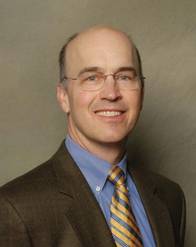
"We need to have been working on this for awhile because the clock is ticking; data are being collected," he said. "And very importantly, it will take awhile to improve those numbers unless you’re able to make staggering changes right off the bat because it’s a 3-year rolling average."
Hospitals that have been doing well for the past 3 years are probably in pretty good shape, Dr. Williams said. Those that have been doing poorly will have to play catch up. "I think right now every site ought to be looking at their care transitions process," he said.
Hospitalists can try to partner with physicians and other health care providers in the community, said Dr. Coleman.
"When you look at some of the more successful collaborations going on across the country that have been able to significantly reduce their readmission rates and subsequent admission rate as well, it is because of these developing partnerships and realizing that hospitals can’t do it all on their own," he said.
Dr. Coleman encouraged hospitalists to learn more about the Community-Based Care Transition Program, an initiative created under the Affordable Care Act, which provides grants for hospitals to collaborate with community partners. "I think that this is an opportunity for not only hospitals, but hospitalists, to begin taking an even greater leadership role" in what the hospitals can do and what hospitals can do very well with their partners, he said.
Dr. Williams agreed that partnerships with community physicians are a big part of the future of hospital medicine. But payers will have to step up and begin to reimburse physicians for doing that work, he said. For instance, insurers could pay hospitalists to call primary care physicians. "It would be fascinating to have some experiments with this to see how they impact continuity of care and utilization overall," Dr. Williams said.
SAN DIEGO – Thinking through how to better prepare patients to go from the hospital to home occupies an increasing amount of time for the typical hospitalist. Aside from the fact that transitions of care are a core competency in the specialty, Medicare is also turning up the heat with its plan to impose financial penalties on hospitals with excessive readmission rates. Those penalties will take effect this October.
At the annual meeting of the Society of Hospital Medicine, Dr. Mark V. Williams, chief of hospital medicine at Northwestern University in Chicago and principal investigator for Project BOOST (Better Outcomes for Older Adults Through Safe Transitions) joined Dr. Eric A. Coleman, professor of medicine and director of the Care Transitions Program at the University of Colorado in Denver, for a freewheeling question-and-answer session.
The hourlong exchange covered everything from the state of research in the field to how to avoid Medicare penalties.
One take-home message from the discussion is that reducing preventable readmissions will be a focus for virtually every hospitalist, even though some of the key research questions that could help improve care transitions are still unanswered. For instance, there have been many prediction scales that have looked at risk for readmission. But the scales don’t work very well in practice.
"[The scales] come out to be okay, but not great," said Dr. Coleman, who has tried to develop a more reliable risk prediction tool as part of his own research efforts.
But the real lesson from the lukewarm success of existing risk prediction tools is that researchers and clinicians may be focusing on the wrong variables. "I’m not exactly sure that what we think we’re after is what we’re after," Dr. Coleman said.
Dr. Coleman said when he speaks to patients at the bedside about why they think they have been readmitted to the hospital multiple times, it’s not necessarily about organ systems function. And that supports the findings of some research he was involved in that found that factors such as cognition and literacy were the biggest predictors in whether patients would actually follow through on their discharge instructions. "These are not necessarily things that we routinely collect and screen for," he said.
Dr. Williams agreed that there’s a need to routinely collect more data, beyond whether or not patients have specific comorbidities. Quantitative data on the patient’s socioeconomic status, health literacy level, occupation status, and social support could shed a lot of light on whether they will be capable of following through on their care when they return home. Dr. Williams said one of the hospitalists who has been involved in Project BOOST once told him that when he sees a patient he always asks, "Do you have a daughter?" And if the patient says yes, he can relax because now he knows that there’s great social support at home.
While improving care transitions is good for patient care, it will soon also be good business for hospitals. Under a new readmission program from the Centers for Medicare and Medicaid Services, Medicare officials will cut payments to hospitals whose readmission rates for acute myocardial infarction, congestive heart failure, and pneumonia are considered too high. But what many hospitalists may not appreciate, Dr. Williams said, is that CMS officials will be basing that determination on the hospital’s 3-year average performance from fiscal year 2009 through 2011. The next year, the CMS will use data collected from fiscal years 2010-2012.
While reducing preventable readmissions is now a focus for most hospitals, they really should have started that work years ago, Dr. Williams said.
"We need to have been working on this for awhile because the clock is ticking; data are being collected," he said. "And very importantly, it will take awhile to improve those numbers unless you’re able to make staggering changes right off the bat because it’s a 3-year rolling average."
Hospitals that have been doing well for the past 3 years are probably in pretty good shape, Dr. Williams said. Those that have been doing poorly will have to play catch up. "I think right now every site ought to be looking at their care transitions process," he said.
Hospitalists can try to partner with physicians and other health care providers in the community, said Dr. Coleman.
"When you look at some of the more successful collaborations going on across the country that have been able to significantly reduce their readmission rates and subsequent admission rate as well, it is because of these developing partnerships and realizing that hospitals can’t do it all on their own," he said.
Dr. Coleman encouraged hospitalists to learn more about the Community-Based Care Transition Program, an initiative created under the Affordable Care Act, which provides grants for hospitals to collaborate with community partners. "I think that this is an opportunity for not only hospitals, but hospitalists, to begin taking an even greater leadership role" in what the hospitals can do and what hospitals can do very well with their partners, he said.
Dr. Williams agreed that partnerships with community physicians are a big part of the future of hospital medicine. But payers will have to step up and begin to reimburse physicians for doing that work, he said. For instance, insurers could pay hospitalists to call primary care physicians. "It would be fascinating to have some experiments with this to see how they impact continuity of care and utilization overall," Dr. Williams said.
SAN DIEGO – Thinking through how to better prepare patients to go from the hospital to home occupies an increasing amount of time for the typical hospitalist. Aside from the fact that transitions of care are a core competency in the specialty, Medicare is also turning up the heat with its plan to impose financial penalties on hospitals with excessive readmission rates. Those penalties will take effect this October.
At the annual meeting of the Society of Hospital Medicine, Dr. Mark V. Williams, chief of hospital medicine at Northwestern University in Chicago and principal investigator for Project BOOST (Better Outcomes for Older Adults Through Safe Transitions) joined Dr. Eric A. Coleman, professor of medicine and director of the Care Transitions Program at the University of Colorado in Denver, for a freewheeling question-and-answer session.
The hourlong exchange covered everything from the state of research in the field to how to avoid Medicare penalties.
One take-home message from the discussion is that reducing preventable readmissions will be a focus for virtually every hospitalist, even though some of the key research questions that could help improve care transitions are still unanswered. For instance, there have been many prediction scales that have looked at risk for readmission. But the scales don’t work very well in practice.
"[The scales] come out to be okay, but not great," said Dr. Coleman, who has tried to develop a more reliable risk prediction tool as part of his own research efforts.
But the real lesson from the lukewarm success of existing risk prediction tools is that researchers and clinicians may be focusing on the wrong variables. "I’m not exactly sure that what we think we’re after is what we’re after," Dr. Coleman said.
Dr. Coleman said when he speaks to patients at the bedside about why they think they have been readmitted to the hospital multiple times, it’s not necessarily about organ systems function. And that supports the findings of some research he was involved in that found that factors such as cognition and literacy were the biggest predictors in whether patients would actually follow through on their discharge instructions. "These are not necessarily things that we routinely collect and screen for," he said.
Dr. Williams agreed that there’s a need to routinely collect more data, beyond whether or not patients have specific comorbidities. Quantitative data on the patient’s socioeconomic status, health literacy level, occupation status, and social support could shed a lot of light on whether they will be capable of following through on their care when they return home. Dr. Williams said one of the hospitalists who has been involved in Project BOOST once told him that when he sees a patient he always asks, "Do you have a daughter?" And if the patient says yes, he can relax because now he knows that there’s great social support at home.
While improving care transitions is good for patient care, it will soon also be good business for hospitals. Under a new readmission program from the Centers for Medicare and Medicaid Services, Medicare officials will cut payments to hospitals whose readmission rates for acute myocardial infarction, congestive heart failure, and pneumonia are considered too high. But what many hospitalists may not appreciate, Dr. Williams said, is that CMS officials will be basing that determination on the hospital’s 3-year average performance from fiscal year 2009 through 2011. The next year, the CMS will use data collected from fiscal years 2010-2012.
While reducing preventable readmissions is now a focus for most hospitals, they really should have started that work years ago, Dr. Williams said.
"We need to have been working on this for awhile because the clock is ticking; data are being collected," he said. "And very importantly, it will take awhile to improve those numbers unless you’re able to make staggering changes right off the bat because it’s a 3-year rolling average."
Hospitals that have been doing well for the past 3 years are probably in pretty good shape, Dr. Williams said. Those that have been doing poorly will have to play catch up. "I think right now every site ought to be looking at their care transitions process," he said.
Hospitalists can try to partner with physicians and other health care providers in the community, said Dr. Coleman.
"When you look at some of the more successful collaborations going on across the country that have been able to significantly reduce their readmission rates and subsequent admission rate as well, it is because of these developing partnerships and realizing that hospitals can’t do it all on their own," he said.
Dr. Coleman encouraged hospitalists to learn more about the Community-Based Care Transition Program, an initiative created under the Affordable Care Act, which provides grants for hospitals to collaborate with community partners. "I think that this is an opportunity for not only hospitals, but hospitalists, to begin taking an even greater leadership role" in what the hospitals can do and what hospitals can do very well with their partners, he said.
Dr. Williams agreed that partnerships with community physicians are a big part of the future of hospital medicine. But payers will have to step up and begin to reimburse physicians for doing that work, he said. For instance, insurers could pay hospitalists to call primary care physicians. "It would be fascinating to have some experiments with this to see how they impact continuity of care and utilization overall," Dr. Williams said.
FROM THE ANNUAL MEETING OF THE SOCIETY OF HOSPITAL MEDICINE
Ketamine Relieves Pain at End of Life
DENVER – The variety of administration routes and dosing protocols for ketamine make it useful for analgesia in the palliative care setting.
Ketamine seems effective in a variety of difficult pain syndromes commonly encountered in hospice and palliative medicine, Dr. Eric Prommer observed at the conference. Multiple routes of administration make ketamine a valuable weapon in the setting of refractory pain.

The most common and best-studied routes of administration are the intravenous, oral, and subcutaneous approaches. Uncommon routes come in handy when others become problematic and include sublingual, intranasal, and topical administration.
"Ketamine is both water and lipid soluble. That’s the beauty of ketamine: It’s what allows multiple routes of administration and generally reliable absorption," explained Dr. Prommer, director of palliative care at the Mayo Clinic Hospital in Scottsdale, Ariz.
Ketamine is on the World Health Organization’s essential drug list for refractory cancer pain, but there is no agreement on the best protocol, dose, or method of administration for optimal analgesia. Perhaps that element of uncertainty drew the packed house for Dr. Prommer’s plenary lecture, in which he filled in the blanks in a ketamine analgesia literature dominated by uncontrolled studies leavened by a limited number of randomized trials and growing anecdotal experience.
At present, ketamine’s best role is as an adjuvant analgesic prescribed in order to avoid escalation of opioid dosing.
"There is really only limited data looking at giving ketamine instead of opioids. That needs to be studied further," he stressed.
Ketamine’s main method of action involves binding to the NMDA receptor. This receptor mirrors the opioid receptor such that everywhere in the CNS that there’s an opioid receptor, there is also an NMDA receptor. As an NMDA antagonist, ketamine reverses opioid tolerance. So when a patient on both ketamine and opioids develops sedation as a prominent adverse effect, look to reduce the opioid dose. It’s unlikely that ketamine prescribed in the subanesthetic doses used for pain relief is the culprit.
Unlike methadone, ketamine has no major drug interactions that could affect its bioavailability.
Adverse effects occur in dose-dependent fashion in up to 20%-30% of patients on intravenous ketamine at 200-350 mg/day. The chief side effects are psychomimetic and involve altered visuospatial perceptions, or a "spaced out" feeling. Delirium, dizziness, altered hearing, tachycardia, hypertension, and nausea and vomiting can also occur. Adverse effects are less frequent with oral dosing. Prophylactic administration of haloperidol at 0.5 mg or lorazepam at 0.5 mg for the first few doses of ketamine lessens the risk of side effects.
Urinary toxicity is a recently recognized side effect of ketamine. Manifestations include interstitial cystitis, hydronephrosis, vesicoureteric reflux, and renal impairment, including irreversible renal failure. Mostly, however, urinary toxicity occurs in long-term "street" ketamine abusers.
"We don’t see a lot of this in our population because they’re typically not on ketamine for a prolonged time," he noted.
The starting intravenous bolus dose of ketamine is typically 0.25-0.50 mg/kg given over 30 minutes. Onset of effect is within 60 seconds, with a duration of 3-4 hours.
Oral ketamine is simply the intravenous solution mixed in a flavored syrup to mask the unpleasant taste; spearmint and cherry flavorings are popular. Oral dosing is 0.5 mg/kg. Onset is in about 20 minutes. The dose can be repeated three or four times per 24 hours. A recent study showed that a 1:1 dose ratio for conversion from subcutaneous to oral dosing is safe and effectively maintains analgesia in patients with cancer pain (J. Pain Symptom Manage. 2011;41:1098-105).
Sublingual ketamine at 25 mg works well for breakthrough pain. "That number – 25 mg – comes up a lot in the literature. If you extrapolate that to a 70-kg person that’s a nice subanesthetic dose," according to Dr. Prommer.
The intranasal route is another really important backup option for breakthrough pain. The dose is 50 mg.
Topical 1%-2% ketamine cream compounded in a pharmacy and applied three times daily to affected areas is effective for neuropathic pain. Another topical option in neuropathic pain syndromes – and one supported by an open-label study – is topical 2% amitriptyline/1% ketamine, which was well tolerated and associated with moderate to complete patient satisfaction over 6-12 months (J. Pain 2005;6:644-9).
"The beauty of the topical route is there is minimal systemic absorption, so you don’t have to worry about any kind of significant adverse effects. There seems to be a dose-response relationship. I’ve given up to 10% ketamine topically and patients have tolerated it," Dr. Prommer said.
A particularly exciting method of giving ketamine for refractory pain is the so-called "burst technique." It entails a 3- to 5-day continuous subcutaneous infusion with dose escalation. Upon stopping the ketamine, pain relief lasting 2 weeks or longer is common.
"Once you silence that NMDA receptor you might get prolonged effects. This is really wonderful for our palliative care/hospice population because it means they get one less medication while it adds to their comfort. You can’t get better than that: a medicine that you can stop and still get some mileage out of it," he continued.
In the Australian multicenter VCOG PM 1-00 study, the burst ketamine protocol used in palliative care patients with refractory cancer pain began with a continuous subcutaneous infusion of 100 mg/24 hours. If that proved ineffective after 24 hours, the dose was increased to 300 mg/24 hours. And if patients didn’t have good analgesia after 24 hours on ketamine at 300 mg/24 hours, the dose was bumped to 500 mg/24 hours. When the effective or maximum tolerated dose was reached, it was continued for 3 days and then stopped. Thus, patients ceased taking ketamine after a maximum of 5 days whether it was effective or not.
Half of patients were rated as responders using strict criteria and 9% became pain free. Moreover, 50% of responders experienced pain relief lasting 2 weeks or longer while off ketamine. The toxicities were mainly neurologic and occurred at 300 or 500 mg/24 hours dosing (J. Palliat. Care 2010;26:176-83).
"It was very interesting: There really weren’t a lot of cardiovascular adverse effects in this study," Dr. Prommer commented.
A variant of the burst technique proved effective in patients with complex regional pain syndrome type 1 in a Dutch placebo-controlled study. The 60 participants had a median 7.4-year disease duration. Investigators utilized a 4.2-day intravenous infusion of low-dose ketamine with individualized stepwise tailoring of dosage based upon pain relief and side effects. The final dose was 22.2 mg/hour/70 kg. Pain relief in the ketamine group lasted for nearly 12 weeks after the drug was stopped (Pain 2009;145:304-11).
Other randomized studies show efficacy for ketamine in patients with post-herpetic neuralgia or ischemic pain. But Dr. Prommer stressed that while it’s clear ketamine provides relief in patients with chronic noncancer pain, he believes the drug’s long-term use should be restricted to the clinical trial setting.
"There are just no good long-term safety data for 6-8 months of therapy," he emphasized.
Dr. Prommer said a single dose of ketamine is helpful for painful dressing changes when adequate analgesia can’t be gained with opioids alone. Case reports attest to the usefulness of ketamine as an oral rinse in patients with mucositis; however, Dr. Prommer has tried it and found it didn’t work.
He reported having no financial conflicts.
DENVER – The variety of administration routes and dosing protocols for ketamine make it useful for analgesia in the palliative care setting.
Ketamine seems effective in a variety of difficult pain syndromes commonly encountered in hospice and palliative medicine, Dr. Eric Prommer observed at the conference. Multiple routes of administration make ketamine a valuable weapon in the setting of refractory pain.
The most common and best-studied routes of administration are the intravenous, oral, and subcutaneous approaches. Uncommon routes come in handy when others become problematic and include sublingual, intranasal, and topical administration.
"Ketamine is both water and lipid soluble. That’s the beauty of ketamine: It’s what allows multiple routes of administration and generally reliable absorption," explained Dr. Prommer, director of palliative care at the Mayo Clinic Hospital in Scottsdale, Ariz.
Ketamine is on the World Health Organization’s essential drug list for refractory cancer pain, but there is no agreement on the best protocol, dose, or method of administration for optimal analgesia. Perhaps that element of uncertainty drew the packed house for Dr. Prommer’s plenary lecture, in which he filled in the blanks in a ketamine analgesia literature dominated by uncontrolled studies leavened by a limited number of randomized trials and growing anecdotal experience.
At present, ketamine’s best role is as an adjuvant analgesic prescribed in order to avoid escalation of opioid dosing.
"There is really only limited data looking at giving ketamine instead of opioids. That needs to be studied further," he stressed.
Ketamine’s main method of action involves binding to the NMDA receptor. This receptor mirrors the opioid receptor such that everywhere in the CNS that there’s an opioid receptor, there is also an NMDA receptor. As an NMDA antagonist, ketamine reverses opioid tolerance. So when a patient on both ketamine and opioids develops sedation as a prominent adverse effect, look to reduce the opioid dose. It’s unlikely that ketamine prescribed in the subanesthetic doses used for pain relief is the culprit.
Unlike methadone, ketamine has no major drug interactions that could affect its bioavailability.
Adverse effects occur in dose-dependent fashion in up to 20%-30% of patients on intravenous ketamine at 200-350 mg/day. The chief side effects are psychomimetic and involve altered visuospatial perceptions, or a "spaced out" feeling. Delirium, dizziness, altered hearing, tachycardia, hypertension, and nausea and vomiting can also occur. Adverse effects are less frequent with oral dosing. Prophylactic administration of haloperidol at 0.5 mg or lorazepam at 0.5 mg for the first few doses of ketamine lessens the risk of side effects.
Urinary toxicity is a recently recognized side effect of ketamine. Manifestations include interstitial cystitis, hydronephrosis, vesicoureteric reflux, and renal impairment, including irreversible renal failure. Mostly, however, urinary toxicity occurs in long-term "street" ketamine abusers.
"We don’t see a lot of this in our population because they’re typically not on ketamine for a prolonged time," he noted.
The starting intravenous bolus dose of ketamine is typically 0.25-0.50 mg/kg given over 30 minutes. Onset of effect is within 60 seconds, with a duration of 3-4 hours.
Oral ketamine is simply the intravenous solution mixed in a flavored syrup to mask the unpleasant taste; spearmint and cherry flavorings are popular. Oral dosing is 0.5 mg/kg. Onset is in about 20 minutes. The dose can be repeated three or four times per 24 hours. A recent study showed that a 1:1 dose ratio for conversion from subcutaneous to oral dosing is safe and effectively maintains analgesia in patients with cancer pain (J. Pain Symptom Manage. 2011;41:1098-105).
Sublingual ketamine at 25 mg works well for breakthrough pain. "That number – 25 mg – comes up a lot in the literature. If you extrapolate that to a 70-kg person that’s a nice subanesthetic dose," according to Dr. Prommer.
The intranasal route is another really important backup option for breakthrough pain. The dose is 50 mg.
Topical 1%-2% ketamine cream compounded in a pharmacy and applied three times daily to affected areas is effective for neuropathic pain. Another topical option in neuropathic pain syndromes – and one supported by an open-label study – is topical 2% amitriptyline/1% ketamine, which was well tolerated and associated with moderate to complete patient satisfaction over 6-12 months (J. Pain 2005;6:644-9).
"The beauty of the topical route is there is minimal systemic absorption, so you don’t have to worry about any kind of significant adverse effects. There seems to be a dose-response relationship. I’ve given up to 10% ketamine topically and patients have tolerated it," Dr. Prommer said.
A particularly exciting method of giving ketamine for refractory pain is the so-called "burst technique." It entails a 3- to 5-day continuous subcutaneous infusion with dose escalation. Upon stopping the ketamine, pain relief lasting 2 weeks or longer is common.
"Once you silence that NMDA receptor you might get prolonged effects. This is really wonderful for our palliative care/hospice population because it means they get one less medication while it adds to their comfort. You can’t get better than that: a medicine that you can stop and still get some mileage out of it," he continued.
In the Australian multicenter VCOG PM 1-00 study, the burst ketamine protocol used in palliative care patients with refractory cancer pain began with a continuous subcutaneous infusion of 100 mg/24 hours. If that proved ineffective after 24 hours, the dose was increased to 300 mg/24 hours. And if patients didn’t have good analgesia after 24 hours on ketamine at 300 mg/24 hours, the dose was bumped to 500 mg/24 hours. When the effective or maximum tolerated dose was reached, it was continued for 3 days and then stopped. Thus, patients ceased taking ketamine after a maximum of 5 days whether it was effective or not.
Half of patients were rated as responders using strict criteria and 9% became pain free. Moreover, 50% of responders experienced pain relief lasting 2 weeks or longer while off ketamine. The toxicities were mainly neurologic and occurred at 300 or 500 mg/24 hours dosing (J. Palliat. Care 2010;26:176-83).
"It was very interesting: There really weren’t a lot of cardiovascular adverse effects in this study," Dr. Prommer commented.
A variant of the burst technique proved effective in patients with complex regional pain syndrome type 1 in a Dutch placebo-controlled study. The 60 participants had a median 7.4-year disease duration. Investigators utilized a 4.2-day intravenous infusion of low-dose ketamine with individualized stepwise tailoring of dosage based upon pain relief and side effects. The final dose was 22.2 mg/hour/70 kg. Pain relief in the ketamine group lasted for nearly 12 weeks after the drug was stopped (Pain 2009;145:304-11).
Other randomized studies show efficacy for ketamine in patients with post-herpetic neuralgia or ischemic pain. But Dr. Prommer stressed that while it’s clear ketamine provides relief in patients with chronic noncancer pain, he believes the drug’s long-term use should be restricted to the clinical trial setting.
"There are just no good long-term safety data for 6-8 months of therapy," he emphasized.
Dr. Prommer said a single dose of ketamine is helpful for painful dressing changes when adequate analgesia can’t be gained with opioids alone. Case reports attest to the usefulness of ketamine as an oral rinse in patients with mucositis; however, Dr. Prommer has tried it and found it didn’t work.
He reported having no financial conflicts.
DENVER – The variety of administration routes and dosing protocols for ketamine make it useful for analgesia in the palliative care setting.
Ketamine seems effective in a variety of difficult pain syndromes commonly encountered in hospice and palliative medicine, Dr. Eric Prommer observed at the conference. Multiple routes of administration make ketamine a valuable weapon in the setting of refractory pain.
The most common and best-studied routes of administration are the intravenous, oral, and subcutaneous approaches. Uncommon routes come in handy when others become problematic and include sublingual, intranasal, and topical administration.
"Ketamine is both water and lipid soluble. That’s the beauty of ketamine: It’s what allows multiple routes of administration and generally reliable absorption," explained Dr. Prommer, director of palliative care at the Mayo Clinic Hospital in Scottsdale, Ariz.
Ketamine is on the World Health Organization’s essential drug list for refractory cancer pain, but there is no agreement on the best protocol, dose, or method of administration for optimal analgesia. Perhaps that element of uncertainty drew the packed house for Dr. Prommer’s plenary lecture, in which he filled in the blanks in a ketamine analgesia literature dominated by uncontrolled studies leavened by a limited number of randomized trials and growing anecdotal experience.
At present, ketamine’s best role is as an adjuvant analgesic prescribed in order to avoid escalation of opioid dosing.
"There is really only limited data looking at giving ketamine instead of opioids. That needs to be studied further," he stressed.
Ketamine’s main method of action involves binding to the NMDA receptor. This receptor mirrors the opioid receptor such that everywhere in the CNS that there’s an opioid receptor, there is also an NMDA receptor. As an NMDA antagonist, ketamine reverses opioid tolerance. So when a patient on both ketamine and opioids develops sedation as a prominent adverse effect, look to reduce the opioid dose. It’s unlikely that ketamine prescribed in the subanesthetic doses used for pain relief is the culprit.
Unlike methadone, ketamine has no major drug interactions that could affect its bioavailability.
Adverse effects occur in dose-dependent fashion in up to 20%-30% of patients on intravenous ketamine at 200-350 mg/day. The chief side effects are psychomimetic and involve altered visuospatial perceptions, or a "spaced out" feeling. Delirium, dizziness, altered hearing, tachycardia, hypertension, and nausea and vomiting can also occur. Adverse effects are less frequent with oral dosing. Prophylactic administration of haloperidol at 0.5 mg or lorazepam at 0.5 mg for the first few doses of ketamine lessens the risk of side effects.
Urinary toxicity is a recently recognized side effect of ketamine. Manifestations include interstitial cystitis, hydronephrosis, vesicoureteric reflux, and renal impairment, including irreversible renal failure. Mostly, however, urinary toxicity occurs in long-term "street" ketamine abusers.
"We don’t see a lot of this in our population because they’re typically not on ketamine for a prolonged time," he noted.
The starting intravenous bolus dose of ketamine is typically 0.25-0.50 mg/kg given over 30 minutes. Onset of effect is within 60 seconds, with a duration of 3-4 hours.
Oral ketamine is simply the intravenous solution mixed in a flavored syrup to mask the unpleasant taste; spearmint and cherry flavorings are popular. Oral dosing is 0.5 mg/kg. Onset is in about 20 minutes. The dose can be repeated three or four times per 24 hours. A recent study showed that a 1:1 dose ratio for conversion from subcutaneous to oral dosing is safe and effectively maintains analgesia in patients with cancer pain (J. Pain Symptom Manage. 2011;41:1098-105).
Sublingual ketamine at 25 mg works well for breakthrough pain. "That number – 25 mg – comes up a lot in the literature. If you extrapolate that to a 70-kg person that’s a nice subanesthetic dose," according to Dr. Prommer.
The intranasal route is another really important backup option for breakthrough pain. The dose is 50 mg.
Topical 1%-2% ketamine cream compounded in a pharmacy and applied three times daily to affected areas is effective for neuropathic pain. Another topical option in neuropathic pain syndromes – and one supported by an open-label study – is topical 2% amitriptyline/1% ketamine, which was well tolerated and associated with moderate to complete patient satisfaction over 6-12 months (J. Pain 2005;6:644-9).
"The beauty of the topical route is there is minimal systemic absorption, so you don’t have to worry about any kind of significant adverse effects. There seems to be a dose-response relationship. I’ve given up to 10% ketamine topically and patients have tolerated it," Dr. Prommer said.
A particularly exciting method of giving ketamine for refractory pain is the so-called "burst technique." It entails a 3- to 5-day continuous subcutaneous infusion with dose escalation. Upon stopping the ketamine, pain relief lasting 2 weeks or longer is common.
"Once you silence that NMDA receptor you might get prolonged effects. This is really wonderful for our palliative care/hospice population because it means they get one less medication while it adds to their comfort. You can’t get better than that: a medicine that you can stop and still get some mileage out of it," he continued.
In the Australian multicenter VCOG PM 1-00 study, the burst ketamine protocol used in palliative care patients with refractory cancer pain began with a continuous subcutaneous infusion of 100 mg/24 hours. If that proved ineffective after 24 hours, the dose was increased to 300 mg/24 hours. And if patients didn’t have good analgesia after 24 hours on ketamine at 300 mg/24 hours, the dose was bumped to 500 mg/24 hours. When the effective or maximum tolerated dose was reached, it was continued for 3 days and then stopped. Thus, patients ceased taking ketamine after a maximum of 5 days whether it was effective or not.
Half of patients were rated as responders using strict criteria and 9% became pain free. Moreover, 50% of responders experienced pain relief lasting 2 weeks or longer while off ketamine. The toxicities were mainly neurologic and occurred at 300 or 500 mg/24 hours dosing (J. Palliat. Care 2010;26:176-83).
"It was very interesting: There really weren’t a lot of cardiovascular adverse effects in this study," Dr. Prommer commented.
A variant of the burst technique proved effective in patients with complex regional pain syndrome type 1 in a Dutch placebo-controlled study. The 60 participants had a median 7.4-year disease duration. Investigators utilized a 4.2-day intravenous infusion of low-dose ketamine with individualized stepwise tailoring of dosage based upon pain relief and side effects. The final dose was 22.2 mg/hour/70 kg. Pain relief in the ketamine group lasted for nearly 12 weeks after the drug was stopped (Pain 2009;145:304-11).
Other randomized studies show efficacy for ketamine in patients with post-herpetic neuralgia or ischemic pain. But Dr. Prommer stressed that while it’s clear ketamine provides relief in patients with chronic noncancer pain, he believes the drug’s long-term use should be restricted to the clinical trial setting.
"There are just no good long-term safety data for 6-8 months of therapy," he emphasized.
Dr. Prommer said a single dose of ketamine is helpful for painful dressing changes when adequate analgesia can’t be gained with opioids alone. Case reports attest to the usefulness of ketamine as an oral rinse in patients with mucositis; however, Dr. Prommer has tried it and found it didn’t work.
He reported having no financial conflicts.
EXPERT ANALYSIS FROM THE ANNUAL ASSEMBLY OF THE AMERICAN ACADEMY OF HOSPICE AND PALLIATIVE MEDICINE
Routine Oxygen at End of Life Typically Unhelpful
DENVER – The routine administration of oxygen to terminally ill patients who are near death is unwarranted, according to the results of a randomized, double-blind trial.
"I would suggest that we always use the patient in respiratory distress as their own control in an n-of-1 trial of oxygen. If oxygen does reduce their distress, then that patient should have oxygen, but if it does not – if there’s no change in patient distress – then that oxygen can be discontinued, or certainly not initiated in the first place," Mary L. Campbell, Ph.D., declared at the annual meeting of the American Academy of Hospice and Palliative Care Medicine.
Oxygen has well-established benefits in hypoxemic patients with acute or chronic exacerbations of an underlying pulmonary condition, but without ever having been subjected to scientific scrutiny, oxygen administration has become routine for patients who are near death, asserted Dr. Campbell of Wayne State University, Detroit.
"Oxygen has become almost an iconic intervention at the end of life – as common as golf clubs on a Wednesday afternoon," she said.
And oxygen support is not a benign intervention. It’s expensive, particularly in home care, where it requires additional personnel and materials in the home, including a noisy, intrusive concentrator at the bedside. It also causes nasal drying and nosebleeds as well as feelings of suffocation, Dr. Campbell said.
["Comfort Seldom Comes from Cannula" -- Commentary, Hospitalist News, 4/6/12]
To assess the value of routine oxygen administration, she conducted a double-blind, randomized, crossover study involving 32 terminally ill patients. None was in respiratory distress at baseline, but all were at high risk for distress because of underlying COPD, heart failure, pneumonia, or lung cancer. All participants had a Palliative Performance Scale score of 30 or less, which is associated with a median 9- to 14-day survival.
Each patient received a capnoline – that is, a nasal cannula with a piece of plastic hanging down over the patient’s mouth to capture exhaled carbon dioxide. Next, randomly alternating 10-minute intervals of oxygen, medical air, and no flow were administered for 90 minutes.
The key finding: 29 of 32 patients experienced no distress during the 90-minute protocol, indicating that they didn’t need the oxygen. Yet, at enrollment, 27 patients had oxygen flowing, reflecting this widespread clinical practice at the end of life, Dr. Campbell said.
The remaining three patients rapidly became hypoxemic and distressed when crossed over from oxygen to no flow. They were returned to baseline oxygen and respiratory comfort.
As many of the study participants were unconscious or cognitively impaired and couldn’t self report their distress, the Respiratory Distress Observation Scale was assessed at baseline and for 10 minutes after every flow change. A score of 4 or less on the 0-16 scale indicates little or no distress; the average baseline score was 1.47, and it didn’t vary significantly during the different flow conditions, she reported.
The average oxygen saturation at baseline was 93.6%, and it didn’t change significantly during the 90-minute protocol.
Dr. Campbell said that she determines the need for oxygen in an end-of-life patient by taking the patient off oxygen for 10 minutes and watching for distress.
Several audience members predicted that the patient’s family is likely to object to this approach because oxygen has become an expected part of end-of-life care. Dr. Campbell responded that the solution to that problem is simply good communication.
"I think if you explain to families that this is a treatment that can be helpful but has side effects, and we always take away the things that aren’t helping when they’re no longer helping, you won’t have pushback from family members," she said.
Dr. Campbell’s study was funded by the Blue Cross/Blue Shield of Michigan Foundation. She reported having no financial conflicts.
DENVER – The routine administration of oxygen to terminally ill patients who are near death is unwarranted, according to the results of a randomized, double-blind trial.
"I would suggest that we always use the patient in respiratory distress as their own control in an n-of-1 trial of oxygen. If oxygen does reduce their distress, then that patient should have oxygen, but if it does not – if there’s no change in patient distress – then that oxygen can be discontinued, or certainly not initiated in the first place," Mary L. Campbell, Ph.D., declared at the annual meeting of the American Academy of Hospice and Palliative Care Medicine.
Oxygen has well-established benefits in hypoxemic patients with acute or chronic exacerbations of an underlying pulmonary condition, but without ever having been subjected to scientific scrutiny, oxygen administration has become routine for patients who are near death, asserted Dr. Campbell of Wayne State University, Detroit.
"Oxygen has become almost an iconic intervention at the end of life – as common as golf clubs on a Wednesday afternoon," she said.
And oxygen support is not a benign intervention. It’s expensive, particularly in home care, where it requires additional personnel and materials in the home, including a noisy, intrusive concentrator at the bedside. It also causes nasal drying and nosebleeds as well as feelings of suffocation, Dr. Campbell said.
["Comfort Seldom Comes from Cannula" -- Commentary, Hospitalist News, 4/6/12]
To assess the value of routine oxygen administration, she conducted a double-blind, randomized, crossover study involving 32 terminally ill patients. None was in respiratory distress at baseline, but all were at high risk for distress because of underlying COPD, heart failure, pneumonia, or lung cancer. All participants had a Palliative Performance Scale score of 30 or less, which is associated with a median 9- to 14-day survival.
Each patient received a capnoline – that is, a nasal cannula with a piece of plastic hanging down over the patient’s mouth to capture exhaled carbon dioxide. Next, randomly alternating 10-minute intervals of oxygen, medical air, and no flow were administered for 90 minutes.
The key finding: 29 of 32 patients experienced no distress during the 90-minute protocol, indicating that they didn’t need the oxygen. Yet, at enrollment, 27 patients had oxygen flowing, reflecting this widespread clinical practice at the end of life, Dr. Campbell said.
The remaining three patients rapidly became hypoxemic and distressed when crossed over from oxygen to no flow. They were returned to baseline oxygen and respiratory comfort.
As many of the study participants were unconscious or cognitively impaired and couldn’t self report their distress, the Respiratory Distress Observation Scale was assessed at baseline and for 10 minutes after every flow change. A score of 4 or less on the 0-16 scale indicates little or no distress; the average baseline score was 1.47, and it didn’t vary significantly during the different flow conditions, she reported.
The average oxygen saturation at baseline was 93.6%, and it didn’t change significantly during the 90-minute protocol.
Dr. Campbell said that she determines the need for oxygen in an end-of-life patient by taking the patient off oxygen for 10 minutes and watching for distress.
Several audience members predicted that the patient’s family is likely to object to this approach because oxygen has become an expected part of end-of-life care. Dr. Campbell responded that the solution to that problem is simply good communication.
"I think if you explain to families that this is a treatment that can be helpful but has side effects, and we always take away the things that aren’t helping when they’re no longer helping, you won’t have pushback from family members," she said.
Dr. Campbell’s study was funded by the Blue Cross/Blue Shield of Michigan Foundation. She reported having no financial conflicts.
DENVER – The routine administration of oxygen to terminally ill patients who are near death is unwarranted, according to the results of a randomized, double-blind trial.
"I would suggest that we always use the patient in respiratory distress as their own control in an n-of-1 trial of oxygen. If oxygen does reduce their distress, then that patient should have oxygen, but if it does not – if there’s no change in patient distress – then that oxygen can be discontinued, or certainly not initiated in the first place," Mary L. Campbell, Ph.D., declared at the annual meeting of the American Academy of Hospice and Palliative Care Medicine.
Oxygen has well-established benefits in hypoxemic patients with acute or chronic exacerbations of an underlying pulmonary condition, but without ever having been subjected to scientific scrutiny, oxygen administration has become routine for patients who are near death, asserted Dr. Campbell of Wayne State University, Detroit.
"Oxygen has become almost an iconic intervention at the end of life – as common as golf clubs on a Wednesday afternoon," she said.
And oxygen support is not a benign intervention. It’s expensive, particularly in home care, where it requires additional personnel and materials in the home, including a noisy, intrusive concentrator at the bedside. It also causes nasal drying and nosebleeds as well as feelings of suffocation, Dr. Campbell said.
["Comfort Seldom Comes from Cannula" -- Commentary, Hospitalist News, 4/6/12]
To assess the value of routine oxygen administration, she conducted a double-blind, randomized, crossover study involving 32 terminally ill patients. None was in respiratory distress at baseline, but all were at high risk for distress because of underlying COPD, heart failure, pneumonia, or lung cancer. All participants had a Palliative Performance Scale score of 30 or less, which is associated with a median 9- to 14-day survival.
Each patient received a capnoline – that is, a nasal cannula with a piece of plastic hanging down over the patient’s mouth to capture exhaled carbon dioxide. Next, randomly alternating 10-minute intervals of oxygen, medical air, and no flow were administered for 90 minutes.
The key finding: 29 of 32 patients experienced no distress during the 90-minute protocol, indicating that they didn’t need the oxygen. Yet, at enrollment, 27 patients had oxygen flowing, reflecting this widespread clinical practice at the end of life, Dr. Campbell said.
The remaining three patients rapidly became hypoxemic and distressed when crossed over from oxygen to no flow. They were returned to baseline oxygen and respiratory comfort.
As many of the study participants were unconscious or cognitively impaired and couldn’t self report their distress, the Respiratory Distress Observation Scale was assessed at baseline and for 10 minutes after every flow change. A score of 4 or less on the 0-16 scale indicates little or no distress; the average baseline score was 1.47, and it didn’t vary significantly during the different flow conditions, she reported.
The average oxygen saturation at baseline was 93.6%, and it didn’t change significantly during the 90-minute protocol.
Dr. Campbell said that she determines the need for oxygen in an end-of-life patient by taking the patient off oxygen for 10 minutes and watching for distress.
Several audience members predicted that the patient’s family is likely to object to this approach because oxygen has become an expected part of end-of-life care. Dr. Campbell responded that the solution to that problem is simply good communication.
"I think if you explain to families that this is a treatment that can be helpful but has side effects, and we always take away the things that aren’t helping when they’re no longer helping, you won’t have pushback from family members," she said.
Dr. Campbell’s study was funded by the Blue Cross/Blue Shield of Michigan Foundation. She reported having no financial conflicts.
EXPERT ANALYSIS FROM THE ANNUAL MEETING OF THE AMERICAN ACADEMY OF HOSPICE AND PALLIATIVE CARE MEDICINE
Cancer Diagnosis Appears to Raise Suicide, Cardiovascular Risks
People who receive a cancer diagnosis are at markedly increased risk for suicide and for fatal cardiovascular events in the following weeks, according to a large Swedish cohort study reported in the April 5 issue of the New England Journal of Medicine.
"This spike in risk was particularly prominent among patients in whom cancers with a poor prognosis were diagnosed, and was not explained by preexisting psychiatric or cardiovascular conditions," said Dr. Fang Fang of the department of medical epidemiology and biostatistics, Karolinska Institutet, Stockholm, and her associates.
The dramatic increase in mortality risk from suicide or cardiovascular causes also cannot be attributed to cancer treatment or cancer progression, since it peaks during the first week after diagnosis and declined over time rather than increasing as treatment intensified or disease worsened, they noted.
Previous studies have demonstrated that cancer patients are at increased risk for suicide and CV events, but most have attributed it to "the burden of living with a progressing cancer." Very few have explored the period immediately following a cancer diagnosis, Dr. Fang and her colleagues said.
They examined this time period using data from a Swedish national registry of cancers and causes of death, both of which must be reported by law in Sweden. The study period, 1991 through 2006, covered more than 6 million Swedes aged 30 and older at baseline.
A total of 534,154 people received a first cancer diagnosis during this interval, including 95,786 with prostate cancer, 74,977 with breast cancer (among women), 62,719 with colorectal cancer, 47,169 with skin cancer, 36,648 with lymphatic or hematopoietic cancer, 34,743 with lung cancer, and 13,447 with CNS cancer. Another 26,335 patients were pooled in a single category of "highly fatal cancers of the esophagus, liver, and pancreas," and the remaining 142,330 patients had other types of cancer.
During follow-up, there were 786 completed suicides among patients with any type of cancer, for a rate of 0.36 per 1,000 person-years. This was double the rate among Swedish adults who did not have cancer: 13,284 completed suicides for a rate of 0.18 per 1,000 person-years (N. Engl. J. Med. 2012;366:1310-8).
The rate of completed suicides peaked during the first week after cancer diagnosis, at 2.50 per 1,000 person-years.
"We found a relative risk of 4.8 during the first 12 weeks after diagnosis (110 patients; incidence rate, 0.95 per 1,000 person-years), with the highest relative risk observed for highly fatal cancers of the esophagus, liver, or pancreas, followed by lung cancer," they added.
The magnitude of elevated risk dropped rapidly after that, but remained higher than average beyond the first year for all cancers.
"Focusing on the first 52 weeks after a diagnosis of any cancer, we found a relative risk of 3.1 for suicide (260 patients; incidence rate, 0.60 per 1,000 person-years). The expected number of suicides, adjusted for all demographic factors, during these 52 weeks was 87, leaving 173 cases associated with cancer diagnoses," the researchers said.
The relative risks of suicide were stronger among patients who had no concomitant psychiatric disorders than among those with psychiatric disorders.
Turning to fatal cardiovascular events, there were 48,991 CV deaths among people who received a diagnosis of any cancer, for an incidence of 23.10 per 1,000 person-years. This rate is approximately three times higher than that for people who did not have cancer (543,144 deaths; incidence rate, 7.53 per 1,000 person-years.
As with suicide, the highest relative risk of CV death (5.6) peaked during the first week after diagnosis (1,318 patients; incidence rate, 116.8 per 1,000 person-years). The risk elevation was highest for central nervous system cancers, followed by highly fatal cancers of the esophagus, liver, or pancreas, and then by lung cancer.
Also as with suicide, the magnitude of the increased risk of CV death dropped rapidly after the first several weeks. It did not persist beyond the first year after diagnosis.
"Focusing on the first 4 weeks after a diagnosis of any cancer but CNS tumors, we found a relative risk of 3.3 for cardiovascular death (2,641 patients; incidence rate, 65.81 per 1,000 person-years). The adjusted expected number of CV deaths was 766 during these 4 weeks, leaving 1,875 deaths associated with a cancer diagnosis," the investigators said.
Of note was the finding that the increased hazards were seen in both men and women.
To adjust for unmeasured confounders, the researchers performed an additional case-crossover analysis among all cancer patients in the cohort who died from suicide or CV causes. The results "further allayed the concern" that there may be some alternative explanation for the observed associations, such as an unknown factor that causes cancer, suicide, and CV death.
Dr. Fang and her associates emphasized that their study "focused on hard outcomes alone, and thus probably did not capture the full extent of the psychological burden among patients with newly diagnosed cancer. Other potentially relevant outcomes, such as attempted suicide and severe but nonfatal CV events, remain to be explored," they noted.
In addition, this study involved only adults aged 30 years and older. Further studies are warranted to examine the immediate after-effects of a cancer diagnosis in children, adolescents, and young adults.
Most importantly, now that these elevated risks have been identified, future research must address prevention strategies, they said.
This study was supported by the Swedish Council for Working Life and Social Research, the Swedish Research Council, Hjärnfonden, and Svenska Sällskapet för Medicinsk Forskning. No financial conflicts of interest were reported.
People who receive a cancer diagnosis are at markedly increased risk for suicide and for fatal cardiovascular events in the following weeks, according to a large Swedish cohort study reported in the April 5 issue of the New England Journal of Medicine.
"This spike in risk was particularly prominent among patients in whom cancers with a poor prognosis were diagnosed, and was not explained by preexisting psychiatric or cardiovascular conditions," said Dr. Fang Fang of the department of medical epidemiology and biostatistics, Karolinska Institutet, Stockholm, and her associates.
The dramatic increase in mortality risk from suicide or cardiovascular causes also cannot be attributed to cancer treatment or cancer progression, since it peaks during the first week after diagnosis and declined over time rather than increasing as treatment intensified or disease worsened, they noted.
Previous studies have demonstrated that cancer patients are at increased risk for suicide and CV events, but most have attributed it to "the burden of living with a progressing cancer." Very few have explored the period immediately following a cancer diagnosis, Dr. Fang and her colleagues said.
They examined this time period using data from a Swedish national registry of cancers and causes of death, both of which must be reported by law in Sweden. The study period, 1991 through 2006, covered more than 6 million Swedes aged 30 and older at baseline.
A total of 534,154 people received a first cancer diagnosis during this interval, including 95,786 with prostate cancer, 74,977 with breast cancer (among women), 62,719 with colorectal cancer, 47,169 with skin cancer, 36,648 with lymphatic or hematopoietic cancer, 34,743 with lung cancer, and 13,447 with CNS cancer. Another 26,335 patients were pooled in a single category of "highly fatal cancers of the esophagus, liver, and pancreas," and the remaining 142,330 patients had other types of cancer.
During follow-up, there were 786 completed suicides among patients with any type of cancer, for a rate of 0.36 per 1,000 person-years. This was double the rate among Swedish adults who did not have cancer: 13,284 completed suicides for a rate of 0.18 per 1,000 person-years (N. Engl. J. Med. 2012;366:1310-8).
The rate of completed suicides peaked during the first week after cancer diagnosis, at 2.50 per 1,000 person-years.
"We found a relative risk of 4.8 during the first 12 weeks after diagnosis (110 patients; incidence rate, 0.95 per 1,000 person-years), with the highest relative risk observed for highly fatal cancers of the esophagus, liver, or pancreas, followed by lung cancer," they added.
The magnitude of elevated risk dropped rapidly after that, but remained higher than average beyond the first year for all cancers.
"Focusing on the first 52 weeks after a diagnosis of any cancer, we found a relative risk of 3.1 for suicide (260 patients; incidence rate, 0.60 per 1,000 person-years). The expected number of suicides, adjusted for all demographic factors, during these 52 weeks was 87, leaving 173 cases associated with cancer diagnoses," the researchers said.
The relative risks of suicide were stronger among patients who had no concomitant psychiatric disorders than among those with psychiatric disorders.
Turning to fatal cardiovascular events, there were 48,991 CV deaths among people who received a diagnosis of any cancer, for an incidence of 23.10 per 1,000 person-years. This rate is approximately three times higher than that for people who did not have cancer (543,144 deaths; incidence rate, 7.53 per 1,000 person-years.
As with suicide, the highest relative risk of CV death (5.6) peaked during the first week after diagnosis (1,318 patients; incidence rate, 116.8 per 1,000 person-years). The risk elevation was highest for central nervous system cancers, followed by highly fatal cancers of the esophagus, liver, or pancreas, and then by lung cancer.
Also as with suicide, the magnitude of the increased risk of CV death dropped rapidly after the first several weeks. It did not persist beyond the first year after diagnosis.
"Focusing on the first 4 weeks after a diagnosis of any cancer but CNS tumors, we found a relative risk of 3.3 for cardiovascular death (2,641 patients; incidence rate, 65.81 per 1,000 person-years). The adjusted expected number of CV deaths was 766 during these 4 weeks, leaving 1,875 deaths associated with a cancer diagnosis," the investigators said.
Of note was the finding that the increased hazards were seen in both men and women.
To adjust for unmeasured confounders, the researchers performed an additional case-crossover analysis among all cancer patients in the cohort who died from suicide or CV causes. The results "further allayed the concern" that there may be some alternative explanation for the observed associations, such as an unknown factor that causes cancer, suicide, and CV death.
Dr. Fang and her associates emphasized that their study "focused on hard outcomes alone, and thus probably did not capture the full extent of the psychological burden among patients with newly diagnosed cancer. Other potentially relevant outcomes, such as attempted suicide and severe but nonfatal CV events, remain to be explored," they noted.
In addition, this study involved only adults aged 30 years and older. Further studies are warranted to examine the immediate after-effects of a cancer diagnosis in children, adolescents, and young adults.
Most importantly, now that these elevated risks have been identified, future research must address prevention strategies, they said.
This study was supported by the Swedish Council for Working Life and Social Research, the Swedish Research Council, Hjärnfonden, and Svenska Sällskapet för Medicinsk Forskning. No financial conflicts of interest were reported.
People who receive a cancer diagnosis are at markedly increased risk for suicide and for fatal cardiovascular events in the following weeks, according to a large Swedish cohort study reported in the April 5 issue of the New England Journal of Medicine.
"This spike in risk was particularly prominent among patients in whom cancers with a poor prognosis were diagnosed, and was not explained by preexisting psychiatric or cardiovascular conditions," said Dr. Fang Fang of the department of medical epidemiology and biostatistics, Karolinska Institutet, Stockholm, and her associates.
The dramatic increase in mortality risk from suicide or cardiovascular causes also cannot be attributed to cancer treatment or cancer progression, since it peaks during the first week after diagnosis and declined over time rather than increasing as treatment intensified or disease worsened, they noted.
Previous studies have demonstrated that cancer patients are at increased risk for suicide and CV events, but most have attributed it to "the burden of living with a progressing cancer." Very few have explored the period immediately following a cancer diagnosis, Dr. Fang and her colleagues said.
They examined this time period using data from a Swedish national registry of cancers and causes of death, both of which must be reported by law in Sweden. The study period, 1991 through 2006, covered more than 6 million Swedes aged 30 and older at baseline.
A total of 534,154 people received a first cancer diagnosis during this interval, including 95,786 with prostate cancer, 74,977 with breast cancer (among women), 62,719 with colorectal cancer, 47,169 with skin cancer, 36,648 with lymphatic or hematopoietic cancer, 34,743 with lung cancer, and 13,447 with CNS cancer. Another 26,335 patients were pooled in a single category of "highly fatal cancers of the esophagus, liver, and pancreas," and the remaining 142,330 patients had other types of cancer.
During follow-up, there were 786 completed suicides among patients with any type of cancer, for a rate of 0.36 per 1,000 person-years. This was double the rate among Swedish adults who did not have cancer: 13,284 completed suicides for a rate of 0.18 per 1,000 person-years (N. Engl. J. Med. 2012;366:1310-8).
The rate of completed suicides peaked during the first week after cancer diagnosis, at 2.50 per 1,000 person-years.
"We found a relative risk of 4.8 during the first 12 weeks after diagnosis (110 patients; incidence rate, 0.95 per 1,000 person-years), with the highest relative risk observed for highly fatal cancers of the esophagus, liver, or pancreas, followed by lung cancer," they added.
The magnitude of elevated risk dropped rapidly after that, but remained higher than average beyond the first year for all cancers.
"Focusing on the first 52 weeks after a diagnosis of any cancer, we found a relative risk of 3.1 for suicide (260 patients; incidence rate, 0.60 per 1,000 person-years). The expected number of suicides, adjusted for all demographic factors, during these 52 weeks was 87, leaving 173 cases associated with cancer diagnoses," the researchers said.
The relative risks of suicide were stronger among patients who had no concomitant psychiatric disorders than among those with psychiatric disorders.
Turning to fatal cardiovascular events, there were 48,991 CV deaths among people who received a diagnosis of any cancer, for an incidence of 23.10 per 1,000 person-years. This rate is approximately three times higher than that for people who did not have cancer (543,144 deaths; incidence rate, 7.53 per 1,000 person-years.
As with suicide, the highest relative risk of CV death (5.6) peaked during the first week after diagnosis (1,318 patients; incidence rate, 116.8 per 1,000 person-years). The risk elevation was highest for central nervous system cancers, followed by highly fatal cancers of the esophagus, liver, or pancreas, and then by lung cancer.
Also as with suicide, the magnitude of the increased risk of CV death dropped rapidly after the first several weeks. It did not persist beyond the first year after diagnosis.
"Focusing on the first 4 weeks after a diagnosis of any cancer but CNS tumors, we found a relative risk of 3.3 for cardiovascular death (2,641 patients; incidence rate, 65.81 per 1,000 person-years). The adjusted expected number of CV deaths was 766 during these 4 weeks, leaving 1,875 deaths associated with a cancer diagnosis," the investigators said.
Of note was the finding that the increased hazards were seen in both men and women.
To adjust for unmeasured confounders, the researchers performed an additional case-crossover analysis among all cancer patients in the cohort who died from suicide or CV causes. The results "further allayed the concern" that there may be some alternative explanation for the observed associations, such as an unknown factor that causes cancer, suicide, and CV death.
Dr. Fang and her associates emphasized that their study "focused on hard outcomes alone, and thus probably did not capture the full extent of the psychological burden among patients with newly diagnosed cancer. Other potentially relevant outcomes, such as attempted suicide and severe but nonfatal CV events, remain to be explored," they noted.
In addition, this study involved only adults aged 30 years and older. Further studies are warranted to examine the immediate after-effects of a cancer diagnosis in children, adolescents, and young adults.
Most importantly, now that these elevated risks have been identified, future research must address prevention strategies, they said.
This study was supported by the Swedish Council for Working Life and Social Research, the Swedish Research Council, Hjärnfonden, and Svenska Sällskapet för Medicinsk Forskning. No financial conflicts of interest were reported.
FROM THE NEW ENGLAND JOURNAL OF MEDICINE
Major Finding: The rate of completed suicide was twice as high among adults with newly diagnosed cancer of any kind (0.36 per 1,000 person-years) than among adults without cancer (0.18 per 1,000 person-years), and the rate of fatal CV events was three times higher (23.20 per 1,000 person-years vs. 7.53 per 1,000 person-years).
Data Source: This was a nationwide historical cohort study of 6,073,240 Swedish adults followed from 1991 through 2006 for cancer diagnoses and for death by suicide or CV events.
Disclosures: This study was supported by the Swedish Council for Working Life and Social Research, the Swedish Research Council, Hjärnfonden, and Svenska Sällskapet för Medicinsk Forskning. No financial conflicts of interest were reported.
Benzodiazepines Improve Dyspnea in Palliative Care Patients
DENVER – Low-dose adjunctive benzodiazepines are effective in combination with opioids for dyspnea in palliative care patients who don’t respond to opioids alone, according to Dr. Patama Gomutbutra.
When opioids alone aren’t bringing significant improvement, adding a benzodiazepine is worthwhile, she said. The question of whether benzodiazepines alone are effective in the management of dyspnea must await answers from randomized clinical trials.
Dr. Gomutbutra conducted a retrospective chart review of 303 inpatients with dyspnea evaluated by members of the University of California, San Francisco, palliative care program. These were seriously ill patients: Twenty-three percent had primary lung cancer, 32% had cancer outside the lung, 12% had heart failure, and 7% had chronic obstructive pulmonary disease. Of these patients, 47% died in the hospital and 25% were discharged to hospice.
At baseline, physicians rated dyspnea as severe in 19% of patients, moderate in 28%, and mild in 53%. At baseline, 49% of patients were already on opioids at a median dose of 52 mg/day; 87% of these patients remained on opioids at 24 hours, with a bump up in dose to a median of 60 mg/day. Of the patients not initially taking an opioid, 41% were placed on the medication at a median dose of 22 mg/day.
"Our results should not dissuade people from using opioids as the first-line treatment."
At baseline, 17% of patients were on a benzodiazepine at a median dose of 1 mg/day of oral lorazepam or its equivalent. At 24 hours, 24% of patients were on a benzodiazepine, again at a median daily dose of 1 mg.
At follow-up 24 hours after adjustment of dosages or addition of an opioid or a benzodiazepine, the population with severe dyspnea had fallen from 19% to 4%. Dyspnea was rated moderate in 18% and mild in 44%, and was absent in 34%.
Overall, 57% of patients had a clinically meaningful improvement in dyspnea of one severity grade or more, 37% remained the same, and the rest became worse, according to Dr. Gomutbutra of Chiang Mai (Thailand) University.
Taking an opioid and a benzodiazepine at follow-up was independently associated with a 2.1-fold increased likelihood of significant improvement in dyspnea. Having moderate or severe dyspnea at baseline was associated with 4.1- and 4.5-fold increased likelihoods of improvement, respectively.
Surprisingly, being on an opioid at baseline wasn’t associated with significant improvement at follow-up, even though opioids are guideline-recommended therapy for dyspnea.
Dr. Gomutbutra cautioned against overinterpretation of this finding, given that her study was retrospective and thus vulnerable to confounding. For example, she noted, the respiratory rate typically slows near death, so affected patients may not have received continued or increased doses of opioids.
"Our results should not dissuade people from using opioids as the first-line treatment," Dr. Gomutbutra emphasized.
Dr. Gomutbutra carried out this study after observing big differences in how dyspnea is managed in palliative care settings in the United States, compared with Thailand. While the median daily dose of opioids at baseline in the San Francisco study was 52 mg/day, a typical dose in Thailand would be 6 mg/day. And benzodiazepines are far more widely used in treating dyspnea there, she added.
She reported having no financial conflicts.
DENVER – Low-dose adjunctive benzodiazepines are effective in combination with opioids for dyspnea in palliative care patients who don’t respond to opioids alone, according to Dr. Patama Gomutbutra.
When opioids alone aren’t bringing significant improvement, adding a benzodiazepine is worthwhile, she said. The question of whether benzodiazepines alone are effective in the management of dyspnea must await answers from randomized clinical trials.
Dr. Gomutbutra conducted a retrospective chart review of 303 inpatients with dyspnea evaluated by members of the University of California, San Francisco, palliative care program. These were seriously ill patients: Twenty-three percent had primary lung cancer, 32% had cancer outside the lung, 12% had heart failure, and 7% had chronic obstructive pulmonary disease. Of these patients, 47% died in the hospital and 25% were discharged to hospice.
At baseline, physicians rated dyspnea as severe in 19% of patients, moderate in 28%, and mild in 53%. At baseline, 49% of patients were already on opioids at a median dose of 52 mg/day; 87% of these patients remained on opioids at 24 hours, with a bump up in dose to a median of 60 mg/day. Of the patients not initially taking an opioid, 41% were placed on the medication at a median dose of 22 mg/day.
"Our results should not dissuade people from using opioids as the first-line treatment."
At baseline, 17% of patients were on a benzodiazepine at a median dose of 1 mg/day of oral lorazepam or its equivalent. At 24 hours, 24% of patients were on a benzodiazepine, again at a median daily dose of 1 mg.
At follow-up 24 hours after adjustment of dosages or addition of an opioid or a benzodiazepine, the population with severe dyspnea had fallen from 19% to 4%. Dyspnea was rated moderate in 18% and mild in 44%, and was absent in 34%.
Overall, 57% of patients had a clinically meaningful improvement in dyspnea of one severity grade or more, 37% remained the same, and the rest became worse, according to Dr. Gomutbutra of Chiang Mai (Thailand) University.
Taking an opioid and a benzodiazepine at follow-up was independently associated with a 2.1-fold increased likelihood of significant improvement in dyspnea. Having moderate or severe dyspnea at baseline was associated with 4.1- and 4.5-fold increased likelihoods of improvement, respectively.
Surprisingly, being on an opioid at baseline wasn’t associated with significant improvement at follow-up, even though opioids are guideline-recommended therapy for dyspnea.
Dr. Gomutbutra cautioned against overinterpretation of this finding, given that her study was retrospective and thus vulnerable to confounding. For example, she noted, the respiratory rate typically slows near death, so affected patients may not have received continued or increased doses of opioids.
"Our results should not dissuade people from using opioids as the first-line treatment," Dr. Gomutbutra emphasized.
Dr. Gomutbutra carried out this study after observing big differences in how dyspnea is managed in palliative care settings in the United States, compared with Thailand. While the median daily dose of opioids at baseline in the San Francisco study was 52 mg/day, a typical dose in Thailand would be 6 mg/day. And benzodiazepines are far more widely used in treating dyspnea there, she added.
She reported having no financial conflicts.
DENVER – Low-dose adjunctive benzodiazepines are effective in combination with opioids for dyspnea in palliative care patients who don’t respond to opioids alone, according to Dr. Patama Gomutbutra.
When opioids alone aren’t bringing significant improvement, adding a benzodiazepine is worthwhile, she said. The question of whether benzodiazepines alone are effective in the management of dyspnea must await answers from randomized clinical trials.
Dr. Gomutbutra conducted a retrospective chart review of 303 inpatients with dyspnea evaluated by members of the University of California, San Francisco, palliative care program. These were seriously ill patients: Twenty-three percent had primary lung cancer, 32% had cancer outside the lung, 12% had heart failure, and 7% had chronic obstructive pulmonary disease. Of these patients, 47% died in the hospital and 25% were discharged to hospice.
At baseline, physicians rated dyspnea as severe in 19% of patients, moderate in 28%, and mild in 53%. At baseline, 49% of patients were already on opioids at a median dose of 52 mg/day; 87% of these patients remained on opioids at 24 hours, with a bump up in dose to a median of 60 mg/day. Of the patients not initially taking an opioid, 41% were placed on the medication at a median dose of 22 mg/day.
"Our results should not dissuade people from using opioids as the first-line treatment."
At baseline, 17% of patients were on a benzodiazepine at a median dose of 1 mg/day of oral lorazepam or its equivalent. At 24 hours, 24% of patients were on a benzodiazepine, again at a median daily dose of 1 mg.
At follow-up 24 hours after adjustment of dosages or addition of an opioid or a benzodiazepine, the population with severe dyspnea had fallen from 19% to 4%. Dyspnea was rated moderate in 18% and mild in 44%, and was absent in 34%.
Overall, 57% of patients had a clinically meaningful improvement in dyspnea of one severity grade or more, 37% remained the same, and the rest became worse, according to Dr. Gomutbutra of Chiang Mai (Thailand) University.
Taking an opioid and a benzodiazepine at follow-up was independently associated with a 2.1-fold increased likelihood of significant improvement in dyspnea. Having moderate or severe dyspnea at baseline was associated with 4.1- and 4.5-fold increased likelihoods of improvement, respectively.
Surprisingly, being on an opioid at baseline wasn’t associated with significant improvement at follow-up, even though opioids are guideline-recommended therapy for dyspnea.
Dr. Gomutbutra cautioned against overinterpretation of this finding, given that her study was retrospective and thus vulnerable to confounding. For example, she noted, the respiratory rate typically slows near death, so affected patients may not have received continued or increased doses of opioids.
"Our results should not dissuade people from using opioids as the first-line treatment," Dr. Gomutbutra emphasized.
Dr. Gomutbutra carried out this study after observing big differences in how dyspnea is managed in palliative care settings in the United States, compared with Thailand. While the median daily dose of opioids at baseline in the San Francisco study was 52 mg/day, a typical dose in Thailand would be 6 mg/day. And benzodiazepines are far more widely used in treating dyspnea there, she added.
She reported having no financial conflicts.
FROM THE ANNUAL MEETING OF THE AMERICAN ACADEMY OF HOSPICE AND PALLIATIVE CARE MEDICINE
Major Finding: At follow-up 24 hours after adjustment of dosages or addition of an opioid or a benzodiazepine, the population with severe dyspnea had fallen from 19% to 4%. Dyspnea was rated moderate in 18% and mild in 44%, and was absent in 34%.
Data Source: Data were taken from a retrospective chart review of 303 inpatients with dyspnea evaluated by members of the University of California, San Francisco, palliative care program.
Disclosures: Dr. Gomutbutra reported having no financial conflicts.
HM12 SESSION ANALYSIS: Pediatric Palliative Care
"Palliative care is not about death and dying or just pain management," said Sarah Friebert, MD, at a morning breakout session on Tuesday at HM12. Rather, she said, palliative care is a method of holistic care delivery for individuals with chronic, complex, and/or life-threatening conditions.
"There is a role for [palliative] subspecialty care" beyond just "good care," said Dr. Friebert. It is a model of shared management with other caregivers that is similar to other models of chronic disease. Additionally, palliative care has evolved to embrace an integrated model, such that palliation is longitudinally woven together with care for curing, dying, and bereavement.
Families continue to have many unmet needs, and hospitalists should provide them with clear and honest communication. Involving the palliative care team early on in the course of the illness is important to facilitate effective care.
Takeaways
- Palliative care is not code for "hospice."
- Other care (providers and treatment) does not need to be given up.
- Early integration of the palliative care team is essential.
- Consider using triggers to prompt referral to palliative care.
Dr. Shen is medical director of hospital medicine and assistant professor of pediatrics at UTMB Austin Pediatrics and Dell Children's Medical Center of Central Texas.
"Palliative care is not about death and dying or just pain management," said Sarah Friebert, MD, at a morning breakout session on Tuesday at HM12. Rather, she said, palliative care is a method of holistic care delivery for individuals with chronic, complex, and/or life-threatening conditions.
"There is a role for [palliative] subspecialty care" beyond just "good care," said Dr. Friebert. It is a model of shared management with other caregivers that is similar to other models of chronic disease. Additionally, palliative care has evolved to embrace an integrated model, such that palliation is longitudinally woven together with care for curing, dying, and bereavement.
Families continue to have many unmet needs, and hospitalists should provide them with clear and honest communication. Involving the palliative care team early on in the course of the illness is important to facilitate effective care.
Takeaways
- Palliative care is not code for "hospice."
- Other care (providers and treatment) does not need to be given up.
- Early integration of the palliative care team is essential.
- Consider using triggers to prompt referral to palliative care.
Dr. Shen is medical director of hospital medicine and assistant professor of pediatrics at UTMB Austin Pediatrics and Dell Children's Medical Center of Central Texas.
"Palliative care is not about death and dying or just pain management," said Sarah Friebert, MD, at a morning breakout session on Tuesday at HM12. Rather, she said, palliative care is a method of holistic care delivery for individuals with chronic, complex, and/or life-threatening conditions.
"There is a role for [palliative] subspecialty care" beyond just "good care," said Dr. Friebert. It is a model of shared management with other caregivers that is similar to other models of chronic disease. Additionally, palliative care has evolved to embrace an integrated model, such that palliation is longitudinally woven together with care for curing, dying, and bereavement.
Families continue to have many unmet needs, and hospitalists should provide them with clear and honest communication. Involving the palliative care team early on in the course of the illness is important to facilitate effective care.
Takeaways
- Palliative care is not code for "hospice."
- Other care (providers and treatment) does not need to be given up.
- Early integration of the palliative care team is essential.
- Consider using triggers to prompt referral to palliative care.
Dr. Shen is medical director of hospital medicine and assistant professor of pediatrics at UTMB Austin Pediatrics and Dell Children's Medical Center of Central Texas.
Pain Medications Relieve Agitation in Demented Patients
DENVER – A structured approach to giving pain medications to agitated nursing home residents with moderate to severe dementia – regardless of their pain scores – significantly reduced their agitation and aggression in a randomized trial.
"The assumption is that their agitation was related to pain and because they had cognitive impairment they couldn’t really express [their condition]," Dr. Nathan E. Goldstein of Mount Sinai School of Medicine, New York, said at the annual meeting of the American Academy of Hospice and Palliative Care Medicine.

He was one of several experts at the meeting who singled out the Norwegian nursing home study as one of the most important scientific advances in palliative care during the past year.
Agitation and other behavioral disturbances are common in patients with dementia. Haloperidol or another antipsychotic agent is often employed as first-line therapy, but these drugs have significant side effects, particularly in elderly demented patients who are often already on many other medications.
Investigators at the University of Bergen (Norway) opted to think outside the box. They randomized 352 subjects in 60 nursing home units within 18 nursing homes to 8 weeks of pain medication delivered according to a structured protocol or to usual care. Participants had moderate to severe dementia, with a median Mini-Mental State Examination score of 7. Cluster randomization was utilized, such that all patients in a given nursing home unit were randomized to the same study arm.
The primary study end point was agitation as measured by the Cohen-Mansfield Agitation Inventory. This instrument requires nurses to rate each of 29 behaviors on a 1-7 scale, with 1 indicating the behavior is not present and 7 meaning the behavior occurs several times per hour. A score of 39 or more is considered clinically significant agitation.
The mean agitation score in the pain medication group dropped steadily from a baseline of 56.2 to a nadir of 46.9 at week 8, when the intervention ended. The mean score as assessed by blinded evaluators rebounded to 50.3 at week 12, after 4 weeks off the intervention. Agitation scores in the control group didn’t change significantly over time.
The pain treatment group also demonstrated significant decreases in overall aggression and pain scores, but no significant changes in cognition or activities of daily living. The lower a patient’s pain score at the end of treatment, the lower the aggression score.
The stepwise pain treatment protocol was based upon American Geriatrics Society guidelines. Patients who were on no analgesics or only on low-dose acetaminophen at baseline were bumped up to full-dose oral acetaminophen at a maximum of 3 g/day. Those who were on full-dose acetaminophen or low-dose morphine at baseline received short-acting oral morphine to a maximum of 20 mg/day. Patients on low-dose buprenorphine at baseline or who were unable to swallow were placed on transdermal buprenorphine at 5-10 mcg/hour. And subjects with neuropathic pain were placed on adjuvant pregabalin at a maximum daily dose of 300 mg (BMJ 2011;343:d4065 [doi: 10.1136/bmj.d4065]).
Dr. Goldstein praised the Norwegian analgesia protocol as straightforward and easy to implement.
"It could be standardized and used routinely by nursing staff based upon their assessment. This means they wouldn’t have to wait for a physician order," he observed.
The only possible hang-up is that staff education and reorientation would definitely be required to make this work, and the Norwegian investigators did not discuss how they accomplished this.
"All patients in the intervention arm received the pain medication regardless of their pain assessment. There would need to be quite a bit of culture change in nursing homes to actually implement a protocol like this," the geriatrician noted.
Dr. Eric Widera of the University of California, San Francisco, said ample evidence indicates that pain in patients with dementia is common, underrecognized, and undertreated. The Norwegian pain medication protocol overcomes these barriers in novel fashion by treating everybody.
He stressed that the reduction in agitation and aggressive behavior wasn’t accomplished by merely sedating participants. After all, 69% of subjects in the intervention arm received only full-dose acetaminophen. And of the roughly one-quarter of patients who got opioids, only three withdrew from the study due to nausea or sedation.
The randomized trial was funded by the Norwegian Research Council, the University of Bergen, and Kavli’s Center for Aging and Dementia. Dr. Goldstein and Dr. Widera reported having no financial conflicts.
DENVER – A structured approach to giving pain medications to agitated nursing home residents with moderate to severe dementia – regardless of their pain scores – significantly reduced their agitation and aggression in a randomized trial.
"The assumption is that their agitation was related to pain and because they had cognitive impairment they couldn’t really express [their condition]," Dr. Nathan E. Goldstein of Mount Sinai School of Medicine, New York, said at the annual meeting of the American Academy of Hospice and Palliative Care Medicine.
He was one of several experts at the meeting who singled out the Norwegian nursing home study as one of the most important scientific advances in palliative care during the past year.
Agitation and other behavioral disturbances are common in patients with dementia. Haloperidol or another antipsychotic agent is often employed as first-line therapy, but these drugs have significant side effects, particularly in elderly demented patients who are often already on many other medications.
Investigators at the University of Bergen (Norway) opted to think outside the box. They randomized 352 subjects in 60 nursing home units within 18 nursing homes to 8 weeks of pain medication delivered according to a structured protocol or to usual care. Participants had moderate to severe dementia, with a median Mini-Mental State Examination score of 7. Cluster randomization was utilized, such that all patients in a given nursing home unit were randomized to the same study arm.
The primary study end point was agitation as measured by the Cohen-Mansfield Agitation Inventory. This instrument requires nurses to rate each of 29 behaviors on a 1-7 scale, with 1 indicating the behavior is not present and 7 meaning the behavior occurs several times per hour. A score of 39 or more is considered clinically significant agitation.
The mean agitation score in the pain medication group dropped steadily from a baseline of 56.2 to a nadir of 46.9 at week 8, when the intervention ended. The mean score as assessed by blinded evaluators rebounded to 50.3 at week 12, after 4 weeks off the intervention. Agitation scores in the control group didn’t change significantly over time.
The pain treatment group also demonstrated significant decreases in overall aggression and pain scores, but no significant changes in cognition or activities of daily living. The lower a patient’s pain score at the end of treatment, the lower the aggression score.
The stepwise pain treatment protocol was based upon American Geriatrics Society guidelines. Patients who were on no analgesics or only on low-dose acetaminophen at baseline were bumped up to full-dose oral acetaminophen at a maximum of 3 g/day. Those who were on full-dose acetaminophen or low-dose morphine at baseline received short-acting oral morphine to a maximum of 20 mg/day. Patients on low-dose buprenorphine at baseline or who were unable to swallow were placed on transdermal buprenorphine at 5-10 mcg/hour. And subjects with neuropathic pain were placed on adjuvant pregabalin at a maximum daily dose of 300 mg (BMJ 2011;343:d4065 [doi: 10.1136/bmj.d4065]).
Dr. Goldstein praised the Norwegian analgesia protocol as straightforward and easy to implement.
"It could be standardized and used routinely by nursing staff based upon their assessment. This means they wouldn’t have to wait for a physician order," he observed.
The only possible hang-up is that staff education and reorientation would definitely be required to make this work, and the Norwegian investigators did not discuss how they accomplished this.
"All patients in the intervention arm received the pain medication regardless of their pain assessment. There would need to be quite a bit of culture change in nursing homes to actually implement a protocol like this," the geriatrician noted.
Dr. Eric Widera of the University of California, San Francisco, said ample evidence indicates that pain in patients with dementia is common, underrecognized, and undertreated. The Norwegian pain medication protocol overcomes these barriers in novel fashion by treating everybody.
He stressed that the reduction in agitation and aggressive behavior wasn’t accomplished by merely sedating participants. After all, 69% of subjects in the intervention arm received only full-dose acetaminophen. And of the roughly one-quarter of patients who got opioids, only three withdrew from the study due to nausea or sedation.
The randomized trial was funded by the Norwegian Research Council, the University of Bergen, and Kavli’s Center for Aging and Dementia. Dr. Goldstein and Dr. Widera reported having no financial conflicts.
DENVER – A structured approach to giving pain medications to agitated nursing home residents with moderate to severe dementia – regardless of their pain scores – significantly reduced their agitation and aggression in a randomized trial.
"The assumption is that their agitation was related to pain and because they had cognitive impairment they couldn’t really express [their condition]," Dr. Nathan E. Goldstein of Mount Sinai School of Medicine, New York, said at the annual meeting of the American Academy of Hospice and Palliative Care Medicine.
He was one of several experts at the meeting who singled out the Norwegian nursing home study as one of the most important scientific advances in palliative care during the past year.
Agitation and other behavioral disturbances are common in patients with dementia. Haloperidol or another antipsychotic agent is often employed as first-line therapy, but these drugs have significant side effects, particularly in elderly demented patients who are often already on many other medications.
Investigators at the University of Bergen (Norway) opted to think outside the box. They randomized 352 subjects in 60 nursing home units within 18 nursing homes to 8 weeks of pain medication delivered according to a structured protocol or to usual care. Participants had moderate to severe dementia, with a median Mini-Mental State Examination score of 7. Cluster randomization was utilized, such that all patients in a given nursing home unit were randomized to the same study arm.
The primary study end point was agitation as measured by the Cohen-Mansfield Agitation Inventory. This instrument requires nurses to rate each of 29 behaviors on a 1-7 scale, with 1 indicating the behavior is not present and 7 meaning the behavior occurs several times per hour. A score of 39 or more is considered clinically significant agitation.
The mean agitation score in the pain medication group dropped steadily from a baseline of 56.2 to a nadir of 46.9 at week 8, when the intervention ended. The mean score as assessed by blinded evaluators rebounded to 50.3 at week 12, after 4 weeks off the intervention. Agitation scores in the control group didn’t change significantly over time.
The pain treatment group also demonstrated significant decreases in overall aggression and pain scores, but no significant changes in cognition or activities of daily living. The lower a patient’s pain score at the end of treatment, the lower the aggression score.
The stepwise pain treatment protocol was based upon American Geriatrics Society guidelines. Patients who were on no analgesics or only on low-dose acetaminophen at baseline were bumped up to full-dose oral acetaminophen at a maximum of 3 g/day. Those who were on full-dose acetaminophen or low-dose morphine at baseline received short-acting oral morphine to a maximum of 20 mg/day. Patients on low-dose buprenorphine at baseline or who were unable to swallow were placed on transdermal buprenorphine at 5-10 mcg/hour. And subjects with neuropathic pain were placed on adjuvant pregabalin at a maximum daily dose of 300 mg (BMJ 2011;343:d4065 [doi: 10.1136/bmj.d4065]).
Dr. Goldstein praised the Norwegian analgesia protocol as straightforward and easy to implement.
"It could be standardized and used routinely by nursing staff based upon their assessment. This means they wouldn’t have to wait for a physician order," he observed.
The only possible hang-up is that staff education and reorientation would definitely be required to make this work, and the Norwegian investigators did not discuss how they accomplished this.
"All patients in the intervention arm received the pain medication regardless of their pain assessment. There would need to be quite a bit of culture change in nursing homes to actually implement a protocol like this," the geriatrician noted.
Dr. Eric Widera of the University of California, San Francisco, said ample evidence indicates that pain in patients with dementia is common, underrecognized, and undertreated. The Norwegian pain medication protocol overcomes these barriers in novel fashion by treating everybody.
He stressed that the reduction in agitation and aggressive behavior wasn’t accomplished by merely sedating participants. After all, 69% of subjects in the intervention arm received only full-dose acetaminophen. And of the roughly one-quarter of patients who got opioids, only three withdrew from the study due to nausea or sedation.
The randomized trial was funded by the Norwegian Research Council, the University of Bergen, and Kavli’s Center for Aging and Dementia. Dr. Goldstein and Dr. Widera reported having no financial conflicts.
EXPERT ANALYSIS FROM THE ANNUAL MEETING OF THE AMERICAN ACADEMY OF HOSPICE AND PALLIATIVE CARE MEDICINE