User login
Noninvasive prenatal testing could be secondary screen
SAN FRANCISCO – Using noninvasive prenatal DNA testing as a secondary screen after conventional prenatal testing could decrease the number of amniocenteses by more than 90%, reduce fetal losses, and improve the ratio of Down syndrome cases detected per amniocentesis, according to Dr. Mary E. Norton.
On the other hand, using noninvasive prenatal testing as the primary screen would increase the rate of detecting trisomy 13, 18, or 21 by a bit, but many women will have unsuccessful test results and will go on to have amniocentesis, negatively affecting the fetal loss rate and the ratio of Down syndrome detected per amniocentesis, she said.

For these and other reasons, it’s premature to abandon current prenatal screening for noninvasive prenatal testing, she said at a meeting on antepartum and intrapartum management sponsored by the University of California, San Francisco.
She used available data to compare three hypothetical scenarios in which 2.9 million pregnant women would be screened and 5,110 pregnancies would be affected by trisomy 13, 18, or 21. The women would be screened by conventional prenatal testing alone, by current screening methods followed by noninvasive prenatal testing, or solely by the noninvasive Digital Analysis of Selected Regions (DANSR) assay that can identify chromosome abnormalities by evaluating specific fragments of maternal cell-free DNA.
Approximately 145,000 of the women would have a positive screen under current testing or with current testing plus noninvasive testing as a secondary screen, but only 45,710 would have a positive screen with noninvasive testing as the primary screen, she estimated. The number of trisomy 13, 18, or 21 cases identified would be 4,667 under scenario one or two and slightly higher – 5,100 – using the noninvasive screening test primarily, said Dr. Norton, professor of obstetrics and gynecology at the university. Current screening can detect many more problems than can noninvasive screening, so 2,004 other abnormalities would be detected using current methods, compared with none using noninvasive testing.
A proportion of patients undergoing noninvasive prenatal screening would have no test result because the sequencing failed to work or not enough DNA was present to get a result – 4,350 women undergoing noninvasive testing as a secondary screen and 87,000 women with noninvasive testing as the primary screen, she estimated.
The total number of amniocenteses would be 145,000 under current testing (one for every positive screen), but would be reduced to 11,047 if noninvasive testing was used as a secondary screen to detect aneuploidies. With noninvasive testing as the primary screen, 67,460 women would undergo amniocentesis. That would result in 435 fetal losses with current testing alone, 33 with current testing and secondary noninvasive prenatal testing, or 202 fetal losses with noninvasive testing as the primary screen.
Eighteen amniocenteses would have to be performed to detect one case of Down syndrome with current prenatal testing alone. With noninvasive testing as a secondary screen, every two amniocenteses would detect a case of Down syndrome. With noninvasive testing as the primary screen, 13 amniocenteses would be needed to detect one case of Down syndrome, Dr. Norton said.
The relative benefits of each scenario remain controversial and may vary by each patient’s level of risk. Further study is needed before the standard of care in prenatal screening is changed.
"Prenatal screening is changing at a rapid pace," Dr. Norton said. Even experts are struggling with how best to incorporate all the new information and new tools. "It’s very exciting times, but confusing even for those of us who practice in the field," she commented.
Dr. Norton has received research funding from Ariosa Diagnostics and CellScape, which are involved in prenatal diagnosis products.
On Twitter @sherryboschert
SAN FRANCISCO – Using noninvasive prenatal DNA testing as a secondary screen after conventional prenatal testing could decrease the number of amniocenteses by more than 90%, reduce fetal losses, and improve the ratio of Down syndrome cases detected per amniocentesis, according to Dr. Mary E. Norton.
On the other hand, using noninvasive prenatal testing as the primary screen would increase the rate of detecting trisomy 13, 18, or 21 by a bit, but many women will have unsuccessful test results and will go on to have amniocentesis, negatively affecting the fetal loss rate and the ratio of Down syndrome detected per amniocentesis, she said.
For these and other reasons, it’s premature to abandon current prenatal screening for noninvasive prenatal testing, she said at a meeting on antepartum and intrapartum management sponsored by the University of California, San Francisco.
She used available data to compare three hypothetical scenarios in which 2.9 million pregnant women would be screened and 5,110 pregnancies would be affected by trisomy 13, 18, or 21. The women would be screened by conventional prenatal testing alone, by current screening methods followed by noninvasive prenatal testing, or solely by the noninvasive Digital Analysis of Selected Regions (DANSR) assay that can identify chromosome abnormalities by evaluating specific fragments of maternal cell-free DNA.
Approximately 145,000 of the women would have a positive screen under current testing or with current testing plus noninvasive testing as a secondary screen, but only 45,710 would have a positive screen with noninvasive testing as the primary screen, she estimated. The number of trisomy 13, 18, or 21 cases identified would be 4,667 under scenario one or two and slightly higher – 5,100 – using the noninvasive screening test primarily, said Dr. Norton, professor of obstetrics and gynecology at the university. Current screening can detect many more problems than can noninvasive screening, so 2,004 other abnormalities would be detected using current methods, compared with none using noninvasive testing.
A proportion of patients undergoing noninvasive prenatal screening would have no test result because the sequencing failed to work or not enough DNA was present to get a result – 4,350 women undergoing noninvasive testing as a secondary screen and 87,000 women with noninvasive testing as the primary screen, she estimated.
The total number of amniocenteses would be 145,000 under current testing (one for every positive screen), but would be reduced to 11,047 if noninvasive testing was used as a secondary screen to detect aneuploidies. With noninvasive testing as the primary screen, 67,460 women would undergo amniocentesis. That would result in 435 fetal losses with current testing alone, 33 with current testing and secondary noninvasive prenatal testing, or 202 fetal losses with noninvasive testing as the primary screen.
Eighteen amniocenteses would have to be performed to detect one case of Down syndrome with current prenatal testing alone. With noninvasive testing as a secondary screen, every two amniocenteses would detect a case of Down syndrome. With noninvasive testing as the primary screen, 13 amniocenteses would be needed to detect one case of Down syndrome, Dr. Norton said.
The relative benefits of each scenario remain controversial and may vary by each patient’s level of risk. Further study is needed before the standard of care in prenatal screening is changed.
"Prenatal screening is changing at a rapid pace," Dr. Norton said. Even experts are struggling with how best to incorporate all the new information and new tools. "It’s very exciting times, but confusing even for those of us who practice in the field," she commented.
Dr. Norton has received research funding from Ariosa Diagnostics and CellScape, which are involved in prenatal diagnosis products.
On Twitter @sherryboschert
SAN FRANCISCO – Using noninvasive prenatal DNA testing as a secondary screen after conventional prenatal testing could decrease the number of amniocenteses by more than 90%, reduce fetal losses, and improve the ratio of Down syndrome cases detected per amniocentesis, according to Dr. Mary E. Norton.
On the other hand, using noninvasive prenatal testing as the primary screen would increase the rate of detecting trisomy 13, 18, or 21 by a bit, but many women will have unsuccessful test results and will go on to have amniocentesis, negatively affecting the fetal loss rate and the ratio of Down syndrome detected per amniocentesis, she said.
For these and other reasons, it’s premature to abandon current prenatal screening for noninvasive prenatal testing, she said at a meeting on antepartum and intrapartum management sponsored by the University of California, San Francisco.
She used available data to compare three hypothetical scenarios in which 2.9 million pregnant women would be screened and 5,110 pregnancies would be affected by trisomy 13, 18, or 21. The women would be screened by conventional prenatal testing alone, by current screening methods followed by noninvasive prenatal testing, or solely by the noninvasive Digital Analysis of Selected Regions (DANSR) assay that can identify chromosome abnormalities by evaluating specific fragments of maternal cell-free DNA.
Approximately 145,000 of the women would have a positive screen under current testing or with current testing plus noninvasive testing as a secondary screen, but only 45,710 would have a positive screen with noninvasive testing as the primary screen, she estimated. The number of trisomy 13, 18, or 21 cases identified would be 4,667 under scenario one or two and slightly higher – 5,100 – using the noninvasive screening test primarily, said Dr. Norton, professor of obstetrics and gynecology at the university. Current screening can detect many more problems than can noninvasive screening, so 2,004 other abnormalities would be detected using current methods, compared with none using noninvasive testing.
A proportion of patients undergoing noninvasive prenatal screening would have no test result because the sequencing failed to work or not enough DNA was present to get a result – 4,350 women undergoing noninvasive testing as a secondary screen and 87,000 women with noninvasive testing as the primary screen, she estimated.
The total number of amniocenteses would be 145,000 under current testing (one for every positive screen), but would be reduced to 11,047 if noninvasive testing was used as a secondary screen to detect aneuploidies. With noninvasive testing as the primary screen, 67,460 women would undergo amniocentesis. That would result in 435 fetal losses with current testing alone, 33 with current testing and secondary noninvasive prenatal testing, or 202 fetal losses with noninvasive testing as the primary screen.
Eighteen amniocenteses would have to be performed to detect one case of Down syndrome with current prenatal testing alone. With noninvasive testing as a secondary screen, every two amniocenteses would detect a case of Down syndrome. With noninvasive testing as the primary screen, 13 amniocenteses would be needed to detect one case of Down syndrome, Dr. Norton said.
The relative benefits of each scenario remain controversial and may vary by each patient’s level of risk. Further study is needed before the standard of care in prenatal screening is changed.
"Prenatal screening is changing at a rapid pace," Dr. Norton said. Even experts are struggling with how best to incorporate all the new information and new tools. "It’s very exciting times, but confusing even for those of us who practice in the field," she commented.
Dr. Norton has received research funding from Ariosa Diagnostics and CellScape, which are involved in prenatal diagnosis products.
On Twitter @sherryboschert
EXPERT ANALYSIS FROM A MEETING ON ANTEPARTUM AND INTRAPARTUM MANAGEMENT

Critically ill obstetric patients: Delivering the right care
SAN DIEGO – Fewer than 1% of pregnant women present to the intensive care unit critically ill, but when they do, "there’s often significant morbidity and mortality," Dr. Kimberly S. Robbins said at the University of California, San Diego Critical Care Summer Session.
Dr. Robbins, an assistant professor in the UCSD department of anesthesiology, noted that the greatest physiologic changes of pregnancy affect the pulmonary and cardiovascular systems, and the most common conditions that land obstetric patients in the intensive care unit (ICU) are obstetric hemorrhage and complications of the hypertensive disorders of pregnancy.
"In general we consider pregnant patients to be potentially difficult airway patients, or difficult to intubate," she said. "That’s because pregnant patients are predisposed to edema and swollen airways." This patient population also has increased minute ventilation, "mostly because of an increase in tidal volume but also due to an increase in respiratory rate. They have increased oxygen demand, an increased metabolic rate because they are supplying oxygen to another being, and they have decreased functional residual capacity, which is the amount of volume that’s left in the lung after passive expiration."
From a cardiovascular standpoint, pregnant patients have an increased cardiac output both from an increased stroke volume and an increased heart rate. "During pregnancy the heart is shifted upward and to the left," Dr. Robbins added. "That impacts where you place your hands for CPR [cardiopulmonary resuscitation]. We also commonly see a decrease in systemic vascular resistance and diastolic blood pressure, as well as aortocaval compression. This means that the large gravid uterus can compress the great vessels. Not only does that impede venous return to the heart, but you can also get a decrease in the outflow of blood from the heart into the aorta."
Pregnant patients also experience a 45% increase in blood volume. This makes them relatively anemic "because there’s a relative increase in the plasma volume over the red cell volume," she explained. "Normal hemoglobin in a pregnant patient is around 11 or 12 g/dL."

Neurologically, pregnant patients can experience enhanced toxicity of local anesthetics used during cesarean section and during labor and delivery. Such complications "can land a person in the ICU," Dr. Robbins said. "Pregnant patients also have decreased anesthetic requirements. This is important as we’re titrating our sedatives or analgesics in the ICU. They also have distention of their epidural venous plexus. This makes it more likely that we may inadvertently inject local anesthetic into the vasculature and cause complications."
From a gastrointestinal standpoint, pregnant patients are considered full-stomach patients at all times, "even if they’ve had nothing by mouth," she said. "This is believed to occur after the first trimester, typically because of increased gastric pressure and decreased lower esophageal sphincter tone. During labor we see decreased gastric emptying, increased gastric volume, and decreased gastric pH levels."
Pregnancy also impacts renal function by increasing renal blood flow and glomerular filtration rate. In addition, it can cause decreased levels of creatinine and mild glucosuria and proteinuria. From an endocrine standpoint, pregnant patients have impaired glucose tolerance, increased sensitivity to insulin, and an increase in T3, T4, and thyroid size.
Dr. Robbins went on to discuss preeclampsia, a hypertensive disorder that causes 50,000-70,000 deaths worldwide per year. She characterized the condition as a triad of hypertension, proteinuria, and edema that usually occurs during a woman’s first pregnancy. Other factors include molar pregnancy, multiple gestation, and vascular endothelial disorders. General diagnostic criteria include at least 20 weeks gestation, new-onset hypertension (blood pressure of 140/90 mm Hg or 30/15 increase x2 at least 6 hours apart), proteinuria of greater than 0.3 g/day, and generalized edema or weight gain greater than 5 pounds/week.
Diagnostic criteria for severe preeclampsia include a systolic blood pressure of greater than 160 mm Hg or a diastolic blood pressure of greater than 110 mm Hg sustained, proteinuria of greater than 5 g/day, and signs of end organ dysfunction.
The pathophysiology of preeclampsia is unknown. "This is probably the greatest area of research in obstetrics and obstetric anesthesiology," Dr. Robbins said. "Some have postulated that it is a dysfunction of the maternal endothelium that develops because of abnormal formation of the placenta such that the placenta does not normally invade into the maternal vasculature. There are vasoactive substances that are released into the maternal circulation. That causes dysfunction of the maternal endothelium."
Patients with mild preeclampsia can be treated expectantly, but if the gestational age is greater than 37 weeks delivery should be considered. "The hallmark of treatment is prompt delivery of the fetus," she said.
For patients with severe preeclampsia, the focus is on improving placental perfusion through optimizing maternal cardiac output and peripheral vasodilation. "Most patients with pregnancy-induced hypertension are volume depleted and require careful volume repletion," she said. "Continuous fetal monitoring is also warranted."
In cases of severe preeclampsia, magnesium sulfate is the standard seizure prophylaxis. Dr. Robbins and her associates typically give a loading dose of 4-6 grams over 20 minutes, and then they run an infusion of 1-2 g/hr to keep the patient in a range of 4-8 mg/dL. "We can start to see toxicity such as loss of deep tendon reflexes at magnesium levels above 10 mg/dL," she said.
Hallmark agents for blood pressure control include hydralazine and labetalol. "You want to avoid rapid vasodilation and manage fluids in a goal-directed fashion," she said. "You may see these patients receiving steroids if their gestational age is less than 34 weeks. That’s to help with fetal lung maturity."
If preeclampsia progresses to seizures, magnesium therapy is the mainstay of treatment. "Once the patient is stabilized, she should undergo a neurologic evaluation and imaging to rule out other things such as stroke, hemorrhage, epilepsy, or a tumor," she said. "The highest risk of morbidity in this group of patients is from cerebrovascular events, including both ischemic and hemorrhagic events."
Patients with preeclampsia face an increased risk for HELLP syndrome, which stands for hemolysis, elevated liver enzymes, and low platelets. "The treatment here is delivery of the fetus and other supportive measures," Dr. Robbins said. Steroids have not been shown to be beneficial (Am. J. Obstet. Gynecol. 2005;193:1591-8). The clinical course of patients with HELLP syndrome "is fraught with complications, including liver hematoma rupture and renal failure, so you need to be prepared for that."
Dr. Robbins also discussed obstetric hemorrhage, which is the second-leading cause of pregnancy-related death in the United States and is the leading cause in developing countries. Hemorrhage is defined as losing greater than 500 mL of blood at vaginal delivery or greater than 1,000 mL after cesarean section. "Life-threatening hemorrhage can occur in the antepartum or postpartum period," she said. Antepartum hemorrhage is usually associated with placenta previa or abruption, while postpartum hemorrhage is most often associated with uterine atony. Risk factors for postpartum hemorrhage include preexisting anemia, obesity, fetal macrosomia, prior cesarean sections, and multiple gestations. "In these patients, disseminated intravascular coagulation may develop because of the dilutional effects of massive transfusion or some other underlying process," she said.
Treatment of obstetric hemorrhage includes volume resuscitation, correction of coagulopathy, maintaining adequate tissue perfusion, and controlling the source of blood loss. "Patients with uterine atony can be treated with uterine massage or with uterotonic drugs such as oxytocin, Methergine [methylergonovine], Hemabate [carboprost], and misoprostol," Dr. Robbins said. Surgical treatments such as uterine compression sutures or hysterectomy may be required.
Dr. Robbins said that she had no relevant financial conflicts to disclose.
SAN DIEGO – Fewer than 1% of pregnant women present to the intensive care unit critically ill, but when they do, "there’s often significant morbidity and mortality," Dr. Kimberly S. Robbins said at the University of California, San Diego Critical Care Summer Session.
Dr. Robbins, an assistant professor in the UCSD department of anesthesiology, noted that the greatest physiologic changes of pregnancy affect the pulmonary and cardiovascular systems, and the most common conditions that land obstetric patients in the intensive care unit (ICU) are obstetric hemorrhage and complications of the hypertensive disorders of pregnancy.
"In general we consider pregnant patients to be potentially difficult airway patients, or difficult to intubate," she said. "That’s because pregnant patients are predisposed to edema and swollen airways." This patient population also has increased minute ventilation, "mostly because of an increase in tidal volume but also due to an increase in respiratory rate. They have increased oxygen demand, an increased metabolic rate because they are supplying oxygen to another being, and they have decreased functional residual capacity, which is the amount of volume that’s left in the lung after passive expiration."
From a cardiovascular standpoint, pregnant patients have an increased cardiac output both from an increased stroke volume and an increased heart rate. "During pregnancy the heart is shifted upward and to the left," Dr. Robbins added. "That impacts where you place your hands for CPR [cardiopulmonary resuscitation]. We also commonly see a decrease in systemic vascular resistance and diastolic blood pressure, as well as aortocaval compression. This means that the large gravid uterus can compress the great vessels. Not only does that impede venous return to the heart, but you can also get a decrease in the outflow of blood from the heart into the aorta."
Pregnant patients also experience a 45% increase in blood volume. This makes them relatively anemic "because there’s a relative increase in the plasma volume over the red cell volume," she explained. "Normal hemoglobin in a pregnant patient is around 11 or 12 g/dL."
Neurologically, pregnant patients can experience enhanced toxicity of local anesthetics used during cesarean section and during labor and delivery. Such complications "can land a person in the ICU," Dr. Robbins said. "Pregnant patients also have decreased anesthetic requirements. This is important as we’re titrating our sedatives or analgesics in the ICU. They also have distention of their epidural venous plexus. This makes it more likely that we may inadvertently inject local anesthetic into the vasculature and cause complications."
From a gastrointestinal standpoint, pregnant patients are considered full-stomach patients at all times, "even if they’ve had nothing by mouth," she said. "This is believed to occur after the first trimester, typically because of increased gastric pressure and decreased lower esophageal sphincter tone. During labor we see decreased gastric emptying, increased gastric volume, and decreased gastric pH levels."
Pregnancy also impacts renal function by increasing renal blood flow and glomerular filtration rate. In addition, it can cause decreased levels of creatinine and mild glucosuria and proteinuria. From an endocrine standpoint, pregnant patients have impaired glucose tolerance, increased sensitivity to insulin, and an increase in T3, T4, and thyroid size.
Dr. Robbins went on to discuss preeclampsia, a hypertensive disorder that causes 50,000-70,000 deaths worldwide per year. She characterized the condition as a triad of hypertension, proteinuria, and edema that usually occurs during a woman’s first pregnancy. Other factors include molar pregnancy, multiple gestation, and vascular endothelial disorders. General diagnostic criteria include at least 20 weeks gestation, new-onset hypertension (blood pressure of 140/90 mm Hg or 30/15 increase x2 at least 6 hours apart), proteinuria of greater than 0.3 g/day, and generalized edema or weight gain greater than 5 pounds/week.
Diagnostic criteria for severe preeclampsia include a systolic blood pressure of greater than 160 mm Hg or a diastolic blood pressure of greater than 110 mm Hg sustained, proteinuria of greater than 5 g/day, and signs of end organ dysfunction.
The pathophysiology of preeclampsia is unknown. "This is probably the greatest area of research in obstetrics and obstetric anesthesiology," Dr. Robbins said. "Some have postulated that it is a dysfunction of the maternal endothelium that develops because of abnormal formation of the placenta such that the placenta does not normally invade into the maternal vasculature. There are vasoactive substances that are released into the maternal circulation. That causes dysfunction of the maternal endothelium."
Patients with mild preeclampsia can be treated expectantly, but if the gestational age is greater than 37 weeks delivery should be considered. "The hallmark of treatment is prompt delivery of the fetus," she said.
For patients with severe preeclampsia, the focus is on improving placental perfusion through optimizing maternal cardiac output and peripheral vasodilation. "Most patients with pregnancy-induced hypertension are volume depleted and require careful volume repletion," she said. "Continuous fetal monitoring is also warranted."
In cases of severe preeclampsia, magnesium sulfate is the standard seizure prophylaxis. Dr. Robbins and her associates typically give a loading dose of 4-6 grams over 20 minutes, and then they run an infusion of 1-2 g/hr to keep the patient in a range of 4-8 mg/dL. "We can start to see toxicity such as loss of deep tendon reflexes at magnesium levels above 10 mg/dL," she said.
Hallmark agents for blood pressure control include hydralazine and labetalol. "You want to avoid rapid vasodilation and manage fluids in a goal-directed fashion," she said. "You may see these patients receiving steroids if their gestational age is less than 34 weeks. That’s to help with fetal lung maturity."
If preeclampsia progresses to seizures, magnesium therapy is the mainstay of treatment. "Once the patient is stabilized, she should undergo a neurologic evaluation and imaging to rule out other things such as stroke, hemorrhage, epilepsy, or a tumor," she said. "The highest risk of morbidity in this group of patients is from cerebrovascular events, including both ischemic and hemorrhagic events."
Patients with preeclampsia face an increased risk for HELLP syndrome, which stands for hemolysis, elevated liver enzymes, and low platelets. "The treatment here is delivery of the fetus and other supportive measures," Dr. Robbins said. Steroids have not been shown to be beneficial (Am. J. Obstet. Gynecol. 2005;193:1591-8). The clinical course of patients with HELLP syndrome "is fraught with complications, including liver hematoma rupture and renal failure, so you need to be prepared for that."
Dr. Robbins also discussed obstetric hemorrhage, which is the second-leading cause of pregnancy-related death in the United States and is the leading cause in developing countries. Hemorrhage is defined as losing greater than 500 mL of blood at vaginal delivery or greater than 1,000 mL after cesarean section. "Life-threatening hemorrhage can occur in the antepartum or postpartum period," she said. Antepartum hemorrhage is usually associated with placenta previa or abruption, while postpartum hemorrhage is most often associated with uterine atony. Risk factors for postpartum hemorrhage include preexisting anemia, obesity, fetal macrosomia, prior cesarean sections, and multiple gestations. "In these patients, disseminated intravascular coagulation may develop because of the dilutional effects of massive transfusion or some other underlying process," she said.
Treatment of obstetric hemorrhage includes volume resuscitation, correction of coagulopathy, maintaining adequate tissue perfusion, and controlling the source of blood loss. "Patients with uterine atony can be treated with uterine massage or with uterotonic drugs such as oxytocin, Methergine [methylergonovine], Hemabate [carboprost], and misoprostol," Dr. Robbins said. Surgical treatments such as uterine compression sutures or hysterectomy may be required.
Dr. Robbins said that she had no relevant financial conflicts to disclose.
SAN DIEGO – Fewer than 1% of pregnant women present to the intensive care unit critically ill, but when they do, "there’s often significant morbidity and mortality," Dr. Kimberly S. Robbins said at the University of California, San Diego Critical Care Summer Session.
Dr. Robbins, an assistant professor in the UCSD department of anesthesiology, noted that the greatest physiologic changes of pregnancy affect the pulmonary and cardiovascular systems, and the most common conditions that land obstetric patients in the intensive care unit (ICU) are obstetric hemorrhage and complications of the hypertensive disorders of pregnancy.
"In general we consider pregnant patients to be potentially difficult airway patients, or difficult to intubate," she said. "That’s because pregnant patients are predisposed to edema and swollen airways." This patient population also has increased minute ventilation, "mostly because of an increase in tidal volume but also due to an increase in respiratory rate. They have increased oxygen demand, an increased metabolic rate because they are supplying oxygen to another being, and they have decreased functional residual capacity, which is the amount of volume that’s left in the lung after passive expiration."
From a cardiovascular standpoint, pregnant patients have an increased cardiac output both from an increased stroke volume and an increased heart rate. "During pregnancy the heart is shifted upward and to the left," Dr. Robbins added. "That impacts where you place your hands for CPR [cardiopulmonary resuscitation]. We also commonly see a decrease in systemic vascular resistance and diastolic blood pressure, as well as aortocaval compression. This means that the large gravid uterus can compress the great vessels. Not only does that impede venous return to the heart, but you can also get a decrease in the outflow of blood from the heart into the aorta."
Pregnant patients also experience a 45% increase in blood volume. This makes them relatively anemic "because there’s a relative increase in the plasma volume over the red cell volume," she explained. "Normal hemoglobin in a pregnant patient is around 11 or 12 g/dL."
Neurologically, pregnant patients can experience enhanced toxicity of local anesthetics used during cesarean section and during labor and delivery. Such complications "can land a person in the ICU," Dr. Robbins said. "Pregnant patients also have decreased anesthetic requirements. This is important as we’re titrating our sedatives or analgesics in the ICU. They also have distention of their epidural venous plexus. This makes it more likely that we may inadvertently inject local anesthetic into the vasculature and cause complications."
From a gastrointestinal standpoint, pregnant patients are considered full-stomach patients at all times, "even if they’ve had nothing by mouth," she said. "This is believed to occur after the first trimester, typically because of increased gastric pressure and decreased lower esophageal sphincter tone. During labor we see decreased gastric emptying, increased gastric volume, and decreased gastric pH levels."
Pregnancy also impacts renal function by increasing renal blood flow and glomerular filtration rate. In addition, it can cause decreased levels of creatinine and mild glucosuria and proteinuria. From an endocrine standpoint, pregnant patients have impaired glucose tolerance, increased sensitivity to insulin, and an increase in T3, T4, and thyroid size.
Dr. Robbins went on to discuss preeclampsia, a hypertensive disorder that causes 50,000-70,000 deaths worldwide per year. She characterized the condition as a triad of hypertension, proteinuria, and edema that usually occurs during a woman’s first pregnancy. Other factors include molar pregnancy, multiple gestation, and vascular endothelial disorders. General diagnostic criteria include at least 20 weeks gestation, new-onset hypertension (blood pressure of 140/90 mm Hg or 30/15 increase x2 at least 6 hours apart), proteinuria of greater than 0.3 g/day, and generalized edema or weight gain greater than 5 pounds/week.
Diagnostic criteria for severe preeclampsia include a systolic blood pressure of greater than 160 mm Hg or a diastolic blood pressure of greater than 110 mm Hg sustained, proteinuria of greater than 5 g/day, and signs of end organ dysfunction.
The pathophysiology of preeclampsia is unknown. "This is probably the greatest area of research in obstetrics and obstetric anesthesiology," Dr. Robbins said. "Some have postulated that it is a dysfunction of the maternal endothelium that develops because of abnormal formation of the placenta such that the placenta does not normally invade into the maternal vasculature. There are vasoactive substances that are released into the maternal circulation. That causes dysfunction of the maternal endothelium."
Patients with mild preeclampsia can be treated expectantly, but if the gestational age is greater than 37 weeks delivery should be considered. "The hallmark of treatment is prompt delivery of the fetus," she said.
For patients with severe preeclampsia, the focus is on improving placental perfusion through optimizing maternal cardiac output and peripheral vasodilation. "Most patients with pregnancy-induced hypertension are volume depleted and require careful volume repletion," she said. "Continuous fetal monitoring is also warranted."
In cases of severe preeclampsia, magnesium sulfate is the standard seizure prophylaxis. Dr. Robbins and her associates typically give a loading dose of 4-6 grams over 20 minutes, and then they run an infusion of 1-2 g/hr to keep the patient in a range of 4-8 mg/dL. "We can start to see toxicity such as loss of deep tendon reflexes at magnesium levels above 10 mg/dL," she said.
Hallmark agents for blood pressure control include hydralazine and labetalol. "You want to avoid rapid vasodilation and manage fluids in a goal-directed fashion," she said. "You may see these patients receiving steroids if their gestational age is less than 34 weeks. That’s to help with fetal lung maturity."
If preeclampsia progresses to seizures, magnesium therapy is the mainstay of treatment. "Once the patient is stabilized, she should undergo a neurologic evaluation and imaging to rule out other things such as stroke, hemorrhage, epilepsy, or a tumor," she said. "The highest risk of morbidity in this group of patients is from cerebrovascular events, including both ischemic and hemorrhagic events."
Patients with preeclampsia face an increased risk for HELLP syndrome, which stands for hemolysis, elevated liver enzymes, and low platelets. "The treatment here is delivery of the fetus and other supportive measures," Dr. Robbins said. Steroids have not been shown to be beneficial (Am. J. Obstet. Gynecol. 2005;193:1591-8). The clinical course of patients with HELLP syndrome "is fraught with complications, including liver hematoma rupture and renal failure, so you need to be prepared for that."
Dr. Robbins also discussed obstetric hemorrhage, which is the second-leading cause of pregnancy-related death in the United States and is the leading cause in developing countries. Hemorrhage is defined as losing greater than 500 mL of blood at vaginal delivery or greater than 1,000 mL after cesarean section. "Life-threatening hemorrhage can occur in the antepartum or postpartum period," she said. Antepartum hemorrhage is usually associated with placenta previa or abruption, while postpartum hemorrhage is most often associated with uterine atony. Risk factors for postpartum hemorrhage include preexisting anemia, obesity, fetal macrosomia, prior cesarean sections, and multiple gestations. "In these patients, disseminated intravascular coagulation may develop because of the dilutional effects of massive transfusion or some other underlying process," she said.
Treatment of obstetric hemorrhage includes volume resuscitation, correction of coagulopathy, maintaining adequate tissue perfusion, and controlling the source of blood loss. "Patients with uterine atony can be treated with uterine massage or with uterotonic drugs such as oxytocin, Methergine [methylergonovine], Hemabate [carboprost], and misoprostol," Dr. Robbins said. Surgical treatments such as uterine compression sutures or hysterectomy may be required.
Dr. Robbins said that she had no relevant financial conflicts to disclose.
EXPERT ANALYSIS AT THE UCSD CRITICAL CARE SUMMER SESSION
Labor induction, augmentation may be tied to autism risk
Children born after induced or augmented labor appear to be at higher risk of autism than were those born after nonaugmented labor, according to a report published online August 12 in JAMA Pediatrics.
This association, discovered in a statewide population-based epidemiologic study involving over 625,000 live births, was stronger among boys than girls. It persisted after the data were adjusted to account for known risk factors for autism including fetal distress, meconium staining, preterm delivery, and maternal diabetes, which indicates that the association is robust.
"This study also confirmed previously documented risk factors for autism such as advanced maternal age and maternal education, parity, and singleton birth," further reinforcing the strength of the data, said Simon G. Gregory, Ph.D., of the Duke Center for Human Genetics, Durham N.C., and his associates.
They cautioned that "our results are not sufficient to suggest altering the standard of care regarding induction or augmentation," both of which are known to reduce neonatal mortality; risks for neonatal ventilation, sepsis, and ICU admission; the incidence of meconium aspiration syndrome; rates of cesarean delivery; and maternal mortality. However, the findings do suggest that further research of this issue is warranted, the investigators said.
"...Our results are not sufficient to suggest altering the standard of care regarding induction or augmentation."
"It remains unclear whether (1) the act of labor induction/augmentation itself or the medications used underlie the association; (2) the medical and obstetric conditions that are associated with labor induction/augmentation drive the association; or (3) acute intrapartum events that are more common among women with labor induction/augmentation drive the association with autism," the researchers wrote.
Dr. Gregory and his colleagues used data from a state birth registry to identify the records of 625,042 live births in North Carolina during 1990-1998, which included information on maternal characteristics, labor, delivery, and neonatal factors. They linked these data with school records 7-18 years later that identified 5,648 children diagnosed as having autism.
The rates of autism in the study population were 1.3% among boys and 0.4% among girls, which are consistent with rates reported in the literature for other populations. In particular, the approximately fourfold higher incidence of the disorder among boys has been well documented in other populations.
In an initial analysis of the data, the percentage of induced and/or augmented labors was significantly higher among autistic children than among those without autism.
In addition, children with autism were more likely to have experienced fetal distress and to have had meconium staining of the amniotic fluid. The researchers intended to assess whether placental abruption and cord prolapse were associated with autism, but the small number of cases, particularly among baby girls, precluded any such analysis.
In the next data analysis, children born of mothers who had induced or augmented labor had 23% higher odds of being diagnosed as having autism than were those whose mothers did not have labor induction or augmentation. The odds ratios (OR) were 1.10 for induced labor and 1.15 for augmented labor.
A further analysis adjusted for numerous potential confounders related to socioeconomic status, maternal health, and pregnancy-related events. The odds ratios remained essentially unchanged.
An analysis that included the year of the child’s birth shifted the ORs slightly, so that "compared with the reference group, a child whose mother was both induced and augmented at delivery had 27% higher odds of being diagnosed as having autism. The ORs for the induced-only and augmented-only categories indicated an approximate 13% to 16% increase in the odds of autism, respectively," Dr. Gregory and his associates said (JAMA Pediatr. 2013 [doi:10.1001/jamapediatrics.2013.2904]).
In this analysis of the data, fetal distress raised the odds of an autism diagnosis 25%, and meconium staining raised the odds 22%. Compared with term birth, very preterm birth raised the odds 25%, and compared with no maternal diabetes, maternal diabetes raised the odds 23%. Other factors that elevated the odds of an autism diagnosis to a lesser degree included black race/ethnicity, primiparity, older maternal age, and higher maternal education level.
When the data were categorized by the child’s sex, the relationship between induction and/or augmentation and autism was found to be much stronger in boys. "Male children born to mothers who received both induction and augmentation had a 35% higher odds of autism diagnosis than the reference group," the investigators said.
These findings did not change appreciably in two sensitivity analyses.
Although this study was not designed to examine possible reasons for the association between induced/augmented labor and autism, the researchers noted that exposure to exogenous oxytocin (the usual means of inducing and augmenting labor) may contribute to the association. "Biologically, oxytocin signaling plays important prosocial roles influencing social behavior and cognitive function, and displays sexually dimorphic roles in brain function and development," they noted.
Exposure to endogenous oxytocin during labor also may affect as yet unidentified genetic factors. For example, they recently found that the promoter region of the oxytocin receptor gene exhibits differential methylation in autistic than in control populations, Dr. Gregory and his associates said.
"Our results suggest the need for further research focusing on the association of labor induction/ augmentation with autism..."
This study was limited in that the birth registry didn’t include data concerning all the possible factors that could influence neonatal neurologic injury; it was missing information such as prenatal and intrapartum medication exposures and certain labor abnormalities, they noted.
In addition, the school data didn’t provide details about "where a child lay on the autism spectrum," so "the estimated associations represent an average effect over varying degrees of autism presentation."
"In conclusion ... our results suggest the need for further research focusing on the association of labor induction/augmentation with autism," the investigators said.
This study was funded in part by the U.S. Environmental Protection Agency. No financial conflicts of interest were reported.
Children born after induced or augmented labor appear to be at higher risk of autism than were those born after nonaugmented labor, according to a report published online August 12 in JAMA Pediatrics.
This association, discovered in a statewide population-based epidemiologic study involving over 625,000 live births, was stronger among boys than girls. It persisted after the data were adjusted to account for known risk factors for autism including fetal distress, meconium staining, preterm delivery, and maternal diabetes, which indicates that the association is robust.
"This study also confirmed previously documented risk factors for autism such as advanced maternal age and maternal education, parity, and singleton birth," further reinforcing the strength of the data, said Simon G. Gregory, Ph.D., of the Duke Center for Human Genetics, Durham N.C., and his associates.
They cautioned that "our results are not sufficient to suggest altering the standard of care regarding induction or augmentation," both of which are known to reduce neonatal mortality; risks for neonatal ventilation, sepsis, and ICU admission; the incidence of meconium aspiration syndrome; rates of cesarean delivery; and maternal mortality. However, the findings do suggest that further research of this issue is warranted, the investigators said.
"...Our results are not sufficient to suggest altering the standard of care regarding induction or augmentation."
"It remains unclear whether (1) the act of labor induction/augmentation itself or the medications used underlie the association; (2) the medical and obstetric conditions that are associated with labor induction/augmentation drive the association; or (3) acute intrapartum events that are more common among women with labor induction/augmentation drive the association with autism," the researchers wrote.
Dr. Gregory and his colleagues used data from a state birth registry to identify the records of 625,042 live births in North Carolina during 1990-1998, which included information on maternal characteristics, labor, delivery, and neonatal factors. They linked these data with school records 7-18 years later that identified 5,648 children diagnosed as having autism.
The rates of autism in the study population were 1.3% among boys and 0.4% among girls, which are consistent with rates reported in the literature for other populations. In particular, the approximately fourfold higher incidence of the disorder among boys has been well documented in other populations.
In an initial analysis of the data, the percentage of induced and/or augmented labors was significantly higher among autistic children than among those without autism.
In addition, children with autism were more likely to have experienced fetal distress and to have had meconium staining of the amniotic fluid. The researchers intended to assess whether placental abruption and cord prolapse were associated with autism, but the small number of cases, particularly among baby girls, precluded any such analysis.
In the next data analysis, children born of mothers who had induced or augmented labor had 23% higher odds of being diagnosed as having autism than were those whose mothers did not have labor induction or augmentation. The odds ratios (OR) were 1.10 for induced labor and 1.15 for augmented labor.
A further analysis adjusted for numerous potential confounders related to socioeconomic status, maternal health, and pregnancy-related events. The odds ratios remained essentially unchanged.
An analysis that included the year of the child’s birth shifted the ORs slightly, so that "compared with the reference group, a child whose mother was both induced and augmented at delivery had 27% higher odds of being diagnosed as having autism. The ORs for the induced-only and augmented-only categories indicated an approximate 13% to 16% increase in the odds of autism, respectively," Dr. Gregory and his associates said (JAMA Pediatr. 2013 [doi:10.1001/jamapediatrics.2013.2904]).
In this analysis of the data, fetal distress raised the odds of an autism diagnosis 25%, and meconium staining raised the odds 22%. Compared with term birth, very preterm birth raised the odds 25%, and compared with no maternal diabetes, maternal diabetes raised the odds 23%. Other factors that elevated the odds of an autism diagnosis to a lesser degree included black race/ethnicity, primiparity, older maternal age, and higher maternal education level.
When the data were categorized by the child’s sex, the relationship between induction and/or augmentation and autism was found to be much stronger in boys. "Male children born to mothers who received both induction and augmentation had a 35% higher odds of autism diagnosis than the reference group," the investigators said.
These findings did not change appreciably in two sensitivity analyses.
Although this study was not designed to examine possible reasons for the association between induced/augmented labor and autism, the researchers noted that exposure to exogenous oxytocin (the usual means of inducing and augmenting labor) may contribute to the association. "Biologically, oxytocin signaling plays important prosocial roles influencing social behavior and cognitive function, and displays sexually dimorphic roles in brain function and development," they noted.
Exposure to endogenous oxytocin during labor also may affect as yet unidentified genetic factors. For example, they recently found that the promoter region of the oxytocin receptor gene exhibits differential methylation in autistic than in control populations, Dr. Gregory and his associates said.
"Our results suggest the need for further research focusing on the association of labor induction/ augmentation with autism..."
This study was limited in that the birth registry didn’t include data concerning all the possible factors that could influence neonatal neurologic injury; it was missing information such as prenatal and intrapartum medication exposures and certain labor abnormalities, they noted.
In addition, the school data didn’t provide details about "where a child lay on the autism spectrum," so "the estimated associations represent an average effect over varying degrees of autism presentation."
"In conclusion ... our results suggest the need for further research focusing on the association of labor induction/augmentation with autism," the investigators said.
This study was funded in part by the U.S. Environmental Protection Agency. No financial conflicts of interest were reported.
Children born after induced or augmented labor appear to be at higher risk of autism than were those born after nonaugmented labor, according to a report published online August 12 in JAMA Pediatrics.
This association, discovered in a statewide population-based epidemiologic study involving over 625,000 live births, was stronger among boys than girls. It persisted after the data were adjusted to account for known risk factors for autism including fetal distress, meconium staining, preterm delivery, and maternal diabetes, which indicates that the association is robust.
"This study also confirmed previously documented risk factors for autism such as advanced maternal age and maternal education, parity, and singleton birth," further reinforcing the strength of the data, said Simon G. Gregory, Ph.D., of the Duke Center for Human Genetics, Durham N.C., and his associates.
They cautioned that "our results are not sufficient to suggest altering the standard of care regarding induction or augmentation," both of which are known to reduce neonatal mortality; risks for neonatal ventilation, sepsis, and ICU admission; the incidence of meconium aspiration syndrome; rates of cesarean delivery; and maternal mortality. However, the findings do suggest that further research of this issue is warranted, the investigators said.
"...Our results are not sufficient to suggest altering the standard of care regarding induction or augmentation."
"It remains unclear whether (1) the act of labor induction/augmentation itself or the medications used underlie the association; (2) the medical and obstetric conditions that are associated with labor induction/augmentation drive the association; or (3) acute intrapartum events that are more common among women with labor induction/augmentation drive the association with autism," the researchers wrote.
Dr. Gregory and his colleagues used data from a state birth registry to identify the records of 625,042 live births in North Carolina during 1990-1998, which included information on maternal characteristics, labor, delivery, and neonatal factors. They linked these data with school records 7-18 years later that identified 5,648 children diagnosed as having autism.
The rates of autism in the study population were 1.3% among boys and 0.4% among girls, which are consistent with rates reported in the literature for other populations. In particular, the approximately fourfold higher incidence of the disorder among boys has been well documented in other populations.
In an initial analysis of the data, the percentage of induced and/or augmented labors was significantly higher among autistic children than among those without autism.
In addition, children with autism were more likely to have experienced fetal distress and to have had meconium staining of the amniotic fluid. The researchers intended to assess whether placental abruption and cord prolapse were associated with autism, but the small number of cases, particularly among baby girls, precluded any such analysis.
In the next data analysis, children born of mothers who had induced or augmented labor had 23% higher odds of being diagnosed as having autism than were those whose mothers did not have labor induction or augmentation. The odds ratios (OR) were 1.10 for induced labor and 1.15 for augmented labor.
A further analysis adjusted for numerous potential confounders related to socioeconomic status, maternal health, and pregnancy-related events. The odds ratios remained essentially unchanged.
An analysis that included the year of the child’s birth shifted the ORs slightly, so that "compared with the reference group, a child whose mother was both induced and augmented at delivery had 27% higher odds of being diagnosed as having autism. The ORs for the induced-only and augmented-only categories indicated an approximate 13% to 16% increase in the odds of autism, respectively," Dr. Gregory and his associates said (JAMA Pediatr. 2013 [doi:10.1001/jamapediatrics.2013.2904]).
In this analysis of the data, fetal distress raised the odds of an autism diagnosis 25%, and meconium staining raised the odds 22%. Compared with term birth, very preterm birth raised the odds 25%, and compared with no maternal diabetes, maternal diabetes raised the odds 23%. Other factors that elevated the odds of an autism diagnosis to a lesser degree included black race/ethnicity, primiparity, older maternal age, and higher maternal education level.
When the data were categorized by the child’s sex, the relationship between induction and/or augmentation and autism was found to be much stronger in boys. "Male children born to mothers who received both induction and augmentation had a 35% higher odds of autism diagnosis than the reference group," the investigators said.
These findings did not change appreciably in two sensitivity analyses.
Although this study was not designed to examine possible reasons for the association between induced/augmented labor and autism, the researchers noted that exposure to exogenous oxytocin (the usual means of inducing and augmenting labor) may contribute to the association. "Biologically, oxytocin signaling plays important prosocial roles influencing social behavior and cognitive function, and displays sexually dimorphic roles in brain function and development," they noted.
Exposure to endogenous oxytocin during labor also may affect as yet unidentified genetic factors. For example, they recently found that the promoter region of the oxytocin receptor gene exhibits differential methylation in autistic than in control populations, Dr. Gregory and his associates said.
"Our results suggest the need for further research focusing on the association of labor induction/ augmentation with autism..."
This study was limited in that the birth registry didn’t include data concerning all the possible factors that could influence neonatal neurologic injury; it was missing information such as prenatal and intrapartum medication exposures and certain labor abnormalities, they noted.
In addition, the school data didn’t provide details about "where a child lay on the autism spectrum," so "the estimated associations represent an average effect over varying degrees of autism presentation."
"In conclusion ... our results suggest the need for further research focusing on the association of labor induction/augmentation with autism," the investigators said.
This study was funded in part by the U.S. Environmental Protection Agency. No financial conflicts of interest were reported.
FROM JAMA PEDIATRICS
Major finding: Children born of mothers who had induced or augmented labor had 23% higher odds of being diagnosed as having autism than were those whose mothers did not have labor induction or augmentation, with ORs of 1.10 for induced labor and 1.15 for augmented labor.
Data source: A population-based epidemiologic study involving 625,042 live births in which 5,648 children were diagnosed as having autism.
Disclosures: This study was funded in part by the U.S. Environmental Protection Agency. No financial conflicts of interest were reported.
Develop and use a checklist for 3rd- and 4th-degree perineal lacerations
CASE: Repair of a 4th-degree perineal tear
A hospital midwife has just helped a mother deliver a 10 lb baby after 4 hours of vigorous pushing. No episiotomy incision was made. The midwife diagnosed a 4th-degree perineal tear. You are kindly asked by the nurse-in-charge to perform the repair to help the midwife and patient.
What steps should be on your 4th-degree repair surgical checklist?
These repairs are few and far between. A checklist may be prudent.
In birth units with an operative vaginal delivery and episiotomy rate of less than 10%, 3rd- and 4th-degree perineal lacerations occur infrequently. In some units, 4th-degree lacerations occur in less than 0.5% of vaginal births, and 3rd-degree lacerations occur in less than 3% of vaginal births.1,2 Given the infrequent occurrence of these lacerations, a locally developed surgical checklist may help to guide you and your obstetrician colleagues to the most effective repair of these lacerations.
Surgical checklists have been demonstrated to reduce variances and improve patient outcomes.1,2 Potential components of such a checklist are discussed in this editorial.
Clinical pearls? Tell us! We are very interested in learning about your recommended additions or deletions to this draft checklist. Send your responses in a Letter to the Editor ([email protected]).
Here is what I endorse
1. Identify the clinician(s) best suited to do the repair
To achieve optimal outcomes, it might be best if the most experienced obstetrician available in the hospital assists with or performs the repair.
2. Consider moving the patient from a labor and delivery room to an operating room
When surgical procedures are performed in a labor and delivery room, anesthesia support, lighting, appropriate equipment, surgical assistance, and exposure are often suboptimal. For many birth units, moving the patient from a labor and delivery room to an operating room may provide a better site for repair of the 4th-degree laceration.
3. Consider administering pre-repair prophylactic antibiotics
In one randomized trial, administration of a single dose of cefotetan or cefoxitin (1 g), compared with placebo, at the time of the repair resulted in significantly fewer postrepair perineal wound complications.3 Results of an observational study also revealed that exposure to antibiotics prior to repair, but not after the repair, was associated with a reduced wound complication rate.4
4. Obtain excellent exposure
Consider requiring a surgical technician and/or surgical assistant for all 4th-degree repairs. Place a vaginal pack to improve visualization of the perineal structures and prevent uterine blood from covering key anatomic landmarks. A Gelpie or Weitlander self-retaining retractor is very helpful in obtaining exposure, especially if a surgical assistant is not available.
5. Define the extent of the perineal laceration
Obstetricians are aware that occult injury to the rectal mucosa may occur.5 A digital rectal exam, with directed examination of the anterior rectal wall, is beneficial in identifying the extent of the rectal mucosal laceration.
Assessing injury to the external anal sphincter is helped by placing the index finger in the rectum and the thumb on the position where the external anal sphincter should be and using the two fingers to assess whether it is intact. In addition, visualization of a ruptured external anal sphincter and the separated muscle clearly identifies this lesion. Allis clamps may be used to find the ends of the ruptured anal sphincter since they retract into their capsule. A standardized sequence of inspection and palpation may improve the detection of 3rd- and 4th-degree tears.6
6. Identify the apex of the laceration
Start the repair of the rectal mucosa at least 1 cm above the apex of the laceration. My most common error in repairing a perineal laceration is not definitively identifying the apex of the laceration before beginning the repair. Applying judicious traction to the true apex of the laceration helps to clarify the anatomy and speed the repair.
7. Repair the rectal mucosa with a 4-0 suture on a tapered needle
Use a 4-0 suture with a tapered needle to repair the rectal mucosa. For the repair of a 3rd- or 4th-degree tear, most obstetricians use either a braided polyglactin suture (Vicryl) or a monofilament polydiaxanone suture (PDS).
8. Repair the internal anal sphincter with a 3-0 suture on a tapered needle
The internal rectal sphincter is a thin sheath that is dull white or white-gray. It is positioned just above the rectal serosa. The internal rectal sphincter is often retracted laterally and superiorly following a 4th-degree tear. It often can be identified at the apex of the tear. Colorectal physiologists and surgeons believe that an intact and functioning internal anal sphincter plays an important role in the maintenance of continence to stool and flatus.7,8
9. Repair the external anal sphincter with a 2-0 suture
Use a 2-0 suture to repair the external anal sphincter. Most obstetricians are familiar with the end-to-end repair. Many colorectal surgeons prefer an overlapping technique. Results of randomized trials indicate that an end-to-end repair is as effective as an overlapping technique.9
Often, obstetricians try to ensure that the knots are buried within the body of the external anal sphincter muscle, rather than on the surface of the fascial sheath of the sphincter. Many obstetricians recommend placing 4 interrupted sutures for the repair starting at the 3 o’clock position and moving to the 6 o’clock and then 12 o’clock positions and finishing with the 9 o’clock position.
Repair of the 1st- and 2nd-degree vaginal laceration and perineal body is then completed in the usual fashion.
10. Identify the patient as a “high risk” postpartum patient who warrants extra attention
Women who have had a 3rd- or 4th-degree perineal tear should receive a high level of attention to perineal care, a low-residue diet, a stool softener and/or laxative, and physical examination of the progress of wound healing. In one randomized trial, women with a 3rd-degree tear were randomly assigned to treatment with codeine (“bowel confinement regimen”) or lactulose. The women who received lactulose had earlier and less painful bowel movements postpartum.10
The presence of fever, excessive vaginal discharge, or excessive perineal pain should be carefully monitored using a standardized process. After a difficult vaginal delivery, perineal edema may be severe and elevation of the foot of the bed may be of benefit to accelerate the resolution of the edema.
11. Schedule an early return clinical visit to examine the healing process
Breakdown of 3rd- and 4th-degree repairs is not common but typically occurs about 1 week after delivery. Most low-risk women are not scheduled for a 1-week postpartum check. A woman with a 3rd- or 4th-degree laceration, however, should be examined about 1 week after delivery. If breakdown occurs, repair it
immediately.11
12. Assess long-term clinical outcomes
Third- and 4th-degree lacerations are a common cause of anal incontinence.12-14 In an observational study with at least 5 years of follow‑up, 19% of women with a 3rd- or 4th-degree laceration reported symptoms of anal incontinence. By contrast, 10% of women who had a vaginal delivery without such a severe laceration and 9% of women who had a cesarean delivery reported symptoms of incontinence. A plan to monitor long-term clinical outcomes is of value in longitudinal tracking of the long-term health of these women.
INSTANT POLL
• Does your labor and delivery unit have a standardized checklist for the repair of 3rd- and 4th-degree lacerations?
• Do you think a checklist would improve patient care, or hinder individualized decision making?
• Do you recommend prophylactic antibiotics for all women with a 3rd- or 4th-degree perineal laceration?
Our readers want to know! What are your clinical pearl for the repair of a 3rd- or 4th-degree laceration?
Tell us—at [email protected]. Please include your name and city and state.Initiate a checklist for your unit today
Many uncommon but significant events in obstetrics have a standardized approach to diagnosis and treatment. Interestingly, many obstetric units have not developed standardized protocols for these significant events. A multidisciplinary process, which is led by obstetricians but includes midwives, obstetric nurses, and anesthesiologists, could be used to develop and test surgical checklists for your labor unit. It is likely that the participants in the process will find it professionally rewarding, and a new surgical checklist may help improve patient care.
RELATED ARTICLES
Does mediolateral episiotomy reduce the risk of anal sphincter injury in operative vaginal delivery? Errol R. Norwitz, MD, PhD (Examining the Evidence, August 2012)
Stop performing median episiotomy! Robert L. Barbieri, MD (Editorial, April 2012)
- Arriaga AF, Bader AM, Wong JM, et al. A simulation-based trial of surgical-crisis checklists. N Engl J Med. 2013;368(3):246–253.
- Haynes AB, Weiser TG, Berry WR, et al; Safe Surgery Saves Lives Study Group. A surgical safety checklist to reduce morbidity and mortality in a global population. N Engl J Med. 2009;360(5):491–499.
- Duggal N, Mercado C, Daniels K, Bujor A, Caughey AB, El-Sayed YY. Antibiotic prophylaxis for prevention of postpartum perineal wound complications: a randomized controlled trial. Obstet Gynecol. 2008;111(6):1268–1273.
- Stock L, Basham E, Gossett DR, Lewicky-Gaupp C. Factors associated with wound complications in women with obstetric anal sphincter injuries (OASIS). Am J Obstet Gynecol. 2013;208(4):327.e1–e6.
- Sultan AH, Kamm MA, Hudson CN, Thomas JM, Bartram CI. Anal-sphincter disruption during vaginal delivery. N Engl J Med. 1993;329(26):1905–1911.
- Groom KM, Paterson-Brown S. Can we improve on the diagnosis of third degree tears? Eur J Obstet Gynecol Reprod Biol. 2002;101(1):19–21.
- Mahony R, Behan M, Daly L, Kirwan C, O’Herlihy C, O’Connell PR. Internal anal sphincter defect influences continence outcome following obstetric anal sphincter injury. Am J Obstet Gynecol. 2007;196(3):217.e1–e5.
- Sangwan YP, Solla JA. Internal anal sphincter: advances and insights. Dis Colon Rectum. 1998;41(10):1297–1311.
- Rygh AB, Korner H. The overlap technique versus end-to-end approximation technique for primary repair of obstetric anal sphincter rupture: a randomized controlled study. Acta Obstet Gynecol Scand. 2010;89(10):1256–1262.
- Mahony R, Behan M, O’Herlihy C, O’Connell PR. Randomised clinical trial of bowel confinement vs. laxative use after primary repair of a third degree obstetric anal sphincter tear. Dis Colon Rectum. 2004;47(1):12–17.
- Ramin SM, Gilstrap LC 3rd. Episiotomy and early repair of dehiscence. Clin Obstet Gynecol. 1994;37(4):816823.
- Bols EM, Hendriks EJ, Berghmans BC, Baeten CG, Nijhuis JG, de Bie RA. A systematic review of etiological factors for postpartum fecal incontinence. Acta Obstet Gynecol Scand. 2010;89(3):302–314.
- Dudding TC, Vaizey CJ, Kamm MA. Obstetric anal sphincter injury: incidence, risk factors and management. Ann Surg. 2008;247(2):224–237.
- Evers EC, Blomquist JL, McDermott KC, Handa VL. Obstetrical anal sphincter laceration and anal incontinence 5-10 years after childbirth. Am J Obstet Gynecol. 2012;207(5):425.e1–e6.

Robert L. Barbieri, MD
Editor in Chief
Dr. Barbieri reports no financial relationships relevant to this article.
Robert L. Barbieri, MD
Editor in Chief
Dr. Barbieri reports no financial relationships relevant to this article.
Robert L. Barbieri, MD
Editor in Chief
Dr. Barbieri reports no financial relationships relevant to this article.
CASE: Repair of a 4th-degree perineal tear
A hospital midwife has just helped a mother deliver a 10 lb baby after 4 hours of vigorous pushing. No episiotomy incision was made. The midwife diagnosed a 4th-degree perineal tear. You are kindly asked by the nurse-in-charge to perform the repair to help the midwife and patient.
What steps should be on your 4th-degree repair surgical checklist?
These repairs are few and far between. A checklist may be prudent.
In birth units with an operative vaginal delivery and episiotomy rate of less than 10%, 3rd- and 4th-degree perineal lacerations occur infrequently. In some units, 4th-degree lacerations occur in less than 0.5% of vaginal births, and 3rd-degree lacerations occur in less than 3% of vaginal births.1,2 Given the infrequent occurrence of these lacerations, a locally developed surgical checklist may help to guide you and your obstetrician colleagues to the most effective repair of these lacerations.
Surgical checklists have been demonstrated to reduce variances and improve patient outcomes.1,2 Potential components of such a checklist are discussed in this editorial.
Clinical pearls? Tell us! We are very interested in learning about your recommended additions or deletions to this draft checklist. Send your responses in a Letter to the Editor ([email protected]).
Here is what I endorse
1. Identify the clinician(s) best suited to do the repair
To achieve optimal outcomes, it might be best if the most experienced obstetrician available in the hospital assists with or performs the repair.
2. Consider moving the patient from a labor and delivery room to an operating room
When surgical procedures are performed in a labor and delivery room, anesthesia support, lighting, appropriate equipment, surgical assistance, and exposure are often suboptimal. For many birth units, moving the patient from a labor and delivery room to an operating room may provide a better site for repair of the 4th-degree laceration.
3. Consider administering pre-repair prophylactic antibiotics
In one randomized trial, administration of a single dose of cefotetan or cefoxitin (1 g), compared with placebo, at the time of the repair resulted in significantly fewer postrepair perineal wound complications.3 Results of an observational study also revealed that exposure to antibiotics prior to repair, but not after the repair, was associated with a reduced wound complication rate.4
4. Obtain excellent exposure
Consider requiring a surgical technician and/or surgical assistant for all 4th-degree repairs. Place a vaginal pack to improve visualization of the perineal structures and prevent uterine blood from covering key anatomic landmarks. A Gelpie or Weitlander self-retaining retractor is very helpful in obtaining exposure, especially if a surgical assistant is not available.
5. Define the extent of the perineal laceration
Obstetricians are aware that occult injury to the rectal mucosa may occur.5 A digital rectal exam, with directed examination of the anterior rectal wall, is beneficial in identifying the extent of the rectal mucosal laceration.
Assessing injury to the external anal sphincter is helped by placing the index finger in the rectum and the thumb on the position where the external anal sphincter should be and using the two fingers to assess whether it is intact. In addition, visualization of a ruptured external anal sphincter and the separated muscle clearly identifies this lesion. Allis clamps may be used to find the ends of the ruptured anal sphincter since they retract into their capsule. A standardized sequence of inspection and palpation may improve the detection of 3rd- and 4th-degree tears.6
6. Identify the apex of the laceration
Start the repair of the rectal mucosa at least 1 cm above the apex of the laceration. My most common error in repairing a perineal laceration is not definitively identifying the apex of the laceration before beginning the repair. Applying judicious traction to the true apex of the laceration helps to clarify the anatomy and speed the repair.
7. Repair the rectal mucosa with a 4-0 suture on a tapered needle
Use a 4-0 suture with a tapered needle to repair the rectal mucosa. For the repair of a 3rd- or 4th-degree tear, most obstetricians use either a braided polyglactin suture (Vicryl) or a monofilament polydiaxanone suture (PDS).
8. Repair the internal anal sphincter with a 3-0 suture on a tapered needle
The internal rectal sphincter is a thin sheath that is dull white or white-gray. It is positioned just above the rectal serosa. The internal rectal sphincter is often retracted laterally and superiorly following a 4th-degree tear. It often can be identified at the apex of the tear. Colorectal physiologists and surgeons believe that an intact and functioning internal anal sphincter plays an important role in the maintenance of continence to stool and flatus.7,8
9. Repair the external anal sphincter with a 2-0 suture
Use a 2-0 suture to repair the external anal sphincter. Most obstetricians are familiar with the end-to-end repair. Many colorectal surgeons prefer an overlapping technique. Results of randomized trials indicate that an end-to-end repair is as effective as an overlapping technique.9
Often, obstetricians try to ensure that the knots are buried within the body of the external anal sphincter muscle, rather than on the surface of the fascial sheath of the sphincter. Many obstetricians recommend placing 4 interrupted sutures for the repair starting at the 3 o’clock position and moving to the 6 o’clock and then 12 o’clock positions and finishing with the 9 o’clock position.
Repair of the 1st- and 2nd-degree vaginal laceration and perineal body is then completed in the usual fashion.
10. Identify the patient as a “high risk” postpartum patient who warrants extra attention
Women who have had a 3rd- or 4th-degree perineal tear should receive a high level of attention to perineal care, a low-residue diet, a stool softener and/or laxative, and physical examination of the progress of wound healing. In one randomized trial, women with a 3rd-degree tear were randomly assigned to treatment with codeine (“bowel confinement regimen”) or lactulose. The women who received lactulose had earlier and less painful bowel movements postpartum.10
The presence of fever, excessive vaginal discharge, or excessive perineal pain should be carefully monitored using a standardized process. After a difficult vaginal delivery, perineal edema may be severe and elevation of the foot of the bed may be of benefit to accelerate the resolution of the edema.
11. Schedule an early return clinical visit to examine the healing process
Breakdown of 3rd- and 4th-degree repairs is not common but typically occurs about 1 week after delivery. Most low-risk women are not scheduled for a 1-week postpartum check. A woman with a 3rd- or 4th-degree laceration, however, should be examined about 1 week after delivery. If breakdown occurs, repair it
immediately.11
12. Assess long-term clinical outcomes
Third- and 4th-degree lacerations are a common cause of anal incontinence.12-14 In an observational study with at least 5 years of follow‑up, 19% of women with a 3rd- or 4th-degree laceration reported symptoms of anal incontinence. By contrast, 10% of women who had a vaginal delivery without such a severe laceration and 9% of women who had a cesarean delivery reported symptoms of incontinence. A plan to monitor long-term clinical outcomes is of value in longitudinal tracking of the long-term health of these women.
INSTANT POLL
• Does your labor and delivery unit have a standardized checklist for the repair of 3rd- and 4th-degree lacerations?
• Do you think a checklist would improve patient care, or hinder individualized decision making?
• Do you recommend prophylactic antibiotics for all women with a 3rd- or 4th-degree perineal laceration?
Our readers want to know! What are your clinical pearl for the repair of a 3rd- or 4th-degree laceration?
Tell us—at [email protected]. Please include your name and city and state.Initiate a checklist for your unit today
Many uncommon but significant events in obstetrics have a standardized approach to diagnosis and treatment. Interestingly, many obstetric units have not developed standardized protocols for these significant events. A multidisciplinary process, which is led by obstetricians but includes midwives, obstetric nurses, and anesthesiologists, could be used to develop and test surgical checklists for your labor unit. It is likely that the participants in the process will find it professionally rewarding, and a new surgical checklist may help improve patient care.
RELATED ARTICLES
Does mediolateral episiotomy reduce the risk of anal sphincter injury in operative vaginal delivery? Errol R. Norwitz, MD, PhD (Examining the Evidence, August 2012)
Stop performing median episiotomy! Robert L. Barbieri, MD (Editorial, April 2012)
CASE: Repair of a 4th-degree perineal tear
A hospital midwife has just helped a mother deliver a 10 lb baby after 4 hours of vigorous pushing. No episiotomy incision was made. The midwife diagnosed a 4th-degree perineal tear. You are kindly asked by the nurse-in-charge to perform the repair to help the midwife and patient.
What steps should be on your 4th-degree repair surgical checklist?
These repairs are few and far between. A checklist may be prudent.
In birth units with an operative vaginal delivery and episiotomy rate of less than 10%, 3rd- and 4th-degree perineal lacerations occur infrequently. In some units, 4th-degree lacerations occur in less than 0.5% of vaginal births, and 3rd-degree lacerations occur in less than 3% of vaginal births.1,2 Given the infrequent occurrence of these lacerations, a locally developed surgical checklist may help to guide you and your obstetrician colleagues to the most effective repair of these lacerations.
Surgical checklists have been demonstrated to reduce variances and improve patient outcomes.1,2 Potential components of such a checklist are discussed in this editorial.
Clinical pearls? Tell us! We are very interested in learning about your recommended additions or deletions to this draft checklist. Send your responses in a Letter to the Editor ([email protected]).
Here is what I endorse
1. Identify the clinician(s) best suited to do the repair
To achieve optimal outcomes, it might be best if the most experienced obstetrician available in the hospital assists with or performs the repair.
2. Consider moving the patient from a labor and delivery room to an operating room
When surgical procedures are performed in a labor and delivery room, anesthesia support, lighting, appropriate equipment, surgical assistance, and exposure are often suboptimal. For many birth units, moving the patient from a labor and delivery room to an operating room may provide a better site for repair of the 4th-degree laceration.
3. Consider administering pre-repair prophylactic antibiotics
In one randomized trial, administration of a single dose of cefotetan or cefoxitin (1 g), compared with placebo, at the time of the repair resulted in significantly fewer postrepair perineal wound complications.3 Results of an observational study also revealed that exposure to antibiotics prior to repair, but not after the repair, was associated with a reduced wound complication rate.4
4. Obtain excellent exposure
Consider requiring a surgical technician and/or surgical assistant for all 4th-degree repairs. Place a vaginal pack to improve visualization of the perineal structures and prevent uterine blood from covering key anatomic landmarks. A Gelpie or Weitlander self-retaining retractor is very helpful in obtaining exposure, especially if a surgical assistant is not available.
5. Define the extent of the perineal laceration
Obstetricians are aware that occult injury to the rectal mucosa may occur.5 A digital rectal exam, with directed examination of the anterior rectal wall, is beneficial in identifying the extent of the rectal mucosal laceration.
Assessing injury to the external anal sphincter is helped by placing the index finger in the rectum and the thumb on the position where the external anal sphincter should be and using the two fingers to assess whether it is intact. In addition, visualization of a ruptured external anal sphincter and the separated muscle clearly identifies this lesion. Allis clamps may be used to find the ends of the ruptured anal sphincter since they retract into their capsule. A standardized sequence of inspection and palpation may improve the detection of 3rd- and 4th-degree tears.6
6. Identify the apex of the laceration
Start the repair of the rectal mucosa at least 1 cm above the apex of the laceration. My most common error in repairing a perineal laceration is not definitively identifying the apex of the laceration before beginning the repair. Applying judicious traction to the true apex of the laceration helps to clarify the anatomy and speed the repair.
7. Repair the rectal mucosa with a 4-0 suture on a tapered needle
Use a 4-0 suture with a tapered needle to repair the rectal mucosa. For the repair of a 3rd- or 4th-degree tear, most obstetricians use either a braided polyglactin suture (Vicryl) or a monofilament polydiaxanone suture (PDS).
8. Repair the internal anal sphincter with a 3-0 suture on a tapered needle
The internal rectal sphincter is a thin sheath that is dull white or white-gray. It is positioned just above the rectal serosa. The internal rectal sphincter is often retracted laterally and superiorly following a 4th-degree tear. It often can be identified at the apex of the tear. Colorectal physiologists and surgeons believe that an intact and functioning internal anal sphincter plays an important role in the maintenance of continence to stool and flatus.7,8
9. Repair the external anal sphincter with a 2-0 suture
Use a 2-0 suture to repair the external anal sphincter. Most obstetricians are familiar with the end-to-end repair. Many colorectal surgeons prefer an overlapping technique. Results of randomized trials indicate that an end-to-end repair is as effective as an overlapping technique.9
Often, obstetricians try to ensure that the knots are buried within the body of the external anal sphincter muscle, rather than on the surface of the fascial sheath of the sphincter. Many obstetricians recommend placing 4 interrupted sutures for the repair starting at the 3 o’clock position and moving to the 6 o’clock and then 12 o’clock positions and finishing with the 9 o’clock position.
Repair of the 1st- and 2nd-degree vaginal laceration and perineal body is then completed in the usual fashion.
10. Identify the patient as a “high risk” postpartum patient who warrants extra attention
Women who have had a 3rd- or 4th-degree perineal tear should receive a high level of attention to perineal care, a low-residue diet, a stool softener and/or laxative, and physical examination of the progress of wound healing. In one randomized trial, women with a 3rd-degree tear were randomly assigned to treatment with codeine (“bowel confinement regimen”) or lactulose. The women who received lactulose had earlier and less painful bowel movements postpartum.10
The presence of fever, excessive vaginal discharge, or excessive perineal pain should be carefully monitored using a standardized process. After a difficult vaginal delivery, perineal edema may be severe and elevation of the foot of the bed may be of benefit to accelerate the resolution of the edema.
11. Schedule an early return clinical visit to examine the healing process
Breakdown of 3rd- and 4th-degree repairs is not common but typically occurs about 1 week after delivery. Most low-risk women are not scheduled for a 1-week postpartum check. A woman with a 3rd- or 4th-degree laceration, however, should be examined about 1 week after delivery. If breakdown occurs, repair it
immediately.11
12. Assess long-term clinical outcomes
Third- and 4th-degree lacerations are a common cause of anal incontinence.12-14 In an observational study with at least 5 years of follow‑up, 19% of women with a 3rd- or 4th-degree laceration reported symptoms of anal incontinence. By contrast, 10% of women who had a vaginal delivery without such a severe laceration and 9% of women who had a cesarean delivery reported symptoms of incontinence. A plan to monitor long-term clinical outcomes is of value in longitudinal tracking of the long-term health of these women.
INSTANT POLL
• Does your labor and delivery unit have a standardized checklist for the repair of 3rd- and 4th-degree lacerations?
• Do you think a checklist would improve patient care, or hinder individualized decision making?
• Do you recommend prophylactic antibiotics for all women with a 3rd- or 4th-degree perineal laceration?
Our readers want to know! What are your clinical pearl for the repair of a 3rd- or 4th-degree laceration?
Tell us—at [email protected]. Please include your name and city and state.Initiate a checklist for your unit today
Many uncommon but significant events in obstetrics have a standardized approach to diagnosis and treatment. Interestingly, many obstetric units have not developed standardized protocols for these significant events. A multidisciplinary process, which is led by obstetricians but includes midwives, obstetric nurses, and anesthesiologists, could be used to develop and test surgical checklists for your labor unit. It is likely that the participants in the process will find it professionally rewarding, and a new surgical checklist may help improve patient care.
RELATED ARTICLES
Does mediolateral episiotomy reduce the risk of anal sphincter injury in operative vaginal delivery? Errol R. Norwitz, MD, PhD (Examining the Evidence, August 2012)
Stop performing median episiotomy! Robert L. Barbieri, MD (Editorial, April 2012)
- Arriaga AF, Bader AM, Wong JM, et al. A simulation-based trial of surgical-crisis checklists. N Engl J Med. 2013;368(3):246–253.
- Haynes AB, Weiser TG, Berry WR, et al; Safe Surgery Saves Lives Study Group. A surgical safety checklist to reduce morbidity and mortality in a global population. N Engl J Med. 2009;360(5):491–499.
- Duggal N, Mercado C, Daniels K, Bujor A, Caughey AB, El-Sayed YY. Antibiotic prophylaxis for prevention of postpartum perineal wound complications: a randomized controlled trial. Obstet Gynecol. 2008;111(6):1268–1273.
- Stock L, Basham E, Gossett DR, Lewicky-Gaupp C. Factors associated with wound complications in women with obstetric anal sphincter injuries (OASIS). Am J Obstet Gynecol. 2013;208(4):327.e1–e6.
- Sultan AH, Kamm MA, Hudson CN, Thomas JM, Bartram CI. Anal-sphincter disruption during vaginal delivery. N Engl J Med. 1993;329(26):1905–1911.
- Groom KM, Paterson-Brown S. Can we improve on the diagnosis of third degree tears? Eur J Obstet Gynecol Reprod Biol. 2002;101(1):19–21.
- Mahony R, Behan M, Daly L, Kirwan C, O’Herlihy C, O’Connell PR. Internal anal sphincter defect influences continence outcome following obstetric anal sphincter injury. Am J Obstet Gynecol. 2007;196(3):217.e1–e5.
- Sangwan YP, Solla JA. Internal anal sphincter: advances and insights. Dis Colon Rectum. 1998;41(10):1297–1311.
- Rygh AB, Korner H. The overlap technique versus end-to-end approximation technique for primary repair of obstetric anal sphincter rupture: a randomized controlled study. Acta Obstet Gynecol Scand. 2010;89(10):1256–1262.
- Mahony R, Behan M, O’Herlihy C, O’Connell PR. Randomised clinical trial of bowel confinement vs. laxative use after primary repair of a third degree obstetric anal sphincter tear. Dis Colon Rectum. 2004;47(1):12–17.
- Ramin SM, Gilstrap LC 3rd. Episiotomy and early repair of dehiscence. Clin Obstet Gynecol. 1994;37(4):816823.
- Bols EM, Hendriks EJ, Berghmans BC, Baeten CG, Nijhuis JG, de Bie RA. A systematic review of etiological factors for postpartum fecal incontinence. Acta Obstet Gynecol Scand. 2010;89(3):302–314.
- Dudding TC, Vaizey CJ, Kamm MA. Obstetric anal sphincter injury: incidence, risk factors and management. Ann Surg. 2008;247(2):224–237.
- Evers EC, Blomquist JL, McDermott KC, Handa VL. Obstetrical anal sphincter laceration and anal incontinence 5-10 years after childbirth. Am J Obstet Gynecol. 2012;207(5):425.e1–e6.
- Arriaga AF, Bader AM, Wong JM, et al. A simulation-based trial of surgical-crisis checklists. N Engl J Med. 2013;368(3):246–253.
- Haynes AB, Weiser TG, Berry WR, et al; Safe Surgery Saves Lives Study Group. A surgical safety checklist to reduce morbidity and mortality in a global population. N Engl J Med. 2009;360(5):491–499.
- Duggal N, Mercado C, Daniels K, Bujor A, Caughey AB, El-Sayed YY. Antibiotic prophylaxis for prevention of postpartum perineal wound complications: a randomized controlled trial. Obstet Gynecol. 2008;111(6):1268–1273.
- Stock L, Basham E, Gossett DR, Lewicky-Gaupp C. Factors associated with wound complications in women with obstetric anal sphincter injuries (OASIS). Am J Obstet Gynecol. 2013;208(4):327.e1–e6.
- Sultan AH, Kamm MA, Hudson CN, Thomas JM, Bartram CI. Anal-sphincter disruption during vaginal delivery. N Engl J Med. 1993;329(26):1905–1911.
- Groom KM, Paterson-Brown S. Can we improve on the diagnosis of third degree tears? Eur J Obstet Gynecol Reprod Biol. 2002;101(1):19–21.
- Mahony R, Behan M, Daly L, Kirwan C, O’Herlihy C, O’Connell PR. Internal anal sphincter defect influences continence outcome following obstetric anal sphincter injury. Am J Obstet Gynecol. 2007;196(3):217.e1–e5.
- Sangwan YP, Solla JA. Internal anal sphincter: advances and insights. Dis Colon Rectum. 1998;41(10):1297–1311.
- Rygh AB, Korner H. The overlap technique versus end-to-end approximation technique for primary repair of obstetric anal sphincter rupture: a randomized controlled study. Acta Obstet Gynecol Scand. 2010;89(10):1256–1262.
- Mahony R, Behan M, O’Herlihy C, O’Connell PR. Randomised clinical trial of bowel confinement vs. laxative use after primary repair of a third degree obstetric anal sphincter tear. Dis Colon Rectum. 2004;47(1):12–17.
- Ramin SM, Gilstrap LC 3rd. Episiotomy and early repair of dehiscence. Clin Obstet Gynecol. 1994;37(4):816823.
- Bols EM, Hendriks EJ, Berghmans BC, Baeten CG, Nijhuis JG, de Bie RA. A systematic review of etiological factors for postpartum fecal incontinence. Acta Obstet Gynecol Scand. 2010;89(3):302–314.
- Dudding TC, Vaizey CJ, Kamm MA. Obstetric anal sphincter injury: incidence, risk factors and management. Ann Surg. 2008;247(2):224–237.
- Evers EC, Blomquist JL, McDermott KC, Handa VL. Obstetrical anal sphincter laceration and anal incontinence 5-10 years after childbirth. Am J Obstet Gynecol. 2012;207(5):425.e1–e6.

Analysis: Healthy babies born after accelerated elimination of teriflunomide
ORLANDO – When individuals with multiple sclerosis who were treated with teriflunomide and were using contraception, but became pregnant and followed the clinical program by stopping treatment and flushing the drug out of their systems, they had healthy babies, according to the drug maker’s analysis of several phase II and III trials.
The authors, who presented their findings as a poster at the fifth Cooperative Meeting of the Consortium of Multiple Sclerosis Centers and the Americas Committee for Treatment and Research in Multiple Sclerosis, said that there’s need for more prospective data on pregnancy outcomes, and a registry is planned.
The Food and Drug Administration approved teriflunomide, a once-daily oral medication for treating relapsing forms of multiple sclerosis, last year. The drug is currently classified as "X" and is contraindicated in pregnant women and women of childbearing age. Animal studies have shown that teriflunomide is teratogenic and embryo lethal, the authors wrote, although there has been no evidence that it affected the genes or fertility.

For those who worry about using the drug in women, "This is reassuring that if you follow the guidelines, it’s not going be an issue for mommies and daddies for teratogenicity," said Dr. Robert P. Lisak, professor of neurology at Wayne State University, Detroit, and president-elect of the Consortium of Multiple Sclerosis Centers (CMSC).
Dr. Lisak, who was not involved in the analysis, but has been a part of one of the trials used in the analysis, said that his concern, as a practicing physician, is that women outside of clinical trials are not monitored as closely.
Women who are using the drug are advised to use contraception. Those who want to become pregnant are advised to discontinue treatment and undergo an elimination procedure with cholestyramine or activated charcoal until the drug’s plasma concentrations are less than 0.02 mcg/mL. Men should also stop treatment and undergo accelerated elimination.
Researchers summarized the results of nine phase II and III clinical trials in the MS clinical development program, which included pregnancy outcomes in female patients and partners of men who were exposed to teriflunomide.
The patients had received 7 mg or 14 mg teriflunomide, interferon-beta, placebo, or a combination of treatments. In all trials, reliable contraception was required, but pregnancies were reported.
From a total of more than 4,000 patients, there were 81 pregnancies, 63 of which occurred in women taking teriflunomide, and 18 in women who were on placebo or interferon-beta.
Of those 63, 20 were live births, 26 were induced abortions, 12 were miscarriages, and 5 pregnancies were ongoing when the data collection stopped on April 2013.
The live births in patients treated with teriflunomide resulted in healthy babies. Most of the women had discontinued the drug a few days to 11 weeks after becoming pregnant and underwent an accelerated elimination procedure after discontinuing treatment. Two refused to undergo the procedure. Seven became pregnant after completing the elimination procedure.
The rate of miscarriage in the teriflunomide group was 19%, which is within the range reported in the non–MS population (Eur. J. Obstet. Gynecol. Reprod. Biol. 2002;102:111-9), the authors wrote.
There were 20 pregnancies in partners of 17 men in the teriflunomide clinical trials. In 16, the father was exposed to the drug. There were 12 live births of healthy babies, 1 induced abortion, 1 miscarriage, and 2 ongoing pregnancies when data collection stopped.
Researchers said that planned teriflunomide pregnancy registries will provide more information, but data so far haven’t shown the teratogenic signal seen in the leflunomide registry.
Teriflunomide is the main active metabolite in rheumatoid arthritis drug leflunomide. Animal studies for leflunomide have shown embryo lethality and teratogenicity. But in small human studies, there was no significant difference in teratogenicity and spontaneous abortion rates, compared with the general population (Arthritis Rheum. 2010;62:1494-503; Arthritis Rheum. 2012;64:2085-94), the authors noted.
Teriflunomide also has been detected in human semen. Although there have been no animal studies, researchers said that the estimated female exposure via semen of men treated with the drug is expected to be 100 times lower than in those who actually take the drug with 14-mg dosing.
"Pregnancy outcomes among women who received teriflunomide, including rates of spontaneous abortion, and gestational age and weight at birth, are consistent with those for non–MS populations," the authors wrote. The treatment "is a therapeutic option for women of childbearing potential and for male patients with female partners of childbearing potential, when using reliable contraception."
Some of the authors were employees of Sanofi or had received research support from the company. The study was supported by Genzyme, a Sanofi company, which is marketed as teriflunomide (Aubagio).
On Twitter @naseemsmiller
ORLANDO – When individuals with multiple sclerosis who were treated with teriflunomide and were using contraception, but became pregnant and followed the clinical program by stopping treatment and flushing the drug out of their systems, they had healthy babies, according to the drug maker’s analysis of several phase II and III trials.
The authors, who presented their findings as a poster at the fifth Cooperative Meeting of the Consortium of Multiple Sclerosis Centers and the Americas Committee for Treatment and Research in Multiple Sclerosis, said that there’s need for more prospective data on pregnancy outcomes, and a registry is planned.
The Food and Drug Administration approved teriflunomide, a once-daily oral medication for treating relapsing forms of multiple sclerosis, last year. The drug is currently classified as "X" and is contraindicated in pregnant women and women of childbearing age. Animal studies have shown that teriflunomide is teratogenic and embryo lethal, the authors wrote, although there has been no evidence that it affected the genes or fertility.
For those who worry about using the drug in women, "This is reassuring that if you follow the guidelines, it’s not going be an issue for mommies and daddies for teratogenicity," said Dr. Robert P. Lisak, professor of neurology at Wayne State University, Detroit, and president-elect of the Consortium of Multiple Sclerosis Centers (CMSC).
Dr. Lisak, who was not involved in the analysis, but has been a part of one of the trials used in the analysis, said that his concern, as a practicing physician, is that women outside of clinical trials are not monitored as closely.
Women who are using the drug are advised to use contraception. Those who want to become pregnant are advised to discontinue treatment and undergo an elimination procedure with cholestyramine or activated charcoal until the drug’s plasma concentrations are less than 0.02 mcg/mL. Men should also stop treatment and undergo accelerated elimination.
Researchers summarized the results of nine phase II and III clinical trials in the MS clinical development program, which included pregnancy outcomes in female patients and partners of men who were exposed to teriflunomide.
The patients had received 7 mg or 14 mg teriflunomide, interferon-beta, placebo, or a combination of treatments. In all trials, reliable contraception was required, but pregnancies were reported.
From a total of more than 4,000 patients, there were 81 pregnancies, 63 of which occurred in women taking teriflunomide, and 18 in women who were on placebo or interferon-beta.
Of those 63, 20 were live births, 26 were induced abortions, 12 were miscarriages, and 5 pregnancies were ongoing when the data collection stopped on April 2013.
The live births in patients treated with teriflunomide resulted in healthy babies. Most of the women had discontinued the drug a few days to 11 weeks after becoming pregnant and underwent an accelerated elimination procedure after discontinuing treatment. Two refused to undergo the procedure. Seven became pregnant after completing the elimination procedure.
The rate of miscarriage in the teriflunomide group was 19%, which is within the range reported in the non–MS population (Eur. J. Obstet. Gynecol. Reprod. Biol. 2002;102:111-9), the authors wrote.
There were 20 pregnancies in partners of 17 men in the teriflunomide clinical trials. In 16, the father was exposed to the drug. There were 12 live births of healthy babies, 1 induced abortion, 1 miscarriage, and 2 ongoing pregnancies when data collection stopped.
Researchers said that planned teriflunomide pregnancy registries will provide more information, but data so far haven’t shown the teratogenic signal seen in the leflunomide registry.
Teriflunomide is the main active metabolite in rheumatoid arthritis drug leflunomide. Animal studies for leflunomide have shown embryo lethality and teratogenicity. But in small human studies, there was no significant difference in teratogenicity and spontaneous abortion rates, compared with the general population (Arthritis Rheum. 2010;62:1494-503; Arthritis Rheum. 2012;64:2085-94), the authors noted.
Teriflunomide also has been detected in human semen. Although there have been no animal studies, researchers said that the estimated female exposure via semen of men treated with the drug is expected to be 100 times lower than in those who actually take the drug with 14-mg dosing.
"Pregnancy outcomes among women who received teriflunomide, including rates of spontaneous abortion, and gestational age and weight at birth, are consistent with those for non–MS populations," the authors wrote. The treatment "is a therapeutic option for women of childbearing potential and for male patients with female partners of childbearing potential, when using reliable contraception."
Some of the authors were employees of Sanofi or had received research support from the company. The study was supported by Genzyme, a Sanofi company, which is marketed as teriflunomide (Aubagio).
On Twitter @naseemsmiller
ORLANDO – When individuals with multiple sclerosis who were treated with teriflunomide and were using contraception, but became pregnant and followed the clinical program by stopping treatment and flushing the drug out of their systems, they had healthy babies, according to the drug maker’s analysis of several phase II and III trials.
The authors, who presented their findings as a poster at the fifth Cooperative Meeting of the Consortium of Multiple Sclerosis Centers and the Americas Committee for Treatment and Research in Multiple Sclerosis, said that there’s need for more prospective data on pregnancy outcomes, and a registry is planned.
The Food and Drug Administration approved teriflunomide, a once-daily oral medication for treating relapsing forms of multiple sclerosis, last year. The drug is currently classified as "X" and is contraindicated in pregnant women and women of childbearing age. Animal studies have shown that teriflunomide is teratogenic and embryo lethal, the authors wrote, although there has been no evidence that it affected the genes or fertility.
For those who worry about using the drug in women, "This is reassuring that if you follow the guidelines, it’s not going be an issue for mommies and daddies for teratogenicity," said Dr. Robert P. Lisak, professor of neurology at Wayne State University, Detroit, and president-elect of the Consortium of Multiple Sclerosis Centers (CMSC).
Dr. Lisak, who was not involved in the analysis, but has been a part of one of the trials used in the analysis, said that his concern, as a practicing physician, is that women outside of clinical trials are not monitored as closely.
Women who are using the drug are advised to use contraception. Those who want to become pregnant are advised to discontinue treatment and undergo an elimination procedure with cholestyramine or activated charcoal until the drug’s plasma concentrations are less than 0.02 mcg/mL. Men should also stop treatment and undergo accelerated elimination.
Researchers summarized the results of nine phase II and III clinical trials in the MS clinical development program, which included pregnancy outcomes in female patients and partners of men who were exposed to teriflunomide.
The patients had received 7 mg or 14 mg teriflunomide, interferon-beta, placebo, or a combination of treatments. In all trials, reliable contraception was required, but pregnancies were reported.
From a total of more than 4,000 patients, there were 81 pregnancies, 63 of which occurred in women taking teriflunomide, and 18 in women who were on placebo or interferon-beta.
Of those 63, 20 were live births, 26 were induced abortions, 12 were miscarriages, and 5 pregnancies were ongoing when the data collection stopped on April 2013.
The live births in patients treated with teriflunomide resulted in healthy babies. Most of the women had discontinued the drug a few days to 11 weeks after becoming pregnant and underwent an accelerated elimination procedure after discontinuing treatment. Two refused to undergo the procedure. Seven became pregnant after completing the elimination procedure.
The rate of miscarriage in the teriflunomide group was 19%, which is within the range reported in the non–MS population (Eur. J. Obstet. Gynecol. Reprod. Biol. 2002;102:111-9), the authors wrote.
There were 20 pregnancies in partners of 17 men in the teriflunomide clinical trials. In 16, the father was exposed to the drug. There were 12 live births of healthy babies, 1 induced abortion, 1 miscarriage, and 2 ongoing pregnancies when data collection stopped.
Researchers said that planned teriflunomide pregnancy registries will provide more information, but data so far haven’t shown the teratogenic signal seen in the leflunomide registry.
Teriflunomide is the main active metabolite in rheumatoid arthritis drug leflunomide. Animal studies for leflunomide have shown embryo lethality and teratogenicity. But in small human studies, there was no significant difference in teratogenicity and spontaneous abortion rates, compared with the general population (Arthritis Rheum. 2010;62:1494-503; Arthritis Rheum. 2012;64:2085-94), the authors noted.
Teriflunomide also has been detected in human semen. Although there have been no animal studies, researchers said that the estimated female exposure via semen of men treated with the drug is expected to be 100 times lower than in those who actually take the drug with 14-mg dosing.
"Pregnancy outcomes among women who received teriflunomide, including rates of spontaneous abortion, and gestational age and weight at birth, are consistent with those for non–MS populations," the authors wrote. The treatment "is a therapeutic option for women of childbearing potential and for male patients with female partners of childbearing potential, when using reliable contraception."
Some of the authors were employees of Sanofi or had received research support from the company. The study was supported by Genzyme, a Sanofi company, which is marketed as teriflunomide (Aubagio).
On Twitter @naseemsmiller
AT CMSC/ACTRIMS ANNUAL MEETING
Major finding: Women and partners of men treated with teriflunomide who became pregnant and underwent accelerated elimination procedure had healthy babies.
Data source: Pregnancy outcomes in female patients and partners of men who were exposed to teriflunomide in nine phase II and III clinical trials.
Disclosures: Some of the authors were employees of Sanofi or had received research support from the company. The study was supported by Genzyme, a Sanofi company, which is marketed as teriflunomide (Aubagio).

Crisco is an effective vaginal lubricant

June 2013
Crisco is an effective vaginal lubricant
I’ve been in ObGyn practice since 1976—and have recommended Crisco to my patients as a vaginal lubricant for just about as long. I laughed at the mention of storing Crisco in a crystal jar because it sounded like one of my ideas.
Many of my patients use Crisco prior to exercise and other activities because it tends to protect them from irritation. I also have used Crisco as a base for some sexual lubricants that I have compounded, and it seems to work very well.
Another novel remedy: I often recommend cold milk to relieve vaginal irritations and to boost the effect of topical steroids prior to their use—I even patented the treatment and am in the process of licensing it to a consumer company. I previously had a product on the market for treating diaper rash, sore breasts from nursing, irritation from exercise, and other complaints using the same technology and patent.
I now have my patients wet and then freeze a panty liner, apply skim milk to its surface, and wear it until it is no longer cold. It provides great relief from irritation, hair removal, herpetic attacks, and so on.
Stephen M. Renzin, MD
Larchmont, New York
There are better lubricants than Crisco!
The suggestion of Crisco as a vaginal lubricant was distasteful. There are so many products on the market; even olive oil is a better alternative. Crisco stains, gets hot when placed on the body, and is messy. I doubt our male colleagues would apply it to their bodies.
Lisa Riha, DNP, FNP-BC
Yorktown, Virginia
Migraine drug relieves vasomotor symptoms
In over 30 years of practice, I have found that the old migraine drug Bellergal‑S (belladonna, ergotamine, and phenobarbital) works very well to relieve vasomotor symptoms and insomnia. It is clearly inappropriate for women with heart disease, and the brand is no longer made, but it can be compounded, as necessary.
Tanja Todd, MD
Germantown, Tennessee
Dr. Barbieri responds
I appreciate the observations of Dr. Renzin and Dr. Todd regarding the use of cold milk to treat vaginal irritation and a compounded version of Bellergal-S to treat vasomotor symptoms and migraine headache.
In regard to Dr. Riha’s criticism of the use of Crisco as a vaginal lubricant, I agree that there are no large-scale clinical trials comparing the effects of Crisco versus an alternative agent in women. However, many postmenopausal patients with vaginal symptoms report improvement with Crisco.
Outpatient vaginal hysterectomy places undue burden on the family
In her commentary on the study of outpatient vaginal hysterectomy, Dr. Rosanne Kho did not discuss the impact that postoperative care of these patients can have on the family. It is a tremendous challenge for the family to care for a woman who has undergone vaginal hysterectomy. I had two friends, both of whom had excellent support at home, who experienced complications. One had a breakdown of the vaginal cuff and bled. The family transported her to the emergency room (ER), where packing was applied. She was ultimately returned to the operating room and given 2 U of red blood cells, followed by a 3-day hospital stay.
The other friend developed a pulmonary embolus on postoperative day 5, as she had been sedentary due to pain. She was taken to the ER, given heparin, and hospitalized for 3 days. She is now on long-term anticoagulation therapy.
Lisa Riha, DNP, FNP-BC
Yorktown, Virginia
“UPDATE ON MENOPAUSE”
ANDREW M. KAUNITZ, MD (JUNE 2013)
Two questions on menopause management
I have two questions about Dr. Andrew Kaunitz’s Update on Menopause:
- How should I manage a 70-year-old patient who has been taking hormone therapy (HT) for 20 years (transdermal estradiol plus progesterone) and is doing well with stable health? Can Dr. Kaunitz offer any guidelines on dosing, weaning, or maintaining the status quo until the HT is medically contraindicated?
- Does ospemifene have other benefits, such as breast protection and bone health? The package insert, other articles, and my pharmaceutical rep say nothing about additional sites of action. If the drug offers nothing besides protection against vaginal atrophy, is it worth the risk of venous thromboembolism (VTE)?
Maureen O’Regan, MD
Arlington, Virginia
Dr. Kaunitz responds
Dr. O’Regan thoughtfully raises two clinical questions relevant to menopausal practice: management of extended use of HT, and selection of appropriate treatment for symptomatic genital atrophy.
I have several patients in their 70s who are ongoing users of HT. Regrettably, no data from randomized trials are available to provide guidance to providers or patients about the benefits or risks of extended HT. Because the patient Dr. O’Regan describes is taking estradiol and progesterone, she presumably has an intact uterus. We know that the risk of breast cancer increases with increasing duration of estrogen-progestin therapy, so it is important to counsel long-term users proactively about this concern and encourage them to keep up to date with screening mammography.
Even at age 70, there is a substantial risk that vasomotor symptoms will return if HT is discontinued, and it is not clear whether tapering the dose of HT offers any advantages over abrupt discontinuation in this regard.1 Given that age is an independent risk factor for VTE, I agree that transdermal estradiol is more appropriate than oral estrogen in a 70-year-old woman.
In my practice, I encourage older HT users to consider trying a lower dose. If bothersome vasomotor symptoms do not recur, I either continue with a very low dose (especially if the patient has risk factors for osteoporosis) or ultimately discontinue hormone therapy.
Although we know that the selective estrogen receptor modulators (SERMs) tamoxifen and raloxifene provide protection against osteoporosis and breast cancer, I am not aware that ospemifene has been studied in regard to these outcomes. For most of my patients with symptomatic genital atrophy, I plan to continue recommending vaginal estrogen (creams, ring, or tablets). For symptomatic women who would prefer oral therapy, however, ospemifene should prove to be a welcome new option.
Reference
- North American Menopause Society. Position statement: The 2012 hormone therapy position statement of the North American Menopause Society. Menopause. 2012;19(3):257–271.
Another technique for resolving shoulder dystocia
I find another maneuver useful for a shoulder dystocia emergency: I locate the axilla of the anterior shoulder and place my index finger or index and middle finger in the axilla from the posterior aspect and gently rotate the anterior shoulder anteriorly (adduction), thereby reducing the diameter of the shoulders. This maneuver has an effect similar to that of Rubin’s maneuver: It reduces pressure on the shoulder under the pubic bone by applying traction posteriorly toward the maternal perineum.
A key point: To avoid injury, do not apply pressure into the pit of the axilla.
Daniel Sacks, MD
West Palm Beach, Florida
My first maneuver: Deliver the posterior shoulder
I agree with Dr. Barbieri that delivering the posterior shoulder is the preferable method of resolving a shoulder dystocia emergency. If the posterior arm is fully extended, then by applying pressure in the cubital fossa and pushing it posteriorly, one might facilitate flexion of the arm and make it easier to reach the forearm and follow it to the wrist, finally grasping and pulling it. A large mediolateral episiotomy is essential.
This procedure also can be applied during cesarean delivery for a macrosomic fetus. Delivering the posterior shoulder will facilitate the delivery and reduce the risk of extending the incision laterally into the uterine vessels.
Raymond Michael, MD
Marshall, Minnesota
Help the baby “deliver itself”
I first attempt to elevate the head, the opposite approach to what everyone else suggests. This maneuver causes the posterior shoulder to move past the plane of the pubic symphysis and helps disengage the anterior shoulder. Then, with or without suprapubic pressure, I rotate the posterior shoulder anteriorly while ensuring that the “turning of the screw” keeps this shoulder moving anteriorly in front of the plane of the pubic symphysis, and the baby usually just delivers itself.
This maneuver has yet to fail, so I have not had to move on to other techniques, which have usually been performed before I am called.
Robert Graebe, MD
Long Branch, New Jersey
Article on shoulder dystocia prompted anxious memory
The May issue of OBG Management was superb, with great information about cervical management, menopause, cesarean delivery, and more. But the article about shoulder dystocia gave me anxiety because it took me back to the one time I experienced this frightening emergency. After my patient had had a normal pregnancy and uneventful labor, it happened…and the instant “Oh no!” moment of fear. That moment was followed by immediate recall and focused, determined implementation of necessary maneuvers to remedy the matter as soon as possible.
I am happy to report that the baby (just under 7 lb at birth) is now grown and doing quite well.
Melody T. McCloud, MD
Atlanta, Georgia
Dr. Barbieri responds
I appreciate the pearls provided by Dr. Sacks, Dr. Michael, and Dr. Graebe. We thank them for sharing their clinical expertise with the OBG Management community.
As Dr. McCloud reports, a severe shoulder dystocia is a particularly frightening event, forever etched on the memory of the obstetrician. As she attests, a quick response involving a relentlessly rehearsed series of interventions calms the nerves and is the secret to successful resolution of this obstetric emergency.
The robot is unnecessary for benign hysterectomy
The physicians in my practice work in a 210-bed hospital in a sparsely populated state. We don’t have the privilege of using a robot for surgery, so we began performing total laparoscopic hysterectomy (TLH) without the robot about 3 years ago. A few of our earlier cases took as long as 3 hours to complete, but we now are able to perform TLH on almost any benign condition in 30 to 90 minutes.
We have avoided the need to convert to open laparotomy in more than 100 consecutive cases, and have performed TLH in uteri as large as 850 g, as well as in women with stage 4 endometriosis.
The partners in my practice who perform TLH did not find the procedure difficult to learn. Even with laparoscopic suture closure of the vaginal apex, we feel that the robot is unnecessary for laparoscopic hysterectomy for benign conditions.
Our overall abdominal hysterectomy rate for the past 5 years is about 12%, by the way.
Philip Wagner, MD
Cheyenne, Wyoming
June 2013
Crisco is an effective vaginal lubricant
I’ve been in ObGyn practice since 1976—and have recommended Crisco to my patients as a vaginal lubricant for just about as long. I laughed at the mention of storing Crisco in a crystal jar because it sounded like one of my ideas.
Many of my patients use Crisco prior to exercise and other activities because it tends to protect them from irritation. I also have used Crisco as a base for some sexual lubricants that I have compounded, and it seems to work very well.
Another novel remedy: I often recommend cold milk to relieve vaginal irritations and to boost the effect of topical steroids prior to their use—I even patented the treatment and am in the process of licensing it to a consumer company. I previously had a product on the market for treating diaper rash, sore breasts from nursing, irritation from exercise, and other complaints using the same technology and patent.
I now have my patients wet and then freeze a panty liner, apply skim milk to its surface, and wear it until it is no longer cold. It provides great relief from irritation, hair removal, herpetic attacks, and so on.
Stephen M. Renzin, MD
Larchmont, New York
There are better lubricants than Crisco!
The suggestion of Crisco as a vaginal lubricant was distasteful. There are so many products on the market; even olive oil is a better alternative. Crisco stains, gets hot when placed on the body, and is messy. I doubt our male colleagues would apply it to their bodies.
Lisa Riha, DNP, FNP-BC
Yorktown, Virginia
Migraine drug relieves vasomotor symptoms
In over 30 years of practice, I have found that the old migraine drug Bellergal‑S (belladonna, ergotamine, and phenobarbital) works very well to relieve vasomotor symptoms and insomnia. It is clearly inappropriate for women with heart disease, and the brand is no longer made, but it can be compounded, as necessary.
Tanja Todd, MD
Germantown, Tennessee
Dr. Barbieri responds
I appreciate the observations of Dr. Renzin and Dr. Todd regarding the use of cold milk to treat vaginal irritation and a compounded version of Bellergal-S to treat vasomotor symptoms and migraine headache.
In regard to Dr. Riha’s criticism of the use of Crisco as a vaginal lubricant, I agree that there are no large-scale clinical trials comparing the effects of Crisco versus an alternative agent in women. However, many postmenopausal patients with vaginal symptoms report improvement with Crisco.
Outpatient vaginal hysterectomy places undue burden on the family
In her commentary on the study of outpatient vaginal hysterectomy, Dr. Rosanne Kho did not discuss the impact that postoperative care of these patients can have on the family. It is a tremendous challenge for the family to care for a woman who has undergone vaginal hysterectomy. I had two friends, both of whom had excellent support at home, who experienced complications. One had a breakdown of the vaginal cuff and bled. The family transported her to the emergency room (ER), where packing was applied. She was ultimately returned to the operating room and given 2 U of red blood cells, followed by a 3-day hospital stay.
The other friend developed a pulmonary embolus on postoperative day 5, as she had been sedentary due to pain. She was taken to the ER, given heparin, and hospitalized for 3 days. She is now on long-term anticoagulation therapy.
Lisa Riha, DNP, FNP-BC
Yorktown, Virginia
“UPDATE ON MENOPAUSE”
ANDREW M. KAUNITZ, MD (JUNE 2013)
Two questions on menopause management
I have two questions about Dr. Andrew Kaunitz’s Update on Menopause:
- How should I manage a 70-year-old patient who has been taking hormone therapy (HT) for 20 years (transdermal estradiol plus progesterone) and is doing well with stable health? Can Dr. Kaunitz offer any guidelines on dosing, weaning, or maintaining the status quo until the HT is medically contraindicated?
- Does ospemifene have other benefits, such as breast protection and bone health? The package insert, other articles, and my pharmaceutical rep say nothing about additional sites of action. If the drug offers nothing besides protection against vaginal atrophy, is it worth the risk of venous thromboembolism (VTE)?
Maureen O’Regan, MD
Arlington, Virginia
Dr. Kaunitz responds
Dr. O’Regan thoughtfully raises two clinical questions relevant to menopausal practice: management of extended use of HT, and selection of appropriate treatment for symptomatic genital atrophy.
I have several patients in their 70s who are ongoing users of HT. Regrettably, no data from randomized trials are available to provide guidance to providers or patients about the benefits or risks of extended HT. Because the patient Dr. O’Regan describes is taking estradiol and progesterone, she presumably has an intact uterus. We know that the risk of breast cancer increases with increasing duration of estrogen-progestin therapy, so it is important to counsel long-term users proactively about this concern and encourage them to keep up to date with screening mammography.
Even at age 70, there is a substantial risk that vasomotor symptoms will return if HT is discontinued, and it is not clear whether tapering the dose of HT offers any advantages over abrupt discontinuation in this regard.1 Given that age is an independent risk factor for VTE, I agree that transdermal estradiol is more appropriate than oral estrogen in a 70-year-old woman.
In my practice, I encourage older HT users to consider trying a lower dose. If bothersome vasomotor symptoms do not recur, I either continue with a very low dose (especially if the patient has risk factors for osteoporosis) or ultimately discontinue hormone therapy.
Although we know that the selective estrogen receptor modulators (SERMs) tamoxifen and raloxifene provide protection against osteoporosis and breast cancer, I am not aware that ospemifene has been studied in regard to these outcomes. For most of my patients with symptomatic genital atrophy, I plan to continue recommending vaginal estrogen (creams, ring, or tablets). For symptomatic women who would prefer oral therapy, however, ospemifene should prove to be a welcome new option.
Reference
- North American Menopause Society. Position statement: The 2012 hormone therapy position statement of the North American Menopause Society. Menopause. 2012;19(3):257–271.
Another technique for resolving shoulder dystocia
I find another maneuver useful for a shoulder dystocia emergency: I locate the axilla of the anterior shoulder and place my index finger or index and middle finger in the axilla from the posterior aspect and gently rotate the anterior shoulder anteriorly (adduction), thereby reducing the diameter of the shoulders. This maneuver has an effect similar to that of Rubin’s maneuver: It reduces pressure on the shoulder under the pubic bone by applying traction posteriorly toward the maternal perineum.
A key point: To avoid injury, do not apply pressure into the pit of the axilla.
Daniel Sacks, MD
West Palm Beach, Florida
My first maneuver: Deliver the posterior shoulder
I agree with Dr. Barbieri that delivering the posterior shoulder is the preferable method of resolving a shoulder dystocia emergency. If the posterior arm is fully extended, then by applying pressure in the cubital fossa and pushing it posteriorly, one might facilitate flexion of the arm and make it easier to reach the forearm and follow it to the wrist, finally grasping and pulling it. A large mediolateral episiotomy is essential.
This procedure also can be applied during cesarean delivery for a macrosomic fetus. Delivering the posterior shoulder will facilitate the delivery and reduce the risk of extending the incision laterally into the uterine vessels.
Raymond Michael, MD
Marshall, Minnesota
Help the baby “deliver itself”
I first attempt to elevate the head, the opposite approach to what everyone else suggests. This maneuver causes the posterior shoulder to move past the plane of the pubic symphysis and helps disengage the anterior shoulder. Then, with or without suprapubic pressure, I rotate the posterior shoulder anteriorly while ensuring that the “turning of the screw” keeps this shoulder moving anteriorly in front of the plane of the pubic symphysis, and the baby usually just delivers itself.
This maneuver has yet to fail, so I have not had to move on to other techniques, which have usually been performed before I am called.
Robert Graebe, MD
Long Branch, New Jersey
Article on shoulder dystocia prompted anxious memory
The May issue of OBG Management was superb, with great information about cervical management, menopause, cesarean delivery, and more. But the article about shoulder dystocia gave me anxiety because it took me back to the one time I experienced this frightening emergency. After my patient had had a normal pregnancy and uneventful labor, it happened…and the instant “Oh no!” moment of fear. That moment was followed by immediate recall and focused, determined implementation of necessary maneuvers to remedy the matter as soon as possible.
I am happy to report that the baby (just under 7 lb at birth) is now grown and doing quite well.
Melody T. McCloud, MD
Atlanta, Georgia
Dr. Barbieri responds
I appreciate the pearls provided by Dr. Sacks, Dr. Michael, and Dr. Graebe. We thank them for sharing their clinical expertise with the OBG Management community.
As Dr. McCloud reports, a severe shoulder dystocia is a particularly frightening event, forever etched on the memory of the obstetrician. As she attests, a quick response involving a relentlessly rehearsed series of interventions calms the nerves and is the secret to successful resolution of this obstetric emergency.
The robot is unnecessary for benign hysterectomy
The physicians in my practice work in a 210-bed hospital in a sparsely populated state. We don’t have the privilege of using a robot for surgery, so we began performing total laparoscopic hysterectomy (TLH) without the robot about 3 years ago. A few of our earlier cases took as long as 3 hours to complete, but we now are able to perform TLH on almost any benign condition in 30 to 90 minutes.
We have avoided the need to convert to open laparotomy in more than 100 consecutive cases, and have performed TLH in uteri as large as 850 g, as well as in women with stage 4 endometriosis.
The partners in my practice who perform TLH did not find the procedure difficult to learn. Even with laparoscopic suture closure of the vaginal apex, we feel that the robot is unnecessary for laparoscopic hysterectomy for benign conditions.
Our overall abdominal hysterectomy rate for the past 5 years is about 12%, by the way.
Philip Wagner, MD
Cheyenne, Wyoming
June 2013
Crisco is an effective vaginal lubricant
I’ve been in ObGyn practice since 1976—and have recommended Crisco to my patients as a vaginal lubricant for just about as long. I laughed at the mention of storing Crisco in a crystal jar because it sounded like one of my ideas.
Many of my patients use Crisco prior to exercise and other activities because it tends to protect them from irritation. I also have used Crisco as a base for some sexual lubricants that I have compounded, and it seems to work very well.
Another novel remedy: I often recommend cold milk to relieve vaginal irritations and to boost the effect of topical steroids prior to their use—I even patented the treatment and am in the process of licensing it to a consumer company. I previously had a product on the market for treating diaper rash, sore breasts from nursing, irritation from exercise, and other complaints using the same technology and patent.
I now have my patients wet and then freeze a panty liner, apply skim milk to its surface, and wear it until it is no longer cold. It provides great relief from irritation, hair removal, herpetic attacks, and so on.
Stephen M. Renzin, MD
Larchmont, New York
There are better lubricants than Crisco!
The suggestion of Crisco as a vaginal lubricant was distasteful. There are so many products on the market; even olive oil is a better alternative. Crisco stains, gets hot when placed on the body, and is messy. I doubt our male colleagues would apply it to their bodies.
Lisa Riha, DNP, FNP-BC
Yorktown, Virginia
Migraine drug relieves vasomotor symptoms
In over 30 years of practice, I have found that the old migraine drug Bellergal‑S (belladonna, ergotamine, and phenobarbital) works very well to relieve vasomotor symptoms and insomnia. It is clearly inappropriate for women with heart disease, and the brand is no longer made, but it can be compounded, as necessary.
Tanja Todd, MD
Germantown, Tennessee
Dr. Barbieri responds
I appreciate the observations of Dr. Renzin and Dr. Todd regarding the use of cold milk to treat vaginal irritation and a compounded version of Bellergal-S to treat vasomotor symptoms and migraine headache.
In regard to Dr. Riha’s criticism of the use of Crisco as a vaginal lubricant, I agree that there are no large-scale clinical trials comparing the effects of Crisco versus an alternative agent in women. However, many postmenopausal patients with vaginal symptoms report improvement with Crisco.
Outpatient vaginal hysterectomy places undue burden on the family
In her commentary on the study of outpatient vaginal hysterectomy, Dr. Rosanne Kho did not discuss the impact that postoperative care of these patients can have on the family. It is a tremendous challenge for the family to care for a woman who has undergone vaginal hysterectomy. I had two friends, both of whom had excellent support at home, who experienced complications. One had a breakdown of the vaginal cuff and bled. The family transported her to the emergency room (ER), where packing was applied. She was ultimately returned to the operating room and given 2 U of red blood cells, followed by a 3-day hospital stay.
The other friend developed a pulmonary embolus on postoperative day 5, as she had been sedentary due to pain. She was taken to the ER, given heparin, and hospitalized for 3 days. She is now on long-term anticoagulation therapy.
Lisa Riha, DNP, FNP-BC
Yorktown, Virginia
“UPDATE ON MENOPAUSE”
ANDREW M. KAUNITZ, MD (JUNE 2013)
Two questions on menopause management
I have two questions about Dr. Andrew Kaunitz’s Update on Menopause:
- How should I manage a 70-year-old patient who has been taking hormone therapy (HT) for 20 years (transdermal estradiol plus progesterone) and is doing well with stable health? Can Dr. Kaunitz offer any guidelines on dosing, weaning, or maintaining the status quo until the HT is medically contraindicated?
- Does ospemifene have other benefits, such as breast protection and bone health? The package insert, other articles, and my pharmaceutical rep say nothing about additional sites of action. If the drug offers nothing besides protection against vaginal atrophy, is it worth the risk of venous thromboembolism (VTE)?
Maureen O’Regan, MD
Arlington, Virginia
Dr. Kaunitz responds
Dr. O’Regan thoughtfully raises two clinical questions relevant to menopausal practice: management of extended use of HT, and selection of appropriate treatment for symptomatic genital atrophy.
I have several patients in their 70s who are ongoing users of HT. Regrettably, no data from randomized trials are available to provide guidance to providers or patients about the benefits or risks of extended HT. Because the patient Dr. O’Regan describes is taking estradiol and progesterone, she presumably has an intact uterus. We know that the risk of breast cancer increases with increasing duration of estrogen-progestin therapy, so it is important to counsel long-term users proactively about this concern and encourage them to keep up to date with screening mammography.
Even at age 70, there is a substantial risk that vasomotor symptoms will return if HT is discontinued, and it is not clear whether tapering the dose of HT offers any advantages over abrupt discontinuation in this regard.1 Given that age is an independent risk factor for VTE, I agree that transdermal estradiol is more appropriate than oral estrogen in a 70-year-old woman.
In my practice, I encourage older HT users to consider trying a lower dose. If bothersome vasomotor symptoms do not recur, I either continue with a very low dose (especially if the patient has risk factors for osteoporosis) or ultimately discontinue hormone therapy.
Although we know that the selective estrogen receptor modulators (SERMs) tamoxifen and raloxifene provide protection against osteoporosis and breast cancer, I am not aware that ospemifene has been studied in regard to these outcomes. For most of my patients with symptomatic genital atrophy, I plan to continue recommending vaginal estrogen (creams, ring, or tablets). For symptomatic women who would prefer oral therapy, however, ospemifene should prove to be a welcome new option.
Reference
- North American Menopause Society. Position statement: The 2012 hormone therapy position statement of the North American Menopause Society. Menopause. 2012;19(3):257–271.
Another technique for resolving shoulder dystocia
I find another maneuver useful for a shoulder dystocia emergency: I locate the axilla of the anterior shoulder and place my index finger or index and middle finger in the axilla from the posterior aspect and gently rotate the anterior shoulder anteriorly (adduction), thereby reducing the diameter of the shoulders. This maneuver has an effect similar to that of Rubin’s maneuver: It reduces pressure on the shoulder under the pubic bone by applying traction posteriorly toward the maternal perineum.
A key point: To avoid injury, do not apply pressure into the pit of the axilla.
Daniel Sacks, MD
West Palm Beach, Florida
My first maneuver: Deliver the posterior shoulder
I agree with Dr. Barbieri that delivering the posterior shoulder is the preferable method of resolving a shoulder dystocia emergency. If the posterior arm is fully extended, then by applying pressure in the cubital fossa and pushing it posteriorly, one might facilitate flexion of the arm and make it easier to reach the forearm and follow it to the wrist, finally grasping and pulling it. A large mediolateral episiotomy is essential.
This procedure also can be applied during cesarean delivery for a macrosomic fetus. Delivering the posterior shoulder will facilitate the delivery and reduce the risk of extending the incision laterally into the uterine vessels.
Raymond Michael, MD
Marshall, Minnesota
Help the baby “deliver itself”
I first attempt to elevate the head, the opposite approach to what everyone else suggests. This maneuver causes the posterior shoulder to move past the plane of the pubic symphysis and helps disengage the anterior shoulder. Then, with or without suprapubic pressure, I rotate the posterior shoulder anteriorly while ensuring that the “turning of the screw” keeps this shoulder moving anteriorly in front of the plane of the pubic symphysis, and the baby usually just delivers itself.
This maneuver has yet to fail, so I have not had to move on to other techniques, which have usually been performed before I am called.
Robert Graebe, MD
Long Branch, New Jersey
Article on shoulder dystocia prompted anxious memory
The May issue of OBG Management was superb, with great information about cervical management, menopause, cesarean delivery, and more. But the article about shoulder dystocia gave me anxiety because it took me back to the one time I experienced this frightening emergency. After my patient had had a normal pregnancy and uneventful labor, it happened…and the instant “Oh no!” moment of fear. That moment was followed by immediate recall and focused, determined implementation of necessary maneuvers to remedy the matter as soon as possible.
I am happy to report that the baby (just under 7 lb at birth) is now grown and doing quite well.
Melody T. McCloud, MD
Atlanta, Georgia
Dr. Barbieri responds
I appreciate the pearls provided by Dr. Sacks, Dr. Michael, and Dr. Graebe. We thank them for sharing their clinical expertise with the OBG Management community.
As Dr. McCloud reports, a severe shoulder dystocia is a particularly frightening event, forever etched on the memory of the obstetrician. As she attests, a quick response involving a relentlessly rehearsed series of interventions calms the nerves and is the secret to successful resolution of this obstetric emergency.
The robot is unnecessary for benign hysterectomy
The physicians in my practice work in a 210-bed hospital in a sparsely populated state. We don’t have the privilege of using a robot for surgery, so we began performing total laparoscopic hysterectomy (TLH) without the robot about 3 years ago. A few of our earlier cases took as long as 3 hours to complete, but we now are able to perform TLH on almost any benign condition in 30 to 90 minutes.
We have avoided the need to convert to open laparotomy in more than 100 consecutive cases, and have performed TLH in uteri as large as 850 g, as well as in women with stage 4 endometriosis.
The partners in my practice who perform TLH did not find the procedure difficult to learn. Even with laparoscopic suture closure of the vaginal apex, we feel that the robot is unnecessary for laparoscopic hysterectomy for benign conditions.
Our overall abdominal hysterectomy rate for the past 5 years is about 12%, by the way.
Philip Wagner, MD
Cheyenne, Wyoming
Does in utero exposure to valproate increase the risk of autism?
These findings confirm earlier data and support the accepted practice of avoiding the prescription of valproate for women of reproductive potential, if at all possible. They do not support the possibility that a judicious dose or careful timing during pregnancy increases the safety of this drug in regard to autism. Although its absolute risk is less than 5%, autism may be associated with severe, lifelong disability. Therefore, I recommend that providers make every attempt to avoid giving valproate to women during preconception and pregnancy.
In utero exposure to valproate (VPA) is associated with a 6% to 10% risk of major congenital malformations, including spina bifida and hypospadias.1 These risks are linked to first-trimester exposure and are dose-dependent, with daily doses below 750 mg carrying a 4% risk of malformation, and daily doses above 2,000 mg carrying a risk of about 20%.2
Cognitive teratogenesis in offspring exposed to VPA in utero also has been described,3 and an association between VPA and autism spectrum disorder (ASD) has been suspected, but convincing data have not been published until now. This population-based, retrospective study using Danish national medical registers identified children with ASD or childhood autism and determined the independent risk of these disorders associated with in utero exposure to VPA.
The issue of cognitive teratogenesis in VPA-exposed children has evolved since the initial recognition, in 2001, that these offspring have increased educational needs.4 An association between in utero exposure to VPA and ASD was first described in 2008 by Bromley and colleagues, who reported that 6.3% (4/64) of VPA-exposed children developed the disorder—a sevenfold increase in the expected rate of autistic features.5
Details of the study
Christensen and colleagues reviewed the records of all live births in Denmark from 1996 to 2006, using national registers to identify children who were exposed to VPA in utero and later given a diagnosis of ASD or childhood autism. These children were followed from birth until the diagnosis of ASD or childhood autism, death, emigration, or December 31, 2010, whichever came first.
Investigators adjusted for potential confounders:
- maternal age at conception
- paternal age at conception
- parental psychiatric history
- gestational age
- birth weight
- sex
- congenital malformations
- parity.
Other important variables evaluated by the investigators include maternal epilepsy, use of other antiepileptic drugs, and antiepileptic drug polytherapy.
Among VPA-exposed children (n = 508), the absolute risk of ASD was 4.42%, and the absolute risk of childhood autism was 2.95%. By comparison, in the overall population (n = 655,107), the absolute risks of ASD and childhood autism were 1.53% and 0.48%, respectively.
No other antiepileptic drugs were associated with an increased risk of these disorders, and maternal epilepsy itself did not increase their risk significantly.
In contrast to the risk of structural teratogenesis, which varies by the trimester of exposure and the dose of VPA, investigators found no association with trimester of exposure or dose in regard to ASD and childhood autism. In other words, there is no safe time in pregnancy to stop or start valproate and no safe dose of valproate in pregnancy to mitigate the risk of autism.
Strengths and limitations
This is a convincing and impressively performed study. The only limitations are its retrospective nature (although the investigators adjusted for the increase in the expected background occurrence of autism during the study period) and the issues inherent in a population based study:
- Is the national database entry accurate?
- Is this population the same as the population I am interested in?
We are presuming that the answer to both questions is “Yes.”
WHAT THIS EVIDENCE MEANS FOR PRACTICE
These findings confirm earlier data and support the accepted practice of avoiding the prescription of valproate for women of reproductive potential, if at all possible. They do not support the possibility that a judicious dose or careful timing during pregnancy increases the safety of this drug in regard to autism. Although its absolute risk is less than 5%, autism may be associated with severe, lifelong disability. Therefore, I recommend that providers make every attempt to avoid giving valproate to women during preconception and pregnancy.
Cynthia L. Harden, MD
- Harden CL, Meador KJ, Pennell PB, et al; American Academy of Neurology; American Epilepsy Society. Practice parameter update: management issues for women with epilepsy—focus on pregnancy (an evidence-based review): teratogenesis and perinatal outcomes: report of the Quality Standards Subcommittee and Therapeutics and Technology Assessment Subcommittee of the American Academy of Neuroloy and American Epilepsy Society. Neurology. 2009;73(2):133–141.
- Vajda FJ, Graham J, Roten A, Lander CM, O’Brien TJ, Eadie M. Teratogenicity of the newer antiepileptic drugs—the Australian experience. J Clin Neurosci. 2012;19(1):57–59.
- Meador KJ, Baker GA, Browning N, et al; NEAD Study Group. Fetal antiepileptic drug exposure and cognitive outcomes at age 6 years (NEAD study): a prospective observational study. Lancet Neurol. 2013;12(3):244–252.
- Adab N, Jacoby A, Smith D, Chadwick D. Additional educational needs in children born to mothers with epilepsy. J Neurol Neurosurg Psychiatry. 2001;70(1):15–21.
- Bromley RL, Mawer G, Clayton-Smith J, Baker GA; Liverpool and Manchester Neurodevelopment Group. Autism spectrum disorders following in utero exposure to antiepileptic drugs. Neurology. 2008;71(23):1923–1924.
These findings confirm earlier data and support the accepted practice of avoiding the prescription of valproate for women of reproductive potential, if at all possible. They do not support the possibility that a judicious dose or careful timing during pregnancy increases the safety of this drug in regard to autism. Although its absolute risk is less than 5%, autism may be associated with severe, lifelong disability. Therefore, I recommend that providers make every attempt to avoid giving valproate to women during preconception and pregnancy.
In utero exposure to valproate (VPA) is associated with a 6% to 10% risk of major congenital malformations, including spina bifida and hypospadias.1 These risks are linked to first-trimester exposure and are dose-dependent, with daily doses below 750 mg carrying a 4% risk of malformation, and daily doses above 2,000 mg carrying a risk of about 20%.2
Cognitive teratogenesis in offspring exposed to VPA in utero also has been described,3 and an association between VPA and autism spectrum disorder (ASD) has been suspected, but convincing data have not been published until now. This population-based, retrospective study using Danish national medical registers identified children with ASD or childhood autism and determined the independent risk of these disorders associated with in utero exposure to VPA.
The issue of cognitive teratogenesis in VPA-exposed children has evolved since the initial recognition, in 2001, that these offspring have increased educational needs.4 An association between in utero exposure to VPA and ASD was first described in 2008 by Bromley and colleagues, who reported that 6.3% (4/64) of VPA-exposed children developed the disorder—a sevenfold increase in the expected rate of autistic features.5
Details of the study
Christensen and colleagues reviewed the records of all live births in Denmark from 1996 to 2006, using national registers to identify children who were exposed to VPA in utero and later given a diagnosis of ASD or childhood autism. These children were followed from birth until the diagnosis of ASD or childhood autism, death, emigration, or December 31, 2010, whichever came first.
Investigators adjusted for potential confounders:
- maternal age at conception
- paternal age at conception
- parental psychiatric history
- gestational age
- birth weight
- sex
- congenital malformations
- parity.
Other important variables evaluated by the investigators include maternal epilepsy, use of other antiepileptic drugs, and antiepileptic drug polytherapy.
Among VPA-exposed children (n = 508), the absolute risk of ASD was 4.42%, and the absolute risk of childhood autism was 2.95%. By comparison, in the overall population (n = 655,107), the absolute risks of ASD and childhood autism were 1.53% and 0.48%, respectively.
No other antiepileptic drugs were associated with an increased risk of these disorders, and maternal epilepsy itself did not increase their risk significantly.
In contrast to the risk of structural teratogenesis, which varies by the trimester of exposure and the dose of VPA, investigators found no association with trimester of exposure or dose in regard to ASD and childhood autism. In other words, there is no safe time in pregnancy to stop or start valproate and no safe dose of valproate in pregnancy to mitigate the risk of autism.
Strengths and limitations
This is a convincing and impressively performed study. The only limitations are its retrospective nature (although the investigators adjusted for the increase in the expected background occurrence of autism during the study period) and the issues inherent in a population based study:
- Is the national database entry accurate?
- Is this population the same as the population I am interested in?
We are presuming that the answer to both questions is “Yes.”
WHAT THIS EVIDENCE MEANS FOR PRACTICE
These findings confirm earlier data and support the accepted practice of avoiding the prescription of valproate for women of reproductive potential, if at all possible. They do not support the possibility that a judicious dose or careful timing during pregnancy increases the safety of this drug in regard to autism. Although its absolute risk is less than 5%, autism may be associated with severe, lifelong disability. Therefore, I recommend that providers make every attempt to avoid giving valproate to women during preconception and pregnancy.
Cynthia L. Harden, MD
These findings confirm earlier data and support the accepted practice of avoiding the prescription of valproate for women of reproductive potential, if at all possible. They do not support the possibility that a judicious dose or careful timing during pregnancy increases the safety of this drug in regard to autism. Although its absolute risk is less than 5%, autism may be associated with severe, lifelong disability. Therefore, I recommend that providers make every attempt to avoid giving valproate to women during preconception and pregnancy.
In utero exposure to valproate (VPA) is associated with a 6% to 10% risk of major congenital malformations, including spina bifida and hypospadias.1 These risks are linked to first-trimester exposure and are dose-dependent, with daily doses below 750 mg carrying a 4% risk of malformation, and daily doses above 2,000 mg carrying a risk of about 20%.2
Cognitive teratogenesis in offspring exposed to VPA in utero also has been described,3 and an association between VPA and autism spectrum disorder (ASD) has been suspected, but convincing data have not been published until now. This population-based, retrospective study using Danish national medical registers identified children with ASD or childhood autism and determined the independent risk of these disorders associated with in utero exposure to VPA.
The issue of cognitive teratogenesis in VPA-exposed children has evolved since the initial recognition, in 2001, that these offspring have increased educational needs.4 An association between in utero exposure to VPA and ASD was first described in 2008 by Bromley and colleagues, who reported that 6.3% (4/64) of VPA-exposed children developed the disorder—a sevenfold increase in the expected rate of autistic features.5
Details of the study
Christensen and colleagues reviewed the records of all live births in Denmark from 1996 to 2006, using national registers to identify children who were exposed to VPA in utero and later given a diagnosis of ASD or childhood autism. These children were followed from birth until the diagnosis of ASD or childhood autism, death, emigration, or December 31, 2010, whichever came first.
Investigators adjusted for potential confounders:
- maternal age at conception
- paternal age at conception
- parental psychiatric history
- gestational age
- birth weight
- sex
- congenital malformations
- parity.
Other important variables evaluated by the investigators include maternal epilepsy, use of other antiepileptic drugs, and antiepileptic drug polytherapy.
Among VPA-exposed children (n = 508), the absolute risk of ASD was 4.42%, and the absolute risk of childhood autism was 2.95%. By comparison, in the overall population (n = 655,107), the absolute risks of ASD and childhood autism were 1.53% and 0.48%, respectively.
No other antiepileptic drugs were associated with an increased risk of these disorders, and maternal epilepsy itself did not increase their risk significantly.
In contrast to the risk of structural teratogenesis, which varies by the trimester of exposure and the dose of VPA, investigators found no association with trimester of exposure or dose in regard to ASD and childhood autism. In other words, there is no safe time in pregnancy to stop or start valproate and no safe dose of valproate in pregnancy to mitigate the risk of autism.
Strengths and limitations
This is a convincing and impressively performed study. The only limitations are its retrospective nature (although the investigators adjusted for the increase in the expected background occurrence of autism during the study period) and the issues inherent in a population based study:
- Is the national database entry accurate?
- Is this population the same as the population I am interested in?
We are presuming that the answer to both questions is “Yes.”
WHAT THIS EVIDENCE MEANS FOR PRACTICE
These findings confirm earlier data and support the accepted practice of avoiding the prescription of valproate for women of reproductive potential, if at all possible. They do not support the possibility that a judicious dose or careful timing during pregnancy increases the safety of this drug in regard to autism. Although its absolute risk is less than 5%, autism may be associated with severe, lifelong disability. Therefore, I recommend that providers make every attempt to avoid giving valproate to women during preconception and pregnancy.
Cynthia L. Harden, MD
- Harden CL, Meador KJ, Pennell PB, et al; American Academy of Neurology; American Epilepsy Society. Practice parameter update: management issues for women with epilepsy—focus on pregnancy (an evidence-based review): teratogenesis and perinatal outcomes: report of the Quality Standards Subcommittee and Therapeutics and Technology Assessment Subcommittee of the American Academy of Neuroloy and American Epilepsy Society. Neurology. 2009;73(2):133–141.
- Vajda FJ, Graham J, Roten A, Lander CM, O’Brien TJ, Eadie M. Teratogenicity of the newer antiepileptic drugs—the Australian experience. J Clin Neurosci. 2012;19(1):57–59.
- Meador KJ, Baker GA, Browning N, et al; NEAD Study Group. Fetal antiepileptic drug exposure and cognitive outcomes at age 6 years (NEAD study): a prospective observational study. Lancet Neurol. 2013;12(3):244–252.
- Adab N, Jacoby A, Smith D, Chadwick D. Additional educational needs in children born to mothers with epilepsy. J Neurol Neurosurg Psychiatry. 2001;70(1):15–21.
- Bromley RL, Mawer G, Clayton-Smith J, Baker GA; Liverpool and Manchester Neurodevelopment Group. Autism spectrum disorders following in utero exposure to antiepileptic drugs. Neurology. 2008;71(23):1923–1924.
- Harden CL, Meador KJ, Pennell PB, et al; American Academy of Neurology; American Epilepsy Society. Practice parameter update: management issues for women with epilepsy—focus on pregnancy (an evidence-based review): teratogenesis and perinatal outcomes: report of the Quality Standards Subcommittee and Therapeutics and Technology Assessment Subcommittee of the American Academy of Neuroloy and American Epilepsy Society. Neurology. 2009;73(2):133–141.
- Vajda FJ, Graham J, Roten A, Lander CM, O’Brien TJ, Eadie M. Teratogenicity of the newer antiepileptic drugs—the Australian experience. J Clin Neurosci. 2012;19(1):57–59.
- Meador KJ, Baker GA, Browning N, et al; NEAD Study Group. Fetal antiepileptic drug exposure and cognitive outcomes at age 6 years (NEAD study): a prospective observational study. Lancet Neurol. 2013;12(3):244–252.
- Adab N, Jacoby A, Smith D, Chadwick D. Additional educational needs in children born to mothers with epilepsy. J Neurol Neurosurg Psychiatry. 2001;70(1):15–21.
- Bromley RL, Mawer G, Clayton-Smith J, Baker GA; Liverpool and Manchester Neurodevelopment Group. Autism spectrum disorders following in utero exposure to antiepileptic drugs. Neurology. 2008;71(23):1923–1924.
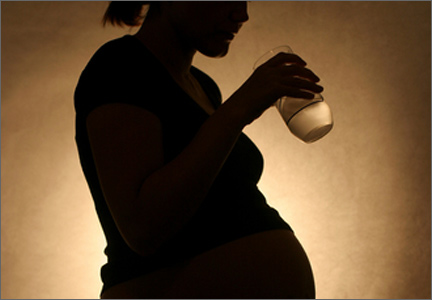
Pregnancy in Turner’s syndrome carries high hypertensive risk
LONDON – Hypertensive complications are seen in more than one-third of pregnant women with Turner’s syndrome undergoing fertility treatment, according to the results of a longitudinal retrospective study performed in Finland, Denmark, and Sweden.
Of 106 women with Turner’s syndrome who conceived after oocyte donation between 1992 and 2011, 35% had hypertensive complications and 20% had preeclampsia. Although there were no maternal deaths, life-threatening complications occurred in four (3.3%) women. This included a case of aortic dissection.
"We think it’s very important to have a centralized cardiovascular assessment before pregnancy," Dr. Anna Hagman of Sahlgrenska Hospital, Gothenburg, Sweden, said on behalf of the study team at the annual meeting of the European Society of Human Reproduction and Embryology. This should include echocardiography and magnetic resonance imaging, looking for specific cardiac abnormalities known to affect women with Turner’s syndrome.
Turner’s syndrome is caused by an aberration of the X chromosome and affects around one in 2,500 women. It is associated with increased cardiovascular (CV) morbidity and mortality, which raises concern for women who may want to try to conceive either spontaneously or via assisted conception methods. Women with the condition typically are of short stature and almost all (95%–99%) are infertile. Oocyte donation may offer one of their best chances for becoming pregnant.
For the study, medical data from fertility clinics, antenatal clinics, and hospitals where women had been treated or delivered their baby between 1992 and 2011 in Finland and Denmark, or between 2003and 2011 in Sweden, were examined.
The 45,X karyotype was observed in 44% of the women and 9% had a known cardiac defect before pregnancy. Just under half (49%) of women had a CV exam within the 2 years prior to becoming pregnant, and 29% had a CV exam during their pregnancy.
Single embryo transfer was performed in 70% of the cases and the multiple birth rate was 7%; 15% of women conceived twice after two oocyte donations during the study period. The median follow-up time was 4 years, but ranged from 0.3 to 19 years.
There were 122 deliveries studied in total and 131 neonates, of which 18 were twins. Among the single births, the rate of preterm delivery, defined as before 37 weeks’ gestation, was 8%, with 9% of children having low birth weight (less than 2,500 g). Perinatal mortality was 0.8%. Congenital defects were seen in 3.8% of the children.
"Neonatal outcomes were reassuring for singletons," Dr. Hagman said at the annual meeting of the European Society of Human Reproduction and Embryology, later noting that the team "recommends single-embryo transfer."
This is because greater risks for mother and child were seen after twin births. Hypertensive complications occurred in 50% of women and around two thirds (67%) of twins were delivered prematurely. Almost three quarters (72%) had a low birth weight and perinatal mortality was approximately 11% for twin births.
Dr. Hagman suggested that pregnancy should be avoided in women with Turner’s syndrome if there is CV disease or other severe health problems exist. Thyroid, renal, and liver tests should be performed, she advised, as well as testing for diabetes.
"All pregnancies must be carefully monitored," Dr. Hagman advised. The blood pressure should be kept below 140/90 mm Hg and echocardiography, MRI, or both performed two to three times during pregnancy.
The study’s findings have recently been published (Hum. Reprod. 2013;28:1598-09).
The study was funded by a variety of sources, including: the Gothenburg Medical Society, grants from the ALF agreement at the Sahlgrenska University Hospital, Gothenburg, Sweden; Hjalmar Svensson Foundation; the Nordic Federation of Societies of Obstetrics and Gynecology Nordic Fund; Finnish Society of Paediatric and Adolescent Gynecology; Liv och hälsa Foundation in Finland; and MSD Finland, Norway, and Denmark. No conflict of interest was reported.
LONDON – Hypertensive complications are seen in more than one-third of pregnant women with Turner’s syndrome undergoing fertility treatment, according to the results of a longitudinal retrospective study performed in Finland, Denmark, and Sweden.
Of 106 women with Turner’s syndrome who conceived after oocyte donation between 1992 and 2011, 35% had hypertensive complications and 20% had preeclampsia. Although there were no maternal deaths, life-threatening complications occurred in four (3.3%) women. This included a case of aortic dissection.
"We think it’s very important to have a centralized cardiovascular assessment before pregnancy," Dr. Anna Hagman of Sahlgrenska Hospital, Gothenburg, Sweden, said on behalf of the study team at the annual meeting of the European Society of Human Reproduction and Embryology. This should include echocardiography and magnetic resonance imaging, looking for specific cardiac abnormalities known to affect women with Turner’s syndrome.
Turner’s syndrome is caused by an aberration of the X chromosome and affects around one in 2,500 women. It is associated with increased cardiovascular (CV) morbidity and mortality, which raises concern for women who may want to try to conceive either spontaneously or via assisted conception methods. Women with the condition typically are of short stature and almost all (95%–99%) are infertile. Oocyte donation may offer one of their best chances for becoming pregnant.
For the study, medical data from fertility clinics, antenatal clinics, and hospitals where women had been treated or delivered their baby between 1992 and 2011 in Finland and Denmark, or between 2003and 2011 in Sweden, were examined.
The 45,X karyotype was observed in 44% of the women and 9% had a known cardiac defect before pregnancy. Just under half (49%) of women had a CV exam within the 2 years prior to becoming pregnant, and 29% had a CV exam during their pregnancy.
Single embryo transfer was performed in 70% of the cases and the multiple birth rate was 7%; 15% of women conceived twice after two oocyte donations during the study period. The median follow-up time was 4 years, but ranged from 0.3 to 19 years.
There were 122 deliveries studied in total and 131 neonates, of which 18 were twins. Among the single births, the rate of preterm delivery, defined as before 37 weeks’ gestation, was 8%, with 9% of children having low birth weight (less than 2,500 g). Perinatal mortality was 0.8%. Congenital defects were seen in 3.8% of the children.
"Neonatal outcomes were reassuring for singletons," Dr. Hagman said at the annual meeting of the European Society of Human Reproduction and Embryology, later noting that the team "recommends single-embryo transfer."
This is because greater risks for mother and child were seen after twin births. Hypertensive complications occurred in 50% of women and around two thirds (67%) of twins were delivered prematurely. Almost three quarters (72%) had a low birth weight and perinatal mortality was approximately 11% for twin births.
Dr. Hagman suggested that pregnancy should be avoided in women with Turner’s syndrome if there is CV disease or other severe health problems exist. Thyroid, renal, and liver tests should be performed, she advised, as well as testing for diabetes.
"All pregnancies must be carefully monitored," Dr. Hagman advised. The blood pressure should be kept below 140/90 mm Hg and echocardiography, MRI, or both performed two to three times during pregnancy.
The study’s findings have recently been published (Hum. Reprod. 2013;28:1598-09).
The study was funded by a variety of sources, including: the Gothenburg Medical Society, grants from the ALF agreement at the Sahlgrenska University Hospital, Gothenburg, Sweden; Hjalmar Svensson Foundation; the Nordic Federation of Societies of Obstetrics and Gynecology Nordic Fund; Finnish Society of Paediatric and Adolescent Gynecology; Liv och hälsa Foundation in Finland; and MSD Finland, Norway, and Denmark. No conflict of interest was reported.
LONDON – Hypertensive complications are seen in more than one-third of pregnant women with Turner’s syndrome undergoing fertility treatment, according to the results of a longitudinal retrospective study performed in Finland, Denmark, and Sweden.
Of 106 women with Turner’s syndrome who conceived after oocyte donation between 1992 and 2011, 35% had hypertensive complications and 20% had preeclampsia. Although there were no maternal deaths, life-threatening complications occurred in four (3.3%) women. This included a case of aortic dissection.
"We think it’s very important to have a centralized cardiovascular assessment before pregnancy," Dr. Anna Hagman of Sahlgrenska Hospital, Gothenburg, Sweden, said on behalf of the study team at the annual meeting of the European Society of Human Reproduction and Embryology. This should include echocardiography and magnetic resonance imaging, looking for specific cardiac abnormalities known to affect women with Turner’s syndrome.
Turner’s syndrome is caused by an aberration of the X chromosome and affects around one in 2,500 women. It is associated with increased cardiovascular (CV) morbidity and mortality, which raises concern for women who may want to try to conceive either spontaneously or via assisted conception methods. Women with the condition typically are of short stature and almost all (95%–99%) are infertile. Oocyte donation may offer one of their best chances for becoming pregnant.
For the study, medical data from fertility clinics, antenatal clinics, and hospitals where women had been treated or delivered their baby between 1992 and 2011 in Finland and Denmark, or between 2003and 2011 in Sweden, were examined.
The 45,X karyotype was observed in 44% of the women and 9% had a known cardiac defect before pregnancy. Just under half (49%) of women had a CV exam within the 2 years prior to becoming pregnant, and 29% had a CV exam during their pregnancy.
Single embryo transfer was performed in 70% of the cases and the multiple birth rate was 7%; 15% of women conceived twice after two oocyte donations during the study period. The median follow-up time was 4 years, but ranged from 0.3 to 19 years.
There were 122 deliveries studied in total and 131 neonates, of which 18 were twins. Among the single births, the rate of preterm delivery, defined as before 37 weeks’ gestation, was 8%, with 9% of children having low birth weight (less than 2,500 g). Perinatal mortality was 0.8%. Congenital defects were seen in 3.8% of the children.
"Neonatal outcomes were reassuring for singletons," Dr. Hagman said at the annual meeting of the European Society of Human Reproduction and Embryology, later noting that the team "recommends single-embryo transfer."
This is because greater risks for mother and child were seen after twin births. Hypertensive complications occurred in 50% of women and around two thirds (67%) of twins were delivered prematurely. Almost three quarters (72%) had a low birth weight and perinatal mortality was approximately 11% for twin births.
Dr. Hagman suggested that pregnancy should be avoided in women with Turner’s syndrome if there is CV disease or other severe health problems exist. Thyroid, renal, and liver tests should be performed, she advised, as well as testing for diabetes.
"All pregnancies must be carefully monitored," Dr. Hagman advised. The blood pressure should be kept below 140/90 mm Hg and echocardiography, MRI, or both performed two to three times during pregnancy.
The study’s findings have recently been published (Hum. Reprod. 2013;28:1598-09).
The study was funded by a variety of sources, including: the Gothenburg Medical Society, grants from the ALF agreement at the Sahlgrenska University Hospital, Gothenburg, Sweden; Hjalmar Svensson Foundation; the Nordic Federation of Societies of Obstetrics and Gynecology Nordic Fund; Finnish Society of Paediatric and Adolescent Gynecology; Liv och hälsa Foundation in Finland; and MSD Finland, Norway, and Denmark. No conflict of interest was reported.
AT ESHRE 2013
Major finding: Hypertensive complications were seen in 35% of women, with preeclampsia in 20%. Life-threatening complications occurred in four (3.3%) women, but there were no maternal deaths.
Data source: Retrospective cohort study of obstetric and neonatal outcomes involving 106 women with Turner’s syndrome who conceived via oocyte donation and gave birth in Finland (1992-2011), Denmark (1992-2011), or Sweden (2003-2011).
Disclosures: The study was funded by a variety of sources, including: GLS, ALF/SU Hospital, Hjalmar Svensson Foundation–Sweden, the Nordic Federation of Societies of Obstetrics and Gynecology, Finnish Society of Paediatric and Adolescent Gynecology, Liv och hälsa, and MSD. No conflict of interest was reported.
Surgery improves pregnancy rates in women with ovarian cysts
LONDON – Improved pregnancy rates after fertility treatment were achieved by the surgical removal of ovarian cysts in a 10-year longitudinal study of women with endometriomas.
After surgery, 63% of women became pregnant after assisted conception methods whereas before surgery only 7% conceived; overall, 46% of women became pregnant at both time points combined.
"Endometrioma itself is associated with significantly reduced reproductive performance in the long term," said study investigator Dr. Saad Amer of the Royal Derby (England) Hospital.
However, "surgery does not seem to compromise the reproductive performance any further," he said at the annual meeting of the European Society of Human Reproduction and Embryology.

The rates of unassisted pregnancy were about the same before (48%) and after surgery (50%), with an overall rate of 65% in the surgical groups combined versus 98% for women without endometriomas but who had endometriosis (P = .001)
The rationale for the study was that evidence suggests that ovarian reserve is reduced after excision surgery (J. Clin. Endocrinol. Metab. 2012;97:3146-54), although the long-term impact of other types of surgery remains to be seen.
Between January 1999 and December 2009, 704 women with ovarian endometriosis who had surgery, of which 153 had surgery for endometriomas, were identified from hospital records.
Women who had endometriomas were sent a questionnaire and asked to attend an interview about their reproductive history. There was a 45% response rate (n = 151), with 68 women with endometriomas actually participating; they were compared with an age- and weight-matched control group of 68 apparently healthy women.
The median ages of women in both the study group and the control group were similar, at 40 and 41 years, respectively. A similar percentage of patients had a smoking history (8% and 10%), with a little more than half of all women having regular menstruation, and 75% and 84% in each group desiring to become pregnant.
Of the 68 women with endometriomas, 33 underwent excision (n = 27) or ablation (n = 6) procedures, with 21 women having oophorectomy and 14 having the cysts drained. The median diameter of the endometriomas was 6 cm. Surgery was performed by 10 consultant gynecologists, with 53% of procedures performed laparoscopically.
If the women who conceived spontaneously and those who became pregnant following fertility treatment were grouped together, the overall rates of pregnancy before and after endometrioma surgery were 50% and 71%, respectively, with a combined overall pregnancy rate of 80%. This compares well with the 98% of women who had spontaneous pregnancy in the control group, Dr. Amer noted.
A similar percentage of patients became pregnant after single (70%, n = 23) or multiple (73%, n = 15) surgical procedures, although the number of women included in the analysis was small.
There was a trend toward a lower pregnancy rate in women who had bilateral versus unilateral surgeries, at 67% vs. 77%, although the number of patients in this analysis was again small. There also was no significant difference in pregnancy rates when the type of surgery was considered.
"These findings are reassuring for patients with endometrioma who are seeking fertility and need surgery for their disease."
Importantly, surgery was not found to alter the timing or age of menopause, Dr. Amer said. Nine (13%) women who had surgery were postmenopausal, compared with six (9%) of those in the control group. The median age of menopause was 48 years in the surgical group overall versus 49 years in the control group.
The main conclusion of the study was that surgery itself does not appear to affect women’s long-term reproductive performance.
Although the findings are limited by the retrospective design of the study and further validation is needed, the results do suggest that endometriomas per se, rather than surgery, appear to be the main reason for reduced long-term reproductive function.
"These findings are reassuring for patients with endometrioma who are seeking fertility and need surgery for their disease," Dr. Amer said.
Dr. Amer reported having no relevant financial disclosures.
LONDON – Improved pregnancy rates after fertility treatment were achieved by the surgical removal of ovarian cysts in a 10-year longitudinal study of women with endometriomas.
After surgery, 63% of women became pregnant after assisted conception methods whereas before surgery only 7% conceived; overall, 46% of women became pregnant at both time points combined.
"Endometrioma itself is associated with significantly reduced reproductive performance in the long term," said study investigator Dr. Saad Amer of the Royal Derby (England) Hospital.
However, "surgery does not seem to compromise the reproductive performance any further," he said at the annual meeting of the European Society of Human Reproduction and Embryology.
The rates of unassisted pregnancy were about the same before (48%) and after surgery (50%), with an overall rate of 65% in the surgical groups combined versus 98% for women without endometriomas but who had endometriosis (P = .001)
The rationale for the study was that evidence suggests that ovarian reserve is reduced after excision surgery (J. Clin. Endocrinol. Metab. 2012;97:3146-54), although the long-term impact of other types of surgery remains to be seen.
Between January 1999 and December 2009, 704 women with ovarian endometriosis who had surgery, of which 153 had surgery for endometriomas, were identified from hospital records.
Women who had endometriomas were sent a questionnaire and asked to attend an interview about their reproductive history. There was a 45% response rate (n = 151), with 68 women with endometriomas actually participating; they were compared with an age- and weight-matched control group of 68 apparently healthy women.
The median ages of women in both the study group and the control group were similar, at 40 and 41 years, respectively. A similar percentage of patients had a smoking history (8% and 10%), with a little more than half of all women having regular menstruation, and 75% and 84% in each group desiring to become pregnant.
Of the 68 women with endometriomas, 33 underwent excision (n = 27) or ablation (n = 6) procedures, with 21 women having oophorectomy and 14 having the cysts drained. The median diameter of the endometriomas was 6 cm. Surgery was performed by 10 consultant gynecologists, with 53% of procedures performed laparoscopically.
If the women who conceived spontaneously and those who became pregnant following fertility treatment were grouped together, the overall rates of pregnancy before and after endometrioma surgery were 50% and 71%, respectively, with a combined overall pregnancy rate of 80%. This compares well with the 98% of women who had spontaneous pregnancy in the control group, Dr. Amer noted.
A similar percentage of patients became pregnant after single (70%, n = 23) or multiple (73%, n = 15) surgical procedures, although the number of women included in the analysis was small.
There was a trend toward a lower pregnancy rate in women who had bilateral versus unilateral surgeries, at 67% vs. 77%, although the number of patients in this analysis was again small. There also was no significant difference in pregnancy rates when the type of surgery was considered.
"These findings are reassuring for patients with endometrioma who are seeking fertility and need surgery for their disease."
Importantly, surgery was not found to alter the timing or age of menopause, Dr. Amer said. Nine (13%) women who had surgery were postmenopausal, compared with six (9%) of those in the control group. The median age of menopause was 48 years in the surgical group overall versus 49 years in the control group.
The main conclusion of the study was that surgery itself does not appear to affect women’s long-term reproductive performance.
Although the findings are limited by the retrospective design of the study and further validation is needed, the results do suggest that endometriomas per se, rather than surgery, appear to be the main reason for reduced long-term reproductive function.
"These findings are reassuring for patients with endometrioma who are seeking fertility and need surgery for their disease," Dr. Amer said.
Dr. Amer reported having no relevant financial disclosures.
LONDON – Improved pregnancy rates after fertility treatment were achieved by the surgical removal of ovarian cysts in a 10-year longitudinal study of women with endometriomas.
After surgery, 63% of women became pregnant after assisted conception methods whereas before surgery only 7% conceived; overall, 46% of women became pregnant at both time points combined.
"Endometrioma itself is associated with significantly reduced reproductive performance in the long term," said study investigator Dr. Saad Amer of the Royal Derby (England) Hospital.
However, "surgery does not seem to compromise the reproductive performance any further," he said at the annual meeting of the European Society of Human Reproduction and Embryology.
The rates of unassisted pregnancy were about the same before (48%) and after surgery (50%), with an overall rate of 65% in the surgical groups combined versus 98% for women without endometriomas but who had endometriosis (P = .001)
The rationale for the study was that evidence suggests that ovarian reserve is reduced after excision surgery (J. Clin. Endocrinol. Metab. 2012;97:3146-54), although the long-term impact of other types of surgery remains to be seen.
Between January 1999 and December 2009, 704 women with ovarian endometriosis who had surgery, of which 153 had surgery for endometriomas, were identified from hospital records.
Women who had endometriomas were sent a questionnaire and asked to attend an interview about their reproductive history. There was a 45% response rate (n = 151), with 68 women with endometriomas actually participating; they were compared with an age- and weight-matched control group of 68 apparently healthy women.
The median ages of women in both the study group and the control group were similar, at 40 and 41 years, respectively. A similar percentage of patients had a smoking history (8% and 10%), with a little more than half of all women having regular menstruation, and 75% and 84% in each group desiring to become pregnant.
Of the 68 women with endometriomas, 33 underwent excision (n = 27) or ablation (n = 6) procedures, with 21 women having oophorectomy and 14 having the cysts drained. The median diameter of the endometriomas was 6 cm. Surgery was performed by 10 consultant gynecologists, with 53% of procedures performed laparoscopically.
If the women who conceived spontaneously and those who became pregnant following fertility treatment were grouped together, the overall rates of pregnancy before and after endometrioma surgery were 50% and 71%, respectively, with a combined overall pregnancy rate of 80%. This compares well with the 98% of women who had spontaneous pregnancy in the control group, Dr. Amer noted.
A similar percentage of patients became pregnant after single (70%, n = 23) or multiple (73%, n = 15) surgical procedures, although the number of women included in the analysis was small.
There was a trend toward a lower pregnancy rate in women who had bilateral versus unilateral surgeries, at 67% vs. 77%, although the number of patients in this analysis was again small. There also was no significant difference in pregnancy rates when the type of surgery was considered.
"These findings are reassuring for patients with endometrioma who are seeking fertility and need surgery for their disease."
Importantly, surgery was not found to alter the timing or age of menopause, Dr. Amer said. Nine (13%) women who had surgery were postmenopausal, compared with six (9%) of those in the control group. The median age of menopause was 48 years in the surgical group overall versus 49 years in the control group.
The main conclusion of the study was that surgery itself does not appear to affect women’s long-term reproductive performance.
Although the findings are limited by the retrospective design of the study and further validation is needed, the results do suggest that endometriomas per se, rather than surgery, appear to be the main reason for reduced long-term reproductive function.
"These findings are reassuring for patients with endometrioma who are seeking fertility and need surgery for their disease," Dr. Amer said.
Dr. Amer reported having no relevant financial disclosures.
AT ESHRE 2013
Major finding: 63% of women became pregnant after assisted conception methods; before surgery only 7% conceived.
Data source: A 10-year, retrospective, longitudinal, observational cohort study of 153 women with endometriomas.
Disclosures: Dr. Amer reported having no relevant financial disclosures.

Tracking quality measures improved perinatal care
SAN FRANCISCO – One California community-based hospital got a head start on tracking core measures of quality in perinatal care that all U.S. hospitals will have to report to The Joint Commission beginning January 2014.
Over the past 2 years, the ob.gyns. found it wasn’t easy, but that tracking core measures of quality significantly improved perinatal care.
Sutter Medical Center in Sacramento, Calif., formed a perinatal data committee in 2010 to identify barriers and develop processes for tracking six quality measures, including the five for The Joint Commission. They worked to overcome doubters on their staff, internally published individual doctors’ rates of cesarean section deliveries and episiotomies, and shared the results for each prenatal obstetrics group.

Their overall rate of elective deliveries at less than 39 weeks’ gestation decreased from 25% of the 4,958 deliveries in October 2010 to 2% of the 5,577 deliveries in December 2012. The cesarean section rate for nulliparous women with a term, singleton fetus in a vertex position dropped from 31% in 2010 to 25% in 2012, Dr. William M. Gilbert reported at a meeting on antepartum and intrapartum management sponsored by the University of California, San Francisco.
They also improved significantly in two other core measures of quality mandated by The Joint Commission: The proportion of preterm infants who received antenatal steroids before delivery jumped from 80% to 100%, and the proportion of newborns who were fed exclusively breast milk during their entire hospitalization improved from 58% to 70%. The hospital has begun collecting data on a fifth core measure for The Joint Commission: the rate of health care-associated bloodstream infections in newborns.
Dr. Gilbert and his group also tracked two measures that are endorsed by the National Quality Forum but are not yet required by The Joint Commission. Their episiotomy rate decreased significantly from 5% to 2%, and the proportion of women undergoing cesarean section who received appropriate prophylaxis against deep vein thrombosis increased from 95% to 98% (Jt. Comm. J. Qual. Patient Saf. 2013;39:258-66).
"It took us 1-2 years to get the bugs worked out" in tracking core quality measures, said Dr. Gilbert, regional medical director of women’s services for Sutter Health’s Sacramento-Sierra Region, Sacramento, Calif. The effort required leadership from doctors and nurses, administrative and medical records support, and education for coders.
"If your hospital has done nothing to look at what you’re going to be submitting" to The Joint Commission, he added, "I can guarantee you that even if you think you’re doing great, the data are going to be awful, and you’re going to be scrambling to fix a problem that has occurred."
This kind of attention to quality measures in perinatal care is long overdue, he said. Despite the fact that the 4.2 million normal vaginal deliveries per year represent the No. 1 hospital discharge diagnosis in the United States, and studies show immense variation in perinatal practices between hospitals and geographical regions, efforts to measure the quality of hospital care largely have ignored obstetrics because those efforts have focused on Medicare, and few obstetrical patients are covered by Medicare.
Previous studies show a 10-fold variation in cesarean section rates around the country, and cesarean section rates in low-risk patients vary from 2% to 36%. "I would put to you, if you were making widgets or tanks, and you had such variation in the quality of your tanks that the government was paying for, you’d be out of work and probably in jail, but that’s what we tolerate" in health care, he said. Huge variations also have been reported in rates of induction, episiotomy, breastfeeding, and use of antenatal steroids.
The 40 ob.gyns. affiliated with Dr. Gilbert’s hospital had cesarean rates for nulliparous, term, singleton, vertex pregnancies ranging from approximately 8% to 60% when the tracking efforts began, he said. The committee assigned two-digit alphanumeric codes for each provider and posted individual rates of cesarean sections and episiotomies by provider code for 6 months, to start. It took a year of convincing before getting agreement, but then individual rates were posted in the doctors’ and labor and delivery lounges and were e-mailed to all medical staff.
"It’s amazing – amazing what that did," he said. Doctors with the highest cesarean section rates reduced their use of cesarean sections.
The category of elective deliveries at less than 39 weeks’ gestation excluded cases with medical indications for early delivery, but tracking ran into problems initially because ICD-9 codes did not exist for some exemptions, including prior classical cesarean section or prior myomectomy. "You got dinged for that" in the tracking despite the medical indication, he said. So the committee created tracking categories of "avoidable" and "unavoidable" early deliveries, and doctors didn’t get dinged for unavoidable cases.
Some doctors wrote the reason for early delivery as "intrahepatic cholestasis of pregnancy," which is an appropriate indication, but the medical coders told Dr. Gilbert that having the word "intrahepatic" flagged it as gall bladder disease, which is no reason to deliver early. "We had to work with our coders to help us understand," he said.
Every patient at risk of preterm delivery received antenatal steroids at his hospital, Dr. Gilbert said, "but we weren’t documenting it properly." There had been no uniform spot in the medical record to document administration of antenatal steroids, or to show that they had been given before the current hospitalization. Dr. Gilbert’s team worked with the medical records department to change the electronic health records. Nurses now check off if the patient received a full course of antenatal steroids. If this is missing, the doctor gets a pop-up window where a reason must be given.
"That really was effective," he said.
Tracking of episiotomy excluded cases of shoulder dystocia, but not episiotomy for fetal distress. Despite individual rates being internally publicized, the episiotomy rate seems to be stuck at around 2% because "I do have a couple of old-timers," he said. "Even public embarrassment will not get them to change."
"As an individual and as a hospital, we need to make sure we’re doing the best we can."
Capturing data on whether or not newborns are fed exclusively with breast milk can be difficult, in part because it’s often not clear whether the ob.gyn., the nursing staff, or the pediatrician is responsible for this. Dr. Gilbert’s team analyzed 18 cases at his hospital in which women came in saying they wanted to breastfeed the newborn exclusively, but that didn’t happen. In most cases, the babies received formula after a night nurse moved the baby to the nursery so the mother could sleep, a problem that was addressed. Publicizing exclusive breastfeeding rates for 20 different perinatal obstetrics groups – which ranged from 33% to 93% also helped improve breastfeeding rates.
The perinatal data committee also posted a color-coded "dashboard" showing trends in the hospital’s rates for all these measures over time.
Starting in 2014, The Joint Commission will publish hospital rates for cesarean sections and episiotomies, but not rates for individual doctors. Patient access to individual doctors’ rates of cesarean section, early elective delivery, and episiotomy is likely to come in the future, Dr. Gilbert said, and insurers eventually may select physicians and reimbursement rates based on these outcomes.
"As an individual and as a hospital, we need to make sure we’re doing the best we can," he said.
Dr. Gilbert reported having no financial disclosures.
On Twitter @sherryboschert
SAN FRANCISCO – One California community-based hospital got a head start on tracking core measures of quality in perinatal care that all U.S. hospitals will have to report to The Joint Commission beginning January 2014.
Over the past 2 years, the ob.gyns. found it wasn’t easy, but that tracking core measures of quality significantly improved perinatal care.
Sutter Medical Center in Sacramento, Calif., formed a perinatal data committee in 2010 to identify barriers and develop processes for tracking six quality measures, including the five for The Joint Commission. They worked to overcome doubters on their staff, internally published individual doctors’ rates of cesarean section deliveries and episiotomies, and shared the results for each prenatal obstetrics group.
Their overall rate of elective deliveries at less than 39 weeks’ gestation decreased from 25% of the 4,958 deliveries in October 2010 to 2% of the 5,577 deliveries in December 2012. The cesarean section rate for nulliparous women with a term, singleton fetus in a vertex position dropped from 31% in 2010 to 25% in 2012, Dr. William M. Gilbert reported at a meeting on antepartum and intrapartum management sponsored by the University of California, San Francisco.
They also improved significantly in two other core measures of quality mandated by The Joint Commission: The proportion of preterm infants who received antenatal steroids before delivery jumped from 80% to 100%, and the proportion of newborns who were fed exclusively breast milk during their entire hospitalization improved from 58% to 70%. The hospital has begun collecting data on a fifth core measure for The Joint Commission: the rate of health care-associated bloodstream infections in newborns.
Dr. Gilbert and his group also tracked two measures that are endorsed by the National Quality Forum but are not yet required by The Joint Commission. Their episiotomy rate decreased significantly from 5% to 2%, and the proportion of women undergoing cesarean section who received appropriate prophylaxis against deep vein thrombosis increased from 95% to 98% (Jt. Comm. J. Qual. Patient Saf. 2013;39:258-66).
"It took us 1-2 years to get the bugs worked out" in tracking core quality measures, said Dr. Gilbert, regional medical director of women’s services for Sutter Health’s Sacramento-Sierra Region, Sacramento, Calif. The effort required leadership from doctors and nurses, administrative and medical records support, and education for coders.
"If your hospital has done nothing to look at what you’re going to be submitting" to The Joint Commission, he added, "I can guarantee you that even if you think you’re doing great, the data are going to be awful, and you’re going to be scrambling to fix a problem that has occurred."
This kind of attention to quality measures in perinatal care is long overdue, he said. Despite the fact that the 4.2 million normal vaginal deliveries per year represent the No. 1 hospital discharge diagnosis in the United States, and studies show immense variation in perinatal practices between hospitals and geographical regions, efforts to measure the quality of hospital care largely have ignored obstetrics because those efforts have focused on Medicare, and few obstetrical patients are covered by Medicare.
Previous studies show a 10-fold variation in cesarean section rates around the country, and cesarean section rates in low-risk patients vary from 2% to 36%. "I would put to you, if you were making widgets or tanks, and you had such variation in the quality of your tanks that the government was paying for, you’d be out of work and probably in jail, but that’s what we tolerate" in health care, he said. Huge variations also have been reported in rates of induction, episiotomy, breastfeeding, and use of antenatal steroids.
The 40 ob.gyns. affiliated with Dr. Gilbert’s hospital had cesarean rates for nulliparous, term, singleton, vertex pregnancies ranging from approximately 8% to 60% when the tracking efforts began, he said. The committee assigned two-digit alphanumeric codes for each provider and posted individual rates of cesarean sections and episiotomies by provider code for 6 months, to start. It took a year of convincing before getting agreement, but then individual rates were posted in the doctors’ and labor and delivery lounges and were e-mailed to all medical staff.
"It’s amazing – amazing what that did," he said. Doctors with the highest cesarean section rates reduced their use of cesarean sections.
The category of elective deliveries at less than 39 weeks’ gestation excluded cases with medical indications for early delivery, but tracking ran into problems initially because ICD-9 codes did not exist for some exemptions, including prior classical cesarean section or prior myomectomy. "You got dinged for that" in the tracking despite the medical indication, he said. So the committee created tracking categories of "avoidable" and "unavoidable" early deliveries, and doctors didn’t get dinged for unavoidable cases.
Some doctors wrote the reason for early delivery as "intrahepatic cholestasis of pregnancy," which is an appropriate indication, but the medical coders told Dr. Gilbert that having the word "intrahepatic" flagged it as gall bladder disease, which is no reason to deliver early. "We had to work with our coders to help us understand," he said.
Every patient at risk of preterm delivery received antenatal steroids at his hospital, Dr. Gilbert said, "but we weren’t documenting it properly." There had been no uniform spot in the medical record to document administration of antenatal steroids, or to show that they had been given before the current hospitalization. Dr. Gilbert’s team worked with the medical records department to change the electronic health records. Nurses now check off if the patient received a full course of antenatal steroids. If this is missing, the doctor gets a pop-up window where a reason must be given.
"That really was effective," he said.
Tracking of episiotomy excluded cases of shoulder dystocia, but not episiotomy for fetal distress. Despite individual rates being internally publicized, the episiotomy rate seems to be stuck at around 2% because "I do have a couple of old-timers," he said. "Even public embarrassment will not get them to change."
"As an individual and as a hospital, we need to make sure we’re doing the best we can."
Capturing data on whether or not newborns are fed exclusively with breast milk can be difficult, in part because it’s often not clear whether the ob.gyn., the nursing staff, or the pediatrician is responsible for this. Dr. Gilbert’s team analyzed 18 cases at his hospital in which women came in saying they wanted to breastfeed the newborn exclusively, but that didn’t happen. In most cases, the babies received formula after a night nurse moved the baby to the nursery so the mother could sleep, a problem that was addressed. Publicizing exclusive breastfeeding rates for 20 different perinatal obstetrics groups – which ranged from 33% to 93% also helped improve breastfeeding rates.
The perinatal data committee also posted a color-coded "dashboard" showing trends in the hospital’s rates for all these measures over time.
Starting in 2014, The Joint Commission will publish hospital rates for cesarean sections and episiotomies, but not rates for individual doctors. Patient access to individual doctors’ rates of cesarean section, early elective delivery, and episiotomy is likely to come in the future, Dr. Gilbert said, and insurers eventually may select physicians and reimbursement rates based on these outcomes.
"As an individual and as a hospital, we need to make sure we’re doing the best we can," he said.
Dr. Gilbert reported having no financial disclosures.
On Twitter @sherryboschert
SAN FRANCISCO – One California community-based hospital got a head start on tracking core measures of quality in perinatal care that all U.S. hospitals will have to report to The Joint Commission beginning January 2014.
Over the past 2 years, the ob.gyns. found it wasn’t easy, but that tracking core measures of quality significantly improved perinatal care.
Sutter Medical Center in Sacramento, Calif., formed a perinatal data committee in 2010 to identify barriers and develop processes for tracking six quality measures, including the five for The Joint Commission. They worked to overcome doubters on their staff, internally published individual doctors’ rates of cesarean section deliveries and episiotomies, and shared the results for each prenatal obstetrics group.
Their overall rate of elective deliveries at less than 39 weeks’ gestation decreased from 25% of the 4,958 deliveries in October 2010 to 2% of the 5,577 deliveries in December 2012. The cesarean section rate for nulliparous women with a term, singleton fetus in a vertex position dropped from 31% in 2010 to 25% in 2012, Dr. William M. Gilbert reported at a meeting on antepartum and intrapartum management sponsored by the University of California, San Francisco.
They also improved significantly in two other core measures of quality mandated by The Joint Commission: The proportion of preterm infants who received antenatal steroids before delivery jumped from 80% to 100%, and the proportion of newborns who were fed exclusively breast milk during their entire hospitalization improved from 58% to 70%. The hospital has begun collecting data on a fifth core measure for The Joint Commission: the rate of health care-associated bloodstream infections in newborns.
Dr. Gilbert and his group also tracked two measures that are endorsed by the National Quality Forum but are not yet required by The Joint Commission. Their episiotomy rate decreased significantly from 5% to 2%, and the proportion of women undergoing cesarean section who received appropriate prophylaxis against deep vein thrombosis increased from 95% to 98% (Jt. Comm. J. Qual. Patient Saf. 2013;39:258-66).
"It took us 1-2 years to get the bugs worked out" in tracking core quality measures, said Dr. Gilbert, regional medical director of women’s services for Sutter Health’s Sacramento-Sierra Region, Sacramento, Calif. The effort required leadership from doctors and nurses, administrative and medical records support, and education for coders.
"If your hospital has done nothing to look at what you’re going to be submitting" to The Joint Commission, he added, "I can guarantee you that even if you think you’re doing great, the data are going to be awful, and you’re going to be scrambling to fix a problem that has occurred."
This kind of attention to quality measures in perinatal care is long overdue, he said. Despite the fact that the 4.2 million normal vaginal deliveries per year represent the No. 1 hospital discharge diagnosis in the United States, and studies show immense variation in perinatal practices between hospitals and geographical regions, efforts to measure the quality of hospital care largely have ignored obstetrics because those efforts have focused on Medicare, and few obstetrical patients are covered by Medicare.
Previous studies show a 10-fold variation in cesarean section rates around the country, and cesarean section rates in low-risk patients vary from 2% to 36%. "I would put to you, if you were making widgets or tanks, and you had such variation in the quality of your tanks that the government was paying for, you’d be out of work and probably in jail, but that’s what we tolerate" in health care, he said. Huge variations also have been reported in rates of induction, episiotomy, breastfeeding, and use of antenatal steroids.
The 40 ob.gyns. affiliated with Dr. Gilbert’s hospital had cesarean rates for nulliparous, term, singleton, vertex pregnancies ranging from approximately 8% to 60% when the tracking efforts began, he said. The committee assigned two-digit alphanumeric codes for each provider and posted individual rates of cesarean sections and episiotomies by provider code for 6 months, to start. It took a year of convincing before getting agreement, but then individual rates were posted in the doctors’ and labor and delivery lounges and were e-mailed to all medical staff.
"It’s amazing – amazing what that did," he said. Doctors with the highest cesarean section rates reduced their use of cesarean sections.
The category of elective deliveries at less than 39 weeks’ gestation excluded cases with medical indications for early delivery, but tracking ran into problems initially because ICD-9 codes did not exist for some exemptions, including prior classical cesarean section or prior myomectomy. "You got dinged for that" in the tracking despite the medical indication, he said. So the committee created tracking categories of "avoidable" and "unavoidable" early deliveries, and doctors didn’t get dinged for unavoidable cases.
Some doctors wrote the reason for early delivery as "intrahepatic cholestasis of pregnancy," which is an appropriate indication, but the medical coders told Dr. Gilbert that having the word "intrahepatic" flagged it as gall bladder disease, which is no reason to deliver early. "We had to work with our coders to help us understand," he said.
Every patient at risk of preterm delivery received antenatal steroids at his hospital, Dr. Gilbert said, "but we weren’t documenting it properly." There had been no uniform spot in the medical record to document administration of antenatal steroids, or to show that they had been given before the current hospitalization. Dr. Gilbert’s team worked with the medical records department to change the electronic health records. Nurses now check off if the patient received a full course of antenatal steroids. If this is missing, the doctor gets a pop-up window where a reason must be given.
"That really was effective," he said.
Tracking of episiotomy excluded cases of shoulder dystocia, but not episiotomy for fetal distress. Despite individual rates being internally publicized, the episiotomy rate seems to be stuck at around 2% because "I do have a couple of old-timers," he said. "Even public embarrassment will not get them to change."
"As an individual and as a hospital, we need to make sure we’re doing the best we can."
Capturing data on whether or not newborns are fed exclusively with breast milk can be difficult, in part because it’s often not clear whether the ob.gyn., the nursing staff, or the pediatrician is responsible for this. Dr. Gilbert’s team analyzed 18 cases at his hospital in which women came in saying they wanted to breastfeed the newborn exclusively, but that didn’t happen. In most cases, the babies received formula after a night nurse moved the baby to the nursery so the mother could sleep, a problem that was addressed. Publicizing exclusive breastfeeding rates for 20 different perinatal obstetrics groups – which ranged from 33% to 93% also helped improve breastfeeding rates.
The perinatal data committee also posted a color-coded "dashboard" showing trends in the hospital’s rates for all these measures over time.
Starting in 2014, The Joint Commission will publish hospital rates for cesarean sections and episiotomies, but not rates for individual doctors. Patient access to individual doctors’ rates of cesarean section, early elective delivery, and episiotomy is likely to come in the future, Dr. Gilbert said, and insurers eventually may select physicians and reimbursement rates based on these outcomes.
"As an individual and as a hospital, we need to make sure we’re doing the best we can," he said.
Dr. Gilbert reported having no financial disclosures.
On Twitter @sherryboschert
AT A MEETING ON ANTEPARTUM AND INTRAPARTUM MANAGEMENT
Major finding: Tracking quality measures decreased the rate of elective deliveries before 39 weeks’ gestation from 25% to 2% and the cesarean section rate for nulliparous, term, singleton, vertex deliveries from 31% to 25%.
Data source: Two-year data from one community-based medical center with multiple private practitioners.
Disclosures: Dr. Gilbert reported having no financial disclosures.