User login
Pediatric MS gets a win with fingolimod
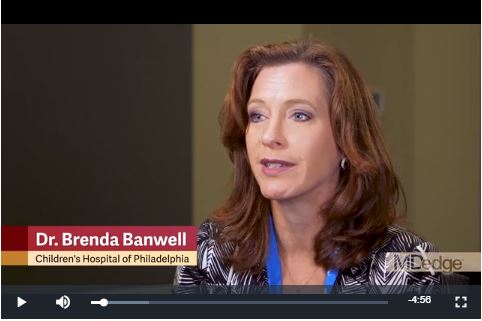
NASHVILLE, TENN. – Pediatric multiple sclerosis is a confirmed clinical entity, which virtually always presents as relapsing-remitting disease, Brenda Banwell, MD, said at the at the annual meeting of the Consortium of Multiple Sclerosis Centers.
“MS in children is the same disease as MS in adults,” said Dr. Banwell, chief of neurology at Children’s Hospital of Philadelphia and the Grace R. Loeb Endowed Chair in Neurosciences there. And although she is unaware of a single case of childhood MS presenting as primary progressive disease, the impact of relapsing-remitting childhood MS may ultimately be progressive damage.
Pediatric MS is also quite rare, a characteristic that makes therapeutic progress challenging. Recruiting sufficient patients for a definitive phase 3 trial is incredibly difficult, especially when multiple trials are commencing simultaneously, not only in the United States but around the world.
Nevertheless, there has been excellent news, Dr. Banwell said in a video interview. Fingolimod (Gilenya), the immunomodulator approved for adult relapsing-remitting MS, gained a pediatric approval under the breakthrough therapy designation on May 11, 2018, on the basis of the successful phase 3 PARADIGMS study.
Compared with intramuscular interferon beta-1a, fingolimod cut the annualized relapse rate by 82%. It also was associated with a 53% annualized reduction in new or newly enlarged T2 lesions and 66% decrease in gadolinium-enhancing T1 lesions.
This big win is prompting researchers and clinicians to rethink the pediatric MS treatment paradigm, Dr. Banwell said. Traditional thinking falls along a dose-escalation pattern that follows relapses. However, “we may take a cue from our rheumatology colleagues, who have seen the benefit of starting with more aggressive treatment and higher doses, getting disease control, and then slowly tapering off.”
Whether this option could actually modify disease progression, as it seems to do in some other inflammatory disorders, is an intriguing – but unproven – possibility, she said.
Dr. Banwell disclosed that she received financial remuneration as a central MRI reviewer for the Novartis-sponsored PARADIGMS study.
NASHVILLE, TENN. – Pediatric multiple sclerosis is a confirmed clinical entity, which virtually always presents as relapsing-remitting disease, Brenda Banwell, MD, said at the at the annual meeting of the Consortium of Multiple Sclerosis Centers.
“MS in children is the same disease as MS in adults,” said Dr. Banwell, chief of neurology at Children’s Hospital of Philadelphia and the Grace R. Loeb Endowed Chair in Neurosciences there. And although she is unaware of a single case of childhood MS presenting as primary progressive disease, the impact of relapsing-remitting childhood MS may ultimately be progressive damage.
Pediatric MS is also quite rare, a characteristic that makes therapeutic progress challenging. Recruiting sufficient patients for a definitive phase 3 trial is incredibly difficult, especially when multiple trials are commencing simultaneously, not only in the United States but around the world.
Nevertheless, there has been excellent news, Dr. Banwell said in a video interview. Fingolimod (Gilenya), the immunomodulator approved for adult relapsing-remitting MS, gained a pediatric approval under the breakthrough therapy designation on May 11, 2018, on the basis of the successful phase 3 PARADIGMS study.
Compared with intramuscular interferon beta-1a, fingolimod cut the annualized relapse rate by 82%. It also was associated with a 53% annualized reduction in new or newly enlarged T2 lesions and 66% decrease in gadolinium-enhancing T1 lesions.
This big win is prompting researchers and clinicians to rethink the pediatric MS treatment paradigm, Dr. Banwell said. Traditional thinking falls along a dose-escalation pattern that follows relapses. However, “we may take a cue from our rheumatology colleagues, who have seen the benefit of starting with more aggressive treatment and higher doses, getting disease control, and then slowly tapering off.”
Whether this option could actually modify disease progression, as it seems to do in some other inflammatory disorders, is an intriguing – but unproven – possibility, she said.
Dr. Banwell disclosed that she received financial remuneration as a central MRI reviewer for the Novartis-sponsored PARADIGMS study.
NASHVILLE, TENN. – Pediatric multiple sclerosis is a confirmed clinical entity, which virtually always presents as relapsing-remitting disease, Brenda Banwell, MD, said at the at the annual meeting of the Consortium of Multiple Sclerosis Centers.
“MS in children is the same disease as MS in adults,” said Dr. Banwell, chief of neurology at Children’s Hospital of Philadelphia and the Grace R. Loeb Endowed Chair in Neurosciences there. And although she is unaware of a single case of childhood MS presenting as primary progressive disease, the impact of relapsing-remitting childhood MS may ultimately be progressive damage.
Pediatric MS is also quite rare, a characteristic that makes therapeutic progress challenging. Recruiting sufficient patients for a definitive phase 3 trial is incredibly difficult, especially when multiple trials are commencing simultaneously, not only in the United States but around the world.
Nevertheless, there has been excellent news, Dr. Banwell said in a video interview. Fingolimod (Gilenya), the immunomodulator approved for adult relapsing-remitting MS, gained a pediatric approval under the breakthrough therapy designation on May 11, 2018, on the basis of the successful phase 3 PARADIGMS study.
Compared with intramuscular interferon beta-1a, fingolimod cut the annualized relapse rate by 82%. It also was associated with a 53% annualized reduction in new or newly enlarged T2 lesions and 66% decrease in gadolinium-enhancing T1 lesions.
This big win is prompting researchers and clinicians to rethink the pediatric MS treatment paradigm, Dr. Banwell said. Traditional thinking falls along a dose-escalation pattern that follows relapses. However, “we may take a cue from our rheumatology colleagues, who have seen the benefit of starting with more aggressive treatment and higher doses, getting disease control, and then slowly tapering off.”
Whether this option could actually modify disease progression, as it seems to do in some other inflammatory disorders, is an intriguing – but unproven – possibility, she said.
Dr. Banwell disclosed that she received financial remuneration as a central MRI reviewer for the Novartis-sponsored PARADIGMS study.
REPORTING FROM THE CMSC ANNUAL MEETING
New and Noteworthy Information—June 2018
CSF Predicts Progression of MS
CSF can predict the future progression of multiple sclerosis (MS), according to a study published online ahead of print May 9 in the Journal of Neurology, Neurosurgery & Psychiatry. CSF and peripheral blood were obtained from patients with clinically isolated syndrome, relapsing-remitting MS, primary progressive MS, or other inflammatory or noninflammatory neurologic diseases who underwent elective diagnostic lumbar puncture. Patients without MS served as controls. CSF samples were analyzed for free and immunoglobulin-associated light chains on B cells and plasmablasts. Clinical follow-up duration was five years. There was an increased median CSF κ:λ free light chain in all groups except controls. This ratio predicted Expanded Disability Status Scale (EDSS) score progression at five years. Median EDSS score was lower among patients with high CSF κ:λ free light chain.
Rathbone E, Durant L, Kinsella J, et al. Cerebrospinal fluid immunoglobulin light chain ratios predict disease progression in multiple sclerosis. J Neurol Neurosurg Psychiatry. 2018 May 9 [Epub ahead of print].
First Anti-CGRP Monoclonal Antibody Gains FDA Approval
The FDA approved Aimovig (erenumab-aooe) for the preventive treatment of migraine in adults. Aimovig is the first FDA-approved preventive migraine treatment in a new class of drugs that blocks the activity of calcitonin gene-related peptide (CGRP). The treatment is given by once-monthly self-injections. Aimovig’s effectiveness was evaluated in three placebo-controlled clinical trials. The first included 955 patients with episodic migraine. Over six months, treated patients had, on average, one to two fewer monthly migraine days than controls. The second study included 577 patients with episodic migraine. Over three months, treated patients had, on average, one fewer migraine day per month than controls. The third study evaluated 667 patients with chronic migraine. Over three months, treated patients had, on average, 2.5 fewer monthly migraine days than controls. Aimovig is marketed by Amgen.
APOE Plays a Greater Role in Women Than in Men
There is a stronger association between APOE-ε4 and CSF tau levels among women than among men, according to a study published online ahead of print May 7 in JAMA Neurology. Investigators selected data from 10 longitudinal cohort studies of normal aging and Alzheimer’s disease. Biomarker analyses included CSF levels of β-amyloid 42, total tau, and phosphorylated tau. Of the 1,798 patients in the CSF biomarker cohort, 862 were women, 226 had Alzheimer’s disease, 1,690 were white, and the mean age was 70. Of the 5,109 patients in the autopsy cohort, 2,813 were women, 4,953 were white, and the mean age was 84. After correcting for multiple comparisons using the Bonferroni procedure, investigators observed a statistically significant interaction between APOE-ε4 and sex on CSF total tau and phosphorylated tau.
Hohman TJ, Dumitrescu L, Barnes LL. Sex-specific association of apolipoprotein E with cerebrospinal fluid levels of tau. JAMA Neurol. 2018 May 7 [Epub ahead of print].
FDA Issues Warning About Lamictal
The FDA recently warned that Lamictal (lamotrigine), frequently used for treating seizures and bipolar disorder, can cause a rare but serious immune system reaction called hemophagocytic lymphohistiocytosis (HLH), which can be life-threatening. HLH typically presents as a persistent fever, usually greater than 101° F, and can lead to severe problems with blood cells and vital organs. Health care professionals should be aware that prompt recognition and early treatment are important for improving HLH outcomes and decreasing mortality. Diagnosis is often complicated because early signs and symptoms, such as rash and fever, are not specific. HLH also may be confused with other serious immune-related adverse reactions such as drug reaction with eosinophilia and systemic symptoms (DRESS). The FDA is requiring a change to the drug’s prescribing information and drug labeling.
Is Tenecteplase Better Than Alteplase Before Thrombectomy?
When administered before thrombectomy, tenecteplase is associated with a higher incidence of reperfusion and better functional outcome than alteplase among patients with ischemic stroke treated within 4.5 hours after symptom onset, according to a study published April 26 in the New England Journal of Medicine. Researchers randomly assigned patients with ischemic stroke and occlusion of the internal carotid, basilar, or middle cerebral artery who were eligible for thrombectomy to receive tenecteplase or alteplase within 4.5 hours after symptom onset. The primary outcome was reperfusion of greater than 50% of the involved ischemic territory or an absence of retrievable thrombus at the initial angiographic assessment. Of 202 patients enrolled, 101 were assigned to receive tenecteplase. The primary outcome occurred in 22% of the tenecteplase group and 10% of the alteplase group.
Campbell BCV, Mitchell PJ, Churilov L, et al. Tenecteplase versus alteplase before thrombectomy for ischemic stroke. N Engl J Med. 2018;378(17):1573-1582.
FDA Approves Gilenya for Pediatric Use
The FDA has approved Gilenya (fingolimod) for the treatment of children and adolescents between the ages of 10 and 18 with relapsing forms of multiple sclerosis (MS), making it the first disease-modifying therapy indicated for these young patients. The approval extends the age range for the drug, which was previously approved for patients age 18 and older with relapsing MS. Gilenya was granted Breakthrough Therapy status in December 2017 for this pediatric indication. The approval was supported by PARADIGMS, a double-blind, randomized, multicenter phase III safety and efficacy study of Gilenya versus interferon beta-1a. In this study, oral Gilenya reduced the annualized relapse rate by approximately 82% for as long as two years, compared with interferon beta-1a intramuscular injections in adolescents with relapsing MS. Gilenya is marketed by Novartis.
Lifestyle Factors at Midlife Could Influence Dementia Risk
Demographic and lifestyle factors assessed in midlife could potentially modify the risk of dementia in late adulthood, according to a study published in the March issue of Journal of Alzheimer’s Disease. Researchers used data collected from 1979 until 1983 in the Framingham Heart Study Offspring cohort to examine associations between lifestyle factors in midlife and late-life dementia. They examined the data with decision tree classifier and random forests analysis. Investigators then evaluated model performance by computing area under receiver operating characteristic (ROC) curve. Age was strongly associated with dementia. The analysis also identified widowed status, lower BMI, and less sleep at midlife as risk factors for dementia. The areas under the ROC curves were 0.79 for the decision tree and 0.89 for the random forest model.
Li J, Ogrodnik M, Kolachalama VB, et al. Assessment of the mid-life demographic and lifestyle risk factors of dementia using data from the Framingham Heart Study Offspring Cohort. J Alzheimers Dis. 2018;63(3):1119-1127.
DBS Device Approved for Refractory Epilepsy
The FDA granted premarket approval for Medtronic’s deep brain stimulation (DBS) therapy as adjunctive treatment for reducing the frequency of partial-onset seizures in patients age 18 or older who are refractory to three or more antiepileptic drugs. The approval is based on the blinded phase and seven-year follow-up data from the SANTE trial, which included 110 patients. The median total seizure frequency reduction from baseline was 40.4% in implanted patients versus 14.5% for the placebo group at three months and 75% at seven years with ongoing open-label therapy. Twenty subjects (18%) had at least one six-month seizure-free period between implant and year seven, including eight subjects (7%) who were seizure-free for the preceding two years. Seizure severity and quality-of-life scales showed statistically significant improvement from baseline to year seven. No significant cognitive declines or worsening of depression were noted.
Epilepsy Does Not Affect Women’s Fertility
In women without a history of infertility or related disorders, the likelihood of conceiving and having a live birth is no different between individuals with or without epilepsy, according to a study published online ahead of print April 30 in JAMA Neurology. Researchers examined data from the Women With Epilepsy: Pregnancy Outcomes and Deliveries study to compare fertility rates between women with and without epilepsy. The primary outcome was the proportion of women who achieved pregnancy within 12 months after enrollment. Of the 197 participants, 142 were white. Mean age was 31.9 among the 89 women with epilepsy and 31.1 among the 108 control women. Amon
Pennell PB, French JA, Harden CL, et al. Fertility and birth outcomes in women with epilepsy seeking pregnancy. JAMA Neurol. 2018 Apr 30 [Epub ahead of print].
FDA Approves Treatment for CIDP
The FDA has approved Hizentra (immune globulin subcutaneous [human] 20% liquid) as the first subcutaneous immunoglobulin (SCIg) for the treatment of chronic inflammatory demyelinating polyneuropathy (CIDP) as maintenance therapy to prevent relapse of neuromuscular disability and impairment. The approval was based on the phase III PATH study, which was the largest controlled clinical study of patients with CIDP to date. The percentage of patients experiencing CIDP relapse or withdrawal for any other reason during SCIg treatment was significantly lower with Hizentra (38.6% on low-dose Hizentra [0.2 g/kg weekly], 32.8% on high-dose Hizentra [0.4 g/kg weekly]) than with placebo (63.2%). Treated patients reported fewer systemic adverse reactions per infusion, compared with IVIg treatment (2.7% vs 9.8%, respectively). Approximately 93% of infusions caused no adverse reactions. Hizentra is marketed by CSL Behring.
Sauna Bathing Reduces Stroke Risk
Frequent sauna bathing is associated with a reduced risk of stroke, according to a study published online ahead of print May 2 in Neurology. Researchers assessed baseline habits of sauna bathing in 1,628 adults between ages 53 and 74 (mean age, 62.7) without a known history of stroke. The following sauna bathing frequency groups were defined: once per week, two to three times per week, and four to seven times per week. During a median follow-up of 14.9 years, 155 incident stroke events were recorded. Compared with people who took one sauna bath per week, the risk of stroke was 14% lower among people with two to three sessions and 61% lower among people with four to seven sessions. Controlling for stroke risk factors did not alter the association.
Kunutsor SK, Khan H, Zaccardi F, et al. Sauna bathing reduces the risk of stroke in Finnish men and women: a prospective cohort study. Neurology. 2018 May 2 [Epub ahead of print].
—Kimberly Williams
and Glenn Williams
CSF Predicts Progression of MS
CSF can predict the future progression of multiple sclerosis (MS), according to a study published online ahead of print May 9 in the Journal of Neurology, Neurosurgery & Psychiatry. CSF and peripheral blood were obtained from patients with clinically isolated syndrome, relapsing-remitting MS, primary progressive MS, or other inflammatory or noninflammatory neurologic diseases who underwent elective diagnostic lumbar puncture. Patients without MS served as controls. CSF samples were analyzed for free and immunoglobulin-associated light chains on B cells and plasmablasts. Clinical follow-up duration was five years. There was an increased median CSF κ:λ free light chain in all groups except controls. This ratio predicted Expanded Disability Status Scale (EDSS) score progression at five years. Median EDSS score was lower among patients with high CSF κ:λ free light chain.
Rathbone E, Durant L, Kinsella J, et al. Cerebrospinal fluid immunoglobulin light chain ratios predict disease progression in multiple sclerosis. J Neurol Neurosurg Psychiatry. 2018 May 9 [Epub ahead of print].
First Anti-CGRP Monoclonal Antibody Gains FDA Approval
The FDA approved Aimovig (erenumab-aooe) for the preventive treatment of migraine in adults. Aimovig is the first FDA-approved preventive migraine treatment in a new class of drugs that blocks the activity of calcitonin gene-related peptide (CGRP). The treatment is given by once-monthly self-injections. Aimovig’s effectiveness was evaluated in three placebo-controlled clinical trials. The first included 955 patients with episodic migraine. Over six months, treated patients had, on average, one to two fewer monthly migraine days than controls. The second study included 577 patients with episodic migraine. Over three months, treated patients had, on average, one fewer migraine day per month than controls. The third study evaluated 667 patients with chronic migraine. Over three months, treated patients had, on average, 2.5 fewer monthly migraine days than controls. Aimovig is marketed by Amgen.
APOE Plays a Greater Role in Women Than in Men
There is a stronger association between APOE-ε4 and CSF tau levels among women than among men, according to a study published online ahead of print May 7 in JAMA Neurology. Investigators selected data from 10 longitudinal cohort studies of normal aging and Alzheimer’s disease. Biomarker analyses included CSF levels of β-amyloid 42, total tau, and phosphorylated tau. Of the 1,798 patients in the CSF biomarker cohort, 862 were women, 226 had Alzheimer’s disease, 1,690 were white, and the mean age was 70. Of the 5,109 patients in the autopsy cohort, 2,813 were women, 4,953 were white, and the mean age was 84. After correcting for multiple comparisons using the Bonferroni procedure, investigators observed a statistically significant interaction between APOE-ε4 and sex on CSF total tau and phosphorylated tau.
Hohman TJ, Dumitrescu L, Barnes LL. Sex-specific association of apolipoprotein E with cerebrospinal fluid levels of tau. JAMA Neurol. 2018 May 7 [Epub ahead of print].
FDA Issues Warning About Lamictal
The FDA recently warned that Lamictal (lamotrigine), frequently used for treating seizures and bipolar disorder, can cause a rare but serious immune system reaction called hemophagocytic lymphohistiocytosis (HLH), which can be life-threatening. HLH typically presents as a persistent fever, usually greater than 101° F, and can lead to severe problems with blood cells and vital organs. Health care professionals should be aware that prompt recognition and early treatment are important for improving HLH outcomes and decreasing mortality. Diagnosis is often complicated because early signs and symptoms, such as rash and fever, are not specific. HLH also may be confused with other serious immune-related adverse reactions such as drug reaction with eosinophilia and systemic symptoms (DRESS). The FDA is requiring a change to the drug’s prescribing information and drug labeling.
Is Tenecteplase Better Than Alteplase Before Thrombectomy?
When administered before thrombectomy, tenecteplase is associated with a higher incidence of reperfusion and better functional outcome than alteplase among patients with ischemic stroke treated within 4.5 hours after symptom onset, according to a study published April 26 in the New England Journal of Medicine. Researchers randomly assigned patients with ischemic stroke and occlusion of the internal carotid, basilar, or middle cerebral artery who were eligible for thrombectomy to receive tenecteplase or alteplase within 4.5 hours after symptom onset. The primary outcome was reperfusion of greater than 50% of the involved ischemic territory or an absence of retrievable thrombus at the initial angiographic assessment. Of 202 patients enrolled, 101 were assigned to receive tenecteplase. The primary outcome occurred in 22% of the tenecteplase group and 10% of the alteplase group.
Campbell BCV, Mitchell PJ, Churilov L, et al. Tenecteplase versus alteplase before thrombectomy for ischemic stroke. N Engl J Med. 2018;378(17):1573-1582.
FDA Approves Gilenya for Pediatric Use
The FDA has approved Gilenya (fingolimod) for the treatment of children and adolescents between the ages of 10 and 18 with relapsing forms of multiple sclerosis (MS), making it the first disease-modifying therapy indicated for these young patients. The approval extends the age range for the drug, which was previously approved for patients age 18 and older with relapsing MS. Gilenya was granted Breakthrough Therapy status in December 2017 for this pediatric indication. The approval was supported by PARADIGMS, a double-blind, randomized, multicenter phase III safety and efficacy study of Gilenya versus interferon beta-1a. In this study, oral Gilenya reduced the annualized relapse rate by approximately 82% for as long as two years, compared with interferon beta-1a intramuscular injections in adolescents with relapsing MS. Gilenya is marketed by Novartis.
Lifestyle Factors at Midlife Could Influence Dementia Risk
Demographic and lifestyle factors assessed in midlife could potentially modify the risk of dementia in late adulthood, according to a study published in the March issue of Journal of Alzheimer’s Disease. Researchers used data collected from 1979 until 1983 in the Framingham Heart Study Offspring cohort to examine associations between lifestyle factors in midlife and late-life dementia. They examined the data with decision tree classifier and random forests analysis. Investigators then evaluated model performance by computing area under receiver operating characteristic (ROC) curve. Age was strongly associated with dementia. The analysis also identified widowed status, lower BMI, and less sleep at midlife as risk factors for dementia. The areas under the ROC curves were 0.79 for the decision tree and 0.89 for the random forest model.
Li J, Ogrodnik M, Kolachalama VB, et al. Assessment of the mid-life demographic and lifestyle risk factors of dementia using data from the Framingham Heart Study Offspring Cohort. J Alzheimers Dis. 2018;63(3):1119-1127.
DBS Device Approved for Refractory Epilepsy
The FDA granted premarket approval for Medtronic’s deep brain stimulation (DBS) therapy as adjunctive treatment for reducing the frequency of partial-onset seizures in patients age 18 or older who are refractory to three or more antiepileptic drugs. The approval is based on the blinded phase and seven-year follow-up data from the SANTE trial, which included 110 patients. The median total seizure frequency reduction from baseline was 40.4% in implanted patients versus 14.5% for the placebo group at three months and 75% at seven years with ongoing open-label therapy. Twenty subjects (18%) had at least one six-month seizure-free period between implant and year seven, including eight subjects (7%) who were seizure-free for the preceding two years. Seizure severity and quality-of-life scales showed statistically significant improvement from baseline to year seven. No significant cognitive declines or worsening of depression were noted.
Epilepsy Does Not Affect Women’s Fertility
In women without a history of infertility or related disorders, the likelihood of conceiving and having a live birth is no different between individuals with or without epilepsy, according to a study published online ahead of print April 30 in JAMA Neurology. Researchers examined data from the Women With Epilepsy: Pregnancy Outcomes and Deliveries study to compare fertility rates between women with and without epilepsy. The primary outcome was the proportion of women who achieved pregnancy within 12 months after enrollment. Of the 197 participants, 142 were white. Mean age was 31.9 among the 89 women with epilepsy and 31.1 among the 108 control women. Amon
Pennell PB, French JA, Harden CL, et al. Fertility and birth outcomes in women with epilepsy seeking pregnancy. JAMA Neurol. 2018 Apr 30 [Epub ahead of print].
FDA Approves Treatment for CIDP
The FDA has approved Hizentra (immune globulin subcutaneous [human] 20% liquid) as the first subcutaneous immunoglobulin (SCIg) for the treatment of chronic inflammatory demyelinating polyneuropathy (CIDP) as maintenance therapy to prevent relapse of neuromuscular disability and impairment. The approval was based on the phase III PATH study, which was the largest controlled clinical study of patients with CIDP to date. The percentage of patients experiencing CIDP relapse or withdrawal for any other reason during SCIg treatment was significantly lower with Hizentra (38.6% on low-dose Hizentra [0.2 g/kg weekly], 32.8% on high-dose Hizentra [0.4 g/kg weekly]) than with placebo (63.2%). Treated patients reported fewer systemic adverse reactions per infusion, compared with IVIg treatment (2.7% vs 9.8%, respectively). Approximately 93% of infusions caused no adverse reactions. Hizentra is marketed by CSL Behring.
Sauna Bathing Reduces Stroke Risk
Frequent sauna bathing is associated with a reduced risk of stroke, according to a study published online ahead of print May 2 in Neurology. Researchers assessed baseline habits of sauna bathing in 1,628 adults between ages 53 and 74 (mean age, 62.7) without a known history of stroke. The following sauna bathing frequency groups were defined: once per week, two to three times per week, and four to seven times per week. During a median follow-up of 14.9 years, 155 incident stroke events were recorded. Compared with people who took one sauna bath per week, the risk of stroke was 14% lower among people with two to three sessions and 61% lower among people with four to seven sessions. Controlling for stroke risk factors did not alter the association.
Kunutsor SK, Khan H, Zaccardi F, et al. Sauna bathing reduces the risk of stroke in Finnish men and women: a prospective cohort study. Neurology. 2018 May 2 [Epub ahead of print].
—Kimberly Williams
and Glenn Williams
CSF Predicts Progression of MS
CSF can predict the future progression of multiple sclerosis (MS), according to a study published online ahead of print May 9 in the Journal of Neurology, Neurosurgery & Psychiatry. CSF and peripheral blood were obtained from patients with clinically isolated syndrome, relapsing-remitting MS, primary progressive MS, or other inflammatory or noninflammatory neurologic diseases who underwent elective diagnostic lumbar puncture. Patients without MS served as controls. CSF samples were analyzed for free and immunoglobulin-associated light chains on B cells and plasmablasts. Clinical follow-up duration was five years. There was an increased median CSF κ:λ free light chain in all groups except controls. This ratio predicted Expanded Disability Status Scale (EDSS) score progression at five years. Median EDSS score was lower among patients with high CSF κ:λ free light chain.
Rathbone E, Durant L, Kinsella J, et al. Cerebrospinal fluid immunoglobulin light chain ratios predict disease progression in multiple sclerosis. J Neurol Neurosurg Psychiatry. 2018 May 9 [Epub ahead of print].
First Anti-CGRP Monoclonal Antibody Gains FDA Approval
The FDA approved Aimovig (erenumab-aooe) for the preventive treatment of migraine in adults. Aimovig is the first FDA-approved preventive migraine treatment in a new class of drugs that blocks the activity of calcitonin gene-related peptide (CGRP). The treatment is given by once-monthly self-injections. Aimovig’s effectiveness was evaluated in three placebo-controlled clinical trials. The first included 955 patients with episodic migraine. Over six months, treated patients had, on average, one to two fewer monthly migraine days than controls. The second study included 577 patients with episodic migraine. Over three months, treated patients had, on average, one fewer migraine day per month than controls. The third study evaluated 667 patients with chronic migraine. Over three months, treated patients had, on average, 2.5 fewer monthly migraine days than controls. Aimovig is marketed by Amgen.
APOE Plays a Greater Role in Women Than in Men
There is a stronger association between APOE-ε4 and CSF tau levels among women than among men, according to a study published online ahead of print May 7 in JAMA Neurology. Investigators selected data from 10 longitudinal cohort studies of normal aging and Alzheimer’s disease. Biomarker analyses included CSF levels of β-amyloid 42, total tau, and phosphorylated tau. Of the 1,798 patients in the CSF biomarker cohort, 862 were women, 226 had Alzheimer’s disease, 1,690 were white, and the mean age was 70. Of the 5,109 patients in the autopsy cohort, 2,813 were women, 4,953 were white, and the mean age was 84. After correcting for multiple comparisons using the Bonferroni procedure, investigators observed a statistically significant interaction between APOE-ε4 and sex on CSF total tau and phosphorylated tau.
Hohman TJ, Dumitrescu L, Barnes LL. Sex-specific association of apolipoprotein E with cerebrospinal fluid levels of tau. JAMA Neurol. 2018 May 7 [Epub ahead of print].
FDA Issues Warning About Lamictal
The FDA recently warned that Lamictal (lamotrigine), frequently used for treating seizures and bipolar disorder, can cause a rare but serious immune system reaction called hemophagocytic lymphohistiocytosis (HLH), which can be life-threatening. HLH typically presents as a persistent fever, usually greater than 101° F, and can lead to severe problems with blood cells and vital organs. Health care professionals should be aware that prompt recognition and early treatment are important for improving HLH outcomes and decreasing mortality. Diagnosis is often complicated because early signs and symptoms, such as rash and fever, are not specific. HLH also may be confused with other serious immune-related adverse reactions such as drug reaction with eosinophilia and systemic symptoms (DRESS). The FDA is requiring a change to the drug’s prescribing information and drug labeling.
Is Tenecteplase Better Than Alteplase Before Thrombectomy?
When administered before thrombectomy, tenecteplase is associated with a higher incidence of reperfusion and better functional outcome than alteplase among patients with ischemic stroke treated within 4.5 hours after symptom onset, according to a study published April 26 in the New England Journal of Medicine. Researchers randomly assigned patients with ischemic stroke and occlusion of the internal carotid, basilar, or middle cerebral artery who were eligible for thrombectomy to receive tenecteplase or alteplase within 4.5 hours after symptom onset. The primary outcome was reperfusion of greater than 50% of the involved ischemic territory or an absence of retrievable thrombus at the initial angiographic assessment. Of 202 patients enrolled, 101 were assigned to receive tenecteplase. The primary outcome occurred in 22% of the tenecteplase group and 10% of the alteplase group.
Campbell BCV, Mitchell PJ, Churilov L, et al. Tenecteplase versus alteplase before thrombectomy for ischemic stroke. N Engl J Med. 2018;378(17):1573-1582.
FDA Approves Gilenya for Pediatric Use
The FDA has approved Gilenya (fingolimod) for the treatment of children and adolescents between the ages of 10 and 18 with relapsing forms of multiple sclerosis (MS), making it the first disease-modifying therapy indicated for these young patients. The approval extends the age range for the drug, which was previously approved for patients age 18 and older with relapsing MS. Gilenya was granted Breakthrough Therapy status in December 2017 for this pediatric indication. The approval was supported by PARADIGMS, a double-blind, randomized, multicenter phase III safety and efficacy study of Gilenya versus interferon beta-1a. In this study, oral Gilenya reduced the annualized relapse rate by approximately 82% for as long as two years, compared with interferon beta-1a intramuscular injections in adolescents with relapsing MS. Gilenya is marketed by Novartis.
Lifestyle Factors at Midlife Could Influence Dementia Risk
Demographic and lifestyle factors assessed in midlife could potentially modify the risk of dementia in late adulthood, according to a study published in the March issue of Journal of Alzheimer’s Disease. Researchers used data collected from 1979 until 1983 in the Framingham Heart Study Offspring cohort to examine associations between lifestyle factors in midlife and late-life dementia. They examined the data with decision tree classifier and random forests analysis. Investigators then evaluated model performance by computing area under receiver operating characteristic (ROC) curve. Age was strongly associated with dementia. The analysis also identified widowed status, lower BMI, and less sleep at midlife as risk factors for dementia. The areas under the ROC curves were 0.79 for the decision tree and 0.89 for the random forest model.
Li J, Ogrodnik M, Kolachalama VB, et al. Assessment of the mid-life demographic and lifestyle risk factors of dementia using data from the Framingham Heart Study Offspring Cohort. J Alzheimers Dis. 2018;63(3):1119-1127.
DBS Device Approved for Refractory Epilepsy
The FDA granted premarket approval for Medtronic’s deep brain stimulation (DBS) therapy as adjunctive treatment for reducing the frequency of partial-onset seizures in patients age 18 or older who are refractory to three or more antiepileptic drugs. The approval is based on the blinded phase and seven-year follow-up data from the SANTE trial, which included 110 patients. The median total seizure frequency reduction from baseline was 40.4% in implanted patients versus 14.5% for the placebo group at three months and 75% at seven years with ongoing open-label therapy. Twenty subjects (18%) had at least one six-month seizure-free period between implant and year seven, including eight subjects (7%) who were seizure-free for the preceding two years. Seizure severity and quality-of-life scales showed statistically significant improvement from baseline to year seven. No significant cognitive declines or worsening of depression were noted.
Epilepsy Does Not Affect Women’s Fertility
In women without a history of infertility or related disorders, the likelihood of conceiving and having a live birth is no different between individuals with or without epilepsy, according to a study published online ahead of print April 30 in JAMA Neurology. Researchers examined data from the Women With Epilepsy: Pregnancy Outcomes and Deliveries study to compare fertility rates between women with and without epilepsy. The primary outcome was the proportion of women who achieved pregnancy within 12 months after enrollment. Of the 197 participants, 142 were white. Mean age was 31.9 among the 89 women with epilepsy and 31.1 among the 108 control women. Amon
Pennell PB, French JA, Harden CL, et al. Fertility and birth outcomes in women with epilepsy seeking pregnancy. JAMA Neurol. 2018 Apr 30 [Epub ahead of print].
FDA Approves Treatment for CIDP
The FDA has approved Hizentra (immune globulin subcutaneous [human] 20% liquid) as the first subcutaneous immunoglobulin (SCIg) for the treatment of chronic inflammatory demyelinating polyneuropathy (CIDP) as maintenance therapy to prevent relapse of neuromuscular disability and impairment. The approval was based on the phase III PATH study, which was the largest controlled clinical study of patients with CIDP to date. The percentage of patients experiencing CIDP relapse or withdrawal for any other reason during SCIg treatment was significantly lower with Hizentra (38.6% on low-dose Hizentra [0.2 g/kg weekly], 32.8% on high-dose Hizentra [0.4 g/kg weekly]) than with placebo (63.2%). Treated patients reported fewer systemic adverse reactions per infusion, compared with IVIg treatment (2.7% vs 9.8%, respectively). Approximately 93% of infusions caused no adverse reactions. Hizentra is marketed by CSL Behring.
Sauna Bathing Reduces Stroke Risk
Frequent sauna bathing is associated with a reduced risk of stroke, according to a study published online ahead of print May 2 in Neurology. Researchers assessed baseline habits of sauna bathing in 1,628 adults between ages 53 and 74 (mean age, 62.7) without a known history of stroke. The following sauna bathing frequency groups were defined: once per week, two to three times per week, and four to seven times per week. During a median follow-up of 14.9 years, 155 incident stroke events were recorded. Compared with people who took one sauna bath per week, the risk of stroke was 14% lower among people with two to three sessions and 61% lower among people with four to seven sessions. Controlling for stroke risk factors did not alter the association.
Kunutsor SK, Khan H, Zaccardi F, et al. Sauna bathing reduces the risk of stroke in Finnish men and women: a prospective cohort study. Neurology. 2018 May 2 [Epub ahead of print].
—Kimberly Williams
and Glenn Williams

FDA issues Ebola preparedness statement
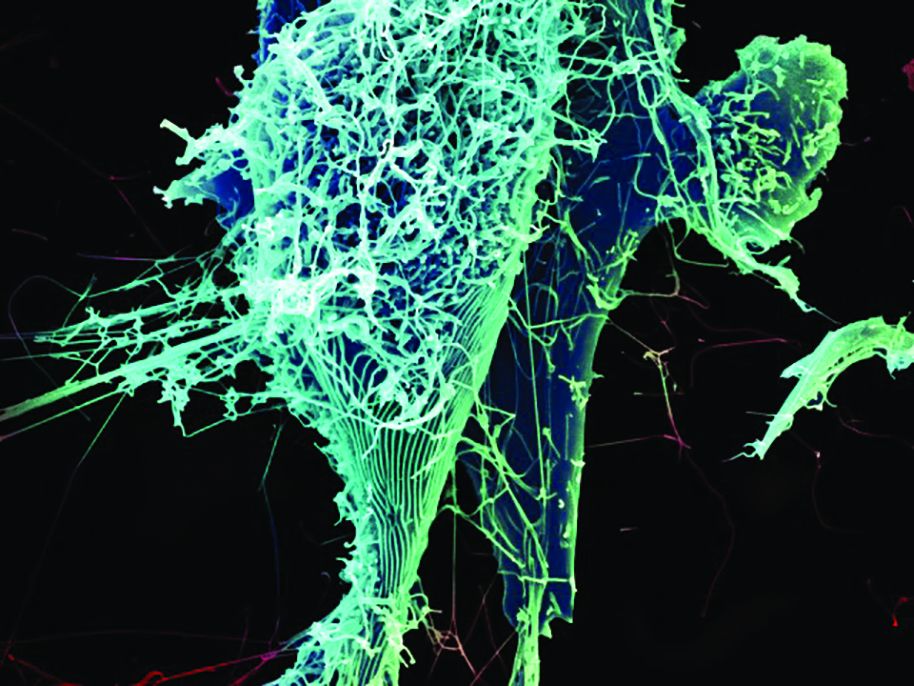
In response to the Ebola outbreak in the Democratic Republic of Congo (DRC), the Food and Drug Administration has announced steps the agency is taking to make diagnostic and medical products available as part of critical response efforts.
In addition to providing scientific and regulatory advice to medical product developers, the FDA is using its authorities to ensure Merck’s investigational Ebola Zaire vaccine is made available appropriately to vaccinate high-risk populations in the DRC. Additionally, the FDA also is committed to facilitating the development of investigational drugs for the treatment of Ebola virus and supporting access to these products under appropriate regulatory pathways, FDA Commissioner Scott Gottlieb, MD, said in a statement.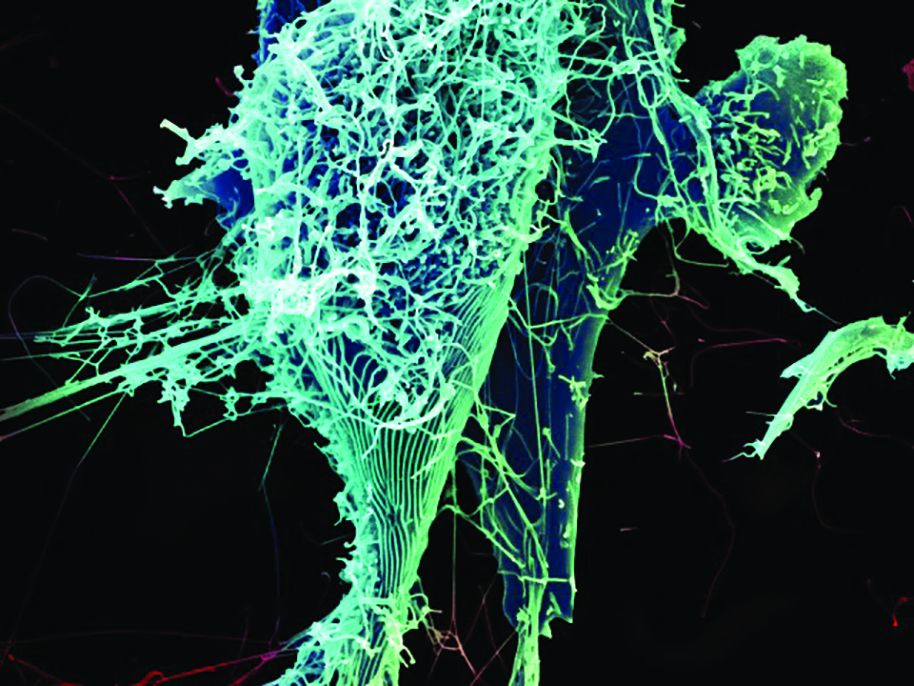
Clinical trials that are adaptive to the circumstances of an outbreak are essential, he added. “During the 2014-2015 Ebola outbreak, the FDA recognized that some of the medical products that initially appeared to show great promise sometimes, when subjected to objective testing, were not effective or may have done more harm than good.”
Further, as there are no approved treatments or vaccines for Ebola, the agency will be monitoring for false product claims to protect consumers from fraudulent products claiming to prevent, treat, or cure the disease.
“The FDA knows that it takes a sustained, robust, and globally coordinated effort to best protect our nation from various infectious disease threats,” Dr. Gottlieb wrote. “We’re committed to supporting the people of the DRC and preventing a worsening circumstance during the current outbreak. And we remain highly engaged in the international response efforts.”
In response to the Ebola outbreak in the Democratic Republic of Congo (DRC), the Food and Drug Administration has announced steps the agency is taking to make diagnostic and medical products available as part of critical response efforts.
In addition to providing scientific and regulatory advice to medical product developers, the FDA is using its authorities to ensure Merck’s investigational Ebola Zaire vaccine is made available appropriately to vaccinate high-risk populations in the DRC. Additionally, the FDA also is committed to facilitating the development of investigational drugs for the treatment of Ebola virus and supporting access to these products under appropriate regulatory pathways, FDA Commissioner Scott Gottlieb, MD, said in a statement.
Clinical trials that are adaptive to the circumstances of an outbreak are essential, he added. “During the 2014-2015 Ebola outbreak, the FDA recognized that some of the medical products that initially appeared to show great promise sometimes, when subjected to objective testing, were not effective or may have done more harm than good.”
Further, as there are no approved treatments or vaccines for Ebola, the agency will be monitoring for false product claims to protect consumers from fraudulent products claiming to prevent, treat, or cure the disease.
“The FDA knows that it takes a sustained, robust, and globally coordinated effort to best protect our nation from various infectious disease threats,” Dr. Gottlieb wrote. “We’re committed to supporting the people of the DRC and preventing a worsening circumstance during the current outbreak. And we remain highly engaged in the international response efforts.”
In response to the Ebola outbreak in the Democratic Republic of Congo (DRC), the Food and Drug Administration has announced steps the agency is taking to make diagnostic and medical products available as part of critical response efforts.
In addition to providing scientific and regulatory advice to medical product developers, the FDA is using its authorities to ensure Merck’s investigational Ebola Zaire vaccine is made available appropriately to vaccinate high-risk populations in the DRC. Additionally, the FDA also is committed to facilitating the development of investigational drugs for the treatment of Ebola virus and supporting access to these products under appropriate regulatory pathways, FDA Commissioner Scott Gottlieb, MD, said in a statement.
Clinical trials that are adaptive to the circumstances of an outbreak are essential, he added. “During the 2014-2015 Ebola outbreak, the FDA recognized that some of the medical products that initially appeared to show great promise sometimes, when subjected to objective testing, were not effective or may have done more harm than good.”
Further, as there are no approved treatments or vaccines for Ebola, the agency will be monitoring for false product claims to protect consumers from fraudulent products claiming to prevent, treat, or cure the disease.
“The FDA knows that it takes a sustained, robust, and globally coordinated effort to best protect our nation from various infectious disease threats,” Dr. Gottlieb wrote. “We’re committed to supporting the people of the DRC and preventing a worsening circumstance during the current outbreak. And we remain highly engaged in the international response efforts.”
Americans back from captivity need decompression period
The recent release of three Americans from North Korea has raised the question of how to bring back those who have been incarcerated abroad.
Jason Rezaian is the Iranian-American journalist who was detained in Iran for a year and a half. He recently discussed how beneficial it was for him to have time away from the spotlight after his release. He also expressed concern that the current administration’s tendency to parade former hostages before cameras right after their release could interfere with their ability to heal from their ordeal.
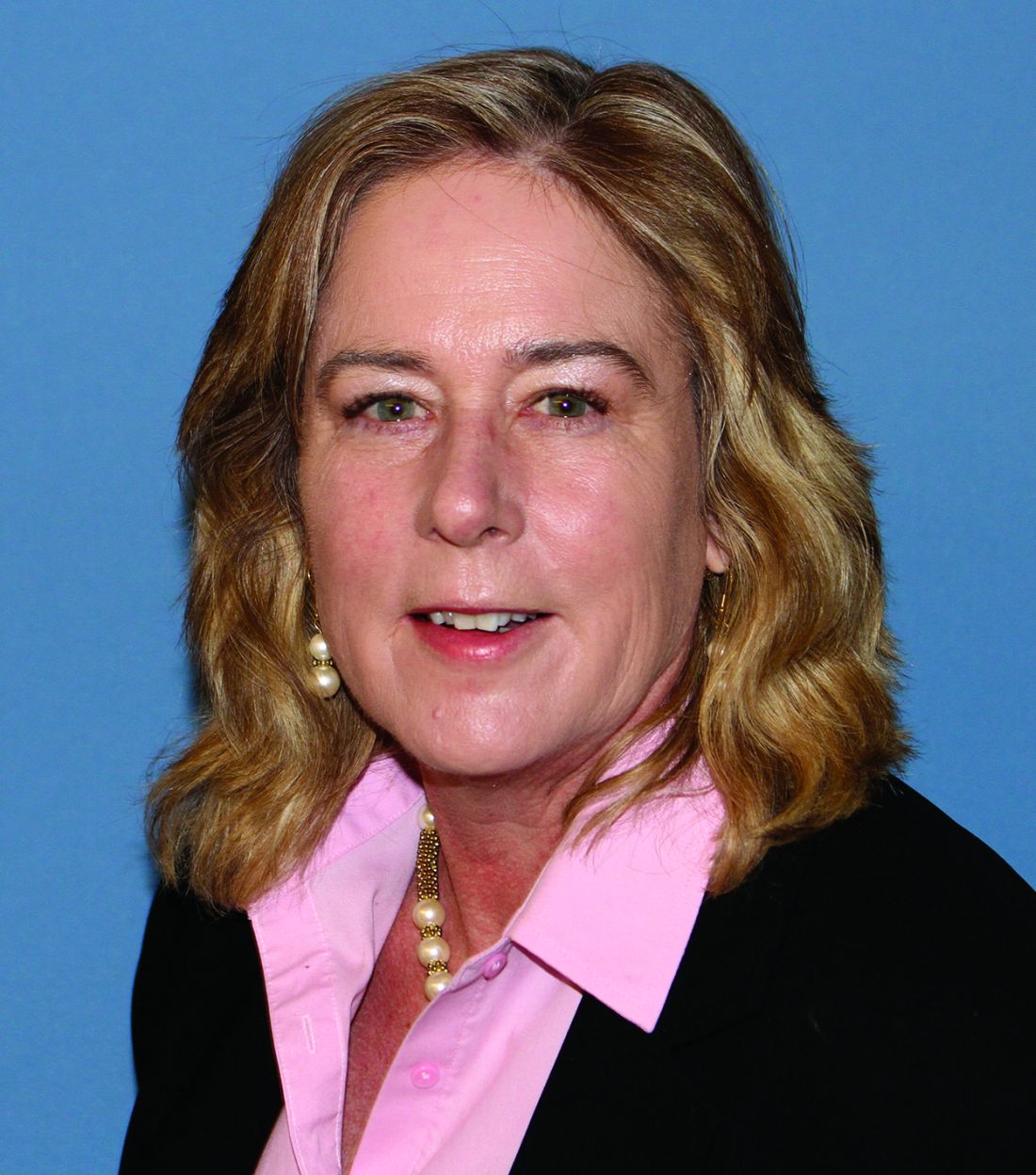
“I was so thankful that I had the opportunity to spend some time alone and with my family before that happened to me,” he said.
When I was in the Army, I was involved in planning for the release of an American pilot shot down over North Korea. Later, I talked on the Larry King Live about American soldiers taken prisoner in the beginning of the Iraq War who were being returned to Fort Bliss, Tex. And now, another American has been released from captivity, this time from Venezuela; by evening that same day, he was meeting with the president – and the press – at the White House.
In planning for repatriation, the military has built on the experience of former prisoners of war (POWs); in doing so, it has learned the best way to bring home those who have been captured. This experience builds on lessons learned from the return of POWs from the Korean war, the Vietnam war, the Gulf War, and other hostilities, according to the Borden Institute, an agency of the U.S. Army Medical Department Center and School now based in Fort Sam in Houston, Tex.
Optimal repatriation usually involves a decompression period, now often at the Army hospital in Landstuhl, Germany. About 3 days are allotted for medical and psychiatric exams, debriefing with intelligence agencies, and reunions with family members. Returning service members also catch up on sleep and nutrition; “three hots and a cot” is the Army mantra for dealing with combat stress, and it also applies here.
The returning service members also are prepared for the glare of media publicity which will follow. They learn how to avoid comments that might embarrass them later. If they have been held captive for a long period of time, they are brought up to date on recent events and news.
To quote the Borden Institute, “Most repatriated POWs, including those from the Persian Gulf War, have had little experience dealing with the media. The media are a substantial stressor that can have lifelong effects if a later, ‘Wish-I-had-never-said,’ statement is broadcast around the world. It is very important to both shield the POW and his family from early intrusive media coverage and to offer training in the management of media requests. This was done routinely for the POWs of the Persian Gulf War. Reminding POWs and their families that it is perfectly acceptable for them to say, ‘No,’ can be a most important intervention.”
So I would urge the current administration to take those lessons into account as it plans for the return of American hostages and returnees.
Dr. Ritchie, a forensic psychiatrist with expertise in military and veteran’s issues, is chief of psychiatry at MedStar Washington Hospital Center.
The recent release of three Americans from North Korea has raised the question of how to bring back those who have been incarcerated abroad.
Jason Rezaian is the Iranian-American journalist who was detained in Iran for a year and a half. He recently discussed how beneficial it was for him to have time away from the spotlight after his release. He also expressed concern that the current administration’s tendency to parade former hostages before cameras right after their release could interfere with their ability to heal from their ordeal.
“I was so thankful that I had the opportunity to spend some time alone and with my family before that happened to me,” he said.
When I was in the Army, I was involved in planning for the release of an American pilot shot down over North Korea. Later, I talked on the Larry King Live about American soldiers taken prisoner in the beginning of the Iraq War who were being returned to Fort Bliss, Tex. And now, another American has been released from captivity, this time from Venezuela; by evening that same day, he was meeting with the president – and the press – at the White House.
In planning for repatriation, the military has built on the experience of former prisoners of war (POWs); in doing so, it has learned the best way to bring home those who have been captured. This experience builds on lessons learned from the return of POWs from the Korean war, the Vietnam war, the Gulf War, and other hostilities, according to the Borden Institute, an agency of the U.S. Army Medical Department Center and School now based in Fort Sam in Houston, Tex.
Optimal repatriation usually involves a decompression period, now often at the Army hospital in Landstuhl, Germany. About 3 days are allotted for medical and psychiatric exams, debriefing with intelligence agencies, and reunions with family members. Returning service members also catch up on sleep and nutrition; “three hots and a cot” is the Army mantra for dealing with combat stress, and it also applies here.
The returning service members also are prepared for the glare of media publicity which will follow. They learn how to avoid comments that might embarrass them later. If they have been held captive for a long period of time, they are brought up to date on recent events and news.
To quote the Borden Institute, “Most repatriated POWs, including those from the Persian Gulf War, have had little experience dealing with the media. The media are a substantial stressor that can have lifelong effects if a later, ‘Wish-I-had-never-said,’ statement is broadcast around the world. It is very important to both shield the POW and his family from early intrusive media coverage and to offer training in the management of media requests. This was done routinely for the POWs of the Persian Gulf War. Reminding POWs and their families that it is perfectly acceptable for them to say, ‘No,’ can be a most important intervention.”
So I would urge the current administration to take those lessons into account as it plans for the return of American hostages and returnees.
Dr. Ritchie, a forensic psychiatrist with expertise in military and veteran’s issues, is chief of psychiatry at MedStar Washington Hospital Center.
The recent release of three Americans from North Korea has raised the question of how to bring back those who have been incarcerated abroad.
Jason Rezaian is the Iranian-American journalist who was detained in Iran for a year and a half. He recently discussed how beneficial it was for him to have time away from the spotlight after his release. He also expressed concern that the current administration’s tendency to parade former hostages before cameras right after their release could interfere with their ability to heal from their ordeal.
“I was so thankful that I had the opportunity to spend some time alone and with my family before that happened to me,” he said.
When I was in the Army, I was involved in planning for the release of an American pilot shot down over North Korea. Later, I talked on the Larry King Live about American soldiers taken prisoner in the beginning of the Iraq War who were being returned to Fort Bliss, Tex. And now, another American has been released from captivity, this time from Venezuela; by evening that same day, he was meeting with the president – and the press – at the White House.
In planning for repatriation, the military has built on the experience of former prisoners of war (POWs); in doing so, it has learned the best way to bring home those who have been captured. This experience builds on lessons learned from the return of POWs from the Korean war, the Vietnam war, the Gulf War, and other hostilities, according to the Borden Institute, an agency of the U.S. Army Medical Department Center and School now based in Fort Sam in Houston, Tex.
Optimal repatriation usually involves a decompression period, now often at the Army hospital in Landstuhl, Germany. About 3 days are allotted for medical and psychiatric exams, debriefing with intelligence agencies, and reunions with family members. Returning service members also catch up on sleep and nutrition; “three hots and a cot” is the Army mantra for dealing with combat stress, and it also applies here.
The returning service members also are prepared for the glare of media publicity which will follow. They learn how to avoid comments that might embarrass them later. If they have been held captive for a long period of time, they are brought up to date on recent events and news.
To quote the Borden Institute, “Most repatriated POWs, including those from the Persian Gulf War, have had little experience dealing with the media. The media are a substantial stressor that can have lifelong effects if a later, ‘Wish-I-had-never-said,’ statement is broadcast around the world. It is very important to both shield the POW and his family from early intrusive media coverage and to offer training in the management of media requests. This was done routinely for the POWs of the Persian Gulf War. Reminding POWs and their families that it is perfectly acceptable for them to say, ‘No,’ can be a most important intervention.”
So I would urge the current administration to take those lessons into account as it plans for the return of American hostages and returnees.
Dr. Ritchie, a forensic psychiatrist with expertise in military and veteran’s issues, is chief of psychiatry at MedStar Washington Hospital Center.
Meta-analysis supports endoscopic surveillance of Barrett’s esophagus
Endoscopic surveillance also was associated with modest improvements in all-cause and cancer-specific mortality, said Don C. Codipilly, MD, of the Mayo Clinic in Rochester, Minn., with his associates. The Barrett’s esophagus community “eagerly” await results from the multicenter, randomized BOSS trial (Barrett’s Oesophagus Surveillance versus endoscopy at need Study), the reviewers wrote in the June issue of Gastroenterology.
Guidelines recommend endoscopic surveillance of patients with Barrett’s esophagus, but it is unclear whether this practice improves survival. Hence, the reviewers searched databases such as Ovid MEDLINE, Embase, PubMed, and Scopus for studies published since 1996 that evaluated outcomes of endoscopic surveillance in Barrett’s esophagus. Eligible studies included a case-control study of a large hospital database in northern California, 6 retrospective cohort studies of endoscopic Barrett’s esophagus surveillance, and 11 prospective and retrospective studies comparing patients with esophageal adenocarcinoma (EAC) with and without a history of Barrett’s esophagus.
The case-control study found no link between endoscopic surveillance and improved survival in Barrett’s esophagus, said the reviewers. However, the retrospective cohort studies linked regular Barrett’s esophagus endoscopic surveillance with a 40% lower risk of death from EAC, compared with incomplete or no endoscopic surveillance, which was statistically significant (risk ratio, 0.60; 95% confidence interval, 0.50-0.71). Individual results of these studies also were consistent with the results of their meta-analysis. A separate meta-analysis of the remaining studies also linked endoscopic surveillance with a significantly lower risk of EAC-related mortality (RR, 0.73; 95% CI, 0.57-0.94), but these studies had substantial heterogeneity, the investigators said.
Meta-analyses also supported endoscopic surveillance for earlier detection of EAC. Unadjusted data from four studies indicated that Barrett’s esophagus surveillance helped detect EAC while it was still early stage (stage 0 or 1) rather than later stage (RR, 2.1; 95% CI, 1.1-4.1). Similarly, patients who had already been diagnosed with Barrett’s esophagus were significantly more likely to present with early-stage EAC (RR, 5.5; 95% CI, 3.7-8.2). In contrast, enrollment in a Barrett’s esophagus surveillance program did not appear to affect the likelihood of esophagectomy.
Additional meta-analyses suggested that endoscopic surveillance of Barrett’s esophagus might confer a “potentially small” overall survival benefit, the reviewers said. A meta-analysis of adjusted data from three studies linked surveillance with a 25% reduction in risk of all-cause mortality, compared with no surveillance (hazard ratio, 0.75; 95% CI, 0.58-0.94). Having a prior Barrett’s esophagus diagnosis also was associated with a 52% decrease in all-cause mortality, compared with having symptomatic cancer (RR, 0.48; 95% CI, 0.37-0.63) in a meta-analysis of unadjusted data from 12 studies. Five studies with adjusted data linked a prior Barrett’s esophagus diagnosis with a 41% lower risk of all-cause mortality (HR, 0.59; 95% CI, 0.45-0.76). However, individual findings varied substantially, and adjusting for lead time “almost eliminated this overall survival benefit,” the reviewers said.
The National Institutes of Health and a Public Health Service Award supported the study. Dr. Codipilly reported having no conflicts of interest. Five coinvestigators disclosed ties to Exact Sciences, C2 Therapeutics, and other companies.
SOURCE: Codipilly DC et al. Gastroenterology. 2018 Feb 17. doi: 10.1053/j.gastro.2018.02.022.
Endoscopic surveillance also was associated with modest improvements in all-cause and cancer-specific mortality, said Don C. Codipilly, MD, of the Mayo Clinic in Rochester, Minn., with his associates. The Barrett’s esophagus community “eagerly” await results from the multicenter, randomized BOSS trial (Barrett’s Oesophagus Surveillance versus endoscopy at need Study), the reviewers wrote in the June issue of Gastroenterology.
Guidelines recommend endoscopic surveillance of patients with Barrett’s esophagus, but it is unclear whether this practice improves survival. Hence, the reviewers searched databases such as Ovid MEDLINE, Embase, PubMed, and Scopus for studies published since 1996 that evaluated outcomes of endoscopic surveillance in Barrett’s esophagus. Eligible studies included a case-control study of a large hospital database in northern California, 6 retrospective cohort studies of endoscopic Barrett’s esophagus surveillance, and 11 prospective and retrospective studies comparing patients with esophageal adenocarcinoma (EAC) with and without a history of Barrett’s esophagus.
The case-control study found no link between endoscopic surveillance and improved survival in Barrett’s esophagus, said the reviewers. However, the retrospective cohort studies linked regular Barrett’s esophagus endoscopic surveillance with a 40% lower risk of death from EAC, compared with incomplete or no endoscopic surveillance, which was statistically significant (risk ratio, 0.60; 95% confidence interval, 0.50-0.71). Individual results of these studies also were consistent with the results of their meta-analysis. A separate meta-analysis of the remaining studies also linked endoscopic surveillance with a significantly lower risk of EAC-related mortality (RR, 0.73; 95% CI, 0.57-0.94), but these studies had substantial heterogeneity, the investigators said.
Meta-analyses also supported endoscopic surveillance for earlier detection of EAC. Unadjusted data from four studies indicated that Barrett’s esophagus surveillance helped detect EAC while it was still early stage (stage 0 or 1) rather than later stage (RR, 2.1; 95% CI, 1.1-4.1). Similarly, patients who had already been diagnosed with Barrett’s esophagus were significantly more likely to present with early-stage EAC (RR, 5.5; 95% CI, 3.7-8.2). In contrast, enrollment in a Barrett’s esophagus surveillance program did not appear to affect the likelihood of esophagectomy.
Additional meta-analyses suggested that endoscopic surveillance of Barrett’s esophagus might confer a “potentially small” overall survival benefit, the reviewers said. A meta-analysis of adjusted data from three studies linked surveillance with a 25% reduction in risk of all-cause mortality, compared with no surveillance (hazard ratio, 0.75; 95% CI, 0.58-0.94). Having a prior Barrett’s esophagus diagnosis also was associated with a 52% decrease in all-cause mortality, compared with having symptomatic cancer (RR, 0.48; 95% CI, 0.37-0.63) in a meta-analysis of unadjusted data from 12 studies. Five studies with adjusted data linked a prior Barrett’s esophagus diagnosis with a 41% lower risk of all-cause mortality (HR, 0.59; 95% CI, 0.45-0.76). However, individual findings varied substantially, and adjusting for lead time “almost eliminated this overall survival benefit,” the reviewers said.
The National Institutes of Health and a Public Health Service Award supported the study. Dr. Codipilly reported having no conflicts of interest. Five coinvestigators disclosed ties to Exact Sciences, C2 Therapeutics, and other companies.
SOURCE: Codipilly DC et al. Gastroenterology. 2018 Feb 17. doi: 10.1053/j.gastro.2018.02.022.
Endoscopic surveillance also was associated with modest improvements in all-cause and cancer-specific mortality, said Don C. Codipilly, MD, of the Mayo Clinic in Rochester, Minn., with his associates. The Barrett’s esophagus community “eagerly” await results from the multicenter, randomized BOSS trial (Barrett’s Oesophagus Surveillance versus endoscopy at need Study), the reviewers wrote in the June issue of Gastroenterology.
Guidelines recommend endoscopic surveillance of patients with Barrett’s esophagus, but it is unclear whether this practice improves survival. Hence, the reviewers searched databases such as Ovid MEDLINE, Embase, PubMed, and Scopus for studies published since 1996 that evaluated outcomes of endoscopic surveillance in Barrett’s esophagus. Eligible studies included a case-control study of a large hospital database in northern California, 6 retrospective cohort studies of endoscopic Barrett’s esophagus surveillance, and 11 prospective and retrospective studies comparing patients with esophageal adenocarcinoma (EAC) with and without a history of Barrett’s esophagus.
The case-control study found no link between endoscopic surveillance and improved survival in Barrett’s esophagus, said the reviewers. However, the retrospective cohort studies linked regular Barrett’s esophagus endoscopic surveillance with a 40% lower risk of death from EAC, compared with incomplete or no endoscopic surveillance, which was statistically significant (risk ratio, 0.60; 95% confidence interval, 0.50-0.71). Individual results of these studies also were consistent with the results of their meta-analysis. A separate meta-analysis of the remaining studies also linked endoscopic surveillance with a significantly lower risk of EAC-related mortality (RR, 0.73; 95% CI, 0.57-0.94), but these studies had substantial heterogeneity, the investigators said.
Meta-analyses also supported endoscopic surveillance for earlier detection of EAC. Unadjusted data from four studies indicated that Barrett’s esophagus surveillance helped detect EAC while it was still early stage (stage 0 or 1) rather than later stage (RR, 2.1; 95% CI, 1.1-4.1). Similarly, patients who had already been diagnosed with Barrett’s esophagus were significantly more likely to present with early-stage EAC (RR, 5.5; 95% CI, 3.7-8.2). In contrast, enrollment in a Barrett’s esophagus surveillance program did not appear to affect the likelihood of esophagectomy.
Additional meta-analyses suggested that endoscopic surveillance of Barrett’s esophagus might confer a “potentially small” overall survival benefit, the reviewers said. A meta-analysis of adjusted data from three studies linked surveillance with a 25% reduction in risk of all-cause mortality, compared with no surveillance (hazard ratio, 0.75; 95% CI, 0.58-0.94). Having a prior Barrett’s esophagus diagnosis also was associated with a 52% decrease in all-cause mortality, compared with having symptomatic cancer (RR, 0.48; 95% CI, 0.37-0.63) in a meta-analysis of unadjusted data from 12 studies. Five studies with adjusted data linked a prior Barrett’s esophagus diagnosis with a 41% lower risk of all-cause mortality (HR, 0.59; 95% CI, 0.45-0.76). However, individual findings varied substantially, and adjusting for lead time “almost eliminated this overall survival benefit,” the reviewers said.
The National Institutes of Health and a Public Health Service Award supported the study. Dr. Codipilly reported having no conflicts of interest. Five coinvestigators disclosed ties to Exact Sciences, C2 Therapeutics, and other companies.
SOURCE: Codipilly DC et al. Gastroenterology. 2018 Feb 17. doi: 10.1053/j.gastro.2018.02.022.
FROM GASTROENTEROLOGY
Key clinical point: Endoscopic surveillance of Barrett’s esophagus was associated with significantly earlier cancer detection and conferred a small survival benefit.
Major finding: Risk ratios for esophageal adenocarcinoma–specific mortality ranged from 0.60 to 0.73 and reached statistical significance.
Study details: A systematic review and meta-analysis of 18 studies.
Disclosures: The National Institutes of Health and a Public Health Service Award supported the study. Dr. Codipilly reported having no conflicts of interest. Five coinvestigators disclosed ties to Exact Sciences, C2 Therapeutics, and other companies.
Source: Codipilly DC et al. Gastroenterology. 2018 Feb 17. doi: 10.1053/j.gastro.2018.02.022.
Detached parents: How to help
While most of the parents you will see in your office will be thoughtful, engaged, and even anxious, occasionally you will encounter parents who seem detached from their children. Spending just a few extra minutes to understand this detachment could mean an enormous difference in the psychological health and developmental well-being of your patient.
It is striking when you see it: Flat affect, little eye contact, no questions or comments. If the parents seem unconnected to their children, it is worth being curious about it. Whether they are constantly on their phones or just disengaged, you should start by directing a question straight to them. Perhaps a question about the child’s sleep, appetite, or school performance is a good place to start. You would like to assess their knowledge of the child’s development, performance at school, friendships, and interests, to ensure that they are up to date and paying attention.
Once alone, you might start by offering your impression of how the child is doing, then observe that you noticed that they (the parents) seem quiet or distant. The following questions should help you better understand the nature of their detachment.
Depression
Ask about how they are sleeping. If the child is very young or the parents have a difficult work schedule, they might simply be sleep deprived, which you might help them address. Difficulty sleeping also can be a symptom of depression. Have they noticed any changes in their appetite or energy? Is it harder to concentrate? Have they felt more tearful, sad, or irritable? Have they noticed that they don’t get as much pleasure from things that usually bring them joy? Do they worry about being a burden to others? Major depressive disorder is relatively common, affecting as many as one in five women in the postpartum period and one in ten women generally.
Men experience depression at about half that rate, according the Centers for Disease Control and Prevention. It is a condition that can cause feelings of guilt and shame, so many suffer silently, missing the chance for treatment and raising the risk for suicide. Infants of depressed mothers often appear listless and may be fussier about sleeping and eating, which can exacerbate poor attachment with their parents, and lead to problems in later years, including anxiety, mood, or behavioral problems. A parent’s depression, particularly in the postpartum period, represents a serious threat to the child’s healthy development and well-being.
Tell the parents that what they have described to you sounds like it could be a depressive episode and that depression has a serious impact on the whole family. Offer that their primary care physicians can evaluate and treat depression, or learn about other resources in your community that you can refer them to for accessible care.
Overwhelming stress
Is the newborn or special needs child feeling like more responsibility than the parents can handle? Where do the parents find support? Has there been a recent job loss or has there been a financial setback for the family? Is a spouse ill, or are they also caring for an aging parent? Has there been a separation from the spouse? Many adults face multiple significant stresses at the same time. It is not uncommon for working parents to be in “soldiering on” mode, just surviving. But this takes a toll on being present and engaged with the children, and puts them at risk for depression and substance abuse.

Traumatic stress
Have they recently experienced a crime or accident, the unexpected loss of a loved one, or threats or abuse at home? They may be grieving, or may be experiencing symptoms of posttraumatic stress disorder that lead them to appear distant and detached. Grief will improve with time, but they may benefit from extra support or from assistance with their responsibilities (a leave from work or more child care). If they have experienced a traumatic stress, they will need a clinical evaluation for potential treatment options. If they are being threatened or abused at home, you need to find out if their children have witnessed the abuse or may be victims as well. You can offer these parents resources for survivors of domestic abuse and speak with them about your obligation to file with your state’s agency responsible for children’s welfare. It is critical that you listen to any concerns they may have about this filing, from losing their children to enraging their abusers.

A detached parent may make a child feel worried, worthless, or guilty. There is no substitute for a loving, engaged parent, and your brief interventions to help a parent reconnect with the child will be invaluable.
Dr. Swick is an attending psychiatrist in the division of child psychiatry at Massachusetts General Hospital, Boston, and director of the Parenting at a Challenging Time (PACT) Program at the Vernon Cancer Center at Newton Wellesley Hospital, also in Boston. Dr. Jellinek is professor emeritus of psychiatry and pediatrics, Harvard Medical School, Boston. Email them at [email protected]
While most of the parents you will see in your office will be thoughtful, engaged, and even anxious, occasionally you will encounter parents who seem detached from their children. Spending just a few extra minutes to understand this detachment could mean an enormous difference in the psychological health and developmental well-being of your patient.
It is striking when you see it: Flat affect, little eye contact, no questions or comments. If the parents seem unconnected to their children, it is worth being curious about it. Whether they are constantly on their phones or just disengaged, you should start by directing a question straight to them. Perhaps a question about the child’s sleep, appetite, or school performance is a good place to start. You would like to assess their knowledge of the child’s development, performance at school, friendships, and interests, to ensure that they are up to date and paying attention.
Once alone, you might start by offering your impression of how the child is doing, then observe that you noticed that they (the parents) seem quiet or distant. The following questions should help you better understand the nature of their detachment.
Depression
Ask about how they are sleeping. If the child is very young or the parents have a difficult work schedule, they might simply be sleep deprived, which you might help them address. Difficulty sleeping also can be a symptom of depression. Have they noticed any changes in their appetite or energy? Is it harder to concentrate? Have they felt more tearful, sad, or irritable? Have they noticed that they don’t get as much pleasure from things that usually bring them joy? Do they worry about being a burden to others? Major depressive disorder is relatively common, affecting as many as one in five women in the postpartum period and one in ten women generally.
Men experience depression at about half that rate, according the Centers for Disease Control and Prevention. It is a condition that can cause feelings of guilt and shame, so many suffer silently, missing the chance for treatment and raising the risk for suicide. Infants of depressed mothers often appear listless and may be fussier about sleeping and eating, which can exacerbate poor attachment with their parents, and lead to problems in later years, including anxiety, mood, or behavioral problems. A parent’s depression, particularly in the postpartum period, represents a serious threat to the child’s healthy development and well-being.
Tell the parents that what they have described to you sounds like it could be a depressive episode and that depression has a serious impact on the whole family. Offer that their primary care physicians can evaluate and treat depression, or learn about other resources in your community that you can refer them to for accessible care.
Overwhelming stress
Is the newborn or special needs child feeling like more responsibility than the parents can handle? Where do the parents find support? Has there been a recent job loss or has there been a financial setback for the family? Is a spouse ill, or are they also caring for an aging parent? Has there been a separation from the spouse? Many adults face multiple significant stresses at the same time. It is not uncommon for working parents to be in “soldiering on” mode, just surviving. But this takes a toll on being present and engaged with the children, and puts them at risk for depression and substance abuse.
Traumatic stress
Have they recently experienced a crime or accident, the unexpected loss of a loved one, or threats or abuse at home? They may be grieving, or may be experiencing symptoms of posttraumatic stress disorder that lead them to appear distant and detached. Grief will improve with time, but they may benefit from extra support or from assistance with their responsibilities (a leave from work or more child care). If they have experienced a traumatic stress, they will need a clinical evaluation for potential treatment options. If they are being threatened or abused at home, you need to find out if their children have witnessed the abuse or may be victims as well. You can offer these parents resources for survivors of domestic abuse and speak with them about your obligation to file with your state’s agency responsible for children’s welfare. It is critical that you listen to any concerns they may have about this filing, from losing their children to enraging their abusers.
A detached parent may make a child feel worried, worthless, or guilty. There is no substitute for a loving, engaged parent, and your brief interventions to help a parent reconnect with the child will be invaluable.
Dr. Swick is an attending psychiatrist in the division of child psychiatry at Massachusetts General Hospital, Boston, and director of the Parenting at a Challenging Time (PACT) Program at the Vernon Cancer Center at Newton Wellesley Hospital, also in Boston. Dr. Jellinek is professor emeritus of psychiatry and pediatrics, Harvard Medical School, Boston. Email them at [email protected]
While most of the parents you will see in your office will be thoughtful, engaged, and even anxious, occasionally you will encounter parents who seem detached from their children. Spending just a few extra minutes to understand this detachment could mean an enormous difference in the psychological health and developmental well-being of your patient.
It is striking when you see it: Flat affect, little eye contact, no questions or comments. If the parents seem unconnected to their children, it is worth being curious about it. Whether they are constantly on their phones or just disengaged, you should start by directing a question straight to them. Perhaps a question about the child’s sleep, appetite, or school performance is a good place to start. You would like to assess their knowledge of the child’s development, performance at school, friendships, and interests, to ensure that they are up to date and paying attention.
Once alone, you might start by offering your impression of how the child is doing, then observe that you noticed that they (the parents) seem quiet or distant. The following questions should help you better understand the nature of their detachment.
Depression
Ask about how they are sleeping. If the child is very young or the parents have a difficult work schedule, they might simply be sleep deprived, which you might help them address. Difficulty sleeping also can be a symptom of depression. Have they noticed any changes in their appetite or energy? Is it harder to concentrate? Have they felt more tearful, sad, or irritable? Have they noticed that they don’t get as much pleasure from things that usually bring them joy? Do they worry about being a burden to others? Major depressive disorder is relatively common, affecting as many as one in five women in the postpartum period and one in ten women generally.
Men experience depression at about half that rate, according the Centers for Disease Control and Prevention. It is a condition that can cause feelings of guilt and shame, so many suffer silently, missing the chance for treatment and raising the risk for suicide. Infants of depressed mothers often appear listless and may be fussier about sleeping and eating, which can exacerbate poor attachment with their parents, and lead to problems in later years, including anxiety, mood, or behavioral problems. A parent’s depression, particularly in the postpartum period, represents a serious threat to the child’s healthy development and well-being.
Tell the parents that what they have described to you sounds like it could be a depressive episode and that depression has a serious impact on the whole family. Offer that their primary care physicians can evaluate and treat depression, or learn about other resources in your community that you can refer them to for accessible care.
Overwhelming stress
Is the newborn or special needs child feeling like more responsibility than the parents can handle? Where do the parents find support? Has there been a recent job loss or has there been a financial setback for the family? Is a spouse ill, or are they also caring for an aging parent? Has there been a separation from the spouse? Many adults face multiple significant stresses at the same time. It is not uncommon for working parents to be in “soldiering on” mode, just surviving. But this takes a toll on being present and engaged with the children, and puts them at risk for depression and substance abuse.
Traumatic stress
Have they recently experienced a crime or accident, the unexpected loss of a loved one, or threats or abuse at home? They may be grieving, or may be experiencing symptoms of posttraumatic stress disorder that lead them to appear distant and detached. Grief will improve with time, but they may benefit from extra support or from assistance with their responsibilities (a leave from work or more child care). If they have experienced a traumatic stress, they will need a clinical evaluation for potential treatment options. If they are being threatened or abused at home, you need to find out if their children have witnessed the abuse or may be victims as well. You can offer these parents resources for survivors of domestic abuse and speak with them about your obligation to file with your state’s agency responsible for children’s welfare. It is critical that you listen to any concerns they may have about this filing, from losing their children to enraging their abusers.
A detached parent may make a child feel worried, worthless, or guilty. There is no substitute for a loving, engaged parent, and your brief interventions to help a parent reconnect with the child will be invaluable.
Dr. Swick is an attending psychiatrist in the division of child psychiatry at Massachusetts General Hospital, Boston, and director of the Parenting at a Challenging Time (PACT) Program at the Vernon Cancer Center at Newton Wellesley Hospital, also in Boston. Dr. Jellinek is professor emeritus of psychiatry and pediatrics, Harvard Medical School, Boston. Email them at [email protected]
Study eyes liver transplantation after Region 5 UNOS downstaging
Liver transplantation led to “excellent outcomes” when performed after downstaging hepatocellular carcinoma using the UNOS (United Network for Organ Sharing) Region 5 protocol, investigators reported.
Downstaging succeeded for 58% of patients, and an estimated 87% of transplantation recipients were alive and recurrence free at 5 years, said Neil Mehta, MD, of the University of California, San Francisco, and his associates. The findings support expanding priority access to liver transplantation to include patients whose hepatocellular carcinoma (HCC) has been successfully downstaged, they said. “In the meantime, UNOS has recently approved the Region 5 downstaging protocol for receiving automatic HCC-MELD exception listing,” they wrote. The report was published in the June issue of Clinical Gastroenterology and Hepatology (doi: 10.1016/j.cgh.2017.11.037).
This is the first multicenter study of HCC downstaging according to a uniform protocol, the researchers noted. In multivariable analyses, downstaging was significantly more likely to fail in the setting of moderate to severe (Child Pugh B or C) hepatic impairment (hazard ratio, 3.3; 95% confidence interval, 3.0 to 3.6; P less than .001) or baseline alpha-fetoprotein level above 1,000 ng/mL (HR, 1.6; 95% CI, 1.4 to 1.9; P less than .001).
The incidence of HCC in the United States is expected to keep rising for at least another decade because of epidemic levels of fatty liver disease and chronic hepatitis C, the investigators noted. Downstaging HCC with local-regional therapy is a common bridge to transplantation, and successful treatment tends to reflect favorable tumor biology, which bodes well for transplantation. However, no multicenter study had evaluated these associations. Therefore, the investigators retrospectively studied 187 patients with HCC from three centers in California who underwent downstaging according to the UNOS Region 5 protocol between 2002 and 2012.
A total of 156 patients (83%) were successfully downstaged to within Milan criteria after a median of 2.7 months (interquartile range, 1.4 to 4.9 months), said the researchers. Among patients who were successfully downstaged but did not undergo transplantation, 37 patients had tumor progression or died from liver-related causes after a median of 6 months, while 10 patients remained on the transplant list. Among the 109 patients who underwent transplantation after a median of 13 months (interquartile range 6 to 19 months), median follow-up time was 4.3 years and estimated 5-year survival was 80%, and estimated recurrence-free survival was 87%.
Fully 68% of successfully downstaged patients required only one local-regional treatment, the researchers said. The Region 5 protocol considers patients eligible for downstaging if they have a single HCC lesion measuring up to 8 cm or multiple lesions whose combined diameters do not exceed 8 cm, and no evidence of extrahepatic disease or vascular invasion on multiphase computed tomography or magnetic resonance imaging.
The protocol considers downstaging successful if it results in one lesion measuring up to 5 cm or no more than three lesions of up to 3 cm each. Thus, patients who start out with four or five lesions must have complete necrosis of at least one to two tumors. Successfully downstaged patients must remain free of acute hepatic decompensation for at least 3 consecutive months before undergoing transplantation, according to the protocol.
“Slight refinements in the inclusion criteria for downstaging seem warranted [given] that all Child’s B/C patients with pretreatment alpha-fetoprotein greater than 1000 ng/mL suffered poor outcomes when downstaging was attempted,” the investigators noted. They reported that the 1-year risk of failed downstaging was 70% among patients with both Child’s B/C cirrhosis and alpha-fetoprotein level at or above 1000 ng/mL, 32% among patients with one risk factor, and 14% among patients with no risk factors (P less than .001).
The National Institutes of Health provided partial funding. The investigators reported having no conflicts of interest.
SOURCE: Mehta N, et al. Clin Gastroenterol Hepatol. 2017 Nov 23. doi: 10.1016/j.cgh.2017.11.037.
Liver transplantation of selected patients with hepatocellular carcinoma (HCC) is an accepted indication and associated with excellent outcomes. Until recently, criteria for liver transplantation were based on the Milan criteria that only took size and number of tumors under consideration. In this multicenter study, patients who were outside of Milan criteria were successfully downstaged to within Milan criteria with locoregional therapy and subsequently transplanted with excellent outcomes. Salient features included the following. 1) Six months waiting after the first treatment and 3 months after downstaging was required to ensure that the tumor stage remained within Milan criteria. 2) Any specific type of locoregional therapy was allowed. 3) Downstaging was possible in a majority of patients after a single treatment. 4) Patients with alpha-fetoprotein greater than 1000 ng/mL (approximately 10%) as well as presence of substantial decompensated liver disease (approximately 40%) did not have favorable outcomes. 4) On multivariable analysis, tumor biology was a stronger predictor of poor outcomes than was stage of liver disease.

Sumeet K. Asrani, MD, MSc, is associate professor in medicine and hepatologist at Baylor University Medical Center, and medical director of the Center for Advanced Liver Disease, Dallas. He has no conflicts of interest.
Liver transplantation of selected patients with hepatocellular carcinoma (HCC) is an accepted indication and associated with excellent outcomes. Until recently, criteria for liver transplantation were based on the Milan criteria that only took size and number of tumors under consideration. In this multicenter study, patients who were outside of Milan criteria were successfully downstaged to within Milan criteria with locoregional therapy and subsequently transplanted with excellent outcomes. Salient features included the following. 1) Six months waiting after the first treatment and 3 months after downstaging was required to ensure that the tumor stage remained within Milan criteria. 2) Any specific type of locoregional therapy was allowed. 3) Downstaging was possible in a majority of patients after a single treatment. 4) Patients with alpha-fetoprotein greater than 1000 ng/mL (approximately 10%) as well as presence of substantial decompensated liver disease (approximately 40%) did not have favorable outcomes. 4) On multivariable analysis, tumor biology was a stronger predictor of poor outcomes than was stage of liver disease.
Sumeet K. Asrani, MD, MSc, is associate professor in medicine and hepatologist at Baylor University Medical Center, and medical director of the Center for Advanced Liver Disease, Dallas. He has no conflicts of interest.
Liver transplantation of selected patients with hepatocellular carcinoma (HCC) is an accepted indication and associated with excellent outcomes. Until recently, criteria for liver transplantation were based on the Milan criteria that only took size and number of tumors under consideration. In this multicenter study, patients who were outside of Milan criteria were successfully downstaged to within Milan criteria with locoregional therapy and subsequently transplanted with excellent outcomes. Salient features included the following. 1) Six months waiting after the first treatment and 3 months after downstaging was required to ensure that the tumor stage remained within Milan criteria. 2) Any specific type of locoregional therapy was allowed. 3) Downstaging was possible in a majority of patients after a single treatment. 4) Patients with alpha-fetoprotein greater than 1000 ng/mL (approximately 10%) as well as presence of substantial decompensated liver disease (approximately 40%) did not have favorable outcomes. 4) On multivariable analysis, tumor biology was a stronger predictor of poor outcomes than was stage of liver disease.
Sumeet K. Asrani, MD, MSc, is associate professor in medicine and hepatologist at Baylor University Medical Center, and medical director of the Center for Advanced Liver Disease, Dallas. He has no conflicts of interest.
Liver transplantation led to “excellent outcomes” when performed after downstaging hepatocellular carcinoma using the UNOS (United Network for Organ Sharing) Region 5 protocol, investigators reported.
Downstaging succeeded for 58% of patients, and an estimated 87% of transplantation recipients were alive and recurrence free at 5 years, said Neil Mehta, MD, of the University of California, San Francisco, and his associates. The findings support expanding priority access to liver transplantation to include patients whose hepatocellular carcinoma (HCC) has been successfully downstaged, they said. “In the meantime, UNOS has recently approved the Region 5 downstaging protocol for receiving automatic HCC-MELD exception listing,” they wrote. The report was published in the June issue of Clinical Gastroenterology and Hepatology (doi: 10.1016/j.cgh.2017.11.037).
This is the first multicenter study of HCC downstaging according to a uniform protocol, the researchers noted. In multivariable analyses, downstaging was significantly more likely to fail in the setting of moderate to severe (Child Pugh B or C) hepatic impairment (hazard ratio, 3.3; 95% confidence interval, 3.0 to 3.6; P less than .001) or baseline alpha-fetoprotein level above 1,000 ng/mL (HR, 1.6; 95% CI, 1.4 to 1.9; P less than .001).
The incidence of HCC in the United States is expected to keep rising for at least another decade because of epidemic levels of fatty liver disease and chronic hepatitis C, the investigators noted. Downstaging HCC with local-regional therapy is a common bridge to transplantation, and successful treatment tends to reflect favorable tumor biology, which bodes well for transplantation. However, no multicenter study had evaluated these associations. Therefore, the investigators retrospectively studied 187 patients with HCC from three centers in California who underwent downstaging according to the UNOS Region 5 protocol between 2002 and 2012.
A total of 156 patients (83%) were successfully downstaged to within Milan criteria after a median of 2.7 months (interquartile range, 1.4 to 4.9 months), said the researchers. Among patients who were successfully downstaged but did not undergo transplantation, 37 patients had tumor progression or died from liver-related causes after a median of 6 months, while 10 patients remained on the transplant list. Among the 109 patients who underwent transplantation after a median of 13 months (interquartile range 6 to 19 months), median follow-up time was 4.3 years and estimated 5-year survival was 80%, and estimated recurrence-free survival was 87%.
Fully 68% of successfully downstaged patients required only one local-regional treatment, the researchers said. The Region 5 protocol considers patients eligible for downstaging if they have a single HCC lesion measuring up to 8 cm or multiple lesions whose combined diameters do not exceed 8 cm, and no evidence of extrahepatic disease or vascular invasion on multiphase computed tomography or magnetic resonance imaging.
The protocol considers downstaging successful if it results in one lesion measuring up to 5 cm or no more than three lesions of up to 3 cm each. Thus, patients who start out with four or five lesions must have complete necrosis of at least one to two tumors. Successfully downstaged patients must remain free of acute hepatic decompensation for at least 3 consecutive months before undergoing transplantation, according to the protocol.
“Slight refinements in the inclusion criteria for downstaging seem warranted [given] that all Child’s B/C patients with pretreatment alpha-fetoprotein greater than 1000 ng/mL suffered poor outcomes when downstaging was attempted,” the investigators noted. They reported that the 1-year risk of failed downstaging was 70% among patients with both Child’s B/C cirrhosis and alpha-fetoprotein level at or above 1000 ng/mL, 32% among patients with one risk factor, and 14% among patients with no risk factors (P less than .001).
The National Institutes of Health provided partial funding. The investigators reported having no conflicts of interest.
SOURCE: Mehta N, et al. Clin Gastroenterol Hepatol. 2017 Nov 23. doi: 10.1016/j.cgh.2017.11.037.
Liver transplantation led to “excellent outcomes” when performed after downstaging hepatocellular carcinoma using the UNOS (United Network for Organ Sharing) Region 5 protocol, investigators reported.
Downstaging succeeded for 58% of patients, and an estimated 87% of transplantation recipients were alive and recurrence free at 5 years, said Neil Mehta, MD, of the University of California, San Francisco, and his associates. The findings support expanding priority access to liver transplantation to include patients whose hepatocellular carcinoma (HCC) has been successfully downstaged, they said. “In the meantime, UNOS has recently approved the Region 5 downstaging protocol for receiving automatic HCC-MELD exception listing,” they wrote. The report was published in the June issue of Clinical Gastroenterology and Hepatology (doi: 10.1016/j.cgh.2017.11.037).
This is the first multicenter study of HCC downstaging according to a uniform protocol, the researchers noted. In multivariable analyses, downstaging was significantly more likely to fail in the setting of moderate to severe (Child Pugh B or C) hepatic impairment (hazard ratio, 3.3; 95% confidence interval, 3.0 to 3.6; P less than .001) or baseline alpha-fetoprotein level above 1,000 ng/mL (HR, 1.6; 95% CI, 1.4 to 1.9; P less than .001).
The incidence of HCC in the United States is expected to keep rising for at least another decade because of epidemic levels of fatty liver disease and chronic hepatitis C, the investigators noted. Downstaging HCC with local-regional therapy is a common bridge to transplantation, and successful treatment tends to reflect favorable tumor biology, which bodes well for transplantation. However, no multicenter study had evaluated these associations. Therefore, the investigators retrospectively studied 187 patients with HCC from three centers in California who underwent downstaging according to the UNOS Region 5 protocol between 2002 and 2012.
A total of 156 patients (83%) were successfully downstaged to within Milan criteria after a median of 2.7 months (interquartile range, 1.4 to 4.9 months), said the researchers. Among patients who were successfully downstaged but did not undergo transplantation, 37 patients had tumor progression or died from liver-related causes after a median of 6 months, while 10 patients remained on the transplant list. Among the 109 patients who underwent transplantation after a median of 13 months (interquartile range 6 to 19 months), median follow-up time was 4.3 years and estimated 5-year survival was 80%, and estimated recurrence-free survival was 87%.
Fully 68% of successfully downstaged patients required only one local-regional treatment, the researchers said. The Region 5 protocol considers patients eligible for downstaging if they have a single HCC lesion measuring up to 8 cm or multiple lesions whose combined diameters do not exceed 8 cm, and no evidence of extrahepatic disease or vascular invasion on multiphase computed tomography or magnetic resonance imaging.
The protocol considers downstaging successful if it results in one lesion measuring up to 5 cm or no more than three lesions of up to 3 cm each. Thus, patients who start out with four or five lesions must have complete necrosis of at least one to two tumors. Successfully downstaged patients must remain free of acute hepatic decompensation for at least 3 consecutive months before undergoing transplantation, according to the protocol.
“Slight refinements in the inclusion criteria for downstaging seem warranted [given] that all Child’s B/C patients with pretreatment alpha-fetoprotein greater than 1000 ng/mL suffered poor outcomes when downstaging was attempted,” the investigators noted. They reported that the 1-year risk of failed downstaging was 70% among patients with both Child’s B/C cirrhosis and alpha-fetoprotein level at or above 1000 ng/mL, 32% among patients with one risk factor, and 14% among patients with no risk factors (P less than .001).
The National Institutes of Health provided partial funding. The investigators reported having no conflicts of interest.
SOURCE: Mehta N, et al. Clin Gastroenterol Hepatol. 2017 Nov 23. doi: 10.1016/j.cgh.2017.11.037.
FROM CLINICAL GASTROENTEROLOGY AND HEPATOLOGY
Key clinical point: Liver transplantation led to excellent outcomes when performed after downstaging hepatocellular carcinoma according to the UNOS (United Network for Organ Sharing) Region 5 protocol.
Major finding: Downstaging succeeded in 58% of patients. Estimated 5-year posttransplantation recurrence-free survival was 87%.
Study details: Retrospective multicenter study of 187 patients with hepatocellular carcinoma.
Disclosures: The National Institutes of Health provided partial funding. The investigators reported having no conflicts of interest.
Source: Mehta N et al. Clin Gastroenterol Hepatol. 2017 Nov 23. doi: 10.1016/j.cgh.2017.11.037.
Severity of sepsis-associated coagulopathy predicts hospital mortality
Patients with appear to be at heightened risk of death, according to results of a large retrospective cohort study.
The risk of death in the study increased with the severity of the sepsis-associated coagulopathy, which was defined using international normalized ratio (INR) and platelet counts.
Those findings suggest that the severity of coagulation abnormalities might be used to quantify mortality risk, according to investigator Patrick G. Lyons, MD, of the division of pulmonary and critical care medicine, Washington University, St. Louis, and his coinvestigators.
“Future trials of sepsis therapies targeting the coagulation cascade should take into account the presence or absence of sepsis-associated coagulopathy, as well as the severity of sepsis-associated coagulopathy, when formulating potential trial designs,” the investigators wrote in the journal Critical Care Medicine.
Their retrospective cohort study included 6,148 consecutive patients with sepsis or septic shock hospitalized at a 1,300-bed urban academic medical center between 2010 and 2015. Of that group, 26% had sepsis-associated coagulopathy, defined as having both an INR of 1.2 or higher and a platelet count less than 150,000/mcL. Sepsis-associated coagulopathy was classified as mild for 4%, moderate for 16%, and severe for 6% of the cohort.
Hospital mortality was 25.4% for patients with no sepsis-associated coagulopathy, the research team found, increasing progressively from 27.0% for mild, 40.7% for moderate, and 56.1% for patients in the most severe category of sepsis-associated coagulopathy (P less than .001).
Hospital and ICU days also increased progressively according to the severity of coagulopathy, they reported.
Both presence and severity of sepsis-associated coagulopathy remained independently associated with hospital mortality even after adjustments were made for patient characteristics, hospitalization variables, and interactions between sepsis-associated coagulopathy and cancer, investigators said. Odds ratios ranged from 1.33 to 2.14 for presence of sepsis-associated coagulopathy, and from 1.18 to 1.51 for severity, they reported in the journal.
These data have potential implications for managing patients with sepsis, according to Dr. Lyons and coinvestigators. In particular, severity of sepsis-associated coagulopathy might be used as “another relatively simple way” to compare sepsis patient populations, similar to other markers of severity such as the Sequential Organ Failure Assessment score.
“This could have important implications for comparing the outcomes of patients with sepsis from different hospitals, especially with increasing requirements for public reporting of such data through systems such as the Severe Sepsis/Septic Shock Early Management Bundle-1 and New York State’s Rory’s Regulations,” the investigators wrote.
Reported disclosures for the study included institutional funding from Asahi Kasei Pharma America by one coauthor, and support from Barnes-Jewish Hospital Foundation by another. No other potential conflicts of interest were reported.
SOURCE: Lyons PG et al. Crit Care Med. 2018 May;46(5):736-42.
This study outlines a simplified classification scheme for coagulopathy with implications that are potentially “profound,” according to authors of an editorial accompanying the journal article.
“Despite the frequency with which hemostatic derangements occur in sepsis, there has not been a widely accepted system for stratification of coagulopathies,” said editorialists Garrett W. Britton, DO, Cody Babcock, PharmD, and Christopher J. Colombo, MD. “Of the most cited criteria, all have varying concordance, and one does not seem to have an advantage over another.”
In the present study, patients with sepsis-associated coagulopathy were stratified into mild, moderate, and severe categories based on international normalized ratio (INR) levels and platelet counts.
While the study has limitations including a sicker patient cohort and arbitrarily chosen severity thresholds, the investigators did find progressively increasing mortality rates that correlated with severity and were independent of confounding variables.
“Overall, this stratification system will prove useful in identifying target populations in future interventional studies,” the editorial authors wrote.
Since sepsis-related mortality remains high, the ultimate goal of research should be identifying varying phenotypes of the disease and targeting them with specific therapies, they added.
“Lyons et al. have aided the first steps in that process with their straightforward classification scheme for sepsis-associated coagulopathy,” they wrote. “Intelligently designed therapeutic trials ‘evaluating’ the response of these phenotypes to new (or old) pharmacotherapy should be the ultimate goal.”
Garrett W. Britton, DO, is with the department of medicine, critical care section, Walter Reed National Military Medical Center, Bethesda, Md. Cody Babcock, PharmD, and Christopher J. Colombo, MD, are with the department of medicine, critical care section, Dwight David Eisenhower Army Medical Center, Fort Gordon, Ga. These comments are derived from their editorial in Critical Care Medicine . The authors had no disclosures beyond reporting government work.
This study outlines a simplified classification scheme for coagulopathy with implications that are potentially “profound,” according to authors of an editorial accompanying the journal article.
“Despite the frequency with which hemostatic derangements occur in sepsis, there has not been a widely accepted system for stratification of coagulopathies,” said editorialists Garrett W. Britton, DO, Cody Babcock, PharmD, and Christopher J. Colombo, MD. “Of the most cited criteria, all have varying concordance, and one does not seem to have an advantage over another.”
In the present study, patients with sepsis-associated coagulopathy were stratified into mild, moderate, and severe categories based on international normalized ratio (INR) levels and platelet counts.
While the study has limitations including a sicker patient cohort and arbitrarily chosen severity thresholds, the investigators did find progressively increasing mortality rates that correlated with severity and were independent of confounding variables.
“Overall, this stratification system will prove useful in identifying target populations in future interventional studies,” the editorial authors wrote.
Since sepsis-related mortality remains high, the ultimate goal of research should be identifying varying phenotypes of the disease and targeting them with specific therapies, they added.
“Lyons et al. have aided the first steps in that process with their straightforward classification scheme for sepsis-associated coagulopathy,” they wrote. “Intelligently designed therapeutic trials ‘evaluating’ the response of these phenotypes to new (or old) pharmacotherapy should be the ultimate goal.”
Garrett W. Britton, DO, is with the department of medicine, critical care section, Walter Reed National Military Medical Center, Bethesda, Md. Cody Babcock, PharmD, and Christopher J. Colombo, MD, are with the department of medicine, critical care section, Dwight David Eisenhower Army Medical Center, Fort Gordon, Ga. These comments are derived from their editorial in Critical Care Medicine . The authors had no disclosures beyond reporting government work.
This study outlines a simplified classification scheme for coagulopathy with implications that are potentially “profound,” according to authors of an editorial accompanying the journal article.
“Despite the frequency with which hemostatic derangements occur in sepsis, there has not been a widely accepted system for stratification of coagulopathies,” said editorialists Garrett W. Britton, DO, Cody Babcock, PharmD, and Christopher J. Colombo, MD. “Of the most cited criteria, all have varying concordance, and one does not seem to have an advantage over another.”
In the present study, patients with sepsis-associated coagulopathy were stratified into mild, moderate, and severe categories based on international normalized ratio (INR) levels and platelet counts.
While the study has limitations including a sicker patient cohort and arbitrarily chosen severity thresholds, the investigators did find progressively increasing mortality rates that correlated with severity and were independent of confounding variables.
“Overall, this stratification system will prove useful in identifying target populations in future interventional studies,” the editorial authors wrote.
Since sepsis-related mortality remains high, the ultimate goal of research should be identifying varying phenotypes of the disease and targeting them with specific therapies, they added.
“Lyons et al. have aided the first steps in that process with their straightforward classification scheme for sepsis-associated coagulopathy,” they wrote. “Intelligently designed therapeutic trials ‘evaluating’ the response of these phenotypes to new (or old) pharmacotherapy should be the ultimate goal.”
Garrett W. Britton, DO, is with the department of medicine, critical care section, Walter Reed National Military Medical Center, Bethesda, Md. Cody Babcock, PharmD, and Christopher J. Colombo, MD, are with the department of medicine, critical care section, Dwight David Eisenhower Army Medical Center, Fort Gordon, Ga. These comments are derived from their editorial in Critical Care Medicine . The authors had no disclosures beyond reporting government work.
Patients with appear to be at heightened risk of death, according to results of a large retrospective cohort study.
The risk of death in the study increased with the severity of the sepsis-associated coagulopathy, which was defined using international normalized ratio (INR) and platelet counts.
Those findings suggest that the severity of coagulation abnormalities might be used to quantify mortality risk, according to investigator Patrick G. Lyons, MD, of the division of pulmonary and critical care medicine, Washington University, St. Louis, and his coinvestigators.
“Future trials of sepsis therapies targeting the coagulation cascade should take into account the presence or absence of sepsis-associated coagulopathy, as well as the severity of sepsis-associated coagulopathy, when formulating potential trial designs,” the investigators wrote in the journal Critical Care Medicine.
Their retrospective cohort study included 6,148 consecutive patients with sepsis or septic shock hospitalized at a 1,300-bed urban academic medical center between 2010 and 2015. Of that group, 26% had sepsis-associated coagulopathy, defined as having both an INR of 1.2 or higher and a platelet count less than 150,000/mcL. Sepsis-associated coagulopathy was classified as mild for 4%, moderate for 16%, and severe for 6% of the cohort.
Hospital mortality was 25.4% for patients with no sepsis-associated coagulopathy, the research team found, increasing progressively from 27.0% for mild, 40.7% for moderate, and 56.1% for patients in the most severe category of sepsis-associated coagulopathy (P less than .001).
Hospital and ICU days also increased progressively according to the severity of coagulopathy, they reported.
Both presence and severity of sepsis-associated coagulopathy remained independently associated with hospital mortality even after adjustments were made for patient characteristics, hospitalization variables, and interactions between sepsis-associated coagulopathy and cancer, investigators said. Odds ratios ranged from 1.33 to 2.14 for presence of sepsis-associated coagulopathy, and from 1.18 to 1.51 for severity, they reported in the journal.
These data have potential implications for managing patients with sepsis, according to Dr. Lyons and coinvestigators. In particular, severity of sepsis-associated coagulopathy might be used as “another relatively simple way” to compare sepsis patient populations, similar to other markers of severity such as the Sequential Organ Failure Assessment score.
“This could have important implications for comparing the outcomes of patients with sepsis from different hospitals, especially with increasing requirements for public reporting of such data through systems such as the Severe Sepsis/Septic Shock Early Management Bundle-1 and New York State’s Rory’s Regulations,” the investigators wrote.
Reported disclosures for the study included institutional funding from Asahi Kasei Pharma America by one coauthor, and support from Barnes-Jewish Hospital Foundation by another. No other potential conflicts of interest were reported.
SOURCE: Lyons PG et al. Crit Care Med. 2018 May;46(5):736-42.
Patients with appear to be at heightened risk of death, according to results of a large retrospective cohort study.
The risk of death in the study increased with the severity of the sepsis-associated coagulopathy, which was defined using international normalized ratio (INR) and platelet counts.
Those findings suggest that the severity of coagulation abnormalities might be used to quantify mortality risk, according to investigator Patrick G. Lyons, MD, of the division of pulmonary and critical care medicine, Washington University, St. Louis, and his coinvestigators.
“Future trials of sepsis therapies targeting the coagulation cascade should take into account the presence or absence of sepsis-associated coagulopathy, as well as the severity of sepsis-associated coagulopathy, when formulating potential trial designs,” the investigators wrote in the journal Critical Care Medicine.
Their retrospective cohort study included 6,148 consecutive patients with sepsis or septic shock hospitalized at a 1,300-bed urban academic medical center between 2010 and 2015. Of that group, 26% had sepsis-associated coagulopathy, defined as having both an INR of 1.2 or higher and a platelet count less than 150,000/mcL. Sepsis-associated coagulopathy was classified as mild for 4%, moderate for 16%, and severe for 6% of the cohort.
Hospital mortality was 25.4% for patients with no sepsis-associated coagulopathy, the research team found, increasing progressively from 27.0% for mild, 40.7% for moderate, and 56.1% for patients in the most severe category of sepsis-associated coagulopathy (P less than .001).
Hospital and ICU days also increased progressively according to the severity of coagulopathy, they reported.
Both presence and severity of sepsis-associated coagulopathy remained independently associated with hospital mortality even after adjustments were made for patient characteristics, hospitalization variables, and interactions between sepsis-associated coagulopathy and cancer, investigators said. Odds ratios ranged from 1.33 to 2.14 for presence of sepsis-associated coagulopathy, and from 1.18 to 1.51 for severity, they reported in the journal.
These data have potential implications for managing patients with sepsis, according to Dr. Lyons and coinvestigators. In particular, severity of sepsis-associated coagulopathy might be used as “another relatively simple way” to compare sepsis patient populations, similar to other markers of severity such as the Sequential Organ Failure Assessment score.
“This could have important implications for comparing the outcomes of patients with sepsis from different hospitals, especially with increasing requirements for public reporting of such data through systems such as the Severe Sepsis/Septic Shock Early Management Bundle-1 and New York State’s Rory’s Regulations,” the investigators wrote.
Reported disclosures for the study included institutional funding from Asahi Kasei Pharma America by one coauthor, and support from Barnes-Jewish Hospital Foundation by another. No other potential conflicts of interest were reported.
SOURCE: Lyons PG et al. Crit Care Med. 2018 May;46(5):736-42.
FROM CRITICAL CARE MEDICINE
Key clinical point: Risk of hospital mortality increased incrementally with the severity of sepsis-related coagulopathy.
Major finding: Hospital mortality was 25.4% for patients with no sepsis-associated coagulopathy, increasing progressively up to 56.1% for patients in the most severe category.
Study details: A retrospective cohort study including 6,148 consecutive patients hospitalized at a 1,300-bed urban academic medical center between 2010 and 2015.
Disclosures: One author reported institutional funding from Asahi Kasei Pharma America and another noted support from Barnes-Jewish Hospital Foundation. No other potential conflicts of interest were reported.
Source: Lyons PG et al. Crit Care Med. 2018 May;46(5):73642.
Pediatric Refractory Status Epilepticus Still Challenges Clinicians
Pediatric refractory status epilepticus (RSE) and super refractory status epilepticus (SRSE) remain life-threatening disorders whose etiology and effective management are elusive according to a review in Seizure.
- RSE is defined as a disorder that doesn’t respond to first and second line antiepileptic agents.
- SRSE refers to status epilepticus that continues for at least 24 hours after anesthetic agents have been given or which recurs once the drugs are stopped.
- The evidence to support current treatment options is not based on randomized clinical trials but instead relies on case series and expert opinions.
- The most common treatment for both disorders is continuous IV infusion of anesthetic drugs but the best dosing and the optimal administration rate remain controversial.
- Some clinicians have used non-drug approaches to RSE and SRSE but the evidence supporting these options is limited.
Vasquez A, Farias-Moeller R, Tatum W. Pediatric refractory and super refractory status epilepticus [Published online ahead of print May 19, 2018]. Seizure. DOI: https://doi.org/10.1016/j.seizure.2018.05.012.
Pediatric refractory status epilepticus (RSE) and super refractory status epilepticus (SRSE) remain life-threatening disorders whose etiology and effective management are elusive according to a review in Seizure.
- RSE is defined as a disorder that doesn’t respond to first and second line antiepileptic agents.
- SRSE refers to status epilepticus that continues for at least 24 hours after anesthetic agents have been given or which recurs once the drugs are stopped.
- The evidence to support current treatment options is not based on randomized clinical trials but instead relies on case series and expert opinions.
- The most common treatment for both disorders is continuous IV infusion of anesthetic drugs but the best dosing and the optimal administration rate remain controversial.
- Some clinicians have used non-drug approaches to RSE and SRSE but the evidence supporting these options is limited.
Vasquez A, Farias-Moeller R, Tatum W. Pediatric refractory and super refractory status epilepticus [Published online ahead of print May 19, 2018]. Seizure. DOI: https://doi.org/10.1016/j.seizure.2018.05.012.
Pediatric refractory status epilepticus (RSE) and super refractory status epilepticus (SRSE) remain life-threatening disorders whose etiology and effective management are elusive according to a review in Seizure.
- RSE is defined as a disorder that doesn’t respond to first and second line antiepileptic agents.
- SRSE refers to status epilepticus that continues for at least 24 hours after anesthetic agents have been given or which recurs once the drugs are stopped.
- The evidence to support current treatment options is not based on randomized clinical trials but instead relies on case series and expert opinions.
- The most common treatment for both disorders is continuous IV infusion of anesthetic drugs but the best dosing and the optimal administration rate remain controversial.
- Some clinicians have used non-drug approaches to RSE and SRSE but the evidence supporting these options is limited.
Vasquez A, Farias-Moeller R, Tatum W. Pediatric refractory and super refractory status epilepticus [Published online ahead of print May 19, 2018]. Seizure. DOI: https://doi.org/10.1016/j.seizure.2018.05.012.
Benzodiazepines Underutilized in Seizure Clusters
Patients with epilepsy clusters can benefit from rescue medications, but these drugs are underutilized according to a recent review of the medical literature.
- Saba Jafarpour from Boston Children’s Hospital, and associates found that the definition of epilepsy clusters differs among experts, including 3 or more seizures in 24 hours, 2 or more in 24 hours, and 2 or more in 6 hours.
- Most of the research analyzed by the investigators was conducted at tertiary centers on patients with refractory epilepsy.
- Although rectal diazepam gel is the only medication approved by the FDA as a rescue drug for seizure clusters, the researchers found that non-rectal oral benzodiazepines are effective and safe for outpatient treatment of these clusters.
- Acute treatment of seizure clusters can help prevent status epilepticus and reduce emergency department visits.
Jafarpour S, Hirsch LJ, Gaínza-Lein M, Kellinghaus C, Detyniecki K. Seizure cluster: definition, prevalence, consequences, and management [Published online ahead of print May 21,2018]. Seizure. DOI: https://doi.org/10.1016/j.seizure.2018.05.013.
Patients with epilepsy clusters can benefit from rescue medications, but these drugs are underutilized according to a recent review of the medical literature.
- Saba Jafarpour from Boston Children’s Hospital, and associates found that the definition of epilepsy clusters differs among experts, including 3 or more seizures in 24 hours, 2 or more in 24 hours, and 2 or more in 6 hours.
- Most of the research analyzed by the investigators was conducted at tertiary centers on patients with refractory epilepsy.
- Although rectal diazepam gel is the only medication approved by the FDA as a rescue drug for seizure clusters, the researchers found that non-rectal oral benzodiazepines are effective and safe for outpatient treatment of these clusters.
- Acute treatment of seizure clusters can help prevent status epilepticus and reduce emergency department visits.
Jafarpour S, Hirsch LJ, Gaínza-Lein M, Kellinghaus C, Detyniecki K. Seizure cluster: definition, prevalence, consequences, and management [Published online ahead of print May 21,2018]. Seizure. DOI: https://doi.org/10.1016/j.seizure.2018.05.013.
Patients with epilepsy clusters can benefit from rescue medications, but these drugs are underutilized according to a recent review of the medical literature.
- Saba Jafarpour from Boston Children’s Hospital, and associates found that the definition of epilepsy clusters differs among experts, including 3 or more seizures in 24 hours, 2 or more in 24 hours, and 2 or more in 6 hours.
- Most of the research analyzed by the investigators was conducted at tertiary centers on patients with refractory epilepsy.
- Although rectal diazepam gel is the only medication approved by the FDA as a rescue drug for seizure clusters, the researchers found that non-rectal oral benzodiazepines are effective and safe for outpatient treatment of these clusters.
- Acute treatment of seizure clusters can help prevent status epilepticus and reduce emergency department visits.
Jafarpour S, Hirsch LJ, Gaínza-Lein M, Kellinghaus C, Detyniecki K. Seizure cluster: definition, prevalence, consequences, and management [Published online ahead of print May 21,2018]. Seizure. DOI: https://doi.org/10.1016/j.seizure.2018.05.013.