User login
Surgeons paid a price for presidential procedures
SAN DIEGO – A surgical team was forced to perform a delicate oral procedure on a rocking yacht while making sure to preserve presidential whiskers. A domineering doctor ignored fellow physicians while a president spent months dying in agony. And, after helping to save the leader of the free world, the leader of the American College of Surgeons found himself viciously attacked by his own colleagues.
When a quartet of ill U.S. presidents developed major medical problems, an audience at the annual clinical congress of the American College of Surgeons learned, their treating physicians ended up with major headaches of their own.
President Grover Cleveland, for example, required his surgical team to remove an oral tumor in total secrecy in 1893, robbing him of a big chunk of his upper palate. “The president had a mustache, and the mustache had to be left alone, and there could be no scars,” said the Hospital for Special Surgery’s J. Patrick O’Leary, MD, FACS, who spoke in a session focused on the history of presidential medicine.
The only light came from a single incandescent bulb, and the procedure was performed at sea, on a yacht anchored off Long Island, N.Y.
“If you were presented with these parameters as a surgeon today, my guess is that you would have demurred on taking on this project,” Dr. O’Leary said. “It was a prescription for a disaster.”
President Cleveland survived for another 15 years. James Garfield, a fellow Civil War veteran, wasn’t so fortunate. In 1881, he was astonishingly unlucky, the unwitting victim of a fumbling physician who dominated his care after an assassin shot him in the chest.
That physician, Willard Bliss, MD, dismissed other doctors who knew the president well and isolated this gregarious man from friends and family. He also ignored emerging knowledge about germ control. And he fed Garfield a heavy diet that the digestively sensitive president probably couldn’t have tolerated in the best of times. The result: endless vomiting, the loss of almost 80 pounds, and an unsuccessful rectal feeding regimen.
Toward the end of the president’s gruesome summer-long decline, Dr. Bliss told all but two doctors to stay away, John B. Hanks, MD, of the University of Virginia, Charlottesville, said in his presentation. Then the president died of a wound that Dr. Hanks said would have been survivable with proper care even in the 1880s.
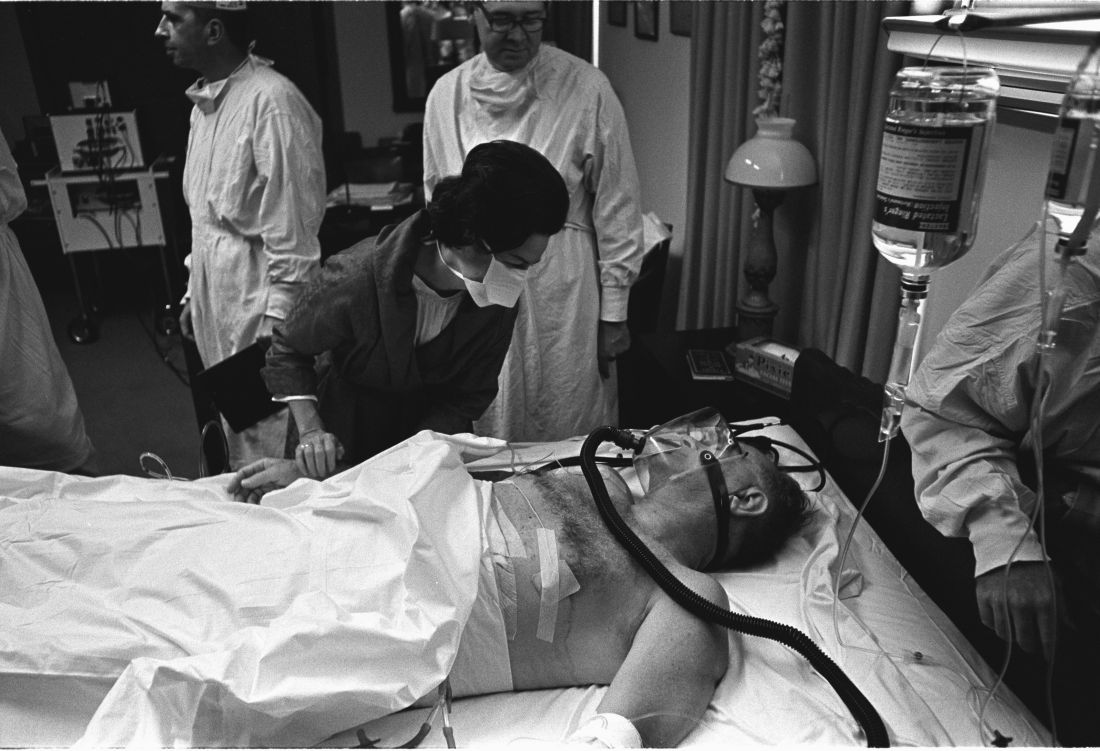
History has been unkind to Dr. Bliss, in part because his patient died. But another presidential physician faced bizarre post surgery scorn from his ACS colleagues, even though his patient lived, according to Justin Barr, MD, PhD, of Duke University, Durham, N.C.
In 1956, surgeon Isidor Ravdin, MD, of the University of Pennsylvania, Philadelphia, was called in when President Dwight D. Eisenhower needed surgery to eliminate a bowel obstruction.
A team of physicians agreed that the president needed surgery. “They felt they were dealing with an elderly, sick patient who’d been in shock during his illness and had recently suffered a myocardial infarction,” Dr. Barr said. “They unanimously decided to proceed with a bypass over resection.”
It’s clear today that the physicians made the correct choice, Dr. Barr said. But his colleagues attacked Dr. Ravdin, who later complained that criticisms multiplied in direct ratio to distance from the operating room.
At the time, Dr. Ravdin was chair of the ACS Board of Regents. The entire board accused him of violating college policies regarding “ghost surgery” (performing procedures without the patient’s knowledge) and “itinerant surgery” (traveling to perform a procedure and then leaving).
Dr. Ravdin acknowledged that he had performed itinerant surgery to some extent, but he denied the ghost surgery charge. In fact, he and the president became friends.
His colleagues also attacked him over his decision to not perform a resection procedure. “They were accusing him of not only being an unethical surgeon, but also an incompetent one,” said Dr. Barr, who calls the letters about the allegations “truly bewildering.”
Also bewildering: Lyndon B. Johnson’s choice to display his gallbladder surgery scar to the press in 1965, spawning one of the most infamous photos of his presidency.
Few surgeons see their handiwork so prominently displayed. Fortunately for them, the operating theater was in a naval hospital, not on a boat. And, as far as we know, no one fretted over the fate of a single facial hair.
SAN DIEGO – A surgical team was forced to perform a delicate oral procedure on a rocking yacht while making sure to preserve presidential whiskers. A domineering doctor ignored fellow physicians while a president spent months dying in agony. And, after helping to save the leader of the free world, the leader of the American College of Surgeons found himself viciously attacked by his own colleagues.
When a quartet of ill U.S. presidents developed major medical problems, an audience at the annual clinical congress of the American College of Surgeons learned, their treating physicians ended up with major headaches of their own.
President Grover Cleveland, for example, required his surgical team to remove an oral tumor in total secrecy in 1893, robbing him of a big chunk of his upper palate. “The president had a mustache, and the mustache had to be left alone, and there could be no scars,” said the Hospital for Special Surgery’s J. Patrick O’Leary, MD, FACS, who spoke in a session focused on the history of presidential medicine.
The only light came from a single incandescent bulb, and the procedure was performed at sea, on a yacht anchored off Long Island, N.Y.
“If you were presented with these parameters as a surgeon today, my guess is that you would have demurred on taking on this project,” Dr. O’Leary said. “It was a prescription for a disaster.”
President Cleveland survived for another 15 years. James Garfield, a fellow Civil War veteran, wasn’t so fortunate. In 1881, he was astonishingly unlucky, the unwitting victim of a fumbling physician who dominated his care after an assassin shot him in the chest.
That physician, Willard Bliss, MD, dismissed other doctors who knew the president well and isolated this gregarious man from friends and family. He also ignored emerging knowledge about germ control. And he fed Garfield a heavy diet that the digestively sensitive president probably couldn’t have tolerated in the best of times. The result: endless vomiting, the loss of almost 80 pounds, and an unsuccessful rectal feeding regimen.
Toward the end of the president’s gruesome summer-long decline, Dr. Bliss told all but two doctors to stay away, John B. Hanks, MD, of the University of Virginia, Charlottesville, said in his presentation. Then the president died of a wound that Dr. Hanks said would have been survivable with proper care even in the 1880s.
History has been unkind to Dr. Bliss, in part because his patient died. But another presidential physician faced bizarre post surgery scorn from his ACS colleagues, even though his patient lived, according to Justin Barr, MD, PhD, of Duke University, Durham, N.C.
In 1956, surgeon Isidor Ravdin, MD, of the University of Pennsylvania, Philadelphia, was called in when President Dwight D. Eisenhower needed surgery to eliminate a bowel obstruction.
A team of physicians agreed that the president needed surgery. “They felt they were dealing with an elderly, sick patient who’d been in shock during his illness and had recently suffered a myocardial infarction,” Dr. Barr said. “They unanimously decided to proceed with a bypass over resection.”
It’s clear today that the physicians made the correct choice, Dr. Barr said. But his colleagues attacked Dr. Ravdin, who later complained that criticisms multiplied in direct ratio to distance from the operating room.
At the time, Dr. Ravdin was chair of the ACS Board of Regents. The entire board accused him of violating college policies regarding “ghost surgery” (performing procedures without the patient’s knowledge) and “itinerant surgery” (traveling to perform a procedure and then leaving).
Dr. Ravdin acknowledged that he had performed itinerant surgery to some extent, but he denied the ghost surgery charge. In fact, he and the president became friends.
His colleagues also attacked him over his decision to not perform a resection procedure. “They were accusing him of not only being an unethical surgeon, but also an incompetent one,” said Dr. Barr, who calls the letters about the allegations “truly bewildering.”
Also bewildering: Lyndon B. Johnson’s choice to display his gallbladder surgery scar to the press in 1965, spawning one of the most infamous photos of his presidency.
Few surgeons see their handiwork so prominently displayed. Fortunately for them, the operating theater was in a naval hospital, not on a boat. And, as far as we know, no one fretted over the fate of a single facial hair.
SAN DIEGO – A surgical team was forced to perform a delicate oral procedure on a rocking yacht while making sure to preserve presidential whiskers. A domineering doctor ignored fellow physicians while a president spent months dying in agony. And, after helping to save the leader of the free world, the leader of the American College of Surgeons found himself viciously attacked by his own colleagues.
When a quartet of ill U.S. presidents developed major medical problems, an audience at the annual clinical congress of the American College of Surgeons learned, their treating physicians ended up with major headaches of their own.
President Grover Cleveland, for example, required his surgical team to remove an oral tumor in total secrecy in 1893, robbing him of a big chunk of his upper palate. “The president had a mustache, and the mustache had to be left alone, and there could be no scars,” said the Hospital for Special Surgery’s J. Patrick O’Leary, MD, FACS, who spoke in a session focused on the history of presidential medicine.
The only light came from a single incandescent bulb, and the procedure was performed at sea, on a yacht anchored off Long Island, N.Y.
“If you were presented with these parameters as a surgeon today, my guess is that you would have demurred on taking on this project,” Dr. O’Leary said. “It was a prescription for a disaster.”
President Cleveland survived for another 15 years. James Garfield, a fellow Civil War veteran, wasn’t so fortunate. In 1881, he was astonishingly unlucky, the unwitting victim of a fumbling physician who dominated his care after an assassin shot him in the chest.
That physician, Willard Bliss, MD, dismissed other doctors who knew the president well and isolated this gregarious man from friends and family. He also ignored emerging knowledge about germ control. And he fed Garfield a heavy diet that the digestively sensitive president probably couldn’t have tolerated in the best of times. The result: endless vomiting, the loss of almost 80 pounds, and an unsuccessful rectal feeding regimen.
Toward the end of the president’s gruesome summer-long decline, Dr. Bliss told all but two doctors to stay away, John B. Hanks, MD, of the University of Virginia, Charlottesville, said in his presentation. Then the president died of a wound that Dr. Hanks said would have been survivable with proper care even in the 1880s.
History has been unkind to Dr. Bliss, in part because his patient died. But another presidential physician faced bizarre post surgery scorn from his ACS colleagues, even though his patient lived, according to Justin Barr, MD, PhD, of Duke University, Durham, N.C.
In 1956, surgeon Isidor Ravdin, MD, of the University of Pennsylvania, Philadelphia, was called in when President Dwight D. Eisenhower needed surgery to eliminate a bowel obstruction.
A team of physicians agreed that the president needed surgery. “They felt they were dealing with an elderly, sick patient who’d been in shock during his illness and had recently suffered a myocardial infarction,” Dr. Barr said. “They unanimously decided to proceed with a bypass over resection.”
It’s clear today that the physicians made the correct choice, Dr. Barr said. But his colleagues attacked Dr. Ravdin, who later complained that criticisms multiplied in direct ratio to distance from the operating room.
At the time, Dr. Ravdin was chair of the ACS Board of Regents. The entire board accused him of violating college policies regarding “ghost surgery” (performing procedures without the patient’s knowledge) and “itinerant surgery” (traveling to perform a procedure and then leaving).
Dr. Ravdin acknowledged that he had performed itinerant surgery to some extent, but he denied the ghost surgery charge. In fact, he and the president became friends.
His colleagues also attacked him over his decision to not perform a resection procedure. “They were accusing him of not only being an unethical surgeon, but also an incompetent one,” said Dr. Barr, who calls the letters about the allegations “truly bewildering.”
Also bewildering: Lyndon B. Johnson’s choice to display his gallbladder surgery scar to the press in 1965, spawning one of the most infamous photos of his presidency.
Few surgeons see their handiwork so prominently displayed. Fortunately for them, the operating theater was in a naval hospital, not on a boat. And, as far as we know, no one fretted over the fate of a single facial hair.
AT THE ACS CLINICAL CONGRESS
Genomic Profiling May Improve Pediatric Brain Tumor Treatment
Genomic profiling of 282 pediatric gliomas detected genetic alterations in 96% of the cases, according to research published online ahead of print September 14 in the Oncologist. Information about genetic alterations may inform prognosis and help identify effective treatments, the researchers said.
Shakti Ramkissoon, MD, PhD, Associate Medical Director at Foundation Medicine in Morrisville, North Carolina, and colleagues studied 125 low-grade gliomas and 157 high-grade gliomas taken from children at medical centers in the US. Foundation Medicine, a genomic profiling company based in Cambridge, Massachusetts, supported the study, which is the largest to date of pediatric gliomas profiled by next-generation sequencing.
The investigators sequenced 315 cancer-related genes and 28 genes commonly rearranged in cancer. Patients’ median age was 11, and 50% were male.
The most frequently altered genes differed between low- and high-grade gliomas. In low-grade gliomas, BRAF was altered in 48% of cases. In addition, FGFR1 missense (17.6%), NF1 loss of function (8.8%), and TP53 (5.6%) mutations also were detected. Among high-grade gliomas, the genes most frequently mutated were TP53 (49%), H3F3A (37.6%), ATRX (24.2%), NF1 (22.2%), and PDGFRA (21.7%).
Studies indicate that low-grade gliomas with BRAF fusions, compared with BRAF mutations, have better outcomes, Dr. Ramkissoon said. “Therefore, determining the BRAF status for all pediatric low-grade gliomas is important for clinical management,” he said.
In addition, genetic mutations may highlight potential therapeutic targets. “Although surgical resection remains the most effective treatment option for pediatric low-grade gliomas, tumors located in eloquent areas not amenable to surgical resection (eg, motor cortex) require alternative therapeutic strategies,” the researchers said. “We report a multiply recurrent NF1-mutated pilocytic astrocytoma previously treated with surgery alone that now shows a remarkable response to dual inhibitor therapy (everolimus and trametinib) following three months of treatment.”
The study demonstrates that genomic profiling can be integrated into routine clinical practice, Dr. Ramkissoon said. “Comprehensive genomic profiling of pediatric gliomas provides objective data that promote diagnostic accuracy and enhance clinical decision-making,” the researchers concluded.
—Jake Remaly
Suggested Reading
Johnson A, Severson E, Gay L, et al. Comprehensive genomic profiling of 282 pediatric low- and high-grade gliomas reveals genomic drivers, tumor mutational burden, and hypermutation signatures. Oncologist. 2017 Sep 14 [Epub ahead of print].
Weller M, Weber RG, Willscher E, et al. Molecular classification of diffuse cerebral WHO grade II/III gliomas using genome- and transcriptome-wide profiling improves stratification of prognostically distinct patient groups. Acta Neuropathol. 2015;129(5):679-693.
Genomic profiling of 282 pediatric gliomas detected genetic alterations in 96% of the cases, according to research published online ahead of print September 14 in the Oncologist. Information about genetic alterations may inform prognosis and help identify effective treatments, the researchers said.
Shakti Ramkissoon, MD, PhD, Associate Medical Director at Foundation Medicine in Morrisville, North Carolina, and colleagues studied 125 low-grade gliomas and 157 high-grade gliomas taken from children at medical centers in the US. Foundation Medicine, a genomic profiling company based in Cambridge, Massachusetts, supported the study, which is the largest to date of pediatric gliomas profiled by next-generation sequencing.
The investigators sequenced 315 cancer-related genes and 28 genes commonly rearranged in cancer. Patients’ median age was 11, and 50% were male.
The most frequently altered genes differed between low- and high-grade gliomas. In low-grade gliomas, BRAF was altered in 48% of cases. In addition, FGFR1 missense (17.6%), NF1 loss of function (8.8%), and TP53 (5.6%) mutations also were detected. Among high-grade gliomas, the genes most frequently mutated were TP53 (49%), H3F3A (37.6%), ATRX (24.2%), NF1 (22.2%), and PDGFRA (21.7%).
Studies indicate that low-grade gliomas with BRAF fusions, compared with BRAF mutations, have better outcomes, Dr. Ramkissoon said. “Therefore, determining the BRAF status for all pediatric low-grade gliomas is important for clinical management,” he said.
In addition, genetic mutations may highlight potential therapeutic targets. “Although surgical resection remains the most effective treatment option for pediatric low-grade gliomas, tumors located in eloquent areas not amenable to surgical resection (eg, motor cortex) require alternative therapeutic strategies,” the researchers said. “We report a multiply recurrent NF1-mutated pilocytic astrocytoma previously treated with surgery alone that now shows a remarkable response to dual inhibitor therapy (everolimus and trametinib) following three months of treatment.”
The study demonstrates that genomic profiling can be integrated into routine clinical practice, Dr. Ramkissoon said. “Comprehensive genomic profiling of pediatric gliomas provides objective data that promote diagnostic accuracy and enhance clinical decision-making,” the researchers concluded.
—Jake Remaly
Suggested Reading
Johnson A, Severson E, Gay L, et al. Comprehensive genomic profiling of 282 pediatric low- and high-grade gliomas reveals genomic drivers, tumor mutational burden, and hypermutation signatures. Oncologist. 2017 Sep 14 [Epub ahead of print].
Weller M, Weber RG, Willscher E, et al. Molecular classification of diffuse cerebral WHO grade II/III gliomas using genome- and transcriptome-wide profiling improves stratification of prognostically distinct patient groups. Acta Neuropathol. 2015;129(5):679-693.
Genomic profiling of 282 pediatric gliomas detected genetic alterations in 96% of the cases, according to research published online ahead of print September 14 in the Oncologist. Information about genetic alterations may inform prognosis and help identify effective treatments, the researchers said.
Shakti Ramkissoon, MD, PhD, Associate Medical Director at Foundation Medicine in Morrisville, North Carolina, and colleagues studied 125 low-grade gliomas and 157 high-grade gliomas taken from children at medical centers in the US. Foundation Medicine, a genomic profiling company based in Cambridge, Massachusetts, supported the study, which is the largest to date of pediatric gliomas profiled by next-generation sequencing.
The investigators sequenced 315 cancer-related genes and 28 genes commonly rearranged in cancer. Patients’ median age was 11, and 50% were male.
The most frequently altered genes differed between low- and high-grade gliomas. In low-grade gliomas, BRAF was altered in 48% of cases. In addition, FGFR1 missense (17.6%), NF1 loss of function (8.8%), and TP53 (5.6%) mutations also were detected. Among high-grade gliomas, the genes most frequently mutated were TP53 (49%), H3F3A (37.6%), ATRX (24.2%), NF1 (22.2%), and PDGFRA (21.7%).
Studies indicate that low-grade gliomas with BRAF fusions, compared with BRAF mutations, have better outcomes, Dr. Ramkissoon said. “Therefore, determining the BRAF status for all pediatric low-grade gliomas is important for clinical management,” he said.
In addition, genetic mutations may highlight potential therapeutic targets. “Although surgical resection remains the most effective treatment option for pediatric low-grade gliomas, tumors located in eloquent areas not amenable to surgical resection (eg, motor cortex) require alternative therapeutic strategies,” the researchers said. “We report a multiply recurrent NF1-mutated pilocytic astrocytoma previously treated with surgery alone that now shows a remarkable response to dual inhibitor therapy (everolimus and trametinib) following three months of treatment.”
The study demonstrates that genomic profiling can be integrated into routine clinical practice, Dr. Ramkissoon said. “Comprehensive genomic profiling of pediatric gliomas provides objective data that promote diagnostic accuracy and enhance clinical decision-making,” the researchers concluded.
—Jake Remaly
Suggested Reading
Johnson A, Severson E, Gay L, et al. Comprehensive genomic profiling of 282 pediatric low- and high-grade gliomas reveals genomic drivers, tumor mutational burden, and hypermutation signatures. Oncologist. 2017 Sep 14 [Epub ahead of print].
Weller M, Weber RG, Willscher E, et al. Molecular classification of diffuse cerebral WHO grade II/III gliomas using genome- and transcriptome-wide profiling improves stratification of prognostically distinct patient groups. Acta Neuropathol. 2015;129(5):679-693.
Which Factors Predict Conversion From CIS to MS?
Age at onset, exposure to disease-modifying drugs (DMDs), disability at onset, MRI criteria, and oligoclonal bands affect the likelihood of conversion from clinically isolated syndrome (CIS) to multiple sclerosis (MS), according to research published in the September issue of Multiple Sclerosis Journal. The study results corroborate and augment previous research into factors that predict clinical conversion, said the authors.
In addition, the researchers developed and validated a nomogram intended to predict individualized risk of relapse after CIS. The nomogram’s estimated probabilities of conversion to MS had high concordance with observed rates of conversion.
An Analysis of Prospective Data
Tim Spelman, MBBS
Dr. Spelman and colleagues used Cox proportional hazards regression to examine the correlation between previously identified predictors and time to first relapse after CIS. They used their baseline-adjusted data modeling to create a nomogram to predict conversion to clinically definite MS.
Drug Exposure Reduced Risk
Approximately 43% of participants initiated intramuscular interferon β-1a, 34% initiated subcutaneous interferon β-1a, 18% initiated interferon β-1b, and 14% initiated glatiramer acetate. In all, 1,953 patients (59%) had a relapse during a median follow-up of 1.92 years.
Older age at CIS was associated with a 10% reduction in the risk of clinical conversion. Every one-point increase in baseline EDSS score was associated with 1.16 times the rate of subsequent conversion. Compared with the optic pathway, first symptom location in the brainstem was associated with 1.17 times the rate of second attack, and first symptom location in the supratentorial region was associated with 1.29 times the rate of second attack. Any exposure to DMD during follow-up was associated with a 42% rate reduction in time to first relapse, compared with nonexposure.
CSF-restricted oligoclonal bands were associated with 1.52 times the rate of relapse, compared with the absence of oligoclonal bands. Having at least one T1 gadolinium-enhancing lesion was associated with 1.24 times the rate of relapse. Having three or more periventricular lesions was associated with 1.68 times the rate of relapse, compared with no lesions. Having at least one infratentorial and at least one juxtacortical lesion on brain MRI were associated with 1.21 times and 1.21 times the rate of first post-CIS relapse, respectively, compared with no lesions.
“This multinational, prospective study represents the largest post-CIS cohort reported to date,” said Dr. Spelman. “Identification of patient, disease, and examination factors associated with higher probability of second attack in clinical practice may enable clinicians to flag patients that could benefit from more intensive follow-up and consideration of early DMD treatment intervention, [thus] facilitating more favorable patient outcomes.”
—Erik Greb
Suggested Reading
Spelman T, Meyniel C, Rojas JI, et al. Quantifying risk of early relapse in patients with first demyelinating events: Prediction in clinical practice. Mult Scler. 2017;23(10):1346-1357.
Age at onset, exposure to disease-modifying drugs (DMDs), disability at onset, MRI criteria, and oligoclonal bands affect the likelihood of conversion from clinically isolated syndrome (CIS) to multiple sclerosis (MS), according to research published in the September issue of Multiple Sclerosis Journal. The study results corroborate and augment previous research into factors that predict clinical conversion, said the authors.
In addition, the researchers developed and validated a nomogram intended to predict individualized risk of relapse after CIS. The nomogram’s estimated probabilities of conversion to MS had high concordance with observed rates of conversion.
An Analysis of Prospective Data
Tim Spelman, MBBS
Dr. Spelman and colleagues used Cox proportional hazards regression to examine the correlation between previously identified predictors and time to first relapse after CIS. They used their baseline-adjusted data modeling to create a nomogram to predict conversion to clinically definite MS.
Drug Exposure Reduced Risk
Approximately 43% of participants initiated intramuscular interferon β-1a, 34% initiated subcutaneous interferon β-1a, 18% initiated interferon β-1b, and 14% initiated glatiramer acetate. In all, 1,953 patients (59%) had a relapse during a median follow-up of 1.92 years.
Older age at CIS was associated with a 10% reduction in the risk of clinical conversion. Every one-point increase in baseline EDSS score was associated with 1.16 times the rate of subsequent conversion. Compared with the optic pathway, first symptom location in the brainstem was associated with 1.17 times the rate of second attack, and first symptom location in the supratentorial region was associated with 1.29 times the rate of second attack. Any exposure to DMD during follow-up was associated with a 42% rate reduction in time to first relapse, compared with nonexposure.
CSF-restricted oligoclonal bands were associated with 1.52 times the rate of relapse, compared with the absence of oligoclonal bands. Having at least one T1 gadolinium-enhancing lesion was associated with 1.24 times the rate of relapse. Having three or more periventricular lesions was associated with 1.68 times the rate of relapse, compared with no lesions. Having at least one infratentorial and at least one juxtacortical lesion on brain MRI were associated with 1.21 times and 1.21 times the rate of first post-CIS relapse, respectively, compared with no lesions.
“This multinational, prospective study represents the largest post-CIS cohort reported to date,” said Dr. Spelman. “Identification of patient, disease, and examination factors associated with higher probability of second attack in clinical practice may enable clinicians to flag patients that could benefit from more intensive follow-up and consideration of early DMD treatment intervention, [thus] facilitating more favorable patient outcomes.”
—Erik Greb
Suggested Reading
Spelman T, Meyniel C, Rojas JI, et al. Quantifying risk of early relapse in patients with first demyelinating events: Prediction in clinical practice. Mult Scler. 2017;23(10):1346-1357.
Age at onset, exposure to disease-modifying drugs (DMDs), disability at onset, MRI criteria, and oligoclonal bands affect the likelihood of conversion from clinically isolated syndrome (CIS) to multiple sclerosis (MS), according to research published in the September issue of Multiple Sclerosis Journal. The study results corroborate and augment previous research into factors that predict clinical conversion, said the authors.
In addition, the researchers developed and validated a nomogram intended to predict individualized risk of relapse after CIS. The nomogram’s estimated probabilities of conversion to MS had high concordance with observed rates of conversion.
An Analysis of Prospective Data
Tim Spelman, MBBS
Dr. Spelman and colleagues used Cox proportional hazards regression to examine the correlation between previously identified predictors and time to first relapse after CIS. They used their baseline-adjusted data modeling to create a nomogram to predict conversion to clinically definite MS.
Drug Exposure Reduced Risk
Approximately 43% of participants initiated intramuscular interferon β-1a, 34% initiated subcutaneous interferon β-1a, 18% initiated interferon β-1b, and 14% initiated glatiramer acetate. In all, 1,953 patients (59%) had a relapse during a median follow-up of 1.92 years.
Older age at CIS was associated with a 10% reduction in the risk of clinical conversion. Every one-point increase in baseline EDSS score was associated with 1.16 times the rate of subsequent conversion. Compared with the optic pathway, first symptom location in the brainstem was associated with 1.17 times the rate of second attack, and first symptom location in the supratentorial region was associated with 1.29 times the rate of second attack. Any exposure to DMD during follow-up was associated with a 42% rate reduction in time to first relapse, compared with nonexposure.
CSF-restricted oligoclonal bands were associated with 1.52 times the rate of relapse, compared with the absence of oligoclonal bands. Having at least one T1 gadolinium-enhancing lesion was associated with 1.24 times the rate of relapse. Having three or more periventricular lesions was associated with 1.68 times the rate of relapse, compared with no lesions. Having at least one infratentorial and at least one juxtacortical lesion on brain MRI were associated with 1.21 times and 1.21 times the rate of first post-CIS relapse, respectively, compared with no lesions.
“This multinational, prospective study represents the largest post-CIS cohort reported to date,” said Dr. Spelman. “Identification of patient, disease, and examination factors associated with higher probability of second attack in clinical practice may enable clinicians to flag patients that could benefit from more intensive follow-up and consideration of early DMD treatment intervention, [thus] facilitating more favorable patient outcomes.”
—Erik Greb
Suggested Reading
Spelman T, Meyniel C, Rojas JI, et al. Quantifying risk of early relapse in patients with first demyelinating events: Prediction in clinical practice. Mult Scler. 2017;23(10):1346-1357.
AF patients without oral anticoagulation face higher dementia risk
BARCELONA – The risk of developing dementia was reduced by 48% in patients with atrial fibrillation who were adherent to oral anticoagulation compared with those who were not, according to a Swedish propensity-matched registry study involving nearly 162,000 patients with the arrhythmia.
The study also addressed whether patients with atrial fibrillation (AF) are better off in terms of reducing their dementia risk if they’re on warfarin versus one of the novel oral anticoagulants. The answer is that it makes absolutely no difference, Leif Friberg, MD, reported at the annual congress of the European Society of Cardiology.
“We found no difference whatsoever in any of the subgroups. It appears that it is more important that you have some kind of oral treatment than exactly what kind to have,” said Dr. Friberg, a cardiologist at the Karolinska Institute in Stockholm.
It’s well established that AF is associated with increased risk of dementia, presumably because the arrhythmia kicks out microemboli that get distributed throughout the brain. But it has been unclear whether oral anticoagulation (OAC) prescribed for stroke prevention has the side benefit of reducing the elevated dementia risk.
“A randomized, controlled trial would be ideal to look at this, but it would be impractical and unethical. Second best [would be] a registry study with propensity matching,” according to Dr. Friberg.
And that’s just what he and his coinvestigators carried out. The study included 80,948 AF patients with no baseline diagnosis of dementia who were prescribed an OAC and an equal number of propensity-matched, dementia-free AF patients not on OAC therapy. During up to 8 years of follow-up, the unadjusted risk of a new diagnosis of dementia was 29% lower in the group on an OAC at baseline.
But the Swedish registries also enabled investigators to zero in on the impact of OAC in patients who were actually medication adherent over time. Dr. Friberg and his coworkers identified a subgroup of 50,406 AF patients who regularly filled their OAC prescriptions and took the medication at least 80% of the time, as well as 48,947 propensity-matched controls who never used OACs. In this on-treatment analysis, the OAC users had a robust 48% relative risk reduction in new diagnosis of dementia. The dementia curves diverged almost immediately and the gap between the two curves continued to widen throughout follow-up. All examined subgroups benefited, regardless of age, gender, AF duration, CHA2DS2-VASc score, or the presence or absence of diabetes, renal failure, or frequent falling.
“This is an important issue,” Dr. Friberg declared. “You may say, ‘What do we care about these findings? These patients are all supposed to be on an oral anticoagulant anyway.’ But you know, patients stop taking their oral anticoagulant. We’re pretty good at initiating treatment when we meet patients for the first time, if they have stroke risk factors, but annually, 10%-15% of patients drop out of treatment. And if patients aren’t concerned enough about their risk of stroke, they might be more concerned about the risk of becoming demented. So these data provide an additional argument for the need to persevere with oral anticoagulation therapy.”
Session cochair Gabriel Tatu-Chitoiu, MD, was skeptical.
“I’ve been working in the atrial fibrillation field for 40 years, and I have to say I haven’t seen a strong dementia possibility in my patients,” said Dr. Tatu-Chitoiu, a cardiologist in Bucharest, Romania, and immediate past president of the Romanian Cardiology Society.
Dr. Friberg replied that AF patients are elderly, and many of them may stop going to their cardiologist when they develop dementia.
“I don’t think you can make extensions from personal experience on this. You have to trust in statistical evidence,” he observed.
Dr. Friberg reported receiving research funding from Bayer, Bristol-Myers Squibb, Pfizer, and Sanofi. However, the registry study was carried out without commercial support.
BARCELONA – The risk of developing dementia was reduced by 48% in patients with atrial fibrillation who were adherent to oral anticoagulation compared with those who were not, according to a Swedish propensity-matched registry study involving nearly 162,000 patients with the arrhythmia.
The study also addressed whether patients with atrial fibrillation (AF) are better off in terms of reducing their dementia risk if they’re on warfarin versus one of the novel oral anticoagulants. The answer is that it makes absolutely no difference, Leif Friberg, MD, reported at the annual congress of the European Society of Cardiology.
“We found no difference whatsoever in any of the subgroups. It appears that it is more important that you have some kind of oral treatment than exactly what kind to have,” said Dr. Friberg, a cardiologist at the Karolinska Institute in Stockholm.
It’s well established that AF is associated with increased risk of dementia, presumably because the arrhythmia kicks out microemboli that get distributed throughout the brain. But it has been unclear whether oral anticoagulation (OAC) prescribed for stroke prevention has the side benefit of reducing the elevated dementia risk.
“A randomized, controlled trial would be ideal to look at this, but it would be impractical and unethical. Second best [would be] a registry study with propensity matching,” according to Dr. Friberg.
And that’s just what he and his coinvestigators carried out. The study included 80,948 AF patients with no baseline diagnosis of dementia who were prescribed an OAC and an equal number of propensity-matched, dementia-free AF patients not on OAC therapy. During up to 8 years of follow-up, the unadjusted risk of a new diagnosis of dementia was 29% lower in the group on an OAC at baseline.
But the Swedish registries also enabled investigators to zero in on the impact of OAC in patients who were actually medication adherent over time. Dr. Friberg and his coworkers identified a subgroup of 50,406 AF patients who regularly filled their OAC prescriptions and took the medication at least 80% of the time, as well as 48,947 propensity-matched controls who never used OACs. In this on-treatment analysis, the OAC users had a robust 48% relative risk reduction in new diagnosis of dementia. The dementia curves diverged almost immediately and the gap between the two curves continued to widen throughout follow-up. All examined subgroups benefited, regardless of age, gender, AF duration, CHA2DS2-VASc score, or the presence or absence of diabetes, renal failure, or frequent falling.
“This is an important issue,” Dr. Friberg declared. “You may say, ‘What do we care about these findings? These patients are all supposed to be on an oral anticoagulant anyway.’ But you know, patients stop taking their oral anticoagulant. We’re pretty good at initiating treatment when we meet patients for the first time, if they have stroke risk factors, but annually, 10%-15% of patients drop out of treatment. And if patients aren’t concerned enough about their risk of stroke, they might be more concerned about the risk of becoming demented. So these data provide an additional argument for the need to persevere with oral anticoagulation therapy.”
Session cochair Gabriel Tatu-Chitoiu, MD, was skeptical.
“I’ve been working in the atrial fibrillation field for 40 years, and I have to say I haven’t seen a strong dementia possibility in my patients,” said Dr. Tatu-Chitoiu, a cardiologist in Bucharest, Romania, and immediate past president of the Romanian Cardiology Society.
Dr. Friberg replied that AF patients are elderly, and many of them may stop going to their cardiologist when they develop dementia.
“I don’t think you can make extensions from personal experience on this. You have to trust in statistical evidence,” he observed.
Dr. Friberg reported receiving research funding from Bayer, Bristol-Myers Squibb, Pfizer, and Sanofi. However, the registry study was carried out without commercial support.
BARCELONA – The risk of developing dementia was reduced by 48% in patients with atrial fibrillation who were adherent to oral anticoagulation compared with those who were not, according to a Swedish propensity-matched registry study involving nearly 162,000 patients with the arrhythmia.
The study also addressed whether patients with atrial fibrillation (AF) are better off in terms of reducing their dementia risk if they’re on warfarin versus one of the novel oral anticoagulants. The answer is that it makes absolutely no difference, Leif Friberg, MD, reported at the annual congress of the European Society of Cardiology.
“We found no difference whatsoever in any of the subgroups. It appears that it is more important that you have some kind of oral treatment than exactly what kind to have,” said Dr. Friberg, a cardiologist at the Karolinska Institute in Stockholm.
It’s well established that AF is associated with increased risk of dementia, presumably because the arrhythmia kicks out microemboli that get distributed throughout the brain. But it has been unclear whether oral anticoagulation (OAC) prescribed for stroke prevention has the side benefit of reducing the elevated dementia risk.
“A randomized, controlled trial would be ideal to look at this, but it would be impractical and unethical. Second best [would be] a registry study with propensity matching,” according to Dr. Friberg.
And that’s just what he and his coinvestigators carried out. The study included 80,948 AF patients with no baseline diagnosis of dementia who were prescribed an OAC and an equal number of propensity-matched, dementia-free AF patients not on OAC therapy. During up to 8 years of follow-up, the unadjusted risk of a new diagnosis of dementia was 29% lower in the group on an OAC at baseline.
But the Swedish registries also enabled investigators to zero in on the impact of OAC in patients who were actually medication adherent over time. Dr. Friberg and his coworkers identified a subgroup of 50,406 AF patients who regularly filled their OAC prescriptions and took the medication at least 80% of the time, as well as 48,947 propensity-matched controls who never used OACs. In this on-treatment analysis, the OAC users had a robust 48% relative risk reduction in new diagnosis of dementia. The dementia curves diverged almost immediately and the gap between the two curves continued to widen throughout follow-up. All examined subgroups benefited, regardless of age, gender, AF duration, CHA2DS2-VASc score, or the presence or absence of diabetes, renal failure, or frequent falling.
“This is an important issue,” Dr. Friberg declared. “You may say, ‘What do we care about these findings? These patients are all supposed to be on an oral anticoagulant anyway.’ But you know, patients stop taking their oral anticoagulant. We’re pretty good at initiating treatment when we meet patients for the first time, if they have stroke risk factors, but annually, 10%-15% of patients drop out of treatment. And if patients aren’t concerned enough about their risk of stroke, they might be more concerned about the risk of becoming demented. So these data provide an additional argument for the need to persevere with oral anticoagulation therapy.”
Session cochair Gabriel Tatu-Chitoiu, MD, was skeptical.
“I’ve been working in the atrial fibrillation field for 40 years, and I have to say I haven’t seen a strong dementia possibility in my patients,” said Dr. Tatu-Chitoiu, a cardiologist in Bucharest, Romania, and immediate past president of the Romanian Cardiology Society.
Dr. Friberg replied that AF patients are elderly, and many of them may stop going to their cardiologist when they develop dementia.
“I don’t think you can make extensions from personal experience on this. You have to trust in statistical evidence,” he observed.
Dr. Friberg reported receiving research funding from Bayer, Bristol-Myers Squibb, Pfizer, and Sanofi. However, the registry study was carried out without commercial support.
AT THE ESC CONGRESS 2017
Key clinical point:
Major finding: The risk of new diagnosis of dementia during up to 8 years of follow-up was 48% lower in AF patients on an oral anticoagulant at least 80% of the time, compared with those not on the medication.
Data source: This was a Swedish registry study including nearly 162,000 propensity-matched patients with atrial fibrillation free of baseline dementia.
Disclosures: The study was conducted without commercial support.
LARCs remain best contraception for teens
CHICAGO – The steady drop in teen pregnancy rates over the past 25 years – more than a 75% decline – is directly attributed to more effective use of contraception, but it only will continue if teens use the most effective forms of contraception, explained Rachael Phelps, MD, medical director of Planned Parenthood of Central and Western New York.
Teen birth rates in the United States already remain much higher than those in other high-income countries. In fact, the 2015 U.S. rate of 22 births per 1,000 teens ages 15-19 years is barely below that of India and Rwanda – and more than triple the rates in France, Germany, Italy, and other Western European countries.

“A lot of what you’re doing for adolescents in primary care is transitioning them from being a child to being an adult,” Dr. Phelps said. “Once they’re in their 20s, they may not see a primary care doctor, so you have the opportunity to give them the skills and the knowledge they need with contraception to protect themselves not only through their teens, but through their 20s.”
Contraceptive methods’ effectiveness
The most effective forms of birth control, with a less than 1% chance of pregnancy, are long-acting reversible contraceptives (LARCs), including the implant (Nexplanon) and an intrauterine device (IUD), such as Skyla, Mirena, Liletta, and Kyleena, and the hormone-free Paragard. Sterilization also is highly effective, but is permanent and rarely an ideal option for the average teen.
Other hormonal options are second best, with 94%-99% effectiveness, but require more frequent replacement. Whereas the implant lasts 3 years and the IUDs last anywhere from 3 to 12 years depending on the type, the pill must be taken daily. The patch is replaced each week, the ring is replaced each month, and Depo-Provera shots are required every 3 months.
The least effective methods of birth control include withdrawal, natural family planning (fertility planning), and barrier methods such as condoms and diaphragms. Depending on the method, 12-24 women out of 100 will get pregnant each year using these methods, although that’s better than the 90% or more of women who get pregnant each year when using no contraception.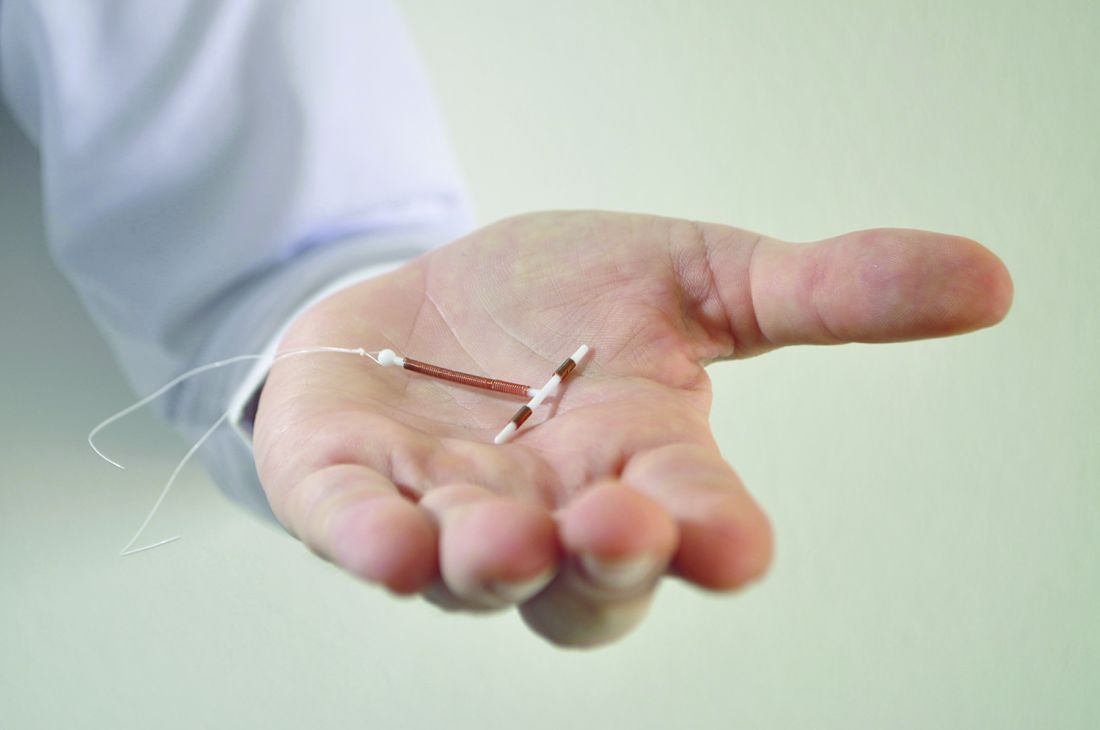
“The problem is, if you try pills first and see how that goes, the way you’re going to find out it didn’t go so well is she’s going to be pregnant,” Dr. Phelps said. “When you think about an IUD or an implant being invasive, you need to think about the alternative, which is pregnancy.”
Just over half of teens using contraception use oral contraceptives (54%), according to the Centers for Disease Control and Prevention, yet research shows only a third of women remember to take their pill every day in their first month. By their third month, just one in five women have remembered the pill every day, and more than half (51%) have forgotten three or more pills (Fam Plann Perspect. 1996 Jul-Aug;28[4]:154-8).
“When we talk about risk, we often think about the risk of the method versus not using the method,” Dr. Phelps said. “But what we should be thinking about is the risk of the method versus the risk of pregnancy. That’s the true comparison because they’re not going to stop having sex.”
After oral contraception, condoms are most popular (23%), followed by 9% using Depo-Provera, and the remaining 10% split across withdrawal, the ring, and the patch, she said.
LARCs preferred by teens and organizations
The AAP, the American College of Obstetricians and Gynecologists (ACOG), and the American Academy of Family Physicians (AAFP) all recommend LARCs as first-line contraceptive choices.
Teens also prefer LARCs to the short-term, less effective methods as well, found the Contraceptive Choice Project study. Given a choice of any birth control method without cost or other access barriers, 72% of teens would choose a LARC, compared with 28% of teens who would choose a short-acting method, Dr. Phelps said.
Satisfaction rates with LARCs, ranging from 78% with the implant to 86% with a hormonal IUD, also far exceeded satisfaction with other hormonal contraception, ranging from 42% for the patch to 54% for Depo-Provera and oral contraceptives, the study found. And LARCs are among the safest contraceptive choices because they contain no estrogen and have few contraindications.
Understanding LARC and hormonal options
The two types of IUDs are an levonorgestrel IUD and a copper-T IUD. The levonorgestrel IUD contains progestin only, released at 20 mcg per day, and is effective up to 3-7 years. Most patients have light spotting initially, lasting 6 months in about 25% of patients and up to a year in 10%. By 6 months, 44% don’t have periods, which increases to 50% by 1 year (“Contraceptive Technology,” 19ed. [London: Ardent Media, 2007]).
The copper-T IUD contains copper ions but no hormones and is effective up to 12 years, starting immediately. Women have regular periods, but they may be heavier, longer, or with more cramps for the first 6 months.
Both IUDs and implants are safe in nulliparous, postpartum, and breastfeeding teens as well as those with obesity, cervical intraepithelial neoplasia, diabetes, HIV, depression, stroke/myocardial infarction/deep vein thrombosis/pulmonary embolism, pelvic inflammatory disease, and sexually transmitted infections.
Dr. Phelps reviewed insertion for both IUDs and the implant, but also said providers can refer teens for LARCs using http://larc.arhp.org to find someone. She also recommended the Managing Contraception pocket-sized book, available at www.managingcontraception.com and free for medical students and residents. Further, the U.S. Medical Eligibility Criteria provides all necessary information on contraindications and is available as a mobile app.
All the hormonal options, including the levonorgestrel IUD, become effective 1 week after starting. The implant, costing $300-$600, contains only progesterone, is effective up to 4 years and works by inhibiting ovulation. Just over one in five girls (22%) have no period, 34% have infrequent light bleeding, and 11% discontinue it because of frequent bleeding.
Depo-Provera contains progestin only and involves an injection every 12-14 weeks; irregular bleeding is initially common, after which most patients experience amenorrhea.
Patients using the patch, containing both estrogen and progestin, should change it once a week for 3 weeks and then take 1 week off for their period. Providers should advise teens to stick the patch directly on clean, dry skin of the arm, torso, buttocks, or stomach, but not to their breasts.
The ring similarly contains estrogen and progestin and has 1 off week after 3 weeks of use, but it is changed out monthly. Patients pinch the ring and place it into the vagina in any location, going deeper if it is uncomfortable.
Emergency contraception
Of the two emergency contraception options, ulipristal acetate – prescription only as 30 mg used up to 120 hours after unprotected sex – is always more effective than levonorgestrel – over-the-counter as 1.5 mg used up to 72 hours after unprotected sex. Both, however, are less effective in those with obesity (ulipristal acetate if BMI great than 30 and levonorgestrel if BMI greater than 25), Dr. Phelps said. If the patient had unprotected sex 3-5 days earlier and/or has a higher BMI, ulipristal acetate is preferred. Ideally, teens should be provided emergency contraception ahead of time, thereby increasing earlier use and use overall when it’s needed without increasing risk-taking behavior.
Common misconceptions
Dr. Phelps also reviewed some of the key myths that providers and teens often believe about LARCs and other contraceptive methods.
“When providers or patients hold misperceptions about the risks associated with contraception, teens’ choices are unnecessarily limited,” she said.
Key facts to know about IUDs are that even nulliparous teens can use them, teens can tolerate IUD placement, and IUDs do not increase the risk of pelvic inflammatory disease or infertility. Even teens with multiple partners and/or a history of sexually transmitted infections, pelvic inflammatory disease, or ectopic pregnancy can use IUDs, Dr. Phelps emphasized.
Although Depo-Provera can lead to 3%-5% bone loss, similar to pregnancy and breastfeeding, in the first 1-2 years, the loss is temporary and reversible. No research has shown Depo-Provera to increase risk of fracture or other negative clinical outcomes, no limits to its duration of use exist, and measuring bone mass density is not recommended.
Although Depo-Provera does cause excessive weight gain in 25% of users – an average 15 pounds over 3 years – the risk of increase is evident at 6 months. All other hormonal options – IUDs, the implant, pill, patch, or ring – do not cause weight gain. Finally, obesity does not decrease the effectiveness of IUDs, the implant, patch, pill, or ring.
No funding was used for this presentation. Dr. Phelps reported having done clinical training and speaking for Merck.
CHICAGO – The steady drop in teen pregnancy rates over the past 25 years – more than a 75% decline – is directly attributed to more effective use of contraception, but it only will continue if teens use the most effective forms of contraception, explained Rachael Phelps, MD, medical director of Planned Parenthood of Central and Western New York.
Teen birth rates in the United States already remain much higher than those in other high-income countries. In fact, the 2015 U.S. rate of 22 births per 1,000 teens ages 15-19 years is barely below that of India and Rwanda – and more than triple the rates in France, Germany, Italy, and other Western European countries.
“A lot of what you’re doing for adolescents in primary care is transitioning them from being a child to being an adult,” Dr. Phelps said. “Once they’re in their 20s, they may not see a primary care doctor, so you have the opportunity to give them the skills and the knowledge they need with contraception to protect themselves not only through their teens, but through their 20s.”
Contraceptive methods’ effectiveness
The most effective forms of birth control, with a less than 1% chance of pregnancy, are long-acting reversible contraceptives (LARCs), including the implant (Nexplanon) and an intrauterine device (IUD), such as Skyla, Mirena, Liletta, and Kyleena, and the hormone-free Paragard. Sterilization also is highly effective, but is permanent and rarely an ideal option for the average teen.
Other hormonal options are second best, with 94%-99% effectiveness, but require more frequent replacement. Whereas the implant lasts 3 years and the IUDs last anywhere from 3 to 12 years depending on the type, the pill must be taken daily. The patch is replaced each week, the ring is replaced each month, and Depo-Provera shots are required every 3 months.
The least effective methods of birth control include withdrawal, natural family planning (fertility planning), and barrier methods such as condoms and diaphragms. Depending on the method, 12-24 women out of 100 will get pregnant each year using these methods, although that’s better than the 90% or more of women who get pregnant each year when using no contraception.
“The problem is, if you try pills first and see how that goes, the way you’re going to find out it didn’t go so well is she’s going to be pregnant,” Dr. Phelps said. “When you think about an IUD or an implant being invasive, you need to think about the alternative, which is pregnancy.”
Just over half of teens using contraception use oral contraceptives (54%), according to the Centers for Disease Control and Prevention, yet research shows only a third of women remember to take their pill every day in their first month. By their third month, just one in five women have remembered the pill every day, and more than half (51%) have forgotten three or more pills (Fam Plann Perspect. 1996 Jul-Aug;28[4]:154-8).
“When we talk about risk, we often think about the risk of the method versus not using the method,” Dr. Phelps said. “But what we should be thinking about is the risk of the method versus the risk of pregnancy. That’s the true comparison because they’re not going to stop having sex.”
After oral contraception, condoms are most popular (23%), followed by 9% using Depo-Provera, and the remaining 10% split across withdrawal, the ring, and the patch, she said.
LARCs preferred by teens and organizations
The AAP, the American College of Obstetricians and Gynecologists (ACOG), and the American Academy of Family Physicians (AAFP) all recommend LARCs as first-line contraceptive choices.
Teens also prefer LARCs to the short-term, less effective methods as well, found the Contraceptive Choice Project study. Given a choice of any birth control method without cost or other access barriers, 72% of teens would choose a LARC, compared with 28% of teens who would choose a short-acting method, Dr. Phelps said.
Satisfaction rates with LARCs, ranging from 78% with the implant to 86% with a hormonal IUD, also far exceeded satisfaction with other hormonal contraception, ranging from 42% for the patch to 54% for Depo-Provera and oral contraceptives, the study found. And LARCs are among the safest contraceptive choices because they contain no estrogen and have few contraindications.
Understanding LARC and hormonal options
The two types of IUDs are an levonorgestrel IUD and a copper-T IUD. The levonorgestrel IUD contains progestin only, released at 20 mcg per day, and is effective up to 3-7 years. Most patients have light spotting initially, lasting 6 months in about 25% of patients and up to a year in 10%. By 6 months, 44% don’t have periods, which increases to 50% by 1 year (“Contraceptive Technology,” 19ed. [London: Ardent Media, 2007]).
The copper-T IUD contains copper ions but no hormones and is effective up to 12 years, starting immediately. Women have regular periods, but they may be heavier, longer, or with more cramps for the first 6 months.
Both IUDs and implants are safe in nulliparous, postpartum, and breastfeeding teens as well as those with obesity, cervical intraepithelial neoplasia, diabetes, HIV, depression, stroke/myocardial infarction/deep vein thrombosis/pulmonary embolism, pelvic inflammatory disease, and sexually transmitted infections.
Dr. Phelps reviewed insertion for both IUDs and the implant, but also said providers can refer teens for LARCs using http://larc.arhp.org to find someone. She also recommended the Managing Contraception pocket-sized book, available at www.managingcontraception.com and free for medical students and residents. Further, the U.S. Medical Eligibility Criteria provides all necessary information on contraindications and is available as a mobile app.
All the hormonal options, including the levonorgestrel IUD, become effective 1 week after starting. The implant, costing $300-$600, contains only progesterone, is effective up to 4 years and works by inhibiting ovulation. Just over one in five girls (22%) have no period, 34% have infrequent light bleeding, and 11% discontinue it because of frequent bleeding.
Depo-Provera contains progestin only and involves an injection every 12-14 weeks; irregular bleeding is initially common, after which most patients experience amenorrhea.
Patients using the patch, containing both estrogen and progestin, should change it once a week for 3 weeks and then take 1 week off for their period. Providers should advise teens to stick the patch directly on clean, dry skin of the arm, torso, buttocks, or stomach, but not to their breasts.
The ring similarly contains estrogen and progestin and has 1 off week after 3 weeks of use, but it is changed out monthly. Patients pinch the ring and place it into the vagina in any location, going deeper if it is uncomfortable.
Emergency contraception
Of the two emergency contraception options, ulipristal acetate – prescription only as 30 mg used up to 120 hours after unprotected sex – is always more effective than levonorgestrel – over-the-counter as 1.5 mg used up to 72 hours after unprotected sex. Both, however, are less effective in those with obesity (ulipristal acetate if BMI great than 30 and levonorgestrel if BMI greater than 25), Dr. Phelps said. If the patient had unprotected sex 3-5 days earlier and/or has a higher BMI, ulipristal acetate is preferred. Ideally, teens should be provided emergency contraception ahead of time, thereby increasing earlier use and use overall when it’s needed without increasing risk-taking behavior.
Common misconceptions
Dr. Phelps also reviewed some of the key myths that providers and teens often believe about LARCs and other contraceptive methods.
“When providers or patients hold misperceptions about the risks associated with contraception, teens’ choices are unnecessarily limited,” she said.
Key facts to know about IUDs are that even nulliparous teens can use them, teens can tolerate IUD placement, and IUDs do not increase the risk of pelvic inflammatory disease or infertility. Even teens with multiple partners and/or a history of sexually transmitted infections, pelvic inflammatory disease, or ectopic pregnancy can use IUDs, Dr. Phelps emphasized.
Although Depo-Provera can lead to 3%-5% bone loss, similar to pregnancy and breastfeeding, in the first 1-2 years, the loss is temporary and reversible. No research has shown Depo-Provera to increase risk of fracture or other negative clinical outcomes, no limits to its duration of use exist, and measuring bone mass density is not recommended.
Although Depo-Provera does cause excessive weight gain in 25% of users – an average 15 pounds over 3 years – the risk of increase is evident at 6 months. All other hormonal options – IUDs, the implant, pill, patch, or ring – do not cause weight gain. Finally, obesity does not decrease the effectiveness of IUDs, the implant, patch, pill, or ring.
No funding was used for this presentation. Dr. Phelps reported having done clinical training and speaking for Merck.
CHICAGO – The steady drop in teen pregnancy rates over the past 25 years – more than a 75% decline – is directly attributed to more effective use of contraception, but it only will continue if teens use the most effective forms of contraception, explained Rachael Phelps, MD, medical director of Planned Parenthood of Central and Western New York.
Teen birth rates in the United States already remain much higher than those in other high-income countries. In fact, the 2015 U.S. rate of 22 births per 1,000 teens ages 15-19 years is barely below that of India and Rwanda – and more than triple the rates in France, Germany, Italy, and other Western European countries.
“A lot of what you’re doing for adolescents in primary care is transitioning them from being a child to being an adult,” Dr. Phelps said. “Once they’re in their 20s, they may not see a primary care doctor, so you have the opportunity to give them the skills and the knowledge they need with contraception to protect themselves not only through their teens, but through their 20s.”
Contraceptive methods’ effectiveness
The most effective forms of birth control, with a less than 1% chance of pregnancy, are long-acting reversible contraceptives (LARCs), including the implant (Nexplanon) and an intrauterine device (IUD), such as Skyla, Mirena, Liletta, and Kyleena, and the hormone-free Paragard. Sterilization also is highly effective, but is permanent and rarely an ideal option for the average teen.
Other hormonal options are second best, with 94%-99% effectiveness, but require more frequent replacement. Whereas the implant lasts 3 years and the IUDs last anywhere from 3 to 12 years depending on the type, the pill must be taken daily. The patch is replaced each week, the ring is replaced each month, and Depo-Provera shots are required every 3 months.
The least effective methods of birth control include withdrawal, natural family planning (fertility planning), and barrier methods such as condoms and diaphragms. Depending on the method, 12-24 women out of 100 will get pregnant each year using these methods, although that’s better than the 90% or more of women who get pregnant each year when using no contraception.
“The problem is, if you try pills first and see how that goes, the way you’re going to find out it didn’t go so well is she’s going to be pregnant,” Dr. Phelps said. “When you think about an IUD or an implant being invasive, you need to think about the alternative, which is pregnancy.”
Just over half of teens using contraception use oral contraceptives (54%), according to the Centers for Disease Control and Prevention, yet research shows only a third of women remember to take their pill every day in their first month. By their third month, just one in five women have remembered the pill every day, and more than half (51%) have forgotten three or more pills (Fam Plann Perspect. 1996 Jul-Aug;28[4]:154-8).
“When we talk about risk, we often think about the risk of the method versus not using the method,” Dr. Phelps said. “But what we should be thinking about is the risk of the method versus the risk of pregnancy. That’s the true comparison because they’re not going to stop having sex.”
After oral contraception, condoms are most popular (23%), followed by 9% using Depo-Provera, and the remaining 10% split across withdrawal, the ring, and the patch, she said.
LARCs preferred by teens and organizations
The AAP, the American College of Obstetricians and Gynecologists (ACOG), and the American Academy of Family Physicians (AAFP) all recommend LARCs as first-line contraceptive choices.
Teens also prefer LARCs to the short-term, less effective methods as well, found the Contraceptive Choice Project study. Given a choice of any birth control method without cost or other access barriers, 72% of teens would choose a LARC, compared with 28% of teens who would choose a short-acting method, Dr. Phelps said.
Satisfaction rates with LARCs, ranging from 78% with the implant to 86% with a hormonal IUD, also far exceeded satisfaction with other hormonal contraception, ranging from 42% for the patch to 54% for Depo-Provera and oral contraceptives, the study found. And LARCs are among the safest contraceptive choices because they contain no estrogen and have few contraindications.
Understanding LARC and hormonal options
The two types of IUDs are an levonorgestrel IUD and a copper-T IUD. The levonorgestrel IUD contains progestin only, released at 20 mcg per day, and is effective up to 3-7 years. Most patients have light spotting initially, lasting 6 months in about 25% of patients and up to a year in 10%. By 6 months, 44% don’t have periods, which increases to 50% by 1 year (“Contraceptive Technology,” 19ed. [London: Ardent Media, 2007]).
The copper-T IUD contains copper ions but no hormones and is effective up to 12 years, starting immediately. Women have regular periods, but they may be heavier, longer, or with more cramps for the first 6 months.
Both IUDs and implants are safe in nulliparous, postpartum, and breastfeeding teens as well as those with obesity, cervical intraepithelial neoplasia, diabetes, HIV, depression, stroke/myocardial infarction/deep vein thrombosis/pulmonary embolism, pelvic inflammatory disease, and sexually transmitted infections.
Dr. Phelps reviewed insertion for both IUDs and the implant, but also said providers can refer teens for LARCs using http://larc.arhp.org to find someone. She also recommended the Managing Contraception pocket-sized book, available at www.managingcontraception.com and free for medical students and residents. Further, the U.S. Medical Eligibility Criteria provides all necessary information on contraindications and is available as a mobile app.
All the hormonal options, including the levonorgestrel IUD, become effective 1 week after starting. The implant, costing $300-$600, contains only progesterone, is effective up to 4 years and works by inhibiting ovulation. Just over one in five girls (22%) have no period, 34% have infrequent light bleeding, and 11% discontinue it because of frequent bleeding.
Depo-Provera contains progestin only and involves an injection every 12-14 weeks; irregular bleeding is initially common, after which most patients experience amenorrhea.
Patients using the patch, containing both estrogen and progestin, should change it once a week for 3 weeks and then take 1 week off for their period. Providers should advise teens to stick the patch directly on clean, dry skin of the arm, torso, buttocks, or stomach, but not to their breasts.
The ring similarly contains estrogen and progestin and has 1 off week after 3 weeks of use, but it is changed out monthly. Patients pinch the ring and place it into the vagina in any location, going deeper if it is uncomfortable.
Emergency contraception
Of the two emergency contraception options, ulipristal acetate – prescription only as 30 mg used up to 120 hours after unprotected sex – is always more effective than levonorgestrel – over-the-counter as 1.5 mg used up to 72 hours after unprotected sex. Both, however, are less effective in those with obesity (ulipristal acetate if BMI great than 30 and levonorgestrel if BMI greater than 25), Dr. Phelps said. If the patient had unprotected sex 3-5 days earlier and/or has a higher BMI, ulipristal acetate is preferred. Ideally, teens should be provided emergency contraception ahead of time, thereby increasing earlier use and use overall when it’s needed without increasing risk-taking behavior.
Common misconceptions
Dr. Phelps also reviewed some of the key myths that providers and teens often believe about LARCs and other contraceptive methods.
“When providers or patients hold misperceptions about the risks associated with contraception, teens’ choices are unnecessarily limited,” she said.
Key facts to know about IUDs are that even nulliparous teens can use them, teens can tolerate IUD placement, and IUDs do not increase the risk of pelvic inflammatory disease or infertility. Even teens with multiple partners and/or a history of sexually transmitted infections, pelvic inflammatory disease, or ectopic pregnancy can use IUDs, Dr. Phelps emphasized.
Although Depo-Provera can lead to 3%-5% bone loss, similar to pregnancy and breastfeeding, in the first 1-2 years, the loss is temporary and reversible. No research has shown Depo-Provera to increase risk of fracture or other negative clinical outcomes, no limits to its duration of use exist, and measuring bone mass density is not recommended.
Although Depo-Provera does cause excessive weight gain in 25% of users – an average 15 pounds over 3 years – the risk of increase is evident at 6 months. All other hormonal options – IUDs, the implant, pill, patch, or ring – do not cause weight gain. Finally, obesity does not decrease the effectiveness of IUDs, the implant, patch, pill, or ring.
No funding was used for this presentation. Dr. Phelps reported having done clinical training and speaking for Merck.
EXPERT ANALYSIS FROM AAP 2017
Group B streptococcus
It once was a very a common scenario. A baby born at term looks fine for the first 24 hours of life. Without much warning, the infant develops grunting, tachypnea, and tachycardia. Sepsis is suspected, and within a few hours, group B streptococcus (GBS) is isolated from a blood culture.

According to the CDC, a woman colonized with Group B strep at the time of delivery has a 1 in 200 chance of delivering a baby who will develop GBS disease. Antibiotics during labor drop that risk to 1 in 4,000. It’s not perfect – there are still about 1,000 cases annually in the United States – but is has been a major step forward. In recent years, the incidence of early-onset GBS disease has fallen to just under 0.3 cases per 1,000 live births, and some experts think rates could go even lower with improved adherence to current guidelines.

Reducing late-onset GBS disease requires a different strategy. Efforts to develop a GBS vaccine that could be given to pregnant women continue, and recent phase 2 trials of a trivalent polysaccharide-protein conjugate vaccine looked promising. Fingers crossed that we won’t have to wait until we celebrate the 75th anniversary of Pediatric News to tout the impact of maternal immunization on reducing GBS disease in infants.
Dr. Bryant is a pediatrician specializing in infectious diseases at the University of Louisville (Ky.) and Norton Children’s Hospital, also in Louisville. She said she had no relevant financial disclosures. Email her at [email protected].
It once was a very a common scenario. A baby born at term looks fine for the first 24 hours of life. Without much warning, the infant develops grunting, tachypnea, and tachycardia. Sepsis is suspected, and within a few hours, group B streptococcus (GBS) is isolated from a blood culture.
According to the CDC, a woman colonized with Group B strep at the time of delivery has a 1 in 200 chance of delivering a baby who will develop GBS disease. Antibiotics during labor drop that risk to 1 in 4,000. It’s not perfect – there are still about 1,000 cases annually in the United States – but is has been a major step forward. In recent years, the incidence of early-onset GBS disease has fallen to just under 0.3 cases per 1,000 live births, and some experts think rates could go even lower with improved adherence to current guidelines.
Reducing late-onset GBS disease requires a different strategy. Efforts to develop a GBS vaccine that could be given to pregnant women continue, and recent phase 2 trials of a trivalent polysaccharide-protein conjugate vaccine looked promising. Fingers crossed that we won’t have to wait until we celebrate the 75th anniversary of Pediatric News to tout the impact of maternal immunization on reducing GBS disease in infants.
Dr. Bryant is a pediatrician specializing in infectious diseases at the University of Louisville (Ky.) and Norton Children’s Hospital, also in Louisville. She said she had no relevant financial disclosures. Email her at [email protected].
It once was a very a common scenario. A baby born at term looks fine for the first 24 hours of life. Without much warning, the infant develops grunting, tachypnea, and tachycardia. Sepsis is suspected, and within a few hours, group B streptococcus (GBS) is isolated from a blood culture.
According to the CDC, a woman colonized with Group B strep at the time of delivery has a 1 in 200 chance of delivering a baby who will develop GBS disease. Antibiotics during labor drop that risk to 1 in 4,000. It’s not perfect – there are still about 1,000 cases annually in the United States – but is has been a major step forward. In recent years, the incidence of early-onset GBS disease has fallen to just under 0.3 cases per 1,000 live births, and some experts think rates could go even lower with improved adherence to current guidelines.
Reducing late-onset GBS disease requires a different strategy. Efforts to develop a GBS vaccine that could be given to pregnant women continue, and recent phase 2 trials of a trivalent polysaccharide-protein conjugate vaccine looked promising. Fingers crossed that we won’t have to wait until we celebrate the 75th anniversary of Pediatric News to tout the impact of maternal immunization on reducing GBS disease in infants.
Dr. Bryant is a pediatrician specializing in infectious diseases at the University of Louisville (Ky.) and Norton Children’s Hospital, also in Louisville. She said she had no relevant financial disclosures. Email her at [email protected].
Home induction viewed as OK with Suboxone
NEW ORLEANS – About half the patients who arrive for opioid addiction treatment at Community Mental Health Affiliates in New Britain, Conn., already have buprenorphine in their urine, according to staff psychiatrist Margaret Chaplin, MD.
“There’s a huge black market for Suboxone right now, not so much because people want to abuse it to get high, but because there’s recognition” on the street that it helps with addiction. “It seems kind of silly to do” a witnessed induction “when people are already on the medication, and there’s lot of data that show home induction is just as safe,” she said at the American Psychiatric Association’s Institute on Psychiatric Services.

Plus, “if somebody comes in and they have an opiate” in their pocket, “I am afraid that they won’t make it through the night. I’ll send them home with a script and see them the next day,” she said.
Witnessed inductions were recommended when Suboxone was approved in 2002 in case of side effects, but fatal overdose is unlikely. Other addiction specialists in Dr. Chaplin’s audience said they now feel comfortable with home induction, as well.
To prevent problems, patients need to be either completely opioid free or in withdrawal, which usually starts about 12 hours after the last heroin dose. Most will need to be titrated up to about 16 mg/d. Some will need more, but Dr. Chaplin caps it at 24 mg, because of the diversion risk and the dearth of evidence showing additional benefit with higher doses.
The clinic checks urine norbuprenorphine, a metabolite of buprenorphine, for adherence. “All you have to do to get a buprenorphine positive urine is dip a Suboxone strip in [it], but only the human liver makes norbuprenorphine. If it’s there, we have a pretty good sense that they are taking their Suboxone,” she said.
The clinic doesn’t use the new buprenorphine implant (Probuphine), because it’s limited to people who are stable on just 8 mg buprenorphine daily, and the requirement for surgical implant and removal is a problem for clinic patients, who are sometimes homeless.
Naltrexone isn’t used much, either; the risk of fatal overdose is too high when patients come off it, and there’s not much incentive to stay on it. Patients can’t feel it work, like with methadone and Suboxone, and there’s no continuity with doing heroin. When naltrexone is used, Dr. Chaplin opts for the monthly IM formulation (Vivitrol) instead of daily tablets. With the shot, “you don’t need resolve as long as you come back and get a second injection.” IM naltrexone does help with the cravings, she noted, but not until about the third or fourth shot.
A lot of people hope to eventually come off medications such as Suboxone, but that’s dangerous thinking, Dr. Chaplin said.
One of her patients was buprenorphine free for several years. His wife went to the ED for an injury and returned with a bottle of Percocet, his drug of choice. “He heard the pills jiggling around in the bottle,” and that was all it took; he downed the whole thing. “He’s back on Suboxone now, and we don’t have any intention to take him off,” she said.
“I don’t think we should have as our goal to be off treatment. I think we should have as our goal to be alive and well, and managing our lives,” she said. “I’d rather see someone continue on 1 or 2 mg of Suboxone and be protected and feel normal” than come off it.
Also, people in treatment should have naloxone nasal spray (Narcan) on hand, just in case, she said.
Dr. Chaplin had no disclosures.
NEW ORLEANS – About half the patients who arrive for opioid addiction treatment at Community Mental Health Affiliates in New Britain, Conn., already have buprenorphine in their urine, according to staff psychiatrist Margaret Chaplin, MD.
“There’s a huge black market for Suboxone right now, not so much because people want to abuse it to get high, but because there’s recognition” on the street that it helps with addiction. “It seems kind of silly to do” a witnessed induction “when people are already on the medication, and there’s lot of data that show home induction is just as safe,” she said at the American Psychiatric Association’s Institute on Psychiatric Services.
Plus, “if somebody comes in and they have an opiate” in their pocket, “I am afraid that they won’t make it through the night. I’ll send them home with a script and see them the next day,” she said.
Witnessed inductions were recommended when Suboxone was approved in 2002 in case of side effects, but fatal overdose is unlikely. Other addiction specialists in Dr. Chaplin’s audience said they now feel comfortable with home induction, as well.
To prevent problems, patients need to be either completely opioid free or in withdrawal, which usually starts about 12 hours after the last heroin dose. Most will need to be titrated up to about 16 mg/d. Some will need more, but Dr. Chaplin caps it at 24 mg, because of the diversion risk and the dearth of evidence showing additional benefit with higher doses.
The clinic checks urine norbuprenorphine, a metabolite of buprenorphine, for adherence. “All you have to do to get a buprenorphine positive urine is dip a Suboxone strip in [it], but only the human liver makes norbuprenorphine. If it’s there, we have a pretty good sense that they are taking their Suboxone,” she said.
The clinic doesn’t use the new buprenorphine implant (Probuphine), because it’s limited to people who are stable on just 8 mg buprenorphine daily, and the requirement for surgical implant and removal is a problem for clinic patients, who are sometimes homeless.
Naltrexone isn’t used much, either; the risk of fatal overdose is too high when patients come off it, and there’s not much incentive to stay on it. Patients can’t feel it work, like with methadone and Suboxone, and there’s no continuity with doing heroin. When naltrexone is used, Dr. Chaplin opts for the monthly IM formulation (Vivitrol) instead of daily tablets. With the shot, “you don’t need resolve as long as you come back and get a second injection.” IM naltrexone does help with the cravings, she noted, but not until about the third or fourth shot.
A lot of people hope to eventually come off medications such as Suboxone, but that’s dangerous thinking, Dr. Chaplin said.
One of her patients was buprenorphine free for several years. His wife went to the ED for an injury and returned with a bottle of Percocet, his drug of choice. “He heard the pills jiggling around in the bottle,” and that was all it took; he downed the whole thing. “He’s back on Suboxone now, and we don’t have any intention to take him off,” she said.
“I don’t think we should have as our goal to be off treatment. I think we should have as our goal to be alive and well, and managing our lives,” she said. “I’d rather see someone continue on 1 or 2 mg of Suboxone and be protected and feel normal” than come off it.
Also, people in treatment should have naloxone nasal spray (Narcan) on hand, just in case, she said.
Dr. Chaplin had no disclosures.
NEW ORLEANS – About half the patients who arrive for opioid addiction treatment at Community Mental Health Affiliates in New Britain, Conn., already have buprenorphine in their urine, according to staff psychiatrist Margaret Chaplin, MD.
“There’s a huge black market for Suboxone right now, not so much because people want to abuse it to get high, but because there’s recognition” on the street that it helps with addiction. “It seems kind of silly to do” a witnessed induction “when people are already on the medication, and there’s lot of data that show home induction is just as safe,” she said at the American Psychiatric Association’s Institute on Psychiatric Services.
Plus, “if somebody comes in and they have an opiate” in their pocket, “I am afraid that they won’t make it through the night. I’ll send them home with a script and see them the next day,” she said.
Witnessed inductions were recommended when Suboxone was approved in 2002 in case of side effects, but fatal overdose is unlikely. Other addiction specialists in Dr. Chaplin’s audience said they now feel comfortable with home induction, as well.
To prevent problems, patients need to be either completely opioid free or in withdrawal, which usually starts about 12 hours after the last heroin dose. Most will need to be titrated up to about 16 mg/d. Some will need more, but Dr. Chaplin caps it at 24 mg, because of the diversion risk and the dearth of evidence showing additional benefit with higher doses.
The clinic checks urine norbuprenorphine, a metabolite of buprenorphine, for adherence. “All you have to do to get a buprenorphine positive urine is dip a Suboxone strip in [it], but only the human liver makes norbuprenorphine. If it’s there, we have a pretty good sense that they are taking their Suboxone,” she said.
The clinic doesn’t use the new buprenorphine implant (Probuphine), because it’s limited to people who are stable on just 8 mg buprenorphine daily, and the requirement for surgical implant and removal is a problem for clinic patients, who are sometimes homeless.
Naltrexone isn’t used much, either; the risk of fatal overdose is too high when patients come off it, and there’s not much incentive to stay on it. Patients can’t feel it work, like with methadone and Suboxone, and there’s no continuity with doing heroin. When naltrexone is used, Dr. Chaplin opts for the monthly IM formulation (Vivitrol) instead of daily tablets. With the shot, “you don’t need resolve as long as you come back and get a second injection.” IM naltrexone does help with the cravings, she noted, but not until about the third or fourth shot.
A lot of people hope to eventually come off medications such as Suboxone, but that’s dangerous thinking, Dr. Chaplin said.
One of her patients was buprenorphine free for several years. His wife went to the ED for an injury and returned with a bottle of Percocet, his drug of choice. “He heard the pills jiggling around in the bottle,” and that was all it took; he downed the whole thing. “He’s back on Suboxone now, and we don’t have any intention to take him off,” she said.
“I don’t think we should have as our goal to be off treatment. I think we should have as our goal to be alive and well, and managing our lives,” she said. “I’d rather see someone continue on 1 or 2 mg of Suboxone and be protected and feel normal” than come off it.
Also, people in treatment should have naloxone nasal spray (Narcan) on hand, just in case, she said.
Dr. Chaplin had no disclosures.
EXPERT ANALYSIS FROM IPS 2017

Miscarriages after IUD is missing
Miscarriages after IUD is missing: $488,157 verdict

After the patient had miscarriages in 2009 and 2011, she asked her ObGyn if the missing IUD, which she had never seen leave her body, might have contributed to the miscarriages. She was told that the device was not present. No further testing was performed.
After the patient switched providers in 2013, an abdominal x-ray located the IUD. The patient became pregnant after the IUD was successfully removed.
PATIENT'S CLAIM:
The patient sued the ObGyn and his clinic for personal injury and wrongful death of the unborn fetuses. She claimed that it is below the standard of care not to perform an abdominal x-ray when a patient's IUD is missing.
The patient's attorney objected to the tests of the miscarried fetuses, contending that the tissues were sent without consent and that misinformation was conveyed on the pathology requisition.
DEFENDANTS' DEFENSE:
The standard of care set by the American College of Obstetricians and Gynecologists (ACOG) did not specify the use of an abdominal x-ray until Practice Bulletin No. 121 in July 2011 stated that the location of a lost IUD should be confirmed by x-ray.1
The IUD did not produce the miscarriages; testing of remains of 2 miscarried fetuses showed trisomic abnormalities that could not be attributed to the IUD.
The defense countered the patient's attorney that the testing forms had the patient's signed consent and that nothing was misrepresented on the forms.
VERDICT:
A Missouri defense verdict was returned for the wrongful death counts, but the jury awarded the patient $488,157 on the injury claim.
Reference
- Espey E, Singh RH; Committee on Practice Bulletins--Gynecology. American College of Gynecologists and Obstetricians Practice Bulletin No. 121: Long-acting reversible contraception: Implants and intrauterine devices. Obstet Gynecol. 2011;118(1):184-196.
Related article:
Pregnancy test missed before IUD placement? Your liability.
Needle left behind during mastectomy reconstruction
After a woman was diagnosed with invasive ductal cancer in her left breast, she underwent a double mastectomy with simple mastectomy reconstruction on the left breast. During the operation, the surgical count could not account for 1 pop-off needle. The surgeon searched for the missing needle and ordered an x-ray but the needle could not be located. The surgeon did not tell the patient that the needle count was incomplete.
The patient underwent several other breast reconstruction procedures and the needle was never found.
Five years after the initial surgery, the needle was discovered and surgically removed.
PATIENT'S CLAIM:
The surgeon was negligent in not finding the needle on the x-ray and not notifying her that the needle was missing.
PHYSICIAN'S DEFENSE:
The surgeon contended that his search for the needle and reliance on x-ray were in line with the standard of care. Since his actions were within the standard of care, he was not required to inform the patient.
VERDICT:
A Mississippi defense verdict was returned.
Failure to diagnose breast cancer on mammography
A 62-year-old woman started having routine mammographies in 2003. From 2006 to 2010, her annual mammographies were read by the same radiologist (Dr. A), who reported them as normal. Her 2011 mammography was read by a second radiologist (Dr. B), who reported it as normal. A year later, the patient was found to have several breast masses. Testing revealed that the cancer had metastasized. She underwent radical mastectomy and aggressive radiation treatment, but her cancer was deemed incurable.
PATIENT'S CLAIM:
Dr. A misread her mammograms from 2006 to 2010. There was evidence of asymmetric density suggestive of cancer on the 2006 mammography film.
PHYSICIAN'S DEFENSE:
There was no negligence. His reading of the mammographies was reasonable.
VERDICT:
A Kentucky defense verdict was returned.
These cases were selected by the editors of OBG Management from Medical Malpractice Verdicts, Settlements & Experts, with permission of the editor, Lewis Laska (www.verdictslaska.com). The information available to the editors about the cases presented here is sometimes incomplete. Moreover, the cases may or may not have merit. Nevertheless, these cases represent the types of clinical situations that typically result in litigation and are meant to illustrate nationwide variation in jury verdicts and awards.
Share your thoughts! Send your Letter to the Editor to [email protected]. Please include your name and the city and state in which you practice.
Miscarriages after IUD is missing: $488,157 verdict
After the patient had miscarriages in 2009 and 2011, she asked her ObGyn if the missing IUD, which she had never seen leave her body, might have contributed to the miscarriages. She was told that the device was not present. No further testing was performed.
After the patient switched providers in 2013, an abdominal x-ray located the IUD. The patient became pregnant after the IUD was successfully removed.
PATIENT'S CLAIM:
The patient sued the ObGyn and his clinic for personal injury and wrongful death of the unborn fetuses. She claimed that it is below the standard of care not to perform an abdominal x-ray when a patient's IUD is missing.
The patient's attorney objected to the tests of the miscarried fetuses, contending that the tissues were sent without consent and that misinformation was conveyed on the pathology requisition.
DEFENDANTS' DEFENSE:
The standard of care set by the American College of Obstetricians and Gynecologists (ACOG) did not specify the use of an abdominal x-ray until Practice Bulletin No. 121 in July 2011 stated that the location of a lost IUD should be confirmed by x-ray.1
The IUD did not produce the miscarriages; testing of remains of 2 miscarried fetuses showed trisomic abnormalities that could not be attributed to the IUD.
The defense countered the patient's attorney that the testing forms had the patient's signed consent and that nothing was misrepresented on the forms.
VERDICT:
A Missouri defense verdict was returned for the wrongful death counts, but the jury awarded the patient $488,157 on the injury claim.
Reference
- Espey E, Singh RH; Committee on Practice Bulletins--Gynecology. American College of Gynecologists and Obstetricians Practice Bulletin No. 121: Long-acting reversible contraception: Implants and intrauterine devices. Obstet Gynecol. 2011;118(1):184-196.
Related article:
Pregnancy test missed before IUD placement? Your liability.
Needle left behind during mastectomy reconstruction
After a woman was diagnosed with invasive ductal cancer in her left breast, she underwent a double mastectomy with simple mastectomy reconstruction on the left breast. During the operation, the surgical count could not account for 1 pop-off needle. The surgeon searched for the missing needle and ordered an x-ray but the needle could not be located. The surgeon did not tell the patient that the needle count was incomplete.
The patient underwent several other breast reconstruction procedures and the needle was never found.
Five years after the initial surgery, the needle was discovered and surgically removed.
PATIENT'S CLAIM:
The surgeon was negligent in not finding the needle on the x-ray and not notifying her that the needle was missing.
PHYSICIAN'S DEFENSE:
The surgeon contended that his search for the needle and reliance on x-ray were in line with the standard of care. Since his actions were within the standard of care, he was not required to inform the patient.
VERDICT:
A Mississippi defense verdict was returned.
Failure to diagnose breast cancer on mammography
A 62-year-old woman started having routine mammographies in 2003. From 2006 to 2010, her annual mammographies were read by the same radiologist (Dr. A), who reported them as normal. Her 2011 mammography was read by a second radiologist (Dr. B), who reported it as normal. A year later, the patient was found to have several breast masses. Testing revealed that the cancer had metastasized. She underwent radical mastectomy and aggressive radiation treatment, but her cancer was deemed incurable.
PATIENT'S CLAIM:
Dr. A misread her mammograms from 2006 to 2010. There was evidence of asymmetric density suggestive of cancer on the 2006 mammography film.
PHYSICIAN'S DEFENSE:
There was no negligence. His reading of the mammographies was reasonable.
VERDICT:
A Kentucky defense verdict was returned.
These cases were selected by the editors of OBG Management from Medical Malpractice Verdicts, Settlements & Experts, with permission of the editor, Lewis Laska (www.verdictslaska.com). The information available to the editors about the cases presented here is sometimes incomplete. Moreover, the cases may or may not have merit. Nevertheless, these cases represent the types of clinical situations that typically result in litigation and are meant to illustrate nationwide variation in jury verdicts and awards.
Share your thoughts! Send your Letter to the Editor to [email protected]. Please include your name and the city and state in which you practice.
Miscarriages after IUD is missing: $488,157 verdict
After the patient had miscarriages in 2009 and 2011, she asked her ObGyn if the missing IUD, which she had never seen leave her body, might have contributed to the miscarriages. She was told that the device was not present. No further testing was performed.
After the patient switched providers in 2013, an abdominal x-ray located the IUD. The patient became pregnant after the IUD was successfully removed.
PATIENT'S CLAIM:
The patient sued the ObGyn and his clinic for personal injury and wrongful death of the unborn fetuses. She claimed that it is below the standard of care not to perform an abdominal x-ray when a patient's IUD is missing.
The patient's attorney objected to the tests of the miscarried fetuses, contending that the tissues were sent without consent and that misinformation was conveyed on the pathology requisition.
DEFENDANTS' DEFENSE:
The standard of care set by the American College of Obstetricians and Gynecologists (ACOG) did not specify the use of an abdominal x-ray until Practice Bulletin No. 121 in July 2011 stated that the location of a lost IUD should be confirmed by x-ray.1
The IUD did not produce the miscarriages; testing of remains of 2 miscarried fetuses showed trisomic abnormalities that could not be attributed to the IUD.
The defense countered the patient's attorney that the testing forms had the patient's signed consent and that nothing was misrepresented on the forms.
VERDICT:
A Missouri defense verdict was returned for the wrongful death counts, but the jury awarded the patient $488,157 on the injury claim.
Reference
- Espey E, Singh RH; Committee on Practice Bulletins--Gynecology. American College of Gynecologists and Obstetricians Practice Bulletin No. 121: Long-acting reversible contraception: Implants and intrauterine devices. Obstet Gynecol. 2011;118(1):184-196.
Related article:
Pregnancy test missed before IUD placement? Your liability.
Needle left behind during mastectomy reconstruction
After a woman was diagnosed with invasive ductal cancer in her left breast, she underwent a double mastectomy with simple mastectomy reconstruction on the left breast. During the operation, the surgical count could not account for 1 pop-off needle. The surgeon searched for the missing needle and ordered an x-ray but the needle could not be located. The surgeon did not tell the patient that the needle count was incomplete.
The patient underwent several other breast reconstruction procedures and the needle was never found.
Five years after the initial surgery, the needle was discovered and surgically removed.
PATIENT'S CLAIM:
The surgeon was negligent in not finding the needle on the x-ray and not notifying her that the needle was missing.
PHYSICIAN'S DEFENSE:
The surgeon contended that his search for the needle and reliance on x-ray were in line with the standard of care. Since his actions were within the standard of care, he was not required to inform the patient.
VERDICT:
A Mississippi defense verdict was returned.
Failure to diagnose breast cancer on mammography
A 62-year-old woman started having routine mammographies in 2003. From 2006 to 2010, her annual mammographies were read by the same radiologist (Dr. A), who reported them as normal. Her 2011 mammography was read by a second radiologist (Dr. B), who reported it as normal. A year later, the patient was found to have several breast masses. Testing revealed that the cancer had metastasized. She underwent radical mastectomy and aggressive radiation treatment, but her cancer was deemed incurable.
PATIENT'S CLAIM:
Dr. A misread her mammograms from 2006 to 2010. There was evidence of asymmetric density suggestive of cancer on the 2006 mammography film.
PHYSICIAN'S DEFENSE:
There was no negligence. His reading of the mammographies was reasonable.
VERDICT:
A Kentucky defense verdict was returned.
These cases were selected by the editors of OBG Management from Medical Malpractice Verdicts, Settlements & Experts, with permission of the editor, Lewis Laska (www.verdictslaska.com). The information available to the editors about the cases presented here is sometimes incomplete. Moreover, the cases may or may not have merit. Nevertheless, these cases represent the types of clinical situations that typically result in litigation and are meant to illustrate nationwide variation in jury verdicts and awards.
Share your thoughts! Send your Letter to the Editor to [email protected]. Please include your name and the city and state in which you practice.
Questions value of ACOG/SMFM guidelines
“FOR THE MANAGEMENT OF LABOR, PATIENCE IS A VIRTUE”
ROBERT L. BARBIERI, MD (EDITORIAL; AUGUST 2017)
Questions value of ACOG/SMFM guidelines
The labor management guidelines recommended by the American College of Obstetricians and Gynecologists (ACOG) and the Society of Maternal-Fetal Medicine (SMFM) are terrible. Now retired, I trained in 1959–1963. In my career as an obstetrician, my primary cesarean delivery rate was 10% or less, and part of that was external pressure from people who did not know how to deliver a baby. Persistent occiput posterior position is a problem of inadequate flexion of the head, often due to ineffective contractions earlier. In such a situation, “pit” early! Rotate the head if you must, and teach residents how, please. The guidelines do not discuss the exhausted mother who goes home after a long labor or hours of pushing. I have interviewed new obstetricians in my community as early as 1980 who did not know what deep transverse arrest was. There, I am done voicing my disgust with obstetrics as it is practiced today.
James Honig, MD
Merritt Island, Florida
Managing difficult labor scenarios
I concur with Dr. Barbieri’s views on labor management that watchful waiting and giving the patient adequate time to progress naturally is the key to increase the chances of vaginal delivery. After all, labor is a physiologic process and should progress naturally. Having said that, I would like to know Dr. Barbieri’s views on handling certain circumstances in which patients these days land in the labor room, including 1) postdated pregnancy with reduced fetal movements and not in labor; 2) full-term/post-term pregnancy with free-floating head and poor Bishop score; 3) full-term pregnancy with niggling pains for more than 1 week; and many such conditions that place you in the dilemma of whether to induce, knowing that chances of failure are high.
Manju Hotchandani, MD
New Delhi, India
Midwives always use patience to guide labor
As a Certified Nurse-Midwife since 1985 (now retired), “patience” in managing labor has always been my guide, as it has been for my midwifery colleagues. This is another example of ACOG finally acknowledging the truths we women have always known, without crediting the wisdom of midwives over the centuries. Lamaze International’s 6 Healthy Birth Practices also must have been their guide. “Evolving concepts of normal labor progress,” as though this was new information, would be humorous if it were not so frustrating!
Marsha Kelly, CNM
Charlotte, North Carolina
Dr. Barbieri responds
The readers of OBG Management have vast clinical experience, and we can all learn from their insights and guidance. On behalf of all our readers, I thank Drs. Honig and Hotchandani and Ms. Kelly for taking the time to share their expert advice.
Every clinician involved in the birth process is deeply committed to a safe delivery for both mother and baby. Clinicians guide the birth process based on the unique characteristics and needs of each woman. Dr. Honig advocates for the active management of the labor process, while Ms. Kelly advocates for less intervention. Both approaches to labor management may be optimal depending on the unique clinical needs of each woman. Dr. Hotchandani inquires about managing common obstetrical presentations. In my practice, induction is recommended for all women post-term who report consistently reduced fetal movement with the goal of reducing the risk of sudden intrauterine fetal demise. For healthy women at term with painful contractions and reassuring fetal status, but no cervical change, we support and counsel the patient and offer therapeutic rest with morphine. For women at term with a floating head and poor Bishop score, we would not intervene, until 41 weeks’ gestation when we would initiate gentle cervical ripening with mechanical or pharmacologic treatment.
Share your thoughts! Send your Letter to the Editor to [email protected]. Please include your name and the city and state in which you practice.
“FOR THE MANAGEMENT OF LABOR, PATIENCE IS A VIRTUE”
ROBERT L. BARBIERI, MD (EDITORIAL; AUGUST 2017)
Questions value of ACOG/SMFM guidelines
The labor management guidelines recommended by the American College of Obstetricians and Gynecologists (ACOG) and the Society of Maternal-Fetal Medicine (SMFM) are terrible. Now retired, I trained in 1959–1963. In my career as an obstetrician, my primary cesarean delivery rate was 10% or less, and part of that was external pressure from people who did not know how to deliver a baby. Persistent occiput posterior position is a problem of inadequate flexion of the head, often due to ineffective contractions earlier. In such a situation, “pit” early! Rotate the head if you must, and teach residents how, please. The guidelines do not discuss the exhausted mother who goes home after a long labor or hours of pushing. I have interviewed new obstetricians in my community as early as 1980 who did not know what deep transverse arrest was. There, I am done voicing my disgust with obstetrics as it is practiced today.
James Honig, MD
Merritt Island, Florida
Managing difficult labor scenarios
I concur with Dr. Barbieri’s views on labor management that watchful waiting and giving the patient adequate time to progress naturally is the key to increase the chances of vaginal delivery. After all, labor is a physiologic process and should progress naturally. Having said that, I would like to know Dr. Barbieri’s views on handling certain circumstances in which patients these days land in the labor room, including 1) postdated pregnancy with reduced fetal movements and not in labor; 2) full-term/post-term pregnancy with free-floating head and poor Bishop score; 3) full-term pregnancy with niggling pains for more than 1 week; and many such conditions that place you in the dilemma of whether to induce, knowing that chances of failure are high.
Manju Hotchandani, MD
New Delhi, India
Midwives always use patience to guide labor
As a Certified Nurse-Midwife since 1985 (now retired), “patience” in managing labor has always been my guide, as it has been for my midwifery colleagues. This is another example of ACOG finally acknowledging the truths we women have always known, without crediting the wisdom of midwives over the centuries. Lamaze International’s 6 Healthy Birth Practices also must have been their guide. “Evolving concepts of normal labor progress,” as though this was new information, would be humorous if it were not so frustrating!
Marsha Kelly, CNM
Charlotte, North Carolina
Dr. Barbieri responds
The readers of OBG Management have vast clinical experience, and we can all learn from their insights and guidance. On behalf of all our readers, I thank Drs. Honig and Hotchandani and Ms. Kelly for taking the time to share their expert advice.
Every clinician involved in the birth process is deeply committed to a safe delivery for both mother and baby. Clinicians guide the birth process based on the unique characteristics and needs of each woman. Dr. Honig advocates for the active management of the labor process, while Ms. Kelly advocates for less intervention. Both approaches to labor management may be optimal depending on the unique clinical needs of each woman. Dr. Hotchandani inquires about managing common obstetrical presentations. In my practice, induction is recommended for all women post-term who report consistently reduced fetal movement with the goal of reducing the risk of sudden intrauterine fetal demise. For healthy women at term with painful contractions and reassuring fetal status, but no cervical change, we support and counsel the patient and offer therapeutic rest with morphine. For women at term with a floating head and poor Bishop score, we would not intervene, until 41 weeks’ gestation when we would initiate gentle cervical ripening with mechanical or pharmacologic treatment.
Share your thoughts! Send your Letter to the Editor to [email protected]. Please include your name and the city and state in which you practice.
“FOR THE MANAGEMENT OF LABOR, PATIENCE IS A VIRTUE”
ROBERT L. BARBIERI, MD (EDITORIAL; AUGUST 2017)
Questions value of ACOG/SMFM guidelines
The labor management guidelines recommended by the American College of Obstetricians and Gynecologists (ACOG) and the Society of Maternal-Fetal Medicine (SMFM) are terrible. Now retired, I trained in 1959–1963. In my career as an obstetrician, my primary cesarean delivery rate was 10% or less, and part of that was external pressure from people who did not know how to deliver a baby. Persistent occiput posterior position is a problem of inadequate flexion of the head, often due to ineffective contractions earlier. In such a situation, “pit” early! Rotate the head if you must, and teach residents how, please. The guidelines do not discuss the exhausted mother who goes home after a long labor or hours of pushing. I have interviewed new obstetricians in my community as early as 1980 who did not know what deep transverse arrest was. There, I am done voicing my disgust with obstetrics as it is practiced today.
James Honig, MD
Merritt Island, Florida
Managing difficult labor scenarios
I concur with Dr. Barbieri’s views on labor management that watchful waiting and giving the patient adequate time to progress naturally is the key to increase the chances of vaginal delivery. After all, labor is a physiologic process and should progress naturally. Having said that, I would like to know Dr. Barbieri’s views on handling certain circumstances in which patients these days land in the labor room, including 1) postdated pregnancy with reduced fetal movements and not in labor; 2) full-term/post-term pregnancy with free-floating head and poor Bishop score; 3) full-term pregnancy with niggling pains for more than 1 week; and many such conditions that place you in the dilemma of whether to induce, knowing that chances of failure are high.
Manju Hotchandani, MD
New Delhi, India
Midwives always use patience to guide labor
As a Certified Nurse-Midwife since 1985 (now retired), “patience” in managing labor has always been my guide, as it has been for my midwifery colleagues. This is another example of ACOG finally acknowledging the truths we women have always known, without crediting the wisdom of midwives over the centuries. Lamaze International’s 6 Healthy Birth Practices also must have been their guide. “Evolving concepts of normal labor progress,” as though this was new information, would be humorous if it were not so frustrating!
Marsha Kelly, CNM
Charlotte, North Carolina
Dr. Barbieri responds
The readers of OBG Management have vast clinical experience, and we can all learn from their insights and guidance. On behalf of all our readers, I thank Drs. Honig and Hotchandani and Ms. Kelly for taking the time to share their expert advice.
Every clinician involved in the birth process is deeply committed to a safe delivery for both mother and baby. Clinicians guide the birth process based on the unique characteristics and needs of each woman. Dr. Honig advocates for the active management of the labor process, while Ms. Kelly advocates for less intervention. Both approaches to labor management may be optimal depending on the unique clinical needs of each woman. Dr. Hotchandani inquires about managing common obstetrical presentations. In my practice, induction is recommended for all women post-term who report consistently reduced fetal movement with the goal of reducing the risk of sudden intrauterine fetal demise. For healthy women at term with painful contractions and reassuring fetal status, but no cervical change, we support and counsel the patient and offer therapeutic rest with morphine. For women at term with a floating head and poor Bishop score, we would not intervene, until 41 weeks’ gestation when we would initiate gentle cervical ripening with mechanical or pharmacologic treatment.
Share your thoughts! Send your Letter to the Editor to [email protected]. Please include your name and the city and state in which you practice.

Adverse vaginal environment can trigger vaginosis
“EFFECTIVE TREATMENT OF RECURRENT BACTERIAL VAGINOSIS”
ROBERT L. BARBIERI, MD (EDITORIAL; JULY 2017)
Adverse vaginal environment can trigger vaginosis
I truly appreciated the formulaic presentation of specific regimens to attempt to eradicate recurrent bacterial vaginosis (BV), and in the future I will probably try one for a confounding case. However, although not the focus of the editorial, I found it disturbing that BV was presented as such a recalcitrant “medical” condition without emphasizing a simple understanding and approach that I have employed for the last 20 years with impressive curative results.
I have “cured” many women who have come to me after having bounced from physician to physician. Understanding that BV is not transmitted but results from an ecosystem imbalance—specifically, the lack of Lactobacillus bacteria and the overgrowth of anaerobes—any environmental manipulation that decreases the resting aerobic bacterial population can trigger the condition of vaginosis (not vaginitis).
My standard checklist, which reflects the multitude of products that pamper the modern vagina but are in fact detrimental, includes: bubble baths, which can leave a film in the vagina similar to that left in the bathtub; all forms of commercial and home-prepared douches; use of tampons extended beyond the heavy menstrual days, which can dry up the resting bacteria; repetitive immersion into a chlorinated (bactericidal) body of water (pool or hot tub); condoms that contain spermicides that are bactericidal as well; any antibacterial soap, especially fragrant liquid variants (great for the hands, awful for the vagina); fabrics like Spandex, pantyhose, and polyester that do not allow the aerobic bacteria to survive; noncotton underwear that does not let the vagina “breathe”; popular brands of scented and unscented winged pantyliners that suffocate the vaginal outlet; prolonged compression by the devoted long-distance cyclist and spa spinner; vaginal atrophy; and, anatomically, closely opposed labia, which can contribute to a chronically anaerobic vaginal environment through obstruction. When these factors are discussed and addressed, you would be surprised how much “recurrent” BV can be avoided, and therefore effectively treated.
Michael Abrahams, MD
New York, New York
Dr. Barbieri responds
I thank Dr. Abrahams for sharing his expert advice. I agree that reducing environmental exposures that inhibit the growth of vaginal lactobacilli is important in treating recurrent BV.
Share your thoughts! Send your Letter to the Editor to [email protected]. Please include your name and the city and state in which you practice.
“EFFECTIVE TREATMENT OF RECURRENT BACTERIAL VAGINOSIS”
ROBERT L. BARBIERI, MD (EDITORIAL; JULY 2017)
Adverse vaginal environment can trigger vaginosis
I truly appreciated the formulaic presentation of specific regimens to attempt to eradicate recurrent bacterial vaginosis (BV), and in the future I will probably try one for a confounding case. However, although not the focus of the editorial, I found it disturbing that BV was presented as such a recalcitrant “medical” condition without emphasizing a simple understanding and approach that I have employed for the last 20 years with impressive curative results.
I have “cured” many women who have come to me after having bounced from physician to physician. Understanding that BV is not transmitted but results from an ecosystem imbalance—specifically, the lack of Lactobacillus bacteria and the overgrowth of anaerobes—any environmental manipulation that decreases the resting aerobic bacterial population can trigger the condition of vaginosis (not vaginitis).
My standard checklist, which reflects the multitude of products that pamper the modern vagina but are in fact detrimental, includes: bubble baths, which can leave a film in the vagina similar to that left in the bathtub; all forms of commercial and home-prepared douches; use of tampons extended beyond the heavy menstrual days, which can dry up the resting bacteria; repetitive immersion into a chlorinated (bactericidal) body of water (pool or hot tub); condoms that contain spermicides that are bactericidal as well; any antibacterial soap, especially fragrant liquid variants (great for the hands, awful for the vagina); fabrics like Spandex, pantyhose, and polyester that do not allow the aerobic bacteria to survive; noncotton underwear that does not let the vagina “breathe”; popular brands of scented and unscented winged pantyliners that suffocate the vaginal outlet; prolonged compression by the devoted long-distance cyclist and spa spinner; vaginal atrophy; and, anatomically, closely opposed labia, which can contribute to a chronically anaerobic vaginal environment through obstruction. When these factors are discussed and addressed, you would be surprised how much “recurrent” BV can be avoided, and therefore effectively treated.
Michael Abrahams, MD
New York, New York
Dr. Barbieri responds
I thank Dr. Abrahams for sharing his expert advice. I agree that reducing environmental exposures that inhibit the growth of vaginal lactobacilli is important in treating recurrent BV.
Share your thoughts! Send your Letter to the Editor to [email protected]. Please include your name and the city and state in which you practice.
“EFFECTIVE TREATMENT OF RECURRENT BACTERIAL VAGINOSIS”
ROBERT L. BARBIERI, MD (EDITORIAL; JULY 2017)
Adverse vaginal environment can trigger vaginosis
I truly appreciated the formulaic presentation of specific regimens to attempt to eradicate recurrent bacterial vaginosis (BV), and in the future I will probably try one for a confounding case. However, although not the focus of the editorial, I found it disturbing that BV was presented as such a recalcitrant “medical” condition without emphasizing a simple understanding and approach that I have employed for the last 20 years with impressive curative results.
I have “cured” many women who have come to me after having bounced from physician to physician. Understanding that BV is not transmitted but results from an ecosystem imbalance—specifically, the lack of Lactobacillus bacteria and the overgrowth of anaerobes—any environmental manipulation that decreases the resting aerobic bacterial population can trigger the condition of vaginosis (not vaginitis).
My standard checklist, which reflects the multitude of products that pamper the modern vagina but are in fact detrimental, includes: bubble baths, which can leave a film in the vagina similar to that left in the bathtub; all forms of commercial and home-prepared douches; use of tampons extended beyond the heavy menstrual days, which can dry up the resting bacteria; repetitive immersion into a chlorinated (bactericidal) body of water (pool or hot tub); condoms that contain spermicides that are bactericidal as well; any antibacterial soap, especially fragrant liquid variants (great for the hands, awful for the vagina); fabrics like Spandex, pantyhose, and polyester that do not allow the aerobic bacteria to survive; noncotton underwear that does not let the vagina “breathe”; popular brands of scented and unscented winged pantyliners that suffocate the vaginal outlet; prolonged compression by the devoted long-distance cyclist and spa spinner; vaginal atrophy; and, anatomically, closely opposed labia, which can contribute to a chronically anaerobic vaginal environment through obstruction. When these factors are discussed and addressed, you would be surprised how much “recurrent” BV can be avoided, and therefore effectively treated.
Michael Abrahams, MD
New York, New York
Dr. Barbieri responds
I thank Dr. Abrahams for sharing his expert advice. I agree that reducing environmental exposures that inhibit the growth of vaginal lactobacilli is important in treating recurrent BV.
Share your thoughts! Send your Letter to the Editor to [email protected]. Please include your name and the city and state in which you practice.