User login
How the new depression screening guidelines in adults do little to address our mental health care crisis
According to the World Health Organization (WHO), approximately 5% of adults (or 280 million people) suffer from depression globally. Although depression is more common in women, it can affect anyone. It is seen in all socioeconomic classes, ages, and races. In response, the WHO developed the Mental Health Gap Action Programme to bring mental health care services to those in need.
Depression can lead to severe consequences, such as loss of employment, relationships difficulties, and suicide. In fact, suicide is the 10th leading cause of death in the United States.
The U.S. Preventive Services Task Force (USPSTF), in past years, concluded that there was insufficient evidence to screen adolescents and adults for depression, However, new guidelines were issued this year in which the task force concluded there was a moderate benefit to screening adults for depression but insufficient evidence to screen for suicide risk. The agency now recommends screening for depression in all adults, even in the absence of risk factors, by using brief screening instruments such as the PHQ (Patient Health Questionnaire).
As family doctors, we have witnessed the burden of depression in our practices. The previous recommendations neglected the fact that mental health disorders were often purposely hidden because of stigma. Many patients do not readily come for treatment for mental illness and sometimes do not even accept these diagnoses. It is good that screening is now recommended, but we need to do more to tear down the stigma attached to mental illness.
These new guidelines do not address the effect that the lack of available mental health services has on treatment. It can take months to get an appointment for a patient with a mental health disorder, even if that person is potentially suicidal. Primary care physicians are often left treating these disorders; sometimes we are treating mental illness whether we feel comfortable doing so or not. Patients may not receive the best care but it is better than no care at all.
Although treating anxiety and depression is common for primary care doctors, specialists should be contacted when cases get more complicated. Even a call to crisis intervention can lead to an emergency department visit with discharge back to the family doctor because there is nowhere else to send the patient. The burden falls on us when we are already burdened by many other things, such as the rising rates of obesity with the resultant consequences of diabetes and heart disease. We simply do not have the time or expertise to treat complicated mental illness.
Creating guidelines to diagnose more undetected cases of depression without increasing the infrastructure to handle it is only going to lead to more pressure on family doctors. Many of us are already burnt out and at our limits. Yes, we want to diagnose every case of depression we can and to treat these patients for these disorders, but we need help.
Another problem with the guidelines is the recommendation to screen for depression and not suicide risk. As family doctors, we ask all patients who are depressed if they have thoughts of hurting themselves or others. Also, some people who commit suicide are not clinically depressed. These questions are simple to ask on an intake form.
Screening for depression is a pretty simple process. A patient can complete a screening tool or the clinician can directly ask the questions. It is a quick, noninvasive process. The Diagnostic and Statistical Manual of Mental Disorders criteria for diagnosing depression are pretty rigid and straightforward so misdiagnoses are not likely to be common.
The new guidelines do not make recommendations for treatment. In the real world, we often see patients unable to get the medications we prescribe because their insurance won’t cover it. Having guidelines supporting medication use would be very helpful.
In the area where I practice, it is difficult to refer a patient for counseling despite there being a plethora of counselors, therapists, and psychologists. These mental health providers often take only cash-paying patients, which eliminates access for many patients.
If we truly want to address the ever-increasing rates of depression in our country, we need to do much more than create new screening guidelines (screening that many family doctors were already doing). We must remove stigma, especially in the health care setting, fund mental health services, make them more readily available, and provide care that is affordable and covered by insurance. Until then, we are just going to add to the load of family doctors until we either break or leave our profession. Patients deserve better.
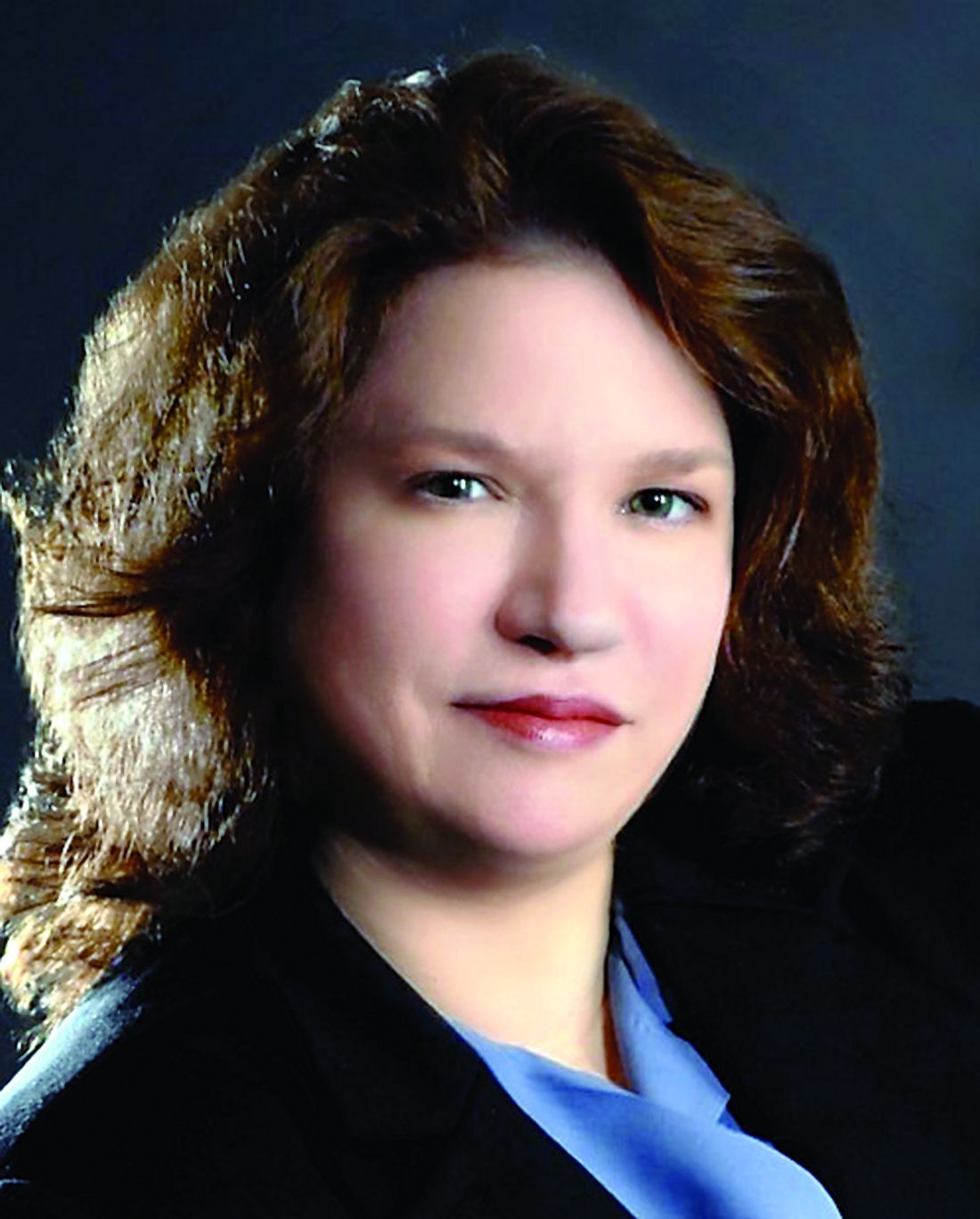
Dr. Girgis practices family medicine in South River, N.J., and is a clinical assistant professor of family medicine at Robert Wood Johnson Medical School, New Brunswick, N.J. She was paid by Pfizer as a consultant on Paxlovid and is the editor in chief of Physician’s Weekly.
According to the World Health Organization (WHO), approximately 5% of adults (or 280 million people) suffer from depression globally. Although depression is more common in women, it can affect anyone. It is seen in all socioeconomic classes, ages, and races. In response, the WHO developed the Mental Health Gap Action Programme to bring mental health care services to those in need.
Depression can lead to severe consequences, such as loss of employment, relationships difficulties, and suicide. In fact, suicide is the 10th leading cause of death in the United States.
The U.S. Preventive Services Task Force (USPSTF), in past years, concluded that there was insufficient evidence to screen adolescents and adults for depression, However, new guidelines were issued this year in which the task force concluded there was a moderate benefit to screening adults for depression but insufficient evidence to screen for suicide risk. The agency now recommends screening for depression in all adults, even in the absence of risk factors, by using brief screening instruments such as the PHQ (Patient Health Questionnaire).
As family doctors, we have witnessed the burden of depression in our practices. The previous recommendations neglected the fact that mental health disorders were often purposely hidden because of stigma. Many patients do not readily come for treatment for mental illness and sometimes do not even accept these diagnoses. It is good that screening is now recommended, but we need to do more to tear down the stigma attached to mental illness.
These new guidelines do not address the effect that the lack of available mental health services has on treatment. It can take months to get an appointment for a patient with a mental health disorder, even if that person is potentially suicidal. Primary care physicians are often left treating these disorders; sometimes we are treating mental illness whether we feel comfortable doing so or not. Patients may not receive the best care but it is better than no care at all.
Although treating anxiety and depression is common for primary care doctors, specialists should be contacted when cases get more complicated. Even a call to crisis intervention can lead to an emergency department visit with discharge back to the family doctor because there is nowhere else to send the patient. The burden falls on us when we are already burdened by many other things, such as the rising rates of obesity with the resultant consequences of diabetes and heart disease. We simply do not have the time or expertise to treat complicated mental illness.
Creating guidelines to diagnose more undetected cases of depression without increasing the infrastructure to handle it is only going to lead to more pressure on family doctors. Many of us are already burnt out and at our limits. Yes, we want to diagnose every case of depression we can and to treat these patients for these disorders, but we need help.
Another problem with the guidelines is the recommendation to screen for depression and not suicide risk. As family doctors, we ask all patients who are depressed if they have thoughts of hurting themselves or others. Also, some people who commit suicide are not clinically depressed. These questions are simple to ask on an intake form.
Screening for depression is a pretty simple process. A patient can complete a screening tool or the clinician can directly ask the questions. It is a quick, noninvasive process. The Diagnostic and Statistical Manual of Mental Disorders criteria for diagnosing depression are pretty rigid and straightforward so misdiagnoses are not likely to be common.
The new guidelines do not make recommendations for treatment. In the real world, we often see patients unable to get the medications we prescribe because their insurance won’t cover it. Having guidelines supporting medication use would be very helpful.
In the area where I practice, it is difficult to refer a patient for counseling despite there being a plethora of counselors, therapists, and psychologists. These mental health providers often take only cash-paying patients, which eliminates access for many patients.
If we truly want to address the ever-increasing rates of depression in our country, we need to do much more than create new screening guidelines (screening that many family doctors were already doing). We must remove stigma, especially in the health care setting, fund mental health services, make them more readily available, and provide care that is affordable and covered by insurance. Until then, we are just going to add to the load of family doctors until we either break or leave our profession. Patients deserve better.
Dr. Girgis practices family medicine in South River, N.J., and is a clinical assistant professor of family medicine at Robert Wood Johnson Medical School, New Brunswick, N.J. She was paid by Pfizer as a consultant on Paxlovid and is the editor in chief of Physician’s Weekly.
According to the World Health Organization (WHO), approximately 5% of adults (or 280 million people) suffer from depression globally. Although depression is more common in women, it can affect anyone. It is seen in all socioeconomic classes, ages, and races. In response, the WHO developed the Mental Health Gap Action Programme to bring mental health care services to those in need.
Depression can lead to severe consequences, such as loss of employment, relationships difficulties, and suicide. In fact, suicide is the 10th leading cause of death in the United States.
The U.S. Preventive Services Task Force (USPSTF), in past years, concluded that there was insufficient evidence to screen adolescents and adults for depression, However, new guidelines were issued this year in which the task force concluded there was a moderate benefit to screening adults for depression but insufficient evidence to screen for suicide risk. The agency now recommends screening for depression in all adults, even in the absence of risk factors, by using brief screening instruments such as the PHQ (Patient Health Questionnaire).
As family doctors, we have witnessed the burden of depression in our practices. The previous recommendations neglected the fact that mental health disorders were often purposely hidden because of stigma. Many patients do not readily come for treatment for mental illness and sometimes do not even accept these diagnoses. It is good that screening is now recommended, but we need to do more to tear down the stigma attached to mental illness.
These new guidelines do not address the effect that the lack of available mental health services has on treatment. It can take months to get an appointment for a patient with a mental health disorder, even if that person is potentially suicidal. Primary care physicians are often left treating these disorders; sometimes we are treating mental illness whether we feel comfortable doing so or not. Patients may not receive the best care but it is better than no care at all.
Although treating anxiety and depression is common for primary care doctors, specialists should be contacted when cases get more complicated. Even a call to crisis intervention can lead to an emergency department visit with discharge back to the family doctor because there is nowhere else to send the patient. The burden falls on us when we are already burdened by many other things, such as the rising rates of obesity with the resultant consequences of diabetes and heart disease. We simply do not have the time or expertise to treat complicated mental illness.
Creating guidelines to diagnose more undetected cases of depression without increasing the infrastructure to handle it is only going to lead to more pressure on family doctors. Many of us are already burnt out and at our limits. Yes, we want to diagnose every case of depression we can and to treat these patients for these disorders, but we need help.
Another problem with the guidelines is the recommendation to screen for depression and not suicide risk. As family doctors, we ask all patients who are depressed if they have thoughts of hurting themselves or others. Also, some people who commit suicide are not clinically depressed. These questions are simple to ask on an intake form.
Screening for depression is a pretty simple process. A patient can complete a screening tool or the clinician can directly ask the questions. It is a quick, noninvasive process. The Diagnostic and Statistical Manual of Mental Disorders criteria for diagnosing depression are pretty rigid and straightforward so misdiagnoses are not likely to be common.
The new guidelines do not make recommendations for treatment. In the real world, we often see patients unable to get the medications we prescribe because their insurance won’t cover it. Having guidelines supporting medication use would be very helpful.
In the area where I practice, it is difficult to refer a patient for counseling despite there being a plethora of counselors, therapists, and psychologists. These mental health providers often take only cash-paying patients, which eliminates access for many patients.
If we truly want to address the ever-increasing rates of depression in our country, we need to do much more than create new screening guidelines (screening that many family doctors were already doing). We must remove stigma, especially in the health care setting, fund mental health services, make them more readily available, and provide care that is affordable and covered by insurance. Until then, we are just going to add to the load of family doctors until we either break or leave our profession. Patients deserve better.
Dr. Girgis practices family medicine in South River, N.J., and is a clinical assistant professor of family medicine at Robert Wood Johnson Medical School, New Brunswick, N.J. She was paid by Pfizer as a consultant on Paxlovid and is the editor in chief of Physician’s Weekly.
The biggest mistake we could make with obesity drugs
A new generation of medications designed to help individuals lose weight is in the news and stirring considerable debate within medical, insurer, and employer circles. Indeed, these drugs show striking results, compared with weight loss drugs of the past, with some research reporting a 15%-20% loss in body weight when used as an adjunct to intensive behavior therapy and intensive lifestyle intervention.
Obesity and associated chronic diseases are at an epidemic level in the United States and carry enormous personal, family, and societal burdens. As an exercise physiologist and a dual board-certified cardiologist and lifestyle medicine specialist, I am grateful for modern medicine and have leveraged the efficacy of many medications in patient care. I also recognize that it is in my patients’ and my own best interests to strive for health restoration rather than default to a lifetime of disease management. This is especially urgent when it comes to children.
That’s why as physicians
As a matter of fact, too often lost in news stories about the success of obesity drugs like tirzepatide and semaglutide is that research study participants also received intensive lifestyle interventions. Regardless of whether clinicians ultimately prescribe weight loss medications, it is important that they first engage in patient-centered discussions that provide information about all the available treatment options and explore with patients an adequate dose of lifestyle intervention before pronouncing this approach a failure.
Merely advising a patient to eat better or exercise more is rarely sufficient information, much less sufficient dosing information, for significant weight loss. As a recent American College of Lifestyle Medicine position statement on the treatment of obesity put it: “While adequately dosed lifestyle interventions may unilaterally achieve success, obesity is a complex, multifactorial disease wherein patients may require approaches beyond lifestyle alone. However, lifestyle interventions are too often not adequately ‘dosed’ for success.”
Appetite suppression may reduce food intake, but optimal health requires eating nutrient-dense foods high in fiber and healthy fats, and preserving muscle mass through physical activity. Simply reducing the portion size of the same unhealthy, ultraprocessed foods that the patient ate before starting medication does not achieve optimal health, no matter what the scale says. ACLM’s position statement emphasizes that “a comprehensive lifestyle medicine approach prevents and treats many other comorbidities associated with overweight and obesity, including, but not limited to, hypertension, high cholesterol, heart disease, type 2 diabetes, and arthritis, and a lifestyle medicine approach can also reduce the risk of many types of cancer.”
This is even more critical in children, who may not fully understand how to eat healthfully. Furthermore, the long-term effects of weight loss medication on their still-developing bodies are unclear. Decades ago, we didn’t face an epidemic of childhood obesity; type 2 diabetes was called “adult-onset” because it was a lifestyle-related chronic disease that didn’t manifest until adulthood. We would never have considered weight-loss medications for children or gastric bypass for teens. Yet, this lifestyle-related chronic disease is now afflicting our youth.
We have allowed an abnormal food environment to fester, with nearly 60% of the American diet now consisting of ultraprocessed foods. Obesity within families may be related to shared genetics but may also be due to shared food, lifestyle, and environmental factors passed down through generations. A successful obesity treatment plan should address as many of those drivers of obesity as possible, as well as access to healthy food, transportation, and other social determinants of health.
Cost is a major consideration in clinical decision-making for weight loss treatment. The new obesity drugs are expensive, and patients probably must continue to take them throughout their lives to avoid regaining lost weight. With 70% of Americans and 90% of seniors already taking prescription drugs, the United States already spends more on pharmaceuticals than the rest of the world combined. Not all insurance plans cover these medications for the treatment of obesity, and as patients covered through one insurance plan may lose coverage on their next plan, they could be forced to stop the medications and pay out of pocket or experience fluctuations in their weight. Health care providers should consider the physical and emotional burden of weight cycling and strategically advance lifestyle measures to mitigate weight fluctuations in such patients.
Shared decisions between patients and their families and health care providers will become even more important in the rollout of new medications and obesity management guidelines. I’m hopeful that the elevated attention to obesity solutions will shepherd in thoughtful collaborations among board-certified obesity specialists, lifestyle medicine specialists, and primary care providers. ACLM, in support of the White House Conference on Hunger, Nutrition and Health, has offered 5.5 hours of complimentary CE/CME coursework in nutrition and food as medicine to 100,000 health professionals. This free opportunity (valued at $220) is an excellent step toward establishing a foundation of lifestyle medicine knowledge for health professionals treating patients for obesity. Clinicians can register here.
Let’s all get this right: Lifestyle behavior is the foundation of patients’ health and wellness at every stage of life, with or without adjunctive medication therapy. New tools like weight loss medications will arise but cannot truly achieve optimal health without lifestyle medicine as a continuum throughout a patient’s life.
A version of this article first appeared on Medscape.com.
A new generation of medications designed to help individuals lose weight is in the news and stirring considerable debate within medical, insurer, and employer circles. Indeed, these drugs show striking results, compared with weight loss drugs of the past, with some research reporting a 15%-20% loss in body weight when used as an adjunct to intensive behavior therapy and intensive lifestyle intervention.
Obesity and associated chronic diseases are at an epidemic level in the United States and carry enormous personal, family, and societal burdens. As an exercise physiologist and a dual board-certified cardiologist and lifestyle medicine specialist, I am grateful for modern medicine and have leveraged the efficacy of many medications in patient care. I also recognize that it is in my patients’ and my own best interests to strive for health restoration rather than default to a lifetime of disease management. This is especially urgent when it comes to children.
That’s why as physicians
As a matter of fact, too often lost in news stories about the success of obesity drugs like tirzepatide and semaglutide is that research study participants also received intensive lifestyle interventions. Regardless of whether clinicians ultimately prescribe weight loss medications, it is important that they first engage in patient-centered discussions that provide information about all the available treatment options and explore with patients an adequate dose of lifestyle intervention before pronouncing this approach a failure.
Merely advising a patient to eat better or exercise more is rarely sufficient information, much less sufficient dosing information, for significant weight loss. As a recent American College of Lifestyle Medicine position statement on the treatment of obesity put it: “While adequately dosed lifestyle interventions may unilaterally achieve success, obesity is a complex, multifactorial disease wherein patients may require approaches beyond lifestyle alone. However, lifestyle interventions are too often not adequately ‘dosed’ for success.”
Appetite suppression may reduce food intake, but optimal health requires eating nutrient-dense foods high in fiber and healthy fats, and preserving muscle mass through physical activity. Simply reducing the portion size of the same unhealthy, ultraprocessed foods that the patient ate before starting medication does not achieve optimal health, no matter what the scale says. ACLM’s position statement emphasizes that “a comprehensive lifestyle medicine approach prevents and treats many other comorbidities associated with overweight and obesity, including, but not limited to, hypertension, high cholesterol, heart disease, type 2 diabetes, and arthritis, and a lifestyle medicine approach can also reduce the risk of many types of cancer.”
This is even more critical in children, who may not fully understand how to eat healthfully. Furthermore, the long-term effects of weight loss medication on their still-developing bodies are unclear. Decades ago, we didn’t face an epidemic of childhood obesity; type 2 diabetes was called “adult-onset” because it was a lifestyle-related chronic disease that didn’t manifest until adulthood. We would never have considered weight-loss medications for children or gastric bypass for teens. Yet, this lifestyle-related chronic disease is now afflicting our youth.
We have allowed an abnormal food environment to fester, with nearly 60% of the American diet now consisting of ultraprocessed foods. Obesity within families may be related to shared genetics but may also be due to shared food, lifestyle, and environmental factors passed down through generations. A successful obesity treatment plan should address as many of those drivers of obesity as possible, as well as access to healthy food, transportation, and other social determinants of health.
Cost is a major consideration in clinical decision-making for weight loss treatment. The new obesity drugs are expensive, and patients probably must continue to take them throughout their lives to avoid regaining lost weight. With 70% of Americans and 90% of seniors already taking prescription drugs, the United States already spends more on pharmaceuticals than the rest of the world combined. Not all insurance plans cover these medications for the treatment of obesity, and as patients covered through one insurance plan may lose coverage on their next plan, they could be forced to stop the medications and pay out of pocket or experience fluctuations in their weight. Health care providers should consider the physical and emotional burden of weight cycling and strategically advance lifestyle measures to mitigate weight fluctuations in such patients.
Shared decisions between patients and their families and health care providers will become even more important in the rollout of new medications and obesity management guidelines. I’m hopeful that the elevated attention to obesity solutions will shepherd in thoughtful collaborations among board-certified obesity specialists, lifestyle medicine specialists, and primary care providers. ACLM, in support of the White House Conference on Hunger, Nutrition and Health, has offered 5.5 hours of complimentary CE/CME coursework in nutrition and food as medicine to 100,000 health professionals. This free opportunity (valued at $220) is an excellent step toward establishing a foundation of lifestyle medicine knowledge for health professionals treating patients for obesity. Clinicians can register here.
Let’s all get this right: Lifestyle behavior is the foundation of patients’ health and wellness at every stage of life, with or without adjunctive medication therapy. New tools like weight loss medications will arise but cannot truly achieve optimal health without lifestyle medicine as a continuum throughout a patient’s life.
A version of this article first appeared on Medscape.com.
A new generation of medications designed to help individuals lose weight is in the news and stirring considerable debate within medical, insurer, and employer circles. Indeed, these drugs show striking results, compared with weight loss drugs of the past, with some research reporting a 15%-20% loss in body weight when used as an adjunct to intensive behavior therapy and intensive lifestyle intervention.
Obesity and associated chronic diseases are at an epidemic level in the United States and carry enormous personal, family, and societal burdens. As an exercise physiologist and a dual board-certified cardiologist and lifestyle medicine specialist, I am grateful for modern medicine and have leveraged the efficacy of many medications in patient care. I also recognize that it is in my patients’ and my own best interests to strive for health restoration rather than default to a lifetime of disease management. This is especially urgent when it comes to children.
That’s why as physicians
As a matter of fact, too often lost in news stories about the success of obesity drugs like tirzepatide and semaglutide is that research study participants also received intensive lifestyle interventions. Regardless of whether clinicians ultimately prescribe weight loss medications, it is important that they first engage in patient-centered discussions that provide information about all the available treatment options and explore with patients an adequate dose of lifestyle intervention before pronouncing this approach a failure.
Merely advising a patient to eat better or exercise more is rarely sufficient information, much less sufficient dosing information, for significant weight loss. As a recent American College of Lifestyle Medicine position statement on the treatment of obesity put it: “While adequately dosed lifestyle interventions may unilaterally achieve success, obesity is a complex, multifactorial disease wherein patients may require approaches beyond lifestyle alone. However, lifestyle interventions are too often not adequately ‘dosed’ for success.”
Appetite suppression may reduce food intake, but optimal health requires eating nutrient-dense foods high in fiber and healthy fats, and preserving muscle mass through physical activity. Simply reducing the portion size of the same unhealthy, ultraprocessed foods that the patient ate before starting medication does not achieve optimal health, no matter what the scale says. ACLM’s position statement emphasizes that “a comprehensive lifestyle medicine approach prevents and treats many other comorbidities associated with overweight and obesity, including, but not limited to, hypertension, high cholesterol, heart disease, type 2 diabetes, and arthritis, and a lifestyle medicine approach can also reduce the risk of many types of cancer.”
This is even more critical in children, who may not fully understand how to eat healthfully. Furthermore, the long-term effects of weight loss medication on their still-developing bodies are unclear. Decades ago, we didn’t face an epidemic of childhood obesity; type 2 diabetes was called “adult-onset” because it was a lifestyle-related chronic disease that didn’t manifest until adulthood. We would never have considered weight-loss medications for children or gastric bypass for teens. Yet, this lifestyle-related chronic disease is now afflicting our youth.
We have allowed an abnormal food environment to fester, with nearly 60% of the American diet now consisting of ultraprocessed foods. Obesity within families may be related to shared genetics but may also be due to shared food, lifestyle, and environmental factors passed down through generations. A successful obesity treatment plan should address as many of those drivers of obesity as possible, as well as access to healthy food, transportation, and other social determinants of health.
Cost is a major consideration in clinical decision-making for weight loss treatment. The new obesity drugs are expensive, and patients probably must continue to take them throughout their lives to avoid regaining lost weight. With 70% of Americans and 90% of seniors already taking prescription drugs, the United States already spends more on pharmaceuticals than the rest of the world combined. Not all insurance plans cover these medications for the treatment of obesity, and as patients covered through one insurance plan may lose coverage on their next plan, they could be forced to stop the medications and pay out of pocket or experience fluctuations in their weight. Health care providers should consider the physical and emotional burden of weight cycling and strategically advance lifestyle measures to mitigate weight fluctuations in such patients.
Shared decisions between patients and their families and health care providers will become even more important in the rollout of new medications and obesity management guidelines. I’m hopeful that the elevated attention to obesity solutions will shepherd in thoughtful collaborations among board-certified obesity specialists, lifestyle medicine specialists, and primary care providers. ACLM, in support of the White House Conference on Hunger, Nutrition and Health, has offered 5.5 hours of complimentary CE/CME coursework in nutrition and food as medicine to 100,000 health professionals. This free opportunity (valued at $220) is an excellent step toward establishing a foundation of lifestyle medicine knowledge for health professionals treating patients for obesity. Clinicians can register here.
Let’s all get this right: Lifestyle behavior is the foundation of patients’ health and wellness at every stage of life, with or without adjunctive medication therapy. New tools like weight loss medications will arise but cannot truly achieve optimal health without lifestyle medicine as a continuum throughout a patient’s life.
A version of this article first appeared on Medscape.com.
A primer on gender-affirming care for transgender youth
Over the past few years, there has been rampant misinformation regarding gender-affirming care for transgender youth. In particular, there has been confusion regarding how care is administered, and what types of care are considered at various stages of development. This primer will help you understand the developmental approach to supporting transgender youth.
While people generally think of medical and surgical aspects of gender-affirming care, other domains can be just as important. For example, a 2020 publication in The Lancet Public Health found that access to gender-congruent government identification documents was associated with lower odds of severe psychological distress and suicidality.1

Considerations for prepubertal children
The youngest developmental stage at which a young person may seek care regarding gender diversity is the prepubertal childhood stage. Guidelines set forth by The Endocrine Society and The World Professional Association for Transgender Health make it clear that no medical or surgical interventions are considered at this developmental stage.2,3 However, some young people may choose to pursue a “social transition.” Though this may sound like one thing, social transition can mean very different things for different people. It may include any combination of adopting a new name, pronouns, hairstyle, clothing, etc. Young people may also choose to pursue these various aspects of social transition in all settings, or sometimes only in some settings (for example, only at home if they don’t yet feel comfortable doing so at school). Research so far shows that prepubertal children who are allowed to socially transition have levels of anxiety and depression nearly indistinguishable from their cisgender peers.4 While some in the past have raised the question of whether a social transition increases a child’s degree of gender incongruence and thus their likelihood to “persist” in a transgender identity, research has suggested this is not the case, and that gender identity does not meaningfully differ before and after a social transition.5 It’s worth noting, that “desistance” of a young person’s transgender identity is generally not considered an ethical goal and that gender identity conversion efforts (that is, attempts to force transgender people to be cisgender) have been labeled unethical by the American Academy of Child & Adolescent Psychiatry.
Sadly, transgender children are victims of bullying at high rates in their schools and communities. Creating safe and affirming school and community environments can be some of the highest yield ways in which providers can support the mental health of gender-diverse youth at this stage. Gender Spectrum is an excellent nonprofit that provides resources to help families and communities with some of these nonmedical supports.
Early adolescence and pubertal suppression
The earliest gender-affirming medical intervention that may be considered is pubertal suppression. Pubertal suppression is achieved with gonadotropin-releasing hormone agonists. This class of medications is Food and Drug Administration approved in pediatrics for precocious puberty – a condition in which young people enter puberty much earlier than expected (sometimes as early as age 3). For that condition, the rationale is to delay puberty until the patient reaches a more developmentally normative age for puberty to begin. The rationale for pubertal suppression for adolescent gender dysphoria is somewhat similar – these medications allow for the temporary pausing of puberty, which can be particularly helpful for adolescents who are having severe negative psychological reactions to the ways in which their bodies are developing. The major advantage here is that pubertal suppression can be reversed (if the medication is stopped, endogenous puberty will proceed), whereas puberty itself cannot be easily reversed (resulting in adult transgender people needing surgery and other interventions later in life, if these changes can be fully undone at all). As with all medications, puberty blockers do carry known side effects, including falling behind on bone density (sex hormones are needed to mineralize bones). Because of this, it is generally recommended that adolescents have their bone density monitored during treatment, pursue avenues to improve bone health (for example, exercise), and either stop the puberty blocker to undergo endogenous puberty or start gender-affirming hormones (estrogen or testosterone) by around age 16.
It is also important to note that, under current guidelines, an adolescent must first undergo a comprehensive biopsychosocial mental health evaluation prior to starting pubertal suppression to ensure the clinical team has a comprehensive understanding of the adolescent’s mental health, that all potential gender supports that are needed are put into place, and that the adolescent and their guardians have a strong understanding of the medical intervention, its risks, side effects, and potential benefits. In addition, consent must be provided by parents or legal guardians, whereas adolescents themselves provide assent. Several studies have linked access to pubertal suppression, when indicated for gender dysphoria, to improved mental health outcomes (for example, van der Miesen and colleagues, Turban and colleagues, de Vries and colleagues, and Costa and colleagues).6-9
Later adolescence and gender-affirming hormones
Later in adolescence, transgender youth may be candidates for gender-affirming hormone treatment (for example, estrogen or testosterone) to induce pubertal changes that align with their gender identities. Once again, under current guidelines, a comprehensive mental health biopsychosocial evaluation must be conducted prior to initiation of these treatments. Part of this evaluation includes fertility counseling and consideration of fertility preservation (for example, oocyte or semen cryopreservation), given the potential for these medications to impact fertility. It also involves discussion of several of the physiologic changes from these medications that can be irreversible (for example, voice changes from testosterone are particularly difficult to reverse in the future). Tables of the physical changes from these medications, when they begin after starting, and when they generally reach their maximum are available in the Endocrine Society guidelines.2 The past endocrine society guidelines recommended not initiating gender-affirming hormones until age 16. The most recent guidelines note that there may be instances in which providers may consider starting them as early as age 13 (for example, to reduce risk of falling behind on bone density, or if a patient is having psychological distress related to their peers going through puberty while they are still in a prepubertal state). The latest World Professional Association for Transgender Health Standards of Care removed specific age cutoffs, highlighting the importance of a multidisciplinary team of mental health and hormone prescribing providers working together to understand the best course of action for a particular patient. As with pubertal suppression, several studies have linked access to gender-affirming hormones to improve mental health for adolescents with gender dysphoria (for example, Turban and colleagues, Chen and colleagues, de Vries and colleagues, Allen and colleagues, and Tordoff and colleagues).10-14
Gender-affirming surgeries
The vast majority of gender-affirming surgeries are not considered until adulthood. The most notable exception to this is masculinizing top surgery for trans masculine and nonbinary adolescents. As with all surgeries, this is a major decision, and requires agreement from a mental health provider, a medical provider, and the surgeon. Early research suggests such surgeries result in improved chest dysphoria and that regret rates appear to be low.15,16 While the latest World Professional Association for Transgender Health similarly removed strict age cutoffs for gender-affirming surgery, again noting the importance of individualized care, I suspect most will read this change in the context of the Endocrine Society guidelines and past WPATH guidelines that noted gender-affirming genital surgeries are not offered until adulthood (a rare exception perhaps being someone pursuing a gender-affirming vaginoplasty at say age 17 in the summer prior to college to avoid needing to take off from school for surgical recovery). Gender-affirming genital surgeries are generally much more involved surgeries with prolonged recovery times.
Given the substantial proportion of young people who openly identify as transgender,17 and the proliferation of misinformation, political rhetoric, and legislation that can impact gender-affirming care for adolescents with gender dysphoria,18 it is essential that providers have accurate, up-to-date information on what this care entails and how it is provided.
Dr. Turban is director of the gender psychiatry program at the University of California, San Francisco, where he is an assistant professor of child & adolescent psychiatry and affiliate faculty at the Philip R. Lee Institute for Health Policy Studies. He is on Twitter @jack_turban.
References
1. Malta M et al. Lancet Public Health. 2020 Apr;5(4):e178-9.
2. Hembree WC et al. J Clin Endocrinol Metab. 2017 Nov 1;102(11):3869-903.
3. Coleman E et al. Int J Transgend Health. 2022 Sep 6;23(Suppl 1):S1-259.
4. Durwood L et al. J Am Acad Child Adolesc Psychiatry. 2017 Feb;56(2):116-23.e2.
5. Rae JR et al. Psychol Sci. 2019 May;30(5):669-81.
6. van der Miesen AIR et al. J Adolesc Health. 2020 Jun;66(6):699-704.
7. Turban JL et al. Pediatrics. 2020 Feb;145(2):e20191725.
8. de Vries ALC et al. J Sex Med. 2011 Aug;8(8):2276-83.
9. Costa R et al. J Sex Med. 2015 Nov;12(11):2206-14.
10. Turban JL et al. PLoS One. 2022 Jan 12;17(1):e0261039.
11. Chen D et al. N Engl J Med. 2023;388:240-50.
12. de Vries ALC et al. Pediatrics. 2014 Oct;134(4):696-70.
13. Allen LR et al. Clin Pract Pediatr Psychol. 2019. doi: 10.1037/cpp0000288.
14. Tordoff DM et al. JAMA Netw Open. 2022 Feb 1;5(2):e220978.
15. Olson-Kennedy J et al. JAMA Pediatr. 2018;172(5):431-6.
16. Tang A et al. Ann Plast Surg. 2022 May;88(4 Suppl):S325-31
17. Johns MM et al. Morb Mortal Wkly Rep. 2019 Jan 25;68(3):67-71.
18. Turban JL et al. JAMA. 2021;325(22):2251-2.
Over the past few years, there has been rampant misinformation regarding gender-affirming care for transgender youth. In particular, there has been confusion regarding how care is administered, and what types of care are considered at various stages of development. This primer will help you understand the developmental approach to supporting transgender youth.
While people generally think of medical and surgical aspects of gender-affirming care, other domains can be just as important. For example, a 2020 publication in The Lancet Public Health found that access to gender-congruent government identification documents was associated with lower odds of severe psychological distress and suicidality.1
Considerations for prepubertal children
The youngest developmental stage at which a young person may seek care regarding gender diversity is the prepubertal childhood stage. Guidelines set forth by The Endocrine Society and The World Professional Association for Transgender Health make it clear that no medical or surgical interventions are considered at this developmental stage.2,3 However, some young people may choose to pursue a “social transition.” Though this may sound like one thing, social transition can mean very different things for different people. It may include any combination of adopting a new name, pronouns, hairstyle, clothing, etc. Young people may also choose to pursue these various aspects of social transition in all settings, or sometimes only in some settings (for example, only at home if they don’t yet feel comfortable doing so at school). Research so far shows that prepubertal children who are allowed to socially transition have levels of anxiety and depression nearly indistinguishable from their cisgender peers.4 While some in the past have raised the question of whether a social transition increases a child’s degree of gender incongruence and thus their likelihood to “persist” in a transgender identity, research has suggested this is not the case, and that gender identity does not meaningfully differ before and after a social transition.5 It’s worth noting, that “desistance” of a young person’s transgender identity is generally not considered an ethical goal and that gender identity conversion efforts (that is, attempts to force transgender people to be cisgender) have been labeled unethical by the American Academy of Child & Adolescent Psychiatry.
Sadly, transgender children are victims of bullying at high rates in their schools and communities. Creating safe and affirming school and community environments can be some of the highest yield ways in which providers can support the mental health of gender-diverse youth at this stage. Gender Spectrum is an excellent nonprofit that provides resources to help families and communities with some of these nonmedical supports.
Early adolescence and pubertal suppression
The earliest gender-affirming medical intervention that may be considered is pubertal suppression. Pubertal suppression is achieved with gonadotropin-releasing hormone agonists. This class of medications is Food and Drug Administration approved in pediatrics for precocious puberty – a condition in which young people enter puberty much earlier than expected (sometimes as early as age 3). For that condition, the rationale is to delay puberty until the patient reaches a more developmentally normative age for puberty to begin. The rationale for pubertal suppression for adolescent gender dysphoria is somewhat similar – these medications allow for the temporary pausing of puberty, which can be particularly helpful for adolescents who are having severe negative psychological reactions to the ways in which their bodies are developing. The major advantage here is that pubertal suppression can be reversed (if the medication is stopped, endogenous puberty will proceed), whereas puberty itself cannot be easily reversed (resulting in adult transgender people needing surgery and other interventions later in life, if these changes can be fully undone at all). As with all medications, puberty blockers do carry known side effects, including falling behind on bone density (sex hormones are needed to mineralize bones). Because of this, it is generally recommended that adolescents have their bone density monitored during treatment, pursue avenues to improve bone health (for example, exercise), and either stop the puberty blocker to undergo endogenous puberty or start gender-affirming hormones (estrogen or testosterone) by around age 16.
It is also important to note that, under current guidelines, an adolescent must first undergo a comprehensive biopsychosocial mental health evaluation prior to starting pubertal suppression to ensure the clinical team has a comprehensive understanding of the adolescent’s mental health, that all potential gender supports that are needed are put into place, and that the adolescent and their guardians have a strong understanding of the medical intervention, its risks, side effects, and potential benefits. In addition, consent must be provided by parents or legal guardians, whereas adolescents themselves provide assent. Several studies have linked access to pubertal suppression, when indicated for gender dysphoria, to improved mental health outcomes (for example, van der Miesen and colleagues, Turban and colleagues, de Vries and colleagues, and Costa and colleagues).6-9
Later adolescence and gender-affirming hormones
Later in adolescence, transgender youth may be candidates for gender-affirming hormone treatment (for example, estrogen or testosterone) to induce pubertal changes that align with their gender identities. Once again, under current guidelines, a comprehensive mental health biopsychosocial evaluation must be conducted prior to initiation of these treatments. Part of this evaluation includes fertility counseling and consideration of fertility preservation (for example, oocyte or semen cryopreservation), given the potential for these medications to impact fertility. It also involves discussion of several of the physiologic changes from these medications that can be irreversible (for example, voice changes from testosterone are particularly difficult to reverse in the future). Tables of the physical changes from these medications, when they begin after starting, and when they generally reach their maximum are available in the Endocrine Society guidelines.2 The past endocrine society guidelines recommended not initiating gender-affirming hormones until age 16. The most recent guidelines note that there may be instances in which providers may consider starting them as early as age 13 (for example, to reduce risk of falling behind on bone density, or if a patient is having psychological distress related to their peers going through puberty while they are still in a prepubertal state). The latest World Professional Association for Transgender Health Standards of Care removed specific age cutoffs, highlighting the importance of a multidisciplinary team of mental health and hormone prescribing providers working together to understand the best course of action for a particular patient. As with pubertal suppression, several studies have linked access to gender-affirming hormones to improve mental health for adolescents with gender dysphoria (for example, Turban and colleagues, Chen and colleagues, de Vries and colleagues, Allen and colleagues, and Tordoff and colleagues).10-14
Gender-affirming surgeries
The vast majority of gender-affirming surgeries are not considered until adulthood. The most notable exception to this is masculinizing top surgery for trans masculine and nonbinary adolescents. As with all surgeries, this is a major decision, and requires agreement from a mental health provider, a medical provider, and the surgeon. Early research suggests such surgeries result in improved chest dysphoria and that regret rates appear to be low.15,16 While the latest World Professional Association for Transgender Health similarly removed strict age cutoffs for gender-affirming surgery, again noting the importance of individualized care, I suspect most will read this change in the context of the Endocrine Society guidelines and past WPATH guidelines that noted gender-affirming genital surgeries are not offered until adulthood (a rare exception perhaps being someone pursuing a gender-affirming vaginoplasty at say age 17 in the summer prior to college to avoid needing to take off from school for surgical recovery). Gender-affirming genital surgeries are generally much more involved surgeries with prolonged recovery times.
Given the substantial proportion of young people who openly identify as transgender,17 and the proliferation of misinformation, political rhetoric, and legislation that can impact gender-affirming care for adolescents with gender dysphoria,18 it is essential that providers have accurate, up-to-date information on what this care entails and how it is provided.
Dr. Turban is director of the gender psychiatry program at the University of California, San Francisco, where he is an assistant professor of child & adolescent psychiatry and affiliate faculty at the Philip R. Lee Institute for Health Policy Studies. He is on Twitter @jack_turban.
References
1. Malta M et al. Lancet Public Health. 2020 Apr;5(4):e178-9.
2. Hembree WC et al. J Clin Endocrinol Metab. 2017 Nov 1;102(11):3869-903.
3. Coleman E et al. Int J Transgend Health. 2022 Sep 6;23(Suppl 1):S1-259.
4. Durwood L et al. J Am Acad Child Adolesc Psychiatry. 2017 Feb;56(2):116-23.e2.
5. Rae JR et al. Psychol Sci. 2019 May;30(5):669-81.
6. van der Miesen AIR et al. J Adolesc Health. 2020 Jun;66(6):699-704.
7. Turban JL et al. Pediatrics. 2020 Feb;145(2):e20191725.
8. de Vries ALC et al. J Sex Med. 2011 Aug;8(8):2276-83.
9. Costa R et al. J Sex Med. 2015 Nov;12(11):2206-14.
10. Turban JL et al. PLoS One. 2022 Jan 12;17(1):e0261039.
11. Chen D et al. N Engl J Med. 2023;388:240-50.
12. de Vries ALC et al. Pediatrics. 2014 Oct;134(4):696-70.
13. Allen LR et al. Clin Pract Pediatr Psychol. 2019. doi: 10.1037/cpp0000288.
14. Tordoff DM et al. JAMA Netw Open. 2022 Feb 1;5(2):e220978.
15. Olson-Kennedy J et al. JAMA Pediatr. 2018;172(5):431-6.
16. Tang A et al. Ann Plast Surg. 2022 May;88(4 Suppl):S325-31
17. Johns MM et al. Morb Mortal Wkly Rep. 2019 Jan 25;68(3):67-71.
18. Turban JL et al. JAMA. 2021;325(22):2251-2.
Over the past few years, there has been rampant misinformation regarding gender-affirming care for transgender youth. In particular, there has been confusion regarding how care is administered, and what types of care are considered at various stages of development. This primer will help you understand the developmental approach to supporting transgender youth.
While people generally think of medical and surgical aspects of gender-affirming care, other domains can be just as important. For example, a 2020 publication in The Lancet Public Health found that access to gender-congruent government identification documents was associated with lower odds of severe psychological distress and suicidality.1
Considerations for prepubertal children
The youngest developmental stage at which a young person may seek care regarding gender diversity is the prepubertal childhood stage. Guidelines set forth by The Endocrine Society and The World Professional Association for Transgender Health make it clear that no medical or surgical interventions are considered at this developmental stage.2,3 However, some young people may choose to pursue a “social transition.” Though this may sound like one thing, social transition can mean very different things for different people. It may include any combination of adopting a new name, pronouns, hairstyle, clothing, etc. Young people may also choose to pursue these various aspects of social transition in all settings, or sometimes only in some settings (for example, only at home if they don’t yet feel comfortable doing so at school). Research so far shows that prepubertal children who are allowed to socially transition have levels of anxiety and depression nearly indistinguishable from their cisgender peers.4 While some in the past have raised the question of whether a social transition increases a child’s degree of gender incongruence and thus their likelihood to “persist” in a transgender identity, research has suggested this is not the case, and that gender identity does not meaningfully differ before and after a social transition.5 It’s worth noting, that “desistance” of a young person’s transgender identity is generally not considered an ethical goal and that gender identity conversion efforts (that is, attempts to force transgender people to be cisgender) have been labeled unethical by the American Academy of Child & Adolescent Psychiatry.
Sadly, transgender children are victims of bullying at high rates in their schools and communities. Creating safe and affirming school and community environments can be some of the highest yield ways in which providers can support the mental health of gender-diverse youth at this stage. Gender Spectrum is an excellent nonprofit that provides resources to help families and communities with some of these nonmedical supports.
Early adolescence and pubertal suppression
The earliest gender-affirming medical intervention that may be considered is pubertal suppression. Pubertal suppression is achieved with gonadotropin-releasing hormone agonists. This class of medications is Food and Drug Administration approved in pediatrics for precocious puberty – a condition in which young people enter puberty much earlier than expected (sometimes as early as age 3). For that condition, the rationale is to delay puberty until the patient reaches a more developmentally normative age for puberty to begin. The rationale for pubertal suppression for adolescent gender dysphoria is somewhat similar – these medications allow for the temporary pausing of puberty, which can be particularly helpful for adolescents who are having severe negative psychological reactions to the ways in which their bodies are developing. The major advantage here is that pubertal suppression can be reversed (if the medication is stopped, endogenous puberty will proceed), whereas puberty itself cannot be easily reversed (resulting in adult transgender people needing surgery and other interventions later in life, if these changes can be fully undone at all). As with all medications, puberty blockers do carry known side effects, including falling behind on bone density (sex hormones are needed to mineralize bones). Because of this, it is generally recommended that adolescents have their bone density monitored during treatment, pursue avenues to improve bone health (for example, exercise), and either stop the puberty blocker to undergo endogenous puberty or start gender-affirming hormones (estrogen or testosterone) by around age 16.
It is also important to note that, under current guidelines, an adolescent must first undergo a comprehensive biopsychosocial mental health evaluation prior to starting pubertal suppression to ensure the clinical team has a comprehensive understanding of the adolescent’s mental health, that all potential gender supports that are needed are put into place, and that the adolescent and their guardians have a strong understanding of the medical intervention, its risks, side effects, and potential benefits. In addition, consent must be provided by parents or legal guardians, whereas adolescents themselves provide assent. Several studies have linked access to pubertal suppression, when indicated for gender dysphoria, to improved mental health outcomes (for example, van der Miesen and colleagues, Turban and colleagues, de Vries and colleagues, and Costa and colleagues).6-9
Later adolescence and gender-affirming hormones
Later in adolescence, transgender youth may be candidates for gender-affirming hormone treatment (for example, estrogen or testosterone) to induce pubertal changes that align with their gender identities. Once again, under current guidelines, a comprehensive mental health biopsychosocial evaluation must be conducted prior to initiation of these treatments. Part of this evaluation includes fertility counseling and consideration of fertility preservation (for example, oocyte or semen cryopreservation), given the potential for these medications to impact fertility. It also involves discussion of several of the physiologic changes from these medications that can be irreversible (for example, voice changes from testosterone are particularly difficult to reverse in the future). Tables of the physical changes from these medications, when they begin after starting, and when they generally reach their maximum are available in the Endocrine Society guidelines.2 The past endocrine society guidelines recommended not initiating gender-affirming hormones until age 16. The most recent guidelines note that there may be instances in which providers may consider starting them as early as age 13 (for example, to reduce risk of falling behind on bone density, or if a patient is having psychological distress related to their peers going through puberty while they are still in a prepubertal state). The latest World Professional Association for Transgender Health Standards of Care removed specific age cutoffs, highlighting the importance of a multidisciplinary team of mental health and hormone prescribing providers working together to understand the best course of action for a particular patient. As with pubertal suppression, several studies have linked access to gender-affirming hormones to improve mental health for adolescents with gender dysphoria (for example, Turban and colleagues, Chen and colleagues, de Vries and colleagues, Allen and colleagues, and Tordoff and colleagues).10-14
Gender-affirming surgeries
The vast majority of gender-affirming surgeries are not considered until adulthood. The most notable exception to this is masculinizing top surgery for trans masculine and nonbinary adolescents. As with all surgeries, this is a major decision, and requires agreement from a mental health provider, a medical provider, and the surgeon. Early research suggests such surgeries result in improved chest dysphoria and that regret rates appear to be low.15,16 While the latest World Professional Association for Transgender Health similarly removed strict age cutoffs for gender-affirming surgery, again noting the importance of individualized care, I suspect most will read this change in the context of the Endocrine Society guidelines and past WPATH guidelines that noted gender-affirming genital surgeries are not offered until adulthood (a rare exception perhaps being someone pursuing a gender-affirming vaginoplasty at say age 17 in the summer prior to college to avoid needing to take off from school for surgical recovery). Gender-affirming genital surgeries are generally much more involved surgeries with prolonged recovery times.
Given the substantial proportion of young people who openly identify as transgender,17 and the proliferation of misinformation, political rhetoric, and legislation that can impact gender-affirming care for adolescents with gender dysphoria,18 it is essential that providers have accurate, up-to-date information on what this care entails and how it is provided.
Dr. Turban is director of the gender psychiatry program at the University of California, San Francisco, where he is an assistant professor of child & adolescent psychiatry and affiliate faculty at the Philip R. Lee Institute for Health Policy Studies. He is on Twitter @jack_turban.
References
1. Malta M et al. Lancet Public Health. 2020 Apr;5(4):e178-9.
2. Hembree WC et al. J Clin Endocrinol Metab. 2017 Nov 1;102(11):3869-903.
3. Coleman E et al. Int J Transgend Health. 2022 Sep 6;23(Suppl 1):S1-259.
4. Durwood L et al. J Am Acad Child Adolesc Psychiatry. 2017 Feb;56(2):116-23.e2.
5. Rae JR et al. Psychol Sci. 2019 May;30(5):669-81.
6. van der Miesen AIR et al. J Adolesc Health. 2020 Jun;66(6):699-704.
7. Turban JL et al. Pediatrics. 2020 Feb;145(2):e20191725.
8. de Vries ALC et al. J Sex Med. 2011 Aug;8(8):2276-83.
9. Costa R et al. J Sex Med. 2015 Nov;12(11):2206-14.
10. Turban JL et al. PLoS One. 2022 Jan 12;17(1):e0261039.
11. Chen D et al. N Engl J Med. 2023;388:240-50.
12. de Vries ALC et al. Pediatrics. 2014 Oct;134(4):696-70.
13. Allen LR et al. Clin Pract Pediatr Psychol. 2019. doi: 10.1037/cpp0000288.
14. Tordoff DM et al. JAMA Netw Open. 2022 Feb 1;5(2):e220978.
15. Olson-Kennedy J et al. JAMA Pediatr. 2018;172(5):431-6.
16. Tang A et al. Ann Plast Surg. 2022 May;88(4 Suppl):S325-31
17. Johns MM et al. Morb Mortal Wkly Rep. 2019 Jan 25;68(3):67-71.
18. Turban JL et al. JAMA. 2021;325(22):2251-2.
10 ways docs sabotage their patients’ weight loss journeys
Are there medical conditions other than obesity where physicians, if even inadvertently, regularly sabotage their patients’ efforts at managing them? Because
No doubt this list will be nonexhaustive, but here are what I see as the top 10 ways doctors sabotage their patients’ weight loss journeys.
- 1. Having an office that is anxiety provoking, exclusionary, and/or fat phobic for people with obesity, which in turn may remove trust and preclude conversation. Examples of this would be offices without chairs in the waiting room that are suitable for people with obesity; with reading materials such as glossy magazines like Men’s Health and Shape, glorifying unhealthy dieting and body ideals; or where the scale is in a nonprivate area or has a very narrow platform, or maxes out at a weight lower than many patients’.
- 2. Not taking an actual history. Meaning, physicians regularly launch into a “you should really lose weight” speech without exploring a patient’s history of weight loss and social determinants of health. In some cases, that patient may have a history of disordered eating or body dysmorphia, and then this discussion needs to be approached carefully with those facts underwriting its tenor and direction. In other cases, patients’ social determinants of health would make intentional behavior change efforts in the name of weight management an impossible luxury. And sometimes that same patient may in fact be maintaining a clinically meaningful weight loss from their peak weight already. In all cases, not speaking with your patients and instead speaking at your patients will not increase their likelihood to trust or follow or seek your advice.
- 3. Pushing useless diet advice. The most common and most useless are some variation on needing to just eat less and move more. That’s about as useful as telling someone that making money requires them to buy low and sell high. Or telling someone with depression that they should just cheer up and look at the bright side of things.
- 4. Pushing specific diet advice (intermittent fasting, keto, low carb, vegan, low fat, whatever) as if it’s the only way or the best way to lose weight. The research is clear: There is no one best dietary approach, and one person’s best diet is another person’s worst. Yet, some clinicians are themselves diet zealots and preach one diet over all others. Of course, many of their patients may well have already tried that approach, while others won’t enjoy it, and so promoting it above all others will fail a great many people.
- 5. Refusing to prescribe medications to patients who meet the clinical criteria for use, especially now that there are truly effective and useful medications. Do these same clinicians refuse to prescribe antihypertensives or oral hypoglycemics to patients whose blood pressures or blood sugars are risking their health? Related would be those clinicians who don’t bother to learn enough about pharmaceutical options for obesity to feel comfortable prescribing them. This, despite the fact that statistically, well over 30% of their patients have obesity, and polls suggest that at least half of those embark on weight loss efforts annually. If a patient meets clinical criteria for a medication’s approved indication and a doctor won’t prescribe it because of their personal beliefs, in my opinion that’s grounds for a regulatory complaint.
- 6. Fearmongering around medications regarding adverse or unknown effects. The media’s coverage of new antiobesity medications is alarmist, to say the least, and for reasons I can’t fathom, given how well tolerated these medications are when dose titration is slow, monitored, and adjusted appropriately. Many physicians are not only buying into media narratives but are also spreading them.
- 7. Stopping medications for obesity when weight is lost. Do you also stop blood pressure medications when they normalize a patient’s blood pressure? Chronic conditions require ongoing long-term treatment. And yet I hear about this in my practice regularly.
- 8. Prescribing medications that cause weight gain rather than alternatives that don’t, or without discussion of same, or without the concomitant prescription of medication to counter it. From atypical antipsychotics to antidepressants to certain antiseizure medications to some blood pressure medications, there are those that have been shown to lead to, at times, dramatic weight gain. Yet, physicians will still regularly prescribe them to patients with obesity without first trying patients on available alternatives that don’t lead to weight gain, or without at least monitoring and then considering the prescription of an antiobesity medication to try to mitigate iatrogenic gain.
- 9. Setting ridiculous and unrealistic weight loss goals with patients. Without medication, the average person may lose 10% of their weight with purely behavioral efforts, 15%-20% with the addition of medications to those behavioral efforts, and 30% with the addition of bariatric surgery to their behavioral efforts. So why do so many physicians suggest goals that greatly exceed those averages? Imagine being committed to learning to run and having your running coach tell you at your training outset that your goal is to run a marathon within a Boston Marathon qualifying time. The goal should be whatever weight a person reaches living the healthiest life that they can honestly enjoy, not the Boston Marathon of weight loss.
- 10. Not discussing all options with all patients. Yes, food and fitness levers can affect weight, but that doesn’t mean that patients who meet the medical criteria for antiobesity medication or bariatric surgery shouldn’t be informed of their options. Our job as physicians is to fully inform our patients about the risks and benefits of all treatment options and then to support our patients’ decisions as to what option they want to pursue (including none, by the way). Our job is not to exclude discussion of proven and available options because our weight biases see us personally not believing in them – or worse, thinking that patients haven’t tried food and fitness umpteen times before, and that we require them to fail those efforts yet again before we stop gatekeeping their access to effective adjunctive therapeutic interventions.
Until recently, underwriting weight bias in medicine has been the dearth of effective treatments which in turn probably contributed to the overall lack of education for physicians in obesity management despite its extremely high prevalence. The times, though, are definitely a-changin’. Consequent to these new generations of medications rapidly coming online, by necessity we will see improvements in medical education around obesity management. Meanwhile, their efficacy will help dispel the bias that underlies much of this list. A decade or 2 from now, we will see obesity treated as we do every other chronic noncommunicable disease with lifestyle levers – with patient-centered care free from judgment and blame, and with a myriad of therapeutic options that physicians objectively, not subjectively, inform and prescribe to their patients.
Dr. Freedhoff is associate professor, department of family medicine, University of Ottawa, and medical director, Bariatric Medical Institute, also in Ottawa. He reported conflicts of interest with Constant Health and Novo Nordisk.
A version of this article first appeared on Medscape.com.
Are there medical conditions other than obesity where physicians, if even inadvertently, regularly sabotage their patients’ efforts at managing them? Because
No doubt this list will be nonexhaustive, but here are what I see as the top 10 ways doctors sabotage their patients’ weight loss journeys.
- 1. Having an office that is anxiety provoking, exclusionary, and/or fat phobic for people with obesity, which in turn may remove trust and preclude conversation. Examples of this would be offices without chairs in the waiting room that are suitable for people with obesity; with reading materials such as glossy magazines like Men’s Health and Shape, glorifying unhealthy dieting and body ideals; or where the scale is in a nonprivate area or has a very narrow platform, or maxes out at a weight lower than many patients’.
- 2. Not taking an actual history. Meaning, physicians regularly launch into a “you should really lose weight” speech without exploring a patient’s history of weight loss and social determinants of health. In some cases, that patient may have a history of disordered eating or body dysmorphia, and then this discussion needs to be approached carefully with those facts underwriting its tenor and direction. In other cases, patients’ social determinants of health would make intentional behavior change efforts in the name of weight management an impossible luxury. And sometimes that same patient may in fact be maintaining a clinically meaningful weight loss from their peak weight already. In all cases, not speaking with your patients and instead speaking at your patients will not increase their likelihood to trust or follow or seek your advice.
- 3. Pushing useless diet advice. The most common and most useless are some variation on needing to just eat less and move more. That’s about as useful as telling someone that making money requires them to buy low and sell high. Or telling someone with depression that they should just cheer up and look at the bright side of things.
- 4. Pushing specific diet advice (intermittent fasting, keto, low carb, vegan, low fat, whatever) as if it’s the only way or the best way to lose weight. The research is clear: There is no one best dietary approach, and one person’s best diet is another person’s worst. Yet, some clinicians are themselves diet zealots and preach one diet over all others. Of course, many of their patients may well have already tried that approach, while others won’t enjoy it, and so promoting it above all others will fail a great many people.
- 5. Refusing to prescribe medications to patients who meet the clinical criteria for use, especially now that there are truly effective and useful medications. Do these same clinicians refuse to prescribe antihypertensives or oral hypoglycemics to patients whose blood pressures or blood sugars are risking their health? Related would be those clinicians who don’t bother to learn enough about pharmaceutical options for obesity to feel comfortable prescribing them. This, despite the fact that statistically, well over 30% of their patients have obesity, and polls suggest that at least half of those embark on weight loss efforts annually. If a patient meets clinical criteria for a medication’s approved indication and a doctor won’t prescribe it because of their personal beliefs, in my opinion that’s grounds for a regulatory complaint.
- 6. Fearmongering around medications regarding adverse or unknown effects. The media’s coverage of new antiobesity medications is alarmist, to say the least, and for reasons I can’t fathom, given how well tolerated these medications are when dose titration is slow, monitored, and adjusted appropriately. Many physicians are not only buying into media narratives but are also spreading them.
- 7. Stopping medications for obesity when weight is lost. Do you also stop blood pressure medications when they normalize a patient’s blood pressure? Chronic conditions require ongoing long-term treatment. And yet I hear about this in my practice regularly.
- 8. Prescribing medications that cause weight gain rather than alternatives that don’t, or without discussion of same, or without the concomitant prescription of medication to counter it. From atypical antipsychotics to antidepressants to certain antiseizure medications to some blood pressure medications, there are those that have been shown to lead to, at times, dramatic weight gain. Yet, physicians will still regularly prescribe them to patients with obesity without first trying patients on available alternatives that don’t lead to weight gain, or without at least monitoring and then considering the prescription of an antiobesity medication to try to mitigate iatrogenic gain.
- 9. Setting ridiculous and unrealistic weight loss goals with patients. Without medication, the average person may lose 10% of their weight with purely behavioral efforts, 15%-20% with the addition of medications to those behavioral efforts, and 30% with the addition of bariatric surgery to their behavioral efforts. So why do so many physicians suggest goals that greatly exceed those averages? Imagine being committed to learning to run and having your running coach tell you at your training outset that your goal is to run a marathon within a Boston Marathon qualifying time. The goal should be whatever weight a person reaches living the healthiest life that they can honestly enjoy, not the Boston Marathon of weight loss.
- 10. Not discussing all options with all patients. Yes, food and fitness levers can affect weight, but that doesn’t mean that patients who meet the medical criteria for antiobesity medication or bariatric surgery shouldn’t be informed of their options. Our job as physicians is to fully inform our patients about the risks and benefits of all treatment options and then to support our patients’ decisions as to what option they want to pursue (including none, by the way). Our job is not to exclude discussion of proven and available options because our weight biases see us personally not believing in them – or worse, thinking that patients haven’t tried food and fitness umpteen times before, and that we require them to fail those efforts yet again before we stop gatekeeping their access to effective adjunctive therapeutic interventions.
Until recently, underwriting weight bias in medicine has been the dearth of effective treatments which in turn probably contributed to the overall lack of education for physicians in obesity management despite its extremely high prevalence. The times, though, are definitely a-changin’. Consequent to these new generations of medications rapidly coming online, by necessity we will see improvements in medical education around obesity management. Meanwhile, their efficacy will help dispel the bias that underlies much of this list. A decade or 2 from now, we will see obesity treated as we do every other chronic noncommunicable disease with lifestyle levers – with patient-centered care free from judgment and blame, and with a myriad of therapeutic options that physicians objectively, not subjectively, inform and prescribe to their patients.
Dr. Freedhoff is associate professor, department of family medicine, University of Ottawa, and medical director, Bariatric Medical Institute, also in Ottawa. He reported conflicts of interest with Constant Health and Novo Nordisk.
A version of this article first appeared on Medscape.com.
Are there medical conditions other than obesity where physicians, if even inadvertently, regularly sabotage their patients’ efforts at managing them? Because
No doubt this list will be nonexhaustive, but here are what I see as the top 10 ways doctors sabotage their patients’ weight loss journeys.
- 1. Having an office that is anxiety provoking, exclusionary, and/or fat phobic for people with obesity, which in turn may remove trust and preclude conversation. Examples of this would be offices without chairs in the waiting room that are suitable for people with obesity; with reading materials such as glossy magazines like Men’s Health and Shape, glorifying unhealthy dieting and body ideals; or where the scale is in a nonprivate area or has a very narrow platform, or maxes out at a weight lower than many patients’.
- 2. Not taking an actual history. Meaning, physicians regularly launch into a “you should really lose weight” speech without exploring a patient’s history of weight loss and social determinants of health. In some cases, that patient may have a history of disordered eating or body dysmorphia, and then this discussion needs to be approached carefully with those facts underwriting its tenor and direction. In other cases, patients’ social determinants of health would make intentional behavior change efforts in the name of weight management an impossible luxury. And sometimes that same patient may in fact be maintaining a clinically meaningful weight loss from their peak weight already. In all cases, not speaking with your patients and instead speaking at your patients will not increase their likelihood to trust or follow or seek your advice.
- 3. Pushing useless diet advice. The most common and most useless are some variation on needing to just eat less and move more. That’s about as useful as telling someone that making money requires them to buy low and sell high. Or telling someone with depression that they should just cheer up and look at the bright side of things.
- 4. Pushing specific diet advice (intermittent fasting, keto, low carb, vegan, low fat, whatever) as if it’s the only way or the best way to lose weight. The research is clear: There is no one best dietary approach, and one person’s best diet is another person’s worst. Yet, some clinicians are themselves diet zealots and preach one diet over all others. Of course, many of their patients may well have already tried that approach, while others won’t enjoy it, and so promoting it above all others will fail a great many people.
- 5. Refusing to prescribe medications to patients who meet the clinical criteria for use, especially now that there are truly effective and useful medications. Do these same clinicians refuse to prescribe antihypertensives or oral hypoglycemics to patients whose blood pressures or blood sugars are risking their health? Related would be those clinicians who don’t bother to learn enough about pharmaceutical options for obesity to feel comfortable prescribing them. This, despite the fact that statistically, well over 30% of their patients have obesity, and polls suggest that at least half of those embark on weight loss efforts annually. If a patient meets clinical criteria for a medication’s approved indication and a doctor won’t prescribe it because of their personal beliefs, in my opinion that’s grounds for a regulatory complaint.
- 6. Fearmongering around medications regarding adverse or unknown effects. The media’s coverage of new antiobesity medications is alarmist, to say the least, and for reasons I can’t fathom, given how well tolerated these medications are when dose titration is slow, monitored, and adjusted appropriately. Many physicians are not only buying into media narratives but are also spreading them.
- 7. Stopping medications for obesity when weight is lost. Do you also stop blood pressure medications when they normalize a patient’s blood pressure? Chronic conditions require ongoing long-term treatment. And yet I hear about this in my practice regularly.
- 8. Prescribing medications that cause weight gain rather than alternatives that don’t, or without discussion of same, or without the concomitant prescription of medication to counter it. From atypical antipsychotics to antidepressants to certain antiseizure medications to some blood pressure medications, there are those that have been shown to lead to, at times, dramatic weight gain. Yet, physicians will still regularly prescribe them to patients with obesity without first trying patients on available alternatives that don’t lead to weight gain, or without at least monitoring and then considering the prescription of an antiobesity medication to try to mitigate iatrogenic gain.
- 9. Setting ridiculous and unrealistic weight loss goals with patients. Without medication, the average person may lose 10% of their weight with purely behavioral efforts, 15%-20% with the addition of medications to those behavioral efforts, and 30% with the addition of bariatric surgery to their behavioral efforts. So why do so many physicians suggest goals that greatly exceed those averages? Imagine being committed to learning to run and having your running coach tell you at your training outset that your goal is to run a marathon within a Boston Marathon qualifying time. The goal should be whatever weight a person reaches living the healthiest life that they can honestly enjoy, not the Boston Marathon of weight loss.
- 10. Not discussing all options with all patients. Yes, food and fitness levers can affect weight, but that doesn’t mean that patients who meet the medical criteria for antiobesity medication or bariatric surgery shouldn’t be informed of their options. Our job as physicians is to fully inform our patients about the risks and benefits of all treatment options and then to support our patients’ decisions as to what option they want to pursue (including none, by the way). Our job is not to exclude discussion of proven and available options because our weight biases see us personally not believing in them – or worse, thinking that patients haven’t tried food and fitness umpteen times before, and that we require them to fail those efforts yet again before we stop gatekeeping their access to effective adjunctive therapeutic interventions.
Until recently, underwriting weight bias in medicine has been the dearth of effective treatments which in turn probably contributed to the overall lack of education for physicians in obesity management despite its extremely high prevalence. The times, though, are definitely a-changin’. Consequent to these new generations of medications rapidly coming online, by necessity we will see improvements in medical education around obesity management. Meanwhile, their efficacy will help dispel the bias that underlies much of this list. A decade or 2 from now, we will see obesity treated as we do every other chronic noncommunicable disease with lifestyle levers – with patient-centered care free from judgment and blame, and with a myriad of therapeutic options that physicians objectively, not subjectively, inform and prescribe to their patients.
Dr. Freedhoff is associate professor, department of family medicine, University of Ottawa, and medical director, Bariatric Medical Institute, also in Ottawa. He reported conflicts of interest with Constant Health and Novo Nordisk.
A version of this article first appeared on Medscape.com.
Lessons from the longest study on happiness
The Harvard Study of Adult Development may be the most comprehensive study ever conducted, as it followed its participants for their entire adult lives. The study was started in Boston in 1938 and has already covered three generations: grandparents, parents, and children, who are now considered “baby boomers.” It analyzed more than 2,000 people throughout 85 years of longitudinal study.
In January, Robert J. Waldinger, MD, the current director of this incredible study, published the book The Good Life: Lessons From the World’s Longest Scientific Study of Happiness, coauthored with the study’s associate director, Marc Schulz, PhD.
By following this large population for more than 8 decades, the study uncovered the factors most correlated with well-being and happiness. Here, I have summarized some of the authors’ main concepts.
Most important factors
The study’s happiest participants had two major factors in common throughout its 85 years: Taking care of their health and building loving relationships with others.
It seems obvious that being in good health is essential to live well. However, to some surprise, researchers determined that good relationships were the most significant predictor of health and happiness during aging. Other authors have confirmed this finding, and research has sought to analyze the physiological mechanisms associated with this benefit.
Professional success insufficient
Professional success on its own does not guarantee happiness, even though it may be gratifying. The study revealed that those who were happiest were not isolated. In fact, the happiest people valued and fostered relationships. Levels of education and cultural awareness, which tend to be higher among those with higher salaries, were also important factors for adopting healthy habits (promoted more often as of the 1960s) and for better access to health care.
Social skills
Loneliness is increasingly common and creates challenges when dealing with stressful situations. It is essential to have someone with whom we can vent. Therefore, Dr. Waldinger recommends assessing how to foster, strengthen, and broaden relationships. He calls this maintaining social connections and, just as with physical fitness, it also requires constant practice. Friendships and relationships need regular commitment to keep them from fizzling out. A simple telephone call can help. Participating in activities that bring joy and encourage camaraderie, such as sports, hobbies, and volunteer work, may broaden the relationship network.
Happiness not constant
Social media almost always shows the positive side of people’s lives and suggests that everyone lives worry-free. However, the truth is that no one’s life is free of difficulties and challenges. Social skills contribute to resilience.
It is never too late for a turnaround and for people to change their lives through new relationships and experiences. Those who think they know everything about life are very mistaken. The study showed that good things happened to those who had given up on changing their situation, and good news appeared when they least expected it.
This study highlights the importance of having social skills and always cultivating our relationships to help us become healthier, overcome challenging moments, and achieve the happiness that we all desire.
We finally have robust evidence-based data to use when speaking on happiness.
Dr. Wajngarten is professor of cardiology, University of São Paulo, Brazil. He has disclosed no relevant financial relationships.
This article was translated from the Medscape Portuguese Edition. A version of this article appeared on Medscape.com.
The Harvard Study of Adult Development may be the most comprehensive study ever conducted, as it followed its participants for their entire adult lives. The study was started in Boston in 1938 and has already covered three generations: grandparents, parents, and children, who are now considered “baby boomers.” It analyzed more than 2,000 people throughout 85 years of longitudinal study.
In January, Robert J. Waldinger, MD, the current director of this incredible study, published the book The Good Life: Lessons From the World’s Longest Scientific Study of Happiness, coauthored with the study’s associate director, Marc Schulz, PhD.
By following this large population for more than 8 decades, the study uncovered the factors most correlated with well-being and happiness. Here, I have summarized some of the authors’ main concepts.
Most important factors
The study’s happiest participants had two major factors in common throughout its 85 years: Taking care of their health and building loving relationships with others.
It seems obvious that being in good health is essential to live well. However, to some surprise, researchers determined that good relationships were the most significant predictor of health and happiness during aging. Other authors have confirmed this finding, and research has sought to analyze the physiological mechanisms associated with this benefit.
Professional success insufficient
Professional success on its own does not guarantee happiness, even though it may be gratifying. The study revealed that those who were happiest were not isolated. In fact, the happiest people valued and fostered relationships. Levels of education and cultural awareness, which tend to be higher among those with higher salaries, were also important factors for adopting healthy habits (promoted more often as of the 1960s) and for better access to health care.
Social skills
Loneliness is increasingly common and creates challenges when dealing with stressful situations. It is essential to have someone with whom we can vent. Therefore, Dr. Waldinger recommends assessing how to foster, strengthen, and broaden relationships. He calls this maintaining social connections and, just as with physical fitness, it also requires constant practice. Friendships and relationships need regular commitment to keep them from fizzling out. A simple telephone call can help. Participating in activities that bring joy and encourage camaraderie, such as sports, hobbies, and volunteer work, may broaden the relationship network.
Happiness not constant
Social media almost always shows the positive side of people’s lives and suggests that everyone lives worry-free. However, the truth is that no one’s life is free of difficulties and challenges. Social skills contribute to resilience.
It is never too late for a turnaround and for people to change their lives through new relationships and experiences. Those who think they know everything about life are very mistaken. The study showed that good things happened to those who had given up on changing their situation, and good news appeared when they least expected it.
This study highlights the importance of having social skills and always cultivating our relationships to help us become healthier, overcome challenging moments, and achieve the happiness that we all desire.
We finally have robust evidence-based data to use when speaking on happiness.
Dr. Wajngarten is professor of cardiology, University of São Paulo, Brazil. He has disclosed no relevant financial relationships.
This article was translated from the Medscape Portuguese Edition. A version of this article appeared on Medscape.com.
The Harvard Study of Adult Development may be the most comprehensive study ever conducted, as it followed its participants for their entire adult lives. The study was started in Boston in 1938 and has already covered three generations: grandparents, parents, and children, who are now considered “baby boomers.” It analyzed more than 2,000 people throughout 85 years of longitudinal study.
In January, Robert J. Waldinger, MD, the current director of this incredible study, published the book The Good Life: Lessons From the World’s Longest Scientific Study of Happiness, coauthored with the study’s associate director, Marc Schulz, PhD.
By following this large population for more than 8 decades, the study uncovered the factors most correlated with well-being and happiness. Here, I have summarized some of the authors’ main concepts.
Most important factors
The study’s happiest participants had two major factors in common throughout its 85 years: Taking care of their health and building loving relationships with others.
It seems obvious that being in good health is essential to live well. However, to some surprise, researchers determined that good relationships were the most significant predictor of health and happiness during aging. Other authors have confirmed this finding, and research has sought to analyze the physiological mechanisms associated with this benefit.
Professional success insufficient
Professional success on its own does not guarantee happiness, even though it may be gratifying. The study revealed that those who were happiest were not isolated. In fact, the happiest people valued and fostered relationships. Levels of education and cultural awareness, which tend to be higher among those with higher salaries, were also important factors for adopting healthy habits (promoted more often as of the 1960s) and for better access to health care.
Social skills
Loneliness is increasingly common and creates challenges when dealing with stressful situations. It is essential to have someone with whom we can vent. Therefore, Dr. Waldinger recommends assessing how to foster, strengthen, and broaden relationships. He calls this maintaining social connections and, just as with physical fitness, it also requires constant practice. Friendships and relationships need regular commitment to keep them from fizzling out. A simple telephone call can help. Participating in activities that bring joy and encourage camaraderie, such as sports, hobbies, and volunteer work, may broaden the relationship network.
Happiness not constant
Social media almost always shows the positive side of people’s lives and suggests that everyone lives worry-free. However, the truth is that no one’s life is free of difficulties and challenges. Social skills contribute to resilience.
It is never too late for a turnaround and for people to change their lives through new relationships and experiences. Those who think they know everything about life are very mistaken. The study showed that good things happened to those who had given up on changing their situation, and good news appeared when they least expected it.
This study highlights the importance of having social skills and always cultivating our relationships to help us become healthier, overcome challenging moments, and achieve the happiness that we all desire.
We finally have robust evidence-based data to use when speaking on happiness.
Dr. Wajngarten is professor of cardiology, University of São Paulo, Brazil. He has disclosed no relevant financial relationships.
This article was translated from the Medscape Portuguese Edition. A version of this article appeared on Medscape.com.
Affordable IVF – Are we there yet?
The price for an in vitro fertilization (IVF) cycle continues to increase annually by many clinics, particularly because of “add-ons” of dubious value.

The initial application of IVF was for tubal factor infertility. Over the decades since 1981, the year of the first successful live birth in the United States, indications for IVF have dramatically expanded – ovulation dysfunction, unexplained infertility, male factor, advanced stage endometriosis, unexplained infertility, embryo testing to avoid an inherited genetic disease from the intended parents carrying the same mutation, and family balancing for gender, along with fertility preservation, including before potentially gonadotoxic treatment and “elective” planned oocyte cryopreservation.
From RESOLVE.org, the National Infertility Association: “As of June 2022, 20 states have passed fertility insurance coverage laws, 14 of those laws include IVF coverage, and 12 states have fertility preservation laws for iatrogenic (medically induced) infertility.” Consequently, “affordable IVF” is paramount to providing equal access for patients.

I spoke with the past president of The Society for Assisted Reproductive Technology (SART.org), Kevin Doody, MD, HCLD, to discuss current IVF treatment options for couples that may decrease their financial burden, particularly by applying a novel approach – called INVOcell – that involves using the woman’s vagina as the embryo “incubator.” Dr. Doody is director of CARE Fertility in Bedford, Tex., and clinical professor at UT Southwestern Medical Center, Dallas.
How does limiting the dosage of gonadotropins in IVF cycles, known as “minimal stimulation,” affect pregnancy outcomes?
IVF medications are often costly, so it is logical to try and minimize expenses by using them judiciously. “Minimal stimulation” generally is not the best approach, as having more eggs usually leads to better pregnancy rates. High egg yield increases short-term success and provides additional embryos for future attempts.
However, extremely high gonadotropin doses do not necessarily yield more eggs or successful pregnancies. The dose response to gonadotropins follows a sigmoid curve, and typically doses beyond 225-300 IU per day do not offer additional benefits, except for women with an elevated body weight. Yet, some physicians continue to use higher doses in women with low ovarian reserve, which is often not beneficial and can add unnecessary costs.
Is “natural cycle” IVF cost-effective with acceptable pregnancy success rates?
Although the first-ever IVF baby was conceived through a natural cycle, this approach has very low success rates. Even with advancements in IVF laboratory technologies, the outcomes of natural cycle IVF have remained disappointingly low and are generally considered unacceptable.
Are there other cost-saving alternatives for IVF that still maintain reasonable success rates?
Some patients can undergo a more simplified ovarian stimulation protocol that reduces the number of monitoring visits, thus reducing costs. In couples without a severe male factor, the application and additional expense of intracytoplasmic sperm injection (ICSI) is unnecessary. Pre-implantation genetic testing for embryo aneuploidy, another “add-on” procedure, has specific indications and medical evidence does not support its use in all patient cycles.
How can the cost of a standard IVF cycle be reduced, especially in areas without mandated infertility insurance coverage?
Addressing this issue involves considering principles of justice in medical ethics, which emphasize equal health care access for all individuals. Infertility is a medical condition and IVF is expensive, so lack of insurance coverage often restricts access. Our clinic offers a more affordable option called “effortless IVF” using an intravaginal culture system (INVOcell), which minimizes the monitoring process while maintaining satisfactory success rates and reducing the risks associated with ovarian hyperstimulation syndrome.
What is INVOcell, and how successful is it in terms of live birth rates?
INVOcell is an innovative approach to IVF, where an intravaginal culture system is used as an “embryo incubator whereby freshly harvested eggs along with sperm are immediately added to a small chamber device that is placed in the woman’s vagina for up to 5 days to allow for fertilization and embryo development.” The woman, typically, has no discomfort from the device. For appropriately selected patients, the literature has shown live birth rates are comparable to those achieved using conventional laboratory incubation systems.
As an early participant in INVOcell research, can you share insights on the ideal candidates for this procedure and any contraindications?
The INVOcell system is best suited for straightforward cases. It is not recommended for severe male factor infertility requiring ICSI, since this will delay application of the chamber device and increase cost. Further, cases involving preimplantation genetic testing are not recommended because the embryos may not develop synchronously within the device to the embryo stage needed for a biopsy.
What training is required for embryologists and physicians to use INVOcell?
Embryologists require training for a few hours to learn the basics of INVOcell. They must master loading eggs into and retrieving embryos from the device. Practicing on discarded eggs and embryos, embryologists can accelerate the acquisition of the proper technique needed for INVOcell. Physicians find the training easier; they mainly need to learn the correct placement and removal of the device in the vagina.
Is INVOcell gaining acceptance among patients and IVF centers?
Acceptance varies. In our practice, INVOcell has largely replaced superovulation and intrauterine insemination treatments. However, some clinics still need to determine how this tool fits within their practice.
Have IVF success rates plateaued as affordable options increase?
IVF success rates grew substantially in the 1980s and 1990s, fostered by improved embryo culture systems and higher numbers of embryos transferred, the latter at the expense of a multiple gestation. While the rate of improvement has slowed, coinciding with the increasing use of single embryo transfer, advancements in IVF continue toward the goal of improving the singleton live birth rate per IVF cycle. There is still room for enhancement in success rates alongside cost reduction. Continued innovation is needed, especially for patients with challenging underlying biological issues.
Can you provide insight into the next potential breakthrough in IVF that may reduce costs, be less invasive, and maintain optimal pregnancy rates?
I am very excited about recent breakthroughs in in vitro maturation (IVM) of oocytes. The bottleneck in IVF clinics (and significant expense) primarily relates to the need to stimulate the ovaries to get mature and competent eggs. The technology of IVM has existed for decades but has yet to be fully embraced by clinics because of the poor competency of oocytes matured in the laboratory.
Immature eggs resume meiosis immediately upon removal from the ovary. Nuclear maturation of eggs in the lab is easy. In fact, it happens too quickly, thereby not allowing for the maturation of the egg cytoplasm. This has previously led to poor development of embryos following fertilization and low success rates.
Recently, a new laboratory strategy has resulted in a significant improvement in success. This improved culture system uses a peptide that prevents the resumption of meiosis for the initial culture time frame. Substances, including follicle stimulating hormone, can be added to the media to promote oocyte cytoplasmic maturation. Following this, the eggs are placed in a media without the meiosis inhibitor to allow for nuclear maturation. This results in a significantly higher proportion of competent mature eggs.
Dr. Trolice is director of The IVF Center in Winter Park, Fla., and professor of obstetrics and gynecology at the University of Central Florida, Orlando.
The price for an in vitro fertilization (IVF) cycle continues to increase annually by many clinics, particularly because of “add-ons” of dubious value.
The initial application of IVF was for tubal factor infertility. Over the decades since 1981, the year of the first successful live birth in the United States, indications for IVF have dramatically expanded – ovulation dysfunction, unexplained infertility, male factor, advanced stage endometriosis, unexplained infertility, embryo testing to avoid an inherited genetic disease from the intended parents carrying the same mutation, and family balancing for gender, along with fertility preservation, including before potentially gonadotoxic treatment and “elective” planned oocyte cryopreservation.
From RESOLVE.org, the National Infertility Association: “As of June 2022, 20 states have passed fertility insurance coverage laws, 14 of those laws include IVF coverage, and 12 states have fertility preservation laws for iatrogenic (medically induced) infertility.” Consequently, “affordable IVF” is paramount to providing equal access for patients.
I spoke with the past president of The Society for Assisted Reproductive Technology (SART.org), Kevin Doody, MD, HCLD, to discuss current IVF treatment options for couples that may decrease their financial burden, particularly by applying a novel approach – called INVOcell – that involves using the woman’s vagina as the embryo “incubator.” Dr. Doody is director of CARE Fertility in Bedford, Tex., and clinical professor at UT Southwestern Medical Center, Dallas.
How does limiting the dosage of gonadotropins in IVF cycles, known as “minimal stimulation,” affect pregnancy outcomes?
IVF medications are often costly, so it is logical to try and minimize expenses by using them judiciously. “Minimal stimulation” generally is not the best approach, as having more eggs usually leads to better pregnancy rates. High egg yield increases short-term success and provides additional embryos for future attempts.
However, extremely high gonadotropin doses do not necessarily yield more eggs or successful pregnancies. The dose response to gonadotropins follows a sigmoid curve, and typically doses beyond 225-300 IU per day do not offer additional benefits, except for women with an elevated body weight. Yet, some physicians continue to use higher doses in women with low ovarian reserve, which is often not beneficial and can add unnecessary costs.
Is “natural cycle” IVF cost-effective with acceptable pregnancy success rates?
Although the first-ever IVF baby was conceived through a natural cycle, this approach has very low success rates. Even with advancements in IVF laboratory technologies, the outcomes of natural cycle IVF have remained disappointingly low and are generally considered unacceptable.
Are there other cost-saving alternatives for IVF that still maintain reasonable success rates?
Some patients can undergo a more simplified ovarian stimulation protocol that reduces the number of monitoring visits, thus reducing costs. In couples without a severe male factor, the application and additional expense of intracytoplasmic sperm injection (ICSI) is unnecessary. Pre-implantation genetic testing for embryo aneuploidy, another “add-on” procedure, has specific indications and medical evidence does not support its use in all patient cycles.
How can the cost of a standard IVF cycle be reduced, especially in areas without mandated infertility insurance coverage?
Addressing this issue involves considering principles of justice in medical ethics, which emphasize equal health care access for all individuals. Infertility is a medical condition and IVF is expensive, so lack of insurance coverage often restricts access. Our clinic offers a more affordable option called “effortless IVF” using an intravaginal culture system (INVOcell), which minimizes the monitoring process while maintaining satisfactory success rates and reducing the risks associated with ovarian hyperstimulation syndrome.
What is INVOcell, and how successful is it in terms of live birth rates?
INVOcell is an innovative approach to IVF, where an intravaginal culture system is used as an “embryo incubator whereby freshly harvested eggs along with sperm are immediately added to a small chamber device that is placed in the woman’s vagina for up to 5 days to allow for fertilization and embryo development.” The woman, typically, has no discomfort from the device. For appropriately selected patients, the literature has shown live birth rates are comparable to those achieved using conventional laboratory incubation systems.
As an early participant in INVOcell research, can you share insights on the ideal candidates for this procedure and any contraindications?
The INVOcell system is best suited for straightforward cases. It is not recommended for severe male factor infertility requiring ICSI, since this will delay application of the chamber device and increase cost. Further, cases involving preimplantation genetic testing are not recommended because the embryos may not develop synchronously within the device to the embryo stage needed for a biopsy.
What training is required for embryologists and physicians to use INVOcell?
Embryologists require training for a few hours to learn the basics of INVOcell. They must master loading eggs into and retrieving embryos from the device. Practicing on discarded eggs and embryos, embryologists can accelerate the acquisition of the proper technique needed for INVOcell. Physicians find the training easier; they mainly need to learn the correct placement and removal of the device in the vagina.
Is INVOcell gaining acceptance among patients and IVF centers?
Acceptance varies. In our practice, INVOcell has largely replaced superovulation and intrauterine insemination treatments. However, some clinics still need to determine how this tool fits within their practice.
Have IVF success rates plateaued as affordable options increase?
IVF success rates grew substantially in the 1980s and 1990s, fostered by improved embryo culture systems and higher numbers of embryos transferred, the latter at the expense of a multiple gestation. While the rate of improvement has slowed, coinciding with the increasing use of single embryo transfer, advancements in IVF continue toward the goal of improving the singleton live birth rate per IVF cycle. There is still room for enhancement in success rates alongside cost reduction. Continued innovation is needed, especially for patients with challenging underlying biological issues.
Can you provide insight into the next potential breakthrough in IVF that may reduce costs, be less invasive, and maintain optimal pregnancy rates?
I am very excited about recent breakthroughs in in vitro maturation (IVM) of oocytes. The bottleneck in IVF clinics (and significant expense) primarily relates to the need to stimulate the ovaries to get mature and competent eggs. The technology of IVM has existed for decades but has yet to be fully embraced by clinics because of the poor competency of oocytes matured in the laboratory.
Immature eggs resume meiosis immediately upon removal from the ovary. Nuclear maturation of eggs in the lab is easy. In fact, it happens too quickly, thereby not allowing for the maturation of the egg cytoplasm. This has previously led to poor development of embryos following fertilization and low success rates.
Recently, a new laboratory strategy has resulted in a significant improvement in success. This improved culture system uses a peptide that prevents the resumption of meiosis for the initial culture time frame. Substances, including follicle stimulating hormone, can be added to the media to promote oocyte cytoplasmic maturation. Following this, the eggs are placed in a media without the meiosis inhibitor to allow for nuclear maturation. This results in a significantly higher proportion of competent mature eggs.
Dr. Trolice is director of The IVF Center in Winter Park, Fla., and professor of obstetrics and gynecology at the University of Central Florida, Orlando.
The price for an in vitro fertilization (IVF) cycle continues to increase annually by many clinics, particularly because of “add-ons” of dubious value.
The initial application of IVF was for tubal factor infertility. Over the decades since 1981, the year of the first successful live birth in the United States, indications for IVF have dramatically expanded – ovulation dysfunction, unexplained infertility, male factor, advanced stage endometriosis, unexplained infertility, embryo testing to avoid an inherited genetic disease from the intended parents carrying the same mutation, and family balancing for gender, along with fertility preservation, including before potentially gonadotoxic treatment and “elective” planned oocyte cryopreservation.
From RESOLVE.org, the National Infertility Association: “As of June 2022, 20 states have passed fertility insurance coverage laws, 14 of those laws include IVF coverage, and 12 states have fertility preservation laws for iatrogenic (medically induced) infertility.” Consequently, “affordable IVF” is paramount to providing equal access for patients.
I spoke with the past president of The Society for Assisted Reproductive Technology (SART.org), Kevin Doody, MD, HCLD, to discuss current IVF treatment options for couples that may decrease their financial burden, particularly by applying a novel approach – called INVOcell – that involves using the woman’s vagina as the embryo “incubator.” Dr. Doody is director of CARE Fertility in Bedford, Tex., and clinical professor at UT Southwestern Medical Center, Dallas.
How does limiting the dosage of gonadotropins in IVF cycles, known as “minimal stimulation,” affect pregnancy outcomes?
IVF medications are often costly, so it is logical to try and minimize expenses by using them judiciously. “Minimal stimulation” generally is not the best approach, as having more eggs usually leads to better pregnancy rates. High egg yield increases short-term success and provides additional embryos for future attempts.
However, extremely high gonadotropin doses do not necessarily yield more eggs or successful pregnancies. The dose response to gonadotropins follows a sigmoid curve, and typically doses beyond 225-300 IU per day do not offer additional benefits, except for women with an elevated body weight. Yet, some physicians continue to use higher doses in women with low ovarian reserve, which is often not beneficial and can add unnecessary costs.
Is “natural cycle” IVF cost-effective with acceptable pregnancy success rates?
Although the first-ever IVF baby was conceived through a natural cycle, this approach has very low success rates. Even with advancements in IVF laboratory technologies, the outcomes of natural cycle IVF have remained disappointingly low and are generally considered unacceptable.
Are there other cost-saving alternatives for IVF that still maintain reasonable success rates?
Some patients can undergo a more simplified ovarian stimulation protocol that reduces the number of monitoring visits, thus reducing costs. In couples without a severe male factor, the application and additional expense of intracytoplasmic sperm injection (ICSI) is unnecessary. Pre-implantation genetic testing for embryo aneuploidy, another “add-on” procedure, has specific indications and medical evidence does not support its use in all patient cycles.
How can the cost of a standard IVF cycle be reduced, especially in areas without mandated infertility insurance coverage?
Addressing this issue involves considering principles of justice in medical ethics, which emphasize equal health care access for all individuals. Infertility is a medical condition and IVF is expensive, so lack of insurance coverage often restricts access. Our clinic offers a more affordable option called “effortless IVF” using an intravaginal culture system (INVOcell), which minimizes the monitoring process while maintaining satisfactory success rates and reducing the risks associated with ovarian hyperstimulation syndrome.
What is INVOcell, and how successful is it in terms of live birth rates?
INVOcell is an innovative approach to IVF, where an intravaginal culture system is used as an “embryo incubator whereby freshly harvested eggs along with sperm are immediately added to a small chamber device that is placed in the woman’s vagina for up to 5 days to allow for fertilization and embryo development.” The woman, typically, has no discomfort from the device. For appropriately selected patients, the literature has shown live birth rates are comparable to those achieved using conventional laboratory incubation systems.
As an early participant in INVOcell research, can you share insights on the ideal candidates for this procedure and any contraindications?
The INVOcell system is best suited for straightforward cases. It is not recommended for severe male factor infertility requiring ICSI, since this will delay application of the chamber device and increase cost. Further, cases involving preimplantation genetic testing are not recommended because the embryos may not develop synchronously within the device to the embryo stage needed for a biopsy.
What training is required for embryologists and physicians to use INVOcell?
Embryologists require training for a few hours to learn the basics of INVOcell. They must master loading eggs into and retrieving embryos from the device. Practicing on discarded eggs and embryos, embryologists can accelerate the acquisition of the proper technique needed for INVOcell. Physicians find the training easier; they mainly need to learn the correct placement and removal of the device in the vagina.
Is INVOcell gaining acceptance among patients and IVF centers?
Acceptance varies. In our practice, INVOcell has largely replaced superovulation and intrauterine insemination treatments. However, some clinics still need to determine how this tool fits within their practice.
Have IVF success rates plateaued as affordable options increase?
IVF success rates grew substantially in the 1980s and 1990s, fostered by improved embryo culture systems and higher numbers of embryos transferred, the latter at the expense of a multiple gestation. While the rate of improvement has slowed, coinciding with the increasing use of single embryo transfer, advancements in IVF continue toward the goal of improving the singleton live birth rate per IVF cycle. There is still room for enhancement in success rates alongside cost reduction. Continued innovation is needed, especially for patients with challenging underlying biological issues.
Can you provide insight into the next potential breakthrough in IVF that may reduce costs, be less invasive, and maintain optimal pregnancy rates?
I am very excited about recent breakthroughs in in vitro maturation (IVM) of oocytes. The bottleneck in IVF clinics (and significant expense) primarily relates to the need to stimulate the ovaries to get mature and competent eggs. The technology of IVM has existed for decades but has yet to be fully embraced by clinics because of the poor competency of oocytes matured in the laboratory.
Immature eggs resume meiosis immediately upon removal from the ovary. Nuclear maturation of eggs in the lab is easy. In fact, it happens too quickly, thereby not allowing for the maturation of the egg cytoplasm. This has previously led to poor development of embryos following fertilization and low success rates.
Recently, a new laboratory strategy has resulted in a significant improvement in success. This improved culture system uses a peptide that prevents the resumption of meiosis for the initial culture time frame. Substances, including follicle stimulating hormone, can be added to the media to promote oocyte cytoplasmic maturation. Following this, the eggs are placed in a media without the meiosis inhibitor to allow for nuclear maturation. This results in a significantly higher proportion of competent mature eggs.
Dr. Trolice is director of The IVF Center in Winter Park, Fla., and professor of obstetrics and gynecology at the University of Central Florida, Orlando.

Does rapid weight loss from GLP-1s decrease muscle mass?
Recently, the glucagonlike peptide 1 (GLP-1) receptor agonist semaglutide has changed the obesity treatment landscape. This and other similar medications approaching the market are in high demand because of their ease of use, effectiveness, and lack of interactions with other medications.
Semaglutide is a weekly subcutaneous injection approved by the U.S. Food and Drug Administration for weight loss in conjunction with lifestyle change. It elicits an average weight loss of 15%-18% from baseline in adults with overweight or obesity (body mass index ≥ 27 with at least one obesity-related comorbidity or BMI ≥ 30) in a period of 52-68 weeks (Wilding et al; Rubino et al). Liraglutide is a daily GLP-1 agonist, which is FDA approved for treatment of overweight, with an average weight loss of 8% from treatment start.
Though GLP-1 agonists are very effective for weight loss, questions about side effects have arisen.
Current modalities of weight loss don’t specifically target fat mass (FM), so it is expected that, to a degree, fat-free mass (FFM), including muscle mass, will also be lost along with fat mass.
Loss of muscle mass is associated with an increased risk for lower bone density, fatigue, injuries, and decreased strength. In addition, sarcopenic obesity, a combination of high body fat percentage and low skeletal muscle mass, is concerning in patients older than 65 years and/or postmenopausal patients. Because GLP-1 agonists cause more rapid and sustainable weight loss, compared with intensive behavioral lifestyle therapy, there has been more media attention recently about possible muscle mass loss with GLP-1–agonist use.
However, proper well-rounded approaches to obesity treatment can mitigate the issue of muscle mass loss even when rapid weight loss occurs. When weight loss is achieved with very-low-calorie dietary changes alone (without exercise), it is also associated with significant reductions in lean muscle mass; however, incorporating exercise, preferably resistance training, can mitigate the muscle mass loss. The muscle-preserving effect of exercise is especially prominent in older populations where it is needed most and should be incorporated (Armanento-Villareal et al.; Winter et al.; Batsis and Zagaria; Mason et al.).
Furthermore, studies in rat models demonstrate liraglutide induces myogenesis in myoblasts and protects against muscular atrophy. In human studies, GLP-1 infusion was associated with an improved skeletal and cardiac muscle microvasculature, suggesting that GLP-1 agonists may have some positive effects on the muscle. A 2020 systematic review examined the effect of gradual vs. rapid weight loss and demonstrated no significant difference in muscle loss between the rapid weight-loss group and gradual weight-loss group. Even after gastric bypass surgery, most of the muscle mass loss occurred during the first year, when weight loss is happening. However, after the first year, skeletal muscle was maintained even without introducing additional dietary or exercise interventions.
Age, although a consideration, should not be a discriminating factor against treating obesity. Sarcopenic obesity is a serious risk especially in patients aged 65 years or older, but GLP-1–agonist therapy can be beneficial to prevent muscle atrophy and increase blood flow to skeletal and cardiac muscle. In addition, patients must be encouraged to maintain an appropriate dietary and exercise regimen to treat their obesity. Management of obesity is complex and multifaceted, and patients should understand their responsibility to follow clinician recommendations during this journey to decrease the associated side effects.
Overall, with any level of weight loss achieved with current strategies, a certain amount of muscle mass loss is expected. All efforts to actively preserve muscle mass can prevent too much muscle loss.
Therefore, providers prescribing medications like GLP-1 agonists to treat obesity must also counsel patients about incorporating aerobic exercise and resistance training as part of the treatment plan as well as ensuring they eat a high-protein diet. Generally, resistance training is preferred over aerobic exercise for muscle mass preservation and increased strength, but studies also demonstrate benefit with aerobic exercise.
In the first few visits of initiating obesity treatment, patients should be encouraged to start to incorporate light physical activity as tolerable while starting to make dietary changes to include at least 0.8g/kg/day of protein (Fappi et al.). These initial visits are also an important opportunity for clinicians to ingrain the importance of exercise as part of healthy weight loss. At every visit, physical activity level should be assessed.
Dr. Ahn is a clinical fellow in obesity medicine, Weight Management Center, at Massachusetts General Hospital, Boston. Dr. Singhal is an assistant professor of pediatrics, Harvard Medical School, Boston, and director, Pediatric Program, MGH Weight Center, Massachusetts General Hospital. Dr. Singhal reported that his spouse consults with AstraZeneca, Dilachi Pharma, Eli Lilly, Genetech, Immunomedics, Pfizer, Sanofi, and Novartis.
A version of this article first appeared on Medscape.com.
Recently, the glucagonlike peptide 1 (GLP-1) receptor agonist semaglutide has changed the obesity treatment landscape. This and other similar medications approaching the market are in high demand because of their ease of use, effectiveness, and lack of interactions with other medications.
Semaglutide is a weekly subcutaneous injection approved by the U.S. Food and Drug Administration for weight loss in conjunction with lifestyle change. It elicits an average weight loss of 15%-18% from baseline in adults with overweight or obesity (body mass index ≥ 27 with at least one obesity-related comorbidity or BMI ≥ 30) in a period of 52-68 weeks (Wilding et al; Rubino et al). Liraglutide is a daily GLP-1 agonist, which is FDA approved for treatment of overweight, with an average weight loss of 8% from treatment start.
Though GLP-1 agonists are very effective for weight loss, questions about side effects have arisen.
Current modalities of weight loss don’t specifically target fat mass (FM), so it is expected that, to a degree, fat-free mass (FFM), including muscle mass, will also be lost along with fat mass.
Loss of muscle mass is associated with an increased risk for lower bone density, fatigue, injuries, and decreased strength. In addition, sarcopenic obesity, a combination of high body fat percentage and low skeletal muscle mass, is concerning in patients older than 65 years and/or postmenopausal patients. Because GLP-1 agonists cause more rapid and sustainable weight loss, compared with intensive behavioral lifestyle therapy, there has been more media attention recently about possible muscle mass loss with GLP-1–agonist use.
However, proper well-rounded approaches to obesity treatment can mitigate the issue of muscle mass loss even when rapid weight loss occurs. When weight loss is achieved with very-low-calorie dietary changes alone (without exercise), it is also associated with significant reductions in lean muscle mass; however, incorporating exercise, preferably resistance training, can mitigate the muscle mass loss. The muscle-preserving effect of exercise is especially prominent in older populations where it is needed most and should be incorporated (Armanento-Villareal et al.; Winter et al.; Batsis and Zagaria; Mason et al.).
Furthermore, studies in rat models demonstrate liraglutide induces myogenesis in myoblasts and protects against muscular atrophy. In human studies, GLP-1 infusion was associated with an improved skeletal and cardiac muscle microvasculature, suggesting that GLP-1 agonists may have some positive effects on the muscle. A 2020 systematic review examined the effect of gradual vs. rapid weight loss and demonstrated no significant difference in muscle loss between the rapid weight-loss group and gradual weight-loss group. Even after gastric bypass surgery, most of the muscle mass loss occurred during the first year, when weight loss is happening. However, after the first year, skeletal muscle was maintained even without introducing additional dietary or exercise interventions.
Age, although a consideration, should not be a discriminating factor against treating obesity. Sarcopenic obesity is a serious risk especially in patients aged 65 years or older, but GLP-1–agonist therapy can be beneficial to prevent muscle atrophy and increase blood flow to skeletal and cardiac muscle. In addition, patients must be encouraged to maintain an appropriate dietary and exercise regimen to treat their obesity. Management of obesity is complex and multifaceted, and patients should understand their responsibility to follow clinician recommendations during this journey to decrease the associated side effects.
Overall, with any level of weight loss achieved with current strategies, a certain amount of muscle mass loss is expected. All efforts to actively preserve muscle mass can prevent too much muscle loss.
Therefore, providers prescribing medications like GLP-1 agonists to treat obesity must also counsel patients about incorporating aerobic exercise and resistance training as part of the treatment plan as well as ensuring they eat a high-protein diet. Generally, resistance training is preferred over aerobic exercise for muscle mass preservation and increased strength, but studies also demonstrate benefit with aerobic exercise.
In the first few visits of initiating obesity treatment, patients should be encouraged to start to incorporate light physical activity as tolerable while starting to make dietary changes to include at least 0.8g/kg/day of protein (Fappi et al.). These initial visits are also an important opportunity for clinicians to ingrain the importance of exercise as part of healthy weight loss. At every visit, physical activity level should be assessed.
Dr. Ahn is a clinical fellow in obesity medicine, Weight Management Center, at Massachusetts General Hospital, Boston. Dr. Singhal is an assistant professor of pediatrics, Harvard Medical School, Boston, and director, Pediatric Program, MGH Weight Center, Massachusetts General Hospital. Dr. Singhal reported that his spouse consults with AstraZeneca, Dilachi Pharma, Eli Lilly, Genetech, Immunomedics, Pfizer, Sanofi, and Novartis.
A version of this article first appeared on Medscape.com.
Recently, the glucagonlike peptide 1 (GLP-1) receptor agonist semaglutide has changed the obesity treatment landscape. This and other similar medications approaching the market are in high demand because of their ease of use, effectiveness, and lack of interactions with other medications.
Semaglutide is a weekly subcutaneous injection approved by the U.S. Food and Drug Administration for weight loss in conjunction with lifestyle change. It elicits an average weight loss of 15%-18% from baseline in adults with overweight or obesity (body mass index ≥ 27 with at least one obesity-related comorbidity or BMI ≥ 30) in a period of 52-68 weeks (Wilding et al; Rubino et al). Liraglutide is a daily GLP-1 agonist, which is FDA approved for treatment of overweight, with an average weight loss of 8% from treatment start.
Though GLP-1 agonists are very effective for weight loss, questions about side effects have arisen.
Current modalities of weight loss don’t specifically target fat mass (FM), so it is expected that, to a degree, fat-free mass (FFM), including muscle mass, will also be lost along with fat mass.
Loss of muscle mass is associated with an increased risk for lower bone density, fatigue, injuries, and decreased strength. In addition, sarcopenic obesity, a combination of high body fat percentage and low skeletal muscle mass, is concerning in patients older than 65 years and/or postmenopausal patients. Because GLP-1 agonists cause more rapid and sustainable weight loss, compared with intensive behavioral lifestyle therapy, there has been more media attention recently about possible muscle mass loss with GLP-1–agonist use.
However, proper well-rounded approaches to obesity treatment can mitigate the issue of muscle mass loss even when rapid weight loss occurs. When weight loss is achieved with very-low-calorie dietary changes alone (without exercise), it is also associated with significant reductions in lean muscle mass; however, incorporating exercise, preferably resistance training, can mitigate the muscle mass loss. The muscle-preserving effect of exercise is especially prominent in older populations where it is needed most and should be incorporated (Armanento-Villareal et al.; Winter et al.; Batsis and Zagaria; Mason et al.).
Furthermore, studies in rat models demonstrate liraglutide induces myogenesis in myoblasts and protects against muscular atrophy. In human studies, GLP-1 infusion was associated with an improved skeletal and cardiac muscle microvasculature, suggesting that GLP-1 agonists may have some positive effects on the muscle. A 2020 systematic review examined the effect of gradual vs. rapid weight loss and demonstrated no significant difference in muscle loss between the rapid weight-loss group and gradual weight-loss group. Even after gastric bypass surgery, most of the muscle mass loss occurred during the first year, when weight loss is happening. However, after the first year, skeletal muscle was maintained even without introducing additional dietary or exercise interventions.
Age, although a consideration, should not be a discriminating factor against treating obesity. Sarcopenic obesity is a serious risk especially in patients aged 65 years or older, but GLP-1–agonist therapy can be beneficial to prevent muscle atrophy and increase blood flow to skeletal and cardiac muscle. In addition, patients must be encouraged to maintain an appropriate dietary and exercise regimen to treat their obesity. Management of obesity is complex and multifaceted, and patients should understand their responsibility to follow clinician recommendations during this journey to decrease the associated side effects.
Overall, with any level of weight loss achieved with current strategies, a certain amount of muscle mass loss is expected. All efforts to actively preserve muscle mass can prevent too much muscle loss.
Therefore, providers prescribing medications like GLP-1 agonists to treat obesity must also counsel patients about incorporating aerobic exercise and resistance training as part of the treatment plan as well as ensuring they eat a high-protein diet. Generally, resistance training is preferred over aerobic exercise for muscle mass preservation and increased strength, but studies also demonstrate benefit with aerobic exercise.
In the first few visits of initiating obesity treatment, patients should be encouraged to start to incorporate light physical activity as tolerable while starting to make dietary changes to include at least 0.8g/kg/day of protein (Fappi et al.). These initial visits are also an important opportunity for clinicians to ingrain the importance of exercise as part of healthy weight loss. At every visit, physical activity level should be assessed.
Dr. Ahn is a clinical fellow in obesity medicine, Weight Management Center, at Massachusetts General Hospital, Boston. Dr. Singhal is an assistant professor of pediatrics, Harvard Medical School, Boston, and director, Pediatric Program, MGH Weight Center, Massachusetts General Hospital. Dr. Singhal reported that his spouse consults with AstraZeneca, Dilachi Pharma, Eli Lilly, Genetech, Immunomedics, Pfizer, Sanofi, and Novartis.
A version of this article first appeared on Medscape.com.
Brisk walking: No-cost option for patients to improve cancer outcomes
This transcript has been edited for clarity.
I’m Maurie Markman, MD, from Cancer Treatment Centers of America in Philadelphia. I wanted to discuss a highly provocative paper that I think deserves attention. It was published in the Journal of Clinical Oncology, titled Physical Activity in Stage III Colon Cancer: CALGB/SWOG 80702 (Alliance).
This is an incredibly important paper that highlights something that has not been emphasized enough in oncology practice. What are the things that we can recommend to our patients that are not expensive, but which they can do for themselves to impact a potential for adding to a positive outcome? In this case, we’re talking about physical activity.
This was an extremely well-conducted study. It was a prospective cohort study that was built into an ongoing phase 3 randomized, multicenter study looking at adjuvant therapy of stage III colon cancer. The median follow-up in this population was almost 6 years. We’re talking about 1,696 patients.
The investigators did a survey, asking patients when they started treatment and then a short time after that, and measured the level of recreational physical activity. They didn’t do a design. They asked the individuals how much activity they had.
There were a number of analyses done in terms of looking at this that were reported in the paper. I want to highlight one because it’s so simple. The investigators looked at brisk walking. For brisk walking, the 3-year disease-free survival was 81.7% for individuals who had less than 1 hour per week of brisk walking versus 88.4% for individuals who walked briskly more than 3 hours per week.
There is no additional expense. It’s walking. There were other activities that were looked at here, including aerobic activities.
The bottom line is that physical activity is positive, is not expensive, and focuses on what the individual patient can do for themselves. It’s something I believe that, in the oncology community, we need to emphasize more.
I encourage you to review this paper and use your own opinion as to what you want to do with this information, but I strongly urge you to look at this – and other types of activities – that we can recommend that individuals do themselves to impact their outcomes related to cancer.
Dr. Markman is a clinical professor of medicine at Drexel University, Philadelphia. He reported conflicts of interest with Genentech, AstraZeneca, Celgene, Clovis, and Amgen.
A version of this article first appeared on Medscape.com.
This transcript has been edited for clarity.
I’m Maurie Markman, MD, from Cancer Treatment Centers of America in Philadelphia. I wanted to discuss a highly provocative paper that I think deserves attention. It was published in the Journal of Clinical Oncology, titled Physical Activity in Stage III Colon Cancer: CALGB/SWOG 80702 (Alliance).
This is an incredibly important paper that highlights something that has not been emphasized enough in oncology practice. What are the things that we can recommend to our patients that are not expensive, but which they can do for themselves to impact a potential for adding to a positive outcome? In this case, we’re talking about physical activity.
This was an extremely well-conducted study. It was a prospective cohort study that was built into an ongoing phase 3 randomized, multicenter study looking at adjuvant therapy of stage III colon cancer. The median follow-up in this population was almost 6 years. We’re talking about 1,696 patients.
The investigators did a survey, asking patients when they started treatment and then a short time after that, and measured the level of recreational physical activity. They didn’t do a design. They asked the individuals how much activity they had.
There were a number of analyses done in terms of looking at this that were reported in the paper. I want to highlight one because it’s so simple. The investigators looked at brisk walking. For brisk walking, the 3-year disease-free survival was 81.7% for individuals who had less than 1 hour per week of brisk walking versus 88.4% for individuals who walked briskly more than 3 hours per week.
There is no additional expense. It’s walking. There were other activities that were looked at here, including aerobic activities.
The bottom line is that physical activity is positive, is not expensive, and focuses on what the individual patient can do for themselves. It’s something I believe that, in the oncology community, we need to emphasize more.
I encourage you to review this paper and use your own opinion as to what you want to do with this information, but I strongly urge you to look at this – and other types of activities – that we can recommend that individuals do themselves to impact their outcomes related to cancer.
Dr. Markman is a clinical professor of medicine at Drexel University, Philadelphia. He reported conflicts of interest with Genentech, AstraZeneca, Celgene, Clovis, and Amgen.
A version of this article first appeared on Medscape.com.
This transcript has been edited for clarity.
I’m Maurie Markman, MD, from Cancer Treatment Centers of America in Philadelphia. I wanted to discuss a highly provocative paper that I think deserves attention. It was published in the Journal of Clinical Oncology, titled Physical Activity in Stage III Colon Cancer: CALGB/SWOG 80702 (Alliance).
This is an incredibly important paper that highlights something that has not been emphasized enough in oncology practice. What are the things that we can recommend to our patients that are not expensive, but which they can do for themselves to impact a potential for adding to a positive outcome? In this case, we’re talking about physical activity.
This was an extremely well-conducted study. It was a prospective cohort study that was built into an ongoing phase 3 randomized, multicenter study looking at adjuvant therapy of stage III colon cancer. The median follow-up in this population was almost 6 years. We’re talking about 1,696 patients.
The investigators did a survey, asking patients when they started treatment and then a short time after that, and measured the level of recreational physical activity. They didn’t do a design. They asked the individuals how much activity they had.
There were a number of analyses done in terms of looking at this that were reported in the paper. I want to highlight one because it’s so simple. The investigators looked at brisk walking. For brisk walking, the 3-year disease-free survival was 81.7% for individuals who had less than 1 hour per week of brisk walking versus 88.4% for individuals who walked briskly more than 3 hours per week.
There is no additional expense. It’s walking. There were other activities that were looked at here, including aerobic activities.
The bottom line is that physical activity is positive, is not expensive, and focuses on what the individual patient can do for themselves. It’s something I believe that, in the oncology community, we need to emphasize more.
I encourage you to review this paper and use your own opinion as to what you want to do with this information, but I strongly urge you to look at this – and other types of activities – that we can recommend that individuals do themselves to impact their outcomes related to cancer.
Dr. Markman is a clinical professor of medicine at Drexel University, Philadelphia. He reported conflicts of interest with Genentech, AstraZeneca, Celgene, Clovis, and Amgen.
A version of this article first appeared on Medscape.com.
Has the time come to bury BMI in favor of other screening measures?
In 1832, Belgian statistician Adolphe Quetelet introduced the concept of body mass index (BMI) – one’s weight (in kilograms) divided by the square of one’s height (in meters) as a measurement of ideal body weight. Approximately 140 years later, nutritional epidemiologist Ancel Keys proposed the use of BMI as a surrogate marker for evaluating body fat percentage within a population.
For the past 50 years, the scientific and medical communities have relied on BMI as a research and study tool to categorize patients’ weight (that is, severely underweight, underweight, normal weight, overweight, and obesity). The World Health Organization, National Institutes of Health, and U.S. Centers for Disease Control and Prevention use the following BMI weight classifications for adult patients:
- Underweight: BMI < 18.5
- Normal weight: BMI ≥ 18.5 to 24.9
- Overweight: BMI ≥ 25 to 29.9
- Obesity: BMI ≥ 30
Of note, BMI categories for children and adolescents (aged 2-19 years) are based on sex- and age-specific percentiles and will not be addressed in this article.
BMI appears to be a straightforward, easy, and cost-effective way to identify “healthy” weight and assess a patient’s risk for related conditions. For example, studies show that a BMI ≥ 35 kg/m2 correlates to higher prevalence of type 2 diabetes, hypertension, dyslipidemia, and decreased lifespan. At least 13 types of cancer have been linked to obesity, regardless of dietary or physical activity behaviors. While the health dangers associated with BMI ≥ 35 are substantial and difficult to dispute, concerns arise when BMI alone is used to determine healthy weight and disease risk in patients with a BMI of 25-35.
BMI limitations
There are troubling limitations to using BMI alone to assess a patient’s weight and health status. BMI only takes into account a patient’s height and weight, neither of which are sole determinants of health. Moreover, BMI measurements do not distinguish between fat mass and fat-free mass, each of which has very distinct effects on health. High fat mass is associated with an increased risk for disease and mortality, while higher lean body mass correlates with increased physical fitness and longevity. BMI also does not consider age, sex, race, ethnicity, or types of adipose tissue, all of which tremendously influence disease risk across all BMI categories.
Body composition and adipose tissue
Body composition and type of excess adipose tissue better correlate disease risk than does BMI. The World Health Organization defines obesity as having a body fat percentage > 25% for men and > 35% for women. Body composition can be measured by skin-fold thickness, bioelectrical impedance, dual-energy x-ray absorptiometry (DXA), CT, or MRI.
A cross-sectional study by Shah and colleagues) comparing BMI and DXA found that BMI underestimated obesity prevalence. In the study, BMI characterized 26% of participants as obese while DXA (a direct measurement of fat) characterized 64%. Further, 39% of patients categorized as nonobese based on BMI were found to be obese on DXA. Also, BMI misclassified 25% of men and 48% of women in the study. These findings and those of other studies suggest that BMI has a high specificity but low sensitivity for diagnosing obesity, questioning its reliability as a clinical screening tool.
Current guideline recommendations on pharmacologic and surgical treatment options for patients with overweight or obesity, including those of the American Association of Clinical Endocrinology and American College of Endocrinology (AACE/ACE) and the American College of Cardiology/American Heart Association and The Obesity Society (ACC/AHA/TOS), rely on BMI, diminishing their utilization. For example, a recent literature search by Li and associates found that Asian American patients with lower BMIs and BMIs of 25 or 27 are at increased risk for metabolic disease. On the basis of study findings, some organizations recommend considering pharmacotherapy at a lower BMI cutoff of ≥ 25.0 or ≥ 27.5 for Asian people to ensure early treatment intervention in this patient population because guidelines do not recommend pharmacologic treatment unless the BMI is 27 with weight-related complications or 30. Under the current guidelines, a patient of Asian descent has greater disease severity with potentially more complications by the time pharmacotherapy is initiated.
As previously noted, body composition, which requires the use of special equipment (skinfold calipers, DXA, CT, MRI, body impedance scale), best captures the ratio of fat mass to fat-free mass. DXA is frequently used in research studies looking at body composition because of its lower cost, faster time to obtain the study, and ability to measure bone density. MRI has been found to be as accurate as CT for assessing visceral adipose tissue (VAT), skeletal muscle mass, and organ mass, and does not expose patients to ionizing radiation like CT does. MRI clinical use, however, is limited because of its high cost, and it may be problematic for patients with claustrophobia or who are unable to remain immobile for an extended period.
Patients with a high VAT mass, compared with subcutaneous adipose tissue (SAT), are at increased risk for metabolic syndrome, nonalcoholic fatty liver disease, and cardiovascular disease regardless of BMI, underscoring the clinical usefulness of measuring visceral adiposity over BMI.
One of the barriers to implementing VAT assessment in clinical practice is the cost of imaging studies. Fortunately, data suggest that waist circumference and/or waist-to-hip ratio measurements can be a valuable surrogate for VAT measurement. A waist circumference greater than 35 inches (88 cm) or a waist-to-hip ratio greater than 0.8 for women, and greater than 40 inches (102 cm) or a waist-to-hip ratio greater than 0.95 for men, increases metabolic disease risk. Obtaining these measurements requires a tape measure and a few extra minutes and offers more potent data than BMI alone. For example, a large cardiometabolic study found that within each BMI category, increasing gender-specific waist circumferences were associated with significantly higher VAT, liver fat, and a more harmful cardiometabolic risk profile. Men and women with a lower or normal BMI and a high waist circumference are at greatest relative health risk, compared with those with low waist circumference values. Yet, using the BMI alone in these patients would not raise any clinical concern, which is a missed opportunity for cardiometabolic risk reduction.
Biomarkers
Specific biomarkers are closely related to obesity. Leptin and resistin protein levels increase with adipose mass, while adiponectin decreases, probably contributing to insulin resistance. The higher levels of tumor necrosis factor–alpha and interleukin-6 from obesity contribute to chronic inflammation. The combined effect of chronic inflammation and insulin resistance allows greater bioavailability of insulinlike growth factor-1 (IGF-1), which has a role in initiating type 2 diabetes, cardiovascular disease, and cancer. Ideally, measuring these biomarkers could provide more advantageous information than BMI. Unfortunately, for now, the lack of standardized assays and imperfect knowledge of exactly how these biomarkers elicit disease prevents clinical use.
Obesity is a common, highly complex, chronic, and relapsing disease. Thankfully, a number of effective treatments and interventions are available. Although an accurate diagnosis of obesity is essential, underdiagnosed cases and missed opportunities for metabolic disease risk reduction persist. Overdiagnosing obesity, however, has the potential to incur unnecessary health care costs and result in weight bias and stigma.
While BMI is a quick and inexpensive means to assess obesity, by itself it lacks the necessary components for an accurate diagnosis. Particularly for individuals with a normal BMI or less severe overweight/obesity (BMI 27-34.9), other factors must be accounted for, including age, gender, and race. At a minimum, waist circumference should be measured to best risk-stratify and determine treatment intensity. Body composition analysis with BMI calculation refines the diagnosis of obesity.
Finally, clinicians may find best practices by using BMI delta change models. As with so many other clinical measurements, the trajectory tells the most astute story. For example, a patient whose BMI decreased from 45 to 35 may warrant less intensive treatment than a patient whose BMI increased from 26 to 31. Any change in BMI warrants clinical attention. A rapidly or consistently increasing BMI, even within normal range, should prompt clinicians to assess other factors related to obesity and metabolic disease risk (for example, lifestyle factors, waist circumference, blood pressure, cholesterol, diabetes screening) and initiate a conversation about weight management. Similarly, a consistently or rapidly decreasing BMI – even in elevated ranges and particularly with unintentional weight loss – should prompt evaluation.
Although BMI continues to be useful in clinical practice, epidemiology, and research, it should be used in combination with other clinical factors to provide the utmost quality of care.
Dr. Bartfield is assistant professor, obesity medicine specialist, Wake Forest Baptists Medical Center/Atrium Health Weight Management Center, Greensboro, N.C. She has disclosed no relevant financial relationships.
A version of this article appeared on Medscape.com.
In 1832, Belgian statistician Adolphe Quetelet introduced the concept of body mass index (BMI) – one’s weight (in kilograms) divided by the square of one’s height (in meters) as a measurement of ideal body weight. Approximately 140 years later, nutritional epidemiologist Ancel Keys proposed the use of BMI as a surrogate marker for evaluating body fat percentage within a population.
For the past 50 years, the scientific and medical communities have relied on BMI as a research and study tool to categorize patients’ weight (that is, severely underweight, underweight, normal weight, overweight, and obesity). The World Health Organization, National Institutes of Health, and U.S. Centers for Disease Control and Prevention use the following BMI weight classifications for adult patients:
- Underweight: BMI < 18.5
- Normal weight: BMI ≥ 18.5 to 24.9
- Overweight: BMI ≥ 25 to 29.9
- Obesity: BMI ≥ 30
Of note, BMI categories for children and adolescents (aged 2-19 years) are based on sex- and age-specific percentiles and will not be addressed in this article.
BMI appears to be a straightforward, easy, and cost-effective way to identify “healthy” weight and assess a patient’s risk for related conditions. For example, studies show that a BMI ≥ 35 kg/m2 correlates to higher prevalence of type 2 diabetes, hypertension, dyslipidemia, and decreased lifespan. At least 13 types of cancer have been linked to obesity, regardless of dietary or physical activity behaviors. While the health dangers associated with BMI ≥ 35 are substantial and difficult to dispute, concerns arise when BMI alone is used to determine healthy weight and disease risk in patients with a BMI of 25-35.
BMI limitations
There are troubling limitations to using BMI alone to assess a patient’s weight and health status. BMI only takes into account a patient’s height and weight, neither of which are sole determinants of health. Moreover, BMI measurements do not distinguish between fat mass and fat-free mass, each of which has very distinct effects on health. High fat mass is associated with an increased risk for disease and mortality, while higher lean body mass correlates with increased physical fitness and longevity. BMI also does not consider age, sex, race, ethnicity, or types of adipose tissue, all of which tremendously influence disease risk across all BMI categories.
Body composition and adipose tissue
Body composition and type of excess adipose tissue better correlate disease risk than does BMI. The World Health Organization defines obesity as having a body fat percentage > 25% for men and > 35% for women. Body composition can be measured by skin-fold thickness, bioelectrical impedance, dual-energy x-ray absorptiometry (DXA), CT, or MRI.
A cross-sectional study by Shah and colleagues) comparing BMI and DXA found that BMI underestimated obesity prevalence. In the study, BMI characterized 26% of participants as obese while DXA (a direct measurement of fat) characterized 64%. Further, 39% of patients categorized as nonobese based on BMI were found to be obese on DXA. Also, BMI misclassified 25% of men and 48% of women in the study. These findings and those of other studies suggest that BMI has a high specificity but low sensitivity for diagnosing obesity, questioning its reliability as a clinical screening tool.
Current guideline recommendations on pharmacologic and surgical treatment options for patients with overweight or obesity, including those of the American Association of Clinical Endocrinology and American College of Endocrinology (AACE/ACE) and the American College of Cardiology/American Heart Association and The Obesity Society (ACC/AHA/TOS), rely on BMI, diminishing their utilization. For example, a recent literature search by Li and associates found that Asian American patients with lower BMIs and BMIs of 25 or 27 are at increased risk for metabolic disease. On the basis of study findings, some organizations recommend considering pharmacotherapy at a lower BMI cutoff of ≥ 25.0 or ≥ 27.5 for Asian people to ensure early treatment intervention in this patient population because guidelines do not recommend pharmacologic treatment unless the BMI is 27 with weight-related complications or 30. Under the current guidelines, a patient of Asian descent has greater disease severity with potentially more complications by the time pharmacotherapy is initiated.
As previously noted, body composition, which requires the use of special equipment (skinfold calipers, DXA, CT, MRI, body impedance scale), best captures the ratio of fat mass to fat-free mass. DXA is frequently used in research studies looking at body composition because of its lower cost, faster time to obtain the study, and ability to measure bone density. MRI has been found to be as accurate as CT for assessing visceral adipose tissue (VAT), skeletal muscle mass, and organ mass, and does not expose patients to ionizing radiation like CT does. MRI clinical use, however, is limited because of its high cost, and it may be problematic for patients with claustrophobia or who are unable to remain immobile for an extended period.
Patients with a high VAT mass, compared with subcutaneous adipose tissue (SAT), are at increased risk for metabolic syndrome, nonalcoholic fatty liver disease, and cardiovascular disease regardless of BMI, underscoring the clinical usefulness of measuring visceral adiposity over BMI.
One of the barriers to implementing VAT assessment in clinical practice is the cost of imaging studies. Fortunately, data suggest that waist circumference and/or waist-to-hip ratio measurements can be a valuable surrogate for VAT measurement. A waist circumference greater than 35 inches (88 cm) or a waist-to-hip ratio greater than 0.8 for women, and greater than 40 inches (102 cm) or a waist-to-hip ratio greater than 0.95 for men, increases metabolic disease risk. Obtaining these measurements requires a tape measure and a few extra minutes and offers more potent data than BMI alone. For example, a large cardiometabolic study found that within each BMI category, increasing gender-specific waist circumferences were associated with significantly higher VAT, liver fat, and a more harmful cardiometabolic risk profile. Men and women with a lower or normal BMI and a high waist circumference are at greatest relative health risk, compared with those with low waist circumference values. Yet, using the BMI alone in these patients would not raise any clinical concern, which is a missed opportunity for cardiometabolic risk reduction.
Biomarkers
Specific biomarkers are closely related to obesity. Leptin and resistin protein levels increase with adipose mass, while adiponectin decreases, probably contributing to insulin resistance. The higher levels of tumor necrosis factor–alpha and interleukin-6 from obesity contribute to chronic inflammation. The combined effect of chronic inflammation and insulin resistance allows greater bioavailability of insulinlike growth factor-1 (IGF-1), which has a role in initiating type 2 diabetes, cardiovascular disease, and cancer. Ideally, measuring these biomarkers could provide more advantageous information than BMI. Unfortunately, for now, the lack of standardized assays and imperfect knowledge of exactly how these biomarkers elicit disease prevents clinical use.
Obesity is a common, highly complex, chronic, and relapsing disease. Thankfully, a number of effective treatments and interventions are available. Although an accurate diagnosis of obesity is essential, underdiagnosed cases and missed opportunities for metabolic disease risk reduction persist. Overdiagnosing obesity, however, has the potential to incur unnecessary health care costs and result in weight bias and stigma.
While BMI is a quick and inexpensive means to assess obesity, by itself it lacks the necessary components for an accurate diagnosis. Particularly for individuals with a normal BMI or less severe overweight/obesity (BMI 27-34.9), other factors must be accounted for, including age, gender, and race. At a minimum, waist circumference should be measured to best risk-stratify and determine treatment intensity. Body composition analysis with BMI calculation refines the diagnosis of obesity.
Finally, clinicians may find best practices by using BMI delta change models. As with so many other clinical measurements, the trajectory tells the most astute story. For example, a patient whose BMI decreased from 45 to 35 may warrant less intensive treatment than a patient whose BMI increased from 26 to 31. Any change in BMI warrants clinical attention. A rapidly or consistently increasing BMI, even within normal range, should prompt clinicians to assess other factors related to obesity and metabolic disease risk (for example, lifestyle factors, waist circumference, blood pressure, cholesterol, diabetes screening) and initiate a conversation about weight management. Similarly, a consistently or rapidly decreasing BMI – even in elevated ranges and particularly with unintentional weight loss – should prompt evaluation.
Although BMI continues to be useful in clinical practice, epidemiology, and research, it should be used in combination with other clinical factors to provide the utmost quality of care.
Dr. Bartfield is assistant professor, obesity medicine specialist, Wake Forest Baptists Medical Center/Atrium Health Weight Management Center, Greensboro, N.C. She has disclosed no relevant financial relationships.
A version of this article appeared on Medscape.com.
In 1832, Belgian statistician Adolphe Quetelet introduced the concept of body mass index (BMI) – one’s weight (in kilograms) divided by the square of one’s height (in meters) as a measurement of ideal body weight. Approximately 140 years later, nutritional epidemiologist Ancel Keys proposed the use of BMI as a surrogate marker for evaluating body fat percentage within a population.
For the past 50 years, the scientific and medical communities have relied on BMI as a research and study tool to categorize patients’ weight (that is, severely underweight, underweight, normal weight, overweight, and obesity). The World Health Organization, National Institutes of Health, and U.S. Centers for Disease Control and Prevention use the following BMI weight classifications for adult patients:
- Underweight: BMI < 18.5
- Normal weight: BMI ≥ 18.5 to 24.9
- Overweight: BMI ≥ 25 to 29.9
- Obesity: BMI ≥ 30
Of note, BMI categories for children and adolescents (aged 2-19 years) are based on sex- and age-specific percentiles and will not be addressed in this article.
BMI appears to be a straightforward, easy, and cost-effective way to identify “healthy” weight and assess a patient’s risk for related conditions. For example, studies show that a BMI ≥ 35 kg/m2 correlates to higher prevalence of type 2 diabetes, hypertension, dyslipidemia, and decreased lifespan. At least 13 types of cancer have been linked to obesity, regardless of dietary or physical activity behaviors. While the health dangers associated with BMI ≥ 35 are substantial and difficult to dispute, concerns arise when BMI alone is used to determine healthy weight and disease risk in patients with a BMI of 25-35.
BMI limitations
There are troubling limitations to using BMI alone to assess a patient’s weight and health status. BMI only takes into account a patient’s height and weight, neither of which are sole determinants of health. Moreover, BMI measurements do not distinguish between fat mass and fat-free mass, each of which has very distinct effects on health. High fat mass is associated with an increased risk for disease and mortality, while higher lean body mass correlates with increased physical fitness and longevity. BMI also does not consider age, sex, race, ethnicity, or types of adipose tissue, all of which tremendously influence disease risk across all BMI categories.
Body composition and adipose tissue
Body composition and type of excess adipose tissue better correlate disease risk than does BMI. The World Health Organization defines obesity as having a body fat percentage > 25% for men and > 35% for women. Body composition can be measured by skin-fold thickness, bioelectrical impedance, dual-energy x-ray absorptiometry (DXA), CT, or MRI.
A cross-sectional study by Shah and colleagues) comparing BMI and DXA found that BMI underestimated obesity prevalence. In the study, BMI characterized 26% of participants as obese while DXA (a direct measurement of fat) characterized 64%. Further, 39% of patients categorized as nonobese based on BMI were found to be obese on DXA. Also, BMI misclassified 25% of men and 48% of women in the study. These findings and those of other studies suggest that BMI has a high specificity but low sensitivity for diagnosing obesity, questioning its reliability as a clinical screening tool.
Current guideline recommendations on pharmacologic and surgical treatment options for patients with overweight or obesity, including those of the American Association of Clinical Endocrinology and American College of Endocrinology (AACE/ACE) and the American College of Cardiology/American Heart Association and The Obesity Society (ACC/AHA/TOS), rely on BMI, diminishing their utilization. For example, a recent literature search by Li and associates found that Asian American patients with lower BMIs and BMIs of 25 or 27 are at increased risk for metabolic disease. On the basis of study findings, some organizations recommend considering pharmacotherapy at a lower BMI cutoff of ≥ 25.0 or ≥ 27.5 for Asian people to ensure early treatment intervention in this patient population because guidelines do not recommend pharmacologic treatment unless the BMI is 27 with weight-related complications or 30. Under the current guidelines, a patient of Asian descent has greater disease severity with potentially more complications by the time pharmacotherapy is initiated.
As previously noted, body composition, which requires the use of special equipment (skinfold calipers, DXA, CT, MRI, body impedance scale), best captures the ratio of fat mass to fat-free mass. DXA is frequently used in research studies looking at body composition because of its lower cost, faster time to obtain the study, and ability to measure bone density. MRI has been found to be as accurate as CT for assessing visceral adipose tissue (VAT), skeletal muscle mass, and organ mass, and does not expose patients to ionizing radiation like CT does. MRI clinical use, however, is limited because of its high cost, and it may be problematic for patients with claustrophobia or who are unable to remain immobile for an extended period.
Patients with a high VAT mass, compared with subcutaneous adipose tissue (SAT), are at increased risk for metabolic syndrome, nonalcoholic fatty liver disease, and cardiovascular disease regardless of BMI, underscoring the clinical usefulness of measuring visceral adiposity over BMI.
One of the barriers to implementing VAT assessment in clinical practice is the cost of imaging studies. Fortunately, data suggest that waist circumference and/or waist-to-hip ratio measurements can be a valuable surrogate for VAT measurement. A waist circumference greater than 35 inches (88 cm) or a waist-to-hip ratio greater than 0.8 for women, and greater than 40 inches (102 cm) or a waist-to-hip ratio greater than 0.95 for men, increases metabolic disease risk. Obtaining these measurements requires a tape measure and a few extra minutes and offers more potent data than BMI alone. For example, a large cardiometabolic study found that within each BMI category, increasing gender-specific waist circumferences were associated with significantly higher VAT, liver fat, and a more harmful cardiometabolic risk profile. Men and women with a lower or normal BMI and a high waist circumference are at greatest relative health risk, compared with those with low waist circumference values. Yet, using the BMI alone in these patients would not raise any clinical concern, which is a missed opportunity for cardiometabolic risk reduction.
Biomarkers
Specific biomarkers are closely related to obesity. Leptin and resistin protein levels increase with adipose mass, while adiponectin decreases, probably contributing to insulin resistance. The higher levels of tumor necrosis factor–alpha and interleukin-6 from obesity contribute to chronic inflammation. The combined effect of chronic inflammation and insulin resistance allows greater bioavailability of insulinlike growth factor-1 (IGF-1), which has a role in initiating type 2 diabetes, cardiovascular disease, and cancer. Ideally, measuring these biomarkers could provide more advantageous information than BMI. Unfortunately, for now, the lack of standardized assays and imperfect knowledge of exactly how these biomarkers elicit disease prevents clinical use.
Obesity is a common, highly complex, chronic, and relapsing disease. Thankfully, a number of effective treatments and interventions are available. Although an accurate diagnosis of obesity is essential, underdiagnosed cases and missed opportunities for metabolic disease risk reduction persist. Overdiagnosing obesity, however, has the potential to incur unnecessary health care costs and result in weight bias and stigma.
While BMI is a quick and inexpensive means to assess obesity, by itself it lacks the necessary components for an accurate diagnosis. Particularly for individuals with a normal BMI or less severe overweight/obesity (BMI 27-34.9), other factors must be accounted for, including age, gender, and race. At a minimum, waist circumference should be measured to best risk-stratify and determine treatment intensity. Body composition analysis with BMI calculation refines the diagnosis of obesity.
Finally, clinicians may find best practices by using BMI delta change models. As with so many other clinical measurements, the trajectory tells the most astute story. For example, a patient whose BMI decreased from 45 to 35 may warrant less intensive treatment than a patient whose BMI increased from 26 to 31. Any change in BMI warrants clinical attention. A rapidly or consistently increasing BMI, even within normal range, should prompt clinicians to assess other factors related to obesity and metabolic disease risk (for example, lifestyle factors, waist circumference, blood pressure, cholesterol, diabetes screening) and initiate a conversation about weight management. Similarly, a consistently or rapidly decreasing BMI – even in elevated ranges and particularly with unintentional weight loss – should prompt evaluation.
Although BMI continues to be useful in clinical practice, epidemiology, and research, it should be used in combination with other clinical factors to provide the utmost quality of care.
Dr. Bartfield is assistant professor, obesity medicine specialist, Wake Forest Baptists Medical Center/Atrium Health Weight Management Center, Greensboro, N.C. She has disclosed no relevant financial relationships.
A version of this article appeared on Medscape.com.
Debate: Initial combination therapy for type 2 diabetes?
SAN DIEGO –
This question was debated by two well-known clinician-researchers in the diabetes world at the recent annual scientific sessions of the American Diabetes Association.
Ralph A. DeFronzo, MD, argued for combination therapy at the time of diagnosis, and David M. Nathan, MD, countered that sequential therapy is a better way to go.
‘The ominous octet’: Addressing multiple underlying defects
Of course, Dr. DeFronzo said, the right agents must be selected. “The drugs we’re going to use as combination at a minimum have to correct the underlying insulin resistance and beta-cell failure, or we are not going to be successful.”
In addition, he said, these drugs should also provide protection against cardiovascular, kidney, and fatty liver disease, because “[managing] diabetes is more than just controlling the glucose.”
Recent U.S. data suggest that half of people with diabetes have a hemoglobin A1c above 7%, and a quarter remain above 8%. “We’re not really doing a very good job in terms of glycemic control,” said Dr. DeFronzo, chief of the diabetes division at University of Texas, San Antonio.
One reason for this failure, he said, is the complex pathophysiology of type 2 diabetes represented by eight major defects, what he called the “ominous octet”: decreased pancreatic insulin secretion, gut incretin effects, glucose uptake in the muscle, increased lipolysis, glucose reabsorption in the kidney, hepatic glucose production, increased glucagon secretion, and neurotransmitter dysfunction.
“There are eight problems, so you’re going to need multiple drugs in combination ... not ones that just lower the A1c.”
And, Dr. DeFronzo said, these drugs “must be started early in the natural history of type 2 diabetes if progressive beta-cell failure is to be prevented.”
He pointed to the United Kingdom Prospective Diabetes Study (UKPDS), in which the sulfonylurea glyburide was used first, followed by metformin. With each drug, the A1c decreased initially but then rose within 3 years. By 15 years, 65% of participants were taking insulin.
More recently, the GRADE study examined the effects of adding four different glucose-lowering agents (glimepiride, sitagliptin, liraglutide, or insulin glargine) in people who hadn’t achieved target A1c with metformin.
“So, by definition, drug number one failed,” he observed.
During the study, all participants showed an initial A1c drop, followed by progressive failure, “again ... showing that stepwise therapy doesn’t work.”
All patients with type 2 diabetes at his center are treated using the “DeFronzo algorithm” consisting of three drug classes: a glucagon-like peptide-1 (GLP-1) agonist, a sodium-glucose cotransporter-2 (SGLT2) inhibitor, and pioglitazone, as each of them targets more than one of the “ominous octet” defects.
“The drugs that clearly do not work on a long-term basis are metformin and sulfonylureas,” he emphasized.
Several studies demonstrate the efficacy of combination therapy, he said. In one, DURATION 8, the combination of exenatide and dapagliflozin was superior to either agent individually in lowering A1c, cardiovascular events, and all-cause mortality over 2 years.
And in the 5-year VERIFY study, early combination therapy with vildagliptin plus metformin proved superior in A1c-lowering to starting patients on metformin and adding vildagliptin later.
Dr. DeFronzo’s own “knock-out punch” study, EDICT, in people with new-onset type 2 diabetes, compared the initial combination of metformin, pioglitazone, and exenatide with conventional sequential add-on therapy with metformin, glipizide, and insulin glargine.
The primary endpoint – the difference in the proportion of patients with A1c less than 6.5% – was 70% versus 29% with combination compared with sequential therapy, a difference “as robust as you can be going against the stepwise approach” at P < .00001, he said.
The combination therapy virtually normalized both insulin sensitivity and beta-cell function, whereas the conventional therapy did neither.
Also from Dr. DeFronzo’s group, in the Qatar study, which compared exenatide plus pioglitazone with basal-bolus insulin in people with about 10 years’ duration of type 2 diabetes and A1c above 7.5% taking sulfonylurea plus metformin, the combination therapy produced an A1c of 6.2% versus 7.1% with insulin.
Dr. DeFronzo pointed to new language added to the ADA Standards of Medical Care in Diabetes in 2022.
While still endorsing stepwise therapy, the document also says that “there are data to support initial combination therapy for more rapid attainment of glycemic targets and longer durability of glycemic effect.” The two references cited are EDICT and VERIFY.
“Finally, the American Diabetes Association has gotten the message,” he concluded.
Sequential therapy: Far more data, lower cost
Dr. Nathan began by pointing out that the ADA Standards of Care continue to advise use of metformin as first-line therapy for type 2 diabetes “because of its high efficacy in lowering A1c, minimal hypoglycemia risk when used as monotherapy, weight neutrality with the potential for modest weight loss, good safety profile, and low cost.”
He emphasized that he was not arguing “against the use of early or even initial combination therapy when there are co-existent morbidities [such as cardiovascular or chronic kidney disease] that merit use of demonstrably effective medications.” But Dr. Nathan pointed out, those patients are not the majority with type 2 diabetes.
He laid out four main arguments for choosing traditional sequential therapy over initial combination therapy. For one, it “enables determination of efficacy of adding individual medications, while initial combination precludes determining benefits of individual drugs.”
Second, traditional sequential therapy allows for assessment of side effects from individual drugs.
“With Dr. DeFronzo’s algorithm you throw everything at them, and if they get nausea, vomiting, or diarrhea, you won’t know which drug it is ... If they get an allergic reaction, you won’t know which medication it is,” observed Dr. Nathan, who is director of the clinical research center and the diabetes center at Massachusetts General Hospital, Boston.
Moreover, he said, traditional sequential therapy “promotes individualization, with selection of drugs, which is something we’re laboring to achieve. Initial combination obviously limits that.”
Further, sequential therapy is “parsimonious and cost-effective, whereas initial combination therapy is expensive, with modest advantages at most.”
And, there are “lots of data” supporting traditional sequential therapy and relatively little for initial combination therapy.
Dr. Nathan added that when he searched the literature for relevant randomized clinical trials, he found 16 investigating initial combination therapy versus monotherapy, but only three that examined combination versus sequential therapy.
“Very few of them, except for EDICT and VERIFY, actually include the sequential therapy that we would use in practice,” he said.
Moreover, he observed, except for the VERIFY study, most are less than half a year in duration. And in VERIFY, there was an initial 20% difference in the proportions of patients with A1c below 7.0%, but by 12 months, that difference had shrunk to just 5%-6%.
“So, looking over time is very important,” Dr. Nathan cautioned. “We really have to be careful ... Six months is barely enough time to see A1c equilibrate ... You really need to study a long-term, chronic, progressive disease like type 2 diabetes over a long enough period of time to be clinically meaningful.”
Dr. Nathan acknowledged to Dr. DeFronzo that the latter’s EDICT study was “well conducted” and “long enough,” and that the researchers did examine monotherapy versus sequential therapy. However, he pointed out that it was a small study with 249 patients and the dropout rate was high, with 58% of patients remaining in the study with triple therapy versus 68% for conventional treatment. “That’s a bit problematic,” Dr. Nathan noted.
At 2 years, the “trivial” difference in A1c was 6.5% with conventional therapy versus 6.0% with triple therapy. “This is all on the very flat complications curve with regard to A1c,” he observed.
Patients treated with sequential therapy with sulfonylurea and insulin had higher rates of hypoglycemia and weight gain, whereas the combination triple therapy group had more gastrointestinal side effects and edema.
However, the most dramatic difference was cost: the average wholesale price for sequential therapy totaled about $85 per month, compared with $1,310 for initial combination therapy. For the approximately 1.5 million patients with new-onset type 2 diabetes in the United States, that difference comes to an additional cost per year of about $22 billion, Dr. Nathan calculated.
“Although current sequential therapy leaves much to be desired ... initial combination therapy has generally only been tested for brief, clinically insufficient periods.
“And therefore, I think sequential therapy is still what is called for,” he concluded. “Well-powered, acceptable-duration studies need to be performed before we can adopt initial/early combination therapy as the standard of care.”
Dr. DeFronzo has reported receiving research support from Boehringer Ingelheim, AstraZeneca, and Merck; payment or honoraria for lectures, presentations, speakers bureaus, manuscript writing, or educational events from AstraZeneca; and participation on a data safety monitoring board or advisory board for AstraZeneca, Intarcia, Novo Nordisk, and Boehringer Ingelheim. Dr. Nathan has reported no relevant financial relationships.
A version of this article appeared on Medscape.com.
SAN DIEGO –
This question was debated by two well-known clinician-researchers in the diabetes world at the recent annual scientific sessions of the American Diabetes Association.
Ralph A. DeFronzo, MD, argued for combination therapy at the time of diagnosis, and David M. Nathan, MD, countered that sequential therapy is a better way to go.
‘The ominous octet’: Addressing multiple underlying defects
Of course, Dr. DeFronzo said, the right agents must be selected. “The drugs we’re going to use as combination at a minimum have to correct the underlying insulin resistance and beta-cell failure, or we are not going to be successful.”
In addition, he said, these drugs should also provide protection against cardiovascular, kidney, and fatty liver disease, because “[managing] diabetes is more than just controlling the glucose.”
Recent U.S. data suggest that half of people with diabetes have a hemoglobin A1c above 7%, and a quarter remain above 8%. “We’re not really doing a very good job in terms of glycemic control,” said Dr. DeFronzo, chief of the diabetes division at University of Texas, San Antonio.
One reason for this failure, he said, is the complex pathophysiology of type 2 diabetes represented by eight major defects, what he called the “ominous octet”: decreased pancreatic insulin secretion, gut incretin effects, glucose uptake in the muscle, increased lipolysis, glucose reabsorption in the kidney, hepatic glucose production, increased glucagon secretion, and neurotransmitter dysfunction.
“There are eight problems, so you’re going to need multiple drugs in combination ... not ones that just lower the A1c.”
And, Dr. DeFronzo said, these drugs “must be started early in the natural history of type 2 diabetes if progressive beta-cell failure is to be prevented.”
He pointed to the United Kingdom Prospective Diabetes Study (UKPDS), in which the sulfonylurea glyburide was used first, followed by metformin. With each drug, the A1c decreased initially but then rose within 3 years. By 15 years, 65% of participants were taking insulin.
More recently, the GRADE study examined the effects of adding four different glucose-lowering agents (glimepiride, sitagliptin, liraglutide, or insulin glargine) in people who hadn’t achieved target A1c with metformin.
“So, by definition, drug number one failed,” he observed.
During the study, all participants showed an initial A1c drop, followed by progressive failure, “again ... showing that stepwise therapy doesn’t work.”
All patients with type 2 diabetes at his center are treated using the “DeFronzo algorithm” consisting of three drug classes: a glucagon-like peptide-1 (GLP-1) agonist, a sodium-glucose cotransporter-2 (SGLT2) inhibitor, and pioglitazone, as each of them targets more than one of the “ominous octet” defects.
“The drugs that clearly do not work on a long-term basis are metformin and sulfonylureas,” he emphasized.
Several studies demonstrate the efficacy of combination therapy, he said. In one, DURATION 8, the combination of exenatide and dapagliflozin was superior to either agent individually in lowering A1c, cardiovascular events, and all-cause mortality over 2 years.
And in the 5-year VERIFY study, early combination therapy with vildagliptin plus metformin proved superior in A1c-lowering to starting patients on metformin and adding vildagliptin later.
Dr. DeFronzo’s own “knock-out punch” study, EDICT, in people with new-onset type 2 diabetes, compared the initial combination of metformin, pioglitazone, and exenatide with conventional sequential add-on therapy with metformin, glipizide, and insulin glargine.
The primary endpoint – the difference in the proportion of patients with A1c less than 6.5% – was 70% versus 29% with combination compared with sequential therapy, a difference “as robust as you can be going against the stepwise approach” at P < .00001, he said.
The combination therapy virtually normalized both insulin sensitivity and beta-cell function, whereas the conventional therapy did neither.
Also from Dr. DeFronzo’s group, in the Qatar study, which compared exenatide plus pioglitazone with basal-bolus insulin in people with about 10 years’ duration of type 2 diabetes and A1c above 7.5% taking sulfonylurea plus metformin, the combination therapy produced an A1c of 6.2% versus 7.1% with insulin.
Dr. DeFronzo pointed to new language added to the ADA Standards of Medical Care in Diabetes in 2022.
While still endorsing stepwise therapy, the document also says that “there are data to support initial combination therapy for more rapid attainment of glycemic targets and longer durability of glycemic effect.” The two references cited are EDICT and VERIFY.
“Finally, the American Diabetes Association has gotten the message,” he concluded.
Sequential therapy: Far more data, lower cost
Dr. Nathan began by pointing out that the ADA Standards of Care continue to advise use of metformin as first-line therapy for type 2 diabetes “because of its high efficacy in lowering A1c, minimal hypoglycemia risk when used as monotherapy, weight neutrality with the potential for modest weight loss, good safety profile, and low cost.”
He emphasized that he was not arguing “against the use of early or even initial combination therapy when there are co-existent morbidities [such as cardiovascular or chronic kidney disease] that merit use of demonstrably effective medications.” But Dr. Nathan pointed out, those patients are not the majority with type 2 diabetes.
He laid out four main arguments for choosing traditional sequential therapy over initial combination therapy. For one, it “enables determination of efficacy of adding individual medications, while initial combination precludes determining benefits of individual drugs.”
Second, traditional sequential therapy allows for assessment of side effects from individual drugs.
“With Dr. DeFronzo’s algorithm you throw everything at them, and if they get nausea, vomiting, or diarrhea, you won’t know which drug it is ... If they get an allergic reaction, you won’t know which medication it is,” observed Dr. Nathan, who is director of the clinical research center and the diabetes center at Massachusetts General Hospital, Boston.
Moreover, he said, traditional sequential therapy “promotes individualization, with selection of drugs, which is something we’re laboring to achieve. Initial combination obviously limits that.”
Further, sequential therapy is “parsimonious and cost-effective, whereas initial combination therapy is expensive, with modest advantages at most.”
And, there are “lots of data” supporting traditional sequential therapy and relatively little for initial combination therapy.
Dr. Nathan added that when he searched the literature for relevant randomized clinical trials, he found 16 investigating initial combination therapy versus monotherapy, but only three that examined combination versus sequential therapy.
“Very few of them, except for EDICT and VERIFY, actually include the sequential therapy that we would use in practice,” he said.
Moreover, he observed, except for the VERIFY study, most are less than half a year in duration. And in VERIFY, there was an initial 20% difference in the proportions of patients with A1c below 7.0%, but by 12 months, that difference had shrunk to just 5%-6%.
“So, looking over time is very important,” Dr. Nathan cautioned. “We really have to be careful ... Six months is barely enough time to see A1c equilibrate ... You really need to study a long-term, chronic, progressive disease like type 2 diabetes over a long enough period of time to be clinically meaningful.”
Dr. Nathan acknowledged to Dr. DeFronzo that the latter’s EDICT study was “well conducted” and “long enough,” and that the researchers did examine monotherapy versus sequential therapy. However, he pointed out that it was a small study with 249 patients and the dropout rate was high, with 58% of patients remaining in the study with triple therapy versus 68% for conventional treatment. “That’s a bit problematic,” Dr. Nathan noted.
At 2 years, the “trivial” difference in A1c was 6.5% with conventional therapy versus 6.0% with triple therapy. “This is all on the very flat complications curve with regard to A1c,” he observed.
Patients treated with sequential therapy with sulfonylurea and insulin had higher rates of hypoglycemia and weight gain, whereas the combination triple therapy group had more gastrointestinal side effects and edema.
However, the most dramatic difference was cost: the average wholesale price for sequential therapy totaled about $85 per month, compared with $1,310 for initial combination therapy. For the approximately 1.5 million patients with new-onset type 2 diabetes in the United States, that difference comes to an additional cost per year of about $22 billion, Dr. Nathan calculated.
“Although current sequential therapy leaves much to be desired ... initial combination therapy has generally only been tested for brief, clinically insufficient periods.
“And therefore, I think sequential therapy is still what is called for,” he concluded. “Well-powered, acceptable-duration studies need to be performed before we can adopt initial/early combination therapy as the standard of care.”
Dr. DeFronzo has reported receiving research support from Boehringer Ingelheim, AstraZeneca, and Merck; payment or honoraria for lectures, presentations, speakers bureaus, manuscript writing, or educational events from AstraZeneca; and participation on a data safety monitoring board or advisory board for AstraZeneca, Intarcia, Novo Nordisk, and Boehringer Ingelheim. Dr. Nathan has reported no relevant financial relationships.
A version of this article appeared on Medscape.com.
SAN DIEGO –
This question was debated by two well-known clinician-researchers in the diabetes world at the recent annual scientific sessions of the American Diabetes Association.
Ralph A. DeFronzo, MD, argued for combination therapy at the time of diagnosis, and David M. Nathan, MD, countered that sequential therapy is a better way to go.
‘The ominous octet’: Addressing multiple underlying defects
Of course, Dr. DeFronzo said, the right agents must be selected. “The drugs we’re going to use as combination at a minimum have to correct the underlying insulin resistance and beta-cell failure, or we are not going to be successful.”
In addition, he said, these drugs should also provide protection against cardiovascular, kidney, and fatty liver disease, because “[managing] diabetes is more than just controlling the glucose.”
Recent U.S. data suggest that half of people with diabetes have a hemoglobin A1c above 7%, and a quarter remain above 8%. “We’re not really doing a very good job in terms of glycemic control,” said Dr. DeFronzo, chief of the diabetes division at University of Texas, San Antonio.
One reason for this failure, he said, is the complex pathophysiology of type 2 diabetes represented by eight major defects, what he called the “ominous octet”: decreased pancreatic insulin secretion, gut incretin effects, glucose uptake in the muscle, increased lipolysis, glucose reabsorption in the kidney, hepatic glucose production, increased glucagon secretion, and neurotransmitter dysfunction.
“There are eight problems, so you’re going to need multiple drugs in combination ... not ones that just lower the A1c.”
And, Dr. DeFronzo said, these drugs “must be started early in the natural history of type 2 diabetes if progressive beta-cell failure is to be prevented.”
He pointed to the United Kingdom Prospective Diabetes Study (UKPDS), in which the sulfonylurea glyburide was used first, followed by metformin. With each drug, the A1c decreased initially but then rose within 3 years. By 15 years, 65% of participants were taking insulin.
More recently, the GRADE study examined the effects of adding four different glucose-lowering agents (glimepiride, sitagliptin, liraglutide, or insulin glargine) in people who hadn’t achieved target A1c with metformin.
“So, by definition, drug number one failed,” he observed.
During the study, all participants showed an initial A1c drop, followed by progressive failure, “again ... showing that stepwise therapy doesn’t work.”
All patients with type 2 diabetes at his center are treated using the “DeFronzo algorithm” consisting of three drug classes: a glucagon-like peptide-1 (GLP-1) agonist, a sodium-glucose cotransporter-2 (SGLT2) inhibitor, and pioglitazone, as each of them targets more than one of the “ominous octet” defects.
“The drugs that clearly do not work on a long-term basis are metformin and sulfonylureas,” he emphasized.
Several studies demonstrate the efficacy of combination therapy, he said. In one, DURATION 8, the combination of exenatide and dapagliflozin was superior to either agent individually in lowering A1c, cardiovascular events, and all-cause mortality over 2 years.
And in the 5-year VERIFY study, early combination therapy with vildagliptin plus metformin proved superior in A1c-lowering to starting patients on metformin and adding vildagliptin later.
Dr. DeFronzo’s own “knock-out punch” study, EDICT, in people with new-onset type 2 diabetes, compared the initial combination of metformin, pioglitazone, and exenatide with conventional sequential add-on therapy with metformin, glipizide, and insulin glargine.
The primary endpoint – the difference in the proportion of patients with A1c less than 6.5% – was 70% versus 29% with combination compared with sequential therapy, a difference “as robust as you can be going against the stepwise approach” at P < .00001, he said.
The combination therapy virtually normalized both insulin sensitivity and beta-cell function, whereas the conventional therapy did neither.
Also from Dr. DeFronzo’s group, in the Qatar study, which compared exenatide plus pioglitazone with basal-bolus insulin in people with about 10 years’ duration of type 2 diabetes and A1c above 7.5% taking sulfonylurea plus metformin, the combination therapy produced an A1c of 6.2% versus 7.1% with insulin.
Dr. DeFronzo pointed to new language added to the ADA Standards of Medical Care in Diabetes in 2022.
While still endorsing stepwise therapy, the document also says that “there are data to support initial combination therapy for more rapid attainment of glycemic targets and longer durability of glycemic effect.” The two references cited are EDICT and VERIFY.
“Finally, the American Diabetes Association has gotten the message,” he concluded.
Sequential therapy: Far more data, lower cost
Dr. Nathan began by pointing out that the ADA Standards of Care continue to advise use of metformin as first-line therapy for type 2 diabetes “because of its high efficacy in lowering A1c, minimal hypoglycemia risk when used as monotherapy, weight neutrality with the potential for modest weight loss, good safety profile, and low cost.”
He emphasized that he was not arguing “against the use of early or even initial combination therapy when there are co-existent morbidities [such as cardiovascular or chronic kidney disease] that merit use of demonstrably effective medications.” But Dr. Nathan pointed out, those patients are not the majority with type 2 diabetes.
He laid out four main arguments for choosing traditional sequential therapy over initial combination therapy. For one, it “enables determination of efficacy of adding individual medications, while initial combination precludes determining benefits of individual drugs.”
Second, traditional sequential therapy allows for assessment of side effects from individual drugs.
“With Dr. DeFronzo’s algorithm you throw everything at them, and if they get nausea, vomiting, or diarrhea, you won’t know which drug it is ... If they get an allergic reaction, you won’t know which medication it is,” observed Dr. Nathan, who is director of the clinical research center and the diabetes center at Massachusetts General Hospital, Boston.
Moreover, he said, traditional sequential therapy “promotes individualization, with selection of drugs, which is something we’re laboring to achieve. Initial combination obviously limits that.”
Further, sequential therapy is “parsimonious and cost-effective, whereas initial combination therapy is expensive, with modest advantages at most.”
And, there are “lots of data” supporting traditional sequential therapy and relatively little for initial combination therapy.
Dr. Nathan added that when he searched the literature for relevant randomized clinical trials, he found 16 investigating initial combination therapy versus monotherapy, but only three that examined combination versus sequential therapy.
“Very few of them, except for EDICT and VERIFY, actually include the sequential therapy that we would use in practice,” he said.
Moreover, he observed, except for the VERIFY study, most are less than half a year in duration. And in VERIFY, there was an initial 20% difference in the proportions of patients with A1c below 7.0%, but by 12 months, that difference had shrunk to just 5%-6%.
“So, looking over time is very important,” Dr. Nathan cautioned. “We really have to be careful ... Six months is barely enough time to see A1c equilibrate ... You really need to study a long-term, chronic, progressive disease like type 2 diabetes over a long enough period of time to be clinically meaningful.”
Dr. Nathan acknowledged to Dr. DeFronzo that the latter’s EDICT study was “well conducted” and “long enough,” and that the researchers did examine monotherapy versus sequential therapy. However, he pointed out that it was a small study with 249 patients and the dropout rate was high, with 58% of patients remaining in the study with triple therapy versus 68% for conventional treatment. “That’s a bit problematic,” Dr. Nathan noted.
At 2 years, the “trivial” difference in A1c was 6.5% with conventional therapy versus 6.0% with triple therapy. “This is all on the very flat complications curve with regard to A1c,” he observed.
Patients treated with sequential therapy with sulfonylurea and insulin had higher rates of hypoglycemia and weight gain, whereas the combination triple therapy group had more gastrointestinal side effects and edema.
However, the most dramatic difference was cost: the average wholesale price for sequential therapy totaled about $85 per month, compared with $1,310 for initial combination therapy. For the approximately 1.5 million patients with new-onset type 2 diabetes in the United States, that difference comes to an additional cost per year of about $22 billion, Dr. Nathan calculated.
“Although current sequential therapy leaves much to be desired ... initial combination therapy has generally only been tested for brief, clinically insufficient periods.
“And therefore, I think sequential therapy is still what is called for,” he concluded. “Well-powered, acceptable-duration studies need to be performed before we can adopt initial/early combination therapy as the standard of care.”
Dr. DeFronzo has reported receiving research support from Boehringer Ingelheim, AstraZeneca, and Merck; payment or honoraria for lectures, presentations, speakers bureaus, manuscript writing, or educational events from AstraZeneca; and participation on a data safety monitoring board or advisory board for AstraZeneca, Intarcia, Novo Nordisk, and Boehringer Ingelheim. Dr. Nathan has reported no relevant financial relationships.
A version of this article appeared on Medscape.com.